KR20170077696A - System and method for management of air quality - Google Patents
System and method for management of air quality Download PDFInfo
- Publication number
- KR20170077696A KR20170077696A KR1020150187874A KR20150187874A KR20170077696A KR 20170077696 A KR20170077696 A KR 20170077696A KR 1020150187874 A KR1020150187874 A KR 1020150187874A KR 20150187874 A KR20150187874 A KR 20150187874A KR 20170077696 A KR20170077696 A KR 20170077696A
- Authority
- KR
- South Korea
- Prior art keywords
- index
- measurement
- air
- air quality
- management
- Prior art date
- Legal status (The legal status is an assumption and is not a legal conclusion. Google has not performed a legal analysis and makes no representation as to the accuracy of the status listed.)
- Ceased
Links
- 238000000034 method Methods 0.000 title claims abstract description 45
- 238000005259 measurement Methods 0.000 claims abstract description 124
- 238000003915 air pollution Methods 0.000 claims abstract description 72
- 229910052704 radon Inorganic materials 0.000 claims abstract description 56
- SYUHGPGVQRZVTB-UHFFFAOYSA-N radon atom Chemical compound [Rn] SYUHGPGVQRZVTB-UHFFFAOYSA-N 0.000 claims abstract description 56
- 238000003326 Quality management system Methods 0.000 claims abstract description 23
- 238000004891 communication Methods 0.000 claims abstract description 17
- 238000007726 management method Methods 0.000 claims description 68
- 230000006872 improvement Effects 0.000 claims description 36
- 241000607479 Yersinia pestis Species 0.000 claims description 33
- 230000009471 action Effects 0.000 claims description 28
- 230000000694 effects Effects 0.000 claims description 22
- 238000011156 evaluation Methods 0.000 claims description 21
- 230000007613 environmental effect Effects 0.000 claims description 16
- 239000003344 environmental pollutant Substances 0.000 claims description 16
- 231100000719 pollutant Toxicity 0.000 claims description 16
- 241000238631 Hexapoda Species 0.000 claims description 14
- 239000011159 matrix material Substances 0.000 claims description 11
- 238000011109 contamination Methods 0.000 claims description 10
- 239000000809 air pollutant Substances 0.000 claims description 5
- 231100001243 air pollutant Toxicity 0.000 claims description 5
- 239000000356 contaminant Substances 0.000 claims description 4
- 230000006399 behavior Effects 0.000 description 29
- CURLTUGMZLYLDI-UHFFFAOYSA-N Carbon dioxide Chemical compound O=C=O CURLTUGMZLYLDI-UHFFFAOYSA-N 0.000 description 20
- 239000000126 substance Substances 0.000 description 14
- WSFSSNUMVMOOMR-UHFFFAOYSA-N Formaldehyde Chemical compound O=C WSFSSNUMVMOOMR-UHFFFAOYSA-N 0.000 description 12
- 241000282414 Homo sapiens Species 0.000 description 11
- 229910002092 carbon dioxide Inorganic materials 0.000 description 10
- 239000001569 carbon dioxide Substances 0.000 description 10
- 239000000428 dust Substances 0.000 description 10
- UHOVQNZJYSORNB-UHFFFAOYSA-N Benzene Chemical compound C1=CC=CC=C1 UHOVQNZJYSORNB-UHFFFAOYSA-N 0.000 description 9
- 230000003749 cleanliness Effects 0.000 description 9
- 230000005855 radiation Effects 0.000 description 9
- CSCPPACGZOOCGX-UHFFFAOYSA-N Acetone Chemical compound CC(C)=O CSCPPACGZOOCGX-UHFFFAOYSA-N 0.000 description 8
- 239000012855 volatile organic compound Substances 0.000 description 7
- YXFVVABEGXRONW-UHFFFAOYSA-N Toluene Chemical compound CC1=CC=CC=C1 YXFVVABEGXRONW-UHFFFAOYSA-N 0.000 description 6
- 235000019645 odor Nutrition 0.000 description 6
- 230000008569 process Effects 0.000 description 6
- 239000000470 constituent Substances 0.000 description 5
- 238000012544 monitoring process Methods 0.000 description 5
- 238000009423 ventilation Methods 0.000 description 5
- MGWGWNFMUOTEHG-UHFFFAOYSA-N 4-(3,5-dimethylphenyl)-1,3-thiazol-2-amine Chemical compound CC1=CC(C)=CC(C=2N=C(N)SC=2)=C1 MGWGWNFMUOTEHG-UHFFFAOYSA-N 0.000 description 4
- 206010058467 Lung neoplasm malignant Diseases 0.000 description 4
- CBENFWSGALASAD-UHFFFAOYSA-N Ozone Chemical compound [O-][O+]=O CBENFWSGALASAD-UHFFFAOYSA-N 0.000 description 4
- RAHZWNYVWXNFOC-UHFFFAOYSA-N Sulphur dioxide Chemical compound O=S=O RAHZWNYVWXNFOC-UHFFFAOYSA-N 0.000 description 4
- 239000004566 building material Substances 0.000 description 4
- 238000010586 diagram Methods 0.000 description 4
- 239000007789 gas Substances 0.000 description 4
- 230000036541 health Effects 0.000 description 4
- 201000005202 lung cancer Diseases 0.000 description 4
- 208000020816 lung neoplasm Diseases 0.000 description 4
- 230000000813 microbial effect Effects 0.000 description 4
- JCXJVPUVTGWSNB-UHFFFAOYSA-N nitrogen dioxide Inorganic materials O=[N]=O JCXJVPUVTGWSNB-UHFFFAOYSA-N 0.000 description 4
- 239000000779 smoke Substances 0.000 description 4
- 241000588724 Escherichia coli Species 0.000 description 3
- 241000208125 Nicotiana Species 0.000 description 3
- 235000002637 Nicotiana tabacum Nutrition 0.000 description 3
- 241000607142 Salmonella Species 0.000 description 3
- 238000007599 discharging Methods 0.000 description 3
- 239000000463 material Substances 0.000 description 3
- 239000002957 persistent organic pollutant Substances 0.000 description 3
- 230000001360 synchronised effect Effects 0.000 description 3
- UGFAIRIUMAVXCW-UHFFFAOYSA-N Carbon monoxide Chemical compound [O+]#[C-] UGFAIRIUMAVXCW-UHFFFAOYSA-N 0.000 description 2
- 241000255925 Diptera Species 0.000 description 2
- 241000282412 Homo Species 0.000 description 2
- 241000699670 Mus sp. Species 0.000 description 2
- 241000589517 Pseudomonas aeruginosa Species 0.000 description 2
- 230000000711 cancerogenic effect Effects 0.000 description 2
- 229910002091 carbon monoxide Inorganic materials 0.000 description 2
- 231100000315 carcinogenic Toxicity 0.000 description 2
- 235000019504 cigarettes Nutrition 0.000 description 2
- 238000004140 cleaning Methods 0.000 description 2
- 238000010411 cooking Methods 0.000 description 2
- 230000002950 deficient Effects 0.000 description 2
- 238000013461 design Methods 0.000 description 2
- 238000003745 diagnosis Methods 0.000 description 2
- 235000013305 food Nutrition 0.000 description 2
- 230000009965 odorless effect Effects 0.000 description 2
- 238000003908 quality control method Methods 0.000 description 2
- 230000002285 radioactive effect Effects 0.000 description 2
- 230000000241 respiratory effect Effects 0.000 description 2
- 230000029058 respiratory gaseous exchange Effects 0.000 description 2
- 241001674044 Blattodea Species 0.000 description 1
- 201000004624 Dermatitis Diseases 0.000 description 1
- 206010013975 Dyspnoeas Diseases 0.000 description 1
- 206010019233 Headaches Diseases 0.000 description 1
- 238000012951 Remeasurement Methods 0.000 description 1
- 230000002411 adverse Effects 0.000 description 1
- 238000004887 air purification Methods 0.000 description 1
- 150000001450 anions Chemical class 0.000 description 1
- 239000010425 asbestos Substances 0.000 description 1
- 230000003542 behavioural effect Effects 0.000 description 1
- 210000004556 brain Anatomy 0.000 description 1
- 238000010276 construction Methods 0.000 description 1
- 230000001186 cumulative effect Effects 0.000 description 1
- 230000007423 decrease Effects 0.000 description 1
- 238000004332 deodorization Methods 0.000 description 1
- -1 etc. Chemical compound 0.000 description 1
- 239000010419 fine particle Substances 0.000 description 1
- 231100000869 headache Toxicity 0.000 description 1
- 230000008821 health effect Effects 0.000 description 1
- 238000003905 indoor air pollution Methods 0.000 description 1
- 239000000077 insect repellent Substances 0.000 description 1
- 230000007774 longterm Effects 0.000 description 1
- 210000004072 lung Anatomy 0.000 description 1
- 244000005700 microbiome Species 0.000 description 1
- 238000010295 mobile communication Methods 0.000 description 1
- 239000003345 natural gas Substances 0.000 description 1
- 150000002894 organic compounds Chemical class 0.000 description 1
- 239000003208 petroleum Substances 0.000 description 1
- 238000011867 re-evaluation Methods 0.000 description 1
- 239000012925 reference material Substances 0.000 description 1
- 210000002345 respiratory system Anatomy 0.000 description 1
- 208000023504 respiratory system disease Diseases 0.000 description 1
- 229910052895 riebeckite Inorganic materials 0.000 description 1
- 230000000391 smoking effect Effects 0.000 description 1
- 230000001954 sterilising effect Effects 0.000 description 1
- 238000004659 sterilization and disinfection Methods 0.000 description 1
- 230000009897 systematic effect Effects 0.000 description 1
- XLYOFNOQVPJJNP-UHFFFAOYSA-N water Substances O XLYOFNOQVPJJNP-UHFFFAOYSA-N 0.000 description 1
Images


Classifications
-
- F—MECHANICAL ENGINEERING; LIGHTING; HEATING; WEAPONS; BLASTING
- F24—HEATING; RANGES; VENTILATING
- F24F—AIR-CONDITIONING; AIR-HUMIDIFICATION; VENTILATION; USE OF AIR CURRENTS FOR SCREENING
- F24F11/00—Control or safety arrangements
- F24F11/0001—Control or safety arrangements for ventilation
-
- F24F11/0017—
-
- F—MECHANICAL ENGINEERING; LIGHTING; HEATING; WEAPONS; BLASTING
- F24—HEATING; RANGES; VENTILATING
- F24F—AIR-CONDITIONING; AIR-HUMIDIFICATION; VENTILATION; USE OF AIR CURRENTS FOR SCREENING
- F24F3/00—Air-conditioning systems in which conditioned primary air is supplied from one or more central stations to distributing units in the rooms or spaces where it may receive secondary treatment; Apparatus specially designed for such systems
- F24F3/12—Air-conditioning systems in which conditioned primary air is supplied from one or more central stations to distributing units in the rooms or spaces where it may receive secondary treatment; Apparatus specially designed for such systems characterised by the treatment of the air otherwise than by heating and cooling
- F24F3/16—Air-conditioning systems in which conditioned primary air is supplied from one or more central stations to distributing units in the rooms or spaces where it may receive secondary treatment; Apparatus specially designed for such systems characterised by the treatment of the air otherwise than by heating and cooling by purification, e.g. by filtering; by sterilisation; by ozonisation
-
- F—MECHANICAL ENGINEERING; LIGHTING; HEATING; WEAPONS; BLASTING
- F24—HEATING; RANGES; VENTILATING
- F24F—AIR-CONDITIONING; AIR-HUMIDIFICATION; VENTILATION; USE OF AIR CURRENTS FOR SCREENING
- F24F7/00—Ventilation
-
- F24F2011/003—
-
- Y—GENERAL TAGGING OF NEW TECHNOLOGICAL DEVELOPMENTS; GENERAL TAGGING OF CROSS-SECTIONAL TECHNOLOGIES SPANNING OVER SEVERAL SECTIONS OF THE IPC; TECHNICAL SUBJECTS COVERED BY FORMER USPC CROSS-REFERENCE ART COLLECTIONS [XRACs] AND DIGESTS
- Y02—TECHNOLOGIES OR APPLICATIONS FOR MITIGATION OR ADAPTATION AGAINST CLIMATE CHANGE
- Y02B—CLIMATE CHANGE MITIGATION TECHNOLOGIES RELATED TO BUILDINGS, e.g. HOUSING, HOUSE APPLIANCES OR RELATED END-USER APPLICATIONS
- Y02B30/00—Energy efficient heating, ventilation or air conditioning [HVAC]
- Y02B30/70—Efficient control or regulation technologies, e.g. for control of refrigerant flow, motor or heating
Landscapes
- Engineering & Computer Science (AREA)
- Chemical & Material Sciences (AREA)
- Combustion & Propulsion (AREA)
- Mechanical Engineering (AREA)
- General Engineering & Computer Science (AREA)
- Air Conditioning Control Device (AREA)
- Ventilation (AREA)
Abstract
공간별, 계절별, 시간별 등의 다양한 요인에 가중치를 부여하여 각각 등급을 분류하고, 그 등급에 맞도록 차등화하여 공기질을 관리할 수 있는 공기질 관리 시스템 및 방법을 제공한다. 공기질 관리 시스템은, 공기질 관리 시스템은, 사용자가 위치하는 지역의 실외 공기질, 대상이 되는 실내의 실내 공기질 및 라돈 농도를 측정하는 공기질 오염도 측정부, 상기 공기질 오염도 측정부에서 측정된 결과를 통합 관리하고 지수를 생성하는 통합 관리 플랫폼; 상기 실내에 구비되어 상기 통합 관리 플랫폼 또는 상기 사용자에 의해 동작이 제어되는 사용자 장치 및 상기 공기질 오염도 측정부와 상기 통합 관리 플랫폼과 상기 사용자 장치 사이에서 통신하는 통신부를 포함하여 구성된다.The present invention provides an air quality management system and method capable of managing air quality by assigning weights to various factors such as space, season, and time, classifying the classes, and differentiating the classes according to the classes. In the air quality management system, the air quality management system includes an air pollution degree measuring unit for measuring the outdoor air quality of the area where the user is located, the indoor air quality and the radon concentration of the subject indoor space, and the result measured by the air pollution degree measuring unit An integrated management platform that generates indexes; A user equipment provided in the room and controlled by the integrated management platform or the user, and a communication unit communicating between the air pollution measurement unit and the integrated management platform and the user equipment.
Description
본 발명은 공기질의 오염도를 관리하는 시스템 및 방법에 관한 것으로, 지수화를 이용하여 공기질의 오염도를 분석하고 이를 이용하여 공기질을 관리하는 시스템 및 방법을 제공하기 위한 것이다.The present invention relates to a system and method for managing the pollution degree of an air quality, and a system and a method for analyzing the degree of pollution of the air quality using indexing and managing the air quality using the index.
산업이 발달함에 따라 환경이 오염되며, 생활의 질이 높아짐에 따라 이를 개선하고자 하는 욕구는 점점 커져만 가고 있는데, 아직 과학적이고 체계적인 공기질을 개선하는 방법론은 미흡한 실정이라고 하겠다. 일 예로, 대부분의 사람들이 생활하게 되는 실내의 공기질을 창문을 수동 또는 자동으로 열고 닫는 동작을 통해서 실내 공기가 단순히 환기되는 정도에 불과하기 때문에, 재실자가 없거나 야간 취침 시 방범을 위해 창을 완전히 닫아 밀폐하는 경우에는 실내에서 발생되는 각종 유해물질들의 환기 또는 제거가 불가능하고, 각종 오염물질은 그대로 실내에 존재하게 되어 각종 문제를 유발하게 되는 것이다.As the industry develops, the environment becomes polluted. As the quality of life gets higher, the desire to improve it is getting bigger. However, the methodology to improve the scientific and systematic air quality is not enough yet. For example, the air quality of the room in which most people live is merely the ventilation of the room air through the operation of opening or closing the window manually or automatically. Therefore, the window is completely closed It is not possible to ventilate or remove various harmful substances generated in the room, and various pollutants are present in the room as they are, thereby causing various problems.
종래에도 실내 공기질을 개선할 방안으로 공기 청정기가 일부 이용되고는 있으나, 이는 그 기능상 실내 공기질의 개선에는 한계가 있을 수 밖에 없다. 또한, 수치를 가늠케 하는 측정센서가 부착되어 있지 않기 때문에 오염물질량을 재실자가 수치로 확인하기가 곤란하여 효율적인 공기질 개선 관리가 불가능 하였다. 또한, 다른 방제나 청결 등과 연계되어 환경 개선이 이루어지지도 않고 있는 등 감각에 의존한 부분적인 공기질 개선 정도가 수행되고 있다고 하겠다. 특히, 공기 청정기를 장기간 작동시킬 경우, 음이온(약 75%)과 더불어 방출되는 오존량(25%)이 계속 증가하여 재실자는 오히려 과다 공급되는 유기화합물 등을 흡입하게 되는 결과를 초래하게 되는 것이다.Conventionally, air purifiers have been used as a means for improving the indoor air quality, but the improvement of the indoor air quality is limited due to its function. In addition, since there is no measuring sensor to measure the numerical value, it is difficult to confirm the amount of pollutant by numerical value, and it is impossible to manage air quality improvement efficiently. In addition, the improvement of the air quality depending on the senses, such as the fact that the environment improvement is not made in connection with other pollution control and cleanliness, is being performed. In particular, when the air cleaner is operated for a long period of time, the amount of ozone (25%) emitted along with the anion (about 75%) continues to increase, resulting in the inhaling of organic compounds and the like.
최근에는 건강에 대한 관심이 고조되고 있으며, 더욱이 건강은 인간의 삶에 있어서 가장 소중하고도 중요한 요소인 점은 누구나가 부인할 수 없는 엄연한 사실이라 할 것이다. 그러나 현재 우리의 생활 공간에서는 차량, 산업시설로부터 발생 배출되는 수 많은 공해 물질과 석유, 화학 관련 재료로 만들어진 건축자재, 가구, 전자 등의 생활 용품으로부터 발생되는 유해물질들이 인간의 건강을 위협하고 있고, 그 심각성은 갈수록 더해가고 있는 것이 현실이다.In recent years, there has been a heightened interest in health, and moreover, it is a fact that no one can deny that health is the most precious and important element in human life. However, in our living space, many pollutants emitted from vehicles and industrial facilities, harmful substances generated from petroleum, building materials made of chemical-related materials, furniture, and electronics are threatening human health , The seriousness of which is increasing.
특히, 인간은 하루 24시간 중 약 80% 이상을 한정된 실내 공간에서 생활하게 되며, 이 과정에서 오염된 공기를 계속 생성하고, 그 생성된 오염 공기에 의해 실내의 오염 농도는 증가할 수 밖에 없다. 이 때 실내의 오염 농도가 적절하게 조절 또는 개선되지 않으면, 인간은 생활하면서 무의식적으로 오염된 공기를 마실 수 밖에 없어서 자신도 모르게 건강을 해치면서 살아가게 되는 것이다.Particularly, humans live in a limited indoor space of about 80% of the 24 hours a day. In this process, the contaminated air is continuously generated, and the contamination concentration in the room is increased due to the generated polluted air. If the concentration of pollution in the room is not properly adjusted or improved, humans will be forced to unconsciously pollute the air while living and live without harming their health without knowing it.
실내 공기를 오염시키는 물질들로는 아주 작은 물질을 포함하여 약 250여종이 있다. 그 중에서도 주택과 관련하여 보면, 각종 실내 건축자재로부터 발생되는 발암성 물질인 포름알데히드(HCHO), 라돈, 톨루엔, 벤젠, 아세톤 등의 각종 휘발성 유기 화합물(VOCs)을 포함하여 석면에서 발생되는 이산화질소 등이 있다. 또한, 인간의 활동에서 보면, 주방에서 음식을 조리할 때 사용되는 가스의 발화나 인체의 호흡 과정에서 발생되는 이산화탄소(CO2), 분진, 담배연기, 발 냄새와 각종 생활 용품에서의 미생물성 물질(대장균, 녹농균, 0-157, 살모넬라)과 휘발성 유기 오염물질, 기타 악취, 소음, 방사선 등을 예로 들 수 있다. 이러한 각종 유해물질로 인해 피부 알레르기, 호흡기 질환이나 두통 유발 등의 인체에 각종 악영향을 초래하고 있음은 익히 잘 알려져 있다.There are about 250 kinds of indoor air polluting materials including very small substances. Among them, in terms of housing, there are various volatile organic compounds (VOCs) such as formaldehyde (HCHO), radon, toluene, benzene, and acetone, which are carcinogenic substances generated from various indoor building materials, . In human activities, the use of carbon dioxide (CO2), dust, tobacco smoke, foot odor, and microbial substances in various household items E. coli, P. aeruginosa, 0-157, Salmonella), volatile organic pollutants, and other odors, noise, and radiation. It is well known that various harmful substances cause various adverse effects on the human body such as skin allergy, respiratory diseases and headache.
여기서, 각종 건축자재에서 발생되는 오염물질들은 약1~5년 정도면 실내의 오염도가 허용 기준치 이하로 자연 소멸될 수 있다. 이 경우에도 공중위생관리법과 건축법에서 제시한 기준농도(CO2를 기준으로 1000ppm 이하) 이하로 낮아질 때까지의 공기질 개선이 문제가 된다. 또한, 인간의 활동에서 발생되는 각종 이산화탄소 등의 유해물질들은 없앨 수가 없다. 이는 생태적, 환경적 차원에서도 없어서는 안될 물질들이다. 따라서, 무엇보다도 인간 활동에서 발생되는 각종 유해물질들은 그 적정 기준치를 설정하여 이 허용 기준치 이상으로 발생되는 경우, 즉시 재실자의 유무나 창이 닫혀있는 상태에서도 실내 공기질이 허용 기준치 이하로 낮추어지도록 개선하는 것이 매우 중요하다 할 것이다. 이는 인간 활동으로부터 발생되는 이산화탄소는 우리의 주택 구조 상 실내 공기가 자연 순환되도록 적정 설계되어 있지 못하기 때문에 유해 공기의 자연 순환이 이루어지지 못하는 경우에는, 결국 재실자는 호흡을 통해 적정 산소량보다 이산화탄소를 더 흡입하게 된다. 심한 경우에는 호흡곤란이나 뇌 운동에 심각한 장애를 초래하게 되는 문제가 발생된다.Here, pollutants generated from various building materials can be spontaneously extinguished below the allowable level of pollution degree in about one to five years. Even in this case, it is problematic to improve the air quality until it drops below the standard concentration (below 1000ppm based on CO2) suggested by the Public Sanitation Management Act and Building Law. In addition, harmful substances such as various carbon dioxide generated from human activities can not be eliminated. This is an indispensable material in ecological and environmental aspects. Therefore, it is necessary to improve the indoor air quality so that the indoor air quality is lowered to the allowable level or less even when the occupant is present or the window is closed when the appropriate criterion value is set above the allowable reference value It will be very important. This is because if the natural circulation of harmful air can not be achieved due to the inadequate design of indoor air for natural circulation of our house structure, carbon dioxide generated from human activity will eventually cause carbon dioxide Inhale. In severe cases, problems arise that cause difficulty breathing or serious brain movement.
특히, 라돈(Radon)의 경우, 천연적으로 존재하고 있는 방사성 기체로서, 색깔이나 맛이 없고 냄새가 나지 않는 불활성기체로서 천연에 존재하는 기체 중에서 가장 무겁다. 다른 물질과 화학적으로는 반응을 하지 않으나 방사선을 내는 성질을 가지고 있으므로 물리적으로는 매우 불안정하다. 또한 먼지 등의 미립자에 잘 달라붙어 떠돌아다니게 되며, 우리가 호흡을 하면 호흡기를 통하여 폐에 들어가게 된다. 라돈 기체와 그 붕괴 생성물인 짧은 반감기의 자손핵종들은, 장기간 누적하여 호흡 피폭될 경우 초과 폐암의 위험이 있다는 사실이 과학적으로 밝혀졌다. 자연방사선은 인류 생활환경의 일부분으로서 인류의 자연방사선 피폭선량의 약 반 정도가 천연방사성 라돈과 그 자손핵종의 호흡 피폭에 의한 것이며, 인류가 실제로 원자력발전 등 원자력산업활동에서 방출되는 인공방사선원에 의한 평균 피폭선량 보다 10 ~ 100 여배 높은 것으로 알려지고 있다.In particular, in the case of Radon, a naturally occurring radioactive gas, which is noble, odorless and odorless, is the heaviest among natural gases. It does not chemically react with other substances, but is physically very unstable because of its radiation properties. It also sticks to fine particles such as dust and wanders, and when we breathe, it enters the lung through the respiratory system. It has been scientifically proven that radon gas and its short-lived progeny nuclides, which are the products of their decay, are at risk of over-lung cancer if long-term cumulative respiratory exposure. Natural radiation is a part of the living environment of mankind. About half of the natural radiation exposure dose of human beings is caused by the respiratory exposure of natural radioactive radon and its offspring nuclides, and human radiation is actually generated by artificial radiation source It is known that the average dose is 10 to 100 times higher than the average dose.
실내 라돈에 대한 조치준위(Action Level)는 각 나라마다 차이는 있지만, 미국의 경우 148 Bq/m3 (1 Bq/m3는 1 입방미터의 공기 중에 라돈의 원자핵이 1 초에 1개씩 핵붕괴를 하는 것을 의미)이며, 한국은 현재 시행 중인 "다중이용시설 등의 실내공기질 관리법" 상의 권고 기준이 4 pCi/L 이다.The action levels for indoor radon vary from country to country, but in the United States, 148 Bq / m3 (1 Bq / m3 means that the radon nuclei in one cubic meter ), And the recommendation standard in Korea is 4 pCi / L in the "Indoor Air Quality Control Act of Multi - use Facilities etc.
WHO는 라돈은 폐암 발병의 원인으로서 기준치를 10배 강화 하였다. WHO는 2009년 9월 보고서를 통해 라돈은 담배에 이어 두 번째로 폐암 발병에 영향을 미치는 것으로 조사되었으며 "나라마다 측정 방법 등에 라돈이 폐암 발병의 원인이 되는 범위는 3∼14%에 달한다"고 밝혔다. 특히 WHO는 "최근 과학적인 연구 자료를 토대로, 실내 라돈 방출이 건강에 미치는 영향을 최소화하기 위해 허용 기준치를 입방미터 당 100 베크렐(Bq)로 낮출 것을 권고 한다"며 "만약 각국의 사정상 이 기준을 맞출 수 없는 경우에도 입방미터 당 300 Bq를 넘지 말아야 한다"고 밝혔다. 또한, WHO는 또한 건물 설계와 건축시 주의를 기울이면 실내 라돈 방출량을 줄일 수 있으며, 특히 실내 라돈 수치가 높은 겨울에는 자주 환기를 해야 한다고 권고했다. 국내에서는 아직은 권고기준으로만 채택하고 있지만, 그 동안 다양한 매체를 통해 라돈과 환경방사능에 관련한 보도가 잇따르고 있으며, 이에 라돈 등 환경방사능에 대한 사회적인 관심이 증대됨에 따라 환경부에서는 모니터링 방법, 조치 방법 등, 실내 라돈 관련 종합 대책을 진행 중에 있다.WHO has radon 10 times the baseline as the cause of lung cancer. In a September 2009 report, WHO reported that radon was the second most common cause of lung cancer following cigarette smoking. "In countries, the range in which radon causes lung cancer is 3 to 14 percent" He said. In particular, WHO recommended, "Based on recent scientific data, we recommend lowering the acceptance threshold to 100 becquerels per cubic meter (Bq) in order to minimize the health effects of indoor radon emissions," he said. Even if it can not be met, it should not exceed 300 Bq per cubic meter. " In addition, WHO has also recommended reducing indoor radon emissions if careful attention is paid to building design and construction, especially when the indoor radon levels are high. In Korea, there are reports on radon and environmental radiation through various media. However, due to the increasing interest in environmental radiation such as radon, Indoor radon-related comprehensive measures are underway.
그러나, 현실은 이러한 인간의 욕구를 따라가지 못하고 있는데, 종래 각종 공기질을 개선하기 위하여 사용되는 살균, 탈취, 공기 청정 기능들을 갖는 각종 제품들의 경우 센서에 의해 단순히 감지만 할 뿐 감지된 공기질을 수치로 체크하여 관리하지 못하고 있으며, 특히 라돈에 대해서는 감시를 하고 있지 않다.However, the reality is that it can not keep up with human desires. In the case of various products having sterilization, deodorization, and air cleaning functions, which are conventionally used to improve various air quality, It is not checked and managed, especially for radon.
본 발명의 실시 예들에 따르면 센서나 평가에 의한 기초 데이터를 활용하여 보다 과학적으로 공기질의 오염도 분석을 하고, 환경 개선을 위한 플랜을 제공할 수 있는 공기질 관리 시스템 및 방법을 제공하기 위한 것이다.According to the embodiments of the present invention, it is an object of the present invention to provide an air quality management system and method capable of more scientifically analyzing the degree of air pollution and utilizing the basic data based on evaluation to provide a plan for improving the environment.
또한, 본 발명은 서비스를 제공받는 고객에게 객관화된 자료를 제시할 수 있고 고객과의 커뮤니케이션을 수행할 수 있는 공기질 관리 시스템 및 방법을 제공하기 위한 것이다.The present invention also provides an air quality management system and method capable of presenting objectified data to a customer who is provided with a service and communicating with a customer.
또한, 공기질의 오염도 분석 결과에 따라 환경 개선 활동을 수행한 것을 평가하고, 이를 바탕으로 피드백을 받아서 미흡한 부분에 대한 추가적인 개선활동을 수행할 수 있어서 보다 효과적이고 효율적으로 공기질을 분석하고 그 결과를 제공할 수 있는 공기질 관리 시스템 및 방법을 제공하기 위한 것이다.In addition, it is evaluated that the environment improvement activity is performed according to the result of pollution analysis of the air quality, and based on this feedback, it is possible to perform additional improvement activities on the deficient part, thereby analyzing the air quality more effectively and efficiently The present invention relates to an air quality management system and a method for managing air quality.
또한, 공기질의 오염도 분석 및 환경 개선까지의 활동을 수치화된 객관적인 방법론을 제공함으로써, 작업자에게 지침을 줄 수 있으며, 서비스를 받는 고객이 납득할 수 있는 공기질 관리 시스템 및 방법을 제공하기 위한 것이다.It is also intended to provide an air quality management system and method that can provide guidance to the operator by providing an objective methodology that quantifies the activities of the air pollution analysis and the activities to environmental improvement, and can be understood by the customer who receives the service.
본 발명이 해결하려는 과제들은 이상에서 언급한 과제로 제한되지 않으며, 언급되지 않은 또 다른 과제들은 아래의 기재로부터 당업자에게 명확하게 이해될 수 있을 것이다.The problems to be solved by the present invention are not limited to the above-mentioned problems, and other matters not mentioned can be clearly understood by those skilled in the art from the following description.
상술한 본 발명의 목적을 달성하기 위한 본 발명의 실시 예들에 따르면, 공기질 관리 시스템은, 사용자가 위치하는 지역의 실외 공기질, 대상이 되는 실내의 실내 공기질 및 라돈 농도를 측정하는 공기질 오염도 측정부, 상기 공기질 오염도 측정부에서 측정된 결과를 통합 관리하고 지수를 생성하는 통합 관리 플랫폼; 상기 실내에 구비되어 상기 통합 관리 플랫폼 또는 상기 사용자에 의해 동작이 제어되는 사용자 장치 및 상기 공기질 오염도 측정부와 상기 통합 관리 플랫폼과 상기 사용자 장치 사이에서 통신하는 통신부를 포함하여 구성된다.According to embodiments of the present invention, the air quality management system includes an air pollution degree measuring unit that measures an outdoor air quality of an area where a user is located, an indoor air quality of a room to be a subject, and a radon concentration, An integrated management platform for integrally managing the results measured by the air pollution degree measuring unit and generating an index; A user equipment provided in the room and controlled by the integrated management platform or the user, and a communication unit communicating between the air pollution measurement unit and the integrated management platform and the user equipment.
일 측에 따르면, 상기 공기질 오염도 측정부는, 상기 사용자가 위치하는 지역에서 실외의 공기질의 오염도를 측정하는 실외 공기질 측정부, 상기 실내의 공기 중의 오염물질의 존재 여부 또는 오염물질의 농도를 측정하는 실내 공기질 측정부 및 상기 실내의 라돈 농도를 측정하는 라돈 측정부를 포함할 수 있다. 상기 라돈 측정부는 실시간 또는 일정 시간 간격으로 상기 실내의 라돈 농도를 측정하는 센서를 포함할 수 있다. 상기 통합 관리 플랫폼은 상기 라돈 측정부에서 측정된 결과에 따라 상기 사용자 장치의 동작을 직접 제어하거나, 상기 사용자에게 상기 사용자 장치의 동작 제어 정보를 제공할 수 있다. 상기 실외 공기질 측정부는 실외 공기 중의 대기오염 물질의 농도를 측정하는 하나 이상의 센서, 국가대기오염정보관리시스템(NAMIS)에서 제공되는 데이터, 기상청 또는 지자체에서 제공되는 대기오염 관련 자료 중 어느 하나 또는 모두를 포함할 수 있다. 그리고 상기 공기질 오염도 측정부는 상기 실내의 온/습도를 측정하는 온/습도 측정부를 더 포함할 수 있다. 또한, 상기 공기질 오염도 측정부는 상기 실내의 해충의 여부 또는 해충의 개체수를 감지하는 해충 오염도 감지부를 더 포함할 수 있다.According to one aspect of the present invention, the air pollution degree measuring unit may include an outdoor air quality measuring unit for measuring an air pollution degree of outdoor air in an area where the user is located, an indoor air quality measuring unit for measuring the concentration of pollutants, An air quality measuring unit and a radon measuring unit for measuring the radon concentration in the room. The radon measuring unit may include a sensor for measuring the radon concentration of the room in real time or at predetermined time intervals. The integrated management platform may directly control the operation of the user apparatus according to the result measured by the radon measurement unit or may provide operation control information of the user apparatus to the user. The outdoor air quality measurement unit may include one or more sensors for measuring the concentration of air pollutants in the outdoor air, data provided by the National Air Pollution Information Management System (NAMIS), air pollution related data provided by the Meteorological Agency or local governments . The air pollution degree measuring unit may further include a temperature / humidity measuring unit for measuring the temperature / humidity of the room. In addition, the air pollution degree measuring unit may further include a pest contamination degree detecting unit for detecting the presence or the number of insects in the room.
일 측에 따르면, 상기 공기질 오염도 측정부는 상기 사용자 장치에 구비되거나 상기 실내에서 복수 위치에 구비될 수 있다. 또는, 상기 실내는 복수의 공간으로 이루어지고, 상기 공기질 오염도 측정부는 상기 복수의 공간 각각에 하나 또는 복수개가 구비될 수 있다.According to one aspect of the present invention, the air pollution degree measuring unit may be provided in the user apparatus or at a plurality of locations in the room. Alternatively, the room may comprise a plurality of spaces, and the air pollution degree measuring unit may include one or a plurality of air pollution degree measuring units.
일 측에 따르면, 상기 통신부는, 상기 공기질 오염도 측정부에서 측정된 결과를 상기 통합 관제 플랫폼에 송신하거나 상기 사용자 장치에 송신하고, 상기 통합 관제 플랫폼에서 상기 사용자 장치로의 동작 제어 신호를 송신하거나, 상기 사용자에게 상기 사용자 장치의 동작 제어 정보를 송신할 수 있다.According to one aspect of the present invention, the communication unit may transmit the measurement result from the air pollution degree measuring unit to the integrated control platform or transmit the result to the user equipment, transmit an operation control signal from the integrated control platform to the user equipment, And may transmit operation control information of the user apparatus to the user.
일 측에 따르면, 상기 통합 관제 플랫폼은, 상기 공기질 오염도 측정부에서 측정된 데이터로 구성되는 측정지수를 생성하는 측정지수부, 상기 측정지수에 대해서 공간, 계절, 시간 중 어느 하나 이상의 데이터를 이용하여 가중치를 부여하고 등급을 분류하는 지수화를 수행하며, 상기 지수화에 따라 차등화된 구체적 행동 플랜을 정의하는 관리지수를 생성하는 관리지수부 및 상기 관리지수에 따라 수행된 환경 개선 활동을 등급 혹은 지수로 평가하는 쾌적지수를 생성하는 쾌적지수부를 포함할 수 있다. 상기 사용자 장치는 상기 측정지수, 상기 관리지수 및 상기 쾌적지수 중 적어도 하나 이상의 지수를 상기 사용자에게 제공할 수 있다. 상기 관리지수부는, 상기 쾌적지수를 생성하는 단계에서 평가된 결과를 피드백 받아서 상기 측정지수부에서 적용되고, 이를 통해 상기 관리지수부에서 재설정될 수 있다. 상기 측정지수부는 복수개의 측정 데이터가 생성되며, 상기 관리지수부에서 상기 복수의 측정데이터를 지수화하며, 상기 지수화에 대응되도록 복수의 행동 플랜을 갖는 매트릭스 형태일 수 있다.According to one aspect of the present invention, the integrated control platform may further include a measurement index unit configured to generate a measurement index composed of data measured by the air pollution degree measurement unit, and a measurement unit configured to calculate, using at least one of space, A management index unit for generating a management index for defining a specific action plan differentiated according to the indexing, and an environment improvement activity performed according to the management index is graded or indexed And a comfortable exponent part for generating a comfort index. The user device may provide the user with an index of at least one of the measurement index, the management index, and the comfort index. The management exponent part may be applied in the measurement exponent part by receiving feedback on the evaluation result in the step of generating the comfort index, and may be reset in the management exponent part. The measurement exponent portion may be in the form of a matrix having a plurality of measurement data generated, indexing the plurality of measurement data in the management exponent portion, and having a plurality of behavior plans corresponding to the exponentiation.
한편, 상술한 본 발명의 목적을 달성하기 위한 본 발명의 실시 예들에 따르면, 공기질 관리 방법은, 공기질 오염도 측정부에서 측정된 데이터 또는 사용자가 평가한 데이터로 구성되며, 실내 및 실외 공기질에 대한 오염 정보와 실내의 라돈 농도를 포함하는 공기질 오염도에 대한 측정지수를 생성하는 단계, 상기 측정지수에 공간, 계절, 시간 중 어느 하나 이상의 데이터를 이용하여 가중치를 부여하고 등급을 분류하는 지수화를 수행하고, 상기 분류된 등급에 따라 차등화된 구체적 행동 플랜을 정의하는 관리지수를 생성하는 단계, 상기 관리지수 생성하는 단계에서 결정된 행동 플랜에 따라 수행된 환경 개선 활동을 등급 또는 지수로 평가하는 쾌적지수를 생성하는 단계 및 상기 측정지수, 상기 관리지수 및 상기 쾌적지수 중 적어도 하나 이상의 지수를 사용자에게 제공하는 단계를 포함하고, 상기 관리지수는, 상기 쾌적지수를 생성하는 단계에서 평가된 결과를 피드백 받아서 상기 측정지수를 생성하는 단계에 적용하고, 이를 통해 상기 관리지수를 생성하는 단계에서 재설정될 수 있다.According to embodiments of the present invention for achieving the object of the present invention, the air quality control method comprises data measured by an air pollution degree measuring unit or data evaluated by a user, Generating a measurement index for the air pollution degree including the information and the indoor radon concentration, weighting the measurement index using at least one of space, season, and time, Generating a management index that defines a concrete action plan differentiated according to the classified grade, generating a comfort index that evaluates the environment improvement activity performed according to the action plan determined in the management index creation step by grade or index At least one of the measurement index, the management index, and the comfort index Wherein the management index is applied to a step of generating the measurement index by receiving feedback on the evaluation result in the step of generating the comfort index, and in the step of generating the management index, Can be reset.
일 측에 따르면, 상기 측정지수는, 상기 사용자가 위치하는 지역에서 실외 공기의 오염도를 포함하는 실외 공기질 정보와, 상기 실내의 공기 중의 오염물질의 존재 여부 또는 오염물질의 농도를 포함하는 실내 공기질 정보 및 상기 실내의 라돈 농도 정보를 포함할 수 있다. 그리고 상기 라돈 농도는 실시간 또는 일정 시간 간격으로 측정될 수 있다. 또한, 상기 라돈 농도는 상기 실내의 적어도 하나 이상의 위치에서 측정될 수 있다. 상기 실외 공기질 정보는 실외 공기 중의 대기오염 물질의 농도, 국가대기오염정보관리시스템(NAMIS)에서 제공되는 데이터, 기상청 또는 지자체에서 제공되는 대기오염 관련 자료 중 어느 하나 또는 모두를 포함할 수 있다. 여기서, 상기 실내는 복수의 공간으로 이루어지고, 상기 측정지수는 상기 복수의 공간 각각에서 하나 또는 복수의 위치에서 측정될 수 있다.According to one aspect, the measurement index may include indoor air quality information including outdoor air quality information including the degree of pollution of outdoor air in an area where the user is located, presence or absence of contaminants in the indoor air, And radon concentration information of the room. And the radon concentration can be measured in real time or at constant time intervals. Further, the radon concentration may be measured at at least one position of the room. The outdoor air quality information may include one or both of the concentration of air pollutants in the outdoor air, data provided by the national air pollution information management system (NAMIS), and data on air pollution provided by the meteorological office or local governments. Here, the room may comprise a plurality of spaces, and the measurement index may be measured at one or a plurality of locations in each of the plurality of spaces.
일 측에 따르면, 상기 측정지수는, 해충에 대한 정보를 포함하는 해충 오염도를 더 포함할 수 있다. 또는, 상기 측정지수는 측정부는 상기 실내의 온/습도를 더 포함할 수 있다.According to one aspect, the measurement index may further include insect pest contamination including information on pests. Alternatively, the measurement index may further include a temperature / humidity of the room.
일 측에 따르면, 상기 측정지수를 생성하는 단계에서 복수개의 측정 데이터가 생성되며, 상기 관리지수 단계에서 상기 복수의 측정데이터를 지수화하며, 상기 지수화에 대응되도록 복수의 행동 플랜을 갖는 매트릭스 형태일 수 있다.According to one aspect, a plurality of measurement data is generated in the step of generating the measurement index, the plurality of measurement data is indexed in the management index step, and the plurality of measurement data may be in the form of a matrix having a plurality of action plans have.
본 발명의 다양한 실시 예는 아래의 효과 중 하나 이상을 가질 수 있다.Various embodiments of the present invention may have one or more of the following effects.
이상에서 본 바와 같이, 본 발명의 실시 예들에 따르면, 기존 환기시스템의 요건을 만족시키면서, 공간별, 계절별, 시간별 등의 다양한 요인에 가중치를 부여하여 각각 등급을 분류하고, 그 등급에 맞도록 차등화하여 공기질을 관리하며, 특히, 라돈 농도에 따라 공기질을 효과적으로 관리할 수 있다.As described above, according to the embodiments of the present invention, it is possible to assign weights to various factors such as space, season, and time while satisfying the requirements of existing ventilation systems, classify the respective classes, Thereby managing the air quality. In particular, it is possible to effectively manage the air quality according to the radon concentration.
또한, 센서나 평가에 의한 기초 데이터를 활용하여 보다 과학적으로 환경 개선 및 공기질 개선을 위한 행동 플랜을 제공하여 환경 개선을 수행할 수 있다.In addition, environmental improvement can be carried out by providing a behavior plan for environmental improvement and air quality improvement more scientifically by utilizing basic data by sensors and evaluation.
또한, 서비스를 제공받는 고객에게 객관화된 자료의 제시를 통해 보다 완전한 환경 개선 및 고객과의 커뮤니케이션을 수행할 수 있으며, 환경 개선 활동을 수행한 것을 평가하고, 이를 바탕으로 피드백을 받아서 미흡한 부분에 대한 추가적인 개선활동을 수행할 수 있어서 보다 효과적이고 효율적인 지수화를 도출할 수 있다.In addition, we can provide more complete environmental improvement and communication with customers by presenting objectified data to the customers who receive the service, evaluate the performance of environment improvement activities, and receive feedback based on them. It is possible to perform additional improvement activities, so that more effective and efficient indexing can be obtained.
또한, 공기질 진단작업부터 개선 작업 및 그 평가에 이르기까지 수치화된 객관적인 방법론을 제공함으로써, 환경 개선 작업자에게 지침을 줄 수 있으며, 서비스를 받는 고객이 납득할 수 있다.In addition, by providing quantified objective methodology from air quality diagnosis work to improvement work and its evaluation, it can give guidance to environment improvement worker, and it can be understood by service receiving customer.
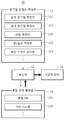
도 1은 본 발명의 일 실시 예에 따른 공기질 관리 시스템의 일 예를 설명하기 위한 블록도이다.
도 2는 본 발명의 실시 예에 따른 공기질 관리 시스템을 간략하게 도시한 구성도이다.
도 3은 본 발명의 실시 예에 따른 공기질 관리 방법을 간략하게 도시한 순서도이다.
도 4는 본 발명의 실시 예에 따른 공기질 관리 방법을 적용하는 공간을 간략하게 도시한 설명도이다.
도 5는 본 발명의 실시 예에 따른 행동 플랜 매트릭스를 간략하게 도시한 도면이다.
도 6은 도4의 측정지수 및 행동 플랜에 대한 구체적인 예를 간략하게 도시한 도면이다.1 is a block diagram for explaining an example of an air quality management system according to an embodiment of the present invention.
2 is a schematic view illustrating an air quality management system according to an embodiment of the present invention.
3 is a flowchart briefly showing an air quality management method according to an embodiment of the present invention.
4 is an explanatory view briefly showing a space to which the air quality management method according to the embodiment of the present invention is applied.
Figure 5 is a simplified diagram of a behavior plan matrix according to an embodiment of the present invention.
Figure 6 is a simplified illustration of a concrete example of the measurement index and behavior plan of Figure 4;
이하, 본 발명의 일부 실시 예들을 예시적인 도면을 통해 상세하게 설명한다. 각 도면의 구성요소들에 참조부호를 부가함에 있어서, 동일한 구성요소들에 대해서는 비록 다른 도면 상에 표시되더라도 가능한 한 동일한 부호를 가지도록 하고 있음에 유의해야 한다. 또한, 본 발명의 실시 예를 설명함에 있어, 관련된 공지 구성 또는 기능에 대한 구체적인 설명이 본 발명의 실시 예에 대한 이해를 방해한다고 판단되는 경우에는 그 상세한 설명은 생략한다.Hereinafter, some embodiments of the present invention will be described in detail with reference to exemplary drawings. It should be noted that, in adding reference numerals to the constituent elements of the drawings, the same constituent elements are denoted by the same reference symbols as possible even if they are shown in different drawings. In the following description of the embodiments of the present invention, a detailed description of known functions and configurations incorporated herein will be omitted when it may make the difference that the embodiments of the present invention are not conclusive.
또한, 본 발명의 실시 예의 구성 요소를 설명하는 데 있어서, 제1, 제2, A, B, (a), (b) 등의 용어를 사용할 수 있다. 이러한 용어는 그 구성 요소를 다른 구성 요소와 구별하기 위한 것일 뿐, 그 용어에 의해 해당 구성 요소의 본질이나 차례 또는 순서 등이 한정되지 않는다. 어떤 구성 요소가 다른 구성요소에 "연결", "결합" 또는 "접속"된다고 기재된 경우, 그 구성 요소는 그 다른 구성요소에 직접적으로 연결되거나 접속될 수 있지만, 각 구성 요소 사이에 또 다른 구성 요소가 "연결", "결합" 또는 "접속"될 수도 있다고 이해되어야 할 것이다.In describing the components of the embodiment of the present invention, terms such as first, second, A, B, (a), and (b) may be used. These terms are intended to distinguish the constituent elements from other constituent elements, and the terms do not limit the nature, order or order of the constituent elements. When a component is described as being "connected", "coupled", or "connected" to another component, the component may be directly connected or connected to the other component, Quot; may be "connected," "coupled," or "connected. &Quot;
이하에서는 도 1 내지 도 6을 참고하여, 본 발명의 실시 예들에 따른 공기질 관리 시스템(10) 및 공기질 관리 방법에 대해서 설명한다. 참고적으로, 도 1은 본 발명의 일 실시 예에 따른 공기질 관리 시스템(10)의 일 예를 설명하기 위한 블록도이고, 도 2는 본 발명의 실시 예에 따른 공기질 관리 시스템(10)을 간략하게 도시한 구성도이다. 도 3은 본 발명의 실시 예에 따른 공기질 관리 방법을 간략하게 도시한 순서도이고, 도 4는 본 발명의 실시 예에 따른 공기질 관리 방법을 적용하는 공간을 간략하게 도시한 설명도이고, 도 5는 본 발명의 실시 예에 따른 행동 플랜 매트릭스를 간략하게 도시한 도면이고, 도 6은 도4의 측정지수 및 행동 플랜에 대한 구체적인 예를 간략하게 도시한 도면이다.Hereinafter, an air
도면을 참조하면, 지수화를 통한 공기질 관리 시스템(10)은, 실내 및 실외 공기질의 오염도를 측정하고 이를 지수화하여 사용자 장치(14)를 동작시키고 사용자에게 알려줄 수 있도록 구성된다.Referring to the drawings, the air
공기질 관리 시스템(10)은 공기질 오염도를 측정하는 공기질 오염도 측정부(11)와 공기질 오염도 측정부(11)에서 측정된 결과를 통합 관리하고 지수화하여 사용자 또는 사용자 장치(14)에 제공하기 위한 통합 관제 플랫폼(13) 및 공기질 오염도 측정부(11)에서 측정된 결과를 통합 관제 플랫폼(13)에 송수신하기 위한 통신부(12)를 포함하여 구성된다.The air
공기질 오염도 측정부(11)는 공기질을 측정하기 위한 각종 센서를 포함한다. 상세하게는, 공기질 오염도 측정부(11)는 사용자가 거주하는 거주 공간 등을 포함하는 대상 실내의 각종 오염물질의 농도를 측정하는 센서를 포함할 뿐만 아니라, 사용자가 거주하는 대상 지역의 공기질을 측정 및 반영할 수 있도록 실외의 공기질 오염도를 측정하는 센서도 포함한다. 공기질 오염도 측정부(11)는, 사용자가 위치하는 지역에서 실외의 공기질의 오염도를 측정하는 실외 공기질 측정부(111)와 사용자가 위치하는 실내의 공기 중에 존재하는 오염물질의 여부 또는 농도를 측정하는 실내 공기질 측정부(112)와, 라돈 농도를 측정하는 라돈 측정부(113) 및 온/습도를 측정하는 온/습도 측정부(114)를 포함한다. 그러나 본 발명이 이에 한정되는 것은 아니며, 공기질 또는 공기의 오염을 측정하는 다양한 센서를 포함할 수 있다.The air pollution
실외 공기질 측정부(111)는 사용자가 위치하는 지역의 미세먼지 농도를 포함하며, 비교적 넓은 지역에서 측정된 데이터를 포함하며, 복수의 위치에서 측정된다. 또한, 실외 공기질 측정부(111)는 직접적으로 대기의 오염도를 측정하는 센서일 수 있으나, 본 실시예에서는 국가대기오염정보관리시스템(NAMIS)에서 제공되는 데이터를 포함할 수 있다. 여기서, 국가대기오염정보관리시스템(NAMIS)은 전국에 위치하는 측정소에서 아황산가스, 일산화탄소, 이산화질소, 오존, 미세먼지 등의 대기오염도 자료를 수집·관리한다. 실외 공기질 측정부(111)는 이와 같이 국가대기오염정보관리시스템에서 측정 및 제공되는 대기오염 측정망 관련 인프라를 이용할 수 있다. 또한, 실외 공기질 측정부(111)는 전국 89개 시/군에 설치된 289개의 도시대기 측정망, 도로변대기 측정망, 국가배경 측정망, 교외대기 측정망에서 측정된 5개 대기환경기준물질의 측정 자료를 다양한 형태로 표출하여 국민들에게 실시간으로 제공하는 에어 코리아의 자료를 이용할 수 있다. 또한, 실외 공기질 측정부(111)는 기상청에서 운영하는 황사경보제와 지자체에서 운영하는 오존경보제 등의 자료도 이용할 수 있다. 이와 같이, 실외 공기질 측정부(111)는 국가대기오염정보관리시스템, 에어 코리아, 기상청, 지자체 등에서 제공되는 각종 대기오염 관련 자료를 수집하고, 후술하는 통합 관제 플랫폼(13)에 전송하게 된다.The outdoor air
한편, 실내 공기 중에는 각종 실내 건축자재로부터 발생되는 라돈이나, 발암성 물질인 포름알데히드(HCHO), 톨루엔, 벤젠, 아세톤 등의 각종 휘발성 유기 화합물(VOCs)을 포함하고, 석면에서 발생되는 이산화질소 등의 오염물질이나, 주방에서 음식을 조리할 때 사용되는 가스의 발화나 인체의 호흡 과정에서 발생되는 이산화탄소(CO2), 분진, 담배연기, 냄새와 각종 생활 용품에서의 미생물성 물질(대장균, 녹농균, 0-157, 살모넬라)과 휘발성 유기 오염물질, 기타 악취, 소음, 방사선 등의 오염물질이 포함될 수 있다. 그리고 실내 공기질 측정부(112)는 이와 같이 다양한 오염물질의 존재 여부 또는 농도를 측정할 수 있는 하나 또는 복수의 센서를 포함할 수 있다.On the other hand, indoor air contains various volatile organic compounds (VOCs) such as formaldehyde (HCHO), toluene, benzene, acetone and the like, which are generated from various indoor building materials, and nitrogen dioxide (CO2), dust, cigarette smoke, odors and microbial substances (Escherichia coli, Pseudomonas aeruginosa, and other microorganisms) in various household goods, which are generated from the pollutants or the gas used for cooking food in the kitchen or the respiration process of the human body -157, Salmonella) and pollutants such as volatile organic pollutants and other odors, noise, and radiation. The indoor air
또한, 공기질 오염도 측정부(11)는 오염물질뿐만 아니라, 비래해충, 보행해충 등의 각종 해충이나 쥐와 같은 유해생물을 감지하는 해충 오염도 감지부(115)를 포함할 수 있다. 예를 들어, 해충 오염도 감지부(115)는 실내 공간 내에서 해충의 존재 여부 또는 별도로 구비되는 해충포획장치 등에 포획되는 해충의 여부를 감지할 수 있다. 또한, 해충 오염도는 측정된 해충에 대한 정보뿐만 아니라, 이전에 해충이 발생 여부에 대한 정보, 해충이 발생할 수 있는 환경과 관련된 발생 정보 등을 더 포함할 수 있다. 그러나 본 발명이 이에 한정되는 것은 아니며, 해충 오염도 감지부(115)는 해충을 직접 또는 간접적으로 감지할 수 있는 다양한 수단들을 포함할 수 있다.The air pollution
여기서, 공기질 오염도 측정부(11) 중 실내의 오염도를 측정하는 측정부(112, 113, 114, 115)들은 사용자 장치(14)에 구비되거나, 사용자 장치(14)와 별도로 실내 공간에 하나 또는 복수의 위치에 구비될 수 있다. 공기질 오염도 측정부(11)가 사용자 장치(14)와 별도로 구비되는 경우, 공기질 오염도 측정부(11)는 사용자 장치(14)와 통신이 가능하도록 구성되거나, 통합 관제 플랫폼(13)과 직접 통신이 가능하도록 구성되는 것도 가능하다. 즉, 공기질 오염도 측정부(11)에서 측정된 결과는 통신부(12)를 통해 통합 관제 플랫폼(13)에 직접 데이터를 송신하거나, 사용자 장치(14)에 데이터를 송신한 후 사용자 장치(14)를 통해 통합 관제 플랫폼(13)에 데이터를 송신할 수 있다.The
통신부(12)는 통합 관제 플랫폼(13)과 통신이 가능한 통신 모듈과 통신망을 포함하며, 공기질 오염도 측정부(11)에서 측정된 결과를 통합 관제 플랫폼(13)으로 송신한다. 통신부(12)는, 후술하는 사용자 장치(14)에 구비되거나 실내 중 어느 일측에 구비될 수 있다. 또한, 통신부(12)는 통합 관제 플랫폼(13)에서 사용자 장치(14)의 동작을 제어하기 위한 신호를 사용자 장치(14)에 송신하는 역할도 한다. 예를 들어, 통신부(12)는 스마트폰이나 개인 PC 등과 연동될 수 있다.The
사용자 장치(14)는 사용자의 거주 공간 등에 구비되며, 실내 공기의 정화를 위한 공기정화기 등을 포함하는 환기장치나, 해충을 제거하기 위한 해충 제거 장치를 포함한다. 또는, 사용자 장치(14)에는 통합 관제 플랫폼(13)에서 결과를 표시하는 이동통신 단말기 등을 포함할 수 있다. 사용자 장치(14)는 환기장치 단독이거나, 환기장치에 해충 제거 장치가 통합 또는 별도로 구비될 수 있다. 또한, 사용자 장치(14)는 블루투스 등의 통신 모듈(미도시)이 구비되어서, 통신부(12)를 통해 통합 관제 플랫폼(13)과 통신이 가능하게 구성된다. 그리고 사용자 장치(14)는 공기질, 해충 오염도의 오염도 정보뿐만 아니라, 외부 환경 정보, 실내 환경 정보 등의 환경 정보와, 공기 정화 또는 해충 정화 진행 과정 등의 소정 진행 과정 정보, 지수화를 통해 도출된 사용자 행동 플랜 등의 다양한 정보들을 모두 디스플레이 할 수 있도록 구성된다. 또한, 사용자 장치(14)는 알림이 필요한 경우에는 소정의 알림 또는 경보를 발생시킬 수도 있다.The
또한, 사용자 장치(14)에서 측정된 실내 오염도 데이터는 통신부(12)를 통해 통합 관제 플랫폼(13)으로 송신되고, 통합 관제 플랫폼(13)에서 사용자 장치(14)의 동작 제어를 위한 신호가 통신부(12)를 통해 수신된다. 여기서, 사용자 장치(14)는 사용자가 직접 동작을 조작할 수 있다. 또는, 사용자 장치(14)는 원격지에서 동작을 조작할 수 있으며, 동작의 조작은 사용자의 스마트폰이나 PC 등을 통해서 동작 제어가 가능하거나, 통합 관제 플랫폼(13)에서 동작 제어가 이루어질 수 있다.The indoor pollution degree data measured by the
또한, 사용자 장치(14)는 실내 공기와 실외 공기를 교환하는 환기 동작과, 실내 공기를 정화시키는 청정 동작이 수행된다. 예를 들어, 사용자 장치(14)는 실외 공기보다 실내 공기의 라돈 농도가 높아서 실외 공기의 실내 유입이 필요할 때, 실내 공기를 실외로 배출시키는 동시에 실외의 공기를 실내로 공급하게 된다. 또는, 또는, 실내 공기를 실외로 배출시키지 않고 실외 공기를 실내로 공급하도록 작동하는 것도 가능하다. 또한, 실내외 공기 유출입이 차단되고, 실내 공기를 순환 및 청정시키도록 작동하는 것도 가능하다.In addition, the
이와 같은 사용자 장치(14)의 동작은 실내의 라돈 농도에 기초하여 이루어지며, 더불어, 실내와 실외 공기질의 오염도에 의해서도 서로 다르게 이루어진다.The operation of the
통합 관제 플랫폼(13)은 공기질 오염도 측정부(11)에서 측정된 결과 데이터를 원격지에서 수신하고, 이를 저장 관리하는 통합 DB(131)와 서버 시스템(132)을 포함하여 구성된다. 그러나 본 실시 예에서는 통합 관제 플랫폼(13)을 통해서 원격지에서 공기질 오염도 측정부(11)로부터 데이터를 송수신하고 관리하는 것으로 예시하였으나, 하나의 장치에서 오염도 측정 및 분석과 지수화 분석이 수행되는 것도 가능하다.The
사용자가 거주하는 실내 공간의 종류, 예를 들어, 욕실, 침실, 방, 주방, 거실 및 창고 등의 각 공간마다 공기질이 다르고, 각 공간에서의 공기질 관리 방법이 달라진다. 또한, 같은 공간에 대해서도 재실자 유무 또는 재실자 수에 따라 공기질이 달라지며, 그에 따른 관리 방법 역시 달라져야 한다. 더불어, 같은 공간에 대해서 시간별로, 계절별로, 외부 날씨에 따라서도 공기질이 다르며, 이에 따른 공기질의 관리 방법이 달라져야 한다. 따라서, 공간의 종류와 크기, 재실자의 유무와 재실자 수, 시간, 계절, 날씨의 다양한 요인들을 고려하여 각각의 요인에 따라 차등화하여 공기질을 관리하고 운영체계를 구축하는 것이 필요하다. 또한, 단순히 실내에서 측정된 공기질만을 고려하는 것이 아니라 실외 공기질 및 라돈 농도도 고려하여 공기질의 관리가 이루어진다. 예를 들어, 실외 공기질이 일정 수준 이상으로 나쁜 경우에는 실내 공기질이 양호하다고 하더라도, 실외 공기의 유입을 차단하기 위해서 환기장치가 작동될 수 있다. 또는, 실외 공기질이 실내 공기질보다 나쁘거나 일정 수준 이상으로 나쁜 경우에는 실내외 공기의 교환을 차단시킬 수 있다. 그리고 실내 라돈 농도가 높은 경우에는 실내/실외 공기질 수치에 우선하여 환기를 수행하도록 하는 것도 가능하다.The air quality of each space such as a bathroom, a bedroom, a room, a kitchen, a living room, and a warehouse varies depending on the type of indoor space in which the user lives, and the air quality management method in each space is changed. Also, the air quality of the same space varies depending on the presence or absence of occupants or the number of occupants, and the management method should be changed accordingly. In addition, the air quality varies with time, season, and outside weather for the same space, and air quality management methods should be changed accordingly. Therefore, it is necessary to manage the air quality and construct the operating system by differentiating according to various factors considering various factors such as the type and size of the space, the presence or absence of occupants, the number of occupants, time, season and weather. In addition, air quality is managed by considering outdoor air quality and radon concentration, not merely considering indoor air quality. For example, if the outdoor air quality is worse than a certain level, the ventilation device can be operated to block the inflow of outdoor air even if the indoor air quality is good. Alternatively, when the outdoor air quality is worse than the indoor air quality or is worse than a certain level, it is possible to shut off the indoor air exchange. If the indoor radon concentration is high, it is also possible to perform the ventilation in preference to the indoor / outdoor air quality values.
통합 관제 플랫폼(14)은 이와 같이 공간, 시간, 계절 등의 다양한 요인을 고려하여 해당 요인에 대한 데이터를 이용하여 측정된 오염도에 대해서 소정의 가중치를 부여하는 지수화를 처리하고, 그에 따라 각각의 등급을 분류하며, 분류된 등급에 따라 공기질을 관리하게 된다. 그리고, 사용자 장치(14)에서는 통합 관제 플랫폼(13)에서 지수화 처리된 결과 및 행동 플랜에 따라 각 공간에 대해서 공기질을 관리한다. 통합 관제 플랫폼(13)은 공기질 오염도 측정부(11)에서 측정된 데이터를 지수화하여 행동 플랜을 정의하고 처리하도록 구성된다. 또한, 통합 관제 플랫폼(13)은 사용자 장치(14)의 동작 개시 여부를 설정하고, 동작 지속 시간을 설정하여 동작시킬 수 있다. 또는, 통합 관제 플랫폼(13)은 사용자 장치(14)의 동작을 직접적으로 제어할 수 있으며, 또는, 사용자 장치(14) 중 단말기에 해당 정보를 송신하여 사용자로 하여금 사용자 장치(14)를 동작시키도록 정보만을 제공하는 역할을 할 수 있다.The
또한, 통합 관제 플랫폼(13)는 라돈 농도에 기초하여 복수 개의 작동 모드로서 사용자 장치(14)를 작동시킬 수 있다.In addition, the
예를 들어, 실외 공기보다 실내 공기의 라돈 농도가 높아서 실외 공기의 실내 유입이 필요할 때, 실내 공기를 실외로 배출시키는 동시에 실외의 공기를 실내로 공급하는 제1 모드로 작동할 수 있다.For example, when indoor air is required to be introduced into the room because the radon concentration of the indoor air is higher than the outdoor air, it is possible to operate the first mode in which the indoor air is discharged to the outside and the outdoor air is supplied to the room.
또는, 실내 공기를 실외로 배출시키지 않고 실외 공기를 실내로 공급하는 제2 모드로 작동할 수 있다. 이 경우, 제 2모드는 실외 공기를 내부로 공급함으로써 실내 공기압을 높여 라돈 농도를 낮출 수 있다. 그리고 실내에 양압을 가함으로써 벽 틈새 등을 통하여 라돈이 실내로 유입되는 것을 방지할 수 있다.Alternatively, it is possible to operate in the second mode in which outdoor air is supplied to the indoor without discharging indoor air to the outdoor. In this case, the second mode can reduce the radon concentration by increasing the indoor air pressure by supplying outdoor air to the interior. By applying a positive pressure to the room, it is possible to prevent the radon from entering the room through a wall gap or the like.
그리고, 실내외 공기 유출입이 차단되고, 실내 공기를 순환시키는 제3 모드로 작동할 수 있다. 이 경우, 제3 모드에서는 실내 라돈 농도가 충분히 낮아졌을 때 사용될 수 있다. 또한, 제 3모드에서는 실내 공기가 유지되고, 실내 공기의 라돈, 미세분진, VOC 등을 정화시킬 수 있다.In addition, indoor / outdoor air flow is blocked, and the indoor air can be circulated. In this case, the third mode can be used when the indoor radon concentration is sufficiently low. In the third mode, indoor air is maintained, and the radon, fine dust, VOC, etc. of the indoor air can be purified.
그러나 본 발명이 이에 한정되는 것은 아니며, 이상에서 설명한 작동 모드는 예시적인 것으로서, 공기질 관리 시스템(10)은 추가적인 모드를 포함하거나, 예시된 모드 중 일부 모드만으로 작동될 수도 있다. 그리고 복수의 실내 공간에 대해서 상술한 모드가 서로 다르게 적용되는 것도 가능하다.However, the present invention is not limited thereto, and the operation modes described above are illustrative, and the air
공기질 관리 시스템(10)은, 공기질 오염도 측정부(11)에서 측정된 데이터나 평가자의 평가를 통해 구현된 측정 데이터로 구성된 측정지수부(100), 측정 데이터에 대한 지수화를 수행하며, 이에 지수화에 따른 구체적 행동 플랜을 정의하는 관리지수부(200) 및 행동 플랜에 따라 수행된 환경 개선 활동을 등급 혹은 지수로 평가하는 쾌적지수부(300)를 포함한다. 여기서, 쾌적지수부(300)에 의한 평가된 결과에 따라 행동 플랜이 수행된 후, 다시 측정지수부(100)에서 측정된 결과 값을 이용하여 관리지수부(200)에서 행동 플랜이 재설정되는 것을 특징으로 한다.The air
측정지수부(100)는 공기질 오염도 측정부(11)에서 직접 측정된 결과 또는 실외 공기질 측정부(111)와 같이 외부에서 제공되는 자료를 이용하여 측정 데이터를 형성할 수 있다. 또한, 측정지수부(100)는 측정된 결과뿐만 아니라 사용자의 평가에 의한 입력값 역시 측정 데이터에 포함될 수 있다. 예를 들어, 측정지수는 실외 공간의 미세먼지 농도나, 아황산가스, 일산화탄소, 이산화질소, 오존 등의 대기오염도 자료와, 실내 공기 중에 존재하는 라돈이나, 발암성 물질인 포름알데히드(HCHO), 톨루엔, 벤젠, 아세톤 등의 각종 휘발성 유기 화합물(VOCs), 석면에서 발생되는 이산화질소 등의 오염물질이나, 주방에서 음식을 조리할 때 사용되는 가스의 발화나 인체의 호흡 과정에서 발생되는 이산화탄소(CO2), 분진, 담배연기, 냄새와 각종 생활 용품에서의 미생물성 물질(대장균, 녹농균, 0-157, 살모넬라)과 휘발성 유기 오염물질, 기타 악취, 소음, 방사선 등의 실내 오염물질의 농도나, 실내 공간 내에서 해충의 존재 여부 또는 별도로 구비되는 해충포획장치 등에 포획되는 해충의 여부 등의 정보를 포함한다.The
여기서, 측정지수부(100)는 공간의 종류와 크기를 반영할 수 있도록 복수의 공간에 대한 측정지수를 생성한다. 또한, 각각의 공간별로 측정된 측정지수에 대한 기준은 공간별로 동기화 되며, 각각의 공간별 기준에 따라 다른 기준을 적용할 수 있다. 예를 들어, 침실이나 창고의 청결도는 서로 다르게 요구된다. 청결도를 높게 요구하는 공간의 경우 측정지수가 높게 설정되며, 청결도를 낮게 요구하는 공간의 경우 측정지수가 낮게 설정될 수 있다. 따라서, 각각의 공간별 측정지수는 각각의 공간이 사용되는 목적이나 조건에 따라 동기화될 수 있다.Here, the
관리지수부(200)는 측정지수부(100)에서 측정한 측정 데이터를 통해 지수화를 수행하며, 이러한 측정 데이터를 DB화시키며, 지수화에 따른 측정지수별 행동 플랜을 정의할 수 있다. 또한, 관리지수부(200)는 측정지수부(100)에서 측정된 복수의 측정지수에 대응되도록 복수의 행동 플랜을 갖는 매트릭스를 생성할 수 있다. 예를 들면, 2개의 측정지수에 따른 행동 플랜 매트릭스를 형성하며, 매트릭스에 따른 행동 플랜을 정의하고, 행동 플랜에 따른 행동을 수행할 수 있다. 여기서, 측정지수는 2개로 한정하는 것이 아니며, 그 이상의 복수개가 측정지수로 결정될 수 있으며, 각각의 측정지수에 따른 다양한 행동 플랜이 정의될 수 있다. 또한, 이러한 행동 플랜은 공간별 목적 또는 조건에 따라 복수의 행동 플랜이 적용될 수 있다.The
행동 플랜은 공기 중의 오염물질을 정화하는 행동 플랜, 해충을 포획하는 행동 플랜, 공기질의 허용기준치에 이하로 낮추는 행동 플랜 또는 해충박멸기를 통한 해충 퇴치 행동 플랜 등 다양한 행동 플랜으로 구성될 수 있다.A behavior plan can consist of a variety of action plans, including an action plan to clean up pollutants in the air, an action plan to capture insects, an action plan to lower the air quality to an acceptable level, or an insect repellent action plan through a pest eradicator.
쾌적지수부(300)는 관리지수부(200)에서 정의된 행동 플랜에 따라 수행된 환경 개선 활동을 등급 또는 지수로 평가할 수 있다. 예를 들면, 쾌적지수부(300)는 공간 내에 측정지수에 따라 정의된 행동 플랜을 수행하고, 행동 플랜이 수행된 후 해당 공간 내의 환경 개선 결과를 등급 또는 지수로 평가하며, 해당 평가에 따른 지표를 생성할 수 있다. 또한, 쾌적지수부(300)는 빨래지수나 외출지수, 황사경보 등을 포함하는 생활패턴과 관련된 사항들을 표시하여 준다.The
또한, 쾌적지수부(300)는 평가에 따른 피드백을 수행하며, 피드백이 되는 평가 기준은 각각의 공간별 목적 또는 조건에 따라 다른 평가 기준이 적용될 수 있다. 또한, 쾌적지수부(300)에서 평가된 결과에 의해 피드백이 결정되면, 측정지수부(100)에서 센서 또는 평가자에 의해 재측정이 이루어지며, 측정된 결과데이터를 이용하여, 관리지수부(200)에서 다시 지수화 및 지수화에 따른 행동 플랜을 재정의하여, 행동 플랜에 따라 환경 개선을 수행한다. 따라서, 쾌적지수부(300)에서 재평가를 수행하고, 평가에 따라 다시 피드백을 수행하거나 환경 개선 수행을 종료할 수 있다.In addition, the
한편, 도 3 내지 도 6을 참고하여, 본 발명의 실시 예들에 따른 지수화를 통한 공기질 관리 방법에 대해서 자세히 설명한다.3 to 6, a method of managing air quality through indexing according to embodiments of the present invention will be described in detail.
도면을 참고하면, 지수화를 통한 공기질 관리 방법은 공기질 오염도 측정부(11)에서 측정된 다양한 데이터나 사용자의 평가를 통해 입력된 입력값 및 공간의 종류와 크기, 재실자의 유무와 재실자수, 시간, 계절, 날씨 등을 포함하는 환경요인으로 구성된 측정지수(an, bn, cn, dn, …)를 생성하는 단계(S10), 측정지수를 통해 지수화를 수행하며 이에 따른 구체적 행동 플랜(Pnn)을 정의하는 관리지수를 생성하는 단계(S20) 및 관리지수 생성 단계에서 결정된 행동 플랜(Pnn)에 따라 수행된 환경 개선 활동을 등급 혹은 지수로 평가하는 쾌적지수를 생성하는 단계(S20)를 포함한다. 여기서, 쾌적지수를 생성하는 단계(S20)에 의한 평가된 결과에 의하여 관리지수에서 결정된 행동 플랜이 수행된 후 측정지수(an, bn, cn, dn, …)를 다시 생성하고(S10), 다시 생성된 측정지수(an, bn, cn, dn, …)의 결과값을 이용하여 관리지수를 다시 재설정하도록(S20) 피드백 구성이 될 수 있다.Referring to the drawings, the method for managing air quality through indexing includes various data measured by the air pollution
예를 들면, 도 4에는 4개의 공간(R1, R2, R3, R4)이 도시되어 있으며, 각 공간(R1, R2, R3, R4)은 서로 다른 목적 또는 조건에 의해 다른 청결도를 요구하며, 청결도를 유지하기 위해 지수화에 따른 환경 개선 방법이 적용될 수 있다. 특히, 구역은 제1~4 공간(R1, R2, R3, R4)을 형성하며, 제1 공간(R1)은 최상의 청결도를 요구하며, 제4 공간(R4)으로 갈수록 점점 청결도가 떨어지며, 제4 공간(R4)은 최하의 청결도를 요구할 수 있다. 구체적으로, 측정지수(an, bn, cn, dn, …)를 생성하는 단계(S10)는 제1~4 공간(R1, R2, R3, R4)에 각각 공기질 오염도 측정부(11) 또는 평가자가 구비되며, 각각의 공간(R1, R2, R3, R4)은 공기질 오염도 측정부(11) 또는 평가자에 의해 측정되어 측정 데이터를 생성할 수 있다. 따라서, 각각의 공간(R1, R2, R3, R4)은 서로 다른 측정 데이터를 생성할 수 있으며, 각각의 공간(R1, R2, R3, R4)을 서로 다른 기준치에 의해 측정 데이터가 독립적으로 동기화 될 수 있다. 또한, 공기질 오염도 측정부(11)는 각 공간(R1, R2, R3, R4)에 하나 또는 복수개가 구비될 수 있다. 또한, 각 공간(R1, R2, R3, R4)에는 공기질 오염도 측정부(11), 즉, 실외 공기질 측정부(111), 실내 공기질 측정부(112), 라돈 측정부(113), 온/습도 측정부(114) 및 해충 오염도 감지부(115) 중 하나 또는 복수개가 구비될 수 있다.For example, four spaces R1, R2, R3 and R4 are shown in FIG. 4, and the spaces R1, R2, R3 and R4 require different degrees of cleanliness for different purposes or conditions, An environmental improvement method based on indexing can be applied. Particularly, the zone forms the first to fourth spaces R1, R2, R3, R4, the first space R1 requires the highest degree of cleanliness, the cleanliness gradually decreases toward the fourth space R4, The space R4 may require the lowest cleanliness. Specifically, the step S10 of generating the measurement indices an, bn, cn, dn, ... is performed by the air pollution
또한, 제1 공간, 제2 공간, 제3 공간 또는 제4 공간(R1, R2, R3, R4)에서 여러 구역으로 세분화 하여, 측정 또는 평가할 수 있으며, 세분화된 구역에 대해서 측정 데이터를 수집할 수 있다. 또한, 수집된 데이터는 지수화를 통해 측정지수(an, bn, cn, dn, …)를 나타내며, 측정지수(an, bn, cn, dn, …)는 측정대상에 따라 복수 개로 정의될 수 있다.It is also possible to subdivide into several zones in the first space, the second space, the third space or the fourth space R1, R2, R3, R4 and measure or evaluate them, have. In addition, the collected data represents the measurement indexes (an, bn, cn, dn, ...) through indexing and the measurement indexes (an, bn, cn, dn, ...)
측정지수(an, bn, cn, dn, …)를 생성하는 단계(S10)에서는 공기질 오염도 측정부(11) 혹은 평가자에 의해 공기질을 측정 또는 평가하는 것을 특징으로 하며, 공기질은 라돈 농도와 이산화탄소 등의 오염물질의 농도에 의해 결정될 수 있다. 또한, 측정지수(an, bn, cn, dn, …)를 생성하는 단계(S10)에서 공기질 오염도 측정부(11) 또는 평가자에 의해 감지 또는 포획되는 해충의 수를 반영할 수 있다. 예를 들어, 공간(R1, R2, R3, R4) 내부에서 모기, 파리, 바퀴벌레나 쥐 등과 같은 해충이 감지되거나 포획되는 개체수나 회수가 측정지수에 포함될 수 있다.The air quality is measured or evaluated by the air pollution
측정지수(an, bn, cn, dn, …)를 생성하는 단계(S10)에서는 복수개의 측정 데이터가 생성되며, 관리지수 단계에서 복수의 측정 데이터를 지수화하며, 지수화에 대응되도록 복수의 행동 플랜(Pnn)을 갖는 매트릭스 형태를 형성할 수 있다.A plurality of measurement data are generated in step S10 of generating the measurement indices an, bn, cn, dn, ..., a plurality of measurement data are indexed in the management index step, RTI ID = 0.0 > Pnn. ≪ / RTI >
관리지수를 생성하는 단계(S20)에서는 전 단계인 측정지수(an, bn, cn, dn, …)를 생성하는 단계(S10)에서 측정된 데이터를 기반으로 지수화를 수행하며, 지수화에 따른 행동 플랜(Pnn)을 정의할 수 있다. 예를 들면, 제1 공간 내지 제4 공간(R1, R2, R3, R4)에서 각각의 공간(R1, R2, R3, R4)에 센서 또는 평가자에 의해 측정 데이터가 생성되며, 측정 데이터를 통해 지수화를 하여 측정지수(an, bn, cn, dn, …)를 정의할 수 있다. 여기서, 정의된 측정지수(an, bn, cn, dn, …)는 각각의 공간(R1, R2, R3, R4) 내에 환경을 오염시키는 인자들에 따라, 복수 개로 정의될 수 있다.In step S20 of generating the management index, indexing is performed based on the data measured in step S10 of generating measurement indexes (an, bn, cn, dn, ...) (Pnn) can be defined. For example, measurement data is generated by a sensor or an evaluator in each of the spaces R1, R2, R3, R4 in the first to fourth spaces R1, R2, R3, R4, (An, bn, cn, dn, ...) can be defined. Here, the defined measurement indices (an, bn, cn, dn, ...) can be defined as a plurality of, depending on the factors contaminating the environment in each of the spaces R1, R2, R3 and R4.
또한, 정의된 측정지수(an, bn, cn, dn, …)에 따라 행동 플랜(Pnn)을 정의하는데, 이를 매트릭스 형태로 작성하며, 공간(R1, R2, R3, R4) 상의 각각 다른 측정지수(an, bn, cn, dn, …)별로 다른 행동 플랜(Pnn)을 정의할 수 있다. 즉, 매트릭스에 의해 정의된 행동 플랜(Pnn)에 의해 관리지수를 구성할 수 있다.The behavior plan Pnn is defined in accordance with the defined measurement indexes (an, bn, cn, dn, ...) (Pnn) can be defined for each (an, bn, cn, dn, ...). That is, the management index can be configured by the behavior plan Pnn defined by the matrix.
여기서, 측정지수(an, bn, cn, dn, …)는 공간 내 공기질을 저해하는 요소인 휘발성 유기 화합물, 발암성 물질, 이산화탄소(CO2), 분진, 담배연기, 미생물성 물질 또는 유해물질 등의 실내 오염물질로 구성되거나, 실내의 라돈 농도 또는 실외의 대기오염 물질로 구성되거나, 공간 내 해충 여부 또는 개체수 등의 정보로 구성될 수 있다.In this case, the measurement indexes (an, bn, cn, dn, ...) are the volatile organic compounds, the carcinogenic substances, the carbon dioxide (CO 2), the dust, the tobacco smoke, the microbial substances or the harmful substances Indoor pollutants, indoor radon concentrations or outdoor air pollutants, or pest insects or populations.
또한, 행동 플랜(Pnn)은 공기 중의 오염물질을 정화하는 행동 플랜, 해충을 포획하는 행동 플랜, 공기질의 허용기준치에 이하로 낮추는 행동 플랜 또는 해충박멸기를 통한 해충 퇴치 행동 플랜 등 다양한 행동 플랜이 구성될 수 있다.In addition, the action plan (Pnn) is composed of various action plans such as behavior plan for purifying contaminants in the air, behavior plan for trapping pests, behavior plan for lowering the air quality to the allowable standard value or pest control action plan through insect extermination machine .
특히, 각각의 공간(R1, R2, R3, R4)의 목적 또는 조건에 따라 청결도의 기준이 각각 다르며, 이에 따라 측정지수(an, bn, cn, dn, …)를 정의하는 기준 역시 다르게 적용될 수 있다. 따라서, 각각의 공간(R1, R2, R3, R4)에 같은 측정지수(an, bn, cn, dn, …)가 정의되더라도 다른 행동 플랜이 적용될 수 있다.In particular, the criterion of cleanliness differs according to the purpose or condition of each of the spaces R1, R2, R3 and R4, and thus the criterion for defining the measurement indices an, bn, cn, dn, have. Therefore, even if the same measurement indices (an, bn, cn, dn, ...) are defined in each of the spaces R1, R2, R3 and R4, another behavior plan can be applied.
예를 들어, 실외 공기보다 실내 공기의 라돈 농도가 높아서 실외 공기의 실내 유입이 필요할 때, 실내 공기를 실외로 배출시키는 동시에 실외의 공기를 실내로 공급하는 제1 모드로 사용자 장치(14)를 작동할 수 있다. 또는, 실내의 라돈 농도가 높을 경우, 실내 공기를 실외로 배출시키지 않고 실외 공기를 실내로 공급함으로써 실내 공기압을 높여 라돈 농도를 낮추는 제2 모드로 사용자 장치(14)를 작동할 수 있다. 또는, 실내의 라돈 농도가 충분히 낮고, 실외 공기질이 나쁠 경우, 실내외 공기 유출입이 차단되고, 실내 공기를 순환시키는 제3 모드로 사용자 장치(14)가 작동될 수 있다. 그러나 본 발명이 이에 한정되는 것은 아니며, 이상에서 설명한 작동 모드는 예시적인 것으로서, 공기질 관리 시스템(10)은 추가적인 모드를 포함하거나, 예시된 모드 중 일부 모드만으로 작동될 수도 있다. 그리고 복수의 실내 공간에 대해서 상술한 모드가 서로 다르게 적용되는 것도 가능하다.For example, when indoor radiant air concentration is higher than outdoor air and outdoor air needs to be introduced indoors, the
쾌적지수를 생성하는 단계(S20)는 전 단계인 관리지수를 생성하는 단계(S20)에서 정의된 행동 플랜(Pnn)을 각각의 공간(R1, R2, R3, R4)에 적용한 후 결과를 평가하는 단계이며, 행동 플랜(Pnn)을 평가하여 등급 또는 지수를 구성할 수 있다.The comfort index generating step S20 includes applying the behavior plan Pnn defined in the step S20 of generating the management index as the previous step to each of the spaces R1, R2, R3 and R4 and evaluating the result , And the behavior plan (Pnn) can be evaluated to construct a rating or an exponent.
또한, 쾌적지수를 생성하는 단계(S20)에서는 평가 결과를 기반으로 평가 지표를 구성하며, 지표에 따라 각각의 공간(R1, R2, R3, R4) 상에 환경 개선이 미흡하거나 부족한 부분이 있는 경우 피드백을 수행할 수 있다. 여기서, 피드백을 수행할 경우, 측정지수(an, bn, cn, dn, …)를 생성하는 단계(S10)에서 센서 또는 평가자에 의해 재측정을 수행하며, 측정된 데이터를 통행 관리지수를 생성하는 단계(S20)에서 재지수화를 하여 새로운 행동 플랜(Pnn)을 정의하여 환경 개선이 미흡한 공간에 다시 행동 플랜(Pnn)을 수행하고 쾌적지수를 생성하는 단계(S20)에서 재평가를 수행하여 쾌적지수를 구성할 수 있다.In the step of generating the comfort index (S20), the evaluation index is formed based on the evaluation result. If the environment improvement is insufficient or insufficient in each of the spaces (R1, R2, R3, R4) Feedback can be performed. Here, when performing the feedback, the sensor or the evaluator performs the remeasurement in the step (S10) of generating the measurement indices (an, bn, cn, dn, In step S20, the new behavior plan Pnn is defined, and the behavior plan Pnn is again performed in a space in which the environment improvement is insufficient. In step S20, the comfort index is generated. Can be configured.
이와 같은 구성으로, 공기질 오염도에 대한 데이터를 지수화하고, 지수화된 오염도를 제공할 수 있다. 또한, 단순히 오염도를 측정하여 제공하는 모니터링에 그치지 않고, 측정된 오염도에 기초하여 이를 개선할 수 있는 행동 플랜까지 제공할 수 있다.With such a configuration, data on air pollution degree can be indexed and indexed pollution degree can be provided. In addition, it is possible to provide not only the monitoring that provides the measurement of the pollution degree but also the action plan that can improve the pollution degree based on the measured pollution degree.
한편, 상술한 실시 예에서는 공간을 4개의 공간(R1, R2, R3, R4)으로 분할한 것을 예로 들어 설명하였으나, 본 발명이 이에 한정되는 것은 아니며, 공간의 수는 실질적으로 다양하게 변경될 수 있다.In the above embodiment, the space is divided into four spaces R1, R2, R3, and R4. However, the present invention is not limited thereto, and the number of spaces may be changed in various ways. have.
또한, 본 실시 예들에 따르면, 공간별, 계절별, 시간별 등의 다양한 요인을 고려할 수 있도록 해당 요인에 따른 데이터를 이용하여 가중치를 부여하고 각각의 등급을 분류하며, 해당 분류된 등급에 맞도록 차등화하여 공기질을 관리할 수 있다. 또한, 센서에 의한 측정이나 평가, 외부에서 제공되는 자료에 의한 기초 데이터를 활용하여 보다 과학적으로 환경 개선을 위한 행동 플랜을 제공하여 환경 개선을 수행할 수 있다. 또한, 본 발명은 서비스를 제공받는 고객에게 객관화된 자료의 제시를 통해 보다 완전한 환경 개선 및 고객과의 커뮤니케이션을 수행할 수 있다. 또한, 환경 개선 활동을 수행한 것을 평가하고, 이를 바탕으로 피드백을 받아서 미흡한 부분에 대한 추가적인 개선활동을 수행할 수 있어서 보다 효과적이고 효율적인 지수화를 도출할 수 있다. 또한, 환경 진단작업부터 개선 작업 및 그 평가에 이르기까지 수치화된 객관적인 방법론을 제공함으로써, 환경 개선 작업자에게 지침을 줄 수 있으며, 서비스를 받는 고객이 납득할 수 있다. 또한, 원격지에서 다수의 공간에 대해서 오염도를 측정하고, 이를 지수화하여 분석 및 제공할 수 있다.In addition, according to the embodiments, weights are assigned using data according to the factors to be able to take into consideration various factors such as space, season, and time, and each class is classified and classified according to the classified class Air quality can be controlled. In addition, environmental improvement can be carried out by providing a behavior plan for scientific improvement of environment by measuring and evaluating by sensors, and using basic data based on data provided from outside. In addition, the present invention can provide more complete environmental improvement and communication with customers by presenting objectified data to customers who are provided with services. In addition, it is possible to evaluate the performance of the environment improvement activities, and to receive feedback based on the evaluation results, and to perform additional improvement activities on the deficient parts, thereby obtaining a more effective and efficient indexing. In addition, by providing numerical and objective methodology from environmental diagnosis work to improvement work and evaluation, it can give guidance to environmental improvement workers and can be understood by customers who receive service. In addition, the degree of contamination can be measured at a remote place, indexed and analyzed and provided.
이상과 같이 실시 예들이 비록 한정된 실시 예와 도면에 의해 설명되었으나, 해당 기술분야에서 통상의 지식을 가진 자라면 상기의 기재로부터 다양한 수정 및 변형이 가능하다. 예를 들어, 설명된 기술들이 설명된 방법과 다른 순서로 수행되거나, 및/또는 설명된 시스템, 구조, 장치, 회로 등의 구성요소들이 설명된 방법과 다른 형태로 결합 또는 조합되거나, 다른 구성요소 또는 균등물에 의하여 대치되거나 치환되더라도 적절한 결과가 달성될 수 있다.While the present invention has been particularly shown and described with reference to exemplary embodiments thereof, it is to be understood that the invention is not limited to the disclosed exemplary embodiments. For example, it is to be understood that the techniques described may be performed in a different order than the described methods, and / or that components of the described systems, structures, devices, circuits, Lt; / RTI > or equivalents, even if it is replaced or replaced.
그러므로, 다른 구현들, 다른 실시 예들 및 특허청구범위와 균등한 것들도 후술하는 특허청구범위의 범위에 속한다.Therefore, other implementations, other embodiments and equivalents to the claims are within the scope of the following claims.
10: 공기질 관리 시스템
11: 공기질 오염도 측정부
111: 실외 공기질 측정부
112: 실내 공기질 측정부
113: 라돈 측정부
114: 온/습도 측정부
115: 해충 오염도 감지부
12: 통신부
13: 통합 관제 플랫폼
131: 통합 DB
132: 서버 시스템
14: 사용자 장치
100: 측정지수부
200: 관리지수부
300: 쾌적지수부10: Air Quality Management System
11: air pollution degree measuring section
111: outdoor air quality measurement unit
112: indoor air quality measurement unit
113: Radon measuring section
114: temperature / humidity measuring unit
115: Pest pollution degree sensing unit
12:
13: Integrated Control Platform
131: Integrated DB
132: Server system
14: User device
100: Measurement index part
200: management index part
300: comfort index part
Claims (23)
상기 공기질 오염도 측정부에서 측정된 결과를 통합 관리하고 지수를 생성하는 통합 관리 플랫폼;
상기 실내에 구비되어 상기 통합 관리 플랫폼 또는 상기 사용자에 의해 동작이 제어되는 사용자 장치; 및
상기 공기질 오염도 측정부와 상기 통합 관리 플랫폼과 상기 사용자 장치 사이에서 통신하는 통신부;
를 포함하는 공기질 관리 시스템.
An air pollution degree measuring unit for measuring the outdoor air quality of the area where the user is located, the indoor air quality and the radon concentration of the subject indoor space;
An integrated management platform for integrally managing the results measured by the air pollution degree measuring unit and generating an index;
A user equipment provided in the room and controlled in operation by the integrated management platform or the user; And
A communication unit communicating between the air pollution degree measurement unit, the integrated management platform and the user device;
The air quality management system comprising:
상기 공기질 오염도 측정부는,
상기 사용자가 위치하는 지역에서 실외의 공기질의 오염도를 측정하는 실외 공기질 측정부;
상기 실내의 공기 중의 오염물질의 존재 여부 또는 오염물질의 농도를 측정하는 실내 공기질 측정부; 및
상기 실내의 라돈 농도를 측정하는 라돈 측정부;
를 포함하는 공기질 관리 시스템.
The method according to claim 1,
Wherein the air pollution degree measuring unit comprises:
An outdoor air quality measuring unit for measuring a pollution degree of outdoor air in an area where the user is located;
An indoor air quality measuring unit for measuring the presence or the concentration of contaminants in the air in the room; And
A radon measuring unit for measuring a radon concentration in the room;
The air quality management system comprising:
상기 라돈 측정부는 실시간 또는 일정 시간 간격으로 상기 실내의 라돈 농도를 측정하는 센서를 포함하는 공기질 관리 시스템.
3. The method of claim 2,
Wherein the radon measuring unit includes a sensor for measuring the radon concentration in the room at real time or at predetermined time intervals.
상기 통합 관리 플랫폼은 상기 라돈 측정부에서 측정된 결과에 따라 상기 사용자 장치의 동작을 직접 제어하거나, 상기 사용자에게 상기 사용자 장치의 동작 제어 정보를 제공하는 공기질 관리 시스템.
The method of claim 3,
Wherein the integrated management platform directly controls the operation of the user apparatus according to a result measured by the radon measuring unit or provides operation control information of the user apparatus to the user.
상기 실외 공기질 측정부는 실외 공기 중의 대기오염 물질의 농도를 측정하는 하나 이상의 센서, 국가대기오염정보관리시스템(NAMIS)에서 제공되는 데이터, 기상청 또는 지자체에서 제공되는 대기오염 관련 자료 중 어느 하나 또는 모두를 포함하는 공기질 관리 시스템.
3. The method of claim 2,
The outdoor air quality measurement unit may include one or more sensors for measuring the concentration of air pollutants in the outdoor air, data provided by the National Air Pollution Information Management System (NAMIS), air pollution related data provided by the Meteorological Agency or local governments Included air quality management system.
상기 공기질 오염도 측정부는 상기 실내의 온/습도를 측정하는 온/습도 측정부를 더 포함하는 공기질 관리 시스템.
3. The method of claim 2,
Wherein the air pollution degree measuring unit further comprises a temperature / humidity measuring unit for measuring the temperature / humidity of the room.
상기 공기질 오염도 측정부는 상기 실내의 해충의 여부 또는 해충의 개체수를 감지하는 해충 오염도 감지부를 더 포함하는 공기질 관리 시스템.
3. The method of claim 2,
Wherein the air pollution degree measuring unit further comprises a pest pollution degree detecting unit for detecting the presence of pests or the number of insects in the room.
상기 공기질 오염도 측정부는 상기 사용자 장치에 구비되거나 상기 실내에서 복수 위치에 구비되는 공기질 관리 시스템.
3. The method of claim 2,
Wherein the air pollution degree measuring unit is provided in the user device or at a plurality of locations in the room.
상기 실내는 복수의 공간으로 이루어지고,
상기 공기질 오염도 측정부는 상기 복수의 공간 각각에 하나 또는 복수개가 구비되는 공기질 관리 시스템.
9. The method of claim 8,
Wherein the room comprises a plurality of spaces,
Wherein the air pollution degree measuring unit includes one or a plurality of air quality pollution degree measuring units.
상기 통신부는,
상기 공기질 오염도 측정부에서 측정된 결과를 상기 통합 관제 플랫폼에 송신하거나 상기 사용자 장치에 송신하고,
상기 통합 관제 플랫폼에서 상기 사용자 장치로의 동작 제어 신호를 송신하거나, 상기 사용자에게 상기 사용자 장치의 동작 제어 정보를 송신하는 공기질 관리 시스템.
The method according to claim 1,
Wherein,
The air pollution degree measuring unit transmits the measurement result to the integrated control platform or transmits the result to the user equipment,
The integrated control platform transmits an operation control signal to the user device or transmits operation control information of the user device to the user.
상기 통합 관제 플랫폼은,
상기 공기질 오염도 측정부에서 측정된 데이터로 구성되는 측정지수를 생성하는 측정지수부;
상기 측정지수에 대해서 공간, 계절, 시간 중 어느 하나 이상의 데이터를 이용하여 가중치를 부여하고 등급을 분류하는 지수화를 수행하며, 상기 지수화에 따라 차등화된 구체적 행동 플랜을 정의하는 관리지수를 생성하는 관리지수부; 및
상기 관리지수에 따라 수행된 환경 개선 활동을 등급 혹은 지수로 평가하는 쾌적지수를 생성하는 쾌적지수부;
를 포함하는 공기질 관리 시스템.
The method according to claim 1,
The integrated control platform includes:
A measurement index unit for generating a measurement index composed of data measured by the air pollution degree measuring unit;
A management index for generating a management index that defines a concrete action plan that is differentiated according to the indexing; part; And
A comfort index unit for generating a comfort index for evaluating environmental improvement activities performed according to the management index in a grade or an index;
The air quality management system comprising:
상기 사용자 장치는 상기 측정지수, 상기 관리지수 및 상기 쾌적지수 중 적어도 하나 이상의 지수를 상기 사용자에게 제공하는 공기질 관리 시스템.
12. The method of claim 11,
Wherein the user device provides the user with an index of at least one of the measurement index, the management index, and the comfort index.
상기 관리지수부는, 상기 쾌적지수를 생성하는 단계에서 평가된 결과를 피드백 받아서 상기 측정지수부에서 적용되고, 이를 통해 상기 관리지수부에서 재설정되는 공기질 관리 시스템.
12. The method of claim 11,
Wherein the management exponent part is applied in the measurement exponent part by receiving feedback on the evaluation result in the comfort index generating step and is reset in the management exponent part through the measurement exponent part.
상기 측정지수부는 복수개의 측정 데이터가 생성되며, 상기 관리지수부에서 상기 복수의 측정데이터를 지수화하며, 상기 지수화에 대응되도록 복수의 행동 플랜을 갖는 매트릭스 형태인 공기질 관리 시스템.
12. The method of claim 11,
Wherein the measurement exponent part is in the form of a matrix in which a plurality of measurement data are generated and the management exponent part exponents the plurality of measurement data and has a plurality of behavior plans corresponding to the exponentiation.
상기 측정지수에 공간, 계절, 시간 중 어느 하나 이상의 데이터를 이용하여 가중치를 부여하고 등급을 분류하는 지수화를 수행하고, 상기 분류된 등급에 따라 차등화된 구체적 행동 플랜을 정의하는 관리지수를 생성하는 단계;
상기 관리지수 생성하는 단계에서 결정된 행동 플랜에 따라 수행된 환경 개선 활동을 등급 또는 지수로 평가하는 쾌적지수를 생성하는 단계; 및
상기 측정지수, 상기 관리지수 및 상기 쾌적지수 중 적어도 하나 이상의 지수를 사용자에게 제공하는 단계;
를 포함하고,
상기 관리지수는, 상기 쾌적지수를 생성하는 단계에서 평가된 결과를 피드백 받아서 상기 측정지수를 생성하는 단계에 적용하고, 이를 통해 상기 관리지수를 생성하는 단계에서 재설정되는 공기질 관리 방법.
Generating a measurement index of air pollution degree including pollution information on indoor and outdoor air quality and indoor radon concentration, which are composed of data measured by an air pollution degree measuring unit or data evaluated by a user;
Performing indexing to assign a weight to the measurement index using at least one of space, season, and time and classifying the grade, and generating a management index that defines a concrete action plan differentiated according to the classified grade ;
Generating a comfort index for evaluating the environment improvement activity performed according to the behavior plan determined in the generating the management index by a grade or an index; And
Providing the user with at least one index of the measurement index, the management index, and the comfort index;
Lt; / RTI >
Wherein the management index is reset in the step of generating the management index by applying the evaluation index to the step of generating the measurement index by receiving feedback on the evaluation result in the step of generating the comfort index.
상기 측정지수는,
상기 사용자가 위치하는 지역에서 실외 공기의 오염도를 포함하는 실외 공기질 정보와, 상기 실내의 공기 중의 오염물질의 존재 여부 또는 오염물질의 농도를 포함하는 실내 공기질 정보 및 상기 실내의 라돈 농도 정보를 포함하는 공기질 관리 방법.
16. The method of claim 15,
The measurement index,
The outdoor air quality information including the pollution degree of the outdoor air in the area where the user is located and the indoor air quality information including the presence or absence of the pollutant in the air or the concentration of the pollutant in the indoor air, Air quality management method.
상기 라돈 농도는 실시간 또는 일정 시간 간격으로 측정되는 공기질 관리 방법.
17. The method of claim 16,
Wherein the radon concentration is measured in real time or at predetermined time intervals.
상기 라돈 농도는 상기 실내의 적어도 하나 이상의 위치에서 측정되는 공기질 관리 방법.
17. The method of claim 16,
Wherein the radon concentration is measured at at least one or more locations in the room.
상기 실외 공기질 정보는 실외 공기 중의 대기오염 물질의 농도, 국가대기오염정보관리시스템(NAMIS)에서 제공되는 데이터, 기상청 또는 지자체에서 제공되는 대기오염 관련 자료 중 어느 하나 또는 모두를 포함하는 공기질 관리 방법.
17. The method of claim 16,
Wherein the outdoor air quality information includes one or both of the concentration of air pollutants in the outdoor air, data provided by the national air pollution information management system (NAMIS), data provided by the meteorological office or local governments, or both.
상기 실내는 복수의 공간으로 이루어지고, 상기 측정지수는 상기 복수의 공간 각각에서 하나 또는 복수의 위치에서 측정되는 공기질 관리 방법.
17. The method of claim 16,
Wherein the room comprises a plurality of spaces and the measurement index is measured at one or a plurality of locations in each of the plurality of spaces.
상기 측정지수는, 해충에 대한 정보를 포함하는 해충 오염도를 더 포함하는 공기질 관리 방법.
17. The method of claim 16,
Wherein said measurement index further comprises insect pest contamination including information on pests.
상기 측정지수는 측정부는 상기 실내의 온/습도를 더 포함하는 공기질 관리 방법.
17. The method of claim 16,
Wherein the measurement index further includes a temperature / humidity of the room.
상기 측정지수를 생성하는 단계에서 복수개의 측정 데이터가 생성되며, 상기 관리지수 단계에서 상기 복수의 측정데이터를 지수화하며, 상기 지수화에 대응되도록 복수의 행동 플랜을 갖는 매트릭스 형태인 공기질 관리 방법.16. The method of claim 15,
Wherein the plurality of measurement data is generated in the step of generating the measurement index, and the matrix is in the form of a matrix having a plurality of action plans corresponding to the indexing, in the management index step.
Priority Applications (1)
| Application Number | Priority Date | Filing Date | Title |
|---|---|---|---|
| KR1020150187874A KR20170077696A (en) | 2015-12-28 | 2015-12-28 | System and method for management of air quality |
Applications Claiming Priority (1)
| Application Number | Priority Date | Filing Date | Title |
|---|---|---|---|
| KR1020150187874A KR20170077696A (en) | 2015-12-28 | 2015-12-28 | System and method for management of air quality |
Publications (1)
| Publication Number | Publication Date |
|---|---|
| KR20170077696A true KR20170077696A (en) | 2017-07-06 |
Family
ID=59354489
Family Applications (1)
| Application Number | Title | Priority Date | Filing Date |
|---|---|---|---|
| KR1020150187874A Ceased KR20170077696A (en) | 2015-12-28 | 2015-12-28 | System and method for management of air quality |
Country Status (1)
| Country | Link |
|---|---|
| KR (1) | KR20170077696A (en) |
Cited By (20)
| Publication number | Priority date | Publication date | Assignee | Title |
|---|---|---|---|---|
| CN108518800A (en) * | 2018-06-20 | 2018-09-11 | 广东美的制冷设备有限公司 | Air conditioner and its control method and computer readable storage medium |
| KR20190024500A (en) | 2017-08-28 | 2019-03-08 | 순천향대학교 산학협력단 | Health care apparatus and method for controlling the same |
| KR20190055949A (en) * | 2017-11-16 | 2019-05-24 | 주식회사 세스코 | System and method for management of air quality |
| CN110030703A (en) * | 2019-04-24 | 2019-07-19 | 重庆大学 | A kind of indoor air quality regulator control system and method based on personnel positioning detection |
| KR102008855B1 (en) * | 2018-12-11 | 2019-10-21 | 주식회사 에어콕 | Indoor air quality measurement and ventilation control sharing platform service provision system |
| KR20190119873A (en) * | 2018-04-13 | 2019-10-23 | 주식회사 더밸류 | Lighting system with indoor air quality sensor |
| KR20200056141A (en) * | 2018-11-14 | 2020-05-22 | 주식회사 더밸류 | Air quality management divice and system |
| WO2020130192A1 (en) * | 2018-12-19 | 2020-06-25 | 주식회사 세스코 | Air quality management system |
| KR20200079117A (en) * | 2018-12-24 | 2020-07-02 | 주식회사 어픽 | System for collection and display of integrated weather information |
| WO2020189819A1 (en) * | 2019-03-19 | 2020-09-24 | 엘지전자 주식회사 | Server device for controlling air purifying control device on basis of air quality in arrangement space, and method for controlling same |
| KR102165311B1 (en) * | 2020-01-13 | 2020-10-13 | 양세연 | Smart indoor air quality management system and method of managing thereof |
| KR20200119412A (en) * | 2019-03-29 | 2020-10-20 | 에스케이플래닛 주식회사 | Service providing system and apparatus for smoking detection, method and non-transitory computer readable medium having computer program recorded thereon |
| KR20220022188A (en) * | 2020-08-18 | 2022-02-25 | 주식회사 세스코 | Interactive environmental management system and method thereof |
| KR20220077994A (en) | 2020-12-02 | 2022-06-10 | 주식회사 에스투알 | System and method for measuring and managing indoor air quality |
| KR20220078165A (en) * | 2020-12-03 | 2022-06-10 | (주)미디어에버 | Method for estimating air quality index in consideration with bio particle |
| KR20220080688A (en) | 2020-12-07 | 2022-06-14 | 이정아 | Management Device and Method for providing hygiene information |
| CN115097547A (en) * | 2022-07-04 | 2022-09-23 | 湖南省生态环境监测中心 | A heavy air pollution forecast method based on the combination of numerical model and statistical analysis |
| KR20230040577A (en) * | 2021-09-16 | 2023-03-23 | 주식회사 이엠비 | Artificial intelligence based harmful environment control system connected to internet of things and its harmful environment control method |
| KR102655271B1 (en) * | 2023-04-04 | 2024-04-09 | 주식회사 이에이치에스기술연구소 | Internet of Things based ventilation system |
| KR102718865B1 (en) * | 2023-04-19 | 2024-10-17 | 주식회사 하나루프 | System and method for detecting input anomaly of greenhouse gas emission activity data using pattern-based accuracy enhancement technique, and recording medium recording a computer readable program for executing the method |
-
2015
- 2015-12-28 KR KR1020150187874A patent/KR20170077696A/en not_active Ceased
Cited By (22)
| Publication number | Priority date | Publication date | Assignee | Title |
|---|---|---|---|---|
| KR20190024500A (en) | 2017-08-28 | 2019-03-08 | 순천향대학교 산학협력단 | Health care apparatus and method for controlling the same |
| KR20190055949A (en) * | 2017-11-16 | 2019-05-24 | 주식회사 세스코 | System and method for management of air quality |
| KR20190119873A (en) * | 2018-04-13 | 2019-10-23 | 주식회사 더밸류 | Lighting system with indoor air quality sensor |
| CN108518800A (en) * | 2018-06-20 | 2018-09-11 | 广东美的制冷设备有限公司 | Air conditioner and its control method and computer readable storage medium |
| KR20200056141A (en) * | 2018-11-14 | 2020-05-22 | 주식회사 더밸류 | Air quality management divice and system |
| KR102008855B1 (en) * | 2018-12-11 | 2019-10-21 | 주식회사 에어콕 | Indoor air quality measurement and ventilation control sharing platform service provision system |
| WO2020122514A1 (en) * | 2018-12-11 | 2020-06-18 | 주식회사 에어콕 | Indoor air quality measurement and ventilation control sharing platform service provision system |
| WO2020130192A1 (en) * | 2018-12-19 | 2020-06-25 | 주식회사 세스코 | Air quality management system |
| KR20200079117A (en) * | 2018-12-24 | 2020-07-02 | 주식회사 어픽 | System for collection and display of integrated weather information |
| WO2020189819A1 (en) * | 2019-03-19 | 2020-09-24 | 엘지전자 주식회사 | Server device for controlling air purifying control device on basis of air quality in arrangement space, and method for controlling same |
| KR20200119412A (en) * | 2019-03-29 | 2020-10-20 | 에스케이플래닛 주식회사 | Service providing system and apparatus for smoking detection, method and non-transitory computer readable medium having computer program recorded thereon |
| CN110030703A (en) * | 2019-04-24 | 2019-07-19 | 重庆大学 | A kind of indoor air quality regulator control system and method based on personnel positioning detection |
| CN110030703B (en) * | 2019-04-24 | 2024-02-09 | 重庆大学 | Regulation and control method of indoor air quality regulation and control system based on personnel positioning detection |
| KR102165311B1 (en) * | 2020-01-13 | 2020-10-13 | 양세연 | Smart indoor air quality management system and method of managing thereof |
| KR20220022188A (en) * | 2020-08-18 | 2022-02-25 | 주식회사 세스코 | Interactive environmental management system and method thereof |
| KR20220077994A (en) | 2020-12-02 | 2022-06-10 | 주식회사 에스투알 | System and method for measuring and managing indoor air quality |
| KR20220078165A (en) * | 2020-12-03 | 2022-06-10 | (주)미디어에버 | Method for estimating air quality index in consideration with bio particle |
| KR20220080688A (en) | 2020-12-07 | 2022-06-14 | 이정아 | Management Device and Method for providing hygiene information |
| KR20230040577A (en) * | 2021-09-16 | 2023-03-23 | 주식회사 이엠비 | Artificial intelligence based harmful environment control system connected to internet of things and its harmful environment control method |
| CN115097547A (en) * | 2022-07-04 | 2022-09-23 | 湖南省生态环境监测中心 | A heavy air pollution forecast method based on the combination of numerical model and statistical analysis |
| KR102655271B1 (en) * | 2023-04-04 | 2024-04-09 | 주식회사 이에이치에스기술연구소 | Internet of Things based ventilation system |
| KR102718865B1 (en) * | 2023-04-19 | 2024-10-17 | 주식회사 하나루프 | System and method for detecting input anomaly of greenhouse gas emission activity data using pattern-based accuracy enhancement technique, and recording medium recording a computer readable program for executing the method |
Similar Documents
| Publication | Publication Date | Title |
|---|---|---|
| KR20170077696A (en) | System and method for management of air quality | |
| KR20170077691A (en) | Management system for air quality | |
| US12142382B2 (en) | Airborne infection early warning system | |
| KR101796296B1 (en) | Air cleaner | |
| KR101629478B1 (en) | System and method for management of air quality through indexing | |
| KR20170077694A (en) | Management system for air quality | |
| EP4647676A2 (en) | Systems and methods for reducing risk of pathogen exposure within a space | |
| US11318407B2 (en) | Air purifier and a method for controlling an air purifier | |
| KR101862087B1 (en) | Air cleaner and control method for the air cleaner | |
| Al-Hemoud et al. | Streamlining IAQ guidelines and investigating the effect of door opening/closing on concentrations of VOCs, formaldehyde, and NO2 in office buildings | |
| Singh | Health, comfort and productivity in the indoor environment | |
| KR20190121571A (en) | System for management of air quality | |
| KR20220036737A (en) | Indoor air quality monitoring system and air quality prediction method using the same | |
| WO2019130255A1 (en) | Multi-sensor device for monitoring environment and system comprising the device | |
| KR20200056141A (en) | Air quality management divice and system | |
| KR20170078372A (en) | Air cleaner and control method for the air cleaner | |
| Li et al. | Indoor air quality improvement with filtration and UV-C on mitigation of particulate matter and airborne bacteria: Monitoring and modeling | |
| KR20180138262A (en) | Air cleaner apparatus | |
| KR102007091B1 (en) | System and method for management of air quality | |
| Rates | Proposed non-infectious air delivery rates (NADR) for reducing exposure to airborne respiratory infectious diseases | |
| Chamseddine et al. | Indoor air quality in critical indoor environments: a review paper | |
| KR20210083592A (en) | Indoor air quality monitoring system for multi-use facilities | |
| KR20200076174A (en) | Air quality management system using pan communication | |
| Cattaneo et al. | Indoor air quality in offices | |
| US20240361289A1 (en) | Systems and methods for analyzing air of an indoor environment |
Legal Events
| Date | Code | Title | Description |
|---|---|---|---|
| A201 | Request for examination | ||
| PA0109 | Patent application |
Patent event code: PA01091R01D Comment text: Patent Application Patent event date: 20151228 |
|
| PA0201 | Request for examination | ||
| E902 | Notification of reason for refusal | ||
| PE0902 | Notice of grounds for rejection |
Comment text: Notification of reason for refusal Patent event date: 20161206 Patent event code: PE09021S01D |
|
| E902 | Notification of reason for refusal | ||
| PE0902 | Notice of grounds for rejection |
Comment text: Notification of reason for refusal Patent event date: 20170629 Patent event code: PE09021S01D |
|
| PG1501 | Laying open of application | ||
| E601 | Decision to refuse application | ||
| PE0601 | Decision on rejection of patent |
Patent event date: 20170918 Comment text: Decision to Refuse Application Patent event code: PE06012S01D Patent event date: 20170629 Comment text: Notification of reason for refusal Patent event code: PE06011S01I Patent event date: 20161206 Comment text: Notification of reason for refusal Patent event code: PE06011S01I |