KR20200029580A - Method and apparatus for performing random access process - Google Patents
Method and apparatus for performing random access process Download PDFInfo
- Publication number
- KR20200029580A KR20200029580A KR1020207005134A KR20207005134A KR20200029580A KR 20200029580 A KR20200029580 A KR 20200029580A KR 1020207005134 A KR1020207005134 A KR 1020207005134A KR 20207005134 A KR20207005134 A KR 20207005134A KR 20200029580 A KR20200029580 A KR 20200029580A
- Authority
- KR
- South Korea
- Prior art keywords
- preamble
- nprach
- preamble format
- random access
- frequency
- Prior art date
- Legal status (The legal status is an assumption and is not a legal conclusion. Google has not performed a legal analysis and makes no representation as to the accuracy of the status listed.)
- Withdrawn
Links
Images





Classifications
-
- H—ELECTRICITY
- H04—ELECTRIC COMMUNICATION TECHNIQUE
- H04W—WIRELESS COMMUNICATION NETWORKS
- H04W74/00—Wireless channel access
- H04W74/08—Non-scheduled access, e.g. ALOHA
- H04W74/0866—Non-scheduled access, e.g. ALOHA using a dedicated channel for access
-
- H—ELECTRICITY
- H04—ELECTRIC COMMUNICATION TECHNIQUE
- H04W—WIRELESS COMMUNICATION NETWORKS
- H04W74/00—Wireless channel access
- H04W74/08—Non-scheduled access, e.g. ALOHA
- H04W74/0833—Random access procedures, e.g. with 4-step access
-
- H—ELECTRICITY
- H04—ELECTRIC COMMUNICATION TECHNIQUE
- H04L—TRANSMISSION OF DIGITAL INFORMATION, e.g. TELEGRAPHIC COMMUNICATION
- H04L27/00—Modulated-carrier systems
- H04L27/26—Systems using multi-frequency codes
- H04L27/2601—Multicarrier modulation systems
- H04L27/2602—Signal structure
-
- H—ELECTRICITY
- H04—ELECTRIC COMMUNICATION TECHNIQUE
- H04L—TRANSMISSION OF DIGITAL INFORMATION, e.g. TELEGRAPHIC COMMUNICATION
- H04L27/00—Modulated-carrier systems
- H04L27/26—Systems using multi-frequency codes
- H04L27/2601—Multicarrier modulation systems
- H04L27/2602—Signal structure
- H04L27/26025—Numerology, i.e. varying one or more of symbol duration, subcarrier spacing, Fourier transform size, sampling rate or down-clocking
-
- H—ELECTRICITY
- H04—ELECTRIC COMMUNICATION TECHNIQUE
- H04L—TRANSMISSION OF DIGITAL INFORMATION, e.g. TELEGRAPHIC COMMUNICATION
- H04L27/00—Modulated-carrier systems
- H04L27/26—Systems using multi-frequency codes
- H04L27/2601—Multicarrier modulation systems
- H04L27/2602—Signal structure
- H04L27/2603—Signal structure ensuring backward compatibility with legacy system
-
- H—ELECTRICITY
- H04—ELECTRIC COMMUNICATION TECHNIQUE
- H04L—TRANSMISSION OF DIGITAL INFORMATION, e.g. TELEGRAPHIC COMMUNICATION
- H04L27/00—Modulated-carrier systems
- H04L27/26—Systems using multi-frequency codes
- H04L27/2601—Multicarrier modulation systems
- H04L27/2602—Signal structure
- H04L27/2605—Symbol extensions, e.g. Zero Tail, Unique Word [UW]
- H04L27/2607—Cyclic extensions
-
- H—ELECTRICITY
- H04—ELECTRIC COMMUNICATION TECHNIQUE
- H04L—TRANSMISSION OF DIGITAL INFORMATION, e.g. TELEGRAPHIC COMMUNICATION
- H04L27/00—Modulated-carrier systems
- H04L27/26—Systems using multi-frequency codes
- H04L27/2601—Multicarrier modulation systems
- H04L27/2602—Signal structure
- H04L27/261—Details of reference signals
- H04L27/2613—Structure of the reference signals
-
- H—ELECTRICITY
- H04—ELECTRIC COMMUNICATION TECHNIQUE
- H04L—TRANSMISSION OF DIGITAL INFORMATION, e.g. TELEGRAPHIC COMMUNICATION
- H04L27/00—Modulated-carrier systems
- H04L27/26—Systems using multi-frequency codes
- H04L27/2601—Multicarrier modulation systems
- H04L27/2626—Arrangements specific to the transmitter only
- H04L27/2646—Arrangements specific to the transmitter only using feedback from receiver for adjusting OFDM transmission parameters, e.g. transmission timing or guard interval length
-
- H—ELECTRICITY
- H04—ELECTRIC COMMUNICATION TECHNIQUE
- H04L—TRANSMISSION OF DIGITAL INFORMATION, e.g. TELEGRAPHIC COMMUNICATION
- H04L5/00—Arrangements affording multiple use of the transmission path
- H04L5/0001—Arrangements for dividing the transmission path
- H04L5/0003—Two-dimensional division
- H04L5/0005—Time-frequency
- H04L5/0007—Time-frequency the frequencies being orthogonal, e.g. OFDM(A) or DMT
- H04L5/0012—Hopping in multicarrier systems
-
- H—ELECTRICITY
- H04—ELECTRIC COMMUNICATION TECHNIQUE
- H04L—TRANSMISSION OF DIGITAL INFORMATION, e.g. TELEGRAPHIC COMMUNICATION
- H04L5/00—Arrangements affording multiple use of the transmission path
- H04L5/003—Arrangements for allocating sub-channels of the transmission path
- H04L5/0048—Allocation of pilot signals, i.e. of signals known to the receiver
-
- H—ELECTRICITY
- H04—ELECTRIC COMMUNICATION TECHNIQUE
- H04W—WIRELESS COMMUNICATION NETWORKS
- H04W74/00—Wireless channel access
- H04W74/002—Transmission of channel access control information
- H04W74/006—Transmission of channel access control information in the downlink, i.e. towards the terminal
-
- H—ELECTRICITY
- H04—ELECTRIC COMMUNICATION TECHNIQUE
- H04W—WIRELESS COMMUNICATION NETWORKS
- H04W74/00—Wireless channel access
- H04W74/08—Non-scheduled access, e.g. ALOHA
- H04W74/0833—Random access procedures, e.g. with 4-step access
- H04W74/0838—Random access procedures, e.g. with 4-step access using contention-free random access [CFRA]
Landscapes
- Engineering & Computer Science (AREA)
- Signal Processing (AREA)
- Computer Networks & Wireless Communication (AREA)
- Physics & Mathematics (AREA)
- Mathematical Physics (AREA)
- Mobile Radio Communication Systems (AREA)
Abstract
본 발명은 제1 프리앰블 포맷과 제2 프리앰블 포맷을 지원하는 무선 통신 시스템에서 단말이 랜덤 접속 과정을 수행하는 방법 및 이를 위한 장치에 관한 것으로서, 구체적으로 본 발명은 NPRACH(Narrowband Physical Random Access Channel) 구성 정보를 수신하는 단계; 및 상기 제1 프리앰블 포맷과 상기 제2 프리앰블 포맷 중에서 상기 NPRACH 구성 정보가 지시하는 프리앰블 포맷에 기반하여 랜덤 접속 프리앰블을 전송하는 단계를 포함하되, 상기 제2 프리앰블 포맷의 하나의 심볼 길이는 상기 제1 프리앰블 포맷의 하나의 심볼 길이의 3배에 해당하고, 상기 제1 프리앰블 포맷은 3.75 kHz의 주파수 그리드 간격을 가지고, 상기 제2 프리앰블 포맷은 1.25 kHz의 주파수 그리드 간격을 가지는 방법 및 이를 위한 장치에 관한 것이다.The present invention relates to a method and an apparatus therefor for performing a random access process by a user equipment in a wireless communication system supporting a first preamble format and a second preamble format. Specifically, the present invention comprises a NPRACH (Narrowband Physical Random Access Channel) Receiving information; And transmitting a random access preamble based on the preamble format indicated by the NPRACH configuration information among the first preamble format and the second preamble format, wherein one symbol length of the second preamble format is the first preamble format. A method corresponding to 3 times the length of one symbol of a preamble format, the first preamble format has a frequency grid spacing of 3.75 kHz, and the second preamble format has a frequency grid spacing of 1.25 kHz and an apparatus therefor will be.
Description
본 발명은 무선 통신 시스템에 관한 것으로서, 보다 상세하게는 효과적인 범위 향상을 위한 랜덤 접속 과정 수행 방법 및 이를 위한 장치에 관한 것이다.The present invention relates to a wireless communication system, and more particularly, to a method and apparatus for performing a random access process for effective range enhancement.
더욱 많은 통신 기기들이 더욱 큰 통신 용량을 요구하게 됨에 따라 기존의 무선 접속 기술(radio access technology, RAT)에 비해 향상된 광대역 이동 통신(mobile broadband communication)에 대한 필요성이 대두되고 있다. 또한 다수의 기기 및 사물들을 연결하여 언제 어디서나 다양한 서비스를 제공하는 대규모 MTC(massive Machine Type Communications) 역시 차세대 통신에서 고려될 주요 이슈 중 하나이다. 뿐만 아니라 신뢰성(reliability) 및 지연(latency)에 민감한 서비스/단말(UE)를 고려한 통신 시스템 디자인이 논의되고 있다. 이와 같이 향상된 광대역 이동 통신(enhanced mobile broadband communication), 대규모 MTC(massive MTC, mMTC), URLLC(Ultra-Reliable and Low Latency Communication) 등을 고려한 차세대 무선 접속 기술의 도입이 논의되고 있으며, 편의상 이러한 기술을 NR(new RAT)이라고 지칭한다.As more communication devices require a larger communication capacity, there is a need for an improved mobile broadband communication compared to a conventional radio access technology (RAT). In addition, massive machine type communications (MTC), which provides a variety of services anytime, anywhere by connecting multiple devices and objects, is also one of the major issues to be considered in next-generation communication. In addition, a communication system design considering a service / terminal (UE) sensitive to reliability and latency is being discussed. The introduction of next-generation wireless access technology in consideration of such enhanced mobile broadband communication, massive MTC (mmmTC), and ultra-reliable and low latency communication (URLLC) is being discussed. Referred to as NR (new RAT).
본 발명의 목적은 레거시 프리앰블과 향상된 프리앰블을 동시에 지원하는 무선 통신 시스템에서 효율적인 랜덤 접속 과정 수행 방법 및 이를 위한 장치를 제공하는 데 있다.An object of the present invention is to provide a method and apparatus for performing an efficient random access process in a wireless communication system supporting both a legacy preamble and an enhanced preamble simultaneously.
또한, 본 발명의 목적은 레거시 프리앰블과 향상된 프리앰블을 동시에 지원하는 무선 통신 시스템에서 효율적인 NPRACH 자원 구성 방법 및 이를 위한 장치를 제공하는 데 있다.In addition, an object of the present invention is to provide an efficient NPRACH resource configuration method and apparatus for the same in a wireless communication system supporting both a legacy preamble and an enhanced preamble simultaneously.
본 발명에서 이루고자 하는 기술적 과제들은 상기 기술적 과제로 제한되지 않으며, 언급하지 않은 또 다른 기술적 과제들은 아래의 기재로부터 본 발명이 속하는 기술분야에서 통상의 지식을 가진 자에게 명확하게 이해될 수 있을 것이다.The technical problems to be achieved in the present invention are not limited to the above technical problems, and other technical problems that are not mentioned will be clearly understood by those having ordinary knowledge in the technical field to which the present invention belongs from the following description.
본 발명의 제1 양상으로, 제1 프리앰블 포맷과 제2 프리앰블 포맷을 지원하는 무선 통신 시스템에서 단말이 랜덤 접속 과정을 수행하는 방법이 제공되며, 상기 방법은 NPRACH(Narrowband Physical Random Access Channel) 구성 정보를 수신하는 단계; 및 상기 제1 프리앰블 포맷과 상기 제2 프리앰블 포맷 중에서 상기 NPRACH 구성 정보가 지시하는 프리앰블 포맷에 기반하여 랜덤 접속 프리앰블을 전송하는 단계를 포함하되, 상기 제2 프리앰블 포맷의 하나의 심볼 길이는 상기 제1 프리앰블 포맷의 하나의 심볼 길이의 3배에 해당하고, 상기 제1 프리앰블 포맷은 3.75 kHz의 주파수 그리드 간격을 가지고, 상기 제2 프리앰블 포맷은 1.25 kHz의 주파수 그리드 간격을 가질 수 있다.In a first aspect of the present invention, a method is provided in which a terminal performs a random access process in a wireless communication system supporting a first preamble format and a second preamble format, the method comprising NPRACH (Narrowband Physical Random Access Channel) configuration information Receiving; And transmitting a random access preamble based on the preamble format indicated by the NPRACH configuration information among the first preamble format and the second preamble format, wherein one symbol length of the second preamble format is the first preamble format. The first preamble format may have a frequency grid spacing of 3.75 kHz, and the second preamble format may have a frequency grid spacing of 1.25 kHz.
본 발명의 제2 양상으로, 제1 프리앰블 포맷과 제2 프리앰블 포맷을 지원하는 무선 통신 시스템에서 랜덤 접속 과정을 수행하는 단말이 제공되며, 상기 단말은 RF 송수신기(Radio Frequency transceiver); 및 상기 RF 송수신기에 동작시 연결되는(operatively connected) 프로세서를 포함하며, 상기 프로세서는 상기 RF 송수신기를 제어하여 NPRACH(Narrowband Physical Random Access Channel) 구성 정보를 수신하고, 상기 제1 프리앰블 포맷과 상기 제2 프리앰블 포맷 중에서 상기 NPRACH 구성 정보가 지시하는 프리앰블 포맷에 기반하여 랜덤 접속 프리앰블을 전송하도록 구성되며, 상기 제2 프리앰블 포맷의 하나의 심볼 길이는 상기 제1 프리앰블 포맷의 하나의 심볼 길이의 3배에 해당하고, 상기 제1 프리앰블 포맷은 3.75 kHz의 주파수 그리드 간격을 가지고, 상기 제2 프리앰블 포맷은 1.25 kHz의 주파수 그리드 간격을 가질 수 있다.In a second aspect of the present invention, a terminal performing a random access process in a wireless communication system supporting a first preamble format and a second preamble format is provided, the terminal comprising: a radio frequency transceiver (RF); And a processor operatively connected to the RF transceiver, wherein the processor controls the RF transceiver to receive NPRACH (Narrowband Physical Random Access Channel) configuration information, the first preamble format and the second The preamble format is configured to transmit a random access preamble based on the preamble format indicated by the NPRACH configuration information, and one symbol length of the second preamble format corresponds to three times the length of one symbol of the first preamble format The first preamble format may have a frequency grid spacing of 3.75 kHz, and the second preamble format may have a frequency grid spacing of 1.25 kHz.
바람직하게는, 상기 제1 프리앰블 포맷을 위한 자원 구성과 상기 제2 프리앰블 포맷을 위한 자원 구성은 주파수 영역에서 FDM(Frequency Division Multiplexing)될 수 있다.Preferably, the resource configuration for the first preamble format and the resource configuration for the second preamble format may be frequency division multiplexing (FDM) in the frequency domain.
바람직하게는, 상기 제2 프리앰블 포맷을 위한 자원 구성에서 시작 주파수 위치는 상기 제1 프리앰블 포맷을 위한 자원 구성에서 시작 주파수 위치로 선택가능한 주파수 그리드로부터 주파수 오프셋을 더하거나 빼서 설정될 수 있다.Preferably, a start frequency position in the resource configuration for the second preamble format may be set by adding or subtracting a frequency offset from a selectable frequency grid as a start frequency position in the resource configuration for the first preamble format.
바람직하게는, 상기 주파수 오프셋은 상기 제2 프리앰블 포맷을 위한 최소 호핑 거리와 동일하게 설정되고, 상기 최소 호핑 거리는 1.25 kHz일 수 있다.Preferably, the frequency offset is set equal to the minimum hopping distance for the second preamble format, and the minimum hopping distance may be 1.25 kHz.
바람직하게는, 상기 주파수 오프셋은 셀 특정하게 설정될 수 있다.Preferably, the frequency offset may be cell-specific.
바람직하게는, 상기 주파수 오프셋은 상기 제2 프리앰블 포맷을 위한 자원 구성에서 동일한 시간 자원을 갖는 단말들에 대해 동일하게 설정될 수 있다.Preferably, the frequency offset may be set identically for terminals having the same time resource in the resource configuration for the second preamble format.
바람직하게는, 상기 제2 프리앰블 포맷을 위한 자원 구성에서 시작 주파수 위치로 선택 가능한 주파수 그리드 간격은 제1 프리앰블 포맷을 위한 자원 구성에서 시작 주파수 위치로 선택 가능한 주파수 그리드 간격보다 작은 값으로 설정될 수 있다.Preferably, the frequency grid interval selectable as the start frequency position in the resource configuration for the second preamble format may be set to a value smaller than the frequency grid interval selectable as the start frequency position in the resource configuration for the first preamble format. .
바람직하게는, 상 상기 제2 프리앰블 포맷을 위한 RAPID(Random Access Preamble ID)는 상기 제2 프리앰블 포맷을 위한 자원 구성에서 시작 주파수 별로 구분될 수 있다.Preferably, the RAPD (Random Access Preamble ID) for the second preamble format may be classified for each start frequency in a resource configuration for the second preamble format.
바람직하게는, 상기 제2 프리앰블 포맷에 따른 프리앰블 경계는 시간 영역에서 상기 제1 프리앰블 포맷에 따라 2^n 반복된 프리앰블 경계와 정렬되도록 설정되며, n은 양의 정수이고, ^는 거듭제곱을 나타낼 수 있다.Preferably, the preamble boundary according to the second preamble format is set to be aligned with a preamble boundary repeated 2 ^ n according to the first preamble format in the time domain, where n is a positive integer and ^ represents a power. You can.
바람직하게는, 상기 NPRACH 구성 정보가 상기 제2 프리앰블 포맷을 지시하는 경우, 상기 NPRACH 구성 정보는 상기 랜덤 접속 프리앰블의 전송이 시작될 수 있는 주기를 지시하는 인덱스 정보를 포함하며, 상기 인덱스 정보는 SFN(System Frame Number)=0을 포함하는 주기에서 0의 값을 가질 수 있다.Preferably, when the NPRACH configuration information indicates the second preamble format, the NPRACH configuration information includes index information indicating a period in which the transmission of the random access preamble may start, and the index information is SFN ( It may have a value of 0 in the period including System Frame Number) = 0.
바람직하게는, 상기 NPRACH 구성 정보가 상기 제2 프리앰블 포맷을 지시하는 경우, 상기 랜덤 접속 프리앰블의 전송이 시작될 수 있는 주기를 지시하는 인덱스 정보는 (i mod N) = k를 만족하도록 제한되며, i는 상기 인덱스 정보를 나타내고, N, k는 상기 단말에 미리 할당된 값을 나타내고, mod는 모듈로 함수를 나타낼 수 있다.Preferably, when the NPRACH configuration information indicates the second preamble format, index information indicating a period in which transmission of the random access preamble can be started is limited to satisfy (i mod N) = k, i Denotes the index information, N, k denote values assigned in advance to the terminal, and mod denotes a modulo function.
본 발명에 따르면, 레거시 프리앰블과 향상된 프리앰블을 동시에 지원하는 무선 통신 시스템에서 효율적으로 랜덤 접속 과정을 수행할 수 있다.According to the present invention, it is possible to efficiently perform a random access process in a wireless communication system that simultaneously supports the legacy preamble and the enhanced preamble.
또한, 본 발명에 따르면, 레거시 프리앰블과 향상된 프리앰블을 동시에 지원하는 무선 통신 시스템에서 효율적으로 NPRACH 자원 구성을 수행할 수 있다.In addition, according to the present invention, NPRACH resource configuration can be efficiently performed in a wireless communication system supporting both a legacy preamble and an enhanced preamble simultaneously.
본 발명에서 이루고자 하는 기술적 과제들은 상기 기술적 과제로 제한되지 않으며, 언급하지 않은 또 다른 기술적 과제들은 아래의 기재로부터 본 발명이 속하는 기술분야에서 통상의 지식을 가진 자에게 명확하게 이해될 수 있을 것이다.The technical problems to be achieved in the present invention are not limited to the above technical problems, and other technical problems that are not mentioned will be clearly understood by those having ordinary knowledge in the technical field to which the present invention belongs from the following description.
첨부 도면은 본 발명에 관한 이해를 돕기 위해 상세한 설명의 일부로 포함되며, 본 발명에 대한 실시예를 제공하고, 상세한 설명과 함께 본 발명의 기술적 사상을 설명한다.
도 1은 본 발명에서 이용될 수 있는 무선 프레임(radio frame)의 구조를 예시한다.
도 2는 본 발명에서 이용될 수 있는 하향링크 슬롯을 위한 자원 그리드를 예시한다.
도 3은 본 발명에서 이용될 수 있는 하향링크 서브프레임의 구조를 예시한다.
도 4는 본 발명에서 이용될 수 있는 상향링크 서브프레임의 구조를 예시한다.
도 5는 랜덤 접속 과정(Random Access Procedure)을 예시한다.
도 6은 NPRACH 프리앰블 전송 방법을 예시한다.
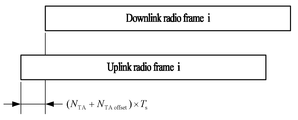
도 7은 상향링크-하향링크 타이밍 관계(timing relation)을 예시한다.
도 8은 본 발명에 따른 향상된 프리앰블을 예시한다.
도 9 및 도 10은 본 발명에 따른 NPRACH 자원 구성 방법을 예시한다.
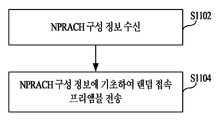
도 11은 본 발명에 따라 랜덤 접속 과정을 수행하는 방법의 순서도를 예시한다.
도 12는 본 발명이 적용될 수 있는 기지국 및 단말을 예시한다.The accompanying drawings are included as part of the detailed description to aid understanding of the present invention, provide examples for the present invention, and describe the technical spirit of the present invention with the detailed description.
1 illustrates a structure of a radio frame that can be used in the present invention.
2 illustrates a resource grid for a downlink slot that can be used in the present invention.
3 illustrates the structure of a downlink subframe that can be used in the present invention.
4 illustrates the structure of an uplink subframe that can be used in the present invention.
5 illustrates a random access procedure (Random Access Procedure).
6 illustrates an NPRACH preamble transmission method.
7 illustrates an uplink-downlink timing relationship.
8 illustrates an improved preamble according to the present invention.
9 and 10 illustrate an NPRACH resource configuration method according to the present invention.
11 illustrates a flowchart of a method for performing a random access process according to the present invention.
12 illustrates a base station and a terminal to which the present invention can be applied.
이하의 기술은 CDMA(Code Division Multiple Access), FDMA(Frequency Division Multiple Access), TDMA(Time Division Multiple Access), OFDMA(Orthogonal Frequency Division Multiple Access), SC-FDMA(Single Carrier Frequency Division Multiple Access) 등과 같은 다양한 무선 접속 시스템에 사용될 수 있다. CDMA는 UTRAN(Universal Terrestrial Radio Access Network)나 CDMA2000과 같은 무선 기술(radio technology)로 구현될 수 있다. TDMA는 GSM(Global System for Mobile communications)/GPRS(General Packet Radio Service)/EDGE(Enhanced Data Rates for GSM Evolution)와 같은 무선 기술로 구현될 수 있다. OFDMA는 IEEE 802.11 (Wi-Fi), IEEE 802.16 (WiMAX), IEEE 802.20, E-UTRAN(Evolved UTRAN) 등과 같은 무선 기술로 구현될 수 있다. UTRAN는 UMTS(Universal Mobile Telecommunications System)의 일부이다. 3GPP(3rd Generation Partnership Project) LTE(long term evolution) 시스템은 E-UTRAN을 사용하는 E-UMTS(Evolved UMTS)의 일부이고 3GPP LTE-A(Advanced) 시스템은 3GPP LTE의 진화된 버전이며 LTE-A 프로 시스템은 3GPP LTE-A의 진화된 버전이다.The following technologies include Code Division Multiple Access (CDMA), Frequency Division Multiple Access (FDMA), Time Division Multiple Access (TDMA), Orthogonal Frequency Division Multiple Access (OFDMA), Single Carrier Frequency Division Multiple Access (SC-FDMA), and the like. It can be used in various wireless access systems. CDMA may be implemented by radio technology such as UTRAN (Universal Terrestrial Radio Access Network) or CDMA2000. TDMA may be implemented with wireless technologies such as Global System for Mobile communications (GSM) / General Packet Radio Service (GPRS) / Enhanced Data Rates for GSM Evolution (EDGE). OFDMA may be implemented with wireless technologies such as IEEE 802.11 (Wi-Fi), IEEE 802.16 (WiMAX), IEEE 802.20, Evolved UTRAN (E-UTRAN), and the like. UTRAN is part of the Universal Mobile Telecommunications System (UMTS). The 3rd Generation Partnership Project (3GPP) long term evolution (LTE) system is part of Evolved UMTS (E-UMTS) using E-UTRAN and the 3GPP LTE-A (Advanced) system is an evolved version of 3GPP LTE and LTE-A The Pro system is an evolved version of 3GPP LTE-A.
설명을 명확하게 하기 위해, 3GPP LTE/LTE-A/LTE-A 프로를 위주로 기술하지만 본 발명의 기술적 원리가 이에 제한되는 것은 아니다. 또한, 이하의 설명에서 사용되는 특정(特定) 용어들은 본 발명의 이해를 돕기 위해서 제공된 것이며, 이러한 특정 용어의 사용은 본 발명의 기술적 원리를 벗어나지 않는 범위에서 다른 형태로 변경될 수 있다. 예를 들어, 본 발명은 3GPP LTE/LTE-A/LTE-A 프로 표준에 따른 시스템 뿐만 아니라 다른 3GPP 표준, IEEE 802.xx 표준 또는 3GPP2 표준에 따른 시스템에도 적용될 수 있으며, 3GPP 5G 또는 NR(New RAT)과 같은 차세대 통신 시스템에도 적용될 수 있다.To clarify the description, 3GPP LTE / LTE-A / LTE-A Pro is mainly described, but the technical principle of the present invention is not limited thereto. In addition, specific terms used in the following description are provided to help understanding of the present invention, and the use of these specific terms may be changed into other forms without departing from the technical principles of the present invention. For example, the present invention can be applied to a system according to 3GPP LTE / LTE-A / LTE-A Pro standard as well as other 3GPP standard, IEEE 802.xx standard or 3GPP2 standard system, and 3GPP 5G or NR (New RAT).
본 명세서에서, 사용자기기(user equipment, UE)는 고정되거나 이동성을 가질 수 있으며, 기지국(base station, BS)과 통신하여 데이터 및/또는 제어 정보를 송수신하는 각종 기기들을 포함한다. UE는 단말(Terminal), MS(Mobile Station), MT(Mobile Terminal), UT(User Terminal), SS(Subscribe Station), 무선기기(wireless device), PDA(Personal Digital Assistant), 무선 모뎀(wireless modem), 휴대기기(handheld device) 등으로 지칭될 수 있다. 이하에서, UE는 단말과 혼용될 수 있다.In the present specification, user equipment (UE) may be fixed or mobile, and includes various devices that communicate with a base station (BS) to transmit and receive data and / or control information. UE is a terminal (Terminal), MS (Mobile Station), MT (Mobile Terminal), UT (User Terminal), SS (Subscribe Station), wireless device (wireless device), PDA (Personal Digital Assistant), wireless modem (wireless modem) ), A handheld device, and the like. Hereinafter, the UE may be mixed with the terminal.
본 명세서에서, 기지국(BS)은 일반적으로 UE 및/또는 다른 BS와 통신하는 고정국(fixed station)을 말하며, UE 및 다른 BS와 통신하여 각종 데이터 및 제어정보를 교환한다. 기지국(BS)은 ABS(Advanced Base Station), NB(Node-B), eNB(evolved-NodeB), gNB(next generation NodeB), BTS(Base Transceiver System), 액세스 포인트(Access Point), PS(Processing Server), 노드(node), TP(Transmission Point) 등 다른 용어로 불릴 수 있다. 이하에서, 기지국(BS)은 eNB 또는 gNB와 혼용될 수 있다.In this specification, a base station (BS) generally refers to a fixed station that communicates with a UE and / or another BS, and communicates with the UE and other BSs to exchange various data and control information. The base station (BS) is ABS (Advanced Base Station), NB (Node-B), eNB (evolved-NodeB), gNB (next generation NodeB), BTS (Base Transceiver System), access point (Access Point), PS (Processing) Server), node, and TP (Transmission Point). Hereinafter, the base station (BS) may be mixed with the eNB or gNB.
무선 접속 시스템에서 단말은 하향링크(DL: Downlink)를 통해 기지국으로부터 정보를 수신하고, 상향링크(UL: Uplink)를 통해 기지국으로 정보를 전송한다. 기지국과 단말이 송수신하는 정보는 일반 데이터 정보 및 다양한 제어 정보를 포함하고, 이들이 송수신 하는 정보의 종류/용도에 따라 다양한 물리 채널이 존재한다.In a radio access system, a user equipment receives information from a base station through downlink (DL) and transmits information to a base station through uplink (UL). The information transmitted and received by the base station and the terminal includes general data information and various control information, and various physical channels exist according to the type / use of the information they transmit and receive.
전원이 꺼진 상태에서 다시 전원이 켜지거나, 새로이 셀에 진입한 단말은 기지국과 동기를 맞추는 등의 초기 셀 탐색(initial cell search) 작업을 수행한다. 이를 위해 단말은 기지국으로부터 주동기 채널(Primary Synchronization Signal, PSS) 및 부동기 채널(Secondary Synchronization Signal, SSS)을 수신하여 기지국과 동기를 맞추고, 셀 ID(cell identity) 등의 정보를 획득한다. 그 후, 단말은 기지국으로부터 물리 브로드캐스트 채널(Physical Broadcast Channel, PBCH)을 통해 셀 내에서 브로드캐스트되는 시스템 정보를 획득할 수 있다. 한편, 단말은 초기 셀 탐색 단계에서 하향링크 참조 신호(Downlink Reference Signal, DL RS)를 수신하여 하향링크 채널 상태를 확인할 수 있다.When the power is turned off again, the power is turned on again, or the terminal that newly enters the cell performs an initial cell search operation such as synchronizing with the base station. To this end, the terminal receives a primary synchronization channel (Primary Synchronization Signal, PSS) and a floating channel (Secondary Synchronization Signal, SSS) from the base station to synchronize with the base station, and obtains information such as cell identity (cell identity). Thereafter, the terminal can obtain system information broadcast in the cell through a physical broadcast channel (Physical Broadcast Channel, PBCH) from the base station. Meanwhile, the UE may check a downlink channel state by receiving a downlink reference signal (DL RS) in an initial cell search step.
초기 셀 탐색을 마친 단말은 물리 하향링크 제어 채널(Physical Downlink Control Channel, PDCCH) 및 물리 하향링크 제어 채널 정보에 따른 물리 하향링크 공유 채널(Physical Downlink Shared Channel, PDSCH)을 수신하여 좀더 구체적인 시스템 정보를 획득할 수 있다.After completing the initial cell discovery, the UE receives physical downlink shared channel (PDSCH) according to physical downlink control channel (PDCCH) and physical downlink control channel information to receive more detailed system information. Can be obtained.
이후, 단말은 기지국에 접속을 완료하기 위해 랜덤 접속 과정(Random Access Procedure)을 수행할 수 있다. 이를 위해 단말은 물리 랜덤 접속 채널(Physical Random Access Channel, PRACH)을 통해 프리앰블(preamble)을 전송하고, 물리 하향링크 제어 채널 및 이에 대응하는 물리 하향링크 공유 채널을 통해 프리앰블에 대한 응답 메시지를 수신할 수 있다. 경쟁 기반 랜덤 접속(contention based random access)의 경우 추가적인 물리 랜덤 접속 채널의 전송과 물리 하향링크 제어 채널 및 이에 대응하는 물리 하향링크 공유 채널 수신과 같은 충돌 해결 절차(contention Resolution Procedure)를 수행할 수 있다.Thereafter, the terminal may perform a random access procedure (Random Access Procedure) to complete the access to the base station. To this end, the UE transmits a preamble through a physical random access channel (PRACH) and receives a response message for the preamble through a physical downlink control channel and a corresponding physical downlink shared channel. You can. In the case of contention-based random access, contention resolution procedures such as transmission of an additional physical random access channel and reception of a physical downlink control channel and a corresponding physical downlink shared channel may be performed. .
상술한 바와 같은 절차를 수행한 단말은 이후 일반적인 상향링크/하향링크 신호 전송 절차로서 물리 하향링크 제어 채널/물리 하향링크 공유 채널 수신 및 물리 상향링크 공유 채널(Physical Uplink Shared Channel, PUSCH)/물리 상향링크 제어 채널(Physical Uplink Control Channel, PUCCH) 전송을 수행할 수 있다. 단말이 기지국으로 전송하는 제어 정보를 통칭하여 상향링크 제어 정보(Uplink Control Information, UCI)라고 지칭한다. UCI는 HARQ ACK/NACK(Hybrid Automatic Repeat and reQuest Acknowledgement/Negative-ACK), SR(Scheduling Request), CSI(Channel State Information) 등을 포함한다. CSI는 CQI(Channel Quality Indicator), PMI(Precoding Matrix Indicator), RI(Rank Indication) 등을 포함한다. UCI는 일반적으로 PUCCH를 통해 전송되지만, 제어 정보와 트래픽 데이터가 동시에 전송되어야 할 경우 PUSCH를 통해 전송될 수 있다. 또한, 네트워크의 요청/지시에 의해 PUSCH를 통해 UCI를 비주기적으로 전송할 수 있다. After performing the above-described procedure, the UE receives a physical downlink control channel / physical downlink shared channel and a physical uplink shared channel (PUSCH) / physical uplink as a general uplink / downlink signal transmission procedure. A physical uplink control channel (PUCCH) transmission may be performed. The control information transmitted by the terminal to the base station is collectively referred to as uplink control information (UCI). UCI includes HARQ ACK / NACK (Hybrid Automatic Repeat and reQuest Acknowledgement / Negative-ACK), SR (Scheduling Request), CSI (Channel State Information), and the like. CSI includes Channel Quality Indicator (CQI), Precoding Matrix Indicator (PMI), and Rank Indication (RI). UCI is generally transmitted through PUCCH, but can be transmitted through PUSCH when control information and traffic data should be simultaneously transmitted. In addition, UCI may be aperiodically transmitted through PUSCH by a network request / instruction.
도 1은 본 발명에서 이용될 수 있는 무선 프레임(radio frame)의 구조를 예시한다. 셀룰라 OFDM(Orthogonal Frequency Division Multiplexing) 무선 패킷 통신 시스템에서, 상향/하향링크 데이터 패킷 전송은 서브프레임(subframe, SF) 단위로 이루어지며, 서브프레임은 다수의 OFDM 심볼을 포함하는 일정 시간 구간으로 정의된다. LTE(-A) 시스템에서는 FDD(Frequency Division Duplex)에 적용 가능한 타입 1 무선 프레임(radio frame) 구조와 TDD(Time Division Duplex)에 적용 가능한 타입 2 무선 프레임 구조를 지원한다.1 illustrates a structure of a radio frame that can be used in the present invention. In a cellular orthogonal frequency division multiplexing (OFDM) wireless packet communication system, uplink / downlink data packet transmission is performed in units of subframes (SFs), and a subframe is defined as a predetermined time interval including a plurality of OFDM symbols. . The LTE (-A) system supports a type 1 radio frame structure applicable to frequency division duplex (FDD) and a type 2 radio frame structure applicable to time division duplex (TDD).
도 1은 타입 1 무선 프레임의 구조를 예시한다. 예를 들어, 하향링크 무선 프레임은 10개의 서브프레임으로 구성되고, 하나의 서브프레임은 시간 도메인(time domain)에서 2개의 슬롯(slot)으로 구성된다. 하나의 서브프레임이 전송되는 데 걸리는 시간을 TTI(Transmission Time Interval)라 한다. 혹은 TTI는 하나의 슬롯이 전송되는 데 걸리는 시간을 지칭할 수 있다. 예를 들어 하나의 서브프레임의 길이는 1 ms이고, 하나의 슬롯의 길이는 0.5 ms 일 수 있다. 하나의 슬롯은 시간 도메인에서 복수의 OFDM 심볼을 포함하고, 주파수 도메인(frequency domain)에서 다수의 자원 블록(resource block, RB)을 포함한다. LTE(-A) 시스템에서는 하향링크에서 OFDM을 사용하므로, OFDM 심볼이 하나의 심볼 구간을 나타낸다. OFDM 심볼은 또한 SC-FDMA 심볼 또는 심볼 구간으로 지칭될 수 있다. 자원 할당 단위로서의 자원 블록(RB)은 하나의 슬롯에서 복수의 연속적인 서브캐리어(subcarrier)를 포함할 수 있다. 1 illustrates the structure of a type 1 radio frame. For example, a downlink radio frame is composed of 10 subframes, and one subframe is composed of 2 slots in a time domain. The time it takes for one subframe to be transmitted is called Transmission Time Interval (TTI). Alternatively, TTI may refer to the time it takes for one slot to be transmitted. For example, the length of one subframe may be 1 ms, and the length of one slot may be 0.5 ms. One slot includes a plurality of OFDM symbols in the time domain and a plurality of resource blocks (RBs) in the frequency domain. In the LTE (-A) system, since OFDM is used in the downlink, an OFDM symbol represents one symbol period. OFDM symbols may also be referred to as SC-FDMA symbols or symbol periods. The resource block RB as a resource allocation unit may include a plurality of consecutive subcarriers in one slot.
하나의 슬롯에 포함되는 OFDM 심볼의 수는 순환 전치(Cyclic Prefix, CP)의 구성(configuration)에 따라 달라질 수 있다. CP에는 확장 CP(extended CP)와 표준(normal) CP(normal CP)가 있다. 예를 들어, OFDM 심볼이 표준(normal) CP에 의해 구성된 경우, 하나의 슬롯에 포함되는 OFDM 심볼의 수는 7개일 수 있다. OFDM 심볼이 확장 CP에 의해 구성된 경우, 한 OFDM 심볼의 길이가 늘어나므로, 한 슬롯에 포함되는 OFDM 심볼의 수는 표준(normal) CP인 경우보다 적다. 예를 들어, 확장 CP의 경우, 하나의 슬롯에 포함되는 OFDM 심볼의 수는 6개일 수 있다. 단말이 빠른 속도로 이동하는 등의 경우와 같이 채널상태가 불안정한 경우, 심볼간 간섭을 더욱 줄이기 위해 확장 CP가 사용될 수 있다.The number of OFDM symbols included in one slot may vary depending on the configuration of a cyclic prefix (CP). CP includes an extended CP (normal CP) and a normal CP (normal CP). For example, when an OFDM symbol is configured by a normal CP, the number of OFDM symbols included in one slot may be seven. When the OFDM symbol is configured by the extended CP, since the length of one OFDM symbol is increased, the number of OFDM symbols included in one slot is less than that of the normal CP. For example, in the case of an extended CP, the number of OFDM symbols included in one slot may be six. When the channel state is unstable, such as when the terminal moves at a high speed, an extended CP may be used to further reduce inter-symbol interference.
타입 2 무선 프레임은 2개의 하프 프레임(half frame)으로 구성되며, 각 하프 프레임은 5개의 서브프레임으로 구성되며 하향링크 구간(예, DwPTS(Downlink Pilot Time Slot)), 보호 구간(Guard Period, GP), 상향링크 구간(예, UpPTS(Uplink Pilot Time Slot))을 포함한다. 1개의 서브프레임은 2개의 슬롯으로 구성된다. 예를 들어, 하향링크 구간(예, DwPTS)는 단말에서의 초기 셀 탐색, 동기화 또는 채널 추정에 사용된다. 예를 들어, 상향링크 구간(예, UpPTS)은 기지국에서의 채널 추정과 단말의 상향링크 전송 동기를 맞추는 데 사용된다. 예를 들어, 상향링크 구간(예, UpPTS)은 기지국에서 채널 추정을 위한 SRS(Sounding Reference Signal)이 전송될 수 있고, 상향링크 전송 동기를 맞추기 위한 랜덤 접속 프리앰블(random access preamble)을 나르는 PRACH(Physical Random Access Channel)이 전송될 수 있다. 보호 구간은 상향링크와 하향링크 사이에 하향링크 신호의 다중경로 지연으로 인해 상향링크에서 생기는 간섭을 제거하기 위한 구간이다.Type 2 radio frame is composed of two half frames (half frame), each half frame is composed of five sub-frames, a downlink period (eg, DwPTS (Downlink Pilot Time Slot)), a guard period (GP) ), An uplink section (eg, UpPTS (Uplink Pilot Time Slot)). One subframe consists of two slots. For example, a downlink period (eg, DwPTS) is used for initial cell search, synchronization, or channel estimation in the UE. For example, an uplink period (eg, UpPTS) is used to match channel estimation at the base station and uplink transmission synchronization of the UE. For example, in an uplink section (eg, UpPTS), a base station may transmit a sounding reference signal (SRS) for channel estimation, and carry PRACH (random access preamble) for synchronizing uplink transmission. Physical Random Access Channel) can be transmitted. The guard period is a period for removing interference generated in the uplink due to multipath delay of the downlink signal between the uplink and the downlink.
상기 설명된 무선 프레임의 구조는 예시에 불과하고, 무선 프레임에 포함되는 서브프레임의 수 또는 서브프레임에 포함되는 슬롯의 수, 슬롯에 포함되는 심볼의 수는 다양하게 변경될 수 있다.The structure of the radio frame described above is only an example, and the number of subframes included in the radio frame, the number of slots included in the subframe, and the number of symbols included in the slot may be variously changed.
도 2는 본 발명에서 이용될 수 있는 하향링크 슬롯을 위한 자원 그리드를 예시한다.2 illustrates a resource grid for a downlink slot that can be used in the present invention.
도 2를 참조하면, 하향링크 슬롯은 시간 도메인에서 복수의 OFDM 심볼을 포함한다. 여기서, 하나의 하향링크 슬롯은 7개의 OFDM 심볼을 포함하고, 하나의 자원 블록(RB)은 주파수 도메인에서 12개의 서브캐리어를 포함하는 것으로 예시되었다. 그러나, 본 발명이 이로 제한되는 것은 아니다. 자원 그리드 상에서 각각의 요소는 자원 요소(Resource Element, RE)로 지칭된다. 하나의 RB는 12×7 RE들을 포함한다. 하향링크 슬롯에 포함된 RB의 개수 NDL는 하향링크 전송 대역에 의존한다. 상향링크 슬롯의 구조는 하향링크 슬롯의 구조와 동일할 수 있다.2, the downlink slot includes a plurality of OFDM symbols in the time domain. Here, one downlink slot includes 7 OFDM symbols, and one resource block (RB) is illustrated to include 12 subcarriers in the frequency domain. However, the present invention is not limited to this. Each element on the resource grid is referred to as a resource element (RE). One RB contains 12x7 REs. The number N DL of RBs included in the downlink slot depends on the downlink transmission band. The structure of the uplink slot may be the same as that of the downlink slot.
상기 설명된 슬롯의 자원 그리드는 예시에 불과하고, 슬롯에 포함되는 심볼, 자원 요소, RB의 수는 다양하게 변경될 수 있다.The resource grid of the above-described slot is only an example, and the number of symbols, resource elements, and RBs included in the slot may be variously changed.
도 3은 본 발명에서 이용될 수 있는 하향링크 서브프레임의 구조를 예시한다.3 illustrates the structure of a downlink subframe that can be used in the present invention.
도 3을 참조하면, 서브프레임 내에서 첫 번째 슬롯의 앞에 위치한 최대 3(또는 4)개의 OFDM 심볼이 제어 채널 할당을 위한 제어 영역에 해당한다. 나머지 OFDM 심볼은 PDSCH(Physical Downlink Shared Channel)가 할당되는 데이터 영역에 해당하며, 데이터 영역의 기본 자원 단위는 RB이다. LTE(-A) 시스템에서 사용되는 하향링크 제어 채널의 예는 PCFICH(Physical Control Format Indicator Channel), PDCCH(Physical Downlink Control Channel), PHICH(Physical Hybrid ARQ Indicator Channel) 등을 포함한다.Referring to FIG. 3, up to 3 (or 4) OFDM symbols located in front of the first slot in a subframe correspond to a control region for control channel allocation. The remaining OFDM symbols correspond to a data region to which a Physical Downlink Shared Channel (PDSCH) is allocated, and the basic resource unit of the data region is RB. Examples of the downlink control channel used in the LTE (-A) system include a Physical Control Format Indicator Channel (PCFICH), a Physical Downlink Control Channel (PDCCH), and a Physical Hybrid ARQ Indicator Channel (PHICH).
PCFICH는 서브프레임의 첫 번째 OFDM 심볼에서 전송되고 서브프레임 내에서 제어 채널의 전송에 사용되는 OFDM 심볼의 개수에 관한 정보를 나른다. PCFICH는 4개의 자원 요소 그룹(Resource Element Group, REG)으로 구성되고, 각각의 REG는 셀 ID에 기초하여 제어 영역 내에 균등하게 분산된다. 하나의 REG(Resource Element Group)는 4개의 자원 요소로 구성될 수 있다. PCFICH는 1 내지 3(또는 2 내지 4)의 값을 지시하며 QPSK(Quadrature Phase Shift Keying)로 변조된다. PHICH는 상향링크 전송에 대한 응답으로 HARQ ACK/NACK 신호를 나른다. PHICH 기간(duration)에 의해 설정된 하나 이상의 OFDM 심볼들에서 CRS 및 PCFICH(첫 번째 OFDM 심볼)를 제외하고 남은 REG 상에 PHICH가 할당된다. PHICH는 주파수 도메인 상에서 최대한 분산된 3개의 REG에 할당된다. PHICH에 대해서는 이하에서 보다 자세히 설명한다.The PCFICH is transmitted in the first OFDM symbol of the subframe and carries information about the number of OFDM symbols used for transmission of the control channel in the subframe. The PCFICH is composed of four Resource Element Groups (REGs), and each REG is evenly distributed within the control region based on the cell ID. One resource element group (REG) may be composed of four resource elements. PCFICH indicates a value of 1 to 3 (or 2 to 4) and is modulated by QPSK (Quadrature Phase Shift Keying). PHICH carries an HARQ ACK / NACK signal in response to uplink transmission. A PHICH is allocated on the remaining REGs except for CRS and PCFICH (the first OFDM symbol) in one or more OFDM symbols set by the PHICH duration. PHICH is allocated to three REGs distributed as far as possible in the frequency domain. The PHICH will be described in more detail below.
PDCCH는 서브프레임의 처음 n개 OFDM 심볼(이하, 제어 영역) 내에 할당된다. 여기에서, n은 1 이상의 정수로서 PCFICH에 의해 지시된다. PDCCH를 통해 전송되는 제어 정보를 DCI(Downlink Control Information)라고 한다. PDCCH는 하향링크 공유 채널(downlink shared channel, DL-SCH)의 전송 포맷 및 자원 할당 정보, 상향링크 공유 채널(uplink shared channel, UL-SCH)의 전송 포맷 및 자원 할당 정보, 페이징 채널(paging channel, PCH) 상의 페이징 정보, DL-SCH 상의 시스템 정보, PDSCH 상에서 전송되는 랜덤 접속 응답과 같은 상위 계층 제어 메시지의 자원 할당 정보, 단말 그룹 내의 개별 단말들에 대한 Tx 파워 제어 명령 세트, Tx 파워 제어 명령, VoIP(Voice over IP)의 활성화 지시 정보 등을 나른다. 더욱 구체적으로, DCI 포맷은 용도에 따라 호핑 플래그(hopping flag), RB 할당, MCS(Modulation Coding Scheme), RV(Redundancy Version), NDI(New Data Indicator), TPC(Transmit Power Control), 사이클릭 쉬프트 DM-RS(DeModulation Reference Signal), CQI(Channel Quality Information) 요청, HARQ 프로세스 번호, TPMI(Transmitted Precoding Matrix Indicator), PMI(Precoding Matrix Indicator) 확인(confirmation) 등의 정보를 선택적으로 포함한다.The PDCCH is allocated in the first n OFDM symbols (hereinafter, control regions) of a subframe. Here, n is an integer of 1 or more and is indicated by PCFICH. Control information transmitted through the PDCCH is called downlink control information (DCI). The PDCCH includes transmission format and resource allocation information of a downlink shared channel (DL-SCH), transmission format and resource allocation information of an uplink shared channel (UL-SCH), and a paging channel. Paging information on PCH), system information on DL-SCH, resource allocation information of upper layer control messages such as random access response transmitted on PDSCH, Tx power control command set, Tx power control command for individual terminals in a terminal group, It carries information on activation of VoIP (Voice over IP). More specifically, the DCI format includes a hopping flag, RB allocation, Modulation Coding Scheme (MCS), redundancy version (RV), new data indicator (NDI), transmit power control (TPC), and cyclic shift according to use. Optionally includes information such as DeModulation Reference Signal (DM-RS), Channel Quality Information (CQI) request, HARQ process number, TPMI (Transmitted Precoding Matrix Indicator), and PMI (Precoding Matrix Indicator) confirmation.
기지국은 단말에게 전송될 DCI에 따라 PDCCH 포맷을 결정하고, 제어 정보에 CRC(cyclic redundancy check)를 부가한다. CRC는 PDCCH의 소유자 또는 사용 목적에 따라 식별자(예, RNTI(radio network temporary identifier))로 마스킹 된다. 예를 들어, PDCCH가 특정 단말을 위한 것일 경우, 해당 단말의 식별자(예, cell-RNTI (C-RNTI))가 CRC에 마스킹 될 수 있다. PDCCH가 페이징 메시지를 위한 것일 경우, 페이징 식별자(예, paging-RNTI (P-RNTI))가 CRC에 마스킹 될 수 있다. PDCCH가 시스템 정보(보다 구체적으로, 시스템 정보 블록(system information block, SIC))를 위한 것일 경우, SI-RNTI(system information RNTI)가 CRC에 마스킹 될 수 있다. PDCCH가 랜덤 접속 응답을 위한 것일 경우, RA-RNTI(random access-RNTI)가 CRC에 마스킹 될 수 있다. PDCCH가 상향링크 전력 제어를 위한 것일 경우, TPC-RNTI(Transmit Power Control-RNTI)가 이용될 수 있으며 TPC-RNTI는 PUCCH 전력 제어를 위한 TPC-PUCCH-RNTI와 PUSCH 전력 제어를 위한 TPC-PUSCH-RNTI를 포함할 수 있다. PDCCH가 멀티캐스트 제어 채널(Multicast Control Channel, MCCH)을 위한 것일 경우, M-RNTI(Multimedia Broadcast Multicast Service-RNTI)가 이용될 수 있다.The base station determines the PDCCH format according to the DCI to be transmitted to the terminal, and adds CRC (cyclic redundancy check) to the control information. The CRC is masked with an identifier (eg, radio network temporary identifier (RNTI)) according to the owner or purpose of use of the PDCCH. For example, when the PDCCH is for a specific terminal, an identifier (eg, cell-RNTI (C-RNTI)) of the corresponding terminal may be masked to the CRC. When the PDCCH is for a paging message, a paging identifier (eg, paging-RNTI (P-RNTI)) may be masked to the CRC. When the PDCCH is for system information (more specifically, a system information block (SIC)), a system information RNTI (SI-RNTI) may be masked to the CRC. When the PDCCH is for a random access response, a random access-RNTI (RA-RNTI) may be masked to the CRC. When the PDCCH is for uplink power control, TPC-RNTI (Transmit Power Control-RNTI) may be used, and TPC-RNTI is TPC-PUCCH-RNTI for PUCCH power control and TPC-PUSCH- for PUSCH power control. RNTI. When the PDCCH is for a multicast control channel (MCCH), a multimedia broadcast multicast service-RNTI (M-RNTI) may be used.
PDCCH를 통해 전송되는 제어 정보는 DCI(Downlink Control Information)라고 지칭된다. 다양한 DCI 포맷이 용도에 따라 정의된다. 구체적으로, 상향링크 스케줄링을 위해 DCI 포맷 0, 4(이하, UL 그랜트)가 정의되고, 하향링크 스케줄링을 위해 DCI 포맷 1, 1A, 1B, 1C, 1D, 2, 2A, 2B, 2C(이하, DL 그랜트)가 정의된다. DCI 포맷은 용도에 따라 호핑 플래그(hopping flag), RB 할당, MCS(Modulation Coding Scheme), RV(Redundancy Version), NDI(New Data Indicator), TPC(Transmit Power Control), 사이클릭 쉬프트 DM-RS(DeModulation Reference Signal), CQI(Channel Quality Information) 요청, HARQ 프로세스 번호, TPMI(Transmitted Precoding Matrix Indicator), PMI(Precoding Matrix Indicator) 확인(confirmation) 등의 정보를 선택적으로 포함한다.Control information transmitted through the PDCCH is referred to as Downlink Control Information (DCI). Various DCI formats are defined according to use. Specifically, DCI formats 0 and 4 (hereinafter, UL grant) are defined for uplink scheduling, and DCI formats 1, 1A, 1B, 1C, 1D, 2, 2A, 2B, and 2C (hereinafter, for downlink scheduling) DL grant) is defined. DCI format includes hopping flag, RB allocation, Modulation Coding Scheme (MCS), redundancy version (RV), new data indicator (NDI), transmit power control (TPC), cyclic shift DM-RS (depending on purpose) DeModulation Reference Signal (CQI), Channel Quality Information (CQI) request, HARQ process number, TPMI (Transmitted Precoding Matrix Indicator), and PMI (Precoding Matrix Indicator) confirmation information.
LTE(-A) 시스템에서는 각각의 단말을 위해 PDCCH가 위치할 수 있는 제한된 세트의 CCE 위치를 정의한다. 단말이 자신의 PDCCH를 찾을 수 있는 제한된 세트의 CCE 위치는 검색 공간(Search Space, SS)으로 지칭될 수 있다. LTE(-A) 시스템에서, 검색 공간은 각각의 PDCCH 포맷에 따라 다른 사이즈를 갖는다. 또한, UE-특정(UE-specific) 및 공통(common) 검색 공간이 별도로 정의된다. 기지국은 단말에게 PDCCH가 검색 공간의 어디에 있는지에 관한 정보를 제공하지 않기 때문에 단말은 검색 공간 내에서 PDCCH 후보(candidate)들의 집합을 모니터링 하여 자신의 PDCCH를 찾는다. 여기서, 모니터링(monitoring)이란 단말이 수신된 PDCCH 후보들을 각각의 DCI 포맷에 따라 복호화를 시도하는 것을 말한다. 검색 공간에서 PDCCH를 찾는 것을 블라인드 검출(blind decoding 또는 blind detection)이라 한다. 블라인드 검출을 통해, 단말은 자신에게 전송된 PDCCH의 식별(identification)과 해당 PDCCH를 통해 전송되는 제어 정보의 복호화를 동시에 수행한다. In the LTE (-A) system, a limited set of CCE locations in which the PDCCH can be located for each terminal is defined. A limited set of CCE locations that the UE can find its PDCCH may be referred to as a search space (SS). In the LTE (-A) system, the search space has a different size according to each PDCCH format. In addition, UE-specific and common search spaces are separately defined. Since the base station does not provide the UE with information about where the PDCCH is located in the search space, the UE finds its PDCCH by monitoring the set of PDCCH candidates in the search space. Here, monitoring means that the UE attempts to decode the received PDCCH candidates according to each DCI format. Finding the PDCCH in the search space is called blind decoding or blind detection. Through blind detection, the terminal simultaneously performs identification of the PDCCH transmitted to it and decoding of control information transmitted through the corresponding PDCCH.
도 4는 본 발명에서 이용될 수 있는 상향링크 서브프레임의 구조를 예시한다.4 illustrates the structure of an uplink subframe that can be used in the present invention.
도 4를 참조하면, 상향링크 서브프레임은 복수(예, 2개)의 슬롯을 포함한다. 슬롯은 CP 길이에 따라 서로 다른 수의 SC-FDMA 심볼을 포함할 수 있다. 일 예로, 표준(normal) CP의 경우 슬롯은 7개의 SC-FDMA 심볼을 포함할 수 있다. 상향링크 서브프레임은 주파수 도메인에서 데이터 영역과 제어 영역으로 구분된다. 데이터 영역은 PUSCH를 포함하고 음성 등의 데이터 신호를 전송하는 데 사용된다. 제어 영역은 PUCCH를 포함하고 제어 정보를 전송하는 데 사용된다. PUCCH는 주파수 축에서 데이터 영역의 양끝 부분에 위치한 RB 쌍(RB pair)(예, m=0,1,2,3)을 포함하며 슬롯을 경계로 호핑한다.Referring to FIG. 4, an uplink subframe includes a plurality (eg, two) slots. The slot may include different numbers of SC-FDMA symbols according to CP length. For example, in the case of a normal CP, a slot may include 7 SC-FDMA symbols. The uplink subframe is divided into a data region and a control region in the frequency domain. The data area includes PUSCH and is used to transmit data signals such as voice. The control region contains PUCCH and is used to transmit control information. PUCCH includes an RB pair (eg, m = 0,1,2,3) located at both ends of a data region on a frequency axis and hops a slot as a boundary.
도 5는 랜덤 접속 과정(Random Access Procedure)을 예시한다.5 illustrates a random access procedure (Random Access Procedure).
랜덤 접속 과정은 상향링크로 (짧은 길이의) 데이터를 전송하기 위해 사용된다. 예를 들어, 랜덤 접속 과정은 RRC_IDLE 상태에서의 초기 접속, 무선 링크 실패 후의 초기 접속, 랜덤 접속 과정을 요구하는 핸드오버, RRC_CONNECTED 상태 중에 랜덤 접속 과정이 요구되는 상향링크/하향링크 데이터 발생시에 수행된다. RRC(Radio Resource Control) 연결 요청 메시지(RRC Connection Request Message)와 셀 갱신 메시지(Cell Update Message), URA 갱신 메시지(URA Update Message) 등의 일부 RRC 메시지도 랜덤 접속 과정을 이용하여 전송된다. 논리채널 CCCH(Common Control Channel), DCCH(Dedicated Control Channel), DTCH(Dedicated Traffic Channel)가 전송채널 RACH에 매핑될 수 있다. 전송채널 RACH는 물리채널 PRACH(Physical Random Access Channel)에 매핑된다. 단말의 MAC 계층이 단말 물리계층에 PRACH 전송을 지시하면, 단말 물리계층은 먼저 하나의 접속 슬롯(access slot)과 하나의 시그너처(signature)를 선택하여 PRACH 프리앰블을 상향링크로 전송한다. 랜덤 접속 과정은 경쟁 기반(contention based) 과정과 비경쟁 기반(non-contention based) 과정으로 구분된다.The random access procedure is used to transmit (short length) data in the uplink. For example, the random access process is performed when initial access in the RRC_IDLE state, initial access after a radio link failure, handover requesting the random access process, or uplink / downlink data that requires a random access process in the RRC_CONNECTED state. . Some RRC messages, such as a Radio Resource Control (RRC) connection request message (RRC Connection Request Message), a cell update message (Cell Update Message), and a URA update message (URA Update Message), are also transmitted using a random access process. A logical channel common control channel (CCCH), a dedicated control channel (DCCH), and a dedicated traffic channel (DTCH) may be mapped to the transport channel RACH. The transport channel RACH is mapped to a physical channel Physical Random Access Channel (PRACH). When the MAC layer of the UE indicates PRACH transmission to the UE physical layer, the UE physical layer first selects one access slot and one signature and transmits the PRACH preamble in uplink. The random access process is divided into a contention-based process and a non-contention-based process.
도 5를 참조하면, 단말은 시스템 정보를 통해 기지국으로부터 랜덤 접속에 관한 정보를 수신하여 저장한다. 그 후, 랜덤 접속이 필요하면, 단말은 랜덤 접속 프리앰블(Random Access Preamble; 메시지 1 또는 Msg1이라고도 함)을 기지국으로 전송한다(S510). 기지국이 상기 단말로부터 랜덤 접속 프리앰블을 수신하면, 상기 기지국은 랜덤 접속 응답 메시지(Random Access Response; 메시지 2 또는 Msg2라고도 함)를 단말에게 전송한다(S520). 구체적으로, 상기 랜덤 접속 응답 메시지에 대한 하향 스케줄링 정보는 RA-RNTI(Random Access-RNTI)로 CRC 마스킹되어 L1/L2 제어 채널(PDCCH) 상에서 전송될 수 있다. RA-RNTI로 마스킹된 하향 스케줄링 신호를 수신한 단말은 PDSCH(Physical Downlink Shared Channel)로부터 랜덤 접속 응답 메시지를 수신하여 디코딩할 수 있다. 그 후, 단말은 상기 랜덤 접속 응답 메시지에 자신에게 지시된 랜덤 접속 응답 정보가 있는지 확인한다. 자신에게 지시된 랜덤 접속 응답 정보가 존재하는지 여부는 단말이 전송한 프리앰블에 대한 RAID(Random Access preamble ID)가 존재하는지 여부로 확인될 수 있다. 상기 랜덤 접속 응답 정보는 동기화를 위한 타이밍 옵셋 정보를 나타내는 타이밍 어드밴스(Timing Advance; TA), 상향링크에 사용되는 무선자원 할당정보, 단말 식별을 위한 임시 식별자(예: Temporary C-RNTI) 등을 포함한다. 단말은 랜덤 접속 응답 정보를 수신하면, 상기 응답 정보에 포함된 무선자원 할당 정보에 따라 상향링크 SCH(Uplink Shared Channel)로 RRC 연결 요청 메시지를 포함하는 상향링크 전송(메시지 3 또는 Msg3이라고도 함)을 수행한다(S530). 기지국은 단말로부터 상기 상향링크 전송을 수신한 후에, 경쟁 해결(contention resolution)을 위한 메시지(메시지 4 또는 Msg4라고도 함)를 단말에게 전송한다(S540). 경쟁 해결을 위한 메시지는 경쟁 해결 메시지라고 지칭될 수 있으며, RRC 연결 설정 메시지를 포함할 수 있다. 단말은 기지국으로부터 경쟁 해결 메시지를 수신한 후에, 연결 설정을 완료한 후 연결 설정 완료 메시지(메시지 5 또는 Msg5라고도 함)를 기지국으로 전송한다(S550).Referring to FIG. 5, the terminal receives and stores information regarding random access from a base station through system information. Thereafter, if a random access is required, the UE transmits a random access preamble (also referred to as message 1 or Msg1) to the base station (S510). When the base station receives the random access preamble from the terminal, the base station transmits a random access response message (also referred to as message 2 or Msg2) to the terminal (S520). Specifically, the downlink scheduling information for the random access response message may be CRC masked with RA-RNTI (Random Access-RNTI) and transmitted on an L1 / L2 control channel (PDCCH). The UE receiving the down-scheduling signal masked with RA-RNTI may receive and decode a random access response message from a Physical Downlink Shared Channel (PDSCH). Thereafter, the terminal checks whether the random access response information directed to the random access response message is present. Whether the random access response information indicated to the user exists may be confirmed by whether a random access preamble ID (RAID) for the preamble transmitted by the UE exists. The random access response information includes Timing Advance (TA) indicating timing offset information for synchronization, radio resource allocation information used for uplink, and a temporary identifier (eg, Temporary C-RNTI) for terminal identification. do. Upon receiving the random access response information, the terminal transmits an uplink transmission (also called
비경쟁 기반 과정의 경우, 단말이 랜덤 접속 프리앰블을 전송(S510)하기 전에 기지국이 비경쟁 랜덤 접속 프리앰블(Non-contention Random Access Preamble)을 단말에게 할당할 수 있다. 비경쟁 랜덤 접속 프리앰블은 핸드오버 명령(handover command)나 PDCCH와 같은 전용 시그널링(dedicated signaling)을 통해 할당될 수 있다. 단말은 비경쟁 랜덤 접속 프리앰블을 할당받는 경우 S510 단계와 유사하게 할당받은 비경쟁 랜덤 접속 프리앰블을 기지국으로 전송할 수 있다. 기지국은 상기 단말로부터 비경쟁 랜덤 접속 프리앰블을 수신하면, S520 단계와 유사하게 상기 기지국은 랜덤 접속 응답을 단말에게 전송할 수 있다.In the case of the contention-free process, the base station may allocate a non-contention random access preamble to the UE before the UE transmits the random access preamble (S510). The contention-free random access preamble may be allocated through handover command or dedicated signaling such as PDCCH. When the UE is assigned a non-competitive random access preamble, the UE may transmit the allocated non-competitive random access preamble similar to step S510 to the base station. When the base station receives the non-competitive random access preamble from the terminal, similar to step S520, the base station may transmit a random access response to the terminal.
상기 설명된 랜덤 접속 과정에서 랜덤 접속 응답(S520)에 대해서는 HARQ가 적용되지 않지만 랜덤 접속 응답에 대한 상향링크 전송이나 경쟁 해결을 위한 메시지에 대해서는 HARQ가 적용될 수 있다. 따라서, 랜덤 접속 응답에 대해서 단말은 ACK/NACK을 전송할 필요가 없다.In the random access process described above, HARQ is not applied to the random access response (S520), but HARQ may be applied to an uplink transmission for the random access response or a message for contention resolution. Therefore, the UE does not need to transmit ACK / NACK for the random access response.
한편, 차세대 시스템에서는 계량기 검침, 수위측정, 감시 카메라의 활용, 자판기의 재고보고 등의 데이터 통신을 위주로 하는 저가/저사양의 단말을 구성하는 것을 고려하고 있다. 이러한 단말은 낮은 기기 복잡도와 낮은 전력 소모를 가짐에도 불구하고 연결된 기기들 사이에 적절한 처리율을 제공할 수 있는 것을 추구하며, 편의상 MTC(Machine Type Communication) 혹은 IoT(Internet of Things) 단말이라고 지칭할 수 있으며, 본 명세서에서는 간략히 단말(UE)이라고 통칭한다.On the other hand, in the next-generation system, it is considered to configure a low-cost / low-end terminal mainly for data communication such as meter reading, water level measurement, use of a surveillance camera, and inventory reporting of a vending machine. Such a terminal seeks to provide an appropriate throughput between connected devices despite having low device complexity and low power consumption, and may be referred to as a Machine Type Communication (MTC) or Internet of Things (IoT) terminal for convenience. In the present specification, it is collectively referred to as a terminal (UE).
또한, 차세대 시스템은 셀룰러 네트워크 혹은 제3의 네트워크를 활용함에 있어서 협대역(narrowband)을 이용한 통신(혹은 NB-IoT 통신)을 수행할 수 있다. 예를 들어, 협대역은 180kHz일 수 있다. 해당 영역 내에서 UE(혹은 NB-IoT UE) 혹은 eNB는 단일 혹은 복수의 물리 채널을 다중화하여 전송하는 것일 수 있다. 한편, NB-IoT UE는 교량 밑이나 해저, 해상 등 채널 환경이 좋지 않은 영역에서 통신을 수행할 수도 있으며, 이 경우에 이를 보상하기 위하여 특정 채널에 대한 반복 (예를 들어, 수 TTI 동안 반복 전송) 그리고/혹은 전력 증폭 (Power boosting)을 수행하는 것을 고려할 수 있다. 전력 증폭에 대한 일례로는 특정 대역 내에서 전송할 주파수 자원 영역을 더욱 줄여 시간당 전력을 특정 자원에 몰아주는 형태일 수 있다. 일례로, 12 RE로 구성된 RB(resource block)을 통해서 특정 채널을 전송할 때, RB 단위의 RE 할당 대신에 특정 RE를 선택하여 할당해주는 방식을 통해서 전체 RB를 통해서 분산될 전력을 특정 RE(들)에 몰아줄 수도 있다. 특히, RB 내에 하나의 RE에 데이터와 전력을 집중시켜 통신을 수행하는 방식을 단일-톤(Single-tone) 전송 방식이라고 통칭할 수 있다. NB-IoT는 셀룰라 IoT(또는 cIoT)와 혼용될 수 있다.In addition, the next generation system may perform communication (or NB-IoT communication) using a narrowband in using a cellular network or a third network. For example, the narrow band may be 180 kHz. UE (or NB-IoT UE) or eNB in the corresponding area may be to transmit a single or multiple physical channels multiplexed. On the other hand, the NB-IoT UE may perform communication in a region where the channel environment is poor, such as under the bridge, the seabed, or the sea, in which case repetition for a specific channel (for example, repeated transmission for several TTIs) to compensate for this. ) And / or performing power boosting. As an example of power amplification, a frequency resource region to be transmitted in a specific band may be further reduced to drive power per hour to a specific resource. For example, when a specific channel is transmitted through a resource block (RB) composed of 12 REs, power to be distributed through the entire RB is allocated by selecting and allocating a specific RE instead of RE allocation in units of RBs. You can also drive on. In particular, a method of performing communication by focusing data and power on one RE in the RB may be referred to as a single-tone transmission method. NB-IoT can be mixed with cellular IoT (or cIoT).
도 6은 NPRACH 프리앰블 전송 방법을 예시한다. NPRACH 프리앰블은 LTE-A 프로 시스템에서 지원하는 NB-IoT를 위한 PRACH 프리앰블을 지칭하며, PRACH 프리앰블이라고 통칭될 수 있다. 도 6의 랜덤 접속 심볼 그룹은 (N)PRACH 심볼 그룹으로 지칭될 수 있으며, 간략히 심볼 그룹이라고 지칭한다.6 illustrates an NPRACH preamble transmission method. The NPRACH preamble refers to a PRACH preamble for NB-IoT supported by the LTE-A pro system, and may be referred to as a PRACH preamble. The random access symbol group of FIG. 6 may be referred to as a (N) PRACH symbol group, and is simply referred to as a symbol group.
NPRACH 프리앰블은 4개의 심볼 그룹(심볼 그룹 0 내지 심볼 그룹 3)으로 구성되며, 각각의 심볼 그룹은 도 6에 예시된 바와 같이 CP(Cyclic Prefix)와 시퀀스 부분(sequence part)으로 구성될 수 있다. 시퀀스 부분은 5개의 서브블록으로 구성될 수 있는데, 각 서브블록은 동일한 심볼을 포함한다. 예를 들어, 동일한 심볼은 고정된 심볼 값 1을 가질 수 있다. The NPRACH preamble is composed of 4 symbol groups (
NPRACH 프리앰블은 지정된 시간/주파수 자원을 이용하여 전송되며, NPRACH 프리앰블 전송을 위한 시간/주파수 자원은 NPRACH 구성 정보(configuration information)를 통해 설정될 수 있다. NPARCH 구성 정보는 상위 계층 신호(예, RRC 계층 신호) 또는 시스템 정보(예, SIB2)를 통해 단말로 전송될 수 있다. NPRACH 구성 정보는 다음과 같은 정보를 포함할 수 있다.The NPRACH preamble is transmitted using a designated time / frequency resource, and the time / frequency resource for transmitting the NPRACH preamble can be set through NPRACH configuration information. NPARCH configuration information may be transmitted to a terminal through a higher layer signal (eg, RRC layer signal) or system information (eg, SIB2). The NPRACH configuration information may include the following information.
- 시간 영역에서 NPRACH 자원의 주기를 지시하는 정보(예, 
- 주파수 영역에서 NPRACH 자원의 첫 번째 서브캐리어를 지시하는 정보(예, 
- NPRACH에 할당된 서브캐리어의 개수를 지시하는 정보(예, 
- 경쟁 기반 랜덤 접속에 할당된 시작 서브캐리어의 개수를 지시하는 정보(예, 
- NPRACH 반복 회수를 지시하는 정보(예, 
- NPRACH 시작 시간을 지시하는 정보(예, 
시간 영역에서 NPRACH 프리앰블 전송은 

NPRACH 프리앰블 전송을 위한 주파수 영역은 상위 계층 신호(예, RRC 계층 신호) 또는 시스템 정보(예, SIB2)를 통해 설정된 서브캐리어 오프셋(예, 


[수학식 1][Equation 1]

수학식 1에서 

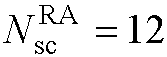
[수학식 2][Equation 2]

[수학식 3][Equation 3]

수학식 3에서 



[수학식 4][Equation 4]

[수학식 5][Equation 5]

수학식 5에서 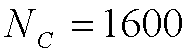

NPRACH 프리앰블은 커버리지 향상 또는 커버리지 확장을 위해 특정 횟수(예, 도 6의 N)만큼 반복 전송될 수 있다. 특정 반복 횟수는 상위 계층 신호(예, RRC 계층 신호) 또는 시스템 정보(예, SIB2)를 통해 설정될 수 있다. NPRACH 프리앰블을 구성하는 4개의 심볼 그룹(심볼 그룹 0 내지 심볼 그룹 3)은 심볼 그룹 마다 수학식 1 내지 5를 이용하여 결정된 주파수 위치로 호핑하면서 전송되며, 이와 같이 NPRACH 프리앰블을 1번째 전송한 후 2번째 NPRACH 프리앰블의 각 심볼 그룹도 수학식 1 내지 5에 기초하여 주파수 호핑하며 전송할 수 있다. 동일한 방식을 적용하여 NPRACH 프리앰블을 특정 횟수(예, N)만큼 반복 전송할 수 있다. 반복 전송되는 각 NPRACH 프리앰블의 1번째 심볼 그룹(즉, 심볼 그룹 0)의 주파수 위치는 랜덤하게 결정될 수 있다.The NPRACH preamble may be repeatedly transmitted a specific number of times (eg, N in FIG. 6) for coverage enhancement or coverage extension. The specific number of repetitions may be set through higher layer signals (eg, RRC layer signals) or system information (eg, SIB2). Four symbol groups constituting the NPRACH preamble (
도 6에 예시된 NPRACH 프리앰블의 심볼 그룹들은 간격(gap)없이 전송되므로 NPRACH 프리앰블에는 보호 시간이 적용되지 않는다. 따라서, 도 6에 예시된 NPRACH 프리앰블의 경우 보호 시간 대신 CP 길이를 고려하여 지원하는 셀 반경을 결정할 수 있다. 일반적으로 셀 반경과 라운드 트립 지연(RTD) 간의 관계는 (셀 반경)=(광속)*(RTD/2)에 의해 표현될 수 있고 RTD는 보호 시간에 해당하므로, 셀 반경과 CP 길이 간의 관계는 수학식 6에 의해 표현될 수 있다.Since the symbol groups of the NPRACH preamble illustrated in FIG. 6 are transmitted without a gap, a protection time is not applied to the NPRACH preamble. Accordingly, in the case of the NPRACH preamble illustrated in FIG. 6, it is possible to determine the supported cell radius by considering the CP length instead of the guard time. In general, the relationship between the cell radius and the round trip delay (RTD) can be expressed by (cell radius) = (luminous flux) * (RTD / 2), and the RTD corresponds to the protection time, so the relationship between the cell radius and the CP length is It can be expressed by Equation (6).
[수학식 6][Equation 6]
(셀 반경)=(광속)*(CP길이/2)(Cell Radius) = (Light flux) * (CP Length / 2)
표 1은 NPRACH 프리앰블 포맷에 따른 CP 길이, 셀 반경의 대략적인 값을 예시한다. 표 1에 예시된 바와 같이 NPRACH 프리앰블 포맷은 포맷 0, 1을 가질 수 있으며, 각 NPRACH 프리앰블 포맷은 동일한 시퀀스 길이를 가지고 CP 길이가 상이하게 설정될 수 있다. CP 길이는 상위 계층 신호(예, RRC 계층 신호) 또는 시스템 정보(예, SIB2)를 통해 설정될 수 있으며, CP 길이에 따라 해당 NPRACH 프리앰블 포맷이 결정될 수 있다. 표 1에서 us는 마이크로초(microsecond)를 나타내고, km은 킬로미터를 나타낸다.Table 1 illustrates the approximate values of CP length and cell radius according to the NPRACH preamble format. As illustrated in Table 1, the NPRACH preamble format may have
[표 1][Table 1]
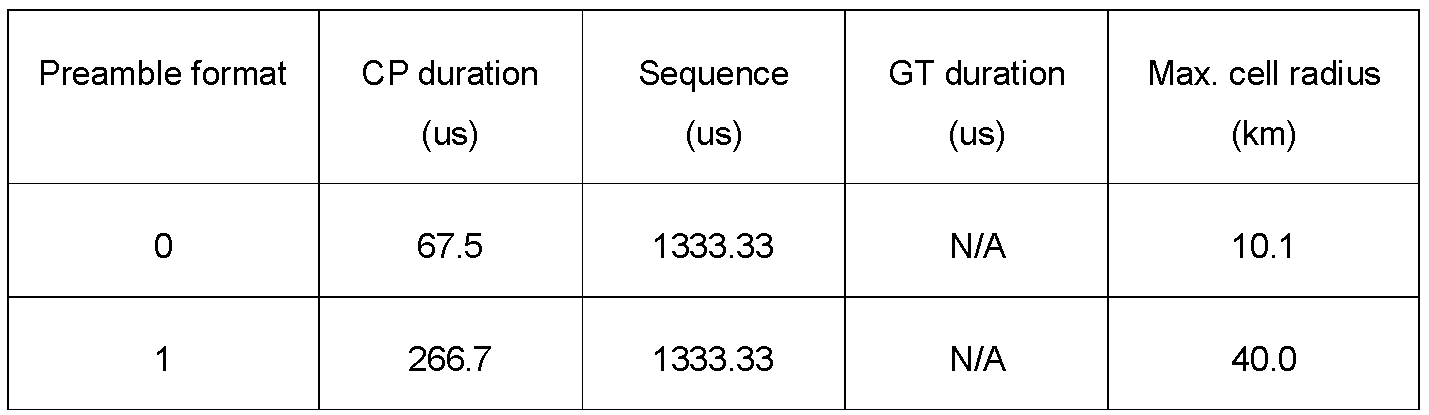
또한, 셀 반경에 따른 라운드 트립 지연(round trip delay, RTD)를 고려하여 보호 시간(guard time, GT)이 주어질 수 있다. 예를 들어, 셀의 가장자리에 있는 단말과 셀의 중심에 있는 단말이 동일한 TTI(예, 서브프레임 또는 슬롯)에서 PRACH 프리앰블을 전송하는 경우 기지국이 해당 TTI 내에서 각 단말의 PRACH 프리앰블을 수신할 수 있도록 하기 위해 보호 시간이 주어질 수 있다. 일반적으로 셀 반경과 라운드 트립 지연(RTD) 간의 관계는 (셀 반경)=(광속)*(RTD/2)에 의해 표현될 수 있고 RTD는 보호 시간에 해당하므로, 셀 반경과 보호 시간 간의 관계는 수학식 7에 의해 표현될 수 있다.In addition, a guard time (GT) may be given in consideration of a round trip delay (RTD) according to a cell radius. For example, if the terminal at the edge of the cell and the terminal at the center of the cell transmit the PRACH preamble in the same TTI (eg, subframe or slot), the base station can receive the PRACH preamble of each terminal within the corresponding TTI. Protection time may be given to ensure that. In general, the relationship between the cell radius and the round trip delay (RTD) can be expressed by (cell radius) = (luminous flux) * (RTD / 2), and the RTD corresponds to the protection time, so the relationship between the cell radius and the protection time is It can be expressed by Equation (7).
[수학식 7][Equation 7]
(셀 반경)=(광속)*(GT/2)(Cell radius) = (Light flux) * (GT / 2)
표 2는 기존 LTE/LTE-A 시스템의 프리앰블 포맷에 따른 CP 길이, GT 길이, 셀 반경의 대략적인 값을 예시한다. 표 2에서 프리앰블 포맷 값은 PRACH 구성 인덱스에 의해 지시된다. 프리앰블 포맷 0은 하나의 TTI(예, 1ms)에서 전송될 수 있고, 프리앰블 포맷 1, 2는 2개의 TTI(예, 2ms)에서 전송될 수 있고, 프리앰블 포맷 3은 3개의 TTI(예, 3ms)에서 전송될 수 있으며, ms는 밀리초(millisecond)를 나타낸다. 표 2에서 us는 마이크로초(microsecond)를 나타내고, km은 킬로미터를 나타낸다.Table 2 illustrates approximate values of CP length, GT length, and cell radius according to the preamble format of the existing LTE / LTE-A system. In Table 2, the preamble format value is indicated by the PRACH configuration index.
[표 2][Table 2]
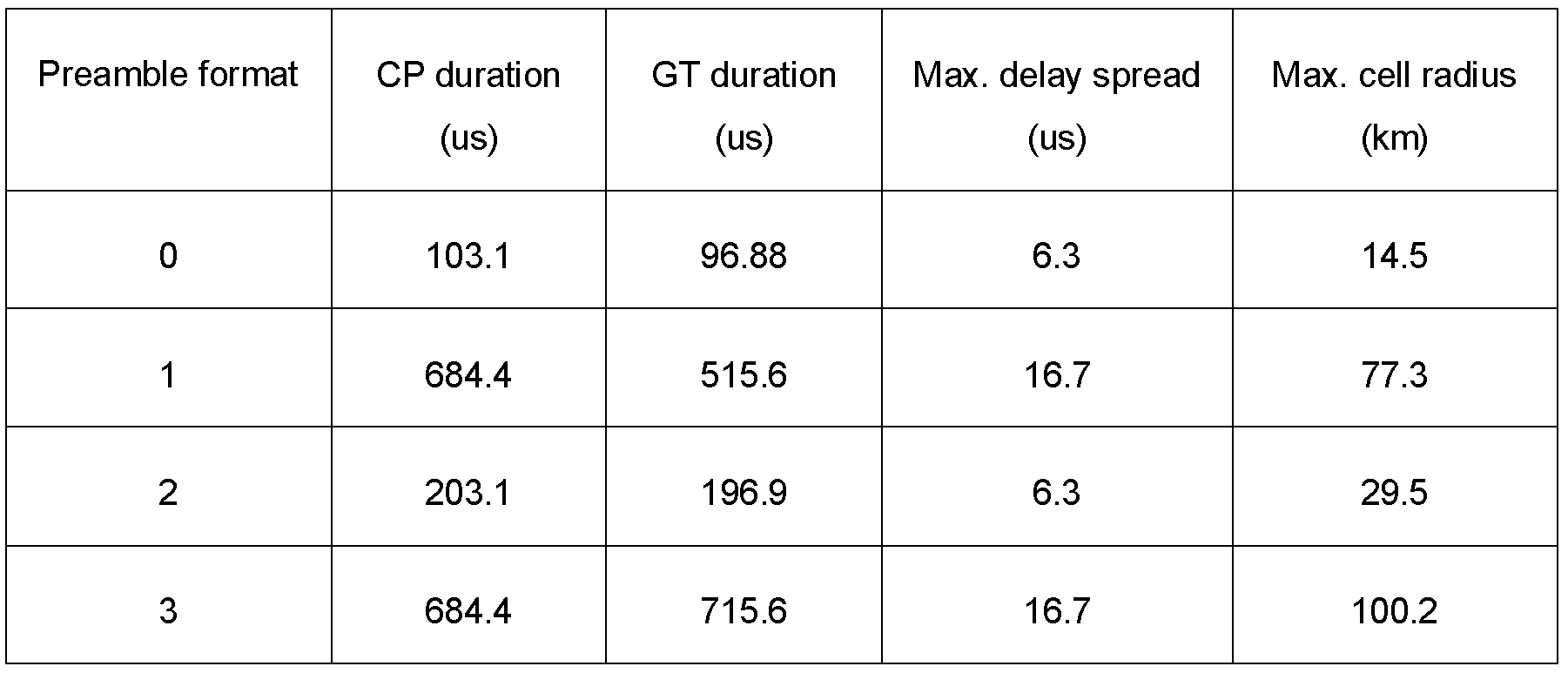
표 2에서 알 수 있듯이 현재 LTE 시스템에서 지원하는 최대 셀 반경은 100.2 km 이다. 따라서, NB-IoT를 위한 UE가 LTE 네트워크를 이용한 인밴드 동작(in-band operation)을 수행하기 위해서는 적어도 동일 수준의 셀 반경을 지원할 필요가 있다.As shown in Table 2, the maximum cell radius supported by the current LTE system is 100.2 km. Therefore, it is necessary for the UE for NB-IoT to support at least the same level of cell radius in order to perform in-band operation using the LTE network.
도 7은 상향링크-하향링크 타이밍 관계(timing relation)을 예시한다.7 illustrates an uplink-downlink timing relationship.
상향링크 직교(Uplink orthogonal) 송수신을 위해서 기지국이 각 단말의 상향링크 전송 타이밍을 개별적으로 관리(manage) 또는 조정(adjust)해야 할 수 있다. 이와 같이, 기지국에 의해 수행되는 전송 타이밍의 관리 또는 조정을 타이밍 어드밴스(timing advance) 또는 타이밍 정렬(time alignment)이라고 지칭할 수 있다.For uplink orthogonal transmission and reception, the base station may individually manage or adjust the uplink transmission timing of each terminal. As such, management or adjustment of transmission timing performed by the base station may be referred to as timing advance or timing alignment.
타이밍 어드밴스 또는 타이밍 정렬은 앞에서 설명된 바와 같이 랜덤 접속 과정을 통해 수행될 수 있다. 랜덤 접속 과정 동안, 기지국은 단말로부터 랜덤 접속 프리앰블을 수신하고, 수신된 랜덤 접속 프리앰블을 이용하여 타이밍 어드밴스 값을 계산할 수 있다. 계산된 타이밍 어드밴스 값은 랜덤 접속 응답을 통해 단말에게 전송되며, 단말은 수신된 타이밍 어드밴스 값에 의거하여 신호 전송 타이밍을 갱신(update)할 수 있다. 혹은, 기지국은 단말로부터 주기적으로 또는 랜덤하게 전송되는 상향링크 참조신호(예, SRS(Sounding Reference Signal))를 수신하여 타이밍 어드밴스를 계산할 수 있으며, 단말은 계산된 타이밍 어드밴스 값에 의거하여 신호 전송 타이밍을 갱신할 수 있다.Timing advance or timing alignment may be performed through a random access process as described above. During the random access process, the base station may receive a random access preamble from the terminal and calculate a timing advance value using the received random access preamble. The calculated timing advance value is transmitted to the terminal through a random access response, and the terminal may update the signal transmission timing based on the received timing advance value. Alternatively, the base station may receive the uplink reference signal (eg, SRS (Sounding Reference Signal)) transmitted periodically or randomly from the terminal, and calculate the timing advance, and the terminal may transmit the signal based on the calculated timing advance value Can be updated.
앞서 설명된 바와 같이, 기지국은 랜덤 접속 프리앰블 또는 상향링크 참조신호를 통해 단말의 타이밍 어드밴스를 측정할 수 있고 타이밍 정렬을 위한 조정 값(adjustment value)을 단말에게 알려줄 수 있다. 이 경우, 타이밍 정렬을 위한 조정 값은 타이밍 어드밴스 명령(Timing Advance Command, TAC) 또는 타이밍 어드밴스 값(TA value)으로 지칭될 수 있다.As described above, the base station can measure the timing advance of the terminal through the random access preamble or the uplink reference signal and inform the terminal of an adjustment value for timing alignment. In this case, the adjustment value for timing alignment may be referred to as a timing advance command (TAC) or a timing advance value (TA value).
도 7을 참조하면, 단말로부터의 상향링크 무선 프레임 i의 전송은 대응되는 하향링크 무선 프레임이 시작하기 (NTA + NTAoffset) × Ts 초 전에 시작할 수 있다. 0 ≤ NTA ≤ 20512일 수 있고, FDD 프레임 구조의 경우 NTAoffset = 0, TDD 프레임 구조의 경우 NTAoffset = 624일 수 있다. NTA는 타이밍 어드밴스 명령에 의해 지시될 수 있다. Ts는 샘플링 타임을 나타낸다. 상향링크 전송 타이밍은 16Ts의 배수 단위로 조정될 수 있다. TAC는 랜덤 접속 응답에서 11비트로서 주어질 수 있고 0 내지 1282의 값을 지시할 수 있다. NTA는 TA*16으로 주어질 수 있다. 혹은, TAC는 6 비트이고 0 내지 63의 값을 지시할 수 있다. 이 경우, NTA는 NTA,old+(TA-31)*16으로 주어질 수 있다. 서브프레임 n에서 수신된 타이밍 어드밴스 명령은 서브프레임 n+6부터 적용될 수 있다.Referring to FIG. 7, transmission of an uplink radio frame i from a terminal may start before a corresponding downlink radio frame starts (N TA + N TAoffset ) × T s seconds. It may be 0 ≤ N TA ≤ 20512, N TAoffset = 0 for an FDD frame structure, and N TAoffset = 624 for a TDD frame structure. N TA may be indicated by a timing advance command. T s represents the sampling time. The uplink transmission timing can be adjusted in multiples of 16T s . The TAC can be given as 11 bits in a random access response and can indicate a value from 0 to 1282. N TA can be given as TA * 16. Alternatively, the TAC is 6 bits and may indicate a value from 0 to 63. In this case, N TA can be given as N TA, old + (TA-31) * 16. The timing advance command received in subframe n may be applied from subframe n + 6.
앞서 설명된 바와 같이, 기존의 NB-IoT 시스템은 셀 반경 35 km를 지원하는 GERAN(GSM EDGE Radio Access Network) 네트워크를 기반으로 설계되었기 때문에 랜덤 접속 프리앰블의 순환 전치(CP)가 최대 40 km 정도의 셀 반경 까지만 지원하도록 설계되어 있다. 그러나, NB-IoT 시스템의 대표적인 전개 시나리오(deployment scenario) 중의 하나인 LTE 네트워크에서의 인밴드 동작(in-band operation)을 지원하기 위해서는 셀 반경 100 km까지 지원하는 것이 필요하다. 또한, NB-IoT 시스템은 인적이 드문, 다시 말해서 LTE 네트워크가 잘 갖추어 지지 않은 곳에서의 이동식 자율 보고(mobile autonomous reporting) 시스템 등을 포함하고 있기 때문에 지원 가능한 셀 반경을 확장하는 것이 바람직하다.As described above, the existing NB-IoT system is designed based on a GSM EDGE Radio Access Network (GERAN) network supporting a cell radius of 35 km, so that the cyclic prefix (CP) of the random access preamble is up to 40 km. It is designed to support only the cell radius. However, in order to support in-band operation in the LTE network, which is one of the typical deployment scenarios of the NB-IoT system, it is necessary to support up to a cell radius of 100 km. In addition, since the NB-IoT system includes a mobile autonomous reporting system in a place where the LTE network is not well-equipped, that is, it is desirable to expand the supportable cell radius.
랜덤 접속 프리앰블의 지원 가능한 최대 셀 반경을 확장하기 위해서 (NPRACH) 프리앰블의 CP를 확장할 수 있다. 예를 들어, 셀 반경 100 km를 지원하기 위한 CP의 최소 길이는 수학식 6에 기반하여 수학식 8과 같이 계산될 수 있다.The CP of the preamble (NPRACH) may be extended to expand the maximum supported cell radius of the random access preamble. For example, the minimum length of the CP for supporting a cell radius of 100 km may be calculated as Equation 8 based on Equation 6.
[수학식 8][Equation 8]
CP 길이(us) = 200 km / (3E8 m/s) = 666.7 usCP length (us) = 200 km / (3E8 m / s) = 666.7 us
이와 같이 확장된 셀 반경을 지원하기 위해서 확장된 CP를 확장 CP(extended CP, E-CP) 라고 지칭한다. 추가적으로, 지연 확산(delay spread)를 고려하여 약간의 마진을 가지도록 E-CP의 길이를 설계할 수 있다. 이 때, 기지국 관점에서 단말로부터 수신된 랜덤 접속 프리앰블과 바로 다음의 인접 서브프레임이 중첩되는 것을 피하기 위해서 E-CP와 동일한 길이(예, 666.7 us)의 시간 간격(time gap)이 필요할 수 있으며, 이러한 시간 간격을 보호 시간(GT)이라 한다.In order to support the extended cell radius, the extended CP is referred to as an extended CP (E-CP). Additionally, the length of the E-CP may be designed to have a slight margin in consideration of delay spread. At this time, a time gap of the same length as E-CP (eg, 666.7 us) may be required to avoid overlapping the random access preamble received from the terminal from the base station point of view and the next adjacent subframe, This time interval is called the protection time (GT).
순환 전치와 보호 시간은 모두 심볼 간의 간섭을 피하기 위해서 추가된 것이다. 다시 말해서 순환 전치와 보호 시간은 성능적인 측면에서 부수적으로 추가된 신호이기 때문에 시스템 전송률(system throughput) 차원에서 오버헤드로 분류될 수 있다. 따라서, 보다 효율적인 프리앰블 전송을 위해 이러한 순환 전치나 보호 시간의 퍼센트 오버헤드(% overhead)를 줄이고, 순환 전치와 보호 시간을 제외한 프리앰블 정보에 해당하는 부분(예, 심볼 또는 심볼 그룹 부분)을 증가시키는 것을 고려할 수 있다.Both cyclic prefix and guard time are added to avoid interference between symbols. In other words, since the cyclic prefix and the guard time are additionally added signals in terms of performance, they can be classified as overhead in terms of system throughput. Accordingly, for more efficient preamble transmission, the percentage overhead of such cyclic prefix or guard time is reduced, and the portion corresponding to the preamble information (eg, symbol or symbol group part) excluding cyclic prefix and guard time is increased. You can consider
또한, 셀 반경을 확장 지원하기 위해서 CP 확장과 더불어 타이밍 어드밴스(TA) 동작을 위한 타이밍 추정 모호함(timing estimation ambiguity) 문제를 해결해야 한다. 도 7을 참조하여 설명한 바와 같이, 상향링크 직교(uplink orthogonal) 송수신을 위해서 기지국이 각 UE들의 상향링크 전송 타이밍을 개별적으로 제어하는 것이 필요하며, 이 과정을 타이밍 어드밴스(TA) 또는 타이밍 정렬이라고 한다. 초기 타이밍 어드밴스는 랜덤 접속 과정을 통해서 수행된다. NB-IoT 시스템에서는 단말이 랜덤 접속 프리앰블을 전송하면, 기지국은 수신된 프리앰블로부터 상향링크 전송 지연(delay)를 추정하여 랜덤 접속 응답(RAR) 메시지를 통해 타이밍 어드밴스 명령 형태로 단말에게 전달한다. 단말은 RAR 메시지를 통해서 전달 받은 TA 명령을 이용하여 전송 타이밍을 조절한다.In addition, in order to support the cell radius extension, a timing estimation ambiguity problem for timing advance (TA) operation in addition to CP extension must be solved. As described with reference to FIG. 7, it is necessary for the base station to individually control the uplink transmission timing of each UE for uplink orthogonal transmission and reception, and this process is called timing advance (TA) or timing alignment. . The initial timing advance is performed through a random access process. In the NB-IoT system, when the terminal transmits a random access preamble, the base station estimates an uplink transmission delay from the received preamble and transmits it to the terminal in the form of a timing advance command through a random access response (RAR) message. The terminal adjusts the transmission timing by using the TA command received through the RAR message.
도 6을 참조하여 설명한 바와 같이, NB-IoT를 위한 랜덤 접속 프리앰블(또는 NPRACH 프리앰블)은 단일 캐리어 주파수 호핑(single carrier frequency hopping) 방식으로 전송되며, 타이밍 추정(timing estimation) 획득 범위와 정확도를 모두 고려하여 설계되었다. 종래의 랜덤 접속 프리앰블(또는 NPRACH 프리앰블)의 서브캐리어 간격(subcarrier spacing)은 3.75 kHz로 40 km 셀 반경까지 모호함(ambiguity)없이 타이밍 추정이 가능하도록 설계되었다. 2개의 서브캐리어 간의 간격을 이용하여 타이밍 추정을 하고자 할 경우, 모호함 없이 지원 가능한 셀 반경은 다음과 같이 계산될 수 있다. 떨어진 두 서브캐리어 간의 간격을 이용하여 추정할 경우, 두 서브캐리어 상에서 전송되는 신호의 위상 차이는 2*pi*delta_f로 나타낼 수 있으며, delta_f는 서브캐리어 간격을 Hz(Hertz) 단위로 나타낸 것이다. 또한, 라운드 트립 지연을 고려한 두 서브캐리어 상에서 전송되는 신호의 위상 차이는 2*pi*delta_f*tau_RTT로 나타낼 수 있으며, tau_RTT는 라운드 트립 지연을 나타낸다. 위상 차이와 셀 반경이 일대일 대응 값을 가지려면 2*pi*delta_f*tau_RTT < 2*pi 인 관계가 성립해야 한다. 따라서, 모호함 없는 추정을 위해서는 tau_RTT < 1/delta_f 인 관계가 성립해야 한다. 라운드 트립 거리는 tau_RTT*(광속)/2, 광속=3E8 m/s이므로, 서브캐리어 간격이 3.75 kHz인 경우 셀 반경은 1/delta_f*3E8/2=1/3.75(kHz)*3E8(m/s)/2=40 km 이다. 종래의 랜덤 접속 프리앰블(또는 NPRACH 프리앰블)의 3.75 kHz 서브캐리어 간격으로 모호함 없이 타이밍 추정이 가능한 셀 반경이 40 km이므로, 100 km 셀 반경의 지원을 위해서는 서브캐리어 간격을 1.5 kHz이하로 축소해야 한다. 또는 서브캐리어 간격을 레거시 프리앰블과 동일하게 3.75 kHz로 유지하되 소수점 주파수 호핑(fractional frequency hopping)을 적용하여 타이밍 추정 모호함(timing estimation ambiguity) 문제를 해결할 수 있다.As described with reference to FIG. 6, a random access preamble (or NPRACH preamble) for NB-IoT is transmitted by a single carrier frequency hopping method, and both the timing estimation acquisition range and accuracy are transmitted. Designed for consideration. The subcarrier spacing of the conventional random access preamble (or NPRACH preamble) is 3.75 kHz, and is designed to enable timing estimation without ambiguity up to a 40 km cell radius. When timing estimation is performed using the interval between two subcarriers, the cell radius that can be supported without ambiguity may be calculated as follows. When estimating using the distance between the two subcarriers, the phase difference of the signals transmitted on the two subcarriers may be represented by 2 * pi * delta_f, and delta_f represents the subcarrier interval in Hz (Hertz). In addition, the phase difference between signals transmitted on two subcarriers considering round trip delay may be represented by 2 * pi * delta_f * tau_RTT, and tau_RTT represents round trip delay. In order for the phase difference and the cell radius to have a one-to-one correspondence, a relationship of 2 * pi * delta_f * tau_RTT <2 * pi must be established. Therefore, for ambiguity estimation, a relationship with tau_RTT <1 / delta_f must be established. Since the round trip distance is tau_RTT * (luminous flux) / 2, the luminous flux = 3E8 m / s, the cell radius is 1 / delta_f * 3E8 / 2 = 1 / 3.75 (kHz) * 3E8 (m / s) when the subcarrier spacing is 3.75 kHz ) / 2 = 40 km. Since the cell radius capable of timing estimation without ambiguity is 40 km in the 3.75 kHz subcarrier spacing of the conventional random access preamble (or NPRACH preamble), the subcarrier spacing must be reduced to 1.5 kHz or less to support the 100 km cell radius. Alternatively, the timing estimation ambiguity problem may be solved by maintaining the subcarrier spacing at 3.75 kHz in the same manner as the legacy preamble, but by applying fractional frequency hopping.
요약하면, 100 km 셀 반경을 지원하기 위해서는 랜덤 접속 프리앰블의 순환 전치를 최소 666.7 us 정도로 확장해야 하고, 모호함 없이 타이밍 추정을 수행하기 위해서 랜덤 접속 프리앰블의 서브캐리어 간격을 1.5 kHz 이하로 축소하거나, 3.75 kHz 서브캐리어 간격을 유지하면서 소수점 주파수 호핑을 적용하여 타이밍 추정 모호함을 해결해야 한다.In summary, in order to support a 100 km cell radius, the cyclic prefix of the random access preamble must be extended to at least 666.7 us, and the subcarrier spacing of the random access preamble is reduced to 1.5 kHz or less to perform timing estimation without ambiguity, or 3.75. Timing estimation ambiguity must be resolved by applying decimal frequency hopping while maintaining the kHz subcarrier spacing.
본 발명은 LTE 네트워크 또는 LTE 시스템의 최대 셀 반경을 지원하는 네트워크에서 NB-IoT 시스템을 사용할 수 있도록 하기 위한 것으로서, 구체적으로는 LTE 네트워크 또는 LTE 시스템의 최대 셀 반경을 지원하는 네트워크에서 NB-IoT NPRACH를 위한 자원 할당 및 주파수 호핑 방법을 제안한다.The present invention is to enable an NB-IoT system to be used in an LTE network or a network supporting the maximum cell radius of an LTE system, specifically, an NB-IoT NPRACH in an LTE network or a network supporting the maximum cell radius of an LTE system We propose a resource allocation and frequency hopping method.
설명의 편의를 위해, 본 발명에서 제안된 확장된 셀 반경(예, 100 km)을 지원하는 랜덤 접속 프리앰블을 ‘향상된(enhanced)’ 프리앰블이라고 정의하고, 이와 대비하여 종래의 랜덤 접속 프리앰블을 ‘레거시(legacy)’ 프리앰블이라고 정의한다. 본 명세서에서 레거시 프리앰블은 제1 프리앰블 포맷으로 지칭될 수 있고, 향상된 프리앰블은 제2 프리앰블 포맷으로 지칭될 수 있다. 또한, 본 발명에서 랜덤 접속 프리앰블 또는 (N)PRACH 프리앰블 또는 (N)PRACH 신호 또는 (N)PRACH는 혼용될 수 있으며, 간략히 프리앰블로 지칭될 수 있다. 또한, 본 발명에서 (N)PRACH 심볼 그룹 또는 랜덤 접속 심볼 그룹은 혼용될 수 있으며, 간략히 심볼 그룹으로 지칭될 수 있다. 또한, 종래의 NB-IoT(또는 레거시 프리앰블)을 지원하는 단말(UE)은 레거시 단말(legacy UE)이라고 지칭될 수 있고, 향상된 프리앰블(또는 레거시 프리앰블 및 향상된 프리앰블 모두) 지원하는 단말은 향상된 단말(enhanced UE)이라고 지칭될 수 있다.For convenience of description, a random access preamble supporting an extended cell radius (eg, 100 km) proposed in the present invention is defined as an 'enhanced' preamble, and in contrast, a conventional random access preamble is referred to as 'legacy'. (legacy) 'preamble. In this specification, the legacy preamble may be referred to as a first preamble format, and the enhanced preamble may be referred to as a second preamble format. In addition, in the present invention, the random access preamble or the (N) PRACH preamble or the (N) PRACH signal or the (N) PRACH can be used interchangeably and can be referred to as a preamble. In addition, in the present invention, the (N) PRACH symbol group or the random access symbol group can be used interchangeably, and can be referred to simply as a symbol group. In addition, a terminal supporting a conventional NB-IoT (or a legacy preamble) may be referred to as a legacy UE, and a terminal supporting an enhanced preamble (or both a legacy preamble and an enhanced preamble) may include an enhanced terminal ( enhanced UE).
본 발명은 NB-IoT를 지원하는 단말/기지국/시스템에 기반하여 설명되지만, 본 발명은 이에 제한되지 않는다. 본 발명은 NB-IoT 통신을 지원하지 않는 단말/기지국/시스템에도 동일하게 적용될 수 있다. 예를 들어, 본 발명은 mMTC(massive Machine Type Communication)를 지원하는 단말/기지국/시스템 뿐만 아니라 IoT 및 MTC를 지원하지 않는 일반적인 단말/기지국/시스템(예, LTE/LTE-A/LTE-A Pro/5G 시스템 및 해당 시스템에서 동작가능한 단말/기지국)에도 동일하게 적용될 수 있다. 본 명세서에서 단말/기지국/시스템은 NB-IoT를 지원하는 단말/기지국/시스템과 NB-IoT를 지원하지 않는 일반적인 단말/기지국/시스템을 통칭할 수 있다.The present invention is described based on a terminal / base station / system supporting NB-IoT, but the present invention is not limited thereto. The present invention can be equally applied to a terminal / base station / system that does not support NB-IoT communication. For example, the present invention is not only a terminal / base station / system supporting mass machine type communication (mMTC), but also a general terminal / base station / system not supporting IoT and MTC (eg, LTE / LTE-A / LTE-A Pro / 5G system and the terminal / base station operable in the system). In this specification, a terminal / base station / system may collectively refer to a terminal / base station / system supporting NB-IoT and a general terminal / base station / system not supporting NB-IoT.
향상된 프리앰블 포맷(Enhanced preamble format)Enhanced preamble format
본 명세서에서, 향상된 프리앰블은 NPRACH 범위 향상을 위해서 종래의 프리앰블 대비 복수의 심볼에 해당하도록 CP 길이를 늘리거나, 3.75/N kHz (N>1인 정수)으로 서브캐리어 간격을 축소하는 등에 의해 레거시 프리앰블 대비 더 큰 셀 반경을 지원하도록 설계된 프리앰블을 지칭한다. 향상된 프리앰블은 기존의 레거시 프리앰블에 추가되는 새로운 형태의 PRACH 포맷일 수 있다.In this specification, the enhanced preamble is a legacy preamble by increasing the CP length to correspond to a plurality of symbols compared to the conventional preamble to improve the NPRACH range, or by reducing the subcarrier interval at 3.75 / N kHz (N> 1 integer). Refers to a preamble designed to support a larger cell radius. The enhanced preamble may be a new form of PRACH format that is added to the existing legacy preamble.
향상된 프리앰블의 일 예로, 종래의 NB-IoT를 위한 랜덤 접속 프리앰블(또는 NPRACH 프리앰블)(예, 도 6 및 관련 설명 참조)을 구성하는 심볼 그룹 내에서 CP로 사용되는 심볼의 개수를 늘릴 수 있다. 본 발명에서 심볼 그룹 내에서 복수의 심볼에 해당하는 CP를 E-CP(enhanced CP)라고 지칭한다. 예를 들어, E-CP(> 666.7 us)를 지원하기 위해서 레거시 프리앰블의 여섯 심볼 중 앞 3개 심볼을 CP로 사용하고 5개 심볼을 시퀀스 부분으로 사용할 수 있다(예, 도 8 참조). 이 예에서, UE는 3개 심볼 길이에 해당하는 CP 부분과 5개 심볼 길이에 해당하는 시퀀스 부분을 포함하는 포맷으로 랜덤 접속 프리앰블을 전송하고, 기지국은 처음 3개 심볼을 E-CP(enhanced CP)로 간주하고 처음 3개 심볼을 제외한 나머지 5 심볼을 이용하여 프리앰블 검출과 타이밍 추정을 수행한다. 도 8의 랜덤 접속 프리앰블 포맷은 오로지 예시일 뿐이며, 본 발명은 도 8의 랜덤 접속 프리앰블 포맷에 제한되어 적용되는 것은 아니다.As an example of the enhanced preamble, the number of symbols used as CPs in a symbol group constituting a random access preamble (or NPRACH preamble) for a conventional NB-IoT (for example, see FIG. 6 and related description) may be increased. In the present invention, CPs corresponding to a plurality of symbols in a symbol group are referred to as enhanced CPs (E-CPs). For example, in order to support E-CP (> 666.7 us), the first 3 symbols of the six symbols of the legacy preamble can be used as CP and the 5 symbols can be used as the sequence part (for example, see FIG. 8). In this example, the UE transmits a random access preamble in a format including a CP part corresponding to 3 symbol lengths and a sequence part corresponding to 5 symbol lengths, and the base station transmits the first 3 symbols as E-CP (enhanced CP). ) And preamble detection and timing estimation using the remaining 5 symbols except the first 3 symbols. The random access preamble format of FIG. 8 is only an example, and the present invention is not limited to and applied to the random access preamble format of FIG. 8.
향상된 프리앰블의 다른 예로, 타이밍 추정 시 모호함 없이 셀 반경 100 km를 지원하기 위해 랜덤 접속 프리앰블(또는 NPRACH 프리앰블)의 서브캐리어 간격을 1.5 kHz 이하로 축소할 수 있다. 예를 들어, 추가적인 지연 확산(delay spread)와 FDM 시 간섭까지 고려하여 향상된 프리앰블의 서브캐리어 간격을 3.75/N kHz (N>1인 정수)로 설정할 수 있으며, 보다 구체적으로 120 km 셀 반경까지 지원하기 위해 서브캐리어 간격을 1.25 kHz (N=3)으로 설정할 수 있다. 이와 같이 랜덤 접속 프리앰블(또는 NPRACH 프리앰블) 전송을 위해 작은 서브캐리어 간격을 사용함으로써 타이밍 추정 모호함 없이 범위 향상을 달성할 수 있다.As another example of the improved preamble, the subcarrier interval of the random access preamble (or NPRACH preamble) may be reduced to 1.5 kHz or less in order to support a cell radius of 100 km without ambiguity in timing estimation. For example, the subcarrier spacing of the enhanced preamble can be set to 3.75 / N kHz (integer of N> 1) in consideration of additional delay spread and interference during FDM, and more specifically, support for a cell radius of 120 km To do this, the subcarrier spacing can be set to 1.25 kHz (N = 3). Thus, by using a small subcarrier interval for random access preamble (or NPRACH preamble) transmission, range enhancement can be achieved without ambiguity in timing estimation.
NPRACH 자원 구성(resource configuration) 방법NPRACH resource configuration method
레거시 프리앰블과 향상된 프리앰블이 공존하는 시스템에서 향상된 프리앰블 전송 시 레거시 프리앰블의 NPRACH 자원을 공유하거나 레거시와 동일한 NPRACH 자원 구성 방법을 사용하는 것은 NPRACH 시간/주파수 자원의 효율적인 활용 및/또는 역호환성(backward compatibility) 측면에서 장점이 있을 수 있다. 본 절에서는 향상된 프리앰블과 레거시 프리앰블을 동시에 지원하는 시스템에서의 NPRACH 자원 구성 방법을 제안한다.In a system in which a legacy preamble and an enhanced preamble coexist, sharing the NPRACH resource of the legacy preamble or using the same NPRACH resource configuration method as the legacy when transmitting the enhanced preamble is effective utilization and / or backward compatibility of NPRACH time / frequency resources. It can have advantages in terms. In this section, we propose a method of configuring NPRACH resources in a system that simultaneously supports an enhanced preamble and a legacy preamble.
향상된 UE의 NPRACH 자원 구성 방법 1-1Improved UE's NPRACH Resource Configuration Method 1-1
본 발명의 방법 1-1은 레거시 NPRACH 자원 구성을 공유하는 방법이다. 본 발명의 방법 1-1에 따르면, 향상된 UE가 레거시 UE와 NPRACH 자원 구성을 동일하게 해석하고 그 안에서 향상된 프리앰블을 전송하는 것이다. 좀 더 구체적으로는 향상된 UE가 레거시 NPRACH 자원 구성을 가정하고, 레거시 NPRACH 자원을 모두 채우고 남은 향상된 프리앰블의 반복은 다음 주기에 할당된 레거시 NPRACH 자원에 계속해서 할당한다. 향상된 프리앰블의 반복이 모두 할당될 때까지, 같은 방법으로 연속해서 하나 또는 복수의 레거시 NPRACH 자원 구성을 채운다.Method 1-1 of the present invention is a method of sharing a legacy NPRACH resource configuration. According to the method 1-1 of the present invention, the enhanced UE interprets the legacy UE and the NPRACH resource configuration identically and transmits the enhanced preamble therein. More specifically, the enhanced UE assumes the legacy NPRACH resource configuration, and the repetition of the enhanced preamble remaining after filling all the legacy NPRACH resources continues to be allocated to the legacy NPRACH resources allocated in the next cycle. Until the repetition of the enhanced preamble is allotted, one or more legacy NPRACH resource configurations are continuously filled in the same manner.
도 9는 본 발명의 방법 1-1에 따른 NPRACH 자원 구성 방법을 예시한다.9 illustrates a method of configuring NPRACH resources according to method 1-1 of the present invention.
도 6을 참조하여 설명한 바와 같이, 시간 영역에서 NPRACH 전송 위치는 NPRACH 구성 정보를 통해 지시될 수 있다. 구체적으로, NPRACH 구성 정보는 NPRACH 자원의 주기를 지시하는 정보(예, 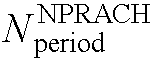

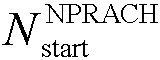


도 9를 참조하면, 향상된 프리앰블은 레거시 프리앰블에 비해 늘어난 CP 길이를 가질 수 있기 때문에(예, 도 8 참조), 향상된 UE가 레거시 NPRACH 자원 구성을 동일하게 해석/적용할 경우 NPRACH 자원 구성에 따라 향상된 프리앰블의 반복 전송을 현재 NPRACH 전송 주기에 모두 할당한 후 나머지 반복 전송을 다음 NPRACH 전송 주기에 할당할 수 있다. 도 9의 예에서 NPRACH 전송 주기는 NPRACH 자원의 주기를 지시하는 정보(예, 

향상된 프리앰블의 마지막 반복 전송이 수행되는 레거시 NPRACH 자원은 모두 채워지거나 부분적으로 채워질 수 있는데, 모두 채워지는 경우 레거시 프리앰블과 동일하게 다음 레거시 NPRACH 자원의 시작부터 채울 수 있다. 부분적으로 채워지는 경우에 대해서 다음에 전송해야 할 향상된 프리앰블을 전송하는 방법으로 다음 두 가지를 고려할 수 있다.The legacy NPRACH resource in which the last repetitive transmission of the enhanced preamble is performed may be all filled or partially filled. If all is filled, it can be filled from the start of the next legacy NPRACH resource in the same manner as the legacy preamble. The following two methods can be considered as a method of transmitting an enhanced preamble to be transmitted next for a partially filled case.
방법 1-1-1: 동일 NPRACH 자원 구성 내에서 연이어 전송하는 방법Method 1-1-1: Continuous transmission within the same NPRACH resource configuration
다음 전송해야 할 향상된 프리앰블을 동일 주기 안에서 바로 연이어서 또는 일정 구간의 격차(gap)을 두고 이어서 전송할 수 있다. 여기서, 일정 구간의 격차는 보호 시간(guard time)이나 상향링크 동기(uplink synchronization), 또는 채널 사운딩(channel sounding) 등의 용도로 사용될 수 있다. 레거시 NPRACH 자원의 중간부터 향상된 프리앰블이 할당된 경우에는 해당 향상된 UE에게 향상된 프리앰블의 시작점을 지시해 주어야 한다. 향상된 프리앰블의 시작점을 지시하는 정보는 레거시 NPRACH 자원 내의 서브프레임 인덱스에 해당하는 값(또는 무선 프레임의 시작부터 시간 오프셋에 해당하는 값)을 가지거나, 시그널링 오버헤드를 줄이기 위해서 레거시 NPRACH 자원 내의 시작점을 제한하여 제한된 위치만 지시할 수 있다. 해당 지시 정보는 상위 계층 시그널링(higher layer signaling)이나 DCI(Downlink Control Information) 형태로 (PDCCH를 통해) 전송될 수 있다. 다음 전송될 향상된 프리앰블을 위한 주파수 영역은 이전 전송된 향상된 프리앰블을 위한 주파수 영역과 동일하게 설정될 수 있다.The enhanced preamble to be transmitted next can be successively transmitted within the same period or continuously with a gap in a certain section. Here, the gap of a certain section may be used for a guard time, uplink synchronization, or channel sounding. When an enhanced preamble is allocated from the middle of the legacy NPRACH resource, the start point of the enhanced preamble should be indicated to the enhanced UE. The information indicating the starting point of the enhanced preamble has a value corresponding to a subframe index in the legacy NPRACH resource (or a value corresponding to a time offset from the start of a radio frame), or a starting point in the legacy NPRACH resource to reduce signaling overhead. You can limit and indicate only limited locations. The indication information may be transmitted (via PDCCH) in the form of higher layer signaling (higher layer signaling) or downlink control information (DCI). The frequency domain for the enhanced preamble to be transmitted next may be set to be the same as the frequency domain for the enhanced preamble transmitted previously.
도 10은 본 발명의 방법 1-1-1에 따른 향상된 프리앰블 전송 방법을 예시한다. 도 10(a)를 참조하면, 다음 향상된 프리앰블의 전송은 이미 전송된 향상된 프리앰블의 전송 종료 위치와 동일 주기 내에서 바로 연속적으로 시작될 수 있다. 도 10(b)를 참조하면, 다음 향상된 프리앰블의 전송은 이미 전송된 향상된 프리앰블의 전송 종료 위치와 동일 주기 내에서 일정 구간의 격차를 두고 시작될 수 있다.10 illustrates an improved preamble transmission method according to method 1-1-1 of the present invention. Referring to FIG. 10 (a), the transmission of the next enhanced preamble may be started continuously within the same period as the transmission end position of the already transmitted enhanced preamble. Referring to FIG. 10 (b), the transmission of the next enhanced preamble may be started at a predetermined interval within the same period as the transmission end position of the already transmitted enhanced preamble.
방법 1-1-2: 향상된 프리앰블 반복의 시작점을 NPRACH 자원 구성 시작점으로 제한하는 방법Method 1-1-2: How to limit the starting point of enhanced preamble repetition to the starting point of NPRACH resource configuration
향상된 프리앰블 반복이 NPRACH 자원 구성 중간에 끝난 경우, 해당 주기의 NPRACH 자원의 나머지 부분은 생략(skip)하고 다음 주기나 그 이후의 시작점부터 다음 향상된 프리앰블을 전송하도록 하는 방법이다. 이 방법은 레거시 프리앰블과 동일하게 향상된 프리앰블의 시작점을 레거시 NPRACH 자원 구성의 시작점으로 제한하는 방법이다.When the enhanced preamble repetition is ended in the middle of configuring the NPRACH resource, the remaining part of the NPRACH resource of the corresponding period is skipped and the next enhanced preamble is transmitted from the starting point of the next period or later. This method is a method of limiting the starting point of the enhanced preamble, which is the same as the legacy preamble, to the starting point of the legacy NPRACH resource configuration.
본 발명의 방법 1-1은 레거시 NPRACH 자원 구성 방법을 준수하므로, 레거시 UE와 향상된 UE가 공존하더라도 레거시 UE의 동작에 영향을 주지 않는 점에서 장점이 있다. The method 1-1 of the present invention has an advantage in that it does not affect the operation of the legacy UE even if the legacy UE and the enhanced UE coexist because the method of configuring the legacy NPRACH resource is observed.
NPRACH 자원 구성 방법 1-2How to configure NPRACH resource 1-2
본 발명의 방법 1-2는 레거시 NPRACH 자원 구성을 부분적으로 공유하는 방법이다. 예를 들어, 레거시 NPRACH 자원 구성의 주기와 시작점을 공유하고 반복은 향상된 프리앰블 기준으로 해석하여 적용할 수 있다. 보다 구체적인 예로, 향상된 프리앰블의 전송 주기와 시작점은 레거시 NPRACH 자원 구성에 따라 각각 NPRACH 자원의 주기를 지시하는 정보(예, 


본 발명의 방법 1-2를 적용할 경우, 결과적으로 향상된 프리앰블의 주기와 시작점은 레거시 프리앰블과 동일하고, 향상된 프리앰블의 반복 방식에 따라서 종착점이 다를 수 있다. 향상된 프리앰블의 종착점이 레거시 프리앰블보다 빠를 경우는 레거시 UE의 상향링크/하향링크 전송 서브프레임과 충돌이 없기 때문에 역호환성 측면에서 문제가 되지 않을 수 있다. 하지만, 향상된 프리앰블의 종착점이 레거시 프리앰블보다 시간적으로 클 경우, 레거시 UE의 상향링크/하향링크 전송 서브프레임과 충돌이 생길 수 있다. 이러한 상황에서는 레거시 UE가 향상된 프리앰블의 종착점을 알 수 있을 거라 기대할 수 없는데, 이 경우 기지국이 레거시 UE의 기존 스케줄링 방법을 이용하여 향상된 프리앰블과의 충돌을 회피하도록 스케줄링하는 방법 등을 사용하여 해결할 수 있다.When applying method 1-2 of the present invention, as a result, the period and starting point of the improved preamble are the same as the legacy preamble, and the end point may be different according to the iterative method of the improved preamble. If the end point of the enhanced preamble is faster than the legacy preamble, it may not be a problem in terms of backward compatibility since there is no collision with the uplink / downlink transmission subframe of the legacy UE. However, if the end point of the enhanced preamble is larger than the legacy preamble in time, a collision may occur with the uplink / downlink transmission subframe of the legacy UE. In such a situation, it is not expected that the legacy UE will know the end point of the enhanced preamble, and in this case, the base station can be solved by using a legacy UE's existing scheduling method to schedule a collision to avoid collision with the enhanced preamble. .
방법 1-2는 방법 1-1 대비 다음과 같은 장점을 가질 수 있다. 방법 1-1의 경우, 효율적인 운용을 위해서는 향상된 프리앰블의 시간/주파수 자원 점유 형태에 어느 정도 공통된 요구 사항이 필요할 수 있다. 요구사항은 레거시 프리앰블과 향상된 프리앰블의 반복 단위가 시간적으로 동일해야 한다거나 하는 것일 수 있다. 예를 들어, 향상된 프리앰블이 레거시 프리앰블의 서브캐리어 간격보다 작거나, 소수 주파수 호핑을 적용할 경우 레거시 프리앰블 내의 심볼 기준으로 다수 개의 심볼이 하나의 단위로 동작할 수 있는데, 이러한 경우에 방법 1-1의 경우에 제약이 따를 수 있다.Method 1-2 may have the following advantages over Method 1-1. In the case of method 1-1, some common requirements may be required for the time / frequency resource occupancy mode of the enhanced preamble for efficient operation. The requirement may be that the repetition unit of the legacy preamble and the enhanced preamble should be the same in time. For example, when the enhanced preamble is smaller than the subcarrier spacing of the legacy preamble, or when fractional frequency hopping is applied, multiple symbols may be operated as a unit based on a symbol in the legacy preamble. In this case, Method 1-1 In the case of, restrictions may follow.
제약은 프리앰블 경계 정렬(preamble boundary alignment) 등이 될 수 있는데, 이는 레거시 프리앰블과 향상된 프리앰블의 시간적인 길이가 같고 시작점이 같도록 맞추는 동작을 의미한다. 프리앰블 경계 정렬을 위해서 프리앰블 내 심볼 그룹의 개수를 조정하거나, 심볼 그룹 내 심볼 개수를 조정하거나, 또는 심볼 그룹과 심볼 개수 모두를 조정하거나 할 수 있다. 방법 1-1은 이러한 제약이 따를 수 있는 데 반해서, 방법 1-2는 이러한 향상된 프리앰블 구조에 대한 제약 없이 적용이 가능하다. The constraint may be a preamble boundary alignment, etc., which means an operation in which the time length of the legacy preamble and the enhanced preamble is the same and the starting point is the same. For preamble boundary alignment, the number of symbol groups in the preamble may be adjusted, the number of symbols in the symbol group may be adjusted, or both the symbol group and the number of symbols may be adjusted. Method 1-1 may be subject to this restriction, while method 1-2 may be applied without restrictions on this enhanced preamble structure.
NPRACH 자원 구성 방법 1-3How to configure NPRACH resource 1-3
본 발명의 방법 1-3은 레거시 NPRACH 자원 구성과 독립적으로 향상된 NPRACH 자원 구성을 설정하는 방법이다. 향상된 NPRACH 자원 구성은 레거시 자원 구성과 독립적으로 주기, 시작점, 반복 횟수 등을 설정한다. 주기, 시작점, 반복 횟수 등의 지시 방법은 레거시 NPRACH 자원 구성을 그대로 사용하고 해석만 다르게 하거나, 독립적인 지시 방법을 정의하여 사용할 수 있다. 레거시 UE의 상향링크/하향링크 전송 서브프레임과 충돌을 회피하기 위해서, 독립적으로 할당하지만 레거시 NPRACH 자원 내에 전부 또는 일부가 속하도록 할당할 수 있다. 또는 레거시 프리앰블과의 충돌을 회피하기 위해서 레거시 NPRACH 자원를 피해서 할당할 수 있다.Method 1-3 of the present invention is a method of setting an enhanced NPRACH resource configuration independently of the legacy NPRACH resource configuration. The improved NPRACH resource configuration sets the cycle, start point, and number of repetitions independently of the legacy resource configuration. Indicative methods such as period, starting point, and repetition number can be used by using legacy NPRACH resource configuration as it is, or by interpreting differently or by defining an independent instruction method. In order to avoid collision with the uplink / downlink transmission subframe of the legacy UE, it is allocated independently, but can be allocated to belong to all or part of the legacy NPRACH resource. Alternatively, in order to avoid collision with the legacy preamble, the legacy NPRACH resource may be allocated by avoiding it.
레거시 NPRACH 자원 구성을 그대로 사용하고 해석만 다르게 할 경우, UE는 레거시 NPRACH 구성 정보를 수신하고, 레거시 NPRACH 구성 정보가 지시하는 값들(예, 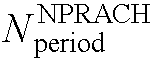


독립적인 지시 방법을 정의하여 사용하는 경우, UE는 레거시 NPRACH 구성 정보와 함께 향상된 NPRACH 구성 정보를 수신할 수 있다. UE는 레거시 NPRACH 구성 정보가 지시하는 값들(예, 


NPRACH 자원 구성 방법 1-4How to configure NPRACH resources 1-4
향상된 프리앰블의 NPRACH 자원 구성을 레거시 NPRACH 자원 구성과 FDM하여 전송할 수 있다. 레거시 프리앰블의 경우, LTE 15 kHz 서브캐리어 간격 기준으로 1 RB(Resource Block)(=15 kHz/서브캐리어 * 12 서브캐리어/RB = 180 kHz/RB)의 일부를 레거시 프리앰블 전송용으로 할당하여 사용한다. 향상된 프리앰블과 레거시 프리앰블을 FDM하기 위해서 기지국은 180 kHz(또는 1 RB) 중 일부 주파수 영역을 레거시 프리앰블 전송을 위한 NPRACH 자원으로 할당하고, 나머지 부분 또는 나머지 부분 중의 일부를 향상된 프리앰블 전송을 위한 NPRACH 자원으로 할당할 수 있다.The NPRACH resource configuration of the enhanced preamble can be transmitted through FDM with the legacy NPRACH resource configuration. In the case of legacy preamble, a part of 1 Resource Block (RB) (= 15 kHz / subcarrier * 12 subcarrier / RB = 180 kHz / RB) is allocated for legacy preamble transmission based on LTE 15 kHz subcarrier interval. . In order to FDM the enhanced preamble and the legacy preamble, the base station allocates some frequency domain of 180 kHz (or 1 RB) as an NPRACH resource for legacy preamble transmission, and a portion of the other or the rest as NPRACH resource for enhanced preamble transmission. Can be assigned.
본 발명의 방법 1-4에 따르면 레거시 UE는 기존과 동일한 NPRACH 자원 구성 방식으로 일정 주파수 영역을 할당받기 때문에 향상된 프리앰블과의 FDM 여부에 의해서 영향을 받지 않고 동작할 수 있다. 향상된 프리앰블은 레거시 프리앰블과 동일하게 할당받은 NPRACH 자원 내 전부 또는 일부 영역에서 반복 그리고/또는 주파수 호핑을 수행할 수 있다.According to the method 1-4 of the present invention, since the legacy UE is assigned a certain frequency domain in the same NPRACH resource configuration manner as the existing one, it can operate without being affected by FDM with the enhanced preamble. The enhanced preamble may perform repetition and / or frequency hopping in all or part of the NPRACH resource allocated in the same manner as the legacy preamble.
이하에서는 향상된 프리앰블 또는 향상된 NPRACH를 위한 자원 구성 방법을 보다 구체적으로 설명한다.Hereinafter, a method of configuring resources for an enhanced preamble or an improved NPRACH will be described in more detail.
방법 2-1: 향상된 프리앰블 또는 향상된 NPRACH의 주파수 자원 설정 방법Method 2-1: Improved preamble or improved NPRACH frequency resource setting method
- 향상된 프리앰블의 주파수 자원 또는 향상된 프리앰블의 NPRACH 자원 내에서 시작 주파수(starting frequency)(또는 tone) 위치로 선택 가능한 주파수 그리드(frequency grid)의 간격은 레거시 NPRACH의 주파수 자원 간격 또는 레거시 프리앰블의 NPRACH 자원 내에서 시작 주파수(또는 톤) 위치로 선택 가능한 주파수 그리드 간격(예, 3.75 kHz)과 동일하도록 설정할 수 있다.- The interval of the frequency grid selectable as a starting frequency (or tone) position in the NPRACH resource of the enhanced preamble or the NPRACH resource of the enhanced preamble is within the frequency resource interval of the legacy NPRACH or the NPRACH resource of the legacy preamble. The start frequency (or tone) position can be set to equal the selectable frequency grid spacing (eg, 3.75 kHz).
- 또는, 향상된 프리앰블의 주파수 자원 또는 향상된 프리앰블의 NPRACH 자원 내에서 시작 주파수(또는 톤) 위치로 선택 가능한 주파수 그리드 간격은 향상된 프리앰블의 서브캐리어 간격 또는 최소 호핑 거리(minimum hop distance)(예, 1.25 kHz)와 동일하도록 설정할 수 있다.- Alternatively, a frequency grid interval selectable as a starting frequency (or tone) location within the frequency resource of the enhanced preamble or the NPRACH resource of the enhanced preamble is a subcarrier spacing or minimum hop distance (eg, 1.25 kHz) of the enhanced preamble. It can be set to be the same as.
- 향상된 UE(또는 향상된 프리앰블을 지원하는 UE)가 레거시 NPRACH 경쟁 기반 영역(contention-based region)으로 향상된 프리앰블 전송하거나 또는 전송하도록 설정(configure)된 경우, 레거시 프리앰블과의 충돌을 회피하거나 간섭을 최소화하기 위해서, 향상된 NPRACH 주파수 자원 또는 향상된 프리앰블의 NPRACH 자원 내에서 시작 주파수(또는 톤) 위치로 선택 가능한 주파수 그리드는 레거시 NPRACH의 주파수 자원 또는 레거시 프리앰블의 NPRACH 자원 내에서 시작 주파수(또는 톤) 위치로 선택 가능한 주파수 그리드와 동일한 간격(예, 3.75 kHz)으로 설정될 수 있다. 또는, 향상된 NPRACH 주파수 자원 또는 향상된 프리앰블의 NPRACH 자원 내에서 시작 주파수(또는 톤) 위치로 선택 가능한 주파수 그리드는 레거시 NPRACH의 주파수 자원 또는 레거시 프리앰블의 NPRACH 자원 내에서 시작 주파수(또는 톤) 위치로 선택 가능한 주파수 그리드와 동일한 위치에 설정된 상태에서, (레거시 NPRACH의 주파수 자원 또는 레거시 프리앰블의 NPRACH 자원 내에서 시작 주파수(또는 톤) 위치로 선택 가능한 주파수 그리드로부터) 특정 주파수 오프셋(예, +delta kHz 또는 -delta kHz의 주파수 오프셋)을 설정할 수 있다. 예를 들어, 특정 주파수 오프셋 값의 크기(예, delta 값)는 향상된 프리앰블의 서브캐리어 간격 또는 최소 호핑 거리(minimum hop distance)(예, 1.25 kHz)와 동일하도록 설정할 수 있다.- If an enhanced UE (or UE supporting enhanced preamble) is configured to transmit or to transmit an enhanced preamble to a legacy NPRACH contention-based region, avoid collision with the legacy preamble or minimize interference To this end, a frequency grid selectable as a starting frequency (or tone) location within an NPRACH resource of an enhanced NPRACH frequency resource or an enhanced preamble can be selected as a starting frequency (or tone) location within a frequency resource of a legacy NPRACH or NPRACH resource of a legacy preamble. It can be set at the same interval as the frequency grid (eg, 3.75 kHz). Alternatively, a frequency grid selectable as a starting frequency (or tone) location within an NPRACH resource of an enhanced NPRACH frequency resource or an enhanced preamble can be selected as a starting frequency (or tone) location within a frequency resource of a legacy NPRACH or NPRACH resource of a legacy preamble. Set at the same position as the frequency grid, a specific frequency offset (e.g., + delta kHz or -delta) (from the frequency grid selectable as a starting frequency (or tone) position within the frequency resource of the legacy NPRACH or the NPRACH resource of the legacy preamble) kHz frequency offset). For example, the size (eg, delta value) of a specific frequency offset value may be set to be the same as the subcarrier spacing or minimum hop distance (eg, 1.25 kHz) of the enhanced preamble.
- 향상된 UE가 레거시 NPRACH 비경쟁 영역(contention-free region)으로 향상된 프리앰블을 전송하거나 또는 전송하도록 설정(configure)된 경우, NPRACH 주파수 자원 확장을 위해서, 또는 보다 많은 향상된 UE의 랜덤 접속을 지원하기 위해서, 향상된 NPRACH 자원 또는 향상된 프리앰블의 NPRACH 자원 내에서 시작 주파수(또는 톤) 위치로 선택 가능한 주파수 그리드 간격은 레거시 NPRACH 자원 또는 레거시 프리앰블의 NPRACH 자원 내에서 시작 주파수(또는 톤) 위치로 선택 가능한 주파수 그리드 간격보다 작은 값으로 설정될 수 있다. 예를 들어, 향상된 NPRACH 자원 또는 향상된 프리앰블의 NPRACH 자원 내에서 시작 주파수(또는 톤) 위치로 선택 가능한 주파수 그리드 간격은 향상된 프리앰블의 서브캐리어 간격 또는 최소 호핑 거리(예, 1.25 kHz)와 동일한 값으로 설정될 수 있다.- When an enhanced UE is configured to transmit or configure an enhanced preamble to a legacy NPRACH contention-free region, for enhanced NPRACH frequency resource expansion or to support random access of more advanced UEs, enhanced The frequency grid interval selectable as the starting frequency (or tone) position within the NPRACH resource or the NPRACH resource of the enhanced preamble is smaller than the frequency grid interval selectable as the starting frequency (or tone) position within the NPRACH resource of the legacy NPRACH resource or the legacy preamble. Can be set to a value. For example, a frequency grid interval selectable as a starting frequency (or tone) position within the NPRACH resource of the enhanced NPRACH resource or the enhanced preamble is set to the same value as the subcarrier interval or minimum hopping distance (eg, 1.25 kHz) of the enhanced preamble. Can be.
방법 2-2: 향상된 프리앰블 또는 향상된 NPRACH의 주파수 오프셋Method 2-2: Frequency offset of enhanced preamble or enhanced NPRACH
- 향상된 프리앰블의 주파수 자원 또는 향상된 프리앰블의 NPRACH 자원 내에서 시작 주파수(또는 톤) 위치로 선택 가능한 주파수 그리드는 레거시(또는 향상된) 프리앰블의 주파수 자원 또는 레거시(또는 향상된) 프리앰블의 NPRACH 자원 내에서 시작 주파수(또는 톤) 위치로 선택 가능한 주파수 그리드(예, 3.75 kHz)로부터 특정 주파수 오프셋(예, +delta kHz 또는 -delta kHz의 주파수 오프셋)을 가지도록 설정될 수 있다. 예를 들어, 주파수 오프셋 값의 크기(예, delta 값)은 향상된 프리앰블의 서브캐리어 간격 또는 최소 호핑 거리(예, 1.25 kHz)와 동일하도록 설정할 수 있다.- The frequency grid selectable as a starting frequency (or tone) position within the frequency resource of the enhanced preamble or the NPRACH resource of the enhanced preamble is the frequency resource of the legacy (or enhanced) preamble or the starting frequency within the NPRACH resource of the legacy (or enhanced) preamble ( Alternatively, it may be set to have a specific frequency offset (eg, + delta kHz or -delta kHz frequency offset) from a frequency grid (eg, 3.75 kHz) selectable as a tone position. For example, the size of the frequency offset value (eg, delta value) may be set to be equal to the subcarrier spacing or minimum hopping distance (eg, 1.25 kHz) of the enhanced preamble.
- 상기 향상된 프리앰블 또는 향상된 NPRACH의 주파수 오프셋은 셀-특정(cell-specific)하게 설정되어 동일 셀 내의 모든 UE 들은 동일한 주파수 오프셋을 가지도록 설정될 수 있다. 또는, 향상된 프리앰블의 전송 시작 시점 또는 향상된 NPRACH 시간 자원에 연동하여 설정되어 동일한 전송 시점 또는 동일한 NPRACH 시간 자원을 가지는 모든 UE들은 동일한 주파수 오프셋을 가지도록 설정될 수 있다. 또는, 상기의 두 가지 조건(예, 동일 셀 내에 있을 것, 동일한 전송 시점 또는 동일한 NPRACH 시간 자원을 가질 것) 중 하나를 만족시키면 동일한 값을 가지거나, 상기의 두 가지 조건을 모두 만족해야 동일한 주파수 오프셋 값을 가지도록 설정할 수 있다. 예를 들어, 후자의 경우는 동일 셀 내에서 향상된 프리앰블의 시작 시점 또는 향상된 NPRACH 시간 자원을 공유하는 모든 UE에 대해서 동일한 주파수 오프셋 값이 설정되도록 하는 것일 수 있다.- The frequency offset of the enhanced preamble or enhanced NPRACH can be set to be cell-specific, so that all UEs in the same cell have the same frequency offset. Alternatively, all UEs having the same transmission time or the same NPRACH time resource, which are set in connection with the start time of the enhanced preamble or the enhanced NPRACH time resource, may be set to have the same frequency offset. Or, if one of the above two conditions (eg, be in the same cell, have the same transmission time, or have the same NPRACH time resource) has the same value, or both of the above conditions must be satisfied to have the same frequency It can be set to have an offset value. For example, in the latter case, the same frequency offset value may be set for all UEs sharing an enhanced NPRACH time resource or a starting point of an enhanced preamble within the same cell.
방법 2-3: 향상된 프리앰블 또는 향상된 NPRACH의 RAPID 설정 방법Method 2-3: How to set RAPID for enhanced preamble or improved NPRACH
- 향상된 프리앰블 또는 향상된 NPRACH 전송 시, 주파수 자원 또는 NPRACH 자원 내에서 시작 주파수 (톤) 선택에 따라 프리앰블 또는 NPRACH를 구분하기 위해, 주파수 자원 또는 NPRACH 자원 내에서 선택 가능한 시작 주파수 (톤) 별로 RAPID(Random Access Preamble ID)를 구분하도록 할 수 있다. 상기의 향상된 프리앰블 또는 NPRACH의 RAPID는 NB-IoT 시스템 대역폭 전체 또는 (프리앰블 전송 또는 NPRACH 주파수 자원 설정이 가능한) 특정 주파수 영역에 대해서 (연속적으로) 프리앰블의 서브캐리어 간격 또는 최소 호핑 거리(minimum hop distance)(예, 1.25 kHz) 간격으로 주파수 값의 오름 또는 내림차순으로 인덱스를 할당하여 설정될 수 있다(RAPID 설정 방법 2-3-1).- When transmitting the enhanced preamble or the enhanced NPRACH, RAPID (Random Access) for each starting frequency (tone) selectable within the frequency resource or the NPRACH resource to distinguish the preamble or NPRACH according to the selection of the starting frequency (tone) within the frequency resource or the NPRACH resource Preamble ID). The RAPID of the enhanced preamble or NPRACH is the subcarrier spacing or minimum hop distance of the preamble (continuously) for the entire NB-IoT system bandwidth or for a specific frequency domain (which can be configured for preamble transmission or NPRACH frequency resource setting). It can be set by assigning an index in ascending or descending order of frequency values (eg, 1.25 kHz) at intervals (RAPID setting method 2-3-1).
또는, 시스템 대역폭 내, 또는 프리앰블 전송 또는 NPRACH 주파수 자원 설정이 가능한 주파수 영역 내에서, 실제로 프리앰블 전송 또는 NPRACH 주파수 자원 설정에 사용되는 주파수 위치에서만 인덱스를 할당하여 설정될 수 있다(RAPID 설정 방법 2-3-2). 따라서, RAPID 설정 방법 2-3-2에 의해서 ID를 부여 받는 주파수 위치의 집합은 RAPID 설정 방법 2-3-1에 의해서 ID를 부여 받는 주파수 위치의 집합의 서브세트, 또는 부분 집합일 수 있다. Alternatively, within a system bandwidth or within a frequency domain where preamble transmission or NPRACH frequency resource setting is possible, it may be set by actually assigning an index only at a frequency location used for preamble transmission or NPRACH frequency resource setting (RAPID setting method 2-3 -2). Accordingly, the set of frequency locations assigned IDs by the RAPID setting method 2-3-2 may be a subset or a subset of the set of frequency locations assigned IDs by the RAPID setting method 2-3-1.
향상된 프리앰블과 레거시 프리앰블을 모두 지원하는 시스템에서, RAPID는 레거시 프리앰블 또는 NPRACH의 주파수 자원에 주파수 값의 오름 또는 내림차순으로 우선 부여되고, 남는 부분에 대해서 향상된 프리앰블에 주파수 값의 오름 또는 내림차순으로 부여될 수 있다. 예를 들어, RAPID의 범위가 0에서 N-1(예, N=64)까지이고, 레거시 프리앰블의 주파수 자원이 M(예, M=48)개일 경우, 0에서 M-1까지는 레거시 프리앰블 또는 NPRACH의 주파수 자원 또는 프리앰블 전송을 위해서 NPRACH 자원 내에서 선택 가능한 시작 주파수 (톤)에 주파수 값의 오름 또는 내림차순으로 할당되고, M부터 N-1까지 향상된 프리앰블 또는 NPRACH의 주파수 자원 또는 프리앰블 전송을 위해서 NPRACH 자원 내에서 선택 가능한 시작 주파수 (톤)에 주파수 값의 오름 또는 내림차순으로 할당될 수 있다.In a system supporting both the enhanced preamble and the legacy preamble, the RAPID may be first assigned to the frequency resource of the legacy preamble or NPRACH in ascending or descending order of frequency values, and the remaining preamble may be assigned to the enhanced preamble in ascending or descending order of frequency values. have. For example, if the range of RAPID is 0 to N-1 (eg, N = 64) and the frequency resources of the legacy preamble are M (eg, M = 48), 0 to M-1 is a legacy preamble or NPRACH. NPRACH resource for transmission of preamble or frequency resource of NPRACH or enhanced preamble from M to N-1, which is allocated in ascending or descending order of frequency values to a start frequency (tone) selectable from NPRACH resource for transmission of frequency resource or preamble of Within the selectable starting frequency (tone), the frequency value can be assigned in ascending or descending order.
향상된 프리앰블과 레거시 프리앰블을 모두 지원하는 시스템에서, RAPID 설정 방법은 NPRACH 주파수 자원의 영역에 따라서 다르게 설정될 수 있다. 예를 들어, 향상된 프리앰블이 레거시 NPRACH 경쟁 기반 영역으로 전송될 때와 레거시 NPRACH 비경쟁 영역으로 전송될 때, NPRACH 주파수 자원(또는 주파수 그리드) 간격, NPRACH 주파수 오프셋 등이 달라질 수 있는데, 그에 따라서 RAPID 설정 방법이 달라질 수 있다. In a system supporting both the enhanced preamble and the legacy preamble, the RAPID setting method may be set differently according to the region of the NPRACH frequency resource. For example, when the enhanced preamble is transmitted to the legacy NPRACH contention-based area and when transmitted to the legacy NPRACH contention-free area, the NPRACH frequency resource (or frequency grid) interval, the NPRACH frequency offset, etc. may vary, and thus the RAPID setting method This can vary.
뿐만 아니라, 향상된 프리앰블과 레거시 프리앰블이 동일한 RA-RNTI를 사용하는지 여부에 따라서 RAPID 설정 방법이 달라질 수 있다. 예를 들어, 동일한 RA-RNTI를 사용하지 않는 경우에 향상된 프리앰블의 RAPID는 0번부터 순차적으로 시작 주파수 (톤)에 할당되어 정의될 수 있다. 반면, 동일한 RA-RNTI를 공유하는 경우에는 레거시 프리앰블과 구분하기 위해서 해당 RA-RNTI에서 특정 값 (오프셋) 이후부터 향상된 프리앰블이 전송될 수 있는 시작 주파수(톤)에 순차적으로 할당되어 정의될 수 있다. 상기의 특정 값 또는 오프셋은 임의의 레거시 프리앰블이 사용 가능한 모든 RAPID 값 중에서 가장 큰 값일 수 있다.In addition, the RAPID setting method may vary depending on whether the enhanced preamble and the legacy preamble use the same RA-RNTI. For example, if the same RA-RNTI is not used, the RAPID of the enhanced preamble can be defined by sequentially assigning to a starting frequency (tone) from 0. On the other hand, in the case of sharing the same RA-RNTI, in order to distinguish it from the legacy preamble, an enhanced preamble from a specific value (offset) in the corresponding RA-RNTI may be sequentially assigned and defined in a starting frequency (tone) that can be transmitted. . The specific value or offset may be the largest value among all RAPID values available for any legacy preamble.
예를 들어, 레거시 UE(또는 레거시 프리앰블)의 경우, RA-RNTI는 랜덤 접속 프리앰블의 반복 전송을 시작하는 첫 번째(또는 시작) 무선 프레임의 인덱스 정보에 기초하여 결정될 수 있다. 구체적인 예로, 레거시 UE는 수학식 9에 기초하여 RA-RNTI를 결정할 수 있으며, 수학식 9에서 SFN_id는 랜덤 접속 프리앰블의 반복 전송을 시작하는 첫 번째(또는 시작) 무선 프레임의 인덱스 정보를 나타내고, floor()는 소수점 이하를 버리는 플로어 함수를 나타낸다.For example, in the case of a legacy UE (or legacy preamble), the RA-RNTI may be determined based on index information of the first (or start) radio frame that starts repetitive transmission of the random access preamble. As a specific example, the legacy UE may determine the RA-RNTI based on Equation 9, and in Equation 9, SFN_id represents index information of the first (or start) radio frame that starts repetitive transmission of the random access preamble, floor () Denotes a floor function that discards decimal places.
[수학식 9][Equation 9]
RA-RNTI=1+floor(SFN_id/4)RA-RNTI = 1 + floor (SFN_id / 4)
또한, 향상된 프리앰블과 레거시 프리앰블을 모두 지원하는 시스템에서, 향상된 UE는 향상된 프리앰블의 전송 영역에 따라서 또는 NPRACH 주파수 자원의 영역에 따라서, 향상된 프리앰블 전송을 위한 주파수 오프셋(레거시 프리앰블 대비, 또는 향상된 프리앰블의 3.75 kHz 주파수 그리드 대비), 주파수 호핑 패턴 또는 호핑 방향(hopping direction) 등을 다르게 해석하여 향상된 프리앰블 또는 향상된 NPRACH 전송에 적용할 수 있다.In addition, in a system that supports both the enhanced preamble and the legacy preamble, the enhanced UE frequency offset for the enhanced preamble transmission (compared to the legacy preamble or 3.75 of the enhanced preamble) according to the transmission region of the enhanced preamble or the region of the NPRACH frequency resource. kHz frequency grid), a frequency hopping pattern, or a hopping direction may be interpreted differently to apply to an enhanced preamble or an improved NPRACH transmission.
방법 2-4: 향상된 프리앰블 또는 향상된 NPRACH의 시간 자원 설정 방법Method 2-4: Time resource setting method of enhanced preamble or enhanced NPRACH
- 향상된 프리앰블 또는 향상된 NPRACH와 레거시 프리앰블 또는 레거시 NPRACH의 시간 자원 공유(time resource sharing)을 위해서, 향상된 프리앰블의 (시간 영역에서의) 프리앰블 경계가 레거시 프리앰블 N=2^n (n은 양의 정수) 반복의 (시간 영역에서의) 프리앰블 경계와 정렬되도록 설정할 수 있다(^는 거듭제곱을 나타냄). 즉, 향상된 프리앰블의 길이가 레거시 프리앰블의 N=2^n (n은 양의 정수) 배가 되고, 향상된 프리앰블의 시작점이 레거시 프리앰블과 일치하도록 설정할 수 있다. 예를 들어, 향상된 프리앰블 1개 심볼의 길이가 레거시 프리앰블 1개 심볼의 길이의 3배일 경우, 4개의 심볼로 1개 심볼 그룹을 구성하고, 4개의 심볼 그룹으로 프리앰블을 구성하도록 하여, 향상된 프리앰블의 길이가 레거시 프리앰블의 길이의 2^1=2배가 되도록 설정할 수 있다. 또는, 8개의 심볼로 1개 심볼 그룹을 구성하고, 4개의 심볼 그룹으로 프리앰블을 구성하도록 하여, 향상된 프리앰블의 길이가 레거시 프리앰블의 길이의 2^2=4배가 되도록 설정할 수 있다. - For time resource sharing of the enhanced preamble or the enhanced NPRACH and the legacy preamble or the legacy NPRACH, the preamble boundary (in the time domain) of the enhanced preamble repeats the legacy preamble N = 2 ^ n (n is a positive integer) Can be set to align with the preamble boundary (in the time domain) of (^ represents a power). That is, the length of the enhanced preamble is N = 2 ^ n (n is a positive integer) times the legacy preamble, and the starting point of the enhanced preamble can be set to match the legacy preamble. For example, if the length of one symbol of the enhanced preamble is three times the length of one symbol of the legacy preamble, one symbol group is composed of four symbols, and the preamble is composed of four symbol groups, thereby improving the The length can be set to be 2 ^ 1 = 2 times the length of the legacy preamble. Alternatively, one symbol group may be composed of eight symbols, and a preamble may be composed of four symbol groups, so that the length of the enhanced preamble may be set to be 2 ^ 2 = 4 times the length of the legacy preamble.
랜덤 접속 과정Random access process
향상된 UE의 랜덤 접속 과정은 레거시 UE와 동일하게 4-단계 경쟁 기반 랜덤 접속 과정을 사용할 수 있다(예, 도 5 및 관련 설명 참조). 일반적인 경쟁 기반 랜덤 접속 과정과 각 단계에서의 종래의 전송 메시지는 다음과 같다.The enhanced UE random access process may use a 4-step contention-based random access process in the same manner as the legacy UE (see, eg, FIG. 5 and related description). The general contention-based random access process and the conventional transmission message at each stage are as follows.
1) Msg1: RA 프리앰블 전송(예, 도 5의 S510 참조)One) Msg1: RA preamble transmission (eg, see S510 in FIG. 5)
2) Msg2: RAR(TA 명령, UL grant for L2/L3 메시지 등)(예, 도 5의 S520 참조)2) Msg2: RAR (TA command, UL grant for L2 / L3 message, etc.) (eg, see S520 in FIG. 5)
3) Msg3: L2/L3 메시지(RRC connection request, TAU, UE id, etc.)(예, 도 5의 S530 참조)3) Msg3: L2 / L3 message (RRC connection request, TAU, UE id, etc.) (for example, see S530 in FIG. 5)
4) Msg4: 경쟁 해결 메시지(RRC connection setup, UE id, etc.)(예, 도 5의 S540 참조)4) Msg4: Contention resolution message (RRC connection setup, UE id, etc.) (eg, see S540 in FIG. 5)
5) Msg5: RRC connection setup complete(예, 도 5의 S550 참조)5) Msg5: RRC connection setup complete (for example, see S550 in FIG. 5)
Msg1 단계에서 향상된 프리앰블을 위한 NPRACH 자원을 통해서 향상된 프리앰블을 전송한다. 기지국은 수신된 향상된 프리앰블을 통해서 TA 정보와 RA-RNTI를 계산한다. Msg2 단계에서 기지국은 TA 명령과 msg3 스케줄링 정보를 포함한 메시지 (RAR)를 UE에게 전송한다. UE는 공통 검색 공간(common search space)에서 RA-RNTI를 이용하여 자신에게 해당하는 RAR 정보를 수신한다. RA-RNTI는 프리앰블 전송 시작점을 기준으로 계산되며 UE가 미리 알 수 있는 값일 수 있다. UE는 msg2 단계에서 수신한 msg3 스케줄링 정보와 TA 명령에 따라서 msg3에 타이밍 조정(timing adjustment)을 적용하여 상향링크로 전송한다. Msg3는 경쟁 해결을 위해서 UE 식별 정보(또는 UE id 정보)를 포함한다. 기지국은 msg3를 성공적으로 수신할 경우, msg4 단계에서 UE 식별 정보(또는 UE id 정보)를 포함한 경쟁 해결 메시지를 하향링크로 전송한다. UE는 msg4 단계에서 경쟁 해결 메시지에 포함된 자신의 UE 식별 정보(또는 UE id 정보)를 확인하면 경쟁 해결이 되었음을 확인한다. 향상된 프리앰블이 레거시 프리앰블과 NPRACH 자원를 공유하는 경우, 향상된 프리앰블이 다수 개의 레거시 NPRACH 자원에 걸쳐서 전송될 수 있는데, 이 때 향상된 프리앰블이 시작되는 NPRACH 자원 위치에 대한 모호함 문제가 있을 수 있다. 본 절에서는 이러한 모호함에 대한 해결책에 대해서 제안한다.In the Msg1 step, the enhanced preamble is transmitted through the NPRACH resource for the enhanced preamble. The base station calculates TA information and RA-RNTI through the received enhanced preamble. In step Msg2, the base station transmits a message (RAR) including the TA command and msg3 scheduling information to the UE. The UE receives RAR information corresponding to itself using RA-RNTI in a common search space. RA-RNTI is calculated based on the starting point of the preamble transmission and may be a value that the UE can know in advance. The UE applies timing adjustment to msg3 according to the msg3 scheduling information and TA command received in step msg2 and transmits it in uplink. Msg3 includes UE identification information (or UE id information) for contention resolution. When the base station successfully receives
방법 3-1: 향상된 프리앰블의 전송 시작점에 대한 모호함 해결 방법 1Method 3-1: Resolution of ambiguity about the starting point of transmission of the enhanced preamble 1
본 발명의 방법 3-1은 향상된 프리앰블이 다수 개의 레거시 NPRACH 자원 주기에 걸쳐서 전송될 때 발생할 수 있는 모호함 문제를 해결하기 위해서, 구성(configure)된 NPRACH 자원 중에서 향상된 프리앰블 전송이 시작될 수 있는 주기를 기지국이 UE에게 지시한다. 지시를 위해서 자원 주기 인덱스 i를 매 NPRACH 주기마다 하나씩 증가하는 카운터 값으로 정의할 수 있다. 자원 주기 인덱스 i는 기준 값(reference value)으로 SFN=0를 포함하는 주기에서 i=0 값을 가진다. 예를 들어, 하나의 향상된 프리앰블이 N개의 레거시 NPRACH 자원에 걸쳐서 할당될 때, 기지국은 NPRACH 자원 주기 인덱스 i=k (k=0~N-1)에 해당하는 NPRACH 자원 주기 내에서만 향상된 프리앰블 전송이 시작되도록 제한하고, 해당 k 값에 해당하는 정보를 UE에게 지시할 수 있다. UE는, (i mod N) = k에 해당하는 NPRACH 자원 주기 내의 NPRACH 자원에서만 향상된 프리앰블을 반복하여 전송하게 된다. mod는 모듈로 함수를 나타낸다. 기지국으로부터 지시되는 k 값은 향상된 UE의 NPRACH 자원 구성 정보와 함께 상위 계층 시그널링(예, RRC 시그널링)으로 전송되거나, DCI 형태로 (PDCCH를 통해) UE에게 전송될 수 있다.Method 3-1 of the present invention, in order to solve the ambiguity problem that may occur when the enhanced preamble is transmitted over a plurality of legacy NPRACH resource periods, a base station in which an enhanced preamble transmission may be started among configured NPRACH resources Instruct this UE. For indication, the resource period index i may be defined as a counter value that increases by one for every NPRACH period. The resource period index i has a value of i = 0 in a period including SFN = 0 as a reference value. For example, when one enhanced preamble is allocated across N legacy NPRACH resources, the base station transmits the enhanced preamble only within the NPRACH resource period corresponding to NPRACH resource period index i = k (k = 0 ~ N-1). It is limited to start, and information corresponding to the corresponding k value may be indicated to the UE. The UE repeatedly transmits the enhanced preamble only in NPRACH resources in the NPRACH resource period corresponding to (i mod N) = k. mod represents a modulo function. The k value indicated from the base station may be transmitted with higher layer signaling (eg, RRC signaling) together with NPRACH resource configuration information of the enhanced UE, or may be transmitted to the UE (via PDCCH) in DCI form.
방법 3-2: 향상된 프리앰블의 전송 시작점에 대한 모호함 해결 방법 2Method 3-2: Resolving ambiguity about the transmission start point of the enhanced preamble 2
또는, 시그널링 오버헤드를 줄이기 위해서 향상된 프리앰블의 시작점을 제한하여 규격서(specification)에 명시할 수 있다. 예를 들어, (i mod N) = k가 되도록 향상된 프리앰블의 시작점을 제한할 수 있다. mod는 모듈로 함수를 나타낸다. 예를 들면, N=2, k=0인 경우, NPRACH 자원 주기 인덱스 i=0, 2, 4, 8, ...인 NPRACH 자원 주기에서만 향상된 프리앰블이 시작된다. N이 분수일 경우, 예를 들면, N=5/3, (i mod ceil(N)) = k인 i에서만 향상된 프리앰블 전송이 시작되도록 제한할 수 있다. Alternatively, in order to reduce signaling overhead, the starting point of the enhanced preamble may be limited and specified in a specification. For example, it is possible to limit the starting point of the enhanced preamble so that (i mod N) = k. mod represents a modulo function. For example, when N = 2, k = 0, the enhanced preamble starts only in the NPRACH resource period with NPRACH resource period index i = 0, 2, 4, 8, .... When N is a fraction, for example, N = 5/3, (i mod ceil (N)) = k, it is possible to limit the start of the enhanced preamble transmission.
앞서 언급한 바와 같이 RA-RNTI는 프리앰블 전송 시작점을 기준으로 계산되는 값일 수 있기 때문에, 기지국과 UE 모두 계산에 의해서 알 수 있는 값일 수 있다. 그런데, 레거시 UE와 향상된 UE가 NPRACH 자원의 시작점을 공유할 경우, 레거시 프리앰블과 향상된 프리앰블에 대응하는 RA-RNTI의 값이 동일해서 구분이 안 되는 경우에 대해서 다음과 같은 동작을 고려할 수 있다.As mentioned above, since the RA-RNTI may be a value calculated based on the starting point of the preamble transmission, both the base station and the UE may be known by calculation. However, when the legacy UE and the enhanced UE share the starting point of the NPRACH resource, the following operation may be considered for a case where the values of the RA-RNTI corresponding to the legacy preamble and the enhanced preamble are the same and cannot be distinguished.
방법 4-1: 레거시 프리앰블과 향상된 프리앰블이 동일 RA-RNTI를 가질 때 대응 방법Method 4-1: Countermeasure Method When Legacy Preamble and Enhanced Preamble Have the Same RA-RNTI
향상된 프리앰블이 레거시 프리앰블과 프리앰블 전송 시작점이 일치하여 동일 RA-RNTI를 가질 때, 첫 번째 방법으로 UE는 경쟁 기반 랜덤 접속 과정의 경쟁 해결 과정에 의존할 수 있다. UE는 자신의 프리앰블의 RA-RNTI를 수신하면 RAR 메시지에 포함된 msg3 스케줄링 정보에 따라 UE 식별 정보(또는 UE id)를 상향링크로 전송하고 msg4에서 자신의 UE 식별 정보(또는 UE id)를 수신함으로써 경쟁 해결을 완료할 수 있다. 방법 4-1은 msg4 단계까지 향상된 프리앰블 전송을 확인할 수 없는데, NB-IoT에서의 전력 소모(power consumption)과 지연 감소(latency reduction)의 중요성을 고려하면 다음과 같이 msg4 이전에 향상된 프리앰블 전송을 확인할 수 있는 방법을 고려해 볼 수 있다.When the enhanced preamble and the legacy preamble and the preamble transmission start point coincide and have the same RA-RNTI, the UE may rely on the contention resolution process of the contention-based random access process as the first method. When the UE receives RA-RNTI of its preamble, it transmits UE identification information (or UE id) in uplink according to msg3 scheduling information included in the RAR message and receives its UE identification information (or UE id) in msg4 By doing so, you can complete a competitive resolution. Method 4-1 cannot confirm the enhanced preamble transmission until the msg4 step. Considering the importance of power consumption and latency reduction in the NB-IoT, the improved preamble transmission before msg4 can be confirmed as follows. You can consider how you can.
방법 4-2: 레거시 프리앰블과 향상된 프리앰블이 동일 RA-RNTI를 가질 때 대응 방법Method 4-2: Countermeasure Method When Legacy Preamble and Enhanced Preamble Have the Same RA-RNTI
두 번째 방법으로 RAR 메시지에 향상된 프리앰블인지 레거시 프리앰블인지를 지시해 주는 필드를 추가할 수 있다. 또는, RAR 메시지의 예비 필드(reserved field)에 향상된 프리앰블과 레거시 프리앰블을 구분하는 플래그를 전송하여 구분할 수 있다. 해당 정보를 이용하여, 예를 들면, 향상된 UE는 레거시 프리앰블에 해당하는 RAR일 경우, msg4 단계까지 가기 전에 재전송이나 다음 동작을 수행함으로써 전력 소모나 지연을 줄일 수 있다.In the second method, a field indicating whether the enhanced preamble or the legacy preamble can be added to the RAR message. Alternatively, a flag for distinguishing the enhanced preamble and the legacy preamble may be transmitted in a reserved field of the RAR message to distinguish them. Using the information, for example, the enhanced UE may reduce power consumption or delay by performing retransmission or the next operation before going to step msg4 in case of RAR corresponding to the legacy preamble.
방법 4-3: 레거시 프리앰블과 향상된 프리앰블이 동일 RA-RNTI를 가질 때 대응 방법Method 4-3: Countermeasure when legacy preamble and enhanced preamble have the same RA-RNTI
세 번째 방법으로 향상된 프리앰블에 대해서 레거시 프리앰블과 구분되는 RA-RNTI를 추가함으로써 RA-RNTI로 구분할 수 있다. 향상된 프리앰블을 위한 RA-RNTI(편의상, e-RA-RNTI라 지칭)는 다음과 같이 레거시 RA-RNTI(예, 수학식 9 및 관련 설명 참조)에 오프셋을 더한 형태일 수 있다.In the third method, the enhanced preamble can be classified into RA-RNTI by adding RA-RNTI, which is distinguished from the legacy preamble. RA-RNTI for enhanced preamble (for convenience, referred to as e-RA-RNTI) may be a form of adding an offset to a legacy RA-RNTI (for example, refer to Equation 9 and related description) as follows.
e-RA-RNTI = RA-RNTI + 오프셋e-RA-RNTI = RA-RNTI + offset
e-RA-RNTI 구분을 위한 오프셋은 레거시 RA-RNTI와 혼동을 주지 않는 큰 값일 수 있다. 예를 들어, 오프셋은 시스템 프레임 번호의 반에 해당하는 512의 값을 가질 수 있다. e-RA-RNTI는 레거시 RA-RNTI의 MSB(Most Significant Bit)와 같은 특정 비트 또는 비트들을 반전하여 사용할 수 있다. 오프셋 값은 고정된 값이거나, 상위 계층 시그널링(예, RRC 시그널링)에 의해서 반정적으로(semi-statically) 설정된 값이거나, DCI 등에 의해 (PDCCH를 통해) 동적으로(dynamic) 시그널링되는 값일 수 있다.The offset for e-RA-RNTI classification may be a large value that does not confuse legacy RA-RNTI. For example, the offset may have a value of 512, which is half of the system frame number. The e-RA-RNTI can be used by inverting certain bits or bits, such as MSB (Most Significant Bit) of the legacy RA-RNTI. The offset value may be a fixed value, a value set semi-statically by higher layer signaling (eg, RRC signaling), or a value dynamically signaled (via PDCCH) by DCI or the like.
오프셋 값은 프리앰블 반복 횟수를 고려한 값일 수 있다. 예를 들어, e-RA-RNTI 계산 시, 프리앰블 전송 시작점이 아닌 다른 지점(예, 전송이 끝나는 지점)을 기준으로 하도록 오프셋 값을 설정할 수 있다. 이러한 경우, 프리앰블 전송의 시작점이 아닌 다른 지점(예, 프리앰블 전송이 끝나는 지점)을 기준으로 e-RA-RNTI 값을 계산하도록 규격서(specification)에 명시할 수 있다.The offset value may be a value in consideration of the number of preamble repetitions. For example, when calculating the e-RA-RNTI, an offset value may be set to be based on a point other than the start point of the preamble transmission (eg, a point at which transmission ends). In this case, the specification may be specified to calculate the e-RA-RNTI value based on a point other than the starting point of the preamble transmission (eg, the point at which the preamble transmission ends).
방법 4-4: 레거시 프리앰블과 향상된 프리앰블이 동일 RA-RNTI를 가질 때 대응 방법Method 4-4: Countermeasure when legacy preamble and enhanced preamble have the same RA-RNTI
네 번째 방법으로 방법 4-3의 e-RA-RNTI의 계산 방법을 레거시 프리앰블을 위한 RA-RNTI와 향상된 프리앰블을 위한 e-RA-RNTI에 모두 적용할 수 있다. 이 경우, 오프셋 값은 RA-RNTI와 e-RA-RNTI에 대해서 동일한 값을 사용하거나, 혼동이 없는 서로 다른 값을 적용할 수 있다.As a fourth method, the calculation method of e-RA-RNTI of method 4-3 can be applied to both RA-RNTI for legacy preamble and e-RA-RNTI for enhanced preamble. In this case, the offset value may use the same value for RA-RNTI and e-RA-RNTI, or different values without confusion.
방법 5: 다중 RAR(Random Access Response) 윈도우를 통해서 RA 과정의 전력과 지연을 줄이는 방법Method 5: Reduce RA power and delay through multiple random access response (RAR) windows
향상된 프리앰블이 다수개(예, N개)의 레거시 NPRACH 자원 주기에 걸쳐서 전송될 때, 마지막 주기의 NPRACH 자원 후에 RAR 메시지가 송수신될 수 있다. 하지만, 데이터 전송 처리량(throughput)을 늘리기 위해서 NPRACH 자원 주기를 길게 설정할 경우, 지연이 과도하게 길어질 수 있고, 전력 소모 측면에서도 불리하다. 이러한 문제점을 보완하기 위해서 마지막 주기 이전에 추가적으로 RAR 메시지를 전송할 수 있는 RAR 윈도우를 설정할 수 있다.When the enhanced preamble is transmitted over multiple (eg, N) legacy NPRACH resource periods, RAR messages may be transmitted and received after the last period of NPRACH resources. However, if the NPRACH resource period is set long to increase data transmission throughput, the delay may be excessively long and disadvantageous in terms of power consumption. In order to compensate for this problem, an RAR window that can additionally transmit an RAR message before the last cycle can be set.
예를 들어, 방법 5는 매 NPRACH 자원 주기마다 RAR 윈도우를 설정하여 RAR 메시지를 전송할 수 있는 것을 포함한다. 기지국은 N개 NPRACH 자원 주기 이전에 향상된 프리앰블을 수신할 경우, 해당 RAR 정보를 해당 주기 내 RAR 윈도우를 이용하여 UE에게 전송한다. UE는 매 주기마다 RAR 윈도우를 확인하여 해당 RA-RNTI를 확인할 경우, RAR 메시지를 확인하여 자신의 프리앰블 전송이 성공하였는지 확인하고, msg3 전송 등 다음 단계를 수행할 수 있다. 만일 다음 주기의 NPRACH 자원이 전에 RA 과정을 완료하면, UE는 다음 주기의 NPRACH 전송을 중단할 수 있다. 또는, RA 과정이 완료되기 전에 다음 주기의 NPRACH를 만날 경우, RA 과정을 계속 진행하거나, RA 과정을 드롭(drop) 또는 연기(postpone)하고 해당 주기의 NPRACH 전송을 계속할 수 있다. RA 과정을 연기(postpone)했을 경우에 해당 주기의 NPRACH 전송을 완료한 후, RA 과정을 계속할 수 있다.For example, method 5 includes setting an RAR window every NPRACH resource period to transmit an RAR message. When the base station receives the enhanced preamble before N NPRACH resource periods, the base station transmits the corresponding RAR information to the UE using the RAR window in the period. When the UE checks the RA-RNTI by checking the RAR window every period, the UE may check the RAR message to confirm whether the preamble transmission is successful, and perform the following steps such as msg3 transmission. If the NPRACH resource of the next period completes the RA process before, the UE may stop transmitting the NPRACH of the next period. Alternatively, if the NPRACH of the next cycle is encountered before the RA process is completed, the RA process may be continued, or the RA process may be dropped or postpone and NPRACH transmission of the corresponding cycle may be continued. When the RA process is postpone, the RA process can be continued after NPRACH transmission of the corresponding cycle is completed.
다중 RAR 윈도우에 사용되는 RA-RNTI는 향상된 프리앰블의 최초 전송 NPRACH를 기준으로 계산한 것일 수도 있고, 또는 해당 NPRACH 주기의 시작점을 기준으로 계산된 것일 수도 있다. 또는, 다중 RAR 윈도우 내의 RA-RNTI를 구분하기 위해서 다중 RAR 윈도우의 매 RA-RNTI를 구분하여 사용할 수 있다. 예를 들어, 다중 RAR 윈도우의 RA-RNTI가 NPRACH 자원 주기 인덱스 값을 포함하거나 해당 값을 유추할 수 있는 정보를 포함할 수 있다. The RA-RNTI used for the multiple RAR window may be calculated based on the initial transmission NPRACH of the enhanced preamble, or may be calculated based on the starting point of the corresponding NPRACH period. Alternatively, in order to distinguish RA-RNTI in a multiple RAR window, each RA-RNTI in a multiple RAR window can be used. For example, RA-RNTI of a multiple RAR window may include an NPRACH resource period index value or information that can be inferred.
도 11은 본 발명에 따라 랜덤 접속 과정을 수행하는 방법의 순서도를 예시한다. 설명의 편의를 위해 UE 중심으로 설명하지만, 대응되는 동작이 기지국에 의해 수행될 수 있다.11 illustrates a flowchart of a method for performing a random access process according to the present invention. For convenience of description, the description is centered on the UE, but a corresponding operation may be performed by the base station.
도 11을 참조하면, S1102 단계에서, UE는 NPRACH 구성 정보(configuration information)를 수신한다. UE는 제1 프리앰블 포맷과 제2 프리앰블 포맷 중에서 상기 NPRACH 구성 정보가 지시하는 프리앰블 포맷에 따라 랜덤 접속 프리앰블 전송을 위한 자원을 구성할 수 있다. 혹은, S1102 단계에서, UE는 레거시 프리앰블 포맷을 위한 자원 구성을 지시하는 제1 NPRACH 구성 정보를 수신하고, 향상된 프리앰블 포맷을 위한 자원 구성을 지시하는 제2 NPRACH 구성 정보를 수신할 수 있다. 이 경우, UE는 제1 NPRACH 구성 정보에 따라 레거시 프리앰블 포맷을 위한 자원을 구성하고, 제2 NPRACH 구성 정보에 따라 향상된 프리앰블 포맷을 위한 자원을 구성할 수 있다.Referring to FIG. 11, in step S1102, the UE receives NPRACH configuration information. The UE may configure a resource for random access preamble transmission according to the preamble format indicated by the NPRACH configuration information among the first preamble format and the second preamble format. Alternatively, in step S1102, the UE may receive first NPRACH configuration information indicating resource configuration for the legacy preamble format, and receive second NPRACH configuration information indicating resource configuration for the enhanced preamble format. In this case, the UE may configure resources for the legacy preamble format according to the first NPRACH configuration information, and may configure resources for the enhanced preamble format according to the second NPRACH configuration information.
S1102 단계에서, UE는 방법 1-1 또는 방법 1-2에 따라 랜덤 접속 프리앰블 전송을 위한 자원을 구성할 수 있다. 혹은, S1102 단계에서, UE는 방법 1-3 또는 방법 1-4에 따라 랜덤 접속 프리앰블 전송을 위한 자원을 구성할 수 있다.In step S1102, the UE may configure resources for random access preamble transmission according to method 1-1 or method 1-2. Alternatively, in step S1102, the UE may configure resources for random access preamble transmission according to method 1-3 or method 1-4.
S1102 단계에서, 구체적인 자원 구성 방법으로서 본 발명에 따른 방법 2-1 내지 방법 2-4가 방법 1-1 내지 방법 1-4와 함께 또는 독립적으로 적용될 수 있다.In step S1102, methods 2-1 to 2-4 according to the present invention may be applied together with methods 1-1 to 1-4 or independently as a specific resource configuration method.
일 예로, 향상된 프리앰블 포맷을 위한 하나의 심볼 길이는 레거시 프리앰블 포맷을 위한 하나의 심볼 길이의 3배에 해당할 수 있고(예, 방법 2-4 참조), 레거시 프리앰블 포맷을 위한 주파수 그리드 간격은 3.75 kHz로 설정되고 향상된 프리앰블 포맷을 위한 주파수 그리드 간격은 1.25 kHz로 설정될 수 있다(예, 방법 2-1 참조). 본 발명은 이 예에 제한되지 않으며, 본 발명에는 방법 2-1 내지 방법 2-4와 방법 1-1 내지 방법 1-4가 조합하여 또는 독립적으로 적용될 수 있다.For example, one symbol length for the enhanced preamble format may correspond to three times the length of one symbol for the legacy preamble format (eg, see Method 2-4), and the frequency grid spacing for the legacy preamble format is 3.75. It is set to kHz and the frequency grid interval for the enhanced preamble format can be set to 1.25 kHz (eg, see Method 2-1). The present invention is not limited to this example, and to the present invention, methods 2-1 to 2-4 and methods 1-1 to 1-4 may be applied in combination or independently.
S1104 단계에서, UE는 수신된 NPRACH 구성 정보에 기초하여 랜덤 접속 프리앰블을 전송할 수 있다. 보다 구체적으로, UE는 제1 프리앰블 포맷과 제2 프리앰블 포맷 중에서 상기 NPRACH 구성 정보가 지시하는 프리앰블 포맷에 따라 랜덤 접속 프리앰블을 전송할 수 있다. In step S1104, the UE may transmit a random access preamble based on the received NPRACH configuration information. More specifically, the UE may transmit a random access preamble according to the preamble format indicated by the NPRACH configuration information among the first preamble format and the second preamble format.
혹은, 만일 제1 NPRACH 구성 정보와 제2 NPRACH 구성 정보가 수신되는 경우, UE가 레거시 프리앰블 포맷을 지원하는 경우 제1 NPRACH 구성 정보에 따라 랜덤 접속 프리앰블 전송하고, UE가 향상된 프리앰블 포맷을 지원하는 경우 제2 NPRACH 구성 정보에 따라 랜덤 접속 프리앰블을 전송할 수 있다. 또는, UE가 향상된 프리앰블을 지원하지 않으면(또는 UE가 레거시 UE이면) 제1 NPRACH 구성 정보에 기반하여 레거시 프리앰블 포맷으로 랜덤 접속 프리앰블을 전송하고, UE가 향상된 프리앰블을 지원하면(또는 UE가 향상된 UE이면) 제2 NPRACH 구성 정보에 기반하여 향상된 프리앰블 포맷으로 랜덤 접속 프리앰블을 전송할 수 있다.Or, if the first NPRACH configuration information and the second NPRACH configuration information are received, the UE transmits a random access preamble according to the first NPRACH configuration information when the UE supports the legacy preamble format, and the UE supports the enhanced preamble format A random access preamble may be transmitted according to the second NPRACH configuration information. Or, if the UE does not support the enhanced preamble (or if the UE is a legacy UE), transmits a random access preamble in the legacy preamble format based on the first NPRACH configuration information, and if the UE supports the enhanced preamble (or the UE is the enhanced UE) Back side) A random access preamble may be transmitted in an enhanced preamble format based on the second NPRACH configuration information.
S1104 단계에서, 랜덤 접속 프리앰블을 전송할 때 향상된 프리앰블의 전송 시작점에 대한 모호함을 해결하기 위해 본 발명에 따른 방법 3-1 또는 방법 3-2가 적용될 수 있다.In step S1104, when the random access preamble is transmitted, method 3-1 or method 3-2 according to the present invention may be applied to solve the ambiguity about the transmission start point of the enhanced preamble.
도 11에는 도시되지 않았지만, UE는 랜덤 접속 프리앰블에 대한 응답으로 RAR을 수신할 수 있다. 구체적으로, UE는 RA-RNTI를 이용하여 RAR 수신을 위한 DCI를 검출할 수 있으며, 레거시 프리앰블과 향상된 프리앰블이 동일한 RA-RNTI를 가질 때를 위해 본 발명에 따른 방법 4-1 내지 4-4가 적용될 수 있다. Although not illustrated in FIG. 11, the UE may receive RAR in response to a random access preamble. Specifically, the UE can detect DCI for RAR reception using RA-RNTI, and methods 4-1 to 4-4 according to the present invention are used when the legacy preamble and the enhanced preamble have the same RA-RNTI. Can be applied.
이와 더불어 또는 독립적으로, RA 과정의 전력과 지연을 줄이기 위해 본 발명에 따른 방법 5가 적용될 수 있다.In addition or independently, Method 5 according to the present invention can be applied to reduce the power and delay of the RA process.
도 12는 본 발명에 적용될 수 있는 기지국 및 단말을 예시한다.12 illustrates a base station and a terminal that can be applied to the present invention.
도 12를 참조하면, 무선 통신 시스템은 기지국(BS, 1210) 및 단말(UE, 1220)을 포함한다. 무선 통신 시스템이 릴레이를 포함하는 경우, 기지국 또는 단말은 릴레이로 대체될 수 있다.Referring to FIG. 12, a wireless communication system includes a base station (BS, 1210) and a terminal (UE, 1220). When the wireless communication system includes a relay, the base station or the terminal may be replaced with a relay.
기지국(1210)은 프로세서(1212), 메모리(1214) 및 무선 주파수(Radio Frequency: RF) 송수신기(transceiver)(1216)을 포함한다. 프로세서(1212)는 본 발명에서 제안한 절차 및/또는 방법들을 구현하도록 구성될 수 있다. 메모리(1214)는 프로세서(1212)와 연결되고 프로세서(1212)의 동작과 관련한 다양한 정보를 저장한다. RF 송수신기(1216)는 프로세서(1212)와 연결되고 무선 신호를 송신 및/또는 수신한다. 단말(1220)은 프로세서(1222), 메모리(1212) 및 무선 주파수 유닛(1226)을 포함한다. 프로세서(1222)는 본 발명에서 제안한 절차 및/또는 방법들을 구현하도록 구성될 수 있다. 메모리(1212)는 프로세서(1222)와 연결되고 프로세서(1222)의 동작과 관련한 다양한 정보를 저장한다. RF 송수신기(1226)는 프로세서(1222)와 연결되고 무선 신호를 송신 및/또는 수신한다.The base station 1210 includes a
이상에서 설명된 실시예들은 본 발명의 구성요소들과 특징들이 소정 형태로 결합된 것들이다. 각 구성요소 또는 특징은 별도의 명시적 언급이 없는 한 선택적인 것으로 고려되어야 한다. 각 구성요소 또는 특징은 다른 구성요소나 특징과 결합되지 않은 형태로 실시될 수 있다. 또한, 일부 구성요소들 및/또는 특징들을 결합하여 본 발명의 실시예를 구성하는 것도 가능하다. 본 발명의 실시예들에서 설명되는 동작들의 순서는 변경될 수 있다. 어느 실시예의 일부 구성이나 특징은 다른 실시예에 포함될 수 있고, 또는 다른 실시예의 대응하는 구성 또는 특징과 교체될 수 있다. 특허청구범위에서 명시적인 인용 관계가 있지 않은 청구항들을 결합하여 실시예를 구성하거나 출원 후의 보정에 의해 새로운 청구항으로 포함시킬 수 있음은 자명하다.The embodiments described above are those in which the components and features of the present invention are combined in a predetermined form. Each component or feature should be considered optional unless stated otherwise. Each component or feature may be implemented in a form that is not combined with other components or features. In addition, it is also possible to constitute an embodiment of the present invention by combining some components and / or features. The order of the operations described in the embodiments of the present invention can be changed. Some configurations or features of one embodiment may be included in other embodiments, or may be replaced with corresponding configurations or features of other embodiments. It is apparent that claims that do not have an explicit citation relationship in the claims can be combined to constitute an embodiment or included as a new claim by amendment after filing.
본 문서에서 기지국에 의해 수행된다고 설명된 특정 동작은 경우에 따라서는 그 상위 노드(upper node)에 의해 수행될 수 있다. 즉, 기지국을 포함하는 복수의 네트워크 노드들(network nodes)로 이루어지는 네트워크에서 단말과의 통신을 위해 수행되는 다양한 동작들은 기지국 또는 기지국 이외의 다른 네트워크 노드들에 의해 수행될 수 있음은 자명하다.In this document, a specific operation described as being performed by a base station may be performed by an upper node in some cases. That is, it is apparent that various operations performed for communication with a terminal in a network composed of a plurality of network nodes including a base station can be performed by a base station or other network nodes other than the base station.
본 발명에 따른 실시예는 다양한 수단, 예를 들어, 하드웨어, 펌웨어(firmware), 소프트웨어 또는 그것들의 결합 등에 의해 구현될 수 있다. 하드웨어에 의한 구현의 경우, 본 발명의 일 실시예는 하나 또는 그 이상의 ASICs(application specific integrated circuits), DSPs(digital signal processors), DSPDs(digital signal processing devices), PLDs(programmable logic devices), FPGAs(field programmable gate arrays), 프로세서, 컨트롤러, 마이크로 컨트롤러, 마이크로 프로세서 등에 의해 구현될 수 있다.Embodiments according to the present invention may be implemented by various means, for example, hardware, firmware, software, or a combination thereof. For implementation by hardware, one embodiment of the present invention includes one or more application specific integrated circuits (ASICs), digital signal processors (DSPs), digital signal processing devices (DSPDs), programmable logic devices (PLDs), FPGAs ( field programmable gate arrays), processors, controllers, microcontrollers, microprocessors, etc.
펌웨어나 소프트웨어에 의한 구현의 경우, 본 발명에 따른 방법들은 이상에서 설명된 기능 또는 동작들을 수행하는 모듈, 절차, 함수 등과 같은 소프트웨어 코드로 구현될 수 있다. 소프트웨어 코드는 명령어 및/또는 데이터와 같은 형태로 컴퓨터 판독가능한 매체에 저장되어 프로세서에 의해 구동될 수 있다. 상기 컴퓨터 판독가능한 매체는 상기 프로세서 내부 또는 외부에 위치하여, 이미 공지된 다양한 수단에 의해 상기 프로세서와 데이터를 주고 받을 수 있다.In the case of implementation by firmware or software, the methods according to the present invention can be implemented by software code such as a module, procedure, function, etc. that performs the functions or operations described above. The software code can be stored in a computer readable medium in the form of instructions and / or data and driven by a processor. The computer-readable medium may be located inside or outside the processor to exchange data with the processor by various means known in the art.
본 발명은 본 발명의 특징을 벗어나지 않는 범위에서 다른 특정한 형태로 구체화될 수 있음은 당업자에게 자명하다. 따라서, 상기의 상세한 설명은 모든 면에서 제한적으로 해석되어서는 아니되고 예시적인 것으로 고려되어야 한다. 본 발명의 범위는 첨부된 청구항의 합리적 해석에 의해 결정되어야 하고, 본 발명의 등가적 범위 내에서의 모든 변경은 본 발명의 범위에 포함된다.It will be apparent to those skilled in the art that the present invention may be embodied in other specific forms without departing from the characteristics of the present invention. Accordingly, the above detailed description should not be construed as limiting in all respects, but should be considered illustrative. The scope of the present invention should be determined by rational interpretation of the appended claims, and all changes within the equivalent scope of the present invention are included in the scope of the present invention.
본 발명은 단말, 기지국 등과 같은 무선 통신 장치에 사용될 수 있다.The present invention can be used in a wireless communication device such as a terminal or a base station.
Claims (12)
NPRACH(Narrowband Physical Random Access Channel) 구성 정보를 수신하는 단계; 및
상기 제1 프리앰블 포맷과 상기 제2 프리앰블 포맷 중에서 상기 NPRACH 구성 정보가 지시하는 프리앰블 포맷에 기반하여 랜덤 접속 프리앰블을 전송하는 단계를 포함하되,
상기 제2 프리앰블 포맷의 하나의 심볼 길이는 상기 제1 프리앰블 포맷의 하나의 심볼 길이의 3배에 해당하고,
상기 제1 프리앰블 포맷은 3.75 kHz의 주파수 그리드 간격을 가지고, 상기 제2 프리앰블 포맷은 1.25 kHz의 주파수 그리드 간격을 가지는, 방법.In a method of performing a random access process in a terminal in a wireless communication system supporting the first preamble format and the second preamble format,
Receiving NPRACH (Narrowband Physical Random Access Channel) configuration information; And
And transmitting a random access preamble based on the preamble format indicated by the NPRACH configuration information among the first preamble format and the second preamble format.
The length of one symbol of the second preamble format corresponds to three times the length of one symbol of the first preamble format,
Wherein the first preamble format has a frequency grid spacing of 3.75 kHz, and the second preamble format has a frequency grid spacing of 1.25 kHz.
상기 제1 프리앰블 포맷을 위한 자원 구성과 상기 제2 프리앰블 포맷을 위한 자원 구성은 주파수 영역에서 FDM(Frequency Division Multiplexing)되는, 방법.The method according to claim 1,
The resource configuration for the first preamble format and the resource configuration for the second preamble format are FDM (Frequency Division Multiplexing) in the frequency domain.
상기 제2 프리앰블 포맷을 위한 자원 구성에서 시작 주파수 위치는 상기 제1 프리앰블 포맷을 위한 자원 구성에서 시작 주파수 위치로 선택가능한 주파수 그리드로부터 주파수 오프셋을 더하거나 빼서 설정되는, 방법.The method according to claim 1,
The starting frequency position in the resource configuration for the second preamble format is set by adding or subtracting a frequency offset from a selectable frequency grid to the starting frequency position in the resource configuration for the first preamble format.
상기 주파수 오프셋은 상기 제2 프리앰블 포맷을 위한 최소 호핑 거리와 동일하게 설정되고, 상기 최소 호핑 거리는 1.25 kHz인, 방법.The method according to claim 3,
The frequency offset is set equal to the minimum hopping distance for the second preamble format, and the minimum hopping distance is 1.25 kHz.
상기 주파수 오프셋은 셀 특정하게 설정되는, 방법.The method according to claim 3,
The frequency offset is cell specific.
상기 주파수 오프셋은 상기 제2 프리앰블 포맷을 위한 자원 구성에서 동일한 시간 자원을 갖는 단말들에 대해 동일하게 설정되는, 방법.The method according to claim 3,
The frequency offset is set equally for terminals having the same time resource in the resource configuration for the second preamble format.
상기 제2 프리앰블 포맷을 위한 자원 구성에서 시작 주파수 위치로 선택 가능한 주파수 그리드 간격은 제1 프리앰블 포맷을 위한 자원 구성에서 시작 주파수 위치로 선택 가능한 주파수 그리드 간격보다 작은 값으로 설정되는, 방법.The method according to claim 1,
The frequency grid interval selectable as a start frequency position in the resource configuration for the second preamble format is set to a value smaller than a frequency grid interval selectable as a start frequency position in the resource configuration for the first preamble format.
상기 제2 프리앰블 포맷을 위한 RAPID(Random Access Preamble ID)는 상기 제2 프리앰블 포맷을 위한 자원 구성에서 시작 주파수 별로 구분되는, 방법.The method according to claim 1,
A method for distinguishing by a start frequency in a resource configuration for the second preamble format is a random access preamble ID (RAPID) for the second preamble format.
상기 제2 프리앰블 포맷에 따른 프리앰블 경계는 시간 영역에서 상기 제1 프리앰블 포맷에 따라 2^n 반복된 프리앰블 경계와 정렬되도록 설정되며, n은 양의 정수이고, ^는 거듭제곱을 나타내는, 방법.The method according to claim 1,
The preamble boundary according to the second preamble format is set to be aligned with a 2 ^ n repeated preamble boundary according to the first preamble format in the time domain, where n is a positive integer and ^ represents a power.
상기 NPRACH 구성 정보가 상기 제2 프리앰블 포맷을 지시하는 경우, 상기 NPRACH 구성 정보는 상기 랜덤 접속 프리앰블의 전송이 시작될 수 있는 주기를 지시하는 인덱스 정보를 포함하며, 상기 인덱스 정보는 SFN(System Frame Number)=0을 포함하는 주기에서 0의 값을 가지는, 방법.The method according to claim 1,
When the NPRACH configuration information indicates the second preamble format, the NPRACH configuration information includes index information indicating a period in which transmission of the random access preamble can be started, and the index information is a system frame number (SFN) A method having a value of 0 in a period including = 0.
상기 NPRACH 구성 정보가 상기 제2 프리앰블 포맷을 지시하는 경우, 상기 랜덤 접속 프리앰블의 전송이 시작될 수 있는 주기를 지시하는 인덱스 정보는 (i mod N) = k를 만족하도록 제한되며, i는 상기 인덱스 정보를 나타내고, N, k는 상기 단말에 미리 할당된 값을 나타내고, mod는 모듈로 함수를 나타내는, 방법.The method according to claim 1,
When the NPRACH configuration information indicates the second preamble format, index information indicating a period in which transmission of the random access preamble can be started is limited to satisfy (i mod N) = k, i is the index information And N, k denote values pre-assigned to the terminal, and mod denote a modulo function.
RF 송수신기(Radio Frequency transceiver); 및
상기 RF 송수신기에 동작시 연결되는(operatively connected) 프로세서를 포함하며, 상기 프로세서는
상기 RF 송수신기를 제어하여 NPRACH(Narrowband Physical Random Access Channel) 구성 정보를 수신하고, 상기 제1 프리앰블 포맷과 상기 제2 프리앰블 포맷 중에서 상기 NPRACH 구성 정보가 지시하는 프리앰블 포맷에 기반하여 랜덤 접속 프리앰블을 전송하도록 구성되며,
상기 제2 프리앰블 포맷의 하나의 심볼 길이는 상기 제1 프리앰블 포맷의 하나의 심볼 길이의 3배에 해당하고,
상기 제1 프리앰블 포맷은 3.75 kHz의 주파수 그리드 간격을 가지고, 상기 제2 프리앰블 포맷은 1.25 kHz의 주파수 그리드 간격을 가지는, 단말.In the terminal performing a random access process in a wireless communication system supporting the first preamble format and the second preamble format,
A radio frequency transceiver (RF); And
And a processor operatively connected to the RF transceiver, wherein the processor
To control the RF transceiver to receive NPRACH (Narrowband Physical Random Access Channel) configuration information, and to transmit a random access preamble based on the preamble format indicated by the NPRACH configuration information among the first preamble format and the second preamble format. Is composed,
The length of one symbol of the second preamble format corresponds to three times the length of one symbol of the first preamble format,
The first preamble format has a frequency grid spacing of 3.75 kHz, and the second preamble format has a frequency grid spacing of 1.25 kHz.
Applications Claiming Priority (5)
| Application Number | Priority Date | Filing Date | Title |
|---|---|---|---|
| US201762543351P | 2017-08-09 | 2017-08-09 | |
| US62/543,351 | 2017-08-09 | ||
| KR1020180040807 | 2018-04-09 | ||
| KR20180040807 | 2018-04-09 | ||
| PCT/KR2018/009127 WO2019031889A1 (en) | 2017-08-09 | 2018-08-09 | Method for performing random access process and apparatus therefor |
Publications (1)
| Publication Number | Publication Date |
|---|---|
| KR20200029580A true KR20200029580A (en) | 2020-03-18 |
Family
ID=69999492
Family Applications (1)
| Application Number | Title | Priority Date | Filing Date |
|---|---|---|---|
| KR1020207005134A Withdrawn KR20200029580A (en) | 2017-08-09 | 2018-08-09 | Method and apparatus for performing random access process |
Country Status (3)
| Country | Link |
|---|---|
| US (1) | US11166322B2 (en) |
| EP (1) | EP3668250A4 (en) |
| KR (1) | KR20200029580A (en) |
Families Citing this family (15)
| Publication number | Priority date | Publication date | Assignee | Title |
|---|---|---|---|---|
| CN112469127B (en) * | 2017-03-20 | 2024-03-19 | 华为技术有限公司 | A communication method, terminal and network equipment |
| JP2020530239A (en) * | 2017-08-10 | 2020-10-15 | 華為技術有限公司Huawei Technologies Co.,Ltd. | Signal transmitting method and signal transmitting device, and signal receiving method and signal receiving device |
| EP3750359A4 (en) * | 2018-02-09 | 2021-11-10 | Lenovo (Beijing) Limited | METHOD AND DEVICE FOR TIMING ADVANCE ADJUSTMENT |
| CN112292904B (en) * | 2018-06-21 | 2022-12-13 | 华为技术有限公司 | A communication method, base station and terminal |
| CN111132364B (en) * | 2018-10-31 | 2021-12-14 | 华为技术有限公司 | Random access method, device, device and storage medium |
| EP4447601B1 (en) * | 2019-01-04 | 2026-01-28 | Nokia Technologies Oy | Communicating between a terminal and a wireless network node |
| CA3077214A1 (en) * | 2019-03-28 | 2020-09-28 | Comcast Cable Communications, Llc | Access procedures for wireless communications |
| KR20210128477A (en) | 2019-12-31 | 2021-10-26 | 지티이 코포레이션 | Systems and methods for determining information indicative of cancellation |
| US12490211B2 (en) * | 2020-05-19 | 2025-12-02 | Lenovo (Singapore) Pte. Ltd. | Timing alignment in integrated access and backhaul |
| KR102853039B1 (en) | 2020-09-04 | 2025-09-01 | 한국전자통신연구원 | Method and apparatus for transmitting data using random access procedure in communication system |
| US20240098667A1 (en) * | 2020-11-30 | 2024-03-21 | Beijing Xiaomi Mobile Software Co., Ltd. | Timing adjustment method and apparatus, communication device, and storage medium |
| US12219609B2 (en) * | 2021-03-03 | 2025-02-04 | Samsung Electronics Co., Ltd. | Resource selection for uplink channels during initial access |
| CN116827495A (en) * | 2022-01-20 | 2023-09-29 | 上海推络通信科技合伙企业(有限合伙) | Method and device used in wireless communication nodes |
| WO2024028296A1 (en) * | 2022-08-05 | 2024-02-08 | Nokia Technologies Oy | Method for split prach format transmission |
| WO2025200032A1 (en) * | 2024-03-29 | 2025-10-02 | Nec Corporation | Devices and methods for nprach transmission |
Family Cites Families (13)
| Publication number | Priority date | Publication date | Assignee | Title |
|---|---|---|---|---|
| USRE49324E1 (en) * | 2012-06-27 | 2022-11-29 | Lg Electronics Inc. | Method and terminal for random access to small cell |
| US10499436B2 (en) * | 2015-01-30 | 2019-12-03 | Nokia Solutions And Networks Oy | Physical random access channel and random access response detection for user equipment |
| WO2017014715A1 (en) * | 2015-07-17 | 2017-01-26 | Intel IP Corporation | Nb-prach transmission and reception techniques for cellular internet of things |
| WO2017052319A1 (en) | 2015-09-24 | 2017-03-30 | 엘지전자 주식회사 | Method for transmitting random access signal in wireless communication system and apparatus for method |
| CN111225449A (en) * | 2015-12-18 | 2020-06-02 | 华为技术有限公司 | Wireless frame transmission method and wireless network equipment |
| CN111107662B (en) * | 2016-01-13 | 2023-06-20 | 中兴通讯股份有限公司 | Random access method and device |
| CN111510954B (en) * | 2016-02-05 | 2021-12-31 | 中兴通讯股份有限公司 | Method and device for determining scheduling timing interval |
| US10291451B2 (en) * | 2016-11-07 | 2019-05-14 | Qualcomm Incorporated | PRACH design for larger cell radius |
| CN108401297B (en) * | 2017-02-06 | 2023-10-24 | 北京三星通信技术研究有限公司 | Random access method and terminal equipment |
| CN116437465A (en) * | 2017-03-24 | 2023-07-14 | 北京三星通信技术研究有限公司 | Method and device for reporting scheduling request in narrowband internet of things system |
| WO2018170924A1 (en) * | 2017-03-24 | 2018-09-27 | 华为技术有限公司 | Resource scheduling method, terminal device, and network device |
| US10798734B2 (en) * | 2017-03-28 | 2020-10-06 | Centre Of Excellence In Wireless Technology | Method and wireless device for transmitting RACH preamble in wireless communication network |
| US11272546B2 (en) * | 2017-08-08 | 2022-03-08 | Samsung Electronics Co., Ltd. | Methods and apparatus for transmitting and receiving uplink control information and for requesting random access in wireless communication system |
-
2018
- 2018-08-09 US US16/637,645 patent/US11166322B2/en active Active
- 2018-08-09 EP EP18843479.9A patent/EP3668250A4/en active Pending
- 2018-08-09 KR KR1020207005134A patent/KR20200029580A/en not_active Withdrawn
Also Published As
| Publication number | Publication date |
|---|---|
| EP3668250A1 (en) | 2020-06-17 |
| US20200260495A1 (en) | 2020-08-13 |
| US11166322B2 (en) | 2021-11-02 |
| EP3668250A4 (en) | 2021-04-21 |
Similar Documents
| Publication | Publication Date | Title |
|---|---|---|
| KR102560672B1 (en) | Method for performing random access process and device therefor | |
| KR102133851B1 (en) | Method and apparatus for performing random access process | |
| KR102133850B1 (en) | Method and apparatus for performing random access process | |
| US11166322B2 (en) | Method for performing random access process and apparatus therefor | |
| KR102127402B1 (en) | Method and apparatus for performing random access process | |
| CN110537392B (en) | Method for performing random access procedure and apparatus therefor | |
| JP6383012B2 (en) | Data transmission method and apparatus in wireless communication system | |
| US10098156B2 (en) | Method and MTC device for performing random access procedure according to plurality of parameter sets | |
| CN111095859A (en) | Method and apparatus for transmitting or receiving signals in a wireless communication system | |
| WO2014163351A1 (en) | Method and apparatus for transmitting uplink data using multiple serving cells | |
| EP4380286A1 (en) | Prach repetition | |
| EP4380285A1 (en) | User equipment, base station, and method | |
| US20260101379A1 (en) | User equipments, base stations, and methods | |
| WO2024070992A1 (en) | User equipments, base stations, and methods |
Legal Events
| Date | Code | Title | Description |
|---|---|---|---|
| PA0105 | International application |
St.27 status event code: A-0-1-A10-A15-nap-PA0105 |
|
| PG1501 | Laying open of application |
St.27 status event code: A-1-1-Q10-Q12-nap-PG1501 |
|
| PN2301 | Change of applicant |
St.27 status event code: A-3-3-R10-R13-asn-PN2301 St.27 status event code: A-3-3-R10-R11-asn-PN2301 |
|
| PC1203 | Withdrawal of no request for examination |
St.27 status event code: N-1-6-B10-B12-nap-PC1203 |
|
| WITN | Application deemed withdrawn, e.g. because no request for examination was filed or no examination fee was paid | ||
| P22-X000 | Classification modified |
St.27 status event code: A-2-2-P10-P22-nap-X000 |
|
| P22-X000 | Classification modified |
St.27 status event code: A-2-2-P10-P22-nap-X000 |