KR20200052411A - Apparatus and method for classifying image - Google Patents
Apparatus and method for classifying image Download PDFInfo
- Publication number
- KR20200052411A KR20200052411A KR1020180127705A KR20180127705A KR20200052411A KR 20200052411 A KR20200052411 A KR 20200052411A KR 1020180127705 A KR1020180127705 A KR 1020180127705A KR 20180127705 A KR20180127705 A KR 20180127705A KR 20200052411 A KR20200052411 A KR 20200052411A
- Authority
- KR
- South Korea
- Prior art keywords
- classification
- primary
- classifier
- learning
- image
- Prior art date
- Legal status (The legal status is an assumption and is not a legal conclusion. Google has not performed a legal analysis and makes no representation as to the accuracy of the status listed.)
- Granted
Links
Images




Classifications
-
- G06K9/00718—
-
- G—PHYSICS
- G06—COMPUTING OR CALCULATING; COUNTING
- G06V—IMAGE OR VIDEO RECOGNITION OR UNDERSTANDING
- G06V20/00—Scenes; Scene-specific elements
- G06V20/40—Scenes; Scene-specific elements in video content
- G06V20/41—Higher-level, semantic clustering, classification or understanding of video scenes, e.g. detection, labelling or Markovian modelling of sport events or news items
-
- G—PHYSICS
- G06—COMPUTING OR CALCULATING; COUNTING
- G06N—COMPUTING ARRANGEMENTS BASED ON SPECIFIC COMPUTATIONAL MODELS
- G06N3/00—Computing arrangements based on biological models
- G06N3/02—Neural networks
- G06N3/08—Learning methods
-
- G—PHYSICS
- G06—COMPUTING OR CALCULATING; COUNTING
- G06F—ELECTRIC DIGITAL DATA PROCESSING
- G06F16/00—Information retrieval; Database structures therefor; File system structures therefor
- G06F16/50—Information retrieval; Database structures therefor; File system structures therefor of still image data
- G06F16/51—Indexing; Data structures therefor; Storage structures
-
- G—PHYSICS
- G06—COMPUTING OR CALCULATING; COUNTING
- G06F—ELECTRIC DIGITAL DATA PROCESSING
- G06F18/00—Pattern recognition
- G06F18/20—Analysing
- G06F18/21—Design or setup of recognition systems or techniques; Extraction of features in feature space; Blind source separation
- G06F18/211—Selection of the most significant subset of features
- G06F18/2113—Selection of the most significant subset of features by ranking or filtering the set of features, e.g. using a measure of variance or of feature cross-correlation
-
- G—PHYSICS
- G06—COMPUTING OR CALCULATING; COUNTING
- G06F—ELECTRIC DIGITAL DATA PROCESSING
- G06F18/00—Pattern recognition
- G06F18/20—Analysing
- G06F18/21—Design or setup of recognition systems or techniques; Extraction of features in feature space; Blind source separation
- G06F18/217—Validation; Performance evaluation; Active pattern learning techniques
-
- G—PHYSICS
- G06—COMPUTING OR CALCULATING; COUNTING
- G06F—ELECTRIC DIGITAL DATA PROCESSING
- G06F18/00—Pattern recognition
- G06F18/20—Analysing
- G06F18/24—Classification techniques
- G06F18/243—Classification techniques relating to the number of classes
- G06F18/2431—Multiple classes
-
- G—PHYSICS
- G06—COMPUTING OR CALCULATING; COUNTING
- G06F—ELECTRIC DIGITAL DATA PROCESSING
- G06F18/00—Pattern recognition
- G06F18/20—Analysing
- G06F18/285—Selection of pattern recognition techniques, e.g. of classifiers in a multi-classifier system
-
- G06K9/628—
-
- G—PHYSICS
- G06—COMPUTING OR CALCULATING; COUNTING
- G06N—COMPUTING ARRANGEMENTS BASED ON SPECIFIC COMPUTATIONAL MODELS
- G06N20/00—Machine learning
-
- G—PHYSICS
- G06—COMPUTING OR CALCULATING; COUNTING
- G06N—COMPUTING ARRANGEMENTS BASED ON SPECIFIC COMPUTATIONAL MODELS
- G06N3/00—Computing arrangements based on biological models
- G06N3/02—Neural networks
- G06N3/04—Architecture, e.g. interconnection topology
- G06N3/045—Combinations of networks
-
- G—PHYSICS
- G06—COMPUTING OR CALCULATING; COUNTING
- G06N—COMPUTING ARRANGEMENTS BASED ON SPECIFIC COMPUTATIONAL MODELS
- G06N3/00—Computing arrangements based on biological models
- G06N3/02—Neural networks
- G06N3/04—Architecture, e.g. interconnection topology
- G06N3/0464—Convolutional networks [CNN, ConvNet]
-
- G—PHYSICS
- G06—COMPUTING OR CALCULATING; COUNTING
- G06N—COMPUTING ARRANGEMENTS BASED ON SPECIFIC COMPUTATIONAL MODELS
- G06N3/00—Computing arrangements based on biological models
- G06N3/02—Neural networks
- G06N3/08—Learning methods
- G06N3/09—Supervised learning
-
- G—PHYSICS
- G06—COMPUTING OR CALCULATING; COUNTING
- G06N—COMPUTING ARRANGEMENTS BASED ON SPECIFIC COMPUTATIONAL MODELS
- G06N5/00—Computing arrangements using knowledge-based models
- G06N5/04—Inference or reasoning models
-
- G—PHYSICS
- G06—COMPUTING OR CALCULATING; COUNTING
- G06V—IMAGE OR VIDEO RECOGNITION OR UNDERSTANDING
- G06V10/00—Arrangements for image or video recognition or understanding
- G06V10/40—Extraction of image or video features
-
- G—PHYSICS
- G06—COMPUTING OR CALCULATING; COUNTING
- G06V—IMAGE OR VIDEO RECOGNITION OR UNDERSTANDING
- G06V10/00—Arrangements for image or video recognition or understanding
- G06V10/70—Arrangements for image or video recognition or understanding using pattern recognition or machine learning
- G06V10/764—Arrangements for image or video recognition or understanding using pattern recognition or machine learning using classification, e.g. of video objects
-
- G—PHYSICS
- G06—COMPUTING OR CALCULATING; COUNTING
- G06V—IMAGE OR VIDEO RECOGNITION OR UNDERSTANDING
- G06V10/00—Arrangements for image or video recognition or understanding
- G06V10/70—Arrangements for image or video recognition or understanding using pattern recognition or machine learning
- G06V10/77—Processing image or video features in feature spaces; using data integration or data reduction, e.g. principal component analysis [PCA] or independent component analysis [ICA] or self-organising maps [SOM]; Blind source separation
- G06V10/774—Generating sets of training patterns; Bootstrap methods, e.g. bagging or boosting
- G06V10/7747—Organisation of the process, e.g. bagging or boosting
-
- G—PHYSICS
- G06—COMPUTING OR CALCULATING; COUNTING
- G06V—IMAGE OR VIDEO RECOGNITION OR UNDERSTANDING
- G06V10/00—Arrangements for image or video recognition or understanding
- G06V10/70—Arrangements for image or video recognition or understanding using pattern recognition or machine learning
- G06V10/77—Processing image or video features in feature spaces; using data integration or data reduction, e.g. principal component analysis [PCA] or independent component analysis [ICA] or self-organising maps [SOM]; Blind source separation
- G06V10/776—Validation; Performance evaluation
-
- G—PHYSICS
- G06—COMPUTING OR CALCULATING; COUNTING
- G06V—IMAGE OR VIDEO RECOGNITION OR UNDERSTANDING
- G06V10/00—Arrangements for image or video recognition or understanding
- G06V10/70—Arrangements for image or video recognition or understanding using pattern recognition or machine learning
- G06V10/87—Arrangements for image or video recognition or understanding using pattern recognition or machine learning using selection of the recognition techniques, e.g. of a classifier in a multiple classifier system
-
- G—PHYSICS
- G06—COMPUTING OR CALCULATING; COUNTING
- G06N—COMPUTING ARRANGEMENTS BASED ON SPECIFIC COMPUTATIONAL MODELS
- G06N20/00—Machine learning
- G06N20/20—Ensemble learning
-
- G—PHYSICS
- G06—COMPUTING OR CALCULATING; COUNTING
- G06N—COMPUTING ARRANGEMENTS BASED ON SPECIFIC COMPUTATIONAL MODELS
- G06N5/00—Computing arrangements using knowledge-based models
- G06N5/01—Dynamic search techniques; Heuristics; Dynamic trees; Branch-and-bound
Landscapes
- Engineering & Computer Science (AREA)
- Theoretical Computer Science (AREA)
- Physics & Mathematics (AREA)
- General Physics & Mathematics (AREA)
- Software Systems (AREA)
- Artificial Intelligence (AREA)
- Evolutionary Computation (AREA)
- Data Mining & Analysis (AREA)
- Computing Systems (AREA)
- Computer Vision & Pattern Recognition (AREA)
- General Engineering & Computer Science (AREA)
- Health & Medical Sciences (AREA)
- General Health & Medical Sciences (AREA)
- Multimedia (AREA)
- Medical Informatics (AREA)
- Life Sciences & Earth Sciences (AREA)
- Databases & Information Systems (AREA)
- Mathematical Physics (AREA)
- Computational Linguistics (AREA)
- Biomedical Technology (AREA)
- Biophysics (AREA)
- Molecular Biology (AREA)
- Bioinformatics & Cheminformatics (AREA)
- Bioinformatics & Computational Biology (AREA)
- Evolutionary Biology (AREA)
- Image Analysis (AREA)
- Information Retrieval, Db Structures And Fs Structures Therefor (AREA)
Abstract
Description
개시되는 실시예들은 고해상도 영상의 분류(classification) 기술과 관련된다.The disclosed embodiments relate to the classification technology of high resolution images.
영상 분류(image classification)란 영상을 분석하여 해당 영상이 어떠한 분류(class)에 속하는지 여부를 판별하기 위한 기술이다. 예를 들어 환자를 촬영한 의료 영상의 경우, 영상 분류를 통하여 특정 질환의 존재 여부를 판단할 수 있다. 최근 들어 머신 러닝(machine learning) 또는 딥 러닝(deep learning) 등의 알고리즘을 영상 분류에 사용하는 경우가 증가하고 있다.Image classification (image classification) is a technique for analyzing an image and determining which class the image belongs to. For example, in the case of a medical image taken by a patient, it may be determined whether a specific disease exists through image classification. Recently, algorithms such as machine learning or deep learning are increasingly used for image classification.
머신 러닝 또는 딥 러닝 기반의 영상 분류 알고리즘의 경우, 성능상의 제약 등으로 인해 고해상도 영상을 그대로 사용하는 것이 매우 어렵다. 이에 따라 원본 영상을 복수의 작은 조각으로 나누어 학습하는 방법 등이 사용된다. 그러나 조각 영상을 이용한 영상 분류 기법은, 소수의 조각에서만 발견되지만 중요한 특징에 따라 전체 원본 영상이 분류되는 경우가 있는가 하면 영상의 특징 유무가 아닌 특징의 개수에 의하여 영상 전체의 분류가 결정되는 경우가 존재하는 등 분류 결과의 정확도를 낮추는 상호 모순적인 상황들이 존재한다.In the case of an image classification algorithm based on machine learning or deep learning, it is very difficult to use a high resolution image as it is due to performance limitations. Accordingly, a method of dividing the original image into a plurality of small pieces and learning is used. However, the image classification technique using fragmented images is found only in a small number of fragments, but in some cases, the entire original image may be classified according to important features, or the entire image may be determined by the number of features, not the presence or absence of features of the image. There are mutually contradictory situations that exist, such as reducing the accuracy of the classification results.
개시되는 실시예들은 영상 분할을 이용한 기계 학습 기반의 영상 분류 기법의 정확도를 높이기 위한 기술적인 수단을 제공하기 위한 것이다.The disclosed embodiments are intended to provide a technical means for increasing the accuracy of an image classification technique based on machine learning using image segmentation.
예시적인 실시예에 따르면, 학습 영상을 복수의 조각 영상으로 분할하는 영상 분할 모듈; 상기 복수의 조각 영상을 이용하여 1차 분류기에 대한 기계 학습을 수행하는 1차 분류 모듈; 및 학습된 상기 1차 분류기에 상기 복수의 조각 영상을 통과시킨 복수의 1차 분류 예측값으로부터 상기 학습 영상에 대한 2차 분류 예측값을 생성하기 위한 가중치 조합, 또는 기계 학습 기반의 학습 파라미터를 계산하는 2차 분류 모듈을 포함하는, 영상 분류 장치가 제공된다.According to an exemplary embodiment, an image segmentation module for dividing a learning image into a plurality of pieces of images; A primary classification module that performs machine learning on the primary classifier using the plurality of pieces of images; And a weight combination for generating a secondary classification prediction value for the learning image from a plurality of primary classification prediction values that have passed the plurality of fragmented images to the learned primary classifier, or 2 for calculating machine learning-based learning parameters. An image classification apparatus is provided, which includes a difference classification module.
상기 1차 분류 모듈은, 상기 복수의 조각 영상을 개별적으로 상기 1차 분류기에 입력함으로써 상기 1차 분류기에 대한 기계 학습을 수행할 수 있다.The primary classification module may perform machine learning for the primary classifier by individually inputting the plurality of pieces of images into the primary classifier.
상기 1차 분류기로 입력되는 상기 복수의 조각 영상 각각의 분류값(label)은, 상기 학습 영상의 분류값과 동일하게 설정될 수 있다.The label of each of the plurality of pieces of images input to the primary classifier may be set to be the same as the classification value of the learning image.
상기 1차 분류 예측값은, 각각의 분류 대상 클래스별 회귀값(regression value), 스코어값(score value) 또는 클래스값(class value) 중 어느 하나일 수 있다.The primary classification prediction value may be any one of a regression value, a score value, or a class value for each class to be classified.
상기 2차 분류 모듈은, 상기 복수의 1차 분류 예측값 각각에 대한 가중치 초기값 및 가중치 탐색 범위를 입력받고, 입력된 상기 가중치 탐색 범위 내에서 상기 가중치 초기값을 변경하면서 기 설정된 조건을 만족하는 최적 가중치 조합을 탐색할 수 있다.The second classification module is optimal for receiving a weight initial value and a weight search range for each of the plurality of primary classification prediction values and satisfying a preset condition while changing the weight initial value within the input weight search range. The weight combination can be searched.
상기 2차 분류 모듈은, 특정 가중치 조합을 상기 복수의 1차 분류 예측값에 적용할 경우의 손실이 기 설정된 임계값 미만인 경우, 상기 특정 가중치 조합을 상기 최적 가중치 조합으로 결정할 수 있다.The secondary classification module may determine the specific weight combination as the optimal weight combination when the loss when applying a specific weight combination to the plurality of primary classification prediction values is less than a preset threshold.
상기 2차 분류 모듈은, 상기 복수의 1차 분류 예측값을 2차 분류기에 동시에 입력함으로써 상기 2차 분류기에 대한 기계 학습을 수행할 수 있다.The secondary classification module may perform machine learning on the secondary classifier by simultaneously inputting the plurality of primary classification prediction values to the secondary classifier.
상기 2차 분류 모듈은, 학습된 상기 2차 분류기를 통한 2차 분류 예측값의 손실이 기 설정된 임계값 미만이 되도록 상기 2차 분류기의 학습 파라미터를 업데이트할 수 있다.The secondary classification module may update the learning parameters of the secondary classifier such that the loss of the predicted secondary classification through the learned secondary classifier is less than a preset threshold.
다른 예시적인 실시예에 따르면, 하나 이상의 프로세서들, 및 상기 하나 이상의 프로세서들에 의해 실행되는 하나 이상의 프로그램들을 저장하는 메모리를 구비한 컴퓨팅 장치에서 수행되는 방법으로서, 학습 영상을 복수의 조각 영상으로 분할하는 단계; 상기 복수의 조각 영상을 이용하여 1차 분류기에 대한 기계 학습을 수행하는 1차 학습 단계; 및 학습된 상기 1차 분류기에 상기 복수의 조각 영상을 통과시킨 복수의 1차 분류 예측값으로부터 상기 학습 영상에 대한 2차 분류 예측값을 생성하기 위한 가중치 조합, 또는 기계 학습 기반의 학습 파라미터를 계산하는 2차 학습 단계를 포함하는, 방법이 제공된다.According to another exemplary embodiment, as a method performed in a computing device having one or more processors and a memory storing one or more programs executed by the one or more processors, the learning image is divided into a plurality of pieces of images. To do; A first learning step of performing machine learning on a first classifier using the plurality of pieces of images; And a weight combination for generating a secondary classification prediction value for the learning image from a plurality of primary classification prediction values that have passed the plurality of fragmented images to the learned primary classifier, or 2 for calculating machine learning-based learning parameters. A method is provided, including a primary learning step.
상기 1차 학습 단계는, 상기 복수의 조각 영상을 개별적으로 상기 1차 분류기에 입력함으로써 상기 1차 분류기에 대한 기계 학습을 수행하도록 구성될 수 있다.The primary learning step may be configured to perform machine learning for the primary classifier by individually inputting the plurality of pieces of images into the primary classifier.
상기 1차 분류기로 입력되는 상기 복수의 조각 영상 각각의 분류값(label)은, 상기 학습 영상의 분류값과 동일하게 설정될 수 있다.The label of each of the plurality of pieces of images input to the primary classifier may be set to be the same as the classification value of the learning image.
상기 1차 분류 예측값은, 각각의 분류 대상 클래스별 회귀값(regression value), 스코어값(score value) 또는 클래스값(class value) 중 어느 하나일 수 있다.The primary classification prediction value may be any one of a regression value, a score value, or a class value for each class to be classified.
상기 2차 학습 단계는, 상기 복수의 1차 분류 예측값 각각에 대한 가중치 초기값 및 가중치 탐색 범위를 입력받는 단계; 및 입력된 상기 가중치 탐색 범위 내에서 상기 가중치 초기값을 변경하면서 기 설정된 조건을 만족하는 최적 가중치 조합을 탐색하는 단계를 더 포함할 수 있다.The second learning step includes: receiving an initial weight value and a weight search range for each of the plurality of primary classification prediction values; And searching for an optimal weight combination that satisfies a preset condition while changing the initial value of the weight within the input weight search range.
상기 2차 학습 단계는, 특정 가중치 조합을 상기 복수의 1차 분류 예측값에 적용할 경우의 손실이 기 설정된 임계값 미만인 경우, 상기 특정 가중치 조합을 상기 최적 가중치 조합으로 결정할 수 있다.In the second learning step, when a loss when applying a specific weight combination to the plurality of first classification prediction values is less than a preset threshold, the specific weight combination may be determined as the optimal weight combination.
상기 2차 학습 단계는, 상기 복수의 1차 분류 예측값을 2차 분류기에 동시에 입력함으로써 상기 2차 분류기에 대한 기계 학습을 수행하도록 구성될 수 있다.The secondary learning step may be configured to perform machine learning for the secondary classifier by simultaneously inputting the plurality of primary classification prediction values to the secondary classifier.
상기 2차 학습 단계는, 학습된 상기 2차 분류기를 통한 2차 분류 예측값의 손실이 기 설정된 임계값 미만이 되도록 상기 2차 분류기의 학습 파라미터를 업데이트하도록 구성될 수 있다.The secondary learning step may be configured to update the learning parameters of the secondary classifier such that the loss of the predicted secondary classification through the learned secondary classifier is less than a preset threshold.
개시되는 실시예들에 따르면, 영상 분할을 이용한 기계 학습 기반의 영상 분류 기법에 있어 분류의 정확도를 높일 수 있다.According to the disclosed embodiments, accuracy of classification may be improved in an image classification technique based on machine learning using image segmentation.
도 1은 일 실시예에 따른 영상 분류 장치(100)를 설명하기 위한 블록도
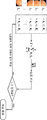
도 2는 일 실시예에 따른 1차 분류 모듈(104)에서의 1차 분류기 학습 과정을 설명하기 위한 예시도
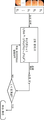
도 3은 일 실시예에 따른 2차 분류 모듈(106)에서의 최적 가중치 조합 탐색 과정을 설명하기 위한 예시도
도 4는 일 실시예에 따른 영상 분류 장치(100)에서 가중치 재조합 방식을 통해 최적 가중치 조합을 탐색한 예를 설명하기 위한 예시도
도 5는 다른 실시예에 따른 2차 분류 모듈(106)에서의 최적 가중치 조합 탐색 과정을 설명하기 위한 예시도
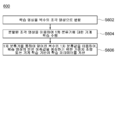
도 6은 일 실시예에 따른 영상 분류 방법(600)을 설명하기 위한 흐름도
도 7은 예시적인 실시예들에서 사용되기에 적합한 컴퓨팅 장치를 포함하는 컴퓨팅 환경(10)을 예시하여 설명하기 위한 블록도1 is a block diagram illustrating an
2 is an exemplary view for explaining a primary classifier learning process in the
3 is an exemplary diagram for explaining an optimal weight combination search process in the
4 is an exemplary view for explaining an example of searching for an optimal weight combination through a weight recombination method in the
5 is an exemplary diagram for explaining an optimal weight combination search process in the
6 is a flowchart illustrating an
7 is a block diagram illustrating and illustrating a
이하, 도면을 참조하여 본 발명의 구체적인 실시형태를 설명하기로 한다. 이하의 상세한 설명은 본 명세서에서 기술된 방법, 장치 및/또는 시스템에 대한 포괄적인 이해를 돕기 위해 제공된다. 그러나 이는 예시에 불과하며 본 발명은 이에 제한되지 않는다.Hereinafter, specific embodiments of the present invention will be described with reference to the drawings. The following detailed description is provided to aid in a comprehensive understanding of the methods, devices and / or systems described herein. However, this is only an example and the present invention is not limited thereto.
본 발명의 실시예들을 설명함에 있어서, 본 발명과 관련된 공지기술에 대한 구체적인 설명이 본 발명의 요지를 불필요하게 흐릴 수 있다고 판단되는 경우에는 그 상세한 설명을 생략하기로 한다. 그리고, 후술되는 용어들은 본 발명에서의 기능을 고려하여 정의된 용어들로서 이는 사용자, 운용자의 의도 또는 관례 등에 따라 달라질 수 있다. 그러므로 그 정의는 본 명세서 전반에 걸친 내용을 토대로 내려져야 할 것이다. 상세한 설명에서 사용되는 용어는 단지 본 발명의 실시예들을 기술하기 위한 것이며, 결코 제한적이어서는 안 된다. 명확하게 달리 사용되지 않는 한, 단수 형태의 표현은 복수 형태의 의미를 포함한다. 본 설명에서, "포함" 또는 "구비"와 같은 표현은 어떤 특성들, 숫자들, 단계들, 동작들, 요소들, 이들의 일부 또는 조합을 가리키기 위한 것이며, 기술된 것 이외에 하나 또는 그 이상의 다른 특성, 숫자, 단계, 동작, 요소, 이들의 일부 또는 조합의 존재 또는 가능성을 배제하도록 해석되어서는 안 된다.In describing the embodiments of the present invention, when it is determined that a detailed description of known technology related to the present invention may unnecessarily obscure the subject matter of the present invention, the detailed description will be omitted. In addition, terms to be described later are terms defined in consideration of functions in the present invention, which may vary according to a user's or operator's intention or practice. Therefore, the definition should be made based on the contents throughout this specification. The terminology used in the detailed description is only for describing embodiments of the present invention and should not be limiting. Unless expressly used otherwise, a singular form includes a plural form. In this description, expressions such as “including” or “equipment” are intended to indicate certain characteristics, numbers, steps, actions, elements, parts or combinations thereof, and one or more other than described. It should not be interpreted to exclude the presence or possibility of other characteristics, numbers, steps, actions, elements, or parts or combinations thereof.
도 1은 일 실시예에 따른 영상 분류 장치(100)를 설명하기 위한 블록도이다. 도시된 바와 같이, 일 실시예에 따른 영상 분류 장치(100)는 영상 분할 모듈(102), 1차 분류 모듈(104) 및 2차 분류 모듈(106)을 포함한다.1 is a block diagram illustrating an
영상 분할 모듈(102)은 입력되는 원본 학습 영상을 복수의 조각 영상으로 분할한다. 개시되는 실시예들에서, 영상 분할 모듈(102)은 다양한 방식으로 상기 원본 영상을 복수의 조각 영상으로 분할할 수 있다. 실시예에 따라, 분할되는 영상은 다양한 크기를 가질 수 있고, 영상들 간에 서로 겹치는 구역이 존재할 수도 있다. 즉, 개시되는 실시예들은 영상에 대한 특정 분할 알고리즘에 한정되는 것을 아님을 유의한다.The
1차 분류 모듈(104)은 상기 복수의 조각 영상을 이용하여 1차 분류기에 대한 기계 학습을 수행한다. 일 실시예에서, 1차 분류 모듈(104)은 상기 복수의 조각 영상을 개별적으로 상기 1차 분류기에 입력함으로써 상기 1차 분류기에 대한 기계 학습을 수행하도록 할 수 있다. 즉, 개시되는 실시예들은 고해상도 영상에 대한 분류 문제를 해결하기 위하여 영상을 복수의 조각 영상으로 분할하고, 1차 분류 모듈(104)에서는 분할된 영상에 대한 개별 학습을 수행하도록 구성된다.The
일 실시예에서, 1차 분류 모듈(104)은 지도 학습(Supervised Learning) 방식으로 상기 조각 영상들을 상기 1차 분류기에 입력하여 학습을 수행하도록 구성된다. 이때, 상기 1차 분류기로 입력되는 상기 복수의 조각 영상 각각의 분류값(label)은 상기 원본 학습 영상의 분류값과 동일하게 설정될 수 있다. 즉, 원본 영상 X를 n개(n은 1 이상의 자연수)의 조각으로 나눌 경우, k번째 조각 영상을 xk(1 <= k <= n), 원본 영상의 분류값을 Y, k 번째 조각 영상의 레이블을 yk, 학습하고자 하는 1차 분류기의 분류 함수를 f, k 번째 조각 영상에 대해 1차 분류기가 예측한 결과를 
[수학식 1][Equation 1]
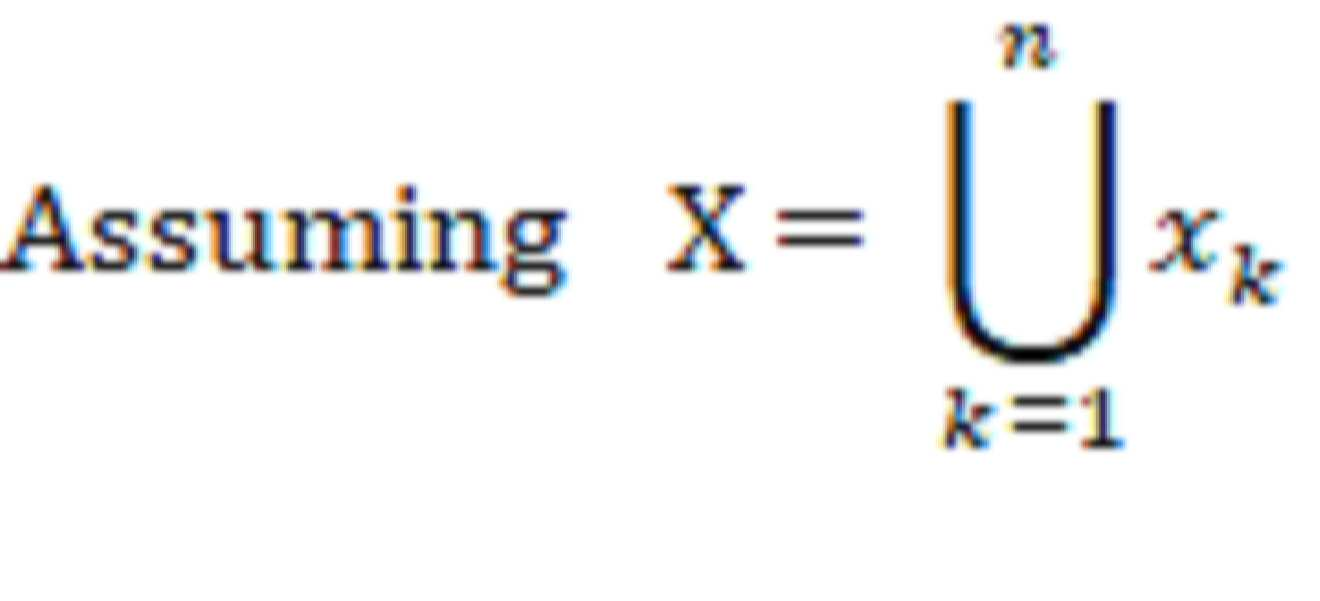

도 2는 일 실시예에 따른 1차 분류 모듈(104)에서의 1차 분류기 학습 과정을 설명하기 위한 예시도이다. 도시된 바와 같이, 영상 분할 모듈(102)은 입력되는 원본 학습 영상을 복수의 조각 영상으로 분할하면, 1차 분류 모듈(104)은 각각의 조각 영상을 머신 러닝 기반의 1차 분류기에 입력하고 그 결과를 2차 분류 모듈(106)로 포워드 패스(forward pass)한다. 일 실시예에서, 상기 1차 분류기를 위한 알고리즘은 깊은 컨볼루셔널 인공신경망 (Deep Convolutional Neural Network)을 포함한 다양한 지도학습 기반의 머신 러닝 방법을 적용할 수 있다.2 is an exemplary diagram for explaining a primary classifier learning process in the
분할된 조각 영상 중 하나(xk)를 입력받은 1차 분류기는 해당 조각 영상에 대한 1차 분류 예측값(
[수학식 2][Equation 2]

1차 분류 모듈(104)은 생성된 상기 1차 분류 예측값과 해당 조각 영상의 분류값(yk) 간의 손실(Loss)을 계산한다. 전술한 바와 같이, 각 조각 영상의 분류값은 상기 원본 학습 영상의 분류값과 동일하게 설정될 수 있다(yk = Y for k = 1, 2, …, n). 따라서 이 경우 상기 손실은 다음의 수학식 3과 같이 계산될 수 있다.The
[수학식 3][Equation 3]
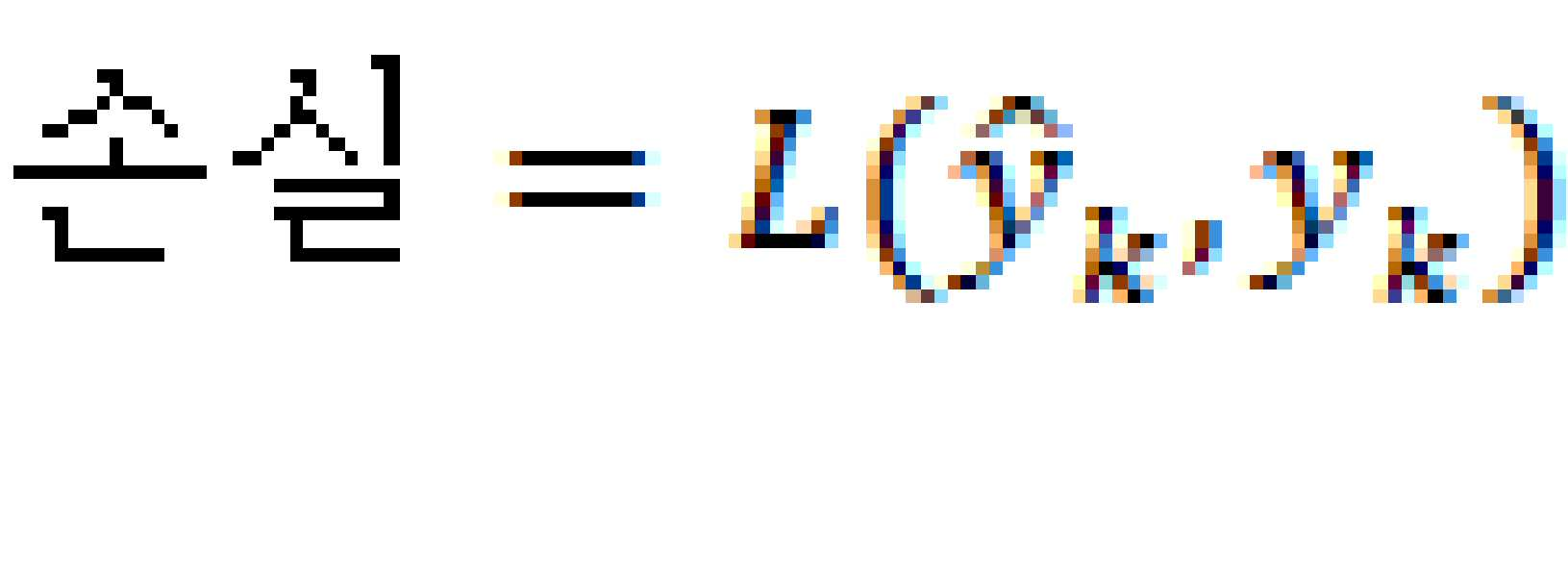
이후, 1차 분류 모듈(104)은 상기 손실이 기 설정된 임계값 미만인지의 여부를 판단하고, 만약 상기 판단 결과 상기 손실이 기 설정된 임계값 이상인 경우 1차 분류기의 학습 파라미터(θ)를 업데이트한다. Thereafter, the
다음으로, 2차 분류 모듈(106)은 학습된 상기 1차 분류기에 상기 복수의 조각 영상을 통과시킨 복수의 1차 분류 예측값으로부터 상기 학습 영상에 대한 분류 예측값을 생성하기 위한 가중치 조합, 또는 기계 학습 기반의 학습 파라미터를 계산한다. 즉 개시되는 실시예에서, 입력 영상의 분류는 1차 분류 모듈(104) 및 2차 분류 모듈(106)을 직렬로 결합함으로써 수행된다.Next, the
2차 분류 모듈(106)은 학습된 1차 분류기에서 출력되는 각 조각 영상들의 예측값(1차 분류 예측값)을 입력으로 하여 학습된다. 이때 1차 분류기에서 출력되는 1차 분류 예측값(
도 3은 일 실시예에 따른 2차 분류 모듈(106)에서의 최적 가중치 조합 탐색 과정을 설명하기 위한 예시도이다. 본 실시예에서, 2차 분류 모듈(106)은 학습된 1차 분류기에 조각 영상을 통과시킨(forward pass) 결과를 가중치 조합 (weighted composition, 또는 가중치 행렬)을 이용하여 통합하여 최종 분류를 하도록 학습되며, 원본 영상에 대한 분류 정확도를 높이도록 구성된다. 원본 영상에 대한 최종 예측 결과(2차 분류 예측값)을 
[수학식 4][Equation 4]

이때 가중치 행렬(H)은 사전에 정의한 각 가중치의 탐색 범위(Rk) 내에서 사전에 정의한 초기값으로부터 그리드 탐색(grid search) 방법에 의해 결정될 수 있다(가중치 재조합 방식). 도 3을 참조하면, 2차 분류 모듈(106)은 복수의 1차 분류 예측값(
이후 2차 분류 모듈(106)은 계산된 2차 분류 예측값(
[수학식 5][Equation 5]
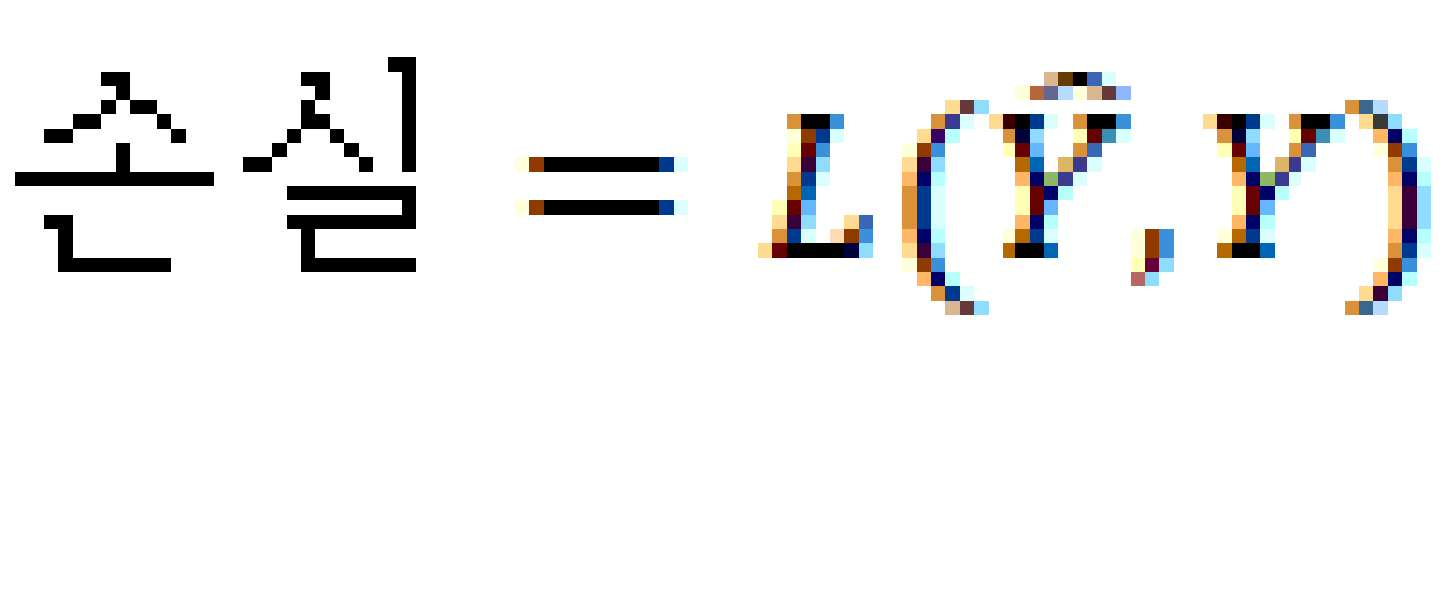
이후, 2차 분류 모듈(104)은 상기 손실이 기 설정된 임계값 미만인지의 여부를 판단하고, 만약 상기 판단 결과 상기 손실이 임계값 이상인 경우 가중치 행렬에 포함된 가중치 초기값들의 일부를 가중치 탐색 범위 내에서 변경하여 상기 분류 예측값 및 손실을 반복 계산한다. 상기 과정은 상시 손실이 기 설정된 임계값 미만이 될 때까지 반복 수행된다.Subsequently, the
도 4는 일 실시예에 따른 영상 분류 장치(100)에서 가중치 재조합 방식을 통해 최적 가중치 조합을 탐색한 예를 설명하기 위한 예시도이다. 도시된 바와 같이, 원본 영상을 16개의 영역으로 나누고 이 중 3x3 영역을 결합하여 복수의 조각 영상을 생성하는 경우, 각 조각 영상에 대하여 계산된 가중치는 다음의 표 1과 같다.4 is an exemplary view for explaining an example of searching for an optimal weight combination through a weight recombination method in the
도 5는 다른 실시예에 따른 2차 분류 모듈(106)에서의 최적 가중치 조합 탐색 과정을 설명하기 위한 예시도이다. 본 실시예에서, 2차 분류 모듈(106)은 학습된 1차 분류기에 조각 영상을 통과시킨(forward pass) 결과를 2차 분류기에 동시에 입력함으로써 상기 2차 분류기에 대한 기계 학습을 수행하도록 구성될 우 ?다. 원본 영상에 대한 최종 예측 결과(2차 분류 예측값)을 
[수학식 6][Equation 6]


일 실시예에서, 2차 분류 모듈(106)은 로지스틱 회귀(logistic regression), 의사결정 나무(decision tree) 기반의 랜덤 포레스트(random forest), 밀집 레이어(dense layer) 기반의 인공 신경망(neural network) 등을 상기 2차 분류기로 사용할 수 있다.In one embodiment, the
도 5를 참조하면, 2차 분류 모듈(106)은 학습된 1차 분류기에 조각 영상을 통과시킨 복수의 1차 분류 예측값(
이후 2차 분류기로부터 2차 분류 예측값(

[수학식 7][Equation 7]

이후, 2차 분류 모듈(106)은 상기 손실이 기 설정된 임계값 미만인지의 여부를 판단하고, 만약 상기 판단 결과 상기 손실이 기 설정된 임계값 이상인 경우 2차 분류기의 학습 파라미터(ω)를 업데이트한다. Thereafter, the
전술한 바와 같이, 1차 분류 모듈(104) 및 2차 분류 모듈(106)의 학습이 완료된 경우, 영상 분류 장치(100)는 다음과 같이 입력된 분류 대상 영상을 분류할 수 있다.As described above, when learning of the
먼저, 영상 분할 모듈(102)은 입력되는 원본 분류 대상 영상을 복수의 조각 영상으로 분할한다. 이후 1차 분류 모듈(104)은 학습된 1차 분류기를 이용하여 분할된 조각 영상 각각에 대한 1차 분류 예측값(


도 6은 일 실시예에 따른 영상 분류 방법(600)을 설명하기 위한 흐름도이다. 도시된 흐름도는 하나 이상의 프로세서들, 및 상기 하나 이상의 프로세서들에 의해 실행되는 하나 이상의 프로그램들을 저장하는 메모리를 구비한 컴퓨팅 장치, 예를 들어 전술한 영상 분류 장치(100)에 의해 수행될 수 있다. 도시된 흐름도에서는 상기 방법 또는 과정을 복수 개의 단계로 나누어 기재하였으나, 적어도 일부의 단계들은 순서를 바꾸어 수행되거나, 다른 단계와 결합되어 함께 수행되거나, 생략되거나, 세부 단계들로 나뉘어 수행되거나, 또는 도시되지 않은 하나 이상의 단계가 부가되어 수행될 수 있다.6 is a flowchart illustrating an
단계 602에서, 영상 분할 모듈(102)은 입력되는 원본 학습 영상을 복수의 조각 영상으로 분할한다.In step 602, the
단계 604에서, 1차 분류 모듈(104)은 상기 복수의 조각 영상을 이용하여 1차 분류기에 대한 기계 학습을 수행한다.In step 604, the
단계 606에서, 2차 분류 모듈(106)은 학습된 상기 1차 분류기에 상기 복수의 조각 영상을 통과시킨 복수의 1차 분류 예측값으로부터 상기 학습 영상에 대한 분류 예측값을 생성하기 위한 가중치 조합, 또는 기계 학습 기반의 학습 파라미터를 계산한다. In step 606, the
도 7은 예시적인 실시예들에서 사용되기에 적합한 컴퓨팅 장치를 포함하는 컴퓨팅 환경(10)을 예시하여 설명하기 위한 블록도이다. 도시된 실시예에서, 각 컴포넌트들은 이하에 기술된 것 이외에 상이한 기능 및 능력을 가질 수 있고, 이하에 기술되지 것 이외에도 추가적인 컴포넌트를 포함할 수 있다.7 is a block diagram illustrating and illustrating a
도시된 컴퓨팅 환경(10)은 컴퓨팅 장치(12)를 포함한다. 일 실시예에서, 컴퓨팅 장치(12)는 본 발명의 실시예들에 따른 영상 분류 장치(100)일 수 있다. 컴퓨팅 장치(12)는 적어도 하나의 프로세서(14), 컴퓨터 판독 가능 저장 매체(16) 및 통신 버스(18)를 포함한다. 프로세서(14)는 컴퓨팅 장치(12)로 하여금 앞서 언급된 예시적인 실시예에 따라 동작하도록 할 수 있다. 예컨대, 프로세서(14)는 컴퓨터 판독 가능 저장 매체(16)에 저장된 하나 이상의 프로그램들을 실행할 수 있다. 상기 하나 이상의 프로그램들은 하나 이상의 컴퓨터 실행 가능 명령어를 포함할 수 있으며, 상기 컴퓨터 실행 가능 명령어는 프로세서(14)에 의해 실행되는 경우 컴퓨팅 장치(12)로 하여금 예시적인 실시예에 따른 동작들을 수행하도록 구성될 수 있다.The illustrated
컴퓨터 판독 가능 저장 매체(16)는 컴퓨터 실행 가능 명령어 내지 프로그램 코드, 프로그램 데이터 및/또는 다른 적합한 형태의 정보를 저장하도록 구성된다. 컴퓨터 판독 가능 저장 매체(16)에 저장된 프로그램(20)은 프로세서(14)에 의해 실행 가능한 명령어의 집합을 포함한다. 일 실시예에서, 컴퓨터 판독 가능 저장 매체(16)는 메모리(랜덤 액세스 메모리와 같은 휘발성 메모리, 비휘발성 메모리, 또는 이들의 적절한 조합), 하나 이상의 자기 디스크 저장 디바이스들, 광학 디스크 저장 디바이스들, 플래시 메모리 디바이스들, 그 밖에 컴퓨팅 장치(12)에 의해 액세스되고 원하는 정보를 저장할 수 있는 다른 형태의 저장 매체, 또는 이들의 적합한 조합일 수 있다.Computer
통신 버스(18)는 프로세서(14), 컴퓨터 판독 가능 저장 매체(16)를 포함하여 컴퓨팅 장치(12)의 다른 다양한 컴포넌트들을 상호 연결한다.The
컴퓨팅 장치(12)는 또한 하나 이상의 입출력 장치(24)를 위한 인터페이스를 제공하는 하나 이상의 입출력 인터페이스(22) 및 하나 이상의 네트워크 통신 인터페이스(26)를 포함할 수 있다. 입출력 인터페이스(22) 및 네트워크 통신 인터페이스(26)는 통신 버스(18)에 연결된다. 입출력 장치(24)는 입출력 인터페이스(22)를 통해 컴퓨팅 장치(12)의 다른 컴포넌트들에 연결될 수 있다. 예시적인 입출력 장치(24)는 포인팅 장치(마우스 또는 트랙패드 등), 키보드, 터치 입력 장치(터치패드 또는 터치스크린 등), 음성 또는 소리 입력 장치, 다양한 종류의 센서 장치 및/또는 촬영 장치와 같은 입력 장치, 및/또는 디스플레이 장치, 프린터, 스피커 및/또는 네트워크 카드와 같은 출력 장치를 포함할 수 있다. 예시적인 입출력 장치(24)는 컴퓨팅 장치(12)를 구성하는 일 컴포넌트로서 컴퓨팅 장치(12)의 내부에 포함될 수도 있고, 컴퓨팅 장치(12)와는 구별되는 별개의 장치로 컴퓨팅 장치(102)와 연결될 수도 있다.
한편, 본 발명의 실시예는 본 명세서에서 기술한 방법들을 컴퓨터상에서 수행하기 위한 프로그램, 및 상기 프로그램을 포함하는 컴퓨터 판독 가능 기록매체를 포함할 수 있다. 상기 컴퓨터 판독 가능 기록매체는 프로그램 명령, 로컬 데이터 파일, 로컬 데이터 구조 등을 단독으로 또는 조합하여 포함할 수 있다. 상기 매체는 본 발명을 위하여 특별히 설계되고 구성된 것들이거나, 또는 컴퓨터 소프트웨어 분야에서 통상적으로 사용 가능한 것일 수 있다. 컴퓨터 판독 가능 기록매체의 예에는 하드 디스크, 플로피 디스크 및 자기 테이프와 같은 자기 매체, CD-ROM, DVD와 같은 광 기록 매체, 및 롬, 램, 플래시 메모리 등과 같은 프로그램 명령을 저장하고 수행하도록 특별히 구성된 하드웨어 장치가 포함된다. 상기 프로그램의 예는 컴파일러에 의해 만들어지는 것과 같은 기계어 코드뿐만 아니라 인터프리터 등을 사용해서 컴퓨터에 의해서 실행될 수 있는 고급 언어 코드를 포함할 수 있다.Meanwhile, an embodiment of the present invention may include a program for performing the methods described herein on a computer, and a computer-readable recording medium including the program. The computer-readable recording medium may include program instructions, local data files, local data structures, or the like alone or in combination. The media may be specially designed and constructed for the present invention, or may be commonly used in the field of computer software. Examples of computer readable recording media include specially configured to store and execute magnetic media such as hard disks, floppy disks, and magnetic tapes, optical recording media such as CD-ROMs, DVDs, and program instructions such as ROM, RAM, and flash memory. Hardware devices are included. Examples of the program may include high-level language code that can be executed by a computer using an interpreter, as well as machine language codes made by a compiler.
이상에서 본 발명의 대표적인 실시예들을 상세하게 설명하였으나, 본 발명이 속하는 기술분야에서 통상의 지식을 가진 자는 상술한 실시예에 대하여 본 발명의 범주에서 벗어나지 않는 한도 내에서 다양한 변형이 가능함을 이해할 것이다. 그러므로 본 발명의 권리범위는 설명된 실시예에 국한되어 정해져서는 안 되며, 후술하는 특허청구범위뿐만 아니라 이 특허청구범위와 균등한 것들에 의해 정해져야 한다.Although the exemplary embodiments of the present invention have been described in detail above, those skilled in the art to which the present invention pertains will understand that various modifications are possible within the limits without departing from the scope of the present invention. . Therefore, the scope of the present invention should not be limited to the described embodiments, but should be determined not only by the claims to be described later, but also by the claims and equivalents.
한편, 본 발명의 실시예는 본 명세서에서 기술한 방법들을 컴퓨터상에서 수행하기 위한 프로그램, 및 상기 프로그램을 포함하는 컴퓨터 판독 가능 기록매체를 포함할 수 있다. 상기 컴퓨터 판독 가능 기록매체는 프로그램 명령, 로컬 데이터 파일, 로컬 데이터 구조 등을 단독으로 또는 조합하여 포함할 수 있다. 상기 매체는 본 발명을 위하여 특별히 설계되고 구성된 것들이거나, 또는 컴퓨터 소프트웨어 분야에서 통상적으로 사용 가능한 것일 수 있다. 컴퓨터 판독 가능 기록매체의 예에는 하드 디스크, 플로피 디스크 및 자기 테이프와 같은 자기 매체, CD-ROM, DVD와 같은 광 기록 매체, 및 롬, 램, 플래시 메모리 등과 같은 프로그램 명령을 저장하고 수행하도록 특별히 구성된 하드웨어 장치가 포함된다. 상기 프로그램의 예는 컴파일러에 의해 만들어지는 것과 같은 기계어 코드뿐만 아니라 인터프리터 등을 사용해서 컴퓨터에 의해서 실행될 수 있는 고급 언어 코드를 포함할 수 있다.Meanwhile, an embodiment of the present invention may include a program for performing the methods described herein on a computer, and a computer-readable recording medium including the program. The computer-readable recording medium may include program instructions, local data files, local data structures, or the like alone or in combination. The media may be specially designed and constructed for the present invention, or may be commonly used in the field of computer software. Examples of computer readable recording media include specially configured to store and execute magnetic media such as hard disks, floppy disks, and magnetic tapes, optical recording media such as CD-ROMs, DVDs, and program instructions such as ROM, RAM, and flash memory. Hardware devices are included. Examples of the program may include high-level language code that can be executed by a computer using an interpreter, etc., as well as machine language codes made by a compiler.
이상에서 본 발명의 대표적인 실시예들을 상세하게 설명하였으나, 본 발명이 속하는 기술분야에서 통상의 지식을 가진 자는 상술한 실시예에 대하여 본 발명의 범주에서 벗어나지 않는 한도 내에서 다양한 변형이 가능함을 이해할 것이다. 그러므로 본 발명의 권리범위는 설명된 실시예에 국한되어 정해져서는 안 되며, 후술하는 특허청구범위뿐만 아니라 이 특허청구범위와 균등한 것들에 의해 정해져야 한다.Although the exemplary embodiments of the present invention have been described in detail above, those skilled in the art to which the present invention pertains will understand that various modifications are possible within the limits without departing from the scope of the present invention. . Therefore, the scope of the present invention should not be limited to the described embodiments, but should be determined not only by the claims to be described later, but also by the claims and equivalents.
100: 영상 분류 장치
102: 영상 분할 모듈
104: 1차 분류 모듈
106: 2차 분류 모듈100: video classification device
102: video segmentation module
104: primary classification module
106: 2nd classification module
Claims (16)
상기 복수의 조각 영상을 이용하여 1차 분류기에 대한 기계 학습을 수행하는 1차 분류 모듈; 및
학습된 상기 1차 분류기에 상기 복수의 조각 영상을 통과시킨 복수의 1차 분류 예측값으로부터 상기 학습 영상에 대한 2차 분류 예측값을 생성하기 위한 가중치 조합, 또는 기계 학습 기반의 학습 파라미터를 계산하는 2차 분류 모듈을 포함하는, 영상 분류 장치.
An image segmentation module that divides the learning image into a plurality of pieces of images;
A primary classification module that performs machine learning on the primary classifier using the plurality of pieces of images; And
A weighting combination for generating a secondary classification prediction value for the training image from a plurality of primary classification prediction values that have passed the plurality of fragmented images to the learned primary classifier, or a secondary for calculating machine learning-based learning parameters An image classification device comprising a classification module.
상기 1차 분류 모듈은, 상기 복수의 조각 영상을 개별적으로 상기 1차 분류기에 입력함으로써 상기 1차 분류기에 대한 기계 학습을 수행하도록 구성되는, 영상 분류 장치.
The method according to claim 1,
The primary classification module is configured to perform machine learning for the primary classifier by individually inputting the plurality of pieces of images into the primary classifier.
상기 1차 분류기로 입력되는 상기 복수의 조각 영상 각각의 분류값(label)은, 상기 학습 영상의 분류값과 동일하게 설정되는, 영상 분류 장치.
The method according to claim 2,
An image classification apparatus, wherein a label of each of the plurality of pieces of images input to the primary classifier is set equal to the classification value of the learning image.
상기 1차 분류 예측값은, 각각의 분류 대상 클래스별 회귀값(regression value), 스코어값(score value) 또는 클래스값(class value) 중 어느 하나인, 영상 분류 장치.
The method according to claim 1,
The primary classification prediction value is any one of a regression value, a score value, or a class value for each class to be classified.
상기 2차 분류 모듈은,
상기 복수의 1차 분류 예측값 각각에 대한 가중치 초기값 및 가중치 탐색 범위를 입력받고, 입력된 상기 가중치 탐색 범위 내에서 상기 가중치 초기값을 변경하면서 기 설정된 조건을 만족하는 최적 가중치 조합을 탐색하는, 영상 분류 장치.
The method according to claim 1,
The secondary classification module,
An image for receiving an initial weight value and a weight search range for each of the plurality of primary classification prediction values, and searching for an optimal weight combination that satisfies a preset condition while changing the weight initial value within the input weight search range Sorting device.
상기 2차 분류 모듈은,
특정 가중치 조합을 상기 복수의 1차 분류 예측값에 적용할 경우의 손실이 기 설정된 임계값 미만인 경우, 상기 특정 가중치 조합을 상기 최적 가중치 조합으로 결정하는, 영상 분류 장치.
The method according to claim 5,
The secondary classification module,
When a specific weight combination is applied to the plurality of primary classification prediction values and the loss is less than a preset threshold, the specific weight combination is determined as the optimal weight combination.
상기 2차 분류 모듈은,
상기 복수의 1차 분류 예측값을 2차 분류기에 동시에 입력함으로써 상기 2차 분류기에 대한 기계 학습을 수행하는, 영상 분류 장치.
The method according to claim 1,
The secondary classification module,
An image classification apparatus performing machine learning for the secondary classifier by simultaneously inputting the plurality of primary classification prediction values to a secondary classifier.
상기 2차 분류 모듈은,
학습된 상기 2차 분류기를 통한 2차 분류 예측값의 손실이 기 설정된 임계값 미만이 되도록 상기 2차 분류기의 학습 파라미터를 업데이트하는, 영상 분류 장치.
The method according to claim 7,
The secondary classification module,
And updating learning parameters of the secondary classifier such that the loss of the predicted secondary classification through the learned secondary classifier is less than a preset threshold.
상기 하나 이상의 프로세서들에 의해 실행되는 하나 이상의 프로그램들을 저장하는 메모리를 구비한 컴퓨팅 장치에서 수행되는 방법으로서,
학습 영상을 복수의 조각 영상으로 분할하는 단계;
상기 복수의 조각 영상을 이용하여 1차 분류기에 대한 기계 학습을 수행하는 1차 학습 단계; 및
학습된 상기 1차 분류기에 상기 복수의 조각 영상을 통과시킨 복수의 1차 분류 예측값으로부터 상기 학습 영상에 대한 2차 분류 예측값을 생성하기 위한 가중치 조합, 또는 기계 학습 기반의 학습 파라미터를 계산하는 2차 학습 단계를 포함하는, 방법.
One or more processors, and
A method performed in a computing device having a memory that stores one or more programs executed by the one or more processors,
Dividing the learning image into a plurality of pieces of images;
A first learning step of performing machine learning on a first classifier using the plurality of pieces of images; And
A weighting combination for generating a secondary classification prediction value for the training image from a plurality of primary classification prediction values that have passed the plurality of fragmented images to the learned primary classifier, or a secondary for calculating machine learning-based learning parameters A method comprising a learning step.
상기 1차 학습 단계는, 상기 복수의 조각 영상을 개별적으로 상기 1차 분류기에 입력함으로써 상기 1차 분류기에 대한 기계 학습을 수행하도록 구성되는, 방법.
The method according to claim 9,
The primary learning step is configured to perform machine learning for the primary classifier by individually inputting the plurality of pieces of images into the primary classifier.
상기 1차 분류기로 입력되는 상기 복수의 조각 영상 각각의 분류값(label)은, 상기 학습 영상의 분류값과 동일하게 설정되는, 방법.
The method according to claim 10,
The label of each of the plurality of pieces of images input to the primary classifier is set to be the same as the classification value of the learning image.
상기 1차 분류 예측값은, 각각의 분류 대상 클래스별 회귀값(regression value), 스코어값(score value) 또는 클래스값(class value) 중 어느 하나인, 방법.
The method according to claim 9,
The primary classification prediction value is any one of a regression value, a score value, or a class value for each classification target class.
상기 2차 학습 단계는,
상기 복수의 1차 분류 예측값 각각에 대한 가중치 초기값 및 가중치 탐색 범위를 입력받는 단계; 및
입력된 상기 가중치 탐색 범위 내에서 상기 가중치 초기값을 변경하면서 기 설정된 조건을 만족하는 최적 가중치 조합을 탐색하는 단계를 더 포함하는, 방법.
The method according to claim 9,
The second learning step,
Receiving a weight initial value and a weight search range for each of the plurality of primary classification prediction values; And
And searching for an optimal weight combination that satisfies a preset condition while changing the initial weight value within the input weight search range.
상기 2차 학습 단계는,
특정 가중치 조합을 상기 복수의 1차 분류 예측값에 적용할 경우의 손실이 기 설정된 임계값 미만인 경우, 상기 특정 가중치 조합을 상기 최적 가중치 조합으로 결정하는, 방법.
The method according to claim 13,
The second learning step,
When the loss when applying a specific weight combination to the plurality of primary classification prediction values is less than a preset threshold, the method determines the specific weight combination as the optimal weight combination.
상기 2차 학습 단계는,
상기 복수의 1차 분류 예측값을 2차 분류기에 동시에 입력함으로써 상기 2차 분류기에 대한 기계 학습을 수행하도록 구성되는, 방법.
The method according to claim 9,
The second learning step,
And performing machine learning for the secondary classifier by simultaneously inputting the plurality of primary classification prediction values to a secondary classifier.
상기 2차 학습 단계는,
학습된 상기 2차 분류기를 통한 2차 분류 예측값의 손실이 기 설정된 임계값 미만이 되도록 상기 2차 분류기의 학습 파라미터를 업데이트하도록 구성되는, 방법.
The method according to claim 15,
The second learning step,
And updating learning parameters of the secondary classifier such that the loss of the secondary classification predicted value through the learned secondary classifier is less than a preset threshold.
Priority Applications (2)
| Application Number | Priority Date | Filing Date | Title |
|---|---|---|---|
| KR1020180127705A KR102534936B1 (en) | 2018-10-24 | 2018-10-24 | Apparatus and method for classifying image |
| US16/662,424 US11468267B2 (en) | 2018-10-24 | 2019-10-24 | Apparatus and method for classifying image |
Applications Claiming Priority (1)
| Application Number | Priority Date | Filing Date | Title |
|---|---|---|---|
| KR1020180127705A KR102534936B1 (en) | 2018-10-24 | 2018-10-24 | Apparatus and method for classifying image |
Publications (2)
| Publication Number | Publication Date |
|---|---|
| KR20200052411A true KR20200052411A (en) | 2020-05-15 |
| KR102534936B1 KR102534936B1 (en) | 2023-05-22 |
Family
ID=70326315
Family Applications (1)
| Application Number | Title | Priority Date | Filing Date |
|---|---|---|---|
| KR1020180127705A Active KR102534936B1 (en) | 2018-10-24 | 2018-10-24 | Apparatus and method for classifying image |
Country Status (2)
| Country | Link |
|---|---|
| US (1) | US11468267B2 (en) |
| KR (1) | KR102534936B1 (en) |
Cited By (2)
| Publication number | Priority date | Publication date | Assignee | Title |
|---|---|---|---|---|
| KR20210142930A (en) * | 2020-05-19 | 2021-11-26 | 삼성에스디에스 주식회사 | Method for few-shot learning and apparatus for executing the method |
| KR20220049754A (en) | 2020-10-15 | 2022-04-22 | 삼성에스디에스 주식회사 | Apparatus and method for training image classification model |
Families Citing this family (3)
| Publication number | Priority date | Publication date | Assignee | Title |
|---|---|---|---|---|
| CN113989294B (en) * | 2021-12-29 | 2022-07-05 | 北京航空航天大学 | Cell segmentation and typing method, device, equipment and medium based on machine learning |
| JP7782320B2 (en) * | 2022-03-08 | 2025-12-09 | 富士通株式会社 | Information processing program, information processing method, and information processing device |
| CN118245855B (en) * | 2024-05-30 | 2024-07-26 | 山东天意机械股份有限公司 | Artificial intelligence-based building board quality classification method |
Citations (4)
| Publication number | Priority date | Publication date | Assignee | Title |
|---|---|---|---|---|
| KR20150103443A (en) * | 2014-03-03 | 2015-09-11 | 에스케이플래닛 주식회사 | Multiclass classification apparatus, method thereof and computer readable medium having computer program recorded therefor |
| KR20160037022A (en) * | 2014-09-26 | 2016-04-05 | 삼성전자주식회사 | Apparatus for data classification based on boost pooling neural network, and method for training the appatratus |
| KR101848321B1 (en) | 2017-10-27 | 2018-04-20 | 주식회사 뷰노 | Method for facilitating dignosis of subject based on fovea image thereof and apparatus using the same |
| KR20180058049A (en) * | 2016-11-23 | 2018-05-31 | 세종대학교산학협력단 | Apparatus and method for diagonising disease and insect pest of crops |
Family Cites Families (1)
| Publication number | Priority date | Publication date | Assignee | Title |
|---|---|---|---|---|
| US7440586B2 (en) * | 2004-07-23 | 2008-10-21 | Mitsubishi Electric Research Laboratories, Inc. | Object classification using image segmentation |
-
2018
- 2018-10-24 KR KR1020180127705A patent/KR102534936B1/en active Active
-
2019
- 2019-10-24 US US16/662,424 patent/US11468267B2/en active Active
Patent Citations (4)
| Publication number | Priority date | Publication date | Assignee | Title |
|---|---|---|---|---|
| KR20150103443A (en) * | 2014-03-03 | 2015-09-11 | 에스케이플래닛 주식회사 | Multiclass classification apparatus, method thereof and computer readable medium having computer program recorded therefor |
| KR20160037022A (en) * | 2014-09-26 | 2016-04-05 | 삼성전자주식회사 | Apparatus for data classification based on boost pooling neural network, and method for training the appatratus |
| KR20180058049A (en) * | 2016-11-23 | 2018-05-31 | 세종대학교산학협력단 | Apparatus and method for diagonising disease and insect pest of crops |
| KR101848321B1 (en) | 2017-10-27 | 2018-04-20 | 주식회사 뷰노 | Method for facilitating dignosis of subject based on fovea image thereof and apparatus using the same |
Cited By (2)
| Publication number | Priority date | Publication date | Assignee | Title |
|---|---|---|---|---|
| KR20210142930A (en) * | 2020-05-19 | 2021-11-26 | 삼성에스디에스 주식회사 | Method for few-shot learning and apparatus for executing the method |
| KR20220049754A (en) | 2020-10-15 | 2022-04-22 | 삼성에스디에스 주식회사 | Apparatus and method for training image classification model |
Also Published As
| Publication number | Publication date |
|---|---|
| US11468267B2 (en) | 2022-10-11 |
| KR102534936B1 (en) | 2023-05-22 |
| US20200134386A1 (en) | 2020-04-30 |
Similar Documents
| Publication | Publication Date | Title |
|---|---|---|
| CN112052787B (en) | Target detection method and device based on artificial intelligence and electronic equipment | |
| KR102534936B1 (en) | Apparatus and method for classifying image | |
| CN112784954B (en) | Method and device for determining neural network | |
| JP7266674B2 (en) | Image classification model training method, image processing method and apparatus | |
| US11823480B2 (en) | Method for training image classification model and apparatus for executing the same | |
| KR102315574B1 (en) | Apparatus and method for classification of data, apparatus and method for segmentation of region of interest | |
| KR102543698B1 (en) | Computing system and method for data labeling thereon | |
| US12079720B2 (en) | Apparatus and method for scheduling data augmentation technique | |
| US20180268295A1 (en) | Risk evaluation method, computer-readable recording medium, and information processing apparatus | |
| KR102925769B1 (en) | Method for few-shot learning and apparatus for executing the method | |
| JP2020046883A (en) | Classification device, classification method, and program | |
| KR20200052446A (en) | Apparatus and method for training deep learning model | |
| KR102129161B1 (en) | Terminal device and Method for setting hyperparameter of convolutional neural network | |
| WO2016095068A1 (en) | Pedestrian detection apparatus and method | |
| KR20200134692A (en) | Apparatus and method for partial supervised learning | |
| KR20190136493A (en) | Method for dividing image and apparatus for executing the method | |
| CN110334716B (en) | Feature map processing method, image processing method and device | |
| KR102915416B1 (en) | Apparatus and method for identifying micro service | |
| CN110135428A (en) | Image segmentation processing method and device | |
| CN115937565B (en) | Hyperspectral image classification method based on adaptive L-BFGS algorithm | |
| KR20200134813A (en) | Apparatus and method for image processing for machine learning | |
| KR20240025522A (en) | Hierarchical supervised training for neural networks | |
| US11288534B2 (en) | Apparatus and method for image processing for machine learning | |
| CN112507883A (en) | Face living body detection method, system, equipment and storage medium | |
| US11756284B2 (en) | Apparatus and method of labeling for object detection |
Legal Events
| Date | Code | Title | Description |
|---|---|---|---|
| PA0109 | Patent application |
St.27 status event code: A-0-1-A10-A12-nap-PA0109 |
|
| P22-X000 | Classification modified |
St.27 status event code: A-2-2-P10-P22-nap-X000 |
|
| P22-X000 | Classification modified |
St.27 status event code: A-2-2-P10-P22-nap-X000 |
|
| P22-X000 | Classification modified |
St.27 status event code: A-2-2-P10-P22-nap-X000 |
|
| PG1501 | Laying open of application |
St.27 status event code: A-1-1-Q10-Q12-nap-PG1501 |
|
| A201 | Request for examination | ||
| PA0201 | Request for examination |
St.27 status event code: A-1-2-D10-D11-exm-PA0201 |
|
| P22-X000 | Classification modified |
St.27 status event code: A-2-2-P10-P22-nap-X000 |
|
| P22-X000 | Classification modified |
St.27 status event code: A-2-2-P10-P22-nap-X000 |
|
| E902 | Notification of reason for refusal | ||
| PE0902 | Notice of grounds for rejection |
St.27 status event code: A-1-2-D10-D21-exm-PE0902 |
|
| E13-X000 | Pre-grant limitation requested |
St.27 status event code: A-2-3-E10-E13-lim-X000 |
|
| P11-X000 | Amendment of application requested |
St.27 status event code: A-2-2-P10-P11-nap-X000 |
|
| P13-X000 | Application amended |
St.27 status event code: A-2-2-P10-P13-nap-X000 |
|
| R17-X000 | Change to representative recorded |
St.27 status event code: A-3-3-R10-R17-oth-X000 |
|
| E902 | Notification of reason for refusal | ||
| PE0902 | Notice of grounds for rejection |
St.27 status event code: A-1-2-D10-D21-exm-PE0902 |
|
| P11-X000 | Amendment of application requested |
St.27 status event code: A-2-2-P10-P11-nap-X000 |
|
| P13-X000 | Application amended |
St.27 status event code: A-2-2-P10-P13-nap-X000 |
|
| P22-X000 | Classification modified |
St.27 status event code: A-2-2-P10-P22-nap-X000 |
|
| P22-X000 | Classification modified |
St.27 status event code: A-2-2-P10-P22-nap-X000 |
|
| E701 | Decision to grant or registration of patent right | ||
| PE0701 | Decision of registration |
St.27 status event code: A-1-2-D10-D22-exm-PE0701 |
|
| GRNT | Written decision to grant | ||
| PR0701 | Registration of establishment |
St.27 status event code: A-2-4-F10-F11-exm-PR0701 |
|
| PR1002 | Payment of registration fee |
St.27 status event code: A-2-2-U10-U11-oth-PR1002 Fee payment year number: 1 |
|
| PG1601 | Publication of registration |
St.27 status event code: A-4-4-Q10-Q13-nap-PG1601 |
|
| P22-X000 | Classification modified |
St.27 status event code: A-4-4-P10-P22-nap-X000 |
|
| PN2301 | Change of applicant |
St.27 status event code: A-5-5-R10-R13-asn-PN2301 St.27 status event code: A-5-5-R10-R11-asn-PN2301 |
|
| R11 | Change to the name of applicant or owner or transfer of ownership requested |
Free format text: ST27 STATUS EVENT CODE: A-5-5-R10-R11-ASN-PN2301 (AS PROVIDED BY THE NATIONAL OFFICE) |
|
| R13 | Change to the name of applicant or owner recorded |
Free format text: ST27 STATUS EVENT CODE: A-5-5-R10-R13-ASN-PN2301 (AS PROVIDED BY THE NATIONAL OFFICE) |
|
| PR1001 | Payment of annual fee |
St.27 status event code: A-4-4-U10-U11-oth-PR1001 Fee payment year number: 4 |
|
| U11 | Full renewal or maintenance fee paid |
Free format text: ST27 STATUS EVENT CODE: A-4-4-U10-U11-OTH-PR1001 (AS PROVIDED BY THE NATIONAL OFFICE) Year of fee payment: 4 |