KR20210057765A - 간 질환을 검출하는 방법 - Google Patents
간 질환을 검출하는 방법 Download PDFInfo
- Publication number
- KR20210057765A KR20210057765A KR1020217010293A KR20217010293A KR20210057765A KR 20210057765 A KR20210057765 A KR 20210057765A KR 1020217010293 A KR1020217010293 A KR 1020217010293A KR 20217010293 A KR20217010293 A KR 20217010293A KR 20210057765 A KR20210057765 A KR 20210057765A
- Authority
- KR
- South Korea
- Prior art keywords
- hcc
- subject
- cec
- cld
- fibrosis
- Prior art date
- Legal status (The legal status is an assumption and is not a legal conclusion. Google has not performed a legal analysis and makes no representation as to the accuracy of the status listed.)
- Ceased
Links
Images




Classifications
-
- C—CHEMISTRY; METALLURGY
- C12—BIOCHEMISTRY; BEER; SPIRITS; WINE; VINEGAR; MICROBIOLOGY; ENZYMOLOGY; MUTATION OR GENETIC ENGINEERING
- C12Q—MEASURING OR TESTING PROCESSES INVOLVING ENZYMES, NUCLEIC ACIDS OR MICROORGANISMS; COMPOSITIONS OR TEST PAPERS THEREFOR; PROCESSES OF PREPARING SUCH COMPOSITIONS; CONDITION-RESPONSIVE CONTROL IN MICROBIOLOGICAL OR ENZYMOLOGICAL PROCESSES
- C12Q1/00—Measuring or testing processes involving enzymes, nucleic acids or microorganisms; Compositions therefor; Processes of preparing such compositions
- C12Q1/68—Measuring or testing processes involving enzymes, nucleic acids or microorganisms; Compositions therefor; Processes of preparing such compositions involving nucleic acids
- C12Q1/6876—Nucleic acid products used in the analysis of nucleic acids, e.g. primers or probes
- C12Q1/6883—Nucleic acid products used in the analysis of nucleic acids, e.g. primers or probes for diseases caused by alterations of genetic material
- C12Q1/6886—Nucleic acid products used in the analysis of nucleic acids, e.g. primers or probes for diseases caused by alterations of genetic material for cancer
-
- G—PHYSICS
- G01—MEASURING; TESTING
- G01N—INVESTIGATING OR ANALYSING MATERIALS BY DETERMINING THEIR CHEMICAL OR PHYSICAL PROPERTIES
- G01N1/00—Sampling; Preparing specimens for investigation
- G01N1/28—Preparing specimens for investigation including physical details of (bio-)chemical methods covered elsewhere, e.g. G01N33/50, C12Q
- G01N1/34—Purifying; Cleaning
-
- G—PHYSICS
- G01—MEASURING; TESTING
- G01N—INVESTIGATING OR ANALYSING MATERIALS BY DETERMINING THEIR CHEMICAL OR PHYSICAL PROPERTIES
- G01N33/00—Investigating or analysing materials by specific methods not covered by groups G01N1/00 - G01N31/00
- G01N33/48—Biological material, e.g. blood, urine; Haemocytometers
- G01N33/50—Chemical analysis of biological material, e.g. blood, urine; Testing involving biospecific ligand binding methods; Immunological testing
- G01N33/5005—Chemical analysis of biological material, e.g. blood, urine; Testing involving biospecific ligand binding methods; Immunological testing involving human or animal cells
-
- G—PHYSICS
- G01—MEASURING; TESTING
- G01N—INVESTIGATING OR ANALYSING MATERIALS BY DETERMINING THEIR CHEMICAL OR PHYSICAL PROPERTIES
- G01N33/00—Investigating or analysing materials by specific methods not covered by groups G01N1/00 - G01N31/00
- G01N33/48—Biological material, e.g. blood, urine; Haemocytometers
- G01N33/50—Chemical analysis of biological material, e.g. blood, urine; Testing involving biospecific ligand binding methods; Immunological testing
- G01N33/58—Chemical analysis of biological material, e.g. blood, urine; Testing involving biospecific ligand binding methods; Immunological testing involving labelled substances
- G01N33/582—Chemical analysis of biological material, e.g. blood, urine; Testing involving biospecific ligand binding methods; Immunological testing involving labelled substances with fluorescent label
-
- G—PHYSICS
- G01—MEASURING; TESTING
- G01N—INVESTIGATING OR ANALYSING MATERIALS BY DETERMINING THEIR CHEMICAL OR PHYSICAL PROPERTIES
- G01N33/00—Investigating or analysing materials by specific methods not covered by groups G01N1/00 - G01N31/00
- G01N33/48—Biological material, e.g. blood, urine; Haemocytometers
- G01N33/50—Chemical analysis of biological material, e.g. blood, urine; Testing involving biospecific ligand binding methods; Immunological testing
- G01N33/68—Chemical analysis of biological material, e.g. blood, urine; Testing involving biospecific ligand binding methods; Immunological testing involving proteins, peptides or amino acids
- G01N33/6893—Chemical analysis of biological material, e.g. blood, urine; Testing involving biospecific ligand binding methods; Immunological testing involving proteins, peptides or amino acids related to diseases not provided for elsewhere
-
- C—CHEMISTRY; METALLURGY
- C12—BIOCHEMISTRY; BEER; SPIRITS; WINE; VINEGAR; MICROBIOLOGY; ENZYMOLOGY; MUTATION OR GENETIC ENGINEERING
- C12Q—MEASURING OR TESTING PROCESSES INVOLVING ENZYMES, NUCLEIC ACIDS OR MICROORGANISMS; COMPOSITIONS OR TEST PAPERS THEREFOR; PROCESSES OF PREPARING SUCH COMPOSITIONS; CONDITION-RESPONSIVE CONTROL IN MICROBIOLOGICAL OR ENZYMOLOGICAL PROCESSES
- C12Q2600/00—Oligonucleotides characterized by their use
- C12Q2600/112—Disease subtyping, staging or classification
-
- C—CHEMISTRY; METALLURGY
- C12—BIOCHEMISTRY; BEER; SPIRITS; WINE; VINEGAR; MICROBIOLOGY; ENZYMOLOGY; MUTATION OR GENETIC ENGINEERING
- C12Q—MEASURING OR TESTING PROCESSES INVOLVING ENZYMES, NUCLEIC ACIDS OR MICROORGANISMS; COMPOSITIONS OR TEST PAPERS THEREFOR; PROCESSES OF PREPARING SUCH COMPOSITIONS; CONDITION-RESPONSIVE CONTROL IN MICROBIOLOGICAL OR ENZYMOLOGICAL PROCESSES
- C12Q2600/00—Oligonucleotides characterized by their use
- C12Q2600/158—Expression markers
-
- G—PHYSICS
- G01—MEASURING; TESTING
- G01N—INVESTIGATING OR ANALYSING MATERIALS BY DETERMINING THEIR CHEMICAL OR PHYSICAL PROPERTIES
- G01N2800/00—Detection or diagnosis of diseases
- G01N2800/08—Hepato-biliairy disorders other than hepatitis
- G01N2800/085—Liver diseases, e.g. portal hypertension, fibrosis, cirrhosis, bilirubin
-
- G—PHYSICS
- G01—MEASURING; TESTING
- G01N—INVESTIGATING OR ANALYSING MATERIALS BY DETERMINING THEIR CHEMICAL OR PHYSICAL PROPERTIES
- G01N2800/00—Detection or diagnosis of diseases
- G01N2800/52—Predicting or monitoring the response to treatment, e.g. for selection of therapy based on assay results in personalised medicine; Prognosis
-
- G—PHYSICS
- G01—MEASURING; TESTING
- G01N—INVESTIGATING OR ANALYSING MATERIALS BY DETERMINING THEIR CHEMICAL OR PHYSICAL PROPERTIES
- G01N2800/00—Detection or diagnosis of diseases
- G01N2800/56—Staging of a disease; Further complications associated with the disease
Landscapes
- Health & Medical Sciences (AREA)
- Life Sciences & Earth Sciences (AREA)
- Chemical & Material Sciences (AREA)
- Engineering & Computer Science (AREA)
- Immunology (AREA)
- Molecular Biology (AREA)
- Biomedical Technology (AREA)
- Analytical Chemistry (AREA)
- Hematology (AREA)
- Urology & Nephrology (AREA)
- Pathology (AREA)
- Proteomics, Peptides & Aminoacids (AREA)
- Biochemistry (AREA)
- Physics & Mathematics (AREA)
- General Health & Medical Sciences (AREA)
- Microbiology (AREA)
- Biotechnology (AREA)
- Organic Chemistry (AREA)
- General Physics & Mathematics (AREA)
- Cell Biology (AREA)
- Medicinal Chemistry (AREA)
- Food Science & Technology (AREA)
- Zoology (AREA)
- Wood Science & Technology (AREA)
- Genetics & Genomics (AREA)
- Oncology (AREA)
- Biophysics (AREA)
- Tropical Medicine & Parasitology (AREA)
- Hospice & Palliative Care (AREA)
- Bioinformatics & Cheminformatics (AREA)
- General Engineering & Computer Science (AREA)
- Measuring Or Testing Involving Enzymes Or Micro-Organisms (AREA)
- Other Investigation Or Analysis Of Materials By Electrical Means (AREA)
- Investigating Or Analysing Biological Materials (AREA)
Abstract
Description
도 1은 조혈 세포를 고갈시키는데 사용되는 iChip 항원-애그노스틱 세포 분류 디바이스 (iChip 디바이스)의 도식도이다. 샘플을 iChip 디바이스로 처리하여 샘플을 CEC에 대해 농축시켰으며, 이는 면역형광 또는 RNA-시퀀싱으로 분석될 수 있다.
도 2a는 CLD를 갖는 대상체의 말초 혈액으로부터의 면역형광 표지된 hCEC의 형광 현미경 이미지를 나타낸다. HCC 또는 CLD를 갖는 환자로부터의 혈액 샘플을 iChip 디바이스를 사용하여 처리하여 CEC를 단리하고 DAPI, CD45, 글리피칸-3 (GPC3) 및 넓은-스펙트럼 시토케라틴 (CK-WS)에 대해 염색하였다. 비교를 위해 백혈구 (WBC)가 표시된다.
도 2b는 건강한 공여자 (HD) 또는 CLD, HCC를 갖는 환자, 또는 악성 질환의 증거가 없는 HCC 치료를 받았던 환자 (HCC NED)로부터의 iChip 디바이스-처리된 혈액 샘플에서 면역형광 표지된 hCEC의 검출을 나타내는 그래프이다. P-값은 만-휘트니 (Mann-Whitney) 시험으로 계산되었다.
도 2c는 초기 단계 간 섬유증을 갖는 CLD 환자 및 진행된 섬유증을 갖는 환자에서 hCEC의 검출을 나타내는 그래프이다. P-값은 만-휘트니 시험으로 계산되었다.
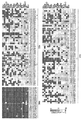
도 3a는 대조군 혈액, 1-50개의 HepG2 세포로 스파이킹된 대조군 혈액에서 hCEC의 RNA-seq, 및 HepG2 단일 세포 RNA-seq로부터 수득된 HepG2 유전자 발현 시그너처의 히트맵이다.
도 3b는 CLD 환자, HCC 환자로부터의 hCEC 및 유동-분류된 WBC (B, B 세포; C, 세포독성 T 세포; H, 헬퍼 T 세포; M, 단핵구; N, NK 세포; G, 과립구)의 RNA-seq로부터 수득된 간-특이적 유전자 시그너처의 히트맵이다. 히트맵 단위는 log2 (백만개당 판독 +1)로 표시된다.
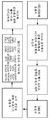
도 3c는 본원에 기재된 랜덤 포레스트 알고리즘의 도식도이다.
도 3d는 CLD, 초기 단계 HCC 및 후기 단계 HCC에서 HCC 스코어 (랜덤 포레스트 분류자로부터의 득표 분율)를 나타내는 그래프이다. P-값은 만-휘트니 시험으로 계산되었다.
도 4a는 건강한 공여자 (HD) 또는 CLD를 갖는 환자 (CLD), HCC를 갖는 환자, 또는 이전에 HCC를 가졌으나 HCC 치료 후 악성 질환의 증거를 나타내지 않는 환자 (HCC NED)로부터의 iChip 디바이스-처리된 혈액 샘플에서 글리피칸-3 양성 (GPC3) CEC의 검출을 나타내는 그래프이다. P-값은 만-휘트니 시험으로 계산되었다.
도 4b는 건강한 공여자 (HD) 또는 CLD를 갖는 환자 (CLD), HCC를 갖는 환자 (HCC), 또는 이전에 HCC를 가졌으나 HCC 치료 후 악성 질환의 증거를 나타내지 않는 환자 (HCC NED)로부터의 iChip 디바이스-처리된 혈액 샘플에서 넓은 스펙트럼 시토케라틴을 발현하는 CEC (CK+ 세포)의 검출을 나타내는 그래프이다. P-값은 만-휘트니 시험으로 계산되었다.
도 4c는 섬유증 단계 (초기 단계는 F1 또는 F2로 정의되고 진행된 섬유증은 F3 또는 F4로 정의됨)에 의해 계층화된 HBV CLD 환자 (HCC 없음)에서 hCEC (CK+ 또는 GPC3+인 세포)의 검출을 나타내는 그래프이다. P-값은 만-휘트니 시험으로 계산되었다.
도 4d는 간 질환의 병인에 의해 계층화된 CLD 환자에서 CEC 농도를 나타내는 그래프이다: 비-알콜성 지방간염 (NASH); B형 간염 바이러스 (HBV); C형 간염 바이러스 (HCV); 자가면역 간염 (AIH); 원발성 경화성 담관염 (PSC). P-값은 만-휘트니 시험으로 계산되었다.
도 5a는 CLD 환자, 치료를 받았지만 채혈 시점에 여전히 활성 질환을 가졌던 HCC 환자 (HCC On Tx), 및 치료 경험이 없는 활성 HCC를 갖는 환자 (HCC No Tx)에서 CEC의 HCC 스코어 (랜덤 포레스트 분류자로부터의 득표 분율)를 나타내는 그래프이다. 표시된 p-값은 만-휘트니 시험에 의해 계산되었다.
도 5b는 다변량 로지스틱 회귀 모델링에 의해 생성된 HCC 분류자에 대한 수신자 조작 특성 (ROC) 곡선을 나타내는 그래프이다.
도 5c는 HCC 랜덤 포레스트 분류자에 대한 ROC 곡선을 나타내는 그래프이다.




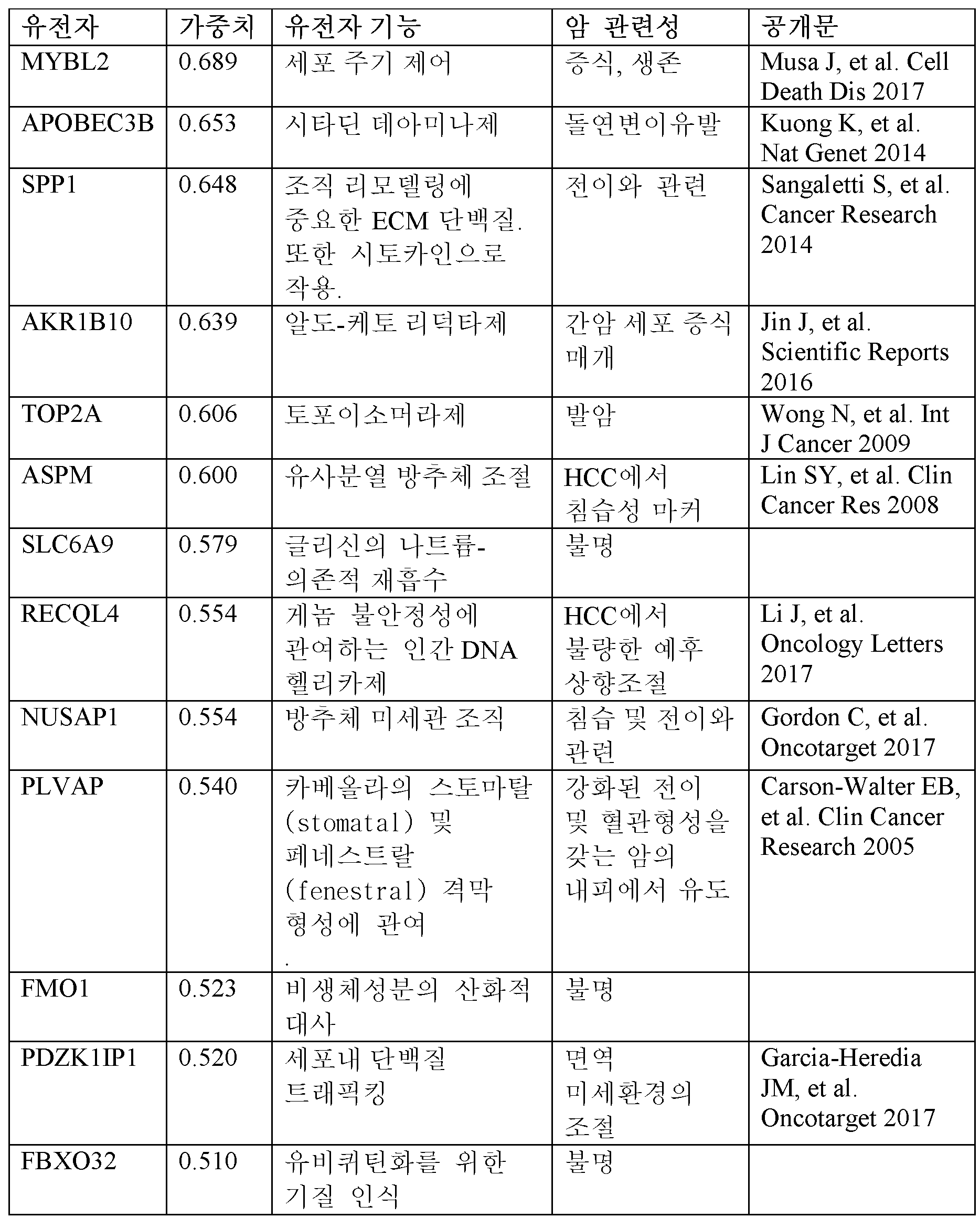
Claims (27)
- 대상체의 순환 상피 세포 (CEC)에서 간세포 암종 (HCC) 분류자 유전자의 발현 수준을 측정하는 단계를 포함하고, 여기서 HCC 분류자 유전자는 TESC, OSBP2, SLC6A8, SEPT5, F2RL3, E2F1, EZH2, CDC20, CCNA2, CCNB1, PLXNB3, CDC6, MYBL2, APOBEC3B, SPP1, AKR1B10, TOP2A, ASPM, SLC6A9, RECQL4, NUSAP1, PLVAP, FMO1, PDZK1IP1, 및 FBXO32 중 하나 이상을 포함하는 것인 방법
- 제1항에 있어서, HCC 분류자 유전자가 TESC, OSBP2, SLC6A8, SEPT5, F2RL3, E2F1, EZH2, CDC20, CCNA2, CCNB1, PLXNB3, CDC6, MYBL2, APOBEC3B, SPP1, AKR1B10, TOP2A, ASPM, SLC6A9, RECQL4, NUSAP1, PLVAP, FMO1, PDZK1IP1, 및 FBXO32 중 하나 이상으로 이루어지는 것인 방법.
- 제1항 또는 제2항에 있어서, HCC 분류자 유전자가 TESC, OSBP2, SLC6A8, SEPT5, F2RL3, E2F1, EZH2, CDC20, CCNA2, CCNB1, PLXNB3, CDC6, MYBL2, APOBEC3B, SPP1, AKR1B10, TOP2A, ASPM, SLC6A9, RECQL4, NUSAP1, PLVAP, FMO1, PDZK1IP1, 및 FBXO32로 이루어지는 것인 방법.
- 제1항에 있어서, HCC 분류자 유전자가 ACTG2, ADM2, AFP, AGR2, ALDH3A1, ALPK3, AMIGO3, ANKRD65, ANLN, AP1M2, ARHGAP11A, ARHGEF39, ASF1B, ASPHD1, AURKA, AXIN2, BAIAP2L2, BEX2, C15orf48, C1orf106, C1QTNF3, C6orf223, CA12, CA9, CAMK2N2, CAP2, CBX2, CCDC170, CCDC28B, CCDC64, CCNE2, CCNF, CD109, CD34, CDC25A, CDC7, CDCA5, CDCA8, CDH13, CDK1, CDKN2A, CDKN2C, CDT1, CELF6, CENPF, CENPH, CENPL, CENPU, CENPW, CKB, CNNM1, COL15A1, COL4A5, COL7A1, COL9A2, CRIP3, CSPG4, CTNND2, CXorf36, CYP17A1, DLK1, DMKN, DSCC1, DTL, DUOX2, ECT2, EEF1A2, EFNA3, EPHB2, EPPK1, ETV4, FABP4, FAM111B, FAM3B, FAM83D, FANCD2, FANCI, FBXL18, FERMT1, FGF19, FLNC, FLVCR1, FOXD2-AS1, FOXM1, FXYD2, GABRE, GAL3ST1, GCNT3, GINS1, GJC1, GMNN, GNAZ, GOLGA2P7, GPC3, GPR64, GPSM1, HRCT1, IGF2BP2, IGSF1, IGSF3, IQGAP3, ITGA2, ITPKA, KIAA0101, KIF11, KIFC1, KIFC2, KNTC1, KRT23, LAMA3, LEF1, LGR5, LINC00152, LINGO1, LPL, LRRC1, LYPD1, MAD2L1, MAGED4, MAGED4B, MAPK12, MAPK8IP2, MAPT, MCM2, MDGA1, MDK, MFAP2, MISP, MKI67, MMP11, MNS1, MPZ, MSC, MSH5, MTMR11, MUC13, MUC5B, MYH4, NAALADL1, NAV3, NCAPG, NDUFA4L2, NEB, NKD1, NMB, NOTCH3, NOTUM, NPM2, NQO1, NRCAM, NT5DC2, NTS, OBSCN, OLFML2A, OLFML2B, PAQR4, PEG10, PI3, PLCE1, PLCH2, PLK1, PLXDC1, PODXL2, POLE2, PPAP2C, PRC1, PTGES, PTGFR, PTHLH, PTK7, PTP4A3, PTTG1, PYCR1, RACGAP1, RBM24, RHBG, RNF157, ROBO1, RP4-800G7.2, RPS6KL1, RRM2, S100A1, SCGN, 5-Sep, SERPINA12, SEZ6L2, SFN, SGOL2, SLC22A11, SLC51B, SLC6A2, SNCG, SOAT2, SP5, SPARCL1, SPINK1, STIL, STK39, SULT1C2, TCF19, TDGF1, THY1, TK1, TMC5, TMEM132A, TMEM150B, TNFRSF19, TNFRSF25, TONSL, TPX2, TRIM16, TRIM16L, TRIM31, TRIM45, TTC39A, UBD, UBE2C, UBE2T, UGT2B11, USH1C, VSIG10L, WDR62, WDR76, 및 ZWINT로 이루어진 군으로부터 선택되는 1, 2, 3개 또는 그 초과의 추가의 유전자를 추가로 포함하는 것인 방법.
- (a) 대상체의 CEC에서 제1항 내지 제4항 중 어느 한 항의 HCC 분류자 유전자의 발현 수준을 측정하는 단계; 및
(b) 대상체의 CEC에서의 HCC 분류자 유전자의 발현 수준을 HCC 분류자 유전자의 참조 발현 수준과 비교하여 HCC의 존재를 결정하는 단계
를 포함하는, 만성 간 질환 (CLD)을 갖는 대상체에서 HCC의 존재를 검출하는 방법. - 제5항에 있어서, HCC 분류자 유전자의 발현 수준이 HCC 스코어를 계산하는데 사용되고, 계산된 HCC 스코어가 참조 스코어와 비교되며, 여기서 HCC의 존재는 참조 스코어보다 높은 HCC 스코어의 존재에 기초하여 결정되는 것인 방법.
- 제6항에 있어서, HCC 스코어가 랜덤 포레스트 분석을 이용하여 계산되는 것인 방법.
- 제5항에 있어서, HCC 분류자 유전자의 발현 수준이 다변량 로지스틱 회귀 모델링 접근법을 이용하여 HCC 분류자 유전자의 참조 발현 수준과 비교되는 것인 방법.
- 제1항 내지 제8항 중 어느 한 항에 있어서, 순환 상피 세포 (CEC)에서 HCC 분류자 유전자의 발현 수준이
(a) 대상체로부터 혈액을 포함하는 샘플을 수득하고;
(b) 크기-기반 배제를 통해 샘플로부터 적혈구, 혈소판 및 혈장을 제거하고;
(c) 자기영동에 의해 샘플로부터 백혈구 (WBC)를 제거하고;
(d) RNA-시퀀싱, qRT-PCT, RNA 제자리 하이브리드화, 단백질 마이크로어레이, 또는 질량 분광측정 및 단백질 프로파일링을 이용하여 CEC에서 유전자 세트의 발현을 측정함으로써
측정되는 것인 방법. - 제5항 내지 제9항 중 어느 한 항에 있어서, 검출되는 HCC가 초기 단계 HCC인 방법.
- 제5항 내지 제9항 중 어느 한 항에 있어서, 검출되는 HCC가 후기 단계 HCC인 방법.
- 제5항 내지 제11항 중 어느 한 항에 있어서,
(a) 초음파 이미징, 역동적 CT, MRI 이미징, 바늘 생검, 및/또는 생검에 의해 환자에서 HCC의 존재를 확인하거나 확인한 단계; 및
(b) 환자에서 HCC의 존재가 확인되는 경우, HCC 조직의 외과적 제거, HCC 조직의 고주파 절제, HCC 조직의 색전술; HCC 조직의 색전술, 화학요법, 및/또는 냉동요법에 의해 HCC에 대해 대상체를 치료하거나 치료한 단계
를 추가로 포함하는 방법. - (a) 초기 시점에서 제6항 또는 제7항의 방법을 수행하는 단계, 및 HCC 스코어가 참조 스코어보다 낮은 경우,
(b) 하나 이상의 후속 시점에서 제6항 또는 제7항의 방법을 수행하는 단계
를 포함하는, HCC의 발병에 대해 CLD를 갖는 대상체를 모니터링하는 방법. - 제13항에 있어서, 단계 (b)가 HCC의 존재가 결정될 때까지 하나 이상의 후속 시점에서 수행되는 것인 방법.
- 제13항 또는 제14항에 있어서, 초기 및 각각의 후속 시점이 약 3개월, 6개월, 또는 1년 간격인 방법.
- (a) 대상체의 혈액 샘플에서 CEC의 농도를 검출하는 단계;
(b) 대상체의 혈액 샘플에서의 CEC의 농도를 참조 값과 비교하는 단계;
(c) 대상체가 혈액 샘플에서 참조 값보다 낮은 CEC의 농도를 갖는 경우, 대상체를 초기 단계 섬유증으로 진단하는 단계; 및
d) 대상체가 혈액 샘플에서 참조 값보다 높은 CEC의 농도를 갖는 경우, 대상체를 후기 단계 섬유증으로 진단하는 단계
를 포함하는, CLD를 갖는 대상체에서 초기 단계 간 섬유증과 후기 단계 간 섬유증의 존재를 구별하는 방법. - 제16항에 있어서, 대상체가 B형 간염을 갖는 것인 방법.
- 제16항 또는 제17항에 있어서, CEC의 농도가 면역형광에 의해 측정되는 것인 방법.
- 제16항 내지 제18항 중 어느 한 항에 있어서, CEC의 농도가 글리피칸-3 (GPC3) 및/또는 시토케라틴 (CK)을 검출함으로써 측정되는 것인 방법.
- (a) 제16항 내지 제19항 중 어느 한 항의 방법을 수행하는 단계; 및 대상체의 혈액 샘플에서의 CEC의 농도가 참조 값보다 낮은 경우,
(b) 하나 이상의 후속 시점에서 제16항 내지 제19항 중 어느 한 항의 방법을 수행하는 단계
를 포함하는, 진행된 섬유증의 발병에 대해 CLD를 갖는 대상체를 모니터링하는 방법. - 제20항에 있어서, 대상체가 후기 단계 섬유증으로 진단될 때까지 단계 (b)가 하나 이상의 후속 시점에서 수행되는 것인 방법.
- 제16항 내지 제20항 중 어느 한 항에 있어서, 초기 및 각각의 후속 시점이 약 3개월, 6개월, 또는 1년 간격인 방법.
- (a) 제16항 내지 제19항 중 어느 한 항의 방법을 수행하고; 대상체의 혈액 샘플에서의 CEC의 농도가 참조 값보다 낮은 경우, 하나 이상의 후속 시점에서 제16항 내지 제19항 중 어느 한 항의 방법을 수행하는 단계; 및
(b) 초기 시점에서 제6항 또는 제7항의 방법을 수행하고, HCC 스코어의 발현 수준이 참조 스코어보다 낮은 경우, 하나 이상의 후속 시점에서 제6항 또는 제7항의 방법을 수행하는 단계
를 포함하는, 섬유증 또는 HCC의 진행을 방지하기 위해 치료 중인 CLD를 갖는 대상체를 모니터링하는 방법. - 제23항에 있어서, 대상체가 후기 단계 섬유증으로 진단될 때까지 단계 (a)가 하나 이상의 후속 시점에서 수행되고/되거나 HCC의 존재가 결정될 때까지 단계 (b)가 하나 이상의 후속 시점에서 수행되는 것인 방법.
- 제24항에 있어서, 제23항의 단계 (a) 또는 단계 (b)를 수행하기 위한 제1 초기 및 각각의 후속 시점이 약 3개월, 6개월, 또는 1년 간격이고, 제2 초기 및 각각의 후속 시점이 약 3개월, 6개월, 또는 1년 간격인 방법.
- 제1항 내지 제25항 중 어느 한 항에 있어서, 혈액 중의 CEC가 미세유체 디바이스를 사용하여 정제되거나 농축되는 것인 방법.
- 제26항에 있어서, 미세유체 디바이스가 iChip 디바이스인 방법.
Applications Claiming Priority (3)
| Application Number | Priority Date | Filing Date | Title |
|---|---|---|---|
| US201862729787P | 2018-09-11 | 2018-09-11 | |
| US62/729,787 | 2018-09-11 | ||
| PCT/US2019/050532 WO2020055954A2 (en) | 2018-09-11 | 2019-09-11 | Methods for detecting liver diseases |
Publications (1)
| Publication Number | Publication Date |
|---|---|
| KR20210057765A true KR20210057765A (ko) | 2021-05-21 |
Family
ID=69778376
Family Applications (1)
| Application Number | Title | Priority Date | Filing Date |
|---|---|---|---|
| KR1020217010293A Ceased KR20210057765A (ko) | 2018-09-11 | 2019-09-11 | 간 질환을 검출하는 방법 |
Country Status (5)
| Country | Link |
|---|---|
| US (1) | US20220033910A1 (ko) |
| JP (2) | JP2022500029A (ko) |
| KR (1) | KR20210057765A (ko) |
| CN (1) | CN112996928A (ko) |
| WO (1) | WO2020055954A2 (ko) |
Families Citing this family (10)
| Publication number | Priority date | Publication date | Assignee | Title |
|---|---|---|---|---|
| CN111876483B (zh) * | 2020-05-29 | 2022-12-20 | 中山大学肿瘤防治中心(中山大学附属肿瘤医院、中山大学肿瘤研究所) | Lypd1在肝细胞癌诊断、治疗、预后和预测复发中的应用 |
| CN111537719B (zh) * | 2020-06-04 | 2022-10-04 | 复旦大学附属中山医院 | 血清Sparcl1蛋白在非酒精性脂肪性肝炎诊断中的应用 |
| EP4314320A1 (en) * | 2021-03-29 | 2024-02-07 | Université Libre de Bruxelles | Protein tyrosine phosphatases as biomarkers for hepatocellular carcinoma and uses thereof |
| CN113186281B (zh) * | 2021-04-02 | 2023-02-28 | 广州医科大学附属第五医院 | 作为肝细胞癌标志物的inava |
| EP4338159A4 (en) * | 2021-05-11 | 2025-03-26 | Genomic Expression Inc. | IDENTIFICATION AND DESIGN OF CANCER THERAPIES BASED ON RNA SEQUENCING |
| WO2023008673A1 (ko) * | 2021-07-30 | 2023-02-02 | 숙명여자대학교산학협력단 | 머신러닝 기반 비알코올성 지방간염 판별용 복합 마커 및 이의 용도 |
| CN114150053B (zh) * | 2021-11-17 | 2024-07-09 | 重庆美普蓝科技有限公司 | 组合因子及其应用 |
| MX2024007463A (es) * | 2021-12-20 | 2024-09-02 | Regeneron Pharma | Metodos para identificar y evaluar la inflamacion hepatica y la fibrosis hepatica en un sujeto mediante la determinacion de una puntuacion estratificada basada en la expresion genetica. |
| CN116259360B (zh) * | 2023-03-16 | 2024-02-09 | 中国人民解放军空军军医大学 | 肺腺癌中高增殖肿瘤亚群的鉴别及特征基因集与应用 |
| CN117165678A (zh) * | 2023-04-10 | 2023-12-05 | 上海交通大学医学院附属仁济医院 | 肝癌肝移植术后复发标志物及其应用 |
Family Cites Families (8)
| Publication number | Priority date | Publication date | Assignee | Title |
|---|---|---|---|---|
| JP2005522677A (ja) * | 2002-04-08 | 2005-07-28 | シファーゲン バイオシステムズ, インコーポレイテッド | 肝細胞癌の血清バイオマーカー |
| US9458510B2 (en) * | 2011-06-27 | 2016-10-04 | Mietamark Genetics, Inc. | Signatures and determinants associated with prostate cancer progression and methods of use thereof |
| WO2013150002A1 (en) * | 2012-04-03 | 2013-10-10 | INSERM (Institut National de la Santé et de la Recherche Médicale) | Methods and kits for determining if a subject is predisposed to fast progression of liver fibrosis |
| EP3502270B1 (en) * | 2013-10-21 | 2020-03-18 | The General Hospital Corporation | Methods relating to circulating tumor cell clusters and the treatment of cancer |
| AU2014364520B2 (en) * | 2013-12-20 | 2020-01-02 | The General Hospital Corporation | Methods and assays relating to circulating tumor cells |
| WO2015153816A2 (en) * | 2014-04-01 | 2015-10-08 | Academia Sinica | Methods and systems for cancer diagnosis and prognosis |
| FR3028318B1 (fr) * | 2014-11-12 | 2025-10-03 | Phuong Lan Tran | Procede et dispositif de tri selectif, specifique et simultane de cellules rares cibles dans un echantillon biologique |
| AU2016238253B2 (en) * | 2015-03-25 | 2022-06-16 | The General Hospital Corporation | Digital analysis of circulating tumor cells in blood samples |
-
2019
- 2019-09-11 KR KR1020217010293A patent/KR20210057765A/ko not_active Ceased
- 2019-09-11 WO PCT/US2019/050532 patent/WO2020055954A2/en not_active Ceased
- 2019-09-11 JP JP2021513265A patent/JP2022500029A/ja active Pending
- 2019-09-11 CN CN201980073917.5A patent/CN112996928A/zh active Pending
- 2019-09-11 US US17/274,955 patent/US20220033910A1/en not_active Abandoned
-
2024
- 2024-02-01 JP JP2024013945A patent/JP2024059642A/ja active Pending
Also Published As
| Publication number | Publication date |
|---|---|
| WO2020055954A2 (en) | 2020-03-19 |
| WO2020055954A3 (en) | 2020-07-23 |
| JP2022500029A (ja) | 2022-01-04 |
| CN112996928A (zh) | 2021-06-18 |
| US20220033910A1 (en) | 2022-02-03 |
| JP2024059642A (ja) | 2024-05-01 |
Similar Documents
| Publication | Publication Date | Title |
|---|---|---|
| KR20210057765A (ko) | 간 질환을 검출하는 방법 | |
| Kalinich et al. | An RNA-based signature enables high specificity detection of circulating tumor cells in hepatocellular carcinoma | |
| Qi et al. | Circulating tumor cells undergoing EMT provide a metric for diagnosis and prognosis of patients with hepatocellular carcinoma | |
| Yu et al. | Effect of surgical liver resection on circulating tumor cells in patients with hepatocellular carcinoma | |
| Bhan et al. | Detection and analysis of circulating epithelial cells in liquid biopsies from patients with liver disease | |
| Barbazán et al. | A multimarker panel for circulating tumor cells detection predicts patient outcome and therapy response in metastatic colorectal cancer | |
| Li et al. | Intratumoral neutrophils: a poor prognostic factor for hepatocellular carcinoma following resection | |
| Tan et al. | Clinicopathological indices to predict hepatocellular carcinoma molecular classification | |
| Mas et al. | Genes involved in viral carcinogenesis and tumor initiation in hepatitis C virus-induced hepatocellular carcinoma | |
| CN106062561B (zh) | 为了监测前列腺癌患者中的肿瘤进化进行循环肿瘤细胞的基因型和表型分析 | |
| Jin et al. | AFP mRNA level in enriched circulating tumor cells from hepatocellular carcinoma patient blood samples is a pivotal predictive marker for metastasis | |
| Dong et al. | Major vault protein (MVP) associated with BRAF V600E mutation is an immune microenvironment-related biomarker promoting the progression of papillary thyroid cancer via MAPK/ERK and PI3K/AKT pathways | |
| Moldogazieva et al. | Genomic landscape of liquid biopsy for hepatocellular carcinoma personalized medicine | |
| WO2015138769A1 (en) | Methods and compositions for assessing patients with non-small cell lung cancer | |
| Zheng et al. | Plasma minichromosome maintenance complex component 6 is a novel biomarker for hepatocellular carcinoma patients | |
| EP3376227B1 (en) | Methods for diagnosing and treating cancer | |
| EP4057006A1 (en) | Ex vivo method for analysing a tissue sample using proteomic profile matching, and its use for the diagnosis, prognosis of pathologies and for predicting response to treatments | |
| Bünger et al. | Diversity of assessing circulating tumor cells (CTCs) emphasizes need for standardization: a CTC Guide to design and report trials | |
| Shimagaki et al. | MicroRNA‐125b expression and intrahepatic metastasis are predictors for early recurrence after hepatocellular carcinoma resection | |
| Ding et al. | Prognostic value of MAC30 expression in human pure squamous cell carcinomas of the lung | |
| Soave et al. | Do circulating tumor cells have a role in deciding on adjuvant chemotherapy after radical cystectomy? | |
| Hesketh et al. | Hepatocellular carcinoma: can circulating tumor cells and radiogenomics deliver personalized care? | |
| Chen et al. | Unraveling the role of ADAMs in clinical heterogeneity and the immune microenvironment of hepatocellular carcinoma: insights from single-cell, spatial transcriptomics, and bulk RNA sequencing | |
| Teng et al. | Circulating tumor cells: A step toward precision medicine in hepatocellular carcinoma | |
| Halawa et al. | The role of liquid biopsy in the diagnosis and prognosis of WHO grade 4 astrocytoma |
Legal Events
| Date | Code | Title | Description |
|---|---|---|---|
| PA0105 | International application |
St.27 status event code: A-0-1-A10-A15-nap-PA0105 |
|
| PG1501 | Laying open of application |
St.27 status event code: A-1-1-Q10-Q12-nap-PG1501 |
|
| R18-X000 | Changes to party contact information recorded |
St.27 status event code: A-3-3-R10-R18-oth-X000 |
|
| A201 | Request for examination | ||
| PA0201 | Request for examination |
St.27 status event code: A-1-2-D10-D11-exm-PA0201 |
|
| P22-X000 | Classification modified |
St.27 status event code: A-2-2-P10-P22-nap-X000 |
|
| E902 | Notification of reason for refusal | ||
| PE0902 | Notice of grounds for rejection |
St.27 status event code: A-1-2-D10-D21-exm-PE0902 |
|
| T11-X000 | Administrative time limit extension requested |
St.27 status event code: U-3-3-T10-T11-oth-X000 |
|
| B15 | Application refused following examination |
Free format text: ST27 STATUS EVENT CODE: N-2-6-B10-B15-EXM-PE0601 (AS PROVIDED BY THE NATIONAL OFFICE) |
|
| PE0601 | Decision on rejection of patent |
St.27 status event code: N-2-6-B10-B15-exm-PE0601 |