RU2201701C2 - Method of producing low-caloric paste - Google Patents
Method of producing low-caloric paste Download PDFInfo
- Publication number
- RU2201701C2 RU2201701C2 RU2001111351/13A RU2001111351A RU2201701C2 RU 2201701 C2 RU2201701 C2 RU 2201701C2 RU 2001111351/13 A RU2001111351/13 A RU 2001111351/13A RU 2001111351 A RU2001111351 A RU 2001111351A RU 2201701 C2 RU2201701 C2 RU 2201701C2
- Authority
- RU
- Russia
- Prior art keywords
- liver
- mass
- paste
- ground
- vegetables
- Prior art date
Links
- 238000000034 method Methods 0.000 title claims abstract description 12
- 210000004185 liver Anatomy 0.000 claims abstract description 28
- 235000013372 meat Nutrition 0.000 claims abstract description 14
- 239000000203 mixture Substances 0.000 claims abstract description 12
- 235000013311 vegetables Nutrition 0.000 claims abstract description 12
- 238000010438 heat treatment Methods 0.000 claims abstract description 8
- 240000004713 Pisum sativum Species 0.000 claims abstract description 6
- 235000010582 Pisum sativum Nutrition 0.000 claims abstract description 6
- 239000000654 additive Substances 0.000 claims abstract description 6
- 235000011389 fruit/vegetable juice Nutrition 0.000 claims abstract description 6
- 244000061456 Solanum tuberosum Species 0.000 claims abstract description 5
- 235000002595 Solanum tuberosum Nutrition 0.000 claims abstract description 5
- 238000004519 manufacturing process Methods 0.000 claims abstract description 5
- 241001474374 Blennius Species 0.000 claims description 5
- 241000196324 Embryophyta Species 0.000 claims 1
- 238000000465 moulding Methods 0.000 claims 1
- 235000013336 milk Nutrition 0.000 abstract description 8
- 239000008267 milk Substances 0.000 abstract description 8
- 210000004080 milk Anatomy 0.000 abstract description 8
- 241001465754 Metazoa Species 0.000 abstract description 7
- 235000014121 butter Nutrition 0.000 abstract description 7
- 235000002732 Allium cepa var. cepa Nutrition 0.000 abstract description 6
- 244000000626 Daucus carota Species 0.000 abstract description 6
- 235000002767 Daucus carota Nutrition 0.000 abstract description 6
- 244000203593 Piper nigrum Species 0.000 abstract description 5
- 235000008184 Piper nigrum Nutrition 0.000 abstract description 5
- 235000013614 black pepper Nutrition 0.000 abstract description 5
- 210000004204 blood vessel Anatomy 0.000 abstract description 5
- 150000003839 salts Chemical class 0.000 abstract description 5
- 235000013305 food Nutrition 0.000 abstract description 3
- 244000174788 Crambe maritima Species 0.000 abstract description 2
- 235000005664 Crambe maritima Nutrition 0.000 abstract description 2
- 238000004321 preservation Methods 0.000 abstract description 2
- 244000291564 Allium cepa Species 0.000 abstract 1
- 239000012528 membrane Substances 0.000 abstract 1
- 235000015097 nutrients Nutrition 0.000 abstract 1
- 235000012015 potatoes Nutrition 0.000 abstract 1
- 238000002360 preparation method Methods 0.000 abstract 1
- 239000000126 substance Substances 0.000 abstract 1
- 239000000047 product Substances 0.000 description 9
- 235000010633 broth Nutrition 0.000 description 7
- 241000234282 Allium Species 0.000 description 5
- 235000013373 food additive Nutrition 0.000 description 4
- 239000002778 food additive Substances 0.000 description 4
- 238000003756 stirring Methods 0.000 description 4
- 238000005303 weighing Methods 0.000 description 4
- QTBSBXVTEAMEQO-UHFFFAOYSA-N Acetic acid Chemical compound CC(O)=O QTBSBXVTEAMEQO-UHFFFAOYSA-N 0.000 description 3
- 238000005265 energy consumption Methods 0.000 description 3
- 239000007788 liquid Substances 0.000 description 3
- 238000002791 soaking Methods 0.000 description 3
- 239000000839 emulsion Substances 0.000 description 2
- 235000016709 nutrition Nutrition 0.000 description 2
- 244000075850 Avena orientalis Species 0.000 description 1
- 235000007319 Avena orientalis Nutrition 0.000 description 1
- 241000490025 Schefflera digitata Species 0.000 description 1
- 238000009825 accumulation Methods 0.000 description 1
- 238000010411 cooking Methods 0.000 description 1
- 235000005911 diet Nutrition 0.000 description 1
- 230000000378 dietary effect Effects 0.000 description 1
- 235000015872 dietary supplement Nutrition 0.000 description 1
- 238000011156 evaluation Methods 0.000 description 1
- 239000000945 filler Substances 0.000 description 1
- 235000012041 food component Nutrition 0.000 description 1
- 238000009472 formulation Methods 0.000 description 1
- 235000015250 liver sausages Nutrition 0.000 description 1
- 150000002823 nitrates Chemical class 0.000 description 1
- 150000002826 nitrites Chemical class 0.000 description 1
- 230000035764 nutrition Effects 0.000 description 1
- 239000000843 powder Substances 0.000 description 1
- 239000002994 raw material Substances 0.000 description 1
- 235000013599 spices Nutrition 0.000 description 1
- 238000003860 storage Methods 0.000 description 1
Images
Landscapes
- Meat, Egg Or Seafood Products (AREA)
- Coloring Foods And Improving Nutritive Qualities (AREA)
Abstract
Description
Изобретение относится к производству продуктов общественного питания. The invention relates to the production of food products.
Известно большое количество способов приготовления паштета из печени животных. Самым известным является традиционный способ - нарезанные лук, морковь поджаривают со шпигом до полуготовности, добавляют нарезанную печень, специи жарят до готовности, затем смесь в горячем состоянии пропускают через мясорубку с частой решеткой, добавляют размягченное масло, молоко или бульон, тщательно вымешивают и формуют в виде батона, оформляют маслом и рубленным яйцом. There are a large number of ways to prepare a paste from the liver of animals. The most famous is the traditional way - chopped onions, carrots are fried with lard until half cooked, add chopped liver, spices are fried until tender, then the mixture is heated through a meat grinder with a frequent grill, add softened butter, milk or broth, carefully knead and formed into in the form of a loaf, made out with butter and chopped egg.
Ранее уже был предложен способ (а.с. N 1122291), близкий по своему содержанию, но имеющий свои существенные отличия от предлагаемого способа. Previously, a method has been proposed (A.S. N 1122291), similar in content, but having its own significant differences from the proposed method.
Вышеперечисленные способы обладают рядом существенных недостатков: высокая калорийность продукта, повышенный расход мясных субпродуктов, высокая энергоемкость процесса приготовления и др. The above methods have several significant disadvantages: high calorie product, increased consumption of meat offal, high energy consumption of the cooking process, etc.
Предлагаемый способ позволяет избежать вышеуказанных недостатков. Его суть заключается в том, что печень животных зачищают от пленки, крупных кровеносных сосудов, нарезают кусочками произвольной формы массой 200-250 г и пропускают через мясорубку с диаметром решетки 3 мм. Обработанный лук репчатый и морковь мелко нарезают и пассеруют на сливочном масле до приобретения золотистого цвета. К овощам добавляют измельченную печень, соль, перец черный и припускают в собственном соку печени в течении 20 мин, периодически помешивая до полной кулинарной готовности. Смесь охлаждают и пропускают через мясорубку с диаметром решетки 3 мм вместе с подготовленными пищевыми добавками. В измельченную массу добавляют горячее молоко или бульон (учитывая количество жидкости, используемое при замачивании) и прогревают массу в течение 10-12 мин при температуре 90oС. Из горячей массы формуют батоны и охлаждают.The proposed method avoids the above disadvantages. Its essence lies in the fact that the liver of animals is cleaned from the film, large blood vessels, cut into pieces of arbitrary shape weighing 200-250 g and passed through a meat grinder with a grate diameter of 3 mm. Processed onions and carrots are finely chopped and sautéed in butter until golden. Add chopped liver, salt, black pepper to the vegetables and add in the liver's own juice for 20 minutes, stirring occasionally until fully cooked. The mixture is cooled and passed through a meat grinder with a grid diameter of 3 mm together with prepared food additives. Hot milk or broth is added to the crushed mass (taking into account the amount of liquid used for soaking) and the mass is heated for 10-12 minutes at a temperature of 90 o C. The loaves are formed from the hot mass and cooled.
Предлагаемый способ позволяет из-за отсутствия в рецептуре паштета шпига снизить калорийность продукта практически до 700,0 кДж, что на 42% ниже, чем у продукта, полученного известным традиционным способом. Так как предварительная тепловая обработка измельченной печени сводится только к ее припусканию, то соответственно значительно уменьшаются и энергозатраты на приготовление продукта. The proposed method allows, due to the absence of shpie paste in the formulation, to reduce the calorie content of the product to almost 700.0 kJ, which is 42% lower than that of a product obtained by a known traditional method. Since the preliminary heat treatment of the crushed liver is reduced only to its admission, the energy consumption for preparing the product is accordingly significantly reduced.
Предварительная тепловая обработка измельченной печени, а также всей паштетной массы мягкими режимами способствует снижению потерь при тепловой обработке продуктов и энергозатрат. Preliminary heat treatment of the crushed liver, as well as the entire paste mass by mild regimes helps to reduce losses during the heat treatment of products and energy consumption.
Пример 1. Example 1
Для приготовления паштета с добавками крупу гороха предварительно замачивают в горячем молоке или бульоне с температурой 90oС в соотношении гороха и эмульсии 1:2 в течение 2-х часов. Печень животных зачищают от пленки, крупных кровеносных сосудов, нарезают кусочками произвольной формы массой 200-250 г и пропускают через мясорубку с диаметром решетки 3 мм.To prepare a paste with additives, pea groats are pre-soaked in hot milk or broth with a temperature of 90 o C in a ratio of peas and emulsion 1: 2 for 2 hours. The liver of animals is cleaned from the film, large blood vessels, cut into pieces of arbitrary shape weighing 200-250 g and passed through a meat grinder with a grate diameter of 3 mm.
Обработанные лук репчатый и морковь мелко нарезают и пассеруют на сливочном масле до приобретения золотистого цвета. К овощам добавляют измельченную печень, соль, перец черный и припускают в собственном соку печени в течение 20 мин, периодически помешивая до полной кулинарной готовности. Смесь охлаждают, смешивают с подготовленным горохом и пропускают через мясорубку с диаметром решетки 3 мм. В измельченную массу добавляют горячее молоко или бульон (учитывая количество жидкости, используемое при замачивании) и прогревают массу в течение 10-12 мин при температуре 90oС. Из горячей массы формуют батоны и охлаждают. Горох вводят в количестве 2,4% к массе паштета.Processed onions and carrots are finely chopped and sautéed in butter until golden. Shredded liver, salt, black pepper are added to the vegetables and allowed in the liver’s own juice for 20 minutes, stirring occasionally until cooked. The mixture is cooled, mixed with prepared peas and passed through a meat grinder with a grid diameter of 3 mm. Hot milk or broth is added to the crushed mass (taking into account the amount of liquid used for soaking) and the mass is heated for 10-12 minutes at a temperature of 90 o C. The loaves are formed from the hot mass and cooled. Peas are introduced in an amount of 2.4% by weight of the paste.
Пример 2. Example 2
Для приготовления паштета с добавкой из картофельной крупки печень животных зачищают от пленки, крупных кровеносных сосудов, нарезают кусочками произвольной формы массой 200-250 г и пропускают через мясорубку с диаметром решетки 3 мм. To prepare a paste with the addition of potato grit, the animal’s liver is cleaned from the film, large blood vessels, cut into pieces of arbitrary shape weighing 200-250 g and passed through a meat grinder with a grate diameter of 3 mm.
Обработанные лук репчатый и морковь мелко нарезают и пассеруют на сливочном масле до приобретения золотистого цвета. К овощам добавляют измельченную печень, соль, перец черный и припускают в собственном соку печени в течение 20 мин, периодически помешивая до полной кулинарной готовности. Смесь охлаждают, смешивают с картофельной крупкой и пропускают через мясорубку с диаметром решетки 3 мм. В измельченную массу добавляют горячее молоко или бульон и прогревают массу в течение 10-12 мин при температуре 90oС. Из горячей массы формуют батоны и охлаждают. Картофельную крупку вводят 2,86% к массе паштета.Processed onions and carrots are finely chopped and sautéed in butter until golden. Shredded liver, salt, black pepper are added to the vegetables and allowed in the liver’s own juice for 20 minutes, stirring occasionally until cooked. The mixture is cooled, mixed with potato grits and passed through a meat grinder with a grid diameter of 3 mm. Hot milk or broth is added to the crushed mass and the mass is heated for 10-12 minutes at a temperature of 90 o C. The loaves are formed from the hot mass and cooled. Potato nibs are introduced at 2.86% by weight of the paste.
Пример 3. Example 3
Для приготовления паштета с добавками морской капусты порошок морской капусты предварительно замачивают в горячем молоке или бульоне с температурой 90oС в соотношении морской капусты и эмульсии 1:20 в течение 2 часов. Печень животных зачищают от пленки, крупных кровеносных сосудов, нарезают кусочками произвольной формы массой 200-250 г и пропускают через мясорубку с диаметром решетки 3 мм.To prepare a paste with additives of seaweed, seaweed powder is pre-soaked in hot milk or broth with a temperature of 90 o C in the ratio of seaweed and emulsion 1:20 for 2 hours. The liver of animals is cleaned from the film, large blood vessels, cut into pieces of arbitrary shape weighing 200-250 g and passed through a meat grinder with a grate diameter of 3 mm.
Обработанные лук репчатый и морковь мелко нарезают и пассеруют на сливочном масле до приобретения золотистого цвета. К овощам добавляют измельченную печень, соль, перец черный и припускают в собственном соку печени в течение 20 мин, периодически помешивая до полной кулинарной готовности. Смесь охлаждают, смешивают с подготовленной морской капустой и пропускают через мясорубку с диаметром решетки 3 мм. В измельченную массу добавляют горячее молоко или бульон (учитывая количество жидкости, используемое при замачивании) и прогревают массу в течение 10-12 мин при температуре 90oС. Из горячей массы формуют батоны и охлаждают. Морскую капусту вводят 0,57% к массе паштета.Processed onions and carrots are finely chopped and sautéed in butter until golden. Shredded liver, salt, black pepper are added to the vegetables and allowed in the liver’s own juice for 20 minutes, stirring occasionally until cooked. The mixture is cooled, mixed with prepared seaweed and passed through a meat grinder with a grid diameter of 3 mm. Hot milk or broth is added to the crushed mass (taking into account the amount of liquid used for soaking) and the mass is heated for 10-12 minutes at a temperature of 90 o C. The loaves are formed from the hot mass and cooled. Sea kale is administered 0.57% by weight of the paste.
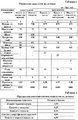
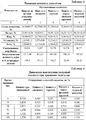
Паштеты приготовлены по рецептурам, приведенным в таблице 1. Предлагаемый продукт имеет более низкие производственные потери. Органолептическая оценка паштетов из печени с пищевыми добавками составила 4,35-4,6 балла, что выше по сравнению с ранее известными паштетами (таблица 2). Консистенция соответствовала требованиям к паштетной продукции. Пищевая ценность паштетов с пищевыми добавками ниже, чем у традиционного в среднем на (40-42)% (таблица 3), что соответствует требованиям продукции со сниженной калорийностью и может быть использовано для диетического питания. Paste prepared according to the recipes shown in table 1. The proposed product has lower production losses. The organoleptic evaluation of liver pates with food additives was 4.35-4.6 points, which is higher compared to previously known pastes (table 2). The consistency met the requirements for paste products. The nutritional value of pastes with nutritional supplements is lower than that of the traditional paste by an average of (40-42)% (table 3), which corresponds to the requirements of products with reduced calorie content and can be used for dietary nutrition.
По накоплению уксусной кислоты (таблица 4) можно утверждать, что паштеты с пищевыми добавками более стойкие при хранении по сравнению с паштетами традиционного приготовления. According to the accumulation of acetic acid (table 4), it can be argued that pastes with food additives are more stable during storage than traditional pastes.
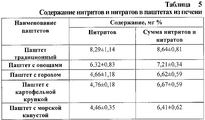
На содержание нитритов и нитратов (таблица 5) влияет вид тепловой обработки и наличие овощного наполнителя. Паштеты с пищевыми добавками являются наиболее экологически чистыми продуктами питания. The content of nitrites and nitrates (table 5) is affected by the type of heat treatment and the presence of vegetable filler. Pastes with food additives are the most environmentally friendly food.
Предлагаемый способ позволяет улучшить качество готового продукта и рационально использовать сырье. The proposed method allows to improve the quality of the finished product and rational use of raw materials.
Технический результат: способ обеспечивает получение низкокалорийного паштета для общественного питания с сохранением ценных питательных компонентов без глубокой дополнительной тепловой обработки, а также позволяет расширить ассортимент низкокалорийных паштетов за счет внесения различных растительных добавок. Technical result: the method provides a low-calorie paste for catering with the preservation of valuable nutritional components without deep additional heat treatment, and also allows you to expand the range of low-calorie pastes due to the introduction of various herbal additives.
Claims (2)
Priority Applications (1)
| Application Number | Priority Date | Filing Date | Title |
|---|---|---|---|
| RU2001111351/13A RU2201701C2 (en) | 2001-04-26 | 2001-04-26 | Method of producing low-caloric paste |
Applications Claiming Priority (1)
| Application Number | Priority Date | Filing Date | Title |
|---|---|---|---|
| RU2001111351/13A RU2201701C2 (en) | 2001-04-26 | 2001-04-26 | Method of producing low-caloric paste |
Publications (2)
| Publication Number | Publication Date |
|---|---|
| RU2001111351A RU2001111351A (en) | 2003-02-27 |
| RU2201701C2 true RU2201701C2 (en) | 2003-04-10 |
Family
ID=20248945
Family Applications (1)
| Application Number | Title | Priority Date | Filing Date |
|---|---|---|---|
| RU2001111351/13A RU2201701C2 (en) | 2001-04-26 | 2001-04-26 | Method of producing low-caloric paste |
Country Status (1)
| Country | Link |
|---|---|
| RU (1) | RU2201701C2 (en) |
Cited By (4)
| Publication number | Priority date | Publication date | Assignee | Title |
|---|---|---|---|---|
| RU2366298C1 (en) * | 2008-02-11 | 2009-09-10 | Государственное образовательное учреждение высшего профессионального образования "Северо-Кавказский государственный технический университет" | Paste with vegetable components production method |
| RU2385652C2 (en) * | 2007-07-04 | 2010-04-10 | Государственное образовательное учреждение Высшего профессионального образования Красноярский государственный торгово-экономический институт | Meat-vegetable paste |
| RU2423881C2 (en) * | 2009-04-16 | 2011-07-20 | Общество с ограниченной ответственностью научно-производственная фирма "Продовольственная Компания" (ООО НПФ "ПродКом") | Method for production of prophylactic purpose paste with rowanberries |
| RU2676156C1 (en) * | 2017-12-27 | 2018-12-26 | Федеральное государственное бюджетное образовательное учреждение высшего образования "Саратовский государственный аграрный университет имени Н.И. Вавилова" | Method for preparing paste from liver |
Citations (2)
| Publication number | Priority date | Publication date | Assignee | Title |
|---|---|---|---|---|
| RU2054265C1 (en) * | 1994-02-28 | 1996-02-20 | Татьяна Яковлевна Бограчева | Method of preparing protein isolate and starch from pea |
| RU2071348C1 (en) * | 1995-07-06 | 1997-01-10 | Макаров Николай Васильевич | Method of preparing product for curative-prophylaxis nutrition |
-
2001
- 2001-04-26 RU RU2001111351/13A patent/RU2201701C2/en not_active IP Right Cessation
Patent Citations (2)
| Publication number | Priority date | Publication date | Assignee | Title |
|---|---|---|---|---|
| RU2054265C1 (en) * | 1994-02-28 | 1996-02-20 | Татьяна Яковлевна Бограчева | Method of preparing protein isolate and starch from pea |
| RU2071348C1 (en) * | 1995-07-06 | 1997-01-10 | Макаров Николай Васильевич | Method of preparing product for curative-prophylaxis nutrition |
Non-Patent Citations (1)
| Title |
|---|
| Справочник технолога колбасного производства. Под ред. РОГОВА И.А., М., "Колос", 1993, с.229-238. * |
Cited By (4)
| Publication number | Priority date | Publication date | Assignee | Title |
|---|---|---|---|---|
| RU2385652C2 (en) * | 2007-07-04 | 2010-04-10 | Государственное образовательное учреждение Высшего профессионального образования Красноярский государственный торгово-экономический институт | Meat-vegetable paste |
| RU2366298C1 (en) * | 2008-02-11 | 2009-09-10 | Государственное образовательное учреждение высшего профессионального образования "Северо-Кавказский государственный технический университет" | Paste with vegetable components production method |
| RU2423881C2 (en) * | 2009-04-16 | 2011-07-20 | Общество с ограниченной ответственностью научно-производственная фирма "Продовольственная Компания" (ООО НПФ "ПродКом") | Method for production of prophylactic purpose paste with rowanberries |
| RU2676156C1 (en) * | 2017-12-27 | 2018-12-26 | Федеральное государственное бюджетное образовательное учреждение высшего образования "Саратовский государственный аграрный университет имени Н.И. Вавилова" | Method for preparing paste from liver |
Similar Documents
| Publication | Publication Date | Title |
|---|---|---|
| RU2302144C1 (en) | Method for manufacturing canned food "moskovskie cutlets with cabbage and basic red sauce" | |
| RU2357486C2 (en) | Fish and vegetable cutlets | |
| RU2357485C2 (en) | Fish and vegetable cutlets with increased nutritious value | |
| RU2333691C1 (en) | Fish culinary product for feeding of school-aged children and method of its cooking | |
| KR101921331B1 (en) | Yukgaejang knife-cut noodle containing hemp seed and the manufacture Method | |
| KR101801156B1 (en) | Composition for Cookie Containing Eel Meet & Bone and Cookie Using Thereof and Manufacturing Method | |
| RU2302150C1 (en) | Method for manufacturing canned food "domaschnie cutlets with cabbage and basic red sauce" | |
| RU2201701C2 (en) | Method of producing low-caloric paste | |
| RU2300257C1 (en) | Method for manufacturing canned food "domaschnie cutlets with cabbage and onion sauce with mustard" | |
| KR101851984B1 (en) | Method for producing cheese steak and cheese steak prepared by this | |
| KR101308921B1 (en) | Method of preparing korean hot pepper paste with fish egg | |
| RU2002116948A (en) | Method for the production of fish sausages | |
| RU2661390C1 (en) | Method of manufacture of poultry pate with vegetable powder | |
| JPS6119467A (en) | Preparation of low-calorific meat product | |
| DE2455050A1 (en) | Semi-finished base for food products - contg. meat and vegetables with additives prepd cold and quick frozen to avoid loss of nutritional value | |
| RU2278568C2 (en) | Method for production of canned fish-and-vegetable goods | |
| RU2210264C1 (en) | Meat and rice stuffed pancakes "po-klinsky" and method for producing the same | |
| RU2813260C1 (en) | Method of producing frozen minced meat semi-finished products | |
| RU2844785C1 (en) | Method for production of meat semi-finished products using functional ingredients | |
| RU2850677C2 (en) | Method for producing semi-finished products in form of fish cutlets with vegetable additives | |
| KR102905562B1 (en) | Korea hot pepper paste pencake using corn and manufacturing method thereof | |
| RU2711812C1 (en) | Sauce with high protein content | |
| RU2300246C1 (en) | Method for manufacturing canned food "minced zrazy with cabbage and basic red sauce" | |
| RU2277817C2 (en) | Method for producing of fish-and-vegetable sausages | |
| RU2356375C1 (en) | Production method for canned food "rabbit and millet sichenik cutlets" |
Legal Events
| Date | Code | Title | Description |
|---|---|---|---|
| MM4A | The patent is invalid due to non-payment of fees |
Effective date: 20040427 |