TW202013251A - System and method for VSLAM ratio estimation using optical fluometer on robot equipment - Google Patents
System and method for VSLAM ratio estimation using optical fluometer on robot equipment Download PDFInfo
- Publication number
- TW202013251A TW202013251A TW108129210A TW108129210A TW202013251A TW 202013251 A TW202013251 A TW 202013251A TW 108129210 A TW108129210 A TW 108129210A TW 108129210 A TW108129210 A TW 108129210A TW 202013251 A TW202013251 A TW 202013251A
- Authority
- TW
- Taiwan
- Prior art keywords
- wheel
- data
- processor
- image frame
- ratio estimate
- Prior art date
Links
Images


Classifications
-
- G—PHYSICS
- G05—CONTROLLING; REGULATING
- G05D—SYSTEMS FOR CONTROLLING OR REGULATING NON-ELECTRIC VARIABLES
- G05D1/00—Control of position, course, altitude or attitude of land, water, air or space vehicles, e.g. using automatic pilots
- G05D1/02—Control of position or course in two dimensions
- G05D1/021—Control of position or course in two dimensions specially adapted to land vehicles
- G05D1/0231—Control of position or course in two dimensions specially adapted to land vehicles using optical position detecting means
- G05D1/0246—Control of position or course in two dimensions specially adapted to land vehicles using optical position detecting means using a video camera in combination with image processing means
- G05D1/0253—Control of position or course in two dimensions specially adapted to land vehicles using optical position detecting means using a video camera in combination with image processing means extracting relative motion information from a plurality of images taken successively, e.g. visual odometry, optical flow
-
- G—PHYSICS
- G06—COMPUTING OR CALCULATING; COUNTING
- G06T—IMAGE DATA PROCESSING OR GENERATION, IN GENERAL
- G06T7/00—Image analysis
- G06T7/20—Analysis of motion
- G06T7/246—Analysis of motion using feature-based methods, e.g. the tracking of corners or segments
-
- G—PHYSICS
- G05—CONTROLLING; REGULATING
- G05D—SYSTEMS FOR CONTROLLING OR REGULATING NON-ELECTRIC VARIABLES
- G05D1/00—Control of position, course, altitude or attitude of land, water, air or space vehicles, e.g. using automatic pilots
- G05D1/20—Control system inputs
- G05D1/24—Arrangements for determining position or orientation
- G05D1/243—Means capturing signals occurring naturally from the environment, e.g. ambient optical, acoustic, gravitational or magnetic signals
- G05D1/2435—Extracting 3D information
-
- G—PHYSICS
- G06—COMPUTING OR CALCULATING; COUNTING
- G06T—IMAGE DATA PROCESSING OR GENERATION, IN GENERAL
- G06T7/00—Image analysis
- G06T7/20—Analysis of motion
-
- G—PHYSICS
- G06—COMPUTING OR CALCULATING; COUNTING
- G06T—IMAGE DATA PROCESSING OR GENERATION, IN GENERAL
- G06T7/00—Image analysis
- G06T7/20—Analysis of motion
- G06T7/269—Analysis of motion using gradient-based methods
-
- G—PHYSICS
- G06—COMPUTING OR CALCULATING; COUNTING
- G06T—IMAGE DATA PROCESSING OR GENERATION, IN GENERAL
- G06T7/00—Image analysis
- G06T7/50—Depth or shape recovery
- G06T7/55—Depth or shape recovery from multiple images
- G06T7/579—Depth or shape recovery from multiple images from motion
-
- G—PHYSICS
- G06—COMPUTING OR CALCULATING; COUNTING
- G06T—IMAGE DATA PROCESSING OR GENERATION, IN GENERAL
- G06T7/00—Image analysis
- G06T7/70—Determining position or orientation of objects or cameras
-
- G—PHYSICS
- G06—COMPUTING OR CALCULATING; COUNTING
- G06T—IMAGE DATA PROCESSING OR GENERATION, IN GENERAL
- G06T2207/00—Indexing scheme for image analysis or image enhancement
- G06T2207/10—Image acquisition modality
- G06T2207/10016—Video; Image sequence
-
- G—PHYSICS
- G06—COMPUTING OR CALCULATING; COUNTING
- G06T—IMAGE DATA PROCESSING OR GENERATION, IN GENERAL
- G06T2207/00—Indexing scheme for image analysis or image enhancement
- G06T2207/30—Subject of image; Context of image processing
- G06T2207/30244—Camera pose
-
- G—PHYSICS
- G06—COMPUTING OR CALCULATING; COUNTING
- G06T—IMAGE DATA PROCESSING OR GENERATION, IN GENERAL
- G06T2207/00—Indexing scheme for image analysis or image enhancement
- G06T2207/30—Subject of image; Context of image processing
- G06T2207/30248—Vehicle exterior or interior
- G06T2207/30252—Vehicle exterior; Vicinity of vehicle
Landscapes
- Engineering & Computer Science (AREA)
- Physics & Mathematics (AREA)
- General Physics & Mathematics (AREA)
- Computer Vision & Pattern Recognition (AREA)
- Theoretical Computer Science (AREA)
- Multimedia (AREA)
- Remote Sensing (AREA)
- Automation & Control Theory (AREA)
- Radar, Positioning & Navigation (AREA)
- Aviation & Aerospace Engineering (AREA)
- Electromagnetism (AREA)
- Image Analysis (AREA)
- Length Measuring Devices By Optical Means (AREA)
- Control Of Position, Course, Altitude, Or Attitude Of Moving Bodies (AREA)
Abstract
Description
本案係關於在機器人設備上使用光流感測器進行VSLAM比例估計的系統和方法。This case is about a system and method for estimating the proportion of VSLAM on a robotic device using an optical influenza detector.
機器人設備在以半自主或自主的方式執行各種任務方面已經變得越來越普遍。此種機器人設備可以以各種形式體現並且在各種應用中使用,例如用於自動真空吸塵器、無人駕駛飛行器、地面車輛等等中。可以採用機器人設備的應用可以包括娛樂應用(例如,玩具機器人)、對人類不友好的環境(例如,太空、深水、低溫、輻射、化學暴露、生物危害等)中的實用應用、危險任務(例如,拆除爆炸物)、在狹窄空間內(例如,倒塌的建築物)執行瑣事(例如,清潔)的操作等等。Robot devices have become increasingly common in performing various tasks in a semi-autonomous or autonomous manner. Such robotic devices can be embodied in various forms and used in various applications, for example, in automatic vacuum cleaners, unmanned aerial vehicles, ground vehicles, and the like. Applications that can use robotic devices can include entertainment applications (eg, toy robots), practical applications in human-unfriendly environments (eg, space, deep water, low temperature, radiation, chemical exposure, biological hazards, etc.), hazardous tasks (eg , Demolition of explosives), performing chores (eg, cleaning) in confined spaces (eg, collapsed buildings), etc.
由於很多環境不是靜態的,因此可以為機器人設備提供建圖技術,以允許設備構建其周圍環境的地圖。此外,機器人設備可以被配置為在地圖內定位自身,從而表現出相對高程度的自主性。然而,由於局部環境的時間和空間變化以及障礙物的位置和運動的變化,自主導航可能是複雜的。此種複雜性可能會造成使用現有技術的機器人設備的導航問題。Since many environments are not static, it is possible to provide mapping technology for robotic devices to allow the devices to build a map of their surroundings. In addition, the robotic device can be configured to locate itself within the map, thereby exhibiting a relatively high degree of autonomy. However, autonomous navigation can be complicated due to changes in the local environment in time and space and changes in the position and movement of obstacles. Such complexity may cause navigation problems using existing robotic devices.
各個態樣包括用於使用來自光流感測器的資料實現視覺同時定位和建圖的方法、實現此種方法的機器人設備,以及機器人設備內的處理設備。一些態樣可以包括:從單目圖像感測器接收第一圖像訊框,從單目圖像感測器接收第二圖像訊框,基於第一圖像訊框和第二圖像訊框產生單應性計算,從光流感測器接收光流感測器資料,以及基於單應性計算和光流感測器資料決定比例估計值。The various aspects include a method for realizing visual simultaneous positioning and mapping using data from the optical influenza detector, a robot device for implementing the method, and a processing device in the robot device. Some aspects may include: receiving a first image frame from a monocular image sensor, receiving a second image frame from a monocular image sensor, based on the first image frame and the second image The frame generates the homography calculation, receives the photoinfluencer data from the photoinfluence detector, and determines the ratio estimate based on the homography calculation and the photoinfluencer data.
在一些態樣,基於第一圖像訊框和第二圖像訊框產生單應性計算可以包括:產生單應性矩陣資訊結構,以及經由對所產生的單應性矩陣資訊結構執行奇異值分解(SVD)運算來產生交易(transaction)資訊結構。在一些態樣,基於第一圖像訊框和第二圖像訊框產生單應性計算可以包括:辨識第一圖像訊框中的至少四個特徵點,辨識第二圖像訊框中的至少四個對應特徵點,以及產生單應性矩陣資訊結構以包括所辨識的至少四個特徵點和所辨識的至少四個對應特徵點。In some aspects, generating the homography calculation based on the first image frame and the second image frame may include: generating a homography matrix information structure, and performing a singular value on the generated homography matrix information structure Decomposition (SVD) operations to generate transaction information structures. In some aspects, generating the homography calculation based on the first image frame and the second image frame may include: identifying at least four feature points in the first image frame and identifying the second image frame At least four corresponding feature points, and a homography matrix information structure is generated to include the identified at least four feature points and the identified at least four corresponding feature points.
一些態樣可以包括:基於比例估計值,決定機器人設備的機器人設備姿勢。一些態樣可以包括:從車輪編碼器接收車輪交易資料,基於單應性計算和車輪交易資料來決定基於車輪的比例估計值,根據基於車輪的比例估計值來決定第一置信度值,以及基於比例估計值來決定第二置信度值,其中基於比例估計值決定機器人設備姿勢可以包括:回應於決定第一置信度值未超過第二置信度值,基於比例估計值來決定機器人設備姿勢,以及回應於決定第一置信度值超過第二置信度值,基於車輪交易資料來決定機器人設備姿勢。Some aspects may include: determining the robot device posture based on the ratio estimation value. Some aspects may include: receiving wheel transaction data from the wheel encoder, determining the wheel-based ratio estimate based on the homography calculation and wheel transaction data, determining the first confidence value based on the wheel-based ratio estimate, and based on The ratio estimation value determines the second confidence value, wherein the determination of the robot device posture based on the ratio estimation value may include: in response to determining that the first confidence value does not exceed the second confidence value, determining the robot device posture based on the ratio estimation value, and In response to determining that the first confidence value exceeds the second confidence value, the posture of the robotic device is determined based on the wheel transaction data.
在一些態樣,基於第一圖像訊框和第二圖像訊框產生單應性計算可以包括:基於第一圖像訊框和第二圖像訊框來產生相機交易資訊結構,以及基於單應性計算和車輪交易資料來決定基於車輪的比例估計值可以包括:基於車輪交易資料來產生車輪編碼器交易資訊結構;及基於包括在相機交易資訊結構中的值和包括在車輪編碼器交易資訊結構中的值,來決定基於車輪的比例估計值。In some aspects, generating the homography calculation based on the first image frame and the second image frame may include: generating a camera transaction information structure based on the first image frame and the second image frame, and based on The homography calculation and wheel transaction data to determine the wheel-based ratio estimate may include: generating a wheel encoder transaction information structure based on the wheel transaction data; and based on the value included in the camera transaction information structure and included in the wheel encoder transaction The value in the information structure is used to determine the estimated value based on the ratio of the wheels.
一些態樣可以包括:從車輪編碼器接收車輪交易資料;基於車輪交易資料或光流感測器資料中的至少一者,決定在一段時間內發生的打滑量;及判斷所決定的打滑量是否超過打滑閾值,其中基於單應性計算和光流感測器資料來決定比例估計值可以包括:回應於決定所決定的打滑量超過打滑閾值,基於單應性計算和光流感測器資料來決定比例估計值;及回應於決定所決定的打滑量未超過打滑閾值,基於單應性計算和車輪交易資料來決定比例估計值。Some aspects may include: receiving wheel transaction data from the wheel encoder; determining the amount of slippage that occurs over a period of time based on at least one of the wheel transaction data or the photoinfluencer data; and judging whether the determined amount of slippage exceeds The slip threshold, wherein determining the ratio estimate based on the homography calculation and the photoinfluence detector data may include: in response to the determination that the determined slip amount exceeds the slip threshold, determining the ratio estimate based on the homography calculation and the photoinfluence detector data; And in response to the decision that the determined slip amount does not exceed the slip threshold, the proportion estimate is determined based on homography calculation and wheel transaction data.
一些態樣可以包括:從車輪編碼器接收車輪交易資料;判斷該車輪交易資料是否包括錯誤或異常資料,其中基於單應性計算和光流感測器資料來決定比例估計值可以包括:回應於決定車輪交易資料可能包括錯誤或異常資料,基於單應性計算和光流感測器資料來決定比例估計值。Some aspects may include: receiving wheel transaction data from the wheel encoder; judging whether the wheel transaction data includes error or abnormal data, wherein determining the ratio estimate based on the homography calculation and photoinfluencer data may include: responding to the decision wheel The transaction data may include wrong or abnormal data, and the ratio estimate value is determined based on the homography calculation and the photoinfluencer data.
一些態樣可以包括:從車輪編碼器接收車輪交易資料;基於車輪交易資料來決定第一置信度值;基於光流感測器資料來決定第二置信度值;及判斷第一置信度值是否超過第二置信度值,其中基於單應性計算和光流感測器資料來決定比例估計值可以包括:回應於決定第一置信度值未超過第二置信度值,基於單應性計算和光流感測器資料來決定比例估計值;及回應於決定第一置信度值超過第二置信度值,基於單應性計算和車輪交易資料來決定比例估計值。Some aspects may include: receiving wheel transaction data from the wheel encoder; determining the first confidence value based on the wheel transaction data; determining the second confidence value based on the photoinfluencer data; and determining whether the first confidence value exceeds The second confidence value, in which the ratio estimation value is determined based on the homography calculation and the photoinfluence detector data may include: in response to determining that the first confidence value does not exceed the second confidence value, based on the homography calculation and the photoinfluence detector Data to determine the ratio estimate; and in response to determining that the first confidence value exceeds the second confidence value, determine the ratio estimate based on homography calculations and wheel transaction data.
一些態樣可以包括:將光流感測器資料應用於Lucas-Kanade元件以產生包括針對至少一個特徵點的圖元速度值和方向值的光流資訊;及基於光流資訊產生光流感測器交易資訊結構,其中基於單應性計算和光流感測器資料來決定比例估計值可以包括:基於單應性計算和所產生的光流感測器交易資訊結構來決定比例估計值。Some aspects may include: applying optical fluometer data to the Lucas-Kanade element to generate optical flow information including the velocity and direction values of the primitives for at least one feature point; and generating optical fluometer transactions based on the optical flow information Information structure, wherein determining the ratio estimate based on the homography calculation and the photoinfluencer data may include: determining the ratio estimate based on the homography calculation and the generated photoinfluencer transaction information structure.
另外的態樣包括具有光流感測器和處理器的機器人設備,該處理器被配置為執行上面所概述的方法的一或多個操作。另外的態樣包括用於在包括光流感測器的機器人設備中使用的處理設備,其中該處理設備被配置為執行上面所概述的方法的一或多個操作。另外的態樣包括具有用於執行上面所概述的方法的功能的構件的機器人設備。另外的態樣可以包括在其上儲存有處理器可執行指令的非臨時性處理器可讀儲存媒體,該處理器可執行指令被配置為使機器人設備的處理器執行上面所概述的方法的操作。Further aspects include a robotic device having a photoinfluence detector and a processor configured to perform one or more operations of the method outlined above. Further aspects include a processing device for use in a robotic device including a photoinfluence detector, where the processing device is configured to perform one or more operations of the method outlined above. Further aspects include a robotic device with means for performing the functions of the method outlined above. Further aspects may include a non-transitory processor-readable storage medium having processor-executable instructions stored thereon, the processor-executable instructions being configured to cause the processor of the robotic device to perform the operations of the methods outlined above .
現在參照附圖來詳細地描述各個實施例。在可以的地方,將貫穿附圖使用相同的元件符號來代表相同或者類似的組件。對於特定實例和實現的引用只是用於說明目的,而不是意欲限制申請專利範圍的保護範圍。Various embodiments are now described in detail with reference to the drawings. Wherever possible, the same element symbols will be used throughout the drawings to represent the same or similar components. References to specific examples and implementations are for illustrative purposes only, and are not intended to limit the scope of protection of patent applications.
各個實施例包括由機器人設備的處理器執行的、用於經由採用諸如視覺同時定位和建圖(VSLAM)之類的定位和建圖技術改進導航的方法,該方法利用光流感測器提供的資訊來更好地規劃環境中的導航路徑。Various embodiments include a method performed by a processor of a robotic device to improve navigation via the use of positioning and mapping techniques such as Visual Simultaneous Localization and Mapping (VSLAM), which utilizes information provided by photoinfluenza sensors To better plan the navigation path in the environment.
在一些實施例中,機器人設備的處理器可以被配置為從圖像感測器接收第一圖像訊框,從圖像感測器接收第二圖像訊框,基於第一圖像訊框和第二圖像訊框產生單應性計算值,並基於單應性計算值產生單應性矩陣,基於單應性矩陣或單應性計算值決定或產生第一交易(transaction)資訊結構(例如,三元素平移向量等等),從光流感測器接收光流感測器資料,基於光流感測器資料決定或產生第二交易資訊結構(例如,光流感測器交易資訊結構),基於單應性計算值和光流感測器資料決定比例估計值(例如,基於第一交易資訊結構和第二交易資訊結構中的值),以及基於該比例估計值決定機器人設備姿勢。In some embodiments, the processor of the robotic device may be configured to receive the first image frame from the image sensor and the second image frame from the image sensor based on the first image frame Generate a homography calculation value with the second image frame, and generate a homography matrix based on the homography calculation value, and determine or generate a first transaction information structure based on the homography matrix or the homography calculation value ( For example, three-element translation vectors, etc.), receiving optical influenza sensor data from the optical influenza sensor, deciding or generating a second transaction information structure based on the optical influenza sensor data (eg, optical influenza sensor transaction information structure), based on the single The stress calculation value and the photoinfluencer data determine the ratio estimation value (for example, based on the values in the first transaction information structure and the second transaction information structure), and the robot device posture based on the ratio estimation value.
在一些實施例中,機器人設備的處理器可以被配置為亦從車輪編碼器接收車輪交易資料。處理器可以基於車輪交易資料來決定或計算第三交易資訊結構(例如,車輪編碼器交易資訊結構)。處理器可以判斷車輪交易資料是否不準確或錯誤,或者包括異常資料(例如,由於車輪打滑或滑轉)。當車輪交易資料不是不準確、錯誤或異常時,處理器可以使用車輪交易資料來決定比例估計值,以及當車輪交易資料不準確或錯誤或包括異常資料時,使用光流感測器資料來決定比例估計值。例如,當車輪交易資料不是不準確、錯誤或異常時,處理器可以使用第一交易資訊結構和第三交易資訊結構中的值來決定比例估計值,以及在車輪交易資料不準確或錯誤或包括異常資料時,使用第一交易資訊結構和第二交易資訊結構中的值來決定比例估計值。In some embodiments, the processor of the robotic device may be configured to also receive wheel transaction data from the wheel encoder. The processor may determine or calculate the third transaction information structure based on the wheel transaction data (for example, the wheel encoder transaction information structure). The processor can determine whether the wheel transaction information is inaccurate or erroneous, or includes abnormal data (for example, due to wheel slip or spin). When the wheel transaction data is not inaccurate, erroneous or abnormal, the processor can use the wheel transaction data to determine the ratio estimate, and when the wheel transaction information is inaccurate or erroneous or includes abnormal data, the optical fluometer data is used to determine the ratio estimated value. For example, when the wheel transaction data is not inaccurate, erroneous, or abnormal, the processor can use the values in the first transaction information structure and the third transaction information structure to determine the ratio estimate, and when the wheel transaction data is inaccurate or erroneous or includes In case of abnormal data, the value in the first transaction information structure and the second transaction information structure is used to determine the ratio estimate.
經由為機器人設備配備光流感測器並配置機器人設備智慧地使用光流感測器來辨識、校正或改善不準確的移動資料,各種實施例提高了機器人設備的效能和功能。例如,根據各種實施例的光流感測器的包含和使用,可以允許機器人設備更好地辨識和回應車輪旋轉與實際設備運動不太相關的滑動狀況。根據各種實施例的光流感測器的包括和使用,亦可以允許機器人設備更好地規劃其在環境內的導航路徑,並且能夠使得在預期車輪可能打滑的表面上行進。By equipping the robotic device with an optical fluometer and configuring the robotic device to intelligently use the optical fluometer to identify, correct, or improve inaccurate mobile data, various embodiments improve the efficiency and functionality of the robotic device. For example, the inclusion and use of optical fluometers according to various embodiments may allow robotic devices to better recognize and respond to sliding conditions where wheel rotation is less relevant to actual device motion. The inclusion and use of the photoinfluenza detector according to various embodiments may also allow the robotic device to better plan its navigation path within the environment, and enable travel on surfaces where wheels are expected to slip.
如本文所使用的,術語「機器人設備」代表:包括有被配置為提供一些自主或半自主導航和機動能力的車載處理設備的各種類型的機器人車輛、機器人電器、機器人等等中的任何一種。機器人設備的實例包括但不限於:地面車輛和機器人(例如,自主或半自主汽車)、機器人電器(例如,機器人真空吸塵器和其他清潔機器人)、搜尋和救援機器人、炸彈偵測和解械機器人等等)以及其組合。在一些實施例中,機器人設備可以是有人操縱的。在其他實施例中,機器人設備可以是無人操縱的。在機器人設備是自主的實施例中,機器人設備可以包括車載處理設備,該車載處理設備被配置成在不具有例如來自人類操作員的遠端操作指令(例如,經由遠端計算設備)的情況下操縱及/或導航機器人設備(亦即,自主地)。在機器人設備是半自主的實施例中,機器人設備可以包括車載處理設備,該車載處理設備被配置為例如從人類操作員(例如,經由遠端計算設備)接收一些資訊或指令,並且與所接收的資訊或指令一致地自主地操縱及/或導航機器人設備。As used herein, the term "robot device" stands for: any of various types of robotic vehicles, robot appliances, robots, etc., including on-board processing equipment configured to provide some autonomous or semi-autonomous navigation and maneuverability. Examples of robotic equipment include, but are not limited to: ground vehicles and robots (eg, autonomous or semi-autonomous cars), robotic appliances (eg, robot vacuum cleaners and other cleaning robots), search and rescue robots, bomb detection and disarming robots, etc. ) And its combination. In some embodiments, the robotic device may be manned. In other embodiments, the robotic device may be unmanned. In an embodiment in which the robotic device is autonomous, the robotic device may include an on-board processing device that is configured without having, for example, remote operation instructions from a human operator (eg, via a remote computing device) Manipulate and/or navigate robot equipment (ie, autonomously). In an embodiment where the robotic device is semi-autonomous, the robotic device may include an on-board processing device configured to, for example, receive some information or instructions from a human operator (eg, via a remote computing device) and communicate with the received Of information or instructions to consistently and autonomously manipulate and/or navigate robot equipment.
如本文所使用的,術語「姿勢」代表用於標識機器人設備或其元件在其周圍環境中的位置和方位的值或資訊結構。在機器人設備在二維環境(例如,沿著地板的表面)中行進的配置中,機器人設備姿勢可以經由二維位置(例如,笛卡爾座標系中的x、y距離或尺寸)和朝向(θ)來指定。在一些實施例中,機器人設備可以被配置為基於剛性變換(R,T)來估計姿勢(例如,相機姿勢、機器人設備姿勢等等),其中R是旋轉矩陣(例如,三乘三矩陣資訊結構等等),T是交易(例如,三元素平移向量資訊結構等等)。在一些實施例中,可以經由機器人設備處理器對單應性矩陣(H)執行奇異值分解(SVD)運算,來決定旋轉矩陣(R)及/或交易(T)的值。在一些實施例中,可以基於相機/機器人設備的方位來決定旋轉矩陣(R)的值。在一些實施例中,可以基於相機/機器人設備的方位及/或位置來決定交易(T)的值。As used herein, the term "gesture" represents a value or information structure used to identify the position and orientation of a robotic device or its components in its surrounding environment. In a configuration where the robot device travels in a two-dimensional environment (eg, along the surface of the floor), the robot device posture may be via a two-dimensional position (eg, x, y distance or size in Cartesian coordinates) and orientation (θ ) To specify. In some embodiments, the robotic device may be configured to estimate poses (eg, camera poses, robotic device poses, etc.) based on a rigid transformation (R, T), where R is a rotation matrix (eg, three by three matrix information structure Etc.), T is a transaction (for example, three-element translation vector information structure, etc.). In some embodiments, the singular value decomposition (SVD) operation can be performed on the homography matrix (H) via the robot device processor to determine the value of the rotation matrix (R) and/or transaction (T). In some embodiments, the value of the rotation matrix (R) can be determined based on the orientation of the camera/robot device. In some embodiments, the value of the transaction (T) may be determined based on the camera/robot device's orientation and/or position.
本文使用術語「車輪編碼器」來代表收集機器人設備的車輪、軸或車軸的角位置或運動,並將其轉換為類比或數位輸出信號以便提供關於車輪的旋轉角度、轉數及/或轉速的資訊的感測器或設備。車輪編碼器可以使用機械、光學或磁感測器來偵測旋轉位置變化,對旋轉進行計數及/或決定轉速。機器人設備的處理器可以使用來自車輪編碼器的資訊結合車輪直徑的知識,來決定位置、速度及/或行駛過的距離資訊。車輪編碼器的例子係包括旋轉編碼器和軸編碼器。在一些實施例中,車輪編碼器可以包括或者可以耦合到處理器,該處理器被配置為基於車輪編碼器資料產生車輪編碼器交易(Tw)資訊結構。This article uses the term "wheel encoder" to represent the angular position or motion of the wheels, shafts, or axles of the robotic device and convert it to an analog or digital output signal to provide information about the wheel's rotation angle, number of revolutions, and/or speed Information sensor or device. Wheel encoders can use mechanical, optical, or magnetic sensors to detect changes in rotational position, count rotation, and/or determine rotational speed. The processor of the robotic device can use information from the wheel encoder in combination with knowledge of the wheel diameter to determine position, speed and/or distance traveled. Examples of wheel encoders include rotary encoders and shaft encoders. In some embodiments, the wheel encoder may include or may be coupled to a processor configured to generate a wheel encoder transaction (Tw) information structure based on the wheel encoder data.
如本文所使用的,術語「光流感測器」是指能夠經由偵測光流來光學地量測運動,並且基於光流或觀察到的視覺運動來輸出量測值的感測器。光流可以辨識或定義由觀察者(例如,機器人設備等等)與場景之間的相對運動引起的視覺場景中的物件、表面和邊緣的明顯運動的模式。光流感測器可以輸出能夠用於量測機器人設備在表面上的運動的量測值或光流資料/資訊。光流資訊亦可以用於量測機器人設備與機器人設備附近的其他物體之間的視覺運動或相對運動。另外,機器人設備可以將光流資訊用於運動偵測、物件分割、接觸時間資訊、擴展計算焦點、運動補償編碼、立體視差量測和其他類似資訊。在一些實施例中,光流感測器可以耦合到處理器,該處理器被配置為基於光流資訊來產生光流感測器交易(To)資訊結構。在一些實施例中,光流感測器可以是耦合到處理器的圖像感測器,該處理器被程式設計為執行光流演算法。在一些實施例中,光流感測器可以是視覺晶片,其包括在同一晶片或晶粒上的圖像感測器和處理器。在一些實施例中,光流感測器可以包括照明光源(例如,發光二極體(LED)雷射器)和光學感測器,其被配置為接收由表面反射的來自於光源的光。As used herein, the term "photoinfluenza sensor" refers to a sensor that can optically measure motion by detecting optical flow, and output measurement values based on optical flow or observed visual motion. Optical flow can identify or define patterns of apparent movement of objects, surfaces, and edges in the visual scene caused by relative movement between the observer (eg, robotic device, etc.) and the scene. The optical fluometer can output measurement values or optical flow data/information that can be used to measure the movement of the robot device on the surface. Optical flow information can also be used to measure the visual motion or relative motion between the robotic device and other objects in the vicinity of the robotic device. In addition, robotic devices can use optical flow information for motion detection, object segmentation, contact time information, extended calculation focus, motion compensation coding, stereo disparity measurement, and other similar information. In some embodiments, the optical influenza sensor may be coupled to a processor configured to generate an optical influenza sensor transaction (To) information structure based on optical flow information. In some embodiments, the optical influenza sensor may be an image sensor coupled to a processor that is programmed to perform optical flow algorithms. In some embodiments, the photoinfluence sensor may be a vision wafer, which includes an image sensor and a processor on the same wafer or die. In some embodiments, the photoinfluence detector may include an illumination light source (eg, a light emitting diode (LED) laser) and an optical sensor configured to receive light reflected from the surface from the light source.
通常,機器人設備可以採用VSLAM技術來構建和更新未知環境的地圖,同時保持追蹤機器人設備在該環境中的位置。例如,機器人設備可以裝備有擷取環境的圖像或訊框的單目圖像感測器。機器人設備可以辨識所擷取圖像內的突出物件或特徵,估計圖像中的特徵的尺寸和比例,將辨識的特徵彼此進行比較及/或與測試圖像中具有已知尺寸和比例的特徵進行比較,並基於該等比較來辨識對應關係。每一對應關係可以是一個值集或資訊結構,其將一個圖像中的特徵(或特徵點)標識為對於是另一個圖像中的相同特徵是具有高概率的。換句話說,對應關係可以是處於對應關係的一組圖像點(例如,第一圖像中的第一點和第二圖像中的第二點等等)。機器人設備可以基於所辨識的對應關係產生單應性矩陣資訊結構,並使用單應性矩陣來決定其在環境內的姿勢(例如,位置、方位等等)。Generally, robotic devices can use VSLAM technology to build and update maps of unknown environments while keeping track of the location of the robotic devices in the environment. For example, the robotic device may be equipped with a monocular image sensor that captures an image or frame of the environment. The robotic device can identify the protruding objects or features in the captured image, estimate the size and proportion of the features in the image, compare the recognized features with each other and/or compare the features with known sizes and proportions in the test image Make comparisons and identify correspondence based on these comparisons. Each correspondence can be a value set or information structure that identifies a feature (or feature point) in one image as having a high probability for being the same feature in another image. In other words, the correspondence relationship may be a group of image points in the correspondence relationship (for example, the first point in the first image and the second point in the second image, etc.). The robotic device can generate a homography matrix information structure based on the identified correspondence, and use the homography matrix to determine its posture (eg, position, orientation, etc.) in the environment.
為了支援VSLAM計算,機器人設備可以裝備有感測器,其收集對於採用VSLAM技術有用的移動或距離資訊。機器人設備可以使用此種移動或距離資訊來決定所擷取的圖像或訊框之間的距離,並且結合單應性矩陣使用此種距離資訊來估計該等訊框中的物件的尺寸和比例。轉而,與僅基於擷取的圖像來決定姿勢相比,此允許機器人設備以更高的精度和準確度來決定其姿勢。例如,機器人設備可以使用來自車輪編碼器的車輪交易資料,來決定機器人設備在圖像/訊框之間行進的距離。機器人設備亦可以使用來自車輪編碼器的車輪交易資料來決定比例估計值。To support VSLAM calculations, robotic devices may be equipped with sensors that collect movement or distance information that is useful for employing VSLAM technology. The robot device can use this movement or distance information to determine the distance between the captured images or frames, and use this distance information in conjunction with the homography matrix to estimate the size and scale of objects in these frames . In turn, this allows the robotic device to determine its posture with higher precision and accuracy compared to determining the posture based solely on the captured images. For example, the robot device can use the wheel transaction data from the wheel encoder to determine the distance the robot device travels between images/frames. The robot can also use the wheel transaction data from the wheel encoder to determine the ratio estimate.
儘管車輪編碼器提供對於採用VSLAM技術有用的資訊,但是該等感測器容易由於車輪打滑而提供錯誤或異常資料,此顯著妨礙了設備準確地決定姿勢的能力。例如,當機器人設備由於打滑而在某些表面上移動時,車輪旋轉感測器(例如,車輪編碼器)可能傾向於錯誤地輸出,如在傾斜及/或光滑表面上可能發生的,或者當存在對於車輪轉動的阻力時(例如,增加的摩擦力或者其他對旋轉的阻礙)。當車輪編碼器產生錯誤資料時,機器人設備可能無法準確地決定圖像中的物件/特徵的比例、透視或尺寸。轉而,此可能妨礙機器人設備以高度置信度、精確度或準確度來決定其在環境中的姿勢的能力。Although wheel encoders provide useful information for using VSLAM technology, these sensors are prone to provide erroneous or abnormal data due to wheel slip, which significantly hinders the ability of the device to accurately determine posture. For example, when the robotic device moves on certain surfaces due to slippage, the wheel rotation sensor (eg, wheel encoder) may tend to output erroneously, as may occur on inclined and/or smooth surfaces, or when When there is resistance to wheel rotation (for example, increased friction or other obstacles to rotation). When the wheel encoder generates incorrect data, the robot device may not be able to accurately determine the scale, perspective or size of the objects/features in the image. In turn, this may hinder the ability of the robotic device to determine its posture in the environment with a high degree of confidence, precision, or accuracy.
在各個實施例中,機器人設備可以裝備有光流感測器,其收集及/或產生可以由處理器用於決定行進距離的光流感測器資料。例如,機器人設備處理器的處理器可以被配置為接收第一圖像訊框,接收第二圖像訊框,基於第一圖像訊框和第二圖像訊框產生單應性計算值,從光流感測器接收光流感測器資料,基於單應性計算值和光流感測器資料來決定比例估計值,並使用該比例估計值來決定機器人設備姿勢。In various embodiments, the robotic device may be equipped with a photoinfluence detector that collects and/or generates photoinfluencer data that can be used by the processor to determine the travel distance. For example, the processor of the robot device processor may be configured to receive a first image frame, receive a second image frame, and generate a homography calculation value based on the first image frame and the second image frame, Receive the photoinfluencer data from the photoinfluence detector, determine the ratio estimate based on the homography calculation value and the photoinfluencer data, and use the ratio estimate to determine the robot device posture.
在一些實施例中,機器人設備的處理器可以被配置為智慧地選擇和使用光流感測器資料,以替換從車輪旋轉感測器收集的不準確資料。例如,處理器可以使用來自光流感測器的行進距離資訊以校正或替換異常資料,或者改善從機器人設備中的車輪編碼器及/或其他感測器收集的行進距離資訊的不準確性。再舉一個例子,機器人設備的處理器可以被配置為偵測車輪或車輪編碼器中的打滑,並且基於偵測到的打滑的水平、程度或幅度,智慧地判斷是否使用從車輪編碼器、光流感測器或者其組合收集的資訊。In some embodiments, the processor of the robotic device may be configured to intelligently select and use photoinfluencer data to replace inaccurate data collected from the wheel rotation sensor. For example, the processor may use the travel distance information from the optical fluometer to correct or replace abnormal data, or improve the inaccuracy of travel distance information collected from the wheel encoder and/or other sensors in the robotic device. As another example, the processor of the robotic device can be configured to detect slip in the wheel or wheel encoder, and based on the level, degree, or magnitude of the detected slip, intelligently determine whether to use the slave wheel encoder or light Information collected by the flu sensor or a combination thereof.
在一些實施例中,機器人設備的處理器可以被配置為擷取光流程圖像,偵測光流程圖像中的特徵點(例如,拐角等等),並將圖像/特徵點資料應用於Lucas-Kanade元件/功能以產生光流資訊。該光流資訊可以表徵由機器人設備的圖像感測器(例如,相機)擷取的兩個圖像之間的轉換或交易。該光流資訊可以包括用於辨識每個特徵點的速度(例如,每單位時間的圖元或每個圖像的圖元)和明顯移動方向的資訊。In some embodiments, the processor of the robotic device may be configured to capture light flow images, detect feature points (eg, corners, etc.) in the light flow images, and apply image/feature point data to Lucas-Kanade components/functions to generate optical flow information. This optical flow information can characterize the conversion or transaction between two images captured by the image sensor (eg, camera) of the robotic device. The optical flow information may include information for identifying the speed of each feature point (for example, the primitives per unit time or the primitives of each image) and the apparent moving direction.
在一些實施例中,機器人設備的處理器可以被配置為使用從光流感測器收集的光流感測器資料來計算或估計圖像中的比例或兩個圖像之間的比例。In some embodiments, the processor of the robotic device may be configured to use the photoinfluencer data collected from the photoinfluencer to calculate or estimate the ratio in the image or the ratio between the two images.
可以在各種各樣的通訊系統100內操作的機器人設備中實現各個實施例,在圖1A中圖示通訊系統100的一個例子。通訊系統100可以包括機器人設備102、基地台104、存取點106、通訊網路108和網路伺服器計算設備110。Various embodiments can be implemented in a variety of robotic devices operating within the
機器人設備102可以裝備有至少一個空間量測設備103,例如適於在真實世界環境中獲得機器人設備102的三維位置的單目相機。機器人設備102亦可以裝備有用於量測車輪的旋轉運動的車輪編碼器105及/或被配置為基於光流來偵測/量測表面上的移動並輸出光流資訊的光流感測器107,其中處理器可以使用該光流資訊來決定行進距離、速度、圖元速度、行進方向等等。此外,機器人設備102可以裝備有多個額外感測器中的任何一個,例如相機、方位感測器、單目圖像感測器、紅外感測器、慣性量測單元(IMU)以及其元件(例如,加速度計、陀螺儀、磁力計等)、保險杠感測器等等。The
基地台104可以被配置為在廣域(例如,巨集細胞)以及小型細胞(其可以包括微細胞、毫微微細胞、微微細胞和其他類似的網路存取點)上提供無線通訊。存取點106可以包括被配置為在相對較小的區域上提供無線通訊的存取點。基地台和存取點的其他實例亦是可能的。機器人設備102可以經由基地台104和存取點106提供的無線鏈路,在通訊網路108上進行通訊。例如,機器人設備102可以經由無線通訊鏈路112與基地台104進行通訊,以及經由無線通訊鏈路114與存取點106進行通訊。無線通訊鏈路112和114可以包括複數個載波信號、頻率或頻帶,其中的每一個可以包括複數個邏輯通道。無線通訊鏈路112和114可以利用一或多個無線電存取技術(RAT)。The
網路伺服器計算設備110可以將通訊網路108連接到網際網路及/或網路伺服器。機器人設備102可以經由通訊網路108向網路伺服器計算設備110發送資訊,及/或從網路伺服器計算設備110接收通訊。The web
在各個實施例中,機器人設備102可以在環境120中移動,並使用一或多個感測器(例如,空間量測設備103)來擷取環境120中的目標125的至少一個圖像。在各種實施例中,可以使用依賴於VSLAM技術的系統,自主地執行機器人設備的導航。儘管可以同時地執行定位和建圖程序,但是替代地可以順序地(例如,以多工的方式)執行該等程序。例如,VSLAM系統可以使用相同的資料來既在地圖內定位機器人設備,又產生或更新地圖。In various embodiments, the
VSLAM系統可以採用一些演算法來解決構建或更新未知環境的地圖的計算問題,同時保持追蹤機器人設備在地圖內的位置。VSLAM系統可以經由感測器輸入(例如,相機或視訊訊框)來追蹤一組點,並使用追蹤點的估計位置來計算機器人設備觀察或量測該等點的姿勢,同時基於三維空間中的追蹤點位置來構建或更新地圖。The VSLAM system can use some algorithms to solve the calculation problem of building or updating the map of the unknown environment, while keeping track of the position of the robot device in the map. The VSLAM system can track a set of points via sensor input (for example, a camera or a video frame), and use the estimated position of the tracking point to calculate the posture of the robot device to observe or measure these points, based on the three-dimensional space. Track point locations to build or update maps.
在一些實施例中,機器人設備可以包括多核處理器,其被配置為經由將定位和建圖功能分離到不同執行緒上來實現VSLAM。例如,可以在一個執行緒上即時地執行定位(亦即,當前姿勢估計),而建圖執行緒在後臺中執行處理以最小化追蹤點位置與預期該等點提供姿勢估計的位置之間的差異(亦即,重投影錯誤)。在完成時,建圖執行緒可以更新用於追蹤此組點的資訊,轉而定位執行緒添加新的觀察結果以擴展地圖。In some embodiments, the robotic device may include a multi-core processor that is configured to implement VSLAM by separating positioning and mapping functions onto different threads of execution. For example, positioning can be performed on a thread in real time (i.e., current pose estimation), and the mapping thread performs processing in the background to minimize the position between the tracking point and the position where those points are expected to provide pose estimation Differences (that is, reprojection errors). Upon completion, the map-building thread can update the information used to track this set of points, and instead locate the thread to add new observations to expand the map.
在一些實施例中,機器人設備可以被配置為將VSLAM技術應用於非自主任務。例如,用於炸彈偵測或搜尋和救援的遠端受控設備可以在遠端控制應用中實現VSLAM以説明操作員在環境周圍進行導航。In some embodiments, the robotic device may be configured to apply VSLAM technology to non-autonomous tasks. For example, remotely controlled devices used for bomb detection or search and rescue can implement VSLAM in a remote control application to illustrate the operator's navigation around the environment.
在一些實施例中,機器人設備可以包括各種操作模式,例如用於手動控制的模式和用於自主控制的另一種模式。例如,可以在初始建圖階段期間手動驅動車輛形式的機器人設備,並且其稍後被配置為進行自主控制。In some embodiments, the robot device may include various operation modes, such as a mode for manual control and another mode for autonomous control. For example, a robotic device in the form of a vehicle can be manually driven during the initial mapping phase, and it is later configured for autonomous control.
圖1B圖示適合於實現各種實施例的基於地面的機器人設備102的各種元件。參考圖1A和1B,機器人設備102可以利用由相應的電動機驅動的一或多個輪子130,以向機器人設備102提供運動。機器人設備102可以被配置為決定或辨識表面132(或者車輪130的底部)之上的高度或者表面132(或者車輪130的底部)與機器人設備102的車身框架134中的一或多個點之間距離。在一些實施例中,機器人設備可以被預程式設計有高度資訊。在一些實施例中,機器人設備可以被配置為基於從一或多個感測器(例如,紅外感測器等)收集的資訊來決定高度資訊。FIG. 1B illustrates various elements of a ground-based
機器人設備102的處理器(例如,光流感測器107內的處理器)可以被配置為辨識圖像內的表面132上的特徵點136。光流感測器107或機器人設備102內的處理器可以被配置為基於高度資訊和所辨識的特徵點,來決定機器人設備102行進的距離和方向。The processor of the robotic device 102 (eg, the processor within the photoinfluence detector 107) may be configured to recognize feature points 136 on the
將圖1A和1B中圖示的機器人設備102呈現為可以利用各種實施例的設備的非限制性實例,但其並不意欲暗示或要求各種實施例限於地面機器人設備。例如,各種實施例可以與旋翼飛行器或翼式機器人設備或水載機器人設備一起使用,以用於其中光流感測器可以提供關於行進距離、速度等等的資訊的應用。The
圖1C根據各種實施例,圖示可以包括在機器人設備102中的電腦架構和各種感測器,機器人設備102被配置為採用VSLAM技術。在圖1C所示的例子中,機器人設備102包括主機板元件152、圖像感測器154、微控制器單元(MCU)156、車輪編碼器105、紅外(IR)感測器160、慣性量測單元(IMU)162、保險杠感測器164、鐳射距離感測器(LDS)166和光流感測器107。FIG. 1C illustrates a computer architecture and various sensors that may be included in the
感測器154、160-168可以收集對於在機器人設備102中採用VSLAM技術有用的資訊。例如,車輪編碼器105及/或光流感測器107可以收集適合於決定機器人設備102已經在圖像/訊框之間行進的距離的資訊。車輪編碼器105及/或光流感測器107亦可以收集適合於決定或產生適合於估計比例的交易資訊結構的資訊。機器人設備102可以結合從其他感測器160-168收集的資訊來使用該資訊,以更好地估計由圖像感測器154所擷取的訊框中的物件的尺寸和比例。轉而,此允許機器人設備102以更高的精度和準確度來決定其姿勢。
光流感測器107可以被配置為收集及/或產生光流感測器資料,該光流感測器資料可以用於校正、替換或改善從機器人設備中的其他感測器154、160-166收集的不準確及/或異常距離量測資料。主機板元件152及/或MCU 156中的處理器可以被配置為智慧地選擇和使用來自光流感測器107的光流感測器資料,以替換從車輪編碼器105收集的不準確資料。替代地,處理器可以被配置為基於從感測器154、160-168收集的資訊來偵測打滑,並且智慧地判斷是否使用從車輪編碼器105、光流感測器107或其組合收集的資訊。The
圖2根據各種實施例,圖示可以被配置為估計比例並決定姿勢的機器人設備102的各種元件。參考圖1A-2,機器人設備102可以包括多個車輪130、主體框架134、至少一個空間量測設備103和光流感測器107。FIG. 2 illustrates various elements of the
空間量測設備103可以與空間量測設備103相同或相似。在一些實施例中,空間量測設備103可以例如包括:被配置成原始範圍掃瞄感測器的系統,或者被配置為辨識來自掃瞄或圖像的標誌的基於特徵的系統。例如,可以使用基於鐳射的掃瞄器(例如,光偵測和測距(LiDAR))或基於聲納的系統來偵測和量測到環境中的各種特徵和標誌的距離。在一些實施例中,可以在由圖像感測器(例如,相機、光學讀取器等等)拍攝的圖像內辨識特徵和標誌。在一些實施例中,能夠偵測附近特徵和標誌的許多其他設備中的任何一個亦可以實現為空間量測設備。The
主體框架134可以為電動機和其關聯的車輪130以及為空間量測設備103提供結構支撐。為了便於描述和說明起見,省略了機器人設備102的一些詳細態樣,例如佈線、框架結構互連或者本領域一般技藝人士已知的其他特徵。儘管圖示的機器人設備102具有車輪130,但此僅僅是示例性的,各個實施例可以包括用於提供推進和操縱能力的任何各種的元件,例如踏板、槳葉、刹車或其任何組合或其他元件。The
機器人設備200亦可以包括控制單元210,後者可以容納用於供電和控制機器人設備200的操作的各種電路和設備。控制單元210可以包括處理器220、電源元件230、感測器240、一或多個負載緊固單元244、輸出元件250、輸入元件260和無線電元件270。The robot device 200 may also include a
處理器220可以被配置有處理器可執行指令以控制機器人設備102的行進和其他操作(其包括各個實施例的操作)。處理器220可以包括者耦合到導航單元222、記憶體224、操縱資料元件226和光流感測器228。處理器220及/或導航單元222可以被配置為經由無線連接(例如,蜂巢資料網路)與伺服器進行通訊,以接收在導航中有用的資料、提供即時位置報告和評估資料。The
處理器220亦可以從光流感測器228接收資料,並使用此種資料來決定、辨識或規定由機器人設備202的運動引起的環境中的物件、表面和邊緣的明顯運動的模式。在一些實施例中,處理器220可以被配置為偵測車輪打滑,並基於偵測到的打滑,判斷是否使用從車輪旋轉感測器、光流感測器228或其組合收集的資訊。The
操縱資料元件226可以耦合到處理器220及/或導航單元222,以及可以被配置為提供與行進控制相關的資訊,例如導航單元222可以用於導航目的(如,全球導航衛星系統(GNSS)之間的航位推算)的方位、姿態、速度、朝向和類似資訊。The
操縱資料元件226可以從諸如IMU或類似感測器(例如,加速度計、陀螺儀等等)之類的一或多個感測器240接收輸入。在一些實施例中,向操縱資料元件226提供輸入的感測器240可以包括一或多個空間量測設備103或者與一或多個空間量測設備103重疊。操縱資料元件226的輸入可以提供關於可以在導航和定位計算中使用的機器人設備102的方位和加速度的資料,以及提供在各種實施例中使用的資料。The
處理器220亦可以從一或多個其他類型的感測器240(例如,可以是單目相機的相機)接收額外的資訊。在一些實施例中,感測器240可以包括能夠偵測紅外線、紫外線及/或其他波長的光的一或多個光學感測器。在一些實施例中,感測器240可以包括距離量測設備206及/或與之重疊。在一些實施例中,感測器240可以包括向處理器220提供運動回饋的至少一個感測器,例如,車輪編碼器、用於提供指示與表面接觸的信號的接觸或壓力感測器、光流感測器等等。該等感測器亦可以包括射頻(RF)感測器、氣壓計、聲納發射器/探測器、雷達發射器/探測器、麥克風或另一種聲學感測器,或者可以提供能由處理器220用於移動操作以及導航和定位計算的資訊的另一種感測器。The
在一些實施例中,負載緊固單元244可以包括致動器電動機,後者回應於來自控制單元210的命令,驅動回應於控制單元210的抓取和釋放機制和相關控制項,以抓取和釋放負載。In some embodiments, the
電源元件230可以包括一或多個電池,其可以向包括處理器220、感測器240、負載緊固單元244、耦合到車輪130的驅動電動機、輸出元件250、輸入元件260和無線電元件270的各種元件供電。電源元件230可以是可再充電的。處理器220可以被配置有處理器可執行指令以控制電源元件230的充電,例如經由使用充電控制電路來執行充電控制演算法。替代地或另外地,電源元件230可以被配置為管理其自己的充電。處理器220可以耦合到輸出元件250,輸出元件250可以輸出用於對驅動車輪130和其他元件的電動機進行管理的控制信號。The
當機器人設備102朝向目的地前進時,可以經由控制驅動車輪130的各個電動機來操縱機器人設備102。處理器220可以從導航單元222接收資料,並且使用該資料以便決定機器人設備102的當前位置和方位,以及朝向目的地或中間網站的適當路線。在各個實施例中,導航單元222可以包括使機器人設備102能夠使用GNSS信號進行導航的GNSS接收器系統(例如,一或多個全球定位系統(GPS)接收器)。替代地或另外地,導航單元222可以被裝備有無線電導航接收器,以從諸如導航信標(例如,超高頻(VHF)全向範圍(VOR)信標)、Wi-Fi存取點、蜂巢網路網站、無線電站、遠端計算設備、機器人車輛等等之類的無線電節點接收導航信標或其他信號。When the
無線電元件270可以包括數據機274和發射/接收天線272。在一些實施例中,無線電元件270可以被配置為與各種各樣的無線通訊設備(例如,無線通訊設備(WCD)290)進行無線通訊,其實例包括無線電話基地台或蜂巢塔(例如,基地台104)、網路存取點(例如,存取點106)、信標、智慧型電話、平板設備,或者機器人設備102可以與之通訊的另一個計算設備(例如,110)。在一些實施例中,處理器220可以經由無線電元件270的數據機274和天線272以及無線通訊設備290經由發射/接收天線292,來建立雙向無線通訊鏈路294。在一些實施例中,無線電元件270可以被配置為使用不同的無線電存取技術來支援與不同無線通訊設備的多個連接。The radio element 270 may include a
在各個實施例中,控制單元210可以被裝備有能夠用於各種應用的輸入元件260。例如,輸入元件260可以從車載相機或感測器接收圖像或資料,或者可以從其他元件(例如,負載)接收電信號。In various embodiments, the
儘管在圖2中將控制單元210的各個元件圖示為單獨的元件,但是該等元件中的一些或全部(例如,處理器220、輸出元件250、無線電元件270和其他單元)可以整合在單個處理設備310中,在圖3中圖示其一個例子。Although each element of the
圖3圖示可以被配置為在機器人設備中使用的處理設備310。參考圖1A-3,處理設備310可以被配置為在機器人設備中使用,以及可以被配置為或者包括片上系統(SoC)312。SoC 312可以包括(但不限於)處理器314、記憶體316、通訊介面318和存貯記憶體介面320。處理設備310或SoC 312亦可以包括通訊元件322,例如用於建立無線通訊鏈路的有線或無線數據機、存貯記憶體324、天線326等。處理設備310或SoC 312亦可以包括硬體介面328,其被配置為使處理器314能夠與機器人設備的各個元件通訊並控制機器人設備的各個元件。處理器314可以包括各種處理設備中的任何一種,例如任何數量的處理器核。FIG. 3 illustrates a
本文使用術語「片上系統」(SOC)來代表一組互連的電子電路,其通常(但不排外地)包括一或多個處理器(例如,314)、記憶體(例如,316)和通訊介面(例如,318)。SOC 312可以包括各種不同類型的處理器314和處理器核,諸如通用處理器、中央處理單元(CPU)、數位訊號處理器(DSP)、圖形處理單元(GPU)、加速處理單元(APU)、處理設備的特定元件的子系統處理器(例如,用於相機子系統的影像處理器或者用於顯示器的顯示處理器、輔助處理器、單核處理器和多核處理器)。SOC 312亦可以包含其他硬體和硬體組合,例如現場可程式設計閘陣列(FPGA)、特殊應用積體電路(ASIC)、其他可程式設計邏輯裝置、個別閘門邏輯單元、電晶體邏輯單元、效能監測硬體、看門狗硬體和時間基準。可以對積體電路進行配置,使得積體電路的元件常駐在單片半導體材料(例如,矽)上。This article uses the term "system on chip" (SOC) to represent a set of interconnected electronic circuits, which usually (but not exclusively) include one or more processors (eg, 314), memory (eg, 316), and communications Interface (for example, 318). The
SOC 312可以包括一或多個處理器314。處理設備310可以包括多於一個的SOC 312,從而增加處理器314和處理器核的數量。處理設備310亦可以包括不與SOC 312相關聯的處理器314(亦即,在SOC 312外部)。各個處理器314可以是多核處理器。每個處理器314可以被配置用於特定目的,該特定目的可以與處理設備310或SOC 312的其他處理器314相同或不同。可以將相同或不同配置的處理器314和處理器核中的一或多個組合在一起。一組處理器314或處理器核可以被稱為多處理器簇。The
SoC 312的記憶體316可以是被配置為儲存資料和處理器可執行指令以供處理器314存取的揮發性或非揮發性記憶體。處理設備310及/或SoC 312可以包括被配置用於各種目的的一或多個記憶體316。一或多個記憶體316可以包括揮發性記憶體,例如隨機存取記憶體(RAM)或主記憶體,或高速緩衝記憶體。The
處理設備310和SoC 312的一些或所有元件可以進行不同地及/或組合地佈置,同時仍然服務於各個態樣的功能。處理設備310和SoC 312可以不限於該等元件中的每一個元件的一個,而是在處理設備310的各種配置中可以包括每個元件的多個實例。Some or all elements of the
如前述,各種實施例中的機器人設備可以利用VSLAM程序,以便進行導航並執行任務。該等程序可以包括:對環境內的標誌的空間資訊進行建圖,以及表示機器人設備相對於建圖環境的姿勢(亦即,位置和方位)。As previously mentioned, the robotic device in various embodiments may utilize the VSLAM program in order to navigate and perform tasks. Such procedures may include: mapping the spatial information of the signs in the environment, and indicating the pose (ie, position and orientation) of the robotic device relative to the mapping environment.
VSLAM演算法考慮了各種參數,例如感測器資訊、地圖表示、設備動力學(dynamics)、環境動力學以及感測器量測值和機器人的控制系統隨時間的綜合。對環境的空間資訊進行建圖,通常需要採用可以應用VSLAM演算法的空間感測器(例如,空間量測設備103)。例如,可以從由一或多個相機獲得的圖像中提取標誌,其中該等相機可以是各種配置中的任何一種(例如,單目、立體視覺、多相機等等)。The VSLAM algorithm considers various parameters, such as sensor information, map representation, device dynamics, environmental dynamics, and sensor measurements and the integration of the robot's control system over time. To map the spatial information of the environment, it is usually necessary to use a spatial sensor (for example, the spatial measurement device 103) to which the VSLAM algorithm can be applied. For example, the logo can be extracted from images obtained by one or more cameras, where the cameras can be any of various configurations (eg, monocular, stereo vision, multi-camera, etc.).
可以經由獲得關於機器人設備在所產生的地圖內的位置和方位(亦即,姿勢)的感測資訊,來執行對該設備的定位。The positioning of the robotic device can be performed by obtaining sensing information about the position and orientation (ie, posture) of the robotic device within the generated map.
例如,對於車輛型機器人設備,可以使用從車輪編碼器及/或光流感測器獲得的資訊來決定姿勢資訊,其中車輪編碼器量測車輪的旋轉運動,光流感測器基於在光或圖像感測器中觀察到的特徵的流來量測行進距離。機器人設備亦可以使用GPS感測器,其允許獲取姿勢資訊。For example, for a vehicle-type robotic device, information obtained from a wheel encoder and/or a light sensor can be used to determine posture information, where the wheel encoder measures the rotational motion of the wheel, and the light sensor is based on light or image The flow of features observed in the sensor measures the distance traveled. The robotic device can also use a GPS sensor, which allows acquiring posture information.
圖4圖示適合於根據各個實施例使用的示例性導航系統。參考圖1A-4所示,可以在諸如地面車輛(例如,汽車、真空吸塵器機器人等等)、飛行器(例如,UAV)等等之類的機器人設備(例如,102、200)的處理器上實現導航系統400。Figure 4 illustrates an exemplary navigation system suitable for use in accordance with various embodiments. As shown in FIGS. 1A-4, it can be implemented on a processor of a robot device (eg, 102, 200) such as a ground vehicle (eg, car, vacuum cleaner robot, etc.), aircraft (eg, UAV), etc.
在導航系統400中,可以從多個感測器接收輸入,以使系統能夠針對機器人設備上的VSLAM程序,執行定位、地圖產生和路徑規劃。In the
在一些實施例中,感測器402可以包括至少一個IMU感測器,以用於偵測方位或其他操縱資料。如前述,感測器402亦可以包括至少一個運動回饋感測器,例如車輪編碼器、光流感測器、壓力感測器或其他基於碰撞或接觸的感測器。此外,感測器402可以包括至少一個圖像感測器,例如視覺相機、紅外感測器、聲納探測器等等。In some embodiments, the
可以將來自感測器402的原始量測資料提供給前置處理器404。由前置處理器404執行的預處理可以包括:去除異常值和雜訊抑制,以及標誌/特徵提取、資料關聯等等。在各種實施例中,前置處理器404可以輸出與機器人設備的位置和方位有關的經處理的量測值(例如,加速度、速度、測距資訊等等)。The raw measurement data from the
儘管一起圖示,但是前置處理器404可以表示多個前置處理器,每個前置處理器對應於不同的感測器或感測器組。例如,一些前置處理器可以被配置為從多個感測器接收和聯合處理原始量測值,或者可以被配置為從單個感測器402接收和處理原始量測值。Although shown together, the
可以將來自每個前置處理器404的經處理的量測值提供給語義資訊提取器406,語義資訊提取器406可以獲得關於與對應的前置處理器404相關聯的每個感測器402的語義資訊。具體而言,語義資訊提取器406可以被配置為辨識和記錄與相關聯的感測器402相關的特定不利事件。此種不利事件可以包括:例如,異常資料量測、來自感測器的一系列空白量測、指示機器人設備的狀況的資料(例如,設備卡住、與障礙物碰撞等等),或者指示一或多個感測器的效能降低的任何其他量測。The processed measurement values from each
在一些實施例中,語義資訊提取器406可以被配置為判斷來自車輪編碼器(例如,105)的資料是否包括由於諸如打滑或阻力之類的狀況引起的錯誤或不準確資訊。在一些實施例中,語義資訊提取器406可以被配置為計算置信度值,該置信度值量化所收集的感測器資料落入準確性容許區間內的置信水平。類似地,語義資訊提取器406可以被配置為計算準確性概率值,其標識從感測器(例如,車輪編碼器105等等)收集的資訊是準確的程度或可能性。例如,計算的準確性概率值可以標識在一段時間內從車輪編碼器收集的距離資訊具有機器人設備在該時間段期間行進的實際距離的準確度(例如,在一米、分米、釐米、毫米等等之內)的可能性。In some embodiments, the
在各個實施例中,語義資訊提取器406可以儲存和更新每個關聯感測器402的語義資訊。此種語義資訊可以以多種資料結構中的任何一種來表示,該等資料結構可以儲存在機器人設備上的本機存放區中的資料庫中。可用於表示語義資訊的資料結構的例子係包括例如資料表/陣列、資料樹等等。In various embodiments, the
可以基於所收集的語義資訊的量,來選擇所採用的資料結構的類型以提高效率。在一些實施例中,可以利用陣列,來表示跨時間和空間相對密集的語義資訊。例如,可以利用陣列,來最佳地表示基於記錄異常感測器資料的語義資訊。在一些實施例中,可以利用資料樹,來表示跨時間和空間相對稀疏的語義資訊。例如,可以利用資料樹,來最佳地表示基於記錄機器人設備被卡住的事件的語義資訊。The type of data structure used can be selected based on the amount of semantic information collected to improve efficiency. In some embodiments, arrays can be used to represent relatively dense semantic information across time and space. For example, an array can be used to optimally represent semantic information based on recorded anomaly sensor data. In some embodiments, a data tree can be used to represent relatively sparse semantic information across time and space. For example, a data tree can be used to optimally represent semantic information based on recording events where the robotic device is stuck.
在一些實施例中,本機存放區可以是單獨的存放裝置,其例子可以包括通用序列匯流排(USB)驅動器、儲存卡、固態驅動器(SSD)、硬碟(HDD)、軟碟、光碟、磁帶等等。例如,本機存放區可以是卸載式存放裝置設備,諸如儲存卡,例如PC卡、CompactFlash、智慧媒體、儲存棒、儲存棒Duo、儲存棒PRO Duo、微型卡、多媒體卡(MMC)、縮小尺寸多媒體卡(RS-MMC)、MMCmicro卡(MMCmicro)、PS2卡、安全數位(SD)卡、SxS、通用快閃記憶體(UFS)、miniSD、microSD、xD-圖片卡、智慧棒(iStick)等等。在一些實施例中,本機存放區可以是記憶體設備(例如,224)的一個分區或一部分。In some embodiments, the local storage area may be a separate storage device, and examples thereof may include a universal serial bus (USB) drive, a memory card, a solid state drive (SSD), a hard disk drive (HDD), a floppy disk, an optical disk, Tape and so on. For example, the local storage area can be an off-load storage device, such as a storage card, such as a PC card, CompactFlash, smart media, storage stick, storage stick Duo, storage stick PRO Duo, mini card, multimedia card (MMC), reduced size Multimedia card (RS-MMC), MMCmicro card (MMCmicro), PS2 card, Secure Digital (SD) card, SxS, Universal Flash Memory (UFS), miniSD, microSD, xD-picture card, iStick, etc. Wait. In some embodiments, the local storage area may be a partition or part of a memory device (eg, 224).
在各種實施例中,可以經由將來自對應的前置處理器406的經處理量測值與機器人設備的當前估計的姿勢進行比較,偵測不利事件。在各種實施例中,來自用於VSLAM的定位件408的回饋可以向每個語義資訊提取器406提供當前估計的姿勢。若來自前置處理器404的經處理量測值所指示的姿勢與當前估計的姿勢之間的差異大於預定閾值,則語義資訊提取器406可以記錄針對相關的一或多個相關聯感測器402的不利事件。具體而言,語義資訊提取器406可以經由存取時槽伺服器410辨識時槽,在該時槽期間不利事件在一段時間內發生。在一些實施例中,時槽伺服器410可以為每個語義資訊提取器406維持獨立的時間段和時槽指令。In various embodiments, adverse events may be detected by comparing the processed measurements from the corresponding
使用當前估計的姿勢和時槽,語義資訊提取器406可以更新所儲存的針對相關的一或多個相關聯的感測器402的語義資訊。語義資訊提取器406可以週期性地尋求辨識跨時槽的不利事件發生中的模式及/或每個相關聯的感測器402的姿勢(例如,當每個時間段結束時)。可以將任何此類辨識的模式提供給加權因數元件412,加權因數元件412可以從對應的前置處理器404接收經處理的量測值。在各個實施例中,加權元件412可以基於所辨識的模式、置信度值或準確性概率值,調整給予來自相關的相關聯的感測器402的資料(亦即,經處理的量測值)的權重。此種調整可以涉及:在特定的持續時間內,或者當機器人設備位於特定的空間區域時,對來自感測器402的資料的加權因數進行降低。Using the currently estimated pose and time slot, the
在基於語義資訊調整加權因數之後,可以將經處理的量測值提供給定位件408。如前述,定位件408可以產生作為VSLAM程序的一部分的機器人設備的當前估計姿勢。除了向語義資訊元件406提供當前估計的姿勢之外,定位件408亦可以將該資訊提供給建圖元件414和路徑規劃元件416。在各個實施例中,預處理元件404可以將關於局部環境中的障礙物的位置的資料提供給建圖元件414。提供該障礙物位置資訊的前置處理器404以及其相關聯的感測器402可以是與用於向語義資訊提取器406提供經處理量測值的彼等前置處理器和感測器相同或不同。在一些實施例中,可以基於局部環境中的辨識的點集及/或標誌來計算物件位置資訊。在一些實施例中,建圖元件414可以利用當前估計的姿勢和障礙物位置資訊來構造至少一個地圖。例如,在使用VSLAM技術時,建圖元件414可以產生具有用於導航的本端環境的空間表示的地圖,以及關於特徵(例如,標誌)來更新相對於機器人設備的建圖資訊。After adjusting the weighting factor based on the semantic information, the processed measurement value may be provided to the
可以將建圖元件414產生的地圖提供給路徑規劃元件416。路徑規劃元件416可以使用所接收的地圖和當前估計的姿勢資訊,來選擇、建立或更新用於機器人設備的導航路徑。The map generated by the
在各個實施例中,機器人設備的處理器(例如,處理器220等等)和機器人設備的硬體元件及/或軟體元件可以被配置為使用圖像感測器來擷取和處理圖像。例如,機器人設備的圖像感測器可以擷取目標物件的圖像。可以對目標物件進行定位或佈置,使得機器人設備圖像感測器可以容易地獲取目標物件中的至少兩個目標物件的圖像。若圖像感測器不能獲得目標物件中的兩個或更多個目標物件的圖像,則處理器可以指示各種致動器將機器人設備移動到另一個位置或姿勢,並再次嘗試。In various embodiments, the processor of the robotic device (eg,
處理器可以使用擷取的目標物件的圖像來執行VSLAM。例如,處理器可以辨識每個擷取的圖像內的特徵,並且可以嘗試追蹤後續圖像之間的彼等特徵。The processor can use the captured image of the target object to execute VSLAM. For example, the processor can identify features within each captured image, and can try to track those features between subsequent images.
在一些實施例中,處理器可以判斷是否可以決定圖像感測器的旋轉角度。處理器可以嘗試計算機器人設備和目標物件之間的旋轉的角度。因為目標物件的尺寸、位置和定位是已知的並且儲存在機器人設備的記憶體中,所以處理器能夠使用所擷取的圖像,來計算機器人設備關於目標物件的旋轉角度。回應於決定不能決定圖像感測器的旋轉角度,處理器可以擷取目標物件的額外圖像。因此,若處理器不能決定機器人設備關於目標物件的旋轉角度,則機器人設備可以返回到擷取圖像並執行VSLAM,直到找到可以根據其計算旋轉角度的圖像為止。In some embodiments, the processor can determine whether the rotation angle of the image sensor can be determined. The processor can try to calculate the angle of rotation between the robotic device and the target object. Because the size, position and positioning of the target object are known and stored in the memory of the robot device, the processor can use the captured image to calculate the rotation angle of the robot device with respect to the target object. In response to the determination that the rotation angle of the image sensor cannot be determined, the processor can capture additional images of the target object. Therefore, if the processor cannot determine the rotation angle of the robotic device with respect to the target object, the robotic device can return to capturing the image and execute VSLAM until it finds an image from which the rotation angle can be calculated.
回應於決定可以決定圖像感測器的旋轉角度,處理器可以選擇在圖像的視野中具有兩個或更多個目標物件的擷取圖像。處理器可以至少部分地基於所選圖像內的目標物件的位置來決定圖像比例。因為目標物件相對於彼此的尺寸和位置是已知的,因此機器人設備的處理器可以計算圖像的比例。處理器可以將所選圖像中的目標物件的大小和分佈與儲存的針對該等目標物件的尺寸和位置資訊進行比較,以決定圖像中物件的比例。In response to the decision that the rotation angle of the image sensor can be determined, the processor can select the captured image with two or more target objects in the field of view of the image. The processor may determine the image scale based at least in part on the position of the target object within the selected image. Because the size and position of the target objects relative to each other are known, the processor of the robotic device can calculate the scale of the image. The processor can compare the size and distribution of the target objects in the selected image with the stored size and position information for the target objects to determine the proportion of the objects in the image.
處理器可以判斷所選圖像是否包括多於兩個的目標物件。可以在選擇擷取的圖像期間、在特徵辨識期間或之後進行該決定。若所選圖像包含多於兩個的目標物件,則可以從該圖像中獲得額外的資訊。The processor can determine whether the selected image includes more than two target objects. This decision can be made during the selection of the captured image, during or after feature recognition. If the selected image contains more than two target objects, additional information can be obtained from the image.
回應於決定所選圖像不包括多於兩個的目標物件,處理器可以繼續擷取目標物件的圖像。另一態樣,回應於決定所選圖像包括多於兩個的目標物件,處理器可以回應於決定所選圖像包括多於兩個的目標物件而決定旋轉角度校正。In response to determining that the selected image does not include more than two target objects, the processor may continue to capture images of the target objects. In another aspect, in response to determining that the selected image includes more than two target objects, the processor may determine the rotation angle correction in response to determining that the selected image includes more than two target objects.
若該等目標物件位於同一平面內,則處理器可以採用基於單應性矩陣的技術來決定旋轉角度校正。若該等目標物件不位於同一平面中,則處理器可以採用基本矩陣技術來決定旋轉角度校正。If the target objects are in the same plane, the processor can use a homography matrix-based technique to determine the rotation angle correction. If the target objects are not in the same plane, the processor can use basic matrix technology to determine the rotation angle correction.
圖5A根據實施例,圖示被配置為採用VSLAM技術的機器人設備102中的各種操作和功能元件,該VSLAM技術包括使用光流感測器的VSLAM比例估計。在圖5A所示的例子中,機器人設備102包括車輪編碼器105、光流感測器107、單應性計算元件506和比例估計元件508。FIG. 5A illustrates various operating and functional elements in a
單應性計算元件506可以被配置為產生或計算初始單應性矩陣(H)。在一些實施例中,單應性計算元件506可以被配置為與機器人設備的處理器協同工作,以辨識第一相機訊框502中的突出物件/特徵,辨識第二相機訊框504中的突出物件/特徵,並將所辨識的特徵彼此進行比較及/或將所辨識的特徵與測試圖像中的具有已知尺寸和比例的特徵進行比較。單應性計算元件506可以基於該等比較來辨識對應關係。單應性計算元件506可以使用所辨識的對應關係,來產生或產生初始單應性矩陣(H)或單應性計算。The
如上面所提及的,在一些實施例中,單應性計算元件506可以被配置為產生或計算單應性矩陣(H)或值。在各個實施例中,單應性矩陣(H)可以包括一組值、向量、向量集、映射、線性映射、矩形陣列、多維陣列或其他類似的資訊結構。在一個實施例中,該單應性矩陣可以是具有8個自由度(DoF)的3x3矩陣,其是根據四(4)個點對應關係(例如,(p1, p1’)、(p2, p2’)、(p3, p3’)和 (p4, p4’))來計算的。As mentioned above, in some embodiments, the
可以經由函式撥叫來計算單應性矩陣(H),例如「Mat H = findHomography(points_sourceImage, points_destinationImage)」或「H = Mat findHomography( (InputArray srcPoints, InputArray dstPoints, int method=0, double ransacReprojThreshold=3, OutputArray mask=noArray()))」。在一些實施例中,單應性矩陣(H)可以是: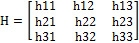
可以使用下式,從單應性矩陣(H)計算點p(x,y)的投影座標p(x’, y’):
在一些實施例中,單應性計算元件506可以被配置為對單應性矩陣(H)執行奇異值分解(SVD)運算,以基於圖像來計算或產生用於辨識或估計機器人設備的位置及/或方位的交易資訊結構(T)。In some embodiments, the
在一些實施例中,該系統可以被配置為經由諸如「Mat getAffineTransform(const Point2f src[], const Point2f dst[])」的函式撥叫來計算仿射、仿射圖、仿射座標或仿射變換。In some embodiments, the system may be configured to calculate affine, affine map, affine coordinates or affine via a function dial such as "Mat getAffineTransform(const Point2f src[], const Point2f dst[])"射变。 Shoot transformation.
比例估計元件508可以被配置為從單應性計算元件506接收單應性計算(例如,單應性矩陣(H)、交易(T)等等),從車輪編碼器105接收車輪資料,以及從光流感測器107接收光流資訊。The
在一些實施例中,所接收的車輪交易資料及/或光流資訊可以包括:用於標識機器人設備在第一圖像訊框和第二圖像訊框之間移動的方向和距離的資訊。在一些實施例中,所接收的車輪交易資料及/或光流資訊可以包括:用於標識機器人設備在第一圖像訊框和第二圖像訊框之間行進的距離(例如,歐幾里德距離等等)的資訊。在一些實施例中,所接收的車輪交易資料及/或光流資訊可以包括:用於標識在擷取第一圖像訊框的第一位置與擷取第二圖像訊框的第二位置之間的最短路徑的長度的資訊。在一些實施例中,所接收的車輪資料可以包括車輪編碼器交易(Tw)資訊結構。在一些實施例中,所接收的光流資訊可以包括光流感測器交易(To)資訊結構。In some embodiments, the received wheel transaction data and/or optical flow information may include information for identifying the direction and distance of the robot device moving between the first image frame and the second image frame. In some embodiments, the received wheel transaction data and/or optical flow information may include: used to identify the distance travelled between the first image frame and the second image frame by the robotic device (eg, Euclidean Reed distance, etc.). In some embodiments, the received wheel transaction data and/or optical flow information may include: a first position for capturing the first image frame and a second position for capturing the second image frame Information about the length of the shortest path. In some embodiments, the received wheel data may include a wheel encoder transaction (Tw) information structure. In some embodiments, the received optical flow information may include a photoinfluencer transaction (To) information structure.
比例估計元件508可以基於所接收的資訊(例如,單應性計算、辨識機器人設備102在第一圖像訊框和第二圖像訊框之間的位移的資訊,等等),來估計物件、特徵、圖像或訊框的比例。例如,比例估計元件508可以基於由單應性計算元件506計算的交易(T)和從車輪編碼器接收的車輪編碼器交易(Tw)的組合,來決定比例。再舉一個例子,比例估計元件508可以使用從單應性計算元件506接收的資訊來產生第一交易(T),使用從車輪編碼器105接收的資訊來產生第二交易(Tw),並基於第一交易和第二交易來決定比例(例如,s = Tw/T)。The
在一個實施例中,計算設備可以被配置為經由調用諸如getWheelOdom(位置,方位)之類的函數,來計算包括在車輪編碼器交易(Tw)中的值。計算設備可以將位置在對應於相機訊框的短時間段(相機訊框之間的時間)上求積分。在一個實施例中,計算設備可以被配置為如下所述地計算車輪編碼器交易(Tw)的值:
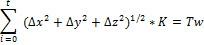
比例估計元件508亦可以基於單應性計算(例如,相機交易T)和光流資訊(例如,光流感測器交易To)的組合來決定比例。例如,比例估計元件508可以基於由單應性計算元件506計算的交易(T)和從光流感測器107接收的光流感測器交易(To)的組合來決定比例。再舉一個例子,比例估計元件508可以使用從單應性計算元件506接收的資訊來產生第一交易(T),使用從光流感測器107接收的資訊來產生另一交易(To),並基於所決定的交易來決定比例(例如,s = To/T)。The
機器人設備中的處理器可以使用所決定的比例,採用基於單應性矩陣的技術來決定機器人設備姿勢、旋轉角度校正及/或其他類似資訊。例如,處理器可以結合位移資訊,使用第一相機訊框和第二相機訊框中的物件/特徵之間的比例差異來決定其當前位置和方位。The processor in the robot device can use the determined ratio to adopt a homography matrix-based technique to determine the robot device posture, rotation angle correction, and/or other similar information. For example, the processor may combine the displacement information to determine the current position and orientation using the difference in proportion between the objects/features in the first camera frame and the second camera frame.
圖5B圖示用於基於光流資訊,計算從時間(t)到時間(t + 1)的交易的系統。在圖5B所示的例子中,機器人設備102從時間t的位置(x,y)移動到時間t + 1的位置(x + u,y + v)。在時間t和時間t + 1之間,光流感測器在位置(u1
, v1
)擷取第一圖像,在位置(u2
, v2
)擷取第二圖像,在位置(u3
, v3
)擷取第三圖像,在位置(u4
, v4
)擷取第四圖像,以及在位置(u5
, v5
)擷取第五圖像。在時間t和時間t + 1之間的軌跡或位移是(u, v),其由光流感測器交易(To)表示。基於單應性計算,該系統可以計算在相同的時間段內,機器人設備的主相機的交易(T)。在該例子中,機器人設備的比例是To/T。FIG. 5B illustrates a system for calculating transactions from time (t) to time (t + 1) based on optical flow information. In the example shown in FIG. 5B, the
圖5C圖示在沒有比例估計的情況下,機器人設備的相機隨時間的軌跡和姿勢。Fig. 5C illustrates the trajectory and posture of the robot device's camera over time without scale estimation.
在時間t0
,可以將第一姿勢描述為:
從時間t0
到時間t1
,可以計算旋轉(R1)和交易(T1),時間t1
的姿勢為:
從時間t1
到時間t2
,可以計算旋轉(R2)和交易(T2),時間t2
的姿勢為: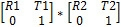
從時間t2
到時間t3
,可以計算旋轉(R3)和交易(T3),時間t3
的姿勢為:
圖5D圖示在具有比例估計的情況下,機器人設備的相機隨時間的軌跡和姿勢。FIG. 5D illustrates the trajectory and posture of the robot device’s camera over time with scale estimation.
在時間t0
,可以將第一姿勢描述為:
時間t1
的姿勢為:
時間t2
的姿勢為: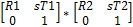
時間t3
的姿勢為:
圖6根據實施例,圖示決定機器人設備的姿勢的方法600。參考圖1A-6,機器人設備的處理器(例如,處理器220等等)和機器人設備的硬體元件及/或軟體元件可以嘗試使用任何數量的機器人設備的感測器和其組合,來決定機器人設備的機器人設備姿勢。FIG. 6 illustrates a
在方塊602中,機器人設備的處理器可以接收或擷取環境的第一圖像訊框,其可以包括一或多個目標物件。在一些實施例中,第一圖像訊框可以由單個(亦即,單目)相機擷取。In
在方塊604中,機器人設備的處理器可以接收或擷取一或多個目標物件的第二圖像訊框。In
在方塊606中,機器人設備的處理器可以基於第一圖像訊框和第二圖像訊框產生單應性計算值,並基於該單應性計算值產生單應性矩陣(H)資訊結構。In
在方塊608中,機器人設備的處理器可以從光流感測器收集或接收光流感測器資料。在一些實施例中,機器人設備的處理器可以將光流感測器圖像應用於Lucas-Kanade元件/功能,以產生包括每個特徵點的圖元速度值和方向值的光流資訊。在一個實施例中,作為方塊608中的操作的一部分,處理器可以產生光流感測器交易(To)資訊結構。In
將方塊608中的接收光流資訊的操作與方塊602和604中擷取圖像的操作並行圖示,以說明從光流感測器以及其他運動或距離感測器(例如,車輪編碼器)接收運動資料可以與圖像擷取操作並行地、順序地,或者在相對於圖像擷取操作的另一時間間隔處發生。在各個實施例中,可以連續地、週期性地、依須求地(例如,回應於擷取第一圖像及/或第二圖像)及/或回應於決定(例如,回應於關於車輪打滑或者可能發生車輪打滑的處理器決定),來發生從光流感測器和其他測距感測器接收距離量測值。在一些實施例中,可以連續地收集來自光流感測器的距離量測資料,例如與由單獨的處理器收集和處理的資訊一起收集,其中該處理器將原始資料或程序資料儲存在可由執行VSLAM的處理器存取的記憶體中。在此種實施例中,執行VSLAM的處理器可以在需要執行VSLAM計算時,存取儲存的位置或距離資料。在一些實施例中,可以回應於擷取到要進行處理以用於VSLAM導航的圖像(例如,在方塊602和604中),接收從光流感測器接收的距離量測資訊,例如在方塊602中擷取第一圖像時開始,以及在方塊604中獲得第二圖像時終止。在一些實施例中,處理器可以判斷是否在發生車輪打滑(如本文所述),並且回應於決定車輪打滑已經發生或正在發生,處理器可以開始接收或存取來自光流感測器的資料。在一些實施例中,處理器評估用於VSLAM的圖像可以包括:對圖像進行處理以辨識或預測何時可能發生車輪打滑,例如偵測到陡峭傾斜、要克服的障礙物、潮濕表面等等。回應於決定可能發生車輪打滑(例如,預測概率超過閾值),處理器可以開始從光流感測器接收資料。在各個實施例中,光流感測器可以一直是活動的,或者可以在執行VSLAM的處理器需要或要求量測資料時被啟動。The operation of receiving optical flow information in
在方塊610中,機器人設備的處理器可以基於單應性計算(例如,交易T)和光流資訊(例如,光流感測器交易To)來計算或決定比例估計值。In
在方塊612中,機器人設備的處理器可以基於所計算或決定的比例估計值,來決定機器人設備姿勢(例如,定位、位置、方位等等)。In
圖7根據另一個實施例,圖示決定機器人設備的姿勢的方法700。參考圖1A-7,機器人設備的處理器(例如,處理器220等等)和機器人設備的硬體元件及/或軟體元件可以嘗試使用任何數量的機器人設備的感測器和其組合,來決定機器人設備的機器人設備姿勢。在各個實施例中,可以在機器人設備在方塊602和604中擷取目標物件的圖像或者擷取第一圖像訊框和第二圖像訊框之後,執行方法700的操作。FIG. 7 illustrates a
在方塊702中,機器人設備的處理器可以基於第一圖像訊框和第二圖像訊框來產生單應性計算(例如,相機交易T)。In
在方塊704中,機器人設備的處理器可以從車輪編碼器接收車輪交易資料。在一些實施例中,所接收的車輪交易資料可以包括關於車輪的周長或尺寸的資訊,以及關於車輪的旋轉角度、轉數及/或轉速的資訊。在一些實施例中,所接收的車輪交易資料可以包括:用於標識第一圖像訊框和第二圖像訊框之間的位移、距離、長度的資訊。在一些實施例中,所接收的車輪交易資料可以包括車輪編碼器交易(Tw)資訊結構。在另外的實施例中,所接收的車輪交易資料可以包括以下各項中的任何一項或全部:分量向量、位置資訊、方位資訊、座標值、時間值、公差值、置信度值、精度值及/或適用於決定位移、距離或長度及/或接收的資訊是精確、準確或正確的概率或可能性的其他類似資訊。In
在判斷方塊706中,機器人設備的處理器可以分析車輪交易資料以偵測打滑。在一些實施例中,機器人設備可以經由判斷資料中是否存在連續性改變來偵測發生打滑,其中不連續資料指示打滑。在一些實施例中,當收集的車輪交易資料與預期的車輪交易資料之間的差異超過閾值時,機器人設備可以決定已經偵測到打滑。機器人設備可以基於從感測器(例如,感測器105、107、154、160-166等等)收集的任何或所有資訊,來決定預期的車輪交易資料。例如,處理器可以將基於車輪交易資料的運動估計與基於一段時間內的加速度計資料的運動估計進行比較,以判斷根據兩個資料來源決定的距離或速度估計是否不一致,例如偏離的量超過閾值。再舉一個例子,處理器可以將基於車輪交易資料的運動或距離估計與基於碰撞避免感測器(例如,超聲波聲納或雷達感測器)的運動或距離估計進行比較,以判斷根據兩個資料來源決定的距離或速度估計是否不一致,例如偏離的量超過閾值。In
在一個實施例中,機器人設備的處理器可以被配置為經由決定車輪姿勢改變(或者正在連續地改變),但是相機擷取的相應圖像沒有改變(例如,來自相機的平移T為零)或者沒有改變與車輪旋轉一致的量,來偵測打滑。在該情況下,車輪移動而沒有使機器人設備顯著地移動(亦即,車輪在位置上滑轉)。In one embodiment, the processor of the robotic device may be configured to change (or is continuously changing) the wheel posture by decision, but the corresponding image captured by the camera has not changed (eg, the translation T from the camera is zero) or There is no change in the amount consistent with the rotation of the wheel to detect skidding. In this case, the wheel moves without causing the robotic device to move significantly (ie, the wheel slips in position).
在一個實施例中,機器人設備的處理器可以被配置為經由決定車輪姿勢和相機姿勢皆已經改變(或正在改變),但是車輪編碼器交易(Tw)不等於來自相機的平移(T),來偵測打滑。In one embodiment, the processor of the robotic device may be configured to determine that both the wheel pose and the camera pose have changed (or are changing), but the wheel encoder transaction (Tw) is not equal to the translation from the camera (T). Detect slippage.
回應於決定已經偵測到打滑(亦即,判斷方塊706 =「是」),在方塊707中,機器人設備的處理器可以從光流感測器收集光流資訊。在一些實施例中,作為在方塊707中的操作的一部分,機器人設備的處理器可以將光流感測器資料應用於Lucas-Kanade元件/功能。In response to deciding that a slip has been detected (ie,
在方塊710中,機器人設備的處理器可以基於單應性計算和光流資訊來決定比例估計值。In
回應於決定尚未偵測到打滑(亦即,判斷方塊706 =「否」),在方塊712中,機器人設備的處理器可以基於單應性計算和車輪交易資料來決定比例估計值。In response to determining that slip has not been detected (ie,
在方塊714中,機器人設備的處理器可以基於比例估計值來決定機器人設備姿勢(例如,機器人設備的姿勢、機器人設備的圖像感測器的姿勢等等)。In
圖8根據另一個實施例,圖示決定機器人設備的姿勢的方法800。參考圖1A-8,機器人設備的處理器(例如,處理器220等等)和機器人設備的硬體元件及/或軟體元件可以嘗試使用任何數量的機器人設備的感測器和其組合,來決定機器人設備的機器人設備姿勢。在各個實施例中,可以在機器人設備在方塊702和704中擷取目標物件的圖像或者擷取第一圖像訊框和第二圖像訊框之後,執行方法800的操作。FIG. 8 illustrates a
在方塊802中,機器人設備的處理器可以基於第一圖像訊框和第二圖像訊框來產生單應性計算。In
在方塊804中,機器人設備的處理器可以從車輪編碼器接收車輪交易資料。In
在方塊806中,機器人設備的處理器可以基於所接收的車輪交易資料來計算、產生或決定第一置信度值。In
在方塊808中,機器人設備的處理器可以從光流感測器接收光流資訊。在一些實施例中,作為方塊808中的操作的一部分,機器人設備的處理器可以將光流感測器資料應用於Lucas-Kanade元件/功能,以產生表徵兩個圖像訊框之間的轉換或交易的光流資訊。In
在方塊810中,機器人設備的處理器可以基於所接收的光流資訊來決定、計算、產生或決定第二置信度值。In
在判斷方塊812中,機器人設備的處理器可以判斷第一置信度值(基於所接收的車輪交易資料產生)是否超過第二置信度值(基於所接收的光流資訊產生)。In
回應於決定第一置信度值超過第二置信度值(亦即,判斷方塊812 =「是」),在方塊814中,處理器可以基於單應性計算和車輪交易資料來決定比例估計值。In response to determining that the first confidence value exceeds the second confidence value (ie,
回應於決定第一置信度值沒有超過第二置信度值(亦即,判斷方塊812 =「否」),在方塊816中,處理器可以基於單應性計算和光流資訊來決定比例估計值。In response to determining that the first confidence value does not exceed the second confidence value (ie,
在方塊818中,機器人設備的處理器可以基於比例估計值,來計算、產生或決定機器人設備姿勢(例如,機器人設備的姿勢、機器人設備的圖像感測器的姿勢等等)。At
圖9根據另一個實施例,圖示決定機器人設備的姿勢的方法900。參考圖1A-9,機器人設備的處理器(例如,處理器220等等)和機器人設備的硬體元件及/或軟體元件可以嘗試使用任何數量的機器人設備的感測器和其組合,來決定機器人設備的機器人設備姿勢。在各個實施例中,可以在機器人設備在方塊502中擷取目標物件的圖像或者在方塊702和704中擷取第一圖像訊框和第二圖像訊框之後,執行方法900的操作。9 illustrates a
在方塊902中,機器人設備的處理器可以基於第一圖像訊框和第二圖像訊框來計算、產生或決定單應性計算。In
在方塊904中,機器人設備的處理器可以從車輪編碼器接收車輪交易資料。In
在方塊906中,機器人設備的處理器可以基於單應性計算和車輪交易資料來計算、產生或決定第一比例估計值。In
在方塊908中,機器人設備的處理器可以基於第一比例估計值來計算、產生或決定第一置信度值。In
在方塊910中,機器人設備的處理器可以從光流感測器接收光流資訊。在一些實施例中,作為方塊910中的操作的一部分,機器人設備的處理器可以將光流感測器資料應用於Lucas-Kanade元件/功能,以產生表徵兩個圖像訊框之間的轉換或交易的光流資訊。At
在方塊912中,機器人設備的處理器可以基於單應性計算和光流資訊來計算、產生或決定第二比例估計值。In
在方塊914中,機器人設備的處理器可以基於第二比例估計值來計算、產生或決定第二置信度值。In
在判斷方塊916中,機器人設備的處理器可以判斷第一置信度值(基於車輪交易資料)是否超過第二置信度值(基於光流資訊)。In
回應於決定第一置信度值超過第二置信度值(亦即,判斷方塊916 =「是」),在方塊918中,處理器可以基於第一比例估計值來計算、產生或決定機器人設備姿勢。In response to determining that the first confidence value exceeds the second confidence value (ie,
回應於決定第一置信度值沒有超過第二置信度值(亦即,判斷方塊916 =「否」),在方塊920中,處理器可以基於第二比例估計值來計算、產生或決定機器人設備姿勢。In response to determining that the first confidence value does not exceed the second confidence value (ie,
圖10根據實施例,圖示決定比例估計值和機器人設備的姿勢以便改善導航的方法1000。參考圖1A-10,機器人設備的處理器(例如,處理器220等等)和機器人設備的硬體元件及/或軟體元件可以嘗試使用任何數量的機器人設備的感測器和其組合,來決定機器人設備的機器人設備姿勢。在各個實施例中,可以在機器人設備在方塊502中擷取目標物件的圖像或者在方塊702和704中擷取第一圖像訊框和第二圖像訊框之後,執行方法1000的操作。FIG. 10 illustrates a
在方塊1002中,機器人設備的處理器可以基於第一圖像訊框和第二圖像訊框來計算、產生或決定單應性計算。In
在方塊1004中,機器人設備的處理器可以從車輪編碼器接收車輪交易資料。At
在方塊1006中,機器人設備的處理器可以從光流感測器接收光流資訊。在一些實施例中,作為方塊1006中的操作的一部分,機器人設備的處理器可以將光流感測器資料應用於Lucas-Kanade元件/功能,以產生表徵兩個圖像訊框之間的轉換或交易的光流資訊。At
在方塊1008中,機器人設備的處理器可以基於車輪交易資料和光流資訊(例如,光流感測器交易To)的組合以及單應性計算來決定比例估計值。例如,處理器可以執行感測器融合操作,以將車輪交易資料進行正規化並與光流資訊進行組合,並且基於單應性計算和感測器融合操作的結果來決定比例估計值。At
在方塊1010中,機器人設備的處理器可以基於所決定的比例估計值來計算、產生或決定機器人設備姿勢。At
各個實施例亦使用更準確地決定的機器人設備姿勢,來提高機器人設備的VSLAM能力的準確性。Various embodiments also use a more accurately determined pose of the robotic device to improve the accuracy of the VSLAM capability of the robotic device.
所圖示和描述的各種實施例僅僅提供成用於說明申請專利範圍的各個特徵的舉例。但是,關於任何給定實施例圖示和描述的特徵並不必限於相關聯的實施例,並且可以與所圖示和描述的其他實施例一起使用或組合。此外,申請專利範圍並不意欲受到任何一個示例性實施例的限制。例如,方法600、700、800、900和1000的操作中的一或多個可以替代為該等方法的一或多個操作或者與之相組合。The various embodiments illustrated and described are merely provided as examples to illustrate various features of the patent application scope. However, the features illustrated and described with respect to any given embodiment are not necessarily limited to the associated embodiments, and may be used or combined with other embodiments illustrated and described. Furthermore, the scope of patent application is not intended to be limited by any of the exemplary embodiments. For example, one or more of the operations of
上述的方法描述和處理流程圖僅僅是用作為說明性例子,而不是意欲要求或者隱含著必須以所提供的順序來執行各個實施例的操作。如本領域一般技藝人士所應當理解的,可以以任何順序來執行上述的實施例中的操作順序。諸如「其後」、「轉而」、「接著」等等之類的詞語,並不意欲限制該等操作的順序;該等詞語僅僅只是用於引導讀者遍歷該方法的描述。此外,任何對請求項要素的單數引用(例如,使用冠詞「一個(a)」、「某個(an)」或者「該(the)」),不應被解釋為將該要素限制為單數形式。The above method descriptions and process flow charts are only used as illustrative examples, and are not intended to imply or imply that the operations of the various embodiments must be performed in the order provided. As should be understood by those of ordinary skill in the art, the sequence of operations in the above embodiments may be performed in any order. Words such as "thereafter", "return", "next", etc. are not intended to limit the order of these operations; these words are only used to guide the reader through the description of the method. In addition, any singular reference to the requested element (for example, using the articles "a", "an" or "the") should not be interpreted as limiting the element to the singular form .
結合本文所揭示的實施例描述的各種示例性邏輯區塊、模組、元件、電路和演算法操作均可以實現成電子硬體、電腦軟體或二者的組合。為了清楚地表示硬體和軟體之間的此種可交換性,上面對各種示例性元件、方塊、模組、電路和操作均圍繞其功能進行了整體描述。至於此種功能是實現成硬體還是實現成軟體,取決於特定的應用和對整個系統所施加的設計約束。技藝人士可以針對每個特定應用,以變通的方式實現所描述的功能,但是,此種實施例決策不應被解釋為使得背離申請專利範圍的保護範圍。The various exemplary logical blocks, modules, components, circuits, and algorithm operations described in conjunction with the embodiments disclosed herein can be implemented as electronic hardware, computer software, or a combination of both. In order to clearly express this interchangeability between hardware and software, various exemplary components, blocks, modules, circuits, and operations are described above in terms of their functions. Whether such a function is implemented as hardware or software depends on the specific application and design constraints imposed on the entire system. A skilled person can implement the described functions in a flexible manner for each specific application, but such an embodiment decision should not be interpreted as deviating from the scope of protection of the patent application.
可以利用被設計為執行本文所述功能的通用處理器、數位訊號處理器(DSP)、特殊應用積體電路(ASIC)、現場可程式設計閘陣列(FPGA)或其他可程式設計邏輯裝置、個別閘門或者電晶體邏輯裝置、個別硬體元件或者其任意組合,來實現或執行用於實現結合本文所揭示的態樣描述的各種示例性邏輯單元、邏輯區塊、模組和電路的硬體。通用處理器可以是微處理器,或者,該處理器亦可以是任何一般的處理器、控制器、微控制器或者狀態機。處理器亦可以實現為接收器智慧物件的組合,例如,DSP和微處理器的組合、若干微處理器、一或多個微處理器與DSP核心的結合,或者任何其他此種結構。替代地,一些操作或方法可以由特定於給定的功能的電路系統來執行。Can use general-purpose processors, digital signal processors (DSPs), application-specific integrated circuits (ASICs), field-programmable gate arrays (FPGAs) or other programmable logic devices designed to perform the functions described herein, individual Gates or transistor logic devices, individual hardware elements, or any combination thereof, implement or execute the hardware used to implement various exemplary logic cells, logic blocks, modules, and circuits described in conjunction with the aspects disclosed herein. The general-purpose processor may be a microprocessor, or the processor may be any general processor, controller, microcontroller, or state machine. The processor may also be implemented as a combination of receiver smart objects, for example, a combination of a DSP and a microprocessor, several microprocessors, a combination of one or more microprocessors and a DSP core, or any other such structure. Alternatively, some operations or methods may be performed by circuitry specific to a given function.
在一或多個實施例中,本文所述功能可以用硬體、軟體、韌體或其任意組合的方式來實現。當在軟體中實現時,可以將該等功能儲存成非臨時性電腦可讀取儲存媒體或者非臨時性處理器可讀儲存媒體上的一或多個指令或代碼。本文所揭示的方法或演算法的操作,可以體現在處理器可執行軟體模組或者處理器可執行指令中,後者可以位於非臨時性電腦可讀取儲存媒體或處理器可讀儲存媒體上。非臨時性電腦可讀或處理器可讀儲存媒體可以是電腦或處理器能夠存取的任何儲存媒體。舉例而言,但非做出限制,此種非臨時性電腦可讀取儲存媒體或者處理器可讀儲存媒體可以包括RAM、ROM、EEPROM、快閃記憶體、CD-ROM或其他光碟記憶體、磁碟記憶體或其他磁儲存智慧物件,或者能夠用於儲存具有指令或資料結構形式的期望的程式碼並能夠由電腦進行存取的任何其他媒體。如本文所使用的,磁碟和光碟包括壓縮光碟(CD)、雷射光碟、光碟、數位多功能光碟(DVD)、軟碟和藍光光碟,其中磁碟通常磁性地複製資料,而光碟則用鐳射來光學地複製資料。上述的組合亦包括在非臨時性電腦可讀取媒體和處理器可讀取媒體的範圍之內。另外,一種方法或演算法的操作可以作為一個代碼及/或指令或代碼及/或指令集或者其任意組合,位於非臨時性處理器可讀儲存媒體及/或電腦可讀取儲存媒體上,其中該非臨時性處理器可讀儲存媒體及/或電腦可讀取儲存媒體可以併入到電腦程式產品中。In one or more embodiments, the functions described herein may be implemented in hardware, software, firmware, or any combination thereof. When implemented in software, these functions can be stored as one or more instructions or codes on a non-transitory computer-readable storage medium or a non-transitory processor-readable storage medium. The operations of the methods or algorithms disclosed herein can be embodied in processor-executable software modules or processor-executable instructions, which can be located on non-transitory computer-readable storage media or processor-readable storage media. The non-transitory computer-readable or processor-readable storage medium may be any storage medium that can be accessed by the computer or the processor. For example, without limitation, such non-transitory computer-readable storage media or processor-readable storage media may include RAM, ROM, EEPROM, flash memory, CD-ROM, or other optical disc memory, Disk memory or other magnetic storage smart objects, or any other medium that can be used to store desired code in the form of commands or data structures and can be accessed by a computer. As used herein, magnetic discs and optical discs include compact discs (CDs), laser discs, optical discs, digital versatile discs (DVDs), floppy discs, and Blu-ray discs, where magnetic discs usually copy data magnetically, while optical discs use Laser to copy data optically. The above combination is also included in the scope of non-transitory computer-readable media and processor-readable media. In addition, the operation of a method or algorithm may be a code and/or instruction or code and/or instruction set or any combination thereof, located on a non-transitory processor-readable storage medium and/or computer-readable storage medium, The non-transitory processor-readable storage medium and/or computer-readable storage medium can be incorporated into the computer program product.
為使本領域任何一般技藝人士能夠實現或者使用申請專利範圍,上面圍繞所揭示的實施例進行了描述。對於本領域一般技藝人士來說,對該等實施例的各種修改是顯而易見的,並且,本文定義的整體原理亦可以在不脫離申請專利範圍的保護範圍的基礎上應用於其他實施例。因此,本案內容並不限於本文所圖示的實施例,而是符合與所附申請專利範圍和本文揭示的原理和新穎性特徵相一致的最廣範圍。In order to enable any person of ordinary skill in the art to realize or use the scope of the patent application, the disclosed embodiments are described above. For those of ordinary skill in the art, various modifications to these embodiments are obvious, and the overall principle defined herein can also be applied to other embodiments without departing from the scope of protection of the patent application. Therefore, the content of this case is not limited to the embodiments illustrated herein, but conforms to the widest scope consistent with the scope of the attached patent application and the principles and novel features disclosed herein.
100:通訊系統 102:機器人設備 103:空間量測設備 104:基地台 105:車輪編碼器 106:存取點 107:光流感測器 108:通訊網路 110:網路伺服器計算設備 112:無線通訊鏈路 114:無線通訊鏈路 120:環境 125:目標 130:輪子 132:表面 134:車身框架 136:特徵點 152:主機板元件 154:圖像感測器 156:微控制器單元(MCU) 160:紅外(IR)感測器 162:慣性量測單元(IMU) 164:保險杠感測器 166:鐳射距離感測器(LDS) 210:控制單元 220:處理器 222:導航單元 224:記憶體 226:操縱資料元件 228:光流感測器 230:電源元件 240:感測器 244:負載緊固單元 250:輸出元件 260:輸入元件 270:無線電元件 272:天線 274:數據機 290:無線通訊設備 292:發射/接收天線 294:無線通訊鏈路 310:處理設備 312:片上系統(SoC) 314:處理器 316:記憶體 318:通訊介面 320:存貯記憶體介面 322:通訊元件 324:存貯記憶體 326:天線 328:硬體介面 400:導航系統 402:感測器 404:前置處理器 406:語義資訊提取器 408:定位件 410:時槽伺服器 412:加權因數元件 414:建圖元件 416:路徑規劃元件 502:第一相機訊框 504:第二相機訊框 506:單應性計算元件 508:比例估計元件 600:方法 602:方塊 604:方塊 606:方塊 608:方塊 610:方塊 612:方塊 700:方法 702:方塊 704:方塊 706:方塊 707:方塊 710:方塊 712:方塊 714:方塊 800:方法 802:方塊 804:方塊 806:方塊 808:方塊 810:方塊 812:方塊 814:方塊 816:方塊 818:方塊 900:方法 902:方塊 904:方塊 906:方塊 908:方塊 910:方塊 912:方塊 914:方塊 916:方塊 918:方塊 920:方塊 1000:方法 1002:方塊 1004:方塊 1006:方塊 1008:方塊 1010:方塊100: communication system 102: Robot equipment 103: Space measurement equipment 104: Base station 105: wheel encoder 106: access point 107: Optical Fluometer 108: Communication network 110: Network server computing equipment 112: wireless communication link 114: wireless communication link 120: Environment 125: target 130: wheels 132: Surface 134: Body frame 136: Feature point 152: motherboard components 154: Image sensor 156: Microcontroller unit (MCU) 160: Infrared (IR) sensor 162: Inertial measurement unit (IMU) 164: bumper sensor 166: Laser distance sensor (LDS) 210: control unit 220: processor 222: Navigation unit 224: Memory 226: data manipulation component 228: Optical Fluometer 230: power supply element 240: Sensor 244: load fastening unit 250: output element 260: input element 270: Radio components 272: antenna 274: Modem 290: Wireless communication equipment 292: transmit/receive antenna 294: wireless communication link 310: processing equipment 312: System on Chip (SoC) 314: processor 316: Memory 318: Communication interface 320: Storage memory interface 322: Communication components 324: storage memory 326: antenna 328: Hardware interface 400: Navigation system 402: Sensor 404: preprocessor 406: Semantic Information Extractor 408: Positioning piece 410: Time slot server 412: Weighting factor component 414: Drawing components 416: Path planning component 502: First camera frame 504: Second camera frame 506: homography calculation element 508: Scale estimation component 600: Method 602: Block 604: Block 606: Block 608: square 610: Block 612: Block 700: Method 702: Block 704: square 706: Block 707: Block 710: Block 712: Block 714: Block 800: Method 802: Block 804: Block 806: square 808: Block 810: Block 812: Block 814: Block 816: Block 818: square 900: Method 902: square 904: Block 906: Block 908: square 910: Block 912: square 914: square 916: Block 918: square 920: Block 1000: Method 1002: Block 1004: Block 1006: Block 1008: Block 1010: Block
被併入本文並且構成本說明書一部分的附圖,圖示了申請專利範圍的示例性實施例,並且連同上面提供的概括描述以及下文提供的具體實施方式一起來解釋申請專利範圍的特徵。The drawings incorporated herein and forming a part of this specification illustrate exemplary embodiments of the scope of patent application, and together with the general description provided above and the specific embodiments provided below, explain the features of the scope of patent application.
圖1A是根據各個實施例,在通訊系統中操作的機器人設備的系統方塊圖。FIG. 1A is a system block diagram of a robot device operating in a communication system according to various embodiments.
圖1B是根據各個實施例,利用由相應的電動機驅動的一或多個車輪的基於地面設計方案的機器人設備的方塊圖。FIG. 1B is a block diagram of a robot apparatus based on a ground-based design scheme using one or more wheels driven by corresponding motors according to various embodiments.
圖1C是根據各個實施例,圖示可以包括在機器人設備中的電腦架構和感測器的系統方塊圖,其中該機器人設備被配置為採用VSLAM技術。FIG. 1C is a system block diagram illustrating a computer architecture and sensors that may be included in a robotic device, which is configured to employ VSLAM technology, according to various embodiments.
圖2是圖示適合於結合各種實施例使用的機器人設備的元件的元件方塊圖。2 is an element block diagram illustrating elements of a robot apparatus suitable for use in connection with various embodiments.
圖3是圖示適合於在實現各個實施例的機器人設備中使用的處理設備的元件方塊圖。FIG. 3 is a block diagram illustrating elements suitable for a processing device used in a robot device implementing various embodiments.
圖4是圖示適合於在實現各個實施例的機器人設備中使用的導航系統的元件方塊圖。FIG. 4 is a block diagram illustrating elements suitable for a navigation system used in a robot apparatus implementing various embodiments.
圖5A和圖5B是根據實施例,圖示被配置為採用VSLAM技術的機器人設備中的各種操作和功能元件的方塊圖,其中該VSLAM技術包括使用光流感測器的VSLAM比例估計。5A and 5B are block diagrams illustrating various operating and functional elements in a robotic device configured to employ VSLAM technology, which includes VSLAM ratio estimation using a photoinfluenza detector, according to an embodiment.
圖5C是圖示在沒有比例估計值的情況下,機器人設備的相機隨時間的軌跡和姿勢的圖表。FIG. 5C is a graph illustrating the trajectory and posture of the camera of the robot device over time in the absence of a scale estimation value.
圖5D是圖示在具有比例估計值的情況下,機器人設備的相機隨時間的軌跡和姿勢的圖表。FIG. 5D is a graph illustrating the trajectory and posture of the camera of the robot device over time with the ratio estimated value.
圖6至圖10是根據各種實施例,圖示決定機器人設備的姿勢的方法的處理流程圖。6 to 10 are process flowcharts illustrating a method of determining the pose of a robot device according to various embodiments.
國內寄存資訊 (請依寄存機構、日期、號碼順序註記) 無Domestic storage information (please note in order of storage institution, date, number) no
國外寄存資訊 (請依寄存國家、機構、日期、號碼順序註記) 無Overseas hosting information (please note in order of hosting country, institution, date, number) no
105:車輪編碼器 105: wheel encoder
107:光流感測器 107: Optical Fluometer
502:第一相機訊框 502: First camera frame
504:第二相機訊框 504: Second camera frame
506:單應性計算元件 506: homography calculation element
508:比例估計元件 508: Scale estimation component
Claims (30)
Applications Claiming Priority (2)
| Application Number | Priority Date | Filing Date | Title |
|---|---|---|---|
| PCT/CN2018/105898 WO2020051923A1 (en) | 2018-09-15 | 2018-09-15 | Systems And Methods For VSLAM Scale Estimation Using Optical Flow Sensor On A Robotic Device |
| WOPCT/CN2018/105898 | 2018-09-15 |
Publications (2)
| Publication Number | Publication Date |
|---|---|
| TW202013251A true TW202013251A (en) | 2020-04-01 |
| TWI827649B TWI827649B (en) | 2024-01-01 |
Family
ID=69777386
Family Applications (1)
| Application Number | Title | Priority Date | Filing Date |
|---|---|---|---|
| TW108129210A TWI827649B (en) | 2018-09-15 | 2019-08-16 | Apparatuses, systems and methods for vslam scale estimation |
Country Status (5)
| Country | Link |
|---|---|
| US (1) | US12124270B2 (en) |
| EP (1) | EP3850581B1 (en) |
| CN (1) | CN112740274B (en) |
| TW (1) | TWI827649B (en) |
| WO (1) | WO2020051923A1 (en) |
Cited By (4)
| Publication number | Priority date | Publication date | Assignee | Title |
|---|---|---|---|---|
| TWI732579B (en) * | 2020-06-02 | 2021-07-01 | 中華學校財團法人中華科技大學 | Intelligent charging method and system for unmanned vehicles |
| TWI739622B (en) * | 2020-10-05 | 2021-09-11 | 國立虎尾科技大學 | Multi-laser rangefinder and the method of distinguishing reflection of laser thereof |
| TWI747718B (en) * | 2020-12-14 | 2021-11-21 | 大陸商廣州昂寶電子有限公司 | Displacement compensation method and equipment and speed compensation method and equipment |
| CN118357927A (en) * | 2024-06-14 | 2024-07-19 | 深圳优艾智合机器人科技有限公司 | Robot arm control method, electronic device and storage medium |
Families Citing this family (12)
| Publication number | Priority date | Publication date | Assignee | Title |
|---|---|---|---|---|
| WO2020248185A1 (en) * | 2019-06-13 | 2020-12-17 | Lingdong Technology (Beijing) Co. Ltd | Autonomous mobile robot with adjustable display screen |
| US20210065374A1 (en) * | 2019-08-26 | 2021-03-04 | Organize Everything Inc. | System and method for extracting outlines of physical objects |
| US11718320B1 (en) * | 2020-08-21 | 2023-08-08 | Aurora Operations, Inc. | Using transmission sensor(s) in localization of an autonomous vehicle |
| CN112284380A (en) * | 2020-09-23 | 2021-01-29 | 深圳市富临通实业股份有限公司 | Nonlinear estimation method and system based on fusion of optical flow and IMU (inertial measurement Unit) |
| CN114765667B (en) * | 2021-01-13 | 2025-09-09 | 安霸国际有限合伙企业 | Fixed pattern calibration for multi-view stitching |
| US11521332B1 (en) * | 2021-06-29 | 2022-12-06 | Midea Group Co., Ltd. | Method and apparatus for optimization of a monocular visual-inertial localization system |
| US11756231B2 (en) | 2021-06-29 | 2023-09-12 | Midea Group Co., Ltd. | Method and apparatus for scale calibration and optimization of a monocular visual-inertial localization system |
| KR102704310B1 (en) * | 2021-11-03 | 2024-09-05 | 네이버랩스 주식회사 | Method and system for training monocular depth estimation models |
| CN114237242B (en) * | 2021-12-14 | 2024-02-23 | 北京云迹科技股份有限公司 | Method and device for controlling robots based on optical encoders |
| CN114347064B (en) * | 2022-01-31 | 2022-09-20 | 深圳市云鼠科技开发有限公司 | Robot collision detection method and device based on optical flow, computer equipment and storage medium |
| CN118163088A (en) * | 2022-12-08 | 2024-06-11 | 优思美地(上海)机器人科技有限公司 | Method, system, robot and medium for determining robot motion information |
| CN116734908B (en) * | 2023-06-13 | 2025-10-03 | 传周半导体科技(苏州)有限公司 | An encoder chip offset response test system |
Family Cites Families (18)
| Publication number | Priority date | Publication date | Assignee | Title |
|---|---|---|---|---|
| US10027952B2 (en) * | 2011-08-04 | 2018-07-17 | Trx Systems, Inc. | Mapping and tracking system with features in three-dimensional space |
| US10613527B2 (en) * | 2014-08-18 | 2020-04-07 | Verity Studios Ag | Invisible track for an interactive mobile robot system |
| US10365363B2 (en) * | 2015-05-08 | 2019-07-30 | Humatics Corporation | Mobile localization using sparse time-of-flight ranges and dead reckoning |
| CN106325118A (en) | 2015-06-30 | 2017-01-11 | 芋头科技(杭州)有限公司 | Robot active degree intelligent control system and method |
| US10173324B2 (en) | 2015-11-16 | 2019-01-08 | Abb Schweiz Ag | Facilitating robot positioning |
| CN106803261A (en) * | 2015-11-20 | 2017-06-06 | 沈阳新松机器人自动化股份有限公司 | robot relative pose estimation method |
| EP3187953B1 (en) * | 2015-12-30 | 2020-03-18 | Honda Research Institute Europe GmbH | Autonomous working machine such as autonomous lawn mower |
| US9811917B2 (en) | 2016-01-14 | 2017-11-07 | Texas Instruments Incorporated | Confidence estimation for optical flow under low light conditions |
| KR102347204B1 (en) * | 2016-05-20 | 2022-01-03 | 매직 립, 인코포레이티드 | Method and system for performing convolutional image transformation estimation |
| US20180043952A1 (en) | 2016-08-12 | 2018-02-15 | Spin Master Ltd. | Spherical mobile robot with shifting weight steering |
| CN106529587B (en) * | 2016-08-26 | 2019-06-25 | 北京航空航天大学 | Vision course recognition methods based on object detection |
| KR102490996B1 (en) | 2016-12-09 | 2023-01-25 | 디버세이, 인크 | A robotic cleaning device that changes its operating speed based on the environment |
| CN106598339A (en) * | 2016-12-22 | 2017-04-26 | 武汉华星光电技术有限公司 | Touch display and electronic equipment with touch display |
| WO2018168255A1 (en) * | 2017-03-14 | 2018-09-20 | 日本電気株式会社 | Camera parameter estimation device, camera parameter estimation unit, and computer-readable recording medium |
| US10705525B2 (en) * | 2017-04-07 | 2020-07-07 | Nvidia Corporation | Performing autonomous path navigation using deep neural networks |
| CN107610175A (en) * | 2017-08-04 | 2018-01-19 | 华南理工大学 | The monocular vision SLAM algorithms optimized based on semi-direct method and sliding window |
| EP3474230B1 (en) * | 2017-10-18 | 2020-07-22 | Tata Consultancy Services Limited | Systems and methods for edge points based monocular visual slam |
| CN108469823B (en) * | 2018-04-04 | 2020-03-20 | 浙江大学 | Homography-based mobile robot formation following method |
-
2018
- 2018-09-15 CN CN201880097333.7A patent/CN112740274B/en active Active
- 2018-09-15 US US17/265,455 patent/US12124270B2/en active Active
- 2018-09-15 WO PCT/CN2018/105898 patent/WO2020051923A1/en not_active Ceased
- 2018-09-15 EP EP18933675.3A patent/EP3850581B1/en active Active
-
2019
- 2019-08-16 TW TW108129210A patent/TWI827649B/en active
Cited By (4)
| Publication number | Priority date | Publication date | Assignee | Title |
|---|---|---|---|---|
| TWI732579B (en) * | 2020-06-02 | 2021-07-01 | 中華學校財團法人中華科技大學 | Intelligent charging method and system for unmanned vehicles |
| TWI739622B (en) * | 2020-10-05 | 2021-09-11 | 國立虎尾科技大學 | Multi-laser rangefinder and the method of distinguishing reflection of laser thereof |
| TWI747718B (en) * | 2020-12-14 | 2021-11-21 | 大陸商廣州昂寶電子有限公司 | Displacement compensation method and equipment and speed compensation method and equipment |
| CN118357927A (en) * | 2024-06-14 | 2024-07-19 | 深圳优艾智合机器人科技有限公司 | Robot arm control method, electronic device and storage medium |
Also Published As
| Publication number | Publication date |
|---|---|
| WO2020051923A1 (en) | 2020-03-19 |
| EP3850581A1 (en) | 2021-07-21 |
| US12124270B2 (en) | 2024-10-22 |
| US20210232151A1 (en) | 2021-07-29 |
| EP3850581B1 (en) | 2026-01-14 |
| CN112740274A (en) | 2021-04-30 |
| CN112740274B (en) | 2024-08-09 |
| TWI827649B (en) | 2024-01-01 |
| EP3850581A4 (en) | 2022-05-11 |
Similar Documents
| Publication | Publication Date | Title |
|---|---|---|
| TWI827649B (en) | Apparatuses, systems and methods for vslam scale estimation | |
| Nguyen et al. | Robust target-relative localization with ultra-wideband ranging and communication | |
| US10949798B2 (en) | Multimodal localization and mapping for a mobile automation apparatus | |
| US10133278B2 (en) | Apparatus of controlling movement of mobile robot mounted with wide angle camera and method thereof | |
| US11720100B2 (en) | Systems and methods for utilizing semantic information for navigation of a robotic device | |
| CN108051002B (en) | Transport vehicle space positioning method and system based on inertial measurement auxiliary vision | |
| Achtelik et al. | Stereo vision and laser odometry for autonomous helicopters in GPS-denied indoor environments | |
| Xiao et al. | Indoor uav localization using a tether | |
| KR101776622B1 (en) | Apparatus for recognizing location mobile robot using edge based refinement and method thereof | |
| US20190332115A1 (en) | Method of controlling mobile robot | |
| US11561553B1 (en) | System and method of providing a multi-modal localization for an object | |
| US20130116823A1 (en) | Mobile apparatus and walking robot | |
| KR20110122022A (en) | Map generating device and method | |
| KR20150144727A (en) | Apparatus for recognizing location mobile robot using edge based refinement and method thereof | |
| KR101341204B1 (en) | Device and method for estimating location of mobile robot using raiser scanner and structure | |
| Klingbeil et al. | Towards autonomous navigation of an UAV-based mobile mapping system | |
| Ishihara et al. | Deep radio-visual localization | |
| Muller et al. | A probabilistic sonar sensor model for robust localization of a small-size blimp in indoor environments using a particle filter | |
| Hoang et al. | Combining edge and one-point ransac algorithm to estimate visual odometry | |
| JP2021047744A (en) | Information processing device, information processing method and information processing program | |
| Chen et al. | Perception system design for low-cost commercial ground robots: Sensor configurations, calibration, localization and mapping | |
| CN116952229A (en) | Unmanned aerial vehicle positioning method, device, system and storage medium | |
| Karakaya et al. | A hybrid indoor localization system based on infra-red imaging and odometry | |
| CN115930957B (en) | 6-Degree-of-freedom relative pose estimation system based on multi-sensor fusion | |
| Haaparanta | ACCURATE POSE ESTIMATION OF MOBILE PLATFORM IN ROUGH TERRAIN |