US10077426B2 - Therapeutic apoptotic cell preparations, method for producing same and uses thereof - Google Patents
Therapeutic apoptotic cell preparations, method for producing same and uses thereof Download PDFInfo
- Publication number
- US10077426B2 US10077426B2 US14/401,524 US201314401524A US10077426B2 US 10077426 B2 US10077426 B2 US 10077426B2 US 201314401524 A US201314401524 A US 201314401524A US 10077426 B2 US10077426 B2 US 10077426B2
- Authority
- US
- United States
- Prior art keywords
- cells
- cell
- mononuclear
- preparation
- apoptotic
- Prior art date
- Legal status (The legal status is an assumption and is not a legal conclusion. Google has not performed a legal analysis and makes no representation as to the accuracy of the status listed.)
- Active
Links
Images






Classifications
-
- C—CHEMISTRY; METALLURGY
- C12—BIOCHEMISTRY; BEER; SPIRITS; WINE; VINEGAR; MICROBIOLOGY; ENZYMOLOGY; MUTATION OR GENETIC ENGINEERING
- C12N—MICROORGANISMS OR ENZYMES; COMPOSITIONS THEREOF; PROPAGATING, PRESERVING, OR MAINTAINING MICROORGANISMS; MUTATION OR GENETIC ENGINEERING; CULTURE MEDIA
- C12N5/00—Undifferentiated human, animal or plant cells, e.g. cell lines; Tissues; Cultivation or maintenance thereof; Culture media therefor
- C12N5/06—Animal cells or tissues; Human cells or tissues
- C12N5/0602—Vertebrate cells
- C12N5/0634—Cells from the blood or the immune system
-
- A—HUMAN NECESSITIES
- A61—MEDICAL OR VETERINARY SCIENCE; HYGIENE
- A61K—PREPARATIONS FOR MEDICAL, DENTAL OR TOILETRY PURPOSES
- A61K31/00—Medicinal preparations containing organic active ingredients
- A61K31/185—Acids; Anhydrides, halides or salts thereof, e.g. sulfur acids, imidic, hydrazonic or hydroximic acids
- A61K31/19—Carboxylic acids, e.g. valproic acid
- A61K31/194—Carboxylic acids, e.g. valproic acid having two or more carboxyl groups, e.g. succinic, maleic or phthalic acid
-
- A—HUMAN NECESSITIES
- A61—MEDICAL OR VETERINARY SCIENCE; HYGIENE
- A61K—PREPARATIONS FOR MEDICAL, DENTAL OR TOILETRY PURPOSES
- A61K31/00—Medicinal preparations containing organic active ingredients
- A61K31/56—Compounds containing cyclopenta[a]hydrophenanthrene ring systems; Derivatives thereof, e.g. steroids
- A61K31/57—Compounds containing cyclopenta[a]hydrophenanthrene ring systems; Derivatives thereof, e.g. steroids substituted in position 17 beta by a chain of two carbon atoms, e.g. pregnane or progesterone
- A61K31/573—Compounds containing cyclopenta[a]hydrophenanthrene ring systems; Derivatives thereof, e.g. steroids substituted in position 17 beta by a chain of two carbon atoms, e.g. pregnane or progesterone substituted in position 21, e.g. cortisone, dexamethasone, prednisone or aldosterone
-
- A—HUMAN NECESSITIES
- A61—MEDICAL OR VETERINARY SCIENCE; HYGIENE
- A61K—PREPARATIONS FOR MEDICAL, DENTAL OR TOILETRY PURPOSES
- A61K31/00—Medicinal preparations containing organic active ingredients
- A61K31/70—Carbohydrates; Sugars; Derivatives thereof
- A61K31/7004—Monosaccharides having only carbon, hydrogen and oxygen atoms
-
- A—HUMAN NECESSITIES
- A61—MEDICAL OR VETERINARY SCIENCE; HYGIENE
- A61K—PREPARATIONS FOR MEDICAL, DENTAL OR TOILETRY PURPOSES
- A61K31/00—Medicinal preparations containing organic active ingredients
- A61K31/70—Carbohydrates; Sugars; Derivatives thereof
- A61K31/715—Polysaccharides, i.e. having more than five saccharide radicals attached to each other by glycosidic linkages; Derivatives thereof, e.g. ethers, esters
- A61K31/726—Glycosaminoglycans, i.e. mucopolysaccharides
- A61K31/727—Heparin; Heparan
-
- A—HUMAN NECESSITIES
- A61—MEDICAL OR VETERINARY SCIENCE; HYGIENE
- A61K—PREPARATIONS FOR MEDICAL, DENTAL OR TOILETRY PURPOSES
- A61K35/00—Medicinal preparations containing materials or reaction products thereof with undetermined constitution
- A61K35/12—Materials from mammals; Compositions comprising non-specified tissues or cells; Compositions comprising non-embryonic stem cells; Genetically modified cells
- A61K35/14—Blood; Artificial blood
- A61K35/17—Lymphocytes; B-cells; T-cells; Natural killer cells; Interferon-activated or cytokine-activated lymphocytes
-
- A—HUMAN NECESSITIES
- A61—MEDICAL OR VETERINARY SCIENCE; HYGIENE
- A61K—PREPARATIONS FOR MEDICAL, DENTAL OR TOILETRY PURPOSES
- A61K45/00—Medicinal preparations containing active ingredients not provided for in groups A61K31/00 - A61K41/00
- A61K45/06—Mixtures of active ingredients without chemical characterisation, e.g. antiphlogistics and cardiaca
-
- A—HUMAN NECESSITIES
- A61—MEDICAL OR VETERINARY SCIENCE; HYGIENE
- A61P—SPECIFIC THERAPEUTIC ACTIVITY OF CHEMICAL COMPOUNDS OR MEDICINAL PREPARATIONS
- A61P37/00—Drugs for immunological or allergic disorders
-
- A—HUMAN NECESSITIES
- A61—MEDICAL OR VETERINARY SCIENCE; HYGIENE
- A61K—PREPARATIONS FOR MEDICAL, DENTAL OR TOILETRY PURPOSES
- A61K2300/00—Mixtures or combinations of active ingredients, wherein at least one active ingredient is fully defined in groups A61K31/00 - A61K41/00
Definitions
- the present invention relates to a therapeutic cell population comprising apoptotic cells and, more particularly, to compositions comprising mononuclear enriched cells in an early apoptotic state, methods for the production thereof, and uses thereof in treatment of diseases characterized by pathological immune responses.
- autoimmune diseases such as systemic lupus erythematosus (SLE), and transplantation-related diseases such as graft-versus-host disease (GVHD).
- SLE systemic lupus erythematosus
- GVHD transplantation-related diseases
- Autoimmune diseases may generally be divided into two general types, namely systemic autoimmune diseases (e.g. SLE and scleroderma), and organ specific autoimmune diseases, such as multiple sclerosis, and diabetes.
- Immunosuppressive drugs have been used for treatment or prevention of the rejection of transplanted organs and tissues (e.g., bone marrow, heart, kidney, liver); for treatment of autoimmune diseases or diseases that are most likely of autoimmune origin (e.g., rheumatoid arthritis, multiple sclerosis, myasthenia gravis, systemic lupus erythematosus, sarcoidosis, Crohn's disease, Behcet's Disease, pemphigus, uveitis and ulcerative colitis); treatment of some other non-autoimmune inflammatory diseases (e.g., long term allergic asthma control) as well as transplantation-related diseases (e.g. GVHD).
- autoimmune diseases or diseases that are most likely of autoimmune origin e.g., rheumatoid arthritis, multiple sclerosis, myasthenia gravis, systemic lupus erythematosus, sarcoidosis, Crohn's disease, Behcet's Disease,
- allogeneic bone marrow transplantation Approximately 30,000 patients annually in the U.S. and Europe undergo allogeneic bone marrow transplantation (BMT).
- allogeneic bone marrow transplantation allogeneic bone marrow transplantation (alloBMT)
- allogeneic bone marrow transplantation allogeneic bone marrow transplantation
- Conditioning regimens for patients receiving allogeneic transplants allow the donor stem cells to engraft in the patient by suppressing the immune system.
- the immune system may then cause damage to certain organs such the liver, gastrointestinal tract or skin; this effect is known as graft-versus-host disease (GVHD).
- GVHD graft-versus-host disease
- GVHD prophylaxis comprises the combination of immunosuppressive drugs including a calcineurin inhibitor (CNI), cyclosporine or tacrolimus, and either methotrexate, mycophenolate mofetil (MMF), or sirolimus.
- CNI calcineurin inhibitor
- MMF mycophenolate mofetil
- acute GVHD still occurs in 35% to 70% of BMT patients who receive transplants from human leukocyte antigen (HLA)-matched siblings, and even more frequently in unrelated donor transplant recipients.
- HLA human leukocyte antigen
- CNIs calcineurin inhibitors
- U.S. Pat. Nos. 6,524,865, 6,607,722 and 7,109,031, and US patent applications 2010/0267137, 2010/01837365 relate to the production of immunosuppressive recipient dendritic cells, and contacting the dendritic cells with necrotic or apoptotic donor leukocytes, intended to reduce immune response to grafts or implants.
- WO 2002/060376 discloses a method of treatment of a systemic autoimmune disease in a subject by administration of apoptotic and/or necrotic cells obtained from said subject.
- WO 2006/117786 to one of the inventors of the present application, further discloses the use of a cell-preparation comprising dying or dead leukocytes for treatment of a disease characterized by a pathological immune response.
- the dying or dead leukocytes are obtained by inducing live leukocytes to adhere to a surface, and are capable of suppressing the pathological immune response in the subject.
- CFU-GM colony-forming unit granulocyte-macrophages
- compositions and methods for treating or preventing immune disorders including autoimmune and inflammatory diseases and transplantation related diseases.
- GVHD autoimmune and inflammatory diseases and transplantation related diseases.
- GVHD with an estimated incidence of 30%-70%, remains the main barrier for successful allogeneic blood or marrow transplantation, and the optimal approach for GVHD prophylaxis has not yet been established.
- the present invention relates to a therapeutic population of early apoptotic cells.
- the present invention provides well defined preparations of therapeutic mononuclear enriched cells at an early-apoptotic state, improved methods for the production thereof, and the use thereof in a clinical setting in treatment of diseases characterized by pathological immune responses. Examples of such diseases include, but are not limited to, graft versus host disease (GVHD), Crohn's disease and ulcerative colitis.
- GVHD graft versus host disease
- Crohn's disease Crohn's disease
- ulcerative colitis examples of diseases.
- the present invention provides methods to obtain therapeutic compositions comprising mononuclear enriched early stage apoptotic cells with a stable and reproducible cell yield, and uses thereof.
- the present invention is based, in part, on the finding that mononuclear-enriched early-state apoptotic cells administered in a separate infusion, in addition to the transplantation of bone marrow cells, have an ameliorative or prophylactic effect on GVHD.
- infusion of the apoptotic cell preparation of the invention to subjects suffering from hematological malignancies who receive hematopoietic stem-cell transplantation (HSCT) was effective in reducing the incidence of acute high grade GVHD (e.g., grade II-IV).
- HSCT hematopoietic stem-cell transplantation
- the apoptotic cell preparation remarkably reduced the incidence of hepatotoxicity in said subjects and was found in some instances to reduce the time to engraftment of the HSCT.
- the present invention is also based, in part, on the finding that a single infusion of the apoptotic cell composition of the invention significantly ameliorated both the clinical score and histological damage in two different animal models of IBD.
- addition of anticoagulant during one or more stages of induction of apoptosis enabled maintenance of a high and stable cell yield within different preparations of the composition of the invention, regardless of the protocol used for cell collection.
- addition of anticoagulant during one or more stages of induction of apoptosis enables production of a composition with a high and stable cell yield of at least 30%, preferably at least 40%, typically at least 50% cells of the initial cells subjected to apoptosis induction.
- a composition with a high and stable cell yield of at least 30%, preferably at least 40%, typically at least 50% cells of the initial cells subjected to apoptosis induction are examples of the present invention.
- the present invention provides an early-apoptotic, stable and highly viable mononuclear-enriched cell composition, improved methods of producing said cell composition and use thereof in treating or ameliorating autoimmune and inflammatory diseases.
- the present invention provides a cell preparation comprising mononuclear-enriched cells, wherein the preparation comprises at least 85% mononuclear cells, wherein at least 40% of the cells in the preparation are in an early-apoptotic state, wherein at least 85% of the cells in the preparation are viable cells and wherein the preparation comprises no more than 15% CD15 high expressing cells.
- the present invention provides a composition comprising the cell preparation of the invention.
- a composition comprising said cell preparation further comprises an anti-coagulant.
- the anti-coagulant is selected from heparin and ACD Formula A or combinations thereof.
- the heparin in the composition comprising the final suspension medium used for administration of said cell preparation to a patient is present at a concentration between 0.005 U/ml and 2.5 U/ml.
- the heparin in the composition comprising the final suspension medium used for administration of said cell preparation to a patient is present at a concentration between 0.01 U/ml and 1 U/ml.
- the ACD Formula A in the composition comprising the final suspension medium used for administration of said cell preparation to a patient is present at a concentration of 0.01%-10% v/v. According to other embodiments, the ACD Formula A in the composition comprising the final suspension medium used for administration of said cell preparation to a patient is present at a concentration of 0.05%-5% v/v.
- the composition of the invention further comprises residual methylprednisolone at a concentration that does not exceed 30 ⁇ g/ml. According to some embodiments, the composition of the invention further comprises no more than 10% CD15 high expressing cells.
- the cells in the cell-preparation of the invention are collected from an allogeneic donor.
- the cells in the cell-preparation of the invention are collected from the same donor as a donor of Hematopoietic Stem Cells (HSCs) used for a Hematopoietic Stem Cell Transplantation (HSCT) procedure.
- HSCs Hematopoietic Stem Cells
- HSCT Hematopoietic Stem Cell Transplantation
- collection of cells from a donor is effected by leukapheresis.
- the mononuclear enriched cell preparation will contain autologous cells.
- anti-coagulants are regularly used during cell-collection procedures, such as, but not limited to, leukapheresis.
- anticoagulant is further added to at least one medium used during preparation of the composition of the invention.
- the at least one medium used during preparation of the composition of the invention is selected from the group consisting of: the freezing medium, the washing medium, the apoptosis inducing incubation medium and combinations thereof.
- the anti-coagulant is selected from the group consisting of: Heparin, ACD Formula A and a combination thereof.
- other anti-coagulants known in the art may be used according to the present invention, such as, but not limited to Fondaparinaux, Bivalirudin and Argatroban.
- At least one medium used during preparation of the composition of the invention contains 5% of ACD formula A solution comprising 10 U/ml heparin.
- anti-coagulant is not added to the final suspension medium of the cell composition of the invention.
- the terms “final suspension medium” and “administration medium” are used interchangeably.
- At least one medium used during preparation of the composition of the invention comprises heparin at a concentration of between 0.1-2.5 U/ml.
- at least one medium used during preparation of the composition of the invention comprises ACD Formula A at a concentration of between 1%-15% v/v.
- the freezing medium comprises an anti-coagulant.
- the incubation medium comprises an anti-coagulant.
- both the freezing medium and incubation medium comprise an anti-coagulant.
- the anti-coagulant is selected from the group consisting of: heparin, ACD Formula A and a combination thereof. Each possibility represents a separate embodiment of the present invention.
- the heparin in the freezing medium is at a concentration of between 0.1-2.5 U/ml.
- the ACD Formula A in the freezing medium is at a concentration of between 1%-15% v/v.
- the heparin in the incubation medium is at a concentration of between 0.1-2.5 U/ml.
- the ACD Formula A in the incubation medium is at a concentration of between 1%-15% v/v.
- the anticoagulant is a solution of acid-citrate-dextrose (ACD) formula A.
- ACD acid-citrate-dextrose
- the anticoagulant added to at least one medium used during preparation of the composition of the invention is ACD Formula A containing heparin at a concentration of 10 U/ml.
- the mononuclear enriched cell preparation of the invention comprises at least 85% mononuclear cells, preferably at least 90% mononuclear cells. Each possibility is a separate embodiment of the invention. According to some embodiments, the cell preparation comprises at least 90% mononuclear cells. According to some embodiments, the cell preparation comprises at least 95% mononuclear cells.
- the mononuclear enriched cell preparation comprises cell types selected from the group consisting of: lymphocytes, monocytes and natural killer cells.
- the mononuclear enriched cell preparation comprises no more than 15%, alternatively no more than 10%, typically no more than 5% polymorphonuclear leukocytes, also known as granulocytes (i.e., neutrophils, basophils and eosinophils).
- granulocytes i.e., neutrophils, basophils and eosinophils.
- the mononuclear enriched cell preparation comprises no more than 15%, alternatively no more than 10%, typically no more than 5% CD15 high expressing cells. Each possibility represents a separate embodiment of the present invention.
- the present invention provides a method for producing the composition of the invention, the method comprising:
- At least one of the freezing medium and the apoptosis inducing incubation medium comprise an anti-coagulant
- the apoptosis inducing incubation medium used in the production method of the invention comprises an anti-coagulant.
- both the freezing medium and apoptosis inducing incubation medium used in the production method of the invention comprise an anti-coagulant.
- a high and stable cell yield within the composition of the invention is a cell yield of at least 30%, preferably at least 40%, typically at least 50% cells of the initial population of cells used for induction of apoptosis.
- apoptosis inducing incubation medium are used interchangeably.
- the mononuclear-enriched cell composition is frozen for at least about 6 hours. According to some embodiments, the mononuclear-enriched cell composition is frozen for at least about 12 hours. According to some embodiments, the mononuclear-enriched cell composition is frozen for about 12 hours. According to some embodiments, the mononuclear-enriched cell composition is frozen for at least 8, 10, 12, 18, 24 hours. Each possibility represents a separate embodiment of the present invention.
- incubating the thawed cells according to the method of the invention is over a period of about 2-12 hours, possibly about 4-8 hours, typically for about 6 hours. Each possibility represents a separate embodiment of the present invention. According to some embodiments, incubating according to the method of the invention is incubating for about 6 hours. According to some embodiments, incubating is for at least 6 hours.
- obtaining a mononuclear-enriched cell preparation is effected by leukapheresis.
- obtaining a mononuclear-enriched cell preparation according to the production method of the invention refers to obtaining a preparation comprising at the time of collection at least 65%, possibly at least 70%, typically at least 80% mononuclear cells. Each possibility represents a separate embodiment of the present invention.
- the freezing is the first step in inducing the early apoptotic state of the mononuclear cells in the cell preparation of the invention.
- freezing and “cryopreservation” are used interchangeably.
- the apoptosis inducing incubation medium comprises an apoptosis inducing agent, and incubation in such medium presents a second step in inducing the early apoptotic state of the cells in the cell preparation of the invention.
- the apoptosis inducing agent is methylprednisolone.
- the incubation medium comprises methylprednisolone at a final concentration of about 5-100 ⁇ g/mL, possibly about 40-60 ⁇ g/mL. Each possibility represents a separate embodiment of the present invention. According to some embodiments, the incubation medium comprises methylprednisolone at a final concentration of about 50 ⁇ g/ml.
- the cell concentration during the incubating is in the range of about 0.5 ⁇ 10 6 -10 ⁇ 10 6 . According to certain embodiments, the cell concentration during incubation is about 5 ⁇ 10 6 cells/ml.
- the present invention provides a method of preventing or ameliorating an immune disease or an autoimmune disease or an inflammatory disease in a subject in need thereof, comprising administering the pharmaceutical composition of the invention to the subject.
- a method of preventing or ameliorating an immune disease or an autoimmune disease or an inflammatory disease in a subject in need thereof comprising administering the pharmaceutical composition of the invention to the subject.
- the immune disease is GVHD.
- the immune disease is high grade GVHD.
- the present invention provides a method of preventing or ameliorating GVHD in a subject in need thereof, comprising administering the pharmaceutical composition of the invention to the subject.
- the GVHD is ameliorated to prevent the occurrence of high grade GVHD.
- high grade GVHD is grade II-IV GVHD.
- high grade GVHD is grade III-IV GVHD.
- the pharmaceutical composition induces a shift from high grade GVHD to grade I GVHD.
- the GVHD is acute GVHD.
- the GVHD is chronic GVHD.
- the method of administering to the subject a pharmaceutical composition comprising said mononuclear enriched cell preparation prevents high grade GVHD while the subject retains a graft-versus-tumor or graft-versus-leukemia (GVL) effect.
- the subject retains the graft-versus-leukemia (GVL) effect.
- the pharmaceutical composition reduces hepatotoxicity associated with GVHD.
- said GVHD is liver GVHD.
- the subject is undergoing hematopoietic stem-cell transplantation (HSCT).
- HSCT is allogeneic HSCT.
- the HSCT is allogeneic HSCT and the pharmaceutical composition of the invention comprises cells obtained from the same donor of the hematopoietic stem-cells.
- said subject is suffering from a hematopoietic malignancy.
- the hematopoietic malignancy is selected from leukemia, myelodysplastic syndrome (MDS), lymphoma, and multiple myeloma (i.e., plasma cell dyscrasia).
- MDS myelodysplastic syndrome
- lymphoma i.e., multiple myeloma
- plasma cell dyscrasia multiple myeloma
- said hematopoietic malignancy is selected from the group consisting of acute lymphoblastic leukemia (ALL), acute myeloid leukemia (AML), myelodysplastic syndrome (MDS) and chronic myelogenous leukemia (CML).
- ALL acute lymphoblastic leukemia
- AML acute myeloid leukemia
- MDS myelodysplastic syndrome
- CML chronic myelogenous leukemia
- the subject is undergoing solid organ transplantation.
- Solid organ transplantations include but are not limited to an organ selected from lung, heart, kidney, pancreas, liver and small-bowel.
- the pharmaceutical composition of the invention comprises cells obtained from the same or a different donor than the organ transplanted.
- the apoptotic cells of the invention are autologous cells.
- the pharmaceutical composition is administered following a conditioning treatment administered to the transplantation recipient.
- the pharmaceutical composition is administered between one day prior to transplantation and 15 days following the transplantation.
- the administering of the pharmaceutical composition is carried out up to 30 hours prior to the transplantation.
- the administering of the pharmaceutical composition is carried out up to 24 hours prior to the transplantation.
- the administering of the pharmaceutical composition is carried out about 24-30 hours prior to the transplantation.
- the administering of the pharmaceutical composition is carried out at the same time as the transplantation.
- the pharmaceutical composition is administered intravenously. According to another embodiment, the pharmaceutical composition is administered in a single dose. According to alternative embodiments the pharmaceutical composition is administered in multiple doses. According to some embodiments, the pharmaceutical composition is formulated for intravenous injection.
- the inflammatory disease is arthritis, including, but not limited to, rheumatoid arthritis.
- the present invention provides a method of preventing or ameliorating arthritis in a subject in need thereof, comprising administering the pharmaceutical composition of the invention to the subject.
- the inflammatory disease is gout.
- the present invention provides a method of preventing or ameliorating gout in a subject in need thereof, comprising administering the pharmaceutical composition of the invention to the subject.
- the inflammatory disease is inflammatory bowel disease.
- the inflammatory bowel disease is selected from Crohn's Disease, ulcerative colitis and a combination thereof.
- the present invention provides a method of preventing or ameliorating an inflammatory disease selected from the group consisting of: Crohn's Disease and ulcerative colitis in a subject in need thereof, comprising administering the pharmaceutical composition of the invention to the subject.
- Each possibility represents a separate embodiment of the present invention.
- the present invention provides the pharmaceutical composition of the invention for use in preventing or ameliorating an immune disease or an autoimmune disease or an inflammatory disease in a subject.
- the present invention provides the pharmaceutical composition of the invention for use in preventing or ameliorating GVHD in a subject.
- the present invention provides the pharmaceutical composition of the invention for use in preventing or ameliorating an inflammatory bowel disease selected from the group consisting of: Crohn's Disease and ulcerative colitis in a subject.
- an inflammatory bowel disease selected from the group consisting of: Crohn's Disease and ulcerative colitis in a subject.
- Each possibility represents a separate embodiment of the present invention.
- the present invention provides the pharmaceutical composition of the invention for the preparation of a medicament for preventing or ameliorating an immune disease or an autoimmune disease or an inflammatory disease.
- a medicament for preventing or ameliorating an immune disease or an autoimmune disease or an inflammatory disease.
- FIG. 1 depicts an in-vitro potency assay indicating inhibition of immature dendritic cell (iDC) maturation following interaction with the ApoCell cell preparation.
- iDC immature dendritic cell
- FIG. 3 is a histogram illustrating the time to first hospital discharge for the treated patients in each cohort.
- FIG. 4A is a histogram illustrating the reduced incidence of grade II-IV GVHD in transplant patients receiving a single high dose of apoptotic cells.
- no patients in the higher dosage treatment groups (cohorts III and IV) developed acute grade II-IV GVHD.
- FIG. 4B is a histogram illustrating the reduced incidence of grade II-IV GVHD in 13 transplanted recipients receiving a single infusion of apoptotic cell preparation (35-210 ⁇ 10 6 apoptotic cells; ApoCell) as compared to 25 matched historical controls from hospital records (Historical Controls).
- FIG. 5A is a histogram illustrating the reduced incidence of hepatotoxicity in transplant patients receiving a single dose of apoptotic cells.
- FIG. 5B is a histogram illustrating the reduced incidence of hepatotoxicity in transplant patients receiving a single dose of apoptotic cells.
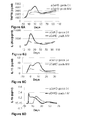
- FIGS. 6A-H illustrate the kinetics of plasma biomarkers (TNFR1, IL-2Ra, IL-15, IL-1 ⁇ , HGF, IL-8, IL-7, and IL-6) in post-transplant patients receiving a single dose of apoptotic cells.
- FIGS. 7A-C are graphs illustrating the protective effect of the apoptotic cell preparation from T cell transfer-induced colitis.
- Rag1 ⁇ / ⁇ mice received WT CD4 + CD45RB low (filled circles), or CD4 + CD45RB high T cells alone (filled squares) or in combination with apoptotic cells (filled triangles).
- 7 A Mean weight of indicated animal number per group (*p ⁇ 0.05, t-test).
- 7 B IBD Clinical Score. Numbers inside boxes indicate the mean score of each parameter with error bar (*p ⁇ 0.02, t-test). Data is presented as mean ⁇ SEM of 3 independent experiments. Weight change and stool consistency were monitored daily. Of note, no hematochezia was detected in either mice group.
- 7 C Illustrates increased T regulatory cells in mesenteric lymph nodes following ApoCell treatment compared to non-treated animals and control lymph nodes (popliteal).
- FIG. 8 is a bar graph depicting dextran sodium sulfate (DSS) induced caspase-1-mediated IL-1 ⁇ release from murine macrophages.
- DSS dextran sodium sulfate
- IL-1 ⁇ release was determined in the supernatant by ELISA. Shown are representative data as means ⁇ SEM of 3 independent experiments done in triplicate (*p ⁇ 0.02, t test).
- FIGS. 9A-D are bar graphs comparing IL-1 ⁇ release by murine primary resident peritoneal macrophages (pM ⁇ ) treated with 3% DSS and/or LPS.
- the effect on IL-1 ⁇ release was determined in the supernatant by ELISA following treatment with either ( 9 A) extracellular K + (130 mM), ( 9 B) bafilomycin A1 (10 nM) or ( 9 C) ROS inhibitor N-acetyl-L-cysteine (NAC) (20 mM).
- 9 D IL-1 ⁇ release following treatment with 3% DSS and/or LPS was further determined in pM ⁇ extracted from wild type (WT) or NLRP3-deficient mice (Nlrp3 ⁇ / ⁇ ). Shown are representative data as means ⁇ SEM of 3 to 5 independent experiments done in triplicate (*p ⁇ 0.05, **p ⁇ 0.01, t test).
- FIGS. 10A-D demonstrate the protective effect of the apoptotic cell preparation from dextran sodium sulfate (DSS)-induced colitis.
- DSS dextran sodium sulfate
- Balb/c mice were offered distilled water (filled circles), or distilled water with 3% DSS orally ad libitum with treatment of PBS (filled squares) or apoptotic cell (filled triangles).
- 10 A Mean weight of indicated animal number per group.
- 10 B IBD Clinical Score. Numbers inside boxes indicate the mean score of each parameter with error bar (*p ⁇ 0.001, t-test). Data is presented as mean ⁇ SEM of 3 independent experiments. Weight change, hematochezia and stool consistency were monitored daily.
- 10 C Macroscopic changes of colon and spleen in DSS-treated mice.
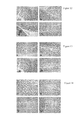
- FIG. 11A shows the histological appearance and histological colitis severity score of distal colon sections.
- H&E appearance ( 11 A-I and 11 A-II) and histological score ( 11 A-III) of distal colon sections are shown for DSS-treated Balb/c mice ( 11 -AI, 3% DSS+PBS) and DSS- and ApoCell-treated mice ( 11 A-II, 3% DSS+ApoCell). Results from 3 independent experiments (*p ⁇ 0.05, unpaired t-test).
- FIG. 11B demonstrates neutrophil accumulation inhibition in inflamed colon treated by the apoptotic cell preparation.
- Mouse colon tissue sections were stained by immunohistochemistry assay using a rabbit monoclonal antibody against mouse myeloperoxidase (MPO). After immunostaining, slides were counterstained by hematoxylin. Images show the MPO stain followed by HRP-anti rabbit secondary antibody. All images are ⁇ 200.
- MPO mouse myeloperoxidase
- HRP-anti rabbit secondary antibody HRP-anti rabbit secondary antibody. All images are ⁇ 200.
- 11 B-I Staining control. Untreated colon stained with HRP-anti rabbit secondary antibody only, without anti-MPO.
- 11 B-II Normal colon control. MPO-stained neutrophils in untreated colon (0% DSS+PBS).
- 11 B-III DSS treatment.
- MPO-stained neutrophils in 3% DSS treated colon 3% DSS+PBS.
- 11 B-IV Apoptotic cell & DSS treatment.
- MPO-stained neutrophils in 3% DSS-treated colon with apoptotic cell infusion 3% DSS+ApoCell.
- FIG. 12 shows cyclooxygenase-2 (COX-2) inhibition in DSS-induced colitis treated by the apoptotic cell preparation.
- Mouse colon tissue sections were stained by immunohistochemistry assay using an antibody against mouse COX-2. After immunostaining, slides were counterstained by hematoxylin. All images are ⁇ 200.
- Staining control Untreated colon stained with HRP-anti rabbit secondary antibody only without anti COX-2.
- COX-2 expression in untreated colon (0% DSS+PBS).
- III COX-2 expression in 3% DSS treated colon (3% DSS+PBS).
- COX-2 expression in 3% DSS-treated colon with apoptotic cell infusion 3% DSS+ApoCell).
- FIG. 13 shows I ⁇ -B ⁇ inhibition in DSS-induced colitis treated by the apoptotic cell preparation.
- Mouse colon tissue sections were stained by immunohistochemistry assay using an antibody against mouse phospho-I ⁇ -B ⁇ (p ⁇ -B ⁇ ). After immunostaining, the slides were counterstained by hematoxylin. Images show p ⁇ -B ⁇ . All images are ⁇ 200.
- II pI ⁇ -B ⁇ staining in untreated colon (0% DSS+PBS).
- III p ⁇ -B ⁇ expression in 3% DSS-treated colon (3% DSS+PBS).
- IV pI ⁇ -B ⁇ expression in 3% DSS treated colon with apoptotic cell infusion (3% DSS+ApoCell).
- FIG. 14 shows NF- ⁇ B inhibition in DSS-induced colitis treated by the apoptotic cell preparation.
- Mouse colon tissue sections were stained by immunohistochemistry assay using an antibody against mouse phospho-NF- ⁇ B (pNF- ⁇ B) p65. After immunostaining, slides were counterstained by hematoxylin. Images show pNF- ⁇ B p65 staining. All images are ⁇ 200.
- II pNF- ⁇ B p65 staining in untreated colon (0% DSS+PBS).
- III pNF- ⁇ B p65 expression in 3% DSS-treated colon (3% DSS+PBS).
- IV pNF- ⁇ B p65 expression in 3% DSS treated colon with apoptotic cell infusion (3% DSS+ApoCell).
- FIGS. 15A-E are bar graphs comparing the effect of apoptotic cells (ApoCell) on IL-1 ⁇ release from murine pM ⁇ macrophages.
- 15 A Macrophages were treated with LPS and/or 3% DSS or treated with apoptotic cells (1:8) prior to LPS and/or 3% DSS treatment. Shown are representative data as means ⁇ SEM of 3 independent experiments done in triplicate (*p ⁇ 0.01, t-test).
- 15 B treated with LPS and/or 3% DSS or treated with apoptotic cells (1:8) prior to LPS and/or 3% DSS treatment.
- cells were incubated with 2 ⁇ M cytochalasin D for 45 min before the addition of apoptotic cells and DSS challenge. Shown are representative data as means ⁇ SEM of 2 independent experiments done in triplicate (*p ⁇ 0.01, one way ANOVA).
- 15 C-E pM ⁇ cells were incubated either in the presence of apoptotic cells for 2 h followed by LPS priming for 1 h (black bar), or first primed with LPS for 1 h and then incubated with apoptotic cells for 2 h (white bar).
- the pM ⁇ cells were then incubated with various inflammasome inducers: Nigericin 2.5 ⁇ M ( 13 C), monosodium urate (MSU) 200 ⁇ g/ml ( 15 D) or calcium pyrophosphate dihydrate (CPPD) 200 ⁇ g/ml ( 15 E).
- IL-1 ⁇ was determined in the supernatant by ELISA. Shown are representative data as means ⁇ SEM of 3 independent experiments done in duplicates (*p ⁇ 0.001, one way ANOVA.
- FIGS. 16A-B depict western blot analyses performed on proteins extracted from supernatant and cell lysates of pM ⁇ cells. Some cells were incubated either in the presence of apoptotic cells for 2 h followed by LPS priming for 1 h (sixth lane from left), or first primed with LPS (to promote NF- ⁇ B signaling) for 1 h and then incubated with apoptotic cells for 2 h (seventh lane from left). Following incubation with LPS and/or apoptotic cells, some of the pM ⁇ were incubated with ( 16 A) nigericin 2.5 ⁇ M or ( 16 B) calcium pyrophosphate dihydrate 200 ⁇ g/mL (CPPD). An anti-mouse actin served as a loading control. Shown are representative data of two experiments.
- FIGS. 17A-B depict western blot analyses performed on proteins extracted from supernatant and cell lysates of pM ⁇ cells.
- the pM ⁇ cells were treated with either LPS, apoptotic cells or treated with apoptotic cells prior to LPS (prior to NF- ⁇ B signaling, forth lane from left) or treated with LPS prior to apoptotic cell treatment (to promote NF- ⁇ B signaling, fifth lane from left).
- An anti-mouse actin served as a loading control. Shown are representative data of two experiments.
- FIGS. 18A-F are micrographs depicting pM ⁇ cells as seen using in ( 18 A) brightfield microscopy or ( 18 B-F) under fluorescent microscopy stained with 1 ⁇ M of a reactive oxygen species (ROS) sensitive dye.
- the pM ⁇ cells were ( 18 C) incubated with an ROS inhibitor (N-Acetyl-cysteine, 7.5 mM), ( 18 D) treated with pyocyanin (0.5 mM), ( 18 E) treated with 3% DSS or ( 18 F) treated for 2 hours with apoptotic cells followed by a 30 min incubation with 3% DSS. Magnification in all panels is ⁇ 100. The experiments were repeated 3 times, independently; one representative experiment is shown.
- ROS reactive oxygen species
- FIG. 19 is a graph demonstrating reduction in reactive oxygen species (ROS) generation in DSS-treated macrophages pretreated with apoptotic cells.
- ROS reactive oxygen species
- FIGS. 20 A-B is bar graphs demonstrating the effect of the apoptotic cells on lysosomal damage and K+ efflux in peritoneal macrophages (pM ⁇ ).
- 20 A Flow cytometry analysis of B6 pM ⁇ treated for 2 h with apoptotic cells and/or 24 h with DSS were stained with fluorochrome acridine orange (AO). Loss of fluorescence, which correlates with reduced numbers of lysosomes, was analyzed by flow cytometry, excluding dead cells base on FSC/SSC parameters. Shown are means ⁇ SEM of 4 independent experiments (*p ⁇ 0.05, **p ⁇ 0.03 one way ANOVA).
- B Apoptotic cell treatment inhibits nigericin-induced IL-1 ⁇ secretion.
- B6 pM ⁇ cells were treated with nigericin at the indicated concentrations in the presence of LPS priming, with or without apoptotic cell treatment (*p ⁇ 0.01 unpaired t-test).
- the present invention in some embodiments thereof, relates to an apoptotic cell population and, more particularly, to early-apoptotic mononuclear enriched cell preparations.
- the present invention further relates to methods for the production of said cell preparation, and the use thereof in the clinical setting, in treatment of diseases characterized by pathological immune responses.
- results of clinical trials of single-infusion of early-apoptotic mononuclear-enriched cells, produced by ex-vivo induction of apoptosis in donor cells indicate the safety and efficacy of these apoptotic cell populations for prevention, prophylaxis and/or amelioration of transplantation-related diseases, such as graft versus host disease (GVHD) in bone marrow transplant patients.
- transplantation-related diseases such as graft versus host disease (GVHD) in bone marrow transplant patients.
- induction of early-apoptosis in enriched mononuclear cells provided a clinical grade population of apoptotic allogeneic donor cells which, when infused with the bone marrow derived cells from the same donor, affected important factors associated with transplantation, and effectively reduced the incidence of GVHD in subjects with hematological malignancies.
- infusion of the apoptotic donor cells prepared according to the methods of the invention was effective in reducing the time to engraftment of the HSC and remarkably reducing the incidence of hepatotoxicity in HSC transplant recipients.
- the present invention provides a method of preventing or ameliorating GVHD in a subject undergoing HSCT, comprising administering to the subject the pharmaceutical composition of the invention.
- the present invention provides a method of preventing or ameliorating GVHD in a subject undergoing HSCT, comprising administering to the subject the pharmaceutical composition of the invention.
- the present invention provides a method of preventing or ameliorating GVHD in a subject undergoing HSCT, comprising administering to the subject the pharmaceutical composition of the invention comprising a cell preparation comprising mononuclear enriched cells, wherein the preparation comprises at least 85% mononuclear cells, wherein at least 40% of the cells in the preparation are in an early apoptotic state, wherein at least 85% of the cells in the preparation are viable cells and wherein the preparation comprises no more than 15% polymorphonuclear leukocytes.
- the present invention provides a method of preventing or ameliorating GVHD in a subject undergoing HSCT, comprising administering to the subject the pharmaceutical composition of the invention comprising a cell preparation comprising mononuclear enriched cells, wherein the preparation comprises at least 85% mononuclear cells, wherein at least 40% of the cells in the preparation are in an early apoptotic state and wherein at least 85% of the cells in the preparation are viable cells.
- the present invention provides a method of preventing or ameliorating GVHD in a subject undergoing HSCT, comprising administering to the subject a pharmaceutical composition comprising a cell preparation comprising mononuclear enriched cells, wherein the preparation comprises at least 85% mononuclear cells, wherein at least 40% of the cells in the preparation are in an early apoptotic state, wherein at least 85% of the cells in the preparation are viable cells and wherein the preparation comprises no more than 15% polymorphonuclear leukocytes; and wherein the pharmaceutical composition comprises an anti-coagulant selected from the group consisting of: heparin, ACD Formula A and a combination thereof.
- the present invention provides a method of preventing or ameliorating GVHD in a subject undergoing HSCT, comprising administering to the subject a pharmaceutical composition comprising a cell preparation comprising mononuclear enriched cells, wherein the preparation comprises at least 85% mononuclear cells, wherein at least 40% of the cells in the preparation are in an early apoptotic state and wherein at least 85% of the cells in the preparation are viable cells; and wherein the pharmaceutical composition comprises an anti-coagulant selected from the group consisting of: heparin, ACD Formula A and a combination thereof.
- the heparin in the pharmaceutical composition of the invention is present at a concentration between 0.001 U/ml and 3 U/ml, typically between 0.001 U/ml and 2.5 U/ml. According to some embodiments, the heparin in the pharmaceutical composition of the invention is present at a concentration between 0.005 U/ml and 2.5 U/ml. According to other embodiments, the heparin in the pharmaceutical composition is present at a concentration between 0.01 U/ml and 1 U/ml. According to some embodiments, the ACD Formula A in the pharmaceutical composition of the invention is present at a concentration of 0.01%-6% v/v.
- the ACD Formula A in the pharmaceutical composition is present at a concentration of 0.05%-5% v/v. According to other embodiments, the ACD Formula A in the pharmaceutical composition is present at a concentration of 0.01%-10% v/v.
- the present invention provides a method of preventing or ameliorating GVHD in a subject undergoing HSCT, comprising administering to the subject a pharmaceutical composition comprising a cell preparation comprising mononuclear enriched cells, wherein the preparation comprises at least 85% mononuclear cells, wherein at least 40% of the cells in the preparation are in an early apoptotic state, wherein at least 85% of the cells in the preparation are viable cells, wherein the preparation comprises no more than 15% polymorphonuclear leukocytes, and wherein the preparation comprises methylprednisolone at a concentration that does not exceed 30 ⁇ g/ml.
- the present invention provides a method of preventing or ameliorating GVHD in a subject undergoing HSCT, comprising administering to the subject a pharmaceutical composition comprising a cell preparation comprising mononuclear enriched cells, wherein the preparation comprises at least 85% mononuclear cells, wherein at least 40% of the cells in the preparation are in an early apoptotic state, wherein at least 85% of the cells in the preparation are viable cells, and wherein the preparation comprises methylprednisolone at a concentration that does not exceed 30 ⁇ g/ml.
- the present invention provides a method of preventing or ameliorating GVHD in a subject undergoing HSCT, comprising administering to the subject a pharmaceutical composition comprising a cell preparation comprising mononuclear enriched cells, wherein the preparation comprises at least 85% mononuclear cells, wherein at least 40% of the cells in the preparation are in an early apoptotic state, wherein at least 85% of the cells in the preparation are viable cells and wherein the preparation comprises no more than 15% polymorphonuclear leukocytes, wherein the composition comprises an anti-coagulant selected from the group consisting of: heparin, ACD Formula A and a combination thereof, and wherein the composition comprises methylprednisolone at a concentration that does not exceed 30
- a pharmaceutical composition comprising a cell preparation comprising mononuclear enriched cells, wherein the preparation comprises at least 85% mononuclear cells, wherein at least 40% of the cells in the preparation are in an early apoptotic state, wherein at least 85% of the cells
- the present invention provides a method of preventing or ameliorating GVHD in a subject undergoing HSCT, comprising administering to the subject a pharmaceutical composition comprising a cell preparation comprising mononuclear enriched cells, wherein the preparation comprises at least 85% mononuclear cells, wherein at least 40% of the cells in the preparation are in an early apoptotic state, wherein at least 85% of the cells in the preparation are viable cells, wherein the composition comprises an anti-coagulant selected from the group consisting of: heparin, ACD Formula A and a combination thereof, and wherein the composition comprises methylprednisolone at a concentration that does not exceed 30 ⁇ g/ml.
- a pharmaceutical composition comprising a cell preparation comprising mononuclear enriched cells, wherein the preparation comprises at least 85% mononuclear cells, wherein at least 40% of the cells in the preparation are in an early apoptotic state, wherein at least 85% of the cells in the preparation are viable cells, wherein the composition comprises an
- the present invention provides a method of preventing or ameliorating GVHD in a subject undergoing HSCT, comprising administering to the subject a pharmaceutical composition comprising the cell preparation of the invention. According to some embodiments, the present invention provides a method of preventing or ameliorating GVHD in a subject undergoing HSCT, comprising administering to the subject the pharmaceutical composition of the invention.
- the present invention provides the pharmaceutical composition of the invention for use in preventing or ameliorating GVHD in a subject undergoing HSCT.
- the pharmaceutical composition of the invention further comprises residual methylprednisolone.
- the pharmaceutical composition of the invention further comprises methylprednisolone at a concentration that does not exceed 30 ⁇ g/ml.
- the pharmaceutical composition of the invention further comprises an anti-coagulant.
- the anti-coagulant is selected from the group consisting of: heparin, ACD Formula A and a combination thereof. Each possibility represents a separate embodiment of the present invention.
- the GVHD is high grade GVHD.
- high grade GVHD is grade II-IV GVHD.
- high grade GVHD is grade III-IV GVHD.
- the pharmaceutical composition of the invention induces a shift from high grade GVHD to grade I GVHD.
- the GVHD is acute GVHD.
- the GVHD is chronic GVHD.
- a subject administered with the pharmaceutical composition of the invention retains a graft-versus-tumor (GVTS) or graft-versus-leukemia (GVL) effect.
- GVTS graft-versus-tumor
- VTL graft-versus-leukemia
- the GVHD is GVHD in the liver of the subject.
- Liver dysfunction in allogeneic HSCT recipients may be due to a variety of factors including toxicity from the preparative regimen and other medications, infection, veno-occlusive disease (VOD), and acute and chronic graft-versus-host disease (GVHD) of the liver.
- VOD veno-occlusive disease
- GVHD chronic graft-versus-host disease
- the pharmaceutical composition of the invention reduces hepatotoxicity associated with GVHD.
- the cell preparation of the invention reduces hepatotoxicity associated with GVHD.
- Common symptoms and complications of Hepatotoxicity include lymphadenitis, fever, red blood cell sedimentation rate increased high bilirubin levels and febrile neutropenia.
- the present invention provides a method of preventing or ameliorating an immune disease or an autoimmune disease or an inflammatory disease in a subject in need thereof, comprising administering to the subject a pharmaceutical composition comprising the cell preparation of the invention.
- a pharmaceutical composition comprising the cell preparation of the invention.
- the present invention provides a method of preventing or ameliorating an immune disease or an autoimmune disease or an inflammatory disease in a subject in need thereof, comprising administering to the subject the pharmaceutical composition of the invention.
- Each possibility represents a separate embodiment of the present invention.
- the present invention provides the cell preparation of the invention for use in preventing or ameliorating an immune disease or an autoimmune disease or an inflammatory disease in a subject in need thereof.
- the present invention provides the pharmaceutical composition of the invention for use in preventing or ameliorating an immune disease or an autoimmune disease or an inflammatory disease in a subject in need thereof.
- Each possibility represents a separate embodiment of the present invention.
- the immune disease is GVHD.
- the present invention provides the pharmaceutical composition of the invention for use in preventing or ameliorating GVHD in a subject in need thereof.
- the present invention provides a method of preventing or ameliorating a hematopoietic malignancy comprising administering to a subject in need thereof the pharmaceutical composition of the invention.
- a subject in need thereof the pharmaceutical composition of the invention.
- the subject is suffering from a hematopoietic malignancy.
- hematopoietic malignancy refers to any blood cell cancer, characterized by uncontrolled, abnormal growth of blood cells.
- the term “hematopoietic malignancy” includes but is not limited to leukemia, myelodysplastic syndrome, lymphoma, and multiple myeloma (plasma cell dyscrasia).
- leukemia refers to a disease of the blood forming organs characterized by an abnormal increase in the number of leucocytes in the tissues of the body with or without a corresponding increase of those in the circulating blood (e.g., acute lymphoblastic leukemia, ALL; acute myelogenous leukemia, AML; chronic myelogenous leukemia, CML; etc.).
- myelodysplastic syndrome refers to a condition in which the bone marrow shows qualitative and quantitative changes suggestive of a preleukemic process, but having a chronic course that does not necessarily terminate as acute leukemia.
- lymphoblasts derived from B or T lymphocytes (e.g., Hodgkin lymphoma, HL; non-Hodgkin lymphoma, NHL; etc.).
- plasma cell dyscrasia refers to plasmacytosis due to plasma cell proliferation (e.g., multiple myeloma, MM; plasma cell leukemia, PCL; etc.)
- said hematopoietic malignancy is selected from the group consisting of MDS, acute lymphoblastic leukemia (ALL), acute myeloid leukemia (AML) and chronic myelogenous leukemia (CML).
- ALL acute lymphoblastic leukemia
- AML acute myeloid leukemia
- CML chronic myelogenous leukemia
- Infusion of certain types of the donor blood cells such as T-lymphocytes can also stimulate a graft-versus-leukemia effect.
- This effect has been best observed in patients with chronic myeloid leukemia (CML).
- CML chronic myeloid leukemia
- AML acute myeloid leukemia
- MDS myelodysplastic syndrome
- AML and MDS in approximately 20 percent of patients enter remission.
- ALL acute lymphoblastic leukemia
- ALL acute lymphoblastic leukemia
- the donor immune cells may recognize residual leukemia, lymphoma or cancer cells as being different and destroy them.
- Retrospective studies have demonstrated that patients in whom acute or chronic GVHD develops have lower disease recurrence rates than patients who do not develop GVHD. This finding is an indirect indication of a graft-versus-tumor effect.
- condition treatment refers to preparative treatment of transplant recipient with various conditioning regimens including radiation, immune sera, chemotherapy, and/or immunosuppressive agents, prior to transplantation.
- Transplantation conditioning is very common before bone marrow transplantation.
- the terms “subject”, “patient” and “subject in need thereof” may be used interchangeably and refer to a subject in need of administration of the pharmaceutical composition of the invention.
- the pharmaceutical composition of the invention is administered to a subject who has undergone or will undergo HSCT.
- a subject in need thereof is a subject undergoing HSCT.
- the Hematopoietic Stem Cells (HSCs) transplanted into a subject in need thereof and the cells of the pharmaceutical composition of the invention are derived from the same donor.
- administering of the pharmaceutical composition of the invention is carried out up to 24 hours prior to the HSCT.
- administering of the pharmaceutical composition of the invention is carried out about 24-30 hours prior to the HSCT.
- the administering of the pharmaceutical composition of the invention is carried out at the same time as the HSCT.
- the administering of the pharmaceutical composition of the invention is carried out up to 15 days following the HSCT.
- the HSCs used in the HSCT are allogeneic HSCs.
- the HSCs used in the HSCT may be derived from bone marrow, peripheral blood, or umbilical cord blood. Each possibility represents a separate embodiment of the present invention.
- the pharmaceutical composition of the invention is administered in a single dose.
- IBD Inflammatory bowel diseases
- DSS dextran sodium sulfate
- TNF ⁇ and IFN ⁇ blockade and anti-IL-1 ⁇ strategies, as well as antibiotic treatment were able to ameliorate colitis induction, suggesting a role for nuclear factor-kappa B (NF- ⁇ B) and inflammasome inhibition of macrophages and dendritic cells in the lamina propria.
- NF- ⁇ B nuclear factor-kappa B
- IBD inflammatory bowel disease
- the dextran sulfate sodium (DSS) model is generally viewed as an epithelial damage model suited to investigate wound-healing processes and innate immune responses. It has been suggested that DSS uptake by lamina intestinal macrophages initiates an inflammatory process. Macrophages primed with LPS and subsequently exposed to DSS secrete high levels of IL-1 ⁇ and IL-18 in an NLRP3-, ASC-, and caspase-1-dependent manner. This effect was completely abrogated when the endocytosis of DSS was experimentally blocked.
- Caspases are cysteine proteases first shown to be involved in the induction and execution of programmed cell death, and later in inflammation, leading to their categorization as proapoptotic or proinflammatory.
- Caspase-1 is one of three proinflammatory caspases that have been well studied and characterized. Its catalytic activity is regulated by autoactivation within multiprotein complexes called “inflammasomes” that mediate caspase-1-dependent processing of cytokines, most notably IL-1 ⁇ .
- Proinflammatory stimuli induce expression of the IL-1 ⁇ preform, but cytokine maturation and release are controlled by the inflammasome.
- NLR node-like receptors
- NLRP3 is also activated by host-derived molecules leading to inflammatory disorders and perhaps autoimmune diseases.
- the present invention demonstrates, for the first time, that the apoptotic cell composition of the invention negatively regulates the NLRP3 inflammasome, both in vitro and in vivo, and is able to downregulate the pro-inflammatory response induced via NLRP3 inflammasome in hematopoietic cells.
- the inflammasome triggering is a two-hit model requiring both Toll-Like-Receptor (TLR) and inflammasome triggering.
- TLR Toll-Like-Receptor
- the apoptotic cells of the invention were shown to inhibit TLRs and the NF- ⁇ B pathway.
- TLR triggering is important for enhanced transcription of pro-IL-1 ⁇ and pro-IL-18, and is in fact needed for the DSS effect. It is now demonstrated herein that the apoptotic cell preparation of the invention inhibited the secretion of activated IL-1 ⁇ at both pre- and post-transcription levels and had distinct inhibition effects on NF- ⁇ B and NLRP3.
- apoptotic cell composition of the invention affects all three molecular mechanisms described in the regulation of inflammasome activation.
- Apoptotic cells as comprised in the composition of the invention, were shown to be capable of reducing and inhibiting the formation of ROS, at rates similar to those shown for the chemical inhibitor NAC.
- macrophages make use of toxic ROS to control microbial pathogens as part of the innate immune response and ROS were identified as major mediators of inflammatory signals believed to play a role in the development of IBD.
- generation of ROS was found to induce IL-1 ⁇ via ERK phosphorylation.
- IL-1 ⁇ signals may induce ROS generation. While it has been shown that DSS induces formation of ROS, a marked reduction in ROS generation, and consequently less IL-1 ⁇ secretion, was observed when macrophages were pretreated with apoptotic cells as comprised in the preparation of the invention.
- the second mechanism involves the lysosome. It was shown that lysosomal damage or leakage may serve as an endogenous danger signal and is sensed by the NLRP3 inflammasome. The involvement of the lysosome vacuole was analyzed since apoptotic cell clearances are mediated via the phagolysosomal pathway. As exemplified herein, lysosomes from peritoneal macrophages that had engulfed apoptotic cells were more stable to DSS challenge, and were not affected or damaged. This may point to the notion that engulfed apoptotic cells desensitize lysosome for at least 24 h after apoptotic ingestion. Taken together, these results demonstrate a mechanism of inflammasome inhibition and resolution of inflammation stemming from apoptotic cell clearance.
- Inflammasomes were also suggested to be activated in response to signaling pathways that deplete intracellular potassium, such as the potassium ionophore nigericin.
- potassium ionophore nigericin When macrophages were pretreated with apoptotic cells, nigericin-induced IL-1 ⁇ secretion was significantly inhibited.
- the means by which apoptotic cells inhibit nigericin-induced IL-1 ⁇ secretion in in not clear, but supporting evidence might illustrate a direct inflammasome upstream inhibitory mechanism that is perhaps best mediated via NF- ⁇ B signaling. This observation illustrates a mechanism of regulation of inflammation that could take place in both infectious and non-infectious inflammatory conditions. Failure to clear apoptotic cells will trigger persistence inflammasome-dependent inflammation as perhaps is seen in failure to clear intracellular organelles.
- infusion of the cell preparation of the invention is beneficial in mice models of IBD and inhibits both inflammasome- and NF- ⁇ B-dependent inflammation via three mechanisms.
- the present invention provides a method of preventing or ameliorating IBD in a subject in need thereof, comprising administering to the subject the pharmaceutical composition of the invention.
- the present invention provides the pharmaceutical composition of the invention for use in preventing or ameliorating IBD in a subject in need thereof.
- Each possibility represents a separate embodiment of the present invention.
- the present invention provides a method of preventing or ameliorating IBD in a subject in need thereof, comprising administering to the subject a pharmaceutical composition comprising a cell preparation comprising mononuclear enriched cells, wherein the preparation comprises at least 85% mononuclear cells, wherein at least 40% of the cells in the preparation are in an early apoptotic state, wherein at least 85% of the cells in the preparation are viable cells and wherein the preparation comprises no more than 15% polymorphonuclear leukocytes; and wherein the pharmaceutical composition comprises an anti-coagulant selected from the group consisting of: heparin, ACD Formula A and a combination thereof.
- the present invention provides a method of preventing or ameliorating IBD in a subject in need thereof, comprising administering to the subject a pharmaceutical composition comprising a cell preparation comprising mononuclear enriched cells, wherein the preparation comprises at least 85% mononuclear cells, wherein at least 40% of the cells in the preparation are in an early apoptotic state, wherein at least 85% of the cells in the preparation are viable cells and wherein the preparation comprises no more than 15% polymorphonuclear leukocytes, wherein the composition comprises an anti-coagulant selected from the group consisting of: heparin, ACD Formula A and a combination thereof, and wherein the preparation comprises methylprednisolone at a concentration that does not exceed 30
- a pharmaceutical composition comprising a cell preparation comprising mononuclear enriched cells, wherein the preparation comprises at least 85% mononuclear cells, wherein at least 40% of the cells in the preparation are in an early apoptotic state, wherein at least 85% of the cells in the preparation
- the preparation of the invention refers to a cell preparation comprising mononuclear enriched cells, wherein the preparation comprises at least 85% mononuclear cells, wherein at least 40% of the cells in the preparation are in an early apoptotic state, wherein at least 85% of the cells in the preparation are viable cells and wherein the preparation comprises no more than 15% polymorphonuclear leukocytes.
- the preparation of the invention refers to a cell preparation comprising mononuclear enriched cells, wherein the preparation comprises at least 85% mononuclear cells, wherein at least 40% of the cells in the preparation are in an early apoptotic state, wherein at least 85% of the cells in the preparation are viable cells and wherein the preparation comprises no more than 15% CD15 high expressing cells.
- the terms “the preparation”, “the preparation of the invention”, “the apoptotic cell preparation of the invention”, “the cell preparation of the invention”, “the cell preparation” and “the mononuclear enriched preparation” are used interchangeably.
- the present invention provides a cell preparation comprising mononuclear enriched cells, wherein the preparation comprises at least 85% mononuclear cells, wherein at least 40% of the cells in the preparation are in an early apoptotic state, wherein at least 85% of the cells in the preparation are viable cells and wherein the preparation comprises no more than 15% polymorphonuclear leukocytes.
- the terms “the composition of the invention”, “the pharmaceutical composition of the invention”, “the pharmaceutical composition”, “the composition”, “apoptotic cell composition” and “composition comprising the cell preparation of the invention” are used interchangeably and refer to a composition comprising the cell preparation of the invention.
- the pharmaceutical composition of the invention refers to a composition comprising the cell preparation of the invention and further comprising an anticoagulant.
- the term “the composition of the invention” refers to a composition comprising the cell preparation of the invention and a final suspension medium used for administration of the cell preparation to a patient.
- the terms “final suspension medium” and “administration medium”, as used herein, are used interchangeably and refer to the medium used for administration of the cell preparation of the invention to a subject.
- a pharmaceutical composition comprising the cell-preparation of the invention is referred to herein as “ApoCell”.
- the pharmaceutical composition of the invention is referred to herein as “ApoCell”.
- the mononuclear enriched cell preparation of the invention comprises at least 85% mononuclear cells, at least 85% mononuclear cells, alternatively at least 90% mononuclear cells or at least 95% mononuclear cells, wherein each possibility is a separate embodiment of the invention.
- the mononuclear enriched cell preparation of the invention comprises at least 80% mononuclear cells.
- the mononuclear enriched cell preparation of the invention comprises at least 90% mononuclear cells.
- the mononuclear enriched cell preparation of the invention comprises at least 95% mononuclear cells.
- the cell preparation of the invention comprises at least one cell type selected from the group consisting of: lymphocytes, monocytes and natural killer cells.
- mononuclear cells comprise lymphocytes and monocytes.
- mononuclear cells are leukocytes having a one lobed nucleus.
- At least 40% of the cell preparation of the invention are in an early apoptotic state. According to other embodiments, at least 40%, preferably around 50% of the cell preparation of the invention are in an early apoptotic state. Each possibility represents a separate embodiment of the present invention. According to some embodiments, between 40-65%, preferably between 55-60% of the cell preparation of the invention are in an early apoptotic state. Each possibility represents a separate embodiment of the present invention.
- the high percentage of mononuclear cells in the cell preparation disclosed herein is achieved following the multistep manufacturing protocol, as described herein below (including leukapheresis, early-apoptosis induction using cryopreservation and incubation with methylprednisolone and various washing steps).
- the mononuclear-enriched cell preparation of the invention comprises low concentrations of non-mononuclear leukocytes such as, but not limited to, polymorphonuclear leukocytes and neutrophils.
- said mononuclear enriched cell preparation is devoid of granulocytes.
- granulocytes disintegrate during various steps of the production method of the invention.
- the composition of the invention comprises no more than 15%, alternatively no more than 10%, typically no more than 5% granulocytes.
- granulocytes disintegrate to a significant degree following the freezing and thawing steps of the production method of the invention.
- granulocytes disintegrate to a significant degree following the freezing and thawing steps of the production method of the invention, and are washed from the preparation of the invention during wash steps after the freezing and/or thawing steps.
- disintegrated granulocytes are washed from the cell preparation of the invention during various washing steps of the production method of the invention.
- the composition of the invention comprises no more than 15%, possibly no more than 10%, typically no more than 5% polymorphonuclear leukocytes. Each possibility represents a separate embodiment of the present invention. According to some embodiments, the composition of the invention comprises no more than 5% polymorphonuclear leukocytes.
- the composition of the invention comprises no more than 15%, alternatively no more than 10%, typically no more than 5% CD15 high expressing cells. Each possibility represents a separate embodiment of the present invention. According to some embodiments, the composition of the invention comprises no more than 5% CD15 high expressing cells. According to some embodiments, as exemplified herein below, the composition of the invention comprises no more than 1% CD15 high expressing cells. As used herein and in the claims, CD15 high expressing cells are granulocytes.
- An early feature of apoptosis is a morphological change in the plasma membrane. This change involves the translocation of the membrane phospholipid phosphatidylserine (PS) from the internal layer to the external layer of the cell membrane.
- PS membrane phospholipid phosphatidylserine
- Annexin V has a high specificity and affinity for PS.
- the binding of Annexin V to cells with exposed PS provides a very sensitive method for detecting early cellular apoptosis.
- an “early apoptotic state” of a cell or “early apoptotic cells”, as used herein refers to a cell population which still have intact cell membranes, but have started to undergo DNA cleavage and have started to undergo translocation of phosphatidylserine.
- early apoptotic cells are cells which are stained positively using Annexin V and are stained negatively with propidium iodide (PI).
- Methods for detection of early apoptosis are known in the art, such as early apoptotic cell detection of annexin V positive and propidium iodide (PI) negative, by flow cytometry.
- cells which are in a late apoptotic state may be detected by a positive staining using annexin V and a positive staining using PI as may be evidenced using flow cytometry.
- PI is membrane impermeable and thus is only able to enter cells in which the intactness of the cell membrane has been compromised, such as in late apoptotic or necrotic cells. According to some embodiments, necrotic cells show strong staining for PI, as may be evidenced using flow cytometry.
- the cell preparation of the invention comprises cells in suspension. In another embodiment, the cell preparation of the invention is not prepared by inducing cells to adhere to a surface.
- viability of the cells refers to cells not undergoing necrosis or late apoptosis. Accordingly, the term “viable cells”, as used herein, refers to cells not undergoing necrosis or cells which are not in a late apoptotic state. According to some embodiments, the term “viable cells” refers to cells having an intact plasma membrane. Assays for determining cell viability are known in the art, such as using propidium iodide (PI) staining which may be detected by flow cytometry. Accordingly, according to some embodiments, viable cells are cells which do not show propidium iodide intake. Necrosis can be further identified, by using light, fluorescence or electron microscopy techniques, or via uptake of the dye trypan blue.
- PI propidium iodide
- Apoptosis which is a distinct cell death process from necrosis, is the programmed and orderly physiological elimination of cells, occurring, for example, during normal cell and tissue development, T-lymphocyte killing of pathogen-infected cells, and self-elimination of mutationally damaged cells.
- Apoptotic cells are characterized by distinct morphologic alterations in the cytoplasm and nucleus, chromatin cleavage at regularly spaced sites, and endonucleolytic cleavage of genomic DNA at internucleosomal sites.
- Assays for determining cell apoptosis are known in the art, such as using AnnexinV.
- Necrosis is an inherently pathological and pro-inflammatory process of cell death caused, typically but not exclusively, by the uncontrolled, progressive degradative action of enzymes following lethal cellular injury. Necrotic cells are typically characterized by mitochondrial swelling, nuclear flocculation, cell lysis, loss of membrane integrity, and ultimately cell death.
- the cell preparation of the invention comprises at least 85%, 90% 95% viable cells, alternatively at least 97% viable cells. Each possibility represents a separate embodiment of the present invention.
- the cell preparation of the invention comprises at-most 15%, 10%, 5% necrotic cells or cells in a late apoptotic state, alternatively at most 3% necrotic cells or cells in a late apoptotic state. Each possibility represents a separate embodiment of the present invention.
- the high percentage of viable cells in the cell preparation of the invention remains for at least 24 hours following preparation.
- necrotic cells and/or cells in a late apoptotic state disintegrate and are thus substantially eliminated from the final cell-preparation of the invention during washing steps of the production method of the invention.
- Each possibility represents a separate embodiment of the present invention.
- the therapeutic mononuclear enriched cells in the cell preparation of the invention are preferably derived from an allogeneic individual. Allogeneic mononuclear enriched cells are preferably haplotype-matched with the subject receiving said cells. Haplotype-matching of human subjects is routinely practiced in the art in the context of therapeutic transplantation, and usually involves matching of HLA-A, HLA-B, and HLA-DR alleles.
- the source of the mononuclear enriched cell preparation is derived from an allogeneic donor that is HLA-matched at least a 7/8 at the HLA A, B, C, and DR loci. In some embodiments, the source of the mononuclear enriched cell preparation is autologous.
- the pharmaceutical composition of the invention comprises the cell preparation of the invention and further comprises an anti-coagulant.
- the pharmaceutical composition of the invention comprises the cell preparation of the invention and further comprises residual methylprednisolone.
- the pharmaceutical composition of the invention comprises the cell preparation of the invention and further comprises an anti-coagulant and residual methylprednisolone.
- residual methylprednisolone refers to methylprednisolone remaining in the composition of the invention following use of the production method of the invention.
- the composition of the invention comprises an anti-coagulant.
- an anti-coagulant refers to a substance which prevents or decreases blood clotting.
- the anti-coagulant is heparin.
- the anti-coagulant is Acid-Citrate-Dextrose (ACD), formula A.
- the anti-coagulant is a composition comprising ACD formula A and heparin.
- the anti-coagulant is ACD formula A containing heparin at a concentration of about 10 U/ml.
- the anti-coagulant is selected from the group consisting of: heparin, ACD Formula A and a combination thereof.
- the presence of an anti-coagulant in the composition of the invention is due to addition of the anti-coagulant during the freezing and/or incubation and/or washing stages of the composition's production process.
- the presence of an anti-coagulant during production of the composition of the invention does not adversely affect apoptosis induction as described herein.
- the composition of the invention comprises heparin.
- heparin is selected from the group consisting of: sulfated heteropolysaccharide heparin, unfractionated heparin (UFH), low molecular weight heparin (LMWH) and a combination thereof.
- UHF unfractionated heparin
- LMWH low molecular weight heparin
- heparin is a synthetic heparin, such as, but not limited to, Fondaparinaux.
- the composition of the invention comprises heparin at a concentration between 0.001 U/ml and 3 U/ml, alternatively between 0.005 U/ml and 2.5 U/ml, typically between 0.01 U/ml and 1 U/ml.
- the composition of the invention comprises heparin at a concentration between 0.001-2.5 U/ml, alternatively between 0.001-1 U/ml, possibly between 0.001-0.5 U/ml.
- Each possibility represents a separate embodiment of the present invention.
- the composition of the invention comprises heparin at a concentration between 0.005-1 U/ml, alternatively between 0.005-0.6 U/ml, possibly between 0.005-0.5 U/ml.
- the composition of the invention comprises heparin at a concentration between 0.01-3 U/ml, alternatively between 0.01-2 U/ml or between 0.01-0.6 U/ml.
- the composition of the invention comprises heparin at a concentration between 0.01-0.5 U/ml.
- the composition of the invention comprises heparin at a concentration between 0.05 U/ml and 0.25 U/ml. According to certain embodiments, the composition of the invention comprises heparin at a concentration between 0.01 U/ml and 0.6 U/ml.
- the composition of the invention comprises up to 3 U/ml heparin, typically up to 2.5 U/ml heparin, possibly up to 1 U/ml heparin, alternatively up to 0.5 U/ml heparin.
- the composition of the invention comprises at least 0.001 U/ml heparin, alternatively at least 0.005 U/ml heparin, possibly at least 0.01 heparin.
- the composition of the invention comprises up to 300 U, alternatively up to 150 U, possibly up to 75 U of Heparin.
- the composition of the invention comprises up to 180 U of heparin.
- heparin comprised in the composition of the invention refers to heparin in the composition comprising the cell preparation of the invention and the final suspension medium used for administration of the cell preparation to a patient.
- ACD Formula A comprised in the composition of the invention refers to heparin in the composition comprising the cell preparation of the invention and the final suspension medium used for administration of the cell preparation to a patient.
- the composition of the invention comprises between 0.5-500 U of heparin, possibly between 0.5-500 U of heparin, alternatively between 7-180 U of heparin.
- Each possibility represents a separate embodiment of the present invention.
- the composition of the invention comprises ACD Formula A.
- ACD Formula A comprises citric acid, dextrose and sodium citrate.
- ACD Formula A comprises anhydrous citric acid at a concentration of 0.73 gr/100 ml, dextrose monohydrate at a concentration of 2.45 gr/100 ml and sodium citrate dehydrate at a concentration of 2.20 gr/100 ml.
- the composition of the invention comprises ACD formula A at a concentration between 0.01%-10% v/v, alternatively between 0.05%-6% v/v, possibly between 0.1%-5% v/v.
- the composition of the invention comprises ACD formula A at a concentration between 0.05%-10% v/v, possibly 0.05%-6% v/v, alternatively between 0.05%-5% v/v.
- Each possibility represents a separate embodiment of the present invention.
- the composition of the invention comprises ACD formula A at a concentration between 0.1%-10% v/v, alternatively between 0.1%-6%, possibly between 0.1%-5% v/v.
- the composition of the invention comprises ACD formula A at a concentration between 0.5%-2.5% v/v.
- the composition of the invention comprises ACD formula A at a concentration between 0.05%-6% v/v, typically between 0.1%-6% v/v. Each possibility represents a separate embodiment of the present invention.
- the composition of the invention comprises up to 15 ml, alternatively up to 9 ml, possibly up to 7.5 ml of ACD formula A. Each possibility represents a separate embodiment of the present invention. According to certain embodiments, the composition of the invention comprises up to 18 ml of ACD formula A.
- the composition of the invention comprises between 0.05-40 ml of ACD formula A, possibly between 0.1-25 ml of ACD formula A, alternatively between 0.7-18 ml of ACD formula A.
- ACD formula A possibly between 0.05-40 ml of ACD formula A, possibly between 0.1-25 ml of ACD formula A, alternatively between 0.7-18 ml of ACD formula A.
- the composition of the invention further comprises methylprednisolone.
- the presence of residual methylprednisolone in the composition of the invention is due to use of methylprednisolone during the incubation stage of the cell preparation's production process.
- methylprednisolone is used in the present invention during production of the cell preparation of the invention, as part of the procedure in which the cells are induced to enter an early-apoptotic state.
- the composition of the invention further comprises methylprednisolone at a concentration between 0.5-30 ⁇ g/ml, possibly 1-25 ⁇ g/ml, typically between 3-22 ⁇ g/ml. Each possibility represents a separate embodiment of the present invention. According to some embodiments, the composition of the invention comprises methylprednisolone at a concentration between 3.7-21.9 ⁇ g/ml.
- the composition of the invention further comprises methylprednisolone at a concentration that does not exceed 30 ⁇ g/ml. According to some embodiments, the composition of the invention further comprises methylprednisolone at a concentration that does not exceed 30 ⁇ g/ml, possibly does not exceed 25 ⁇ g/ml, typically does not exceed 21.9 ⁇ g/ml. Each possibility represents a separate embodiment of the present invention.
- the composition of the invention further comprises methylprednisolone at a concentration between 0.5-60 ⁇ g/ml, possibly 1.12-60 ⁇ g/ml. Each possibility represents a separate embodiment of the present invention. According to some embodiments, the composition of the invention further comprises methylprednisolone at a concentration that does not exceed 60 ⁇ g/ml.
- the composition of the invention comprises at least 0.5 ⁇ g/ml, possibly at least 1 ⁇ g/ml, alternatively at least 3 ⁇ g/ml methylprednisolone. Each possibility represents a separate embodiment of the present invention. According to some embodiments, the composition of the invention comprises at least 3.5 ⁇ g/ml methylprednisolone. According to some embodiments, the composition of the invention comprises at least 3.7 ⁇ m/ml methylprednisolone.
- the composition of the invention further comprises between 0.1-25 mg methylprednisolone, possibly between 0.4-20 mg methylprednisolone, alternatively between 0.67-18 mg methylprednisolone.
- the composition of the invention further comprises methylprednisolone in an amount that does not exceed 25 mg, typically 20 mg, alternatively 18 mg.
- the composition of the invention further comprises methylprednisolone in an amount that does not exceed 15 mg.
- the pharmaceutical composition of the invention comprises a cell preparation comprising mononuclear enriched cells, wherein the preparation comprises at least 85% mononuclear cells, wherein at least 40% of the cells in the preparation are in an early apoptotic state, wherein at least 85% of the cells in the preparation are viable cells and wherein the preparation comprises no more than 15% polymorphonuclear leukocytes.
- the pharmaceutical composition of the invention comprises a cell preparation comprising mononuclear enriched cells, wherein the preparation comprises at least 85% mononuclear cells, wherein at least 40% of the cells in the preparation are in an early apoptotic state and wherein at least 85% of the cells in the preparation are viable cells.
- the pharmaceutical composition of the invention comprises a cell preparation comprising mononuclear enriched cells, wherein the preparation comprises at least 85% mononuclear cells, wherein at least 40% of the cells in the preparation are in an early apoptotic state, wherein at least 85% of the cells in the preparation are viable cells and wherein the pharmaceutical composition comprises an anti-coagulant.
- the anti-coagulant is selected from the group consisting of: heparin, ACD Formula A and a combination thereof. Each possibility represents a separate embodiment of the present invention.
- the pharmaceutical composition of the invention comprises a cell preparation comprising mononuclear enriched cells, wherein the preparation comprises at least 85% mononuclear cells, wherein at least 40% of the cells in the preparation are in an early apoptotic state, wherein at least 85% of the cells in the preparation are viable cells, wherein the preparation comprises no more than 15% polymorphonuclear leukocytes and wherein the pharmaceutical composition comprises an anti-coagulant.
- the anti-coagulant is selected from the group consisting of: heparin, ACD Formula A and a combination thereof. Each possibility represents a separate embodiment of the present invention.
- the heparin in the pharmaceutical composition is present at a concentration between 0.005 U/ml and 2.5 U/ml.
- the ACD Formula A in the pharmaceutical composition is present at a concentration of 0.01%-10% v/v, alternatively 0.05%-5% v/v.
- the pharmaceutical composition of the invention comprises a cell preparation comprising mononuclear enriched cells, wherein the preparation comprises at least 85% mononuclear cells, wherein at least 40% of the cells in the preparation are in an early apoptotic state, wherein at least 85% of the cells in the preparation are viable cells, wherein the preparation comprises no more than 15% polymorphonuclear leukocytes and wherein the preparation comprises methylprednisolone at a concentration which does not exceed 30 ⁇ g/ml.
- the pharmaceutical composition of the invention comprises a cell preparation comprising mononuclear enriched cells, wherein the preparation comprises at least 85% mononuclear cells, wherein at least 40% of the cells in the preparation are in an early apoptotic state, wherein at least 85% of the cells in the preparation are viable cells and wherein the preparation comprises methylprednisolone at a concentration which does not exceed 30 ⁇ g/ml.
- the pharmaceutical composition of the invention comprises a cell preparation comprising mononuclear enriched cells, wherein the preparation comprises at least 85% mononuclear cells, wherein at least 40% of the cells in the preparation are in an early apoptotic state, wherein at least 85% of the cells in the preparation are viable cells, wherein the preparation comprises no more than 15% polymorphonuclear leukocytes and wherein the preparation comprises an anti-coagulant and methylprednisolone.
- the concentration of methylprednisolone in the pharmaceutical composition of the invention does not exceed 30 ⁇ g/ml.
- the pharmaceutical composition of the invention comprises a cell preparation comprising mononuclear enriched cells, wherein the preparation comprises at least 85% mononuclear cells, wherein at least 40% of the cells in the preparation are in an early apoptotic state, wherein at least 85% of the cells in the preparation are viable cells and wherein the preparation comprises an anti-coagulant and methylprednisolone.
- the concentration of methylprednisolone in the pharmaceutical composition of the invention does not exceed 30 ⁇ g/ml.
- the pharmaceutical composition of the invention is administered at a dosage of about 30 ⁇ 10 6 -300 ⁇ 10 6 cells per kg body weight, 100 ⁇ 10 6 -300 ⁇ 10 6 cells per kg body weight, alternatively about 120 ⁇ 10 6 -250 ⁇ 10 6 cells per kg body weight.
- the pharmaceutical composition of the invention is administered at a dosage of about 35 ⁇ 10 6 cells per kg body weight.
- the pharmaceutical composition of the invention is administered at a dosage of about 140 ⁇ 10 6 -210 ⁇ 10 6 cells per kg body weight.
- the pharmaceutical composition of the invention is administered at a dosage of about 140 ⁇ 10 6 cells per kg body weight.
- the pharmaceutical composition of the invention is administered at a dosage of about 210 ⁇ 10 6 cells per kg body weight. According to another particular embodiment, the pharmaceutical composition of the invention is administered at a dosage of about 35 ⁇ 10 6 -210 ⁇ 10 6 cells per kg body weight. According to another particular embodiment, the pharmaceutical composition of the invention is administered at a dosage of about 250 ⁇ 10 6 cells per kg body weight. In other embodiments, the pharmaceutical composition of the invention is administered at a dosage of about 5 ⁇ 10 6 cells per kg body weight. It should be appreciated that said low dosage is suitable for local injection of the compositions disclosed herein, such as local injection to a joint for treating arthritis.
- the therapeutic mononuclear-enriched cell preparation of the invention is administered to the subject systemically, preferably via the intravenous route.
- the therapeutic mononuclear enriched cell may be administered to the subject according to various other routes, including, but not limited to, the parenteral, intraperitoneal, intra-articular, intramuscular and subcutaneous routes.
- the therapeutic mononuclear enriched cells are administered to the subject suspended in a suitable physiological buffer, such as, but not limited to, saline solution, PBS, HBSS, and the like.
- the suspension medium may further comprise supplements conducive to maintaining the viability of the cells.
- the present invention provides a method for producing the pharmaceutical composition of the invention (referred to herein as “the production method of the invention”), wherein the method comprises:
- the mononuclear-enriched cell composition comprising at least 65% mononuclear cells
- the freezing medium and the incubation medium comprise an anti-coagulant
- the pharmaceutical composition obtained according to the production method of the invention comprises at least 85% mononuclear cells.
- the pharmaceutical composition contains at least 85% mononuclear cells, 90% mononuclear cells or alternatively over 90% mononuclear cells.
- the pharmaceutical composition comprises at least 90% mononuclear cells.
- the pharmaceutical composition comprises at least 95% mononuclear cells.
- obtaining a mononuclear-enriched cell composition according to the production method of the invention is effected by leukapheresis.
- leukapheresis refers to an apheresis procedure in which leukocytes are separated from the blood of a donor.
- the blood of a donor undergoes leukapheresis and thus a mononuclear-enriched cell composition is obtained according to the production method of the invention.
- the use of at least one anticoagulant during leukapheresis is required, as is known in the art, in order to prevent clotting of the collected cells.
- the leukapheresis procedure is configured to allow collection of mononuclear-enriched cell composition according to the production method of the invention.
- cell collections obtained by leukapheresis comprise at least 65%, preferably at least 70%, most preferably at least 80% mononuclear cells.
- blood plasma from the cell-donor is collected in parallel to obtaining of the mononuclear-enriched cell composition according to the production method of the invention.
- about 300-600 ml of blood plasma from the cell-donor are collected in parallel to obtaining the mononuclear-enriched cell composition according to the production method of the invention.
- blood plasma collected in parallel to obtaining the mononuclear-enriched cell composition according to the production method of the invention is used as part of the freezing and/or incubation medium.
- each possibility represents a separate embodiment of the present invention.
- the mononuclear-enriched cell preparation at cell collection comprises at least 65%, preferably at least 70%, most preferably at least 80% mononuclear cells
- the final pharmaceutical composition of the invention, following the production method of the invention comprises at least 85%, preferably at least 90%, most preferably at least 95% mononuclear cells.
- the mononuclear-enriched cell preparation used for production of the composition of the invention comprises at least 50% mononuclear cells at cell collection.
- the present invention provides a method for producing the pharmaceutical composition of the invention wherein the method comprises obtaining a mononuclear-enriched cell preparation from the peripheral blood of a donor, the mononuclear-enriched cell preparation comprising at least 50% mononuclear cells.
- the present invention provides a method for producing the pharmaceutical composition of the invention wherein the method comprises freezing a mononuclear-enriched cell preparation comprising at least 50% mononuclear cells.
- the mononuclear-enriched cell composition obtained according to the production method of the invention undergoes freezing in a freezing medium.
- the freezing is gradual.
- following collection the cells are maintained at room temperature until frozen.
- the cell-preparation undergoes at least one washing step in washing medium following cell-collection and prior to freezing.
- the terms “obtaining cells” and “cell collection” are used interchangeably.
- the cells of the cell preparation of the invention are frozen within 3-6 hours of collection.
- the cell preparation of the invention is frozen within up to 6 hours of cell collection.
- the cells of the cell preparation of the invention are frozen within 1, 2, 3, 4, 5, 6, 7, 8 hours of collection. Each possibility represents a separate embodiment of the present invention. According to other embodiments, the cells of the cell preparation of the invention are frozen up to 8, 12, 24, 48, 72 hours of collection. Each possibility represents a separate embodiment of the present invention. According to other embodiments, following collection the cells are maintained at 2-8° C. until frozen.
- freezing according to the production method of the invention comprises: freezing the cell preparation at about ⁇ 18° C. to ⁇ 25° C. followed by freezing the cell preparation at about ⁇ 80° C. and finally freezing the cell preparation in liquid nitrogen until thawing.
- the freezing according to the production method of the invention comprises: freezing the cell preparation at about ⁇ 18° C. to ⁇ 25° C. for at least 2 hours, freezing the cell preparation at about ⁇ 80° C. for at least 2 hours and finally freezing the cell preparation in liquid nitrogen until thawing.
- the cells are kept in liquid nitrogen for at least 8, 10 or 12 hours prior to thawing. Each possibility represents a separate embodiment of the present invention.
- the cells of the cell preparation are kept in liquid nitrogen until thawing and incubation with apoptosis-inducing incubation medium. According to some embodiments, the cells of the cell preparation are kept in liquid nitrogen until the day of hematopoietic stem cell transplantation.
- the time from cell collection and freezing to preparation of the final composition of the invention may be between 1-50 days, alternatively between 6-30 days. Each possibility represents a separate embodiment of the present invention. According to alternative embodiments, the cell preparation may be kept in liquid nitrogen for longer time periods, such as at least several months.
- the freezing according to the production method of the invention comprises freezing the cell preparation at about ⁇ 18° C. to ⁇ 25° C. for at least 0.5, 1, 2, 4 hours.
- the freezing according to the production method of the invention comprises freezing the cell preparation at about ⁇ 18° C. to ⁇ 25° C. for about 2 hours.
- the freezing according to the production method of the invention comprises freezing the cell preparation at about ⁇ 80° C. for at least 0.5, 1, 2, 4, 12 hours.
- Each possibility represents a separate embodiment of the present invention.
- the mononuclear-enriched cell composition may remain frozen at least 1, 2, 3, 4, 5, 6, 7, 8, 9, 10, 11, 12, 20 months. Each possibility represents a separate embodiment of the present invention. According to some embodiments, the mononuclear-enriched cell composition may remain frozen at least 0.5, 1, 2, 3, 4, 5 years. Each possibility represents a separate embodiment of the present invention. According to certain embodiments, the mononuclear-enriched cell composition may remain frozen for at least 20 months.
- the mononuclear-enriched cell composition is frozen for at least 8, 10, 12, 18, 24 hours. Each possibility represents a separate embodiment of the present invention. According to certain embodiments, freezing the mononuclear-enriched cell composition is for a period of at least 8 hours. According to some embodiments, the mononuclear-enriched cell composition is frozen for at least about 10 hours. According to some embodiments, the mononuclear-enriched cell composition is frozen for at least about 12 hours. According to some embodiments, the mononuclear-enriched cell composition is frozen for about 12 hours. According to some embodiments, the total freezing time of the mononuclear-enriched cell composition (at about ⁇ 18° C. to ⁇ 25° C., at about ⁇ 80° C. and in liquid nitrogen) is at least 8, 10, 12, 18, 24 hours. Each possibility represents a separate embodiment of the present invention.
- the freezing at least partly induces the early-apoptotic state in the cells of the mononuclear-enriched cell composition.
- the freezing medium comprises RPMI 1640 medium comprising L-glutamine, Hepes, Hes, dimethyl sulfoxide (DMSO) and plasma.
- the plasma in the freezing medium is an autologous plasma of the donor which donated the mononuclear-enriched cells of the composition of the invention.
- the freezing medium comprises RPMI 1640 medium comprising 2 mM L-glutamine, 10 mM Hepes, 5% Hes, 10% dimethyl sulfoxide and 20% v/v plasma.
- the freezing medium comprises an anti-coagulant.
- at least some of the media used during the production method of the invention, including the freezing medium, the incubation medium and the washing media comprise an anti-coagulant.
- all media used during the production method of the invention which comprise an anti-coagulant comprise the same concentration of anti-coagulant.
- anti-coagulant is not added to the final suspension medium of the cell composition of the invention.
- addition of an anti-coagulant at least to the freezing medium improves the yield of the cell-preparation of the invention.
- addition of an anti-coagulant to the freezing medium improves the yield of the cell-preparation in the presence of a high triglyceride level.
- improvement in the yield of the cell-preparation of the invention relates to improvement in at least one of: the percentage of viable cells out of cells frozen, the percentage of early-state apoptotic cells out of viable cells and a combination thereof. Each possibility represents a separate embodiment of the present invention.
- cell yield in the composition of the invention relates to cell number in the composition out of the initial number of cells subjected to apoptosis induction according to the present invention.
- the terms “induction of early apoptotic state” and “induction of apoptosis” are used interchangeably.
- improvement in the yield of the cell-preparation of the invention relates to improvement in the number of the early-apoptotic viable cells of the preparation out of the number of frozen cells from which the preparation was produced.
- addition of an anti-coagulant to the freezing medium contributes to a high and stable yield between different preparations of the pharmaceutical composition of the invention.
- addition of an anti-coagulant at least to the freezing medium and incubation medium results in a high and stable yield between different preparations of the pharmaceutical composition, regardless to the cell collection protocol used.
- the freezing medium comprises an anti-coagulant selected from the group consisting of: heparin, ACD Formula A and a combination thereof.
- the anti-coagulant used in the freezing medium is ACD Formula A containing heparin at a concentration of 10 U/ml.
- the freezing medium comprises 5% v/v of ACD Formula A solution comprising heparin at a concentration of 10 U/ml.
- the freezing medium comprises heparin.
- the heparin in the freezing medium is at a concentration of between 0.1-2.5 U/ml.
- the heparin in the freezing medium is at a concentration of between 0.1-2.5 U/ml, possibly between 0.3-0.7 U/ml, typically about 0.5 U/ml.
- the heparin in the freezing medium is at a concentration of about 0.5 U/ml.
- the freezing medium comprises ACD Formula A.
- the ACD Formula A in the freezing medium is at a concentration of between 1%-15% v/v.
- the ACD Formula A in the freezing medium is at a concentration of between 1%-15% v/v, possibly between 4%-7% v/v, typically about 5% v/v.
- Each possibility represents a separate embodiment of the present invention.
- the ACD Formula A in the freezing medium is at a concentration of about 5% v/v.
- the mononuclear-enriched cell composition undergoes at least one washing step following cell collection and prior to being re-suspended in the freezing medium and frozen. According to some embodiments, the mononuclear-enriched cell composition undergoes at least one washing step following freezing and thawing. According to some embodiments, washing steps comprise centrifugation of the mononuclear-enriched cell composition followed by supernatant extraction and re-suspension in washing medium.
- cell collection refers to obtaining a mononuclear-enriched cell composition.
- washing steps performed during the production method of the invention are performed in a washing medium.
- washing steps performed up until the incubation step of the production method of the invention are performed in a washing medium.
- the washing medium comprises RPMI 1640 medium supplemented with L-glutamine and Hepes.
- the washing medium comprises RPMI 1640 medium supplemented with 2 mM L-glutamine and 10 mM Hepes.
- the washing medium comprises an anti-coagulant.
- the washing medium comprises an anti-coagulant selected from the group consisting of: heparin, ACD Formula A and a combination thereof.
- the concentration of the anti-coagulant in the washing medium is the same concentration as in the freezing medium.
- the concentration of the anti-coagulant in the washing medium is the same concentration as in the incubation medium.
- the anti-coagulant used in the washing medium is ACD Formula A containing heparin at a concentration of 10 U/ml.
- the washing medium comprises heparin.
- the heparin in the washing medium is at a concentration of between 0.1-2.5 U/ml.
- the heparin in the washing medium is at a concentration of between 0.1-2.5 U/ml, possibly between 0.3-0.7 U/ml, typically about 0.5 U/ml.
- the heparin in the washing medium is at a concentration of about 0.5 U/ml.
- the washing medium comprises ACD Formula A.
- the ACD Formula A in the washing medium is at a concentration of between 1%-15% v/v.
- the ACD Formula A in the washing medium is at a concentration of between 1%-15% v/v, possibly between 4%-7% v/v, typically about 5% v/v.
- Each possibility represents a separate embodiment of the present invention.
- the ACD Formula A in the washing medium is at a concentration of about 5% v/v.
- the mononuclear-enriched cell composition is thawed several hours prior to the intended administration of the composition of the invention to a subject. According to some embodiments, the mononuclear-enriched cell composition is thawed at about 33° C.-39° C. According to some embodiments, the mononuclear-enriched cell composition is thawed for about 30-240 seconds, preferably 40-180 seconds, most preferably 50-120 seconds. Each possibility represents a separate embodiment of the present invention.
- the mononuclear-enriched cell composition is thawed at least 10 hours prior to the intended administration of the composition of the invention, alternatively at least 20, 30, 40 or 50 hours prior to the intended administration of the composition of the invention. Each possibility represents a separate embodiment of the present invention. According to some embodiments, the mononuclear-enriched cell composition is thawed at least 15-24 hours prior to the intended administration of the composition of the invention. According to some embodiments, the mononuclear-enriched cell composition is thawed at least about 24 hours prior to the intended administration of the composition of the invention. According to some embodiments, the mononuclear-enriched cell composition is thawed at least 20 hours prior to the intended administration of the composition of the invention.
- the mononuclear-enriched cell composition is thawed 30 hours prior to the intended administration of the composition of the invention. According to some embodiments, the mononuclear-enriched cell composition is thawed at least 24 hours prior to the intended administration of the composition of the invention. According to some embodiments, the mononuclear-enriched cell composition undergoes at least one step of washing in the washing medium before and/or after thawing. Each possibility represents a separate embodiment of the present invention.
- the mononuclear-enriched cell composition is incubated in incubation medium following freezing and thawing. According to some embodiments, there is at least one washing step between thawing and incubation.
- the terms “incubation medium” and “apoptosis inducing incubation medium” are used interchangeably.
- the incubation medium comprises RPMI 1640 medium supplemented with L-glutamine, Hepes methylprednisolone and plasma.
- the washing medium comprises 2 mM L-glutamine, 10 mM Hepes and 10% v/v blood plasma.
- the blood plasma in the incubation medium is derived from the same donor from whom the cells of the cell preparation of the invention are derived. According to some embodiments, the blood plasma is added to the incubation medium on the day of incubation. According to some embodiments, incubation is performed at 37° C. and 5% CO 2 .
- the incubation medium comprises methylprednisolone.
- the methylprednisolone within the incubation medium further induces the cells in the mononuclear-enriched cell composition to enter an early-apoptotic state.
- the cells in the mononuclear-enriched cell composition are induced to enter an early-apoptotic state both by freezing and incubating in the presence of methylprednisolone.
- the production method of the invention advantageously allows induction of an early-apoptosis state substantially without induction of necrosis, wherein the cells remain stable at said early-apoptotic state for about 24 hours following preparation.
- the incubation medium comprises methylprednisolone at a concentration of about 10-100 ⁇ g/ml. According to some embodiments, the incubation medium comprises methylprednisolone at a concentration of about 40-60 ⁇ g/ml, alternatively about 45-55 ⁇ g/ml. Each possibility represents a separate embodiment of the present invention. According to some embodiments, the incubation medium comprises methylprednisolone at a concentration of 50 ⁇ g/ml.
- the incubation is for about 2-12 hours, possibly 4-8 hours, typically for about 5-7 hours. Each possibility represents a separate embodiment of the present invention. According to some embodiments, the incubation is for about 6 hours. According to some embodiments, the incubation is for at least 6 hours. According to a preferred embodiment, the incubation is for 6 hours.
- the incubation medium comprises an anti-coagulant.
- addition of an anti-coagulant to the incubation medium improves the yield of the cell-preparation of the invention.
- the anti-coagulant in the incubation medium is of the same concentration as within the freezing medium.
- the incubation medium comprises an anti-coagulant selected from the group consisting of: heparin, ACD Formula A and a combination thereof. Each possibility represents a separate embodiment of the present invention.
- the anti-coagulant used in the incubation medium is ACD Formula A containing heparin at a concentration of 10 U/ml.
- the incubation medium comprises heparin.
- the heparin in the incubation medium is at a concentration of between 0.1-2.5 U/ml.
- the heparin in the incubation medium is at a concentration of between 0.1-2.5 U/ml, possibly between 0.3-0.7 U/ml, typically about 0.5 U/ml.
- the heparin in the incubation medium is at a concentration of about 0.5 U/ml.
- the incubation medium comprises ACD Formula A.
- the ACD Formula A in the incubation medium is at a concentration of between 1%-15% v/v.
- the ACD Formula A in the incubation medium is at a concentration of between 1%-15% v/v, possibly between 4%-7% v/v, typically about 5% v/v.
- Each possibility represents a separate embodiment of the present invention.
- the ACD Formula A in the incubation medium is at a concentration of about 5% v/v.
- both the freezing medium and the incubation medium comprise an anti-coagulant.
- addition of an anti-coagulant both to the incubation medium and freezing medium results in a high and stable cell-yield between different preparations of the composition of the invention regardless of cell-collection conditions, such as, but not limited to, the timing and/or type of anti-coagulant added during cell collection.
- addition of an anti-coagulant both to the incubation medium and freezing medium results in a high and stable yield of the cell-preparation of the invention regardless of the timing and/or type of anti-coagulant added during leukapheresis.
- production of the cell-preparation of the invention in the presence of a high triglyceride level results in a low and/or unstable cell-yield between different preparations.
- a high triglyceride level refers to a triglyceride level which is above the normal level of a healthy subject of the same sex and age.
- the term “high triglyceride level” refers to a triglyceride level above about 1.7 milimole/liter.
- a high and stable yield refers to a cell yield in the composition of the invention which is high enough to enable preparation of a dose which will demonstrate therapeutic efficiency when administered to a subject.
- therapeutic efficiency refers to the ability to treat, prevent or ameliorate an immune disease, an autoimmune disease or an inflammatory disease in a subject.
- a high and stable cell yield is a cell yield of at least 30%, possibly at least 40%, typically at least 50% of cells in the composition of the invention out of cells initially frozen. Each possibility represents a separate embodiment of the present invention.
- the donor in case the cell-preparation of the invention is obtained from a donor having a high triglyceride level, the donor will take at least one measure selected from the group consisting of: taking triglyceride-lowering medication prior to donation, such as, but not limited to: statins and/or bezafibrate, fasting for a period of at least 8, 10, 12 hours prior to donation, eating an appropriate diet to reduce blood triglyceride level at least 24, 48, 72 hours prior to donating and any combination thereof.
- triglyceride-lowering medication prior to donation such as, but not limited to: statins and/or bezafibrate, fasting for a period of at least 8, 10, 12 hours prior to donation, eating an appropriate diet to reduce blood triglyceride level at least 24, 48, 72 hours prior to donating and any combination thereof.
- statins and/or bezafibrate fasting for a period of at least 8, 10, 12 hours prior to donation
- eating an appropriate diet to reduce blood trigly
- addition of an anti-coagulant to the incubation medium and/or freezing medium results in a high and stable cell yield within the composition of the invention regardless of the triglyceride level in the blood of the donor.
- addition of an anti-coagulant to the incubation medium and/or freezing medium results in a high and stable cell yield within the composition the invention when obtained from the blood of a donor having normal or high triglyceride level.
- addition of an anti-coagulant at least to the incubation medium results in a high and stable cell yield within the composition of the invention regardless of the triglyceride level in the blood of the donor.
- addition of an anti-coagulant to the freezing medium and incubation medium results in a high and stable cell yield within the composition of the invention regardless of the triglyceride level in the blood of the donor.
- the freezing medium and/or incubation medium and/or washing medium comprise heparin at a concentration of at least 0.1 U/ml, possibly at least 0.3 U/ml, typically at least 0.5 U/ml.
- the freezing medium and/or incubation medium and/or washing medium comprise ACD Formula A at a concentration of at least 1% v/v, possibly at least 3% v/v, typically at least 5% v/v.
- Each possibility represents a separate embodiment of the present invention.
- the mononuclear-enriched cell composition undergoes at least one washing step between each stage of the production method of the invention.
- anti-coagulant is added to washing media during washing steps throughout the production method of the invention.
- the mononuclear-enriched cell composition undergoes at least one washing step following incubation.
- the mononuclear-enriched cell composition undergoes at least one washing step following incubation using PBS.
- anti-coagulant is not added to the final washing step prior to re-suspension of the cell-preparation in the administration medium.
- anti-coagulant is not added to the PBS used in the final washing step prior to re-suspension of the cell-preparation in the administration medium.
- anti-coagulant is not added to the administration medium.
- the cell concentration during incubating is about 5 ⁇ 10 6 cells/ml.
- the mononuclear-enriched cell composition is suspended in an administration medium following freezing, thawing and incubating, thereby resulting in the pharmaceutical composition of the invention.
- the administration medium comprises a suitable physiological buffer.
- a suitable physiological buffer are: saline solution, Phosphate Buffered Saline (PBS), Hank's Balanced Salt Solution (HBSS), and the like.
- the administration medium comprises PBS.
- the administration medium comprises supplements conducive to maintaining the viability of the cells.
- the mononuclear-enriched cell composition is filtered prior to administration.
- the mononuclear-enriched cell composition is filtered prior to administration using a filter of at least 200 ⁇ m.
- the mononuclear-enriched cell composition is re-suspended in an administration medium such that the final volume of the resulting cell-preparation is between 100-1000 ml, possibly between 200-800 ml, typically between 300-600 ml.
- the final volume of the resulting cell-preparation is between 100-1000 ml, possibly between 200-800 ml, typically between 300-600 ml.
- the present invention provides a method for producing the pharmaceutical composition of the invention, wherein the method comprises:
- a mononuclear-enriched cell composition comprising at least 65% mononuclear cells in a freezing medium
- the freezing medium and the incubation medium comprise an anti-coagulant
- the method for producing the pharmaceutical composition of the invention further comprises obtaining the mononuclear-enriched cell composition.
- obtaining a mononuclear-enriched cell composition is from the peripheral blood of a donor.
- obtaining a mononuclear-enriched cell composition is from the peripheral blood of the same donor used for transplantation.
- obtaining a mononuclear-enriched cell composition is from the peripheral blood of the same donor donating cells for HSCT.
- obtaining a mononuclear-enriched cell composition for the production method of the invention is from a donor which is not undergoing hematopoietic stem-cells mobilization at the time of obtaining
- obtaining a mononuclear-enriched cell composition for the production method of the invention is from a donor which is not undergoing treatment with Granulocyte Colony Stimulating Factor (G-CSF) at the time of obtaining.
- G-CSF Granulocyte Colony Stimulating Factor
- the present invention provides a method for producing the pharmaceutical composition of the invention, wherein the method comprises:
- freezing the mononuclear-enriched cell composition in a freezing medium wherein said freezing medium comprises an anti-coagulant
- incubating the mononuclear-enriched cell composition in an incubation medium comprising an anti-coagulant and methylprednisolone at a final concentration of about 50 ⁇ g/mL;
- the present invention provides the cell-preparation of the invention, wherein the cell-preparation is produced by the production method of the invention.
- the present invention provides a pharmaceutical composition
- a pharmaceutical composition comprising a cell preparation comprising mononuclear enriched cells, wherein the preparation comprises at least 85% mononuclear cells, wherein at least 40% of the cells in the preparation are in an early apoptotic state and wherein at least 85% of the cells in the preparation are viable cells; wherein said pharmaceutical composition is produced by a method comprising:
- the freezing medium and the incubation medium comprise an anti-coagulant
- the present invention provides a pharmaceutical composition
- a pharmaceutical composition comprising a cell preparation comprising mononuclear enriched cells, wherein the preparation comprises at least 85% mononuclear cells, wherein at least 40% of the cells in the preparation are in an early apoptotic state and wherein at least 85% of the cells in the preparation are viable cells; wherein said pharmaceutical composition is produced by a method comprising:
- the present invention provides a pharmaceutical composition
- a pharmaceutical composition comprising a cell preparation comprising mononuclear enriched cells, wherein the preparation comprises at least 85% mononuclear cells, wherein at least 40% of the cells in the preparation are in an early apoptotic state, wherein at least 85% of the cells in the preparation are viable cells and wherein the preparation comprises no more than 15% polymorphonuclear leukocytes; wherein said pharmaceutical composition is produced by a method comprising:
- the freezing medium and the incubation medium comprise an anti-coagulant
- the present invention provides a pharmaceutical composition
- a pharmaceutical composition comprising a cell preparation comprising mononuclear enriched cells, wherein the preparation comprises at least 85% mononuclear cells, wherein at least 40% of the cells in the preparation are in an early apoptotic state, wherein at least 85% of the cells in the preparation are viable cells and wherein the preparation comprises no more than 15% polymorphonuclear leukocytes; wherein said pharmaceutical composition is produced by a method comprising:
- compositions, method or structure may include additional ingredients, steps and/or parts, but only if the additional ingredients, steps and/or parts do not materially alter the basic and novel characteristics of the claimed composition, method or structure.
- v/v and “vol/vol” are used interchangeably and refer to volume/volume concentration.
- a compound or “at least one compound” may include a plurality of compounds, including mixtures thereof.
- range format is merely for convenience and brevity and should not be construed as an inflexible limitation on the scope of the invention. Accordingly, the description of a range should be considered to have specifically disclosed all the possible sub ranges as well as individual numerical values within that range. For example, description of a range such as from 1 to 6 should be considered to have specifically disclosed sub ranges such as from 1 to 3, from 1 to 4, from 1 to 5, from 2 to 4, from 2 to 6, from 3 to 6 etc., as well as individual numbers within that range, for example, 1, 2, 3, 4, 5, and 6. This applies regardless of the breadth of the range.
- a numerical range is indicated herein, it is meant to include any cited numeral (fractional or integral) within the indicated range.
- the phrases “ranging/ranges between” a first indicate number and a second indicate number and “ranging/ranges from” a first indicate number “to” a second indicate number are used herein interchangeably and are meant to include the first and second indicated numbers and all the fractional and integral numerals there between.
- method refers to manners, means, techniques and procedures for accomplishing a given task including, but not limited to, those manners, means, techniques and procedures either known to, or readily developed from known manners, means, techniques and procedures by practitioners of the chemical, pharmacological, biological, biochemical and medical arts.
- treating includes abrogating, substantially inhibiting, slowing or reversing the progression of a condition, substantially ameliorating clinical or aesthetical symptoms of a condition or substantially preventing the appearance of clinical or aesthetical symptoms of a condition.
- the method of the present invention is used to treat the disease in a mammalian subject, such as a human subject. It will be readily appreciated that the method can be used to treat a human subject in view of its successful clinical trial phase 1/2a as is described herein.
- ApoCell was tested during several stages of production. Quality control tests, test methods, testing facility, and specifications relating to the collected mononuclear enriched cells prior to apoptosis induction and the final ApoCell product preparation are described in Table 3 below.
- Cell count number is derived from the white blood cell (WBC) count.
- Cell viability is determined by propidium iodide staining by flow cytometry.
- Identity and purity of the collected mononuclear enriched cells was determined from the differential count performed on the SYSMEX hematology analyzer. The identity/purity was calculated by the sum of lymphocyte and monocyte percentage of WBC count. If mononuclear percentage is less that 30% by hematology analyzer, an additional evaluation method can be used—Flow Cytometry with specific identifying antibodies: Double staining for CD15 and CD14 will be performed and the percentage of granulocytes will be determined as a percentage of CD15highCD14low-neg cells. If CD15highCD14low-neg cells portion will be less than 70% the collection will be allowed for further processing. If it is higher than 70%, the specific collection will be discarded. Alternatively equivalent test for granulocyte percentage determination can be used.
- Apoptosis is determined by two-color flow cytometric assay to evaluate the annexin and propidium iodide staining (An+PI ⁇ ).
- the Endosafe-PTS is an FDA-licensed endotoxin detection system that utilizes an LAL test cartridge along with a handheld spectrophotometer to provide point-of-use results.
- the PTS provides quantitative LAL test results in about 15 min.
- Immature DC Immature DC (iDCs) were prepared 6 days prior ApoCell preparation as described in Verbovetski et al. (JEM 2002). Briefly, immature monocyte-derived dendritic cells, derived from a subject other than the donor or recipient of the cell-preparation, were generated from the CD14+ selected fraction of blood buffy coats. PBMCs were isolated using Ficoll (GE Healthcare Life Sciences, Piscataway, N.J., US) and anti-CD14 magnetic beads were used in order to isolate monocytes from PBMCs according to the manufacturer's instructions (BD Biosciences, San Jose, Calif., US).
- Ficoll GE Healthcare Life Sciences, Piscataway, N.J., US
- anti-CD14 magnetic beads were used in order to isolate monocytes from PBMCs according to the manufacturer's instructions (BD Biosciences, San Jose, Calif., US).
- Monocytes were placed in wells at a concentration of 1.25 ⁇ 10 6 /1.5 ml culture media in the presence of 1% autologous plasma, GMCSF (0.1 ⁇ g/ml), and IL-4 (0.1 ⁇ g/ml) (PeproTech, Rocky Hill, N.J., US). Every 2 days 0.15 ml were removed and 0.25 ml media containing plasma, IL-4 (0.05 ⁇ g/ml), and GMCSF (0.1 ⁇ g/ml), were added. By day 6, >90% of the cells were CD14 ⁇ , with low expression of DR, CD-83, and CD-86. ApoCell was introduced to iDC at 1:2, 1:4, and 1:8 DCs:ApoCell ratios overnight (16-24 hours).
- a multicenter phase 1/2a clinical trial of ApoCell (registered with clinicaltrials.gov; NO. NCT00524784) was performed in subjects undergoing allogeneic sibling HLA-matched bone marrow transplantation. The study was performed to assess the safety tolerability and preliminary efficacy of ApoCell administration.
- the primary endpoint of the study was to determine the safety profile and tolerability (dose limiting toxicity (DLT)) of ascending doses of ApoCell in subjects undergoing allogeneic sibling HLA-matched bone marrow transplantation within 180 days post-transplantation.
- DLT dose limiting toxicity
- the secondary end points were to determine the success rate for allogeneic BMT (alloBMT) engraftment and time to successful engraftment, describe the rates and grade of acute GVHD following ApoCell infusion and determine the immunological function of the recipient following ApoCell infusion and alloBMT.
- Time to neutrophil and platelet recovery Time to full donor chimerism in neutrophils, proportions of subjects with graft failure, relapse or malignancy, incidence of infections (bacterial, viral and fungal), proportions of subjects with overall survival at Day 45 (46 days after ApoCell infusion), at Day 100 and at day 180, proportions of subjects with acute GvHD-free survival at Day 180, rates and grade of acute GvHD following ApoCell infusion, proportions of subjects who developed acute GvHD grade time to onset of acute GvHD. Additional secondary end points included time to engraftment and time to discharge from the hospital.
- the initial ApoCell dose level (cohort 1) was 35 ⁇ 10 6 apoptotic cells/kg, on day ⁇ 1 of transplantation started with recruitment of one patient first in order to evaluate preliminary safety profile of ApoCell prior to proceeding with recruitment of additional two subjects to the first cohort.
- ApoCell infusion in first patient met the protocol-defined safety criteria for day 45 and the study proceeded to the second patient with the same dosage that also met the protocol-defined safety criteria.
- the study then proceeded to the next phase where an interim analysis of safety data was performed by the Data and Safety Monitoring Board (DSMB) after each of cohort 1-3 completed study day 31 and cohort 4 completed study day 45. All cohorts met the DSMB criteria and the study was authorized to be completed.
- DSMB Data and Safety Monitoring Board
- the initial plan was to recruit 3 patients for each cohort. However the 7th patient received only 90 ⁇ 10 6 cells/kg instead of 140 ⁇ 10 6 cells/kg and therefore was immediately included in the second cohort (70 ⁇ 10 6 cells/kg) as an additional patient. In total, 13 patients were treated, three in each cohort one, three, and four, and four patients in cohort two.
- Eligibility criteria included the following: Adult male or female subjects, 18-60 years of age, at the time of screening visit weighing at least 40 kg and with life expectancy of at least 6 months at the time of the baseline visit. Subjects were eligible for allogeneic sibling HLA-matched alloBMT for any disease for which transplantation is appropriate except progressive or poorly controlled malignancies. The availability of a genotypically HLA-identical sibling, a phenotypically HLA-matched first-degree relative, with at least a 7/8 HLA match at the HLA A, B, C, and DR loci and a clinician decision of a myeloablative regimen, were required.
- organ dysfunction e.g., left ventricular ejection fraction ⁇ 40%, pulmonary forced vital capacity ⁇ 60% of predicted, liver transaminases >2.5 ⁇ the upper limit of normal, or serum bilirubin >3 mg/dL or creatinine >221 ⁇ mol/L (2.5 mg/dL).
- Busulfan- or Total Body Irradiation (TBI)-based for Busulphan: P.O busulphan 16 mg/kg ⁇ 4 days with cytoxan 120 mg/kg or Flu-Bu2-TT2; Fludarabine 30 mg/kg/d for 5 or 6 days, I.V. Busulfan, 3.2 mg/kg/d for 2 days or 4 days, I.V. Thiotepa 5 mg/kg/d for 2 days (regiment name: FBT).
- TBI Total Body Irradiation
- etoposide (VP-16) 60 mg/kg were administered as well as Total Body Irradiation with a TBI dose of at least 1200 cGy of fractionated TBI.
- the order of administration of cyclophosphamide and TBI was at the discretion of the transplant center within each institution, all patients should have received the cyclophosphamide and TBI in the same order. If cyclophosphamide or VP16 (etoposide) were given last, there should be at least a one-day rest period before the peripheral blood stem cell infusion.
- Fractionated TBI was administered according to the institutional protocol. Mesna is allowed, but not required. However, each participating center could employ conditioning regimen according to their local institution guidelines provided it was myeloablative and was used for all patients included in the study at that center. Conditioning regimen with anti-thymocyte globulin (ATG) was prohibited (exclusion criteria).
- GVHD prophylaxis regimen that was prescribed according to the normal standard of care and included IV cyclosporin at a dose of three mg/kg initiated on Day ⁇ 1 (the dose were adjusted according to plasma levels) and IV methotrexate at the doses of 15 mg/m 2 , 10 mg/m 2 , 10 mg/m 2 on Days +1, +3 and +6 respectively (three doses of folinic acid were given starting 18 hours after each dose). Cyclosporin was given orally when the patient was able to swallow and continued until Day +90 (in accordance with disease status and chimerism).
- Chimerism was assessed by standard cytogenetic analysis in male/female donor-recipient. Residual male cells in female chimera were detected by amelogenine gene method. In sex-matched donor-recipient combinations, the VNTR (Variable number of tandem repeats) PCR assay and later on the STR (short tandem repeats) PCR assay with a 5% sensitivity of detection were used to assess the presence of residual host or donor cells. Additional historical controls representing the last decade were taken from Gooley et al. (Gooley T A, NEJM 2010).
- AEs Adverse events
- the timing of the infusion of the ApoCell product at 24 to 30 hours before alloBMT in all cohorts allowed an additional safety evaluation in this 24 to 30 hour period before the stem cell infusion.
- Non-fatal toxicity include any SAE or documentation of grade IV ALT, AST, or bilirubin elevation, Grade III serum creatinine, reversible VOD, hemorrhagic cystitis, pericardial effusion, or subdural hematoma.
- Acute GVHD was graded according to Thomas E D et al. (Thomas E D et al. NEJM 1979) through day 100 of the study.
- Chronic GVHD (cGHVD) was graded according to Filipovich A H et al. (Biol Blood Marrow Transplant 2005) from day 100 till day 180.
- the broad category of chronic GVHD includes (1) classic chronic GVHD without features characteristic of acute GVHD and (2) an overlap syndrome in which features of chronic and acute GVHD appear together. In the absence of histologic or clinical signs or symptoms of chronic GVHD, the persistence, recurrence, or new onset of characteristic skin, GI tract, or liver abnormalities should be classified as acute GVHD regardless of the time after transplantation.
- Neutrophil engraftment was defined as achieving an absolute neutrophil count (ANC) >0.5 ⁇ 10 9 /L for three consecutive measurements on different days. The first of the three days was designated the day of neutrophil engraftment. Platelet engraftment was defined as a platelet count >20 ⁇ 10 9 /L for three consecutive measurements over three or more days without platelet support. The first of the three days was designated the day of platelet engraftment. Subjects must not have had platelet transfusions during the preceding 3 days or in the following 7 days after the day of engraftment. The time to a platelet count >100 ⁇ 10 9 /L was collected as well. Chimerism was assessed on days 10, 31, 45, 66, 100 and 180.
- ANC absolute neutrophil count
- Primary graft failure was defined as a lack of neutrophil recovery in the absence of progressive malignancy affecting the marrow.
- Secondary graft failure was defined as loss of donor engraftment ( ⁇ 5% donor chimerism) in the absence of progressive malignancy affecting the marrow.
- Time to first hospital discharge was defined as the time from the day of HSCT (Day 0) to the date of first hospital discharge and was recorded as the length of the initial hospital stay.
- the ApoCell product contains apoptotic cells produced from a mononuclear enriched cell fraction from a sibling HLA-matched donor.
- Eligibility criteria for donors included the following: adult male or female donors, 18-65 years of age; the donor and recipient must have at least a 7/8 HLA match at the HLA A, B, C, and DR loci; above 40 kg; willingness to donate hematopoietic blood mononuclear cells for the generation of ApoCell in addition to the donation for the HSCT.
- Eligible donors returned to the clinic approximately at Day ⁇ 19 for peripheral blood mononuclear harvesting using leukapheresis procedure (Cobe® SpectraTM, Gambro BCT, Lakewood, Colo., USA) according to the local SOPs.
- leukapheresis procedure Cobe® SpectraTM, Gambro BCT, Lakewood, Colo., USA
- 7 L of blood was processed and cells were collected at room temperature into a transfer pack.
- the estimated yield of the enriched mononuclear cell fraction from a donor was 1.0 ⁇ 10 10 cells in an estimated volume of 100-140 ml.
- the mean percentage of mononuclear cell fraction in the cell collections resulting from the leukapheresis was 88 ⁇ 8% (ranging between 65-96%). Cell yields varied depending on the donor variability.
- the collected mononuclear enriched cell fraction from the HLA-matched donors underwent sequential processes for inducing early apoptosis through a multistep procedure including freezing and thawing the cells followed by incubation with methylprednisolone.
- the ApoCell final suspension contained at least 40% of early apoptotic cells.
- the cell suspension for infusion was prepared under current Good Manufacturing Procedures (cGMP). Infusions were performed 24-30 hours before HSCT and within 8 hours of completion of preparation. Cells were stored at 2-8° C. until administered.
- Plasma and serum samples were obtained on screening and on study visit days ⁇ 1 (before ApoCell infusion), day 0 (before HSCT) and days 3, 10, 17, 31, 45, 66, and 100. To ensure optimal recovery, plasma and serum samples were aliquoted within 2-4 hours after collection and stored at ⁇ 80° C. until measurement of cytokine levels. Following cytokines were measured: TNFR1, IL-2Ra, HGF, IL-8, IL-7, IL-15, IL-6 and IL-1 ⁇ (for IL-7 measurement highly sensitive kit was used) all from R&D systems (MN, USA). IL-7 and IL-15 were tested from screening till day 31 study visits and all other cytokines till day 100 study visit unless stated otherwise. ELISAs were performed in duplicates. Plates were analyzed with Infinite F50 absorbance reader (Techan, Austria) using Magellan software. The results are presented as median concentration levels.
- Descriptive statistics were used to summarize outcome measures and baseline characteristics. In this analysis all available data were presented with no imputation for any missing data. Subjects contributed the data available up to the point of withdrawal or study completion or death. Descriptive statistics including means, median, standard deviation (SD), minimum and maximum values were used to summarize continuous variables. Dichotomous variables were presented as count and percentages. Student-t-test was used to compare mortality and GVHD occurrence to historical controls and previous reports. All subjects who received the ApoCell infusion were included in the safety analysis. Student t test (two tail type 1) was used for potency assay analysis.
- Historical control patients were selected from the computerized registry at the Bone Marrow Transplantation & Cancer Immunotherapy Center, Hadassah University Hospital according to the following rules: underwent allogeneic stem cell transplantation from a matched sibling donor and have similar age, sex, disease, disease status and conditioning regimen to the current study patients. The data was verified from the patients' electronic files prior to analysis. Control group consisted of 25 patients (18 were males and 7 females), with median age of 26 years (range 9-63). All patients were referred to the Hadassah Hospital for BMT between 1982 and 2009. As it was a prerequisite for the patients' selection for this analysis, all patients were transplanted from fully matched HLA class I and II family members (24 siblings and 1 father).
- Engraftment data was found for 21 patients. Late rejection occurred in one patient (5%). Engraftment of neutrophils was achieved in all (21 out of 21) patients at a median of 14 days (range 9-22 days). Engraftment of platelets was achieved in 16 out of 18 evaluable patients at a median of 12.5 days (range 9-32 days).
- GVHD Fifteen of the 25 control patients (60%), developed acute GVHD grade I-IV at a median time of 26 days. The incidence of grade II-IV acute GVHD was 50% (12 of 24 patients and III-IV acute GVHD was 20% (5/25 patients).
- TRM Transplant-related mortality
- Transplant-related toxicity (TRT): creatinine—4 of the 18 patients (22%) with available kidney function data had renal failure defined as creatinine >1.5 ⁇ upper normal levels up to day +200. In 2 of them renal failure was severe and necessitated intervention. Bilirubin—7 of the 18 patients (39%) with available bilirubin level data experienced significant hepatotoxicity defined as bilirubin >2 ⁇ upper normal levels up to day +200.
- DMEM Dulbecco's modified Eagle's medium
- DMEM Dulbecco's modified Eagle's medium
- L-glutamine Biological Industries, Israel
- fetal bovine serum Biological Industries
- 10 ⁇ g/ml ciprofloxacin Sigma Aldrich, Israel.
- the caspase-1 inhibitor z-YVAD-fmk, nigericin, and bafilomycin A1 were purchased from Calbiochem (Darmstadt, Germany) N-acetyl-L-cysteine (NAC) and lipopolysaccharide (LPS) were from Sigma Aldrich.
- DSS reagent was from MP Biomedicals (Illkirch, France).
- anti-COX2 Cosmetic Chemicals, Ann Arbor Mich., USA
- anti-myeloperoxidase Thermo Scientific, Waltham Mass., USA
- anti-phospho-I ⁇ B ⁇ and anti-phospho-NF- ⁇ B p65 (Cell Signaling, Danvers Mass., USA).
- a composition containing human apoptotic cells was produced from the mononuclear enriched cell fraction of healthy volunteer donors in a leukapheresis procedure. During leukapheresis, approximately 300 ml of autologous plasma was collected from the donor for subsequent use in the preparation of the apoptotic cells. The plasma was collected in a transfer pack, aliquated and frozen for 2 hours at ⁇ 80° C. and then stored at ⁇ 18-( ⁇ 25°) C. till manufacturing. Collected cells met all specifications for harvested cells as described in Table 3 above. Differential count was performed on the SYSMEX hematology analyzer. Cell viability was determined by propidium iodide staining by flow cytometry.
- RPMI 1640 supplemented with 2 mM L-glutamine, 10 mM Hepes and 5% of ACD formula A containing 10 U/ml Heparin and frozen at 5-6.5 ⁇ 10 7 cells/ml in freezing bags.
- the final formulation of the freezing medium was RPMI 1640 supplemented with 2 mM L-glutamine, 10 mM Hepes, 5% Hes, and 10% dimethyl sulfoxide (DMSO) containing 20% autologous plasma and 5% of ACD formula A containing 10 U/ml Heparin.
- DMSO dimethyl sulfoxide
- Apoptosis was assessed using Annexin V and propidium iodide (PI) apoptosis detection kit (MBL International, Woburn Mass., USA). Cells were acquired with a FACSCalibur instrument and analyzed using FCS Express software (De Novo, Los Angeles, Calif., USA). Apoptotic cells routinely contained at least 40% AnnexinV and ⁇ 5% PI-positive cells were used in all experiments.
- PI propidium iodide
- peritoneal macrophages Primary resident peritoneal macrophages (pM ⁇ ) of WT or Nlrp3 ⁇ / ⁇ mice were generated as described elsewhere (Bauer et al. 2010). Briefly, mice were sacrificed under isoflurane anesthesia by cervical dislocation. Peritoneal lavage was then performed by exposing the parietal peritoneum and injecting intraperitoneally with a transpipette 10 ml of 2% FBS in PBS. The peritoneal lavage fluid was centrifuged and re-suspended at the desired concentration. The adherent pM ⁇ (F4/80 positive cells) subset consists about 20% of the peritoneal lavage as observed by flow cytometer analysis.
- pM ⁇ were seeded into 96-well plates at a density of 2 ⁇ 10 5 cells per well. After LPS priming for 1 h, cells were stimulated with different activators for 24 h. Cell culture supernatant was used for ELISA (Biolegend, San Diego Calif., USA), which was performed according to the manufacturer's protocol.
- the processed IL-1 ⁇ p17 subunit and activated caspase-1 p10 subunit and their release into the culture supernatant were determined by Western blotting. In brief, 12 hours after indicated activators addition, the supernatant was collected and suspended in SDS-PAGE sample buffer, and heated to 85° C. for 10 min Macrophages were lysed in lysis buffer (50 mM Tris-HCl pH8.0, 5 mM EDTA, 150 mM NaCl, 1% Triton-X 100 and a protease inhibitor cocktail (Roche)) and stored at ⁇ 80° C. until analyzed.
- lysis buffer 50 mM Tris-HCl pH8.0, 5 mM EDTA, 150 mM NaCl, 1% Triton-X 100 and a protease inhibitor cocktail (Roche)
- Protein from 1 ⁇ 106 macrophages was loaded per well of a 15% acrylamide gel and transferred to a PVDF (poly(vinylidene difluoride)) membrane by electroblotting.
- Western blots were performed with anti-mouse IL-1 ⁇ antibody (clone B122; Biolegend) diluted 1:500 and anti-mouse caspase-1 p10 antibody (Santa Cruz) diluted 1:1000.
- Appropriate HRP-conjugated secondary antibodies (Jackson ImmunoResearch Laboratories, West Grove, Pa., USA) were used and proteins detected using ECL reagent (Biological Industries). An anti-mouse actin served as a loading control.
- Colitis was induced by oral administration of 3% (w/v) DSS solution (m.w. 36,000-50,000; MP Biomedicals) ad libitum in drinking water for 7-9 days until sacrifice.
- the control group received distilled water (0% DSS) during the same time.
- mice received a single infusion into tail vain containing 25-30 ⁇ 106 cells/150 ⁇ l in PBS. Control mice received 150 ⁇ l PBS.
- Na ⁇ ve CD4 + CD45RB high T cells were isolated from spleens of C57BL/6 mice via FACS sorting as previously described (Izcue, 2008). In brief, after negative enriching for CD4+ lymphocytes, single-cell suspensions were stained with APC-conjugated anti-CD4 and FITC-anti-CD45RB (all obtained from biolegend). Na ⁇ ve CD4 + CD45RB high T cells were purified (>99%) with a FACSAria cell sorter (BD Biosciences, San Jose, Calif.). The CD4 + CD45RB low population was also sorted and served as the negative control.
- Sex-matched Rag1 ⁇ / ⁇ recipient mice received 5 ⁇ 10 5 CD4 + CD45RB high or CD4 + CD45RB low T cells by intraperitoneal (i.p.) injection, and development of intestinal inflammation was monitored as described below.
- Groups receiving apoptotic cell treatment were injected with a dose of 30 ⁇ 10 6 ApoCell/150 ⁇ l PBS per mouse on indicated days via tail vain.
- Control groups were injected with 150 ⁇ l PBS only.
- mice were sacrificed when symptoms of clinical disease became apparent in control groups, usually around 7-9 days in DSS-model and 8 weeks in TCT model.
- IBD was assessed using a standard IBD Clinical Score by daily measurements of weight change, stool consistency, and hematochezia, as described elsewhere (Hartmann, 2000), with modification. No weight loss was counted as 0, weight loss of 1 to 5% as 1, 5 to 10% as 2, 10 to 20% as 3, and >20% as 4 points.
- For stool consistency 0 points were awarded for well-formed pellets, 2 for pasty and semi-formed stools that did not stick to the anus, and 4 for liquid stools that did stick to the anus.
- Bleeding was scored as 0 points for no blood in hemoccult, 2 for positive hemoccult, and 4 for gross bleeding. These scores were added to form a total clinical score that ranged from 0 (healthy) to 12 (maximal colitis activity).
- colons were dissected and fixated in 4% formaldehyde, and embedded in paraffin before staining with hematoxylin and eosin. Histological quantification of mucosal damage, presence and extent of inflammation, crypt damage, and percent involvement, with a range from 0 to 4, was performed on distal colon sections of the specimens. Specimens and treatment groups were blinded before histological quantification.
- ROS Reactive Oxygen Species
- DSS-induced intracellular ROS was detected by fluorescence microscope examination at 488 nm excitation wavelength with a 525-nm emission filter. (Original magnification ⁇ 100). Where flow cytometer detection was applied, M ⁇ were detached by trypsin-EDTA after treatment, washed, and analyzed using an LSRII instrument (BD Biosciences).
- Lysosomal damage by DSS challenge was evaluated by acridine orange stain as described elsewhere (Bauer et at 2010). Briefly, peritoneal macrophages were plated into 24-well culture dishes overnight, which after non-adherent cells were washed with PBS. The remaining adherent macrophage cells were introduced to apoptotic cells (1:8) for two hours. Macrophages were then washed, primed with LPS during one hour and stimulated for 24 h with DSS. Cells were then washed and incubated with 0.25 ⁇ g/ml acridine orange for 15 minutes for lysosome stain. Lysosomal damage was determined as loss of fluorescence intensity emission at 600-650 nm with an LSRII (BD Biosciences).
- Paraffin-embedded slides from Balb/c mice were deparaffinized and incubated in 3% H2O2. Antigen unmasking was carried out by microwave heating (20 min) in 10 mM Tris buffer containing 1 mM EDTA. Slides were incubated with primary antibodies anti-COX2, anti-MPO, anti-pNF- ⁇ B, and anti-pI ⁇ B ⁇ diluted in CAS-Block (Invitrogen), or with CAS-Block alone as a control. Appropriate secondary antibodies (Nichirei) were then added and slides were incubated at room temperature for 30 min Color was developed using the DAB substrate kit (Thermo Scientific) followed by counterstaining with Mayer's hematoxylin (Sigma Aldrich). Controls without addition of primary antibody showed low or no background staining in all cases.
- mice BALB/c or C57BL/6 mice were obtained from Harlan Inc. (Jerusalem, Israel). Mice were all female and 8-10 weeks of age upon arrival. Where indicated, experiments were performed after 4 weeks of co-housing WT and NLRP3 deficient mice to neutralize the microbiota effect.
- HLA-matching data is presented at Table 1.
- Tolerogenic DC can be generated upon interaction with apoptotic cells (Verbovetski I J Exp Med 2002) or apoptotic cell products (Krispin A Blood 2006).
- apoptotic cells Krubovetski I J Exp Med 2002
- apoptotic cell products Kerispin A Blood 2006.
- iDCs immature dendritic cells
- iDCs express low level of HLA-DR and co-stimulatory molecules.
- iDCs undergo maturation and upregulate expression levels of HLA-DR and costimulatory molecule CD86.
- Potency assay results from 13 ApoCell preparations infused to the patients are summarized in Table 2.
- the results represent average percentage of inhibition in maturation of LPS treated DCs (inhibition in DR and CD86 expression) following interaction with ApoCell.
- significant and dose-dependent down regulation was seen.
- Representative results from one patient potency assay are shown in FIG. 1 .
- the median time to neutrophil recovery for recipients was 13 days (range, 11-19), and the median time to platelet recovery was 15 days (range, 11-59).
- Median time to neutrophil and platelets engraftment in the first cohort was 13 days (range 13-14 days) and 17 days (range 11-59) respectively; in the second cohort, 14 (range 11-17) and 14 (range 11-18), respectively; in the third cohort, 14 days (range 12-19) and 15 days (range 13-54) respectively; and in the fourth cohort 12 days (range 11-13) and 15 days (range 13-17) respectively.
- TRM Transplantation related mortality
- Mean time to first hospital discharge for all 13 patients was 34.2 days (range 15-103 days).
- Mean time to first hospital discharge for three patients treated in the first cohort dose (35 ⁇ 10 6 /kg) was 46.3 days (range 15-103 days); mean time to first hospital discharge for four patients treated in the second cohort dose (70 ⁇ 10 6 /kg) was 33.5 days (range 20-87 days); mean time to first hospital discharge for three patients treated in the third cohort dose (140 ⁇ 10 6 /kg) was 24.3 days (range 22-28 days) and mean time to first hospital discharge for 3 patients treated in the last cohort dose (210 ⁇ 10 6 /kg) was 18.3 days (range 17-21 days) ( FIG. 3 ).
- Acute GVHD was assessed through day 100 of the study in 12 out of 13 patients and in one patient in the second treatment group through day 87. All were included in the day-100 cumulative incidence.
- Acute GVHD was assessed through day 180 of the study in 10 out of 11 patients.
- the median times to onset of grades II through IV and III through IV acute GVHD were 31 days (range, 31-44 days) and 47 days (range, 31-62 days), respectively. No patient developed acute GVHD beyond day 100 after transplantation.
- Ten of 11 patients were assessed for aGVHD at day 180.
- GVHD grade II-IV grade II-IV incidence in transplanted patients receiving single infusion of apoptotic cell preparation was significantly low (7.7% of 13 subjects, FIG. 4B ; column 1) in comparison to historical control from hospital records (50% of 25 subjects, FIG. 4B ; column 2) and reports from the literature (71%, data not shown; Gooley, ibid.)
- grade II-IV GVHD was decreased to 0 in the two higher doses
- grade I aGVHD was increased to 50% in the same cohorts, indicating that ApoCell treatment, as a physiological modality, reduces high grade GVHD rather than abolishing it.
- Chronic GVHD (cGVHD) was assessed from day 100 till day 180 of the study. Ten of 11 patients were assessed for cGVHD at day 180. Five of 10 patients (50%) had mild cGVHD involving skin (four patients) and conjunctiva (one patient).
- Example 2 demonstrates that the incidences of acute grades II through IV and grades III through IV GVHD were very low (23% and 15% respectively) in comparison to historical control and reports from the literature (Gooley, ibid.) 71% grade II-IV and 14% grade III-IV in last decade). Remarkably, in the two higher dosages there was 0% aGVHD grade II-IV, suggesting a remarkably effective prophylactic treatment.
- FIG. 5A , column 2 Only one patient in the treatment group developed hepatotoxicity (7.7%; FIG. 5A , column 2), compared to 39% ( FIG. 5A , column 1) of the matched historical controls and 20% ( FIG. 5A , column 3) in the long-term documented transplant patients.
- no hepatic toxicity of GVHD was documented in the three higher dosages treatment groups (cohorts II-IV) treated with the apoptotic cell preparation of the invention ( FIG. 5B ), compared to 39% observed among the matched historical controls.
- Plasma biomarkers that were reported as aGVHD discriminators or aGVHD predictors were examined in order to further validate the clinical results.
- a panel of four plasma biomarkers IL-2Ra, TNFR1, IL-8 and HGF were proposed as markers that can help optimally discriminate patients with and without aGVHD and can confirm the diagnosis of GVHD in patients at the onset of clinical symptoms of GVHD and can also provide prognostic information for survival independent of GVHD severity.
- TNFR1, IL-2Ra, IL-8 and serum levels of HGF were evaluated. As shown in FIGS. 6A ,B,E and F, clearly higher levels were found in aGVHD grade II-IV group in comparison to aGVHD grade 0-I group. Median TNFRI level in aGVHD grade 0-I group at day +10, +17, and +31 were 2172 pg/ml, 2530 pg/ml, and 2698 pg/ml, respectively.
- TNFRI median levels were 3171 pg/ml, 3301 pg/ml and 4342 pg/ml respectively.
- IL-2Ra median levels in aGVHD grade 0-I group were 3650 pg/ml, 2916 pg/ml, and 2455 pg/ml, respectively, in comparison to 4601 pg/ml, 8102 pg/ml and 3624 pg/ml in aGVHD grade II-IV group, respectively.
- HGF median levels in aGVHD 0-I group at day +17, +31, and +45 were 1517 pg/ml, 1464 pg/ml, and 1873 pg/ml, respectively in comparison to 2418 pg/ml, 3264 pg/ml and 2326 pg/ml in aGVHD grade II-IV group, respectively.
- median levels of IL-8 in aGVHD grade 0-I group at day +10, day 17 and +31 were 48.3 pg/ml, 22.3 pg/ml and 37.1 pg/ml, respectively, in comparison to 90.8 pg/ml, 41.9 pg/ml and 61.8 pg/ml in aGVHD grade II-IV group, respectively ( FIGS. 6 A,B,E and F).
- IL-15 median plasma levels in our study were significantly higher in aGVHD grade II-IV group 33.5 pg/ml, 30 pg/ml, a 42 pg/ml and 12 pg/ml, at days 0, +3, +10, +17, respectively, in comparison to aGVHD grade 0-I group; 18.6 pg/ml, 15.7 pg/ml, 15.5 pg/ml, and 7.0 pg/ml, respectively.
- IL-7 was also elevated in high grade GVHD ( FIG. 6G ), although the main elevation was seen in grade III-IV with 8.9 pg/ml, 32.6 pg/ml and 23.0 pg/ml at days +10, +17 and +31, respectively, versus, 4.5/ml, 10.5 pg/ml and 9.0 pg/ml, respectively in aGVHD 0-I.
- IL-6 and IL-1b were measured. As expected, other cytokines showed elevations that did not distinguish between GVHD grades.
- Example 4 demonstrates plasma biomarkers supporting the clinical data presented herein. Although published data is lacking regarding what are the best biomarkers, plasma levels of six different biomarkers: TNFRI, IL-2Ra, HGF, IL-8, IL-15 and IL-7, distinguished well between high to low grade or no-GVHD. Additional two control cytokines (IL-1b and IL-6) further emphasized the specificity of findings.
- TCT adoptive T cell transfer
- DSS dextran sulfate sodium
- CD45RB high Na ⁇ ve T cells were harvested and sorted from WT C57BL/6 mice and adoptive transferred into immune deficient mice lacking the RAG enzyme.
- Non na ⁇ ve (CD45RB low ) T cells were used as a control for transferred cells.
- a composition comprising early apoptotic cells within 150 ⁇ l of PBS was administered to the mice on the day of the T-cell transfer, while 150 ⁇ l of PBS were used as a control.
- mice in the PBS treated group started to develop clinical signs of IBD, namely weight loss and pasty stool discharges.
- the CD45RB high mice group lost 17% of their initial body weight whereas the apoptotic cell treated group gained weight ( FIG. 7A , p ⁇ 0.03).
- the overall clinical score was significantly reduced in the group treated with apoptotic cells compared to non-treated group ( FIG. 7B , p ⁇ 0.02). Elevation in mesenteric T-regulatory cells in the treated group was also demonstrated in mesenteric lymph nodes ( FIG. 7C ).
- IL-1 ⁇ Enhanced production of IL-1 ⁇ has been previously shown to be detected upon exposure of murine macrophages to DSS, and more recently was shown in vitro and in vivo to be NLRP3 inflammasome-dependent.
- N-acetyl-L-cysteine N-acetyl-L-cysteine
- DSS-mediated IL-1 ⁇ secretion is caspase-1 and NLRP3 activation-dependent
- wild-type and NLRP3-deficient mice were co-housed and macrophages were extracted from the mice and exposed to DSS.
- DSS-induced IL-1 ⁇ secretion was significantly reduced in macrophages extracted from NLRP3-deficient mice (p ⁇ 0.02, t test).
- the effect of treatment using the apoptotic cell composition was further examined in a DSS-mediated intestinal inflammation model in vivo by administering 3% DSS for a period of 8-9 days to Balb/c mice within their drinking water Inflammatory bowel disease (IBD) score parameters, including body weight, the presence of latent or gross blood per rectum, and stool consistency, were determined daily.
- IBD Inflammatory bowel disease
- mice treated with apoptotic cells in addition to DSS showed significantly less body weight loss starting from day 6, as compared to mice treated only with DSS ( FIG. 10A , p ⁇ 0.05 and 0.001, t test).
- Clinical score analysis revealed significantly less severe colitis in mice treated with apoptotic cells, in all parameters evaluated ( FIG. 10B , p ⁇ 0.01, t test).
- DSS-treated colons were severely inflamed and hyperemic, and contained less feces due to massive diarrhea.
- colons were less affected and were longer than colons of mice treated only with DSS (9.4 ⁇ 0.14 cm vs. 8.9 ⁇ 0.2, p ⁇ 0.05) ( FIG. 10C ).
- IL-1 ⁇ levels were measured in colonic homogenates of mice treated with DSS, either with or without treatment with the apoptotic cell composition. After 7 days of DSS intake, IL-1 ⁇ levels were significantly elevated in colons of mice not treated with the apoptotic cell composition ( FIG. 10D , p ⁇ 0.02, t test). However, in mice treated with a single apoptotic cell injection prior to DSS intake, a similar elevation was not observed.
- MPO myeloperoxidase
- Cyclooxygenases catalyze a key step in the formation of pro-inflammatory prostaglandins and have been shown to be induced by IL-1 ⁇ .
- the main product of the Cox2 cascade is PGE2, which is the key mediator in the acute inflammatory response.
- Cox2 immunostaining showed a dramatic elevation in the number of positive cells in DSS-treated colons compared to non-treated colons ( FIG. 12 ). When apoptotic cell treatment was applied, a marked reduction was observed.
- NF- ⁇ B is normally sequestered in the cytoplasm by means of association with an inhibitory protein, I ⁇ B ⁇ .
- Activation of NF- ⁇ B involves stimulation of the IKK complex, which phosphorylates I ⁇ B ⁇ , triggering its degradation and the nuclear translocation of active NF- ⁇ B.
- To examine NF- ⁇ B signaling the phosphorylation of I ⁇ B ⁇ in colonic tissue from mice with DSS-induced colitis was examined and compared to mice exposed to DSS following treatment with apoptotic cells. An appreciably higher number of pI ⁇ B ⁇ -positive cells were observed in colon treated solely with DSS compared with colon that was also treated with apoptotic cells ( FIG. 13 ). Inhibition of NF- ⁇ B signaling was further confirmed by the reduced number of cells that were positive for nuclear phospho-p65 NF- ⁇ B, detected by immunostaining ( FIG. 14 ).
- Macrophages were incubated either in the presence of apoptotic cells for 2 h followed by LPS priming for 1 h (ApoCell delivered pre-transcription), or first primed with LPS (to promote NF- ⁇ B signaling) for 1 h and then incubated with apoptotic cells for 2 h (ApoCell delivered post-transcription).
- the macrophages were then optionally incubated with an inflammasome inducer—either nigericin (2.5 ⁇ M) or calcium pyrophosphate dihydrate 200 ⁇ g/mL (CPPD).
- FIG. 16A-B IL-1 ⁇ ; upper panel.
- LPS priming by itself leads to accumulation of de novo pro-IL-1 ⁇ in macrophages as can be seen in the cell lysate fraction but none in the supernatant (third lane from left in FIGS. 16A-B , IL-1 ⁇ ; lower panel).
- the reduction in IL-1 ⁇ levels was seen even if NF- ⁇ B triggering with LPS was allowed before exposure to apoptotic cells. Comparable results are shown with caspase-1 where less activation of caspase-1 was measured at pre- and post-transcription levels following apoptotic cells treatment in the presence of different inducers.
- NLRP3 inflammasome Activation of the NLRP3 inflammasome was suggested to be ROS-dependent, and indeed many NLRP3 stimulators also induce ROS generation. DSS was also found to generate ROS during NLRP3 activation and accumulation of IL-1 ⁇ .
- a second mechanism described as an important mechanism in NLRP3 activation is lysosomal damage, leading to cytosolic release of lysosomal content that in turn triggers the inflammasome. It was also suggested that DSS triggers inflammasomes by lysosomal damage.
- cytosolic staining was performed with acridine orange, a dye emitting green fluorescence when monomericly bonded to DNA and RNA and red fluorescence when dimerized in acidic compartments. The extent of the red fluorescence correlates with the level of intracellular acidic lysosomes.
- a third NLRP3 activation mechanism was suggested to involve changes in the intracellular ionic milieu, either via ATP and the P2X 7 receptor or by pore forming toxins, and possibly also involving pannexin-1. Blocking K + efflux or applying high concentrations of K + prevented NLRP3 inflammasome activation by many agents, including DSS.
- the ApoCell Cell Preparation Comprises Methylprednisolone
- methylprednisolone in the ApoCell final product In order to determine the amount of methylprednisolone in the ApoCell final product, cell-preparations were produced according to the production method of the invention. During preparation, the cells were incubated in an incubation medium comprising 50 ⁇ g/mL of methylprednisolone for six hours. At the end of apoptosis induction the cells are washed and re-suspended in PBS. Final volume of ApoCell product after collection of quality control samples was 300 ml. The residual amount of methyl prednisolone in the supernatant of the ApoCell final product was determined on final products prepared from three runs. Methylprednisolone levels were determined using reversed-phase liquid chromatography (HPLC). Assays were qualified and performed by Spectrolab Analytical Laboratory, Rehovot, Israel. The levels of residual methyl prednisolone in the ApoCell final product are presented
- the range of residual methylprednisolone concentration in the final product is 3.7 mg/L in the lowest cell dose of ApoCell product and 21.9 mg/L in the highest cell dose.
- the range of total methyl prednisolone in final dose is 1.11-6.57 mg in correlation to the ApoCell dose.
- TG triglycerides
- ApoCell yield as function of plasma type ApoCell yield from frozen Apoptosis Necrosis Treatment sample (%) (An + PI ⁇ %) (PI %) Autologous plasma (normal 56.2 50 1.9 TG level) Heterologous plasma with 52 57 2.6 normal TG level Heterologous plasma with TG 39.7 51 2.8 level of 23.5 millimol/liter Heterologous plasma with TG 15.6 42 2.8 level of 5.6 millimol/liter
- cells were collected from a healthy donor using leukapheresis and used to produce the ApoCell product as described herein. During production, the cells were frozen in freezing media and incubated in incubation media both comprising either:
- the cells from each treatment group were exposed to the same plasma that they were frozen with, throughout the experiment.
- cells were collected by leukapheresis from the same three healthy donors (denoted 0036, 0037 and 0038) at two different medical centers (denoted medical centers 1 and 2).
- cells were collected from two more healthy donors (denoted 0039-1 and 0040-1) at medical center 1.
- the cell collection at the medical centers differed in the protocol of anticoagulant addition during cell collection as follows:
- the main difference between the production method in centers 1 and 2 is the concentration of Heparin in the collection bags.
- the concentration of Heparin in the cell collection bag in medical center 2 is higher in comparison to the concentration of Heparin in the cell collection bag in medical center 1.
- the plasma collection bag in medical center 2 is substantially devoid of heparin.
- ApoCell cell preparations were produced from the collected cells under 4 conditions:
- Each freezing, incubation or washing media containing an anticoagulant during this experiment contained 5% anti-coagulant.
- the anti-coagulant used during the experiment was ACD Formula A supplemented with 10 U/ml heparin.
- the average yield of ApoCell cell-preparation produced without addition of anti-coagulant during freezing or incubation was lower in medical center 2 than in medical center 1 (25.2 vs. 51.4%, respectively).
- Addition of anti-coagulant during incubation or during both incubation and freezing resulted in a high and stable cell yield of above 40% in both medical centers 1 and 2. Therefore, addition of anti-coagulant during incubation or during both incubation and freezing results in a high yield of the ApoCell cell-preparation, regardless of the cell collection conditions.
- the yield values in Table 7 refer to cells in the ApoCell composition out of frozen collected cells from which the composition derived.
- the percentage of granulocytes within the ApoCell cell preparations was measured within cells collected by leukapheresis and within the ApoCell compositions which were produced from each collection (Col—the number of the cell collection examined from the same patient). As can be seen in Table 8, the percentage of granulocytes within the ApoCell composition is much lower than the percentage of polymorphonuclear cells within the leukapheresis-collected mononuclear enriched cell fraction.
Landscapes
- Health & Medical Sciences (AREA)
- Life Sciences & Earth Sciences (AREA)
- Chemical & Material Sciences (AREA)
- General Health & Medical Sciences (AREA)
- Veterinary Medicine (AREA)
- Animal Behavior & Ethology (AREA)
- Public Health (AREA)
- Medicinal Chemistry (AREA)
- Pharmacology & Pharmacy (AREA)
- Epidemiology (AREA)
- Engineering & Computer Science (AREA)
- Biomedical Technology (AREA)
- Immunology (AREA)
- Biotechnology (AREA)
- Zoology (AREA)
- Cell Biology (AREA)
- Bioinformatics & Cheminformatics (AREA)
- Organic Chemistry (AREA)
- Wood Science & Technology (AREA)
- Hematology (AREA)
- Genetics & Genomics (AREA)
- Molecular Biology (AREA)
- Microbiology (AREA)
- Biochemistry (AREA)
- General Engineering & Computer Science (AREA)
- Developmental Biology & Embryology (AREA)
- Virology (AREA)
- Dermatology (AREA)
- Nuclear Medicine, Radiotherapy & Molecular Imaging (AREA)
- General Chemical & Material Sciences (AREA)
- Chemical Kinetics & Catalysis (AREA)
- Medicines Containing Material From Animals Or Micro-Organisms (AREA)
- Micro-Organisms Or Cultivation Processes Thereof (AREA)
- Medicinal Preparation (AREA)
Priority Applications (1)
| Application Number | Priority Date | Filing Date | Title |
|---|---|---|---|
| US14/401,524 US10077426B2 (en) | 2012-12-06 | 2013-12-05 | Therapeutic apoptotic cell preparations, method for producing same and uses thereof |
Applications Claiming Priority (5)
| Application Number | Priority Date | Filing Date | Title |
|---|---|---|---|
| US201261733936P | 2012-12-06 | 2012-12-06 | |
| US201361778497P | 2013-03-13 | 2013-03-13 | |
| US201361872884P | 2013-09-03 | 2013-09-03 | |
| US14/401,524 US10077426B2 (en) | 2012-12-06 | 2013-12-05 | Therapeutic apoptotic cell preparations, method for producing same and uses thereof |
| PCT/IL2013/051001 WO2014087408A1 (fr) | 2012-12-06 | 2013-12-05 | Préparations de cellules apoptotiques thérapeutiques, méthode de production et utilisations associées |
Related Parent Applications (1)
| Application Number | Title | Priority Date | Filing Date |
|---|---|---|---|
| PCT/IL2013/051001 A-371-Of-International WO2014087408A1 (fr) | 2012-12-06 | 2013-12-05 | Préparations de cellules apoptotiques thérapeutiques, méthode de production et utilisations associées |
Related Child Applications (1)
| Application Number | Title | Priority Date | Filing Date |
|---|---|---|---|
| US16/048,276 Division US10927343B2 (en) | 2012-12-06 | 2018-07-29 | Therapeutic apoptotic cell preparations, method for producing same and uses thereof |
Publications (2)
| Publication Number | Publication Date |
|---|---|
| US20150275175A1 US20150275175A1 (en) | 2015-10-01 |
| US10077426B2 true US10077426B2 (en) | 2018-09-18 |
Family
ID=50882894
Family Applications (2)
| Application Number | Title | Priority Date | Filing Date |
|---|---|---|---|
| US14/401,524 Active US10077426B2 (en) | 2012-12-06 | 2013-12-05 | Therapeutic apoptotic cell preparations, method for producing same and uses thereof |
| US16/048,276 Active 2034-02-17 US10927343B2 (en) | 2012-12-06 | 2018-07-29 | Therapeutic apoptotic cell preparations, method for producing same and uses thereof |
Family Applications After (1)
| Application Number | Title | Priority Date | Filing Date |
|---|---|---|---|
| US16/048,276 Active 2034-02-17 US10927343B2 (en) | 2012-12-06 | 2018-07-29 | Therapeutic apoptotic cell preparations, method for producing same and uses thereof |
Country Status (7)
| Country | Link |
|---|---|
| US (2) | US10077426B2 (fr) |
| EP (1) | EP2929015B1 (fr) |
| JP (2) | JP6483023B2 (fr) |
| CN (1) | CN105102612B (fr) |
| AU (1) | AU2013353573B2 (fr) |
| CA (1) | CA2893962C (fr) |
| WO (1) | WO2014087408A1 (fr) |
Cited By (9)
| Publication number | Priority date | Publication date | Assignee | Title |
|---|---|---|---|---|
| US20170360836A1 (en) * | 2015-02-18 | 2017-12-21 | Enlivex Therapeutics Ltd. | Combination immune therapy and cytokine control therapy for cancer treatment |
| US10927343B2 (en) | 2012-12-06 | 2021-02-23 | Enlivex Therapeutics Ltd | Therapeutic apoptotic cell preparations, method for producing same and uses thereof |
| US11304976B2 (en) | 2015-02-18 | 2022-04-19 | Enlivex Therapeutics Ltd | Combination immune therapy and cytokine control therapy for cancer treatment |
| US11318163B2 (en) | 2015-02-18 | 2022-05-03 | Enlivex Therapeutics Ltd | Combination immune therapy and cytokine control therapy for cancer treatment |
| US11497767B2 (en) | 2015-02-18 | 2022-11-15 | Enlivex Therapeutics R&D Ltd | Combination immune therapy and cytokine control therapy for cancer treatment |
| US11512289B2 (en) | 2015-02-18 | 2022-11-29 | Enlivex Therapeutics Rdo Ltd | Combination immune therapy and cytokine control therapy for cancer treatment |
| US11596652B2 (en) | 2015-02-18 | 2023-03-07 | Enlivex Therapeutics R&D Ltd | Early apoptotic cells for use in treating sepsis |
| US11730761B2 (en) | 2016-02-18 | 2023-08-22 | Enlivex Therapeutics Rdo Ltd | Combination immune therapy and cytokine control therapy for cancer treatment |
| US11951126B2 (en) * | 2017-06-08 | 2024-04-09 | Enlivex Therapeutics Rdo Ltd | Therapeutic apoptotic cells for cancer therapy |
Families Citing this family (9)
| Publication number | Priority date | Publication date | Assignee | Title |
|---|---|---|---|---|
| CN114729314A (zh) * | 2015-02-18 | 2022-07-08 | 伊利威克斯疗法罗德有限公司 | 用于癌症治疗的组合癌症疗法和细胞因子控制疗法 |
| US10688077B2 (en) | 2015-02-26 | 2020-06-23 | H. Lee Moffitt Cancer Center And Research Institute, Inc. | Inflammasome activation in myelodysplastic syndromes |
| IL287500B2 (en) * | 2015-04-21 | 2023-12-01 | Enlivex Therapeutics Rdo Ltd | Therapeutic pooled blood apoptotic cell preparations and uses thereof |
| TW201733599A (zh) * | 2016-02-17 | 2017-10-01 | 醫療法人社團滉志會 | 以發炎性疾病為對象之醫藥 |
| EP3883584B1 (fr) | 2018-11-19 | 2026-02-18 | Enlivex Therapeutics R&D Ltd | Cellules apoptotiques précoces destinées à être utilisées dans le traitement de défaillance d'organes en cas de septicémie |
| CN110604743B (zh) * | 2019-07-23 | 2021-08-17 | 四川大学 | 中性粒细胞在制备治疗和/或预防自身免疫性肝炎的药物中的用途 |
| US20220280563A1 (en) * | 2019-09-03 | 2022-09-08 | Enlivex Therapeutics Ltd. | Therapeutic apoptotic cells for treatment of osteoarthritis |
| FR3117872A1 (fr) * | 2020-12-21 | 2022-06-24 | Maco Pharma | Procédé et système pour produire des cellules mononucléées apoptotiques |
| KR20240130397A (ko) * | 2023-02-22 | 2024-08-29 | 의료법인 성광의료재단 | 세포사멸이 유도된 줄기세포, 이의 제조 방법, 및 이를 포함하는 염증 질환 또는 신장 질환 예방 또는 치료용 조성물 |
Citations (26)
| Publication number | Priority date | Publication date | Assignee | Title |
|---|---|---|---|---|
| US5667963A (en) | 1992-06-11 | 1997-09-16 | Becton Dickinson And Company | Anticoagulant solution for use in blood chemistry-related techniques and apparatus |
| WO2001070273A1 (fr) | 2000-03-20 | 2001-09-27 | Knoll Gmbh | Utilisation d"agents anticoagulants dans le traitement extracorporel de sang |
| WO2001089536A2 (fr) | 2000-05-25 | 2001-11-29 | Vasogen Ireland Limited | Entites apoptotiques destinees a etre utilisees pour le traitement de troubles inflammatoires lies aux lymphocytes t |
| JP2002179579A (ja) | 2000-12-14 | 2002-06-26 | Koichi Okuya | アポトーシスを誘導する多糖類の生物学的利用方法。 |
| WO2002060376A2 (fr) | 2001-01-31 | 2002-08-08 | Tolaren | Induction de tolerance par des cellules apoptotiques et/ou necrotiques |
| US6489311B1 (en) | 2000-05-02 | 2002-12-03 | Charlotte-Mecklenburg Hospital Authoirty | Method for the prevention of apoptosis |
| WO2003006691A1 (fr) | 2001-07-10 | 2003-01-23 | Johnson & Johnson Research Pty Limited | Procedes de modification genetique des cellules progenitrices hematopoietiques et utilisation des cellules modifiees |
| US6524865B1 (en) | 1995-06-07 | 2003-02-25 | Igen International, Inc. | Electrochemiluminescent enzyme immunoassay |
| WO2003045979A2 (fr) | 2001-11-29 | 2003-06-05 | Therakos, Inc. | Methodes permettant de pretraiter un sujet au moyen d'une photopherese extracorporelle et/ou de cellules apoptotiques |
| US6607722B2 (en) | 1999-04-20 | 2003-08-19 | Richard Leslie Edelson | Methods for inducing the differentiation of monocytes into functional dendritic cells |
| WO2004035064A1 (fr) | 2002-10-15 | 2004-04-29 | Celgene Corporation | Procedes d'utilisation de composes immunomodulateurs pour le traitement et la gestion des syndromes myelodysplasiques et compositions contenant ces composes |
| US20050163778A1 (en) | 2003-12-23 | 2005-07-28 | David Peritt | Extracorporeal photopheresis in combination with anti-TNF treatment |
| US20050202098A1 (en) * | 2001-01-31 | 2005-09-15 | Tolaren | Disease therapy using dying or dead cells |
| US7109031B2 (en) | 1999-04-20 | 2006-09-19 | Yale University | Methods for inducing the differentiation of monocytes into functional dendritic cells and immunotherapeutic compositions including such dendritic cells |
| WO2006123993A2 (fr) | 2005-05-20 | 2006-11-23 | Akzo Nobel N.V. | Dispersion de polymeres et son procede d'elaboration |
| US20070098686A1 (en) | 2005-11-02 | 2007-05-03 | David Peritt | Use of apoptotic cells ex vivo to generate regulatory T Cells |
| JP2007326824A (ja) | 2006-06-09 | 2007-12-20 | Tokyo Medical & Dental Univ | 滑膜細胞増殖抑制剤、並びにこれを利用した薬用組成物及び治療方法 |
| US7544355B2 (en) * | 2002-03-13 | 2009-06-09 | Universita Degli Studi Di Perugia | Methods and compositions for allogeneic transplantation |
| JP2009178129A (ja) | 2008-01-31 | 2009-08-13 | Mitsubishi Rayon Co Ltd | 移植片対宿主病関連遺伝子 |
| WO2010070105A1 (fr) | 2008-12-18 | 2010-06-24 | Aposcience Ag | Préparation pharmaceutique |
| US20100183586A1 (en) | 2007-06-22 | 2010-07-22 | Tsukasa Hori | Method for detection or treatment of graft versus host disease |
| US20110091433A1 (en) | 2009-10-19 | 2011-04-21 | Ilham Mohamed Saleh Saeed Abuljadayel | Treatment using reprogrammed mature adult cells |
| US7988951B2 (en) | 2001-08-13 | 2011-08-02 | Yale University | Method for inducing selectively suppressed immune response to transplanted tissue or cells |
| JP2012077006A (ja) | 2010-09-30 | 2012-04-19 | Asahi Kasei Kuraray Medical Co Ltd | Klrg1陽性免疫細胞親和性ペプチド、klrg1陽性免疫細胞分離材及びklrg1陽性免疫細胞分離方法 |
| US8524495B2 (en) | 2007-05-16 | 2013-09-03 | Yale University | Methods for inducing the differentiation of blood monocytes into functional dendritic cells |
| US20140072954A1 (en) | 2011-04-11 | 2014-03-13 | Kaneka Corporation | Mononuclear cell preparation material and mononuclear cell preparation method using same |
Family Cites Families (4)
| Publication number | Priority date | Publication date | Assignee | Title |
|---|---|---|---|---|
| US8617868B2 (en) | 2007-04-20 | 2013-12-31 | Dsm Ip Assets B.V. | Asparaginase enzyme variants and uses thereof |
| DK2379525T3 (en) | 2008-12-19 | 2015-10-19 | Boehringer Ingelheim Int | Cyclic pyrimidin-4-carboxamides, as CCR2 receptor antagonists for the treatment of inflammation, asthma and COPD |
| AR076361A1 (es) * | 2009-04-21 | 2011-06-08 | Immunoligtht Llc | Composicion farmaceutica. kit. metodos y sistemas de conversion ascendente de energia no invasivos para la fotobiomodulacion in-situ |
| US10077426B2 (en) | 2012-12-06 | 2018-09-18 | Enlivex Therapeutics Ltd | Therapeutic apoptotic cell preparations, method for producing same and uses thereof |
-
2013
- 2013-12-05 US US14/401,524 patent/US10077426B2/en active Active
- 2013-12-05 JP JP2015546150A patent/JP6483023B2/ja active Active
- 2013-12-05 EP EP13860154.7A patent/EP2929015B1/fr active Active
- 2013-12-05 CN CN201380071109.8A patent/CN105102612B/zh active Active
- 2013-12-05 WO PCT/IL2013/051001 patent/WO2014087408A1/fr not_active Ceased
- 2013-12-05 CA CA2893962A patent/CA2893962C/fr active Active
- 2013-12-05 AU AU2013353573A patent/AU2013353573B2/en active Active
-
2018
- 2018-07-29 US US16/048,276 patent/US10927343B2/en active Active
- 2018-11-22 JP JP2018219334A patent/JP6722261B2/ja active Active
Patent Citations (27)
| Publication number | Priority date | Publication date | Assignee | Title |
|---|---|---|---|---|
| US5667963A (en) | 1992-06-11 | 1997-09-16 | Becton Dickinson And Company | Anticoagulant solution for use in blood chemistry-related techniques and apparatus |
| US6524865B1 (en) | 1995-06-07 | 2003-02-25 | Igen International, Inc. | Electrochemiluminescent enzyme immunoassay |
| US7109031B2 (en) | 1999-04-20 | 2006-09-19 | Yale University | Methods for inducing the differentiation of monocytes into functional dendritic cells and immunotherapeutic compositions including such dendritic cells |
| US6607722B2 (en) | 1999-04-20 | 2003-08-19 | Richard Leslie Edelson | Methods for inducing the differentiation of monocytes into functional dendritic cells |
| WO2001070273A1 (fr) | 2000-03-20 | 2001-09-27 | Knoll Gmbh | Utilisation d"agents anticoagulants dans le traitement extracorporel de sang |
| US6489311B1 (en) | 2000-05-02 | 2002-12-03 | Charlotte-Mecklenburg Hospital Authoirty | Method for the prevention of apoptosis |
| WO2001089536A2 (fr) | 2000-05-25 | 2001-11-29 | Vasogen Ireland Limited | Entites apoptotiques destinees a etre utilisees pour le traitement de troubles inflammatoires lies aux lymphocytes t |
| JP2002179579A (ja) | 2000-12-14 | 2002-06-26 | Koichi Okuya | アポトーシスを誘導する多糖類の生物学的利用方法。 |
| US20050202098A1 (en) * | 2001-01-31 | 2005-09-15 | Tolaren | Disease therapy using dying or dead cells |
| WO2002060376A2 (fr) | 2001-01-31 | 2002-08-08 | Tolaren | Induction de tolerance par des cellules apoptotiques et/ou necrotiques |
| WO2003006691A1 (fr) | 2001-07-10 | 2003-01-23 | Johnson & Johnson Research Pty Limited | Procedes de modification genetique des cellules progenitrices hematopoietiques et utilisation des cellules modifiees |
| US7988951B2 (en) | 2001-08-13 | 2011-08-02 | Yale University | Method for inducing selectively suppressed immune response to transplanted tissue or cells |
| WO2003045979A2 (fr) | 2001-11-29 | 2003-06-05 | Therakos, Inc. | Methodes permettant de pretraiter un sujet au moyen d'une photopherese extracorporelle et/ou de cellules apoptotiques |
| US7544355B2 (en) * | 2002-03-13 | 2009-06-09 | Universita Degli Studi Di Perugia | Methods and compositions for allogeneic transplantation |
| WO2004035064A1 (fr) | 2002-10-15 | 2004-04-29 | Celgene Corporation | Procedes d'utilisation de composes immunomodulateurs pour le traitement et la gestion des syndromes myelodysplasiques et compositions contenant ces composes |
| US20050163778A1 (en) | 2003-12-23 | 2005-07-28 | David Peritt | Extracorporeal photopheresis in combination with anti-TNF treatment |
| WO2006117786A1 (fr) | 2005-05-04 | 2006-11-09 | Tolarex Ltd. | Traitement de maladie au moyen de cellules mourantes ou mortes |
| WO2006123993A2 (fr) | 2005-05-20 | 2006-11-23 | Akzo Nobel N.V. | Dispersion de polymeres et son procede d'elaboration |
| US20070098686A1 (en) | 2005-11-02 | 2007-05-03 | David Peritt | Use of apoptotic cells ex vivo to generate regulatory T Cells |
| JP2007326824A (ja) | 2006-06-09 | 2007-12-20 | Tokyo Medical & Dental Univ | 滑膜細胞増殖抑制剤、並びにこれを利用した薬用組成物及び治療方法 |
| US8524495B2 (en) | 2007-05-16 | 2013-09-03 | Yale University | Methods for inducing the differentiation of blood monocytes into functional dendritic cells |
| US20100183586A1 (en) | 2007-06-22 | 2010-07-22 | Tsukasa Hori | Method for detection or treatment of graft versus host disease |
| JP2009178129A (ja) | 2008-01-31 | 2009-08-13 | Mitsubishi Rayon Co Ltd | 移植片対宿主病関連遺伝子 |
| WO2010070105A1 (fr) | 2008-12-18 | 2010-06-24 | Aposcience Ag | Préparation pharmaceutique |
| US20110091433A1 (en) | 2009-10-19 | 2011-04-21 | Ilham Mohamed Saleh Saeed Abuljadayel | Treatment using reprogrammed mature adult cells |
| JP2012077006A (ja) | 2010-09-30 | 2012-04-19 | Asahi Kasei Kuraray Medical Co Ltd | Klrg1陽性免疫細胞親和性ペプチド、klrg1陽性免疫細胞分離材及びklrg1陽性免疫細胞分離方法 |
| US20140072954A1 (en) | 2011-04-11 | 2014-03-13 | Kaneka Corporation | Mononuclear cell preparation material and mononuclear cell preparation method using same |
Non-Patent Citations (72)
Cited By (12)
| Publication number | Priority date | Publication date | Assignee | Title |
|---|---|---|---|---|
| US10927343B2 (en) | 2012-12-06 | 2021-02-23 | Enlivex Therapeutics Ltd | Therapeutic apoptotic cell preparations, method for producing same and uses thereof |
| US20170360836A1 (en) * | 2015-02-18 | 2017-12-21 | Enlivex Therapeutics Ltd. | Combination immune therapy and cytokine control therapy for cancer treatment |
| US11000548B2 (en) * | 2015-02-18 | 2021-05-11 | Enlivex Therapeutics Ltd | Combination immune therapy and cytokine control therapy for cancer treatment |
| US11304976B2 (en) | 2015-02-18 | 2022-04-19 | Enlivex Therapeutics Ltd | Combination immune therapy and cytokine control therapy for cancer treatment |
| US11318163B2 (en) | 2015-02-18 | 2022-05-03 | Enlivex Therapeutics Ltd | Combination immune therapy and cytokine control therapy for cancer treatment |
| US11497767B2 (en) | 2015-02-18 | 2022-11-15 | Enlivex Therapeutics R&D Ltd | Combination immune therapy and cytokine control therapy for cancer treatment |
| US11512289B2 (en) | 2015-02-18 | 2022-11-29 | Enlivex Therapeutics Rdo Ltd | Combination immune therapy and cytokine control therapy for cancer treatment |
| US11596652B2 (en) | 2015-02-18 | 2023-03-07 | Enlivex Therapeutics R&D Ltd | Early apoptotic cells for use in treating sepsis |
| US11717539B2 (en) | 2015-02-18 | 2023-08-08 | Enlivex Therapeutics RDO Ltd. | Combination immune therapy and cytokine control therapy for cancer treatment |
| US12274714B2 (en) | 2015-02-18 | 2025-04-15 | Enlivex Therapeutics R&D Ltd | Early apoptotic cells for use treating sepsis |
| US11730761B2 (en) | 2016-02-18 | 2023-08-22 | Enlivex Therapeutics Rdo Ltd | Combination immune therapy and cytokine control therapy for cancer treatment |
| US11951126B2 (en) * | 2017-06-08 | 2024-04-09 | Enlivex Therapeutics Rdo Ltd | Therapeutic apoptotic cells for cancer therapy |
Also Published As
| Publication number | Publication date |
|---|---|
| WO2014087408A1 (fr) | 2014-06-12 |
| US20150275175A1 (en) | 2015-10-01 |
| EP2929015A1 (fr) | 2015-10-14 |
| CN105102612B (zh) | 2020-11-17 |
| CN105102612A (zh) | 2015-11-25 |
| JP2016501526A (ja) | 2016-01-21 |
| US10927343B2 (en) | 2021-02-23 |
| JP6483023B2 (ja) | 2019-03-13 |
| CA2893962C (fr) | 2021-04-06 |
| EP2929015A4 (fr) | 2018-03-21 |
| JP2019047813A (ja) | 2019-03-28 |
| EP2929015B1 (fr) | 2019-09-18 |
| US20190024048A1 (en) | 2019-01-24 |
| AU2013353573B2 (en) | 2019-01-17 |
| CA2893962A1 (fr) | 2014-06-12 |
| JP6722261B2 (ja) | 2020-07-15 |
| AU2013353573A1 (en) | 2015-07-09 |
Similar Documents
| Publication | Publication Date | Title |
|---|---|---|
| US10927343B2 (en) | Therapeutic apoptotic cell preparations, method for producing same and uses thereof | |
| AU2021203382B2 (en) | Therapeutic pooled blood apoptotic cell preparations and uses thereof | |
| JP2016501526A5 (fr) | ||
| EP3134120B1 (fr) | Compositions et méthodes pour le traitement de troubles liés aux cytokines | |
| EP1879601B1 (fr) | Traitement de maladie au moyen de cellules mourantes ou mortes | |
| EP1755685A2 (fr) | Methodes pour une transplantation de cellules souches autologues | |
| US11439684B2 (en) | Lymphocyte and monocyte populations in cancer patients and autologous stem cell preparations, and uses thereof | |
| Kamp | Immune modulation by neutrophil subsets | |
| US20230089828A1 (en) | Use of early apoptotic cells for treating covid-19 | |
| Murru | Characterization of the viability and the function of granulocytes used for transfusion |
Legal Events
| Date | Code | Title | Description |
|---|---|---|---|
| AS | Assignment |
Owner name: ENLIVEX THERAPEUTICS LTD., ISRAEL Free format text: ASSIGNMENT OF ASSIGNORS INTEREST;ASSIGNORS:MEVORACH, DROR;REINER, INNA;SIGNING DATES FROM 20141119 TO 20141123;REEL/FRAME:034255/0307 |
|
| STCF | Information on status: patent grant |
Free format text: PATENTED CASE |
|
| MAFP | Maintenance fee payment |
Free format text: PAYMENT OF MAINTENANCE FEE, 4TH YR, SMALL ENTITY (ORIGINAL EVENT CODE: M2551); ENTITY STATUS OF PATENT OWNER: SMALL ENTITY Year of fee payment: 4 |
|
| AS | Assignment |
Owner name: ENLIVEX THERAPEUTICS R&D LTD, ISRAEL Free format text: CHANGE OF NAME;ASSIGNOR:ENLIVEX THERAPEUTICS LTD;REEL/FRAME:061714/0425 Effective date: 20190324 |
|
| MAFP | Maintenance fee payment |
Free format text: PAYMENT OF MAINTENANCE FEE, 8TH YR, SMALL ENTITY (ORIGINAL EVENT CODE: M2552); ENTITY STATUS OF PATENT OWNER: SMALL ENTITY Year of fee payment: 8 |