US10092000B2 - Structure, synthesis, and applications for oligo phenylene ethynylenes (OPEs) - Google Patents
Structure, synthesis, and applications for oligo phenylene ethynylenes (OPEs) Download PDFInfo
- Publication number
- US10092000B2 US10092000B2 US13/809,573 US201113809573A US10092000B2 US 10092000 B2 US10092000 B2 US 10092000B2 US 201113809573 A US201113809573 A US 201113809573A US 10092000 B2 US10092000 B2 US 10092000B2
- Authority
- US
- United States
- Prior art keywords
- ope
- group
- opes
- oligo
- cooch
- Prior art date
- Legal status (The legal status is an assumption and is not a legal conclusion. Google has not performed a legal analysis and makes no representation as to the accuracy of the status listed.)
- Active, expires
Links
- 0 C.C.C.CCB(C)(C)*(C)(C)C Chemical compound C.C.C.CCB(C)(C)*(C)(C)C 0.000 description 2
Images




Classifications
-
- A—HUMAN NECESSITIES
- A01—AGRICULTURE; FORESTRY; ANIMAL HUSBANDRY; HUNTING; TRAPPING; FISHING
- A01N—PRESERVATION OF BODIES OF HUMANS OR ANIMALS OR PLANTS OR PARTS THEREOF; BIOCIDES, e.g. AS DISINFECTANTS, AS PESTICIDES OR AS HERBICIDES; PEST REPELLANTS OR ATTRACTANTS; PLANT GROWTH REGULATORS
- A01N43/00—Biocides, pest repellants or attractants, or plant growth regulators containing heterocyclic compounds
- A01N43/90—Biocides, pest repellants or attractants, or plant growth regulators containing heterocyclic compounds having two or more relevant hetero rings, condensed among themselves or with a common carbocyclic ring system
-
- A—HUMAN NECESSITIES
- A01—AGRICULTURE; FORESTRY; ANIMAL HUSBANDRY; HUNTING; TRAPPING; FISHING
- A01N—PRESERVATION OF BODIES OF HUMANS OR ANIMALS OR PLANTS OR PARTS THEREOF; BIOCIDES, e.g. AS DISINFECTANTS, AS PESTICIDES OR AS HERBICIDES; PEST REPELLANTS OR ATTRACTANTS; PLANT GROWTH REGULATORS
- A01N25/00—Biocides, pest repellants or attractants, or plant growth regulators, characterised by their forms, or by their non-active ingredients or by their methods of application, e.g. seed treatment or sequential application; Substances for reducing the noxious effect of the active ingredients to organisms other than pests
- A01N25/08—Biocides, pest repellants or attractants, or plant growth regulators, characterised by their forms, or by their non-active ingredients or by their methods of application, e.g. seed treatment or sequential application; Substances for reducing the noxious effect of the active ingredients to organisms other than pests containing solids as carriers or diluents
-
- A—HUMAN NECESSITIES
- A01—AGRICULTURE; FORESTRY; ANIMAL HUSBANDRY; HUNTING; TRAPPING; FISHING
- A01N—PRESERVATION OF BODIES OF HUMANS OR ANIMALS OR PLANTS OR PARTS THEREOF; BIOCIDES, e.g. AS DISINFECTANTS, AS PESTICIDES OR AS HERBICIDES; PEST REPELLANTS OR ATTRACTANTS; PLANT GROWTH REGULATORS
- A01N25/00—Biocides, pest repellants or attractants, or plant growth regulators, characterised by their forms, or by their non-active ingredients or by their methods of application, e.g. seed treatment or sequential application; Substances for reducing the noxious effect of the active ingredients to organisms other than pests
- A01N25/08—Biocides, pest repellants or attractants, or plant growth regulators, characterised by their forms, or by their non-active ingredients or by their methods of application, e.g. seed treatment or sequential application; Substances for reducing the noxious effect of the active ingredients to organisms other than pests containing solids as carriers or diluents
- A01N25/10—Macromolecular compounds
-
- A—HUMAN NECESSITIES
- A01—AGRICULTURE; FORESTRY; ANIMAL HUSBANDRY; HUNTING; TRAPPING; FISHING
- A01N—PRESERVATION OF BODIES OF HUMANS OR ANIMALS OR PLANTS OR PARTS THEREOF; BIOCIDES, e.g. AS DISINFECTANTS, AS PESTICIDES OR AS HERBICIDES; PEST REPELLANTS OR ATTRACTANTS; PLANT GROWTH REGULATORS
- A01N33/00—Biocides, pest repellants or attractants, or plant growth regulators containing organic nitrogen compounds
- A01N33/02—Amines; Quaternary ammonium compounds
- A01N33/08—Amines; Quaternary ammonium compounds containing oxygen or sulfur
- A01N33/10—Amines; Quaternary ammonium compounds containing oxygen or sulfur having at least one oxygen or sulfur atom directly attached to an aromatic ring system
-
- A—HUMAN NECESSITIES
- A01—AGRICULTURE; FORESTRY; ANIMAL HUSBANDRY; HUNTING; TRAPPING; FISHING
- A01N—PRESERVATION OF BODIES OF HUMANS OR ANIMALS OR PLANTS OR PARTS THEREOF; BIOCIDES, e.g. AS DISINFECTANTS, AS PESTICIDES OR AS HERBICIDES; PEST REPELLANTS OR ATTRACTANTS; PLANT GROWTH REGULATORS
- A01N33/00—Biocides, pest repellants or attractants, or plant growth regulators containing organic nitrogen compounds
- A01N33/02—Amines; Quaternary ammonium compounds
- A01N33/12—Quaternary ammonium compounds
-
- A—HUMAN NECESSITIES
- A01—AGRICULTURE; FORESTRY; ANIMAL HUSBANDRY; HUNTING; TRAPPING; FISHING
- A01N—PRESERVATION OF BODIES OF HUMANS OR ANIMALS OR PLANTS OR PARTS THEREOF; BIOCIDES, e.g. AS DISINFECTANTS, AS PESTICIDES OR AS HERBICIDES; PEST REPELLANTS OR ATTRACTANTS; PLANT GROWTH REGULATORS
- A01N41/00—Biocides, pest repellants or attractants, or plant growth regulators containing organic compounds containing a sulfur atom bound to a hetero atom
- A01N41/02—Biocides, pest repellants or attractants, or plant growth regulators containing organic compounds containing a sulfur atom bound to a hetero atom containing a sulfur-to-oxygen double bond
- A01N41/04—Sulfonic acids; Derivatives thereof
-
- A—HUMAN NECESSITIES
- A01—AGRICULTURE; FORESTRY; ANIMAL HUSBANDRY; HUNTING; TRAPPING; FISHING
- A01N—PRESERVATION OF BODIES OF HUMANS OR ANIMALS OR PLANTS OR PARTS THEREOF; BIOCIDES, e.g. AS DISINFECTANTS, AS PESTICIDES OR AS HERBICIDES; PEST REPELLANTS OR ATTRACTANTS; PLANT GROWTH REGULATORS
- A01N43/00—Biocides, pest repellants or attractants, or plant growth regulators containing heterocyclic compounds
- A01N43/02—Biocides, pest repellants or attractants, or plant growth regulators containing heterocyclic compounds having rings with one or more oxygen or sulfur atoms as the only ring hetero atoms
- A01N43/04—Biocides, pest repellants or attractants, or plant growth regulators containing heterocyclic compounds having rings with one or more oxygen or sulfur atoms as the only ring hetero atoms with one hetero atom
- A01N43/06—Biocides, pest repellants or attractants, or plant growth regulators containing heterocyclic compounds having rings with one or more oxygen or sulfur atoms as the only ring hetero atoms with one hetero atom five-membered rings
- A01N43/10—Biocides, pest repellants or attractants, or plant growth regulators containing heterocyclic compounds having rings with one or more oxygen or sulfur atoms as the only ring hetero atoms with one hetero atom five-membered rings with sulfur as the ring hetero atom
-
- A—HUMAN NECESSITIES
- A61—MEDICAL OR VETERINARY SCIENCE; HYGIENE
- A61P—SPECIFIC THERAPEUTIC ACTIVITY OF CHEMICAL COMPOUNDS OR MEDICINAL PREPARATIONS
- A61P31/00—Antiinfectives, i.e. antibiotics, antiseptics, chemotherapeutics
- A61P31/04—Antibacterial agents
-
- C—CHEMISTRY; METALLURGY
- C07—ORGANIC CHEMISTRY
- C07C—ACYCLIC OR CARBOCYCLIC COMPOUNDS
- C07C217/00—Compounds containing amino and etherified hydroxy groups bound to the same carbon skeleton
- C07C217/02—Compounds containing amino and etherified hydroxy groups bound to the same carbon skeleton having etherified hydroxy groups and amino groups bound to acyclic carbon atoms of the same carbon skeleton
- C07C217/04—Compounds containing amino and etherified hydroxy groups bound to the same carbon skeleton having etherified hydroxy groups and amino groups bound to acyclic carbon atoms of the same carbon skeleton the carbon skeleton being acyclic and saturated
- C07C217/06—Compounds containing amino and etherified hydroxy groups bound to the same carbon skeleton having etherified hydroxy groups and amino groups bound to acyclic carbon atoms of the same carbon skeleton the carbon skeleton being acyclic and saturated having only one etherified hydroxy group and one amino group bound to the carbon skeleton, which is not further substituted
- C07C217/14—Compounds containing amino and etherified hydroxy groups bound to the same carbon skeleton having etherified hydroxy groups and amino groups bound to acyclic carbon atoms of the same carbon skeleton the carbon skeleton being acyclic and saturated having only one etherified hydroxy group and one amino group bound to the carbon skeleton, which is not further substituted the oxygen atom of the etherified hydroxy group being further bound to a carbon atom of a six-membered aromatic ring
-
- C—CHEMISTRY; METALLURGY
- C07—ORGANIC CHEMISTRY
- C07C—ACYCLIC OR CARBOCYCLIC COMPOUNDS
- C07C217/00—Compounds containing amino and etherified hydroxy groups bound to the same carbon skeleton
- C07C217/02—Compounds containing amino and etherified hydroxy groups bound to the same carbon skeleton having etherified hydroxy groups and amino groups bound to acyclic carbon atoms of the same carbon skeleton
- C07C217/04—Compounds containing amino and etherified hydroxy groups bound to the same carbon skeleton having etherified hydroxy groups and amino groups bound to acyclic carbon atoms of the same carbon skeleton the carbon skeleton being acyclic and saturated
- C07C217/06—Compounds containing amino and etherified hydroxy groups bound to the same carbon skeleton having etherified hydroxy groups and amino groups bound to acyclic carbon atoms of the same carbon skeleton the carbon skeleton being acyclic and saturated having only one etherified hydroxy group and one amino group bound to the carbon skeleton, which is not further substituted
- C07C217/14—Compounds containing amino and etherified hydroxy groups bound to the same carbon skeleton having etherified hydroxy groups and amino groups bound to acyclic carbon atoms of the same carbon skeleton the carbon skeleton being acyclic and saturated having only one etherified hydroxy group and one amino group bound to the carbon skeleton, which is not further substituted the oxygen atom of the etherified hydroxy group being further bound to a carbon atom of a six-membered aromatic ring
- C07C217/18—Compounds containing amino and etherified hydroxy groups bound to the same carbon skeleton having etherified hydroxy groups and amino groups bound to acyclic carbon atoms of the same carbon skeleton the carbon skeleton being acyclic and saturated having only one etherified hydroxy group and one amino group bound to the carbon skeleton, which is not further substituted the oxygen atom of the etherified hydroxy group being further bound to a carbon atom of a six-membered aromatic ring the six-membered aromatic ring or condensed ring system containing that ring being further substituted
- C07C217/20—Compounds containing amino and etherified hydroxy groups bound to the same carbon skeleton having etherified hydroxy groups and amino groups bound to acyclic carbon atoms of the same carbon skeleton the carbon skeleton being acyclic and saturated having only one etherified hydroxy group and one amino group bound to the carbon skeleton, which is not further substituted the oxygen atom of the etherified hydroxy group being further bound to a carbon atom of a six-membered aromatic ring the six-membered aromatic ring or condensed ring system containing that ring being further substituted by halogen atoms, by trihalomethyl, nitro or nitroso groups, or by singly-bound oxygen atoms
-
- C—CHEMISTRY; METALLURGY
- C07—ORGANIC CHEMISTRY
- C07C—ACYCLIC OR CARBOCYCLIC COMPOUNDS
- C07C309/00—Sulfonic acids; Halides, esters, or anhydrides thereof
- C07C309/01—Sulfonic acids
- C07C309/02—Sulfonic acids having sulfo groups bound to acyclic carbon atoms
- C07C309/03—Sulfonic acids having sulfo groups bound to acyclic carbon atoms of an acyclic saturated carbon skeleton
- C07C309/07—Sulfonic acids having sulfo groups bound to acyclic carbon atoms of an acyclic saturated carbon skeleton containing oxygen atoms bound to the carbon skeleton
- C07C309/09—Sulfonic acids having sulfo groups bound to acyclic carbon atoms of an acyclic saturated carbon skeleton containing oxygen atoms bound to the carbon skeleton containing etherified hydroxy groups bound to the carbon skeleton
- C07C309/11—Sulfonic acids having sulfo groups bound to acyclic carbon atoms of an acyclic saturated carbon skeleton containing oxygen atoms bound to the carbon skeleton containing etherified hydroxy groups bound to the carbon skeleton with the oxygen atom of at least one of the etherified hydroxy groups further bound to a carbon atom of a six-membered aromatic ring
-
- C—CHEMISTRY; METALLURGY
- C07—ORGANIC CHEMISTRY
- C07C—ACYCLIC OR CARBOCYCLIC COMPOUNDS
- C07C309/00—Sulfonic acids; Halides, esters, or anhydrides thereof
- C07C309/01—Sulfonic acids
- C07C309/02—Sulfonic acids having sulfo groups bound to acyclic carbon atoms
- C07C309/24—Sulfonic acids having sulfo groups bound to acyclic carbon atoms of a carbon skeleton containing six-membered aromatic rings
-
- C—CHEMISTRY; METALLURGY
- C07—ORGANIC CHEMISTRY
- C07D—HETEROCYCLIC COMPOUNDS
- C07D333/00—Heterocyclic compounds containing five-membered rings having one sulfur atom as the only ring hetero atom
- C07D333/02—Heterocyclic compounds containing five-membered rings having one sulfur atom as the only ring hetero atom not condensed with other rings
- C07D333/04—Heterocyclic compounds containing five-membered rings having one sulfur atom as the only ring hetero atom not condensed with other rings not substituted on the ring sulphur atom
- C07D333/06—Heterocyclic compounds containing five-membered rings having one sulfur atom as the only ring hetero atom not condensed with other rings not substituted on the ring sulphur atom with only hydrogen atoms, hydrocarbon or substituted hydrocarbon radicals, directly attached to the ring carbon atoms
- C07D333/14—Radicals substituted by singly bound hetero atoms other than halogen
- C07D333/16—Radicals substituted by singly bound hetero atoms other than halogen by oxygen atoms
-
- C—CHEMISTRY; METALLURGY
- C07—ORGANIC CHEMISTRY
- C07D—HETEROCYCLIC COMPOUNDS
- C07D409/00—Heterocyclic compounds containing two or more hetero rings, at least one ring having sulfur atoms as the only ring hetero atoms
- C07D409/14—Heterocyclic compounds containing two or more hetero rings, at least one ring having sulfur atoms as the only ring hetero atoms containing three or more hetero rings
-
- C—CHEMISTRY; METALLURGY
- C07—ORGANIC CHEMISTRY
- C07D—HETEROCYCLIC COMPOUNDS
- C07D487/00—Heterocyclic compounds containing nitrogen atoms as the only ring hetero atoms in the condensed system, not provided for by groups C07D451/00 - C07D477/00
- C07D487/02—Heterocyclic compounds containing nitrogen atoms as the only ring hetero atoms in the condensed system, not provided for by groups C07D451/00 - C07D477/00 in which the condensed system contains two hetero rings
- C07D487/08—Bridged systems
-
- C—CHEMISTRY; METALLURGY
- C08—ORGANIC MACROMOLECULAR COMPOUNDS; THEIR PREPARATION OR CHEMICAL WORKING-UP; COMPOSITIONS BASED THEREON
- C08G—MACROMOLECULAR COMPOUNDS OBTAINED OTHERWISE THAN BY REACTIONS ONLY INVOLVING UNSATURATED CARBON-TO-CARBON BONDS
- C08G61/00—Macromolecular compounds obtained by reactions forming a carbon-to-carbon link in the main chain of the macromolecule
- C08G61/02—Macromolecular compounds containing only carbon atoms in the main chain of the macromolecule, e.g. polyxylylenes
-
- C—CHEMISTRY; METALLURGY
- C08—ORGANIC MACROMOLECULAR COMPOUNDS; THEIR PREPARATION OR CHEMICAL WORKING-UP; COMPOSITIONS BASED THEREON
- C08G—MACROMOLECULAR COMPOUNDS OBTAINED OTHERWISE THAN BY REACTIONS ONLY INVOLVING UNSATURATED CARBON-TO-CARBON BONDS
- C08G61/00—Macromolecular compounds obtained by reactions forming a carbon-to-carbon link in the main chain of the macromolecule
- C08G61/12—Macromolecular compounds containing atoms other than carbon in the main chain of the macromolecule
- C08G61/122—Macromolecular compounds containing atoms other than carbon in the main chain of the macromolecule derived from five- or six-membered heterocyclic compounds, other than imides
- C08G61/123—Macromolecular compounds containing atoms other than carbon in the main chain of the macromolecule derived from five- or six-membered heterocyclic compounds, other than imides derived from five-membered heterocyclic compounds
- C08G61/126—Macromolecular compounds containing atoms other than carbon in the main chain of the macromolecule derived from five- or six-membered heterocyclic compounds, other than imides derived from five-membered heterocyclic compounds with a five-membered ring containing one sulfur atom in the ring
-
- C—CHEMISTRY; METALLURGY
- C08—ORGANIC MACROMOLECULAR COMPOUNDS; THEIR PREPARATION OR CHEMICAL WORKING-UP; COMPOSITIONS BASED THEREON
- C08G—MACROMOLECULAR COMPOUNDS OBTAINED OTHERWISE THAN BY REACTIONS ONLY INVOLVING UNSATURATED CARBON-TO-CARBON BONDS
- C08G75/00—Macromolecular compounds obtained by reactions forming a linkage containing sulfur with or without nitrogen, oxygen, or carbon in the main chain of the macromolecule
-
- C—CHEMISTRY; METALLURGY
- C08—ORGANIC MACROMOLECULAR COMPOUNDS; THEIR PREPARATION OR CHEMICAL WORKING-UP; COMPOSITIONS BASED THEREON
- C08G—MACROMOLECULAR COMPOUNDS OBTAINED OTHERWISE THAN BY REACTIONS ONLY INVOLVING UNSATURATED CARBON-TO-CARBON BONDS
- C08G2261/00—Macromolecular compounds obtained by reactions forming a carbon-to-carbon link in the main chain of the macromolecule
- C08G2261/30—Monomer units or repeat units incorporating structural elements in the main chain
- C08G2261/31—Monomer units or repeat units incorporating structural elements in the main chain incorporating aromatic structural elements in the main chain
- C08G2261/312—Non-condensed aromatic systems, e.g. benzene
-
- C—CHEMISTRY; METALLURGY
- C08—ORGANIC MACROMOLECULAR COMPOUNDS; THEIR PREPARATION OR CHEMICAL WORKING-UP; COMPOSITIONS BASED THEREON
- C08G—MACROMOLECULAR COMPOUNDS OBTAINED OTHERWISE THAN BY REACTIONS ONLY INVOLVING UNSATURATED CARBON-TO-CARBON BONDS
- C08G2261/00—Macromolecular compounds obtained by reactions forming a carbon-to-carbon link in the main chain of the macromolecule
- C08G2261/30—Monomer units or repeat units incorporating structural elements in the main chain
- C08G2261/32—Monomer units or repeat units incorporating structural elements in the main chain incorporating heteroaromatic structural elements in the main chain
- C08G2261/322—Monomer units or repeat units incorporating structural elements in the main chain incorporating heteroaromatic structural elements in the main chain non-condensed
- C08G2261/3223—Monomer units or repeat units incorporating structural elements in the main chain incorporating heteroaromatic structural elements in the main chain non-condensed containing one or more sulfur atoms as the only heteroatom, e.g. thiophene
-
- C—CHEMISTRY; METALLURGY
- C08—ORGANIC MACROMOLECULAR COMPOUNDS; THEIR PREPARATION OR CHEMICAL WORKING-UP; COMPOSITIONS BASED THEREON
- C08G—MACROMOLECULAR COMPOUNDS OBTAINED OTHERWISE THAN BY REACTIONS ONLY INVOLVING UNSATURATED CARBON-TO-CARBON BONDS
- C08G2261/00—Macromolecular compounds obtained by reactions forming a carbon-to-carbon link in the main chain of the macromolecule
- C08G2261/30—Monomer units or repeat units incorporating structural elements in the main chain
- C08G2261/33—Monomer units or repeat units incorporating structural elements in the main chain incorporating non-aromatic structural elements in the main chain
- C08G2261/332—Monomer units or repeat units incorporating structural elements in the main chain incorporating non-aromatic structural elements in the main chain containing only carbon atoms
- C08G2261/3328—Monomer units or repeat units incorporating structural elements in the main chain incorporating non-aromatic structural elements in the main chain containing only carbon atoms alkyne-based
-
- C—CHEMISTRY; METALLURGY
- C08—ORGANIC MACROMOLECULAR COMPOUNDS; THEIR PREPARATION OR CHEMICAL WORKING-UP; COMPOSITIONS BASED THEREON
- C08G—MACROMOLECULAR COMPOUNDS OBTAINED OTHERWISE THAN BY REACTIONS ONLY INVOLVING UNSATURATED CARBON-TO-CARBON BONDS
- C08G2261/00—Macromolecular compounds obtained by reactions forming a carbon-to-carbon link in the main chain of the macromolecule
- C08G2261/30—Monomer units or repeat units incorporating structural elements in the main chain
- C08G2261/34—Monomer units or repeat units incorporating structural elements in the main chain incorporating partially-aromatic structural elements in the main chain
- C08G2261/342—Monomer units or repeat units incorporating structural elements in the main chain incorporating partially-aromatic structural elements in the main chain containing only carbon atoms
- C08G2261/3422—Monomer units or repeat units incorporating structural elements in the main chain incorporating partially-aromatic structural elements in the main chain containing only carbon atoms conjugated, e.g. PPV-type
-
- C—CHEMISTRY; METALLURGY
- C08—ORGANIC MACROMOLECULAR COMPOUNDS; THEIR PREPARATION OR CHEMICAL WORKING-UP; COMPOSITIONS BASED THEREON
- C08G—MACROMOLECULAR COMPOUNDS OBTAINED OTHERWISE THAN BY REACTIONS ONLY INVOLVING UNSATURATED CARBON-TO-CARBON BONDS
- C08G2261/00—Macromolecular compounds obtained by reactions forming a carbon-to-carbon link in the main chain of the macromolecule
- C08G2261/90—Applications
- C08G2261/93—Applications in textiles, fabrics and yarns
-
- Y—GENERAL TAGGING OF NEW TECHNOLOGICAL DEVELOPMENTS; GENERAL TAGGING OF CROSS-SECTIONAL TECHNOLOGIES SPANNING OVER SEVERAL SECTIONS OF THE IPC; TECHNICAL SUBJECTS COVERED BY FORMER USPC CROSS-REFERENCE ART COLLECTIONS [XRACs] AND DIGESTS
- Y10—TECHNICAL SUBJECTS COVERED BY FORMER USPC
- Y10T—TECHNICAL SUBJECTS COVERED BY FORMER US CLASSIFICATION
- Y10T442/00—Fabric [woven, knitted, or nonwoven textile or cloth, etc.]
- Y10T442/30—Woven fabric [i.e., woven strand or strip material]
Definitions
- Oligo phenylene ethynylenes are conjugated molecules that have a wide range of applications in electrically conducting materials, bio-chemical sensors, and supramolecular assemblies. More recently, interest has developed in the antimicrobial activity of these compounds. For example, while the extensive use of antibiotics has successfully dramatically reduced the human mortality rate due to infections, it has also given rise to the acquisition of resistance genes by various organisms, making some infections increasingly hard to treat. Accordingly novel methods for infection control, including novel methods and compounds for providing antimicrobial properties to a variety of materials is greatly desired.
- the present disclosure provides novel oligo phenylene ethynylene (OPE) compounds, methods for synthesizing these compounds, and materials incorporating these compounds.
- OPE oligo phenylene ethynylene
- the OPEs of the present disclosure have the base structure shown in FIG. 1 and where:
- FIG. 1 depicts the basic structure of an OPE according to an embodiment of the present disclosure.
- FIG. 2 depicts the basic structure of an OPE according to another embodiment of the present disclosure.
- FIG. 3 is the chemical structure of OPE-1-DABCO.
- FIG. 4 is the chemical structure of EO-OPE-1 (A).
- FIG. 5 is the chemical structure of EO-OPE-1 (S).
- FIG. 6 is the chemical structure of EO-OPE-1 (Th, A).
- FIG. 7 is the chemical structure of TM.
- FIG. 8 is the chemical structure of EO-OPE-1-DABCO.
- FIG. 9 is the chemical structure of EO-OPE1-Th-DABCO.
- FIG. 10 is a schematic illustration of the synthesis scheme for OPE-1-DABCO.
- FIG. 11 is a schematic illustration of the synthesis scheme for EO-OPE-1 (A), EO-OPE-1 (C2, A), EO-OPE-1 (S), and EO-OPE-1 (Th, A).
- FIG. 12 is a schematic illustration of the synthesis scheme for TM.
- FIG. 13 is a schematic illustration of the synthesis scheme for EO-OPE-1-DABCO and EO-OPE1-Th-DABCO.
- FIG. 14 shows an exemplary chemisorption scheme employing a step growth polymerization process.
- FIG. 15 shows an OPE hidden amidst the expanded form of an SRM.
- FIG. 16 shows an OPE unsheathed after exposure to a higher temperature.
- FIG. 17 depicts a method of synthesis of PNIPAAM by monomer polymerization onto an initiator functionalized surface.
- FIG. 18 shows the absorbance of EO-OPE-1 (C2, A).
- FIG. 19 shows the absorbance of EO-OPE-1 (C3, A)
- FIG. 20 shows the absorbance of EO-OPE-1 (Th, C3, A).
- FIG. 21 shows the absorbance of EO-OPE-1 (C3, S).
- FIG. 22 is a graph showing TM vs. S. Aureus under light and dark conditions at different concentrations and at various time points.
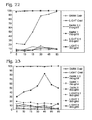
- FIG. 23 is a graph showing EO-OPE1-DABCO vs S. Aureus under light and dark conditions at different concentrations and at various time points.
- FIG. 24 is a graph showing EO-OPE1-DABCO vs S. Aureus under light and dark conditions and at various time points.
- FIG. 25 is a graph showing EO-OPE1-DABCO vs S. Aureus under light and dark conditions at different concentrations and at various time points.
- FIG. 26 is a graph of EO-OPE-1 (C3, A), EO-OPE-1 (C2, A), EO-OPE-1 (C3, S), and EO-OPE-1 (Th, C3, A) against E.coli with irradiation over 30 min and 60 min.
- the vertical axis represents the ratio of killed E.coli .
- FIG. 27 is a graph of EO-OPE-1 (C3, A), EO-OPE-1 (C2, A), and EO-OPE-1 (C3, S), against S.epidermis with irradiation over 30 min and 60 min.
- the vertical axis represents the ratio of killed S.epidermis .
- 1st row light
- 2nd row concentration ( ⁇ g/mL)
- 3rd row time (min)
- 4th row chemicals
- 5th row dead ratio (%).
- FIG. 28 is a graph of EO-OPE-1 (C3, A), EO-OPE-1 (C2, A), EO-OPE-1 (C3, S), and EO-OPE-1 (Th, C3, A) against S.aureus with irradiation over 30 min and 60 min.
- the vertical axis represents the ratio of killed S.aureus .
- 1st row light
- 2nd row concentration ( ⁇ g/mL)
- 3rd row time (min)
- 4th row chemicals
- 5th row dead ratio (%).
- FIG. 29 shows inactivation of bacteriophage MS2 by OPEs in the dark and under UV-light irradiation for 1 hour.
- FIG. 30 shows inactivation of bacteriophage T4 by OPEs in the dark and under UV-light irradiation for 1 hour.
- FIG. 31 is a TEM image of uranyl acetate negatively stained model T4 virus alone.
- FIG. 32 is a TEM image of uranyl acetate negatively stained model MS2 virus alone.
- FIG. 33 is a TEM image of uranyl acetate negatively stained T4 phage with PPE-DABCO, dark.
- FIG. 34 is a TEM image of uranyl acetate negatively stained MS2 phage with PPE-DABCO, dark.
- FIG. 35 is a TEM image of uranyl acetate negatively stained T4 phage with PPE-DABCO, LZC-420.
- FIG. 36 is a TEM image of uranyl acetate negatively stained MS2 phage with PPE-DABCO, LZC-420.
- FIG. 37 is a TEM image of uranyl acetate negatively stained T4 phage with EO-OPE(Th), dark.
- FIG. 38 is a TEM image of uranyl acetate negatively stained MS2 phage with EO-OPE(Th), dark.
- FIG. 39 is a TEM image of uranyl acetate negatively stained T4 phage with EO-OPE(Th), UVA.
- FIG. 40 is a TEM image of uranyl acetate negatively stained MS2 phage with EO-OPE(Th), UVA.
- the present disclosure provides a plurality of novel compounds generally referred to herein as oligomeric phenylene ethynylenes (OPEs), methods of synthesizing OPEs and various uses for the OPEs.
- OPEs oligomeric phenylene ethynylenes
- the present disclosure provides OPEs having the general structure shown in FIG. 1 , where:
- the OPEs disclosed herein can exist in solution, in colloidal suspensions, and attached, for example, by modification of the carboxyester “headgroup,” to surfaces by various covalent linkages. All of the OPEs disclosed herein are fluorescent and demonstrate biocidal activity. Furthermore, some of the compounds have demonstrated viricidal and/or fungicidal activity as well.
- the OPEs disclosed herein are formed from a single oxygen generator resonant structure core unit shown in FIG. 2 as (A and B) and a plurality of functional groups extending from the core unit. More specifically, the OPEs disclosed herein contain para-linked subunits of a conjugated aromatic oligomeric chain (A and B) with attached functional groups X and Y at the termini of the chain and functional groups Z A , attached to the aromatic ring of subunit A and Z B attached to the aromatic ring of subunit B. Some of the OPEs disclosed herein may include a third resonant structure C, (shown in FIG. 1 ) which is an optional aromatic linking unit for functional group Y.
- the specific OPEs of the present disclosure are obtained by various substitutes of the general structure shown in FIG. 1 .
- Table 1 provides a list of the various substitutions that give rise to the OPEs of the present disclosure.
- FIG. 3 shows the chemical structure of OPE-1-DABCO.
- Suitable counterions for OPE-1-DABCO include Cl ⁇ , Br ⁇ or I ⁇ .
- An exemplary synthesis scheme for OPE-1-DABCO where j is 3 is shown in FIG. 10 . Synthesis for the scheme shown in FIG. 10 is as described below:
- FIG. 4 shows the chemical structure of EO-OPE-1 (A). Suitable counterions for EO-OPE-1 (A) include Cl ⁇ , Br ⁇ or I ⁇ .
- FIG. 5 shows the chemical structure of EO-OPE-1 (S). Suitable counterions for EO-OPE-1 (S) include Nat
- FIG. 6 shows the chemical structure of EO-OPE-1 (Th, A). Suitable counterions for EO-OPE-1 (Th, A) include Cl ⁇ , Br ⁇ or I ⁇ .
- EO-OPE-1(A), and EO-OPE-1 (Th, A) each have two net positive charges and are quaternary ammonium salts without pendant groups attached to the middle aromatic ring.
- EO-OPE-1 (S) is anionic.
- these compounds kill Gram-negative bacteria such as E. coli and Gram-positive bacteria such as Staphylococcus epidermis ( S. epidermis ) and S. aureus under 365 nm radiation.
- EO-OPE-1 Th, A
- EO-OPE-1 reaches 5 log killing against S. aureus with concentration as low as 5 ng/mL in a half hour irradiation.
- FIG. 11 the synthesis of EO-OPE-1(C3, A), EO-OPE-1 (C2, A), EO-OPE-1 (C3, S) and EO-OPE-1 (Th, C3, A) is shown and described below.
- FIG. 7 shows the chemical structure of TM.
- Suitable counterions for TM include Cl ⁇ , Br ⁇ or I ⁇ .
- Compound 6 Compound 5 was solubilized in 35 ml of tert-BuOH at 35° C. The solution was degassed for 15 min, then 0.45 g (4.04 mmol) tert-BuOK was added with one portion. The suspension was heated up to 82° C.
- FIG. 8 shows the chemical structure of EO-OPE-1-DABCO.
- Suitable counterions for EO-OPE-1-DABCO include Cl ⁇ , Br ⁇ or I ⁇ .
- FIG. 9 shows the chemical structure of EO-OPE1-Th-DABCO.
- Suitable counterions for EO-OPE1-Th-DABCO include Cl ⁇ , Br ⁇ or I ⁇ .
- the present disclosure provides novel biocides formed from or otherwise incorporating the OPEs described herein. Penetration of the bacterial membrane and binding of OPEs with DNA may provide paths for this activity. Further studies have shown that while OPEs are structurally diverse, they are generally amphiphilic due to the hydrophilic, charged side chains positioned along the rod-like hydrophobic PPE backbone. Dye leakage studies demonstrated a size dependent membrane perturbation against bacterial membrane mimics, with longer oligomers exhibiting higher activity than their smaller counterparts.
- membrane perturbation activity appears to be selective with respect to specific types of membrane lipids that is, most OPEs perturbed bacterial but not mammalian membrane mimics, providing specificity that enables them to be used in a variety of environments, including those in which mammalian cells are present.
- the present disclosure provides novel antivirals formed from or otherwise incorporating the OPEs described herein.
- PPE-DABCO Poly(Phenylene Ethynylene) PPE known as PPE-DABCO
- DABCO specifically OPE-1-DABCO, EO-OPE-1-DABCO, and EO-OPE1-Th-DABCO
- the OPEs disclosed herein are able to interfere with the pathogenicity a wide variety of pathogens, by inactivating, killing, or otherwise harming them.
- the OPEs described herein are suitable for attachment to, incorporation in, or association with a wide variety of substances and materials in order to prevent, reduce, or eliminate pathogens and pathogen-related harm caused to or by the substances and materials.
- the OPEs disclosed herein are suitable for attachment to or formation of fibrous or other materials in order to produce textiles or other (soft or hard) surfaces having antimicrobial, antiviral and/or antifungal properties.
- attachment of the OPE via chemisorption and physisorption may also be used.
- a textile substrate is chemically activated with a primer or initiator and then reacted with a polymer or prepolymer to graft the conjugated polyelectrolyte to the surface in a step growth polymerization process.
- An exemplary chemisorption scheme employing a step growth polymerization process is shown in FIG. 14 .
- Alternate reaction schemes may employ a living polymerization mechanism utilizing molecule by molecule propagation starting from a single molecule initiator.
- the textile and conjugated polyeletrolyte are mixed under appropriate conditions such that the positively charged polymer attaches to the negatively charged textile surface.
- the OPE is dissolved in a solvent (e.g., water or methanol) and the fabric is “dyed” with the solution.
- an initial organosilane attachment may be used as a synthetic approach to accomplish surface grafting. See, e.g., Ogawa, K.; Chemburu, S.; Lopez, G. P.; Whitten, D. G.; Schanze, K. S. “Conjugated Polyelectrolyte-Grafted Silica Microspheres” Langmuir, 2007, 23, 4541-4548, which is hereby incorporated by reference.
- This silane approach may also be used to graft OPEs onto fabrics.
- this approach can be easily extended to provide more robust linkages than silanes, using modified chemistries for attaching OPEs to surfaces including ester, ether and amide linkages as needed.
- the OPEs described herein may be incorporated into or onto hard or soft surfaces using the techniques described above or, alternatively, by other known casting, electrospinning, dipping, or coating techniques.
- the photophysical properties of OPEs are dependent on planarity which can be affected by self-assembly onto a substrate or placement in a poor solvent. Accordingly, these factors should be considered and taken into account when selecting a particular attachment or incorporation method.
- the OPEs may themselves be formed into fibers, for example via electrospinning.
- suitable fabrics may comprise or consist of natural fibers such as cotton, silk and/or wool, or suitable blends thereof. Blended fabrics may include only natural fibers, only synthetic fibers, or both natural and synthetic fibers.
- the antimicrobial polymers described herein may be incorporated into electrospun fibers for woven fabrics including, but not limited to filters.
- Other suitable textiles may include, but are not necessarily limited to rayon, nylon, or blends of cotton, silk, wool or other natural fabrics or fibers with synthetic fabrics or fibers of rayon or nylon.
- Fibers may include prophylaxes for potentially contaminated surfaces including mattresses and bed linens, countertop coverings, tablecloths, curtains and various swabs, bandages, sterile mats and liners for use both inside and outside a sterile/clinical environment or in food-preparation areas. Their uses may be directed against known contamination, as in a wound infection, or applied as a deterrent to propagation of pathogenic agents in such applications as coverings for common fomites. Treatments of the compounds onto various cellulosic components would also enable their use as filter elements for water purification.
- Different blends to specifically release or retain killed bacteria could be developed based on combination of polymers with the desired retention properties. This could be effected either by use of varied polymer proportions in a single layer coating or by building multiple layers with the required external affinities.
- the OPEs described herein may be incorporated into materials having commercial, industrial and/or household applications.
- the OPEs described herein may be used as or incorporated into antimicrobial, antivirial or antifungal coatings for such materials.
- the term “material” incorporates both “soft” and “hard” substances including organic and inorganic matter such as, but not limited to, natural and man-made fabrics, plant-based materials, metals, polymers, wood, stone, plastic, and the like.
- suitable medical applications for the OPEs described herein include bedsheets, hospital garments, curtains, floor and wall materials, air filtration systems, medical devices, bandages, surgical instruments, gloves, masks, lab coats, gauze orthopedic prostheses, bedding, bed frames, mattress covers, surgical furniture, dividers, curtains, carts for transport of medication, linens, dental trays, incise drapes, wound dressings, and implants.
- keyboards for example, but limited to, in a daycare environment
- toys for example, but limited to, in a daycare environment
- food preparation equipment for example, but limited to, in a daycare environment
- utensils for example, but limited to, in a daycare environment
- any other surface where a sterile environment is desirable.
- the OPEs described herein may be incorporated into various aspects of filtrations devices.
- the antimicrobial polymers may be incorporated into filter elements for air filtration systems such as those used in commercial or residential buildings, cars, buses, trains airplane cabins etc.
- the antimicrobial polymers may be incorporated into commercial or household water or other liquid filtration systems by application of coatings on equipment and incorporation into and/or coating on filters.
- the antimicrobial polymers described herein may be utilized in recoverable bacterial absorbents (by filtration or magnetic components) in the form of coated beads or other suitable substrates.
- they may be incorporated in separation membranes for bacterial exclusion, extraction, and/or immobilization. They may also be incorporated into or used as a coating for disposal bags for biological waste or other (potentially) contaminated materials.
- the OPEs disclosed herein may be used to form or otherwise incorporated into gels or other materials. These gels or other materials may further include other biologically active materials.
- SRM semuli responsive materials
- Smart polymers that have found use in biotechnology and medicine have been described by I Yu Galaev in Russian Chemical Reviews 64: 471-489 (1995); A. S. Hoffman in Clinical Chemistry 46:1478-1486 (2000) and H. G. Schild, Prog. Polym. Sci. 17, 163 (1992), incorporated herein by reference.
- SRMs include poly(N-isopropyl-acrylamide) (PNIPAAM) and oligo-ethylene glycol oligomers terminated with a thiol (OEG).
- PNIPAAM poly(N-isopropyl-acrylamide)
- OEG oligo-ethylene glycol oligomers terminated with a thiol
- the former can be grown from a surface by attaching an initiator monomer to a surface and following this with in situ polymerization. Through an ATRP process; the thickness of the resulting film can be controlled as a function of incubation time at a fixed catalyst and monomer concentration.
- the OEGs can be attached to a surface (usually Au) by covalent assembly as a self-assembled monolayer (SAM). For surfaces coated with either PNIPAAM or OEG there is a strong temperature dependence of the film properties.
- films formed from these materials in contact with an aqueous solution exist as hydrated, expanded films at low temperatures that are relatively unreactive and non-adsorbtive towards various biological species including proteins, cells, bacteria, viruses, and the like. Above a specific lower critical solution temperature (LCST) the films contract, releasing water and become very hydrophobic. At temperatures higher than the LCST films from either SRM become thinner and strongly attract proteins, cells and other biological species that do not bind below the LCST.
- LCST critical solution temperature
- the present disclosure provides films and assemblies containing both SRM components and the PPEs described herein.
- these assembles provide a novel functional material that can be switched between active and inactive forms wherein, in the active form, the material is able to capture a biological species of interest and, in the inactive form, the material is able to release the biological species.
- the material can be switched between active and inactive forms repeatedly, allowing for reuse of the same material.
- Films containing these two functional components can be readily prepared by covalent synthesis or by a self assembly process employing a mixture of individual SRM and OPE thiols.
- FIG. 15 it can be seen that at low temperatures an OPE of appropriate length is buried amidst the expanded form of the SRM and inaccessible to any biological species (such as a protein, cell, bacteria, virus, etc.) present in the aqueous media. Moreover, these species are not attracted to the surface and do not associate with it. However, as the temperature is elevated above the LCST, contraction of the SRM component “unsheathes” the OPE, as shown in FIG. 16 . Both components are now hydrophobic and strongly attractive. Accordingly, the unsheathed OPE is able to form a complex with the biological species.
- any biological species such as a protein, cell, bacteria, virus, etc.
- the presently described structure can form a reusable biocidal material.
- the antimicrobial activity of the OPE is masked by the extended SRMs and therefore inactive.
- elevation of the temperature above the LCST unsheathes the OPE, which is then allowed to form a complex with, thereby trapping, the bacteria.
- the OPE's biocidal activity is then exploited to inactivate, kill or destroy the trapped species, under either dark conditions or under uv light irradiation. Following destruction of the pathogen, the film will typically be contaminated with debris from the killed bacteria or cell.
- Returning the film to temperatures lower than the LCST results in expansion of the SRM, forcing the debris away from the OPEs. The result is a self-cleaning, reusable, biocidal film.
- Examples of other practical uses for these mixed films include employing them as an active sensor which can be monitored by steady state fluorescence or by laser interferometery.
- the attachment of protein, cells or bacteria to the surface can be detected, for example, by the monitoring irradiation.
- the present disclosure further provides methods of manufacturing the functional materials described herein.
- Thiol terminated OEG derivatives are commercially available in a wide range of structures.
- a method of synthesis of PNIPAAM by monomer polymerization onto an initiator functionalized surface is shown in FIG. 17 .
- the present disclosure provides a novel DNA detection mechanism. According to various embodiments, this detection mechanism does not involving labeling of the DNA and furthermore, is able to differentiate between single and double stranded DNA. Specifically, some OPEs display circular dichroism (CD) signals when bound to either single stranded (ss) or double stranded (ds) DNA. Moreover, in some cases, the signals are noticeably different depending on whether the OPE is bound to ds or ss DNA. Accordingly, this signal differential can be exploited to detect hybridization events.
- CD circular dichroism
- OPEs display detectable fluorescence when bound to ds or ss DNA. Again, some compounds reflect a noticeable difference in the fluorescence spectra when bound to ds versus ss DNA.
- Dead/live assays were performed to test the biocidal activity of EO-OPE-1(C3, A), EO-OPE-1 (C2, A), EO-OPE-1 (C3, S) and EO-OPE-1 (Th, C3, A) against E.coli, S.epidermis , and S.aureus.
- E.coli, S.epidermis , and S.aureus were cultured in 50 mL of DifcoTM Nutrient broth (LOT 4057492, Becton, Dickinson and Company, Sparks, Md. 21152 USA), DifcoTM Nutrient broth (LOT 4057492, Becton, Dickinson and Company, Sparks, Md.
- BBLTM Brain Heart Infusion (LOT 8263271, Becton, Dickinson and Company, Sparks, Md. 21152 USA), respectively, for 18 h at 37° C. under shaking.
- the bacteria were collected by centrifuging 50 mL of culture at 4,000 rpm in an Eppendorf centrifuge for 15 min at 4° C. The pellet was re-suspended with the assistance of vortex in 25 mL of 0.85% NaCl solution and repelleted. The wash cycle was repeated twice. Bacterial concentrations were measured and normalized using a disposal hemocytometer (INCYTO Co., Ltd), counts being 2.5 ⁇ 3.0 ⁇ 107/mL.
- the diluted bacteria suspension was added to 1.5 mL of black and transparent microtubes in aliquots of 500 ⁇ L for dark and light samples, respectively.
- Three groups of live controls were prepared with cells suspended in black microtubes, transparent microtubes, and quartz cuvettes at the same concentrations, but without chemicals. These bacteria samples were titrated by OPEs with various concentrations followed by staying in dark for dark samples/controls and exposing to UV irradiation in a photoreactor chamber for light samples/controls with certain duration.
- SYTO 9 and SYTO 24 are cell membrane permeant nucleic acid stains with green ( ⁇ 498 nm for SYTO 9 and ⁇ 515 nm for SYTO 24) fluorescence and used to stain both live and dead cells;
- Propidium iodide is a red-fluorescent nucleic acid stain that is membrane impermeable to viable cells but stains DNA or RNA of dead cells with comprised membranes and emits red ( ⁇ 617 nm) fluorescence, indicating cell death.
- a 1 to 1 ratio mixture of the two dyes was prepared and added into the samples (2.4 ⁇ L mixed dyes for 500 ⁇ L suspension) and incubated for 15 minutes in the dark. Bacteria were then examined under a 40 ⁇ oil objective on a Zeiss LSM 510 Meta confocal laser scanning microscope and an Accuri C6 flow cytometer to identify and quantify those live and dead bacteria.
- EO-OPE-1(C3, A), EO-OPE-1 (C2, A), EO-OPE-1 (C3, S) and EO-OPE-1 (Th, C3, A) also have excellent fluorescent quantum yields (Qf) in water being 0.59, 0.52, 0.46, and 0.50 respectively.
- ETS Excited triplet state
- TA transient absorption
- Biocidal study The biocidal activities of the EO-OPE-1s containing cationic quaternary ammonium groups when exposed to 365 nm radiation in a photo reactor were evaluated against E. coli, S. epidermis , and S. aureus . The results are dramatic, after exposure of 30 min, significant kills of each bacteria occurred under very low concentration of the compounds ( FIGS. 26-28 ) while higher concentrations were needed for dark killing.
- EO-OPE-1(C3, A), EO-OPE-1 (C2, A), EO-OPE-1 (C3, S) and EO-OPE-1 (Th, C3, A) show dramatic light-induced biocidal activity.
- Anionic molecule, EO-OPE-1 (C3, S) exhibits relatively poor light-induced biocidal activity due to Coulombic repulsion which results in decreased amounts of molecules attaching on the surface or inserting in the membrane.
- the hydrophobic nature of these compounds plays an important role in the biocidal activity which is consistent with the reported results about nucleic acid stain. This hydrophobicity makes these molecules permeable to bacterial membranes, and 1 O2 generates interfacially or inside the membrane by irradiation further damages proteins, nucleic acids or lipids, and therefore, leads to cytotoxicity.
- FIG. 22 is a graph showing TM vs. 7 ⁇ 10 7 /mL S. aureus under light and dark conditions at concentrations of 0.1 and 1 ⁇ g/mL and at various time points (5, 10, 15, 30, 45, and 60 minutes).
- FIG. 23 is a graph showing EO-OPE1-DABCO vs 6 ⁇ 10 7 /mL S. aureus under light and dark conditions at different concentrations of 0.1, 1, and 5 ⁇ g/mL and at various time points.
- FIG. 24 is a graph showing EO-OPE1-DABCO vs S.
- FIG. 25 is a graph showing EO-OPE1-DABCO vs S. Aureus under light and dark conditions at different concentrations of 0.1 and 1 ⁇ g/mL and at various time points. In all cases, light activated death is clearly demonstrated.
- Bacteriophage MS2 is a non-enveloped ⁇ 27 nm RNA virus with a small genome of ⁇ 3600 single strand nucleotides, its morphology is very similar to picornaviruses, such as poliovirus and hepatovirus.
- Bacteriophage T4 is a relative large non-enveloped DNA virus with a 120 nm long by 86 nm wide head and approximately 100 nm long tail, it has a large genome of ⁇ 170 kbp double strand nucleotides. These bacteriophages are commonly employed for studies of environmental pollution and virus detection.
- the isoelectric points of MS2 and T4 phage particles are 3.9 and 4 ⁇ 5 respectively, which endow them a slightly negative surface charge in a neutral buffer system, leading to ready association between phage particles and the cationic CPEs/OPEs.
- the antimicrobial molecules were synthesized as described above. Luria broth and Agar were purchased from BD Biosciences. All other chemicals were purchased from Sigma-Aldrich or Alfa Aesar. The model bacteriophages—MS2 and T4 were purchased from the American Type Culture Collection (ATCC) along with their host bacteria, E. coli 15577 and E. coli 11303. Ultrapure water was used throughout the study (Milli-Q, 18.2 M ⁇ cm ⁇ 1 resistivity).
- E. coli cells were grown in the standard Luria broth. The fresh E. coli culture was inoculated from an overnight culture followed by approximately three hours incubation at 37° C. to the exponential growth phase (O.D. 600 ⁇ 0.5). At this growth phase, the E. coli cells were collected by centrifuge and washed with Escherichia coli minimal medium (Glucose 5 g/L, Na 2 HPO 4 6 g/L, KH 2 PO 4 3 g/L, NH 4 Cl 1 g/L, NaCl 0.5 g/L, MgSO 4 , 0.12 g/L, CaCl 2 0.01 g/L, pH 7.2) twice.
- Escherichia coli minimal medium Glucose 5 g/L, Na 2 HPO 4 6 g/L, KH 2 PO 4 3 g/L, NH 4 Cl 1 g/L, NaCl 0.5 g/L, MgSO 4 , 0.12 g/L, CaCl 2
- the cell pellet was resuspended with minimal medium.
- the phage stock solutions were added into their corresponding bacterial host suspensions the phage-bacteria mixture incubated for 15 minutes at 37° C. for infection.
- the phage-bacteria mixture was transferred into fresh Escherichia coli minimal medium and incubated overnight for viral replication.
- the phage solution was then centrifuged at 3500 rpm for 10 min, followed by filtering the supernatant with 0.22- ⁇ m cellulose ester membrane to remove remaining bacteria and bacterial debris.
- the phage titer was determined by plaque forming units (PFU). For PFU measurement, the exponential growth phase E.
- coli ATCC 15597 and 11303 for MS2 and T4 bacteriophage, respectively
- cells were incubated with the various dilution tubes of the phage solutions for 15 minutes at 37° C. then added into molten soft LB agar with gentle mixing. The soft agar mixture was then poured onto pre-solidified LB plates. After 6 ⁇ 8 hours incubation, the plaque forming units were counted and phage solutions were diluted to 10 6 ⁇ 10 7 PFU/ml with the minimal medium for further use.
- Phage Inactivation 10 ug/ml CPEs and OPEs were incubated with model virus solution in the dark or under UV-light for 1 hour.
- the UV-light irradiation experiments were carried out in a photoreactor (LZC-ORG, Luzchem Research Inc.). Two illumination sources were employed according to the different photophysical properties of CPEs/OPEs. UVA (centered at 350 nm) and LZC-420 (centered at ⁇ 420 nm) were used to irradiate OPEs and CPEs respectively.
- the viral inactivation ability was determined by phage titer as stated above and calculated by log (N 0 /N), where N is the PFU of the phage solution after exposure to CPEs/OPEs; N 0 represents the PFU of corresponding negative control (without CPEs, OPEs or UV-irradiation). The reported values were the average of duplicated measurements.
- the phage titer assay described herein was done by a series dilution of the phage-CPEs/OPEs mixture and incubating each diluted sample with the corresponding E. coli host cells within molten soft LB agar. Since our previous work demonstrated that the CPEs/OPEs can strongly inactive E. coli cells, which may interface the plaque assay, it is necessary to study the effect of these residual CPEs/OPEs on the E. coli host cells. For the control experiment without phage and CPEs/OPEs, the E. coli cells can form a uniform bacterial lawn on the surface of soft agar after 6 hours incubation at 37° C. Under current experimental condition, 0.33 ug/ml was the maximum concentration of CPEs/OPEs within the soft agar, which can not cause any obvious defect on the bacterial lawn at the same condition.
- FIGS. 29 and 30 depict the phage inactivation under different conditions: CPEs/OPEs in the dark, UV irradiation alone and UV sensitized CPEs/OPEs.
- PPE-DABCO and EO-OPE-1(Th) exhibit significant dark antiviral activity against T4 phage.
- PPE-Th, OPE-1 and EO-OPE-1(C3) can inactivate more than 90% T4 phage in the dark. However, no dark inactivation ability was observed for OPE-3 against T4 phage. Enhanced inactivation of T4 phage was observed by CPEs/OPEs in the presence of UV irradiation.
- the different effects of UVA light on the model viruses can be partially attributed to the following reasons: upon exposure to UVA irradiation, adjacent thymidine residues within T4 phage genome are covalently linked to form thymidine dimmers, leading to the inactivation of T4 phage.
- the genome of T4 phage is almost 47 times larger than that of MS2 phage, as a result, T4 phage is more vulnerable to UVA.
- the T4 bacteriophage infection mechanism has been extensively studied and well established, it recognizes lipopolysaccharide and the OmpC protein on the surface of E. coli cell followed by the injection of phage genome into the host cell and replication of phage particle.
- S. cerevisiae was cultured, counted by a coulter counter and diluted 10 7 mL ⁇ 1 in PBS. The suspended culture was then exposed to 0.13 mM PPE-DABCO for 30 minutes while irradiating with Fiber-Lite 190 and then stained with SYTO 9 and PI (FungalightTM) for 30 minutes. Flow cytometry was then used to count percentage of dead yeast.
- a control sample S. cerevisiae without exposure to PPE-DABCO
Landscapes
- Chemical & Material Sciences (AREA)
- Organic Chemistry (AREA)
- Life Sciences & Earth Sciences (AREA)
- Health & Medical Sciences (AREA)
- General Health & Medical Sciences (AREA)
- Environmental Sciences (AREA)
- Agronomy & Crop Science (AREA)
- Pest Control & Pesticides (AREA)
- Plant Pathology (AREA)
- Engineering & Computer Science (AREA)
- Dentistry (AREA)
- Wood Science & Technology (AREA)
- Zoology (AREA)
- Chemical Kinetics & Catalysis (AREA)
- Medicinal Chemistry (AREA)
- Polymers & Plastics (AREA)
- Toxicology (AREA)
- Communicable Diseases (AREA)
- Oncology (AREA)
- General Chemical & Material Sciences (AREA)
- Nuclear Medicine, Radiotherapy & Molecular Imaging (AREA)
- Pharmacology & Pharmacy (AREA)
- Animal Behavior & Ethology (AREA)
- Public Health (AREA)
- Veterinary Medicine (AREA)
- Organic Low-Molecular-Weight Compounds And Preparation Thereof (AREA)
- Polyoxymethylene Polymers And Polymers With Carbon-To-Carbon Bonds (AREA)
Priority Applications (1)
| Application Number | Priority Date | Filing Date | Title |
|---|---|---|---|
| US13/809,573 US10092000B2 (en) | 2010-07-13 | 2011-07-13 | Structure, synthesis, and applications for oligo phenylene ethynylenes (OPEs) |
Applications Claiming Priority (12)
| Application Number | Priority Date | Filing Date | Title |
|---|---|---|---|
| US39948310P | 2010-07-13 | 2010-07-13 | |
| US40012210P | 2010-07-22 | 2010-07-22 | |
| US36685010P | 2010-07-22 | 2010-07-22 | |
| US40183210P | 2010-08-19 | 2010-08-19 | |
| US40182510P | 2010-08-19 | 2010-08-19 | |
| US40423610P | 2010-09-29 | 2010-09-29 | |
| US45655210P | 2010-11-08 | 2010-11-08 | |
| US41387810P | 2010-11-15 | 2010-11-15 | |
| US201161471800P | 2011-04-05 | 2011-04-05 | |
| US201161499097P | 2011-06-20 | 2011-06-20 | |
| US13/809,573 US10092000B2 (en) | 2010-07-13 | 2011-07-13 | Structure, synthesis, and applications for oligo phenylene ethynylenes (OPEs) |
| PCT/US2011/043908 WO2012009472A2 (fr) | 2010-07-13 | 2011-07-13 | Structure, synthèse, et applications pour des oligo phénylène éthynylènes (opes) |
Publications (2)
| Publication Number | Publication Date |
|---|---|
| US20130273800A1 US20130273800A1 (en) | 2013-10-17 |
| US10092000B2 true US10092000B2 (en) | 2018-10-09 |
Family
ID=45470064
Family Applications (4)
| Application Number | Title | Priority Date | Filing Date |
|---|---|---|---|
| US13/809,573 Active 2033-12-03 US10092000B2 (en) | 2010-07-13 | 2011-07-13 | Structure, synthesis, and applications for oligo phenylene ethynylenes (OPEs) |
| US13/809,572 Active 2033-03-18 US9527806B2 (en) | 2010-07-13 | 2011-07-13 | Structure, synthesis, and applications for poly (phenylene) ethynylenes (PPEs) |
| US15/348,756 Active US10174042B2 (en) | 2010-07-13 | 2016-11-10 | Structure, synthesis, and applications for poly (phenylene) ethynylenes (PPEs) |
| US16/192,248 Active US10750746B2 (en) | 2010-07-13 | 2018-11-15 | Structure, synthesis, and applications for poly (phenylene) ethynylenes (PPEs) |
Family Applications After (3)
| Application Number | Title | Priority Date | Filing Date |
|---|---|---|---|
| US13/809,572 Active 2033-03-18 US9527806B2 (en) | 2010-07-13 | 2011-07-13 | Structure, synthesis, and applications for poly (phenylene) ethynylenes (PPEs) |
| US15/348,756 Active US10174042B2 (en) | 2010-07-13 | 2016-11-10 | Structure, synthesis, and applications for poly (phenylene) ethynylenes (PPEs) |
| US16/192,248 Active US10750746B2 (en) | 2010-07-13 | 2018-11-15 | Structure, synthesis, and applications for poly (phenylene) ethynylenes (PPEs) |
Country Status (2)
| Country | Link |
|---|---|
| US (4) | US10092000B2 (fr) |
| WO (2) | WO2012009472A2 (fr) |
Cited By (6)
| Publication number | Priority date | Publication date | Assignee | Title |
|---|---|---|---|---|
| US10533991B2 (en) | 2014-03-14 | 2020-01-14 | Stc.Unm | P-phenylene ethynylene compounds as bioactive and detection agents |
| US10638759B2 (en) | 2015-01-14 | 2020-05-05 | University Of Florida Research Foundation, Inc. | Conjugated polyelectrolytes and methods of using the same |
| US10750746B2 (en) | 2010-07-13 | 2020-08-25 | University Of Florida Research Foundation, Inc. | Structure, synthesis, and applications for poly (phenylene) ethynylenes (PPEs) |
| US10772851B2 (en) | 2017-02-03 | 2020-09-15 | Aaron Kurt Neumann | Treatment and prevention of fungal infections |
| US11154059B2 (en) | 2017-09-22 | 2021-10-26 | David G. Whitten | Substituted thiophene oligomers and polymers |
| US20220040349A1 (en) * | 2020-07-28 | 2022-02-10 | Stc.Unm | Antiviral methods and compositions |
Families Citing this family (11)
| Publication number | Priority date | Publication date | Assignee | Title |
|---|---|---|---|---|
| US9549549B2 (en) | 2011-08-03 | 2017-01-24 | Stc.Unm | Antimicrobial materials and methods |
| EP2802436B1 (fr) | 2012-01-10 | 2019-09-25 | Saint-Gobain Ceramics & Plastics, Inc. | Particules abrasives dotées de formes complexes |
| CN102604048B (zh) * | 2012-02-29 | 2014-04-02 | 华南理工大学 | 含氧化胺基团的共轭聚合物光电材料及其应用 |
| CN103053517B (zh) * | 2013-01-18 | 2014-08-13 | 陕西师范大学 | 荧光dna-寡聚苯撑乙炔水凝胶的合成方法及应用 |
| US9968698B2 (en) | 2013-11-08 | 2018-05-15 | Stc. Unm | Charged singlet-oxygen sensitizers and oppositely-charged surfactants |
| CN104140372B (zh) * | 2014-07-24 | 2016-10-26 | 中国工程物理研究院核物理与化学研究所 | 一种寡聚苯乙炔仲胺衍生物及其制备方法 |
| JP6847873B2 (ja) * | 2015-07-01 | 2021-03-24 | ナショナル ユニヴァーシティー オブ シンガポール | nドープされた導電性ポリマー材料 |
| CN106496049A (zh) * | 2016-11-01 | 2017-03-15 | 深圳市大物科技有限责任公司 | 一种新型光诱导抗菌材料及其制备方法和应用 |
| CN108558682B (zh) * | 2018-05-21 | 2020-11-03 | 郑州大学 | 具有抗菌活性的芳香酚季铵盐抗菌肽模拟物及其制备方法 |
| WO2022099209A1 (fr) * | 2020-11-09 | 2022-05-12 | Board Of Regents, The University Of Texas System | Biofonctionnalisation de poly (phénylène éthynylène) hydrosoluble |
| CN117264181B (zh) * | 2023-11-23 | 2024-01-26 | 潍坊医学院附属医院 | 一种基于无溶剂条件下ptsa催化的绿色多孔有机聚合物的制备方法和应用 |
Citations (33)
| Publication number | Priority date | Publication date | Assignee | Title |
|---|---|---|---|---|
| US4251386A (en) | 1977-07-27 | 1981-02-17 | Fuji Photo Film Co., Ltd. | Method for preparing microcapsules |
| US5449809A (en) | 1992-08-11 | 1995-09-12 | Basf Aktiengesellschaft | Acetylene derivatives and crop protection agents containing them |
| US5489400A (en) | 1993-04-22 | 1996-02-06 | Industrial Technology Research Institute | Molecular complex of conductive polymer and polyelectrolyte; and a process of producing same |
| JP3198365B2 (ja) | 1993-05-14 | 2001-08-13 | 隆一 山本 | 線状ポリ(フェニレン−エチニレン−ビフェニレン−エチニレン)重合体 |
| US20020177828A1 (en) | 1998-12-08 | 2002-11-28 | Batich Christopher D. | Absorbent materials with covalently-bonded, nonleachable, polymeric antimicrobial surfaces, and methods for preparation |
| US20030134959A1 (en) | 2001-11-30 | 2003-07-17 | Hancock Lawrence F. | Luminescent polymer particles |
| US20030168756A1 (en) | 2002-03-08 | 2003-09-11 | Balkus Kenneth J. | Electrospinning of polymer and mesoporous composite fibers |
| US20030178607A1 (en) | 1998-05-05 | 2003-09-25 | Massachusetts Institute Of Technology | Emissive polymers and devices incorporating these polymers |
| US6743640B2 (en) | 2000-05-08 | 2004-06-01 | Qtl Biosystems Llc | Fluorescent polymer-QTL approach to biosensing |
| US6841669B2 (en) | 2000-05-31 | 2005-01-11 | Consiglio Nazionale Delle Ricerche | Functionalized thiophene oligomers and their use as fluorescent markers |
| US20050059168A1 (en) | 2003-09-17 | 2005-03-17 | The Regents Of The University Of California | Conformationally flexible cationic conjugated polymers |
| US20050148254A1 (en) | 2003-12-30 | 2005-07-07 | Liangde Lu | Light-activated biocidal polyelectrolytes |
| US20060175193A1 (en) | 2002-05-13 | 2006-08-10 | Olle Inganas | Polyelectrolyte complex(e.g.zwitterionic polythiophenes) with a receptor (e.g.polynucleotide, antibody etc.) for biosensor applications |
| US7122383B2 (en) | 2001-03-16 | 2006-10-17 | Qtl Biosystems, Llc | Fluorescent polymer superquenching-based bioassays |
| US20070065049A1 (en) | 2005-09-21 | 2007-03-22 | Springs Industries, Inc. | Display package for blanket or the like |
| US20070215841A1 (en) | 2004-05-14 | 2007-09-20 | Sonydeutschland Gmbh | Composite Materials Comprising Carbon Nanotubes and Metal Carbonates |
| US20080090021A1 (en) | 2005-01-28 | 2008-04-17 | The Goverment of the United States of America, as represented by the Secretary of the Navy | Magnetically directed self-assembly of molecular electronic junctions |
| WO2008143731A2 (fr) | 2007-03-01 | 2008-11-27 | University Of Florida Research Foundation, Inc. | Polymères conjugués greffés en surface |
| WO2009158606A2 (fr) | 2008-06-27 | 2009-12-30 | Stc.Unm | Structure, synthèse, et applications pour oligo phénylène éthynylènes |
| US20100035948A1 (en) | 2006-10-06 | 2010-02-11 | Naresh Kumar | Furanone compounds and lactam analogues thereof |
| WO2010044743A1 (fr) | 2008-10-17 | 2010-04-22 | Biochromix Pharma Ab | Nouveaux composés du thiophène thérapeutiques |
| WO2010054304A2 (fr) | 2008-11-10 | 2010-05-14 | University Of Florida Research Foundation, Inc. | Capsules de polyélectrolytes conjugués : antimicrobiens photo-activés |
| US20100285081A1 (en) | 2007-11-12 | 2010-11-11 | Massachusetts Institute Of Technology | Bactericidal Nanofibers, and Methods of Use Thereof |
| US20110076648A1 (en) | 2009-09-25 | 2011-03-31 | RL Leaders, LLC | Simulation system |
| WO2011044580A2 (fr) | 2009-10-09 | 2011-04-14 | Stc. Unm | Matériaux incorporant des polymères antimicrobiens |
| WO2012009484A2 (fr) | 2010-07-13 | 2012-01-19 | Stc.Unm | Structure, synthèse, et applications pour des poly (phénylène éthynylènes) (ppe) |
| WO2012079085A2 (fr) | 2010-12-11 | 2012-06-14 | Stc.Unm | Structure, synthèse, et applications pour polyampholytes conjugués |
| WO2013020096A2 (fr) | 2011-08-03 | 2013-02-07 | Stc.Unm | Matériaux et procédés antimicrobiens |
| WO2013055417A2 (fr) | 2011-07-08 | 2013-04-18 | Stc.Unm | Oligomères à base de thiophène en tant que biocides photoactivés |
| US20150115362A1 (en) | 2013-10-30 | 2015-04-30 | Himax Technologies Limited | Lateral Diffused Metal Oxide Semiconductor |
| US20150132184A1 (en) | 2013-11-08 | 2015-05-14 | David G. Whitten | Charged singlet-oxygen sensitizers and oppositely-charged surfactants |
| WO2015138965A1 (fr) | 2014-03-14 | 2015-09-17 | Whitten David G | Composés de p-phénylène éthynylène utilisés à titre d'agents bioactifs et de détection |
| WO2016115362A1 (fr) | 2015-01-14 | 2016-07-21 | Whitten David G | Polyélectrolytes conjugués et leurs procédés d'utilisation |
Family Cites Families (1)
| Publication number | Priority date | Publication date | Assignee | Title |
|---|---|---|---|---|
| US10772851B2 (en) | 2017-02-03 | 2020-09-15 | Aaron Kurt Neumann | Treatment and prevention of fungal infections |
-
2011
- 2011-07-13 WO PCT/US2011/043908 patent/WO2012009472A2/fr not_active Ceased
- 2011-07-13 US US13/809,573 patent/US10092000B2/en active Active
- 2011-07-13 WO PCT/US2011/043922 patent/WO2012009484A2/fr not_active Ceased
- 2011-07-13 US US13/809,572 patent/US9527806B2/en active Active
-
2016
- 2016-11-10 US US15/348,756 patent/US10174042B2/en active Active
-
2018
- 2018-11-15 US US16/192,248 patent/US10750746B2/en active Active
Patent Citations (64)
| Publication number | Priority date | Publication date | Assignee | Title |
|---|---|---|---|---|
| US4251386A (en) | 1977-07-27 | 1981-02-17 | Fuji Photo Film Co., Ltd. | Method for preparing microcapsules |
| US5449809A (en) | 1992-08-11 | 1995-09-12 | Basf Aktiengesellschaft | Acetylene derivatives and crop protection agents containing them |
| US5489400A (en) | 1993-04-22 | 1996-02-06 | Industrial Technology Research Institute | Molecular complex of conductive polymer and polyelectrolyte; and a process of producing same |
| JP3198365B2 (ja) | 1993-05-14 | 2001-08-13 | 隆一 山本 | 線状ポリ(フェニレン−エチニレン−ビフェニレン−エチニレン)重合体 |
| US20060120923A1 (en) | 1998-05-05 | 2006-06-08 | Swager Timothy M | Emissive polymers and devices incorporating these polymers |
| US20030178607A1 (en) | 1998-05-05 | 2003-09-25 | Massachusetts Institute Of Technology | Emissive polymers and devices incorporating these polymers |
| US20020177828A1 (en) | 1998-12-08 | 2002-11-28 | Batich Christopher D. | Absorbent materials with covalently-bonded, nonleachable, polymeric antimicrobial surfaces, and methods for preparation |
| US6743640B2 (en) | 2000-05-08 | 2004-06-01 | Qtl Biosystems Llc | Fluorescent polymer-QTL approach to biosensing |
| US20040241768A1 (en) | 2000-05-08 | 2004-12-02 | Whitten David G. | Fluorescent polymer-QTL approach to biosensing |
| US6841669B2 (en) | 2000-05-31 | 2005-01-11 | Consiglio Nazionale Delle Ricerche | Functionalized thiophene oligomers and their use as fluorescent markers |
| US7122383B2 (en) | 2001-03-16 | 2006-10-17 | Qtl Biosystems, Llc | Fluorescent polymer superquenching-based bioassays |
| US20030134959A1 (en) | 2001-11-30 | 2003-07-17 | Hancock Lawrence F. | Luminescent polymer particles |
| US20030168756A1 (en) | 2002-03-08 | 2003-09-11 | Balkus Kenneth J. | Electrospinning of polymer and mesoporous composite fibers |
| US20060175193A1 (en) | 2002-05-13 | 2006-08-10 | Olle Inganas | Polyelectrolyte complex(e.g.zwitterionic polythiophenes) with a receptor (e.g.polynucleotide, antibody etc.) for biosensor applications |
| US20050059168A1 (en) | 2003-09-17 | 2005-03-17 | The Regents Of The University Of California | Conformationally flexible cationic conjugated polymers |
| US20050148254A1 (en) | 2003-12-30 | 2005-07-07 | Liangde Lu | Light-activated biocidal polyelectrolytes |
| WO2005065323A2 (fr) | 2003-12-30 | 2005-07-21 | Qtl Biosystems Llc | Polyelectrolytes biocides actives par la lumiere |
| US20070215841A1 (en) | 2004-05-14 | 2007-09-20 | Sonydeutschland Gmbh | Composite Materials Comprising Carbon Nanotubes and Metal Carbonates |
| US20080090021A1 (en) | 2005-01-28 | 2008-04-17 | The Goverment of the United States of America, as represented by the Secretary of the Navy | Magnetically directed self-assembly of molecular electronic junctions |
| US20070065049A1 (en) | 2005-09-21 | 2007-03-22 | Springs Industries, Inc. | Display package for blanket or the like |
| US20100035948A1 (en) | 2006-10-06 | 2010-02-11 | Naresh Kumar | Furanone compounds and lactam analogues thereof |
| WO2008143731A2 (fr) | 2007-03-01 | 2008-11-27 | University Of Florida Research Foundation, Inc. | Polymères conjugués greffés en surface |
| US8455265B2 (en) | 2007-03-01 | 2013-06-04 | Stc.Unm | Surface grafted conjugated polymers |
| US20110159605A1 (en) | 2007-03-01 | 2011-06-30 | University Of Florida Research Foundation, Inc. | Surface Grafted Conjugated Polymers |
| US20100285081A1 (en) | 2007-11-12 | 2010-11-11 | Massachusetts Institute Of Technology | Bactericidal Nanofibers, and Methods of Use Thereof |
| WO2009158606A2 (fr) | 2008-06-27 | 2009-12-30 | Stc.Unm | Structure, synthèse, et applications pour oligo phénylène éthynylènes |
| US8753570B2 (en) | 2008-06-27 | 2014-06-17 | Stc.Unm | Structure, synthesis, and applications for oligo phenylene ethynylenes |
| WO2009158606A9 (fr) | 2008-06-27 | 2010-10-21 | Stc.Unm | Structure, synthèse, et applications pour oligo phénylène éthynylènes |
| US20110223058A1 (en) | 2008-06-27 | 2011-09-15 | Stc.Unm | Structure, Synthesis, and Applications for Oligo Phenylene Ethynylenes |
| WO2010044743A1 (fr) | 2008-10-17 | 2010-04-22 | Biochromix Pharma Ab | Nouveaux composés du thiophène thérapeutiques |
| US20110293470A1 (en) | 2008-11-10 | 2011-12-01 | University Of Florida Research Foundation Inc. | Conjugated polyelectrolyte capsules: light activated antimicrobials |
| US9005540B2 (en) | 2008-11-10 | 2015-04-14 | University Of Florida Research Foundation, Inc. | Conjugated polyelectrolyte capsules: light activated antimicrobials |
| WO2010054304A2 (fr) | 2008-11-10 | 2010-05-14 | University Of Florida Research Foundation, Inc. | Capsules de polyélectrolytes conjugués : antimicrobiens photo-activés |
| US20140086795A1 (en) | 2008-11-10 | 2014-03-27 | Stc.Unm | Conjugated polyelectrolyte capsules: light activated antimicrobials |
| US8618009B2 (en) | 2008-11-10 | 2013-12-31 | Stc.Unm | Conjugated polyelectrolyte capsules: light activated antimicrobials |
| US20110076648A1 (en) | 2009-09-25 | 2011-03-31 | RL Leaders, LLC | Simulation system |
| US20120271023A1 (en) | 2009-10-09 | 2012-10-25 | Stc.Unm | Materials incorporating antimicrobial polymers |
| US8598053B2 (en) | 2009-10-09 | 2013-12-03 | Stc.Unm | Materials incorporating antimicrobial polymers |
| WO2011044580A2 (fr) | 2009-10-09 | 2011-04-14 | Stc. Unm | Matériaux incorporant des polymères antimicrobiens |
| WO2011044580A3 (fr) | 2009-10-09 | 2011-08-18 | Stc. Unm | Matériaux incorporant des polymères antimicrobiens |
| WO2012009472A2 (fr) | 2010-07-13 | 2012-01-19 | Stc.Unm | Structure, synthèse, et applications pour des oligo phénylène éthynylènes (opes) |
| US20130210828A1 (en) | 2010-07-13 | 2013-08-15 | David G. Whitten | STRUCTURE, SYNTHESIS, AND APPLICATIONS FOR POLY (PHENYLENE) ETHYNYLENES (PPEs) |
| US20170057970A1 (en) | 2010-07-13 | 2017-03-02 | David G. Whitten | STRUCTURE, SYNTHESIS, AND APPLICATIONS FOR POLY (PHENYLENE) ETHYNYLENES (PPEs) |
| WO2012009484A2 (fr) | 2010-07-13 | 2012-01-19 | Stc.Unm | Structure, synthèse, et applications pour des poly (phénylène éthynylènes) (ppe) |
| US9527806B2 (en) | 2010-07-13 | 2016-12-27 | Stc.Unm | Structure, synthesis, and applications for poly (phenylene) ethynylenes (PPEs) |
| US20130330386A1 (en) | 2010-12-11 | 2013-12-12 | David G. Whitten | Structure, synthesis, and applications for conjugated polyampholytes |
| WO2012079085A2 (fr) | 2010-12-11 | 2012-06-14 | Stc.Unm | Structure, synthèse, et applications pour polyampholytes conjugués |
| WO2013055417A3 (fr) | 2011-07-08 | 2013-08-01 | Stc.Unm | Oligomères à base de thiophène en tant que biocides photoactivés |
| US9125415B2 (en) | 2011-07-08 | 2015-09-08 | Stc, Unm | Thiophene based oligomers as light activated biocides |
| US20140341776A1 (en) | 2011-07-08 | 2014-11-20 | Stc.Unm | Thiophene based oligomers as light activated biocides |
| WO2013055417A2 (fr) | 2011-07-08 | 2013-04-18 | Stc.Unm | Oligomères à base de thiophène en tant que biocides photoactivés |
| WO2013020096A3 (fr) | 2011-08-03 | 2013-05-02 | Stc.Unm | Matériaux et procédés antimicrobiens |
| US20140242148A1 (en) | 2011-08-03 | 2014-08-28 | University Of Florida Research Foundation, Inc. | Antimicrobial materials and methods |
| US9549549B2 (en) | 2011-08-03 | 2017-01-24 | Stc.Unm | Antimicrobial materials and methods |
| WO2013020096A2 (fr) | 2011-08-03 | 2013-02-07 | Stc.Unm | Matériaux et procédés antimicrobiens |
| US20170164614A1 (en) | 2011-08-03 | 2017-06-15 | University Of Florida Research Foundation, Inc. | Antimicrobial materials and methods |
| US20150115362A1 (en) | 2013-10-30 | 2015-04-30 | Himax Technologies Limited | Lateral Diffused Metal Oxide Semiconductor |
| US20150132184A1 (en) | 2013-11-08 | 2015-05-14 | David G. Whitten | Charged singlet-oxygen sensitizers and oppositely-charged surfactants |
| WO2015138965A1 (fr) | 2014-03-14 | 2015-09-17 | Whitten David G | Composés de p-phénylène éthynylène utilisés à titre d'agents bioactifs et de détection |
| US20170023554A1 (en) | 2014-03-14 | 2017-01-26 | David G. Whitten | P-phenylene ethynylene compounds as bioactive and detection agents |
| WO2016115362A1 (fr) | 2015-01-14 | 2016-07-21 | Whitten David G | Polyélectrolytes conjugués et leurs procédés d'utilisation |
| US20160222150A1 (en) | 2015-01-14 | 2016-08-04 | David G. Whitten | Conjugated polyelectrolytes and methods of using the same |
| US20180020663A1 (en) | 2015-01-14 | 2018-01-25 | University Of Florida Research Foundation, Inc. | Conjugated polyelectrolytes and methods of using the same |
| CA2973982C (fr) | 2015-01-14 | 2018-04-03 | David G. Whitten | Polyelectrolytes conjugues et leurs procedes d'utilisation |
Non-Patent Citations (308)
Cited By (8)
| Publication number | Priority date | Publication date | Assignee | Title |
|---|---|---|---|---|
| US10750746B2 (en) | 2010-07-13 | 2020-08-25 | University Of Florida Research Foundation, Inc. | Structure, synthesis, and applications for poly (phenylene) ethynylenes (PPEs) |
| US10533991B2 (en) | 2014-03-14 | 2020-01-14 | Stc.Unm | P-phenylene ethynylene compounds as bioactive and detection agents |
| US12163953B2 (en) | 2014-03-14 | 2024-12-10 | Stc.Unm | P-phenylene ethynylene compounds as bioactive and detection agents |
| US10638759B2 (en) | 2015-01-14 | 2020-05-05 | University Of Florida Research Foundation, Inc. | Conjugated polyelectrolytes and methods of using the same |
| US10772851B2 (en) | 2017-02-03 | 2020-09-15 | Aaron Kurt Neumann | Treatment and prevention of fungal infections |
| US11154059B2 (en) | 2017-09-22 | 2021-10-26 | David G. Whitten | Substituted thiophene oligomers and polymers |
| US11882831B2 (en) | 2017-09-22 | 2024-01-30 | Unm Rainforest Innovations | Substituted thiophene oligomers and polymers |
| US20220040349A1 (en) * | 2020-07-28 | 2022-02-10 | Stc.Unm | Antiviral methods and compositions |
Also Published As
| Publication number | Publication date |
|---|---|
| US20130210828A1 (en) | 2013-08-15 |
| WO2012009472A3 (fr) | 2012-05-24 |
| US20170057970A1 (en) | 2017-03-02 |
| US10750746B2 (en) | 2020-08-25 |
| US20130273800A1 (en) | 2013-10-17 |
| WO2012009484A2 (fr) | 2012-01-19 |
| US10174042B2 (en) | 2019-01-08 |
| WO2012009472A2 (fr) | 2012-01-19 |
| US9527806B2 (en) | 2016-12-27 |
| US20190116797A1 (en) | 2019-04-25 |
| WO2012009484A3 (fr) | 2012-05-03 |
Similar Documents
| Publication | Publication Date | Title |
|---|---|---|
| US10092000B2 (en) | Structure, synthesis, and applications for oligo phenylene ethynylenes (OPEs) | |
| US20130330386A1 (en) | Structure, synthesis, and applications for conjugated polyampholytes | |
| US10058099B2 (en) | Antimicrobial materials and methods | |
| KR102085345B1 (ko) | 항균성을 갖는 텍스타일 | |
| Shen et al. | Cotton fabrics with antibacterial and antiviral properties produced by a simple pad-dry-cure process using diphenolic acid | |
| Lin et al. | Imaging biofilm-encased microorganisms using carbon dots derived from L. plantarum | |
| US20120271023A1 (en) | Materials incorporating antimicrobial polymers | |
| KR101431824B1 (ko) | 미생물의 검출 및 정량 | |
| CN109414016A (zh) | 用于表面抗菌抗生物污损的胶体涂料 | |
| WO2008156636A1 (fr) | Revêtements antimicrobiens destinés à la conversion de spores en leur forme bactérienne végétative pour une décontamination | |
| JP2007502328A (ja) | 抗菌性第4級アンモニウム有機シランコーティング | |
| BR112016014253B1 (pt) | Método para acabamento de fibras e/ou tecidos, e, uso de um derivado de silano hidrofílico s | |
| CN101094593B (zh) | 抗微生物和抗病毒产品 | |
| CN102791751A (zh) | 抗菌的聚合化合物及其纤维 | |
| Liu et al. | pH-responsive spiropyran-based copolymers and their application in monitoring and antibacterial coatings | |
| US12279614B2 (en) | Photo-polymerizable, universal antimicrobial coating to produce high-performing, multi-functional face masks | |
| JP2004509220A (ja) | 抗菌性ポリマー | |
| EP1707601A1 (fr) | Procédé de traitement de surfaces avec des copolymères | |
| Corbitt et al. | Conjugated Polyelectrolyte‐Based Biocide Applications | |
| EP4095283A1 (fr) | Procédé et système de revêtement de support de filtre | |
| JP2022176402A (ja) | 光活性抗菌・抗ウイルス剤用組成物 | |
| CN108659971A (zh) | 洁厕剂及其制备方法 |
Legal Events
| Date | Code | Title | Description |
|---|---|---|---|
| AS | Assignment |
Owner name: THE REGENTS OF THE UNIVERSITY OF NEW MEXICO C/O RE Free format text: ASSIGNMENT OF ASSIGNORS INTEREST;ASSIGNORS:ISTA, LINNEA K.;WANG, YING;DASCIER, DIMITRI;AND OTHERS;SIGNING DATES FROM 20111129 TO 20120111;REEL/FRAME:027754/0434 Owner name: STC.UNM, NEW MEXICO Free format text: ASSIGNMENT OF ASSIGNORS INTEREST;ASSIGNOR:THE REGENTS OF THE UNIVERSITY OF NEW MEXICO C/O RESEARCH & TECHNOLOGY LAW;REEL/FRAME:027754/0453 Effective date: 20120202 |
|
| AS | Assignment |
Owner name: THE REGENTS OF THE UNIVERSITY OF NEW MEXICO, NEW M Free format text: ASSIGNMENT OF ASSIGNORS INTEREST;ASSIGNORS:ZHOU, ZHIJUN;WHITTEN, DAVID G.;ISTA, LINNEA K.;AND OTHERS;SIGNING DATES FROM 20130220 TO 20130620;REEL/FRAME:030957/0787 Owner name: STC.UNM, NEW MEXICO Free format text: ASSIGNMENT OF ASSIGNORS INTEREST;ASSIGNOR:THE REGENTS OF THE UNIVERSITY OF NEW MEXICO;REEL/FRAME:030957/0899 Effective date: 20130729 |
|
| AS | Assignment |
Owner name: THE REGENTS OF THE UNIVERSITY OF NEW MEXICO, NEW M Free format text: ASSIGNMENT OF ASSIGNORS INTEREST;ASSIGNOR:HILL, ERIC;REEL/FRAME:034906/0518 Effective date: 20150204 |
|
| AS | Assignment |
Owner name: UNIVERSITY OF FLORIDA RESEARCH FOUNDATION, INC., F Free format text: ASSIGNMENT OF ASSIGNORS INTEREST;ASSIGNORS:SCHANZE, KIRK S.;PARTHASARATHY, ANAND;REEL/FRAME:037335/0265 Effective date: 20120629 |
|
| AS | Assignment |
Owner name: STC.UNM, NEW MEXICO Free format text: ASSIGNMENT OF ASSIGNORS INTEREST;ASSIGNOR:THE REGENTS OF THE UNIVERSITY OF NEW MEXICO;REEL/FRAME:046843/0834 Effective date: 20180815 Owner name: THE REGENTS OF THE UNIVERSITY OF NEW MEXICO, NEW M Free format text: ASSIGNMENT OF ASSIGNORS INTEREST;ASSIGNOR:TANG, YANLI;REEL/FRAME:046843/0868 Effective date: 20180812 |
|
| STCF | Information on status: patent grant |
Free format text: PATENTED CASE |
|
| MAFP | Maintenance fee payment |
Free format text: PAYMENT OF MAINTENANCE FEE, 4TH YR, SMALL ENTITY (ORIGINAL EVENT CODE: M2551); ENTITY STATUS OF PATENT OWNER: SMALL ENTITY Year of fee payment: 4 |