US10172870B2 - Method of treating organophosphate intoxication by administration of neurosteroids - Google Patents
Method of treating organophosphate intoxication by administration of neurosteroids Download PDFInfo
- Publication number
- US10172870B2 US10172870B2 US15/508,233 US201515508233A US10172870B2 US 10172870 B2 US10172870 B2 US 10172870B2 US 201515508233 A US201515508233 A US 201515508233A US 10172870 B2 US10172870 B2 US 10172870B2
- Authority
- US
- United States
- Prior art keywords
- organophosphate
- exposure
- ganaxolone
- group
- composition
- Prior art date
- Legal status (The legal status is an assumption and is not a legal conclusion. Google has not performed a legal analysis and makes no representation as to the accuracy of the status listed.)
- Active
Links
Images






Classifications
-
- A—HUMAN NECESSITIES
- A61—MEDICAL OR VETERINARY SCIENCE; HYGIENE
- A61K—PREPARATIONS FOR MEDICAL, DENTAL OR TOILETRY PURPOSES
- A61K31/00—Medicinal preparations containing organic active ingredients
- A61K31/56—Compounds containing cyclopenta[a]hydrophenanthrene ring systems; Derivatives thereof, e.g. steroids
- A61K31/57—Compounds containing cyclopenta[a]hydrophenanthrene ring systems; Derivatives thereof, e.g. steroids substituted in position 17 beta by a chain of two carbon atoms, e.g. pregnane or progesterone
-
- A—HUMAN NECESSITIES
- A61—MEDICAL OR VETERINARY SCIENCE; HYGIENE
- A61K—PREPARATIONS FOR MEDICAL, DENTAL OR TOILETRY PURPOSES
- A61K31/00—Medicinal preparations containing organic active ingredients
- A61K31/56—Compounds containing cyclopenta[a]hydrophenanthrene ring systems; Derivatives thereof, e.g. steroids
- A61K31/565—Compounds containing cyclopenta[a]hydrophenanthrene ring systems; Derivatives thereof, e.g. steroids not substituted in position 17 beta by a carbon atom, e.g. estrane, estradiol
-
- A—HUMAN NECESSITIES
- A61—MEDICAL OR VETERINARY SCIENCE; HYGIENE
- A61K—PREPARATIONS FOR MEDICAL, DENTAL OR TOILETRY PURPOSES
- A61K31/00—Medicinal preparations containing organic active ingredients
- A61K31/56—Compounds containing cyclopenta[a]hydrophenanthrene ring systems; Derivatives thereof, e.g. steroids
- A61K31/57—Compounds containing cyclopenta[a]hydrophenanthrene ring systems; Derivatives thereof, e.g. steroids substituted in position 17 beta by a chain of two carbon atoms, e.g. pregnane or progesterone
- A61K31/573—Compounds containing cyclopenta[a]hydrophenanthrene ring systems; Derivatives thereof, e.g. steroids substituted in position 17 beta by a chain of two carbon atoms, e.g. pregnane or progesterone substituted in position 21, e.g. cortisone, dexamethasone, prednisone or aldosterone
-
- A—HUMAN NECESSITIES
- A61—MEDICAL OR VETERINARY SCIENCE; HYGIENE
- A61P—SPECIFIC THERAPEUTIC ACTIVITY OF CHEMICAL COMPOUNDS OR MEDICINAL PREPARATIONS
- A61P25/00—Drugs for disorders of the nervous system
-
- A—HUMAN NECESSITIES
- A61—MEDICAL OR VETERINARY SCIENCE; HYGIENE
- A61P—SPECIFIC THERAPEUTIC ACTIVITY OF CHEMICAL COMPOUNDS OR MEDICINAL PREPARATIONS
- A61P25/00—Drugs for disorders of the nervous system
- A61P25/28—Drugs for disorders of the nervous system for treating neurodegenerative disorders of the central nervous system, e.g. nootropic agents, cognition enhancers, drugs for treating Alzheimer's disease or other forms of dementia
Definitions
- the present invention is related to the field of organophosphate intoxication.
- Compositions and methods are disclosed that provide an effective post-exposure treatment of organophosphate intoxication.
- Such treatment not only reverses organophosphate intoxication more effectively than benzodiazepines but prevents subsequent neuronal injury and long-term neuropsychiatric deficits.
- neurosteroid compounds either alone, or in combination with conventional organophosphate antidotes including, but not limited to, atropine and/or pralidoxime are provided.
- organophosphate chemistry and associated biological effects resulted from the use of chemical warfare agents produced during World War II. These compounds can adversely affect the human nervous system even at low levels of exposure.
- fruits and vegetables that are commonly eaten by children including peaches, apples, grapes, green beans, and pears, are among the foods most commonly contaminated with organophosphates.
- Children can also be exposed to organophosphate compounds through the air, food, dust and soil, and even pets.
- Children of farmworkers and children in agricultural areas are among the most exposed to organaphosphate compounds, although urban children are also at risk.
- organophosphorous compounds have become widely available as pest-control agents. Became of their relatively low cost and ability to be applied on a wide range of larger insects and crops, organophosphate compounds have become the most widely used class of insecticides in the United States. Organphosphates are also among the most common active ingredients in pesticide poisonings.
- compositions capable of being administered as clinically effective, delayed, treatments for non-lethal and potentially lethal organophosphate exposure, using conventional administration devices, such that the associated conditions of cholinergic crises and non-cholinergic crises are controlled and/or averted.
- a treatment method provides an effective on-scene treatment of an exposed subject by non-medical personnel in military settings and healthcare first responders in civilian incidents, and also provides a sufficient treatment window to allow transport of an exposed subject to a medical facility for effective treatment. In cases of mass casualties, this can be done by first responders most conveniently by means of antoinjectors containing an effective medication.
- the present invention is related to the field of organophosphate intoxication.
- Compositions and methods are disclosed that provide an effective post-exposure treatment of organophosphate intoxication.
- Such treatment not only reverses organophosphate intoxication more effectively than benzodiazepines but prevents subsequent neuronal injury and long-term neuropsychiatry deficits.
- neurosteroid compounds either alone, or in combination with conventional organophosphate antidotes including, but not limited to, atropine and/or pralidoxime are provided.
- the present invention contemplates a method comprising: a) providing; i) a subject exhibiting a cholinergic crisis subsequent to an organophosphate compound exposure; and ii) a composition comprising a neurosteroid and a pharmaceutical carrier; and b) administering said composition to said subject under conditions such that said cholinergic crisis is reduced.
- the composition consists of a neuosteroid and a pharmaceutical carrier.
- the composition is administered less than forty (40) minutes after said organophosphate compound exposure.
- the composition is administered at forty (40) minutes or later after said organophosphate compound exposure.
- the composition is administered between forty (40) minutes and two (2) hours after said organophosphate compound exposure.
- the composition is administered between forty (40) minutes and two (2) hours after said organophosphate compound exposure. In one embodiment, the composition is administered less than sixty (60) minutes later after a benzodiazepine administered at forty (40) minutes or later after said organophosphate compound exposure. In one embodiment, the pharmaceutical composition has an improved effectiveness to reduce said cholinergic crisis than benzodiazepine agents selected from the group consists of midazolam, diazepam and lorazepam. In one embodiment, the cholinergic crisis comprises bradycardia, hypotension, bronchorrhoea, salivation, emesis, diarrhea, abdominal pain, urinary frequency, and cardiac rhythm disturbance.
- the present invention contemplates a method comprising; a) providing; i) a subject exhibiting a cholinergic crisis subsequent to an organophosphate compound exposure; and ii) a pharmaceutical composition comprising a neurosteroid and an organophosphate antidote selected from the group consisting of atropine and pralidoxime; and b) administering said pharmaceutical composition to said subject under conditions such that said cholinergic crisis is reduced.
- the pharmaceutical composition consists of said neurosteroid and said organophosphate antidote selected from the group consisting of atropine and pralidoxime.
- the pharmaceutical composition is administered less than forty (40) minutes after said organophosphate compound exposure.
- the cholinergic crisis comprises bradycardia, hypotension, bronchorrhoea, salivation, emesis, diarrhea, abdominal pain, urinary frequency, and cardiac rhythm disturbance.
- the cholinergic crisis comprises muscular weakness, muscular paralysis, respiratory insufficiency, and pallor perspiration.
- the cholinergic crisis comprises consciousness alteration, hallucinations seizures, respiratory center inhibition and skeletal muscle paralysis.
- the cholinergic crisis comprises type II paralysis.
- the organophosphate compound is a nerve agent.
- the organophosphate compound is a pesticide.
- the neurosteroid is ganaxolone.
- the neurosteroid includes, but is not limited to, pregnanolone, allopregnanolone, allotetrahydrodeoxycorticosterone (THDOC), alfaxolone, androstanediol, and related neurosteroidal agents thereof.
- the nerve agent is soman.
- the nerve agent includes, but is not limited to O-ethyl S-[2-(diisopropylamino) ethyl] methylphosphonothioate) (VX), and related chemical agents thereof.
- the pesticide is diisopropyl-fluorophosphate.
- the administering is selected from the group consisting of parenteral, intramuscular, subcutaneous, intravenous, inhalation, percutaneous, rectal, buccal and oral administration.
- the present invention contemplates a method comprising: a) providing; i) a subject exhibiting at least one symptom of a non-cholinergic crisis subsequent to an organophosphate compound exposure; and ii) a composition comprising a neurosteroid and a pharmaceutical carrier; and b) administering said composition to said subject under conditions such that said at least one symptom of said non-cholinergic crisis is reduced.
- the composition consists of said neurosteroid and said pharmaceutical carrier.
- the composition is administered less than forty (40) minutes after said organophosphate compound exposure.
- the composition is administered at forty (40) minutes or later after said organophosphate compound exposure.
- the composition is administered between forty (40) minutes and two (2) hours after said organophosphate compound exposure. In one embodiment, the composition is administered less than sixty (60) minutes later after a benzodiazepine administered at forty (40) minutes or later after said organophosphate compound exposure. In one embodiment, the pharmaceutical composition has an improved effectiveness to reduce the non-cholinergic crisis than benzodiazepine agents selected from the group consists of midazolam, diazepam and lorazepam. In one embodiment, the at least one symptom of the non-cholinergic crisis comprises a benzodiazepine-refractory intoxication symptom.
- the at least one symptom of the non-cholinergic crisis includes, but is not limited to, cerebral edema, blood barrier dysfunction, neural inflammation, non-neural inflammation, neuronal cell apoptosis, neuronal cell necrosis, neuronal cell injury, neuronal cell death, neuronal cell loss, axonal degeneration, axonal sprouting and neurodegeneration.
- the at least one symptom of the non-cholinergic crisis includes, but is not limited to, subacute behavioral dysfunction, subacute neurological dysfunction, individual neuropsychiatric disorders and clustered neuropsychiatric disorders.
- the organophosphate compound is a nerve agent. In one embodiment, the organophosphate compound is a pesticide.
- the neurosteroid is ganaxolone. In one embodiment, the neurosteroid is ganaxolone. In one embodiment, the neurosteroid includes, but is not limited to, pregnanolone, allopregnanolone, allotetrahydrodeoxycorticosterone (THDOC), alfaxolone, androstanediol, and related neurosteroidal agents thereof. In one embodiment the nerve agent is soman. In one embodiment, the nerve agent includes, but is not limited to, O-ethyl S-[2-(diisopropylamino) ethyl] methyl phosphonothioate) (VX), and related chemical agents thereof.
- the pesticide is diisopropyl-fluorophosphate.
- the administering is selected from the group consisting of parenteral, intramuscular, subcutaneous, intravenous, inhalation, percutaneous, rectal, buccal and oral administration.
- the administering further comprises a standard nerve agent antidote selected from the group consisting of atropine and pralidoxime.
- the administering is earlier than forty (40) minutes after exposure to said organophosphate. In one embodiment, the administering is greater than forty (40) minutes after exposure to said organophosphate. In one embodiment, the administering is less than two (20) hours after exposure to said organophosphate. In one embodiment, the composition is administered less than sixty (60) minutes later after a benzodiazepine administered at forty (40) minutes or later after said organophosphate compound exposure.
- the said pharmaceutical composition has an improved effectiveness to treat the organophosphate intoxication than benzodiazepine agents selected from the group consists of midazolam, diazepam and lorazepam.
- the neurosteroidal compound is formulated with a pharmaceutical carrier.
- the pharmaceutical carrier is a parenteral pharmaceutical carrier.
- the administering is intrapulmonary.
- the subject exhibits cluster symptoms of organophosphate chemical intoxication.
- the subject exhibits at least one symptom of organophosphate intoxication including, but not limited to, a cluster symptom, delayed intoxication, benzodiazepine-refractory intoxication, hyperactivity, excitability, hyperexcitability, synchronous, activity and CNS signs and symptoms of intoxication or cholinergic hyperactivation.
- organophosphate intoxication including, but not limited to, a cluster symptom, delayed intoxication, benzodiazepine-refractory intoxication, hyperactivity, excitability, hyperexcitability, synchronous, activity and CNS signs and symptoms of intoxication or cholinergic hyperactivation.
- the present invention contemplates a method comprising: a) providing; i) a subject exhibiting a cholinergic crisis subsequent to an organophosphate compound exposure; and ii) a pharmaceutical composition comprising a neurosteroid and a benzodiazepine adjunct selected from the group consisting of midazolam, diazepam and lorazepam; and b) administering said pharmaceutical composition to said subject under conditions such that said cholinergic crisis is reduced.
- the pharmaceutical composition consists of said neurosteroid and said organophosphate antidote selected from the group consisting of atropine and pralidoxime.
- the pharmaceutical composition is administered less than forty (40) minutes after said organophosphate compound exposure.
- the said composition is administered at forty (40) minutes or later after said organophosphate compound exposure. In one embodiment, the composition is administered between forty (40) minutes and two (2) hours after said organophosphate compound exposure. In one embodiment, the composition is administered less than sixty (60) minutes later after a benzodiazepine administered at forty (40) minutes or later after said organophosphate compound exposure. In one embodiment, the pharmaceutical composition has an improved effectiveness to reduce the cholinergic crisis than benzodiazepine agents selected from the group consists of midazolam and diazepam. In one embodiment, the cholinergic crisis comprises bradycardia, hypotension, bronchorrhoea, salivation, emesis, diarrhea, abdominal pain, urinary frequency, and cardiac rhythm disturbance.
- the cholinergic crisis comprises muscular weakness, muscular paralysis, respiratory insufficiency, and pallor perspiration. In one embodiment, the cholinergic crisis comprises consciousness alteration, hallucinations, seizures, respiratory center inhibition and skeletal muscle paralysis. In one embodiment, the cholinergic crisis comprises type II paralysis.
- the organophosphate compound is a nerve agent. In one embodiment, the organophosphate compound is a pesticide. In one embodiment, the neurosteroid is ganaxolone. In one embodiment, the neurosteroid is ganaxolone.
- the neurosteroid comprises of pregnanolone, allopregnanolone, allotetrahydrodeoxycorticosterone (THDOC), alfaxolone, androstanediol, and related neurosteroidal agents thereof.
- the nerve agent is soman.
- the nerve agent includes, but is not limited to, O-ethyl S-[2-(diisopropylamino) ethyl] methylphosphonothioate (VX), and related chemical agents thereof.
- the pesticide is diisopropyl-fluorophosphate.
- the administering is selected from the group consisting of parenteral, intramuscular, subcutaneous, intravenous, inhalation, percutaneous, rectal, buccal and oral administration.
- the present invention contemplates a method comprising: a) providing; i) a subject exhibiting at least one late-onset or long-term neuropsychiatric symptom of a cholinergic or non-cholinergic crisis subsequent to an organophosphate compound exposure; and ii) a composition comprising a neurosteroid and a pharmaceutical carrier; and b) administering said composition to said subject under conditions such that said at least one late-onset or long-term neuropsychiatry symptom of said cholinergic or non-cholinergic crisis is reduced.
- the composition consists of said neurosteroid and said pharmaceutical carrier.
- the composition is administered less than forty (40) minutes after said organophosphate compound exposure.
- the composition is administered at forty (40) minutes or later after said organophosphate compound exposure. In one embodiment, the composition is administered between forty (40) minutes and two (2) hours after said organophosphate compound exposure. In one embodiment, the composition is administered less than sixty (60) minutes later after a benzodiazepine administered at forty (40) minutes or later after said organophosphate compound exposure. In one embodiment, the pharmaceutical composition has an improved effectiveness to reduce the non-cholinergic crisis than benzodiazepine agents selected from the group consists of midazolam, diazepam and lorazepam.
- the at least one late-onset symptom of said cholinergic or non-cholinergic crisis includes, but is not limited to, chronic behavioral dysfunction, neurological deficit, cognitive dysfunction, epileptogenic manifestation, and/or mossy fiber sprouting.
- the at least one late-onset or long-term neuropsychiatric symptom of the non-cholinergic crisis includes, but is not limited to, cerebral edema, blood barrier dysfunction, neural inflammation, non-neural inflammation, neuronal cell apoptosis, neuronal cell necrosis, neuronal cell injury, neuronal cell death, neuronal cell loss, axonal degeneration, axonal sprouting and/or neurodegeneration.
- the at least one late-onset symptom or late-onset non-cholinergic crisis includes, but is not limited to, behavioral dysfunction, neurological dysfunction, individual neuropsychiatric disorders, and/or clustered neuropsychiatric disorders.
- the organophosphate compound is a nerve agent.
- the organophosphate compound is a pesticide.
- the neurosteroid is ganaxolone.
- the neurosteroid includes, but is not limited to, pregnanolone, allopregnanolone, allotetrahydrodeoxycorticosterone (THDOC), alfaxolone, androstanediol, and related neurosteroidal agents thereof.
- the nerve agent is soman.
- the nerve agent includes, but is not limited, to O-ethyl S-[2-(diisopropylamino) ethyl] methylphosphonothioate) (VX), and related chemical agents thereof.
- the pesticide is diisopropyl-fluorophosphate.
- the administering is selected from the group consisting of parenteral, intramuscular, subcutaneous, intravenous, inhalation, percutaneous, rectal, buccal and oral administration.
- organophosphate compounds refers to any compounds have structural features comprising a terminal oxygen connected to phosphorus by a double bond, i.e. a phosphoryl group; two lipophilic groups bonded to the phosphorus; and a leaving group bonded to the phosphorus, often a halide.
- organophosphate compounds are nerve agents including, but are not limited to, tabun, sarin, soman (GD), GF, VR and/or VX.
- organophosphate compounds are pesticides including, but not limited to, diisopropyl-fluorophosphate, azinphos-methyl, chlorpyrifos, diazinon, dichlorvos, dimethoate, ethephon, malathion, methamidophos, naled, and/or oxydemeton-methyl.
- neuroactive steroid or “neurosteroids” interchangeably refer to steroids that rapidly alter neuronal excitability through interaction with neurotransmitter-gated ion channels, specifically GABA A receptors.
- exemplary neuroactive steroids include without limitation alphaxolone, alphadolone, hydroxydione and minaxolone.
- the neuroactive steroid ganaxolone finds use for the treatment of epilepsy.
- Illustrative endogenous neuroactive steroids e.g., allopregnanolone and tetrahydrodeoxycorticosterone find use in various embodiments described herein.
- the neurosteroid is selected from the group consisting of allopregnanolone, allotetrahydro-deoxycorticosterone, ganaxolone, alphaxolone, alphadolone, androstanediol (5 ⁇ -androstan-3 ⁇ ,17 ⁇ -diol), androsterone (5 ⁇ -androstan-3 ⁇ -ol-17-one), etiacholanone (5 ⁇ -androstan-3 ⁇ -ol-17-one), hydroxydione, minaxolone, and Althesin.
- neurosteroids of use include without limitation allotetrahydrodeoxycorticosterone (3 ⁇ ,21-dihydroxy5 ⁇ -pregnan-20-one; THDOC), 3 ⁇ 21-dihydroxy-5 ⁇ -pregnan-20-one, pregnanolone (3 ⁇ -hydroxy-5 ⁇ -pregnan-20-one), ganaxolone (INN, also known as CCD-1042; IUPAC name (3 ⁇ ,5 ⁇ )-3 ⁇ -hydroxy-3 ⁇ -methyl-pregnan-20-one; 1-[(3R, 5S,8R,9S,1OS, 13S, 14S,17S)-3-hydroxy-3, 10, 13-trimethyl 1,2,4,5,6,7,8,9,11,12,14,15,16,17-tetradecahydrocyclopenta [a]phenanthren-17-yl]ethanone), alphaxolone, alphadolone, hydroxydione, minaxolone, and Althesin (a mixture of alphaxolone, al
- N-acylated 17a-aza-D-homosteroid analogues see, e.g., Covey, et al., J Med. Chem. (2000) 43 (17): 3201-4
- 5 beta-methyl-3-ketosteroid analogues see, e.g., Zeng, et al., J Org. Chem. (2000) 65 (7):2264-6
- 18-norandrostan-17-one analogues see, e.g., Jiang, et al.; J Org. Chem.
- benzodiazepine-refractory intoxication refers to any subject previously treated for organophosphate intoxication with a benzodiazepine, manifests symptoms of neuronal injury, neuronal loss, neurodegeneration, axonal degeneration, blood-brain barrier dysfunction, and/or neuroinflammation.
- organophosphate antidote refers to any conventionally used and accepted compound to treat organophosphate intoxication that is approved by the United States Food and Drug Administration.
- cholinergic crisis refers to a set of immediate and short-term symptoms resulting from an overactivity of cholinergic neurons. Such a set of symptoms is typically seen subsequent to the exposure of a subject to an organophosphate compound. Generally, symptoms of a cholinergic crisis are evident when a biologically active concentration of an organophosphate compound is present in a subject.
- non-cholinergic crisis refers to a set of progressive and long-term symptoms resulting from generalized neuronal damage induced by a cholinergic crisis. Such a set of symptoms is typically seen subsequent to the exposure of a subject to an organophosphate compound. Generally, symptoms of a non-cholinergic crisis are evident when a biologically active concentration of an organophosphate compound is not present in a subject.
- symptom refers to any subjective or objective evidence of disease or physical disturbance observed by the patient.
- subjective evidence is usually based upon patient self-reporting and may include, but is not limited to, pain, headache, visual disturbances, nausea and/or vomiting.
- objective evidence is usually a result of medical testing including, but not limited to, body temperature, complete blood count, lipid panels, thyroid panels, blood pressure, heart rate, electrocardiogram, tissue and/or body imaging scans.
- the terms “reduce,” “inhibit,” “diminish,” “suppress,” “decrease,” “attenuate,” “prevent” and grammatical equivalents when in reference to the expression of any symptom in an untreated subject relative to a treated subject, mean that the quantity and/or magnitude of the symptoms in the treated subject is lower than in the untreated subject by any amount that is recognized as clinically relevant by any medically trained personnel.
- the quantity and/or magnitude of the symptoms in the treated subject is at least 10% lower than, at least 25% lower than, at least 50% lower than, at least 75% lower than, and/or at least 90% lower than the quantity and/or magnitude of the symptoms in the untreated subject.
- injury denotes a bodily disruption of the normal integrity of tissue structures. In one sense, the term is intended to encompass irritation, inflammation, infection, and the development of fibrosis. In another sense, the term is intended to encompass injury induced by biochemical responses to chemical toxicity and/or causticity.
- drug refers to any pharmacologically active substance capable of being administered which achieves a desired effect.
- Drugs or compounds can be synthetic or naturally occurring, non-peptide, proteins or peptides, oligonucleotides or nucleotides, polysaccharides or sugars.
- administered refers to any method of providing a composition to a patient such that the composition has its intended effect on the patient.
- An exemplary method of administering is by a direct mechanism such as, parenteral intravenous, intramuscular, subcutaneous, oral etc.
- patient or “subject”, as used herein, is a human or animal and need not be hospitalized.
- out-patients persons in nursing homes are “patients.”
- a patient may comprise any age of a human or non-human animal and therefore includes both adult and juveniles (i.e., children). It is not intended that the term “patient” connote a need for medical treatment, therefore, a patient may voluntarily or involuntarily be part of experimentation whether clinical or in support of basic science studies.
- pharmaceutically acceptable carrier includes any and all solvents, or a dispersion medium including, but not limited to, water, cyclodextrin, ethanol, polyol (for example, glycerol, propylene glycol, and liquid polyethylene glycol, and the like), suitable mixtures thereof, and vegetable oils, coatings, isotonic and absorption delaying agents, liposome, commercially available cleansers, solubility enhancers (for example, cyclodextrins) and the like. Supplementary bioactive ingredients also can be incorporated into such carriers.
- biological activity refers to any molecule having structural, regulatory or biochemical functions.
- biological activity may be determined, for example, by measuring changes in a biochemical and/or physiological pathway as a result of the presence of the molecule.
- organophosphate pesticides include, but limited to, acephate, azinophosmethyl, bensulide, bomyl, bromophos, dichlorvos, ethion, disulfoton, parathion, fenophosphon, fonofos, mathion, monocrotophos, phenthoate, DFP, phosphamidon, propetamphos, quinalphos, tetrachlorvinphos, tetraethyl pyrophosphate and trichlorfon.
- benzodiazepine refers to compounds having the structural features of benzodiazepine and that activates brain GABA-A receptors at the benzodiazepine recognition sites for producing calming effects.
- Benzodiazepines are drugs that have been used as CNS depressants and used to induce mild sedation and sleep; and used as an anxiolytic, hypnotic, anticonvulsant, and anesthetic adjunct.
- Exemplary benzodiazepines include without limitation bretazenil, clonazepam, cloxazolam, clorazepate, diazepam, fludiazepam, flutoprazepam, lorazepam, midazolam, nimetazepam, nitrazepam, phenazepam, temazepam and clobazam.
- cyclodextrin refers to pharmaceutical additives used in formulation of active medications as mixtures, admixtures, solutions or suspensions for administration of medication products for parenteral, oral, percutaneous or inhalation administration.
- Cyclodextrins include, but not limited to, ⁇ -cyclodextrin, ⁇ -cyclodextrin or a ⁇ -cyclodextrin or their analogs consisting of hydroxypropyl- ⁇ -cyclodextrin, endotoxin controlled ⁇ -cyclodextrin sulfobutyl ethers, a sulfo butyl ether ⁇ -cyclodextrin (e.g., CAPTISOL®) or cyclodextrin sodium salts.
- CAPTISOL® sulfo butyl ether ⁇ -cyclodextrin sodium salts.
- FIG. 1 presents chemical structures of three representative neurosteroids useful in the present invention. ganaoxolone, pregnane and androstane.
- FIG. 2 presents an illustrative schematic of a potential sequence of non-cholinergic pathophysiological symptomology subsequent to organophosphate intoxication.
- FIG. 3A-D presents efficacy of delayed treatment with ganaxolone (10 mg/kg, IM) against the nerve agent soman-induced OP intoxication, seizures and status epilepticus.
- A Time-course behavioral profile of protective activity of ganaxolone against OP intoxication caused by soman exposure in rats.
- B Time-course EEG profile of protective activity of ganaxolone against OP intoxication caused by soman exposure in rats.
- C Latency for termination of somam-induced seizures or status epilepticus by ganaxolone treatment in rats.
- D Mortality rate in control (untreated) and ganaxolone treatment groups in the soman model.
- Ganaxolone was given at 40, 60 or 120 min after soman exposure and behavioral stages and EEG seizure activity were monitored continuously for 24 h.
- Data presented as mean or mean ⁇ SEM (n 7 to 12 rats in each group). *P ⁇ 0.01 as compared to control group as determined by one-way ANOVA with post hoc student's t-test.
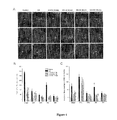
- FIG. 4A-C presents efficacy of delayed treatment with ganaxolone (10 mg/kg, IM) against the nerve agent soman-induced OP intoxication related acute neuronal damage within the brain hippocampus subfields CA1, CA3 and dentate hilus.
- A Time-course profile of neuroprotectant activity ganaxolone treatment in the soman model to rats. Representative confocal images show FJB-positive neurons within the hippocampus subfieids.
- (B) Absolute quantification of FJB-positive cell counts in the hippocampus subfields as determined unbiased neurostereology technique. Data represent mean ⁇ SEM (N 4-6 rats per group).
- FIG. 5A-F presents the neuroprotectant activity of delayed ganaxolone treatment (10 mg/kg, IM) in soman-induced neuronal cell death and neurodegeneration in rats.
- A Bright-field images show NeuN-positive principal neurons within the hippocampus subfields CA1, CA3 and dentate hilus.
- B Absolute quantification of NeuN-positive principal neurons in the hippocampus subfields by unbiased neurostereology.
- C The extend of neuroprotection of NeuN(+) principal neurons by ganaxolone treatment at 40, 60 and 120 min after soman exposure as compared to untreated soman control group.
- (D) Bright-field images snow parvalbumin (PV)-positive GABAergic inhibitory interneurons within the hippocampus subfield CA1, CA3 and dentate hilus.
- (E) Absolute quantification of PV-positive interneurons in the hippocampus subfields by unbiased neurostereology.
- FIG. 7A-C presents exemplary data showing efficacy of delayed treatment with neurosteroids allopregnanolone (10 mg/kg, IM), THDOC (10 mg/kg, IM), alfaxolone (10 mg/kg, IM) and androstanediol (100 mg/kg, IM) against the nerve agent soman-induced OP intoxication, seizures and status epilepticus.
- A Time-course behavioral profile of protective activity of neurosteroids against OP intoxication caused by soman exposure in rats.
- B Time-course EEG profile of protective activity of neurosteroids against OP intoxication caused by soman exposure in rats.
- C Latency for termination of soman-induced seizures or status epilepticus by neurosteroids treatment in rats.
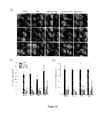
- FIG. 8A-C presents exemplary data showing efficacy of delayed treatment with neurosteroids allopregnanolone (10 mg/kg, IM), THDOC (10 mg/kg, IM), alfaxolone (10 mg/kg, IM) and androstanediol (100 mg/kg; IM) against the nerve agent soman-induced OP intoxication related acute neuronal damage within the brain hippocampus subfields (CA1, CA3 & dentate hilus) and amygdala.
- A Time-course profile of neuroprotectant activity ganaxolone treatment in the soman model in rats. Representative confocal images show FJB-positive neurons within the hippocampus subfields and amygdala.
- (B) Absolute quantification of FJB-positive cell counts in the hippocampus subfields as determined unbiased neurostereology technique. Data represent mean ⁇ SEM (N 4-6 rats per group).
- (C) Protective effect of ganaxolone on acute neuronal injury as determined by percent of FJB-positive cell counts in the hippocampus subfields and amygdala as compared to control group. Data represent mean ⁇ SEM (N 4-6 rats per group). *P ⁇ 0.01 as compared to control group as determined by one-way ANOVA with post hoc student's t-test.
- FIG. 10A-C presents exemplary data showing efficacy of delayed treatment with ganaxolone (10 mg/kg, IM) against the nerve agent VX-induced OP intoxication, seizures and status epilepticus.
- A Time-course behavioral profile of protective activity of ganaxolone against OP intoxication caused by VX exposure in rats.
- B Time-course EEG profile of protective activity of ganaxolone against OP intoxication caused by VX exposure in rats.
- FIG. 11A-C presents exemplary data showing efficacy of delayed treatment with ganaxolone (10 mg/kg, IM) against the nerve agent VX-induced acute neuronal damage within the brain hippocampus CA1 region.
- A Representative florescent images show FJB-positive neurons in the hippocampus CA1 region in VX control and ganaxolone-treated animal
- C Protective effect of ganaxolone on acute neuronal injury as determined by percent of FJB-positive cell counts in the CA1 subfield as compared to control group.
- Ganaxolone was given at 40, 60 or 120 min after DFP exposure and behavioral stages and EEG seizure activity were monitored continuously for 24 h.
- Data presented as mean or mean ⁇ SEM (n 8 to 12 rats in each group). *P ⁇ 0.01 as compared to control group as determined, by one-way ANOVA with post hoc student's t-test.
- FIG. 13A-C presents exemplary data showing efficacy of delayed treatment with ganaxolone against the pesticide agent DFP-induced OP intoxication related acute neuronal damage within the hippocampus subfields CA1, CA3 and dentate hilus.
- A Time-course profile of neuroprotectant activity ganaxolone treatment (6 mg/kg, im) in the DFP model in rats.
- Representative confocal images show FJB-positive neurons within the hippocampus subfields as
- FIG. 14A-F presents exemplary data showing the neuroprotectant activity of delayed ganaxolone treatment (6 mg/kg, im) in DFP-induced neuronal cell death and neurodegeneration in rats.
- A Bright-field images show NeuN-positive principal neurons within the hippocampus subfields CA1, CA3 and dentate hilus.
- B Absolute quantification of NeuN-positive principal neurons in the hippocampus subfields by unbiased neurostereology.
- C The extend of neuroprotection of NeuN(+) principal neurons by ganaxolone treatment at 40, 60 and 120 min after DFP exposure as compared to untreated DFP control group.
- (D) Bright-field images show parvalbumin (PV)-positive GABAergic inhibitory interneurons within the hippocampus subfields CA1, CA3 and dentate hilus.
- (E) Absolute quantification of PV-positive interneurons neurons in the hippocampus subfields by unbiased neurostereology.
- FIG. 16A-C presents exemplary data showing the attenuating activity of ganaxolone treatment (6 & 10 mg/kg, im) against soman-induced long-term cognitive neurobehavioral and epileptogenic dysfunction in rats.
- A Reduced epileptogenic rate in ganaxolone-treated rats 3 months alter OP intoxication as assessed by video-EEG monitoring from 1 to 3 months post-soman (GD) exposure.
- B Representative EEG traces of spontaneous seizures in soman and ganaxolone-treated rat.
- FIG. 17A-B presents exemplary data showing the pharmacokinetics of ganaxolone in control and soman exposed rats.
- A Pharmacokinetics study of ganaxolone following a single dose administration to na ⁇ ve male Sprague-Dawley rats. Time-course of mean ganaxolone plasma concentrations after an intravenous (iv) or Intramuscular (im) dose of 6 mg/kg ganaxolone in rats.
- (B) Plasma and brain pharmacokinetics of ganaxolone following intramuscular injection in soman-exposed rats. Time-course of mean ganaxolone concentrations in plasma and brain after an im dose of 6 mg/kg ganaxolone in soman exposed male rats. Each data point represents the mean ⁇ SD from n 5 rats plotted against nominal times.
- the present invention is related to the field of organophosphate intoxication.
- Compositions and methods are disclosed that provide an effective post-exposure treatment of organophosphate intoxication.
- Such treatment not only reverses organophosphate intoxication more effectively than benzodiazepines but prevents subsequent neuronal injury and long-term neuropsychiatric deficits.
- neurosteroid compounds either alone, or in combination with conventional organophosphate antidotes including, but not limited to, atropine and/or pralidoxime are provided.
- the present invention contemplates compositions and methods for treating or reversing organophosphate intoxication and manifestations in a mammal resulting from exposure to nerve agents, organophosphates (OP) and incapacitating agents of the central nervous system.
- organophosphates OP
- neurosteroidal compounds of this invention include, but are not limited to, those having a general structural formula of pregnane, androstane, 19-norandrostanes, and/or norpregnane.
- nonsteroidal compounds may also comprise further moieties as defined herein as having seizure modulating and/or neuroprotection properties including, but not limited to, ganaxolone, pregnenolone, and androstanediol and their analogs, salts and prodrugs. See, FIG. 1 .
- the present invention contemplates a method of treating an animal subject, including humans, exposed to organophosphates comprising administering a therapeutically effective amount of a neurosteroidal compound, given alone and/or in combination with standard nerve agent antidote regimens (e.g., for example, atropine, pralidoxime) earlier or later than forty (40) minutes after exposure.
- compositions contemplated by the present invention preferably comprise effective amounts of at least one neurosteroidal compound and a pharmaceutical carrier in an acceptable dosage formulation for administration by parenteral or other routes of administration up to several hours after exposure of an individual to nerve agents.
- the said pharmaceutical composition has an improved effectiveness in treating organophosphate intoxication than benzodiazepine agents selected from the group consists of midazolam and diazepam.
- the present invention contemplates neurosteroids that provide an effective treatment for organophosphate intoxication such as nerve agent or pesticide intoxication including, but not limited to, cluster symptoms of organophosphate chemical intoxication, delayed intoxication, benzodiazepine-refractory intoxication, manifested as neuronal injury, neuronal loss, neurodegeneration, axonal degeneration, blood-brain barrier dysfunction, neuroinflammation, hyperactivity, excitability, hyperexcitability, synchronous activity, epileptiform discharges, mossy fiber sprouting, and central nervous system (CNS) signs and symptoms of intoxication or cholinergic hyperactivation caused by organophosphate exposure, referred as cholinergic crisis and non-cholinergic crisis.
- organophosphate intoxication such as nerve agent or pesticide intoxication
- cluster symptoms of organophosphate chemical intoxication including, but not limited to, cluster symptoms of organophosphate chemical intoxication, delayed intoxication, benzodiazepine-refractory in
- the disclosed neurosteroid method of treatment will help limiting or preventing acute brain damage at the early stage of OP poisoning and attenuate the subsequent neurological dysfunction, and thus reducing the long-term disability caused by exposure to organophosphates.
- the said pharmaceutical composition has an improved effectiveness in treating organophosphate intoxication than benzodiazepine agents selected from the group consists of midazolam and diazepam.
- Such drugs reactivate AChE which has undergone covalent modification by OP chemical nerve agents.
- Jakanovi ⁇ et al. “Pyridinium oximes as cholinesterase reactivators. Structure-activity relationship and efficacy in the treatment of poisoning with organophosphorus compounds” Curr. Med. Chem. 16 (17): 2177-2188 (2009); and Balali-Mood et al., “Treatment of organophosphate poisoning.
- nerve agents and acute pesticide poisoning on the effects oximes” J Physiology 92: 375-378 (1998).
- the use of “-oximes” has been found to be of no benefit, or possibly harmful, in at least two meta-analyses.
- Atropine antidotes are effective at preventing lethality from organophosphate intoxication, but current treatment lack the ability to prevent post-exposure incapacitation, performance deficits, or permanent brain damage. Doctor et al., “Bioscavengers for the protection of humans against organophosphate toxicity” Chemico - Biological Interactions 157/158:167-171 (2005).
- enzyme bioscavengers are being developed as a pretreatment to sequester highly toxic organophosphates before they can reach their physiological targets and prevent the toxic effects from occurring.
- Significant advances with cholinesterases (ChEs), specifically human serum BChE (HuBChE) have been made.
- HuBChe can offer a broad range of protection for nerve agents including soman, sarin, tabun, and VX.
- HuBChE also possess a very long retention time in the human circulation system and because it is from a human source it will not produce any antagonixtic immunological responses.
- HuBChE is currently being assessed for inclusion into the protective regimen against organophosphate nerve agent intoxication.
- Anti-arrhythmic agents are also under consideration to treat organophosphate intoxication-induced hyperkalemia. While the cellular processes leading to cardiac toxicity are not well understood, the potassium current channels are believed to be involved. Zoltani et al., “Organophosphate Caused Cardia Toxicity: Action Potential Dynamics in Atrial Tissue” Army Research Laboratory 1-15 (2002).
- organophosphate intoxication is both dose and time-dependent, wherein a response to treatment of toxic signs is depesident upon both the degree of exposure and the sensitivity threshold of the individual.
- neurosteroids provide an effective treatment when administered between approximately forty (40) minutes and two (2) hours after exposure to an organophosphate.
- SE Status epilepticus
- SB is defined as continuous seizure activity or multiple seizures without regaining consciousness for more than 30 min.
- SE is a medical emergency in humans that if untreated, can lead to brain damage and death.
- SE generalized convulsive SE
- nonconvulsive SE There are two types of SE, generalized convulsive SE and nonconvulsive SE. Untreated SE can result in death due to an inability of the brain to control and terminate the seizures.
- the pathophysiology of SE is complex but excess excitatory (glutamate) neurotransmission and loss of normal inhibitory (GABA) neurotransmission are thought to be the most likely mechanisms.
- SE that is non-responsive to benzodiazepines or other anticonvulsants is known as “refractory SE”.
- refractory SE a variety of chemicals can cause SE including pilocarpine, kainic acid, flurothyl cobalt-homocysteine thiolactone, 4-aminopyridine, and OP pesticides and nerve agents.
- Biomarker/diagnosis of SE include seizure signs and EEG spike activity. Patient medical history or information of injury, accident or brain conditions are helpful.
- Benzodiazepines that are positive allosteric modulators of GABA-A receptors have long been the first line of treatment for the control of seizures and SB induced by OP intoxication and other conditions that trigger acute seizures.
- the benzodiazepine diazepam is currently the only FDA-approved injectable anticonvulsant for the cessation of seizures caused by nerve agents and OP pesticides.
- diazepam for controlling nerve agent seizures: (i) The efficacy of diazepam decreases as the interval between the OP intoxication or initiation of seizures and the administration of diazepam increases.
- Diazepam must be administered within 10 to 30 minutes of OP intoxication or nerve gas exposures, after which there is no protection against seizures and progressive neurological damage occurs.
- McDonough et al. “Time-dependent reduction in the anticonvulsant clinical effectiveness of diazepam against soman-induced seizures in guinea pigs” Drug Chem Toxicol 33 (3):279-83 (2010). This timeline is often not practical in many incidents including emergencies and mass casualties.
- the development of resistance to diazepam is a concern because by the time the subject receives medical assistance after chemical agents, the seizures may have already become resistant to benzodiazepines.
- Seizures often recur after termination of the initial SE by benzodiazepines.
- Combinations of a benzodiazepine and neurosteroids have been reported to prevent or terminate seizures.
- Such neurosteroids included allopregnanolone, allotetrahydrodeoxycorticosterone, ganaxolone, alphaxolone, alphadolone, hydroxydione, minaxolone, and Althesin.
- This combination therapy is described in both the context of both natural seizures and for those that are a result of exposure to a nerve agent or a pesticide, including organophosphorus nerve agents, but not for the condition of organophosphate-induced intoxication.
- Such nerve agents that can cause seizures include, e.g., organophosphorus nerve agents, e.g., tabun, sarin, soman, cyclosarin (GF), N,N-diethyl-2-(methyl-(2-methylpropoxy) phosphoryl)sulfanylethanamin (VR) and/or VX and illustrative pesticides that can cause seizures include, e.g., organophosphate pesticides.
- organophosphorus nerve agents e.g., tabun, sarin, soman, cyclosarin (GF), N,N-diethyl-2-(methyl-(2-methylpropoxy) phosphoryl)sulfanylethanamin (VR) and/or VX
- illustrative pesticides that can cause seizures include, e.g., organophosphate pesticides.
- organophosphate pesticides e.g., organophosphate pesticides.
- Organophosphate (OP) pesticides and nerve agents are chemical threat agents. Nerve agents are chemical warfare agents that have long attracted the attention of terrorists for attacking a civilian population.
- Classic nerve agents (“gases” sarin, soman, tabun, cyclosarin, and VX) directly target the nervous system and irreversibly impair neural signaling within minutes of exposure. Soman is one of the most lethal nerve gases, with a rat LD 50 ⁇ 110 ⁇ g/kg (5-8).
- OP pesticides such as diisopropyl-fluorophosphate or DFP, parathion, and paraoxon are considered credible threat agents because they are readily obtainable and are highly neurotoxic when exposed by a deliberate terrorist aback, or by accident or natural disaster (9-13).
- DFP is one of the most potent neurotoxic OP pesticides, with LD 50 ⁇ 1.3 mg/kg in rats (12-14). DFP is very similar in structure to the nerve agents soman and sarin. DFP is widely accepted as a surrogate agent for nerve agents. Such pesticides could be used in an act of terrorism. Military nerve agents and civilian OP pesticides are extremely lethal and produce neurotoxicity via common mechanisms. They cause devastating damage to the brain primarily due to their irreversible inhibition of acetylcholinesterase, leading to an excessive accumulation of acetylcholine (ACh), a powerful excitatory neurotransmitter in the brain.
- ACh acetylcholine
- Acute exposure to nerve gases or OP poisoning results in cholinergic hyperactivation and causes a set of predictable toxic signs: hypersecretion, fasciculations, tremors, convulsions, respiratory distress and death.
- CNS manifestations following nerve agent exposure include convulsive seizures and status epilepticus (SE), which can last 30 min or longer with profound brain damage, resulting in death, or long-term neuronal damage.
- SE status epilepticus
- the effects of nerve intoxication are very long lasting and survivors suffer chronic brain damage including the risk of neurological and cognitive deficits.
- OP organophosphate
- Acute organophosphate intoxication manifests as a “cholinergic crisis” characterized by a set of progressive toxic signs and manifestations including, but not limited to, hypersecretions, fasciculations, tremor, respiratory distress, bradycardia, hypotension, convulsions/seizures, coma and/or death. See, Table 1.
- Organophosphate intoxication may be caused by chemical agents that can irreversibly inhibit AChE enzyme activity such as by: i) nerve agents including, but not limited to, tabun, sarin, soman, cyclosarin, VX, VR and other nerve gases; and ii) pesticides including, but not limited to, parathion, paraoxon, diispropyl-fluorophosphate, chlorpyrifos, monocrotophos and many other pesticides and insecticides with organophosphate structure.
- nerve agents including, but not limited to, tabun, sarin, soman, cyclosarin, VX, VR and other nerve gases
- pesticides including, but not limited to, parathion, paraoxon, diispropyl-fluorophosphate, chlorpyrifos, monocrotophos and many other pesticides and insecticides with organophosphate structure.
- Organophosphate intoxication also results in “non-cholinergic crisis” producing profound brain damage characterized by neuronal injury, neuronal death, neuroinflammation, hyperactivity, excitability, hyperexcitability, synchronous activity, excitotoxicity, ischemia-hypoxia, atrophy, neuronal dysfunction, neurovascular damage, and deleterious effect on brain structure and function.
- a similar phenomenon is also observed subsequent to benzodiazepine-refractory intoxication. See, Table 2 and FIG. 2 .
- Non-Cholinergic Crisis Symptomology Cerebral edema Subacute behavioral dysfunction Blood brain barrier dysfunction Subactute neurological dysfunction
- Neural Inflammation Individual neuropsychiatric disorders
- Non-neuronal inflammation Clustered neuropsychiatric disorders
- Neuronal cell apoptosis Neuronal cell necrosis
- Neuronal cell death Neuronal cell loss
- Axonal degeneration Axonal sprouting Neurodegeneration
- Organophosphate intoxication may be diagnosed by measuring AChE enzyme activity. For example, initial symptomotology appears at >50% inhibition of AChE, which is closely correlated with OP toxicity and represents a biomarker for organophosphate exposure. Detection of residual metabolites of chemical exposure agent (e.g. sarin metabolites) also provides a definite confirmation of a specific agent.
- chemical exposure agent e.g. sarin metabolites
- Organophosphates are potent nerve agents, functioning by inhibiting the action of acetylcholinesterase (AChE) in nerve cells. They are one of the most common causes of poisoning worldwide, and are frequently intentionally used in suicides in agricultural areas. Organophosphorous pesticides can be absorbed by all routes, including inhalation, ingestion, and dermal absorption. Their inhibitory effect they have on the acetylcholinesterase enzyme leads to a pathologic excess of acetylcholine in the body. Their toxicity is not limited to the acute phase, however, and chronic effects have long been noted.
- acetylcholine which is affected by organophosphate pesticides
- organophosphate pesticides are profoundly important in the brain's development, and many organophosphates have neurotoxic effects on developing organisms, even from low-levels of exposure.
- Other organophosphates are not toxic, yet their main metabolites, such as their oxons are.
- Treatment includes both a pralidoxime binder and an anticholinergic such as atropine.
- organophosphates may result in the same effects as acute exposure including delayed symptoms.
- Other effects reported in workers repeatedly exposed include impaired memory and concentration, disorientation, severe depressions, irritability, confusion, headache, speech difficulties, delayed reaction times, nightmares, sleepwalking and drowsiness or insomnia.
- An influenza-like condition with headache, nausea, weakness, loss of appetite, and malaise has also been reported.
- Even at relatively low levels organophosphates may be hazardous to human health. Pesticides may act on a set of brain chemicals closely related to those involved in ADHD, thus fetuses and voting children, where brain development depends on a strict sequence of biological events, may be most at risk.
- Organophosphate poisoning may result from exposure to organophosphates (OPs), which cause the inhibition of acetylcholinesterase (AChE), leading to the accumulation of acetylcholine (ACh) in the body.
- Organophosphate poisoning most commonly results from exposure to insecticides or nerve agents.
- OPs are one of the most common causes of poisoning worldwide, and are frequently intentionally used in suicides in agrarian areas. There are around 1 million OP poisonings per year with several hundred thousand resulting in fatalities annually.
- Organophosphates inhibit AChE, causing OP intoxication by phosphorylating a serine hydroxyl residue on AChE, which inactivates AChE.
- AChE plays a role in nerve function, so the irreversible blockage of this enzyme, which causes acetylcholine accumulation, results in muscle overstimulation. This causes disturbances across the cholinergic synapses and can only be reactivated very slowly, if at all.
- paraoxonase PON1 is an enzyme involved in OP pesticides and may be involved in determining an organism's sensitivity to OP exposure.
- Organophosphate poisoning is believed to be a result of excess acetylcholine (ACh) present at different nerves and receptors in the body because acetylcholinesterase is blocked.
- ACh acetylcholine
- accumulation of ACh at motor nerves may cause overstimulation of nicotinic expression at the neuromuscular junction.
- symptoms such as muscle weakness, fatigue, muscle cramps, fasciculation, and paralysis can be seen.
- ACh at autonomic ganglia
- this may cause an overstimulation of nicotinic receptors m the sympathetic system. Symptoms associated with this are hypertension, and hypoglycemia.
- muscarinic overstimulation due to excess acetylcholine at muscarinic acetylcholine receptors symptoms of visual disturbances, tightness in chest, wheezing due to bronchoconstriction, increased bronchial secretions, increased salivation, lacrimation, sweating, peristalsis, and urination can occur.
- Neurotoxic effects have also been linked to organophosphate intoxication causing at least four neurotoxic effects in humans: i) cholinergic crisis (CC); ii) intermediate syndrome (IMS); iii) organophosphate-induced delayed polyneuropathy (OPIDP); and iv) chronic organophosphate-induced neuropsychiatric disorder (COPIND). These syndromes result after acute and chronic exposure to OP pesticides.
- CC cholinergic crisis
- IMS intermediate syndrome
- OIDP organophosphate-induced delayed polyneuropathy
- COPIND chronic organophosphate-induced neuropsychiatric disorder
- a cholinergic crisis may occur in acute organophosphate intoxication because of AChE inhibition.
- Symptoms include, but are not limited to, miosis, sweating, lacrimation, gastrointestinal symptoms, respiratory difficulties, dyspnea, bradycardia, cyanosis, vomiting, diarrhea, as well as other symptoms.
- Symptoms include, but are not limited to, miosis, sweating, lacrimation, gastrointestinal symptoms, respiratory difficulties, dyspnea, bradycardia, cyanosis, vomiting, diarrhea, as well as other symptoms.
- seizures, convulsions, coma, and/or respiratory failure are occasionally observed.
- IMS An intermediate syndrome
- Symptoms associated with IMS generally manifest within 24-96 hours after exposure. The exact etiology, incidence, and risk factors associated with IMS are not clearly understood, but IMS is recognized as a disorder of neuromuscular junctions. IMS occurs when a person has a prolonged and severe inhibition of AChE. Symptoms generally include, but are not limited to, increasing weakness of facial, neck flexor and respiratory muscles.
- Organophosphate-induced delayed polyneuropathy occurs in a small percentage of cases, roughly two weeks after an untreated exposure, where temporary paralysis develops. Symptomatically, this condition represents a loss of function and ataxia of peripheral nerves and spinal cord. Symptoms generally begin with shooting pains in both legs and become progressively worse over 3-6 months. Treatment at this stage of organophosphate intoxication only affects sensory nerves, whereas motor neuron function is not improved such that a permanent loss of function may result. It should be noted that conventional organophosphate treatments are ineffective for OPIDP. OPIDP induces aging and phosphorylation of more than 70% of functional NTE in peripheral nerves. Jokanovic et al., “Neurotoxic effects in patients poisoned with organophosphate pesticides” Environmental Toxicology and Pharmacology 29:195-201 (2010).
- COPIND Chronic organophosphate-induced neuropsychiatry disorder
- COPIND occurs without persistent cholinergic symptoms and is therefore not dependent on AChE inhibition.
- COPIND appears with a delay after initial organophosphate intoxication and is long lasting.
- Symptoms include, but are not limited to, cognitive deficit, mood change, autonomic dysfunction, peripheral neuropathy, and extrapyramidal symptoms.
- the underlying mechanisms of COPIND have not been determined, but it is hypothesized that the condition may be a withdrawal syndrome subsequent to chronic or acute exposure to an organophosphate compound. Jokanovic et al., “Neurotoxic effects in patients poisoned with organophosphate pesticides” Environmental Toxicology and Pharmacology 29:195-201 (2010).
- the chronic behavioral dysfunction or deficits that follow nerve agent exposure include persistent elevation in anxiety, irritability, behavioral avoidance, memory deficits, insomnia and other psychiatric manifestations.
- EEG abnormalities indicative of epileptic activity were also present in exposed individuals. In animal models, exposure to nerve agents also results in long-term increases in anxiety and fear-like behavioral patterns.
- the amygdala plays a central role in the control of emotional behavior and disruptions in neuronal network and excitability have been observed in the basolateral nucleus of the amygdala after 1 to 3 months following the nerve agent exposure.
- Murata et al. “Asymptomatic sequelae to acute sarin poisoning in the central and autonomic nervous system 6 months after the Tokyo subway attack. Journal of Neurology 244: 601-606 (1997); Nishiwaki et al. “Sarin Health Effects Study 2001. Effects of sarin on the nervous system in rescue team staff members and police officers 3 years after the Tokyo subway sarin attack” Environ Health Perspect 109: 1169-1173 (2001); Ohtani et al.
- organophosphorus (OF) nerve agents can cause long-term plasticity and secondary damage to the neuronal network and synchronization.
- OF organophosphorus
- the affected areas in the brain undergo neuroplastic processes changing the neuronal circuitry.
- the axonal sprouting in the inner molecular layer of the hippocampus can occurs after weeks months following OP exposures.
- Okazaki et al. “Hippocampal mossy fiber sprouting and synapse formation after status epilepticus in rats: visualization after retrograde transport of biocytin” J Comp Neurol 352:515-534 (1995).
- PON1 paraoxonase
- PON1 may hydrolyze active organophosphate metabolites.
- Costa, et al. “Measurement of paraoxonase (PON1) status as a potential biomarker of susceptibility to organophosphate toxicity” Clinica Chimica Acta 352: 37-47 (2005).
- PON1 polymorphisms result in different enzyme levels and catalytic efficiency of this esterase, which in turn suggests that different individuals may be more (or less) susceptible to organophosphate intoxication.
- an increased level of PON1 plasma hydrolytic activity confers resistance to organophosphate intoxication.
- BuChE butyrylcholinesterase
- NTE neuropathy target esterase
- AChE acetylcholinesterase
- Neuroactive steroids herein referred to as neurosteroids
- neurosteroids are endogenous steroids that rapidly alter neuronal excitability through interaction with ligand-gated ion channels and other cell surface receptors, Paul et al., “Neuroactive steroids” FASEB J. 6 (6): 2311-2322 (1992); and Lan et al., “Neuroactive steroid actions at the GABA-A-receptor” Horm Behav 28 (4):537-544 (1994).
- Neuroactive steroid refers to steroids that are synthesized by an endocrine gland that then reach the brain through the bloodstream and have effects on brain function.
- Neurosteroids Some known biological functions of neurosteroids include, but are not limited to, modulation of neural plasticity, learning and memory processes, behavior, seizure susceptibility, stress, anxiety, and depression. Neurosteroids also appear to play an important role in various sexually-dimorphic behaviors and emotional responses. Benarroch E., “Neurosteroids: endogenous modulators of neuronal excitability and plasticity” Neurology 68 (12):945-947 (2007). Vallée et al., “Neurosteroids in learning and memory processes” Int. Rev. Neurobiol. 46:273-320 (2001); Engel et al., “Neurosteroids and behavior” Int. Rev. Neurobiol.
- Acute stress elevates the levels of inhibitory neurosteroids like allopregnanolone, and neurosteroids are known to counteract many of the effects of stress.
- Chronic stress has been associated with diminished levels of allopregnanolone and altered allopregnanolone stress responsivity, psychiatric disorders, and hypothalamic-pituitary-adrenal axis dysregulation.
- Brown et al. “Multifunctional aspects of allopregnanolone in stress and related disorders” Prog. Neuropsychopharmacol. Biol. Psychiatry 48:64-78 (2014). This is similar to endorphin activity, which are released in response to stress and physical pain and counteract the negative subjective effects of such states.
- hydroxydione which is the esterified 21-hydroxy derivative of 5 ⁇ -pregnanedione. Hydroxydione proved to be a useful anaesthetic drug with a good safety profile, but was painful and irritating when injected probably due to poor water solubility. This led to the development of newer neuroactive steroids.
- the next drug from this family to be marketed was a mixture of alphaxolone and alphadolone, known as Althesin. This was withdrawn from human use due to rare but serious toxic reactions, but is still used in veterinary medicine.
- Neurosteroids including ganaxolone, have a broad spectrum of activity in animal models.
- Rogawski et al. “Neurosteroids: endogenous modulators of seizure susceptibility” In: Rho, J. M., Sankar, R., Cavazos, J.
- Benzodiazepines may influence neurosteroid metabolism by virtue of their actions on translocator protein (TSPO; “peripheral benzodiazepine receptor”).
- TSPO translocator protein
- the pharmacological actions of benzodiazepines at the GABA A receptor are similar to these of neurosteroids.
- Factors which affect the ability of individual benzodiazepines to alter neurosteroid levels may depend upon whether the individual benzodiazepine drug interacts with TSPO.
- Some benzodiazepines may also affect neurosteroidogenic pathways involved in neurosteroid synthesis.
- benzodiazepines act primarily at synaptic GABA-A receptors, which undergo internalization in response to nerve agent-induced seizures; however, extrasynaptic receptors may remain unchanged. Unlike neurosteroids, benzodiazepines may not act at extrasynaptic GABA-A receptors. Reddy et al. “Antiseizure Activity of Midazolam in Mice Lacking ⁇ -Subunit Extrasynaptic GABA-A Receptors” J Pharmacol Exp Ther. 353 (3):517-528 (2015).
- Neurosteroids are rational and innovative countermeasures for OP intoxication. They are present in the brain as endogenous modulators of seizure susceptibility. Although a variety of neurosteroids are present in the brain, the most widely studied are allopregnanolone (5 ⁇ -pregnane-3 ⁇ -ol-20-one), THDOC (5 ⁇ -pregnane-3 ⁇ ,21-diol-20-one), and androstanediol (5 ⁇ -androstan-3 ⁇ -ol-20-diol). They lack conventional hormonal activity and instead rapidly alter excitability through direct interaction with GABA-A receptors. This occurs by binding to “neurosteroid binding sites” on the receptor channel. They can directly activate the receptor and promote maximal inhibition.
- Neurosteroids act on all GABA-A receptor isoforms in the brain. They potentiate synaptic receptors and also activate ⁇ -subunit-containing extrasynaptic GABA-A receptors that mediate inhibitory tonic currents.
- the extrasynaptic GABA-A receptors are highly sensitive to neurosteroids and they play a critical role in neuronal network excitability and seizure susceptibility. Reddy “Pharmacology of endogenous neuroactive steroids” Critical Reviews in Neurobiology 15: 197-234 (2003); Reddy “Neurosteroids: Endogenous role in the human brain and therapeutic potentials” Progr Brain Res 186: 113-137 (201); Carver and Reddy. “Neurosteroid interactions with synaptic and extrasynaptic GABA-A receptors: Regulation of subunit plasticity, phasic and tonic inhibition, and neuronal network excitability” Psychopharmacology 230 (2):151-188 (2013).
- Neurosteroids are broad-spectrum anticonvulsants and confer seizure protection in various models. They protect against seizures induced by GABA-A receptor antagonists, 6-Hz model, pilocarpine-induced limbic seizures and seizures in kindled animals. Unlike benzodiazepines, anticonvulsant tolerance is not observed with neurosteroids and they can inhibit epileptogenesis, supporting their superior clinical potential in epilepsy. Although, neurosteroids show promise in the treatment of diverse forms of seizures, no neusosteroid is currently approved by the FDA for clinical use. Ganaxolone, the 3 ⁇ -methyl analog of allopregnanolone, is a synthetic analog that has additional advantages over the endogenous neurosteroids.
- ganaxolone is a potent GABA-A receptor modulator and a broad-spectrum anticonvulsant.
- Ganaxolone is orally-active, relatively long-acting, and lacks hormonal side effects.
- ganaxolone appears to be safe and well-tolerated by oral route in adults, infants, and children.
- Neurosteroids are novel treatments for nerve agent intoxication and such therapy offers several unique advantages including, but limited to: (i) Neurosteroids can be effective even in diazepam-refractory SE because they can activate most GABA-A receptor isoforms; (ii) Unlike benzodiazepines, neurosteroids lack tolerance upon repeated use; (iii) Neurosteroids show a rapid onset of action & intermediate duration; (iv) Maximal efficacy is expected even in resistant seizures, due to their direct (non-allosteric) actions; (v) They promote tonic inhibition that does not rely on interneurons that are damaged in SE; (vi) They are readily available for practical use in OP threats (ganaxolone is FDA-approved for clinical trials); (vii) They can be effective against a broad spectrum of nerve agents and pesticides, making them broad countermeasures; and (viii) A suitable pharmaceutical formulation would allow preparation of an autoinjector system for rapid use by first responders, and hence they are much more attractive for inclusion in the emergency anti
- Neurosteroids exhibit significant efficacy in OP-like cholinergic refractory SE, which is a hallmark of nerve agent intoxication. There are few anticonvulsants for controlling OP-induced refractory SE, which is characterized by persistent seizures, progressive internalization of synaptic GABA-A receptors, and benzodiazepine resistance. Naylor et al. “Trafficking of GABA-A receptors, loss of inhibition, and a mechanism for pharmacoresistance in status epilepticus” Journal of Neuroscience 25:7724-7733 (2005). Neurosteroids are viable and novel anticonvulsants against chemically-induced refractory SE.
- THDOC neurosteroid THDOC produced rapid and complete termination of SE when given 60-min after SE.
- THDOC aborted seizures with very little seizure recurrences, a profile that was superior to diazepam.
- Structure-activity relationship studies showed that analogs with 3-hydroxyl group and 5-H in the ⁇ -configuration were more efficacious than their ⁇ -epimers.
- Analogs with 17 ⁇ -methyl-carbonyl group were more potent than analogs with 17 ⁇ -hydroxyl group.
- Ganaxolone was highly effective when given early or late after seizure onset in pilocarpine model of SE; it produced rapid and effective termination of SE with sustained protection.
- the robust anticonvulsant and neuroprotective profile of neurosteroids is far superior to benzodiazepines.
- the present invention further provides pharmaceutical compositions (e.g., comprising the compounds described above).
- the pharmaceutical compositions of the present invention may be administered in a number of ways depending upon whether local or systemic treatment is desired and upon the area to be treated. Administration may be topical (including ophthalmic and to mucous membranes including vaginal and racial delivery), pulmonary (e.g., by inhalation or insufflation of powders or aerosols, including by nebulizer; intratracheal, intranasal, epidermal and transdermal), oral or parenteral. Parenteral administration includes intravenous, intraarterial subcutaneous, intraperitoneal or intramuscular injection, or infusion; or intracranial, e.g., intrathecal or intraventricular, administration.
- compositions and formulations for topical administration may include transdermal patches, ointments, lotions, creams, gels, drops, suppositories, sprays, liquids and powders.
- Conventional pharmaceutical carriers, aqueous, powder or oily bases, thickeners and, the like may be necessary or desirable.
- compositions and formulations for oral administration include powders or granules, suspensions or solutions in water or non-aqueous media, capsules, sachets or tablets. Thickeners, flavoring agents, diluents, emulsifiers, dispersing aids or binders may be desirable.
- compositions and formulations for parenteral, intrathecal or intraventricular administration may include sterile aqueous solutions that may also contain buffers, diluents and other suitable additives such as, but not limited to, penetration enhancers, carrier compounds and other pharmaceutically acceptable carriers or excipients.
- compositions of the present invention include, but are not limited to, solutions, emulsions, and liposome-containing formulations. These compositions may be generated from a variety of components that include, but are not limited to, preformed liquids, self-emulsifying solids and self-emulsifying semisolids.
- the pharmaceutical formulations of the present invention may be prepared according to conventional techniques well known in the pharmaceutical industry. Such techniques include the step of bringing into association the active ingredients with the pharmaceutical carrier(s) or excipient(s). In general the formulations are prepared by uniformly and intimately bringing into association the active ingredients with liquid carriers or finely divided solid carriers or both, and then, if necessary, shaping the product.
- compositions of the present invention may be formulated into any of many possible dosage forms such as, but not limited to, tablets, capsules, liquid syrups, soft gels, suppositories, and enemas.
- the compositions of the present invention may also be formulated as suspensions in aqueous, non-aqueous or mixed media.
- Aqueous suspensions may further contain substances that increase the viscosity of the suspension including, for example, sodium carboxyomethylcellulose, sorbitol and/or dextran.
- the suspension may also contain stabilizers.
- the pharmaceutical compositions may be formulated and used as foams.
- Pharmaceutical foams include formulations such as, but not limited to, emulsions, microemulsions, creams, jellies and liposomes. While basically similar in nature these formulations vary in the components and the consistency of the final product.
- Agents that enhance uptake of neurosteroids at the cellular level may also be added to the pharmaceutical and other compositions of the present invention.
- cationic lipids such as lipofectin (U.S. Pat. No. 5,705,188), cationic glycerol, derivatives, and polycationic molecules, such as polylysine (WO 97/30731), also enhance the cellular uptake of neurosteroids.
- compositions of the present invention may additionally contain other adjunct components conventionally found in pharmaceutical compositions
- the compositions may contain additional, compatible, pharmaceutically-active materials such as, for example, antipruritics, astringents, local anesthetics or anti-inflammatory agents, or may contain additional materials useful in physically formulating various dosage forms of the compositions of the present invention, such as dyes, flavoring agents, preservatives, antioxidants, opacifiers, thickening agents and stabilizers.
- additional materials useful in physically formulating various dosage forms of the compositions of the present invention such as dyes, flavoring agents, preservatives, antioxidants, opacifiers, thickening agents and stabilizers.
- such materials when added, should not unduly interfere with the biological activities of the components of the compositions of the present invention.
- the formulations can be sterilized and, if desired, mixed with auxiliary agents, e.g., lubricants, preservatives, stabilizers, wetting agents, emulsifiers, salts for influencing osmotic pressure, buffers, colorings, flavorings and/or aromatic substances and the like which do not deleteriously interact with the nucleic acid(s) of the formulation.
- auxiliary agents e.g., lubricants, preservatives, stabilizers, wetting agents, emulsifiers, salts for influencing osmotic pressure, buffers, colorings, flavorings and/or aromatic substances and the like which do not deleteriously interact with the nucleic acid(s) of the formulation.
- Dosing is dependent on severity and responsiveness of the disease state to be treated, with the course of treatment lasting from several days to several months, or until a cure is effected or a diminution of the disease state is achieved.
- Optimal dosing schedules can be calculated from measurements of drug accumulation in the body of the patient. The administering physician can easily determine optimum dosages, dosing methodologies and repetition rates. Optimum dosages may vary depending on the relative potency of individual neurosteroids, and can generally be estimated based on EC 50 s or ED 50 s found to be effective in in vitro and in vivo animal models or based on the examples described herein.
- dosage is from 0.01 ⁇ g to 1 g per kg of body weight, and may be given once or more daily, weekly, monthly or yearly.
- the treating physician can estimate repetition rates for dosing based on measured residence times and concentrations of the drug in bodily fluids or tissues.
- kits for the practice of the methods of this invention.
- the kits preferably include one or more containers containing a composition and/or an administration device for the performance of a method of this invention.
- the kit can include a container comprising a neurosteroid.
- the kit can optionally include a container comprising a neurosteroid and an organophosphate antidote.
- the organophosphate antidote includes, but is not limited to, atropine and/or pralidoxime.
- the kit can optionally include at least one administration device.
- the administration device includes, but is not limited to, an intravenous injection syringe, a cardiac needle, an inhalation device, an intramuscular injection syringe and/or a subcutaneous injection syringe.
- the kit can optionally include a pharmaceutically acceptable excipient and/or a delivery vehicle (e.g., a liposome).
- the reagents may be provided suspended in the excipient and/or delivery vehicle or may be provided as a separate component which can be later combined with the excipient and/or delivery vehicle.
- the kit may optionally contain additional therapeutics to be co-administered with the neurosteroid.
- kits may also optionally include appropriate systems (e.g. opaque containers) or stabilizers (e.g. antioxidants) to present degradation of the reagents by light or other adverse conditions.
- appropriate systems e.g. opaque containers
- stabilizers e.g. antioxidants
- kits may optionally include instructional materials containing directions (i.e., protocols) providing for the use of the neurosteroids in the treatment of organophosphate intoxication.
- Instructions optionally comprise specific treatment protocols for cholinergic crisis in contrast to non-cholinergic crisis.
- the instructional materials typically comprise written or printed materials they are not limited to such. Any medium capable of storing such instructions and communicating them to an end user Is contemplated by tins invention. Such media include, but are not limited to electronic storage media (e.g., magnetic discs, tapes, cartridges, chips), optical media (e.g., CD ROM), and the like. Such media may include addresses to internet sites that provide such instructional materials.
- ganaxolone treatment terminates the nerve agent soman (GD)-induced organophosphate intoxication manifestations when given at 40-min, 60-min or 120-min after exposure in rats.
- GD nerve agent soman
- Ganaxolone was given to rats intramuscularly (im) at 40 min, 60 min or 120 min after soman administration.
- the data showed that ganaxolone (10 mg/kg, im) effectively controlled electrographic and behavioral activity within 40 to 60 min after treatment with very little seizure recurrences.
- Ganaxolone-treated rats 40 minute post-exposure
- had a 100% survival rate unlike the untreated control rats that exhibited a 50% mortality rate.
- ganaxolone has a powerful protective activity against the nerve agent soman-induced neurotoxic manifestations even after delayed treatment regimen. See, FIG. 3 .
- the neuroprotectant efficacy of ganaxolone treatment was assessed by an immunohistochemical staining and quantitative analysis of brain sections using four specific markers; (a) neuronal injury (FJB); (b) principal neuronal loss (NeuN); (c) interneuron loss (PV); and (d) neuroinflammation (astrocytic response by GFAP) in key brain regions including the hippocampus, amygdala, cortex, and other areas. Quantitative histology studies were utilized for characterization of the time-dependent protective ability of ganaxolone (10 mg/kg, im) against GD-induced neuronal injury, neuronal cell death, and neurodegeneration.
- Rats were treated in accordance with Example 1, where the data demonstrated that ganaxolone had neuroprotectant efficacy by reducing acute neuronal injury, neuronal cell death, and neurodegeneration when administered 40 minutes or later after soman exposure.
- soman exposure caused massive or extensive neuronal injury in the hippocampus and other brain regions as revealed by FJB staining.
- Ganaxolone treatment (40 min or later after soman) significantly (>75%) prevented acute neuronal injury assessed by FJB-positive cell counts.
- Ganaxolone therapy significantly reduced (>90%) cell death of principal neurons as assessed by NeuN staining, and markedly decreased the cell death of interneurons (>85%) as assessed by parvalbumin (PV) staining and unbiased quantitative stereology.
- Ganaxolone treatment 40 min post-GD significantly reduced neuroinflammation as assessed by GFAP-positive staining.
- ganaxolone has a strong neuroprotectant activity even after delayed treatment after soman exposure. See, FIG. 4 , FIG. 5 , and FIG. 6 .
- This example demonstrates that treatment with a variety of neurosteroids (allopregnanolone, THDOC, alfaxolone and androstanediol) terminates the nerve agent soman (GD)-induced organophosphate intoxication brain injury and neuronal cell death when given at 40-min after exposure in rats.
- GD nerve agent soman
- Rats were treated in accordance with Example 3, where the data demonstrated that all four test neurosteroids had neuroprotectant efficacy by reducing acute neuronal injury and neuronal cell death when administered 40 minutes after soman exposure.
- soman exposure caused massive or extensive neuronal injury in the hippocampus and other brain regions as revealed by FJB staining.
- the neurosteroid allopregnanolone, THDOC, alfaxolone and androstanediol treatment significantly prevented acute neuronal injury assessed by FJB-positive cell counts.
- All four test neurosteroids significantly reduced the fractional cell death as assessed by FJB(+) staining and unbiased quantitative stereology.
- neurosteroids that are structural analogs or with similar features of ganaxolone have a strong neuroprotectant activity even after delayed treatment after soman exposure. See, FIG. 8 .
- ganaxolone treatment terminates the V-series nerve agent VX-induced organophosphate intoxication manifestations when given at 40-min after exposure in rats.
- the nerve agent VX has a variable and delayed absorption toxicokinetics, which may have implications for treatment regimens.
- This example therefore, demonstrates the likely extension of therapeutic scope of ganaxolone for broad-spectrum indications including the low-volatile V-series nerve agents, such as VX.
- the protective efficacy of ganaxolone in terminating DFP or soman-induced SE and seizure activity was assessed using four key parameters: (a) severity of behavioral seizures; (b) frequency of electrographic spikes; (c) cumulative duration of seizure activity; and (d) latency to termination of seizure activity.
- ganaxolone treatment protects against the nerve agent VX-induced organophosphate intoxication brain injury and neurodegeneration when given at 40-min after exposure in rats.
- Rats were treated in accordance with Example 6, where the data demonstrated that ganaxolone had neuroprotectant efficacy by reducing acute neuronal injury and neuronal cell death when administered 40 minutes after VX exposure.
- soman exposure caused massive or extensive neuronal injury in the hippocampus CA1 regions as revealed by FJB staining.
- Ganaxolone treatment significantly prevented acute neuronal injury assessed by FJB-positive cell counts.
- Ganaxolone significantly reduced the fractional cell death as assessed by FJB(+) staining and unbiased quantitative stereology.
- ganaxolone has a strong neuroprotectant activity even after delayed treatment after VX exposure. See, FIG. 11 .
- ganaxolone treatment terminates the pesticide diisopropyl-fluorophosphate (DFP)-induced organophosphate intoxication manifestations when given at 40, 60 or 120-min after exposure in rats.
- DFP diisopropyl-fluorophosphate
- Ganaxolone was given to rats intramuscularly (im) 40 min, 60 min or 120 min after DFP administration.
- Ganaxolone (6-10 mg/kg, im) effectively controlled electrographic and behavioral activity within 1 h after treatment with very little seizure recurrences.
- General neurological assessment for OP intoxication signs and mortality rates were recorded for drug treatment groups at various time intervals. Untreated animals exhibited 50% mortality following DFP and animals that received ganaxolone at 40-min or later all survived, indicating an almost 100% survival rate.
- ganaxolone has a powerful protectant activity even after delayed treatment after DFP exposure. See, FIG. 12 .
- Rats were treated in accordance with Example 8, wherein the data demonstrated neuroprotectant efficacy of ganaxolone in reducing acute neuronal injury, neuronal cell death, and chronic neurodegeneration when administered 40 minutes or later after soman exposure.
- DFP caused extensive neuronal injury the hippocampus and other brain regions as revealed by FJB staining.
- Ganaxolone treatment (40 min or later after DFP) almost completely (>90%) prevented neuronal injury assessed by FJB-positive cell counts.
- Ganaxolone therapy significantly reduced (>75%) cell death of principal neurons as assessed by NeuN staining, and markedly decreased the cell death of interneurons (>70%) as assessed by parvalbumin staining and stereology counting.
- ganaxolone has a strong neuroprotectant activity in OP pesticide exposure even after delayed treatment at 40 min or later. See, FIG. 13 and FIG. 14 .
- This example demonstrates the superior therapeutic effects of ganaxolone treatment than benzodiazepine midazolam against the pesticide DFP-induced organophosphate intoxication manifestations when given at 40-min or later after exposure in rats.
- Ganaxolone (6 mg/kg, im), when given 40-min after DFP, effectively terminated seizures and SE within 1 h after treatment with very little seizure recurrences.
- ganaxolone therapy offers a superior protection than midazolam against OP intoxication in a delayed treatment regimen. See, FIG. 15 .
- ganaxolone treatment prevents or attenuates against the late-onset or long-term neuropsychiatric deficits caused by the nerve agent Soman-induced organophosphate intoxication when given at 40-min after exposure in rats.
- the neuropsychiatric attenuating efficacy of ganaxolone treatment was assessed using distinct neurological and behavioral assessments.
- Epileptogenic events Epileptogenic events were recorded by video-EEG monitoring of rats from 1 to 3 months post-soman exposure. Seizures and epileptiform events and clinical or subclinical events scored for occurrence, frequency and severity.
- Memory dysfunction To test whether cognitive function is impaired in rats exposed to soman, groups of rats were subjected to soman exposure and neurological behavior was assayed at 3 months post-exposure by novel object recognition test (NORT), a standard tool for determination of non-spatial memory function in rats.
- NERT novel object recognition test
- Rats were treated in accordance with Example 1, wherein the data demonstrated protectant efficacy of ganaxolone in preventing or attenuating functional memory deficits and epileptogenesis when administered 40 minutes or later after soman exposure.
- soman caused a long-term epileptogenic response with spontaneous seizures in up to 75% animals at 3-months post-soman exposure.
- Ganaxolone treatment (6 & 10 mg/kg, im) significantly prevented the occurrence of epilepsy development.
- Ganaxolone therapy modified the epileptogenesis as evident by reduced EEG seizure intensity compared to soman control.
- ganaxolone therapy has the potential to attenuate or prevent the long-term neuropsychiatric manifestations of OP nerve agent exposure even after delayed treatment at 40 min or later. See, FIG. 16 .
- This example demonstrates the pharmacokinetic (PK) evaluation of intramuscular ganaxolone formulation in na ⁇ ve rats and in rats following soman or DFP exposure.
- Ganaxolone pharmacokinetic values were determined in rats following a single intravenous (iv) or intramuscular (im) administration under various models of organophosphate compound intoxication. Rats received a single iv or im dose of ganaxolone at 6 mg/kg. Blood and brain samples were collected from rats at 5, 15 and 30 minutes, and 1, 2, 4, 8 and 24 hours post-dose for processing to plasma. Clinical observations were performed immediately post-dose and ⁇ 8 hr post-dose.
- the AUC last was 1324 hr ⁇ ng/ml and AUC inf was 1545 hr ⁇ ng/ml.
- ganaxolone distribution to plasma was rapid, with a peak plasma concentration (C max ) of 603 ng/ml, at 0.167 hr (T max ).
- the compartmental parameters, k a and k e were estimated to be 0.327 ⁇ 0.0280 hr ⁇ 1 and 10.0 ⁇ 3.43 hr ⁇ 1 .
- Group AUC last was 1456 hr ⁇ ng/ml and AUC inf was 1614 hr ⁇ ng/ml.
- the t 1/2 was 2.4 hr.
- the bioavailability after an im dose of 6 mg/kg was essentially 100%.
Landscapes
- Health & Medical Sciences (AREA)
- Medicinal Chemistry (AREA)
- Veterinary Medicine (AREA)
- Public Health (AREA)
- General Health & Medical Sciences (AREA)
- Animal Behavior & Ethology (AREA)
- Life Sciences & Earth Sciences (AREA)
- Chemical & Material Sciences (AREA)
- Pharmacology & Pharmacy (AREA)
- Epidemiology (AREA)
- Neurology (AREA)
- Neurosurgery (AREA)
- Biomedical Technology (AREA)
- Bioinformatics & Cheminformatics (AREA)
- Engineering & Computer Science (AREA)
- General Chemical & Material Sciences (AREA)
- Nuclear Medicine, Radiotherapy & Molecular Imaging (AREA)
- Organic Chemistry (AREA)
- Chemical Kinetics & Catalysis (AREA)
- Psychiatry (AREA)
- Hospice & Palliative Care (AREA)
- Pharmaceuticals Containing Other Organic And Inorganic Compounds (AREA)
Priority Applications (1)
| Application Number | Priority Date | Filing Date | Title |
|---|---|---|---|
| US15/508,233 US10172870B2 (en) | 2014-09-02 | 2015-09-01 | Method of treating organophosphate intoxication by administration of neurosteroids |
Applications Claiming Priority (3)
| Application Number | Priority Date | Filing Date | Title |
|---|---|---|---|
| US201462044635P | 2014-09-02 | 2014-09-02 | |
| PCT/US2015/047914 WO2016036724A1 (fr) | 2014-09-02 | 2015-09-01 | Méthode de traitement de l'intoxication par organophosphates |
| US15/508,233 US10172870B2 (en) | 2014-09-02 | 2015-09-01 | Method of treating organophosphate intoxication by administration of neurosteroids |
Publications (2)
| Publication Number | Publication Date |
|---|---|
| US20170246188A1 US20170246188A1 (en) | 2017-08-31 |
| US10172870B2 true US10172870B2 (en) | 2019-01-08 |
Family
ID=55440310
Family Applications (1)
| Application Number | Title | Priority Date | Filing Date |
|---|---|---|---|
| US15/508,233 Active US10172870B2 (en) | 2014-09-02 | 2015-09-01 | Method of treating organophosphate intoxication by administration of neurosteroids |
Country Status (4)
| Country | Link |
|---|---|
| US (1) | US10172870B2 (fr) |
| EP (1) | EP3188734A4 (fr) |
| MA (1) | MA40498A (fr) |
| WO (1) | WO2016036724A1 (fr) |
Cited By (3)
| Publication number | Priority date | Publication date | Assignee | Title |
|---|---|---|---|---|
| US10426786B2 (en) | 2012-08-13 | 2019-10-01 | The Regents Of The University Of California | Mitigation of epileptic seizures by combination therapy using benzodiazepines and neurosteroids |
| WO2020231837A1 (fr) | 2019-05-10 | 2020-11-19 | Brii Biosciences, Inc. | Composition pharmaceutique à base de brexanolone, de ganaxolone ou de zuranolone, et son utilisation |
| US12005185B2 (en) | 2021-12-17 | 2024-06-11 | Belhaven BioPharma Inc. | Medical counter measures including dry powder formulations and associated methods |
Families Citing this family (20)
| Publication number | Priority date | Publication date | Assignee | Title |
|---|---|---|---|---|
| CN117304245A (zh) | 2013-04-17 | 2023-12-29 | 萨奇治疗股份有限公司 | 刺激神经活性的19-去甲类固醇及其使用方法 |
| SMT202100509T1 (it) | 2013-04-17 | 2021-11-12 | Sage Therapeutics Inc | Steroide di c21-n-pirazolile 19-nor c3,3-disostituito per l'uso in terapia |
| US9725481B2 (en) | 2013-04-17 | 2017-08-08 | Sage Therapeutics, Inc. | 19-nor C3, 3-disubstituted C21-C-bound heteroaryl steroids and methods of use thereof |
| WO2014169836A1 (fr) | 2013-04-17 | 2014-10-23 | Sage Therapeutics, Inc. | 19-nor-stéroïdes neuroactifs et procédés d'utilisation de ceux-ci |
| CA2918735C (fr) | 2013-07-19 | 2023-08-01 | Sage Therapeutics, Inc. | Steroides neuroactifs, compositions, et leurs utilisations |
| CN105579043B (zh) | 2013-08-23 | 2021-09-14 | 萨奇治疗股份有限公司 | 神经活性类固醇、组合物和其用途 |
| US10246482B2 (en) | 2014-06-18 | 2019-04-02 | Sage Therapeutics, Inc. | Neuroactive steroids, compositions, and uses thereof |
| MY190408A (en) | 2014-10-16 | 2022-04-21 | Sage Therapeutics Inc | Compositions and methods for treating cns disorders |
| US20170233433A1 (en) | 2014-10-16 | 2017-08-17 | Sage Therapeutics, Inc. | Compositions and methods for treating cns disorders |
| WO2016082789A1 (fr) | 2014-11-27 | 2016-06-02 | Sage Therapeutics, Inc. | Compositions et procédés pour traiter des troubles du snc |
| LT3250210T (lt) | 2015-01-26 | 2021-04-12 | Sage Therapeutics, Inc. | Kompozicijos ir būdai, skirti gydyti cns sutrikimus |
| DK3258939T3 (da) | 2015-02-20 | 2022-12-12 | Sage Therapeutics Inc | Neuroaktive steroider, sammensætninger og anvendelser heraf |
| MA43284A (fr) * | 2015-11-20 | 2018-09-26 | Sage Therapeutics Inc | Composés et leurs méthodes d'utilisation |
| CA3030420C (fr) | 2016-07-11 | 2025-11-18 | Sage Therapeutics, Inc. | Steroides neuroactifs substitues en c7, c12 et c16 et methodes d'utilisation associees |
| WO2018013613A1 (fr) | 2016-07-11 | 2018-01-18 | Sage Therapeutics, Inc. | Stéroïdes neuroactifs substitués en c17, c20 et c21 et leurs procédés d'utilisation |
| WO2019226515A1 (fr) * | 2018-05-21 | 2019-11-28 | The University Of North Carolina At Chapel Hill | Procédés d'inhibition de signalisation neuro-immunitaire pro-inflammatoire et méthodes de traitement de troubles inflammatoires |
| CZ309617B6 (cs) | 2019-04-05 | 2023-05-24 | Ústav organické chemie a biochemie AV ČR, v. v. i | 3α5ß-Neuroaktivní steroidy pro léčbu epilepsie a záchvatových onemocnění |
| JP7670626B2 (ja) | 2019-05-31 | 2025-04-30 | セージ セラピューティクス, インコーポレイテッド | 神経刺激性ステロイド及びその組成物 |
| EP4009982A4 (fr) | 2019-08-05 | 2023-08-09 | Marinus Pharmaceuticals, Inc. | Ganaxolone destinée à être utilisée dans le traitement de l'état de mal épileptique |
| CN115551514A (zh) * | 2020-03-25 | 2022-12-30 | 萨奇治疗股份有限公司 | 用于治疗呼吸系统病症的药物的用途 |
Citations (18)
| Publication number | Priority date | Publication date | Assignee | Title |
|---|---|---|---|---|
| WO1993003732A1 (fr) | 1991-08-13 | 1993-03-04 | Cocensys, Inc. | Modulateurs de recepteurs d'acide gamma-aminobutyrique |
| WO1993018053A1 (fr) | 1992-03-04 | 1993-09-16 | Cocensys, Inc. | PROCEDE DE PREPARATION DE PREGNANES 3α-HYDROXY, A SUBSTITUTION EN POSITION 3$g(b) |
| WO1994027608A1 (fr) | 1993-05-24 | 1994-12-08 | Cocensys, Inc. | Procedes et compositions induisant le sommeil |
| WO1995021617A1 (fr) | 1994-02-14 | 1995-08-17 | Cocensys, Inc. | Androstanes et pregnanes de modulation allosterique du recepteur du gaba |
| US5521215A (en) | 1989-11-07 | 1996-05-28 | Ramot University Authority For Applied Research And Industrial Development Ltd. | NMDA-blocking pharmaceuticals |
| WO1996016076A1 (fr) | 1994-11-23 | 1996-05-30 | Cocensys, Inc. | Series de l'androstane et de la pregnane produisant une modulation allosterique du recepteur du gaba |
| WO1996040043A2 (fr) | 1995-06-06 | 1996-12-19 | Cocensys, Inc. | Steroides neuroactifs de la serie des androstanes et des pregnanes |
| WO1997030731A2 (fr) | 1996-02-21 | 1997-08-28 | The Immune Response Corporation | Procede de preparation de complexes porteurs de polynucleotides pour administration a des cellules |
| US5705188A (en) | 1993-02-19 | 1998-01-06 | Nippon Shinyaku Company, Ltd. | Drug composition containing nucleic acid copolymer |
| WO2008157460A1 (fr) | 2007-06-15 | 2008-12-24 | Cook, Kevin, M. | Steroides d'androstane et de pregnane presentant de puissantes proprietes de modulation allosterique du complexe recepteur gaba/ionophore chlorure |
| US7781421B2 (en) | 2003-05-29 | 2010-08-24 | Washington University | Neuroactive 13, 24-cyclo-18, 21-dinorcholanes and structurally related pentacyclic steriods |
| WO2013019711A2 (fr) | 2011-07-29 | 2013-02-07 | The Regents Of The University Of California | Nouveaux stéroïdes substitués en 17β par un hétéroaryle, capables de moduler les récepteurs gabaa |
| WO2013043985A1 (fr) | 2011-09-23 | 2013-03-28 | The Regents Of The University Of California | Huiles comestibles favorisant l'administration de stéroïdes administrés par voie orale |
| US20130309306A1 (en) | 2010-12-01 | 2013-11-21 | The Regents Of The University Of California | Intrapulmonary benzodiazepine for the treatment and prevention of seizures |
| US8604066B2 (en) | 2007-09-19 | 2013-12-10 | Serb | Composition that comprises at least one oxime and its use in therapeutics |
| US20140050789A1 (en) | 2012-08-13 | 2014-02-20 | The Regents Of The University Of California | Mitigation of epileptic seizures by combination therapy using benzodiazepines and neurosteroids |
| US20140057885A1 (en) | 2012-08-21 | 2014-02-27 | Sage Therapeutics, Inc. | Methods of treating epilepsy or status epilepticus |
| WO2014100231A1 (fr) | 2012-12-18 | 2014-06-26 | Kotzker Consulting Llc | Utilisation de cannabinoïdes et de terpènes pour le traitement d'une toxicité d'organophosphate et de carbamate |
-
2015
- 2015-09-01 MA MA040498A patent/MA40498A/fr unknown
- 2015-09-01 WO PCT/US2015/047914 patent/WO2016036724A1/fr not_active Ceased
- 2015-09-01 US US15/508,233 patent/US10172870B2/en active Active
- 2015-09-01 EP EP15838694.6A patent/EP3188734A4/fr not_active Withdrawn
Patent Citations (19)
| Publication number | Priority date | Publication date | Assignee | Title |
|---|---|---|---|---|
| US5521215A (en) | 1989-11-07 | 1996-05-28 | Ramot University Authority For Applied Research And Industrial Development Ltd. | NMDA-blocking pharmaceuticals |
| WO1993003732A1 (fr) | 1991-08-13 | 1993-03-04 | Cocensys, Inc. | Modulateurs de recepteurs d'acide gamma-aminobutyrique |
| WO1993018053A1 (fr) | 1992-03-04 | 1993-09-16 | Cocensys, Inc. | PROCEDE DE PREPARATION DE PREGNANES 3α-HYDROXY, A SUBSTITUTION EN POSITION 3$g(b) |
| US5705188A (en) | 1993-02-19 | 1998-01-06 | Nippon Shinyaku Company, Ltd. | Drug composition containing nucleic acid copolymer |
| WO1994027608A1 (fr) | 1993-05-24 | 1994-12-08 | Cocensys, Inc. | Procedes et compositions induisant le sommeil |
| WO1995021617A1 (fr) | 1994-02-14 | 1995-08-17 | Cocensys, Inc. | Androstanes et pregnanes de modulation allosterique du recepteur du gaba |
| WO1996016076A1 (fr) | 1994-11-23 | 1996-05-30 | Cocensys, Inc. | Series de l'androstane et de la pregnane produisant une modulation allosterique du recepteur du gaba |
| WO1996040043A2 (fr) | 1995-06-06 | 1996-12-19 | Cocensys, Inc. | Steroides neuroactifs de la serie des androstanes et des pregnanes |
| WO1997030731A2 (fr) | 1996-02-21 | 1997-08-28 | The Immune Response Corporation | Procede de preparation de complexes porteurs de polynucleotides pour administration a des cellules |
| US7781421B2 (en) | 2003-05-29 | 2010-08-24 | Washington University | Neuroactive 13, 24-cyclo-18, 21-dinorcholanes and structurally related pentacyclic steriods |
| WO2008157460A1 (fr) | 2007-06-15 | 2008-12-24 | Cook, Kevin, M. | Steroides d'androstane et de pregnane presentant de puissantes proprietes de modulation allosterique du complexe recepteur gaba/ionophore chlorure |
| US8604066B2 (en) | 2007-09-19 | 2013-12-10 | Serb | Composition that comprises at least one oxime and its use in therapeutics |
| US20130309306A1 (en) | 2010-12-01 | 2013-11-21 | The Regents Of The University Of California | Intrapulmonary benzodiazepine for the treatment and prevention of seizures |
| WO2013019711A2 (fr) | 2011-07-29 | 2013-02-07 | The Regents Of The University Of California | Nouveaux stéroïdes substitués en 17β par un hétéroaryle, capables de moduler les récepteurs gabaa |
| WO2013043985A1 (fr) | 2011-09-23 | 2013-03-28 | The Regents Of The University Of California | Huiles comestibles favorisant l'administration de stéroïdes administrés par voie orale |
| US20140050789A1 (en) | 2012-08-13 | 2014-02-20 | The Regents Of The University Of California | Mitigation of epileptic seizures by combination therapy using benzodiazepines and neurosteroids |
| WO2014028398A2 (fr) | 2012-08-13 | 2014-02-20 | The Regents Of The University Of California | Mitigation de crises épileptiques par une polythérapie à l'aide de benzodiazépines et de neurostéroïdes |
| US20140057885A1 (en) | 2012-08-21 | 2014-02-27 | Sage Therapeutics, Inc. | Methods of treating epilepsy or status epilepticus |
| WO2014100231A1 (fr) | 2012-12-18 | 2014-06-26 | Kotzker Consulting Llc | Utilisation de cannabinoïdes et de terpènes pour le traitement d'une toxicité d'organophosphate et de carbamate |
Non-Patent Citations (97)
Cited By (6)
| Publication number | Priority date | Publication date | Assignee | Title |
|---|---|---|---|---|
| US10426786B2 (en) | 2012-08-13 | 2019-10-01 | The Regents Of The University Of California | Mitigation of epileptic seizures by combination therapy using benzodiazepines and neurosteroids |
| US11510929B2 (en) | 2012-08-13 | 2022-11-29 | The Regents Of The University Of California | Mitigation of epileptic seizures by combination therapy using benzodiazepines and neurosteroids |
| WO2020231837A1 (fr) | 2019-05-10 | 2020-11-19 | Brii Biosciences, Inc. | Composition pharmaceutique à base de brexanolone, de ganaxolone ou de zuranolone, et son utilisation |
| US12370200B2 (en) | 2019-05-10 | 2025-07-29 | Brii Biosciences, Inc. | Pharmaceutical composition containing brexanolone, ganaxolone, or zuranolone, and use thereof |
| US12005185B2 (en) | 2021-12-17 | 2024-06-11 | Belhaven BioPharma Inc. | Medical counter measures including dry powder formulations and associated methods |
| US12616807B2 (en) | 2021-12-17 | 2026-05-05 | Belhaven BioPharma Inc. | Medical counter measures including dry powder formulations and associated methods |
Also Published As
| Publication number | Publication date |
|---|---|
| US20170246188A1 (en) | 2017-08-31 |
| EP3188734A1 (fr) | 2017-07-12 |
| WO2016036724A1 (fr) | 2016-03-10 |
| MA40498A (fr) | 2021-05-19 |
| EP3188734A4 (fr) | 2018-01-10 |
Similar Documents
| Publication | Publication Date | Title |
|---|---|---|
| US20170246188A1 (en) | Method of treating organophosphate intoxication | |
| US12150928B2 (en) | Methods of treating sarin exposure with tetrahydrocannabinol and cannabidiol combinations | |
| Shih et al. | Anticonvulsants for nerve agent-induced seizures: the influence of the therapeutic dose of atropine | |
| Leibson et al. | Organophosphate and carbamate poisoning: review of the current literature and summary of clinical and laboratory experience in southern Israel | |
| CA2986268A1 (fr) | Formulations de cannabinoides stables | |
| Chambers et al. | Efficacy of novel phenoxyalkyl pyridinium oximes as brain-penetrating reactivators of cholinesterase inhibited by surrogates of sarin and VX | |
| Williamson et al. | Neurobiology of organophosphate-induced seizures | |
| De Bleecker et al. | Prolonged toxicity with intermediate syndrome after combined parathion and methyl parathion poisoning | |
| Chambers et al. | Novel centrally active oxime reactivators of acetylcholinesterase inhibited by surrogates of sarin and VX | |
| Schultz et al. | The anticholinergic and antiglutamatergic drug caramiphen reduces seizure duration in soman-exposed rats: synergism with the benzodiazepine diazepam | |
| Singh et al. | Sex differences in organophosphate model of benzodiazepine-refractory status epilepticus and neuronal damage | |
| Tattersall | Anticholinesterase toxicity | |
| Lane et al. | Oral pretreatment with galantamine effectively mitigates the acute toxicity of a supralethal dose of soman in cynomolgus monkeys posttreated with conventional antidotes | |
| Spampanato et al. | Delayed adjunctive treatment of organophosphate-induced status epilepticus in rats with phenobarbital, memantine, or dexmedetomidine | |
| Dekundy et al. | NMDA antagonists exert distinct effects in experimental organophosphate or carbamate poisoning in mice | |
| Joosen et al. | Efficacy of atropine sulfate/obidoxime chloride co-formulation against sarin exposure in guinea pigs | |
| Wang et al. | Efficiency of anisodamine for organophosphorus-poisoned patients when atropinization cannot be achieved with high doses of atropine | |
| Kassa et al. | The influence of modulators of acetylcholinesterase on the resistance of mice against soman and on the effectiveness of antidotal treatment of soman poisoning in mice | |
| R Tang et al. | Comparison of status epilepticus models induced by pilocarpine and nerve agents-a systematic review of the underlying aetiology and adopted therapeutic approaches | |
| Allon et al. | Deterioration in brain and heart functions following a single sub-lethal (0.8 LCt50) inhalation exposure of rats to sarin vapor:: A putative mechanism of the long term toxicity | |
| Kassa et al. | A Comparison of the Neuroprotective and Reactivating Efficacy of a Novel Bispyridinium Oxime K870 with Commonly Used Pralidoxime and the Oxime HI-6 in Tabun-Poisoned Rat | |
| Myers et al. | Systemic administration of the potential countermeasure huperzine reversibly inhibits central and peripheral acetylcholinesterase activity without adverse cognitive–behavioral effects | |
| CN102481265A (zh) | 保护和治疗神经损伤的方法和组合物 | |
| Kassa et al. | Comparison of the neuroprotective effects of a novel bispyridinium oxime KR-22934 with the oxime K203 and obidoxime in tabun-poisoned male rats | |
| Kuca et al. | (09) Comparison of the potency of newly developed and currently available oximes to reactivate nerve agent-inhibited acetylcholinesterase in vitro and in vivo |
Legal Events
| Date | Code | Title | Description |
|---|---|---|---|
| AS | Assignment |
Owner name: THE TEXAS A&M UNIVERSITY SYSTEM, TEXAS Free format text: ASSIGNMENT OF ASSIGNORS INTEREST;ASSIGNOR:REDDY, DOODIPALA SAMBA;REEL/FRAME:042823/0297 Effective date: 20170621 |
|
| AS | Assignment |
Owner name: NATIONAL INSTITUTES OF HEALTH (NIH), U.S. DEPT. OF Free format text: CONFIRMATORY LICENSE;ASSIGNOR:TEXAS A&M UNIVERSITY;REEL/FRAME:045013/0285 Effective date: 20180102 |
|
| STCF | Information on status: patent grant |
Free format text: PATENTED CASE |
|
| FEPP | Fee payment procedure |
Free format text: SURCHARGE FOR LATE PAYMENT, SMALL ENTITY (ORIGINAL EVENT CODE: M2554); ENTITY STATUS OF PATENT OWNER: SMALL ENTITY |
|
| MAFP | Maintenance fee payment |
Free format text: PAYMENT OF MAINTENANCE FEE, 4TH YR, SMALL ENTITY (ORIGINAL EVENT CODE: M2551); ENTITY STATUS OF PATENT OWNER: SMALL ENTITY Year of fee payment: 4 |
|
| FEPP | Fee payment procedure |
Free format text: 7.5 YR SURCHARGE - LATE PMT W/IN 6 MO, SMALL ENTITY (ORIGINAL EVENT CODE: M2555); ENTITY STATUS OF PATENT OWNER: SMALL ENTITY |
|
| MAFP | Maintenance fee payment |
Free format text: PAYMENT OF MAINTENANCE FEE, 8TH YR, SMALL ENTITY (ORIGINAL EVENT CODE: M2552); ENTITY STATUS OF PATENT OWNER: SMALL ENTITY Year of fee payment: 8 |