US10273484B2 - Double-stranded RNA conjugates and their use - Google Patents
Double-stranded RNA conjugates and their use Download PDFInfo
- Publication number
- US10273484B2 US10273484B2 US15/129,337 US201515129337A US10273484B2 US 10273484 B2 US10273484 B2 US 10273484B2 US 201515129337 A US201515129337 A US 201515129337A US 10273484 B2 US10273484 B2 US 10273484B2
- Authority
- US
- United States
- Prior art keywords
- group
- dsrna
- carrier
- branched
- linear
- Prior art date
- Legal status (The legal status is an assumption and is not a legal conclusion. Google has not performed a legal analysis and makes no representation as to the accuracy of the status listed.)
- Active
Links
- 0 *C(CCCCNC(=O)CCCCCCC(=O)CCCCCNC(=O)CCCCC1SCC2NC(=O)NC21)COP(=O)(O)OC Chemical compound *C(CCCCNC(=O)CCCCCCC(=O)CCCCCNC(=O)CCCCC1SCC2NC(=O)NC21)COP(=O)(O)OC 0.000 description 7
- STQPEMUKNQGJQI-UHFFFAOYSA-N COCCCC(=O)CCC(=O)NCCCCC(CO)COP(=O)(O)OC Chemical compound COCCCC(=O)CCC(=O)NCCCCC(CO)COP(=O)(O)OC STQPEMUKNQGJQI-UHFFFAOYSA-N 0.000 description 1
- BBBKVLNQOMPIBC-UHFFFAOYSA-N COCCCC(=O)CCC(=O)NCCCCC(CO)COP(=O)(O)OC.COP(=O)(O)OCC(CO)CCCCN.COP(=O)(O)OCC(CO)CCCCNC(=O)CCCCC1SCC2NC(=O)NC21 Chemical compound COCCCC(=O)CCC(=O)NCCCCC(CO)COP(=O)(O)OC.COP(=O)(O)OCC(CO)CCCCN.COP(=O)(O)OCC(CO)CCCCNC(=O)CCCCC1SCC2NC(=O)NC21 BBBKVLNQOMPIBC-UHFFFAOYSA-N 0.000 description 1
- IPZOPUOUMZONIY-UHFFFAOYSA-N COP(=O)(O)OCC(CO)CCCCN.COP(=O)(O)OCCCCCCN.COP(=O)(O)OCCOCCOCCOCCN Chemical compound COP(=O)(O)OCC(CO)CCCCN.COP(=O)(O)OCCCCCCN.COP(=O)(O)OCCOCCOCCOCCN IPZOPUOUMZONIY-UHFFFAOYSA-N 0.000 description 1
- KBMRWTONKVUOAF-UHFFFAOYSA-N COP(=O)(O)OCCCCCCN.COP(=O)(O)OCCCCCCNC(=O)CCCCC1SCC2NC(=O)NC21.COP(=O)(O)OCCOCCOCCOCCCC(=O)CCCCC1SCC2NC(=O)NC21.COP(=O)(O)OCCOCCOCCOCCN Chemical compound COP(=O)(O)OCCCCCCN.COP(=O)(O)OCCCCCCNC(=O)CCCCC1SCC2NC(=O)NC21.COP(=O)(O)OCCOCCOCCOCCCC(=O)CCCCC1SCC2NC(=O)NC21.COP(=O)(O)OCCOCCOCCOCCN KBMRWTONKVUOAF-UHFFFAOYSA-N 0.000 description 1
Images




Classifications
-
- C—CHEMISTRY; METALLURGY
- C12—BIOCHEMISTRY; BEER; SPIRITS; WINE; VINEGAR; MICROBIOLOGY; ENZYMOLOGY; MUTATION OR GENETIC ENGINEERING
- C12N—MICROORGANISMS OR ENZYMES; COMPOSITIONS THEREOF; PROPAGATING, PRESERVING, OR MAINTAINING MICROORGANISMS; MUTATION OR GENETIC ENGINEERING; CULTURE MEDIA
- C12N15/00—Mutation or genetic engineering; DNA or RNA concerning genetic engineering, vectors, e.g. plasmids, or their isolation, preparation or purification; Use of hosts therefor
- C12N15/09—Recombinant DNA-technology
- C12N15/11—DNA or RNA fragments; Modified forms thereof; Non-coding nucleic acids having a biological activity
- C12N15/117—Nucleic acids having immunomodulatory properties, e.g. containing CpG-motifs
-
- A—HUMAN NECESSITIES
- A61—MEDICAL OR VETERINARY SCIENCE; HYGIENE
- A61K—PREPARATIONS FOR MEDICAL, DENTAL OR TOILETRY PURPOSES
- A61K39/00—Medicinal preparations containing antigens or antibodies
-
- A—HUMAN NECESSITIES
- A61—MEDICAL OR VETERINARY SCIENCE; HYGIENE
- A61K—PREPARATIONS FOR MEDICAL, DENTAL OR TOILETRY PURPOSES
- A61K39/00—Medicinal preparations containing antigens or antibodies
- A61K39/39—Medicinal preparations containing antigens or antibodies characterised by the immunostimulating additives, e.g. chemical adjuvants
-
- A—HUMAN NECESSITIES
- A61—MEDICAL OR VETERINARY SCIENCE; HYGIENE
- A61K—PREPARATIONS FOR MEDICAL, DENTAL OR TOILETRY PURPOSES
- A61K47/00—Medicinal preparations characterised by the non-active ingredients used, e.g. carriers or inert additives; Targeting or modifying agents chemically bound to the active ingredient
- A61K47/50—Medicinal preparations characterised by the non-active ingredients used, e.g. carriers or inert additives; Targeting or modifying agents chemically bound to the active ingredient the non-active ingredient being chemically bound to the active ingredient, e.g. polymer-drug conjugates
- A61K47/51—Medicinal preparations characterised by the non-active ingredients used, e.g. carriers or inert additives; Targeting or modifying agents chemically bound to the active ingredient the non-active ingredient being chemically bound to the active ingredient, e.g. polymer-drug conjugates the non-active ingredient being a modifying agent
- A61K47/54—Medicinal preparations characterised by the non-active ingredients used, e.g. carriers or inert additives; Targeting or modifying agents chemically bound to the active ingredient the non-active ingredient being chemically bound to the active ingredient, e.g. polymer-drug conjugates the non-active ingredient being a modifying agent the modifying agent being an organic compound
-
- A—HUMAN NECESSITIES
- A61—MEDICAL OR VETERINARY SCIENCE; HYGIENE
- A61K—PREPARATIONS FOR MEDICAL, DENTAL OR TOILETRY PURPOSES
- A61K47/00—Medicinal preparations characterised by the non-active ingredients used, e.g. carriers or inert additives; Targeting or modifying agents chemically bound to the active ingredient
- A61K47/50—Medicinal preparations characterised by the non-active ingredients used, e.g. carriers or inert additives; Targeting or modifying agents chemically bound to the active ingredient the non-active ingredient being chemically bound to the active ingredient, e.g. polymer-drug conjugates
- A61K47/51—Medicinal preparations characterised by the non-active ingredients used, e.g. carriers or inert additives; Targeting or modifying agents chemically bound to the active ingredient the non-active ingredient being chemically bound to the active ingredient, e.g. polymer-drug conjugates the non-active ingredient being a modifying agent
- A61K47/54—Medicinal preparations characterised by the non-active ingredients used, e.g. carriers or inert additives; Targeting or modifying agents chemically bound to the active ingredient the non-active ingredient being chemically bound to the active ingredient, e.g. polymer-drug conjugates the non-active ingredient being a modifying agent the modifying agent being an organic compound
- A61K47/545—Heterocyclic compounds
-
- A—HUMAN NECESSITIES
- A61—MEDICAL OR VETERINARY SCIENCE; HYGIENE
- A61K—PREPARATIONS FOR MEDICAL, DENTAL OR TOILETRY PURPOSES
- A61K47/00—Medicinal preparations characterised by the non-active ingredients used, e.g. carriers or inert additives; Targeting or modifying agents chemically bound to the active ingredient
- A61K47/50—Medicinal preparations characterised by the non-active ingredients used, e.g. carriers or inert additives; Targeting or modifying agents chemically bound to the active ingredient the non-active ingredient being chemically bound to the active ingredient, e.g. polymer-drug conjugates
- A61K47/51—Medicinal preparations characterised by the non-active ingredients used, e.g. carriers or inert additives; Targeting or modifying agents chemically bound to the active ingredient the non-active ingredient being chemically bound to the active ingredient, e.g. polymer-drug conjugates the non-active ingredient being a modifying agent
- A61K47/54—Medicinal preparations characterised by the non-active ingredients used, e.g. carriers or inert additives; Targeting or modifying agents chemically bound to the active ingredient the non-active ingredient being chemically bound to the active ingredient, e.g. polymer-drug conjugates the non-active ingredient being a modifying agent the modifying agent being an organic compound
- A61K47/55—Medicinal preparations characterised by the non-active ingredients used, e.g. carriers or inert additives; Targeting or modifying agents chemically bound to the active ingredient the non-active ingredient being chemically bound to the active ingredient, e.g. polymer-drug conjugates the non-active ingredient being a modifying agent the modifying agent being an organic compound the modifying agent being also a pharmacologically or therapeutically active agent, i.e. the entire conjugate being a codrug
- A61K47/551—Medicinal preparations characterised by the non-active ingredients used, e.g. carriers or inert additives; Targeting or modifying agents chemically bound to the active ingredient the non-active ingredient being chemically bound to the active ingredient, e.g. polymer-drug conjugates the non-active ingredient being a modifying agent the modifying agent being an organic compound the modifying agent being also a pharmacologically or therapeutically active agent, i.e. the entire conjugate being a codrug one of the codrug's components being a vitamin, e.g. niacinamide, vitamin B3, cobalamin, vitamin B12, folate, vitamin A or retinoic acid
-
- A—HUMAN NECESSITIES
- A61—MEDICAL OR VETERINARY SCIENCE; HYGIENE
- A61K—PREPARATIONS FOR MEDICAL, DENTAL OR TOILETRY PURPOSES
- A61K47/00—Medicinal preparations characterised by the non-active ingredients used, e.g. carriers or inert additives; Targeting or modifying agents chemically bound to the active ingredient
- A61K47/50—Medicinal preparations characterised by the non-active ingredients used, e.g. carriers or inert additives; Targeting or modifying agents chemically bound to the active ingredient the non-active ingredient being chemically bound to the active ingredient, e.g. polymer-drug conjugates
- A61K47/51—Medicinal preparations characterised by the non-active ingredients used, e.g. carriers or inert additives; Targeting or modifying agents chemically bound to the active ingredient the non-active ingredient being chemically bound to the active ingredient, e.g. polymer-drug conjugates the non-active ingredient being a modifying agent
- A61K47/54—Medicinal preparations characterised by the non-active ingredients used, e.g. carriers or inert additives; Targeting or modifying agents chemically bound to the active ingredient the non-active ingredient being chemically bound to the active ingredient, e.g. polymer-drug conjugates the non-active ingredient being a modifying agent the modifying agent being an organic compound
- A61K47/554—Medicinal preparations characterised by the non-active ingredients used, e.g. carriers or inert additives; Targeting or modifying agents chemically bound to the active ingredient the non-active ingredient being chemically bound to the active ingredient, e.g. polymer-drug conjugates the non-active ingredient being a modifying agent the modifying agent being an organic compound the modifying agent being a steroid plant sterol, glycyrrhetic acid, enoxolone or bile acid
-
- A—HUMAN NECESSITIES
- A61—MEDICAL OR VETERINARY SCIENCE; HYGIENE
- A61K—PREPARATIONS FOR MEDICAL, DENTAL OR TOILETRY PURPOSES
- A61K47/00—Medicinal preparations characterised by the non-active ingredients used, e.g. carriers or inert additives; Targeting or modifying agents chemically bound to the active ingredient
- A61K47/50—Medicinal preparations characterised by the non-active ingredients used, e.g. carriers or inert additives; Targeting or modifying agents chemically bound to the active ingredient the non-active ingredient being chemically bound to the active ingredient, e.g. polymer-drug conjugates
- A61K47/51—Medicinal preparations characterised by the non-active ingredients used, e.g. carriers or inert additives; Targeting or modifying agents chemically bound to the active ingredient the non-active ingredient being chemically bound to the active ingredient, e.g. polymer-drug conjugates the non-active ingredient being a modifying agent
- A61K47/56—Medicinal preparations characterised by the non-active ingredients used, e.g. carriers or inert additives; Targeting or modifying agents chemically bound to the active ingredient the non-active ingredient being chemically bound to the active ingredient, e.g. polymer-drug conjugates the non-active ingredient being a modifying agent the modifying agent being an organic macromolecular compound, e.g. an oligomeric, polymeric or dendrimeric molecule
- A61K47/59—Medicinal preparations characterised by the non-active ingredients used, e.g. carriers or inert additives; Targeting or modifying agents chemically bound to the active ingredient the non-active ingredient being chemically bound to the active ingredient, e.g. polymer-drug conjugates the non-active ingredient being a modifying agent the modifying agent being an organic macromolecular compound, e.g. an oligomeric, polymeric or dendrimeric molecule obtained otherwise than by reactions only involving carbon-to-carbon unsaturated bonds, e.g. polyureas or polyurethanes
- A61K47/60—Medicinal preparations characterised by the non-active ingredients used, e.g. carriers or inert additives; Targeting or modifying agents chemically bound to the active ingredient the non-active ingredient being chemically bound to the active ingredient, e.g. polymer-drug conjugates the non-active ingredient being a modifying agent the modifying agent being an organic macromolecular compound, e.g. an oligomeric, polymeric or dendrimeric molecule obtained otherwise than by reactions only involving carbon-to-carbon unsaturated bonds, e.g. polyureas or polyurethanes the organic macromolecular compound being a polyoxyalkylene oligomer, polymer or dendrimer, e.g. PEG, PPG, PEO or polyglycerol
-
- A—HUMAN NECESSITIES
- A61—MEDICAL OR VETERINARY SCIENCE; HYGIENE
- A61K—PREPARATIONS FOR MEDICAL, DENTAL OR TOILETRY PURPOSES
- A61K47/00—Medicinal preparations characterised by the non-active ingredients used, e.g. carriers or inert additives; Targeting or modifying agents chemically bound to the active ingredient
- A61K47/50—Medicinal preparations characterised by the non-active ingredients used, e.g. carriers or inert additives; Targeting or modifying agents chemically bound to the active ingredient the non-active ingredient being chemically bound to the active ingredient, e.g. polymer-drug conjugates
- A61K47/51—Medicinal preparations characterised by the non-active ingredients used, e.g. carriers or inert additives; Targeting or modifying agents chemically bound to the active ingredient the non-active ingredient being chemically bound to the active ingredient, e.g. polymer-drug conjugates the non-active ingredient being a modifying agent
- A61K47/68—Medicinal preparations characterised by the non-active ingredients used, e.g. carriers or inert additives; Targeting or modifying agents chemically bound to the active ingredient the non-active ingredient being chemically bound to the active ingredient, e.g. polymer-drug conjugates the non-active ingredient being a modifying agent the modifying agent being an antibody, an immunoglobulin or a fragment thereof, e.g. an Fc-fragment
- A61K47/6801—Drug-antibody or immunoglobulin conjugates defined by the pharmacologically or therapeutically active agent
- A61K47/6803—Drugs conjugated to an antibody or immunoglobulin, e.g. cisplatin-antibody conjugates
- A61K47/6807—Drugs conjugated to an antibody or immunoglobulin, e.g. cisplatin-antibody conjugates the drug or compound being a sugar, nucleoside, nucleotide, nucleic acid, e.g. RNA antisense
-
- A—HUMAN NECESSITIES
- A61—MEDICAL OR VETERINARY SCIENCE; HYGIENE
- A61K—PREPARATIONS FOR MEDICAL, DENTAL OR TOILETRY PURPOSES
- A61K39/00—Medicinal preparations containing antigens or antibodies
- A61K2039/555—Medicinal preparations containing antigens or antibodies characterised by a specific combination antigen/adjuvant
- A61K2039/55511—Organic adjuvants
- A61K2039/55583—Polysaccharides
-
- C—CHEMISTRY; METALLURGY
- C12—BIOCHEMISTRY; BEER; SPIRITS; WINE; VINEGAR; MICROBIOLOGY; ENZYMOLOGY; MUTATION OR GENETIC ENGINEERING
- C12N—MICROORGANISMS OR ENZYMES; COMPOSITIONS THEREOF; PROPAGATING, PRESERVING, OR MAINTAINING MICROORGANISMS; MUTATION OR GENETIC ENGINEERING; CULTURE MEDIA
- C12N2310/00—Structure or type of the nucleic acid
- C12N2310/10—Type of nucleic acid
- C12N2310/17—Immunomodulatory nucleic acids
-
- C—CHEMISTRY; METALLURGY
- C12—BIOCHEMISTRY; BEER; SPIRITS; WINE; VINEGAR; MICROBIOLOGY; ENZYMOLOGY; MUTATION OR GENETIC ENGINEERING
- C12N—MICROORGANISMS OR ENZYMES; COMPOSITIONS THEREOF; PROPAGATING, PRESERVING, OR MAINTAINING MICROORGANISMS; MUTATION OR GENETIC ENGINEERING; CULTURE MEDIA
- C12N2310/00—Structure or type of the nucleic acid
- C12N2310/30—Chemical structure
- C12N2310/35—Nature of the modification
- C12N2310/351—Conjugate
-
- C—CHEMISTRY; METALLURGY
- C12—BIOCHEMISTRY; BEER; SPIRITS; WINE; VINEGAR; MICROBIOLOGY; ENZYMOLOGY; MUTATION OR GENETIC ENGINEERING
- C12N—MICROORGANISMS OR ENZYMES; COMPOSITIONS THEREOF; PROPAGATING, PRESERVING, OR MAINTAINING MICROORGANISMS; MUTATION OR GENETIC ENGINEERING; CULTURE MEDIA
- C12N2310/00—Structure or type of the nucleic acid
- C12N2310/30—Chemical structure
- C12N2310/35—Nature of the modification
- C12N2310/351—Conjugate
- C12N2310/3513—Protein; Peptide
-
- C—CHEMISTRY; METALLURGY
- C12—BIOCHEMISTRY; BEER; SPIRITS; WINE; VINEGAR; MICROBIOLOGY; ENZYMOLOGY; MUTATION OR GENETIC ENGINEERING
- C12N—MICROORGANISMS OR ENZYMES; COMPOSITIONS THEREOF; PROPAGATING, PRESERVING, OR MAINTAINING MICROORGANISMS; MUTATION OR GENETIC ENGINEERING; CULTURE MEDIA
- C12N2310/00—Structure or type of the nucleic acid
- C12N2310/30—Chemical structure
- C12N2310/35—Nature of the modification
- C12N2310/351—Conjugate
- C12N2310/3515—Lipophilic moiety, e.g. cholesterol
-
- C—CHEMISTRY; METALLURGY
- C12—BIOCHEMISTRY; BEER; SPIRITS; WINE; VINEGAR; MICROBIOLOGY; ENZYMOLOGY; MUTATION OR GENETIC ENGINEERING
- C12N—MICROORGANISMS OR ENZYMES; COMPOSITIONS THEREOF; PROPAGATING, PRESERVING, OR MAINTAINING MICROORGANISMS; MUTATION OR GENETIC ENGINEERING; CULTURE MEDIA
- C12N2320/00—Applications; Uses
- C12N2320/30—Special therapeutic applications
- C12N2320/32—Special delivery means, e.g. tissue-specific
Definitions
- the present invention relates to double-stranded ribonucleic acids (dsRNA) of at least 45 bp, preferably of at least 50 bp, which dsRNA comprises at least one free 5′-triphosphate group and further comprises at least one chemical modification at a 5′ end, at a 3′ end and/or at a non-terminal nucleotide.
- dsRNA double-stranded ribonucleic acids
- the invention further provides pharmaceutical compositions containing such modified dsRNAs, methods for their production, and to their use in medicine, in particular for immunostimulation and treatment as well as prevention of infectious, degenerative and tumor diseases.
- dsRNA is an agonist of Toll-like receptor 3 (TLR-3), and that RNA, in particular dsRNA, triggers RIG-l-like receptors (RLRs, e.g. MDA-5), in particular RIG-I (retinoic inducible gene I), if a free triphosphate group is present on the RNA.
- RLRs RIG-l-like receptors
- RIG-I retinoic inducible gene I
- Macrophages and dendritic cells take up, e.g. immunomodulatory molecules such as dsRNA by macropinocytosis.
- immunomodulatory molecules such as dsRNA
- cells not implicated in mounting an immune response cannot take up dsRNA molecules, and are therefore not amenable for TLR-3 (located in endosomes) or RLRs, more specifically RIG-I (located in the cytoplasm) activation.
- the technical problem underlying the present invention is the provision of improved TLR-3 and/or RLR, in particular RIG-I agonists.
- the present invention provides a double-stranded ribonucleic acid (dsRNA) of at least 45, preferably at least 50 bp, optionally (and preferably) comprising at least one free 5′-triphosphate group, and comprising at least one covalent modification at a 3′ end, a 5′ end and/or a non-terminal nucleotide, said modification having the structure of general formula (I) X—R 1 —Y (I) wherein X represents a 5′-terminal phosphate group, a 3′-terminal phosphate group or a base of a non-terminal nucleotide of the dsRNA;
- dsRNA double-stranded ribonucleic acid
- R 1 is selected from the group consisting of a linear or branched (C 1-8 )-alkyl group, a linear or branched (C 1-8 )-alkenyl group, a linear or branched (C 1-8 )-alkinyl group, —[O—CH 2 —CH 2 ] m with m being an integer of from 1 to 20, preferably of from 1 to 10, more preferably 3 to 6 such as 3, 4, 5 or 6, and a carbohydrate, each of which may be substituted by one or more substituents selected from the group consisting of hydroxyl, oxo, halogen (preferably Cl, Br of F), cyano, (C 1-3 )-alkyl, (C 1-3 )-alkylhydroxyl, (C 2-3 )-alkenyl and (C 2-3 )-alkenylhydroxyl;
- Y is selected from the group consisting of NR 2 R 3 , OR 4 and SR 5 ;
- R 2 , R 3 , R 4 and R 5 are each independently selected from the group consisting of hydrogen and a carrier group enabling the uptake of the dsRNA into a cell, which carrier group is optionally bound via a linker group wherein the carrier group can be bound covalently or non-covalently to the linker, e.g. through Van-der-Vaals and/or hydrogen bonds;
- the present invention is also directed to such modified dsRNAs in which, if present, the linker group coupling the carrier group as defined above is not yet bound to a carrier.
- the dsRNA modified as disclosed herein may be a species having one or more single-stranded overhangs at the 5′ and/or 3′ end(s).
- the modification as disclosed herein may also be present at such an overhang, or, generally speaking, at a single-stranded section present at the 3′ end and/or 5′ end of the respective species.
- R 1 is selected from hexyl which can optionally (preferably when X in formula (I) is a 3′-terminal phosphate group of the dsRNA) be substituted with —(C 1-3 )-alkylhydroxyl, preferably methylhydroxyl (—CH 2 OH), and —[O—CH 2 —CH 2 ] 3 .
- one of R 2 and R 3 in NR 2 R 3 is hydrogen.
- the other group of R 2 and R 3 is a linker (or spacer group) selected from 6-aminocaproyl, 6-caproylamido-6-caproyl, —[O—CH 2 —CH 2 ] y with y being an integer selected from 3,4,5,6,7,8,9,10,11, and 12, more preferably 4 or 11, which linker group is preferably bound to a biotin group.
- R 2 and R 3 in NR 2 R 3 are hydrogen.
- the carrier is selected from other nucleic acid moieties which may be deoxyribonucleic acids, ribonucleic acids or mixtures thereof, aptamers, polyethylenglycol such as PEG groups having an average molecular weight of from about 500 to about 1000 Da, e.g. about 750 Da, peptides, a palmitoyl group, cholesterol groups, phospholipids, proteins such as antibodies, and partners of non-covalent binding pairs such as biotin or digoxigenin.
- biotin it can serve for associating the construct to a streptavidin group present on an antibody, or the biotin may serve as the ligand of an anti-biotin antibody which may, e.g.
- Antibody conjugated dsRNA constructs of the invention provide an “antibody-RNA-conjugation” (ARC) strategy.
- Antibodies in the context of the present invention may be selected from polyclonal, monoclonal, humanized, chimeric, single-chain antibodies and antibody fragments which antibodies or antibody fragments may be single-specific or bispecific species.
- the antibody fragment may be a Fab fragment, a F(ab′) 2 fragment, or any fragment that retains the antigen-binding specificity of the intact antibody.
- Especially preferred antibody ligands that may be coupled to the dsRNA are selected from antibodies or fragments thereof directed against cancer and/or tumor antigens, cancer- and/or tumor-associated antigens or oncoproteins, or antigens present on non-cancer and/or non-tumoral cells.
- a dsRNA as defined herein may be complexed with other entities enabling the entry of the dsRNA into cells such as, e.g., poly(C)ationic compounds such as protamine or poly-L-lysine, and liposomes, in particular cationic liposomes.
- poly(C)ationic compounds such as protamine or poly-L-lysine
- liposomes in particular cationic liposomes.
- n in formula (IV) is an integer of at least one such as 4 to 12, more preferably n is selected such that the polyethylene glycol (PEG) group has an average molecular weight of from about 500 Da to 1000 Da, particularly preferred of about 750 Da.
- R is selected from H and —CH 2 OH, preferably R is H, if the phosphate group is a 3′-terminal phosphate group, and preferably R is —CH 2 OH, if the phosphate group is a 5′-terminal phosphate group;
- R is selected from H and —CH 2 OH, preferably R is H, if the phosphate group is a 3′-terminal phosphate group, and preferably R is —CH 2 OH, if the phosphate group is a 5′-terminal phosphate group;
- R is selected from H and —CH 2 OH, preferably R is H, if the phosphate group is a 3′-terminal phosphate group, and preferably R is —CH 2 OH, if the phosphate group is a 5′-terminal phosphate group;
- a more voluminous carrier group e.g. a PEG group, an antibody, in particular in the context of an ARC strategy, etc.
- the modification according to above formula (I) is present at a 5′ phosphate group while preferably the 5′ end of the other strand of the dsRNA bears a free 5′ triphosphate group.
- this arrangement provides for optimal induction of cytokines/chemokines by the dsRNA through TLR-3 and RLR, in particular RIG-I, activation.
- the dsRNA portion of the inventive constructs is, besides the presence of at least 45, 46, 47, 48 or 49 bp, most preferred at least 50 bp, and optionally the presence of a free 5′ triphosphate group, but it is understood that the dsRNA useful in the present invention has preferably no marked complementary to a gene or mRNA sequence, in particular it is desired that it does not lead to RNA interference. More specifically, the dsRNA of the invention is not a siRNA (or a molecule leading to RNAi such as a dsRNA processed in a cell to a siRNA).
- the dsRNA of the present invention may be composed of a self-complementary single RNA strand or of two non-covalently linked, complementary (or at least partially complementary) RNA strands. Most preferred are dsRNAs made of two complementary RNA strands of at least substantially equal length.
- Preferred dsRNAs of the invention are those disclosed in International Patent Applications No. PCT/EP2012/071640 and No. PCT/EP2012/071641.
- the dsRNA is selected from the group consisting of poly(G):poly(C) and poly(G/I):poly(C), optionally containing one or more modified or unmodified nucleotides such as, e.g., one or more 5-amino-allyl uridine residue(s).
- poly(G/I):poly(C) species of use for providing modified dsRNAs of the invention are dsRNAs having a length of at least 45 bp wherein one strand is polycytidylic acid (poly(C)).
- this strand is substantially composed of cytosine residues, i.e. there may be a low number of other nucleotides such as not more than 10% of the nucleotides in this strand.
- the other strand being complementary to the poly(C) (or substantially poly(C)) strand has a nucleotide sequence composed of guanosine (G) and inosine (I) residues according to the formula (G) 1 to (n-1) :I (n-1) to 1 , preferably (G) 10 to (n-10) :I (n-10) to 10 , i.e. the complementary strand has from 1 to n-1 G residues, preferably 10 to n-10 G residues (n being the total number of nucleotides in the complementary strand or length of the dsRNA, respectively), and the respective remainder are I residues, or vice versa, whereby the G and I residues can be present in any sequence, i.e.
- the G and I residues can be located at any position within the sequence of the complementary strand.
- the first strand is not pure poly(C) the complementary strand has complementary nucleotides in those positions in which on the first strand a non-cytosine residue is present whereas the remaining residues of the complementary strand comply with the above formula (wherein in this case n is the number of C residues in the first strand).
- the complementary strand of dsRNAs of the invention has an inosine content of from about 1 to about 99%, more preferably about 5 to about 95%, most preferred from about 10 to about 80%.
- the strand complementary to the poly(C) strand contains more I residues than G residues, e.g. the ratio of G to I residues in the complementary strand is about 1:2 or lower such as about 1:3, about 1:4 or about 1:5.
- the inosine content in the complementary strand is about 51 to about 90 %, particularly preferred about 60 to about 80 %.
- Poly(G):poly(C) dsRNAs of the invention are preferably produced by first providing the desired poly(C) strand, e.g. through chemical synthesis, then the poly(C) strand is modified at the desired group (3′ phosphate, 5′ phosphate, or internal base), e.g. by introducing a moiety that contains an amino group (see e.g. above structures (II), (V) and (VII), and then enzymatically synthesizing the complementary poly(G) strand using an RNA dependent RNA polymerase (RdRp) of a calicivirus, typically as described in WO-A-2007/012329. The modification can then be further extended as desired (e.g.
- the thus-produced construct can be coupled to a carrier, preferably an antibody (e.g. an anti-biotin antibody which may have a second affinity, e.g. for a target cell or tissue such as by having an affinity to a target receptor and/or ligand expressed intracellular and/or on the surface of the target cell and/or tissue.).
- a carrier preferably an antibody (e.g. an anti-biotin antibody which may have a second affinity, e.g. for a target cell or tissue such as by having an affinity to a target receptor and/or ligand expressed intracellular and/or on the surface of the target cell and/or tissue.).
- the length of the dsRNA (or, in other embodiments, the length of the double-stranded section of the RNAs as defined herein) is not critical.
- Particularly preferred dsRNAs (or the double-stranded segment) have a length of from 50 to 200 bp, most preferably, the species have a length of 50 bp, 75 bp, 100 bp, 150 bp or 200 bp.
- dsRNA species of the invention are poly(G):poly(C) species of 75 or 100 bp modified by the structures selected from above formulas (II) to (XI), preferably at the poly(C) strand, e.g. at the 5′ phosphate, preferably as shown in above formulas (V) to (XI).
- Especially preferred examples are outlined in FIG. 1 and FIG. 7 as well as in Example 1.
- the biotin group present in structures (III), (VI) and (VIII) to (XI) is coupled to an antibody (antibody-RNA-conjugation strategy, ARC) such as a streptavidin-conjugated antibody or an anti-biotin antibody.
- an antibody antibody-RNA-conjugation strategy, ARC
- the constructs outlined in Example 1 are highly preferred.
- the carrier may bind to one or more such as preferably 2, 3, 4 or 5 dsRNAs (such as a bispecific antibody bearing two binding sites for said dsRNAs).
- the dsRNAs of the present invention may also contain one or more modified nucleotide analogues, in particular with respect to stability considerations and/or for providing the anchor point of the modification according to formula (I).
- the chemical modification of the nucleotide analogue in comparison to the natural occurring nucleotide may be at the ribose, phosphate and/or base moiety.
- modifications at the backbone i. e. the ribose and/or phosphate moieties, are especially preferred.
- the at least one modified ribonucleotide may be selected from analogues having a chemical modification at the base moiety.
- analogues include, but are not limited to, 5-aminoallyl-uridine, 6-aza-uridine, 8-aza-adenosine, 5-bromo-uridine, 7-deaza-adenine, 7-deaza-guanine, N 6 -methyl-adenine, 5-methyl-cytidine, pseudo-uridine, and 4-thio-uridine.
- Examples of backbone-modified ribonucleotides wherein the phosphoester group between adjacent ribonucleotides is modified are phosphothioate groups.
- modified dsRNAs are generally known in the art. Procedures for corresponding chemistries can be taken from, e.g. Bramsen and Kjems (2011) Methods Mol. Biol. 721:77-103, or Hermanson G. T. (2008). Bioconjugate Techniques. 2nd Edition. Academic Press, San Diego.
- a terminal phosphate group especially a 5′ phosphate group of a basic dsRNA, or of one strand thereof is derivatized by the EDC method using, e.g. a primary amine or primary diamine (see e.g. Hermanson G. T. (2008), supra, pp. 969-1002).
- Amine-modified phosphate groups of RNAs can further be subjected to reactions introducing a carrier such as biotin, e.g. using NHS-biotin typically resulting in structures like those shown in formulas (III), (VI) and (VIII).
- a carrier such as biotin
- biotin one can use, e.g.
- NHS-PEG-biotin wherein the length of the PEG moiety can vary in a broad manner; cf., e.g., formulas (X) and (XI), NHS-LC-biotin or NHS-LCLC-biotin (see, e.g., formula (IX)).
- Suitable biotinylation reagents are commercially available, e.g. from Thermo Fisher Scientific Inc., Rockford, Ill., USA.
- NHS esters are not only available for biotin, but for a variety of carriers such digoxigenin and PEGs.
- Coupling of TLR-3 and/or RLR, specifically RIG-I, agonists to a carrier entity as provided in the present invention for delivery to non-immune cells has important implications in the fields of immunostimulation for treatment of degenerative diseases, infections, autoimmune disorders and cancer, and the present invention relates to the treatment of such diseases using the dsRNAs as defined herein using corresponding pharmaceutical compositions.
- dsRNAs of the invention wherein the group R 1 —Y of above formula (I) does in itself not yet include a carrier provide further special benefits in that these species cannot be taken up by cells that are not capable of macropinocytosis which are therefore not activated.
- This is of great medical relevance, because, when targeting, e.g. cancer cells by TLR-3 agonists to induce apoptosis, non-activation of not targeted cells such as cells (such as plasmacytoid and/or myeloid dendritic cells, macrophages, monocytes, natural killer (NK) cells, T CD4+ lymphocytes, T CD8+ lymphocytes, B lymphocytes) implicated in the immune response, e.g.
- cells such as plasmacytoid and/or myeloid dendritic cells, macrophages, monocytes, natural killer (NK) cells, T CD4+ lymphocytes, T CD8+ lymphocytes, B lymphocytes
- compositions of a dsRNA coupled to a carrier as defined herein such as an aptamer or a mAb such compositions typically contain (since the coupling is almost never complete):
- the active substance here the TLR-3/RLR (particularly RIG-I) agonist as defined herein
- the modified TLR-3/RLR (particularly RIG-I) agonist not coupled to the carrier is not taken up by cells implicated in the immune response, there will be no activation of these cells, and hence the effect will be specific to the targeted cells only, or at least substantially only to the target cells.
- the dsRNAs or compositions of such dsRNAs as defined or disclosed above are particularly for use as agonists of TLR-3.
- Further preferred dsRNAs of the invention containing a free 5′-triphosphate moiety are also agonists of RIG-I-like receptors (RLRs), in particular of RIG-I and/or other RLRs.
- RLRs RIG-I-like receptors
- the RNA molecules of the present invention exert an immunostimulatory effect in immune and non-immune cells or organisms.
- dsRNAs and their compositions according to the present invention are therefore useful as medicaments, in particular immunostimulatory preparations.
- dsRNAs and compositions thereof according to the invention are also contemplated for the manufacture of a medicament for immunostimulation.
- the preparation of pharmaceutical compositions in the context of the present invention, their dosages and their routes of administration are known to the skilled person, and general guidance can be found in the latest edition of Remington's Pharmaceutical Sciences (Mack Publishing Co
- RNA of the invention in cases where the RNA of the invention is used as an immunostimulatory drug alone, a topical administration of the appropriate preparation (e.g. a spray or an injectable solution) to skin and/or mucosa is preferred.
- an active pharmaceutical ingredient e.g. a spray or an injectable solution
- the RNA of the present invention leads to stimulation of antigen-presenting cells such as dendritic cells, monocytes and macrophages and generation of a Th2 and/or Th1 immune response including a CD8+ T cell response, natural killer (NK) cell response and/or B cell response leading to antibody production.
- antigen-presenting cells such as dendritic cells, monocytes and macrophages
- Th2 and/or Th1 immune response including a CD8+ T cell response, natural killer (NK) cell response and/or B cell response leading to antibody production.
- NK natural killer
- Such stimulation of immune and/or non-immune cells typically leads to the induction of cytokine expression such as of type I and/or type II IFN production, and/or of TNF- ⁇ and/or IL1- ⁇ and/or IL-6 and/or induction of chemokine expression such as of IP-10 and/or MCP-1 and/or RANTES and/or l-TAC and/or GRO- ⁇ .
- cytokine expression such as of type I and/or type II IFN production
- TNF- ⁇ and/or IL1- ⁇ and/or IL-6 and/or induction of chemokine expression
- chemokine expression such as of IP-10 and/or MCP-1 and/or RANTES and/or l-TAC and/or GRO- ⁇ .
- This application of the inventive dsRNA as an API is especially useful in the treatment of infectious diseases, e.g. by viruses (such as Herpesvirus, Papillomavirus), bacteria, parasites or fungi, or
- RNA adjuvant or “Immunoadjuvant” in vaccine preparations or therapeutic vaccine applications (or administered in a distinct preparation together with the vaccine or antigen, respectively, or sequentially).
- preferred pharmaceutical compositions of this aspect further comprise an antigen of interest to generate a specific immune response (antibody response or cellular immune response, i.e.
- Simultaneous or sequential administration of the antigen/vaccine and the immunostimulatory dsRNA or compositions of the present invention should improve the immune response against the antigen of the vaccine by generating a protective CD8+ T cell response to the cells expressing soluble proteins (antigens) and/or NK cell response, triggering DC, macrophage and/or monocyte activation and induction of cytokine expression such as of type I and/or type II I FN production, and/or of TNF- ⁇ and/or IL1- ⁇ and/or IL-6 and/or induction of chemokine expression such as of IP-10 and/or MCP-1 and/or RANTES and/or l-TAC and/or GRO- ⁇ .
- the present invention relates also to methods for induction of cytokines/chemokines, in particular induction of type I and/or type II IFN production, and/or of TNF- ⁇ and/or IL1- ⁇ and/or IL-6 and/or IP-10 and/or MCP-1 and/or RANTES and/or I-TAC and/or GRO- ⁇ in non-immune cells, preferably in tumor and/or cancer cells, endothelial cells and/or neuronal cells, or in immune cells, especially DCs, macrophages and/or monocytes, in vitro or in vivo, in particular when present in a subject, preferably a mammal, more preferably a human, especially when in need for such induction of such cytokines/chemokines.
- the double-stranded ribonucleic acids or pharmaceutical compositions as disclosed herein can also be combined with further immunostimulatory drugs known in the art such as other TLR agonists (including, but not limited to, agonists of TLR-5, TLR-7, TLR-8 and/or TLR-9) and or RLR agonists such as agonists of MDA-5 and/or (and preferably) of RIG-I.
- TLR agonists including, but not limited to, agonists of TLR-5, TLR-7, TLR-8 and/or TLR-9
- RLR agonists such as agonists of MDA-5 and/or (and preferably) of RIG-I.
- the ribonucleic acids of the present invention are particularly useful in the treatment of diseases, including infectious diseases caused by infectious agents such as bacteria, viruses, parasites and fungi, cancer and/or tumors as well as degenerative diseases such as neurodegenerative disease, e.g. diabetic neuropathy, or acute macular degeneration (acute macular neuroretinopathy), or various autoimmune disorders.
- infectious diseases caused by infectious agents such as bacteria, viruses, parasites and fungi, cancer and/or tumors
- degenerative diseases such as neurodegenerative disease, e.g. diabetic neuropathy, or acute macular degeneration (acute macular neuroretinopathy), or various autoimmune disorders.
- the present invention also provides a method for the treatment of a disease as mentioned above, preferably a viral infection or a cancer and/or tumor disease, comprising administering an effective amount of the pharmaceutical composition of the invention to a preferably mammalian, particularly human, subject in need of such treatment.
- Administration routes for pharmaceutical compositions as defined herein, and in the context of medical treatments which may be prophylactic or therapeutic include subcutaneous, intro-ocular, intra-cerebral, intra-spinal, intra-dermal, intra-muscular, intra-peritoneal and/or intra-venous injection in a single or repeated dose, optionally combined with an antigen and/or immunogenic peptide, further optionally combined with another adjuvant that may be present in a depot form (such as an Aluminium salt), or combined with a further activator of innate immunity such as agonists of toll-like receptor 1 to 10 (TLR-1 to TLR-10) and/or of RLRs (such as MDA-5) and/or specifically of RIG-I.
- TLR-1 to TLR-10 toll-like receptor 1 to 10
- RLRs such as MDA-5
- TLR-3 agonists are disclosed in, e.g. WO-A-2013/064584 and Naumann et al. (2013) Clinical and Developmental Immunology, available under the URL http://www.hindawi.com/journals/cdi/2013/283649/.
- dsRNAs or compositions thereof and antigens and/or additional adjuvants in separate same or different formulations and to administer these formulations to the patient separately, e.g. by injection such as intra muscular injection, at the same of different locations, e.g. the inventive dsRNA or composition thereof at one location, and the antigen and/or additional adjuvant at a different location.
- a suitable dose of dsRNAs of the invention will be in the range of 0.001 to 500 mg per kilogram body weight of the subject per day, typically about 10 ⁇ g per kg to about 500 mg per kg, preferably about 100 ⁇ g per kg to about 100 mg per kg such as about 1 mg per kg to about 75 mg per kg, or about 10 mg per kg to about 50 mg per kg, or about 1 ⁇ g per kg to about 50 ⁇ g per kilogram body weight of the subject to be treated.
- the pharmaceutical composition may be administered once per day, or the dsRNA(s) may be administered as two, three, four, five, six or more sub-doses at appropriate intervals per day. The skilled person understands that in case of multiple doses per day, the individual dose must be adapted to reach the selected daily dose.
- the dosage unit can also be adapted for delivery over more than one day, e.g. using conventional sustained release formulations known in the art, which provide a sustained release of the dsRNA(s) over the selected period such as over two or more days.
- the dosage unit typically contains a corresponding multiple of the chosen daily dose of the dsRNA(s).
- the present invention also relates to a cell or non-human organism being transfected, transduced or transformed with the double-stranded RNA molecules or compositions such as antibody-RNA-conjugates (ARC) as defined herein.
- ARC antibody-RNA-conjugates
- dsRNAs of the invention can be used to target desired cells such as tumor and/or/cancer cells orendotherial cells using, e.g. appropriate carrier molecules such as antibodies (antibody-RNA-conjugates, ARC), for introducing the dsRNAs into the target cells which then express TLR-3 on their surface that can again be targeted by dsRNAs of the invention or other TLR-3 agonist that do not need a carrier molecule, since TLR-3 molecules present on the surface of the cells can be reached by TLR-3 agonists present outside the cells (e.g. in the blood stream); see also the Examples.
- appropriate carrier molecules such as antibodies (antibody-RNA-conjugates, ARC), for introducing the dsRNAs into the target cells which then express TLR-3 on their surface that can again be targeted by dsRNAs of the invention or other TLR-3 agonist that do not need a carrier molecule, since TLR-3 molecules present on the surface of the cells can be reached by TLR-3 agonists present outside the cells (
- FIG. 1 shows a table summarizing the properties of preferred dsRNAs of the invention.
- the first compound (RGC75) is unmodified (G:C) 75 used as a comparative example.
- FIG. 2 Analytics of RGC75 compounds as shown in FIG. 1 .
- Compounds were analyzed by LC/ESI-MS, as well as HPLC and PAGE. A representative example of PAGE analysis is shown.
- M Molecular Weight Marker (dsRNA)
- FIG. 3 Activation of HUVECs by RGC75 constructs as outlined in FIG. 5 upon transfection.
- HUVECs were seeded in 24-well plates at 5 ⁇ 10 4 cells/well, and incubated with RGC75 compounds (as outlined in FIG. 1 ) at 3 ⁇ g/ml in the presence of transfection reagent (Tfx) riboxx® FECT (RiboxX GmbH, Radebeul, Germany) according to the manufacturer's instructions. Mean +/ ⁇ SEM of two independent measurements is shown.
- CC cell culture
- Tfx cells with transfection reagent alone.
- IL-6 was measured in the supernatant by ELISA.
- FIG. 4 Activation of HUVECs by RGC75 constructs as outlined in FIG. 1 upon transfection.
- HUVECs were seeded in 24-well plates at 5 ⁇ 10 4 cells/well, and incubated with RGC75 compounds (as outlined in FIG. 1 ) at 3 ⁇ g/ml in the presence of transfection reagent (Tfx) riboxx® FECT (RiboxX GmbH, Radebeul, Germany) according to the manufacturer's instructions. Mean +/ ⁇ SEM of two independent measurements is shown.
- CC cell culture
- Tfx cells with transfection reagent alone.
- IP-10 was measured in the supernatant by ELISA.
- FIG. 5 Activation of JAWS II dendritic cells by RGC75 constructs as outlined in FIG. 1 upon transfection.
- JAWS II dendritic cells were seeded in 96-well plates at 5 ⁇ 10 4 cells/well, and incubated with RGC75 compounds (as outlined in FIG. 1 ) at 50 ⁇ g/ml in the presence of transfection reagent (Tfx) riboxx® FECT (RiboxX GmbH, Radebeul, Germany) according to the manufacturer's instructions. Mean +/ ⁇ SEM of two independent measurements is shown.
- CC cell culture
- Tfx cells with transfection reagent alone.
- IL-6 was measured in the supernatant by ELISA.
- FIG. 6 Activation of RAW 264.7 macrophages by RGC75 constructs as outlined in FIG. 1 upon transfection.
- RAW 264.7 macrophages were seeded in 96-well plates at 5 ⁇ 10 4 cells/well, and incubated with RGC75 compounds (as outlined in FIG. 1 ) at 25 ⁇ g/ml in the presence of transfection reagent (Tfx) riboxx® FECT (RiboxX GmbH, Radebeul, Germany) according to the manufacturer's instructions. Mean +/ ⁇ SEM of two independent measurements is shown.
- CC cell culture
- Tfx cells with transfection reagent alone.
- TNF- ⁇ was measured in the supernatant by ELISA.
- FIG. 7 Table summarizing the properties of preferred dsRNAs of the invention.
- the first compound (RGC100) is unmodified (G:C) 100 used as a comparative example.
- FIG. 8 Activation of HUVECs by RGC100 constructs as outlined in FIG. 7 upon transfection.
- HUVECs were seeded in 24-well plates at 5 ⁇ 10 4 cells/well, and incubated with RGC100 compounds (as outlined in FIG. 7 ) for 16 h at 3 ⁇ g/ml in the presence of transfection reagent (Tfx) riboxx® FECT (RiboxX GmbH, Radebeul, Germany) according to the manufacturer's instructions. Mean +/ ⁇ SEM of two independent measurements is shown.
- CC cell culture
- Tfx cells with transfection reagent alone.
- IL-6 was measured in the supernatant by ELISA.
- FIG. 9 Activation of HUVECs by RGC100 constructs as outlined in FIG. 7 upon transfection.
- HUVECs were seeded in 24-well plates at 5 ⁇ 10 4 cells/well, and incubated with RGC100 compounds (as outlined in FIG. 7 ) for 16 h at 3 ⁇ g/ml in the presence of transfection reagent (Tfx) riboxx® FECT (RiboxX GmbH, Radebeul, Germany) according to the manufacturer's instructions. Mean +/ ⁇ SEM of two independent measurements is shown.
- CC cell culture
- Tfx cells with transfection reagent alone.
- IP-10 was measured in the supernatant by ELISA.
- FIG. 10 Activation of JAWS II dendritic cells by RGC100 constructs as outlined in FIG. 7 upon transfection.
- JAWS II DCs were seeded in 24-well plates at 5 ⁇ 10 4 cells/well, and incubated with RGC100 compounds (as outlined in FIG. 7 ) at 50 ⁇ g/ml in the presence of transfection reagent (Tfx) riboxx® FECT (RiboxX GmbH, Radebeul, Germany) according to the manufacturer's instructions. Mean +/ ⁇ SEM of two independent measurements is shown.
- CC cell culture
- Tfx cells with transfection reagent alone.
- IL-6 was measured in the supernatant by ELISA.
- FIG. 11 Localization of dsRNA constructs in HUVECs.
- HUVECs were seeded in 24-well plates at 5 ⁇ 10 4 cells/well, and incubated with labelled (G:C) 75 RNA (RGC-Atto488) at 25 ⁇ g/ml in the presence of the transfection reagent (Tfx) riboxx® FECT (RiboxX GmbH, Radebeul, Germany) according to the manufacturer's instructions. The cells were analyzed by confocal microscopy.
- FIG. 12 Expression of TLR-3 in HUVECs. HUVECs were seeded in 24-well plates at 5 ⁇ 10 4 cells/well, stained with anti-TLR-3-FITC antibody and analyzed by confocal microscopy.
- FIG. 13 Localization of dsRNA constructs in HUVECs.
- HUVECs were seeded in 24-well plates at 5 ⁇ 10 4 cells/well, and incubated with labelled (G:C) 75 RNA (RGC-Atto488) at 25 ⁇ g/ml in the presence of the transfection reagent (Tfx) riboxx® FECT (RiboxX GmbH, Radebeul, Germany) according to the manufacturer's instructions.
- Tfx transfection reagent
- FIG. 14 Localization of dsRNA constructs in HUVECs.
- HUVECs were seeded in 24-well plates at 5 ⁇ 10 4 cells/well, and incubated with labelled (G:C) 75 RNA (RGC-Atto488) at 25 ⁇ g/ml in the presence of the transfection reagent (Tfx) riboxx® FECT (RiboxX GmbH, Radebeul, Germany) according to the manufacturer's instructions.
- Tfx transfection reagent
- FIG. 15 Localization of dsRNA constructs in HUVECs.
- HUVECs were seeded in 24-well plates at 5 ⁇ 10 4 cells/well, and incubated with labelled (G:C) 75 RNA (RGC-Atto488) at 25 ⁇ g/ml in the presence of the transfection reagent (Tfx) riboxx® FECT (RiboxX GmbH, Radebeul, Germany) according to the manufacturer's instructions.
- Tfx transfection reagent
- HUVECs were seeded in 24-well plates at 5 ⁇ 10 4 cells/well, and incubated with (G:C) 75 RNA (RGC) at 6 ⁇ g/ml in the presence of the transfection reagent (Tfx) riboxx® FECT (RiboxX GmbH, Radebeul, Germany) according to the manufacturer's instructions. The mean results of two independent measurements for each cytokine are shown.
- CC cell culture supermatant as negative control.
- Tfx cells incubated with transfection reagent alone. The indicated chemokines were measured in the cell culture supernatant by ELISA.
- the filled gray curves correspond to basal expression in HUVECs, the dotted lines to HUVECs incubated with riboxx® FECT alone, and the continuous lines to HUVECs incubated with RGC and riboxx® FECT. Measurements were done by FACS in a commercially available cell sorter (CUBE, Partec GmbH, Meckenheim, Germany).
- A Endosomal TLR-3 at 4 hours post transfection.
- B Surface TLR-3 at 4 hours post transfection.
- C E-selectin at 4 hours post transfection.
- D ICAM-1 at 24 hours post transfection.
- E VCAM-1 at 48 hours post transfection.
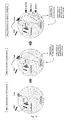
- FIG. 18 Schematic representation of the mechanism of activation of HUVEC by poly(G):poly(C) compounds (RGC).
- FIG. 19 Activation of HUVECs by a modified poly(G):poly(C) compound according to the invention.
- HUVECs were seeded in 24-well plates at 5 ⁇ 10 4 cells/well, and incubated with (G:C) 75 RNA or biotinylated (G:C) 75 RNA (RGC-Biotine) at 6 ⁇ g/ml in the presence of the transfection reagent (Tfx) riboxx® FECT (RiboxX GmbH, Radebeul, Germany) according to the manufacturer's instructions. The mean results of two independent measurements for each cytokine are shown.
- CC cell culture supernatant as negative control.
- Tfx cells incubated with transfection reagent alone.
- the indicated chemokines were measured in the cell culture supernatant by ELISA.
- FIG. 20 Comparison of activation of HUVECs by a modified poly(G):poly(C) compound according to the invention and poly(I:C).
- HUVECs were seeded in 24-well plates at 5 ⁇ 10 4 cells/well and incubated with unmodified (G:C) 75 (RGC), biotinylated (G:C) 75 (RGC-Biotine), poly(I:C) (pIC) or biotinylated poly(I:C) (pIC-Biotine) at the indicated concentrations in the presence (+Tfx) or absence ( ⁇ Tfx) of the transfection reagent riboxx® FECT (RiboxX GmbH, Radebeul, Germany) according to the manufacturer's instructions.
- IP-10 was measured in the cell culture supernatant by ELISA. The mean results +/ ⁇ SEM of two independent experiments are shown.
- CC cell culture supernatant as negative control.
- Tfx cells incubated with transfection reagent alone.
- FIG. 21 Analysis of biotinylated (G:C) 75 bound to anti-biotin antibody (RGC-Biotine-mAb, “ARC”) by native polyamide gel electrophoresis (PAGE; 6% polyacrylamide) after staining with ethidium bromide.
- Biotinylated (G:C) 75 (RGC-Biotine) was bound to anti-biotin mAb using different ratios of RGC-Biotineto mAB (from left to right (RGC-Biotine:mAb: 1:0.33, 1:0.5, 1:0.67, 1:1, 1.5:1, 2:1, 3:1).
- the migration of RGC-Biotine alone is shown in the marker lane on the left.
- the slower migrating RGC-Biotine-mAB construct is clearly visible.
- FIG. 23 Activation of HUVECs by various biotinylated (G:C) 75 coupled to an anti-biotin mAb (ARC constructs).
- G:C biotinylated
- ARC constructs anti-biotin mAb
- CC cell culture supernatant.
- CC+Tfx cells incubated with transfection reagent alone.
- RGC unmodified (G:C) 75 .
- pIC poly(I:C).
- pIC-Bio biotinylated poly(I:C).
- FIG. 24 Activation of HUVECs by various modified (G:C) 75 constructs wherein the modification is either at a 3′-terminal phosphate or a 5′-terminal phosphate of (G:C) 75 .
- the same conditions and controls were used as in FIG. 23 .
- FIG. 25 Activation of HUVECS by biotinylated (G:C) 75 coupled to mAb (ARC-5AH-Bio) in comparison to biotinylated (G:C) 75 not coupled to an antibody (RGC-5AH-Bio).
- ARC-5AH-Bio biotinylated
- RRC-5AH-Bio an antibody
- dsRNAs of the present examples were (G:C) x with x being 75 or 100, respectively.
- all references to (G:C)x constructs are understood to be poly(rG:rC) molecules of the indicated length, i.e. dsRNAs.
- the poly(C) strand was prepared by chemical synthesis, and either the 5′-terminal phosphate or the 3′-terminal phosphate was derivatized using standard nucleic acid modification chemistry (see, e.g. Hermanson G. T. (2008), supra, so as to provide 3′-terminal or 5′-terminal structures, in particular those according to formulas (II) to (VIII).
- the complementary poly(G) strand was prepared using a RNA-dependent RNA polymerase from a calicivirus, rGTP, and appropriate buffer conditions as outlined in WO-A-2007/012329, with the modified (for controls: unmodified) poly(C) strand as the template.
- the usage of the viral RdRp leads to a free triphosphate group at the 5′-terminal end of the poly(G) strand.
- constructs having a biotin moiety were coupled to an anti-biotin mAb (Sigma).
- Analytics of exemplary antibody-coupled constructs is shown in FIGS. 21 (native PAGE) and 22 (SEC-HPLC).
- HUVECs were transfected with (G:C) 75 dsRNA at 6 ⁇ g/ml according to the protocol of Example 2. Expression of proteins of interest was analyzed by cell cytometry on a CUBE machine (PartecGmbH, Meckenheim, Germany) as outlined in the legend of FIG. 21 .
- dsRNA constructs of the invention strongly activate immune (JAWS II dentritic cells, RAW 254.7 macrophages) as well as non-immune cells (HUVEC endothelial cells); see FIGS. 3, 4, 5, 6, 8, 9, 10, 19, 20, 23, 24, 25 ).
- the modification of dsRNAs according to the present invention does not impede the activation of immune and non-immune cells seen with unmodified dsRNA constructs.
- the activation by dsRNA constructs of the invention can be as high as that of the reference substance poly(I:C).
- FIGS. 11 to 15 show that dsRNA compounds according to the invention are taken up by endothelial cells (HUVECs) and localized to the endosome and lysosomes, leading to activation of endosomal TLR-3.
- IP-10 is an important trigger of integrin and selectin expression and plays an important role in T cell recruitment.
- IP-10 has also strong ant-angiogenic properties such that dsRNA constructs of the invention are particularly suited for cancer treatment (by impeding or hindering of tumoral neo-angiogenesis).
- dsRNA constructs as described herein lead to strong expression of selectins and integrins in HUVECs upon transfection with dsRNAs according to the present disclosure.
- the underlying mechanism is presumably the over-expression of surface TLR-3 upon uptake of the dsRNA construct, followed bv restimulation of surface TLR-3 by circulating dsRNA constructs; cf. FIGS. 17 and 18.
- the present invention provides a totally new concept for activation of endothelial cells by TLR-3 agonists in that an antibody-coupled dsRNA construct as described herein could be used for targeted activation of cells such as endothelial cells, which can than be further stimulated by circulating TLR-3 agonists (which could be again a modified dsRNA construct as described herein or an unmodified dsRNA such as those corresponding to the unmodified dsRNA construct and/or another TLR-3 agonist known in the art).
Landscapes
- Health & Medical Sciences (AREA)
- Life Sciences & Earth Sciences (AREA)
- Engineering & Computer Science (AREA)
- Bioinformatics & Cheminformatics (AREA)
- Chemical & Material Sciences (AREA)
- General Health & Medical Sciences (AREA)
- Public Health (AREA)
- Veterinary Medicine (AREA)
- Pharmacology & Pharmacy (AREA)
- Epidemiology (AREA)
- Animal Behavior & Ethology (AREA)
- Medicinal Chemistry (AREA)
- Genetics & Genomics (AREA)
- Immunology (AREA)
- Biomedical Technology (AREA)
- Molecular Biology (AREA)
- Microbiology (AREA)
- General Engineering & Computer Science (AREA)
- Organic Chemistry (AREA)
- Zoology (AREA)
- Wood Science & Technology (AREA)
- Biotechnology (AREA)
- Biochemistry (AREA)
- Mycology (AREA)
- Plant Pathology (AREA)
- Biophysics (AREA)
- Physics & Mathematics (AREA)
- Botany (AREA)
- Chemical Kinetics & Catalysis (AREA)
- General Chemical & Material Sciences (AREA)
- Pharmaceuticals Containing Other Organic And Inorganic Compounds (AREA)
Applications Claiming Priority (7)
| Application Number | Priority Date | Filing Date | Title |
|---|---|---|---|
| EP14161378 | 2014-03-24 | ||
| EP14161378.6 | 2014-03-24 | ||
| EP14161378 | 2014-03-24 | ||
| EP14166933 | 2014-05-02 | ||
| EP14166933 | 2014-05-02 | ||
| EP14166933.3 | 2014-05-02 | ||
| PCT/EP2015/056318 WO2015144736A1 (fr) | 2014-03-24 | 2015-03-24 | Arns double brin conjugués et leur utilisation |
Publications (2)
| Publication Number | Publication Date |
|---|---|
| US20170107517A1 US20170107517A1 (en) | 2017-04-20 |
| US10273484B2 true US10273484B2 (en) | 2019-04-30 |
Family
ID=52785051
Family Applications (1)
| Application Number | Title | Priority Date | Filing Date |
|---|---|---|---|
| US15/129,337 Active US10273484B2 (en) | 2014-03-24 | 2015-03-24 | Double-stranded RNA conjugates and their use |
Country Status (3)
| Country | Link |
|---|---|
| US (1) | US10273484B2 (fr) |
| EP (1) | EP3126501A1 (fr) |
| WO (1) | WO2015144736A1 (fr) |
Cited By (1)
| Publication number | Priority date | Publication date | Assignee | Title |
|---|---|---|---|---|
| WO2022189861A1 (fr) | 2021-03-08 | 2022-09-15 | Tollys | Conjugués d'hydrates de carbone de ligands tlr3 et leurs utilisations |
Families Citing this family (6)
| Publication number | Priority date | Publication date | Assignee | Title |
|---|---|---|---|---|
| KR102589295B1 (ko) | 2014-05-14 | 2023-10-13 | 타르그이뮨 테라퓨틱스 아게 | 개선된 폴리에틸렌이민 폴리에틸렌글리콜 벡터 |
| WO2017121494A1 (fr) * | 2016-01-15 | 2017-07-20 | Riboxx Gmbh | Nucléotides, oligonucléotides et polynucléotides immunostimuleurs courts 5'-triphosphatés |
| WO2017173427A1 (fr) | 2016-04-01 | 2017-10-05 | Vycellix Inc | Nouvelle construction d'arn et méthodes d'utilisation de cette dernière pour améliorer les effets thérapeutiques de cellules cytotoxiques et de cellules souches |
| JP7366057B2 (ja) | 2018-04-19 | 2023-10-20 | チェックメイト ファーマシューティカルズ, インコーポレイテッド | 合成rig-i様受容体アゴニスト |
| CN114761558B (zh) | 2019-07-02 | 2025-08-01 | 株式会社Na疫苗研究所 | 新型核糖核酸和基于其的药物组合物 |
| KR20240103029A (ko) | 2021-11-18 | 2024-07-03 | 노파르티스 아게 | 샤르코 마리 투스 질환 치료용 pmp22 표적화 화합물 |
Citations (7)
| Publication number | Priority date | Publication date | Assignee | Title |
|---|---|---|---|---|
| WO2004092191A2 (fr) | 2003-04-13 | 2004-10-28 | Enzon Pharmaceuticals, Inc. | Promedicaments oligonucleotidiques polymeres |
| WO2007012329A2 (fr) | 2005-07-25 | 2007-02-01 | Technische Universität Dresden | Arn polymerase dependant de l'arn, procedes et kits pour marquer et/ou amplifier l'arn |
| WO2011009624A1 (fr) | 2009-07-22 | 2011-01-27 | Cenix Bioscience Gmbh | Système d'administration et conjugués pour l'administration de composés par des voies de transport intracellulaire naturelles |
| WO2012030745A1 (fr) | 2010-08-30 | 2012-03-08 | Access Pharmaecuticals, Inc | Ciblage multivitaminique de traitement par arn interférant |
| WO2013064584A1 (fr) | 2011-10-31 | 2013-05-10 | Riboxx Gmbh | Arn double brin pour l'immunostimulation |
| WO2013097965A1 (fr) | 2011-12-30 | 2013-07-04 | Riboxx Gmbh | Arn bicaténaire contenant un triphosphate pour l'immunostimulation |
| WO2014022739A2 (fr) | 2012-08-03 | 2014-02-06 | Alnylam Pharmaceuticals, Inc. | Agents constitués d'arni modifié |
Family Cites Families (2)
| Publication number | Priority date | Publication date | Assignee | Title |
|---|---|---|---|---|
| AU2007299705B2 (en) | 2006-09-22 | 2012-09-06 | Dharmacon, Inc. | Duplex oligonucleotide complexes and methods for gene silencing by RNA interference |
| WO2012016188A2 (fr) | 2010-07-30 | 2012-02-02 | Alnylam Pharmaceuticals, Inc. | Procédés et compositions pour l'administration d'agents actifs |
-
2015
- 2015-03-24 EP EP15713676.3A patent/EP3126501A1/fr not_active Withdrawn
- 2015-03-24 US US15/129,337 patent/US10273484B2/en active Active
- 2015-03-24 WO PCT/EP2015/056318 patent/WO2015144736A1/fr not_active Ceased
Patent Citations (7)
| Publication number | Priority date | Publication date | Assignee | Title |
|---|---|---|---|---|
| WO2004092191A2 (fr) | 2003-04-13 | 2004-10-28 | Enzon Pharmaceuticals, Inc. | Promedicaments oligonucleotidiques polymeres |
| WO2007012329A2 (fr) | 2005-07-25 | 2007-02-01 | Technische Universität Dresden | Arn polymerase dependant de l'arn, procedes et kits pour marquer et/ou amplifier l'arn |
| WO2011009624A1 (fr) | 2009-07-22 | 2011-01-27 | Cenix Bioscience Gmbh | Système d'administration et conjugués pour l'administration de composés par des voies de transport intracellulaire naturelles |
| WO2012030745A1 (fr) | 2010-08-30 | 2012-03-08 | Access Pharmaecuticals, Inc | Ciblage multivitaminique de traitement par arn interférant |
| WO2013064584A1 (fr) | 2011-10-31 | 2013-05-10 | Riboxx Gmbh | Arn double brin pour l'immunostimulation |
| WO2013097965A1 (fr) | 2011-12-30 | 2013-07-04 | Riboxx Gmbh | Arn bicaténaire contenant un triphosphate pour l'immunostimulation |
| WO2014022739A2 (fr) | 2012-08-03 | 2014-02-06 | Alnylam Pharmaceuticals, Inc. | Agents constitués d'arni modifié |
Non-Patent Citations (7)
| Title |
|---|
| "Synthesis and Properties of Oligonucleotides Carrying Isoquinoline Imidazo[1,2- a ]azine Fluorescent Units"-Sonia Perez-Rentero, et al., Sep. 15, 2010, Bioconjugate Chem, 21, 1622-1628. |
| "Synthesis of Oligoribonucleic Acid Conjugates Using a Cyclooctyne Phosphoramidite"-Pieter Van Delft, et al., Dec. 3, 2010, Organinc Letters 2010 vol. 12, No. 23, 5486-5489. |
| "Synthesis and Properties of Oligonucleotides Carrying Isoquinoline Imidazo[1,2- a ]azine Fluorescent Units"—Sonia Perez-Rentero, et al., Sep. 15, 2010, Bioconjugate Chem, 21, 1622-1628. |
| "Synthesis of Oligoribonucleic Acid Conjugates Using a Cyclooctyne Phosphoramidite"—Pieter Van Delft, et al., Dec. 3, 2010, Organinc Letters 2010 vol. 12, No. 23, 5486-5489. |
| Ekambar R. Kandimalla, et al., "Conjugation of ligands at the 5′-end of CpG DNA affects immunostimulatory activity" Bioconjugate Chem. 2002, 13, 966-974. |
| Lin et al. (Journal of Virology, 2012, 86, 19, pp. 10359-10369). * |
| Mian (Journal of Leukocyte Biology, 2013, 94, 1025-1036). * |
Cited By (1)
| Publication number | Priority date | Publication date | Assignee | Title |
|---|---|---|---|---|
| WO2022189861A1 (fr) | 2021-03-08 | 2022-09-15 | Tollys | Conjugués d'hydrates de carbone de ligands tlr3 et leurs utilisations |
Also Published As
| Publication number | Publication date |
|---|---|
| WO2015144736A1 (fr) | 2015-10-01 |
| US20170107517A1 (en) | 2017-04-20 |
| EP3126501A1 (fr) | 2017-02-08 |
Similar Documents
| Publication | Publication Date | Title |
|---|---|---|
| US10273484B2 (en) | Double-stranded RNA conjugates and their use | |
| US12377131B2 (en) | Cytokine conjugates for the treatment of autoimmune diseases | |
| EP4516358A2 (fr) | Conjugués d'il-15 et leurs utilisations | |
| US20190292216A1 (en) | Cyclic Di-Nucleotide Induction of Type I Interferon | |
| US20220273767A1 (en) | Interleukin 10 Conjugates and Uses Thereof | |
| US11382966B2 (en) | Method for designing RIG-I ligands | |
| EP3083962B1 (fr) | Arn polyc:poly(g/i) bicaténaire pour l'immunostimulation et le traitement du cancer | |
| WO2018192505A1 (fr) | Polynucléotides immunomodulateurs et utilisations de ces derniers | |
| Jiang et al. | Targeted delivery of CXCR4-siRNA by scFv for HER2+ breast cancer therapy | |
| WO2017121494A1 (fr) | Nucléotides, oligonucléotides et polynucléotides immunostimuleurs courts 5'-triphosphatés | |
| RU2829811C1 (ru) | Конъюгаты интерлейкина 10 и варианты их применения |
Legal Events
| Date | Code | Title | Description |
|---|---|---|---|
| AS | Assignment |
Owner name: RIBOXX GMBH, GERMANY Free format text: ASSIGNMENT OF ASSIGNORS INTEREST;ASSIGNORS:ROHAYEM, JACQUES;NAUMANN, KAI;SIGNING DATES FROM 20161107 TO 20170106;REEL/FRAME:041827/0746 |
|
| STPP | Information on status: patent application and granting procedure in general |
Free format text: PUBLICATIONS -- ISSUE FEE PAYMENT VERIFIED |
|
| STCF | Information on status: patent grant |
Free format text: PATENTED CASE |
|
| MAFP | Maintenance fee payment |
Free format text: PAYMENT OF MAINTENANCE FEE, 4TH YR, SMALL ENTITY (ORIGINAL EVENT CODE: M2551); ENTITY STATUS OF PATENT OWNER: SMALL ENTITY Year of fee payment: 4 |