US10696919B2 - Lubricant dispersed with carbon nanotubes - Google Patents
Lubricant dispersed with carbon nanotubes Download PDFInfo
- Publication number
- US10696919B2 US10696919B2 US15/766,528 US201615766528A US10696919B2 US 10696919 B2 US10696919 B2 US 10696919B2 US 201615766528 A US201615766528 A US 201615766528A US 10696919 B2 US10696919 B2 US 10696919B2
- Authority
- US
- United States
- Prior art keywords
- cnts
- surface modified
- lubricant
- solution
- weight
- Prior art date
- Legal status (The legal status is an assumption and is not a legal conclusion. Google has not performed a legal analysis and makes no representation as to the accuracy of the status listed.)
- Active, expires
Links
- OKTJSMMVPCPJKN-UHFFFAOYSA-N Carbon Chemical compound [C] OKTJSMMVPCPJKN-UHFFFAOYSA-N 0.000 title claims abstract description 403
- 239000002041 carbon nanotube Substances 0.000 title claims abstract description 309
- 229910021393 carbon nanotube Inorganic materials 0.000 title claims abstract description 306
- 239000000314 lubricant Substances 0.000 title claims abstract description 118
- 238000000034 method Methods 0.000 claims abstract description 39
- 239000002253 acid Substances 0.000 claims abstract description 19
- 239000000194 fatty acid Substances 0.000 claims abstract description 19
- 230000001590 oxidative effect Effects 0.000 claims abstract description 17
- 238000000498 ball milling Methods 0.000 claims abstract description 16
- 235000014113 dietary fatty acids Nutrition 0.000 claims abstract description 16
- 229930195729 fatty acid Natural products 0.000 claims abstract description 16
- 150000004665 fatty acids Chemical class 0.000 claims abstract description 16
- 238000010992 reflux Methods 0.000 claims abstract description 9
- 239000012535 impurity Substances 0.000 claims abstract description 7
- 238000002360 preparation method Methods 0.000 claims abstract description 5
- VEXZGXHMUGYJMC-UHFFFAOYSA-N Hydrochloric acid Chemical compound Cl VEXZGXHMUGYJMC-UHFFFAOYSA-N 0.000 claims description 29
- 125000000524 functional group Chemical group 0.000 claims description 20
- 239000000654 additive Substances 0.000 claims description 14
- 239000000725 suspension Substances 0.000 claims description 11
- 125000002887 hydroxy group Chemical group [H]O* 0.000 claims description 10
- 239000000203 mixture Substances 0.000 claims description 10
- QAOWNCQODCNURD-UHFFFAOYSA-N Sulfuric acid Chemical compound OS(O)(=O)=O QAOWNCQODCNURD-UHFFFAOYSA-N 0.000 claims description 9
- 238000001914 filtration Methods 0.000 claims description 9
- 239000001117 sulphuric acid Substances 0.000 claims description 9
- 235000011149 sulphuric acid Nutrition 0.000 claims description 9
- XLYOFNOQVPJJNP-UHFFFAOYSA-N water Chemical compound O XLYOFNOQVPJJNP-UHFFFAOYSA-N 0.000 claims description 9
- 125000003178 carboxy group Chemical group [H]OC(*)=O 0.000 claims description 8
- 239000002199 base oil Substances 0.000 claims description 7
- 239000012153 distilled water Substances 0.000 claims description 7
- VLKZOEOYAKHREP-UHFFFAOYSA-N n-Hexane Chemical compound CCCCCC VLKZOEOYAKHREP-UHFFFAOYSA-N 0.000 claims description 6
- UONOETXJSWQNOL-UHFFFAOYSA-N tungsten carbide Chemical compound [W+]#[C-] UONOETXJSWQNOL-UHFFFAOYSA-N 0.000 claims description 6
- 238000010438 heat treatment Methods 0.000 claims description 5
- 239000000523 sample Substances 0.000 claims description 5
- POULHZVOKOAJMA-UHFFFAOYSA-N dodecanoic acid Chemical compound CCCCCCCCCCCC(O)=O POULHZVOKOAJMA-UHFFFAOYSA-N 0.000 claims description 4
- GRYLNZFGIOXLOG-UHFFFAOYSA-N Nitric acid Chemical compound O[N+]([O-])=O GRYLNZFGIOXLOG-UHFFFAOYSA-N 0.000 claims description 3
- 235000021355 Stearic acid Nutrition 0.000 claims description 3
- 239000012528 membrane Substances 0.000 claims description 3
- 229910017604 nitric acid Inorganic materials 0.000 claims description 3
- QIQXTHQIDYTFRH-UHFFFAOYSA-N octadecanoic acid Chemical compound CCCCCCCCCCCCCCCCCC(O)=O QIQXTHQIDYTFRH-UHFFFAOYSA-N 0.000 claims description 3
- OQCDKBAXFALNLD-UHFFFAOYSA-N octadecanoic acid Natural products CCCCCCCC(C)CCCCCCCCC(O)=O OQCDKBAXFALNLD-UHFFFAOYSA-N 0.000 claims description 3
- 239000008117 stearic acid Substances 0.000 claims description 3
- 239000005639 Lauric acid Substances 0.000 claims description 2
- MHAJPDPJQMAIIY-UHFFFAOYSA-N Hydrogen peroxide Chemical compound OO MHAJPDPJQMAIIY-UHFFFAOYSA-N 0.000 claims 2
- 238000001035 drying Methods 0.000 claims 2
- 238000005406 washing Methods 0.000 claims 2
- WRIDQFICGBMAFQ-UHFFFAOYSA-N (E)-8-Octadecenoic acid Natural products CCCCCCCCCC=CCCCCCCC(O)=O WRIDQFICGBMAFQ-UHFFFAOYSA-N 0.000 claims 1
- LQJBNNIYVWPHFW-UHFFFAOYSA-N 20:1omega9c fatty acid Natural products CCCCCCCCCCC=CCCCCCCCC(O)=O LQJBNNIYVWPHFW-UHFFFAOYSA-N 0.000 claims 1
- QSBYPNXLFMSGKH-UHFFFAOYSA-N 9-Heptadecensaeure Natural products CCCCCCCC=CCCCCCCCC(O)=O QSBYPNXLFMSGKH-UHFFFAOYSA-N 0.000 claims 1
- 239000005642 Oleic acid Substances 0.000 claims 1
- ZQPPMHVWECSIRJ-UHFFFAOYSA-N Oleic acid Natural products CCCCCCCCC=CCCCCCCCC(O)=O ZQPPMHVWECSIRJ-UHFFFAOYSA-N 0.000 claims 1
- 238000001816 cooling Methods 0.000 claims 1
- 239000008367 deionised water Substances 0.000 claims 1
- 229910021641 deionized water Inorganic materials 0.000 claims 1
- 238000007865 diluting Methods 0.000 claims 1
- QXJSBBXBKPUZAA-UHFFFAOYSA-N isooleic acid Natural products CCCCCCCC=CCCCCCCCCC(O)=O QXJSBBXBKPUZAA-UHFFFAOYSA-N 0.000 claims 1
- ZQPPMHVWECSIRJ-KTKRTIGZSA-N oleic acid Chemical compound CCCCCCCC\C=C/CCCCCCCC(O)=O ZQPPMHVWECSIRJ-KTKRTIGZSA-N 0.000 claims 1
- XOJVVFBFDXDTEG-UHFFFAOYSA-N Norphytane Natural products CC(C)CCCC(C)CCCC(C)CCCC(C)C XOJVVFBFDXDTEG-UHFFFAOYSA-N 0.000 description 75
- 238000012360 testing method Methods 0.000 description 72
- 239000010705 motor oil Substances 0.000 description 62
- 239000012208 gear oil Substances 0.000 description 41
- 239000010710 diesel engine oil Substances 0.000 description 37
- 239000000243 solution Substances 0.000 description 34
- 231100000241 scar Toxicity 0.000 description 17
- 239000000446 fuel Substances 0.000 description 13
- 239000003921 oil Substances 0.000 description 12
- 230000015572 biosynthetic process Effects 0.000 description 11
- 238000000527 sonication Methods 0.000 description 11
- 238000005260 corrosion Methods 0.000 description 10
- 230000007797 corrosion Effects 0.000 description 10
- 239000002086 nanomaterial Substances 0.000 description 10
- RYGMFSIKBFXOCR-UHFFFAOYSA-N Copper Chemical compound [Cu] RYGMFSIKBFXOCR-UHFFFAOYSA-N 0.000 description 9
- 229910052802 copper Inorganic materials 0.000 description 9
- 239000010949 copper Substances 0.000 description 9
- 230000006872 improvement Effects 0.000 description 7
- 230000004048 modification Effects 0.000 description 7
- 238000012986 modification Methods 0.000 description 7
- 238000010998 test method Methods 0.000 description 7
- 238000004458 analytical method Methods 0.000 description 5
- 230000006835 compression Effects 0.000 description 5
- 238000007906 compression Methods 0.000 description 5
- 230000004580 weight loss Effects 0.000 description 5
- 238000003466 welding Methods 0.000 description 5
- 241001125879 Gobio Species 0.000 description 4
- PXHVJJICTQNCMI-UHFFFAOYSA-N Nickel Chemical compound [Ni] PXHVJJICTQNCMI-UHFFFAOYSA-N 0.000 description 4
- HCHKCACWOHOZIP-UHFFFAOYSA-N Zinc Chemical compound [Zn] HCHKCACWOHOZIP-UHFFFAOYSA-N 0.000 description 4
- 230000008569 process Effects 0.000 description 4
- 229910052725 zinc Inorganic materials 0.000 description 4
- 239000011701 zinc Substances 0.000 description 4
- 238000005033 Fourier transform infrared spectroscopy Methods 0.000 description 3
- IMNFDUFMRHMDMM-UHFFFAOYSA-N N-Heptane Chemical compound CCCCCCC IMNFDUFMRHMDMM-UHFFFAOYSA-N 0.000 description 3
- KWYUFKZDYYNOTN-UHFFFAOYSA-M Potassium hydroxide Chemical compound [OH-].[K+] KWYUFKZDYYNOTN-UHFFFAOYSA-M 0.000 description 3
- ATJFFYVFTNAWJD-UHFFFAOYSA-N Tin Chemical compound [Sn] ATJFFYVFTNAWJD-UHFFFAOYSA-N 0.000 description 3
- 230000002378 acidificating effect Effects 0.000 description 3
- 150000007513 acids Chemical class 0.000 description 3
- 230000008859 change Effects 0.000 description 3
- 125000004122 cyclic group Chemical group 0.000 description 3
- 238000011068 loading method Methods 0.000 description 3
- 230000001050 lubricating effect Effects 0.000 description 3
- 239000000126 substance Substances 0.000 description 3
- 229910052718 tin Inorganic materials 0.000 description 3
- QTBSBXVTEAMEQO-UHFFFAOYSA-N Acetic acid Chemical compound CC(O)=O QTBSBXVTEAMEQO-UHFFFAOYSA-N 0.000 description 2
- OYPRJOBELJOOCE-UHFFFAOYSA-N Calcium Chemical compound [Ca] OYPRJOBELJOOCE-UHFFFAOYSA-N 0.000 description 2
- XUIMIQQOPSSXEZ-UHFFFAOYSA-N Silicon Chemical compound [Si] XUIMIQQOPSSXEZ-UHFFFAOYSA-N 0.000 description 2
- 229910003481 amorphous carbon Inorganic materials 0.000 description 2
- 229910052791 calcium Inorganic materials 0.000 description 2
- 239000011575 calcium Substances 0.000 description 2
- 239000006185 dispersion Substances 0.000 description 2
- 238000006073 displacement reaction Methods 0.000 description 2
- 125000004185 ester group Chemical group 0.000 description 2
- 238000011156 evaluation Methods 0.000 description 2
- IPCSVZSSVZVIGE-UHFFFAOYSA-N hexadecanoic acid Chemical compound CCCCCCCCCCCCCCCC(O)=O IPCSVZSSVZVIGE-UHFFFAOYSA-N 0.000 description 2
- -1 i.e. Substances 0.000 description 2
- 239000003112 inhibitor Substances 0.000 description 2
- 238000002347 injection Methods 0.000 description 2
- 239000007924 injection Substances 0.000 description 2
- 238000005461 lubrication Methods 0.000 description 2
- 239000000463 material Substances 0.000 description 2
- 229910052751 metal Inorganic materials 0.000 description 2
- 239000002184 metal Substances 0.000 description 2
- 239000002923 metal particle Substances 0.000 description 2
- 150000002739 metals Chemical class 0.000 description 2
- 229910052759 nickel Inorganic materials 0.000 description 2
- ZODDGFAZWTZOSI-UHFFFAOYSA-N nitric acid;sulfuric acid Chemical compound O[N+]([O-])=O.OS(O)(=O)=O ZODDGFAZWTZOSI-UHFFFAOYSA-N 0.000 description 2
- VLTRZXGMWDSKGL-UHFFFAOYSA-N perchloric acid Chemical compound OCl(=O)(=O)=O VLTRZXGMWDSKGL-UHFFFAOYSA-N 0.000 description 2
- 230000002035 prolonged effect Effects 0.000 description 2
- 238000000746 purification Methods 0.000 description 2
- 230000009467 reduction Effects 0.000 description 2
- 239000010703 silicon Substances 0.000 description 2
- 229910052710 silicon Inorganic materials 0.000 description 2
- 239000002904 solvent Substances 0.000 description 2
- 239000011135 tin Substances 0.000 description 2
- ZOXJGFHDIHLPTG-UHFFFAOYSA-N Boron Chemical compound [B] ZOXJGFHDIHLPTG-UHFFFAOYSA-N 0.000 description 1
- 229910052684 Cerium Inorganic materials 0.000 description 1
- 208000032544 Cicatrix Diseases 0.000 description 1
- NHTMVDHEPJAVLT-UHFFFAOYSA-N Isooctane Chemical compound CC(C)CC(C)(C)C NHTMVDHEPJAVLT-UHFFFAOYSA-N 0.000 description 1
- FYYHWMGAXLPEAU-UHFFFAOYSA-N Magnesium Chemical compound [Mg] FYYHWMGAXLPEAU-UHFFFAOYSA-N 0.000 description 1
- ZOKXTWBITQBERF-UHFFFAOYSA-N Molybdenum Chemical compound [Mo] ZOKXTWBITQBERF-UHFFFAOYSA-N 0.000 description 1
- 235000021314 Palmitic acid Nutrition 0.000 description 1
- BQCADISMDOOEFD-UHFFFAOYSA-N Silver Chemical compound [Ag] BQCADISMDOOEFD-UHFFFAOYSA-N 0.000 description 1
- RTAQQCXQSZGOHL-UHFFFAOYSA-N Titanium Chemical compound [Ti] RTAQQCXQSZGOHL-UHFFFAOYSA-N 0.000 description 1
- 229960000583 acetic acid Drugs 0.000 description 1
- 230000000996 additive effect Effects 0.000 description 1
- 229910052782 aluminium Inorganic materials 0.000 description 1
- XAGFODPZIPBFFR-UHFFFAOYSA-N aluminium Chemical compound [Al] XAGFODPZIPBFFR-UHFFFAOYSA-N 0.000 description 1
- 239000003963 antioxidant agent Substances 0.000 description 1
- 229910052796 boron Inorganic materials 0.000 description 1
- 229910052799 carbon Inorganic materials 0.000 description 1
- GWXLDORMOJMVQZ-UHFFFAOYSA-N cerium Chemical compound [Ce] GWXLDORMOJMVQZ-UHFFFAOYSA-N 0.000 description 1
- 239000011248 coating agent Substances 0.000 description 1
- 238000000576 coating method Methods 0.000 description 1
- 238000002485 combustion reaction Methods 0.000 description 1
- 239000000356 contaminant Substances 0.000 description 1
- 230000001276 controlling effect Effects 0.000 description 1
- 239000012809 cooling fluid Substances 0.000 description 1
- 108010011222 cyclo(Arg-Pro) Proteins 0.000 description 1
- 239000003599 detergent Substances 0.000 description 1
- JVSWJIKNEAIKJW-UHFFFAOYSA-N dimethyl-hexane Natural products CCCCCC(C)C JVSWJIKNEAIKJW-UHFFFAOYSA-N 0.000 description 1
- 230000000694 effects Effects 0.000 description 1
- 150000002222 fluorine compounds Chemical class 0.000 description 1
- 238000005242 forging Methods 0.000 description 1
- 238000007429 general method Methods 0.000 description 1
- 239000012362 glacial acetic acid Substances 0.000 description 1
- 239000011521 glass Substances 0.000 description 1
- 230000005484 gravity Effects 0.000 description 1
- BHEPBYXIRTUNPN-UHFFFAOYSA-N hydridophosphorus(.) (triplet) Chemical compound [PH] BHEPBYXIRTUNPN-UHFFFAOYSA-N 0.000 description 1
- XEMZLVDIUVCKGL-UHFFFAOYSA-N hydrogen peroxide;sulfuric acid Chemical compound OO.OS(O)(=O)=O XEMZLVDIUVCKGL-UHFFFAOYSA-N 0.000 description 1
- 238000007654 immersion Methods 0.000 description 1
- 238000007373 indentation Methods 0.000 description 1
- 230000003993 interaction Effects 0.000 description 1
- JEIPFZHSYJVQDO-UHFFFAOYSA-N iron(III) oxide Inorganic materials O=[Fe]O[Fe]=O JEIPFZHSYJVQDO-UHFFFAOYSA-N 0.000 description 1
- 229910052746 lanthanum Inorganic materials 0.000 description 1
- FZLIPJUXYLNCLC-UHFFFAOYSA-N lanthanum atom Chemical compound [La] FZLIPJUXYLNCLC-UHFFFAOYSA-N 0.000 description 1
- 239000007788 liquid Substances 0.000 description 1
- 239000011777 magnesium Substances 0.000 description 1
- 229910052749 magnesium Inorganic materials 0.000 description 1
- 239000006078 metal deactivator Substances 0.000 description 1
- 229910044991 metal oxide Inorganic materials 0.000 description 1
- 150000004706 metal oxides Chemical class 0.000 description 1
- 239000002480 mineral oil Substances 0.000 description 1
- 235000010446 mineral oil Nutrition 0.000 description 1
- 150000007522 mineralic acids Chemical class 0.000 description 1
- 229910052750 molybdenum Inorganic materials 0.000 description 1
- 239000011733 molybdenum Substances 0.000 description 1
- WQEPLUUGTLDZJY-UHFFFAOYSA-N n-Pentadecanoic acid Natural products CCCCCCCCCCCCCCC(O)=O WQEPLUUGTLDZJY-UHFFFAOYSA-N 0.000 description 1
- 239000002105 nanoparticle Substances 0.000 description 1
- 229910052755 nonmetal Inorganic materials 0.000 description 1
- 150000002843 nonmetals Chemical class 0.000 description 1
- 230000003647 oxidation Effects 0.000 description 1
- 238000007254 oxidation reaction Methods 0.000 description 1
- 238000011056 performance test Methods 0.000 description 1
- 229920013639 polyalphaolefin Polymers 0.000 description 1
- 238000003918 potentiometric titration Methods 0.000 description 1
- 230000009257 reactivity Effects 0.000 description 1
- 230000001105 regulatory effect Effects 0.000 description 1
- 230000037387 scars Effects 0.000 description 1
- 229910052709 silver Inorganic materials 0.000 description 1
- 239000004332 silver Substances 0.000 description 1
- 239000004071 soot Substances 0.000 description 1
- 230000003068 static effect Effects 0.000 description 1
- 150000003568 thioethers Chemical class 0.000 description 1
- 239000010936 titanium Substances 0.000 description 1
- 229910052719 titanium Inorganic materials 0.000 description 1
- 238000002834 transmittance Methods 0.000 description 1
Images






Classifications
-
- C—CHEMISTRY; METALLURGY
- C10—PETROLEUM, GAS OR COKE INDUSTRIES; TECHNICAL GASES CONTAINING CARBON MONOXIDE; FUELS; LUBRICANTS; PEAT
- C10M—LUBRICATING COMPOSITIONS; USE OF CHEMICAL SUBSTANCES EITHER ALONE OR AS LUBRICATING INGREDIENTS IN A LUBRICATING COMPOSITION
- C10M177/00—Special methods of preparation of lubricating compositions; Chemical modification by after-treatment of components or of the whole of a lubricating composition, not covered by other classes
-
- C—CHEMISTRY; METALLURGY
- C10—PETROLEUM, GAS OR COKE INDUSTRIES; TECHNICAL GASES CONTAINING CARBON MONOXIDE; FUELS; LUBRICANTS; PEAT
- C10M—LUBRICATING COMPOSITIONS; USE OF CHEMICAL SUBSTANCES EITHER ALONE OR AS LUBRICATING INGREDIENTS IN A LUBRICATING COMPOSITION
- C10M125/00—Lubricating compositions characterised by the additive being an inorganic material
- C10M125/02—Carbon; Graphite
-
- C—CHEMISTRY; METALLURGY
- C10—PETROLEUM, GAS OR COKE INDUSTRIES; TECHNICAL GASES CONTAINING CARBON MONOXIDE; FUELS; LUBRICANTS; PEAT
- C10M—LUBRICATING COMPOSITIONS; USE OF CHEMICAL SUBSTANCES EITHER ALONE OR AS LUBRICATING INGREDIENTS IN A LUBRICATING COMPOSITION
- C10M171/00—Lubricating compositions characterised by purely physical criteria, e.g. containing as base-material, thickener or additive, ingredients which are characterised exclusively by their numerically specified physical properties, i.e. containing ingredients which are physically well-defined but for which the chemical nature is either unspecified or only very vaguely indicated
- C10M171/06—Particles of special shape or size
-
- C—CHEMISTRY; METALLURGY
- C10—PETROLEUM, GAS OR COKE INDUSTRIES; TECHNICAL GASES CONTAINING CARBON MONOXIDE; FUELS; LUBRICANTS; PEAT
- C10N—INDEXING SCHEME ASSOCIATED WITH SUBCLASS C10M RELATING TO LUBRICATING COMPOSITIONS
- C10N2020/00—Specified physical or chemical properties or characteristics, i.e. function, of component of lubricating compositions
- C10N2020/01—Physico-chemical properties
- C10N2020/055—Particles related characteristics
- C10N2020/06—Particles of special shape or size
-
- C—CHEMISTRY; METALLURGY
- C10—PETROLEUM, GAS OR COKE INDUSTRIES; TECHNICAL GASES CONTAINING CARBON MONOXIDE; FUELS; LUBRICANTS; PEAT
- C10N—INDEXING SCHEME ASSOCIATED WITH SUBCLASS C10M RELATING TO LUBRICATING COMPOSITIONS
- C10N2030/00—Specified physical or chemical properties which is improved by the additive characterising the lubricating composition, e.g. multifunctional additives
- C10N2030/02—Pour-point; Viscosity index
-
- C—CHEMISTRY; METALLURGY
- C10—PETROLEUM, GAS OR COKE INDUSTRIES; TECHNICAL GASES CONTAINING CARBON MONOXIDE; FUELS; LUBRICANTS; PEAT
- C10N—INDEXING SCHEME ASSOCIATED WITH SUBCLASS C10M RELATING TO LUBRICATING COMPOSITIONS
- C10N2030/00—Specified physical or chemical properties which is improved by the additive characterising the lubricating composition, e.g. multifunctional additives
- C10N2030/04—Detergent property or dispersant property
-
- C—CHEMISTRY; METALLURGY
- C10—PETROLEUM, GAS OR COKE INDUSTRIES; TECHNICAL GASES CONTAINING CARBON MONOXIDE; FUELS; LUBRICANTS; PEAT
- C10N—INDEXING SCHEME ASSOCIATED WITH SUBCLASS C10M RELATING TO LUBRICATING COMPOSITIONS
- C10N2030/00—Specified physical or chemical properties which is improved by the additive characterising the lubricating composition, e.g. multifunctional additives
- C10N2030/06—Oiliness; Film-strength; Anti-wear; Resistance to extreme pressure
-
- C—CHEMISTRY; METALLURGY
- C10—PETROLEUM, GAS OR COKE INDUSTRIES; TECHNICAL GASES CONTAINING CARBON MONOXIDE; FUELS; LUBRICANTS; PEAT
- C10N—INDEXING SCHEME ASSOCIATED WITH SUBCLASS C10M RELATING TO LUBRICATING COMPOSITIONS
- C10N2030/00—Specified physical or chemical properties which is improved by the additive characterising the lubricating composition, e.g. multifunctional additives
- C10N2030/12—Inhibition of corrosion, e.g. anti-rust agents or anti-corrosives
-
- C—CHEMISTRY; METALLURGY
- C10—PETROLEUM, GAS OR COKE INDUSTRIES; TECHNICAL GASES CONTAINING CARBON MONOXIDE; FUELS; LUBRICANTS; PEAT
- C10N—INDEXING SCHEME ASSOCIATED WITH SUBCLASS C10M RELATING TO LUBRICATING COMPOSITIONS
- C10N2030/00—Specified physical or chemical properties which is improved by the additive characterising the lubricating composition, e.g. multifunctional additives
- C10N2030/54—Fuel economy
-
- C—CHEMISTRY; METALLURGY
- C10—PETROLEUM, GAS OR COKE INDUSTRIES; TECHNICAL GASES CONTAINING CARBON MONOXIDE; FUELS; LUBRICANTS; PEAT
- C10N—INDEXING SCHEME ASSOCIATED WITH SUBCLASS C10M RELATING TO LUBRICATING COMPOSITIONS
- C10N2040/00—Specified use or application for which the lubricating composition is intended
- C10N2040/04—Oil-bath; Gear-boxes; Automatic transmissions; Traction drives
-
- C—CHEMISTRY; METALLURGY
- C10—PETROLEUM, GAS OR COKE INDUSTRIES; TECHNICAL GASES CONTAINING CARBON MONOXIDE; FUELS; LUBRICANTS; PEAT
- C10N—INDEXING SCHEME ASSOCIATED WITH SUBCLASS C10M RELATING TO LUBRICATING COMPOSITIONS
- C10N2040/00—Specified use or application for which the lubricating composition is intended
- C10N2040/10—Running-in-oil ; Grinding
-
- C—CHEMISTRY; METALLURGY
- C10—PETROLEUM, GAS OR COKE INDUSTRIES; TECHNICAL GASES CONTAINING CARBON MONOXIDE; FUELS; LUBRICANTS; PEAT
- C10N—INDEXING SCHEME ASSOCIATED WITH SUBCLASS C10M RELATING TO LUBRICATING COMPOSITIONS
- C10N2040/00—Specified use or application for which the lubricating composition is intended
- C10N2040/25—Internal-combustion engines
-
- C—CHEMISTRY; METALLURGY
- C10—PETROLEUM, GAS OR COKE INDUSTRIES; TECHNICAL GASES CONTAINING CARBON MONOXIDE; FUELS; LUBRICANTS; PEAT
- C10N—INDEXING SCHEME ASSOCIATED WITH SUBCLASS C10M RELATING TO LUBRICATING COMPOSITIONS
- C10N2040/00—Specified use or application for which the lubricating composition is intended
- C10N2040/25—Internal-combustion engines
- C10N2040/252—Diesel engines
-
- C—CHEMISTRY; METALLURGY
- C10—PETROLEUM, GAS OR COKE INDUSTRIES; TECHNICAL GASES CONTAINING CARBON MONOXIDE; FUELS; LUBRICANTS; PEAT
- C10N—INDEXING SCHEME ASSOCIATED WITH SUBCLASS C10M RELATING TO LUBRICATING COMPOSITIONS
- C10N2040/00—Specified use or application for which the lubricating composition is intended
- C10N2040/25—Internal-combustion engines
- C10N2040/255—Gasoline engines
-
- C—CHEMISTRY; METALLURGY
- C10—PETROLEUM, GAS OR COKE INDUSTRIES; TECHNICAL GASES CONTAINING CARBON MONOXIDE; FUELS; LUBRICANTS; PEAT
- C10N—INDEXING SCHEME ASSOCIATED WITH SUBCLASS C10M RELATING TO LUBRICATING COMPOSITIONS
- C10N2060/00—Chemical after-treatment of the constituents of the lubricating composition
-
- C—CHEMISTRY; METALLURGY
- C10—PETROLEUM, GAS OR COKE INDUSTRIES; TECHNICAL GASES CONTAINING CARBON MONOXIDE; FUELS; LUBRICANTS; PEAT
- C10N—INDEXING SCHEME ASSOCIATED WITH SUBCLASS C10M RELATING TO LUBRICATING COMPOSITIONS
- C10N2060/00—Chemical after-treatment of the constituents of the lubricating composition
- C10N2060/04—Oxidation, e.g. ozonisation
-
- C—CHEMISTRY; METALLURGY
- C10—PETROLEUM, GAS OR COKE INDUSTRIES; TECHNICAL GASES CONTAINING CARBON MONOXIDE; FUELS; LUBRICANTS; PEAT
- C10N—INDEXING SCHEME ASSOCIATED WITH SUBCLASS C10M RELATING TO LUBRICATING COMPOSITIONS
- C10N2070/00—Specific manufacturing methods for lubricant compositions
-
- C10N2220/082—
-
- C10N2230/02—
-
- C10N2230/04—
-
- C10N2230/06—
-
- C10N2230/12—
-
- C10N2230/54—
-
- C10N2240/04—
-
- C10N2240/10—
-
- C10N2240/102—
-
- C10N2240/104—
-
- C10N2260/00—
-
- C10N2260/04—
-
- C10N2270/00—
Definitions
- the present subject matter relates, in general, to lubricants and, in particular, to lubricants dispersed with carbon nanotubes.
- a lubricant is a substance introduced between surfaces in mutual contact, for example, in machines and automobiles, to reduce friction between the surfaces.
- the functions of the lubricant are to: (a) keep surfaces of moving components separated under all loads, temperatures and speeds, thus minimizing friction and wear; (b) act as a cooling fluid removing heat produced by friction or from external sources; (c) remain adequately stable in order to ensure uniform behavior over a forecasted useful life; and (d) protect surfaces of moving mechanical components from an attack of corrosive products formed during operation.
- one or more types of additives are added into a base oil in a lubricant composition.
- the additives are used to improve performance characteristics of the lubricants.
- the additives can be, for example, antioxidants, detergents, anti-wear substances, metal deactivators, corrosion inhibitors, and rust inhibitors.
- FIG. 1 illustrates a method 100 for preparation of a lubricant dispersed with the CNTs, in accordance with an implementation of the present subject matter.
- FIG. 2 illustrates a method 200 for surface modification by adding the CNTs to a solution comprising at least one fatty acid, in accordance with an implementation of the present subject matter.
- FIG. 3 illustrates oil piston rings 300 of a petrol engine used for performing endurance test, in accordance with an implementation of the present subject matter.
- FIG. 4( a ) illustrates a graph showing wear scar diameter for diesel engine oil with different weight % of the CNTs at 40 kgf load, in accordance with an implementation of the present subject matter.
- FIG. 4( b ) illustrates a graph showing wear scar diameter for petrol engine oil with different weight % of the CNTs at 40 kgf load, in accordance with an implementation of the present subject matter.
- FIG. 5( a ) illustrates a graph showing wear scar diameter for diesel engine oil with different weight % of the CNTs at 60 kgf load, in accordance with an implementation of the present subject matter.
- FIG. 5( b ) illustrates a graph showing wear scar diameter for petrol engine oil with different weight % of the CNTs at 60 kgf load, in accordance with an implementation of the present subject matter.
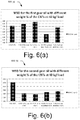
- FIG. 6( a ) illustrates a graph showing wear scar diameter for first gear oil with different weight % of the CNTs at 40 kgf load, in accordance with an implementation of the present subject matter.
- FIG. 6( b ) illustrates a graph showing wear scar diameter for second gear oil with different weight % of the CNTs at 40 kgf load, in accordance with an implementation of the present subject matter.
- FIG. 7( a ) illustrates a graph showing wear scar diameter for first gear oil with different weight % of the CNTs at 80 kgf load, in accordance with an implementation of the present subject matter.
- FIG. 7( b ) illustrates a graph showing wear scar diameter for second gear oil with different weight % of the CNTs at 80 kgf load, in accordance with an implementation of the present subject matter.
- FIG. 8( a ) illustrates a graph showing coefficient of friction for petrol engine oil with different weight % of the CNTs, in accordance with an implementation of the present subject matter.
- FIG. 8( b ) illustrates a graph showing seizure load for petrol engine oil with different weight % of the CNTs, in accordance with an implementation of the present subject matter.
- FIG. 9( a ) illustrates a graph showing coefficient of friction for diesel engine oil with different weight % of the CNTs, in accordance with an implementation of the present subject matter.
- FIG. 9( b ) illustrates a graph showing seizure load for diesel engine oil with different weight % of the CNTs, in accordance with an implementation of the present subject matter.
- FIG. 10( a ) illustrates a graph showing coefficient of friction for first gear oil with different weight % of the CNTs, in accordance with an implementation of the present subject matter.
- FIG. 10( b ) illustrates a graph showing seizure load for first gear oil with different weight % of the CNTs, in accordance with an implementation of the present subject matter.
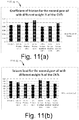
- FIG. 11( a ) illustrates a graph showing coefficient of friction for second gear oil with different weight % of the CNTs, in accordance with an implementation of the present subject matter.
- FIG. 11( b ) illustrates a graph showing seizure load for second gear oil with different weight % of the CNTs, in accordance with an implementation of the present subject matter.
- FIG. 12( a ) illustrates a graph showing load-wear index for first gear oil with different weight % of the CNTs, in accordance with an implementation of the present subject matter.
- FIG. 12( b ) illustrates a graph showing weld point for first gear oil with different weight % of the CNTs, in accordance with an implementation of the present subject matter.
- FIG. 13( a ) illustrates a graph showing load-wear index for second gear oil with different weight % of the CNTs, in accordance with an implementation of the present subject matter.
- FIG. 13( b ) illustrates a graph showing weld point for second gear oil with different weight % of the CNTs, in accordance with an implementation of the present subject matter.
- FIG. 14( a ) illustrates a graph showing brake thermal efficiency at 2500 RPM for petrol engine having petrol engine oil with different weight % of the surface modified CNTs, in accordance with an implementation of the present subject matter.
- FIG. 14( b ) illustrates a graph showing brake thermal efficiency at 4000 RPM for petrol engine having petrol engine oil with different weight % of the surface modified CNTs, in accordance with an implementation of the present subject matter.
- FIG. 15( a ) illustrates a graph showing brake thermal efficiency at 2500 RPM for diesel engine having diesel engine oil with different weight % of the surface modified CNTs, in accordance with an implementation of the present subject matter.
- FIG. 15( b ) illustrates a graph showing brake thermal efficiency at 4000 RPM for diesel engine having diesel engine oil with different weight % of the surface modified CNTs, in accordance with an implementation of the present subject matter.
- FIG. 16 illustrates a graph showing fuel consumption for petrol engines with petrol engine oils having different weight % of CNTs at different instances, in accordance with an implementation of the present subject matter.
- FIG. 17 illustrates a graph showing Fourier transform infrared spectroscope for CNTs for analyzing attached hydroxyl and carboxyl functional groups in the CNTs, in accordance with an implementation of the present subject matter.
- FIG. 18 illustrates analysis of average length of the CNTs using a High resolution Scanning Electron Microscope (HRSEM)
- the subject matter disclosed herein relates to lubricants dispersed with carbon nanotubes (CNTs).
- CNTs carbon nanotubes
- the lubricants may be used, for example, for lubrication of automobile engines and gears.
- lubricants are produced by adding additives to a base oil.
- the base oil can be, for example, a mineral oil or a synthetic oil with polyalphaolefins.
- nanomaterials have been tested for use as additives in the base oils for lubricants. Nanomaterials are materials of which a single unit has a size, in at least one dimension, between 1 and 1000 nanometers.
- Nanomaterial based lubricants may exhibit better tribological properties as compared to ordinary lubricants without nanoparticles. Nanomaterials are considered well suited for tribological applications since lubrication takes place at nanoscale level. For instance, certain nanomaterial molecules can form a thin coating with the thickness of just one or two molecules to separate surface asperities of the moving components of a machine. Also, nanomaterials have high surface affinity, and chemical reactivity and their small sizes enable them to penetrate into wear crevices. Thus, nanomaterials are emerging as suitable additive components for industrial lubricants, such as lubricating engine oils, greases, dry film lubricants, and forging lubricants.
- industrial lubricants such as lubricating engine oils, greases, dry film lubricants, and forging lubricants.
- CNT Carbon nanotube
- CNT is a type of nanomaterial that is an allotrope of carbon with a cylindrical nanostructure.
- CNTs have extraordinary thermal conductivity and mechanical and electrical properties.
- CNTs can be categorized as single walled CNTs and multi walled CNTs. The CNTs have been found to significantly improve performance characteristics, such as anti-wear, anti-friction, and extreme pressure characteristics of the lubricant.
- CNTs when added to the lubricant, other additives present in the lubricant may interact with surfaces of the CNTs which may also result in the formation of agglomerates. This prevents the formation of a stable suspension of the CNTs in the lubricant.
- the present subject matter describes a method for preparation of a lubricant dispersed with CNTs and the lubricant prepared thereby.
- the method comprises ball milling the CNTs to reduce length to diameter ratio of the CNTs and then purifying the ball milled CNTs.
- the method further comprises oxidizing surfaces of the CNTs.
- the method also comprises modifying the oxidized surfaces of the CNTs to obtain surface modified CNTs.
- the method also comprises dispersing the surface modified CNTs in a lubricant.
- the reduction of the length to diameter ratio of the CNTs by the ball milling and the surface modification of the CNTs prevent formation of agglomerates when the CNTs are added to the lubricant. This results in the formation of a stable suspension of the CNTs in the lubricant.
- the lubricant dispersed with the CNTs has improved performance characteristics, such as anti-wear, anti-friction, and extreme pressure characteristics when compared to lubricants without the CNTs.
- carbon nanotubes can be dispersed in fully formulated lubricants, i.e., lubricants comprising base oil and additives, to form stable suspensions.
- FIG. 1 illustrates a method 100 for preparation of a lubricant dispersed with the CNTs, in accordance with an implementation of the present subject matter.
- the lubricant may be, but is not restricted to, a SM grade lubricant, a CI 4 grade lubricant, and a GL 4 grade lubricant.
- the lubricant may contain about 90-99% of base oil and 1-10% of additives.
- the additives in the lubricant may be, for example, boron, magnesium, calcium, molybdenum, phosphorous, silicon, and zinc.
- the CNTs may be multi walled CNTs (MWCNTs) having length in a range from 1 ⁇ m to 25 ⁇ m and diameter in a range from 20 nm to 40 nm.
- MWCNTs multi walled CNTs
- the CNTs have a high length to diameter ratio.
- the length to diameter ratio of the CNTs is about 750-1250. Reducing the length to diameter ratio of the CNTs helps to prevent formation of agglomerates in a lubricant.
- the CNTs are ball milled to reduce the length to diameter ratio.
- a time duration for the ball milling of the CNTs may be determined based on an optimum average length of the CNTs to be obtained.
- the optimum average length of the CNTs may be about 2 ⁇ m to about 3 ⁇ m.
- the ball milling may be performed for a time period of about 16 hours.
- the ball milled CNTs may have length in a range from about 1 ⁇ m to about 5 ⁇ m and an average length between 2-3 ⁇ m.
- the CNTs may have a length to diameter ratio in a range of from about 50 to 250.
- the ball milling of the CNTs also makes them short and open-ended.
- the ball milling of the CNTs may be performed using a planetary ball mill with tungsten carbide coated vials and tungsten carbide balls.
- the tungsten carbide coated vials may have a volume of 25 ml.
- the tungsten carbide balls may comprise two different types of balls in which first type of balls has a diameter of 12 mm and second type of balls has a diameter of 6 mm.
- the two different types of balls together produce a high amount of energy thereby ensuring better ball milling of the CNTs.
- the ball milling may be performed for a time period in a range from about 8 hours to about 16 hours. Although the ball milling is explained with respect to a planetary ball mill, however, it will be appreciated that any other type of ball mill may also be used.
- the CNTs may contain impurities for example, metal particles and amorphous carbon. Further, the ball milling of the CNTs can cause the formation of impurities, such as ash and soot. The presence of the impurities may result in the formation of agglomerates upon dispersion in the lubricant and can also impact the tribological properties of the CNTs.
- the ball milled CNTs are purified to remove the impurities in the CNTs.
- the purifying of the ball milled CNTs comprises heating of the CNTs in the presence of air.
- the heating of the CNTs in the presence of air removes the amorphous carbon present in the CNTs.
- the heating of the CNTs may be performed at a temperature of about 600° C. for a time period of about 1 hour.
- the purifying of the ball milled CNTs further comprises purifying the CNTs using hydrochloric acid.
- the purification of the CNTs using hydrochloric acid removes other impurities present in the CNTs, such as metal particles and ash.
- the CNTs may be added to a 6 M hydrochloric acid solution.
- the hydrochloric acid solution may then be refluxed at boil. In an example, about 4 grams of the CNTs are added to about 600 ml of the 6 M hydrochloric acid solution and the solution is then refluxed at boil for a time period of about 4 hours.
- surfaces of the CNTs are oxidized.
- the oxidation of the surfaces of the CNTs results in attachment of one or more hydrophilic functional groups to the surfaces of the CNTs.
- the one or more hydrophilic functional groups may include, but are not restricted to, a hydroxyl functional group and a carboxyl functional group.
- the attachment of the one or more hydrophilic functional groups to the surfaces of the CNTs enables easier modification of the surfaces of the CNTs which is explained in greater detail with respect to block 108 .
- the surfaces of the CNTs are oxidized by adding the CNTs to a solution comprising at least one oxidizing acid and then refluxing the solution.
- the at least one oxidizing acid may be, but is not restricted to, nitric acid and sulphuric acid.
- the solution comprising at least one oxidizing acid may be, but is not restricted to, a hydrogen peroxide-sulphuric acid solution and a nitric acid-sulphuric acid solution.
- the solution comprising at least one oxidizing acid may contain nitric acid and sulphuric acid in a ratio of 1:3 by volume. In an implementation, about 3 g of the CNTs are added to about 600 ml of the solution comprising at least one oxidizing acid and then the solution is refluxed at a temperature of about 120° C.
- the CNTs are ball milled to prevent the formation of agglomerates in the lubricant, however, with the passage of time, the CNTs may form agglomerates due to interaction of other additives in the lubricant with the surfaces of the CNTs.
- the oxidized surfaces of the CNTs are modified to obtain surface modified CNTs.
- the modification of the oxidized surfaces of the CNTs comprises adding the CNTs to a solution comprising at least one fatty acid.
- the at least one fatty acid may include, but is not restricted to, stearic acid, lauric acid, and palmitic acid.
- the surface modification by addition of the CNTs to the solution comprising at least one fatty acid is explained in greater detail with reference to FIG. 2 .
- the oxidized surfaces of the CNTs react with the at least one fatty acid to form a functional group with a long chain.
- the functional group may include, but is not restricted to, an ester functional group.
- the presence of the long chained functional group on the surfaces of the CNTs prevents the CNTs from forming agglomerates in the lubricant when they interact with the additives in the lubricant.
- the CNTs form a stable suspension when they are added to the lubricant.
- the surface modified CNTs are dispersed in the lubricant.
- the surface modified CNTs may be dispersed in the lubricant using a sonication process.
- the sonication process uniformly disperses the surface modified CNTs in the lubricant and may be carried out with an ultrasonic probe sonicator.
- the sonication process may comprise sonication under a pulse mode and sonication under a continuous mode. In the sonication under a pulse mode, the sonication may be performed using a 0.5 sec pulse at 50% amplitude for a time period of 10 minutes.
- the sonication may be performed at 50% amplitude for a time period of 30 minutes.
- about 0.05 weight % to 0.1 weight % of the surface modified CNTs are added to the lubricant before dispersion using the sonication process.
- FIG. 2 illustrates a method 200 for surface modification by adding the CNTs to a solution comprising at least one fatty acid, in accordance with an implementation of the present subject matter.
- a CNT-fatty acid solution mixture is sonicated to form a suspension.
- the CNT-fatty acid solution mixture may have the CNTs and the fatty acid in a weight ratio of about 1:4.
- the solution comprising at least one fatty acid may be a sulphuric acid solution of molarity in a range from 2 M to 4 M.
- the sonication may be performed in a water bath sonicator at a frequency of about 20 kHz for a time period of about 45 minutes.
- sulphuric acid is added to the suspension.
- the sulphuric acid may be added to the suspension until the solution reaches a molarity of 4M of sulphuric acid.
- the solution is refluxed at boil. In an example, the refluxing may be performed at a temperature of about 100° C. for a time period in a range from about 2 hours to about 3 hours. The refluxing of the solution at boil helps the fatty acids to react with the hydroxyl functional groups on the surfaces of the CNTs and converts the hydroxyl functional groups on the surfaces of the CNTs into ester functional groups.
- the solution is cooled at ambient temperature.
- the CNTs are filtered from the solution.
- the filtering may be performed using a membrane filter.
- the filtered CNTs are washed using distilled water to remove acidic content.
- the CNTs are rinsed in a solvent to remove excess fatty acid from the CNTs.
- the solvent may include, but is not restricted to, like hexane, isooctane, and n-heptane.
- the CNTs are filtered.
- the CNTs are dried. The CNTs may be dried at a temperature of about 80° C.
- the CNTs may be filtered from the solution in which it is present, for example, the hydrochloric acid solution and the solution comprising at least one oxidizing acid.
- the CNTs in the solution may be acidic in nature due to presence of one or more acids in the solution. Therefore, the solution may be diluted with distilled water. The CNTs may then be filtered from the diluted solution. Thereafter, the filtered CNTs may be washed with distilled water until the filtered CNTs reach a pH of about 7, thus, removing the acidic content from the CNTs. The CNTs may then be filtered from the distilled water. The filtering may be performed using a filter membrane system and a vacuum pump. Finally, the CNTs may be dried. The CNTs are dried in a vacuum oven at a temperature of about 50° C. for example for about 6-12 hours.
- surface modified CNTs refers to surface modified multi walled CNTs which were ball milled for a time period of about 16 hours.
- petrol engine oil refers to a petrol engine oil of SM grade having a viscosity grade 20W-40.
- diesel engine oil refers to a diesel engine oil of CM grade having the viscosity grade 15W-40.
- first gear oil refers to a gear oil of GL 4 grade having the viscosity grade 80W-90.
- second gear oil refers to a gear oil of GL 4 grade having an extreme pressure (EP) grade EP 140.
- viscosity index refers to change in viscosity of a lubricant with change in temperature. The lower the viscosity index, the greater is the change of viscosity of the lubricant with temperature. Thus, the higher the viscosity index, the better is the quality of the lubricant. A viscosity index value greater than 90 is preferred for the lubricant.
- ASTM D 445 refers to a test method that specifies a procedure for determination of kinematic viscosity of the lubricant by measuring the time for a volume of liquid to flow under gravity through a calibrated glass capillary viscometer.
- total acid number refers to a measure of weak organic and strong inorganic acids present in the lubricant.
- the TAN is measured as per test method ASTM D 664.
- the TAN is the amount of potassium hydroxide in milligrams required to neutralize the acids in one gram of the lubricant.
- the TAN value indicates potential corrosiveness of the lubricant.
- a TAN value lesser than 3 indicates that the lubricant is stable.
- total base number refers to effectiveness of the lubricant in controlling acid formation during combustion process.
- TBN total base number
- ASTM D 2896 refers to a test method for determination of the TBN of the lubricant by potentiometric titration with perchloric acid in glacial acetic acid.
- ASTM copper strip corrosion standard refers to a standard defined by test method ASTM D 130 and is used for representing corrosion protection of the lubricant.
- the standard has classification numbers from 1 to 4 for various color and tarnish levels of a copper strip immersed in the lubricant. A classification number of 1a indicates excellent corrosion protection, 1b indicates good corrosion protection, and 1c indicates sufficient corrosion protection.
- copper strip corrosion test refers to a test used for determining the classification number of the lubricant. The test involves immersion of a polished copper strip in the lubricant at elevated temperature for a period of time and testing the color and tarnish levels of the copper strip.
- four-ball wear test machine refers to a machine used for testing various performance characteristics of the lubricant.
- the machine comprises a ball pot in which three balls are clamped together and covered with the lubricant. A fourth ball is pressed against a cavity formed by the three clamped balls and rotated.
- wear scar diameter refers to diameter of wear scars on three stationary balls which are clamped together on the four-ball wear test machine. The larger the wear scar diameter, the poorer is the lubricating ability of the lubricant.
- ASTM D 4172 refers to a test method for evaluation of the anti-wear properties of the lubricants in sliding contact by means of the four-ball wear test machine.
- seizure load refers to a load at which a sudden increase in coefficient of friction value occurs.
- wear test refers to a test performed as per test method ASTM D 5183 for determining the seizure load and coefficient of friction of the lubricant. According to the friction test, initially, a wear test, also known as wear in, is conducted as per ASTM D 4172 under the following conditions:
- Duration about 1 hour.
- the lubricant used in the wear in is discarded and the balls of the four-ball wear test machine are cleaned.
- a fresh sample about 10 ml of the lubricant is added to the ball pot with the worn-in balls in place.
- the temperature of the lubricant is regulated at about 75° C. and the fourth ball is rotated at a speed of about 600 RPM at an initial load of about 98.1 N for duration of about 10 minutes.
- the load is increased by about 98.1 N at the end of each successive 10 minute interval up to a point where a frictional torque—time graph indicates a sharp rise in the frictional torque.
- the sharp rise in the frictional torque is also known as incipient seizure.
- the coefficient of friction is measured based on the frictional torque from the initial load to the seizure load.
- ASTM D 2783 refers to a test method for determination of load-carrying properties of the lubricant. The following two determinations are made using ASTM D 2783: 1. Load-wear index and 2. Weld load.
- load-wear index refers to an extreme pressure (EP) property of the lubricant calculated using the four-ball wear test machine.
- An initial load is applied to the three stationary balls using the fourth ball and the load is gradually increased at regular intervals.
- a series of 10 such loads are applied to the three stationary balls until the balls weld with each other.
- the load-wear index is then calculated as average of the corrected loads for the 10 applied loads.
- weld point refers to a load at which the balls tested on the four-ball wear test machine weld with each other.
- brake thermal efficiency refers to a brake power of a heat engine as a function of thermal input from a fuel. It is used to evaluate how well the heat engine converts the thermal input from the fuel to mechanical energy.
- Morse test refers to a test conducted to determine power developed in each cylinder in a multi-cylinder IC engine. According to Morse test, first, brake power developed by all cylinders of the engine together is determined experimentally. Then, power supply to spark plug of an individual cylinder is cut off and brake power developed by the engine with remaining cylinders is determined experimentally. The brake power developed by the engine with remaining cylinders is subtracted from the power developed by all cylinders to determine indicated power developed by the individual cylinder.
- the term “endurance test” as used in the examples refers to a test performed for a prolonged period of time to determine anti-wear and anti-friction characteristics of the lubricant.
- cylinder liner refers to a lining in cylinder of the engine in which a piston in the cylinder reciprocates and produces power.
- oil piston rings refers to rings placed around the piston to prevent leakage of the lubricant into the cylinder.
- FIG. 3 illustrates the oil piston rings.
- the oil piston rings may be 4 to 6 in number and may include a top compression ring 302 , a second compression ring 304 , an expander 306 , a first oil ring 308 , and a second oil ring 310 .
- top dead center refers to the furthest point of the piston's travel.
- the TDC of the engine is a point at which the piston changes from an upward stroke to a downward stroke.
- the term “gudgeon pin” as used in the examples refers to a pin used to connect the piston to a connecting rod of the engine.
- bench test refers to a test for testing performance of the engine under different loads and different speeds to measure efficiencies of the engine.
- the viscosity index is calculated for different lubricants having different weight % of the surface modified CNTs as per ASTM D 445 by measuring viscosity of the lubricants at 40° C. and 100° C.
- the viscosity and viscosity index were measured for the petrol engine oil and the diesel engine oil without the CNTs, with 0.05 weight % surface modified CNTs, and with 0.1 weight % surface modified CNTs at temperatures of 40° C. and 100° C.
- the results of the example are tabulated in tables 1 and 2 below.
- Viscosity index of the petrol engine oil with different weight percentages of the surface modified CNTs Weight % of surface modified Viscosity Viscosity Viscosity CNTs in the petrol engine oil at 40° C. at 100° C. index 0 137.18 15.68 >110 0.05 139.24 15.35 >110 0.1 139.1 15.25 >110
- Viscosity index of the diesel engine oil with different weight percentages of the surface modified CNTs Weight % of surface modified CNTs in the diesel Viscosity at Viscosity at Viscosity engine oil 40° C. 100° C. index 0 137.18 15.68 >110 0.05 133.66 14.97 >110 0.1 133.02 15.01 >110
- the lubricant with the surface modified CNTs has a high value of the viscosity and the viscosity index.
- TAN of lubricants without CNTs and TAN of lubricants with pristine CNTs is compared with TAN of lubricants with the surface modified CNTs.
- the TAN was measured for the petrol engine oil and the diesel engine oil without the CNTs, with 0.05 weight % pristine CNTs, and with 0.1 weight % pristine CNTs.
- the TAN was also measured for the petrol engine oil and the diesel engine oil with 0.05 weight % surface modified CNTs, and with 0.1 weight % surface modified CNTs.
- the results of the example are tabulated in tables 3, 4, 5, and 6 below.
- the petrol and the diesel engine oils with the CNTs have about the same value of TAN as the petrol and the diesel engine oil without the CNTs.
- TBN of lubricants without CNTs and TBN of lubricants with the pristine CNTs are compared with TBN of lubricants with the surface modified CNTs.
- the TBN was measured for the petrol engine oil without the CNTs, with 0.1 weight % pristine CNTs, and with 0.1 weight % surface modified CNTs as per ASTM D 2896.
- the TBN was also measured for the diesel engine oil without the CNTs, with 0.1 weight % pristine CNTs, and with 0.1 weight % surface modified CNTs using ASTM D 2896.
- the results of the example are tabulated in tables 7 and 8 below.
- the petrol and the diesel engine oils with the CNTs have about the same value of TBN as the petrol and the diesel engine oils without the CNTs.
- the classification number of a lubricant without the surface modified CNTs is compared with the classification number of a lubricant with the surface modified CNTs.
- Different copper strips were immersed in about 30 ml of the petrol engine oil without the surface modified CNTs and in about 30 ml of the petrol engine oil with the surface modified CNTs at about 100° C. After about 3 hours, the copper strips were removed, washed, and their color and tarnish level were compared against the ASTM Copper Strip Corrosion Standard. The results of the example are tabulated in table 9 below.
- the petrol engine oil with the surface modified CNTs have about the similar corrosion protection properties as the petrol engine oil without the surface modified CNTs.
- wear scar diameter (WSD) of the three stationary balls of the four-ball wear test machine covered with the petrol and diesel engine oils were measured.
- the wear test was conducted for the diesel engine oil without the CNTs, with 0.05 weight % pristine CNTs, with 0.1 weight % pristine CNTs, with 0.05 weight % surface modified CNTs, and with 0.1 weight % surface modified CNTs at 40 kgf and 60 kgf loads.
- the wear test was also conducted for the petrol engine oil without the CNTs, with 0.05 weight % pristine CNTs, with 0.1 weight % pristine CNTs, with 0.05 weight % surface modified CNTs, and with 0.1 weight % surface modified CNTs at 40 kgf and 60 kgf loads.
- the WSDs were measured using a metallurgical microscope.
- the results of the example are tabulated in tables 10, 11, 12, and 13 below and graphically illustrated in FIGS. 4( a ), 4( b ), 5( a ), and 5( b ) .
- the petrol and diesel engine oils show a significant improvement in anti-wear characteristics due to the addition of 0.05 weight % of the surface modified CNTs.
- wear scar diameter (WSD) of the three stationary balls covered with the first and second gear oil were measured.
- the wear test was conducted for the first gear oil without the CNTs, with 0.05 weight % pristine CNTs, with 0.1 weight % pristine CNTs, with 0.05 weight % surface modified CNTs, and with 0.1 weight % surface modified CNTs at 40 kgf and 80 kgf loads.
- the wear test was also conducted for the second gear oil without the CNTs, with 0.05 weight % pristine CNTs, with 0.1 weight % pristine CNTs, with 0.05 weight % surface modified CNTs, and with 0.1 weight % surface modified CNTs at 40 kgf and 80 kgf loads.
- the WSDs were measured using a metallurgical microscope. The results of the example are tabulated in tables 14, 15, 16, and 17 below and graphically illustrated in FIGS. 6( a ), 6( b ), 7( a ), and 7( b ) .
- the first and second gear oils show a significant improvement in anti-wear characteristics due to the addition of 0.05 weight % of the surface modified CNTs.
- coefficient of friction and seizure load were measured for the petrol engine oil, the diesel engine oil, and the first and the second gear oils as per ASTM D 5183.
- the wear test was conducted for the oils without the CNTs, with 0.05 weight % pristine CNTs, with 0.1 weight % pristine CNTs, with 0.2 weight % pristine CNTs, with 0.05 weight % surface modified CNTs, with 0.1 weight % surface modified CNTs, and with 0.2 weight % surface modified CNTs.
- the results of the example are tabulated in tables 18-25 below and graphically illustrated in FIGS. 8( a ), 8( b ), 9( a ), 9( b ), 10( a ), 10( b ), 11( a ), and 11( b ) .
- the petrol engine oil, the diesel engine oil, and the first and the second gear oils show a significant improvement in anti-friction characteristics due to the addition of 0.05 weight % of the surface modified CNTs.
- the tests were conducted for the first gear oil without the CNTs, with 0.05 weight % pristine CNTs, with 0.1 weight % pristine CNTs, with 0.05 weight % surface modified CNTs, and with 0.1 weight % surface modified CNTs.
- the tests were also conducted for the second gear oil without the CNTs, with 0.05 weight % pristine CNTs, with 0.1 weight % pristine CNTs, with 0.05 weight % surface modified CNTs, and with 0.1 weight % surface modified CNTs.
- the results of the example are tabulated in tables 26-29 below and graphically illustrated in FIGS. 12( a ), 12( b ), 13( a ), and 13( b ) .
- the first and the second gear oils show a significant improvement in extreme pressure characteristics due to the addition of 0.05 weight % of the surface modified CNTs.
- brake thermal efficiency a performance characteristic, of a petrol engine with the petrol engine oil was measured using a petrol engine test rig.
- the petrol engine test rig comprises an 800 cc, 3 cylinder, 4 stroke multi point fuel injection (MPFI) petrol engine which is connected to an eddy current dynamometer.
- the petrol engine has a maximum power of 27.2 kW at 5000 rpm and maximum torque of 59 Nm at 2500 RPM.
- Morse test was carried out for the petrol engine at a speed of 2500 RPM with petrol engine oil without the CNTs, with 0.05 weight % surface modified CNTs, and with 0.1 weight % surface modified CNTs.
- Morse test was also carried out for the petrol engine at a speed of 4000 RPM with petrol engine oil without the CNTs, with 0.05 weight % surface modified CNTs, and with 0.1 weight % surface modified CNTs.
- the results of the example are graphically illustrated in FIGS. 14( a ) and 14( b ) .
- the petrol engine with the petrol engine oil having the surface modified CNTs shows a significant improvement in brake thermal efficiency.
- brake thermal efficiency of a diesel engine with the diesel engine oil was measured using a diesel engine test rig.
- the diesel engine test rig comprises 1200 cc four cylinder, four stroke, turbocharged common rail direct fuel injection (CRDI) diesel engine which is connected to an eddy current dynamometer.
- the diesel engine has a microprocessor based engine management system for ignition, a displacement of 1250 cc, maximum power of 55 kW at 4000 rpm, and maximum torque of 190 Nm at 2500 rpm.
- Morse test was carried out for the diesel engine at a speed of 2500 rpm with diesel engine oil without the CNTs, with 0.05 weight % surface modified CNTs, and with 0.1 weight % surface modified CNTs.
- Morse test was also carried out for the diesel engine at a speed of 4000 rpm with diesel engine oil without the CNTs, with 0.05 weight % surface modified CNTs, and with 0.1 weight % surface modified CNTs.
- the results of the example are graphically illustrated in FIGS. 15( a ) and 15( b ) .
- the diesel engine with the diesel engine oil having the surface modified CNTs shows a significant improvement in brake thermal efficiency.
- wear performance of the petrol engine oil for a prolonged period of time was measured.
- the wear performance test of the petrol engine oil was carried out by subjecting the petrol engine with the petrol engine oil to 80 hour test under cyclic loading on a test rig.
- the test rig comprises a 100 cc single cylinder petrol engine which is connected to an alternating current dynamometer.
- the specifications of the petrol engine are tabulated in table 30.
- the cyclic loading was conducted for 16 cycles each of 5 hours duration.
- the test conditions for a 5 hour cycle are tabulated in table 31.
- the petrol engine was dismantled and the cylinder liner was inspected for possible wear.
- the wear of the cylinder liner was reported in terms of increase in diameter of the cylinder liner.
- the diameter of the cylinder liner before and after the test was noted down and the difference was reported as wear of the cylinder liner.
- the wear of the cylinder liner for the petrol engine oil without the surface modified CNTs and with 0.1 weight % surface modified CNTs are tabulated in table 32.
- the petrol engine with the petrol engine oil having the surface modified CNTs shows a significant improvement in anti-wear characteristics.
- the instant fuel consumption of the petrol engine having petrol engine oil without surface modified CNTs and petrol engine oil with 0.1 weight % surface modified CNTs were also measured at every 2 hour intervals.
- the results of the instant fuel consumption are graphically illustrated in FIG. 16 .
- the petrol engine with the petrol engine oil having the surface modified CNTs shows a significant reduction in fuel consumption compared to the petrol engine oil without the surface modified CNTs.
- hydroxyl and carboxyl functional groups on the surfaces of the CNTs were analyzed using Fourier transform infrared spectroscope (FTIR).
- FTIR Fourier transform infrared spectroscope
- the hydroxyl and carboxyl functional groups on the surfaces of CNTs oxidized using a nitric acid-sulphuric acid solution were analyzed.
- the hydroxyl and carboxyl functional groups on the oxidized surfaces of CNTs with a lipophilic functional group due to addition of stearic acid were also analyzed.
- the results of the analysis are graphically illustrated in FIGS. 17( a ) and 17( b ) .
- average length of the ball milled CNTs was analyzed using a High resolution Scanning Electron Microscope (HRSEM). The result of the analysis is illustrated in FIG. 18 .
- HRSEM High resolution Scanning Electron Microscope
- the average length of the CNTs is 2 ⁇ m to about 3 ⁇ m which is the optimum average length.
Landscapes
- Chemical & Material Sciences (AREA)
- Chemical Kinetics & Catalysis (AREA)
- General Chemical & Material Sciences (AREA)
- Oil, Petroleum & Natural Gas (AREA)
- Organic Chemistry (AREA)
- Inorganic Chemistry (AREA)
- Lubricants (AREA)
Applications Claiming Priority (3)
| Application Number | Priority Date | Filing Date | Title |
|---|---|---|---|
| IN5431/CHE/2015 | 2015-10-09 | ||
| IN5431CH2015 | 2015-10-09 | ||
| PCT/IN2016/050210 WO2017060919A1 (en) | 2015-10-09 | 2016-06-30 | Lubricant dispersed with carbon nanotubes |
Publications (2)
| Publication Number | Publication Date |
|---|---|
| US20180282659A1 US20180282659A1 (en) | 2018-10-04 |
| US10696919B2 true US10696919B2 (en) | 2020-06-30 |
Family
ID=56738146
Family Applications (1)
| Application Number | Title | Priority Date | Filing Date |
|---|---|---|---|
| US15/766,528 Active 2036-10-24 US10696919B2 (en) | 2015-10-09 | 2016-06-30 | Lubricant dispersed with carbon nanotubes |
Country Status (3)
| Country | Link |
|---|---|
| US (1) | US10696919B2 (de) |
| EP (1) | EP3359631A1 (de) |
| WO (1) | WO2017060919A1 (de) |
Families Citing this family (5)
| Publication number | Priority date | Publication date | Assignee | Title |
|---|---|---|---|---|
| CN108163838B (zh) * | 2017-12-30 | 2020-01-14 | 武汉工程大学 | 一种西佛碱铜配合物修饰碳纳米管及其制备方法和应用 |
| CN110591806B (zh) * | 2019-09-24 | 2020-12-01 | 清华大学 | 水基润滑液及其制备方法 |
| CN112111315A (zh) * | 2020-07-31 | 2020-12-22 | 吉诺润滑技术(苏州)有限公司 | 一种润滑液用抗磨剂、抗磨润滑液及其制备方法 |
| CN112080329B (zh) * | 2020-09-21 | 2021-07-23 | 中国科学院兰州化学物理研究所 | 一种多壁碳纳米管类纳米减摩剂及其应用 |
| US20230379717A1 (en) * | 2021-08-31 | 2023-11-23 | Suzhou Institute Of Nano-Tech And Nano-Bionics (Sinano) . Chinese Academy Of Sciences | Credential handling of an iot safe applet |
Citations (6)
| Publication number | Priority date | Publication date | Assignee | Title |
|---|---|---|---|---|
| US6187823B1 (en) | 1998-10-02 | 2001-02-13 | University Of Kentucky Research Foundation | Solubilizing single-walled carbon nanotubes by direct reaction with amines and alkylaryl amines |
| US20060068579A1 (en) * | 2004-09-29 | 2006-03-30 | Daewoong Suh | Stress-relief layers and stress-compensation collars with low-temperature solders for board-level joints, and processes of making same |
| US20110015106A1 (en) * | 2009-07-17 | 2011-01-20 | Exxonmobil Research And Engineering Company | Reduced Friction Lubricating Oils Containing Functionalized Carbon Nanomaterials |
| US20140231145A1 (en) * | 2013-02-19 | 2014-08-21 | Nanotech Industrial Solutions, Inc. | Inorganic fullerene-like particles and inorganic tubular-like particles in fluids and lubricants and applications to subterranean drilling |
| US20160020466A1 (en) * | 2013-02-22 | 2016-01-21 | Bayer Materialscience Ag | Carbon nanotube-containing dispersion and the use thereof in the production of electrodes |
| US20170067136A1 (en) * | 2015-09-04 | 2017-03-09 | King Fahd University Of Petroleum And Minerals | Titanium alloys for biomedical applications and fabrication methods thereof |
-
2016
- 2016-06-30 EP EP16753712.5A patent/EP3359631A1/de not_active Ceased
- 2016-06-30 WO PCT/IN2016/050210 patent/WO2017060919A1/en not_active Ceased
- 2016-06-30 US US15/766,528 patent/US10696919B2/en active Active
Patent Citations (6)
| Publication number | Priority date | Publication date | Assignee | Title |
|---|---|---|---|---|
| US6187823B1 (en) | 1998-10-02 | 2001-02-13 | University Of Kentucky Research Foundation | Solubilizing single-walled carbon nanotubes by direct reaction with amines and alkylaryl amines |
| US20060068579A1 (en) * | 2004-09-29 | 2006-03-30 | Daewoong Suh | Stress-relief layers and stress-compensation collars with low-temperature solders for board-level joints, and processes of making same |
| US20110015106A1 (en) * | 2009-07-17 | 2011-01-20 | Exxonmobil Research And Engineering Company | Reduced Friction Lubricating Oils Containing Functionalized Carbon Nanomaterials |
| US20140231145A1 (en) * | 2013-02-19 | 2014-08-21 | Nanotech Industrial Solutions, Inc. | Inorganic fullerene-like particles and inorganic tubular-like particles in fluids and lubricants and applications to subterranean drilling |
| US20160020466A1 (en) * | 2013-02-22 | 2016-01-21 | Bayer Materialscience Ag | Carbon nanotube-containing dispersion and the use thereof in the production of electrodes |
| US20170067136A1 (en) * | 2015-09-04 | 2017-03-09 | King Fahd University Of Petroleum And Minerals | Titanium alloys for biomedical applications and fabrication methods thereof |
Non-Patent Citations (6)
| Title |
|---|
| Chen, C S et al., "Chemical Modification of multi-walled carbon nanotubes with fatty acid and their tribological properties as lubricant additive," Carbon, Elsevier, Oxford, GB, vol. 43, Jan. 1, 2005, pp. 1660-1666 (Year: 2005). * |
| Chen, C S et al., "Chemical Modification of multi-walled carbon nanotubes with fatty acid and their tribological properties as lubricant additive," Carbon, Elsevier, Oxford, GB, vol. 43, Jan. 1, 2005, pp. 1660-1666. |
| Chen, X H et al., "Non-destructive purification of mulit-walled carbon nanotubes producted by catalyzed CVD", Materials Letters, North Holland Publishing Company, Amersterdam, NL., vo. 57, No. 3, Dec. 1, 2002, pp. 734-738. |
| Chuan-Sheng, Chen et al., "Chemical Modification of Carbon Nanotubes and Tribological Properties as Lubricant Additive", Acta Chimica Sinica, Jul. 28, 2004, pp. 1367-1372. |
| PCT Search Report for corresponding International Patent Application No. PCT/IN2016/050210 filed Jun. 30, 2016, 4 pages. |
| Zhang et al. "Parameters optimization in the planetary ball milling of nanostructured tungsten carbide/cobalt powder". International Journal of Refractory Metals & Hard Materials. vol. 26. Aug. 2007. pp. 329-333. (Year: 2007). * |
Also Published As
| Publication number | Publication date |
|---|---|
| US20180282659A1 (en) | 2018-10-04 |
| EP3359631A1 (de) | 2018-08-15 |
| WO2017060919A1 (en) | 2017-04-13 |
Similar Documents
| Publication | Publication Date | Title |
|---|---|---|
| US20180282659A1 (en) | Lubricant Dispersed with Carbon Nanotubes | |
| Ali et al. | Novel approach of the graphene nanolubricant for energy saving via anti-friction/wear in automobile engines | |
| Ali et al. | Reducing frictional power losses and improving the scuffing resistance in automotive engines using hybrid nanomaterials as nano-lubricant additives | |
| Srivyas et al. | A Review on Tribological Characterization of Lubricants with Nano Additives for Automotive Applications. | |
| US20180291305A1 (en) | Nano Suspension Lubricants | |
| Kałużny et al. | Lubricating performance of carbon nanotubes in internal combustion engines–engine test results for cnt enriched oil | |
| Oungpakornkaew et al. | Characterization of biodiesel and soot contamination on four-ball wear mechanisms using electron microscopy and confocal laser scanning microscopy | |
| Nallusamy et al. | Experimental analysis on nanolubricants used in multi cylinder petrol engine with copper oxide as nanoparticle | |
| Lu et al. | Oleylamine-modified carbon nanoparticles as a kind of efficient lubricating additive of polyalphaolefin | |
| Mohan et al. | Tribological properties of automotive lubricant SAE 20W-40 containing nano-Al 2 O 3 particles | |
| Zeng et al. | Performance deterioration analysis of the used gear oil | |
| RU2356938C2 (ru) | Смазочная композиция | |
| Mobarak et al. | Tribological performance of hydrogenated amorphous carbon (aC: H) DLC coating when lubricated with biodegradable vegetal canola oil | |
| Chua Abdullah et al. | The hBN nanoparticles as an effective engine oil additive to enhance the durability and performance of a small diesel engine | |
| Baş | Tribological properties of MoS2 particles as lubricant additive on the performance of statically loaded radial journal bearings | |
| Zhang et al. | Study tribological properties of MoDTC and its interactions with metal detergents | |
| Aliwi et al. | Effect of nano-additives on friction and wear characteristics of blended lubricants containing" palm oil and Al-Rashid engine oil SAE 15W_40" | |
| Bui et al. | Analyzing the Impact of Fly Ash Additive Ratio on Lubricant Properties | |
| Karin et al. | Effect of soot particle size on four ball metallic wear using electron microscopy image analysis | |
| Pacino et al. | Investigating the morphology and nanostructure of carbon black dispersed in lubricant oils and their impact on chain wear as a proxy of marginally lubricated components | |
| Yılmaz | Effects of nano-lubricants on power and CO emission of a diesel engine: an experimental investigation | |
| Zhou et al. | Synergistic effects of graphene additives and piston ring surface treatment on friction properties of engine oil | |
| Kaleli̇ et al. | Tribological Properties of New Developed Nano Boric Acid Suspended as Additive in Engine Oil | |
| Abd Malek et al. | Experimental Study on The Performance of Nano Lubricant in Light Vehicle Engine | |
| Yuksek et al. | Analysis of the Surface Layer Formation of Single-cylinder Engine Combustion Chamber with Phosphorous-free and Conventional Engine Lubricants |
Legal Events
| Date | Code | Title | Description |
|---|---|---|---|
| FEPP | Fee payment procedure |
Free format text: ENTITY STATUS SET TO UNDISCOUNTED (ORIGINAL EVENT CODE: BIG.); ENTITY STATUS OF PATENT OWNER: LARGE ENTITY |
|
| STPP | Information on status: patent application and granting procedure in general |
Free format text: DOCKETED NEW CASE - READY FOR EXAMINATION |
|
| AS | Assignment |
Owner name: HINDUSTAN PETROLEUM CORPORATION LIMITED, INDIA Free format text: ASSIGNMENT OF ASSIGNORS INTEREST;ASSIGNORS:TOMPALA, ANNAJI RAJIV KUMAR;VADAPALLI, SRINIVAS;JAIN, AMITABH KUMAR;AND OTHERS;SIGNING DATES FROM 20180619 TO 20190212;REEL/FRAME:049951/0431 |
|
| AS | Assignment |
Owner name: HINDUSTAN PETROLEUM CORPORATION LIMITED, INDIA Free format text: ASSIGNMENT OF ASSIGNORS INTEREST;ASSIGNORS:TOMPALA, ANNAJI RAJIV KUMAR;VADAPALLI, SRINIVAS;JAIN, AMITABH KUMAR;AND OTHERS;SIGNING DATES FROM 20180619 TO 20190212;REEL/FRAME:049339/0414 |
|
| STPP | Information on status: patent application and granting procedure in general |
Free format text: NON FINAL ACTION MAILED |
|
| STPP | Information on status: patent application and granting procedure in general |
Free format text: RESPONSE TO NON-FINAL OFFICE ACTION ENTERED AND FORWARDED TO EXAMINER |
|
| STPP | Information on status: patent application and granting procedure in general |
Free format text: NOTICE OF ALLOWANCE MAILED -- APPLICATION RECEIVED IN OFFICE OF PUBLICATIONS |
|
| STCF | Information on status: patent grant |
Free format text: PATENTED CASE |
|
| MAFP | Maintenance fee payment |
Free format text: PAYMENT OF MAINTENANCE FEE, 4TH YEAR, LARGE ENTITY (ORIGINAL EVENT CODE: M1551); ENTITY STATUS OF PATENT OWNER: LARGE ENTITY Year of fee payment: 4 |