US11684669B2 - CpG-adjuvanted SARS-CoV-2 virus vaccine - Google Patents
CpG-adjuvanted SARS-CoV-2 virus vaccine Download PDFInfo
- Publication number
- US11684669B2 US11684669B2 US17/471,904 US202117471904A US11684669B2 US 11684669 B2 US11684669 B2 US 11684669B2 US 202117471904 A US202117471904 A US 202117471904A US 11684669 B2 US11684669 B2 US 11684669B2
- Authority
- US
- United States
- Prior art keywords
- cov
- sars
- immunogenic composition
- seq
- vaccine
- Prior art date
- Legal status (The legal status is an assumption and is not a legal conclusion. Google has not performed a legal analysis and makes no representation as to the accuracy of the status listed.)
- Active
Links
Images








Classifications
-
- A—HUMAN NECESSITIES
- A61—MEDICAL OR VETERINARY SCIENCE; HYGIENE
- A61K—PREPARATIONS FOR MEDICAL, DENTAL OR TOILETRY PURPOSES
- A61K39/00—Medicinal preparations containing antigens or antibodies
- A61K39/12—Viral antigens
- A61K39/215—Coronaviridae, e.g. avian infectious bronchitis virus
-
- A—HUMAN NECESSITIES
- A61—MEDICAL OR VETERINARY SCIENCE; HYGIENE
- A61K—PREPARATIONS FOR MEDICAL, DENTAL OR TOILETRY PURPOSES
- A61K39/00—Medicinal preparations containing antigens or antibodies
- A61K39/12—Viral antigens
-
- A—HUMAN NECESSITIES
- A61—MEDICAL OR VETERINARY SCIENCE; HYGIENE
- A61P—SPECIFIC THERAPEUTIC ACTIVITY OF CHEMICAL COMPOUNDS OR MEDICINAL PREPARATIONS
- A61P31/00—Antiinfectives, i.e. antibiotics, antiseptics, chemotherapeutics
- A61P31/12—Antivirals
- A61P31/14—Antivirals for RNA viruses
-
- C—CHEMISTRY; METALLURGY
- C07—ORGANIC CHEMISTRY
- C07K—PEPTIDES
- C07K14/00—Peptides having more than 20 amino acids; Gastrins; Somatostatins; Melanotropins; Derivatives thereof
- C07K14/005—Peptides having more than 20 amino acids; Gastrins; Somatostatins; Melanotropins; Derivatives thereof from viruses
- C07K14/08—RNA viruses
- C07K14/165—Coronaviridae, e.g. avian infectious bronchitis virus
-
- A—HUMAN NECESSITIES
- A61—MEDICAL OR VETERINARY SCIENCE; HYGIENE
- A61K—PREPARATIONS FOR MEDICAL, DENTAL OR TOILETRY PURPOSES
- A61K39/00—Medicinal preparations containing antigens or antibodies
- A61K2039/51—Medicinal preparations containing antigens or antibodies comprising whole cells, viruses or DNA/RNA
- A61K2039/525—Virus
- A61K2039/5254—Virus avirulent or attenuated
-
- A—HUMAN NECESSITIES
- A61—MEDICAL OR VETERINARY SCIENCE; HYGIENE
- A61K—PREPARATIONS FOR MEDICAL, DENTAL OR TOILETRY PURPOSES
- A61K39/00—Medicinal preparations containing antigens or antibodies
- A61K2039/51—Medicinal preparations containing antigens or antibodies comprising whole cells, viruses or DNA/RNA
- A61K2039/525—Virus
- A61K2039/5258—Virus-like particles
-
- A—HUMAN NECESSITIES
- A61—MEDICAL OR VETERINARY SCIENCE; HYGIENE
- A61K—PREPARATIONS FOR MEDICAL, DENTAL OR TOILETRY PURPOSES
- A61K39/00—Medicinal preparations containing antigens or antibodies
- A61K2039/545—Medicinal preparations containing antigens or antibodies characterised by the dose, timing or administration schedule
-
- A—HUMAN NECESSITIES
- A61—MEDICAL OR VETERINARY SCIENCE; HYGIENE
- A61K—PREPARATIONS FOR MEDICAL, DENTAL OR TOILETRY PURPOSES
- A61K39/00—Medicinal preparations containing antigens or antibodies
- A61K2039/555—Medicinal preparations containing antigens or antibodies characterised by a specific combination antigen/adjuvant
- A61K2039/55505—Inorganic adjuvants
-
- A—HUMAN NECESSITIES
- A61—MEDICAL OR VETERINARY SCIENCE; HYGIENE
- A61K—PREPARATIONS FOR MEDICAL, DENTAL OR TOILETRY PURPOSES
- A61K39/00—Medicinal preparations containing antigens or antibodies
- A61K2039/555—Medicinal preparations containing antigens or antibodies characterised by a specific combination antigen/adjuvant
- A61K2039/55511—Organic adjuvants
- A61K2039/55561—CpG containing adjuvants; Oligonucleotide containing adjuvants
-
- A—HUMAN NECESSITIES
- A61—MEDICAL OR VETERINARY SCIENCE; HYGIENE
- A61K—PREPARATIONS FOR MEDICAL, DENTAL OR TOILETRY PURPOSES
- A61K39/00—Medicinal preparations containing antigens or antibodies
- A61K2039/57—Medicinal preparations containing antigens or antibodies characterised by the type of response, e.g. Th1, Th2
- A61K2039/575—Medicinal preparations containing antigens or antibodies characterised by the type of response, e.g. Th1, Th2 humoral response
-
- C—CHEMISTRY; METALLURGY
- C12—BIOCHEMISTRY; BEER; SPIRITS; WINE; VINEGAR; MICROBIOLOGY; ENZYMOLOGY; MUTATION OR GENETIC ENGINEERING
- C12N—MICROORGANISMS OR ENZYMES; COMPOSITIONS THEREOF; PROPAGATING, PRESERVING, OR MAINTAINING MICROORGANISMS; MUTATION OR GENETIC ENGINEERING; CULTURE MEDIA
- C12N2770/00—MICROORGANISMS OR ENZYMES; COMPOSITIONS THEREOF; PROPAGATING, PRESERVING, OR MAINTAINING MICROORGANISMS; MUTATION OR GENETIC ENGINEERING; CULTURE MEDIA ssRNA viruses positive-sense
- C12N2770/00011—Details
- C12N2770/20011—Coronaviridae
- C12N2770/20034—Use of virus or viral component as vaccine, e.g. live-attenuated or inactivated virus, VLP, viral protein
-
- Y—GENERAL TAGGING OF NEW TECHNOLOGICAL DEVELOPMENTS; GENERAL TAGGING OF CROSS-SECTIONAL TECHNOLOGIES SPANNING OVER SEVERAL SECTIONS OF THE IPC; TECHNICAL SUBJECTS COVERED BY FORMER USPC CROSS-REFERENCE ART COLLECTIONS [XRACs] AND DIGESTS
- Y02—TECHNOLOGIES OR APPLICATIONS FOR MITIGATION OR ADAPTATION AGAINST CLIMATE CHANGE
- Y02A—TECHNOLOGIES FOR ADAPTATION TO CLIMATE CHANGE
- Y02A50/00—TECHNOLOGIES FOR ADAPTATION TO CLIMATE CHANGE in human health protection, e.g. against extreme weather
- Y02A50/30—Against vector-borne diseases, e.g. mosquito-borne, fly-borne, tick-borne or waterborne diseases whose impact is exacerbated by climate change
Definitions
- the disclosure relates to CpG-adjuvanted SARS-CoV-2 vaccines and compositions and methods for producing said vaccines and administering the vaccines to subjects for the generation of an anti-SARSCoV-2 immune response.
- SARS-CoV-2 (hereinafter the “virus”) was detected for the first time in China around November 2019. Since then, the virus has caused a global pandemic.
- the natural reservoir are bats and the virus belongs to the Coronaviridae family, genus Betacoronavirus (betaCoV).
- the virus has a ssRNA genome composed of 29,903 bp (Wuhan-Hu-1: Genbank Reference sequence: NC_045512.2), which encode a 9,860 amino acid polyprotein, comprising 25 non-structural proteins and 4 structural proteins: spike (S), envelope (E), membrane (M) and nucleocapsid (N) proteins.
- the virus particle has a variable diameter of between 60 and 140 nm.
- SARS-CoV-2 may result in only mild symptoms, such as, typically, a fever and a cough, or even be asymptomatic; in the other extreme, it can be fatal.
- the key symptoms are usually high temperature, cough and breathing difficulties.
- SARS-CoV-2 presents a substantial public health threat.
- the Imperial College COVID-19 (disease caused by SARS-CoV-2) Response Team published in Mar. 16, 2020, a report evaluating all possible methods available to stop or delay the spread of the virus, which could ultimately lead to the break-down of the healthcare system and hundreds of thousands of deaths in the UK alone.
- the present invention provides an inactivated whole virus SARS-CoV-2 vaccine.
- Multiple SARS-CoV-2 vaccines are in development, including vectored vaccines, whole-virion inactivated vaccines, and recombinant protein vaccines.
- mRNA or DNA vaccines or vectored vaccine candidates elicit T cell responses without adjuvants, adjuvants may be important for subunit and inactivated vaccines to increase their immunogenicity.
- a major challenge during rapid development is to avoid safety issues both by thoughtful vaccine design and by thorough evaluation in a timely manner
- safety concerns have been raised in relation to potential immune-mediated disease enhancement.
- the use of typical inactivating agents e.g. formaldehyde
- typical inactivating agents e.g. formaldehyde
- the present invention aims to address these problems and thus to produce a safe and effective whole-virus inactivated SARS-CoV-2 vaccine that overcomes the drawbacks of the prior art.
- the present invention provides a SARS-CoV-2 vaccine comprising an inactivated SARS-CoV-2 particle in combination with cytidine-phospho-guanosine (CpG) and alum adjuvantation.
- CpG cytidine-phospho-guanosine
- the selection of an appropriate adjuvant or adjuvants for the SARS-CoV-2 vaccine may be of critical importance. Even though use of alum may not necessarily lead to Th2 skewing in humans, the addition of CpG is believed to mitigate possible vaccine-related disease enhancement safety concerns. The addition of CpG may further allow for significant reduction of the antigen dose needed to achieve seroconversion in a subject (i.e. “dose sparing”), another important consideration in light of the urgent global need for a SARS-CoV-2 vaccine.
- addition of adjuvants can help generating robust immune responses in subjects particularly susceptible or vulnerable to SARS-CoV-2 morbidity or mortality, i.e. immunocompromised, pregnant or elderly subjects. Such vaccine compositions
- the surface of the inactivated SARS-CoV-2 particle in the vaccine presents a native conformation such that the vaccine is capable of generating neutralizing antibodies against native SARS-CoV-2 particles in a human subject.
- the present invention aims to provide optimally inactivated SARS-CoV-2 particles, which are incapable of replication and infection of human cells, but which retain immunogenic epitopes of viral surface proteins and are thus suitable for generating protective immunity in vaccinated subjects.
- the SARS-CoV-2 vaccine composition comprises a beta-propiolactone-inactivated SARS-CoV-2 particle, wherein the vaccine is capable of generating neutralizing antibodies against native SARS-CoV-2 particles in a human subject, preferably wherein a native surface conformation of the SARS-CoV-2 particle is preserved in the vaccine.
- the inventions aims to provide an optimal combination of optimally inactivated (e.g. beta-propiolactone-inactivated) SARS-CoV-2 particles, which are incapable of replication and infection of human cells, but which retain immunogenic epitopes of viral surface proteins and are thus suitable for generating protective immunity in vaccinated subjects.
- optimally inactivated e.g. beta-propiolactone-inactivated
- SARS-CoV-2 particles which are incapable of replication and infection of human cells, but which retain immunogenic epitopes of viral surface proteins and are thus suitable for generating protective immunity in vaccinated subjects.
- an improved vaccine composition can be obtained that is capable of generating neutralizing antibodies against native SARS-CoV-2 particles and/or other immunological responses in a human subject that are able to protect partly or fully more than 50%, preferably more than 60%, more than 70%, more than 80%, more than 90% of said vaccinated human subjects.
- FIG. 1 The process for production of the inactivated SARS-CoV-2 vaccine of the current invention. Steps include cell buildup of Vero host cells, infection of Vero cells with SARS-CoV-2, virus harvest, DNA reduction, primary inactivation, purification, optional secondary inactivation and formulation with adjuvant.
- the virus may be formulated with or without aluminium hydroxide.
- the CpG adjuvant may be included in the same vial with the virus (and optional alum) or mixed with the virus before administration.
- FIG. 2 During the course of the SARS-CoV-2 pandemic, SARS-CoV-2 genomic sequences from isolates from around the world have been reported including the recent new variants or lineages such as the UK B 1.1.7, Brazilian P1, Californian B.1.427/B.1.429 and South African B.1.351 lineages.
- FIG. 3 A preferred set-up for the sucrose gradient centrifugation used as a polishing step for the SARS-CoV-2 vaccine of the invention.
- FIG. 4 Total IgG in response to SARS-CoV-2 vaccine. Coating antigens: S1 (A), receptor binding domain of spike protein (B) and nucleoprotein (C). Endpoint titer: absorbance of 3-fold the blank used as cut-off (dashed line).
- FIG. 5 IgG1 and IgG2a titers in response to SARS-CoV-2 vaccine adjuvanted with alum alone and alum/CpG 1018.
- Antibody titers specific to S1 protein were determined by ELISA. The concentrations were determined by comparison with a mAb subclass standard curve.
- FIG. 6 Neutralizing titers in response to SARS-CoV-2 vaccine.
- the tested mouse sera were collected at d35.
- Neutralizing response in the presence of alum/CpG 1018 observed to be in the range of plasma from convalescent donors positive for SARS-CoV-2 (NIBSC 20/162; pooled sera from three donors).
- FIG. 7 Production process delivers high density and intact spike proteins. Shown are electron micrographs of the SARS-CoV-2 inactivated drug substance produced according to Example 1. About 1-1.5 10 7 viral particles per AU.
- FIG. 8 Comparison of Size-Exclusion-Chromatography and SDS-PAGE profiles of SARS-CoV-2 and JEV drug substance. High purity (>95%) according to SDS-PAGE (silver stain, reduced) and monomer virus (>95%) according to SE-HPLC. Difference in retention time due to different virus particle size (JEV (IXIARO) about 50 nm, SARS-CoV2 about 100 nm).
- FIG. 9 Study design for NHP challenge study. Three groups of 8 animals each; Two dose groups for SARS-CoV-2 vaccine (10 AU & 40 AU, formulated with 0.5 mg/dose Al 3+ and 1 mg CpG 1018 per dose added directly before administration) and a placebo group (DPBS).
- the SARS-CoV-2 challenge strain is BetaCoV/France/IDF/0372/2020 (Maisonmasse et al., Hydroxychloroquine use against SARS-CoV-2 infection in non-human primates, 2020, Nature 585:584-587).
- SWABS viral load (qRT-PCR-genomic+subgenomic): nasal & tracheal swabs on d35, d49, d50, d51, d54, d57, d62; rectal swabs at baseline and on d2, d7, d15.
- FIG. 10 Phase 1/2 clinical study: a blinded, randomized, dose-escalation study.
- Study Population 150 healthy volunteers (50 subjects per dose group) aged 18 to 55 years.
- Dosage two vaccinations (D1, D22; also referred to as DO, D21), low ( ⁇ 3 AU), medium ( ⁇ 10 AU) and high ( ⁇ 40 AU) dose.
- Immunization route i.m.
- FIG. 11 Study design for a non-inferiority pivotal phase 3 immunogenicity trial for initial licensure.
- Vaccine efficacy determined by demonstrating non-inferior neutralizing antibody titers between SARS-CoV-2 vaccine of the invention and a licensed COVID-19 vaccine for which efficacy has been established.
- FIG. 12 Outline of the final SARS-CoV-2 manufacturing process—the fully industrialized production process.
- FIG. 13 Counts of residues within the footprints of 33 neutralizing mAbs, or respectively clusters 13, 4, 10, 2, 1, 3. Listed are residues within the footprint of neutralizing mAbs and/or which are lineage defining mutation positions for B.1.1.7, B.1.351 or P.1 (marked “x”). E.g. K417 and E484 mutations which are amino acid positions in the S-protein are only to be found in the South African and Brazilian lineages.
- FIG. 14 SDS-PAGE, silver stain, of two samples of SARS-CoV-2 candidates according to example 1 (iCELLIS 500 bioreactor, protamine sulfate precipitated, BPL inactivated).
- the bands could be clearly attributed to the three main viral proteins (Spike-protein, Membrane-protein, Nucleoprotein) as well as to background proteins from the host system.
- FIG. 15 SARS-CoV-2 Mutations within the Spike Protein of strain UK MIG457 (B.1.1.7 lineage) and strain SA_P2 (B.1.351 lineage) from PHE.
- FIG. 16 Immunogenicity of the vaccine candidate in cynomolgus macaques.
- FIG. 17 Neutralizing titers determined by SNT.
- FIG. 18 Genomic copies of SARS-CoV-2 RNA determined by RT-qPCR.
- FIG. 19 Subgenomic copies of SARS-CoV-2 RNA determined by RT-qPCR.
- FIG. 20 Analyses of bronchoalveolar lavage by RT-qPCR.
- the dashed lines represent the limit of detection (LOD) and limit of quantification (LOQ) in the respective assays.
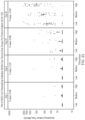
- FIG. 21 Graphical presentation of GMTs for male and female rats for each treatment group. Placebo is square symbols (male: filled symbols, female: unfilled symbols) and inactivated SARS-CoV-2 vaccine is circular symbols (male: filled symbols, female: unfilled symbols) over the course of the study. Error bars indicate 95% confidence intervals (CI). GMT ⁇ 50 were imputed to 25.
- FIG. 22 Graphical presentation of GMTs for each treatment group, data for male and female rats combined. Placebo is square symbols and inactivated SARS-CoV-2 vaccine is circular sym. Error bars indicate 95% confidence intervals (CI). GMT ⁇ 50 were imputed to 25.
- Graph shows GMT and 95% CI. Scatter dots are the actual distribution of neutralizing antibody titres.
- Graph shows GMT and 95% CI. Scatter dots are the actual distribution of IgG antibody titres.
- the boxplots show the median, lower quartile and upper quartile.
- the horizontal line within each bar is the median and the plus sign (+) represents the mean value for each group.
- Scatter dots are the actual distribution of SFU per 2.5 ⁇ 10 ⁇ circumflex over ( ) ⁇ 5 PBMC within each group.
- the boxplots show the median, lower quartile and upper quartile; the horizontal line within each bar is the median and the plus (+) sign represents the mean value for each group.
- Scatter dots are the actual distribution of SFU per 2.5 ⁇ 10 ⁇ circumflex over ( ) ⁇ 5 PBMC within each group.
- the boxplots show the median, lower quartile and upper quartile.
- the horizontal line within each bar is the median and the plus (+) sign represents the mean value for each group.
- Scatter dots are the actual distribution of SFU per 2.5 ⁇ 10 ⁇ circumflex over ( ) ⁇ 5 PBMC within each group.
- Embodiments of the present invention are directed to a SARS-CoV-2 vaccine or immunogenic composition
- a SARS-CoV-2 vaccine or immunogenic composition comprising inactivated SARS-CoV-2 particles in combination with a CpG adjuvant.
- the inactivated SARS-CoV-2 particles are whole, inactivated particles, i.e. the inactivated virus particles are derived from whole native SARS-CoV-2 particles that have been inactivated.
- SARS-CoV-2 refers to the SARS-CoV-2 virus and “SARS-CoV-2 particles” typically refers to whole SARS-CoV-2 viral particles, i.e. virions.
- the inactivated SARS-CoV-2 particles are combined with the Th1 response-directing adjuvant CpG, preferably CpG 1018.
- CpG refers to a cytosine-phospho-guanosine (CpG) motif-containing oligodeoxynucleotide (or CpG-ODN), e.g. which is capable of acting as a toll-like receptor 9 (TLR9) agonist.
- the CpG motif refers to an unmethylated cytidine-phospho-guanosine dinucleotide sequence, e.g. which is capable of binding to TLR9.
- Th1 response-directing adjuvants such as CpG promote the induction of a predominantly T helper type 1 (i.e. Th1) immune response in an immunized subject (rather than a Th2 type response), i.e. a “Th1-biased response”.
- Th1- or Th2-directing properties of commonly used vaccines are known in the art. It has surprisingly been found that using an adjuvant that promotes a Th1 response, e.g., CpG 1018, can improve immunogenicity of the vaccine and thus antiviral responses, as well as reducing the risk of disadvantageous effects such as immunopathology (which may result from a predominantly Th2 type response possibly due to hypersensitivity against viral components).
- the SARS-CoV-2 vaccine of the current invention also comprises the Th2-stimulating adjuvant alum, which has a known tendency for Th2 skewing in humans.
- Th2-stimulating adjuvants such as e.g. alum.
- cellular immune responses which are only weakly stimulated by alum.
- alum and Th1-inducing adjuvants such as CpG, can provide a potent anti-viral response.
- the use of CpG and alum together in a vaccine formulation can provide a more balanced immune response to antigens, including both humoral and cellular components, and may have less deleterious effects than alum alone with a predominantly Th2 response.
- the CpG adjuvant comprised in the vaccine of the invention is a class A, class B or class C CpG (see Table A-1), preferably a class B CpG.
- Class B CpG molecules include CpG 1018, CpG 1826 and CpG 7909 (SEQ ID Nos: 4, 7 and 8, respectively; Table A-2). Most preferred is CpG 1018.
- the CpG-adjuvanted vaccine composition of the invention further comprises aluminium (Al 3+ ), preferably in the form of an aluminium salt, e.g. aluminium oxide, aluminium hydroxide or aluminium phosphate, preferably aluminium hydroxide.
- aluminium salt is the aluminium hydroxide with reduced Cu content, e.g.
- the vaccine composition comprises both CpG and Al 3+ , i.e., the adjuvant is a combination or mixture of CpG and Al 3+ , preferably CpG 1018 (SEQ ID NO: 4) and Al 3+ provided in the form of aluminium hydroxide (Al(OH) 3 ).
- the presence of Al 3+ may reduce the required dose of CpG, i.e., have a “dose-sparing” effect.
- the SARS-CoV-2 vaccine is formulated with Al 3+ , and combined with a separate CpG-containing solution directly before vaccination of a subject; i.e. “bed-side mixing”.
- the two adjuvants are both comprised in the formulation of the SARS-CoV-2 vaccine of the invention; i.e. “single-vial formulation”.
- the Al 3+ :CpG weight/weight (w/w) ratio preferably the Al 3+ provided in the form of Al(OH) 3 :CpG 1018 (w/w) ratio, in the vaccine composition is about 1:10, about 1:5, about 1:4, about 1:3, about 1:2, about 1:1, about 2:1, about 3:1, about 4:1, about 5:1, about 10:1, preferably between about 1:3 and 3:1, more preferably between about 1:2 and 1:1, most preferably about 1:2, even more preferably 1:2 in humans.
- the effects of CpG in mice and humans are known to be very different, in part due to different TLR9 receptors which respond differently to CpG-DNA sequences as well as unique cellular distribution patterns of TLR9 expression in mice and humans (Chuang T S et al. 2002 Toll-like receptor 9 mediates CpG-DNA signaling. J Leukocyte Biol. (71)538-544). Therefore, the alum:CpG ratio giving an optimal response to any given antigen is likely to differ, perhaps substantially, in humans and mice.
- the weight of the alum component refers to the weight of the Al 3+ in the solution, regardless of what type of aluminium salt is used.
- 0.5 mg of Al 3+ corresponds to 1.5 mg alum.
- the amount alum (Al 3+ ) present in the SARS-CoV-2 vaccine composition is between about 0.1 and 2 mg/mL, between about 0.2 and 1.5 mg/mL, between about 0.5 and 1.3 mg/mL, especially between about 0.8 to 1.2 mg/mL, most preferably about 1 mg/mL, i.e., 0.5 mg/dose.
- the relatively high amount of alum is used to ensure complete binding of antigen, as well as binding of at least a portion of the total CpG in the formulation.
- the ratio of alum:CpG affects the amount of “free” desorbed CpG, i.e., the CpG which is not bound to alum and/or antigen in the vaccine composition.
- the amount of free (unbound) CpG in the vaccine composition is greater than 10%, greater than 20%, greater than 30%, greater than 40%, greater than 50%, greater than 60%, greater than 70%, greater than 80%, greater than 90%, greater than 95%, preferably about 70% to 95%, most preferably about 80% to 90%, e.g. by weight (based on the total weight of CpG in the vaccine composition).
- the alum: CpG ratio should facilitate a majority of the CpG content in “free” (desorbed) CpG; i.e., the CpG is not bound to components of the vaccine such that it remains in a depot.
- the amount of free CpG versus bound CpG is greater than 50%, greater than 60%, greater than 70%, greater than 80%, greater than 85%, greater than 90%, preferably greater than between 70 to 90%, especially between about 80 and 90%, e.g. by weight (i.e. the amount of free CpG by weight based on the total weight of CpG in the vaccine composition).
- the amount of CpG in the SARS-CoV-2 vaccine composition of the current invention is between about 0.25 and 6 mg/mL, between about 0.5 and 3 mg/mL, between about 1 and 3 mg/mL, especially between about 1.5 to 2.5 mg/mL, most preferably about 2 mg/mL, i.e., 1 mg/dose.
- the SARS-CoV-2 vaccine composition of the current invention is adjuvanted with 1 mg/mL Al 3+ and 2 mg/mL CpG 1018; i.e., 0.5 mg Al 3+ and 1 mg/mL CpG 1018 per dose.
- a phosphate buffer system in addition to the ratio of alum to CpG, different buffer systems may affect the adsorption of CpG to Al 3+ and/or antigen in the vaccine composition.
- Tris buffer system in the vaccine composition resulted in reduced free CpG (i.e. reduced desorption)
- a phosphate-buffered formulation containing 1 mg/mL Al 3+ (aluminium hydroxide) and 2 mg/mL CpG 1018 (1:2 w/w ratio) had only about 10-20% bound CpG, i.e. about 80-90% free CpG.
- a phosphate-buffered formulation containing 1 mg/mL Al 3+ (aluminium hydroxide) and 2 mg/mL CpG 1018 (1:2 w/w ratio) had only about 10-20% bound CpG, i.e. about 80-90% free CpG.
- the adjuvant is combined with the inactivated SARS-CoV-2 particles during manufacture of the vaccine product, i.e. the manufactured vaccine product comprises the adjuvant and is sold/distributed in this form.
- the adjuvant may be combined with the inactivated SARS-CoV-2 particles at the point of use, e g immediately before clinical administration of the vaccine (sometimes referred to as “bedside mixing” of the components of the vaccine).
- the present invention comprises both vaccine products comprising inactivated SARS-CoV-2 particles and an adjuvant as described herein, as well as kits comprising the individual components thereof (e.g. suitable for bedside mixing), and the combined use of the individual components of the vaccine in preventing or treating SARS-CoV-2 infection.
- the SARS-CoV-2 particles are inactivated without substantially modifying their surface structure.
- a native surface conformation of the SARS-CoV-2 particles is retained in the inactivated virus particles.
- an inactivated virus vaccine e.g. a beta-propiolactone-inactivated virus vaccine
- the SARS-CoV-2 particles are inactivated by a method that preferentially targets viral RNA.
- the inactivation step modifies viral RNA more than viral proteins.
- the inactivated SARS-CoV-2 particles may comprise replication-deficient viral RNA, i.e. the viral RNA is modified in the inactivation step such that the inactivated particles are incapable of replicating.
- the inactivation method spares viral (surface) proteins relative to viral RNA, e.g. the viral surface proteins (e.g. the spike (S) protein) may comprise fewer or more infrequent modifications resulting from the inactivation step compared to viral RNA.
- the viral surface proteins e.g. the spike (S) protein
- a lower proportion of amino acid residues in the viral surface proteins may be modified by the inactivation step compared to the proportion of modified nucleotide residues in the viral RNA.
- the proportion of modified amino acid residues in the viral surface proteins (e.g. S protein) may be at least 5%, 10%, 20%, 30%, 50%, 70% or 90% lower than the proportion of modified nucleotide residues in the viral RNA.
- modifications or “modified residues” it is meant to refer to non-native residues that are not present in the native SARS-CoV-2 particles, e.g. chemical (covalent) modifications of such residues resulting from the inactivation step.
- the viral RNA is inactivated by alkylation and/or acylation, i.e. the modifications in the SARS-CoV-2 inactivated particles comprise alkylated and/or acylated nucleotide residues.
- the modifications are preferentially targeted to purine (especially guanine) residues, e.g. the SARS-CoV-2 inactivated particles comprise one or more modified (e.g. alkylated or acylated) guanine residues.
- the inactivation step may lead to cross-linking of viral RNA with viral proteins, e.g. via guanine residues in the viral RNA.
- the inactivation step may also introduce nicks or strand breaks into viral RNA, e.g. resulting in fragmentation of the viral genome.
- the inactivating agent comprises beta-propiolactone, i.e. the vaccine comprises beta-propiolactone-inactivated virus particles.
- beta-propiolactone herein referred to also as “BPL”) treatment is particularly preferred according to the present invention, because it results in SARS-CoV-2 particles, that are substantially inactive, but which retain high antigenicity and immunogenicity against neutralizing epitopes present in native SARS-CoV-2.
- BPL beta-propiolactone
- beta-propiolactone can be used to inactivate SARS-CoV-2 particles with a minimum number of protein modifications.
- inactivation of SARS-CoV-2 particles using beta-propiolactone results in a much lower number of modifications of viral proteins compared to inactivation of influenza particles by beta-propiolactone.
- beta-propiolactone-inactivated SARS-CoV-2 particles a native surface conformation of the viral particles can be preserved.
- the viral RNA is inactivated in an optimized manner, i.e. such it is just sufficiently inactivated not to be infectious anymore but not “over”-inactivated so that numerous modification at different amino acids in particular at the S-protein occur.
- the BPL inactivation not only sufficiently inactivates (but not over-inactivates) the SARS-CoV-2 virus but also just sufficiently inactivates viruses that might be co-enriched and co-cultured in the manufacturing process (see e.g. experimental part).
- a particular hard virus to inactivate that can co-culture and be co-enriched is PPV (porcine parvovirus)—see experimental part.
- the concentration of beta-propiolactone in the inactivation step may be optimized to ensure complete inhibition of viral replication whilst preserving the conformation of surface proteins in the virus.
- the concentration of beta-propiolactone in the inactivation step may be e.g. 0.01 to 1% by weight, preferably 0.01 to 0.1% by weight, more preferably about 0.03% by weight.
- a preferred amount of BPL was found to be 500 ppm where the SARS-CoV-2 virus but also other concerning viruses/impurities are inactivated whilst preserving (i.e. not modifying) most of the amino acids of the S-protein (i.e. only a few amino acids were shown to be modified at low probability).
- the native SARS-CoV-2 particles may be contacted with beta-propiolactone for at least 5 hours, at least 10 hours, at least 24 hours or at least 4 days, e.g. 5 to 24 hours or longer such as 48 hours.
- the inactivation step may be performed at about 0° C. to about 25° C., preferably about 4° C. or about 22° C., or e.g. 18 to 24° C.
- the inactivation step e.g. with beta-propiolactone
- the inactivation step may optionally and preferably be followed by a hydrolyzation step of the inactivating agent, as is known in the art (which may be performed e.g.
- the inactivation step may be performed for e.g. the shortest time necessary in order to produce a fully inactivated virus particle.
- the inactivated viral solution was in one embodiment immediately cooled down to 5 ⁇ 3° C. and stored there until inactivation was confirmed by large volume plaque assay and serial passaging assay.
- Beta-propiolactone inactivation of SARS-CoV-2 particles may preferentially modify cysteine, methionine and/or histidine residues.
- the inactivated SARS-CoV-2 particle comprises one or more beta-propiolactone-modified cysteine, methionine and/or histidine residues.
- the beta-propiolactone-inactivated SARS-CoV-2 particles show relatively few protein modifications.
- an inactivated SARS-CoV-2 particle in the vaccine may comprise fewer than 200, 100, 50, 30, 20, 15, 10, 9, 8, 7 or 6 beta-propiolactone-modified amino acid residues.
- a spike (S) protein of the inactivated SARS-CoV-2 particle comprises fewer than 100, 50, 30, 20, 15, 10, 9, 8, 7 or 6 beta-propiolactone-modified amino acid residues. More preferably the inactivated SARS-CoV-2 particle or spike protein thereof comprises 20 or fewer, 15 or fewer, 10 or fewer, or 5 or fewer beta-propiolactone-modified amino acid residues. Most preferably the inactivated SARS-CoV-2 particle or spike protein thereof comprises 1 to 100, 2 to 70, 3 to 50, 4 to 30, 5 to 25, 5 to 20, 10 to 20 or about 15 beta-propiolactone-modified amino acid residues.
- fewer than 20%, 15%, 10%, 5% or 4% of SARS-CoV-2 polypeptides are beta-propiolactone-modified.
- 0.1 to 10%, 1 to 8%, 2 to 7% or about 3%, 4%, 5% or 6% of SARS-CoV-2 polypeptides in the particle may be beta-propiolactone-modified.
- Beta-propiolactone modification of residues and/or polypeptides in the vaccine may be detected by mass spectrometry, e.g. using liquid chromatography with tandem mass spectrometry (LC-MS-MS), for instance using a method as described in Example 7 or Example 10.
- LC-MS-MS liquid chromatography with tandem mass spectrometry
- the SARS-CoV-2 particles may be digested in order to fragment proteins into SARS-CoV-2 polypeptides for LC-MS-MS analysis.
- the digestion step may be performed by any suitable enzyme or combination of enzymes, e.g. by trypsin, chymotrypsin and/or PNGase F (peptide:N-glycosidase F), or by e.g. acid hydrolysis.
- the percentage of BPL-modified polypeptides detected by LC-MS-MS following enzymatic digestion or acid hydrolysis is: (a) trypsin digestion, 1 to 5%, 2 to 4% or about 3%; (b) trypsin+PNGase F digestion, 1 to 5%, 2 to 4% or about 3%; (c) chymotrypsin, 1 to 10%, 3 to 8% or about 6%; (d) acid hydrolysis, 1 to 6%, 2 to 5% or about 4%.
- a “beta-propiolactone-modified” polypeptide means that the polypeptide comprises at least one beta-propiolactone modification, e.g. at least one beta-propiolactone-modified residue.
- a spike (S) protein of the inactivated SARS-CoV-2 particle comprises a beta-propiolactone modification at one or more of the following residues: 49, 146, 166, 177, 207, 245, 379, 432, 519, 625, 1029, 1032, 1058, 1083, 1088, 1101, 1159 and/or 1271, e.g. in SEQ ID NO:3, or a corresponding position in SEQ ID NO: 19, 21, 23, 25 or 27.
- the inactivated SARS-CoV-2 particle comprises a beta-propiolactone modification at one or more of the following residues: H49, H146, C166, M177, H207, H245, C432, H519, H625, M1029, H1058, H1083, H1088, H1101, H1159 and/or H1271, e.g. in SEQ ID NO:3, or a corresponding position in SEQ ID NO: 19, 21, 23, 25 or 27.
- the inactivated SARS-CoV-2 particle comprises a beta-propiolactone modification at one or more of the following residues: H207, H245, C379, M1029 and/or C1032, e.g.
- a corresponding position it is meant a position in SEQ ID NO: 19, 21, 23, 25 or 27 that aligns with position H207, H245, C379, M1029 and/or C1032 in SEQ ID NO:3, e.g. when SEQ ID NO: 19, 21, 23, 25 or 27 is aligned with SEQ ID NO:3 using a program such as NCBI Basic Local Alignment Search Tool (BLAST).
- BLAST NCBI Basic Local Alignment Search Tool
- SEQ ID NO: 19 the positions in SEQ ID NO: 19, 21, 23, 25 or 27 corresponding to H207, H245, C379, M1029 and C1032 in SEQ ID NO:3 are shown below:
- a membrane (M) glycoprotein of the inactivated SARS-CoV-2 particle comprises a beta-propiolactone modification at one or more of the following residues: 125, 154, 155, 159 and/or 210, preferably H154, H155, C159 and/or H210, e.g. in SEQ ID NO: 29.
- a nucleocapsid (N) protein of the inactivated SARS-CoV-2 particle comprises a beta-propiolactone modification at M234, e.g. in SEQ ID NO: 28.
- fewer than 30%, 20%, 10%, 5%, 3% or 1% of one or more of the following residues in the inactivated SARS-CoV-2 particles are beta-propiolactone modified: (i) in the spike (S) protein, e.g.
- SEQ ID NO: 29 residues 125, 154, 155, 159 and/or 210; preferably H154, H155, C159 and/or H210; and/or (iii) M234 of the nucleocapsid (N) protein, e.g. in SEQ ID NO: 28.
- fewer than 30%, 20%, 10%, 5%, 3% or 1% of at least 2, 3, 4, 5, 6, 7, 8, 9, 10, 11, 12, 13, 14, 15, 16, 17, 18, 19, 20 or each of the above residues in the inactivated SARS-CoV-2 particles are beta-propiolactone modified.
- the % of modified residues is intended to refer to the site occupancy, e.g. the ratio of modified to unmodified peptide for the same modification site normalized to the protein abundance as described in Example 7 or 10 below.
- the proportion of beta-propiolactone-modified residues (i.e. site occupancy) at the following positions in the inactivated SARS-CoV-2 particles is:
- the spike (S) protein e.g. of SEQ ID NO: 3, or a corresponding position in SEQ ID NO: 19, 21, 23, 25 or 27:
- nucleocapsid (N) protein e.g. of SEQ ID NO: 28
- the proportion of beta-propiolactone-modified residues (i.e. site occupancy) at each of the following positions in the spike (S) protein (e.g. of SEQ ID NO: 3, or a corresponding position in SEQ ID NO: 19, 21, 23, 25 or 27) of the inactivated SARS-CoV-2 particles is:
- the proportion of beta-propiolactone-modified amino acid residues in the inactivated SARS-CoV-2 particle may be at least 5%, 10%, 20%, 30%, 50%, 70% or 90% lower than the proportion of modified residues in a beta-propiolactone-inactivated influenza particle (or hemagglutinin (HA) or neuraminidase (NA) protein thereof), e.g. in an influenza particle that has been inactivated under similar conditions to the SARS-CoV-2 particle.
- HA hemagglutinin
- NA neuraminidase
- the viral RNA may be inactivated by treatment with ultraviolet (UV) light.
- UV treatment can be used to preferentially target RNA (compared to polypeptides) in the viral particles, resulting in e.g. modified nucleotides and/or fragmentation.
- UV treatment can be combined with beta-propiolactone treatment to improve inactivation of the virus, e.g. a beta-propiolactone treatment step can be followed by a UV treatment step or vice versa, or a UV treatment step can be performed at the same time as the beta-propiolactone treatment step.
- the native SARS-CoV-2 particles may be inactivated using formaldehyde.
- formaldehyde inactivation is typically less preferred in the present invention, as it is less suitable for preferentially targeting viral RNA while preserving immunogenic epitopes in the viral surface proteins.
- the inactivation step(s) are performed under mild conditions in order to preserve surface antigen integrity, especially integrity of the S protein.
- such a mild inactivation method comprises contacting a liquid composition comprising native SARS-CoV-2 particles with a chemical viral inactivating agent (such as e.g. any of the chemical inactivation agents as listed above or a combination thereof, for instance formaldehyde or preferably beta-propiolactone) in a container, mixing the chemical viral inactivating agent and the liquid composition comprising SARS-CoV-2 particles under conditions of laminar flow but not turbulent flow, and incubating the chemical viral inactivating agent and the liquid composition comprising SARS-CoV-2 particles for a time sufficient to inactivate the viral particles.
- the mild inactivation step is optionally performed in a flexible bioreactor bag.
- the mild inactivation step preferably comprises five or less container inversions during the period of inactivation.
- the mixing of the chemical viral inactivating agent and the composition comprising native SARS-CoV-2 particles comprises subjecting the container to rocking, rotation, orbital shaking, or oscillation for not more than 10 minutes at not more than 10 rpm during the period of incubation.
- the inactivation step substantially eliminates infectivity of mammalian (e.g. human) cells by the inactivated SARS-CoV-2 particle.
- infectivity of mammalian cells may be reduced by at least 99%, 99.99% or 99.9999% as compared to a native SARS-CoV-2 particle, or infectivity of human cells by the inactivated A SARS-CoV-2 particle may be undetectable.
- Standard assays may be used for determining residual infectivity and effective viral titer, e.g. plaque assays, determination of TCID 50 (50% tissue culture infectious dose).
- the mammalian cells may be MDCK, COS or Vero cells.
- a native surface conformation of the SARS-CoV-2 particles is preserved in the inactivated virus particles.
- e.g. one or more, most or all immunogenic (neutralizing) epitopes are retained in the inactivated virus particles, such that the inactivated particles are capable of generating neutralizing antibodies against native SARS-CoV-2 particles when administered to a human subject.
- native surface conformation it is meant to refer to the surface conformation found in native SARS-CoV-2 particles, i.e. SARS-CoV-2 particles (virions) that have not been inactivated.
- the property of the vaccine or inactivated SARS-CoV-2 particles in generating neutralizing antibodies in a subject may be determined using e.g. a plaque reduction neutralization test (PRNT assay), e.g. using a serum sample from the immunized subject as known in the art.
- PRNT assay plaque reduction neutralization test
- the present invention comprises that a native conformation of (i) spike (S) protein; (ii) nucleocapsid (N) protein; (iii) membrane (M) glycoprotein; and/or (iv) envelope (E) protein is preserved in the inactivated viral particles.
- the inactivated SARS-CoV-2 particle comprises a native conformation spike (S) protein.
- the S (and/or N and/or M and/or E) protein in the inactivated SARS-CoV-2 particle preferably comprises one or more or all (intact) immunogenic (neutralizing) epitopes present in native SARS-CoV-2 particles.
- the S (and/or N and/or M and/or E) protein in the inactivated viral particles are not modified, or not substantially modified by the inactivation step.
- preservation of the surface conformation of the viral particles can be assessed using standard techniques. For instance, methods such as X-ray crystallography, MS analysis (shift of amino acid mass by modification) and cryo-electron microscopy may be used to visualize the virus surface.
- the secondary and tertiary structures of proteins present on the surface of viral particles may also be analyzed by methods such as by circular dichroism (CD) spectroscopy (e.g. in the far (190-250 nm) UV or near (250-300 nm) UV range).
- CD circular dichroism
- preservation of a native surface conformation can be confirmed by using antibodies directed against epitopes present on the native viral surface, e.g. in the S protein. Reactivity of anti-SARS-CoV-2 antibodies with both the inactivated and native virus particles can thus be used to demonstrate retention of potentially neutralizing epitopes in the vaccine.
- SARS-CoV-2 virions and in particular the spike (S) protein is known, and has been published in several recent studies. See for instance Shang, J. et al. (Structural basis of receptor recognition by SARS-CoV-2. Nature doi.org/10.1038/s41586-020-2179-y (2020)), which describes the crystal structure of the SARS-CoV-2 receptor binding domain. In addition, Walls et al.
- Monoclonal antibodies against SARS-CoV-2 surface epitopes are described in the literature (e.g. as mentioned above), available from commercial sources and/or can be generated using standard techniques, such as immunization of experimental animals.
- SARS-CoV-2 surface epitopes are described in the literature (e.g. as mentioned above), available from commercial sources and/or can be generated using standard techniques, such as immunization of experimental animals.
- MyBioSource, Inc. San Diego, Calif.
- MBS8574747 see www.MyBioSource.com
- At least 28 different antibodies against SARS-CoV-2 were available from Sino Biological US Inc., Wayne, Pa. (e.g. cat. no. 40150-D006, see www.sinobiological.com/).
- a skilled person can detect preservation of a native surface conformation of SARS-CoV-2 (or e.g. the S protein thereof) via binding of such antibodies to the inactivated particles.
- the inactivated particles bind specifically to one or more anti-SARS-CoV-2 antibodies directed against surface epitopes, preferably anti-S-protein antibodies, e.g. to antibodies generated against neutralizing epitopes in native SARS-CoV-2 virions.
- the SARS-CoV-2 particles in the vaccine composition may be derived from any known strain of SARS-CoV-2, or variants thereof.
- the virus may be a strain as defined in FIG. 2 , or may comprise a nucleotide or amino acid sequence as defined therein, or a variant sequence having at least e.g. 95% sequence identity thereto.
- the SARS-CoV-2 particle comprises an RNA sequence corresponding to a DNA sequence as defined by SEQ ID NOs: 1, 9, 12 or 15.
- the SARS-CoV-2 particle comprises an RNA sequence corresponding to the DNA sequence defined by SEQ ID NO: 9; i.e. the Italy-INMI1 SARS CoV-2 virus.
- SARS-CoV-2 isolate was the first to be identified and characterized at the National Institute for Infectious Diseases “Lazzaro Spallanzani” IRCCS, Rome, Italy (Capobianchi M R, et al. Molecular characterization of SARS-CoV-2 from the first case of COVID-19 in Italy. 2020 Clin Microbiol Infect. 2020 July; 26(7): 954-956; doi: 10.1016/j.cmi.2020.03.025).
- the defined DNA sequence is an equivalent of the viral RNA sequence, i.e. is a DNA or cDNA sequence that encodes the viral RNA or a sequence complementary to the viral RNA.
- the inactivation process may result in modification (e.g. alkylation or acylation) and/or fragmentation of viral RNA, and thus it will be understood that the inactivated viral particles may not comprise an intact RNA sequence as defined herein, but rather are derived from native viral particles which do comprise such a sequence.
- the SARS-CoV-2 particles may also comprise variants of the known SARS-CoV-2 Wuhan-Hu-1 lineage or also referred to as the reference lineage, e.g. sequences having at least 85%, at least 90%, at least 95% or at least 99% sequence identity to SEQ ID NO: 1 and/or NCBI Reference Sequence NC_045512.2.
- the variant sequence encodes an infectious SARS-CoV-2 particle, e.g. a native (non-inactivated) SARS-CoV-2 particle comprising the RNA sequence that is able to pack a virulent SARS-CoV-2 virus.
- variants of the known SARS-CoV-2 South African lineage B.1.351 may also comprise variants of the known SARS-CoV-2 South African lineage B.1.351, e.g. sequences having at least 85%, at least 90%, at least 95% or at least 99% sequence identity to SEQ ID NO: 18 and/or NCBI Reference Sequence MW598408.
- the variant sequence encodes an infectious SARS-CoV-2 particle, e.g. a native (non-inactivated) SARS-CoV-2 particle comprising the RNA sequence that is able to pack a virulent SARS-CoV-2 virus.
- FIG. 2 Further examples of variants of the known SARS-CoV-2 South African lineage B.1.351 are given in FIG. 2 .
- variants of the known SARS-CoV-2 Brazilian lineage P.1 may also comprise variants of the known SARS-CoV-2 Brazilian lineage P.1, e.g. sequences having at least 85%, at least 90%, at least 95% or at least 99% sequence identity to SEQ ID NO: 20 and/or NCBI Reference Sequence MW520923.
- the variant sequence encodes an infectious SARS-CoV-2 particle, e.g. a native (non-inactivated) SARS-CoV-2 particle comprising the RNA sequence that is able to pack a virulent SARS-CoV-2 virus.
- variants of the known SARS-CoV-2 Brazilian lineage P.1 are given in FIG. 2 .
- variants of the known SARS-CoV-2 UK lineage B.1.1.7 may also comprise variants of the known SARS-CoV-2 UK lineage B.1.1.7, e.g. sequences having at least 85%, at least 90%, at least 95% or at least 99% sequence identity to SEQ ID NO: 22 and/or NCBI Reference Sequence MW422256.
- the variant sequence encodes an infectious SARS-CoV-2 particle, e.g. a native (non-inactivated) SARS-CoV-2 particle comprising the RNA sequence that is able to pack a virulent SARS-CoV-2 virus.
- variants of the known SARS-CoV-2 UK lineage B.1.1.7 are given in FIG. 2 .
- SARS-CoV-2 particles may also comprise variants of the known SARS-CoV-2 Californian lineages B.1.427 and B.1.429, e.g. sequences having at least 85%, at least 90%, at least 95% or at least 99% sequence identity to SEQ ID NO: 24 and/or SEQ ID NO: 26.
- the variant sequence encodes an infectious SARS-CoV-2 particle, e.g. a native (non-inactivated) SARS-CoV-2 particle comprising the RNA sequence that is able to pack a virulent SARS-CoV-2 virus.
- variants of the known SARS-CoV-2 Californian lineages can be found in Genebank.
- the SARS-CoV-2 particle comprises an S protein of the Wuhan lineage comprising or consisting of (i) an amino acid sequence as defined in SEQ ID NO: 3, or (ii) an amino acid sequence having at least 95%, at least 97% or at least 99% identity to SEQ ID NO: 3.
- the SARS-CoV-2 particle comprises an S protein of the South African B1.351 lineage comprising or consisting of (i) an amino acid sequence as defined in SEQ ID NO: 19, or (ii) an amino acid sequence having at least 95%, at least 97% or at least 99% identity to SEQ ID NO: 19.
- the SARS-CoV-2 particle comprises an S protein of the Brazilian P.1 lineage comprising or consisting of (i) an amino acid sequence as defined in SEQ ID NO: 21, or (ii) an amino acid sequence having at least 95%, at least 97% or at least 99% identity to SEQ ID NO: 21.
- the SARS-CoV-2 particle comprises an S protein of the UK B.1.1.7 lineage comprising or consisting of (i) an amino acid sequence as defined in SEQ ID NO: 23, or (ii) an amino acid sequence having at least 95%, at least 97% or at least 99% identity to SEQ ID NO: 23.
- the SARS-CoV-2 particle comprises an S protein of the Californian B.1.427 lineage comprising or consisting of (i) an amino acid sequence as defined in SEQ ID NO: 25, or (ii) a an amino acid sequence having at least 95%, at least 97% or at least 99% identity to SEQ ID NO: 25.
- the SARS-CoV-2 particle comprises an S protein of the Californian B.1.429 lineage comprising or consisting of (i) an amino acid sequence as defined in SEQ ID NO: 27, or (ii) an amino acid sequence having at least 95%, at least 97% or at least 99% identity to SEQ ID NO: 27.
- a combination of SARS-CoV-2 particles in the vaccine comprises or consists of at least two SARS-CoV-2 particles selected from the group consisting of i) the reference Wuhan_1 lineage such as e.g. SEQ ID NOs 1, 9, 12, 15; ii) the South African B.1.531 lineage such as e.g. SEQ ID NO: 18; the Brazilian P.1 lineage such as e.g. SEQ ID NO: 20; the UK B.1.1.7 lineage such as e.g. SEQ ID NO: 22 and the Californian B.1.427 such as e.g. SEQ ID NO: 24 or B.1.429 lineages such as e.g. SEQ ID NO: 26.
- a preferred embodiment is a combination comprising i) a Wuhan_1 lineage such as e.g. SEQ ID NO: 9; and ii) a South African B.1.531 lineage such as e.g. SEQ ID NO: 18.
- a combination of SARS-CoV-2 particles in the vaccine comprises or consists of at least three, e.g. three SARS-CoV-2 particles selected from the group consisting of i) the reference Wuhan_1 lineage such as e.g. SEQ ID NOs 1, 9, 12, 15; ii) the South African B.1.531 lineage such as e.g. SEQ ID NO: 18; the Brazilian P.1 lineage such as e.g. SEQ ID NO: 20; the UK B.1.1.7 lineage such as e.g. SEQ ID NO: 22 and the Californian B.1.427 such as e.g. SEQ ID NO: 24 or B.1.429 lineages such as e.g. SEQ ID NO: 26.
- the reference Wuhan_1 lineage such as e.g. SEQ ID NOs 1, 9, 12, 15
- the South African B.1.531 lineage such as e.g. SEQ ID NO: 18
- the Brazilian P.1 lineage such as e.g. SEQ ID NO: 20
- a preferred embodiment of such a trivalent vaccine is a combination comprising i) a Wuhan_1 lineage such as e.g. SEQ ID NO: 9; and ii) a South African B.1.531 lineage such as e.g. SEQ ID NO: 18; and iii) an UK B.1.1.7 lineage such as e.g. SEQ ID NO: 22.
- Another preferred embodiment of such a trivalent vaccine is a combination comprising i) a Wuhan_1 lineage such as e.g. SEQ ID NO: 9; and ii) a South African B.1.531 lineage such as e.g. SEQ ID NO: 18; and iii) a Brazilian P.1 lineage such as e.g. SEQ ID NO: 20.
- sequence identity is frequently measured in terms of percentage identity; the higher the percentage, the more similar the two sequences are.
- homologs, orthologs, or variants of a polynucleotide or polypeptide will possess a relatively high degree of sequence identity when aligned using standard methods.
- the number of matches is determined by counting the number of positions where an identical nucleotide or amino acid residue is present in both sequences.
- the percent sequence identity is determined by dividing the number of matches either by the length of the sequence set forth in the identified sequence, or by an articulated length (such as 100 consecutive nucleotides or amino acid residues from a sequence set forth in an identified sequence), followed by multiplying the resulting value by 100.
- 75.11, 75.12, 75.13, and 75.14 are rounded down to 75.1, while 75.15, 75.16, 75.17, 75.18, and 75.19 are rounded up to 75.2.
- the length value will always be an integer.
- NCBI Basic Local Alignment Search Tool (Altschul et al., Mol. Biol. 215:403, 1990) is available from several sources, including the National Center for Biotechnology Information (NCBI, Bethesda, Md.) and on the internet, for use in connection with the sequence analysis programs BLASTP, BLASTN, BLASTX, TBLASTN and TBLASTX. A description of how to determine sequence identity using this program is available on the NCBI website on the internet.
- NCBI National Center for Biotechnology Information
- NCBI National Center for Biotechnology Information
- BLASTP BLASTP
- BLASTN BLASTN
- BLASTX BLASTX
- TBLASTX TBLASTX
- the BLASTP program (for amino acid sequences) uses as defaults a word length (W) of 3, and expectation (E) of 10, and the BLOSUM62 scoring matrix (see Henikoff & Henikoff, Proc. Natl. Acad. Sci. USA 89: 10915, 1989).
- Homologs and variants of a polynucleotide or polypeptide are typically characterized by possession of at least about 75%, for example at least about 80%, 85%, 90%, 91%, 92%, 93%, 94%, 95%, 96%, 97%, 98% or 99% sequence identity counted over at least 50, 100, 150, 250, 500, 1000, 2000, 5000 or 10,000 nucleotide or amino acid residues of the reference sequence, over the full length of the reference sequence or over the full length alignment with the reference amino acid sequence of interest.
- Polynucleotides or proteins with even greater similarity to the reference sequences will show increasing percentage identities when assessed by this method, such as at least 80%, at least 85%, at least 90%, at least 95%, at least 98%, or at least 99% sequence identity.
- sequence comparison typically one sequence acts as a reference sequence, to which test sequences are compared.
- test and reference sequences are entered into a computer, subsequence coordinates are designated, if necessary, and sequence algorithm program parameters are designated. Default program parameters are used.
- PILEUP uses a simplification of the progressive alignment method of Feng & Doolittle, Mol. Evol. 35:351-360, 1987. The method used is similar to the method described by Higgins & Sharp, CABIOS 5:151-153, 1989.
- PILEUP a reference sequence is compared to other test sequences to determine the percent sequence identity relationship using the following parameters: default gap weight (3.00), default gap length weight (0.10), and weighted end gaps.
- PILEUP can be obtained from the GCG sequence analysis software package, e.g., version 7.0 (Devereaux et al., Nuc. Acids Res. 12:387-395, 1984).
- reference to “at least 80% identity” refers to at least 80%, at least 85%, at least 90%, at least 91%, at least 92%, at least 93%, at least 94%, at least 95%, at least 96%, at least 97%, at least 98%, at least 99%, or even 100% identity to a specified reference sequence, e.g. to at least 50, 100, 150, 250, 500, 1000, 5000 or 10,000 nucleotide or amino acid residues of the reference sequence or to the full length of the sequence.
- reference to “at least 90% identity” refers to at least 90%, at least 91%, at least 92%, at least 93%, at least 94%, at least 95%, at least 96%, at least 97%, at least 98%, at least 99%, or even 100% identity to a specified reference sequence, e.g. to at least 50, 100, 150, 250, 500, 1000, 5000 or 10,000 nucleotide or amino acid residues of the reference sequence or to the full length of the sequence.
- the SARS-CoV-2 vaccine may be produced by methods involving a step of inactivation of native SARS-CoV-2 particles, as described above.
- the native SARS-CoV-2 particles may be obtained by standard culture methods, e.g. by in vitro production in mammalian cells, preferably using Vero cells.
- the native SARS-CoV-2 particles may be produced using methods analogous to those described in e.g. WO 2017/109225 and/or WO 2019/057793 (the contents of which are incorporated herein in their entirety), which describe methods for the production of Zika and Chikungunya viruses in Vero cells.
- the steps such as passaging, harvesting, precipitation, dialysis, filtering and purification described in those documents are equally applicable to the present process for producing SARS-CoV-2 particles.
- the method may comprise purifying the inactivated SARS-CoV-2 particles by one or more size exclusion methods such as (i) a sucrose density gradient centrifugation, (ii) a solid-phase matrix packed in a column comprising a ligand-activated core and an inactive shell comprising pores, wherein the molecular weight cut-off of the pores excludes the virus particles from entering the ligand-activated core, and wherein a molecule smaller than the molecular weight cut-off of the pores can enter the ligand-activated core and collecting the virus particles, and/or (iii) batch or size exclusion chromatography; to obtain purified inactivated SARS-CoV-2 particles.
- size exclusion methods such as (i) a sucrose density gradient centrifugation, (ii) a solid-phase matrix packed in a column comprising a ligand-activated core and an inactive shell comprising pores, wherein the molecular weight cut-off of the pores excludes the virus particles from entering the ligand
- the concentration of residual host cell DNA is less than 100 ng/mL;
- the concentration of residual host cell protein is less than 1 ⁇ g/mL; and
- the concentration of residual aggregates of infectious virus particles is less than 1 ⁇ g/mL.
- the method may comprise a step of precipitating a harvested culture medium comprising SARS-CoV-2 particles, thereby producing native SARS-CoV-2 particles in a supernatant.
- the precipitating step may comprise contacting the culture medium with protamine sulfate or benzonase.
- a molecule smaller than the molecular weight cut-off of the pores e.g. the protamine sulfate
- the residual host cell DNA of the obtained virus preparation or vaccine may be less than 1 ⁇ g/mL, especially less than 900, 800, 700, 600, 500, 400, 300 or 200 ng/mL, preferably less than 150 or 100 ng/mL.
- the residual host cell DNA of the virus preparation or vaccine is less than 40 pg/mL.
- the residual host cell protein of the virus preparation or vaccine is less than 10 ⁇ g/mL, especially less than 9, 8, 7, 6, 5, 4, 3 or 2 ⁇ g/mL, preferably less than 1 ⁇ g/mL.
- the residual host cell protein of the virus preparation or vaccine is less than 150 ng/mL.
- the residual non-infectious virus particles of the virus preparation or vaccine is less than 10 ⁇ g/mL, especially less than 9, 8, 7, 6, 5, 4, 3 or 2 ⁇ g/mL, preferably less than 1 ⁇ g/mL. In a preferred embodiment, the content of residual non-infectious virus particles of the virus preparation or vaccine is less than 100 ng/mL.
- the vaccine and/or SARS-CoV-2 particles may comprise residual protamine (e.g. protamine sulfate), typically in trace amounts.
- residual protamine (e.g. protamine sulfate) in the virus preparation or vaccine is less than 2 ⁇ g/mL or 1 ⁇ g/mL, especially less than 900, 800, 700, 600, 500, 400, 300 or 200 ng/mL, preferably less than 100 ng/mL, more preferably is below the detection limit of HPLC, in particular below the detection limit in the final drug substance.
- the PS content is tested by HPLC or size exclusion chromatography (SEC).
- HPLC is validated for PS determination in JEV sucrose gradient pool samples as a routine release assay and is very sensitive (i.e., limit of quantification (LOQ) 3 ⁇ g/mL; limit of detection (LOD) 1 ⁇ g/mL).
- LOQ limit of quantification
- LOD limit of detection
- PS content in SARS-CoV-2 drug substance was ⁇ LOD.
- the HPLC assessment of PS content can be performed on a Superdex Peptide 10/300GL column (GE: 17-5176-01) using 30% Acetonitrile, 0.1% Trifluoroacetic acid as solvent with a flow rate of 0.6 ml/min at 25° C.
- a more sensitive method of measurement for residual protamine in a purified virus preparation is mass spectrometry (MS).
- MS mass spectrometry
- the residual PS levels in a Zika virus preparation are tested by MS or other such highly sensitive method, e.g. nuclear magnetic resonance (NMR). With this method, residual PS, as well as fragments and/or break-down products of PS, can be detected at trace amounts, such as levels as low as, for example, 10 6 , 10 7 or 10 8 molecules per typical sample load.
- the PS levels are tested in the drug product. In some embodiments, the PS levels are tested in the drug substance.
- an amount of the inactivating agent (e.g. beta-propiolactone) in the drug product or drug substance (e.g. vaccine composition) is very low, e.g. less than 100 ppm, less than 10 ppm, or less than 1 ppm (by weight).
- the SARS-CoV-2 vaccine may be administered to a subject, preferably a mammalian subject, more preferably a human subject.
- the SARS-CoV-2 vaccine is administered to a subject at risk of SARS-CoV-2 infection, e.g. in order to prevent SARS-CoV-2 infection and/or to prevent SARS-CoV-2 associated disease (COVID-19).
- the subject is preferably (i) an elderly subject (e.g. older than 65 years, 70 years or 80 years) (ii) a pregnant subject (iii) an immunocompromised subject or (iv) a child (e.g. a person younger than 18 years, 16 years, 14 years, 12 years, 10 years, 8 years, 6 years, 4 years, 2 years or younger).
- the SARS-CoV-2 vaccine described herein is advantageously capable of generating robust immune responses in subjects particularly susceptible or vulnerable to SARS-CoV-2 morbidity or mortality, i.e. immunocompromised, pregnant or elderly subjects.
- the SARS-CoV-2 vaccine may be administered to the subject in a single dose or two or more doses, e.g. separated by intervals of about 7, 14, 21 or 28 days.
- the vaccine does not induce vaccine mediated disease enhancement (potentially through Antibody dependent enhancement).
- Vaccine-mediated disease enhancement is characterized by a vaccine that results in increased disease severity if the subject is later infected by the natural virus. It is an advantage of the present invention that the inactivated SARS-CoV-2 vaccine described herein does not promote vaccine mediated disease enhancement in human subjects, and can therefore be safely used for mass vaccination purposes. In particular, the vaccine described herein retains high quality immunogenic epitopes, which therefore results in high neutralizing antibody titers and diminishes the risk of vaccine mediated disease enhancement on administration to subjects. The risk of vaccine mediated disease enhancement development may be assessed in non-human primates.
- the vaccine does not result in immunopathology.
- SARS-CoV-1 vaccine induced immunopathology was considered a consequence of a dominant Th2 type response to the vaccine antigens (Tseng et al., 2012, supra).
- a Th1 type response is enhanced or favored, e.g. by use of the Th1-directing adjuvant CpG.
- the risk of immunopathology developing may be assessed in animal models, e.g. as described in Tseng C. T. et al. (2012) PLoS ONE 7(4):e35421.
- any of the SARS-CoV-2 vaccines or compositions described herein may be administered to a subject in a therapeutically effective amount or a dose of a therapeutically effective amount.
- a “therapeutically effective amount” of vaccine is any amount that results in a desired response or outcome in a subject, such as those described herein, including but not limited to prevention of infection, an immune response or an enhanced immune response to SARS-CoV-2, or prevention or reduction of symptoms associated with SARS-CoV-2 disease.
- the therapeutically effective amount or prophylactically effective amount (dosage) of a SARS-CoV-2 vaccine or composition described herein is an amount sufficient to generate antigen-specific antibodies (e.g., anti-SARS-CoV-2 antibodies).
- the therapeutically or prophylactically effective amount is sufficient to seroconvert a subject with at least 70% probability. In some embodiments, the therapeutically or prophylactically effective amount is sufficient to seroconvert a subject with at least 75%, 80%, 85% 90%, 95%, 96%, 97%, 98%, or at least 99% probability.
- Whether a subject has seroconverted can be assessed by any method known in the art, such as obtaining a serum sample from the subject and performing an assay to detect anti-SARS-CoV-2 antibodies.
- a subject is seroconverted if a serum sample from the subject contains an amount of anti-SARS-CoV-2 antibodies that surpasses a threshold or predetermined baseline.
- a subject is generally considered seroconverted if there is at least a 4-fold increase in anti-SARS-CoV-2 antibodies (i.e., anti-SARS-CoV-2 S protein IgG antibodies) present in a serum sample from the subject as compared to a serum sample previously taken from the same subject.
- the dose of the inactivated SARS-CoV-2 virus in the vaccine composition of the current invention is between about 0.01 and 25 mAU (milli-absorption units ⁇ minutes as assessed by SEC-HPLC), preferably between about 0.05 and 10 mAU, more preferably between about 0.1 and 5 mAU, most preferably between about 0.25 and 2.5 mAU. In one embodiment, the dose is between about 0.05 and 50 ⁇ g total protein as measured by ( ⁇ ) BCA assay, between about 0.1 and 25 ⁇ g, between about 0.25 and 12.5 ⁇ g, preferably between about 0.5 and 5 ⁇ g total protein.
- the dose of the inactivated SARS-CoV-2 virus in the vaccine composition is at least 2.5 ⁇ g total protein, at least 3.5 ⁇ g total protein or at least 2.5 ⁇ g total protein, e.g. the vaccine composition comprises 2.5 ⁇ g to 25 ⁇ g, 3.5 ⁇ g to 10 ⁇ g or 4 ⁇ g to 6 ⁇ g total protein/dose, preferably about 5 ⁇ g total protein/dose.
- the dosage is determined by the total amount of S protein in the inactivated SARS-CoV-2 formulation, as assessed by e.g. ELISA.
- the mass of antigen may also be estimated by assessing the SE-HPLC peak area per dose equivalent (recorded as milli-absorption units ⁇ minutes; mAU), which is estimated to be approximately 2 ⁇ g/ml total surface protein and approximately 1 ⁇ g/mL S-protein.
- the dose is between about 0.025 and 25 ⁇ g S-protein as measured by ELISA, between about 0.05 and 12.5 ⁇ g, between about 0.125 and 6.25 ⁇ g, preferably between about 0.25 and 2.5 ⁇ g S-protein.
- the amount of antigen in the SARS-CoV-2 vaccine is determined by ELISA.
- the ELISA measures a SARS-CoV-2 protein or portion of a protein, e.g., nucleocapsid (N), membrane (M) or spike (S) protein; i.e., the ELISA utilizes a coating antibody specific to a SARS-CoV-2 protein or portion of a protein.
- the coating antibody is specific to the SARS-CoV-2 Spike protein 51 subunit, e.g.
- the ELISA readout is a mass per unit measure of the detected protein, e.g. ⁇ g/mL S-protein.
- the standard used is a spike protein trimer and the results of the SARS-CoV-2 ELISA are reported as “antigen units” (AU), corresponding to the ACE-2 binding ability of the standard protein (determined by the manufacturer).
- the amount of SARS-CoV-2 antigen administered to a subject is between about 1 to 100 AU/dose, preferably between about 2 to 75 AU/dose, preferably between about 3 and 60 AU/dose, more preferably between about 3 and 55 AU/dose, more preferably between about 3 and 53 AU/dose. In an even more preferred embodiment, the amount of SARS-CoV-2 antigen administered to a subject is 3 AU, 10 AU or 40 AU per dose, most preferred 40 AU per dose. In further preferred embodiments, the amount of SARS-CoV-2 antigen administered to a subject is at least 10 AU/dose, at least 20 AU/dose, at least 25 AU/dose or at least 30 AU/dose, e.g.
- SARS-CoV-2 antigen e.g. in AU/dose
- the amount of SARS-CoV-2 antigen may be assessed, for example, by a SARS-CoV-2 ELISA assay as described in Example 1. It is estimated that there are about 1 to 1.5 ⁇ 10 7 viral particles per AU, and the amounts of SARS-CoV-2 antigen described above may be construed accordingly.
- the amount of SARS-CoV-2 antigen administered to a subject is between about 1.5 ⁇ 10 7 to 1.5 ⁇ 10 9 viral particles/dose, or between about 4.5 ⁇ 10 7 to 9.0 ⁇ 10 8 viral particles/dose, e.g. at least 1.5 ⁇ 10 8 viral particles/dose or at least 3.0 ⁇ 10 8 viral particles/dose, about 1.5 ⁇ 10 8 to 7.5 ⁇ 10 8 viral particles/dose or about 4.5 ⁇ 10 8 to 6.0 ⁇ 10 8 viral particles/dose.
- PRNT plaque reduction neutralization test
- the PRNT 50 may be carried out using monolayers of Vero cells or any other cell type/line that can be infected with SARS-CoV-2.
- Sera from subjects are diluted and incubated with live, non-inactivated SARS-CoV-2.
- the serum/virus mixture may be applied to Vero cells and incubated for a period of time.
- Plaques formed on the Vero cell monolayers are counted and compared to the number of plaques formed by the SARS-CoV-2 in the absence of serum or a control antibody.
- a threshold of neutralizing antibodies of 1:10 dilution of serum in a PRNT 50 is generally accepted as evidence of protection in the case of JEV (Hombach et. al. Vaccine (2005) 23:5205-5211).
- the SARS-CoV-2 particles may be formulated for administration in a composition, such as a pharmaceutical composition.
- pharmaceutical composition means a product that results from the mixing or combining of at least one active ingredient, such as an inactivated SARS-CoV-2, and one or more inactive ingredients, which may include one or more pharmaceutically acceptable excipients.
- a preferred pharmaceutically acceptable excipient is human serum albumin (HSA), such as, especially recombinant HSA (rHSA).
- the SARS-CoV-2 vaccine of the invention contains about 10 to 50 ⁇ g HSA/dose, preferably about 20 to 40 ⁇ g HSA/dose, more preferably about 25 to 35 ⁇ g HSA/dose.
- compositions of the invention can be prepared in accordance with methods well-known and routinely practiced in the art (see e.g., Remington: The Science and Practice of Pharmacy, Mack Publishing Co. 20th ed. 2000; and Ingredients of Vaccines—Fact Sheet from the Centers for Disease Control and Prevention, e.g., adjuvants and enhancers as described above to help the vaccine improve its work, preservatives and stabilizers to help the vaccine remain unchanged (e.g., albumin, phenols, glycine)).
- the term “vaccine” refers to an immunogenic composition, e.g. a composition capable of inducing an immune response in a (human) subject against an antigen (e.g.
- the vaccine or composition may be capable of generating neutralizing antibodies against SARS-CoV-2, e.g. as determined in an assay described herein (e.g. a microneutralization assay).
- the vaccine or composition is capable of generating antibodies (e.g. IgG) against SARS-CoV-2 S (spike) protein, e.g. as detected by an S-protein IgG ELISA assay as described herein.
- the vaccine or composition is capable of generating a T cell response against SARS-CoV-2 proteins or peptides, for instance a T cell response against a SARS-CoV-2 S-protein, membrane (M) protein and/or nucleocapsid (N) protein or peptides derived therefrom, e.g. as detected by an ELISPOT assay as described herein (e.g. based on IFN- ⁇ production).
- the vaccine or immunogenic composition generates neutralizing antibodies and a T cell response against SARS-CoV-2.
- the vaccine or immunogenic composition is capable of inducing a protective effect against a disease caused by the antigen, e.g. a protective effect against SARS-CoV-2 infection (e.g. symptomatic and/or asymptomatic infection) and/or COVID-19 disease).
- compositions are preferably manufactured under GMP conditions.
- a therapeutically or prophylactically effective dose of the inactivated SARS-CoV-2 vaccine preparation is employed in the pharmaceutical composition of the invention.
- the inactivated SARS-CoV-2 particles are formulated into pharmaceutically acceptable dosage forms by conventional methods known to those of skill in the art. Dosage regimens are adjusted to provide the optimum desired response (e.g., the prophylactic response).
- Dosages of the active ingredients in the pharmaceutical compositions of the present invention can be varied so as to obtain an amount of the active ingredient which is effective to achieve the desired pharmaceutical response for a particular subject, composition, and mode of administration, without being toxic to the subject.
- the selected dosage level depends upon a variety of pharmacokinetic factors, including the activity of the particular compositions of the present invention employed, the route of administration, the time of administration, the rate of excretion of the particular compound being employed, the duration of the treatment, other drugs, compounds and/or materials used in combination with the particular compositions employed, the age, sex, weight, condition, general health and prior medical history of the subject being treated, and like factors.
- a physician, veterinarian or other trained practitioner can start dosing of the inactivated SARS-CoV-2 vaccine employed in the pharmaceutical composition at levels lower than that required to achieve the desired therapeutic or prophylactic effect and gradually increase the dosage until the desired effect (e.g., production of anti-SARS-CoV-2 virus antibodies) is achieved.
- effective doses of the compositions of the present invention, for the prophylactic treatment of groups of people as described herein vary depending upon many different factors, including means of administration, target site, physiological state of the patient, whether the patient is human or an animal, other medications administered, and the titer of anti-SARS-CoV-2 antibodies desired. Dosages need to be titrated to optimize safety and efficacy.
- the dosing regimen entails subcutaneous or intramuscular administration of a dose of inactivated SARS-CoV-2 vaccine twice, once at day 0 and once at about day 7. In some embodiments, the dosing regimen entails subcutaneous administration of a dose of inactivated SARS-CoV-2 vaccine twice, once at day 0 and once at about day 14. In some embodiments, the dosing regimen entails subcutaneous administration of a dose of inactivated SARS-CoV-2 vaccine twice, once at day 0 and once at about day 21. In some embodiments, the dosing regimen entails subcutaneous administration of a dose of inactivated SARS-CoV-2 vaccine twice, once at day 0 and once at about day 28.
- the inactivated SARS-CoV-2 vaccine is administered to the subject once. In a preferred embodiment, the SARS-CoV-2 vaccine is administered to the subject more than once, preferably two times. In a preferred embodiment, the vaccine is administered on day 0 and day 21. In another preferred embodiment, the vaccine is administered on day 0 and day 28.
- a first (prime) dose of the inactivated SARS-CoV-2 vaccine is administered and a second (boost) dose of the inactivated SARS-CoV-2 vaccine is administered at least 28 days, at least 60 days, at least 70 days, at least 80 days or 90 days after the first dose.
- the second dose of the inactivated SARS-CoV-2 vaccine is administered 30 to 120 days or 1 to 4 months (preferably about 3 months) after the first dose.
- the inactivated SARS-CoV-2 vaccine is administered as a booster dose only, e.g. a first (prime) dose of a (different) SARS-CoV-2 vaccine is administered and then a second (boost) dose of the inactivated SARS-CoV-2 vaccine is administered, e.g. at least 7, 14, 28, 60 or 90 days after the first dose.
- the first (prime) dose of the SARS-CoV-2 vaccine may comprise any other vaccine or immunogenic composition that stimulates an immune response and/or a protective effect in subjects against SARS-CoV-2 virus.
- the first dose of SARS-CoV-2 vaccine may comprise a recombinant viral vector or an mRNA sequence encoding one or more SARS-CoV-2 proteins and/or fragments thereof, e.g. a SARS-CoV-2 spike (S) protein.
- the first dose of SARS-CoV-2 vaccine may comprise a subunit vaccine, e.g. comprising one or more SARS-CoV-2 proteins and/or fragments thereof, e.g. a SARS-CoV-2 spike (S) protein or fragment thereof.
- kits for use in prophylactic administration to a subject for example to prevent or reduce the severity of SARS-CoV-2 infection.
- kits can include one or more containers comprising a composition containing inactivated SARS-CoV-2, such as an inactivated SARS-CoV-2 vaccine.
- the kit may further include one or more additional components comprising a second composition, such as a second vaccine, e.g. a second kind of SARS-CoV-2 vaccine that applies a different technology than in the first dose.
- the second vaccine is a vaccine for an arbovirus.
- the second vaccine is a Japanese encephalitis virus vaccine, a Zika virus vaccine, a Dengue virus vaccine and/or a Chikungunya virus vaccine.
- the kit comprises instructions for use in accordance with any of the methods described herein.
- the included instructions may comprise a description of administration of the composition containing inactivated SARS-CoV-2 vaccine to prevent, delay the onset of, or reduce the severity of SARS-CoV-2 infection.
- the kit may further comprise a description of selecting a subject suitable for administration based on identifying whether that subject is at risk for exposure to SARS-CoV-2 or contracting a SARS-CoV-2 infection.
- the instructions comprise a description of administering a composition containing inactivated SARS-CoV-2 vaccine to a subject at risk of exposure to SARS-CoV-2 or contracting SARS-CoV-2 infection.
- the instructions relating to the use of the composition containing inactivated SARS-CoV-2 vaccine generally include information as to the dosage, dosing schedule, and route of administration for the intended treatment.
- the containers may be unit doses, bulk packages (e.g., multi-dose packages) or sub-unit doses.
- Instructions supplied in the kits of the invention are typically written instructions on a label or package insert (e.g., a paper sheet included in the kit), but machine-readable instructions are also acceptable.
- kits of the present disclosure are in suitable packaging.
- suitable packaging includes, but is not limited to, vials, bottles, jars, flexible packaging, and the like. Also contemplated are packages for use in combination with a specific device, such as a syringe or an infusion device.
- the container may have a sterile access port, for example the container may be a vial having a stopper pierceable by a hypodermic injection needle.
- At least one active agent in the composition is an inactivated SARS-CoV-2, as described herein.
- the JEV process platform (Srivastava et al., Vaccine 19 (2001) 4557-4565; U.S. Pat. No. 6,309,650B1) was used as a basis, also taking into account improvements in the process as adapted to Zika virus purification as disclosed in WO2017/109223A1 (which is incorporated herein in its entirety). Briefly, non-infectious SARS-CoV-2 particle aggregates, HCP and other LMW impurities are removed by protamine sulfate precipitation or benzonase treatment and the resulting preparation is optionally further purified by sucrose gradient centrifugation. See FIG. 1 for an outline of the production process.
- SARS-CoV-2 isolates from Italy, identified and characterized at the National Institute for Infectious Diseases “Lazzaro Spallanzani” IRCCS, Rome, Italy (Accession No: MT066156), the RNA sequence thereof corresponding to the DNA sequence provided by SEQ ID NO: 9, was used in all Examples disclosed herein.
- Other novel coronavirus SARS-CoV-2 isolates may also be obtained from the following sources:
- BetaCoV/France/IDF0372/2020 (Ref-SKU:014V-03890, www.european-virus-archive.com/virus/human-2019-ncov-0); 2019-nCoV/Italy-INMI1, (Ref-SKU:008V-03893, SEQ ID NO: 9; www.european-virus-archive.com/virus/human-2019-ncov-strain-2019-ncovitaly-inmi1); BetaCoV/Netherlands/01, (Ref-SKU: 010V-03903, www.european-virus-archive.com/virus/sars-cov-2-strain-nl-2020)
- Vero cells used in the methods described herein were the VERO (WHO) cell line, obtained from the Health Protection Agency general cell collection under catalogue number 88020401, from which a master cell bank was generated.
- a research viral seed bank (rVSB) of SARS-CoV-2 (strain used 2019-nCoV/Italy-INMI1) was prepared following two rounds of plaque purification on Vero cells and the genomic sequence was checked by sequencing.
- Vero cells were grown in Eagle's minimal essential medium (EMEM) containing 10% fetal bovine serum (FBS) and monolayers were infected with SARS-CoV-2 at a multiplicity of infection (moi) of 0.01 plaque forming units (pfu) per cell.
- EMEM Eagle's minimal essential medium
- FBS fetal bovine serum
- the moi may be 0.001 to 1, preferably 0.005 to 0.2, preferably 0.01 plaque forming units (pfu) per cell.
- the cultures were washed 2-4 times with PBS, fed with serum-free Opti-Pro and incubated at 35° C. with 5% CO 2 until the virus titer reached a desired level.
- SARS-CoV-2 harvest The culture medium was harvested at day 3 and harvests and centrifuged in a standard centrifuge. The crude harvest was treated with 0.2 mg/mL Protamine sulfate and filtered (0.8/0.4 ⁇ m) followed by incubation at RT° C. for 15-30 minutes. Host cell DNA and protein reduction, as well as reduction of non-infectious virus aggregates in the concentrated material, was achieved by precipitation with protamine sulfate. The clarified harvest was concentrated by TFF ultrafiltration to remove cell culture medium components and reduce batch volume. Alternatively, the diafiltrated SARS-CoV-2 material may be treated with benzonase.
- Inactivation may also be achieved by pH changes (very high or very low pH), by heat treatment or by irradiation such as gamma irradiation or UV irradiation, particularly UV-C irradiation.
- the SARS-CoV-2 virus may be optionally inactivated by two separate inactivation steps, such as, e.g. beta-propiolactone treatment and UV-C irradiation.
- Porcine Parvovirus was selected as a model virus to evaluate the inactivation capability of BPL in aqueous solution because of its high resistance to physico-chemical inactivation.
- Three starting concentrations of BPL were evaluated, 300 ppm (1/3333), 500 ppm (1/2000) and 700 ppm (1/1429).
- Virus solution was spiked with BPL at these concentrations and incubated at 5 ⁇ 2° C. for 24 hours.
- Kinetic samples were taken at 0.5, 2, 6, 24 h and after the BPL hydrolyzation step and analysed for remaining infectivity. The results are shown in Table A.
- BPL concentration 500 ppm (1/2000) was selected for the inactivation of SARS-CoV-2 virus harvest material.
- an incubation temperature 5 ⁇ 3° C. and an incubation time of 24 hours were selected to ensure enough BPL present throughout the whole inactivation.
- the inactivation solution is transferred to a fresh container where the inactivation takes place under controlled conditions. This transfer excludes the possibility of virus particles in potential dead-spots during initial mixing not being in contact with BPL.
- protamine sulfate (PS) treated concentrated harvest pre-cooled to 5 ⁇ 3° C. is supplemented with 25 mM HEPES pH 7.4.
- the solution is warmed to temperatures above 32° C. for a total time of 2.5 hours ⁇ 0.5 hours in a temperature-controlled incubator set to 37 ⁇ 2° C.
- the total time of the hydrolyzation step for the current process volume of about 1 L was between 5 hours 15 minutes and 6 hours 15 minutes including the warming to and the incubation above 32° C.
- the inactivated viral solution (IVS) was immediately cooled down to 5 ⁇ 3° C. in a temperature-controlled fridge and stored there until inactivation was confirmed by large volume plaque assay and serial passaging assay which currently requires 18 days in total.
- the applied BPL treatment can be considered efficient and includes a significant safety margin for inactivation of SARS-CoV-2 concentrated harvest material.
- the inactivation step(s) are particularly gentle, in order to preserve surface antigen integrity, especially integrity of the S protein.
- the gentle inactivation method comprises contacting a liquid composition comprising SARS-CoV-2 particles with a chemical viral inactivating agent (such as e.g. any of the chemical inactivation agents as listed above or a combination thereof, preferably beta-propiolactone) in a container, mixing the chemical viral inactivating agent and the liquid composition comprising SARS-CoV-2 particles under conditions of laminar flow but not turbulent flow, and incubating the chemical viral inactivating agent and the liquid composition comprising SARS-CoV-2 particles for a time sufficient to inactivate the viruses.
- a chemical viral inactivating agent such as e.g. any of the chemical inactivation agents as listed above or a combination thereof, preferably beta-propiolactone
- the gentle inactivation step is optionally performed in a flexible bioreactor bag.
- the gentle inactivation step preferably comprises five or less container inversions during the period of inactivation.
- the mixing of the chemical viral inactivating agent and the composition comprising SARS-CoV-2 particles comprises subjecting the container to rocking, rotation, orbital shaking, or oscillation for not more than 10 minutes at not more than 10 rpm during the period of incubation.
- the material was immediately further processed by batch adsorption (also known herein as batch chromatography) with CAPTOTM CORE 700 (CC700) or CC400 chromatography media having a ligand-activated core and inactive shell at a final concentration of ⁇ 1% CC700 or CC400.
- the material was incubated at 4° C. for 15 minutes under constant agitation using a magnetic stirrer. After incubation, if used, the CC700 or CC400 solid matter was allowed to settle by gravity for 10 minutes and the SARS-CoV-2 material is removed from the top of the solution in order to avoid blockage of the filter by CAPTOTM CORE particles.
- CAPTOTM CORE particles and DNA precipitate were then removed from the solution by filtration using a 0.2 ⁇ m Mini KLEENPAK® EKV filter capsule (Pall).
- the filtered harvest material was adjusted to a final concentration of 25 mM Tris pH 7.5 and 10% sucrose (w/w) using stock solutions of both components. This allowed for freezing the concentrated harvest at ⁇ 65° C. if required.
- the resulting filtrate was further processed by sucrose density gradient centrifugation (also known herein as batch centrifugation) for final concentration and polishing of the SARS-CoV-2 material.
- sucrose density gradient centrifugation also known herein as batch centrifugation
- PS concentrated protamine sulfate
- benzonase treated preferred is PS treated harvest is loaded on top of a solution consisting of three layers of sucrose with different densities.
- the volumes of individual layers for a centrifugation in 100 mL bottle scale are shown in Table 1.
- sucrose solution Volume (w/w) (mL) PS-treated SARS-CoV-2 40 harvest (10% sucrose) 15% sucrose 15 35% sucrose 15 50% sucrose 20 Total volume 90
- the sucrose gradient bottles are prepared by stratifying the individual sucrose layers by pumping the solutions into the bottom of the bottles, starting with the SARS-CoV-2 material with the lowest sucrose density (10% sucrose (w/w)), followed by the other sucrose solutions in ascending order.
- the described setup is shown in FIG. 3 .
- the prepared SG bottles are transferred into a rotor pre-cooled to 4° C. and centrifuged at ⁇ 11,000 RCF max at 4° C. for at least 20 hours, without brake/deceleration.
- Formulation of SARS-CoV-2 with adjuvant CpG, and optionally alum, were added to the SARS-CoV-2 composition and/or prepared in a separate vial for bedside mixing.
- SARS-CoV-2 ELISA Assay Inactivated SARS-CoV-2 antigen content (i.e. content of 51 as the major antigenic protein) in preparations described herein was determined (quantified) by ELISA.
- the SARS-CoV-2 ELISA used herein is a four-layer immuno-enzymatic assay with a SARS-CoV-2 spike antibody (AM001414; coating antibody) immobilized on a microtiter plate to which the SARS-CoV-2 sample was added. On binding of the antigen to the coating antibody, the plate was further treated with primary antibody (i.e. ABFLEX®SARS-COV-2 spike antibody (rAb) (AM002414)).
- the secondary antibody which is an enzyme linked conjugate antibody (i.e. Goat anti-Mouse IgG HRP Conjugate).
- the plates were washed between various steps using a mild detergent solution (PBS-T) to remove any unbound proteins or antibodies.
- PBS-T mild detergent solution
- the plate was developed by addition of a tetramethyl benzidine (TMB) substrate.
- TMB tetramethyl benzidine
- the hydrolyzed TMB forms a stable colored conjugate that is directly proportional to the concentration of antigen content in the sample.
- the antigen quantification was carried out by spectrophotometric detection at ⁇ 450 nm ( ⁇ 630 nm reference) using the standard curve generated in an automated plate reader as a reference.
- Standard concentrations 20 AU/mL, 10 AU/mL, 5 AU/mL, 2.5 AU/mL, 1.25 AU/mL, 0.625 AU/mL, 0.3125 AU/mL and 0.1263 AU/mL. Each dilution was tested in duplicate per plate.
- An “antigen unit” of the spike trimer standard corresponds to its binding ability in a functional ELISA with Recombinant Human ACE-2 His-tag.
- SARS-CoV-2 Spike Antibody SARS-CoV-2 Spike Antibody (AM001414)
- Spike Trimer S1+S2
- His-tag SARS-CoV-2
- BPS Lot #200826 Cat #100728
- SARS-CoV-2 QC e.g. RSQC240920AGR
- Coating buffer Carbonate buffer
- ELISA wash buffer PBS+0.05% Tween-20 (PBS-T).
- Sample dilution buffer PBS-T+1% BSA.
- SARS-CoV-2 drug substance according to the invention was highly pure (>95%) according to SDS-PAGE (silver stain, reduced) and free from aggregates (monomer virus (>95%) according to SE-HPLC (see FIG. 8 ).
- mice Prior to immunization, experimental groups of 10 BALB/c mice were bled and pre-immune sera are prepared. The mice are administered a dose titration of inactivated SARS-CoV-2 formulated with alum or alum and CpG 1018 subcutaneously (see Table 2). At two different intervals after immunization (see below), blood was collected and immune sera prepared, spleens were collected at the final bleed. All animal experiments were carried out in accordance with Austrian law (BGB1 Nr. 501/1989) and approved by “Magistrats 58”. Sera were assessed for total IgG and subclasses (IgG1/IgG2a) by ELISA and neutralizing antibodies by PRNT. Th1/Th2 responses were further assessed by IFN- ⁇ ELISpot and intracellular cytokine staining (CD4 + /CD8 + ).
- mice/group 3 dosage groups, first set of experiments (A) with higher dosages ranging from 0.1-1 mAU, second set of experiments (B) with lower dosages ranging from 0.05-0.5 mAU.
- Total viral protein/mAU was estimated to be approximately 2 ⁇ g/ml).
- Adjuvants (mice/group) Aluminium Inactivated Aluminium hydroxide SARS-CoV-2 hydroxide (50 ⁇ g)/CpG dosages (A/B) (50 ⁇ g) 1018 (10 ⁇ g) (1/0.5 mAU*) 10 10 (0.5/0.2 mAU) 10 10 (0.1/0.05 mAU) 10 10 Placebo 10 10 *mAU - SE-HPLC peak area per dose equivalent (recorded as milli-absorption units x minutes; mAU)
- Plaque reduction neutralization test Each well of a twelve-well tissue culture plate was seeded with Vero cells and incubated 35° C. with 5% CO 2 for three days. Serial dilutions from pools of heat-inactivated sera from each treatment group are tested. Each serum preparation was incubated with approximately 50-80 pfu of SARS-CoV-2 at 35° C. with 5% CO 2 for 1 hour. The cell culture medium was aspirated from the Vero cells and the SARS-CoV-2/serum mixtures are added to each well. The plates were gently rocked and then incubated for 2 hours at 35° C. with 5% CO 2 .
- the protective capacity of inactivated SARS-CoV-2 is assessed using a SARS-susceptible transgenic mouse expressing a humanized ACE2 protein (Jackson Laboratory) (Tseng, C.-T. K. et al., Severe Acute Respiratory Syndrome Coronavirus Infection of Mice Transgenic for the Human Angiotensin-Converting Enzyme 2 Virus Receptor (2007) J of Virol 81:1162-1173) or a NHP model developed for SARS-CoV-2 infection. Groups of animals are immunized subcutaneously (s.c.) with different dosages of inactivated SARS-CoV-2 with or without adjuvant or PBS as a negative control. Three weeks after the last dose, animals are challenged with SARS-CoV-2 and monitored for disease progression and survival. In addition, serum samples are taken in order to determine the neutralizing antibody titers induced by vaccination in a PRNT assay.
- Experiment 4743 Protocol Female BALB/c mice (10 mice/group) were immunized two times s.c. (100 ⁇ L) on days 0 and 21 with doses and adjuvants as outlined in Table 3A. The readouts from the experiment were total IgG and subclasses (IgG1/IgG2a) and virus neutralization (PRNT).
- Vaccine formulation used in experiment 4743 purified inactivated SARS-CoV-2 produced from a research virus seed bank (rVSB) formulated in PBS with 17 ⁇ g Al 3+ (alum)/dose and 10 ⁇ g/dose CpG 1018.
- mice for the different doses and adjuvant formulations were assessed with a total IgG ELISA ( FIG. 4 ). Plates were coated with either the 51 part ( FIG. 4 A ) or receptor binding domain (RBD) ( FIG. 4 B ) of the spike glycoprotein or the nucleoprotein ( FIG. 4 C ). Sera taken on days 28 and 35 were analyzed. Plates were coated with 2 ⁇ g/mL antigen (51, RBD and N protein) and mouse sera were tested at a starting dilution of 1:50 in 4-fold dilutions.
- HRP-conjugated goat anti-mouse IgG was used and developed with ABTS and read at absorbance 405 nm. Wells were washed with PBS-T between each step. Endpoint titers were determined with a cut-off set to 3-fold the blank.
- IgG subclass immune response Plates were coated with the 51 part ( FIG. 4 A ) of spike glycoprotein and sera taken on day 35 were analyzed.
- Subclass specific secondary antibodies IgG1 and IgG2a conjugated with HRP were used for detection.
- monoclonal antibodies with different subclasses IgG1 mAb clone 43 and IgG2a mAb clone CR3022.
- Bound HRP-conjugated secondary mAbs were developed with ABTS and read at absorbance 405 nm. Wells were washed with PBS-T between each step. The relative IgG subclass concentration is shown in FIG. 5 A and the ratio of IgG2a/IgG1 in FIG. 5 B .
- CpG 1018 to alum-adjuvanted inactivated SARS-CoV-2 promoted a substantial immune response shift towards Th1 (IgG2a) compared with Th2 (IgG1) as demonstrated by quantification of IgG subclasses by 51 ELISA.
- the amounts of IgG2a and IgG1 measured and the ratio of IgG2a:IgG1 in the treatment groups are shown in FIGS. 5 A and 5 B , respectively.
- a significant shift in the immune response toward Th1 (IgG2a) in the presence of CpG 1018 was observed.
- CpG 1018 In the presence of CpG 1018 a stronger induction of IgG2a than IgG1 was observed.
- the neutralizing response in the presence of alum/CpG in the group immunized with the highest SARS-CoV-2 dose was in the range of plasma from convalescent donors positive for SARS-CoV-2 (NIBSC 20/162; three pooled donors) (see FIG. 6 ).
- a challenge study is carried out in immunized non-human primates (NHP) (see FIG. 9 ) and a passive transfer study is carried out in hamsters using sera from human subjects vaccinated with the SARS-CoV-2 vaccine candidate of the invention (see Table 1c).
- NHS non-human primates
- Immune sera from inactivated SARS-CoV-2-vaccinated mice are assessed for hallmarks of enhanced disease in vitro.
- Such assays are described by e.g. Wang, S.-F., et al. 2014 (Antibody-dependent SARS coronavirus infection is mediated by antibodies against spike proteins (2014) BBRC 451:208-214). Briefly, susceptible cell types or cell lines are incubated with immune sera and subsequently infected with SARS-CoV-2. Cells are assessed for cytopathic effect and production of inflammatory markers.
- mice are immunized twice at two-week intervals with inactivated SARS-CoV-2 formulated as described herein followed by challenge with SARS-CoV-2. SARS-CoV-2 titers and immune cell infiltration of the lung are tested.
- Non-human primate model of ADE The risk of ADE development in non-human primates is assessed as described by Luo F, et al. (Evaluation of Antibody-Dependent Enhancement of SARS-CoV Infection in Rhesus Macaques Immunized with an Inactivated SARS-CoV Vaccine (2016) Virologica sinica 33:201-204). Briefly, NHPs are immunized with inactivated SARS-CoV-2, followed by SARS-CoV-2 challenge and evaluation of symptoms and disease pathology.
- Formulation of inactivated SARS-CoV-2 for Phase 1 trial is to assess the safety of the vaccine, along with immunogenicity, and to determine an optimal dose and adjuvant in healthy human subjects.
- three antigen doses were tested in clinical phase 1: High, Medium and Low, which are chosen to have a distance between each dose of approximately 3-fold and a span covering about a 10-fold difference between the high and low doses (e.g., 0.5, 2 and 5 ⁇ g/dose or 3, 10 and 40 AU/dose).
- About 150 healthy volunteers were enrolled (153), 50 subjects per dose group aged 18 to 55 (see FIG. 10 ).
- the dose range is selected in part to indicate any potential dose-sparing effect of CpG.
- the SARS-CoV-2 virus as purified herein has a high purity of >90% as assessed by SDS-PAGE, SE-HPLC and/or SARS-CoV-2 ELISA ( FIG. 8 ). Furthermore, preliminary studies have indicated that the incidence of genetic heterogeneities during passage of the virus is low and no particular individual mutations stand out (data not shown).
- the SARS-CoV-2 virus was compared with JEV, specifically assessing SE-HPLC peak area per dose equivalent (recorded as milli-absorption units ⁇ minutes; mAU), the total amount of inactivated viral particles per dose and the total viral surface equivalent per dose (see Table 4).
- SE-HPLC peak area per dose equivalent recorded as milli-absorption units ⁇ minutes; mAU
- This assessment was based on the assumption of a similar surface antigen density between S (spike; SARS-CoV-2) and E (envelope; JEV) proteins.
- Total protein was determined by ⁇ BCA assay (Table 4). Although the assay was variable, a correspondence of 1 mAU to ⁇ 2 ⁇ g total protein per mL was observed.
- SARS-CoV-2 virus particles ⁇ 92 nm diameter
- Flavivirus particles ⁇ 40 nm
- an equivalently higher antigen content is expected.
- other inactivated virus vaccine preparations including JEV (IXIARO®), TBE (ENCEPUR®) and HepA (VAQTA®) reported antigen dose in the low ⁇ g to ng protein range.
- JEV IXIARO®
- TBE ENCEPUR®
- VAQTA® HepA
- the BPL-inactivated SARS-CoV-2 virus of the current invention has better preserved surface antigen proteins, i.e., a better quality antigen, and requires a lower total protein dose.
- SARS-CoV-2 ELISA assay As described in Example 1, was developed and the doses of the vaccine formulations for entry into Phase 1 trials were determined using this assay.
- the Phase 1 treatment groups are set forth in Table 5.
- vaccinated subjects are challenged with an infectious dose of live SARS-CoV-2 virus (Asian and/or European lineage).
- Sera of vaccinated mice, hamsters, non-human primates or humans can be tested in neutralization assays such as e.g. described in “Szurgot, I., Hanke, L., Sheward, D. J. et al. DNA-launched RNA replicon vaccines induce potent anti-SARS-CoV-2 immune responses in mice. Sci Rep 11, 3125 (2021). doi.org/10.1038/541598-021-82498-5”.
- the read out of the test gives an indication how well sera of vaccinated subjects can neutralize new variants and thus guides in the design of the vaccine.
- Example 7 Liquid Chromatography with Tandem Mass Spectrometry (LC-MSMS) Analysis of Inactivated SARS-CoV-2
- the bands could be clearly attributed to the three main viral proteins (Spike-protein, Membrane-protein, Nucleoprotein) as well as to background proteins from the host system (see FIG. 10 ).
- SARS-CoV-2 ORF9b and the replicase polyprotein could also be detected, but these proteins were probably not well resolved on the gel due to their size.
- the separation pattern on the gel was very similar for both samples with the exception of a host protein band (band 2.3), a slightly different S-protein pattern (bands 2.10-2.13), and an expected strong band of serum albumin in one of the samples (sample 2). Additionally, a number of typical lab contaminants of human origin (e.g. keratins) were detected in the background of both samples.
- the processing of the Spike-protein (from full length to S1, S2, and S2′) is difficult to resolve with the applied methodology but is most likely represented by the pattern in bands 9-13 in both samples.
- BPL can react with up to 9 different amino acids (C,H,M,D,E,Y,K,E,S) depending on actual pH. In their studies higher conversions within the relevant pH range 7 to 9 were observed for Cysteine (>95%), Histidine (15-25%) and Methionine (36%) residues. The conversion rates for Aspartic Acid, Glutamic acid and Tyrosine were much lower in the range of approximately 3-15%. It was shown that disulfide groups in Cystine residues do not react.
- BPL modifications could be detected (mainly in the form of +72 Da) but at a low abundance.
- 2894 sample 1
- 3086 sample 2 identified spectra for SARS-CoV-2 proteins only 73 and 110, respectively, carried a BPL modification, which translates to 2.5 to 3.65% (see Table 6). This was also confirmed by the open modification search using FragPipe, which attributed a similarly low fraction of spectra to mass differences matching the BPL-modification.
- the FragPipe search revealed two other modifications (most likely acetaldehyde and acetylation) to occur in around 10% of the spectra. These modifications represent most likely artifacts introduced during gel staining and sample preparation, as they also occur on contaminant proteins.
- non-human primates cynomolgus macaques
- SARS-CoV-2-vaccine a medium dose or high dose of an inactivated SARS-CoV-2-vaccine as described above (see e.g. Example 4).
- Immunogenicity, neutralizing antibody responses and protective effect were then determined (see e.g. Examples 2 and 6).
- the immune responses in cynomolgus macaques for the two doses (medium and high) were assessed with a total IgG ELISA. Plates were coated with either the soluble ectodomain of spike protein with a T4 trimerization domain (A) or receptor binding domain (RBD) (B) of the spike glycoprotein or the nucleoprotein (C). Sera taken at baseline (day ⁇ 1) and on days 0, 14, 21 28, 35 and 47/49 were analyzed. Antibody units (AU) were determined by fitting the relative luminescence to the respective standard curves with a known IgG concentration in AU/mL.
- T4 trimerization domain A
- RBD receptor binding domain
- Sera taken at baseline (day ⁇ 1) and on days 0, 14, 21 28, 35 and 47/49 were analyzed.
- Antibody units (AU) were determined by fitting the relative luminescence to the respective standard curves with a known IgG concentration in AU/mL.
- the results are shown in FIG. 16 .
- the inactivated SARS-CoV-2-vaccine was highly immunogenic in cynomolgus macaques, and a plateau in the immune response was already reached one week after the second immunization. There was no significant difference in the immune responses between high and medium dose.
- Presence of functional antibodies in macaque immune sera after immunization with the inactivated SARS-CoV-2-vaccine was assessed in a serum neutralization test.
- Serial dilutions of sera (days 0, 14, 21, 28, 35 and 47/49) were incubated with SARS-CoV-2 (SARS-CoV-2 strain Slovakia/SK-BMCS/2020), where spike glycoprotein specific antibodies bind to the virus, thereby blocking virus attachment to the ACE2 receptor on the surface of the target cells, and prevent entry into the cell.
- SNT 50 50% endpoint titers
- This study relates to a prophylactic, purified, inactivated SARS-CoV-2 vaccine for the prevention of COVID-19 caused by SARS-CoV-2.
- SARS-CoV-2 is propagated on Vero cells and inactivated by ⁇ -propiolactone.
- a repeat dose and local tolerance toxicity study was performed in female and male rats to assess potential systemic toxicity and local tolerability of the inactivated SARS-CoV-2 vaccine.
- a human dose of 53 antigen units (AU)/0.5 mL was formulated with an aluminium salt (ALHYDROGEL®) and CpG 1018. Rats were given intramuscular injections (2 sites ⁇ 0.2 mL, 42 AU) on three occasions with 2 weeks interval over a period of 29 days. Blood was collected by venipuncture from the jugular (or other suitable) vein on day 8, day 15 and day 22 as well as on day 51.
- ALHYDROGEL® aluminium salt
- Serum samples from the animals assigned to the recovery phase of the study were analyzed to assess the immunogenicity of the vaccine and monitor the immune response over time.
- Multiplate washer BIOTEK® ELx405 Select CW with Bio-Stack Multiplate washer BIOTEK® ELx405 Select CW with Bio-Stack.
- Bovine Serum Albumin Fraction V (biomol, #01400.100)
- Spike S1 protein, 78 kDa (Aviva, #OPAN06665-100UG)
- Rat serum samples were collected on study days 8, 15, 22 and 51 from the two groups in the recovery study (Table 8), frozen at the test facility, shipped on dry-ice and stored at ⁇ 80° C. until analysis.
- Vaccine-specific serum antibody responses were determined using the ELISA protocol as described below.
- ELISA plates (MAXISORPTM, Nunc) were coated with 100 ng spike S1 protein in PBS and incubated at 4° C. overnight. The plates were blocked with 5% BSA, 0.05% Tween-20, PBS for 1-2 hours at RT. Plates were washed with PBS/0.1 T (PBS with 0.1% Tween-20). Individual rat sera (five per plate) were diluted in blocking buffer (five-fold dilution), added to 96-well plates and tested in duplicates by incubating for 1 hour at RT. Plates were then washed with PBS/0.1 T.
- the secondary antibody (Goat Anti-Rat IgG-HRP, Southern Biotech) was diluted 1:4,000 in blocking buffer, added to the 96-well plates and incubated for 1 hour at RT. Plates were washed with PBS/0.1 T and ABTS (Sigma-Aldrich) was added as substrate. After incubation for 30 min, the reaction was stopped by the addition of 1% SDS and the absorbance was read at 405 nm. The half-max titer (the reciprocal of the dilution that corresponds to the mean absorbance between highest and lowest dilution) was determined.
- Serum samples obtained from two study groups at different time points were analyzed by ELISA.
- the geometric mean titers for male and female rats from each group, time point are shown in the Table 9 below.
- Rats in the group vaccinated with inactivated SARS-CoV-2 vaccine showed after the first immunization a weak response, however, below a measurable half-max titer (data not shown).
- One week after the second immunization (day 22) a plateau in the immune response was reached (see Table 9 above, FIG. 21 and FIG. 22 ).
- the inactivated SARS-CoV-2 vaccine was shown to be highly immunogenic in all rats.
- a low immune response was observed following a single immunization.
- Subsequent immunization resulted in continued increases in anti-spike S1 protein antibody titers.
- a plateau was reached after the second immunization, suggesting that a two-dose regime could be sufficient to reach high antibody titers at least in rats.
- the third immunization did not further increase the antibody titers.
- a normal dose kinetics was seen in the animals.
- Five aliquots of the BPL-inactivated SARS-CoV-2 sample were separated on SDS-PAGE and the bands visualized by either silver staining for visualization or Coomassie staining for processing.
- the Coomassie-stained bands corresponding to spike protein were subjected to in-gel digestion with trypsin or chymotrypsin or to acid hydrolysis. Trypsin digests were performed twice, once with and once without previous PNGase F (peptide:N-glycosidase F) digestion, to identify peptides masked by glycosylation.
- PNGase F peptide:N-glycosidase F
- Example 7 confirms that the percentage of BPL-modified peptides is low regardless of the digestion method, e.g. less than 7%, 2 to 7% or around 2-5% on average.
- Example 11 A Phase I/II Randomized, Dose-Finding Study to Evaluate the Safety, Tolerability and Immunogenicity of an Inactivated, Adjuvanted SARS-CoV-2 Virus Vaccine Candidate against COVID-19 in Healthy Subjects
- Example 4 A Phase I/II clinical study based on the methodology set out in Example 4 above was carried out.
- the product composition is essentially as described in Examples 1 and 4 above.
- Three dose levels (low, medium and high) were studied, as described in Table 12 below.
- the dose levels (in AU/dose) may be determined by the SARS-CoV-2 ELISA assay as described in Example 1.
- the adjuvant comprised 0.5 mg/dose aluminium hydroxide and 1 mg/dose CpG 1018.
- the study is a randomized, dose-escalation, multicenter study with three dose groups. Two doses were administered to each subject, 21 days apart (Day 1 and 22). The study population was approximately 150 healthy volunteers aged 18 to 55 years. The study is conducted in two Parts. Part A (covering the follow-up from Day 1 to Day 36) and Part B (covering the follow-up from Day 37 to Day 208). The study was carried out at 4 sites in the UK, Birmingham, Bristol, Newcastle, Victoria. The immunization route was intramuscular (i.m.).
- the primary objective of this study is to evaluate the safety, tolerability and immunogenicity of the inactivated, adjuvanted SARS-CoV-2 vaccine candidate up to 14 days after completion of a two-dose (Day 1 and 22) schedule in healthy adults aged 18 to 55 years.
- IMMUNOGENICITY IMMUNOGENICITY Geometric mean titre Immune response as measured by (GMT) for neutralizing neutralizing antibody titers against antibodies against SARS- SARS-CoV-2 on Day 8, Day 22, Day 106 CoV-2 determined by and Day 208. wild-type virus Proportion of subjects with seroconversion microneutralizing assay in terms of neutralizing antibodies on Day 8, at Day 36. Day 22, Day 36, Day 106 and Day 208. Fold increase of SARS-CoV-2 neutralizing antibody titers on Day 8, Day 22, Day 36, Day 106 and Day 208 compared with baseline. GMTs for IgG antibodies against SARS-CoV- 2, determined by IgG S-ELISA, at Day 1, 8, 22, 36, 106 and 208. Proportion of subjects with seroconversion in terms of IgG antibodies against SARS-CoV- 2 as determined by ELISA on Day 8, Day 22, Day 36, Day 106 and Day 208.
- AEs solicited adverse events
- Solicited injection site reactions include injection site pain, itching, tenderness, redness and swelling/induration.
- Solicited systemic reactions include fever/body temperature, fatigue, headache, nausea/vomiting, muscle pain.
- Neutralizing antibodies were measured by a microneutralization assay (MNA50).
- Vero/E6 cells are seeded at 2.5 ⁇ 10 5 cells/mL in 100 ⁇ l/well in a microtiter plate and incubated at 37° C. overnight. Serum samples from subjects were heat inactivated at 56° C. for 30 minutes.
- the neutralization plate comprising virus and serum samples is prepared at 37° C. for 1-1.5 hours.
- the neutralized virus is then transferred to the Vero/E6 cells in the microtiter plate and incubated at 37° C. for 1-1.5 hours.
- Cells are overlayed in 2% CMC in 2 ⁇ MEM and incubated at 37° C. for 22-26 hours. Cells are fixed with 10% formalin at room temperature for >8 hours. Plaques are then visualized with a SARS-CoV-2 RBD spike antibody, detected by a secondary antibody and HRP-polymer. Pfu/well are counted and used to calculate the ND 50 .
- S-protein-binding antibodies were detected by a SARS-CoV-2 spike IgG ELISA.
- the ELISA plate is coated with a Spike protein (Wuhan).
- Anti-S protein antibodies in the serum sample bind to the immobilized Spike protein antigen, and are detected by a secondary (peroxidase-conjugated) anti-human IgG antibody. Results are presented as ELISA laboratory units per mL (ELU/mL).
- ELU/mL ELISA laboratory units per mL
- a commercially available human serum screened for high pre-existing S antibody titers is used as a control.
- IFNgamma ELISpot analysis against S-protein, Membrane-protein and Nucleocapsid-protein Isolated PBMCs (fresh) are stimulated with SARS-CoV-2 peptides from the S, M and N proteins. Interferon-gamma production by T cells is detected by an anti-IFN ⁇ antibody and visualized with a labelled secondary antibody. Spots are thus produced where interferon-gamma was released by activated T cells. A nil control and phytohemagglutinin (PHA) control are used. A 6 spot reactivity cut off was used, i.e. a sample is considered reactive against an individual stimulation panel (peptide pools) if normalized spot counts (Nil control counts subtracted) per 2.10 ⁇ 10 5 PBMCs ⁇ 6.
- PHA phytohemagglutinin
- the present invention provides:
- SARS-CoV-2 Severe acute respiratory syndrome coronavirus 2 isolate Wuhan-Hu-1, complete genome (GenBank: MN908947; Wu, F., et al. A new coronavirus associated with human respiratory disease in China (2020) Nature 579: 265-269)
- SEQ ID NO: 1 ATTAAAGGTTTATACCTTCCCAGGTAACAAACCAACCAACTTTCGATCTCTTGTAGATCTGTTCTCTAAACGAACTTTAAAATCTGTGTGG CTGTCACTCGGCTGCATGCTTAGTGCACTCACGCAGTATAATTAATAACTAATTACTGTCGTTGACAGGACACGAGTAACTCGTCTATCTT CTGCAGGCTGCTTACGGTTTCGTCCGTGTTGCAGCCGATCATCAGCACATCTAGGTTTCGTCCGGGTGTGACCGAAAGGTAAGATGGAG AGCCTTGTCCCTGGTTTCAACGAAAACACACGTCCAACTCAGTTTGCCTGTTTTACAGGTTCGCGACGTGCTCGTACGTGGCTGCTGGCT
Landscapes
- Health & Medical Sciences (AREA)
- Life Sciences & Earth Sciences (AREA)
- Virology (AREA)
- Chemical & Material Sciences (AREA)
- General Health & Medical Sciences (AREA)
- Medicinal Chemistry (AREA)
- Public Health (AREA)
- Pharmacology & Pharmacy (AREA)
- Animal Behavior & Ethology (AREA)
- Veterinary Medicine (AREA)
- Communicable Diseases (AREA)
- Mycology (AREA)
- Epidemiology (AREA)
- Microbiology (AREA)
- Immunology (AREA)
- Organic Chemistry (AREA)
- Molecular Biology (AREA)
- Pulmonology (AREA)
- Oncology (AREA)
- Nuclear Medicine, Radiotherapy & Molecular Imaging (AREA)
- Chemical Kinetics & Catalysis (AREA)
- General Chemical & Material Sciences (AREA)
- Gastroenterology & Hepatology (AREA)
- Biochemistry (AREA)
- Biophysics (AREA)
- Genetics & Genomics (AREA)
- Proteomics, Peptides & Aminoacids (AREA)
- Medicines Containing Antibodies Or Antigens For Use As Internal Diagnostic Agents (AREA)
- Micro-Organisms Or Cultivation Processes Thereof (AREA)
- Medicinal Preparation (AREA)
Priority Applications (1)
| Application Number | Priority Date | Filing Date | Title |
|---|---|---|---|
| US17/471,904 US11684669B2 (en) | 2020-03-01 | 2021-09-10 | CpG-adjuvanted SARS-CoV-2 virus vaccine |
Applications Claiming Priority (19)
| Application Number | Priority Date | Filing Date | Title |
|---|---|---|---|
| US202062983737P | 2020-03-01 | 2020-03-01 | |
| EP20168324.0 | 2020-04-06 | ||
| EP20168324 | 2020-04-06 | ||
| EP20168324 | 2020-04-06 | ||
| EP20202124 | 2020-10-15 | ||
| EP20202124.2 | 2020-10-15 | ||
| EP20202124 | 2020-10-15 | ||
| EP20211936 | 2020-12-04 | ||
| EP20211936.8 | 2020-12-04 | ||
| EP20211936 | 2020-12-04 | ||
| EP21154645.2 | 2021-02-01 | ||
| EP21154645 | 2021-02-01 | ||
| EP21154645 | 2021-02-01 | ||
| PCT/US2021/020313 WO2021178318A1 (en) | 2020-03-01 | 2021-03-01 | Coronavirus vaccines comprising a tlr9 agonist |
| EP21160933 | 2021-03-05 | ||
| EA21160933 | 2021-03-05 | ||
| EP21160933.4 | 2021-03-05 | ||
| PCT/IB2021/052858 WO2021176434A1 (en) | 2020-03-01 | 2021-04-06 | Cpg-adjuvanted sars-cov-2 virus vaccine |
| US17/471,904 US11684669B2 (en) | 2020-03-01 | 2021-09-10 | CpG-adjuvanted SARS-CoV-2 virus vaccine |
Related Parent Applications (1)
| Application Number | Title | Priority Date | Filing Date |
|---|---|---|---|
| PCT/IB2021/052858 Continuation WO2021176434A1 (en) | 2020-03-01 | 2021-04-06 | Cpg-adjuvanted sars-cov-2 virus vaccine |
Publications (2)
| Publication Number | Publication Date |
|---|---|
| US20230038284A1 US20230038284A1 (en) | 2023-02-09 |
| US11684669B2 true US11684669B2 (en) | 2023-06-27 |
Family
ID=75267452
Family Applications (1)
| Application Number | Title | Priority Date | Filing Date |
|---|---|---|---|
| US17/471,904 Active US11684669B2 (en) | 2020-03-01 | 2021-09-10 | CpG-adjuvanted SARS-CoV-2 virus vaccine |
Country Status (9)
| Country | Link |
|---|---|
| US (1) | US11684669B2 (es) |
| JP (1) | JP2023515908A (es) |
| AU (1) | AU2021229710A1 (es) |
| CL (1) | CL2022002364A1 (es) |
| CO (1) | CO2022012545A2 (es) |
| EC (1) | ECSP22072586A (es) |
| GB (1) | GB2592769B (es) |
| IL (1) | IL296071A (es) |
| WO (1) | WO2021176434A1 (es) |
Cited By (5)
| Publication number | Priority date | Publication date | Assignee | Title |
|---|---|---|---|---|
| US20230110516A1 (en) * | 2020-03-01 | 2023-04-13 | Dynavax Technologies Corporation | Coronavirus vaccines comprising a tlr9 agonist |
| US20230277653A1 (en) * | 2021-12-03 | 2023-09-07 | Board Of Regents, The University Of Texas System | Stabilized beta-coronavirus antigens |
| US20240269266A1 (en) * | 2020-04-14 | 2024-08-15 | The Regents Of The University Of California | Broad-spectrum multi-antigen pan-coronavirus vaccine |
| US12605442B2 (en) | 2020-03-06 | 2026-04-21 | Colorado State University Research Foundation | Production of vaccines comprising inactivated SARS-CoV-2 viral particles |
| US12617820B2 (en) | 2020-05-29 | 2026-05-05 | Board Of Regents, The University Of Texas System | Engineered coronavirus spike (s) protein and methods of use thereof |
Families Citing this family (12)
| Publication number | Priority date | Publication date | Assignee | Title |
|---|---|---|---|---|
| EP3913369A1 (en) * | 2020-05-20 | 2021-11-24 | Diesse Diagnostica Senese S.p.a. | Method for inactivating sars-cov-2 and uses thereof |
| EP3967326A1 (en) * | 2020-09-10 | 2022-03-16 | Immunethep, SA | Immunogenic compositions |
| EP4288093A1 (en) * | 2021-02-05 | 2023-12-13 | The United States of America, as represented by the Secretary, Department of Health and Human Services | Adjuvanted mucosal subunit vaccines for preventing sars-cov-2 transmission and infection |
| CN113633764B (zh) * | 2021-09-02 | 2024-05-14 | 中国食品药品检定研究院 | 一种含佐剂的新冠dna疫苗 |
| CN113755421B (zh) * | 2021-09-28 | 2024-04-12 | 梦芊细胞因子有限公司 | 一种用于covid-19的口服性疫苗及抗体加强剂 |
| CN114276422B (zh) * | 2021-11-09 | 2023-07-07 | 中国人民解放军总医院 | 新型冠状病毒s蛋白多肽抗原及其应用 |
| IT202100031055A1 (it) * | 2021-12-10 | 2022-03-10 | Carlo Brogna | Metodica di detenzione e rilevamento della proteina “spike” prodotta dai vaccini di ultima generazione, a vettore mrna, per immunizzare gli esseri umani e animali nella prevenzione e nel trattamento della malattia da coronavirus sars-cov-2 |
| WO2023148256A1 (en) | 2022-02-02 | 2023-08-10 | Valneva Austria Gmbh | Inactivated sars-cov-2 virus vaccine |
| WO2023250111A1 (en) | 2022-06-22 | 2023-12-28 | Flagship Pioneering Innovations Vi, Llc | Combination therapies for the treatment of viral infections |
| US11654121B1 (en) | 2022-06-22 | 2023-05-23 | Flagship Pioneering Innovations Vi, Llc | Combination therapies for the treatment of viral infections |
| TWI880664B (zh) * | 2023-03-10 | 2025-04-11 | 財團法人國家衛生研究院 | 流感病毒免疫原性組合物及使用其的方法 |
| WO2026034613A1 (ja) * | 2024-08-09 | 2026-02-12 | 第一三共株式会社 | mRNAワクチンアジュバント |
Citations (37)
| Publication number | Priority date | Publication date | Assignee | Title |
|---|---|---|---|---|
| WO2000020039A1 (en) * | 1998-10-05 | 2000-04-13 | The Regents Of The University Of California | Methods and adjuvants for stimulating mucosal immunity |
| WO2000062802A2 (en) | 1999-04-20 | 2000-10-26 | Smithkline Beecham Biologicals Sa | Vaccine comprising rsv antigen and cpg oligonucleotide |
| WO2001000232A2 (en) | 1999-06-29 | 2001-01-04 | Smithkline Beecham Biologicals S.A. | Use of cpg as an adjuvant for hiv vaccine |
| US6309650B1 (en) | 1997-08-28 | 2001-10-30 | Cheil Jedang Corporation | Attenuated Japanese encephalitis virus adapted to Vero cell and a Japanese encephalitis vaccine |
| WO2003011334A1 (en) | 2001-07-27 | 2003-02-13 | Glaxosmithkline Biologicals S.A. | Vaccine comprising gp120 and nef and/or tat for the immunisation against hiv |
| US6589940B1 (en) | 1997-06-06 | 2003-07-08 | Dynavax Technologies Corporation | Immunostimulatory oligonucleotides, compositions thereof and methods of use thereof |
| WO2004092360A2 (en) | 2003-04-10 | 2004-10-28 | Chiron Corporation | The severe acute respiratory syndrome coronavirus |
| WO2004094614A2 (en) | 2003-04-21 | 2004-11-04 | Archemix Corp. | Stabilized aptamers to platelet derived growth factor and their use as oncology therapeutics |
| WO2005111238A2 (en) | 2004-04-19 | 2005-11-24 | Archemix Corporation | Aptamer-mediated intracellular delivery of therapeutic oligonucleotides |
| CN1827936A (zh) | 2005-03-04 | 2006-09-06 | 张准胜 | 一种既有建筑物隔震改造的方法与装置 |
| US20070116716A1 (en) | 2003-12-10 | 2007-05-24 | Shuo Shen | Sars coronavirus s proteins and uses thereof |
| WO2007122392A1 (en) | 2006-04-20 | 2007-11-01 | King's College London | Composition comprising a cytotoxic t-cell - inducing adjuvant |
| CN101240271A (zh) | 2006-08-28 | 2008-08-13 | 长春华普生物技术有限公司 | Toll样受体调节性寡核苷酸及其用途 |
| US20090017069A1 (en) * | 2000-06-29 | 2009-01-15 | Lipid Sciences, Inc. | SARS Vaccine Compositions and Methods of Making and Using Them |
| US20090104229A1 (en) | 2000-01-31 | 2009-04-23 | Smithkline Beecham Biologicals, S.A. | Novel use |
| US20110052621A1 (en) | 2009-09-03 | 2011-03-03 | Pfizer Vaccines Llc | Pcsk9 vaccine |
| CN102068692A (zh) | 2010-12-30 | 2011-05-25 | 北京民海生物科技有限公司 | 一种流感病毒裂解疫苗及其制备方法 |
| EP2484378A1 (en) | 2009-09-30 | 2012-08-08 | Toray Industries, Inc. | Hepatitis c virus vaccine composition |
| WO2013083726A1 (en) | 2011-12-06 | 2013-06-13 | Intercell Ag | Aluminium compounds for use in therapeutics and vaccines |
| WO2014153087A1 (en) | 2013-03-14 | 2014-09-25 | President And Fellows Of Harvard College | Nanoparticle-based compositions |
| WO2016203025A1 (en) | 2015-06-17 | 2016-12-22 | Curevac Ag | Vaccine composition |
| WO2017109225A1 (en) | 2015-12-23 | 2017-06-29 | Valneva Austria Gmbh | Zika virus vaccine |
| US20170246281A1 (en) * | 2016-02-16 | 2017-08-31 | President And Fellows Of Harvard College | Pathogen vaccines and methods of producing and using the same |
| WO2018147265A1 (ja) | 2017-02-07 | 2018-08-16 | 京都府公立大学法人 | 病原性グラム陰性菌に対するワクチン |
| WO2018200645A1 (en) | 2017-04-25 | 2018-11-01 | Adjuvance Technologies, Inc. | Triterpene saponin analogues |
| WO2019057793A1 (en) | 2017-09-21 | 2019-03-28 | Valneva Se | PROCESS FOR THE PRODUCTION OF PHARMACEUTICAL COMPOSITIONS COMPRISING THE IMMUNOGENIC VIRUS OF CHIKUNGUNYA CHIKV-DELTA5NSP3 |
| US20190134190A1 (en) | 2016-05-04 | 2019-05-09 | Transgene Sa | Combination therapy with cpg tlr9 ligand |
| WO2021048221A1 (en) | 2019-09-09 | 2021-03-18 | Valneva Austria Gmbh | Inactivation process for viruses |
| US10953089B1 (en) * | 2020-01-27 | 2021-03-23 | Novavax, Inc. | Coronavirus vaccine formulations |
| US20210260181A1 (en) * | 2014-09-16 | 2021-08-26 | Altimmune, Inc | Coronavirus immunogenic compositions and uses thereof |
| WO2021178318A1 (en) | 2020-03-01 | 2021-09-10 | Dynavax Technologies Corporation | Coronavirus vaccines comprising a tlr9 agonist |
| WO2021178877A1 (en) | 2020-03-06 | 2021-09-10 | The Colorado State University Research Foundation | Production of vaccines comprising inactivated sars-cov-2 viral particles |
| WO2021178321A1 (en) | 2020-03-01 | 2021-09-10 | Dynavax Technologies Corporation | Coronavirus vaccines comprising a tlr9 agonist |
| WO2021178306A1 (en) | 2020-03-01 | 2021-09-10 | Dynavax Technologies Corporation | Coronavirus vaccines comprising a tlr9 agonist |
| WO2021204825A2 (en) | 2020-04-06 | 2021-10-14 | Valneva Austria Gmbh | INACTIVATED SARS-CoV-2 VIRUS VACCINE |
| WO2021254473A1 (en) | 2020-06-18 | 2021-12-23 | Medigen Vaccine Biologics Corporation | Immunogenic composition against severe acute respiratory syndrome coronavirus 2 (sars-cov-2) |
| US11213482B1 (en) * | 2020-03-05 | 2022-01-04 | University of Pittsburgh—Of the Commonwealth System of Higher Educat | SARS-CoV-2 subunit vaccine and microneedle array delivery system |
-
2021
- 2021-04-06 GB GB2104898.8A patent/GB2592769B/en not_active Expired - Fee Related
- 2021-04-06 WO PCT/IB2021/052858 patent/WO2021176434A1/en not_active Ceased
- 2021-04-06 IL IL296071A patent/IL296071A/en unknown
- 2021-04-06 AU AU2021229710A patent/AU2021229710A1/en not_active Abandoned
- 2021-04-06 JP JP2022577798A patent/JP2023515908A/ja active Pending
- 2021-09-10 US US17/471,904 patent/US11684669B2/en active Active
-
2022
- 2022-08-30 CL CL2022002364A patent/CL2022002364A1/es unknown
- 2022-09-01 CO CONC2022/0012545A patent/CO2022012545A2/es unknown
- 2022-09-16 EC ECSENADI202272586A patent/ECSP22072586A/es unknown
Patent Citations (41)
| Publication number | Priority date | Publication date | Assignee | Title |
|---|---|---|---|---|
| US6589940B1 (en) | 1997-06-06 | 2003-07-08 | Dynavax Technologies Corporation | Immunostimulatory oligonucleotides, compositions thereof and methods of use thereof |
| US6309650B1 (en) | 1997-08-28 | 2001-10-30 | Cheil Jedang Corporation | Attenuated Japanese encephalitis virus adapted to Vero cell and a Japanese encephalitis vaccine |
| WO2000020039A1 (en) * | 1998-10-05 | 2000-04-13 | The Regents Of The University Of California | Methods and adjuvants for stimulating mucosal immunity |
| WO2000062802A2 (en) | 1999-04-20 | 2000-10-26 | Smithkline Beecham Biologicals Sa | Vaccine comprising rsv antigen and cpg oligonucleotide |
| WO2001000232A2 (en) | 1999-06-29 | 2001-01-04 | Smithkline Beecham Biologicals S.A. | Use of cpg as an adjuvant for hiv vaccine |
| US20090104229A1 (en) | 2000-01-31 | 2009-04-23 | Smithkline Beecham Biologicals, S.A. | Novel use |
| US20090017069A1 (en) * | 2000-06-29 | 2009-01-15 | Lipid Sciences, Inc. | SARS Vaccine Compositions and Methods of Making and Using Them |
| EP1411979A1 (en) | 2001-07-27 | 2004-04-28 | GlaxoSmithKline Biologicals S.A. | Vaccine comprising gp120 and nef and/or tat for the immunisation against hiv |
| WO2003011334A1 (en) | 2001-07-27 | 2003-02-13 | Glaxosmithkline Biologicals S.A. | Vaccine comprising gp120 and nef and/or tat for the immunisation against hiv |
| WO2004092360A2 (en) | 2003-04-10 | 2004-10-28 | Chiron Corporation | The severe acute respiratory syndrome coronavirus |
| US20060257852A1 (en) * | 2003-04-10 | 2006-11-16 | Chiron Corporation | Severe acute respiratory syndrome coronavirus |
| WO2004094614A2 (en) | 2003-04-21 | 2004-11-04 | Archemix Corp. | Stabilized aptamers to platelet derived growth factor and their use as oncology therapeutics |
| US20070116716A1 (en) | 2003-12-10 | 2007-05-24 | Shuo Shen | Sars coronavirus s proteins and uses thereof |
| WO2005111238A2 (en) | 2004-04-19 | 2005-11-24 | Archemix Corporation | Aptamer-mediated intracellular delivery of therapeutic oligonucleotides |
| CN1827936A (zh) | 2005-03-04 | 2006-09-06 | 张准胜 | 一种既有建筑物隔震改造的方法与装置 |
| WO2007122392A1 (en) | 2006-04-20 | 2007-11-01 | King's College London | Composition comprising a cytotoxic t-cell - inducing adjuvant |
| CN101240271A (zh) | 2006-08-28 | 2008-08-13 | 长春华普生物技术有限公司 | Toll样受体调节性寡核苷酸及其用途 |
| US20110052621A1 (en) | 2009-09-03 | 2011-03-03 | Pfizer Vaccines Llc | Pcsk9 vaccine |
| EP2484378A1 (en) | 2009-09-30 | 2012-08-08 | Toray Industries, Inc. | Hepatitis c virus vaccine composition |
| CN102068692A (zh) | 2010-12-30 | 2011-05-25 | 北京民海生物科技有限公司 | 一种流感病毒裂解疫苗及其制备方法 |
| WO2013083726A1 (en) | 2011-12-06 | 2013-06-13 | Intercell Ag | Aluminium compounds for use in therapeutics and vaccines |
| WO2014153087A1 (en) | 2013-03-14 | 2014-09-25 | President And Fellows Of Harvard College | Nanoparticle-based compositions |
| US20210260181A1 (en) * | 2014-09-16 | 2021-08-26 | Altimmune, Inc | Coronavirus immunogenic compositions and uses thereof |
| WO2016203025A1 (en) | 2015-06-17 | 2016-12-22 | Curevac Ag | Vaccine composition |
| WO2017109225A1 (en) | 2015-12-23 | 2017-06-29 | Valneva Austria Gmbh | Zika virus vaccine |
| WO2017109223A1 (en) | 2015-12-23 | 2017-06-29 | Valneva Se | Virus purification |
| US20170246281A1 (en) * | 2016-02-16 | 2017-08-31 | President And Fellows Of Harvard College | Pathogen vaccines and methods of producing and using the same |
| US20190134190A1 (en) | 2016-05-04 | 2019-05-09 | Transgene Sa | Combination therapy with cpg tlr9 ligand |
| WO2018147265A1 (ja) | 2017-02-07 | 2018-08-16 | 京都府公立大学法人 | 病原性グラム陰性菌に対するワクチン |
| WO2018200645A1 (en) | 2017-04-25 | 2018-11-01 | Adjuvance Technologies, Inc. | Triterpene saponin analogues |
| WO2019057793A1 (en) | 2017-09-21 | 2019-03-28 | Valneva Se | PROCESS FOR THE PRODUCTION OF PHARMACEUTICAL COMPOSITIONS COMPRISING THE IMMUNOGENIC VIRUS OF CHIKUNGUNYA CHIKV-DELTA5NSP3 |
| WO2021048221A1 (en) | 2019-09-09 | 2021-03-18 | Valneva Austria Gmbh | Inactivation process for viruses |
| US10953089B1 (en) * | 2020-01-27 | 2021-03-23 | Novavax, Inc. | Coronavirus vaccine formulations |
| WO2021178318A1 (en) | 2020-03-01 | 2021-09-10 | Dynavax Technologies Corporation | Coronavirus vaccines comprising a tlr9 agonist |
| WO2021178321A1 (en) | 2020-03-01 | 2021-09-10 | Dynavax Technologies Corporation | Coronavirus vaccines comprising a tlr9 agonist |
| WO2021178306A1 (en) | 2020-03-01 | 2021-09-10 | Dynavax Technologies Corporation | Coronavirus vaccines comprising a tlr9 agonist |
| US20210308257A1 (en) | 2020-03-01 | 2021-10-07 | Medigen Vaccine Biologics Corporation | IMMUNOGENIC COMPOSITION AGAINST SEVERE ACUTE RESPIRATORY SYNDROME CORONAVIRUS 2 (SARS-CoV-2) |
| US11213482B1 (en) * | 2020-03-05 | 2022-01-04 | University of Pittsburgh—Of the Commonwealth System of Higher Educat | SARS-CoV-2 subunit vaccine and microneedle array delivery system |
| WO2021178877A1 (en) | 2020-03-06 | 2021-09-10 | The Colorado State University Research Foundation | Production of vaccines comprising inactivated sars-cov-2 viral particles |
| WO2021204825A2 (en) | 2020-04-06 | 2021-10-14 | Valneva Austria Gmbh | INACTIVATED SARS-CoV-2 VIRUS VACCINE |
| WO2021254473A1 (en) | 2020-06-18 | 2021-12-23 | Medigen Vaccine Biologics Corporation | Immunogenic composition against severe acute respiratory syndrome coronavirus 2 (sars-cov-2) |
Non-Patent Citations (121)
| Title |
|---|
| [No Author Listed], Novel Coronavirus (2019-nCOV), Situation Report 10. World Health Organization. Jan. 30, 2020. 7 pages. |
| [No Author Listed], Valneva Receives Marketing Authorization in Europe for Inactivated Whole-Virus COVID-19 Vaccine VLA2001. Valneva Press Release. Jun. 24, 2022. 2 pages. |
| [No Author Listed], What's in vaccines? The Centers for Disease Control and Prevention. 2021. https://www.cdc.gov/vaccines/parents/ingredients.html. [Last Accessed Mar. 10, 2021]. |
| Abdullah et al., SARS-CoV-2: a piece of bad news. Medeni Med J. 2020;35(2):151-160. Epub Jun. 30, 2020. |
| Afrough et al., Emerging viruses and current strategies for vaccine intervention. Clin Exp Immunol. May 2019;196(2):157-166. |
| Agrawal et al., Immunization with inactivated Middle East Respiratory Syndrome coronavirus vaccine leads to lung immunopathology on challenge with live virus. Hum Vaccin Immunother. Sep. 2016;12(9):2351-6. doi: 10.1080/21645515.2016.1177688. Epub Jun. 7, 2016. |
| Ahmed et al., Preliminary identification of potential vaccine targets for the COVID-19 coronavirus (SARS-CoV-2) based on SARS-CoV immunological studies. Viruses. Feb. 25, 2020;12(3):254. |
| Altschul et al., Basic local alignment search tool. J Mol Biol. Oct. 5, 1990;215(3):403-10. |
| Altschul et al., Gapped BLAST and PSI-BLAST: a new generation of protein database search programs. Nucleic Acids Res. Sep. 1, 1997;25(17):3389-402. |
| Amanat et al., A serological assay to detect SARS-CoV-2 seroconversion in humans. MedRxiv [Preprint] posted Apr. 16, 2020 [cited May 12, 2020. Available from https://doi.org/10.1101/2020.03.17.20037713, 12 pages. |
| Arunachalam et al., Adjuvanting a subunit COVID-19 vaccine to induce protective immunity. Nature. Jun. 2021;594(7862):253-258. doi: 10.1038/s41586-021-03530-2. Epub Apr. 19, 2021. |
| Bao et al., "Anti-SARS-CoV immunity induced by a novel CpG oligodeoxynucleotide," Clinical Immunology 118: 180-187 (Year: 2006). * |
| Bao et al., Reinfection could not occur in SARS-CoV-2 infected rhesus macaques. BioRxiv 2020.03.13.990226 [Preprint] posted May 1, 2020 [cited Mar. 13, 2020]. Available from https://doi.org/10.1101/2020.03.13.990226, 20 pages. |
| Berger A., Th1 and Th2 responses: what are they? BMJ. Aug. 12, 2000;321(7258):424. |
| Bode et al., CpG DNA as a vaccine adjuvant. Expert Rev Vaccines. Apr. 2011;10(4):499-511. doi: 10.1586/erv.l0.174. Author Manuscript. 22 pages. |
| Braun et al., Immunogenic duplex nucleic acids are nuclease resistant. J Immunol. Sep. 15, 1988;141(6):2084-9. |
| Callaway, The race for coronavirus vaccines: a graphical guide. Nature. Apr. 2020;580(7805):576-577. doi: 10.1038/d41586-020-01221-y. |
| Campbell J.D., Development of the CpG adjuvant 1018: a case study. Methods Mol Biol. 2017;1494:15-27. |
| Capobianchi et al., Molecular characterization of SARS-CoV-2 from the first case of COVID-19 in iItaly. Clin Microbiol Infect. Jul. 2020;26(7):954-956. doi: 10.1016/j.cmi.2020.03.025. Epub Mar. 27, 2020. |
| Chan et al., Genomic characterization of the 2019 novel human-pathogenic coronavirus isolated from a patient with atypical pneumonia after visiting Wuhan. Emerg Microbes Infect. Jan. 28, 2020;9(1):221-236. Erratum in: Emerg Microbes Infect. Dec. 2020;9(1):540. |
| Chen et al., Structure analysis of the receptor binding of 2019-nCoV. Biochem Biophys Res Commun. Feb. 17, 2020;525(1):135-40. doi: 10.1016/j.bbrc.2020.02.071. Epub ahead of print. |
| Chuang et al., Toll-like receptor 9 mediates CpG-DNA signaling. J Leukoc Biol. Mar. 2002;71(3):538-44. |
| Coffman et al., Vaccine adjuvants: putting innate immunity to work. Immunity. Oct. 29, 2010;33(4):492-503. Author Manuscript, 21 pages. |
| Corpet F., Multiple sequence alignment with hierarchical clustering. Nucleic Acids Res. Nov. 25, 1988;16(22):10881-90. |
| Darnell et al., Inactivation of the coronavirus that induces severe acute respiratory syndrome, SARS-CoV. J Virol Methods. Oct. 2004;121(1):85-91. |
| Deng et al., Enhanced protection in mice induced by immunization with inactivated whole viruses compare to spike protein of middle east respiratory syndrome coronavirus. Emerg Microbes Infect. Apr. 4, 2018;7(1):60. |
| Devereux et al., A comprehensive set of sequence analysis programs for the VAX. Nucleic Acids Res. Jan. 11, 1984;12(1):387-95. |
| Draper et al., Malaria Vaccines: Recent Advances and New Horizons. Cell Host Microbe. Jul. 11, 2018;24(1):43-56. doi: 10.1016/j.chom.2018.06.008. |
| Du et al., The spike protein of SARS-CoV—a target for vaccine and therapeutic development. Nat Rev Microbiol. Mar. 2009;7(3):226-36. doi: 10.1038/nrmicro2090. Epub Feb. 9, 2009. |
| Enjuanes et al., Molecular Basis of Coronavirus Virulence and Vaccine Development. Adv Virus Res. 2016;96:245-286. doi: 10.1016/bs.aivir.2016.08.003. |
| Excler et al., Vaccine development for emerging infectious diseases. Nat Med. Apr. 2021;27(4):591-600. Epub Apr. 12, 2021. |
| Feng et al., Progressive sequence alignment as a prerequisite to correct phylogenetic trees. J Mol Evol. 1987;25(4):351-60. |
| Ferguson et al., Report 9: impact of non-pharmaceutical interventions (NPIs) to reduce COVID-19 mortality and healthcare demand. Imperial College London. Mar. 16, 2020. doi:; https://doi.org/10.25561/77482. |
| Francica et al., Innate transcriptional effects by adjuvants on the magnitude, quality, and durability of HIV envelope responses in NHPs. Blood Adv. Nov. 17, 2017;1(25):2329-2342. doi: 10.1182/bloodadvances.2017011411. Erratum in: Blood Adv. Mar. 13, 2018;2(5):516. |
| Frieman et al., Molecular determinants of severe acute respiratory syndrome coronavirus pathogenesis and virulence in young and aged mouse models of human disease. J Virol. Jan. 2012;86(2):884-97. Epub Nov. 9, 2011. |
| Gao et al., Development of an inactivated vaccine candidate for SARS-CoV-2. Science. Jul. 3, 2020;369(6499):77-81. doi: 10.1126/science.abc1932. Epub May 6, 2020. |
| Gao et al., Rapid development of an inactivated vaccine for SARS-CoV-2. bioRxiv. Accessible at https://www.biorxiv.org/content/10.1101/2020.04.17.046375vl. Apr. 19, 2020. doi: 10.1101/2020.04.17.046375. 29 pages. |
| GENBANK Submission; NIH/NCBI, Accession No. MN908947.3. Wu et al., Mar. 18, 2020. 13 pages. |
| GENBANK Submission; NIH/NCBI, Accession No. MT066156. Capobianchi et al., Apr. 13, 2020. 13 pages. |
| Glass et al., Mechanisms of host defense following severe acute respiratory syndrome-coronavirus (SARS-CoV) pulmonary infection of mice. J Immunol. Sep. 15, 2004;173(6):4030-9. |
| Graham et al., A decade after SARS: strategies for controlling emerging coronaviruses. Nat Rev Microbiol. Dec. 2013;11(12):836-48. doi: 10.1038/nrmicro3143. Epub Nov. 11, 2013. |
| Graham et al., Emerging viral diseases from a vaccinology perspective: preparing for the next pandemic. Nat Immunol. Jan. 2018;19(1):20-28. Epub Dec. 14, 2017. |
| Gupta et al., Inactivation of SARS-CoV-2 by ?-propiolactone Causes Aggregation of Viral Particles and Loss of Antigenic Potential. bioRxiv. Accessible at https://www.biorxiv.org/content/10.1101/2021.04.22.441045vl.full. Apr. 23, 2021. doi: 10.1101/2021.04.22.441045. 27 pages. |
| Han et al., Coronavirus 2019-nCoV: A brief perspective from the front line. J Infect. Apr. 2020;80(4):373-377. doi: 10.1016/j.jinf.2020.02.010. Epub Feb. 25, 2020. |
| He et al., Inactivated SARS-CoV vaccine elicits high titers of spike protein-specific antibodies that block receptor binding and virus entry. Biochem Biophys Res Commun. Dec. 10, 2004;325(2):445-52. doi: 10.1016/j.bbrc.2004.10.052. |
| Henikoff et al., Amino acid substitution matrices from protein blocks. Proc Natl Acad Sci U S A. Nov. 15, 1992;89(22):10915-9. |
| Herrera-Rodriguez et al., Inactivated or damaged? Comparing the effect of inactivation methods on influenza virions to optimize vaccine production. Vaccine. Mar. 14, 2019;37(12):1630-1637. doi: 10.1016/j.vaccine.2019.01.086. Epub Feb. 11, 2019. |
| Higgins et al., CLUSTAL: a package for performing multiple sequence alignment on a microcomputer. Gene. Dec. 15, 1988;73(1):237-44. |
| Higgins et al., Fast and sensitive multiple sequence alignments on a microcomputer. Comput Appl Biosci. Apr. 1989;5(2):151-3. |
| Hogan et al., Resolution of primary severe acute respiratory syndrome-associated coronavirus infection requires Statl. J Virol. Oct. 2004;78(20):11416-21. |
| Hombach et al., Report on a WHO consultation on immunological endpoints for evaluation of new Japanese encephalitis vaccines, WHO, Geneva, Sep. 2-3, 2004. Vaccine. Nov. 1, 2005;23(45):5205-11. Epub Jul. 18, 2005. |
| Hotez et al., COVID-19 vaccines: neutralizing antibodies and the alum advantage. Nat Rev Immunol. Jul. 2020;20(7):399-400. |
| Huang et al., Parallelization of a local similarity algorithm. Comput Appl Biosci. Apr. 1992;8(2):155-65. |
| Huh et al., Emergent Strategies for the Next Phase of COVID-19. Infect Chemother. Mar. 2020;52(1):105-109. doi: 10.3947/ic.2020.52.1.105. Epub Feb. 25, 2020. |
| Ioannou et al., CpG-containing oligodeoxynucleotides, in combination with conventional adjuvants, enhance the magnitude and change the bias of the immune responses to a herpesvirus glycoprotein. Vaccine. Nov. 22, 2002;21(1-2):127-37. |
| Jureka et al., Propagation, Inactivation, and Safety Testing of SARS-CoV-2. Viruses. Jun. 6, 2020;12(6):622. doi: 10.3390/vl2060622. 13 pages. |
| Khan, We've never made a successful vaccine for a coronavirus before. This is why it's so difficult. ABC Health & Wellbeing: Health Report. Accessed on Sep. 20, 2021. Accessible at www.abc.net.au/news/health/2020-04-17/coronavirus-vaccine-ian-frazer/12146616. Epub Apr. 17, 2020. 6 pages. |
| Kobinger et al., Adenovirus-based vaccine prevents pneumonia in ferrets challenged with the SARS coronavirus and stimulates robust immune responses in macaques. Vaccine. Jul. 9, 2007;25(28):5220-31. Epub May 7, 2007. |
| Kulkarni, "Antibody-Dependent Enhancement of Viral Infections," Dynamics of immune activation in viral diseases, Nov. 5: 9-41 (Year: 2019). * |
| Kuo et al., Development of CpG-adjuvanted stable prefusion SARS-CoV-2 spike antigen as a subunit vaccine against COVID-19. Sci Rep. Nov. 18, 2020;10(1):20085. doi: 10.1038/s41598-020-77077-z. 10 pages. |
| Lambert et al., Consensus summary report for CEPI/BC Mar. 12-13, 2020 meeting: Assessment of risk of disease enhancement with COVID-19 vaccines. Vaccine. Jun. 26, 2020;38(31):4783-4791. Epub May 25, 2020. |
| Lan et al., Tailoring subunit vaccine immunity with adjuvant combinations and delivery routes using the middle east respiratory coronavirus (MERS-CoV) receptor-binding domain as an antigen. PLoS One. Nov. 18, 2014;9(11):e112602. |
| Latimer et al., Specificity of monoclonal antibodies produced against phosphorothioate and ribo modified DNAs. Mol Immunol. Oct. 1995;32(14-15):1057-64. |
| Letko et al., Functional assessment of cell entry and receptor usage for SARS-CoV-2 and other lineage B betacoronaviruses. Nat Microbiol. Apr. 2020;5(4):562-569. doi: 10.1038/s41564-020-0688-y. Epub Feb. 24, 2020. |
| Li et al., The epidemic of 2019-novel-coronavirus (2019-nCoV) pneumonia and insights for emerging infectious diseases in the future, Microbes Infect. Mar. 2020;22(2):80-85. doi: 10.1016/j.micinf.2020.02.002. |
| Liang et al., S-Trimer, a COVID-19 subunit vaccine candidate, induces protective immunity in nonhuman primates. Nat Commun. Mar. 1, 2021;12(1):1346. doi: 10.1038/s41467-021-21634-1. 12 pages. |
| Lien et al., CpG-adjuvanted stable prefusion SARS-CoV-2 spike protein protected hamsters from SARS-CoV-2 challenge. Sci Rep. Apr. 22, 2021;11(1):8761. doi: 10.1038/s41598-021-88283-8. 7 pages. |
| Lin et al., Safety and immunogenicity from a phase I trial of inactivated severe acute respiratory syndrome coronavirus vaccine. Antivir Ther. 2007;12(7):1107-13. |
| Luo et al., Evaluation of antibody-dependent enhancement of SARS-CoV infection in rhesus macaques immunized with an inactivated SARS-CoV vaccine. Virol Sin. Apr. 2018;33(2):201-204. Epub Mar. 14, 2018. |
| Maisonnasse et al., Hydroxychloroquine use against SARS-CoV-2 infection in non-human primates. Nature. Sep. 2020;585(7826):584-587. Epub Jul. 22, 2020. Supplemental Information, 14 pages. |
| Needleman et al., A general method applicable to the search for similarities in the amino acid sequence of two proteins. J Mol Biol. Mar. 1970;48(3):443-53. |
| Ng et al., Proliferative growth of SARS coronavirus in vero E6 cells. J Gen Virol. Dec. 2003;84(12):3291-3303. |
| Ou et al., Characterization of spike glycoprotein of SARS-CoV-2 on virus entry and its immune cross-reactivity with SARS-CoV. Nat Commun. Mar. 27, 2020;11(1):1620. Erratum in: Nat Commun. Apr. 1, 2021;12(1):2144. |
| Pearson et al., Improved tools for biological sequence comparison. Proc Natl Acad Sci U S A. Apr. 1988;85(8):2444-8. |
| Pearson W.R., Using the FASTA program to search protein and DNA sequence databases. Methods Mol Biol. 1994;25:365-89. |
| Petrovsky, Chapter 3: SARS Coronavirus Infections of the Lower Respiratory Tract and Their Prevention. The Microbiology of Respiratory System Infections, doi: 10.116/B978-0-12-804543-5.00003-8. 2016:45-53. |
| Pramanick et al., Excipient selection in parenteral formulation development. Pharma Times. Mar. 2013;45(3):65-77. |
| Rabaan et al., SARS-CoV-2/COVID-19 and advances in developing potential therapeutics and vaccines to counter this emerging pandemic. Preprints. Accessible at www.preprints.org. Apr. 7, 2020. doi: 10.20944/preprints202004.0075.v1. 46 pages. |
| Ragan et al., A Whole Virion Vaccine for COVID-19 Produced via a Novel Inactivation Method and Preliminary Demonstration of Efficacy in an Animal Challenge Model. Vaccines (Basel). Apr. 1, 2021;9(4):340. doi: 10.3390/vaccines9040340. |
| Rauch et al., New Vaccine Technologies to Combat Outbreak Situations. Front Immunol. Sep. 19, 2018;9:1963. doi: 10.3389/fimmu.2018.01963. 24 pages. |
| Richmond et al., Safety and immunogenicity of S-Trimer (SCB-2019), a protein subunit vaccine candidate for COVID-19 in healthy adults: a phase 1, randomised, double-blind, placebo-controlled trial. Lancet. Feb. 20, 2021;397(10275):682-694. doi: 10.1016/S0140-6736(21)00241-5. Epub Jan. 29, 2021. |
| Roberts et al., Aged BALB/c mice as a model for increased severity of severe acute respiratory syndrome in elderly humans. J Virol. May 2005;79(9):5833-8. |
| Roberts et al., Animal models and vaccines for SARS-CoV infection. Virus Res. Apr. 2008;133(1):20-32. Epub May 11, 2007. |
| Sah et al., Complete genome sequence of a 2019 novel coronavirus (SARS-CoV-2) strain isolated in nepal. Microbiol Resour Announc. Mar. 12, 2020;9(11):e00169-20. |
| Schlegl et al., Influence of elemental impurities in aluminum hydroxide adjuvant on the stability of inactivated Japanese encephalitis vaccine, IXIARO®. Vaccine. Nov. 4, 2015;33(44):5989-96. Epub Jun. 19, 2015. |
| See et al., Severe acute respiratory syndrome vaccine efficacy in ferrets: whole killed virus and adenovirus-vectored vaccines. J Gen Virol. Sep. 2008;89(Pt 9):2136-2146. |
| Sekimukai et al., Gold nanoparticle-adjuvanted S protein induces a strong antigen-specific IgG response against severe acute respiratory syndrome-related coronavirus infection, but fails to induce protective antibodies and limit eosinophilic infiltration in lungs. Microbiol Immunol. Jan. 2020;64(1):33-51. Epub Nov. 18, 2019. |
| Shah et al., Overview of vaccine adjuvants: introduction, history, and current status. Methods Mol Biol. 2017;1494:1-13. |
| Shang et al., Structural basis of receptor recognition by SARS-CoV-2. Nature. May 2020;581(7807):221-224. Epub Mar. 30, 2020. Author Manuscript, 23 pages. |
| Shang et al., The outbreak of SARS-CoV-2 pneumonia calls for viral vaccines. NPJ Vaccines. Mar. 6, 2020;5(1):18. doi: 10.1038/s41541-020-0170-0. 3 pages. |
| Shanmugaraj et al., Emergence of novel coronavirus 2019-nCoV: need for rapid vaccine and biologies development. Pathogens. Feb. 22, 2020;9(2):148. |
| She et al., Surface modifications of influenza proteins upon virus inactivation by ?-propiolactone. Proteomics. Dec. 2013;13(23-24):3537-47. |
| Shi et al., COVID-19 infection: the perspectives on immune responses. Cell Death Differ. May 2020;27(5):1451-1454. Epub Mar. 23, 2020. |
| Smith et al., Comparison of biosequences. Advances in Applied Mathematics. 1981;2(4):482-489. |
| Spruth et al., A double-inactivated whole virus candidate SARS coronavirus vaccine stimulates neutralising and protective antibody responses. Vaccine. Jan. 30, 2006;24(5):652-61. Epub Aug. 26, 2005. |
| Srivastava et al., A purified inactivated Japanese encephalitis virus vaccine made in vero cells. Vaccine. Aug. 14, 2001;19(31):4557-65. |
| Subbarao et al., Prior infection and passive transfer of neutralizing antibody prevent replication of severe acute respiratory syndrome coronavirus in the respiratory tract of mice. J Virol. Apr. 2004;78(7):3572-7. |
| Szurgot et al., DNA-launched RNA replicon vaccines induce potent anti-SARS-CoV-2 immune responses in mice. Sci Rep. Feb. 4, 2021;11(1):3125. |
| Tetro J.A., Is COVID-19 receiving ADE from other coronaviruses? Microbes Infect. Mar. 2020;22(2):72-73. Epub Feb. 22, 2020. |
| Thomas et al., Co-administration of a CpG adjuvant (VaxImmune, CPG 7909) with CETP vaccines increased immunogenicity in rabbits and mice. Hum Vaccin. Feb. 2009;5(2):79-84. Epub Mar. 1, 2009. |
| Tian et al., Potent binding of 2019 novel coronavirus spike protein by a SARS coronavirus-specific human monoclonal antibody. Emerg Microbes Infect. Feb. 17, 2020;9(1):382-385. |
| Tian et al., The novel complex combination of alum, CpG ODN and HH2 as adjuvant in cancer vaccine effectively suppresses tumor growth in vivo. Oncotarget. Jul. 11, 2017;8(28):45951-45964. doi: 10.18632/oncotarget.17504. |
| Tseng et al., Immunization with SARS coronavirus vaccines leads to pulmonary immunopathology on challenge with the SARS virus. PLoS One. 2012;7(4):e35421. Epub Apr. 20, 2012. Erratum in: PLoS One. 2012;7(8). |
| Tseng et al., Severe acute respiratory syndrome coronavirus infection of mice transgenic for the human Angiotensin-converting enzyme 2 virus receptor. J Virol. Feb. 2007;81(3):1162-73. Epub Nov. 15, 2006. |
| Uittenbogaard et al., Reactions of beta-propiolactone with nucleobase analogues, nucleosides, and peptides: implications for the inactivation of viruses. J Biol Chem. Oct. 21, 2011;286(42):36198-214. Epub Aug. 25, 2011. |
| Walls et al., Structure, function, and antigenicity of the SARS-CoV-2 spike glycoprotein. Cell. Apr. 16, 2020;181(2):281-292.e6. Epub Mar. 9, 2020. Erratum in: Cell. Dec. 10, 2020;183(6):1735. |
| Wan et al., "Molecular Mechanism for Antibody-Dependent Enhancement of Coronavirus Entry," Journal of Virology, 94: e02015-19 (Year: 2020). * |
| Wan et al., Molecular mechanism for antibody-dependent enhancement of coronavirus entry. J Virol. Feb. 14, 2020;94(5):e02015-19(1-15). |
| Wang et al., "The potential for antibody-dependent enhancement of SARS-CoV-2 infection: Transnational implications for vaccine development," Journal of Clinical and Translational Science, p. 1 of 4 (Year: 2020). * |
| Wang et al., Antibody-dependent SARS coronavirus infection is mediated by antibodies against spike proteins. Biochem Biophys Res Commun. Aug. 22, 2014;451(2):208-14. Epub Jul. 26, 2014. |
| Wang et al., Better adjuvants for better vaccines: progress in adjuvant delivery systems, modifications, and adjuvant-antigen codelivery. Vaccines (Basel). Mar. 13, 2020;8(1):128. |
| Wrapp et al., Cryo-EM structure of the 2019-nCoV spike in the prefusion conformation. Science. Mar. 13, 2020;367(6483):1260-1263. Epub Feb. 19, 2020. |
| Wu et al., A new coronavirus associated with human respiratory disease in China. Nature. Mar. 2020;579(7798):265-269. Epub Feb. 3, 2020. Supplemental Information, 15 pages. Erratum in: Nature. Apr. 2020;580(7803):E7. |
| Wu et al., Characteristics of and important lessons from the coronavirus disease 2019 (COVID-19) outbreak in China: summary of a report of 72 314 cases from the Chinese center for disease control and prevention. JAMA. Apr. 7, 2020;323(13):1239-1242. |
| Zakhartchouk et al., "Immunogenicity of a receptor-binding domain of SARS coronavirus spike protein in mice: Implications for a subunit vaccine,"Vaccine 25: 136-143 (Year: 2007). * |
| Zeng et al., Biochemical characterization of SARS-CoV-2 nucleocapsid protein. Biochem Biophys Res Commun. Jun. 30, 2020;527(3):618-623. Epub Apr. 30, 2020. |
| Zhang et al., "Progress and Prospects on Vaccine Development against SARS-CoV-2," Vaccines 8: 153 (Year: 2020). * |
| Zhang et al., Mining of epitopes on spike protein of SARS-CoV-2 from COVID-19 patients. Cell Res. Aug. 2020;30(8):702-704. Epub Jul. 1, 2020. |
| Zhao et al., "The immune responses of HLA-A*0201 restricted SARS-CoV S peptide-specific CD8+ T cells are augmented in varying degrees by CpG ODN, Polyl:C and R848," Vaccine 29: 6670-6678 (Year: 2011). * |
| Zhou et al., A pneumonia outbreak associated with a new coronavirus of probable bat origin. Nature. Mar. 2020;579(7798):270-273. doi: 10.1038/s41586-020-2012-7. Epub Feb. 3, 2020. |
| Zhu et al., A novel coronavirus from patients with pneumonia in China, 2019. N Engl J Med. Feb. 20, 2020;382(8):727-733. Epub Jan. 24, 2020. |
Cited By (8)
| Publication number | Priority date | Publication date | Assignee | Title |
|---|---|---|---|---|
| US20230110516A1 (en) * | 2020-03-01 | 2023-04-13 | Dynavax Technologies Corporation | Coronavirus vaccines comprising a tlr9 agonist |
| US12296002B2 (en) | 2020-03-01 | 2025-05-13 | Medigen Vaccine Biologics Corporation | Immunogenic composition against severe acute respiratory syndrome coronavirus 2 (SARS-CoV-2) |
| US12605442B2 (en) | 2020-03-06 | 2026-04-21 | Colorado State University Research Foundation | Production of vaccines comprising inactivated SARS-CoV-2 viral particles |
| US20240269266A1 (en) * | 2020-04-14 | 2024-08-15 | The Regents Of The University Of California | Broad-spectrum multi-antigen pan-coronavirus vaccine |
| US12558415B2 (en) * | 2020-04-14 | 2026-02-24 | The Regents Of The University Of California | Broad-spectrum multi-antigen pan-coronavirus vaccine |
| US12617820B2 (en) | 2020-05-29 | 2026-05-05 | Board Of Regents, The University Of Texas System | Engineered coronavirus spike (s) protein and methods of use thereof |
| US20230277653A1 (en) * | 2021-12-03 | 2023-09-07 | Board Of Regents, The University Of Texas System | Stabilized beta-coronavirus antigens |
| US12616747B2 (en) * | 2021-12-03 | 2026-05-05 | Board Of Regents, The University Of Texas System | Stabilized beta-coronavirus antigens |
Also Published As
| Publication number | Publication date |
|---|---|
| WO2021176434A1 (en) | 2021-09-10 |
| GB202104898D0 (en) | 2021-05-19 |
| CO2022012545A2 (es) | 2022-12-09 |
| GB2592769A (en) | 2021-09-08 |
| ECSP22072586A (es) | 2022-10-31 |
| GB2592769B (en) | 2022-05-04 |
| AU2021229710A1 (en) | 2022-10-06 |
| JP2023515908A (ja) | 2023-04-14 |
| IL296071A (en) | 2022-11-01 |
| CL2022002364A1 (es) | 2023-02-03 |
| US20230038284A1 (en) | 2023-02-09 |
Similar Documents
| Publication | Publication Date | Title |
|---|---|---|
| US20230038284A1 (en) | CpG-ADJUVANTED SARS-CoV-2 VIRUS VACCINE | |
| US20240293531A1 (en) | Inactivated sars-cov-2 virus vaccine | |
| US12005111B2 (en) | Zika virus vaccine | |
| CN107406856B (zh) | 手、足及口疫苗及其制备及使用方法 | |
| EP3895729A1 (en) | Cpg-adjuvanted sars-cov-2 virus vaccine | |
| HK40057918A (en) | Cpg-adjuvanted sars-cov-2 virus vaccine | |
| WO2023148256A1 (en) | Inactivated sars-cov-2 virus vaccine | |
| WO2022170119A1 (en) | Adjuvanted mucosal subunit vaccines for preventing sars-cov-2 transmission and infection | |
| JP2023520521A (ja) | 不活化SARS-CoV-2ウイルスワクチン | |
| HK40103263A (en) | Virus purification | |
| HK40098392A (en) | Zika virus vaccine | |
| HK1261326B (en) | Virus purification | |
| HK1261326A1 (en) | Virus purification | |
| HK1261325A1 (en) | Zika virus purification | |
| HK1261388A1 (en) | Zika virus vaccine | |
| HK1261388B (en) | Zika virus vaccine |
Legal Events
| Date | Code | Title | Description |
|---|---|---|---|
| FEPP | Fee payment procedure |
Free format text: ENTITY STATUS SET TO UNDISCOUNTED (ORIGINAL EVENT CODE: BIG.); ENTITY STATUS OF PATENT OWNER: LARGE ENTITY |
|
| AS | Assignment |
Owner name: VALNEVA AUSTRIA GMBH, AUSTRIA Free format text: ASSIGNMENT OF ASSIGNORS INTEREST;ASSIGNORS:MEINKE, ANDREAS;MOEHLEN, MICHAEL;REINISCH, CHRISTOPH;AND OTHERS;SIGNING DATES FROM 20211119 TO 20220111;REEL/FRAME:062272/0819 Owner name: DYNAVAX TECHNOLOGIES CORPORATIONN, CALIFORNIA Free format text: ASSIGNMENT OF ASSIGNORS INTEREST;ASSIGNORS:CAMPBELL, JOHN;NOVACK, DAVID;JANSSEN, ROBERT S.;REEL/FRAME:062272/0846 Effective date: 20220118 |
|
| AS | Assignment |
Owner name: DYNAVAX TECHNOLOGIES CORPORATION, CALIFORNIA Free format text: CORRECTIVE ASSIGNMENT TO CORRECT THE NAME OF RECEIVING PARTY PREVIOUSLY RECORDED AT REEL: 062272 FRAME: 0846. ASSIGNOR(S) HEREBY CONFIRMS THE ASSIGNMENT;ASSIGNORS:CAMPBELL, JOHN D.;NOVACK, DAVID;JANSSEN, ROBERT S.;REEL/FRAME:062653/0576 Effective date: 20220118 |
|
| STCF | Information on status: patent grant |
Free format text: PATENTED CASE |
|
| AS | Assignment |
Owner name: WILMINGTON TRUST, NATIONAL ASSOCIATION, MINNESOTA Free format text: SECURITY INTEREST;ASSIGNORS:VALNEVA SE;VALNEVA AUSTRIA GMBH;VALNEVA USA, INC.;AND OTHERS;REEL/FRAME:066182/0174 Effective date: 20240119 |
|
| AS | Assignment |
Owner name: BIOPHARMA CREDIT PLC, AS COLLATERAL AGENT, UNITED KINGDOM Free format text: PATENT SECURITY AGREEMENT;ASSIGNORS:VALNEVA AUSTRIA GMBH;VALNEVA SE;VALNEVA SWEDEN AB;REEL/FRAME:073164/0032 Effective date: 20251017 |
|
| AS | Assignment |
Owner name: VALNEVA AUSTRIA GMBH, AUSTRIA Free format text: RELEASE OF SECURITY INTEREST;ASSIGNOR:WILMINGTON TRUST, NATIONAL ASSOCIATION, AS ADMINISTRATIVE AGENT;REEL/FRAME:073516/0522 Effective date: 20251017 Owner name: VALNEVA SE, FRANCE Free format text: RELEASE OF SECURITY INTEREST;ASSIGNOR:WILMINGTON TRUST, NATIONAL ASSOCIATION, AS ADMINISTRATIVE AGENT;REEL/FRAME:073516/0522 Effective date: 20251017 Owner name: VALNEVA USA, INC., MARYLAND Free format text: RELEASE OF SECURITY INTEREST;ASSIGNOR:WILMINGTON TRUST, NATIONAL ASSOCIATION, AS ADMINISTRATIVE AGENT;REEL/FRAME:073516/0522 Effective date: 20251017 |
|
| AS | Assignment |
Owner name: BIOPHARMA CREDIT PLC, AS COLLATERAL AGENT, UNITED KINGDOM Free format text: AMENDED AND RESTATED PATENT SECURITY AGREEMENT;ASSIGNORS:VALNEVA AUSTRIA GMBH;VALNEVA SE;VALNEVA SWEDEN AB;REEL/FRAME:075335/0609 Effective date: 20260326 |
|
| AS | Assignment |
Owner name: BIOPHARMA CREDIT PLC, AS COLLATERAL AGENT, UNITED KINGDOM Free format text: AMENDED AND RESTATED PATENT SECURITY AGREEMENT;ASSIGNORS:VALNEVA AUSTRIA GMBH;VALNEVA SE;VALNEVA SWEDEN AB;REEL/FRAME:075803/0558 Effective date: 20260603 |