US3051686A - Polychloroformates - Google Patents
Polychloroformates Download PDFInfo
- Publication number
- US3051686A US3051686A US18510A US1851060A US3051686A US 3051686 A US3051686 A US 3051686A US 18510 A US18510 A US 18510A US 1851060 A US1851060 A US 1851060A US 3051686 A US3051686 A US 3051686A
- Authority
- US
- United States
- Prior art keywords
- chloroformate
- weight
- ethylene
- polymers
- groups
- Prior art date
- Legal status (The legal status is an assumption and is not a legal conclusion. Google has not performed a legal analysis and makes no representation as to the accuracy of the status listed.)
- Expired - Lifetime
Links
- AOGYCOYQMAVAFD-UHFFFAOYSA-N chlorocarbonic acid Chemical class OC(Cl)=O AOGYCOYQMAVAFD-UHFFFAOYSA-N 0.000 claims description 33
- 150000001875 compounds Chemical class 0.000 claims description 15
- 150000005826 halohydrocarbons Chemical class 0.000 claims description 7
- 229930195735 unsaturated hydrocarbon Natural products 0.000 claims description 3
- 229920000642 polymer Polymers 0.000 description 28
- VGGSQFUCUMXWEO-UHFFFAOYSA-N Ethene Chemical compound C=C VGGSQFUCUMXWEO-UHFFFAOYSA-N 0.000 description 20
- 239000005977 Ethylene Substances 0.000 description 20
- UHOVQNZJYSORNB-UHFFFAOYSA-N Benzene Chemical compound C1=CC=CC=C1 UHOVQNZJYSORNB-UHFFFAOYSA-N 0.000 description 18
- CAEWJEXPFKNBQL-UHFFFAOYSA-N prop-2-enyl carbonochloridate Chemical compound ClC(=O)OCC=C CAEWJEXPFKNBQL-UHFFFAOYSA-N 0.000 description 14
- 238000006243 chemical reaction Methods 0.000 description 12
- -1 e.g. Chemical class 0.000 description 11
- YXFVVABEGXRONW-UHFFFAOYSA-N Toluene Chemical compound CC1=CC=CC=C1 YXFVVABEGXRONW-UHFFFAOYSA-N 0.000 description 9
- 125000001931 aliphatic group Chemical group 0.000 description 9
- 150000001336 alkenes Chemical class 0.000 description 9
- 150000001412 amines Chemical class 0.000 description 9
- 229920000515 polycarbonate Polymers 0.000 description 9
- 239000004417 polycarbonate Substances 0.000 description 9
- IJGRMHOSHXDMSA-UHFFFAOYSA-N Atomic nitrogen Chemical compound N#N IJGRMHOSHXDMSA-UHFFFAOYSA-N 0.000 description 8
- XXROGKLTLUQVRX-UHFFFAOYSA-N allyl alcohol Chemical compound OCC=C XXROGKLTLUQVRX-UHFFFAOYSA-N 0.000 description 8
- 239000000463 material Substances 0.000 description 8
- JRZJOMJEPLMPRA-UHFFFAOYSA-N olefin Natural products CCCCCCCC=C JRZJOMJEPLMPRA-UHFFFAOYSA-N 0.000 description 7
- LFQSCWFLJHTTHZ-UHFFFAOYSA-N Ethanol Chemical compound CCO LFQSCWFLJHTTHZ-UHFFFAOYSA-N 0.000 description 6
- 150000001298 alcohols Chemical class 0.000 description 6
- 239000000460 chlorine Substances 0.000 description 6
- 238000004132 cross linking Methods 0.000 description 6
- JRUVJSUBZNHTDJ-UHFFFAOYSA-M [Cl+].[O-]C(Cl)=O Chemical compound [Cl+].[O-]C(Cl)=O JRUVJSUBZNHTDJ-UHFFFAOYSA-M 0.000 description 5
- 229910052801 chlorine Inorganic materials 0.000 description 5
- 125000002887 hydroxy group Chemical group [H]O* 0.000 description 5
- 239000007788 liquid Substances 0.000 description 5
- 239000000178 monomer Substances 0.000 description 5
- 230000009257 reactivity Effects 0.000 description 5
- HZAXFHJVJLSVMW-UHFFFAOYSA-N 2-Aminoethan-1-ol Chemical compound NCCO HZAXFHJVJLSVMW-UHFFFAOYSA-N 0.000 description 4
- QGZKDVFQNNGYKY-UHFFFAOYSA-N Ammonia Chemical compound N QGZKDVFQNNGYKY-UHFFFAOYSA-N 0.000 description 4
- ZAMOUSCENKQFHK-UHFFFAOYSA-N Chlorine atom Chemical compound [Cl] ZAMOUSCENKQFHK-UHFFFAOYSA-N 0.000 description 4
- JUJWROOIHBZHMG-UHFFFAOYSA-N Pyridine Chemical compound C1=CC=NC=C1 JUJWROOIHBZHMG-UHFFFAOYSA-N 0.000 description 4
- FZFAMSAMCHXGEF-UHFFFAOYSA-N chloro formate Chemical compound ClOC=O FZFAMSAMCHXGEF-UHFFFAOYSA-N 0.000 description 4
- 229920001577 copolymer Polymers 0.000 description 4
- 150000004985 diamines Chemical class 0.000 description 4
- 239000011521 glass Substances 0.000 description 4
- 229930195733 hydrocarbon Natural products 0.000 description 4
- 229910052757 nitrogen Inorganic materials 0.000 description 4
- 239000002904 solvent Substances 0.000 description 4
- YMWUJEATGCHHMB-UHFFFAOYSA-N Dichloromethane Chemical compound ClCCl YMWUJEATGCHHMB-UHFFFAOYSA-N 0.000 description 3
- LYCAIKOWRPUZTN-UHFFFAOYSA-N Ethylene glycol Chemical compound OCCO LYCAIKOWRPUZTN-UHFFFAOYSA-N 0.000 description 3
- DNIAPMSPPWPWGF-UHFFFAOYSA-N Propylene glycol Chemical compound CC(O)CO DNIAPMSPPWPWGF-UHFFFAOYSA-N 0.000 description 3
- HEMHJVSKTPXQMS-UHFFFAOYSA-M Sodium hydroxide Chemical compound [OH-].[Na+] HEMHJVSKTPXQMS-UHFFFAOYSA-M 0.000 description 3
- MTHSVFCYNBDYFN-UHFFFAOYSA-N diethylene glycol Chemical compound OCCOCCO MTHSVFCYNBDYFN-UHFFFAOYSA-N 0.000 description 3
- 150000002009 diols Chemical class 0.000 description 3
- 150000002148 esters Chemical class 0.000 description 3
- 150000002430 hydrocarbons Chemical class 0.000 description 3
- 238000006116 polymerization reaction Methods 0.000 description 3
- 239000000047 product Substances 0.000 description 3
- 239000000376 reactant Substances 0.000 description 3
- 125000003903 2-propenyl group Chemical group [H]C([*])([H])C([H])=C([H])[H] 0.000 description 2
- KAKZBPTYRLMSJV-UHFFFAOYSA-N Butadiene Chemical compound C=CC=C KAKZBPTYRLMSJV-UHFFFAOYSA-N 0.000 description 2
- KXDHJXZQYSOELW-UHFFFAOYSA-N Carbamic acid Chemical group NC(O)=O KXDHJXZQYSOELW-UHFFFAOYSA-N 0.000 description 2
- 239000004215 Carbon black (E152) Substances 0.000 description 2
- BVKZGUZCCUSVTD-UHFFFAOYSA-L Carbonate Chemical compound [O-]C([O-])=O BVKZGUZCCUSVTD-UHFFFAOYSA-L 0.000 description 2
- 229920000742 Cotton Polymers 0.000 description 2
- PEDCQBHIVMGVHV-UHFFFAOYSA-N Glycerine Chemical compound OCC(O)CO PEDCQBHIVMGVHV-UHFFFAOYSA-N 0.000 description 2
- CTKINSOISVBQLD-UHFFFAOYSA-N Glycidol Chemical compound OCC1CO1 CTKINSOISVBQLD-UHFFFAOYSA-N 0.000 description 2
- UFHFLCQGNIYNRP-UHFFFAOYSA-N Hydrogen Chemical compound [H][H] UFHFLCQGNIYNRP-UHFFFAOYSA-N 0.000 description 2
- XEEYBQQBJWHFJM-UHFFFAOYSA-N Iron Chemical compound [Fe] XEEYBQQBJWHFJM-UHFFFAOYSA-N 0.000 description 2
- IMNFDUFMRHMDMM-UHFFFAOYSA-N N-Heptane Chemical compound CCCCCCC IMNFDUFMRHMDMM-UHFFFAOYSA-N 0.000 description 2
- GLUUGHFHXGJENI-UHFFFAOYSA-N Piperazine Chemical compound C1CNCCN1 GLUUGHFHXGJENI-UHFFFAOYSA-N 0.000 description 2
- CDBYLPFSWZWCQE-UHFFFAOYSA-L Sodium Carbonate Chemical compound [Na+].[Na+].[O-]C([O-])=O CDBYLPFSWZWCQE-UHFFFAOYSA-L 0.000 description 2
- YTPLMLYBLZKORZ-UHFFFAOYSA-N Thiophene Chemical compound C=1C=CSC=1 YTPLMLYBLZKORZ-UHFFFAOYSA-N 0.000 description 2
- XSTXAVWGXDQKEL-UHFFFAOYSA-N Trichloroethylene Chemical group ClC=C(Cl)Cl XSTXAVWGXDQKEL-UHFFFAOYSA-N 0.000 description 2
- 239000002253 acid Substances 0.000 description 2
- 125000003277 amino group Chemical group 0.000 description 2
- 229910021529 ammonia Inorganic materials 0.000 description 2
- 230000015572 biosynthetic process Effects 0.000 description 2
- 125000004432 carbon atom Chemical group C* 0.000 description 2
- 238000005266 casting Methods 0.000 description 2
- 239000003054 catalyst Substances 0.000 description 2
- YCIMNLLNPGFGHC-UHFFFAOYSA-N catechol Chemical compound OC1=CC=CC=C1O YCIMNLLNPGFGHC-UHFFFAOYSA-N 0.000 description 2
- 229920006037 cross link polymer Polymers 0.000 description 2
- ZBCBWPMODOFKDW-UHFFFAOYSA-N diethanolamine Chemical compound OCCNCCO ZBCBWPMODOFKDW-UHFFFAOYSA-N 0.000 description 2
- 150000002334 glycols Chemical class 0.000 description 2
- 238000010438 heat treatment Methods 0.000 description 2
- NAQMVNRVTILPCV-UHFFFAOYSA-N hexane-1,6-diamine Chemical compound NCCCCCCN NAQMVNRVTILPCV-UHFFFAOYSA-N 0.000 description 2
- 239000001257 hydrogen Substances 0.000 description 2
- 229910052739 hydrogen Inorganic materials 0.000 description 2
- NUHSROFQTUXZQQ-UHFFFAOYSA-N isopentenyl diphosphate Chemical compound CC(=C)CCO[P@](O)(=O)OP(O)(O)=O NUHSROFQTUXZQQ-UHFFFAOYSA-N 0.000 description 2
- QSHDDOUJBYECFT-UHFFFAOYSA-N mercury Chemical compound [Hg] QSHDDOUJBYECFT-UHFFFAOYSA-N 0.000 description 2
- 229910052753 mercury Inorganic materials 0.000 description 2
- 229920000728 polyester Polymers 0.000 description 2
- 230000000379 polymerizing effect Effects 0.000 description 2
- BWJUFXUULUEGMA-UHFFFAOYSA-N propan-2-yl propan-2-yloxycarbonyloxy carbonate Chemical compound CC(C)OC(=O)OOC(=O)OC(C)C BWJUFXUULUEGMA-UHFFFAOYSA-N 0.000 description 2
- UMJSCPRVCHMLSP-UHFFFAOYSA-N pyridine Natural products COC1=CC=CN=C1 UMJSCPRVCHMLSP-UHFFFAOYSA-N 0.000 description 2
- GHMLBKRAJCXXBS-UHFFFAOYSA-N resorcinol Chemical compound OC1=CC=CC(O)=C1 GHMLBKRAJCXXBS-UHFFFAOYSA-N 0.000 description 2
- 229920006395 saturated elastomer Polymers 0.000 description 2
- 239000007787 solid Substances 0.000 description 2
- 239000004753 textile Substances 0.000 description 2
- 229920001187 thermosetting polymer Polymers 0.000 description 2
- UBOXGVDOUJQMTN-UHFFFAOYSA-N trichloroethylene Natural products ClCC(Cl)Cl UBOXGVDOUJQMTN-UHFFFAOYSA-N 0.000 description 2
- XFNJVJPLKCPIBV-UHFFFAOYSA-N trimethylenediamine Chemical compound NCCCN XFNJVJPLKCPIBV-UHFFFAOYSA-N 0.000 description 2
- WFLOTYSKFUPZQB-OWOJBTEDSA-N (e)-1,2-difluoroethene Chemical group F\C=C\F WFLOTYSKFUPZQB-OWOJBTEDSA-N 0.000 description 1
- SCYULBFZEHDVBN-UHFFFAOYSA-N 1,1-Dichloroethane Chemical compound CC(Cl)Cl SCYULBFZEHDVBN-UHFFFAOYSA-N 0.000 description 1
- KFUSEUYYWQURPO-UHFFFAOYSA-N 1,2-dichloroethene Chemical class ClC=CCl KFUSEUYYWQURPO-UHFFFAOYSA-N 0.000 description 1
- VOZKAJLKRJDJLL-UHFFFAOYSA-N 2,4-diaminotoluene Chemical compound CC1=CC=C(N)C=C1N VOZKAJLKRJDJLL-UHFFFAOYSA-N 0.000 description 1
- VKEIPALYOJMDAC-UHFFFAOYSA-N 3,3,3-trichloroprop-1-ene Chemical compound ClC(Cl)(Cl)C=C VKEIPALYOJMDAC-UHFFFAOYSA-N 0.000 description 1
- 239000004342 Benzoyl peroxide Substances 0.000 description 1
- OMPJBNCRMGITSC-UHFFFAOYSA-N Benzoylperoxide Chemical compound C=1C=CC=CC=1C(=O)OOC(=O)C1=CC=CC=C1 OMPJBNCRMGITSC-UHFFFAOYSA-N 0.000 description 1
- 229930185605 Bisphenol Natural products 0.000 description 1
- KXDHJXZQYSOELW-UHFFFAOYSA-M Carbamate Chemical compound NC([O-])=O KXDHJXZQYSOELW-UHFFFAOYSA-M 0.000 description 1
- OKTJSMMVPCPJKN-UHFFFAOYSA-N Carbon Chemical group [C] OKTJSMMVPCPJKN-UHFFFAOYSA-N 0.000 description 1
- RYGMFSIKBFXOCR-UHFFFAOYSA-N Copper Chemical compound [Cu] RYGMFSIKBFXOCR-UHFFFAOYSA-N 0.000 description 1
- XDTMQSROBMDMFD-UHFFFAOYSA-N Cyclohexane Chemical compound C1CCCCC1 XDTMQSROBMDMFD-UHFFFAOYSA-N 0.000 description 1
- 239000004593 Epoxy Substances 0.000 description 1
- PIICEJLVQHRZGT-UHFFFAOYSA-N Ethylenediamine Chemical compound NCCN PIICEJLVQHRZGT-UHFFFAOYSA-N 0.000 description 1
- VQTUBCCKSQIDNK-UHFFFAOYSA-N Isobutene Chemical group CC(C)=C VQTUBCCKSQIDNK-UHFFFAOYSA-N 0.000 description 1
- OSKIPPQETUTOMW-YHLOVPAPSA-N N-[(2R,3R,4R,5S,6R)-5-[(2S,3R,4R,5S,6R)-3-Acetamido-5-[(2R,3S,4S,5R,6R)-4-[(2R,3S,4S,5S,6R)-3-[(2S,3S,4S,5S,6R)-4,5-dihydroxy-6-(hydroxymethyl)-3-[(2R,3S,4S,5S,6R)-3,4,5-trihydroxy-6-(hydroxymethyl)oxan-2-yl]oxyoxan-2-yl]oxy-4,5-dihydroxy-6-(hydroxymethyl)oxan-2-yl]oxy-6-[[(2S,3S,4S,5R,6R)-6-[[(2S,3S,4S,5S,6R)-4,5-dihydroxy-6-(hydroxymethyl)-3-[(2R,3S,4S,5S,6R)-3,4,5-trihydroxy-6-(hydroxymethyl)oxan-2-yl]oxyoxan-2-yl]oxymethyl]-3,5-dihydroxy-4-[(2R,3S,4S,5S,6R)-3,4,5-trihydroxy-6-(hydroxymethyl)oxan-2-yl]oxyoxan-2-yl]oxymethyl]-3,5-dihydroxyoxan-2-yl]oxy-4-hydroxy-6-(hydroxymethyl)oxan-2-yl]oxy-2,4-dihydroxy-6-(hydroxymethyl)oxan-3-yl]acetamide Chemical compound O[C@@H]1[C@@H](NC(=O)C)[C@H](O)O[C@H](CO)[C@H]1O[C@H]1[C@H](NC(C)=O)[C@@H](O)[C@H](O[C@@H]2[C@H]([C@@H](O[C@@H]3[C@H]([C@@H](O)[C@H](O)[C@@H](CO)O3)O[C@@H]3[C@H]([C@@H](O)[C@H](O)[C@@H](CO)O3)O[C@@H]3[C@H]([C@@H](O)[C@H](O)[C@@H](CO)O3)O)[C@H](O)[C@@H](CO[C@@H]3[C@H]([C@@H](O[C@@H]4[C@H]([C@@H](O)[C@H](O)[C@@H](CO)O4)O)[C@H](O)[C@@H](CO[C@@H]4[C@H]([C@@H](O)[C@H](O)[C@@H](CO)O4)O[C@@H]4[C@H]([C@@H](O)[C@H](O)[C@@H](CO)O4)O)O3)O)O2)O)[C@@H](CO)O1 OSKIPPQETUTOMW-YHLOVPAPSA-N 0.000 description 1
- 229910000831 Steel Inorganic materials 0.000 description 1
- NINIDFKCEFEMDL-UHFFFAOYSA-N Sulfur Chemical compound [S] NINIDFKCEFEMDL-UHFFFAOYSA-N 0.000 description 1
- ACIAHEMYLLBZOI-ZZXKWVIFSA-N Unsaturated alcohol Chemical compound CC\C(CO)=C/C ACIAHEMYLLBZOI-ZZXKWVIFSA-N 0.000 description 1
- 125000002777 acetyl group Chemical group [H]C([H])([H])C(*)=O 0.000 description 1
- 230000001476 alcoholic effect Effects 0.000 description 1
- 150000001338 aliphatic hydrocarbons Chemical class 0.000 description 1
- 125000001118 alkylidene group Chemical group 0.000 description 1
- 125000003118 aryl group Chemical group 0.000 description 1
- 125000003236 benzoyl group Chemical group [H]C1=C([H])C([H])=C(C([H])=C1[H])C(*)=O 0.000 description 1
- 235000019400 benzoyl peroxide Nutrition 0.000 description 1
- IISBACLAFKSPIT-UHFFFAOYSA-N bisphenol A Chemical compound C=1C=C(O)C=CC=1C(C)(C)C1=CC=C(O)C=C1 IISBACLAFKSPIT-UHFFFAOYSA-N 0.000 description 1
- 125000000484 butyl group Chemical group [H]C([*])([H])C([H])([H])C([H])([H])C([H])([H])[H] 0.000 description 1
- 150000001715 carbamic acids Chemical class 0.000 description 1
- 150000004653 carbonic acids Chemical class 0.000 description 1
- 239000007795 chemical reaction product Substances 0.000 description 1
- 150000001804 chlorine Chemical class 0.000 description 1
- 150000005827 chlorofluoro hydrocarbons Chemical class 0.000 description 1
- 238000007334 copolymerization reaction Methods 0.000 description 1
- 229910052802 copper Inorganic materials 0.000 description 1
- 239000010949 copper Substances 0.000 description 1
- 239000003085 diluting agent Substances 0.000 description 1
- 238000004945 emulsification Methods 0.000 description 1
- 125000003700 epoxy group Chemical group 0.000 description 1
- 235000011187 glycerol Nutrition 0.000 description 1
- 125000004435 hydrogen atom Chemical group [H]* 0.000 description 1
- 150000002440 hydroxy compounds Chemical class 0.000 description 1
- 238000011065 in-situ storage Methods 0.000 description 1
- 229910052742 iron Inorganic materials 0.000 description 1
- 238000004519 manufacturing process Methods 0.000 description 1
- 229910052751 metal Inorganic materials 0.000 description 1
- 239000002184 metal Substances 0.000 description 1
- 238000000034 method Methods 0.000 description 1
- XMJHPCRAQCTCFT-UHFFFAOYSA-N methyl chloroformate Chemical compound COC(Cl)=O XMJHPCRAQCTCFT-UHFFFAOYSA-N 0.000 description 1
- 125000001570 methylene group Chemical group [H]C([H])([*:1])[*:2] 0.000 description 1
- 238000002156 mixing Methods 0.000 description 1
- 239000000203 mixture Substances 0.000 description 1
- TVMXDCGIABBOFY-UHFFFAOYSA-N octane Chemical compound CCCCCCCC TVMXDCGIABBOFY-UHFFFAOYSA-N 0.000 description 1
- 125000004430 oxygen atom Chemical group O* 0.000 description 1
- WXZMFSXDPGVJKK-UHFFFAOYSA-N pentaerythritol Chemical compound OCC(CO)(CO)CO WXZMFSXDPGVJKK-UHFFFAOYSA-N 0.000 description 1
- 239000002985 plastic film Substances 0.000 description 1
- 239000000843 powder Substances 0.000 description 1
- 238000002360 preparation method Methods 0.000 description 1
- QQONPFPTGQHPMA-UHFFFAOYSA-N propylene Natural products CC=C QQONPFPTGQHPMA-UHFFFAOYSA-N 0.000 description 1
- 125000004805 propylene group Chemical group [H]C([H])([H])C([H])([*:1])C([H])([H])[*:2] 0.000 description 1
- 239000012429 reaction media Substances 0.000 description 1
- 239000011541 reaction mixture Substances 0.000 description 1
- 229920005989 resin Polymers 0.000 description 1
- 239000011347 resin Substances 0.000 description 1
- 230000000630 rising effect Effects 0.000 description 1
- 229910000029 sodium carbonate Inorganic materials 0.000 description 1
- 239000010959 steel Substances 0.000 description 1
- 238000003756 stirring Methods 0.000 description 1
- 239000000126 substance Substances 0.000 description 1
- 239000011593 sulfur Substances 0.000 description 1
- 229910052717 sulfur Inorganic materials 0.000 description 1
- 239000004634 thermosetting polymer Substances 0.000 description 1
- 229930192474 thiophene Natural products 0.000 description 1
- QXJQHYBHAIHNGG-UHFFFAOYSA-N trimethylolethane Chemical compound OCC(C)(CO)CO QXJQHYBHAIHNGG-UHFFFAOYSA-N 0.000 description 1
- JSPLKZUTYZBBKA-UHFFFAOYSA-N trioxidane Chemical compound OOO JSPLKZUTYZBBKA-UHFFFAOYSA-N 0.000 description 1
- 238000005292 vacuum distillation Methods 0.000 description 1
- XLYOFNOQVPJJNP-UHFFFAOYSA-N water Substances O XLYOFNOQVPJJNP-UHFFFAOYSA-N 0.000 description 1
- 239000002023 wood Substances 0.000 description 1
- 210000002268 wool Anatomy 0.000 description 1
Images
Classifications
-
- C—CHEMISTRY; METALLURGY
- C08—ORGANIC MACROMOLECULAR COMPOUNDS; THEIR PREPARATION OR CHEMICAL WORKING-UP; COMPOSITIONS BASED THEREON
- C08G—MACROMOLECULAR COMPOUNDS OBTAINED OTHERWISE THAN BY REACTIONS ONLY INVOLVING UNSATURATED CARBON-TO-CARBON BONDS
- C08G64/00—Macromolecular compounds obtained by reactions forming a carbonic ester link in the main chain of the macromolecule
-
- C—CHEMISTRY; METALLURGY
- C08—ORGANIC MACROMOLECULAR COMPOUNDS; THEIR PREPARATION OR CHEMICAL WORKING-UP; COMPOSITIONS BASED THEREON
- C08F—MACROMOLECULAR COMPOUNDS OBTAINED BY REACTIONS ONLY INVOLVING CARBON-TO-CARBON UNSATURATED BONDS
- C08F10/00—Homopolymers and copolymers of unsaturated aliphatic hydrocarbons having only one carbon-to-carbon double bond
-
- C—CHEMISTRY; METALLURGY
- C08—ORGANIC MACROMOLECULAR COMPOUNDS; THEIR PREPARATION OR CHEMICAL WORKING-UP; COMPOSITIONS BASED THEREON
- C08F—MACROMOLECULAR COMPOUNDS OBTAINED BY REACTIONS ONLY INVOLVING CARBON-TO-CARBON UNSATURATED BONDS
- C08F218/00—Copolymers of compounds having one or more unsaturated aliphatic radicals, each having only one carbon-to-carbon double bond, and at least one being terminated by an acyloxy radical of a saturated carboxylic acid, of carbonic acid or of a haloformic acid
- C08F218/02—Esters of monocarboxylic acids
-
- C—CHEMISTRY; METALLURGY
- C08—ORGANIC MACROMOLECULAR COMPOUNDS; THEIR PREPARATION OR CHEMICAL WORKING-UP; COMPOSITIONS BASED THEREON
- C08F—MACROMOLECULAR COMPOUNDS OBTAINED BY REACTIONS ONLY INVOLVING CARBON-TO-CARBON UNSATURATED BONDS
- C08F218/00—Copolymers of compounds having one or more unsaturated aliphatic radicals, each having only one carbon-to-carbon double bond, and at least one being terminated by an acyloxy radical of a saturated carboxylic acid, of carbonic acid or of a haloformic acid
- C08F218/20—Esters containing halogen
-
- C—CHEMISTRY; METALLURGY
- C08—ORGANIC MACROMOLECULAR COMPOUNDS; THEIR PREPARATION OR CHEMICAL WORKING-UP; COMPOSITIONS BASED THEREON
- C08L—COMPOSITIONS OF MACROMOLECULAR COMPOUNDS
- C08L75/00—Compositions of polyureas or polyurethanes; Compositions of derivatives of such polymers
Definitions
- This invention deals with novel polymers and their manufacture. It more particularly concerns polymers of olefinically unsaturated haloformates, notably chloroformates, and olefins such as ethylene.
- chloroformate groups or like haloformate groups such as their reactivity with ammonia, amines, alcohols renders them valuable reactants for providing many useful products.
- polyfunctional chloroformates e.g., compounds having a multiplicity of reactive chloroformate groups.
- Polyfunctional chloroformates, particularly those having three or more chloroformate groups per molecule, are useful in the preparation of three-dimensional polymers by cross-linking through the reactivity of the chloroformate group.
- novel polyfunctional interpolymers of unsaturated chloroformates e.g., allyl chloroformate, and olefins such as ethylene are provided having a multiplicity of reactive chloroformate groups, usually upwards of three and often ten or sometimes fifteen or more.
- These interpolymers are principally linear in character and have recurring reactive chloroformate groups.
- Many of the preferred interpolymers have as their principal linear structure a carbon chain including carbon atoms to which are linked through recurring methylene groups reactive chloroformate groups, e.g., the polymers contain the recurring methylchloroformate pendant groups,
- these polychloroformate polymers are convertible into three-dimensional, thermosetting, cross-linked polymers by reaction with appropriate polyfunctional materials including polyfunctional alcohols and amines.
- polyfunctional, usually difunctional, materials such as diols (aliphatic or aromatic) or diamines may be reacted with these polychloroformate polymers in the provision of three-dimensional polymers.
- the reactivity of the chloroformate and OH or amino groups provides carbonate or carbamate linkages for realizing such cross-linking.
- polymers are prepared from the novel polychloroformate interpolymers by reaction with an alcohol or amine having a polymerizable functionality such as an olefinically un saturated alcohol or amine, or an epoxy alcohol (glycidol) and polymerization of the reaction products via the unsaturation or other polymerizable functionality provided from the alcohol or amine.
- an alcohol or amine having a polymerizable functionality such as an olefinically un saturated alcohol or amine, or an epoxy alcohol (glycidol) and polymerization of the reaction products via the unsaturation or other polymerizable functionality provided from the alcohol or amine.
- Three-dimensional polymers are useful in providing surface finishes. They thus may be used to coat protectively various surfaces such as wood, metal including iron, copper and steel, natural and synthetic cellulosic sheeted and Woven materials such as paper, cotton textiles and the like, by efiecting in situ the conversion of the polychloroformate or a polymerizable derivative thereof to three-dimensional polymers.
- Preferred polychloroformate interpolymers are those of allyl chloroformate and ethylene. Among such interpolymers are those which contain from about 5 to 85 percent allyl chloroformate moieties by Weight and have chloroformate chlorine contents ranging from 1 to 25 weight percent. Their cryoscopic molecular weights typically vary from 500 to 3500.
- thermosetting polymer those having more than about ice By reaction with compounds having polyfunctional reactivity with respect to chloroformate groups, three-dimensional, thermosetting polymer are prepared.
- the interpolyrners of allyl chloroformate and ethylene are cross-linked yielding three-dimensional polymers having as an identifying configuration:
- R denotes the residue of the dihydroxy com-' pound.
- At least one such cross-linking structure is pres ent, and usually most of the polymers include a multiplicity thereof corresponding approximately to the number of chloroformate groups present in the copolymer.
- These three-dimensional polymers may, accordingly, be described as polyesters of (a) a biscarbonic acid of a dihydroxy compound and (b) a polyhydric interpolymer' of allyl alcohol and ethylene.
- Dihydroxy compounds include glycols such as diethylene glycol, ethylene glycol, propylene glycol, polyalkoxy glycols, etc.; xylylene glycols, catechol, resorcinol, and the alkylidene bisphenols, e.g., Bisphenol A.
- cross-linking structure is representable as:
- I II I I I II I R denoting the residue of a diamine among which are ethylene diamine, isopropylene diamine, trimethylene diamine, piperazine, hexamethylene diamine, diarninobenzenes, toluene diamine, alkylidene dianilines, and the like.
- Cross-linking is achieved by virtue of two carbamate groups and the three-dimensional polymers may be regarded as polyesters of (a) a dicarbamic acid and (b) a polyhydric interpolymer of ethylene and allyl alcohol wherein hydroxyl groups'of the interpolymer are esteritied with carbamic acid groups.
- More complex polymers of the polychloroformates result from their reaction with trifunctional, tetrafunc-tional, etc., alcohols, amines or mixed alcohol-amines as illustrated by glycerin, trimethylolethane, pentaerythritol and diethanolamine.
- the polychloroformate polymers are reactive with other compounds having polyfuuctional reactivity with respect to chloroformate groups to yield cross-linked polymers.
- Such compounds are those containing a plurality of groups" having active hydrogen (a hydrogen of the type which is linked direetly to a nitrogen, sulfur or oxygen atom) and include besides those already mentioned mercaptar'is corresponding to the diols such as 1,2-ethainedithiol.
- interpolymers herein contemplated including the referred interpolymers of ethylene and allyl chloroformate are prepared by interpolymerizing an olefin and a chloroformate of an unsaturated alcohol, usually in a liquid diluefli under Pressure a With the aid of a catalyst
- unsaturated group preferably olefinic unsaturation, and as diisopropyl peroxydicarbonate 01- like esters such as an alcoholic hydroxyl group attached to an aliphatic are described in United States Letters Patent 2,370,588, carb n, granted ry l Olefins c a e hylen r
- Interpolymers of unsaturated chloroformates and olenormally gaseous and hence copolymerizatlon 1S 6011- finically unsaturated materials other than ethylene are ducted by recourse to a liquid diluent in which the olefin contemplated, Th th l may
- Example I 'lnterpolymer polychloroformsates so provided may be A series of ethylene-allyl chloroformate interpolymers converted i three'dun"jnS1na1 Polymers hlgher are prepared by mixing allyl, chloroformate, anhydrou leoular wasght products in the manner here1n described benzene (thiophene free) and diisopmpyl peroxydicar 1n deta1l with respect to allyl chloroformate-ethylene 1nbonate in a glass-lined autoclave having a capacity of 300 y e milliliters in amounts as listed in Table I.
- the sparmgly soluble in benzene and often reasonably soluble autoclave contents are allowed to cool to room temperabenzene other 9101931105, arPmatlc Solvents, espeture and the contents treated to separate solvent, any claHY Wlth PP QP cham transfer constaflts, unreacted monomer and other materials by heating the Rwvlde SUI/[able medla 111 whfch conduct P y ti mixture under nitrogen to 40 C at 4 n t1on.
- IPP denotes lsopropyl peroxydlcarbonate.
- Superatrnospheric pressures are imposed upon the liquid medium in which polymerization is conducted, especially when using a gaseous monomer, notably the olefin monomer.
- a gaseous monomer notably the olefin monomer.
- the particular solvents and particular olefins, etc. considerable variation in superatmospheric pressure is possible.
- pressures in excess of about 600 pounds per square inch gauge up to 5000 pounds per square inch gauge or somewhat higher are typical of those used most often. This, however, does not preclude the use of still higher pressures, although practicalities rarely dictate recourse to unusually high pressures.
- Polychloroformate interpolymers of an unsaturated chloroformate rand olefinic hydrocarbon are reactive with monohydroxy or dihydroxy compounds, either saturated or unsaturated, amines and diamines, ammonia, pyridine, sodium hydroxide, or like alkalis, to produce polymeric materials having a plurality of carbonate and/ or carbmate groups.
- reaction of the polychloroformate intenpolymers here provided with a hydroxy compound such as an alcohol yields polycarbonates.
- a polymerizable polycarbonate having polymerizable olefinic unsaturation is attained by reaction of the polychloroformate polymer with an unsaturated polymerizable alcohol such as allyl alcohol.
- the resulting polycarbonates are useful as casting resins in the formation of optically clear plastic sheets such as are useful in lieu of glass where the breakability of glass is undesirable.
- Other polymerizable polycarbonates are attainable by reaction of glycidol (or epoxy alcohols) with the polychloroformate. They are polymerizable via their multiplicity of epoxy groups.
- EXAMPLE II Some 2 moles of redistilled alcohol, 0.7 mole of pyridine, and 250 cubic centimeters of redistilled toluene are placed in a round bottom glass reaction flask equipped with a mechanical stirrer, a thermometer and a dropping funnel. To this well stirred solution maintained at a temperature of about 8 C., a toluene solution containing 98 grams of the interpolymer of Run I in Table I is added. After completing the addition and stirring overnight, the reaction medium is Water washed using sodium carbonate to reduce emulsification.
- a casting of this polycarbonate is prepared by curing (or further polymerizing) the polycarbonate for 72 hours at 70 C. in the presence of 5 percent by weight of benzoyl peroxide. A white opaque solid of substantial surface hardness was obtained.
- olefin halohydrocarbons and especially olefin chlorohydrocarbons give rise topolychloroformate polymers containing substantial chlorine other than chloroformate chlorine.
- the presence of this chlorine in the polymer renders it flame resistant and hence useful for reaction with alcohols, amines and the like in the formation of higher molecular weight polymers suitable for imparting flame resistance.
- These higher molecular weight polymers may be employed to impregnate textiles such as Woven cotton, wools and the like to impart flame resistant properties.
- the interpolymer is recovered from the resulting re action medium in the amount of 34.4 grams by subjecting the reaction mixture to vacuum distillation under a nitrogen path using a pot temperature of 65 C. and 3 millimeters of mercury pressure.
- cryoscopic molecular weight in benzene of this polymer is 625. Its chloroformate chlorine content is 18.2 percent by weight .and it contains a total of 48.2 percent chlorine. Some 61.8 percent by weight of the polymer is provided by the allyl chloroformate monomer. The copolymer is readily soluble in benzene.
- the better copolymers of olefinic chlorohydrocarbons and unsaturated chloroformate are attained by employing some 60 parts by weight of the chlorohydrocarbon basis 100 parts by weight of the two monomers.
- olefinic halohydrocarbons including mixed halohydrocarbons, e.g., chlorofluorohydrocarbons, may be copolymerized with unsaturated chlcroformates to provide useful polymeric materials.
- Other olefinic halohydrocarbons which may be mentioned include the dichloroethylenes (cis and trans), 1,1- dichloro 2 fiuoroethylene, 3,3,3 trichloro 1 propene, 1,2-difluoroethylene, and longer carbon chain halohydrocarbons, usually including those having up to eight aliphatic carbons.
- An interpolymer of (A) allyl chloroformate and (B) ethylene said interpolymer containing a multiplicity of reactive chloroformate groups and containing from 5 to 85 percent allyl chloroformate moieties, by Weight, based upon the combined Weight of said (A) allyl chloroformate moieties and of said (B) ethylene.
- An interpolymer of (A) allyl chloroformate and (B) ethylene said interpolymer containing from 1 to 25 percent by Weight of chloroformate chlorine and containing from 5 to 85 percent allyl chloroformate moieties, by weight, based upon the combined Weight of said (A) allyl chloroformate moieties and of said (B) ethylene.
Landscapes
- Chemical & Material Sciences (AREA)
- Health & Medical Sciences (AREA)
- Chemical Kinetics & Catalysis (AREA)
- Medicinal Chemistry (AREA)
- Polymers & Plastics (AREA)
- Organic Chemistry (AREA)
- Organic Low-Molecular-Weight Compounds And Preparation Thereof (AREA)
- Addition Polymer Or Copolymer, Post-Treatments, Or Chemical Modifications (AREA)
Description
3,051,686 POLYCHLOROFORMATES William E. Bissinger, Akron, Ohio, assignor, by mesne assignments, to Pittsburgh Plate Glass Company No Drawing. Filed Mar. 30, 1960, Ser. No. 18,510 Claims. (Cl. 26077.5)
This invention deals with novel polymers and their manufacture. It more particularly concerns polymers of olefinically unsaturated haloformates, notably chloroformates, and olefins such as ethylene.
The chemical versatility of chloroformate groups or like haloformate groups such as their reactivity with ammonia, amines, alcohols renders them valuable reactants for providing many useful products. Of special interest in this regard are polyfunctional chloroformates, e.g., compounds having a multiplicity of reactive chloroformate groups. Polyfunctional chloroformates, particularly those having three or more chloroformate groups per molecule, are useful in the preparation of three-dimensional polymers by cross-linking through the reactivity of the chloroformate group.
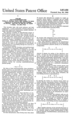
In accordance with this invention, novel polyfunctional interpolymers of unsaturated chloroformates, e.g., allyl chloroformate, and olefins such as ethylene are provided having a multiplicity of reactive chloroformate groups, usually upwards of three and often ten or sometimes fifteen or more. These interpolymers are principally linear in character and have recurring reactive chloroformate groups. Many of the preferred interpolymers have as their principal linear structure a carbon chain including carbon atoms to which are linked through recurring methylene groups reactive chloroformate groups, e.g., the polymers contain the recurring methylchloroformate pendant groups,
By virtue of their polyfunctionality, these polychloroformate polymers are convertible into three-dimensional, thermosetting, cross-linked polymers by reaction with appropriate polyfunctional materials including polyfunctional alcohols and amines. Thus, polyfunctional, usually difunctional, materials such as diols (aliphatic or aromatic) or diamines may be reacted with these polychloroformate polymers in the provision of three-dimensional polymers. The reactivity of the chloroformate and OH or amino groups provides carbonate or carbamate linkages for realizing such cross-linking. Other polymers are prepared from the novel polychloroformate interpolymers by reaction with an alcohol or amine having a polymerizable functionality such as an olefinically un saturated alcohol or amine, or an epoxy alcohol (glycidol) and polymerization of the reaction products via the unsaturation or other polymerizable functionality provided from the alcohol or amine.
Three-dimensional polymers, above described, are useful in providing surface finishes. They thus may be used to coat protectively various surfaces such as wood, metal including iron, copper and steel, natural and synthetic cellulosic sheeted and Woven materials such as paper, cotton textiles and the like, by efiecting in situ the conversion of the polychloroformate or a polymerizable derivative thereof to three-dimensional polymers.
Preferred polychloroformate interpolymers are those of allyl chloroformate and ethylene. Among such interpolymers are those which contain from about 5 to 85 percent allyl chloroformate moieties by Weight and have chloroformate chlorine contents ranging from 1 to 25 weight percent. Their cryoscopic molecular weights typically vary from 500 to 3500.
Of these interpolymers, those having more than about ice By reaction with compounds having polyfunctional reactivity with respect to chloroformate groups, three-dimensional, thermosetting polymer are prepared.
Thus, using dihydroxy compounds, the interpolyrners of allyl chloroformate and ethylene are cross-linked yielding three-dimensional polymers having as an identifying configuration:
wherein R denotes the residue of the dihydroxy com-' pound. At least one such cross-linking structure is pres ent, and usually most of the polymers include a multiplicity thereof corresponding approximately to the number of chloroformate groups present in the copolymer. These three-dimensional polymers may, accordingly, be described as polyesters of (a) a biscarbonic acid of a dihydroxy compound and (b) a polyhydric interpolymer' of allyl alcohol and ethylene.
Dihydroxy compounds (or diols) include glycols such as diethylene glycol, ethylene glycol, propylene glycol, polyalkoxy glycols, etc.; xylylene glycols, catechol, resorcinol, and the alkylidene bisphenols, e.g., Bisphenol A.
With reactive diamines (e.g., those having available hydrogens linked to two of their amino nitrogens), the cross-linking structure is representable as:
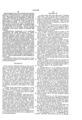
I II I I I II I R denoting the residue of a diamine among which are ethylene diamine, isopropylene diamine, trimethylene diamine, piperazine, hexamethylene diamine, diarninobenzenes, toluene diamine, alkylidene dianilines, and the like. Cross-linking is achieved by virtue of two carbamate groups and the three-dimensional polymers may be regarded as polyesters of (a) a dicarbamic acid and (b) a polyhydric interpolymer of ethylene and allyl alcohol wherein hydroxyl groups'of the interpolymer are esteritied with carbamic acid groups.
Mixed esters of carbonic and carbamic acids are obtained through the use of compounds having both amine and hydroxyl functionality such as ethanolamine and diethanolamine. For example, by reaction of ethanolamine with the polychloroformate, there is formed a polymer having a cross-linking structure representable as:
More complex polymers of the polychloroformates result from their reaction with trifunctional, tetrafunc-tional, etc., alcohols, amines or mixed alcohol-amines as illustrated by glycerin, trimethylolethane, pentaerythritol and diethanolamine.
Besides OH and amino groups, the polychloroformate polymers are reactive with other compounds having polyfuuctional reactivity with respect to chloroformate groups to yield cross-linked polymers. Such compounds (including polymeric materials) are those containing a plurality of groups" having active hydrogen (a hydrogen of the type which is linked direetly to a nitrogen, sulfur or oxygen atom) and include besides those already mentioned mercaptar'is corresponding to the diols such as 1,2-ethainedithiol. I
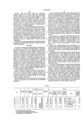
The interpolymers herein contemplated including the referred interpolymers of ethylene and allyl chloroformate are prepared by interpolymerizing an olefin and a chloroformate of an unsaturated alcohol, usually in a liquid diluefli under Pressure a With the aid of a catalyst Such unsaturated group, preferably olefinic unsaturation, and as diisopropyl peroxydicarbonate 01- like esters such as an alcoholic hydroxyl group attached to an aliphatic are described in United States Letters Patent 2,370,588, carb n, granted ry l Olefins c a e hylen r Interpolymers of unsaturated chloroformates and olenormally gaseous and hence copolymerizatlon 1S 6011- finically unsaturated materials other than ethylene are ducted by recourse to a liquid diluent in which the olefin contemplated, Th th l may b i ll or 1s dissolved. pletely replaced by propylene, butadiene, butene-l, bu- The following examples 1llustrate the copolymenzation time-2, isobutylene, pentene-l, 2-methylbutene-l, hexof ethylene and allyl chloroforrnate to produce polychlon -l, m m -1, t acrylonjtrfle, b way f m roformate polymers. tration.
Example I 'lnterpolymer polychloroformsates so provided may be A series of ethylene-allyl chloroformate interpolymers converted i three'dun"jnS1na1 Polymers hlgher are prepared by mixing allyl, chloroformate, anhydrou leoular werght products in the manner here1n described benzene (thiophene free) and diisopmpyl peroxydicar 1n deta1l with respect to allyl chloroformate-ethylene 1nbonate in a glass-lined autoclave having a capacity of 300 y e milliliters in amounts as listed in Table I. The autoclave 3O As mdlcat?d b the details glven m the expenment the contents are flushed twice with high purity ethylene (99,5 interpolymenzanon of the chloroformate of an unsanipercent pure ethylene except in Run B where it was 99.9 Tated a1ch1 Such alcohol and ethylene 11156 percent pure ethylene) to displace air, then rocked olefinlc hydrocarbon 1s 1n1t1 ated by recourse to certain fined with ethylene at full. Superatmosphefic cylinder catalysts exemplified by 1sopropyl peroxydicarbonateand pressure atroom temperature (about Aft the other peroxydwarbonate esters heretofore mentioned. contents of the autoclave are saturated with ethylene, the Qther free f f lIlltlatOrS 911 as benzoyl chlonde, azocontents of the closed autoclave are gradually raised by l'sobutyromtrfle acetyl Peroxlde: t'butyl Peroxlde, heating over a period of 30 minutes to the temperature also used; specified in Table I. With rising temperatures, pressure 40 Formatlol} 'P P P Wlth most faculty increases. As the reaction proceeds, additional ethylene an orgamc hquld f ga solvents for P is added Whenever superannospheric pressure drops reactants are thus employed 1n providing a proper react1on low the initial full cylinder pressure. med um. Moreover, since the 1nterpolymers are at least After no f th decrease inopressure is observed, the sparmgly soluble in benzene and often reasonably soluble autoclave contents are allowed to cool to room temperabenzene other 9101931105, arPmatlc Solvents, espeture and the contents treated to separate solvent, any claHY Wlth PP QP cham transfer constaflts, unreacted monomer and other materials by heating the Rwvlde SUI/[able medla 111 whfch conduct P y ti mixture under nitrogen to 40 C at 4 n t1on. However, other essentially inert organic liquids, meters f mercury vacuum especially those in wh1ch the reactants are adequately The following Table I lists the details of various p soluble, 1nclude chlorinated aliphatic hydrocarbons such arations of copolymers in accordance with the foregoing as methylene chloride, dichloroethane, hydrocarbons inprocedure: eluding cyclohexane, toluene, heptane, octane, etc.
Table I Pressure, 551g. Product ACE, IPP, Benzene, Tempera- Run grams grams milllture, C. Chloro- Molecu- Weight Average liters Yield, iormate lar Percent Number- Inltial Maximum grams Chlorine, Weight AOF ln Nature ofACF Percent Polymer Units per hain 20. 3 2. 2 72 690 830 53 27. 7 12. 3 2, 275 41. 8 7. 9 20. 3 2. 2 72 700 975 53 35.1 11.8 2,080 40.1 7. 0 20. 3 2. 2 72 650 730 40 31.1 12. 0 1, 915 40. 7 6. 6 20.3 4.4 72 630 830 53 32.3 10.9 2,900 37.0 o 8.9 5.7 2.2 670 820 53 25.1 4.8 2,470 15.3- white waxy so1id 3.3 3.4 2.2 87 600 830 53 19.1 1.7 5.8 O 51.9 7.3 239 875 5(40") 40-50 117.0 10.8 2,190 35.7 yellowish white 6.7
0 (50) semi-solid. 21.1 6.8 261.3 740 2, 35 2; 40-50 114.5 3.8 11.2 white powder 1 126.6 6.8 168 740 800 (40) 40-50 132.7 18.1 2,070 61.4 viscous 11 m"--. 10.6
1 AOF denotes allyl chloroformate.
1 IPP denotes lsopropyl peroxydlcarbonate.
B As determined by cryoscoplc method in benzene. 4 Autoclave capacity 1000 milliliters.
Superatrnospheric pressures are imposed upon the liquid medium in which polymerization is conducted, especially when using a gaseous monomer, notably the olefin monomer. Depending upon the temperature at which polymerization is conducted, the particular solvents and particular olefins, etc., considerable variation in superatmospheric pressure is possible. As a rule, pressures in excess of about 600 pounds per square inch gauge up to 5000 pounds per square inch gauge or somewhat higher are typical of those used most often. This, however, does not preclude the use of still higher pressures, although practicalities rarely dictate recourse to unusually high pressures.
Polychloroformate interpolymers of an unsaturated chloroformate rand olefinic hydrocarbon (or olefinic chlorohydrocarbon) are reactive with monohydroxy or dihydroxy compounds, either saturated or unsaturated, amines and diamines, ammonia, pyridine, sodium hydroxide, or like alkalis, to produce polymeric materials having a plurality of carbonate and/ or carbmate groups. Thus, reaction of the polychloroformate intenpolymers here provided with a hydroxy compound such as an alcohol yields polycarbonates. A polymerizable polycarbonate having polymerizable olefinic unsaturation is attained by reaction of the polychloroformate polymer with an unsaturated polymerizable alcohol such as allyl alcohol. The resulting polycarbonates are useful as casting resins in the formation of optically clear plastic sheets such as are useful in lieu of glass where the breakability of glass is undesirable. Other polymerizable polycarbonates are attainable by reaction of glycidol (or epoxy alcohols) with the polychloroformate. They are polymerizable via their multiplicity of epoxy groups.
The following example illustrates the manner in which polychloroformate polymers are converted into polymerizable polycarbonates:
EXAMPLE II Some 2 moles of redistilled alcohol, 0.7 mole of pyridine, and 250 cubic centimeters of redistilled toluene are placed in a round bottom glass reaction flask equipped with a mechanical stirrer, a thermometer and a dropping funnel. To this well stirred solution maintained at a temperature of about 8 C., a toluene solution containing 98 grams of the interpolymer of Run I in Table I is added. After completing the addition and stirring overnight, the reaction medium is Water washed using sodium carbonate to reduce emulsification. Some 78.6 grams of a viscous yellow liquid polycarbonate having a chloroformate chlorine content of about .2 percent by weight and a C0 content of 21.4 percent by weight are obtained. The olefinic unsaturation content of this polycarbonate determined as allyl alcohol is 29.1 weight percent.
A casting of this polycarbonate is prepared by curing (or further polymerizing) the polycarbonate for 72 hours at 70 C. in the presence of 5 percent by weight of benzoyl peroxide. A white opaque solid of substantial surface hardness was obtained.
Besides polymerizing olefinically unsaturated chloroformates and olefin hydrocarbons, olefin halohydrocarbons and especially olefin chlorohydrocarbons give rise topolychloroformate polymers containing substantial chlorine other than chloroformate chlorine. The presence of this chlorine in the polymer renders it flame resistant and hence useful for reaction with alcohols, amines and the like in the formation of higher molecular weight polymers suitable for imparting flame resistance. These higher molecular weight polymers may be employed to impregnate textiles such as Woven cotton, wools and the like to impart flame resistant properties.
The following example illustrates the copolymerization of an olefin chlorohydrocarbon and an olefinically unsaturated chloroformate:
5 EXAMPLE III A round bottom glass flask fitted with a condenser closed with a vent is charged with 41.3 grams (0.314 mole) of trichloroethylene, 27.2 grams (93.2 percent by weight pure, 0.209 mole) of allyl chloroformate and 1.2 grams of isopropyl peroxydicarbonate. After the flask is flushed with nitrogen, its contents are heated to 45 C. for a period of 77 hours.
The interpolymer is recovered from the resulting re action medium in the amount of 34.4 grams by subjecting the reaction mixture to vacuum distillation under a nitrogen path using a pot temperature of 65 C. and 3 millimeters of mercury pressure.
The cryoscopic molecular weight in benzene of this polymer is 625. Its chloroformate chlorine content is 18.2 percent by weight .and it contains a total of 48.2 percent chlorine. Some 61.8 percent by weight of the polymer is provided by the allyl chloroformate monomer. The copolymer is readily soluble in benzene.
In general, the better copolymers of olefinic chlorohydrocarbons and unsaturated chloroformate, e.g., those containing higher chlorine contents, are attained by employing some 60 parts by weight of the chlorohydrocarbon basis 100 parts by weight of the two monomers.
Besides trichloroethylene, other olefinic halohydrocarbons including mixed halohydrocarbons, e.g., chlorofluorohydrocarbons, may be copolymerized with unsaturated chlcroformates to provide useful polymeric materials. Other olefinic halohydrocarbons which may be mentioned include the dichloroethylenes (cis and trans), 1,1- dichloro 2 fiuoroethylene, 3,3,3 trichloro 1 propene, 1,2-difluoroethylene, and longer carbon chain halohydrocarbons, usually including those having up to eight aliphatic carbons.
While the present invention has been described by reference to specific details of certain embodiments, it is to be understood that it is not intended that the invention be construed as limited to such details except insofar as these details appear in the appended claims.
I claim:
1. An interpolymer of (A) an olefinically unsaturated chloroformate and (B) a compound selected from the group consisting of aliphatic olefinically unsaturated hydrocarbons and aliphatic olefinically unsaturated halohydrocarbons, said interpolymer containing a multiplicity of reactive chloroformate groups and containing from 5 to 85 percent olefinically unsaturated chloroformate moieties, by Weight, based upon the combined Weight of said (A) olefinically unsaturated chloroformate moieties and of (B) said compound selected from said group.
2. An interpolymer of (A) a monoolefinically unsaturated chloroformate and (B) a compound selected from the group consisting of aliphatic olefinically unsaturated hydrocarbons and aliphatic unsaturated halohydrocarbons, said interpolymer containing a multiplicity of reactive chloroformate groups and containing from 5 to 85 percent monoolefinically unsaturated chloroformate moieties, by weight, based upon the combined weight of said (A) monoolefinically unsaturated chloroformate moieties and of (B) said compound selected from said group.
3. An interpolymer of (A) allyl chloroformate and (B) ethylene, said interpolymer containing a multiplicity of reactive chloroformate groups and containing from 5 to 85 percent allyl chloroformate moieties, by Weight, based upon the combined Weight of said (A) allyl chloroformate moieties and of said (B) ethylene.
4. An interpolymer of (A) allyl chloroformate and (B) ethylene, said interpolymer containing from 1 to 25 percent by Weight of chloroformate chlorine and containing from 5 to 85 percent allyl chloroformate moieties, by weight, based upon the combined Weight of said (A) allyl chloroformate moieties and of said (B) ethylene.
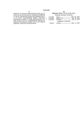
5. An interpolymer of (A) a monoolefinically aliphatic unsaturated chloroformate and (B) an aliphatic 7 8 olefinically unsaturated halohydreca-rbon having up to 8 References Cited in the file of this patent carbon atoms, said interpolymer containing a multiplicity UNITED STATES PATENTS a: it f i t g iolgtammg fi i g; 2,377,085 Kung May 29, 1945, P n mono) emca Y 1P a a 2,440,090 Howk et a1. Apr. 20, 1948 chloroformate moieties, by Weight, based upon the com- 5 2,464,056 Pechukas Man 8, 1949 bined weight of said (A) monoolefinically aliphatic unsaturated chloroformate moieties and of said aliphatic FOREIGN PATENTS olefinically unsaturated halohydrocarbon. 522,654 Canada Mar. 13, '1956
Claims (1)
1. AN INTERPOLYMER OF (A) AN OLEFINICALLY UNSATURATED CHLOROFORMATE AND (B) A COMPOUND SELECTED FROM THE GROUP CONSISTING OF ALIPHATIC OLEFINICALLY UNSATURATED HYDROCARBONS AND ALIPHATIC OLEFINICALLY UNSATURATED HALOHYDROCARBONS, SAID INTERPOLYMER CONTAINING A MULTIPLICITY OF REACTIVE CHLOROFORMATE GROUPS AND CONTAINING FROM 5 TO 85 PERCENT OLEFINICALLY UNSATURATED CHLOROFORMATE MOIETIES, BY WEIGHT, BASED UPON THE COMBINED WEIGHT OF SAID (A) OLEFINICALLY UNSATURATED CHLOROFORMATE MOIETIES AND OF (B) SAID COMPOUND SELECTED FROM SAID GROUP.
Priority Applications (1)
| Application Number | Priority Date | Filing Date | Title |
|---|---|---|---|
| US18510A US3051686A (en) | 1960-03-30 | 1960-03-30 | Polychloroformates |
Applications Claiming Priority (1)
| Application Number | Priority Date | Filing Date | Title |
|---|---|---|---|
| US18510A US3051686A (en) | 1960-03-30 | 1960-03-30 | Polychloroformates |
Publications (1)
| Publication Number | Publication Date |
|---|---|
| US3051686A true US3051686A (en) | 1962-08-28 |
Family
ID=21788291
Family Applications (1)
| Application Number | Title | Priority Date | Filing Date |
|---|---|---|---|
| US18510A Expired - Lifetime US3051686A (en) | 1960-03-30 | 1960-03-30 | Polychloroformates |
Country Status (1)
| Country | Link |
|---|---|
| US (1) | US3051686A (en) |
Cited By (2)
| Publication number | Priority date | Publication date | Assignee | Title |
|---|---|---|---|---|
| US4054593A (en) * | 1975-03-10 | 1977-10-18 | Imperial Chemical Industries Limited | Nitrogen-containing compounds |
| EP0034086A1 (en) * | 1980-02-07 | 1981-08-19 | Societe Nationale Des Poudres Et Explosifs | Process for the synthesis of polymers and copolymers based on vinylchloroformiate |
Citations (4)
| Publication number | Priority date | Publication date | Assignee | Title |
|---|---|---|---|---|
| US2377085A (en) * | 1943-09-29 | 1945-05-29 | Pittsburgh Plate Glass Co | Unsaturated chlorocarbonates and method of preparation |
| US2440090A (en) * | 1944-05-10 | 1948-04-20 | Du Pont | Alpha-methylene carboxylic acid fluoride polymers and their preparation |
| US2464056A (en) * | 1944-02-29 | 1949-03-08 | Pittsburgh Plate Glass Co | Polymeric compositions |
| CA522654A (en) * | 1956-03-13 | A. Bralley James | Halo-aryl allyl carbonates and polymers thereof |
-
1960
- 1960-03-30 US US18510A patent/US3051686A/en not_active Expired - Lifetime
Patent Citations (4)
| Publication number | Priority date | Publication date | Assignee | Title |
|---|---|---|---|---|
| CA522654A (en) * | 1956-03-13 | A. Bralley James | Halo-aryl allyl carbonates and polymers thereof | |
| US2377085A (en) * | 1943-09-29 | 1945-05-29 | Pittsburgh Plate Glass Co | Unsaturated chlorocarbonates and method of preparation |
| US2464056A (en) * | 1944-02-29 | 1949-03-08 | Pittsburgh Plate Glass Co | Polymeric compositions |
| US2440090A (en) * | 1944-05-10 | 1948-04-20 | Du Pont | Alpha-methylene carboxylic acid fluoride polymers and their preparation |
Cited By (3)
| Publication number | Priority date | Publication date | Assignee | Title |
|---|---|---|---|---|
| US4054593A (en) * | 1975-03-10 | 1977-10-18 | Imperial Chemical Industries Limited | Nitrogen-containing compounds |
| EP0034086A1 (en) * | 1980-02-07 | 1981-08-19 | Societe Nationale Des Poudres Et Explosifs | Process for the synthesis of polymers and copolymers based on vinylchloroformiate |
| US4381385A (en) * | 1980-02-07 | 1983-04-26 | Societe Nationale Des Poudres Et Explosifs | Process for the preparation of polymers and copolymers based on vinyl chloroformate |
Similar Documents
| Publication | Publication Date | Title |
|---|---|---|
| Saunders | Organic polymer chemistry: an introduction to the organic chemistry of adhesives, fibres, paints, plastics, and rubbers | |
| US3248415A (en) | Method of preparing high molecular weight polycarbonates | |
| US3316222A (en) | Copolymers of ethylene and vinyl ethers of polyols | |
| US3057833A (en) | Process for polymerizing allylic amines and resulting products | |
| US3444148A (en) | Copolymers of selected polyfluoroper-haloketone adducts with other selected ethylenic compounds | |
| US2326287A (en) | Copolymer of unsaturated isocyanates | |
| US3280078A (en) | Polyethylenically unsaturated polycarbonate polymers | |
| US2883372A (en) | Copolymers of ethylene and dihydrodicyclopentadiene | |
| Hata et al. | Viscoelastic properties of epoxy resins. II. Antiplasticization in highly crosslinked epoxy system | |
| US3051686A (en) | Polychloroformates | |
| US3699079A (en) | Carbon dioxide-diepoxide copolymers | |
| US3018266A (en) | Polymerizable elastomer-vinyl aromatic compound composition containing a catalyst promoter system and method of polymerizing same | |
| US3634547A (en) | Thermoplastic compositions | |
| US3107199A (en) | Organic polymeric articles and preparation thereof | |
| US3526616A (en) | Polymerization of olefins in the presence of a catalyst comprising an organometallic compound,the reaction product of a transition metal compound and a hydroxychloride of a bivalent metal and an alkoxide of a metal of group ii-b | |
| US3431245A (en) | Production of novel polymers and polymerization process therefor | |
| US2895931A (en) | Method for preparation of 3,3-disubstituted oxetane polymers | |
| US3105828A (en) | Polymerizing diolefins with alkyl lithium catalyst in tetrahydrofuran solvent | |
| US2970984A (en) | Epoxyalkyl alkenylaryl ethers | |
| US3417035A (en) | Trihydropolyfluoroalkylene glycidyl ethers, methods for making said ethers, and polymers and copolymer of said ethers | |
| US3553182A (en) | Alkene oxide polymerization catalyzed by organoaluminum-organophosphine mixtures | |
| US3442876A (en) | Novel rubbery polyoxyalkylene copolymers | |
| US3726886A (en) | Adducts of alkenyl isocyanates with hydroxymethylated diphenyl oxide and derivatives thereof | |
| US3280083A (en) | Highly-fluorinated monomers, polymers and copolymers | |
| US2568608A (en) | Polyunsaturated nitrogen-containing compounds and polymers thereof |