US5998460A - Phenylcarbamates of (-)-eseroline, (-)-N1-noreseroline and (-)-N1-benzylnoreseroline: selective inhibitors of acetyl and butyrylcholinesterase, pharmaceutical compositions and method of use thereof - Google Patents
Phenylcarbamates of (-)-eseroline, (-)-N1-noreseroline and (-)-N1-benzylnoreseroline: selective inhibitors of acetyl and butyrylcholinesterase, pharmaceutical compositions and method of use thereof Download PDFInfo
- Publication number
- US5998460A US5998460A US08/096,207 US9620793A US5998460A US 5998460 A US5998460 A US 5998460A US 9620793 A US9620793 A US 9620793A US 5998460 A US5998460 A US 5998460A
- Authority
- US
- United States
- Prior art keywords
- compound
- noreseroline
- sub
- compound according
- compounds
- Prior art date
- Legal status (The legal status is an assumption and is not a legal conclusion. Google has not performed a legal analysis and makes no representation as to the accuracy of the status listed.)
- Expired - Fee Related
Links
Images
Classifications
-
- C—CHEMISTRY; METALLURGY
- C07—ORGANIC CHEMISTRY
- C07D—HETEROCYCLIC COMPOUNDS
- C07D487/00—Heterocyclic compounds containing nitrogen atoms as the only ring hetero atoms in the condensed system, not provided for by groups C07D451/00 - C07D477/00
- C07D487/02—Heterocyclic compounds containing nitrogen atoms as the only ring hetero atoms in the condensed system, not provided for by groups C07D451/00 - C07D477/00 in which the condensed system contains two hetero rings
- C07D487/04—Ortho-condensed systems
-
- A—HUMAN NECESSITIES
- A61—MEDICAL OR VETERINARY SCIENCE; HYGIENE
- A61P—SPECIFIC THERAPEUTIC ACTIVITY OF CHEMICAL COMPOUNDS OR MEDICINAL PREPARATIONS
- A61P21/00—Drugs for disorders of the muscular or neuromuscular system
-
- A—HUMAN NECESSITIES
- A61—MEDICAL OR VETERINARY SCIENCE; HYGIENE
- A61P—SPECIFIC THERAPEUTIC ACTIVITY OF CHEMICAL COMPOUNDS OR MEDICINAL PREPARATIONS
- A61P21/00—Drugs for disorders of the muscular or neuromuscular system
- A61P21/04—Drugs for disorders of the muscular or neuromuscular system for myasthenia gravis
-
- A—HUMAN NECESSITIES
- A61—MEDICAL OR VETERINARY SCIENCE; HYGIENE
- A61P—SPECIFIC THERAPEUTIC ACTIVITY OF CHEMICAL COMPOUNDS OR MEDICINAL PREPARATIONS
- A61P25/00—Drugs for disorders of the nervous system
- A61P25/28—Drugs for disorders of the nervous system for treating neurodegenerative disorders of the central nervous system, e.g. nootropic agents, cognition enhancers, drugs for treating Alzheimer's disease or other forms of dementia
-
- A—HUMAN NECESSITIES
- A61—MEDICAL OR VETERINARY SCIENCE; HYGIENE
- A61P—SPECIFIC THERAPEUTIC ACTIVITY OF CHEMICAL COMPOUNDS OR MEDICINAL PREPARATIONS
- A61P27/00—Drugs for disorders of the senses
- A61P27/02—Ophthalmic agents
-
- A—HUMAN NECESSITIES
- A61—MEDICAL OR VETERINARY SCIENCE; HYGIENE
- A61P—SPECIFIC THERAPEUTIC ACTIVITY OF CHEMICAL COMPOUNDS OR MEDICINAL PREPARATIONS
- A61P27/00—Drugs for disorders of the senses
- A61P27/02—Ophthalmic agents
- A61P27/06—Antiglaucoma agents or miotics
-
- A—HUMAN NECESSITIES
- A61—MEDICAL OR VETERINARY SCIENCE; HYGIENE
- A61P—SPECIFIC THERAPEUTIC ACTIVITY OF CHEMICAL COMPOUNDS OR MEDICINAL PREPARATIONS
- A61P39/00—General protective or antinoxious agents
- A61P39/02—Antidotes
-
- A—HUMAN NECESSITIES
- A61—MEDICAL OR VETERINARY SCIENCE; HYGIENE
- A61P—SPECIFIC THERAPEUTIC ACTIVITY OF CHEMICAL COMPOUNDS OR MEDICINAL PREPARATIONS
- A61P43/00—Drugs for specific purposes, not provided for in groups A61P1/00-A61P41/00
-
- C—CHEMISTRY; METALLURGY
- C07—ORGANIC CHEMISTRY
- C07D—HETEROCYCLIC COMPOUNDS
- C07D491/00—Heterocyclic compounds containing in the condensed ring system both one or more rings having oxygen atoms as the only ring hetero atoms and one or more rings having nitrogen atoms as the only ring hetero atoms, not provided for by groups C07D451/00 - C07D459/00, C07D463/00, C07D477/00 or C07D489/00
- C07D491/02—Heterocyclic compounds containing in the condensed ring system both one or more rings having oxygen atoms as the only ring hetero atoms and one or more rings having nitrogen atoms as the only ring hetero atoms, not provided for by groups C07D451/00 - C07D459/00, C07D463/00, C07D477/00 or C07D489/00 in which the condensed system contains two hetero rings
- C07D491/04—Ortho-condensed systems
Definitions
- the present invention relates to improvements in the treatment of diseases, and more particularly to compounds which exhibit selective inhibition of acetylcholinesterase and butyrylcholinesterase.
- Physostigmine also called eserine, and particular derivatives of physostigmine are anti-cholinesterase inhibitors which are well known. Such well known compounds are also useful in the treatment of glaucoma, Myasthenia Gravis, Alzheimer's disease and as antidotes against poisoning with organophosphates.
- (+)-physostigmine has only negligible ChE inhibitory activity, it is as effective as a protective pretreatment drug against multiple lethal doses of sarin, see Albuquerque et al, Fundam. Appl. Caltoxicol., Vol. 5, pages 182-203 (1985).
- the observed beneficial protection appears to be due to direct interactions of the carbamates with the postsynaptic nicotinic AChR.
- the protective effectiveness of the carbamates against organo-phosphates appears to be related to the direct ability of the carbamates to decrease the hyperactivation caused by accumulation of the neurotransmitter.
- AChE which is found in red blood cells, in the brain and in nerve tissues, seems to be more specific than BChE which is found in serum, pancreas and in the liver. It, however, has not previously been shown in the art that compounds which selectively inhibit one of the two enzymes more than the other would offer a medical advantage.
- R 2 is straight or branched chained C 1 -C 10 alkyl
- R 3 is H or straight or branched chained C 1 -C 10 alkyl
- R 4 and R 5 are independently hydrogen or R 4 and R 5 taken together along with the carbon atoms to which they are attached form a 6-membered aromatic hydrocarbon ring;
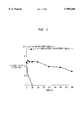
- FIG. 1 illustrates the time-dependent inhibition of plasma AChE in a rat host by physostigmine and its 2',4'-dimethylphenyl carbamate.
- R 2 is straight or branched chained C 1 -C 10 alkyl
- R 3 is H or straight or branched chained C 1 -C 10 alkyl
- R 4 and R 5 are independently hydrogen or R 4 and R 5 taken together along with the carbon atoms to which they are attached form a 6-membered aromatic carbocyclic ring;
- Acceptable salts are salts such as tartrates, fumarates, phosphates, salicylates, and the like.
- R 3 is hydrogen and R 2 is C 1 -C 10 alkyl.
- R--CH 3 Even more preferred are two groups, R--CH 3 , --CH 2 --CH 3 , --CH 2 --CH 2 --CH 3 -- and --CH(--CH 3 ) 2 .
- the above compounds are eseroline and (1) N-nor-eseroline carbamates having high potency in the inhibition of acetylcholinesterase and butyryl-cholinesterase. Some of the carbamates were more specific for AChE, whereas others were more highly specific for BChE.
- cholinesterase inhibitors are known in the prior art.
- Physostigmine and physovenine are optically active alkaloids with a (3aS)-absolute configuration at the chiral carbon atom C(3a). Both of these compounds are potent inhibitors of cholinesterases in vitro and in vivo, blocking the conversion of acetylcholine into choline reversibly.
- Physostigmine has been found to have useful medical applications in disorders which result in a malfunction of this process.
- the carbamates according to the present invention have shown high potency.
- phenylcarbamate derivatives according to the present invention are longer lasting and appear to be less toxic than other carbamate analoges in this art. Accordingly, the present compounds represent a significant advancement in the prior art.
- compositions within the scope of the invention include compositions wherein the active ingredient is contained in an effective amount to achieve its intended purpose.
- the compounds can be administered in any pharmaceutically acceptable amount, for example, in amounts ranging from 0.001 gram to about 1 gram per kilogram of body weight. Based on the information which is presented herein, the determination of effective amounts is well within the skill of the ordinary practitioner in the art.
- the compounds are generally used in pharmaceutical compositions (wt %) containing the active ingredient with a carrier or vehicle in the composition in an amount of about 0.1 to 99 wt % and preferably about 25-85 wt %.
- Either fluid or solid unit dosage forms can be readily prepared for oral administration.
- the compounds of Formula I can be admixed with conventional ingredients such as dicalcium phosphate, magnesium aluminum silicate, magnesium stearate, calcium sulfate, starch, talc, lactose, acacia, methyl cellulose and functionally similar materials as pharmaceutical excipients or carriers.
- a sustained release formulation may optionally be used. In older or incoherent patients sustained release formulations may even be preferred.
- Capsules may be formulated by mixing the compound with a pharmaceutical diluent which is inert and inserting this mixture into a hard gelatin capsule having the appropriate size. If soft capsules are desired, a slurry of the compound with an acceptable vegetable, light petroleum or other inert oil can be encapsulated by forming into a gelatin capsule.
- Suspensions, syrups and elixirs may be used for oral administration of fluid unit dosage forms.
- a fluid preparation including oil may be used for oil soluble forms.
- a vegetable oil such as corn oil, peanut oil or safflower oil, for example, together with flavoring agents, sweeteners and any preservatives produces an acceptable fluid preparation.
- a surfactant may be added to water to form a syrup for fluid unit dosages.
- Hydro-alcoholic pharmaceutical preparations may be used having an acceptable sweetener (such as sugar, saccharin, or a biological sweetener) and a flavoring agent in the form of an elixir.
- compositions for parenteral and suppository administration can also be obtained using techniques standard in the art.
- Preferred uses of the compounds according to the invention are as pharmaceutical agents suitable for oral administration.
- Another preferred use of the compounds is in transdermal parenteral formulations, which are particularly useful in treating cholinergic disorders such as glaucoma, Myasthenia Gravis, Alzheimer's disease, and organophosphate poisoning.
- compositions suitable for administration to these areas are particularly included within the invention.
- the above parenteral solutions or suspensions may be administered transdermally and delivered with a skin patch. If desired they may be given by injection in an appropriate vehicle such as sesame oil.
- incorporation of the active compounds and a slow release matrix may be implemented for administering transdermally.
- the compounds may be administered transdermally in amounts of about 0.01 to 99% of the composition and preferably about 25 to 85 wt % of the active ingredient in the vehicle or carrier.
- Transdermal therapeutic systems are self-contained dosage forms that, when applied to intact skin, deliver drug(s) at a controlled rate to the systemic circulation.
- Advantages of using the transdermal routing include: enhanced therapeutic efficacy, reduction in the frequency of dosing, reduction of side effects due to optimization of blood-concentration vs. time profile, increased patient compliance due to elimination of multiple dosing schedules, bypassing the hepatic "first pass" metabolism, avoiding gastro-intestinal incompatibilities and providing a predictable and extendable duration of activity.
- the main function of the skin is to act as a barrier to entering compounds.
- transdermal therapy has been preferred for a limited number of drugs that possess the desirable physiochemical properties for diffusion across the skin barrier.
- One effective method of overcoming the barrier function of the skin is to include a penetration enhancer in the formulation of the transdermal therapeutic system.
- the penetration enhancer is a chemical compound that, when included in a formulation, temporarily increases the permeability of the skin to a drug line allowing more of the drug to be absorbed in a shorter period of time.
- Several different types of penetration enhancers have been reported such as dimethylsulfoxide, n-decylmethylsulfoxide, N,N-dimethylacetamide, N,N-dimethylformamide, 1-dodecylazacycloheptane-2-one (Azone), propylene glycol, ethanol, pyrrolidones such as N-methyl-2-pyrrolidone (NMP) and surfactants.
- NMP N-methyl-2-pyrrolidone
- the above compounds can be present in the reservoir alone or in combination with pharmaceutical carriers.
- the pharmaceutical carriers acceptable for the purposes of this invention are the known art carriers that do not adversely effect the drug, the host, or the material comprising the drug delivery device.
- Suitable pharmaceutical carriers include sterile water, saline, dextrose, dextrose in water or saline; condensation products of castor oil and ethylene oxide combining about 30 to 35 moles of ethylene oxide per mole of castor oil, liquid acid, lower alkanols, oils such as corn oil, peanut oil, sesame oil and the like, with emulsifiers such as mono- or di- glyceride of a fatty acid; or a phosphatide, e.g., lecithin, and the like; glycols, polyalkylene glycols, aqueous media in the presence of a suspending agent, for example, sodium carboxymethyl cellulose, sodium alginate, poly(vinylpyrrolidone), and the like, alone,
- an effective dosage of a compound according to the present invention is about 1 to 800 milligrams when administered by either oral or rectal dose from 1 to 3 times daily. This is about 0.002 to about 50 milligrams per kilogram of the subject's weight administered per day. Preferably about 10 to about 300 milligrams are administered orally or rectally 1 to 3 times a day for an adult human. The required dose is considerably less when administered parenterally. Preferably about 0.01 to about 150 milligrams may be administered intra-muscularly or transdermally, one or two times a day for an adult human.
- Compounds of the present invention may be administered topically in amounts of about 0.01 to about 99 wt % of the composition, and preferably about 25 to 85 wt %.
- the present compounds are also useful in a method for treating cholinergic disorders such as glaucoma, Myasthenia Gravis, Alzheimer's disease, and as an antidote against poisoning with organo phosphates.
- the method according to the invention comprises administering an effective amount of a compound according to the invention or an effective amount of a pharmaceutical composition according to the invention to a mammal in need of such treatment.
- the compounds according to the invention have shown selective cholinergic agonist and blocking activity.
- acetylcholinesterase AChE
- BChE butyrylcholinesterase
- the selectivity of the enzyme inhibition depends on the substitution in the phenyl ring of the phenylcarbamate group.
- the present invention relates to selective inhibition as follows: The natural alkaloid (-)-physostigmine, its potential metabolite (-)-(N1)-norphysostigmine and the natural alkaloid physovenine which were used as biological standards in the inhibited AChE and BChE in vitro similarly at similar concentrations.
- the related carbamates (-)-2'methylphenylcarbamoyl-N1-noreseroline, (-)-2',4'-dimethylphenylcarbamoyl-N1-noreseroline, and (-)-4'-isopropylphenylcarbamoyl-N1-noreseroline and (-)-phenylcarbamoyl-N1-noreseroline were similarly prepared from (-)-(N1)-benzylnoreseroline instead of eseroline by reacting (-)-(N1)-benzylnoreseroline with the corresponding isocyanates. The benzyl protecting group was then removed to yield the noreseroline compound from the benzylnoreseroline compound.
- the following example shows the removal of a benzyl protecting group from (-)-2'-methylphenylcarbamoyl-(N1)-benzylinoreseroline to yield compound (-)-2'-methylphenylcarbamoyl-(N1)-noreseroline.
- the comparative (-)-phenylcarbamoyleseroline compound ((-)-phenserine) was provided as follows.
- Comparative Example D' is (-)-Phenserine.
- a classical enzyme inhibition assay was undertaken to quantitate the activity of the derivatives against AChE and BChE.
- Anti-cholinesterase activity was determined against human erythrocyte AChE and plasma BChE in 0.1 M Na 3 PO 4 buffer (pH 8.0) using the spectrophotometric method of Ellman et al. (Biochem. Pharmacol. 7:88, 1961). Freshly collected plasma was diluted 1.125 with 0.1 M Na 3 PO 4 (pH 7.4) and lysed erythrocytes similarly diluted to 1:200.
- Acetyl-B-methylthiocholine (0.5 mM) and s-butyrylthiocholine (0.5 mM) were used as specific substrates for AChE and BChE, respectively, 25 ⁇ l of substrate and 25 ⁇ l of enzyme in a total volume of 0.75 ml.
- Physostigmine derivatives diluted in half log-intervals to a concentration range of between 1 ⁇ 10 -5 M and 3 ⁇ 10 -10 M, were preincubated with enzyme (30 min at 21° C.) prior to addition of substrates. Following incubation (30 min at 37° C.), production of a yellow thionitrobenzoate anion was measured with a spectrophotometer set to 412 nm wavelength. Nonspecific substrate hydrolysis was determined under conditions of complete enzyme inhibition (by addition of physostigmine 1 ⁇ 10 -5 M), and the associated change in absorbance subtracted from that observed with the test compounds. Finally, the activity of each compound was assessed alongside that of physostigmine, as an external standard, whose activity has been previously reported (Atack et al., J. Pharm. Expl. Ther. 249:294, 1989).
- IC 50 is defined as the concentration in nmol required to inhibit 50% of enzyme activity (calculated as described by Atack et al., J. Pharm. Expl. Ther. 249:294, 1989)).
- heparinized saline Catheters, filled with heparinized saline, were tied into the right femoral vein and artery of anesthetized male rats, which then were restrained in a plaster cast and allowed to recover from anesthesia in a temperature-controlled enclosure. Plasma samples were withdrawn to quantitrate untreated levels of AChE activity. At 90 min. after surgery, hexamethonium bromide (5 mg/kg, i.p.) was administered, followed by atropine methylbromide (4 mg/kg, s.c.) 10 min. later. These quaternary nicotinic and muscarinic antagonists, do not enter brain and inhibit peripheral cholinergic overdrive associated with cholinesterase inhibition, which may be deleterious to the animal.
- FIG. 1 demonstrates the in vivo inhibition of the enzyme acetylcholinesterase (AChE) by physostigmine and its 2',4'-dimethylphenyl carbamate derivative, i.e., the time-dependent activity of these cholinesterase inhibitors in rats.
- acetylcholinesterase AChE
- FIG. 1 demonstrates the in vivo inhibition of the enzyme acetylcholinesterase (AChE) by physostigmine and its 2',4'-dimethylphenyl carbamate derivative, i.e., the time-dependent activity of these cholinesterase inhibitors in rats.
- physostigmine and the substituted phenyl carbamates to which this patent relates possess excellent in vivo cholinesterase inhibitory properties.
- the duration of enzyme inhibition is short following an intravenous bolus of physostigmine.
Landscapes
- Health & Medical Sciences (AREA)
- Chemical & Material Sciences (AREA)
- Organic Chemistry (AREA)
- Veterinary Medicine (AREA)
- Life Sciences & Earth Sciences (AREA)
- General Chemical & Material Sciences (AREA)
- Medicinal Chemistry (AREA)
- Nuclear Medicine, Radiotherapy & Molecular Imaging (AREA)
- Bioinformatics & Cheminformatics (AREA)
- Pharmacology & Pharmacy (AREA)
- Chemical Kinetics & Catalysis (AREA)
- Animal Behavior & Ethology (AREA)
- General Health & Medical Sciences (AREA)
- Public Health (AREA)
- Engineering & Computer Science (AREA)
- Neurology (AREA)
- Ophthalmology & Optometry (AREA)
- Biomedical Technology (AREA)
- Neurosurgery (AREA)
- Orthopedic Medicine & Surgery (AREA)
- Physical Education & Sports Medicine (AREA)
- Hospice & Palliative Care (AREA)
- Psychiatry (AREA)
- Toxicology (AREA)
- Pharmaceuticals Containing Other Organic And Inorganic Compounds (AREA)
- Acyclic And Carbocyclic Compounds In Medicinal Compositions (AREA)
- Organic Low-Molecular-Weight Compounds And Preparation Thereof (AREA)
- Nitrogen Condensed Heterocyclic Rings (AREA)
Priority Applications (1)
| Application Number | Priority Date | Filing Date | Title |
|---|---|---|---|
| US08/096,207 US5998460A (en) | 1991-09-26 | 1993-07-26 | Phenylcarbamates of (-)-eseroline, (-)-N1-noreseroline and (-)-N1-benzylnoreseroline: selective inhibitors of acetyl and butyrylcholinesterase, pharmaceutical compositions and method of use thereof |
Applications Claiming Priority (3)
| Application Number | Priority Date | Filing Date | Title |
|---|---|---|---|
| US07/765,746 US5171750A (en) | 1991-09-26 | 1991-09-26 | Substituted phenserines as specific inhibitors of acetylcholinesterase |
| US86132992A | 1992-03-31 | 1992-03-31 | |
| US08/096,207 US5998460A (en) | 1991-09-26 | 1993-07-26 | Phenylcarbamates of (-)-eseroline, (-)-N1-noreseroline and (-)-N1-benzylnoreseroline: selective inhibitors of acetyl and butyrylcholinesterase, pharmaceutical compositions and method of use thereof |
Related Parent Applications (1)
| Application Number | Title | Priority Date | Filing Date |
|---|---|---|---|
| US86132992A Continuation | 1991-09-26 | 1992-03-31 |
Publications (1)
| Publication Number | Publication Date |
|---|---|
| US5998460A true US5998460A (en) | 1999-12-07 |
Family
ID=27117645
Family Applications (1)
| Application Number | Title | Priority Date | Filing Date |
|---|---|---|---|
| US08/096,207 Expired - Fee Related US5998460A (en) | 1991-09-26 | 1993-07-26 | Phenylcarbamates of (-)-eseroline, (-)-N1-noreseroline and (-)-N1-benzylnoreseroline: selective inhibitors of acetyl and butyrylcholinesterase, pharmaceutical compositions and method of use thereof |
Country Status (10)
| Country | Link |
|---|---|
| US (1) | US5998460A (es) |
| EP (1) | EP0606366B1 (es) |
| JP (1) | JP3708957B2 (es) |
| AT (1) | ATE242244T1 (es) |
| AU (1) | AU674130B2 (es) |
| CA (1) | CA2119783C (es) |
| DE (1) | DE69233093T2 (es) |
| DK (1) | DK0606366T3 (es) |
| ES (1) | ES2201050T3 (es) |
| WO (1) | WO1993006105A1 (es) |
Cited By (14)
| Publication number | Priority date | Publication date | Assignee | Title |
|---|---|---|---|---|
| US6495700B1 (en) | 2002-01-09 | 2002-12-17 | Axonyx, Inc. | Process for producing phenserine and its analog |
| US6683105B2 (en) * | 1997-07-09 | 2004-01-27 | Axonyx, Inc. | Highly selective butyrylcholinesterase inhibitors for the treatment and diagnosis of Alzheimer's disease and dementias |
| US20050182044A1 (en) * | 2004-02-17 | 2005-08-18 | Bruinsma Gosse B. | Combinatorial therapy with an acetylcholinesterase inhibitor and (3aR)-1,3a,8-trimethyl-1,2,3,3a,8,8a-hexahydropyrrolo[2,3,-b]indol-5-yl phenylcarbamate |
| US20050266060A1 (en) * | 2004-06-01 | 2005-12-01 | Axonyx, Inc. | Transdermal delivery system for treatment of cognitive disorders |
| US20050272804A1 (en) * | 2004-06-08 | 2005-12-08 | Axonyx, Inc | Methods of delaying Alzheimer's disease progression using a beta-amyloid precursor protein inhibitor and a HMG CoA reductase inhibitor |
| US20070167509A1 (en) * | 2005-06-14 | 2007-07-19 | Joseph Araujo | Use of phenserine and analogs to treat behavioral problems and improve trainability |
| AU2004289223B2 (en) * | 2003-11-04 | 2009-11-05 | Supernus Pharmaceuticals, Inc. | Once daily dosage forms of trospium |
| US20100041077A1 (en) * | 2006-11-13 | 2010-02-18 | Jon Owen Nagy | Pesticide biomarker |
| US20110166043A1 (en) * | 2007-11-14 | 2011-07-07 | Jon Owen Nagy | Biomarker detection-2 |
| US8653108B1 (en) * | 2011-08-03 | 2014-02-18 | Southwest Research Institute | Oximes for treatment of peripheral and central nervous system exposure to acetyl cholinesterase inhibitors |
| US8772345B2 (en) | 2011-08-03 | 2014-07-08 | Southwest Research Institute | Oximes for treatment of peripheral and central nervous system exposure to acetyl cholinesterase inhibitors |
| US9162983B2 (en) | 2013-05-22 | 2015-10-20 | Southwest Research Institute | Reactivators of organophosphorous inhibited acetylcholinesterase |
| US10111860B1 (en) | 2016-01-15 | 2018-10-30 | Aristea Translational Medicine Corporation | Compositions and methods for treating concussion |
| US10864192B2 (en) | 2016-01-15 | 2020-12-15 | Aristea Translational Medicine Corporation | Compositions and methods for inhibiting brain trauma-induced neurodegeneration and related conditions |
Families Citing this family (8)
| Publication number | Priority date | Publication date | Assignee | Title |
|---|---|---|---|---|
| US5932780A (en) * | 1994-02-28 | 1999-08-03 | Yissum Research Development Company Of Hebrew University Of Jerusalem | Transgenic non-human animal assay system for anti-cholinesterase substances |
| US5338739A (en) * | 1994-03-10 | 1994-08-16 | Hoechst-Roussel Pharmaceuticals Inc. | (Pyrrolidinyl)phenyl carbamates, compositions and use |
| US6534541B1 (en) * | 1999-10-19 | 2003-03-18 | Novartis Ag | Treatment of ocular disorders |
| DE10301851A1 (de) * | 2003-01-17 | 2004-07-29 | Lts Lohmann Therapie-Systeme Ag | Verfahren zur medikamentösen Prophylaxe gegen Vergiftungen durch Cholinesterase-Hemmer, sowie hierfür geeignete Wirkstoffe und Arzneimittel |
| WO2005074917A1 (en) * | 2004-01-30 | 2005-08-18 | Axonyx, Inc. | Methods for treatment of complications of diabetes |
| WO2014113495A1 (en) | 2013-01-15 | 2014-07-24 | The Trustees Of Columbia University In The City Of New York | Activation or reactivation of ache |
| WO2021142221A1 (en) * | 2020-01-10 | 2021-07-15 | The Regents Of The University Of California | Compositions and methods for the treatment of neurodegenerative diseases |
| US11590209B2 (en) | 2020-01-21 | 2023-02-28 | Palatin Technologies, Inc. | Use of bremelanotide in patients with controlled hypertension |
Citations (4)
| Publication number | Priority date | Publication date | Assignee | Title |
|---|---|---|---|---|
| EP0154864A1 (en) * | 1984-03-01 | 1985-09-18 | Consiglio Nazionale Delle Ricerche | Physostigmine derivatives with acetylcholinesterase inhibition properties, and the relative production process |
| EP0253372A2 (en) * | 1986-07-16 | 1988-01-20 | Hoechst-Roussel Pharmaceuticals Incorporated | 1,2,3,3a,8,8a-Hexahydro-1,3a,8-trimethylpyrrolo[2,3-b]indoles, a process for their preparation and their use as medicaments |
| US4900748A (en) * | 1988-03-04 | 1990-02-13 | The United States Of America As Represented By The Department Of Health And Human Services | Carbamates related to (-)-physostigmine as cholinergic agents |
| US5081117A (en) * | 1989-09-28 | 1992-01-14 | Hoechst-Roussel Pharmaceuticals Incorporated | 4- and 6-carbamates related to physostigmine and intermediates for the preparation thereof |
-
1992
- 1992-09-28 ES ES92921255T patent/ES2201050T3/es not_active Expired - Lifetime
- 1992-09-28 JP JP50640593A patent/JP3708957B2/ja not_active Expired - Fee Related
- 1992-09-28 CA CA002119783A patent/CA2119783C/en not_active Expired - Fee Related
- 1992-09-28 DK DK92921255T patent/DK0606366T3/da active
- 1992-09-28 DE DE69233093T patent/DE69233093T2/de not_active Expired - Fee Related
- 1992-09-28 AU AU27544/92A patent/AU674130B2/en not_active Ceased
- 1992-09-28 WO PCT/US1992/008228 patent/WO1993006105A1/en not_active Ceased
- 1992-09-28 EP EP92921255A patent/EP0606366B1/en not_active Expired - Lifetime
- 1992-09-28 AT AT92921255T patent/ATE242244T1/de not_active IP Right Cessation
-
1993
- 1993-07-26 US US08/096,207 patent/US5998460A/en not_active Expired - Fee Related
Patent Citations (4)
| Publication number | Priority date | Publication date | Assignee | Title |
|---|---|---|---|---|
| EP0154864A1 (en) * | 1984-03-01 | 1985-09-18 | Consiglio Nazionale Delle Ricerche | Physostigmine derivatives with acetylcholinesterase inhibition properties, and the relative production process |
| EP0253372A2 (en) * | 1986-07-16 | 1988-01-20 | Hoechst-Roussel Pharmaceuticals Incorporated | 1,2,3,3a,8,8a-Hexahydro-1,3a,8-trimethylpyrrolo[2,3-b]indoles, a process for their preparation and their use as medicaments |
| US4900748A (en) * | 1988-03-04 | 1990-02-13 | The United States Of America As Represented By The Department Of Health And Human Services | Carbamates related to (-)-physostigmine as cholinergic agents |
| US5081117A (en) * | 1989-09-28 | 1992-01-14 | Hoechst-Roussel Pharmaceuticals Incorporated | 4- and 6-carbamates related to physostigmine and intermediates for the preparation thereof |
Non-Patent Citations (12)
| Title |
|---|
| Atack et al., J. Pharm. Exp. Ther., vol. 249, No. 3., pp. 194 202 (1989). * |
| Atack et al., J. Pharm. Exp. Ther., vol. 249, No. 3., pp. 194-202 (1989). |
| Beilstein, Ed. II, vol. 23, 1954, p. 333. * |
| Marta et al., Chemical Abstracts vol. 110, No. 9, Abst. 69253 (1989). * |
| Yu et al., FEBS Lett., vol. 234, No. 1, pp. 127 130 (1988). * |
| Yu et al., FEBS Lett., vol. 234, No. 1, pp. 127-130 (1988). |
| Yu et al., Heterocycles, vol. 27, No. 3, pp. 745 750 (1988). * |
| Yu et al., Heterocycles, vol. 27, No. 3, pp. 745-750 (1988). |
| Yu et al., J. Med. Chem., vol. 31, pp. 2297 2300 (1988). * |
| Yu et al., J. Med. Chem., vol. 31, pp. 2297-2300 (1988). |
| Yu, Qian sheng et al. Helvetica Chimca ACTA, vol. 74, (1991) pp. 761 766. * |
| Yu, Qian-sheng et al. Helvetica Chimca ACTA, vol. 74, (1991) pp. 761-766. |
Cited By (16)
| Publication number | Priority date | Publication date | Assignee | Title |
|---|---|---|---|---|
| US6683105B2 (en) * | 1997-07-09 | 2004-01-27 | Axonyx, Inc. | Highly selective butyrylcholinesterase inhibitors for the treatment and diagnosis of Alzheimer's disease and dementias |
| US6495700B1 (en) | 2002-01-09 | 2002-12-17 | Axonyx, Inc. | Process for producing phenserine and its analog |
| AU2004289223B2 (en) * | 2003-11-04 | 2009-11-05 | Supernus Pharmaceuticals, Inc. | Once daily dosage forms of trospium |
| US20050182044A1 (en) * | 2004-02-17 | 2005-08-18 | Bruinsma Gosse B. | Combinatorial therapy with an acetylcholinesterase inhibitor and (3aR)-1,3a,8-trimethyl-1,2,3,3a,8,8a-hexahydropyrrolo[2,3,-b]indol-5-yl phenylcarbamate |
| US20050266060A1 (en) * | 2004-06-01 | 2005-12-01 | Axonyx, Inc. | Transdermal delivery system for treatment of cognitive disorders |
| US20050272804A1 (en) * | 2004-06-08 | 2005-12-08 | Axonyx, Inc | Methods of delaying Alzheimer's disease progression using a beta-amyloid precursor protein inhibitor and a HMG CoA reductase inhibitor |
| US20070167509A1 (en) * | 2005-06-14 | 2007-07-19 | Joseph Araujo | Use of phenserine and analogs to treat behavioral problems and improve trainability |
| US20100041077A1 (en) * | 2006-11-13 | 2010-02-18 | Jon Owen Nagy | Pesticide biomarker |
| US20110166043A1 (en) * | 2007-11-14 | 2011-07-07 | Jon Owen Nagy | Biomarker detection-2 |
| US8653108B1 (en) * | 2011-08-03 | 2014-02-18 | Southwest Research Institute | Oximes for treatment of peripheral and central nervous system exposure to acetyl cholinesterase inhibitors |
| US8772345B2 (en) | 2011-08-03 | 2014-07-08 | Southwest Research Institute | Oximes for treatment of peripheral and central nervous system exposure to acetyl cholinesterase inhibitors |
| US20150005328A1 (en) * | 2011-08-03 | 2015-01-01 | Southwest Research Institute | Oximes For Treatment Of Peripheral And Central Nervous System Exposure to Acetyl Cholinesterase Inhibitors |
| US9169220B2 (en) * | 2011-08-03 | 2015-10-27 | Southwest Research Institute | Oximes for treatment of peripheral and central nervous system exposure to acetyl cholinesterase inhibitors |
| US9162983B2 (en) | 2013-05-22 | 2015-10-20 | Southwest Research Institute | Reactivators of organophosphorous inhibited acetylcholinesterase |
| US10111860B1 (en) | 2016-01-15 | 2018-10-30 | Aristea Translational Medicine Corporation | Compositions and methods for treating concussion |
| US10864192B2 (en) | 2016-01-15 | 2020-12-15 | Aristea Translational Medicine Corporation | Compositions and methods for inhibiting brain trauma-induced neurodegeneration and related conditions |
Also Published As
| Publication number | Publication date |
|---|---|
| CA2119783C (en) | 2006-02-07 |
| JPH07503703A (ja) | 1995-04-20 |
| WO1993006105A1 (en) | 1993-04-01 |
| CA2119783A1 (en) | 1993-04-01 |
| EP0606366A1 (en) | 1994-07-20 |
| ES2201050T3 (es) | 2004-03-16 |
| DK0606366T3 (da) | 2003-10-06 |
| AU2754492A (en) | 1993-04-27 |
| JP3708957B2 (ja) | 2005-10-19 |
| AU674130B2 (en) | 1996-12-12 |
| DE69233093T2 (de) | 2003-12-18 |
| ATE242244T1 (de) | 2003-06-15 |
| DE69233093D1 (de) | 2003-07-10 |
| EP0606366B1 (en) | 2003-06-04 |
Similar Documents
| Publication | Publication Date | Title |
|---|---|---|
| US5998460A (en) | Phenylcarbamates of (-)-eseroline, (-)-N1-noreseroline and (-)-N1-benzylnoreseroline: selective inhibitors of acetyl and butyrylcholinesterase, pharmaceutical compositions and method of use thereof | |
| US5171750A (en) | Substituted phenserines as specific inhibitors of acetylcholinesterase | |
| KR960003614B1 (ko) | 1,2,3,3a,8,8a-헥사하이드로-3a,8(및 1,3a,8)-디(및 트리)메틸피롤로[2,3-b]인돌, 이를 함유하는 약제학적 조성물 및 이의 제조방법 | |
| US6268358B1 (en) | Compounds for the treatment of Alzheimer's disease | |
| AU749088B2 (en) | Highly selective butyrylcholinesterase inhibitors for the treatment and diagnosis of Alzheimer's disease and dementias | |
| JP2013100318A (ja) | N置換インデノイソキノリン及びその合成 | |
| KR100225927B1 (ko) | 콜린에스테라제 저해제로서의 제네세린 유도체 | |
| AU667318B2 (en) | Carbamate analogs of thiaphysovenine, pharmaceutical compositions, and method for inhibiting cholinesterases | |
| KR100276143B1 (ko) | 4-아미노-3-이속사졸리디논, 3-아미노-1-하이드록시피롤리딘-2-온및1-아미노-1-사이클로프로판카복실산동족체의카바메이트유도체, 이의 제조방법 및 약제로서의 이의 용도 | |
| KR100195421B1 (ko) | 6-아미노옥타히드로인돌리진트리올유도체 | |
| US5206260A (en) | Hexahydropyrrolo[2,3-b]indole derivatives | |
| WO1997023484A1 (en) | New compounds | |
| USRE38460E1 (en) | Huperzine A derivatives, their preparation and their use | |
| US9162983B2 (en) | Reactivators of organophosphorous inhibited acetylcholinesterase | |
| KR0182296B1 (ko) | 헥사하이드로피롤로[2,3-b]인돌-카바메이트, -우레아, -아미드 및 관련 화합물과 이를 함유하는 약제학적 조성물 | |
| US4472320A (en) | Dioxaphosphorinanes | |
| Numao et al. | Showdomycin analogs: synthesis and antitumor evaluation | |
| Riley | The Synthesis and in vitro Evaluation of Potential Anticholinesterases Related to Physostigmine | |
| JPH0543579A (ja) | フイソスチグミン誘導体 |
Legal Events
| Date | Code | Title | Description |
|---|---|---|---|
| FEPP | Fee payment procedure |
Free format text: PAYOR NUMBER ASSIGNED (ORIGINAL EVENT CODE: ASPN); ENTITY STATUS OF PATENT OWNER: LARGE ENTITY |
|
| FPAY | Fee payment |
Year of fee payment: 4 |
|
| FPAY | Fee payment |
Year of fee payment: 8 |
|
| REMI | Maintenance fee reminder mailed | ||
| LAPS | Lapse for failure to pay maintenance fees | ||
| STCH | Information on status: patent discontinuation |
Free format text: PATENT EXPIRED DUE TO NONPAYMENT OF MAINTENANCE FEES UNDER 37 CFR 1.362 |
|
| FP | Lapsed due to failure to pay maintenance fee |
Effective date: 20111207 |