US6150092A - Antisense nucleic acid compound targeted to VEGF - Google Patents
Antisense nucleic acid compound targeted to VEGF Download PDFInfo
- Publication number
- US6150092A US6150092A US08/765,340 US76534096A US6150092A US 6150092 A US6150092 A US 6150092A US 76534096 A US76534096 A US 76534096A US 6150092 A US6150092 A US 6150092A
- Authority
- US
- United States
- Prior art keywords
- nucleic acid
- seq
- type
- description
- expression
- Prior art date
- Legal status (The legal status is an assumption and is not a legal conclusion. Google has not performed a legal analysis and makes no representation as to the accuracy of the status listed.)
- Expired - Lifetime
Links
Images
Classifications
-
- C—CHEMISTRY; METALLURGY
- C12—BIOCHEMISTRY; BEER; SPIRITS; WINE; VINEGAR; MICROBIOLOGY; ENZYMOLOGY; MUTATION OR GENETIC ENGINEERING
- C12N—MICROORGANISMS OR ENZYMES; COMPOSITIONS THEREOF; PROPAGATING, PRESERVING, OR MAINTAINING MICROORGANISMS; MUTATION OR GENETIC ENGINEERING; CULTURE MEDIA
- C12N15/00—Mutation or genetic engineering; DNA or RNA concerning genetic engineering, vectors, e.g. plasmids, or their isolation, preparation or purification; Use of hosts therefor
- C12N15/09—Recombinant DNA-technology
- C12N15/11—DNA or RNA fragments; Modified forms thereof; Non-coding nucleic acids having a biological activity
- C12N15/113—Non-coding nucleic acids modulating the expression of genes, e.g. antisense oligonucleotides; Antisense DNA or RNA; Triplex- forming oligonucleotides; Catalytic nucleic acids, e.g. ribozymes; Nucleic acids used in co-suppression or gene silencing
- C12N15/1136—Non-coding nucleic acids modulating the expression of genes, e.g. antisense oligonucleotides; Antisense DNA or RNA; Triplex- forming oligonucleotides; Catalytic nucleic acids, e.g. ribozymes; Nucleic acids used in co-suppression or gene silencing against growth factors, growth regulators, cytokines, lymphokines or hormones
-
- G—PHYSICS
- G01—MEASURING; TESTING
- G01N—INVESTIGATING OR ANALYSING MATERIALS BY DETERMINING THEIR CHEMICAL OR PHYSICAL PROPERTIES
- G01N33/00—Investigating or analysing materials by specific methods not covered by groups G01N1/00 - G01N31/00
- G01N33/48—Biological material, e.g. blood, urine; Haemocytometers
- G01N33/50—Chemical analysis of biological material, e.g. blood, urine; Testing involving biospecific ligand binding methods; Immunological testing
- G01N33/53—Immunoassay; Biospecific binding assay; Materials therefor
- G01N33/564—Immunoassay; Biospecific binding assay; Materials therefor for pre-existing immune complex or autoimmune disease, i.e. systemic lupus erythematosus, rheumatoid arthritis, multiple sclerosis, rheumatoid factors or complement components C1-C9
-
- G—PHYSICS
- G01—MEASURING; TESTING
- G01N—INVESTIGATING OR ANALYSING MATERIALS BY DETERMINING THEIR CHEMICAL OR PHYSICAL PROPERTIES
- G01N33/00—Investigating or analysing materials by specific methods not covered by groups G01N1/00 - G01N31/00
- G01N33/48—Biological material, e.g. blood, urine; Haemocytometers
- G01N33/50—Chemical analysis of biological material, e.g. blood, urine; Testing involving biospecific ligand binding methods; Immunological testing
- G01N33/53—Immunoassay; Biospecific binding assay; Materials therefor
- G01N33/575—Immunoassay; Biospecific binding assay; Materials therefor for cancer
- G01N33/5758—Immunoassay; Biospecific binding assay; Materials therefor for cancer involving compounds serving as markers for tumours, cancers or neoplasias, e.g. cellular determinants, receptors, heat shock/stress proteins, A-protein, oligosaccharides or metabolites
- G01N33/57595—Immunoassay; Biospecific binding assay; Materials therefor for cancer involving compounds serving as markers for tumours, cancers or neoplasias, e.g. cellular determinants, receptors, heat shock/stress proteins, A-protein, oligosaccharides or metabolites involving intracellular compounds
-
- G—PHYSICS
- G01—MEASURING; TESTING
- G01N—INVESTIGATING OR ANALYSING MATERIALS BY DETERMINING THEIR CHEMICAL OR PHYSICAL PROPERTIES
- G01N33/00—Investigating or analysing materials by specific methods not covered by groups G01N1/00 - G01N31/00
- G01N33/48—Biological material, e.g. blood, urine; Haemocytometers
- G01N33/50—Chemical analysis of biological material, e.g. blood, urine; Testing involving biospecific ligand binding methods; Immunological testing
- G01N33/74—Chemical analysis of biological material, e.g. blood, urine; Testing involving biospecific ligand binding methods; Immunological testing involving hormones or other non-cytokine intercellular protein regulatory factors such as growth factors, including receptors to hormones and growth factors
-
- A—HUMAN NECESSITIES
- A61—MEDICAL OR VETERINARY SCIENCE; HYGIENE
- A61K—PREPARATIONS FOR MEDICAL, DENTAL OR TOILETRY PURPOSES
- A61K38/00—Medicinal preparations containing peptides
-
- C—CHEMISTRY; METALLURGY
- C12—BIOCHEMISTRY; BEER; SPIRITS; WINE; VINEGAR; MICROBIOLOGY; ENZYMOLOGY; MUTATION OR GENETIC ENGINEERING
- C12N—MICROORGANISMS OR ENZYMES; COMPOSITIONS THEREOF; PROPAGATING, PRESERVING, OR MAINTAINING MICROORGANISMS; MUTATION OR GENETIC ENGINEERING; CULTURE MEDIA
- C12N2310/00—Structure or type of the nucleic acid
- C12N2310/30—Chemical structure
- C12N2310/31—Chemical structure of the backbone
- C12N2310/315—Phosphorothioates
-
- G—PHYSICS
- G01—MEASURING; TESTING
- G01N—INVESTIGATING OR ANALYSING MATERIALS BY DETERMINING THEIR CHEMICAL OR PHYSICAL PROPERTIES
- G01N2333/00—Assays involving biological materials from specific organisms or of a specific nature
- G01N2333/435—Assays involving biological materials from specific organisms or of a specific nature from animals; from humans
- G01N2333/475—Assays involving growth factors
Definitions
- the present invention relates to an antisense nucleic acid compound which has a nucleotide sequence complementary to a nucleotide contained in the nucleotide sequence of a gene coding for a vascular endothelial growth factor and which inhibits the expression of the vascular endothelial growth factor (VEGF), as well as to uses thereof.
- VEGF vascular endothelial growth factor
- vascular endothelial growth factor As one of the substances which functions as a tumor angiogenic factor (N. Ferrara et al., Endocrine Reviews, Vol. 3, No. 1, pp. 18-31 (1992)).
- the vascular endothelial growth factor is the same substance as so-called “vascular permeability factor”, and in some cases it is also called “vascular endothelial growth factor/vascular permeability factor”.
- vascular permeability factor 4 kinds of molecular species, which occur depending on the difference of splicing, are found in humans.
- this vascular endothelial growth factor does not exert direct action (e.g. growth promotion) on solid tumor cells in experiments with cells (in vitro). However, it has been found that this factor promotes the growth of solid tumors in experiments on with animals (in vivo). It has been further revealed that the growth of solid tumors is inhibited by administration of an anti-VEGF antibody to animals.
- the vascular endothelial growth factor is a tumor angiogenic factor (K. J. Kim et al., Nature, Vol. 362, April 29 issue, pp. 841-844 (1993); S. Kondo et al., Biochemical and Biophysical Research Communications, Vol. 194, No. 3, pp. 1234-1241 (1933)).
- this prior method is based on the assumption that the vascular endothelial growth factor is present, so it is required for said factor which is not necessary to depress growth of tumor to be produced. Hence, this method cannot be effective until such substance is produced. Further, because the vascular endothelial growth factor itself is biosynthesized without special inhibition, this method is problematic if the specificity and binding ability of the anti-VEGF antibody is poor and the inhibitory action of the antibody is incomplete.
- the object of the present invention is to provide a nucleic acid compound (i.e. antisense nucleic acid compound) which completely or almost completely inhibits expression of the vascular endothelial growth factor itself by inhibiting production of the vascular endothelial growth factors at the translation of mRNA, in place of inhibiting the action of the produced vascular endothelial growth factor by use of said anti-VEGF antibody.
- a nucleic acid compound i.e. antisense nucleic acid compound
- complementary nucleotides i.e. antisense nucleic acid compounds
- a transcription and translation system derived from a rabbit reticulocyte lysate.
- the present inventors found some complementary nucleotides effectively inhibiting the production of the vascular endothelial growth factor, and further confirmed their pharmacological effect on both cultured cells and experimental animals to complete the present invention.
- the present invention is antisense nucleic acid compounds having nucleotide sequences complementary to at least 8 contiguous nucleotides in the nucleotide sequence of the gene coding for the vascular endothelial growth factor, said antisense nucleic acid compound inhibiting the expression of the vascular endothelial growth factor.
- gene coding for the vascular endothelial growth factor herein used means a structural gene defining the amino acid sequence of the vascular endothelial growth factor (including its signal peptide region), intervening sequences (introns) located in the structural gene, and upstream nucleotide sequences (promoter, operator etc.) and downstream nucleotide sequences (poly A etc.) involved in the expression of said gene.
- An example of this gene is shown in SEQ ID NO: 1.
- Said antisense nucleic acid compounds include those compounds which inhibit the expression of the vascular endothelial growth factor to a level of 30% or less and more effectively to a level of 10% or less as compared to the expression in the absence of the compound.
- antisense nucleic acid compounds which inhibit the expression to a level of 10% or less mention is made of an antisense nucleic acid compounds having a complementary sequence to at least 8 to 10 nucleotides in the nucleotide sequences of SEQ ID NOS:2 to 9. The effect of these antisense nucleic acid compounds can be confirmed in both cultured cell and experimental animal assay systems.
- the present invention is a therapeutic agent comprising said antisense nucleic acid compound as active ingredient.
- the present invention is a diagnostic agent comprising said antisense nucleic acid compound as active ingredient.
- the present invention is a method of inhibiting the expression of the vascular endothelial growth factor to a level of 30% or less, which comprises use of an antisense nucleic acid compound having a nucleotide sequence complementary to at least 8 contiguous nucleotides in the nucleotide sequence of the gene coding for the vascular endothelial growth factor.
- vascular endothelial growth factor herein used means that the vascular endothelial growth factor is not produced by interfering steps such as translation of mRNA coding step for said factor to produce the vascular endothelial growth factor.
- the antisense nucleic acid compound of the invention is obtained in the following manner by designing nucleic acid compounds on the basis of the concept of antisense nucleic acid and then evaluating their effect in terms of the amount of the vascular endothelial growth factor as the protein produced in their presence.
- VEGF vascular endothelial growth factor
- a nucleic acid compound complementary to a partial nucleotide sequence in said gene is prepared by chemical synthesis etc. This compound is then evaluated by a screening test in a cell-free system whether it can effectively inhibit the production of VEGF or not.
- a nucleic acid compound having the nucleotide sequence found to inhibit the production of VEGF is the antisense nucleic acid compound of the invention.
- synthesized nucleic acid compound inhibits the expression of VEGF to a greater extent than a nucleic acid compound having a random nucleotide sequence
- synthesized compound can be considered to effectively inhibit the expression.
- random nucleotide sequence refers to a nucleotide sequence having not more than a statistically expected degree of complementation
- antisense nucleic acid compound refers to a compound capable of inhibiting the expression of VEGF to 30% or less of that in the absence of the antisense nucleic acid compound.
- antisense nucleic acid compounds which inhibit the expression of VEGF in a cell-free system for screening test are added to the VEGF-producing cells and the cells are cultured to determine whether the production of VEGF from said cultured cells is inhibited or not.
- the compounds whose effects were confirmed in this cultured cell system are further examined for their effect further in experimental animals.
- a plasmid capable of producing VEGF via transcription and translation in a cell-free system is constructed.
- a plasmid containing the structural gene of VEGF is not particularly limited.
- it can be constructed as follows:
- the VEGF structural gene can be prepared through cloning or isolated from e.g. a plasmid having said gene obtained through cloning.
- the VEGF structural gene may be derived from humans, bovines, guinea pigs, rats and mice, preferably humans.
- the ApaI and SacI sites which are respectively upstream and downstream of the VEGF structural gene, are cleaved with restriction enzymes ApaI and SacI, respectively. If said restriction sites are not present in the upstream and downstream regions of the VEGF structural gene thus obtained, then a DNA fragment containing said sites can be attached to the gene in a usual manner (J. Sambrook, E. F. Fritsch, T. Maniatis, Molecular Cloning: A Laboratory Manual, 2nd Ed., Gold Spring Harbor Laboratory Press, 1989).
- the resulting fragment containing the VEGF structural gene is ligated to the above fragment of plasmid pPoly(A)-luc(SP6) from which the luciferase structural gene was removed with the 2 restriction enzymes.
- This ligation can be carried out using e.g. a DNA ligation kit available from Takara Shuzo Co., Ltd.
- the plasmid thus obtained may be introduced into E. coli etc. where the plasmid is replicated in a large amount as the E. coli is multiplied.
- E. coli JM109 available from Takara Shuzo Co., Ltd. can be used for this purpose.
- the desired plasmid is extracted from the E. coli in a usual manner for example as follows:
- the cells of E. coli etc. containing the plasmid are harvested by centrifugation. Then, a GTE solution (50 mM glucose, 25 mM Tris-HCl, and 10 mM EDTA, pH 8.0) is added to the cells to obtain a cell-suspension, and the cells are lyzed with a mixture of a 1/9 volume of lysozyme solution (50 mg/ml) and a 20/9 volume of sodium hydroxide (0.2 N)-sodium dodecyl sulfate (1%) relative to the volume of the suspension. The solution is neutralized with potassium acetate (pH 5.2) (final concentration: 1M), and the insolubles present are removed by centrifugation.
- a GTE solution 50 mM glucose, 25 mM Tris-HCl, and 10 mM EDTA, pH 8.0
- a GTE solution 50 mM glucose, 25 mM Tris-HCl, and 10 mM ED
- a mixture of phenol-chloroform-isoamyl alcohol 25:24:1 is added, and mixed with the sample. After centrifugation, the upper layer (aqueous layer) is transferred to a new tube, mixed with an equal volume of 2-propanol, and left for a while at room temperature. The sample is centrifuged to give a pellet containing the desired plasmid. The pellet is dissolved in a suitable amount of TE (10 mM Tris-HCl and 1 mM EDTA, pH 8.0), then mixed with solution for cesium chloride density-gradient centrifugation, and separated by ultracentrifugation. The cesium chloride can be removed by dialysis against TE (see Molecular Cloning supra).
- the molecular weight of the plasmid thus obtained can be determined by agarose gel electrophoresis, polyacrylamide gel electrophoresis, pulsed field gel electrophoresis, gel filtration chromatography, sedimentation velocity method, light scattering method etc.
- the nucleotide sequence coding for VEGF can be determined by the Sanger method or Maxam-Gilbert method.
- nucleotide sequences each consisting of 8 to 30 contiguous nucleotides whose positions are 1 to 30 nucleotides apart from one another on the nucleotide sequence determined in (1) above are selected, and nucleic acid compounds complementary to the selected nucleotide sequences are synthesized.
- nucleotide sequences each consisting of 10 to 20 contiguous nucleotides whose positions are 1 to 13 nucleotides apart from one other on the whole region of the nucleotide sequence coding for VEGF are selected, and nucleic acid compounds complementary to the selected nucleotide sequences are prepared by synthesis.
- the nucleic acid compounds include natural-type oligodeoxyribonucleotides, phosphorothioate-type oligodeoxyribonucleotides, phosphorodithioate-type oligodeoxyribonucleotides, methylphosphonate-type oligodeoxyribonucleotides, phosphoramidate-type oligodeoxyribonucle otides, H-phosphonate-type oligodeoxyribonucleotides, triester-type oligodeoxyribonucleotides, ⁇ -anomer-type oligodeoxyribonucleotides, those oligoribonucleotide which correspond to said oligodeoxyribonucleotides, peptide nucleic acids, other artificial nucleic acids, and nucleic acid-modified compounds.
- the natural-type and phosphorothioate-type oligodeoxyribonucleotides are preferable because of their less nonspecific inhibition of expression, easiness of their synthesis etc. and because their hybrid (double-stranded chain) with mRNA can act as a substrate for RNase H.
- the synthesis of the natural-type nucleic compound can be carried out with e.g. a 381A DNA synthesizer or 394 DNA/RNA synthesizer manufactured by ABI (Applied Biosystems Inc.) in accordance with the phosphoramidite method (see instructions available from ABI, or F. Eckstein, Oligonucleotides and Analogues: A Practical Approach, IRL Press (1991)).
- a nucleic acid-related compound is synthesized by condensation between the 3'-terminus of a modified deoxyribonucleoside or modified ribonucleoside and the 5'-terminus of another modified deoxyribonucleoside, modified ribonucleoside, oligo-modified deoxyribonucleotide or oligo-modified-ribonucleotide by use of a reagent containing phosphoramidite protected with a cyanoethyl group etc.
- the final cycle of this synthesis is finished to give a product with a protective group (dimethoxytrityl group etc.) bound to a hydroxyl group at the 5'-terminus of the sugar moiety.
- a protective group (dimethoxytrityl group etc.) bound to a hydroxyl group at the 5'-terminus of the sugar moiety.
- the oligomer thus synthesized at room temperature is cleaved off from the support, and its nucleotide and phosphate moieties are deprotected. In this manner, the natural-type oligonucleic acid compound is obtained in a crude form.
- the phosphorothioate-type nucleic acid compound can also be synthesized in a similar manner to the above natural type by the phosphoramidite method with the synthesizer from ABI. The procedure after the final cycle of the synthesis is also the same as with the natural type.
- the crude nucleic acid compound thus obtained can be purified in a usual manner e.g. ethanol precipitation, or reverse phase chromatography, ion-exchange chromatography and gel filtration chromatography in high performance liquid chromatography (HPLC), supercritical fluid chromatography, and it may be further purified by electrophoresis.
- a cartridge for reverse phase chromatography such as tC18-packed SepPak Plus (long body/ENV) (Waters), can also be used.
- the purification of the phosphorothioate-type nucleic acid compound (about 3 mg 20-nucleotides compound in a crude form) is carried out in a similar manner to the above natural type.
- the purity of the natural-type and phosphorothioate-type nucleic acid compounds can be analyzed by HPLC.
- the synthesized nucleic acid compound is used in screening as described below.
- the screening of the nucleic acid compound can be conducted by adding the nucleic acid compound synthesized in (2) above to a transcription and translation assay system in the presence of the VEGF-coding gene or to a translation system in the presence of mRNA transcribed from said gene to examine its inhibition of the expression of VEGF in the system.
- This reaction is carried out usually at a temperature of 25 to 40° C. over a period of 0.5 to 3 hours, preferably at 30° C. for 1 to 2 hours or at 37° C. for 1 hour.
- VEGF vascular endothelial growth factor
- Any expression vector containing the VEGF structural gene and being capable of expressing said gene can be used in a usual manner.
- the transcription and translation system permitting the VEGF structural gene to be expressed for production of VEGF includes that transcription and translation system which is derived from a rabbit reticulocyte lysate or wheat germ extract.
- the expression system makes use of plasmid pSU02.
- a transcription and translation system derived from a rabbit reticulocyte lysate, available from Promega, can be used.
- a kit of TNTTM SP6 Coupled Reticulocyte Lysate System available from Promega is suitable in the case of transcription and translation with pSU02, because an SP6 promoter is located upstream to the VEGF structural gene in plasmid pSU02. The experiment can be conducted according to the manufacture's instructions attached to this kit.
- VEGF vascular endothelial growth factor
- the first method is sandwich-type enzyme linked immunoassays (see e.g. E. Harlow, D. Lane, Antibodies: A Laboratory Manual, Cold Spring Harbor Laboratory (1988)) using anti-VEGF polyclonal antibodies obtained from a rabbit which was previously administered with human-derived VEGF and produced in E. coli (see S. Kondo et al., Biochemical and Biophysical Research Communications, Vol. 194, No. 3, pp. 1234-1241 (1993)).
- the anti-VEGF polyclonal antibodies obtained as described above are immobilized onto a microtiter plate in a usual manner (see e.g. E. Harlow and D. Lane, Antibodies: A Laboratory Manual, supra).
- the VEGF-coding gene is added to a transcription and translation assay system and incubated at a suitable temperature for a suitable period. This reaction mixture is added to each well of the microtiter plate. The plate was left at room temperature and then washed.
- Other anti-VEGF polyclonal antibodies previously labeled with horseradish peroxidase are added to each well, left at room temperature, and washed.
- An ortho-diaminobenzene solution is added thereto as substrate and left at room temperature until suitable coloration takes place. The absorbance of the solution is determined to estimate the content of VEGF.
- the second method makes use of SDS-PAGE (sodium dodecyl sulfate-polyacrylamide gel electrophoresis) and autoradiography to confirm the formation of VEGF in said transcription and translation system.
- SDS-PAGE sodium dodecyl sulfate-polyacrylamide gel electrophoresis
- SDS-PAGE may be carried out in a usual manner (see e.g. the manufacturer's instructions attached to the transcription and translation system kit available from Promega; and Toshio Takagi: "PAGE Polyacrylamide Gel Denkieidoho” (PAGE Polyacrylamide Gel Electrophoresis), published by Hirokawa Shoten K. K. (1990)).
- a typical example is as follows.
- a 2-mercaptoethanol-containing SDS sample buffer in accordance with the instructions of Promega is added to the reaction mixture in the transcription and translation system, then sealed and thermally treated to denature the protein present.
- This sample is added to each well on a sodium dodecyl sulfate-polyacrylamide gel attached to an electrophoresis chamber and electrophoresed in the gel (15% or 17.5% polyacrylamide gel).
- the gel is transferred to a filter paper, dried in an oven, laid on X-ray film in the dark to be introduced into a cassette and left at room temperature over a period of a few hours to tens of hours until the X-ray film is exposed and then the film is developed.
- a band appears at a position corresponding to the molecular weight of VEGF. If the expression of said gene was inhibited by the antisense nucleic acid compound, said band does not appear or weakly appears.
- the position of said band varies depending on the difference of the gene contained in the plasmid used. For example, the band appears at a molecular weight of about 15 kd if pSU02 was used as plasmid, while the band appears at a molecular weight of about 60 kd if pPoly(A)-luc(PS6) was used as plasmid.
- RNase H can also be added to the system to improve the inhibitory effect of the antisense nucleic acid compound on the expression of the VEGF-coding gene.
- RNase H is an enzyme which cleaves mRNA, produced by transcription of DNA, at sites where mRNA forms double strands via hydrogen bonding with DNA having complementary nucleotide sequence with mRNA. (H. Stein and P. Hausen, Science, Vol. 166, pp. 393 to 395 (1969); P. Hausen and H. Stein, European Journal of Biochemistry, Vol. 14, pp. 278 to 283 (1970)). By the action of this enzyme, the production of the protein encoded by this gene is inhibited more reliably.
- the concentration of the antisense nucleic acid compound ranges from 0.1 to 10 ⁇ M, preferably 0.4 to 2 ⁇ M. More preferably the concentration is 0.4 ⁇ M in the coexistence of RNaseH. If the phosphorothioate-type oligodeoxyribonucleotide is used, the concentration of the antisense nucleic acid compound ranges from 0.01 to 1 ⁇ M, preferably 0.02 to 0.4 ⁇ M. More preferably the concentration is 0.064 to 0.15 ⁇ M in the coexistence of RNaseH.
- the inhibitory effect of the added nucleic acid compound (i.e. antisense nucleic acid compound) on the expression of the VEGF-coding gene can be evaluated by making a comparison with the expression in the absence of the compound.
- the produced VEGF can be subjected to e.g. SDS-PAGE and then autoradiography as described above to determine the density with a densitometer, where the density in the presence of the antisense nucleic acid compound is compared with the density in the absence of the compound.
- the degree of inhibition of the expression of the gene can thus be determined.
- the nucleic acid compound has a nucleotide sequence complementary to at least 8 nucleotides, preferably contiguous 8 nucleotides, more preferably at least 14 nucleotides. If one mismatched nucleotide is contained, the nucleic acid compound to inhibit expression of the gene has at least 8 complementary nucleotides, preferably has at least 5 contiguous nucleotide sequence as its shorter contiguous sequence interrupted by said mismatched nucleotide and also has 11 or more complementary nucleotides in total. The number of nucleotides is not limited within these ranges.
- nucleic acid compound having a nucleotide sequence complementary to 30 or less nucleotides suffices to achieve the object of the present invention.
- the antisense nucleic acid compound thus obtained is useful as a therapeutic agent to inhibit the growth of solid tumor cells or treat rheumatoid arthritis and diabetes, or as a diagnostic agent for cancers and other diseases.
- the object of administration is not particularly limited.
- the object of administration may be to prevent or treat various kinds of cancer.
- the compound may be administered orally or parenterally.
- the oral administration includes sublingual administration.
- the parenteral administration includes injection (e.g. intracutaneous, intramuscular, intravenous, intra-arterial injection), infusion, suppository, ointment, poultice etc.
- the dose can be varied within a wide range depending on the subject (animal or human), age, administration route, intervals of administration.
- the dose of the effective antisense nucleic acid compound itself presented in the present invention or the dose of the antisense nucleic acid compound used with a suitable diluent or with a pharmacologically acceptable carrier ranges from 1 to 80,000 ⁇ g/kg body weight/day, and is administered successively or once or in portions per day.
- Tablets, granules, powder, capsules etc. in the case of oral administration of the antisense nucleic acid compound of the invention, contain customary additives such as binders, fillers, lubricants, disintegrator, wetting agent etc.
- Liquid preparations for oral administration may be in the form of oral aqueous agent, suspension, emulsion, syrup etc.
- a dried product may also be used which is dissolved before use.
- the composition may further contain any additives and preservatives.
- the preparation contains additives such as stabilizer, buffer, preservative, isotonic agent etc., usually in an ampoule for single administration, a vessel for multiple administrations or in a tube.
- the composition may be powder to be dissolved in suitable liquid e.g. pyrogen-free sterilized water.
- the antisense nucleic acid compound of the invention can be used as a diagnostic agent for e.g. cancer. Because it is known that cancer cells generally produce VEGF, cancer cells can be diagnosed by examining the degree of expression of VEGF in cells with a probe that is the nucleic acid compound of the invention having a nucleotide sequence complementary to a specific nucleotide sequence in the VEGF-coding gene or its transcribed mRNA.
- a pharmacological test is carried out in the following manner to evidence that the antisense nucleic acid compound of the invention is useful as a therapeutic or diagnostic agent.
- a natural-type oligodeoxyribonucleotide or phosphorothioate-type oligodeoxyribonucleotide expected to have a nucleotide sequence with the antisense nucleic acid effect is used as the antisense nucleic acid compound to evaluate its effect on the expression of VEGF in a cultured cell system, as follows:
- the antisense nucleic acid compound such as natural-type oligodeoxyribonucleotide or phosphorothioate-type oligodeoxyribonucleotide is added at a concentration of 0.01 to 100 ⁇ M, preferably 0.1 to 10 ⁇ M, to cells derived mammals such as human, mouse, rat, guinea pig, bovine etc.
- reagents facilitating incorporation of antisense nucleic acid compound into cells such as a lipofectin reagent, lipofectamine reagent, DOTAP reagent, artificial synthetic lipid vehicle, liposome, membrane fusion reagent, polymeric micellar reagent, polymeric carrier etc.
- VEGF target protein
- ELISA enzyme-linked immunoassay
- Western blotting using anti-VEGF antibody to confirm the inhibitory effect of the antisense nucleic acid compound on the expression of the protein.
- a natural-type oligodeoxyribonucleotide or phosphorothioate-type oligodeoxyribonucleotide having a nucleotide sequence of expected antisense effect is used as the antisense nucleic acid compound to evaluate its effect on the expression of VEGF in an experimental animal system, as follows:
- the antisense nucleic acid compound such as natural-type oligodeoxyribonucleotide or phosphorothioate-type oligodeoxyribonucleotide is administered at a dose of 0.001 to 100 mg/kg body weight, preferably 0.1 to 80 mg/kg body weight, into mammals such as mouse, rat, guinea pig, rabbit etc., if necessary together with drug delivery system reagents, such as a lipofectin reagent, lipofectamine reagent, DOTAP reagent, artificial synthetic lipid vehicle, liposome, membrane fusion reagent, polymeric micellar reagent, polymeric carrier
- VEGF target protein
- human-derived cancer cells etc. can also be transplanted to animals such as mouse, rat, guinea pig and rabbit to evaluate the effect of the antisense nucleic acid compound such as natural-type oligodeoxyribonucleotide or phosphorothioate-type oligodeoxyribonucleotide on the growth of said cells.
- the antisense nucleic acid compound is administered at a dose of 0.001 to 100 mg/kg body weight, preferably 0.1 to 80 mg/kg body weight into the animals, if necessary together with drug delivery system reagents, such as a lipofectin reagent, lipofactamine reagent, DOTAP reagent, artificial synthetic lipid vehicle, liposome, membrane fusion reagent, polymeric micellar reagent, polymeric carrier etc. via intravenous injection, intra-arterial injection, intracutaneous injection, intraperitoneal administration, or topical administration.
- drug delivery system reagents such as a lipofectin reagent, lipofactamine reagent, DOTAP reagent, artificial synthetic lipid vehicle, liposome, membrane fusion reagent, polymeric micellar reagent, polymeric carrier etc.
- drug delivery system reagents such as a lipofectin reagent, lipofactamine reagent, DOTAP reagent, artificial synthetic lipid vehicle, liposome,
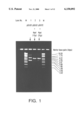
- FIG. 1 shows the result of agarose gel electrophoresis for the plasmid (pSU02).
- lane 1 shows pSU02 only;
- M shows a molecular weight marker.
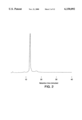
- FIG. 2 shows a result of HPLC for a natural-type oligodeoxyribonucleotide.
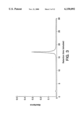
- FIG. 3 shows a result of HPLC for a phosphorothioate-type oligodeoxyribonucleotide.
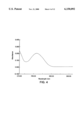
- FIG. 4 shows an UV absorption spectrum of a natural-type oligodeoxyribonucleotide.
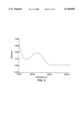
- FIG. 5 shows an UV absorption spectrum of a phosphorothioate-type oligodeoxyribonucleotide.
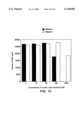
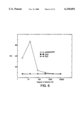
- FIG. 6 shows the amount of VEGF expressed as determined by enzyme immunoassays.
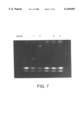
- FIG. 7 shows results of SDS-PAGE for VEGF and luciferase formed in a transcription and translation system.
- Lanes 1 and 3 show a band of VEGF expressed using plasmid pSU02, and lanes 2 and 4 show a band of luciferase expressed using plasmid pPoly(A)-luc(SP6).
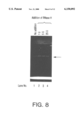
- FIG. 8 shows SDS-PAGE analysis for the effect of RNase H on the activity of a transcription and translation system derived from rabbit reticulocyte lysate (lane 1 in the absence of RNase H, and lanes 2, 3 and 4 in the presence of 1, 5 and 25 U RNase H, respectively).
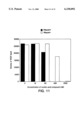
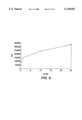
- FIG. 9 shows activity of RNase H in a transcription and translation system.
- FIG. 10 shows the effect of the nucleic acid compound on the expression of VEGF (" ⁇ " in the presence of RNase H and " ⁇ " in the absence of RNase H).
- FIG. 11 shows the effect of the nucleic acid compound on the expression of VEGF (" ⁇ " in the presence of RNase H and " ⁇ " in the absence of RNase H).
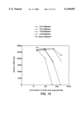
- FIG. 12 shows the effect of the nucleic acid compound on the expression of VEGF ("----" with the nucleic acid compound A101 (SEQ ID NO:16) in the presence of 11.4 U RNase H, "-- ⁇ --” with A101 (SEQ ID NO:16) in the absence of RNase H, "-- ⁇ --” with A143 (SEQ ID NO:23) in the presence of 11.4 U RNase H, "-- ⁇ --” with A143 (SEQ ID NO:23) in the absence of RNase H, and "-- ⁇ --” with RA101 (SEQ ID NO:93) in the presence of 11.4 U RNase H).
- plasmid pPoly(A)-luc(SP6) Promega
- ApaI and SacI restriction enzymes
- a gene coding for human-derived VEGF obtained by the PCR method was inserted into a region between ApaI and XbaI sites in a multicloning site in plasmid pRC/CMV, whereby plasmid pSU01 was constructed, and then its upstream ApaI site and downstream SacI site were cleaved with restriction enzymes ApaI and SacI, respectively.
- the plasmid thus obtained was introduced into E. coli competent cell JM109 available from Takara Shuzo Co., Ltd. according to the manufacture's instructions and then replicated in a large amount.
- the E. coli cells carrying the plasmid were harvested by centrifugation.
- a GTE solution 50 mM glucose, 25 mM Tris-HCl, and 10 mM EDTA, pH 8.0
- the solution was neutralized with potassium acetate (pH 5.2) (final concentration: 1M), and the insolubles present were removed by centrifugation.
- a mixture of phenol-chloroform-isoamyl alcohol 25:24:1 was added and mixed with the sample.
- the upper layer aqueous layer was transfered to a new tube, mixed with an equal volume of 2-propanol, and left for a while at room temperature.
- the sample was centrifuged to give a pellet containing the desired plasmid (designated pSU02).
- the pellet was dissolved in a suitable amount of TE (10 mM Tris-HCl and 1 mM EDTA, pH 8.0), then mixed with solution for cesium chloride density-gradient centrifugation, and separated by ultracentrifugation.
- TE Tris-HCl
- the resulting plasmid was dialyzed against TE to remove the cesium chloride (see Molecular Cloning supra).
- FIG. 1 shows pSU02 only; lane 2, pUS02 treated with restriction enzyme ApaI (10 U); and lane 3, pUS02 treated with restriction enzyme ApaI (20 U). M shows a molecular weight marker.
- nucleotide sequence of the VEGF structural gene including its surrounding regions in plasmid pSU02 was determined by the Sanger method.
- the nucleotide sequence thus determined is shown in SEQ ID NO:1.
- Nucleotides whose sequences were complementary to 20 contiguous nucleotides that are 6 nucleotide apart from one another between the 77-position and the 570-position in SEQ ID NO:1 were synthesized in 381A DNA synthesizer or 394 DNA/RNA synthesizer manufactured by ABI by the phosphoramidite method in accordance with the manufacture's instructions. Eighty nucleotides thas obtained are shown in Table 1, i.e. A077 to A551 (SEQ ID NOS:12-91, respectively). Five nucleic acid compounds each consisting of 20 nucleotides, i.e.
- TEAA 0.1M triethyl ammonium acetate, pH 7.2.
- the crude oligodeoxyribonucleotide was dissolved in about 3 ml of 12% acetonitrile-88% TEAA and injected into the cartridge, and the elute flowed out in this injection was returned to the cartridge by injection, and the same procedure was repeated again.
- the solution in the cartridge was replaced by 3 ml TEAA.
- the amount of the nucleic acid compound was determined at 70 to 80° C. according to the nearest-neighbor approximation method on the basis of the reported molecular absorption coefficients of mononucleotide and dinucleotide (E. G.
- the purification of the crude phosphorothioate-type oligodeoxyribonucleotide was also carried out in a similar manner to the above natural type except that 20% acetonitrile-80% TEAA (or TEAB) was used in equilibrating the cartridge, washing the cartridge after application of the crude sample, and eluting the purified phosphorothioate-type oligodeoxyribonucleotide.
- nucleotide sequences given "A” before their numbers are antisense chains, i.e. chains complementary to a partial sense chain in the nucleic acid sequence coding for VEGF, and the nucleotide sequences given "S” are sense chains.
- the nucleotide sequences given "R” are random sequences; for example, the nucleotide sequence "RA101" (SEQ ID NO:93) is identical in nucleotide composition with the nucleotide "A101", (SEQ ID NO:93) but each of its nucleotides is randomly positioned.
- nucleotide sequence "A101" (SEQ ID ON:16)is an antisense nucleic acid compound of 20-nucleotides, which consists of a nucleotide sequence complementary to the nucleotide sequence of from the 101- to 120-positions in SEQ ID NO:1.
- the specific sequence (20 nucleotides) of each sample # is shown in item “nucleotide sequence” in Table 1.
- the nucleotide sequence "T-20” is a nucleic acid compound consisting of 20 thymidines.
- Example # in Table 2, the designation "A” has the same meaning as in Table 1.
- Each alphabet after sample number indicates degree of polymerization as follows: F means 6-nucleotides compound; H, 8-nucleotides; I, 9-nucleotides; J, 10-nucleotides; L, 12-nucleotides; N, 14-nucleotides; P, 16-nucleotides; and R, 18-nucleotides.
- the specific sequence of each sample# is shown in item "nucleotide sequence”.
- the natural-type and phosphorothioate-type oligodeoxyribonucleotides were examined for their purity with HPLC and UV absorption spectra.
- the elution conditions, column etc. are as follows:
- Solvent A Mixture (9:1) of 25 mm sodium phosphate buffer, pH 6.0 and acetonitrile.
- Solvent B Solvent A plus 1M NaCl.
- Sample Compound S101-S being identical in nucleotide sequence with S101 (SEQ ID NO:92) but having a phosphorothioate-type bond in place of the phosphate diester bond.
- Solvent A 0.1M aqueous triethyl ammonium acetate (pH 7.0).
- Solvent B Acetonitrile.
- Sample The same natural- and phosphorothioate-type oligodeoxyribonucleotides as used in HPLC.
- Solvent 20 mM sodium phosphate buffer, pH 7.0, plus 0.1M NaCl for both the natural- and phosphorothioate-type oligodeoxyribonucleotides.
- FIGS. 4 and 5 show the results of the natural- and phosphorothioate-type nucleotides, respectively.
- FIGS. 2 and 3 show that the purity of these compounds is sufficient for use in the experiments of the present invention.
- FIGS. 4 and 5 show that the UV absorption spectra of these compounds agree with those of nucleic acid compounds.
- Table 3 shows the composition of the reaction mixture in this transcription and translation system.
- 35 S-methionine was of in vivo cell labeling grade (SJ1015, 37TBq/mmol, 0.37 MBq ⁇ l) manufactured by Amersham and it was added in a half (1 ⁇ l) of the prescribed amount in the instructions attached to the kit of Promega.
- the ribonuclease inhibitor was supplied from Takara Shuzo Co., Ltd., and the sterilized water was previously treated at 121° C. for 15 minutes.
- the other ingredients except for pSU02 were those contained in the kit of Promega.
- the above reaction mixture was incubated at 30° C. or 37° C. for 1 to 2 hours to produce 10 to 100 ng of the protein of VEGF.
- Anti-VEGF polyclonal antibodies obtained from a rabbit given human-derived VEGF produced by E. coli were immobilized in a usual manner onto a polystyrene microtiter plate. Then, the mixture described in (3) above (previously reacted at 30° C. for 2 hours) for the transcription and translation system for VEGF was diluted 3- to 9375-fold and the diluted mixture was added to each well. The plate was left at room temperature (25° C.) for 2 hours. The diluted mixture was removed, and the plate was washed with a phosphate buffer containing 0.1% bovine serum albumin.
- the absorbance is substantially the same as in high degree of dilution of the reaction mixture as well as in the control (" ⁇ " in the graph) where water was used in place of pSu02.
- VEGF vascular endothelial growth factor
- SDS-PAGE was carried out in the following manner according to the instructions attached to the transcription and translation system kit available from Promega.
- Lanes 1 and 3 show bands of the reaction mixture where pSU02 was used as the plasmid
- lanes 2 and 4 show bands of the reaction mixture where pPoly(A)-luc(SP6) was used as the plasmid.
- the reaction mixtures used in lanes 1 and 2 were previously incubated at 30° C. for 2 hours in the transcription and translation system, while the reaction mixtures in lanes 3 and 4 were previously incubated at 37° C. for 2 hours in the system.
- the molecular weight of each band was estimated from the positions of simultaneously electrophoresed pigment-labeled proteins as the molecular-weight marker [RainbowTM marker (high-molecular range)].
- VEGF was produced from plasmid pSU02.
- oligodeoxyribonucleotides (natural-type and phosphorothioate-type) obtained in (2) above are suitable for use in screening as the antisense nucleic acid compound was evaluated by examining their stability and effect on the transcription and translation system. The results are shown below.
- the natural-type and phosphorothioate-type oligodeoxyribonucleotides each consisting of about 20 nucleotides were labeled at the 5'-terminal with a 32 P-phosphate group by use of T4 polynucleotide kinase (Takara Shuzo Co., Ltd.), and their stability was examined in the transcription and translation system (Promega) derived from a rabbit reticulocyte lysate. The result indicated that almost all the natural-type and phosphorothioate-type oligodeoxyribonucleotides remained stable at 30° C. for 3 hours or at 37° C. for 2.5 hours. The decomposition of the natural-type and phosphorothioate-type oligodeoxyribonucleotides, particularly at 37° C. for 1 hour, was almost negligible.
- the natural-type and phosphorothioate-type oligodeoxyribonucleotides are suitable for use in screening to examine the effect of antisense nucleic acid compound.
- the screening temperature in the transcription and translation system (Promega) derived from a rabbit reticulocyte lysate may be 30° C. and 37° C., the latter was adopted for screening since 37° C. is near the body temperature.
- RNase H available from Takara Shuzo Co., Ltd., was adjusted to 1, 5, or 25 U in total in the reaction mixture. After incubation at 37° C. for 1 hour, the reaction mixture was subjected to SDS-PAGE and autoradiography as described in (4) above. The result is shown in FIG. 8.
- lane 1 shows the reaction mixture where RNase H was not added
- lanes 2, 3 and 4 show the reaction mixtures containing 1, 5, and 25 U RNase H, respectively.
- the mixture thus obtained was gently stirred and then centrifuged at 4000 r.p.m. for 2 minutes.
- the supernatant was introduced into a minivial for liquid scintillation, and 2 ml reagent for liquid scintillation (Ultima Gold, manufactured by Packard) was introduced into the minivial.
- the mixture was gently shaken and examined for radioactivity in a liquid scintillation counter (Beckman). The result indicated that the significant activity of RNase H was present under the conditions of the above reaction (FIG. 9).
- VEGF vascular endothelial growth factor
- FIGS. 10 and 11 show bands of the reaction mixtures where A101 (SEQ ID NO:16) and A143 (SEQ ID NO:23) were used as the nucleic acid compounds, respectively.
- concentration (nM) of the nucleic acid compound is indicated on the abscissa, and density in autoradiography determined by a densitometer (i.e. the amount of expressed VEGF) on the ordinate, with " ⁇ " in the presence of RNase H and " ⁇ " in the absence of RNase H.
- the inhibitory effect of the oligodeoxyribonucleotide (antisense nucleic acid compound) on the expression of VEGF was reinforced by the coexistent RNase H. That is, the expression of VEGF could be inhibited by the oligodeoxyribonucleotide in lower concentration.
- RNase H was adopted for screening of the desired antisense nucleic acid compound.
- the optimum nucleic acid concentration was examined for screening of the desired antisense nucleic acid compound.
- the experimental method is as follows:
- VEGF vascular endothelial growth factor
- nucleic acid compound because the inhibitory effect of 0.08 ⁇ M or less nucleic acid compound on the expression of VEGF was not significant, 0.4 ⁇ M nucleic acid compound was adopted for screening, because with this concentration, the inhibitory effect on the expression of VEGF clearly appeared depending on the type of oligodeoxyribonucleotide.
- composition of the assay mixture per tube is shown in Table
- the composition was prepared as described above. The sample was incubated at 37° C. for 1 hour. Then, the amount of expressed VEGF was examined by SDS-PAGE and autoradiography as described above in (4) (ii). After autoradiography, the density was measured with a densitometer (Bio-Profil 1-D, M&S Instruments Trading, Inc.) and then compared with a standard curve to evaluate the expression of VEGF as follows:
- the produced VEGF was separated by SDS-PAGE and then subjected to autoradiography, and the density was determined.
- the produced VEGF was estimated by comparing this density with that of a standard curve prepared using the same composition as above but not containing the antisense nucleic acid compound. The result was indicated as a relative value to the amount (as 100%) of VEGF expressed in the absence of the antisense nucleic acid compound.
- the relative error of expression (%) was usually about 10% or less and maximally about 30%.
- Table 1 shows the effect of each oligodeoxyribonucleotide consisting of 20 nucleotides and Table 2 shows the effect of each oligodeoxyribonucleotide consisting of other than 20 nucleotides in screening for a desired antisense nucleic acid compound.
- a less value in item "expression (%)" means a higher inhibitory effect of the test compound on the expression of the VEGF gene.
- Tables 1 and 2 evidently indicate the presence of oligodeoxyribonucleotides inhibiting the expression of VEGF.
- oligodeoxyribonucleotides having an extremely strong inhibitory effect on the expression of VEGF inhibiting the amount of expressed VEGF to a level of 10% or less
- oligodeoxyribonucleotides having a strong inhibitory effect on the expression of VEGF inhibiting the amount of expressed VEGF to a level of 30% or less.
- a chain length of not less than 10 nucleotides gave an extremely strong inhibitory effect (10% or less expression); the chain length of 6 nucleotides gave no or little inhibitory effect; the chain length of 8 nucleotides gave no effect (1 case), little effect (1 case), or a strong effect (1 case).
- This different effect of the chain length of 8 nucleotides may be attributable to the difference in the nucleotide sequence or nucleotide composition.
- an antisense nucleic acid compound complementary to 10 nucleotides in the core region generally has a strong inhibitory effect on the expression of the target protein (VEGF) and also that an antisense nucleic acid compound complementary to about 8 nucleotides within the core region possibly has a strong inhibitory effect on the expression of the target protein.
- VEGF target protein
- the core regions within the 77- to 570-positions in SEQ NO: 1 are the nucleotide sequences of from the 95- to 108-positions (SEQ ID NO:2), 149- to 174-positions (SEQ ID NO:3), 185- to 210-positions (SEQ ID NO:4), 219- to 244-positions (SEQ ID NO:5), 254- to 276-positions (SEQ ID NO:6), 287- to 328-positions (SEQ ID NO:7), 357- to 372-positions (SEQ ID NO:8), and 389- to 534-positions (SEQ ID NO:9).
- the core regions are preferably those of SEQ ID NOS:2, 4 and 5, more preferably SEQ ID NOS:6, 7 and 9.
- An antisense nucleic acid compound complementary to 8 nucleotides, preferably contiguous 8 or more nucleotides, within these core regions shows a significant inhibitory effect on the expression of VEGF, as can be seen from Tables 1 and 2.
- antisense nucleic acid compounds A085R SEQ ID NO:99
- A087P SEQ ID NO:100
- A089N SEQ ID NO:101
- A101N SEQ ID NO:103
- A167N SEQ ID NO:114
- A179N SEQ ID NO:117
- A203N SEQ ID NO:121
- A213N SEQ ID NO:123
- A237N SEQ ID NO:125
- A248N SEQ ID NO:1208
- A321N SEQ ID NO;141
- A365N SEQ ID NO:148
- A383N SEQ ID NO:153
- antisense nucleic acid compound complementary to 9 or more nucleotides in the core regions mention may be made of A089 (SEQ ID NO:14), A095 (SEQ ID NO:15), A095N (SEQ ID NO:102), A143 (SEQ ID NO:23), A146N (SEQ ID NO:109), A149 (SEQ ID NO:24), A153N (SEQ ID NO:110), A155 (SEQ ID NO:25), A155N (SEQ ID NO:111), A156N (SEQ ID NO:112), A161 (SEQ ID NO:26), A179 (SEQ ID NO:29), A185 (SEQ ID NO:30), A189N (SEQ ID NO:118, A191 (SEQ ID NO:31), A191N (SEQ ID NO:119), A193N (SEQ ID NO:120), A197 (SEQ ID NO:32), A217N (SEQ ID NO:124), A227 (SEQ ID NO:37), A251 (SEQ ID NO
- mismatched base pairs are an AA base pair, AG base pair, AC base pair, GG base pair, GT base pair, GU base pair, CC base pair, CT base pair, CU base pair, TT base pair, TU base pair, and UU base pair.
- Antisense nucleic acid compounds containing a mismatched nucleotide towards T at the 117-position in SEQ ID NO:9 were synthesized and examined for their inhibitory effect on the expression of VEGF.
- Table 7 shows antisense compounds each containing one mismatched nucleotide (sample#), their nucleotide sequences and their inhibitory effect on the expression of VEGF (%) as well as on the expression of luciferase as the control.
- the expression of VEGF (%) was determined by use of the composition shown in Table 6 and expressed as a relative value to the value (100%) of the composition in the absence of the nucleic acid compound.
- the expression of luciferase was determined using plasmid pPoly(A)-Luc(SP6) as the control containing the luciferase gene in place of the VEGF structural gene, and is expressed as a relative value to the value (100%) in the absence of the nucleic acid compound.
- sample given "M” contains a mismatched nucleotide
- sample given "A” before its number is a antisense chain i.e. a chain complementary to a partial sense chain in the VEGF gene.
- the number given after “A” indicates the beginning position of its corresponding nucleotide sequence in SEQ ID NO:1.
- the alphabet given after this number indicates degree of polymerization as follows: L means 12-nucleotides compound; I, 9-nucleotides; K, 11-nucleotides; M, 13-nucleotides; and N, 14-nucleotides.
- the first number in the parentheses is the number of contiguous complementary nucleotides in the 3'-side, and the latter number is the number of complementary nucleotides in the 5'-side.
- the alphabet "G" between the numbers in the parentheses is a mismatched nucleotide in the antisense nucleic acid compound. Mismatched nucleotides are underlined in the nucleotide sequences in Table 7.
- VEGF (%) the value in the parentheses indicates expression of VEGF (%) in the presence of 50 ⁇ M nucleic acid compound (in the case of *1) and 250 ⁇ M (in the case of *2) in place of 5 ⁇ M in the composition shown in Table 6, and in these cases, the final concentrations of the nucleic acid compound in each reaction solution correspond to 4 ⁇ M, and 20 ⁇ M, respectively.
- antisense nucleic acid compounds complementary to core regions with one mismatched nucleotide Based on the results of Table 7, for antisense nucleic acid compounds complementary to core regions with one mismatched nucleotide, those antisense compounds having contiguous at least 5 complementary nucleotides as a shorter sequence interrupted by said mismatched nucleotide and having at the same time at least 11 complementary nucleotides in total (at least 12 nucleotides including one mismatched nucleotide) show the same or almost the same inhibitory effect as antisense compounds complementary to contiguous at least 8 to 10 nucleotides.
- Such antisense nucleic acid compounds containing one mismatched nucleotide include MA499L(6G5) (SEQ ID NO:171), MA499L(6C5) (SEQ ID NO:172), MA500L(5G6) (SEQ ID NO:173), MA500L(5C6) (SEQ ID NO:174), MA498M(7G5) (SEQ ID NO:175), MA498M(7C5) (SEQ ID NO:176), MA500M(5G7) (SEQ ID NO:177), MA500M(5C7) (SEQ ID NO:178), MA499M(6G6) (SEQ ID NO:179), MA499M(6C6) (SEQ ID NO:180), MA498N(7G6) (SEQ ID NO:181), MA498N(7C6) (SEQ ID NO:182), MA499N(6G7) (SEQ ID NO:183), and MA499N(6C7) (SEQ ID NO:184).
- VEGF The expression of VEGF can be inhibited by an antisense nucleic acid compound of 11 nucleotides containing one mismatched nucleotide (i.e. with 10 complementary nucleotides) if used at a final concentration of 4 ⁇ M or by an antisense nucleic acid compound of 9 nucleotides containing one mismatched nucleotide (i.e. with 8 complementary nucleotides) if used at a final concentration of 20 ⁇ M.
- an antisense nucleic acid compound of 11 nucleotides containing one mismatched nucleotide i.e. with 10 complementary nucleotides
- an antisense nucleic acid compound of 9 nucleotides containing one mismatched nucleotide i.e. with 8 complementary nucleotides
- VEGF vascular endothelial growth factor
- the phosphorothioate-type oligodeoxyribonucleotides expected to have the antisense nucleic acid effect were used as the antisense nucleic acid compound to examine their inhibitory effect on the expression of VEGF in cultured cell.
- This experiment was carried out in a cell culture system using human lung cancer-derived A549 cells under sterized conditions, on the basis of the method described in the literature (M. -Y. Chiang et al., The Journal of Biological Chemistry, Vol. 266, No. 27, pp. 18162 to 18172 (1991)), as follows:
- A549 cells were placed in a 48- or 96-well plate and incubated at 37° C. under a 5% CO 2 atmosphere in Dulbecco's modified Eagle medium (DMEM) containing 10% fetal bovine serum until it became confluent. After removal of the medium, the plate was washed with Opti-MEM medium, and Opti-MEM containing 20 ⁇ g/ml lipofectin reagent (available from GIBCO BRL) was put in an amount of 380 ⁇ l (when a 48-well plate was used) to each well.
- DMEM Dulbecco's modified Eagle medium
- Opti-MEM containing 20 ⁇ g/ml lipofectin reagent available from GIBCO BRL
- 20 ⁇ M phosphorothioate-type oligodeoxyribonucleotide in physiological saline was put in an amount of 20 ⁇ l (when a 48-well plate was used) to each well, and the plate was incubated at 37° C. for 4 hours under a 5% CO 2 atmosphere. The solution was removed, and the plate was washed with DMEM medium containing 10% fetal bovine serum.
- DMEM medium containing 10% fetal bovine serum was put in an amount of 380 ⁇ l (when a 48-well plate was used) to each well, and then 20 ⁇ M phosphorothioate-type oligodeoxyribonucleotide in physiological saline was put in an amount of 20 ⁇ l (when a 48-wells plate was used) to each well.
- the plate was incubated at 37° C. for 20 hours under a 5% CO 2 atmosphere. Thereafter, the VEGF in the medium was determined as described above in (4) Confirmation of expression of VEGF, (i) Enzyme immunoassays.
- the amount of VEGF expressed in the presence of the phosphorothioate-type oligodeoxyribonucleotide as the antisense nucleic acid is lower than in the presence of the phosphorothioate-type oligodeoxyribonucleotide of the random sequence (RA143-S) (SEQ ID NO:94) or the sense sequence (s085R-S).
- the phosphorothioate-type oligodeoxyribonucleotides having the nucleotide sequences selected in the screening in the cell-free system can be used to inhibit the expression of VEGF in the cultured cells, as well.
- the phosphorothioate-type oligodeoxyribonucleotides expected to have the antisense nucleic acid effect were used as the antisense nucleic acid to examine their inhibitory effect on the expression of VEGF in animals.
- the growth of human fibroblast-derived HT1080 cells transplanted intracutaneously in nude mice was used as described below. 1 ⁇ 10 6 HT1080 cells derived from human fibroblast, obtained by tissue culture in Dulbecco's modified Eagle medium (DMEM), were transplanted intracutaneously in each 4-week-old male nude mouse (BALB/C nu/nu) (Day 0).
- DMEM Dulbecco's modified Eagle medium
- A419-S (SEQ ID NO:69) in physiological saline
- 100 ⁇ M phosphorothioate-type nucleic acid compound RA419-S in physiological saline
- physiological saline only were given respectively to mice once per day.
- A419-S (SEQ ID NO:69) is the same compound designated A419-S (SEQ ID NO:69) in Table 8, and its nucleotide sequence is shown in A419 (SEQ ID NO:69) in Table 1.
- RA419-S (SEQ ID NO:11) is identical in nucleotide composition with A419-S (SEQ ID NO:69) in Table 1, but not complementary to the nucleotide sequence of the VEGF gene, and its nucleotide sequence is shown in SEQ ID NO:11.
- each nude mouse was examined every about 3 days for body weight and tumor size and simultaneously a picture was taken.
- the group given the antisense nucleic acid compound (A419-S) indicated a smaller tumor size than the group given RA419-S (SEQ ID NO:11) or physiological saline.
- the results on Day 19 are shown in Table
- the phosphorothioate-type oligodeoxyribonucleotide selected by screening in the cell-free and cultured-cell systems can be used to inhibit tumor growth in experimental animals. This inhibition of tumor growth can be considered to result from the inhibitory effect of the antisense nucleic acid on the expression of VEGF.
- the antisense nucleic compound having a nucleotide sequence complementary to 8 or more nucleotides within the core region exerts a strong inhibitory effect on the expression of VEGF.
- VEGF vascular endothelial growth factor
- the antisense nucleic acid compound having a nucleotide sequence complementary to 8 or more nucleotides in the core region is useful as a therapeutic agent such as anticancer drug to inhibit the growth of solid tumor cells or as a diagnostic agent for cancers.
- an antisense nucleic acid compound inhibiting the expression of the gene coding for VEGF.
- the antisense nucleic acid compound of the present invention can inhibit the growth of solid tumors by inhibiting the expression of VEGF i.e. a factor facilitating the arrival of blood vessels at the solid tumors. Therefore, it can be used as an anticancer drug to inhibit the growth of solid tumor cells. Because VEGF is involved in rheumatoid arthritis and diabetes as well, the antisense nucleic acid compound of the present invention can also be used as an therapeutic agent for such diseases.
- the antisense nucleic acid compound of the present invention can be used as a diagnostic agent for detection of solid tumor cells as well as for diagnosis of rheumatoid arthritis and diabetes.
Landscapes
- Health & Medical Sciences (AREA)
- Life Sciences & Earth Sciences (AREA)
- Engineering & Computer Science (AREA)
- Immunology (AREA)
- Biomedical Technology (AREA)
- Molecular Biology (AREA)
- Chemical & Material Sciences (AREA)
- Hematology (AREA)
- Urology & Nephrology (AREA)
- Biotechnology (AREA)
- Biochemistry (AREA)
- General Health & Medical Sciences (AREA)
- Genetics & Genomics (AREA)
- Microbiology (AREA)
- Physics & Mathematics (AREA)
- Analytical Chemistry (AREA)
- Cell Biology (AREA)
- General Physics & Mathematics (AREA)
- Pathology (AREA)
- Medicinal Chemistry (AREA)
- Food Science & Technology (AREA)
- Bioinformatics & Cheminformatics (AREA)
- Endocrinology (AREA)
- Organic Chemistry (AREA)
- Zoology (AREA)
- General Engineering & Computer Science (AREA)
- Wood Science & Technology (AREA)
- Rehabilitation Therapy (AREA)
- Plant Pathology (AREA)
- Biophysics (AREA)
- Rheumatology (AREA)
- Pharmaceuticals Containing Other Organic And Inorganic Compounds (AREA)
- Medicines That Contain Protein Lipid Enzymes And Other Medicines (AREA)
Applications Claiming Priority (5)
| Application Number | Priority Date | Filing Date | Title |
|---|---|---|---|
| JP6-145146 | 1994-06-27 | ||
| JP14514694 | 1994-06-27 | ||
| JP6-311130 | 1994-11-21 | ||
| JP31113094 | 1994-11-21 | ||
| PCT/JP1995/001121 WO1996000286A1 (fr) | 1994-06-27 | 1995-06-07 | Compose d'acide nucleique antisens |
Publications (1)
| Publication Number | Publication Date |
|---|---|
| US6150092A true US6150092A (en) | 2000-11-21 |
Family
ID=26476356
Family Applications (1)
| Application Number | Title | Priority Date | Filing Date |
|---|---|---|---|
| US08/765,340 Expired - Lifetime US6150092A (en) | 1994-06-27 | 1995-06-07 | Antisense nucleic acid compound targeted to VEGF |
Country Status (3)
| Country | Link |
|---|---|
| US (1) | US6150092A (fr) |
| EP (1) | EP0769552A4 (fr) |
| WO (1) | WO1996000286A1 (fr) |
Cited By (32)
| Publication number | Priority date | Publication date | Assignee | Title |
|---|---|---|---|---|
| US20040077571A1 (en) * | 2002-10-17 | 2004-04-22 | Isis Pharmaceuticals Inc. | Antisense modulation of CDC14A expression |
| US20050164271A1 (en) * | 2004-01-20 | 2005-07-28 | Sanjay Bhanot | Modulation of glucocorticoid receptor expression |
| US20050255487A1 (en) * | 2002-11-14 | 2005-11-17 | Dharmacon, Inc. | Methods and compositions for selecting siRNA of improved functionality |
| US20060003915A1 (en) * | 2002-04-18 | 2006-01-05 | Karina Drumm | Means and methods for the specific modulation of target genes in the cns and the eye and methods for their identification |
| US20060094032A1 (en) * | 2004-03-12 | 2006-05-04 | Fougerolles Antonin D | iRNA agents targeting VEGF |
| US20060211637A1 (en) * | 2002-08-06 | 2006-09-21 | Intradigm Corporation | Methods of down regulating target gene expression in vivo by introduction of interfering rna |
| US20070003523A1 (en) * | 2002-07-24 | 2007-01-04 | Tolentino Michael J | COMPOSITIONS AND METHODS FOR siRNA INHIBITION OF ANGIOGENESIS |
| US20070281899A1 (en) * | 2006-03-31 | 2007-12-06 | David Bumcrot | COMPOSITIONS AND METHODS FOR INHIBITING EXPRESSION OF Eg5 GENE |
| US20080113370A1 (en) * | 2002-11-14 | 2008-05-15 | Dharmacon, Inc. | siRNA targeting apolipoprotein B (APOB) |
| US20080153771A1 (en) * | 2005-04-12 | 2008-06-26 | Yijia Liu | Composition and methods of RNAi therapeutics for treatment of cancer and other neovascularization diseases |
| US20080152654A1 (en) * | 2006-06-12 | 2008-06-26 | Exegenics, Inc., D/B/A Opko Health, Inc. | COMPOSITIONS AND METHODS FOR siRNA INHIBITION OF ANGIOGENESIS |
| US20090130212A1 (en) * | 2006-05-15 | 2009-05-21 | Physical Pharmaceutica, Llc | Composition and improved method for preparation of small particles |
| US20090149403A1 (en) * | 2006-05-26 | 2009-06-11 | Protiva Biotherapeutics, Inc. | siRNA silencing of genes expressed in cancer |
| US20090203894A1 (en) * | 2005-04-12 | 2009-08-13 | Yijia Liu | Composition and methods of RNAi therapeutics for treatment of cancer and other neovascularization diseases |
| US20100035807A1 (en) * | 2006-07-28 | 2010-02-11 | Sanofi-Aventis | Composition and method for treatment of tumors |
| US20100087508A1 (en) * | 2008-03-05 | 2010-04-08 | David Bumcrot | Compositions and Methods for Inhibiting Expression of Eg5 and VEGF Genes |
| US20100113307A1 (en) * | 2002-11-14 | 2010-05-06 | Dharmacon, Inc. | siRNA targeting vascular endothelial growth factor (VEGF) |
| US20100215642A1 (en) * | 2009-02-10 | 2010-08-26 | Idera Pharmaceuticals, Inc. | Synthetic rna-based agonists of tlr7 |
| US20100330152A1 (en) * | 1997-01-31 | 2010-12-30 | Vasgene Therapeutics, Inc. | Methods and compositons for antisense vegf oligonucleotides |
| US20110143400A1 (en) * | 2006-09-08 | 2011-06-16 | Opko Ophthalmics, Llc | Sirna and methods of manufacture |
| US20110288156A1 (en) * | 2001-07-23 | 2011-11-24 | Catherine Taylor | Nucleic Acids, Polypetides, and Methods for Modulating Apoptosis |
| US20120016008A1 (en) * | 2000-10-31 | 2012-01-19 | Ryogen Llc | ISOLATED GENOMIC POLYNUCLEOTIDE FRAGMENTS FROM THE p15 REGION OF CHROMOSOME 11 ENCODING HUMAN RIBOSOMAL PROTEIN L26 (RIBO26) |
| US8232385B2 (en) | 2002-11-14 | 2012-07-31 | Dharmacon, Inc. | siRNA targeting cyclin-dependent kinase inhibitor 1B (p27, Kip1) (CDKN1B) |
| US8470792B2 (en) | 2008-12-04 | 2013-06-25 | Opko Pharmaceuticals, Llc. | Compositions and methods for selective inhibition of VEGF |
| US8546349B2 (en) | 2010-07-28 | 2013-10-01 | Thermo Fisher Scientific Biosciences Inc. | siRNA targeting VEGFA and methods for treatment in vivo |
| US9228186B2 (en) | 2002-11-14 | 2016-01-05 | Thermo Fisher Scientific Inc. | Methods and compositions for selecting siRNA of improved functionality |
| US9719094B2 (en) | 2002-11-14 | 2017-08-01 | Thermo Fisher Scientific Inc. | RNAi targeting SEC61G |
| US9719092B2 (en) | 2002-11-14 | 2017-08-01 | Thermo Fisher Scientific Inc. | RNAi targeting CNTD2 |
| US9771586B2 (en) | 2002-11-14 | 2017-09-26 | Thermo Fisher Scientific Inc. | RNAi targeting ZNF205 |
| US9839649B2 (en) | 2002-11-14 | 2017-12-12 | Thermo Fisher Scientific Inc. | Methods and compositions for selecting siRNA of improved functionality |
| US9879266B2 (en) | 2002-11-14 | 2018-01-30 | Thermo Fisher Scientific Inc. | Methods and compositions for selecting siRNA of improved functionality |
| US10011836B2 (en) | 2002-11-14 | 2018-07-03 | Thermo Fisher Scientific Inc. | Methods and compositions for selecting siRNA of improved functionality |
Families Citing this family (9)
| Publication number | Priority date | Publication date | Assignee | Title |
|---|---|---|---|---|
| CA2235685A1 (fr) * | 1995-10-23 | 1997-05-01 | Hyal Pharmaceutical Australia Limited | Acide hyaluronique utilise comme porteur d'adn pour une therapie genique et adn anti-sens du facteur de croissance de l'endothelium vasculaire pour le traitement d'une vascularisation anormale de la retine |
| CA2251945A1 (fr) * | 1996-04-17 | 1997-10-23 | Aronex Pharmaceuticals, Inc. | Inhibiteurs antisens de l'expression du facteur de croissance endotheliale vasculaire (vegf-vpf) |
| WO2001052904A2 (fr) * | 2000-01-19 | 2001-07-26 | Gill Parkash S | Compositions renfermant des oligonucleotides antisens diriges contre le vegf et methodes associees |
| EP0978561A1 (fr) * | 1998-08-07 | 2000-02-09 | Hoechst Marion Roussel Deutschland GmbH | Oligonucléotides antisens pour inhiber l'expression du VEGF |
| EP0979869A1 (fr) * | 1998-08-07 | 2000-02-16 | Hoechst Marion Roussel Deutschland GmbH | Oligonucléotides courts pour inhiber l'expression de VEGF |
| AU2006233188B2 (en) * | 2000-01-19 | 2008-01-24 | Parkash S Gill | Pharmaceutical compositions and methods of treatment based on VEGF antisense oligonucleotides |
| EP1350846A4 (fr) * | 2000-12-07 | 2005-01-26 | Univ Keio | Proteine a c-terminaison modifiee et procede permettant d'obtenir cette proteine, agent de modification et matrice de traduction necessaire a la production d'une proteine a c-terminaison modifiee, et procede de detection de l'interaction proteique avec l'utilisation de ladite proteine |
| DK2070939T3 (da) | 2001-05-25 | 2014-06-23 | Univ Duke | Modulatorer af farmakologiske midler |
| FR2832154B1 (fr) * | 2001-11-09 | 2007-03-16 | Centre Nat Rech Scient | Oligonucleotides inhibiteurs et leur utilisation pour reprimer specifiquement un gene |
Citations (4)
| Publication number | Priority date | Publication date | Assignee | Title |
|---|---|---|---|---|
| WO1995004142A2 (fr) * | 1993-07-27 | 1995-02-09 | Hybridon, Inc. | Inhibition par des oligonucleotides antisens de l'expression du facteur de croissance endotheliale vasculaire |
| WO1996023065A2 (fr) * | 1995-01-26 | 1996-08-01 | Hybridon, Inc. | Inhibition de la neoformation de vaisseaux sanguins au moyen d'oligonucleotides specifiques de vegf |
| US5639736A (en) * | 1993-07-27 | 1997-06-17 | Hybridon, Inc. | Human VEGF-specific oligonucleotides |
| US5641756A (en) * | 1993-07-27 | 1997-06-24 | Hybridon, Inc. | Modified VEGF oligonucleotides |
Family Cites Families (1)
| Publication number | Priority date | Publication date | Assignee | Title |
|---|---|---|---|---|
| US5194596A (en) * | 1989-07-27 | 1993-03-16 | California Biotechnology Inc. | Production of vascular endothelial cell growth factor |
-
1995
- 1995-06-07 US US08/765,340 patent/US6150092A/en not_active Expired - Lifetime
- 1995-06-07 EP EP95921109A patent/EP0769552A4/fr not_active Withdrawn
- 1995-06-07 WO PCT/JP1995/001121 patent/WO1996000286A1/fr not_active Ceased
Patent Citations (6)
| Publication number | Priority date | Publication date | Assignee | Title |
|---|---|---|---|---|
| WO1995004142A2 (fr) * | 1993-07-27 | 1995-02-09 | Hybridon, Inc. | Inhibition par des oligonucleotides antisens de l'expression du facteur de croissance endotheliale vasculaire |
| US5639736A (en) * | 1993-07-27 | 1997-06-17 | Hybridon, Inc. | Human VEGF-specific oligonucleotides |
| US5639872A (en) * | 1993-07-27 | 1997-06-17 | Hybridon, Inc. | Human VEGF-specific oligonucleotides |
| US5641756A (en) * | 1993-07-27 | 1997-06-24 | Hybridon, Inc. | Modified VEGF oligonucleotides |
| US5731294A (en) * | 1993-07-27 | 1998-03-24 | Hybridon, Inc. | Inhibition of neovasularization using VEGF-specific oligonucleotides |
| WO1996023065A2 (fr) * | 1995-01-26 | 1996-08-01 | Hybridon, Inc. | Inhibition de la neoformation de vaisseaux sanguins au moyen d'oligonucleotides specifiques de vegf |
Non-Patent Citations (8)
| Title |
|---|
| Gewirtz et al., Facility oligonucleotide delivery: helping antisense deliver on its promise, Proc. Natl. Acad. Sci., vol. 93, pp. 3161 3163, Apr. 1996 * |
| Gewirtz et al., Facility oligonucleotide delivery: helping antisense deliver on its promise, Proc. Natl. Acad. Sci., vol. 93, pp. 3161-3163, Apr. 1996 |
| In: Antisense Res. Dev.; 5; Spring 95; 87 8; OP 10 Abstract and 1st International Antisense Conference in Japan; Dec. 4 7, 1994; Selection of Antisense Oligodeoxyribonucleotides that Inhibit VEGF/VPF Expression in a Cell free System. * |
| In: Antisense Res. Dev.; 5; Spring 95; 87-8; OP-10 Abstract and 1st International Antisense Conference in Japan; Dec. 4-7, 1994; "Selection of Antisense Oligodeoxyribonucleotides that Inhibit VEGF/VPF Expression in a Cell-free System." |
| Rojanasakul et al., Antisense oligonucleotide therapeutics: drug delivery and targeting, Advenced Drug Delivery Reviews, vol. 18, pp. 115 131, 1996. * |
| Rojanasakul et al., Antisense oligonucleotide therapeutics: drug delivery and targeting, Advenced Drug Delivery Reviews, vol. 18, pp. 115-131, 1996. |
| Tseng et al., Antisense oligonucleotide technology in the development of cancer therapeutics, Cancer Gene Therapy, vol. 1(1), pp. 65 71, Mar. 1994. * |
| Tseng et al., Antisense oligonucleotide technology in the development of cancer therapeutics, Cancer Gene Therapy, vol. 1(1), pp. 65-71, Mar. 1994. |
Cited By (94)
| Publication number | Priority date | Publication date | Assignee | Title |
|---|---|---|---|---|
| US20100330152A1 (en) * | 1997-01-31 | 2010-12-30 | Vasgene Therapeutics, Inc. | Methods and compositons for antisense vegf oligonucleotides |
| US8399641B2 (en) | 2000-10-31 | 2013-03-19 | Ryogen Llc | Isolated genomic polynucleotide fragments from the p15 region of chromosome 11 encoding human tumor suppressing subtransferable candidate 6 (TSSC6) |
| US8399642B2 (en) * | 2000-10-31 | 2013-03-19 | Ryogen Llc | Isolated genomic polynucleotide fragments from the p15 region of chromosome 11 encoding human ribosomal protein L26 (RIBO26) |
| US20120016008A1 (en) * | 2000-10-31 | 2012-01-19 | Ryogen Llc | ISOLATED GENOMIC POLYNUCLEOTIDE FRAGMENTS FROM THE p15 REGION OF CHROMOSOME 11 ENCODING HUMAN RIBOSOMAL PROTEIN L26 (RIBO26) |
| US8765928B2 (en) | 2000-10-31 | 2014-07-01 | Ryogen Llc | Identification of isolated genomic nucleotide fragments from the p15 region of chromosome 11 encoding human tumor suppressing subtransferable candidate 4 (TSSC4) and variants thereof |
| US8399638B2 (en) | 2000-10-31 | 2013-03-19 | Ryogen Llc | Isolated genomic polynucleotide fragments from the p15 region of chromosome 11 |
| US8399640B2 (en) | 2000-10-31 | 2013-03-19 | Ryogen Llc | Isolated genomic polynucleotide fragments from the p15 region of chromosome 11 encoding human SMS3 |
| US8722865B2 (en) | 2000-10-31 | 2014-05-13 | Kyoger, LLC | Isolated genomic polynucleotide fragments from the p15 region of isolated genomic polynucleotide fragments from the p15 region of chromosome 11 encoding human tumor suppressing subtransferable candidate 4 (TSSC4) |
| US8399639B2 (en) | 2000-10-31 | 2013-03-19 | Ryogen Llc | Isolated genomic polynucleotide fragments from the p15 region of chromosome 11 encoding human achaete-scute homolog 2 (HASH2) |
| US8765927B2 (en) | 2000-10-31 | 2014-07-01 | Ryogen Llc | Identification of isolated genomic nucleotide fragments from the p15 region of chromosome 11 encoding human cluster of differentiation antigen 81 and variants thereof |
| US20110288156A1 (en) * | 2001-07-23 | 2011-11-24 | Catherine Taylor | Nucleic Acids, Polypetides, and Methods for Modulating Apoptosis |
| US8202845B2 (en) | 2002-04-18 | 2012-06-19 | Acuity Pharmaceuticals, Inc. | Means and methods for the specific modulation of target genes in the CNS and the eye and methods for their identification |
| US8946180B2 (en) | 2002-04-18 | 2015-02-03 | Opko Pharmaceuticals, Llc | Means and methods for the specific modulation of target genes in the CNS and the eye and methods for their identification |
| US20110021605A1 (en) * | 2002-04-18 | 2011-01-27 | Schulte Ralf Wilhelm | Means and methods for the specific inhibition of genes in cells and tissue of the cns and/or eye |
| US20060003915A1 (en) * | 2002-04-18 | 2006-01-05 | Karina Drumm | Means and methods for the specific modulation of target genes in the cns and the eye and methods for their identification |
| US20070037762A1 (en) * | 2002-07-24 | 2007-02-15 | Tolentino Michael J | COMPOSITIONS AND METHODS FOR siRNA INHIBITION OF ANGIOGENESIS |
| US20070003523A1 (en) * | 2002-07-24 | 2007-01-04 | Tolentino Michael J | COMPOSITIONS AND METHODS FOR siRNA INHIBITION OF ANGIOGENESIS |
| US7750143B2 (en) * | 2002-07-24 | 2010-07-06 | The Trustees Of The University Of Pennsylvania | Compositions and methods for siRNA inhibition of angiogenesis |
| US8541384B2 (en) | 2002-07-24 | 2013-09-24 | The Trustees Of The University Of Pennsylvania | Compositions and methods for siRNA inhibition of angiogenesis |
| US20090104259A1 (en) * | 2002-07-24 | 2009-04-23 | The Trustees Of The University Of Pennsylvania | Compositions and methods for sirna inhibition of angiogenesis |
| US9150863B2 (en) | 2002-07-24 | 2015-10-06 | The Trustees Of The University Of Pennsylvania | Compositions and methods for siRNA inhibition of angiogenesis |
| US20080188437A1 (en) * | 2002-07-24 | 2008-08-07 | The Trustees Of The University Of Pennsylvania | Compositions and Methods for siRNA Inhibition of Angiogenesis |
| US8546345B2 (en) | 2002-07-24 | 2013-10-01 | The Trustees Of The University Of Pennsylvania | Compositions and methods for siRNA inhibition of angiogenesis |
| US8946403B2 (en) | 2002-07-24 | 2015-02-03 | The Trustees Of The University Of Pennsylvania | Compositions and methods for siRNA inhibition of angiogenesis |
| US20060211637A1 (en) * | 2002-08-06 | 2006-09-21 | Intradigm Corporation | Methods of down regulating target gene expression in vivo by introduction of interfering rna |
| US20040077571A1 (en) * | 2002-10-17 | 2004-04-22 | Isis Pharmaceuticals Inc. | Antisense modulation of CDC14A expression |
| US8268985B2 (en) | 2002-11-14 | 2012-09-18 | Dharmacon, Inc. | siRNA targeting amyloid beta (A4) precursor protein (APP) |
| US9771586B2 (en) | 2002-11-14 | 2017-09-26 | Thermo Fisher Scientific Inc. | RNAi targeting ZNF205 |
| US7795421B2 (en) | 2002-11-14 | 2010-09-14 | Dharmacon, Inc. | siRNA targeting apolipoprotein B (APOB) |
| US7829696B2 (en) | 2002-11-14 | 2010-11-09 | Dharmacon, Inc. | siRNA targeting amyloid beta (A4) precursor protein (APP) |
| US20050255487A1 (en) * | 2002-11-14 | 2005-11-17 | Dharmacon, Inc. | Methods and compositions for selecting siRNA of improved functionality |
| US20100113307A1 (en) * | 2002-11-14 | 2010-05-06 | Dharmacon, Inc. | siRNA targeting vascular endothelial growth factor (VEGF) |
| US20110021382A1 (en) * | 2002-11-14 | 2011-01-27 | Dharmacon, Inc. | siRNA targeting amyloid beta (A4) precursor protein (APP) |
| US20110039734A1 (en) * | 2002-11-14 | 2011-02-17 | Dharmacon, Inc. | siRNA targeting connective tissue growth factor (CTGF) |
| US20070031844A1 (en) * | 2002-11-14 | 2007-02-08 | Anastasia Khvorova | Functional and hyperfunctional siRNA |
| US8633306B2 (en) | 2002-11-14 | 2014-01-21 | Thermo Fisher Scientific Biosciences Inc. | SiRNA targeting histamine receptor H1 |
| US8575329B2 (en) | 2002-11-14 | 2013-11-05 | Thermo Fisher Scientific Biosciences Inc. | siRNA targeting kinase insert domain receptor (KDR) |
| US11198870B2 (en) | 2002-11-14 | 2021-12-14 | Thermo Fisher Scientific Inc. | Methods and compositions for selecting siRNA of improved functionality |
| US9228186B2 (en) | 2002-11-14 | 2016-01-05 | Thermo Fisher Scientific Inc. | Methods and compositions for selecting siRNA of improved functionality |
| US9777270B2 (en) | 2002-11-14 | 2017-10-03 | Thermo Fisher Scientific Inc. | Methods and compositions for selecting siRNA of improved functionality |
| US7985854B2 (en) | 2002-11-14 | 2011-07-26 | Dharmacon, Inc. | siRNA targeting TATA box binding protein (TBP)-associated factor (TAF1) |
| US7999097B2 (en) | 2002-11-14 | 2011-08-16 | Dharmacon, Inc. | siRNA targeting beta secretase (BACE) |
| US8000902B2 (en) | 2002-11-14 | 2011-08-16 | Dharmacon, Inc. | Methods and compositions for selecting siRNA of improved functionality |
| US8008474B2 (en) | 2002-11-14 | 2011-08-30 | Dharmacon, Inc. | siRNA targeting KRAS |
| US8030474B2 (en) | 2002-11-14 | 2011-10-04 | Dharmacon, Inc. | siRNA targeting cyclin-dependent kinase 4 (CDK4) |
| US9879266B2 (en) | 2002-11-14 | 2018-01-30 | Thermo Fisher Scientific Inc. | Methods and compositions for selecting siRNA of improved functionality |
| US8071754B2 (en) | 2002-11-14 | 2011-12-06 | Dharmacon, Inc. | siRNA targeting apolipoprotein B (APOB) |
| US8090542B2 (en) | 2002-11-14 | 2012-01-03 | Dharmacon Inc. | Functional and hyperfunctional siRNA |
| US8093370B2 (en) | 2002-11-14 | 2012-01-10 | Dharmacon, Inc. | siRNA targeting spleen tyrosine kinase |
| EP2314691A3 (fr) * | 2002-11-14 | 2012-01-18 | Dharmacon, Inc. | SIRNA fonctionnel et hyperfonctionnel |
| US20100069622A1 (en) * | 2002-11-14 | 2010-03-18 | Dharmacon, Inc. | siRNA targeting amyloid beta (A4) precursor protein (APP) |
| US8138329B2 (en) | 2002-11-14 | 2012-03-20 | Dharmacon, Inc. | siRNA targeting connective tissue growth factor (CTGF) |
| US10011836B2 (en) | 2002-11-14 | 2018-07-03 | Thermo Fisher Scientific Inc. | Methods and compositions for selecting siRNA of improved functionality |
| US9839649B2 (en) | 2002-11-14 | 2017-12-12 | Thermo Fisher Scientific Inc. | Methods and compositions for selecting siRNA of improved functionality |
| US8222396B2 (en) | 2002-11-14 | 2012-07-17 | Dharmacon, Inc. | SiRNA targeting proto-oncogene MET |
| US8232386B2 (en) | 2002-11-14 | 2012-07-31 | Dharmacon, Inc. | SiRNA targeting apolipoprotein B (APOB) |
| US8232385B2 (en) | 2002-11-14 | 2012-07-31 | Dharmacon, Inc. | siRNA targeting cyclin-dependent kinase inhibitor 1B (p27, Kip1) (CDKN1B) |
| US20080113370A1 (en) * | 2002-11-14 | 2008-05-15 | Dharmacon, Inc. | siRNA targeting apolipoprotein B (APOB) |
| US8293887B2 (en) | 2002-11-14 | 2012-10-23 | Dharmacon, Inc. | SiRNA targeting beta secretase (BACE) |
| US8314229B2 (en) | 2002-11-14 | 2012-11-20 | Dharmacon, Inc. | siRNA targeting tie-2 |
| US9719092B2 (en) | 2002-11-14 | 2017-08-01 | Thermo Fisher Scientific Inc. | RNAi targeting CNTD2 |
| US10233449B2 (en) | 2002-11-14 | 2019-03-19 | Thermo Fisher Scientific Inc. | Methods and compositions for selecting siRNA of improved functionality |
| US10696968B2 (en) | 2002-11-14 | 2020-06-30 | Thermo Fisher Scientific Inc. | Methods and compositions for selecting siRNA of improved functionality |
| US9719094B2 (en) | 2002-11-14 | 2017-08-01 | Thermo Fisher Scientific Inc. | RNAi targeting SEC61G |
| US10765695B2 (en) | 2002-11-14 | 2020-09-08 | Thermo Fisher Scientific Inc. | Methods and compositions for selecting siRNA of improved functionality |
| US8461326B2 (en) | 2002-11-14 | 2013-06-11 | Dharmacon, Inc. | SiRNA targeting connective tissue growth factor (CTGF) |
| US8426579B2 (en) | 2002-11-14 | 2013-04-23 | Dharmacon, Inc. | SiRNA targeting myeloid differentiation primary response gene (88) (MYD88) |
| US20050164271A1 (en) * | 2004-01-20 | 2005-07-28 | Sanjay Bhanot | Modulation of glucocorticoid receptor expression |
| US7947659B2 (en) * | 2004-03-12 | 2011-05-24 | Alnylam Pharmaceuticals, Inc. | iRNA agents targeting VEGF |
| US7919473B2 (en) * | 2004-03-12 | 2011-04-05 | Alnylam Pharmaceuticals, Inc. | IRNA agents targeting VEGF |
| WO2005089224A3 (fr) * | 2004-03-12 | 2007-03-01 | Alnylam Pharmaceuticals Inc | Agents arni ciblant le facteur de croissance de l'endothelium vasculaire (vegf) |
| US20060094032A1 (en) * | 2004-03-12 | 2006-05-04 | Fougerolles Antonin D | iRNA agents targeting VEGF |
| AU2005222902B2 (en) * | 2004-03-12 | 2010-06-10 | Alnylam Pharmaceuticals, Inc. | iRNA agents targeting VEGF |
| US20080153771A1 (en) * | 2005-04-12 | 2008-06-26 | Yijia Liu | Composition and methods of RNAi therapeutics for treatment of cancer and other neovascularization diseases |
| US20090118208A1 (en) * | 2005-04-12 | 2009-05-07 | Yijia Liu | Composition and methods of RNAI therapeutics for treatment of cancer and other neovascularization diseases |
| US20090203894A1 (en) * | 2005-04-12 | 2009-08-13 | Yijia Liu | Composition and methods of RNAi therapeutics for treatment of cancer and other neovascularization diseases |
| US20110124710A1 (en) * | 2005-04-12 | 2011-05-26 | Intradigm Corporation | Composition and methods of rnai therapeutics for treatment of cancer and other neovascularization diseases |
| US7893244B2 (en) | 2005-04-12 | 2011-02-22 | Intradigm Corporation | Composition and methods of RNAi therapeutics for treatment of cancer and other neovascularization diseases |
| US7893243B2 (en) | 2005-04-12 | 2011-02-22 | Intradigm Corporation | Composition and methods of RNAi therapeutics for treatment of cancer and other neovascularization diseases |
| US7718629B2 (en) | 2006-03-31 | 2010-05-18 | Alnylam Pharmaceuticals, Inc. | Compositions and methods for inhibiting expression of Eg5 gene |
| US20070281899A1 (en) * | 2006-03-31 | 2007-12-06 | David Bumcrot | COMPOSITIONS AND METHODS FOR INHIBITING EXPRESSION OF Eg5 GENE |
| US20090130212A1 (en) * | 2006-05-15 | 2009-05-21 | Physical Pharmaceutica, Llc | Composition and improved method for preparation of small particles |
| US8598333B2 (en) | 2006-05-26 | 2013-12-03 | Alnylam Pharmaceuticals, Inc. | SiRNA silencing of genes expressed in cancer |
| US20090149403A1 (en) * | 2006-05-26 | 2009-06-11 | Protiva Biotherapeutics, Inc. | siRNA silencing of genes expressed in cancer |
| US20080152654A1 (en) * | 2006-06-12 | 2008-06-26 | Exegenics, Inc., D/B/A Opko Health, Inc. | COMPOSITIONS AND METHODS FOR siRNA INHIBITION OF ANGIOGENESIS |
| US20100035807A1 (en) * | 2006-07-28 | 2010-02-11 | Sanofi-Aventis | Composition and method for treatment of tumors |
| US8329669B2 (en) * | 2006-07-28 | 2012-12-11 | Sanofi | Composition and method for treatment of tumors |
| US20110143400A1 (en) * | 2006-09-08 | 2011-06-16 | Opko Ophthalmics, Llc | Sirna and methods of manufacture |
| US20100087508A1 (en) * | 2008-03-05 | 2010-04-08 | David Bumcrot | Compositions and Methods for Inhibiting Expression of Eg5 and VEGF Genes |
| US8470792B2 (en) | 2008-12-04 | 2013-06-25 | Opko Pharmaceuticals, Llc. | Compositions and methods for selective inhibition of VEGF |
| US20100215642A1 (en) * | 2009-02-10 | 2010-08-26 | Idera Pharmaceuticals, Inc. | Synthetic rna-based agonists of tlr7 |
| US8202974B2 (en) * | 2009-02-10 | 2012-06-19 | Idera Pharmaceuticals, Inc. | Synthetic RNA-based agonists of TLR7 |
| US9150862B2 (en) | 2010-07-28 | 2015-10-06 | Thermo Fisher Scientific Inc. | siRNA targeting VEGFA and methods for treatment in vivo |
| US8546349B2 (en) | 2010-07-28 | 2013-10-01 | Thermo Fisher Scientific Biosciences Inc. | siRNA targeting VEGFA and methods for treatment in vivo |
Also Published As
| Publication number | Publication date |
|---|---|
| EP0769552A4 (fr) | 1997-06-18 |
| EP0769552A1 (fr) | 1997-04-23 |
| WO1996000286A1 (fr) | 1996-01-04 |
Similar Documents
| Publication | Publication Date | Title |
|---|---|---|
| US6150092A (en) | Antisense nucleic acid compound targeted to VEGF | |
| US6057437A (en) | Antisense nucleic acid compounds inhibiting vascular endothelial growth factor | |
| JP6511124B2 (ja) | 真核細胞におけるエキソンスキッピングの誘導 | |
| EP1429797B1 (fr) | Diagnostic et traitement de tumeurs malignes | |
| EP1881327A2 (fr) | Diagnostic et traitement de tumeurs malignes | |
| CA2304813A1 (fr) | Acides nucleiques catalyseurs a activite d'endonuclease | |
| CN106459993A (zh) | Fgfr融合体 | |
| JPH08502950A (ja) | 癌増殖を抑制する方法及び試薬 | |
| JPH10508760A (ja) | raf遺伝子発現のアンチセンスオリゴヌクレオチド調節 | |
| JP2000513230A (ja) | ハウスキーピング遺伝子の非翻訳領域由来のオリゴヌクレオチドおよび細胞増殖を調節するためのその使用方法 | |
| US20020102568A1 (en) | Nucleic acid sensor molecules | |
| JP2003525037A (ja) | Cd20およびnogo遺伝子発現の調節および診断のための方法および試薬 | |
| US5599704A (en) | ErbB2/neu targeted ribozymes | |
| US20030232400A1 (en) | Methods of screening subjects for expression of soluble receptors of vascular endothelial growth factor (VEGF) for use in managing treatment and determining prognostic outcome | |
| US20070042418A1 (en) | Therapeutic modulation of the fas pathway | |
| KR20020033735A (ko) | 호르몬으로 조절되는 종양에 적합한 안티센스 치료법 | |
| JPH09502094A (ja) | 老化細胞由来dna合成阻害因子 | |
| US5266687A (en) | Inhibitors of angiogenin | |
| AU641261B2 (en) | Inhibitors of angiogenin | |
| US7537919B2 (en) | Cytochrome P450RAI-2 and related proteins | |
| US20100008902A1 (en) | P450rai-2 (p450 cytochrome 26b), encoding nucleic acid molecules and methods and uses thereof | |
| KR20070030219A (ko) | 더블유알엔이 매개체로 작용하고 텔로미어가 개시하는 세포시그널링의 조절체 | |
| US20030008295A1 (en) | Nucleic acid sensor molecules | |
| JP2008504270A (ja) | 嚢胞性疾患を処置するための方法および組成物 | |
| JPWO1996000286A1 (ja) | アンチセンス核酸化合物 |
Legal Events
| Date | Code | Title | Description |
|---|---|---|---|
| AS | Assignment |
Owner name: TOAGOSEI CO., LTD., JAPAN Free format text: ASSIGNMENT OF ASSIGNORS INTEREST;ASSIGNORS:UCHIDA, KIYOSI;UCHIDA, TAKAYAOSHI;TANAKA, YOUICHI;AND OTHERS;REEL/FRAME:008472/0479 Effective date: 19961216 |
|
| STCF | Information on status: patent grant |
Free format text: PATENTED CASE |
|
| FEPP | Fee payment procedure |
Free format text: PAYER NUMBER DE-ASSIGNED (ORIGINAL EVENT CODE: RMPN); ENTITY STATUS OF PATENT OWNER: LARGE ENTITY Free format text: PAYOR NUMBER ASSIGNED (ORIGINAL EVENT CODE: ASPN); ENTITY STATUS OF PATENT OWNER: LARGE ENTITY |
|
| FPAY | Fee payment |
Year of fee payment: 4 |
|
| FPAY | Fee payment |
Year of fee payment: 8 |
|
| FPAY | Fee payment |
Year of fee payment: 12 |