US6190860B1 - Method to detect CMV by hybridization with a gp55 specific DNA probe - Google Patents
Method to detect CMV by hybridization with a gp55 specific DNA probe Download PDFInfo
- Publication number
- US6190860B1 US6190860B1 US08/448,780 US44878095A US6190860B1 US 6190860 B1 US6190860 B1 US 6190860B1 US 44878095 A US44878095 A US 44878095A US 6190860 B1 US6190860 B1 US 6190860B1
- Authority
- US
- United States
- Prior art keywords
- cmv
- dna
- sequences
- cells
- sequence
- Prior art date
- Legal status (The legal status is an assumption and is not a legal conclusion. Google has not performed a legal analysis and makes no representation as to the accuracy of the status listed.)
- Expired - Lifetime
Links
Images



Classifications
-
- C—CHEMISTRY; METALLURGY
- C12—BIOCHEMISTRY; BEER; SPIRITS; WINE; VINEGAR; MICROBIOLOGY; ENZYMOLOGY; MUTATION OR GENETIC ENGINEERING
- C12Q—MEASURING OR TESTING PROCESSES INVOLVING ENZYMES, NUCLEIC ACIDS OR MICROORGANISMS; COMPOSITIONS OR TEST PAPERS THEREFOR; PROCESSES OF PREPARING SUCH COMPOSITIONS; CONDITION-RESPONSIVE CONTROL IN MICROBIOLOGICAL OR ENZYMOLOGICAL PROCESSES
- C12Q1/00—Measuring or testing processes involving enzymes, nucleic acids or microorganisms; Compositions therefor; Processes of preparing such compositions
- C12Q1/70—Measuring or testing processes involving enzymes, nucleic acids or microorganisms; Compositions therefor; Processes of preparing such compositions involving virus or bacteriophage
- C12Q1/701—Specific hybridization probes
- C12Q1/705—Specific hybridization probes for herpetoviridae, e.g. herpes simplex, varicella zoster
-
- A—HUMAN NECESSITIES
- A61—MEDICAL OR VETERINARY SCIENCE; HYGIENE
- A61P—SPECIFIC THERAPEUTIC ACTIVITY OF CHEMICAL COMPOUNDS OR MEDICINAL PREPARATIONS
- A61P31/00—Antiinfectives, i.e. antibiotics, antiseptics, chemotherapeutics
- A61P31/12—Antivirals
-
- C—CHEMISTRY; METALLURGY
- C07—ORGANIC CHEMISTRY
- C07K—PEPTIDES
- C07K14/00—Peptides having more than 20 amino acids; Gastrins; Somatostatins; Melanotropins; Derivatives thereof
- C07K14/005—Peptides having more than 20 amino acids; Gastrins; Somatostatins; Melanotropins; Derivatives thereof from viruses
-
- C—CHEMISTRY; METALLURGY
- C07—ORGANIC CHEMISTRY
- C07K—PEPTIDES
- C07K16/00—Immunoglobulins [IG], e.g. monoclonal or polyclonal antibodies
- C07K16/08—Immunoglobulins [IG], e.g. monoclonal or polyclonal antibodies against material from viruses
- C07K16/081—DNA viruses
- C07K16/085—Orthoherpesviridae (F), e.g. pseudorabies virus or Epstein-Barr virus
- C07K16/089—Cytomegalovirus
-
- C—CHEMISTRY; METALLURGY
- C12—BIOCHEMISTRY; BEER; SPIRITS; WINE; VINEGAR; MICROBIOLOGY; ENZYMOLOGY; MUTATION OR GENETIC ENGINEERING
- C12Q—MEASURING OR TESTING PROCESSES INVOLVING ENZYMES, NUCLEIC ACIDS OR MICROORGANISMS; COMPOSITIONS OR TEST PAPERS THEREFOR; PROCESSES OF PREPARING SUCH COMPOSITIONS; CONDITION-RESPONSIVE CONTROL IN MICROBIOLOGICAL OR ENZYMOLOGICAL PROCESSES
- C12Q1/00—Measuring or testing processes involving enzymes, nucleic acids or microorganisms; Compositions therefor; Processes of preparing such compositions
- C12Q1/70—Measuring or testing processes involving enzymes, nucleic acids or microorganisms; Compositions therefor; Processes of preparing such compositions involving virus or bacteriophage
- C12Q1/701—Specific hybridization probes
-
- A—HUMAN NECESSITIES
- A61—MEDICAL OR VETERINARY SCIENCE; HYGIENE
- A61K—PREPARATIONS FOR MEDICAL, DENTAL OR TOILETRY PURPOSES
- A61K39/00—Medicinal preparations containing antigens or antibodies
-
- C—CHEMISTRY; METALLURGY
- C12—BIOCHEMISTRY; BEER; SPIRITS; WINE; VINEGAR; MICROBIOLOGY; ENZYMOLOGY; MUTATION OR GENETIC ENGINEERING
- C12N—MICROORGANISMS OR ENZYMES; COMPOSITIONS THEREOF; PROPAGATING, PRESERVING, OR MAINTAINING MICROORGANISMS; MUTATION OR GENETIC ENGINEERING; CULTURE MEDIA
- C12N2710/00—MICROORGANISMS OR ENZYMES; COMPOSITIONS THEREOF; PROPAGATING, PRESERVING, OR MAINTAINING MICROORGANISMS; MUTATION OR GENETIC ENGINEERING; CULTURE MEDIA dsDNA viruses
- C12N2710/00011—Details
- C12N2710/16011—Herpesviridae
- C12N2710/16111—Cytomegalovirus, e.g. human herpesvirus 5
- C12N2710/16122—New viral proteins or individual genes, new structural or functional aspects of known viral proteins or genes
Definitions
- the invention relates to recombinant human cytomegalovirus (CMV) proteins, and is directed to the production of neutralizing forms of gB protein and truncated forms thereof, their vaccine potential, and diagnostic DNA fragments thereof.
- CMV human cytomegalovirus
- CMV Human cytomegalovirus
- Infections are generally asymptomatic, but there can be serious medical manifestations of the disease in immunocompromised individuals (transplant recipients and AIDS patients) and in congenitally infected newborns.
- primary CMV infection and reactivation of latent virus is associated with serious disease including retinitis and pneumonia.
- CMV infection also predisposes the patient to fungal and bacterial infections.
- Congenital CMV infection of the fetus occurs in about 1% (36,000) of infants born in the U.S. per year. Of these infants 10-20% will have symptomatic infection at birth or within two years of birth with a mortality rate of 10-15%.
- Among the survivors many will have mild to severe neurologic complications including hearing loss, learning disabilities and mental retardation.
- Vaccines that prevent or reduce CMV-associated disease are clearly needed.
- the CMV (Towne) strain has been tested as a vaccine candidate in normal individuals and renal transplant patients (Quinnan, Jr., G. V. et al. (1984) Am Intern Med 101:478-483); (Plotkin, S. A. 1985, CMV Vaccines, In: The Herpes Viruses vol. 4, ed., Roizman and Lopez, Plenum Press, N.Y., p. 297-312).
- CMV Like other herpesviruses, CMV specifies multiple glycoproteins (Stinski, M. (1976) J Virol 19:594-609; Pereira, L., et al. (1982) Infect Immun 36:933-942). Characterization of these have involved studies of CMV-infected cells and purified virions using polyclonal and monoclonal antibodies (Pereira, L., et al. (1984) Virology 139:73-86; Britt, W. J. (1984) Virology 135:369-378; Nowak, B., et al. (1984) Virology 132:325-338; Law, K.M., et al.
- U.S. Pat. No. 4,689,225 issued Aug. 25, 1987 and based upon the work described in the Pereira et al. references, supra, describes a method and vaccine for CMV infections using a polypeptide designated therein as glycoprotein A (gA1-A7) of cytomegalovirus.
- glycoprotein A glycoprotein A
- Two glycoproteins designated p130 (gp130) and p55 (gp55) have been partially purified and shown to elicit a neutralizing response in guinea pigs (Rasmussen, L., et al. (1985) J Virology 55:274-280).
- the gp130 glycoprotein appears to be a precursor to the gp55 glycoprotein.
- the gB gene from CMV strain AD169 (which appears to be similar to the pl30 CMV protein described by Rasmussen et al., supra ) has been identified by nucleotide sequencing (Cranage, M. P. et al. (1986) EMBO J 5(11):3057-3063) with a 906 amino acid protein deduced therefrom.
- the gB gene product was expressed in recombinant vaccinia virus and rabbits immunized with this gene product produced antibodies that immunoprecipitate gB from CMV-infected cells and neutralize CMV infectivity in vitro (See also WO 87/05326).
- the present invention provides recombinant polypeptides derived from the 55,000 dalton protein derived from gB and truncated fragments thereof which contain an epitope which is immunologically identifiable with one encoded by the CMV genome.
- a recombinant polypeptide derived from the gp55 CMV glycoprotein gB is provided in one embodiment of the invention.
- gp55 protein derived from gB permits the production of polypeptides which are useful as standards or reagents in diagnostic tests and/or as components of vaccines. Since the desired polypeptide can be synthetically made in a relatively pure form or by recombinant DNA technology, the problems with other methods of immunogen and vaccine manufacture, including coproduction of competitive antigens and contaminants, are avoided.
- the truncated gp55 gB fragment contains an epitope that is immunologically reactive with a CMV neutralizing antibody.
- the neutralizing antibody can be generated by techniques known in the art such as that described for monoclonal antibodies disclosed in Rasmussen et al., supra and U.S. Pat. No. 4,689,225.
- a recombinant polypeptide encoded within CMV glycoprotein gB which has a modified endoproteolytic cleavage site such that cleavage of the gB protein is effectively inhibited.
- the modification of the cleavage site is accomplished using site specific mutagenesis on the DNA encoding the polypeptide at or near the proteolytic cleavage site.
- the polynucleotides encoding the recombinant polypeptides are also provided in another preferred embodiment of the invention.
- Another aspect of the invention is a recombinant gp55 polynucleotide comprising a nucleotide sequence derived from the CMV gB gene.
- Related to this aspect of the invention are truncated recombinant polynucleotides containing regions encompassing nucleotides 1381 through 2040 of gp55 and nucleotides 1381 through 1938 of gp55, which regions contain an epitope which is immunologically reactive with a CMV neutralizing antibody.
- Yet another aspect of the invention provides an expression system comprising host cells transformed with a vector containing the recombinant polynucleotides of the invention.
- Another aspect of the invention provides a vaccine or prophylactic agent against human cytomegalovirus infection, said vaccine comprising a recombinant gp55 polypeptide derived from the CMV gB genome or the endoproteolytic cleavage site modified gB polypeptide in amounts effective to elicit viral neutralizing activity against cytomegalovirus when administered to a susceptible individual.
- Still another aspect of the invention provides a vaccine against human cytomegalovirus infection, said vaccine comprising a recombinant polypeptide derived from a truncated fragment encoded within CMV glycoprotein gB wherein the truncated fragment contains an epitope which is immunologically reactive with a CMV neutralizing antibody, said recombinant polypeptide being present in an immunologically acceptable carrier in an amount effective to elicit viral neutralizing activity against cytomegalovirus when administered to a susceptible individual.
- Another aspect of the invention provides for a DNA hybridization assay for detecting CMV homologous sequences in a biological sample comprising: a) incubating a biological sample with a DNA probe, which probe may be optionally labeled with an enzyme, radioactive tag or a fluorescent tag, under conditions which promote the formation of DNA duplexes, wherein said DNA probe is derived from gp55 nucleotide sequences; and b) detecting the formed DNA duplexes containing the DNA probe.
- a further aspect of the invention provides an immunoassay for detecting antibodies directed against a CMV antigen in a biological specimen comprising:
- probe polypeptide (a) incubating a biological sample with a probe polypeptide under conditions which allow the formation of an antibody-antigen complex, wherein said probe polypeptide consists of the p55 CMV recombinant protein or a truncated fragment thereof and said protein or truncated fragment contains an epitope which is immunologically reactive with a CMV-neutralizing antibody; and
- Yet another aspect of the invention provides polyclonal antibodies against the recombinant gp55 or truncated polypeptides thereof, for immune prophylaxis.
- FIG. 1 is a HindIII restriction map of the CMV (Towne) genome displayed in the parental orientation. Unique sequences are denoted by a thin line, and inverted repeats of the Long (L), and Short (S) components are denoted by boxes, ab-b′,a′, and a′c′-ca. The a sequence, distinguished as a white box, is a terminal direct repeat with an inverted copy (a′) at the L/S junction.
- the lower restriction map illustrates the ⁇ 4.96 kb BamHI E/R to HindIII D/A fragment encoding the gB gene.
- the Towne DNA fragment cloned into pXgB1 is shown above the line and the largely colinear AD169 fragment is shown below the line.
- Restriction enzyme abbreviations are B, BamHI; Bg, BglII; C, ClaI; E, EcoRI; Eg, EagI; H, HindIII; Hc, HincII; K, KpnI; P, PstI; S, SacII; Sa, SalI; X, XhoI.
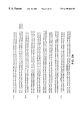
- FIG. 2 illustrates the nucleotide and deduced amino acid sequences for the gB envelope protein of CMV strains Towne and AD169.
- the gp55 cleavage site between amino acids 460 and 461 is indicated by the arrow.
- the N-terminal sequence analysis of gp55, which revealed this cleavage site, is shown in Table 2.
- FIG. 3 is an illustration of the mammalian cell expression vectors of the invention.
- Plasmids pXgB7 (4.5 kb) and pXgB8 (6.5 kb) encode a truncated version of gB cloned as a partial SacII/XhoI fragment into pSV7d, an SV 40 based expression vector or pON 260 , a CMV-based expression vector, respectively.
- Plasmids pXgB12 (6.4 kb) and pXgB13 (5.5 kb) encode a full length gB gene cloned as an EagI fragment into plasmid PMIE, a CMV-based expression vector and pSV7d, respectively. Transcriptional initiation and termination elements differ among each construction.
- a polynucleotide “derived from” a designated sequence refers to a polynucleotide sequence which is comprised of a sequence of at least 6-20 nucleotides, more preferably at least 15 to 20 nucleotides corresponding, i.e., identical to or complementary to, a region of the designated nucleotide sequence.
- the correspondence to the nucleic acid sequence will be approximately 70% or greater, will preferably be at least 80%, and even more preferably will be at least 90%.
- the correspondence or non-correspondence of the derived sequence to other sequence can be determined by hybridization under the appropriate stringency conditions, using standard DNA hybridization technologies in liquid phases or on solid supports.
- Hybridization techniques for determining the complementarity of nucleic acid sequences are known in the art (see, for example, Maniatis et al. (1982)), and are discussed infra.
- mismatches of duplex polynucleotides formed by hybridization can be determined by known techniques, including digestion with a nuclease such as S1 that specifically digests single-stranded areas in duplex polynucleotides. Regions from which typical DNA sequences may be “derived” include but are not limited to, regions encoding specific epitopes.
- the derived polynucleotide is not necessarily physically derived from the nucleotide sequence shown, but may be generated in any manner, including for example, chemical synthesis or DNA replication or reverse transcription, which methods are based on the information provided by the sequence of bases in the region(s) from which the polynucleotide is derived.
- a polypeptide “derived from” a designated sequence refers to a polypeptide having an amino acid sequence identical to that of a polypeptide encoded in the sequence, or a protein thereof wherein the portion consists of at least 5-10 amino acids, and more preferably at least 10-15 amino acids, or which is immunologically identifiable with a polypeptide encoded in the sequence.
- polynucleotide as used herein to characterize a polynucleotide useful for the production of CMV diagnostics and/or subunit vaccines intends a polynucleotide of genomic, cDNA, semisynthetic, or synthetic origin which, by virtue of its origin or manipulation: (1) is not associated with all or a portion of the polynucleotide with which it is associated in nature or in the form of a library; and/or (2) is linked to a polynucleotide other than that to which it is linked in nature.
- Recombinant host cells “host cells”, “cells”, “cell lines”, “cell cultures”, and other such terms denoting prokaryotic microorganisms or eukaryotic cell lines cultured as unicellular entities, are used interchangeably, and refer to cells which can be, or have been, used as recipients for recombinant vector or other transfer DNA, and include the progeny of the original cell which has been transfected. It is understood that the progeny of a single parental cell may not necessarily be completely identical in morphology or in genomic or total DNA complement as the original parent, due to accidental or deliberate mutation.
- Progeny of the parental cell which are sufficiently similar to the parent to be characterized by the relevant property, such as the presence of a nucleotide sequence encoding a desired peptide, are included in the progeny intended by this definition, and are covered .by the above terms.
- a “replicon” is any genetic element, e.g., a plasmid, a chromosome, a virus, that behaves as an autonomous unit of polynucleotide replication within a cell; i.e., capable of replication under its own control.
- a “vector” is a replicon in which another polynucleotide segment is attached, so as to bring about the replication and/or expression of the attached segment.
- Control sequence refers to polynucleotide sequences which are necessary to effect the expression of coding sequences to which they are ligated. The nature of such control sequences differs depending upon the host organism; in prokaryotes, such control sequences generally include promoter, ribosomal binding site, and terminators; in eukaryotes, generally, such control sequences include promoters, terminators and, in some instances, enhancers.
- control sequences is intended to include, at a minimum, all components whose presence is necessary for expression, and may also include additional components whose presence is advantageous, for example, leader sequences.
- “Operably linked” refers to a juxtaposition wherein the components so described are in a relationship permitting them to function in their intended manner.
- a control sequence “operably linked” to a coding sequence is ligated in such a way that expression of the coding sequence is achieved under conditions compatible with the control sequences.
- Immunologically identifiable with/as refers to the presence of epitope(s) in the non-native, i.e., artificially synthesized or recombinant protein, which are also present in and are unique to the designated CMV polypeptide(s). Immunological identity may be determined by antibody binding and/or competition in binding; these techniques are known to those of average skill in the art, and are also illustrated infra. The uniqueness of an epitope can also be determined by computer searches of known data banks, e.g. Genbank, for the polynucleotide sequences which encode the epitope, and by amino acid sequence comparisons with other known proteins.
- epitope refers to an antigenic determinant of a polypeptide; an epitope could comprise 3 amino acids in a spatial conformation which is unique to the epitope, generally an epitope consists of at least 5 such amino acids, and more usually, consists of at least 8-10 such amino acids.
- a polypeptide is “immunologically reactive” with an antibody when it binds to an antibody due to antibody recognition of a specific epitope contained within the polypeptide. Immunological reactivity may be determined by antibody binding, more particularly by the kinetics of antibody binding, and/or by competition in binding using as competitor(s) a known polypeptide(s) containing an epitope against which the antibody is directed. The techniques for determining whether a polypeptide is immunologically reactive with an. antibody are known in the art.
- polypeptide refers to the amino acid product of a sequence encoded within a genome, and does not refer to a specific length of the product, thus, peptides, oligopeptides, and proteins are included within the definition of polypeptide. This term also does not refer to post-expression modifications of the polypeptide, for example, glycosylations, acetylations, phosphorylations and the like.
- Transformation refers to the insertion of an exogenous polynucleotide into a host cell, irrespective of the method used for the insertion, for example, direct uptake, transduction, or f-mating.
- the exogenous polynucleotide may be maintained as a non-integrated vector, for example, a plasmid, or alternatively, may be integrated into the host genome.
- Treatment refers to prophylaxis and/or therapy.
- mammals refers to vertebrates, particularly members of the mammalian species, and includes but is not limited to domestic animals, sports animals, primates, and humans.
- the DNA encoding the desired polypeptide may be ligated into expression vectors suitable for any convenient host. Both eukaryotic and prokaryotic host systems are presently used in forming recombinant polypeptides, and a summary of some of the more common control systems and host cell lines is given in Section III.A., infra.
- the polypeptide is then isolated from lysed cells or from the culture medium and purified to the extent needed for its intended use. Purification may be by techniques known in the art, for example, salt fractionation, chromatography on ion exchange resins, affinity chromatography, centrifugation, and the like.
- polypeptides can be used as diagnostics, or those which give rise to neutralizing antibodies may be formulated into vaccines.
- Antibodies raised against these polypeptides can also be used as diagnostics, or for passive immunotherapy.
- glycoprotein which is the subject of the present invention the 55,000 dalton glycoprotein encoded by the glycoprotein B gene, has been shown to induce neutralizing antibodies against CMV (Rasmussen, et al. 1985, supra ).
- the polypeptides of the present invention correspond to proteins of the viral genome which are homologous to certain portions of the CMV gB envelope protein gp130 and the gp55 derived thereof.
- the gp55 recombinant protein of the present invention is a 447 amino acid protein beginning at its amino terminus with serine at residue 461 (Ser 461 ) and terminating at valine residue 907 (Val 907 ).
- Truncated forms of this protein of particular interest contain substantial amino acid sequence homology to the region of gp55 which contains epitopes that are immunologically reactive with CMV neutralizing antibodies.
- this region of the CMV envelope protein lies within residue 461 to about residue 680 . More particularly, discontinuous neutralizing domains have been localized: domain 1 spans amino acids 461-619 and domains 2 a and 2 b span amino acids 620-680.
- the nucleotide sequence of the Towne gB gene was first determined.
- the Towne strain was chosen because of its demonstrated safety as a vaccine.
- a restriction map of the analogous HindIII D fragment of CMV (Towne) was derived.
- FIG. 1 the restriction map for the Towne strain is compared to the same region of the AD169 strain.
- the nucleotide sequence of the gB region was determined from the 5′ most distal PstI site to the HincII site 3′ to the gB coding sequence (FIG. 1 ).
- the gB (Towne) sequence is shown on the top line and, for comparison, the DNA sequence of the CMV (AD169) gB region is shown on the bottom line.
- the Towne gB gene is encoded by an open reading frame of 2721 basepairs. Two other long open reading frames (ORF) are also present in the Towne sequence shown in FIG. 2 .
- the second ORF which is out of frame with respect to the gB gene, extends from the HindIII D/A site (not shown) through the 5′ untranslated region of the gB gene and terminates at nucleotide +36.
- the third ORF also out of frame with respect to the gB gene, starts at nucleotide +2864 and extends through to the end of the sequence shown in FIG. 2 .
- the size of the gB protein predicted from the 2721 bp ORF is 907 amino acids long and has features characteristic of a membrane protein.
- a potential 24 amino acid signal sequence is shown in FIG. 2 (Met 1 to Ser 24 ).
- the signal domain contains a hydrophobic core (Ile 5 to Val 23 , with the exception of Asn 13 ) preceded by a charged residue (Arg 4 ).
- Truncated forms of the gB gene were constructed by deleting amino acids 681 to 907 and 647 to 907 at the C-terminus, removing the transmembrane and C-terminal domains.
- the expression of the gB gene encoded by the full length and truncated constructs was analyzed by transient expression in COS-7 cells using the virus neutralizing murine monoclonal antibody 15DB (described by Rasmussen et al., 1985, supra ) as a probe for expression.
- This antibody is directed against a 55 kd virion glycoprotein (gp55) and a related 130 kd (gp130) intracellular precursor.
- the antibody 15DB can neutralize a wide range of clinical and laboratory strains in the presence of complement thereby establishing this gB epitope as an important target for virus neutralizing antibody.
- truncated forms of the gB protein was also analyzed using panels of monoclonal antibodies described in U.S. Pat. No. 4,689,225. Of these antibodies, ten with complement-dependent and independent neutralizing activity reacted with a truncated derivative of gB (gBt) that contained 619 amino terminal residues but lacks the transmembrane and intracellular region of the molecule. Twelve antibodies reacted with a CHO cell line expressing a 680 amino C-terminal deleted gB derivative (CHO cell line 67 ).
- a gB polypeptide having a mutagenized endoproteolytic cleavage site is provided herein.
- Results obtained using a calcium-specific ionophore A23187 to inhibit cleavage of the gB molecule expressed in a stable CHO cell line ( 67 . 77 ), indicate the feasibility of expressing a 110 kilodalton uncleaved gB protein, i.e., which lacks the transmembrane and putative cytoplasmic domains.
- the ability to express the gB molecule without subsequent processing permits the production of the desired protein free from other contaminating or undesirable gB products.
- Mutagenesis oligonucleotides designed to change the amino acid sequence at or near the proteolytic cleavage site in a conservative manner, are used to substitute, for example, threonine or glutamine residues for arginine or lysine, at positions ⁇ 1, ⁇ 2 and ⁇ 4 relative to the point of cleavage after amino acid Arg 460 .
- endoproteolytic cleavage site mutants upon expression in mammalian cell expression vectors, are tested for resistance to proteolysis and radiolabeled cell lysates and conditioned medias of cells receiving these constructs are radioimmunoprecipitated with neutralizing monoclonal antibodies to analyze gB expression.
- An antigenic region of a polypeptide is generally relatively small - - - typically 8 to 10 amino acids or less in length. Fragments of as few as 5 amino acids may characterize an antigenic region.
- DNAs encoding short segments of CMV gB polypeptides can be expressed recombinantly either as fusion proteins, or as isolated polypeptides.
- short amino acid sequences can be conveniently obtained by chemical synthesis.
- the synthesized polypeptide is correctly configured so as to provide the correct epitope, but is too small to be immunogenic, the polypeptide may be linked to a suitable carrier.
- thio-ether-forming agents are commercially available and include reactive esters of 6-maleimidocaproic acid, 2-bromoacetic acid, 2-iodoacetic acid, 4-(N-maleimido-methyl)cyclohexane-1-carboxylic acid, and the like.
- the carboxyl groups can be activated by combining them with succinimide or 1-hydroxyl-2-nitro-4-sulfonic acid, sodium salt.
- Suitable carriers are typically large, slowly metabolized macromolecules such as proteins; polysaccharides, such as latex functionalized sepharose, agarose, cellulose, cellulose beads and the like; polymeric amino acids, such as polyglutamic acid, polylysine, and the like; amino acid copolymers; and inactive virus particles.
- Especially useful protein substrates are serum albumins, keyhole limpet hemocyanin, immunoglobulin molecules, thyroglobulin, ovalbumin, tetanus toxoid, and other proteins well known to those skilled in the art.
- the immunogenicity of the epitopes of CMV may also be enhanced by preparing them in mammalian or yeast systems fused with particle-forming proteins such as that associated with hepatitis B surface antigen. Constructs wherein the CMV epitope is linked directly to the particle-forming protein coding sequences produce hybrids which are immunogenic with respect to the CMV epitope.
- all of the vectors prepared include epitopes specific to HBV, having various degrees of immunogenicity, such as, for example, the pre-S peptide.
- particles constructed from particle forming protein which include CMV sequences are immunogenic with respect to CMV and HBV.
- Hepatitis surface antigen has been shown to be formed and assembled into particles in S. cerevisiae (Valenzuela, et al. (1982) Nature 298:344), as well as in, for example, mammalian cells (Valenzuela, P., et al. (1984), in Hepatitis B (Millman, I., ed., Plenum Press) pp. 225-236). The formation of such particles has been shown to enhance the immunogenicity of the monomer subunit.
- the constructs may also include the immunodominant epitope of HBSAg, comprising the 55 amino acids of the presurface (pre-S) region. Neurath, et al. (1984).
- Constructs of the pre-S-HBSAg particle expressible in yeast are disclosed in European Patent Publication 174,444; hybrids including heterologous viral sequences for yeast expression are disclosed in European Patent Publication 175,261. Both applications are assigned to the herein assignee, and are incorporated herein by reference. These constructs may also be expressed in mammalian cells such as Chinese hamster ovary (CHO) cells using an SV 40 -dihydrofolate reductase vector (Michelle, et al. (1984) Int Symposium on Viral Hepatitis ).
- mammalian cells such as Chinese hamster ovary (CHO) cells using an SV 40 -dihydrofolate reductase vector (Michelle, et al. (1984) Int Symposium on Viral Hepatitis ).
- Vaccines may be prepared from one or more immunogenic polypeptides encoded within the recombinant polynucleotide sequences of gB.
- prophylactic agents comprising the 110 kilodalton uncleaved C-terminal truncated gB protein, are also useful to assess the effects of processing on CMV infectivity and pathogenicity.
- endoproteolytic cleavage of precursor polypeptides is an essential step in the maturation of viral peptides, that is, for viral replication and infectivity.
- the present endoproteolytic cleavage site mutants in addition to eliminating the production of multiple processed forms of gB, are believed to permit the generation of a viral neutralizing response in a subject without concommitant risk of introducing an active infection.
- vaccines which contain immunogenic polypeptide(s) as active ingredients, is known to one skilled in the art.
- such vaccines are prepared as injectables, either as liquid solutions or suspensions; solid forms suitable for solution in, or suspension in, liquid prior to injection may also be prepared.
- the preparation may also be emulsified, or the protein encapsulated in liposomes.
- the active immunogenic ingredients are often mixed with excipients which are pharmaceutically acceptable and compatible with the active ingredient. Suitable excipients are, for example, water, saline, dextrose, glycerol, ethanol, or the like and combinations thereof.
- the vaccine may contain minor amounts of auxiliary substances such as wetting or emulsifying agents, pH buffering agents, and/or adjuvants which enhance the effectiveness of the vaccine.
- auxiliary substances such as wetting or emulsifying agents, pH buffering agents, and/or adjuvants which enhance the effectiveness of the vaccine.
- adjuvants which may be effective include but are not limited to: aluminum hydroxide, N-acetyl-muramyl-L-threonyl-D-isoglutamine (thr-MDP), N-acetyl-nor-muramyl-L-alanyl-D-isoglutamine (CGP 11637, referred to as nor-MDP), N-acetylmuramyl-L-alanyl-D-isoglutaminyl-L-alanine-2-(1′-2′-dipalmitoyl-sn-glycero-3-hydroxyphosphoryloxy)-ethylamine (CGP 19835A,
- the vaccines are conventionally administered parenterally, by injection, for example, either subcutaneously or intramuscularly.
- Additional formulations which are suitable for other modes of administration include suppositories and, in some cases, oral formulations.
- suppositories traditional binders and carriers may include, for example, polyalkaline glycols or triglycerides; such suppositories may be formed from mixtures containing the active ingredient in the range of 0.5% to 10%, preferably 1%-2%.
- Oral formulations include such normally employed excipients as, for example, pharmaceutical grades of mannitol, lactose, starch, magnesium stearate, sodium saccharine, cellulose, magnesium carbonate, and the like. These compositions take the form of solutions, suspensions, tablets, pills, capsules, sustained release formulations or powders and contain 10%-95% of active ingredient, preferably 25%-70%.
- the proteins may be formulated into the vaccine as neutral or salt forms.
- Pharmaceutically acceptable salts include the acid addition salts (formed with free amino groups of the peptide) and which are formed with inorganic acids such as, for example, hydrochloric or phosphoric acids, or such organic acids such as acetic, oxalic, tartaric, maleic, and the like. Salts formed with the free carboxyl groups may also be derived from inorganic bases such as, for example, sodium, potassium, ammonium, calcium, or ferric hydroxides, and such organic bases as isopropylamine, trimethylamine, 2-ethylamino ethanol, histidine, procaine, and the like.
- the vaccines are administered in a manner compatible with the dosage formulation, and in such amount as will be prophylactically and/or therapeutically effective.
- the quantity to be administered which is generally in the range of 5 micrograms to 250 micrograms of antigen per dose, depends on the subject to be treated, capacity of the subject's immune system to synthesize antibodies, and the degree of protection desired. Precise amounts of active ingredient required to be administered may depend on the judgment of the practitioner and may be peculiar to each subject.
- the vaccine may be given in a single dose schedule, or preferably in a multiple dose schedule.
- a multiple dose schedule is one in which a primary course of vaccination may be with 1-10 separate doses, followed by other doses given at subsequent time intervals required to maintain and or re-enforce the immune response, for example, at 1-4 months for a second dose, and if needed, a subsequent dose(s) after several months.
- the immunogenic polypeptides prepared as described above may be used to produce antibodies, both polyclonal and monoclonal. If polyclonal antibodies are desired, a selected mammal (e.g., mouse, rabbit, goat, guinea pig, horse, etc.) is immunized with an immunogenic polypeptide bearing a CMV epitope(s). Serum from the immunized animal is collected and treated according to known procedures. If serum containing polyclonal antibodies to a CMV epitope contains antibodies to other antigens, the polyclonal antibodies can be purified by immunoaffinity chromatography. Techniques for producing and processing polyclonal antisera are known in the art, see for example, Mayer and Walker, eds., (1987) Immunochemical Methods in Cell and Molecular Biology, Academic Press, London.
- Monoclonal antibodies directed against CMV epitopes can also be readily produced by one skilled in the art.
- the general methodology for making monoclonal antibodies by hybridomas is well known.
- Immortal antibody-producing cell lines can be created by cell fusion, and also by other techniques such as direct transformation of B lymphocytes with oncogenic DNA, or transfection with Epstein-Barr virus. See, e.g., Rasmussen et al. (1985) supra; M. Schreier, et al. (1980) Hybridoma Techniques; Hammerling, et al. (1981) Monoclonal Antibodies and T-Cell Hybridomas; Kennett, et al. (1980) Monoclonal Antibodies; see also, U.S. Pat.
- Panels of monoclonal antibodies produced against CMV epitopes can be screened for various properties; i.e., for isotype, epitope affinity, etc.
- Antibodies both monoclonal and polyclonal, which are directed against CMV epitopes are particularly useful in diagnosis, and those which are neutralizing are useful in passive immunotherapy.
- Monoclonal antibodies in particular, may be used to raise anti-idiotype antibodies.
- Anti-idiotype antibodies are immunoglobulins which carry an “internal image” of the antigen of the infectious agent against which protection is desired. Techniques for raising anti-idiotype antibodies are known in the art. See, for example, Grzych et al. (1985) Nature 316:74 and Macnamara et al. (1984) Science 226:1325. Generally, the truncated CMV recombinant peptides described herein containing CMV neutralizing epitopes would be used to generate monoclonal antibodies from which anti-idiotype antibodies could be generated. These anti-idiotype antibodies may also be useful for treatment of CMV, as well as for an elucidation of the immunogenic regions of CMV antigens.
- oligomers of approximately 8 nucleotides or more can be prepared, either by excision or synthetically, which hybridize with the CMV gB gene and are useful in the detection of unique viral sequences by hybridization. While 6-8 nucleotides may be a workable length, sequences of 10-12 nucleotides are preferred, and about 20 nucleotides appears optimal. Preferably, these sequences will derive from regions which lack heterogeneity.
- These probes can be prepared using routine methods, including automated oligonucleotide synthetic methods. For use as probes, complete complementarity is desirable, though it may be unnecessary as the length of the fragment is increased.
- the biological sample to be analyzed such as blood or serum
- the biological sample to be analyzed is treated, if desired, to extract the nucleic acids contained therein.
- the resulting nucleic acid from the sample may be subjected to gel electrophoresis or other size separation techniques; alternatively, the nucleic acid sample may be dot blotted without size separation.
- the probes are then labeled. Suitable labels, and methods for labeling probes are known in the art, and include, for example, radioactive labels incorporated by nick translation or kinasing, biotin, fluorescent probes, and chemiluminescent probes.
- the nucleic acids extracted from the sample are then treated with the labeled probe under hybridization conditions of suitable stringencies.
- the probes can be made completely complementary to the CMV gB gene. Therefore, usually high stringency conditions are desirable in order to prevent false positives. However, conditions of high stringency should only be used if the probes are complementary to regions of the viral gene which lacks heterogeneity.
- the stringency of hybridization is determined by a number of factors during hybridization and during the washing procedure, including temperature, ionic strength, length of time, and concentration of formamide. These factors are outlined in, for example, Maniatis, T. (1982).
- the CMV genome sequences will be present in serum of infected individuals at relatively low levels, i.e., at approximately 10 2 -10 3 sequences per ml. This level may require that amplification techniques be used in hybridization assays. Such techniques are known in the art.
- the Enzo Biochemical Corporation “Bio-Bridge” system uses terminal deoxynucleotide transferase to add unmodified 3′-poly-dT-tails to a DNA probe. The poly dT-tailed probe is hybridized to the target nucleotide sequence, and then to a biotin-modified poly-A.
- PCT application 84/03520 and EPA124221 describe a DNA hybridization assay in which: (1) analyte is annealed to a single-stranded DNA probe that is complementary to an enzyme-labeled oligonucleotide; and (2) the resulting tailed duplex is hybridized to an enzyme-labeled oligonucleotide.
- EPA 204510 describes a DNA hybridization assay in which analyte DNA is contacted with a probe that has a tail, such as a poly-dT tail, an amplifier strand that has a sequence that hybridizes to the tail of the probe, such as a poly-A sequence, and which is capable of binding a plurality of labeled strands.
- a particularly desirable technique may first involve amplification of the target CMV sequences in sera approximately 10,000 fold, i.e., to approximately 10 6 sequences/ml. This may be accomplished, for example, by the technique of Saiki et al. (1986) Nature 324:163. The amplified sequence(s) may then be detected using a hybridization assay which is described in copending U.S. application Ser. No. 109,282, which was filed Oct. 15, 1987, is assigned to the herein assignee, and is hereby incorporated herein by reference.
- This hybridization assay which should detect sequences at the level of 10 6 /ml utilizes nucleic acid multimers which bind to single-stranded analyte nucleic acid, and which also bind to a multiplicity of single-stranded labeled oligonucleotides.
- a suitable solution phase sandwich assay which may be used with labeled polynucleotide probes, and the methods for the preparation of probes is described in copending European Patent Publication No. 225,807, published Jun. 16, 1987, which is assigned to the herein assignee, and which is hereby incorporated herein by reference.
- Both the recombinant polypeptides which react immunologically with serum containing CMV antibodies, and the antibodies raised against these recombinant polypeptides, are useful in immunoassays to detect the presence of CMV antibodies, or the presence of the virus, in biological samples, including for example, blood or serum samples.
- Design of the immunoassays is subject to a great deal of variation, and a variety of these are known in the art.
- the immunoassay may utilize one viral antigen, for example a recombinant polypeptide derived from amino acids 461-680 of gp55; alternatively, the immunoassay may use a combination of viral antigens derived from the CMV genome.
- Protocols may be based, for example, upon competition, or direct reaction, or may be sandwich type 1 . Protocols may also, for example, use solid supports, or may be by immunoprecipitation. Most assays involve the use of labeled antibody or polypeptide; the labels may be, for example, fluorescent, chemiluminescent, radioactive, or dye molecules. Assays which amplify the signals from the probe are also known; examples of which are assays which utilize biotin and avidin, and enzyme-labeled and mediated immunoassays, such as ELISA assays.
- Kits suitable for immunodiagnosis and containing the appropriate labeled reagents are constructed by packaging the appropriate materials, including the recombinant polypeptides of the invention containing CMV epitopes or antibodies directed against epitopes in suitable containers, along with the remaining reagents and materials required for the conduct of the assay, as well as a suitable set of assay instructions.
- the polynucleotide probes can also be packaged into diagnostic kits. Diagnostic kits include the probe DNA, which may be labeled; alternatively, the probe DNA may be unlabeled and the ingredients for labeling may be included in the kit.
- the kit may also contain other suitably packaged reagents and materials needed for the particular hybridization protocol, for example, standards, as well as instructions for conducting the test.
- prokaryotic and eukaryotic host cells may be used for expression of desired coding sequences when appropriate control sequences which are compatible with the designated host are used.
- E. coli is most frequently used.
- Expression control sequences for prokaryotes include promoters, optionally containing operator portions, and ribosome binding sites.
- Transfer vectors compatible with prokaryotic hosts are commonly derived from, for example, pBR322, a plasmid containing operons conferring ampicillin and tetracycline resistance, and the various pUC vectors, which also contain sequences conferring antibiotic resistance markers. These markers may be used to obtain successful transformants by selection.
- prokaryotic control sequences include the Beta-lactamase (penicillinase) and lactose promoter systems (Chang, et al. (1977) Nature 198:1056), the tryptophan (trp) promoter system (Goeddel, et al. (1980) Nuc Acids Res 8:4057) and the lambda-derived P L promoter (Shimatake, et al. (1981) Nature 292:128) and N gene ribosome binding site and the hybrid tac promoter (De Boer, et al. (1983) Proc Natl Acad Sci USA 69:2110) derived from sequences of the trp and lac Uv5 promoters.
- the foregoing systems are particularly compatible with E. coli; if desired, other prokaryotic hosts such as strains of Bacillus or Pseudomonas may be used, with corresponding control sequences.
- Eukaryotic hosts include yeast and mammalian cells in culture systems. Saccharomyces cerevisiae and Saccharomyces carlsbergensis are the most commonly used yeast hosts, and are convenient fungal hosts.
- Yeast compatible vectors carry markers which permit selection of successful transformants by conferring prototrophy to auxotrophic mutants or resistance to heavy metals on wild-type strains.
- Yeast compatible vectors may employ the 2 micron origin of replication (Broach, et al. (1983) Meth Enz 101:307), the combination of CEN3 and ARS1 or other means for assuring replication, such as sequences which will result in incorporation of an appropriate fragment into the host cell genome.
- Control sequences for yeast vectors are known in the art and include promoters for the synthesis of glycolytic enzymes (Hess, et al. (1968) J Acv Enz Req 7:149; Holland, et al. (1978) Biotechnology 17:4900), including the promoter for 3 phosphoglycerate kinase (Hitzeman (1980) J Biochem 255:2073). Terminators may also be included, such as those derived from the enolase gene (Holland (1981) J Biol Chem 256:1385).
- Particularly useful control systems are those which comprise the glyceraldehyde-3 phosphate dehydrogenase (GAPDH) promoter or alcohol dehydrogenase (ADH) regulatable promoter, terminators also derived from GAPDH, and if secretion is desired, leader sequence from yeast alpha factor.
- GAPDH glyceraldehyde-3 phosphate dehydrogenase
- ADH alcohol dehydrogenase
- the transcriptional regulatory region and the transcriptional initiation region which are operably linked may be such that they are not naturally associated in the wild-type organism.
- Mammalian cell lines available as hosts for expression are known in the art and include many immortalized cell lines available from the American Type Culture Collection (ATCC), including HeLa cells, Chinese hamster ovary (CHO) cells, baby hamster kidney (BHK) cells, and a number of other cell lines including myeloma lines.
- Suitable promoters for mammalian cells are also known in the art and include viral promoters such as that from Simian Virus 40 (SV 40 ) (Fiers (1978)), Rous sarcoma virus (RSV), adenovirus (ADV), human, simian, and murine CMV, and bovine papilloma virus (BPV).
- Mammalian cells may also require terminator sequences.
- Vectors suitable for replication in mammalian cells may include viral replicons, or sequences which insure integration of the appropriate sequences encoding CMV epitopes into the host genome.
- Expression may also be carried out with 1 vectors, for example, baculovirus vectors, in transformed, cultured insect cells.
- Methods for insect cell cultures using, for example, Spodoptera frugiperda are well known in the art and detailed procedures for their cultivation and use can be found in A Manual of Methods for Baculovirus Vectors and Insect Cell Culture Procedures by M. D. Summers and G. E. Smith, Texas Agricultural Experimental Station Bulletin No. 1555, 2nd printing Feb. 1988, and in EPA 127,839 published Dec. 12, 1984, to Smith, G. E. et al.
- Transformation may be by any known method for introducing polynucleotides into a host cell, including, for example packaging the polynucleotide in a virus and transducing a host cell with the virus, and by direct uptake of the polynucleotide.
- the transformation procedure used depends upon the host to be transformed. For example, transformation of the E. coli host cells with lambda-gtll containing CMV sequences is discussed in the Example section, infra.
- Bacterial transformation by direct uptake generally employs treatment with calcium or rubidium chloride (Cohen (1972) Proc Natl Acad Sci USA 69:2110; Maniatis et al.
- Yeast transformation by direct uptake may be carried out using the method of Hinnen, et al. (1978) Proc Natl Acad Sci USA 75:1929. Mammalian transformations by direct uptake may be conducted using the calcium phosphate precipitation method of Graham and van der Eb (1978) Virology 52:546, or the various known modifications thereof.
- Vector construction employs techniques which are known in the art. Site-specific DNA cleavage is performed by treating with suitable restriction enzymes under conditions which generally are specified by the manufacturer of these commercially available enzymes. In general, about 1 microgram of plasmid or DNA sequence is cleaved by 1 unit of enzyme in about 20 microliters buffer solution by incubation of 1-2 hr at 37° C. After incubation with the restriction enzyme, protein is removed by phenol/chloroform extraction and the DNA recovered by precipitation with ethanol. The cleaved fragments may be separated using polyacrylamide or agarose gel electrophoresis techniques, according to the general procedures found in Methods in Enzymology (1980) 65:499-560.
- Sticky ended cleavage fragments may be blunt ended using E. coli DNA polymerase I (Klenow) in the presence of the appropriate deoxynucleotide triphosphates (dNTPs) present in the mixture. Treatment with S1 nuclease may also be used, resulting in the hydrolysis of any single stranded DNA portions.
- E. coli DNA polymerase I Klenow
- dNTPs deoxynucleotide triphosphates
- Ligations are carried out using standard buffer and temperature conditions using T4 DNA ligase and ATP; sticky end ligations require less ATP and less ligase than blunt end ligations.
- the vector fragment is often treated with bacterial alkaline phosphatase (BAP) or calf intestinal alkaline phosphatase to remove the 5′-phosphate and thus prevent religation of the vector; alternatively, restriction enzyme digestion of unwanted fragments can be used to prevent ligation.
- BAP bacterial alkaline phosphatase
- calf intestinal alkaline phosphatase calf intestinal alkaline phosphatase
- Ligation mixtures are transformed into suitable cloning hosts, such as E. coli, and successful transformants selected by, for example, antibiotic resistance, and screened for the correct construction.
- Synthetic oligonucleotides may be prepared using an automated oligonucleotide synthesizer as described by Warner (1984). If desired the synthetic strands may be labeled with 32 P by treatment with polynucleotide kinase in the presence of 32 P-ATP, using standard conditions for the reaction.
- DNA sequences including those isolated from cDNA libraries, may be modified by known techniques, including, for example site directed mutagenesis, as described by Zoller (1982) Nuc Acids Res 10:6487. Briefly, the DNA to be modified is packaged into phage as a single stranded sequence, and converted to a double stranded DNA with DNA polymerase using, as a primer, a synthetic oligonucleotide complementary to the portion of the DNA to be modified, and having the desired modification included in its own sequence. The resulting double stranded DNA is transformed into a phage supporting host bacterium. Cultures of the transformed bacteria, which contain replications of each strand of the phage, are plated in agar to obtain plaques.
- DNA libraries may be probed using the procedure of Grunstein and Hogness (1975) Proc Natl Acad Sci USA 73:3961. Briefly, in this procedure, the DNA to be probed is immobilized on nitrocellulose filters, denatured, and prehybridized with a buffer containing 0-50% formamide, 0.75 M NaCl, 75 mM Na citrate, 0.02% (wt/v) each of bovine serum albumin, polyvinyl pyrollidine, and Ficoll, 50 mM Na Phosphate (pH 6.5), 0.1% SDS, and 100 micrograms/ml carrier denatured DNA.
- the percentage of formamide in the buffer, as well as the time and temperature conditions of the prehybridization and subsequent hybridization steps depends on the stringency required. Oligomeric probes which require lower stringency conditions are generally used with low percentages of formamide, lower temperatures, and longer hybridization times. Probes containing more than 30 or 40 nucleotides such as those derived from cDNA or genomic sequences generally employ higher temperatures, e.g., about 40-42° C., and a high percentage, e.g., 50%, formamide. Following prehybridization, 5′- 32 P-labeled oligonucleotide probe is added to the buffer, and the filters are incubated in this mixture under hybridization conditions. After washing, the treated filters are subjected to autoradiography to responding locations on the original agar plates is used as the source of the desired DNA.
- ligation mixtures are transformed into E. coli strain HB 101 or other suitable host, and successful transformants selected by antibiotic resistance or other markers. Plasmids from the transformants are then prepared according to the method of Clewell, et al. (1969) Proc Natl Acad Sci USA 62:1159, usually following chloramphenicol amplification (Clewell (1972) J Bacteriol 110:667). The DNA is isolated and analyzed, usually by restriction enzyme analysis and/or sequencing. Sequencing may be by the dideoxy method of Sanger, et al. (1977) Proc Natl Acad Sci USA 74:5463 as further described by Messing, et al.
- a number of conventional protein purification techniques are available for use in the purification of gB. These procedures include, for example, chromatographic methods such as ion exchange, hydrophobic interaction, lentil lectin chromatography and gel permeation chromatography.
- Human CMV (Towne) was obtained from E. S. Mocarski (Stanford University). Virus was grown in cultures of human foreskin fibroblast (HF) cells with Dulbecco's modified Eagle medium (DME) (Gibco Laboratories, Grand Island, N.Y.) according to the procedure of Spaete and Mocarski (1985a) J Virol 56:135-143, but supplemented with 10% fetal calf serum (FCS) (Hyclone, Logan, UT).
- DME Dulbecco's modified Eagle medium
- FCS fetal calf serum
- Plasmid Constructions The HindIII D fragment of CMV (Towne), illustrated in FIG. 1, was cloned into plasmid pBR 322 and designated pRL 104 a, which was a gift of R. L. La Femina and G. S. Hayward (Johns Hopkins University). Plasmid pXgB1, which encodes the entire gB gene, was derived from circularization of the 8.95 kb BamHI fragment of pRL 104 a. Thus, pXgB1 contains a 4.96 kb HindIII D/A to BamHI E/R fragment from the right end of HindIII D plus pBR 322 sequences.
- Plasmid pXgB7 contains a truncated gB gene cloned into the expression vector pSV7d (Truett, M.A., et al. (1985) DNA 4:333-349) which contains the SV 40 early promoter, origin and polyadenylation sequences, as well as sequences derived from pML.
- Plasmid pXgB7 was constructed by cloning gB as a 2.12 kb partial SacII/XhoI fragment into the SalI site of the pGEM- 1 (Promega Biotec, Madison, Wis.) polylinker using the Klenow fragment (Boehringer Mannheim Biochemicals) to blunt the SacII site and to fill the unligated SalI site.
- This intermediate construct was designated pXgB6.
- the gB sequence was excised from the surrounding polylinker sequences of pXgB6 as a 2.13 kb XbaI/HindIII fragment and inserted into the XbaI site of pSV7d.
- the HindIII site was filled and ligated to the filled XbaI site of pSV7d to preserve the XbaI site at the 3′-end of gB.
- the resulting plasmid was designated pXgB7 and is shown in FIG. 3 .
- Plasmid pXgB8 contains the same truncated gB sequences cloned into pON 260 , a CMV major immediate early (MIE) promoter driven beta-galactosidase (lacZ) expression vector.
- Plasmid pON 260 is derived from pON 249 (Geballe, A.P., et al. (1986) Cell 46:865-872) by removal of a BalI to SalI fragment upstream from the CMV enhancer.
- the 2.13 kb XbaI fragment encoding gB was excised from pxgB7 and transferred to pON 260 , which had been cut with XbaI and PvuII to remove all but 15 C-terminal amino acids of the lacZ coding sequences. These lacZ sequences are not expressed in pXgB8 due to the presence of an upstream stop codon.
- Another CMV MIE promoter based expression plasmid, pMIE was constructed to eliminate the lacZ coding sequences resident in pON 260 .
- CMV MIE promoter sequences from the first BalI site upstream of the enhancer to the SacI site 8 bp downstream of the TATA box were removed from pON 260 as a 0.67 kb SalI/XbaI fragment and cloned into plasmid pSV7b, a construct resembling pSV7d, which had been digested with SalI and BglII to remove the SV 40 enhancer, origin and promoter leaving the SV 40 polyadenylation signals intact.
- the full length gB gene was cloned into pMT 11 /EagI (a pBR 322 -derived plasmid vector described by Spaete et al., 1985a) as a 3.12 kb EagI fragment in both orientations and the plasmids were designated pXgB9 and pXgB11.
- the gB sequences were excised from plasmid pXgB11 using the EcoRI and BamHI sites in the polylinker and cloned into PMIE polylinker sequences at EcoRI and XbaI.
- the resulting plasmid was designated pXgB12 and is illustrated in FIG. 3 .
- the EcoRI/BamHI fragment used to generate pXgB12 was also cloned into the polylinker sequences of pSv7d cut with EcoRI and BamHI. This SV 40 expression plasmid was designated pXgB13 and is also illustrated in FIG. 3 .
- the gB gene cloned in pXgB6 was deleted by removing 1106 bp of N-terminal gB coding sequences between the AatII site and the NdeI site. The ends were blunted using the Klenow fragment and religated to create a SnaBI site and preserve the reading frame.
- This plasmid was designated pXgB19.
- a 1036 bp XbaI/HindIII fragment encoding the deleted gB gene was excised from pXgB19 and cloned into the unique SalI site of pMCMVAdhfr using Klenow to fill the sites prior to ligation of the blunt ends.
- the expression vector, pMCMVAdhfr, is colinear with pCMVAdhfr, described below, except that the human CMV promoter has been substituted by the murine CMV (MCMV) immediate early promoter cloned as a HpaI/PstI fragment.
- MCMV murine CMV
- the endoproteolytic cleavage site of gB is mutagenized in vitro using M13 cloned templates and the four mutagenesis oligonucleotides described below:
- a search of the gB and M13 sequences has revealed no potential binding sites for these 36 mers other than the cleavage site.
- An expression vector, pCMVAdhfr, employing the human CMV major immediate early (MIE) promoter and also containing the mouse dhfr cDNA linked to the adenovirus major late promoter was used to clone a 2196 bp EagI/Xhol gB fragment as a BamHI/XhoI fragment taken from pXgB9.
- This gB construct, pXgB23 has an insert identical at the 5′ end to the gB insert of pXgB12 and pXgB13 in that it contains 153 bp of 5′-untranslated gB leader sequence.
- the construct is identical at the 3′end to the gB insert of pXgB8 in that it is truncated at the C-terminus by the deletion of amino acids 681-907 removing the transmembrane domain and C-terminal domains.
- Plasmid rt 1 contains a polylinker with the following restriction enzyme sites in the order given: HindIII, XbaI, EcoRV, SalI, SphI, BamHI, NcoI, PstI, KpnI, SstI, EcoRI. In rt 2 the site order in the polylinker is reversed.
- Single-stranded viral DNA was generated as template for sequencing by the dideoxy nucleotide chain-termination method of Sanger, F., et al. (1977) Proc Natl Acad Sci USA 74:5463-5467.
- the dGTP base analog, 7-deaza dGTP (American Bionetics, Hayward, Calif.; Boehringer Mannheim Biochemicals), was used to resolve compressed regions (regions with high G/C content).
- the DNA was sequenced in its entirety on both strands and all junctions were bridged using oligonucleotide primers synthesized on an Applied Biosystems 380A synthesizer.
- COS-7 cells (Gluzman, Y. (1981) Cell 23:175-182)-were transfected as described by Spaete et al., 1985. Briefly, 10 to 35 ug of plasmid DNA was mixed with 1.4 ml DME-50 mM Tris hydrochloride (pH 7.4) containing 400-600 ug of DEAE dextran per ml and added to 6 cm dishes containing cells at 50-80% confluency. Cells were washed with DME-50 mM Tris hydrochloride (pH 7.4) at 4-6 h posttransfection and incubated in DME-10% FCS at 37° C.
- DME-50 mM Tris hydrochloride pH 7.4
- transfected cells After 24 hr, a portion of the transfected cells were subcultured into 4-chamber plastic slide wells (Lab-Tek) for immunofluorescence studies. Other dishes of cells were allowed to grow to confluence and conditioned media was harvested at 72 hr posttransfection.
- a DHFR-deficient CHO cell line (Urlaub and Chasin (1980) Proc Natl Acad Sci USA 77:4216-4220) was cotransfected as described in Stuve, et al., supra, using plasmids pXgB8 and Ad-dhfr.
- Selective medium consisting of DME with 10% dialyzed fetal calf serum and supplemented as described in Pachl, et al. (1987) J Virol 61:315-325), was applied to the transfected cells at 2 days post-infection.
- Several dhfr positive clones were analyzed for gB expression by immunofluorescence and ELISA of conditioned media. Stable cell lines secreting gB were examined and the highest producing clone expressed gB at a level similar to that detected in COS cells.
- COS-7 cells producing gB were identified by indirect immunofluorescence using the murine monoclonal 15D8 (Rasmussen et al., 1985) as the primary antibody and FITC-conjugated goat anti-mouse IgG (Tago, Inc., Burlingame, Calif.; Chemicon, El Segundo, Calif.) as the secondary antibody.
- the FITC conjugates were used at dilutions of 1:50 (Tago) and 1:80 (Chemicon). Slides were observed using a Leitz Dialux 20 EB fluorescent microscope.
- gB expressed by 15D8 in COS cells transfected with all four gB expression plasmids, indicating that the p130 and p55 glycoproteins are encoded by the gB gene.
- Transfected cells which received truncated versions of gB exhibited a diffuse cytoplasmic immunofluorescent staining pattern.
- cells transfected with the full length gB gene showed a punctate cytoplasmic staining pattern, which suggests a membrane association due to the presence of the transmembrane domain in these constructs.
- ELISA Assay for gB Microtiter plates (Immulon 1, Dynatech Laboratories, Inc.) were coated with murine monoclonal 15D8 gamma globulin (0.1 ug/well) diluted in 50 mM sodium borate (pH 9.1) and incubated for 2 hr at 37° C. The plates were washed, incubated for 1 hr with phosphate-buffered saline (PBS; 0.15 M NaCl, 2.7 mM KCl, 15.3 mM Na 2 HPO 4 , 1.5 mM KH 2 PO 4 ) plus 2.0% BSA and then incubated overnight at 37 ° C.
- PBS phosphate-buffered saline
- the plates were developed with 0.83 mg/ml O-phenylenediamine in 0.1 M citrate-phosphate buffer (pH 5.0) plus 0.015% H 2 O 2 , the reaction stopped with 4 M H 2 SO 4 , and the absorbance read at 490 nm. After each incubation with antigen or antibodies, the plates were washed 5 times with PBS plus 0.05% Tween 20 and 0.1% BSA and 5 times with PBS alone for the final wash. All dilutions of antigens and antibodies were made in PBS plus 0.05% Tween 20 and 0.5% BSA.
- the CMV glycoprotein mixture used as a standard for the ELISA was prepared by infecting approximately 4 ⁇ 10 8 HF cells with CMV (Towne) at a MOI of 0.2. Seven days after infection, the cells were lysed in 40 ml of lysis buffer (LB) containing 150 mM NaCl, 20 mM Tris pH 7.5, 1% NP40, 0.5% DOC, 1 mM PMSF, 1 ug/ml pepstatin and 17 ug/ml aprotinin. The lysate was passed over a column of lentil lectin Sepharose-4B (Sigma Chemical Co., St. Louis, Mo.) equilibrated in LB. The column was washed in LB plus 0.5 M NaCl and bound glycoproteins eluted in LB plus 0.5 M NaCl and 1.0 M alpha-methylmannoside.
- LB lysis buffer
- the lysate was passed over a column of lentil lectin Sepharose-4
- Conditioned media was collected from the transfected cells containing the truncated gB gene and analyzed for the presence of secreted gB protein by the indirect ELISA specific for CMV gB. As expected, gB protein was detected in media taken from cells expressing the truncated version (pXgB7 and pXgB8) of the protein as provided by the data in Table 1 below.
- a COS-7 cells were transfected with CMV gB expression plasmids and at 72 h posttransfection conditioned medium was collected and the presence of gB was determined by ELISA using the mouse monoclonal 15D8. The absorbance values were taken from the average of two determinations of equivalent dilutions which were within the linear portion of a standard curve. The standard curve was derived using a mixture of lentil lectin purified CMV glycoproteips, which included gB, isolated from infected cells.
- the identity of the 31 kD molecules as the C-terminal fragment is established by amino acid sequence analysis and is described below. Since an uncleaved gB molecule will be simpler to purify from CHO conditioned media as compared to the partially cleaved complex currently being purified from CHO cell line 67 . 77 , a proteolytic cleavage site gB mutant facilitates the isolation and purification of this important molecule.
- Glycoprotein B was purified by passing clarified cell lysate from CMV-infected human foreskin fibroblasts over an immunoaffinity column prepared with monoclonal antibody 15D8. The proteins bound to the column were eluted with ammonium thiocyanate and concentrated by precipitation with trichloroacetic acid. The proteins were then separated on a 10% preparative SDS-polyacrylamide gel, followed by electrophoretic transfer of the proteins onto an Immobilon membrane (Millipore). The membrane was stained with Coomassie blue to locate the transferred proteins.
- the gp55 band was excised and used for sequence determination by Edman degradation using a gas phase protein sequencer (Applied Biosystems, Foster City, Calif.). Phenylthiohydantoin (PTH) residues were identified by C18 reverse-phase high-pressure liquid chromatography.
- the resulting sequence analysis of the amino acids at the N-terminus of gp55 is shown in Table 2 and localizes the cleavage site to the peptide bond following the dibasic residues Lys 459 Arg 460 .
- the cleavage site is shown on FIG. 2 as a bold arrow directed between Arg 460 and Ser 461 .
- the amino acid sequences are based on nucleotide sequences from the Towne strain of CMV (see FIG. 2 ).
- PTH phenylthiohydantoin
- pXgB16 and gXgB17 express processed/truncated proteins of 186 amino acids (residues Ser 461 to Asp 646 ) and 158 amino acids (residues Ser 461 to Ile 618 ) respectively.
- the gB insert is identical to that described for pXgB22.
Landscapes
- Chemical & Material Sciences (AREA)
- Life Sciences & Earth Sciences (AREA)
- Health & Medical Sciences (AREA)
- Organic Chemistry (AREA)
- Proteomics, Peptides & Aminoacids (AREA)
- Immunology (AREA)
- Virology (AREA)
- General Health & Medical Sciences (AREA)
- Biochemistry (AREA)
- Molecular Biology (AREA)
- Engineering & Computer Science (AREA)
- Wood Science & Technology (AREA)
- Zoology (AREA)
- Biophysics (AREA)
- Genetics & Genomics (AREA)
- Medicinal Chemistry (AREA)
- Analytical Chemistry (AREA)
- Biotechnology (AREA)
- Physics & Mathematics (AREA)
- General Engineering & Computer Science (AREA)
- Bioinformatics & Cheminformatics (AREA)
- Microbiology (AREA)
- Tropical Medicine & Parasitology (AREA)
- Gastroenterology & Hepatology (AREA)
- Public Health (AREA)
- General Chemical & Material Sciences (AREA)
- Chemical Kinetics & Catalysis (AREA)
- Oncology (AREA)
- Animal Behavior & Ethology (AREA)
- Pharmacology & Pharmacy (AREA)
- Communicable Diseases (AREA)
- Nuclear Medicine, Radiotherapy & Molecular Imaging (AREA)
- Veterinary Medicine (AREA)
- Peptides Or Proteins (AREA)
- Medicines Containing Antibodies Or Antigens For Use As Internal Diagnostic Agents (AREA)
- Preparation Of Compounds By Using Micro-Organisms (AREA)
- Micro-Organisms Or Cultivation Processes Thereof (AREA)
Priority Applications (2)
| Application Number | Priority Date | Filing Date | Title |
|---|---|---|---|
| US08/448,780 US6190860B1 (en) | 1988-01-29 | 1995-05-24 | Method to detect CMV by hybridization with a gp55 specific DNA probe |
| US09/789,353 US20020102562A1 (en) | 1995-05-24 | 2001-02-20 | Recombinant CMV neutralizing proteins |
Applications Claiming Priority (4)
| Application Number | Priority Date | Filing Date | Title |
|---|---|---|---|
| US14971588A | 1988-01-29 | 1988-01-29 | |
| US67169091A | 1991-03-26 | 1991-03-26 | |
| US08/341,293 US5547834A (en) | 1988-01-29 | 1994-11-15 | Recombinant CMV neutralizing proteins |
| US08/448,780 US6190860B1 (en) | 1988-01-29 | 1995-05-24 | Method to detect CMV by hybridization with a gp55 specific DNA probe |
Related Parent Applications (2)
| Application Number | Title | Priority Date | Filing Date |
|---|---|---|---|
| PCT/US1989/000323 A-371-Of-International WO1989007143A1 (en) | 1988-01-29 | 1989-01-26 | Recombinant cmv neutralizing proteins |
| US08/341,293 Division US5547834A (en) | 1988-01-29 | 1994-11-15 | Recombinant CMV neutralizing proteins |
Related Child Applications (1)
| Application Number | Title | Priority Date | Filing Date |
|---|---|---|---|
| US09/789,353 Continuation US20020102562A1 (en) | 1995-05-24 | 2001-02-20 | Recombinant CMV neutralizing proteins |
Publications (1)
| Publication Number | Publication Date |
|---|---|
| US6190860B1 true US6190860B1 (en) | 2001-02-20 |
Family
ID=22531490
Family Applications (2)
| Application Number | Title | Priority Date | Filing Date |
|---|---|---|---|
| US08/448,780 Expired - Lifetime US6190860B1 (en) | 1988-01-29 | 1995-05-24 | Method to detect CMV by hybridization with a gp55 specific DNA probe |
| US08/449,671 Expired - Lifetime US5834307A (en) | 1988-01-29 | 1995-05-24 | Polynucleotides encoding CMV neutralizing proteins |
Family Applications After (1)
| Application Number | Title | Priority Date | Filing Date |
|---|---|---|---|
| US08/449,671 Expired - Lifetime US5834307A (en) | 1988-01-29 | 1995-05-24 | Polynucleotides encoding CMV neutralizing proteins |
Country Status (10)
| Country | Link |
|---|---|
| US (2) | US6190860B1 (de) |
| EP (2) | EP0436537A4 (de) |
| JP (2) | JP2607712B2 (de) |
| AT (1) | ATE246244T1 (de) |
| AU (1) | AU641121B2 (de) |
| CA (1) | CA1340832C (de) |
| DE (1) | DE68929478T2 (de) |
| DK (1) | DK176055B1 (de) |
| FI (1) | FI109604B (de) |
| WO (1) | WO1989007143A1 (de) |
Cited By (2)
| Publication number | Priority date | Publication date | Assignee | Title |
|---|---|---|---|---|
| US9346874B2 (en) | 2009-12-23 | 2016-05-24 | 4-Antibody Ag | Binding members for human cytomegalovirus |
| US20240270796A1 (en) * | 2017-01-27 | 2024-08-15 | The Henry M. Jackson Foundation For The Advancement Of Military Medicine, Inc. | Vaccine compositions of herpesvirus envelope protein combinations to induce immune response |
Families Citing this family (31)
| Publication number | Priority date | Publication date | Assignee | Title |
|---|---|---|---|---|
| US6100064A (en) * | 1984-04-06 | 2000-08-08 | Chiron Corporation | Secreted viral proteins useful for vaccines and diagnostics |
| US6162620A (en) * | 1986-03-07 | 2000-12-19 | Cogent Limited | Processes for the production of HCMV glycoproteins, antibodies thereto and HCMV vaccines, and recombinant vectors therefor |
| US5124440A (en) * | 1986-11-24 | 1992-06-23 | The Childrens Hospital, Inc. | Antibody and T cell recognition sites on glycoproteins comprising the GCI complex of human cytomegalovirus |
| US5552143A (en) * | 1989-03-24 | 1996-09-03 | The Wistar Institute Of Anatomy & Biology | Recombinant cytomegalovirus vaccine |
| US5591439A (en) * | 1989-03-24 | 1997-01-07 | The Wistar Institute Of Anatomy And Biology | Recombinant cytomegalovirus vaccine |
| GB9008223D0 (en) * | 1990-04-11 | 1990-06-13 | Royal Free Hosp School Med | Improvements relating to the detection of viruses |
| US5997878A (en) * | 1991-03-07 | 1999-12-07 | Connaught Laboratories | Recombinant poxvirus-cytomegalovirus, compositions and uses |
| CA2124796A1 (en) * | 1991-12-23 | 1993-07-08 | Chiron Diagnostics Corporation | Cmv probes for use in solution phase sandwich hybridization assays |
| GB9409962D0 (en) * | 1994-05-18 | 1994-07-06 | Smithkline Beecham Biolog | Novel compounds |
| CA2233060A1 (en) * | 1995-09-26 | 1997-04-03 | University Of Washington | Glycoprotein b of the rfhv/kshv subfamily of herpes viruses |
| WO1997040165A1 (en) * | 1996-04-23 | 1997-10-30 | The Wistar Institute Of Anatomy And Biology | Novel human cytomegalovirus dna constructs and uses therefor |
| EP1137664A2 (de) * | 1998-12-10 | 2001-10-04 | Washington University | Protein-transduktionssystem und methoden seiner verwendung |
| EP2286792A1 (de) | 1999-02-26 | 2011-02-23 | Novartis Vaccines and Diagnostics, Inc. | Mikroemulsionen mit einer adsorbierenden Oberfläche, enthaltend eine Mikrotropfenemulsion |
| ATE469915T1 (de) | 2001-07-27 | 2010-06-15 | Novartis Vaccines & Diagnostic | Antikörper gegen das meningokokken adhäsin app |
| AU2003301148A1 (en) | 2002-12-23 | 2004-07-22 | Vical Incorporated | Codon-optimized polynucleotide-based vaccines against human cytomegalovirus infection |
| AR054822A1 (es) | 2005-07-07 | 2007-07-18 | Sanofi Pasteur | Emulsion inmuno adyuvante |
| EP2451475A2 (de) | 2009-07-06 | 2012-05-16 | Novartis AG | Selbstreplizierende rna-moleküle und ihre verwendung |
| EP2493911B1 (de) * | 2009-10-30 | 2017-10-18 | The Administrators of The Tulane Educational Fund | Peptidzusammensetzungen und verfahren zur hemmung von herpesvirusinfektionen |
| EP3449910A1 (de) | 2010-07-06 | 2019-03-06 | GlaxoSmithKline Biologicals S.A. | Kationische öl-in-wasser emulsionen |
| EP2502631A1 (de) * | 2011-03-22 | 2012-09-26 | Medizinische Hochschule Hannover | Immunsuppressor und seine Verwendung |
| RU2649133C2 (ru) | 2011-07-06 | 2018-03-29 | Новартис Аг | Катионные эмульсии масло-в-воде |
| AU2012280901B2 (en) | 2011-07-06 | 2016-11-10 | Glaxosmithkline Biologicals S.A. | Oil-in-water emulsions that contain nucleic acids |
| US20140271829A1 (en) | 2011-10-11 | 2014-09-18 | Anders Lilja | Recombinant self-replicating polycistronic rna molecules |
| CN107875382B (zh) | 2011-11-11 | 2024-03-08 | 变异生物技术公司 | 用于治疗巨细胞病毒的组合物和方法 |
| AU2014359276B2 (en) * | 2013-12-03 | 2021-01-28 | Hookipa Biotech Gmbh | CMV vaccines |
| US10611800B2 (en) | 2016-03-11 | 2020-04-07 | Pfizer Inc. | Human cytomegalovirus gB polypeptide |
| LT3471760T (lt) | 2016-06-17 | 2025-02-25 | Boehringer Ingelheim Vetmedica Gmbh | Nauji imunogeniniai preparatai, apimantys linijinių arba šakotų poliakrilo rūgšties polimerų adjuvantus |
| AU2019364823B2 (en) * | 2018-10-25 | 2025-10-30 | Km Biologics Co., Ltd. | Modified CMV gB protein and CMV vaccine including same |
| US11629172B2 (en) | 2018-12-21 | 2023-04-18 | Pfizer Inc. | Human cytomegalovirus gB polypeptide |
| US11857622B2 (en) | 2020-06-21 | 2024-01-02 | Pfizer Inc. | Human cytomegalovirus GB polypeptide |
| CN112662694A (zh) * | 2020-12-25 | 2021-04-16 | 康九生物科技(长春)有限公司 | 一种麦芽糖结合蛋白、麦芽糖结合蛋白表达载体、重组工程菌及其应用 |
Citations (16)
| Publication number | Priority date | Publication date | Assignee | Title |
|---|---|---|---|---|
| US4313927A (en) | 1979-10-19 | 1982-02-02 | Ames-Yissum Ltd. | Immunoassay method for detecting viral antibodies in whole blood samples |
| US4460689A (en) | 1982-04-15 | 1984-07-17 | Merck & Co., Inc. | DNA Cloning vector TG1, derivatives, and processes of making |
| US4554101A (en) | 1981-01-09 | 1985-11-19 | New York Blood Center, Inc. | Identification and preparation of epitopes on antigens and allergens on the basis of hydrophilicity |
| WO1985005123A1 (en) | 1984-05-04 | 1985-11-21 | Scripps Clinic And Research Foundation | Diagnostic system for the detection of cytomegalovirus |
| EP0174444A2 (de) | 1984-06-18 | 1986-03-19 | Chiron Corporation | Hepatitisoberflächenantigenpartikelvakzin |
| EP0180288A2 (de) | 1984-11-02 | 1986-05-07 | Institut Merieux | Cytomegalovirus-Impfstoff |
| WO1987005326A1 (en) | 1986-03-07 | 1987-09-11 | Cogent Limited | Processes for the production of hcmv glycoproteins, antibodies thereto and hcmv vaccines, and recombinant vectors therefor |
| US4762780A (en) * | 1984-04-17 | 1988-08-09 | The Regents Of The University Of California | Method and composition for screening and diagnosing "HCMV" |
| US5043281A (en) | 1985-12-06 | 1991-08-27 | Teijin Ltd. | Human monoclonal antibodies against cytomegalovirus and process for producing same |
| US5075213A (en) * | 1984-07-27 | 1991-12-24 | City Of Hope | Method for detection and prevention of human cytomegalovirus infection |
| US5124440A (en) * | 1986-11-24 | 1992-06-23 | The Childrens Hospital, Inc. | Antibody and T cell recognition sites on glycoproteins comprising the GCI complex of human cytomegalovirus |
| US5126130A (en) | 1986-11-24 | 1992-06-30 | The Childrens Hospital Incorporated | Monoclonal antibodies reactive with specific antigenic sites on human cytomegalovirus glycoprotein a |
| US5173402A (en) * | 1982-11-02 | 1992-12-22 | The Regents Of The University Of California | Method and compositions for screening and diagnosing human cytomegalovirus ("hCMV") |
| US5262297A (en) * | 1990-06-18 | 1993-11-16 | Eastman Kodak Company | Specific binding analytical and separation methods using carboxy containing polymers |
| US5403711A (en) * | 1987-11-30 | 1995-04-04 | University Of Iowa Research Foundation | Nucleic acid hybridization and amplification method for detection of specific sequences in which a complementary labeled nucleic acid probe is cleaved |
| US5407795A (en) * | 1991-12-23 | 1995-04-18 | Chiron Corporation | CMV probes for use in solution phase sandwich |
Family Cites Families (2)
| Publication number | Priority date | Publication date | Assignee | Title |
|---|---|---|---|---|
| DE3619720A1 (de) * | 1986-06-12 | 1987-12-17 | Behringwerke Ag | Hauptglykoprotein des menschlichen cytomegalovirus, seine herstellung und verwendung |
| JPH03504197A (ja) * | 1988-05-09 | 1991-09-19 | ザ・チルドレンズ・ホスピタル,インコーポレイテッド | Hcmv糖タンパク質をコードしているベクターおよび発現産物 |
-
1989
- 1989-01-26 AU AU30413/89A patent/AU641121B2/en not_active Ceased
- 1989-01-26 DE DE68929478T patent/DE68929478T2/de not_active Expired - Lifetime
- 1989-01-26 EP EP19890902156 patent/EP0436537A4/en not_active Withdrawn
- 1989-01-26 AT AT93203533T patent/ATE246244T1/de not_active IP Right Cessation
- 1989-01-26 WO PCT/US1989/000323 patent/WO1989007143A1/en not_active Ceased
- 1989-01-26 EP EP93203533A patent/EP0609580B1/de not_active Expired - Lifetime
- 1989-01-26 JP JP1502008A patent/JP2607712B2/ja not_active Expired - Lifetime
- 1989-01-27 CA CA000589457A patent/CA1340832C/en not_active Expired - Fee Related
-
1990
- 1990-07-25 FI FI903724A patent/FI109604B/fi not_active IP Right Cessation
- 1990-07-27 DK DK199001792A patent/DK176055B1/da not_active IP Right Cessation
-
1995
- 1995-05-24 US US08/448,780 patent/US6190860B1/en not_active Expired - Lifetime
- 1995-05-24 US US08/449,671 patent/US5834307A/en not_active Expired - Lifetime
-
1996
- 1996-07-25 JP JP8196805A patent/JPH09176190A/ja active Pending
Patent Citations (17)
| Publication number | Priority date | Publication date | Assignee | Title |
|---|---|---|---|---|
| US4313927A (en) | 1979-10-19 | 1982-02-02 | Ames-Yissum Ltd. | Immunoassay method for detecting viral antibodies in whole blood samples |
| US4554101A (en) | 1981-01-09 | 1985-11-19 | New York Blood Center, Inc. | Identification and preparation of epitopes on antigens and allergens on the basis of hydrophilicity |
| US4460689A (en) | 1982-04-15 | 1984-07-17 | Merck & Co., Inc. | DNA Cloning vector TG1, derivatives, and processes of making |
| US5173402A (en) * | 1982-11-02 | 1992-12-22 | The Regents Of The University Of California | Method and compositions for screening and diagnosing human cytomegalovirus ("hCMV") |
| US4762780A (en) * | 1984-04-17 | 1988-08-09 | The Regents Of The University Of California | Method and composition for screening and diagnosing "HCMV" |
| WO1985005123A1 (en) | 1984-05-04 | 1985-11-21 | Scripps Clinic And Research Foundation | Diagnostic system for the detection of cytomegalovirus |
| EP0174444A2 (de) | 1984-06-18 | 1986-03-19 | Chiron Corporation | Hepatitisoberflächenantigenpartikelvakzin |
| US5075213A (en) * | 1984-07-27 | 1991-12-24 | City Of Hope | Method for detection and prevention of human cytomegalovirus infection |
| US4689225A (en) | 1984-11-02 | 1987-08-25 | Institut Merieux | Vaccine for cytomegalovirus |
| EP0180288A2 (de) | 1984-11-02 | 1986-05-07 | Institut Merieux | Cytomegalovirus-Impfstoff |
| US5043281A (en) | 1985-12-06 | 1991-08-27 | Teijin Ltd. | Human monoclonal antibodies against cytomegalovirus and process for producing same |
| WO1987005326A1 (en) | 1986-03-07 | 1987-09-11 | Cogent Limited | Processes for the production of hcmv glycoproteins, antibodies thereto and hcmv vaccines, and recombinant vectors therefor |
| US5124440A (en) * | 1986-11-24 | 1992-06-23 | The Childrens Hospital, Inc. | Antibody and T cell recognition sites on glycoproteins comprising the GCI complex of human cytomegalovirus |
| US5126130A (en) | 1986-11-24 | 1992-06-30 | The Childrens Hospital Incorporated | Monoclonal antibodies reactive with specific antigenic sites on human cytomegalovirus glycoprotein a |
| US5403711A (en) * | 1987-11-30 | 1995-04-04 | University Of Iowa Research Foundation | Nucleic acid hybridization and amplification method for detection of specific sequences in which a complementary labeled nucleic acid probe is cleaved |
| US5262297A (en) * | 1990-06-18 | 1993-11-16 | Eastman Kodak Company | Specific binding analytical and separation methods using carboxy containing polymers |
| US5407795A (en) * | 1991-12-23 | 1995-04-18 | Chiron Corporation | CMV probes for use in solution phase sandwich |
Non-Patent Citations (25)
| Title |
|---|
| Britt et al., J. Virol. (1986) 58(1):185-191. |
| Britt, Virology (1984) 135:369-378. |
| Chou (1992) Virology 188:388-90. * |
| Chou and Merigan (1983) New England J Medicine 308:921-25. * |
| Cranage et al. (1986) EMBO Journal 5:3057-63. * |
| Cranage et al., EMBO J. (1986) 5(11):3057-3063. |
| Darnell et al., Eds., "Molecular Cell Biology" (1986) Scientific American Books, Inc., W.H. Freeman and Company Publishers, New York, pp. 954-957. |
| Gonczol et al., J. Virol. (1986) 58(2):661-664. |
| Law et al., J. Med. Virol. (1985) 17:155-166. |
| Mach et al., J. Gen. Virol. (1986) 67:1461-1467. |
| Meyer et al., J. Virol. (1988) 62:(7):2243-2250. |
| Nowak et al., Virology (1984) 132:325-338. |
| Olive et al. (1989) Journal of Medical Virology 29:232-237. * |
| Pereira et al., Infection & Immunity (1982) 36(3):933-942. |
| Pereira et al., Virology (1984) 139:73-86. |
| Quinnan et al., Annals of Internal Medicine (1984) 101:478-483. |
| Rasmussen et al., J. Virol. (1985) 55(2):274-280. |
| Rasmussen et al., Proc. Natl. Acad. Sci. (1984) 81:876-880. |
| Rider et al., 12th International Herpesvirus Workshop Jul. 30-Aug. 4, 1987, p. 148. |
| Rogers et al. (1990) Amer. J. Pathology 136:541-48. * |
| Southern et al., J. Mol. Biol., (1975) 98:503-517. |
| Spaete et al., 12th International Herpesvirus Workshop Jul. 30-Aug. 4, 1987, p. 165. |
| Spaete et al., Virology (1988) 167(1):207-255. |
| Stannard et al., 12th Intrnational Herpesvirus Workshop Jul. 30-Aug. 4, 1987, p. 112. |
| Stinski et al., J. Virol. (1976) 19(2):594-609. |
Cited By (2)
| Publication number | Priority date | Publication date | Assignee | Title |
|---|---|---|---|---|
| US9346874B2 (en) | 2009-12-23 | 2016-05-24 | 4-Antibody Ag | Binding members for human cytomegalovirus |
| US20240270796A1 (en) * | 2017-01-27 | 2024-08-15 | The Henry M. Jackson Foundation For The Advancement Of Military Medicine, Inc. | Vaccine compositions of herpesvirus envelope protein combinations to induce immune response |
Also Published As
| Publication number | Publication date |
|---|---|
| DK176055B1 (da) | 2006-02-27 |
| DK179290D0 (da) | 1990-07-27 |
| JPH09176190A (ja) | 1997-07-08 |
| JPH03503478A (ja) | 1991-08-08 |
| FI903724A0 (fi) | 1990-07-25 |
| EP0609580A1 (de) | 1994-08-10 |
| WO1989007143A1 (en) | 1989-08-10 |
| DK179290A (da) | 1990-09-28 |
| AU3041389A (en) | 1989-08-25 |
| FI109604B (fi) | 2002-09-13 |
| CA1340832C (en) | 1999-11-30 |
| AU641121B2 (en) | 1993-09-16 |
| DE68929478D1 (de) | 2003-09-04 |
| US5834307A (en) | 1998-11-10 |
| EP0436537A4 (en) | 1992-04-08 |
| EP0609580B1 (de) | 2003-07-30 |
| JP2607712B2 (ja) | 1997-05-07 |
| DE68929478T2 (de) | 2004-04-29 |
| ATE246244T1 (de) | 2003-08-15 |
| EP0436537A1 (de) | 1991-07-17 |
Similar Documents
| Publication | Publication Date | Title |
|---|---|---|
| EP0609580B1 (de) | Rekombinante CMV-Neutralisierungsproteine | |
| Holland et al. | Herpes simplex virus type 1 glycoprotein C-negative mutants exhibit multiple phenotypes, including secretion of truncated glycoproteins | |
| Urban et al. | The dominant linear neutralizing antibody-binding site of glycoprotein gp86 of human cytomegalovirus is strain specific | |
| EP0236145B1 (de) | Verfahren zur Herstellung von HCMV-Glykoproteinen, Antikörper dagegen und HCMV-Vakzine und dazu zu verwendende rekombinante Vektoren | |
| US6100064A (en) | Secreted viral proteins useful for vaccines and diagnostics | |
| IE912745A1 (en) | Expression of human cmv glycoprotein-h using the¹baculovirus-insect cell expression system | |
| EP0541692B1 (de) | Herpes simplex virus vp16 impfstoffe | |
| Lawrence et al. | Map location of the gene for a 130,000-dalton glycoprotein of bovine herpesvirus 1 | |
| US5547834A (en) | Recombinant CMV neutralizing proteins | |
| US5124440A (en) | Antibody and T cell recognition sites on glycoproteins comprising the GCI complex of human cytomegalovirus | |
| US6054130A (en) | Non-splicing variants of gp350/220 | |
| US6162620A (en) | Processes for the production of HCMV glycoproteins, antibodies thereto and HCMV vaccines, and recombinant vectors therefor | |
| US20020102562A1 (en) | Recombinant CMV neutralizing proteins | |
| US5807557A (en) | Soluble herpesvirus glycoprotein complex | |
| US6692749B1 (en) | Non-splicing variants of gp350/220 | |
| JPS63502722A (ja) | Hcmvの糖タンパク質類、それらに対する抗体類及びhcmvワクチンの産生法、並びにそれらのための組換えベクタ− |
Legal Events
| Date | Code | Title | Description |
|---|---|---|---|
| AS | Assignment |
Owner name: PASTEUR MERIEUX SERUMS ET VACCINS S.A., FRANCE Free format text: ASSIGNMENT OF ASSIGNORS INTEREST;ASSIGNOR:CHIRON CORPORATION;REEL/FRAME:011436/0883 Effective date: 19991215 |
|
| STCF | Information on status: patent grant |
Free format text: PATENTED CASE |
|
| AS | Assignment |
Owner name: PASTEUR MERIEUX SERUMS ET VACCINS S.A., FRANCE Free format text: ASSIGNMENT OF ASSIGNORS INTEREST;ASSIGNOR:CHIRON CORPORATION;REEL/FRAME:011442/0436 Effective date: 19991215 |
|
| FPAY | Fee payment |
Year of fee payment: 4 |
|
| FPAY | Fee payment |
Year of fee payment: 8 |
|
| FPAY | Fee payment |
Year of fee payment: 12 |