US7294514B2 - Diagnostic method for alzheimer's disease based on holo-transcobalamin II - Google Patents
Diagnostic method for alzheimer's disease based on holo-transcobalamin II Download PDFInfo
- Publication number
- US7294514B2 US7294514B2 US10/332,041 US33204103A US7294514B2 US 7294514 B2 US7294514 B2 US 7294514B2 US 33204103 A US33204103 A US 33204103A US 7294514 B2 US7294514 B2 US 7294514B2
- Authority
- US
- United States
- Prior art keywords
- body fluid
- holo
- sample
- alzheimer
- transcobalamin
- Prior art date
- Legal status (The legal status is an assumption and is not a legal conclusion. Google has not performed a legal analysis and makes no representation as to the accuracy of the status listed.)
- Expired - Lifetime
Links
Images
Classifications
-
- G—PHYSICS
- G01—MEASURING; TESTING
- G01N—INVESTIGATING OR ANALYSING MATERIALS BY DETERMINING THEIR CHEMICAL OR PHYSICAL PROPERTIES
- G01N33/00—Investigating or analysing materials by specific methods not covered by groups G01N1/00 - G01N31/00
- G01N33/48—Biological material, e.g. blood, urine; Haemocytometers
- G01N33/50—Chemical analysis of biological material, e.g. blood, urine; Testing involving biospecific ligand binding methods; Immunological testing
- G01N33/68—Chemical analysis of biological material, e.g. blood, urine; Testing involving biospecific ligand binding methods; Immunological testing involving proteins, peptides or amino acids
- G01N33/6893—Chemical analysis of biological material, e.g. blood, urine; Testing involving biospecific ligand binding methods; Immunological testing involving proteins, peptides or amino acids related to diseases not provided for elsewhere
- G01N33/6896—Neurological disorders, e.g. Alzheimer's disease
-
- G—PHYSICS
- G01—MEASURING; TESTING
- G01N—INVESTIGATING OR ANALYSING MATERIALS BY DETERMINING THEIR CHEMICAL OR PHYSICAL PROPERTIES
- G01N33/00—Investigating or analysing materials by specific methods not covered by groups G01N1/00 - G01N31/00
- G01N33/48—Biological material, e.g. blood, urine; Haemocytometers
- G01N33/50—Chemical analysis of biological material, e.g. blood, urine; Testing involving biospecific ligand binding methods; Immunological testing
- G01N33/82—Chemical analysis of biological material, e.g. blood, urine; Testing involving biospecific ligand binding methods; Immunological testing involving vitamins or their receptors
-
- G—PHYSICS
- G01—MEASURING; TESTING
- G01N—INVESTIGATING OR ANALYSING MATERIALS BY DETERMINING THEIR CHEMICAL OR PHYSICAL PROPERTIES
- G01N2800/00—Detection or diagnosis of diseases
- G01N2800/28—Neurological disorders
- G01N2800/2814—Dementia; Cognitive disorders
- G01N2800/2821—Alzheimer
Definitions
- the present invention relates to an assay method for diagnosis or prognosis of Alzheimer's Disease, more particularly an assay involving the determination of holo-transcobalamin II (holoTCII) in a body fluid, and to assay kits for use in such assay methods.
- holoTCII holo-transcobalamin II
- AD Alzheimer's disease
- AD is the most common cause for cognitive loss in older adults, the second most common being mixed dementia, a combination of AD pathology and cerebral infarcts.
- AD is a neurodegenerative disorder characterized by neuropathological features including neuronal loss, the formation of neurofibrillary tangles, and amyloid deposits (senile plaques).
- AD is a complex disorder and the cascade of gradual changes, which often take more than a decade to fully develop, makes it difficult to diagnose. Certain diagnosis can only be made at autopsy when brain tissue can be examined under microscope. Usually, diagnosis of AD in the living patient is based on medical history, physical examination, and cognitive tests.
- AD usually affects people older than the age of 65, but can affect also those younger than 40 years. At age 65 the prevalence is about 2% which rises steadily with age to about 20% at the age of 80.
- AD Alzheimer's disease
- VB12 is a water soluble vitamin which forms part of the vitamin B complex found in foods and is an essential vitamin necessary for cell proliferation and metabolism.
- the core molecule consists of a corrin ring of four pyrole units which surround the central cobalt atom.
- VB12 is the only vitamin which cannot be synthesised by animals or plants and must be absorbed from food in the gut. It can however be stored in the liver. It is synthesised by micro-organisms, in particular by anaerobic bacteria and yeasts.
- VB12 functions in vivo as a co-enzyme and VB12 enzymes catalyse three types of reaction; (i) intra-molecular rearrangements, for example, the formation of succinyl CoA from L-methylmalonyl CoA, (ii) methylations, for example, the formation of methionine by methylation of homocysteine and (iii) reduction of ribonucleotides to deoxyribonucleotides in some micro-organisms. In mammals, only two enzymic reactions, those specifically mentioned in (i) and (ii) above are known to require VB12 as a co-enzyme.
- HC salivary protein
- R-binder or transcobalamins I and III collectively
- VB12-haptocorrin binds VB12 in the upper gastrointestinal tract forming a complex which passes through the stomach.
- Pancreatic enzymes digest the VB12-haptocorrin (holo-HC) complex in the ileum, liberating VB12 which is then bound to a protein called intrinsic factor, which is secreted by the gastric mucosa, to form a further complex.
- the VB12-intrinsic factor complex binds to a specific receptor in the lining of the terminal ileum, whereupon it is dissociated by a releasing factor and the VB12 transported actively across the membrane of the ileum into the blood stream.
- VB12 does not circulate in the body in a free form in an appreciable amount. Probably 99% or so of VB12 is bound by one of the transcobalamin proteins (TCI, II and III) or albumin.
- TC II transcobalamin II
- TC II transcobalamin II
- HC transcobalamin II
- TC II is a single chain polypeptide of 45 kDa found primarily in serum, seminal fluid and cerebro-spinal fluid.
- VB12 bound TC II i.e. holo-TC II
- TC II is synthesised by the liver, vascular endothelium, enterocytes, macrophages and fibroblasts and circulates predominantly as apo-TC II, i.e. lacking bound VB12. It has a short half life of approximately 90 minutes.
- any conditions which result in impaired gastric function for example, gastroenteritis or conditions resulting in gastric atrophy, or an inability to produce functional haptocorrin, intrinsic factor, releasing factor, TC II or TC II receptors, can result in impaired uptake of VB12 and resultant deficiency.
- Certain population sub-groups for example the aged, pregnant women, patients with chronic or acute gastrointestinal disease, those suffering from certain autoimmune diseases, those with a family history of pernicious anaemia and AIDS sufferers, are particularly prone to VB12 deficiency.
- VB12 deficiency The clinical manifestations of VB12 deficiency are varied and numerous but primarily involve, anaemia, megaloblastic haematopoiesis and functional and structural disorders of the nervous system.
- VB12 deficiency leads to decreased levels of tetra-hydrofolate and S-adenosyl methionine and increased levels of methyl-malonic acid, methyl-tetra-hydrofolate, and homocysteine.
- it leads to potentially irreversible nerve damage and/or severe anaemia.
- the neuropathy arising from VB12 deficiency gives clinical symptoms similar to those observed for patients with senile dementia of Alzheimer-type. Therefore it is common to measure the total serum VB12 level in patients with dementing illnesses.
- holoTCII deficiency has been acknowledged as indicative of VB12 deficiency (e.g. in the elderly and even for AD sufferers) and hence as an indicator that nutritional therapy to counteract the VB12 deficiency is desirable, there has been no suggestion that holoTCII deficiency is an indicator for AD as such.
- the present invention provides a diagnostic or prognostic assay method for Alzheimer's Disease which method comprises assaying a body fluid sample or a test sample derived therefrom for holo transcobalamin II, comparing the holo-trancobalamin II level determined with a pre-determined threshold value and assigning the assay result as indicative or non-indicative of Alzheimer's disease.
- the body fluid sample used in the method of the invention may be any human body fluid that normally contains holoTCII, e.g. seminal fluid or cerebrospinal fluid; however it is preferably a blood sample. More preferably the sample assayed in the method of the invention is a blood derived sample, e.g. a plasma or more particularly a serum sample. Such samples may be taken from patients suspected of having AD or confirmed as having AD or may be taken from patients, generally elderly patients, as part of a routine screening or health check.
- holoTCII e.g. seminal fluid or cerebrospinal fluid
- Assaying for holoTCII using the method of the invention may involve generation of a qualitative, semi-quantitative or quantitative indication of holoTCII in the sample tested or in the body fluid it is derived from, e.g. in blood, plasma or most especially serum.
- the sample may be treated prior to being used in the assay method of the invention, for example it may be diluted by adding a buffer or other aqueous medium and may be stored or preserved for example by chilling or freezing prior to analysis.
- Determination of an absolute value of concentration (e.g. in pM concentration) of holoTCII is desirable but may not be necessary as it may be sufficient simply to indicate whether the holoTCII, concentration is above or below one or more predetermined threshold values indicative of presence or severity of AD.
- the method will however generally require calibration against holoTCII values determined for control groups, in particular control groups of healthy people of the same age range and preferably also confirmed AD sufferers of the same age range.
- the method may thus also involve the step of comparing the assayed holoTCII value with such predetermined calibration values so as to categorise or stage the human source of the sample as probably having or not having AD or as having AD at a particular stage of development.
- a holoTCII serum concentration in elderly patients e.g. aged over 60, more particularly 70
- below 70 pM may be indicative of AD.
- the sample is preferably also assayed for total VB12, optionally also for total homocysteine and optionally also for folate.
- the invention also provides an assay kit for use in the performance of a method according to the invention, said kit comprising an immobilized or immobilizable specific binding ligand for TCII or holo-TCII;
- holo-TCII solution of known concentration and more preferably a set of such solutions having a range of holo-TCII concentrations;
- a release agent to release VB12 from holo-TCII optionally, a release agent to release VB12 from holo-TCII;
- a calibrator for threshold holoTCII concentration indicative of AD or AD severity as a function of age a calibrator for threshold holoTCII concentration indicative of AD or AD severity as a function of age.
- calibration samples having holo-TCII contents of 0 to 200 pmol/l will be used.
- the reference range within which the value for holoTCII will generally be found is 30 to 160 pmol/l.
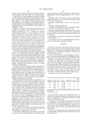
- HoloTCII, total serum vitamin B12 (tVB12), and total homocysteine (Hcy) levels were measured in serum samples taken from (i) 20 persons with confirmed Alzheimer-type dementia and (ii) 20 healthy volunteers of the same age group (matched controls).
- HoloTCII concentrations were determined by HoloTC-RIA, a system for measuring holoTCII available from Axis-Shield ASA, Oslo, Norway and described in WO 00/17659.
- Odds ratios were calculated as follows: cases with “out of normal” values/total cases of the Alzheimer group divided with the same ratio for the control group. A value greater than one (1) indicates that a risk may exist.
- holoTCII 35 pM was used as cut-off and for tVB12, 150 pM. Values above 35 and 150 pM, respectively, were considered as being within the normal range.
- tHCy values below 15 ⁇ M were deemed within normal range.
- Serum holoTCII levels were significantly lower in patients with confirmed Alzheimer type dementia; the mean value was significantly lower and the odds ratio was 5 fold increased in the disease group.
- Serum tHCy levels were higher in the patient group, albeit not significantly, and also had an odds ratio of 1.5. The reason for tHCy not obtaining significance is most likely is due to factors other than holoTCII that also influence tHCy concentrations, such as folate and vitamin B6 levels and kidney status.
- tVB12 was somewhat higher in the disease group, albeit not significantly, a finding also seen in the odds ratio, which was less than 1.0.
Landscapes
- Life Sciences & Earth Sciences (AREA)
- Health & Medical Sciences (AREA)
- Engineering & Computer Science (AREA)
- Biomedical Technology (AREA)
- Molecular Biology (AREA)
- Chemical & Material Sciences (AREA)
- Hematology (AREA)
- Immunology (AREA)
- Urology & Nephrology (AREA)
- Physics & Mathematics (AREA)
- Microbiology (AREA)
- Cell Biology (AREA)
- Food Science & Technology (AREA)
- Medicinal Chemistry (AREA)
- Biotechnology (AREA)
- Analytical Chemistry (AREA)
- Biochemistry (AREA)
- General Health & Medical Sciences (AREA)
- General Physics & Mathematics (AREA)
- Pathology (AREA)
- Neurology (AREA)
- Neurosurgery (AREA)
- Proteomics, Peptides & Aminoacids (AREA)
- Investigating Or Analysing Biological Materials (AREA)
- Pharmaceuticals Containing Other Organic And Inorganic Compounds (AREA)
- Saccharide Compounds (AREA)
- Medicines Containing Antibodies Or Antigens For Use As Internal Diagnostic Agents (AREA)
- Measuring Or Testing Involving Enzymes Or Micro-Organisms (AREA)
- Devices For Conveying Motion By Means Of Endless Flexible Members (AREA)
- Mechanical Treatment Of Semiconductor (AREA)
- Measuring And Recording Apparatus For Diagnosis (AREA)
Applications Claiming Priority (3)
| Application Number | Priority Date | Filing Date | Title |
|---|---|---|---|
| GBGB0016460.8A GB0016460D0 (en) | 2000-07-04 | 2000-07-04 | Assay |
| GB0016460.8 | 2000-07-04 | ||
| PCT/GB2001/002306 WO2002003074A1 (en) | 2000-07-04 | 2001-05-22 | Diagnostic method for alzheimer's disease based on holo-transcobalamin ii |
Publications (2)
| Publication Number | Publication Date |
|---|---|
| US20040014230A1 US20040014230A1 (en) | 2004-01-22 |
| US7294514B2 true US7294514B2 (en) | 2007-11-13 |
Family
ID=9895035
Family Applications (1)
| Application Number | Title | Priority Date | Filing Date |
|---|---|---|---|
| US10/332,041 Expired - Lifetime US7294514B2 (en) | 2000-07-04 | 2001-05-22 | Diagnostic method for alzheimer's disease based on holo-transcobalamin II |
Country Status (11)
| Country | Link |
|---|---|
| US (1) | US7294514B2 (da) |
| EP (1) | EP1297342B1 (da) |
| JP (1) | JP2004502940A (da) |
| AT (1) | ATE302416T1 (da) |
| AU (1) | AU2001258614A1 (da) |
| DE (1) | DE60112758T2 (da) |
| DK (1) | DK1297342T3 (da) |
| ES (1) | ES2249432T3 (da) |
| GB (1) | GB0016460D0 (da) |
| PT (1) | PT1297342E (da) |
| WO (1) | WO2002003074A1 (da) |
Families Citing this family (3)
| Publication number | Priority date | Publication date | Assignee | Title |
|---|---|---|---|---|
| US20150065449A1 (en) | 2011-08-12 | 2015-03-05 | Florida State University Research Foundation, Inc. | Treating Amyloidoses With A Vitamin B12 Composition Including Melatonin, Resveratrol, and EGCG |
| BR112019017949A2 (pt) * | 2017-04-11 | 2020-05-19 | Nestle Sa | níveis de ácidos graxos ômega-3 e vitamina d para identificar e atenuar o envelhecimento cognitivo em indivíduos |
| WO2018188771A1 (en) * | 2017-04-11 | 2018-10-18 | Nestec S.A. | Omega-3 fatty acid and vitamin d levels to identify and attenuate cognitive aging in individuals |
Citations (4)
| Publication number | Priority date | Publication date | Assignee | Title |
|---|---|---|---|---|
| US4273757A (en) * | 1977-06-02 | 1981-06-16 | Yissum Research Development Company | Determination of transcobalamins |
| US4680273A (en) | 1985-07-29 | 1987-07-14 | Victor Herbert | Assay for vitamin B12 deficiency |
| WO2000017659A1 (en) | 1998-09-18 | 2000-03-30 | Axis-Shield Asa | Cobalamin assay |
| US6417006B1 (en) * | 1998-08-20 | 2002-07-09 | Axis Shield Asa | Assay method for cardiovascular disease |
-
2000
- 2000-07-04 GB GBGB0016460.8A patent/GB0016460D0/en not_active Ceased
-
2001
- 2001-05-22 PT PT01931928T patent/PT1297342E/pt unknown
- 2001-05-22 DK DK01931928T patent/DK1297342T3/da active
- 2001-05-22 WO PCT/GB2001/002306 patent/WO2002003074A1/en not_active Ceased
- 2001-05-22 US US10/332,041 patent/US7294514B2/en not_active Expired - Lifetime
- 2001-05-22 ES ES01931928T patent/ES2249432T3/es not_active Expired - Lifetime
- 2001-05-22 EP EP01931928A patent/EP1297342B1/en not_active Expired - Lifetime
- 2001-05-22 AU AU2001258614A patent/AU2001258614A1/en not_active Abandoned
- 2001-05-22 DE DE60112758T patent/DE60112758T2/de not_active Expired - Fee Related
- 2001-05-22 JP JP2002508085A patent/JP2004502940A/ja not_active Withdrawn
- 2001-05-22 AT AT01931928T patent/ATE302416T1/de not_active IP Right Cessation
Patent Citations (4)
| Publication number | Priority date | Publication date | Assignee | Title |
|---|---|---|---|---|
| US4273757A (en) * | 1977-06-02 | 1981-06-16 | Yissum Research Development Company | Determination of transcobalamins |
| US4680273A (en) | 1985-07-29 | 1987-07-14 | Victor Herbert | Assay for vitamin B12 deficiency |
| US6417006B1 (en) * | 1998-08-20 | 2002-07-09 | Axis Shield Asa | Assay method for cardiovascular disease |
| WO2000017659A1 (en) | 1998-09-18 | 2000-03-30 | Axis-Shield Asa | Cobalamin assay |
Non-Patent Citations (4)
| Title |
|---|
| Basun Hans et al: "Cobalamin levels are not reduced in Alzheimer's disease: Results from a population-based study." Journal of the American Geriatrics Society, vol. 42, No. 2, 1994, pp. 132-136. |
| Clarke Robert et al: "Folate, vitamin B12, and serum total homocysteine levels in confirmed Alzheimer disease." Archives of Neurology, vol. 55, No. 11, Nov. 1998, pp. 1449-1455. |
| Johnston et al. Journal of the American Geriatrics Society, vol. 45 (6), Jun. 1997, pp. 779-780. * |
| Kristensen Marianne O et al: "Serum cobalamin and methymalonic acid in Alzheimer dementia." ACTA Neurologica Acandinavica, vol. 87, No. 6, 1993, pp. 475-481. |
Also Published As
| Publication number | Publication date |
|---|---|
| PT1297342E (pt) | 2005-10-31 |
| GB0016460D0 (en) | 2000-08-23 |
| WO2002003074A1 (en) | 2002-01-10 |
| EP1297342A1 (en) | 2003-04-02 |
| EP1297342B1 (en) | 2005-08-17 |
| ES2249432T3 (es) | 2006-04-01 |
| DK1297342T3 (da) | 2005-12-19 |
| ATE302416T1 (de) | 2005-09-15 |
| DE60112758D1 (de) | 2005-09-22 |
| AU2001258614A1 (en) | 2002-01-14 |
| DE60112758T2 (de) | 2006-06-29 |
| US20040014230A1 (en) | 2004-01-22 |
| JP2004502940A (ja) | 2004-01-29 |
Similar Documents
| Publication | Publication Date | Title |
|---|---|---|
| Gu et al. | Elevated matrix metalloproteinase‐9 levels in neuronal extracellular vesicles in Alzheimer’s disease | |
| RU2750035C2 (ru) | Способы и наборы диагностики и стратификации риска пациентов с ишемией | |
| CN102105794B (zh) | 移植物衰竭和死亡的标志物 | |
| KR102067944B1 (ko) | 뇌의 베타 아밀로이드 축적 감별용 혈중 Periostin 바이오마커 | |
| CN101374555A (zh) | 神经衍生的生物分子体内代谢的检测方法 | |
| CN102933966A (zh) | 阿尔茨海默病的新型诊断制剂 | |
| US10989720B2 (en) | Method for clinically and pathologically monitoring Alzheimer's disease through concentration of amyloidbeta in plasma | |
| US20230266343A1 (en) | Methods, Systems & Kits for Prediction, Detection, Monitoring & Treatment of Alzheimer's Disease | |
| US20200284806A1 (en) | Method for the Diagnosis of Metachromatic Leukodystrophy | |
| US7294514B2 (en) | Diagnostic method for alzheimer's disease based on holo-transcobalamin II | |
| EP3872494A1 (en) | Blood biomarker for detecting deposition of amyloid beta in brains of groups with normal cognitive function and mild cognitive impairment | |
| Nilsson et al. | Plasma homocysteine concentration relates to the severity but not to the duration of Alzheimer's disease | |
| US20080076140A1 (en) | Biomarkers of Alzheimer's Disease | |
| US20060205024A1 (en) | Method to diagnose and evaluate progression of Alzheimer's disease | |
| JP7680720B2 (ja) | アミロイドβと関連する疾患又は状態の指標とする方法、並びに該方法に用いるための組成物及びキット | |
| JP6478268B2 (ja) | 尿中のアクロレイン代謝物及びクレアチニンを指標とする認知機能障害の検査方法 | |
| US6417006B1 (en) | Assay method for cardiovascular disease | |
| Schneede | Prerequisites for establishing general recommendations for diagnosis and treatment of vitamin B12 deficiency and cost‐utility evaluation of these guidelines | |
| RU2592237C1 (ru) | Способ диагностики течения "асимптомного" каротидного атеросклероза | |
| RU2789156C2 (ru) | Способ скрининга церебросухожильного ксантоматоза с использованием глюкуронидов желчных спиртов и соотношений метаболитов | |
| RU2226983C1 (ru) | Способ диагностики синдромов детского церебрального паралича | |
| Prendi et al. | The Fractional S100B Excretion is Attenuated Following Neurotrauma Suggesting an Innate Conservation System for Neurotrophic Proteins | |
| Goto et al. | Plasma acetylated α-synuclein as a novel quantitative biomarker for Parkinson's disease | |
| Ling | Vascular and Inflammatory Blood Biomarkers of Cognitive Impairment and Dementia | |
| Bhuvaneswari | University Journal of Pre and Paraclinical Specialities |
Legal Events
| Date | Code | Title | Description |
|---|---|---|---|
| AS | Assignment |
Owner name: AXIS SHIELD ASA, NORWAY Free format text: ASSIGNMENT OF ASSIGNORS INTEREST;ASSIGNOR:ORNING, LARS;REEL/FRAME:014144/0727 Effective date: 20030507 |
|
| STCF | Information on status: patent grant |
Free format text: PATENTED CASE |
|
| FEPP | Fee payment procedure |
Free format text: PAT HOLDER NO LONGER CLAIMS SMALL ENTITY STATUS, ENTITY STATUS SET TO UNDISCOUNTED (ORIGINAL EVENT CODE: STOL); ENTITY STATUS OF PATENT OWNER: LARGE ENTITY Free format text: PAYOR NUMBER ASSIGNED (ORIGINAL EVENT CODE: ASPN); ENTITY STATUS OF PATENT OWNER: LARGE ENTITY |
|
| FPAY | Fee payment |
Year of fee payment: 4 |
|
| FPAY | Fee payment |
Year of fee payment: 8 |
|
| MAFP | Maintenance fee payment |
Free format text: PAYMENT OF MAINTENANCE FEE, 12TH YEAR, LARGE ENTITY (ORIGINAL EVENT CODE: M1553); ENTITY STATUS OF PATENT OWNER: LARGE ENTITY Year of fee payment: 12 |