US8311193B2 - Charging method and control device for group main line service - Google Patents
Charging method and control device for group main line service Download PDFInfo
- Publication number
- US8311193B2 US8311193B2 US12/551,754 US55175409A US8311193B2 US 8311193 B2 US8311193 B2 US 8311193B2 US 55175409 A US55175409 A US 55175409A US 8311193 B2 US8311193 B2 US 8311193B2
- Authority
- US
- United States
- Prior art keywords
- call
- extension
- gml
- service
- calling
- Prior art date
- Legal status (The legal status is an assumption and is not a legal conclusion. Google has not performed a legal analysis and makes no representation as to the accuracy of the status listed.)
- Expired - Fee Related, expires
Links
Images




Classifications
-
- H—ELECTRICITY
- H04—ELECTRIC COMMUNICATION TECHNIQUE
- H04Q—SELECTING
- H04Q3/00—Selecting arrangements
- H04Q3/0016—Arrangements providing connection between exchanges
- H04Q3/0029—Provisions for intelligent networking
-
- H—ELECTRICITY
- H04—ELECTRIC COMMUNICATION TECHNIQUE
- H04M—TELEPHONIC COMMUNICATION
- H04M15/00—Arrangements for metering, time-control or time indication ; Metering, charging or billing arrangements for voice wireline or wireless communications, e.g. VoIP
- H04M15/41—Billing record details, i.e. parameters, identifiers, structure of call data record [CDR]
-
- H—ELECTRICITY
- H04—ELECTRIC COMMUNICATION TECHNIQUE
- H04M—TELEPHONIC COMMUNICATION
- H04M15/00—Arrangements for metering, time-control or time indication ; Metering, charging or billing arrangements for voice wireline or wireless communications, e.g. VoIP
- H04M15/62—Arrangements for metering, time-control or time indication ; Metering, charging or billing arrangements for voice wireline or wireless communications, e.g. VoIP based on trigger specification
-
- H—ELECTRICITY
- H04—ELECTRIC COMMUNICATION TECHNIQUE
- H04M—TELEPHONIC COMMUNICATION
- H04M15/00—Arrangements for metering, time-control or time indication ; Metering, charging or billing arrangements for voice wireline or wireless communications, e.g. VoIP
- H04M15/70—Administration or customization aspects; Counter-checking correct charges
- H04M15/765—Linked or grouped accounts, e.g. of users or devices
-
- H—ELECTRICITY
- H04—ELECTRIC COMMUNICATION TECHNIQUE
- H04M—TELEPHONIC COMMUNICATION
- H04M15/00—Arrangements for metering, time-control or time indication ; Metering, charging or billing arrangements for voice wireline or wireless communications, e.g. VoIP
- H04M15/70—Administration or customization aspects; Counter-checking correct charges
- H04M15/765—Linked or grouped accounts, e.g. of users or devices
- H04M15/7652—Linked or grouped accounts, e.g. of users or devices shared by users
-
- H—ELECTRICITY
- H04—ELECTRIC COMMUNICATION TECHNIQUE
- H04M—TELEPHONIC COMMUNICATION
- H04M15/00—Arrangements for metering, time-control or time indication ; Metering, charging or billing arrangements for voice wireline or wireless communications, e.g. VoIP
- H04M15/90—Arrangements for metering, time-control or time indication ; Metering, charging or billing arrangements for voice wireline or wireless communications, e.g. VoIP using Intelligent Networks [IN] or Advanced Intelligent Networks [AIN]
-
- H—ELECTRICITY
- H04—ELECTRIC COMMUNICATION TECHNIQUE
- H04M—TELEPHONIC COMMUNICATION
- H04M2215/00—Metering arrangements; Time controlling arrangements; Time indicating arrangements
- H04M2215/01—Details of billing arrangements
- H04M2215/016—Billing using Intelligent Networks [IN] or Advanced Intelligent Networks [AIN]
-
- H—ELECTRICITY
- H04—ELECTRIC COMMUNICATION TECHNIQUE
- H04M—TELEPHONIC COMMUNICATION
- H04M2215/00—Metering arrangements; Time controlling arrangements; Time indicating arrangements
- H04M2215/01—Details of billing arrangements
- H04M2215/0164—Billing record, e.g. Call Data Record [CDR], Toll Ticket[TT], Automatic Message Accounting [AMA], Call Line Identifier [CLI], details, i.e. parameters, identifiers, structure
-
- H—ELECTRICITY
- H04—ELECTRIC COMMUNICATION TECHNIQUE
- H04M—TELEPHONIC COMMUNICATION
- H04M2215/00—Metering arrangements; Time controlling arrangements; Time indicating arrangements
- H04M2215/72—Account specifications
- H04M2215/724—Linked accounts
-
- H—ELECTRICITY
- H04—ELECTRIC COMMUNICATION TECHNIQUE
- H04M—TELEPHONIC COMMUNICATION
- H04M2215/00—Metering arrangements; Time controlling arrangements; Time indicating arrangements
- H04M2215/72—Account specifications
- H04M2215/724—Linked accounts
- H04M2215/7245—Shared by users, e.g. group accounts or one account for different users
-
- H—ELECTRICITY
- H04—ELECTRIC COMMUNICATION TECHNIQUE
- H04M—TELEPHONIC COMMUNICATION
- H04M3/00—Automatic or semi-automatic exchanges
- H04M3/42—Systems providing special services or facilities to subscribers
- H04M3/42017—Customized ring-back tones
-
- H—ELECTRICITY
- H04—ELECTRIC COMMUNICATION TECHNIQUE
- H04Q—SELECTING
- H04Q2213/00—Indexing scheme relating to selecting arrangements in general and for multiplex systems
- H04Q2213/13097—Numbering, addressing
-
- H—ELECTRICITY
- H04—ELECTRIC COMMUNICATION TECHNIQUE
- H04Q—SELECTING
- H04Q2213/00—Indexing scheme relating to selecting arrangements in general and for multiplex systems
- H04Q2213/1313—Metering, billing
-
- H—ELECTRICITY
- H04—ELECTRIC COMMUNICATION TECHNIQUE
- H04Q—SELECTING
- H04Q2213/00—Indexing scheme relating to selecting arrangements in general and for multiplex systems
- H04Q2213/13288—Closed user groups, CUG
Definitions
- the present invention relates to the field of communication technology, and more particularly, to a charging method and a control device for Group Main Line service.
- GML Group Main Line
- MNL Main Line
- a group of clients is provided with a Main Line Number (MLN), and each individual user is allocated an extension number.
- various services such as group address book, conference telephone, mobile short-numbers and telephone redirection are integrated, and functions such as service consultation, telephone query, telephone redirection, corporation service, VIP hotline service, main line Color Ring Back Tone (CRBT) are provided to the users.
- GMLN GML Number
- the attendant may be provided by the operator renting a helping center to the group of clients, or may be a human main line attendant of the group.
- the call may be redirected to the Customer Service Center of the corporation, or a simple information delivery may be provided by the main line system for the group.
- the manpower cost of a corporation is reduced with the GML, and the labor intensity of the GML attendant is also reduced due to the voice-dialing function.
- the first one is based on Intelligent Network (IN), and the second one is based on a value-added voice platform.
- the major difference between the first solution and second solution is that there is no alternative voice route in the first solution.
- the main line platform is no longer ‘bridged’ in the voice route when the call is redirected to the extension, and there is only one voice route from the calling party to the extension, saving a lot of relay resources and improving the security of the main line service system.
- FIG. 1 is a diagram illustrating the prior art GML system based on IN.
- the GML service logic is implemented with an IN Service Control Point (SCP) and an Intelligent Peripheral (IP).
- SCP IN Service Control Point
- IP Intelligent Peripheral
- a user 11 dials a GMLN
- a switch triggers the called process of the GML service to the SCP 10 ;
- the SCP 10 issues an Establish Temporary Connection (ETC) signaling instructing the Mobile Switching Center (MSC) 12 to establish a connection to the IP 13 ;
- ETC Establish Temporary Connection
- the MSC 12 establishes a connection to the IP 13 through the Gateway Office 14 ;
- the IP 13 interacts with the user 11 , obtains the extension number to which the user wishes to connect, and submits the extension number to the SCP 10 ;
- the SCP 10 issues a Disconnect Forward Connection (DFC) signaling instructing the MSC 12 to tear down the connection to the IP 13 ;
- DFC Disconnect Forward Connection
- the SCP 10 issues a CONNECT signaling instructing the MSC 12 to connect to the called user 15 .
- the charging point of the GML service based on IN is the SCP, which generates call records for the calls made from the main line to the extensions and charges the main line.
- the calling charge and called charge for the call between the calling party and the extension user of the GML service are determined according to their respective category tariffs. Assuming that user A calls an MLN B, and then the call is redirected to user C, or user A calls the extension user C directly, the charging principle and call record information for user C is as follows: it is calculated as C answering normally the call from user A, that is, the displayed caller ID is the number of user A. In this case, in the call list of user C, the calling number is that of user A and the called number is that of user C.
- the communication charge of user C is handled by the charging and accounting system, which collectively processes the call records of user C and rates the call records according to the condition that C is a GML user.
- GML provides a corporation with a uniform voice portal and facilitates users internal/external to the corporation.
- collective payment by the group is applied by the group when the extension joins the GML.
- the embodiments of the present invention provide a charging method for a GML service and a service control device, such that the charging policy for the group extension may be configured flexibly and the separation between the group charge and the individual charge may be realized.
- An embodiment of the present invention provides a charging method for a GML service, which comprises:
- An embodiment of the present invention provides a charging method for a GML service, which comprises:
- the SCP of the extension processing, by the SCP of the extension, the call to the extension as a call collectively paid by the GML, if there is a predefined special identification before the calling number.
- An embodiment of the present invention provides a service control device, which comprises:
- a service logic unit adapted to enable a corresponding service logic according to a call event reported by a service switch point, SSP, and issue a call control instruction to the SSP according to the service logic;
- a charging unit adapted to charge a calling party or a called party in the call event and generate a call record
- the service control device further includes:
- a called number checking unit adapted to check the called number in the call event, and inform the service logic unit to process the calling party as an extension collectively paid by the GML if there is a predefined prefix of GML service before the called number.
- An embodiment of the present invention provides a service control device, which comprises:
- a service logic unit adapted to enable a corresponding service logic according to a call event reported by a service switch point, SSP, and issue a call control instruction to the SSP according to the service logic;
- a charging unit adapted to charge a calling party or a called party in the call event and generate a call record
- the service control device further includes:
- a calling number checking unit adapted to check an initial call message from an SSP of the calling party in the call event, and inform the service logic unit to process the called party as an extension collectively paid by the group main line, GML, if there is a predefined special identification code before the calling number in the initial call message.
- the embodiments of the present invention identify the special prefix before the called number in the call initiated by the extension user of the GML through the IN service flow, thereby determining whether the call initiated by the extension of the GML should be processed as paid by the group collectively. Similarly, if the call answered by the extension of the GML is redirected by the main line, the call of the extension will be processed as a called party paid by the group collectively. With the embodiments of the present invention, the charge for the extensions answering the incoming call, the charge for the extension making a call and the charge for the personal service may be separated.
- FIG. 1 is a diagram illustrating the prior art GML system based on IN
- FIG. 2 is a flow chart illustrating the first embodiment of the method of the present invention
- FIG. 3 is a diagram illustrating the system according to the first embodiment of the method of the present invention.
- FIG. 4 is a flow chart illustrating the signaling interaction between the network entities in the system shown in FIG. 3 ;
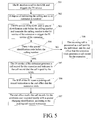
- FIG. 5 is a flow chart illustrating the second embodiment of the method of the present invention.
- FIG. 6 is a diagram illustrating the system according to the second embodiment of the method of the present invention.
- FIG. 7 is a flow chart illustrating the signaling interaction between the network entities in the system shown in FIG. 6 ;
- FIG. 8 is a block diagram illustrating the first embodiment of the service control device of the present invention.
- FIG. 9 is a block diagram illustrating the second embodiment of the service control device of the present invention.
- the process of the first embodiment of the method of the present invention illustrated in FIG. 2 includes the following steps:
- Step 201 An IN receives a call initiated by an extension user of a GML and triggers an IN service.
- the IN service is triggered at a gateway office where the extension accesses the network. For example, it is triggered according to an access code.
- the IN service is triggered at an end office accessed by the extension user. For example, it is triggered according to Originating CAMEL Subscription Information (O_CSI).
- O_CSI Originating CAMEL Subscription Information
- Step 202 The called number of the call is checked to determine whether there is a predefined prefix for group service before the called number. If there is a predefined prefix for group service before the called number, step 203 is executed. If there is no predefined prefix for group service before the called number, step 206 is executed.
- Step 203 The IN service generates a call record for the extension, and indicates in the call record that the call is paid by the GML.
- Step 204 The SCP of the IN issues a picking-call record instruction to the end office accessed by the extension.
- Step 205 The end office accessed by the extension marks the call record of the extension user recorded locally with a special charging flag, according to the picking-call record instruction.
- Step 206 The call is processed as a non-GML call, and the end office visited by the extension generates a call record for the extension.
- the GMLN may also be displayed at the caller ID display of the called party, according to the configuration of the GML.
- FIG. 3 To implement the process of the embodiment of the present invention described above, a system architecture shown in FIG. 3 may be used.
- the extension user 31 initiates a call.
- the visitor location Mobile Switch Center/Visitor Location Register/Service Switch Point (MSC/VLR/SSP) 33 transmits a signaling to the SCP 34 at the home location of the calling party to trigger the IN service.
- the SCP 34 identifies the call as paid collectively by the GML according to the prefix for group service before the called number, and issues a picking-call record instruction to the MSC/VLR/SSP 33 .
- the MSC/VLR/SSP 33 connects the call to the visitor location MSC/VLR 35 of the called user 32 .
- FIG. 4 is a flow chart illustrating the signaling interaction between the network entities in the system shown in FIG. 3 .
- the extension user adds the special prefix before the called number and initiates the call, that is, a SETUP message is transmitted to the MSC/VLR/SSP of the Visitor Location of the user.
- the MSC/VLR/SSP at the Visitor Location of the calling user triggers the IN service according to the user subscription information stored at the VLR, and the SSP transmits an IDP message to the SCP of the main line service.
- the IN service receives the IDP message transmitted by the SSP, finds that the calling party is a GML service user and identifies the call as paid by the group collectively according to the special prefix before the called number, and issues a Request Report Basic Call State Module (BCSM) Event (RRBE) signaling to the MSC/VLR/SSP at the Visitor Location of the calling user.
- BCSM Basic Call State Module
- the SCP issues an Apply Charging (AP) signaling to the MSC/VLR/SSP at the Visitor Location of the calling user.
- AP Apply Charging
- the SCP issues a Furnish Charging Information (FCI) picking-call record instruction to the MSC/VLR/SSP at the Visitor Location of the calling user, and requests the MSC to mark the call record of the calling user with the special charging flag, that is, to identify the call record as not a charging evidence according to the special identification or prefix.
- FCI Furnish Charging Information
- the SCP peels off the special prefix from the called number and issues a CONNECT signaling.
- the SCP fills in the parameter of Generic Number with the GMLN when issuing the CONNECT signaling.
- the SCP When the call ends, the SCP generates the call record for the call and indicates in the call record that the call is paid by the GML collectively.
- FIG. 5 is a flow chart illustrating the second embodiment of the method of the present invention. The method includes the following steps:
- Step 501 The IN receives a call initiated to the GML and triggers the IN service.
- Step 502 A request is received indicating that the calling user needs to be connected to an extension.
- Step 503 The IN service of the main line adds a special identification code before the calling number and transmits the calling number to the IN service for the extension to trigger the IN service for the extension.
- Step 504 The IN service for the extension checks whether there is the special identification code before the calling number to be connected. If there is the special identification code before the calling number to be connected, step 505 is executed. If there is not a special identification code before the calling number to be connected, step 508 is executed.
- Step 505 The IN service for the extension generates a call record and charges the extension and indicates in the call record that the call is paid by the GML.
- Step 506 The SCP of the IN issues a picking-call record instruction to the end office which the extension visits.
- Step 507 The end office marks the call records for the extension user recorded locally with a special charging flag, according to the picking-call record instruction.
- Step 508 The incoming call is processed as a call to be paid by the individual, and the end office that the extension visits generates a call record and charges the extension.
- the IN service finds that there is the special identification code before the calling number, it may alternatively be displayed at the called party that the call is redirected by the main line, according to the configuration of the GML.
- FIG. 6 To implement the flow of the embodiment of the present invention described above, a system architecture shown in FIG. 6 may be employed.
- the user 61 dials the GMLN and the MSC 63 triggers the called process of the GML service to the SCP 64 .
- the SCP 64 issues an Establish Temporary Connection (ETC) signaling instructing the MSC 63 to establish a connection to the IP 65 .
- the IP 65 interacts with the user 61 and obtains the number to which the user 61 wants to connect and submits the number to the SCP 64 .
- the SCP 64 issues a Disconnect Forward Connection (DFC) signaling instructing the MSC 63 to tear down the connection to the IP 65 .
- DFC Disconnect Forward Connection
- the SCP 64 issues a CONNECT operation according to the number submitted by the IP 65 instructing the MSC 63 to connect to the called user 62 .
- the MSC 63 triggers the subscribed IN service to the SCP 66 according to the information of the called user.
- the SCP 66 finds that the call is redirected from the main line and identifies the call as paid by the GML collectively.
- the SCP 66 generates the call record and indicates in the call record that the call is redirected by the main line. Meanwhile, the SCP 66 adds the special prefix before the calling number and delivers the number.
- the special prefix+calling number is displayed at the called party, indicating that the call is redirected by the main line.
- FIG. 7 illustrates the process of the signaling interaction between the network entities in the system shown in FIG. 6 .
- the calling party dials the GMLN.
- the MSCa/VLRa/SSP receives the call message and transmits a Send Routing Information (SRI) message to the HLRa of the main line.
- SRI Send Routing Information
- the HLRa of the main line transmits the subscription information Terminating CAMEL Subscription Information (T-CSI) to the MSCa/VLRa/SSP through an SRI_ack message.
- T-CSI Terminating CAMEL Subscription Information
- the MSCa/VLRa/SSP obtains the address of the SCPa of the main line from the T-CSI data and transmits an Initial Detection Point (IDP) message to the SCPa and places the trunk code of the location of the GMSC/SSP or the initial MSC/VLR in the parameter LocationNumber in the IDP message.
- IDP Initial Detection Point
- the SCPa When the SCPa receives the IDP message, it parses the called user account and finds that the called user is the main line. The SCPa then issues an RRBE signaling and requests the SSP to monitor the abandon event of the calling party.
- the SCPa issues an ETC signaling and requests to establish a temporary connection with the IP.
- the MSCa transmits an Initial address message (IAM) signaling to the IP.
- IAM Initial address message
- the IP responds with an Address Complete Message (ACM).
- ACM Address Complete Message
- the IP responds with an ANswer Message (ANM) and requests for charging.
- ANM ANswer Message
- the IP issues an AssistRequestInstructions (ARI) signaling to the SCP.
- ARI AssistRequestInstructions
- the SCPa issues a SCRIPT RUN operation and informs the IP to run the script.
- the IP interacts with user and the user determines the number to be connected by inputting an extension short-number directly or speaking out information of the user to be connected or connecting to an attendant.
- the IP returns the number to be connected to the SCPa using a SCRIPT EVENT.
- the SCPa issues SCRIPT CLOSE and requests the IP to stop running the script.
- the SCPa issues a DFC signaling instructing to release the resource.
- the MSCa transmits Release (REL) to the IP and requests to tear down the connection.
- REL Release
- the IP replies a ReLease Complete (RLC) signaling to show the release is completed.
- RLC ReLease Complete
- the SCPa determines the tariff according to the home location of the main line and the number to be redirected to and charges the main line and transmits an RRBE signaling to the MSCa/VLRa/SSP to request that the call be monitored.
- the SCPa issues an AC signaling to request charging and monitoring.
- the SCPa transmits the extension number to the SSP through a CONNECT operation and fills ‘special identification code+calling number’ in the parameter Generic Number in the CONNECT message.
- the MSCa/VLRa/SSP Upon receiving the CONNECT message, the MSCa/VLRa/SSP transmits an SRI message to the HLRb of the extension according to the destination address.
- the HLRb returns T_CSI through an SRI_ack signaling.
- the MSCa/VLRa/SSP obtains the address of the SCPb of the extension from the T_CSI and transmits an IDP message to the SCPb, and places the trunk code of the location of the GMSC/SSP or the originating MSC/VLR in the parameter LocationNumber in the IDP message.
- the SCPb When the SCPb receives the IDP message, it parses the calling number and finds that there is the special identification code before the calling number and decides that the call is redirected by the main line and is paid by the GML collectively. The SCPb determines the tariff according to the home location of the called party and the actual location of the called party and the defined discount, and issues an RRBE signaling to the MSCa/VLRa/SSP, and requests that the call be monitored.
- the SCPb issues an AC signaling and requests for charging.
- the SCPb transmits the called number to the SSP through a CONNECT operation.
- ‘picking-call record prefix+special prefix+calling number’ is filled in the Generic Number in the CONNECT signaling, where the special prefix is added in the outgoing call process discussed above which identifies the call as collectively paid by the main line.
- the MSCa/VLRa/SSP Upon receiving the CONNECT signaling, the MSCa/VLRa/SSP transmits an SRI message to the HLRb again.
- the HLRb returns the Mobile Switch Roam Number (MSRN) of the called party through an SRI_ack signaling.
- MSRN Mobile Switch Roam Number
- the MSCa/VLRa/SSP makes the connection according to the MSRN of the called party.
- the MSCa transmits an IAM signaling and connects to the visitor MSCb of the called party.
- the called party rings and the MSCb returns an ACM signaling to the MSCa.
- the MSCb When the called party answers the call, the MSCb returns an ANM signaling to the MSCa and requests for charging. The calling and called parties start to communicate.
- the MSCa/VLRa/SSP transmits an EVENT REPORT BCSM (ERB) to the SCPa.
- ERP EVENT REPORT BCSM
- the MSCa/VLRa/SSP transmits an Apply Charging Report (ACR) signaling to the SCPa and reports the hangup of the calling party and the charging result.
- ACR Apply Charging Report
- the SCPa issues a Release Call (RC) signaling instructing the MSCa to release the call.
- RC Release Call
- the MSCa/VLRa/SSP transmits an ERB signaling to the SCPb to report to the SCPb that the calling party has hung up.
- the MSCa/VLRa/SSP transmits an ACR signaling to the SCPb to report to the SCPb the calling_party_hang_up event and the charging result.
- the SCPb issues an RC signaling to instruct the MSCa to release the call.
- the SCPa and SSP generate the call record for the call.
- the home SCPb of the extension generates the call record for the call and indicates in the call record that the call is redirected by the main line and is paid by the GML collectively.
- FIG. 8 is a block diagram illustrating the principle of the first embodiment of the service control device of the present invention.
- the service control device is adapted to perform charging on the calls initiated by the extensions of the GML service and includes a service logic unit 81 , a charging unit 82 and a called number checking unit 83 .
- the service logic unit 81 is adapted to enable a corresponding service logic according to the call event reported by the SSP, and issue a call control instruction to the SSP according to the service logic.
- the charging unit 82 is adapted to charge a calling or called party in the call event and generate a call record.
- the called number checking unit 83 is adapted to check the called number in the call event. If there is a predefined prefix of group service before the called number, the service logic unit is informed to process the calling party as a user collectively paid by the group.
- the called number checking unit 83 may detect the prefix for group service. In this case, the service logic unit 81 is informed that the calling party should be processed as a user collectively paid by the group.
- the service logic unit 81 is notified to process the calling party as a call not collectively paid by the group.
- the service logic unit 81 instructs the charging unit 82 about the way of charging the calling party according to the notification.
- a payment flag adding unit 84 and a picking-call record instruction issuing unit 85 may also be provided in the service control device according to the embodiment of the present invention.
- the payment flag adding unit 84 is adapted to add a flag indicating that the call is paid by the GML to the call record generated by the charging unit 82 for the calling party, when the called number checking unit 83 finds that there is the predefined prefix for group service before the called number.
- the picking-call record instruction issuing unit 85 is adapted to issue a picking-call record instruction to the end office visited by the calling party instructing the end office to delete the call record of the calling party, when the called number checking unit 82 finds that there is the predefined prefix for group service before the called number.
- a charging center in a system may charge the calling party based on whether the call record has the flag indicating that the call is paid by the GML, thereby the separation between the charge for outgoing calls of the group extension and charge for personal service is realized.
- FIG. 9 is a block diagram illustrating the principle of the second embodiment of the service control device of the present invention.
- the service control device is adapted to perform charging on the call made to the extensions of the GML service and includes a service logic unit 91 , a charging unit 92 and a calling number checking unit 93 .
- the service logic unit 91 is adapted to enable a corresponding service logic according to the call event reported by the SSP, and issue a call control instruction to the SSP according to the service logic.
- the charging unit 92 is adapted to charge the calling or called party in the call event and generate a call record.
- the calling number checking unit 93 is adapted to check the initial call message from the SSP of the calling party in the call event. If there is a predefined special identification code before the calling number in the initial call message, the service logic unit 91 is informed to process the called party as a user collectively paid by the group.
- the SCP of the GML finds that the called user is a GMLN and establishes a temporary connection with the IP.
- the IP interacts with the calling user.
- the calling user determines the number to be connected by inputting an extension short-number directly or speaking out information of the user to be connected via voice or connecting to an attendant.
- the IP transmits the number to be connected to the SCP of the GML, the SCP of the GML transmits the extension number to the SSP and modifies the calling number as special identification code+calling number.
- the calling number detection unit 93 can find that the calling number in the IDP message has the special identification code before it. In this case, the service logic unit 91 is notified to process the called party (i.e., the group extension user) as a user paid collectively by the group. If the calling number checking unit 93 does not find that the calling number in the IDP message has the special identification code before it, the calling number checking unit 93 notifies the service logic unit 91 to process the called party (i.e., the group extension user) as a user paid by the individual. The service logic unit 91 instructs the charging unit 82 about the way of charging the calling party according to the notification.
- a payment flag adding unit 94 and a picking-call record instruction issuing unit 95 may also be provided in the service control device according to the embodiment of the present invention.
- the payment flag adding unit 94 is adapted to add a flag indicating that the call is paid by the group to the call record generated by the charging unit 92 for the called party, when the calling number checking unit 93 finds that there is the predefined special identification code before the calling number.
- the picking-call record instruction issuing unit 95 is adapted to issue a modify-calling-number signaling to the end office accessed by the called party, when the calling number checking unit 93 finds that there is the predefined special identification code before the calling number; where the modify-calling-number signaling carries picking-call record prefix information and is used to instruct that the called call record is generated by the visited end office.
- the calling number is modified such that the charging accounting system identifies that the call record is invalid.
- a charging center in a system may charge the calling party based on whether the call record has the flag indicating that the call is paid by the group, thereby the separation between the charge for the incoming call and the charge for personal service of the group extension is realized.
- the called number checking unit and calling number checking unit in the embodiments as shown in FIGS. 8 and 9 may be integrated onto a single service control device.
- the called number that the user calls may be checked.
- the calling number of the incoming call may be checked.
- the service logic unit is then notified whether to process the outgoing/incoming call of user as paid by the group collectively or by the individual according to the checking result.
- the embodiments of the present invention identifies the special prefix before the called number in the call initiated by the extension user of the GML through the IN service process, thereby determining whether the call initiated by the extension of the GML should be processed as paid by the group collectively.
- the incoming call is processed similarly in the IN service process (called process of the main line). If the calling user requests to be connected to the extension of the GML, the call control network element related to the extension is informed that the call is redirected from the main line by using the special identification code. Thereby the call of the extension is processed as a called party paid by the group collectively.
- the charges for the extensions answering the incoming call, the extension making a call and the charge for the personal service may be separated.
- the charging policies for the extensions may be configured flexibly by differentiating the call charges of the extension and the processing may be done according to the extension call record. Only the call records identified as paid by the group collectively will be included in the group payment, which helps to attract the users.
- the group may differentiate the part of charge paid by the group and that paid by the individuals when paying for the GML service, which helps to control the charge expense of the group.
- the extension user may enjoy the benefit of both the main line payment and the service promotions applied by the individual.
Landscapes
- Engineering & Computer Science (AREA)
- Computer Networks & Wireless Communication (AREA)
- Signal Processing (AREA)
- Telephonic Communication Services (AREA)
- Meter Arrangements (AREA)
- Mobile Radio Communication Systems (AREA)
- Exchange Systems With Centralized Control (AREA)
Applications Claiming Priority (4)
| Application Number | Priority Date | Filing Date | Title |
|---|---|---|---|
| CN200710005605 | 2007-03-01 | ||
| CNA200710005605XA CN101039364A (zh) | 2007-03-01 | 2007-03-01 | 集团总机业务计费方法、系统及设备 |
| CN200710005605.X | 2007-03-01 | ||
| PCT/CN2007/071301 WO2008104115A1 (en) | 2007-03-01 | 2007-12-21 | Group telephone exchange service charging method and service controlling device |
Related Parent Applications (1)
| Application Number | Title | Priority Date | Filing Date |
|---|---|---|---|
| PCT/CN2007/071301 Continuation WO2008104115A1 (en) | 2007-03-01 | 2007-12-21 | Group telephone exchange service charging method and service controlling device |
Publications (2)
| Publication Number | Publication Date |
|---|---|
| US20100008483A1 US20100008483A1 (en) | 2010-01-14 |
| US8311193B2 true US8311193B2 (en) | 2012-11-13 |
Family
ID=38889986
Family Applications (1)
| Application Number | Title | Priority Date | Filing Date |
|---|---|---|---|
| US12/551,754 Expired - Fee Related US8311193B2 (en) | 2007-03-01 | 2009-09-01 | Charging method and control device for group main line service |
Country Status (7)
| Country | Link |
|---|---|
| US (1) | US8311193B2 (de) |
| EP (1) | EP2111030B1 (de) |
| CN (1) | CN101039364A (de) |
| AT (1) | ATE536037T1 (de) |
| ES (1) | ES2375517T3 (de) |
| RU (1) | RU2456759C2 (de) |
| WO (1) | WO2008104115A1 (de) |
Families Citing this family (12)
| Publication number | Priority date | Publication date | Assignee | Title |
|---|---|---|---|---|
| CN101039364A (zh) | 2007-03-01 | 2007-09-19 | 华为技术有限公司 | 集团总机业务计费方法、系统及设备 |
| CN101217607A (zh) * | 2007-12-27 | 2008-07-09 | 华为技术有限公司 | 集团总机实现的方法、业务控制装置和集团总机系统 |
| US20100087162A1 (en) * | 2008-10-02 | 2010-04-08 | Koninklijke Kpn N.V. | Intelligent network for administrating premium rate calls |
| CN101453723B (zh) | 2008-11-11 | 2010-12-08 | 华为技术有限公司 | 通信业务的实现方法、设备及系统 |
| CN101742021A (zh) * | 2008-11-18 | 2010-06-16 | 华为技术有限公司 | 一种帐户选择方法及装置 |
| CN101945368A (zh) * | 2009-07-06 | 2011-01-12 | 华为技术有限公司 | 群组计费方法、计费处理装置以及通信系统 |
| CN101959168B (zh) * | 2009-07-16 | 2013-10-09 | 华为技术有限公司 | 一种计费统计方法和装置 |
| CN101951584B (zh) * | 2010-09-19 | 2015-06-03 | 中兴通讯股份有限公司 | 一种移动虚拟专用网集团智能业务的计费方法和系统 |
| CN103888923B (zh) * | 2012-12-19 | 2018-01-30 | 中国移动通信集团河南有限公司 | 应用于虚拟专用移动网的呼叫接续方法、系统及装置 |
| CN107819960B (zh) * | 2016-09-14 | 2020-10-30 | 阿里巴巴集团控股有限公司 | 通讯方法及装置 |
| US10611200B2 (en) * | 2016-12-27 | 2020-04-07 | Comeaux Technologies, Inc. | Trailer cart |
| CN107105112B (zh) * | 2017-05-27 | 2020-12-01 | 上海啦米信息科技有限公司 | 一种基于中间号通话的营销计费方法及系统 |
Citations (9)
| Publication number | Priority date | Publication date | Assignee | Title |
|---|---|---|---|---|
| US5892821A (en) | 1995-06-02 | 1999-04-06 | Bell Sygma Inc. | Virtual wide area centrex |
| CN1444377A (zh) | 2002-03-13 | 2003-09-24 | 华为技术有限公司 | 手机计费扣费方法 |
| US20040133685A1 (en) * | 2002-06-28 | 2004-07-08 | Pasi Jaaskela | Sharing network information |
| WO2004098211A1 (en) | 2003-05-02 | 2004-11-11 | Ari Kahn | Method of operating a telephony network |
| CN1756285A (zh) | 2004-09-30 | 2006-04-05 | 华为技术有限公司 | 实现集团用户优惠资费的处理方法 |
| CN1788456A (zh) | 2003-06-30 | 2006-06-14 | 意大利电信股份公司 | 通信网中网络选择的方法、相关网络及其计算机程序产品 |
| US20060177029A1 (en) * | 2005-02-10 | 2006-08-10 | Outsmart Ltd. | Virtual multi-line telephone service |
| US20060205404A1 (en) * | 2005-02-16 | 2006-09-14 | Shmuel Gonen | Local number solution for roaming mobile telephony users |
| CN101039364A (zh) | 2007-03-01 | 2007-09-19 | 华为技术有限公司 | 集团总机业务计费方法、系统及设备 |
Family Cites Families (1)
| Publication number | Priority date | Publication date | Assignee | Title |
|---|---|---|---|---|
| US20040058698A1 (en) * | 2002-09-24 | 2004-03-25 | Crockett Douglas M. | Method and apparatus for supporting location-based group communications |
-
2007
- 2007-03-01 CN CNA200710005605XA patent/CN101039364A/zh active Pending
- 2007-12-21 RU RU2009136332/07A patent/RU2456759C2/ru not_active Application Discontinuation
- 2007-12-21 AT AT07846127T patent/ATE536037T1/de active
- 2007-12-21 ES ES07846127T patent/ES2375517T3/es active Active
- 2007-12-21 EP EP07846127A patent/EP2111030B1/de not_active Not-in-force
- 2007-12-21 WO PCT/CN2007/071301 patent/WO2008104115A1/zh not_active Ceased
-
2009
- 2009-09-01 US US12/551,754 patent/US8311193B2/en not_active Expired - Fee Related
Patent Citations (10)
| Publication number | Priority date | Publication date | Assignee | Title |
|---|---|---|---|---|
| US5892821A (en) | 1995-06-02 | 1999-04-06 | Bell Sygma Inc. | Virtual wide area centrex |
| CN1444377A (zh) | 2002-03-13 | 2003-09-24 | 华为技术有限公司 | 手机计费扣费方法 |
| US20040133685A1 (en) * | 2002-06-28 | 2004-07-08 | Pasi Jaaskela | Sharing network information |
| WO2004098211A1 (en) | 2003-05-02 | 2004-11-11 | Ari Kahn | Method of operating a telephony network |
| CN1788456A (zh) | 2003-06-30 | 2006-06-14 | 意大利电信股份公司 | 通信网中网络选择的方法、相关网络及其计算机程序产品 |
| CN1756285A (zh) | 2004-09-30 | 2006-04-05 | 华为技术有限公司 | 实现集团用户优惠资费的处理方法 |
| US20060177029A1 (en) * | 2005-02-10 | 2006-08-10 | Outsmart Ltd. | Virtual multi-line telephone service |
| US20060205404A1 (en) * | 2005-02-16 | 2006-09-14 | Shmuel Gonen | Local number solution for roaming mobile telephony users |
| CN101039364A (zh) | 2007-03-01 | 2007-09-19 | 华为技术有限公司 | 集团总机业务计费方法、系统及设备 |
| US20100008483A1 (en) * | 2007-03-01 | 2010-01-14 | Huawei Technologies Co., Ltd. | Charging method and control device for group main line service |
Non-Patent Citations (11)
| Title |
|---|
| Fourth Office Action (with partial translation) issued in corresponding Chinese Patent Application No. 200710005605.X, mailed Aug. 19, 2010. 10 pages. |
| Office Action issued in corresponding Chinese Patent Application No. 200710005605.X, mailed Jan. 6, 2011. |
| Office Action issued in corresponding Chinese Patent Application No. 200710005605.X; issued Apr. 2, 2010. |
| Office Action issued in corresponding Russian Patent Application No. RU2009136332, mailed Dec. 21, 2010. |
| Partial Translation of previously submitted Chinese Published Application No. 1444377A. |
| Supplementary European Search Report issued in corresponding European Patent Application No. 07 84 6127; issued Aug. 25, 2010. |
| Written Opinion of the International Searching Authority issued in corresponding PCT Application No. PCT/CN2007/071301; mailed Apr. 3, 2008. |
| Zhao, Yongbin "Mobile Switchboard Causing Greater Challenges for Fixed Network" Communication World. Aug. 28, 2001:9-11. |
| Zhao, Yongbin et al.: "Fixed network is facing a more rigorous challenge due to the appearance of the ‘mobile telephone exchange’ service", Communication Business Management, Apr. 30, 2006, p. 22 col. 1 lines 1-11, col. 3 lines 13-14, p. 23 col. 1 lines 7-25, col. 2 lines 24-26. |
| Zhao, Yongbin et al.: "Fixed network is facing a more rigorous challenge due to the appearance of the 'mobile telephone exchange' service", Communication Business Management, Apr. 30, 2006, p. 22 col. 1 lines 1-11, col. 3 lines 13-14, p. 23 col. 1 lines 7-25, col. 2 lines 24-26. |
| Zheng, Lan Implementation of VPMN Service. Fujian Mobile Communication Co., Ltd. |
Also Published As
| Publication number | Publication date |
|---|---|
| WO2008104115A1 (en) | 2008-09-04 |
| ES2375517T3 (es) | 2012-03-01 |
| CN101039364A (zh) | 2007-09-19 |
| EP2111030A1 (de) | 2009-10-21 |
| EP2111030B1 (de) | 2011-11-30 |
| RU2456759C2 (ru) | 2012-07-20 |
| US20100008483A1 (en) | 2010-01-14 |
| RU2009136332A (ru) | 2011-04-10 |
| ATE536037T1 (de) | 2011-12-15 |
| EP2111030A4 (de) | 2010-09-22 |
Similar Documents
| Publication | Publication Date | Title |
|---|---|---|
| EP2111030B1 (de) | Verfahren für einen dienst zur gebührenerhebung für gruppen in fernsprechvermittlungsanlagen und gerät zur steuerung des dienstes | |
| US8126460B2 (en) | Intelligent network services | |
| CA2739818C (en) | Regional zone based mobile charging | |
| JP5611037B2 (ja) | 異なるネットワーク間における相互接続を通じた接続の設定 | |
| EP2099242A2 (de) | Single IMSI Multi MSISDN Dienst welcher einem Roaming-Teilnehmer ein lokale MSISDN zuweist | |
| US8060087B2 (en) | CDMA intelligent network system and its method, device for realizing international roaming service | |
| CN101247651A (zh) | 一种呼叫流程处理方法和装置 | |
| US7929674B1 (en) | Method and system for providing billing capability for a service node in an advanced intelligent network environment | |
| CN1863252B (zh) | 为用户增加特殊用途号码的方法及系统 | |
| KR20010090478A (ko) | 지적 네트워크형 원격 통신 시스템 및 중복 요금 청구회피 방법 | |
| CN100426922C (zh) | 一种智能网系统中呼叫接续的实现方法 | |
| CN101217607A (zh) | 集团总机实现的方法、业务控制装置和集团总机系统 | |
| US8886174B2 (en) | Method and system for service provider awareness | |
| CN101668269B (zh) | 一种通过智能网签约触发拦截来实现来电免打扰的方法和平台 | |
| CN100488298C (zh) | 一种“来电显示”显示主叫用户短号码的方法 | |
| CN100550939C (zh) | 一种在通信系统中实现双振铃业务的方法 | |
| CN100542199C (zh) | 一种被叫同城特例的计费方法 | |
| EP2563000A1 (de) | Verfahren zur Bereitstellung eines Rückrufdienstes in GSM | |
| US20070066309A1 (en) | Prepaid call management in intelligent network | |
| MX2008007384A (es) | Servicios de redes inteligentes |
Legal Events
| Date | Code | Title | Description |
|---|---|---|---|
| AS | Assignment |
Owner name: HUAWEI TECHNOLOGIES CO., LTD., CHINA Free format text: ASSIGNMENT OF ASSIGNORS INTEREST;ASSIGNORS:WANG, SHENG;YE, ZHENGHUI;REEL/FRAME:023176/0559 Effective date: 20090805 |
|
| ZAAA | Notice of allowance and fees due |
Free format text: ORIGINAL CODE: NOA |
|
| ZAAB | Notice of allowance mailed |
Free format text: ORIGINAL CODE: MN/=. |
|
| STCF | Information on status: patent grant |
Free format text: PATENTED CASE |
|
| FPAY | Fee payment |
Year of fee payment: 4 |
|
| MAFP | Maintenance fee payment |
Free format text: PAYMENT OF MAINTENANCE FEE, 8TH YEAR, LARGE ENTITY (ORIGINAL EVENT CODE: M1552); ENTITY STATUS OF PATENT OWNER: LARGE ENTITY Year of fee payment: 8 |
|
| LAPS | Lapse for failure to pay maintenance fees |
Free format text: PATENT EXPIRED FOR FAILURE TO PAY MAINTENANCE FEES (ORIGINAL EVENT CODE: EXP.); ENTITY STATUS OF PATENT OWNER: LARGE ENTITY |
|
| STCH | Information on status: patent discontinuation |
Free format text: PATENT EXPIRED DUE TO NONPAYMENT OF MAINTENANCE FEES UNDER 37 CFR 1.362 |
|
| FP | Lapsed due to failure to pay maintenance fee |
Effective date: 20241113 |