US8323945B2 - Variant alpha-amylases from Bacillus subtilis and methods of uses, thereof - Google Patents
Variant alpha-amylases from Bacillus subtilis and methods of uses, thereof Download PDFInfo
- Publication number
- US8323945B2 US8323945B2 US12/479,427 US47942709A US8323945B2 US 8323945 B2 US8323945 B2 US 8323945B2 US 47942709 A US47942709 A US 47942709A US 8323945 B2 US8323945 B2 US 8323945B2
- Authority
- US
- United States
- Prior art keywords
- polypeptide
- amye
- amino acid
- variant polypeptide
- variant
- Prior art date
- Legal status (The legal status is an assumption and is not a legal conclusion. Google has not performed a legal analysis and makes no representation as to the accuracy of the status listed.)
- Active, expires
Links
- 108090000637 alpha-Amylases Proteins 0.000 title claims abstract description 110
- 102000004139 alpha-Amylases Human genes 0.000 title claims abstract description 99
- 238000000034 method Methods 0.000 title abstract description 119
- 235000014469 Bacillus subtilis Nutrition 0.000 title abstract description 32
- 244000063299 Bacillus subtilis Species 0.000 title abstract description 12
- 229920002472 Starch Polymers 0.000 claims abstract description 146
- 239000008107 starch Substances 0.000 claims abstract description 145
- 235000019698 starch Nutrition 0.000 claims abstract description 144
- 102100022624 Glucoamylase Human genes 0.000 claims abstract description 78
- 108010073178 Glucan 1,4-alpha-Glucosidase Proteins 0.000 claims abstract description 57
- 229920001184 polypeptide Polymers 0.000 claims description 242
- 108090000765 processed proteins & peptides Proteins 0.000 claims description 242
- 102000004196 processed proteins & peptides Human genes 0.000 claims description 241
- 102000004190 Enzymes Human genes 0.000 claims description 193
- 108090000790 Enzymes Proteins 0.000 claims description 193
- 229940088598 enzyme Drugs 0.000 claims description 174
- 239000000203 mixture Substances 0.000 claims description 136
- 230000000694 effects Effects 0.000 claims description 79
- 239000003599 detergent Substances 0.000 claims description 72
- 108090000623 proteins and genes Proteins 0.000 claims description 72
- 239000000758 substrate Substances 0.000 claims description 71
- WQZGKKKJIJFFOK-GASJEMHNSA-N Glucose Natural products OC[C@H]1OC(O)[C@H](O)[C@@H](O)[C@@H]1O WQZGKKKJIJFFOK-GASJEMHNSA-N 0.000 claims description 70
- 229940024171 alpha-amylase Drugs 0.000 claims description 66
- 239000008103 glucose Substances 0.000 claims description 66
- 102000004169 proteins and genes Human genes 0.000 claims description 50
- 125000003275 alpha amino acid group Chemical group 0.000 claims description 49
- 238000006243 chemical reaction Methods 0.000 claims description 48
- BNABBHGYYMZMOA-AHIHXIOASA-N alpha-maltoheptaose Chemical compound O[C@@H]1[C@@H](O)[C@H](O)[C@@H](CO)O[C@@H]1O[C@@H]1[C@@H](CO)O[C@H](O[C@@H]2[C@H](O[C@H](O[C@@H]3[C@H](O[C@H](O[C@@H]4[C@H](O[C@H](O[C@@H]5[C@H](O[C@H](O[C@@H]6[C@H](O[C@H](O)[C@H](O)[C@H]6O)CO)[C@H](O)[C@H]5O)CO)[C@H](O)[C@H]4O)CO)[C@H](O)[C@H]3O)CO)[C@H](O)[C@H]2O)CO)[C@H](O)[C@H]1O BNABBHGYYMZMOA-AHIHXIOASA-N 0.000 claims description 33
- 125000000539 amino acid group Chemical group 0.000 claims description 32
- 238000006467 substitution reaction Methods 0.000 claims description 32
- OWEGMIWEEQEYGQ-UHFFFAOYSA-N 100676-05-9 Natural products OC1C(O)C(O)C(CO)OC1OCC1C(O)C(O)C(O)C(OC2C(OC(O)C(O)C2O)CO)O1 OWEGMIWEEQEYGQ-UHFFFAOYSA-N 0.000 claims description 31
- GUBGYTABKSRVRQ-PICCSMPSSA-N Maltose Natural products O[C@@H]1[C@@H](O)[C@H](O)[C@@H](CO)O[C@@H]1O[C@@H]1[C@@H](CO)OC(O)[C@H](O)[C@H]1O GUBGYTABKSRVRQ-PICCSMPSSA-N 0.000 claims description 31
- GUBGYTABKSRVRQ-QUYVBRFLSA-N beta-maltose Chemical compound OC[C@H]1O[C@H](O[C@H]2[C@H](O)[C@@H](O)[C@H](O)O[C@@H]2CO)[C@H](O)[C@@H](O)[C@@H]1O GUBGYTABKSRVRQ-QUYVBRFLSA-N 0.000 claims description 31
- 230000001965 increasing effect Effects 0.000 claims description 29
- FWMNVWWHGCHHJJ-SKKKGAJSSA-N 4-amino-1-[(2r)-6-amino-2-[[(2r)-2-[[(2r)-2-[[(2r)-2-amino-3-phenylpropanoyl]amino]-3-phenylpropanoyl]amino]-4-methylpentanoyl]amino]hexanoyl]piperidine-4-carboxylic acid Chemical compound C([C@H](C(=O)N[C@H](CC(C)C)C(=O)N[C@H](CCCCN)C(=O)N1CCC(N)(CC1)C(O)=O)NC(=O)[C@H](N)CC=1C=CC=CC=1)C1=CC=CC=C1 FWMNVWWHGCHHJJ-SKKKGAJSSA-N 0.000 claims description 27
- 230000004048 modification Effects 0.000 claims description 25
- 238000012986 modification Methods 0.000 claims description 25
- 229910052740 iodine Inorganic materials 0.000 claims description 7
- 229910052720 vanadium Inorganic materials 0.000 claims description 2
- LFQSCWFLJHTTHZ-UHFFFAOYSA-N Ethanol Chemical compound CCO LFQSCWFLJHTTHZ-UHFFFAOYSA-N 0.000 abstract description 124
- 108010065511 Amylases Proteins 0.000 abstract description 46
- 150000007523 nucleic acids Chemical class 0.000 abstract description 46
- 102000013142 Amylases Human genes 0.000 abstract description 44
- 235000019418 amylase Nutrition 0.000 abstract description 43
- 102000039446 nucleic acids Human genes 0.000 abstract description 41
- 108020004707 nucleic acids Proteins 0.000 abstract description 41
- 238000004519 manufacturing process Methods 0.000 abstract description 27
- 235000000346 sugar Nutrition 0.000 abstract description 21
- 229940025131 amylases Drugs 0.000 abstract description 14
- 235000019534 high fructose corn syrup Nutrition 0.000 abstract description 13
- OYPRJOBELJOOCE-UHFFFAOYSA-N Calcium Chemical compound [Ca] OYPRJOBELJOOCE-UHFFFAOYSA-N 0.000 abstract description 12
- 239000011575 calcium Substances 0.000 abstract description 12
- 229910052791 calcium Inorganic materials 0.000 abstract description 12
- 150000008163 sugars Chemical class 0.000 abstract description 9
- -1 e.g. Polymers 0.000 description 101
- 210000004027 cell Anatomy 0.000 description 62
- WQZGKKKJIJFFOK-VFUOTHLCSA-N beta-D-glucose Chemical compound OC[C@H]1O[C@@H](O)[C@H](O)[C@@H](O)[C@@H]1O WQZGKKKJIJFFOK-VFUOTHLCSA-N 0.000 description 60
- 230000008569 process Effects 0.000 description 50
- 235000013312 flour Nutrition 0.000 description 42
- CDBYLPFSWZWCQE-UHFFFAOYSA-L Sodium Carbonate Chemical compound [Na+].[Na+].[O-]C([O-])=O CDBYLPFSWZWCQE-UHFFFAOYSA-L 0.000 description 40
- 235000018102 proteins Nutrition 0.000 description 40
- 108010076504 Protein Sorting Signals Proteins 0.000 description 36
- 239000000047 product Substances 0.000 description 35
- 239000004382 Amylase Substances 0.000 description 34
- 239000000243 solution Substances 0.000 description 31
- 238000000855 fermentation Methods 0.000 description 30
- 230000004151 fermentation Effects 0.000 description 30
- 239000002002 slurry Substances 0.000 description 30
- XLYOFNOQVPJJNP-UHFFFAOYSA-N water Substances O XLYOFNOQVPJJNP-UHFFFAOYSA-N 0.000 description 29
- 238000003556 assay Methods 0.000 description 28
- 238000001556 precipitation Methods 0.000 description 28
- 239000003795 chemical substances by application Substances 0.000 description 27
- 238000004140 cleaning Methods 0.000 description 27
- 239000000463 material Substances 0.000 description 26
- 102000040430 polynucleotide Human genes 0.000 description 26
- 108091033319 polynucleotide Proteins 0.000 description 26
- 239000002157 polynucleotide Substances 0.000 description 26
- 150000002894 organic compounds Chemical class 0.000 description 25
- BHPQYMZQTOCNFJ-UHFFFAOYSA-N Calcium cation Chemical compound [Ca+2] BHPQYMZQTOCNFJ-UHFFFAOYSA-N 0.000 description 24
- DNIAPMSPPWPWGF-UHFFFAOYSA-N Propylene glycol Chemical compound CC(O)CO DNIAPMSPPWPWGF-UHFFFAOYSA-N 0.000 description 24
- 240000008042 Zea mays Species 0.000 description 24
- 235000005824 Zea mays ssp. parviglumis Nutrition 0.000 description 24
- 235000002017 Zea mays subsp mays Nutrition 0.000 description 24
- 229910001424 calcium ion Inorganic materials 0.000 description 24
- 235000005822 corn Nutrition 0.000 description 24
- 230000007062 hydrolysis Effects 0.000 description 24
- 238000006460 hydrolysis reaction Methods 0.000 description 24
- 229910001868 water Inorganic materials 0.000 description 24
- 108050008938 Glucoamylases Proteins 0.000 description 23
- 239000011541 reaction mixture Substances 0.000 description 23
- 239000013598 vector Substances 0.000 description 23
- 108010011619 6-Phytase Proteins 0.000 description 22
- 235000014113 dietary fatty acids Nutrition 0.000 description 22
- 230000002255 enzymatic effect Effects 0.000 description 22
- 239000004744 fabric Substances 0.000 description 22
- 239000000194 fatty acid Chemical class 0.000 description 22
- 229930195729 fatty acid Chemical class 0.000 description 22
- 108090001060 Lipase Proteins 0.000 description 21
- 102000004882 Lipase Human genes 0.000 description 21
- 230000001580 bacterial effect Effects 0.000 description 21
- 239000004615 ingredient Substances 0.000 description 21
- IAYPIBMASNFSPL-UHFFFAOYSA-N Ethylene oxide Chemical compound C1CO1 IAYPIBMASNFSPL-UHFFFAOYSA-N 0.000 description 20
- 239000004367 Lipase Substances 0.000 description 20
- 108091028043 Nucleic acid sequence Proteins 0.000 description 20
- 240000004808 Saccharomyces cerevisiae Species 0.000 description 20
- 235000019421 lipase Nutrition 0.000 description 20
- 239000007788 liquid Substances 0.000 description 20
- 229910000029 sodium carbonate Inorganic materials 0.000 description 20
- 235000002639 sodium chloride Nutrition 0.000 description 20
- 102000035195 Peptidases Human genes 0.000 description 19
- 108091005804 Peptidases Proteins 0.000 description 19
- 150000004665 fatty acids Chemical class 0.000 description 19
- 239000008187 granular material Substances 0.000 description 19
- 229920000642 polymer Polymers 0.000 description 19
- PMZURENOXWZQFD-UHFFFAOYSA-L Sodium Sulfate Chemical compound [Na+].[Na+].[O-]S([O-])(=O)=O PMZURENOXWZQFD-UHFFFAOYSA-L 0.000 description 18
- HEMHJVSKTPXQMS-UHFFFAOYSA-M Sodium hydroxide Chemical compound [OH-].[Na+] HEMHJVSKTPXQMS-UHFFFAOYSA-M 0.000 description 18
- 239000002253 acid Substances 0.000 description 18
- KRKNYBCHXYNGOX-UHFFFAOYSA-N citric acid Chemical compound OC(=O)CC(O)(C(O)=O)CC(O)=O KRKNYBCHXYNGOX-UHFFFAOYSA-N 0.000 description 18
- 230000003287 optical effect Effects 0.000 description 18
- 239000013612 plasmid Substances 0.000 description 18
- 229910052938 sodium sulfate Inorganic materials 0.000 description 18
- 239000007787 solid Substances 0.000 description 18
- 241000196324 Embryophyta Species 0.000 description 17
- 235000014680 Saccharomyces cerevisiae Nutrition 0.000 description 17
- 229940024606 amino acid Drugs 0.000 description 17
- 235000013339 cereals Nutrition 0.000 description 17
- 238000002156 mixing Methods 0.000 description 17
- 239000006188 syrup Substances 0.000 description 17
- 235000020357 syrup Nutrition 0.000 description 17
- FJKROLUGYXJWQN-UHFFFAOYSA-N 4-hydroxybenzoic acid Chemical compound OC(=O)C1=CC=C(O)C=C1 FJKROLUGYXJWQN-UHFFFAOYSA-N 0.000 description 16
- FAPWRFPIFSIZLT-UHFFFAOYSA-M Sodium chloride Chemical compound [Na+].[Cl-] FAPWRFPIFSIZLT-UHFFFAOYSA-M 0.000 description 16
- 150000001413 amino acids Chemical class 0.000 description 16
- 238000011534 incubation Methods 0.000 description 16
- 229910001507 metal halide Inorganic materials 0.000 description 16
- 150000005309 metal halides Chemical class 0.000 description 16
- 230000035772 mutation Effects 0.000 description 16
- 239000002304 perfume Substances 0.000 description 16
- 239000002202 Polyethylene glycol Substances 0.000 description 15
- 239000004365 Protease Substances 0.000 description 15
- 108010019077 beta-Amylase Proteins 0.000 description 15
- 235000013305 food Nutrition 0.000 description 15
- 229920001223 polyethylene glycol Polymers 0.000 description 15
- 108020004414 DNA Proteins 0.000 description 14
- 230000027455 binding Effects 0.000 description 14
- 230000015556 catabolic process Effects 0.000 description 14
- JXENNHTVELFRHV-NTEUORMPSA-N ccvj Chemical compound C1CCC2=CC(/C=C(C(=O)O)\C#N)=CC3=C2N1CCC3 JXENNHTVELFRHV-NTEUORMPSA-N 0.000 description 14
- 230000002538 fungal effect Effects 0.000 description 14
- 239000002245 particle Substances 0.000 description 14
- 238000012545 processing Methods 0.000 description 14
- 239000004753 textile Substances 0.000 description 14
- 239000010457 zeolite Substances 0.000 description 14
- 241000193830 Bacillus <bacterium> Species 0.000 description 13
- 241000194108 Bacillus licheniformis Species 0.000 description 13
- 229920002245 Dextrose equivalent Polymers 0.000 description 13
- 229910021536 Zeolite Inorganic materials 0.000 description 13
- HNPSIPDUKPIQMN-UHFFFAOYSA-N dioxosilane;oxo(oxoalumanyloxy)alumane Chemical compound O=[Si]=O.O=[Al]O[Al]=O HNPSIPDUKPIQMN-UHFFFAOYSA-N 0.000 description 13
- 239000013604 expression vector Substances 0.000 description 13
- 150000002632 lipids Chemical class 0.000 description 13
- 229940085127 phytase Drugs 0.000 description 13
- 229920000742 Cotton Polymers 0.000 description 12
- 102000003992 Peroxidases Human genes 0.000 description 12
- BGRWYDHXPHLNKA-UHFFFAOYSA-N Tetraacetylethylenediamine Chemical compound CC(=O)N(C(C)=O)CCN(C(C)=O)C(C)=O BGRWYDHXPHLNKA-UHFFFAOYSA-N 0.000 description 12
- 244000005700 microbiome Species 0.000 description 12
- 239000000523 sample Substances 0.000 description 12
- 229920000945 Amylopectin Polymers 0.000 description 11
- 241000228245 Aspergillus niger Species 0.000 description 11
- 229920002134 Carboxymethyl cellulose Polymers 0.000 description 11
- 108010084185 Cellulases Proteins 0.000 description 11
- 102000005575 Cellulases Human genes 0.000 description 11
- 229920002261 Corn starch Polymers 0.000 description 11
- WHNWPMSKXPGLAX-UHFFFAOYSA-N N-Vinyl-2-pyrrolidone Chemical compound C=CN1CCCC1=O WHNWPMSKXPGLAX-UHFFFAOYSA-N 0.000 description 11
- 229960005069 calcium Drugs 0.000 description 11
- 239000008120 corn starch Substances 0.000 description 11
- 229940099112 cornstarch Drugs 0.000 description 11
- 230000006870 function Effects 0.000 description 11
- 230000000813 microbial effect Effects 0.000 description 11
- 238000000746 purification Methods 0.000 description 11
- 239000011734 sodium Substances 0.000 description 11
- 229920002126 Acrylic acid copolymer Polymers 0.000 description 10
- 239000005715 Fructose Substances 0.000 description 10
- 230000008901 benefit Effects 0.000 description 10
- 239000007844 bleaching agent Substances 0.000 description 10
- 238000009990 desizing Methods 0.000 description 10
- 238000004128 high performance liquid chromatography Methods 0.000 description 10
- JVTAAEKCZFNVCJ-UHFFFAOYSA-N lactic acid Chemical compound CC(O)C(O)=O JVTAAEKCZFNVCJ-UHFFFAOYSA-N 0.000 description 10
- 235000019419 proteases Nutrition 0.000 description 10
- 150000003839 salts Chemical class 0.000 description 10
- 239000000344 soap Substances 0.000 description 10
- 229910001483 soda nepheline Inorganic materials 0.000 description 10
- 235000011152 sodium sulphate Nutrition 0.000 description 10
- 238000013518 transcription Methods 0.000 description 10
- 230000035897 transcription Effects 0.000 description 10
- ZCYVEMRRCGMTRW-UHFFFAOYSA-N 7553-56-2 Chemical compound [I] ZCYVEMRRCGMTRW-UHFFFAOYSA-N 0.000 description 9
- 241000228212 Aspergillus Species 0.000 description 9
- 229930091371 Fructose Natural products 0.000 description 9
- PEDCQBHIVMGVHV-UHFFFAOYSA-N Glycerine Chemical compound OCC(O)CO PEDCQBHIVMGVHV-UHFFFAOYSA-N 0.000 description 9
- 108010064785 Phospholipases Proteins 0.000 description 9
- 102000015439 Phospholipases Human genes 0.000 description 9
- 238000004851 dishwashing Methods 0.000 description 9
- 230000009229 glucose formation Effects 0.000 description 9
- 239000002609 medium Substances 0.000 description 9
- 239000012528 membrane Substances 0.000 description 9
- 241000894007 species Species 0.000 description 9
- ZIIUUSVHCHPIQD-UHFFFAOYSA-N 2,4,6-trimethyl-N-[3-(trifluoromethyl)phenyl]benzenesulfonamide Chemical compound CC1=CC(C)=CC(C)=C1S(=O)(=O)NC1=CC=CC(C(F)(F)F)=C1 ZIIUUSVHCHPIQD-UHFFFAOYSA-N 0.000 description 8
- 229940090248 4-hydroxybenzoic acid Drugs 0.000 description 8
- RFSUNEUAIZKAJO-ARQDHWQXSA-N Fructose Chemical compound OC[C@H]1O[C@](O)(CO)[C@@H](O)[C@@H]1O RFSUNEUAIZKAJO-ARQDHWQXSA-N 0.000 description 8
- 101710117655 Maltogenic alpha-amylase Proteins 0.000 description 8
- 240000003183 Manihot esculenta Species 0.000 description 8
- 235000016735 Manihot esculenta subsp esculenta Nutrition 0.000 description 8
- 239000007832 Na2SO4 Substances 0.000 description 8
- BPQQTUXANYXVAA-UHFFFAOYSA-N Orthosilicate Chemical compound [O-][Si]([O-])([O-])[O-] BPQQTUXANYXVAA-UHFFFAOYSA-N 0.000 description 8
- 108700040099 Xylose isomerases Proteins 0.000 description 8
- 230000003625 amylolytic effect Effects 0.000 description 8
- 230000015572 biosynthetic process Effects 0.000 description 8
- 238000012217 deletion Methods 0.000 description 8
- 230000037430 deletion Effects 0.000 description 8
- 238000001914 filtration Methods 0.000 description 8
- 235000013336 milk Nutrition 0.000 description 8
- 239000008267 milk Substances 0.000 description 8
- 210000004080 milk Anatomy 0.000 description 8
- 229920001542 oligosaccharide Polymers 0.000 description 8
- 239000000843 powder Substances 0.000 description 8
- 239000011780 sodium chloride Substances 0.000 description 8
- 238000000108 ultra-filtration Methods 0.000 description 8
- 240000006439 Aspergillus oryzae Species 0.000 description 7
- 244000025254 Cannabis sativa Species 0.000 description 7
- 108010059892 Cellulase Proteins 0.000 description 7
- 229920001353 Dextrin Polymers 0.000 description 7
- 239000004375 Dextrin Substances 0.000 description 7
- 240000005979 Hordeum vulgare Species 0.000 description 7
- 235000007340 Hordeum vulgare Nutrition 0.000 description 7
- MHAJPDPJQMAIIY-UHFFFAOYSA-N Hydrogen peroxide Chemical compound OO MHAJPDPJQMAIIY-UHFFFAOYSA-N 0.000 description 7
- 108010028688 Isoamylase Proteins 0.000 description 7
- 102100024212 Prostaglandin D2 receptor Human genes 0.000 description 7
- 235000009337 Spinacia oleracea Nutrition 0.000 description 7
- 244000300264 Spinacia oleracea Species 0.000 description 7
- 150000008051 alkyl sulfates Chemical class 0.000 description 7
- 235000015173 baked goods and baking mixes Nutrition 0.000 description 7
- 239000000872 buffer Substances 0.000 description 7
- 210000004899 c-terminal region Anatomy 0.000 description 7
- 229940106157 cellulase Drugs 0.000 description 7
- 238000005119 centrifugation Methods 0.000 description 7
- 239000003153 chemical reaction reagent Substances 0.000 description 7
- 235000019425 dextrin Nutrition 0.000 description 7
- 239000003925 fat Substances 0.000 description 7
- 238000009472 formulation Methods 0.000 description 7
- 239000001963 growth medium Substances 0.000 description 7
- 239000002773 nucleotide Substances 0.000 description 7
- 125000003729 nucleotide group Chemical group 0.000 description 7
- 150000002482 oligosaccharides Chemical class 0.000 description 7
- 108040007629 peroxidase activity proteins Proteins 0.000 description 7
- 229920005996 polystyrene-poly(ethylene-butylene)-polystyrene Polymers 0.000 description 7
- 239000002244 precipitate Substances 0.000 description 7
- 238000002360 preparation method Methods 0.000 description 7
- 230000002829 reductive effect Effects 0.000 description 7
- 239000001509 sodium citrate Substances 0.000 description 7
- NLJMYIDDQXHKNR-UHFFFAOYSA-K sodium citrate Chemical compound O.O.[Na+].[Na+].[Na+].[O-]C(=O)CC(O)(CC([O-])=O)C([O-])=O NLJMYIDDQXHKNR-UHFFFAOYSA-K 0.000 description 7
- 150000003626 triacylglycerols Chemical class 0.000 description 7
- DBTMGCOVALSLOR-UHFFFAOYSA-N 32-alpha-galactosyl-3-alpha-galactosyl-galactose Natural products OC1C(O)C(O)C(CO)OC1OC1C(O)C(OC2C(C(CO)OC(O)C2O)O)OC(CO)C1O DBTMGCOVALSLOR-UHFFFAOYSA-N 0.000 description 6
- QTBSBXVTEAMEQO-UHFFFAOYSA-N Acetic acid Chemical compound CC(O)=O QTBSBXVTEAMEQO-UHFFFAOYSA-N 0.000 description 6
- UXVMQQNJUSDDNG-UHFFFAOYSA-L Calcium chloride Chemical compound [Cl-].[Cl-].[Ca+2] UXVMQQNJUSDDNG-UHFFFAOYSA-L 0.000 description 6
- RXVWSYJTUUKTEA-UHFFFAOYSA-N D-maltotriose Natural products OC1C(O)C(OC(C(O)CO)C(O)C(O)C=O)OC(CO)C1OC1C(O)C(O)C(O)C(CO)O1 RXVWSYJTUUKTEA-UHFFFAOYSA-N 0.000 description 6
- 241000193385 Geobacillus stearothermophilus Species 0.000 description 6
- IMQLKJBTEOYOSI-GPIVLXJGSA-N Inositol-hexakisphosphate Chemical compound OP(O)(=O)O[C@H]1[C@H](OP(O)(O)=O)[C@@H](OP(O)(O)=O)[C@H](OP(O)(O)=O)[C@H](OP(O)(O)=O)[C@@H]1OP(O)(O)=O IMQLKJBTEOYOSI-GPIVLXJGSA-N 0.000 description 6
- 108010029541 Laccase Proteins 0.000 description 6
- 241001465754 Metazoa Species 0.000 description 6
- LRHPLDYGYMQRHN-UHFFFAOYSA-N N-Butanol Chemical compound CCCCO LRHPLDYGYMQRHN-UHFFFAOYSA-N 0.000 description 6
- 229930193140 Neomycin Natural products 0.000 description 6
- VMHLLURERBWHNL-UHFFFAOYSA-M Sodium acetate Chemical compound [Na+].CC([O-])=O VMHLLURERBWHNL-UHFFFAOYSA-M 0.000 description 6
- 235000021307 Triticum Nutrition 0.000 description 6
- 241000209140 Triticum Species 0.000 description 6
- 238000002835 absorbance Methods 0.000 description 6
- 239000012190 activator Substances 0.000 description 6
- 229910052783 alkali metal Inorganic materials 0.000 description 6
- 235000010633 broth Nutrition 0.000 description 6
- 239000001110 calcium chloride Substances 0.000 description 6
- 229910001628 calcium chloride Inorganic materials 0.000 description 6
- 150000001720 carbohydrates Chemical class 0.000 description 6
- 235000014633 carbohydrates Nutrition 0.000 description 6
- 235000015165 citric acid Nutrition 0.000 description 6
- 230000000295 complement effect Effects 0.000 description 6
- 239000013078 crystal Substances 0.000 description 6
- 108010005400 cutinase Proteins 0.000 description 6
- GSPKZYJPUDYKPI-UHFFFAOYSA-N diethoxy sulfate Chemical compound CCOOS(=O)(=O)OOCC GSPKZYJPUDYKPI-UHFFFAOYSA-N 0.000 description 6
- 239000000975 dye Substances 0.000 description 6
- 239000000413 hydrolysate Substances 0.000 description 6
- FYGDTMLNYKFZSV-UHFFFAOYSA-N mannotriose Natural products OC1C(O)C(O)C(CO)OC1OC1C(CO)OC(OC2C(OC(O)C(O)C2O)CO)C(O)C1O FYGDTMLNYKFZSV-UHFFFAOYSA-N 0.000 description 6
- 235000012054 meals Nutrition 0.000 description 6
- 238000005259 measurement Methods 0.000 description 6
- 238000001471 micro-filtration Methods 0.000 description 6
- 229960004927 neomycin Drugs 0.000 description 6
- 235000002949 phytic acid Nutrition 0.000 description 6
- QELSKZZBTMNZEB-UHFFFAOYSA-N propylparaben Chemical compound CCCOC(=O)C1=CC=C(O)C=C1 QELSKZZBTMNZEB-UHFFFAOYSA-N 0.000 description 6
- 230000009467 reduction Effects 0.000 description 6
- 230000010076 replication Effects 0.000 description 6
- 239000001632 sodium acetate Substances 0.000 description 6
- 235000017281 sodium acetate Nutrition 0.000 description 6
- 239000011550 stock solution Substances 0.000 description 6
- 239000000126 substance Substances 0.000 description 6
- FYGDTMLNYKFZSV-BYLHFPJWSA-N β-1,4-galactotrioside Chemical compound O[C@@H]1[C@@H](O)[C@H](O)[C@@H](CO)O[C@H]1O[C@@H]1[C@H](CO)O[C@@H](O[C@@H]2[C@@H](O[C@@H](O)[C@H](O)[C@H]2O)CO)[C@H](O)[C@H]1O FYGDTMLNYKFZSV-BYLHFPJWSA-N 0.000 description 6
- NHJVRSWLHSJWIN-UHFFFAOYSA-N 2,4,6-trinitrobenzenesulfonic acid Chemical compound OS(=O)(=O)C1=C([N+]([O-])=O)C=C([N+]([O-])=O)C=C1[N+]([O-])=O NHJVRSWLHSJWIN-UHFFFAOYSA-N 0.000 description 5
- 229920000856 Amylose Polymers 0.000 description 5
- 241000194110 Bacillus sp. (in: Bacteria) Species 0.000 description 5
- 108020004705 Codon Proteins 0.000 description 5
- 101710121765 Endo-1,4-beta-xylanase Proteins 0.000 description 5
- 241000588724 Escherichia coli Species 0.000 description 5
- 241000233866 Fungi Species 0.000 description 5
- 235000010469 Glycine max Nutrition 0.000 description 5
- DGAQECJNVWCQMB-PUAWFVPOSA-M Ilexoside XXIX Chemical compound C[C@@H]1CC[C@@]2(CC[C@@]3(C(=CC[C@H]4[C@]3(CC[C@@H]5[C@@]4(CC[C@@H](C5(C)C)OS(=O)(=O)[O-])C)C)[C@@H]2[C@]1(C)O)C)C(=O)O[C@H]6[C@@H]([C@H]([C@@H]([C@H](O6)CO)O)O)O.[Na+] DGAQECJNVWCQMB-PUAWFVPOSA-M 0.000 description 5
- 240000007594 Oryza sativa Species 0.000 description 5
- 235000007164 Oryza sativa Nutrition 0.000 description 5
- 102000004316 Oxidoreductases Human genes 0.000 description 5
- 108090000854 Oxidoreductases Proteins 0.000 description 5
- 108700020962 Peroxidase Proteins 0.000 description 5
- 241000235648 Pichia Species 0.000 description 5
- 108010059820 Polygalacturonase Proteins 0.000 description 5
- 239000004793 Polystyrene Substances 0.000 description 5
- 235000007238 Secale cereale Nutrition 0.000 description 5
- 240000006394 Sorghum bicolor Species 0.000 description 5
- 235000011684 Sorghum saccharatum Nutrition 0.000 description 5
- 108010056079 Subtilisins Proteins 0.000 description 5
- 102000005158 Subtilisins Human genes 0.000 description 5
- 241000223258 Thermomyces lanuginosus Species 0.000 description 5
- 241000499912 Trichoderma reesei Species 0.000 description 5
- 239000000654 additive Substances 0.000 description 5
- 230000000996 additive effect Effects 0.000 description 5
- 239000002551 biofuel Substances 0.000 description 5
- KGBXLFKZBHKPEV-UHFFFAOYSA-N boric acid Chemical compound OB(O)O KGBXLFKZBHKPEV-UHFFFAOYSA-N 0.000 description 5
- 235000008429 bread Nutrition 0.000 description 5
- 239000007795 chemical reaction product Substances 0.000 description 5
- 238000000113 differential scanning calorimetry Methods 0.000 description 5
- 108010093305 exopolygalacturonase Proteins 0.000 description 5
- 239000011630 iodine Substances 0.000 description 5
- 238000006317 isomerization reaction Methods 0.000 description 5
- 235000014655 lactic acid Nutrition 0.000 description 5
- 239000004310 lactic acid Substances 0.000 description 5
- 239000003550 marker Substances 0.000 description 5
- 229910052757 nitrogen Inorganic materials 0.000 description 5
- 239000002736 nonionic surfactant Substances 0.000 description 5
- 239000012466 permeate Substances 0.000 description 5
- 229920005646 polycarboxylate Polymers 0.000 description 5
- 238000006116 polymerization reaction Methods 0.000 description 5
- 229920002223 polystyrene Polymers 0.000 description 5
- 229910052700 potassium Inorganic materials 0.000 description 5
- 125000002924 primary amino group Chemical group [H]N([H])* 0.000 description 5
- 239000012465 retentate Substances 0.000 description 5
- 235000009566 rice Nutrition 0.000 description 5
- 230000028327 secretion Effects 0.000 description 5
- 238000002864 sequence alignment Methods 0.000 description 5
- 229910052708 sodium Inorganic materials 0.000 description 5
- 229960001922 sodium perborate Drugs 0.000 description 5
- YKLJGMBLPUQQOI-UHFFFAOYSA-M sodium;oxidooxy(oxo)borane Chemical compound [Na+].[O-]OB=O YKLJGMBLPUQQOI-UHFFFAOYSA-M 0.000 description 5
- 238000012360 testing method Methods 0.000 description 5
- 230000014616 translation Effects 0.000 description 5
- UHPMCKVQTMMPCG-UHFFFAOYSA-N 5,8-dihydroxy-2-methoxy-6-methyl-7-(2-oxopropyl)naphthalene-1,4-dione Chemical compound CC1=C(CC(C)=O)C(O)=C2C(=O)C(OC)=CC(=O)C2=C1O UHPMCKVQTMMPCG-UHFFFAOYSA-N 0.000 description 4
- IJGRMHOSHXDMSA-UHFFFAOYSA-N Atomic nitrogen Chemical compound N#N IJGRMHOSHXDMSA-UHFFFAOYSA-N 0.000 description 4
- 241000193744 Bacillus amyloliquefaciens Species 0.000 description 4
- BTBUEUYNUDRHOZ-UHFFFAOYSA-N Borate Chemical compound [O-]B([O-])[O-] BTBUEUYNUDRHOZ-UHFFFAOYSA-N 0.000 description 4
- RGHNJXZEOKUKBD-SQOUGZDYSA-N D-gluconic acid Chemical compound OC[C@@H](O)[C@@H](O)[C@H](O)[C@@H](O)C(O)=O RGHNJXZEOKUKBD-SQOUGZDYSA-N 0.000 description 4
- IAZDPXIOMUYVGZ-UHFFFAOYSA-N Dimethylsulphoxide Chemical compound CS(C)=O IAZDPXIOMUYVGZ-UHFFFAOYSA-N 0.000 description 4
- KCXVZYZYPLLWCC-UHFFFAOYSA-N EDTA Chemical compound OC(=O)CN(CC(O)=O)CCN(CC(O)=O)CC(O)=O KCXVZYZYPLLWCC-UHFFFAOYSA-N 0.000 description 4
- 241000223218 Fusarium Species 0.000 description 4
- 101000796304 Geobacillus stearothermophilus Alpha-amylase Proteins 0.000 description 4
- 239000004366 Glucose oxidase Substances 0.000 description 4
- 108010015776 Glucose oxidase Proteins 0.000 description 4
- SXRSQZLOMIGNAQ-UHFFFAOYSA-N Glutaraldehyde Chemical compound O=CCCCC=O SXRSQZLOMIGNAQ-UHFFFAOYSA-N 0.000 description 4
- 241000223198 Humicola Species 0.000 description 4
- 101100507312 Invertebrate iridescent virus 6 EF1 gene Proteins 0.000 description 4
- 239000006137 Luria-Bertani broth Substances 0.000 description 4
- 102100026367 Pancreatic alpha-amylase Human genes 0.000 description 4
- IMQLKJBTEOYOSI-UHFFFAOYSA-N Phytic acid Natural products OP(O)(=O)OC1C(OP(O)(O)=O)C(OP(O)(O)=O)C(OP(O)(O)=O)C(OP(O)(O)=O)C1OP(O)(O)=O IMQLKJBTEOYOSI-UHFFFAOYSA-N 0.000 description 4
- WCUXLLCKKVVCTQ-UHFFFAOYSA-M Potassium chloride Chemical compound [Cl-].[K+] WCUXLLCKKVVCTQ-UHFFFAOYSA-M 0.000 description 4
- 241000589516 Pseudomonas Species 0.000 description 4
- 241000235403 Rhizomucor miehei Species 0.000 description 4
- 244000299461 Theobroma cacao Species 0.000 description 4
- 241000223257 Thermomyces Species 0.000 description 4
- 241000223259 Trichoderma Species 0.000 description 4
- FTNIPWXXIGNQQF-UHFFFAOYSA-N UNPD130147 Natural products OC1C(O)C(O)C(CO)OC1OC1C(CO)OC(OC2C(OC(OC3C(OC(OC4C(OC(O)C(O)C4O)CO)C(O)C3O)CO)C(O)C2O)CO)C(O)C1O FTNIPWXXIGNQQF-UHFFFAOYSA-N 0.000 description 4
- XSQUKJJJFZCRTK-UHFFFAOYSA-N Urea Chemical compound NC(N)=O XSQUKJJJFZCRTK-UHFFFAOYSA-N 0.000 description 4
- 230000009471 action Effects 0.000 description 4
- 239000000853 adhesive Substances 0.000 description 4
- 230000001070 adhesive effect Effects 0.000 description 4
- 238000013019 agitation Methods 0.000 description 4
- 150000001340 alkali metals Chemical class 0.000 description 4
- 125000005907 alkyl ester group Chemical class 0.000 description 4
- 239000002585 base Substances 0.000 description 4
- 230000004071 biological effect Effects 0.000 description 4
- 238000004061 bleaching Methods 0.000 description 4
- 210000004369 blood Anatomy 0.000 description 4
- 239000008280 blood Substances 0.000 description 4
- 229910052799 carbon Inorganic materials 0.000 description 4
- 125000004432 carbon atom Chemical group C* 0.000 description 4
- 235000019219 chocolate Nutrition 0.000 description 4
- 210000000349 chromosome Anatomy 0.000 description 4
- 238000010367 cloning Methods 0.000 description 4
- 239000011248 coating agent Substances 0.000 description 4
- 238000000576 coating method Methods 0.000 description 4
- 150000001875 compounds Chemical class 0.000 description 4
- 238000010276 construction Methods 0.000 description 4
- 238000007796 conventional method Methods 0.000 description 4
- 238000012258 culturing Methods 0.000 description 4
- 238000001514 detection method Methods 0.000 description 4
- 239000002270 dispersing agent Substances 0.000 description 4
- 239000000499 gel Substances 0.000 description 4
- 229940116332 glucose oxidase Drugs 0.000 description 4
- 235000019420 glucose oxidase Nutrition 0.000 description 4
- 230000001939 inductive effect Effects 0.000 description 4
- FJCUPROCOFFUSR-UHFFFAOYSA-N malto-pentaose Natural products OC1C(O)C(OC(C(O)CO)C(O)C(O)C=O)OC(CO)C1OC1C(O)C(O)C(OC2C(C(O)C(OC3C(C(O)C(O)C(CO)O3)O)C(CO)O2)O)C(CO)O1 FJCUPROCOFFUSR-UHFFFAOYSA-N 0.000 description 4
- FJCUPROCOFFUSR-GMMZZHHDSA-N maltopentaose Chemical compound O[C@@H]1[C@@H](O)[C@@H](O[C@H]([C@H](O)CO)[C@H](O)[C@@H](O)C=O)O[C@H](CO)[C@H]1O[C@@H]1[C@H](O)[C@@H](O)[C@H](O[C@@H]2[C@@H]([C@@H](O)[C@H](O[C@@H]3[C@@H]([C@@H](O)[C@H](O)[C@@H](CO)O3)O)[C@@H](CO)O2)O)[C@@H](CO)O1 FJCUPROCOFFUSR-GMMZZHHDSA-N 0.000 description 4
- UEZVMMHDMIWARA-UHFFFAOYSA-M phosphonate Chemical compound [O-]P(=O)=O UEZVMMHDMIWARA-UHFFFAOYSA-M 0.000 description 4
- 229940068041 phytic acid Drugs 0.000 description 4
- 229920005862 polyol Polymers 0.000 description 4
- 150000003077 polyols Chemical class 0.000 description 4
- 235000010482 polyoxyethylene sorbitan monooleate Nutrition 0.000 description 4
- 229920000053 polysorbate 80 Polymers 0.000 description 4
- 229920002451 polyvinyl alcohol Polymers 0.000 description 4
- 229920001592 potato starch Polymers 0.000 description 4
- 238000011084 recovery Methods 0.000 description 4
- KUIXZSYWBHSYCN-UHFFFAOYSA-L remazol brilliant blue r Chemical compound [Na+].[Na+].C1=C(S([O-])(=O)=O)C(N)=C2C(=O)C3=CC=CC=C3C(=O)C2=C1NC1=CC=CC(S(=O)(=O)CCOS([O-])(=O)=O)=C1 KUIXZSYWBHSYCN-UHFFFAOYSA-L 0.000 description 4
- 238000011160 research Methods 0.000 description 4
- 150000004760 silicates Chemical class 0.000 description 4
- 239000007974 sodium acetate buffer Substances 0.000 description 4
- 239000003381 stabilizer Substances 0.000 description 4
- 238000003756 stirring Methods 0.000 description 4
- 150000005846 sugar alcohols Chemical class 0.000 description 4
- 238000013519 translation Methods 0.000 description 4
- URAYPUMNDPQOKB-UHFFFAOYSA-N triacetin Chemical compound CC(=O)OCC(OC(C)=O)COC(C)=O URAYPUMNDPQOKB-UHFFFAOYSA-N 0.000 description 4
- 238000000196 viscometry Methods 0.000 description 4
- 238000009941 weaving Methods 0.000 description 4
- BJEPYKJPYRNKOW-REOHCLBHSA-N (S)-malic acid Chemical compound OC(=O)[C@@H](O)CC(O)=O BJEPYKJPYRNKOW-REOHCLBHSA-N 0.000 description 3
- HZAXFHJVJLSVMW-UHFFFAOYSA-N 2-Aminoethan-1-ol Chemical compound NCCO HZAXFHJVJLSVMW-UHFFFAOYSA-N 0.000 description 3
- ZMZGIVVRBMFZSG-UHFFFAOYSA-N 4-hydroxybenzohydrazide Chemical compound NNC(=O)C1=CC=C(O)C=C1 ZMZGIVVRBMFZSG-UHFFFAOYSA-N 0.000 description 3
- 241001513093 Aspergillus awamori Species 0.000 description 3
- 235000002247 Aspergillus oryzae Nutrition 0.000 description 3
- 235000007319 Avena orientalis Nutrition 0.000 description 3
- 244000075850 Avena orientalis Species 0.000 description 3
- 241000894006 Bacteria Species 0.000 description 3
- 241000589513 Burkholderia cepacia Species 0.000 description 3
- OKTJSMMVPCPJKN-UHFFFAOYSA-N Carbon Chemical compound [C] OKTJSMMVPCPJKN-UHFFFAOYSA-N 0.000 description 3
- ZAMOUSCENKQFHK-UHFFFAOYSA-N Chlorine atom Chemical compound [Cl] ZAMOUSCENKQFHK-UHFFFAOYSA-N 0.000 description 3
- KRKNYBCHXYNGOX-UHFFFAOYSA-K Citrate Chemical compound [O-]C(=O)CC(O)(CC([O-])=O)C([O-])=O KRKNYBCHXYNGOX-UHFFFAOYSA-K 0.000 description 3
- RTZKZFJDLAIYFH-UHFFFAOYSA-N Diethyl ether Chemical compound CCOCC RTZKZFJDLAIYFH-UHFFFAOYSA-N 0.000 description 3
- 241000223221 Fusarium oxysporum Species 0.000 description 3
- 108010010803 Gelatin Proteins 0.000 description 3
- 229920001503 Glucan Polymers 0.000 description 3
- 241001480714 Humicola insolens Species 0.000 description 3
- 102000004157 Hydrolases Human genes 0.000 description 3
- 108090000604 Hydrolases Proteins 0.000 description 3
- QPCDCPDFJACHGM-UHFFFAOYSA-N N,N-bis{2-[bis(carboxymethyl)amino]ethyl}glycine Chemical compound OC(=O)CN(CC(O)=O)CCN(CC(=O)O)CCN(CC(O)=O)CC(O)=O QPCDCPDFJACHGM-UHFFFAOYSA-N 0.000 description 3
- 108091005461 Nucleic proteins Proteins 0.000 description 3
- 229910019142 PO4 Inorganic materials 0.000 description 3
- 108010029182 Pectin lyase Proteins 0.000 description 3
- OAICVXFJPJFONN-UHFFFAOYSA-N Phosphorus Chemical compound [P] OAICVXFJPJFONN-UHFFFAOYSA-N 0.000 description 3
- 241000235402 Rhizomucor Species 0.000 description 3
- 240000005384 Rhizopus oryzae Species 0.000 description 3
- 241000209056 Secale Species 0.000 description 3
- 244000061456 Solanum tuberosum Species 0.000 description 3
- 235000002595 Solanum tuberosum Nutrition 0.000 description 3
- 241000187747 Streptomyces Species 0.000 description 3
- 229930006000 Sucrose Natural products 0.000 description 3
- CZMRCDWAGMRECN-UGDNZRGBSA-N Sucrose Chemical compound O[C@H]1[C@H](O)[C@@H](CO)O[C@@]1(CO)O[C@@H]1[C@H](O)[C@@H](O)[C@H](O)[C@@H](CO)O1 CZMRCDWAGMRECN-UGDNZRGBSA-N 0.000 description 3
- 238000005273 aeration Methods 0.000 description 3
- 125000000217 alkyl group Chemical group 0.000 description 3
- BJEPYKJPYRNKOW-UHFFFAOYSA-N alpha-hydroxysuccinic acid Natural products OC(=O)C(O)CC(O)=O BJEPYKJPYRNKOW-UHFFFAOYSA-N 0.000 description 3
- 229910052782 aluminium Inorganic materials 0.000 description 3
- XAGFODPZIPBFFR-UHFFFAOYSA-N aluminium Chemical compound [Al] XAGFODPZIPBFFR-UHFFFAOYSA-N 0.000 description 3
- 239000003945 anionic surfactant Substances 0.000 description 3
- 239000007864 aqueous solution Substances 0.000 description 3
- QVGXLLKOCUKJST-UHFFFAOYSA-N atomic oxygen Chemical compound [O] QVGXLLKOCUKJST-UHFFFAOYSA-N 0.000 description 3
- OGBUMNBNEWYMNJ-UHFFFAOYSA-N batilol Chemical class CCCCCCCCCCCCCCCCCCOCC(O)CO OGBUMNBNEWYMNJ-UHFFFAOYSA-N 0.000 description 3
- 239000004327 boric acid Substances 0.000 description 3
- 239000001768 carboxy methyl cellulose Substances 0.000 description 3
- 235000010948 carboxy methyl cellulose Nutrition 0.000 description 3
- 239000008112 carboxymethyl-cellulose Substances 0.000 description 3
- 239000000460 chlorine Substances 0.000 description 3
- 229910052801 chlorine Inorganic materials 0.000 description 3
- 239000002299 complementary DNA Substances 0.000 description 3
- 238000001816 cooling Methods 0.000 description 3
- 239000012228 culture supernatant Substances 0.000 description 3
- 238000006731 degradation reaction Methods 0.000 description 3
- 230000002939 deleterious effect Effects 0.000 description 3
- 239000008121 dextrose Substances 0.000 description 3
- 238000009826 distribution Methods 0.000 description 3
- GMSCBRSQMRDRCD-UHFFFAOYSA-N dodecyl 2-methylprop-2-enoate Chemical compound CCCCCCCCCCCCOC(=O)C(C)=C GMSCBRSQMRDRCD-UHFFFAOYSA-N 0.000 description 3
- 238000009837 dry grinding Methods 0.000 description 3
- 238000010410 dusting Methods 0.000 description 3
- NFDRPXJGHKJRLJ-UHFFFAOYSA-N edtmp Chemical compound OP(O)(=O)CN(CP(O)(O)=O)CCN(CP(O)(O)=O)CP(O)(O)=O NFDRPXJGHKJRLJ-UHFFFAOYSA-N 0.000 description 3
- 235000013601 eggs Nutrition 0.000 description 3
- 239000003995 emulsifying agent Substances 0.000 description 3
- 229910052731 fluorine Inorganic materials 0.000 description 3
- 239000012634 fragment Substances 0.000 description 3
- 239000008273 gelatin Substances 0.000 description 3
- 229920000159 gelatin Polymers 0.000 description 3
- 235000019322 gelatine Nutrition 0.000 description 3
- 235000011852 gelatine desserts Nutrition 0.000 description 3
- 239000011521 glass Substances 0.000 description 3
- 108010061330 glucan 1,4-alpha-maltohydrolase Proteins 0.000 description 3
- 108010002430 hemicellulase Proteins 0.000 description 3
- 238000003780 insertion Methods 0.000 description 3
- 230000037431 insertion Effects 0.000 description 3
- BPHPUYQFMNQIOC-NXRLNHOXSA-N isopropyl beta-D-thiogalactopyranoside Chemical compound CC(C)S[C@@H]1O[C@H](CO)[C@H](O)[C@H](O)[C@H]1O BPHPUYQFMNQIOC-NXRLNHOXSA-N 0.000 description 3
- 239000001630 malic acid Substances 0.000 description 3
- 235000011090 malic acid Nutrition 0.000 description 3
- 229910052751 metal Inorganic materials 0.000 description 3
- 239000002184 metal Substances 0.000 description 3
- LXCFILQKKLGQFO-UHFFFAOYSA-N methylparaben Chemical compound COC(=O)C1=CC=C(O)C=C1 LXCFILQKKLGQFO-UHFFFAOYSA-N 0.000 description 3
- 230000007935 neutral effect Effects 0.000 description 3
- MGFYIUFZLHCRTH-UHFFFAOYSA-N nitrilotriacetic acid Chemical compound OC(=O)CN(CC(O)=O)CC(O)=O MGFYIUFZLHCRTH-UHFFFAOYSA-N 0.000 description 3
- 239000003921 oil Substances 0.000 description 3
- 235000019198 oils Nutrition 0.000 description 3
- ZQPPMHVWECSIRJ-KTKRTIGZSA-N oleic acid Chemical compound CCCCCCCC\C=C/CCCCCCCC(O)=O ZQPPMHVWECSIRJ-KTKRTIGZSA-N 0.000 description 3
- 230000001590 oxidative effect Effects 0.000 description 3
- 239000001301 oxygen Substances 0.000 description 3
- 229910052760 oxygen Inorganic materials 0.000 description 3
- 238000010979 pH adjustment Methods 0.000 description 3
- 239000000123 paper Substances 0.000 description 3
- 229960003330 pentetic acid Drugs 0.000 description 3
- 239000010452 phosphate Substances 0.000 description 3
- 239000011574 phosphorus Substances 0.000 description 3
- 229910052698 phosphorus Inorganic materials 0.000 description 3
- 239000000467 phytic acid Substances 0.000 description 3
- 229920000196 poly(lauryl methacrylate) Polymers 0.000 description 3
- NLKNQRATVPKPDG-UHFFFAOYSA-M potassium iodide Chemical compound [K+].[I-] NLKNQRATVPKPDG-UHFFFAOYSA-M 0.000 description 3
- 239000011253 protective coating Substances 0.000 description 3
- 210000001938 protoplast Anatomy 0.000 description 3
- 230000001105 regulatory effect Effects 0.000 description 3
- 238000000926 separation method Methods 0.000 description 3
- MWNQXXOSWHCCOZ-UHFFFAOYSA-L sodium;oxido carbonate Chemical compound [Na+].[O-]OC([O-])=O MWNQXXOSWHCCOZ-UHFFFAOYSA-L 0.000 description 3
- 239000004071 soot Substances 0.000 description 3
- 229960004793 sucrose Drugs 0.000 description 3
- 239000004094 surface-active agent Substances 0.000 description 3
- 239000003765 sweetening agent Substances 0.000 description 3
- 235000020985 whole grains Nutrition 0.000 description 3
- WRIDQFICGBMAFQ-UHFFFAOYSA-N (E)-8-Octadecenoic acid Natural products CCCCCCCCCC=CCCCCCCC(O)=O WRIDQFICGBMAFQ-UHFFFAOYSA-N 0.000 description 2
- 108091032973 (ribonucleotides)n+m Proteins 0.000 description 2
- 108090000344 1,4-alpha-Glucan Branching Enzyme Proteins 0.000 description 2
- 102000003925 1,4-alpha-Glucan Branching Enzyme Human genes 0.000 description 2
- LQJBNNIYVWPHFW-UHFFFAOYSA-N 20:1omega9c fatty acid Natural products CCCCCCCCCCC=CCCCCCCCC(O)=O LQJBNNIYVWPHFW-UHFFFAOYSA-N 0.000 description 2
- 108010080981 3-phytase Proteins 0.000 description 2
- 108010043797 4-alpha-glucanotransferase Proteins 0.000 description 2
- QSBYPNXLFMSGKH-UHFFFAOYSA-N 9-Heptadecensaeure Natural products CCCCCCCC=CCCCCCCCC(O)=O QSBYPNXLFMSGKH-UHFFFAOYSA-N 0.000 description 2
- 229920001817 Agar Polymers 0.000 description 2
- QGZKDVFQNNGYKY-UHFFFAOYSA-O Ammonium Chemical compound [NH4+] QGZKDVFQNNGYKY-UHFFFAOYSA-O 0.000 description 2
- 101710152845 Arabinogalactan endo-beta-1,4-galactanase Proteins 0.000 description 2
- CIWBSHSKHKDKBQ-JLAZNSOCSA-N Ascorbic acid Chemical compound OC[C@H](O)[C@H]1OC(=O)C(O)=C1O CIWBSHSKHKDKBQ-JLAZNSOCSA-N 0.000 description 2
- 241000351920 Aspergillus nidulans Species 0.000 description 2
- 241000228232 Aspergillus tubingensis Species 0.000 description 2
- 235000007558 Avena sp Nutrition 0.000 description 2
- 239000004156 Azodicarbonamide Substances 0.000 description 2
- 241000194107 Bacillus megaterium Species 0.000 description 2
- 101900315840 Bacillus subtilis Alpha-amylase Proteins 0.000 description 2
- 108091005658 Basic proteases Proteins 0.000 description 2
- 102100032487 Beta-mannosidase Human genes 0.000 description 2
- 241000283690 Bos taurus Species 0.000 description 2
- 241001622847 Buttiauxella Species 0.000 description 2
- FERIUCNNQQJTOY-UHFFFAOYSA-N Butyric acid Chemical compound CCCC(O)=O FERIUCNNQQJTOY-UHFFFAOYSA-N 0.000 description 2
- 241000588923 Citrobacter Species 0.000 description 2
- 108091026890 Coding region Proteins 0.000 description 2
- RGHNJXZEOKUKBD-UHFFFAOYSA-N D-gluconic acid Natural products OCC(O)C(O)C(O)C(O)C(O)=O RGHNJXZEOKUKBD-UHFFFAOYSA-N 0.000 description 2
- SRBFZHDQGSBBOR-IOVATXLUSA-N D-xylopyranose Chemical compound O[C@@H]1COC(O)[C@H](O)[C@H]1O SRBFZHDQGSBBOR-IOVATXLUSA-N 0.000 description 2
- 101710147028 Endo-beta-1,4-galactanase Proteins 0.000 description 2
- YQYJSBFKSSDGFO-UHFFFAOYSA-N Epihygromycin Natural products OC1C(O)C(C(=O)C)OC1OC(C(=C1)O)=CC=C1C=C(C)C(=O)NC1C(O)C(O)C2OCOC2C1O YQYJSBFKSSDGFO-UHFFFAOYSA-N 0.000 description 2
- 108091092195 Intron Proteins 0.000 description 2
- 102100027612 Kallikrein-11 Human genes 0.000 description 2
- 241000235058 Komagataella pastoris Species 0.000 description 2
- XUJNEKJLAYXESH-REOHCLBHSA-N L-Cysteine Chemical compound SC[C@H](N)C(O)=O XUJNEKJLAYXESH-REOHCLBHSA-N 0.000 description 2
- FYYHWMGAXLPEAU-UHFFFAOYSA-N Magnesium Chemical compound [Mg] FYYHWMGAXLPEAU-UHFFFAOYSA-N 0.000 description 2
- 102100025912 Melanopsin Human genes 0.000 description 2
- 229920000881 Modified starch Polymers 0.000 description 2
- 241001661345 Moesziomyces antarcticus Species 0.000 description 2
- 241000235395 Mucor Species 0.000 description 2
- 125000001429 N-terminal alpha-amino-acid group Chemical group 0.000 description 2
- 239000005642 Oleic acid Substances 0.000 description 2
- ZQPPMHVWECSIRJ-UHFFFAOYSA-N Oleic acid Natural products CCCCCCCCC=CCCCCCCCC(O)=O ZQPPMHVWECSIRJ-UHFFFAOYSA-N 0.000 description 2
- 108700026244 Open Reading Frames Proteins 0.000 description 2
- 244000046052 Phaseolus vulgaris Species 0.000 description 2
- ZLMJMSJWJFRBEC-UHFFFAOYSA-N Potassium Chemical compound [K] ZLMJMSJWJFRBEC-UHFFFAOYSA-N 0.000 description 2
- 102000006010 Protein Disulfide-Isomerase Human genes 0.000 description 2
- 241000235527 Rhizopus Species 0.000 description 2
- 241000235070 Saccharomyces Species 0.000 description 2
- 241000221696 Sclerotinia sclerotiorum Species 0.000 description 2
- UIIMBOGNXHQVGW-UHFFFAOYSA-M Sodium bicarbonate Chemical compound [Na+].OC([O-])=O UIIMBOGNXHQVGW-UHFFFAOYSA-M 0.000 description 2
- 229920002125 Sokalan® Polymers 0.000 description 2
- 108090000787 Subtilisin Proteins 0.000 description 2
- QAOWNCQODCNURD-UHFFFAOYSA-L Sulfate Chemical compound [O-]S([O-])(=O)=O QAOWNCQODCNURD-UHFFFAOYSA-L 0.000 description 2
- QAOWNCQODCNURD-UHFFFAOYSA-N Sulfuric acid Chemical compound OS(O)(=O)=O QAOWNCQODCNURD-UHFFFAOYSA-N 0.000 description 2
- 241000228341 Talaromyces Species 0.000 description 2
- 241001136490 Thermomyces dupontii Species 0.000 description 2
- 241001313536 Thermothelomyces thermophila Species 0.000 description 2
- UYXTWWCETRIEDR-UHFFFAOYSA-N Tributyrin Chemical compound CCCC(=O)OCC(OC(=O)CCC)COC(=O)CCC UYXTWWCETRIEDR-UHFFFAOYSA-N 0.000 description 2
- 101710152431 Trypsin-like protease Proteins 0.000 description 2
- 230000002378 acidificating effect Effects 0.000 description 2
- 239000008272 agar Substances 0.000 description 2
- BFNBIHQBYMNNAN-UHFFFAOYSA-N ammonium sulfate Chemical compound N.N.OS(O)(=O)=O BFNBIHQBYMNNAN-UHFFFAOYSA-N 0.000 description 2
- 229910052921 ammonium sulfate Inorganic materials 0.000 description 2
- 235000011130 ammonium sulphate Nutrition 0.000 description 2
- 238000004458 analytical method Methods 0.000 description 2
- 238000004873 anchoring Methods 0.000 description 2
- 125000000129 anionic group Chemical group 0.000 description 2
- 230000000844 anti-bacterial effect Effects 0.000 description 2
- XOZUGNYVDXMRKW-AATRIKPKSA-N azodicarbonamide Chemical compound NC(=O)\N=N\C(N)=O XOZUGNYVDXMRKW-AATRIKPKSA-N 0.000 description 2
- 235000019399 azodicarbonamide Nutrition 0.000 description 2
- 239000003899 bactericide agent Substances 0.000 description 2
- 235000013405 beer Nutrition 0.000 description 2
- 230000009286 beneficial effect Effects 0.000 description 2
- 108010055059 beta-Mannosidase Proteins 0.000 description 2
- 230000003115 biocidal effect Effects 0.000 description 2
- 230000008827 biological function Effects 0.000 description 2
- OYVAGSVQBOHSSS-UAPAGMARSA-O bleomycin A2 Chemical compound N([C@H](C(=O)N[C@H](C)[C@@H](O)[C@H](C)C(=O)N[C@@H]([C@H](O)C)C(=O)NCCC=1SC=C(N=1)C=1SC=C(N=1)C(=O)NCCC[S+](C)C)[C@@H](O[C@H]1[C@H]([C@@H](O)[C@H](O)[C@H](CO)O1)O[C@@H]1[C@H]([C@@H](OC(N)=O)[C@H](O)[C@@H](CO)O1)O)C=1N=CNC=1)C(=O)C1=NC([C@H](CC(N)=O)NC[C@H](N)C(N)=O)=NC(N)=C1C OYVAGSVQBOHSSS-UAPAGMARSA-O 0.000 description 2
- 238000009835 boiling Methods 0.000 description 2
- OSGAYBCDTDRGGQ-UHFFFAOYSA-L calcium sulfate Chemical compound [Ca+2].[O-]S([O-])(=O)=O OSGAYBCDTDRGGQ-UHFFFAOYSA-L 0.000 description 2
- 239000004202 carbamide Substances 0.000 description 2
- 108010089934 carbohydrase Proteins 0.000 description 2
- 150000007942 carboxylates Chemical class 0.000 description 2
- 125000002091 cationic group Chemical group 0.000 description 2
- 230000010261 cell growth Effects 0.000 description 2
- 239000000919 ceramic Substances 0.000 description 2
- 239000004464 cereal grain Substances 0.000 description 2
- 230000008859 change Effects 0.000 description 2
- 229960005091 chloramphenicol Drugs 0.000 description 2
- WIIZWVCIJKGZOK-RKDXNWHRSA-N chloramphenicol Chemical compound ClC(Cl)C(=O)N[C@H](CO)[C@H](O)C1=CC=C([N+]([O-])=O)C=C1 WIIZWVCIJKGZOK-RKDXNWHRSA-N 0.000 description 2
- 238000004587 chromatography analysis Methods 0.000 description 2
- 238000003776 cleavage reaction Methods 0.000 description 2
- 238000010411 cooking Methods 0.000 description 2
- 229920001577 copolymer Polymers 0.000 description 2
- 238000005260 corrosion Methods 0.000 description 2
- 235000011950 custard Nutrition 0.000 description 2
- 239000008367 deionised water Substances 0.000 description 2
- 229910021641 deionized water Inorganic materials 0.000 description 2
- 230000001419 dependent effect Effects 0.000 description 2
- 238000007865 diluting Methods 0.000 description 2
- 235000011180 diphosphates Nutrition 0.000 description 2
- 235000021186 dishes Nutrition 0.000 description 2
- VTIIJXUACCWYHX-UHFFFAOYSA-L disodium;carboxylatooxy carbonate Chemical compound [Na+].[Na+].[O-]C(=O)OOC([O-])=O VTIIJXUACCWYHX-UHFFFAOYSA-L 0.000 description 2
- 239000012153 distilled water Substances 0.000 description 2
- POULHZVOKOAJMA-UHFFFAOYSA-N dodecanoic acid Chemical compound CCCCCCCCCCCC(O)=O POULHZVOKOAJMA-UHFFFAOYSA-N 0.000 description 2
- 238000010828 elution Methods 0.000 description 2
- 238000010011 enzymatic desizing Methods 0.000 description 2
- 230000007071 enzymatic hydrolysis Effects 0.000 description 2
- 238000006047 enzymatic hydrolysis reaction Methods 0.000 description 2
- 150000002148 esters Chemical class 0.000 description 2
- 230000005284 excitation Effects 0.000 description 2
- 238000002474 experimental method Methods 0.000 description 2
- 239000013613 expression plasmid Substances 0.000 description 2
- 239000002979 fabric softener Substances 0.000 description 2
- 235000019387 fatty acid methyl ester Nutrition 0.000 description 2
- 150000002191 fatty alcohols Chemical class 0.000 description 2
- 239000006260 foam Substances 0.000 description 2
- 235000012041 food component Nutrition 0.000 description 2
- 239000005417 food ingredient Substances 0.000 description 2
- 235000010855 food raising agent Nutrition 0.000 description 2
- 235000003599 food sweetener Nutrition 0.000 description 2
- 235000021433 fructose syrup Nutrition 0.000 description 2
- 230000004927 fusion Effects 0.000 description 2
- 108020001507 fusion proteins Proteins 0.000 description 2
- 102000037865 fusion proteins Human genes 0.000 description 2
- 238000001879 gelation Methods 0.000 description 2
- 230000002068 genetic effect Effects 0.000 description 2
- 239000000174 gluconic acid Substances 0.000 description 2
- 235000012208 gluconic acid Nutrition 0.000 description 2
- 235000013773 glyceryl triacetate Nutrition 0.000 description 2
- 238000010438 heat treatment Methods 0.000 description 2
- 229940059442 hemicellulase Drugs 0.000 description 2
- 238000009396 hybridization Methods 0.000 description 2
- 239000003752 hydrotrope Substances 0.000 description 2
- JGJLWPGRMCADHB-UHFFFAOYSA-N hypobromite Chemical compound Br[O-] JGJLWPGRMCADHB-UHFFFAOYSA-N 0.000 description 2
- 230000006872 improvement Effects 0.000 description 2
- 238000000338 in vitro Methods 0.000 description 2
- 230000000977 initiatory effect Effects 0.000 description 2
- 230000010354 integration Effects 0.000 description 2
- 238000005342 ion exchange Methods 0.000 description 2
- 238000004255 ion exchange chromatography Methods 0.000 description 2
- QXJSBBXBKPUZAA-UHFFFAOYSA-N isooleic acid Natural products CCCCCCCC=CCCCCCCCCC(O)=O QXJSBBXBKPUZAA-UHFFFAOYSA-N 0.000 description 2
- SBUJHOSQTJFQJX-NOAMYHISSA-N kanamycin Chemical compound O[C@@H]1[C@@H](O)[C@H](O)[C@@H](CN)O[C@@H]1O[C@H]1[C@H](O)[C@@H](O[C@@H]2[C@@H]([C@@H](N)[C@H](O)[C@@H](CO)O2)O)[C@H](N)C[C@@H]1N SBUJHOSQTJFQJX-NOAMYHISSA-N 0.000 description 2
- 229960000318 kanamycin Drugs 0.000 description 2
- 229930027917 kanamycin Natural products 0.000 description 2
- 229930182823 kanamycin A Natural products 0.000 description 2
- 239000011777 magnesium Substances 0.000 description 2
- 229910052749 magnesium Inorganic materials 0.000 description 2
- 238000002844 melting Methods 0.000 description 2
- 230000008018 melting Effects 0.000 description 2
- 108020004999 messenger RNA Proteins 0.000 description 2
- 239000013213 metal-organic polyhedra Substances 0.000 description 2
- 238000012011 method of payment Methods 0.000 description 2
- 108010020132 microbial serine proteinases Proteins 0.000 description 2
- 235000019426 modified starch Nutrition 0.000 description 2
- 150000002772 monosaccharides Chemical class 0.000 description 2
- 229920000847 nonoxynol Polymers 0.000 description 2
- 235000015097 nutrients Nutrition 0.000 description 2
- 210000000496 pancreas Anatomy 0.000 description 2
- 230000036961 partial effect Effects 0.000 description 2
- 150000004965 peroxy acids Chemical class 0.000 description 2
- NBIIXXVUZAFLBC-UHFFFAOYSA-K phosphate Chemical compound [O-]P([O-])([O-])=O NBIIXXVUZAFLBC-UHFFFAOYSA-K 0.000 description 2
- 150000003904 phospholipids Chemical class 0.000 description 2
- 125000003703 phosphorus containing inorganic group Chemical group 0.000 description 2
- 230000008488 polyadenylation Effects 0.000 description 2
- 229920001282 polysaccharide Polymers 0.000 description 2
- 239000005017 polysaccharide Substances 0.000 description 2
- 239000011591 potassium Substances 0.000 description 2
- 229960003975 potassium Drugs 0.000 description 2
- IOLCXVTUBQKXJR-UHFFFAOYSA-M potassium bromide Chemical compound [K+].[Br-] IOLCXVTUBQKXJR-UHFFFAOYSA-M 0.000 description 2
- 239000001103 potassium chloride Substances 0.000 description 2
- 235000011164 potassium chloride Nutrition 0.000 description 2
- 230000001376 precipitating effect Effects 0.000 description 2
- 239000003755 preservative agent Substances 0.000 description 2
- 235000019833 protease Nutrition 0.000 description 2
- 108020003519 protein disulfide isomerase Proteins 0.000 description 2
- 239000008213 purified water Substances 0.000 description 2
- 238000004064 recycling Methods 0.000 description 2
- 229920006395 saturated elastomer Polymers 0.000 description 2
- 230000007017 scission Effects 0.000 description 2
- 238000004513 sizing Methods 0.000 description 2
- JHJLBTNAGRQEKS-UHFFFAOYSA-M sodium bromide Chemical compound [Na+].[Br-] JHJLBTNAGRQEKS-UHFFFAOYSA-M 0.000 description 2
- 229940045872 sodium percarbonate Drugs 0.000 description 2
- 239000002689 soil Substances 0.000 description 2
- 239000005720 sucrose Substances 0.000 description 2
- 239000006228 supernatant Substances 0.000 description 2
- 239000000375 suspending agent Substances 0.000 description 2
- 239000000725 suspension Substances 0.000 description 2
- HLZKNKRTKFSKGZ-UHFFFAOYSA-N tetradecan-1-ol Chemical compound CCCCCCCCCCCCCCO HLZKNKRTKFSKGZ-UHFFFAOYSA-N 0.000 description 2
- 230000002103 transcriptional effect Effects 0.000 description 2
- 230000009466 transformation Effects 0.000 description 2
- 230000014621 translational initiation Effects 0.000 description 2
- 229960002622 triacetin Drugs 0.000 description 2
- 241001515965 unidentified phage Species 0.000 description 2
- 239000007966 viscous suspension Substances 0.000 description 2
- 238000005406 washing Methods 0.000 description 2
- 238000001238 wet grinding Methods 0.000 description 2
- DNISEZBAYYIQFB-PHDIDXHHSA-N (2r,3r)-2,3-diacetyloxybutanedioic acid Chemical class CC(=O)O[C@@H](C(O)=O)[C@H](C(O)=O)OC(C)=O DNISEZBAYYIQFB-PHDIDXHHSA-N 0.000 description 1
- ASWBNKHCZGQVJV-UHFFFAOYSA-N (3-hexadecanoyloxy-2-hydroxypropyl) 2-(trimethylazaniumyl)ethyl phosphate Chemical compound CCCCCCCCCCCCCCCC(=O)OCC(O)COP([O-])(=O)OCC[N+](C)(C)C ASWBNKHCZGQVJV-UHFFFAOYSA-N 0.000 description 1
- HNSDLXPSAYFUHK-UHFFFAOYSA-N 1,4-bis(2-ethylhexyl) sulfosuccinate Chemical compound CCCCC(CC)COC(=O)CC(S(O)(=O)=O)C(=O)OCC(CC)CCCC HNSDLXPSAYFUHK-UHFFFAOYSA-N 0.000 description 1
- VUDQSRFCCHQIIU-UHFFFAOYSA-N 1-(3,5-dichloro-2,6-dihydroxy-4-methoxyphenyl)hexan-1-one Chemical compound CCCCCC(=O)C1=C(O)C(Cl)=C(OC)C(Cl)=C1O VUDQSRFCCHQIIU-UHFFFAOYSA-N 0.000 description 1
- AEQDJSLRWYMAQI-UHFFFAOYSA-N 2,3,9,10-tetramethoxy-6,8,13,13a-tetrahydro-5H-isoquinolino[2,1-b]isoquinoline Chemical compound C1CN2CC(C(=C(OC)C=C3)OC)=C3CC2C2=C1C=C(OC)C(OC)=C2 AEQDJSLRWYMAQI-UHFFFAOYSA-N 0.000 description 1
- SMZOUWXMTYCWNB-UHFFFAOYSA-N 2-(2-methoxy-5-methylphenyl)ethanamine Chemical compound COC1=CC=C(C)C=C1CCN SMZOUWXMTYCWNB-UHFFFAOYSA-N 0.000 description 1
- IEORSVTYLWZQJQ-UHFFFAOYSA-N 2-(2-nonylphenoxy)ethanol Chemical compound CCCCCCCCCC1=CC=CC=C1OCCO IEORSVTYLWZQJQ-UHFFFAOYSA-N 0.000 description 1
- JAHNSTQSQJOJLO-UHFFFAOYSA-N 2-(3-fluorophenyl)-1h-imidazole Chemical compound FC1=CC=CC(C=2NC=CN=2)=C1 JAHNSTQSQJOJLO-UHFFFAOYSA-N 0.000 description 1
- NIXOWILDQLNWCW-UHFFFAOYSA-N 2-Propenoic acid Natural products OC(=O)C=C NIXOWILDQLNWCW-UHFFFAOYSA-N 0.000 description 1
- TYKPJLVEPXWTFW-UHFFFAOYSA-N 3,7,9-trichloro-1-isocyanopurine-2,6,8-trione Chemical compound ClN1C(=O)N([N+]#[C-])C(=O)C2=C1N(Cl)C(=O)N2Cl TYKPJLVEPXWTFW-UHFFFAOYSA-N 0.000 description 1
- JBNHKYQZNSPSOR-UHFFFAOYSA-N 4-(carboxymethylperoxy)-4-oxobutanoic acid Chemical class OC(=O)CCC(=O)OOCC(O)=O JBNHKYQZNSPSOR-UHFFFAOYSA-N 0.000 description 1
- XWNSFEAWWGGSKJ-UHFFFAOYSA-N 4-acetyl-4-methylheptanedinitrile Chemical compound N#CCCC(C)(C(=O)C)CCC#N XWNSFEAWWGGSKJ-UHFFFAOYSA-N 0.000 description 1
- 101150006240 AOX2 gene Proteins 0.000 description 1
- 244000215068 Acacia senegal Species 0.000 description 1
- RZVAJINKPMORJF-UHFFFAOYSA-N Acetaminophen Chemical compound CC(=O)NC1=CC=C(O)C=C1 RZVAJINKPMORJF-UHFFFAOYSA-N 0.000 description 1
- 108091005508 Acid proteases Proteins 0.000 description 1
- 241001019659 Acremonium <Plectosphaerellaceae> Species 0.000 description 1
- 102000007698 Alcohol dehydrogenase Human genes 0.000 description 1
- 108010021809 Alcohol dehydrogenase Proteins 0.000 description 1
- 102100036826 Aldehyde oxidase Human genes 0.000 description 1
- 239000004229 Alkannin Substances 0.000 description 1
- GUBGYTABKSRVRQ-XLOQQCSPSA-N Alpha-Lactose Chemical compound O[C@@H]1[C@@H](O)[C@@H](O)[C@@H](CO)O[C@H]1O[C@@H]1[C@@H](CO)O[C@H](O)[C@H](O)[C@H]1O GUBGYTABKSRVRQ-XLOQQCSPSA-N 0.000 description 1
- 102100040894 Amylo-alpha-1,6-glucosidase Human genes 0.000 description 1
- 240000003291 Armoracia rusticana Species 0.000 description 1
- 235000011330 Armoracia rusticana Nutrition 0.000 description 1
- 102000004580 Aspartic Acid Proteases Human genes 0.000 description 1
- 108010017640 Aspartic Acid Proteases Proteins 0.000 description 1
- 241000228215 Aspergillus aculeatus Species 0.000 description 1
- 241001225321 Aspergillus fumigatus Species 0.000 description 1
- 241000122821 Aspergillus kawachii Species 0.000 description 1
- 101000757144 Aspergillus niger Glucoamylase Proteins 0.000 description 1
- 101000904208 Aspergillus niger Glucose oxidase Proteins 0.000 description 1
- 241001465318 Aspergillus terreus Species 0.000 description 1
- 241001112741 Bacillaceae Species 0.000 description 1
- 241000193749 Bacillus coagulans Species 0.000 description 1
- 241000193422 Bacillus lentus Species 0.000 description 1
- 108010029675 Bacillus licheniformis alpha-amylase Proteins 0.000 description 1
- 241000194103 Bacillus pumilus Species 0.000 description 1
- 101100162670 Bacillus subtilis (strain 168) amyE gene Proteins 0.000 description 1
- 101100221537 Bacillus subtilis (strain 168) comK gene Proteins 0.000 description 1
- 241000193388 Bacillus thuringiensis Species 0.000 description 1
- 239000002028 Biomass Substances 0.000 description 1
- 108010006654 Bleomycin Proteins 0.000 description 1
- 241000149420 Bothrometopus brevis Species 0.000 description 1
- KNMZUYRTYPXGDH-UHFFFAOYSA-N BrC12NC(NC1(NC(N(C2=O)[N+]#[C-])=O)Br)=O Chemical compound BrC12NC(NC1(NC(N(C2=O)[N+]#[C-])=O)Br)=O KNMZUYRTYPXGDH-UHFFFAOYSA-N 0.000 description 1
- LRRDOTYFRDWULQ-UHFFFAOYSA-N BrN1C(N(C=2N(C(N(C(C1=2)=O)[N+]#[C-])=O)Br)Br)=O Chemical compound BrN1C(N(C=2N(C(N(C(C1=2)=O)[N+]#[C-])=O)Br)Br)=O LRRDOTYFRDWULQ-UHFFFAOYSA-N 0.000 description 1
- 238000009010 Bradford assay Methods 0.000 description 1
- 241001622848 Buttiauxella agrestis Species 0.000 description 1
- 241001622827 Buttiauxella brennerae Species 0.000 description 1
- 241001622816 Buttiauxella gaviniae Species 0.000 description 1
- 241001622818 Buttiauxella izardii Species 0.000 description 1
- 241001622812 Buttiauxella noackiae Species 0.000 description 1
- 241001480566 Buttiauxella sp. Species 0.000 description 1
- 241001622814 Buttiauxella warmboldiae Species 0.000 description 1
- QFOHBWFCKVYLES-UHFFFAOYSA-N Butylparaben Chemical compound CCCCOC(=O)C1=CC=C(O)C=C1 QFOHBWFCKVYLES-UHFFFAOYSA-N 0.000 description 1
- ZKQDCIXGCQPQNV-UHFFFAOYSA-N Calcium hypochlorite Chemical compound [Ca+2].Cl[O-].Cl[O-] ZKQDCIXGCQPQNV-UHFFFAOYSA-N 0.000 description 1
- 208000003643 Callosities Diseases 0.000 description 1
- 241000222120 Candida <Saccharomycetales> Species 0.000 description 1
- 101710128063 Carbohydrate oxidase Proteins 0.000 description 1
- 239000004215 Carbon black (E152) Substances 0.000 description 1
- 241000588919 Citrobacter freundii Species 0.000 description 1
- 241000193403 Clostridium Species 0.000 description 1
- 241001509321 Clostridium thermoamylolyticum Species 0.000 description 1
- 108700010070 Codon Usage Proteins 0.000 description 1
- 108020004635 Complementary DNA Proteins 0.000 description 1
- 241000222511 Coprinus Species 0.000 description 1
- 244000251987 Coprinus macrorhizus Species 0.000 description 1
- 108010025880 Cyclomaltodextrin glucanotransferase Proteins 0.000 description 1
- 240000008990 Cyperus javanicus Species 0.000 description 1
- FBPFZTCFMRRESA-FSIIMWSLSA-N D-Glucitol Natural products OC[C@H](O)[C@H](O)[C@@H](O)[C@H](O)CO FBPFZTCFMRRESA-FSIIMWSLSA-N 0.000 description 1
- PHOQVHQSTUBQQK-SQOUGZDYSA-N D-glucono-1,5-lactone Chemical compound OC[C@H]1OC(=O)[C@H](O)[C@@H](O)[C@@H]1O PHOQVHQSTUBQQK-SQOUGZDYSA-N 0.000 description 1
- 238000001712 DNA sequencing Methods 0.000 description 1
- 230000004568 DNA-binding Effects 0.000 description 1
- 108090000626 DNA-directed RNA polymerases Proteins 0.000 description 1
- 102000004163 DNA-directed RNA polymerases Human genes 0.000 description 1
- 241000224495 Dictyostelium Species 0.000 description 1
- 241000168726 Dictyostelium discoideum Species 0.000 description 1
- 101100342470 Dictyostelium discoideum pkbA gene Proteins 0.000 description 1
- 229940120146 EDTMP Drugs 0.000 description 1
- 241000607473 Edwardsiella <enterobacteria> Species 0.000 description 1
- 241000607471 Edwardsiella tarda Species 0.000 description 1
- 241000588914 Enterobacter Species 0.000 description 1
- 241000588697 Enterobacter cloacae Species 0.000 description 1
- 241000588921 Enterobacteriaceae Species 0.000 description 1
- 241000588722 Escherichia Species 0.000 description 1
- 101100385973 Escherichia coli (strain K12) cycA gene Proteins 0.000 description 1
- 241000701959 Escherichia virus Lambda Species 0.000 description 1
- 241000206602 Eukaryota Species 0.000 description 1
- 108700024394 Exon Proteins 0.000 description 1
- 102000018389 Exopeptidases Human genes 0.000 description 1
- 108010091443 Exopeptidases Proteins 0.000 description 1
- 108050001049 Extracellular proteins Proteins 0.000 description 1
- 108010001498 Galectin 1 Proteins 0.000 description 1
- 102100021736 Galectin-1 Human genes 0.000 description 1
- 102100024637 Galectin-10 Human genes 0.000 description 1
- 101001011019 Gallus gallus Gallinacin-10 Proteins 0.000 description 1
- 101001011021 Gallus gallus Gallinacin-12 Proteins 0.000 description 1
- 101100162673 Geobacillus stearothermophilus amyS gene Proteins 0.000 description 1
- 108010068370 Glutens Proteins 0.000 description 1
- 244000068988 Glycine max Species 0.000 description 1
- 229930186217 Glycolipid Natural products 0.000 description 1
- 229920000084 Gum arabic Polymers 0.000 description 1
- 101100295959 Halobacterium salinarum (strain ATCC 700922 / JCM 11081 / NRC-1) arcB gene Proteins 0.000 description 1
- 101000928314 Homo sapiens Aldehyde oxidase Proteins 0.000 description 1
- 235000008694 Humulus lupulus Nutrition 0.000 description 1
- 244000025221 Humulus lupulus Species 0.000 description 1
- 206010020649 Hyperkeratosis Diseases 0.000 description 1
- 244000017020 Ipomoea batatas Species 0.000 description 1
- 235000002678 Ipomoea batatas Nutrition 0.000 description 1
- AYRXSINWFIIFAE-SCLMCMATSA-N Isomaltose Natural products OC[C@H]1O[C@H](OC[C@@H](O)[C@@H](O)[C@H](O)[C@@H](O)C=O)[C@@H](O)[C@@H](O)[C@@H]1O AYRXSINWFIIFAE-SCLMCMATSA-N 0.000 description 1
- 102000004195 Isomerases Human genes 0.000 description 1
- 108090000769 Isomerases Proteins 0.000 description 1
- 241000588748 Klebsiella Species 0.000 description 1
- 241000588915 Klebsiella aerogenes Species 0.000 description 1
- 241000235649 Kluyveromyces Species 0.000 description 1
- 108010008292 L-Amino Acid Oxidase Proteins 0.000 description 1
- 102000007070 L-amino-acid oxidase Human genes 0.000 description 1
- 239000004201 L-cysteine Substances 0.000 description 1
- 235000013878 L-cysteine Nutrition 0.000 description 1
- ROHFNLRQFUQHCH-YFKPBYRVSA-N L-leucine Chemical compound CC(C)C[C@H](N)C(O)=O ROHFNLRQFUQHCH-YFKPBYRVSA-N 0.000 description 1
- OUYCCCASQSFEME-QMMMGPOBSA-N L-tyrosine Chemical compound OC(=O)[C@@H](N)CC1=CC=C(O)C=C1 OUYCCCASQSFEME-QMMMGPOBSA-N 0.000 description 1
- 241000186660 Lactobacillus Species 0.000 description 1
- 241000186604 Lactobacillus reuteri Species 0.000 description 1
- 241000194036 Lactococcus Species 0.000 description 1
- GUBGYTABKSRVRQ-QKKXKWKRSA-N Lactose Natural products OC[C@H]1O[C@@H](O[C@H]2[C@H](O)[C@@H](O)C(O)O[C@@H]2CO)[C@H](O)[C@@H](O)[C@H]1O GUBGYTABKSRVRQ-QKKXKWKRSA-N 0.000 description 1
- 239000005639 Lauric acid Substances 0.000 description 1
- ROHFNLRQFUQHCH-UHFFFAOYSA-N Leucine Natural products CC(C)CC(N)C(O)=O ROHFNLRQFUQHCH-UHFFFAOYSA-N 0.000 description 1
- 241000192132 Leuconostoc Species 0.000 description 1
- 101710098556 Lipase A Proteins 0.000 description 1
- 101710098554 Lipase B Proteins 0.000 description 1
- 108090000128 Lipoxygenases Proteins 0.000 description 1
- 102000003820 Lipoxygenases Human genes 0.000 description 1
- WHXSMMKQMYFTQS-UHFFFAOYSA-N Lithium Chemical compound [Li] WHXSMMKQMYFTQS-UHFFFAOYSA-N 0.000 description 1
- 241001625930 Luria Species 0.000 description 1
- 101710099648 Lysosomal acid lipase/cholesteryl ester hydrolase Proteins 0.000 description 1
- 102100026001 Lysosomal acid lipase/cholesteryl ester hydrolase Human genes 0.000 description 1
- 102100033448 Lysosomal alpha-glucosidase Human genes 0.000 description 1
- 229920002774 Maltodextrin Polymers 0.000 description 1
- PWHULOQIROXLJO-UHFFFAOYSA-N Manganese Chemical compound [Mn] PWHULOQIROXLJO-UHFFFAOYSA-N 0.000 description 1
- 108010006035 Metalloproteases Proteins 0.000 description 1
- 102000005741 Metalloproteases Human genes 0.000 description 1
- 241001149951 Mucor mucedo Species 0.000 description 1
- 240000005561 Musa balbisiana Species 0.000 description 1
- 235000018290 Musa x paradisiaca Nutrition 0.000 description 1
- 241000226677 Myceliophthora Species 0.000 description 1
- 241000221960 Neurospora Species 0.000 description 1
- 241000221961 Neurospora crassa Species 0.000 description 1
- 239000000020 Nitrocellulose Substances 0.000 description 1
- 241000283973 Oryctolagus cuniculus Species 0.000 description 1
- 241000194109 Paenibacillus lautus Species 0.000 description 1
- 241000588912 Pantoea agglomerans Species 0.000 description 1
- 241000192001 Pediococcus Species 0.000 description 1
- 241000228143 Penicillium Species 0.000 description 1
- 241000228145 Penicillium brevicompactum Species 0.000 description 1
- 241000123255 Peniophora Species 0.000 description 1
- 241000364057 Peoria Species 0.000 description 1
- 108010033276 Peptide Fragments Proteins 0.000 description 1
- 102000007079 Peptide Fragments Human genes 0.000 description 1
- 244000146510 Pereskia bleo Species 0.000 description 1
- 235000010627 Phaseolus vulgaris Nutrition 0.000 description 1
- ABLZXFCXXLZCGV-UHFFFAOYSA-N Phosphorous acid Chemical class OP(O)=O ABLZXFCXXLZCGV-UHFFFAOYSA-N 0.000 description 1
- 240000004713 Pisum sativum Species 0.000 description 1
- 235000010582 Pisum sativum Nutrition 0.000 description 1
- 241000209504 Poaceae Species 0.000 description 1
- 101100505672 Podospora anserina grisea gene Proteins 0.000 description 1
- 229920003171 Poly (ethylene oxide) Polymers 0.000 description 1
- 229920000388 Polyphosphate Polymers 0.000 description 1
- 239000004153 Potassium bromate Substances 0.000 description 1
- HLCFGWHYROZGBI-JJKGCWMISA-M Potassium gluconate Chemical compound [K+].OC[C@@H](O)[C@@H](O)[C@H](O)[C@@H](O)C([O-])=O HLCFGWHYROZGBI-JJKGCWMISA-M 0.000 description 1
- OFOBLEOULBTSOW-UHFFFAOYSA-N Propanedioic acid Natural products OC(=O)CC(O)=O OFOBLEOULBTSOW-UHFFFAOYSA-N 0.000 description 1
- 241000588769 Proteus <enterobacteria> Species 0.000 description 1
- 241000588778 Providencia stuartii Species 0.000 description 1
- 241000947836 Pseudomonadaceae Species 0.000 description 1
- 241000168225 Pseudomonas alcaligenes Species 0.000 description 1
- 241000589540 Pseudomonas fluorescens Species 0.000 description 1
- 241000589630 Pseudomonas pseudoalcaligenes Species 0.000 description 1
- 241000589774 Pseudomonas sp. Species 0.000 description 1
- 241000589614 Pseudomonas stutzeri Species 0.000 description 1
- 241000577556 Pseudomonas wisconsinensis Species 0.000 description 1
- 241001123559 Puccinia hordei Species 0.000 description 1
- 239000004373 Pullulan Substances 0.000 description 1
- 229920001218 Pullulan Polymers 0.000 description 1
- 108010011939 Pyruvate Decarboxylase Proteins 0.000 description 1
- 241000959173 Rasamsonia emersonii Species 0.000 description 1
- 108020004511 Recombinant DNA Proteins 0.000 description 1
- 108700005075 Regulator Genes Proteins 0.000 description 1
- 101000968489 Rhizomucor miehei Lipase Proteins 0.000 description 1
- 241000303962 Rhizopus delemar Species 0.000 description 1
- 235000013752 Rhizopus oryzae Nutrition 0.000 description 1
- 241000872726 Rhizopus pusillus Species 0.000 description 1
- 241000235546 Rhizopus stolonifer Species 0.000 description 1
- 241000607142 Salmonella Species 0.000 description 1
- 241000293869 Salmonella enterica subsp. enterica serovar Typhimurium Species 0.000 description 1
- 241000235346 Schizosaccharomyces Species 0.000 description 1
- 241000221662 Sclerotinia Species 0.000 description 1
- 241001199840 Senegalia laeta Species 0.000 description 1
- 229920005654 Sephadex Polymers 0.000 description 1
- 239000012507 Sephadex™ Substances 0.000 description 1
- 229920002684 Sepharose Polymers 0.000 description 1
- 102000012479 Serine Proteases Human genes 0.000 description 1
- 108010022999 Serine Proteases Proteins 0.000 description 1
- 241000607720 Serratia Species 0.000 description 1
- 241000607715 Serratia marcescens Species 0.000 description 1
- 241000607768 Shigella Species 0.000 description 1
- 241000607762 Shigella flexneri Species 0.000 description 1
- 244000062793 Sorghum vulgare Species 0.000 description 1
- 241000194017 Streptococcus Species 0.000 description 1
- 244000057717 Streptococcus lactis Species 0.000 description 1
- 241000187432 Streptomyces coelicolor Species 0.000 description 1
- 241001468239 Streptomyces murinus Species 0.000 description 1
- 241001484137 Talaromyces leycettanus Species 0.000 description 1
- 241001659671 Talaromyces piceae Species 0.000 description 1
- 244000269722 Thea sinensis Species 0.000 description 1
- 241000193447 Thermoanaerobacter thermohydrosulfuricus Species 0.000 description 1
- 101100157012 Thermoanaerobacterium saccharolyticum (strain DSM 8691 / JW/SL-YS485) xynB gene Proteins 0.000 description 1
- 235000009430 Thespesia populnea Nutrition 0.000 description 1
- 241001494489 Thielavia Species 0.000 description 1
- AYFVYJQAPQTCCC-UHFFFAOYSA-N Threonine Natural products CC(O)C(N)C(O)=O AYFVYJQAPQTCCC-UHFFFAOYSA-N 0.000 description 1
- 239000004473 Threonine Substances 0.000 description 1
- 108060008539 Transglutaminase Proteins 0.000 description 1
- 241000223238 Trichophyton Species 0.000 description 1
- 241000223229 Trichophyton rubrum Species 0.000 description 1
- 102000005924 Triose-Phosphate Isomerase Human genes 0.000 description 1
- 108700015934 Triose-phosphate isomerases Proteins 0.000 description 1
- 108090000631 Trypsin Proteins 0.000 description 1
- 102000004142 Trypsin Human genes 0.000 description 1
- 241000700605 Viruses Species 0.000 description 1
- 241000607734 Yersinia <bacteria> Species 0.000 description 1
- 241000607447 Yersinia enterocolitica Species 0.000 description 1
- 235000010489 acacia gum Nutrition 0.000 description 1
- 239000000205 acacia gum Substances 0.000 description 1
- 108010048241 acetamidase Proteins 0.000 description 1
- 150000007513 acids Chemical class 0.000 description 1
- 230000004913 activation Effects 0.000 description 1
- 239000004480 active ingredient Substances 0.000 description 1
- 230000002411 adverse Effects 0.000 description 1
- 238000001042 affinity chromatography Methods 0.000 description 1
- 108010045649 agarase Proteins 0.000 description 1
- 230000002776 aggregation Effects 0.000 description 1
- 238000004220 aggregation Methods 0.000 description 1
- 150000001298 alcohols Chemical class 0.000 description 1
- 239000003513 alkali Substances 0.000 description 1
- 229910001513 alkali metal bromide Inorganic materials 0.000 description 1
- 229910000288 alkali metal carbonate Inorganic materials 0.000 description 1
- 150000008041 alkali metal carbonates Chemical class 0.000 description 1
- 229910001514 alkali metal chloride Inorganic materials 0.000 description 1
- 108010028144 alpha-Glucosidases Proteins 0.000 description 1
- 102000016679 alpha-Glucosidases Human genes 0.000 description 1
- 230000004075 alteration Effects 0.000 description 1
- 229910000323 aluminium silicate Inorganic materials 0.000 description 1
- 101150069003 amdS gene Proteins 0.000 description 1
- 150000001408 amides Chemical class 0.000 description 1
- 125000003277 amino group Chemical group 0.000 description 1
- ROOXNKNUYICQNP-UHFFFAOYSA-N ammonium peroxydisulfate Substances [NH4+].[NH4+].[O-]S(=O)(=O)OOS([O-])(=O)=O ROOXNKNUYICQNP-UHFFFAOYSA-N 0.000 description 1
- VAZSKTXWXKYQJF-UHFFFAOYSA-N ammonium persulfate Chemical compound [NH4+].[NH4+].[O-]S(=O)OOS([O-])=O VAZSKTXWXKYQJF-UHFFFAOYSA-N 0.000 description 1
- 229910001870 ammonium persulfate Inorganic materials 0.000 description 1
- 150000003863 ammonium salts Chemical class 0.000 description 1
- AVKUERGKIZMTKX-NJBDSQKTSA-N ampicillin Chemical compound C1([C@@H](N)C(=O)N[C@H]2[C@H]3SC([C@@H](N3C2=O)C(O)=O)(C)C)=CC=CC=C1 AVKUERGKIZMTKX-NJBDSQKTSA-N 0.000 description 1
- 229960000723 ampicillin Drugs 0.000 description 1
- 101150105363 amyE gene Proteins 0.000 description 1
- 239000003242 anti bacterial agent Substances 0.000 description 1
- 229940088710 antibiotic agent Drugs 0.000 description 1
- 239000004599 antimicrobial Substances 0.000 description 1
- PYMYPHUHKUWMLA-UHFFFAOYSA-N arabinose Natural products OCC(O)C(O)C(O)C=O PYMYPHUHKUWMLA-UHFFFAOYSA-N 0.000 description 1
- 101150008194 argB gene Proteins 0.000 description 1
- 210000004507 artificial chromosome Anatomy 0.000 description 1
- 235000010323 ascorbic acid Nutrition 0.000 description 1
- 239000011668 ascorbic acid Substances 0.000 description 1
- 229960005070 ascorbic acid Drugs 0.000 description 1
- OHDRQQURAXLVGJ-AXMZSLBLSA-N azane;(2z)-3-ethyl-2-[(z)-(3-ethyl-6-sulfo-1,3-benzothiazol-2-ylidene)hydrazinylidene]-1,3-benzothiazole-6-sulfonic acid Chemical compound [NH4+].[NH4+].S/1C2=CC(S([O-])(=O)=O)=CC=C2N(CC)C\1=N\N=C1/SC2=CC(S([O-])(=O)=O)=CC=C2N1CC OHDRQQURAXLVGJ-AXMZSLBLSA-N 0.000 description 1
- 230000037429 base substitution Effects 0.000 description 1
- 239000003659 bee venom Substances 0.000 description 1
- SRBFZHDQGSBBOR-UHFFFAOYSA-N beta-D-Pyranose-Lyxose Natural products OC1COC(O)C(O)C1O SRBFZHDQGSBBOR-UHFFFAOYSA-N 0.000 description 1
- MSWZFWKMSRAUBD-UHFFFAOYSA-N beta-D-galactosamine Natural products NC1C(O)OC(CO)C(O)C1O MSWZFWKMSRAUBD-UHFFFAOYSA-N 0.000 description 1
- 235000013361 beverage Nutrition 0.000 description 1
- 239000012620 biological material Substances 0.000 description 1
- 229960001561 bleomycin Drugs 0.000 description 1
- 108010083912 bleomycin N-acetyltransferase Proteins 0.000 description 1
- 239000001045 blue dye Substances 0.000 description 1
- 150000001642 boronic acid derivatives Chemical class 0.000 description 1
- 239000006227 byproduct Substances 0.000 description 1
- 238000010804 cDNA synthesis Methods 0.000 description 1
- VSGNNIFQASZAOI-UHFFFAOYSA-L calcium acetate Chemical compound [Ca+2].CC([O-])=O.CC([O-])=O VSGNNIFQASZAOI-UHFFFAOYSA-L 0.000 description 1
- 235000011092 calcium acetate Nutrition 0.000 description 1
- 239000001639 calcium acetate Substances 0.000 description 1
- 229960005147 calcium acetate Drugs 0.000 description 1
- 239000004227 calcium gluconate Substances 0.000 description 1
- 235000013927 calcium gluconate Nutrition 0.000 description 1
- 229960004494 calcium gluconate Drugs 0.000 description 1
- 235000011132 calcium sulphate Nutrition 0.000 description 1
- NEEHYRZPVYRGPP-UHFFFAOYSA-L calcium;2,3,4,5,6-pentahydroxyhexanoate Chemical compound [Ca+2].OCC(O)C(O)C(O)C(O)C([O-])=O.OCC(O)C(O)C(O)C(O)C([O-])=O NEEHYRZPVYRGPP-UHFFFAOYSA-L 0.000 description 1
- 238000004364 calculation method Methods 0.000 description 1
- 125000003178 carboxy group Chemical group [H]OC(*)=O 0.000 description 1
- 239000005018 casein Substances 0.000 description 1
- BECPQYXYKAMYBN-UHFFFAOYSA-N casein, tech. Chemical compound NCCCCC(C(O)=O)N=C(O)C(CC(O)=O)N=C(O)C(CCC(O)=N)N=C(O)C(CC(C)C)N=C(O)C(CCC(O)=O)N=C(O)C(CC(O)=O)N=C(O)C(CCC(O)=O)N=C(O)C(C(C)O)N=C(O)C(CCC(O)=N)N=C(O)C(CCC(O)=N)N=C(O)C(CCC(O)=N)N=C(O)C(CCC(O)=O)N=C(O)C(CCC(O)=O)N=C(O)C(COP(O)(O)=O)N=C(O)C(CCC(O)=N)N=C(O)C(N)CC1=CC=CC=C1 BECPQYXYKAMYBN-UHFFFAOYSA-N 0.000 description 1
- 235000021240 caseins Nutrition 0.000 description 1
- 239000003054 catalyst Substances 0.000 description 1
- 230000003197 catalytic effect Effects 0.000 description 1
- 238000006555 catalytic reaction Methods 0.000 description 1
- 150000001768 cations Chemical class 0.000 description 1
- 239000006143 cell culture medium Substances 0.000 description 1
- 210000002421 cell wall Anatomy 0.000 description 1
- 210000004671 cell-free system Anatomy 0.000 description 1
- 238000012512 characterization method Methods 0.000 description 1
- 235000013351 cheese Nutrition 0.000 description 1
- 238000007385 chemical modification Methods 0.000 description 1
- 230000002759 chromosomal effect Effects 0.000 description 1
- 150000001860 citric acid derivatives Chemical class 0.000 description 1
- 239000004927 clay Substances 0.000 description 1
- 239000013599 cloning vector Substances 0.000 description 1
- 238000007398 colorimetric assay Methods 0.000 description 1
- 235000021310 complex sugar Nutrition 0.000 description 1
- 239000008139 complexing agent Substances 0.000 description 1
- 239000012141 concentrate Substances 0.000 description 1
- 230000001143 conditioned effect Effects 0.000 description 1
- 238000012864 cross contamination Methods 0.000 description 1
- 101150005799 dagA gene Proteins 0.000 description 1
- 230000007547 defect Effects 0.000 description 1
- 230000001934 delay Effects 0.000 description 1
- 238000004925 denaturation Methods 0.000 description 1
- 230000036425 denaturation Effects 0.000 description 1
- UREBDLICKHMUKA-CXSFZGCWSA-N dexamethasone Chemical compound C1CC2=CC(=O)C=C[C@]2(C)[C@]2(F)[C@@H]1[C@@H]1C[C@@H](C)[C@@](C(=O)CO)(O)[C@@]1(C)C[C@@H]2O UREBDLICKHMUKA-CXSFZGCWSA-N 0.000 description 1
- 229960003957 dexamethasone Drugs 0.000 description 1
- CEJLBZWIKQJOAT-UHFFFAOYSA-N dichloroisocyanuric acid Chemical class ClN1C(=O)NC(=O)N(Cl)C1=O CEJLBZWIKQJOAT-UHFFFAOYSA-N 0.000 description 1
- 238000001938 differential scanning calorimetry curve Methods 0.000 description 1
- 230000029087 digestion Effects 0.000 description 1
- 230000001079 digestive effect Effects 0.000 description 1
- 229940079919 digestives enzyme preparation Drugs 0.000 description 1
- 238000010790 dilution Methods 0.000 description 1
- 239000012895 dilution Substances 0.000 description 1
- ORXJMBXYSGGCHG-UHFFFAOYSA-N dimethyl 2-methoxypropanedioate Chemical compound COC(=O)C(OC)C(=O)OC ORXJMBXYSGGCHG-UHFFFAOYSA-N 0.000 description 1
- 239000001177 diphosphate Substances 0.000 description 1
- XPPKVPWEQAFLFU-UHFFFAOYSA-J diphosphate(4-) Chemical compound [O-]P([O-])(=O)OP([O-])([O-])=O XPPKVPWEQAFLFU-UHFFFAOYSA-J 0.000 description 1
- 150000002016 disaccharides Chemical class 0.000 description 1
- 230000035622 drinking Effects 0.000 description 1
- 235000014103 egg white Nutrition 0.000 description 1
- 210000000969 egg white Anatomy 0.000 description 1
- 235000013345 egg yolk Nutrition 0.000 description 1
- 210000002969 egg yolk Anatomy 0.000 description 1
- 238000004453 electron probe microanalysis Methods 0.000 description 1
- 230000001804 emulsifying effect Effects 0.000 description 1
- 238000005538 encapsulation Methods 0.000 description 1
- YERABYSOHUZTPQ-UHFFFAOYSA-P endo-1,4-beta-Xylanase Chemical compound C=1C=CC=CC=1C[N+](CC)(CC)CCCNC(C(C=1)=O)=CC(=O)C=1NCCC[N+](CC)(CC)CC1=CC=CC=C1 YERABYSOHUZTPQ-UHFFFAOYSA-P 0.000 description 1
- 239000003623 enhancer Substances 0.000 description 1
- 125000004185 ester group Chemical group 0.000 description 1
- 150000002168 ethanoic acid esters Chemical class 0.000 description 1
- UFZOPKFMKMAWLU-UHFFFAOYSA-N ethoxy(methyl)phosphinic acid Chemical compound CCOP(C)(O)=O UFZOPKFMKMAWLU-UHFFFAOYSA-N 0.000 description 1
- NUVBSKCKDOMJSU-UHFFFAOYSA-N ethylparaben Chemical compound CCOC(=O)C1=CC=C(O)C=C1 NUVBSKCKDOMJSU-UHFFFAOYSA-N 0.000 description 1
- 238000011156 evaluation Methods 0.000 description 1
- 230000005281 excited state Effects 0.000 description 1
- 238000000605 extraction Methods 0.000 description 1
- 239000000835 fiber Substances 0.000 description 1
- 239000000945 filler Substances 0.000 description 1
- 239000000706 filtrate Substances 0.000 description 1
- 239000012467 final product Substances 0.000 description 1
- 238000007730 finishing process Methods 0.000 description 1
- 239000008394 flocculating agent Substances 0.000 description 1
- 239000012530 fluid Substances 0.000 description 1
- 239000007850 fluorescent dye Substances 0.000 description 1
- 238000005187 foaming Methods 0.000 description 1
- BJHIKXHVCXFQLS-UYFOZJQFSA-N fructose group Chemical group OCC(=O)[C@@H](O)[C@H](O)[C@H](O)CO BJHIKXHVCXFQLS-UYFOZJQFSA-N 0.000 description 1
- 239000000446 fuel Substances 0.000 description 1
- 238000007429 general method Methods 0.000 description 1
- 229950006191 gluconic acid Drugs 0.000 description 1
- 235000012209 glucono delta-lactone Nutrition 0.000 description 1
- 239000000182 glucono-delta-lactone Substances 0.000 description 1
- 229960003681 gluconolactone Drugs 0.000 description 1
- 229960002442 glucosamine Drugs 0.000 description 1
- 235000021312 gluten Nutrition 0.000 description 1
- 150000004676 glycans Chemical class 0.000 description 1
- 238000005469 granulation Methods 0.000 description 1
- 230000003179 granulation Effects 0.000 description 1
- 235000013882 gravy Nutrition 0.000 description 1
- 230000012010 growth Effects 0.000 description 1
- 125000001475 halogen functional group Chemical group 0.000 description 1
- 230000008642 heat stress Effects 0.000 description 1
- 125000000623 heterocyclic group Chemical group 0.000 description 1
- 150000002402 hexoses Chemical class 0.000 description 1
- 239000005556 hormone Substances 0.000 description 1
- 229940088597 hormone Drugs 0.000 description 1
- 150000001469 hydantoins Chemical class 0.000 description 1
- 229930195733 hydrocarbon Natural products 0.000 description 1
- 150000002430 hydrocarbons Chemical class 0.000 description 1
- 239000000017 hydrogel Substances 0.000 description 1
- 230000003301 hydrolyzing effect Effects 0.000 description 1
- 150000003949 imides Chemical class 0.000 description 1
- 239000000411 inducer Substances 0.000 description 1
- 239000000976 ink Substances 0.000 description 1
- 229910052500 inorganic mineral Inorganic materials 0.000 description 1
- 229910052816 inorganic phosphate Inorganic materials 0.000 description 1
- CDAISMWEOUEBRE-UHFFFAOYSA-N inositol Chemical compound OC1C(O)C(O)C(O)C(O)C1O CDAISMWEOUEBRE-UHFFFAOYSA-N 0.000 description 1
- 239000000543 intermediate Substances 0.000 description 1
- 230000003834 intracellular effect Effects 0.000 description 1
- PNDPGZBMCMUPRI-UHFFFAOYSA-N iodine Chemical compound II PNDPGZBMCMUPRI-UHFFFAOYSA-N 0.000 description 1
- 230000002427 irreversible effect Effects 0.000 description 1
- 238000002955 isolation Methods 0.000 description 1
- DLRVVLDZNNYCBX-RTPHMHGBSA-N isomaltose Chemical compound O[C@@H]1[C@@H](O)[C@H](O)[C@@H](CO)O[C@@H]1OC[C@@H]1[C@@H](O)[C@H](O)[C@@H](O)C(O)O1 DLRVVLDZNNYCBX-RTPHMHGBSA-N 0.000 description 1
- 150000002576 ketones Chemical class 0.000 description 1
- 150000003903 lactic acid esters Chemical class 0.000 description 1
- 229940039696 lactobacillus Drugs 0.000 description 1
- 239000008101 lactose Substances 0.000 description 1
- 238000004900 laundering Methods 0.000 description 1
- 238000010412 laundry washing Methods 0.000 description 1
- 235000021374 legumes Nutrition 0.000 description 1
- 235000021388 linseed oil Nutrition 0.000 description 1
- 239000000944 linseed oil Substances 0.000 description 1
- 235000019626 lipase activity Nutrition 0.000 description 1
- 229910052744 lithium Inorganic materials 0.000 description 1
- 101150039489 lysZ gene Proteins 0.000 description 1
- 108010026228 mRNA guanylyltransferase Proteins 0.000 description 1
- VZCYOOQTPOCHFL-UPHRSURJSA-N maleic acid Chemical compound OC(=O)\C=C/C(O)=O VZCYOOQTPOCHFL-UPHRSURJSA-N 0.000 description 1
- 150000002690 malonic acid derivatives Chemical class 0.000 description 1
- 229910052748 manganese Inorganic materials 0.000 description 1
- 239000011572 manganese Substances 0.000 description 1
- 239000011159 matrix material Substances 0.000 description 1
- 238000010907 mechanical stirring Methods 0.000 description 1
- 239000012092 media component Substances 0.000 description 1
- 108010003855 mesentericopeptidase Proteins 0.000 description 1
- 230000002503 metabolic effect Effects 0.000 description 1
- 230000037353 metabolic pathway Effects 0.000 description 1
- 150000004702 methyl esters Chemical class 0.000 description 1
- LVHBHZANLOWSRM-UHFFFAOYSA-N methylenebutanedioic acid Natural products OC(=O)CC(=C)C(O)=O LVHBHZANLOWSRM-UHFFFAOYSA-N 0.000 description 1
- 108010009355 microbial metalloproteinases Proteins 0.000 description 1
- 235000021243 milk fat Nutrition 0.000 description 1
- 235000019713 millet Nutrition 0.000 description 1
- 238000003801 milling Methods 0.000 description 1
- 230000003278 mimic effect Effects 0.000 description 1
- 235000010755 mineral Nutrition 0.000 description 1
- 239000011707 mineral Substances 0.000 description 1
- 238000010369 molecular cloning Methods 0.000 description 1
- 150000004682 monohydrates Chemical class 0.000 description 1
- LPUQAYUQRXPFSQ-DFWYDOINSA-M monosodium L-glutamate Chemical compound [Na+].[O-]C(=O)[C@@H](N)CCC(O)=O LPUQAYUQRXPFSQ-DFWYDOINSA-M 0.000 description 1
- 239000004223 monosodium glutamate Substances 0.000 description 1
- 235000013923 monosodium glutamate Nutrition 0.000 description 1
- 101150095344 niaD gene Proteins 0.000 description 1
- 229920001220 nitrocellulos Polymers 0.000 description 1
- SNQQPOLDUKLAAF-UHFFFAOYSA-N nonylphenol Chemical class CCCCCCCCCC1=CC=CC=C1O SNQQPOLDUKLAAF-UHFFFAOYSA-N 0.000 description 1
- 235000016709 nutrition Nutrition 0.000 description 1
- 101150077915 oppA gene Proteins 0.000 description 1
- 239000003960 organic solvent Substances 0.000 description 1
- 239000007800 oxidant agent Substances 0.000 description 1
- IPCSVZSSVZVIGE-UHFFFAOYSA-N palmitic acid group Chemical group C(CCCCCCCCCCCCCCC)(=O)O IPCSVZSSVZVIGE-UHFFFAOYSA-N 0.000 description 1
- 239000006072 paste Substances 0.000 description 1
- 230000037361 pathway Effects 0.000 description 1
- 150000002972 pentoses Chemical class 0.000 description 1
- 150000002978 peroxides Chemical class 0.000 description 1
- 125000000864 peroxy group Chemical group O(O*)* 0.000 description 1
- 125000005342 perphosphate group Chemical group 0.000 description 1
- 239000008194 pharmaceutical composition Substances 0.000 description 1
- 125000002467 phosphate group Chemical group [H]OP(=O)(O[H])O[*] 0.000 description 1
- 239000000049 pigment Substances 0.000 description 1
- 239000010773 plant oil Substances 0.000 description 1
- 229920003023 plastic Polymers 0.000 description 1
- 239000004033 plastic Substances 0.000 description 1
- 239000003495 polar organic solvent Substances 0.000 description 1
- 229920000058 polyacrylate Polymers 0.000 description 1
- 239000004584 polyacrylic acid Substances 0.000 description 1
- 229920000728 polyester Polymers 0.000 description 1
- 229920000223 polyglycerol Chemical class 0.000 description 1
- 229920001444 polymaleic acid Polymers 0.000 description 1
- 238000003752 polymerase chain reaction Methods 0.000 description 1
- 239000001205 polyphosphate Substances 0.000 description 1
- 235000011176 polyphosphates Nutrition 0.000 description 1
- 230000004481 post-translational protein modification Effects 0.000 description 1
- 235000019396 potassium bromate Nutrition 0.000 description 1
- 229940094037 potassium bromate Drugs 0.000 description 1
- 239000001508 potassium citrate Substances 0.000 description 1
- 229960002635 potassium citrate Drugs 0.000 description 1
- QEEAPRPFLLJWCF-UHFFFAOYSA-K potassium citrate (anhydrous) Chemical compound [K+].[K+].[K+].[O-]C(=O)CC(O)(CC([O-])=O)C([O-])=O QEEAPRPFLLJWCF-UHFFFAOYSA-K 0.000 description 1
- 235000011082 potassium citrates Nutrition 0.000 description 1
- 239000004224 potassium gluconate Substances 0.000 description 1
- 235000013926 potassium gluconate Nutrition 0.000 description 1
- 229960003189 potassium gluconate Drugs 0.000 description 1
- JLKDVMWYMMLWTI-UHFFFAOYSA-M potassium iodate Chemical compound [K+].[O-]I(=O)=O JLKDVMWYMMLWTI-UHFFFAOYSA-M 0.000 description 1
- 239000001230 potassium iodate Substances 0.000 description 1
- 235000006666 potassium iodate Nutrition 0.000 description 1
- 229940093930 potassium iodate Drugs 0.000 description 1
- 239000008057 potassium phosphate buffer Substances 0.000 description 1
- 159000000001 potassium salts Chemical class 0.000 description 1
- 235000012015 potatoes Nutrition 0.000 description 1
- 239000002243 precursor Substances 0.000 description 1
- 230000002335 preservative effect Effects 0.000 description 1
- 238000002203 pretreatment Methods 0.000 description 1
- 150000003138 primary alcohols Chemical class 0.000 description 1
- 230000004952 protein activity Effects 0.000 description 1
- 230000006337 proteolytic cleavage Effects 0.000 description 1
- 235000019423 pullulan Nutrition 0.000 description 1
- 108010001816 pyranose oxidase Proteins 0.000 description 1
- 238000006862 quantum yield reaction Methods 0.000 description 1
- 238000010791 quenching Methods 0.000 description 1
- 239000004172 quinoline yellow Substances 0.000 description 1
- 238000009790 rate-determining step (RDS) Methods 0.000 description 1
- 239000002994 raw material Substances 0.000 description 1
- 238000003259 recombinant expression Methods 0.000 description 1
- 230000006798 recombination Effects 0.000 description 1
- 238000005215 recombination Methods 0.000 description 1
- 235000021067 refined food Nutrition 0.000 description 1
- 230000008929 regeneration Effects 0.000 description 1
- 238000011069 regeneration method Methods 0.000 description 1
- 230000022532 regulation of transcription, DNA-dependent Effects 0.000 description 1
- 230000003362 replicative effect Effects 0.000 description 1
- 230000000717 retained effect Effects 0.000 description 1
- 210000001995 reticulocyte Anatomy 0.000 description 1
- 229940100486 rice starch Drugs 0.000 description 1
- 229920002477 rna polymer Polymers 0.000 description 1
- 108010038196 saccharide-binding proteins Proteins 0.000 description 1
- 238000005185 salting out Methods 0.000 description 1
- 239000003352 sequestering agent Substances 0.000 description 1
- 230000009919 sequestration Effects 0.000 description 1
- 238000004904 shortening Methods 0.000 description 1
- 239000013605 shuttle vector Substances 0.000 description 1
- 239000003998 snake venom Substances 0.000 description 1
- 235000017557 sodium bicarbonate Nutrition 0.000 description 1
- 229910000030 sodium bicarbonate Inorganic materials 0.000 description 1
- 239000004320 sodium erythorbate Substances 0.000 description 1
- 235000010352 sodium erythorbate Nutrition 0.000 description 1
- 239000000176 sodium gluconate Substances 0.000 description 1
- 235000012207 sodium gluconate Nutrition 0.000 description 1
- 229940005574 sodium gluconate Drugs 0.000 description 1
- RBWSWDPRDBEWCR-RKJRWTFHSA-N sodium;(2r)-2-[(2r)-3,4-dihydroxy-5-oxo-2h-furan-2-yl]-2-hydroxyethanolate Chemical compound [Na+].[O-]C[C@@H](O)[C@H]1OC(=O)C(O)=C1O RBWSWDPRDBEWCR-RKJRWTFHSA-N 0.000 description 1
- QUCDWLYKDRVKMI-UHFFFAOYSA-M sodium;3,4-dimethylbenzenesulfonate Chemical compound [Na+].CC1=CC=C(S([O-])(=O)=O)C=C1C QUCDWLYKDRVKMI-UHFFFAOYSA-M 0.000 description 1
- 235000014214 soft drink Nutrition 0.000 description 1
- 230000007928 solubilization Effects 0.000 description 1
- 238000005063 solubilization Methods 0.000 description 1
- 239000000600 sorbitol Substances 0.000 description 1
- 238000005507 spraying Methods 0.000 description 1
- 238000012289 standard assay Methods 0.000 description 1
- 150000003900 succinic acid esters Chemical class 0.000 description 1
- 235000021092 sugar substitutes Nutrition 0.000 description 1
- 150000003457 sulfones Chemical class 0.000 description 1
- 239000004173 sunset yellow FCF Substances 0.000 description 1
- 238000013268 sustained release Methods 0.000 description 1
- 239000012730 sustained-release form Substances 0.000 description 1
- 238000003786 synthesis reaction Methods 0.000 description 1
- 239000012209 synthetic fiber Substances 0.000 description 1
- 229920002994 synthetic fiber Polymers 0.000 description 1
- 235000013616 tea Nutrition 0.000 description 1
- OFVLGDICTFRJMM-WESIUVDSSA-N tetracycline Chemical compound C1=CC=C2[C@](O)(C)[C@H]3C[C@H]4[C@H](N(C)C)C(O)=C(C(N)=O)C(=O)[C@@]4(O)C(O)=C3C(=O)C2=C1O OFVLGDICTFRJMM-WESIUVDSSA-N 0.000 description 1
- 229930101283 tetracycline Natural products 0.000 description 1
- 150000004685 tetrahydrates Chemical class 0.000 description 1
- 239000002562 thickening agent Substances 0.000 description 1
- 125000000341 threoninyl group Chemical group [H]OC([H])(C([H])([H])[H])C([H])(N([H])[H])C(*)=O 0.000 description 1
- 239000011573 trace mineral Substances 0.000 description 1
- 235000013619 trace mineral Nutrition 0.000 description 1
- VZCYOOQTPOCHFL-UHFFFAOYSA-N trans-butenedioic acid Natural products OC(=O)C=CC(O)=O VZCYOOQTPOCHFL-UHFFFAOYSA-N 0.000 description 1
- 238000010361 transduction Methods 0.000 description 1
- 230000026683 transduction Effects 0.000 description 1
- 238000001890 transfection Methods 0.000 description 1
- 230000001131 transforming effect Effects 0.000 description 1
- 230000009261 transgenic effect Effects 0.000 description 1
- 102000003601 transglutaminase Human genes 0.000 description 1
- 239000001226 triphosphate Substances 0.000 description 1
- 235000011178 triphosphate Nutrition 0.000 description 1
- UNXRWKVEANCORM-UHFFFAOYSA-N triphosphoric acid Chemical compound OP(O)(=O)OP(O)(=O)OP(O)(O)=O UNXRWKVEANCORM-UHFFFAOYSA-N 0.000 description 1
- RYFMWSXOAZQYPI-UHFFFAOYSA-K trisodium phosphate Chemical class [Na+].[Na+].[Na+].[O-]P([O-])([O-])=O RYFMWSXOAZQYPI-UHFFFAOYSA-K 0.000 description 1
- 239000012588 trypsin Substances 0.000 description 1
- OUYCCCASQSFEME-UHFFFAOYSA-N tyrosine Natural products OC(=O)C(N)CC1=CC=C(O)C=C1 OUYCCCASQSFEME-UHFFFAOYSA-N 0.000 description 1
- 238000007738 vacuum evaporation Methods 0.000 description 1
- 238000003828 vacuum filtration Methods 0.000 description 1
- 235000013311 vegetables Nutrition 0.000 description 1
- 239000003981 vehicle Substances 0.000 description 1
- 229940088594 vitamin Drugs 0.000 description 1
- 239000011782 vitamin Substances 0.000 description 1
- 235000013343 vitamin Nutrition 0.000 description 1
- 229930003231 vitamin Natural products 0.000 description 1
- 235000014101 wine Nutrition 0.000 description 1
- 101150110790 xylB gene Proteins 0.000 description 1
- 150000008496 α-D-glucosides Chemical class 0.000 description 1
Images


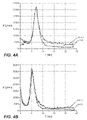


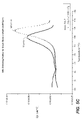


Classifications
-
- C—CHEMISTRY; METALLURGY
- C12—BIOCHEMISTRY; BEER; SPIRITS; WINE; VINEGAR; MICROBIOLOGY; ENZYMOLOGY; MUTATION OR GENETIC ENGINEERING
- C12N—MICROORGANISMS OR ENZYMES; COMPOSITIONS THEREOF; PROPAGATING, PRESERVING, OR MAINTAINING MICROORGANISMS; MUTATION OR GENETIC ENGINEERING; CULTURE MEDIA
- C12N9/00—Enzymes; Proenzymes; Compositions thereof; Processes for preparing, activating, inhibiting, separating or purifying enzymes
- C12N9/14—Hydrolases (3)
- C12N9/24—Hydrolases (3) acting on glycosyl compounds (3.2)
- C12N9/2402—Hydrolases (3) acting on glycosyl compounds (3.2) hydrolysing O- and S- glycosyl compounds (3.2.1)
- C12N9/2405—Glucanases
- C12N9/2408—Glucanases acting on alpha -1,4-glucosidic bonds
- C12N9/2411—Amylases
- C12N9/2414—Alpha-amylase (3.2.1.1.)
- C12N9/2417—Alpha-amylase (3.2.1.1.) from microbiological source
-
- A—HUMAN NECESSITIES
- A21—BAKING; EDIBLE DOUGHS
- A21D—TREATMENT OF FLOUR OR DOUGH FOR BAKING, e.g. BY ADDITION OF MATERIALS; BAKING; BAKERY PRODUCTS
- A21D8/00—Methods for preparing or baking dough
- A21D8/02—Methods for preparing dough; Treating dough prior to baking
- A21D8/04—Methods for preparing dough; Treating dough prior to baking treating dough with microorganisms or enzymes
- A21D8/042—Methods for preparing dough; Treating dough prior to baking treating dough with microorganisms or enzymes with enzymes
-
- C—CHEMISTRY; METALLURGY
- C11—ANIMAL OR VEGETABLE OILS, FATS, FATTY SUBSTANCES OR WAXES; FATTY ACIDS THEREFROM; DETERGENTS; CANDLES
- C11D—DETERGENT COMPOSITIONS; USE OF SINGLE SUBSTANCES AS DETERGENTS; SOAP OR SOAP-MAKING; RESIN SOAPS; RECOVERY OF GLYCEROL
- C11D3/00—Other compounding ingredients of detergent compositions covered in group C11D1/00
- C11D3/16—Organic compounds
- C11D3/38—Products with no well-defined composition, e.g. natural products
- C11D3/386—Preparations containing enzymes, e.g. protease or amylase
-
- C—CHEMISTRY; METALLURGY
- C12—BIOCHEMISTRY; BEER; SPIRITS; WINE; VINEGAR; MICROBIOLOGY; ENZYMOLOGY; MUTATION OR GENETIC ENGINEERING
- C12N—MICROORGANISMS OR ENZYMES; COMPOSITIONS THEREOF; PROPAGATING, PRESERVING, OR MAINTAINING MICROORGANISMS; MUTATION OR GENETIC ENGINEERING; CULTURE MEDIA
- C12N9/00—Enzymes; Proenzymes; Compositions thereof; Processes for preparing, activating, inhibiting, separating or purifying enzymes
- C12N9/14—Hydrolases (3)
- C12N9/24—Hydrolases (3) acting on glycosyl compounds (3.2)
- C12N9/2402—Hydrolases (3) acting on glycosyl compounds (3.2) hydrolysing O- and S- glycosyl compounds (3.2.1)
- C12N9/2405—Glucanases
- C12N9/2408—Glucanases acting on alpha -1,4-glucosidic bonds
-
- C—CHEMISTRY; METALLURGY
- C12—BIOCHEMISTRY; BEER; SPIRITS; WINE; VINEGAR; MICROBIOLOGY; ENZYMOLOGY; MUTATION OR GENETIC ENGINEERING
- C12P—FERMENTATION OR ENZYME-USING PROCESSES TO SYNTHESISE A DESIRED CHEMICAL COMPOUND OR COMPOSITION OR TO SEPARATE OPTICAL ISOMERS FROM A RACEMIC MIXTURE
- C12P19/00—Preparation of compounds containing saccharide radicals
- C12P19/02—Monosaccharides
-
- C—CHEMISTRY; METALLURGY
- C12—BIOCHEMISTRY; BEER; SPIRITS; WINE; VINEGAR; MICROBIOLOGY; ENZYMOLOGY; MUTATION OR GENETIC ENGINEERING
- C12P—FERMENTATION OR ENZYME-USING PROCESSES TO SYNTHESISE A DESIRED CHEMICAL COMPOUND OR COMPOSITION OR TO SEPARATE OPTICAL ISOMERS FROM A RACEMIC MIXTURE
- C12P19/00—Preparation of compounds containing saccharide radicals
- C12P19/14—Preparation of compounds containing saccharide radicals produced by the action of a carbohydrase (EC 3.2.x), e.g. by alpha-amylase, e.g. by cellulase, hemicellulase
-
- C—CHEMISTRY; METALLURGY
- C12—BIOCHEMISTRY; BEER; SPIRITS; WINE; VINEGAR; MICROBIOLOGY; ENZYMOLOGY; MUTATION OR GENETIC ENGINEERING
- C12P—FERMENTATION OR ENZYME-USING PROCESSES TO SYNTHESISE A DESIRED CHEMICAL COMPOUND OR COMPOSITION OR TO SEPARATE OPTICAL ISOMERS FROM A RACEMIC MIXTURE
- C12P7/00—Preparation of oxygen-containing organic compounds
- C12P7/02—Preparation of oxygen-containing organic compounds containing a hydroxy group
- C12P7/04—Preparation of oxygen-containing organic compounds containing a hydroxy group acyclic
- C12P7/06—Ethanol, i.e. non-beverage
- C12P7/14—Multiple stages of fermentation; Multiple types of microorganisms or re-use of microorganisms
-
- C—CHEMISTRY; METALLURGY
- C12—BIOCHEMISTRY; BEER; SPIRITS; WINE; VINEGAR; MICROBIOLOGY; ENZYMOLOGY; MUTATION OR GENETIC ENGINEERING
- C12Y—ENZYMES
- C12Y302/00—Hydrolases acting on glycosyl compounds, i.e. glycosylases (3.2)
- C12Y302/01—Glycosidases, i.e. enzymes hydrolysing O- and S-glycosyl compounds (3.2.1)
- C12Y302/01001—Alpha-amylase (3.2.1.1)
-
- G—PHYSICS
- G01—MEASURING; TESTING
- G01N—INVESTIGATING OR ANALYSING MATERIALS BY DETERMINING THEIR CHEMICAL OR PHYSICAL PROPERTIES
- G01N11/00—Investigating flow properties of materials, e.g. viscosity, plasticity; Analysing materials by determining flow properties
-
- Y—GENERAL TAGGING OF NEW TECHNOLOGICAL DEVELOPMENTS; GENERAL TAGGING OF CROSS-SECTIONAL TECHNOLOGIES SPANNING OVER SEVERAL SECTIONS OF THE IPC; TECHNICAL SUBJECTS COVERED BY FORMER USPC CROSS-REFERENCE ART COLLECTIONS [XRACs] AND DIGESTS
- Y02—TECHNOLOGIES OR APPLICATIONS FOR MITIGATION OR ADAPTATION AGAINST CLIMATE CHANGE
- Y02E—REDUCTION OF GREENHOUSE GAS [GHG] EMISSIONS, RELATED TO ENERGY GENERATION, TRANSMISSION OR DISTRIBUTION
- Y02E50/00—Technologies for the production of fuel of non-fossil origin
- Y02E50/10—Biofuels, e.g. bio-diesel
Definitions
- Alpha-amylases from Bacillus subtilis (AmyE), variants thereof, nucleic acids encoding the same, and host cells comprising the nucleic acids are provided.
- Methods of using AmyE or variants thereof are disclosed, including liquefaction and/or saccharification of starch. Such methods may yield sugars useful for ethanol production or high fructose corn syrup production.
- the amylases can be used at low pH, in the absence of calcium, and/or in the absence of a glucoamylase.
- Grain, cereal, and vegetable starches are widely used in the industrial manufacture of products such as syrups and biofuels.
- high fructose corn syrup HFCS
- HFCS high fructose corn syrup
- HFCS production currently represents a billion dollar industry.
- the production of ethanol as a biofuel is also a growing industry.
- Syrups and biofuels can be produced from starch by an enzymatic process that catalyzes the breakdown of starch into glucose.
- This enzymatic process typically involves a sequence of enzyme-catalyzed reactions:
- Alpha ( ⁇ )-amylases (EC 3.2.1.1) first catalyze the degradation of a starch suspension, which may contain 30-40% w/w dry solids (ds), to maltodextrans.
- ⁇ -amylases are endohydrolases that catalyze the random cleavage of internal ⁇ -1,4-D-glucosidic bonds. Because liquefaction typically is conducted at high temperatures, e.g., 90-100° C., thermostable ⁇ -amylases, such as an ⁇ -amylase from Bacillus sp., are preferred for this step.
- ⁇ -Amylases currently used for this step, e.g., ⁇ -amylases from B.
- licheniformis B. amyloliquefaciens , and B. stearothermophilus (AmyS)
- myS B. stearothermophilus
- DE dextrose equivalent
- DPn degrees of polymerization
- Glucoamylases and/or maltogenic ⁇ -amylases catalyze the hydrolysis of non-reducing ends of the maltodextrans formed after liquefaction, releasing D-glucose, maltose and isomaltose. Saccharification produces either glucose-rich or high-maltose syrups. In the former case, glucoamylases typically catalyze saccharification under acidic conditions at elevated temperatures, e.g., 60° C., pH 4.3. Glucoamylases used in this process typically are obtained from fungi, e.g., Aspergillus niger glucoamylase used in OPTIDEX® L400 or Humicula grisea glucoamylase. De-branching enzymes, such as pullulanases, can aid saccharification.
- Maltogenic ⁇ -amylases alternatively may catalyze saccharification to form high-maltose syrups.
- Maltogenic ⁇ -amylases typically have a higher optimal pH and a lower optimal temperature than glucoamylase, and maltogenic amylases typically require Ca 2+ .
- Maltogenic ⁇ -amylases currently used for this application include B. subtilis ⁇ -amylases, plant amylases, and the ⁇ -amylase from Aspergillus oryzae , the active ingredient of CLARASE® L. Exemplary saccharification reactions used to produce various products are depicted below:
- a branch point in the process occurs after the production of a glucose-rich syrup, shown on the left side of the reaction pathways above.
- yeast can ferment the glucose-rich syrup to ethanol.
- glucose isomerase can catalyze the conversion of the glucose-rich syrup to fructose.
- Saccharification is the rate-limiting step in the production of a glucose-rich syrup. Saccharification typically occurs over 48-72 hours, by which time many fungal glucoamylases lose significant activity. Further, although maltogenic ⁇ -amylases and glucoamylases both can catalyze saccharification, the enzymes typically operate at different optimal pH and temperatures, as shown above. If both enzymes are used sequentially, the difference in reaction conditions between the two enzymes necessitates adjusting the pH and temperature, which slows down the overall the process and may give rise to the formation of insoluble amylose aggregates.
- compositions and methods relating to an ⁇ -amylase from Bacillus subtilis (AmyE) and related polypeptides are unique in that it exhibits high specific activity below pH 5.0, and even at about pH 4-4.5. Furthermore, Ca 2+ does not affect the thermal stability of AmyE, avoiding the need to add exogenous Ca 2+ to starch liquefaction or saccharification reactions. These features of AmyE polypeptides allow liquefaction and saccharification to be performed in the same reaction mixture (and optionally in the same reaction vessel) without the need to adjust the pH of the reaction mixture between liquefaction and saccharification.
- reaction conditions do not have to be adjusted when using AmyE and a glucoamylase, avoiding a step and time delays between liquefaction and saccharification, along with the potential formation of insoluble amylose aggregates.
- AmyE can, therefore, be used sequentially or simultaneously with a glucoamylase to liquefy and/or saccharify starch, and at a pH and Ca 2+ concentration that are optimal for the glucoamylase.
- AmyE also exhibits glucoamylase activity, reducing or eliminating the need for an additional polypeptide with glucoamylase activity to perform saccharification.
- a method for liquefying and saccharifying starch in a starch conversion process comprising contacting a starch substrate with an AmyE polypeptide to form a reaction mixture for liquefying and saccharifying the starch substrate in the reaction mixture to produce glucose, wherein the liquefying and saccharifying are performed in the same reaction mixture without a pH adjustment.
- the saccharifying i.e., saccharification
- the liquefying i.e., liquifaction
- the pH is 5.0 or lower.
- the pH is 4.5 or lower.
- the pH is 4.0 or lower.
- exogenous calcium is not added to the reaction mixture.
- the calcium concentration in the reaction mixture is less than about 8 ppm.
- an additional polypeptide having glucoamylase activity is added to the reaction mixture before contacting the starch substrate with the AmyE polypeptide. In some embodiments, the additional polypeptide having glucoamylase activity is added to the reaction mixture after contacting the starch substrate with the AmyE polypeptide. In some embodiments, the additional polypeptide having glucoamylase activity is added to the reaction mixture simultaneously with contacting the starch substrate with the AmyE polypeptide.
- the method further comprises fermenting the glucose produced by the liquefying and saccharifying to produce a biofuel, such as an alcohol.
- a biofuel such as an alcohol.
- the alcohol is ethanol.
- the alcohol is butanol.
- at least a portion of the saccharifying and fermenting occur in the same reaction mixture simultaneously, as in the case of SSF.
- a batch fermentation process is used in a closed system, wherein the composition of the reacture mixture (including the pH) is selected at the beginning of the fermentation and is not altered during the fermentation.
- a “fed-batch fermentation” system is used, wherein the starch substrate is added in increments as the fermentation progresses.
- a continuous fermentation system is used, where a defined fermentation medium is added continuously to a bioreactor, and an equal amount of conditioned reaction mixture is removed for processing.
- the saccharified starch solution is converted to fructose-starch based syrup (HFSS), such as HFCS.
- HFSS fructose-starch based syrup
- the conversion to HFSS may be catalyzed at a pH of about 6.0 to about 8.0, e.g., pH 7.5, and the product may contain about 40-45% fructose.
- the method further comprises contacting the glucose produced by the liquefying and saccharifying with a glucose isomerase to produce fructose (e.g., in the form of HFCS).
- exogenous calcium is not added to the reaction mixture.
- the calcium concentration in the reaction mixture is less than about 8 ppm.
- the method further includes contacting the glucose produced by the liquefying and saccharifying with a glucose isomerase to produce fructose without reducing the amount of calcium in the reaction mixture.
- AmyE polypeptides are added to the reaction mixture in an amount of about 0.03-1 kg per metric ton of dry solids (ds).
- the reaction mixture is a starch slurry having about 20-35% ds (w/w).
- the saccharification reaction may be performed at a temperature of about 60° C. to about 90° C., e.g., 70° C. to 85° C., or even 10, 12, 14, 16, 18, or even 20° C. below the starch gelation temperature (i.e., about 75° C.), and a pH of about 4.0 to about 6.0, e.g., about 4.2 to about 4.8.
- the product of the saccharification reaction is a glucose-rich syrup. The glucose concentration may reach at least about 95% w/w ds.
- the AmyE polypeptides is any naturally-occurring AmyE polypeptide, for example, the AmyE polypeptides having the amino acid sequence of SEQ ID NO: 1 or SEQ ID NO: 3, or an amino acid sequence with at least about 85%, 90%, 91%, 92%, 93%, 94%, 95% 96%, 97%, 98%, 99%, sequence identity to SEQ ID NO: 1 or SEQ ID NO: 3, e.g., as measured with the BLAST sequence alignment algorithm.
- the AmyE polypeptide used in the method has at least 80% amino acid sequence identity with the amino acid sequence of SEQ ID NO: 1.
- the AmyE polypeptide used in the method has at least 90% amino acid sequence identity with the amino acid sequence of SEQ ID NO: 1.
- the AmyE polypeptide used in the method includes a deletion of the C-terminal starch binding domain.
- the AmyE polypeptides having the C-terminal deletion has the amino acid sequence of SEQ ID NO: 2, or an amino acid sequence with at least about 85%, 90%, 91%, 92%, 93%, 94%, 95% 96%, 97%, 98%, 99%, sequence identity to SEQ ID NO: 2.
- the AmyE polypeptide is truncated from residue D425 (referring to SEQ ID NO: 1).
- AmyE variants having advantageous properties are provided.
- the AmyE variants may have an altered property or properties, compared to a wild-type AmyE polypeptide, for example an altered property with respect to specific activity towards starch, maltoheptaose, and/or maltotriose substrates, substrate specificity, thermostability, temperature optima, pH optima, pH and/or temperature range, oxidative stability, ability to reduce the viscosity of a starch composition, or the like.
- the altered property of the AmyE variant relates to the specific activity on a particular corn flour, maltotriose, maltoheptaose substrate at particular pH (e.g., 4 or 5.8), heat stability at a particular temperature, (e.g., 60° C.), or cleaning performance at a particular pH (e.g., 8 or pH 10).
- the altered property may be characterized by a Performance Index (PI), where the PI is a ratio of performance of the AmyE variant compared to a wild-type AmyE. In some embodiments, the PI is greater than about 0.5, while in other embodiments, the PI is about 1 or is greater than 1.
- the variant polypeptide has ⁇ -amylase activity and at least one altered characteristic that improves enzyme performance, the variant polypeptide comprising:
- the variant polypeptide comprises a modification at one or more positions selected from the group consisting of 1, 2, 3, 4, 5, 6, 7, 8, 9, 10, 11, 12, 13, 14, 15, 16, 18, 19, 20, 21, 22, 23, 24, 25, 26, 27, 28, 29, 30, 31, 32, 33, 34, 35, 36, 37, 39, 42, 43, 44, 45, 46, 47, 48, 49, 50, 51, 52, 53, 54, 55, 56, 57, 58, 59, 60, 63, 64, 65, 66, 67, 68, 69, 72, 73, 74, 76, 77, 78, 79, 80, 81, 82, 83, 84, 85, 86, 87, 88, 89, 90, 91, 92, 93, 94, 95, 96, 98, 99, 100, 103, 104, 105, 106, 107, 108, 109, 110, 111, 112, 113, 114, 115, 116, 118, 119, 121, 124
- the modification produces a variant polypeptide having a performance index (PI) greater than 0.5 for protein expression, and a PI greater than 1.1 for at least one characteristic that improves enzyme performance.
- PI performance index
- the one or more positions are selected from the group consisting of 1, 2, 3, 4, 5, 6, 7, 8, 9, 10, 11, 12, 13, 14, 15, 16, 17, 18, 19, 20, 21, 22, 23, 24, 25, 26, 27, 28, 29, 30, 31, 32, 33, 34, 35, 36, 37, 38, 39, 40, 41, 42, 43, 44, 45, 46, 47, 48, 49, 50, 51, 52, 53, 54, 55, 56, 57, 58, 59, 60, 61, 62, 63, 64, 65, 66, 67, 68, 69, 70, 71, 72, 73, 74, 76, 77, 78, 79, 80, 81, 82, 83, 84, 85, 86, 87, 88, 89, 90, 91, 92, 93, 94, 95, 96, 98, 99, 100, 103, 104, 105, 106, 107, 108, 109, 110, 111, 112, 113, 114, 115, 116,
- the modification is a substitution of one or more amino residues present in the parental polypeptide to different amino acid residues, at one or more positions selected from the group consisting of 1A, 1C, 1D, 1E, 1F, 1G, 1H, 1K, 1M, 1N, 1Q, 1R, 1S, 1T, 1V, 1W, 1Y, 2A, 2C, 2D, 2E, 2F, 2G, 2H, 2I, 2K, 2L, 2M, 2N, 2P, 2Q, 2R, 2S, 2V, 2W, 2Y, 3C, 3D, 3E, 3F, 3G, 3H, 3I, 3K, 3L, 3M, 3N, 3P, 3Q, 3R, 3S, 3V, 3W, 3Y, 4C, 4D, 4E, 4F, 4G, 4H, 4I, 4K, 4L, 4M, 4N, 4Q, 4S, 4T, 4V, 4W, 4W, 4A
- the modification is a substitution of one or more amino residues present in the parental polypeptide to different amino acid residues, at one or more positions selected from the group consisting of 1A, 1D, 1F, 1G, 1H, 1K, 1M, 1N, 1Q, 1R, 1S, 1T, 1V, 1W, 1Y, 2A, 2E, 2F, 2G, 2H, 2I, 2P, 2Q, 2R, 2S, 2W, 3D, 3E, 3F, 3G, 3H, 3I, 3K, 3L, 3M, 3N, 3P, 3Q, 3R, 3S, 3V, 3W, 3Y, 4D, 4E, 4F, 4G, 4I, 4K, 4L, 4Q, 4S, 4T, 4V, 4W, 5A, 5D, 5E, 5F, 5G, 5K, 5L, 5V, 5W, 6D, 6H, 6K, 6L, 6P, 6Q, 6
- the substitution changes the amino acid residue present at position 153 to N, K or F, and the variant polypeptide exhibits increased ability to convert maltose and maltoheptaose substrates to glucose compared to the parental polypeptide. In some embodiments, the substitution changes the amino acid residue present at position 153 to K, and the variant polypeptide exhibits increased ability to convert a DP7 substrate to glucose compared to the parental polypeptide.
- the substitution is selected from the group consisting of L142F, L142G, L142Q, L142S, L142W, L142Y, A2141, A214V, S245Y, Q126F, Q126L, Q126P, Q126V, S131L, and S254I, and wherein the substitution improves the starch liquefaction performance of the variant polypeptides compared to the parental polypeptide of SEQ ID NO: 1.
- the substitution is selected from the group consisting of W60L, W60M, W60N, I100F, I100M, S105M, S105W, G207A, T270A, T270E, T270L, T270N, T270V, and T279A, and wherein the substitution improves the starch liquefaction performance of the variant polypeptides compared to the parental polypeptide of SEQ ID NO: 2.
- the substitution is selected from the group consisting of 052D, 052E, 052I, 052K, 052L, 052N, 052Q, 052R, 052V, 056D, 056E, 056I, 056K, 056L, 056N, 056Q, 056R, 056V, 089D, 089E, 089I, 089K, 089L, 089N, 089Q, 089R, 089V, 152D, 152E, 152I, 152K, 152L, 152N, 152Q, 152R, 152V, 153D, 153E, 153I, 153K, 153L, 153N, 153Q, 153R, 153V, 201D, 201E, 201I, 201K, 201L, 201N, 201Q, 201R, 201V, 251D, 251
- the variant polypeptide does not include a modification of the amino acid residue at a position selected from the group consisting of 75, 97, 101, 102, 120, 123, 133, 137, 182, 266, and 306, of the parental polypeptide. In some embodiments, the variant polypeptide does not include a modification of the amino acid residue at a position selected from the group consisting of 75 and 123, which were determined to be fully restrictive for performance in the truncated parental polypeptide.
- the variant polypeptide does not include a modification of the amino acid residue at a position selected from the group consisting of 75, 97, 101, 102, 120, 133, 137, 182, 266, and 306, which were determined to be fully restrictive for performance in the full-length parental polypeptide.
- the parental polypeptide has at least 80% amino acid sequence identity to the amino acid sequence of SEQ ID NO: 1 or 2. In some embodiments, the parental polypeptide has at least 90% amino acid sequence identity to the amino acid sequence of SEQ ID NO: 1 or 2. In some embodiments, the parental polypeptide has at least 90% amino acid sequence identity to the amino acid sequence of SEQ ID NO: 3.
- the characteristic that improves enzyme performance is selected from the group consisting of increased thermal stability, increased specific activity, and increased protein expression.
- the characteristic that improves enzyme performance is selected from the group consisting of increased thermal stability, increased specific activity, and increased protein expression.
- a starch processing composition comprising an AmyE polypeptide (including a variant) and optionally a glucoamylase, a pullulanase, a ⁇ -amylase, a fungal ⁇ -amylase, a protease, a cellulase, a hemicellulase, a lipase, a cutinase, an isoamylase, or a combination thereof.
- the composition includes an additional polypeptide having glucoamylase activity.
- a baking composition comprising an AmyE polypeptide (including a variant) in a solution or in a gel.
- a method of baking comprises adding the baking composition to a substance to be baked, and baking the substance.
- a cleaning composition comprising an AmyE polypeptide (including a variant) in an aqueous solution, and optionally another enzyme, a detergent and/or a bleach agent.
- the cleaning solution may used for laundering clothes, washing dishes, or cleaning other surfaces.
- dishes, laundry, or other surfaces are contacted with the cleaning composition for a time sufficient for the article to be cleaned.
- a textile desizing composition comprising an AmyE polypeptide (including a variant) in an aqueous solution, and optionally another enzyme.
- a textile is contacted with the desizing composition for a time sufficient to desize the textile.
- nucleic acids encoding AmyE variants are provided.
- a nucleic acid complementary to a nucleic acid encoding any of the AmyE variants set forth herein is provided.
- a nucleic acid capable of hybridizing to a nucleic acid encoding any of the AmyE variants set forth herein, or the complement, thereof is provided.
- compositions and methods involving a synthetic nucleic acid encoding any of the AmyE variants set forth herein, wherein the codons are optionally optimized for expression in a particular host organism are provided.
- FIG. 1 depicts a sequence alignment between AmyE having the amino acid sequence of SEQ ID NO: 1 (herein referred to as “AmyE full-length”) and AmyE having the amino acid sequence of SEQ ID NO: 3 (herein referred to as “Amy31A”). Differences in the amino acid sequences are shown in bold. Residues are numbered from the first amino acid in the mature form of the enzymes.
- FIG. 2 depicts plasmid pME630-7, which comprises a polynucleotide (labeled “SAMY 425aa”) that encodes AmyE-tr (SEQ ID NO: 2).
- the plasmid comprises a polynucleotide in-frame with the SAMY gene that encodes a signal sequence from B. licheniformis ⁇ -amylase (labeled “pre LAT”).
- FIG. 3 depicts the relative specific activity of AmyE (SEQ ID NO: 1; “AmyE full length”), AmyE-tr (SEQ ID NO: 2; “AmyE truncated”), and Amy31A (SEQ ID NO: 3) toward an insoluble cornstarch substrate labeled with Remazol Brilliant Blue (RBB). Hydrolysis of the substrate was catalyzed for 30 minutes at 50° C. at pH 4.5, 5.0, or 5.6. Enzyme activity was determined by the absorbance at 595 nm of released RBB label.
- RBB Remazol Brilliant Blue
- FIG. 4A depicts the viscosity ( ⁇ Nm) of 15 g ds starch substrate measured as a function of time (minutes) in the presence of 0.7 mg AmyE-tr (SEQ ID NO: 2) at pH of 4.5 or 5.8.
- FIG. 4B depicts substrate viscosity as a function of time in the presence of 2.2 mg AmyE (SEQ ID NO: 1) at pH of 4.5 or 5.8.
- FIG. 4C depicts substrate viscosity as a function of time in the presence of 1.4 mg Amy31A (SEQ ID NO: 3) at pH of 4.5 or 5.8.
- FIG. 4D depicts substrate viscosity as a function of time in the presence of 4.1 mg Amy31A at pH of 4.5 or 5.8.
- FIG. 5A depicts differential scanning calorimetric (DSC) analysis of excess heat capacity functions of AmyE (SEQ ID NO: 1; “AmyE full length”) and AmyE-tr (SEQ ID NO: 2; AmyE truncated”) in the presence or absence of 2 mM Ca 2+ .
- FIG. 5B depicts DSC analysis of Amy31A (SEQ ID NO: 3) in the presence or absence of 2 mM Ca 2+ .
- FIG. 5C depicts DSC analysis of Geobacillus stearothermophilus ⁇ -amylase (AmyS) in the presence or absence of 2 mM Ca 2+ .
- DSC differential scanning calorimetric
- FIG. 6 depicts the results of glucose production from a maltose substrate by AmyE-tr (SEQ ID NO: 2) compared to AmyE position Q153 variants and truncated AmyS (SEQ ID NO: 4).
- FIG. 7 depicts the results of glucose production from a maltoheptaose substrate by AmyE-tr (SEQ ID NO: 2) compared to AmyE position Q153 variants and truncated AmyS (SEQ ID NO: 4).
- FIG. 8 depicts breakdown products detected by HPLC following a 0 h (top panel) and 72 h incubation (bottom panel) of AmyE-tr with maltoheptaose (DP7).
- FIG. 9 depicts breakdown products detected by HPLC following a 0 h, 2 h, 4 h, and 24 h (panels from top to bottom) incubation of AmyS with a DP7 substrate.
- FIG. 10 depicts products formed by incubating AmyE-tr Q153K variant with maltoheptaose (DP7).
- HPLC traces shown from top to bottom correspond to time 0 h, 1 h, 2 h, 3 h, and 24 h.
- FIG. 11 shows ethanol formation by truncated AmyE and SPEZYME® Xtra amylase in conventional fermentation at pH 4.3 and 5.8.
- FIG. 12 shows hydrolysis of insoluble granular (uncooked) starch into ethanol by full length (FL) and truncated (tr) AmyE compared to AkAA alone or StargenTM 002 at pH 4.3 and pH 5.8.
- FIG. 13 shows glucose formation by B. subtilis AmyE full-length, AmyE truncated, and Amy 31A in comparison to AmyS at pH 4.5 and 5.6.
- FIG. 14 shows the results of incubation of full length AmyE with raw starch (corn flour) and detection of oligosaccharides produced over time (0, 30, 90 minutes) by HPLC detection.
- FIG. 15 shows the peak and final viscosity values obtained in a starch hydrolysis assay using AmyE polypeptides.
- FIG. 16 shows the results of a bread staling assay using an AmyE polypeptide.
- SEQ ID NO: 1 Full length Bacillus subtilis AmyE amino acid sequence. The native signal sequence is not shown.
- SEQ ID NO: 2 Truncated Bacillus subtilis AmyE (AmyE-tr) amino acid sequence. The native signal sequence is not shown.
- SEQ ID NO: 3 Bacillus subtilis ⁇ -amylase variant Amy31A amino acid sequence (UniProtKB/TrEMBL Accession No. 082953). The native signal sequence is shown in bold.
- SEQ ID NO: 4 Truncated Geobacillus stearothermophilus ⁇ -amylase (AmyS) protein sequence (SPEZYME® Xtra amylase). The signal sequence is shown in bold.
- SEQ ID NO: 5 Nucleotide sequence encoding the AmyE of SEQ ID NO: 1.
- SEQ ID NO: 6 Nucleotide sequence encoding AmyE-tr (SEQ ID NO: 2).
- SEQ ID NO: 7 Nucleotide sequence encoding B. subtilis Amy31A (SEQ ID NO: 3).
- SEQ ID NO: 8 Nucleotide sequence encoding Geobacillus stearothermophilus AmyS (SEQ ID NO: 4).
- SEQ ID NO: 9 Native signal sequence of the AmyE of SEQ ID NO: 1.
- SEQ ID NO: 12 Primer AMYENOPST-F 5′
- SEQ ID NO: 14 Primer HPAIAMYE466-R 5′
- SEQ ID NO: 17 BP-17 variant of Buttiauxiella phytase
- compositions and methods relate to an ⁇ -amylase from Bacillus subtilis (AmyE) and variants thereof (collectively referred to as AmyE polypeptides), which offer certain advantages compared to other ⁇ -amylases.
- AmyE polypeptides exhibit high specific activity for starch substrates at an acidic pH, allowing AmyE polypeptides to be used for starch liquefaction under conditions that are also suitable for saccharification. This eliminates the need to adjust the pH of a starch slurry between liquefaction and saccharification.
- AmyE polypeptides also possesses glucoamylase activity, eliminating or reducing the need for the use of a separate glucoamylase to perform saccharifaction.
- AmyE polypeptides require little or no calcium for thermal stability, eliminating the need to subsequently remove added calcium prior to performing isomerization, thereby eliminating at least one step required for the production of high fructose corn syrup.
- starch refers to any material comprised of the complex polysaccharide carbohydrates of plants, comprised of amylose and amylopectin with the formula (C 6 H 10 O 5 ) x , wherein X can be any number.
- the term refers to any plant-based material including but not limited to grains, grasses, tubers and roots and more specifically wheat, barley, corn, rye, rice, sorghum, brans, cassava, millet, potato, sweet potato, and tapioca.
- oligosaccharide refers to a carbohydrate molecule composed of 3-20 monosaccharides.
- an “amylase” refers to an enzyme capable of catalyzing the degradation of starch.
- ⁇ -amylases EC 3.2.1.1; ⁇ -D-(1 ⁇ 4)-glucan glucanohydrolase
- ⁇ -amylases are endo-acting enzymes that cleave ⁇ -D-(1 ⁇ 4)O-glycosidic linkages within the starch molecule in a random fashion.
- the exo-acting amylolytic enzymes such as ⁇ -amylases (EC 3.2.1.2; ⁇ -D-(1 ⁇ 4)-glucan maltohydrolase), and some product-specific amylases like maltogenic ⁇ -amylase (EC 3.2.1.133), cleave the starch molecule from the non-reducing end of the substrate.
- amylases include any/all amylases, including glucoamylases, ⁇ -amylases, ⁇ -amylases and wild-type ⁇ -amylases, such as those of Bacillus sp., e.g., B. licheniformis and B. subtilis , while ⁇ -amylases include the aforementioned subset of these enzymes.
- ⁇ -amylase variants refer to variants/mutants of a reference ⁇ -amylase, which includes an amino acid substitution, insertion, and/or deletion with respect to the parent (wild-type; reference) amino acid sequence of the reference ⁇ -amylase.
- variant is used interchangeably with the term “mutant.”
- the variant ⁇ -amylase may include mutations in the signal sequence with respect to parent signal sequence.
- the variant ⁇ -amylase can be in the form of a fusion protein containing a heterologous ⁇ -amylase signal sequence, such as from B. licheniformis (LAT).
- LAT B. licheniformis
- a “parent nucleic acid/polynucleotide,” “wild-type nucleic acid/polynucleotide,” or “reference nucleic acid/polynucleotide,” refers to a nucleic acid sequence encoding a parent polypeptide, and a nucleic acid complementary thereto.
- a “variant nucleic acid/polynucleotide” refers to a nucleic acid sequence encoding a variant polypeptide or a nucleic acid complementary thereto, or a polynucleotide sequence having at least one base substitution, insertion, or deletion with respect to a parent polynucleotide sequence or a nucleic acid complementary thereto.
- nucleic acids may include those having a specified degree of homology to a reference sequence, or that are capable of hybridizing to a reference sequence, for example, under stringent conditions [e.g., 50° C.
- a variant nucleic acid may be optimized to reflect preferred codon usage for a specified host organisms, such as the methylotrophic yeasts (e.g., Pichia, Hansenula , etc) or filamentous fungi (e.g., Trichoderma (e.g., T. reesei ), etc) or other expression hosts (e.g., Bacillus, Streptomyces , etc.).
- a specified host organisms such as the methylotrophic yeasts (e.g., Pichia, Hansenula , etc) or filamentous fungi (e.g., Trichoderma (e.g., T. reesei ), etc) or other expression hosts (e.g., Bacillus, Streptomyces , etc.).
- a “signal sequence” is a sequence of amino acids attached to the N-terminal portion of a protein, which facilitates the secretion of the protein outside the cell.
- the “signal sequence,” may also be referred to as a “leader sequence” or a “pro-sequence.”
- the “immature” or “full-length (FL)” form of an amylase includes the signal peptide.
- the immature form may include other post-translational modifications.
- the “mature” form of an extracellular protein lacks the signal sequence.
- the signal sequence may be cleaved off during the secretion process.
- a polypeptide may be expressed in its mature form, e.g., as an intracellular protein, or synthesized in its mature form.
- AmyE-tr refers to an AmyE polypeptide with a deletion of all or part of the C-terminal starch binding domain.
- AmyE-tr of SEQ ID NO: 2 for example, the AmyE of SEQ ID NO: 1 is truncated at residue D425.
- a 2.5 ⁇ resolution crystal structure of this AmyE-tr is available at Protein Databank Accession No. 1BAG, which is disclosed in Fujimoto et al., “Crystal structure of a catalytic-site mutant alpha-amylase from B. subtilis complexed with maltopentaose,” J. Mol. Biol. 277: 393-407 (1998).
- AmyE-tr may be truncated at other positions, e.g., Y423, P424, D426 or 1427 of the AmyE of SEQ ID NO: 1, provided all or part of the C-terminal starch binding domain is removed.
- recombinant when used in reference to a subject cell, nucleic acid, protein or vector, indicates that the subject has been modified by the introduction of a heterologous nucleic acid or protein or the alteration of a native nucleic acid or protein, or that the cell is derived from a cell so modified.
- recombinant cells express genes that are not found within the native (non-recombinant) form of the cell or express native genes that are otherwise abnormally expressed, under expressed or not expressed at all.
- recovered refers to a compound, protein, cell, nucleic acid or amino acid that are removed from at least one component with which it is naturally associated and found in nature.
- purified refers to material (e.g., an isolated polypeptide or polynucleotide) that is in a relatively pure state, e.g., at least about 90% pure, at least about 95% pure, at least about 98% pure, or even at least about 99% pure.
- thermostability refers to the ability of an enzyme to retain activity after exposure to an elevated temperature.
- the thermostability of an enzyme is measured by its half-life (t 1/2 ) given in minutes, hours, or days, during which half the enzyme activity is lost under defined conditions.
- the half-life may be calculated by measuring residual ⁇ -amylase activity following exposure to (i.e., challenge by) an elevated temperature.
- pH range refers to the range of pH values under which an enzyme exhibits catalytic activity.
- pH stable and “pH stability” relate to the ability of an enzyme to retain activity over a wide range of pH values for a predetermined period of time (e.g., 15 min., 30 min., 1 hour, and the like).
- amino acid sequence is synonymous with the terms “polypeptide,” “protein,” and “peptide,” and are used interchangeably. Where such amino acid sequence exhibit activity, they may be referred to as an “enzyme.”
- the conventional one-letter or three-letter code for amino acid residues are used herein.
- nucleic acid encompasses DNA, RNA, heteroduplexes, and synthetic molecules capable of encoding a polypeptide. Nucleic acids may be single stranded or double stranded, and may be chemical modifications. The terms “nucleic acid” and “polynucleotide” are used interchangeably. Because the genetic code is degenerate, more than one codon may be used to encode a particular amino acid, and the present compositions and methods encompass nucleotide sequences which encode a particular amino acid sequence. Unless otherwise indicated, nucleic acids are written left to right in 5′ to 3′ orientation; amino acid sequences are written left to right in amino to carboxy orientation, respectively.
- homologue refers to an amino acid or nucleotide sequence having a certain degree of identity to a reference amino acid or nucleotide sequences, or another specified common structural or functional feature.
- a homologous sequence is taken to include an amino acid sequence that is at least 75%, 80%, 81%, 82%, 83%, 84%, 85%, 86%, 87%, 88%, 89%, 90%, 91%, 92%, 93%, 94%, 95%, 96%, 97%, 98%, or even 99% identical to the subject sequence, using conventional sequence alignment tools (e.g., Clustal, BLAST, and the like).
- homologues will include the same active site residues as the subject amino acid sequence, unless otherwise specified.
- hybridization refers to the process by which one strand of nucleic acid base pairs with a complementary strand, as occurs during blot hybridization techniques and PCR techniques.
- a “degenerate sequence” in a nucleic acid contains is one in which a plurality of nucleotide sequences encode the same codon, i.e., due to the degeneracy of the genetic code. Degenerate sequences may be selected for optimal expression of an encoded polypeptide in a particular host organism, e.g., as a consequence of codon preferences.
- a “synthetic” molecule is produced by in vitro chemical or enzymatic synthesis rather than by an organism.
- the terms “transformed,” “stably transformed,” and “transgenic,” used with reference to a cell means that the cell has a non-native (e.g., heterologous) nucleic acid sequence integrated into its genome or carried as an episomal plasmid that is maintained through multiple generations.
- a “host strain” or “host cell” is an organism into which an expression vector, phage, virus, or other DNA construct including a polynucleotide encoding a polypeptide of interest (e.g., a variant ⁇ -amylase) has been introduced.
- Exemplary host strains are bacterial cells.
- the term “host cell” includes protoplasts created from cells, such as those of a Bacillus sp.
- heterologous with reference to a polynucleotide or protein refers to a polynucleotide or protein that does not naturally occur in a host cell.
- endogenous with reference to a polynucleotide or protein refers to a polynucleotide or protein that occurs naturally in the host cell.
- expression refers to the process by which a polypeptide is produced based on the nucleic acid sequence of a gene.
- the process includes both transcription and translation.
- a “selective marker” or “selectable marker” refers to a gene capable of being expressed in a host to facilitate selection of host cells carrying the gene.
- selectable markers include but are not limited to antimicrobials (e.g., hygromycin, bleomycin, or neomycin) and/or genes that confer a metabolic advantage, such as a nutritional advantage on the host cell.
- Culturing refers to growing a population of microbial cells under suitable conditions in a liquid or solid medium. Culturing includes fermentative bioconversion of a starch substrate containing granular starch to an end-product (typically in a vessel or reactor).
- “Fermentation” is the enzymatic breakdown of organic substances by microorganisms to produce simpler organic compounds. While fermentation generally occurs under anaerobic conditions it is not intended that the term be solely limited to strict anaerobic conditions, as fermentation also occurs in the presence of oxygen.
- a “gene” refers to a DNA segment that is involved in producing a polypeptide, and includes coding regions, regions preceding and following the coding regions, and, intervening sequences (introns) between individual coding segments (exons).
- a “vector” refers to a polynucleotide sequence designed to introduce nucleic acids into one or more cell types.
- Vectors include cloning vectors, expression vectors, shuttle vectors, plasmids, phage particles, cassettes and the like.
- an “expression vector” refers to a DNA construct comprising a DNA sequence encoding a polypeptide of interest, which is operably linked to a suitable control sequence capable of effecting expression of the DNA in a suitable host.
- control sequences may include a promoter to effect transcription, an optional operator sequence to control transcription, a sequence encoding suitable ribosome binding sites on the mRNA, enhancers and sequences which control termination of transcription and translation.
- a “promoter” is a regulatory sequence that is involved in binding RNA polymerase to initiate transcription of a gene.
- the promoter may be an inducible promoter or a constitutive promoter.
- An exemplary promoter is the Bacillus licheniformis ⁇ -amylase (AmyL) promoter.
- operably linked means that specified components are in a relationship (including but not limited to juxtaposition) permitting them to function in an intended manner.
- a regulatory sequence is operably linked to a coding sequence such that expression of the coding sequence is under control of the regulatory sequences.
- under transcriptional control means that transcription of a polynucleotide sequence, usually a DNA sequence, depends on its being operably linked to an element which contributes to the initiation of, or promotes transcription.
- under translational control means that translation of a polynucleotide sequence, usually an RNA sequence, into a polypeptide depends on its being operably linked to an element which contributes to the initiation of, or promotes translation.
- biologically active refers to a sequence having a specified biological activity, such an enzymatic activity. In the case of the present amylases, the activity is ⁇ -amylase activity.
- Water hardness is a measure of the minerals (e.g., calcium and magnesium) present in water.
- “Gelatinization” refers to solubilization of a starch molecule by cooking to form a viscous suspension.
- the term “liquefaction” or “liquefy” means a process by which starch is converted to lower molecular weight (i.e., shorter) dextrins, which are generally more soluble and less viscous than the starting starch material. This process involves gelatinization of starch simultaneously with, or followed by, the addition of AmyE or a variant thereof.
- the term “primary liquefaction” refers to a step of liquefaction when the slurry's temperature is raised to or near its gelatinization temperature. Subsequent to the raising of the temperature, the slurry is sent through a heat exchanger or jet to temperatures from about 90-150° C., e.g., 100-110° C. (200-300° F., e.g., 220-235° F.). Subsequent to application to a heat exchange or jet temperature, the slurry is held for a period of 3-10 minutes at that temperature. This step of holding the slurry at 90-150° C. (200-300° F.) is termed primary liquefaction.
- secondary liquefaction refers the liquefaction step subsequent to primary liquefaction (heating to 90-150° C. (200-300° F.)), when the slurry is allowed to cool to room temperature. This cooling step can be 30 minutes to 180 minutes, e.g. 90 minutes to 120 minutes.
- minutes of secondary liquefaction refers to the time that has elapsed from the start of secondary liquefaction, to the time that the DE is measured.
- “Saccharification” refers generally to the enzymatic conversion of maltodextrans formed after liquefaction to glucose.
- degree of polymerization refers to the number (n) of anhydroglucopyranose units in a given saccharide.
- DP1 are the monosaccharides, such as glucose and fructose.
- DP2 are the disaccharides, such as maltose and sucrose.
- a DP>3 denotes polymers with a degree of polymerization of greater than 3.
- end-product or “desired end-product” refer to specified carbon-source-derived molecules, which are enzymatically converted from a starch substrate.
- dry solids content refers to the total solids in a slurry, expressed in % dry weight.
- slurry refers to an aqueous mixture containing insoluble solids.
- residual starch refers to the remaining starch (soluble or insoluble) in a composition after fermentation or enzymatic hydrolysis of a starch containing substrate.
- a recycling step refers to the recycling of mash components, which may include residual starch, enzymes and/or microorganisms to ferment substrates comprising starch.
- mash refers to an aqueous mixture including a fermentable carbon source (e.g., carbohydrate), which may be used to produce a fermented product, such as an alcohol.
- a fermentable carbon source e.g., carbohydrate
- beer and “mash” may be used interchangeability.
- stillage refers to a mixture of non-fermented solids and water, which represents the residue following removal of alcohol from a fermented mash.
- DDG distalmost fine grain
- DDGS distalmost fine grain with solubles
- ethanologenic microorganism refers to a microorganism with the ability to convert a sugar or oligosaccharide to ethanol.
- the ethanologenic microorganisms are ethanologenic by virtue of their ability to express one or more enzymes that individually or together convert sugar to ethanol.
- ethanol producer or ethanol producing microorganism refers to any organism or cell that is capable of producing ethanol from a hexose or pentose.
- ethanol-producing cells contain an alcohol dehydrogenase and a pyruvate decarboxylase.
- Examples of ethanol producing microorganisms include fungal microorganisms such as yeast.
- a preferred yeast includes strains of Saccharomyces , particularly, S. cerevisiae.
- contacting refers to the placing of the enzyme in sufficiently close proximity to the substrate to enable the enzyme to convert the substrate to an end-product. Contacting may include mixing.
- derived from means “originated from,” “based on,” “obtained from,” “obtainable from,” or “isolated from,” depending on context.
- enzyme conversion generally refers to the modification of a substrate (e.g., starch) by enzyme action (e.g., amylase).
- disintegration refers to the hydrolysis of polysaccharides in a biofilm matrix connecting and binding together individual microbial cells in the biofilm, whereby the microbial cells can be released and removed from the biofilm.
- a “swatch” is a piece of material, such as a fabric, to which a stain may be applied for evaluating the cleaning efficiency of a composition.
- specific activity refers to the number of moles of substrate converted to product by an enzyme preparation per unit time under specific conditions. Specific activity is expressed as units (U)/mg of protein.
- biologically active refers to a molecule that exhibits a preselected biological function.
- yield refers to the amount of end-product produced by a process, e.g., expressed in concentration, volume, amount, or a percentage of staring material.
- ATCC refers to American Type Culture Collection located at Manassas, Va. 20108 (ATCC).
- a “precipitation agent,” for purposes of purification refers to a compound effective to precipitate a polypeptide, such as AmyE or a variant thereof, from solution.
- the form of the precipitate may be, e.g., crystalline, amorphous, or a blend, thereof.
- NRRL refers to the Agricultural Research Service Culture Collection, National Center for Agricultural Utilization Research (and previously known as USDA Northern Regional Research Laboratory), Peoria, Ill.
- a “swatch” is a piece of material, such as a fabric, to which a stain may be applied, or which has a stain applied.
- the material can be, for example, fabrics made of cotton, polyester or mixtures of natural and synthetic fibers.
- the material can be paper, such as filter paper or nitrocellulose, or a piece of a hard material, such as ceramic, metal, or glass.
- Exemplary stains include blood, milk, ink, grass, tea, wine, spinach, gravy, chocolate, egg, cheese, clay, pigment, oil, or combinations, thereof.
- a “smaller swatch” is a piece of the swatch that has been cut with a single hole punch device, or a custom manufactured 96-hole punch device, or equivalent, where the pattern of the multi-hole punch is matched to standard 96-well microtiter plates, or has been otherwise removed from the swatch.
- the swatch can be of textile, paper, metal, or other suitable material.
- the smaller swatch can have the stain affixed either before or after it is placed into the well of a 24-, 48- or 96-well microtiter plate.
- the term “food” encompasses both prepared food and ingredients for a food, such as flour, which are capable of providing a benefit to a food preparer of consumer.
- Food ingredients includes formulations that can be added to a food or foodstuff for the purposes of, e.g., acidifying or emulsifying.
- the food ingredient may be in the form of a solution or a solid, depending on the use and/or the mode of application and/or the mode of administration.
- flour refers to milled or ground cereal grain or Sago or tuber products that have been ground or mashed.
- flour may also contain components in addition to the milled or mashed cereal or plant matter, such as a leavening agent.
- Cereal grains include wheat, oat, rye, and barley.
- Tuber products include tapioca flour, cassava flour, and custard powder.
- Flour also includes ground corn flour, maize-meal, rice flour, whole-meal flour, self-rising flour, tapioca flour, cassava flour, ground rice, enriched flower, and custard powder.
- stock refers to grains and plant components that are crushed or broken.
- barley used in beer production is a grain that has been coarsely ground or crushed to yield a consistency appropriate for producing a mash for fermentation.
- a stock may include any of the aforementioned types of plants and grains in crushed or coarsely ground forms.
- performance index refers to the ratio of performance of a variant polypeptide to a parent polypeptide for a specified performance characteristic.
- up mutations refer to mutations that have a PI>1; “neutral mutations” refer to mutations that have a PI>0.5; “non-deleterious mutations” refer to mutations that have a PI>0.05; and “deleterious mutations” refer to mutations that have a PI ⁇ 0.05.
- the terms “added (or additional) glucoamylase (or glucoamylase polypeptide)” or additional polypeptide having glucoamylase activity” refers to a glucoamylase enzyme that is not the same polypeptides as AmyE.
- AmyE ⁇ -amylase refers to a naturally occurring ⁇ -amylase (EC 3.2.1.1; 1,4- ⁇ -D-glucan glucanohydrolase) from B. subtilis , as exemplified by SEQ ID NO: 1.
- Related polypeptides have amino acid sequences that differ from the sequence of a naturally occurring AmyE, for example, amino acid sequences that have at least about 85%, at least about 90%, at least about 91%, at least about 92%, at least about 93%, at least about 94%, at least about 95%, at least about 96%, at least about 97%, at least about 98%, or even at least about 99% sequence identity with SEQ ID NO: 1, as measured with the BLAST sequence alignment algorithm with default matching parameters.
- Amy31A having the amino acid sequence of SEQ ID NO: 3 (Amy31A).
- Amy31A is described in Ohdan et al., “Characteristics of two forms of alpha-amylases and structural implication,” Appl. Environ. Microbiol. 65(10): 4652-58 (1999) and UniProtKB/TrEMBL Accession No. 082953 (SEQ ID NO: 3).
- Amy31A has about 86% sequence identity to the AmyE of SEQ ID NO: 1, using the BLAST algorithm.
- Additional AmyE polypeptides include, but are not limited to, the AmyE having the amino acid sequence described in NCBI Accession Nos. ABW75769, ABK54355, AAF14358, AAT01440, AAZ30064, NP — 388186, AAQ83841, and BAA31528, the contents of which are incorporated here by reference.
- the representative AmyE amino acid sequence set forth in SEQ ID NO: 1 is that of a mature form, which lacks the native signal sequence.
- the mature form of an AmyE is referred to elsewhere as “AmyE full-length.”
- the native signal sequence of this AmyE is 41 amino acid residues in length and is shown as SEQ ID NO: 9.
- the N-terminal 45 amino acid residues of SEQ ID NO: 3 are the signal sequence of Amy31A.
- a sequence alignment between AmyE (SEQ ID NO: 1) and Amy31A (without the signal sequence) is depicted in FIG. 1 .
- AmyE polypeptides may have a deletion of the C-terminal starch binding domain, as exemplified by the truncated AmyE polypeptide having the amino acid sequence of SEQ ID NO: 2 (AmyE-tr). This polypeptide is truncated from residue D425 (referring to SEQ ID NO: 1).
- a 2.5 ⁇ resolution crystal structure of AmyE-tr is available at Protein Databank Accession No. 1BAG, which is disclosed in Fujimoto et al. (1998) “Crystal structure of a catalytic-site mutant alpha-amylase from B. subtilis complexed with maltopentaose,” J. Mol. Biol. 277:393-407.
- AmyE may be truncated at other positions, e.g., Y423, P424, D426 or 1427 of the AmyE of SEQ ID NO: 1, provided all or part of the C-terminal starch binding domain is removed. Similar truncations can be made to Amy31A and other AmyE polypeptides.
- AmyE variants comprise at least one amino acid modification compared to the naturally-occurring AmyE of SEQ ID NO: 1, or compared to SEQ ID NO: 2 (the truncated polypeptide). Accordingly, the AmyE polypeptides of SEQ ID NO: 1 or SEQ ID NO: 2 may be referred to as “parental polypeptides,” “parental enzymes,” or “parental sequences,” from which AmyE variants are derived.
- the amino acid residues that are not modified i.e., the remaining contiguous amino acid sequences
- the remaining amino acid sequences may have a specified degree of sequence identity to one or more of these sequences as measured using, e.g., a BLAST alignment of the protein sequences with default alignment parameters.
- the remaining sequences may have at least about 85%, at least about 90%, at least about 91%, at least about 92%, at least about 93%, at least about 94%, at least about 95%, at least about 96%, at least about 97%, at least about 98%, or even at least about 99% sequence identity with the AmyE of SEQ ID NO: 1 or SEQ ID NO: 2.
- AmyE variants may have a single amino acid modification or may have, e.g., 2, 3, 4, 5, 6, 7, 8, 9, 10, 15, 20 or more amino acid modifications compared to the amino acid sequence of SEQ ID NO: 1 or SEQ ID NO: 2.
- Modifications include substitutions, insertions, deletions, or combinations, thereof. In some cases, the modifications are to amino acid residues that are not required for biological function.
- the selection of amino acid residues to be modified may be guided by sequence homology among AmyE sequences. Generally, amino acids that are well conserved in AmyE sequences are more likely to be required for biological activity. Conversely, amino acid positions that vary among AmyE sequences are less likely to be required for biological activity. For example, amino acid residues that differ in the alignment between AmyE and Amy31A, shown in bold font in FIG. 1 , likely can be modified in an AmyE variant without loss of biological activity.
- Preferred AmyE variants have at least partial 1,4- ⁇ -D-glucan glucanohydrolase activity, compared to a naturally-occurring AmyE and at least one altered property compared to a naturally-occurring AmyE.
- the altered property may be with respect to specific activity towards starch, maltoheptaose, and/or maltotriose substrates, substrate specificity, thermostability, temperature optima, pH optima, pH and/or temperature range, oxidative stability, ability to reduce the viscosity of a starch composition, or the like.
- the altered property of the AmyE variant relates to the specific activity on a particular corn flour, maltotriose, maltoheptaose substrate at particular pH (e.g., 4 or 5.8), heat stability at a particular temperature, (e.g., 60° C.), or cleaning performance at a particular pH (e.g., 8 or pH 10).
- the altered property may be characterized by a Performance Index (PI), where the PI is a ratio of performance of the AmyE variant compared to a wild-type AmyE. In some embodiments, the PI is greater than about 0.5, while in other embodiments, the PI is about 1 or is greater than 1.
- Specific residues that may be substituted to impart beneficial properties on a resulting AmyE variant include one or more of the following: 1, 2, 3, 4, 5, 6, 7, 8, 9, 10, 11, 12, 13, 14, 15, 16, 17, 18, 19, 20, 21, 22, 23, 24, 25, 26, 27, 28, 29, 30, 31, 32, 33, 34, 35, 36, 37, 38, 39, 40, 41, 42, 43, 44, 45, 46, 47, 48, 49, 50, 51, 52, 53, 54, 55, 56, 57, 58, 59, 60, 61, 62, 63, 64, 65, 66, 67, 68, 69, 70, 71, 72, 73, 74, 75, 76, 77, 78, 79, 80, 81, 82, 83, 84, 85, 86, 87, 88, 89, 90, 91, 92, 93, 94, 95, 96, 97, 98, 99, 100, 101, 102, 103, 104, 105, 106, 107, 108, 109
- a subset of residues that may be substituted to impart beneficial properties on a resulting AmyE variant include one or more of the following: 1, 2, 3, 4, 5, 6, 7, 8, 9, 10, 11, 12, 13, 14, 15, 16, 18, 19, 20, 21, 22, 23, 24, 25, 26, 27, 28, 29, 30, 31, 32, 33, 34, 35, 36, 37, 39, 42, 43, 44, 45, 46, 47, 48, 49, 50, 51, 52, 53, 54, 55, 56, 57, 58, 59, 60, 63, 64, 65, 66, 67, 68, 69, 72, 73, 74, 76, 77, 78, 79, 80, 81, 82, 83, 84, 85, 86, 87, 88, 89, 90, 91, 92, 93, 94, 95, 96, 98, 99, 100, 103, 104, 105, 106, 107, 108, 109, 110, 111, 112, 113, 114, 115, 116, 118, 119
- one or more positions are selected from the group consisting of 1, 2, 3, 4, 5, 6, 7, 8, 9, 10, 11, 12, 13, 14, 15, 16, 17, 18, 19, 20, 21, 22, 23, 24, 25, 26, 27, 28, 29, 30, 31, 32, 33, 34, 35, 36, 37, 38, 39, 40, 41, 42, 43, 44, 45, 46, 47, 48, 49, 50, 51, 52, 53, 54, 55, 56, 57, 58, 59, 60, 61, 62, 63, 64, 65, 66, 67, 68, 69, 70, 71, 72, 73, 74, 76, 77, 78, 79, 80, 81, 82, 83, 84, 85, 86, 87, 88, 89, 90, 91, 92, 93, 94, 95, 96, 98, 99, 100, 103, 104, 105, 106, 107, 108, 109, 110, 111, 112, 113, 114, 115, 116, 117,
- the modification is a substitution of one or more amino residues present in the parental polypeptide to different amino acid residues, for example: 1A, 1C, 1D, 1E, 1F, 1G, 1H, 1K, 1M, 1N, 1Q, 1R, 1S, 1T, 1V, 1W, 1Y, 2A, 2C, 2D, 2E, 2F, 2G, 2H, 2I, 2K, 2L, 2M, 2N, 2P, 2Q, 2R, 2S, 2V, 2W, 2Y, 3C, 3D, 3E, 3F, 3G, 3H, 3I, 3K, 3L, 3M, 3N, 3P, 3Q, 3R, 3S, 3V, 3W, 3Y, 4C, 4D, 4E, 4F, 4G, 4H, 4I, 4K, 4L, 4M, 4N, 4Q, 4S, 4T, 4V, 4W, 4Y, 5A, 5C, 5D
- the modification is a substitution of one or more amino residues present in the parental polypeptide to different amino acid residues as exemplified by: 1A, 1D, 1F, 1G, 1H, 1K, 1M, 1N, 1Q, 1R, 1S, 1T, 1V, 1W, 1Y, 2A, 2E, 2F, 2G, 2H, 2I, 2P, 2Q, 2R, 2S, 2W, 3D, 3E, 3F, 3G, 3H, 3I, 3K, 3L, 3M, 3N, 3P, 3Q, 3R, 3S, 3V, 3W, 3Y, 4D, 4E, 4F, 4G, 4I, 4K, 4L, 4Q, 4S, 4T, 4V, 4W, 5A, 5D, 5E, 5F, 5G, 5K, 5L, 5V, 5W, 6D, 6H, 6K, 6L, 6P, 6Q, 6S, 6V, 6
- the substitution are selected from 052D, 052E, 052I, 052K, 052L, 052N, 052Q, 052R, 052V, 056D, 056E, 056I, 056K, 056L, 056N, 056Q, 056R, 056V, 089D, 089E, 089I, 089K, 089L, 089N, 089Q, 089R, 089V, 152D, 152E, 152I, 152K, 152L, 152N, 152Q, 152R, 152V, 153D, 153E, 153I, 153K, 153L, 153N, 153Q, 153R, 153V, 201D, 201E, 201I, 201K, 201L, 201N, 201Q, 153R, 153V, 201D, 201E, 201I, 201K
- substitutions L142F, L142G, L142Q, L142S, L142W, L142Y, A2141, A214V, S245Y, Q126F, Q126L, Q126P, Q126V, S131L, and S2541 improved starch liquefaction performance in the context of the full-length AmyE polypeptide.
- substitutions W60L, W60M, W60N, I100F, I100M, S105M, S105W, G207A, T270A, T270E, T270L, T270N, T270V, and T279A improved starch liquefaction performance in the context of the truncated AmyE polypeptide.
- positions 75, 97, 101, 102, 120, 123, 133, 137, 182, 266, and 306, of AmyE polypeptides were restrictive, in the sense that mutations at these position generally decrease performance.
- positions 75 and 123 were determined to be fully restrictive for performance in a truncated version of the parental polypeptide
- positions 75, 97, 101, 102, 120, 133, 137, 182, 266, and 306 were determined to be fully restrictive for performance in a full-length version of the parental polypeptide.
- composition and methods include AmyE variants having any one or more variants described herein, or combinations thereof.
- a DNA sequence encoding an AmyE polypeptide can be expressed, in enzyme form, using an expression vector which typically includes control sequences encoding a suitable promoter, operator, ribosome binding site, translation initiation signal, and, optionally, a repressor gene or various activator genes.
- Vectors comprising the nucleic acids encoding AmyE or variants thereof also are provided.
- Host cells comprising the vectors are provided.
- the host cell may express the polynucleotide encoding the AmyE variant.
- the host may be a Bacillus sp., e.g., B. subtilis.
- compositions and methods include polynucleotides encoding AmyE polypeptides, as well as vectors and host cells useful for expressing AmyE polypeptides based on such polynucleotides.
- Nucleic acids encoding AmyE polypeptides include, but are not limited to, the polynucleotides of SEQ ID NO: 5 and SEQ ID NO: 6, which encode the AmyE of SEQ ID NO: 1 and AmyE-tr (SEQ ID NO: 2), respectively, and variants thereof.
- Further representative polynucleotides include that of SEQ ID NO: 7, which encodes Amy31A (SEQ ID NO: 3). The AmyE disclosed in NCBI Accession Nos.
- Nucleic acids may be DNA, mRNA, or cDNA sequences. Nucleic acids further include degenerate sequences corresponding to any of the aforementioned nucleic acids. Degenerate sequences may be designed for optimal expression by using codons preferred by a particular host organism.
- Recombinant expression vector carrying DNA sequence encoding AmyE polypeptides may be any vector that may conveniently be subjected to recombinant DNA procedures, and the choice of vector will often depend on the host cell into which it is to be introduced.
- the vector may be an autonomously replicating vector, i.e., a vector that exists as an extrachromosomal entity, the replication of which is independent of chromosomal replication, e.g., a plasmid, a bacteriophage or an extrachromosomal element, mini-chromosome or an artificial chromosome.
- the vector may be one which, when introduced into a host cell, is integrated into the host cell genome and replicated together with the chromosome(s) into which it has been integrated.
- the integrated gene may also be amplified to create multiple copies of the gene in the chromosome by use of an amplifiable construct driven by antibiotic selection or other selective pressure, such as an essential regulatory gene or by complementation of an essential metabolic pathway gene.
- An expression vector typically includes the components of a cloning vector, e.g., an element that permits autonomous replication of the vector in the selected host organism and one or more phenotypically detectable markers for selection purposes.
- the expression vector normally comprises control nucleotide sequences encoding a promoter, operator, ribosome binding site, translation initiation signal and optionally, a repressor gene or one or more activator genes.
- all the signal sequences used target the material to the cell culture media for easier enzyme collection and optionally purification.
- the DNA sequence should be operably connected to a suitable promoter sequence.
- the promoter may be any DNA sequence that shows transcriptional activity in the host cell of choice and may be derived from genes encoding proteins either homologous or heterologous to the host cell.
- Suitable promoters for directing the transcription of the DNA sequence encoding an AmyE or variant thereof, especially in a bacterial host include various Bacillus -derived promoters, such as an ⁇ -amylase promoter derived from B. subtilis, B. licheniformis, B. stearothermophilus , or B. amyloliquefaciens , the promoter of the lac operon of E.
- coli the Streptomyces coelicolor agarase gene dagA or celA promoters, and the promoters of the Bacillus subtilis xylA and xylB genes, etc.
- useful promoters are those derived from the gene encoding Aspergillus oryzae TAKA amylase, Rhizomucor miehei aspartic proteinase, Aspergillus niger neutral ⁇ -amylase, A. niger acid stable ⁇ -amylase, A. niger glucoamylase, Rhizomucor miehei lipase, A. oryzae alkaline protease, A.
- a suitable promoter can be selected, for example, from a bacteriophage promoter including a T7 promoter and a phage lambda promoter.
- suitable promoters for the expression in a yeast species include but are not limited to the Gal 1 and Gal 10 promoters of Saccharomyces cerevisiae and the Pichia pastoris AOX1 or AOX2 promoters.
- the expression vector may also comprise a suitable transcription terminator and, in eukaryotes, polyadenylation sequences operably connected to the DNA sequence encoding the ⁇ -amylase variant. Termination and polyadenylation sequences may suitably be derived from the same sources as the promoter.
- the vector may further comprise a DNA sequence enabling the vector to replicate in the host cell in question. Examples of such sequences are the origins of replication of plasmids pUC19, pACYC177, pUB110, pE194, pAMB1, pICatH, and pIJ702.
- the vector may also comprise a selectable marker, e.g., a gene the product of which complements a defect in the host cell, such as the dal genes from B. subtilis or B. licheniformis , or a gene which confers antibiotic resistance, e.g., ampicillin, kanamycin, chloramphenicol or tetracyclin resistance.
- a selectable marker e.g., a gene the product of which complements a defect in the host cell, such as the dal genes from B. subtilis or B. licheniformis , or a gene which confers antibiotic resistance, e.g., ampicillin, kanamycin, chloramphenicol or tetracyclin resistance.
- the vector may comprise Aspergillus selection markers such as amdS, argB, niaD, and xxsC, a marker giving rise to hygromycin resistance, or the selection may be accomplished by co-transformation as known in the art. See, e.
- the AmyE polypeptide may comprise a signal sequence that permits secretion of the expressed enzyme into the culture medium.
- the signal sequence may encoded by the same gene as the AmyE.
- the AmyE set forth in SEQ ID NO: 1 is expressed naturally with a signal sequence and additional N-terminal amino acids having the sequence MFAKRFKTSLLPLFAGFLLLFHLVLAGPAAASAETANKSNE (SEQ ID NO: 9).
- the signal sequence alternatively may be a B. subtilis sp. signal sequence from a different AmyE or even a different protein. Further, the signal sequence may be from a different species, e.g., B.
- the signal sequence may be chosen to provide optimal expression of the AmyE or variant thereof in a particular host cell, for example.
- the mature AmyE may be produced as a result of proteolytic cleavage of additional sequences from the N-terminus that are not signal sequences.
- a 31-amino acid residue signal sequence from B. licheniformis (“LAT leader sequence”) may be fused in frame with an AmyE sequence.
- a nucleic acid encoding AmyE is operably linked to a B. licheniformis signal sequence in the expression vector shown in FIG. 2 .
- An isolated cell is advantageously used as a host cell in the recombinant production of an AmyE or variant thereof.
- the cell may be transformed with the DNA construct encoding the AmyE or variant thereof, optionally by integrating the DNA construct (in one or more copies) in the host chromosome. This integration is generally considered to be an advantage as the DNA sequence is more likely to be stably maintained in the cell. Integration of the DNA constructs into the host chromosome may be performed according to conventional methods, e.g., by homologous or heterologous recombination. Alternatively, the cell may be transformed with an expression vector as described above in connection with the different types of host cells.
- suitable bacterial host organisms are Gram positive bacterial species such as Bacillaceae, including B. subtilis, B. licheniformis, B. lentus, B. brevis, B. stearothermophilus, B. alkalophilus, B. amyloliquefaciens, B. coagulans, B. lautus, B. megaterium , and B. thuringiensis; Streptomyces spp., such as S. murinus ; lactic acid bacterial species including Lactococcus spp., such as L. lactis; Lactobacillus spp., including L.
- Gram positive bacterial species such as Bacillaceae, including B. subtilis, B. licheniformis, B. lentus, B. brevis, B. stearothermophilus, B. alkalophilus, B. amyloliquefaciens, B. coagulans, B. lautus, B. megaterium , and B. thuringiens
- Bacillus spp. A 7-7 Bacillus spp. A 7-7, for example.
- strains of a Gram negative bacterial species belonging to Enterobacteriaceae, including E. coli , or to Pseudomonadaceae can be selected as the host organism.
- a suitable yeast host organism can be selected from biotechnologically relevant yeasts species, such as, but not limited to, Pichia spp., Hansenula spp., Kluyveromyces spp., Yarrowinia spp., Saccharomyces spp., including S. cerevisiae , or a species belonging to Schizosaccharomyces , such as S. pombe .
- a strain of the methylotrophic yeast species Pichia pastoris can be used as the host organism.
- the host organism can be a Hansenula spp.
- Suitable host organisms among filamentous fungi include species of Aspergillus , e.g., A. niger, A.
- a strain of Fusarium spp. e.g., Fusarium oxysporum or Rhizomucor spp., such as R. miehei
- suitable yeasts include Thermomyces spp. and Mucor spp.
- Fungal cells may be transformed by a process involving protoplast formation and transformation of the protoplasts followed by regeneration of the cell wall in a manner known in the art. A suitable procedure for transforming Aspergillus host cells, for example, is described in EP 238023.
- An aspect of the present compositions and methods is a method of producing an AmyE variant, which method comprises cultivating a host cell as described above under conditions conducive to the production of the variant and recovering the variant from the cells and/or culture medium.
- the medium used to cultivate the cells may be any conventional medium suitable for growing the host cell in question and obtaining expression of the AmyE variant.
- Suitable media and media components are available from commercial suppliers or may be prepared according to published recipes, e.g., as described in catalogues of the American Type Culture Collection (ATCC).
- Exemplary culture media include, but are not limited to, those for fed-batch fermentations performed in a three thousand liter (3,000 L) stirred tank fermentor.
- the growth medium in that case can consist of corn steep solids and soy flour as sources of organic compounds, along with inorganic salts as a source of sodium, potassium, phosphate, magnesium and sulfate, as well as trace elements.
- a carbohydrate source such as glucose is also part of the initial medium.
- AmyE polypeptides secreted from the host cells may conveniently be recovered from the culture medium by well-known procedures, including separating the cells from the medium by centrifugation or filtration, and precipitating proteinaceous components of the medium by means of a salt such as ammonium sulfate, followed by the use of chromatographic procedures such as ion exchange chromatography, affinity chromatography, or the like.
- Host cells may be cultured under suitable conditions that allow expression of the AmyE polypeptides.
- Expression of the proteins may be constitutive such that they are continually produced, or inducible, requiring a stimulus to initiate expression.
- protein production can be initiated when required by addition of an inducer substance, e.g., dexamethasone, IPTG, or Sepharose, to the culture medium, for example.
- an inducer substance e.g., dexamethasone, IPTG, or Sepharose
- Polypeptides can also be produced recombinantly in an in vitro cell-free system, such as the TNTTM (Promega) rabbit reticulocyte system.
- a host for expressing an AmyE polypeptides can be cultured under aerobic conditions in the appropriate medium for the host. Shaking or a combination of agitation and aeration can be provided, with production occurring at the appropriate temperature for that host, e.g., from about 30° C. to about 75° C., depending on the needs of the host and production of the desired ⁇ -amylase variant. Culturing can occur from about 12 to about 100 hours or greater (and any hour value there between) or more particularly from 24 to 72 hours. Typically, the culture broth is at a pH of about 5.5 to about 8.0, again depending on the culture conditions needed for the host cell relative to production of the AmyE variant.
- the amylolytic activity of the expressed enzyme may be determined using, e.g., potato starch as substrate. This method is based on the break-down of modified potato starch by the enzyme, and the reaction is followed by mixing samples of the starch/enzyme solution with an iodine solution. Initially, a blackish-blue color is formed, but during the break-down of the starch the blue color gets weaker and gradually turns into a reddish-brown, which is compared to a colored glass standard.
- AmyE polypeptides may be expressed as a fusion protein that comprises sequences at the N- and/or C-terminus of the mature form of AmyE that facilitate expression, detection, and/or purification, e.g., a signal sequence or a His-tag.
- a sequence includes a signal sequence, which facilitates secretion and expression of the AmyE in a host organism. Additional amino acid residues may be cleaved from the N-terminus of an AmyE, following cleavage of the signal sequence, as discussed in Yang et al., “Nucleotide sequence of the amylase gene from Bacillus subtilis,” Nucleic Acids Res. 11: 237-49 (1983).
- conventional methods can be used in order to prepare a purified AmyE polypeptides.
- a growth (or “fermentation”) broth is obtained, and the microbial cells and various suspended solids, including residual raw fermentation materials, are removed by conventional separation techniques to obtain an amylase solution. Filtration, centrifugation, microfiltration, rotary vacuum drum filtration, followed by ultra-filtration, extraction or chromatography, or the like are generally used.
- the solution is concentrated using conventional techniques until the desired enzyme level is obtained. Concentration of the enzyme containing solution may be achieved by any of the techniques discussed above. In one embodiment, rotary vacuum evaporation and/or ultrafiltration is used. Alternatively, ultrafiltration can be used.
- Precipitation can be performed using, for example, a metal halide precipitation agent.
- Metal halide precipitation agents include: alkali metal chlorides, alkali metal bromides and blends of two or more of these metal halides.
- the metal halide may be selected from the group consisting of sodium chloride, potassium chloride, sodium bromide, potassium bromide and blends of two or more of these metal halides.
- Suitable metal halides include sodium chloride and potassium chloride, particularly sodium chloride, which can further be used as a preservative. The selection of conditions of the precipitation for maximum recovery, including incubation time, pH, temperature and concentration of AmyE or variant thereof, will be readily apparent to one of ordinary skill in the art after routine testing.
- the concentration of the metal halide precipitation agent will depend, among others, on the nature of the specific AmyE or variant thereof and on its concentration in solution.
- the organic compound precipitating agent can include: 4-hydroxybenzoic acid, alkali metal salts of 4-hydroxybenzoic acid, alkyl esters of 4-hydroxybenzoic acid, and blends of two or more of these organic compounds.
- the addition of said organic compound precipitation agents can take place prior to, simultaneously with or subsequent to the addition of the metal halide precipitation agent, and the addition of both precipitation agents, organic compound and metal halide, may be carried out sequentially or simultaneously.
- U.S. Pat. No. 5,281,526 to Danisco A/S for example.
- the organic compound precipitation agents are selected from the group consisting of alkali metal salts of 4-hydroxybenzoic acid, such as sodium or potassium salts, and linear or branched alkyl esters of 4-hydroxybenzoic acid, wherein the alkyl group contains from 1 to 12 carbon atoms, and blends of two or more of these organic compounds.
- the organic compound precipitations agents can be for example linear or branched alkyl esters of 4-hydroxybenzoic acid, wherein the alkyl group contains from 1 to 10 carbon atoms, and blends of two or more of these organic compounds.
- Suitable organic compounds include linear alkyl esters of 4-hydroxybenzoic acid, wherein the alkyl group contains from 1 to 6 carbon atoms, and blends of two or more of these organic compounds.
- Methyl esters of 4-hydroxybenzoic acid, propyl ester of 4-hydroxybenzoic acid, butyl ester of 4-hydroxybenzoic acid, ethyl ester of 4-hydroxybenzoic acid and blends of two or more of these organic compounds can also be used.
- Additional organic compounds also include, but are not limited to, 4-hydroxybenzoic acid methyl ester (methyl PARABEN) and 4-hydroxybenzoic acid propyl ester (propyl PARABEN), which are also amylase preservative agents. Addition of the such an organic compound precipitation agent provides the advantage of high flexibility of the precipitation conditions with respect to pH, temperature, enzyme concentration, precipitation agent concentration, and time of incubation.
- organic compound precipitation agent is added to the concentrated enzyme variant solution and usually at least 0.02% w/v.
- no more than 0.3% w/v of organic compound precipitation agent is added to the concentrated enzyme variant solution and usually no more than 0.2% w/v.
- the concentrated enzyme solution containing the metal halide precipitation agent and, in one aspect, the organic compound precipitation agent, is adjusted to a pH that necessarily will depend on the enzyme variant to be purified.
- the pH is adjusted to a level near the isoelectric point (pI) of the amylase.
- the pH can be adjusted within a range of about 2.5 pH units below the pI to about 2.5 pH units above the pI.
- the pH may be adjusted accordingly if the pI of the variant differs from the wild-type pI.
- the incubation time necessary to obtain a purified enzyme precipitate depends on the nature of the specific enzyme, the concentration of enzyme, and the specific precipitation agent(s) and its (their) concentration. Generally, the time effective to precipitate the enzyme variant is between about 1 to about 30 hours; usually it does not exceed about 25 hours. In the presence of the organic compound precipitation agent, the time of incubation can still be reduced to less than about 10 hours, and in most cases even about 6 hours.
- the temperature during incubation is between about 4° C. and about 50° C.
- the method is carried out at a temperature between about 10° C. and about 45° C., and particularly between about 20° C. and about 40° C.
- the optimal temperature for inducing precipitation varies according to the solution conditions and the enzyme or precipitation agent(s) used.
- the overall recovery of purified enzyme precipitate, and the efficiency with which the process is conducted, is improved by agitating the solution comprising the enzyme, the added metal halide and the added organic compound.
- the agitation step is done both during addition of the metal halide and the organic compound, and during the subsequent incubation period. Suitable agitation methods include mechanical stirring or shaking, vigorous aeration, or any similar technique.
- the purified enzyme may be further purified by conventional separation techniques, such as filtration, centrifugation, microfiltration, rotary vacuum filtration, ultrafiltration, press filtration, cross membrane microfiltration, cross flow membrane microfiltration, or the like.
- Cross membrane microfiltration can be one method used.
- Further purification of the purified enzyme precipitate can be obtained by washing the precipitate with water.
- the purified enzyme precipitate may be washed with water containing the metal halide precipitation agent, for example, with water containing the metal halide and the organic compound precipitation agents.
- expressed enzyme may accumulate in the culture broth.
- the culture broth may be centrifuged or filtered to eliminate cells, and the resulting cell-free liquid may be used for the purification of the enzyme.
- the cell-free broth is subjected to salting out using ammonium sulfate at about 70% saturation; the 70% saturation-precipitation fraction is then dissolved in a buffer and applied to a column such as a Sephadex G-100 column, and eluted to recover the enzyme active fraction.
- a conventional procedure such as ion exchange chromatography may be used.
- Purified enzymes are useful for all applications in which the enzyme are generally utilized. For example, they can be used in laundry detergents and spot removers, in the food industry, in starch processing and baking, and in pharmaceutical compositions as digestive aids. They can be made into a final product that is either liquid (solution, slurry) or solid (granular, powder).
- the enzyme product can be recovered and a flocculating agent is added to the media in order to remove cells and cell debris by filtration or centrifugation without further purification of the enzyme.
- AmyE polypeptides produced and purified by the methods described above can be used in a variety of useful industrial applications.
- the enzymes possess valuable properties facilitating applications related to fabric and household care (F&HC).
- AmyE polypeptides can be used as a component in washing, dishwashing and hard-surface cleaning detergent compositions.
- AmyE polypeptides are also useful in the production of sweeteners and ethanol from starch, and/or for textile desizing.
- AmyE polypeptides are particularly useful in starch-conversion processes, including starch liquefaction and/or saccharification processes, as described, for example, in WO 2005/111203 and U.S. Published Application No. 2006/0014265 (Danisco A/S). These uses of AmyE polypeptides are described in more detail below.
- AmyE polypeptides can be utilized for starch processing/conversion, which is central to producing sweeteners, producing alcohol for fuel or drinking (i.e., potable alcohol), producing a beverage, processing cane sugar, or producing desired organic compounds, e.g., citric acid, itaconic acid, lactic acid, gluconic acid, ketones, amino acids, antibiotics, enzymes, vitamins, hormones, and the like.
- Starch conversion generally involves the hydrolysis of a slurry of gelatinized or granular starch into a soluble starch hydrolysate.
- Conventions starch conversion involves three consecutive enzymatic processes: a liquefaction process, a saccharification process, and a further process to produce a desired product from glucose.
- the further process may be isomerization, fermentation, and the like. In the process of converting starch to fructose syrup, the further process is isomerization.
- the starch to be processed may be obtained from tubers, roots, stems, legumes, cereals or whole grain. More specifically, the granular starch may be obtained from corns, cobs, wheat, barley, rye, milo, sago, cassava, tapioca, sorghum, rice, peas, bean, banana, or potatoes. Specially contemplated are both waxy and non-waxy types of corn and barley.
- the starch may be a highly refined starch quality, for instance, at least 90%, at least 95%, at least 97%, or at least 99.5% pure.
- the starch can be a more crude starch containing material comprising milled whole grain, including non-starch fractions such as germ residues and fibers.
- the raw material, such as whole grain, is milled to open up the structure and allow further processing.
- dry milling dry grinding
- dry milling the whole kernel is milled and used. Dry milled grain may include significant amounts of non-starch carbohydrate compounds, in addition to starch.
- wet milling gives a good separation of germ and meal (starch granules and protein) and is usually used in the production of syrups.
- the process may be conducted in an ultrafiltration system where the retentate is held under recirculation in presence of enzymes, raw starch and water, where the permeate is the soluble starch hydrolysate.
- the process may also be conducted in a continuous membrane reactor with ultrafiltration membranes, where the retentate is held under recirculation in presence of enzymes, raw starch and water, and where the permeate is the soluble starch hydrolysate.
- the process may further be conducted in a continuous membrane reactor with microfiltration membranes and where the retentate is held under recirculation in presence of enzymes, raw starch and water, and where the permeate is the soluble starch hydrolysate.
- the starch slurry to be used in any of the above aspects may have about 20% to about 55% dry solids granular starch, about 25% to about 40% dry solids granular starch, or about 30% to about 35% dry solids granular starch.
- the enzyme variant converts the soluble starch into a soluble starch hydrolysate of the granular starch in the amount of at least 85%, at least 86%, at least 87%, at least 88%, at least 89%, at least 90%, at least 91%, at least 92%, at least 93%, at least 94%, at least 95%, at least 96%, at least 97%, at least 98%, or at least 99%.
- long-chained starch molecules present in the starch slurry are degraded into shorter branched and linear molecules (maltodextrins) by an ⁇ -amylase.
- ⁇ -amylases are available commercially, including SPEZYME® Xtra (Genencor) and LIQUOZYME® (Novozymes).
- the liquefaction process is generally carried out at about 105-110° C. for about 5 to 10 minutes followed by 1-2 hours at 95° C.
- the pH of liquefaction is typically between about 5.0 and about 6.2, and usually above 5.5.
- 1 mM of calcium is typically added (40 ppm free calcium ions).
- the liquefied starch composition will largely contain dextrins, and will have a “dextrose equivalent” (DE) of about 10-15.
- the dextrins are typically converted, in a separate saccharification step, into dextrose, by addition of a glucoamylase (e.g., AMGTM).
- a debranching enzyme such as an isoamylase or a pullulanase (e.g., PROMOZYME®) may also be added.
- the pH of the slurry is typically reduced to a value below about 4.5, while maintaining the temperature at 95° C. or more, such that the liquefying ⁇ -amylase is denatured. The temperature then is lowered to about 60° C., and the glucoamylase and a debranching enzyme are added to affect glucose production from dextrins.
- the saccharification process proceeds typically for about 24 to about 72 hours.
- the dextrose syrup may be converted into high fructose syrup using an immobilized glucose isomerase (such as SWEETZYME®, for example.
- an immobilized glucose isomerase such as SWEETZYME®
- the soluble starch hydrolysate of the process is subjected to conversion into high fructose starch-based syrup (HFSS), such as high fructose corn syrup (HFCS).
- HFSS high fructose starch-based syrup
- HFCS high fructose corn syrup
- This conversion can be achieved using a glucose isomerase, particularly a glucose isomerase immobilized on a solid support.
- Contemplated isomerases included the commercial products SWEETZYME®, IT (Novozymes A/S); G-ZYME® IMGI, and G-ZYME® G993, KETOMAX®, G-ZYME® G993, G-ZYME® G993 liquid, and GENSWEET® IGI.
- Ca 2+ increases the stability of conventional ⁇ -amylases, it strongly inhibits the activity of the glucose isomerase.
- Ca 2+ is typically removed prior to isomerization, e.g., by ion exchange, such that the level of Ca 2+ is below 3-5 ppm. This process is time consuming and expensive.
- glucose produced by saccharification is used for fermentation to produce a fermentation product, e.g., ethanol, butanol, and other compound described herein and known in the art.
- a typical complete process for producing ethanol from starch-containing material by fermentation comprises: (i) liquefying the starch-containing material with an AmyE or variant thereof; (ii) saccharifying the liquefied mash obtained; and (iii) fermenting the material obtained in step (ii) in the presence of a fermenting organism.
- the process further comprises recovery of the ethanol.
- the ethanol content reaches at least about 7%, at least about 8%, at least about 9%, at least about 10% such as at least about 11%, at least about 12%, at least about 13%, at least about 14%, at least 15%, or at least 16% ethanol.
- the saccharification and fermentation processes may be carried out as a simultaneous saccharification and fermentation (SSF) process.
- SSF simultaneous saccharification and fermentation
- the temperature can be between 30° C. and 35° C., particularly between 31° C. and 34° C.
- the process may be conducted in an ultrafiltration system where the retentate is held under recirculation in presence of enzymes, raw starch, yeast, yeast nutrients and water and where the permeate is an ethanol containing liquid.
- Also contemplated is the process conducted in a continuous membrane reactor with ultrafiltration membranes and where the retentate is held under recirculation in presence of enzymes, raw starch, yeast, yeast nutrients and water and where the permeate is an ethanol containing liquid.
- Glucose produced by saccharification may also be used for production of a fermentation product such as ethanol, butanol, citric acid, monosodium glutamate, gluconic acid, sodium gluconate, calcium gluconate, potassium gluconate, glucono delta-lactone, or sodium erythorbate.
- a fermentation product such as ethanol, butanol, citric acid, monosodium glutamate, gluconic acid, sodium gluconate, calcium gluconate, potassium gluconate, glucono delta-lactone, or sodium erythorbate.
- AmyE polypeptides offer several advantages when used in starch hydrolysis, which distinguish them from other ⁇ -amylases and allow for the streamlining of starch hydrolysis methods.
- dextrins may be converted into dextrose by AmyE polypeptides under the same reaction conditions that are suitable for glucoamylases. This obviates the need to optimize the reaction mixture (e.g., slurry) pH and temperature for an ⁇ -amylase, and then adjust the reactions conditions to accommodate a glucoamylase, e.g., by reducing the pH and/or temperature of the slurry.
- the use of AmyE in starch hydrolysis permits liquefaction and saccharification to be performed under the same slurry conditions, thereby eliminating a step in starch hydrolysis.
- both liquefaction and saccharification can be performed at a single pH between about 4-7, e.g., about 4-5, about 4-6, about 5-6, about 5-7, and about 6-7.
- the single pH criterion ignores any minor changes to the pH of the reaction mixture that occur during liquefaction or saccharification, but which do not involve to the addition of acid or base to intentionally change the pH of the reaction mixture.
- both liquefaction and saccharification can be performed at a pH below that which conventional liquefaction processes are performed, for example, a pH of less than about 5.0, less than about 4.8, less than about 4.6, less than about 4.4, less than about 4.2, or even a pH of about 4.0.
- AmyE for liquefaction also allows the inclusion of a higher percentage of thin stillage in the starch composition used for liquefaction, for example, >50%, or even >60% of the reaction mix.
- both liquefaction and saccharification can be performed at a temperature of about 20-105° C., for example, 60-85° C., or a temperature that is about 10, 12, 14, 16, 18, or even, 20° C. below the starch gelation temperature (i.e., about 75° C.).
- liquefaction and saccharification can be performed entirely without an intervening pH adjustment.
- pH adjustment is still desirable between liquefaction and saccharification, it can be performed using a reduced amount of acid or base, compared to the amount used in a conventional process, thereby introducing less salt in to the reaction mix.
- AmyE polypeptides catalyze the breakdown of complex sugars, such as maltose, maltotriose, and maltoheptaose, into glucose. Such an enzymatic activity is conventionally associated with glucoamylases rather than ⁇ -amylases. This activity of AmyE polypeptides allows starch hydrolysis to glucose to be performed either in the absence of a separate glucoamylase, or in the presence of a reduced amount of a glucoamylase, compared to the amount required using a conventional ⁇ -amylase.
- AmyE polypeptides in starch hydrolysis permits liquefaction and saccharification to be performed simultaneously using a single enzyme that functions as both an ⁇ -amylase and a glucoamylase, thereby eliminating or reducing the need for separate enzymes.
- AmyE polypeptides also require little or no Ca 2+ for stability, reducing or eliminating the need to add Ca 2+ to a liquefaction reaction. In addition to avoiding the step of adding Ca 2+ , this avoids the need to subsequently remove Ca 2+ from a slurry (e.g., by ion exchange) prior to contacting the slurry with an enzyme such as glucose isomerase, which is sensitive to Ca 2+ . Obviating Ca 2+ removal saves time and cost and increasing the efficiency of producing a high-fructose syrup.
- AmyE polypeptides have a high activity towards ungelatinized starch, which can be recalcitrant to the enzymatic activity of conventional ⁇ -amylases. This permits the use of jet cooked dry milled starch for liquefaction and saccharification, where wet-milled starch is generally preferred to improve conversion efficiency.
- AmyE is suitable for use in a liquefaction/saccharification process that is tied to fermentation, isomerization, or any other subsequent process, including SSF.
- AmyE polypeptides can be used alone (e.g., as the only amylolytic enzyme in starch processing) or can be combined with other ⁇ - or ⁇ -amylases, or other enzymes to provide a “cocktail” with a broad spectrum of activity.
- the starch may be contacted with one or more enzyme selected from the group consisting of a fungal ⁇ -amylase (EC 3.2.1.1), a bacterial ⁇ -amylase, e.g., a Bacillus ⁇ -amylase or a non-Bacillus ⁇ -amylase, or a ⁇ -amylase (EC 3.2.1.2).
- amylolytic enzyme or a debranching enzyme such as an isoamylase (EC 3.2.1.68) or a pullulanases (EC 3.2.1.41) may be combined with AmyE polypeptides.
- Isoamylase hydrolyses ⁇ -1,6-D-glucosidic branch linkages in amylopectin and ⁇ -limit dextrins and can be distinguished from pullulanases by the inability of isoamylase to attack pullulan and by the limited action of isoamylase on ⁇ -limit dextrins.
- ⁇ -Amylases are exo-acting maltogenic amylases, which catalyze the hydrolysis of 1,4- ⁇ -glucosidic linkages into amylose, amylopectin, and related glucose polymers, thereby releasing maltose.
- ⁇ -amylases have been isolated from various plants and microorganisms (Fogarty et al., P ROGRESS IN I NDUSTRIAL M ICROBIOLOGY , Vol. 15, pp. 112-115, 1979). These ⁇ -amylases are characterized by having optimum temperatures in the range from 40° C. to 65° C., and optimum pH in the range from about 4.5 to about 7.0.
- Contemplated ⁇ -amylases include, but are not limited to, ⁇ -amylases from barley SPEZYME® BBA 1500, SPEZYME® DBA, OPTIMALTTM ME, OPTIMALTTM BBA (Danisco A/S); and NOVOZYMTM WBA (Novozymes A/S).
- AmyE polypeptides have glucoamylase activity and can be used in the absence of a separate glucoamylase.
- glucoamylases may be added in a reduced amount compared to that required for conventional starch hydrolysis methods.
- glucoamylases are present in an amount of no more than (i.e., less than) 0.5 glucoamylase activity unit (AGU)/g DS (i.e., glucoamylase activity units per gram of dry solids), no more than 0.4 AGU/g DS, no more than 0.3 AGU/g DS, no more than 0.2 AGU/g DS, or even no more than 0.1 AGU/g DS.
- AGU glucoamylase activity unit
- a glucoamylase may be added in an amount of 0.02-2.0 AGU/g DS or 0.1-1.0 AGU/g DS, although these ranges contemplate the use of more glucoamylase than is required in combination with AmyE.
- AmyE polypeptides are active at the same pH and temperature as glucoamylases, AmyE polypeptides may be added before or after addition of a glucoamylase, or simultaneously with a glucoamylase, e.g., by means of a cocktail including both AmyE and a glucoamylase.
- the order and manner of addition of an ⁇ -amylase and a glucoamylase are no longer critical, permitting increased flexibility in starch hydrolysis processes.
- Glucoamylases may be derived from a microorganism or a plant. There are various known glucoamylases of fungal and bacterial origin. Exemplary bacterial glucoamylases are Aspergillus glucoamylases, in particular A. niger G1 or G2 glucoamylase (Boel et al. (1984), EMBO J. 3:1097-1102), or variants thereof, such as disclosed in WO 92/00381 and WO 00/04136; A. awamori glucoamylase (WO 84/02921); A. oryzae glucoamylase ( Agric. Biol. Chem .
- Aspergillus glucoamylase variants include those that enhance thermal stability: G137A and G139A (Chen et al. (1996) Prot. Eng. 9:499-505); D257E and D293E/Q (Chen et al. (1995) Prot. Eng. 8:575-582); N182 (Chen et al. (1994) Biochem. J. 301:275-281); disulphide bonds, A246C (Fierobe et al. (1996) Biochemistry, 35:8698-8704); and introduction of Pro residues in positions A435 and S436 (Li et al. (1997) Protein Eng.
- glucoamylases include Trichoderma reesie glucoamylase (e.g., SEQ ID NO: 3 of WO 2006/060062; TrGA), Talaromyces glucoamylases, in particular derived from T. emersonii (WO 99/28448), T. leycettanus (U.S. Pat. No. RE 32,153), T. duponti , or T. thermophilus (U.S. Pat. No. 4,587,215).
- Bacterial glucoamylases include glucoamylases from the genus Clostridium , in particular C. thermoamylolyticum (EP 135138) and C.
- thermohydrosulfuricum (WO 86/01831).
- suitable glucoamylases include those derived from Aspergillus oryzae , such as a glucoamylase having 50%, 55%, 60%, 65%, 70%, 75%, 80%, 85%, or even 90% homology to the amino acid sequence shown in SEQ ID NO: 2 in WO 00/04136.
- glucoamylases such as AMG 200L; AMG 300L; SANTM SUPER and AMGTM E (Novozymes); OPTIDEX® 300 (Genencor Division, Danisco US Inc.); AMIGASETM and AMIGASETM PLUS (from DSM); G-ZYME® G900 (Enzyme Bio-Systems); and G-ZYME® G990 ZR ( A. niger glucoamylase and low protease content).
- Phytases are enzymes capable of breaking down phytic acid (phytate) found in grains and oil seeds. Phytate, as well as intermediates in it degradation, are believed to destabilize or otherwise adversely affect ⁇ -amylases, thereby reducing their efficiency. Phytases that can be used in combination with variant ⁇ -amylases are capable of hydrolyzing phytic acid under the defined conditions of the incubation and liquefaction steps. In some embodiments, the phytase is capable of liberating at least one inorganic phosphate from an inositol hexaphosphate (phytic acid).
- phytic acid inositol hexaphosphate
- Phytases can be grouped according to their preference for a specific position of the phosphate ester group on the phytate molecule at which hydrolysis is initiated, (e.g., as 3-phytases (EC 3.1.3.8) or as 6-phytases (EC 3.1.3.26)).
- a typical example of phytase is myo-inositol-hexakiphosphate-3-phosphohydrolase.
- Phytases can be obtained from microorganisms such as fungal and bacterial organisms. Some of these microorganisms include e.g. Aspergillus (e.g., A. niger, A. terreus, A. ficum and A. fumigatus ), Myceliophthora ( M. thermophila ), Talaromyces ( T. thermophilus ) Trichoderma spp ( T. reesei ). and Thermomyces (WO 99/49740). Also phytases are available from Penicillium species, e.g., P. hordei (ATCC No. 22053), P. piceum (ATCC No. 10519), or P.
- Penicillium species e.g., P. hordei (ATCC No. 22053), P. piceum (ATCC No. 10519), or P.
- phytases are available from Bacillus (e.g., B. subtilis, Pseudomonas, Peniophora, E. coli, Citrobacter, Enterbacter and Buttiauxella (see WO2006/043178).
- phytases are available such as NATUPHOS® (BASF), RONOZYME® P (Novozymes A/S), PHZYME® (Danisco A/S, Diversa) and FINASE® (AB Enzymes).
- BASF BASF
- RONOZYME® P Novozymes A/S
- PHZYME® Danisco A/S, Diversa
- FINASE® AB Enzymes
- Exemplary phytases are derived from species of the bacterium Buttiauxiella.
- Buttiauxiella spp. includes B. agrestis, B. brennerae, B. ferragutiase, B. gaviniae, B. izardii, B. noackiae , and B. warmboldiae .
- Strains of Buttiauxella species are available from DSMZ, the German National Resource Center for Biological Material (Inhoffenstrabe 7B, 38124 Braunschweig, Del.).
- Buttiauxella sp. strain P1-29 deposited under accession number NCIMB 41248 is an example of a particularly useful strain from which a phytase may be obtained.
- the phytase may be BP-wild type, a variant thereof (such as BP-11) described in WO 06/043178, or a variant as described in U.S. Patent Pub. No. US20080220498, filed Mar. 6, 2007 (see, e.g., Table 1 and SEQ ID NO: 3).
- the phytase may also be the BP-17 variant of Buttiauxiella phytase, having the amino acid sequence of SEQ ID NO: 17, shown below, or a phytase having at least 75%, at least 80%, at least 85%, at least 88%, at least 90%, at least 91%, at least 92%, at least 93%, at least 94%, at least 95%, at least 96%, at least 97%, at least 98% and even at least 99% sequence identity to the amino acid sequence set forth in SEQ ID NO: 17.
- the amount (dosage) of phytase used in the incubation and/or liquefaction processes may be in the range of about 0.001 to 50 FTU/g ds, (e.g., in the range of about 0.01 to 25 FTU/g ds, about 0.01 to 15 FTU/g ds, about 0.01 to 10 FTU/g ds, about 0.05 to 15 FTU/g ds, and about 0.05 to 5.0 FTU/g.
- AmyE polypeptides include lipases, cutinases, proteases, cellulases/hemicellulases, peroxidase, pectinase, pectin lyases, laccases, or combinations, thereof. In some cases a carbohydrate-binding domain of the type disclosed in WO 98/22613 may be used.
- AmyE polypeptides can be formulated in detergent compositions for use in cleaning dishes or other hard surfaces. These compositions can be gels, powders or liquids. The compositions may include AmyE polypeptides as the single amylolytic enzymes in the composition. Alternatively, the composition may include other/additional amylolytic enzymes, other cleaning enzymes, and other components, many of which are common to cleaning compositions.
- the laundry detergent composition may additionally comprise one or more other enzymes, such as a lipase, a cutinase, a protease, a cellulase, a peroxidase, a pectinase, a pectin lyase, and/or a laccase, or a combination, thereof.
- enzymes such as a lipase, a cutinase, a protease, a cellulase, a peroxidase, a pectinase, a pectin lyase, and/or a laccase, or a combination, thereof.
- Dishwashing detergent compositions generally include one or more surfactants, which can be anionic, non-ionic, cationic, amphoteric or a mixture of these types.
- the detergent can contain 0% to about 90% by weight of a non-ionic surfactant, such as low- to non-foaming ethoxylated propoxylated straight-chain alcohols.
- Liquid detergent compositions may include propylene glycol.
- AmyE polypeptides can be solubilized in propylene glycol, for example, by circulating in a 25% volume/volume propylene glycol solution containing 10% calcium chloride.
- Dishwashing detergent compositions may include detergent builder salts of inorganic and/or organic types.
- Detergent builders may be subdivided into phosphorus-containing and non-phosphorus-containing types.
- Detergent compositions usually contain about 1% to about 90% of detergent builders.
- phosphorus-containing inorganic alkaline detergent builders are water-soluble salts, especially alkali metal pyrophosphates, orthophosphates, and polyphosphates.
- Examples of phosphorus-containing organic alkaline detergent builders are water-soluble salts of phosphonates.
- non-phosphorus-containing inorganic builders are water-soluble alkali metal carbonates, borates, and silicates, as well as the various types of water-insoluble crystalline or amorphous alumino silicates, of which zeolites are the best-known representatives.
- suitable organic builders are the alkali metal; ammonium and substituted ammonium; citrates; succinates; malonates; fatty acid sulphonates; carboxymethoxy succinates; ammonium polyacetates; carboxylates; polycarboxylates; aminopolycarboxylates; polyacetyl carboxylates; and polyhydroxsulphonates.
- suitable organic builders include the higher molecular weight polymers and co-polymers known to have builder properties, for example appropriate polyacrylic acid, polymaleic and polyacrylic/polymaleic acid copolymers, and their salts.
- Cleaning compositions may contain bleaching agents, e.g., of the chlorine/bromine-type or the oxygen-type.
- bleaching agents e.g., of the chlorine/bromine-type or the oxygen-type.
- inorganic chlorine/bromine-type bleaches are lithium, sodium or calcium hypochlorite, and hypobromite, as well as chlorinated trisodium phosphate.
- organic chlorine/bromine-type bleaches are heterocyclic N-bromo- and N-chloro-imides such as trichloroisocyanuric, tribromoisocyanuric, dibromoisocyanuric, and dichloroisocyanuric acids, and salts thereof with water-solubilizing cations such as potassium and sodium. Hydantoin compounds are also suitable.
- Cleaning compositions may contain oxygen bleaches, for example in the form of an inorganic persalt, optionally with a bleach precursor or as a peroxy acid compound.
- peroxy bleach compounds are alkali metal perborates, both tetrahydrates and monohydrates, alkali metal percarbonates, persilicates, and perphosphates.
- Suitable activator materials include tetraacetylethylenediamine (TAED) and glycerol triacetate.
- Enzymatic bleach activation systems may also be present, such as perborate or percarbonate, glycerol triacetate and perhydrolase, as disclosed in WO 2005/056783, for example.
- Cleaning compositions may be stabilized using conventional stabilizing agents for the enzyme(s), e.g., a polyol such as, e.g., propylene glycol, a sugar or a sugar alcohol, lactic acid, boric acid, or a boric acid derivative (e.g., an aromatic borate ester).
- the cleaning composition may also contain other conventional detergent ingredients, e.g., deflocculant material, filler material, foam depressors, anti-corrosion agents, soil-suspending agents, sequestering agents, anti-soil redeposition agents, dehydrating agents, dyes, bactericides, fluorescent agents, thickeners, and perfumes.
- AmyE polypeptides may be used in conventional dishwashing detergents, e.g., in any of the detergents described in the following patent publications, with the understanding that that AmyE polypeptides are used instead of, or in addition to, the ⁇ -amylases described in the following patents and published patent applications: CA 2006687, GB 2200132, GB 2234980, GB 2228945, DE 3741617, DE 3727911, DE 4212166, DE 4137470, DE 3833047, DE 4205071, WO 93/25651, WO 93/18129, WO 93/04153, WO 92/06157, WO 92/08777, WO 93/21299, WO 93/17089, WO 93/03129, EP 481547, EP 530870, EP 533239, EP 554943, EP 429124, EP 346137, EP 561452, EP 318204, EP 318279, EP 271155, EP 271156, EP 346136, EP
- AmyE polypeptide-containing detergent compositions may be formulated for hand or machine dishwashing operations.
- AmyE polypeptides may be a component of a laundry detergent composition, e.g., in the form of a non-dusting granulate, a stabilized liquid, a protected enzyme, or the like.
- Non-dusting granulates may be produced, e.g., as described in U.S. Pat. Nos. 4,106,991 and 4,661,452 and may optionally be coated by methods known in the art.
- waxy coating materials are poly(ethylene oxide) products; (polyethyleneglycol, PEG) with mean molar weights of 1,000 to 20,000; ethoxylated nonylphenols having from 16 to 50 ethylene oxide units; ethoxylated fatty alcohols in which the alcohol contains from 12 to 20 carbon atoms and in which there are 15 to 80 ethylene oxide units; fatty alcohols; fatty acids; and mono- and di- and triglycerides of fatty acids.
- film-forming coating materials suitable for application by fluid bed techniques are described in, e.g., GB Patent No. 1,483,591.
- Liquid enzyme preparations may be stabilized by adding a polyol such as propylene glycol, a sugar or sugar alcohol, lactic acid or boric acid according to established methods.
- a polyol such as propylene glycol, a sugar or sugar alcohol, lactic acid or boric acid
- Other enzyme stabilizers are known in the art.
- Protected enzymes may be prepared according to the method disclosed in U.S. Pat. No. 5,879,920 (Danisco A/S) or EP 238216, for example.
- Polyols have long been recognized as stabilizers of proteins as well as for improving the solubility of proteins. See, e.g., Kaushik et al., J. Biol. Chem. 278: 26458-65 (2003) and references cited therein; and M. Conti et al., J. Chromatography 757: 237-245 (1997).
- Laundry detergent composition may be in any convenient form, e.g., as gels, powders, granules, pastes, or liquids.
- a liquid detergent may be aqueous, typically containing up to about 70% of water, and 0% to about 30% of organic solvent, it may also be in the form of a compact gel type containing only about 30% water.
- Laundry detergent composition typically include one or more surfactants, which may be anionic, nonionic (including semi-polar), cationic, or zwitterionic, or a combination, thereof.
- the surfactants are typically present at a level of from 0.1% to 60% by weight.
- the detergent will usually contain 0% to about 40% or to about 50% of anionic surfactant, such as linear alkylbenzenesulfonate; ⁇ -olefinsulfonate; alkyl sulfate (fatty alcohol sulfate) (AS); alcohol ethoxysulfate (AEOS or AES); secondary alkanesulfonates (SAS); ⁇ -sulfo fatty acid methyl esters; alkyl- or alkenylsuccinic acid; or soap.
- anionic surfactant such as linear alkylbenzenesulfonate; ⁇ -olefinsulfonate; alkyl sulfate (fatty alcohol sulfate) (AS); alcohol ethoxysulfate (AEOS or AES); secondary alkanesulfonates (SAS); ⁇ -sulfo fatty acid methyl esters; alkyl- or alkenylsuccinic acid; or soap.
- the composition may also contain 0% to about 40% of nonionic surfactant such as alcohol ethoxylate (AEO or AE), carboxylated alcohol ethoxylates, nonylphenol ethoxylate, alkylpolyglycoside, alkyldimethylamineoxide, ethoxylated fatty acid monoethanolamide, fatty acid monoethanolamide, polyhydroxy alkyl fatty acid amide (as described in WO 92/06154), or N-acyl-N-alkyl derivatives of glucosamine (“glucamides”).
- AEO or AE alcohol ethoxylate
- carboxylated alcohol ethoxylates carboxylated alcohol ethoxylates
- nonylphenol ethoxylate alkylpolyglycoside
- alkyldimethylamineoxide ethoxylated fatty acid monoethanolamide
- fatty acid monoethanolamide fatty acid monoethanolamide
- polyhydroxy alkyl fatty acid amide as described in WO 92
- the laundry detergent composition may additionally comprise one or more other enzymes, such as a lipase, a cutinase, a protease, a cellulase, a peroxidase, a pectinase, a pectin lyase, a laccase, and/or another amylolytic enzyme (e.g., another ⁇ -amylase), or a combination, thereof.
- the 2,6- ⁇ -D-fructan hydrolase can be incorporated in a laundry detergent compositions and used for removal/cleaning of biofilm present on household and/or industrial textile/laundry.
- the laundry detergent may contain about 1% to about 65% of a detergent builder or complexing agent such as zeolite, diphosphate, triphosphate, phosphonate, citrate, nitrilotriacetic acid (NTA), ethylenediaminetetraacetic acid (EDTA), diethylenetriaminepentaacetic acid (DTMPA), alkyl- or alkenylsuccinic acid, soluble silicates or layered silicates (e.g., SKS-6 from Hoechst).
- the detergent may also be unbuilt, i.e., essentially free of detergent builder. Enzymes may be used in any composition compatible with the stability of the enzyme.
- Enzymes can be protected against generally deleterious components by known forms of encapsulation, as by granulation or sequestration in hydro gels, for example. Enzymes and specifically ⁇ -amylases either with or without the starch binding domains are not limited to laundry and dishwashing applications, but may bind use in surface cleaners and ethanol production from starch or biomass.
- the laundry detergent may comprise one or more polymers.
- examples include carboxymethylcellulose (CMC), poly(vinylpyrrolidone) (PVP), polyethyleneglycol (PEG), poly(vinyl alcohol) (PVA), polycarboxylates such as polyacrylates, maleic/acrylic acid copolymers and lauryl methacrylate/acrylic acid copolymers.
- CMC carboxymethylcellulose
- PVP poly(vinylpyrrolidone)
- PEG polyethyleneglycol
- PVA poly(vinyl alcohol)
- polycarboxylates such as polyacrylates, maleic/acrylic acid copolymers and lauryl methacrylate/acrylic acid copolymers.
- the laundry detergent may contain a bleaching system, which may comprise a H 2 O 2 source such as perborate or percarbonate optionally combined with a peracid-forming bleach activator, such as TAED or nonanoyloxybenzenesulfonate (NOBS).
- a peracid-forming bleach activator such as TAED or nonanoyloxybenzenesulfonate (NOBS).
- the bleaching system may comprise peroxy acids of the amide, imide, or sulfone type, for example.
- the bleaching system can also be an enzymatic bleaching system where a perhydrolase activates peroxide, such as that described in WO 2005/056783.
- the enzymes of the laundry detergent composition including AmyE polypeptides may be stabilized using conventional stabilizing agents, e.g., a polyol such as propylene glycol or glycerol; a sugar or sugar alcohol; lactic acid; boric acid or a boric acid derivative, such as an aromatic borate ester; and the composition may be formulated as described, e.g., in WO 92/19709 and WO 92/19708.
- stabilizing agents e.g., a polyol such as propylene glycol or glycerol
- a sugar or sugar alcohol lactic acid
- boric acid or a boric acid derivative such as an aromatic borate ester
- the laundry detergent may also contain other conventional detergent ingredients such as fabric conditioners including clays, foam boosters, suds suppressors, anti-corrosion agents, soil-suspending agents, anti-soil redeposition agents, dyes, bactericides, optical brighteners, or perfume, for example.
- fabric conditioners including clays, foam boosters, suds suppressors, anti-corrosion agents, soil-suspending agents, anti-soil redeposition agents, dyes, bactericides, optical brighteners, or perfume, for example.
- the pH (measured in aqueous solution at use concentration) is usually neutral or alkaline, e.g., pH about 7.0 to about 11.0, although AmyE polypeptides also work in low pH conditions, as in the case of starch hydrolysis.
- AmyE polypeptides may be present in laundry cleaning compositions at concentrations conventionally employed in such compositions, e.g., 0.00001-1.0 mg (calculated as pure enzyme protein) of AmyE polypeptide per liter of wash liquor.
- exemplary detergent compositions include the following:
- a detergent composition formulated as a granulate having a bulk density of at least 600 g/L comprising linear alkylbenzenesulfonate (calculated as acid) about 7% to about 12%; alcohol ethoxysulfate (e.g., C 12-18 alcohol, 1-2 ethylene oxide (EO)) or alkyl sulfate (e.g., C 16-18 ) about 1% to about 4%; alcohol ethoxylate (e.g., C 14-15 alcohol, 7 EO) about 5% to about 9%; sodium carbonate (e.g., Na 2 CO 3 ) about 14% to about 20%; soluble silicate, about 2 to about 6%; zeolite (e.g., NaAlSiO 4 ) about 15% to about 22%; sodium sulfate (e.g., Na 2 SO 4 ) 0% to about 6%; sodium citrate/citric acid (e.g., C 6 H 5 Na 3 O 7 /C 6 H 8 O 7
- a detergent composition formulated as a granulate having a bulk density of at least 600 g/L comprising linear alkylbenzenesulfonate (calculated as acid) about 6% to about 11%; alcohol ethoxysulfate (e.g., C 12-18 alcohol, 1-2 EO) or alkyl sulfate (e.g., C 16-18 ) about 1% to about 3%; alcohol ethoxylate (e.g., C 14-15 alcohol, 7 EO) about 5% to about 9%; sodium carbonate (e.g., Na 2 CO 3 ) about 15% to about 21%; soluble silicate, about 1% to about 4%; zeolite (e.g., NaAlSiO 4 ) about 24% to about 34%; sodium sulfate (e.g., Na 2 SO 4 ) about 4% to about 10%; sodium citrate/citric acid (e.g., C 6 H 5 Na 3 O 7 /C 6 H 8 O 7 )
- a detergent composition formulated as a granulate having a bulk density of at least 600 g/L comprising linear alkylbenzenesulfonate (calculated as acid) about 5% to about 9%; alcohol ethoxylate (e.g., C 12-15 alcohol, 7 EO) about 7% to about 14%; Soap as fatty acid (e.g., C 16-22 fatty acid) about 1 to about 3%; sodium carbonate (as Na 2 CO 3 ) about 10% to about 17%; soluble silicate, about 3% to about 9%; zeolite (as NaAlSiO 4 ) about 23% to about 33%; sodium sulfate (e.g., Na 2 SO 4 ) 0% to about 4%; sodium perborate (e.g., NaBO 3 .H 2 O) about 8% to about 16%; TAED about 2% to about 8%; phosphonate (e.g., EDTMPA) 0% to about 1%; carboxymethylcellulose
- a detergent composition formulated as a granulate having a bulk density of at least 600 g/L comprising linear alkylbenzenesulfonate (calculated as acid) about 8% to about 12%; alcohol ethoxylate (e.g., C 12-15 alcohol, 7 EO) about 10% to about 25%; sodium carbonate (as Na 2 CO 3 ) about 14% to about 22%; soluble silicate, about 1% to about 5%; zeolite (e.g., NaAlSiO 4 ) about 25% to about 35%; sodium sulfate (e.g., Na 2 SO 4 ) 0% to about 10%; carboxymethylcellulose (CMC) 0% to about 2%; polymers (e.g., maleic/acrylic acid copolymer, PVP, PEG) 1-3%; enzymes (calculated as pure enzyme protein) 0.0001-0.1%; and minor ingredients (e.g., suds suppressors, perfume) 0-5%.
- An aqueous liquid detergent composition comprising linear alkylbenzenesulfonate (calculated as acid) about 15% to about 21%; alcohol ethoxylate (e.g., C 12-15 alcohol, 7 EO or C 12-15 alcohol, 5 EO) about 12% to about 18%; soap as fatty acid (e.g., oleic acid) about 3% to about 13%; alkenylsuccinic acid (C 12-14 ) 0% to about 13%; aminoethanol about 8% to about 18%; citric acid about 2% to about 8%; phosphonate 0% to about 3%; polymers (e.g., PVP, PEG) 0% to about 3%; borate (e.g., B 4 O 7 ) 0% to about 2%; ethanol 0% to about 3%; propylene glycol about 8% to about 14%; enzymes (calculated as pure enzyme protein) 0.0001-0.1%; and minor ingredients (e.g., dispersants, suds suppressors,
- An aqueous structured liquid detergent composition comprising linear alkylbenzenesulfonate (calculated as acid) about 15% to about 21%; alcohol ethoxylate (e.g., C 12-15 alcohol, 7 EO, or C 12-15 alcohol, 5 EO) 3-9%; soap as fatty acid (e.g., oleic acid) about 3% to about 10%; zeolite (as NaAlSiO 4 ) about 14% to about 22%; potassium citrate about 9% to about 18%; borate (e.g., B 4 O 7 ) 0% to about 2%; carboxymethylcellulose (CMC) 0% to about 2%; polymers (e.g., PEG, PVP) 0% to about 3%; anchoring polymers (e.g., lauryl methacrylate/acrylic acid copolymer); molar ratio 25:1, MW 3800) 0% to about 3%; glycerol 0% to about 5%; enzymes (calculated as pure enzyme
- a detergent composition formulated as a granulate having a bulk density of at least 600 g/L comprising fatty alcohol sulfate about 5% to about 10%; ethoxylated fatty acid monoethanolamide about 3% to about 9%; soap as fatty acid 0-3%; sodium carbonate (e.g., Na 2 CO 3 ) about 5% to about 10%; soluble silicate, about 1% to about 4%; zeolite (e.g., NaAlSiO 4 ) about 20% to about 40%; sodium sulfate (e.g., Na 2 SO 4 ) about 2% to about 8%; sodium perborate (e.g., NaBO 3 .H 2 O) about 12% to about 18%; TAED about 2% to about 7%; polymers (e.g., maleic/acrylic acid copolymer, PEG) about 1% to about 5%; enzymes (calculated as pure enzyme protein) 0.0001-0.1%; and minor ingredients (e.g., optical brighten
- a detergent composition formulated as a granulate comprising linear alkylbenzenesulfonate (calculated as acid) about 8% to about 14%; ethoxylated fatty acid monoethanolamide about 5% to about 11%; soap as fatty acid 0% to about 3%; sodium carbonate (e.g., Na 2 CO 3 ) about 4% to about 10%; soluble silicate, about 1% to about 4%; zeolite (e.g., NaAlSiO 4 ) about 30% to about 50%; sodium sulfate (e.g., Na 2 SO 4 ) about 3% to about 11%; sodium citrate (e.g., C 6 H 5 Na 3 O 7 ) about 5% to about 12%; polymers (e.g., PVP, maleic/acrylic acid copolymer, PEG) about 1% to about 5%; enzymes (calculated as pure enzyme protein) 0.0001-0.1%; and minor ingredients (e.g., suds suppressors, perfume)
- a detergent composition formulated as a granulate comprising linear alkylbenzenesulfonate (calculated as acid) about 6% to about 12%; nonionic surfactant about 1% to about 4%; soap as fatty acid about 2% to about 6%; sodium carbonate (e.g., Na 2 CO 3 ) about 14% to about 22%; zeolite (e.g., NaAlSiO 4 ) about 18% to about 32%; sodium sulfate (e.g., Na 2 SO 4 ) about 5% to about 20%; sodium citrate (e.g., C 6 H 5 Na 3 O 7 ) about 3% to about 8%; sodium perborate (e.g., NaBO 3 .H 2 O) about 4% to about 9%; bleach activator (e.g., NOBS or TAED) about 1% to about 5%; carboxymethylcellulose (CMC) 0% to about 2%; polymers (e.g., polycarboxylate or PEG) about
- An aqueous liquid detergent composition comprising linear alkylbenzenesulfonate (calculated as acid) about 15% to about 23%; alcohol ethoxysulfate (e.g., C 12-15 alcohol, 2-3 EO) about 8% to about 15%; alcohol ethoxylate (e.g., C 12-15 alcohol, 7 EO, or C 12-15 alcohol, 5 EO) about 3% to about 9%; soap as fatty acid (e.g., lauric acid) 0% to about 3%; aminoethanol about 1% to about 5%; sodium citrate about 5% to about 10%; hydrotrope (e.g., sodium toluensulfonate) about 2% to about 6%; borate (e.g., B 4 O 7 ) 0% to about 2%; carboxymethylcellulose 0% to about 1%; ethanol about 1% to about 3%; propylene glycol about 2% to about 5%; enzymes (calculated as pure enzyme protein) 0.0001-0.1%; and minor ingredients (
- An aqueous liquid detergent composition comprising linear alkylbenzenesulfonate (calculated as acid) about 20% to about 32%; alcohol ethoxylate (e.g., C 12-15 alcohol, 7 EO, or C 12-15 alcohol, 5 EO) 6-12%; aminoethanol about 2% to about 6%; citric acid about 8% to about 14%; borate (e.g., B 4 O 7 ) about 1% to about 3%; polymer (e.g., maleic/acrylic acid copolymer, anchoring polymer, such as lauryl methacrylate/acrylic acid copolymer) 0% to about 3%; glycerol about 3% to about 8%; enzymes (calculated as pure enzyme protein) 0.0001-0.1%; and minor ingredients (e.g., hydrotropes, dispersants, perfume, optical brighteners) 0-5%.
- alcohol ethoxylate e.g., C 12-15 alcohol, 7 EO, or C 12-15 alcohol, 5 EO
- a detergent composition formulated as a granulate having a bulk density of at least 600 g/L comprising anionic surfactant (linear alkylbenzenesulfonate, alkyl sulfate, ⁇ -olefinsulfonate, ⁇ -sulfo fatty acid methyl esters, alkanesulfonates, soap) about 25% to about 40%; nonionic surfactant (e.g., alcohol ethoxylate) about 1% to about 10%; sodium carbonate (e.g., Na 2 CO 3 ) about 8% to about 25%; soluble silicates, about 5% to about 15%; sodium sulfate (e.g., Na 2 SO 4 ) 0% to about 5%; zeolite (NaAlSiO 4 ) about 15% to about 28%; sodium perborate (e.g., NaBO 3 .H 2 O) 0% to about 20%; bleach activator (TAED or NOBS) about 0% to about 5%; enzymes (calc
- compositions 1-12) supra wherein all or part of the linear alkylbenzenesulfonate is replaced by (C 12 -C 18 ) alkyl sulfate.
- a detergent composition formulated as a granulate having a bulk density of at least 600 g/L comprising (C 12 -C 18 ) alkyl sulfate about 9% to about 15%; alcohol ethoxylate about 3% to about 6%; polyhydroxy alkyl fatty acid amide about 1% to about 5%; zeolite (e.g., NaAlSiO 4 ) about 10% to about 20%; layered disilicate (e.g., SK56 from Hoechst) about 10% to about 20%; sodium carbonate (e.g., Na 2 CO 3 ) about 3% to about 12%; soluble silicate, 0% to about 6%; sodium citrate about 4% to about 8%; sodium percarbonate about 13% to about 22%; TAED about 3% to about 8%; polymers (e.g., polycarboxylates and PVP) 0% to about 5%; enzymes (calculated as pure enzyme protein) 0.0001-0.1%; and minor ingredients (e.g.,
- a detergent composition formulated as a granulate having a bulk density of at least 600 g/L comprising (C 12 -C 18 ) alkyl sulfate about 4% to about 8%; alcohol ethoxylate about 11% to about 15%; soap about 1% to about 4%; zeolite MAP or zeolite A about 35% to about 45%; sodium carbonate (as Na 2 CO 3 ) about 2% to about 8%; soluble silicate, 0% to about 4%; sodium percarbonate about 13% to about 22%; TAED 1-8%; carboxymethylcellulose (CMC) 0% to about 3%; polymers (e.g., polycarboxylates and PVP) 0% to about 3%; enzymes (calculated as pure enzyme protein) 0.0001-0.1%; and minor ingredients (e.g., optical brightener, phosphonate, perfume) 0-3%.
- CMC carboxymethylcellulose
- polymers e.g., polycarboxylates and PVP
- Detergent composition formulated as a non-aqueous detergent liquid comprising a liquid nonionic surfactant such as, e.g., linear alkoxylated primary alcohol, a builder system (e.g., phosphate), an enzyme(s), and alkali.
- a liquid nonionic surfactant such as, e.g., linear alkoxylated primary alcohol, a builder system (e.g., phosphate), an enzyme(s), and alkali.
- the detergent may also comprise anionic surfactant and/or a bleach system.
- AmyE-polypeptide-containing laundry detergent compositions may be formulated as hand or machine laundry detergent compositions, including laundry additive compositions suitable for pre-treatment of stained fabrics and rinse added fabric softener compositions, or may be formulated as detergent compositions for use in general household hard surface cleaning operations.
- the detergent compositions may include 2,6- ⁇ -D-fructan hydrolase, one or more additional ⁇ -amylase enzymes, and one or more other cleaning enzymes, such as a protease, a lipase, a cutinase, a carbohydrase, a cellulase, a pectinase, a mannanase, an arabinase, a galactanase, a xylanase, an oxidase, a laccase, and/or a peroxidase, and/or combinations thereof.
- the properties of the selected enzyme(s) should be compatible with the selected detergent, (e.g., pH-optimum, compatibility with other enzymatic and non-enzymatic ingredients, etc.), and the enzyme(s) should be present in effective amounts.
- a detergent additive i.e., a separate additive or a combined additive
- Suitable granulate detergent additive formulations include non-dusting granulates.
- AmyE polypeptides may be added in an amount corresponding to about 0.01 to about 100 mg of enzyme protein per liter of wash liquor, particularly about 0.05 to about 5.0 mg of enzyme protein per liter of wash liquor, or even more particularly in 0.1 to about 1.0 mg of enzyme protein per liter of wash liquor.
- AmyE polypeptide-containing cleaning compositions may include one or more additional enzymes, such as a protease, a lipase, a cutinase, a carbohydrase, a cellulase, a pectinase, a mannanase, an arabinase, a galactanase, a xylanase, an oxidase, a laccase, and/or a peroxidase, 2,6- ⁇ -D-fructan hydrolase, additional ⁇ -amylase enzymes, and combinations thereof.
- additional enzymes such as a protease, a lipase, a cutinase, a carbohydrase, a cellulase, a pectinase, a mannanase, an arabinase, a galactanase, a xylanase, an oxidase,
- the properties of the selected enzyme(s) should be compatible with the selected detergent, (e.g., pH-optimum, compatibility with other enzymatic and non-enzymatic ingredients, etc.), and the enzyme(s) should be present in effective amounts.
- Exemplary enzymes are described, below. Many of these enzymes can also be used in combination with AmyE polypeptides in compositions other than cleaning compositions.
- proteases include those of animal, vegetable or microbial origin. Chemically modified or protein engineered mutants are also suitable.
- the protease may be a serine protease or a metalloprotease, e.g., an alkaline microbial protease or a trypsin-like protease.
- alkaline proteases are subtilisins, especially those derived from Bacillus sp., e.g., subtilisin Novo, subtilisin Carlsberg, subtilisin 309 (see, e.g., U.S. Pat. No.
- subtilisin 147 6,287,841
- subtilisin 147 examples include trypsin-like proteases.
- trypsin-like proteases examples include trypsin (e.g., of porcine or bovine origin), and Fusarium proteases (see, e.g., WO 89/06270 and WO 94/25583).
- useful proteases also include but are not limited to the variants described in WO 92/19729 and WO 98/20115.
- Suitable commercially available protease enzymes include ALCALASE®, SAVINASE®, PRIMASETM, DURALASETM, ESPERASE®, and KANNASETM (Novo Nordisk A/S); MAXATASE®, MAXACALTM, MAXAPEMTM, PROPERASETM, PURAFECT®, PURAFECT OXPTM, FN2TM, and FN3TM (Danisco A/S).
- lipases include those of bacterial or fungal origin. Chemically modified or protein engineered mutants are included. Examples of useful lipases include, but are not limited to, lipases from Humicola (synonym Thermomyces ), e.g. H. lanuginosa ( T. lanuginosus ) (see, e.g., EP 258068 and EP 305216) and H. insolens (see, e.g., WO 96/13580); a Pseudomonas lipase (e.g., from P. alcaligenes or P. pseudoalcaligenes ; see, e.g., EP 218 272), P.
- Humicola semomyces
- H. lanuginosa T. lanuginosus
- Pseudomonas lipase e.g., from P. alcaligenes or P. pseudoalcaligenes ; see, e.g., EP 2
- cepacia see, e.g., EP 331 376
- P. stutzeri see, e.g., GB 1,372,034
- P. fluorescens Pseudomonas sp. strain SD 705 (see, e.g., WO 95/06720 and WO 96/27002)
- P. wisconsinensis see, e.g., WO 96/12012
- Bacillus lipase e.g., from B. subtilis ; see, e.g., Dartois et al. Biochemica Biophysica Acta, 1131: 253-360 (1993)
- B. subtilis see, e.g., Dartois et al. Biochemica Biophysica Acta, 1131: 253-360 (1993)
- B. subtilis see, e.g., Dartois et al. Biochemica Biophysica Acta, 1131: 253-360 (19
- stearothermophilus see, e.g., JP 64/744992
- B. pumilus see, e.g., WO 91/16422.
- Additional lipase variants contemplated for use in the formulations include those described, for example, in: WO 92/05249, WO 94/01541, WO 95/35381, WO 96/00292, WO 95/30744, WO 94/25578, WO 95/14783, WO 95/22615, WO 97/04079, WO 97/07202, EP 407225, and EP 260105.
- Some commercially available lipase enzymes include LIPOLASE® and LIPOLASE® Ultra (Novo Nordisk A/S).
- Polyesterases include, but are not limited to, those described in WO 01/34899 (Danisco A/S) and WO 01/14629 (Danisco A/S), and can be included in any combination with other enzymes discussed herein.
- Amylases The compositions can be combined with other ⁇ -amylases, such as a non-variant ⁇ -amylase. These can include commercially available amylases, such as but not limited to DURAMYL®, TERMAMYLTM, FUNGAMYL® and BANTM (Novo Nordisk A/S), RAPIDASE®, and PURASTAR® (Danisco A/S).
- Cellulases can be added to the compositions. Suitable cellulases include those of bacterial or fungal origin. Chemically modified or protein engineered mutants are included. Suitable cellulases include cellulases from the genera Bacillus, Pseudomonas, Humicola, Fusarium, Thielavia, Acremonium , e.g., the fungal cellulases produced from Humicola insolens, Myceliophthora thermophila and Fusarium oxysporum disclosed in U.S. Pat. Nos. 4,435,307; 5,648,263; 5,691,178; 5,776,757; and WO 89/09259, for example.
- Exemplary cellulases contemplated for use are those having color care benefit for the textile.
- Examples of such cellulases are cellulases described in EP 0495257; EP 531 372; WO 99/25846 (Danisco A/S), WO 96/34108 (Danisco A/S), WO 96/11262; WO 96/29397; and WO 98/08940, for example.
- Other examples are cellulase variants, such as those described in WO 94/07998; WO 98/12307; WO 95/24471; PCT/DK98/00299; EP 531 315; U.S. Pat. Nos. 5,457,046; 5,686,593; and 5,763,254.
- cellulases include CELLUZYME® and CAREZYME® (Novo Nordisk A/S); CLAZINASETM and PURADAX® HA (Danisco A/S); and KAC-500(B)TM (Kao Corporation).
- Peroxidases/Oxidases Suitable peroxidases/oxidases contemplated for use in the compositions include those of plant, bacterial or fungal origin. Chemically modified or protein engineered mutants are included. Examples of useful peroxidases include peroxidases from Coprinus , e.g., from C. cinereus , and variants thereof as those described in WO 93/24618, WO 95/10602, and WO 98/15257. Commercially available peroxidases include GUARDZYMETM (Novo Nordisk A/S), for example.
- Exemplary assays for measuring AmyE polypeptides cleaning performance are described below and in the appended Examples.
- One standard assay that may be used to test the efficacy of a cleaning composition comprising an AmyE polypeptides involves a swatch test. Swatches having stains of known “strength” on various types of material are commercially available (EMPA, St. Gallen, Switzerland; wfk—Testgewebe GmbH, Krefeld Germany; or Center for Test Materials, Vlaardingen, The Netherlands) and/or can be made by the practitioner (Morris and Prato, Textile Research Journal 52(4): 280-286 (1982)).
- Swatches can comprise, for example, a cotton-containing fabric containing a stain made by blood/milk/ink (BMI), spinach, grass, or chocolate/milk/soot.
- BMI stain can be fixed to cotton with 0.0003% to 0.3% hydrogen peroxide, for example.
- Other combinations include grass or spinach fixed with 0.001% to 1% glutaraldehyde, gelatin and Coomassie stain fixed with 0.001% to 1% glutaraldehyde, or chocolate, milk and soot fixed with 0.001% to 1% glutaraldehyde.
- the swatch can also be agitated during incubation with an AmyE polypeptides and/or detergent formulation. Wash performance data is dependent on the orientation of the swatches in the wells (horizontal versus vertical), particularly in the 96-well plate. This would indicate that mixing was insufficient during the incubation period.
- a plate holder in which the microtiter plate is sandwiched between two plates of aluminum can be constructed. This can be as simple as placing, for example, an adhesive plate sealer over the wells then clamping the two aluminum plates to the 96-well plate with any type of appropriate, commercially available clamps. It can then be mounted in a commercial incubator shaker. Setting the shaker to about 400 rpm results in very efficient mixing, while leakage or cross-contamination is efficiently prevented by the holder.
- Trinitrobenzenesulfonic acid can be used to quantify the concentration of amino groups in the wash liquor. This can serve as a measure of the amount of protein that was removed from the swatch (see, e.g., Cayot and Tainturier, Anal. Biochem. 249: 184-200 (1997)). However, if a detergent or an enzyme sample leads to the formation of unusually small peptide fragments (for example, from the presence of peptidases in the sample), then one will obtain a larger TNBS signal, i.e., more “noise.”
- wash performance of blood/milk/ink that is based on ink release
- the absorbance can be measured at any wavelength between 350 and 800 nm, e.g, 410 nm or 620 nm.
- the wash liquor can also be examined to determine the wash performance on stains containing grass, spinach, gelatin or Coomassie stain. Suitable wavelengths for these stains include and 670 nm for spinach or grass and 620 nm for gelatin or Coomassie.
- an aliquot of the wash liquor typically 100-150 ⁇ L from a 96-well microplate, for example) is removed and placed in a cuvette or multiwell microplate.
- the system also can be used to determine a suitable enzyme and/or detergent composition for dish washing, for example, using a blood/milk/ink stain on a suitable substrate, such as cloth, plastic or ceramic.
- a BMI stain is fixed to cotton by applying 0.3% hydrogen peroxide to the BMI/cotton swatch for 30 minutes at 25° C. or by applying 0.03% hydrogen peroxide to the BMI/cotton swatch for 30 minutes at 60° C.
- Smaller swatches of approximately 0.25′′ are cut from the BMI/cotton swatch and placed in the wells of a 96-well microtiter plate. Into each well, a known mixture of a detergent composition and an enzyme, such as a variant protein, is placed.
- the microtiter plate After placing an adhesive plate sealer onto the top of the microtiter plate, the microtiter plate is clamped to an aluminum plate and agitated on an orbital shaker at approximately 250 rpm for about 10 to 60 minutes. At the end of this time, the supernatants are transferred to wells in a new microtiter plate and the absorbance of the ink at 620 nm is measured.
- This can be similarly tests with spinach stains or grass stains fixed to cotton by applying 0.01% glutaraldehyde to the spinach/cotton swatch or grass/cotton swatch for 30 minutes at 25° C. The same can be done with chocolate, milk, and/or soot stains.
- compositions and methods of treating fabrics e.g., to desize a textile
- the AmyE polypeptides can be used in any fabric-treating method known in the art (see, e.g., U.S. Pat. No. 6,077,316).
- the feel and appearance of a fabric can be improved using a method involving contacting the fabric with an AmyE polypeptides in solution, optionally under pressure.
- AmyE polypeptides may be applied during or after the weaving of textiles, or during the desizing stage, or one or more additional fabric processing steps. During the weaving of textiles, the threads are exposed to considerable mechanical strain. Prior to weaving on mechanical looms, warp yarns are often coated with sizing starch or starch derivatives in order to increase their tensile strength and to prevent breaking. AmyE polypeptides can be applied to remove these sizing starch or starch derivatives. After the textiles have been woven, a fabric can proceed to a desizing stage. This can be followed by one or more additional fabric processing steps. Desizing is the act of removing size from textiles.
- AmyE polypeptides may then be used in a method for desizing fabric, comprising enzymatic hydrolysis of the size by the action of the AmyE polypeptides.
- AmyE polypeptides can be used alone or with other desizing chemical reagents and/or desizing enzymes to desize fabrics, including cotton-containing fabrics.
- AmyE polypeptides can further be used in compositions and methods for producing a stonewashed look on indigo-dyed denim fabric and garments.
- the fabric can be cut and sewn into clothes or garments, which are afterwards finished.
- different enzymatic finishing methods have been developed. The finishing of denim garment normally is initiated with an enzymatic desizing step, during which garments are subjected to the action of amylolytic enzymes to provide softness to the fabric and make the cotton more accessible to the subsequent enzymatic finishing steps.
- AmyE polypeptides can be used in methods of finishing denim garments (e.g., a “bio-stoning process”), enzymatic desizing and providing softness to fabrics, and/or finishing process.
- AmyE polypeptides may be used in compositions and methods for baking and food preparation. For the commercial and home use of flour for baking and food production, it is important to maintain an appropriate level of ⁇ -amylase activity in the flour. A level of activity that is too high may result in a product that is sticky and/or doughy and unmarketable. Conversely, flour with insufficient ⁇ -amylase activity may not contain enough sugar for proper yeast function, resulting in dry, crumbly bread. Accordingly, AmyE polypeptides, alone or in combination with another ⁇ -amylase(s), may be added to the flour to augment the level of endogenous ⁇ -amylase activity in flour.
- AmyE polypeptides have a temperature optimum in the range of 30-90° C., 50-80° C., 55-75° C., or even 60-70° C., which make them well-suited for baking and food preparation applications.
- the temperature optimum of different AmyE variants may be measured, e.g., in a 1% solution of soluble starch at pH 5.5, or using other methods described herein or known in the art.
- grains such as barley, oats, and wheat, as well as plant components, such as corn, hops, and rice, are used for both commercial and home brewing.
- the components used in brewing may be unmalted or may be malted, i.e., partially germinated, resulting in an increase in the levels of enzymes, including ⁇ -amylases.
- ⁇ -amylases For successful brewing, adequate levels of ⁇ -amylase enzyme activity are necessary to ensure the appropriate levels of sugars for fermentation.
- AmyE polypeptides alone or in combination with another ⁇ -amylase(s), may be added to wort or mash to improve starch conversion.
- AmyE polypeptides exhibit glucoamylase activity, allowing glucose to be generated from starch-containing grains without the use of an additional glucoamylase, or with a reduced amount of glucoamylase compared to that required using other ⁇ -amylases.
- AmyE polypeptides can further be added alone or in a combination with other amylases to prevent or retard the staling, i.e., crumb-firming, of baked products.
- the amount of AmyE polypeptide used for anti-staling amylase will typically be in the range of 0.01-10 mg of enzyme protein per kg of flour, e.g., 1-10 mg/kg.
- Additional anti-staling amylases that can be used in combination with AmyE polypeptides include an endo-amylase, e.g., a bacterial endo-amylase from Bacillus .
- the additional amylase can also be a maltogenic ⁇ -amylase (EC 3.2.1.133), e.g., from Bacillus .
- NOVAMYL® is a suitable maltogenic ⁇ -amylase from B. stearothermophilus strain NCEB 11837 and is described in Christophersen et al. (1997) Starch, 50:39-45.
- Other examples of anti-staling endo-amylases include bacterial ⁇ -amylases derived from Bacillus , such as B. licheniformis or B. amyloliquefaciens and exo-amylase, such as ⁇ -amylase, e.g., from plant sources, such as soy bean, or from microbial sources, such as Bacillus.
- Baking compositions comprising an AmyE polypeptides may further include a phospholipase.
- the phospholipase may have A 1 or A 2 activity to remove fatty acid from the phospholipids, forming a lyso-phospholipid.
- the phospholipase may or may not have lipase activity, i.e., activity on triglycerides. It typically has a temperature optimum in the range of 30-90° C., e.g., 30-70° C.
- the added phospholipases can be of animal origin, for example, from pancreas, e.g., bovine or porcine pancreas, snake venom or bee venom.
- the phospholipase may be of microbial origin, e.g., from filamentous fungi, yeast or bacteria, such as the genus or species Aspergillus, A. niger; Dictyostelium, D. discoideum; Mucor, M. javanicus, M. mucedo, M. subtilissimus; Neurospora, N. crassa; Rhizomucor, R. pusillus; Rhizopus, R. arrhizus, R. japonicus, R. stolonifer; Sclerotinia, S. libertiana; Trichophyton, T. rubrum; Whetzelinia, W.
- filamentous fungi e.g., from filamentous fungi, yeast or bacteria, such as the genus or species Aspergillus, A. niger; Dictyostelium, D. discoideum; Mucor, M. javanicus, M. muced
- a phospholipase may be added in an amount that improves the softness of the bread during the initial period after baking, particularly the first 24 hours.
- the amount of phospholipase will typically be in the range of 0.01-10 mg of enzyme protein per kg of flour, e.g., 0.1-5 mg/kg.
- Phospholipase activity will generally be in the range of 20-1,000 Lipase Unit (LU)/kg of flour, where a Lipase Unit is defined as the amount of enzyme required to release 1 ⁇ mol butyric acid per minute at 30° C., pH 7.0, with gum arabic as emulsifier and tributyrin as substrate.
- LU Lipase Unit
- Compositions of dough generally include wheat meal or wheat flour and/or other types of meal, flour or starch such as corn flour, cornstarch, rye meal, rye flour, oat flour, oatmeal, soy flour, sorghum meal, sorghum flour, potato meal, potato flour or potato starch.
- the dough may be fresh, frozen or par-baked.
- the dough can be a leavened dough or a dough to be subjected to leavening.
- the dough may be leavened in various ways, such as by adding chemical leavening agents, e.g., sodium bicarbonate or by adding a leaven, i.e., fermenting dough.
- Dough also may be leavened by adding a suitable yeast culture, such as a culture of Saccharomyces cerevisiae (baker's yeast), e.g., a commercially available strain of 1 S. cerevisiae.
- the dough may further comprise other conventional dough ingredients, e.g., proteins, such as milk powder, gluten, and soy; eggs (either whole eggs, egg yolks or egg whites); an oxidant, such as ascorbic acid, potassium bromate, potassium iodate, azodicarbonamide (ADA) or ammonium persulfate; an amino acid such as L-cysteine; a sugar; or a salt, such as sodium chloride, calcium acetate, sodium sulfate or calcium sulfate.
- proteins such as milk powder, gluten, and soy
- eggs either whole eggs, egg yolks or egg whites
- an oxidant such as ascorbic acid, potassium bromate, potassium iodate, azodicarbonamide (ADA) or ammonium persulfate
- an amino acid such as L-cysteine
- a sugar or a salt, such as sodium chloride, calcium acetate, sodium sulfate or calcium sulfate.
- the dough may further comprise fat, e.g., triglycerides, such as granulated fat or shortening, and/or an emulsifier such as mono- or diglycerides, diacetyl tartaric acid esters of mono- or diglycerides, sugar esters of fatty acids, polyglycerol esters of fatty acids, lactic acid esters of monoglycerides, acetic acid esters of monoglycerides, polyoxyethylene stearates, or lysolecithin.
- the dough can also be made without the addition of an emulsifiers.
- an additional enzyme may be used together with the anti-staling amylase and the phospholipase.
- the additional enzyme may be a second (i.e., additional) amylase, such as an amyloglucosidase, a ⁇ -amylase, a cyclodextrin glucanotransferase; a peptidase, in particular an exopeptidase; a transglutaminase; a lipase; a cellulase; a hemicellulase, in particular a pentosanase such as xylanase; a protease; a protein disulfide isomerase, e.g., a protein disulfide isomerase as described in WO 95/00636; a glucanotransferase; a branching enzyme (1,4- ⁇ -glucan branching enzyme); a 4- ⁇ -glucanotransferase (dextr
- the xylanase is typically of microbial origin, e.g., derived from a bacterium or fungus, such as a strain of Aspergillus , in particular of A. aculeatus, A. niger (e.g., WO 91/19782), A. awamori (e.g., WO 91/18977), or A. tubigensis (e.g., WO 92/01793); from a strain of Trichoderma , e.g., T. reesei , or from a strain of Humicola , e.g., H. insolens (e.g., WO 92/17573).
- a bacterium or fungus such as a strain of Aspergillus , in particular of A. aculeatus, A. niger (e.g., WO 91/19782), A. awamori (e.g., WO 91/18977
- PENTOPAN® and NOVOZYM 384® are commercially available xylanase preparations produced from Trichoderma reesei .
- the amyloglucosidase may be an A. niger amyloglucosidase (such as AMG®).
- Other useful amylase products include GRINDAMYL® A 1000 or A 5000 (available from Grindsted Products, Denmark) and AMYLASE® H or AMYLASE® P (available from Gist-Brocades, The Netherlands).
- the glucose oxidase may be a fungal glucose oxidase, in particular an Aspergillus niger glucose oxidase (such as GLUZYME®).
- An exemplary protease is Neutrase®.
- An exemplary lipase can be derived from strains of Thermomyces ( Humicola ), Rhizomucor, Candida, Aspergillus, Rhizopus , or Pseudomonas , in particular from Thermomyces lanuginosus ( Humicola lanuginosa ), Rhizomucor miehei, Candida antarctica, Aspergillus niger, Rhizopus delemar or Rhizopus arrhizus or Pseudomonas cepacia .
- the lipase may be Lipase A or Lipase B derived from Candida antarctica as described in WO 88/02775, for example, or the lipase may be derived from Rhizomucor miehei as described in EP 238,023, for example, or Humicola lanuginosa , described in EP 305,216, for example, or Pseudomonas cepacia as described in EP 214,761 and WO 89/01032, for example.
- the AmyE polypeptide-containing enzyme preparation may optionally in the form of a granulate or agglomerated powder.
- the preparation can have a narrow particle size distribution with more than 95% (by weight) of the particles in the range from 25 to 500 ⁇ m.
- Granulates and agglomerated powders may be prepared by conventional methods, e.g., by spraying AmyE polypeptides onto a carrier in a fluid-bed granulator.
- the carrier may consist of particulate cores having a suitable particle size.
- the carrier may be soluble or insoluble, e.g., a salt (such as NaCl or sodium sulfate), a sugar (such as sucrose or lactose), a sugar alcohol (such as sorbitol), starch, rice, corn grits, or soy.
- a salt such as NaCl or sodium sulfate
- a sugar such as sucrose or lactose
- a sugar alcohol such as sorbitol
- starch rice, corn grits, or soy.
- Particles comprising AmyE polypeptides may also be encapsulated using a food grade lipid, which may be any naturally organic compound that is insoluble in water but is soluble in non-polar organic solvents such as hydrocarbon or diethyl ether.
- Suitable food grade lipids include, but are not limited to, triglycerides either in the form of fats or oils which are either saturated or unsaturated. Examples of fatty acids and combinations thereof which make up the saturated triglycerides include, but are not limited to, butyric (derived from milk fat), palmitic (derived from animal and plant fat), and/or stearic (derived from animal and plant fat).
- fatty acids and combinations thereof which make up the unsaturated triglycerides include, but are not limited to, palmitoleic (derived from animal and plant fat), oleic (derived from animal and plant fat), linoleic (derived from plant oils), and/or linolenic (derived from linseed oil).
- Other suitable food grade lipids include, but are not limited to, monoglycerides and diglycerides derived from the triglycerides discussed above, phospholipids and glycolipids.
- the food grade lipid is contacted with a powdered form of AmyE polypeptides in such a fashion that the lipid material covers (envelops) at least a portion of the surface of at least a majority, e.g., 100% of the AmyE polypeptide particles.
- the advantages of enveloping the AmyE polypeptide particles are two-fold.
- the food grade lipid protects the enzyme from thermal denaturation during the baking process for those enzymes that are heat labile. Consequently, while the AmyE polypeptides are stabilized and protected during the proving and baking stages, they are released from the protective coating in the final baked good product, where they hydrolyzes glucosidic linkages in polyglucans.
- the loaded delivery vehicle also provides a sustained release of the active enzyme into the baked good. That is, following the baking process, active AmyE polypeptides are continually released from the protective coating at a rate that counteracts, and therefore reduces, the rate of staling.
- the amount of lipid applied to the AmyE polypeptide particles can vary from a few percent of the total weight of the ⁇ -amylase to many times that weight, depending upon the nature of the lipid, the manner in which it is applied to the particles, the composition of the dough mixture to be treated, and the severity of the dough-mixing operation involved.
- the lipid-enveloped enzyme is added to the ingredients used to prepare a baked good in an effective amount to extend the shelf-life of the baked good.
- the baker computes the amount of enveloped ⁇ -amylase, prepared as discussed above, that will be required to achieve the desired anti-staling effect.
- the amount of the enveloped ⁇ -amylase required is calculated based on the concentration of enzyme enveloped and on the proportion of ⁇ -amylase to flour specified. A wide range of concentrations has been found to be effective, although, as has been discussed, observable improvements in anti-staling do not correspond linearly with the ⁇ -amylase concentration, but above certain minimal levels, large increases in ⁇ -amylase concentration produce little additional improvement.
- the ⁇ -amylase concentration actually used in a particular bakery production could be much higher than the minimum necessary in order to provide the baker with some insurance against inadvertent under-measurement errors by the baker.
- the lower limit of enzyme concentration is determined by the minimum anti-staling effect the baker wishes to achieve.
- a method of preparing a baked good may comprise: (a) preparing lipid-coated AmyE polypeptide particles, wherein substantially 100 percent of the particles are coated; (b) mixing a dough containing flour; (c) adding the lipid-coated ⁇ -amylase to the dough before the mixing is complete and terminating the mixing before the lipid coating is removed from the ⁇ -amylase; (d) proofing the dough; and (e) baking the dough to provide the baked good, wherein the ⁇ -amylase is inactive during the mixing, proofing and baking stages and is active in the baked good.
- the enveloped AmyE polypeptides can be added to the dough during the mix cycle, e.g., near the end of the mix cycle to allow sufficient distribution throughout the dough; however, the mixing stage is terminated before the protective coating becomes stripped from the particle(s).
- bacterial ⁇ -amylase can be added to the lipid-coated particles comprising AmyE polypeptides.
- BAA reduces bread to a gummy mass due to its excessive thermostability and retained activity in the fully baked loaf of bread; however, when BAA is incorporated into the lipid-coated particles, substantial additional anti-staling protection is obtained, even at very low BAA dosage levels.
- FIG. 2 depicts the vector comprising a nucleic acid encoding AmyE-tr.
- the pHPLT vector contained the B. licheniformis LAT promoter (“Plat”), a sequence encoding the LAT signal peptide (“preLAT”), followed by PstI and HpaI restriction sites for cloning.
- Plat B. licheniformis LAT promoter
- preLAT LAT signal peptide
- Plasmid constructs for the expression of AmyE and AmyE-tr were assembled using the AmyE-encoding sequence described by Yang et al, “Nucleotide sequence of the amylase gene from Bacillus subtilis,” Nucl. Acids Res. 11(2): 237-49 (1983).
- Plasmid pME629.5 contains the nucleic acid encoding the full-length AmyE of SEQ ID NO: 1. The gene has a three base deletion in the sequence encoding the starch binding domain, compared to the sequence described by Yang et al.
- AmyE-tr is truncated at position D425 of SEQ ID NO: 1.
- AmyE-tr was designed based on a crystal structure of an AmyE variant that lacked the starch binding domain, as described in Fujimoto et al., “Crystal structure of a catalytic-site mutant alpha-amylase from Bacillus subtilis complexed with maltopentaose,” J. Mol. Biol. 277: 393-407 (1998). See also, the RCSB Protein Data Bank ⁇ Accession No. 1BAG, “Alpha-Amylase From Bacillus Subtilis Complexed With Maltopentaose.”
- the nucleic acid encoding the AmyE polypeptide was PCR-amplified using HERCULASE® (Stratagene, La Jolla, Calif., USA) and purified using a column provided in a Qiagen QIAQUIKTM PCR purification kit (Qiagen, Valencia, Calif., USA), and resuspended in 50 ⁇ L of MELLI-QTM-purified water. 50 ⁇ L of the purified DNA was digested sequentially with HpaI (Roche) and PstI (Roche), and the resultant DNA fragments was resuspended in 30 ⁇ L of MILLI-QTM-purified water.
- SEQ ID NO: 10 Primer PSTAMYE-F′ 5′-CTTCTTGCTGCCTCATTCTGCAGCTTCAGCACTT- ACAGCACCGTCGATCAAAAGCGGAAC-3′
- SEQ ID NO: 11 Primer AMYENOPST-R′ 5′-CTGGAGGCACTATCCTGAAGGATTTCTCCGTATTG- GAACTCTGCTGATGTATTTGTG-3′
- SEQ ID NO: 12 Primer AMYENOPST-F′ 5′-CACAAATACATCAGCAGAGTTCCAATACGGAGAAA- TCCTTCAGGATAGTGCCTCCAG-3′
- SEQ ID NO: 13 Primer HPAIAMYE-R′ 5′-CAGGAAATCCGTCCTCTGTTAACTCAATGGGGAAGA- GAACCGCTTAAGCCCGAGTC-3′
- SEQ ID NO: 14 Primer HPAIAMYE-R′ 5′-CAGGAAATCCGTCCTCTGTTAACTCAATCAGGATAA- AGCACAGCTACAG
- the plasmids pME629.5 and pME630.7 express AmyE with a 31 residue signal sequence, which is cleaved post-translationally. The subsequent 10 N-terminal amino acids are processed separately as proposed by Yang et al. (1983).
- pME629.5 encodes “full-length” AmyE and pME630.7 encodes “truncated” AmyE.
- Bacterial transformants harboring constructs encoding AmyE full-length and truncated polypeptides were selected on Luria agar (LA) with 10 ⁇ g/mL neomycin, 1% insoluble starch and incubated overnight at 37° C. Transformants showing a clearing (or halo) around the colony were selected for further studies. Precultures of each of the transformants were grown for 8 h in LB with 10 ⁇ g/mL neomycin. 30 ⁇ L of each pre-culture was added into a 250 mL flask filled with 30 mL of cultivation media (described below) supplemented with 10 ⁇ g/mL neomycin and 5 mM CaCl 2 .
- the cultivation media was an enriched semi-defined media based on MOPs buffer, with urea as the major nitrogen source, glucose as the main carbon source, and supplemented with 1% soytone for robust cell growth.
- the shake flasks were incubated for 60-65 hours at 37° C., with mixing at 250 rpm. Cultures were harvested by centrifugation at 5,000 rpm for 20 minutes in conical tubes. Since both AmyE full-length and AmyE truncated proteins expressed at high levels, the culture supernatants were used for subsequent assays without further purification.
- Amylase activity was measured spectrophotometrically.
- Insoluble corn starch covalently linked with the label Remazol Brilliant Blue R (“RBB-corn starch,” Sigma S7776) was used as a substrate.
- a viscometer was used to measure the viscosity of a corn starch substrate in the presence of an amylase at pH 4.5 and 5.8.
- a batch of 30% ds corn starch substrate slurry was freshly made, using sulfuric acid to lower the pH to either 4.5 or 5.8.
- 50 g of slurry (15 g ds) was weighed out and warmed for 10 minutes to 70° C.
- the temperature was immediately increased from 70° C. to 85° C., and the reaction was stirred at 75 rpm. Once the temperature of the slurry and enzyme mixture reached 85° C., the viscosity was monitored for an additional 30 minutes.
- the excess heat capacity function of AmyE or a variant thereof was measured in the presence or absence of 2 mM calcium chloride using an ultrasensitive scanning high-throughput microcalorimeter (VP-Capillary DSC; MicroCal, Inc., Northampton, Mass., USA). Approximately 500 ⁇ L of 0.5 mg/mL of AmyE or a variant thereof were scanned over 30-120° C. temperature range. Truncated Geobacillus stearothermophilus ⁇ -amylase (AmyS) was used as a control. The amino acid sequence of AmyS, including a 34 amino acid signal sequence, is shown in SEQ ID NO: 4. The same sample was then re-scanned to check the reversibility of the process.
- the buffer used was 10 mM sodium acetate, pH 5.5.
- a 200° C./hr scan rate was used to minimize any artifacts resulting from aggregation.
- the thermal midpoint (T m ) of the DSC curves was used as an indicator of thermal stability. The standard error in all the T m measurements was less than 1%.
- Protein concentration in sample supernatants was determined using the Bradford QUICKSTARTTM Dye Reagent (Bio-Rad, Hercules, Calif., USA). Samples were obtained by filtering broths from cultures grown in microtiter plates (MTPs) for 3 days at 37° C. with shaking at 280 rpm and humidified aeration. 10 ⁇ L of the culture filtrate was combined with 200 ⁇ L Bradford QUICKSTARTTM Dye Reagent in a well of a second MTP. After thorough mixing, the MTP were incubated for at least 10 minutes at room temperature. Air bubbles were removed and the OD (optical density) was measured at 595 nm. To determine the protein concentration, the background reading (from uninoculated wells) was subtracted from the sample readings.
- MTPs microtiter plates
- maltose or maltoheptaose solutions were prepared in 50 mM sodium acetate, pH 4.5 or 5.6, or in 50 mM malic acid pH 5.6, as specified for each experiment. All enzyme samples were initially diluted to 1 mg/mL. Reaction mixtures were prepared by diluting the enzyme using the appropriate substrate solutions to give a final enzyme concentration of 1 ppm, and then 200 ⁇ L aliquots were transferred to sterile screw top tubes and place in a 37° C. incubator. The reactions were stopped at the indicated times by diluting 10-fold into 10 mM sodium hydroxide.
- purified Amy E or variants thereof (24.5 g/L) was diluted to a final concentration of 20.4 ppm in malic acid buffer, pH 5.6.
- the protein was then added to a 5% corn flour solution prepared in malic acid buffer, pH 5.6, to a final concentration of 1 ppm, and the mixture was incubated in a shaker at 32° C. Samples were periodically removed and diluted 10 fold into 50 mM NaOH to quench the reaction.
- maltose or maltoheptaose to glucose was assayed by HPLC.
- 0.5% maltose and maltoheptaose solution were made in a 50 mM sodium acetate buffer at pH 4.5 and pH 5.6. All enzyme samples were diluted to 1 mg/mL from purified stocks. The 1 mg/mL enzyme sample was further diluted into the maltose solution to give a final concentration of 1 ⁇ g/mL enzyme. 200 ⁇ L aliquots were then added to sterile screw-top tubes and placed in a 37° C. incubator. The reactions were stopped after 2, 5, and 8 days by the addition of sodium hydroxide. The formation of glucose and the breakdown of maltose were analyzed by HPLC against authentic standards, using the methods described in Example 2.5.
- Standard total reducing sugars, glucose, and iodine assays were performed separately to characterize the products of amylopectin digestion.
- a 2.2% (w/w) corn amylopectin substrate was prepared in 55 mM sodium acetate buffer pH 5.8 by boiling the mixture with stirring for 30 minutes and then cooling to room temperature.
- One hundred ⁇ l of substrate was placed in wells of a 96 well medium binding polystyrene microtiter plate and 10 ⁇ l of diluted culture supernatants of AmyE variants were added to it. Plates were sealed (Nunc, cat. #236366) and immediately placed in an iEMS shaking incubator and incubated at 50 C for 10 min, 1150 rpm.
- Amylase reactions were terminated via addition of 20 ⁇ l 0.5 N NaOH with mixing.
- Total reducing sugars present were determined by mixing 20 ⁇ l 5% w/v 4-hydroxybenzhydrazide (Sigma H9882, prepared in 0.5 N HCl) with 80 ⁇ l 0.5 N NaOH followed by 20 ⁇ l of amylase reaction in an full skirt PCR plate (Axygen PCR-96-FS-C). The plate was sealed (Microseal B adhesive sealer, BioRad MSB-1001) and incubated at 95 C for 2 minutes followed by immediate cooling to 25 C on a PCR style thermocycling heating block. 80 ⁇ l of reaction sample was transferred to a polystyrene 96 well microtiter plate and the optical density was measured at 440 nm using a Spectramax plate reader.
- Total glucose present in amylase reactions was determined in a microtiter plate by mixing 20 ⁇ l of reaction sample with 50 ⁇ l 5.8 mg/ml 2,2′-Azino-bis(3-ethylbenzothiazoline-6-sulfonic acid) diammonium salt (Sigma, A1888) in 50 mM potassium phosphate buffer pH 6.8, containing 0.005% v/v Tween 80 followed by addition of 30 ⁇ l solution containing 0.33 U/ml peroxidase from horse radish type VI (Sigma, P8375), 3.33 U/ml OxyGo (Glucose Oxidase, Genencor) prepared in the same buffer. The microtiter plate was immediately placed in a Spectramax plate reader, shaken for 5 seconds and the optical density was monitored at 405 nm at 9 second intervals for the time period of 60-180 seconds.
- Iodine analysis of amylase reactions was performed by mixing a 1:4 dilution (in water) of amylase reaction sample with 80 ⁇ l of Lugols reagent (5 g iodine, 10 g potassium iodide dissolved in 100 ml water) diluted 1:20 in water in a polystyrene microtiter plate.
- Lugols reagent 5 g iodine, 10 g potassium iodide dissolved in 100 ml water
- Optical density at 580 nm was determined using a Spectramax plate reader.
- Microsoft Excel was used to assemble data acquired from the Softmax Pro software (plate reader).
- Iodine results are reported as total OD580; chain length/residual amylose is a function of total OD, therefore amylase activity is inversely proportional to total OD.
- Total reducing sugars are reported as total OD440 and are proportional to OD therefore amylase activity is directly proportional to OD.
- Total glucose is reported as a kinetic rate in the glucose assay and is directly proportional.
- OD and rates are reported in lieu of converting to known quantities using standard curves constructed from glucose. Ratios are reported using raw data and are therefore unit-less. The three types of data were combined graphically, as a ratio of iodine divided by the ratio of total reducing sugars to glucose.
- a high-throughput viscometry assay was developed using the commercially available molecular rotor CCVJ (9-(2-carboxy-2-cyanovinyl) julolidine).
- a molecular rotor is a fluorescent species whose quantum yield (the number of photons emitted divided by the number of photons absorbed) is dependent on the free volume of the microenvironment, which is related in turn to viscosity.
- intramolecular rotation is the preferred mode of relaxation from the excited state. Intramolecular rotation is inhibited in a manner proportionate to the viscosity of the microenvironment, the balance of energy being dissipated through radiative relaxation (fluorescent emission).
- the molecular rotor CCVJ was incorporated into a buffered suspension of corn amylopectin as follows.
- a 100 mM stock solution of CCVJ was prepared by adding 186 ⁇ l of dimethyl sulfoxide to a vial containing 5 mg of lyophilized CCVJ (Sigma Aldrich Corporation, St. Louis, Mo.).
- the CCVJ stock solution was stored in the dark at room temperature and checked for precipitation prior to use.
- 90 g of amylopectin from corn (MP Biomedicals LLC, Solon, Ohio) were added to 2,850 mL of distilled water.
- Spectramax M2e fluorometer (Molecular Devices Corporation, Sunnyvale, Calif.) that was set up as follows: top-read fluorescence mode; excitation wavelength 435 nanometers (nm); emission wavelength 495 nm; cutoff wavelength 455 nm; kinetic read mode with 24-second read interval; 15-second shake before initial read, 3-second shake between reads; 192 seconds total read time with a 20-second lag period (eliminating from each kinetic rate calculation the first of the 9 data points collected).
- the molecular rotor CCVJ was incorporated into a buffered slurry of corn flour as follows.
- a 100 mM stock solution of CCVJ was prepared by adding 186 ⁇ l of dimethyl sulfoxide to a vial containing 5 mg of lyophilized CCVJ (Sigma Aldrich Corporation, St. Louis, Mo.).
- the CCVJ stock solution was stored in the dark at room temperature and checked for precipitation prior to use.
- Organic corn flour (Azure Farm, Dufur, Oreg.) was passed through a 600-micrometer sieve, then baked at 95 degrees C. for 16 hours and returned to room temperature.
- a 20% (weight/weight), pH 5.8 corn flour slurry was prepared in 2-kg batches by combining 1520 g of distilled water, 80 mL of 1 M sodium acetate buffer pH 5.6 (previously prepared by titrating 1 molar sodium acetate with 1 molar acetic acid), 80 ⁇ l of Tween-80 (Sigma Aldrich Corporation, St. Louis, Mo.), 80 ⁇ l of the 100 mM CCVJ stock solution, and 400 g of sifted organic corn flour. The slurry was stirred vigorously and continuously for half an hour using a magnetic stir bar, at which point the pH was checked and confirmed to be 5.8.
- the slurry was stirred vigorously and continuously to keep the corn flour uniformly dispersed, while 90 ⁇ l of slurry were added to each well of a black untreated polystyrene 96-well microtiter plate (Corning Incorporated, Corning, N.Y.) using a multichannel pipet with 200- ⁇ l tips trimmed to an inner diameter of approximately 2.3 millimeters, determined by vernier caliper (Mitutoyo Corporation, Kure, Hiroshima, Japan).
- a decrease in fluorescent signal corresponded to a decrease in the density of the gelatinized corn flour, which in turn corresponded to an increase in liquefaction due to enzymatic activity.
- the specific activity and pH optima of full-length AmyE (SEQ ID NO: 1), AmyE-tr (SEQ ID NO: 2), and variants, thereof, were measured using assays described in Example 2.1.
- the specific activities were determined by spectrophotometrically determining the amount of dye released from a RBB-corn starch substrate over 30 minutes at 50° C. and pH 4.5, 5.0, and 5.6.
- FIG. 3 shows that AmyE-tr and Amy31A have highest specific activities at pH 4.5, compared to pH 5 or 5.6.
- AmyE shows a higher specific activity at pH 5 than at pH 5.6.
- FIGS. 4A and 4B show that AmyE-tr and AmyE reduced substrate viscosity at both pH 4.5 and 5.8. The peak viscosities were the same, while a lower final viscosity was observed at pH 5.8.
- FIGS. 4C and 4D respectively, show that Amy31A has a better performance at pH 4.5 than pH 5.8.
- FIG. 5A shows the DSC unfolding profiles for AmyE and AmyE-tr, with and without 2 mM Ca 2+ .
- FIG. 5B shows the DSC unfolding profiles for full length Amy31A variant.
- the absence of any effect of calcium on the thermal melting points suggests that neither AmyE, AmyE-tr, nor Amy31A bind Ca 2+ or are stabilized by Ca 2+ in the mM concentration range. Contrasting results were obtained for G.
- AmyS stearothermophilus ⁇ -amylase
- AmyE-tr SEQ ID NO: 2
- six AmyE variants of position Q153 (C, F, I, K, N, and V) of AmyE-tr to convert maltose and maltoheptaose substrates to glucose at pH 5.6 was tested, using the glucose formation assay described in Example 2.3. Glucose generated was measured after 1, 2, and 3 days. AmyE-tr and AmyE variants were used at 1 ppm. Truncated AmyS (SEQ ID NO: 4) was used for comparison at a similar dose.
- FIG. 6 depicts the results of glucose production from a maltose substrate.
- the production of glucose by AmyS was minimal, while AmyE-tr and the Q153 position variants produced significant amounts of glucose.
- the variant Q153N was the best producer of glucose under these conditions.
- FIG. 7 depicts the results of glucose production from a maltoheptaose substrate.
- AmyS converted maltoheptaose to glucose with poor efficiency.
- AmyE-tr and Q153 position variants converted maltoheptaose to glucose very effectively, with Q153K and F variants displaying the greatest conversion by day 3.
- This example demonstrates that AmyE and a variant of AmyE efficiently produce glucose from complex oligosaccharides.
- FIG. 8 shows that AmyE-tr converts DP7 predominately to DP1 and residual amounts of maltose (DP2) after a 72 h incubation.
- FIG. 9 shows that AmyS converts DP7 to smaller oligosaccharides over time, producing a mixture of DP5, DP4, DP3, DP2 and DP1 oligosaccharides.
- FIG. 10 depicts a time course of the conversion of DP7 to smaller oligosaccharides in the presence of AmyE variant Q153K. Significant levels of DP1, DP2, and DP3 were detected in as little as 1 h. By 3 h, the Q153K variant converted DP7 predominately to DP1.
- This example relates to the generation and expression of a library of positional variants.
- Plasmid pME630.7 ( FIG. 2 , Example 1) was used to generate positional libraries at 150 different amino acid residues of AmyE-tr. Table 1 lists each residue for which a positional library was made. Residues are numbered based on their position in SEQ ID NO: 2. The amino acid listed at each position is the residue appearing in the AmyE of SEQ ID NO: 2 (i.e., the wild type residue).
- the positional library for each of the 150 residues listed on Table 1 contained approximately 16 amino acid substitution variants.
- the libraries consisted of transformed B. subtilis cells containing expression plasmids encoding AmyE variant sequences at the 150 positions described. Each variant was confirmed by DNA sequencing analysis prior to protein activity evaluation. Individual clones were cultured as described below to obtain the different AmyE variants for functional characterization.
- the B. subtilis transformants containing AmyE substitution variants were cultured in 96 well plates for 8 hours in LB (Luria broth) with 10 ⁇ g/ml neomycin, and 30 ⁇ l of this pre-culture was added to a 250 mL flask filled with 30 mL of cultivation media (described below) supplemented with 25 ppm chloramphenicol and 5 mM CaCl 2 .
- the flasks were incubated for 60-65 hours at 37° C. with constant rotational mixing at 250 rpm. Cultures were harvested by centrifugation at 5,000 rpm for 20 minutes in conical tubes. The culture supernatants were used for assays.
- the cultivation media was an enriched semi-defined media based on MOPs buffer, with urea as major nitrogen source, glucose as the main carbon source, and supplemented with 1% soytone for robust cell growth.
- the AmyE position variants were evaluated using a starch hydrolysis assay to measure specific activity and thermal stability. AmyE variants also were assayed using a cleaning swatch assay to measure stain removal performance.
- the pH stability of AmyE variants was evaluated by measuring amylase activity on a maltoheptaose substrate. Thermostability of each of the AmyE variants was determined by measuring amylase activity on a maltotriose substrate before and after heat stress.
- a starch hydrolysis assay was used to measure specific activity and stability of AmyE and AmyE variants. Conditions that closely mimic real-world applications in cleaning and grain processing were used. Activity is defined as reducing ends generated by enzymatic breakdown of corn flour. Reducing ends were determined using a PAHBAH (p-hydroxybenzoic acid hydrazide) assay, described below. Stability is defined as sustained activity at 80° C.
- PAHBAH p-hydroxybenzoic acid hydrazide
- PAHBAH assay Aliquots of 80 ⁇ L of 0.5 N NaOH were added to all wells of an empty PCR plate (a “PAHBAH reaction plate”), followed by 20 ⁇ L of PAHBAH reagent (5% w/v p-hydroxybenzoic acid hydrazide (Sigma # H9882, St. Louis, Mo., USA), dissolved in 0.5 N HCl). The solutions were mixed by pipetting up and down. 10 ⁇ L of the starch hydrolysis reaction supernatants were added to each well of the PAHBAH reaction plate. The plates were sealed and placed in a thermocycler, programmed for 2 minutes at 95° C., and then cooled to 20° C. Samples of 80 ⁇ L of the developed PAHBAH reaction mixtures were transferred to a fresh plate, and absorbance was measured at 405 nm in a spectrophotometer.
- the stain removal performance of AmyE and AmyE variants was determined using CS-28 rice starch stain microswatches. Microswatches of 1 ⁇ 4-inch circular diameter were obtained from CFT Vlaardingen (Netherlands). Two microswatches were placed into each well of a 96-well microtiter plate.
- the filtered culture broth samples were tested at an appropriate concentration by dilution with a mixture of 10 mM NaCl, 0.1 mM CaCl 2 , 0.005% Tween-80 to 20 ⁇ the desired final concentration in the performance test.
- the final concentration of enzyme was about 0.025-0.10 ppm.
- Amylase performance was measured at both pH 8 and pH 10.
- Either 190 ⁇ l of (A) a buffer solution containing 25 mM HEPES (Sigma, H7523), 2 mM CaCl 2 , 0.005% Tween-80, pH 8.0, or (B) a buffer solution containing 25 mM CAPS (Sigma, C2632), 2 mM CaCl 2 , 0.005% Tween-80, pH 16.0 were added to each well of the plates containing microswatches. 10 ⁇ l of diluted amylase samples were added to each well to provide a total volume of 200 ⁇ l/well. The plate was covered with a plate seal and placed in an iEMS incubator for 60 minutes at 40° C. with agitation at 1,150 rpm.
- Variants with performance differences over the wild-type enzyme were characterized by a performance index (PI).
- PI performance index
- a PI less than 1 (PI ⁇ 1) identified a variant that performs worse than the standard.
- amylase activity assay using maltoheptaose as a substrate was used to determine pH stability of AmyE and AmyE variants.
- Alpha amylase activity was measured by monitoring production of glucose at pH 5.8 and pH 4, using an enzyme-coupled colorimetric kinetic assay. Enzyme reactions were carried out in flat-bottom polystyrene 96-well microtiter plates at room temperature.
- Reactions were initiated by the addition of 50 ⁇ l of buffer containing 50 mM sodium acetate, pH 5.8, 5.4 mg/ml 2,2′-Azino-bis(3-ethylbenzothiazoline-6-sulfonic acid) diammonium salt (Sigma-Aldrich, cat. # A 1888) and 10 mM maltoheptaose (Sigma-Aldrich, cat. # M7753), and was followed by 5 seconds of mixing. Color formation in the reaction was monitored at 405 nm in 9 second intervals for 240 seconds using a SpectraMAX 250 spectrophotometer (Molecular Devices, Union City, Calif.). Enzyme activity was reported as the rate of color formation during the 120-240 second interval of monitoring.
- thermostability of AmyE and AmyE variants was measured by determining the amylase activity on maltotriose substrate at pH 5.8, monitoring the production of glucose using an enzyme-coupled colorimetric kinetic assay.
- the assay method used here was the same as described above using the maltoheptaose substrate.
- a 20 ⁇ l sample of diluted culture supernatants of AmyE or AmyE variants were used, and color formation was monitored during the 60-180 second interval of the reactions.
- 80 ⁇ l samples of diluted cultures were then transferred to fresh plates, fitted with plate sealers, and incubated for 30 minutes at 60° C. with 650 rpm shaking on an iEMS device (Thermo Fisher Scientific, Inc., Waltham, Mass.).
- the performance index was calculated by dividing the activity of the variant by the activity of the wild-type enzyme. The performance index compared the performance of the variant (actual value) and the standard AmyE reference enzyme (theoretical value) at the same protein concentration.
- Example 9 Using the procedures in Example 9, the relative performance or activity of AmyE-tr was compared to AmyE variants generated as described in Example 6. A total of 142 positional variants having six or more members were evaluated.
- Performance Index ratio of performance of variant to parent protein
- Non-deleterious mutations PI>0.05
- Non-Fully Restrictive Positions At least one neutral mutation for one of the properties tested
- Non-Restrictive Positions ⁇ 20% Neutral mutations for at least one property
- Table 2 summarizes the results of the site evaluation screens of AmyE-tr and AmyE variants.
- Column 1 indicates the amino acid position investigated.
- Column 2 shows the amino acid at that position in the wild-type enzyme.
- Column 3 indicates the number of variants at that position that were investigated in this study. The subsequent columns provide the number of variants, followed by the percent (%) of Neutral mutations identified by each assay performed.
- the 150 sites evaluated in truncated AmyE contained two fully restrictive positions, i.e., 75 and 123.
- the 295 sites evaluated in full-length AmyE contained 10 fully restrictive positions, i.e., 75, 97, 101, 102, 120, 133, 137, 182, 266, and 306.
- the final ethanol yield produced by truncated AmyE at pH 5.8 is 12.0% (v/v).
- Truncated AmyE at pH 4.3 yielded a final ethanol yield of 7.3% (v/v).
- Final ethanol yields in the presence of SPEZYME® Xtra amylase were 2.7% (v/v) at pH 4.3 and 3.9% (v/v) at pH 5.8.
- A. kawachii alpha amylase (AkAA, GC626), dosed at 1.5 SSU/g (one unit of the enzyme activity-SSU soluble starch unit is equivalent to the reducing power of 1 mg of glucose released per minute from the hydrolyssi of soluble potato starch substrate (4% ds) at pH 4.5 and 50° C.) and STARGENTM 002 ( Aspergillus kawachi alpha amylase expressed in Trichoderma reesei and a glucoamylase from Trichoderma reesei that work synergistically to hydrolyze granular starch substrate to glucose), dosed at 0.5 GAU/g, where one Glucoamylase Unit (GAU) is the amount of enzyme that will produce 1 ⁇ M of reducing sugar, calculated as glucose per hour from a soluble starch substrate (4% ds) at pH 4.2 and 60
- GAU Glucoamylase Unit
- FIG. 12 shows the results observed when performance of these enzymes were compared, at pH 4.3 and 5.8, and reported as final ethanol yield produced.
- both full length and truncated AmyE performed very comparably to the STARGENTM 002, with full length AmyE actually surpassing the ethanol yields observed for StargenTM 002 at pH 4.3.
- the truncated AmyE when tested at pH 5.8 performed very comparably to StargenTM 002 tested at the same pH.
- the A. kawachii alpha amylase performed very poorly at both pH 4.2 and pH 5.8.
- B. subtilis AmyE full length SEQ ID NO: 1
- AmyE truncated SEQ ID NO: 2
- variant ⁇ -amylase Amy 31A SEQ ID NO: 3
- AmyS truncated Geobacillus stearothermophilus ⁇ -amylase
- Purified Amy E (24.5 g/L) was diluted to a final concentration of 20.4 ppm in malic acid buffer, pH 5.6. The protein was then added to a 5% corn flour solution in malic acid buffer, pH 5.6 to a final concentration of 1 ppm. The mixture was then incubated in a shaker at 32° C. Samples were periodically removed and diluted into 50 mM NaOH to quench the reaction. 10 ⁇ L samples were then injected into an HPLC system (Agilent 1000) enabled with electrochemical detection. A PA1 column was used with a gradient of NaOH and Na-acetate run at 25° C. The distribution was determined from previously run standards.
- Positional libraries were generated at 295 sites in full-length AmyE (SEQ ID NO: 1) by Geneart (Geneart GmbH, Josef-Engert-strasse 11, D-93053 Regensburg, Germany). Table 3 lists each residue for which a positional library was made. Residues are numbered based on their position in SEQ ID NO: 1.
- Table 4 summarizes the results of the site evaluation screens of AmyE full length variants and Table 5 summarizes the results of the site evaluation screens of AmyE truncated variants.
- Column 1 shows the amino acid in the wildtype enzyme.
- Column 2 indicates the variant at the position that was investigated in this study. The subsequent columns show the performance index values of the variants for the properties tested.
- Non-fully restrictive positions at least one neutral mutation for one of the properties tested
- Non-restrictive positions ⁇ 20% neutral mutations for at least one property
- Table 6 shows the non-fully restrictive positions and the identity of the wild-type amino acid residue at each position in the in the truncated AmyE variants, along with the % neutral mutations for each property. All of the positions listed may be mutated to alter performance in the desired manner for any of the properties tested.
- Table 7 shows the non-fully restrictive positions and the wild-type amino acid residues at each position in the full-length AmyE variants, with the % neutral mutations for each property. Again, all of the positions listed may be mutated to alter performance in the desired manner for any of the properties tested.
- positions can be mutated in AmyE polypeptides to alter one or more properties without substantially adversely affecting any one property.
- These mutations are collectively referred to as combinable mutations for surface properties.
- Such positions are good candidates for making single mutations, and combinations of mutations, since they are generally tolerant to manipulation.
- mutations at these position impart distinguishable properties on the resulting AmyE variants, indicating that they are important to enzyme structure and/or function.
- Corresponding positions in other parental amylases, including ⁇ -amylase other than AmyE can be similarly mutated.
- the corresponding position in another parental amylases includes a different amino acid residue
- it can be mutated to include an amino acid residue found in a wild-type AmyE polypeptide.
- the positions are as follows: 052D, 052E, 052I, 052K, 052L, 052N, 052Q, 052R, 052V, 056D, 056E, 056I, 056K, 056L, 056N, 056Q, 056R, 056V, 089D, 089E, 089I, 089K, 089L, 089N, 089Q, 089R, 089V, 152D, 152E, 152I, 152K, 152L, 152N, 152Q, 152R, 152V, 153D, 153E, 153I, 153K, 153L, 153N, 153Q, 153R, 153V, 201
- Viscosity reduction of corn flour due to the action of the ⁇ -amylase was monitored using a HAAKE Viscotester 550 instrument.
- the substrate slurry is made up fresh daily in batch mode with 30% corn flour dry solids.
- the pH was adjusted to 5.8 using sulfuric acid.
- 50 g of the slurry (15 g dry solids) is weighed out and pre-incubated, with stirring, for 10 minutes to warm up to 70° C.
- the temperature is immediately ramped up from 70° C. to 85° C. with a rotation speed of 75 rpm. Once the temperature of the slurry and enzyme mixture reaches 85° C., its temperature is held constant and viscosity is monitored for an additional 30 minutes. The viscosity was measured throughout the run and is reported in ⁇ Nm.
- Wild-type AmyE full-length or truncated
- several variants, thereof were dosed at from about 0.25 to 1.5 mg/50 g of corn flour slurry and the viscosity recorded.
- FIG. 15 A typical graph of the viscosity of the slurry over time is shown in FIG. 15 , in which the wild-type full-length AmyE, and the AmyE full-length variants I100F and W60M are compared. In other cases, only the peak and final viscosity of the slurry are tabulated.
- the results for wild-type, full-length AmyE, and the variants L142F, L142G, L142Q, L142S, L142W, L142Y, A2141, A214V, S245Y, Q126F, Q126L, Q126P, Q126V, S131L, and S254I, made in the full-length AmyE background, are shown in Tables 8 and 9.
- Improved performance in the viscometer assay can be identified using a number of criteria, i.e., decreased peak viscosity, decreased final viscosity, or a decreased enzyme dose required to produce similar peak or final viscosities relative to the dose required for a reference (control) enzyme.
- criteria i.e., decreased peak viscosity, decreased final viscosity, or a decreased enzyme dose required to produce similar peak or final viscosities relative to the dose required for a reference (control) enzyme.
- the bold highlighted text in Tables 9-10 indicate the criteria in which each variant demonstrates improved performance compared to the respective wild-type control.
- T m The thermal midpoint (T m ) of the DSC curves was used as an indicator of the thermal stability.
- Table 11 shows the T m values of wildtype truncated AmyE and truncated AmyE variants tested at pH 4.0 and pH 5.8.
- the following example relates to the use of an AmyE polypeptides to reduce bread staling.
- the sponge dough is prepared from 1400 g of flour “Gold Medal” from General Mills, USA, 800 g of water, 40 g of rape seed oil, 7.5 g GRINDSTEDTM SSL P55 Veg, 10 g emulsifier DIMODANTM PH200 and 60 g of compressed yeast.
- the sponge is mixed for 1 min. at low speed and subsequently 3 min. at speed 2 on a Hobart spiral mixer. The sponge is subsequently fermented for 3 hours at 25° C., 85% RH.
- “Gold Medal” flour 18 g of compressed yeast, 5 g of calcium propionate, 160 g of sucrose, 5 g of calcium propionate, 432 g of water and ascorbic acid (60 ppm final concentration) and ADA (azodicarbonamide; 40 ppm final concentration) are added to the sponge.
- the resulting dough is mixed for 1 min. at low speed and then 2 min. on high speed on a Diosna mixer. Then 30 g of salt is added to the dough.
- the dough is rested for 5 min. at ambient temperature, and then 550 g dough pieces are scaled, moulded on Glimek sheeter with the settings 1:4, 2:4, 3:15, 4:12 and width 8 on both sides and transferred to a baking form. After 65 min. proofing at 43° C. at 95% RH the doughs are baked for 26 min. at 200° C. in an MIWE oven.
- Firmness, resilience and cohesiveness are determined by analysing bread slices by Texture Profile Analysis using a Texture Analyser From Stable Micro Systems, UK. Calculation of firmness and resilience is done according to preset standard supplied by Stable Micro System, UK. The probe used is aluminium 50 mm round.
- Bread is sliced with the width of 12.5 mm. The slices are stamped out to a circular piece with a diameter of 45 mm and measured individually.
- the mode of compression is a modification to the one used in Standard method AACC 74-09.
- the sample is compressed twice in the test.
- Firmness was determined at 40% compression during the first compression. The figure is the force needed to compress the slice to 40% of the total thickness. The lower the value, the softer the bread. The firmness was expressed as a pressure, for example, in hPa.
- FIG. 16 shows the results of a baking trial in which firmness of bread treated with AmyE tr was compared to firmness of bread without enzyme. A reduced increase in firmness from day 1 to day 14 in the bread baked with AmyE tr indicated that the enzyme has antistalling effect and can improve the fresh keeping of bread.
Landscapes
- Life Sciences & Earth Sciences (AREA)
- Chemical & Material Sciences (AREA)
- Health & Medical Sciences (AREA)
- Engineering & Computer Science (AREA)
- Organic Chemistry (AREA)
- Wood Science & Technology (AREA)
- Zoology (AREA)
- Genetics & Genomics (AREA)
- Bioinformatics & Cheminformatics (AREA)
- Biotechnology (AREA)
- Biochemistry (AREA)
- General Health & Medical Sciences (AREA)
- Microbiology (AREA)
- General Engineering & Computer Science (AREA)
- Biomedical Technology (AREA)
- Molecular Biology (AREA)
- Medicinal Chemistry (AREA)
- Chemical Kinetics & Catalysis (AREA)
- General Chemical & Material Sciences (AREA)
- Pathology (AREA)
- Physics & Mathematics (AREA)
- Analytical Chemistry (AREA)
- General Physics & Mathematics (AREA)
- Immunology (AREA)
- Food Science & Technology (AREA)
- Oil, Petroleum & Natural Gas (AREA)
- Preparation Of Compounds By Using Micro-Organisms (AREA)
- Detergent Compositions (AREA)
- Enzymes And Modification Thereof (AREA)
- Micro-Organisms Or Cultivation Processes Thereof (AREA)
- Medicines That Contain Protein Lipid Enzymes And Other Medicines (AREA)
- Bakery Products And Manufacturing Methods Therefor (AREA)
Priority Applications (2)
| Application Number | Priority Date | Filing Date | Title |
|---|---|---|---|
| US12/479,427 US8323945B2 (en) | 2008-06-06 | 2009-06-05 | Variant alpha-amylases from Bacillus subtilis and methods of uses, thereof |
| US13/660,938 US8975056B2 (en) | 2008-06-06 | 2012-10-25 | Variant alpha-amylases from Bacillus subtilis and methods of uses, thereof |
Applications Claiming Priority (3)
| Application Number | Priority Date | Filing Date | Title |
|---|---|---|---|
| US5961808P | 2008-06-06 | 2008-06-06 | |
| US5951308P | 2008-06-06 | 2008-06-06 | |
| US12/479,427 US8323945B2 (en) | 2008-06-06 | 2009-06-05 | Variant alpha-amylases from Bacillus subtilis and methods of uses, thereof |
Related Child Applications (1)
| Application Number | Title | Priority Date | Filing Date |
|---|---|---|---|
| US13/660,938 Division US8975056B2 (en) | 2008-06-06 | 2012-10-25 | Variant alpha-amylases from Bacillus subtilis and methods of uses, thereof |
Publications (2)
| Publication Number | Publication Date |
|---|---|
| US20100015686A1 US20100015686A1 (en) | 2010-01-21 |
| US8323945B2 true US8323945B2 (en) | 2012-12-04 |
Family
ID=41217791
Family Applications (4)
| Application Number | Title | Priority Date | Filing Date |
|---|---|---|---|
| US12/479,416 Expired - Fee Related US9090887B2 (en) | 2008-06-06 | 2009-06-05 | Variant alpha-amylases from Bacillus subtilis and methods of use, thereof |
| US12/479,427 Active 2030-09-21 US8323945B2 (en) | 2008-06-06 | 2009-06-05 | Variant alpha-amylases from Bacillus subtilis and methods of uses, thereof |
| US13/660,938 Active 2029-11-22 US8975056B2 (en) | 2008-06-06 | 2012-10-25 | Variant alpha-amylases from Bacillus subtilis and methods of uses, thereof |
| US14/742,519 Abandoned US20160010129A1 (en) | 2008-06-06 | 2015-06-17 | Variant alpha-amylases from bacillus subtilis and methods of use, thereof |
Family Applications Before (1)
| Application Number | Title | Priority Date | Filing Date |
|---|---|---|---|
| US12/479,416 Expired - Fee Related US9090887B2 (en) | 2008-06-06 | 2009-06-05 | Variant alpha-amylases from Bacillus subtilis and methods of use, thereof |
Family Applications After (2)
| Application Number | Title | Priority Date | Filing Date |
|---|---|---|---|
| US13/660,938 Active 2029-11-22 US8975056B2 (en) | 2008-06-06 | 2012-10-25 | Variant alpha-amylases from Bacillus subtilis and methods of uses, thereof |
| US14/742,519 Abandoned US20160010129A1 (en) | 2008-06-06 | 2015-06-17 | Variant alpha-amylases from bacillus subtilis and methods of use, thereof |
Country Status (12)
| Country | Link |
|---|---|
| US (4) | US9090887B2 (pt) |
| EP (2) | EP2297312B1 (pt) |
| JP (3) | JP2011522546A (pt) |
| CN (3) | CN103773749A (pt) |
| BR (2) | BRPI0915606A2 (pt) |
| CA (2) | CA2726803A1 (pt) |
| DK (2) | DK2297313T3 (pt) |
| ES (1) | ES2538406T3 (pt) |
| HU (1) | HUE025251T2 (pt) |
| MX (4) | MX364987B (pt) |
| PL (1) | PL2297313T3 (pt) |
| WO (2) | WO2009149419A2 (pt) |
Cited By (3)
| Publication number | Priority date | Publication date | Assignee | Title |
|---|---|---|---|---|
| US20120021485A1 (en) * | 2008-12-15 | 2012-01-26 | Danisco Us Inc. | Hybrid alpha-amylases |
| US20160010129A1 (en) * | 2008-06-06 | 2016-01-14 | Danisco Us Inc. | Variant alpha-amylases from bacillus subtilis and methods of use, thereof |
| EP4015611A1 (en) * | 2020-12-18 | 2022-06-22 | Clariant Produkte (Deutschland) GmbH | Shelf stable amylase mutants |
Families Citing this family (113)
| Publication number | Priority date | Publication date | Assignee | Title |
|---|---|---|---|---|
| BRPI0915531A2 (pt) * | 2008-06-06 | 2017-08-29 | Danisco Us Inc | Composição de enzima de sacarificação e método de sacarificação da mesma |
| CN102112621A (zh) | 2008-06-06 | 2011-06-29 | 丹尼斯科美国公司 | 用来自枯草芽孢杆菌的α-淀粉酶从淀粉产生葡萄糖 |
| US7666457B1 (en) | 2008-08-19 | 2010-02-23 | Delavau Llc | Dry mixes comprising glycerine |
| WO2010141263A1 (en) * | 2009-06-05 | 2010-12-09 | Danisco Us Inc. | High-throughput molecular rotor viscometry assay |
| IN2012DN02731A (pt) * | 2009-10-23 | 2015-09-11 | Danisco Us Inc | |
| MX2012006616A (es) | 2009-12-09 | 2012-06-21 | Procter & Gamble | Productos para el cuidado de las telas y el hogar. |
| US20120270267A1 (en) | 2010-01-04 | 2012-10-25 | Novozymes A/S | Alpha-Amylases |
| DE102010002196A1 (de) * | 2010-02-22 | 2011-11-17 | Henkel Ag & Co. Kgaa | Kartusche für ein wasserführendes Haushaltsgerät |
| BR112013027170A2 (pt) | 2011-04-29 | 2017-06-20 | Danisco Us Inc | processo em ph único para liquefação e sacarificação de amido para xaropes de glicose de densidade alta |
| WO2013022799A1 (en) | 2011-08-05 | 2013-02-14 | Danisco Us Inc. | PRODUCTION OF ISOPRENOIDS UNDER NEUTRAL pH CONDITIONS |
| RU2014121491A (ru) * | 2011-10-28 | 2015-12-10 | ДАНИСКО ЮЭс ИНК. | Варианты вариантной альфа-амилазы, образующей мальтогексаозу |
| WO2013086219A1 (en) | 2011-12-09 | 2013-06-13 | Danisco Us Inc. | Ribosomal promotors from b. subtilis for protein production in microorganisms |
| US9315831B2 (en) * | 2012-03-30 | 2016-04-19 | Danisco Us Inc. | Direct starch to fermentable sugar as feedstock for the production of isoprene, isoprenoid precursor molecules, and/or isoprenoids |
| WO2013181647A2 (en) | 2012-06-01 | 2013-12-05 | Danisco Us Inc. | Compositions and methods of producing isoprene and/or industrrial bio-products using anaerobic microorganisms |
| US20140093946A1 (en) * | 2012-09-28 | 2014-04-03 | General Electric Company | System for optimizing the introduction of nucleic acids into cells using magnetic particles |
| CN104769106A (zh) * | 2012-10-10 | 2015-07-08 | 丹尼斯科美国公司 | 使用来自埃默森篮状菌(TALAROMYCES EMERSONII)的α-淀粉酶进行糖化的方法 |
| DK3882346T3 (da) | 2013-05-29 | 2025-12-22 | Danisco Us Inc | Hidtil ukendte metalloproteaser |
| EP3004342B1 (en) | 2013-05-29 | 2023-01-11 | Danisco US Inc. | Novel metalloproteases |
| WO2014194034A2 (en) | 2013-05-29 | 2014-12-04 | Danisco Us Inc. | Novel metalloproteases |
| WO2014194032A1 (en) | 2013-05-29 | 2014-12-04 | Danisco Us Inc. | Novel metalloproteases |
| US20160312204A1 (en) | 2013-12-13 | 2016-10-27 | Danisco Us Inc. | Serine proteases of bacillus species |
| EP3080263B1 (en) | 2013-12-13 | 2019-07-03 | Danisco US Inc. | Serine proteases of the bacillus gibsonii-clade |
| US10005850B2 (en) | 2013-12-16 | 2018-06-26 | E I Du Pont De Nemours And Company | Use of poly alpha-1,3-glucan ethers as viscosity modifiers |
| US9957334B2 (en) | 2013-12-18 | 2018-05-01 | E I Du Pont De Nemours And Company | Cationic poly alpha-1,3-glucan ethers |
| CN103710327B (zh) * | 2013-12-30 | 2015-04-29 | 福州大世界橄榄有限公司 | 用于橄榄精深加工的复合酶制剂及其制备方法和应用 |
| WO2015123323A1 (en) | 2014-02-14 | 2015-08-20 | E. I. Du Pont De Nemours And Company | Poly-alpha-1,3-1,6-glucans for viscosity modification |
| EP3116914B8 (en) | 2014-03-11 | 2021-04-21 | E. I. du Pont de Nemours and Company | Oxidized poly alpha-1,3-glucan as detergent builder |
| MX2016012044A (es) | 2014-03-21 | 2017-06-29 | Danisco Us Inc | Serina proteasas de especies de bacillus. |
| EP3919599A1 (en) | 2014-06-19 | 2021-12-08 | Nutrition & Biosciences USA 4, Inc. | Compositions containing one or more poly alpha-1,3-glucan ether compounds |
| US9714403B2 (en) | 2014-06-19 | 2017-07-25 | E I Du Pont De Nemours And Company | Compositions containing one or more poly alpha-1,3-glucan ether compounds |
| BR112017000004B1 (pt) | 2014-07-08 | 2022-01-18 | Caravan Ingredients Inc | Produção de açúcar e métodos de confeitaria de melhoramento de textura e produtos formados a partir deles |
| DK3207129T3 (da) | 2014-10-17 | 2020-02-24 | Danisco Us Inc | Serinproteaser af bacillus-arten |
| EP3212783B1 (en) | 2014-10-27 | 2024-06-26 | Danisco US Inc. | Serine proteases |
| EP3212781B1 (en) | 2014-10-27 | 2019-09-18 | Danisco US Inc. | Serine proteases |
| DK3212662T3 (da) | 2014-10-27 | 2020-07-20 | Danisco Us Inc | Serinproteaser |
| CN107148472A (zh) | 2014-10-27 | 2017-09-08 | 丹尼斯科美国公司 | 芽孢杆菌属物种的丝氨酸蛋白酶 |
| WO2016069569A2 (en) | 2014-10-27 | 2016-05-06 | Danisco Us Inc. | Serine proteases |
| CN107109450A (zh) | 2014-12-23 | 2017-08-29 | 纳幕尔杜邦公司 | 酶促产生的纤维素 |
| CN104498453B (zh) * | 2014-12-31 | 2017-08-08 | 湖北大学 | 一种热稳定性及比酶活提高的碱性α‑淀粉酶突变体 |
| EP3259358B1 (en) | 2015-02-19 | 2024-06-19 | Danisco US Inc. | Enhanced protein expression |
| EP4219704A3 (en) | 2015-05-13 | 2023-08-23 | Danisco US Inc | Aprl-clade protease variants and uses thereof |
| EP3307427B1 (en) | 2015-06-09 | 2023-08-16 | Danisco US Inc. | Osmotic burst encapsulates |
| WO2016201069A1 (en) | 2015-06-09 | 2016-12-15 | Danisco Us Inc | Low-density enzyme-containing particles |
| WO2016201040A1 (en) | 2015-06-09 | 2016-12-15 | Danisco Us Inc. | Water-triggered enzyme suspension |
| JP7015695B2 (ja) | 2015-06-17 | 2022-02-03 | ダニスコ・ユーエス・インク | バチルス・ギブソニイ(Bacillus gibsonii)クレードセリンプロテアーゼ |
| CN105002150A (zh) * | 2015-08-29 | 2015-10-28 | 云南中烟工业有限责任公司 | 一种α-淀粉酶基因及其应用 |
| KR20180069057A (ko) | 2015-10-30 | 2018-06-22 | 다니스코 유에스 인크. | 향상된 단백질 발현 및 이의 방법 |
| EP3371308B1 (en) | 2015-11-05 | 2022-05-11 | Danisco US Inc. | Paenibacillus sp. mannanases |
| CN108603183B (zh) | 2015-11-05 | 2023-11-03 | 丹尼斯科美国公司 | 类芽孢杆菌属物种和芽孢杆菌属物种甘露聚糖酶 |
| WO2017083228A1 (en) | 2015-11-13 | 2017-05-18 | E. I. Du Pont De Nemours And Company | Glucan fiber compositions for use in laundry care and fabric care |
| EP3374488B1 (en) | 2015-11-13 | 2020-10-14 | DuPont Industrial Biosciences USA, LLC | Glucan fiber compositions for use in laundry care and fabric care |
| WO2017083229A1 (en) | 2015-11-13 | 2017-05-18 | E. I. Du Pont De Nemours And Company | Glucan fiber compositions for use in laundry care and fabric care |
| EP3387124B1 (en) | 2015-12-09 | 2021-05-19 | Danisco US Inc. | Alpha-amylase combinatorial variants |
| US20180362946A1 (en) | 2015-12-18 | 2018-12-20 | Danisco Us Inc. | Polypeptides with endoglucanase activity and uses thereof |
| DE102016201637A1 (de) * | 2016-02-03 | 2017-08-03 | Henkel Ag & Co. Kgaa | Verbesserte Waschleistung durch eine alpha-Amylase aus Bacillus cereus |
| WO2017152169A1 (en) | 2016-03-04 | 2017-09-08 | Danisco Us Inc. | Engineered ribosomal promoters for protein production in microorganisms |
| WO2017173324A2 (en) * | 2016-04-01 | 2017-10-05 | Danisco Us Inc. | Alpha-amylases, compositions & methods |
| BR112018072530A2 (pt) | 2016-05-03 | 2019-03-26 | Danisco Us Inc | variantes de protease e usos das mesmas |
| BR112018072586A2 (pt) | 2016-05-05 | 2019-02-19 | Danisco Us Inc | variantes de protease e usos das mesmas |
| CA3026064A1 (en) | 2016-05-31 | 2017-12-07 | Danisco Us Inc. | Protease variants and uses thereof |
| CA3027745A1 (en) | 2016-06-17 | 2017-12-21 | Danisco Us Inc. | Protease variants and uses thereof |
| WO2018085524A2 (en) | 2016-11-07 | 2018-05-11 | Danisco Us Inc | Laundry detergent composition |
| US11946081B2 (en) | 2016-12-21 | 2024-04-02 | Danisco Us Inc. | Bacillus gibsonii-clade serine proteases |
| EP4520820A3 (en) | 2016-12-21 | 2025-04-16 | Danisco Us Inc | Protease variants and uses thereof |
| CN106754826B (zh) * | 2017-01-16 | 2019-08-27 | 广东溢多利生物科技股份有限公司 | 活性提高的α-淀粉酶AmyL突变体及其编码基因和应用 |
| EP3583210B1 (en) | 2017-03-15 | 2021-07-07 | Danisco US Inc. | Trypsin-like serine proteases and uses thereof |
| US20200040283A1 (en) | 2017-03-31 | 2020-02-06 | Danisco Us Inc | Delayed release enzyme formulations for bleach-containing detergents |
| JP7003240B2 (ja) * | 2017-06-12 | 2022-02-10 | ビオミレニア ソシエテ パ アクシオンス シンプリフィエ | マイクロ流体システムにおける粘度を測定する方法 |
| CA3067837A1 (en) | 2017-06-30 | 2019-01-03 | Danisco Us Inc | Low-agglomeration, enzyme-containing particles |
| EP3703661A1 (en) | 2017-11-02 | 2020-09-09 | Danisco US Inc. | Freezing point depressed solid matrix compositions for melt granulation of enzymes |
| EP3717643A1 (en) | 2017-11-29 | 2020-10-07 | Danisco US Inc. | Subtilisin variants having improved stability |
| EP3728543B1 (en) | 2017-12-21 | 2025-10-29 | Danisco US Inc. | Enzyme-containing, hot-melt granules comprising a thermotolerant desiccant |
| US20200359656A1 (en) | 2018-02-08 | 2020-11-19 | Danisco Us Inc. | Thermally-resistant wax matrix particles for enzyme encapsulation |
| WO2019245704A1 (en) | 2018-06-19 | 2019-12-26 | Danisco Us Inc | Subtilisin variants |
| EP3799601A1 (en) | 2018-06-19 | 2021-04-07 | Danisco US Inc. | Subtilisin variants |
| EP3844255A1 (en) | 2018-08-30 | 2021-07-07 | Danisco US Inc. | Enzyme-containing granules |
| JP2022503923A (ja) | 2018-09-27 | 2022-01-12 | ダニスコ・ユーエス・インク | 医療用器具を洗浄するための組成物 |
| CN111218436B (zh) * | 2018-11-27 | 2022-08-30 | 青岛蔚蓝生物集团有限公司 | 一种植酸酶突变体 |
| EP3887515A1 (en) | 2018-11-28 | 2021-10-06 | Danisco US Inc. | Subtilisin variants having improved stability |
| CN114174504B (zh) | 2019-05-24 | 2026-04-17 | 丹尼斯科美国公司 | 枯草杆菌蛋白酶变体和使用方法 |
| CA3142488A1 (en) * | 2019-06-05 | 2020-12-10 | Danisco Us Inc | Methods for improving the amino acid content of animal feed products |
| WO2020247582A1 (en) | 2019-06-06 | 2020-12-10 | Danisco Us Inc | Methods and compositions for cleaning |
| WO2020257769A1 (en) | 2019-06-21 | 2020-12-24 | The Board Of Trustees Of The University Of Arkansas | Bacillus isolate compositions and methods of using and producing the same |
| US11492571B2 (en) * | 2019-10-24 | 2022-11-08 | The Procter & Gamble Company | Automatic dishwashing detergent composition comprising a protease |
| US20230142991A1 (en) * | 2020-02-10 | 2023-05-11 | Novozymes A/S | Alpha-amylase variants and polynucleotides encoding same |
| US20230235367A1 (en) | 2020-02-10 | 2023-07-27 | Novozymes A/S | Process for producing ethanol from raw starch using alpha-amylase variants |
| US20240034960A1 (en) | 2020-08-27 | 2024-02-01 | Danisco Us Inc | Enzymes and enzyme compositions for cleaning |
| EP4284906A1 (en) | 2021-01-29 | 2023-12-06 | Danisco US Inc. | Compositions for cleaning and methods related thereto |
| WO2022173704A2 (en) * | 2021-02-09 | 2022-08-18 | Archer-Daniels-Midland Company | Thermostable maltotriose amylase protein |
| CN113151220A (zh) * | 2021-04-29 | 2021-07-23 | 广州博识生物科技有限公司 | 一种耐酸α-淀粉酶 |
| CN113201518A (zh) * | 2021-04-29 | 2021-08-03 | 广州博识生物科技有限公司 | 一种高活性α-淀粉酶 |
| WO2023278297A1 (en) | 2021-06-30 | 2023-01-05 | Danisco Us Inc | Variant lipases and uses thereof |
| EP4396320A2 (en) | 2021-09-03 | 2024-07-10 | Danisco US Inc. | Laundry compositions for cleaning |
| EP4402258A2 (en) | 2021-09-13 | 2024-07-24 | Danisco US Inc. | Bioactive-containing granules |
| US20250019681A1 (en) * | 2021-12-14 | 2025-01-16 | Danstar Ferment Ag | Alpha-amylase variants |
| WO2023114939A2 (en) | 2021-12-16 | 2023-06-22 | Danisco Us Inc. | Subtilisin variants and methods of use |
| EP4448750A2 (en) | 2021-12-16 | 2024-10-23 | Danisco US Inc. | Subtilisin variants and uses thereof |
| EP4448751A2 (en) | 2021-12-16 | 2024-10-23 | Danisco US Inc. | Subtilisin variants and methods of use |
| WO2023168234A1 (en) | 2022-03-01 | 2023-09-07 | Danisco Us Inc. | Enzymes and enzyme compositions for cleaning |
| CN119630280A (zh) | 2022-05-14 | 2025-03-14 | 诺维信公司 | 用于预防、处理、抑制和/或消除植物病原性侵染和感染的组合物和方法 |
| CN119487167A (zh) | 2022-06-21 | 2025-02-18 | 丹尼斯科美国公司 | 用于清洁的包含具有嗜热菌蛋白酶活性的多肽的组合物和方法 |
| CN120112635A (zh) | 2022-09-02 | 2025-06-06 | 丹尼斯科美国公司 | 枯草杆菌蛋白酶变体及其相关方法 |
| EP4581137A1 (en) | 2022-09-02 | 2025-07-09 | Danisco Us Inc | Mannanase variants and methods of use |
| EP4581119A1 (en) | 2022-09-02 | 2025-07-09 | Danisco US Inc. | Detergent compositions and methods related thereto |
| CN120303400A (zh) | 2022-11-09 | 2025-07-11 | 丹尼斯科美国公司 | 枯草杆菌蛋白酶变体和使用方法 |
| WO2024163584A1 (en) | 2023-02-01 | 2024-08-08 | Danisco Us Inc. | Subtilisin variants and methods of use |
| EP4677080A1 (en) | 2023-03-06 | 2026-01-14 | Danisco US Inc. | Subtilisin variants and methods of use |
| CN120813242A (zh) | 2023-03-16 | 2025-10-17 | 营养与生物科学美国第四公司 | 用于清洁和臭味控制的短芽孢杆菌发酵物提取物及其用途 |
| WO2025071996A1 (en) | 2023-09-28 | 2025-04-03 | Danisco Us Inc. | Variant cutinase enzymes with improved solubility and uses thereof |
| WO2025085351A1 (en) | 2023-10-20 | 2025-04-24 | Danisco Us Inc. | Subtilisin variants and methods of use |
| CN117904079B (zh) * | 2024-02-23 | 2024-12-10 | 南京大学 | 一种α-淀粉酶突变体及其基因、载体和制备方法 |
| WO2026024921A1 (en) | 2024-07-25 | 2026-01-29 | The Procter & Gamble Company | Detergent composition comprising a subtilisin variant and methods of use |
| WO2026050315A1 (en) | 2024-08-29 | 2026-03-05 | Danisco Us Inc. | Subtilisin variants and methods of use |
Citations (135)
| Publication number | Priority date | Publication date | Assignee | Title |
|---|---|---|---|---|
| GB1372034A (en) | 1970-12-31 | 1974-10-30 | Unilever Ltd | Detergent compositions |
| GB1483591A (en) | 1973-07-23 | 1977-08-24 | Novo Industri As | Process for coating water soluble or water dispersible particles by means of the fluid bed technique |
| US4106991A (en) | 1976-07-07 | 1978-08-15 | Novo Industri A/S | Enzyme granulate composition and process for forming enzyme granulates |
| US4435307A (en) | 1980-04-30 | 1984-03-06 | Novo Industri A/S | Detergent cellulase |
| WO1984002921A2 (en) | 1983-01-28 | 1984-08-02 | Cetus Corp | Glucoamylase cdna |
| EP0135138A2 (en) | 1983-08-17 | 1985-03-27 | Cpc International Inc. | A novel thermostable glucoamylase and method for its production |
| WO1986001831A1 (en) | 1984-09-18 | 1986-03-27 | Michigan Biotechnology Institute | Thermostable starch converting enzymes |
| US4587215A (en) | 1984-06-25 | 1986-05-06 | Uop Inc. | Highly thermostable amyloglucosidase |
| USRE32153E (en) | 1978-09-01 | 1986-05-20 | Cpc International Inc. | Highly thermostable glucoamylaseand process for its production |
| EP0214761A2 (en) | 1985-08-07 | 1987-03-18 | Novo Nordisk A/S | An enzymatic detergent additive, a detergent, and a washing method |
| EP0218272A1 (en) | 1985-08-09 | 1987-04-15 | Gist-Brocades N.V. | Novel lipolytic enzymes and their use in detergent compositions |
| US4661452A (en) | 1984-05-29 | 1987-04-28 | Novo Industri A/S | Enzyme containing granulates useful as detergent additives |
| EP0238216A1 (en) | 1986-02-20 | 1987-09-23 | Albright & Wilson Limited | Protected enzyme systems |
| EP0238023A2 (en) | 1986-03-17 | 1987-09-23 | Novo Nordisk A/S | Process for the production of protein products in Aspergillus oryzae and a promoter for use in Aspergillus |
| EP0258068A2 (en) | 1986-08-29 | 1988-03-02 | Novo Nordisk A/S | Enzymatic detergent additive |
| AU7663887A (en) | 1986-08-28 | 1988-03-03 | Colgate-Palmolive Company, The | Nonaqueous liquid automatic dishwashing detergent composition with improved rinse properties and method of use |
| EP0260105A2 (en) | 1986-09-09 | 1988-03-16 | Genencor, Inc. | Preparation of enzymes having altered activity |
| WO1988002775A1 (en) | 1986-10-17 | 1988-04-21 | Novo Industri A/S | Positionally non-specific lipase from candida sp, a method for producing it, its use and a recombinant dna process for producing it |
| EP0271155A2 (en) | 1986-12-10 | 1988-06-15 | Unilever N.V. | Enzymatic dishwashing and rinsing process |
| EP0271156A2 (en) | 1986-12-10 | 1988-06-15 | Unilever N.V. | Enzymatic dishwashing composition |
| AU8214787A (en) | 1986-12-15 | 1988-06-16 | Colgate-Palmolive Company, The | Aqueous liquid dishwasher composition containing a stabilized enzyme system |
| WO1989001032A1 (en) | 1987-07-31 | 1989-02-09 | Novo-Nordisk A/S | Immobilized, positionally non-specific lipase, its production and use |
| EP0305216A1 (en) | 1987-08-28 | 1989-03-01 | Novo Nordisk A/S | Recombinant Humicola lipase and process for the production of recombinant humicola lipases |
| JPS6474992A (en) | 1987-09-16 | 1989-03-20 | Fuji Oil Co Ltd | Dna sequence, plasmid and production of lipase |
| EP0318204A1 (en) | 1987-11-19 | 1989-05-31 | Unilever Plc | Machine dishwashing compositions |
| EP0318279A2 (en) | 1987-11-26 | 1989-05-31 | Unilever Plc | Machine dishwashing compositions |
| WO1989006279A1 (en) | 1988-01-07 | 1989-07-13 | Novo-Nordisk A/S | Mutated subtilisin genes |
| WO1989006270A1 (en) | 1988-01-07 | 1989-07-13 | Novo-Nordisk A/S | Enzymatic detergent |
| EP0331376A2 (en) | 1988-02-28 | 1989-09-06 | Amano Pharmaceutical Co., Ltd. | Recombinant DNA, bacterium of the genus pseudomonas containing it, and process for preparing lipase by using it |
| WO1989009259A1 (en) | 1988-03-24 | 1989-10-05 | Novo-Nordisk A/S | A cellulase preparation |
| EP0346136A1 (en) | 1988-06-09 | 1989-12-13 | Unilever Plc | Enzymatic dishwashing and rinsing composition |
| EP0346137A1 (en) | 1988-06-09 | 1989-12-13 | Unilever Plc | Enzymatic dishwashing composition |
| DE3833047A1 (de) | 1988-09-29 | 1990-04-05 | Henkel Kgaa | Saure geschirreinigungsmittel |
| GB2228945A (en) | 1989-03-09 | 1990-09-12 | Unilever Plc | Detergent composition |
| EP0407225A1 (en) | 1989-07-07 | 1991-01-09 | Unilever Plc | Enzymes and enzymatic detergent compositions |
| GB2234980A (en) | 1989-07-25 | 1991-02-20 | Unilever Plc | Detergent composition for machine dishwashers |
| CA2023529A1 (en) | 1989-08-22 | 1991-02-23 | Guido Waschenbach | Dish-washer detergent composition |
| EP0429124A1 (en) | 1989-11-21 | 1991-05-29 | The Procter & Gamble Company | Chlorine-free liquid automatic dishwashing compositions |
| US5024943A (en) | 1985-11-07 | 1991-06-18 | Gist-Brocades | Regulatory region cloning and analysis plasmid for bacillus |
| WO1991017243A1 (en) | 1990-05-09 | 1991-11-14 | Novo Nordisk A/S | A cellulase preparation comprising an endoglucanase enzyme |
| WO1991017244A1 (en) | 1990-05-09 | 1991-11-14 | Novo Nordisk A/S | An enzyme capable of degrading cellulose or hemicellulose |
| IE911797A1 (en) | 1990-05-28 | 1991-12-04 | Henkel Kgaa | A process for the production of a baking-active pentosanase¹preparation |
| WO1991019782A1 (en) | 1990-06-19 | 1991-12-26 | Unilever N.V. | Xylanase production |
| WO1992000381A1 (en) | 1990-06-29 | 1992-01-09 | Novo Nordisk A/S | Enzymatic hydrolysis of starch to glucose, using a genetically engineered enzyme |
| WO1992001793A1 (en) | 1990-07-24 | 1992-02-06 | Gist-Brocades N.V. | Cloning and expression of xylanase genes from fungal origin |
| WO1992005249A1 (en) | 1990-09-13 | 1992-04-02 | Novo Nordisk A/S | Lipase variants |
| WO1992006157A1 (en) | 1990-09-28 | 1992-04-16 | The Procter & Gamble Company | Detergent compositions containing alkyl ethoxy carbozylates and polyhydroxy fatty acid amides |
| WO1992006154A1 (en) | 1990-09-28 | 1992-04-16 | The Procter & Gamble Company | Polyhydroxy fatty acid amide surfactants to enhance enzyme performance |
| EP0481547A1 (en) | 1990-10-17 | 1992-04-22 | Unilever N.V. | Machine dishwashing detergent tablets |
| WO1992008777A1 (en) | 1990-11-16 | 1992-05-29 | The Procter & Gamble Company | Light-duty dishwashing detergent composition containing an alkyl ethoxy carboxylate surfactant and calcium or magnesium ions |
| EP0495257A1 (en) | 1991-01-16 | 1992-07-22 | The Procter & Gamble Company | Compact detergent compositions with high activity cellulase |
| US5141664A (en) | 1987-12-30 | 1992-08-25 | Lever Brothers Company, A Division Of Conopco, Inc. | Clear detergent gel compositions having opaque particles dispersed therein |
| WO1992017573A1 (en) | 1991-04-02 | 1992-10-15 | Novo Nordisk A/S | Xylanase, corresponding recombinant dna sequence, xylanase containing agent, and use of the agent |
| WO1992019709A1 (en) | 1991-04-30 | 1992-11-12 | The Procter & Gamble Company | Built liquid detergents with boric-polyol complex to inhibit proteolytic enzyme |
| WO1992019708A1 (en) | 1991-04-30 | 1992-11-12 | The Procter & Gamble Company | Liquid detergents with aromatic borate ester to inhibit proteolytic enzyme |
| WO1992019729A1 (en) | 1991-05-01 | 1992-11-12 | Novo Nordisk A/S | Stabilized enzymes and detergent compositions |
| EP0516554A2 (en) | 1991-05-31 | 1992-12-02 | Colgate-Palmolive Company | Phosphate-containing powdered automatic dishwashing composition with enzymes |
| EP0516553A2 (en) | 1991-05-31 | 1992-12-02 | Colgate-Palmolive Company | Powdered automatic dishwashing composition containing enzymes |
| EP0516555A2 (en) | 1991-05-31 | 1992-12-02 | Colgate-Palmolive Company | Phosphate-containing powder automatic dishwashing composition with enzymes |
| EP0518720A1 (en) | 1991-05-31 | 1992-12-16 | Colgate-Palmolive Company | Nonaqueous liquid automatic dishwashing composition containing enzymes |
| EP0518719A1 (en) | 1991-05-31 | 1992-12-16 | Colgate-Palmolive Company | Nonaqueous liquid automatic dishwashing composition containing enzymes |
| EP0518721A1 (en) | 1991-05-31 | 1992-12-16 | Colgate-Palmolive Company | Nonaqueous liquid, phosphate-free automatic dishwashing composition containing enzymes |
| WO1993003129A1 (en) | 1991-08-02 | 1993-02-18 | Unilever Plc | Concentrated hand dishwashing liquid composition having an alkane diol base |
| WO1993004153A1 (en) | 1991-08-13 | 1993-03-04 | The Procter & Gamble Company | Process for making granular automatic dishwashing detergent |
| EP0530635A2 (de) | 1991-08-29 | 1993-03-10 | Joh. A. Benckiser GmbH | Neutrales maschinelles Geschirrspülmittel |
| EP0530870A1 (en) | 1991-08-23 | 1993-03-10 | Unilever N.V. | Machine dishwashing composition |
| EP0533239A2 (en) | 1991-09-17 | 1993-03-24 | Unilever N.V. | Aqueous liquid cleaning compositions |
| DE4137470A1 (de) | 1991-11-14 | 1993-05-19 | Henkel Kgaa | Verfahren zur herstellung niederalkalischer, aktivchlor- und phosphatfreier maschinengeschirrspuelmittel in form von schwergranulaten |
| EP0554943A2 (en) | 1992-02-03 | 1993-08-11 | Unilever N.V. | Detergent composition |
| DE4205071A1 (de) | 1992-02-20 | 1993-08-26 | Henkel Kgaa | Verfahren zur herstellung niederalkalischer, aktivchlor-, silikat- und phosphatfreier maschinengeschirrspuelmittel in form von schwergranulaten |
| US5240632A (en) | 1986-03-26 | 1993-08-31 | Amway Corporation | Machine dishwasher water spot control composition |
| WO1993017089A1 (de) | 1992-02-20 | 1993-09-02 | Henkel Kommanditgesellschaft Auf Aktien | Verfahren zur herstellung niederalkalischer, aktivchlor-, silikat-, und phosphatfreier maschinengeschirrspülmittel in form von schwergranulaten |
| WO1993018129A1 (en) | 1992-03-12 | 1993-09-16 | The Procter & Gamble Company | Low-dosage automatic dishwashing detergent with monopersulfate and enzymes |
| EP0561452A1 (en) | 1992-03-20 | 1993-09-22 | Unilever N.V. | Machine dishwashing composition containing polyaminoacids as builders |
| EP0561446A2 (en) | 1992-03-17 | 1993-09-22 | Unilever N.V. | Detergent compositions |
| DE4212166A1 (de) | 1992-04-10 | 1993-10-14 | Henkel Kgaa | Verfahren zur Herstellung perborathaltiger Reinigergranulate |
| WO1993021299A1 (en) | 1992-04-13 | 1993-10-28 | The Procter & Gamble Company | Thixotropic liquid automatic dishwashing composition with enzyme |
| WO1993024618A1 (en) | 1992-06-01 | 1993-12-09 | Novo Nordisk A/S | Peroxidase variants with improved hydrogen peroxide stability |
| WO1993025651A1 (en) | 1992-06-18 | 1993-12-23 | Unilever N.V. | Machine dishwashing composition |
| WO1994001541A1 (en) | 1992-07-06 | 1994-01-20 | Novo Nordisk A/S | C. antarctica lipase and lipase variants |
| US5281526A (en) | 1992-10-20 | 1994-01-25 | Solvay Enzymes, Inc. | Method of purification of amylase by precipitation with a metal halide and 4-hydroxybenzic acid or a derivative thereof |
| WO1994007998A1 (en) | 1992-10-06 | 1994-04-14 | Novo Nordisk A/S | Cellulase variants |
| WO1994025578A1 (en) | 1993-04-27 | 1994-11-10 | Gist-Brocades N.V. | New lipase variants for use in detergent applications |
| WO1994025583A1 (en) | 1993-05-05 | 1994-11-10 | Novo Nordisk A/S | A recombinant trypsin-like protease |
| CA2006687C (en) | 1988-12-30 | 1994-12-27 | Anthony A. Rapisarda | Hydrated alkali metal phosphate and silicated salt composition |
| WO1995000636A1 (en) | 1993-06-28 | 1995-01-05 | Novo Nordisk A/S | A fungal protein disulfide isomerase |
| WO1995010602A1 (en) | 1993-10-13 | 1995-04-20 | Novo Nordisk A/S | H2o2-stable peroxidase variants |
| WO1995014783A1 (en) | 1993-11-24 | 1995-06-01 | Showa Denko K.K. | Lipase gene and variant lipase |
| US5427936A (en) | 1990-04-14 | 1995-06-27 | Kali-Chemie Aktiengesellschaft | Alkaline bacillus lipases, coding DNA sequences therefor and bacilli, which produce these lipases |
| WO1995022615A1 (en) | 1994-02-22 | 1995-08-24 | Novo Nordisk A/S | A method of preparing a variant of a lipolytic enzyme |
| WO1995024471A1 (en) | 1994-03-08 | 1995-09-14 | Novo Nordisk A/S | Novel alkaline cellulases |
| WO1995026397A1 (en) | 1994-03-29 | 1995-10-05 | Novo Nordisk A/S | Alkaline bacillus amylase |
| WO1995030744A2 (en) | 1994-05-04 | 1995-11-16 | Genencor International Inc. | Lipases with improved surfactant resistance |
| WO1995035381A1 (en) | 1994-06-20 | 1995-12-28 | Unilever N.V. | Modified pseudomonas lipases and their use |
| WO1996000292A1 (en) | 1994-06-23 | 1996-01-04 | Unilever N.V. | Modified pseudomonas lipases and their use |
| WO1996011262A1 (en) | 1994-10-06 | 1996-04-18 | Novo Nordisk A/S | An enzyme and enzyme preparation with endoglucanase activity |
| CA2202553A1 (en) | 1994-10-14 | 1996-04-25 | Christophe Andre | Lipase, microorganism producing same, method for preparing said lipase and uses thereof |
| WO1996013580A1 (en) | 1994-10-26 | 1996-05-09 | Novo Nordisk A/S | An enzyme with lipolytic activity |
| WO1996029397A1 (en) | 1995-03-17 | 1996-09-26 | Novo Nordisk A/S | Novel endoglucanases |
| WO1996034108A2 (en) | 1995-04-28 | 1996-10-31 | Genencor International, Inc. | Alkaline cellulase and method for producing the same |
| WO1997004079A1 (en) | 1995-07-14 | 1997-02-06 | Novo Nordisk A/S | A modified enzyme with lipolytic activity |
| WO1997007202A1 (en) | 1995-08-11 | 1997-02-27 | Novo Nordisk A/S | Novel lipolytic enzymes |
| US5648263A (en) | 1988-03-24 | 1997-07-15 | Novo Nordisk A/S | Methods for reducing the harshness of a cotton-containing fabric |
| WO1998008940A1 (en) | 1996-08-26 | 1998-03-05 | Novo Nordisk A/S | A novel endoglucanase |
| WO1998012307A1 (en) | 1996-09-17 | 1998-03-26 | Novo Nordisk A/S | Cellulase variants |
| WO1998015257A1 (en) | 1996-10-08 | 1998-04-16 | Novo Nordisk A/S | Diaminobenzoic acid derivatives as dye precursors |
| WO1998020115A1 (en) | 1996-11-04 | 1998-05-14 | Novo Nordisk A/S | Subtilase variants and compositions |
| WO1998022613A1 (en) | 1996-11-21 | 1998-05-28 | Novo Nordisk A/S | Use of carbohydrate-binding domain in starch processing |
| US5827718A (en) | 1993-08-30 | 1998-10-27 | Novo Nordisk A/S | Lipase, microorganisms producing the lipase, method of producing the lipase and use of the lipase |
| WO1999001544A1 (en) | 1997-07-04 | 1999-01-14 | Novo Nordisk A/S | FAMILY 6 ENDO-1,4-β-GLUCANASE VARIANTS AND CLEANING COMPOSIT IONS CONTAINING THEM |
| US5879920A (en) | 1991-10-07 | 1999-03-09 | Genencor International, Inc. | Coated enzyme-containing granule |
| WO1999025846A2 (en) | 1997-11-19 | 1999-05-27 | Genencor International, Inc. | Cellulase produced by actinomycetes and method for producing same |
| WO1999028448A1 (en) | 1997-11-26 | 1999-06-10 | Novo Nordisk A/S | Thermostable glucoamylase |
| US5942431A (en) | 1995-02-27 | 1999-08-24 | Novo Nordisk A/S | DNA sequences encoding lipases and method for producing lipases |
| WO1999049740A1 (en) | 1998-04-01 | 1999-10-07 | Dsm N.V. | Application of phytase in feed having low content of phytate |
| WO2000004136A1 (en) | 1998-07-15 | 2000-01-27 | Novozymes A/S | Glucoamylase variants |
| US6077316A (en) | 1995-07-19 | 2000-06-20 | Novo Nordisk A/S | Treatment of fabrics |
| WO2001014629A1 (en) | 1999-08-20 | 2001-03-01 | Genencor International, Inc. | Enzymatic modification of the surface of a polyester fiber or article |
| WO2001034899A1 (en) | 1999-11-05 | 2001-05-17 | Genencor International, Inc. | Enzymes useful for changing the properties of polyester |
| US6287841B1 (en) | 1988-02-11 | 2001-09-11 | Genencor International, Inc. | High alkaline serine protease |
| US6440716B1 (en) | 1995-02-03 | 2002-08-27 | Novozymes A/S | α-amylase mutants |
| US6475762B1 (en) | 1999-08-13 | 2002-11-05 | Genencor International, Inc. | Phytase enzymes nucleic acids encoding phytase enzymes and vectors and host cells incorporating same |
| US20040018607A1 (en) | 2001-02-21 | 2004-01-29 | Diversa Corporation | Amylases, nucleic acids encoding them and methods for making and using them |
| WO2004091544A2 (en) | 2003-03-06 | 2004-10-28 | Diversa Corporation | Amylases, nucleic acids encoding them and methods for making and using them |
| WO2005056783A1 (en) | 2003-12-05 | 2005-06-23 | Government Of The United States Of America As Represented By The Secretary Of The Department Of Health And Human Services | Catalytic domains of beta(1,4)-galactosyltransferase i having altered metal ion specificity |
| WO2005069849A2 (en) | 2004-01-16 | 2005-08-04 | Novozymes North America, Inc | Fermentation processes |
| WO2005111203A2 (en) | 2004-04-08 | 2005-11-24 | Genencor International, Inc. | MUTANT α ΑMYLASES |
| WO2006043178A2 (en) | 2004-10-18 | 2006-04-27 | Danisco A/S | Enzymes |
| US7037704B2 (en) | 2004-05-27 | 2006-05-02 | Genencor International, Inc. | Heterologous expression of an Aspergillus kawachi acid-stable alpha amylase and applications in granular starch hydrolysis |
| WO2006060062A2 (en) | 2004-11-30 | 2006-06-08 | Genencor International, Inc. | Trichoderma reesei glucoamylase and homologs thereof |
| US7332319B2 (en) | 2004-05-27 | 2008-02-19 | Genencor International, Inc. | Heterologous alpha amylase expression in Aspergillus |
| US20080220498A1 (en) | 2007-03-06 | 2008-09-11 | Cervin Marguerite A | Variant Buttiauxella sp. phytases having altered properties |
| US20090305360A1 (en) | 2008-06-06 | 2009-12-10 | Suzanne Breneman | Saccharification enzyme composition and method of saccharification thereof |
| US20090305935A1 (en) | 2008-06-06 | 2009-12-10 | Cascao-Pereira Luis G | Production of glucose from starch using alpha-amylases from bacillus subtilis |
| US20100003366A1 (en) | 2008-06-06 | 2010-01-07 | Danisco Us Inc., Genencor Division | Variant Alpha-Amylases from Bacillus Subtilis and Methods of Use, Thereof |
Family Cites Families (14)
| Publication number | Priority date | Publication date | Assignee | Title |
|---|---|---|---|---|
| CA2030554C (en) * | 1989-06-29 | 2001-08-28 | Wilhelmus J. Quax | Mutant microbial .alpha.-amylases with increased thermal, acid, and/or alkaline stability |
| EP0786469B1 (en) | 1990-06-11 | 2006-03-01 | Gilead Sciences, Inc. | Methods of use of nucleic acid ligands |
| CZ293163B6 (cs) * | 1993-02-11 | 2004-02-18 | Genencor International, Inc. | Mutanta alfa-amylázy, její použití, kódová DNA pro tuto mutantu, vektor pro expresi, hostitelské buňky, čisticí prostředek a prostředek pro zkapalnění škrobu |
| CN1189558C (zh) * | 1993-10-08 | 2005-02-16 | 诺沃奇梅兹有限公司 | 淀粉酶变体 |
| JP2971347B2 (ja) * | 1994-10-20 | 1999-11-02 | ハウス食品株式会社 | 照り焼きハンバーグ様食品の素 |
| JP4006133B2 (ja) * | 1999-05-17 | 2007-11-14 | 松谷化学工業株式会社 | 可溶性イソフラボン組成物及びその製造方法 |
| CA3081363A1 (en) | 2001-02-21 | 2002-09-06 | Basf Enzymes Llc | Enzymes having alpha amylase activity and methods of use thereof |
| JP2003334041A (ja) * | 2002-05-16 | 2003-11-25 | Okinawa Pref Gov | ニガウリジュース粉末の製造方法 |
| JP2005065533A (ja) * | 2003-08-21 | 2005-03-17 | Matsutani Chem Ind Ltd | 冷凍レンジアップ餃子 |
| US20080113418A1 (en) * | 2004-01-16 | 2008-05-15 | Novozymes A/S | Processes for Producing a Fermantation Product |
| JP5785686B2 (ja) * | 2006-06-23 | 2015-09-30 | ダニスコ・ユーエス・インク、ジェネンコー・ディビジョン | 複数の性質をエンジニアリングするための部位評価ライブラリーを用いた、配列と活性との関係の系統的な評価 |
| CA2704644C (en) * | 2007-11-05 | 2017-10-03 | Danisco Us Inc. | Variants of bacillus licheniformis alpha-amylase with increased thermostability and/or decreased calcium dependence |
| US10676751B2 (en) | 2008-02-29 | 2020-06-09 | The Trustees Of The University Of Pennsylvania | Production and use of plant degrading materials |
| BR112013027170A2 (pt) * | 2011-04-29 | 2017-06-20 | Danisco Us Inc | processo em ph único para liquefação e sacarificação de amido para xaropes de glicose de densidade alta |
-
2009
- 2009-06-05 BR BRPI0915606-2A patent/BRPI0915606A2/pt not_active Application Discontinuation
- 2009-06-05 ES ES09759577.1T patent/ES2538406T3/es active Active
- 2009-06-05 CN CN201410016942.9A patent/CN103773749A/zh active Pending
- 2009-06-05 DK DK09759577.1T patent/DK2297313T3/en active
- 2009-06-05 JP JP2011512723A patent/JP2011522546A/ja active Pending
- 2009-06-05 MX MX2014005185A patent/MX364987B/es unknown
- 2009-06-05 HU HUE09759577A patent/HUE025251T2/en unknown
- 2009-06-05 CA CA 2726803 patent/CA2726803A1/en not_active Abandoned
- 2009-06-05 EP EP20090759553 patent/EP2297312B1/en active Active
- 2009-06-05 CN CN200980129863.6A patent/CN102131924B/zh not_active Expired - Fee Related
- 2009-06-05 WO PCT/US2009/046506 patent/WO2009149419A2/en not_active Ceased
- 2009-06-05 MX MX2010013123A patent/MX2010013123A/es active IP Right Grant
- 2009-06-05 BR BRPI0913367-4A patent/BRPI0913367A2/pt not_active Application Discontinuation
- 2009-06-05 US US12/479,416 patent/US9090887B2/en not_active Expired - Fee Related
- 2009-06-05 WO PCT/US2009/046480 patent/WO2009149395A2/en not_active Ceased
- 2009-06-05 DK DK09759553T patent/DK2297312T3/da active
- 2009-06-05 JP JP2011512713A patent/JP2011525350A/ja active Pending
- 2009-06-05 EP EP20090759577 patent/EP2297313B1/en not_active Not-in-force
- 2009-06-05 MX MX2013014962A patent/MX350760B/es unknown
- 2009-06-05 CA CA2726274A patent/CA2726274C/en active Active
- 2009-06-05 US US12/479,427 patent/US8323945B2/en active Active
- 2009-06-05 MX MX2010013114A patent/MX2010013114A/es active IP Right Grant
- 2009-06-05 PL PL09759577T patent/PL2297313T3/pl unknown
- 2009-06-05 CN CN200980129658.XA patent/CN102112605B/zh active Active
-
2012
- 2012-10-25 US US13/660,938 patent/US8975056B2/en active Active
-
2014
- 2014-04-03 JP JP2014076857A patent/JP5933619B2/ja not_active Expired - Fee Related
-
2015
- 2015-06-17 US US14/742,519 patent/US20160010129A1/en not_active Abandoned
Patent Citations (147)
| Publication number | Priority date | Publication date | Assignee | Title |
|---|---|---|---|---|
| GB1372034A (en) | 1970-12-31 | 1974-10-30 | Unilever Ltd | Detergent compositions |
| GB1483591A (en) | 1973-07-23 | 1977-08-24 | Novo Industri As | Process for coating water soluble or water dispersible particles by means of the fluid bed technique |
| US4106991A (en) | 1976-07-07 | 1978-08-15 | Novo Industri A/S | Enzyme granulate composition and process for forming enzyme granulates |
| USRE32153E (en) | 1978-09-01 | 1986-05-20 | Cpc International Inc. | Highly thermostable glucoamylaseand process for its production |
| US4435307A (en) | 1980-04-30 | 1984-03-06 | Novo Industri A/S | Detergent cellulase |
| WO1984002921A2 (en) | 1983-01-28 | 1984-08-02 | Cetus Corp | Glucoamylase cdna |
| EP0135138A2 (en) | 1983-08-17 | 1985-03-27 | Cpc International Inc. | A novel thermostable glucoamylase and method for its production |
| US4661452A (en) | 1984-05-29 | 1987-04-28 | Novo Industri A/S | Enzyme containing granulates useful as detergent additives |
| US4587215A (en) | 1984-06-25 | 1986-05-06 | Uop Inc. | Highly thermostable amyloglucosidase |
| WO1986001831A1 (en) | 1984-09-18 | 1986-03-27 | Michigan Biotechnology Institute | Thermostable starch converting enzymes |
| EP0214761A2 (en) | 1985-08-07 | 1987-03-18 | Novo Nordisk A/S | An enzymatic detergent additive, a detergent, and a washing method |
| EP0218272A1 (en) | 1985-08-09 | 1987-04-15 | Gist-Brocades N.V. | Novel lipolytic enzymes and their use in detergent compositions |
| US5024943A (en) | 1985-11-07 | 1991-06-18 | Gist-Brocades | Regulatory region cloning and analysis plasmid for bacillus |
| EP0238216A1 (en) | 1986-02-20 | 1987-09-23 | Albright & Wilson Limited | Protected enzyme systems |
| EP0238023A2 (en) | 1986-03-17 | 1987-09-23 | Novo Nordisk A/S | Process for the production of protein products in Aspergillus oryzae and a promoter for use in Aspergillus |
| US5240632A (en) | 1986-03-26 | 1993-08-31 | Amway Corporation | Machine dishwasher water spot control composition |
| GB2194546A (en) | 1986-08-28 | 1988-03-09 | Colgate Palmolive Co | Nonaqueous liquid detergent composition |
| AU7663887A (en) | 1986-08-28 | 1988-03-03 | Colgate-Palmolive Company, The | Nonaqueous liquid automatic dishwashing detergent composition with improved rinse properties and method of use |
| EP0258068A2 (en) | 1986-08-29 | 1988-03-02 | Novo Nordisk A/S | Enzymatic detergent additive |
| EP0260105A2 (en) | 1986-09-09 | 1988-03-16 | Genencor, Inc. | Preparation of enzymes having altered activity |
| WO1988002775A1 (en) | 1986-10-17 | 1988-04-21 | Novo Industri A/S | Positionally non-specific lipase from candida sp, a method for producing it, its use and a recombinant dna process for producing it |
| EP0271155A2 (en) | 1986-12-10 | 1988-06-15 | Unilever N.V. | Enzymatic dishwashing and rinsing process |
| EP0271156A2 (en) | 1986-12-10 | 1988-06-15 | Unilever N.V. | Enzymatic dishwashing composition |
| AU8214787A (en) | 1986-12-15 | 1988-06-16 | Colgate-Palmolive Company, The | Aqueous liquid dishwasher composition containing a stabilized enzyme system |
| GB2200132A (en) | 1986-12-15 | 1988-07-27 | Colgate Palmolive Co | Dishwasher composition containing a stabilized enzyme system |
| WO1989001032A1 (en) | 1987-07-31 | 1989-02-09 | Novo-Nordisk A/S | Immobilized, positionally non-specific lipase, its production and use |
| EP0305216A1 (en) | 1987-08-28 | 1989-03-01 | Novo Nordisk A/S | Recombinant Humicola lipase and process for the production of recombinant humicola lipases |
| JPS6474992A (en) | 1987-09-16 | 1989-03-20 | Fuji Oil Co Ltd | Dna sequence, plasmid and production of lipase |
| EP0318204A1 (en) | 1987-11-19 | 1989-05-31 | Unilever Plc | Machine dishwashing compositions |
| EP0318279A2 (en) | 1987-11-26 | 1989-05-31 | Unilever Plc | Machine dishwashing compositions |
| US5141664A (en) | 1987-12-30 | 1992-08-25 | Lever Brothers Company, A Division Of Conopco, Inc. | Clear detergent gel compositions having opaque particles dispersed therein |
| WO1989006279A1 (en) | 1988-01-07 | 1989-07-13 | Novo-Nordisk A/S | Mutated subtilisin genes |
| WO1989006270A1 (en) | 1988-01-07 | 1989-07-13 | Novo-Nordisk A/S | Enzymatic detergent |
| US6287841B1 (en) | 1988-02-11 | 2001-09-11 | Genencor International, Inc. | High alkaline serine protease |
| EP0331376A2 (en) | 1988-02-28 | 1989-09-06 | Amano Pharmaceutical Co., Ltd. | Recombinant DNA, bacterium of the genus pseudomonas containing it, and process for preparing lipase by using it |
| US5691178A (en) | 1988-03-22 | 1997-11-25 | Novo Nordisk A/S | Fungal cellulase composition containing alkaline CMC-endoglucanase and essentially no cellobiohydrolase |
| WO1989009259A1 (en) | 1988-03-24 | 1989-10-05 | Novo-Nordisk A/S | A cellulase preparation |
| US5648263A (en) | 1988-03-24 | 1997-07-15 | Novo Nordisk A/S | Methods for reducing the harshness of a cotton-containing fabric |
| US5776757A (en) | 1988-03-24 | 1998-07-07 | Novo Nordisk A/S | Fungal cellulase composition containing alkaline CMC-endoglucanase and essentially no cellobiohydrolase and method of making thereof |
| EP0346137A1 (en) | 1988-06-09 | 1989-12-13 | Unilever Plc | Enzymatic dishwashing composition |
| EP0346136A1 (en) | 1988-06-09 | 1989-12-13 | Unilever Plc | Enzymatic dishwashing and rinsing composition |
| US5112518A (en) | 1988-06-09 | 1992-05-12 | Lever Brothers Company, Division Of Conopco, Inc. | Enzymatic dishwashing composition containing a chlorine-type bleaching agent |
| DE3833047A1 (de) | 1988-09-29 | 1990-04-05 | Henkel Kgaa | Saure geschirreinigungsmittel |
| CA2006687C (en) | 1988-12-30 | 1994-12-27 | Anthony A. Rapisarda | Hydrated alkali metal phosphate and silicated salt composition |
| GB2228945A (en) | 1989-03-09 | 1990-09-12 | Unilever Plc | Detergent composition |
| EP0407225A1 (en) | 1989-07-07 | 1991-01-09 | Unilever Plc | Enzymes and enzymatic detergent compositions |
| GB2234980A (en) | 1989-07-25 | 1991-02-20 | Unilever Plc | Detergent composition for machine dishwashers |
| CA2023529A1 (en) | 1989-08-22 | 1991-02-23 | Guido Waschenbach | Dish-washer detergent composition |
| EP0429124A1 (en) | 1989-11-21 | 1991-05-29 | The Procter & Gamble Company | Chlorine-free liquid automatic dishwashing compositions |
| US5427936A (en) | 1990-04-14 | 1995-06-27 | Kali-Chemie Aktiengesellschaft | Alkaline bacillus lipases, coding DNA sequences therefor and bacilli, which produce these lipases |
| US5686593A (en) | 1990-05-09 | 1997-11-11 | Novo Nordisk A/S | Enzyme capable of degrading cellulose or hemicellulose |
| US5457046A (en) | 1990-05-09 | 1995-10-10 | Novo Nordisk A/S | Enzyme capable of degrading cellullose or hemicellulose |
| WO1991017243A1 (en) | 1990-05-09 | 1991-11-14 | Novo Nordisk A/S | A cellulase preparation comprising an endoglucanase enzyme |
| WO1991017244A1 (en) | 1990-05-09 | 1991-11-14 | Novo Nordisk A/S | An enzyme capable of degrading cellulose or hemicellulose |
| US5763254A (en) | 1990-05-09 | 1998-06-09 | Novo Nordisk A/S | Enzyme capable of degrading cellulose or hemicellulose |
| IE911797A1 (en) | 1990-05-28 | 1991-12-04 | Henkel Kgaa | A process for the production of a baking-active pentosanase¹preparation |
| WO1991019782A1 (en) | 1990-06-19 | 1991-12-26 | Unilever N.V. | Xylanase production |
| WO1992000381A1 (en) | 1990-06-29 | 1992-01-09 | Novo Nordisk A/S | Enzymatic hydrolysis of starch to glucose, using a genetically engineered enzyme |
| WO1992001793A1 (en) | 1990-07-24 | 1992-02-06 | Gist-Brocades N.V. | Cloning and expression of xylanase genes from fungal origin |
| WO1992005249A1 (en) | 1990-09-13 | 1992-04-02 | Novo Nordisk A/S | Lipase variants |
| WO1992006157A1 (en) | 1990-09-28 | 1992-04-16 | The Procter & Gamble Company | Detergent compositions containing alkyl ethoxy carbozylates and polyhydroxy fatty acid amides |
| WO1992006154A1 (en) | 1990-09-28 | 1992-04-16 | The Procter & Gamble Company | Polyhydroxy fatty acid amide surfactants to enhance enzyme performance |
| EP0481547A1 (en) | 1990-10-17 | 1992-04-22 | Unilever N.V. | Machine dishwashing detergent tablets |
| WO1992008777A1 (en) | 1990-11-16 | 1992-05-29 | The Procter & Gamble Company | Light-duty dishwashing detergent composition containing an alkyl ethoxy carboxylate surfactant and calcium or magnesium ions |
| EP0495257A1 (en) | 1991-01-16 | 1992-07-22 | The Procter & Gamble Company | Compact detergent compositions with high activity cellulase |
| WO1992017573A1 (en) | 1991-04-02 | 1992-10-15 | Novo Nordisk A/S | Xylanase, corresponding recombinant dna sequence, xylanase containing agent, and use of the agent |
| WO1992019708A1 (en) | 1991-04-30 | 1992-11-12 | The Procter & Gamble Company | Liquid detergents with aromatic borate ester to inhibit proteolytic enzyme |
| WO1992019709A1 (en) | 1991-04-30 | 1992-11-12 | The Procter & Gamble Company | Built liquid detergents with boric-polyol complex to inhibit proteolytic enzyme |
| WO1992019729A1 (en) | 1991-05-01 | 1992-11-12 | Novo Nordisk A/S | Stabilized enzymes and detergent compositions |
| EP0518721A1 (en) | 1991-05-31 | 1992-12-16 | Colgate-Palmolive Company | Nonaqueous liquid, phosphate-free automatic dishwashing composition containing enzymes |
| EP0518719A1 (en) | 1991-05-31 | 1992-12-16 | Colgate-Palmolive Company | Nonaqueous liquid automatic dishwashing composition containing enzymes |
| EP0518720A1 (en) | 1991-05-31 | 1992-12-16 | Colgate-Palmolive Company | Nonaqueous liquid automatic dishwashing composition containing enzymes |
| EP0516555A2 (en) | 1991-05-31 | 1992-12-02 | Colgate-Palmolive Company | Phosphate-containing powder automatic dishwashing composition with enzymes |
| EP0516553A2 (en) | 1991-05-31 | 1992-12-02 | Colgate-Palmolive Company | Powdered automatic dishwashing composition containing enzymes |
| EP0516554A2 (en) | 1991-05-31 | 1992-12-02 | Colgate-Palmolive Company | Phosphate-containing powdered automatic dishwashing composition with enzymes |
| WO1993003129A1 (en) | 1991-08-02 | 1993-02-18 | Unilever Plc | Concentrated hand dishwashing liquid composition having an alkane diol base |
| WO1993004153A1 (en) | 1991-08-13 | 1993-03-04 | The Procter & Gamble Company | Process for making granular automatic dishwashing detergent |
| EP0530870A1 (en) | 1991-08-23 | 1993-03-10 | Unilever N.V. | Machine dishwashing composition |
| EP0530635A2 (de) | 1991-08-29 | 1993-03-10 | Joh. A. Benckiser GmbH | Neutrales maschinelles Geschirrspülmittel |
| EP0533239A2 (en) | 1991-09-17 | 1993-03-24 | Unilever N.V. | Aqueous liquid cleaning compositions |
| US5879920A (en) | 1991-10-07 | 1999-03-09 | Genencor International, Inc. | Coated enzyme-containing granule |
| WO1993010210A1 (de) | 1991-11-14 | 1993-05-27 | Henkel Kommanditgesellschaft Auf Aktien | Verfahren zur herstellung niederalkalischer, aktivchlor- und phosphatfreier maschinengeschirrspülmittel in form von schwergranulaten |
| DE4137470A1 (de) | 1991-11-14 | 1993-05-19 | Henkel Kgaa | Verfahren zur herstellung niederalkalischer, aktivchlor- und phosphatfreier maschinengeschirrspuelmittel in form von schwergranulaten |
| EP0554943A2 (en) | 1992-02-03 | 1993-08-11 | Unilever N.V. | Detergent composition |
| WO1993017089A1 (de) | 1992-02-20 | 1993-09-02 | Henkel Kommanditgesellschaft Auf Aktien | Verfahren zur herstellung niederalkalischer, aktivchlor-, silikat-, und phosphatfreier maschinengeschirrspülmittel in form von schwergranulaten |
| DE4205071A1 (de) | 1992-02-20 | 1993-08-26 | Henkel Kgaa | Verfahren zur herstellung niederalkalischer, aktivchlor-, silikat- und phosphatfreier maschinengeschirrspuelmittel in form von schwergranulaten |
| WO1993018129A1 (en) | 1992-03-12 | 1993-09-16 | The Procter & Gamble Company | Low-dosage automatic dishwashing detergent with monopersulfate and enzymes |
| EP0561446A2 (en) | 1992-03-17 | 1993-09-22 | Unilever N.V. | Detergent compositions |
| EP0561452A1 (en) | 1992-03-20 | 1993-09-22 | Unilever N.V. | Machine dishwashing composition containing polyaminoacids as builders |
| DE4212166A1 (de) | 1992-04-10 | 1993-10-14 | Henkel Kgaa | Verfahren zur Herstellung perborathaltiger Reinigergranulate |
| WO1993021297A1 (de) | 1992-04-10 | 1993-10-28 | Henkel Kommanditgesellschaft Auf Aktien | Verfahren zur herstellung perborathaltiger reinigergranulate |
| WO1993021299A1 (en) | 1992-04-13 | 1993-10-28 | The Procter & Gamble Company | Thixotropic liquid automatic dishwashing composition with enzyme |
| WO1993024618A1 (en) | 1992-06-01 | 1993-12-09 | Novo Nordisk A/S | Peroxidase variants with improved hydrogen peroxide stability |
| WO1993025651A1 (en) | 1992-06-18 | 1993-12-23 | Unilever N.V. | Machine dishwashing composition |
| WO1994001541A1 (en) | 1992-07-06 | 1994-01-20 | Novo Nordisk A/S | C. antarctica lipase and lipase variants |
| WO1994007998A1 (en) | 1992-10-06 | 1994-04-14 | Novo Nordisk A/S | Cellulase variants |
| US5281526A (en) | 1992-10-20 | 1994-01-25 | Solvay Enzymes, Inc. | Method of purification of amylase by precipitation with a metal halide and 4-hydroxybenzic acid or a derivative thereof |
| WO1994025578A1 (en) | 1993-04-27 | 1994-11-10 | Gist-Brocades N.V. | New lipase variants for use in detergent applications |
| WO1994025583A1 (en) | 1993-05-05 | 1994-11-10 | Novo Nordisk A/S | A recombinant trypsin-like protease |
| WO1995000636A1 (en) | 1993-06-28 | 1995-01-05 | Novo Nordisk A/S | A fungal protein disulfide isomerase |
| US5827718A (en) | 1993-08-30 | 1998-10-27 | Novo Nordisk A/S | Lipase, microorganisms producing the lipase, method of producing the lipase and use of the lipase |
| WO1995010602A1 (en) | 1993-10-13 | 1995-04-20 | Novo Nordisk A/S | H2o2-stable peroxidase variants |
| WO1995014783A1 (en) | 1993-11-24 | 1995-06-01 | Showa Denko K.K. | Lipase gene and variant lipase |
| WO1995022615A1 (en) | 1994-02-22 | 1995-08-24 | Novo Nordisk A/S | A method of preparing a variant of a lipolytic enzyme |
| WO1995024471A1 (en) | 1994-03-08 | 1995-09-14 | Novo Nordisk A/S | Novel alkaline cellulases |
| WO1995026397A1 (en) | 1994-03-29 | 1995-10-05 | Novo Nordisk A/S | Alkaline bacillus amylase |
| WO1995030744A2 (en) | 1994-05-04 | 1995-11-16 | Genencor International Inc. | Lipases with improved surfactant resistance |
| WO1995035381A1 (en) | 1994-06-20 | 1995-12-28 | Unilever N.V. | Modified pseudomonas lipases and their use |
| WO1996000292A1 (en) | 1994-06-23 | 1996-01-04 | Unilever N.V. | Modified pseudomonas lipases and their use |
| WO1996011262A1 (en) | 1994-10-06 | 1996-04-18 | Novo Nordisk A/S | An enzyme and enzyme preparation with endoglucanase activity |
| CA2202553A1 (en) | 1994-10-14 | 1996-04-25 | Christophe Andre | Lipase, microorganism producing same, method for preparing said lipase and uses thereof |
| WO1996013580A1 (en) | 1994-10-26 | 1996-05-09 | Novo Nordisk A/S | An enzyme with lipolytic activity |
| US6440716B1 (en) | 1995-02-03 | 2002-08-27 | Novozymes A/S | α-amylase mutants |
| US5942431A (en) | 1995-02-27 | 1999-08-24 | Novo Nordisk A/S | DNA sequences encoding lipases and method for producing lipases |
| WO1996029397A1 (en) | 1995-03-17 | 1996-09-26 | Novo Nordisk A/S | Novel endoglucanases |
| WO1996034108A2 (en) | 1995-04-28 | 1996-10-31 | Genencor International, Inc. | Alkaline cellulase and method for producing the same |
| WO1997004079A1 (en) | 1995-07-14 | 1997-02-06 | Novo Nordisk A/S | A modified enzyme with lipolytic activity |
| US6077316A (en) | 1995-07-19 | 2000-06-20 | Novo Nordisk A/S | Treatment of fabrics |
| WO1997007202A1 (en) | 1995-08-11 | 1997-02-27 | Novo Nordisk A/S | Novel lipolytic enzymes |
| WO1998008940A1 (en) | 1996-08-26 | 1998-03-05 | Novo Nordisk A/S | A novel endoglucanase |
| WO1998012307A1 (en) | 1996-09-17 | 1998-03-26 | Novo Nordisk A/S | Cellulase variants |
| WO1998015257A1 (en) | 1996-10-08 | 1998-04-16 | Novo Nordisk A/S | Diaminobenzoic acid derivatives as dye precursors |
| WO1998020115A1 (en) | 1996-11-04 | 1998-05-14 | Novo Nordisk A/S | Subtilase variants and compositions |
| WO1998022613A1 (en) | 1996-11-21 | 1998-05-28 | Novo Nordisk A/S | Use of carbohydrate-binding domain in starch processing |
| WO1999001544A1 (en) | 1997-07-04 | 1999-01-14 | Novo Nordisk A/S | FAMILY 6 ENDO-1,4-β-GLUCANASE VARIANTS AND CLEANING COMPOSIT IONS CONTAINING THEM |
| WO1999025846A2 (en) | 1997-11-19 | 1999-05-27 | Genencor International, Inc. | Cellulase produced by actinomycetes and method for producing same |
| WO1999028448A1 (en) | 1997-11-26 | 1999-06-10 | Novo Nordisk A/S | Thermostable glucoamylase |
| WO1999049740A1 (en) | 1998-04-01 | 1999-10-07 | Dsm N.V. | Application of phytase in feed having low content of phytate |
| WO2000004136A1 (en) | 1998-07-15 | 2000-01-27 | Novozymes A/S | Glucoamylase variants |
| US6475762B1 (en) | 1999-08-13 | 2002-11-05 | Genencor International, Inc. | Phytase enzymes nucleic acids encoding phytase enzymes and vectors and host cells incorporating same |
| WO2001014629A1 (en) | 1999-08-20 | 2001-03-01 | Genencor International, Inc. | Enzymatic modification of the surface of a polyester fiber or article |
| WO2001034899A1 (en) | 1999-11-05 | 2001-05-17 | Genencor International, Inc. | Enzymes useful for changing the properties of polyester |
| US20040018607A1 (en) | 2001-02-21 | 2004-01-29 | Diversa Corporation | Amylases, nucleic acids encoding them and methods for making and using them |
| WO2004091544A2 (en) | 2003-03-06 | 2004-10-28 | Diversa Corporation | Amylases, nucleic acids encoding them and methods for making and using them |
| WO2005056783A1 (en) | 2003-12-05 | 2005-06-23 | Government Of The United States Of America As Represented By The Secretary Of The Department Of Health And Human Services | Catalytic domains of beta(1,4)-galactosyltransferase i having altered metal ion specificity |
| WO2005069849A2 (en) | 2004-01-16 | 2005-08-04 | Novozymes North America, Inc | Fermentation processes |
| WO2005111203A2 (en) | 2004-04-08 | 2005-11-24 | Genencor International, Inc. | MUTANT α ΑMYLASES |
| US20060014265A1 (en) | 2004-04-08 | 2006-01-19 | Eugenio Ferrari | Mutant alpha-amylases |
| US7037704B2 (en) | 2004-05-27 | 2006-05-02 | Genencor International, Inc. | Heterologous expression of an Aspergillus kawachi acid-stable alpha amylase and applications in granular starch hydrolysis |
| US7332319B2 (en) | 2004-05-27 | 2008-02-19 | Genencor International, Inc. | Heterologous alpha amylase expression in Aspergillus |
| WO2006043178A2 (en) | 2004-10-18 | 2006-04-27 | Danisco A/S | Enzymes |
| WO2006060062A2 (en) | 2004-11-30 | 2006-06-08 | Genencor International, Inc. | Trichoderma reesei glucoamylase and homologs thereof |
| US20080220498A1 (en) | 2007-03-06 | 2008-09-11 | Cervin Marguerite A | Variant Buttiauxella sp. phytases having altered properties |
| US20090305360A1 (en) | 2008-06-06 | 2009-12-10 | Suzanne Breneman | Saccharification enzyme composition and method of saccharification thereof |
| US20090305935A1 (en) | 2008-06-06 | 2009-12-10 | Cascao-Pereira Luis G | Production of glucose from starch using alpha-amylases from bacillus subtilis |
| US20100003366A1 (en) | 2008-06-06 | 2010-01-07 | Danisco Us Inc., Genencor Division | Variant Alpha-Amylases from Bacillus Subtilis and Methods of Use, Thereof |
| US20100015686A1 (en) | 2008-06-06 | 2010-01-21 | Danisco Us Inc., Genencor Division | Variant Alpha-Amylases from Bacillus Subtilis and Methods of Uses, Thereof |
Non-Patent Citations (187)
| Title |
|---|
| Barbe et al., "From a consortium sequence to a unified sequence: the Bacillus subtilis 168 reference genome a decade later," Microbiology 2009, 155 (PT 6), pp. 1758-1775. |
| Boel, E. et al. "Glucoamylases G1 and G2 from Aspergillus niger are synthesized from two different but closely related mRNAs." The EMBO Journal 3(5): 1097-1102, 1984. |
| Broun et al., Catalytic plasticity of fatty acid modification enzymes underlying chemical diversity of plant lipids. Science, 1998, vol. 282: 1315-1317. * |
| Cayot, P. et al. "The Quantification of Protein Amino Groups by the Trinitrobenzenesulfonic Acid Method: A Reexamination." Analytical Biochemistry 249(2): 184-200, 1997. |
| Chen, H.-M. et al. "Effect of replacing helical glycine residues with alanines on reversible and irreversible stability and production of Aspergillus awamori glucoamylase." Protein Eng. 9(6): 499-505, 1996. |
| Chen, H.-M. et al. "Identification and elimination by site-directed mutagenesis of thermolabile aspartyl bonds in Aspergillus awamori glucoamylase." Protein Eng. 8(6): 575-582, 1995. |
| Chen, H.M. et al. "Substitution of asparagine residues in Aspergillus awamori glucoamylase by site-directed mutagenesis to eliminate N-glycosylation and inactivation by deamidation." Biochem. J. 301(Pt 1): 275-281, 1994. |
| Chica et al., Semi-rational approaches to engineering enzyme activity: combining the benefits of directed evolution and rational design. Curr. opi. Biotechnol., 2005, vol. 16: 378-384. * |
| Cho et al., "Molecular characterization of a dimeric intracellular maltogenic amylase of Bacillus subtilis SUH4-2", Biochemica et Biophysica Acta 1478 (2000), pp. 333-340. |
| Cho, H.-Y., et al., "Molecular characterization of a dimeric intracellular maltogenic amylase of Bacillus subtilis SUH4-2." Biochemica et Biophysica Acta 1478(2): 333-340, 2000. |
| Christophersen, C. et al. "Enzymatic Characterisation of Novamyl, a Thermostable alpha-Amylase." Starch-Stärke 50(1): 39-45, 1998. |
| Christophersen, C. et al. "Enzymatic Characterisation of Novamyl, a Thermostable α-Amylase." Starch—Stärke 50(1): 39-45, 1998. |
| Cleland, J.E., et al. "Baumé-Dry Substance Tables for Starch Suspensions." Industrial & Engineering Chemistry Analytical Edition 15(5):334-336, 1943. |
| Conti, M. et al. "Capillary isoelectric focusing: the problem of protein solubility." Journal of Chromatography A 757(1-2): 237-245, 1997. |
| Dartois, V. et al. "Cloning, nucleotide sequence and expression in Escherichia coli of a lipase gene from Bacillus subtilis 168." Biochimica et Biophysica Acta 1131(3): 253-260, 1992. |
| Database GenBank. "alpha-amylase [Bacillus subtilis]." Accession No. AAF14358, 2000. |
| Database GenBank. "alpha-amylase [Bacillus subtilis]." Accession No. AAQ83841, 2003. |
| Database GenBank. "alpha-amylase [Bacillus subtilis]." Accession No. AAZ30064, 2005. |
| Database GenBank. "alpha-amylase [Bacillus subtilis]." Accession No. ABK54355, 2006. |
| Database GenBank. "alpha-amylase [Bacillus subtilis]." Accession No. ABW75769, 2007. |
| Database GenBank. "alpha-amylase precursor [Bacillus subtilis]." Accession No. BAA31528, 2000. |
| Database GenBank. "alpha-amylase protein [Bacillus subtilis]." Accession No. AAT01440, 2004. |
| Database NCBI Refseq. "alpha-amylase [Bacillus subtilis subsp. subtilis str. 168]." Accession No. NP-388186, 2009. |
| Database NCBI Refseq. "alpha-amylase [Bacillus subtilis subsp. subtilis str. 168]." Accession No. NP—388186, 2009. |
| Database RCSB Protein Data Bank © "alpha-amylase from Bacillus subtilis complexed with 2 maltopentaose" Accession No. 1 BAG, Jan. 30, 1998. |
| Database UniProt [Online] Accession No. Q9R9H7, May 1, 2000, Alpha-amylase—Bacillus subtilis, http://www.uniprot.org/uniprot/Q9R9H7.txt?version=1. |
| Database UniProt [Online} Accession No. P00691, Jul. 21, 1986, Alpha-amylase precursor—Bacillus subtilis, http://srs.ebi.ac.uk/srsbin/cgi-bin/wgetz?-e+[SWISSPROT-acc:P00691]+-vn+2. |
| Database UniProt. "Alpha-amylase." Accession No. O82953, 1998-2009. |
| De Moraes, L.M.P., et al. "Development of yeast strains for the efficient utilization of starch: evaluation of constructs that express alpha-amylase and glucoamylase separately or bifunctional fusion proteins." Applied Microbiology and Biotechnology 43: 1067-1076, 1995. |
| De Moraes, L.M.P., et al. "Development of yeast strains for the efficient utilization of starch: evaluation of constructs that express α-amylase and glucoamylase separately or bifunctional fusion proteins." Applied Microbiology and Biotechnology 43: 1067-1076, 1995. |
| Devos et al., Practical limits of function prediction. Proteins: Structure, Function, and Genetics. 2000, vol. 41: 98-107. * |
| Eichenberger et al., "The program of gene transcription for a single differentiating cell type during sporulation in Bacillus subtilis " PLoS Biol. 2 (10), E328 (2004). |
| Emori et al., "Molecular Cloning, Nucleotide Sequencing, and Expression of the Bacillus subtilis (natto) IAM1212 alpha-Amylase Gene, Which Encodes an alpha-Amylase Structurally Similar to but Enzymatically Distinct from That of B. subtilis 2633," J. Bacteriol. (1990) 172(9): 4901-08. |
| Emori et al., "Molecular Cloning, Nucleotide Sequencing, and Expression of the Bacillus subtilis (natto) IAM1212 α-Amylase Gene, Which Encodes an α-Amylase Structurally Similar to but Enzymatically Distinct from That of B. subtilis 2633," J. Bacteriol. (1990) 172(9): 4901-08. |
| Engelen, A.J. et al. "Simple and rapid determination of phytase activity." Journal of AOAC International 77(3): 760-764, 1994. |
| Fierobe, H-P et al. "Mutational Modulation of Substrate Bond-Type Specificity and Thermostability of Glucoamylase from Aspergillus awamori by Replacement with Short Homologue Active Site Sequences and Thiol/Disulfide Engineering." Biochemistry 35(26): 8696-8704, 1996. |
| Fogarty, W.M. et al. "Starch degrading enzymes of microbial origin." Progress in Industrial Microbiology 15: 87-150, particularly 112-115, 1979. |
| Freire, E. "Differential Scanning Calorimetry." In Protein Stability and Folding: Theory and Practice, Methods in Molecular Biolgy, No. 48, ed. B.A. Shirley. New York: Humana Press, pp. 191-218, 1995. |
| Fujimoto Z. et al., Crystal structure of a catalytic-site mutant alpha-amylase from Bacillus subtilis complexed with maitopentaose. J Mol Biol. Mar. 27, 1998; 277(2) pp. 393-407. |
| Fujimoto, Z. et al. "Crystal structure of a catalytic-site mutant αamylase from Bacillus subtilis complexed with maltopentaose." Journal of Molecular Biology 277(2): 393-407, 1998. |
| GenBank: AAA22194.1. Printed Jan. 27, 2012. http://www.ncbi.nlm.nih.gov/protein/142435?report=genbank&log$=protalign&blast-rank=34&RID=HHEG2BRJ01N. |
| GenBank: AAA22194.1. Printed Jan. 27, 2012. http://www.ncbi.nlm.nih.gov/protein/142435?report=genbank&log$=protalign&blast—rank=34&RID=HHEG2BRJ01N. |
| GenBank: AAA22234.1. Printed Jan. 27, 2012. http://www.ncbi.nlm.nih.gov/protein/142503?report=genbank&log$=protalign&blast-rank=27&RID=HHEG2BRJ01N. |
| GenBank: AAA22234.1. Printed Jan. 27, 2012. http://www.ncbi.nlm.nih.gov/protein/142503?report=genbank&log$=protalign&blast—rank=27&RID=HHEG2BRJ01N. |
| GenBank: AAA72224.1. Printed Jan. 27, 2012. http://www.ncbi.nlm.nih.gov/protein/209058?report=genbank&log$=protalign&blast-rank=26&RID=HHEG2BRJ01N. |
| GenBank: AAA72224.1. Printed Jan. 27, 2012. http://www.ncbi.nlm.nih.gov/protein/209058?report=genbank&log$=protalign&blast—rank=26&RID=HHEG2BRJ01N. |
| GenBank: AAF14358.1. Printed Jan. 27, 2012. http://www.ncbi.nlm.nih.gov/protein/6502575?report=genbank&log$=protalign&blast-rank=5&RID=HHEG2BRJ01N. |
| GenBank: AAF14358.1. Printed Jan. 27, 2012. http://www.ncbi.nlm.nih.gov/protein/6502575?report=genbank&log$=protalign&blast—rank=5&RID=HHEG2BRJ01N. |
| GenBank: AAQ83841.1. Printed Jan. 27, 2012. http://www.ncbi.nlm.nih.gov/protein/34979594?report=genbank&log$=protalign&blast-rank=16&RID=HHEG2BRJ01N. |
| GenBank: AAQ83841.1. Printed Jan. 27, 2012. http://www.ncbi.nlm.nih.gov/protein/34979594?report=genbank&log$=protalign&blast—rank=16&RID=HHEG2BRJ01N. |
| GenBank: AAT01440.1. Printed Jan. 27, 2012. http://www.ncbi.nlm.nih.gov/protein/46577901?report=genbank&log$=protalign&blast-rank=6&RID=HHEG2BRJ01N. |
| GenBank: AAT01440.1. Printed Jan. 27, 2012. http://www.ncbi.nlm.nih.gov/protein/46577901?report=genbank&log$=protalign&blast—rank=6&RID=HHEG2BRJ01N. |
| GenBank: AAZ30064.1. Printed Jan. 27, 2012. http://www.ncbi.nlm.nih.gov/protein/71362804?report=genbank&log$=protalign&blast-rank=8&RID=HHEG2BRJ01N. |
| GenBank: AAZ30064.1. Printed Jan. 27, 2012. http://www.ncbi.nlm.nih.gov/protein/71362804?report=genbank&log$=protalign&blast—rank=8&RID=HHEG2BRJ01N. |
| GenBank: ABK54355.1. Printed Jan. 27, 2012. http://www.ncbi.nlm.nih.gov/protein/117650733?report=genbank&log$=protalign&blast-rank=5&RID=HHEG2BRJ01N. |
| GenBank: ABK54355.1. Printed Jan. 27, 2012. http://www.ncbi.nlm.nih.gov/protein/117650733?report=genbank&log$=protalign&blast—rank=5&RID=HHEG2BRJ01N. |
| GenBank: ABS72727.1. Printed Jan. 27, 2012. http://www.ncbi.nlm.nih.gov/protein/154350648?report=genbank&log$=protalign&blast-rank=17&RID=HHEG2BRJ01N. |
| GenBank: ABS72727.1. Printed Jan. 27, 2012. http://www.ncbi.nlm.nih.gov/protein/154350648?report=genbank&log$=protalign&blast—rank=17&RID=HHEG2BRJ01N. |
| GenBank: ABW34932.1 Printed Jan. 27, 2012. http://www.ncbi.nlm.nih.gov/protein/158342342?report=genbank&log$=protalign&blast-rank=33&RID=HHEG2BRJ01N. |
| GenBank: ABW34932.1 Printed Jan. 27, 2012. http://www.ncbi.nlm.nih.gov/protein/158342342?report=genbank&log$=protalign&blast—rank=33&RID=HHEG2BRJ01N. |
| GenBank: ABW75769.1. Printed Jan. 27, 2012. http://www.ncbi.nlm.nih.gov/protein/158633403?report=genbank&log$=protalign&blast-rank=7&RID=HHEG2BRJ01N. |
| GenBank: ABW75769.1. Printed Jan. 27, 2012. http://www.ncbi.nlm.nih.gov/protein/158633403?report=genbank&log$=protalign&blast—rank=7&RID=HHEG2BRJ01N. |
| GenBank: ABY73736.1. Printed Jan. 27, 2012. http://www.ncbi.nlm.nih.gov/protein/165909652?report=genbank&log$=protalign&blast-rank=21&RID=HHEG2BRJ01N. |
| GenBank: ABY73736.1. Printed Jan. 27, 2012. http://www.ncbi.nlm.nih.gov/protein/165909652?report=genbank&log$=protalign&blast—rank=21&RID=HHEG2BRJ01N. |
| GenBank: ACD93218.3. Printed Jan. 27, 2012. http://www.ncbi.nlm.nih.gov/protein/288915565?report=genbank&log$=protalign&blast-rank=15&RID=HHEG2BRJ01N. |
| GenBank: ACD93218.3. Printed Jan. 27, 2012. http://www.ncbi.nlm.nih.gov/protein/288915565?report=genbank&log$=protalign&blast—rank=15&RID=HHEG2BRJ01N. |
| GenBank: ACK37366.1. Printed Jan. 27, 2012. http://www.ncbi.nlm.nih.gov/protein/217315807?report=genbank&log$=protalign&blast-rank=30&RID=HHEG2BRJ01N. |
| GenBank: ACK37366.1. Printed Jan. 27, 2012. http://www.ncbi.nlm.nih.gov/protein/217315807?report=genbank&log$=protalign&blast—rank=30&RID=HHEG2BRJ01N. |
| GenBank: ACM91731.1. Printed Jan. 27, 2012. http://www.ncbi.nlm.nih.gov/protein/223585727?report=genbank&log$=protalign&blast-rank=1&RID=HHEG2BRJ01N. |
| GenBank: ACM91731.1. Printed Jan. 27, 2012. http://www.ncbi.nlm.nih.gov/protein/223585727?report=genbank&log$=protalign&blast—rank=1&RID=HHEG2BRJ01N. |
| GenBank: ACU57501.1. Printed Jan. 27, 2012. http://www.ncbi.nlm.nih.gov/protein/256033945?report=genbank&log$=protalign&blast-rank=36&RID=HHEG2BRJ01N. |
| GenBank: ACU57501.1. Printed Jan. 27, 2012. http://www.ncbi.nlm.nih.gov/protein/256033945?report=genbank&log$=protalign&blast—rank=36&RID=HHEG2BRJ01N. |
| GenBank: ADB81848.1. Printed Jan. 27, 2012. http://www.ncbi.nlm.nih.gov/protein/284178231?report=genbank&log$=protalign&blast-rank=19&RID=HHEG2BRJ01N. |
| GenBank: ADB81848.1. Printed Jan. 27, 2012. http://www.ncbi.nlm.nih.gov/protein/284178231?report=genbank&log$=protalign&blast—rank=19&RID=HHEG2BRJ01N. |
| GenBank: ADF47479.1. Printed Jan. 27, 2012. http://www.ncbi.nlm.nih.gov/protein/294906521?report=genbank&log$=protalign&blast-rank=18&RID=HHEG2BRJ01N. |
| GenBank: ADF47479.1. Printed Jan. 27, 2012. http://www.ncbi.nlm.nih.gov/protein/294906521?report=genbank&log$=protalign&blast—rank=18&RID=HHEG2BRJ01N. |
| GenBank: ADH93703.1. Printed Jan. 27, 2012. http://www.ncbi.nlm.nih.gov/protein/296933182?report=genbank&log$=protalign&blast-rank=4&RID=HHEG2BRJ01N. |
| GenBank: ADH93703.1. Printed Jan. 27, 2012. http://www.ncbi.nlm.nih.gov/protein/296933182?report=genbank&log$=protalign&blast—rank=4&RID=HHEG2BRJ01N. |
| GenBank: ADH93704.1. Printed Jan. 27, 2012. http://www.ncbi.nlm.nih.gov/protein/296933184?report=genbank&log$=protalign&blast-rank=2&RID=HHEG2BRJ01N. |
| GenBank: ADH93704.1. Printed Jan. 27, 2012. http://www.ncbi.nlm.nih.gov/protein/296933184?report=genbank&log$=protalign&blast—rank=2&RID=HHEG2BRJ01N. |
| GenBank: ADH93705.1. Printed Jan. 27, 2012. http://www.ncbi.nlm.nih.gov/protein/296933186?report=genbank&log$=protalign&blast-rank=3&RID=HHEG2BRJ01N. |
| GenBank: ADH93705.1. Printed Jan. 27, 2012. http://www.ncbi.nlm.nih.gov/protein/296933186?report=genbank&log$=protalign&blast—rank=3&RID=HHEG2BRJ01N. |
| GenBank: ADH93706.1. Printed Jan. 27, 2012. http://www.ncbi.nlm.nih.gov/protein/296933188?report=genbank&log$=protalign&blast-rank=10&RID=HHEG2BRJ01N. |
| GenBank: ADH93706.1. Printed Jan. 27, 2012. http://www.ncbi.nlm.nih.gov/protein/296933188?report=genbank&log$=protalign&blast—rank=10&RID=HHEG2BRJ01N. |
| GenBank: ADH93707.1. Printed Jan. 27, 2012. http://www.ncbi.nlm.nih.gov/protein/296933190?report=genbank&log$=protalign&blast-rank=24&RID=HHEG2BRJ01N. |
| GenBank: ADH93707.1. Printed Jan. 27, 2012. http://www.ncbi.nlm.nih.gov/protein/296933190?report=genbank&log$=protalign&blast—rank=24&RID=HHEG2BRJ01N. |
| GenBank: ADM36368.1. Printed Jan. 27, 2012. http://www.ncbi.nlm.nih.gov/protein/305411249?report=genbank&log$=protalign&blast-rank=14&RID=HHEG2BRJ01N. |
| GenBank: ADM36368.1. Printed Jan. 27, 2012. http://www.ncbi.nlm.nih.gov/protein/305411249?report=genbank&log$=protalign&blast—rank=14&RID=HHEG2BRJ01N. |
| GenBank: ADV95234.1. Printed Jan. 27, 2012. http://www.ncbi.nlm.nih.gov/protein/320020248?report=genbank&log$=protalign&blast-rank=1&RID=HHEG2BRJ01N. |
| GenBank: ADV95234.1. Printed Jan. 27, 2012. http://www.ncbi.nlm.nih.gov/protein/320020248?report=genbank&log$=protalign&blast—rank=1&RID=HHEG2BRJ01N. |
| GenBank: AEP85220.1. Printed Jan. 27, 2012. http://www.ncbi.nlm.nih.gov/protein/349597432?report=genbank&log$=protalign&blast-rank=13&RID=HHEG2BRJ01N. |
| GenBank: AEP85220.1. Printed Jan. 27, 2012. http://www.ncbi.nlm.nih.gov/protein/349597432?report=genbank&log$=protalign&blast—rank=13&RID=HHEG2BRJ01N. |
| GenBank: AEP89368.1. Printed Jan. 27, 2012. http://www.ncbi.nlm.nih.gov/protein/349593481?report=genbank&log$=protalign&blast-rank=9&RID=HHEG2BRJ01N. |
| GenBank: AEP89368.1. Printed Jan. 27, 2012. http://www.ncbi.nlm.nih.gov/protein/349593481?report=genbank&log$=protalign&blast—rank=9&RID=HHEG2BRJ01N. |
| GenBank: AL009126.3 region 90537-92086. Printd Jan. 27, 2012. https://rep.cme.msu.edu/hierarchy/detail.jsp?format=genbank&seqid=S002289415. |
| GenBank: BAA08938.1. Printed Jan. 27, 2012. http://www.ncbi.nlm.nih.gov/protein/1805376?report=genbank&log$=protalign&blast-rank=12&RID=HHEG2BRJ01N. |
| GenBank: BAA08938.1. Printed Jan. 27, 2012. http://www.ncbi.nlm.nih.gov/protein/1805376?report=genbank&log$=protalign&blast—rank=12&RID=HHEG2BRJ01N. |
| GenBank: BAA31528.1. Printed Jan. 27, 2012. http://www.ncbi.nlm.nih.gov/protein/3298505?report=genbank&log$=protalign&blast-rank=23&RID=HHEG2BRJ01N. |
| GenBank: BAA31528.1. Printed Jan. 27, 2012. http://www.ncbi.nlm.nih.gov/protein/3298505?report=genbank&log$=protalign&blast—rank=23&RID=HHEG2BRJ01N. |
| GenBank: BAI83766.1. Printed Jan. 27, 2012. http://www.ncbi.nlm.nih.gov/protein/291482691?report=genbank&log$=protalign&blast-rank=31&RID=HHEG2BRJ01N. |
| GenBank: BAI83766.1. Printed Jan. 27, 2012. http://www.ncbi.nlm.nih.gov/protein/291482691?report=genbank&log$=protalign&blast—rank=31&RID=HHEG2BRJ01N. |
| GenBank: CAA23437.1. Printed Jan. 27, 2012. http://www.ncbi.nlm.nih.gov/protein/39794?report=genbank&log$=protalign&blast-rank=12&RID=HHEG2BRJ01N. |
| GenBank: CAA23437.1. Printed Jan. 27, 2012. http://www.ncbi.nlm.nih.gov/protein/39794?report=genbank&log$=protalign&blast—rank=12&RID=HHEG2BRJ01N. |
| GenBank: CAA26086.1. Printed Jan. 27, 2012. http://www.ncbi.nlm.nih.gov/protein/39796?report=genbank&log$=protalign&blast-rank=29&RID=HHEG2BRJ01N. |
| GenBank: CAA26086.1. Printed Jan. 27, 2012. http://www.ncbi.nlm.nih.gov/protein/39796?report=genbank&log$=protalign&blast—rank=29&RID=HHEG2BRJ01N. |
| GenBank: CAA30643.1. Printed Jan. 27, 2012. http://www.ncbi.nlm.nih.gov/protein/39790?report=genbank&log$=protalign&blast-rank=28&RID=HHEG2BRJ01N. |
| GenBank: CAA30643.1. Printed Jan. 27, 2012. http://www.ncbi.nlm.nih.gov/protein/39790?report=genbank&log$=protalign&blast—rank=28&RID=HHEG2BRJ01N. |
| GenBank: CAB12098.2. Printed Jan. 27, 2012. http://www.ncbi.nlm.nih.gov/protein/225184709?report=genbank&log$=protalign&blast-rank=1&RID=HHEG2BRJ01N. |
| GenBank: CAB12098.2. Printed Jan. 27, 2012. http://www.ncbi.nlm.nih.gov/protein/225184709?report=genbank&log$=protalign&blast—rank=1&RID=HHEG2BRJ01N. |
| GenBank: CAJ01439.1. Printed Jan. 27, 2012. http://www.ncbi.nlm.nih.gov/protein/67624833?report=genbank&log$=protalign&blast-rank=38&RID=HHEG2BRJ01N. |
| GenBank: CAJ01439.1. Printed Jan. 27, 2012. http://www.ncbi.nlm.nih.gov/protein/67624833?report=genbank&log$=protalign&blast—rank=38&RID=HHEG2BRJ01N. |
| GenBank: CCF03805.1. Printed Jan. 27, 2012. http://www.ncbi.nlm.nih.gov/protein/371566955?report=genbank&log$=protalign&blast-rank=20&RID=HHEG2BRJ01N. |
| GenBank: CCF03805.1. Printed Jan. 27, 2012. http://www.ncbi.nlm.nih.gov/protein/371566955?report=genbank&log$=protalign&blast—rank=20&RID=HHEG2BRJ01N. |
| GenBank: EFG90830.1. Printed Jan. 27, 2012. http://www.ncbi.nlm.nih.gov/protein/296149941?report=genbank&log$=protalign&blast-rank=14&RID=HHEG2BRJ01N. |
| GenBank: EFG90830.1. Printed Jan. 27, 2012. http://www.ncbi.nlm.nih.gov/protein/296149941?report=genbank&log$=protalign&blast—rank=14&RID=HHEG2BRJ01N. |
| GenBank: EHA28753.1. Printed Jan. 27, 2012. http://www.ncbi.nlm.nih.gov/protein/351468537?report=genbank&log$=protalign&blast-rank=1&RID=HHEG2BRJ01N. |
| GenBank: EHA28753.1. Printed Jan. 27, 2012. http://www.ncbi.nlm.nih.gov/protein/351468537?report=genbank&log$=protalign&blast—rank=1&RID=HHEG2BRJ01N. |
| GenBank: EHM06463.1. Printed Jan. 27, 2012. http://www.ncbi.nlm.nih.gov/protein/363726325?report=genbank&log$=protalign&blast-rank=22&RID=HHEG2BRJ01N. |
| GenBank: EHM06463.1. Printed Jan. 27, 2012. http://www.ncbi.nlm.nih.gov/protein/363726325?report=genbank&log$=protalign&blast—rank=22&RID=HHEG2BRJ01N. |
| Gene ID: 11238201. Printed Jan. 27, 2012. http://www.ncbi.nlm.nih.gov/sites/entrez?db=gene&cmd=search&term=11238201&RID=HHEG2BRJ01N&log$=geneexplicitprot&blast-rank=13. |
| Gene ID: 11238201. Printed Jan. 27, 2012. http://www.ncbi.nlm.nih.gov/sites/entrez?db=gene&cmd=search&term=11238201&RID=HHEG2BRJ01N&log$=geneexplicitprot&blast—rank=13. |
| Gene ID: 5462160. Printed Jan. 27, 2012. http://www.ncbi.nlm.nih.gov/sites/entrez?db=gene&cmd=search&term=5462160&RID=HHEG2BRJ01N&log$=geneexplicitprot&blast-rank=17. |
| Gene ID: 5462160. Printed Jan. 27, 2012. http://www.ncbi.nlm.nih.gov/sites/entrez?db=gene&cmd=search&term=5462160&RID=HHEG2BRJ01N&log$=geneexplicitprot&blast—rank=17. |
| Hata, Y. et al. "The glucoamylase cDNA from Aspergillus oryzae: its cloning, nucleotide sequence, and expression in Saccharomyces cerevisiae." Agric. Biol. Chem. 55(4): 941-9, 1991. |
| Hayashida, S., et al. "Production and characteristics of raw-potato-starch-digesting alpha-amylase from Bacillus subtilis 65." Applied and Environmental Microbiology 54(6): 1516-1522, 1988. |
| International Search Report and the Written Opinion of the International Searching Authority for International Application No. PCT/US2009/046480 dated Feb. 9, 2010. |
| Kagawa et al., "Crystal Structure of Bacillus subtilis alpha-Amylase in Complex with Acarbose," J. Bacteriol. (2003) 185(23): 6981-84. |
| Kagawa et al., "Crystal Structure of Bacillus subtilis α-Amylase in Complex with Acarbose," J. Bacteriol. (2003) 185(23): 6981-84. |
| Kagawa M. et al., "Crystal structure of Bacillus subtilis alpha-amylase in complex with acarbose," J Bacteriol. Dec. 2003; 185 (23): pp. 6981-6984. |
| Kaushik, J.K. et al. "Why Is Trehalose an Exceptional Protein Stabilizer?: An analysis of the thermal stability of proteins in the presence of the compatible osmolyte trehalose." J. Biol. Chem. 278(29): 26458-26465, 2003. |
| Konsoula, Z., et al. "alpha-Amylases and glucoamylases free or immobilized in calcium alginate gel capsules for synergistic hydrolysis of crude starches." Amino Acids vol. 33, p. XIII, 2007. |
| Konsoula, Z., et al. "α-Amylases and glucoamylases free or immobilized in calcium alginate gel capsules for synergistic hydrolysis of crude starches." Amino Acids vol. 33, p. XIII, 2007. |
| Kunamneni, A., et al. "Response surface optimizationof enzymatic hydrolysis of maize starch for higher glucose production." Bichem. Eng. J:27 (2005) pp. 179-190. |
| Kunst et al., "The complete genome sequence of the gram-positive bacterium Bacillus subtilis" Nature 390 (6657), pp. 249-256 (1997). |
| Lassmann, T., et al. "Kalign-an accurate and fast multiple sequence alignment algorithm." BMC Bioinformatics 6(1): 298, 2005. |
| Lassmann, T., et al. "Kalign—an accurate and fast multiple sequence alignment algorithm." BMC Bioinformatics 6(1): 298, 2005. |
| Li, Y. et al. "Effect of introducing proline residues on the stability of Aspergillus awamori." Protein Eng. 10(10): 1199-1204, 1997. |
| Liu, X.D., et al. "A novel raw starch digesting alpha-amylase from a newly isolated Bacillus sp. YX-1: Purification and characterization." Bioresource Technology 99: 4315-4320, 2008. |
| Macgregor, E.A., et al. "Relationship of sequence and structure to specificity in the alpha-amylase family of enzymes." Biochimica et Biophysica Acta (BBA)-Protein Structure and Molecular Enzymology 1546(1):1-20, 2001. |
| Macgregor, E.A., et al. "Relationship of sequence and structure to specificity in the α-amylase family of enzymes." Biochimica et Biophysica Acta (BBA)—Protein Structure and Molecular Enzymology 1546(1):1-20, 2001. |
| Mäntsälä et al., "Membrane-bound and Soluble Extracellular alpha-Amylase from Bacillus subtilis," J. Biol. Chem. (1979) 254(17): 8540-47. |
| Mäntsälä et al., "Membrane-bound and Soluble Extracellular α-Amylase from Bacillus subtilis," J. Biol. Chem. (1979) 254(17): 8540-47. |
| McKenzie, T. et al. "The nucleotide sequence of pUB110: some salient features in relation to replication and its regulation." Plasmid 15(2): 93-103, 1986. |
| Mizuno et al., "Systematic sequence of the 283 kb 210 degrees-232 degrees region of the Bacillus subtilis genome containing the skin element and many sporulation genes", Microbiology 142 (PT 111), pp. 3103-3111 (1996); NCBI Genome Project, "Direct Submission", submitted (Aug. 12, 2009) National Center for Biotechnology Information, NIH, Bethesda, MD 20894, USA. |
| Mizuno H. et al., "Crystallization and preliminary X-ray studies of wild type and catalytic-site mutant alpha-amylase form Bacillus subtilis," J Mol Biol. Dec. 20, 1993; 234(4), pp. 1282-1283. |
| Morris, M.A. et al. "The Effect of Wash Temperature on Removal of Particulate and Oily Soil from Fabrics of Varying Fiber Content." Textile Research Journal 52(4): 280-286, 1982. |
| NCBI Reference Sequence: NP-388166.2. Printed Jan. 27, 2012. http://www.ncbi.nlm.nih.gov/protein/255767082?report=genbank&log$=protalign&blast-rank=1&RID=HHEG2BRJ01N. |
| NCBI Reference Sequence: NP—388166.2. Printed Jan. 27, 2012. http://www.ncbi.nlm.nih.gov/protein/255767082?report=genbank&log$=protalign&blast—rank=1&RID=HHEG2BRJ01N. |
| NCBI Reference Sequence: YP-001419958.1. Printed Jan. 27, 2012. http://www.ncbi.nlm.nih.gov/protein/154684797?report=genbank&log$=protalign&blast-rank=17&RID=HHEG2BRJ01N. |
| NCBI Reference Sequence: YP—001419958.1. Printed Jan. 27, 2012. http://www.ncbi.nlm.nih.gov/protein/154684797?report=genbank&log$=protalign&blast—rank=17&RID=HHEG2BRJ01N. |
| NCBI Reference Sequence: YP-003864677.1. Printed Jan. 27, 2012. http://www.ncbi.nlm.nih.gov/protein/305673005?report=genbank&log$=protalign&blast-rank=14&RID=HHEG2BRJ01N. |
| NCBI Reference Sequence: YP—003864677.1. Printed Jan. 27, 2012. http://www.ncbi.nlm.nih.gov/protein/305673005?report=genbank&log$=protalign&blast—rank=14&RID=HHEG2BRJ01N. |
| NCBI Reference Sequence: YP-004206261.1. Printed Jan. 27, 2012. http://www.ncbi.nlm.nih.gov/protein/321313974?report=genbank&log$=protalign&blast-rank=1&RID=HHEG2BRJ01N. |
| NCBI Reference Sequence: YP—004206261.1. Printed Jan. 27, 2012. http://www.ncbi.nlm.nih.gov/protein/321313974?report=genbank&log$=protalign&blast—rank=1&RID=HHEG2BRJ01N. |
| NCBI Reference Sequence: YP-004875852.1. Printed Jan. 27, 2012. http://www.ncbi.nlm.nih.gov/protein/350264545?report=genbank&log$=protalign&blast-rank=13&RID=HHEG2BRJ01N. |
| NCBI Reference Sequence: YP—004875852.1. Printed Jan. 27, 2012. http://www.ncbi.nlm.nih.gov/protein/350264545?report=genbank&log$=protalign&blast—rank=13&RID=HHEG2BRJ01N. |
| NCBI Reference Sequence: ZP-03596671.1. Printed Jan. 27, 2012. http://www.ncbi.nlm.nih.gov/protein/221317377?report=genbank&log$=protalign&blast-rank=11&RID=HHEG2BRJ01N. |
| NCBI Reference Sequence: ZP—03596671.1. Printed Jan. 27, 2012. http://www.ncbi.nlm.nih.gov/protein/221317377?report=genbank&log$=protalign&blast—rank=11&RID=HHEG2BRJ01N. |
| NCBI Reference Sequence: ZP-06875121.1. Printed Jan. 27, 2012. http://www.ncbi.nlm.nih.gov/protein/296332661?report=genbank&log$=protalign&blast-rank=14&RID=HHEG2BRJ01N. |
| NCBI Reference Sequence: ZP—06875121.1. Printed Jan. 27, 2012. http://www.ncbi.nlm.nih.gov/protein/296332661?report=genbank&log$=protalign&blast—rank=14&RID=HHEG2BRJ01N. |
| Ohdan, K. et al. "Characteristics of Two Forms of alpha -Amylases and Structural Implication." Appl. Environ. Microbiol. 65(10): 4652-4658, 1999. |
| Orlando et al., "The purification of a novel amylase from Bacillus subtilis and its inhibition by wheat proteins," Biochem. J. (1983) 209: 561-64. |
| PDB: 1BAG-A. Printed Jan. 27, 2012. http://www.ncbi.nlm.nih.gov/protein/157830193?report=genbank&log$=protalign&blast-rank=35&RID=HHEG2BRJ01N. |
| PDB: 1BAG—A. Printed Jan. 27, 2012. http://www.ncbi.nlm.nih.gov/protein/157830193?report=genbank&log$=protalign&blast—rank=35&RID=HHEG2BRJ01N. |
| PDB: 1UA7-A. Printed Jan. 27, 2012. http://www.ncbi.nlm.nih.gov/protein/49259314?report=genbank&log$=protalign&blast-rank=14&RID=HHEG2BRJ01N. |
| PDB: 1UA7—A. Printed Jan. 27, 2012. http://www.ncbi.nlm.nih.gov/protein/49259314?report=genbank&log$=protalign&blast—rank=14&RID=HHEG2BRJ01N. |
| PDB: 3DC0-A. Printed Jan. 27, 2012. http://www.ncbi.nlm.nih.gov/protein/190613740?report=genbank&log$=protalign&blast-rank=39&RID=HHEG2BRJ01N. |
| PDB: 3DC0—A. Printed Jan. 27, 2012. http://www.ncbi.nlm.nih.gov/protein/190613740?report=genbank&log$=protalign&blast—rank=39&RID=HHEG2BRJ01N. |
| PRF: 226106. Printed Jan. 27, 2012. http://www.ncbi.nlm.nih.gov/protein/226106?report=genbank&log$=protalign&blast-rank=28&RID=HHEG2BRJ01N. |
| PRF: 226106. Printed Jan. 27, 2012. http://www.ncbi.nlm.nih.gov/protein/226106?report=genbank&log$=protalign&blast—rank=28&RID=HHEG2BRJ01N. |
| PRF: 352984. Printed Jan. 27, 2012. http://www.ncbi.nlm.nih.gov/protein/352984?report=genbank&log$=protalign&blast-rank=32&RID=HHEG2BRJ01N. |
| PRF: 352984. Printed Jan. 27, 2012. http://www.ncbi.nlm.nih.gov/protein/352984?report=genbank&log$=protalign&blast—rank=32&RID=HHEG2BRJ01N. |
| Rumbak, E., et al., "Cloning, Nucleotide Sequence, and Enzymatic Characterization of an Alpha Amylase from the Ruminal Bacterium Butyrivibrio fibrisolvens H17c." J. Bacteriol. 173(13): 4203-4211, 1991. |
| Seffernick et al., Melamine deaminase and Atrazine chlorohydrolase: 98 percent identical but functionally different. J. Bacteriol., 2001, vol. 183 (8): 2405-2410. * |
| Sen et al., Developments in directed evolution for improving enzyme functions. Appl. Biochem. Biotechnol., 2007, vol. 143: 212-223. * |
| Sodhi, H.K. et al. "Production of a thermostable alpha-amylase from Bacillus sp. PS-7 by solid state fermentation and its synergistic use in the hydrolysis of malt starch for alcohol production." Process Biochemistry 40: 525-534, 2005. |
| Sodhi, H.K. et al. "Production of a thermostable α-amylase from Bacillus sp. PS-7 by solid state fermentation and its synergistic use in the hydrolysis of malt starch for alcohol production." Process Biochemistry 40: 525-534, 2005. |
| Swiss-Prot: P00691.2. Printed Jan. 27, 2012. http://www.ncbi.nlm.nih.gov/protein/23998593?report=genbank&log$=protalign&blast-rank=1&RID=HHEG2BRJ01N. |
| Swiss-Prot: P00691.2. Printed Jan. 27, 2012. http://www.ncbi.nlm.nih.gov/protein/23998593?report=genbank&log$=protalign&blast—rank=1&RID=HHEG2BRJ01N. |
| Whisstock et al., Prediction of protein function from protein sequence. Q. Rev. Biophysics., 2003, vol. 36 (3): 307-340. * |
| Witkowski et al., Conversion of b-ketoacyl synthase to a Malonyl Decarboxylase by replacement of the active cysteine with glutamine. Biochemistry, 1999, vol. 38: 11643-11650. * |
| Yamazaki et al., "alpha-Amylase Genes (amyR2 and amyE+) from an alpha-Amylase-Hyperproducing Bacillus subtilis Strain: Molecular Cloning and Nucleotide Sequences", Journal of Bacteriology, Oct. 1983, pp. 327-337. |
| Yamazaki et al., "α-Amylase Genes (amyR2 and amyE+) from an α-Amylase-Hyperproducing Bacillus subtilis Strain: Molecular Cloning and Nucleotide Sequences", Journal of Bacteriology, Oct. 1983, pp. 327-337. |
| Yamazaki, H., et al., "α-Amylase Genes (amyR2 and amyE+) from an α-Amylase-Hyperproducing Bacillus subtilis Strain: Molecular Cloning and Nucleotide Sequences." J. Bacteriol. 156(1): 327-337, 1983. |
| Yang et al., "Nucleotide sequence of the amylase gene from Bacillus subtilis," Nucl. Acids Res. (1983) 11(2): 237-49. |
| Yang, M. et al. "Nucleotide sequence of the amylase gene from Bacillus subtilis." Nucl. Acids Res. 11(2): 237-250, 1983. |
| Yeesang, C., et al. "Sago starch as a low-cost carbon source for exopolysaccharide production by Lactobacillus kefiranofaciens." World Journal of Microbiology and Biotechnology 24: 1195-1201, 2008. |
Cited By (6)
| Publication number | Priority date | Publication date | Assignee | Title |
|---|---|---|---|---|
| US20160010129A1 (en) * | 2008-06-06 | 2016-01-14 | Danisco Us Inc. | Variant alpha-amylases from bacillus subtilis and methods of use, thereof |
| US20120021485A1 (en) * | 2008-12-15 | 2012-01-26 | Danisco Us Inc. | Hybrid alpha-amylases |
| US8841107B2 (en) * | 2008-12-15 | 2014-09-23 | Danisco Us Inc. | Hybrid alpha-amylases |
| US9803181B2 (en) | 2008-12-15 | 2017-10-31 | Danisco Us Inc. | Hybrid alpha-amylases |
| EP4015611A1 (en) * | 2020-12-18 | 2022-06-22 | Clariant Produkte (Deutschland) GmbH | Shelf stable amylase mutants |
| WO2022128751A1 (en) * | 2020-12-18 | 2022-06-23 | Clariant Produkte (Deutschland) Gmbh | Shelf stable amylase mutants |
Also Published As
Similar Documents
| Publication | Publication Date | Title |
|---|---|---|
| US8323945B2 (en) | Variant alpha-amylases from Bacillus subtilis and methods of uses, thereof | |
| JP4955546B2 (ja) | 変更された性質を有するα−アミラーゼ変異体 | |
| ES2269020T3 (es) | Variantes dee amilasa. | |
| JP4855632B2 (ja) | 変更された性質を有するα−アミラーゼ突然変異体 | |
| US7713723B1 (en) | Alpha-amylase mutants with altered properties | |
| CA2305191C (en) | .alpha.-amylase mutants | |
| US7625737B2 (en) | Alpha-amylase mutants | |
| MX2007007494A (es) | Variantes de alfa-amilasa. | |
| EP1131418A1 (en) | Alpha-amylase variants | |
| US20090203109A1 (en) | Alpha-Amylase Variants |
Legal Events
| Date | Code | Title | Description |
|---|---|---|---|
| AS | Assignment |
Owner name: DANISCO US INC., GENENCOR DIVISION,CALIFORNIA Free format text: ASSIGNMENT OF ASSIGNORS INTEREST;ASSIGNORS:CASCAO-PEREIRA, LUIS G.;CUEVAS, WILLIAM A;ESTELL, DAVID A;AND OTHERS;SIGNING DATES FROM 20090714 TO 20090825;REEL/FRAME:023280/0075 Owner name: DANISCO US INC., GENENCOR DIVISION, CALIFORNIA Free format text: ASSIGNMENT OF ASSIGNORS INTEREST;ASSIGNORS:CASCAO-PEREIRA, LUIS G.;CUEVAS, WILLIAM A;ESTELL, DAVID A;AND OTHERS;SIGNING DATES FROM 20090714 TO 20090825;REEL/FRAME:023280/0075 |
|
| AS | Assignment |
Owner name: DANISCO US INC., CALIFORNIA Free format text: CORRECTIVE ASSIGNMENT TO CORRECT THE ASSIGNEE: DANISCO US INC., GENENCOR DIVISION PREVIOUSLY RECORDED ON REEL 023280 FRAME 0075. ASSIGNOR(S) HEREBY CONFIRMS THE ASSIGNMENT;ASSIGNOR:DANISCO US INC., GENENCOR DIVISION;REEL/FRAME:027838/0930 Effective date: 20091217 |
|
| STCF | Information on status: patent grant |
Free format text: PATENTED CASE |
|
| FPAY | Fee payment |
Year of fee payment: 4 |
|
| MAFP | Maintenance fee payment |
Free format text: PAYMENT OF MAINTENANCE FEE, 8TH YEAR, LARGE ENTITY (ORIGINAL EVENT CODE: M1552); ENTITY STATUS OF PATENT OWNER: LARGE ENTITY Year of fee payment: 8 |
|
| MAFP | Maintenance fee payment |
Free format text: PAYMENT OF MAINTENANCE FEE, 12TH YEAR, LARGE ENTITY (ORIGINAL EVENT CODE: M1553); ENTITY STATUS OF PATENT OWNER: LARGE ENTITY Year of fee payment: 12 |