US8333977B2 - Inactivated staphylococcal whole-cell vaccine - Google Patents
Inactivated staphylococcal whole-cell vaccine Download PDFInfo
- Publication number
- US8333977B2 US8333977B2 US12/669,453 US66945310A US8333977B2 US 8333977 B2 US8333977 B2 US 8333977B2 US 66945310 A US66945310 A US 66945310A US 8333977 B2 US8333977 B2 US 8333977B2
- Authority
- US
- United States
- Prior art keywords
- cell
- staphylococcal
- bacterial
- composition according
- vaccine
- Prior art date
- Legal status (The legal status is an assumption and is not a legal conclusion. Google has not performed a legal analysis and makes no representation as to the accuracy of the status listed.)
- Expired - Fee Related, expires
Links
Images




Classifications
-
- A—HUMAN NECESSITIES
- A61—MEDICAL OR VETERINARY SCIENCE; HYGIENE
- A61K—PREPARATIONS FOR MEDICAL, DENTAL OR TOILETRY PURPOSES
- A61K39/00—Medicinal preparations containing antigens or antibodies
- A61K39/02—Bacterial antigens
- A61K39/085—Staphylococcus
-
- A—HUMAN NECESSITIES
- A61—MEDICAL OR VETERINARY SCIENCE; HYGIENE
- A61K—PREPARATIONS FOR MEDICAL, DENTAL OR TOILETRY PURPOSES
- A61K35/00—Medicinal preparations containing materials or reaction products thereof with undetermined constitution
- A61K35/66—Microorganisms or materials therefrom
- A61K35/74—Bacteria
-
- A—HUMAN NECESSITIES
- A61—MEDICAL OR VETERINARY SCIENCE; HYGIENE
- A61P—SPECIFIC THERAPEUTIC ACTIVITY OF CHEMICAL COMPOUNDS OR MEDICINAL PREPARATIONS
- A61P31/00—Antiinfectives, i.e. antibiotics, antiseptics, chemotherapeutics
- A61P31/04—Antibacterial agents
-
- A—HUMAN NECESSITIES
- A61—MEDICAL OR VETERINARY SCIENCE; HYGIENE
- A61P—SPECIFIC THERAPEUTIC ACTIVITY OF CHEMICAL COMPOUNDS OR MEDICINAL PREPARATIONS
- A61P31/00—Antiinfectives, i.e. antibiotics, antiseptics, chemotherapeutics
- A61P31/04—Antibacterial agents
- A61P31/06—Antibacterial agents for tuberculosis
-
- A—HUMAN NECESSITIES
- A61—MEDICAL OR VETERINARY SCIENCE; HYGIENE
- A61P—SPECIFIC THERAPEUTIC ACTIVITY OF CHEMICAL COMPOUNDS OR MEDICINAL PREPARATIONS
- A61P37/00—Drugs for immunological or allergic disorders
- A61P37/02—Immunomodulators
- A61P37/04—Immunostimulants
-
- A—HUMAN NECESSITIES
- A61—MEDICAL OR VETERINARY SCIENCE; HYGIENE
- A61P—SPECIFIC THERAPEUTIC ACTIVITY OF CHEMICAL COMPOUNDS OR MEDICINAL PREPARATIONS
- A61P43/00—Drugs for specific purposes, not provided for in groups A61P1/00-A61P41/00
-
- C—CHEMISTRY; METALLURGY
- C07—ORGANIC CHEMISTRY
- C07K—PEPTIDES
- C07K16/00—Immunoglobulins [IG], e.g. monoclonal or polyclonal antibodies
- C07K16/12—Immunoglobulins [IG], e.g. monoclonal or polyclonal antibodies against material from bacteria
- C07K16/1267—Gram-positive bacteria
-
- C—CHEMISTRY; METALLURGY
- C12—BIOCHEMISTRY; BEER; SPIRITS; WINE; VINEGAR; MICROBIOLOGY; ENZYMOLOGY; MUTATION OR GENETIC ENGINEERING
- C12N—MICROORGANISMS OR ENZYMES; COMPOSITIONS THEREOF; PROPAGATING, PRESERVING, OR MAINTAINING MICROORGANISMS; MUTATION OR GENETIC ENGINEERING; CULTURE MEDIA
- C12N1/00—Microorganisms; Compositions thereof; Processes of propagating, maintaining or preserving microorganisms or compositions thereof; Processes of preparing or isolating a composition containing a microorganism; Culture media therefor
- C12N1/20—Bacteria; Culture media therefor
-
- C—CHEMISTRY; METALLURGY
- C12—BIOCHEMISTRY; BEER; SPIRITS; WINE; VINEGAR; MICROBIOLOGY; ENZYMOLOGY; MUTATION OR GENETIC ENGINEERING
- C12N—MICROORGANISMS OR ENZYMES; COMPOSITIONS THEREOF; PROPAGATING, PRESERVING, OR MAINTAINING MICROORGANISMS; MUTATION OR GENETIC ENGINEERING; CULTURE MEDIA
- C12N5/00—Undifferentiated human, animal or plant cells, e.g. cell lines; Tissues; Cultivation or maintenance thereof; Culture media therefor
- C12N5/10—Cells modified by introduction of foreign genetic material
- C12N5/12—Fused cells, e.g. hybridomas
- C12N5/16—Animal cells
-
- C—CHEMISTRY; METALLURGY
- C12—BIOCHEMISTRY; BEER; SPIRITS; WINE; VINEGAR; MICROBIOLOGY; ENZYMOLOGY; MUTATION OR GENETIC ENGINEERING
- C12P—FERMENTATION OR ENZYME-USING PROCESSES TO SYNTHESISE A DESIRED CHEMICAL COMPOUND OR COMPOSITION OR TO SEPARATE OPTICAL ISOMERS FROM A RACEMIC MIXTURE
- C12P21/00—Preparation of peptides or proteins
-
- A—HUMAN NECESSITIES
- A61—MEDICAL OR VETERINARY SCIENCE; HYGIENE
- A61K—PREPARATIONS FOR MEDICAL, DENTAL OR TOILETRY PURPOSES
- A61K39/00—Medicinal preparations containing antigens or antibodies
- A61K2039/51—Medicinal preparations containing antigens or antibodies comprising whole cells, viruses or DNA/RNA
- A61K2039/52—Bacterial cells; Fungal cells; Protozoal cells
- A61K2039/521—Bacterial cells; Fungal cells; Protozoal cells inactivated (killed)
Definitions
- the invention relates to a vaccine that is protective against pathogenic bacterial species, typically staphylococcal species, and including methods to prepare said vaccine and to culture pathogenic bacteria.
- Vaccines protect against a wide variety of infectious diseases.
- Many vaccines are produced by inactivated or attenuated pathogens which are injected into a subject.
- the immunised subject responds by producing both a humoral (e.g. antibody) and cellular (e.g. cytolytic T cells) responses
- some influenza vaccines are made by inactivating the virus by chemical treatment with formaldehyde, likewise the Salk polio vaccine comprises whole virus inactivated with propionolactone.
- chemical or heat inactivation while it may give rise to vaccine immunogens that confer protective immunity also gives rise to side effects such as fever and injection site reactions.
- S. aureus is a bacterium whose normal habitat is the epithelial lining of the nose in about 20-40% of normal healthy people and is also commonly found on people's skin usually without causing harm.
- this pathogen can cause infection. This is a particular problem in hospitals where patients may have surgical procedures and/or be taking immunosuppressive drugs. These patients are much more vulnerable to infection with S. aureus because of the treatment they have received.
- Resistant strains of S. aureus have arisen in recent years. Methicillin resistant strains are prevalent and many of these resistant strains are also resistant to several other antibiotics. Currently there is no effective vaccination procedure for S. aureus.
- S. aureus is therefore a major human pathogen capable of causing a wide range of diseases some of which are life threatening diseases including septicaemia, endocarditis, arthritis and toxic shock. This ability is determined by the versatility of the organism and its arsenal of components involved in virulence. At the onset of infection, and as it progresses, the needs and environment of the organism changes and this is mirrored by a corresponding alteration in the virulence determinants which S. aureus produces. At the beginning of infection it is important for the pathogen to adhere to host tissues and so a large repertoire of cell surface associated attachment proteins are made. These include collagen-, fibrinogen- and fibronectin-binding proteins.
- the pathogen also has the ability to evade host defenses by the production of factors that reduce phagocytosis or interfere with the ability of the cells to be recognised by circulating antibodies. Often a focus of infection develops as an abscess and the number of organisms increases. S. aureus has the ability to monitor its own cell density by the production of a quorum sensing peptide. Accumulation of the peptide, associated with physiological changes brought about by the beginning of starvation of the cells, elicits a switch in virulence determinant production from adhesins to components involved in invasion and tissue penetration. These include a wide range of hemolysins, proteases and other degradative enzymes; (see also, Manual of Clinical Microbiology Fourth Edition. Editors Edwin H Lennette, Albert Balows, William J Hausler Jr, H Jean Shadomy; published by the Americal Society for Microbiology 1985).
- the staphylococcal bacterial cell is characterised by a number of biological and biochemical features that include the expression of selected genes (e.g., urease and arginine dihydrolase); the sensitivity to a number of antibiotics and including the ability to metabolise carbohydrate sources, the reduction of nitrate and methyl carbinol
- said staphylococcal cell also expresses the enzymes coagulase and/or Dnase.
- said staphylococcal cell induces an immune response that produces antibodies that bind collagen binding protein.
- said inactivated staphylococcal cell induces an immune response that produces antibodies that cross react with methicillin resistant, vancomycin resistant and vancomycin intermediate resistant staphylococcal species.
- said staphylococcal cell is sensitive to the antibiotics cloxacillin, erythromycin, tetracycline and gentamicin.
- said staphylococcal cell is selected from the group consisting of: S. epidermidis, S. aureus, S. hominis, S. haemolyticus, S. warneri, S. capitis, S. saccharolyticus, S. auricularis, S. simulans, S. saprophyticus, S. cohnii, S. xylosus, S. cohnii, S. warneri, S. hyicus, S. caprae, S. gallinarum, S. intermedius, S. hominis.
- said staphylococcal cell is S. aureus or S. epidermidis.
- said staphylococcal cell is an antibiotic resistant staphylococcal cell.
- said antibiotic resistance staphylococcal cell is a methicillin resistant staphylococcal cell (MRSA).
- said antibiotic resistance staphylococcal cell is a vancomycin resistant staphylococcal cell (VRSA).
- VRSA vancomycin resistant staphylococcal cell
- said staphylococcal cell is a Staphylococcus aureus cell designated as P/DFO 75 (National Collection of Type Cultures (NCTC) deposited on 19 Jun. 2007; accession number 13408; Deposited under the Budapest Treaty on the International Recognition of the deposit of Micro-organisms as amended in 1980).
- NTC National Collection of Type Cultures
- said staphylococcal cell is provided at a protein concentration of not more than about 1 mg bacterial protein/ml.
- said staphylococcal cell is provided at a protein concentration of not more than about 0.45 mg bacterial protein/ml.
- said staphylococcal cell is provided at a protein concentration of at least 0.0001 mg bacterial protein/ml
- said staphylococcal cell is provided at a protein concentration of at least 0.1 mg bacterial protein/ml
- said staphylococcal cell is provided at a protein concentration of between 0.0001-1 mg bacterial protein/ml.
- said staphylococcal cell is provided at a protein concentration of between 0.1-0.45 mg bacterial protein/ml.
- said staphylococcal cell is provided at between 0.25-0.36 mg bacterial protein/ml.
- said staphylococcal cell is provided at about 0.35 mg bacterial protein/ml.
- said vaccine composition comprises an adjuvant and/or excipient.
- An adjuvant is a substance or procedure which augments specific immune responses to antigens by modulating the activity of immune cells.
- adjuvants include, by example only, agonistic antibodies to co-stimulatory molecules, Freunds adjuvant, muramyl dipeptides, liposomes. An adjuvant is therefore an immunomodulator.
- the vaccine compositions of the invention can be administered by any conventional route, including injection, intranasal spray by inhalation of for example an aerosol or nasal drops, or by gradual infusion over time
- the administration may be, for example, intravenous, intraperitoneal, intramuscular, intracavity, subcutaneous, or transdermal.
- the vaccine compositions of the invention are administered in effective amounts.
- An “effective amount” is that amount of a vaccine composition that alone or together with further doses, produces the desired response. In the case of treating a particular bacterial disease the desired response is providing protection when challenged by an infective agent.
- said vaccine composition is adapted for administration as a nasal spray.
- said vaccine composition is provided in an inhaler and delivered as an aerosol.
- an inhaler comprising a vaccine composition according to the invention.
- Such amounts of vaccine will depend, of course, on the individual patient parameters including age, physical condition, size and weight, the duration of the treatment, the nature of concurrent therapy (if any), the specific route of administration and like factors within the knowledge and expertise of the health practitioner. These factors are well known to those of ordinary skill in the art and can be addressed with no more than routine experimentation.
- a maximum dose of the individual components or combinations thereof be used sufficient to provoke immunity; that is, the highest safe dose according to sound medical judgment. It will be understood by those of ordinary skill in the art, however, that a patient may insist upon a lower dose or tolerable dose for medical reasons, psychological reasons or for virtually any other reasons.
- the vaccine compositions used in the foregoing methods preferably are sterile and contain an effective amount of staphylococci for producing the desired response in a unit of weight or volume suitable for administration to a patient.
- the doses of vaccine administered to a subject can be chosen in accordance with different parameters, in particular in accordance with the mode of administration used and the state of the subject. Other factors include the desired period of treatment. In the event that a response in a subject is insufficient at the initial doses applied, higher doses (or effectively higher doses by a different, more localized delivery route) may be employed to the extent that patient tolerance permits.
- doses of vaccine are formulated and administered in doses between 0.1 mg and 0.45 mg and preferably between 0.15 mg and 0.4 mg, according to any standard procedure in the art.
- Other protocols for the administration of the vaccine compositions will be known to one of ordinary skill in the art, in which the dose amount, schedule of injections, sites of injections, mode of administration and the like vary from the foregoing.
- Administration of the vaccine compositions to mammals other than humans, (e.g. for testing purposes or veterinary therapeutic purposes), is carried out under substantially the same conditions as described above.
- a subject, as used herein, is a mammal, preferably a human, and including a non-human primate, cow, horse, pig, sheep, goat, dog, cat or rodent.
- the vaccine compositions of the invention When administered, the vaccine compositions of the invention are applied in therapeutically acceptable amounts and in therapeutically acceptable compositions.
- therapeutically acceptable means a non-toxic material that does not interfere with the effectiveness of the biological activity of the active ingredients.
- Such preparations may routinely contain salts, buffering agents, preservatives, compatible carriers, and optionally other anti-bacterial agents.
- the vaccine compositions may contain suitable buffering agents, including: acetic acid in a salt; citric acid in a salt; boric acid in a salt; and phosphoric acid in a salt.
- the vaccine compositions also may contain, optionally, suitable preservatives, such as: benzalkonium chloride; chlorobutanol; parabens and thiomerosal
- Vaccine compositions suitable for parenteral administration conveniently comprise a sterile aqueous or non-aqueous preparation of vaccine, which is preferably isotonic with the blood of the recipient.
- This vaccine may be formulated according to known methods using suitable dispersing or wetting agents and suspending agents.
- the sterile injectable preparation also may be a sterile injectable solution or suspension in a non-toxic parenterally-acceptable diluent or solvent, for example, as a solution in 1,3-butane diol.
- acceptable vehicles and solvents that may be employed are water, Ringer's solution, and isotonic sodium chloride solution.
- sterile, fixed oils are conventionally employed as a solvent or suspending medium.
- any bland fixed oil may be employed including synthetic mono- or di-glycerides.
- fatty acids such as oleic acid may be used in the preparation of injectables.
- Carrier formulation suitable for subcutaneous, intravenous, intramuscular, etc. administrations can be found in Remington's Pharmaceutical Sciences, Mack Publishing Co., Easton, Pa.
- a vaccine composition according to the invention that includes at least one additional anti-bacterial agent.
- said agent is a second different vaccine and/or immunogenic agent (for example a bacterial polypeptide and/or polysaccharide antigen).
- said bacterial infection is caused by at least one bacterial cell selected from the group consisting of: Enterococcus faecalis; Mycobacterium tuberculsis; Streptococcus group B; Streptococcus pneumoniae; Helicobacter pylori; Neisseria gonorrhoea; Streptococcus group A; Borrelia burgdorferi; Coccidiodes immitis; Histoplasma sapsulatum; Klebsiella edwardii; Neisseria meningitidis type B; Proteus mirabilis; Shigella flexneri; Escherichia coli; Haemophilus influenzae, Chalmydia trachomatis, Chlamydia pneumoniae, Chlamydia psittaci, Francisella tularensis, Pseudomonas aeruginos, Bacillus anthracis, Clostridium botulin
- said yeast infection is caused by a pathogenic yeast species, for example Candida albicans or Saccharomyces cerevisiae.
- said yeast infection is associated with an immune suppressed state; for example an immune suppressed state as a consequence of an HIV infection or as a result of the administration of immunosuppressive drugs.
- said animal subject is human.
- a method to vaccinate an animal against a bacterial infection comprising administering an effective amount of the vaccine composition according to the invention.
- said animal is a human.
- said bacterial infection is caused by a bacterial pathogen selected from the group consisting of: Enterococcus faecalis; Mycobacterium tuberculsis; Streptococcus group B; Streptococcus pneumoniae; Helicobacter pylori; Neisseria gonorrhoea; Streptococcus group A; Borrelia burgdorferi; Coccidiodes immitis; Histoplasma sapsulatum; Klebsiella edwardii; Neisseria meningitidis type B; Proteus mirabilis; Shigella flexneri; Escherichia coli; Haemophilus influenzae, Chalmydia trachomatis, Chlamydia pneumoniae, Chlamydia psittaci, Francisella tularensis, Pseudomonas aeruginos, Bacillus anthracis, Clostridium botulin
- said bacterial infection is caused by a bacterial cell selected from the group consisting of: S. epidermidis, S. aureus, S. hominis, S. haemolyticus, S. warneri, S. capitis, S. saccharolyticus, S. auricularis, S. simulans, S. saprophyticus, S. cohnii, S. xylosus, S. cohnii, S. warneri, S. hyicus, S. caprae, S. gallinarum, S. intermedius, S. hominis.
- said bacterial species is S. aureus or S. epidermidis.
- said bacterial infection is caused by an antibiotic resistant bacterial cell; preferably a staphylococcal bacterial cell.
- said antibiotic resistance staphylococcal cell is a methicillin resistant staphylococcal species (MRSA).
- said antibiotic resistance staphylococcal cell is a vancomycin resistant staphylococcal cell (VRSA).
- VRSA vancomycin resistant staphylococcal cell
- a preferred route of administration is intradermal, subcutaneous, intramuscular or intranasal (e.g. as an aerosol); however the vaccination method is not restricted to a particular mode of administration.
- said bacterial infection results in a disease associated with a staphylococcal infection.
- a staphylococcal associated disorder may include, for example, tuberculosis; bacteria-associated food poisoning; blood infections; peritonitis; endocarditis; osteomyelitis; sepsis; skin disorders, meningitis; pneumonia; stomach ulcers; gonorrhoea; strep throat; streptococcal-associated toxic shock; necrotizing fasciitis; impetigo; histoplasmosis; Lyme disease; gastro-enteritis; dysentery; shigellosis; and arthritis.
- said animal is a live stock animal.
- said live stock animal is vaccinated against bacterial mastitis caused by gram positive cocci; preferably staphylococcal and/or streptococcal bacterial cells.
- said bacterial mastitis is caused by Staphylococcus aureus and/or Streptococcus agalactiae.
- said life stock animal is a caprine animal (e.g. sheep, goat).
- said life stock animal is a bovine animal (e.g. a cow).
- Staphylococcal mastitis is a serious condition that affects live stock and can result in considerable expense with respect to controlling the disease through administration of antibiotics and in terms of lost milk yield.
- the vaccine according to the invention provides cost effective control of bacterial, in particular staphylococcal mastitis.
- a method for preparing a hybridoma cell-line producing monoclonal antibodies that bind staphylococcal bacterial polypeptides comprising the steps of:
- said immunocompetent mammal is a mouse.
- said immunocompetent mammal is a rat.
- a hybridoma cell line formed by the method according to the invention.
- said monoclonal antibody is an opsonic antibody.
- Phagocytosis is mediated by macrophages and polymorphic leukocytes and involves the ingestion and digestion of micro-organisms, damaged or dead cells, cell debris, insoluble particles and activated clotting factors.
- Opsonins are agents which facilitate the phagocytosis of the above foreign bodies.
- Opsonic antibodies are therefore antibodies which provide the same function. Examples of opsonins are the Fc portion of an antibody or compliment C3.
- said monoclonal antibody or preferably opsonic antibody is chimeric or humanized by recombinant techniques to combine the complimentarity determining regions of said antibody with both the constant (C) regions and the framework regions from the variable (V) regions of a human antibody.
- Chimeric antibodies are recombinant antibodies in which all of the V-regions of a mouse or rat antibody are combined with human antibody C-regions.
- Humanised antibodies are recombinant hybrid antibodies which fuse the complimentarity determining regions from a rodent antibody V-region with the framework regions from the human antibody V-regions. The C-regions from the human antibody are also used.
- the complimentarity determining regions (CDRs) are the regions within the N-terminal domain of both the heavy and light chain of the antibody to where the majority of the variation of the V-region is restricted. These regions form loops at the surface of the antibody molecule. These loops provide the binding surface between the antibody and antigen. Antibodies from non-human animals provoke an immune response to the foreign antibody and its removal from the circulation.
- Both chimeric and humanised antibodies have reduced antigenicity when injected to a human subject because there is a reduced amount of rodent (i.e. foreign) antibody within the recombinant hybrid antibody, while the human antibody regions do not illicit an immune response. This results in a weaker immune response and a decrease in the clearance of the antibody.
- a Fab fragment is a multimeric protein consisting of the immunologically active portions of an immunoglobulin heavy chain variable region and an immunoglobulin light chain variable region, covalently coupled together and capable of specifically binding to an antigen.
- Fab fragments are generated via proteolytic cleavage (with, for example, papain) of an intact immunoglobulin molecule.
- a Fab 2 fragment comprises two joined Fab fragments. When these two fragments are joined by the immunoglobulin hinge region, a F(ab′) 2 fragment results.
- An Fv fragment is multimeric protein consisting of the immunologically active portions of an immunoglobulin heavy chain variable region and an immunoglobulin light chain variable region covalently coupled together and capable of specifically binding to an antigen.
- a fragment could also be a single chain polypeptide containing only one light chain variable region, or a fragment thereof that contains the three CDRs of the light chain variable region, without an associated heavy chain variable region, or a fragment thereof containing the three CDRs of the heavy chain variable region, without an associated light chain moiety; and multi specific antibodies formed from antibody fragments, this has for example been described in U.S. Pat. No. 6,248,516.
- Fv fragments or single region (domain) fragments are typically generated by expression in host cell lines of the relevant identified regions.
- immunoglobulin or antibody fragments are within the scope of the invention and are described in standard immunology textbooks such as Paul, Fundamental Immunology or Janeway et al. Immunobiology (cited above). Molecular biology now allows direct synthesis (via expression in cells or chemically) of these fragments, as well as synthesis of combinations thereof. A fragment of an antibody can also have bispecific function as described above.
- a human antibody obtained by vaccination of a human subject with a vaccine composition according to the invention.
- said human antibody is an isotype selected from the group consisting of: IgA, IgM, IgD, IgE and IgG.
- said bacterial infection is a staphylococcal infection.
- a human antibody obtained by vaccination with a vaccine composition according to the invention in the manufacture of a medicament for the treatment of a bacterial infection.
- said bacterial infection is a staphylococcal infection.
- a method to prepare a vaccine to a bacterial pathogen comprising the steps of:
- said bacterial pathogen is selected from the group consisting of: Staphylococcus aureus; Staphylococcus epidermidis; Enterococcus faecalis; Mycobacterium tuberculsis; Streptococcus group B; Streptococcus pneumoniae; Helicobacter pylori; Neisseria gonorrhoea; Streptococcus group A; Borrelia burgdorferi; Coccidiodes immitis; Histoplasma sapsulatum; Klebsiella edwardii; Neisseria meningitidis type B; Proteus mirabilis; Shigella flexneri; Escherichia coli; Haemophilus influenzae, Chalmydia trachomatis, Chlamydia pneumoniae, Chlamydia psittaci, Francisella tularensis, Pseudomonas aeruginos, Bac
- said bacterial pathogen is selected from the group consisting of: S. epidermidis, S. aureus, S. hominis, S. haemolyticus, S. warneri, S. capitis, S. saccharolyticus, S. auricularis, S. simulans, S. saprophyticus, S. cohnii, S. xylosus, S. cohnii, S. warneri, S. hyicus, S. caprae, S. gallinarum, S. intermedius, S. hominis.
- said bacterial pathogen is S. aureus or S. epidermidis.
- said bacterial pathogen is selected from the group consisting of: Streptococcus pneumoniae, Pseudomonas aeruginosa or Escherichia coli.
- said plant derived product is vegetable peptone.
- said vegetable peptone includes pea flour and/or tryptone soya.
- said bacterial pathogen is inactivated with chloroform.
- said bacterial pathogen is isolated from said cell culture preparation and freeze dried.
- said staphylococcal cell is selected from the group consisting of: S. epidermidis, S. aureus, S. hominis, S. haemolyticus, S. warneri, S. capitis, S. saccharolyticus, S. auricularis, S. simulans, S. saprophyticus, S. cohnii, S. xylosus, S. cohnii, S. warneri, S. hyicus, S. caprae, S. gallinarum, S. intermedius, S. hominis.
- staphylococcal bacterial cell is S. aureus or S. epidermidis.
- said agent is chloroform.
- shear force is provided by a dounce homogenizer.
- a bacterial cell culture comprising a Staphylococcus aureus cell as deposited under accession number 13408.
- FIG. 1 illustrates the immune response of placebo subject on western blotting.
- Day 1 before vaccination
- day 15 after one vaccination
- day 29 after two vaccinations
- day 43 after three vaccinations
- day 57 after four vaccinations;
- FIG. 2 illustrates the immune response of subject given 0.15 mg dose on western blotting.
- Day 1 before vaccination; day 15—after one vaccination; day 29—after two vaccinations; day 43—after three vaccinations; and day 57—after four vaccinations;
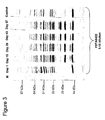
- FIG. 3 illustrates the immune response of subject given 0.36 mg vaccine on western blotting
- Day 1 before vaccination
- day 15 after one vaccination
- day 29 after two vaccinations
- day 43 after three vaccinations
- day 57 after four vaccination
- FIG. 4 illustrates the immune response of subjects given 0.45 mg vaccine on western blotting.
- Day 1 before vaccination; day 15—after one vaccination; day 29—after two vaccinations; day 43—after three vaccinations; and day 57—after four vaccinations;
- FIG. 5 illustrates the mean change from base line on western blotting of sera before and after vaccination for vaccinated and placebo subjects.
- Day 1 before vaccination
- day 15 after one vaccination
- day 29 after two vaccinations
- day 43 after three vaccinations
- day 57 after four vaccinations;
- FIG. 6 illustrates the mean change from baseline against collagen binding protein of sera before and after vaccination for vaccinated and placebo subjects
- FIG. 7 illustrates the cross reactivity of anti-sera produced by vaccination of rabbits against a number of unrelated bacteria
- M Molecular weight marker
- track 1 E. coli track 2 Klebsiella edwardii ; track 3 Proteus mirabilis ; track 4 S. aureus P/DFO 75; track 5 Candida albicans ; preimmune and hyperimmune serum after 4 inoculations of the S. aureus P/DFO 75 vaccine into a rabbit were used;
- FIG. 8 illustrates the production of opsonic antibodies after vaccination
- Subjects 2, 6, 9, and 21 are placebo Day 1 sample is before vaccination and Day 57 is after 4 vaccinations.
- Subjects 19, 23, 24, 29, 30 are subjects given 0.45 mg vaccine.
- Subject 3 was given 0.15 mg vaccine;
- FIG. 9 is Table 1, which summarizes local effects of vaccine administered to subjects.
- FIG. 10 is Table 2, which summarizes systemic effects of vaccine administered to subjects
- FIG. 11 is Table 3, which summarizes immune reactivity of sera from vaccinated and placebo subjects on western blotting;
- FIG. 12 is Table 4, which illustrates the presence of antibodies to collagen-binding protein in vaccinated and placebo subjects
- FIG. 13 is Table 5, which illustrates the longevity of the immune response in vaccinated subjects.
- the bacteria are cultured in tryptone soya both and mixed with 10% glycerol, aliquoted and stored as Master Seed Bank and Working Seed Bank at ⁇ 70° C. in liquid form and at +4° C. following freeze-drying.
- Bacteria were prepared by plating out bacteria from one vial of Working Seed Bank and growing on tryptone soya agar plates for 16 hours at 37° C. The bacterial growth is then harvested into a small volume of tryptone soya broth which is in turn used to inoculate bigger volumes of tryptone soya broth. The liquid culture is incubated with agitation for 16 hours at 37° C. The bacteria are then concentrated by centrifugation.
- the concentration is adjusted with tryptone soya broth and the culture shaken with chloroform in a 5:3 culture to chloroform ratio and left to stand for 15-20 minutes at 20° C. to allow phase separation.
- the bacterial suspension is top collected, centrifuged at 3-4000 rpm for 15 minutes and the pellet resuspended in sterile distilled water or phosphate buffered saline. This is centrifuged again and the pellet resuspended as above.
- a staphylococcal strain was isolated in vegetable peptone agar and subcultured three times in vegetable peptone agar.
- a liquid culture of bacteria was grown for 16 hours at 37° C. in vegetable peptone broth and shaken with chloroform and left to stand for 15-20 minutes at 20° C. to allow phase separation.
- the bacterial suspension is top collected, centrifuged and the pellet resuspended in water or phosphate buffered saline, centrifuged and resuspended as above.
- staphylococcal preparations inactivated with chloroform and washed and resuspended in the relevant medium are immediately frozen and freeze dried for storage.
- the vaccine and placebo phosphate buffered saline (PBS) were prepared under Good Manufacturing Practice (GMP) by the Norwegian Institute of Public Health in Oslo, Norway and the double blind placebo controlled Phase I clinical trial was carried out by Simbec Research Limited, Merthyr Tydfil, UK. Testing of sera from volunteers was carried out under GLP and in house at VRI laboratories and by Professor Jan-Ingmar Flock, Karolinska Institute, Sweden.
- Sera from volunteers before and after vaccination were tested against whole chloroform-inactivated homologous organism by ELISA and western blotting to evaluate immune response to the whole organism. Sera were also tested by ELISA for the presence of antibodies to collagen binding protein, fibrinogen binding protein, fibronectin binding protein and extracellular adherence protein (Professor Jan-Ingmar Flock).
- the response was dose related and there was a clear relationship between the immune reactivity of sera and number of vaccinations; FIG. 5 .
- the chloroform-inactivated S. aureus vaccine designated SA75 was shown to be safe when tested in formal toxicology tests in rabbits and produced an immune response demonstrated using ELISA and western blotting in rabbits. This and other additional data then allowed use of the vaccine in a double blind placebo controlled trial in human volunteers.
- the SA75 vaccine was shown to be safe and produced an immune response in male volunteers.
- the immune response measured by ELISA and western blotting demonstrated a clear difference between the frequency of immune response in vaccinated subjects compared to those who received placebo.
- FIG. 7 illustrates an immunoblot and represents the activity of a rabbit prior to vaccination with the Staphylococcal vaccine (labelled Rabbit 19 PI) and following 4 vaccinations (labelled Rabbit 19 after 4 vaccinations).
- FIG. 8 demonstrates the opsonic antibody response in six patients who received vaccination and four patients who received placebo vaccination. There is increase in opsonic antibody level in the vaccinated patients but in only one to any significant extent namely patient 2 (placebo). It is of course perfectly possible that this patient had an intercurrent Staphylococcal infection which would explain this result.
- Candida albicans a frequent cause of yeast infections particularly in female subjects—which is of great interest in as much as Candida albicans is a eukaryotic organism while Staphylococci and the other organisms tested are prokaryotic organisms.
- the last observation adds weight to the feasibility of a Universal vaccine based on our preparative method.
- Table 5 illustrates that the immune response as adjudged by immunoblotting which we thought was the most useful indicator of immune response maintains irrespective of vaccine dose for three to six months following vaccination.
- the table does not illustrate an important aspect that there was an insignificant decline in immune response at 3 and 6 months and clearly no subject had returned to the pre vaccination status by that time.
- the protocol of the trial regrettably did not allow estimation of antibody levels beyond six months which was perhaps an error in the formulation of our study.
Landscapes
- Health & Medical Sciences (AREA)
- Life Sciences & Earth Sciences (AREA)
- Chemical & Material Sciences (AREA)
- Organic Chemistry (AREA)
- General Health & Medical Sciences (AREA)
- Engineering & Computer Science (AREA)
- Medicinal Chemistry (AREA)
- Genetics & Genomics (AREA)
- Bioinformatics & Cheminformatics (AREA)
- Animal Behavior & Ethology (AREA)
- Public Health (AREA)
- Pharmacology & Pharmacy (AREA)
- Veterinary Medicine (AREA)
- Wood Science & Technology (AREA)
- Zoology (AREA)
- Microbiology (AREA)
- Immunology (AREA)
- Biotechnology (AREA)
- General Chemical & Material Sciences (AREA)
- Chemical Kinetics & Catalysis (AREA)
- Biochemistry (AREA)
- Nuclear Medicine, Radiotherapy & Molecular Imaging (AREA)
- General Engineering & Computer Science (AREA)
- Molecular Biology (AREA)
- Biomedical Technology (AREA)
- Mycology (AREA)
- Epidemiology (AREA)
- Oncology (AREA)
- Communicable Diseases (AREA)
- Tropical Medicine & Parasitology (AREA)
- Proteomics, Peptides & Aminoacids (AREA)
- Virology (AREA)
- Biophysics (AREA)
- Cell Biology (AREA)
- Pulmonology (AREA)
- Medicines Containing Antibodies Or Antigens For Use As Internal Diagnostic Agents (AREA)
- Peptides Or Proteins (AREA)
- Micro-Organisms Or Cultivation Processes Thereof (AREA)
- Medicinal Preparation (AREA)
- Medicines That Contain Protein Lipid Enzymes And Other Medicines (AREA)
Priority Applications (1)
| Application Number | Priority Date | Filing Date | Title |
|---|---|---|---|
| US13/674,835 US20130064851A1 (en) | 2007-07-23 | 2012-11-12 | Inactivated staphylococcal whole-cell vaccine |
Applications Claiming Priority (1)
| Application Number | Priority Date | Filing Date | Title |
|---|---|---|---|
| PCT/GB2007/002792 WO2009013443A1 (en) | 2007-07-23 | 2007-07-23 | Inactivated staphylococcal whole-cell vaccine |
Related Child Applications (1)
| Application Number | Title | Priority Date | Filing Date |
|---|---|---|---|
| US13/674,835 Continuation US20130064851A1 (en) | 2007-07-23 | 2012-11-12 | Inactivated staphylococcal whole-cell vaccine |
Publications (2)
| Publication Number | Publication Date |
|---|---|
| US20100189748A1 US20100189748A1 (en) | 2010-07-29 |
| US8333977B2 true US8333977B2 (en) | 2012-12-18 |
Family
ID=39167634
Family Applications (2)
| Application Number | Title | Priority Date | Filing Date |
|---|---|---|---|
| US12/669,453 Expired - Fee Related US8333977B2 (en) | 2007-07-23 | 2007-07-23 | Inactivated staphylococcal whole-cell vaccine |
| US13/674,835 Abandoned US20130064851A1 (en) | 2007-07-23 | 2012-11-12 | Inactivated staphylococcal whole-cell vaccine |
Family Applications After (1)
| Application Number | Title | Priority Date | Filing Date |
|---|---|---|---|
| US13/674,835 Abandoned US20130064851A1 (en) | 2007-07-23 | 2012-11-12 | Inactivated staphylococcal whole-cell vaccine |
Country Status (10)
| Country | Link |
|---|---|
| US (2) | US8333977B2 (pt) |
| EP (1) | EP2175880A1 (pt) |
| JP (1) | JP5249326B2 (pt) |
| CN (1) | CN101730543B (pt) |
| AU (1) | AU2007356845B2 (pt) |
| BR (1) | BRPI0721892A2 (pt) |
| CA (1) | CA2693239A1 (pt) |
| MX (1) | MX2010000864A (pt) |
| SG (1) | SG185299A1 (pt) |
| WO (1) | WO2009013443A1 (pt) |
Families Citing this family (11)
| Publication number | Priority date | Publication date | Assignee | Title |
|---|---|---|---|---|
| US8501198B2 (en) | 2004-06-07 | 2013-08-06 | Qu Biologics Inc. | Tissue targeted antigenic activation of the immune response to treat cancers |
| US9107864B2 (en) | 2004-06-07 | 2015-08-18 | Qu Biologics Inc. | Tissue targeted antigenic activation of the immune response to treat cancers |
| IN2012DN03418A (pt) * | 2009-10-09 | 2015-10-23 | Childrens Medical Center | |
| RU2581922C2 (ru) * | 2010-07-26 | 2016-04-20 | Кью Байолоджикс Инк. | Иммуногенные противовоспалительные композиции |
| US8980279B2 (en) | 2010-07-26 | 2015-03-17 | Qu Biologics | Personalized site-specific immunomodulation |
| CN103103142B (zh) * | 2011-11-10 | 2014-09-17 | 中国石油化工股份有限公司 | 一株葡萄球菌及其应用 |
| CN102716475A (zh) * | 2012-06-29 | 2012-10-10 | 黑龙江省科学院微生物研究所 | 一种奶牛乳房炎疫苗的制备方法 |
| EP2872535A1 (en) | 2012-07-16 | 2015-05-20 | Pfizer Inc. | Saccharides and uses thereof |
| EP3137108A4 (en) | 2014-05-02 | 2017-09-27 | Qu Biologics Inc | Anti-microbial immunomodulation |
| CN110151793A (zh) * | 2018-03-29 | 2019-08-23 | 中国人民解放军军事科学院军事医学研究院 | 鼠疫菌液体气溶胶肺递送感染小鼠模型 |
| CN114867841B (zh) * | 2019-10-02 | 2024-04-30 | 百欧幂公司 | 具有对抗病原菌的免疫增强活性和抗菌活性的表皮葡萄球菌菌株及其用途 |
Citations (3)
| Publication number | Priority date | Publication date | Assignee | Title |
|---|---|---|---|---|
| WO1990011087A1 (en) | 1989-03-23 | 1990-10-04 | Medical Research International Limited | Method of preparing vaccines |
| WO2000012131A1 (en) | 1998-08-31 | 2000-03-09 | Inhibitex, Inc. | Multicomponent vaccines |
| WO2001070267A1 (en) | 2000-03-17 | 2001-09-27 | Inhibitex, Inc. | Cross-reactive displacing antibodies from collagen-binding proteins and method of identification and use |
Family Cites Families (1)
| Publication number | Priority date | Publication date | Assignee | Title |
|---|---|---|---|---|
| US6294177B1 (en) * | 1996-09-11 | 2001-09-25 | Nabi | Staphylococcus aureus antigen-containing whole cell vaccine |
-
2007
- 2007-07-23 CN CN200780053620.XA patent/CN101730543B/zh not_active Expired - Fee Related
- 2007-07-23 CA CA2693239A patent/CA2693239A1/en not_active Abandoned
- 2007-07-23 SG SG2012076006A patent/SG185299A1/en unknown
- 2007-07-23 MX MX2010000864A patent/MX2010000864A/es active IP Right Grant
- 2007-07-23 JP JP2010517472A patent/JP5249326B2/ja not_active Expired - Fee Related
- 2007-07-23 AU AU2007356845A patent/AU2007356845B2/en not_active Ceased
- 2007-07-23 WO PCT/GB2007/002792 patent/WO2009013443A1/en not_active Ceased
- 2007-07-23 EP EP07848378A patent/EP2175880A1/en not_active Ceased
- 2007-07-23 BR BRPI0721892-3A2A patent/BRPI0721892A2/pt not_active IP Right Cessation
- 2007-07-23 US US12/669,453 patent/US8333977B2/en not_active Expired - Fee Related
-
2012
- 2012-11-12 US US13/674,835 patent/US20130064851A1/en not_active Abandoned
Patent Citations (3)
| Publication number | Priority date | Publication date | Assignee | Title |
|---|---|---|---|---|
| WO1990011087A1 (en) | 1989-03-23 | 1990-10-04 | Medical Research International Limited | Method of preparing vaccines |
| WO2000012131A1 (en) | 1998-08-31 | 2000-03-09 | Inhibitex, Inc. | Multicomponent vaccines |
| WO2001070267A1 (en) | 2000-03-17 | 2001-09-27 | Inhibitex, Inc. | Cross-reactive displacing antibodies from collagen-binding proteins and method of identification and use |
Non-Patent Citations (6)
| Title |
|---|
| Ahmed et al., "Sequential Release of Antigens from Chloroform-Treated Staphylococcus epidermidis: Application Towards a Possible Vaccine," Journal of Applied Bacteriology, 69(5): 676-685, (1990). |
| Ahmed, "Vaccine Against Staphylococal Infections," Retrieved from the Internet: URL:http://www.congress.is/vaccine/lectures/Staphylococal%2Ovaccines-Ahmed.pdf>, (Sep. 22, 2006). |
| International Search report and Written Opinion for PCT Application No. PCT/GB2007/002792, 15 pp., (May 14, 2008). |
| Skinner et al., "Staphylococal Vaccines: Present Status amd Future Prospects," Zentralblatt Fuer Bakteriologie Supplement, 26(0): 537-550, (1994). |
| Vaccine Research International PLC, Quarterly Report & Management Accounts, Dec. 31, 2006, Retrieved from the Internet: URL:http://www.vri.org.uk/QLYREPTDEC06.pdf> [Retrieved on Apr. 10, 2008], (Oct. 31, 2006). |
| Vaccine Research International PLC, Quarterly Report & Management Accounts, Sep. 30, 2006, Retrieved from the Internet: URL:http://www.vri.org.uk/QReportSept06.pdf> [Retrieved on Apr. 10, 2008], (Oct. 31, 2006). |
Also Published As
| Publication number | Publication date |
|---|---|
| JP5249326B2 (ja) | 2013-07-31 |
| BRPI0721892A2 (pt) | 2014-05-13 |
| US20130064851A1 (en) | 2013-03-14 |
| SG185299A1 (en) | 2012-11-29 |
| US20100189748A1 (en) | 2010-07-29 |
| AU2007356845A1 (en) | 2009-01-29 |
| CN101730543A (zh) | 2010-06-09 |
| WO2009013443A1 (en) | 2009-01-29 |
| CA2693239A1 (en) | 2009-01-29 |
| JP2010534229A (ja) | 2010-11-04 |
| CN101730543B (zh) | 2014-02-12 |
| EP2175880A1 (en) | 2010-04-21 |
| MX2010000864A (es) | 2010-04-30 |
| AU2007356845B2 (en) | 2013-03-07 |
Similar Documents
| Publication | Publication Date | Title |
|---|---|---|
| AU2007356845B2 (en) | Inactivated staphylococcal whole-cell vaccine | |
| KR101486122B1 (ko) | 스타필로코커스 아우레우스 항원의 면역원성 조성물 | |
| FI111336B (fi) | Menetelmä Staphylococcus epidermidis tyyppi I:n polysakkaridiantigeenin sisältävän rokotteen ja antigeeninvastaisen hyperimmunoglobuliinin valmistamiseksi | |
| KR101541383B1 (ko) | 면역원성 조성물 | |
| CA2372633C (en) | Staphylococcus aureus antigen-containing whole cell vaccine | |
| KR20070058631A (ko) | 면역원성 조성물 | |
| CN102596239A (zh) | 包含抗原性金黄色葡萄球菌蛋白的免疫原性组合物 | |
| CA2603775C (en) | Method of protecting against staphylococcal infection | |
| EP2046377A1 (en) | Method of protecting against staphylococcal infection | |
| US8632779B2 (en) | S. aureus polypeptides and antibodies | |
| AU2012205281A1 (en) | Polypeptides |
Legal Events
| Date | Code | Title | Description |
|---|---|---|---|
| AS | Assignment |
Owner name: VACCINE RESEARCH INTERNATIONAL PLC, UNITED KINGDOM Free format text: ASSIGNMENT OF ASSIGNORS INTEREST;ASSIGNORS:AHMAD, AFSHAN;SKINNER, BRUCE ROBERT GORDON;REEL/FRAME:023815/0393 Effective date: 20091230 |
|
| FEPP | Fee payment procedure |
Free format text: PAYOR NUMBER ASSIGNED (ORIGINAL EVENT CODE: ASPN); ENTITY STATUS OF PATENT OWNER: SMALL ENTITY |
|
| REMI | Maintenance fee reminder mailed | ||
| LAPS | Lapse for failure to pay maintenance fees | ||
| STCH | Information on status: patent discontinuation |
Free format text: PATENT EXPIRED DUE TO NONPAYMENT OF MAINTENANCE FEES UNDER 37 CFR 1.362 |
|
| STCH | Information on status: patent discontinuation |
Free format text: PATENT EXPIRED DUE TO NONPAYMENT OF MAINTENANCE FEES UNDER 37 CFR 1.362 |
|
| FP | Lapsed due to failure to pay maintenance fee |
Effective date: 20161218 |