US8475809B2 - Composition comprising sortase anchored surface proteins of Streptococcus uberis - Google Patents
Composition comprising sortase anchored surface proteins of Streptococcus uberis Download PDFInfo
- Publication number
- US8475809B2 US8475809B2 US13/122,815 US200913122815A US8475809B2 US 8475809 B2 US8475809 B2 US 8475809B2 US 200913122815 A US200913122815 A US 200913122815A US 8475809 B2 US8475809 B2 US 8475809B2
- Authority
- US
- United States
- Prior art keywords
- uberis
- composition
- proteins
- immunogenic composition
- sub1154
- Prior art date
- Legal status (The legal status is an assumption and is not a legal conclusion. Google has not performed a legal analysis and makes no representation as to the accuracy of the status listed.)
- Expired - Fee Related
Links
Images




Classifications
-
- A—HUMAN NECESSITIES
- A61—MEDICAL OR VETERINARY SCIENCE; HYGIENE
- A61K—PREPARATIONS FOR MEDICAL, DENTAL OR TOILETRY PURPOSES
- A61K39/00—Medicinal preparations containing antigens or antibodies
- A61K39/02—Bacterial antigens
- A61K39/09—Lactobacillales, e.g. aerococcus, enterococcus, lactobacillus, lactococcus, streptococcus
- A61K39/092—Streptococcus
-
- A—HUMAN NECESSITIES
- A61—MEDICAL OR VETERINARY SCIENCE; HYGIENE
- A61P—SPECIFIC THERAPEUTIC ACTIVITY OF CHEMICAL COMPOUNDS OR MEDICINAL PREPARATIONS
- A61P31/00—Antiinfectives, i.e. antibiotics, antiseptics, chemotherapeutics
- A61P31/04—Antibacterial agents
-
- C—CHEMISTRY; METALLURGY
- C07—ORGANIC CHEMISTRY
- C07K—PEPTIDES
- C07K14/00—Peptides having more than 20 amino acids; Gastrins; Somatostatins; Melanotropins; Derivatives thereof
- C07K14/195—Peptides having more than 20 amino acids; Gastrins; Somatostatins; Melanotropins; Derivatives thereof from bacteria
- C07K14/315—Peptides having more than 20 amino acids; Gastrins; Somatostatins; Melanotropins; Derivatives thereof from bacteria from Streptococcus (G), e.g. Enterococci
-
- A—HUMAN NECESSITIES
- A61—MEDICAL OR VETERINARY SCIENCE; HYGIENE
- A61K—PREPARATIONS FOR MEDICAL, DENTAL OR TOILETRY PURPOSES
- A61K39/00—Medicinal preparations containing antigens or antibodies
- A61K2039/55—Medicinal preparations containing antigens or antibodies characterised by the host/recipient, e.g. newborn with maternal antibodies
- A61K2039/552—Veterinary vaccine
Definitions
- the present invention relates to an immunogenic composition for use in eliciting an immune response to Streptococcus uberis , and in particular, to immunogenic compositions capable of eliciting a protective immune response.
- Micro organisms that cause mastitis can be divided into those that show a contagious route of transmission, such as Staphylococcus aureus and Streptococcus agalactiae , and those that additionally infect the udder frequently from an environmental reservoir, such as Escherichia coli and Streptococcus uberis .
- the application of various control measures over the past two decades, based on improved milking practices, post-milking teat disinfection and routine intra-mammary anti-microbial treatment after each lactation, has proved effective against pathogens with a solely contagious route of transmission, but has had little, if any, impact on the incidence of infection of the mammary gland from environmental reservoirs.
- the failure to control bovine mastitis caused by S. uberis is largely attributed to insufficient information on the pathogenesis of infection.
- Bovine mastitis which causes inflammation of the mammary gland (udder), usually arises as a result of intramammary infection by bacteria.
- the signs of mastitis vary according to factors in the host and the invading pathogen and intramammary infection may result in sub-clinical or clinical disease.
- Sub-clinical mastitis shows no obvious signs of disease. Infection associated with clinical disease can range from visible abnormalities in the milk (protein aggregates or clots) accompanied by pain and swelling in the affected gland, to production of a secretion which is composed solely of aggregated protein in a serous fluid.
- systemic signs such as elevated temperature and loss of appetite, which may develop to bacteraemia, septicaemia and lead to death of the animal.
- Milk from an uninfected mammary gland contains leukocytes, including macrophages, neutrophils and lymphocytes typically below 150,000 cells/ml. Infection usually results in a localised inflammatory response, characterised by the influx of neutrophils into the infected quarter of the mammary gland and milk. The resulting milk cell count is used internationally as a surrogate measure of infection of the mammary gland and as a measure of milk quality and udder health. Milk from sub-clinically infected quarters usually has a cell count in excess of 250,000 cells/ml but this figure may vary widely. Milk from clinically infected quarters usually contains in excess of 2,000,000 cells/ml. The interaction between bacteria and/or their products and the large number of neutrophils in the secretion has been considered to be the principal cause underlying the decreased rate of milk production, degradation of the secretion and the induction of widespread inflammatory changes characteristic of mastitis.
- One aim of this invention is to provide one or more compositions which can be used to elicit a protective immune response to Streptococcus uberis , and thereby prevent or reduce the incidence of mastitis.
- a Streptococcus uberis sortase-anchored protein refers to any protein which in wild type Streptococcus uberis is anchored to the surface of the bacteria by the action of the enzyme sortase.
- the two or more sortase-anchored proteins, or the two or more Streptococcus uberis proteins may be selected from the group comprising the proteins SUB0145, SUB1095 and SUB1154 or a protein with 50%, 60%, 70%, 80%, 90%, 95% or more, preferably 80% or more, sequence homology with one of the aforementioned proteins.
- the immunogenic composition may comprise proteins SUB0145, SUB1095 and SUB1154 or a protein with 50%, 60%, 70%, 80%, 90%, 95% or more, preferably 80% or more, sequence homology with one of the aforementioned proteins.
- the one or more sortase-anchored proteins, or the one or more Streptococcus uberis proteins may be selected from the group comprising the proteins SUB0135, SUB0145, SUB0207, SUB0826, SUB0888, SUB1095, SUB1154, SUB1370, SUB1730 and SUB0241 or a protein with 50%, 60%, 70%, 80%, 90%, 95% or more, preferably 80% or more, sequence homology with one of the aforementioned proteins.
- the one or more sortase-anchored proteins, or the one or more Streptococcus uberis proteins may be selected from the group comprising the proteins SUB0135, SUB0207, SUB0826, SUB0888, SUB1095, SUB1154, SUB1370, SUB1730 and SUB0241 or a protein with 50%, 60%, 70%, 80%, 90%, 95% or more, preferably 80% or more, sequence homology with one of the aforementioned proteins.
- the percent identity refers to the residues in two proteins which are the same, when the protein sequences are aligned for maximum correspondence and when inversions and translocations are accounted for. Preferably the percent identity ignores any conservative differences between the aligned sequences which do not affect function.
- the percent identity between aligned sequences can be established by using well-established tools (such as the BLAST algorithm—Basic Local Alignment Search Tool; Altschul et al., (1990) J Mol. Biol. 215:403-10)
- one or more of the sortase-anchored proteins, or one or more of the Streptococcus uberis proteins is SUB0826. In another embodiment one or more of the sortase-anchored proteins, or one or more of the Streptococcus uberis proteins, is not SUB0826.
- one or more of the sortase-anchored proteins, or one or more of the Streptococcus uberis proteins is SUB0888. In another embodiment one or more of the sortase-anchored proteins, or one or more of the Streptococcus uberis proteins, is not SUB0888.
- one or more of the sortase-anchored proteins, or one or more of the Streptococcus uberis proteins is SUB1154. In another embodiment one or more of the sortase-anchored proteins, or one or more of the Streptococcus uberis proteins, is not SUB1154.
- one or more of the sortase-anchored proteins, or one or more of the Streptococcus uberis proteins is SUB1730. In another embodiment one or more of the sortase-anchored proteins, or one or more of the Streptococcus uberis proteins, is not SUB1730.
- one or more of the sortase-anchored proteins, or one or more of the Streptococcus uberis proteins is SUB0241. In another embodiment one or more of the sortase-anchored proteins, or one or more of the Streptococcus uberis proteins, is not SUB0241.
- An immunogenic part of a protein refers to a part of a larger protein which is capable of eliciting an immune response.
- the immune response elicited will recognise the part of the protein and the whole protein.
- the immunogenic part includes at least one epitope from the full length protein.
- An immunogenic composition is a composition that is capable of eliciting an immune response to an antigen in the composition when the composition is administered to a subject.
- the immune response elicited is protective.
- the subject is a mammal, more preferably a ruminant, such as a cow, sheep or goat.
- the antigen in the immunogenic composition of the invention may be one or more proteins which are anchored to the surface of Streptococcus uberis by the enzyme sortase.
- the immune response elicited by a composition of the invention is directed to the antigen in the composition and acts to prevent or reduce infection by Streptococcus uberis in a subject to whom the immunogenic composition has been administered.
- the immune response may recognise and destroy Streptococcus uberis .
- the immune response elicited may impede or prevent replication of Streptococcus uberis .
- the immune response elicited may impede or prevent Streptococcus uberis causing disease, such as mastitis, in the subject.
- the immune response elicited by the composition is also capable of being directed to strains of Streptococcus uberis other than that from which the proteins in the composition are derived.
- the pharmaceutical composition comprises a composition according to any aspect of the invention.
- the pharmaceutical composition is capable of producing a protective immune response to S. uberis.
- the phrase “producing a protective immune response” as used herein means that the composition is capable of generating a protective response in a host organism, such as a cow, to whom it is administered.
- a protective immune response protects against subsequent infection by S. uberis .
- the protective immune response may eliminate or reduce the level of infection by reducing replication of S. uberis by affecting the mode of action of S. uberis .
- the protective immune response reduces or prevents disease caused by S. uberis.
- Suitable acceptable excipients and carriers for use in a pharmaceutical composition will be well known to those skilled in the art. These may include solid or liquid carriers. Suitable liquid carriers include water and saline. The proteins of the composition may be formulated into an emulsion or they may be formulated into biodegradable microspheres or liposomes.
- composition may further comprise an adjuvant.
- adjuvants will be well known to those skilled in the art, and may include Freund's Incomplete Adjuvant (for use in animals), and metal salts, such as aluminium or calcium salts,
- the active ingredients in the composition are greater than 50% pure, usually greater than 80% pure, often greater than 90% pure and more preferably greater than 95%, 98% or 99% pure. With active ingredients approaching 100% pure, for example about 99.5% pure or about 99.9% pure, being used most often.
- composition of the present invention may be used as vaccine against infections caused by S. uberis .
- the vaccine may be administered prophylactically to animals at risk of exposure to S. uberis , and/or therapeutically to animals who have already been exposed to S. uberis.
- the composition comprises an immunologically effective amount of antigen (comprised of S. uberis proteins).
- an “immunologically effective amount” of an antigen is an amount that when administered to an individual, either in a single dose or in a series of doses, is effective for treatment or prevention of infection by S. uberis . This amount will vary depending upon the health and physical condition of the individual to be treated and on the antigen. It is expected that the amount will fall in a relatively broad range that can be determined by routine trials.
- the composition may be arranged to be administered as a single dose or as part of a multiple dose schedule. Multiple doses may be administered as a primary immunisation followed by one or more booster immunisations. Suitable timing between priming and boosting immunisations can be routinely determined.
- compositions of the invention may be able to induce a serum bactericidal antibody response after being administered to a subject. These responses are conveniently measured in mice and the results are a standard indicator of vaccine efficacy.
- the present invention provides a method of protecting a human or non-human animal, preferably a cow, from the effects of infection by S. uberis comprising administering to the human or non-human animal a composition according to any other aspect of the invention.
- FIG. 1 (B) illustrates the inflammatory response following challenge with wild type and Srt mutant of S. uberis .
- FIG. 1(C) illustrates the combined clinical scores from clinical manifestations following challenge with wild type and Srt mutant of S. uberis .
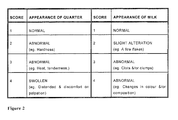
- FIG. 2 illustrates in tabular form the manifestation of a clinical response to infection with Streptococcus uberis . All quarters and milk samples were analyzed against these criteria at each milking following challenge;
- FIG. 3 illustrates in tabular form the proteins found by bioinformatic examination of the S. uberis genome that were likely to be anchored by sortase;
- the genome of S. uberis was searched using the LPXXG motif for putative sortase-anchored proteins.
- the list of proteins identified was refined by using context and position of the motif, ie LPXXG toward the C-terminus and followed by a hydrophobic region and charged residues at a C-terminal position and the presence of a recognisable secretion signal peptide at the N-terminus;
- FIG. 4A lists sortase anchored proteins identified in cell wall extracts of S. uberis 0140J cultured in THB media. a Gene and protein annotation according to the genomic sequence of Streptococcus uberis 0140J (Ward et al 2009); b Theoretical molecular mass values for protein precursors obtained from Artemis database from the Wellcome Trust Sanger Institute (http://www.sanger.ac.uk/); c Number of unique peptide hits for each protein; d Percentage of protein sequence covered by experimentally detected peptides; e 2 peptides identified in the SrtA mutant cell wall fraction.
- FIG. 4B lists sortase anchored proteins identified in cell wall extracts of S.
- FIGS. 6 A to 6 O are the amino acid sequences of S. uberis sortase anchored proteins
- FIG. 6A is the sequence of SUB1370 (Seq ID No: 1) a zinc carboxypeptidase
- FIG. 6B is the sequence of SUB0145 (Seq ID No: 2) a Lactoferrin binding protein
- FIG. 6C is the sequence of SUB0135 (Seq ID No: 3) a frucan beta fructosidase precursor
- FIG. 6D is the sequence of SUB1730 (Seq ID No: 4);
- FIG. 6F is the sequence of SUB0207 (Seq ID No: 6);
- FIG. 6H is the sequence of SUB1095 (Seq ID No: 8) a collagen like protein
- FIG. 6I is the sequence of SUB0826 (Seq ID No: 9) a putative surface anchored subtilase;
- FIG. 6K is the sequence of SUB0348 (Seq ID No: 11) a remnant of a putative collagen like protein (but is encoded by a pseudogene);
- FIG. 7 shows the bacterial colonisation following challenge with wild type (0140J) and attenuated mutant strains lacking sub0145, sub1095 or sub1154. Data is expressed as geometric means of Log 10 cfu/ml detected in milk samples obtained at each milking after experimental challenge.
- Streptococcus uberis strain 0140J originally isolated from a clinical case of bovine mastitis in the UK, was used throughout this study. The bacterium was routinely grown in Todd Hewitt or Brain Heart Infusion broth.
- Skimmed milk was produced from raw bovine milk collected aseptically from several cows from within the dairy herd at the Institute for Animal Health. Milk was collected from animals that were free of intramammary infection. Following centrifugation (3,000 ⁇ g, 10 min); skimmed milk was removed carefully from the upper fat-layer and the pellet of sedimented cells. The sterility of the skimmed milk was determined by plating 500 ⁇ l of milk directly onto blood agar containing aesculin (1.0%, w/v; ABA) and by enrichment culture of 5 ml of milk in and equal volume of Todd Hewitt broth followed by isolation of single colonies on ABA. In both cases, plates were incubated at 37° C. for 18 h. Skimmed milk was stored at 4° C. and used within 72 h.
- aesculin (1.0%, w/v; ABA
- the srtA (Sub0881) mutant was isolated following PCR screening of a S. uberis 0140J pGhost9::ISS1 mutant bank following a similar protocol to that described previously (Taylor, D. L. et al, 2003. J Bacteriol 185:5210-5219; Ward, P. N. et al 2001 Infect Immun 69:392-399). Briefly, overnight cultures from individual 96-well plates were pooled and genomic DNA was prepared for use as template in PCR amplification reactions containing a locus-specific primer, P261 (srtA) and an ISS1-specific primer, P247 or P250. Amplification was conducted using thirty-five cycles (95° C. for 20 s, 54° C.
- uberis 58 of Sub1154 0140J ORF genomic DNA P615 GAAATGATGATGAGAAATTGAGA Screening S. uberis 57 for ISS1 0140J within ::pGhost9- Sub1154 ISS1 ORF vs genomic P247 DNA pools P630 AGCCACAAACACCATTCACA Screening S. uberis 59 for ISS1 0140J within ::pGhost9- Sub1154 ISS1 ORF vs genomic P247 DNA pools P480 GAAGAAGTGGTAACTGCTACAAAC Amplification S. uberis 60 of Sub1370 0140J ORF genomic DNA P481 TACTAACTTCTTGTCATCTTGGTACCTTTT Amplification S.
- Genomic DNA was prepared using a variation of the method of Hill and Leigh as described previously (Hill, A. W. et al 1994 FEMS Immunol Med Microbiol 8:109-117). Briefly, 1.5 ml of an overnight culture was centrifuged at 10,000 ⁇ g for 2 minutes and the cell pellet washed with 500 ⁇ l of 10 mM Tris-Cl, 5 mM EDTA, pH 7.8.
- Bacterial cell walls were disrupted by resuspension in 375 ⁇ l of 10 mM Tris-Cl, 5 mM EDTA pH 7.8 containing 30 units/ml mutanolysin and 10 mg/ml lysozyme (both from Sigma-Aldrich, St Louis, Mo., USA) and subsequent incubation at 37° C. for 30 minutes.
- Total cell lysis was achieved by addition of 20 ⁇ l of SDS solution (20% w/v in 50 mM Tris-Cl, 20 mM EDTA, pH 7.8) and Proteinase K (Sigma) to a final concentration of 150 ⁇ g/ml and a further incubation at 37° C. for 1 h.
- mice were milked and inspected twice daily (07:00 h and 15:30 h) and those in which predetermined criteria for clinical end points (clotted and discoloured milk and/or udder quarter swollen or causing discomfort on palpation) had been reached were treated with proprietary branded antibiotics in line with the prescribed criteria outlined in FIG. 2 . Milk samples were taken and analysed for bacteria and somatic cells, as described below.
- Primers p409 and p410 were designed to amplify from S. uberis 0140J genomic DNA the predicted mature coding sequence (ie lacking N-terminal signal sequence) of Sub1154, a putative srtA substrate with homology to subtilase-like serine protease.
- a 3.4 kb amplicon was generated using PhusionTM high fidelity polymerase (New England Biolabs), purified using a MinElute PCR Purification Kit (Qiagen) and treated with KpnI (New England Biolabs) to facilitate directional cloning.
- Recombinant (6 ⁇ His-tagged) Sub1154 protein commencing at residue Asp34 was purified by dilution (1/30) of overnight culture into 1600 ml LB broth containing 50 ⁇ g/ml of ampicillin and 25 ⁇ g/ml of kanamycin and growth at 20° C. without shaking for 2 h.
- Recombinant Sub1370 was similarly prepared, but using the primers P480 and P481, and was grown similarly in 800 ml of culture medium.
- Membranes were washed again as above and HRP conjugate detected using a solution of 4-chloronaphthol (0.5 mg/ml) in PBS containing 16.7% methanol and 0.00015% (v/v) of H 2 O 2 , incubated for 1 hour in the dark, before membranes were washed in PBS and allowed to dry.
- FIG. 1 The results presented in FIG. 1 demonstrate that S. uberis requires the sortase protein, encoded by srtA, for the full expression of virulence by this bacterium. Although initially able to colonise the bovine mammary gland similarly to the wild-type S. uberis , the mutant lacking SrtA was unable to colonise the gland to high levels; with bacterial maximal numbers remaining approximately 1000-fold lower than those detected in milk from animals challenged with the wild type strain. This corresponded with the failure of the srtA mutant to induce progressive clinical signs of disease.
- the methodology used to isolate tryptic peptides of anchored cell wall proteins is as follows. Bacterial cultures were grown in either THB or BHI to both exponential and stationary phases of growth. Exponential cultures were grown in 1.5 liters of broth to an optical density of 0.6 at OD550 nm whilst stationary phase cultures were grown in 1 liter of broth overnight. Bacterial cell pellets were harvested by centrifugation (16,000 ⁇ g, 10 min, 4° C.) and consecutively washed with PBS, 0.1% (v/v) Nonidet P40 (NP40) in PBS, and PBS and harvested by centrifugation as above.
- NP40 Nonidet P40
- FIGS. 4 and B The nine proteins listed in FIGS. 4 and B were found to be present on cell walls prepared from S. uberis 0140J, but were absent from equivalent preparations made from cultures of the isogenic srtA deficient mutant of S. uberis , demonstrating the proteins to be sortase-anchored proteins.
- FIGS. 6A to 6I The sequence of the nine sortase anchored proteins are given in FIGS. 6A to 6I .
- FIGS. 6J to 6O are the sequences of the putative sortase anchored proteins identified by proteomics.
- Rabbit anti-Sub1154 and anti-Sub1370 were then used to detect the Sub1154 and Sub1370 proteins by immunoblotting of detergent and media extracts of S. uberis 0140J and the srtA mutant. Media extracts from Sub1154 and Sub1370 mutants grown in BHI were also probed with the antisera. Detection of Sub1154 was confirmed in the srtA detergent extract, and also in the Sub1154 mutant media extract. In the latter case the predicted truncated form of the protein was detected ( FIG. 5A ). The protein corresponding to Sub1370 was detected only in the growth media obtained from the srtA mutant ( FIG. 5B ). The presence of the Sub1154 and Sub1370 proteins only in extracts from the srtA mutant indicate that in the wild type strain the proteins are anchored to the cell wall of S. uberis by sortase.
- each of the genes encoding these was mutated within the wild type strain.
- the proteins missing from those that show reduced or ablated virulence are involved in pathogenesis/pathology of disease. Induction of a neutralizing immune (antibody) response to any and preferably all of these proteins would result in less disease following infection with wild type strains.
- vaccines containing any or all of those identified as having a role in virulence would be useful in the prevention of mastitis in cattle.
- Insertionally inactivated mutants were located within a random insertional mutant bank by PCR screening of a S. uberis 0140J pGhost9::ISS1 mutant bank following a similar protocol to that described previously (Taylor, D. L. et al, 2003. J Bacteriol 185:5210-5219; Ward, P. N. et al 2001 Infect Immun 69:392-399). Briefly, overnight cultures from individual 96-well plates were pooled and genomic DNA was prepared for use as template in PCR amplification reactions containing a locus-specific primer for each gene of interest and used in conjunction with primer specific to ISS1.
- Attempts to isolate an insertion mutant from the 0140J random mutant bank with ISS1 located appropriately near to the start of the SUB1154 coding sequence proved unsuccessful.
- a targeted deletion strategy was used to ablate production of the SUB1154 gene product. Briefly, two fragments located at either end of the 3432 base pair open reading frame were amplified from genomic DNA. The two fragments were purified and then used as template in equal proportion in a further PCR amplification reaction to generate a single ⁇ 1154 product lacking 3169 base pairs from the 3432 base pair SUB1154 coding sequence. This amplicon was subcloned into the multiple cloning site of the low copy pG + h9 temperature sensitive plasmid. The plasmid construct was amplified by transformation of E.
- the requirement for individual SrtA substrates for virulence was determined by experimental challenge in a well established intramammary infection model in the dairy cow. Bacteria were grown for 18 h at 37° C. in Todd Hewitt broth. Cells were recovered by centrifugation (10,000 ⁇ g, 10 min), suspended in pyrogen-free saline (Sigma) and diluted in the same to provide the required cell density (500-1500 cfu/ml). Suspensions of each strain were held on ice prior to being used to challenge animals. The number of viable bacteria in identical aliquots of each suspension was enumerated both prior to and following challenge.
- mice Following challenge, animals were milked and inspected twice daily (07:00 h and 15:30 h) for a period of 4 days. Those in which predetermined criteria for clinical end points (clotted and discoloured milk and/or udder quarter swollen or causing discomfort on palpation) had been reached were treated with proprietary branded antibiotics. Milk samples were taken at each milking and analysed for the presence of bacteria and somatic cells, as described below.
- Mutants lacking one of Sub 0145, Sub1095, or Sub1154 were used to challenge mammary quarters to determine if the mutation had resulted in major attenuation of S. uberis .
- the strains were recovered from milk post challenge and each was genotyped to show the presence of the correctly mutated gene.
- challenge with strains (lacking either sub1095, sub0145 or sub1154) resulted in relatively poor colonisation for the duration of the experiment ( FIG. 7 ) and in contrast to the wild type strain, in no instance was any of these strains able to induce clinical signs of disease. Consequently, the function of these proteins in pathogenesis of infection can be considered essential and non-redundant. Induction of a neutralizing immune (antibody) response to any and preferably all of these proteins would be predicted to result in less disease following infection with wild type strains.
Landscapes
- Health & Medical Sciences (AREA)
- Chemical & Material Sciences (AREA)
- Life Sciences & Earth Sciences (AREA)
- Medicinal Chemistry (AREA)
- General Health & Medical Sciences (AREA)
- Organic Chemistry (AREA)
- Veterinary Medicine (AREA)
- Pharmacology & Pharmacy (AREA)
- Animal Behavior & Ethology (AREA)
- Public Health (AREA)
- Microbiology (AREA)
- Immunology (AREA)
- Mycology (AREA)
- Epidemiology (AREA)
- Nuclear Medicine, Radiotherapy & Molecular Imaging (AREA)
- General Chemical & Material Sciences (AREA)
- Chemical Kinetics & Catalysis (AREA)
- Oncology (AREA)
- Communicable Diseases (AREA)
- Biophysics (AREA)
- Biochemistry (AREA)
- Gastroenterology & Hepatology (AREA)
- Genetics & Genomics (AREA)
- Molecular Biology (AREA)
- Proteomics, Peptides & Aminoacids (AREA)
- Peptides Or Proteins (AREA)
- Medicines Containing Antibodies Or Antigens For Use As Internal Diagnostic Agents (AREA)
- Medicines That Contain Protein Lipid Enzymes And Other Medicines (AREA)
- Micro-Organisms Or Cultivation Processes Thereof (AREA)
- Medicinal Preparation (AREA)
Applications Claiming Priority (3)
| Application Number | Priority Date | Filing Date | Title |
|---|---|---|---|
| GBGB0818231.3A GB0818231D0 (en) | 2008-10-06 | 2008-10-06 | Composition |
| GB0818231.3 | 2008-10-06 | ||
| PCT/GB2009/051321 WO2010041056A1 (en) | 2008-10-06 | 2009-10-06 | Composition comprising sortase anchored surface proteins of streptococcus uberis |
Publications (2)
| Publication Number | Publication Date |
|---|---|
| US20120100174A1 US20120100174A1 (en) | 2012-04-26 |
| US8475809B2 true US8475809B2 (en) | 2013-07-02 |
Family
ID=40042314
Family Applications (2)
| Application Number | Title | Priority Date | Filing Date |
|---|---|---|---|
| US13/122,815 Expired - Fee Related US8475809B2 (en) | 2008-10-06 | 2009-10-06 | Composition comprising sortase anchored surface proteins of Streptococcus uberis |
| US13/782,977 Abandoned US20130243818A1 (en) | 2008-10-06 | 2013-03-01 | Composition Comprising Sortase Anchored Surface Proteins of Streptococcus Uberis |
Family Applications After (1)
| Application Number | Title | Priority Date | Filing Date |
|---|---|---|---|
| US13/782,977 Abandoned US20130243818A1 (en) | 2008-10-06 | 2013-03-01 | Composition Comprising Sortase Anchored Surface Proteins of Streptococcus Uberis |
Country Status (13)
| Country | Link |
|---|---|
| US (2) | US8475809B2 (pt) |
| EP (2) | EP2352519B1 (pt) |
| JP (1) | JP5911724B2 (pt) |
| CN (1) | CN102209555B (pt) |
| AU (1) | AU2009300871B2 (pt) |
| BR (1) | BRPI0920607A2 (pt) |
| CA (1) | CA2739688C (pt) |
| ES (1) | ES2716831T3 (pt) |
| GB (1) | GB0818231D0 (pt) |
| HU (1) | HUE042831T2 (pt) |
| MX (1) | MX2011003674A (pt) |
| NZ (1) | NZ592114A (pt) |
| WO (1) | WO2010041056A1 (pt) |
Cited By (1)
| Publication number | Priority date | Publication date | Assignee | Title |
|---|---|---|---|---|
| US12077795B2 (en) | 2016-10-18 | 2024-09-03 | The Research Foundation For The State University Of New York | Method for biocatalytic protein-oligonucleotide conjugation |
Families Citing this family (2)
| Publication number | Priority date | Publication date | Assignee | Title |
|---|---|---|---|---|
| UA130246C2 (uk) * | 2013-09-19 | 2025-12-31 | Зоетіс Сервісіз Ллс | Ад'ювант на основі олії |
| EP3417049B1 (en) | 2016-02-15 | 2023-08-16 | Hipra Scientific, S.L.U. | Streptococcus uberis extract as an immunogenic agent |
Citations (3)
| Publication number | Priority date | Publication date | Assignee | Title |
|---|---|---|---|---|
| WO1998021231A2 (en) * | 1996-11-14 | 1998-05-22 | University Of Saskatchewan | Streptococcus uberis lactoferrin-binding protein |
| US20060073530A1 (en) * | 2001-08-15 | 2006-04-06 | Olaf Schneewind | Methods and compositions involving sortase B |
| WO2009020391A1 (en) | 2007-08-06 | 2009-02-12 | Boehringer Ingelheim Vetmedica Gmbh | Immunogenic streptococcus proteins |
Family Cites Families (1)
| Publication number | Priority date | Publication date | Assignee | Title |
|---|---|---|---|---|
| SE9602781D0 (sv) * | 1996-07-15 | 1996-07-15 | Astra Ab | Blister pack arrangement |
-
2008
- 2008-10-06 GB GBGB0818231.3A patent/GB0818231D0/en not_active Ceased
-
2009
- 2009-10-06 BR BRPI0920607A patent/BRPI0920607A2/pt not_active Application Discontinuation
- 2009-10-06 ES ES09748131T patent/ES2716831T3/es active Active
- 2009-10-06 EP EP09748131.1A patent/EP2352519B1/en not_active Not-in-force
- 2009-10-06 EP EP18192124.8A patent/EP3473269A1/en not_active Withdrawn
- 2009-10-06 MX MX2011003674A patent/MX2011003674A/es active IP Right Grant
- 2009-10-06 CN CN200980144357.4A patent/CN102209555B/zh not_active Expired - Fee Related
- 2009-10-06 NZ NZ592114A patent/NZ592114A/xx not_active IP Right Cessation
- 2009-10-06 JP JP2011530570A patent/JP5911724B2/ja active Active
- 2009-10-06 AU AU2009300871A patent/AU2009300871B2/en not_active Ceased
- 2009-10-06 HU HUE09748131A patent/HUE042831T2/hu unknown
- 2009-10-06 CA CA2739688A patent/CA2739688C/en not_active Expired - Fee Related
- 2009-10-06 WO PCT/GB2009/051321 patent/WO2010041056A1/en not_active Ceased
- 2009-10-06 US US13/122,815 patent/US8475809B2/en not_active Expired - Fee Related
-
2013
- 2013-03-01 US US13/782,977 patent/US20130243818A1/en not_active Abandoned
Patent Citations (3)
| Publication number | Priority date | Publication date | Assignee | Title |
|---|---|---|---|---|
| WO1998021231A2 (en) * | 1996-11-14 | 1998-05-22 | University Of Saskatchewan | Streptococcus uberis lactoferrin-binding protein |
| US20060073530A1 (en) * | 2001-08-15 | 2006-04-06 | Olaf Schneewind | Methods and compositions involving sortase B |
| WO2009020391A1 (en) | 2007-08-06 | 2009-02-12 | Boehringer Ingelheim Vetmedica Gmbh | Immunogenic streptococcus proteins |
Non-Patent Citations (7)
| Title |
|---|
| Egan, S.A. et al., "Identification of Sortase A (SrtA) Substrates in Streptococcus uberis: Evidence for an Additional Hexapeptide (LPXXXD) Sorting Motif," Journal of Proteome Research, Jan. 14, 2010, 8 pages. |
| Fontaine, M.C. et al., "Immunisation of Dairy Cattle with Recombinant Streptococcus uberis GapC or a Chimeric CAMP Antigen Confers Protection Against Heterologous Bacterial Challenge," Vaccine, 2002, pp. 2278-2286, vol. 20. |
| Leigh et al (Vet. Immunology and Immunopathology. 2004. vol. 100:145-149). * |
| Leigh, J.A., "Vaccines Against Bovine Mastitis Due to Streptococcus uberis Current Status and Future Prospects," Advances in Experimental Medicine and Biology, Springer, Jan. 2000, pp. 307-311, vol. 480. |
| PCT International Search Report, PCT Application No. PCT/GB2009/051321, Mar. 10, 2010, 2 pages. |
| PCT International Written Opinion, PCT Application No. PCT/GB2009/051321, Mar. 10, 2010, 8 pages. |
| Talbot, B.G. et al., "Progress in the Development of Mastitis Vaccines," Livestock Production Science, 2005, pp. 101-113, vol. 98. |
Cited By (1)
| Publication number | Priority date | Publication date | Assignee | Title |
|---|---|---|---|---|
| US12077795B2 (en) | 2016-10-18 | 2024-09-03 | The Research Foundation For The State University Of New York | Method for biocatalytic protein-oligonucleotide conjugation |
Also Published As
| Publication number | Publication date |
|---|---|
| EP2352519B1 (en) | 2018-12-05 |
| CA2739688A1 (en) | 2010-04-15 |
| JP5911724B2 (ja) | 2016-04-27 |
| EP2352519A1 (en) | 2011-08-10 |
| CN102209555A (zh) | 2011-10-05 |
| WO2010041056A1 (en) | 2010-04-15 |
| US20130243818A1 (en) | 2013-09-19 |
| CN102209555B (zh) | 2016-11-16 |
| AU2009300871B2 (en) | 2016-06-09 |
| CA2739688C (en) | 2019-02-26 |
| MX2011003674A (es) | 2011-06-21 |
| US20120100174A1 (en) | 2012-04-26 |
| GB0818231D0 (en) | 2008-11-12 |
| HUE042831T2 (hu) | 2019-07-29 |
| ES2716831T3 (es) | 2019-06-17 |
| BRPI0920607A2 (pt) | 2016-03-08 |
| JP2012504661A (ja) | 2012-02-23 |
| EP3473269A1 (en) | 2019-04-24 |
| AU2009300871A1 (en) | 2010-04-15 |
| NZ592114A (en) | 2012-12-21 |
Similar Documents
| Publication | Publication Date | Title |
|---|---|---|
| Leigh | Streptococcus uberis: a permanent barrier to the control of bovine mastitis? | |
| Konkel et al. | Identification and molecular cloning of a gene encoding a fibronectin‐binding protein (CadF) from Campylobacter jejuni | |
| RU2518315C2 (ru) | Иммуногенные белки streptococcus | |
| Timoney | Streptococcus | |
| JP2009077713A (ja) | アイメリア・マキシマ(Eimeriamaxima)の配偶子母細胞由来の組換え56及び82kDa各抗原をコードする核酸及びその使用 | |
| JP2003527433A (ja) | サルモネラ・ワクチンの材料および方法 | |
| JP2023503057A (ja) | ヘモフィルス・パラスイスに対する新規ワクチン | |
| JP2020508640A (ja) | phoP−phoRを過剰発現する組換えBCG | |
| US20220378900A1 (en) | A novel vaccine against heamophilus parasuis | |
| US8475809B2 (en) | Composition comprising sortase anchored surface proteins of Streptococcus uberis | |
| KR20200076551A (ko) | 마이코플라즈마 폐렴 및 흉막폐렴 예방용 백신 조성물 | |
| Leigh | Vaccines against bovine mastitis due to Streptococcus uberis current status and future prospects. | |
| CN108330142B (zh) | 一种具有免疫保护作用的美人鱼发光杆菌溶血素Hlych蛋白 | |
| JP2001512435A (ja) | 豊富な細胞外産物ならびにそれらの産生および使用方法 | |
| EP1140994B1 (en) | Outer surface proteins, their genes, and their use | |
| RU2701733C1 (ru) | Живая вакцина на основе штамма пробиотиков ENTEROCOCCUS FAECIUM L3 для профилактики инфекции, вызванной STREPTOCOCCUS PNEUMONIE | |
| JP4183504B2 (ja) | ストレプトコッカス遺伝子 | |
| WO2001025440A1 (en) | C3 binding polypeptide of streptococcus agalactiae, group b streptococcus | |
| EP2915543B1 (en) | Polypeptides derived from Enterococcus and their use for vaccination and the generation of therapeutic antibodies | |
| RU2833948C1 (ru) | Новая вакцина против heamophilus parasuis | |
| JP6620817B2 (ja) | 黄色ブドウ球菌不活化菌体とロイコシジンを混合したワクチン | |
| EP1068229A1 (en) | Peptides | |
| US20170173139A1 (en) | Vaccine |
Legal Events
| Date | Code | Title | Description |
|---|---|---|---|
| AS | Assignment |
Owner name: THE UNIVERSITY OF NOTTINGHAM, UNITED KINGDOM Free format text: ASSIGNMENT OF ASSIGNORS INTEREST;ASSIGNOR:LEIGH, JAMES;REEL/FRAME:026690/0080 Effective date: 20110718 |
|
| STCF | Information on status: patent grant |
Free format text: PATENTED CASE |
|
| FPAY | Fee payment |
Year of fee payment: 4 |
|
| FEPP | Fee payment procedure |
Free format text: MAINTENANCE FEE REMINDER MAILED (ORIGINAL EVENT CODE: REM.); ENTITY STATUS OF PATENT OWNER: LARGE ENTITY |
|
| LAPS | Lapse for failure to pay maintenance fees |
Free format text: PATENT EXPIRED FOR FAILURE TO PAY MAINTENANCE FEES (ORIGINAL EVENT CODE: EXP.); ENTITY STATUS OF PATENT OWNER: LARGE ENTITY |
|
| STCH | Information on status: patent discontinuation |
Free format text: PATENT EXPIRED DUE TO NONPAYMENT OF MAINTENANCE FEES UNDER 37 CFR 1.362 |
|
| FP | Lapsed due to failure to pay maintenance fee |
Effective date: 20210702 |