US8841092B2 - Reversible natural product glycosyltransferase-catalyzed reactions, compounds and related methods - Google Patents
Reversible natural product glycosyltransferase-catalyzed reactions, compounds and related methods Download PDFInfo
- Publication number
- US8841092B2 US8841092B2 US11/847,731 US84773107A US8841092B2 US 8841092 B2 US8841092 B2 US 8841092B2 US 84773107 A US84773107 A US 84773107A US 8841092 B2 US8841092 B2 US 8841092B2
- Authority
- US
- United States
- Prior art keywords
- tdp
- biomolecule
- sugar moiety
- sugar
- glycosyltransferase
- Prior art date
- Legal status (The legal status is an assumption and is not a legal conclusion. Google has not performed a legal analysis and makes no representation as to the accuracy of the status listed.)
- Active, expires
Links
- 238000000034 method Methods 0.000 title claims abstract description 58
- 230000002441 reversible effect Effects 0.000 title claims abstract description 58
- 238000006555 catalytic reaction Methods 0.000 title abstract description 48
- 229930014626 natural product Natural products 0.000 title abstract description 24
- 150000001875 compounds Chemical class 0.000 title abstract description 22
- 235000000346 sugar Nutrition 0.000 claims abstract description 221
- 108700023372 Glycosyltransferases Proteins 0.000 claims abstract description 90
- ULGZDMOVFRHVEP-RWJQBGPGSA-N Erythromycin Chemical compound O([C@@H]1[C@@H](C)C(=O)O[C@@H]([C@@]([C@H](O)[C@@H](C)C(=O)[C@H](C)C[C@@](C)(O)[C@H](O[C@H]2[C@@H]([C@H](C[C@@H](C)O2)N(C)C)O)[C@H]1C)(C)O)CC)[C@H]1C[C@@](C)(OC)[C@@H](O)[C@H](C)O1 ULGZDMOVFRHVEP-RWJQBGPGSA-N 0.000 claims abstract description 63
- 230000015572 biosynthetic process Effects 0.000 claims abstract description 51
- MYPYJXKWCTUITO-UHFFFAOYSA-N vancomycin Natural products O1C(C(=C2)Cl)=CC=C2C(O)C(C(NC(C2=CC(O)=CC(O)=C2C=2C(O)=CC=C3C=2)C(O)=O)=O)NC(=O)C3NC(=O)C2NC(=O)C(CC(N)=O)NC(=O)C(NC(=O)C(CC(C)C)NC)C(O)C(C=C3Cl)=CC=C3OC3=CC2=CC1=C3OC1OC(CO)C(O)C(O)C1OC1CC(C)(N)C(O)C(C)O1 MYPYJXKWCTUITO-UHFFFAOYSA-N 0.000 claims abstract description 39
- RRZXIRBKKLTSOM-XPNPUAGNSA-N avermectin B1a Chemical compound C1=C[C@H](C)[C@@H]([C@@H](C)CC)O[C@]11O[C@H](C\C=C(C)\[C@@H](O[C@@H]2O[C@@H](C)[C@H](O[C@@H]3O[C@@H](C)[C@H](O)[C@@H](OC)C3)[C@@H](OC)C2)[C@@H](C)\C=C\C=C/2[C@]3([C@H](C(=O)O4)C=C(C)[C@@H](O)[C@H]3OC\2)O)C[C@H]4C1 RRZXIRBKKLTSOM-XPNPUAGNSA-N 0.000 claims abstract description 38
- 229930195731 calicheamicin Natural products 0.000 claims abstract description 37
- 239000005660 Abamectin Substances 0.000 claims abstract description 35
- SPBDXSGPUHCETR-JFUDTMANSA-N 8883yp2r6d Chemical compound O1[C@@H](C)[C@H](O)[C@@H](OC)C[C@@H]1O[C@@H]1[C@@H](OC)C[C@H](O[C@@H]2C(=C/C[C@@H]3C[C@@H](C[C@@]4(O[C@@H]([C@@H](C)CC4)C(C)C)O3)OC(=O)[C@@H]3C=C(C)[C@@H](O)[C@H]4OC\C([C@@]34O)=C/C=C/[C@@H]2C)/C)O[C@H]1C.C1C[C@H](C)[C@@H]([C@@H](C)CC)O[C@@]21O[C@H](C\C=C(C)\[C@@H](O[C@@H]1O[C@@H](C)[C@H](O[C@@H]3O[C@@H](C)[C@H](O)[C@@H](OC)C3)[C@@H](OC)C1)[C@@H](C)\C=C\C=C/1[C@]3([C@H](C(=O)O4)C=C(C)[C@@H](O)[C@H]3OC\1)O)C[C@H]4C2 SPBDXSGPUHCETR-JFUDTMANSA-N 0.000 claims abstract description 34
- AZSNMRSAGSSBNP-UHFFFAOYSA-N 22,23-dihydroavermectin B1a Natural products C1CC(C)C(C(C)CC)OC21OC(CC=C(C)C(OC1OC(C)C(OC3OC(C)C(O)C(OC)C3)C(OC)C1)C(C)C=CC=C1C3(C(C(=O)O4)C=C(C)C(O)C3OC1)O)CC4C2 AZSNMRSAGSSBNP-UHFFFAOYSA-N 0.000 claims abstract description 33
- 108010059993 Vancomycin Proteins 0.000 claims abstract description 33
- 229960002418 ivermectin Drugs 0.000 claims abstract description 33
- 229960003276 erythromycin Drugs 0.000 claims abstract description 30
- 239000003120 macrolide antibiotic agent Substances 0.000 claims abstract description 27
- 150000004291 polyenes Chemical class 0.000 claims abstract description 16
- 108010015899 Glycopeptides Proteins 0.000 claims abstract description 15
- 102000002068 Glycopeptides Human genes 0.000 claims abstract description 15
- RLLFFBQMHONURM-UHFFFAOYSA-N 4h-benzo[h]isochromene-1,3-dione Chemical class C1=CC=CC2=C(C(=O)OC(=O)C3)C3=CC=C21 RLLFFBQMHONURM-UHFFFAOYSA-N 0.000 claims abstract description 14
- 108010006654 Bleomycin Proteins 0.000 claims abstract description 14
- 229930183506 Pluramycin Natural products 0.000 claims abstract description 14
- 229940045799 anthracyclines and related substance Drugs 0.000 claims abstract description 14
- OYVAGSVQBOHSSS-UAPAGMARSA-O bleomycin A2 Chemical class N([C@H](C(=O)N[C@H](C)[C@@H](O)[C@H](C)C(=O)N[C@@H]([C@H](O)C)C(=O)NCCC=1SC=C(N=1)C=1SC=C(N=1)C(=O)NCCC[S+](C)C)[C@@H](O[C@H]1[C@H]([C@@H](O)[C@H](O)[C@H](CO)O1)O[C@@H]1[C@H]([C@@H](OC(N)=O)[C@H](O)[C@@H](CO)O1)O)C=1N=CNC=1)C(=O)C1=NC([C@H](CC(N)=O)NC[C@H](N)C(N)=O)=NC(N)=C1C OYVAGSVQBOHSSS-UAPAGMARSA-O 0.000 claims abstract description 14
- 229940097217 cardiac glycoside Drugs 0.000 claims abstract description 14
- 239000002368 cardiac glycoside Substances 0.000 claims abstract description 14
- VVVPGLRKXQSQSZ-UHFFFAOYSA-N indolo[3,2-c]carbazole Chemical class C1=CC=CC2=NC3=C4C5=CC=CC=C5N=C4C=CC3=C21 VVVPGLRKXQSQSZ-UHFFFAOYSA-N 0.000 claims abstract description 14
- 229960005544 indolocarbazole Drugs 0.000 claims abstract description 14
- 229930002534 steroid glycoside Natural products 0.000 claims abstract description 14
- 150000003431 steroids Chemical class 0.000 claims abstract description 14
- HXCHCVDVKSCDHU-LULTVBGHSA-N calicheamicin Chemical compound C1[C@H](OC)[C@@H](NCC)CO[C@H]1O[C@H]1[C@H](O[C@@H]2C\3=C(NC(=O)OC)C(=O)C[C@](C/3=C/CSSSC)(O)C#C\C=C/C#C2)O[C@H](C)[C@@H](NO[C@@H]2O[C@H](C)[C@@H](SC(=O)C=3C(=C(OC)C(O[C@H]4[C@@H]([C@H](OC)[C@@H](O)[C@H](C)O4)O)=C(I)C=3C)OC)[C@@H](O)C2)[C@@H]1O HXCHCVDVKSCDHU-LULTVBGHSA-N 0.000 claims abstract 7
- 102000051366 Glycosyltransferases Human genes 0.000 claims description 87
- DKVBOUDTNWVDEP-NJCHZNEYSA-N teicoplanin aglycone Chemical compound N([C@H](C(N[C@@H](C1=CC(O)=CC(O)=C1C=1C(O)=CC=C2C=1)C(O)=O)=O)[C@H](O)C1=CC=C(C(=C1)Cl)OC=1C=C3C=C(C=1O)OC1=CC=C(C=C1Cl)C[C@H](C(=O)N1)NC([C@H](N)C=4C=C(O5)C(O)=CC=4)=O)C(=O)[C@@H]2NC(=O)[C@@H]3NC(=O)[C@@H]1C1=CC5=CC(O)=C1 DKVBOUDTNWVDEP-NJCHZNEYSA-N 0.000 claims description 60
- 229960003165 vancomycin Drugs 0.000 claims description 27
- MYPYJXKWCTUITO-LYRMYLQWSA-N vancomycin Chemical compound O([C@@H]1[C@@H](O)[C@H](O)[C@@H](CO)O[C@H]1OC1=C2C=C3C=C1OC1=CC=C(C=C1Cl)[C@@H](O)[C@H](C(N[C@@H](CC(N)=O)C(=O)N[C@H]3C(=O)N[C@H]1C(=O)N[C@H](C(N[C@@H](C3=CC(O)=CC(O)=C3C=3C(O)=CC=C1C=3)C(O)=O)=O)[C@H](O)C1=CC=C(C(=C1)Cl)O2)=O)NC(=O)[C@@H](CC(C)C)NC)[C@H]1C[C@](C)(N)[C@H](O)[C@H](C)O1 MYPYJXKWCTUITO-LYRMYLQWSA-N 0.000 claims description 27
- 239000002773 nucleotide Substances 0.000 claims description 16
- 238000011065 in-situ storage Methods 0.000 claims description 14
- 238000003786 synthesis reaction Methods 0.000 claims description 14
- DLZAXXFFRZYLDH-SIJAZLDASA-N TDP-beta-L-rhamnose Chemical compound O[C@@H]1[C@H](O)[C@@H](O)[C@H](C)O[C@@H]1OP(O)(=O)OP(O)(=O)OC[C@@H]1[C@@H](O)[C@@H](O)[C@H](N2C(NC(=O)C(C)=C2)=O)O1 DLZAXXFFRZYLDH-SIJAZLDASA-N 0.000 claims description 13
- 239000001177 diphosphate Substances 0.000 claims description 12
- 235000011180 diphosphates Nutrition 0.000 claims description 12
- 125000003729 nucleotide group Chemical group 0.000 claims description 12
- DQJCDTNMLBYVAY-ZXXIYAEKSA-N (2S,5R,10R,13R)-16-{[(2R,3S,4R,5R)-3-{[(2S,3R,4R,5S,6R)-3-acetamido-4,5-dihydroxy-6-(hydroxymethyl)oxan-2-yl]oxy}-5-(ethylamino)-6-hydroxy-2-(hydroxymethyl)oxan-4-yl]oxy}-5-(4-aminobutyl)-10-carbamoyl-2,13-dimethyl-4,7,12,15-tetraoxo-3,6,11,14-tetraazaheptadecan-1-oic acid Chemical compound NCCCC[C@H](C(=O)N[C@@H](C)C(O)=O)NC(=O)CC[C@H](C(N)=O)NC(=O)[C@@H](C)NC(=O)C(C)O[C@@H]1[C@@H](NCC)C(O)O[C@H](CO)[C@H]1O[C@H]1[C@H](NC(C)=O)[C@@H](O)[C@H](O)[C@@H](CO)O1 DQJCDTNMLBYVAY-ZXXIYAEKSA-N 0.000 claims description 11
- GOLORTLGFDVFDW-UHFFFAOYSA-N 3-(1h-benzimidazol-2-yl)-7-(diethylamino)chromen-2-one Chemical compound C1=CC=C2NC(C3=CC4=CC=C(C=C4OC3=O)N(CC)CC)=NC2=C1 GOLORTLGFDVFDW-UHFFFAOYSA-N 0.000 claims description 11
- BQCHGWYGWQEMTJ-YLGMGCDCSA-N [(2r,3r,4s,6r)-4-(dimethylamino)-6-[8-[(2s,4s,5r,6r)-4-(dimethylamino)-5-hydroxy-6-methyloxan-2-yl]-11-hydroxy-5-methyl-2-[2-methyl-3-[(z)-prop-1-enyl]oxiran-2-yl]-4,7,12-trioxonaphtho[2,3-h]chromen-10-yl]-2,4-dimethyloxan-3-yl] acetate Chemical compound C\C=C/C1OC1(C)C1=CC(=O)C2=C(C)C=C(C(=O)C=3C(=C(O)C([C@@H]4O[C@H](C)[C@H](OC(C)=O)[C@](C)(C4)N(C)C)=CC=3[C@H]3O[C@H](C)[C@H](O)[C@H](C3)N(C)C)C3=O)C3=C2O1 BQCHGWYGWQEMTJ-YLGMGCDCSA-N 0.000 claims description 11
- 229960001561 bleomycin Drugs 0.000 claims description 11
- XPPKVPWEQAFLFU-UHFFFAOYSA-J diphosphate(4-) Chemical compound [O-]P([O-])(=O)OP([O-])([O-])=O XPPKVPWEQAFLFU-UHFFFAOYSA-J 0.000 claims description 11
- CFCUWKMKBJTWLW-BKHRDMLASA-N mithramycin Chemical compound O([C@@H]1C[C@@H](O[C@H](C)[C@H]1O)OC=1C=C2C=C3C[C@H]([C@@H](C(=O)C3=C(O)C2=C(O)C=1C)O[C@@H]1O[C@H](C)[C@@H](O)[C@H](O[C@@H]2O[C@H](C)[C@H](O)[C@H](O[C@@H]3O[C@H](C)[C@@H](O)[C@@](C)(O)C3)C2)C1)[C@H](OC)C(=O)[C@@H](O)[C@@H](C)O)[C@H]1C[C@@H](O)[C@H](O)[C@@H](C)O1 CFCUWKMKBJTWLW-BKHRDMLASA-N 0.000 claims description 11
- LPMXVESGRSUGHW-HBYQJFLCSA-N ouabain Chemical compound O[C@@H]1[C@H](O)[C@@H](O)[C@H](C)O[C@H]1O[C@@H]1C[C@@]2(O)CC[C@H]3[C@@]4(O)CC[C@H](C=5COC(=O)C=5)[C@@]4(C)C[C@@H](O)[C@@H]3[C@@]2(CO)[C@H](O)C1 LPMXVESGRSUGHW-HBYQJFLCSA-N 0.000 claims description 11
- 229960003171 plicamycin Drugs 0.000 claims description 11
- NFSCDRVJPQQAAN-ZATQAWDKSA-N TDP-alpha-D-glucose Chemical group Cc1cn([C@@H]2O[C@H](COP(O)(=O)OP(O)(=O)O[C@H]3O[C@H](CO)[C@@H](O)[C@H](O)[C@H]3O)[C@@H](O)[C@H]2O)c(=O)nc1N NFSCDRVJPQQAAN-ZATQAWDKSA-N 0.000 claims description 9
- 241000187722 Micromonospora echinospora Species 0.000 claims description 8
- 230000001279 glycosylating effect Effects 0.000 claims description 3
- 230000002194 synthesizing effect Effects 0.000 claims description 3
- 241001468227 Streptomyces avermitilis Species 0.000 claims description 2
- 241001430312 Amycolatopsis orientalis Species 0.000 claims 2
- 101000749646 Fragaria ananassa Putative UDP-rhamnose:rhamnosyltransferase 1 Proteins 0.000 claims 1
- 241000187559 Saccharopolyspora erythraea Species 0.000 claims 1
- 239000002777 nucleoside Substances 0.000 claims 1
- 108700014210 glycosyltransferase activity proteins Proteins 0.000 abstract description 27
- 150000008163 sugars Chemical class 0.000 abstract description 15
- 229940041033 macrolides Drugs 0.000 abstract description 7
- 229940124339 anthelmintic agent Drugs 0.000 abstract description 6
- 239000000921 anthelmintic agent Substances 0.000 abstract description 6
- 230000003115 biocidal effect Effects 0.000 abstract description 6
- 229940079593 drug Drugs 0.000 abstract description 6
- 239000003814 drug Substances 0.000 abstract description 6
- 238000005580 one pot reaction Methods 0.000 abstract description 6
- 230000001093 anti-cancer Effects 0.000 abstract description 5
- 230000002457 bidirectional effect Effects 0.000 abstract description 5
- 239000002253 acid Substances 0.000 abstract description 4
- 150000007513 acids Chemical class 0.000 abstract description 3
- ZYGHJZDHTFUPRJ-UHFFFAOYSA-N benzo-alpha-pyrone Natural products C1=CC=C2OC(=O)C=CC2=C1 ZYGHJZDHTFUPRJ-UHFFFAOYSA-N 0.000 abstract description 3
- 235000001671 coumarin Nutrition 0.000 abstract description 3
- 150000004775 coumarins Chemical class 0.000 abstract description 3
- 150000008143 steroidal glycosides Chemical class 0.000 abstract description 3
- 102000045442 glycosyltransferase activity proteins Human genes 0.000 abstract 2
- 238000006243 chemical reaction Methods 0.000 description 124
- 239000000047 product Substances 0.000 description 41
- 238000011534 incubation Methods 0.000 description 38
- 108010076454 glucosyltransferase E Proteins 0.000 description 30
- HXCHCVDVKSCDHU-PJKCJEBCSA-N s-[(2r,3s,4s,6s)-6-[[(2r,3s,4s,5r,6r)-5-[(2s,4s,5s)-5-(ethylamino)-4-methoxyoxan-2-yl]oxy-4-hydroxy-6-[[(2s,5z,9r,13e)-9-hydroxy-12-(methoxycarbonylamino)-13-[2-(methyltrisulfanyl)ethylidene]-11-oxo-2-bicyclo[7.3.1]trideca-1(12),5-dien-3,7-diynyl]oxy]-2-m Chemical compound C1[C@H](OC)[C@@H](NCC)CO[C@H]1O[C@H]1[C@H](O[C@@H]2C\3=C(NC(=O)OC)C(=O)C[C@@](C/3=C/CSSSC)(O)C#C\C=C/C#C2)O[C@H](C)[C@@H](NO[C@@H]2O[C@H](C)[C@@H](SC(=O)C=3C(=C(OC)C(O[C@H]4[C@@H]([C@H](OC)[C@@H](O)[C@H](C)O4)O)=C(I)C=3C)OC)[C@@H](O)C2)[C@@H]1O HXCHCVDVKSCDHU-PJKCJEBCSA-N 0.000 description 28
- TWRXJAOTZQYOKJ-UHFFFAOYSA-L Magnesium chloride Chemical compound [Mg+2].[Cl-].[Cl-] TWRXJAOTZQYOKJ-UHFFFAOYSA-L 0.000 description 26
- 238000004458 analytical method Methods 0.000 description 26
- 108010076451 glucosyltransferase D Proteins 0.000 description 26
- 238000004007 reversed phase HPLC Methods 0.000 description 26
- 239000000872 buffer Substances 0.000 description 23
- 108090000623 proteins and genes Proteins 0.000 description 21
- OKKJLVBELUTLKV-MZCSYVLQSA-N Deuterated methanol Chemical compound [2H]OC([2H])([2H])[2H] OKKJLVBELUTLKV-MZCSYVLQSA-N 0.000 description 20
- 238000003556 assay Methods 0.000 description 20
- 239000000758 substrate Substances 0.000 description 20
- OKKJLVBELUTLKV-UHFFFAOYSA-N Methanol Chemical compound OC OKKJLVBELUTLKV-UHFFFAOYSA-N 0.000 description 18
- 229930182470 glycoside Natural products 0.000 description 18
- RAXXELZNTBOGNW-UHFFFAOYSA-N imidazole Natural products C1=CNC=N1 RAXXELZNTBOGNW-UHFFFAOYSA-N 0.000 description 18
- 150000002338 glycosides Chemical class 0.000 description 17
- WEVYAHXRMPXWCK-UHFFFAOYSA-N Acetonitrile Chemical compound CC#N WEVYAHXRMPXWCK-UHFFFAOYSA-N 0.000 description 16
- 238000004895 liquid chromatography mass spectrometry Methods 0.000 description 16
- 102000004169 proteins and genes Human genes 0.000 description 14
- QKNYBSVHEMOAJP-UHFFFAOYSA-N 2-amino-2-(hydroxymethyl)propane-1,3-diol;hydron;chloride Chemical compound Cl.OCC(N)(CO)CO QKNYBSVHEMOAJP-UHFFFAOYSA-N 0.000 description 13
- 229910001629 magnesium chloride Inorganic materials 0.000 description 13
- FAPWRFPIFSIZLT-UHFFFAOYSA-M Sodium chloride Chemical compound [Na+].[Cl-] FAPWRFPIFSIZLT-UHFFFAOYSA-M 0.000 description 12
- 239000000370 acceptor Substances 0.000 description 10
- 239000006227 byproduct Substances 0.000 description 10
- 230000014509 gene expression Effects 0.000 description 10
- 239000000463 material Substances 0.000 description 10
- 230000001404 mediated effect Effects 0.000 description 10
- 238000012546 transfer Methods 0.000 description 10
- PEDCQBHIVMGVHV-UHFFFAOYSA-N Glycerine Chemical compound OCC(O)CO PEDCQBHIVMGVHV-UHFFFAOYSA-N 0.000 description 9
- 241000187398 Streptomyces lividans Species 0.000 description 9
- ZMANZCXQSJIPKH-UHFFFAOYSA-N Triethylamine Chemical compound CCN(CC)CC ZMANZCXQSJIPKH-UHFFFAOYSA-N 0.000 description 8
- 238000004128 high performance liquid chromatography Methods 0.000 description 8
- 230000009466 transformation Effects 0.000 description 8
- YSYKRGRSMLTJNL-URARBOGNSA-N dTDP-alpha-D-glucose Chemical compound O=C1NC(=O)C(C)=CN1[C@@H]1O[C@H](COP(O)(=O)OP(O)(=O)O[C@@H]2[C@@H]([C@@H](O)[C@H](O)[C@@H](CO)O2)O)[C@@H](O)C1 YSYKRGRSMLTJNL-URARBOGNSA-N 0.000 description 7
- 238000004519 manufacturing process Methods 0.000 description 7
- 238000004885 tandem mass spectrometry Methods 0.000 description 7
- 238000005160 1H NMR spectroscopy Methods 0.000 description 6
- CSCPPACGZOOCGX-UHFFFAOYSA-N Acetone Chemical compound CC(C)=O CSCPPACGZOOCGX-UHFFFAOYSA-N 0.000 description 6
- 0 CC(**CC1OC)[C@@]1[O+] Chemical compound CC(**CC1OC)[C@@]1[O+] 0.000 description 6
- PSHMVVFXEJHRHC-WIAFGXOSSA-N CC(C)[C@@H]1C[C@](C)(O)[C@@H](O)C(C)O1.CC(C)[C@@H]1OC(C)[C@@H](N)[C@H](O)C1O.CC(C)[C@@H]1OC(C)[C@@H](O)[C@H](N)C1O.CC(C)[C@@H]1OC(C)[C@@H](O)[C@H](O)C1O.CC(C)[C@@H]1OC(C)[C@H](O)[C@H](O)C1O.CC(C)[C@@H]1OC(CN=[N+]=[N-])[C@@H](O)[C@H](O)C1O.CC(C)[C@@H]1OC(CO)C[C@H](O)C1O.CC(C)[C@@H]1OC(CO)[C@@H](O)CC1O.CC(C)[C@@H]1OC(CO)[C@@H](O)[C@H](N)C1O.CC(C)[C@@H]1OC(CO)[C@@H](O)[C@H](N=[N+]=[N-])C1O.CC(C)[C@@H]1OC(CO)[C@@H](O)[C@H](O)C1O.CC(C)[C@@H]1OC[C@@H](O)[C@H](O)C1O.CC1C[C@H](O)C(O)[C@H](C(C)C)O1.CC1O[C@@H](C(C)C)C(O)[C@@H](O)C1=O.CO[C@@H]1C(O)[C@H](C(C)C)OC(CO)[C@H]1O.CO[C@@H]1C[C@@H](C(C)C)OC(C)[C@@H]1O Chemical compound CC(C)[C@@H]1C[C@](C)(O)[C@@H](O)C(C)O1.CC(C)[C@@H]1OC(C)[C@@H](N)[C@H](O)C1O.CC(C)[C@@H]1OC(C)[C@@H](O)[C@H](N)C1O.CC(C)[C@@H]1OC(C)[C@@H](O)[C@H](O)C1O.CC(C)[C@@H]1OC(C)[C@H](O)[C@H](O)C1O.CC(C)[C@@H]1OC(CN=[N+]=[N-])[C@@H](O)[C@H](O)C1O.CC(C)[C@@H]1OC(CO)C[C@H](O)C1O.CC(C)[C@@H]1OC(CO)[C@@H](O)CC1O.CC(C)[C@@H]1OC(CO)[C@@H](O)[C@H](N)C1O.CC(C)[C@@H]1OC(CO)[C@@H](O)[C@H](N=[N+]=[N-])C1O.CC(C)[C@@H]1OC(CO)[C@@H](O)[C@H](O)C1O.CC(C)[C@@H]1OC[C@@H](O)[C@H](O)C1O.CC1C[C@H](O)C(O)[C@H](C(C)C)O1.CC1O[C@@H](C(C)C)C(O)[C@@H](O)C1=O.CO[C@@H]1C(O)[C@H](C(C)C)OC(CO)[C@H]1O.CO[C@@H]1C[C@@H](C(C)C)OC(C)[C@@H]1O PSHMVVFXEJHRHC-WIAFGXOSSA-N 0.000 description 6
- 238000001819 mass spectrum Methods 0.000 description 6
- BDAGIHXWWSANSR-UHFFFAOYSA-N methanoic acid Natural products OC=O BDAGIHXWWSANSR-UHFFFAOYSA-N 0.000 description 6
- 239000000523 sample Substances 0.000 description 6
- 239000011780 sodium chloride Substances 0.000 description 6
- 239000000126 substance Substances 0.000 description 6
- 238000001644 13C nuclear magnetic resonance spectroscopy Methods 0.000 description 5
- -1 AVR Chemical compound 0.000 description 5
- 241000588724 Escherichia coli Species 0.000 description 5
- 238000009826 distribution Methods 0.000 description 5
- 230000000694 effects Effects 0.000 description 5
- 238000000132 electrospray ionisation Methods 0.000 description 5
- 230000013595 glycosylation Effects 0.000 description 5
- 238000006206 glycosylation reaction Methods 0.000 description 5
- 238000000338 in vitro Methods 0.000 description 5
- AZSNMRSAGSSBNP-XPNPUAGNSA-N 22,23-dihydroavermectin B1a Chemical compound C1C[C@H](C)[C@@H]([C@@H](C)CC)O[C@@]21O[C@H](C\C=C(C)\[C@@H](O[C@@H]1O[C@@H](C)[C@H](O[C@@H]3O[C@@H](C)[C@H](O)[C@@H](OC)C3)[C@@H](OC)C1)[C@@H](C)\C=C\C=C/1[C@]3([C@H](C(=O)O4)C=C(C)[C@@H](O)[C@H]3OC\1)O)C[C@H]4C2 AZSNMRSAGSSBNP-XPNPUAGNSA-N 0.000 description 4
- XKRFYHLGVUSROY-UHFFFAOYSA-N Argon Chemical compound [Ar] XKRFYHLGVUSROY-UHFFFAOYSA-N 0.000 description 4
- 102000004190 Enzymes Human genes 0.000 description 4
- 108090000790 Enzymes Proteins 0.000 description 4
- XEKOWRVHYACXOJ-UHFFFAOYSA-N Ethyl acetate Chemical compound CCOC(C)=O XEKOWRVHYACXOJ-UHFFFAOYSA-N 0.000 description 4
- KFZMGEQAYNKOFK-UHFFFAOYSA-N Isopropanol Chemical compound CC(C)O KFZMGEQAYNKOFK-UHFFFAOYSA-N 0.000 description 4
- VYPSYNLAJGMNEJ-UHFFFAOYSA-N Silicium dioxide Chemical compound O=[Si]=O VYPSYNLAJGMNEJ-UHFFFAOYSA-N 0.000 description 4
- 238000005571 anion exchange chromatography Methods 0.000 description 4
- 230000008859 change Effects 0.000 description 4
- 229940088598 enzyme Drugs 0.000 description 4
- 239000013604 expression vector Substances 0.000 description 4
- 238000013467 fragmentation Methods 0.000 description 4
- 238000006062 fragmentation reaction Methods 0.000 description 4
- SHFJWMWCIHQNCP-UHFFFAOYSA-M hydron;tetrabutylazanium;sulfate Chemical compound OS([O-])(=O)=O.CCCC[N+](CCCC)(CCCC)CCCC SHFJWMWCIHQNCP-UHFFFAOYSA-M 0.000 description 4
- 239000003208 petroleum Substances 0.000 description 4
- 239000013612 plasmid Substances 0.000 description 4
- 238000002360 preparation method Methods 0.000 description 4
- VFDRGIJZSHUKEI-YIQPVQCUSA-N (3r,4r,5s,6s)-3,4,5,6-tetrahydroxyheptan-2-one Chemical compound C[C@H](O)[C@H](O)[C@@H](O)[C@@H](O)C(C)=O VFDRGIJZSHUKEI-YIQPVQCUSA-N 0.000 description 3
- OSWFIVFLDKOXQC-UHFFFAOYSA-N 4-(3-methoxyphenyl)aniline Chemical compound COC1=CC=CC(C=2C=CC(N)=CC=2)=C1 OSWFIVFLDKOXQC-UHFFFAOYSA-N 0.000 description 3
- 241001198387 Escherichia coli BL21(DE3) Species 0.000 description 3
- 102000016943 Muramidase Human genes 0.000 description 3
- 108010014251 Muramidase Proteins 0.000 description 3
- 108010062010 N-Acetylmuramoyl-L-alanine Amidase Proteins 0.000 description 3
- 108010002747 Pfu DNA polymerase Proteins 0.000 description 3
- PZBFGYYEXUXCOF-UHFFFAOYSA-N TCEP Chemical compound OC(=O)CCP(CCC(O)=O)CCC(O)=O PZBFGYYEXUXCOF-UHFFFAOYSA-N 0.000 description 3
- 239000002246 antineoplastic agent Substances 0.000 description 3
- RRZXIRBKKLTSOM-UHFFFAOYSA-N avermectin B1a Natural products C1=CC(C)C(C(C)CC)OC11OC(CC=C(C)C(OC2OC(C)C(OC3OC(C)C(O)C(OC)C3)C(OC)C2)C(C)C=CC=C2C3(C(C(=O)O4)C=C(C)C(O)C3OC2)O)CC4C1 RRZXIRBKKLTSOM-UHFFFAOYSA-N 0.000 description 3
- 230000001851 biosynthetic effect Effects 0.000 description 3
- 238000005119 centrifugation Methods 0.000 description 3
- 238000012512 characterization method Methods 0.000 description 3
- 239000003153 chemical reaction reagent Substances 0.000 description 3
- 230000001419 dependent effect Effects 0.000 description 3
- 238000010828 elution Methods 0.000 description 3
- 238000005516 engineering process Methods 0.000 description 3
- 235000019253 formic acid Nutrition 0.000 description 3
- 239000012634 fragment Substances 0.000 description 3
- BTCSSZJGUNDROE-UHFFFAOYSA-N gamma-aminobutyric acid Chemical compound NCCCC(O)=O BTCSSZJGUNDROE-UHFFFAOYSA-N 0.000 description 3
- 238000001727 in vivo Methods 0.000 description 3
- 239000000543 intermediate Substances 0.000 description 3
- 229960000274 lysozyme Drugs 0.000 description 3
- 235000010335 lysozyme Nutrition 0.000 description 3
- 239000004325 lysozyme Substances 0.000 description 3
- 238000005259 measurement Methods 0.000 description 3
- 230000037361 pathway Effects 0.000 description 3
- 238000000746 purification Methods 0.000 description 3
- LOIKQPQFDFXTOY-FHFXNSDBSA-N s-[6-[[4,5-dihydroxy-6-[[(5z,9r,13z)-9-hydroxy-12-(methoxycarbonylamino)-13-[2-(methyltrisulfanyl)ethylidene]-11-oxo-2-bicyclo[7.3.1]trideca-1(12),5-dien-3,7-diynyl]oxy]-2-methyloxan-3-yl]amino]oxy-4-hydroxy-2-methyloxan-3-yl] 4-(3,5-dihydroxy-4-methoxy-6 Chemical compound OC1C(OC)C(O)C(C)OC1OC(C(=C1OC)OC)=C(I)C(C)=C1C(=O)SC1C(C)OC(ONC2C(C(O)C(OC3C\4=C(NC(=O)OC)C(=O)C[C@@](C/4=C\CSSSC)(O)C#C\C=C/C#C3)OC2C)O)CC1O LOIKQPQFDFXTOY-FHFXNSDBSA-N 0.000 description 3
- UMCYUPVKJYJUCD-UHFFFAOYSA-M sodium 2-[[1,3-dihydroxy-2-(hydroxymethyl)propan-2-yl]amino]acetic acid hydroxide Chemical compound [OH-].[Na+].OCC(CO)(CO)NCC(O)=O UMCYUPVKJYJUCD-UHFFFAOYSA-M 0.000 description 3
- AJPJDKMHJJGVTQ-UHFFFAOYSA-M sodium dihydrogen phosphate Chemical compound [Na+].OP(O)([O-])=O AJPJDKMHJJGVTQ-UHFFFAOYSA-M 0.000 description 3
- 229910000162 sodium phosphate Inorganic materials 0.000 description 3
- 239000000243 solution Substances 0.000 description 3
- 239000002904 solvent Substances 0.000 description 3
- 239000007858 starting material Substances 0.000 description 3
- 238000006467 substitution reaction Methods 0.000 description 3
- 239000006228 supernatant Substances 0.000 description 3
- 239000013598 vector Substances 0.000 description 3
- YKVDKWKUEJQXNB-QRXFDPRISA-N (2r,3s,4s,5s)-6-azido-2,3,4,5,6-pentahydroxyhexanal Chemical compound O=C[C@H](O)[C@@H](O)[C@H](O)[C@H](O)C(O)N=[N+]=[N-] YKVDKWKUEJQXNB-QRXFDPRISA-N 0.000 description 2
- 238000009010 Bradford assay Methods 0.000 description 2
- HEDRZPFGACZZDS-UHFFFAOYSA-N Chloroform Chemical compound ClC(Cl)Cl HEDRZPFGACZZDS-UHFFFAOYSA-N 0.000 description 2
- SRBFZHDQGSBBOR-IOVATXLUSA-N D-xylopyranose Chemical compound O[C@@H]1COC(O)[C@H](O)[C@H]1O SRBFZHDQGSBBOR-IOVATXLUSA-N 0.000 description 2
- 102000012410 DNA Ligases Human genes 0.000 description 2
- 108010061982 DNA Ligases Proteins 0.000 description 2
- 101100102624 Drosophila melanogaster Vinc gene Proteins 0.000 description 2
- 102000009617 Inorganic Pyrophosphatase Human genes 0.000 description 2
- 108010009595 Inorganic Pyrophosphatase Proteins 0.000 description 2
- 239000007836 KH2PO4 Substances 0.000 description 2
- SEQKRHFRPICQDD-UHFFFAOYSA-N N-tris(hydroxymethyl)methylglycine Chemical compound OCC(CO)(CO)[NH2+]CC([O-])=O SEQKRHFRPICQDD-UHFFFAOYSA-N 0.000 description 2
- 238000005481 NMR spectroscopy Methods 0.000 description 2
- 229930006000 Sucrose Natural products 0.000 description 2
- CZMRCDWAGMRECN-UGDNZRGBSA-N Sucrose Chemical compound O[C@H]1[C@H](O)[C@@H](CO)O[C@@]1(CO)O[C@@H]1[C@H](O)[C@@H](O)[C@H](O)[C@@H](CO)O1 CZMRCDWAGMRECN-UGDNZRGBSA-N 0.000 description 2
- QAOWNCQODCNURD-UHFFFAOYSA-N Sulfuric acid Chemical compound OS(O)(=O)=O QAOWNCQODCNURD-UHFFFAOYSA-N 0.000 description 2
- NSFFHOGKXHRQEW-UHFFFAOYSA-N Thiostrepton B Natural products N1C(=O)C(C)NC(=O)C(=C)NC(=O)C(C)NC(=O)C(C(C)CC)NC(C(C2=N3)O)C=CC2=C(C(C)O)C=C3C(=O)OC(C)C(C=2SC=C(N=2)C2N=3)NC(=O)C(N=4)=CSC=4C(C(C)(O)C(C)O)NC(=O)C(N=4)CSC=4C(=CC)NC(=O)C(C(C)O)NC(=O)C(N=4)=CSC=4C21CCC=3C1=NC(C(=O)NC(=C)C(=O)NC(=C)C(N)=O)=CS1 NSFFHOGKXHRQEW-UHFFFAOYSA-N 0.000 description 2
- VZTDIZULWFCMLS-UHFFFAOYSA-N ammonium formate Chemical compound [NH4+].[O-]C=O VZTDIZULWFCMLS-UHFFFAOYSA-N 0.000 description 2
- 229960000723 ampicillin Drugs 0.000 description 2
- AVKUERGKIZMTKX-NJBDSQKTSA-N ampicillin Chemical compound C1([C@@H](N)C(=O)N[C@H]2[C@H]3SC([C@@H](N3C2=O)C(O)=O)(C)C)=CC=CC=C1 AVKUERGKIZMTKX-NJBDSQKTSA-N 0.000 description 2
- 229910052786 argon Inorganic materials 0.000 description 2
- 150000001720 carbohydrates Chemical group 0.000 description 2
- 239000003054 catalyst Substances 0.000 description 2
- 238000010367 cloning Methods 0.000 description 2
- 239000000287 crude extract Substances 0.000 description 2
- IDRYSCOQVVUBIJ-PPGFLMPOSA-N erythromycin B Chemical compound O([C@@H]1[C@@H](C)C(=O)O[C@@H]([C@@H]([C@H](O)[C@@H](C)C(=O)[C@H](C)C[C@@](C)(O)[C@H](O[C@H]2[C@@H]([C@H](C[C@@H](C)O2)N(C)C)O)[C@H]1C)C)CC)[C@H]1C[C@@](C)(OC)[C@@H](O)[C@H](C)O1 IDRYSCOQVVUBIJ-PPGFLMPOSA-N 0.000 description 2
- ZFBRGCCVTUPRFQ-HWRKYNCUSA-N erythronolide B Chemical compound CC[C@H]1OC(=O)[C@H](C)[C@@H](O)[C@H](C)[C@@H](O)[C@](C)(O)C[C@@H](C)C(=O)[C@H](C)[C@@H](O)[C@H]1C ZFBRGCCVTUPRFQ-HWRKYNCUSA-N 0.000 description 2
- ZFBRGCCVTUPRFQ-UHFFFAOYSA-N erythronolide-B Natural products CCC1OC(=O)C(C)C(O)C(C)C(O)C(C)(O)CC(C)C(=O)C(C)C(O)C1C ZFBRGCCVTUPRFQ-UHFFFAOYSA-N 0.000 description 2
- 235000019439 ethyl acetate Nutrition 0.000 description 2
- 125000001495 ethyl group Chemical group [H]C([H])([H])C([H])([H])* 0.000 description 2
- 238000002474 experimental method Methods 0.000 description 2
- 239000013613 expression plasmid Substances 0.000 description 2
- PTCGDEVVHUXTMP-UHFFFAOYSA-N flutolanil Chemical compound CC(C)OC1=CC=CC(NC(=O)C=2C(=CC=CC=2)C(F)(F)F)=C1 PTCGDEVVHUXTMP-UHFFFAOYSA-N 0.000 description 2
- 229960003692 gamma aminobutyric acid Drugs 0.000 description 2
- 239000002198 insoluble material Substances 0.000 description 2
- 230000010354 integration Effects 0.000 description 2
- 150000002500 ions Chemical class 0.000 description 2
- BPHPUYQFMNQIOC-NXRLNHOXSA-N isopropyl beta-D-thiogalactopyranoside Chemical compound CC(C)S[C@@H]1O[C@H](CO)[C@H](O)[C@H](O)[C@H]1O BPHPUYQFMNQIOC-NXRLNHOXSA-N 0.000 description 2
- 125000001449 isopropyl group Chemical group [H]C([H])([H])C([H])(*)C([H])([H])[H] 0.000 description 2
- 238000001294 liquid chromatography-tandem mass spectrometry Methods 0.000 description 2
- 230000004048 modification Effects 0.000 description 2
- 238000012986 modification Methods 0.000 description 2
- 229910000402 monopotassium phosphate Inorganic materials 0.000 description 2
- 230000002018 overexpression Effects 0.000 description 2
- 239000002459 polyene antibiotic agent Substances 0.000 description 2
- GNSKLFRGEWLPPA-UHFFFAOYSA-M potassium dihydrogen phosphate Chemical compound [K+].OP(O)([O-])=O GNSKLFRGEWLPPA-UHFFFAOYSA-M 0.000 description 2
- 238000011160 research Methods 0.000 description 2
- 108091008146 restriction endonucleases Proteins 0.000 description 2
- 239000000377 silicon dioxide Substances 0.000 description 2
- 238000002415 sodium dodecyl sulfate polyacrylamide gel electrophoresis Methods 0.000 description 2
- 238000001228 spectrum Methods 0.000 description 2
- 239000005720 sucrose Substances 0.000 description 2
- PJTTXANTBQDXME-UGDNZRGBSA-N sucrose 6(F)-phosphate Chemical compound O[C@@H]1[C@@H](O)[C@H](O)[C@@H](CO)O[C@@H]1O[C@@]1(CO)[C@@H](O)[C@H](O)[C@@H](COP(O)(O)=O)O1 PJTTXANTBQDXME-UGDNZRGBSA-N 0.000 description 2
- 238000012360 testing method Methods 0.000 description 2
- 229930188070 thiostrepton Natural products 0.000 description 2
- NSFFHOGKXHRQEW-AIHSUZKVSA-N thiostrepton Chemical compound C([C@]12C=3SC=C(N=3)C(=O)N[C@H](C(=O)NC(/C=3SC[C@@H](N=3)C(=O)N[C@H](C=3SC=C(N=3)C(=O)N[C@H](C=3SC=C(N=3)[C@H]1N=1)[C@@H](C)OC(=O)C3=CC(=C4C=C[C@H]([C@@H](C4=N3)O)N[C@H](C(N[C@@H](C)C(=O)NC(=C)C(=O)N[C@@H](C)C(=O)N2)=O)[C@@H](C)CC)[C@H](C)O)[C@](C)(O)[C@@H](C)O)=C\C)[C@@H](C)O)CC=1C1=NC(C(=O)NC(=C)C(=O)NC(=C)C(N)=O)=CS1 NSFFHOGKXHRQEW-AIHSUZKVSA-N 0.000 description 2
- 229940063214 thiostrepton Drugs 0.000 description 2
- NSFFHOGKXHRQEW-OFMUQYBVSA-N thiostrepton A Natural products CC[C@H](C)[C@@H]1N[C@@H]2C=Cc3c(cc(nc3[C@H]2O)C(=O)O[C@H](C)[C@@H]4NC(=O)c5csc(n5)[C@@H](NC(=O)[C@H]6CSC(=N6)C(=CC)NC(=O)[C@@H](NC(=O)c7csc(n7)[C@]8(CCC(=N[C@@H]8c9csc4n9)c%10nc(cs%10)C(=O)NC(=C)C(=O)NC(=C)C(=O)N)NC(=O)[C@H](C)NC(=O)C(=C)NC(=O)[C@H](C)NC1=O)[C@@H](C)O)[C@](C)(O)[C@@H](C)O)[C@H](C)O NSFFHOGKXHRQEW-OFMUQYBVSA-N 0.000 description 2
- 238000000844 transformation Methods 0.000 description 2
- 239000003643 water by type Substances 0.000 description 2
- OGNSCSPNOLGXSM-UHFFFAOYSA-N (+/-)-DABA Natural products NCCC(N)C(O)=O OGNSCSPNOLGXSM-UHFFFAOYSA-N 0.000 description 1
- HQZOLNNEQAKEHT-UHFFFAOYSA-N (3R,4S,5R,6S,7S,9R,11R,12S,13R,14R)-14-ethyl-4,6,12-trihydroxy-3,5,7,9,11,13-hexamethyloxacyclotetradecane-2,10-dione Natural products CCC1OC(=O)C(C)C(O)C(C)C(O)C(C)CC(C)C(=O)C(C)C(O)C1C HQZOLNNEQAKEHT-UHFFFAOYSA-N 0.000 description 1
- HQZOLNNEQAKEHT-IBBGRPSASA-N 6-deoxyerythronolide B Chemical compound CC[C@H]1OC(=O)[C@H](C)[C@@H](O)[C@H](C)[C@@H](O)[C@@H](C)C[C@@H](C)C(=O)[C@H](C)[C@@H](O)[C@H]1C HQZOLNNEQAKEHT-IBBGRPSASA-N 0.000 description 1
- 241000238876 Acari Species 0.000 description 1
- TWCMVXMQHSVIOJ-UHFFFAOYSA-N Aglycone of yadanzioside D Natural products COC(=O)C12OCC34C(CC5C(=CC(O)C(O)C5(C)C3C(O)C1O)C)OC(=O)C(OC(=O)C)C24 TWCMVXMQHSVIOJ-UHFFFAOYSA-N 0.000 description 1
- 241000239223 Arachnida Species 0.000 description 1
- PLMKQQMDOMTZGG-UHFFFAOYSA-N Astrantiagenin E-methylester Natural products CC12CCC(O)C(C)(CO)C1CCC1(C)C2CC=C2C3CC(C)(C)CCC3(C(=O)OC)CCC21C PLMKQQMDOMTZGG-UHFFFAOYSA-N 0.000 description 1
- OJRUSAPKCPIVBY-KQYNXXCUSA-N C1=NC2=C(N=C(N=C2N1[C@H]3[C@@H]([C@@H]([C@H](O3)COP(=O)(CP(=O)(O)O)O)O)O)I)N Chemical compound C1=NC2=C(N=C(N=C2N1[C@H]3[C@@H]([C@@H]([C@H](O3)COP(=O)(CP(=O)(O)O)O)O)O)I)N OJRUSAPKCPIVBY-KQYNXXCUSA-N 0.000 description 1
- 229920002101 Chitin Polymers 0.000 description 1
- 108010062745 Chloride Channels Proteins 0.000 description 1
- 102000011045 Chloride Channels Human genes 0.000 description 1
- SHZGCJCMOBCMKK-UHFFFAOYSA-N D-mannomethylose Natural products CC1OC(O)C(O)C(O)C1O SHZGCJCMOBCMKK-UHFFFAOYSA-N 0.000 description 1
- 229930006677 Erythromycin A Natural products 0.000 description 1
- IDRYSCOQVVUBIJ-UHFFFAOYSA-N Erythromycin-B Natural products CC1C(OC2C(C(CC(C)O2)N(C)C)O)C(C)(O)CC(C)C(=O)C(C)C(O)C(C)C(CC)OC(=O)C(C)C1OC1CC(C)(OC)C(O)C(C)O1 IDRYSCOQVVUBIJ-UHFFFAOYSA-N 0.000 description 1
- MWFRKHPRXPSWNT-UHFFFAOYSA-N Erythromycin-C Natural products CC1C(OC2C(C(CC(C)O2)N(C)C)O)C(C)(O)CC(C)C(=O)C(C)C(O)C(O)(C)C(CC)OC(=O)C(C)C1OC1CC(C)(O)C(O)C(C)O1 MWFRKHPRXPSWNT-UHFFFAOYSA-N 0.000 description 1
- 241000620209 Escherichia coli DH5[alpha] Species 0.000 description 1
- 206010016675 Filariasis lymphatic Diseases 0.000 description 1
- 108020004469 Glucose-1-phosphate thymidylyltransferase Proteins 0.000 description 1
- 108010055629 Glucosyltransferases Proteins 0.000 description 1
- 102000000340 Glucosyltransferases Human genes 0.000 description 1
- 229920002683 Glycosaminoglycan Polymers 0.000 description 1
- 241000238631 Hexapoda Species 0.000 description 1
- 240000007049 Juglans regia Species 0.000 description 1
- 235000009496 Juglans regia Nutrition 0.000 description 1
- DBDJCJKVEBFXHG-UHFFFAOYSA-N L-Oleandrose Natural products COC1CC(O)OC(C)C1O DBDJCJKVEBFXHG-UHFFFAOYSA-N 0.000 description 1
- 102000003960 Ligases Human genes 0.000 description 1
- 108090000364 Ligases Proteins 0.000 description 1
- 208000037263 Lymphatic filariasis Diseases 0.000 description 1
- 241001465754 Metazoa Species 0.000 description 1
- YQLFLCVNXSPEKQ-UHFFFAOYSA-N Mycarose Natural products CC1OC(O)CC(C)(O)C1O YQLFLCVNXSPEKQ-UHFFFAOYSA-N 0.000 description 1
- 125000003047 N-acetyl group Chemical group 0.000 description 1
- 241000244206 Nematoda Species 0.000 description 1
- VQOXZBDYSJBXMA-UHFFFAOYSA-N Nystatin A1 Natural products OC1C(N)C(O)C(C)OC1OC1C=CC=CC=CC=CCCC=CC=CC(C)C(O)C(C)C(C)OC(=O)CC(O)CC(O)CC(O)CCC(O)C(O)CC(O)(CC(O)C2C(O)=O)OC2C1 VQOXZBDYSJBXMA-UHFFFAOYSA-N 0.000 description 1
- DBDJCJKVEBFXHG-BNHYGAARSA-N Oleandrose Natural products O(C)[C@H]1[C@H](O)[C@H](C)O[C@H](O)C1 DBDJCJKVEBFXHG-BNHYGAARSA-N 0.000 description 1
- 241000243985 Onchocerca volvulus Species 0.000 description 1
- 108010043934 Sucrose synthase Proteins 0.000 description 1
- UZMAPBJVXOGOFT-UHFFFAOYSA-N Syringetin Natural products COC1=C(O)C(OC)=CC(C2=C(C(=O)C3=C(O)C=C(O)C=C3O2)O)=C1 UZMAPBJVXOGOFT-UHFFFAOYSA-N 0.000 description 1
- 239000007997 Tricine buffer Substances 0.000 description 1
- DTQVDTLACAAQTR-UHFFFAOYSA-N Trifluoroacetic acid Chemical compound OC(=O)C(F)(F)F DTQVDTLACAAQTR-UHFFFAOYSA-N 0.000 description 1
- HSCJRCZFDFQWRP-JZMIEXBBSA-N UDP-alpha-D-glucose Chemical compound O[C@@H]1[C@@H](O)[C@H](O)[C@@H](CO)O[C@@H]1OP(O)(=O)OP(O)(=O)OC[C@@H]1[C@@H](O)[C@@H](O)[C@H](N2C(NC(=O)C=C2)=O)O1 HSCJRCZFDFQWRP-JZMIEXBBSA-N 0.000 description 1
- HSCJRCZFDFQWRP-UHFFFAOYSA-N Uridindiphosphoglukose Natural products OC1C(O)C(O)C(CO)OC1OP(O)(=O)OP(O)(=O)OCC1C(O)C(O)C(N2C(NC(=O)C=C2)=O)O1 HSCJRCZFDFQWRP-UHFFFAOYSA-N 0.000 description 1
- HXXFSFRBOHSIMQ-VFUOTHLCSA-N alpha-D-glucose 1-phosphate Chemical compound OC[C@H]1O[C@H](OP(O)(O)=O)[C@H](O)[C@@H](O)[C@@H]1O HXXFSFRBOHSIMQ-VFUOTHLCSA-N 0.000 description 1
- 230000000507 anthelmentic effect Effects 0.000 description 1
- 230000003466 anti-cipated effect Effects 0.000 description 1
- 229960005475 antiinfective agent Drugs 0.000 description 1
- 239000004599 antimicrobial Substances 0.000 description 1
- 239000003096 antiparasitic agent Substances 0.000 description 1
- 229940125687 antiparasitic agent Drugs 0.000 description 1
- 238000013459 approach Methods 0.000 description 1
- PYMYPHUHKUWMLA-UHFFFAOYSA-N arabinose Natural products OCC(O)C(O)C(O)C=O PYMYPHUHKUWMLA-UHFFFAOYSA-N 0.000 description 1
- 125000003118 aryl group Chemical group 0.000 description 1
- 125000000852 azido group Chemical group *N=[N+]=[N-] 0.000 description 1
- SRBFZHDQGSBBOR-UHFFFAOYSA-N beta-D-Pyranose-Lyxose Natural products OC1COC(O)C(O)C1O SRBFZHDQGSBBOR-UHFFFAOYSA-N 0.000 description 1
- 235000014633 carbohydrates Nutrition 0.000 description 1
- 238000010523 cascade reaction Methods 0.000 description 1
- 239000003795 chemical substances by application Substances 0.000 description 1
- 238000013375 chromatographic separation Methods 0.000 description 1
- 238000004587 chromatography analysis Methods 0.000 description 1
- 238000003776 cleavage reaction Methods 0.000 description 1
- 229940125773 compound 10 Drugs 0.000 description 1
- 229940125758 compound 15 Drugs 0.000 description 1
- 238000012790 confirmation Methods 0.000 description 1
- 230000001268 conjugating effect Effects 0.000 description 1
- 238000010276 construction Methods 0.000 description 1
- 230000008878 coupling Effects 0.000 description 1
- 238000010168 coupling process Methods 0.000 description 1
- 238000005859 coupling reaction Methods 0.000 description 1
- 238000001212 derivatisation Methods 0.000 description 1
- 238000011033 desalting Methods 0.000 description 1
- KCFYHBSOLOXZIF-UHFFFAOYSA-N dihydrochrysin Natural products COC1=C(O)C(OC)=CC(C2OC3=CC(O)=CC(O)=C3C(=O)C2)=C1 KCFYHBSOLOXZIF-UHFFFAOYSA-N 0.000 description 1
- 150000002016 disaccharides Chemical class 0.000 description 1
- 238000002330 electrospray ionisation mass spectrometry Methods 0.000 description 1
- 238000001781 electrospray-ionisation quadrupole time-of-flight tandem mass spectrometry Methods 0.000 description 1
- 230000002708 enhancing effect Effects 0.000 description 1
- 238000006911 enzymatic reaction Methods 0.000 description 1
- CLQUUOKNEOQBSW-KEGKUKQHSA-N erythromycin D Chemical compound O([C@@H]1[C@@H](C)C(=O)O[C@@H]([C@@H]([C@H](O)[C@@H](C)C(=O)[C@H](C)C[C@@](C)(O)[C@H](O[C@H]2[C@@H]([C@H](C[C@@H](C)O2)N(C)C)O)[C@H]1C)C)CC)[C@H]1C[C@@](C)(O)[C@@H](O)[C@H](C)O1 CLQUUOKNEOQBSW-KEGKUKQHSA-N 0.000 description 1
- 238000000605 extraction Methods 0.000 description 1
- 208000005239 filarial elephantiasis Diseases 0.000 description 1
- 239000012467 final product Substances 0.000 description 1
- 230000004927 fusion Effects 0.000 description 1
- 239000007789 gas Substances 0.000 description 1
- 108091008053 gene clusters Proteins 0.000 description 1
- 230000002068 genetic effect Effects 0.000 description 1
- 229950010772 glucose-1-phosphate Drugs 0.000 description 1
- 229930182478 glucoside Natural products 0.000 description 1
- 150000008131 glucosides Chemical class 0.000 description 1
- 150000002337 glycosamines Chemical class 0.000 description 1
- 238000004340 gradient COSY Methods 0.000 description 1
- 238000003306 harvesting Methods 0.000 description 1
- PFOARMALXZGCHY-UHFFFAOYSA-N homoegonol Natural products C1=C(OC)C(OC)=CC=C1C1=CC2=CC(CCCO)=CC(OC)=C2O1 PFOARMALXZGCHY-UHFFFAOYSA-N 0.000 description 1
- 230000007062 hydrolysis Effects 0.000 description 1
- 238000006460 hydrolysis reaction Methods 0.000 description 1
- 238000005286 illumination Methods 0.000 description 1
- 238000000099 in vitro assay Methods 0.000 description 1
- 229940030980 inova Drugs 0.000 description 1
- ZLVXBBHTMQJRSX-VMGNSXQWSA-N jdtic Chemical compound C1([C@]2(C)CCN(C[C@@H]2C)C[C@H](C(C)C)NC(=O)[C@@H]2NCC3=CC(O)=CC=C3C2)=CC=CC(O)=C1 ZLVXBBHTMQJRSX-VMGNSXQWSA-N 0.000 description 1
- 150000002596 lactones Chemical class 0.000 description 1
- 239000007788 liquid Substances 0.000 description 1
- 108010076528 macrolide glycosyltransferase Proteins 0.000 description 1
- 230000014759 maintenance of location Effects 0.000 description 1
- 231100001225 mammalian toxicity Toxicity 0.000 description 1
- 230000007246 mechanism Effects 0.000 description 1
- 239000002207 metabolite Substances 0.000 description 1
- JYAQWANEOPJVEY-LYFYHCNISA-N mycarose Chemical compound C[C@H](O)[C@H](O)[C@](C)(O)CC=O JYAQWANEOPJVEY-LYFYHCNISA-N 0.000 description 1
- 230000007935 neutral effect Effects 0.000 description 1
- 229960000988 nystatin Drugs 0.000 description 1
- VQOXZBDYSJBXMA-NQTDYLQESA-N nystatin A1 Chemical compound O[C@H]1[C@@H](N)[C@H](O)[C@@H](C)O[C@H]1O[C@H]1/C=C/C=C/C=C/C=C/CC/C=C/C=C/[C@H](C)[C@@H](O)[C@@H](C)[C@H](C)OC(=O)C[C@H](O)C[C@H](O)C[C@H](O)CC[C@@H](O)[C@H](O)C[C@](O)(C[C@H](O)[C@H]2C(O)=O)O[C@H]2C1 VQOXZBDYSJBXMA-NQTDYLQESA-N 0.000 description 1
- GOYBREOSJSERKM-ACZMJKKPSA-N oleandrose Chemical compound O=CC[C@H](OC)[C@@H](O)[C@H](C)O GOYBREOSJSERKM-ACZMJKKPSA-N 0.000 description 1
- 229920001542 oligosaccharide Polymers 0.000 description 1
- 150000002482 oligosaccharides Chemical class 0.000 description 1
- 208000002042 onchocerciasis Diseases 0.000 description 1
- 239000008188 pellet Substances 0.000 description 1
- 230000008447 perception Effects 0.000 description 1
- 229920001467 poly(styrenesulfonates) Polymers 0.000 description 1
- 239000002243 precursor Substances 0.000 description 1
- ZDYVRSLAEXCVBX-UHFFFAOYSA-N pyridinium p-toluenesulfonate Chemical compound C1=CC=[NH+]C=C1.CC1=CC=C(S([O-])(=O)=O)C=C1 ZDYVRSLAEXCVBX-UHFFFAOYSA-N 0.000 description 1
- 239000011541 reaction mixture Substances 0.000 description 1
- 230000009257 reactivity Effects 0.000 description 1
- 238000010992 reflux Methods 0.000 description 1
- 238000012552 review Methods 0.000 description 1
- 150000008265 rhamnosides Chemical class 0.000 description 1
- QPYDRGFRIWGQSX-PYPRGYFFSA-N s-[4-hydroxy-6-[[4-hydroxy-6-[[(5z,9r,13z)-9-hydroxy-12-(methoxycarbonylamino)-13-[2-(methyltrisulfanyl)ethylidene]-11-oxo-2-bicyclo[7.3.1]trideca-1(12),5-dien-3,7-diynyl]oxy]-5-[4-methoxy-5-(propan-2-ylamino)oxan-2-yl]oxy-2-methyloxan-3-yl]amino]oxy-2-me Chemical compound O1CC(NC(C)C)C(OC)CC1OC1C(OC2C\3=C(NC(=O)OC)C(=O)C[C@@](C/3=C\CSSSC)(O)C#C\C=C/C#C2)OC(C)C(NOC2OC(C)C(SC(=O)C=3C(=C(OC)C(OC4C(C(OC)C(O)C(C)O4)O)=C(I)C=3C)OC)C(O)C2)C1O QPYDRGFRIWGQSX-PYPRGYFFSA-N 0.000 description 1
- 229920006395 saturated elastomer Polymers 0.000 description 1
- 230000007017 scission Effects 0.000 description 1
- 229930000044 secondary metabolite Natural products 0.000 description 1
- 238000012163 sequencing technique Methods 0.000 description 1
- 238000004611 spectroscopical analysis Methods 0.000 description 1
- 238000007619 statistical method Methods 0.000 description 1
- 238000012066 statistical methodology Methods 0.000 description 1
- 230000000707 stereoselective effect Effects 0.000 description 1
- 238000010189 synthetic method Methods 0.000 description 1
- 238000006257 total synthesis reaction Methods 0.000 description 1
- 230000001131 transforming effect Effects 0.000 description 1
- 230000006098 transglycosylation Effects 0.000 description 1
- 238000005918 transglycosylation reaction Methods 0.000 description 1
- 238000000825 ultraviolet detection Methods 0.000 description 1
- 238000012795 verification Methods 0.000 description 1
- 235000020234 walnut Nutrition 0.000 description 1
Images




Classifications
-
- C—CHEMISTRY; METALLURGY
- C12—BIOCHEMISTRY; BEER; SPIRITS; WINE; VINEGAR; MICROBIOLOGY; ENZYMOLOGY; MUTATION OR GENETIC ENGINEERING
- C12P—FERMENTATION OR ENZYME-USING PROCESSES TO SYNTHESISE A DESIRED CHEMICAL COMPOUND OR COMPOSITION OR TO SEPARATE OPTICAL ISOMERS FROM A RACEMIC MIXTURE
- C12P19/00—Preparation of compounds containing saccharide radicals
- C12P19/44—Preparation of O-glycosides, e.g. glucosides
- C12P19/60—Preparation of O-glycosides, e.g. glucosides having an oxygen of the saccharide radical directly bound to a non-saccharide heterocyclic ring or a condensed ring system containing a non-saccharide heterocyclic ring, e.g. coumermycin, novobiocin
- C12P19/62—Preparation of O-glycosides, e.g. glucosides having an oxygen of the saccharide radical directly bound to a non-saccharide heterocyclic ring or a condensed ring system containing a non-saccharide heterocyclic ring, e.g. coumermycin, novobiocin the hetero ring having eight or more ring members and only oxygen as ring hetero atoms, e.g. erythromycin, spiramycin, nystatin
- C12P19/623—Avermectin; Milbemycin; Ivermectin; C-076
-
- C—CHEMISTRY; METALLURGY
- C07—ORGANIC CHEMISTRY
- C07H—SUGARS; DERIVATIVES THEREOF; NUCLEOSIDES; NUCLEOTIDES; NUCLEIC ACIDS
- C07H15/00—Compounds containing hydrocarbon or substituted hydrocarbon radicals directly attached to hetero atoms of saccharide radicals
- C07H15/20—Carbocyclic rings
- C07H15/203—Monocyclic carbocyclic rings other than cyclohexane rings; Bicyclic carbocyclic ring systems
-
- C—CHEMISTRY; METALLURGY
- C07—ORGANIC CHEMISTRY
- C07H—SUGARS; DERIVATIVES THEREOF; NUCLEOSIDES; NUCLEOTIDES; NUCLEIC ACIDS
- C07H17/00—Compounds containing heterocyclic radicals directly attached to hetero atoms of saccharide radicals
- C07H17/04—Heterocyclic radicals containing only oxygen as ring hetero atoms
- C07H17/08—Hetero rings containing eight or more ring members, e.g. erythromycins
-
- C—CHEMISTRY; METALLURGY
- C07—ORGANIC CHEMISTRY
- C07H—SUGARS; DERIVATIVES THEREOF; NUCLEOSIDES; NUCLEOTIDES; NUCLEIC ACIDS
- C07H19/00—Compounds containing a hetero ring sharing one ring hetero atom with a saccharide radical; Nucleosides; Mononucleotides; Anhydro-derivatives thereof
- C07H19/01—Compounds containing a hetero ring sharing one ring hetero atom with a saccharide radical; Nucleosides; Mononucleotides; Anhydro-derivatives thereof sharing oxygen
-
- C—CHEMISTRY; METALLURGY
- C07—ORGANIC CHEMISTRY
- C07K—PEPTIDES
- C07K9/00—Peptides having up to 20 amino acids, containing saccharide radicals and having a fully defined sequence; Derivatives thereof
- C07K9/006—Peptides having up to 20 amino acids, containing saccharide radicals and having a fully defined sequence; Derivatives thereof the peptide sequence being part of a ring structure
- C07K9/008—Peptides having up to 20 amino acids, containing saccharide radicals and having a fully defined sequence; Derivatives thereof the peptide sequence being part of a ring structure directly attached to a hetero atom of the saccharide radical, e.g. actaplanin, avoparcin, ristomycin, vancomycin
-
- C—CHEMISTRY; METALLURGY
- C12—BIOCHEMISTRY; BEER; SPIRITS; WINE; VINEGAR; MICROBIOLOGY; ENZYMOLOGY; MUTATION OR GENETIC ENGINEERING
- C12P—FERMENTATION OR ENZYME-USING PROCESSES TO SYNTHESISE A DESIRED CHEMICAL COMPOUND OR COMPOSITION OR TO SEPARATE OPTICAL ISOMERS FROM A RACEMIC MIXTURE
- C12P19/00—Preparation of compounds containing saccharide radicals
- C12P19/18—Preparation of compounds containing saccharide radicals produced by the action of a glycosyl transferase, e.g. alpha-, beta- or gamma-cyclodextrins
-
- C—CHEMISTRY; METALLURGY
- C12—BIOCHEMISTRY; BEER; SPIRITS; WINE; VINEGAR; MICROBIOLOGY; ENZYMOLOGY; MUTATION OR GENETIC ENGINEERING
- C12P—FERMENTATION OR ENZYME-USING PROCESSES TO SYNTHESISE A DESIRED CHEMICAL COMPOUND OR COMPOSITION OR TO SEPARATE OPTICAL ISOMERS FROM A RACEMIC MIXTURE
- C12P19/00—Preparation of compounds containing saccharide radicals
- C12P19/44—Preparation of O-glycosides, e.g. glucosides
-
- C—CHEMISTRY; METALLURGY
- C12—BIOCHEMISTRY; BEER; SPIRITS; WINE; VINEGAR; MICROBIOLOGY; ENZYMOLOGY; MUTATION OR GENETIC ENGINEERING
- C12P—FERMENTATION OR ENZYME-USING PROCESSES TO SYNTHESISE A DESIRED CHEMICAL COMPOUND OR COMPOSITION OR TO SEPARATE OPTICAL ISOMERS FROM A RACEMIC MIXTURE
- C12P19/00—Preparation of compounds containing saccharide radicals
- C12P19/44—Preparation of O-glycosides, e.g. glucosides
- C12P19/60—Preparation of O-glycosides, e.g. glucosides having an oxygen of the saccharide radical directly bound to a non-saccharide heterocyclic ring or a condensed ring system containing a non-saccharide heterocyclic ring, e.g. coumermycin, novobiocin
- C12P19/62—Preparation of O-glycosides, e.g. glucosides having an oxygen of the saccharide radical directly bound to a non-saccharide heterocyclic ring or a condensed ring system containing a non-saccharide heterocyclic ring, e.g. coumermycin, novobiocin the hetero ring having eight or more ring members and only oxygen as ring hetero atoms, e.g. erythromycin, spiramycin, nystatin
Definitions
- the present invention generally relates to methods of using glycosyltransferases and related novel compounds.
- the invention specifically relates to biosynthesis of anticancer (the enediyne calicheamicin, CLM), anthelmintic agents (the macrolide avermectin, ivermectin and erythromycin) and antibiotic (the glycopeptide vancomycin, VCM) natural product-based drugs developed by reversible, bidirectional glycosyltransferase catalyzed reactions.
- anticancer the enediyne calicheamicin, CLM
- anthelmintic agents the macrolide avermectin, ivermectin and erythromycin
- antibiotic the glycopeptide vancomycin, VCM
- GTs Glycosyltransferases
- these sugar-containing moieties include anticancer agents (the enediyne calicheamicin, CLM), anthelmintic agents (the macrolide avermectin, ivermectin and erythromycin) and antibiotic agents (the glycopeptide vancomycin, VCM) among other compounds.
- anticancer agents the enediyne calicheamicin, CLM
- anthelmintic agents the macrolide avermectin, ivermectin and erythromycin
- antibiotic agents the glycopeptide vancomycin, VCM
- GTs are likely involved in the biosynthesis of anticancer (the enediyne calicheamicin, CLM), anthelmintic (the macrolide avermectin, AVR, ivermectin, and erythromycin) and antibiotic (the glycopeptide vancomycin, VCM) natural product-based drugs which catalyze reversible, bidirectional reactions.
- anticancer the enediyne calicheamicin, CLM
- anthelmintic the macrolide avermectin, AVR, ivermectin, and erythromycin
- antibiotic the glycopeptide vancomycin, VCM
- the present invention relates to methods of using glycosyltransferases and related novel compounds.
- the invention exploits the reversibility of glycosyltransferases to generate new sugars, unnatural biomolecules and numerous one-pot reactions to generate new biomolecules having varied backbones such as enediynes, vancomycins, bleomycins, anthracyclines, macrolides, pluramycins, aureolic acids, indolocarbazoles, aminglycosides, glycopeptides, polyenes, coumarins, benzoisochromanequinones, calicheamicins, erythromycins, avermectins, ivermectins, angucyclines, cardiac glycosides, steroids or flavinoids.
- the invention specifically relates to biosynthesis of anticancer agents (the enediyne calicheamicin, CLM), anthelmintic agents (the macrolide avermectin, ivermectin and erythromycin) and antibiotic (the glycopeptide vancomycin, VCM) natural product-based drugs developed by reversible, bidirectional, glycosyltransferase catalyzed reactions.
- anticancer agents the enediyne calicheamicin, CLM
- anthelmintic agents the macrolide avermectin, ivermectin and erythromycin
- antibiotic the glycopeptide vancomycin, VCM
- One exemplary embodiment of the present invention provides a method of synthesizing an independent sugar moiety A, in-situ, from a biomolecule having a sugar moiety A.
- This method comprises the steps of: (a) incubating the biomolecule having the sugar moiety A with a nucleotide diphosphate in the presence of a glycosyltransferase, wherein the sugar moiety A in the biomolecule is excised from the biomolecule, thereby generating the independent sugar moiety A and a biomolecule aglycon; and (b) isolating the independent sugar moiety A from step (a), wherein the biomolecule is an enediyne, a vancomycin, a bleomycin, an anthracycline, a macrolide, a pluramycin, an aureolic acid, an indolocarbazole, an aminglycoside, a glycopeptide, a polyene, a coumarin, a benzoisochromanequinone
- the glycosyltransferase is preferably CalG1, CalG2, CalG3, CalG4, GtfD, GtfE, EryBV or AveBI.
- the biomolecule having the sugar moiety A is an enediyne, a vancomycin, a calicheamicin, an erythromycin, an avermectin or an ivermectin.
- the sugar moiety is a NDP sugar and the sugar moiety A is a UDP sugar or a TDP sugar.
- the TDP sugar is selected from TDP- ⁇ -D-glucose, TDP- ⁇ -L-rhamnose, TDP-O-methylrhamnose, TDP-6-azidoglucose, TDP- ⁇ -L-vancosamine, TDP- ⁇ -L-olendrose and TDP- ⁇ -L-mycarose.
- this synthesis is reversible, whereby incubating the independent sugar moiety A and the biomolecule aglycon in the presence of a glycosyltransferase provides the biomolecule having the sugar moiety A.
- Another exemplary embodiment of the present invention provides a method of exchanging a sugar moiety, in-situ, between (i) an independent sugar moiety B and (ii) a biomolecule having a sugar moiety A.
- This method comprises the steps of: (a) incubating the independent sugar moiety B with the biomolecule having sugar moiety A in the presence of a glycosyltransferase, wherein the sugar moiety A is excised from the biomolecule and the sugar moiety B is ligated in its place, thereby generating the independent sugar moiety A and a biomolecule having sugar B; and (b) isolating the independent sugar moiety A and the biomolecule having sugar moiety B from step (a), wherein the biomolecule is an enediyne, a vancomycin, a bleomycin, an anthracycline, a macrolide, a pluramycin, an aureolic acid, an indolocarbazole, an aminglycoside, a glycopeptide, a
- the glycosyltransferase is preferably CalG1, CalG2, CalG3, CalG4, GtfD, GtfE, EryBV or AveBI.
- the biomolecule is an enediyne, a vancomycin, a calicheamicin, an erythromycin, an avermectin or an ivermectin and the sugar moiety A or B is independently selected from:
- the sugar exchange is reversible, whereby incubating the independent sugar moiety A and the biomolecule having sugar moiety B in the presence of a glycosyltransferase results in the independent sugar moiety B and the biomolecule having a sugar moiety A.
- Yet another exemplary embodiment of the present invention provides a method of generating a biomolecule A having a sugar moiety A from a biomolecule B having the sugar moiety A, in situ.
- This method comprises the steps of: (a) incubating the biomolecule A, biomolecule B having the sugar moiety A and a nucleotide diphosphate in the presence of a glycosyltransferase wherein (i) the sugar moiety A of the biomolecule B is excised from the biomolecule B, thereby generating an independent sugar moiety A and a biomolecule aglycon B; and (ii) the independent sugar moiety A and the biomolecule A are ligated, thereby generating the biomolecule A having the sugar moiety A; and (b) isolating the biomolecule A having sugar moiety A from step (a), wherein the biomolecule is an enediyne, a vancomycin, a bleomycin, an anthracycline, a macrolide, a pluramycin, an aure
- the glycosyltransferase is CalG1, CalG2, CalG3, CalG4, GtfD, GtfE, EryBV or AveBI.
- the biomolecule A or biomolecule B is an enediyne, a vancomycin, a calicheamicin, an erythromycin, an avermectin, an ivermectin or combinations thereof.
- the method of generating biomolecule A having the sugar moiety A from the biomolecule B having the sugar moiety A is reversible, such that incubating the biomolecule A having the sugar moiety A and the biomolecule aglycon B in the presence of a glycosyltransferase results in the biomolecule B having the sugar moiety A.
- Another exemplary embodiment of the present invention provides a method of generating a biomolecule A having a sugar moiety A and a biomolecule B having a sugar moiety B from a biomolecule B having the sugar moiety A and a biomolecule A having the sugar moiety B.
- This method comprises the steps of: (a) incubating the biomolecule A having the sugar moiety B, biomolecule B having the sugar moiety A and a nucleotide diphosphate in the presence of a glycosyltransferase wherein (i) the sugar moiety A of the biomolecule B is excised from the biomolecule B, thereby generating an independent sugar moiety A and a biomolecule aglycon B; (ii) the sugar moiety B of the biomolecule A is excised from the biomolecule A, thereby generating an independent sugar moiety B and a biomolecule aglycon A; and (iii) the independent sugar moiety A and the biomolecule A are ligated, the independent sugar moiety B and the biomolecule B are ligated, thereby generating the biomolecule A having the sugar moiety A and biomolecule B having the sugar moiety B; and (b) isolating the biomolecule A having the sugar moiety A and the biomolecule B having from the sugar moiety B from step (a)(iii), where
- the glycosyltransferase is preferably CalG1, CalG2, CalG3, CalG4, GtfD, GtfE, EryBV or AveBI.
- the biomolecule A or biomolecule B is an enediyne, a vancomycin, a calicheamicin, an erythromycin, an avermectin, an ivermectin or combinations thereof.
- this method of generating the biomolecule A having the sugar moiety A and the biomolecule B having the sugar moiety B is reversible, such that incubating the biomolecule A having the sugar moiety A and the biomolecule B having the sugar moiety B in the presence of a glycosyltransferase results in the biomolecule B having the sugar moiety A and the biomolecule A having the sugar moiety B.
- the present invention provides a method of generating a library of isolated glycosylated biomolecules comprising transferring a sugar moiety from a first biomolecule backbone to a second biomolecule backbone in the presence of a glycosyltransferase wherein the sugar moiety is transferred from the first biomolecule backbone to the second biomolecule backbone thereby generating a non-naturally occurring glycosylated biomolecule, wherein the biomolecule backbone is an enediyne, a vancomycin, a bleomycin, an anthracycline, a macrolide, a pluramycin, an aureolic acid, an indolocarbazole, an aminglycoside, a glycopeptide, a polyene, a coumarin, a benzoisochromanequinone, a calicheamicin, an erythromycin, an avermectin, an ivermectin, an angucycline, a
- the first and the second glycosylated biomolecule backbones are independently selected from an enediyne, a vancomycin, a calicheamicin, an avermectin, an ivermectin, an erythromycin and combinations thereof.
- the sugar moiety is selected from:
- glycoside analog of Formula I through XIV having a non-native sugar moiety, wherein the glycoside analog is selected from:
- glycoside analog of Formula II, III, IV or V further includes a 3′-O-methylrhamnose moiety;
- Y is independently selected from CH(CH 3 ) 2 , CH 2 (CH 3 ) 2 , CH 2 CH 3 or CH 3 ;
- X is independently selected from H or OH; and
- R is independently selected from a sugar moiety selected from:
- FIG. 1 In vitro CalG1-catalyzed reactions.
- A The CalG1-catalyzed transfer of unnatural sugars to the acceptor (1).
- the TDP-sugars corresponding to glycosides 2c-2j were enzymatically generated as previously described, TDP- ⁇ -L-rhamnose (for 2a) was prepared via chemical synthesis and TDP- ⁇ -D-glucose (for 2b) was obtained from a commercial source.
- B CalG1-catalyzed reverse glycosyltransfer and sugar exchange reactions. In the first step, the terminal 3′-O-methylrhamnose unit of 2 (CLM ⁇ 3 I , one of ten CLMs produced by M.
- CLM ⁇ 3 I the terminal 3′-O-methylrhamnose unit of 2
- FIG. 2 Strategy for the construction of a CLM library by CalG1-catalyzed sugar exchange.
- the general strategy involved the CalG1-mediated exchange of the natural 3′-O-methylrhamnose (highlighted in red) in CLMs ⁇ 3 I (2), ⁇ 1 I (4), ⁇ 1 I (5), ⁇ 1 I (6), DMH Nac ⁇ (7), ⁇ 2 I (8), and Nac ⁇ (9) with sugars supplied via the 10 established CalG1 NDP-sugar substrates ( FIG. 6A ).
- fragment III (10) was also converted to the rhamnoside and glucoside to cumulatively provide 72 diversely functionalized CLM derivatives.
- CLMs 2 and 4-6 are natural metabolites while 7-10 are chemically modified CLM derivatives.
- a typical CalG1 sugar exchange reaction contained 50 ⁇ M aglycon (2, 4-10), 300 ⁇ M NDP-sugar and 10 ⁇ M CalG1 in a total volume of 100 ⁇ L in Tris-HCl buffer (10 mM, pH 7.5) containing 1 mM of MgCl 2 at 30° C. for 3 h.
- HPLC parameters are provided in the following sections; chromatograms for representative reactions are provided in FIG. 10 .
- the structures of all library members are illustrated in FIG. 11 and conversion rates are provided in FIGS. 12 and 14 .
- CalG4 can excise the aminopentosyl units (highlighted in blue) from 4-6 and 8 for sugar/aglycon exchange.
- FIG. 3 VCM GT-catalyzed reverse and aglycon exchange reactions.
- A GtfD-catalyzed aglycon exchange reaction to provide 2′-vancosaminyl-6′-azidoglucosyl-VCM (15).
- the TDP- ⁇ -L-vancosamine (12) for this reaction was generated in situ by a GtfD-catalyzed reverse glycosyltransfer and subsequently transferred to the unnatural 6-azidoglucose-containing derivative 14 to give compound 15 in 27% conversion (FIG. 17).
- the reaction was performed in a total volume of 100 ⁇ L in Tricine-NaOH buffer (75 mM Tricine, pH 9.0, 2.5 mM MgCl 2 , 2.5 mM TCEP and 1 mg/mL BSA) containing 100 ⁇ M 11, 100 ⁇ M 14, 1 mM TDP and 12 ⁇ M GtfD.
- Tricine-NaOH buffer 75 mM Tricine, pH 9.0, 2.5 mM MgCl 2 , 2.5 mM TCEP and 1 mg/mL BSA
- TDP-6-azidoglucose (16, provided by GtfE-catalyzed reverse glycosyltransfer from sugar donor 14) served as the NDP-sugar donor for the CalG1-mediated attachment of 6-azidoglucose to CLM 1, yielding 2f in 48% conversion ( FIG. 18 ).
- a typical reaction contained 100 ⁇ M 14, 50 ⁇ M 1, 100 ⁇ M TDP, 10 ⁇ M GtfE and 10 ⁇ M CalG1 in a total volume of 100 ⁇ L in Tris-HCl buffer (10 mM, pH 7.5) containing 1 mM of MgCl 2 at 30° C. for 3 h.
- Tris-HCl buffer (10 mM, pH 7.5
- HPLC parameters and chromatograms are provided in the following sections.
- FIG. 4 Schematic of glycosyltransferase catalysis.
- A The ‘classical’ GT-catalyzed sugar transfer from an NDP-sugar donor to an acceptor to form a glycosidic bond.
- B NDP-sugar synthesis via reverse glycosyltransfer.
- C The GT-catalyzed sugar exchange reaction to exchange native natural product sugar appendages with alternative sugars supplied as exogenous NDP-sugars.
- D A generalized scheme for an aglycon exchange reaction wherein a sugar is excised from one natural product (as an NDP-sugar) and subsequently attached to a distinct aglycon acceptor. In this reaction, the interchange of aglycons from a single natural product class is generally accomplished via one GT while the interchange of aglycons from different compound classes requires multiple GTs.
- FIG. 5 SDS-PAGE analysis of the purified CLM GTs. Lane 1, CalG4; lane 2, CalG1; lane M, standard protein molecular weight markers. CalG1 and CalG4 were overproduced in E. coli BL21 (DE3) and purified as N-(His) 10 -tagged proteins as described in the Materials and Methods, with overall yields of 10-15 mg per liter of culture.
- FIG. 6 Structures of TDP-sugars tested in this work.
- the sugar donors in (A) were CalG1 substrates while those in (B) were not.
- Highlighted parts (red or blue) indicate the structural differences from TDP- ⁇ -D-glucose (II).
- CalG1 shows the most relaxed specificity to sugar C3-substitution (e.g. V-IX).
- CalG1 can tolerate neutral modifications at C′6 (I, III, IV, IX, X) but not charged substitutions (XI and XV). With one exception (X), modifications at C4 (XII, XIV, XVI, XVII) and C2 (XIII, XVIII and XXI) were not tolerated by CalG1.
- the generation of TDP-sugars (III-XXI) was described in “Materials and Methods”, according to literature procedures (31-33).
- FIG. 7 The sugar substrate flexibility of CalG1.
- FIG. 8 MS/MS analysis of the regiospecificity of CalG1-catalyzed reactions.
- Panels A to D show the MS/MS fragmentation of protonated compounds 2 (calicheamicin ⁇ 3 I , 1211.13 + , 16.0 eV), 2b (1213.16 + , 16.0 eV), 2d (1197.17 + , 16.0 eV), and 5 (calicheamicin ⁇ 1 I , 1368.12 + , 16.0 eV), respectively.
- the abundance of the ions between m/z 200-1300 was magnified by 10 fold.
- the identities of the major fragment ions produced by glycosidic cleavages are labeled in the scheme below each MS/MS spectrum.
- FIG. 9 TDP-dependent CalG1-catalyzed reverse glycosyltransfer.
- A RP-HPLC analysis of the TDP-dependence of CalG1-catalyzed reaction reversibility.
- TDP mediated the conversion of 2 to 1 (panels iii and iv), with higher [TDP] (2 mM) resulting in a higher conversion (70%) compared to reactions containing lower [TDP] (0.2 mM, 40%).
- Other NDPs failed to promote the reverse reaction (e.g. UDP, panel ii). No reaction was observed in the absence of CalG1 (panel i) or in the presence of a different CLM GT (e.g. CalG4, panel v).
- FIG. 10 Representative CalG1-catalyzed ‘sugar exchange’ reactions. RP-HPLC analysis of CalG1-catalyzed reactions with 7 parent CLM derivatives— ⁇ 3 I (2), ⁇ 1 I (4), ⁇ 1 I (5), ⁇ 1 I (6), DMH Nac ⁇ 1 I (7), ⁇ 2 I (8) and Nac ⁇ 1 I (9) with TDP- ⁇ -L-rhamnose (A) or TDP- ⁇ -D-glucose (B).
- the “DR” designation stands for “derhamnosylated” (meaning removal of the 3′-O-methylrhamnose unit). Structures of “DR” derivatives are available in FIG. 11 . The following compounds were confirmed by LC-MS: 4, calc.
- FIG. 11 The library of CLM analogs.
- the “DR” designation stands for “derhamnosylated” (meaning removal of the 3′-O-methylrhamnose unit).
- FIG. 12 Efficiency of CalG1-catalyzed ‘sugar exchange’ reactions.
- the sugar exchange reactions were carried out by co-incubating 50 ⁇ M CLM (2, 4-9) with 300 ⁇ M of TDP-sugar ( FIG. 6A ) in the presence of 10 ⁇ M CalG1 at 30° C. for 3 hrs.
- the reactions were analyzed by RP-HPLC as described in the Materials and Methods.
- the percent conversion for the resultant sugar-exchanged product was calculated from the corresponding HPLC traces by dividing the integrated area of glycosylated product by the sum of the integrated area of the product and remaining CLM substrate. The slight decrease in sugar exchange efficiency for glycosides c-j is most likely due to a higher concentration of TDP in these reactions.
- TDP is a by-product of the nucleotidylyltransferase (E p ) reaction by which these NDP-sugars were generated. Higher concentrations of TDP favor the “substrate” side of the equilibrium and disfavor products, thereby lowering sugar exchange efficiency.
- the following derivatives were confirmed by LC-MS: 4f, calc. 1408.3, [M+H] + 1409.3; 5c, calc. 1353.3, [M+H]+1354.3; 5f, calc. 1394.3, [M+H] + 1395.3; 5j, calc. 1352.3, [M+H] + 1353.3; 6f, calc.
- FIG. 13 A representative CalG1-catalyzed aglycon exchange reaction.
- A Scheme for a representative CalG1-catalyzed aglycon exchange.
- B RP-HPLC analysis of CalG1-mediated transformations.
- I Co-incubation of 100 ⁇ M 4, 50 ⁇ M 1 and 0.1 mM TDP in the presence of 10 ⁇ M CalG1 led to the formation of 4DR and 2.
- FIG. 14 CalG1-catalyzed reverse glycosyltransfer and sugar exchange reactions on a minimal substrate.
- A Scheme for the transformation of 10 to 10DR, 10a and 10d.
- B RP-HPLC analysis of CalG1-catalyzed reactions.
- Co-incubation of 20 ⁇ M 10 and 2 mM TDP with 10 ⁇ M CalG1 led to the formation of 10DR.
- FIG. 15 CalG4-catalyzed reverse glycosyltransfer.
- A Scheme for CalG4-catalyzed reverse reactions.
- B RP-HPLC analysis of TDP-dependent reverse CalG4 catalysis.
- i Co-incubation of 2 and TDP with CalG4 resulted in no reaction, demonstrating that CalG4 did not remove the 3′-O-methyl-rhamnose moiety from 2.
- FIG. 16 CalG4-catalyzed aglycon exchange reactions.
- A Scheme for CalG4-catalyzed aglycon exchange reactions.
- B RP-HPLC analysis of CalG4-catalyzed aglycon exchange reactions.
- Co-incubation of 4, 1, and TDP with CalG4 led to the formation of product 4DR and by-product 2.
- Co-incubation of 5, 1, and TDP with CalG4 led to the formation of product 5DR and by-product 2.
- Co-incubation of 6, 1, and TDP with CalG4 led to the formation of product 6DR and by-product 2.
- FIG. 17 GtfD-catalyzed aglycon exchange.
- A Scheme for a representative GtfD-catalyzed aglycon exchange reaction.
- B RP-HPLC analysis of GtfD-catalyzed reactions.
- Co-incubation of 100 ⁇ M 11, 100 ⁇ M 14, and 0.1 mM TDP with 12 ⁇ M GtfD led to the formation of product 15 and by-product 13. Percent conversion (10%) was calculated using the integration areas of peaks 14 and 15.
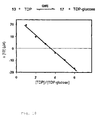
- FIG. 18 Determination of the equilibrium constant (K eq ) for the native GtfE-catalyzed reaction.
- the K eq was measured in duplicate via a series of reactions under saturation conditions in which the ratio of [TDP]/[TDP-glucose] was varied from 1 to 6 while the initial ratio of [13]/[17] was fixed at 56/44.
- the change in [13] after a 6 h incubation at 37° C. was determined by RP-HPLC and plotted against [TDP]/[TDP-glucose].
- K eq ([TDP]/[TDP-glucose] ⁇ [13]/[17])
- FIG. 19 Tandem two-GT-catalyzed aglycon exchange.
- A Scheme for the GtfE/CalG1-catalyzed transformation of 1 to 2f.
- B RP-HPLC analysis of a tandem two-GT-catalyzed reaction.
- (i) Co-incubation of 100 ⁇ M14, 50 ⁇ M 1, and 0.1 mM TDP with 10 ⁇ M GtfE and 10 ⁇ M CalG1 led to the formation of 2f and by-product 17. The percent conversion is indicated in parentheses.
- Co-incubation of 100 ⁇ M 14 and 0.1 mM TDP with 10 ⁇ M GtfE led to the formation of 17 (25%).
- Co-incubation of 100 ⁇ M 14 and 1 mM TDP in the absence of GtfE resulted in no reaction. Products were confirmed by LC-MS to give values consistent with those previously determined ( FIG. 7 and reference 16).
- FIG. 20 RP-HPLC analysis of representative AveBI reactions.
- Panels A-E depicted the formation of glycosides of 105a-105e in AveBI reactions with 105 as an acceptor.
- Panels F-I represented the attachment of xylose to aglycons 102, 103, 105 and 108 to form 102c, 103c, 105c and 108c by AveBI, respectively. Conversion rates for each reaction were indicated in parentheses. Assay and HPLC conditions are available in following sections.
- FIG. 21 (A) Tandem Sugar-Assembly by AveBI-catalyzed aglycon-exchange reaction. (B) A library of AVM analogs constructed via AveBI-catalyzed glycorandomization.
- FIG. 22 SDS-PAGE analysis of the overexpression and purification of AveBI from Streptomyces lividans TK64.
- Lane 1 purified N-His 6 -tagged AveBI protein from S. lividans TK64 pCAM4.10; lane 2, soluble fractions from crude extracts of S. lividans TK64 pCAM4.10 expressing N-His 6 -tagged AveBI; 2, soluble fractions from crude extracts of S. lividans TK64 pCAM4.11 expressing native AveBI; lane M, protein molecular weight standard markers from Invitrogen (Carlsbad, Calif.). The expressed proteins are marked with arrows and molecular weights are indicated on the right column.
- FIG. 23 AveBI-catalyzed aglycon exchange reactions.
- A Scheme for a AveBI-catalyzed aglycon exchange reaction. In this reaction, TDP-olendrose (104) was excised from 101 by AveBI and subsequently transferred to 105, to produce 106 and 107 in a stepwise, tandem manner.
- B RP-HPLC analysis of AveBI-catalyzed reverse and aglycon exchange reactions.
- FIG. 24 Structures of TDP-sugars tested in this work.
- the sugar donors in (A) were AveBI substrates while those in (B) were not.
- Highlighted parts (red or blue) indicate the structural differences from TDP- ⁇ -D-glucose (XI).
- FIG. 25 The reversibility of EryBV-catalyzed reactions.
- FIG. 26 RP-HPLC analysis of the exchange reaction of FIG. 25 .
- FIG. 27 (A) TDP mediated the AveBI reverse catalysis and (B). TDP mediated the EryBV reverse catalysis.
- FIG. 28 CalG2 and CalG3 glycorandomization.
- A synthesis directed by CalG2 and CalG3;
- B The CalG2/G3-catalyzed transfer of unnatural sugars 28 a - l ;
- C RP-HPLC of CalG2/G3-catalyzed reactions.
- FIG. 29 Representative polyene antibiotics suitable for manipulating reversible glycosyltransferase reactions according to the present invention.
- FIG. 30 Representative biomolecules and reversible glycosyltransferases acting thereupon. Substrate specificity in indicated for each specific glycosyltransferase.
- the present invention relates to methods using glycosyltransferases and related novel compounds.
- the invention exploits the reversibility of glycosyltransferases to generate new sugars, unnatural biomolecules and numerous one-pot reactions for generation of new biomolecules having varied backbones such as enediynes, vancomycins, bleomycins, anthracyclines, macrolides, pluramycins, aureolic acids, indolocarbazoles, aminglycosides, glycopeptides, polyenes, coumarins, benzoisochromanequinones, calicheamicins, erythromycins, avermectins, ivermectins, angucyclines, cardiac glycosides, steroids or flavinoids.
- the invention specifically relates to biosynthesis of anticancer (the enediyne calicheamicin, CLM), anthelmintic agents (the macrolide avermectin and ivermectin) and antibiotic (the glycopeptide vancomycin, VCM) natural product-based drugs developed by reversible, bidirectional glycosyltransferase catalyzed reactions.
- CLM enediyne calicheamicin
- anthelmintic agents the macrolide avermectin and ivermectin
- antibiotic the glycopeptide vancomycin, VCM
- One exemplary embodiment of the present invention provides a method of synthesizing an independent sugar moiety A, in-situ, from a biomolecule having a sugar moiety A.
- This method comprises the steps of: (a) incubating the biomolecule having the sugar moiety A with a nucleotide diphosphate in the presence of a glycosyltransferase wherein the sugar moiety A in the biomolecule is excised from the biomolecule, thereby generating the independent sugar moiety A and a biomolecule aglycon; and (b) isolating the independent sugar moiety A from step (a), wherein the biomolecule is an enediyne, a vancomycin, a bleomycin, an anthracycline, a macrolide, a pluramycin, an aureolic acid, an indolocarbazole, an aminglycoside, a glycopeptide, a polyene, a coumarin, a benzoisochromanequinone,
- the glycosyltransferase is preferably CalG1, CalG2, CalG3, CalG4, GtfD, GtfE, EryBV or AveBI.
- the biomolecule having the sugar moiety A is an enediyne, a vancomycin, a calicheamicin, an erythromycin, an avermectin or an ivermectin.
- the sugar moiety is a NDP sugar and the sugar moiety A is a UDP sugar or a TDP sugar.
- the TDP sugar is selected from TDP- ⁇ -D-glucose, TDP- ⁇ -L-rhamnose, TDP-O-methylrhamnose, TDP-6-azidoglucose, TDP- ⁇ -L-vancosamine, TDP- ⁇ -L-olendrose and TDP- ⁇ -L-mycarose.
- this synthesis is reversible, whereby incubating the independent sugar moiety A and the biomolecule aglycon in the presence of a glycosyltransferase provides the biomolecule having the sugar moiety A.
- Another exemplary embodiment of the present invention provides a method of exchanging a sugar moiety, in-situ, between (i) an independent sugar moiety B and (ii) a biomolecule having a sugar moiety A.
- This method comprises the steps of: (a) incubating the independent sugar moiety B with the biomolecule having sugar moiety A in the presence of a glycosyltransferase, wherein the sugar moiety A is excised from the biomolecule and the sugar moiety B is ligated in its place, thereby generating the independent sugar moiety A and a biomolecule having sugar B; and (b) isolating the independent sugar moiety A and the biomolecule having sugar moiety B from step (a), wherein the biomolecule is an enediyne, a vancomycin, a bleomycin, an anthracycline, a macrolide, a pluramycin, an aureolic acid, an indolocarbazole, an aminglycoside, a glycopeptide, a
- the glycosyltransferase is preferably CalG1, CalG2, CalG3, CalG4, GtfD, GtfE, EryBV or AveBI.
- the biomolecule is an enediyne, a vancomycin, a calicheamicin, an erythromycin, an avermectin or an ivermectin.
- the sugar moiety A or B is independently selected from:
- the sugar exchange is reversible, whereby incubating the independent sugar moiety A and the biomolecule having sugar moiety B in the presence of a glycosyltransferase results in the independent sugar moiety B and the biomolecule having a sugar moiety A.
- Yet another exemplary embodiment of the present invention provides a method of generating a biomolecule A having a sugar moiety A from a biomolecule B having the sugar moiety A, in situ.
- This method comprises the steps of: (a) incubating the biomolecule A, biomolecule B having the sugar moiety A and a nucleotide diphosphate in the presence of a glycosyltransferase wherein (i) the sugar moiety A of the biomolecule B is excised from the biomolecule B, thereby generating an independent sugar moiety A and a biomolecule aglycon B; and (ii) the independent sugar moiety A and the biomolecule A are ligated, thereby generating the biomolecule A having the sugar moiety A; and (b) isolating the biomolecule A having sugar moiety A from step (a), wherein the biomolecule is an enediyne, a vancomycin, a bleomycin, an anthracycline, a macrolide, a pluramycin, an aure
- the glycosyltransferase is preferably CalG1, CalG2, CalG3, CalG4, GtfD, GtfE, EryBV or AveBI.
- the biomolecule A or biomolecule B is an enediyne, a vancomycin, a calicheamicin, an erythromycin, an avermectin, an ivermectin or combinations thereof.
- the method of generating biomolecule A having the sugar moiety A from the biomolecule B having the sugar moiety A is reversible, such that incubating the biomolecule A having the sugar moiety A and the biomolecule aglycon B in the presence of a glycosyltransferase results in the biomolecule B having the sugar moiety A.
- Another exemplary embodiment of the present invention provides a method of generating a biomolecule A having a sugar moiety A and a biomolecule B having a sugar moiety B from a biomolecule B having the sugar moiety A and a biomolecule A having the sugar moiety B.
- This method comprises the steps of: (a) incubating the biomolecule A having the sugar moiety B, biomolecule B having the sugar moiety A and a nucleotide diphosphate in the presence of a glycosyltransferase wherein (i) the sugar moiety A of the biomolecule B is excised from the biomolecule B, thereby generating an independent sugar moiety A and a biomolecule aglycon B; (ii) the sugar moiety B of the biomolecule A is excised from the biomolecule A, thereby generating an independent sugar moiety B and a biomolecule aglycon A; and (iii) the independent sugar moiety A and the biomolecule A are ligated, the independent sugar moiety B and the biomolecule B are ligated, thereby generating the biomolecule A having the sugar moiety A and biomolecule B having the sugar moiety B; and (b) isolating the biomolecule A having the sugar moiety A and the biomolecule B having from the sugar moiety B from step (a)(iii), where
- the glycosyltransferase is CalG1, CalG2, CalG3, CalG4, GtfD, GtfE, EryBV or AveBI.
- the biomolecule A or biomolecule B is an enediyne, a vancomycin, a calicheamicin, an erythromycin, an avermectin, an ivermectin or combinations thereof.
- this method of generating the biomolecule A having the sugar moiety A and the biomolecule B having the sugar moiety B is reversible, such that incubating the biomolecule A having the sugar moiety A and the biomolecule B having the sugar moiety B in the presence of a glycosyltransferase results in the biomolecule B having the sugar moiety A and the biomolecule A having the sugar moiety B.
- the present invention provides a method of generating a library of isolated glycosylated biomolecules comprising transferring a sugar moiety from a first biomolecule backbone to a second biomolecule backbone in the presence of a glycosyltransferase wherein the sugar moiety is transferred from the first biomolecule backbone to the second biomolecule backbone thereby generating a non-naturally occurring glycosylated biomolecule, wherein the biomolecule backbone is an enediyne, a vancomycin, a bleomycin, an anthracycline, a macrolide, a pluramycin, an aureolic acid, an indolocarbazole, an aminglycoside, a glycopeptide, a polyene, a coumarin, a benzoisochromanequinone, a calicheamicin, an erythromycin, an avermectin, an ivermectin, an angucycline, a
- the first and the second glycosylated biomolecule backbones are independently selected from: an enediyne, a vancomycin, a calicheamicin, an avermectin, an ivermectin, an erythromycin and combinations thereof.
- the sugar moiety is selected from:
- Another embodiment of the present invention provides a glycoside analog of Formula I through XIV having a non-native sugar moiety, (a) wherein the glycoside analog is selected from:
- glycoside analog of Formula II, III, IV or V further includes a 3′-O-methylrhamnose moiety;
- Y is independently selected from CH(CH 3 ) 2 , CH 2 (CH 3 ) 2 , CH 2 CH 3 or CH 3 ;
- X is independently selected from H or OH; and
- R is independently selected from a sugar moiety selected from:
- GTs Glycosyltransferases
- calicheamicin and vancomycin Glycosyltransferases
- the present invention teaches that four Gts from two distinct natural product biosynthetic pathways—calicheamicin and vancomycin—catalyze readily reversible reactions, allowing sugars and aglycons to be exchanged with ease.
- calicheamicin and vancomycin As proof of the broader applicability of these new reactions, more than seventy differentially glycosylated calicheamicin and vancomycin variants are reported.
- the reversibility of GT-catalyzed reactions may be general and useful for exotic nucleotide sugar generation, establishing in vitro GT activity in complex systems, and enhancing natural product diversity.
- the GTs tested (CLM CalG1/G2/G3/G4 and VCM GtfD/E) were found to catalyze three new reactions—i) the synthesis of exotic NDP-sugars from glycosylated natural products, ii) the exchange of native natural product glycosides with exogenous carbohydrates supplied as NDP-sugars, and iii) the transfer of a sugar from one natural product backbone to a distinct natural product scaffold.
- the GT-catalyzed production of more than seventy differentially glycosylated CLM variants and a VCM analog bearing a handle for chemical diversification and a rare amino sugar are also reported.
- the calG1 gene was amplified from the genomic DNA of the CLM-producer, Micromonospora echinospora , overexpressed in E. coli , and the recombinant CalG1 was purified to homogeneity ( FIG. 5 ) (7) .
- Analysis of the CLM ⁇ 1 I biosynthetic gene cluster revealed four putative GT-encoded genes, calG1, calG2, calG3 and calG4, implicating a distinct GT for each sugar attachment (7) .
- the calG1-G4 genes were expressed and purified to near homogeneity ( FIG. 5 ), with overall yields of 10-15 mg per liter of culture
- CalG1 efficiently excised the native CLM 3′-O-methylrhamnosyl unit in the presence of TDP (to provide (1) and TDP-sugar (3)) and, in the presence of a slight excess of exogenous TDP-3-deoxyglucose, ultimately catalyzed the formation of (2c).
- TDP to provide (1) and TDP-sugar (3)
- Such CalG1-catalyzed in situ ‘sugar exchange’ might offer an expeditious method for substituting the CLM 3′-O-methylrhamnose with other natural or unnatural sugars.
- CLM derivatives FIG.
- GTs may also be used to harvest an exotic sugar from one natural product scaffold and transfer it to a different aglycon in a single reaction. This permutation of GT catalysis avoids the often complex synthesis of highly functionalized NDP-sugars (10) .
- the assays contained CalG1, a putative 3′-O methylrhamnose donor—4, 5, 6, 7, 8 or 10 (FIG. 2 )—TDP, and the representative acceptor (1).
- CalG4 also catalyzed in situ ‘aglycon exchange’, transferring the excised aminopentoses from donors 4-6 and 8 to the exogenous aglycon acceptor (1) in the presence of TDP with conversions ranging from 19-69% ( FIG. 16 ).
- controls lacking TDP (even in the presence of alternative NDPs) or CalG4 gave only starting materials.
- CalG4 Besides identifying CalG4 as the aminopentosyltransferase involved in CLM biosynthesis, these results confirm that, in contrast to the previously proposed UDP-sugar pathways (14) , CLM aminopentose biosynthesis proceeds via a TDP-sugar pathway. Additionally, this demonstrates that the reversibility of GT catalysis is not unique to the CalG1 reaction.
- VCM GTs GtfD and GtfE were overexpressed and purified as previously described (11) . Similar to the CLM GTs, GtfD catalyzed the excision of L-vancosamine from the parent sugar donor VCM (11) to form pseudoaglycon 13 ( FIG. 3A ). In a separate aglycon exchange reaction, GtfD catalyzed the transfer of L-vancosamine from (11) to the unnatural acceptor (14) (13) to give (15), a VCM analog containing both a sugar-appended azido handle for chemoselective ligation and a vancosaminyl moiety (27% conversion, FIG. 3A and FIG.
- GtfE could also catalyze sugar excision from both (13) and the unnatural sugar donor (14). Consistent with an equilibrium only moderately favoring the glycoside product in the GtfE-catalyzed reaction, the K eq was determined to be 4.5 ( FIG. 18 ). GtfE could also participate in aglycon exchange, as revealed by the GtfE-catalyzed generation of unnatural NDP-sugar (16) for CalG1-catalyzed glycosyltransfer to the enediyne acceptor (1) in a tandem, one-pot, GtfE/CalG1-catalyzed aglycon exchange reaction ( FIG. 3B ). With an overall conversion of 48%, this transformation highlights the potential of two-GT systems to mediate aglycon exchange between compounds from different natural product classes ( FIG. 19 ).
- TDP-N-alkylaminopentoses derived from donors 4-6 and 8, FIG. 2 and FIG. 15
- the simpler substrate TDP- ⁇ -L-rhamnose has been prepared by a five-step chemical synthesis with an overall yield of 27% (20) or a two-step enzymatic method in 62% yield (21) .
- the most advanced intermediate corresponding to the aminopentoses found in the CLMs required eleven linear steps and provided an overall yield of ⁇ 12% (22) .
- E. coli DH5a and BL21 (DE3) competent cells were purchased from Invitrogen (Carlsbad, Calif.).
- the pET-16b E. coli expression vector was purchased from Novagen (Madison, Wis.). Primers were purchased from Integrated DNA Technology (Coralville, Iowa).
- Pfu DNA polymerase was purchased from Stratagene (La Jolla, Calif.). Restriction enzymes and T4 DNA ligase were purchased from New England Biolabs (Ipswich, Mass.). Other chemicals were purchased from Sigma (St. Louis, Mo.).
- Calicheamicins ⁇ 3 I , ⁇ 1 I , ⁇ 1 I , ⁇ 1 I , ⁇ 2 I , DMH Nac ⁇ and Nac ⁇ were provided by Wyeth Research (Pearl River, N.Y.). TDP- ⁇ -L-rhamnose and TDP- ⁇ -L-rhamnose were gifts from Dr. Svetlana Borisova and Prof. Dr. Hung-wen Liu (University of Texas at Austin, Austin, Tex.). Analytical HPLC was run on a Varian Prostar 210/216 system connected to a Prostar 330 photodiode array detector (Varian, Walnut Creek, Calif.).
- Mass spectra were obtained by using electrospray ionization on Agilent 1100 HPLC-MSD SL quadrupole mass spectrometer (Agilent Technologies, Palo Alto, Calif.) connected with a UV/Vis diode array detector.
- the E p (glucose-1-phosphate thymidyltransferase) reaction was carried out in Tris-HCl buffer (50 mM, pH8.0) containing 5 mM MgCl 2 , 1 U inorganic pyrophosphatase, 10 ⁇ M of purified E p , 8 mM sugar-1-phosphate and 6 mM TTP, and incubated at 37° C. for 2 h.
- TDP-sugars The formation of TDP-sugars was monitored by RP-HPLC (Phenomenex, Luna C18, 5 ⁇ m, 250 ⁇ 4.6 mm, 30 mM KH 2 PO 4 , pH 6.0, 5 mM tetrabutylammonium hydrogensulfate, 2% CH 3 CN with a gradient of 0-50% CH 3 CN over 30 min, 1 mL/min, A 254 ).
- the TDP-sugars tested in this study are highlighted in FIG. 6 and relevant literature citations are presented in the FIG. 6 legend.
- a single transformant of E. coli BL21(DE3)/pCAM2.2 was inoculated into 4 mL LB medium supplemented with 100 ⁇ g/mL of ampicillin and grown at 37° C. overnight.
- the precultures were inoculated into 1 L LB medium with 100 ⁇ g/mL of ampicillin and grown at 28° C. to an OD 600 value of 0.5-0.7.
- Expression was induced with the addition of 0.4 mM of isopropyl- ⁇ -D-thiogalactopyranoside (IPTG) followed by an additional growth for 16 h.
- IPTG isopropyl- ⁇ -D-thiogalactopyranoside
- the cells obtained from 1 L of culture were pelleted, washed twice with buffer A (20 mM NaH 2 PO 4 , pH 7.5, 500 M NaCl, 10 M imidazole) and resuspended in 30 mL of buffer A supplemented with 1 mg/mL of lysozyme. After a 10 min incubation on ice, the proteins were released from the cells by three rounds of French-press (1,200 psi, Thermo IEC), and the insoluble material was removed by centrifugation at 30,000 ⁇ g for 1 hr at 4° C.
- the supernatants were loaded onto a HisTrap HT column (1 mL, Amersham Biosciences), and the N-(His) 10 -tagged CalG1 was eluted with a linear gradient of imidazole (10-500 mM) in buffer A via FPLC (Amersham Biosciences).
- the purified protein was desalted through a PD-10 column (Amersham Biosciences) and stored in buffer containing 10 mM Tris-HCl (pH 8.0), 100 mM NaCl, and 10% glycerol until use. Protein concentration was measured by Bradford assay (24) .
- N-(His) 10 -tagged CalG4 and N-(His) 6 -tagged GtfD, GtfE were purified following the same protocol from the appropriate E. coli overexpression strains.
- CalG1/CalG4 Assays were performed in a total volume of 100 ⁇ L in Tris-HCl buffer (10 mM, pH 7.5) containing 1 mM of MgCl 2 . CalG1-catalyzed reactions in the forward direction were carried out by incubating 50 ⁇ M PsAg (1) and 300 ⁇ M TDP-sugar ( FIG. 6 ) at 30° C. for 3-12 h in the presence or absence of 10 ⁇ M CalG1.
- CalG1-CalG4-catalyzed reactions in the reverse direction were performed by co-incubating 50 ⁇ M CLMs (2, 4-10) and 0.2 mM or 2 mM TDP (or UDP, ADP, CDP, GDP) in the presence of 10 ⁇ M CalG1/CalG4.
- CalG1-catalyzed ‘sugar exchange’ reactions were performed by co-incubating 50 ⁇ M CLMs (4-10) and 300 ⁇ M TDP-sugar ( FIG. 6A ) in the presence of 10 ⁇ M CalG1.
- CalG1/CalG4-catalyzed ‘aglycon exchange’ reactions were performed by co-incubating 50 ⁇ M CLMs (4-10) and 50 ⁇ M PsAg (1) in the presence of 100 ⁇ M TDP and 10 ⁇ M CalG1/CalG4. Upon completion, reactions were quenched by the addition of 100 ⁇ L MeOH, and denatured proteins removed by centrifugation. The formation of new CLM products was monitored by RP-HPLC (Phenomenex, Luna C18, 5 ⁇ m, 250 ⁇ 4.6 mm, 0.1% TFA in H 2 O with a 10%-100% CH 3 CN gradient over 20 min, 1 mL/min, A 280 ).
- Percent conversions were calculated by dividing the integrated area of glycosylated product by the sum of the integrated area of the product and that of the remaining substrate and products were confirmed by LC-MS (ESI).
- ESI LC-MS
- the formation of TDP-sugars in CalG1-catalyzed reverse reactions was monitored by anion exchange HPLC (SphereClone SAX, 5 ⁇ m, 250 ⁇ 4.60 mm, H 2 O with 0%-100% 600 mM ammonium formate gradient over 25 min, 1 mL/min, A 254 (30) .
- GtfD/GtfE Assays were performed in a total volume of 100 ⁇ L Tricine-NaOH buffer (75 mM, pH 9.0) containing 2.5 mM MgCl 2 , 2.5 M TCEP and 1 mg/mL BSA, as previously reported (8) .
- the GtfD-catalyzed reaction in the reverse direction was performed by co-incubating 100 ⁇ M vancomycin and 2 mM TDP at 30° C. for 4 h in the presence of 12 ⁇ M GtfD.
- the GtfD-catalyzed ‘aglycon exchange’ reaction was performed by co-incubating 100 ⁇ M vancomycin (11), 0.1 or 1 mM TDP and 100 ⁇ M (14) in the presence of 12 ⁇ M GtfD.
- GtfE-catalyzed reactions in the reverse direction were carried out by co-incubating 100 ⁇ M (14) and 2 mM TDP (or UDP) with 10 ⁇ M GtfE at 30° C. for 6 h.
- the two-GT-catalyzed aglycon exchange reaction was effected by co-incubating 100 ⁇ M (14), 0.1 mM TDP, 10 ⁇ M GtfE, 50 ⁇ M (1), and 10 ⁇ M CalG1 at 30° C. overnight in Tris-HCl (10 mM, pH7.5) containing 1 mM MgCl 2 .
- Tris-HCl 10 mM, pH7.5
- the formation of new vancomycin-analogs was monitored by RP-HPLC using the conditions described previously for the analysis of CalG1/CalG4-catalyzed aglycon exchange reactions.
- the reaction was performed in a total volume of 100 ⁇ L in Tricine-NaOH buffer (75 mM, pH 9.0) containing 2.5 mM MgCl 2 , 2.5 mM TCEP, 1 mg/mL BSA and 10 ⁇ M GtfE with incubation at 37° C. for 6 h.
- the change in (13) was monitored by RP-HPLC as described previously and plotted against the ratio of [TDP]/[TDP-glucose].
- LC-MS/MS analysis of CLM analogs was performed using a capillary LC system (Waters Corp., Milford, Mass.) coupled to a QTOF Micro mass spectrometer (Waters Corp.). Chromatographic separations were performed on a reverse phase capillary column (Atlantis® dC18, 3 ⁇ m, 75 ⁇ m ⁇ 100 mm).
- the mobile phases used were: (A) 5% acetonitrile and 0.1% formic acid in H 2 O; (B) 5% H 2 O and 0.1% formic acid in acetonitrile; (C) 0.1% formic acid in H 2 O, Samples were loaded onto a trap column (PepMapTM C18, 300 ⁇ m ⁇ 1 mm, 5 ⁇ m) using mobile phase C at a flow rate of 30 ⁇ L/min for 3 min to desalt the sample. A gradient of mobile phases A and B was then applied (1% B increase per min starting at 5% B) at a flow rate of 200 mL/min.
- the nanoflow electrospray ionization (ESI) source conditions were set as follows: capillary voltage 3800V, sample cone voltage 40V, extraction cone voltage 1V, source temperature 120° C., cone gas (N 2 ) 13 L/hr.
- the MS scan was from m/z 100 to 2000.
- the MS/MS scan was from m/z 50 to 2000 at a collision energy of 16 eV.
- CalG2 and CalG3 have now been shown to also exhibit reversible reactivity and sugar flexibility.
- the reactions catalyzed by CalG2 and CalG3 are shown in FIG. 28(A) , with product characterization by RP-HPLC illustrated in FIG. 28(C) .
- FIG. 29(B) the inventors demonstrate that CalG2 and CalG3 utilize the various sugar substrates shown therein.
- Avermectins (AVMs, e.g. FIG. 21 , 101) are 16-membered macrocyclic lactones produced by Streptomyces avermectinius .
- the avermectins, and the related C 22 -C 23 -reduced ivermectin (e.g. FIG. 21 , 107), target the ⁇ -aminobutyric acid (GABA)-related chloride ion channels unique to nematodes, insects, ticks and arachnids, with little or no mammalian toxicity.
- GABA ⁇ -aminobutyric acid
- AVMs are one of only a few known natural products postulated to derive from iterative glycosylation. 35 Specifically, a single glycosyltransferase (GT) is required for the attachment of the AVM oleandrosyl-disaccharide (AveBI), proposed to proceed in a stepwise, tandem manner ( FIG. 21A ).
- GT glycosyltransferase
- the present invention provides the first definitive in vitro biochemical verification of AveBI-catalyzed tandem glycosylation. Furthermore, consistent with the recent illumination of the reversibility of natural product GT-catalyzed reactions, 39 the AveBI-catalyzed reaction is shown to also be reversible, the utility of which is demonstrated by generating fifty AVM variants.
- the aveBI gene was amplified from pWHM473 38 and assessed in several expression systems. However, the functional expression of aveBI was only achieved in S. lividans TK64 by the use of expression vectors pPWW49 and pPWW50. 40 N-His 6 -tagged AveBI was subsequently purified to greater than 90% purity using HisTrap FPLC purifying system ( FIG. 22 ).
- the sequence-confirmed aveBI PCR product was inserted into vector pPWW50 to give expression plasmid pCAM4.10, which was introduced into Streptomyces lividans TK64.
- the cells expressing N-(His) 6 -AveBI were resuspended in 30 ml of buffer A (20 mM NaH 2 PO 4 , pH 7.5, 500 mM NaCl, 10 mM imidazole) supplemented with 1 mg/ml of lysozyme.
- the proteins were released from the cells by 3 rounds of French-press (1,200 psi).
- the supernatants were loaded onto the HisTrap HT column (1 ml) and the N-(His) 6 -tagged AveBI was eluted with a linear gradient of imidazole (10-500 mM) in buffer A by a FPLC system. After desalting through PD-10 column the purified AveBI was stored in the buffer containing 25 mM Tris-HCl (pH 8.0), 100 mM NaCl and 10% glycerol.
- Aglycons 102, 103, 105, 106 and 108 were prepared via selective acid-mediated hydrolysis of AVM B1a (101) and IVM (7).
- Ivermectin (107, 460 mg, 0.525 mmol) was added to a solution of 10 ml 2% H 2 SO 4 in isopropanol and stirred at room temperature under argon for 6 h. The reaction was stopped via addition of 0.1 ml of triethylamine (NEt 3 ). Sample was dried, dissolved in 500 ⁇ l methanol and loaded onto a silica column (3 ⁇ 30 cm) pre-equilibrated with petroleum. After elution with EtOAc/petroleum varying from 0/10, 1/9, 2/8, 3/7, 2/6 (ea.
- AveBI reaction The reversibility of the AveBI reaction was examined using commercially-available 101 and TDP.
- TDP- ⁇ -L-olivose sugar nucleotide
- AveBI assays were performed in a total volume of 100 l in Tris-HCl buffer (50 mM, pH 8.0) containing 2 mM MgCl 2 . Reversibility of AveBI reaction was assayed by co-incubation of 100 ⁇ M avermectin B1a (1) or ivermectin (7) and 2 mM TDP with 12 ⁇ M AveBI at 30° C. overnight. The AveBI-catalyzed aglycon exchange reaction was assayed by co-incubation of 100 M (1), 100 ⁇ M (5) and 2 mM TDP with 12 ⁇ M AveBI at 30° C. overnight.
- AveBI was capable of catalyzing an ‘aglycon exchange’ reaction
- AveBI the GT responsible for the stepwise tandem assembly of the AVM oleandrosyl disaccharide and reveal the AveBI-catalyzed reaction to be readily reversible and amenable to ‘aglycon exchange’ transglycosylation strategies.
- AveBI sugar nucleotide specificity was subsequently probed with twenty-two NDP-sugars (generated chemically or chemoenzymatically, FIG. 24 ).
- IVM aglycone (105) with TDP-6-deoxyglucose led to a new product (99% conversion, FIG. 20A ), the LC-MS of which was consistent with the anticipated product (105a) ( FIG. 21B ).
- the reaction contained 50 ⁇ M algycon (101-103, 105-108), approximate 300 ⁇ M TDP-sugar and 12 ⁇ M AveBI, and was incubated at 30° C. overnight.
- E. coli DH5 ⁇ and BL21 (DE3) competent cells were purchased from Invitrogen.
- the E. coli expression vectors pET-11a, pET28a were purchased from Novagen.
- the plasmids, pPWW49 and pPWW50, for expression in S. lividans were generous gifts from Dr. Udo F. Wehmeier and Prof. Dr. Wolfgang Piepersberg (Bergische University, Wuppertal, Germany). Primers were ordered from Integrated DNA Technology.
- Pfu DNA polymerase was purchased from Stratagene. Restriction enzymes and T4 DNA ligase were purchased from New England Biolabs. Other chemicals were purchased from Sigma (St. Louis, Mo.).
- TDP- ⁇ -L-rhamnose and TDP- ⁇ -L-rhamnose were gifts from Dr. Svetlana Borisova and Prof. Dr. Hung-wen Liu (University of Texas at Austin, Austin, USA).
- Ivermectin was purchased from Sigma (St. Louis, Mo.) and avermectin B1a was purchased from Supelco (Bellefonte, Pa.).
- 1 H NMR, 13 C NMR and two-dimensional correlation spectra (gCOSY, TOCXY, gHSQC and gHMBC) were recorded in CD 3 OD on a 400-MHz Varian INOVA model NMR spectrometer. Chemical shifts are reported in parts per million (ppm, ⁇ ) relative to CD 3 OD (0.00).
- the E p (glucose-1-phosphate thymidylyltransferase) reaction was carried out in Tris-HCl buffer (50 mM, pH8.0) containing 5 mM MgCl 2 , 1 U inorganic pyrophosphatase, 10 ⁇ M of purified E p , 8 mM sugar-1-phosphate and 6 mM TTP, and incubated at 37° C. for 2 h.
- TDP-sugars The formation of TDP-sugars was monitored by RP-HPLC (Phenomenex, Luna C18, 5 ⁇ m, 250 ⁇ 4.6 mm, 30 mM KH 2 PO 4 , pH 6.0, 5 mM tetrabutylammonium hydrogensulfate, 2% CH 3 CN with a gradient of 0-50% CH 3 CN over 30 min, 1 mL/min, A 254 ).
- the aveBI gene was amplified from pWHM473 using primers 5′-ctagacagtga catatg tcagatcattttctcttc-3′ (SEQ. ID NO:5) (forward, NdeI) and 5′-aaccctgtg agatct actcaccgcccggc-3′ (SEQ. ID NO:6) (reverse, BglII).
- the PCR products were cut with NdeI/BglII and inserted into pPCPU21 (NdeI/BglII), resulted in plasmid pCAM4.9.
- the aveBI insert was cut with NdeI/BglII from pCAM4.9 and ligated to vectors pET11a, pET16b, pPWW49 and pPWW50 (NdeI/BamHI), 44 resulted in expression plasmids pCAM4.1, pCAM4.2, pCAM4.11 and pCAM4.10, respectively.
- Soluble expression of AveBI was only achieved in Streptomyces lividans TK64 harboring pCAM4.11 or pCAM4.10.
- the plasmid pCAM4.10 was introduced into S. lividans TK64 by standard transformation, 45 for the expression of N-(His) 6 -AveBI.
- the transformants were grown in liquid TSB media (thiostrepton 25 ⁇ g/ml) for three days at 28° C. and were transferred to YEME media (thiostrepton 25 ⁇ g/ml) containing 25% sucrose.
- the culture was incubated at 28° C. for two more days and cells were harvested.
- the pellets obtained from 300 mL of culture were washed twice with buffer A (20 mM NaH 2 PO 4 , pH 7.5, 500 mM NaCl, 10 mM imidazole) and resuspended in 30 ml of buffer A supplemented with 1 mg/ml of lysozyme.
- the proteins were released from the cells by three rounds of French-press (1,200 psi, Thermo IEC) and the insoluble material was removed by centrifugation at 30,000 g for 1 hr (4° C.). The supernatants were loaded onto the HisTrap HT column (1 ml, Amersham Biosciences) and the N-(His) 6 -tagged AveBI was eluted with a linear gradient of imidazole (10-500 mM) in buffer A by a FPLC system (Amersham Biosciences).
- the purified protein was desalted through PD-10 column (Amersham Biosciences) and stored in the buffer containing 25 mM Tris-HCl (pH 8.0), 100 mM NaCl and 10% glycerol until use. Protein concentration was measured by Bradford assay. 46
- AveBI assays were performed in a total volume of 100 ⁇ l in Tris-HCl buffer (50 mM, pH 8.0) containing 2 mM MgCl 2 . Reversibility of AveBI reaction was assayed by co-incubation of avermectin B1a (101, 100 ⁇ M) and TDP (2 mM) with 12 ⁇ M AveBI at 30° C. overnight. The AveBI-catalyzed aglycon exchange reaction was assayed by co-incubation of 100 ⁇ M (101), 100 ⁇ M (105) and 2 mM TDP with 12 ⁇ M AveBI at 30° C. overnight.
- the reaction contained 50 ⁇ M algycon (101-103, 105-108) and approximate 300 ⁇ M TDP-sugar (directly from E p reactions) in the presence of 12 ⁇ M AveBI and was incubated at 30° C. overnight.
- the reactions were analyzed by HPLC using a reversed phase column Luna C18, 5 ⁇ m, 250 ⁇ 4.6 mm (Phenomenex) with UV detection at 243 nm.
- solvent system solvent A, 0.1% TFA in water; solvent B, acetonitrile
- 30% B to 70% B linear gradient, 0-5 min
- 70% B to 100% B linear gradient, 5-25 min
- 100% B 25-30 min
- 100% B to 30% B linear gradient, 30-31 min
- 30% B 30% B (31-40 min).
- the present invention provides indisputable evidence of the AveBI-catalyzed tandem sugar addition within AVM biosynthesis. Further, the demonstrated promiscuity of AveBI further highlights the inherent flexibility of many secondary metabolite GTs and provides a rapid one-pot strategy for the generation of 50 differentially-glycosylated AVMs. In contrast to the macrolide in vitro GT studies to date, 42 AveBI does not require a helper protein for activity. Finally, the recently established ‘sugar/aglycon exchange’ strategies, 39 and the concept of reversibility of GT-catalyzed reactions to provide exotic sugar nucleotides, are shown to apply to macrolides.
- TDP mediated the reverse catalysis of EryBV to excise mycarose from 3-a-mycarosyl erythronolide B (206) to form erythronolide B (208).
- EryBV also catalyzed the transformation of erythromycin B (202) and erythromycin D (204) into (205), but had no reverse activity on erythromycin A (201) and erythromycin C (203).
- TDP-mycarose (207) was produced in a reverse catalysis from 206 and was subsequently transferred to 6-deoxyerythronolide B (209) to yield a new macrolide (210).
- the corresponding RP-HPLC analysis of this exchange reaction was depicted in FIG. 26 .
- TDP mediated the AveBI reverse catalysis to produce TDP-oleandrose (212) from (211), (212) was subsequently transferred by EryBV to (208) (or 209) to yield new macrolides (214) or (215).
- TDP mediated the EryBV reverse catalysis to produce TDP-mycarose (207) from (206), (207) was subsequently transferred by AveBI to (216) in a stepwise, tandem reaction to produce new avermectin derivatives (217) and (218).
- FIG. 29 illustrates five polyene antibiotics which are acted upon by reversible glycosyltransferase NysD1.
- NysD1 the glycosyltransferase which glycosylates Nystatin A1
- NysD1 has been shown to exhibit flexibility in aglycon and sugar donor specificities.
- NysD1 has been shown capable of acting upon five different polyene aglycons and eight different NDP-sugars.
- the present invention exploits the reversibility of glycosyltransferases to generate new, unnatural biomolecules.
- the broad utility of this invention is seen in FIG. 30 , where five different scaffolds are shown, upon which various glycosyltransferases can act, and upon which reversible GTs act, each GT being capable of utilizing multiple aglycons and sugar donors.
Landscapes
- Chemical & Material Sciences (AREA)
- Organic Chemistry (AREA)
- Life Sciences & Earth Sciences (AREA)
- Engineering & Computer Science (AREA)
- General Health & Medical Sciences (AREA)
- Biochemistry (AREA)
- Genetics & Genomics (AREA)
- Zoology (AREA)
- Wood Science & Technology (AREA)
- Health & Medical Sciences (AREA)
- Biotechnology (AREA)
- Chemical Kinetics & Catalysis (AREA)
- General Chemical & Material Sciences (AREA)
- Microbiology (AREA)
- Molecular Biology (AREA)
- Bioinformatics & Cheminformatics (AREA)
- General Engineering & Computer Science (AREA)
- Biophysics (AREA)
- Proteomics, Peptides & Aminoacids (AREA)
- Medicinal Chemistry (AREA)
- Saccharide Compounds (AREA)
- Pharmaceuticals Containing Other Organic And Inorganic Compounds (AREA)
Priority Applications (2)
| Application Number | Priority Date | Filing Date | Title |
|---|---|---|---|
| US11/847,731 US8841092B2 (en) | 2006-08-30 | 2007-08-30 | Reversible natural product glycosyltransferase-catalyzed reactions, compounds and related methods |
| US14/335,067 US9469864B2 (en) | 2006-08-30 | 2014-07-18 | Reversible natural product glycosyltransferase-catalyzed reactions, compounds and related methods |
Applications Claiming Priority (2)
| Application Number | Priority Date | Filing Date | Title |
|---|---|---|---|
| US82401806P | 2006-08-30 | 2006-08-30 | |
| US11/847,731 US8841092B2 (en) | 2006-08-30 | 2007-08-30 | Reversible natural product glycosyltransferase-catalyzed reactions, compounds and related methods |
Related Child Applications (1)
| Application Number | Title | Priority Date | Filing Date |
|---|---|---|---|
| US14/335,067 Division US9469864B2 (en) | 2006-08-30 | 2014-07-18 | Reversible natural product glycosyltransferase-catalyzed reactions, compounds and related methods |
Publications (2)
| Publication Number | Publication Date |
|---|---|
| US20090275485A1 US20090275485A1 (en) | 2009-11-05 |
| US8841092B2 true US8841092B2 (en) | 2014-09-23 |
Family
ID=39136891
Family Applications (2)
| Application Number | Title | Priority Date | Filing Date |
|---|---|---|---|
| US11/847,731 Active 2031-05-17 US8841092B2 (en) | 2006-08-30 | 2007-08-30 | Reversible natural product glycosyltransferase-catalyzed reactions, compounds and related methods |
| US14/335,067 Expired - Fee Related US9469864B2 (en) | 2006-08-30 | 2014-07-18 | Reversible natural product glycosyltransferase-catalyzed reactions, compounds and related methods |
Family Applications After (1)
| Application Number | Title | Priority Date | Filing Date |
|---|---|---|---|
| US14/335,067 Expired - Fee Related US9469864B2 (en) | 2006-08-30 | 2014-07-18 | Reversible natural product glycosyltransferase-catalyzed reactions, compounds and related methods |
Country Status (2)
| Country | Link |
|---|---|
| US (2) | US8841092B2 (fr) |
| WO (1) | WO2008028050A2 (fr) |
Cited By (1)
| Publication number | Priority date | Publication date | Assignee | Title |
|---|---|---|---|---|
| WO2018226893A2 (fr) | 2017-06-06 | 2018-12-13 | Zymergen Inc. | Plate-forme d'ingénierie génomique à haut rendement (htp) pour l'amélioration de saccharopolyspora spinosa |
Families Citing this family (5)
| Publication number | Priority date | Publication date | Assignee | Title |
|---|---|---|---|---|
| CN102492006B (zh) * | 2011-12-14 | 2013-12-25 | 中国科学院南海海洋研究所 | 一类角环素类化合物及其在制备抗肿瘤药物中的应用 |
| CN103509074A (zh) * | 2013-10-10 | 2014-01-15 | 江西科技师范大学 | 核苷二磷酸6-脱氧-l-吡喃糖的合成方法 |
| CN110741011A (zh) * | 2017-02-22 | 2020-01-31 | 免疫系统调节控股有限公司 | 新型免疫刺激大环内酯 |
| JP7100652B2 (ja) * | 2017-02-22 | 2022-07-13 | アイエスアール イミューン システム レギュレイション ホールディング アクチエボラグ(パブル) | 新規免疫刺激マクロライド |
| CN107746835B (zh) * | 2017-09-29 | 2020-05-08 | 暨南大学 | 一种糖基转移酶及其克隆表达方法与应用 |
Citations (1)
| Publication number | Priority date | Publication date | Assignee | Title |
|---|---|---|---|---|
| US4970198A (en) | 1985-10-17 | 1990-11-13 | American Cyanamid Company | Antitumor antibiotics (LL-E33288 complex) |
Family Cites Families (2)
| Publication number | Priority date | Publication date | Assignee | Title |
|---|---|---|---|---|
| US5053394A (en) * | 1988-09-21 | 1991-10-01 | American Cyanamid Company | Targeted forms of methyltrithio antitumor agents |
| ATE112172T1 (de) * | 1987-10-30 | 1994-10-15 | American Cyanamid Co | Targetformer von antitumor-methyltrithioagenzien. |
-
2007
- 2007-08-30 WO PCT/US2007/077258 patent/WO2008028050A2/fr not_active Ceased
- 2007-08-30 US US11/847,731 patent/US8841092B2/en active Active
-
2014
- 2014-07-18 US US14/335,067 patent/US9469864B2/en not_active Expired - Fee Related
Patent Citations (1)
| Publication number | Priority date | Publication date | Assignee | Title |
|---|---|---|---|---|
| US4970198A (en) | 1985-10-17 | 1990-11-13 | American Cyanamid Company | Antitumor antibiotics (LL-E33288 complex) |
Non-Patent Citations (52)
| Title |
|---|
| Ahlert et al., Science 2002, 297, 1173. |
| Amann et al., Carbohydr. Res., 2001, 335, 23-32. |
| Barton et al., Proc. Nall. Acad. Sci. U.S.A., 2002, 99, 13397. |
| Bililign et al., ChemBioChem., 2002, 3, 1143. |
| Blanchard et al., Curr. Opin. Chem. Biol., 2006, 10, 263. |
| Bradford, Anal. Biochem., 1976, 72, 248. |
| Breton et al., Glycobiology, 2006, 16, 29R. |
| Cardini et al., J. Biol. Chem., 1955, 214, 149. |
| Deangelis et al., J. Biol. Chem., 2003, 278, 35199. |
| Devos et al., Proteins: Structure, Function and Genetics, 2000, vol. 41: 98-107. * |
| Doumith et al., Mol. Gen. Genet., 2000, 264, 477-485. |
| Dourmishev et al., Int. J. Dermatol., 2005, 44, 981-988. |
| Fu et al., Nat. Biotechnol., 2003, 21, 1467. |
| Geary, Trends Parasitol, 2005, 21, 530-532. |
| Glaser et al., J. Biol. Chem., 1957, 228, 729. |
| Griffith et al., Curr. Opin. Biotechnol., 2005, 16, 622. |
| Hitchcock et al., J. Am. Chem. Soc., 1995, 117, 5750. |
| Ikeda et al., Chem. Rev., 1997, 97, 2591-2610. |
| Ikeda et al., Proc. Natl. Acad. Sci. U.S.A., 1999, 96, 9509-9514. |
| Jiang et al., Angew. Chem. Int. Ed. Engl., 2001, 40, 1502. |
| Jiang et al., J. Am. Chem. Soc., 2000, 122, 6803. |
| Kieser et al., 2000, Practical Streptomyces Genetics, Norwich, England. |
| Kim et al., J. Am. Chem. Soc., 1994, 116, 1766. |
| Kisselev L., Structure, 2002, vol. 10: 8-9. * |
| Koeller et al., Chem. Rev., 2000, 100, 4465. |
| Losey et al., Biochemistry, 2001, 40, 4745. |
| Losey et al., Chem. Biol., 2002, 9, 1305. |
| Luzhetskyy et al., Chem. Biol., 2005, 12, 725-729. |
| Marumo et al., Eur. J. Biochem., 1992, 204, 539. |
| Minami et al., Tetrahedron Lett., 2005, 46, 6187. |
| Nagarajan et al., J. Chem. Soc., Chem. Comm., 1988, 1306. |
| Neufeld et al., Adv. Carb. Chem., 1963, 18, 309. |
| Nicolaou et al., J. Am. Chem. Soc., 1993, 115, 7625. |
| Oberthur et al., Org. Lett., 2004, 6, 2873. |
| Omura et al., Nat. Rev. Microbiol., 2004, 2, 984-989. |
| Pattathil et al., Planta, 2005, 221, 538. |
| PCT/US2007/077258 International Search Report, Wisconsin alumni research foundation, 2007. |
| Quiros et al., J. Biol. Chem., 2000, 275, 11713. |
| Rupprath et al., Curr. Med. Chem., 2005, 12, 1637. |
| Schulman et al., J. Biol. Chem., 1990, 265, 16965-16970. |
| Sears et al., Science, 2001, 291, 2344. |
| Sousa et al. Microbiology, 2002, 148(Pt5):1291-1303. * |
| Wacker et al., Science, 2002, 298, 1790. |
| Walker et al., Proc. Natl. Acad. Sci. U.S.A., 1992, 89,4608. |
| Walsh et al., Biochem. Soc. Trans., 2003, 31, 487. |
| Wei et al., Tetrahedron. Lett., 2004, 45, 6895-6898. |
| Whisstock et al., Quarterly Reviews of Biophysics 2003, vol. 36 (3): 307-340. * |
| Witkowski et al., Biochemistry 38:11643-11650, 1999. * |
| Wohlert et al., Chem. Biol., 2001, 8,681-700. |
| Yoon et al., Appl. Microbiol. Biotechol., 2004, 63, 626-634. |
| Zhang C et al; "Exploiting the Reverisbility of Natural Product Glycosyltranferase-Catalyzed Reactions"; Science Sep. 1, 2006 US; vol. 313, No. 5719, pp. 1291-1294. |
| Zhao et al., J. Org. Chem., 1998, 63, 7568. |
Cited By (1)
| Publication number | Priority date | Publication date | Assignee | Title |
|---|---|---|---|---|
| WO2018226893A2 (fr) | 2017-06-06 | 2018-12-13 | Zymergen Inc. | Plate-forme d'ingénierie génomique à haut rendement (htp) pour l'amélioration de saccharopolyspora spinosa |
Also Published As
| Publication number | Publication date |
|---|---|
| WO2008028050A2 (fr) | 2008-03-06 |
| US20150141294A1 (en) | 2015-05-21 |
| US20090275485A1 (en) | 2009-11-05 |
| WO2008028050A3 (fr) | 2008-09-04 |
| US9469864B2 (en) | 2016-10-18 |
Similar Documents
| Publication | Publication Date | Title |
|---|---|---|
| US9469864B2 (en) | Reversible natural product glycosyltransferase-catalyzed reactions, compounds and related methods | |
| Gantt et al. | Enzymatic methods for glyco (diversification/randomization) of drugs and small molecules | |
| Rupprath et al. | Nucleotide deoxysugars: essential tools for the glycosylation engineering of novel bioactive compounds | |
| CN108136208A (zh) | 大麻素糖苷前药以及合成方法 | |
| EP1278881B1 (fr) | Produits hybrides glycosyles, production et utilisation | |
| Wang et al. | Biosynthesis of the dideoxysugar component of jadomycin B: genes in the jad cluster of Streptomyces venezuelae ISP5230 for L-digitoxose assembly and transfer to the angucycline aglycone | |
| Pandey et al. | Biosynthesis of amino deoxy-sugar-conjugated flavonol glycosides by engineered Escherichia coli | |
| AU2001248588A1 (en) | Hybrid glycosylated products and their production and use | |
| Wehmeier et al. | Enzymology of aminoglycoside biosynthesis—Deduction from gene clusters | |
| Arishi et al. | Discovery and heterologous biosynthesis of glycosylated polyketide luteodienoside A reveals unprecedented glucinol-mediated product offloading by a fungal carnitine O-acyltransferase domain | |
| Chiu et al. | Diversity of sugar acceptor of glycosyltransferase 1 from Bacillus cereus and its application for glucoside synthesis | |
| Gao et al. | Discovery of glycosylated naphthacemycins and elucidation of the glycosylation | |
| US6884604B2 (en) | Glycorandomization and the production of novel erythronolide and coumarin analogs | |
| White-Phillip et al. | Enzymatic synthesis of TDP-deoxysugars | |
| Zhao et al. | Amide N-glycosylation by Asm25, an N-glycosyltransferase of ansamitocins | |
| Zhang et al. | In vitro analysis of type II polyketide synthase | |
| Zhang et al. | The in vitro characterization of polyene glycosyltransferases AmphDI and NysDI | |
| Kantola et al. | Folding of the polyketide chain is not dictated by minimal polyketide synthase in the biosynthesis of mithramycin and anthracycline | |
| Pandey et al. | Donor specificity of YjiC glycosyltransferase determines the conjugation of cytosolic NDP-sugar in in vivo glycosylation reactions | |
| Freitag et al. | Biosynthesis of the unusual 5, 5-gem-dimethyl-deoxysugar noviose: investigation of the C-methyltransferase gene cloU | |
| Pandey et al. | Biosynthesis of a novel fisetin glycoside from engineered Escherichia coli | |
| Kharel et al. | Characterization of the TDP-D-ravidosamine biosynthetic pathway: one-pot enzymatic synthesis of TDP-D-ravidosamine from thymidine-5-phosphate and glucose-1-phosphate | |
| Olano et al. | Harnessing sugar biosynthesis and glycosylation to redesign natural products and to increase structural diversity | |
| Li et al. | Engineered jadomycin analogues with altered sugar moieties revealing JadS as a substrate flexible O-glycosyltransferase | |
| Lee et al. | Enzymatic synthesis of novel unnatural phenoxodiol glycosides with a glycosyl donor flexible glycosyltransferase MeUGT1 |
Legal Events
| Date | Code | Title | Description |
|---|---|---|---|
| AS | Assignment |
Owner name: WISCONSIN ALUMNI RESEARCH FOUNDATION, WISCONSIN Free format text: ASSIGNMENT OF ASSIGNORS INTEREST;ASSIGNORS:THORSON, JON S.;ZHANG, CHANGSHENG;GRIFFITH, BYRON R.;REEL/FRAME:020118/0466;SIGNING DATES FROM 20070918 TO 20070928 Owner name: WISCONSIN ALUMNI RESEARCH FOUNDATION, WISCONSIN Free format text: ASSIGNMENT OF ASSIGNORS INTEREST;ASSIGNORS:THORSON, JON S.;ZHANG, CHANGSHENG;GRIFFITH, BYRON R.;SIGNING DATES FROM 20070918 TO 20070928;REEL/FRAME:020118/0466 |
|
| AS | Assignment |
Owner name: NATIONAL INSTITUTES OF HEALTH (NIH), U.S. DEPT. OF Free format text: CONFIRMATORY LICENSE;ASSIGNOR:UNIVERSITY OF WISCONSIN MADISON;REEL/FRAME:021738/0890 Effective date: 20081020 |
|
| STCF | Information on status: patent grant |
Free format text: PATENTED CASE |
|
| MAFP | Maintenance fee payment |
Free format text: PAYMENT OF MAINTENANCE FEE, 4TH YR, SMALL ENTITY (ORIGINAL EVENT CODE: M2551) Year of fee payment: 4 |
|
| MAFP | Maintenance fee payment |
Free format text: PAYMENT OF MAINTENANCE FEE, 8TH YR, SMALL ENTITY (ORIGINAL EVENT CODE: M2552); ENTITY STATUS OF PATENT OWNER: SMALL ENTITY Year of fee payment: 8 |