US9487596B2 - Compound isolated from quamoclit, and composition for preventing or treating diabetes containing the compound as an active ingredient - Google Patents
Compound isolated from quamoclit, and composition for preventing or treating diabetes containing the compound as an active ingredient Download PDFInfo
- Publication number
- US9487596B2 US9487596B2 US14/239,136 US201214239136A US9487596B2 US 9487596 B2 US9487596 B2 US 9487596B2 US 201214239136 A US201214239136 A US 201214239136A US 9487596 B2 US9487596 B2 US 9487596B2
- Authority
- US
- United States
- Prior art keywords
- quamoclit
- compound
- diabetes
- group
- novel compound
- Prior art date
- Legal status (The legal status is an assumption and is not a legal conclusion. Google has not performed a legal analysis and makes no representation as to the accuracy of the status listed.)
- Active, expires
Links
- JJJGNRYICOPFCE-UHFFFAOYSA-N CCCCCC(CCCC(O)CC(=O)O)OC1OC(COC2OC(C)C(OC3CC(O)C(O)C(C)O3)CC2O)C(O)C(O)C1OC1CC(O)C(OC2CC(C)C(OC3CC(O)C(OC)C(C)O3)C(C)O2)C(C)O1.[HH].[HH].[HH].[HH].[HH].[HH].[HH].[HH] Chemical compound CCCCCC(CCCC(O)CC(=O)O)OC1OC(COC2OC(C)C(OC3CC(O)C(O)C(C)O3)CC2O)C(O)C(O)C1OC1CC(O)C(OC2CC(C)C(OC3CC(O)C(OC)C(C)O3)C(C)O2)C(C)O1.[HH].[HH].[HH].[HH].[HH].[HH].[HH].[HH] JJJGNRYICOPFCE-UHFFFAOYSA-N 0.000 description 6
- 0 *C=NCCC1CCC1 Chemical compound *C=NCCC1CCC1 0.000 description 5
Images






Classifications
-
- C—CHEMISTRY; METALLURGY
- C07—ORGANIC CHEMISTRY
- C07H—SUGARS; DERIVATIVES THEREOF; NUCLEOSIDES; NUCLEOTIDES; NUCLEIC ACIDS
- C07H15/00—Compounds containing hydrocarbon or substituted hydrocarbon radicals directly attached to hetero atoms of saccharide radicals
- C07H15/02—Acyclic radicals, not substituted by cyclic structures
- C07H15/04—Acyclic radicals, not substituted by cyclic structures attached to an oxygen atom of the saccharide radical
-
- C—CHEMISTRY; METALLURGY
- C08—ORGANIC MACROMOLECULAR COMPOUNDS; THEIR PREPARATION OR CHEMICAL WORKING-UP; COMPOSITIONS BASED THEREON
- C08B—POLYSACCHARIDES; DERIVATIVES THEREOF
- C08B37/00—Preparation of polysaccharides not provided for in groups C08B1/00 - C08B35/00; Derivatives thereof
- C08B37/006—Heteroglycans, i.e. polysaccharides having more than one sugar residue in the main chain in either alternating or less regular sequence; Gellans; Succinoglycans; Arabinogalactans; Tragacanth or gum tragacanth or traganth from Astragalus; Gum Karaya from Sterculia urens; Gum Ghatti from Anogeissus latifolia; Derivatives thereof
-
- A23L1/296—
-
- A—HUMAN NECESSITIES
- A23—FOODS OR FOODSTUFFS; TREATMENT THEREOF, NOT COVERED BY OTHER CLASSES
- A23L—FOODS, FOODSTUFFS OR NON-ALCOHOLIC BEVERAGES, NOT OTHERWISE PROVIDED FOR; PREPARATION OR TREATMENT THEREOF
- A23L33/00—Modifying nutritive qualities of foods; Dietetic products; Preparation or treatment thereof
- A23L33/40—Complete food formulations for specific consumer groups or specific purposes, e.g. infant formula
-
- A—HUMAN NECESSITIES
- A61—MEDICAL OR VETERINARY SCIENCE; HYGIENE
- A61K—PREPARATIONS FOR MEDICAL, DENTAL OR TOILETRY PURPOSES
- A61K31/00—Medicinal preparations containing organic active ingredients
- A61K31/33—Heterocyclic compounds
- A61K31/335—Heterocyclic compounds having oxygen as the only ring hetero atom, e.g. fungichromin
- A61K31/35—Heterocyclic compounds having oxygen as the only ring hetero atom, e.g. fungichromin having six-membered rings with one oxygen as the only ring hetero atom
- A61K31/351—Heterocyclic compounds having oxygen as the only ring hetero atom, e.g. fungichromin having six-membered rings with one oxygen as the only ring hetero atom not condensed with another ring
-
- A—HUMAN NECESSITIES
- A61—MEDICAL OR VETERINARY SCIENCE; HYGIENE
- A61K—PREPARATIONS FOR MEDICAL, DENTAL OR TOILETRY PURPOSES
- A61K31/00—Medicinal preparations containing organic active ingredients
- A61K31/70—Carbohydrates; Sugars; Derivatives thereof
- A61K31/715—Polysaccharides, i.e. having more than five saccharide radicals attached to each other by glycosidic linkages; Derivatives thereof, e.g. ethers, esters
-
- A—HUMAN NECESSITIES
- A61—MEDICAL OR VETERINARY SCIENCE; HYGIENE
- A61K—PREPARATIONS FOR MEDICAL, DENTAL OR TOILETRY PURPOSES
- A61K36/00—Medicinal preparations of undetermined constitution containing material from algae, lichens, fungi or plants, or derivatives thereof, e.g. traditional herbal medicines
- A61K36/18—Magnoliophyta (angiosperms)
- A61K36/185—Magnoliopsida (dicotyledons)
- A61K36/39—Convolvulaceae (Morning-glory family), e.g. bindweed
-
- A—HUMAN NECESSITIES
- A61—MEDICAL OR VETERINARY SCIENCE; HYGIENE
- A61K—PREPARATIONS FOR MEDICAL, DENTAL OR TOILETRY PURPOSES
- A61K45/00—Medicinal preparations containing active ingredients not provided for in groups A61K31/00 - A61K41/00
- A61K45/06—Mixtures of active ingredients without chemical characterisation, e.g. antiphlogistics and cardiaca
-
- A—HUMAN NECESSITIES
- A61—MEDICAL OR VETERINARY SCIENCE; HYGIENE
- A61P—SPECIFIC THERAPEUTIC ACTIVITY OF CHEMICAL COMPOUNDS OR MEDICINAL PREPARATIONS
- A61P13/00—Drugs for disorders of the urinary system
- A61P13/12—Drugs for disorders of the urinary system of the kidneys
-
- A—HUMAN NECESSITIES
- A61—MEDICAL OR VETERINARY SCIENCE; HYGIENE
- A61P—SPECIFIC THERAPEUTIC ACTIVITY OF CHEMICAL COMPOUNDS OR MEDICINAL PREPARATIONS
- A61P17/00—Drugs for dermatological disorders
- A61P17/02—Drugs for dermatological disorders for treating wounds, ulcers, burns, scars, keloids, or the like
-
- A—HUMAN NECESSITIES
- A61—MEDICAL OR VETERINARY SCIENCE; HYGIENE
- A61P—SPECIFIC THERAPEUTIC ACTIVITY OF CHEMICAL COMPOUNDS OR MEDICINAL PREPARATIONS
- A61P19/00—Drugs for skeletal disorders
- A61P19/02—Drugs for skeletal disorders for joint disorders, e.g. arthritis, arthrosis
-
- A—HUMAN NECESSITIES
- A61—MEDICAL OR VETERINARY SCIENCE; HYGIENE
- A61P—SPECIFIC THERAPEUTIC ACTIVITY OF CHEMICAL COMPOUNDS OR MEDICINAL PREPARATIONS
- A61P19/00—Drugs for skeletal disorders
- A61P19/08—Drugs for skeletal disorders for bone diseases, e.g. rachitism, Paget's disease
- A61P19/10—Drugs for skeletal disorders for bone diseases, e.g. rachitism, Paget's disease for osteoporosis
-
- A—HUMAN NECESSITIES
- A61—MEDICAL OR VETERINARY SCIENCE; HYGIENE
- A61P—SPECIFIC THERAPEUTIC ACTIVITY OF CHEMICAL COMPOUNDS OR MEDICINAL PREPARATIONS
- A61P27/00—Drugs for disorders of the senses
- A61P27/02—Ophthalmic agents
-
- A—HUMAN NECESSITIES
- A61—MEDICAL OR VETERINARY SCIENCE; HYGIENE
- A61P—SPECIFIC THERAPEUTIC ACTIVITY OF CHEMICAL COMPOUNDS OR MEDICINAL PREPARATIONS
- A61P27/00—Drugs for disorders of the senses
- A61P27/02—Ophthalmic agents
- A61P27/06—Antiglaucoma agents or miotics
-
- A—HUMAN NECESSITIES
- A61—MEDICAL OR VETERINARY SCIENCE; HYGIENE
- A61P—SPECIFIC THERAPEUTIC ACTIVITY OF CHEMICAL COMPOUNDS OR MEDICINAL PREPARATIONS
- A61P27/00—Drugs for disorders of the senses
- A61P27/02—Ophthalmic agents
- A61P27/12—Ophthalmic agents for cataracts
-
- A—HUMAN NECESSITIES
- A61—MEDICAL OR VETERINARY SCIENCE; HYGIENE
- A61P—SPECIFIC THERAPEUTIC ACTIVITY OF CHEMICAL COMPOUNDS OR MEDICINAL PREPARATIONS
- A61P3/00—Drugs for disorders of the metabolism
- A61P3/04—Anorexiants; Antiobesity agents
-
- A—HUMAN NECESSITIES
- A61—MEDICAL OR VETERINARY SCIENCE; HYGIENE
- A61P—SPECIFIC THERAPEUTIC ACTIVITY OF CHEMICAL COMPOUNDS OR MEDICINAL PREPARATIONS
- A61P3/00—Drugs for disorders of the metabolism
- A61P3/06—Antihyperlipidemics
-
- A—HUMAN NECESSITIES
- A61—MEDICAL OR VETERINARY SCIENCE; HYGIENE
- A61P—SPECIFIC THERAPEUTIC ACTIVITY OF CHEMICAL COMPOUNDS OR MEDICINAL PREPARATIONS
- A61P3/00—Drugs for disorders of the metabolism
- A61P3/08—Drugs for disorders of the metabolism for glucose homeostasis
- A61P3/10—Drugs for disorders of the metabolism for glucose homeostasis for hyperglycaemia, e.g. antidiabetics
-
- A—HUMAN NECESSITIES
- A61—MEDICAL OR VETERINARY SCIENCE; HYGIENE
- A61P—SPECIFIC THERAPEUTIC ACTIVITY OF CHEMICAL COMPOUNDS OR MEDICINAL PREPARATIONS
- A61P9/00—Drugs for disorders of the cardiovascular system
-
- A—HUMAN NECESSITIES
- A61—MEDICAL OR VETERINARY SCIENCE; HYGIENE
- A61P—SPECIFIC THERAPEUTIC ACTIVITY OF CHEMICAL COMPOUNDS OR MEDICINAL PREPARATIONS
- A61P9/00—Drugs for disorders of the cardiovascular system
- A61P9/10—Drugs for disorders of the cardiovascular system for treating ischaemic or atherosclerotic diseases, e.g. antianginal drugs, coronary vasodilators, drugs for myocardial infarction, retinopathy, cerebrovascula insufficiency, renal arteriosclerosis
-
- C—CHEMISTRY; METALLURGY
- C07—ORGANIC CHEMISTRY
- C07D—HETEROCYCLIC COMPOUNDS
- C07D407/00—Heterocyclic compounds containing two or more hetero rings, at least one ring having oxygen atoms as the only ring hetero atoms, not provided for by group C07D405/00
- C07D407/02—Heterocyclic compounds containing two or more hetero rings, at least one ring having oxygen atoms as the only ring hetero atoms, not provided for by group C07D405/00 containing two hetero rings
- C07D407/12—Heterocyclic compounds containing two or more hetero rings, at least one ring having oxygen atoms as the only ring hetero atoms, not provided for by group C07D405/00 containing two hetero rings linked by a chain containing hetero atoms as chain links
-
- C—CHEMISTRY; METALLURGY
- C07—ORGANIC CHEMISTRY
- C07D—HETEROCYCLIC COMPOUNDS
- C07D407/00—Heterocyclic compounds containing two or more hetero rings, at least one ring having oxygen atoms as the only ring hetero atoms, not provided for by group C07D405/00
- C07D407/14—Heterocyclic compounds containing two or more hetero rings, at least one ring having oxygen atoms as the only ring hetero atoms, not provided for by group C07D405/00 containing three or more hetero rings
-
- C—CHEMISTRY; METALLURGY
- C07—ORGANIC CHEMISTRY
- C07H—SUGARS; DERIVATIVES THEREOF; NUCLEOSIDES; NUCLEOTIDES; NUCLEIC ACIDS
- C07H1/00—Processes for the preparation of sugar derivatives
- C07H1/06—Separation; Purification
- C07H1/08—Separation; Purification from natural products
-
- A—HUMAN NECESSITIES
- A23—FOODS OR FOODSTUFFS; TREATMENT THEREOF, NOT COVERED BY OTHER CLASSES
- A23V—INDEXING SCHEME RELATING TO FOODS, FOODSTUFFS OR NON-ALCOHOLIC BEVERAGES AND LACTIC OR PROPIONIC ACID BACTERIA USED IN FOODSTUFFS OR FOOD PREPARATION
- A23V2002/00—Food compositions, function of food ingredients or processes for food or foodstuffs
Definitions
- the present invention relates to a novel compound isolated from Quamoclit sp. and a composition comprising thereof as an active ingredient, and more particularly to a novel compound isolated from Quamoclit sp. and a composition for preventing or treating diabetes and its complications comprising the compound as an active ingredient.
- Diabetes refers to a group of metabolic disorders characterized by chronic hyperglycemia resulting from defects in insulin secretion or action. When abnormally high blood glucose levels are continued for a long period time, various complications occur due to chronic metabolic disorders and the result chronic vascular injuries.
- NIDDM Non-insulin dependent diabetes
- NIDDM neurodegenerative disease 2019
- dietary therapy and exercise therapy are first attempted, and if the therapeutic effects of such therapies are insufficient, drugs are used, and in many cases, insulin is used.
- Insulin is required for patients whose blood glucose levels are not regulated by dietary therapy and oral blood glucose lowering drugs.
- insulin is a protein, it is inactivated by hydrolysis in the stomach. For this reason, it cannot be administered orally and should be injected intravenously or subcutaneously.
- Oral blood glucose lowering drugs improve the sensitivity of insulin receptor of a cell and stimulate the pancreases to promote secretion of insulin, and thus they are used to regulate blood glucose levels in NIDDM patients.
- oral therapy for treatment of NIDDM can cause hypoglycemia, nausea, vomiting, diarrhea, eruption and the like. Particularly, it can cause serious adverse effects such as fatal lactic acidosis.
- oral blood glucose lowering agents when used for a long time, cause cardiovascular disorders or gastrointestinal and hepatic disorders. For this reason, the long-term use thereof is not recommended. Due to such shortcomings and adverse effects, among current therapeutic drugs, there are little or no drugs, which show satisfactory effects, have high safety without adverse effects and can be applied to all diabetic patients. Thus, there is an urgent need to develop a more efficient drug for treating diabetes, particularly NIDDM.
- Such complications include acute diseases, such as hypoglycemia, ketoacidosis, hyperosmolar nonketotic hyperglycemia, hyperglycemic coma, and diabetic ketoacidosis; and chronic diseases, such as diabetic retinopathy, diabetic cataract, diabetic nephropathy, diabetic neuropathy, cardiovascular complications, and viral infections.
- Chronic diabetic nephropathy is the most important cause of hemodialysis and end-stage renal failure, and diabetic cataract causes blindness, and eventually leading to death.
- the mechanisms causing diabetes are generally described by nonenzymatic glycation of proteins, polyol pathways, and the like.
- the non-enzymatic glycation of protein is caused by condensation of amino acid group such as lysine residue of protein with reduced sugar without enzymatic action, that is, the Maillard reaction. As a result of the reaction, glycation end products are produced.
- the non-enzymatic glycation of protein includes two steps.
- an amino acid group such as lysine of protein
- aldehyde or ketone of reduced sugar are subjected to a nucleophilic addition reaction without enzymatic action to form a Schiff base, a product of the early stage, and the Schiff base is condensed with the adjacent ketoamine adduct to produce a reversible Amadori-type early glycation product.
- the second step as the high blood glucose level is kept, the reversible Amadori type early glycation product is rearranged without degradation and is cross-linked with a protein to form irreversible advanced glycation end products.
- the advanced glycation end products are irreversible products. Therefore, the advanced glycation end products are not degraded, even when the blood glucose level is returned to the normal level, but they are accumulated in tissue to abnormally change the structure and function of the tissue for the survival period of the protein, thus causing complications in the tissue (Vinson, J. A. et al., J. Nutritinal Biochemistry, 7: 559, 1996; Smith, P. R. et al., Eur. J. Biochem., 210:729, 1992).
- glycated albumin which is one of the advanced glycation end products produced by the reaction of glucose with various proteins acts as the major cause of chronic diabetic nephropathy.
- the glycated albumin is more easily introduced into glomerular cells compared to normal albumin, and a high concentration of glucose stimulates mesangial cells to increase the synthesis of extracellular matrix.
- the excessively introduced glycated albumin and the increased extracellular matrix cause the fibrosis of glomeruli. By these mechanisms, the glomeruli are continuously damaged, so that extreme treatments such as hemodialysis and organ transplantation are necessarily required.
- proteins such as the basement membrane, plasma albumin, the crystalline lens protein, fibrin, collagen and the like are glycated.
- the advanced glycation end products abnormally change the structure and function of the tissue to cause chronic diabetic complications such as diabetic retinopathy, diabetic cataract, diabetic nephropathy, diabetic neuropathy and the like (Yokozawa, T. et al., J. of Trad. Med., 18:107, 2001).
- it was found that inhibiting the formation of advanced glycation end products is very important in delaying the onset of diabetic complications or preventing or treating diabetic complications (Brownlee, M. et al., N. Engl. Med., 318:1315, 1988).
- VEGF vascular endothelial growth factor
- VEGF in tumors or tissues suffering from diseases associated with these conditions expresses at an aberrantly high level, and has increased angiogenesis or vascular permeability.
- ARMD in particular is a clinically important angiogenic disease. This condition is characterized by choroidal neovascularization in one or both eyes in aging individuals, and is the major cause of blindness in industrialized countries.
- Anti-angiogenic agents used in various therapies can produce only a stoichiometric reduction in VEGF or VEGF receptor, and the agents are typically overwhelmed by the abnormally high production of VEGF by the diseased tissue (Lopez et al., Invest. Opththalmol. Vis. Sci., 37:855, 1996).
- the present inventors have made extensive efforts to find a natural herbal substance for treating diabetes and its complications, which has less adverse effects.
- a novel compound isolated from Quamoclit sp. functions to improve diabetic indexes such as blood sugar, glycated hemoglobin, urine protein, etc. in diabetes mice, thereby completing the present invention.
- Another object of the present invention is to provide a pharmaceutical composition for preventing or treating diabetes and its complications, which contains the novel compound as an active ingredient.
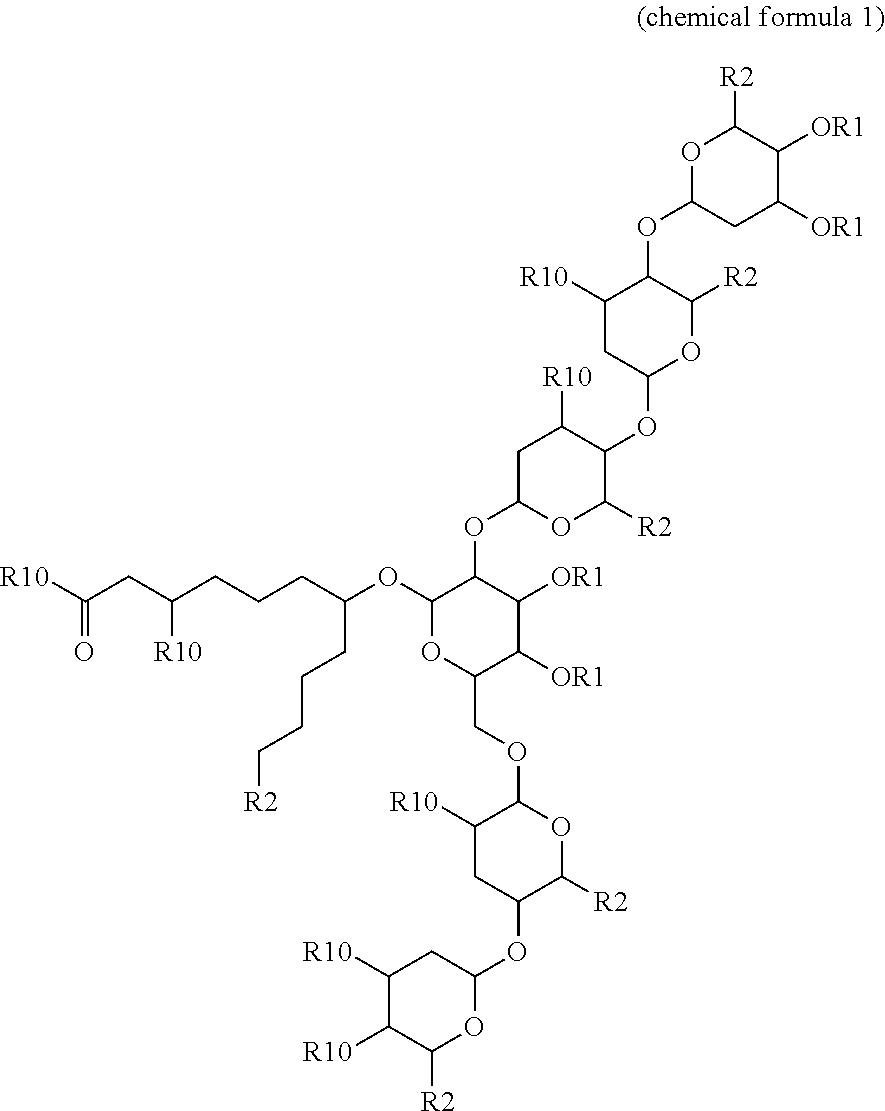
- the present invention provides a compound of chemical formula 1:
- R1 and R2 are independently hydrogen, C 1-20 alkyl group, C 6-30 aryl group, C 1-20 allyl group, C 6-30 arylalkyl group or acyl group.
- the present invention also provides a method for preparing a compound of chemical formula 2, the method comprising the steps of: (a) extracting Quamoclit sp. with a solvent selected from the group consisting of water, alcohol, an organic solvent, and mixtures thereof, thereby preparing Quamoclit extract; (b) suspending the Quamoclit extract by adding water thereto, and fractionating with normal hexane, ethyl acetate and butanol, thereby obtaining water fraction; and (c) isolating and purifying the water fraction, thereby obtaining the compound of chemical formula 2;
- the present invention also provides a pharmaceutical composition for preventing or treating diabetes and its complications, which contains a compound of chemical formula 1; salt thereof; or extracts comprising a compound of chemical formula 1 or salt thereof, as an active ingredient.
- the present invention also provides a health functional food for preventing diabetes and its complications, which contains a compound of chemical formula 1; salt thereof; or extracts comprising a compound of chemical formula 1 or salt thereof, as an active ingredient.
- the present invention also provides a method of treating diabetes and its complications, by administering to a subject in need thereof a pharmaceutical composition comprising a compound of chemical formula 1; salt thereof; or extract comprising a compound of chemical formula 1 or salt thereof, as an active ingredient.
- the present invention also provides a method of preventing diabetes and its complications, by administreing to a subject in need thereof a health functional food comprising a compound of chemical formula 1; salt thereof; or extract comprising a compound of chemical formula 1 or salt thereof, as an active ingredient.
- FIG. 1 is HPLC spectrum of a novel compound isolated from Quamoclit angulata.
- FIG. 2 is LC-MS spectrum of a novel compound isolated from Quamoclit angulata.
- FIG. 3 is H-NMR spectrum of a novel compound isolated from Quamoclit angulata using D 2 O as a solvent.
- FIG. 4 is C-NMR spectrum of a novel compound isolated from Quamoclit angulata using D 2 O as a solvent.
- FIG. 5 is a graph showing the inhibition of VEGF protein production in human retinal epithelial cells by a novel compound isolated from Quamoclit angulata.
- FIG. 6 is a graph showing the stimulation of insulin protein production in mouse pancreatic beta-cells by a novel compound isolated from Quamoclit angulata.
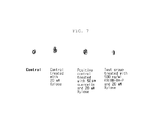
- FIG. 7 shows the effect of a novel compound isolated from Quamoclit angulata on the reduction in the opacity of mouse lenses.
- FIG. 8 shows the effect of a novel compound isolated from Quamoclit angulata on the lowering of blood glucose levels in diabetic model animals.
- FIG. 9 shows the effect of a novel compound isolated from Quamoclit angulata on the reduction of blood sugar by glucose tolerance test.
- FIG. 10 shows the effect of a novel compound isolated from Quamoclit angulata on the inhibition of glycated hemoglobin in diabetic model animals.
- FIG. 11 shows the effect of a novel compound isolated from Quamoclit angulata on the normal excretion of creatine urine in diabetic model animals.
- FIG. 12 shows the effect of a novel compound isolated from Quamoclit angulata on hepatotoxicity in diabetic model animals. There is no hepatotoxicity in diabetic model animals.
- FIG. 13 shows the effect of a novel compound isolated from Quamoclit angulata on liver function in diabetic model animals. There is no disorder of liver function in diabetic model animals.
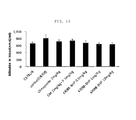
- FIG. 14 shows the effect of a novel compound isolated from Quamoclit angulata on the improvement of beta-function and the reduction of insulin glucose tolerance in diabetic model animals.
- FIG. 15 shows the effect of a novel compound isolated from Quamoclit angulata on increasing the expression of adiponectin in diabetic model animals.
- FIG. 16 shows the effect of a novel compound isolated from Quamoclit angulata on decreasing the expression of glucagon in diabetic model animals.
- FIG. 17 shows the effect of a novel compound isolated from Quamoclit angulata on the inhibition of DPP-IV activity in diabetic model animals.
- FIG. 18 shows the effect of a novel compound isolated from Quamoclit angulata on the inhibition of ⁇ -glucosidase activity in diabetic model animals.
- FIG. 19 shows the effect of a novel compound isolated from Quamoclit angulata on decreasing the expression of tumor necrosis factor alpha in diabetic model animals.
- FIG. 20 shows the effect of a novel compound isolated from Quamoclit angulata on anti-cataract in diabetic model animals.
- the present invention is directed to a compound of chemical formula 1:
- R1 and R2 are independently hydrogen, C 1-20 alkyl group, C 6-30 aryl group, C 1-20 allyl group, C 6-30 arylalkyl group or acyl group.
- the R1 and R2 of chemical formula 1 may be independently hydrogen or C 1-20 alkyl group.
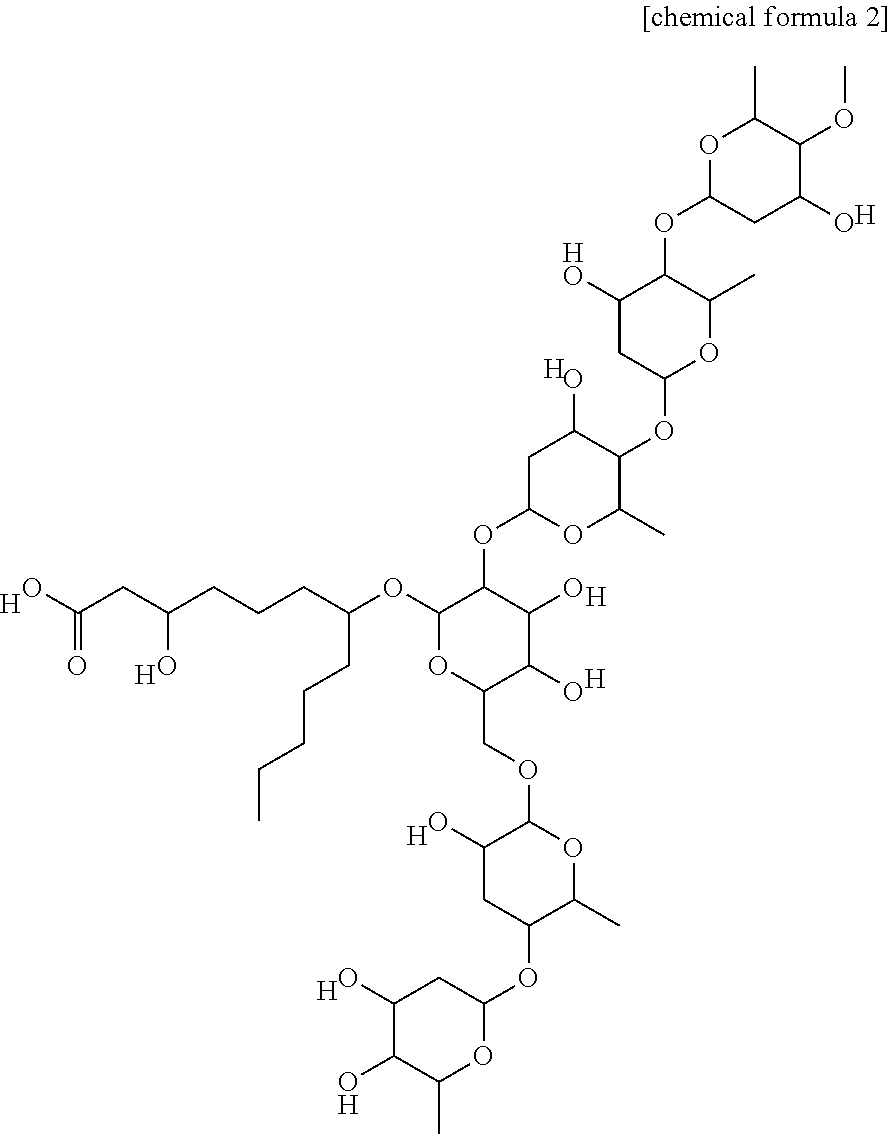
- the compound of chemical formula 1 may comprise a structure of chemical formula 2:
- the compound of chemical formula 1 may be derived from Quamoclit sp., and preferably derived from Quamoclit angulata.
- Quamoclit angulata that is used in the present invention is a annual vine plant belonging to the family Convolvulaceae of the order Tubiflorae. It is native to tropical Africa and is cultivated mainly for ornamental purposes. It is characterized in that the vines grow similar to a morning glory and are rolled up on the left side. The whole plant has a length of about 3 m.
- the leaves are alternate with long petioles and are heartes shaped. The tips of a leaf are acute and the both ends of the lower region in the leaf are pointed.
- the flower resemble the appearance of a morning glory and has 5 sepals, 5 stamens and 1 pistil.
- the fruit is capsular, ripens in September and has a sepal remaining thereon. This plant is similar to Quamoclit coccinea , but the leaf is not divided.
- the compound which contains a structure of chemical formula 2 according to the present invention is a novel compound isolated from Quamoclit sp., has an elemental chemical formula of C 49 H 88 O 24 , is a kind of resin glycoside having a structure of chemical formula 1, and sugar structure such as beta-D-fucopyranose and the like is linked thereto.
- the compound of chemical formula 2 is named as KRIBB-BH-P.
- the novel compound is bright yellow color powder.
- LC-MS result of the compound shows molecular ion m/z 1059.4, 916.4(1052.4 ⁇ 145), 786.9(916.4 ⁇ 136), 514.8(786.9 ⁇ 136), 378.9(514.8 ⁇ 136), 232.9(378.9 ⁇ 146), and the result is consistent with the elemental chemical formula of C 49 H 88 O 24 . Additionally, NMR assignment is completed through 1D-NMR (H-NMR, C-NMR).
- a novel compound according to the present invention can be prepared using a known method.
- the compound can be extracted with a solvent selected from among water, an alcohol, an aqueous alcohol solution, an organic solvent, and mixtures thereof.
- the compound may be extracted using water or alcohol.
- the compound can be purified using activated carbon.
- the compound of chemical formula 2 can be prepared by the following method.
- the present invention is directed to a method for preparing a compound of chemical formula 2, the method comprising the steps of: (a) extracting Quamoclit sp. with a solvent selected from the group consisting of water, alcohol, an organic solvent, and mixtures thereof, thereby preparing Quamoclit extract; (b) suspending the Quamoclit extract by adding water thereto, and fractionating with normal hexane, ethyl acetate and butanol, thereby obtaining water fraction; and (c) isolating and purifying the water fraction, thereby obtaining the compound of chemical formula 2.
- step (a) preferably, Quamoclit is dried, and Quamoclit extract is primarily isolated and purified using carbon-packed column.
- the method for isolating and purifying in the step (c) can be, but not limited to, for example, chromatography.
- the compound of chemical formula 2 was prepared by the following manner. 51 g of crushed Quamoclit angulata was extracted with a solvent selected from the group consisting of water, alcohol, an organic solvent, and mixtures thereof, in an ultrasonic extractor at room temperature for 15 minutes at 2-hr intervals for 2-3 days or hot water extracted with a solvent of water at 50° C. The resulting extract was extracted under reduced pressure in a rotary vacuum evaporator at room temperature, and the concentrator was dried in a vacuum freeze dryer and then dissolved in water, thereby obtaining a Quamoclit angulata extract.
- a solvent selected from the group consisting of water, alcohol, an organic solvent, and mixtures thereof
- the obtained Quamoclit angulata extract was passed through an activated carbon-packed column to absorb the active components thereof onto the activated carbon. Then, the activated carbon-packed column was washed with distilled water to remove non-adsorbed components. Then, to the activated carbon-packed column from which the non-adsorbed components have been removed, an organic solvent such as 10-50% (v/v) ethanol was added while increasing the concentration continuously or stepwise, so that the active components of Quamoclit angulata adsorbed onto the activated carbon were purified by elution. Then, the Quamoclit angulata extract was collected.
- the Quamoclit angulata extract purified as described above was concentrated under reduced pressure in a rotary vacuum evaporator at room temperature, and the concentrated extract was freeze-dried in a vacuum, and then dissolved in water, thereby obtaining an aqueous solution of a Quamoclit angulata extract.
- aqueous solution of a Quamoclit angulata extract was suspended with distilled water, and then fractionated with n-hexane, ethyl acetate (EtOAc) and butanol (BuOH) in order, thereby obtaining n-hexane fractions, EtOAc fractions, BuOH fractions and water fractions, respectively.
- EtOAc ethyl acetate
- BuOH butanol
- the water fraction which showed the most excellent efficacy was divided into 10 fractions through column chromatography using silica gel as a stationary phase and Aetonitril-water mixture solvent (1:9 ⁇ 9:1 v/v) as a mobile phase, and Sephadex column chromatography (5.0 ⁇ 65 cm, MeOH) was performed of ACN20 [elution with Acertonitril-DW (2:8 v/v)], thereby purifying a novel compound.
- KRIBB-BH-P was injected into diabetic mice, it was demonstrated that there was no hepatotoxicity or disorder of liver function. Thereby it was demonstrated that the application of KRIBB-BH-P in vivo is safe.
- the present invention is directed to a pharmaceutical composition for preventing or treating diabetes and its complications or a health functional food for preventing diabetes and its complications, which contains a compound of chemical formula 1; salt thereof; or extracts comprising a compound of chemical formula 1 or salt thereof, as an active ingredient.
- the R1 and R2 of chemical formula 1 may be independently hydrogen or C 1-20 alkyl group. More preferably, the compound of chemical formula 1 may comprise a structure of chemical formula 2.
- the pharmaceutical composition and the health functional food can further comprises an extract obtained by plant-culturing or tissue-culturing.
- the novel compound of the present invention can prevent or treat not only diabetes, but also diabetic complications, but not limited to, which are selected from the group consisting of hyperglycemia, hyperinsulinemia, insulin resistance, dyslipidemia, impaired fasting glucose, impaired glucose tolerance, obesity, arteriosclerosis, microangiopathy, renal disease, heart disease, foot ulcer, arthritis, osteoporosis, and ophthalmologic disease induced by diabetes.
- diabetes is intended to include all types of diabetes, including type 1 diabetes, type 2 diabetes, adult diabetes occurring in young persons, latent autoimmune diabetes, and pancreatic diabetes, as well as diabetic complications, including not only the above examples but also glomerulosclerosis, impotence, diabetic neuropathy, premenstrual syndrome, restenosis, ulcerative colitis, coronary heart disease, high blood pressure, angina pectoris, myocardial infarction, stroke, disease of skin and connective tissue, metabolic acidosis, symptoms from poor glucose tolerance, etc.
- ocular diseases is intended to include, in addition to diabetic retinopathy, all ocular diseases caused by diabetes, including a cataract, macular degeneration, external ophthalmoplegia, iridocyclitis, neuritis, glaucoma, retinal degeneration, fundus hemorrhage, ametropia, subconjunctival hemorrhage, and vitreous haemorrhage.
- the pharmaceutical composition of the present invention contains a novel compound isolated from Quamoclit as an active ingredient, and may be provided as a pharmaceutical composition containing the novel compound alone or in combination with at least one pharmaceutically acceptable carrier, excipient or diluent.
- the pharmaceutical composition of the present invention may also be used in combination with an agent for treating diabetes or its complications, known in the art. Namely, the pharmaceutical composition of the present invention may also be administrated with compounds having an effect on preventing or treating diabetes and its complications known in the art.
- the pharmaceutical composition of the present invention may further comprise an anti-diabetic compound, known in the art.
- the antidiabetic compound is selected from, but not limited to, the group consisting of nateglinide, repaglinide, glitazones, sulfonylureas, metformin, glimepiride, thiazolidinediones, biguanides, acarbose which is ⁇ -glucosidase inhibitor, and prandin of meglitinides.
- the administration manner of the pharmaceutical composition includes oral, intravenous, intramuscular, intracoronary, intrabone-marrow, intradural, intracardiac, dermal, subcutaneous, intraperitoneal, intranasal, enteral, local, sublingual and rectal administration.
- parenteral is intended to include subcutaneous, intradermal, intravenous, intramuscular, intraarticular, intrabursa, intrasternum, intradural, intrafocal and intracranial injection or implantation techniques.
- the pharmaceutical composition of the present invention can be a form of formulation for injection as a water or oil suspension for sterilized injection.
- the suspension can be prepared using an appropriate dispersing agent, a wetting agent (for example, Twin 80), or an suspending agent, by the known art in the field of the present invention.
- the formulation for injection may be a formulation for injection or a suspension (for example, 1,3-butandiol solution), in non-toxic and parenterally acceptable, a diluents or a solvent.
- mannitol water, Ringer's solution, isotonic sodium chloride solution as an acceptable vehicle and solvent.
- sterilized non-volatile oil is commonly used as a solvent or a suspending medium.
- Any non-volatile oil which comprises synthetic mono- or di-glyceride and thus less irritation can be used.
- Natural oils which fatty acids such as oleic acid and its derivatives are acceptable for example, olive oil or castor oil), specifically those polyoxyethylated, are useful for a formulation for injection.
- the pharmaceutical composition of the present invention can be orally administrated as any form which is orally acceptable, but not limited to, including capsules, tablets, water suspension and solution.
- tablets for oral administration as commonly used carriers, lactose and corn starch are included.
- Lubricants such as magnesium stearate can be typically added.
- capsules for oral administration as useful diluents, lactose and corn starch are included.
- water suspension is orally administrated, an active ingredient is mixed with emulsifiers and suspending agents.
- a sweeting agent and/or a flavoring agent and/or a coloring agent can be added.
- the pharmaceutical composition of the present invention also can be administrated as a suppository form for rectal administration.
- the pharmaceutical composition can be prepared by mixing the compound of the present invention with non-irritating diluting agents which is solid at a room temperature and liquid at rectal temperature.
- the diluting agents include, but not limited to, cocoa butter, beeswax and polyethylene glycol.
- Oral administration of the pharmaceutical composition of the present invention is especially useful, when a targeted treatment is related to region or organ which is easy to access by local administration.
- the pharmaceutical composition need to be prepared as a proper ointment comprising an active ingredient suspended or dissolved in a carrier.
- the carrier for local administration of the compound of the present invention includes, but not limited to, mineral oil, liquid paraffin, white vaseline, propylene glycol, polyoxyethylene, polyoxypropylene compound, oil wax and water.
- the pharmaceutical composition of the present invention can be prepared as a proper lotion or cream comprising an active ingredient suspended or dissolved in a carrier.
- the carrier for local administration of the compound of the present invention includes, but not limited to, mineral oil, sorbitan monostearate, polyxorbate 60, cetyl ester wax, cetearyl alcohol, 2-octyldodecanol, benzyl alcohol and water.
- the pharmaceutical composition of the present invention also can be locally applied by rectal suppository or enemata clyster through lower gasterointestine. Transdermal patch which is locally applied is included in the present invention.
- the pharmaceutical composition of the present invention can be administrated by intranasal aerosol or inhalation.
- composition can be prepared by the known art in the field of pharmacy, and can be prepared using a preserved agent such as benzyl alcohol, an absorption enhancer for increasing bioavailability, fluorocarbon and/or well-known solubilizing agent, or a dispersing agent, as a solution in salt water.
- a preserved agent such as benzyl alcohol, an absorption enhancer for increasing bioavailability, fluorocarbon and/or well-known solubilizing agent, or a dispersing agent, as a solution in salt water.
- the novel compound of the present invention is comprised at a therapeutically or preventively effective amount.
- the pharmaceutical composition of the present invention can be prepared as a pellet, a sugar-coated tablet, a capsule, a liquid formulation, gel, syrup, slurry or a suspension.
- the pharmaceutical composition of the present invention can be administrated into branchial pouch or digestive duct.
- the pharmaceutical composition of the present invention can be injected into a muscle cell or other cell in a muscle tissue, and can be injected into a visceral cell in an abdominal cavity.
- the pharmaceutical composition for oral administration can be prepared by mixing with solid diluting agent and active ingredients together, and can be prepared as a granulate form to prepare as a tablet or a sugar-coated tablet.
- the proper diluting agent includes sugar form such as lactose, sucrose, mannitol and sorbitol, gums including starch from corn, flour, rice, potato or other plant, cellulose such as methyl cellulose, hydroxypropylmethyl-cellulose or sodium carboxymethylcellulose, arabic gum, tragacanth gum, protein filler including carbohydrate, gelatin, collagen.
- a disintegrating agent or a solvent of a salt form like cross-linked polyvinylpyrrolidone, agar, alginic acid, or sodium alginic acid can be added.
- the pharmaceutical composition can be prepared as an aqueous solution.
- physically appropriate buffer such as Hank's solution, Ringer's solution, or physically buffered salt water can be used.
- substrates which can increase viscosity of suspension like sodium carboxymethyl cellulose, sorbitol, or dextran, can be added.
- a suspension of an active ingredient can be prepared as an oily injection suspension.
- Proper lipophilic solvent or carrier includes fatty acid as sesame oil, and synthetic fatty acid ester as ethyl olate, triglyceride or liposome. Polycationic amino polymers can be used as a carrier. Randomly, proper stabilizers or drugs can be used to increase the solubility of the compound and prepare highly concentrated solution.
- the health functional food of the present invention can be prepared as a form of food for preventing or improving diabetes and its complications.
- the health functional food of the present invention is a food composition, and examples thereof include all types of food including functional food, nutritional supplement, health food, and food additives.
- the types of food mentioned above may be prepared in various forms by conventional methods known in the art.
- the novel compound isolated from Quamoclit of the present invention may be prepared in the form of tea, juice and drink, or it may be granulized, encapsulated or powdered.
- the functional food may be prepared by adding the novel compound isolated from Quamoclit of the present invention to beverages (including alcoholic beverage), fruits and processed foods thereof (e.g., canned fruit, bottled food, jam, marmalade, etc.), fishes, meats and processed foods thereof (e.g., ham, sausage, corn beef, etc.), bread and noodles (e.g., Japanese noodle, buckwheat noodles, ramen, spaghetti, macaroni, etc.), fruit juice, various drinks, cookies, taffy, milk products (e.g., butter, cheese, etc.), edible plant oil and fat, margarine, vegetable proteins, a retort food, frozen food, various seasonings (e.g., soybean paste, soy sauce, sauces, etc.) and the like.
- beverages including alcoholic beverage
- fruits and processed foods thereof e.g., canned fruit, bottled food, jam, marmalade, etc.
- fishes, meats and processed foods thereof e.g.,
- the concentration was suspended in water and passed through column chromatography filled with activated carbon to adsorb effective component of the Quamoclit angulata and a column filled with activated carbon was washed with distilled water, thereby removing non-adsorbed component.
- An organic solvent such as 10 ⁇ 50%(v/v) ethanol, and the like, was supplied into the activated carbon-filled column from which the non-adsorbed component is removed while increasing concentration thereof in a continuous scheme or in stages to thereby elute, isolate and refine the effective component of the Quamoclit angulata adsorbed onto the activated carbon, thereby obtaining a Quamoclit angulata extract.
- the isolated and refined Quamoclit angulata extract was concentrated under reduced pressure, water was added to 5 g of the concentrated Quamoclit angulata extract, thereby dissolving the Quamoclit angulata extract so as to have a concentration of 20 mg/ml.
- the water extract was suspended in distilled water, followed by sequential solution fraction with normal hexane (n-hexane), ethyl acetate (EtOAc), and butanol (BuOH), thereby obtaining n-hexane fraction, EtOAc fraction, BuOH fraction, and water fraction, respectively.
- n-hexane normal hexane
- EtOAc ethyl acetate
- BuOH butanol
- VEGF Vascular Endothelial Growth Factor
- Example 1 The novel compound isolated in Example 1 above was a pale yellow powder, and had molecular ion m/z of 1059.4, 916.4(1052.4 ⁇ 145), 786.9(916.4 ⁇ 136), 514.8(786.9 ⁇ 136), 378.9(514.8 ⁇ 136) and 232.9(378.9 ⁇ 146) detected by LC-MS ( FIG. 2 ), which was coincided with Molecular Formula (Elemental Formula) of C 49 H 88 O 24 .
- H-NMR Hydrogen nuclear magnetic resonance
- C-NMR Carbon nuclear magnetic resonance
- the compound has a structure with sugars linked to beta-D-fucopyranose as a kind of glucoside and is referred to as KRIBB-BH-P.
- ARPE 19 cell line which is human retinal pigment epithelium cell line was treated with the novel compound and expression of the VEGF protein inducting diabetic complications such as diabetic retinopathy, and the like was confirmed.
- fetal bovine serum FBS
- F12 medium and ARPE 19 cell line ATCC, USA
- FBS serum-free 10% fetal bovine serum-free was added to DMEM low glucose medium, followed by culturing for 24 hours, the culture fluid was changed into a culture fluid containing 30 mM glucose in the DMEM low glucose medium, and the novel compound KRIBB-BH-P was added thereto so that a final concentration thereof was 0.5 ⁇ g/ml, followed by culturing for 72 hours in order to confirm production of VEGF protein.
- a cell ( ⁇ control group) in which the VEGF was not expressed by treatment with 5.5 mM glucose was set as reference which is a control group and a degree of VEGF expression (+ control group) by treatment with 30 mM glucose was confirmed, and comparison of VEGF expression inhibition activity of the Quamoclit angulata -derived compound was conducted.
- the 30 mM glucose used in the present experiment is a concentration under conditions that optimally induce expression of VEGF at each experiment.
- the culture fluid of ARPE 19 cell cultured by the above-described method was obtained and an amount of the secreted VEGF was measured using VEGF ELISA kit (R&D, UK).
- Min 6 cell line which is a mouse pancreatic ⁇ cell tumor.
- FBS was added to HDMEM medium and Min 6(ATCC, USA) was cultured therein.
- the cells were smeared on a 96 well plate at a concentration of 1 ⁇ 10 4 cell/plate, 15% FBS serum-free was added to DMEM high glucose medium, followed by culturing for 72 hours, washing with PBS buffer solution, and then culturing in HBSS buffer solution for 2 hours, the culture fluid was changed into HBSS buffer solution having 25 mM glucose added thereto, and the novel compound KRIBB-BH-P was added thereto so that a final concentration thereof was 0.5 ng/ml, followed by culturing for 2 hours in order to confirm whether or not the insulin expression was promoted.
- an amount of insulin expression in cell in which insulin expression was not induced by treatment with 5.5 mM glucose was set as a reference point which is a control group, and a positive control group was prepared by adding amino-guanidine of 1 ⁇ M, acarbose of 1 ⁇ M, glimepiride of 1 mM.
- a degree of insulin expression by treatment with 25 mM glucose as a negative control group was confirmed, and comparison and analysis whether or not the Quamoclit angulata -derived novel compound promoted insulin expression were conducted.
- the culture fluid of Min 6 cell cultured by the above-described method was obtained and an amount of the secreted insulin was measured using Insulin ELISA kit (R&D, UK).
- Eyes of a mouse was extracted and put into an iodine solution to be disinfected and then only the lens was extracted.
- the extracted eyes were put into M199 medium and cultured in a cell incubator. 20 mM xylose was added to the medium to induce lens opacity and the induced lens opacity was measured using CCD camera.
- mice and diabetic mice were treated with the Quamoclit angulata -derived novel compound and change in diabetic indexes including blood glucose, glycated hemoglobin, and urinary protein was confirmed.
- 6-week-old mice (Male C57BL/6J mouse, 20 g, Central Lab. Animal Inc., Seoul) and 6-week-old diabetic mice (Male C57BL/Ks DB/DB mouse, 20 g, Central Lab. Animal Inc., Seoul) were purchased and adopted under predetermined temperature (25° C.) and humidity (50%) for 1 week and used in an experiment.
- a normal mouse control group, a diabetic mouse control group, a diabetic mouse group treated with drugs (glimepiride and acarbose), and a diabetic mouse group treated with Quamoclit angulata -derived novel compound were prepared, wherein each group had five mice, and each group treated with the combination administration of the Quamoclit angulata -derived novel compound was treated by oral administration at each concentration of 0.1 mg/kg, 1 mg/kg and 10 mg/kg and raised for 12 weeks.
- a change in blood glucose in mice of each group was measured every 2 weeks and urine was collected every 6 weeks to measure a urinary protein concentration, and mice was raised for 12 weeks and blood thereof was collected to measure glycated hemoglobin concentration.
- blood glucose was increased in the diabetic mouse control group as compared to the normal mouse control group; however, in the diabetic mouse group treated with combination administration of the drugs and each group treated with Quamoclit angulata -derived novel compound by oral administration at each concentration of 0.1 mg/kg, 1 mg/kg and 10 mg/kg, blood glucose was remarkably decreased.
- a 5-week-old mouse (Male C57BL/6J, 19 g, Koatech, Pyeongtaek-si, Gyeonggi-do, Korea) was purchased and adopted under predetermined temperature (25° C.) and humidity (50%) for 1 week and used in an experiment.
- a general diet group having a general feed as a food and a high-fat diet group having a high-fat feed as a feed were prepared, wherein each group had five mice, and raised for 2 weeks.
- mice were fasting for 16 hours, and the fasting blood glucose was measured, and then, the sample was orally administered at 1, 2, 4, 8, 16, and 24 hours before measuring the blood glucose, followed by oral administration of glucose 2 g/kg (body weight) and blood glucose thereof was measured every 30 minutes.
- the group at the time of 24 hours after the sample was orally administered showed the highest efficacy.
- glycated hemoglobin HbAlc
- a value of glycated hemoglobin in which sugar is combined with hemoglobin normally present in red blood cells is also increased when blood glucose is maintained at a high level. Since the glycated hemoglobin reflects an average blood glucose value for 2 to 4 months, it is useful for identify a degree of regulation of blood glucose in a long term.
- the glycated hemoglobin value was remarkably decreased in the diabetic mouse group treated with Quamoclit angulata -derived novel compound by oral administration at a concentration of 10 mg/kg as compared to the normal mouse control group.
- Diabetic patients are common to have both of kidney and heart complication. Diabetes may damage kidney which filters and excretes our body's waste.
- creatinine test a concentration of creatinine in a blood may be measured and a function of kidney may be evaluated creatinine, which is a product obtained by dehydrating creatine produced after protein is used in muscle, is present in a blood with an extremely small amount. In the case in which a function of the kidney is deteriorated, creatinine may not be excreted.
- Urine and blood from diabetic model mouse of each group treated by oral administration for 12 weeks were collected, and creatinine was measured using ELISA kit (R&D, USA).
- a 6-week-old mouse and a 6-week-old diabetic mouse which are the same as Example 5 above were adapted under predetermined temperature (25° C.) and humidity (50%) for 1 week and used in a liver toxicity test.
- a normal mouse control group, a diabetic mouse control group, and each diabetic mouse group treated with Quamoclit angulata -derived novel compound by oral administration at each concentration of 0.1 mg/kg, 1 mg/kg and 10 mg/kg were prepared, wherein each group had five mice, and raised for 12 week. After raising the mice for 12 weeks, blood thereof was collected and a concentration of alanine transaminase was measured.
- the alanine transaminase which is a metabolic enzyme of amino acid, is used in a representative test for diagnosis and result observation. Maintenance in concentration of alanine transaminase indicates that there is no liver damage.
- a normal mouse control group, a diabetic mouse control group and each group treated with Quamoclit angulata -derived novel compound by oral administration at each concentration of 0.1 mg/kg, 1 mg/kg and 10 mg/kg were raised for 12 weeks and blood thereof were collected and a change in alanine transaminase measured using ELISA kit (Cusabio biotech, Japan).
- each diabetic mouse group treated with Quamoclit angulata -derived novel compound by oral administration at each concentration of 0.1 mg/kg, 1 mg/kg and 10 mg/kg had liver toxicity values which were similar to those of the normal mouse control group, and there was no liver toxicity in the groups treated with Quamoclit angulata -derived novel compound.
- bilirubin value was measured using ELISA kit (Cusabio biotech, Japan) using blood collected in Example above.
- ELISA kit Cusabio biotech, Japan
- bilirubin value of the group treated with Quamoclit angulata -derived novel compound was included in a normal range. Therefore, it may be appreciated that the composition of the present invention is safe composition not causing abnormal liver function.
- Insulin and blood glucose of the diabetic mouse group raised under conditions of Example 7 above were measured by the fasting blood test or glucose tolerance test and insulin sensitivity index thereof was calculated.
- Insulin resistance was evaluated using the insulin sensitivity index which is homeostasis assessment (HOMA)-IR and ⁇ -cell Functionality was evaluated by HOMA-beta.
- HOMA homeostasis assessment
- HOMA-IR (Fasting insulin ( ⁇ IU/mL) ⁇ Fasting glucose (nmol/L))/22.5
- HOMA-beta 20 ⁇ Fasting insulin (U/mL)/Fasting glucose (mmol/L) ⁇ 3.5
- adiponectin is secreted from fat cells and abundantly present in blood, is decreased in an obesity patient or type 2 diabetic.
- low hypoadiponectinemia is on the rise as a new risk factor of artherosclerotic disease, and a concentration of adiponectin in diabetic patients, in particular, patients accompanying macrovascular complications is decreased. That is, adiponectin has an anti-obesity action, an anti-diabetic action, anti-atherogenic action and an inhibition action of active oxygen generation.
- a concentration of adiponectin in the blood of the diabetic mouse group raised under conditions of Example 7 was measured using ELISA kit (R&D, USA).
- a concentration of plasma glucagon in the diabetic control group was remarkably high as compared to the normal control group; however, the concentration of plasma glucagon in the diabetic control group treated with the novel compound according to the present invention was remarkably decreased to be lower than that of the group treated with the drugs.
- a ratio of insulin to glucagon in the diabetic control group was remarkably low as compared to the normal group.
- the concentration ratio of insulin to glucagon in the group treated with Quamoclit angulata -derived novel compound was remarkably increased as compared to the diabetic mouse control group, and thus, it could be appreciated that the Quamoclit angulata -derived novel compound may normalize abnormal concentration of insulin and glucagon caused by diabetes and inhibit deterioration of diabetes.
- DPP-IV Dipeptidyl peptidase IV
- GIP glucose dependent insulinotropic eptide
- GLP-1 glucagon like peptide
- DPP-4 dipeptidyl peptidase
- an activity of DPP IV was inhibited in the group treated with the Quamoclit angulata -derived novel compound.
- an increase in glycated hemoglobin and blood glucose may be inhibited and excellent effect for prevention or treatment of diabetes may be provided.
- Alpha-glucosidase inhibitor inhibits a function of alpha-glucosidase distributed in intestinal mucosa to thereby inhibit postcibal blood glucose from being increased. That is, alpha-glucosidase has a role of decomposing polysaccharide into monosaccharide to promote absorption of monosaccharide into small intestine, wherein the novel compound inhibits such role and hinders absorption of monosaccharide to thereby delay digestion and absorption of carbohydrate in the ingested feed to decrease a rise in postcibal blood glucose and insulin in blood, thereby showing treatment effect of diabetes.
- the alpha-glucosidase inhibitor does not induce hyperinsulinemia or hypoglycemia but promotes secretion of glucagon-like peptide-1 promoting insulin secretion and inhibiting glucagon secretion at a small intestine.
- TNF-Alpha Tumor Necrosis Factor-Alpha
- Tumor necrosis factor-alpha is mainly expressed in a fat cell, an increase level of the cytokine is associated with obesity and insulin resistance.
- a fat tissue produces cytokines such as tumor necrosis factor-alpha (TNF- ⁇ ), resistin, interleukin-6(IL-6), wherein it was confirmed that the cytokines inhibit insulin action.
- cytokines such as tumor necrosis factor-alpha (TNF- ⁇ ), resistin, interleukin-6(IL-6), wherein it was confirmed that the cytokines inhibit insulin action.
- sympathetic nerve activity is increased, which increases fat decomposition and decreases blood flow of muscle (glucose transport) to thereby directly affect insulin action.
- Tumor necrosis factor-alpha increases blood glucose to induce diabetes and enters into blood vessel to prevent inflammation and to prevent secretion of adiponectin inhibiting built-up cholesterol, thereby hindering NF-kB signal transfer into vascular endothelial cell and inhibiting activity of phagocytosis by macrophage.
- TNF- ⁇ concentration of the diabetic mouse group raised under conditions of Example 7 above was measured based on the above-description.
- TNF- ⁇ concentration of the diabetic mouse group treated with quamoclit angulata -derived novel compound was decreased.
- Eye lens was isolated from eyeball extracted from the diabetic mouse group raised under conditions of Example 7 above and moved to a well plate and then a photograph thereof was taken by LAS 3000 image analysis system. Turbidity of the eye lens was measured by analyzing the photograph using LAS 300 image analysis program.
- the novel compound isolated from Quamoclit sp. according to the present invention has excellent effects on lowering blood sugar, promoting insulin secretion, inhibiting VEGF expression, and so on.
- the present invention not only functions to prevent or treat diabetes and its complications, but also functions to promote treatment effects when treated together with conventional diabetes medicines.
Landscapes
- Health & Medical Sciences (AREA)
- Chemical & Material Sciences (AREA)
- Life Sciences & Earth Sciences (AREA)
- Organic Chemistry (AREA)
- General Health & Medical Sciences (AREA)
- Engineering & Computer Science (AREA)
- Medicinal Chemistry (AREA)
- Public Health (AREA)
- Veterinary Medicine (AREA)
- Pharmacology & Pharmacy (AREA)
- Animal Behavior & Ethology (AREA)
- Chemical Kinetics & Catalysis (AREA)
- Bioinformatics & Cheminformatics (AREA)
- Natural Medicines & Medicinal Plants (AREA)
- General Chemical & Material Sciences (AREA)
- Nuclear Medicine, Radiotherapy & Molecular Imaging (AREA)
- Epidemiology (AREA)
- Molecular Biology (AREA)
- Biotechnology (AREA)
- Mycology (AREA)
- Biochemistry (AREA)
- Diabetes (AREA)
- Ophthalmology & Optometry (AREA)
- Polymers & Plastics (AREA)
- Genetics & Genomics (AREA)
- Physical Education & Sports Medicine (AREA)
- Alternative & Traditional Medicine (AREA)
- Botany (AREA)
- Medical Informatics (AREA)
- Microbiology (AREA)
- Crystallography & Structural Chemistry (AREA)
- Orthopedic Medicine & Surgery (AREA)
- Nutrition Science (AREA)
- Food Science & Technology (AREA)
- Rheumatology (AREA)
- Obesity (AREA)
- Hematology (AREA)
- Urology & Nephrology (AREA)
- Cardiology (AREA)
- Heart & Thoracic Surgery (AREA)
Abstract
Description

wherein R1 and R2 are independently hydrogen, C1-20 alkyl group, C6-30 aryl group, C1-20 allyl group, C6-30 arylalkyl group or acyl group.


wherein R1 and R2 are independently hydrogen, C1-20 alkyl group, C6-30 aryl group, C1-20 allyl group, C6-30 arylalkyl group or acyl group.
- Column: C18 Reverse Phase Column
- Mobile Solvent: 90% Methanol
- Flow Rate: 1 ml/min
- Residence Time: 1.29 Minutes.

HOMA-IR=(Fasting insulin (μIU/mL)×Fasting glucose (nmol/L))/22.5
HOMA-beta=20×Fasting insulin (U/mL)/Fasting glucose (mmol/L)−3.5
Claims (12)



Applications Claiming Priority (5)
| Application Number | Priority Date | Filing Date | Title |
|---|---|---|---|
| KR20110082445 | 2011-08-18 | ||
| KR10-2011-0082445 | 2011-08-18 | ||
| KR1020120064524A KR101550390B1 (en) | 2011-08-18 | 2012-06-15 | Novel Compound Isolated from Quamoclit and Composition for Preventing or Treating Diabetes Containing thereof |
| KR10-2012-0064524 | 2012-06-15 | ||
| PCT/KR2012/005129 WO2013024968A1 (en) | 2011-08-18 | 2012-06-28 | Novel compound isolated from quamoclit, and composition for preventing or treating diabetes containing the compound as an active ingredient |
Publications (2)
| Publication Number | Publication Date |
|---|---|
| US20140179622A1 US20140179622A1 (en) | 2014-06-26 |
| US9487596B2 true US9487596B2 (en) | 2016-11-08 |
Family
ID=47898461
Family Applications (1)
| Application Number | Title | Priority Date | Filing Date |
|---|---|---|---|
| US14/239,136 Active 2032-09-22 US9487596B2 (en) | 2011-08-18 | 2012-06-28 | Compound isolated from quamoclit, and composition for preventing or treating diabetes containing the compound as an active ingredient |
Country Status (9)
| Country | Link |
|---|---|
| US (1) | US9487596B2 (en) |
| EP (1) | EP2746280B1 (en) |
| JP (1) | JP5973571B2 (en) |
| KR (1) | KR101550390B1 (en) |
| AU (1) | AU2012295728A1 (en) |
| BR (1) | BR112014003759A2 (en) |
| CA (1) | CA2845496A1 (en) |
| MX (1) | MX2014001855A (en) |
| WO (1) | WO2013024968A1 (en) |
Families Citing this family (1)
| Publication number | Priority date | Publication date | Assignee | Title |
|---|---|---|---|---|
| WO2014189347A1 (en) * | 2013-05-24 | 2014-11-27 | 한국생명공학연구원 | Novel compound derived from plant of genus quamoclit and composition containing same as active ingredient for preventing or treating diabetes |
Citations (3)
| Publication number | Priority date | Publication date | Assignee | Title |
|---|---|---|---|---|
| KR20080032127A (en) | 2005-08-12 | 2008-04-14 | 켄지 코노 | Hair restorer |
| KR100988510B1 (en) | 2005-10-17 | 2010-10-20 | 이행우 | Composition for the prevention of type 2 diabetes and dietary supplement comprising the same |
| WO2011102690A2 (en) * | 2010-02-19 | 2011-08-25 | 한국생명공학연구원 | Pharmaceutical composition for treating diabetes containing quamoclit angulata extracts |
Family Cites Families (2)
| Publication number | Priority date | Publication date | Assignee | Title |
|---|---|---|---|---|
| WO2013025073A2 (en) * | 2011-08-17 | 2013-02-21 | 한국생명공학연구원 | Composition for preventing or treating diabetes complications containing quamoclit pennata extract |
| KR101605343B1 (en) * | 2011-08-17 | 2016-03-22 | 주식회사 나노바이오텍 | Composition for Anticancer or Antioxidant Containing Quamoclit Extract or Novel Compound Isolated from Quamoclit |
-
2012
- 2012-06-15 KR KR1020120064524A patent/KR101550390B1/en active Active
- 2012-06-28 EP EP12824562.8A patent/EP2746280B1/en not_active Not-in-force
- 2012-06-28 MX MX2014001855A patent/MX2014001855A/en not_active Application Discontinuation
- 2012-06-28 WO PCT/KR2012/005129 patent/WO2013024968A1/en not_active Ceased
- 2012-06-28 JP JP2014525914A patent/JP5973571B2/en active Active
- 2012-06-28 CA CA2845496A patent/CA2845496A1/en not_active Abandoned
- 2012-06-28 AU AU2012295728A patent/AU2012295728A1/en not_active Abandoned
- 2012-06-28 US US14/239,136 patent/US9487596B2/en active Active
- 2012-06-28 BR BR112014003759-0A patent/BR112014003759A2/en not_active IP Right Cessation
Patent Citations (5)
| Publication number | Priority date | Publication date | Assignee | Title |
|---|---|---|---|---|
| KR20080032127A (en) | 2005-08-12 | 2008-04-14 | 켄지 코노 | Hair restorer |
| US20090104295A1 (en) | 2005-08-12 | 2009-04-23 | Kenji Kohno | Agent for Hair Growth |
| KR100988510B1 (en) | 2005-10-17 | 2010-10-20 | 이행우 | Composition for the prevention of type 2 diabetes and dietary supplement comprising the same |
| WO2011102690A2 (en) * | 2010-02-19 | 2011-08-25 | 한국생명공학연구원 | Pharmaceutical composition for treating diabetes containing quamoclit angulata extracts |
| EP2548565A2 (en) * | 2010-02-19 | 2013-01-23 | Korea Research Institute of Bioscience and Biotechnology | Pharmaceutical composition for treating diabetes containing quamoclit angulata extracts |
Non-Patent Citations (12)
Also Published As
| Publication number | Publication date |
|---|---|
| CA2845496A1 (en) | 2013-02-21 |
| EP2746280A4 (en) | 2015-01-14 |
| AU2012295728A1 (en) | 2014-03-06 |
| BR112014003759A2 (en) | 2017-06-13 |
| JP2014524494A (en) | 2014-09-22 |
| WO2013024968A1 (en) | 2013-02-21 |
| EP2746280A1 (en) | 2014-06-25 |
| US20140179622A1 (en) | 2014-06-26 |
| KR20130020544A (en) | 2013-02-27 |
| MX2014001855A (en) | 2015-04-16 |
| KR101550390B1 (en) | 2015-09-08 |
| EP2746280B1 (en) | 2016-05-25 |
| JP5973571B2 (en) | 2016-08-23 |
| CN104125958A (en) | 2014-10-29 |
Similar Documents
| Publication | Publication Date | Title |
|---|---|---|
| AU2011216647B2 (en) | Pharmaceutical composition for treating diabetes containing Quamoclit angulata extracts | |
| US20160130293A1 (en) | Novel compound derived from plant of genus quamoclit and composition containing same as active ingredient for preventing or treating diabetes | |
| KR20130020623A (en) | Compositon for preventing or treating complication of diabetes containing extract of quamoclit | |
| KR102474858B1 (en) | Composition for anti-diabetes comprising a mixture of grains | |
| JP4520089B2 (en) | Rubrofusarin glycoside-containing composition | |
| KR20230175194A (en) | Methods and uses of microbiome compositions, ingredients, or metabolites for the treatment of eye disorders | |
| EP2746280B1 (en) | Novel compound isolated from quamoclit, and composition for preventing or treating diabetes containing the compound as an active ingredient | |
| KR100891881B1 (en) | Composition for preventing and treating vascular disease due to hyperlipidemia and MMP hyperactivity including 3,4,5-trihydroxybenzaldehyde as an active ingredient | |
| KR102607239B1 (en) | Composition comprising as an active ingredient a sweet potato extract | |
| KR101963439B1 (en) | Composition for prevention or treatment of metabolic disease containing arazyme as an active ingredient | |
| KR20130099476A (en) | Food composition for preventing or improving diabetes contaning extract of lespedeza maximowiczii | |
| CN104125958B (en) | Belong to, from cypress vine, the compound separated and comprise the compositions for preventing or treat diabetes of this compound as effective ingredient | |
| JP6622867B2 (en) | Hexadecafloretol, a novel compound isolated from Ishige and uses thereof | |
| KR100824365B1 (en) | Composition for the prevention or treatment of diabetic complications comprising the extracts, fractions or compounds isolated therefrom | |
| US20150246088A1 (en) | Pharmaceutical composition for treating diabetes containing quamoclit angulata extract | |
| KR102069971B1 (en) | Pharmaceutical composition for preventing or treating vascular diseases comprising securinine | |
| US20220257708A1 (en) | Composition for preventing, treating or alleviating diabetes, comprising lgi3-derived peptide as an active ingredient | |
| KR20210151693A (en) | Composition for preventing, improving or treating metabolic syndrome comprising β-gentiobiosyl paeoniflorinas as effective ingredients | |
| KR101043633B1 (en) | Diabetic treatment or prevention composition comprising peptide as an active ingredient | |
| KR20200119939A (en) | Pharmaceutical composition and health functional food comprising extract of mycelium from Ceriporia lacerata | |
| KR20130075174A (en) | Compositions comprising lichen-forming fungi or scytalone for preventing and treating diabetes mellitus |
Legal Events
| Date | Code | Title | Description |
|---|---|---|---|
| AS | Assignment |
Owner name: KOREA RESEARCH INSTITUTE OF BIOSCIENCE AND BIOTECH Free format text: ASSIGNMENT OF ASSIGNORS INTEREST;ASSIGNORS:CHUNG, BONG HYUN;YI, SO YEON;LEE, UI JIN;SIGNING DATES FROM 20140218 TO 20140219;REEL/FRAME:032281/0475 |
|
| AS | Assignment |
Owner name: NANOBIOTECH CO., LTD., KOREA, REPUBLIC OF Free format text: ASSIGNMENT OF ASSIGNORS INTEREST;ASSIGNOR:KOREA RESEARCH INSTITUTE OF BIOSCIENCE AND BIOTECHNOLOGY;REEL/FRAME:038136/0231 Effective date: 20160321 |
|
| STCF | Information on status: patent grant |
Free format text: PATENTED CASE |
|
| AS | Assignment |
Owner name: KOREA RESEARCH INSTITUTE OF BIOSCIENCE AND BIOTECHNOLOGY, KOREA, REPUBLIC OF Free format text: ASSIGNMENT OF ASSIGNORS INTEREST;ASSIGNOR:NANOBIOTECH CO., LTD.;REEL/FRAME:051777/0394 Effective date: 20191231 |
|
| MAFP | Maintenance fee payment |
Free format text: PAYMENT OF MAINTENANCE FEE, 4TH YR, SMALL ENTITY (ORIGINAL EVENT CODE: M2551); ENTITY STATUS OF PATENT OWNER: SMALL ENTITY Year of fee payment: 4 |
|
| AS | Assignment |
Owner name: NEXT BT CO., LTD., KOREA, REPUBLIC OF Free format text: ASSIGNMENT OF ASSIGNORS INTEREST;ASSIGNOR:KOREA RESEARCH INSTITUTE OF BIOSCIENCE AND BIOTECHNOLOGY;REEL/FRAME:054294/0802 Effective date: 20201029 |
|
| MAFP | Maintenance fee payment |
Free format text: PAYMENT OF MAINTENANCE FEE, 8TH YR, SMALL ENTITY (ORIGINAL EVENT CODE: M2552); ENTITY STATUS OF PATENT OWNER: SMALL ENTITY Year of fee payment: 8 |