US9828436B2 - Antibodies against immunogenic glycopeptides, compositions comprising the same and use thereof - Google Patents
Antibodies against immunogenic glycopeptides, compositions comprising the same and use thereof Download PDFInfo
- Publication number
- US9828436B2 US9828436B2 US15/126,945 US201515126945A US9828436B2 US 9828436 B2 US9828436 B2 US 9828436B2 US 201515126945 A US201515126945 A US 201515126945A US 9828436 B2 US9828436 B2 US 9828436B2
- Authority
- US
- United States
- Prior art keywords
- seq
- amino acid
- acid sequence
- antibody
- variable region
- Prior art date
- Legal status (The legal status is an assumption and is not a legal conclusion. Google has not performed a legal analysis and makes no representation as to the accuracy of the status listed.)
- Active
Links
Images




Classifications
-
- C—CHEMISTRY; METALLURGY
- C07—ORGANIC CHEMISTRY
- C07K—PEPTIDES
- C07K16/00—Immunoglobulins [IG], e.g. monoclonal or polyclonal antibodies
- C07K16/18—Immunoglobulins [IG], e.g. monoclonal or polyclonal antibodies against material from animals or humans
- C07K16/28—Immunoglobulins [IG], e.g. monoclonal or polyclonal antibodies against material from animals or humans against receptors, cell surface antigens or cell surface determinants
- C07K16/30—Immunoglobulins [IG], e.g. monoclonal or polyclonal antibodies against material from animals or humans against receptors, cell surface antigens or cell surface determinants from tumour cells
- C07K16/3076—Immunoglobulins [IG], e.g. monoclonal or polyclonal antibodies against material from animals or humans against receptors, cell surface antigens or cell surface determinants from tumour cells against structure-related tumour-associated moieties
-
- A—HUMAN NECESSITIES
- A61—MEDICAL OR VETERINARY SCIENCE; HYGIENE
- A61K—PREPARATIONS FOR MEDICAL, DENTAL OR TOILETRY PURPOSES
- A61K39/00—Medicinal preparations containing antigens or antibodies
- A61K39/0005—Vertebrate antigens
- A61K39/0011—Cancer antigens
-
- A—HUMAN NECESSITIES
- A61—MEDICAL OR VETERINARY SCIENCE; HYGIENE
- A61K—PREPARATIONS FOR MEDICAL, DENTAL OR TOILETRY PURPOSES
- A61K39/00—Medicinal preparations containing antigens or antibodies
- A61K39/0005—Vertebrate antigens
- A61K39/0011—Cancer antigens
- A61K39/001169—Tumor associated carbohydrates
- A61K39/001173—Globo-H
-
- A—HUMAN NECESSITIES
- A61—MEDICAL OR VETERINARY SCIENCE; HYGIENE
- A61K—PREPARATIONS FOR MEDICAL, DENTAL OR TOILETRY PURPOSES
- A61K39/00—Medicinal preparations containing antigens or antibodies
- A61K39/395—Antibodies; Immunoglobulins; Immune serum, e.g. antilymphocytic serum
- A61K39/39533—Antibodies; Immunoglobulins; Immune serum, e.g. antilymphocytic serum against materials from animals
- A61K39/39558—Antibodies; Immunoglobulins; Immune serum, e.g. antilymphocytic serum against materials from animals against tumor tissues, cells, antigens
-
- A—HUMAN NECESSITIES
- A61—MEDICAL OR VETERINARY SCIENCE; HYGIENE
- A61K—PREPARATIONS FOR MEDICAL, DENTAL OR TOILETRY PURPOSES
- A61K40/00—Cellular immunotherapy
- A61K40/40—Cellular immunotherapy characterised by antigens that are targeted or presented by cells of the immune system
- A61K40/41—Vertebrate antigens
- A61K40/42—Cancer antigens
-
- A—HUMAN NECESSITIES
- A61—MEDICAL OR VETERINARY SCIENCE; HYGIENE
- A61K—PREPARATIONS FOR MEDICAL, DENTAL OR TOILETRY PURPOSES
- A61K45/00—Medicinal preparations containing active ingredients not provided for in groups A61K31/00 - A61K41/00
- A61K45/06—Mixtures of active ingredients without chemical characterisation, e.g. antiphlogistics and cardiaca
-
- A—HUMAN NECESSITIES
- A61—MEDICAL OR VETERINARY SCIENCE; HYGIENE
- A61P—SPECIFIC THERAPEUTIC ACTIVITY OF CHEMICAL COMPOUNDS OR MEDICINAL PREPARATIONS
- A61P35/00—Antineoplastic agents
-
- A—HUMAN NECESSITIES
- A61—MEDICAL OR VETERINARY SCIENCE; HYGIENE
- A61P—SPECIFIC THERAPEUTIC ACTIVITY OF CHEMICAL COMPOUNDS OR MEDICINAL PREPARATIONS
- A61P35/00—Antineoplastic agents
- A61P35/04—Antineoplastic agents specific for metastasis
-
- C—CHEMISTRY; METALLURGY
- C07—ORGANIC CHEMISTRY
- C07K—PEPTIDES
- C07K16/00—Immunoglobulins [IG], e.g. monoclonal or polyclonal antibodies
- C07K16/18—Immunoglobulins [IG], e.g. monoclonal or polyclonal antibodies against material from animals or humans
- C07K16/28—Immunoglobulins [IG], e.g. monoclonal or polyclonal antibodies against material from animals or humans against receptors, cell surface antigens or cell surface determinants
- C07K16/30—Immunoglobulins [IG], e.g. monoclonal or polyclonal antibodies against material from animals or humans against receptors, cell surface antigens or cell surface determinants from tumour cells
- C07K16/3069—Reproductive system, e.g. ovaria, uterus, testes, prostate
-
- C—CHEMISTRY; METALLURGY
- C07—ORGANIC CHEMISTRY
- C07K—PEPTIDES
- C07K7/00—Peptides having 5 to 20 amino acids in a fully defined sequence; Derivatives thereof
- C07K7/04—Linear peptides containing only normal peptide links
- C07K7/08—Linear peptides containing only normal peptide links having 12 to 20 amino acids
-
- A—HUMAN NECESSITIES
- A61—MEDICAL OR VETERINARY SCIENCE; HYGIENE
- A61K—PREPARATIONS FOR MEDICAL, DENTAL OR TOILETRY PURPOSES
- A61K39/00—Medicinal preparations containing antigens or antibodies
- A61K2039/505—Medicinal preparations containing antigens or antibodies comprising antibodies
-
- A—HUMAN NECESSITIES
- A61—MEDICAL OR VETERINARY SCIENCE; HYGIENE
- A61K—PREPARATIONS FOR MEDICAL, DENTAL OR TOILETRY PURPOSES
- A61K39/00—Medicinal preparations containing antigens or antibodies
- A61K2039/555—Medicinal preparations containing antigens or antibodies characterised by a specific combination antigen/adjuvant
- A61K2039/55511—Organic adjuvants
- A61K2039/55566—Emulsions, e.g. Freund's adjuvant, MF59
-
- A—HUMAN NECESSITIES
- A61—MEDICAL OR VETERINARY SCIENCE; HYGIENE
- A61K—PREPARATIONS FOR MEDICAL, DENTAL OR TOILETRY PURPOSES
- A61K39/00—Medicinal preparations containing antigens or antibodies
- A61K2039/555—Medicinal preparations containing antigens or antibodies characterised by a specific combination antigen/adjuvant
- A61K2039/55511—Organic adjuvants
- A61K2039/55577—Saponins; Quil A; QS21; ISCOMS
-
- A—HUMAN NECESSITIES
- A61—MEDICAL OR VETERINARY SCIENCE; HYGIENE
- A61K—PREPARATIONS FOR MEDICAL, DENTAL OR TOILETRY PURPOSES
- A61K39/00—Medicinal preparations containing antigens or antibodies
- A61K2039/60—Medicinal preparations containing antigens or antibodies characteristics by the carrier linked to the antigen
- A61K2039/6012—Haptens, e.g. di- or trinitrophenyl (DNP, TNP)
-
- A—HUMAN NECESSITIES
- A61—MEDICAL OR VETERINARY SCIENCE; HYGIENE
- A61K—PREPARATIONS FOR MEDICAL, DENTAL OR TOILETRY PURPOSES
- A61K39/00—Medicinal preparations containing antigens or antibodies
- A61K2039/60—Medicinal preparations containing antigens or antibodies characteristics by the carrier linked to the antigen
- A61K2039/6031—Proteins
- A61K2039/6081—Albumin; Keyhole limpet haemocyanin [KLH]
-
- A—HUMAN NECESSITIES
- A61—MEDICAL OR VETERINARY SCIENCE; HYGIENE
- A61K—PREPARATIONS FOR MEDICAL, DENTAL OR TOILETRY PURPOSES
- A61K39/00—Medicinal preparations containing antigens or antibodies
- A61K2039/70—Multivalent vaccine
-
- A—HUMAN NECESSITIES
- A61—MEDICAL OR VETERINARY SCIENCE; HYGIENE
- A61K—PREPARATIONS FOR MEDICAL, DENTAL OR TOILETRY PURPOSES
- A61K2121/00—Preparations for use in therapy
-
- C—CHEMISTRY; METALLURGY
- C07—ORGANIC CHEMISTRY
- C07K—PEPTIDES
- C07K2317/00—Immunoglobulins specific features
- C07K2317/20—Immunoglobulins specific features characterized by taxonomic origin
- C07K2317/24—Immunoglobulins specific features characterized by taxonomic origin containing regions, domains or residues from different species, e.g. chimeric, humanized or veneered
-
- C—CHEMISTRY; METALLURGY
- C07—ORGANIC CHEMISTRY
- C07K—PEPTIDES
- C07K2317/00—Immunoglobulins specific features
- C07K2317/50—Immunoglobulins specific features characterized by immunoglobulin fragments
- C07K2317/56—Immunoglobulins specific features characterized by immunoglobulin fragments variable (Fv) region, i.e. VH and/or VL
- C07K2317/565—Complementarity determining region [CDR]
-
- C—CHEMISTRY; METALLURGY
- C07—ORGANIC CHEMISTRY
- C07K—PEPTIDES
- C07K2317/00—Immunoglobulins specific features
- C07K2317/70—Immunoglobulins specific features characterized by effect upon binding to a cell or to an antigen
- C07K2317/73—Inducing cell death, e.g. apoptosis, necrosis or inhibition of cell proliferation
-
- C—CHEMISTRY; METALLURGY
- C07—ORGANIC CHEMISTRY
- C07K—PEPTIDES
- C07K2317/00—Immunoglobulins specific features
- C07K2317/70—Immunoglobulins specific features characterized by effect upon binding to a cell or to an antigen
- C07K2317/73—Inducing cell death, e.g. apoptosis, necrosis or inhibition of cell proliferation
- C07K2317/732—Antibody-dependent cellular cytotoxicity [ADCC]
-
- C—CHEMISTRY; METALLURGY
- C07—ORGANIC CHEMISTRY
- C07K—PEPTIDES
- C07K2317/00—Immunoglobulins specific features
- C07K2317/70—Immunoglobulins specific features characterized by effect upon binding to a cell or to an antigen
- C07K2317/73—Inducing cell death, e.g. apoptosis, necrosis or inhibition of cell proliferation
- C07K2317/734—Complement-dependent cytotoxicity [CDC]
-
- C—CHEMISTRY; METALLURGY
- C07—ORGANIC CHEMISTRY
- C07K—PEPTIDES
- C07K2317/00—Immunoglobulins specific features
- C07K2317/90—Immunoglobulins specific features characterized by (pharmaco)kinetic aspects or by stability of the immunoglobulin
- C07K2317/92—Affinity (KD), association rate (Ka), dissociation rate (Kd) or EC50 value
Definitions
- the present invention relates to the field of immunotherapy of cancer. More particularly, the disclosed invention relates to an antibody against an immunogenic glycopeptide, a pharmaceutical composition comp comprising the antibody and to the use thereof in cancer therapy.
- Globo H is a hexasaccharide and belongs to a large number of tumor-associated carbohydrate antigens that are overexpressed on the surface of various epithelial cancer cells, including breast, colon, ovarian, pancreatic, lung, and prostate cancer cells.
- the aberrant expression of Globo H renders it an attractive candidate for immunotherapy and the development of cancer vaccines for Globo H-positive cancers.
- Globo H is often tolerated by the immune system, and consequently, the immunogenicity induced by Globo H is limited. Further, the production of antibody against a specific immunogen typically involves the cooperative interaction of two types of lymphocytes, B-cells and helper T-cells. Yet, Globo H alone cannot activate helper T-cells, which also attributes to the poor immunogenicity of Globo H. Accordingly, the immunization with Globo H is often typified by low titer of immunoglobulin M (IgM) and failure to class switch to immunoglobulin G (IgG), as well as ineffective antibody affinity maturation.
- IgM immunoglobulin M
- IgG immunoglobulin G
- T-epitopes such as keyhole limpet hemocyanin (KLH) or detoxified tetanus toxoid (TT)
- KLH keyhole limpet hemocyanin
- TT detoxified tetanus toxoid
- US 20010048929 provided a multivalent immunogenic molecule, comprising a carrier molecule containing at least one functional T-cell epitope, and multiple different carbohydrate fragments each linked to the carrier molecule and each containing at least one functional B-cell epitope, wherein said carrier molecule imparts enhanced immunogenicity to said multiple carbohydrate fragments and wherein the carbohydrate fragment is Globo H, LeY or STn.
- US 20120328646 provides a carbohydrate based vaccine containing Globo H (B cell epitope) chemically conjugated to the immunogenic carrier diphtheria toxin cross-reacting material 197 (DT-CRM 197) (Th epitope) via a p-nitrophenyl linker, which provides immunogenicity in breast cancer models, showing delayed tumorigenesis in xenograft studies.
- US 20120263749 relates to a polyvalent vaccine for treating cancer comprising at least two conjugated antigens selected from a group containing glycolipid antigen such as Globo H, a Lewis antigen and a ganglioside, polysaccharide antigen, mucin antigen, glycosylated mucin antigen and an appropriate adjuvant.
- the present disclosure is directed to an antibody which specifically binds to Globo H according to any of the above-mentioned aspect/embodiments of the present disclosure.
- the antibody is a monoclonal antibody.
- the antibody is a chimeric or humanized antibody.
- the present disclosure is directed to a pharmaceutical composition for treating a cancer in a subject in need thereof.
- the pharmaceutical composition comprises (1) a therapeutically effective amount of the antibody according to any of the above-mentioned aspects/embodiments of the present disclosure, and optionally (2) a pharmaceutically acceptable carrier.
- the present disclosure is directed to a method of treating a cancer in a subject in need thereof.
- the method includes administering to the subject the pharmaceutical composition the antibody or pharmaceutical composition according to any of the above-mentioned aspects/embodiments of the present disclosure.
- FIGS. 1A to E illustrate results of cell binding assay (A: Isotype; B: VK9; C: MZ-2; D: Control serum; E: ⁇ -Globo H serum).
- FIG. 2 illustrate the binding affinity of anti-Globo H IgG antibody to primary ovarian cancer cells according to a few working examples of the present disclosure.
- FIG. 3 is a FACS graph illustrating the result of a serial glycan-bead binding analysis, according to one working example of the present disclosure.
- FIGS. 4A and B shows the simulation of protein folding of anti-Globo H IgG antibody, according to one working example of the present disclosure (A: Mouse MZ-2 monoclonal antibody; B: Humanized MZ-2 monoclonal antibody).
- FIGS. 5A to E show the binding affinity of anti-Globo H IgG antibody, representing the association and Dissociation curve fitting and dissociation constant, according to one working example of the present disclosure (A: mMZ-2; B: cMZ-2; C:hMZ-2L; D: MK-1; E: hMZ-2Lw).
- FIG. 6 shows that the human serum containing more than 1.6 ⁇ g/ml of hMZ-2Lw antibody elicited complement-dependent cytotoxicity in breast cancer, MCF-7 cells.
- FIG. 7 shows that hMZ-2Lw antibody in a concentration higher than about 10 and 20 ⁇ g/ml resulted in a dose-dependent cytotoxicity in human ovarian cancer cell line TOV21G.
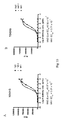
- FIG. 8 shows that hMZ-2Lw antibody in a concentration higher than about 10 and 20 ⁇ g/ml resulted in a dose-dependent cytotoxicity in human pancreatic cancer cell line, HPAC.
- FIGS. 9A and B show antigen-dependent cell-mediated cytotoxicity (ADCC) activity of the present hMZ-2Lw and MK1 antibodies on MCF-7 cells (breast cancer cell line).
- ADCC antigen-dependent cell-mediated cytotoxicity
- FIGS. 10A and B show antigen-dependent cell-mediated cytotoxicity (ADCC) activity of the present hMZ-2Lw and MK1 antibodies on TOV21G cells (ovarian cancer cell line).
- ADCC antigen-dependent cell-mediated cytotoxicity
- FIG. 11 shows administration of both hMZ-2Lw and MK1 antibodies significantly inhibit the tumor growth, while control IgG antibody did not substantially affect the tumor growth.
- FIG. 12 shows results of hMZ-2 antibody in breast cancer subcutaneous model MCF-7 cell.
- FIGS. 13A and B shows the results of hMZ-2 antibody in pancreatic cancer subcutaneous model HPAC cell.
- FIG. 14 shows that MZ-2 antibody inhibits migration of Globo H-expressing TOV21G cells.
- FIG. 15 shows that MZ-2 antibody inhibits migration of Globo H-expressing TOV21G cells.
- the present invention is based, at least, on the finding that recombinant antibodies specifically bind to Globo H for treating cancer expression tumor-associated carbohydrate antigens.
- antigen as used herein is defined as a substance capable of eliciting an immune response. Said immune response may involve either antibody production, or the activation of specific immunologically-competent cells, or both.
- immunogen refers to an antigen capable of inducing the production of an antibody.
- immunoogenicity generally refers to the ability of an immunogen or antigen to stimulate an immune response.
- epitope refers to a unit of structure conventionally bound by an immunoglobulin VH/VL pair.
- An epitope defines the minimum binding site for an antibody, and thus represent the target of specificity of an antibody.
- antibody refers to a whole antibody molecule or a fragment, variant or derivative thereof, which is capable of recognizing or binding to an antigen.
- Most natural antibodies have two heavy chains and two light chains linked to each other by disulfide bonds.
- the light chain includes a variable domain (VL) and a constant domain (CL); while the heavy chain includes a variable domain (VH) and three constant domains (CH1, CH2 and CH3, collectively referred to as CH).
- VL variable domain
- VH constant domain
- CH constant domains
- VH and VL regions can be further subdivided into regions of hypervariability, termed complementarity determining regions (CDR), interspersed with regions that are more conserved, termed framework regions (FR).
- CDR complementarity determining regions
- FR framework regions
- Each VH and VL is, composed of three CDRs and four FRs arranged from amino-terminus to carboxy-terminus in the following order: FR1, CDR1, FR2, CDR2, FR3, CDR3, FR4.
- the constant region domains of the light (CL) and heavy (CH) chains confer important biological properties such as antibody chain association, secretion, trans-placental mobility, complement binding, and binding to Fc receptors (FcR).
- antibody variable domain refers to the portions of the light and heavy chains of antibody molecules that include amino acid sequences of Complementarity Determining Regions (CDRs; i.e., CDR1, CDR2, and CDR3), and Framework Regions (FRs).
- CDRs Complementarity Determining Regions
- FRs Framework Regions
- amino acid positions assigned to CDRs and FRs can be defined according to Kabat (Sequences of Proteins of Immunological Interest (National Institutes of Health, Bethesda, Md., 1987 and 1991)). Amino acid numbering of antibodies or antigen binding fragments is also according to that of Kabat.
- CDRs Complementarity Determining Regions
- CDR1, CDR2, and CDR3 refers to the amino acid residues of an antibody variable domain the presence of which are necessary for antigen binding.
- Each variable domain typically has three CDR regions identified as CDR1, CDR2 and CDR3.
- H-CDR refers to the CDR of the heavy chain and L-CDR refers to the CDR of the light chain.
- the term “monoclonal antibody” refers to an antibody molecule obtained from a single type of antibody-producing cells.
- chimeric antibody refers to an antibody comprising a variable region from one source or species and at least a portion of a constant region derived from a different source or species, usually prepared by recombinant DNA techniques. It is preferred that the CDRs of a chimeric antibody have one origin, while the remainder of the antibody has a different origin.
- the chimeric antibody may be a humanized antibody in which the antigen binding sequences/variable domains of a non-human antibody have been grafted onto human antibody framework regions.
- humanized antibody refers to forms of antibodies that contain sequences from non-human (e.g., murine) antibodies as well as human antibodies. Such antibodies contain minimal sequence derived from non-human immunoglobulin.
- the humanized antibody will comprise substantially all of at least one, and typically two, variable domains, in which all or substantially all of the hypervariable loops correspond to those of a non-human immunoglobulin and all or substantially all of the FR regions are those of a human immunoglobulin sequence.
- the humanized antibody optionally also will comprise at least a portion of an immunoglobulin constant region (Fc), typically that of a human immunoglobulin.
- Fc immunoglobulin constant region
- the humanized forms of rodent antibodies will essentially comprise the same CDR sequences of the parental rodent antibodies, although certain amino acid substitutions may be included to increase affinity, increase stability of the humanized antibody, or for other reasons.
- CDR loop exchanges do not uniformly result in an antibody with the same binding properties as the antibody of origin, changes in framework residues (FR), residues involved in CDR loop support, might also be introduced in humanized antibodies to preserve antigen binding affinity.
- FR framework residues
- the left-hand direction is the amino-terminal (N-terminal) direction and the right-hand direction is the carboxy-terminal (C-terminal) direction, in accordance with standard usage and convention.
- Percentage (%) amino acid sequence identity with respect to the amino acid sequences identified herein is defined as the percentage of amino acid residues in a candidate sequence that are identical with the amino acid residues in the specific polypeptide sequence, after aligning the sequences and introducing gaps, if necessary, to achieve the maximum percent sequence identity, and not considering any conservative substitutions as part of the sequence identity. Alignment for purposes of determining percentage sequence identity can be achieved in various ways that are within the skill in the art, for instance, using publicly available computer software such as BLAST, BLAST-2, ALIGN or Megalign (DNASTAR) software. Those skilled in the art can determine appropriate parameters for measuring alignment, including any algorithms needed to achieve maximal alignment over the full length of the sequences being compared.
- sequence comparison between two amino acid sequences was carried out by computer program Blastp (protein-protein BLAST) provided online by National Center for Biotechnology Information (NCBI).
- Blastp protein-protein BLAST
- NCBI National Center for Biotechnology Information
- X is the number of amino acid residues scored as identical matches by the sequence alignment program BLAST in that program's alignment of A and B, and where Y is the total number of amino acid residues in A or B, whichever is shorter.
- amino acid sequences of proteins/polypeptides are contemplated as being encompassed by the presently disclosed and claimed inventive concept(s), providing that the variations in the amino acid sequence maintain at least 80% such as at least, 81%, 82%, 83%, 84%, 85%, 86%, 87%, 88%, 89%, 90%, 91%, 92%, 93%, 94%, 95%, 96%, 97%, 98% and 99%.
- conservative amino acid replacements are contemplated. Conservative replacements are those that take place within a family of amino acids that are related in their side chains.
- Genetically encoded amino acids are generally divided into families: (1) acidic aspartate, glutamate; (2) basic lysine, arginine, histidine; (3) nonpolar alanine, valine, leucine, isoleucine, proline, phenylalanine, methionine, tryptophan; and (4) uncharged polar glycine, asparagine, glutamine, cysteine, serine, threonine, tyrosine.
- More preferred families are: serine and threonine are aliphatic-hydroxy family; asparagine and glutamine are an amide-containing family; alanine, valine, leucine and isoleucine are an aliphatic family; and phenylalanine, tryptophan, and tyrosine are an aromatic family.
- serine and threonine are aliphatic-hydroxy family
- asparagine and glutamine are an amide-containing family
- alanine, valine, leucine and isoleucine are an aliphatic family
- phenylalanine, tryptophan, and tyrosine are an aromatic family.
- Whether an amino acid change results in a functional peptide can readily be determined by assaying the specific activity of the polypeptide derivative. Fragments or analogs of proteins/polypeptides can be readily prepared by those of ordinary skill in the art. Preferred amino- and carboxy-termini of fragments or analogs occur near boundaries of functional domains.
- antibody mutant refers to an amino acid sequence variant of the species-dependent antibody wherein one or more of the amino acid residues of the species-dependent antibody have been modified. Such mutants necessarily have less than 100% sequence identity or similarity with the species-dependent antibody.
- the antibody mutant will have an amino acid sequence having at least 75% amino acid sequence identity or similarity with the amino acid sequence of either the heavy or light chain variable domain of the species-dependent antibody, more preferably at least 80%, more preferably at least 85%, more preferably at least 90%, and most preferably at least 95%.
- Identity or similarity with respect to this sequence is defined herein as the percentage of amino acid residues in the candidate sequence that are identical (i.e., same residue) or similar (i.e., amino acid residue from the same group based on common side-chain properties, see below) with the species-dependent antibody residues, after aligning the sequences and introducing gaps, if necessary, to achieve the maximum percent sequence identity. None of N-terminal, C-terminal, or internal extensions, deletions, or insertions into the antibody sequence outside of the variable domain shall be construed as affecting sequence identity or similarity.
- antigen-binding portion of an antibody (or simply “antigen portion”), refers to full length or one or more fragments of an antibody that retain the ability to specifically bind to an antigen. It has been shown that the antigen-binding function of an antibody can be performed by fragments of a full-length antibody.
- binding fragments encompassed within the term “antigen-binding portion” of an antibody include a Fab fragment, a monovalent fragment consisting of the V L , V H , C L and CH1 domains; a F(ab) 2 fragment, a bivalent fragment comprising two Fab fragments linked by a disulfide bridge at the hinge region; a Fd fragment consisting of the V H and CH1 domains; a Fv fragment consisting of the V L and V H domains of a single arm of an antibody; a dAb fragment (Ward et al., 1989 Nature 341:544-546), which consists of a V H domain; and an isolated complementarity determining region (CDR), or any fusion proteins comprising such antigen-binding portion.
- a Fab fragment a monovalent fragment consisting of the V L , V H , C L and CH1 domains
- F(ab) 2 fragment a bivalent fragment comprising two Fab fragments linked by a disulfide bridge at
- treatment are used herein broadly to include a preventative (e.g., prophylactic), curative, or palliative measure that results in a desired pharmaceutical and/or physiological effect.
- a preventative e.g., prophylactic
- curative e.g., palliative
- palliative measure that results in a desired pharmaceutical and/or physiological effect.
- the effect is therapeutic in terms of partially or completely curing or preventing cancer.
- treatment refers to application or administration of the present immunogenic glycopeptide, antibody, or pharmaceutical composition comprising any of the above to a subject, who has cancer, a symptom of cancer, a disease or disorder secondary to cancer, or a predisposition toward cancer, with the purpose to partially or completely alleviate, ameliorate, relieve, delay onset of, inhibit progression of, reduce severity of, and/or reduce incidence of one or more symptoms or features of cancer.
- a “treatment” includes not just the improvement of symptoms or decrease of markers of the disease, but also a cessation or slowing of progress or worsening of a symptom that would be expected in absence of treatment.
- the term “treating” can also be used herein in a narrower sense which refers only to curative or palliative measures intended to ameliorate and/or cure an already present disease state or condition in a patient or subject.
- preventing refers to a preventative or prophylactic measure that stops a disease state or condition from occurring in a patient or subject. Prevention can also include reducing the likelihood of a disease state or condition from occurring in a patient or subject and impeding or arresting the onset of said disease state or condition.
- effective amount refers to the quantity of a component which is sufficient to yield a desired response. Effective amount may be expressed, for example, in grams, milligrams or micrograms or as milligrams per kilogram of body weight (mg/kg). The term also refers to an amount of a pharmaceutical composition containing an active component or combination of components. The specific effective or sufficient amount will vary with such factors as the particular condition being treated, the physical condition of the patient (e.g., the patient's body mass, age, or gender), the type of mammal or animal being treated, the duration of the treatment, the nature of concurrent therapy (if any), and the specific formulations employed and the structure of the compounds or its derivatives.
- therapeutically effective amount refers to the quantity of an active component which is sufficient to yield a desired therapeutic response.
- a therapeutically effective amount is also one in which any toxic or detrimental effects of the compound or composition are outweighed by the therapeutically beneficial effects.
- a “pharmaceutically acceptable carrier” is one that is suitable for use with the subjects without undue adverse side effects (such as toxicity, irritation, and allergic response) commensurate with a reasonable benefit/risk ratio.
- each carrier must be “acceptable” in the sense of being compatible with the other ingredients of the pharmaceutical composition.
- the carrier can be in the form of a solid, semi-solid, or liquid diluent, cream or a capsule.
- the carrier must be “acceptable” in the sense of being compatible with the other ingredients of the formulation, and is selected to minimize any degradation of the active agent and to minimize any adverse side effects in the subject.
- subject refers to a mammal including the human species that is treatable with antibody.
- subject is intended to refer to both the male and female gender unless one gender is specifically indicated.
- novel recombinant anti-Globo H antibodies and anti-Globo H-binding peptides specifically binding to Globo H or its derivatives and methods of their use in anti-tumor immunotherapies, such as the treatment of cancer.
- antibodies Once bound to a cancer antigen, antibodies can induce antibody-dependent cell-mediated cytotoxicity, activate the complement system, and prevent a receptor interacting with its ligand (such as Globo H).
- the compositions comprising the anti-Globo H-binding peptides or anti-Globo H antibodies described herein are useful in anti-cancer therapies.
- compositions comprising the anti-Globo H-binding peptides or anti-Globo H antibodies can combine with an additional anti-tumor agent.
- the present embodiments provide the complementarity determining region (CDR) sequences of specific anti-Globo H antibodies, which can be used in a variety of anti-Globo H-binding peptides.
- the present invention provides a humanized or chimeric antibody or an antigen-binding fragment thereof capable of binding to Globo H or its derivatives.
- the present invention provides an isolated anti-Globo H antibody or an antigen-binding portion thereof, comprising at least one of a heavy chain complementarity determining region 1 (H-CDR1) consisting of the amino acid residues of GFSLSTFDMGVG (SEQ ID NO: 1), GSSLSTFDVGVG (SEQ ID NO: 2), GFSLGTFDLGIG (SEQ ID NO: 3), GFSLSTFDLGIG (SEQ ID NO: 4) or a variant having amino acid sequence with at least 80% identity to any of SEQ ID NOs: 1 to 4; a heavy chain CDR2 (H-CDR2) consisting of the amino acid residues of HIWWDDDKYYNPA (SEQ ID NO:5), HIWGDDDKYYNPA (SEQ ID NO: 6) or a variant having amino acid sequence with at least 80% identity to any of SEQ ID NOs: 5 and 6; and a heavy chain CDR3 (H-CDR3) consisting of the amino acid residues of GFSLST
- sequence identity as mentioned above is at least 81%, 82%, 83%, 84%, 85%, 86%, 87%, 88%, 89%, 90%, 91%, 91%, 92%, 93%, 94%, 95%, 96%, 97%, 98% or 99%.
- the present invention provides an isolated anti-Globo H antibody or an antigen-binding portion thereof, comprising (i) a heavy chain variable region comprising a heavy chain variable region comprising H-CDR1 selected from the group consisting of SEQ ID NOs: 1 to 4, H-CDR2 selected from the group consisting of SEQ ID NOs: 5 and 6 and H-CDR3 selected from the group consisting of SEQ ID NOs: 7 to 9, and (ii) light chain variable regions comprising L-CDR1 selected from the group consisting of SEQ ID NOs: 10 to 13, L-CDR2 selected from the group consisting of SEQ ID NOs: 14 to 16 and L-CDR3 selected from the group consisting of SEQ ID NOs: 17 to 19.
- H-CDR1 is SEQ ID NO:3; H-CRD2 is SEQ ID NO:5; H-CDR3 is SEQ ID NO:8; L-CDR1 is SEQ ID NO:10; L-CDR2 is SEQ ID NO:16; and L-CDR3 is SEQ ID NO:18.
- H-CDR1 has the amino acid sequence of SEQ ID NO:3 or SEQ ID NO:4; H-CDR2 has the amino acid sequence of SEQ ID NO:5; H-CDR3 has the amino acid sequence of SEQ ID NO: 8; L-CDR1 has the amino acid sequence of SEQ ID NO:12; L-CDR2 has the amino acid sequence of SEQ ID NO:16 and L-CDR3 has the amino acid sequence of SEQ ID NO:18.
- the present invention provides a heavy chain variable region comprising a heavy chain variable region comprising H-CDR1 selected from the group consisting of SEQ ID NOs: 1 to 4, H-CDR2 selected from the group consisting of SEQ ID NOs: 5 and 6 and H-CDR3 selected from the group consisting of SEQ ID NOs: 7 to 9.
- the present invention provides a heavy chain variable region comprising SEQ ID NO: 3 as H-CDR1, SEQ ID NO: 5 H-CDR2 and SEQ ID NO: 8 as H-CDR3.
- the present invention provides a light chain variable region comprising L-CDR1 selected from the group consisting of SEQ ID NOs: 10 to 13, L-CDR2 selected from the group consisting of SEQ ID NOs: 14 to 16 and L-CDR3 selected from the group consisting of SEQ ID NOs: 17 to 19.
- the present invention provides a light chain variable region comprising SEQ ID NO: 12 as L-CDR1, SEQ ID NO: 16 as L-CDR2 and SEQ ID NO: 18 as L-CDR3.
- the isolated anti-Globo H antibody is a monocloncal antibody.
- Monoclonal antibodies to Globo H can be made according to knowledge and skill in the art. For example, it can be made by injecting test subjects with Globo H conjugate of the invention and then isolating hybridomas expressing antibodies having the desired sequence or functional characteristics.
- DNA encoding the monoclonal antibodies is readily isolated and sequenced using conventional procedures (e.g., by using oligonucleotide probes that are capable of binding specifically to genes encoding the heavy and light chains of the monoclonal antibodies).
- the hybridoma cells serve as a preferred source of such DNA.
- the DNA may be placed into expression vectors, which are then transfected into host cells such as E. coli cells, simian COS cells, Chinese hamster ovary (CHO) cells, or myeloma cells that do not otherwise produce immunoglobulin protein, to obtain the synthesis of monoclonal antibodies in the recombinant host cells. Recombinant production of antibodies will be described in more detail below.
- antibodies or antibody fragments can be isolated from antibody phage libraries generated using the conventional techniques known in the art; for example, the isolation of murine and human antibodies, respectively, using phage libraries.
- phage libraries generated using the conventional techniques known in the art; for example, the isolation of murine and human antibodies, respectively, using phage libraries.
- Subsequent publications describe the production of high affinity (nM range) human antibodies by chain shuffling, as well as combinatorial infection and in vivo recombination as a strategy for constructing very large phage libraries.
- these techniques are viable alternatives to traditional monoclonal antibody hybridoma techniques for isolation of monoclonal antibodies.
- the present invention provides an isolated anti-Globo H antibody, comprising (i) a heavy chain variable region comprising an amino acid sequence having at least 85% identical to any of the amino acid sequences of SEQ ID NOs: 140 to 163, and (ii) a light chain variable region comprising an amino acid sequence having at least 80% identical to any of the amino acid sequence of SEQ ID NO: 164 to 199.
- the sequence identity as mentioned above is at least 90%, 91%, 91%, 92%, 93%, 94%, 95%, 96%, 97%, 98% or 99%.
- the present invention provides an isolated anti-Globo H antibody, comprising (i) a heavy chain variable region comprising an amino acid sequence having at least 85% identical to the amino acid sequences of SEQ ID NO: 147, and (ii) a light chain variable region comprising an amino acid sequence having at least 80% identical to the amino acid sequence of SEQ ID NO: 195.
- the present invention provides an isolated anti-Globo H antibody, comprising (i) a heavy chain variable region comprising an amino acid sequence consisting of SEQ ID NO: 147, and (ii) a light chain variable region comprising an amino acid sequence consisting of SEQ ID NO: 195 (MZ-2 antibody).
- the nucleotides encoding the heavy chain variable region having the amino acid sequence of SEQ ID NO: 147 are as follows:
- the isolated anti-Globo H antibody of the present invention is a humanized or chimeric antibody or fragment thereof capable of specifically binding to Globo H.
- the present invention provides a humanized anti-Globo H antibody or an antigen-binding portion thereof, comprising (i) a heavy chain variable region comprising an amino acid sequence having at least 85% identical to any of the amino acid sequences of SEQ ID NOs: 20 to 43, and (ii) a light chain variable region comprising an amino acid sequence having at least 80% identical to any of the amino acid sequence of SEQ ID NO: 44 to 79 and 200 to 235.
- the sequence identity as mentioned above is at least 90%, 91%, 91%, 92%, 93%, 94%, 95%, 96%, 97%, 98% or 99%.
- the present invention provides a humanized anti-Globo H antibody or an antigen-binding portion thereof, comprising (i) a heavy chain variable region comprising an amino acid sequence selected from the group consisting of SEQ ID NOs: 20 to 43, and (ii) a light chain variable region comprising an amino acid sequence selected from the group consisting of SEQ ID NO: 44 to 79 and 200 to 235.
- the humanized anti-Globo H antibody or an antigen-binding portion thereof comprises a heavy chain variable region comprising an amino acid sequence consisting of SEQ ID NO: 27, and a light chain variable region comprising an amino acid sequence consisting of SEQ ID NO: 75 (hMZ-2Lw antibody).
- the humanized anti-Globo H antibody or an antigen-binding portion thereof comprises a heavy chain variable region comprising an amino acid sequence consisting of SEQ ID NO: 27, and a light chain variable region comprising an amino acid sequence consisting of SEQ ID NO: 231.
- SEQ ID NO: 44 EIVLTQSPSSLSASVGDRVTITC SASSSVSYMH WYQQKPGKAPKLLIY ATSNLAS GVPSRFSGSGSGTDFTFTISSLQPEDIATYYC QQWSSNPFT FGGGTKLEIKR
- SEQ ID NO: 45 EIVLTQSPSSLSASVGDRVTITC SASSSVSYMH WYQQKPGKAPKLLIY ATSNLAS GVPSRFSGSGSGTDFTFTISSLQPEDIATYYC QQWSSNPLT FGGGTKLEIKR
- the present invention provides a humanized anti-Globo H antibody or an antigen-binding portion thereof, comprising (i) a heavy chain variable region comprising an amino acid sequence having at least 85% identical to any of the amino acid sequences of SEQ ID NOs: 80 to 103, and (ii) a light chain variable region comprising an amino acid sequence having at least 80% identical to any of the amino acid sequence of SEQ ID NOs: 104 to 139.
- the sequence identity as mentioned above is at least 90%, 91%, 91%, 92%, 93%, 94%, 95%, 96%, 97%, 98% or 99%.
- the present invention provides a humanized anti-Globo H antibody or an antigen-binding portion thereof, comprising (i) a heavy chain variable region comprising an amino acid sequence selected from the group consisting of SEQ ID NOs: 80 to 103, and (ii) a light chain variable region comprising an amino acid sequence selected from the group consisting of SEQ ID NO: 104 to 139.
- the humanized anti-Globo H antibody or an antigen-binding portion thereof comprises a heavy chain variable region comprising an amino acid sequence consisting of SEQ ID NO: 90, and a light chain variable region comprising an amino acid sequence consisting of SEQ ID NO: 135 (MK1 antibody).
- a humanized antibody has one or more amino acid residues from a source that is non-human.
- the non-human amino acid residues are often referred to as “import” residues, and are typically taken from an “import” variable domain.
- Humanization can be performed generally following conventional method known in the art, by substituting rodent CDRs or CDR sequences for the corresponding sequences of a human antibody. Accordingly, such “humanized” antibodies are antibodies wherein substantially less than an intact human variable domain has been substituted by the corresponding sequence from a non-human species.
- humanized antibodies are typically human antibodies in which some CDR residues and possibly some FR residues are substituted by residues from analogous sites in non-human, for example, rodent antibodies.
- variable domains both light and heavy
- the choice of human variable domains, both light and heavy, to be used in making the humanized antibodies is very important to reduce antigenicity.
- the sequence of the variable domain of a rodent antibody is screened against the entire library of known human variable-domain sequences.
- the human sequence which is closest to that of the rodent is then accepted as the human framework (FR) for the humanized antibody.
- FR human framework
- Another method uses a particular framework derived from the consensus sequence of all human antibodies of a particular subgroup of light or heavy chains. The same framework may be used for several different humanized antibodies.
- humanized antibodies are prepared by a process of analysis of the parental sequences and various conceptual humanized products using three-dimensional models of the parental and humanized sequences.
- Three-dimensional immunoglobulin models are commonly available and are familiar to those skilled in the art.
- Computer programs are available which illustrate and display probable three-dimensional conformational structures of selected candidate immunoglobulin sequences. Inspection of these displays permits analysis of the likely role of the residues in the functioning of the candidate immunoglobulin sequence, i.e., the analysis of residues that influence the ability of the candidate immunoglobulin to bind its antigen.
- FR residues can be selected and combined from the recipient and import sequences so that the desired antibody characteristic, such as increased affinity for the target antigen(s), is achieved.
- the CDR residues are directly and most substantially involved in influencing antigen binding.
- the present invention provides a chimeric anti-Globo H antibody or an antigen-binding portion thereof, comprising (i) a heavy chain variable region comprising an amino acid sequence having at least 85% identical to any of the amino acid sequences of SEQ ID NOs: 140-163 wherein the last third sequence V of the amino acid sequences is changed as I, and (ii) a light chain variable region comprising an amino acid sequence having at least 80% identical to any of the amino acid sequence of SEQ ID NO:164-199.
- the sequence identity as mentioned above is at least 90%, 91%, 91%, 92%, 93%, 94%, 95%, 96%, 97%, 98% or 99%.
- the present invention provides a chimeric anti-Globo H antibody, comprising (i) a heavy chain variable region comprising an amino acid sequence having at least 85% identical to the amino acid sequences of SEQ ID NO: 147 wherein the last third sequence V of the amino acid sequence is changed as I, and (ii) a light chain variable region comprising an amino acid sequence having at least 85% identical to the amino acid sequence of SEQ ID NO: 195.
- the present invention provides an isolated anti-Globo H antibody (cMZ-2), comprising (i) a heavy chain variable region comprising an amino acid sequence consisting of SEQ ID NO: 147 wherein the last third sequence V of the amino acid sequences is changed as I, and (ii) a light chain variable region comprising an amino acid sequence consisting of SEQ ID NO: 195.
- cMZ-2 isolated anti-Globo H antibody
- the production of the chimeric antibody can be produced according to conventional methods known in the art. Methods for producing chimeric antibodies are known in the art. See e.g., Morrison, Science 229:1202 (1985); Oi et al., BioTechniques 4:214 (1986); Gillies et al., (1989) J. Immunol. Methods 125:191-202; U.S. Pat. Nos. 5,807,715; 4,816,567; and 4,816,397. In addition, techniques developed for the production of “chimeric antibodies” (Morrison et al., 1984, Proc. Natl. Acad. Sci.
- the constant domains of the light and heavy chains of, for example, a mouse monoclonal antibody can be substituted 1) for those regions of, for example, a human antibody to generate a chimeric antibody or 2) for a non-immunoglobulin polypeptide to generate a fusion antibody.
- the constant regions are truncated or removed to generate the desired antibody fragment of a monoclonal antibody.
- site-directed or high-density mutagenesis of the variable region can be used to optimize specificity, affinity, etc. of a monoclonal antibody.
- the present invention provides a pharmaceutical composition comprising an anti-Globo H antibody or an antigen-binding portion thereof.
- the present antibody can also be formulated into a pharmaceutical composition.
- the pharmaceutical composition further comprises a pharmaceutically acceptable carrier.
- Administration of the anti-Globo H antibody or an antigen-binding portion thereof described herein can include formulation into pharmaceutical compositions or pharmaceutical formulations for parenteral administration, e.g., intravenous; mucosal, e.g., intranasal; ocular, or other mode of administration.
- the anti-Globo H antibody or an antigen-binding portion thereof described herein can be administered along with any pharmaceutically acceptable carrier compound, material, or composition which results in an effective treatment in the subject.
- a pharmaceutical formulation/composition for use in the methods described herein can contain an anti-Globo H antibody or an antigen-binding portion thereof as described herein in combination with one or more pharmaceutically acceptable carriers.
- phrases “pharmaceutically acceptable” refers to those compounds, materials, compositions, and/or dosage forms which are, within the scope of sound medical judgment, suitable for use in contact with the tissues of human beings and animals without excessive toxicity, irritation, allergic response, or other problem or complication, commensurate with a reasonable benefit/risk ratio.
- pharmaceutically acceptable carrier means a pharmaceutically acceptable material, composition or vehicle, such as a liquid or solid filler, diluent, excipient, solvent, media, encapsulating material, manufacturing aid (e.g., lubricant, talc magnesium, calcium or zinc stearate, or steric acid), or solvent encapsulating material, involved in maintaining the stability, solubility, or activity of, an anti-Globo H antibody or an antigen-binding portion thereof as described herein.
- manufacturing aid e.g., lubricant, talc magnesium, calcium or zinc stearate, or steric acid
- solvent encapsulating material involved in maintaining the stability, solubility, or activity of, an anti-Globo H antibody or an antigen-binding portion thereof as described herein.
- Each carrier must be “acceptable” in the sense of being compatible with the other ingredients of the formulation and not injurious to the patient.
- excipient “carrier”, “pharmaceutically acceptable carrier”, or the like are used interchange
- the anti-Globo H antibody or an antigen-binding portion thereof as described herein can be specially formulated for administration of the compound to a subject in solid, liquid or gel form, including those adapted for the following: (1) parenteral administration, for example, by subcutaneous, intramuscular, intravenous or epidural injection as, for example, a sterile solution or suspension, or sustained-release formulation; (2) topical application, for example, as a cream, ointment, or a controlled-release patch or spray applied to the skin; (3) intravaginally or intrarectally, for example, as a pessary, cream or foam; (4) ocularly; (5) transdermally; (6) transmucosally; or (79) nasally. Additionally, a anti-Globo H antibody or an antigen-binding portion thereof as described herein can be implanted into a patient or injected using a drug delivery system.
- the therapeutically effective amount of the antibody for mice could be expressed as 0.8-100 mg/kg body weight.
- HED of the above-mentioned murine effective amount is about 0.65-81.5 mg/kg body weight.
- the therapeutically effective amount of the antibody can be at least 1 mg/kg.
- an initial candidate dosage for administration to a subject is an initial candidate dosage for administration to a subject, whether, for example, by one or more separate administrations, or by continuous infusion.
- a typical daily dosage might range from about 1 mg/kg to about 100 mg/kg or more, depending on the factors mentioned above.
- Typical dosages include, for example, 5 mg/kg, 10 mg/kg, 20 mg/kg, and 30 mg/kg.
- the treatment is sustained until, for example, the cancer is treated, as measured by the methods described above or known in the art.
- the invention provides a method of treating and/or preventing a cancer, comprising administering to a subject in need thereof a therapeutically effective amount of an anti-Globo H antibody or an antigen-binding portion thereof as described herein or a pharmaceutical composition comprising an anti-Globo H antibody or an antigen-binding portion thereof as described herein.
- the administration of the antibody or the pharmaceutical composition comprising the same to a subject confers passive protection to the subject and thereby provides the intended therapeutic effect to a cancer, such as tumor-associated carbohydrate-expressing cancer; preferably, breast cancer, ovarian cancer, pancreatic cancer, prostate cancer, colorectal cancer and lung cancer.
- a cancer such as tumor-associated carbohydrate-expressing cancer; preferably, breast cancer, ovarian cancer, pancreatic cancer, prostate cancer, colorectal cancer and lung cancer.
- the anti-Globo H antibody or an antigen-binding portion thereof as described herein or a pharmaceutical composition comprising an anti-Globo H antibody or an antigen-binding portion thereof as described herein is administered to a subject having a cancer to be inhibited by any mode of administration that delivers the agent systemically or to a desired surface or target, and can include, but is not limited to, injection, infusion, instillation, and inhalation administration.
- any mode of administration that delivers the agent systemically or to a desired surface or target
- anti-Globo H antibody or an antigen-binding portion thereof as described herein or a pharmaceutical composition comprising an anti-Globo H antibody or an antigen-binding portion thereof as described herein can be protected from inactivation in the gut, oral administration forms are also contemplated.
- “Injection” includes, without limitation, intravenous, intramuscular, intraarterial, intrathecal, intraventricular, intracapsular, intraorbital, intracardiac, intradermal, intraperitoneal, transtracheal, subcutaneous, subcuticular, intraarticular, sub capsular, subarachnoid, intraspinal, intracerebro spinal, and intrasternal injection and infusion.
- the anti-Globo H antibody or an antigen-binding portion thereof as described herein or a pharmaceutical composition comprising an anti-Globo H antibody or an antigen-binding portion thereof as described herein for use in the methods described herein are administered by intravenous infusion or injection.
- parenteral administration and “administered parenterally” as used herein, refer to modes of administration other than enteral and topical administration, usually by injection.
- systemic administration refers to the administration of the bispecific or multispecific polypeptide agent other than directly into a target site, tissue, or organ, such as a tumor site, such that it enters the subject's circulatory system and, thus, is subject to metabolism and other like processes.
- the methods provided herein for inhibiting or treating cancer in subject having or at risk for cancer by administering to the subject a therapeutically effective amount of an anti-Globo H antibody or an antigen-binding portion thereof as described herein or a pharmaceutical composition comprising an anti-Globo H antibody or an antigen-binding portion thereof as described herein can, in some embodiments, further comprise administration one or more additional treatments such as angiogenic inhibitors, chemotherapy, radiation, surgery, or other treatments known to those of skill in the art to prevent and/or treat cancer.
- Monoclonal antibody-producing hybridoma cell lines were screened through limited dilution by ELISA assay on plate coated with Globo H-biotin antigen. Five clones (named MZ-1 to MZ-5, respectively) capable of secreting high-titers of anti-Globo H IgG or IgM antibodies were obtained.
- Supernatants from these hybridoma lines were also subjected to cell binding assay. Briefly, 100 ⁇ l of the supernatant from the hybridoma culture was incubated with 2 ⁇ 105 of MCF-7 cells and then analyzed by flow cytometry with appropriate fluorescent secondary antibody mentioned below. The cells were washed once with 2 ml of 1 ⁇ PBS. After centrifugation, the wash buffer was discarded and cells were resuspended in 100 ⁇ l of 1:100 diluted PE anti-mouse IgG-Fc (Jackson immunoresearch) or 100 ⁇ l of 1:100 diluted PE anti-mouse IgM (eBioscience) and incubated again at room temperature for 20 minutes.
- PE anti-mouse IgG-Fc Jackson immunoresearch
- PE anti-mouse IgM eBioscience
- FIGS. 1A to E reveal that the monoclonal antibody produced by MZ-2 hybridoma (see FIG. 1C ) (hereinafter, the MZ-2 antibody) had good binding affinity to MCF-7 cells.
- a commercially available anti-Globo H IgG3 antibody see FIG. E
- VK9 antibody see FIG. B
- Variable regions of heavy and light chains of MZ-2 antibody were first cloned to human IgG1 and kappa chain conserved region expression vectors to form mouse-human chimeric MZ-2 (cMZ-2).
- the cMZ-2 antibody has been gone through humanization by CDR-grafting based on structure analysis and sequence homology.
- the humanized MZ-2 antibody (hMZ-2) could be readily expressed as a recombinant IgG in mammalian cells and retains the antigen-binding affinity and specificity of the parent mouse antibody.
- the humanized construct was further transfected into FO cells by electroporation and selected by associated antibiotics to generate stable expression clones.
- Antibodies produced from the FO cells were checked by flow cytometry analysis.
- 1 ⁇ 106 of hMZ-2 expression FO cells were first i.p. injected into NOD/SCID mice. Ascites from these mice were harvest after 2 weeks and passed through protein G agarose column to purify the generated antibody. The thus-obtained hMZ-2 antibodies were sequenced.
- the hMZ-2 antibody, hMz-2Lw (variable region of heavy chain: SEQ ID No. 27; variable region of light chain: SEQ ID No. 75 and MK1 (variable region of heavy chain: SEQ ID No. 290; variable region of light chain: SEQ ID No. 135), were used in the following examples.
- Ovarian cancer tissues were obtained under the approval of IRB and patient consent. Ovarian cancer tissues were digested by MASC Tumor Dissociation kit (MASC, 130-095-929). The single cell suspension was stained with MZ-2 monoclonal antibody (10 ⁇ g/ml; 100 ⁇ l) for 30 minutes at 4° C., and stained with secondary antibody anti-mouse IgG1 PE (1:50; eBioscience, 2-405-82), then fixed with 4% paraformaldehyde for 1 min at RT. The cell were then stained with FITC-conjugated mouse anti-human EpCAM (1:50; biolegend, 324204), and mouse anti-human SSEA4 (1:50; biolegend, 330408) for 30 min at 4° C.
- FIG. 2 demonstrate that the present MZ-2 monoclonal antibody exhibited good binding to primary ovarian cancer cells. Most epithelial primary cancer cells were stained with either MZ-2 or SSEA4 antibody showing by representative flow cytometry. EpCAM staining here represents a marker of epithelial cell.
- Biotinylated-carbohydrates were conjugated on BD Cytometric Beads via Avidin by Functional Bead Conjugation Buffer Set (BD).
- 75 ⁇ L of the functional beads were sonicated and incubated with 1.9 ⁇ L of 1M DTT at room temperature for 1 hr.
- 20 uL of each biotin-carbohydrate (0.2 mg/mL) was mixed with 90 ⁇ g of maleimide activated neutrAvidin (1 mg/mL in coupling buffer; Pierce) and incubated at room temperature for 1 hr.
- the beads were washed 3 times with 1 mL of coupling buffer and resuspended in 20 ⁇ L of coupling buffer.
- the carbohydrate were then mixed with designed beads and incubated with further one hour. 2 ⁇ L of N-Ethylmaleimide (2 mg/mL on DMSO, Pierce) was then added into the conjugated beads and incubated for further 15 min. After 3 time wash, the beads were suspended in 500 ⁇ L of storage buffer and ready for use.
- each set of carbohydrate-conjugated beads were mixed and diluted to 1:50 of each. 50 ⁇ L of bead mixture was then transfer to V bottom 96-well plate, and mixed with 50 ⁇ L of 1:1000 diluted serum or 1 ⁇ g/mL of MZ-2 antibody. After incubation for 30 min, the beads were washed with 150 ⁇ L of wash buffer and further stained with 100 ⁇ L of PE-conjugated 2Ab (Jackson Immunoresearch). The binding of anti-Globo H antibody were detected by FACS.
- FIG. 3 show the specificity of MZ-2 antibody is indicated by the fact that MZ-2 and chimeric MZ-2 antibodies only bind to Globo H-conjugated beads, but not SSEA3- or SSEA4-conjugated beads.
- FIGS. 4A and B show the simulation of protein folding of mouse MZ-2 monoclonal antibody ( FIG. 4A ) and humanized MZ-2 monoclonal antibodies ( FIG. 4B ).
- the binding affinity of anti-Globo H antibody was detected by Biolayer interferometry using FortrBio OcTet system. Briefly, the sensors were first soaked in 20 ⁇ M of biotinylated Globo H to coat Globo H on their surface.
- the MZ-2 clone (mMZ-2), mouse-human chimerical MZ-2 clone (cMZ-2), and humanized MZ-2 clones (hMZ-2L, MK-1 or hMZ-2Lw) were serially diluted into 1333, 444.4, 148.1, 49.4 and 16.5 nM, and incubated with Globo H coated sensors separately. 10 mM of Glycine (pH 1.5) was used as Regeneration buffer.
- 5A and B show biacore full binding kinetic analysis of MZ-2 antibodies were carried out. Detailed binding kinetic parameters (association rate, ka, dissociation rate, kd, and affinity constant, KD) were determined by full kinetic analysis. Sensograms for each antibody are shown. The KD values of three humanized MZ-2 antibodies (hMZ-2L (see FIG. 5C ), MK-1 (see FIG. 5D ) and hMZ-2Lw (see FIG. 5E )) and chimeric MZ-2 (cMZ-2) antibody (see FIG. 5B ) are similar.
- MCF-7, TOV21G Globo H(+), and HPAC cells were adjusted to 2 ⁇ 106 cells/mL in RPMI 1640 medium and aliquot 50 ⁇ L of diluted cells into flow tubes.
- the chimeric MZ-2 antibody was diluted to 2 ⁇ designed concentration in RPMI 1640 medium and aliquot 50 ⁇ L to each flow tube with cancer cells.
- Human IgG (Fitzgerald, 31-AI06) was diluted into the same concentration as a control. After 15 min, 100 ⁇ L of normal human serum from healthy human donor was added into each tube and incubated at 37° C. for 2 hr. The cells were washed once with complete medium and resuspended in 200 ⁇ L of complete medium with 0.5 ⁇ g/mL propidium iodide. The percentage of dead cells was analyzed using FACS.
- FIGS. 9A and B and FIGS. 10A and B respectively summarizes the antigen-dependent cell-mediated cytotoxicity (ADCC) activity of the present hMZ-2Lw and MK1 antibodies on MCF-7 cells (breast cancer cell line) and TOV21G cells (ovarian cancer cell line).
- ADCC antigen-dependent cell-mediated cytotoxicity
- mice For establishing an intra-peritoneal ovarian tumor model, 1 ⁇ 10 6 of TOV21G cells were intraperitoneally (i.p.) injected into 5-week-old female NU/NU mice (BioLASCO Taiwan). Two days later, mice were divided into 4 groups and administered with either 100 ⁇ g (at a therapeutic dose of 5 mg/kg) of Human IgG, anti-GloboH antibodies hMZ-2Lw or MK1 twice a week through tail vein (i.v.) route. Untreated mice were set as control. To monitor the tumor growth, tumor bearing mice were i.p.
- FIG. 11 illustrates administration of both hMZ-2Lw and MK1 antibodies significantly inhibit the tumor growth, while control IgG antibody did not substantially affect the tumor growth. However, the present hMZ-2 antibody significantly reduced the tumor size. By 24 days after treatment, tumor was nearly eliminated in mice given hMZ-2Lw antibody.
- FIG. 14 shows that MZ-2 antibody inhibits migration of Globo H-expressing TOV21G cells.
- FIG. 15 shows that MZ-2 antibody inhibits migration of Globo H-expressing TOV21G cells.
- the antibodies of the invention having the heavy chain variable regions and the light chain variable regions as described herein were subjected to the binding affinity assay of Example 2, association and dissociation assay of Example 5, CDC assay of Example 6, ADCC assay of Example 7 and anti-tumor assay of Example 8 and show similar results to cMZ-2 antibody, hMZ-2Lw antibody and MK-1 antibody.
- the KD value of the antibody having a heavy chain variable region of SEQ ID NO: 27, and a light chain variable region of SEQ ID NO: 231 is in the range of 1 ⁇ 10 ⁇ 7 to 1 ⁇ 10 ⁇ 10 nM.
Landscapes
- Health & Medical Sciences (AREA)
- Life Sciences & Earth Sciences (AREA)
- Chemical & Material Sciences (AREA)
- Medicinal Chemistry (AREA)
- General Health & Medical Sciences (AREA)
- Immunology (AREA)
- Organic Chemistry (AREA)
- Animal Behavior & Ethology (AREA)
- Public Health (AREA)
- Veterinary Medicine (AREA)
- Pharmacology & Pharmacy (AREA)
- Epidemiology (AREA)
- Molecular Biology (AREA)
- Oncology (AREA)
- Genetics & Genomics (AREA)
- Biophysics (AREA)
- Biochemistry (AREA)
- Proteomics, Peptides & Aminoacids (AREA)
- Microbiology (AREA)
- Mycology (AREA)
- Cell Biology (AREA)
- General Chemical & Material Sciences (AREA)
- Chemical Kinetics & Catalysis (AREA)
- Nuclear Medicine, Radiotherapy & Molecular Imaging (AREA)
- Engineering & Computer Science (AREA)
- Pregnancy & Childbirth (AREA)
- Reproductive Health (AREA)
- Gynecology & Obstetrics (AREA)
- Bioinformatics & Cheminformatics (AREA)
- Biomedical Technology (AREA)
- Medicines Containing Antibodies Or Antigens For Use As Internal Diagnostic Agents (AREA)
- Peptides Or Proteins (AREA)
- Preparation Of Compounds By Using Micro-Organisms (AREA)
- Medicines That Contain Protein Lipid Enzymes And Other Medicines (AREA)
Priority Applications (1)
| Application Number | Priority Date | Filing Date | Title |
|---|---|---|---|
| US15/126,945 US9828436B2 (en) | 2014-03-19 | 2015-03-19 | Antibodies against immunogenic glycopeptides, compositions comprising the same and use thereof |
Applications Claiming Priority (3)
| Application Number | Priority Date | Filing Date | Title |
|---|---|---|---|
| US201461955216P | 2014-03-19 | 2014-03-19 | |
| PCT/US2015/021413 WO2015143123A2 (fr) | 2014-03-19 | 2015-03-19 | Anticorps contre des glycopeptides immunogènes, composition les comprenant et son utilisation |
| US15/126,945 US9828436B2 (en) | 2014-03-19 | 2015-03-19 | Antibodies against immunogenic glycopeptides, compositions comprising the same and use thereof |
Related Parent Applications (1)
| Application Number | Title | Priority Date | Filing Date |
|---|---|---|---|
| PCT/US2015/021413 A-371-Of-International WO2015143123A2 (fr) | 2014-03-19 | 2015-03-19 | Anticorps contre des glycopeptides immunogènes, composition les comprenant et son utilisation |
Related Child Applications (1)
| Application Number | Title | Priority Date | Filing Date |
|---|---|---|---|
| US15/655,105 Division US9951143B2 (en) | 2014-03-19 | 2017-07-20 | Antibodies against immunogenic glycopeptides, compositions comprising the same and use thereof |
Publications (2)
| Publication Number | Publication Date |
|---|---|
| US20170107297A1 US20170107297A1 (en) | 2017-04-20 |
| US9828436B2 true US9828436B2 (en) | 2017-11-28 |
Family
ID=54145306
Family Applications (4)
| Application Number | Title | Priority Date | Filing Date |
|---|---|---|---|
| US15/126,945 Active US9828436B2 (en) | 2014-03-19 | 2015-03-19 | Antibodies against immunogenic glycopeptides, compositions comprising the same and use thereof |
| US15/126,990 Abandoned US20170143810A1 (en) | 2014-03-19 | 2015-03-19 | Immunogenic glycopeptides, composition comprising the glycopeptides and use thereof |
| US15/655,105 Active US9951143B2 (en) | 2014-03-19 | 2017-07-20 | Antibodies against immunogenic glycopeptides, compositions comprising the same and use thereof |
| US15/922,810 Abandoned US20180371103A1 (en) | 2014-03-19 | 2018-03-15 | Antibodies against immunogenic glycopeptides, compositions comprising the same and use thereof |
Family Applications After (3)
| Application Number | Title | Priority Date | Filing Date |
|---|---|---|---|
| US15/126,990 Abandoned US20170143810A1 (en) | 2014-03-19 | 2015-03-19 | Immunogenic glycopeptides, composition comprising the glycopeptides and use thereof |
| US15/655,105 Active US9951143B2 (en) | 2014-03-19 | 2017-07-20 | Antibodies against immunogenic glycopeptides, compositions comprising the same and use thereof |
| US15/922,810 Abandoned US20180371103A1 (en) | 2014-03-19 | 2018-03-15 | Antibodies against immunogenic glycopeptides, compositions comprising the same and use thereof |
Country Status (11)
| Country | Link |
|---|---|
| US (4) | US9828436B2 (fr) |
| EP (2) | EP3119432B1 (fr) |
| JP (1) | JP2017518958A (fr) |
| KR (1) | KR20170003912A (fr) |
| CN (2) | CN106456766B (fr) |
| AU (1) | AU2015231256A1 (fr) |
| CA (2) | CA2943333A1 (fr) |
| IL (1) | IL247659A0 (fr) |
| MX (1) | MX2016012124A (fr) |
| TW (2) | TWI681972B (fr) |
| WO (2) | WO2015143126A1 (fr) |
Families Citing this family (27)
| Publication number | Priority date | Publication date | Assignee | Title |
|---|---|---|---|---|
| US10272144B2 (en) | 2013-07-31 | 2019-04-30 | Bioventures, Llc | Compositions for and methods of treating and preventing targeting tumor associated carbohydrate antigens |
| BR112015032713B1 (pt) | 2013-09-17 | 2023-03-21 | Obi Pharma, Inc | Composto, composição farmacêutica, uso de uma quantidade terapeuticamente efetiva da composição farmacêutica, e uso do composto |
| JP2017518958A (ja) | 2014-03-19 | 2017-07-13 | マッカイ メディカル ファウンデイション ザ プレスビテリアン チャーチ イン タイワン マッカイ メモリアル ホスピタルMackay Medical Foundation The Presbyterian Church In Taiwan Mackay Memorial Hospital | 免疫原性グリコペプチドに対する抗体、それを含む組成物、及びそれらの使用 |
| CA2941029C (fr) * | 2014-04-10 | 2021-02-16 | Obi Pharma Inc. | Anticorps, compositions pharmaceutiques et leurs utilisations |
| US10935544B2 (en) | 2015-09-04 | 2021-03-02 | Obi Pharma, Inc. | Glycan arrays and method of use |
| US20180264093A1 (en) * | 2015-09-18 | 2018-09-20 | Mackay Memorial Hospital Of Taiwan Presbyterian Church And Mackay Memorial Social Work Foundation | Immunogenic glycopeptide compounds, pharmaceutical compositions and uses thereof |
| CA3000531A1 (fr) * | 2015-10-07 | 2017-04-13 | Obi Pharma, Inc. | Nouveaux anticorps carbohydrate, compositions pharmaceutiques et leurs utilisations |
| BR112018070097A2 (pt) | 2016-03-29 | 2019-02-12 | Obi Pharma, Inc. | anticorpo, hibridoma, composição farmacêutica, método para tratar câncer em um indivíduo, método para inibir a proliferação de células cancerígenas, método para diagnosticar o câncer em um indivíduo, método para tratar um paciente humano, método para fazer imagens de um indivíduo, conjugado de fármaco-anticorpo (adc), método para tratar câncer, anticorpo biespecífico e método para preparar uma população de anticorpos homogêneos |
| US10980894B2 (en) | 2016-03-29 | 2021-04-20 | Obi Pharma, Inc. | Antibodies, pharmaceutical compositions and methods |
| KR20230110820A (ko) | 2016-04-22 | 2023-07-25 | 오비아이 파머 인코퍼레이티드 | 글로보 계열 항원을 통한 면역 활성화 또는 면역 조정에의한 암 면역요법 |
| CN110072545A (zh) | 2016-07-27 | 2019-07-30 | 台湾浩鼎生技股份有限公司 | 免疫原性/治疗性聚糖组合物及其用途 |
| US11643456B2 (en) | 2016-07-29 | 2023-05-09 | Obi Pharma, Inc. | Human antibodies, pharmaceutical compositions and methods |
| TW201825522A (zh) * | 2016-09-23 | 2018-07-16 | 張志隆 | 抗-globo h 抗體 |
| TWI822055B (zh) | 2016-11-21 | 2023-11-11 | 台灣浩鼎生技股份有限公司 | 共軛生物分子、醫藥組成物及方法 |
| CN111032083B (zh) * | 2017-05-24 | 2024-01-12 | 财团法人生物技术开发中心 | 抗globo h的人源化抗体及其在癌症治疗中的用途 |
| US10947316B2 (en) * | 2017-06-15 | 2021-03-16 | Development Center For Biotechnology | Antibody-drug conjugates containing anti-Globo H antibodies and uses thereof |
| WO2018237364A1 (fr) * | 2017-06-22 | 2018-12-27 | Development Center For Biotechnology | Anticorps bispécifique anti-globo h et anti-cd3 de fusion fc-scfv asymétrique hétérodimère et utilisations associées dans une thérapie anticancéreuse |
| US11155638B2 (en) * | 2018-05-08 | 2021-10-26 | Rhode Island Hospital | Anti-CHI3L1 antibodies for the detection and/or treatment of nonalcoholic fattly liver disease/nonalcoholic steatonhepatitis and subsequent complications |
| US20190389963A1 (en) * | 2018-06-01 | 2019-12-26 | Obi Pharma, Inc. | Combination therapy by using anti-globo h or anti-ssea-4 antibody with anti-negative immune check points antibody |
| TW202504930A (zh) | 2018-06-27 | 2025-02-01 | 台灣浩鼎生技股份有限公司 | 用於糖蛋白工程的糖苷合成酶變體及其使用方法 |
| BR112021004553A2 (pt) * | 2018-09-17 | 2021-06-08 | Abcuro, Inc. | anticorpos anti-klrg1 |
| EP3799881A1 (fr) * | 2019-10-04 | 2021-04-07 | Max-Planck-Gesellschaft zur Förderung der Wissenschaften e.V. | Anticorps à domaine unique se liant spécifiquement aux glycanes de la série globo |
| CN110665001A (zh) * | 2019-11-14 | 2020-01-10 | 上海农林职业技术学院 | 一种水性复合佐剂、其应用及猫用疫苗 |
| KR102506295B1 (ko) * | 2020-08-28 | 2023-03-08 | 국립암센터 | 디그옥시제닌에 대한 인간화 항체 및 이의 용도 |
| CN112675298B (zh) * | 2020-12-28 | 2024-05-03 | 中国医学科学院医学生物学研究所 | 一种免疫佐剂、含有所述免疫佐剂的疫苗及制备方法和应用 |
| CN118949024B (zh) * | 2024-08-05 | 2025-06-10 | 成都迈科康生物科技有限公司 | 免疫调节剂在制备动物癌症治疗的组合物中的应用 |
| WO2026052782A1 (fr) | 2024-09-06 | 2026-03-12 | Tacalyx Gmbh | Anticorps anti-globo h |
Citations (34)
| Publication number | Priority date | Publication date | Assignee | Title |
|---|---|---|---|---|
| US5736142A (en) | 1993-09-14 | 1998-04-07 | Cytel Corporation | Alteration of immune response using pan DR-binding peptides |
| US20010048929A1 (en) | 1998-02-23 | 2001-12-06 | Pele Chong | Novel multi-oligosaccharide glycoconjugate bacterial meningitis vaccines |
| US6413935B1 (en) | 1993-09-14 | 2002-07-02 | Epimmune Inc. | Induction of immune response against desired determinants |
| US6544952B1 (en) | 1994-03-15 | 2003-04-08 | Sloan-Kettering Institute For Cancer Research | Synthesis of glycoconjugates of the globo-H epitope and uses thereof |
| US20030157115A1 (en) | 1997-03-27 | 2003-08-21 | Sylvie Bay | Multiple antigen glycopeptide carbohydrate vaccine comprising the same and use thereof |
| US20050033030A1 (en) | 2000-12-01 | 2005-02-10 | Lo Benny Kwan Ching | Humanised antibodies and uses thereof |
| US20050049197A1 (en) | 1993-09-14 | 2005-03-03 | Epimmune Inc. | Induction of immune response against desired determinants |
| US20070083334A1 (en) | 2001-09-14 | 2007-04-12 | Compugen Ltd. | Methods and systems for annotating biomolecular sequences |
| US20070178095A1 (en) | 2004-03-23 | 2007-08-02 | Eli Lilly And Company | Anti-myostatin antibodies |
| US20080299126A1 (en) | 2005-10-06 | 2008-12-04 | Bomie Han | Anti-Myostatin Antibodies |
| US20090136526A1 (en) | 2007-10-19 | 2009-05-28 | Seattle Genetics, Inc. | CD19 Binding Agents and Uses Thereof |
| US20090252748A1 (en) | 2007-01-09 | 2009-10-08 | Biogen Idec Ma Inc. | Sp35 Antibodies and Uses Thereof |
| US20100008954A1 (en) | 2008-07-11 | 2010-01-14 | Chi-Huey Wong | Alpha-galactosyl ceramide analogs and their use as immunotherapies |
| US20110117085A1 (en) | 2008-02-11 | 2011-05-19 | Rinat Rotem-Yehudar | Monoclonal antibodies for tumor treatment |
| US20110229510A1 (en) | 2008-07-11 | 2011-09-22 | Sloan-Kettering Institute For Cancer Research | Glycopeptide constructs and uses thereof |
| US20110236934A1 (en) | 2005-08-26 | 2011-09-29 | Centre National De La Recherche Scientifique (Cnrs | Production of globosides oligosaccharieds using metabolically engineered microorganisms |
| US20110245100A1 (en) | 2010-04-02 | 2011-10-06 | Kalobios Pharmaceuticals, Inc. | Generation of antibodies to an epitope of interest |
| US20110250202A1 (en) | 2008-05-07 | 2011-10-13 | Innovative Biosensors, Inc. | Reagents, methods, and systems for detecting methicillin-resistant staphylococcus |
| US20110256154A1 (en) | 2010-04-09 | 2011-10-20 | Sylvie Vincent | Anti-erbb3 antibodies |
| US8158367B2 (en) | 2008-06-16 | 2012-04-17 | Academia Sinica | Cancer diagnosis based on levels of antibodies against Globo H and its fragments |
| US8268969B2 (en) | 2008-06-16 | 2012-09-18 | Academia Sinica | Globo H and related anti-cancer vaccines with novel glycolipid adjuvants |
| US20120238729A1 (en) | 2009-09-24 | 2012-09-20 | Chugai Seiyaku Kabushiki Kaisha | Modified Antibody Constant Regions |
| US20120244142A1 (en) | 2009-09-24 | 2012-09-27 | Chugai Seiyaku Kabushiki Kaisha | Antibody capable of recognizing hla class i |
| US20130095173A1 (en) | 2010-06-11 | 2013-04-18 | Sloan-Kettering Institute For Cancer Research | Multivalent glycopeptide constructs and uses thereof |
| US20130209471A1 (en) | 2009-04-30 | 2013-08-15 | University Of Rochester | Dc-stamp antibodies |
| US20130236486A1 (en) | 2010-06-11 | 2013-09-12 | Mayo Foundation For Medical Education And Research | Immunogenic vaccine |
| US20130315911A1 (en) | 2012-05-22 | 2013-11-28 | Bristol-Myers Squibb Company | Bispecific antibodies and methods of using the same |
| WO2014107652A2 (fr) | 2013-01-04 | 2014-07-10 | Obi Pharma | Vaccins à forte densité en antigènes carbohydrates et comportant un adjuvant inédit à base de saponine |
| US20140193427A1 (en) | 2012-12-21 | 2014-07-10 | Aveo Pharmaceuticals, Inc. | Anti-gdf15 antibodies |
| WO2015143126A1 (fr) | 2014-03-19 | 2015-09-24 | Mackay Memorial Hospital Of Taiwan Presbyterian Church And Mackay Memorial Social Work Foundation | Glycopeptides immunogènes, composition comprenant les glycopeptides et leur utilisation |
| WO2015157629A2 (fr) | 2014-04-10 | 2015-10-15 | Obi Pharma Inc. | Anticorps, compositions pharmaceutiques et leurs utilisations |
| WO2015159118A2 (fr) | 2013-09-17 | 2015-10-22 | Obi Pharma, Inc. | Compositions de vaccin à base de glucides permettant d'induire des réponses immunitaires et utilisations associées dans le traitement du cancer |
| US20160264684A1 (en) | 2013-10-10 | 2016-09-15 | Siamab Therapeutics, Inc. | Glycan-interacting compounds and methods of use |
| US20160362498A1 (en) | 2013-08-13 | 2016-12-15 | Gmax Biopharm Llc. | Antibody specifically binding to glp-1r and fusion protein thereof with glp-1 |
Family Cites Families (4)
| Publication number | Priority date | Publication date | Assignee | Title |
|---|---|---|---|---|
| PT876398E (pt) * | 1996-01-24 | 2002-12-31 | Epimmune Inc | Inducao de respostas imunitarias contra determinantes desejados |
| JP4702950B2 (ja) * | 2005-03-28 | 2011-06-15 | キヤノン株式会社 | 電子写真感光体、プロセスカートリッジおよび電子写真装置、ならびに、電子写真感光体の製造方法 |
| KR101677279B1 (ko) * | 2009-06-16 | 2016-11-29 | 아카데미아 시니카 | 신규한 당지질 애주번트를 갖는 globo h 및 관련 항암 백신 |
| LT2547364T (lt) * | 2010-03-15 | 2017-03-27 | Academisch Ziekenhuis Leiden H.O.D.N. Lumc | Peptidai, konjugatai ir vakcinos imunogeniškumo padidinimo būdas |
-
2015
- 2015-03-19 JP JP2016556306A patent/JP2017518958A/ja active Pending
- 2015-03-19 CN CN201580014575.1A patent/CN106456766B/zh not_active Expired - Fee Related
- 2015-03-19 US US15/126,945 patent/US9828436B2/en active Active
- 2015-03-19 MX MX2016012124A patent/MX2016012124A/es unknown
- 2015-03-19 WO PCT/US2015/021421 patent/WO2015143126A1/fr not_active Ceased
- 2015-03-19 AU AU2015231256A patent/AU2015231256A1/en not_active Abandoned
- 2015-03-19 TW TW104108906A patent/TWI681972B/zh active
- 2015-03-19 CN CN201580019341.6A patent/CN107073088A/zh active Pending
- 2015-03-19 TW TW104108838A patent/TW201622743A/zh unknown
- 2015-03-19 CA CA2943333A patent/CA2943333A1/fr not_active Abandoned
- 2015-03-19 EP EP15765633.1A patent/EP3119432B1/fr active Active
- 2015-03-19 US US15/126,990 patent/US20170143810A1/en not_active Abandoned
- 2015-03-19 EP EP15764279.4A patent/EP3119424A4/fr not_active Withdrawn
- 2015-03-19 KR KR1020167028309A patent/KR20170003912A/ko not_active Withdrawn
- 2015-03-19 WO PCT/US2015/021413 patent/WO2015143123A2/fr not_active Ceased
- 2015-03-19 CA CA2943334A patent/CA2943334A1/fr not_active Abandoned
-
2016
- 2016-09-06 IL IL247659A patent/IL247659A0/en unknown
-
2017
- 2017-07-20 US US15/655,105 patent/US9951143B2/en active Active
-
2018
- 2018-03-15 US US15/922,810 patent/US20180371103A1/en not_active Abandoned
Patent Citations (35)
| Publication number | Priority date | Publication date | Assignee | Title |
|---|---|---|---|---|
| US5736142A (en) | 1993-09-14 | 1998-04-07 | Cytel Corporation | Alteration of immune response using pan DR-binding peptides |
| US6413935B1 (en) | 1993-09-14 | 2002-07-02 | Epimmune Inc. | Induction of immune response against desired determinants |
| US20050049197A1 (en) | 1993-09-14 | 2005-03-03 | Epimmune Inc. | Induction of immune response against desired determinants |
| US6544952B1 (en) | 1994-03-15 | 2003-04-08 | Sloan-Kettering Institute For Cancer Research | Synthesis of glycoconjugates of the globo-H epitope and uses thereof |
| US20030157115A1 (en) | 1997-03-27 | 2003-08-21 | Sylvie Bay | Multiple antigen glycopeptide carbohydrate vaccine comprising the same and use thereof |
| US20010048929A1 (en) | 1998-02-23 | 2001-12-06 | Pele Chong | Novel multi-oligosaccharide glycoconjugate bacterial meningitis vaccines |
| US20050033030A1 (en) | 2000-12-01 | 2005-02-10 | Lo Benny Kwan Ching | Humanised antibodies and uses thereof |
| US20070083334A1 (en) | 2001-09-14 | 2007-04-12 | Compugen Ltd. | Methods and systems for annotating biomolecular sequences |
| US20070178095A1 (en) | 2004-03-23 | 2007-08-02 | Eli Lilly And Company | Anti-myostatin antibodies |
| US20110236934A1 (en) | 2005-08-26 | 2011-09-29 | Centre National De La Recherche Scientifique (Cnrs | Production of globosides oligosaccharieds using metabolically engineered microorganisms |
| US20080299126A1 (en) | 2005-10-06 | 2008-12-04 | Bomie Han | Anti-Myostatin Antibodies |
| US20090252748A1 (en) | 2007-01-09 | 2009-10-08 | Biogen Idec Ma Inc. | Sp35 Antibodies and Uses Thereof |
| US20090136526A1 (en) | 2007-10-19 | 2009-05-28 | Seattle Genetics, Inc. | CD19 Binding Agents and Uses Thereof |
| US20110117085A1 (en) | 2008-02-11 | 2011-05-19 | Rinat Rotem-Yehudar | Monoclonal antibodies for tumor treatment |
| US20110250202A1 (en) | 2008-05-07 | 2011-10-13 | Innovative Biosensors, Inc. | Reagents, methods, and systems for detecting methicillin-resistant staphylococcus |
| US20120328646A1 (en) | 2008-06-16 | 2012-12-27 | Academia Sinica | Globo H and Related Anti-Cancer Vaccines with Novel Glycolipid Adjuvants |
| US8158367B2 (en) | 2008-06-16 | 2012-04-17 | Academia Sinica | Cancer diagnosis based on levels of antibodies against Globo H and its fragments |
| US8268969B2 (en) | 2008-06-16 | 2012-09-18 | Academia Sinica | Globo H and related anti-cancer vaccines with novel glycolipid adjuvants |
| US20110229510A1 (en) | 2008-07-11 | 2011-09-22 | Sloan-Kettering Institute For Cancer Research | Glycopeptide constructs and uses thereof |
| US20100008954A1 (en) | 2008-07-11 | 2010-01-14 | Chi-Huey Wong | Alpha-galactosyl ceramide analogs and their use as immunotherapies |
| US20130209471A1 (en) | 2009-04-30 | 2013-08-15 | University Of Rochester | Dc-stamp antibodies |
| US20120238729A1 (en) | 2009-09-24 | 2012-09-20 | Chugai Seiyaku Kabushiki Kaisha | Modified Antibody Constant Regions |
| US20120244142A1 (en) | 2009-09-24 | 2012-09-27 | Chugai Seiyaku Kabushiki Kaisha | Antibody capable of recognizing hla class i |
| US20110245100A1 (en) | 2010-04-02 | 2011-10-06 | Kalobios Pharmaceuticals, Inc. | Generation of antibodies to an epitope of interest |
| US20110256154A1 (en) | 2010-04-09 | 2011-10-20 | Sylvie Vincent | Anti-erbb3 antibodies |
| US20130095173A1 (en) | 2010-06-11 | 2013-04-18 | Sloan-Kettering Institute For Cancer Research | Multivalent glycopeptide constructs and uses thereof |
| US20130236486A1 (en) | 2010-06-11 | 2013-09-12 | Mayo Foundation For Medical Education And Research | Immunogenic vaccine |
| US20130315911A1 (en) | 2012-05-22 | 2013-11-28 | Bristol-Myers Squibb Company | Bispecific antibodies and methods of using the same |
| US20140193427A1 (en) | 2012-12-21 | 2014-07-10 | Aveo Pharmaceuticals, Inc. | Anti-gdf15 antibodies |
| WO2014107652A2 (fr) | 2013-01-04 | 2014-07-10 | Obi Pharma | Vaccins à forte densité en antigènes carbohydrates et comportant un adjuvant inédit à base de saponine |
| US20160362498A1 (en) | 2013-08-13 | 2016-12-15 | Gmax Biopharm Llc. | Antibody specifically binding to glp-1r and fusion protein thereof with glp-1 |
| WO2015159118A2 (fr) | 2013-09-17 | 2015-10-22 | Obi Pharma, Inc. | Compositions de vaccin à base de glucides permettant d'induire des réponses immunitaires et utilisations associées dans le traitement du cancer |
| US20160264684A1 (en) | 2013-10-10 | 2016-09-15 | Siamab Therapeutics, Inc. | Glycan-interacting compounds and methods of use |
| WO2015143126A1 (fr) | 2014-03-19 | 2015-09-24 | Mackay Memorial Hospital Of Taiwan Presbyterian Church And Mackay Memorial Social Work Foundation | Glycopeptides immunogènes, composition comprenant les glycopeptides et leur utilisation |
| WO2015157629A2 (fr) | 2014-04-10 | 2015-10-15 | Obi Pharma Inc. | Anticorps, compositions pharmaceutiques et leurs utilisations |
Non-Patent Citations (29)
| Title |
|---|
| Adamo et al., "Synthetically defined glycoprotein vaccines: current status and future directions," Chem. Sci., 2013, 4, 2995. |
| Alexander et al., "Linear PADRE T Helper Epitope and Carbohydrate B Cell Epitope Conjugates Induce Specific High Titer IgG Antibody Responses," The Journal of Immunology, 2000, 164: 1625-1633. |
| Buskas et al., "Immunotherapy for Cancer: Synthetic Carbohydrate-based Vaccines," Chem Commun (Camb). Sep. 28, 2009; (36): 5335-5349. doi:10.1039/b908664c. |
| Casset et al. (BBRC 2003, 307:198-205). * |
| Chang et al., "Expression of Globo H and SSEA3 in breast cancer stem cells and the involvement of fucosyl transferases 1 and 2 in Globo H synthesis," PNAS, Aug. 19, 2008, vol. 105, No. 33: 11667-11672. |
| Chen et al. (J. Mol. Bio. (1999) 293, 865-881). * |
| Danishefsky et al., "Development of Globo-H Cancer Vaccine," Acc. Chem. Res. 2015, 48, 643-652. DOI: 10.1021/ar5004187. |
| Eller et al., "Affinity of monoclonal antibodies for Globo-series glycans," Carbohydr Res. Oct. 9, 2014; 397: 1-6. doi:10.1016/j.carres.2014.07.003. |
| Go et al., "Synthesis of a Trimeric gp120 Epitope Mimic Conjugated to a THelper Peptide to Improve Antigenicity," J Am Chem Soc. Mar. 16, 2011; 133(10): 3230-3233. doi:10.1021/ja1083915. |
| Hevey et al., "Recent advances in developing synthetic carbohydrate-based vaccines for cancer immunotherapies," Future Med. Chem. (2012) 4(4), 545-584. |
| Hung et al., "A monoclonal anti-Globo H antibody, VK9, can mediate CDC/ADCC and inhibit adhesion of Globo H+ cancer cells to extracellular matrix," Cancer Res 72: abstract 2529; Apr. 15, 2012. |
| Ingale et al., "Robust immune responses elicited by a fully synthetic three-component vaccine," Nat Chem Biol. Oct. 2007; 3(10):663-7. Epub Sep. 2, 2007. |
| Jeon et al., "A Practical Total Synthesis of Globo-H for Use in Anticancer Vaccines," J Org Chem. Nov. 6, 2009; 74(21): 8452-8455. doi:10.1021/jo901682p. |
| Kuduk et al., "Synthetic and immunological studies on clustered modes of mucin-related Tn and TF O-linked antigens: the preparation of a glycopeptide-based vaccine for clinical trials against prostate cancer," J Am Chem Soc. 1998;120:12474-12485. |
| Lamminmaki et al. (JBC 2001, 276:36687-36694). * |
| MacCallum et al. J. Mol. Biol. (1996) 262, 732-745. * |
| Padlan et al. (PNAS 1989, 86:5938-5942). * |
| Pascalis et al. (The Journal of Immunology (2002) 169, 3076-3084). * |
| Rudikoff et al. (Proc Natl Acad Sci USA 1982 vol. 79 p. 1979). * |
| Sarkar, Sourav, "Synthesis and Study of Anti-tumor Vaccines," Doctoral Dissertation, University of Toledo, Dec. 2012. |
| Slovin et al., "Carbohydrate vaccines as immunotherapy for cancer," Immunology and Cell Biology (2005) 83, 418-428. doi:10.1111/j.1440-1711.2005.01350.x. |
| Slovin et al., "Fully synthetic carbohydrate-based vaccines in biochemically relapsed prostate cancer: clinical trial results with alpha-N-acetylgalactosamine-O-serine/threonine conjugate vaccine," J Clin Oncol. 2003;21:4292-4298. |
| Vajdos et al. (J. Mol. Biol. (2002) 320, 415-428). * |
| Wang et al., "Glycan microarray of Globo H and related structures for quantitative analysis of breast cancer," PNAS, Aug. 19, 2008, vol. 105, No. 33: 11661-11666. |
| Wang et al., "Polyclonal antibodies from patients immunized with a globo H-keyhole limpet hemocyanin vaccine Isolation, quantification, and characterization of immune responses by using totally synthetic immobilized tumor antigens," PNAS (Mar. 14, 2000), vol. 97, No. 6, 2719-2724. |
| Wilson et al., "Synthetic Carbohydrate-Based Tumor Vaccines," In Carbohydrate-Based Vaccines; Roy, R.; ACS Symposium Series; American Chemical Society: Washington, DC, 2008. Publication Date: Jul. 2, 2008 | doi: 10.1021/bk-2008-0989.ch012. |
| Written Opinion of the International Searching Authority for PCT/US2015/021413, dated Sep. 24, 2015. |
| Wu et al. (J. Mol. Biol. (1999) 294, 151-162). * |
| Zhu et al., "From Synthesis to Biologics: Preclinical Data on a Chemistry Derived Anticancer Vaccine," J Am Chem Soc. Jul. 8, 2009; 131(26): 9298-9303. doi:10.1021/ja901415s. |
Also Published As
| Publication number | Publication date |
|---|---|
| US20170362337A1 (en) | 2017-12-21 |
| US20180371103A1 (en) | 2018-12-27 |
| IL247659A0 (en) | 2016-11-30 |
| AU2015231256A1 (en) | 2016-09-22 |
| US9951143B2 (en) | 2018-04-24 |
| TW201622743A (zh) | 2016-07-01 |
| JP2017518958A (ja) | 2017-07-13 |
| WO2015143123A2 (fr) | 2015-09-24 |
| EP3119424A1 (fr) | 2017-01-25 |
| CN106456766B (zh) | 2020-03-10 |
| CN106456766A (zh) | 2017-02-22 |
| EP3119432B1 (fr) | 2020-01-08 |
| CA2943333A1 (fr) | 2015-09-24 |
| KR20170003912A (ko) | 2017-01-10 |
| EP3119424A4 (fr) | 2017-09-13 |
| WO2015143123A3 (fr) | 2015-11-26 |
| US20170143810A1 (en) | 2017-05-25 |
| TWI681972B (zh) | 2020-01-11 |
| TW201623336A (zh) | 2016-07-01 |
| US20170107297A1 (en) | 2017-04-20 |
| MX2016012124A (es) | 2017-04-06 |
| CA2943334A1 (fr) | 2015-09-24 |
| CN107073088A (zh) | 2017-08-18 |
| EP3119432A2 (fr) | 2017-01-25 |
| WO2015143126A1 (fr) | 2015-09-24 |
| EP3119432A4 (fr) | 2017-09-13 |
Similar Documents
| Publication | Publication Date | Title |
|---|---|---|
| US9951143B2 (en) | Antibodies against immunogenic glycopeptides, compositions comprising the same and use thereof | |
| JP7550251B2 (ja) | 糖尿病黄斑浮腫の治療のための組成物および方法 | |
| US20230340151A1 (en) | Antibodies specific for gucy2c and uses thereof | |
| ES2780374T3 (es) | Anticuerpos antagonistas anti-receptor de IL-7 y procedimientos | |
| CN111704672B (zh) | 抗血浆激肽释放酶抗体 | |
| JP2022514693A (ja) | Muc18に特異的な抗体 | |
| JP2017512790A5 (fr) | ||
| KR20200104314A (ko) | Lag-3 항체 약학 조성물 및 이의 용도 | |
| JP2022514786A (ja) | Muc18に特異的な抗体 | |
| CN116323657B (zh) | 同时靶向PD-L1和TGFβ的双功能分子及其医药用途 | |
| WO2024123822A1 (fr) | Anticorps recombinant, composition pharmaceutique le comprenant et utilisations associées dans le traitement de cancers | |
| HK40060752A (en) | Antibodies specific to muc18 | |
| HK40021386A (en) | Anti-plasma kallikrein antibodies |
Legal Events
| Date | Code | Title | Description |
|---|---|---|---|
| AS | Assignment |
Owner name: MACKAY MEMORIAL HOSPITAL OF TAIWAN PRESBYTERIAN CH Free format text: ASSIGNMENT OF ASSIGNORS INTEREST;ASSIGNORS:CHANG, CHIH-LONG;WU, CHAO-CHIH;REEL/FRAME:040637/0916 Effective date: 20150731 Owner name: DCB-USA, LLC, DELAWARE Free format text: ASSIGNMENT OF ASSIGNORS INTEREST;ASSIGNOR:MACKAY MEMORIAL HOSPITAL OF TAIWAN PRESBYTERIAN CHURCH AND MACKAY MEMORIAL SOCIAL WORK FOUNDATION;REEL/FRAME:040638/0005 Effective date: 20150922 Owner name: MACKAY MEMORIAL HOSPITAL OF TAIWAN PRESBYTERIAN CH Free format text: ASSIGNMENT OF ASSIGNORS INTEREST;ASSIGNOR:MACKAY MEMORIAL HOSPITAL OF TAIWAN PRESBYTERIAN CHURCH AND MACKAY MEMORIAL SOCIAL WORK FOUNDATION;REEL/FRAME:040638/0005 Effective date: 20150922 Owner name: MACKAY MEDICAL FOUNDATION THE PRESBYTERIAN CHURCH Free format text: ASSIGNMENT OF ASSIGNORS INTEREST;ASSIGNORS:DCB-USA, LLC;MACKAY MEDICAL FOUNDATION THE PRESBYTERIAN CHURCH IN TAIWAN MACKAY MEMORIAL HOSPITAL;SIGNING DATES FROM 20160805 TO 20160810;REEL/FRAME:040638/0289 |
|
| STCF | Information on status: patent grant |
Free format text: PATENTED CASE |
|
| MAFP | Maintenance fee payment |
Free format text: PAYMENT OF MAINTENANCE FEE, 4TH YR, SMALL ENTITY (ORIGINAL EVENT CODE: M2551); ENTITY STATUS OF PATENT OWNER: SMALL ENTITY Year of fee payment: 4 |
|
| MAFP | Maintenance fee payment |
Free format text: PAYMENT OF MAINTENANCE FEE, 8TH YR, SMALL ENTITY (ORIGINAL EVENT CODE: M2552); ENTITY STATUS OF PATENT OWNER: SMALL ENTITY Year of fee payment: 8 |