WO2003078634A1 - Novel carbonyl reductase, gene encoding it and process for producing optically active alcohols using the same - Google Patents
Novel carbonyl reductase, gene encoding it and process for producing optically active alcohols using the same Download PDFInfo
- Publication number
- WO2003078634A1 WO2003078634A1 PCT/JP2003/003262 JP0303262W WO03078634A1 WO 2003078634 A1 WO2003078634 A1 WO 2003078634A1 JP 0303262 W JP0303262 W JP 0303262W WO 03078634 A1 WO03078634 A1 WO 03078634A1
- Authority
- WO
- WIPO (PCT)
- Prior art keywords
- dna
- seq
- amino acid
- polypeptide
- acid sequence
- Prior art date
- Legal status (The legal status is an assumption and is not a legal conclusion. Google has not performed a legal analysis and makes no representation as to the accuracy of the status listed.)
- Ceased
Links
Classifications
-
- C—CHEMISTRY; METALLURGY
- C12—BIOCHEMISTRY; BEER; SPIRITS; WINE; VINEGAR; MICROBIOLOGY; ENZYMOLOGY; MUTATION OR GENETIC ENGINEERING
- C12N—MICROORGANISMS OR ENZYMES; COMPOSITIONS THEREOF; PROPAGATING, PRESERVING, OR MAINTAINING MICROORGANISMS; MUTATION OR GENETIC ENGINEERING; CULTURE MEDIA
- C12N9/00—Enzymes; Proenzymes; Compositions thereof; Processes for preparing, activating, inhibiting, separating or purifying enzymes
- C12N9/0004—Oxidoreductases (1.)
- C12N9/0006—Oxidoreductases (1.) acting on CH-OH groups as donors (1.1)
-
- C—CHEMISTRY; METALLURGY
- C12—BIOCHEMISTRY; BEER; SPIRITS; WINE; VINEGAR; MICROBIOLOGY; ENZYMOLOGY; MUTATION OR GENETIC ENGINEERING
- C12N—MICROORGANISMS OR ENZYMES; COMPOSITIONS THEREOF; PROPAGATING, PRESERVING, OR MAINTAINING MICROORGANISMS; MUTATION OR GENETIC ENGINEERING; CULTURE MEDIA
- C12N15/00—Mutation or genetic engineering; DNA or RNA concerning genetic engineering, vectors, e.g. plasmids, or their isolation, preparation or purification; Use of hosts therefor
- C12N15/09—Recombinant DNA-technology
- C12N15/11—DNA or RNA fragments; Modified forms thereof; Non-coding nucleic acids having a biological activity
- C12N15/52—Genes encoding for enzymes or proenzymes
-
- C—CHEMISTRY; METALLURGY
- C12—BIOCHEMISTRY; BEER; SPIRITS; WINE; VINEGAR; MICROBIOLOGY; ENZYMOLOGY; MUTATION OR GENETIC ENGINEERING
- C12P—FERMENTATION OR ENZYME-USING PROCESSES TO SYNTHESISE A DESIRED CHEMICAL COMPOUND OR COMPOSITION OR TO SEPARATE OPTICAL ISOMERS FROM A RACEMIC MIXTURE
- C12P17/00—Preparation of heterocyclic carbon compounds with only O, N, S, Se or Te as ring hetero atoms
- C12P17/10—Nitrogen as only ring hetero atom
- C12P17/12—Nitrogen as only ring hetero atom containing a six-membered hetero ring
-
- C—CHEMISTRY; METALLURGY
- C12—BIOCHEMISTRY; BEER; SPIRITS; WINE; VINEGAR; MICROBIOLOGY; ENZYMOLOGY; MUTATION OR GENETIC ENGINEERING
- C12Y—ENZYMES
- C12Y101/00—Oxidoreductases acting on the CH-OH group of donors (1.1)
- C12Y101/01—Oxidoreductases acting on the CH-OH group of donors (1.1) with NAD+ or NADP+ as acceptor (1.1.1)
- C12Y101/01184—Carbonyl reductase (NADPH) (1.1.1.184)
Definitions
- the present invention relates to a polypeptide having an activity of reducing a compound having a hapulponyl group and converting it into optically active alcohols which are industrially useful compounds as intermediate materials for pharmaceuticals, agricultural chemicals, etc.
- Patent Document 1 discloses a production route shown below as a method for chemically producing the same.
- Patent Document 2 also reports a method for producing a compound using an optically active Schiff base.
- Patent Document 3 also reports a method of producing at a cryogenic temperature using (R) _3_tert-butyldimethylsilyloxy-6-dimethyoxyphosphine / methinoleestenolate 5-oxohexanoate. .
- Non-Patent Document 1 discloses a method using a compound having a quinoline skeleton in the side chain of a carbonyl group. It is described that the following reaction can be carried out using Microbacterium campoquemadoensis strain MB5614. Non-Patent Document 2 describes that the following reaction can be performed using baker's yeast.
- Patent Document 3 Unexamined Japanese Patent Application Publication No. Hei 8-1-27585
- the present inventors have proposed (3R, 5S) -1 (E) -7- [2-cyclopropinoleate 41- (4-fluoropropene) -quinoline-1 3-
- a novel enzyme that catalyzes the reduction reaction of the carbonyl group-containing compound as a raw material was isolated, and the recombinant bacterium was isolated.
- the present inventors have found that the desired product can be obtained with high optical purity and high concentration by reacting the enzyme expressed by using the enzyme with a carbonyl group-containing compound as a raw material, thereby completing the present invention.
- the gist of the present invention is:
- nucleotide sequence of SEQ ID NO: 2 (c) the nucleotide sequence of SEQ ID NO: 2; (d) a nucleotide sequence in which one or more nucleotides are deleted, added or substituted in the nucleotide sequence of SEQ ID NO: 2, which encodes a polypeptide having carbonyl reductase activity Base sequence.
- polynucleotide which hybridizes with the nucleotide sequence of SEQ ID NO: 2 or its complementary sequence or a part thereof under stringent conditions, and which has a polypeptide having carboxy reductase activity; Base sequence. ;
- a carbonyl group-containing compound is selected from the group consisting of the transformant cell according to (4) or (5), the transformant cell culture, and the treated transformant cell.
- the compound containing a carboxyl group has the following formula ( ⁇ )
- R represents a hydrogen atom, an alkyl group or an aryl group
- polypeptide of the present invention has the amino acid sequence set forth in SEQ ID NO: 1 or a homolog thereof having carbohydrate reductase activity.
- caprolool reductase activity refers to an activity of asymmetrically reducing a carbonyl group in a carbonyl group-containing compound into an optically active alcohol.
- Such an activity can be achieved by using a target polypeptide, a transformant cell, or a transformant cell culture as an enzyme in a reaction system containing a compound containing a hydroxyl group as a substrate and further containing NADPH as a coenzyme.
- it can be measured by measuring the initial rate of NADPH reduction by treating a transformant cell treated product.
- DNA encoding reductase is isolated from any microorganism having carbulyl group-reducing activity, and then used for normal genetic engineering. It can be obtained using techniques.
- a microorganism having a carbonyl group-reducing activity that is, a microorganism having a DNA encoding a carbonyl reductase, for example, a culture of a yeast belonging to the genus Ogatata.
- Ogataea yeast examples include Ogataea minut a) is particularly excellent in the ability to produce the carbonyl reductase of the present invention, and this yeast can be obtained, for example, as an IFO 147 strain from the Fermentation Research Institute.
- an ordinary enzyme purification method can be used, and for example, the following method can be used.
- the microorganisms described above are grown on a common medium used for culturing fungi such as YM medium, and after being sufficiently grown, recovered and collected.
- a reducing agent such as DTT (Dithiothreitol) or methanesulfonyl fluoride ( Crush the cells in a buffer containing a protease inhibitor such as phenylmethansulfonylfluoride (PMSF) to obtain a cell-free extract.
- DTT Dithiothreitol
- methanesulfonyl fluoride Crush the cells in a buffer containing a protease inhibitor such as phenylmethansulfonylfluoride (PMSF) to obtain a cell-free extract.
- PMSF phenylmethansulfonylfluoride
- Protein-free fractionation from cell-free extracts eg, precipitation with organic solvents or salting out with ammonium sulfate
- cation exchange anion exchange
- gel filtration hydrophobic chromatography
- chelates dyes
- antibodies Purification can be carried out by appropriately combining abundance chromatography or the like using the above method.
- anion exchange chromatography using DEAE Sepharose hydrophobic chromatography using octyl Sepharose, anion exchange chromatography using Q-Sepharose, gel filtration using Super Detas 200, etc. It can be purified to almost a single band by electrophoresis.
- polypeptide of the present invention derived from Ogataea minuta thus purified typically has the following properties.
- the molecular weight measured by sodium dodecyl sulfate-polyacrylamide gel electrophoresis is about 27, OO ODa.
- this enzyme can be characterized by the following properties:
- This enzyme is inhibited by mercury (I) ion and lead (II) ion.
- polypeptide of the present invention isolated by the above-mentioned method is an excellent enzyme having the ability to asymmetrically reduce not only a compound containing a carboel group but also a dicarbon compound.
- the homologue of the polypeptide of the present invention has an amino acid sequence in which one or more amino acids are deleted, added or substituted in the amino acid sequence described in SEQ ID NO: 1 within a range that does not impair Carboel reductase activity. Things.
- a plurality is specifically 20 or less, preferably 10 or less, and more preferably 5 or less.
- the homologue of the polypeptide of the present invention refers to a homolog of at least 50%, preferably at least 60% or 70%, more preferably at least 80% of the amino acid sequence shown in SEQ ID NO: 1.
- the homology search of the above polypeptide can be performed using, for example, the FASTA program or the BLAST program for the DNA Databank of JAPAN (DDB J).
- DDB J DNA Databank of JAPAN
- a homology search using BLAST program with DDBJ using the amino acid sequence of SEQ ID NO: 1 showed the highest homologous protein among known proteins. It was 37.4% of the probable short chain dehydrogenase (T41540) of the cylinder (Schizosaccharo myces pombe).
- the DNA of the present invention is a DNA encoding the above polypeptide or a homolog thereof, which encodes a polypeptide having a carbon reductase activity.
- the DNA encoding the above polypeptide is specifically described in SEQ ID NO: 2. And those containing the above-mentioned nucleotide sequences.
- DNA encoding the polypeptide of the present invention can be isolated, for example, by the following method.
- the N-terminal amino acid sequence is analyzed, and further, after cleavage with enzymes such as lysyl endopeptidase and V8 protease, reverse phase liquid chromatography and the like are used. After purifying the peptide fragment, a plurality of amino acid sequences are determined by analyzing the amino acid sequence using a protein sequencer.
- a primer for PCR is designed based on the determined amino acid sequence, and a chromosomal DNA or cDNA library of a microorganism for producing a carbon-reducing enzyme is used as a type III primer.
- a part of the DNA of the present invention can be obtained by performing PCR using the DNA. Furthermore, using the obtained DNA fragment as a probe, a digestion product of the chromosomal DNA of a chromosome reductase-producing microorganism strain was introduced into phage, plasmid, etc., and E. coli was transformed.
- the DNA of the present invention can be obtained by coagulation hybridization, plaque hybridization, or the like using a DNA library or cDNA library.
- PCR primers were designed to extend outside the known DNA.
- reverse PCR is performed using DNA as type II by a self-cyclization reaction.
- the DNA of the present invention can be obtained by the RACE method (Rapid Amplification of cDNA End, “PCR Experiment Manual, pp25-33, HBJ Publishing Office”). It is.
- the DNA of the present invention can be obtained by chemical synthesis based on SEQ ID NO: 2 in addition to genomic DNA or cDNA cloned by the method described above, since the nucleotide sequence of the DNA has been clarified by the present invention. Can also.
- the DNA homolog that encodes the polypeptide of the present invention refers to a DNA homolog of the amino acid sequence described in SEQ ID NO: 1 as long as it does not impair the activity of Carboel reductase.
- the DNA homologue encoding the polypeptide specifically, the polypeptide encoded by the nucleotide sequence set forth in SEQ ID NO: 2 can be used as long as it does not impair the Carboel reductase activity.
- those containing a base sequence in which one or more amino acids have been deleted, added or substituted in the base sequence described in (1) specifically means 60 or less, preferably 30 or less, and more preferably 10 or less.
- the DNA homolog of the present invention can be obtained by introducing appropriate substitution, deletion, insertion and / or addition mutation using, for example, Practical Ap proach IRLP ressp. is there.
- the homologue of the DNA of the present invention can be used for DNA prepared from any microorganism having a carbonyl group reducing activity using DNA encoding the polypeptide of the present invention or a part thereof as a probe.
- the DNA can be obtained by performing hybridization under stringent conditions by a colony hybridization method, a plaque hybridization method, a Southern blot hybridization method, or the like, to obtain a hybridizing DNA.
- a ⁇ part '' of the DNA encoding the polypeptide of the present invention refers to a DNA having a length sufficient to be used as a probe, specifically, 15 bp or more, preferably 50 bp or more, More preferably, it is 100 bp or more.
- base sequence that hybridizes under stringent conditions refers to a method in which DNA is used as a probe under colony hybridization, plaque hybridization, or southern conditions under stringent conditions. It means the nucleotide sequence of DNA obtained by using the plot hybridization method or the like, and the stringent conditions include, for example, colony or colony in the case of the co-hybridization method and the plaque hybridization method.
- the DNA encoding the polypeptide of the present invention, isolated as described above, is introduced into a known expression vector so as to be expressible, thereby providing a Carboel reductase expression vector.
- a transformant transformed with the expression vector carbonyl reductase can be obtained from the transformant.
- the expression vector is not particularly limited as long as it is a vector that can express the DNA of the present invention, and can be appropriately selected depending on the type of the host microorganism to be transformed and the like.
- a transformant can also be obtained by integrating the DNA of the present invention into a chromosome DNA of a known host so that the DNA can be expressed.
- the DNA of the present invention is introduced into a plasmid vector or a phage vector stably present in a microorganism, and the constructed expression vector is introduced into the microorganism.
- the DNA of the present invention can be directly introduced into a host genome, and its genetic information can be transcribed and translated.
- the DNA of the present invention does not contain a promoter that can be expressed in a host microorganism
- a suitable promoter is placed 5′-upstream of the DNA strand of the present invention, and more preferably, a terminator is added to the 3′-side. It can be incorporated in each side.
- These promoters and terminators are used in microorganisms used as hosts.
- the vector, promoter and terminator that can be used in these various microorganisms are not particularly limited as long as they are promoters and terminators that are known to function in E. coli. Publications ", especially yeasts, are described in detail in Adv. Biochem. Eng. 43, 75-102 (1990), Yeast 8, 423-488 (1992), and the like.
- Genus Saccharomyces genus Kluyveromyces, genus Schi zosaccharorayces, genus Zygosaccharomyces fe, genus Yarrowia, genus Trichospon, sp.
- the host is preferably Escherichia, Bacillus, Brevibacterium, Corynebacterium, and particularly preferably Escherichia. ichia), genus]; nenocte]; genus (Corynebacterium).
- Procedures for producing transformants, construction of recombinant vectors suitable for the host, and methods for culturing the host should be performed according to techniques commonly used in the fields of molecular biology, biotechnology, and genetic engineering. (E.g., Sambrook et al., Morekiura I. Clawing, Cold Spring Harbor Laboratories) D
- plasmid vectors include pBR and pUC-based plasmids, such as lac (] 3-galactosidase), trp (tryptophan operon), , Trc (fusion of lac and trP), promoters derived from ⁇ phage PL, PR and the like.
- the terminator include a trpA-derived terminator, a phage-derived terminator, and a terminator derived from rrnB ribosomal masore RNA.
- vectors include pUB110-type plasmid, pC194-type plasmid, and the like, and can also be integrated into chromosomes.
- promoter and terminator promoters and terminators of enzyme genes such as alkaline protease, neutral protease, and human amylase can be used.
- the vector is a common host vector system established in Pseudomonas putida, Pseudomonas cepacia, etc., and is involved in the degradation of toluene compounds. Plasmid and a broad host range vector based on T0L plasmid (including genes required for autonomous replication derived from RSF1010 and the like) pKT240 (Gene, 26, 273-82 (1983)).
- Brevibacterium genus in particular, Blevibacterium lactofermentum (Brevibacterium lactofermentum), and plasmid vectors such as pMA43 (Gene 39, 281 (1985)) be able to.
- Promoters and terminators include various promoters used in E. coli. ⁇ 62
- Corynebacterium in particular, Corynebacterium glutamicum (Corynebacterium glutamicum) [Kopotema, vectors include pCSll (JP-A-57-183799), pCB10l (Mol. Gen. And plasmid vectors such as Genet. 196, 175 (1984).
- Corynebacterium glutamicum Corynebacterium glutamicum
- vectors include pCSll (JP-A-57-183799), pCB10l (Mol. Gen. And plasmid vectors such as Genet. 196, 175 (1984).
- the vectors of the genus Saccharomyces include YRp, YEp, YCp, and Yip plasmids as vectors.
- promoters and terminators for various enzyme genes such as alcohol dehydrogenase, glyceraldehyde-13-phosphate dehydrogenase, acid phosphatase, -galactosidase, phosphoglycerate kinase and enolase can be used. is there.
- examples of the vector include a plasmid vector derived from Schizosaccharomyces pombe described in Mol. Cell, Biol. 6, 80 (1986).
- PAUR224 is commercially available from Takara Shuzo and can be easily used.
- host vector systems corresponding to various microorganisms have been established, and these can be used as appropriate.
- various host and vector systems have been established in plants and animals, especially in animals such as insects using silkworms (Nature 315, 592-594 (1985)), rapeseed, and corn.
- a system using a cell-free protein synthesis system such as a cell-free extract of Escherichia coli or a wheat germ has been established, which can be suitably used.
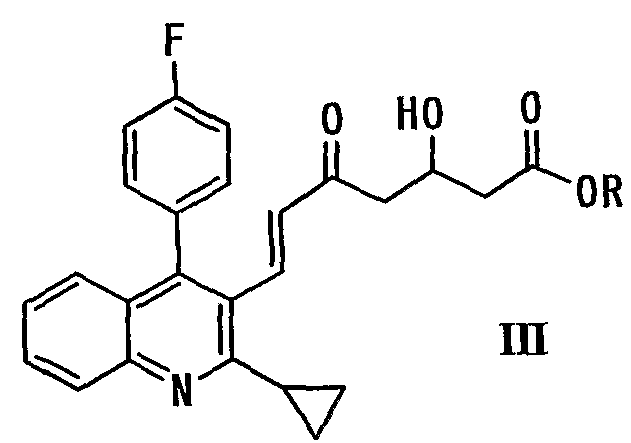
- the present invention provides a transformant cell of the present invention obtained by the above method or the like, the transformant cell culture, and the treated transformant cell, which are represented by the following general formula:
- the present invention relates to a method for producing an optically active alcohol by acting on the compound represented by (I), (II) or (III) to asymmetrically reduce the lipophilic group of the compound. Any of the transformant cells, the transformant cell culture, and the processed transformant cells may be used alone or in combination.
- R represents a hydrogen atom, an alkyl group or an aryl group
- R represents a hydrogen atom, an alkyl group or an aryl group.
- the alkyl group include methyl, ethyl, isopropyl, and cyclopropyl.
- a linear, branched or cyclic alkyl group which may be substituted with an alkyl group or an aryl group such as a benzyl group, a butyl group, an isobutyl group, a t-butyl group, a cyclohexyl group, a benzyl group, a phenethyl group, etc. .
- aryl group examples include a phenyl group and a naphthyl group which may be substituted with an alkyl group, such as a phenyl group, a mesityl group, and a naphthyl group.
- R is preferably an CiCa alkyl group, a benzyl group or a phenyl group, more preferably a C! C alkyl group, and particularly preferably a methyl group or an ethyl group.
- the compounds represented by the above formulas (II) and ( ⁇ ) include at least optically active isomers represented by the following formula ( ⁇ ′) and the following formula ( ⁇ ).
- the content of the following formula (II ′) and the following formula ( ⁇ ⁇ ) is preferably large. Further, the above formula (II) and
- the compound represented by (in) preferably comprises the following formula ( ⁇ ′) and the following formula ( ⁇ ).
- R has the same meaning as described above.
- the product obtained from the compounds represented by the formulas (I) to ( ⁇ ) and ( ⁇ ) to ( ⁇ ) by the production method of the present invention may be a mixture, but includes at least the following formula (IV).
- R has the same meaning as described above.
- the compounds represented by formulas (I) to (III) and ( ⁇ ) to (III ') are described in JP-A-11-279866, JP-A-8-127585, and JP-A-5-5-1.
- the compound can be arbitrarily produced by combining the method described in JP 78841, etc. with a known method. These compounds can be used as a raw material alone or in combination of two or more.
- the compound represented by the formula (IV) is produced using a compound represented by the formula (I) as a raw material
- the compound represented by the formula ( ⁇ ') is used as an intermediate for the production.
- the reaction may be via a compound represented by the formula ( ⁇ ).
- the compound represented by the formula (IV) may be derived, or the compound represented by the formula ( ⁇ ') and the compound represented by the formula ( ⁇ ) may be directly isolated from the compound represented by the formula (IV) without isolation.
- the compound represented may be prepared.
- the reaction substrate usually has a substrate concentration of 0.01 to 90 w / v °, preferably 0.1 to 30 wZV. /. Used in the range. These may be added all at once at the start of the reaction, but they may be added continuously or intermittently from the standpoint of reducing the effects of enzyme substrate inhibition and improving the product accumulation concentration. It is desirable to add it.
- the transformant when allowed to act on a carbonyl group-containing compound, the transformant cell is used as it is, the transformant cell culture, or the transformant cell is subjected to a known method.
- Treated cells physically or enzymatically crushed cells, and the like; treated cells of the enzyme fraction of the present invention in the transformed cells as crude or purified products; and Those immobilized on a carrier typified by polyatarylamide gel, carrageenan gel and the like can be used.
- a surfactant such as acetone, dimethylsulfoxide (DMSO), and toluene
- a coenzyme NAD P + or NAD PH it is preferable to add a coenzyme NAD P + or NAD PH, and usually, 0.001 ImM to: L0 OmM, preferably 0.01 to 1 OmM.
- the regeneration method is 1) Utilizing the NAD P + reducing ability of the host microorganism itself. 2) Microorganisms or their processed products capable of producing NADPH from NADP +, or glucose dehydrogenase, formate dehydrogenase, alcohol dehydrogenase, amino acid dehydrogenase, organic acid dehydrogenase ( A method of adding an enzyme (regenerating enzyme) that can be used to regenerate NAD PH, such as malate dehydrogenase, into the reaction system. 3) It can be used to regenerate NAD PH in the production of transformants. A method of introducing a gene of the above-mentioned regenerative enzymes, which is an enzyme, into a host simultaneously with the DNA of the present invention is mentioned.
- microorganisms containing the above-mentioned regenerated enzymes treated microorganisms such as those obtained by treating the microorganisms with acetone, freeze-drying, physically or enzymatically crushing, etc.
- a product obtained by extracting the enzyme fraction as a crude product or a purified product, or a product obtained by immobilizing these on a carrier represented by polyatarylamide gel, carrageenan gel, or the like may be used.
- the amount of the regenerated enzyme to be used is, specifically, 0.1 to 100 times, preferably 0.5 to 2 times the enzyme activity as compared with the carbonyl reductase of the present invention. Add so that it becomes about 0 times.
- a method of integrating the DNA of the present invention and the DNA of the above-mentioned regenerating enzymes into a chromosome a method of introducing both DNAs into a single vector and transforming a host, and both DNAs can be used after transforming the host into the vector separately.
- a method of introducing both DNAs into a single vector and transforming a host a method of introducing both DNAs into a single vector and transforming a host, and both DNAs
- both DNAs can be used after transforming the host into the vector separately.
- incompatibility between the two vectors can be used. It is necessary to select a vector in consideration of the above.
- a method involving ligating regions related to expression control, such as a promoter and a promoter, to each gene, and multiple cistrons such as ratatose operons are included. It can also be expressed as an operator.
- the production method of the present invention comprises a reaction substrate, the transformant cell of the present invention, the transformant cell culture or the transformant treated product, and various coenzymes added as necessary and a regeneration system thereof.
- the reaction is carried out in a contained aqueous medium or a mixture of the aqueous medium and an organic solvent.
- aqueous medium a buffer solution using sodium phosphate potassium phosphate or the like can be used, and the buffer solution contains an organic solvent or an optional component used in a normal enzyme reaction such as a surfactant. Those added as appropriate can be used.
- organic solvent examples include dimethyl sulfoxide (DMSO) and a water-soluble solvent such as tetrahydrofuran (THF), butyl acetate and hexane.
- DMSO dimethyl sulfoxide
- THF tetrahydrofuran
- Non-water-soluble organic solvents such as butane, etc., and those having high solubility of the reaction substrate can be preferably used.
- surfactant include Tween 80 and sugar ester.
- the process of the invention is usually carried out at a reaction temperature of 4 to 60 ° C., preferably 10 to 45 ° C., usually at pH 3 to 11, preferably at pH 5 to 8. It is also possible to use a membrane reactor or the like.
- the optically active alcohol produced by the method of the present invention is obtained by separating bacterial cells / proteins in the reaction solution by centrifugation, membrane treatment, etc., and then extracting with an organic solvent such as ethyl acetate, toluene, distillation, and column. Purification can be performed by appropriately combining chromatography, crystallization, and the like.
- (E) -7- [2-cyclopropyl-1- (4-fluorophenyl) -quinoline-1-3-inole] -13,5-dihydroxyhepto-6-enoate estenolate is the target.
- 3R, 5S isomer there are 3S, 5R, 3R, 5R and 3S, 5S isomers as isomers
- 3 S, 5 R—DOLE and 3 R, 5 S—DOLE are DO (Syn) forms of DO LE, and 3 S, 5 S—DO LE and 3 R, 5 R—DOLE are anti (anti) The body is DO LE.
- the purity of the target product, 3R, 5S form may be indicated by the enantiomeric excess, but in this example, the enantiomeric excess rate is expressed as (3R, 5S form-3S, 5R form) / It is shown in (3 R, 5 S body + 3S, 5 R body) (° / .ee).
- the obtained reaction mixture was added to a mixed solution of 25 ml of methylene chloride and 25 ml of 0.24 M aqueous sodium bicarbonate, and the mixture was vigorously stirred at room temperature for 2 hours to obtain a two-layer solution.
- the resulting two-layer solution was separated, and the aqueous layer was extracted twice with 1 Om1 of methylene chloride.
- the methylene chloride layer and the methylene chloride extract were combined to obtain a methylene chloride solution.
- Ogataea minuta var nonfermentans IFO14473 strain was cultured in 20 L of YM medium (24 g of glucose, 3 g of yeast extract, 3 g of malt extract, 5 g / L of peptone, pH 6.0). The cells were prepared by centrifugation. 300 g of the obtained wet cells were suspended in 50 mM potassium phosphate buffer (pH 7.0, 1 mM DTT), and disrupted with Dynomill (Dyno—Mi11). The cell residue was removed by centrifugation to obtain a cell-free extract. 12% w / v polyethylene glycol (PEG) 6 000 was added to the cell-free extract, and the supernatant was obtained by centrifugation.
- PEG polyethylene glycol
- the supernatant was added to DEAE Sepharose 6 FF (2.6 cm ⁇ 28 cm) equilibrated with a standard buffer (l OraM potassium phosphate buffer ( ⁇ 7.0), 1 mM DTT). After the column was washed with a standard buffer, and further washed with a standard buffer containing 0.07 M sodium chloride, a 0.07-0.18 M sodium chloride gradient was eluted. The eluted fraction was collected, and carbonyl reductase activity was measured.
- a standard buffer l OraM potassium phosphate buffer ( ⁇ 7.0), 1 mM DTT
- the composition of the reaction solution was as follows: 200 ⁇ L of the enzyme activity measurement fraction, 10 ⁇ L of NAD PH 8 mM potassium hydroxide 0.1 mM aqueous solution, 0.1 M phosphate buffer ( ⁇ 7 .0) 25 / iL, 20 g / L DOXE (DMSO solution) 10 ⁇ L was added thereto, and the mixture was shaken at 30 ° C. overnight. Activity was detected by the following method. After the reaction was completed, 0.5 mL of ethyl acetate was added to the reaction solution, mixed vigorously, and separated into an organic layer and an aqueous layer by centrifugation.
- the peak of carbonyl reductase activity was observed around 0.13 M sodium chloride.
- the eluted active fraction was collected, ammonium sulfate was added to a final concentration of 0.3 M, and a standard buffer containing 0.3 M ammonium sulfate (1 OmM potassium phosphate buffer (pH 7.0), 1 It was added to octyl sepharose CL 4 B (0.8 craX 20 cm) equilibrated with mM DTT, and the ammonium sulfate concentration was eluted with a gradient of 0.3 to 0 M. A peak was observed in the activity of the enzyme-reducing enzyme in the vicinity of 0 M ammonium sulfate.
- the eluted peaks were collected, desalted to a standard solution by ultrafiltration, concentrated, added to Mono Q HR 5/5 equilibrated with the same buffer, and mixed with the same buffer and 0.5M sodium chloride. After washing with the same buffer solution containing 0.15 M to 0.25 M sodium chloride, a concentration gradient elution was carried out. Since the carbon reductase activity eluted in the 0.17 M sodium chloride fraction, this fraction was collected and concentrated. The concentrated enzyme solution was subjected to gel filtration using Superdettas 200 HR10Z30 with a standard buffer solution containing 0.15 M sodium chloride. The molecular weight of the active fraction obtained by gel filtration was about 107,000 Da.
- the active fraction was analyzed by polyacrylamide gel electrophoresis (SDS-PAGE). As a result, it was almost a single band, and its molecular weight was about 270,000 ⁇ a.
- the optimal pH of the enzyme was determined by measuring the 2,2,2-trifluoroacetophenone reducing activity in a plurality of buffers having different: H. Specifically, in 0.1 M potassium phosphate buffer, sodium acetate buffer and citrate buffer, Those with different pH were prepared and the activity was measured. The optimum pH for the reaction was 5.0-6.5.
- the optimal temperature was 60 to 7 It was 0 ° C.
- the pH stability of the enzyme was determined by preparing a plurality of different pH solutions in 0.1 M potassium phosphate buffer, sodium acetate buffer and citrate buffer, and incubating each at 30 ° C. for 30 minutes. When the residual activity was measured, it was most stable at pH 5.5 to 6.5.
- the temperature stability of the enzyme is 30 ° C in 20 mM phosphate buffer at pH 7.0.
- the enzyme of the present invention shows a residual activity of 79% or more up to 40 ° C,
- the 2,2,2-trifluoroacetophenone reduction activity was measured.
- the enzyme was found to be of mercuric nitrate and lead chloride. The activity was significantly inhibited in the presence of such mercury (I) ions and lead (II) ions.
- the fraction containing the carbonyl reductase obtained in Example 1 was desalted and concentrated, and then treated with lysyl endopeptidase at 30 ° C. overnight.
- the digested peptide was separated by reverse phase HPLC (Amersham-Pharmacia uRPC C2 / C18, 46 mm x 100 mm) using acetonitrile gradient elution in 0.1% trifluoroacetic acid (TFA) to separate the peptide. I took it out.
- the three kinds of the separated peptide peaks were designated as F a C 20, 27, and 30, and the amino acid sequences were analyzed by the Edman method.
- the amino acid sequences of Frac 20, 27, and 30 were SEQ ID NOs: 3, 4, and 5, respectively.
- Ogataea minuta var nonfermentans IFO1473 strain was cultured in YM medium to prepare cells.
- RNA from the cells was prepared using MagExtractor (Toyobo).
- First-StrandcDNA was synthesized based on the purified RNA by using SuperScrriptl (manufactured by LifeTecChnololgy). Each method was performed according to the attached instructions.
- a sense degenerate (degenerate) primer and an antisense degenerate primer based on the amino acid sequences of SEQ ID NOs: 3, 4 and 5 were calculated. Four types were synthesized. The respective nucleotide sequences are shown in SEQ ID NOs: 7, 8, 9, and 10. Primers were selected based on the combination of the N-terminus and three partial amino acid sequences (three ways).
- Each primer was 400 pmol, dNTP 0.4 mmo1, and the Ogataea minuta variant non-fermentas synthesized above (Ogataea minuta) var nonf ermentans) IFO 1 4 3 1 strain cDNA 1 L, 10X buffer for TaKaRa Taq (Takara Shuzo) 5 ⁇ L and 2 units of heat-resistant DNA polymerase (Takara Shuzo, trade name “TaKaRa Taqj ), 30 cycles of denaturation (94 ° C, 30 seconds), anneal (50 ° C, 30 seconds), extension (72 ° C, 1 minute), PTC-200 Peltier Thermal A part of the PCR reaction solution was analyzed by agarose gel electrophoresis.
- the transformant was added to a medium containing 1% batato tryptone, 0.5% bacterium yeast extract and 1% sodium chloride (hereinafter abbreviated as LB medium), and ampicillin (100 wg / mL) was added.
- LB medium 1% batato tryptone, 0.5% bacterium yeast extract and 1% sodium chloride
- ampicillin 100 wg / mL
- Colonies considered DN A fragment of interest is ⁇ cultured in liquid LB medium containing 100 / i g / mL ampicillin, Mini- was purified plasmid by Prep (manufactured by QIAGEN).
- the primers obtained from the combination of the primers of SEQ ID NO: 7 and SEQ ID NO: 8, the primers of SEQ ID NO: 7 and SEQ ID NO: 9, the primers of SEQ ID NO: 7 and the primer of SEQ ID NO: 10 are respectively phir2 23, phir2 25, and phir2 27.
- nucleotide sequence of the inserted DNA was analyzed by the dye terminator method.
- the determined nucleotide sequences of the inserted fragments of phir21-23, phir21-25, and phir21-27 are shown as SEQ ID NOs: 13, 14, and 15, respectively.
- the total RNA prepared from Ogataea rainuta var nonfermentans IFO14473 strain was subjected to the 5 'RACE method and the 3' RACE method. Acted.
- the 5 'RACE method uses primers of the nucleotide sequences shown in SEQ ID NOs: 16 and 17 as Gene Specific Primers (hereinafter abbreviated as GSP) 1 and 2, and 5, RACE System for R aid Amp lificationofc DNAE After performing nds, ver 2.0 (manufactured by Life Technology), using the template as a template, the primer of the base sequence represented by SEQ ID NO: 18 was again used as a GSP for the 5, RACE method.
- GSP Gene Specific Primers
- the obtained DNA fragment was subjected to TA cloning with pGEM-T Vector System (Promega) to transform Escherichia coli DH5a strain (Toyobo).
- the transformant is grown on an LB medium plate containing 100 ⁇ g / mL ampicillin, and using several primers, SEQ ID NOS: 11 and 12 synthesized from the vector sequence are used as primers.
- Colony direct PCR was performed to confirm the size of the inserted fragment.
- a colony in which the DNA fragment of interest is assumed to be inserted is cultured in a liquid LB medium containing 100 xg / mL ampicillin, purified by Mini-Prep (manufactured by QIAGEN), and then purified with a dye terminator.
- the DNA base sequence was analyzed by the method.
- the band part detected above was collected using QIAGEN Gel Extraction kit (manufactured by QIAGEN).
- the recovered DNA fragment was digested with restriction enzymes Hindlll and EcoRI, subjected to agarose gel electrophoresis, cut out of the target band, purified again by Qiagen Gel Extraction kit (manufactured by QIAGEN) and recovered.
- the obtained DNA fragment was ligated with pKK223-3 (Pharmacia) digested with EcoRI and Hindlll using Takara Ligation Kit to transform Escherichia coli JM109.
- the transformant was grown on an LB medium plate containing ampicillin (50 zg / mL), and using several colonies, a primer having the nucleotide sequence of SEQ ID NO: 23 synthesized from the vector sequence was synthesized.
- Colony direct PCR was performed using a primer having the nucleotide sequence of SEQ ID NO: 24 to confirm the size of the inserted fragment.
- a transformant containing the DNA fragment of interest is cultivated in a liquid LB medium containing 50 ⁇ g / mL ampicillin, and the plasmid is purified using Qiagen 500 (Qiagen). And PKK223-30CR1.
- the inserted DNA fragment was cloned 5 ′ upstream of the gene consisting of the nucleotide sequence represented by SEQ ID NO: 2.
- the 6 bases were a double stop codon (TAGTAAT) derived from the Ogataea minuta var nonfermentans IFO 143 strain 3 ′ downstream of the 3 ′ downstream and a DNA fragment to which 6 bases were added for closing.
- TAGTAAT double stop codon
- the nucleotide sequence of the DNA fragment inserted into KK233-30CR1 is shown in SEQ ID NO: 25, and the amino acid sequence of the protein encoded by the DNA fragment is shown in SEQ ID NO: 1. 62
- the transformant obtained in Example 4 was grown at 37 ° C for 17 hours in an LB medium containing ampicillin (SO ⁇ g / mL) and O.lmM isopropyl-D-thiogalata topyranoside (IPTG), and the obtained transformant was obtained. After collecting 2 mL of the obtained cell broth by centrifugation, the cells are suspended in ⁇ L of lOOmM potassium phosphate buffer (pH 7.0), and then (E) — 7— The reduction activity was confirmed using propyl-14- (4-fluorophenyl) -quinolin-13-yl] -13,5-dioxoheptose-6-ethylester (DOXE) as a substrate.
- DOXE propyl-14- (4-fluorophenyl) -quinolin-13-yl] -13,5-dioxoheptose-6-ethylester
- HP LC high performance liquid chromatography
- the yield was 319 g, and the yield was 31.9%.
- HP LC HP LC
- the optical purity was 100% e.e. and the anti form was 0.6. /. Met.
- the transformant obtained in Example 4 was used in an LB medium containing ampicillin (50 xg / mL) and 0.1 mM ImM-isopropyl-D-thiogalata topyranoside (IPTG). C for 17 hours, collect 2 mL of the obtained bacterial cell broth by centrifugation, suspend in 180 zL lOOraM potassium phosphate buffer (pH 7.0), and 5S- (E) -7- [2-Cyclopropyl-4- (4-fluorophenyl) -quinolin-3-yl] -5-hydroxy-3-oxo-hept-6-ethylester (5S—MOLE) was used as a substrate to confirm the reduction activity.
- ampicillin 50 xg / mL
- IPTG ImM-isopropyl-D-thiogalata topyranoside
- the yield was 807 / zg
- the yield was 80.7%
- the anti form was 15.3%.
- TLC thin layer chromatography
- HPLC HPLC
- the optical purity was 97% e.e., and that of the anti form was 15.2%.
- Escherichia coli having the plasmid PKK223-3 not containing the gene was cultured overnight in an LB medium supplemented with 0.1 lmMIPTG, and the cells were reacted in the same manner. However, the above product was not found. Industrial applicability
- optically active alcohols which are industrially useful compounds as intermediate raw materials for pharmaceuticals, agricultural chemicals and the like, with high optical purity and high yield.
Landscapes
- Chemical & Material Sciences (AREA)
- Life Sciences & Earth Sciences (AREA)
- Organic Chemistry (AREA)
- Health & Medical Sciences (AREA)
- Engineering & Computer Science (AREA)
- Genetics & Genomics (AREA)
- Wood Science & Technology (AREA)
- Zoology (AREA)
- Bioinformatics & Cheminformatics (AREA)
- General Engineering & Computer Science (AREA)
- Biochemistry (AREA)
- General Health & Medical Sciences (AREA)
- Biotechnology (AREA)
- Microbiology (AREA)
- Biomedical Technology (AREA)
- Molecular Biology (AREA)
- Medicinal Chemistry (AREA)
- Chemical Kinetics & Catalysis (AREA)
- General Chemical & Material Sciences (AREA)
- Plant Pathology (AREA)
- Biophysics (AREA)
- Physics & Mathematics (AREA)
- Preparation Of Compounds By Using Micro-Organisms (AREA)
- Micro-Organisms Or Cultivation Processes Thereof (AREA)
- Enzymes And Modification Thereof (AREA)
- Organic Low-Molecular-Weight Compounds And Preparation Thereof (AREA)
Description


Claims




Priority Applications (6)
| Application Number | Priority Date | Filing Date | Title |
|---|---|---|---|
| CA2479705A CA2479705C (en) | 2002-03-19 | 2003-03-18 | Novel carbonyl reductase, gene encoding the same, and process for producing optically active alcohols using the same |
| EP03712750A EP1491633B1 (en) | 2002-03-19 | 2003-03-18 | Novel carbonyl reductase, gene encoding it and process for producing optically active alcohols using the same |
| KR1020047014689A KR100998235B1 (ko) | 2002-03-19 | 2003-03-18 | 신규 카보닐 환원 효소 및 이것을 코딩하는 유전자, 및이들을 이용한 광학 활성 알콜의 제조 방법 |
| DE60323215T DE60323215D1 (de) | 2002-03-19 | 2003-03-18 | Neue carbonylreduktase, diese codierendes gen und verfahren zur produktion optisch-aktiver alkohole damit |
| AU2003221082A AU2003221082B2 (en) | 2002-03-19 | 2003-03-18 | Novel carbonyl reductase, gene encoding it and process for producing optically active alcohols using the same |
| US10/943,202 US7335757B2 (en) | 2002-03-19 | 2004-09-17 | Carbonyl reductase, gene encoding the same, and process for producing optically active alcohols using the same |
Applications Claiming Priority (2)
| Application Number | Priority Date | Filing Date | Title |
|---|---|---|---|
| JP2002-75921 | 2002-03-19 | ||
| JP2002075921 | 2002-03-19 |
Related Child Applications (1)
| Application Number | Title | Priority Date | Filing Date |
|---|---|---|---|
| US10/943,202 Continuation-In-Part US7335757B2 (en) | 2002-03-19 | 2004-09-17 | Carbonyl reductase, gene encoding the same, and process for producing optically active alcohols using the same |
Publications (1)
| Publication Number | Publication Date |
|---|---|
| WO2003078634A1 true WO2003078634A1 (en) | 2003-09-25 |
Family
ID=28035393
Family Applications (1)
| Application Number | Title | Priority Date | Filing Date |
|---|---|---|---|
| PCT/JP2003/003262 Ceased WO2003078634A1 (en) | 2002-03-19 | 2003-03-18 | Novel carbonyl reductase, gene encoding it and process for producing optically active alcohols using the same |
Country Status (10)
| Country | Link |
|---|---|
| US (1) | US7335757B2 (ja) |
| EP (1) | EP1491633B1 (ja) |
| KR (1) | KR100998235B1 (ja) |
| CN (1) | CN1322129C (ja) |
| AT (1) | ATE406447T1 (ja) |
| AU (1) | AU2003221082B2 (ja) |
| CA (1) | CA2479705C (ja) |
| DE (1) | DE60323215D1 (ja) |
| TW (1) | TW200305645A (ja) |
| WO (1) | WO2003078634A1 (ja) |
Cited By (4)
| Publication number | Priority date | Publication date | Assignee | Title |
|---|---|---|---|---|
| WO2006013801A1 (ja) * | 2004-08-06 | 2006-02-09 | Kaneka Corporation | 新規カルボニル還元酵素、その遺伝子、およびその利用法 |
| WO2015119261A1 (ja) * | 2014-02-06 | 2015-08-13 | 株式会社エーピーアイ コーポレーション | ロスバスタチンカルシウム及びその中間体の製造方法 |
| CN107058251A (zh) * | 2017-04-19 | 2017-08-18 | 浙江工业大学 | 重组羰基还原酶突变体、基因、载体、工程菌及其应用 |
| US10676441B2 (en) | 2015-08-05 | 2020-06-09 | Api Corporation | Method for producing pitavastatin calcium |
Families Citing this family (13)
| Publication number | Priority date | Publication date | Assignee | Title |
|---|---|---|---|---|
| DE10327454A1 (de) * | 2003-06-18 | 2005-01-20 | Juelich Enzyme Products Gmbh | Oxidoreduktase aus Pichia capsulata |
| ATE535608T1 (de) * | 2007-06-20 | 2011-12-15 | Basf Se | Verfahren zur herstellung optisch aktiver alkohole unter verwendung einer dehydrogenase aus azoarcus sp. ebn1 |
| CN101429514B (zh) * | 2007-11-08 | 2011-06-15 | 陈依军 | 一种双羰基还原酶、其基因及其应用 |
| PL2445890T3 (pl) * | 2009-06-22 | 2016-02-29 | Sk Biopharmaceuticals Co Ltd | Sposób wytwarzania estru (R)-1-arylo-2-tetrazoliloetylowego kwasu karbaminowego |
| US8404461B2 (en) | 2009-10-15 | 2013-03-26 | SK Biopharmaceutical Co. Ltd. | Method for preparation of carbamic acid (R)-1-aryl-2-tetrazolyl-ethyl ester |
| CN102492668B (zh) * | 2011-11-29 | 2013-06-26 | 华东理工大学 | 一种羰基还原酶及其基因和在不对称还原羰基化合物中的应用 |
| CN102559520B (zh) * | 2011-12-15 | 2013-11-20 | 江南大学 | 一种利用微生物催化制备(s)-(4-氯苯基)-(吡啶-2-基)-甲醇的方法 |
| CN102653524A (zh) * | 2012-01-12 | 2012-09-05 | 东莞达信生物技术有限公司 | 一种匹伐他汀钙中间体的制备方法 |
| EP2980213B1 (en) * | 2013-03-28 | 2019-03-13 | Kaneka Corporation | Modified carbonyl reducing enzyme and gene |
| CN103695443B (zh) * | 2014-01-12 | 2015-12-09 | 中国科学院成都生物研究所 | 一种新型羰基还原酶、其基因及应用 |
| WO2019123311A1 (en) * | 2017-12-20 | 2019-06-27 | Olon S.P.A. | Process for preparing intermediates for the synthesis of optically active beta-amino alcohols by enzymatic reduction and novel synthesis intermediates |
| US11572551B2 (en) * | 2018-03-30 | 2023-02-07 | Api Corporation | Hydrolase and method for producing (1S,2S)-1-alkoxycarbonyl-2-vinylcyclopropane carboxylic acid using same |
| US12473578B2 (en) * | 2019-11-22 | 2025-11-18 | Ube Corporation | Carbonyl reductase, nucleic acid encoding same, and method for producing optically active compound using same |
Citations (4)
| Publication number | Priority date | Publication date | Assignee | Title |
|---|---|---|---|---|
| EP0304063A2 (en) * | 1987-08-20 | 1989-02-22 | Nissan Chemical Industries Ltd. | Quinoline type mevalonolactones |
| JPH0892217A (ja) * | 1994-09-06 | 1996-04-09 | Ube Ind Ltd | 光学活性な7−置換キノリル−3,5−ジヒドロキシ−ヘプト−6−エン酸エステル誘導体の製造方法 |
| JPH08127585A (ja) * | 1994-09-06 | 1996-05-21 | Ube Ind Ltd | 光学活性な3−オキシ−5−オキソ−6−ヘプテン酸誘導体及びその製造方法 |
| WO2002063028A1 (fr) * | 2001-02-02 | 2002-08-15 | Mitsubishi Chemical Corporation | Procede de production d'esters d'acide (3r,5s)-(e)-7-[2-cyclopropyl-4-(4-fluorophenyl)-quinolin-3-yl]-3,5-dihydroxyhept-6-enique |
Family Cites Families (4)
| Publication number | Priority date | Publication date | Assignee | Title |
|---|---|---|---|---|
| JPH083487B2 (ja) * | 1987-07-31 | 1996-01-17 | 株式会社日本抗体研究所 | 異常応答リンパ球の検出方法並びにこれに用いる検出用試薬及びキット |
| JP2569746B2 (ja) | 1987-08-20 | 1997-01-08 | 日産化学工業株式会社 | キノリン系メバロノラクトン類 |
| JP4012257B2 (ja) * | 1997-02-07 | 2007-11-21 | 株式会社カネカ | 新規カルボニル還元酵素、およびこれをコードする遺伝子、ならびにこれらの利用方法 |
| CN1292818A (zh) * | 1998-03-12 | 2001-04-25 | 大正制药株式会社 | 新型二羰基还原酶及编码其的基因 |
-
2003
- 2003-03-18 DE DE60323215T patent/DE60323215D1/de not_active Expired - Lifetime
- 2003-03-18 TW TW092105945A patent/TW200305645A/zh not_active IP Right Cessation
- 2003-03-18 WO PCT/JP2003/003262 patent/WO2003078634A1/ja not_active Ceased
- 2003-03-18 AU AU2003221082A patent/AU2003221082B2/en not_active Ceased
- 2003-03-18 CN CNB038114607A patent/CN1322129C/zh not_active Expired - Lifetime
- 2003-03-18 CA CA2479705A patent/CA2479705C/en not_active Expired - Fee Related
- 2003-03-18 AT AT03712750T patent/ATE406447T1/de not_active IP Right Cessation
- 2003-03-18 KR KR1020047014689A patent/KR100998235B1/ko not_active Expired - Fee Related
- 2003-03-18 EP EP03712750A patent/EP1491633B1/en not_active Expired - Lifetime
-
2004
- 2004-09-17 US US10/943,202 patent/US7335757B2/en not_active Expired - Lifetime
Patent Citations (4)
| Publication number | Priority date | Publication date | Assignee | Title |
|---|---|---|---|---|
| EP0304063A2 (en) * | 1987-08-20 | 1989-02-22 | Nissan Chemical Industries Ltd. | Quinoline type mevalonolactones |
| JPH0892217A (ja) * | 1994-09-06 | 1996-04-09 | Ube Ind Ltd | 光学活性な7−置換キノリル−3,5−ジヒドロキシ−ヘプト−6−エン酸エステル誘導体の製造方法 |
| JPH08127585A (ja) * | 1994-09-06 | 1996-05-21 | Ube Ind Ltd | 光学活性な3−オキシ−5−オキソ−6−ヘプテン酸誘導体及びその製造方法 |
| WO2002063028A1 (fr) * | 2001-02-02 | 2002-08-15 | Mitsubishi Chemical Corporation | Procede de production d'esters d'acide (3r,5s)-(e)-7-[2-cyclopropyl-4-(4-fluorophenyl)-quinolin-3-yl]-3,5-dihydroxyhept-6-enique |
Cited By (16)
| Publication number | Priority date | Publication date | Assignee | Title |
|---|---|---|---|---|
| WO2006013801A1 (ja) * | 2004-08-06 | 2006-02-09 | Kaneka Corporation | 新規カルボニル還元酵素、その遺伝子、およびその利用法 |
| US7794993B2 (en) | 2004-08-06 | 2010-09-14 | Kaneka Corporation | Carbonyl reductase, gene thereof and method of using the same |
| US7915022B2 (en) | 2004-08-06 | 2011-03-29 | Kaneka Corporation | Carbonyl reductase, gene thereof and method of using the same |
| JP4746548B2 (ja) * | 2004-08-06 | 2011-08-10 | 株式会社カネカ | 新規カルボニル還元酵素、その遺伝子、およびその利用法 |
| JPWO2015119261A1 (ja) * | 2014-02-06 | 2017-03-30 | 株式会社エーピーアイ コーポレーション | ロスバスタチンカルシウム及びその中間体の製造方法 |
| CN106029895A (zh) * | 2014-02-06 | 2016-10-12 | 株式会社Api | 瑞舒伐他汀钙及其中间体的生产方法 |
| CN106029895B (zh) * | 2014-02-06 | 2021-07-16 | 株式会社Api | 瑞舒伐他汀钙及其中间体的生产方法 |
| US9695130B2 (en) | 2014-02-06 | 2017-07-04 | Api Corporation | Rosuvastatin calcium and process for producing intermediate thereof |
| WO2015119261A1 (ja) * | 2014-02-06 | 2015-08-13 | 株式会社エーピーアイ コーポレーション | ロスバスタチンカルシウム及びその中間体の製造方法 |
| US10377722B2 (en) | 2014-02-06 | 2019-08-13 | Api Corporation | Rosuvastatin calcium and process for producing intermediate thereof |
| JP2019205429A (ja) * | 2014-02-06 | 2019-12-05 | 株式会社エーピーアイ コーポレーション | ロスバスタチンカルシウム及びその中間体の製造方法 |
| US12091390B2 (en) | 2014-02-06 | 2024-09-17 | Api Corporation | Rosuvastatin calcium and process for producing intermediate thereof |
| US10676441B2 (en) | 2015-08-05 | 2020-06-09 | Api Corporation | Method for producing pitavastatin calcium |
| US10815201B2 (en) | 2015-08-05 | 2020-10-27 | Api Corporation | Method for producing pitavastatin calcium |
| CN107058251A (zh) * | 2017-04-19 | 2017-08-18 | 浙江工业大学 | 重组羰基还原酶突变体、基因、载体、工程菌及其应用 |
| CN107058251B (zh) * | 2017-04-19 | 2020-10-09 | 浙江工业大学 | 重组羰基还原酶突变体、基因、载体、工程菌及其应用 |
Also Published As
| Publication number | Publication date |
|---|---|
| DE60323215D1 (de) | 2008-10-09 |
| AU2003221082A1 (en) | 2003-09-29 |
| TW200305645A (en) | 2003-11-01 |
| US20050048633A1 (en) | 2005-03-03 |
| KR20040111422A (ko) | 2004-12-31 |
| EP1491633A1 (en) | 2004-12-29 |
| US7335757B2 (en) | 2008-02-26 |
| ATE406447T1 (de) | 2008-09-15 |
| CA2479705A1 (en) | 2003-09-25 |
| KR100998235B1 (ko) | 2010-12-06 |
| AU2003221082B2 (en) | 2007-06-07 |
| CN1322129C (zh) | 2007-06-20 |
| EP1491633A4 (en) | 2005-08-17 |
| EP1491633B1 (en) | 2008-08-27 |
| CA2479705C (en) | 2011-02-01 |
| TWI304839B (ja) | 2009-01-01 |
| CN1656225A (zh) | 2005-08-17 |
Similar Documents
| Publication | Publication Date | Title |
|---|---|---|
| KR100506134B1 (ko) | 신규한 카르보닐 환원효소 및 이것을 코딩하는 유전자 및 이러한 환원효소 및 유전자 이용방법 | |
| WO2003078634A1 (en) | Novel carbonyl reductase, gene encoding it and process for producing optically active alcohols using the same | |
| WO2001061014A1 (en) | (r)-2-octanol dehydrogenase, process for producing the enzyme, dna encoding the enzyme and process for producing alcohol by using the same | |
| JP4205496B2 (ja) | 新規カルボニル還元酵素及びこれをコードするdna、ならびにこれらを利用した光学活性アルコールの製造方法 | |
| JP7715045B2 (ja) | カルボニル還元酵素、これをコードする核酸、及びこれらを利用した光学活性化合物の製造方法 | |
| WO2004027055A1 (ja) | 新規カルボニル還元酵素、その遺伝子、およびその利用法 | |
| JP4753273B2 (ja) | 光学活性ピリジンエタノール誘導体の製造方法 | |
| JP4270918B2 (ja) | 新規カルボニル還元酵素及びこれをコードする遺伝子、ならびにこれらを利用した光学活性アルコールの製造方法 | |
| JP4295531B2 (ja) | 新規カルボニル還元酵素及びこれをコードするdna、ならびにこれらを利用した光学活性アルコールの製造方法 | |
| JP4688313B2 (ja) | 新規なエノン還元酵素、その製造方法、およびこれを利用したα,β−不飽和ケトンの炭素−炭素2重結合を選択的に還元する方法 | |
| JPWO2019189724A1 (ja) | 新規加水分解酵素及びそれを利用した(1s,2s)−1−アルコキシカルボニル−2−ビニルシクロプロパンカルボン酸の製造方法 | |
| JP4880859B2 (ja) | 新規カルボニル還元酵素、その遺伝子、およびその利用法 | |
| JP4729919B2 (ja) | 微生物の培養方法及び光学活性カルボン酸の製造方法 | |
| WO2007099994A1 (ja) | 新規カルボニル還元酵素、その遺伝子、ベクター、形質転換体、およびそれらを利用した光学活性アルコールの製造方法 | |
| JP2005027552A (ja) | 新規な光学活性2−ヒドロキシメチル−3−アリールプロピオン酸の製造方法 | |
| CN113710812A (zh) | (1r,3r)-3-(三氟甲基)环己烷-1-醇及其中间体的生产方法 | |
| JP2005245439A (ja) | (s)−2−ペンタノール又は(s)−2−ヘキサノールの製造方法 | |
| JP2007274901A (ja) | 光学活性プロパルギルアルコールの製造方法 | |
| WO2005005648A1 (ja) | 新規な光学活性カルボン酸の製造法 | |
| JP4796323B2 (ja) | 新規カルボニル還元酵素、その遺伝子、およびその利用法 | |
| WO2005123921A1 (ja) | 新規グリセロール脱水素酵素、その遺伝子、及びその利用法 | |
| KR20060113697A (ko) | 신규 아세토아세틸-CoA 환원 효소 및 광학 활성알코올의 제조 방법 | |
| JP2010279272A (ja) | 新規カルボニル還元酵素、その遺伝子、ベクター、形質転換体、およびそれらを利用した光学活性アルコールの製造方法 | |
| JP2007029089A (ja) | 光学活性ヒドロキシアミノ酸誘導体の製造方法 | |
| JP2003289874A (ja) | 共役ポリケトン還元酵素遺伝子とその利用 |
Legal Events
| Date | Code | Title | Description |
|---|---|---|---|
| AK | Designated states |
Kind code of ref document: A1 Designated state(s): AE AG AL AM AT AU AZ BA BB BG BR BY BZ CA CH CN CO CR CU CZ DE DK DM DZ EC EE ES FI GB GD GE GH GM HR HU ID IL IN IS KE KG KP KR KZ LC LK LR LS LT LU LV MA MD MG MK MN MW MX MZ NI NO NZ OM PH PL PT RO RU SC SD SE SG SK SL TJ TM TN TR TT TZ UA UG US UZ VC VN YU ZA ZM ZW |
|
| AL | Designated countries for regional patents |
Kind code of ref document: A1 Designated state(s): GH GM KE LS MW MZ SD SL SZ TZ UG ZM ZW AM AZ BY KG KZ MD RU TJ TM AT BE BG CH CY CZ DE DK EE ES FI FR GB GR HU IE IT LU MC NL PT RO SE SI SK TR BF BJ CF CG CI CM GA GN GQ GW ML MR NE SN TD TG |
|
| DFPE | Request for preliminary examination filed prior to expiration of 19th month from priority date (pct application filed before 20040101) | ||
| 121 | Ep: the epo has been informed by wipo that ep was designated in this application | ||
| WWE | Wipo information: entry into national phase |
Ref document number: 1020047014689 Country of ref document: KR Ref document number: 10943202 Country of ref document: US Ref document number: 2479705 Country of ref document: CA |
|
| WWE | Wipo information: entry into national phase |
Ref document number: 2003221082 Country of ref document: AU |
|
| WWE | Wipo information: entry into national phase |
Ref document number: 2320/CHENP/2004 Country of ref document: IN |
|
| WWE | Wipo information: entry into national phase |
Ref document number: 2003712750 Country of ref document: EP |
|
| WWE | Wipo information: entry into national phase |
Ref document number: 20038114607 Country of ref document: CN |
|
| WWP | Wipo information: published in national office |
Ref document number: 2003712750 Country of ref document: EP |
|
| WWP | Wipo information: published in national office |
Ref document number: 1020047014689 Country of ref document: KR |
|
| WWG | Wipo information: grant in national office |
Ref document number: 2003221082 Country of ref document: AU |
|
| WWG | Wipo information: grant in national office |
Ref document number: 2003712750 Country of ref document: EP |