WO2007122830A1 - 光記録媒体および可視情報記録方法 - Google Patents
光記録媒体および可視情報記録方法 Download PDFInfo
- Publication number
- WO2007122830A1 WO2007122830A1 PCT/JP2007/051382 JP2007051382W WO2007122830A1 WO 2007122830 A1 WO2007122830 A1 WO 2007122830A1 JP 2007051382 W JP2007051382 W JP 2007051382W WO 2007122830 A1 WO2007122830 A1 WO 2007122830A1
- Authority
- WO
- WIPO (PCT)
- Prior art keywords
- group
- aliphatic
- general formula
- recording medium
- optical recording
- Prior art date
- Legal status (The legal status is an assumption and is not a legal conclusion. Google has not performed a legal analysis and makes no representation as to the accuracy of the status listed.)
- Ceased
Links
Classifications
-
- B—PERFORMING OPERATIONS; TRANSPORTING
- B41—PRINTING; LINING MACHINES; TYPEWRITERS; STAMPS
- B41M—PRINTING, DUPLICATING, MARKING, OR COPYING PROCESSES; COLOUR PRINTING
- B41M5/00—Duplicating or marking methods; Sheet materials for use therein
- B41M5/26—Thermography ; Marking by high energetic means, e.g. laser otherwise than by burning, and characterised by the material used
- B41M5/28—Thermography ; Marking by high energetic means, e.g. laser otherwise than by burning, and characterised by the material used using thermochromic compounds or layers containing liquid crystals, microcapsules, bleachable dyes or heat- decomposable compounds, e.g. gas- liberating
- B41M5/282—Thermography ; Marking by high energetic means, e.g. laser otherwise than by burning, and characterised by the material used using thermochromic compounds or layers containing liquid crystals, microcapsules, bleachable dyes or heat- decomposable compounds, e.g. gas- liberating using thermochromic compounds
- B41M5/284—Organic thermochromic compounds
-
- C—CHEMISTRY; METALLURGY
- C09—DYES; PAINTS; POLISHES; NATURAL RESINS; ADHESIVES; COMPOSITIONS NOT OTHERWISE PROVIDED FOR; APPLICATIONS OF MATERIALS NOT OTHERWISE PROVIDED FOR
- C09B—ORGANIC DYES OR CLOSELY-RELATED COMPOUNDS FOR PRODUCING DYES, e.g. PIGMENTS; MORDANTS; LAKES
- C09B55/00—Azomethine dyes
- C09B55/009—Azomethine dyes, the C-atom of the group -C=N- being part of a ring (Image)
-
- G—PHYSICS
- G11—INFORMATION STORAGE
- G11B—INFORMATION STORAGE BASED ON RELATIVE MOVEMENT BETWEEN RECORD CARRIER AND TRANSDUCER
- G11B23/00—Record carriers not specific to the method of recording or reproducing; Accessories, e.g. containers, specially adapted for co-operation with the recording or reproducing apparatus ; Intermediate mediums; Apparatus or processes specially adapted for their manufacture
- G11B23/38—Visual features other than those contained in record tracks or represented by sprocket holes the visual signals being auxiliary signals
- G11B23/40—Identifying or analogous means applied to or incorporated in the record carrier and not intended for visual display simultaneously with the playing-back of the record carrier, e.g. label, leader, photograph
-
- G—PHYSICS
- G11—INFORMATION STORAGE
- G11B—INFORMATION STORAGE BASED ON RELATIVE MOVEMENT BETWEEN RECORD CARRIER AND TRANSDUCER
- G11B7/00—Recording or reproducing by optical means, e.g. recording using a thermal beam of optical radiation by modifying optical properties or the physical structure, reproducing using an optical beam at lower power by sensing optical properties; Record carriers therefor
- G11B7/24—Record carriers characterised by shape, structure or physical properties, or by the selection of the material
- G11B7/241—Record carriers characterised by shape, structure or physical properties, or by the selection of the material characterised by the selection of the material
- G11B7/242—Record carriers characterised by shape, structure or physical properties, or by the selection of the material characterised by the selection of the material of recording layers
- G11B7/244—Record carriers characterised by shape, structure or physical properties, or by the selection of the material characterised by the selection of the material of recording layers comprising organic materials only
- G11B7/246—Record carriers characterised by shape, structure or physical properties, or by the selection of the material characterised by the selection of the material of recording layers comprising organic materials only containing dyes
-
- G—PHYSICS
- G11—INFORMATION STORAGE
- G11B—INFORMATION STORAGE BASED ON RELATIVE MOVEMENT BETWEEN RECORD CARRIER AND TRANSDUCER
- G11B7/00—Recording or reproducing by optical means, e.g. recording using a thermal beam of optical radiation by modifying optical properties or the physical structure, reproducing using an optical beam at lower power by sensing optical properties; Record carriers therefor
- G11B7/24—Record carriers characterised by shape, structure or physical properties, or by the selection of the material
- G11B7/241—Record carriers characterised by shape, structure or physical properties, or by the selection of the material characterised by the selection of the material
- G11B7/242—Record carriers characterised by shape, structure or physical properties, or by the selection of the material characterised by the selection of the material of recording layers
- G11B7/244—Record carriers characterised by shape, structure or physical properties, or by the selection of the material characterised by the selection of the material of recording layers comprising organic materials only
- G11B7/246—Record carriers characterised by shape, structure or physical properties, or by the selection of the material characterised by the selection of the material of recording layers comprising organic materials only containing dyes
- G11B7/248—Record carriers characterised by shape, structure or physical properties, or by the selection of the material characterised by the selection of the material of recording layers comprising organic materials only containing dyes porphines; azaporphines, e.g. phthalocyanines
-
- G—PHYSICS
- G11—INFORMATION STORAGE
- G11B—INFORMATION STORAGE BASED ON RELATIVE MOVEMENT BETWEEN RECORD CARRIER AND TRANSDUCER
- G11B7/00—Recording or reproducing by optical means, e.g. recording using a thermal beam of optical radiation by modifying optical properties or the physical structure, reproducing using an optical beam at lower power by sensing optical properties; Record carriers therefor
- G11B7/24—Record carriers characterised by shape, structure or physical properties, or by the selection of the material
- G11B7/241—Record carriers characterised by shape, structure or physical properties, or by the selection of the material characterised by the selection of the material
- G11B7/242—Record carriers characterised by shape, structure or physical properties, or by the selection of the material characterised by the selection of the material of recording layers
- G11B7/244—Record carriers characterised by shape, structure or physical properties, or by the selection of the material characterised by the selection of the material of recording layers comprising organic materials only
- G11B7/249—Record carriers characterised by shape, structure or physical properties, or by the selection of the material characterised by the selection of the material of recording layers comprising organic materials only containing organometallic compounds
Definitions
- the present invention relates to an optical recording medium, and in particular, an optical recording medium having a visible information recording layer for recording a recording layer for recording music data and the like and a visible information for identifying the recorded data.
- the present invention relates to a recording medium. Furthermore, the present invention relates to a method for recording visible information on the optical recording medium.
- optical disk capable of recording information only once with a laser beam.
- optical disk there are a write-once type CD (so-called CD-R) and a write-once type digital versatile disk (so-called DVD-R).
- the optical disc has a music title recorded on the recording surface, a title for identifying the recorded data, etc. on the surface opposite to the recording surface on which the music data is recorded.
- a label with visible information printed on it is manufactured by printing a title or the like on a circular label sheet in advance with a printer or the like, and sticking the label sheet on a surface opposite to the recording surface of the optical disk.
- a laser marker is used on the surface opposite to the recording surface to copy the surface and background.
- an optical recording medium capable of displaying an image by changing the trust (see, for example, JP-A-11-66617, the entire description of which is specifically incorporated herein by reference).
- a desired image can be recorded on the label surface of the optical disk by an optical disk drive without separately preparing a printer or the like.
- a high-power gas laser such as a carbon dioxide laser with low sensitivity must be used, and the visible image formed by the laser light as described above has a low contrast. It was inferior.
- an object of the present invention is an optical recording medium capable of recording visible information with high contrast and excellent visibility, in particular, the same level as laser light used for recording information on a recording layer.
- An object of the present invention is to provide an optical recording medium capable of recording visible information with high contrast and excellent visibility by the one light.
- the present inventors have used a predetermined dye in a visible information recording layer in an optical recording medium, thereby providing high contrast and excellent visibility.
- the inventors have found that visible information can be formed, and have completed the present invention.
- the present invention is an optical recording medium having a visible information recording layer on a substrate
- the visible information recording layer relates to an optical recording medium comprising a dye represented by the following general formula (I):
- A represents a substituted or unsubstituted heterocyclic group, a substituted aliphatic group, or a substituted or unsubstituted carbocyclic group
- B represents a substituted or unsubstituted heterocyclic group, An unsubstituted aryl group.
- R °° to R are each independently a hydrogen atom or a substituent, R °° and R 2Q1, R 2 ° 4 and R 2 ° 5, R 2 ° 7 and R 2 ° 8 may be bonded to each other to form a ring
- Q 1 represents a group of non-metallic atoms necessary to form a ring with two nitrogen atoms adjacent to Q 1
- Q 2 represents Q 2 and Q 4 represents a group of non-metallic atoms necessary to form a ring with two adjacent nitrogen atoms
- Q 4 represents a group of non-metallic atoms necessary to form a ring with two nitrogen atoms adjacent to Q 4.
- 3 represents a group of non-metallic atoms necessary to form a ring with two carbon atoms adjacent to Q 3 .
- R ⁇ to R ⁇ are each independently an aliphatic group, an aryl group, a heterocyclic group, an acyl group, an acylamino group, an aliphatic oxy group, an allyloxy group, an aliphatic oxycarbonyl group, or a power rubamoyl group.
- aliphatic sulfol group aliphatic sulfol group, aryl sulfol group, sulfamoy Group, an aliphatic sulfonamido group, an arylsulfonamido group, an amino group, an aliphatic amino group, an arylamino group, a heterocyclic amino group, a rubamoylamino group, a sulfamoylamino group, a hydroxy group or a cyano group. be able to.
- B—— The groups represented by B—— are the following (B— 1), (B— 2), (B— 3), (B— 4), (B— 5), (B— 6), (B — 7), a group represented by (B-8) or (B-9).
- R 3 °° ⁇ R 33 ° are each independently a hydrogen atom or a substituent, R 3 °° and R 3 °
- Q 13 represents a group of nonmetallic atoms necessary to form a ring with two nitrogen atoms adjacent to Q 13, and Q ”represents Q 14 and Represents a group of non-metallic atoms necessary to form a ring with two adjacent nitrogen atoms.
- R 3 °° to R 33 ° are each independently an aliphatic group, an aryl group, an acyloxy group, an acylamino group, an aliphatic oxy group, an aliphatic sulfo-oxy group, an aryl sulfo- group.
- Roxy group aliphatic sulfonamido group, aryl sulfonamido group, amino group, aliphatic amino group, aryl amino group, aliphatic oxycarbonyl amino group, aryloxy carbolumino group, heterocyclic oxycarbolamino Group, hydroxy group, cyano group, sulfo group, rubamoylamino group or sulfamoylamino group.
- the dye represented by the general formula (I) can be a dye represented by the following general formula (100).
- EWG 2 represents an electron-withdrawing group
- R 21 , R 22 , R 23 and R 24 each independently represents a monovalent substituent
- R 25 represents a hydrogen atom.
- n6 and n7 each independently represents an integer in the range of 0-4.
- the dye represented by the general formula (I) can also be a dye represented by the following general formula (101).
- R 91 represents a hydrogen atom or a monovalent substituent
- R 93 and R 94 each independently represents a substituted or unsubstituted alkyl group, a substituted or unsubstituted aryl group, Or a substituted or unsubstituted heterocyclic group
- R 92 represents a monovalent substituent
- nl5 represents an integer in the range of 0 to 2
- one of Z 1 and Z 2 N
- the dye represented by the general formula (I) may be a dye represented by the following general formula (101).
- R 1Q3 and R 1M each independently represent a substituted or unsubstituted alkyl group, a substituted or unsubstituted aryl group, or a substituted or unsubstituted heterocyclic group
- R 1 Q1 and R1Q2 each independently represent a monovalent substituent
- nl6 and nl7 each independently represent an integer ranging from 0 to 4.
- the dye represented by the general formula (I) may be a dye represented by the following general formula (103).
- R 221 , R 326 , R, R ⁇ and R 1Q . 5 each independently represents a hydrogen atom or a substituent.
- the dye represented by the general formula (I) may be a dye represented by the following general formula (104).
- R 222 , R 223 , R 3 . . , R 1 (K) 1 and R 1 (> . 5 are each independently a hydrogen atom or Represents a substituent, and represents a substituent. ]
- the dye represented by the general formula (I) may be a dye represented by the following general formula (105) c
- R 2 . 2 R 3 . . , R 1 (K) 1 and. . 5 each independently represents a hydrogen atom or a substituent, and R 1QQ () and R 1QOT each independently represent a substituent. ]
- the dye represented by the general formula (I) may be a dye represented by the following general formula (106).
- R 2Q2 R 3QQ R 1QQ1 and R 1QQ5 independently denotes a hydrogen atom or a substituent, and R 1QOT each independently denote a substituent.
- the optical recording medium may further include a recording layer capable of recording and Z or reproducing information by irradiating a laser beam.
- the optical recording medium may include a first substrate, the recording layer, a reflective layer, the visible information recording layer, and a second substrate in this order.
- the optical recording medium may be disk-shaped.
- Another aspect of the present invention is that information can be recorded and Z or reproduced by irradiating a laser beam.
- Information recording method on the visible information recording layer of the optical recording medium having a recording layer capable of recording information on the recording layer that can record and Z or reproduce information by irradiating the visible information with laser light The present invention relates to a visible information recording method for recording using the same laser beam as that used for recording.
- Another aspect of the present invention is a method for recording visible information on a visible information recording layer of the optical recording medium in the form of a disk, wherein the visible information is swayed in the radial direction of the optical recording medium and
- the present invention relates to a visible information recording method in which recording is performed using a laser beam irradiated a plurality of times on substantially the same locus.
- the present invention it is possible to provide an optical recording medium capable of recording visible information with high contrast and excellent visibility. Further, since the dye used in the present invention has sufficient solubility in a solvent, it is easy to produce an optical recording medium. Furthermore, since the visible information recording layer containing the dye is excellent in stability over time, an optical recording medium excellent in storage stability can be provided. Furthermore, the dye is suitable for a system for forming an image by a new recording method different from normal digital data recording. In the system, the visible information has high contrast, is clear, and has excellent light resistance. Can be formed. BEST MODE FOR CARRYING OUT THE INVENTION
- the optical recording medium of the present invention is an optical recording medium having a visible information recording layer on a substrate, and the visible information recording layer contains a dye represented by the following general formula (I). is there.
- A represents a substituted or unsubstituted heterocyclic group, a substituted aliphatic group, or a substituted or unsubstituted carbocyclic group
- B represents a substituted or unsubstituted heterocyclic group, An unsubstituted aryl group.
- Part B Is also referred to as “Part B”.
- the heterocyclic group represented by A is a total of 5- to 7-membered rings, which may be unsubstituted, substituted, or condensed.
- a substituted or unsubstituted heterocyclic group having 2 to 30 carbon atoms is preferred.
- the heterocyclic group represented by A is preferably a heterocyclic ring called an acidic nucleus in the technical field of cyanine dyes and oxonol dyes.
- the acid nuclei are described in James, edited by The Theory of the Photographic Process (McMillan, 1977, p. 198).
- pyrazol-5-one optionally substituted pyrazol-5-one, virazolidine 3,5-dione, imidazoline-5-one, hydantoin, 2 or 4 thiohydantoin, 2-iminooxazolidine 4 on 2-oxazoline 5-one, 2-thoxazoline 2,4-dione, isorhodanine, rhodanine, thiophene 3-one, thiophene 3-one-one 1, 1-dioxide, indoline 2-on, indoline-3 on, 2 oxoindazoli Hum, 5, 7 dioxo 6,7 dihydrothiazolo [3,2-a] pyrimidine, 3,4 dihydroisoquinolin-4-one, 1,3 dioxane 4,6 dione (eg meldrum acid), barbituric acid, 2 thiobarbituric acid, coumarin 1, 2, 4 dione, indazoline 1 2-one, pyrido [1, 2—
- examples of the heterocyclic group represented by A include a residue of a compound called a color cover in the technical field of silver salt photography.
- Examples of color couplers include pyrazolones, 1H-imidazo [1,2-1]] pyrazoles, 1H-pyrazo mouth [5, 1-C] [1, 2, 4] triazoles, 1H-pyrazo mouth [ 1,5-b] [1,2,4] triazoles and the like.
- the carbocyclic group represented by A may be unsubstituted, substituted, saturated, or unsaturated.
- the carbocyclic group is preferably a 5- to 7-membered ring.
- A is a substituted heterocyclic group, a substituted aliphatic group, or a substituted carbocyclic group
- the substituent may be any group that can be substituted, and the substituents listed in the Substituent Group described below. Similar groups can be mentioned.
- the group A is preferred, and examples of the group include groups represented by the following formulas (A-1) to (A-11).
- R drawing is a substituent, R ⁇ and. .
- Each 2 is independently a hydrogen atom or a substituent. Examples of the substituent include various substituents described later.
- R 2 ° to R 223 are each independently a hydrogen atom or a substituent.
- R 200 and R 2Q1 , R 2 ° 4 and R 2 ° 5 , R 2 ° 7 and R 2 ° 8 may be bonded to each other to form a ring.
- the ring to be formed is preferably a 5- to 7-membered ring.
- the substituent may be any group that can be substituted.
- a halogen atom eg, fluorine, chlorine, bromine, preferably chlorine
- an aliphatic group preferably total An alkyl group having 1 to 12 carbon atoms, such as a methyl group, an ethyl group, (0 propyl group, (t) butyl group, octyl group, methoxypropyl group, etc.
- aryl group preferably a total carbon number of 6 to 16
- a heterocyclic group preferably a saturated or unsaturated group having 1 to 12 carbon atoms may be used, for example, 2 -Imidazolyl group, 1-pyrazolyl group, etc.
- acyl group preferably having a total carbon number of 2-12, such as acetyl group, bivaloyl group, benzoyl group,
- benzenesulfonyl group, 4 ethoxybenzenesulfol group), heterocyclic sulfonyl group (preferably saturated or unsaturated having 1 to 12 carbon atoms may be used.
- the substituent may be divalent or higher when the dye of the general formula (I) forms a multimer such as a dimer or trimer.
- Preferred examples of the substituent include an aliphatic group, an aryl group, a heterocyclic group, an acyl group, an acylamino group, an aliphatic oxy group, an allyloxy group, an aliphatic oxycarbol group, a strong rubamoyl group, an aliphatic sulfole group, Aryloyl group, sulfamoyl group, aliphatic sulfonamide group, aryloyl sulfonamide group, amino group, aliphatic amino group, aryloyl amino group, heterocyclic amino group, strong ruberoylamino group, sulfamoylamino group, hydroxy group, cyano group Can be mentioned.
- Q 1 represents a group of non-metal atoms necessary to form a ring together with two nitrogen atoms adjacent to Q 1
- Q 2 represents a ring together with two nitrogen atoms adjacent to Q 2.
- Q 3 is, Q 3 and the adjacent Represents a group of nonmetallic atoms necessary to form a ring with two carbon atoms.
- the ring formed is preferably a 5- to 7-membered ring.
- R 2QQ is preferably a hydrogen atom, an aliphatic group, an aryl group, a heterocyclic group, an acyl group, an acylamino group, an aliphatic oxy group, an aliphatic sulfonamide group, an aryl sulfonamide group, A halogen atom, a rubamoylamino group, a sulfamoylamino group, a hydroxy group, and a cyano group, and more preferably an aliphatic group, an acylamino group, an aliphatic sulfonamide group, an arylsulfonamide group, a strong rubamoylamino group, A sulfamoylamino group, most preferably an aliphatic group, an acylamine group, or a strong ruberamoylamino group.
- R 2Q1 is preferably a hydrogen atom, an aliphatic group, an acylamino group, an aliphatic sulfonamido group, an arylsulfonamido group, a halogen atom, a strong ruberamoylamino group, a sulfamoylamino group, or a cyano group. More preferably, they are a hydrogen atom, an aliphatic group, a halogen atom, or an acyl amino group.
- the ring formed by combining R 2QQ and R 2M is preferably a 5- to 7-membered ring, more preferably a 5- or 6-membered hetero ring, or a 6-membered aryl.
- [0041] is preferably a hydrogen atom, an aliphatic group, a heterocyclic group, an acyl group, an acylamino group, an aliphatic oxy group, an aliphatic oxycarbonyl group, a strong rubamoyl group, a sulfamoyl group, or an aliphatic sulfonamide group.
- R 2Q3 is preferably a hydrogen atom, an aliphatic group, an acylamino group, or a halogen atom, more preferably a hydrogen atom.
- the group represented by the formula (A-1) is preferably the following (AA-10) to (AA-19), more preferably (AA-10), (AA-11), (AA-12), (AA-13), (AA-14), (AA17), and more preferably (AA-10), (AA-11), (AA-13), (AA— 14) and (AA-17).
- R 2M is preferably a hydrogen atom, an aliphatic group, an aryl group, a heterocyclic group, an acyl group, an acylamino group, an aliphatic oxy group, an aliphatic sulfonamide group, an aryl sulfonamide group, A halogen atom, a strong ruberamoylamino group, a sulfamoylamino group, a hydroxy group, and a cyano group, and more preferably an aliphatic group, an acylamino group, an aliphatic sulfonamide group, an arylsulfonamido group, a strong ruberamoylamino group, a sulfamoylamino group, It is a famoylamino group, most preferably an aliphatic group, a acylamino group, or a strong ruberam
- R 2Q5 is preferably a hydrogen atom, an aliphatic group, an acylamino group, an aliphatic sulfonamido group, an arylsulfonamido group, a halogen atom, a rubamoylamino group, a sulfamoylamino group or a cyano group, more preferably Hydrogen atom, aliphatic group, halogen atom, and acylamino group.
- the ring formed by combining R 2M and R 2Q5 is preferably a 5- to 7-membered ring, more preferably a 5- or 6-membered hetero ring, or a 6-membered aryl.
- R 2Q6 is preferably a hydrogen atom, an aliphatic group, a heterocyclic group, an acyl group, an acylamino group, an aliphatic oxy group, an aliphatic oxycarbonyl group, a strong rubamoyl group, a sulfamoyl group, or an aliphatic sulfone.
- aliphatic oxycarbol group carbamoyl group, sulfamoyl group, aliphatic sulfonamido group, allylsulfonamido group, carbamoylamino group, sulfamoylamino group, most preferably heterocyclic group, Acyl group, acylamino group, aliphatic oxycarbol group, strong rubermoyl group, strong ruberamoylamino group, sulfamoyla Is an amino group.
- the group represented by the formula (A-2) is preferably the following (A-20) to (A-29), more preferably (A-20), (A-21) (A-24) and (A-27), more preferably (A-20) and (A-21).
- R 2Q7 is preferably a hydrogen atom, an aliphatic group, an aryl group, a heterocyclic group, an acyl group, an acylamino group, an aliphatic oxy group, an aliphatic sulfonamide group, an aryl sulfonamide group, A halogen atom, a strong ruberamoylamino group, a sulfamoylamino group, a hydroxy group, and a cyano group, and more preferably a hydrogen atom, an aliphatic group, an acylamine group, an aliphatic sulfonamido group, an arylsulfonamido group, and a strong ruberamoylamino group.
- R 2Q8 is preferably an aliphatic group, an acylamino group, an aliphatic sulfonamido group, an arylsulfonamido group, a halogen atom, an aliphatic oxycarboxyl group, a strong ruberamoylamino group, a sulfamoylamino group, or a cyano group. And more preferably an aliphatic group, a halogen atom, an acylamino group, a strong ruberamoylamino group, a halogen atom, or an aliphatic oxycarbonyl group.
- ring R OT and R 2Q8 is formed by bonding, it is further preferably 5- to 7-membered ring is preferable tool 5 or heterocyclic 6-membered to the or 6-membered Ariru.
- R 2M is preferably a hydrogen atom, an aliphatic group, a heterocyclic group, an acyl group, an acylamino group, an aliphatic oxy group, an aliphatic oxycarbonyl group, a strong rubamoyl group, a sulfamoyl group, an aliphatic group.
- the groups represented by the formula (A-3) are preferably the following (A-30) to (A-37), and more preferably (A-30), (A-32) (A-30), more preferably (A-30).
- R 21Q is preferably a hydrogen atom, an aliphatic group, a heterocyclic group, an acyl group, an acylamino group, an aliphatic oxy group, an aliphatic oxycarbonyl group, a strong rubamoyl group, a sulfo group.
- Famoyl group aliphatic sulfonamido group, aryl sulfonamido group, amino group, aliphatic amino group, aryl amino group, rubamoylamino group, sulfamoylamino group, cyano group
- a heterocyclic group an acyl group, an acylamino group, an aliphatic oxycarbonyl group, a strong ruberamoyl group, a sulfamoyl group, an aliphatic sulfonamido group, an arylsulfonamide group, a strong ruvamoylamino group, a sulfamoylamino group.
- a heterocyclic group, an acylamino group, an aliphatic oxycarbol group, a strong ruberamoyl group, or a strong ruberamoylamino group preferably a heterocyclic group, an acylamino group
- R m is preferably a hydrogen atom, an aliphatic group, an aryl group, a heterocyclic group, an acyl group, an acylamino group, an aliphatic oxy group, an aliphatic sulfonamide group, an arylsulfonamide group, A rogen atom, a strong ruberamoylamino group, a sulfamoylamino group, a hydroxy group, and a cyano group, and more preferably an aliphatic group, an acylamino group, an aliphatic sulfonamide group, an arylsulfonamido group, a strong ruberamoylamino group, a sulfaylamino group, A molyamino group, most preferably an acylamino group or a strong ruberamoylamino group.
- R 212 is preferably a hydrogen atom, an aliphatic group, an aryl group, a heterocyclic group, an acyl group, an acylamino group, an aliphatic oxy group, an aliphatic sulfonamide group, an aryl sulfonamide group, A halogen atom, a strong ruberamoylamino group, a sulfamoylamino group, a hydroxy group, and a cyano group, and more preferably an aliphatic group, an acylamino group, an aliphatic sulfonamide group, an arylsulfonamido group, a strong ruberamoylamino group, a sulfamoylamino group, It is a famoylamino group, most preferably an aliphatic group, a acylamino group, or a strong ruberamoylamino group.
- R 213 is preferably a hydrogen atom, an aliphatic group, Ashiruamino group, a halogen atom, more preferably a hydrogen atom.
- R 2 ′′ is preferably an aliphatic group, an aryl group, a heterocyclic group, an acylamino group, an aliphatic oxycarbon group, an aliphatic sulfonamido group, an arylsulfonamido group, An amino group, an aliphatic amino group, an aryl amino group, and a heterocyclic amino group, and more preferably an aliphatic group, an aryl group, a heterocyclic group, an acyl amino group, an aliphatic oxy group, an aliphatic amino group, an aryl amino group, A heterocyclic amino group;
- R 215 is preferably an aliphatic group, Ariru group, a heterocyclic group, Ashiru group, aliphatic Okishi carbo - group, forces Rubamoiru group, a sulfamoyl group, a Shiano group, more preferably, A heterocyclic group, an acyl group, an aliphatic oxycarbol group, a strong rubamoyl group, and a cyano group.
- the group represented by the formula (A-6) is preferably the following (A_60) and (A-61), and more preferably (A-60).
- R 216 is preferably an aliphatic group, an aryl group, or an acyl group, and more preferably an aliphatic group.
- R 217 is preferably an aliphatic group, Ariru group, a heterocyclic group, Ashiru group, aliphatic Okishi carbo - group, forces Rubamoiru group, a sulfamoyl group, a Shiano group, more preferably a heterocyclic A group, an acyl group, an aliphatic oxycarbonyl group, a strong rubermoyl group, and a cyan group.
- the ring formed by two nitrogen atoms adjacent to Q 1 is preferably a 5- to 7-membered ring, and is preferably a 5- or 6-membered ring. Specific examples thereof include 1,2,4-thiadiazine 1,1-dioxide ring.
- the group represented by the formula (A-7) is preferably the following (A-70) to (A-73), and more preferably (A-72), (A-73) More preferably, (A-72).
- R 218 is preferably an aliphatic group, an aryl group, a heterocyclic group, an acyl group, an acylamino group, an aliphatic oxy group, an aliphatic oxycarbonyl group, a strong rubamoyl group, an aliphatic group.
- An amino group, an arylamino group, a heterocyclic amino group, a strong ruberamoylamino group, a sulfamoylamino group, a hydroxy group, and a cyano group and more preferably an aliphatic group, a heterocyclic group, an acyl group, an acylamino group, and an aliphatic oxycarboxyl.
- R 219 is preferably an aliphatic group, Ariru group, a heterocyclic group, Ashiru group, aliphatic Okishi carbonyl group, a force Rubamoiru group, more preferably an aliphatic group, Ariru group, a heterocyclic group Most preferably, it is an aryl group.
- the group represented by the formula (A-8) is preferably a group represented by the following formula (A-80).
- R 221 is preferably a hydrogen atom, an aliphatic group, an aryl group, a heterocyclic group, an acylamino group, an aliphatic oxy group, an aryloxy group, an arylamino group, a heterocyclic amino group, a force.
- a ruberoylamino group more preferably an aliphatic group, an aliphatic oxy group, or an aryloxy group.
- the ring formed by two nitrogen atoms adjacent to Q 2 is preferably a 5- to 7-membered ring, and is preferably a 5- or 6-membered ring. Specific examples thereof include 1,2,4-triazole ring, pyrimidine ring and the like.
- the group represented by the formula (A-9) is preferably the following (A-90) to (A-95), and more preferably (A-90), (A-91) (A—92) and (A—93), more preferably (A—90).
- the ring formed by two carbon atoms adjacent to Q 3 is preferably a 5- to 7-membered ring, more preferably a 5- or 6-membered ring. 6 Particularly preferred is a membered heterocycle.
- the group represented by the formula (A-10) is preferably the following (A-100) to (A-108), more preferably (A-101), (A-103), (A—104), (A—108), more preferably (A—101), (A—103), (A—108), and most preferably (A—103), (A— 108).
- R 222 and R 223 are preferably a heterocyclic group, an acyl group, an aliphatic oxy group, a carbonyl group, a rubamoyl group, an aliphatic sulfo group, an aryl sulfo group, a sulfamoyl group.
- Group, a cyan group more preferably a acyl group, an aliphatic oxycarbonyl group, a strong rubamoyl group, an aliphatic sulfonyl group, a cyan group, and most preferably an aliphatic oxy group, a phenyl group, an aliphatic sulfo group.
- R 222 and R 223 may be the same or different.
- the group represented by the formula (A-11) is preferably the following (A-110) or (A-111), and more preferably (A-110).
- R2, 23 R222 is preferably the following (A-110) or (A-111), and more preferably (A-110).
- the A part is preferably (A-1), (A-2), (A-6), (A-7), (A — 8), (A—9), (A—11), more preferably (A—1), (A—6), (A-7), (A—8), (A—9) (A-11), most preferably (A-1), (A-7), (A-9), (A-11).
- the heterocyclic group represented by B is a total of 5- to 7-membered rings, which may be unsubstituted, substituted, or condensed.
- a substituted or unsubstituted heterocyclic group having 2 to 30 carbon atoms is preferred.
- the aryl group represented by B may be unsubstituted, substituted, or condensed, and preferably has a total number of carbon atoms of 6 to 18, Tylamino-2-methylphenyl group, 4-Nethyl N methanesulfonamidoethyl 2-methylphenol -L group, 4-dihydroxyethyl-2-methylphenol group and the like.
- Preferable groups for the B part include groups represented by the following formulas (B-1) to (B-9).
- R 1QQ7 is a substituent
- R 1006 and R 1QQ5 are a hydrogen atom or a substituent. Examples of the substituent include the above-described various substituents.
- R 3 °° to R ⁇ each independently represents a hydrogen atom or a substituent.
- substituents include the various substituents described above.
- R and R R and R, R and R, R and R, R and R, R and R, R and R, R and R, R and R, R and R, R and R, R and R, R and R, R and R, R and R, R and R, R and R
- R 31 °, R 31 ° and R, R 313 and R 3 ′′, R 319 and R 32 °, R 321 and R 322 may be bonded to each other to form a ring. 5- to 7-membered rings are preferred.
- R 3 ° to R 33 ° is preferably a hydrogen atom, an aliphatic group, an aryl group, an acyloxy group, an acylamino group, an aliphatic oxy group, an aliphatic sulfonyloxy group, an arylsulfoxyloxy group.
- Q 13 represents a group of nonmetal atoms necessary to form a ring together with two nitrogen atoms adjacent to Q 13
- Q 14 represents a ring together with two nitrogen atoms adjacent to Q 14.
- the ring formed is preferably a 5- to 7-membered ring.
- R 300 , R 3M , R 3Q3 , R 3M are preferably a hydrogen atom, an aliphatic group, a acylamino group, an aliphatic oxy group, an aliphatic sulfonamido group, an arylsulfonamido group.
- Atom aliphatic group, acylamino group, aliphatic oxyamide group, aliphatic sulfonamido group, allylsulfonamide group, aliphatic oxycarboxyl amino group, allyloxycarbolamamino group, heterocyclic oxycarbolamino Group, force Rubamoylamino group, sulfamoylamino group.
- R 3Q2 is preferably an acylamino group, an aliphatic oxy group, an aliphatic sulfonamide group, an aryl sulfonamide group, an aliphatic amino group, an aryl amino group, an aliphatic oxycarboamino group, an aliphatic oxy group.
- the group represented by the formula (B-1) is preferably the following (B-10) to
- R 3 ° 5 , R 3 ° 6 and R 3 ° 8 are preferably a hydrogen atom, an aliphatic group, an acylamino group, an aliphatic oxy group, an aliphatic sulfonamido group, an arylsulfone.
- acylamino group aliphatic oxy group, aliphatic sulfonamide group, allyl sulfonamide group, aliphatic oxycarbolamino group, aryloxycarbolamamino group, heterocyclic oxycarbolamamino group, strong rubamoylamino group, A sulfamoylamino group.
- R 3OT is preferably an acylamino group, an aliphatic oxy group, an aliphatic sulfonamide group, an aryl sulfonamide group, an aliphatic amino group, an aryl amino group, an aliphatic oxy-carboamino group, An aliphatic amino group and an aryl amino group are preferred.
- R 3Q6 and R 3Q7 or R 3 ° 7 and R 3 ° 8 ring closures are also preferred!
- the group represented by the formula (B-2) is preferably the following (B-20) to (B-22), more preferably (B-20).
- R 3 ° 9 , R 31 °, R 312 are preferably a hydrogen atom, an aliphatic group, an acylamino group, an aliphatic oxy group, an aliphatic sulfonamido group, an arylsulfonamido group, An aliphatic amino group, an arylamino group, an aliphatic oxycarboamino group, an aryloxycarboamino group, a heterocyclic oxycarboxyamino group, a strong ruberamoylamino group, and a sulfamoylamino group, more preferably hydrogen.
- R is preferably an acylamino group, an aliphatic oxy group, an aliphatic sulfonamido group, an aryl group.
- a ring closure of R 31 ° and R is also preferred.
- the groups represented by the formula (B-3) are preferably the following (B-30) to (B-32), more preferably (B-30), (B-31). It is.
- R 313 and R 315 are preferably a hydrogen atom, an aliphatic group, an acylamino group, an aliphatic oxy group, an aliphatic sulfonamido group, an arylsulfonamido group, an aliphatic amino amino group, A reelamino group, an aliphatic oxycarbonylamino group, an aryloxycarbonylamino group, a heterocyclic oxycarbolamino group, a strong ruberamoylamino group, and a sulfamoylamino group, more preferably a hydrogen atom, an aliphatic group Aromatic group, acylamino group, aliphatic oxy group, aliphatic sulfonamido group, allyl sulfonamide group, aliphatic oxycarbonylamino group, aryloxycarbolamino group, heterocyclic oxycarboxyamino group,
- R 314 is preferably an acylamino group, an aliphatic oxy group, an aliphatic sulfonamido group, an aryl sulfonamido group, an aliphatic amino group, an arylamino group, an aliphatic oxycarboamino group, An aliphatic amino group and an aryl amino group are preferred. Closed ring of R 313 and R 3 "is preferable.
- the group represented by the formula (B-4) is preferably the following (B-40) or (B-41), more preferably (B-40).
- R 316 and R 318 are preferably a hydrogen atom, an aliphatic group, an acylamino group, an aliphatic oxy group, an aliphatic sulfonamido group, an arylsulfonamido group, an aliphatic amino amino group, A reelamino group, an aliphatic oxycarbonylamino group, an aryloxycarbonylamino group, a heterocyclic oxycarbolamino group, a strong ruberamoylamino group, and a sulfamoylamino group, more preferably a hydrogen atom, an aliphatic group Aromatic group, acylamino group, aliphatic oxy group, aliphatic sulfonamido group, allyl sulfonamide group, aliphatic oxycarbonylamino group, aryloxycarbolamino group, heterocyclic oxycarboxyamino group, force
- R 317 is preferably Ashiruamino group, aliphatic Okishi group, an aliphatic sulfonamido group, ⁇ Li one Le sulfonamido group, an aliphatic Amino group, Ariruamino group, aliphatic Okishikarubo - a Rua amino group, further An aliphatic amino group and an aryl amino group are preferred.
- the group represented by the formula (B-5) is preferably the following (B-50).
- R 319 , R 32 °, R 321 are preferably a hydrogen atom, an aliphatic group, an acylamino group, an aliphatic oxy group, an aliphatic sulfonamido group, an arylsulfonamido group, an aliphatic group Amino group, arylamino group, aliphatic oxycarbolamino group, aryloxycarbolamino group, heterocyclic oxycarbolamino group, rubamoylamino group, sulfamoylamino group More preferably a hydrogen atom, an aliphatic group, an acylamino group, an aliphatic oxy group, an aliphatic sulfonamido group, an arylsulfonamido group, an aliphatic oxycarbolamino group, an aryloxycarbolamino.
- R 322 is preferably a hydrogen atom, Ashiruamino group, aliphatic Okishi group, an aliphatic sulfonamide de group, ⁇ reel sulfonamide group, more preferably a hydrogen atom.
- R 323 is preferably an aliphatic group, an aryl group, a heterocyclic group, an acyl group, an acylamino group, an aliphatic oxy group, an aliphatic oxycarbonyl group, a strong rubamoyl group, an aliphatic group.
- An aromatic amino group an arylamino group, a heterocyclic amino group, a strong ruberamoylamino group, a sulfamoylamino group, a hydroxy group, and a cyano group, and more preferably an aliphatic group, a heterocyclic group, an acyl group, an acylamino group, and an aliphatic oxycarbo- group.
- Group strong rubermoyl group, arylamino group, heterocyclic amino group, strong ruberamoylamino group, and cyano group, most preferably acylamino group, aliphatic oxycarbol group, strong rubermoyl group, arylamino group, strong ruberamoylamino group.
- R 324 is preferably an aliphatic group, Ariru group, a heterocyclic group, Ashiru group, aliphatic Okishi carbonyl group, a force Rubamoiru group, more preferably an aliphatic group, Ariru group, a heterocyclic group Yes, most preferably an aryl group.
- R 325 is preferably a hydroxy group, an aliphatic Okishi group, Ashiruokishi group, Ashiruamino group, aliphatic Okishikarubo - is a Ruamino group, more preferably a hydroxy group, an aliphatic Okishi group.
- the group represented by the formula (B-7) is preferably the following (B-70).
- R 1 QQ6 is more preferably a hydrogen atom or an aliphatic group.
- R 326 is preferably a hydrogen atom, an aliphatic group, an aryl group, a heterocyclic group, an acylamino group, an aliphatic oxy group, an aryloxy group, an arylamino group, a heterocyclic amino group, a force.
- a ruberamoylamino group more preferably an aliphatic group, an aliphatic oxy group, and an aryloxy group, and most preferably an aliphatic group.
- R 327 is preferably a hydrogen atom, an aliphatic group, an acyl group, an aliphatic oxycarbonyl group, a strong rubamoyl group, an aliphatic sulfonyl group, or an aromatic sulfo group, and more preferably a hydrogen atom.
- An aliphatic group, an acyl group and an aliphatic sulfonyl group most preferably a hydrogen atom and an aliphatic group.
- the ring formed by two nitrogen atoms adjacent to Q 13 is preferably a 5- or 6-membered ring.
- the groups represented by the formula (B-8) are preferably the following (B-80) to (B-85), more preferably (B-80), (B-81), (B-82) and (B-83), more preferably (B-80) and (B-83).
- R iZ R 33U is preferably a heterocyclic group, an acyl group, an aliphatic oxycarbonyl group, a strong rubamoyl group, an aliphatic sulfol group, an arylsulfol group, a sulfamo group. And more preferably an acyl group, an aliphatic oxycarbonyl group, a carbamoyl group, an aliphatic sulfonyl group, and a cyano group, and most preferably an aliphatic oxycarbonyl group and an aliphatic sulfol. Group, a cyano group.
- R 329 is preferably a hydrogen atom, an aliphatic group, an acyl group, an aliphatic oxycarbonyl group, a strong rubamoyl group, an aliphatic sulfonyl group, or an aromatic sulfo group, and more preferably a hydrogen atom.
- An aliphatic group, an acyl group and an aliphatic sulfonyl group most preferably a hydrogen atom and an aliphatic group.
- the ring formed by two nitrogen atoms adjacent to Q 14 is preferably a 5- or 6-membered ring.
- the group represented by the formula (B-9) is preferably the following (B-90) and (B-91), and more preferably (B-90).
- the B part is preferably (B-1), (B-3), (B-4), (B-7), (B —8), more preferably (B—l), (B—3), and (B—8).
- Preferred combinations of the A part and the B part in the dye represented by the general formula (I) are shown below.
- Examples of preferred combinations of the A part and the B part include compounds represented by the following general formulas (100) to (106).
- the dye represented by the general formula (I) can be synthesized by acid-coupling a coupler corresponding to A and a compound in which B is substituted with an amine. Specifically, it can be synthesized according to the methods described in JP 2001-342364 A, JP 2004-51873 A, JP 07-137455 A, JP 61-31292 A, and the like. The entire description of these publications is specifically incorporated herein by reference.
- the dye represented by the general formula (I) can take a tautomeric structure by proton transfer
- the dye having the structure is also included in the dye represented by the general formula (I).
- EWG 2 represents an electron-withdrawing group
- R 21 , R 22 , R 23 and R 24 each independently represents a monovalent substituent
- R 25 represents a hydrogen atom.
- n6 and n7 each independently represents an integer in the range of 0-4.
- R 91 represents a hydrogen atom or a monovalent substituent
- R 93 and R 94 each independently represents a substituted or unsubstituted alkyl group, a substituted or unsubstituted aryl group, Or a substituted or unsubstituted heterocyclic group
- R 92 represents a monovalent substituent
- nl5 represents an integer in the range of 0 to 2
- R 95 and R 9 6 are each independently a hydrogen atom Or represents a monovalent substituent.
- R 1U3 and R 1M each independently represent a substituted or unsubstituted alkyl group, a substituted or unsubstituted aryl group, or a substituted or unsubstituted heterocyclic group
- R 1 Q1 and R1Q2 each independently represent a monovalent substituent
- nl6 and nl7 each independently represent an integer ranging from 0 to 4.
- R 221 , R 326 , R 327 , R ⁇ and R Fuji each independently represents a hydrogen atom or a substituent.
- R 222 , R 3 . . , R 1 (K) 1 and R 1 () . 5 each independently represents a hydrogen atom or a substituent, and R 1 represents a substituent.
- R 2Q2 R 3QQ R 1QQ1 and R 1QQ5 independently denotes a hydrogen atom or a substituent, and R 1QOT each independently denote a substituent.
- R 2Q2 R 3QQ R 1QQ1 and R 1QQ5 independently denotes a hydrogen atom or a substituent, and R 1QOT each independently denote a substituent.
- the compound represented by the general formula (100) is a compound in which the heel part in the general formula (I) is (A-1) and the B part is (B-1), and the compound in (A-1) R 2QQ and R 2Q1 are bonded to each other to form a ring.
- EWG 2 in the general formula (100) is Hammett's substituent constant.
- the ⁇ value is used in this sense.
- R 25 in the general formula (100) represents a hydrogen atom or a monovalent substituent.
- R 24 in the general formula (100) represents a monovalent substituent, and the details thereof are as described above for the substituent.
- n7 represents an integer in the range of 0 to 4, preferably 0.
- R 21 , R 22 and R 23 each independently represents a monovalent substituent. The details of the substituent are as described above. Further, n6 in the general formula (100) represents an integer in the range of 0 to 4, preferably 1.
- the A part in the general formula (I) is (A-9), the B part is (B-1),
- R 91 represents a hydrogen atom or a monovalent substituent.
- R 95 represents a hydrogen atom or a monovalent substituent. .
- the details of the substituent are as described above.
- R 93 and R 94 in the general formula (101) each independently represents a substituted or unsubstituted alkyl group, a substituted or unsubstituted aryl group, or a substituted or unsubstituted heterocyclic group
- Preferred are a hydrogen atom, a substituted or unsubstituted alkyl group, a substituted or unsubstituted alkenyl group, a substituted or unsubstituted aryl group, and a substituted or unsubstituted heterocyclic group.
- a hydrogen atom or a substituted or unsubstituted alkyl group is more preferable. More preferred is a substituted or unsubstituted alkyl group having 1 to 6 carbon atoms, and even more preferred is a substituted or unsubstituted alkyl group having 1 to 6 carbon atoms.
- R 92 in the general formula (101) represents a monovalent substituent. The details of the substituent are as described above.
- nl5 is an integer in the range of 0 to 2, preferably 0 or 1, and more preferably 1.
- the compound represented by the general formula (102) is a compound in which the A part in the general formula (I) is (A-1) and the B part is (B-1).
- R 1Q1 and R 1Q2 are each independently a monovalent substituent.
- the substituent is as described above.
- Nl6 and nl7 are each independently an integer ranging from 0 to 4.
- nl6 is preferably an integer in the range of 1 to 3
- nl7 is preferably an integer in the range of 0 to 2, and more preferably 0 or 1.
- R 1Q3 and R 1M each independently represent a substituted or unsubstituted alkyl group, a substituted or unsubstituted aryl group, or a substituted or unsubstituted heterocyclic group. Preferred is a substituted or unsubstituted alkyl group, or a substituted or unsubstituted aryl group, and more preferred is a substituted or unsubstituted alkyl group.
- the compound represented by the general formula (103) is a compound in which the A part in the general formula (I) is (A-9) and the B part is (B-8).
- R 221 , R 326 , R 1 , R ⁇ and R 1 () ° 5 are each independently a hydrogen atom or a substituent.
- the details of R 221 in general formula (103) are as described for R 221 in (A-9), and the details of R 326 and R 327 in general formula (103) are described in (B— 8) As described for R 326 and R 327 .
- details of R 1 (K) 1 in general formula (103) The details of R 1 , which can be included in part A, are as described above.
- the details of R 1 () ° 5 in the general formula (103) can be included in part B, R 1Q ° 5 Is as described above.
- the compound represented by the general formula (104) is a compound in which the A part in the general formula (I) is (A-11) and the B part is (B-1).
- Each of 5 is independently a hydrogen atom or a substituent
- R 1QOT is a substituent. Details of the general formula (104) in the R 222 and R 223, are as described for R 222 and R 223 of the earlier (A- 11) in, in the details of the general formula (104), first As described for R 33Q in (B-1).
- R ⁇ in general formula (104) is as described for R ⁇ ⁇ that can be included in part A, and R 1 (K) 5 and R 1 X in general formula (104) Details can be included earlier in Part B. . As described for 5 and.
- the compound represented by the general formula (105) is a compound in which the A part in the general formula (I) is (A-1) and the B part is (B-1).
- R 2Q2, R 3QQ, R 1QQ1 and R 1QQ5 are each independently a hydrogen atom or a substituent, R 1QQ () and are each independently a substituent.
- R 2Q2 in (105) The details of R 2Q2 in (105) are as described above for R 2Q2 in (A-1).
- R 3 °° in 05 The details of R 3 °° in 05) are as described above for R 3 °° in (B-1).
- the details of R 1 ⁇ and R 1 ⁇ K) 1 in general formula (105) are as described above for A 1 and R 1001 that can be included in part A.
- General formula (105 The details of R 1QQ5 in and) are as described above for R 1 () ° 5 and R 1 () ° 7 that can be included in part B.
- the compound represented by the general formula (106) is a compound in which the A part in the general formula (I) is (A-1) and the B part is (B-1).
- R 2 ° 2 , R 3 ° °, and R 1Q ° 5 are each independently a hydrogen atom or a substituent, and R 1QQ () and are each independently a substituent. .
- R 2Q2 in (106) The details of R 2Q2 in (106) are as described above for R 2Q2 in (A-1).
- R 3 °° in 06 The details of R 3 °° in 06) are as described above for R 3 °° in (B-1).
- the details of R 1 ⁇ and R 1 ⁇ K) 1 in general formula (106) are as described above for A 1 and R 1001 that can be included in part A.
- General formula (106 The details of R 1QQ5 and in R 1 () ° 5 and R 1 () ° 7 that can be included are as described.
- Preferable specific examples of the compound represented by the general formula (100) include the aforementioned exemplified compounds D1-4 1 to 43, 45, and 46.
- Preferable specific examples of the compound represented by the general formula (101) include the aforementioned exemplified compounds D3-27 to D3-35.
- Preferable specific examples of the compound represented by the general formula (102) include the exemplified compounds Dl-1 to 5 and 32 to 34 described above.
- Preferable specific examples of the compound represented by the general formula (103) include the exemplified compounds D3-41 and 42 to 50 described above.
- Preferable specific examples of the compound represented by the general formula (104) include the aforementioned exemplary compounds D4-l to 5, 8, 10, 11, 13, 16, and 18.
- Preferable specific examples of the compound represented by the general formula (105) include the aforementioned exemplified compounds Dl-6, 7, 36, 37, 47 and 48.
- Preferable specific examples of the compound represented by the general formula (106) include the exemplified compounds Dl-8, 9, 38, 40, and 49 described above.
- the dyes represented by the general formulas (100) to (106) may be commercially available. In addition, those not commercially available can be synthesized according to the method described in the following literature: US Application Ser. No. 07 / 059,442, US Pat. No. 3,770,370, JP 2004-51873 A No., German Patent No. 2316755, JP-A-7-137455, JP-B 61-31292, J. Chem. Soc. Perkin transfer I, 1977, 2047, Champan, “Merocyanine Dye” — Doner Element Used in thermal Dye Transefer. All of them are specifically incorporated herein by reference.
- the optical recording medium of the present invention contains a dye represented by the general formula (I) in the visible recording layer.
- each pigment can be used alone, or two or more pigments can be used in combination as appropriate according to the desired color tone.
- the dyes represented by the general formulas (100) and (102) are cyan dyes
- the dye represented by the general formula (101) is a magenta dye.
- Each of the above dyes absorbs the irradiated laser light and converts it to light-to-heat, whereby the dye is decomposed by the generated heat and the absorption of light in the visible light region can be reduced. As a result, a difference in color tone occurs between the area colored by the undegraded dye and the visible information recording layer. Visible information such as images can be formed.
- the dye preferably has an absorbance of 0.5 or more (preferably 0.1 to 1.0) with respect to a laser beam having a wavelength region of 400 to 850 nm. Since the dye contained in the visible information recording layer has the above absorption, visible information such as characters, images, and patterns having good visibility can be recorded by laser light irradiation.
- the visible information recording layer can be formed by applying a coating solution prepared by dissolving the dye in a solvent.
- a solvent various solvents that can be used for preparing the recording layer coating liquid described later can be used. Details of other additives and coating methods are as described later for the recording layer.
- the visible information recording layer preferably contains the dye as a main component.
- main component means that the pigment content (total amount when multiple pigments are used) with respect to the total solid content in the visible information recording layer is 50% by mass or more.
- the dye content in the visible information recording layer is preferably 80% by mass or more, more preferably 90 to: LOO mass%.
- the thickness of the visible information recording layer is preferably 0.01 to 200 m, more preferably 0.05 to 0 m, and 0.1 to 50 / ⁇ ⁇ . More preferably.
- the ratio of the thickness of the visible information recording layer to the recording layer is 1 ⁇ 100-100
- Zi is preferred. ⁇ to ⁇ is more preferred.
- the visible information recorded in the visible information recording layer means visually recognizable information, and includes all visually recognizable information such as characters (columns), designs, figures, and the like.
- character information usable user designation information, usage period designation information, usable number designation information, rental information, resolution designation information, layer designation information, user designation information, copyright holder information, copyright Number information, manufacturer information, production date information, sale date information, dealer or seller information, use set number information, region designation information, language designation information, application designation information, product user information, use number information, etc. It is done.
- the optical recording medium of the present invention includes, for example, a first substrate, a recording layer capable of recording and recording or reproducing information by irradiating laser light, a reflective layer, a visible information recording layer, and a second substrate. It can have in this order. However, if the optical recording medium of the present invention has a visible information recording layer on a substrate and the visible information recording layer contains the dye, the layer structure is not particularly limited. A layer structure can be taken. An example (schematic cross-sectional view) of the optical recording medium of the present invention is shown in FIG.
- An optical recording medium 10 shown in FIG. 1 includes a first substrate 16, a recording layer 18 formed on the first substrate 16, a first reflective layer 20 formed on the recording layer 18, An adhesive layer 22 formed on the first reflective layer 20, a second reflective layer 24 formed on the adhesive layer 22, and the visible information recording layer 14 formed on the second reflective layer 24; And a second substrate 26 formed on the visible information recording layer 14.
- the type of optical recording medium may be any of a read-only type, a write-once type, a rewritable type, etc., but a write-once type is preferred.
- the recording format is not particularly limited, such as phase change type, magneto-optical type, and dye type, but the dye type is preferable.
- Examples of the layer structure of the optical recording medium of the present invention include the following structures.
- the first layer structure is, for example, as shown in FIG. 1, on the first substrate 16, a recording layer 18, a first reflective layer 20, an adhesive layer 22, and a second reflective layer 24 are sequentially formed.
- the visible information recording layer 14 and the second substrate 26 are provided on the second reflective layer 24.
- the recording layer 18, the first reflective layer 20, and the adhesive layer 22 are sequentially formed on the first substrate 16, and the visible information recording layer 14 is formed on the adhesive layer 22.
- the second substrate 26 is provided.
- a recording layer 18, a first reflective layer 20, a protective layer, and an adhesive layer 22 are sequentially formed on the first substrate 16, and visible information is formed on the adhesive layer 22.
- the recording layer 14 and the second substrate 26 are provided.
- a recording layer 18, a first reflective layer 20, a first protective layer, an adhesive layer 22, and a second protective layer are sequentially formed on the first substrate 16,
- the visible information recording layer 14 and the second substrate 26 are provided on the second protective layer.
- the recording layer 18, the first reflective layer 20, the first protective layer, the adhesive layer 22, the second protective layer, and the second reflective layer 24 are sequentially formed on the first substrate 16.
- the visible information recording layer 14 and the second substrate 26 are provided on the second reflective layer 24.
- the layer configurations (1) to (5) above are merely examples, and these layer configurations may be partially replaced in the order described above. Moreover, even if a part is omitted, there is no problem. Furthermore, each layer may be composed of one layer or a plurality of layers.
- the thickness in which a pre-group 28 (see Fig. 1) having a track pitch of 1.4 to 1.8 m is formed is 1.2 ⁇ 0.
- the recording layer 18, the first reflective layer 20, the protective layer, the adhesive layer 22, the second reflective layer 24, the visible information recording layer 14 containing the dye, the second, on the 2 mm transparent disc-shaped first substrate 16 A configuration having the substrate 26 in this order is preferable.
- the following two modes are preferable.
- the recording layer 18 and the light are joined so that the recording layer 18 is inside, and the thickness is 1.2 ⁇ 0.2 mm.
- An optical information recording medium provided with a visible information recording layer 14.
- the thickness of the pre-group 28 having a track pitch of 0.6 to 0.9 / zm is formed on the transparent disk-shaped first substrate 16 having a thickness of 0.6 ⁇ 0.lm, and the recording layer 18 and the light
- a laminated body provided with a reflective layer and a transparent disk-shaped protective substrate having the same shape as the disk-shaped first substrate 16 of the laminated body are joined so that the recording layer 18 is inside, and the thickness 1
- An optical information recording medium having a thickness of 2 ⁇ 0.2 mm and having a visible information recording layer 14 provided on at least one of the substrates.
- the protective layer is further provided on the light reflecting layer.
- the recording layer in the optical recording medium of the present invention is a layer on which information can be recorded and Z or reproduced by irradiating a laser beam.
- the recording layer is a layer on which code information (coded information) such as digital information is recorded, and includes a write-once type (preferably a dye write-once type), a phase change type, a magneto-optical type, and the like.
- code information coded information
- the pigment type is preferable.
- the dye contained in the dye-type recording layer include cyanine dyes, oxonol dyes, metal complex dyes, azo dyes, phthalocyanine dyes, and the like. Also, JP JP 4-74690, JP 8-127174, 11-53758, 11-334204, 11-334205, 11-334206, 11-334207, JP 2000-43423, JP-A-2000-108513 and JP-A-2000-158818 and the like. The dyes described here are preferably used. The entire description of the above publication is specifically incorporated herein by reference.
- the recording layer is prepared by dissolving a recording material such as a dye in a suitable solvent together with a binder or the like to prepare a coating solution, and then coating the coating solution on a substrate to form a coating film. It can be formed by drying.
- concentration of the recording substance in the coating solution is generally in the range of 0.01 to 15% by mass, preferably in the range of 0.1 to 10% by mass, more preferably in the range of 0.5 to 5% by mass, most preferably preferably in the range of 0.5 to 3 mass 0/0.
- the recording layer can be formed by a method such as a vapor deposition method, a sputtering method, a CVD method, or a solvent coating method. Among these, it is preferable to use a solvent coating method. In this case, in addition to the above-mentioned pigments, further, if necessary, a quencher, a binder, etc. are dissolved in a solvent to prepare a coating solution, and then this coating solution is applied to the surface of the substrate to form a coating film, followed by drying Thus, a recording layer can be formed.
- a solvent coating method in addition to the above-mentioned pigments, further, if necessary, a quencher, a binder, etc. are dissolved in a solvent to prepare a coating solution, and then this coating solution is applied to the surface of the substrate to form a coating film, followed by drying Thus, a recording layer can be formed.
- Solvents for the coating solution include esters such as butyl acetate, lactic acid ethyl, and cellosolve acetate; ketones such as methyl ethyl ketone, cyclohexanone, and methyl isobutyl ketone; dichloromethane, 1,2-dichloroethane, and black mouth.
- Chlorinated hydrocarbons such as form; Amides such as dimethylformamide; Hydrocarbons such as methylcyclohexane; Ethers such as dibutyl ether, diethyl ether, tetrahydrofuran, dioxane; Ethanol, n -propanol, isopropanol, n-butanol, di Alcohols such as acetone alcohol; Fluorinated solvents such as 2, 2, 3, 3-tetrafluoropropanol; Daricols such as ethylene glycol monomethyl etherenole, ethylene glycol monoethanolino ethere, propylene glycol monomethenole ether Examples include ethers.
- the above solvents can be used alone or in combination of two or more in consideration of the solubility of the dye used.
- various additives such as anti-oxidation agents, UV absorbers, plasticizers and lubricants may be added according to the purpose.
- binder examples include gelatin, cellulose derivatives, Natural organic polymer materials such as kisstran, rosin, and rubber; and hydrocarbon resins such as polyethylene, polypropylene, polystyrene, and polyisobutylene; poly salt vinyl, poly vinylidene chloride, poly salt vinyl, polyacetic acid Bull resin such as vinyl copolymer; Acrylic resin such as polymethyl acrylate and polymethyl methacrylate; Polybul alcohol, chlorinated polyethylene, epoxy resin, bunalal resin, rubber derivatives, phenol formaldehyde Examples include synthetic organic polymers such as initial condensates of thermosetting resin such as resin.
- the amount of the binder used is generally in the range of 0.01 to 50 times the amount of the dye, preferably 0.1 to the amount. It is in the range of 5 times the amount.
- Examples of the solvent application method include a spray method, a spin coating method, a dip method, a roll coating method, a blade coating method, a doctor roll method, and a screen printing method.
- the recording layer 18 may be a single layer or a multilayer.
- the thickness of the recording layer 18 is generally in the range of 10 to 500 nm, preferably in the range of 15 to 300 nm, more preferably in the range of 20 to 150 nm.
- the recording layer may contain various anti-fading agents in order to improve the light resistance of the recording layer.
- the antifading agent singlet oxygen quenchers are generally used.
- the singlet oxygen quencher those described in publications such as known patent specifications can be used.
- the amount of the anti-fading agent such as the singlet oxygen quencher is usually in the range of 0.1 to 50% by mass, preferably in the range of 0.5 to 45% by mass, and more preferably, It is in the range of 3 to 40% by mass, particularly preferably in the range of 5 to 25% by mass.
- phase change recording layer examples include Sb—Te alloys, Ge—Sb—Te alloys, Pd—Ge—Sb—Te alloys, Nb—Ge—Sb—Te alloys, Pd—Nb—Ge—Sb—Te alloy, Pt—Ge Sb—Te alloy, Co Ge Sb—Te alloy, In—Sb—Te alloy, Ag In—Sb Te alloy, Ag—V—In—Sb Te alloy Ag Ge In—Sb Te alloy and the like.
- the layer thickness of the phase change recording layer 18 is preferably 10 to 50 nm, more preferably 15 to 30 nm.
- the phase change recording layer can be formed by a vapor phase thin film deposition method such as sputtering or vacuum deposition.
- the first substrate 16 in the optical recording medium shown in FIG. 1 can be formed using a material arbitrarily selected from various materials used as a substrate of a conventional optical recording medium.
- the material of the first substrate 16 include acrylic resin such as glass, polycarbonate, and polymethyl methacrylate, vinyl chloride resin such as polyvinyl chloride and vinyl chloride copolymer, epoxy resin, amorphous polyolefin, and the like. Polyester etc. can be mentioned, and they may be used together if desired. These materials can be used as a film or as a rigid first substrate 16.
- polycarbonate is preferable in terms of moisture resistance, dimensional stability and price.
- the thickness of the first substrate 16 is preferably 0.1 to 1.2 mm, and more preferably 0.2 to 1.1 mm.
- an undercoat layer may be provided on the surface side of the first substrate 16 on the side where the recording layer 18 is provided (the side where the pre-group 28 is formed).
- Examples of the material for the undercoat layer include polymethyl methacrylate, acrylic acid 'methacrylic acid copolymer, styrene' maleic anhydride copolymer, polybulal alcohol, N-methylol acrylamide, styrene 'bulutoluene copolymer, High molecular weight materials such as chlorosulfonated polyethylene, nitrocellulose, polychlorinated butyl, chlorinated polyolefin, polyester, polyimide, butyl acetate, butyl chloride copolymer, ethylene, butyl acetate copolymer, polyethylene, polypropylene, polycarbonate; And surface modifying agents such as silane coupling agents.
- the undercoat layer is prepared by dissolving or dispersing the above substances in an appropriate solvent to prepare a coating solution, and then coating the coating solution on the surface of the first substrate 16 by a coating method such as spin coating, dip coating, or etching coating. By doing so, it can be formed.
- the layer thickness of the undercoat layer is generally in the range of 0.005 to 20 111, and preferably in the range of 0.01 to 10 m.
- the first reflective layer 20 may be provided in contact therewith.
- the light-reflective material that is the material of the first reflective layer 20 is a substance that has a high reflectivity with respect to laser light, and examples thereof include Mg, Se, Y, Ti, Zr, Hf, V, Nb, Ta, Cr , Mo, W, Mn, Re, Fe, Co, Ni ⁇ Ru, Rh, Pd, Ir, Pt, Cu, Ag ⁇ Au, Zn, Cd, Al, Ga ⁇ In, Si, Ge ⁇ Te ⁇ Pb ⁇ Mention may be made of metals such as Po, Sn, Bi and semi-metals or stainless steel.
- the first reflective layer 20 can be formed on the first substrate 16 or the recording layer 18 by, for example, vapor deposition, sputtering, or ion plating of the light reflective material.
- the thickness of the first reflective layer 20 is generally in the range of 10 to 300 nm, and preferably in the range of 50 to 200 nm.
- the adhesive layer 22 can be formed.
- the material constituting the adhesive layer 22 is preferably a material having a small curing shrinkage rate in order to prevent the warp of the disk even when the photocurable resin is preferred.
- photocurable resin examples include UV curable resins (UV curable adhesive) such as “SD-640” and “SD-347” manufactured by Dainippon Ink and Chemicals, Inc. be able to.
- the thickness of the adhesive layer 22 is preferably in the range of 1 to 1000 m, and more preferably in the range of 5 to 500 m, in order to provide elasticity. 10 to: LOO / zm It is especially preferable to set the range.
- a second substrate 26 (protective substrate) may be provided for protecting the visible information recording layer 14.
- the second substrate 26 can be formed using the same material as the first substrate 16 described above.
- a protective layer may be provided for the purpose of physically and chemically protecting the first reflective layer 20, the recording layer 18, and the like. It should be noted that the configuration is the same as in the case of manufacturing a DVD-R type optical recording medium, that is, a configuration in which two substrates (one of which includes the second substrate 26) are bonded with the recording layer 18 inside. In that case, it is not always necessary to form a protective layer.
- Examples of materials used for the protective layer include ZnS, ZnS-SiO, SiO, SiO, MgF, S Existence of inorganic substances such as ⁇ , Si N, thermoplastic resin, thermosetting resin, UV curable resin, etc.
- thermoplastic or thermosetting resin when used, it is also formed by dissolving these in a suitable solvent to prepare a coating solution, and then applying and drying the coating solution. can do.
- UV curable resin it can also be formed by preparing a coating solution as it is or by dissolving it in a suitable solvent, and then applying this coating solution and curing it by irradiating with UV light. .
- antistatic agents, antioxidants, u In these coating solutions, antistatic agents, antioxidants, u
- the thickness of the protective layer is generally in the range of 0.1 ⁇ m to lmm.
- the optical recording medium of the present invention can also be applied as a so-called read-only optical information recording medium having a recording part (pit) in which information reproducible by laser light is recorded.
- the first visible information recording method of the present invention (hereinafter also referred to as “recording method I”) is a visible information recording method on the visible information recording layer of the optical recording medium of the present invention, wherein the visible information is Recording is performed using the same laser beam as that used for recording information on the recording layer.
- a second visible information recording method of the present invention (hereinafter also referred to as “recording method II”) is a method of recording visible information on the visible information recording layer on a disc-shaped optical recording medium of the present invention, Visible information is recorded using laser light that oscillates in the radial direction of the optical recording medium and is irradiated a plurality of times on substantially the same locus.
- recording method II as in Method I, it is preferable to record visible information using the same laser beam used for recording information on the recording layer.
- the recording methods I and II may be collectively referred to as the recording method of the present invention.
- the same laser beam (laser beam 12 in Fig. 1) as the laser beam (laser beam 12 in Fig. 1) used for recording information on the recording layer is used to visualize information.
- the optical recording medium of the present invention contains the dye in the visible information recording layer, there is an advantage that an image having high contrast and excellent visibility can be formed.
- the recording of visible information such as an image on the visible information recording layer of the optical recording medium of the present invention is most preferably performed by the visible information recording method of the present invention, but is not limited thereto.
- recording of visible information such as an image on the visible information recording layer and recording of optical information on the recording layer are performed by one optical disc drive having a recording function on both layers ( Recording apparatus).
- one optical disk drive is used in this manner, after recording on one of the visible information recording layer and the recording layer, the recording can be reversed and recording can be performed on the other layer.
- an optical disk drive having a function of recording visible information on the visible information recording layer for example, an optical disk drive described in JP 2003-203348 A, JP 2003-242750 A, or the like may be used. it can.
- JP 2003-203348 A, JP 2003-242750 A, or the like may be used. it can.
- JP 2003-203348 A, JP 2003-242750 A, or the like may be used. it can.
- JP 2003-203348 A, JP 2003-242750 A, or the like may be used. it can.
- JP 2003-203348 A, JP 2003-242750 A, or the like may be used. it can.
- the recording apparatus When recording visible information on the visible information recording layer, the recording apparatus relatively moves the optical recording medium and the laser pickup along the surface of the optical recording medium, and synchronizes with the relative movement. Then, the visible light image can be recorded by modulating the laser light according to the image data such as characters and pictures to be imaged and irradiating the visible information recording layer.
- image data such as characters and pictures to be imaged and irradiating the visible information recording layer.
- Figure 2 shows the locus of the laser light emitted for image formation.
- the laser light source is positioned at the radial position where the first image forming portion is located on the inner circumference side of the optical disc, and then the circumferential position ⁇ is detected, and the radial position is detected by image data.
- the laser power is switched to a predetermined high output (a value at which the visible light characteristic of the visible information recording layer changes, for example, a value of lmW or more) at each designated image forming position in the circumferential direction.
- a predetermined high output a value at which the visible light characteristic of the visible information recording layer changes, for example, a value of lmW or more
- the laser light source is transferred to the outer circumferential direction by a predetermined pitch ⁇ : by a feed motor or the like, and the circumferential position indicated by the image data about the radial position is transferred.
- the laser power is switched to a predetermined high output to form an image.
- this operation is repeated, and image formation is performed by sequentially moving in the outer circumferential direction at a predetermined pitch Ar every round.
- Figure 2 shows the locus of the laser beam on the optical disk surface (surface on the visible information recording layer side, hereinafter referred to as “label surface”) by this image forming operation.
- FIG. 3 shows an enlarged view of the laser beam trajectory at the portion drawn in bold lines.
- an image is formed by oscillating laser light in the radial direction of the optical disk and irradiating a substantially identical locus a plurality of times.
- the swinging width of the laser beam here and the number of times of laser beam irradiation on substantially the same locus are set for each recording apparatus.
- the tracking actuator is driven by a vibration signal (sine wave, triangular wave, etc.) generated from a vibration signal generation circuit during image formation, and the objective lens is moved in the disk radial direction. I try to vibrate.
- the frequency of the vibration signal can be set to about several kHz, for example.
- the pitch Ar can be set to about 50 to 100 ⁇ m, for example.
- JP-A-2002-203321 can be referred to for details of the above image forming method.
- the entire description of the above publication is specifically incorporated herein by reference.
- a recording apparatus for recording optical information on a recording layer has at least a laser pickup that emits laser light and a rotation mechanism that rotates an optical recording medium, and rotates recording and reproduction on the recording layer. This can be performed by irradiating a laser beam from the laser pickup toward the recording layer of the optical recording medium in the state of being made.
- the configuration of such a recording apparatus itself is well known.
- the recording layer is a pixel type
- the laser recording force laser light is irradiated while rotating the unrecorded optical recording medium at a predetermined recording linear velocity.
- the dye in the recording layer absorbs the light and the temperature rises locally, and a desired void (pit) is generated and its optical characteristics are changed to record information.
- the recording waveform of a laser beam does not work with either a pulse train or a single pulse when forming one pit.
- the ratio to the actual recording length (pit length) is important.
- the pulse width of the laser beam is preferably 20 to 95% of the actual recording length. 30 A range of ⁇ 90% is more preferred. A range of 35-85% is even more preferred.
- the recording waveform is a pulse train, the sum is in the above range.
- the power of the laser beam varies depending on the recording linear velocity.
- the recording linear velocity is 3.5 m.
- LOOmW range is preferred 3 50 mW range is more preferred 5 2 OmW range is more preferred.
- the preferable range of the laser beam power is 21/2 times, respectively.
- the NA of the objective lens used for the pickup is preferably 0.55 or more, more preferably 0.60 or more.
- a semiconductor laser having an oscillation wavelength in the range of 350 850 nm can be used as the recording light.
- the recording layer is a phase change type
- the phase change type it is composed of the above-described materials, and the phase change between the crystalline phase and the amorphous phase can be repeated by irradiation with laser light.
- a focused laser light pulse is irradiated for a short time to partially melt the phase change recording layer.
- the melted portion is rapidly cooled by thermal diffusion and solidifies, forming an amorphous recording mark.
- the recording mark portion is irradiated with laser light, heated to a temperature below the melting point of the recording layer and above the crystallization temperature, and then cooled to crystallize the amorphous recording mark, Return to the unrecorded state.
- the optical information recording medium of Example 1 is a DVD-R type optical recording medium having the layer structure shown in FIG. 1 and having two discs bonded together.
- the method for producing the optical recording medium of Example 1 will be described below.
- the first substrate 16 having a thickness of 0.6 mm and a diameter of 120 mm having a width of 130 nm and a track pitch of 0. m) was formed.
- each of the following two oxonol dyes is dissolved in 100 ml of 2,2,3,3-tetrafluoro-1-propanol to prepare a coating solution, and this coating solution is prepared by spin coating.
- the recording layer 18 having a layer thickness of 80 m was formed by coating on the surface of the first substrate 16 where the pregroup 28 was formed.
- the visible information recording layer 14 a visible information recording in which the exemplified compound Dl-1 1. Og was dissolved in 100 ml of 2,2,3,3-tetrafluoro-mouth-1-pronool V-ol. A layer coating solution was prepared. The visible information recording layer 14 having a thickness of 100 ⁇ m was formed on the second substrate 26 having a thickness of 0.6 mm and a diameter of 120 mm by spin coating with the visible information recording layer coating solution.
- a slow-acting cationic polymerization type adhesive (SDK, SDK7000) was printed on the first protective layer of the first disk and the second protective layer of the second disk by screen printing. At this time, the mesh size of the screen printing plate was 300 mesh.
- the first and second discs were bonded together from the protective layer side, pressed from both sides, and left for 5 minutes. A medium was made.
- An optical recording medium was produced in the same manner as in Example 1 except that the dye used in the visible information recording layer was changed to the following compounds.
- a cyan dye was contained in the visible information recording layer in order to obtain an image by light-heat conversion.
- the dye (2) shown below is a cyan dye, the exemplified compound used in combination with the dye (2) is a non-cyan dye, and the dye not used in combination is a cyan dye.
- Example Compound D2-1-0 / Dye (2) 0.6 g / 0.4g
- Example 1 0
- Exemplified Compound D3- 21 / Dye (2) 0.6g / 0.4g
- Example 1 3 Example Compound D 1 4
- Example 1 4 Exemplary compound D 1 -7
- Example Compound D3-33 / Dye ( 2 ) 0.6 g /0.4 g
- Example 1 8 Example Compound D3-42 / Dye
- Example 20 Example Compound D 4-4
- the laser is a semiconductor laser having a wavelength of 660 ⁇ m
- the optical recording medium and the laser pickup are relatively moved along the surface of the optical recording medium.
- the semiconductor laser light is modulated according to the desired image data in synchronization with the relative movement, and applied to the visible information recording layer 14 in a focused state under conditions of a linear velocity of 3.5 mZs and a recording power of 8 mW. Irradiated to record a visible image.
- the laser beam swayed in the radial direction of the optical disk and irradiated on the substantially same locus a plurality of times to record the visible information.
- the optical recording medium is rotated by a rotating mechanism.
- Electronic information can be recorded on the recording layer 18 by irradiating the recording layer 18 with laser light with a laser beam.
- FIG. 1 shows an example (schematic cross-sectional view) of an optical recording medium of the present invention.
- FIG. 3 is an enlarged view of the locus of the laser beam at the portion drawn with a thick line in FIG.
Landscapes
- Chemical & Material Sciences (AREA)
- Organic Chemistry (AREA)
- Physics & Mathematics (AREA)
- Optics & Photonics (AREA)
- Optical Record Carriers And Manufacture Thereof (AREA)
- Thermal Transfer Or Thermal Recording In General (AREA)
- Optical Recording Or Reproduction (AREA)
Abstract
Description


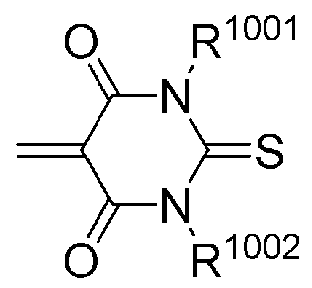


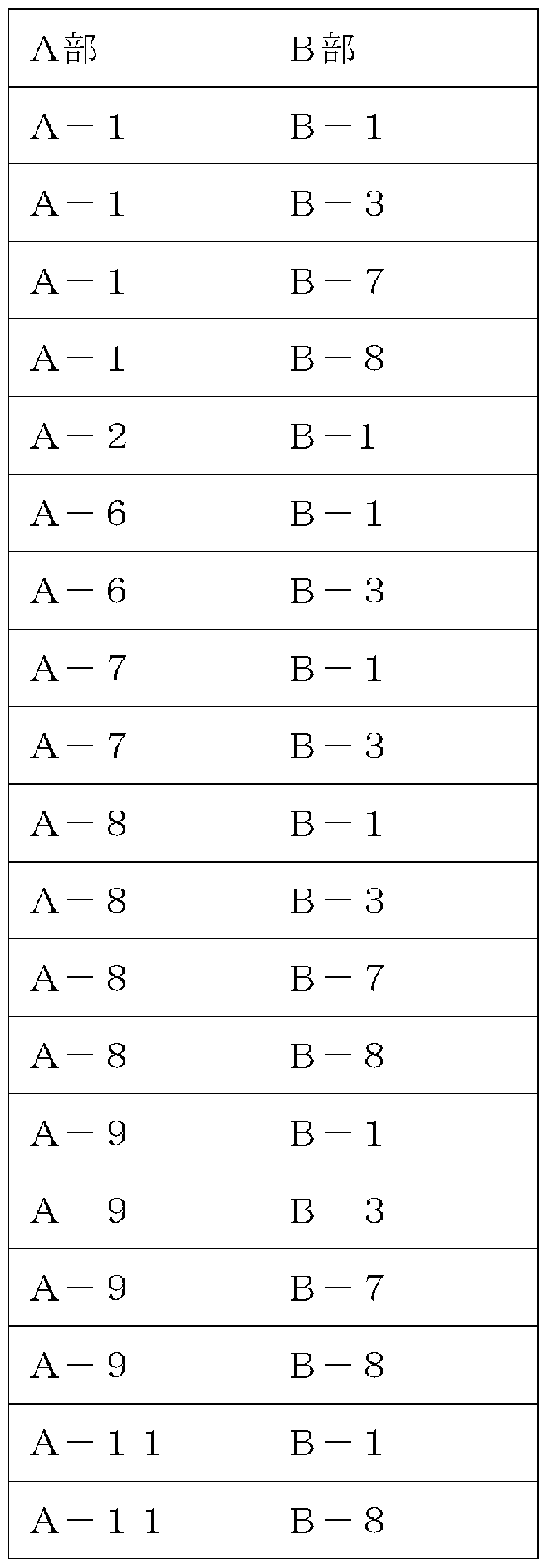





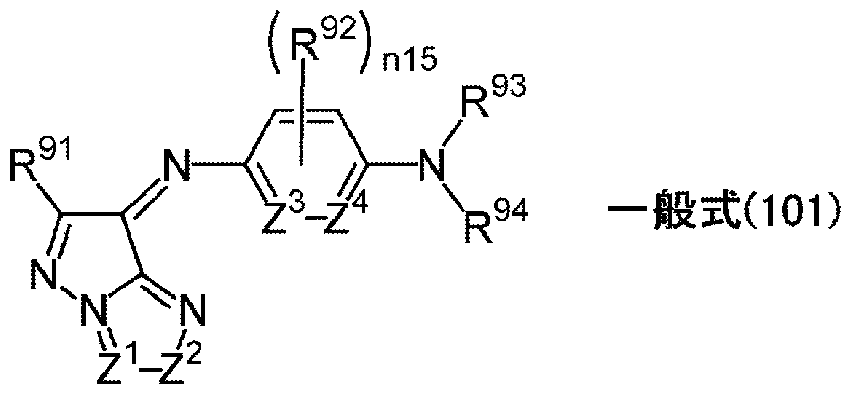


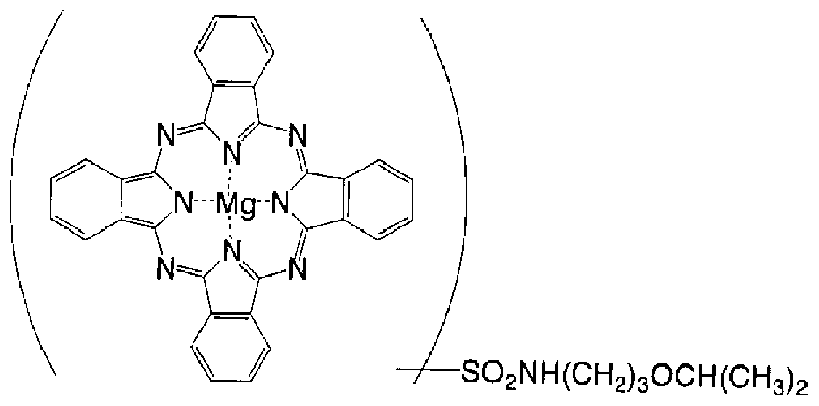

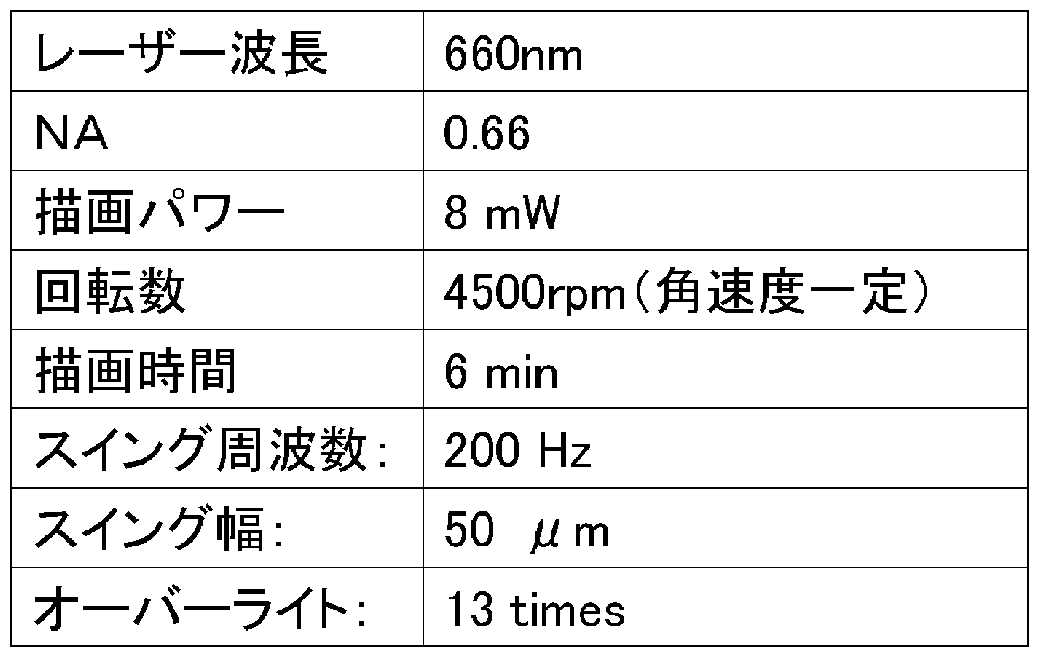

Claims


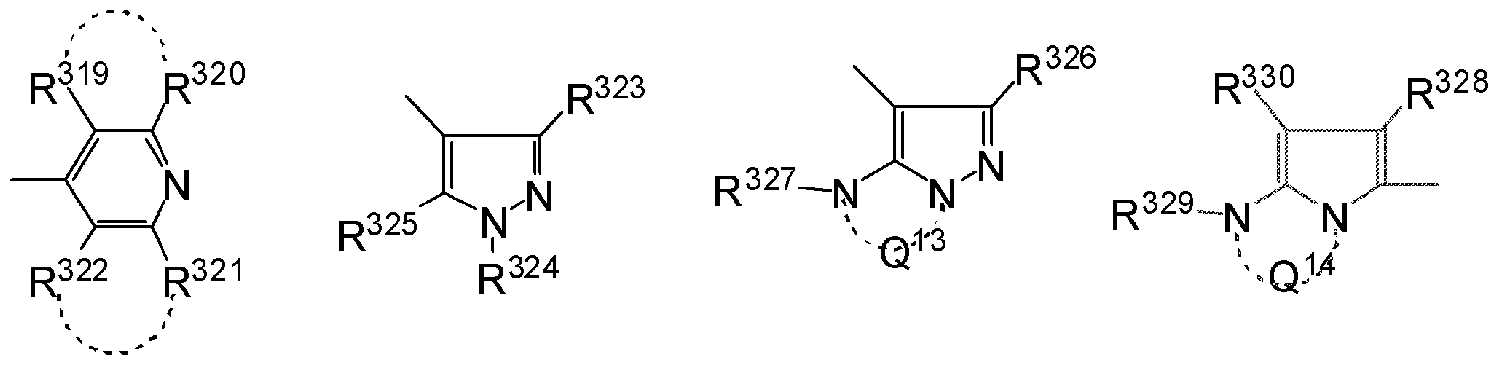


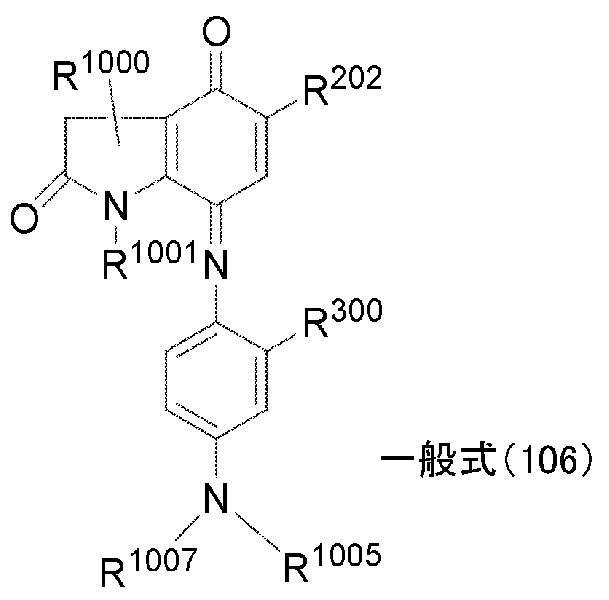
Priority Applications (2)
| Application Number | Priority Date | Filing Date | Title |
|---|---|---|---|
| US12/293,988 US20090207712A1 (en) | 2006-03-23 | 2007-01-29 | Optical recording medium and method of recording visible information |
| EP07707613A EP2003644A2 (en) | 2006-03-23 | 2007-01-29 | Optical recording medium and visible information recording method |
Applications Claiming Priority (4)
| Application Number | Priority Date | Filing Date | Title |
|---|---|---|---|
| JP2006080386 | 2006-03-23 | ||
| JP2006-080386 | 2006-03-23 | ||
| JP2006-265136 | 2006-09-28 | ||
| JP2006265136A JP2007283748A (ja) | 2006-03-23 | 2006-09-28 | 光記録媒体および可視情報記録方法 |
Publications (1)
| Publication Number | Publication Date |
|---|---|
| WO2007122830A1 true WO2007122830A1 (ja) | 2007-11-01 |
Family
ID=38624748
Family Applications (1)
| Application Number | Title | Priority Date | Filing Date |
|---|---|---|---|
| PCT/JP2007/051382 Ceased WO2007122830A1 (ja) | 2006-03-23 | 2007-01-29 | 光記録媒体および可視情報記録方法 |
Country Status (6)
| Country | Link |
|---|---|
| US (1) | US20090207712A1 (ja) |
| EP (1) | EP2003644A2 (ja) |
| JP (1) | JP2007283748A (ja) |
| KR (1) | KR20080108454A (ja) |
| TW (1) | TW200741702A (ja) |
| WO (1) | WO2007122830A1 (ja) |
Cited By (4)
| Publication number | Priority date | Publication date | Assignee | Title |
|---|---|---|---|---|
| US9951069B1 (en) | 2017-01-11 | 2018-04-24 | Rodin Therapeutics, Inc. | Bicyclic inhibitors of histone deacetylase |
| US10421756B2 (en) | 2015-07-06 | 2019-09-24 | Rodin Therapeutics, Inc. | Heterobicyclic N-aminophenyl-amides as inhibitors of histone deacetylase |
| US10919902B2 (en) | 2015-07-06 | 2021-02-16 | Alkermes, Inc. | Hetero-halo inhibitors of histone deacetylase |
| US11225475B2 (en) | 2017-08-07 | 2022-01-18 | Alkermes, Inc. | Substituted pyridines as inhibitors of histone deacetylase |
Families Citing this family (1)
| Publication number | Priority date | Publication date | Assignee | Title |
|---|---|---|---|---|
| KR101797728B1 (ko) | 2016-03-11 | 2017-11-16 | 삼성디스플레이 주식회사 | 디스플레이 장치 |
Citations (27)
| Publication number | Priority date | Publication date | Assignee | Title |
|---|---|---|---|---|
| US59442A (en) | 1866-11-06 | Improvement in steam-governors | ||
| US3770370A (en) | 1969-06-16 | 1973-11-06 | Eastman Kodak Co | Polyamide fibers dyed with a thiadiazolyl azo compound |
| DE2316755A1 (de) | 1973-04-04 | 1974-10-17 | Kalk Chemische Fabrik Gmbh | Verfahren zum kompaktieren von calciumchlorid |
| JPS6131292A (ja) | 1984-07-24 | 1986-02-13 | Mitsubishi Chem Ind Ltd | 感熱転写記録用色素及び感熱転写記録用シート |
| US4829047A (en) | 1984-07-11 | 1989-05-09 | Mitsubishi Chemical Industries Limited | Dye transfer sheet for sublimation heat-sensitive transfer recording |
| JPH0474690A (ja) | 1990-07-17 | 1992-03-10 | Ricoh Co Ltd | 光情報記録媒体 |
| JPH07137455A (ja) | 1993-06-17 | 1995-05-30 | Konica Corp | 感熱転写による画像形成方法 |
| JPH08127174A (ja) | 1994-10-31 | 1996-05-21 | Sony Corp | 光記録媒体 |
| JPH1153758A (ja) | 1997-07-30 | 1999-02-26 | Mitsubishi Chem Corp | 記録再生方法 |
| JPH1166617A (ja) | 1997-08-25 | 1999-03-09 | Taiyo Yuden Co Ltd | 光情報媒体 |
| JPH11334207A (ja) | 1998-05-27 | 1999-12-07 | Mitsubishi Chemical Corp | 光学記録媒体 |
| JPH11334204A (ja) | 1998-05-27 | 1999-12-07 | Mitsubishi Chemical Corp | 光学記録媒体 |
| JPH11334205A (ja) | 1998-05-27 | 1999-12-07 | Mitsubishi Chemical Corp | 光学記録媒体 |
| JPH11334206A (ja) | 1998-05-27 | 1999-12-07 | Mitsubishi Chemical Corp | 光学記録媒体 |
| JP2000043423A (ja) | 1998-05-27 | 2000-02-15 | Mitsubishi Chemicals Corp | 光学記録媒体 |
| JP2000108513A (ja) | 1998-10-05 | 2000-04-18 | Mitsui Chemicals Inc | 光記録媒体 |
| JP2000158818A (ja) | 1998-12-01 | 2000-06-13 | Mitsui Chemicals Inc | 光記録媒体 |
| JP2001088446A (ja) * | 1999-09-27 | 2001-04-03 | Fuji Photo Film Co Ltd | 画像記録媒体 |
| JP2001342364A (ja) | 2000-06-02 | 2001-12-14 | Konica Corp | 感熱転写記録材料、感熱転写記録方法、色素と金属イオン含有化合物との混合物、カラートナー、有機エレクトロルミネッセンス素子、インク、光記録媒体及びカラーフィルター |
| JP2002203321A (ja) | 2000-10-30 | 2002-07-19 | Yamaha Corp | 光ディスクのレーベル面画像形成方法および光ディスク装置並びに光ディスク |
| JP2003203348A (ja) | 2001-10-31 | 2003-07-18 | Yamaha Corp | 光ディスク記録装置および画像形成方法 |
| JP2003242750A (ja) | 2002-02-15 | 2003-08-29 | Yamaha Corp | ディスクおよび感熱層部材 |
| JP2004051873A (ja) | 2002-07-23 | 2004-02-19 | Mitsui Chemicals Inc | キノフタロン化合物の製造方法 |
| JP2004213760A (ja) * | 2002-12-27 | 2004-07-29 | Mitsubishi Chemicals Corp | 光情報記録媒体 |
| JP2005182890A (ja) * | 2003-12-18 | 2005-07-07 | Sony Corp | 光学記録媒体、及びこれを用いた記録方法 |
| JP2006080386A (ja) | 2004-09-10 | 2006-03-23 | Sharp Corp | 光源、照明装置、これらのいずれかを用いた表示装置、及び光源の製造方法 |
| JP2006265136A (ja) | 2005-03-23 | 2006-10-05 | Cognis Japan Ltd | アルキルエーテルクエン酸エステルを含有する皮膚洗浄剤組成物 |
-
2006
- 2006-09-28 JP JP2006265136A patent/JP2007283748A/ja not_active Abandoned
-
2007
- 2007-01-29 US US12/293,988 patent/US20090207712A1/en not_active Abandoned
- 2007-01-29 EP EP07707613A patent/EP2003644A2/en not_active Withdrawn
- 2007-01-29 WO PCT/JP2007/051382 patent/WO2007122830A1/ja not_active Ceased
- 2007-01-29 KR KR1020087022268A patent/KR20080108454A/ko not_active Withdrawn
- 2007-03-23 TW TW096110067A patent/TW200741702A/zh unknown
Patent Citations (27)
| Publication number | Priority date | Publication date | Assignee | Title |
|---|---|---|---|---|
| US59442A (en) | 1866-11-06 | Improvement in steam-governors | ||
| US3770370A (en) | 1969-06-16 | 1973-11-06 | Eastman Kodak Co | Polyamide fibers dyed with a thiadiazolyl azo compound |
| DE2316755A1 (de) | 1973-04-04 | 1974-10-17 | Kalk Chemische Fabrik Gmbh | Verfahren zum kompaktieren von calciumchlorid |
| US4829047A (en) | 1984-07-11 | 1989-05-09 | Mitsubishi Chemical Industries Limited | Dye transfer sheet for sublimation heat-sensitive transfer recording |
| JPS6131292A (ja) | 1984-07-24 | 1986-02-13 | Mitsubishi Chem Ind Ltd | 感熱転写記録用色素及び感熱転写記録用シート |
| JPH0474690A (ja) | 1990-07-17 | 1992-03-10 | Ricoh Co Ltd | 光情報記録媒体 |
| JPH07137455A (ja) | 1993-06-17 | 1995-05-30 | Konica Corp | 感熱転写による画像形成方法 |
| JPH08127174A (ja) | 1994-10-31 | 1996-05-21 | Sony Corp | 光記録媒体 |
| JPH1153758A (ja) | 1997-07-30 | 1999-02-26 | Mitsubishi Chem Corp | 記録再生方法 |
| JPH1166617A (ja) | 1997-08-25 | 1999-03-09 | Taiyo Yuden Co Ltd | 光情報媒体 |
| JPH11334205A (ja) | 1998-05-27 | 1999-12-07 | Mitsubishi Chemical Corp | 光学記録媒体 |
| JPH11334204A (ja) | 1998-05-27 | 1999-12-07 | Mitsubishi Chemical Corp | 光学記録媒体 |
| JPH11334207A (ja) | 1998-05-27 | 1999-12-07 | Mitsubishi Chemical Corp | 光学記録媒体 |
| JPH11334206A (ja) | 1998-05-27 | 1999-12-07 | Mitsubishi Chemical Corp | 光学記録媒体 |
| JP2000043423A (ja) | 1998-05-27 | 2000-02-15 | Mitsubishi Chemicals Corp | 光学記録媒体 |
| JP2000108513A (ja) | 1998-10-05 | 2000-04-18 | Mitsui Chemicals Inc | 光記録媒体 |
| JP2000158818A (ja) | 1998-12-01 | 2000-06-13 | Mitsui Chemicals Inc | 光記録媒体 |
| JP2001088446A (ja) * | 1999-09-27 | 2001-04-03 | Fuji Photo Film Co Ltd | 画像記録媒体 |
| JP2001342364A (ja) | 2000-06-02 | 2001-12-14 | Konica Corp | 感熱転写記録材料、感熱転写記録方法、色素と金属イオン含有化合物との混合物、カラートナー、有機エレクトロルミネッセンス素子、インク、光記録媒体及びカラーフィルター |
| JP2002203321A (ja) | 2000-10-30 | 2002-07-19 | Yamaha Corp | 光ディスクのレーベル面画像形成方法および光ディスク装置並びに光ディスク |
| JP2003203348A (ja) | 2001-10-31 | 2003-07-18 | Yamaha Corp | 光ディスク記録装置および画像形成方法 |
| JP2003242750A (ja) | 2002-02-15 | 2003-08-29 | Yamaha Corp | ディスクおよび感熱層部材 |
| JP2004051873A (ja) | 2002-07-23 | 2004-02-19 | Mitsui Chemicals Inc | キノフタロン化合物の製造方法 |
| JP2004213760A (ja) * | 2002-12-27 | 2004-07-29 | Mitsubishi Chemicals Corp | 光情報記録媒体 |
| JP2005182890A (ja) * | 2003-12-18 | 2005-07-07 | Sony Corp | 光学記録媒体、及びこれを用いた記録方法 |
| JP2006080386A (ja) | 2004-09-10 | 2006-03-23 | Sharp Corp | 光源、照明装置、これらのいずれかを用いた表示装置、及び光源の製造方法 |
| JP2006265136A (ja) | 2005-03-23 | 2006-10-05 | Cognis Japan Ltd | アルキルエーテルクエン酸エステルを含有する皮膚洗浄剤組成物 |
Non-Patent Citations (5)
| Title |
|---|
| "Lange's Handbook of Chemistry", 1979, MCGRAW-HILL |
| "The Domain of Chemistry", vol. 122, pages: 96 - 103 |
| "The Theory of the Photographic Process", 1977, MACMILLAN CORP., pages: 198 |
| CHAMPAN, MEROCYANINE DYE-DONOR ELEMENT USED IN THERMAL DYE TRANSFER |
| J. CHEM. SOC. PERKIN TRANSFER I, 1977, pages 2047 |
Cited By (12)
| Publication number | Priority date | Publication date | Assignee | Title |
|---|---|---|---|---|
| US10421756B2 (en) | 2015-07-06 | 2019-09-24 | Rodin Therapeutics, Inc. | Heterobicyclic N-aminophenyl-amides as inhibitors of histone deacetylase |
| US10919902B2 (en) | 2015-07-06 | 2021-02-16 | Alkermes, Inc. | Hetero-halo inhibitors of histone deacetylase |
| US11858939B2 (en) | 2015-07-06 | 2024-01-02 | Alkermes, Inc. | Hetero-halo inhibitors of histone deacetylase |
| US9951069B1 (en) | 2017-01-11 | 2018-04-24 | Rodin Therapeutics, Inc. | Bicyclic inhibitors of histone deacetylase |
| US10519149B2 (en) | 2017-01-11 | 2019-12-31 | Rodin Therapeutics, Inc. | Bicyclic inhibitors of histone deacetylase |
| US10696673B2 (en) | 2017-01-11 | 2020-06-30 | Rodin Therapeutics, Inc. | Bicyclic inhibitors of histone deacetylase |
| US10793567B2 (en) | 2017-01-11 | 2020-10-06 | Rodin Therapeutics, Inc. | Bicyclic inhibitors of histone deacetylase |
| US11225479B2 (en) | 2017-01-11 | 2022-01-18 | Alkermes, Inc. | Bicyclic inhibitors of histone deacetylase |
| US11286256B2 (en) | 2017-01-11 | 2022-03-29 | Alkermes, Inc. | Bicyclic inhibitors of histone deacetylase |
| US11987580B2 (en) | 2017-01-11 | 2024-05-21 | Alkermes, Inc. | Bicyclic inhibitors of histone deacetylase |
| US11225475B2 (en) | 2017-08-07 | 2022-01-18 | Alkermes, Inc. | Substituted pyridines as inhibitors of histone deacetylase |
| US11912702B2 (en) | 2017-08-07 | 2024-02-27 | Alkermes, Inc. | Substituted pyridines as inhibitors of histone deacetylase |
Also Published As
| Publication number | Publication date |
|---|---|
| EP2003644A2 (en) | 2008-12-17 |
| TW200741702A (en) | 2007-11-01 |
| EP2003644A9 (en) | 2009-04-15 |
| KR20080108454A (ko) | 2008-12-15 |
| US20090207712A1 (en) | 2009-08-20 |
| JP2007283748A (ja) | 2007-11-01 |
Similar Documents
| Publication | Publication Date | Title |
|---|---|---|
| WO2007122830A1 (ja) | 光記録媒体および可視情報記録方法 | |
| JP2002059652A (ja) | 光情報記録媒体 | |
| JP2008179068A (ja) | 光記録媒体および可視情報記録方法 | |
| US20080153037A1 (en) | Method for recording on optical recording medium | |
| JP4284025B2 (ja) | 光情報記録媒体 | |
| JP2001277720A (ja) | 光情報記録媒体及び情報記録方法 | |
| WO2007139139A1 (ja) | 光記録媒体、色素化合物の利用方法及び可視情報記録方法 | |
| JP2004174838A (ja) | 光情報記録媒体および情報記録方法 | |
| CN101449324A (zh) | 光记录介质和可视信息记录方法 | |
| JP2003266939A (ja) | 光情報記録媒体 | |
| TW518590B (en) | Azo compound containing metal and optical recording medium using the compound | |
| WO2007119672A1 (ja) | 光記録媒体、可視情報記録方法、及び色素化合物の利用方法 | |
| JP2008265089A (ja) | 光記録媒体および可視情報記録方法 | |
| WO2007063923A1 (ja) | 光情報記録媒体、光情報記録媒体の製造方法、可視情報記録方法、混合物の利用方法及び混合物 | |
| JP2008265090A (ja) | 光記録媒体および可視情報記録方法 | |
| JP2001071639A (ja) | 光情報記録媒体及び情報記録方法 | |
| WO2006025383A1 (ja) | 光ディスク | |
| JP2002046354A (ja) | 含金属アザオキソノール系色素化合物及びこれを含有する光情報記録媒体 | |
| CN101322189A (zh) | 光学信息记录介质、制备光学信息记录介质的方法、可视信息记录的方法、混合物的应用和混合物 | |
| JP2003077185A (ja) | 光情報記録媒体 | |
| KR20080031863A (ko) | 광정보 기록매체, 화상 기록방법 및 염료의 이용방법 | |
| JP2008282464A (ja) | 光情報記録媒体及びその作製方法 | |
| JP2001063211A (ja) | ビスピリジニウム化合物を含有する光情報記録媒体 | |
| JP2008159218A (ja) | 光記録媒体 | |
| JP2009187622A (ja) | 光記録媒体の記録方法 |
Legal Events
| Date | Code | Title | Description |
|---|---|---|---|
| WWE | Wipo information: entry into national phase |
Ref document number: 200780018630.X Country of ref document: CN |
|
| 121 | Ep: the epo has been informed by wipo that ep was designated in this application |
Ref document number: 07707613 Country of ref document: EP Kind code of ref document: A1 |
|
| WWE | Wipo information: entry into national phase |
Ref document number: 1020087022268 Country of ref document: KR |
|
| WWE | Wipo information: entry into national phase |
Ref document number: 12293988 Country of ref document: US |
|
| WWE | Wipo information: entry into national phase |
Ref document number: 5057/CHENP/2008 Country of ref document: IN |
|
| NENP | Non-entry into the national phase |
Ref country code: DE |
|
| WWE | Wipo information: entry into national phase |
Ref document number: 2007707613 Country of ref document: EP |