WO2009096162A1 - Composition destinee a neutraliser la toxine botulinique de type a et anticorps humain anti-toxine botulinique de type a - Google Patents
Composition destinee a neutraliser la toxine botulinique de type a et anticorps humain anti-toxine botulinique de type a Download PDFInfo
- Publication number
- WO2009096162A1 WO2009096162A1 PCT/JP2009/000250 JP2009000250W WO2009096162A1 WO 2009096162 A1 WO2009096162 A1 WO 2009096162A1 JP 2009000250 W JP2009000250 W JP 2009000250W WO 2009096162 A1 WO2009096162 A1 WO 2009096162A1
- Authority
- WO
- WIPO (PCT)
- Prior art keywords
- seq
- antibody
- amino acid
- acid sequence
- complementarity determining
- Prior art date
- Legal status (The legal status is an assumption and is not a legal conclusion. Google has not performed a legal analysis and makes no representation as to the accuracy of the status listed.)
- Ceased
Links
Images





Classifications
-
- C—CHEMISTRY; METALLURGY
- C07—ORGANIC CHEMISTRY
- C07K—PEPTIDES
- C07K16/00—Immunoglobulins [IG], e.g. monoclonal or polyclonal antibodies
- C07K16/12—Immunoglobulins [IG], e.g. monoclonal or polyclonal antibodies against material from bacteria
- C07K16/1267—Gram-positive bacteria
- C07K16/1282—Clostridium (G)
-
- A—HUMAN NECESSITIES
- A61—MEDICAL OR VETERINARY SCIENCE; HYGIENE
- A61P—SPECIFIC THERAPEUTIC ACTIVITY OF CHEMICAL COMPOUNDS OR MEDICINAL PREPARATIONS
- A61P31/00—Antiinfectives, i.e. antibiotics, antiseptics, chemotherapeutics
- A61P31/04—Antibacterial agents
-
- A—HUMAN NECESSITIES
- A61—MEDICAL OR VETERINARY SCIENCE; HYGIENE
- A61K—PREPARATIONS FOR MEDICAL, DENTAL OR TOILETRY PURPOSES
- A61K39/00—Medicinal preparations containing antigens or antibodies
- A61K2039/505—Medicinal preparations containing antigens or antibodies comprising antibodies
-
- A—HUMAN NECESSITIES
- A61—MEDICAL OR VETERINARY SCIENCE; HYGIENE
- A61K—PREPARATIONS FOR MEDICAL, DENTAL OR TOILETRY PURPOSES
- A61K39/00—Medicinal preparations containing antigens or antibodies
- A61K2039/505—Medicinal preparations containing antigens or antibodies comprising antibodies
- A61K2039/507—Comprising a combination of two or more separate antibodies
-
- C—CHEMISTRY; METALLURGY
- C07—ORGANIC CHEMISTRY
- C07K—PEPTIDES
- C07K2317/00—Immunoglobulins specific features
- C07K2317/20—Immunoglobulins specific features characterized by taxonomic origin
- C07K2317/21—Immunoglobulins specific features characterized by taxonomic origin from primates, e.g. man
-
- C—CHEMISTRY; METALLURGY
- C07—ORGANIC CHEMISTRY
- C07K—PEPTIDES
- C07K2317/00—Immunoglobulins specific features
- C07K2317/50—Immunoglobulins specific features characterized by immunoglobulin fragments
- C07K2317/55—Fab or Fab'
-
- C—CHEMISTRY; METALLURGY
- C07—ORGANIC CHEMISTRY
- C07K—PEPTIDES
- C07K2317/00—Immunoglobulins specific features
- C07K2317/50—Immunoglobulins specific features characterized by immunoglobulin fragments
- C07K2317/56—Immunoglobulins specific features characterized by immunoglobulin fragments variable (Fv) region, i.e. VH and/or VL
- C07K2317/565—Complementarity determining region [CDR]
-
- C—CHEMISTRY; METALLURGY
- C07—ORGANIC CHEMISTRY
- C07K—PEPTIDES
- C07K2317/00—Immunoglobulins specific features
- C07K2317/70—Immunoglobulins specific features characterized by effect upon binding to a cell or to an antigen
- C07K2317/76—Antagonist effect on antigen, e.g. neutralization or inhibition of binding
-
- C—CHEMISTRY; METALLURGY
- C07—ORGANIC CHEMISTRY
- C07K—PEPTIDES
- C07K2317/00—Immunoglobulins specific features
- C07K2317/90—Immunoglobulins specific features characterized by (pharmaco)kinetic aspects or by stability of the immunoglobulin
- C07K2317/92—Affinity (KD), association rate (Ka), dissociation rate (Kd) or EC50 value
Definitions
- the present invention provides a recombinant antibody having binding activity to botulinum toxin type A and having a complete human variable region, a nucleic acid molecule encoding the antibody, a transformant producing the antibody, and the transformant
- the present invention relates to a method for producing an antibody, a botulinum toxin type A neutralizing composition using the antibody, and the like.
- the toxin produced by Clostridium botulinum is classified into type A to type G depending on the serotype difference.
- the A, B, E, F toxins have a profound effect on human health.
- botulinum poisoning diseases in humans "dietary botulism (botulinum food poisoning)", “infant botulism”, “wound botulism”, and "infectious botulism”.
- Type A toxin is responsible for 26% of botulinum food poisoning.
- Type A toxin is responsible for 26% of botulinum food poisoning.
- types B and E and the proportion of toxin type F involved in botulism is relatively low.
- wound botulinum poisoning is caused only by type A or type B toxin (Non-patent Document 1).
- Botulinum food poisoning in adults usually develops orally as a result of growth of bacteria and spores in food and then takes orally produced toxins, while in neonatal botulism, bacteria and spores present in foods such as honey are orally As a result of ingesting, bacteria develop and propagate in the intestinal tract to produce toxins, causing poisoning symptoms.
- the causative toxin of food poisoning varies somewhat depending on the country, but cases with type A, type B and type E have been reported. Most of infant botulism is type A, type B, but there is also a report of type F toxin by type E toxin by C. butiricum.
- Botulinum toxin is a molecule having a structure in which a heavy chain and a light chain are S—S bonded (disulfide bonded). Botulinum toxin blocks neurotransmission to the muscles, thereby causing flaccid paralysis. Botulinum toxin enters the airways and respiratory muscles causing lethal respiratory failure. The mortality rate due to botulinum poisoning is 12%, and the mortality rate is even higher in certain risk groups (3).
- botulinum toxin is the most lethal toxin as a biological toxin (70 kg human lethal dose in purified A toxin is 0.09-0.15 ⁇ g by intravenous injection or intramuscular injection, 0.70-0.90 by inhalation; g, It is also 70 ⁇ g orally (JAMA. 2001 Feb 28; 285 (8): 1059-70), so it has the special feature that it is used for bioterrorism as an aspect other than ordinary poisoning, and it attracts social attention .
- Approved in Japan as a neutralizing agent for botulinum toxin is a preparation derived from equine serum. Since this preparation contains globulin derived from equine serum, that is, a foreign protein as a main component in humans, there is a risk of causing an immune reaction such as anaphylactic reaction. There are also problems with unknown viral infections and serum sickness. Furthermore, stable supply is also difficult. Furthermore, since the preparation of the preparation requires one year or more, it is difficult to cope with emergencies such as bioterrorism. In addition, the preparation is not suitable for stockpiling purposes due to problems with breeding and management of horses.
- Patent Document 1 It has been reported that a recombinant neutralizing chimeric antibody against type A toxin was successfully produced (Patent Document 1). However, when using the said antibody, it is necessary to solve the problem of appearance of HACA (human anti-chimeric antibody), an anaphylactic reaction, etc.
- HACA human anti-chimeric antibody
- phage antibody libraries are prepared from B lymphocytes of persons immunized with botulinum toxin pentamer, and desired human Methods of selecting neutralizing antibodies have been tried. However, it has not been successful in obtaining an antibody clone that alone exerts sufficient neutralizing activity against the type A toxin.
- the present invention provides a composition effective for neutralizing botulinum toxin type A, and attempts to solve various problems in the prior art (anaphylactic reaction, contamination of heterologous proteins and viruses, etc.) It is in view of the situation where it is difficult to objectively evaluate the neutralizing activity in the prior recombinant antibody assay method, the present invention provides, as another aspect, an international standard for providing a type A botulinum toxin neutralizing composition. It is also an issue to show the neutralizing activity by a suitable numerical value.
- the present inventors first constructed a human phage antibody library and tried to isolate an antibody clone that specifically recognizes botulinum toxin A, following the precedent. When the screening was repeated, it was revealed that although antibody clones were selected in each round of screening, antibodies having a common epitope were repeatedly selected. As a result of examining the cause of this phenomenon, it was predicted that there is an epitope with extremely high antigenicity, which causes overlapping of the epitopes. According to this assumption, blocking the epitope is an effective means for efficiently obtaining antibodies with different epitopes.
- the neutralizing activity in the case of combining three or four of these antibodies can be determined according to the international standard (Japanese Pharmacopoeia, “Dried Botulinum equine antitoxin (Dried "Antitoxins””Comparison and evaluation were made according to section 3.2.7" titer test ".
- Japanese Pharmacopoeia “Dried Botulinum equine antitoxin (Dried "Antitoxins””Comparison and evaluation were made according to section 3.2.7" titer test ".
- a combination of three antibody clones was found as a combination of antibody clones giving high neutralizing activity.
- it was shown that the neutralization activity is improved by combining one more antibody clone.
- the present inventors succeeded in obtaining a plurality of antibody clones that provide high neutralizing activity against botulinum toxin type A, and revealed the relationship between the four epitopes recognized by the antibody and the neutralizing activity. I made it.
- the present invention is mainly based on these results and is as follows.
- the first human anti-botulinum toxin type A antibody is any antibody selected from the group consisting of the following (1) to (3):
- the second human anti-botulinum toxin type A antibody is an antibody of the following (4) or (5), Botulinum toxin type A neutralizing composition according to [1], wherein the third human anti-botulinum toxin type A antibody is any antibody selected from the group consisting of the following (6) to (8): (1) Heavy chain complementarity determining region 1 consisting of the amino acid sequence of SEQ ID NO: 1, heavy chain complementarity determining region 2 consisting of the amino acid sequence of SEQ ID NO: 2, Heavy chain complementarity determining region 3 consisting of the amino acid sequence of SEQ ID NO: 3 A light chain complementarity determining region 1 consisting of the amino acid sequence of SEQ ID NO: 5, a light chain complementarity determining region 2 consisting of the amino acid sequence of SEQ ID NO: 6, and a light chain complementarity determining region 3 consisting of the amino acid sequence of SEQ ID
- the first human anti-botulinum toxin type A antibody is any antibody selected from the group consisting of (1) to (3) above
- the second human anti-botulinum toxin type A antibody is the antibody of (4) or (5) above
- the third human anti-botulinum toxin type A antibody is the antibody of (6) above
- the first human anti-botulinum toxin type A antibody is the antibody of (1) above
- the second human anti-botulinum toxin type A antibody is the antibody of (5) above
- the botulinum toxin type A neutralizing composition according to [2] wherein the third human anti-botulinum toxin type A antibody is the antibody of (6) above.
- the first human anti-botulinum toxin type A antibody is the antibody of (1) above
- the second human anti-botulinum toxin type A antibody is the antibody of (5) above
- the botulinum toxin type A neutralizing composition according to [2] wherein the third human anti-botulinum toxin type A antibody is the antibody of (7) above.
- the botulinum toxin type A neutralizing composition according to [6] which further comprises the antibody of (4) above as a fourth human anti botulinum toxin type A antibody.
- the antibody of (2) above has a heavy chain variable region having the amino acid sequence of SEQ ID NO: 12 and a light chain variable region has the amino acid sequence of SEQ ID NO: 16;
- the antibody of (3) above has a heavy chain variable region having the amino acid sequence of SEQ ID NO: 20, and a light chain variable region has the amino acid sequence of SEQ ID NO: 24;
- the heavy chain variable region has the amino acid sequence of SEQ ID NO: 28 and the light chain variable region has the amino acid sequence of SEQ ID NO: 32
- the antibody of (5) above has a heavy chain variable region having the amino acid sequence of SEQ ID NO: 36, and a light chain variable region has the amino acid sequence of SEQ ID NO: 40
- the antibody of (6) above has a heavy chain variable region having the amino acid sequence of SEQ ID NO: 44, and a light chain variable region
- the botulinum toxin type A neutralizing composition according to any one of [2] to [7].
- An isolated human anti-botulinum toxin type A antibody comprising the antibody of any one of (1) to (8) defined in [2].
- the antibody of (1) above has a heavy chain variable region having the amino acid sequence of SEQ ID NO: 4, and a light chain variable region having the amino acid sequence of SEQ ID NO: 8
- the antibody of (2) above has a heavy chain variable region having the amino acid sequence of SEQ ID NO: 12 and a light chain variable region has the amino acid sequence of SEQ ID NO: 16
- the antibody of (3) above has a heavy chain variable region having the amino acid sequence of SEQ ID NO: 20, and a light chain variable region has the amino acid sequence of SEQ ID NO: 24;
- the heavy chain variable region has the amino acid sequence of SEQ ID NO: 28 and the light chain variable region has the amino acid sequence of SEQ ID NO: 32
- the antibody of (5) above has a heavy chain variable region having the amino acid sequence of
- Isolated means that it has been removed from its original environment (e.g. the natural environment in the case of natural substances), i.e. present in a state different from the original state of existence by artificial manipulation.
- An "isolated antibody” includes an antibody that is natural and has not undergone any external manipulation (an artificial manipulation), that is, an antibody that is produced in the body of an individual and remains there I can not.
- the isolated antibody is typically present in a state in which other types of antibodies are not mixed, that is, alone (as a collection of homogeneous antibodies).
- CDR complementarity determining region
- botulinum toxin type A neutralizing composition refers to a pharmaceutical mixture containing a plurality of antibodies as active ingredients and exhibiting neutralizing activity against botulinum type A toxin.
- the "antitoxin titer” in the present invention is expressed in international units unless otherwise stated.
- the “antitoxin titer” is determined in accordance with the “dried botulinum equine antitoxin (dried botulinum antitoxin)" section 3.2.7 "titer test" described in the pharmaceutical preparation listed in each article of the Japanese Pharmacopoeia, Japan Pharmacopoeia Be done.
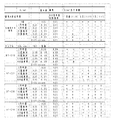
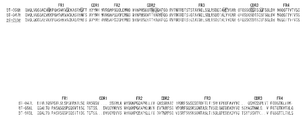
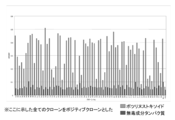
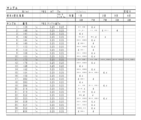
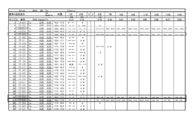
- VH of BT-058 (SEQ ID NO: 20), sequence of VH of BT-047 (SEQ ID NO: 12), sequence of VH of BT-015, sequence of VH of BT-015, sequence of VL of BT-058 (sequence from top to bottom) No. 24) Sequence of VL of BT-047 (SEQ ID NO: 16) Sequence of VL of BT-015 (SEQ ID NO: 8). Binding activity of the antibody obtained in screening experiment 4. All antibody clones shown here were considered as positive clones. The result of the neutralization test (animal test) which made the sample the antibody acquired by the screening experiment 4 the sample. The symbols (+, ++, etc.) in the table represent the intensity of symptoms.
- VH of BT-175 (SEQ ID NO: 36), the sequence of VH of NT-221 (SEQ ID NO: 28), the sequence of VH of NT-320 (SEQ ID NO: 44) and the sequence of VH of NT-539 SEQ ID NO: 60), BT-015 VH sequence (SEQ ID NO: 4), NT-523 VH sequence (SEQ ID NO: 52), NT-320 VL sequence (SEQ ID NO: 48), NT-539 VL Sequence (SEQ ID NO: 64), Sequence of VL of NT-221 (SEQ ID NO: 32), Sequence of VL of BT-175 (SEQ ID NO: 40), Sequence of VL of BT-015 (SEQ ID NO: 8), NT-523 Sequence of VL (SEQ ID NO: 56).
- the homology with Germline is also shown.
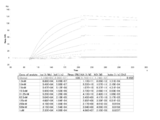
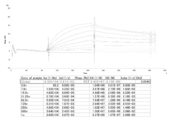
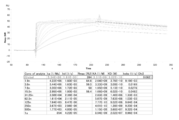
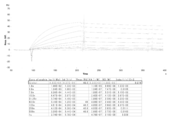
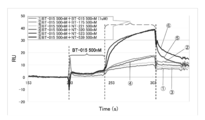
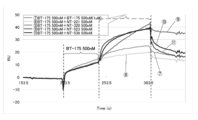
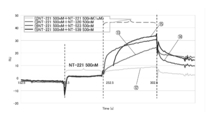
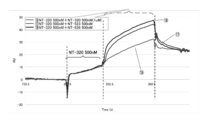
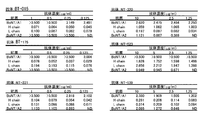
- the result of the binding constant analysis by Biacore The sample is Fab-PP type antibody of BT-015). Results of binding constant analysis by Biacore (sample is an IgG type antibody of BT-015). Results of binding constant analysis by Biacore (sample is Fab-PP type antibody of BT-175). Results of binding constant analysis by Biacore (sample is an IgG type antibody of BT-175). The result of binding constant analysis by Biacore (sample is Fab-PP type antibody of NT-221). Results of binding constant analysis by Biacore (sample is Fab-PP antibody of NT-320). The result of the competition experiment by Biacore (competition with BT-015).
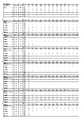
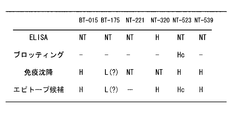
- the binding properties (epitope candidate) of each clone are NT when binding to a neurotoxin, H when binding to H chain, H when binding to a nerve cell binding domain at the C-terminal side of H chain Is indicated by L when it has binding to Hc and L chain. (-) Indicates that determination is impossible.
- a first aspect of the present invention relates to a botulinum toxin type A neutralizing composition (hereinafter also referred to as "the composition of the present invention”).
- the composition of the present invention At least three antibodies are used in the compositions of the invention.
- the three antibodies are all human antibodies that recognize botulinum toxin type A.
- the three antibodies are referred to as “first human anti-botulinum toxin type A antibody”, “second human anti-botulinum toxin type A antibody”, and “third human anti-botulinum toxin type A antibody” Call.
- first human anti-botulinum toxin type A antibody is abbreviated as “first antibody” and "second human anti-botulinum toxin type A antibody” is abbreviated as “second antibody” And “the third human anti-botulinum toxin type A antibody” is abbreviated as “the third antibody”.
- the present inventors are human antibody clones effective for neutralizing type A botulinum toxin (BT-015, BT-047, BT-058, NT-221, BT-175, NT-320, NT-523, NT-539) was successfully obtained (see the example section).
- human antibody clones that were successfully obtained were shown to be classified into four types based on the identity of the epitopes.
- the first antibody corresponds to antibody clone BT-015 which has been shown to be effective in neutralizing botulinum toxin type A when used in combination with other antibody clones, antibody clone BT-015, It is characterized by recognizing an epitope of “an antibody” having a heavy chain variable region consisting of the amino acid sequence of SEQ ID NO: 4 and a light chain variable region consisting of the amino acid sequence of SEQ ID NO: 8. Since the epitope of the first antibody corresponds to the epitope of the antibody clone BT-015, competition can be recognized if the first antibody and the antibody clone BT-015 are reacted with botulinum type A at the same time. Therefore, eligibility as a first antibody can be confirmed by competition experiments using antibody clone BT-015.
- the second antibody corresponds to antibody clone BT-175, which has been shown to be effective in neutralizing botulinum toxin type A when used in combination with other antibody clones, antibody clone BT-175, ie " It is characterized by recognizing an epitope of “an antibody having a heavy chain variable region consisting of the amino acid sequence of SEQ ID NO: 36 and a light chain variable region consisting of the amino acid sequence of SEQ ID NO: 40”. The eligibility as the second antibody can be confirmed in the same manner as in the case of the first antibody.
- the third antibody corresponds to an antibody clone (NT-320 or NT-523) which was shown to be effective in neutralizing botulinum toxin type A when used in combination with antibody clone BT-015 and antibody clone BT-175.
- Antibody clone NT-320 that is, an epitope of "an antibody having a heavy chain variable region consisting of the amino acid sequence of SEQ ID NO: 44 and a light chain variable region consisting of the amino acid sequence of SEQ ID NO: 48", or -523, that is, by recognizing the epitope of "an antibody having a heavy chain variable region consisting of the amino acid sequence of SEQ ID NO: 52 and a light chain variable region consisting of the amino acid sequence of SEQ ID NO: 56".
- the eligibility as the third antibody can be confirmed in the same manner as the first antibody.
- the first antibody is any antibody selected from the group consisting of (1) to (3) below.
- the second antibody is the following antibody (4) or (5).
- the third antibody is any antibody selected from the group consisting of the following (6) to (8).
- Heavy chain complementarity determining region 1 consisting of the amino acid sequence of SEQ ID NO: 1
- heavy chain complementarity determining region 2 consisting of the amino acid sequence of SEQ ID NO: 2
- Heavy chain complementarity determining region 3 consisting of the amino acid sequence of SEQ ID NO: 3
- a light chain complementarity determining region 1 consisting of the amino acid sequence of SEQ ID NO: 5, a light chain complementarity determining region 2 consisting of the amino acid sequence of SEQ ID NO: 6, and a light chain complementarity determining region 3 consisting of the amino acid sequence of SEQ ID NO: 7
- a heavy chain consisting of the amino acid sequence of SEQ ID NO: 57 Complementarity determining region 1, heavy chain complementarity determining region 2 consisting of the amino acid sequence of SEQ ID NO: 58, heavy chain complementarity determining region 3 consisting of the amino acid sequence of SEQ ID NO: 59, SEQ ID NO: 6
- (1) corresponds to human antibody clone BT-015, (2) corresponds to human antibody clone BT-047, (3) corresponds to human antibody clone BT-058, (4) corresponds to human antibody clone NT (5) corresponds to human antibody clone BT-175, (6) corresponds to human antibody clone NT-320, (7) corresponds to human antibody clone NT-523, (8) ) Corresponds to human antibody clone NT-539.
- the sequence information of each clone is shown below.
- VH CDR1 SEQ ID NO: 1
- VH CDR2 SEQ ID NO: 2
- VH CDR3 SEQ ID NO: 3
- VH SEQ ID NO: 4
- VL CDR1 SEQ ID NO: 5
- VL CDR2 SEQ ID NO: 6
- VL CDR3 SEQ ID NO: 7 VL: SEQ ID NO: 8
- VH CDR1 SEQ ID NO: 9
- VH CDR2 SEQ ID NO: 10
- VH CDR3 SEQ ID NO: 11
- VL CDR1 SEQ ID NO: 13
- VL CDR2 SEQ ID NO: 14
- VL CDR3 SEQ ID NO: 15 VL: SEQ ID NO: 16
- VH CDR1 SEQ ID NO: 17 VH CDR2: SEQ ID NO: 18 VH CDR3: SEQ ID NO: 19 VH: SEQ ID NO: 20 VL CDR1: SEQ ID NO: 21 VL CDR2: SEQ ID NO: 22 VL CDR3: SEQ ID NO: 23 VL: SEQ ID NO: 24
- VH CDR1 SEQ ID NO: 25
- VH CDR2 SEQ ID NO: 26
- VH CDR3 SEQ ID NO: 27
- VL CDR1 SEQ ID NO: 29
- VL CDR2 SEQ ID NO: 30
- VL CDR3 SEQ ID NO: 31 VL: SEQ ID NO: 32
- VH CDR1 SEQ ID NO: 33
- VH CDR2 SEQ ID NO: 34
- VH CDR3 SEQ ID NO: 35
- VL CDR1 SEQ ID NO: 37
- VL CDR2 SEQ ID NO: 38
- VL CDR3 SEQ ID NO: 39
- VH CDR1 SEQ ID NO: 41
- VH CDR2 SEQ ID NO: 42
- VH CDR3 SEQ ID NO: 43
- VH SEQ ID NO: 44
- VL CDR1 SEQ ID NO: 45
- VL CDR2 SEQ ID NO: 46
- VL CDR3 SEQ ID NO: 47
- VL SEQ ID NO: 48
- VH CDR1 SEQ ID NO: 49
- VH CDR2 SEQ ID NO: 50
- VH CDR3 SEQ ID NO: 51
- VL CDR1 SEQ ID NO: 53
- VL CDR2 SEQ ID NO: 54
- VL CDR3 SEQ ID NO: 55
- VH CDR1 SEQ ID NO: 57
- VH CDR2 SEQ ID NO: 58
- VH CDR3 SEQ ID NO: 59
- VH SEQ ID NO: 60
- VL CDR1 SEQ ID NO: 61
- VL CDR2 SEQ ID NO: 62
- VL CDR3 SEQ ID NO: 63
- VL SEQ ID NO: 64
- the heavy chain variable region has the amino acid sequence of SEQ ID NO: 4, and the light chain variable region has the amino acid sequence of SEQ ID NO: 8.
- the heavy chain variable region has the amino acid sequence of SEQ ID NO: 12 and the light chain variable region has the amino acid sequence of SEQ ID NO: 16.
- the heavy chain variable region has the amino acid sequence of SEQ ID NO: 20 and the light chain variable region has the amino acid sequence of SEQ ID NO: 24.
- the heavy chain variable region has the amino acid sequence of SEQ ID NO: 28 and the light chain variable region has the amino acid sequence of SEQ ID NO: 32.
- the heavy chain variable region has the amino acid sequence of SEQ ID NO: 36, and the light chain variable region has the amino acid sequence of SEQ ID NO: 40.
- the heavy chain variable region has the amino acid sequence of SEQ ID NO: 44, and the light chain variable region has the amino acid sequence of SEQ ID NO: 48.
- the heavy chain variable region has the amino acid sequence of SEQ ID NO: 52, and the light chain variable region has the amino acid sequence of SEQ ID NO: 56.
- the heavy chain variable region has the amino acid sequence of SEQ ID NO: 60, and the light chain variable region has the amino acid sequence of SEQ ID NO: 64.
- each antibody is prepared as a fully human IgG antibody.
- the type of constant region in this case is not particularly limited. That is, the heavy chain is not limited to the ⁇ chain, but may be a ⁇ chain, an ⁇ chain or an ⁇ chain. Similarly, the light chain may be a kappa chain or a lambda chain.
- Each antibody can also be prepared as an antibody fragment such as Fab, Fab ′, F (ab ′) 2, scFv, or dsFv antibody.
- Fab is a fragment with a molecular weight of about 50,000 composed of L chain and H chain variable region, and H chain fragment consisting of CH1 domain and part of hinge part, obtained by papain digestion of IgG antibody in the presence of cysteine It is. If the desired IgG antibody is present, it can be papain digested to obtain Fab. Alternatively, a DNA encoding a part of the H chain and the L chain can be incorporated into an appropriate vector, and Fab can be prepared from a transformant transformed with the vector.
- Fab ′ is a fragment having a molecular weight of about 50,000 obtained by cleaving a disulfide bond between H chains of F (ab ′) 2 described below. If the desired IgG antibody is present, it can be digested with pepsin and a disulfide bond is cleaved using a reducing agent to obtain Fab ′. Also, like Fab, DNA can be prepared by genetic engineering using DNA encoding Fab ′.
- F (ab ') 2 is a fragment (Fab' consisting of an L chain and an H chain variable region, and an H chain fragment consisting of a CH1 domain and part of a hinge region, obtained by pepsin digestion of an IgG antibody) Is a fragment having a molecular weight of about 100,000 linked by a disulfide bond. If there is a desired IgG antibody, it can be digested with pepsin to obtain F (ab ') 2 . Similarly to Fab, DNA can be prepared by genetic engineering using DNA encoding F (ab ') 2 .
- the scFv is an antibody fragment in which an Fv consisting of an H chain variable region and an L chain variable region is linked by a suitable peptide linker between the C terminus of one chain and the N terminus of the other to form a single chain.
- a suitable peptide linker between the C terminus of one chain and the N terminus of the other to form a single chain.
- (GGGGS) 3 with high flexibility can be used as a peptide linker.
- a DNA encoding a scFv antibody is constructed using a DNA encoding a heavy chain variable region and a light chain variable region and a DNA encoding a peptide linker, and this is incorporated into an appropriate vector and transformed using the vector. ScFv can be prepared from the transformants obtained.
- DsFv is an Fv fragment in which Cys residues are introduced at appropriate positions of the H chain variable region and the L chain variable region, and the H chain variable region and the L chain variable region are stabilized by disulfide bond.
- the introduction position of the Cys residue in each chain can be determined based on the three-dimensional structure predicted by molecular modeling. For example, a three-dimensional structure is predicted from the amino acid sequences of the H chain variable region and the L chain variable region, and based on such prediction, a DNA encoding each of the H chain variable region and the L chain variable region in which mutations are introduced is constructed.
- a dsFv can be prepared from a transformant which has been incorporated into a vector and transformed with the vector.
- the antibody of (7) in combination as a fourth human anti-botulinum toxin type A antibody (fourth antibody).
- the combination of the four antibodies thus obtained corresponds to the combination of antibodies showing the highest neutralizing activity in the neutralization test shown in the examples below.
- the antibody of the active ingredient is limited to three types, among the A-type toxins, a subspecies of the A2 toxin, among the A-type toxins, retains stronger binding than (7) as the third antibody ((7) Preferably, the antibody of 8) is used.
- the antibody of (4) in combination as a fourth human anti-botulinum toxin type A antibody (fourth antibody).
- the combination of four antibodies in combination is not limited to the above two examples. Hereinafter, preferable combinations in the case of using four types of antibodies in combination are shown.
- First antibody any antibody selected from the group consisting of (1) to (3) second antibody: antibody of (4) or (5) third antibody: antibody of (6) fourth antibody: (7 ) Or (8)
- the antibodies (1) to (8) are used as an active ingredient of a composition exhibiting high neutralizing activity against botulinum toxin type A, and have high titers per se.
- the present invention provides, as a second aspect, a botulinum toxin type A neutralizing antibody comprising the antibody of any of (1) to (8).
- the present invention also provides, as a third aspect, an isolated nucleic acid molecule encoding the heavy chain variable region and / or the light chain variable region of the antibody.
- base sequences (heavy chain variable region and light chain variable region) of antibody clones corresponding to (1) to (8) are shown. (BT-015) VH: SEQ ID NO: 65 VL: SEQ ID NO: 66
- VH SEQ ID NO: 67
- VL SEQ ID NO: 68
- VH SEQ ID NO: 69
- VL SEQ ID NO: 70
- VH SEQ ID NO: 71
- VL SEQ ID NO: 72
- VH SEQ ID NO: 73
- VL SEQ ID NO: 74
- VH SEQ ID NO: 75
- VL SEQ ID NO: 76
- VH SEQ ID NO: 77
- VL SEQ ID NO: 78
- VH SEQ ID NO: 79
- VL SEQ ID NO: 80
- the above-mentioned antibodies (1) to (8) retain strong binding ability to A2 toxin, which is a subspecies of type A, and become an effective component of a composition exhibiting strong neutralizing activity. sell.
- the antibodies (antibodies (1) to (8)) of the present invention can be prepared by genetic engineering based on the sequence information of each antibody clone. That is, typically, the antibody of the present invention can be prepared by a series of steps consisting of preparation of a gene expression construct encoding an antibody of interest, expression using a suitable expression system, and recovery of the expression product. .
- the expression system is not particularly limited. That is, any expression system can be used as long as the target recombinant antibody is expressed. However, when expressing a recombinant antibody of IgG type, it is preferable to use an expression system using animal cells. When expressing antibody fragments such as variable region-derived Fab, Fab ′, F (ab ′) 2 , scFv, or dsFv, expression systems using microorganisms such as E. coli or yeast in addition to animal cells are used. be able to. Depending on the host used, a suitable expression vector is used. By using a signal peptide, the desired recombinant antibody can be secreted extracellularly, transported to the periplasmic region, or retained intracellularly.
- DNA encoding the heavy chain variable region (VH) of the target antibody is prepared by chemical synthesis, biochemical cleavage / recombination, and the like.
- the resulting DNA encoding H chain variable region is ligated with DNA encoding human H chain constant region to obtain an integrated H chain expression vector in an expression vector.
- An L chain expression vector is produced in the same manner.
- FR framework region
- transduced the some mutation can also be used. That is, antibodies whose CDR regions are identical all recognize the same epitope, and as long as the finally obtained antibody recognizes botulinum type A and exhibits sufficient binding activity, modification of FR is permitted.
- the amino acid sequence is known, it is possible to predict the three-dimensional structure (spatial arrangement) of the variable region, and it is also possible to predict a change in the three-dimensional structure due to the specific modification of FR. is there.
- the computer program ENCAD Energy Calculation and Dynamics
- ENCAD is used to construct a molecular model of the variable region, and to determine amino acids in the FR sufficiently close to potentially interact with CDRs, etc.
- ENCAD Electronicgy Calculation and Dynamics
- a computer program Verify-3D that quantitatively evaluates whether each amino acid residue is in a suitable environment
- modeling methods specific to immunoglobulins WAM-Web Antibody Modeling, Ab M from Oxford Moleclelar
- the optimization of mutations in the variable region can be performed in a routine operation by using random PCR, phage display method and the like. (See, eg, Manuel B, et al J. Biol Chem Vol. 272 no. 16 10 678 "Antibody humanization using monovalent page display” or WO 2007/094754).
- the number of amino acids to be modified is preferably 15% or less of the entire FR, more preferably 10% or less of the entire FR, still more preferably 5% or less of the entire FR, and most preferably the entire FR It is less than 1%.
- An "expression vector” refers to a nucleic acid molecule capable of introducing a nucleic acid inserted therein into a target cell (target cell) and expressing it in the cell, and includes viral vectors and non-viral vectors.
- the gene transfer method using a viral vector skillfully utilizes the phenomenon that a virus infects cells, and high gene transfer efficiency can be obtained.
- viral vectors include SV40 virus based vectors, EB virus based vectors, BPV (papilloma virus) based vectors and the like, but are not limited thereto.
- the expression vector may be constructed as such non-viral vector.
- a promoter contained in the expression vector SV40 early promoter, SV40 late promoter, cytomegalovirus promoter, chicken ⁇ actin promoter and the like are used.
- a host cell After preparing the H chain expression vector and the L chain expression vector, a host cell is co-transformed with them.
- host cells CHO cells (Chinese hamster ovary) (A. Wright & SLMorrison, J. Immunol. 160, 3339-3402 (1998)), SP 2/0 cells (mouse myeloma) (K. Motmans et al., Eur) J. Cancer Prev. 5, 512-519 (1996), RP Junghans et al., Cancer Res. 50, 1495-1502 (1990), etc. are preferably used.
- Lipofectin method (RWMalone et al., Proc. Natl. Acad. Sci.
- Electroporation, calcium phosphate method (FL Graham & AJ van der Eb, Virology 52, 456-467 (1973)), DEAE-Dextran method, etc. are preferably used.
- the ratio of the H chain expression vector to the L chain expression vector there are no particular limitations on the ratio of the H chain expression vector to the L chain expression vector, the timing of introduction, and the like.
- the ratio of both vectors is, for example, 1: 0.5-5, preferably 1: 0.8-1.2.
- the timing of introduction either the H chain expression vector and the L chain expression vector may be introduced simultaneously into the host cell, or either may be introduced first.
- an expression vector incorporating both the VH-encoding DNA and the VL-encoding DNA is constructed, and Host cells may be transformed.
- Markers used for selection of transformants include aminoglycoside 3 'phosphotransferase (neo) gene, dihydrofolate reductase (dhfr) gene, puromycin resistance enzyme gene, glutamine synthetase (GS) gene, etc.
- Common marker genes see, for example, Michael Kriegler, translated by Toshiyuki Kato, Lab manual animal cell genetic engineering, Takara Shuzo (1994)) can be used.
- the antibody is recovered (separated / purified) from the cells or culture solution of the transformant. Recovery of the antibody may be according to a conventional method. That is, antibodies can be isolated using centrifugation, ammonium sulfate fractionation, salting out, ultrafiltration, affinity chromatography (such as those using Protein A resin or Protein G resin), ion exchange chromatography, gel filtration chromatography, etc. to recover.
- the antibody obtained as described above is used as an active ingredient of the composition of the present invention.
- the formulation of the composition of the present invention may be in accordance with a conventional method.
- other pharmaceutically acceptable ingredients eg, carrier, excipient, disintegrant, buffer, emulsifier, suspending agent, soothing agent, stabilizer, preservative, preservative, physiological saline) Etc.
- excipients include water, physiological saline solution, Ringer's solution, dextrose solution, various buffers (phosphate buffer, bicarbonate buffer, Tris buffer etc.), lactose, starch, sorbitol, D-mannitol, sucrose etc.
- starch carboxymethylcellulose, calcium carbonate and the like can be used.
- phosphate, citrate, acetate and the like can be used.
- emulsifier gum arabic, sodium alginate, tragacanth etc. can be used.
- glycerin monostearate, aluminum monostearate, methylcellulose, carboxymethylcellulose, hydroxymethylcellulose, sodium lauryl sulfate and the like can be used.
- benzyl alcohol, chlorobutanol, sorbitol or the like can be used.
- a stabilizer propylene glycol, diethylin sulfite, ascorbic acid and the like can be used.
- preservatives phenol, benzalkonium chloride, benzyl alcohol, chlorobutanol, methyl paraben and the like can be used.
- benzalkonium chloride, p-hydroxybenzoic acid, chlorobutanol and the like can be used.
- the dosage form for formulation is not particularly limited, but an immediate-acting preparation such as an injection, external preparation or suppository is preferable.
- each antibody as an active ingredient is not particularly limited, but typically, the amount of each antibody is the same (equal molar mixing). A person skilled in the art can optimize the mixing ratio through the same test as the neutralization test shown in the following examples. Also, the class and form of each antibody are optional. Therefore, the composition of the present invention may be configured in a state in which different classes of antibodies are mixed or in a state in which different forms of antibodies are mixed. The antibody concentration in the composition of the present invention is preferably determined back-calculating in view of the final administration form and administration schedule.
- the state of the composition of the present invention is also not particularly limited.
- the composition of the present invention is prepared in a liquid or dry state (preferably in a freeze-dried state).
- a liquid or dry state preferably in a freeze-dried state.
- compositions of the invention are typically used for the treatment and prevention of botulism.
- the composition of the present invention is applied to a subject (patient) by oral administration or parenteral administration (intravenous, intraarterial, subcutaneous, intramuscular, intraperitoneal injection, direct introduction to target cells, etc.) depending on the form.
- the dose of the composition of the present invention varies depending on the condition, age, sex, weight and the like of the patient, those skilled in the art can set an appropriate dose appropriately.
- the dose of antitoxin per dose can be set to be 10000 units to 100000 units for adults (body weight of about 60 kg).
- the composition according to the present invention referring to the amount used in the case of equine antitoxin and the schedule (Japanese Medical Journal Vol. 128, No. 1 / Heisei 14 (2002) July 1, 2002) And in view of the relative titer of the equine antitoxin, the patient's medical condition and duration of the effect can be taken into account.
- the anti-toxin titer of the composition of the invention is evaluated on an international basis.
- Japanese Pharmacopoeia “Dried Botulinum equine antitoxin (dried Botulinum antitoxin)" described in the pharmaceutical preparation listed in each article of the pharmaceutical product. If tested according to the "valence test", it is possible to calculate an antitoxin titer based on international standards.
- botulinum toxoid immune antibody library 1-1 Inoculation of Botulinum Toxoid into Human Volunteers
- Each of the A, B, E, and F bacteria was cultured, and the toxin obtained by purifying the obtained toxin was used as a material to prepare a toxoid.
- the type A neurotoxin produced by Clostridium botulinum 97 (C. botulinum 97) or 62A (C. botulinum 62A), which is currently used as a therapeutic toxin was treated with a type B neurotoxin Purification was carried out according to (Infect. Immun. 18: 761-766, 1977).
- the purified toxins were inactivated with formalin and mixed with an aluminum adjuvant to form precipitated ABEF multivalent mixed toxoid.
- This multivalent toxoid was injected subcutaneously as a basic immunization three times at intervals of 3 to 4 weeks, and 0.5 mL one time after about 12 months. Furthermore, after 10 and 20 years, additional injections were made, and the same component injection was given about 3 weeks before the following component blood collection.
- the H chain gene is excised from the H chain library with HindIII and XhoI, and incorporated into an L chain library prepared by equimolar mixing of the kappa chain library and the lambda chain library, and finally the library size is 1.3 ⁇ 10 10
- An anti-botulinum toxin screening Fab type antibody library was obtained (FIG. 1).
- the type of antibody is generated by the diversity of CDR3 of VH, and it is considered that the large antibody library created this time sufficiently covers the diversity of the isolated antibody gene.
- reaction supernatant was collected, and again dispensed into a microcup on which botulinum toxoid was immobilized, and reacted at 37 ° C. for 2 hours.
- reaction solution was removed and washed five times with PBS.
- SBGA medium SB medium (MOPS 10 g, Tryptone 30 g and Yeast Extract 20 g are dissolved, adjusted to pH 7 with 3N NaOH, the final solution amount is 1 Added as a final concentration to 125 ⁇ g / ml ampicillin sulfate and 0.5% glucose) and cultured at 37 ° C for 2 hours, then added to 500 ml of SBA medium and further cultured at 37 ° C for 2 hours did. Subsequently, 1 ⁇ 10 12 equivalents of helper phage KO7 were added and cultured at 37 ° C.
- SBGA medium SB medium (MOPS 10 g, Tryptone 30 g and Yeast Extract 20 g are dissolved, adjusted to pH 7 with 3N NaOH, the final solution amount is 1 Added as a final concentration to 125 ⁇ g / ml ampicillin sulfate and 0.5% glucose) and cultured at 37 ° C for 2 hours, then added to 500 ml of SBA medium and further cultured at 37
- kanamycin was added to a final concentration of 50 ⁇ g / ml and cultured at 30 ° C. for 18 hours.
- the supernatant is collected by centrifuging at 8000 rpm for 10 minutes, mixed with 110 ml of PEG solution (20% polyethyleneglycol 6000, 2.5 M NaCl), thoroughly stirred, and centrifuged at 8500 rpm for 15 minutes.
- the phage was allowed to precipitate. This was suspended in 2.5 ml PBS and a portion was used to check the number of E. coli infections. Thus, phage for 1st screening (1st phage) was obtained.
- the 2nd screening was performed under the same conditions as the 1st screening except using 400 ⁇ l of 1st phage and 20 washings of PBS.
- the 3rd screening was performed under the same conditions as the 2nd screening except using 400 ⁇ l of 2nd phage. After 3rd screening, 46 clones were picked up.
- the mixture was centrifuged at 15,000 rpm for 5 minutes in a microcentrifuge, and the supernatant was recovered.
- the supernatant contains cp3 fused proteins of each antibody clone. This supernatant was used to perform ELISA with toxoid and nontoxic components.
- ELISA Reaction with Botulinum Toxoid and Nontoxic Component The binding ability of the antibody was determined by ELISA using botulinum toxoid and nontoxic component protein. An antibody that reacts only to botulinum toxoid becomes the antibody of interest (ie, neutralizing antibody).
- 100 ⁇ l each of botulinum toxoid and nontoxic component protein prepared to a concentration of 10 ⁇ g / ml with PBS was dispensed into a microcup (Nunc, Maxisorp) and reacted at 4 ° C. overnight for immobilization. After removing the solution, 200 ⁇ l of 1% BSA / PBS was aliquoted and blocked at 37 ° C. for 1 hour.
- the supernatant obtained in (3) (containing cp3 fused protein of antibody) was dispensed in 100 ⁇ l portions and allowed to react at 37 ° C. for 1 hour. After removing the solution, it was washed with PBS, and rabbit anti-cp3 antibody (MBL) diluted to 2.5 ⁇ g / ml with PBS was reacted at 37 ° C. for 1 hour. After removing the solution, it was washed with PBS, and reacted with HRP-labeled goat anti-rabbit IgG antibody (MBL) diluted 1: 10,000 in PBS at 37 ° C. for 1 hour.
- MBL rabbit anti-cp3 antibody
- phagemid DNAs were digested with restriction enzyme SalI, they were allowed to recombine themselves, converted to Protein A fused antibodies (Fab-pp antibodies), and used to transform DH12S.
- the cells were cultured overnight at 30 ° C. in 25 ml of 2 ⁇ YTGA. Twenty ml of this culture solution was mixed with 2 liters of 2 ⁇ YTA and cultured for 3 hours, and then 2 ml of 1 M IPTG was added and cultured at 30 ° C. for 20 hours. The culture solution was subjected to centrifugation at 8000 rpm for 10 minutes at 4 ° C., and the supernatant was recovered.
- antitoxin stock solution (1 unit / ml) as a stock solution diluted 10-fold with a type A botulinum toxin antitoxin Japanese standard product (10 units / ml) and further diluted 6 times with PBS three times each Prepared (hereinafter referred to as "standard dilution").
- standard dilution the antibody solution obtained in (5) was diluted 5-fold with PBS to obtain an antibody stock solution, and further diluted 4-fold 5-fold each to give a specimen (hereinafter referred to as "analyte dilution liquid").
- botulinum neurotoxin (3.8 ⁇ 10 5 LD 50 / ml) was diluted 400 times to a stock solution (950 LD 50 / ml) and further diluted 500 times to prepare a test toxin (1.9 LD 50 / ml).
- a test toxin (1.9 LD 50 / ml).
- the titer of the sample was determined by the clinical symptoms (complete remission, degree of paralysis) of the mice in the test group.
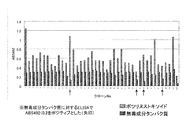
- BT-015 showed neutralization ability (FIG. 3).
- Screening experiment 2 Among the antibodies obtained in screening experiment 1, a mixture of antibody proteins of 19 clones judged to be negative (antibodies reactive to a toxin free site) was prepared by the following method. First, the DNAs of the 19 clones were mixed, digested with restriction enzyme SalI, self-recombined, converted to a Fab-pp type antibody, and used to transform DH12S. After transformation, the cells were cultured overnight at 30 ° C. in 100 ml of 2 ⁇ YTGA. 40 ml of this culture broth was mixed with 4 liters of 2 ⁇ YTA and cultured for 3 hours, and then 4 ml of 1 M IPTG was added and cultured at 30 ° C. for 20 hours.
- the culture solution was subjected to centrifugation at 8000 rpm for 10 minutes at 4 ° C., and the supernatant was recovered. After slowly adding 2244 g of ammonium sulfate to the collected supernatant and stirring at room temperature for 1 hour, it was subjected to centrifugation at 8500 rpm for 30 minutes at 4 ° C. The pellet was suspended in 200 ml of Complete (Roche) PBS. Subsequently, the mixture was dialyzed against PBS at 4 ° C. overnight and centrifuged at 4 ° C., 10000 rpm for 10 minutes.
- the supernatant was collected, added to a column packed with 3 ml of IgG sepharose (GE Healthcare Biosciences), and allowed to flow through the column at room temperature by spontaneous dropping. After washing the column with 500 ml PBS, it was eluted with 6 ml 0.2 M glycine (pH 3), 3 ml 0.2 M glycine (pH 2.5), 10 ml 0.2 M glycine (pH 3). The eluate was adjusted to pH 7.0 with 2 M Tris, then placed in a dialysis concentration tube (Millipore, Amicon Ultra-15, 4 ° C., 5530 rpm rotation), dialyzed against PBS, and concentrated. Thereafter, SDS-PAGE was performed to calculate the protein concentration.
- IgG sepharose GE Healthcare Biosciences
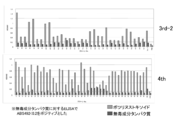
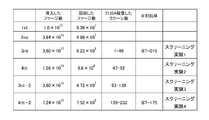
- Screening experiment 3 Since the number of clones judged to be negative in the 3rd screening of screening experiment 1 was large, it was considered that a bias had already occurred at this stage and the ratio of neutralizing antibodies was low. Therefore, screening (3rd-2) was performed using the phage antibody (2nd phage) after 2nd screening, which is an intermediate step of the screening.
- 100 ⁇ l of botulinum toxoid prepared at a concentration of 10 ⁇ g / ml with PBS was dispensed into 6 well portions of a microcup (Nunc, Maxisorp), reacted at 4 ° C. overnight, and immobilized.
- botulinum toxoid prepared at a concentration of 10 ⁇ g / ml with PBS was dispensed into 6 well portions of a microcup and allowed to react at 4 ° C. overnight for immobilization. After removing the solution, 200 ⁇ l of 1% BSA / PBS was aliquoted and blocked at 37 ° C. for 1 hour. After removing blocking solution 2-2.
- the antibody mix protein prepared in and the antibody protein prepared from antibody clone BT-015 were aliquoted (each 30 ⁇ g / well), and reacted at 37 ° C. for 1 hour to mask an antigen.
- the mixture was aliquoted into a micro cup and reacted at 37 ° C. for 2 hours. The subsequent operation was the same as in the above screening experiment 1.
- each antibody clone was evaluated by a simple test method of observing symptoms such as life / death / paralysis of mice when mixed with toxin and administered subcutaneously.
- the specific test method was in accordance with the reference document (Japan Biologics Product Standards Ministry of Health, Labor and Welfare).
- Fab-pp type antibody prepared from each antibody clone was used.
- anti-toxin stock solution (1 unit / ml) made into a stock solution by diluting 10-fold type A botulinum toxin antitoxin Japanese standard product (10 units / ml) with PBS to make it 0.1 unit / ml Furthermore, what was diluted 2 steps by 5 steps was prepared (following "standard dilution"). The stock solution prepared was used as it was for the sample. The botulinum neurotoxin was diluted 400 times to a stock solution (950 LD50 / ml), and further diluted 10 times to produce a test toxin (95 LD50 / ml).
- Screening experiment 5 (screening using botulinum neurotoxin type A) The neurotoxin prepared by removing the nontoxic component protein from the botulinum toxin purified from Clostridium botulinum 62A according to the document INFECTION AND IM MUNITY, Vol. 12, No. 6 Dec. The central 150 kDa) was purified. Screening was performed using this as an antigen, and an attempt was made to obtain a neutralizing antibody that recognizes an epitope different from the antibody clone BT-015 or BT-175.
- botulinum neurotoxin prepared at a concentration of 10 ⁇ g / ml with PBS was dispensed into 6 well portions of a microcup and allowed to react at 4 ° C. overnight to be immobilized. After removing the solution, 200 ⁇ l of 1% BSA / PBS was aliquoted and blocked at 37 ° C. for 1 hour. After removing the blocking solution, human antibody library 1.0 ⁇ 10 13 was aliquoted (130 ⁇ l / well) and allowed to react at 37 ° C. for 2 hours. The subsequent procedures were identical to those in the above-mentioned screening experiment 1 (performed to the 4th screening. In the 4th screening, 400 ⁇ l of the 3rd phage was used).
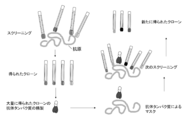
- antibody proteins prepared from antibody clones BT-015 and BT-175 were aliquoted (30 ⁇ g / well each) and reacted at 37 ° C. for 1 hour to mask the antigen.
- After removing the antibody protein solution after mixing phage (3rd phage) 2.0 ⁇ 10 13 obtained in the 3rd screening of screening experiment 5, and antibody proteins (180 ⁇ g each) prepared from antibody clones BT-015 and BT-175, It was aliquoted into cups and allowed to react for 2 hours at 37 ° C.
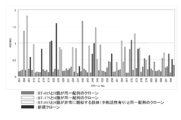
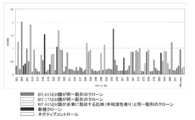
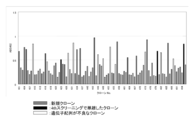
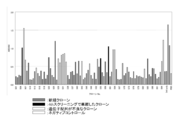
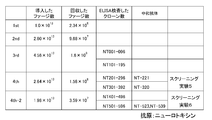
- 188 clones were picked up and their binding ability was confirmed by ELISA, 24 kinds of novel clones specifically reacting with neurotoxin were found (FIGS. 12 and 13).
- the above screening process is shown in FIG.
- Anti-toxin stock solution (1 unit / ml) diluted 10 times with type A botulinum antitoxin Japanese standard product (10 units / ml) diluted 10 times with 0.1 unit / ml diluted with PBS 5 Serial dilutions were prepared (hereinafter referred to as "standard dilution"). The stock solution prepared was used as it was for the sample.
- botulinum neurotoxin was diluted 400 times to a stock solution (950 LD50 / ml), and further diluted 10 times to prepare a test toxin (95 LD50 / ml).
- FIG. 16 compares the amino acid sequences of these antibodies (except BT-047 and BT-058, which are similar clones to BT-015), and shows homology with Germline.
- VH CDR1 SEQ ID NO: 1
- VH CDR2 SEQ ID NO: 2
- VH CDR3 SEQ ID NO: 3
- VL CDR1 SEQ ID NO: 5
- VL CDR2 SEQ ID NO: 6
- VL CDR3 SEQ ID NO: 7
- SEQ ID NO: 8 Sequence sequence
- VH CDR1 SEQ ID NO: 9
- VH CDR2 SEQ ID NO: 10
- VH CDR3 SEQ ID NO: 11
- VL CDR1 SEQ ID NO: 13
- VL CDR2 SEQ ID NO: 14
- VL CDR3 SEQ ID NO: 15
- VL: SEQ ID NO: 16 (Sequence sequence) VH: SEQ ID NO: 67 VL: SEQ ID NO: 68
- VH CDR1 SEQ ID NO: 17
- VH CDR2 SEQ ID NO: 18
- VH CDR3 SEQ ID NO: 19
- VL CDR1 SEQ ID NO: 21
- VL CDR2 SEQ ID NO: 22
- VL CDR3 SEQ ID NO: 23
- VL: SEQ ID NO: 24 Sequence sequence
- VH CDR1 SEQ ID NO: 25
- VH CDR2 SEQ ID NO: 26
- VH CDR3 SEQ ID NO: 27
- VL CDR1 SEQ ID NO: 29
- VL CDR2 SEQ ID NO: 30
- VL CDR3 SEQ ID NO: 31
- VL: SEQ ID NO: 32 (Sequence sequence) VH: SEQ ID NO: 71 VL: SEQ ID NO: 72
- VH CDR1 SEQ ID NO: 33
- VH CDR2 SEQ ID NO: 34
- VH CDR3 SEQ ID NO: 35
- VL CDR1 SEQ ID NO: 37
- VL CDR2 SEQ ID NO: 38
- VL CDR3 SEQ ID NO: 39
- VL: SEQ ID NO: 40 Sequence sequence
- VH CDR1 SEQ ID NO: 41
- VH CDR2 SEQ ID NO: 42
- VH CDR3 SEQ ID NO: 43
- VL CDR1 SEQ ID NO: 45
- VL CDR2 SEQ ID NO: 46
- VL CDR3 SEQ ID NO: 47
- VL: SEQ ID NO: 48 (Sequence sequence) VH: SEQ ID NO: 75 VL: SEQ ID NO: 76
- VH CDR1 SEQ ID NO: 49
- VH CDR2 SEQ ID NO: 50
- VH CDR3 SEQ ID NO: 51
- VL CDR1 SEQ ID NO: 53
- VL CDR2 SEQ ID NO: 54
- VL CDR3 SEQ ID NO: 55
- VL: SEQ ID NO: 56 (Sequence sequence) VH: SEQ ID NO: 77 VL: SEQ ID NO: 78
- VH CDR1 SEQ ID NO: 57 VH CDR2: SEQ ID NO: 58 VH CDR3: SEQ ID NO: 59 VH: SEQ ID NO: 60
- VL CDR1 SEQ ID NO: 61
- VL CDR2 SEQ ID NO: 62
- VL CDR3 SEQ ID NO: 63
- VL SEQ ID NO: 64 (Sequence sequence) VH: SEQ ID NO: 79 VL: SEQ ID NO: 80
- IgG antibody was prepared from an antibody clone (BT-015, BT-175, NT-221, NT-320, NT-523) in which neutralizing activity was observed in the Fab-pp type antibody.
- BT-015, BT-175, NT-221, NT-320, NT-523 a gene fragment encoding VH is ligated with human ⁇ 1 chain constant region DNA, and then the expression vector “BCMGS Neo vector” (Koyama Hajime “Bovine papilloma virus vector”, edited by Masami Muramatsu and Hiroto Okayama, The experimental medicine separate volume genetic engineering handbook, Yodosha, pp.
- the antibody expression vector was transfected into Chinese hamster cell line CHO-K1 using the Lipofectin method, cultured at 37 ° C. for a predetermined time, and then transferred to a 96-well plate to select high expression cells.
- Each selected cell was cultured in serum-free medium (CHO-S-SFM II: Invitrogen, 1% (v / v) Penicillin-Streptolycin Solution: Sigma-Aldrich, 700 µ g / ml G418: Sigma-Aldrich) Made from a large culture flask (Becton) Made by Dickinson
- the cells were cultured for 2 weeks in CELLine 1000 Flask).
- the culture supernatant was collected and applied to a Protein G binding affinity column.
- the column was washed with PBS, then eluted with glycine hydrochloride buffer (pH 2.7) and neutralized with Tris-HCl buffer (pH 8.9). Subsequently, the eluate was placed in a dialysis concentration tube (Millipore, Amicon Ultra-15), dialyzed against PBS and concentrated.
- the IgG type antibody thus obtained was used in the subsequent experiments.
- Biacore 3000 biosensor device was used for analysis.
- Fab-PP type or IgG type antibodies were sequentially changed in concentration (1.9 nM to 1 ⁇ M) and injection (40 ⁇ l, 2 minutes).
- the analysis results are shown in FIG. 17 (Fab-PP type antibody of BT-015), FIG. 18 (IgG type antibody of BT-015), FIG. 19 (Fab-PP type antibody of BT-175), FIG. IgG type antibody), FIG. 21 (Fab-PP type antibody of NT-221), FIG. 22 (Fab-PP type antibody of NT-320).
- Fab-PP type antibody of NT-221 Fab-PP type antibody of NT-320
- Biacore Fab- of 6 types of antibody clones (BT-015, BT-175, NT-221, NT-320, NT-523, NT-539) that showed neutralizing activity against botulinum toxin type A PP type antibodies were prepared and used to perform Biacore competition experiments.
- Neurotoxin 800 RU was immobilized on a sensor chip (CM5), and antibodies were sequentially injected at the following concentrations to determine the presence or absence of competition. Injections were run in 40 ⁇ l (2 min) increments. All analytical experiments were performed at 25 ° C. in HBS-EP flow rate 20 ⁇ l / min HBS-EP (Biacore). Regeneration was performed with 20 ⁇ l of 100 mM Glycine-HCl (pH 2.0) (flow rate 60 ⁇ l / min, 20 seconds).
- Neutralization test neutralization test with IgG antibody. L + / 20 level
- the neutralization test was performed according to the biological preparation standard using the IgG type antibody prepared from each antibody clone.
- standard dilution five-step dilution
- the IgG type antibody was diluted to prepare a similar dilution (hereinafter referred to as "test dilution").
- test toxin was diluted, and a solution containing one test toxin amount in 0.25 ml (hereinafter referred to as "toxin dilution") was prepared. Equal amounts of each standard dilution and each test dilution and each toxin dilution were taken exactly, mixed well and left for 1 hour. Using 4 groups of 23-29 day-old mice as a group, using 1 group for each mixed solution, inject intraperitoneally 0.5 ml of mixed solution per 1 mouse and observe for 3 days, calculate the relative value to the standard product did.
- An antibody solution prepared by mixing equal amounts of antibodies prepared to 1 mg / ml was used as a sample stock solution.
- the sample stock solution was serially diluted by 3 times to make a sample dilution up to 81-fold dilution.
- 0.38 ml of PBS was added to 0.25 ml of specimen dilution solution to make 0.63 ml, mixed well with 0.63 ml of test toxin, reacted at room temperature for 1 hour, and then 0.5 ml each was inoculated into the peritoneal cavity of 2 mice per group. It observed for 40 days.
- Comparison control is type A botulinum antitoxin Japanese standard product (10 units / ml), diluted with PBS and 5 steps dilution including appropriate interval concentration unit considering test accuracy around 0.50 unit / ml (hereinafter referred to as “standard dilution Table 4) was prepared.
- botulinum neurotoxin corresponding to each antitoxin was diluted to prepare a test toxin (214ipLD50 / ml). After accurately taking 0.63 ml of the test toxin and 0.63 ml of each standard dilution and sample dilution, mix well and react at room temperature for 1 hour, inoculate 0.5 ml each into the abdominal cavity of 2 mice per group. Observed for a day. The titer of the sample was determined as a relative value to the Japanese standard.
- the current therapeutic dry botulinum equine antitoxin (A, B, E, F mixed type) contains 10000 units of A-type toxin antibody / vial, and when replacing with 4 types of antibodies, each antibody should be used.
- An equivalent activity can be obtained by mixing about 210 mg each.
- the operation procedure is as follows. Each antigen was diluted with PBS (NT: 10 ⁇ g / ml, H chain: 7 ⁇ g / ml, L chain: 3.5 ⁇ g / ml), and aliquoted into a microplate at 100 ⁇ l / well. After reacting for 2 hours at 37 ° C., the solution was removed. Subsequently, blocking reaction was carried out overnight with BSA diluted to 0.5% with PBS. After removing the solution, 6 kinds of IgG type neutralizing antibodies serially diluted to the following concentrations were dispensed at 100 ⁇ l / well each and allowed to react for 2 hours. As described below, optimal dilution concentrations were set for each antibody by preliminary experiments.
- BT-015, BT-175, NT-221 1 ⁇ g / ml, 0.5 ⁇ g / ml, 0.25 ⁇ g / ml, 0.125 ⁇ g / ml ⁇ NT-320, NT-523, NT-539: 10 ⁇ g / ml, 5 ⁇ g / ml, 2.5 ⁇ g / ml, 1.25 ⁇ g / ml
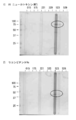
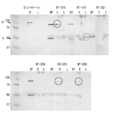
- SDS-PAGE was performed using a gel with a concentration of 10% acrylamide (neurotoxin: 1.5 ⁇ g / lane, Hc: 0.5 ⁇ g / lane), transferred to a membrane and blocked, then two concentrations (50 ⁇ g / ml (solid line) Lane), diluted to 5 ⁇ g / ml (dotted lane) and reacted with 200 ul each of 6 types of IgG neutralizing antibodies HRP-labeled goat anti-human IgG antibody washed with PBS and diluted 20000 times with PBS The reaction was washed with PBS and detected using DAB as a chromogenic substrate (FIG. 30).
- Hc nerve cell binding domain
- each clone is NT when binding to a neurotoxin, H when binding to H chain, H when binding to a nerve cell binding domain at the C-terminal side of H chain Is indicated by L when it has binding to Hc and L chain. (-) Indicates that determination is impossible.
- the botulinum toxin type A neutralizing composition of the present invention contains multiple antibodies with different epitopes and exerts high neutralizing activity.
- the active ingredient of the present invention is an antibody having a fully human variable region. Due to this feature, conventional preparations (such as equine antitoxin preparation and neutralizing chimeric antibody) suffer from long production time, difficult stable supply, and possibility of unknown virus contamination. It is possible to solve the problem. Thus, the present invention makes it possible to put into practice the safe and economical anti-botulinum toxin type A preparation and contributes greatly to the treatment and prevention of botulism poisoning patients.
- the present invention provides a botulinum toxin type A neutralizing composition that meets the international standard of toxin neutralization test. Therefore, the present invention is extremely useful as a treatment / preventive measure that can be used internationally against poisoning diseases in developing countries where stockpiling systems are not in place, especially sudden outbreaks of poisoning diseases, bioterrorism and the like.
Landscapes
- Health & Medical Sciences (AREA)
- Chemical & Material Sciences (AREA)
- Organic Chemistry (AREA)
- Life Sciences & Earth Sciences (AREA)
- General Health & Medical Sciences (AREA)
- Medicinal Chemistry (AREA)
- Immunology (AREA)
- Biochemistry (AREA)
- Biophysics (AREA)
- Genetics & Genomics (AREA)
- Molecular Biology (AREA)
- Proteomics, Peptides & Aminoacids (AREA)
- Communicable Diseases (AREA)
- Oncology (AREA)
- Chemical Kinetics & Catalysis (AREA)
- General Chemical & Material Sciences (AREA)
- Nuclear Medicine, Radiotherapy & Molecular Imaging (AREA)
- Pharmacology & Pharmacy (AREA)
- Animal Behavior & Ethology (AREA)
- Public Health (AREA)
- Veterinary Medicine (AREA)
- Peptides Or Proteins (AREA)
- Medicines Containing Antibodies Or Antigens For Use As Internal Diagnostic Agents (AREA)
- Preparation Of Compounds By Using Micro-Organisms (AREA)
- Micro-Organisms Or Cultivation Processes Thereof (AREA)
Abstract
Priority Applications (4)
| Application Number | Priority Date | Filing Date | Title |
|---|---|---|---|
| US12/864,018 US8540987B2 (en) | 2008-01-29 | 2009-01-23 | Composition for neutralizing botulinus toxin type-A, and human anti-botulinus toxin type-A antibody |
| CN2009801071001A CN101965403B (zh) | 2008-01-29 | 2009-01-23 | A型肉毒杆菌毒素中和组合物及人抗a型肉毒杆菌毒素抗体 |
| JP2009551427A JP5432727B2 (ja) | 2008-01-29 | 2009-01-23 | A型ボツリヌス毒素中和組成物及びヒト抗a型ボツリヌス毒素抗体 |
| EP09706257A EP2246426A4 (fr) | 2008-01-29 | 2009-01-23 | Composition destinee a neutraliser la toxine botulinique de type a et anticorps humain anti-toxine botulinique de type a |
Applications Claiming Priority (2)
| Application Number | Priority Date | Filing Date | Title |
|---|---|---|---|
| JP2008017152 | 2008-01-29 | ||
| JP2008-017152 | 2008-01-29 |
Publications (1)
| Publication Number | Publication Date |
|---|---|
| WO2009096162A1 true WO2009096162A1 (fr) | 2009-08-06 |
Family
ID=40912519
Family Applications (1)
| Application Number | Title | Priority Date | Filing Date |
|---|---|---|---|
| PCT/JP2009/000250 Ceased WO2009096162A1 (fr) | 2008-01-29 | 2009-01-23 | Composition destinee a neutraliser la toxine botulinique de type a et anticorps humain anti-toxine botulinique de type a |
Country Status (5)
| Country | Link |
|---|---|
| US (1) | US8540987B2 (fr) |
| EP (1) | EP2246426A4 (fr) |
| JP (1) | JP5432727B2 (fr) |
| CN (1) | CN101965403B (fr) |
| WO (1) | WO2009096162A1 (fr) |
Cited By (1)
| Publication number | Priority date | Publication date | Assignee | Title |
|---|---|---|---|---|
| US8263747B2 (en) | 1998-08-31 | 2012-09-11 | The Regents Of The University Of California | Therapeutic monoclonal antibodies that neutralize botulinum neurotoxins |
Families Citing this family (7)
| Publication number | Priority date | Publication date | Assignee | Title |
|---|---|---|---|---|
| EP2246426A4 (fr) * | 2008-01-29 | 2011-08-10 | Inst Antibodies Co Ltd | Composition destinee a neutraliser la toxine botulinique de type a et anticorps humain anti-toxine botulinique de type a |
| US20110033431A1 (en) * | 2008-03-31 | 2011-02-10 | The Chemo-Sero-Therapeutic Research Institute | Type a2 botulinum toxin preparation |
| US11505599B2 (en) | 2016-01-14 | 2022-11-22 | Memorial Sloan-Kettering Cancer Center | T cell receptor-like antibodies specific for Foxp3-derived peptides |
| EP3534953A4 (fr) * | 2016-11-02 | 2020-10-07 | Vanderbilt University | Anticorps contre le virus zika humain et leurs procédés d'utilisation |
| CN119613539B (zh) * | 2024-12-12 | 2025-11-04 | 中国人民解放军军事科学院军事医学研究院 | 抗肉毒毒素l-hn抗原的中和抗体及其相关生物材料与应用 |
| CN121499818B (zh) * | 2026-01-09 | 2026-05-08 | 兰州生物技术开发有限公司 | 一种检测a型肉毒毒素血凝素-70的试剂盒、抗体及方法 |
| CN121522173B (zh) * | 2026-01-09 | 2026-04-14 | 兰州生物技术开发有限公司 | 一种检测a型肉毒毒素ha-70的检测方法及产品 |
Citations (5)
| Publication number | Priority date | Publication date | Assignee | Title |
|---|---|---|---|---|
| WO1997002290A1 (fr) | 1995-06-30 | 1997-01-23 | Mochida Pharmaceutical Co., Ltd. | ANTICORPS DE LIGAND ANTIFas ET PROCEDE D'EPREUVE LE FAISANT INTERVENIR |
| WO2001062907A1 (fr) | 2000-02-22 | 2001-08-30 | Medical & Biological Laboratories Co., Ltd. | Bibliotheque d'anticorps |
| WO2005016232A2 (fr) | 2002-08-01 | 2005-02-24 | The Regents Of The University Of California | Anticorps monoclonaux therapeutiques qui neutralisent les neurotoxines botuliques |
| JP2006311857A (ja) | 2005-04-06 | 2006-11-16 | Chemo Sero Therapeut Res Inst | 組換え抗ボツリヌス神経毒素抗体 |
| WO2007094754A2 (fr) | 2005-01-27 | 2007-08-23 | The Regents Of The University Of Califordnia | Anticorps monoclonaux thérapeutiques neutralisant les neurotoxines botuliques |
Family Cites Families (15)
| Publication number | Priority date | Publication date | Assignee | Title |
|---|---|---|---|---|
| US20020155114A1 (en) * | 1998-08-31 | 2002-10-24 | James D. Marks | Therapeutic monoclonal antibodies that neutralize botulinum neurotoxins |
| US7563874B2 (en) * | 1998-08-31 | 2009-07-21 | The Regents Of The University Of California | Therapeutic monoclonal antibodies that neutralize botulinum neurotoxins |
| DE19925739A1 (de) * | 1999-06-07 | 2000-12-21 | Biotecon Ges Fuer Biotechnologische Entwicklung & Consulting Mbh | Therapeutikum mit einem Botulinum-Neurotoxin |
| US20040258699A1 (en) * | 2002-02-11 | 2004-12-23 | Bowdish Katherine S. | Immunotherapeutics for biodefense |
| AU2003213022A1 (en) * | 2002-02-11 | 2003-09-22 | Alexion Pharmaceuticals, Inc. | Immunotherapeutics for biodefense |
| US20050042775A1 (en) | 2003-08-21 | 2005-02-24 | Nicholas Pomato | Botulinum antitoxin compositions and methods |
| US20100222555A1 (en) * | 2005-06-17 | 2010-09-02 | Thomas Jefferson University | Monoclonal antibodies that neutralize botulinum neurotoxin |
| EP2015065B1 (fr) * | 2006-04-28 | 2011-10-05 | Juridical Foundation The Chemo-Sero-Therapeutic Research Institute | Procede de quantification d'une neurotoxine |
| CA2680741A1 (fr) * | 2007-03-22 | 2009-01-15 | The Regents Of The University Of California | Anticorps monoclonaux therapeutiques qui neutralisent les neurotoxines botuliniques |
| AU2008230795B2 (en) * | 2007-03-27 | 2014-05-29 | Bioassets, Llc | Constructs and libraries comprising antibody surrogate light chain sequences |
| EP2246426A4 (fr) * | 2008-01-29 | 2011-08-10 | Inst Antibodies Co Ltd | Composition destinee a neutraliser la toxine botulinique de type a et anticorps humain anti-toxine botulinique de type a |
| MY155049A (en) * | 2008-03-14 | 2015-08-28 | Allergan Inc | Immuno-based botolinum toxin serotype a activity assay |
| KR101604515B1 (ko) * | 2008-03-14 | 2016-03-17 | 알러간, 인코포레이티드 | 면역-기반 보툴리눔 독소 세로타입 a 활성 검정 |
| US9000131B2 (en) * | 2008-07-31 | 2015-04-07 | The Regents Of The University Of California | Antibodies that neutralize botulinum neurotoxins |
| US8673890B2 (en) * | 2009-10-29 | 2014-03-18 | Janssen Pharmaceutica Nv | 2,3-dihydro-1H-isoindol-1-imine derivatives useful as thrombin PAR-1 receptor antagonist |
-
2009
- 2009-01-23 EP EP09706257A patent/EP2246426A4/fr not_active Withdrawn
- 2009-01-23 JP JP2009551427A patent/JP5432727B2/ja active Active
- 2009-01-23 CN CN2009801071001A patent/CN101965403B/zh not_active Expired - Fee Related
- 2009-01-23 US US12/864,018 patent/US8540987B2/en not_active Expired - Fee Related
- 2009-01-23 WO PCT/JP2009/000250 patent/WO2009096162A1/fr not_active Ceased
Patent Citations (5)
| Publication number | Priority date | Publication date | Assignee | Title |
|---|---|---|---|---|
| WO1997002290A1 (fr) | 1995-06-30 | 1997-01-23 | Mochida Pharmaceutical Co., Ltd. | ANTICORPS DE LIGAND ANTIFas ET PROCEDE D'EPREUVE LE FAISANT INTERVENIR |
| WO2001062907A1 (fr) | 2000-02-22 | 2001-08-30 | Medical & Biological Laboratories Co., Ltd. | Bibliotheque d'anticorps |
| WO2005016232A2 (fr) | 2002-08-01 | 2005-02-24 | The Regents Of The University Of California | Anticorps monoclonaux therapeutiques qui neutralisent les neurotoxines botuliques |
| WO2007094754A2 (fr) | 2005-01-27 | 2007-08-23 | The Regents Of The University Of Califordnia | Anticorps monoclonaux thérapeutiques neutralisant les neurotoxines botuliques |
| JP2006311857A (ja) | 2005-04-06 | 2006-11-16 | Chemo Sero Therapeut Res Inst | 組換え抗ボツリヌス神経毒素抗体 |
Non-Patent Citations (33)
| Title |
|---|
| A. WRIGHT; S. L. MORRISON, J. IMMUNOL., vol. 160, 1998, pages 3393 - 3402 |
| BAVARI S ET AL.: "Identifying the principal protective antigenic determinants of type A botulinum neurotoxin.", VACCINE, vol. 16, no. 19, 1998, pages 1850 - 6 * |
| C.O. TACKET ET AL., AM. J. MED., vol. 76, 1984, pages 794 |
| CHEN F ET AL.: "Antibody mapping to domains of botulinum neurotoxin serotype A in the complexed and uncomplexed forms.", INFECT IMMUN., vol. 65, no. 5, 1997, pages 1626 - 30 * |
| DZAU, V. J.; MANN, M.; MORISHITA, R. ET AL., PROC. NATL. ACAD. SCI., vol. 93, 1996, pages 11421 - 11425 |
| F. L. GRAHAM; A. J. VAN DER EB, VIROLOGY, vol. 52, 1973, pages 456 - 467 |
| FELGNER, P.L.; GADEK, T. R.; HOLM, M. ET AL., PROC. NATL. ACAD. SCI., vol. 84, 1987, pages 7413 - 7417 |
| H. SUGIYAMA, MICROBIOL. REV., vol. 44, 1980, pages 419 |
| HAJIME KARASUYAMA: "(Experimental Medicine), Suppl. Gene Engineering Handbook", 1991, YODOSHA CO., LTD., article "Bovine Papillomavirus Vector", pages: 297 - 299 |
| INFECT. IMMUN., vol. 18, 1977, pages 761 - 766 |
| INFECTION AND IMMUNITY, vol. 12, no. 6, December 1975 (1975-12-01), pages 1262 - 1270 |
| JAMA, vol. 285, no. 8, 28 February 2001 (2001-02-28), pages 1059 - 70 |
| JPN. J. MED. SCI. BIOL., vol. 43, 1990, pages 163 - 170 |
| K. MOTMANS ET AL., EUR. J. CANCER PREV., vol. 5, 1996, pages 512 - 519 |
| KABAT ET AL.: "Sequences of Proteins of Immunological Interest", 1987, US DEPARTMENT OF HEALTH AND HUMAN SERVICES |
| KANEDA, Y.; SAEKI, Y.; MORISHITA, R., MOLECULAR MED. TODAY, vol. 5, 1999, pages 298 - 303 |
| M. TAKAHASHI ET AL., INTERNATIONAL JOURNAL OF FOOD MICROBIOLOGY, vol. 11, 1990, pages 271 - 278 |
| MANUEL B. ET AL.: "Antibody humanization using monovalent page display", J. BIOL. CHEM., vol. 272, no. 16, pages 10678 |
| MOTOHIDE TAKAHASHI, KO DOKUSO SEIZAI NO KORITSUTEKI SEIZO HOHO NO KAIHATSU NI KANSURU KENKYU, 2005, pages 1 - 7, XP009149081 * |
| MOTOHIDE TAKAHASHI, KO DOKUSO SEIZAI NO KORITSUTEKI SEIZO HOHO NO KAIHATSU NI KANSURU KENKYU, 2005, pages 23 - 26, XP009149082 * |
| MOTOHIDE TAKAHASHI, KO DOKUSO SEIZAI NO KORITSUTEKI SEIZO HOHO NO KAIHATSU NI KANSURU KENKYU, 2006, pages 21 - 23, XP009149080 * |
| MOTOHIDE TAKAHASHI, KO DOKUSO SEIZAI NO KORITSUTEKI SEIZO HOHO NO KAIHATSU NI KANSURU KENKYU, March 2008 (2008-03-01), pages 15 - 20 * |
| MULLANEY BP ET AL.: "Epitope mapping of neutralizing botulinum neurotoxin A antibodies by phage display.", INFECT IMMUN., vol. 69, no. 10, 2001, pages 6511 - 4 * |
| NICHII ZASSHI, JOURNAL OF THE JAPAN MEDICAL ASSOCIATION, vol. 128, no. 1, 1 July 2002 (2002-07-01) |
| NOWAKOWSKI A. ET AL.: "Potent neutralization of botulinum neurotoxin by recombinant oligoclonal antibody.", PROC NATL ACAD SCI U S A., vol. 99, no. 17, 2002, pages 11346 - 50 * |
| NOWAKOWSKI ET AL., PROC. NATL. ACAD. SCI. USA, vol. 99, no. 17, 2002, pages 11346 |
| P. AMERSDORFER ET AL., INFECT. IMMUN., vol. 65, no. 9, 1997, pages 3743 |
| P. AMERSDORFER ET AL., VACCINE, vol. 20, 2002, pages 1640 |
| P. L. FELGNER ET AL., PROC. NATL. ACAD. SCI. USA, vol. 84, 1987, pages 7413 |
| R. P. JUNGHANS ET AL., CANCER RES., vol. 50, 1990, pages 1495 - 1502 |
| R. W. MALONE ET AL., PROC. NATL. ACAD. SCI. USA, vol. 86, 1989, pages 6077 |
| S. ARNON, EPIDEMIOL. REV., vol. 3, 1981, pages 45 |
| SMITH TJ ET AL.: "Sequence variation within botulinum neurotoxin serotypes impacts antibody binding and neutralization.", INFECT IMMUN., vol. 73, no. 9, 2005, pages 5450 - 7 * |
Cited By (2)
| Publication number | Priority date | Publication date | Assignee | Title |
|---|---|---|---|---|
| US8263747B2 (en) | 1998-08-31 | 2012-09-11 | The Regents Of The University Of California | Therapeutic monoclonal antibodies that neutralize botulinum neurotoxins |
| US8299218B2 (en) * | 1998-08-31 | 2012-10-30 | The Regents Of The University Of California | Therapeutic monoclonal antibodies that neutralize botulinum neurotoxins |
Also Published As
| Publication number | Publication date |
|---|---|
| CN101965403A (zh) | 2011-02-02 |
| CN101965403B (zh) | 2013-07-03 |
| US8540987B2 (en) | 2013-09-24 |
| JP5432727B2 (ja) | 2014-03-05 |
| EP2246426A1 (fr) | 2010-11-03 |
| US20110014211A1 (en) | 2011-01-20 |
| JPWO2009096162A1 (ja) | 2011-05-26 |
| EP2246426A4 (fr) | 2011-08-10 |
Similar Documents
| Publication | Publication Date | Title |
|---|---|---|
| US9771415B2 (en) | Influenza virus antibody compositions | |
| JP5432727B2 (ja) | A型ボツリヌス毒素中和組成物及びヒト抗a型ボツリヌス毒素抗体 | |
| CN111333723B (zh) | 针对狂犬病病毒g蛋白的单克隆抗体及其用途 | |
| TW201843170A (zh) | 人類化之抗-因子d抗體及其用途 | |
| TWI861347B (zh) | 抗angptl3抗體及其應用 | |
| CA2687681A1 (fr) | Proteines de liaison a l'antigene ciblant l'orf0657n de s. aureus | |
| JP7161266B2 (ja) | 抗o2抗体およびその使用 | |
| US20250129141A1 (en) | Antibody for tetanus toxin and use thereof | |
| EP2222702B1 (fr) | Anticorps spécifiques à la nicotine monoclonale humaine | |
| US12410239B2 (en) | Anti-hepatitis B virus antibody and uses thereof | |
| CN117756934B (zh) | 抗破伤风的纳米抗体或其抗原结合片段及其相关生物材料与应用 | |
| AU2020334923A1 (en) | Anti-CD22 antibodies and uses thereof | |
| US20230220053A1 (en) | ANTI-SARS-CoV-2 ANTIBODIES AND USES THEREOF | |
| US20220289843A1 (en) | Anti-cd19 antibodies and uses thereof | |
| RU2815280C1 (ru) | Антитело против столбнячного токсина и его применение | |
| US20240287189A1 (en) | Anti-pdl1 antibodies and uses thereof | |
| JP2024105575A (ja) | 特定の腸内細菌の抗体媒介中和による免疫疾患の治療 | |
| HK1152339A (en) | Composition for neutralizing botulinus toxin type-a, and human anti-botulinus toxin type-a antibody | |
| US9273124B2 (en) | Monoclonal antibodies that react with the capsule of Bacillus anthracis |
Legal Events
| Date | Code | Title | Description |
|---|---|---|---|
| WWE | Wipo information: entry into national phase |
Ref document number: 200980107100.1 Country of ref document: CN |
|
| 121 | Ep: the epo has been informed by wipo that ep was designated in this application |
Ref document number: 09706257 Country of ref document: EP Kind code of ref document: A1 |
|
| ENP | Entry into the national phase |
Ref document number: 2009551427 Country of ref document: JP Kind code of ref document: A |
|
| WWE | Wipo information: entry into national phase |
Ref document number: 2703/KOLNP/2010 Country of ref document: IN |
|
| NENP | Non-entry into the national phase |
Ref country code: DE |
|
| WWE | Wipo information: entry into national phase |
Ref document number: 2009706257 Country of ref document: EP |
|
| WWE | Wipo information: entry into national phase |
Ref document number: 12864018 Country of ref document: US |