WO2010143747A1 - Procédé de production d'un tractus intestinal artificiel - Google Patents
Procédé de production d'un tractus intestinal artificiel Download PDFInfo
- Publication number
- WO2010143747A1 WO2010143747A1 PCT/JP2010/060254 JP2010060254W WO2010143747A1 WO 2010143747 A1 WO2010143747 A1 WO 2010143747A1 JP 2010060254 W JP2010060254 W JP 2010060254W WO 2010143747 A1 WO2010143747 A1 WO 2010143747A1
- Authority
- WO
- WIPO (PCT)
- Prior art keywords
- cells
- intestinal tract
- ips
- cell
- dimensional
- Prior art date
- Legal status (The legal status is an assumption and is not a legal conclusion. Google has not performed a legal analysis and makes no representation as to the accuracy of the status listed.)
- Ceased
Links
Images


Classifications
-
- A—HUMAN NECESSITIES
- A61—MEDICAL OR VETERINARY SCIENCE; HYGIENE
- A61L—METHODS OR APPARATUS FOR STERILISING MATERIALS OR OBJECTS IN GENERAL; DISINFECTION, STERILISATION OR DEODORISATION OF AIR; CHEMICAL ASPECTS OF BANDAGES, DRESSINGS, ABSORBENT PADS OR SURGICAL ARTICLES; MATERIALS FOR BANDAGES, DRESSINGS, ABSORBENT PADS OR SURGICAL ARTICLES
- A61L27/00—Materials for grafts or prostheses or for coating grafts or prostheses
- A61L27/36—Materials for grafts or prostheses or for coating grafts or prostheses containing ingredients of undetermined constitution or reaction products thereof, e.g. transplant tissue, natural bone, extracellular matrix
- A61L27/38—Materials for grafts or prostheses or for coating grafts or prostheses containing ingredients of undetermined constitution or reaction products thereof, e.g. transplant tissue, natural bone, extracellular matrix containing added animal cells
- A61L27/3804—Materials for grafts or prostheses or for coating grafts or prostheses containing ingredients of undetermined constitution or reaction products thereof, e.g. transplant tissue, natural bone, extracellular matrix containing added animal cells characterised by specific cells or progenitors thereof, e.g. fibroblasts, connective tissue cells, kidney cells
- A61L27/3834—Cells able to produce different cell types, e.g. hematopoietic stem cells, mesenchymal stem cells, marrow stromal cells, embryonic stem cells
-
- C—CHEMISTRY; METALLURGY
- C12—BIOCHEMISTRY; BEER; SPIRITS; WINE; VINEGAR; MICROBIOLOGY; ENZYMOLOGY; MUTATION OR GENETIC ENGINEERING
- C12N—MICROORGANISMS OR ENZYMES; COMPOSITIONS THEREOF; PROPAGATING, PRESERVING, OR MAINTAINING MICROORGANISMS; MUTATION OR GENETIC ENGINEERING; CULTURE MEDIA
- C12N5/00—Undifferentiated human, animal or plant cells, e.g. cell lines; Tissues; Cultivation or maintenance thereof; Culture media therefor
- C12N5/06—Animal cells or tissues; Human cells or tissues
- C12N5/0602—Vertebrate cells
- C12N5/0679—Cells of the gastro-intestinal tract
-
- A—HUMAN NECESSITIES
- A61—MEDICAL OR VETERINARY SCIENCE; HYGIENE
- A61L—METHODS OR APPARATUS FOR STERILISING MATERIALS OR OBJECTS IN GENERAL; DISINFECTION, STERILISATION OR DEODORISATION OF AIR; CHEMICAL ASPECTS OF BANDAGES, DRESSINGS, ABSORBENT PADS OR SURGICAL ARTICLES; MATERIALS FOR BANDAGES, DRESSINGS, ABSORBENT PADS OR SURGICAL ARTICLES
- A61L2430/00—Materials or treatment for tissue regeneration
- A61L2430/22—Materials or treatment for tissue regeneration for reconstruction of hollow organs, e.g. bladder, esophagus, urether, uterus
-
- C—CHEMISTRY; METALLURGY
- C12—BIOCHEMISTRY; BEER; SPIRITS; WINE; VINEGAR; MICROBIOLOGY; ENZYMOLOGY; MUTATION OR GENETIC ENGINEERING
- C12N—MICROORGANISMS OR ENZYMES; COMPOSITIONS THEREOF; PROPAGATING, PRESERVING, OR MAINTAINING MICROORGANISMS; MUTATION OR GENETIC ENGINEERING; CULTURE MEDIA
- C12N2506/00—Differentiation of animal cells from one lineage to another; Differentiation of pluripotent cells
- C12N2506/45—Differentiation of animal cells from one lineage to another; Differentiation of pluripotent cells from artificially induced pluripotent stem cells
Definitions
- the present invention relates to a method for producing an artificial intestinal tract from induced pluripotent stem (iPS) cells.
- the present invention also relates to an artificial intestinal tract produced by the above-described method and use of the artificial intestinal tract for regenerative medicine.
- iPS cells were discovered by Yamanaka et al. (Patent Document 1, Non-Patent Document 1). iPS cells have characteristics similar to embryonic stem (ES) cells derived from somatic cells by the action of specific transcription factors, and are capable of differentiating into various cells and tissues ( Non-patent documents 1 to 3). Since ES cells are derived from eggs or oocytes, iPS cells can be derived from individual somatic cells, so that when differentiated cells or tissues derived from iPS cells are transplanted into an individual, There is an advantage that there is almost no risk of rejection. Therefore, research for using iPS cells for regenerative medicine is being conducted.
- ES embryonic stem
- ES cells were first induced from mouse fertilized eggs (Non-patent Document 4), and human ES cells were also established thereafter (Non-patent Document 5). It has been reported that ES cells, particularly mouse ES cells, induce differentiation into cells such as vascular endothelial cells, smooth muscle cells, cardiomyocytes, nerve cells, insulin producing cells, dopamine producing cells (Non-patent Document 6). ⁇ 9). In contrast, iPS cell utilization research has just begun, and there are few reports on induction from iPS cells to differentiated cells.
- Non-Patent Document 2 construction of an intestinal tract-like cell mass from mouse ES cells (Patent Document 2), induction of intestinal differentiation from mouse ES cells (Non-Patent Documents 10 to 11), and the like have been reported.
- an intestinal tract that is peristaltically moved by subjecting an embryoid body formed from ES cells in a hanging drop culture system to adherent culture has been prepared. It has been pointed out that culture conditions are an important factor.
- epigenetic studies have reported that iPS cells are not identical to ES cells (Non-patent Document 12), and because iPS cells themselves are not sufficiently characterized, ES cell information remains as is in iPS. There is no guarantee that it can be applied to cells. Under such circumstances, if induction of differentiation of the intestinal tract peristalized from iPS cells is realized, the expectation of application to regenerative medicine will be further increased.
- iPS pluripotent stem
- an object of the present invention is to provide a method for producing an artificial intestinal tract from iPS cells.
- the present invention includes the following features.
- the present invention relates to a method for producing an artificial intestinal tract from artificial pluripotent stem (iPS) cells, which uses a three-dimensional three-dimensional culture system to form and culture embryoid bodies from purified iPS cells. And then culturing the embryoid body using a two-dimensional adhesion culture system, thereby inducing differentiation of the intestinal tract.
- the three-dimensional three-dimensional culture system is a suspension culture system.
- the iPS cells are derived from mammalian somatic cells.
- the embryoid body is formed and cultured for 5 to 7 days, preferably 6 days before the two-dimensional adhesion culture.
- the number of cells per drop (about 15-30 ⁇ l) is about 400-3,000, for example about 500-2,000, preferably one drop (about 15 ⁇ l).
- the number of cells per cell is 500 to 1,000.
- the intestinal tract has a neural network.
- the intestinal tract produced by the method of the present invention is composed of intestinal components derived from the three germ layers and is characterized by peristaltic movement. Therefore, in the second aspect, the present invention also provides an artificial intestinal tract produced by any of the methods described above.
- the present invention further provides the use of the artificial intestinal tract described above for the manufacture of a therapeutic agent for regenerative medicine resulting from a patient's bowel disease.
- the present invention provides an advantage that an artificial intestinal tract can be prepared using iPS cells derived from a patient's somatic cells, thereby avoiding the risk of rejection associated with transplantation. This also has the advantage that the range of application is greatly expanded compared to the production of an artificial intestine from embryonic stem (ES) cells.
- ES embryonic stem
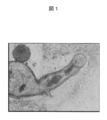
- FIG. 1 shows a tubular formation artificial tube derived from iPS cells.
- FIG. 2 shows a dome-like artificial intestinal tract induced to differentiate from iPS cells.
- FIG. 3 shows the delivery function (FIGS. 3A to 3C) of the intestinal contents (black) accompanying peristaltic movement (repetitive contraction and relaxation) in the artificial intestine of the present invention, and enlarged images (FIGS. 3D to 3F).
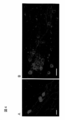
- FIG. 4 shows the presence of nerve cell bodies and nerve fibers of nerve cells differentiated from iPS cells in the artificial intestinal tract of the present invention (FIG. 4A) and the ganglion that is an aggregate of large nerve cells (FIG. 4). 4B).
- the scale bar represents 30 ⁇ m.
- the artificial intestinal tract refers to a peristaltic intestinal tract that is induced to differentiate from an induced pluripotent stem (iPS) cell.
- Components constituting the intestinal tract include those derived from the three germ layers (ie, ectoderm, endoderm and mesoderm), such as nerve cells, mucosal epithelial cells, microvilli, connective tissue, smooth muscle layer and the like.
- An induced pluripotent stem cell or iPS cell refers to an ES cell-like differentiated pluripotent stem cell initialized from a somatic cell by a reprogramming factor.
- the cells express ES cell specific markers such as Oct3 / 4, Nanog (or OCT3 / 4, NANOG).
- iPS cells also have the ability to differentiate into the various cells that make up the animal's body and to continue to proliferate semi-permanently while retaining their karyotype.
- Reprogramming refers to the process and means by which differentiated cells are induced and converted to undifferentiated cells, particularly differentiated pluripotent cells.
- a three-dimensional three-dimensional culture system is a three-dimensional culture system that is not a two-dimensional (planar) culture.
- suspension culture Keller, J., Physiol. (Lond) 168: 131-139 (1998), JP, 2008-178367 publication
- suspension culture (same as above), three-dimensional culture system under microgravity environment (T. Uemura et al., Space Utility Res 25: 170-173 (2009)) and the like.
- Suspension culture is also referred to as hanging drop culture, and is a culture method that utilizes gravity and surface tension, and is a method of culturing cells in a culture solution that hangs down in the form of water droplets.
- the suspension culture is a culture method in which cells are grown in a suspended state in a liquid medium without being attached to a culture vessel by coating with a cell non-adhesive polymer.
- a feeder cell is an auxiliary cell used to prepare a culture condition in which a cell to be proliferated is kept undifferentiated, and this cell itself is an antibiotic such as mitomycin C or radiation so as not to proliferate. Processed in advance by irradiation or the like.
- An embryoid body is a cell cluster formed by aggregation of iPS cells. Mammals include, but are not limited to, primates including humans, rodents including mice, and ungulates including cows.
- Somatic cells are all somatic cells except germ cells (oocytes, spermatogonia), germ stem cells (embryonic stem cells, sperm stem cells) or totipotent cells, mature or fetal cells (fibroblasts) Hair cells, muscle cells, hepatocytes, gastric mucosa cells, intestinal cells, spleen cells, pancreatic cells, pancreatic exocrine cells, brain cells, lung cells, kidney cells, skin cells, lymphocytes, epithelial cells, endothelial cells, etc.), It includes cells such as stem cells (hematopoietic stem cells, mesenchymal stem cells, neural stem cells, dental pulp stem cells, etc.) and precursor cells.
- Somatic cells also include cells such as primary cultured cells, passaged cells, and established cell lines.
- the tridermal system consists of endoderm, mesoderm, and ectoderm, and can differentiate into specific cells, tissues, and organs, respectively.
- the intestinal tract component refers to cells derived from the three germ layers that constitute the intestinal tract.
- Peristaltic movement refers to cooperative movement unique to the intestinal tract. 2.
- Production of iPS cells The iPS cells that can be used in the present invention can be artificially induced by reprogramming of somatic cells of any animal, preferably mammals, including humans and mice (for example, Takahashi, K. and Yamanaka, S., Cell 126: 663-676 (2006), Takahashi, K.
- Reprogramming is not particularly limited, and can be performed by any known method. Such methods include methods that use a combination of specific reprogramming factors, methods that combine reprogramming factors with microRNA (miRNA), and the like. Examples of combinations of reprogramming factors are not limited to the following, but combinations of Oct3 / 4, Sox2, Klf4 and c-Myc, or OCT3 / 4, SOX2, KLF4 and c-MYC, or homologs thereof.
- the amino acid sequence and base sequence of the reprogramming factor can be obtained, for example, by accessing the web site of NCBI, USA.
- the mouse sequences are registered as NM_013633, NM_011433, NM_010638, NM_010844, NM_028016, NM_145833, respectively.
- human sequences are registered as NM_203289 or NM_002701, NM_003106, NM_004235, NM_002467, NM_024865, NM_024647, respectively. ing.
- Examples of combinations of reprogramming factors and miRNAs are not limited to the following, but include Oct3 / 4, Sox2 and Klf4, or OCT3 / 4, SOX2 and KLF4, or homologs thereof, and miR-291-3p, miR -294 or miR-295, or combinations thereof with homologs of those miRNAs (Judson, RL et al., Nature Biotechnology 27: 459-461 (2009)). miR-291-3p, miR-294, or miR-295 are subsets of the mouse miR-290 cluster that increase the efficiency of somatic cell reprogramming by Oct3 / 4, Sox2 and Klf4 upon induction of mouse iPS cells. Has an enhancing effect.
- the term “homolog” is used when it belongs to the same family as the indicated reprogramming factor or miRNA, but the species from which it is derived is different.
- Reprogramming is performed by introducing a reprogramming factor or miRNA into the somatic cell.
- the reprogramming factor is a nucleic acid
- it can be introduced into a somatic cell via a vector such as a virus or a plasmid.
- Viral vectors include retrovirus vectors, lentivirus vectors, adenovirus vectors, adeno-associated virus vectors, Sendai virus vectors, and the like.
- any plasmid for mammalian cells can be used as the plasmid (Okita, K.
- the reprogramming factor DNA is not integrated into the cell genome (Stadfeld, M. et al., Science 322: 945-949 (2008)).
- Sendai virus vector it is said that the vector is destroyed after reprogramming.
- the vector may appropriately include a control element such as a promoter, enhancer, terminator, ribosome binding site, polyadenylation site, selection marker, reporter gene, and the like.
- Selectable markers include, for example, drug resistance genes such as positive markers such as kanamycin resistance gene, ampicillin resistance gene, puromycin resistance gene, and negative markers such as thymidine kinase gene and diphtheria toxin gene.
- the reporter gene includes gene sequences such as green fluorescent protein (GFP), GUS ( ⁇ -glucuronidase), and FLAG.
- GFP green fluorescent protein
- GUS ⁇ -glucuronidase
- FLAG FLAG.
- liposomes and membrane-permeable peptide vectors can be used for intracellular introduction of reprogramming factor proteins.
- General techniques for genetic recombination, including vector construction, are described in, for example, Sambrook, J. et al. Et al., Molecular Cloning: A Laboratory Manual, 2nd edition, Cold Spring Harbor Laboratory Press (1989), Ausubel, F. et al. M.M. Et al., Short protocols in Molecular Biology: A Comprehensive Methods from Current Protocols in Molecular Biology, John Wiley & Sons (1999). Induction of iPS cells is described in Japanese Patent No. 4183742, Takahashi, K. et al.
- iPS cell induction is by culturing somatic cells on feeder cells (mitomycin C-treated STO cells or SNL cells) in an appropriate induction medium in the presence of 37 ° C., 5% CO 2 , A somatic cell and a reprogramming factor or DNA (preferably a vector) encoding the factor are brought into contact and cultured, and an iPS-like colony formed after about 2 to 3 weeks is identified and selected.
- iPS cell induction method is to first contact a somatic cell with a reprogramming factor or DNA encoding the factor (preferably a vector) in an appropriate culture medium in the presence of 37 ° C. and 5% CO 2. For about 4-7 days, after which the cells are cultured on the same feeder cells in the presence of 37 ° C., 5% CO 2 in an appropriate culture medium for about 25 to about 30 days or more. IPS-like colonies generated after the above are identified and selected.
- the culture medium include DMEM, DMEM / F12, or DME medium containing 10 to 15% FCS (there are LIF (leukemia inhibitory factor), penicillin / streptomycin, puromycin, L-glutamine, non-essential).
- ES cell culture medium containing bFGF or SCF for example, mouse ES cell culture medium (eg, TX-WES medium, Thrombo X) or A culture medium for primate ES cell culture (for example, culture medium for primate (human and monkey) ES cells, reprocell), and the like can be used.
- mouse ES cell culture medium eg, TX-WES medium, Thrombo X
- a culture medium for primate ES cell culture for example, culture medium for primate (human and monkey) ES cells, reprocell
- the medium is replaced with a fresh medium once a day from the second day onward.
- the number of somatic cells used for reprogramming is not limited, but ranges from about 5 ⁇ 10 3 to about 5 ⁇ 10 6 cells per 100 cm 2 of culture dish.
- iPS cells By treating the iPS-like colonies on the dish with a solution containing trypsin and collagenase IV (CTK solution), the remaining colonies are spread on the feeder cells and cultured in the ES cell culture medium in the same manner. iPS cells can be passaged. At this time, the cells are cultured until they become 80-90% confluent, and the passage is repeated. Identification of iPS cells can be performed by detecting the expression of genes such as Oct3 / 4 or OCT3 / 4, Nanog or NANOG, which are ES cell marker genes, by RT-PCR. Furthermore, the formation of teratomas (teratomas) is confirmed by transplanting established cells to the dorsal ventral side of nude mice. 3.
- CTK solution trypsin and collagenase IV
- iPS cells Preparation of embryoid bodies from iPS cells
- the iPS cells produced and subcultured by the above-mentioned method contain a mixture of feeder cells such as fibroblasts (for example, mouse fetal fibroblasts (MEF)), and a few differentiated cells generated during repeated passages. Therefore, it is important to remove such cells.
- fibroblasts for example, mouse fetal fibroblasts (MEF)
- MEF mouse fetal fibroblasts
- LIF is contained in the iPS cell culture medium.
- iPS cells (about 5 ⁇ 10 3 to about 5 ⁇ 10 6 cells per 100 cm 2 of culture dish) in the above culture medium in the presence of 37 ° C. and 5% CO 2
- the iPS cells were seeded on gelatin, cultured in iPS cell culture medium for 2 days, and again, iPS cells were cultured on gelatin. Incubate for 1 day.
- High-purity iPS cells can be obtained in about 5 days from the start of iPS cell culture.
- the purity of iPS cells that can be used in the present invention is 95% or more, preferably 97% or more, more preferably 99% or more.
- purified iPS cells refers to cells containing 95% or more of iPS cells. Embryoid bodies are prepared using the purified iPS cells obtained as described above. When there is much MEF contamination and the purity of iPS cells is low, the differentiation induction efficiency of the artificial intestinal tract becomes extremely low. Therefore, purification of iPS cells, that is, removal of feeder cells such as MEF is very important for the production of artificial intestinal tract. It became clear that. At this time, a three-dimensional three-dimensional culture system or a two-dimensional planar culture system can be used as the culture system, but a three-dimensional three-dimensional culture system or a combination of three-dimensional three-dimensional culture and two-dimensional planar culture is preferable.
- Examples of the three-dimensional three-dimensional culture system include a suspension culture system, a suspension culture system, and a three-dimensional culture system in a microgravity environment.
- a preferred culture system is a suspension culture system (Keller et al., J. Physiol. (Lond) 168: 131-139 (1998), Japanese Patent Application Laid-Open No. 2006-239169).
- the suspension culture system is a culture system in which a culture solution is hung on the back of a petri dish lid, etc., and iPS cells aggregate under the culture drop under the influence of gravity, and an aggregate called an embryoid body becomes a short day. Formed with.
- a medium for producing an embryoid body in the above culture system is, for example, based on a DMEM, DMEM / F12 or DME medium containing about 10 to 15% FCS, and includes a non-essential amino acid, ⁇ -mercapto. Those containing ethanol, sodium pyruvate, penicillin / streptomycin, etc. can be used.
- a medium similar to this can be used in a suspension culture system or a three-dimensional culture system in a microgravity environment.
- suspension culture as described above, embryoid bodies obtained by culturing iPS cells for 5 to 7 days, preferably 6 days are obtained.
- the number of days of embryoid body culture is very important for the development of the artificial intestinal tract because the induction of differentiation of the artificial intestinal tract is higher in 6 days than in 5 days. became. 4).
- Induction of differentiation of artificial intestinal tract The embryoid body obtained by culturing iPS cells as described above for 5 to 7 days, preferably 6 days, is cultured for about 14 days using the same medium as that for embryoid body preparation.
- peristaltic intestinal tract having a luminal structure (see FIGS. 1 and 3).
- mucosal epithelial cells such as Goblet cells having microvilli, connective tissue, smooth muscle cells, serosa, Kahal stromal cells, nerve cells, etc. were detected.
- a group of cells from the germ layer In addition to regular automatic contraction, a large waving and undulating peristaltic movement is characteristic of the intestinal tract.
- the artificial intestinal tract (ES-Gut) from ES cells has many domestic-like formations (domestic shape), and the number of tubular formations (tubular) is small, whereas the iPS cells of the present invention
- iGut In the artificial intestinal tract (iGut) from, many of them took a tubular formation (tubular) (FIG. 1) rather than a dome-like formation (dome-shaped) (FIG. 2).
- the dome-shaped tissue is thought to be a tissue formed by cells proliferating and accumulating vertically, whereas the tubular tissue is thought to be formed by cells proliferating and accumulating horizontally.
- somatic cells of the patient are used as starting materials, it is considered that there are no ethical problems and problems of rejection as described above.
- iPS cells are similar to ES cells in terms of characteristics such as morphology, proliferation mode, differentiation pluripotency, and ability to form teratomas, but differentiation from iPS cells into somatic cells and tissues.
- iPS cells produced by reprogramming somatic cells have the ability to induce organ differentiation.
- the present invention further provides the use of the artificial intestinal tract described above for the manufacture of a therapeutic agent for regenerative medicine resulting from a patient's bowel disease.
- IPS cells are established from primary or subcultured somatic cells collected from patients in a strictly controlled clean room free from contamination by viruses, microorganisms, etc., and prepared from the iPS cells by the method of the present invention.
- the produced artificial intestinal tract is used as a therapeutic agent for regenerative medicine.
- the therapeutic agent includes at least an artificial intestinal tract, a medium for maintaining it (including serum if necessary), artificial blood, and the like.
- Intestinal diseases include refractory or congenital diseases such as inflammatory bowel diseases such as ulcerative colitis and Crohn's disease, and intestinal motility disorders such as Hirschsprung's disease.
- the artificial intestinal tract of the present invention is derived from the patient's own somatic cells, it has the potential to become a completely new therapeutic strategy that can be used for regenerative medicine and tailor-made medicine as an organ for transplantation without rejection.
- an artificial intestinal tract is made outside the body, which is replaced with or transplanted to the impaired intestinal tract of a patient. This is thought to cause the patient's intestine to function normally.
- Example 1 ⁇ Preparation of embryoid bodies from iPS cells> iPS cells
- the Kyoto University iPS Cell Research Center introduced 4 reprogramming factor (Oct3 / 4, Sox2, Klf4, c-Myc) DNA into mouse skin cells (somatic cells) via pMXs retroviral vectors.
- the iPS cells prepared in this way were provided by Kyoto University through RIKEN. This mouse iPS cell was used in the following experiments. Maintenance culture of iPS cells The iPS cells donated from Kyoto University were thawed and dispensed, and then stored frozen at -180 ° C.
- MEPS mouse fetal fibroblasts
- iPS cells were cultured thereon.
- the culture solution at that time is shown in Table 1 below.
- Production of Embryoid Body A three-dimensional three-dimensional culture system was used to induce cell-to-organization from iPS cells to complex organs composed of various cells in an orderly manner. Specifically, embryoid bodies were prepared from iPS cells using a hanging drop culture system in which a culture solution containing iPS cells was hung on the back of a petri dish lid.
- iPS cells aggregated under the culture drop under the influence of gravity, and aggregates called embryoid bodies were formed in one day.
- iPS cells are maintained and cultured, and frozen iPS cells are thawed and used for experiments, in which mouse fetal fibroblast (MEF) cells are contaminated.
- MEF mouse fetal fibroblast
- the culture solution is the same as in Table 1 above. This operation is performed the day before thawing iPS cells.
- iPS cells + MEF cells are seeded on gelatin and cultured for 2 days.
- the culture solution of (3) is spread on gelatin and cultured for 1 day, thereby further removing MEF and increasing the purity of iPS cells.
- Only high-purity iPS cells can be cultured in about 5 days from the start of iPS cell culture, and embryoid bodies (EBs) are produced using the purified iPS cells.
- EBs embryoid bodies
- a culture solution for EB production (Table 2) EBs were produced in a suspension culture system at a concentration of 500 cells / 15 ⁇ l.
- Table 2 a culture solution for EB production
- EBs were produced in a suspension culture system at a concentration of 500 cells / 15 ⁇ l.
- FIG. 2 An artificial intestinal tract is shown in FIG.
- the shape of an organ having a tubular structure is clear.
- Artificial intestinal tracts induced to differentiate from ES cells have many types of dome-like formation (dome shape), but artificial intestinal tracts induced to differentiate from iPS cells are more likely than domes-like formation (dome shape) (FIG. 2).
- dome shape domes-like formation
- FIG. 3 the produced artificial intestinal tract repeatedly contracted and relaxed, and as shown in FIG. 3, the contents of the intestinal tract (black; confirmed with an electron microscope were epithelial cells as a result of this peristaltic movement. Probably the epithelial cells that have fallen off due to regeneration).
- the cell group constituting the intestinal tract includes mucosal epithelial cells such as Goblet cells having microvilli, connective tissue, smooth muscle cells, serosa, Kahal stromal cells, nerve cells, etc. It has been shown.
- mucosal epithelial cells such as Goblet cells having microvilli, connective tissue, smooth muscle cells, serosa, Kahal stromal cells, nerve cells, etc. It has been shown.
- nerve staining using an anti-neurofilament antibody revealed that a network of nerve cell bodies, ganglia, and nerve fibers was constructed in the artificial intestine (FIG. 4).
- organs induced to differentiate from iPS cells have morphological characteristics similar to those of a mature mouse intestinal tract having a luminal structure and a neural network.
- the present invention provides a method for producing an artificial intestinal tract using iPS cells derived from a somatic cell of a patient.
- An artificial intestine without rejection produced by this method is used for regenerative medicine and tailor-made medicine. Useful for. All publications, patents and patent applications cited herein are incorporated herein by reference in their entirety.
Landscapes
- Health & Medical Sciences (AREA)
- Engineering & Computer Science (AREA)
- Life Sciences & Earth Sciences (AREA)
- Biomedical Technology (AREA)
- Chemical & Material Sciences (AREA)
- Cell Biology (AREA)
- Zoology (AREA)
- Biotechnology (AREA)
- Bioinformatics & Cheminformatics (AREA)
- Genetics & Genomics (AREA)
- General Health & Medical Sciences (AREA)
- Wood Science & Technology (AREA)
- Organic Chemistry (AREA)
- General Engineering & Computer Science (AREA)
- Dermatology (AREA)
- Microbiology (AREA)
- Gastroenterology & Hepatology (AREA)
- Developmental Biology & Embryology (AREA)
- Hematology (AREA)
- Urology & Nephrology (AREA)
- Botany (AREA)
- Chemical Kinetics & Catalysis (AREA)
- Biochemistry (AREA)
- Medicinal Chemistry (AREA)
- Oral & Maxillofacial Surgery (AREA)
- Transplantation (AREA)
- Epidemiology (AREA)
- Animal Behavior & Ethology (AREA)
- Public Health (AREA)
- Veterinary Medicine (AREA)
- Micro-Organisms Or Cultivation Processes Thereof (AREA)
Abstract
L'invention porte sur un procédé de production d'un tractus intestinal artificiel à partir d'une cellule souche pluripotente artificielle (iPS), qui comprend la formation d'un corps embryoïde à partir d'une cellule iPS purifiée à l'aide d'un système de culture tridimensionnel, la culture du corps embryoïde et la culture du corps embryoïde à l'aide d'un système de culture fixé bidimensionnel, induisant par là la différenciation en un tractus intestinal. L'invention porte également sur un tractus intestinal artificiel produit par le procédé ; et sur l'utilisation du tractus intestinal artificiel en médecine régénérative.
Applications Claiming Priority (2)
| Application Number | Priority Date | Filing Date | Title |
|---|---|---|---|
| JP2009-139271 | 2009-06-10 | ||
| JP2009139271 | 2009-06-10 |
Publications (1)
| Publication Number | Publication Date |
|---|---|
| WO2010143747A1 true WO2010143747A1 (fr) | 2010-12-16 |
Family
ID=43308996
Family Applications (1)
| Application Number | Title | Priority Date | Filing Date |
|---|---|---|---|
| PCT/JP2010/060254 Ceased WO2010143747A1 (fr) | 2009-06-10 | 2010-06-10 | Procédé de production d'un tractus intestinal artificiel |
Country Status (1)
| Country | Link |
|---|---|
| WO (1) | WO2010143747A1 (fr) |
Cited By (18)
| Publication number | Priority date | Publication date | Assignee | Title |
|---|---|---|---|---|
| WO2016061464A1 (fr) * | 2014-10-17 | 2016-04-21 | Children's Hospital Center, D/B/A Cincinnati Children's Hospital Medical Center | Modèle in vivo d'intestin grêle humain faisant intervenir des cellules souches pluripotentes et ses procédés de fabrication et d'utilisation |
| JP2017515510A (ja) * | 2014-05-12 | 2017-06-15 | ルースタービオ インコーポレイテッド | 即時プリント可能な細胞及び一体化されたデバイス |
| US9719068B2 (en) | 2010-05-06 | 2017-08-01 | Children's Hospital Medical Center | Methods and systems for converting precursor cells into intestinal tissues through directed differentiation |
| WO2018207714A1 (fr) * | 2017-05-09 | 2018-11-15 | 公立大学法人名古屋市立大学 | Procédé de production d'un organoïde intestinal dérivé de cellules souches pluripotentes |
| US10174289B2 (en) | 2014-05-28 | 2019-01-08 | Children's Hospital Medical Center | Methods and systems for converting precursor cells into gastric tissues through directed differentiation |
| US11066650B2 (en) | 2016-05-05 | 2021-07-20 | Children's Hospital Medical Center | Methods for the in vitro manufacture of gastric fundus tissue and compositions related to same |
| JP2021158938A (ja) * | 2020-03-31 | 2021-10-11 | 大日本印刷株式会社 | 小腸上皮細胞層を含む細胞構造物、その用途、及び、その製造方法 |
| US11767515B2 (en) | 2016-12-05 | 2023-09-26 | Children's Hospital Medical Center | Colonic organoids and methods of making and using same |
| US12275958B2 (en) | 2017-06-13 | 2025-04-15 | Dai Nippon Printing Co., Ltd. | Gut organoid and method for producing the same |
| US12281334B2 (en) | 2017-04-14 | 2025-04-22 | Children's Hospital Medical Center | Multi donor stem cell compositions and methods of making same |
| US12297457B2 (en) | 2017-10-10 | 2025-05-13 | Children's Hospital Medical Center | Esophageal tissue and/or organoid compositions and methods of making same |
| US12379372B2 (en) | 2017-12-21 | 2025-08-05 | Children's Hospital Medical Center | Digitalized human organoids and methods of using same |
| US12414967B2 (en) | 2016-11-04 | 2025-09-16 | Children's Hospital Medical Center | Compositions and methods of treating liver disease |
| US12421500B2 (en) | 2018-07-26 | 2025-09-23 | Children's Hospital Medical Center | Hepato-biliary-pancreatic tissues and methods of making same |
| US12428622B2 (en) | 2018-09-12 | 2025-09-30 | Children's Hospital Medical Center | Organoid compositions for the production of hematopoietic stem cells and derivatives thereof |
| US12497597B2 (en) | 2019-05-31 | 2025-12-16 | Children's Hospital Medical Center | Methods of generating and expanding hematopoietic stem cells |
| US12534709B2 (en) | 2019-05-31 | 2026-01-27 | Children's Hospital Medical Center | Shaped organoid compositions and methods of making same |
| US12600943B2 (en) | 2019-02-01 | 2026-04-14 | The University Of Hong Kong | Innervated organoid compositions and methods of making same |
-
2010
- 2010-06-10 WO PCT/JP2010/060254 patent/WO2010143747A1/fr not_active Ceased
Non-Patent Citations (7)
| Title |
|---|
| FURTH M.E. ET AL.: "Stem cell sources to treat diabetes.", J CELL BIOCHEM., vol. 106, no. 4, 1 March 2009 (2009-03-01), pages 507 - 511, XP009147430, DOI: doi:10.1002/jcb.22000 * |
| KARUMBAYARAM S. ET AL.: "Directed differentiation of human-induced pluripotent stem cells generates active motor neurons.", STEM CELLS, vol. 27, no. 4, April 2009 (2009-04-01), pages 806 - 811, XP003030980, DOI: doi:10.1002/STEM.31 * |
| TAKASHI YAMADA ET AL.: "Saisei Igaku Kenkyu no Genjo to Shorai Tenbo Dai 9 Kai Zendo suru Chokan no Sakusei", FRONT. GASTROENTEROL., vol. 10, no. 3, 2005, pages 66 - 74 * |
| TATEISHI K. ET AL.: "Generation of insulin-secreting islet-like clusters from human skin fibroblasts.", J.BIOL.CHEM., vol. 283, no. 46, 2008, pages 31601 - 31607, XP009147429, DOI: doi:10.1074/jbc.M806597200 * |
| TAURA D. ET AL.: "Adipogenic differentiation of human induced pluripotent stem cells: comparison with that of human embryonic stem cells.", FEES LETT., vol. 583, no. 6, 18 March 2009 (2009-03-18), pages 1029 - 1033, XP025973312, DOI: doi:10.1016/j.febslet.2009.02.031 * |
| UEDA T. ET AL.: "Generation of functional gut-like organ from mouse induced pluripotent stem cells.", BIOCHEM.BIOPHYS.RES.COMMUN., vol. 391, no. 1, January 2010 (2010-01-01), pages 38 - 42, XP026907853, DOI: doi:10.1016/j.bbrc.2009.10.157 * |
| YAMADA T. ET AL.: "In vitro functional gut-like organ formation from mouse embryonic stem cells.", STEM CELLS, vol. 20, no. 1, 2002, pages 41 - 49 * |
Cited By (32)
| Publication number | Priority date | Publication date | Assignee | Title |
|---|---|---|---|---|
| US9719068B2 (en) | 2010-05-06 | 2017-08-01 | Children's Hospital Medical Center | Methods and systems for converting precursor cells into intestinal tissues through directed differentiation |
| US12258584B2 (en) | 2010-05-06 | 2025-03-25 | Children's Hospital Medical Center | Methods and systems for converting precursor cells into intestinal tissues through directed differentiation |
| US10781425B2 (en) | 2010-05-06 | 2020-09-22 | Children's Hospital Medical Center | Methods and systems for converting precursor cells into intestinal tissues through directed differentiation |
| JP2017515510A (ja) * | 2014-05-12 | 2017-06-15 | ルースタービオ インコーポレイテッド | 即時プリント可能な細胞及び一体化されたデバイス |
| US11058106B2 (en) | 2014-05-12 | 2021-07-13 | Roosterbio, Inc. | Ready-to-print cells and integrated devices |
| US11053477B2 (en) | 2014-05-28 | 2021-07-06 | Children's Hospital Medical Center | Methods and systems for converting precursor cells into gastric tissues through directed differentiation |
| US12241090B2 (en) | 2014-05-28 | 2025-03-04 | Children's Hospital Medical Center | Methods and systems for converting precursor cells into gastric tissues through directed differentiation |
| US10174289B2 (en) | 2014-05-28 | 2019-01-08 | Children's Hospital Medical Center | Methods and systems for converting precursor cells into gastric tissues through directed differentiation |
| AU2015331848B2 (en) * | 2014-10-17 | 2022-03-03 | Children's Hospital Medical Center, D/B/A Cincinnati Children's Hospital Medical Center | In vivo model of human small intestine using pluripotent stem cells and methods of making and using same |
| AU2022203811B2 (en) * | 2014-10-17 | 2025-04-10 | Children's Hospital Medical Center, D/B/A Cincinnati Children's Hospital Medical Center | In vivo model of human small intestine using pluripotent stem cells and methods of making and using same |
| JP2024156661A (ja) * | 2014-10-17 | 2024-11-06 | チルドレンズ ホスピタル メディカル センター | 多能性幹細胞を使用するヒト小腸のin vivoモデル、並びにそれを作製、及び使用する方法 |
| US11584916B2 (en) | 2014-10-17 | 2023-02-21 | Children's Hospital Medical Center | Method of making in vivo human small intestine organoids from pluripotent stem cells |
| WO2016061464A1 (fr) * | 2014-10-17 | 2016-04-21 | Children's Hospital Center, D/B/A Cincinnati Children's Hospital Medical Center | Modèle in vivo d'intestin grêle humain faisant intervenir des cellules souches pluripotentes et ses procédés de fabrication et d'utilisation |
| JP2017532964A (ja) * | 2014-10-17 | 2017-11-09 | チルドレンズ ホスピタル メディカル センター | 多能性幹細胞を使用するヒト小腸のin vivoモデル、並びにそれを作製、及び使用する方法 |
| US11066650B2 (en) | 2016-05-05 | 2021-07-20 | Children's Hospital Medical Center | Methods for the in vitro manufacture of gastric fundus tissue and compositions related to same |
| US12414967B2 (en) | 2016-11-04 | 2025-09-16 | Children's Hospital Medical Center | Compositions and methods of treating liver disease |
| US11767515B2 (en) | 2016-12-05 | 2023-09-26 | Children's Hospital Medical Center | Colonic organoids and methods of making and using same |
| US12281334B2 (en) | 2017-04-14 | 2025-04-22 | Children's Hospital Medical Center | Multi donor stem cell compositions and methods of making same |
| US11859212B2 (en) | 2017-05-09 | 2024-01-02 | Public University Corporation Nagoya City University | Method for producing intestinal organoid derived from pluripotent stem cells |
| JP7174426B2 (ja) | 2017-05-09 | 2022-11-17 | 公立大学法人名古屋市立大学 | 多能性幹細胞由来腸管オルガノイドの作製法 |
| WO2018207714A1 (fr) * | 2017-05-09 | 2018-11-15 | 公立大学法人名古屋市立大学 | Procédé de production d'un organoïde intestinal dérivé de cellules souches pluripotentes |
| JPWO2018207714A1 (ja) * | 2017-05-09 | 2020-03-12 | 公立大学法人名古屋市立大学 | 多能性幹細胞由来腸管オルガノイドの作製法 |
| US12275958B2 (en) | 2017-06-13 | 2025-04-15 | Dai Nippon Printing Co., Ltd. | Gut organoid and method for producing the same |
| US12297457B2 (en) | 2017-10-10 | 2025-05-13 | Children's Hospital Medical Center | Esophageal tissue and/or organoid compositions and methods of making same |
| US12379372B2 (en) | 2017-12-21 | 2025-08-05 | Children's Hospital Medical Center | Digitalized human organoids and methods of using same |
| US12421500B2 (en) | 2018-07-26 | 2025-09-23 | Children's Hospital Medical Center | Hepato-biliary-pancreatic tissues and methods of making same |
| US12428622B2 (en) | 2018-09-12 | 2025-09-30 | Children's Hospital Medical Center | Organoid compositions for the production of hematopoietic stem cells and derivatives thereof |
| US12600943B2 (en) | 2019-02-01 | 2026-04-14 | The University Of Hong Kong | Innervated organoid compositions and methods of making same |
| US12497597B2 (en) | 2019-05-31 | 2025-12-16 | Children's Hospital Medical Center | Methods of generating and expanding hematopoietic stem cells |
| US12534709B2 (en) | 2019-05-31 | 2026-01-27 | Children's Hospital Medical Center | Shaped organoid compositions and methods of making same |
| JP7501051B2 (ja) | 2020-03-31 | 2024-06-18 | 大日本印刷株式会社 | 小腸上皮細胞層を含む細胞構造物、その用途、及び、その製造方法 |
| JP2021158938A (ja) * | 2020-03-31 | 2021-10-11 | 大日本印刷株式会社 | 小腸上皮細胞層を含む細胞構造物、その用途、及び、その製造方法 |
Similar Documents
| Publication | Publication Date | Title |
|---|---|---|
| WO2010143747A1 (fr) | Procédé de production d'un tractus intestinal artificiel | |
| JP6937821B2 (ja) | 生体組織から単離できる多能性幹細胞 | |
| US10828335B2 (en) | Production of midbrain dopaminergic neurons and methods for the use thereof | |
| CN104334718B (zh) | 通过三维培养重新编程细胞 | |
| KR102215413B1 (ko) | 합성 메신저 rna에 의한 인간 유도 만능 줄기 세포의 피더프리 유래 | |
| US9745549B2 (en) | Cell culture substrate, and cell culturing method using the substrate and method for inducing differentiation of pluripotent stem cells using the substrate | |
| US20170107498A1 (en) | Novel and efficient method for reprogramming immortalized lymphoblastoid cell lines to induced pluripotent stem cells | |
| JP6758625B2 (ja) | 生分解性ポリマーを用いた3次元培養方法、及び細胞移植を可能にする培養基材 | |
| JP6452249B2 (ja) | ファイバー・オン・ファイバーを用いた細胞の3次元培養方法及びそのための基材 | |
| TW201629213A (zh) | 網膜組織的製造方法 | |
| CN102144027B (zh) | 生产多能干细胞的方法 | |
| JP2022513355A (ja) | 条件付き不死化に関する制御可能な導入遺伝子を含む人工多能性細胞 | |
| Dierickx et al. | Embryonic template-based generation and purification of pluripotent stem cell-derived cardiomyocytes for heart repair | |
| JP5067765B2 (ja) | 卵膜由来細胞の細胞外マトリクスを用いた多能性幹細胞の培養方法 | |
| JP2019103393A (ja) | 骨格筋幹細胞誘導方法 | |
| WO2024235257A1 (fr) | Procédé de reprogrammation de cellules somatiques pour générer des cellules souches pluripotentes induites | |
| KR102361849B1 (ko) | 합성 메신저 rna를 사용한 인간-유도된 만능 줄기 세포의 무-피더 유래 | |
| JP2017060498A (ja) | 3次元培養による細胞の再プログラミング | |
| Daneshvar et al. | Induction of pluripotency in human umbilical cord mesenchymal stem cells in feeder layer-free condition | |
| Zhu et al. | Accelerated three-dimensional neuroepithelium formation from human embryonic stem cells and its use for quantitative differentiation to human retinal pigment epithelium | |
| JP2023090959A (ja) | 幹細胞の製造方法、及び癌細胞化のリスク低減方法 | |
| MARTTILA | Establishment and characterisation of new human induced pluripotent stem | |
| Tash et al. | Sulaiman Rahman Mohadeseh hashem Borojerdi Shalini Vellasamy | |
| JP2013530125A (ja) | 新規環状デプシペプチドおよびその用途 | |
| Shafa et al. | Expansion of iPSCs in Stirred Suspension Bioreactors |
Legal Events
| Date | Code | Title | Description |
|---|---|---|---|
| 121 | Ep: the epo has been informed by wipo that ep was designated in this application |
Ref document number: 10786274 Country of ref document: EP Kind code of ref document: A1 |
|
| NENP | Non-entry into the national phase |
Ref country code: DE |
|
| 122 | Ep: pct application non-entry in european phase |
Ref document number: 10786274 Country of ref document: EP Kind code of ref document: A1 |
|
| NENP | Non-entry into the national phase |
Ref country code: JP |