WO2011007802A1 - 微生物培養シート及びその製造方法 - Google Patents
微生物培養シート及びその製造方法 Download PDFInfo
- Publication number
- WO2011007802A1 WO2011007802A1 PCT/JP2010/061897 JP2010061897W WO2011007802A1 WO 2011007802 A1 WO2011007802 A1 WO 2011007802A1 JP 2010061897 W JP2010061897 W JP 2010061897W WO 2011007802 A1 WO2011007802 A1 WO 2011007802A1
- Authority
- WO
- WIPO (PCT)
- Prior art keywords
- culture
- sheet
- layer
- microorganism
- culture layer
- Prior art date
- Legal status (The legal status is an assumption and is not a legal conclusion. Google has not performed a legal analysis and makes no representation as to the accuracy of the status listed.)
- Ceased
Links
Images







Classifications
-
- C—CHEMISTRY; METALLURGY
- C12—BIOCHEMISTRY; BEER; SPIRITS; WINE; VINEGAR; MICROBIOLOGY; ENZYMOLOGY; MUTATION OR GENETIC ENGINEERING
- C12N—MICROORGANISMS OR ENZYMES; COMPOSITIONS THEREOF; PROPAGATING, PRESERVING, OR MAINTAINING MICROORGANISMS; MUTATION OR GENETIC ENGINEERING; CULTURE MEDIA
- C12N1/00—Microorganisms; Compositions thereof; Processes of propagating, maintaining or preserving microorganisms or compositions thereof; Processes of preparing or isolating a composition containing a microorganism; Culture media therefor
-
- C—CHEMISTRY; METALLURGY
- C12—BIOCHEMISTRY; BEER; SPIRITS; WINE; VINEGAR; MICROBIOLOGY; ENZYMOLOGY; MUTATION OR GENETIC ENGINEERING
- C12M—APPARATUS FOR ENZYMOLOGY OR MICROBIOLOGY; APPARATUS FOR CULTURING MICROORGANISMS FOR PRODUCING BIOMASS, FOR GROWING CELLS OR FOR OBTAINING FERMENTATION OR METABOLIC PRODUCTS, i.e. BIOREACTORS OR FERMENTERS
- C12M23/00—Constructional details, e.g. recesses, hinges
- C12M23/02—Form or structure of the vessel
- C12M23/10—Petri dish
-
- C—CHEMISTRY; METALLURGY
- C12—BIOCHEMISTRY; BEER; SPIRITS; WINE; VINEGAR; MICROBIOLOGY; ENZYMOLOGY; MUTATION OR GENETIC ENGINEERING
- C12M—APPARATUS FOR ENZYMOLOGY OR MICROBIOLOGY; APPARATUS FOR CULTURING MICROORGANISMS FOR PRODUCING BIOMASS, FOR GROWING CELLS OR FOR OBTAINING FERMENTATION OR METABOLIC PRODUCTS, i.e. BIOREACTORS OR FERMENTERS
- C12M23/00—Constructional details, e.g. recesses, hinges
- C12M23/38—Caps; Covers; Plugs; Pouring means
-
- C—CHEMISTRY; METALLURGY
- C12—BIOCHEMISTRY; BEER; SPIRITS; WINE; VINEGAR; MICROBIOLOGY; ENZYMOLOGY; MUTATION OR GENETIC ENGINEERING
- C12M—APPARATUS FOR ENZYMOLOGY OR MICROBIOLOGY; APPARATUS FOR CULTURING MICROORGANISMS FOR PRODUCING BIOMASS, FOR GROWING CELLS OR FOR OBTAINING FERMENTATION OR METABOLIC PRODUCTS, i.e. BIOREACTORS OR FERMENTERS
- C12M25/00—Means for supporting, enclosing or fixing the microorganisms, e.g. immunocoatings
- C12M25/14—Scaffolds; Matrices
-
- G—PHYSICS
- G01—MEASURING; TESTING
- G01N—INVESTIGATING OR ANALYSING MATERIALS BY DETERMINING THEIR CHEMICAL OR PHYSICAL PROPERTIES
- G01N21/00—Investigating or analysing materials by the use of optical means, i.e. using sub-millimetre waves, infrared, visible or ultraviolet light
- G01N21/75—Systems in which material is subjected to a chemical reaction, the progress or the result of the reaction being investigated
- G01N21/77—Systems in which material is subjected to a chemical reaction, the progress or the result of the reaction being investigated by observing the effect on a chemical indicator
- G01N21/78—Systems in which material is subjected to a chemical reaction, the progress or the result of the reaction being investigated by observing the effect on a chemical indicator producing a change of colour
Definitions
- the present invention relates to a microorganism culture sheet used for bacterial count inspection and the like. Specifically, since the culture layer is patterned in a predetermined range of a base sheet, the culture material is less wasteful and easy to operate. It relates to a culture sheet.
- an agar plate mixing method As a method for confirming the presence of microorganisms or measuring the number of microorganisms, there is an agar plate mixing method.
- an agar medium formed in a petri dish previously sterilized is used, so an autoclave for autoclaving the agar medium and a laboratory for performing microbiological examination aseptically are necessary.
- skill is required for the operation of the microorganism inspection from the sampling of the microorganism to the preparation of the sample solution, dispensing, mixing with the medium, culture, and counting. Therefore, a microorganism culture sheet having a dry medium that does not require a high level of skill and can be easily tested for microorganisms has been developed.
- Patent Document 1 discloses a sheet-like culture apparatus including an adhesive layer in which a cold water-soluble powder containing a gelling agent or a nutrient component is uniformly bonded to an waterproof substrate with an adhesive. .
- This sheet-shaped culture device is difficult to count bacterial colonies because the filter paper is not transparent according to the conventional device in which the filter paper soaked in the growth medium of gelling agent and microorganisms is adhered to the film by the adhesive layer.
- the method of directly fixing a gelling agent and a nutrient component through an adhesive is performed in view of the problem that it is difficult to separate individual colonies. It is solved by.
- a test solution is limited to a specific region by temporarily placing a template such as a heavy annular ring on the cover sheet. It is described that it can be expanded.
- Patent Document 2 includes a base material, a pedestal including a non-absorbable culture surface formed on the base material surface, and a cover sheet, and a culture medium is attached to the culture surface and / or the bottom surface of the cover sheet.
- a sheet-shaped culture apparatus is disclosed. According to the conventional method of adhering cold water soluble powder to a substrate via an adhesive, this sheet-shaped culture apparatus becomes an adhesive having an irregular shape and size, so that a gelling agent, a nutrient, an inhibitor, This is made in view of the problem that medium components such as indicators cannot be maintained at a suitable concentration. According to the sheet-like culture apparatus described in Patent Document 2, a user can diffuse an aqueous sample into a uniform shape and dimensions without requiring special equipment or operation.
- the sheet-like culture apparatus is manufactured with the following method. First, after coating a medium solution, which is a bouillon solution containing gum, on one surface of the pedestal base, moisture is evaporated at a temperature of 100 ° C. Next, a heat-sensitive adhesive, a polystyrene foam, and a polyacryl alert PSA are bonded to the other surface of the pedestal base, and the resulting laminate is punched out to a diameter of 5.1 cm. The laminated body thus punched is bonded onto the base material surface so that the PSA side is facing down, and then a cover sheet is attached to the edge of the base material to manufacture a sheet-shaped culture apparatus.
- a medium solution which is a bouillon solution containing gum
- Patent Document 3 discloses a microorganism incubator in which a circular porous matrix layer and a water-soluble polymer compound layer are laminated on a square pressure-sensitive adhesive sheet, and a square transparent film is further disposed thereon. ing.
- the sample solution is held on the porous matrix layer by adding the sample solution onto the porous matrix layer.
- the water of the retained sample solution dissolves the water-soluble polymer compound layer in contact with the porous matrix layer to produce an aqueous solution of the water-soluble polymer compound. It becomes an environment where microorganisms can grow.
- the dissolved water-soluble polymer compound layer is a high-viscosity solution
- the microorganisms do not penetrate into the water-soluble polymer compound layer, and the dissolved water-soluble polymer compound layer and the porous
- microorganisms are pushed up to the surface of the porous matrix layer. Therefore, colonies are formed on or near the surface of the porous matrix layer.
- This microbial incubator is lightweight, low in volume and handled by adhering to the pressure-sensitive adhesive sheet so that the porous matrix layer is on top, and further coating a transparent film so as to be in contact with the porous matrix layer. Can be used as an easy-to-use sheet-like microorganism incubator.
- the water-soluble polymer polyvinyl alcohol having a saponification degree of 75 to 95% and a molecular weight of 25,000 to 250,000 is disclosed.
- Patent Document 4 a culture layer is formed on a whole surface of a waterproof base sheet by applying a medium mixture or a water-absorbing resin, and the spread of a test solution to be inoculated is made constant on the culture layer. Therefore, a microorganism culture sheet is disclosed in which an outer frame layer is formed using a hydrophobic ink.
- a transparent biaxially stretched polyester film having a thickness of 100 ⁇ m was used as a base sheet, and a nutrient component and triphenyltetrazolium chloride were blended in a toluene solution of polyethylene oxide on the base sheet.
- the culture layer forming coating solution is applied with a comma coater so that the coating amount when dried is 30 g / m 2, and the outer frame is formed on the formed culture layer by screen printing of hydrophobic ink.
- a donut-shaped pattern having an inner diameter of 50 mm and an outer diameter of 70 mm is formed.
- the culture layer is laminated over the entire area of the base film, and the culture layer is formed in addition to the part necessary for culturing the microorganisms. . Also, in Patent Document 2 and Patent Document 3, after the medium solution is coated on the entire surface of the film, a part thereof is punched out, and the material stuck to the base material is used as a culture layer. .
- the microorganism culture sheet has a simple manufacturing process.
- the culture apparatus described in Patent Document 1 is simple because a culture layer is formed by uniformly adhering a cold water soluble powder, which is a gelling agent and a nutrient component, to a substrate with an adhesive. Although this is a method, microorganisms easily come into contact with the adhesive component in this method. Therefore, it is not preferable because the adhesive component may affect the growth of microorganisms.
- a bouillon solution containing guar bean gum as a gelling agent is coated on a pedestal base made of a polyester film or the like without using an adhesive.
- the sheet-shaped culture apparatus described in Patent Document 2 is obtained by punching a film after coating the whole surface of the medium solution on the film, and sticking the obtained punched product to the substrate with an adhesive. Since the culture layer is formed, the manufacturing process is complicated. Since the microorganism incubator described in Patent Document 3 also performs the same operation as the sheet-shaped culture apparatus described in Patent Document 2, the manufacturing process is also complicated.
- the medium solution contains water, it is necessary to perform heat drying under high temperature conditions.
- the nutrient component, the gelling agent, the coloring indicator, the substrate, and the base material are included. May be decomposed by heating. For this reason, usable nutritional components, gelling agents, coloring indicators, substrates, and base materials are limited.
- a toluene solution of polyethylene oxide is used as a medium mixture.
- toluene is an organic solvent having a high boiling point exceeding 100 ° C., the materials that can be used are also limited.
- the inoculation work of the test solution is simple in order to perform it quickly.
- a template such as a weighted annular ring is temporarily placed on the cover sheet to identify the test liquid. Therefore, it is difficult to say that the work is simple.
- the culture layer is composed of a porous matrix in order to suppress the spread of the test solution. For this reason, the water absorption time of the test liquid becomes long, and the work time is easily lost to the user.
- an outer frame layer made of hydrophobic ink is provided in order to make the spread of the test solution to be inoculated constant. Since this outer frame layer is formed on the culture layer, the lower part of the outer frame layer is hydrated by the dropping of the test solution, the outer frame layer collapses, or the test solution is applied to the lower and outer periphery of the outer frame layer. Infiltration may occur, and stable use is difficult.
- the present invention has been made in view of the above problems, can limit the use of expensive culture material to the necessary part, has a simple manufacturing process, and can be used simply and stably by the user.
- An object of the present invention is to provide a microorganism culture sheet that can be used.
- the present invention can reduce the use of expensive medium material by (1) patterning the culture layer on the base sheet by printing or coating, (2) By using a polyvinyl pyrrolidone solution containing at least one selected from the group consisting of a gelling agent, a nutritional component, a color indicator, a selective agent and a substrate as a medium solution, a culture layer having a predetermined shape can be obtained inexpensively and easily.
- test solution can be spread over a certain area by simply covering the sample solution without waiting for the sample to absorb water without using an annular template. Further by forming the frame layer, it found that it is possible to prevent the omission of the test solution, and have completed the present invention.
- a microorganism culture sheet having a base sheet, a culture layer formed on the base sheet, and a cover sheet covering the culture layer, wherein the culture layer is polyvinyl
- a microorganism culture sheet in which a medium solution containing pyrrolidone and at least one selected from the group consisting of a gelling agent, a nutrient component, a color development indicator, a selection agent and a substrate is patterned.
- the present invention also provides a method for producing a microorganism culture sheet comprising a base sheet, a culture layer formed on the base sheet, and a cover sheet that covers the culture layer, the polyvinyl pyrrolidone
- a medium solution containing at least one selected from the group consisting of a gelling agent, a nutritional component, a coloring indicator, a selective agent and a substrate in an alcohol solution is patterned on the substrate sheet, and then the medium
- a method for producing a microorganism culture sheet comprising a culture layer forming step of forming the culture layer by removing the alcohol contained in the liquid is provided.
- a method for producing a microorganism culture sheet comprising: a base material sheet; a culture layer formed on the base material sheet; and a cover sheet covering the culture layer, wherein the base material sheet is the culture layer.
- a frame layer made of a convex hydrophobic resin surrounding the outer periphery of the culture layer is formed in advance, and on the inside of the frame layer, a gelling agent, a nutritional component, an alcohol solution of polyvinylpyrrolidone,
- a microorganism culture sheet that forms a culture layer by patterning a medium solution containing at least one selected from the group consisting of a color development indicator, a selection agent, and a substrate, and then removing the alcohol contained in the medium solution A manufacturing method is provided.
- the culture layer of the present invention since the culture layer is patterned on the base sheet, it is possible to limit the use of the microorganism culture material only to the necessary parts, and the amount of expensive material used. Can be reduced. Moreover, according to the microorganism culture sheet of the present invention, since polyvinylpyrrolidone is an essential component of the medium solution, a culture layer having a predetermined shape can be patterned at low cost and simply. Furthermore, since the culture layer of the microorganism culture sheet of the present invention has a pattern formed, the test liquid is naturally spread to a certain range by quickly covering the cover sheet after the test liquid is dropped. Excellent.
- the culture layer is formed on the base sheet, waste of expensive materials can be avoided. Further, since the pattern formation is an inexpensive method such as printing or coating, the manufacturing cost can be reduced. Furthermore, according to the first method for producing a microorganism culture sheet of the present invention, since alcohol is used as a solvent when forming a pattern with a medium solution, removal of the solvent is easy and the boiling point of the solvent is low. Thermal decomposition of the compounding components can be efficiently avoided.
- a frame layer made of a convex hydrophobic resin surrounding the outer periphery of the culture layer when the culture layer is formed is previously formed on the base material sheet. Therefore, even if the test solution is inoculated, the frame layer does not collapse and is stable, and the operability and stability of the work are excellent.
- the frame layer surrounding the outer periphery of the culture layer is formed on the base sheet, it is possible to more reliably prevent leakage of the test solution, Work efficiency at the time of inoculation can be improved.
- FIG. 2 (a) is a figure which shows the aspect whose base material sheet is a multilayer structure
- FIG.2 (b) is a multilayer structure of a culture layer It is a figure which shows the aspect which is.
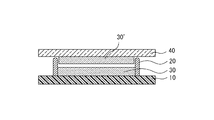
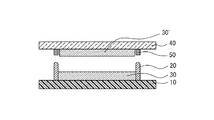
- FIG. 1 It is sectional drawing which shows an example of the microorganism culture sheet which concerns on this invention, and a culture layer and a frame layer are formed on a base material sheet, and it forms in a cover sheet so that a specific component layer may oppose the inner side of the said frame layer It is a figure which shows the aspect currently performed. It is sectional drawing which shows an example of the microorganism culture sheet which concerns on this invention, a culture layer and a frame layer are formed on a base material sheet, and an adhesion layer so that a specific component layer may oppose the inner side of the said frame layer It is a figure which shows the aspect currently formed in the cover sheet so that may oppose the said frame layer.
- FIG. 7 is an example of a microorganism culture sheet according to the present invention, and is a cross-sectional view in which a frame layer is formed on a base material sheet, and FIG. 7A shows an aspect in which the base material sheet has a multilayer structure.
- FIG. 7B is a diagram showing an embodiment in which the culture layer has a multilayer structure. It is a figure which shows an example of the microorganism culture sheet which concerns on this invention, Comprising: The aspect with which the some culture layer by which the outer periphery was enclosed with the frame layer was formed on the base material sheet, and the cover sheet was fixed to the base material sheet It is the top view (a) and sectional drawing (b) which show these.
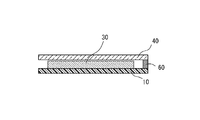
- FIG. 1 It is a figure which shows an example of the microorganism culture sheet which concerns on this invention, Comprising: It is sectional drawing which shows the aspect by which the cover sheet is fixed to the base material sheet in which the culture layer and the frame layer are formed with the double-sided adhesive tape. . It is an external appearance perspective view which shows an example of the microorganism culture sheet which concerns on this invention. It is an example of the microorganism culture sheet which concerns on this invention, Comprising: It is an external appearance perspective view in which the frame layer is formed on the base material sheet. It is a figure which shows the colony generation state of the microorganisms culture sheet of Example 1. FIG. It is a figure which shows the colony generation state of the microorganisms culture sheet of Example 6. FIG.
- the microorganism culture sheet of the present invention is a microorganism culture sheet having a base sheet, a culture layer formed on the base sheet, and a cover sheet that covers the culture layer, the culture layer comprising: A medium solution containing polyvinylpyrrolidone and at least one selected from the group consisting of a gelling agent, a nutritional component, a coloring indicator, a selection agent and a substrate is patterned.
- a frame layer made of a hydrophobic resin is formed on the outer periphery of the culture layer.
- the gelling agent is preferably a high molecular polysaccharide.
- the content of the gelling agent in the medium solution is preferably 100 to 600 parts by mass with respect to 100 parts by mass of the polyvinylpyrrolidone.
- the base sheet and / or the cover sheet is preferably made of a transparent plastic sheet, and the cover sheet may be fixed to the base sheet.
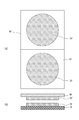
- FIGS. 1A is a plan view
- FIG. 1B is a cross-sectional view taken along the line AA ′ in FIG.
- a culture layer (30) is formed at substantially the center of a rectangular base sheet (10), and a square cover sheet (40) is provided so as to cover the culture layer (30).
- An aspect is shown.
- the present invention is characterized in that the culture layer (30) is patterned on the base sheet (10).
- a multilayer sheet composed of two layers of a material sheet (11) and a base sheet (13) may be used, and further, a multilayer sheet in which other layers than plastic are laminated may be used.
- the culture layer (30) may be comprised by the multilayer of two or more layers.
- the shape of the culture layer (30) prepared by pattern formation is not limited to the circle shown in FIG. 1, but may be a square, a rectangle, other polygons, or an indeterminate shape.
- the microorganism culture sheet of the present invention has a culture layer (30), a binder component, and a nutrient component on both the base sheet (10) and the cover sheet (40).
- Each of the specific component layers (30 ′) containing other components may be formed.
- a gelling agent is contained in both the culture layer (30) and the specific component layer (30 ′)
- the culture layer (30) on the base sheet and the cover sheet (40) The specific component layer (30 ′) provided on the base sheet (10) is disposed so as to oppose the culture layer (30) on the base sheet (10), and then the cover sheet is inoculated.
- FIG. 3B is a cross-sectional view.
- the microorganism culture sheet of the present invention has a culture layer ( 30), and a circular frame layer (20) may be formed on the outer periphery of the culture layer.
- the frame layer (20) the water absorption range of the test liquid inoculated into the culture layer (30) can be more reliably limited.
- the shape of the frame layer (20) is not limited to a circle and may be any of a square, an ellipse, a polygon, an indeterminate shape, etc., but the test solution inoculated into the culture layer (30)
- the frame layer is preferably formed so that the water absorption range can ensure a predetermined area.
- the specific component layer (30 ′) further faces the cover sheet (40) and the culture layer (30) on the base sheet (10). May be formed.
- an adhesive layer (50) may be formed on the cover sheet (40) so as to face the frame layer (20).
- the frame layer (20) and the adhesive layer (50) are in close contact with each other, drying and contamination of the culture layer (30) can be more effectively prevented.
- a frame layer (20) made of a hydrophobic resin is formed on the surface of the base sheet (10).
- the base sheet (10) may be a multilayer sheet composed of two layers of the base sheet (11) and the base sheet (13), or other layers other than plastic are laminated. It may be a multilayer sheet.
- the culture layer (30) May be composed of two or more layers.
- a plurality of culture layers (30) may exist on the base sheet (10).
- a plurality of culture layers (30), a frame layer (20) made of a convex hydrophobic resin surrounding the outer periphery thereof, and a cover sheet (40) covering the culture layer (30) are base material sheets (10).
- 8 (a) and 8 (b) show an embodiment fixed at the end of FIG. 8A is a plan view, and FIG. 8B is a cross-sectional view taken along the line A-A ′ of FIG. 8A.
- the cover sheet (40) is formed with two corners (C1, C2) so as to cover the culture layer (30) and to adhere to the upper part of the frame layer (20). It is an aspect.
- a specific component layer (30 ′) is formed on the cover sheet (40) so as to face the culture layer (30) formed on the base sheet (10). May be.
- the diameter of the equivalent circle of the culture layer (30) is preferably 20 to 80 mm, more preferably 30 to 70 mm.
- the test solution dripped onto the microorganism culture sheet is generally 1 ml, and the test solution can be sufficiently absorbed within the above range.
- the height of the frame layer (20) is adjusted to be 100 to 1200 ⁇ m higher, preferably 200 to 1000 ⁇ m higher, more preferably 300 to 800 ⁇ m higher than the height of the culture layer.
- the cover sheet (40) can be covered immediately without waiting for water absorption by the culture layer of the test solution after inoculation, the work efficiency at the time of inoculation can be improved.
- the width of the frame layer is not limited to a uniform width, but the most detailed width is preferably 0.5 to 5.0 mm, more preferably 1.0 to 3.0 mm. If it is the said range, even if it is a case where a culture layer absorbs water and swells, there is no possibility that the shape of a frame layer may collapse, and a test solution can be spread over a predetermined region.
- the frame layer may be a single frame layer or a frame layer composed of a double frame in which a frame layer is further formed outside the frame layer.
- Substrate sheet In the microorganism culture sheet of the present invention, on the substrate sheet, polyvinylpyrrolidone and at least one selected from the group consisting of a gelling agent, a nutrient component, a coloring indicator, a selective agent and a substrate
- the substrate sheet needs to have solvent resistance and printability.
- water resistance is also required, and it is also required to have heat resistance that can withstand a drying treatment when forming a culture layer.
- the base sheet may be a single layer or a laminated sheet having two or more layers.
- plastic sheets such as polyester, polyethylene, polypropylene, polystyrene, polycarbonate, and polyvinyl chloride can be suitably used. According to these plastic sheets, since they are excellent in transparency, microbial colonies can be observed even by transmitted light from the base sheet, and visibility is improved. However, those that are white due to foaming or those that are colored in any way can also be used. Depending on the culture, it is not limited to transparent, and colonies grown by coloring may be easily counted, and can be appropriately selected.
- examples of the laminated sheet include those obtained by laminating two or more of the above plastic sheets.
- a laminated sheet in which a paper base material is laminated on the plastic sheet a laminated sheet in which a paper base material is coated with a synthetic resin, and the like can be suitably used.
- a laminated sheet for example, a laminated sheet of a polyethylene film and a paper substrate can be exemplified.
- synthetic paper made of synthetic resin as a main raw material can also be used as a base sheet.
- synthetic paper include Yupo Corporation's trade name “Yupo”, Toyobo, “Chrisper”, and the like.
- the substrate sheet used in the present invention may have been subjected to surface treatment on the side on which the culture layer is formed in advance in order to improve the adhesion to the culture layer.
- surface treatment include corona discharge treatment, ozone treatment, low temperature plasma treatment using oxygen gas or nitrogen gas, glow discharge treatment, oxidation treatment using chemicals, and other pretreatments. .
- the base material sheet used in the present invention may have been subjected to a surface treatment by previously applying an anchor coating agent.
- anchor coating agents include isocyanate (urethane), polyethyleneimine, polybutadiene, organic titanium, and other anchor coating agents. More preferably, for example, aromatic polyisocyanates such as tolylene diisocyanate, diphenylmethane diisocyanate, polymethylene polyphenylene polyisocyanate, or aliphatic polyisocyanates such as hexamethylene diisocyanate, xylylene diisocyanate, etc.
- Mainly used are polyether polyurethane resins, polyester polyurethane resins, and polyacrylate polyurethane resins obtained by reacting polyfunctional isocyanates with polyether polyols, polyester polyols, polyacrylate polyols, and other hydroxyl group-containing compounds. Ingredients.
- the base sheet is preferably flat without curling, and the thickness is not particularly limited, but is usually 25 to 1500 ⁇ m, preferably 50 to 500 ⁇ m.
- the culture layer provided on the base sheet is at least selected from the group consisting of polyvinylpyrrolidone, a gelling agent, a nutritional component, a coloring indicator, a selective agent, and a substrate.
- a medium solution containing one kind is patterned, and polyvinylpyrrolidone is an essential component of the medium solution.
- polyvinylpyrrolidone is an essential component of the medium solution, and has a role as a viscosity adjustment of the medium solution. According to polyvinylpyrrolidone, the viscosity can be easily adjusted by adjusting the concentration in the solvent. Therefore, at least one selected from the group consisting of a gelling agent, a nutritional component, a coloring indicator, a selective agent and a substrate is used. It is possible to uniformly disperse, and it is possible to form a pattern only in a necessary portion, so that no expensive material is wasted.
- polyvinyl pyrrolidone when the solvent is removed after pattern formation, polyvinyl pyrrolidone has a high film property, so that it is possible to form a film by incorporating a gelling agent and nutrients.
- the adhesive component since it has good adhesion to the substrate, it is possible to form a culture layer without using an adhesive, and like the conventional microorganism culture sheet, the adhesive component affects the growth of microorganisms. There is no fear.
- the medium solution may contain a gelling agent.
- a culture layer formed by patterning a medium solution containing a gelling agent thickens or gels when inoculated with a test solution, and thus has a good viscosity for growing bacteria. Moreover, since it can contact
- polymeric polysaccharides can be suitably used, and carrageenan, guar gum, chitansan gum, hydroxyethyl cellulose, carboxymethyl cellulose, locust bean gum, algin and the like can be exemplified.
- the solution is thickened or gelled with water when the test solution is dropped, so that the growth of the fungus is good, and since the transparency is high, the visibility of the colonies is excellent. Since it sticks to a cover sheet by viscosity, it becomes possible to suppress drying at the time of culture.
- guar gum can be suitably used in the microorganism culture sheet of the present invention.
- guar gum exhibits an extremely high viscosity at a low concentration, so that an environment suitable for the growth of bacteria can be created with a small amount. Guar gum is produced from the endosperm part of annual seed legumes and guar seeds.
- Nutritional component in the microorganism culture sheet of the present invention, the nutrient solution may be contained in the medium solution.
- nutritional components include, for example, yeast extract / peptone / glucose mixture, meat extract / pepton mixture, peptone / soybean peptone / glucose mixture, etc., and dipotassium phosphate and / or chloride. A mixture with sodium added is used.
- E. coli and coliform groups sodium desoxycholate, peptone, ammonium iron citrate, sodium chloride, dipotassium phosphate, lactose, peptone, lactose, dipotassium phosphate, etc. are used.
- meat extract, peptone, sodium chloride, mannitol, egg yolk mixture, peptone, meat extract, yeast extract, sodium pyruvate, glycine, lithium chloride, tellurite egg yolk mixture, etc. are used.
- yeast extract, peptone, sucrose, sodium thiosulfate, sodium citrate, sodium cholate, ferric citrate, sodium chloride, bovine bile, etc. are used.
- bovine brain extract, heart extract, peptone, glucose, dipotassium phosphate, sodium nitride, etc. are used.
- a peptone / glucose mixture for fungi, a peptone / glucose mixture, a yeast extract / glucose mixture, a potato extract / glucose mixture, and the like are used.
- one or more nutrient components can be selected from these according to the microorganism to be grown and mixed for use.
- a nutrient component may be added to the test solution to grow a microorganism.
- the medium solution may contain other components such as a coloring indicator, a selection agent, and a substrate.
- the color indicator is colored by coloring with the reaction with specific substances produced by metabolism of microorganisms that grow during the culture process, recognizing pH changes, reaction with enzymes, etc., so counting the number of colonies is extremely easy There is an effect to.
- Specific examples of such a color development indicator include tetrazorim salts such as triphenyltetrazolium chloride (hereinafter referred to as TTC), p-tolyltetrazolium red, tetrazolium violet, and petetylyltetrazolium blue, neutral red mixtures, phenol red, and bromine.
- TTC triphenyltetrazolium chloride
- p-tolyltetrazolium red p-tolyltetrazolium red
- tetrazolium violet p-tolyltetrazolium violet
- petetylyltetrazolium blue neutral red mixtures
- phenol red phenol red
- bromine a pH indicators
- pH indicators such as th
- the medium solution may contain a selective agent that suppresses the growth of microorganisms other than the detection purpose.
- antibiotics such as antibiotics and synthetic antibacterial agents, dyes, surfactants, inorganic salts and the like are used.
- antibiotics include methicillin, ceftamethazole, cefixime, ceftazidime, cefsulosin, bacitracin, polymyxin B, rifampicin, novobiocin, colistin, lincomycin, chloramphenicol, tetracycline, streptomycin and the like as synthetic antibacterial agents And sulfa drugs, nalidixic acid, olaquindox and the like.
- Examples of the pigment include bacteriostatic or bactericidal crystal violet, brilliant green, malachite green, and methylene blue.
- Examples of the surfactant include Tergitol 7, dodecyl sulfate, lauryl sulfate and the like.
- examples of inorganic salts include selenite, tellurite, sulfite, sodium nitride, lithium chloride, oxalate, high concentration sodium chloride, and the like. Besides these, taurocholate, glycine, bile powder, bile salt, deoxycholate, and the like can be used.
- These components may be added as a powder, or after dissolving them in a solvent, for example, they may be mixed with the polyvinylpyrrolidone alcohol solution to form a medium solution.
- coloring may be conspicuous at the time of sterilization. Coloring may be performed using a sample solution containing a coloring indicator instead of being contained in the culture layer.
- the microorganism culture sheet of the present invention is not limited to the case where the culture layer is formed as a single layer, and can be composed of two or more layers.
- a first culture layer is formed with a medium solution containing a gelling agent (ii) in a polyvinylpyrrolidone solution (i), and a gelling agent (ii) and a nutrient component (iii) are added to the polyvinylpyrrolidone solution (i) thereon.
- the second culture layer may be formed with a medium solution containing) to form a culture layer used in the present invention.
- the gelling agent may be blended only in the first culture layer, and the first culture layer is formed with a medium solution containing the gelling agent (ii) in the polyvinylpyrrolidone solution (i), and the polyvinylpyrrolidone is formed thereon.
- the second culture layer may be formed from a medium solution containing the nutrient component (iii) in the solution (i), and may be used as a culture layer used in the present invention.
- a reaction may occur by mixing, and the mixing reaction can be prevented by containing these in another layer.
- the visibility of colonies can be improved by forming the color development indicator in the uppermost layer.
- the A component is removed from the polyvinylpyrrolidone solution (i) + gelling agent (ii) + nutrient component (iii).
- a culture layer is formed by laminating two layers of one culture layer and a polyvinyl pyrrolidone solution (i) + gelling agent (ii) + coloring indicator (iv) + second culture layer from which the B component is removed from the nutrient component (iii)
- the first culture layer obtained by removing the A component from the polyvinylpyrrolidone solution (i) + gelling agent (ii) + nutrient component (iii), polyvinylpyrrolidone solution (i) + gelling agent (ii) + The second culture layer from which the B component was removed from the nutrient component (iii), and the third culture layer consisting of the polyvinyl pyrrolidone solution (i) + gelling agent (ii) + coloring indicator (iv) were sequentially laminated.
- the mixing reaction is not limited to the case where it is contained in a nutritional component, and may occur due to a relationship with a selective agent or a color indicator. In any case, mixing reaction can be avoided by separating components A and B into separate layers.
- any one of the culture layers constituting the multilayer structure is composed of polyvinylpyrrolidone, a gelling agent, a nutrient component, a coloring indicator, a selective agent, and a substrate.
- the composition of the other layers is not limited to the above, and the pattern formation method is not limited.
- the culture layer in the microorganism culture sheet of the present invention is obtained by patterning the medium solution on the substrate sheet.
- the culture layer is patterned, by covering the cover sheet promptly after the test liquid is dropped, the test liquid naturally expands to a certain range and is excellent in operability.
- “pattern formation” refers to printing, coating, coating, spraying, etc. of the medium solution on the base material sheet in a predetermined shape, and the method is particularly limited. is not. Therefore, for pattern formation, screen printing, gravure printing, letterpress printing, transfer printing, flexographic printing, other printing, application by dispenser or inkjet, bar coating to be coated using a bar, knife coating, die coating, etc. Coating, spraying, etc., and other methods can be used.
- the cover sheet is preferably fixed to the base sheet.
- the cover sheet has the effect of preventing contamination by falling bacteria during culture and preventing moisture evaporation of the culture layer.
- the cover sheet is waterproof and water vapor impermeable, and at the same time is preferably transparent so that colonies can be observed and counted through the cover sheet after culturing of microorganisms, for example, as mentioned in the base sheet above
- Polyolefin such as polyethylene and polypropylene
- plastic sheets such as polyester, polyamide, polystyrene, polycarbonate, and polyvinyl chloride can be used.
- the substrate sheet and the cover film are transparent, it can be observed with projection light from the back of the microorganism culture sheet, or can be observed with incident light from the side surface. it can. That is, since colonies can be observed and counted from both the cover sheet side and the base sheet side, the range of selection of the observation method and the measurement method is widened.
- a polyester film and a polyolefin film are particularly preferable.
- cover sheet may be subjected to surface treatment such as corona discharge treatment described in the section of the base material sheet.
- a cover sheet has suitable gas permeability, mainly oxygen permeability, or oxygen non-permeability according to the kind of microorganisms to culture, and it is good to select it also considering this point.
- the thickness of the cover sheet is preferably about 10 to 200 ⁇ m, more preferably about 20 to 70 ⁇ m.
- a cover sheet may be what kind of shape, in order to prevent invasion of various bacteria, it is necessary to make it a size larger than the culture layer which can coat
- a gelling agent In the microorganism culture sheet of the present invention, a gelling agent, a nutrient component, a color indicator, a selective agent in a solution in which a binder resin is dissolved or dispersed at a position facing the culture layer formed on the base sheet on the cover sheet. And a specific component layer formed by applying a specific component solution containing at least one selected from the group consisting of substrates.
- the culture layer formed on the base sheet is a pattern of a medium solution containing polyvinylpyrrolidone, a gelling agent, and the like. It can be set as the aspect which is not included.
- a color indicator can be added to the test solution and cultured, but a specific component layer consisting of a binder solution and a color indicator such as a TTC reagent is formed on the cover sheet to form a specific component layer.
- a binder resin etc. which melt
- the solution, dispersion liquid, etc. of a hydrophobic binder can also be used.
- the specific component layer in the cover sheet only needs to be present at least in a position facing the culture layer of the base sheet, and may be applied to the entire surface of the cover sheet. This is because the binder solution is inexpensive and the color indicator is used in a small amount.
- the specific component layer may include a gelling agent.
- the specific component layer is not limited to a single layer, and may be a multilayer of two or more layers.
- the cover sheet is not limited to the case where the cover sheet is fixed to the microorganism culture sheet. Therefore, you may coat
- the cell pattern when the cell pattern is not printed on the base material sheet, the cell pattern may be previously printed on the cover sheet with an ink that is insoluble in water and does not affect the growth of microorganisms.
- the printing plate type is preferably gravure printing or the like because it has a wide selection range of colorants, resins, solvents and the like.
- the size of the mesh is about 1 cm square.
- Frame layer In the microorganism culture sheet of the present invention, it is preferable that a frame layer made of a hydrophobic resin is formed on the outer periphery of the culture layer.
- the frame layer When the frame layer is formed, when the test solution is inoculated into the culture layer and covered with a cover sheet, the test solution is quickly diffused to the frame layer.
- the cover sheet can be covered without waiting, and the inoculation operation can be performed in a short time.
- leakage of the test liquid can be prevented more reliably by the frame layer, and the work efficiency at the time of inoculation can be improved.
- the test solution is absorbed by the culture layer inside the frame layer, the gelling agent thickens, and the adhesion between the culture layer and the cover sheet causes the culture layer to Drying can be prevented.
- the gelling agent is not contained in the culture layer, since the polyvinyl pyrrolidone dissolves and thickens, it is possible to prevent the culture layer from drying due to the adhesion between the culture layer and the cover sheet.
- the adhesion between the culture layer and the cover sheet is excellent, it is not necessary to form a layer for colony formation on the cover sheet, and excellent visibility of the colonies can be ensured.
- the width of the frame layer is not limited to a uniform width, but the most detailed width is preferably 0.5 to 5.0 mm, more preferably 1.0 to 3.0 mm. If it is the said range, even if it is a case where a culture layer absorbs water and swells, there is no possibility that the shape of a frame layer may collapse, and a test solution can be spread over a predetermined region.
- the height of the frame layer formed on the base material sheet is 100 to 1200 ⁇ m higher than the culture layer height, more preferably 200 to 1000 ⁇ m higher, and particularly preferably 300 to 800 ⁇ m higher. Is done. If it is lower than 100 ⁇ m, the spread of the test solution cannot be suppressed after diffusion, and leakage may occur. On the other hand, if it exceeds 1200 ⁇ m, it is difficult to ensure adhesion with the cover sheet because an excessive space is generated between the culture layer and the cover sheet at the time of inoculation of the test solution.
- the frame layer is formed on the base sheet.
- a frame layer When a frame layer is formed on the culture layer, it may be collapsed when the culture layer swells due to water absorption of the test solution and becomes a gel, so it may be formed directly on the base sheet. preferable. If the frame layer is formed on the base sheet, the operability and stability of the work are excellent.
- the frame layer is formed of a hydrophobic resin, the leakage of the test solution can be prevented without the frame layer absorbing or dissolving the frame layer.
- the hydrophobic resin forming the frame layer is not particularly limited, and UV curable resin, hot melt resin, thermal foaming ink, UV foaming agent, and the like can be suitably used, and these are colored. Also good.
- UV curable resin examples include, but are not limited to, an acrylate type, an unsaturated polyester type, a cation type, an epoxy acrylate type, an oxetane type, a vinyl ether type, and the like in the radical type.
- the hot melt resin those having a softening point temperature of 120 ° C. or lower, more preferably 100 ° C. or lower can be suitably used. If it exceeds 120 ° C, the substrate sheet may curl.
- the hot melt resin that can be suitably used in the present invention include urethane-based, polyamide-based, polyolefin-based, polyester-based, ethylene vinyl acetate-based, styrene-butadiene rubber-based, and urethane rubber-based synthetic rubber-based materials. It is not limited to.
- hydrophobic resin a thermal foaming ink, a UV foaming agent, or the like can also be suitably used.
- polyurethane resin, polyamide resin, polyvinyl chloride resin, polyacrylate resin, polyester resin as a binder, polyolefin resin such as chlorinated polypropylene, and rubbers such as chlorinated rubber and cyclized rubber Etc. can be used.
- These inks are more preferably water-repellent rather than simply hydrophobic, and from this point, inks obtained by adding silicones or waxes to the above resins are more preferable.
- the hydrophobic resin used for the frame layer is hydrophobic and water-repellent, and at the same time it is necessary to increase the thickness of the coating film.
- UV foaming ink at least reactive diluent such as acrylate reactive diluent or methacrylate reactive dilution, urethane acrylate photopolymerizable oligomer, polyester acrylate photopolymerizable oligomer, epoxy acrylate photopolymerizable oligomer, acrylic
- a UV-curable ink consisting of a photopolymerizable oligomer, a photopolymerizable oligomer such as a special photopolymerizable oligomer, and a photopolymerization initiator, and containing a foaming agent such as an inorganic foaming agent, an organic foaming agent, or a liquid foaming agent.
- An ultraviolet curable foaming ink can be illustrated.
- the coloring pigment normally used may be contained in the range less than 15 mass% and exceeds 15 mass%, since there exists a possibility of inhibiting foaming, it may be unpreferable.
- any of the above can be suitably used as the hydrophobic resin, but UV curable resins and hot melt resins are particularly suitable.
- the reason is that the formation of the frame layer requires a pattern formation having a certain height, and these two types of resins can be easily processed by application with a dispenser or the like in a non-solvent system, and then light irradiation or This is because the pattern can be formed simply by being cured by cooling.
- a frame layer may be formed by bonding a hollow material of a hydrophobic material to the outer periphery of the culture layer.
- an embossed product as a base sheet.
- the convex shape is an embossed product formed on the base sheet as the shape of the frame layer
- the culture layer may be formed on the inside of the convex shape, while the portion where the culture layer is formed is formed by the concave portion. And the remainder formed in convex shape from this can be used as a frame layer.
- a thick hydrophobic base material is used as the base material sheet, and the method of forming the culture layer into a concave shape by cutting the portion forming the culture layer, or forming the convex shape in the shape of the frame layer, or forming the convex shape in the shape of the frame layer. If the culture layer is formed inside the shape, the above convex shape can be used as the frame layer. However, it is not limited to these.
- an adhesive layer can be formed in a base material sheet or a cover sheet.
- Such an adhesive layer is provided for the purpose of fixing the cover sheet covering the culture layer and preventing moisture evaporation and contamination of the culture layer, and any kind of adhesive may be used as long as the base sheet can be sealed.
- a pressure-sensitive adhesive having a weak adhesive strength is preferable to the extent that the base sheet and the cover sheet can be re-bonded.
- a rubber adhesive and an acrylic adhesive are preferable, and a re-peeling type and a slightly adhesive type acrylic adhesive are particularly preferably used.
- a monomer containing a functional group such as a carboxyl group, a hydroxyl group, or an amino group is added to 100 parts by mass of an acrylate having 2 to 12 carbon atoms such as butyl acrylate and 2-ethylhexyl acrylate.
- a polymer obtained by adding rosin, xylene resin, phenol resin or the like as a tackifier to the polymerized polymer and crosslinking with melamines, isocyanates, epoxies or the like can be used.
- the pressure-sensitive adhesive layer may have any shape, but it is preferable that the adhesive layer is disposed so that the adhesive portion between the base sheet and the cover sheet can be bonded without a gap.
- the thickness of the pressure-sensitive adhesive layer is not particularly limited as long as the cover sheet covers the culture layer formed on the base material sheet and can adhere to the base material sheet.
- the culture layer can be sealed with a cover sheet, it will not be limited to an adhesion layer, The method of using a holding member or arrange
- Lattice Print Layer A lattice print layer may be laminated on the microorganism culture sheet of the present invention.
- gravure printing or the like is preferable because it has a wide selection range of colorant, resin, solvent and the like.
- the size of the mesh is about 1 cm square.
- Such a lattice print layer may be formed on a base sheet or a cover sheet as described above, but in the present invention, a laminated sheet obtained by laminating a paper base on a plastic sheet is used as the base sheet. In some cases, a grid printing layer may be formed on such a paper base material.
- a microorganism culture kit can be obtained by combining the above microorganism culture sheet and a test solution containing a specific component.
- the culture layer formed on the base sheet is composed of polyvinylpyrrolidone and at least one of a gelling agent, a nutrient component, a coloring indicator, a selective agent, a substrate, and the like.
- the culture solution containing a gelling agent, a nutrient component, a coloring indicator, a selective agent, and a substrate is added to the culture solution.
- Ingredients not included in the layer can be added and cultured. It is particularly effective when it contains components that are susceptible to alteration, discoloration, decomposition, etc. during sterilization and other processes.
- the microorganism culture sheet that can be used in such a microorganism kit may be one in which a specific component layer is formed on the cover sheet. A component not included in the culture layer formed on the specific component layer or the base material sheet can be added to the test solution and cultured.
- the microorganism culture sheet of the present invention comprises, on the base material sheet, a group consisting of polyvinylpyrrolidone, a gelling agent, a nutritional component, a coloring indicator, a selective agent, and a substrate.
- the production method is not limited as long as a culture layer in which a medium solution containing at least one selected from the above can be patterned is formed.
- the pattern formation method is not particularly limited as long as the medium solution can be applied to the predetermined shape of the base material sheet, and any of the above-described printing, coating, coating, spraying, and the like may be used.
- a medium solution containing polyvinylpyrrolidone in an alcohol solution containing at least one selected from the group consisting of a gelling agent, a nutritional component, a color indicator, a selection agent and a substrate is prepared, and the medium solution is prepared.
- the culture solution is formed by removing the alcohol solution contained in the medium solution.
- an alcohol solution of polyvinyl pyrrolidone for reasons such as adhesion between the base sheet and the culture layer and ease of pattern formation.
- an alcohol having 1 to 5 carbon atoms can be preferably used.
- 1 type, or 2 or more types of liquid mixtures, such as methanol, ethanol, isopropyl alcohol, butanol, can be used.
- methanol, ethanol, and isopropyl alcohol are preferable.
- polyvinylpyrrolidone is an essential component of the medium solution is that at least one selected from the group consisting of a gelling agent, a nutritional component, a coloring indicator, a selective agent, and a substrate is uniformly obtained by adjusting the concentration as described above. This is because the viscosity can be easily adjusted and the pattern can be formed by the obtained medium solution.
- Polyvinylpyrrolidone has excellent film-forming properties and adhesion to the substrate sheet, so that a culture layer can be formed on the substrate sheet without using an adhesive. Can be avoided.
- the ratio of alcohol to polyvinylpyrrolidone is 100 to 10000 parts by mass of solvent, more preferably 300 to 2000 parts by mass, and particularly preferably 900 to 1400 parts by mass with respect to 100 parts by mass of polyvinylpyrrolidone.
- amount exceeds 10,000 parts by mass, the dispersibility of the gelling agent and the like is remarkably reduced.
- the amount is less than 100 parts by mass, the viscosity of the medium solution is increased and the suitability for pattern formation is reduced.
- the gelling agent constituting the medium solution does not need to be dissolved in the polyvinylpyrrolidone alcohol solution as long as pattern formation is possible. Therefore, in the method for producing a microorganism culture sheet of the present invention, the gelling agent can be added as a powder.
- the gelling agent has an average particle size of 5 to 500 ⁇ m, more preferably 10 to 200 ⁇ m. This is because if the average particle diameter is in the above range, the dispersibility is excellent. If it exceeds 500 ⁇ m, the dispersibility may be lowered, and the pattern formation suitability may be impaired. However, these may be dissolved in a solvent and mixed with the alcohol solution of polyvinyl pyrrolidone to form a medium solution.
- the blending amount of the gelling agent in the medium solution is 100 to 600 parts by mass, more preferably 250 to 400 parts by mass with respect to 100 parts by mass of polyvinylpyrrolidone. If the blending amount of the gelling agent is within the above range, it can be thickened or gelled by the water under the test droplets, and can have a good viscosity for growing bacteria. If it is less than 100 parts by mass, the viscosity of the culture layer may be insufficient. On the other hand, if it exceeds 600 parts by mass, the culture layer may become hard and the growth of bacteria may be reduced.
- plasticizers that can be added include ether ester derivative plasticizers, glycerin and glycerin derivative plasticizers, propylene glycol and glycol derivative plasticizers, glycol ether derivative plasticizers, polyhydroxycarboxylic acid derivative plasticizers, and phthalic acid. Derivative plasticizers and the like can be exemplified, but are not limited thereto.
- a pattern is formed using the above-mentioned medium solution.
- the above-mentioned medium solution is used, and a culture layer can be suitably formed by coating with a dispenser or the like.
- the culture layer may be a multilayer of two or more layers.
- a medium solution in which a gelling agent and a powder of nutritional components are dispersed in a polyvinylpyrrolidone alcohol solution is patterned on a base sheet, and then a color indicator is dispersed or dissolved in a polyvinylpyrrolidone alcohol solution. If it laminates
- pattern formation may be performed by different methods.
- the first culture layer may be applied with a dispenser to form a pattern, and other methods such as spraying may be used for pattern formation of the second culture layer.
- the alcohol contained in the medium solution is removed. It has been found that by using a culture layer in which a gelling agent or the like is blended with polyvinylpyrrolidone, microbial colonies can be observed and counted in the same manner as an agar medium, and is extremely excellent in visibility.
- the gelling agent is water-soluble, it is generally applied to the base material after being prepared as an aqueous solution, but it is necessary to perform heat treatment for a long time at a high temperature to remove water, Due to the high viscosity during the preparation of the aqueous solution, bubbles and the like may be mixed.
- powder such as a gelling agent is dispersed in an alcohol solution of polyvinylpyrrolidone, so that mixing of bubbles can be avoided and water is not used, so drying is performed at a low temperature and in a short time.
- the gelling agent or the like is only dispersed in the polyvinylpyrrolidone alcohol solution but not dissolved, it is possible to prevent an increase in the viscosity of the medium solution, thereby enabling smooth pattern formation.
- the above components are coated with polyvinyl pyrrolidone, when the test solution is inoculated, the polyvinyl pyrrolidone immediately dissolves and the above components dissolve or absorb water.
- the binder solution contains at least one selected from the group consisting of a gelling agent, a nutritional component, a coloring indicator, a selective agent, and a substrate.
- the specific component solution contained may be applied to form a specific component layer.
- the coating method may be full-surface coating or pattern formation. In the case of pattern formation, printing, application, coating, spraying, and the like may be performed as in the case of forming the culture layer.
- the culture layer only needs to be able to remove the alcohol contained in the medium solution, and can be dried according to a conventionally known method such as temperature and pressure.
- the thickness of the culture layer formed on the base sheet is 50 to 1000 ⁇ m, more preferably 200 to 600 ⁇ m when dried.
- the coating amount is 5 to 400 g / m 2 when dried, more preferably 100 to 300 g / m 2 .
- the culture layer can have a viscosity that is optimal for the growth of bacteria.
- the microorganism culture sheet of the present invention may form a frame layer on the surface of the base material sheet and on the outer periphery of the culture layer.
- the frame layer can be formed using a hydrophobic resin.
- the manufacturing method in particular of a frame layer is not ask
- a base sheet in which a frame layer is formed in advance can also be used.
- the base sheet on which the frame layer is formed is a base sheet having at least a hydrophobic resin on the surface, and a convex portion is formed in the shape of the frame by embossing the hydrophobic resin portion.
- a culture layer is formed inside the said convex part, the microorganisms culture sheet of this invention can be manufactured.
- the location which forms a culture layer can be embossed in concave shape, and the convex part formed in the outer periphery of a recessed part can also be used as a frame layer.
- a hydrophobic resin plate can be cut into a predetermined shape and adhered to the base material sheet to form a frame layer.
- a thick hydrophobic resin plate is used as the base sheet, and the method for forming the culture layer into a concave shape by cutting the portion forming the culture layer into the frame layer, or forming a convex portion in the shape of the frame, the inside of this convex portion If a culture layer is formed in the above, the above-mentioned convex part can be used as a frame layer.
- the hydrophobic resin the above UV curable ink, hot melt, thermal foaming ink, UV foaming agent, or the like may be used to form a frame layer by patterning. These are particularly preferable because they are non-solvents, can be easily processed with a dispenser or the like for pattern formation, and are easy to cure.
- the hydrophobic resin may be dissolved in an appropriate solvent, and the pattern may be formed by printing, coating, coating, or the like.
- a printing method in addition to screen printing, printing methods such as gravure printing, letterpress printing, transfer printing, flexographic printing, and the like may be used.
- a bar coat coated with a bar or the like in a predetermined shape, a coating such as a knife coat or a die coat, an application using a dispenser, or other methods can be used.
- UV irradiation is performed after pattern formation.
- the integrated light quantity is 50 to 2000 mJ / cm 2 , more preferably 100 to 1000 mJ / cm 2 , and the light and heat of the ultraviolet irradiation lamp can be used in combination.
- the range of foamable irradiation conditions varies depending on the type of foaming agent. If the predetermined height cannot be secured once, the frame layer may be formed by printing a plurality of times.
- the ultraviolet irradiation lamp a metal halide lamp, a mercury lamp or the like can be used.
- the frame layer When the frame layer is formed after the culture layer is formed, the frame layer can be formed by pattern formation using the UV curable ink, hot melt, thermal foaming ink, UV foaming agent, or the like.
- the culture layer contains a component that is altered by UV irradiation, it is preferable to coat the culture layer with a metal or the like during UV irradiation.
- the frame layer may be formed by hollowing out a hydrophobic resin plate into a predetermined shape and adhering it to the base sheet on the outer periphery of the culture layer of the base sheet on which the culture layer is formed.
- either the formation of the frame layer or the formation of the culture layer may be performed first.
- the culture layer prepared by pattern formation is a thin layer. Therefore, the frame layer can be easily formed thereafter.
- the culture layer can be easily prepared by patterning the medium solution in the frame layer using a dispenser or the like.
- the frame layer is formed on the base sheet, it is preferable that the frame layer is formed in close contact with the culture layer on the outer periphery of the culture layer, and no gap is formed between the frame layer and the culture layer.
- the test solution is inoculated into the culture layer, the test solution is stored in the gap, making it difficult to spread the test solution uniformly.
- it is convenient to form the frame layer in advance and pattern the medium solution in the frame layer. As a pattern formation method, application by a dispenser can be suitably performed.
- the frame layer is formed on the upper surface of the culture layer even when the frame layer is formed.
- pattern formation is possible by using a medium solution containing at least one selected from the group consisting of a gelling agent, a nutritional component, a color indicator, a selective agent and a substrate in an alcohol solution of polyvinylpyrrolidone.
- the culture layer can be patterned without forming a gap inside the frame layer, the test solution can be uniformly diffused, and a high-performance microorganism culture sheet can be produced.
- the microorganism culture sheet of the present invention covers the culture layer with the cover sheet after inoculating the test solution on the culture layer and cultures it, so that a part of the cover sheet is a base sheet. It is simple in operation that it is fixedly installed. However, in the case of a direct stamp, a wiping test, or the like, if the work efficiency is improved by the absence of the cover sheet, the cover sheet may be removed and used.
- the cover sheet prepared separately may be fixed to the base sheet by heat sealing, laminating, or the like.
- the same material is used for the sheet, and the base sheet (10) and the cover sheet (40) are connected continuously as shown in the developed view of FIG. 9 (a) and the cross-sectional view of FIG. 9 (b).
- the microbial culture sheet may be formed by forming the frame layer (20) and the culture layer (30) on the material sheet (10) and folding the cover sheet (40).
- FIG. 9C shows a cross-sectional view thereof. According to this method, even when the specific component layer (30 ′) or the adhesive layer (50) is formed on the cover sheet, the base sheet (10) and the cover sheet (40) are continuously provided.
- the specific component layer (30 ′) can be formed accurately and simply at a position facing the culture layer (30) on the sheet (10).
- the cover sheet (40) and the base sheet (10) are composed of different members to form the cover sheet (40) and the culture layer (30).
- the base material sheet (10) may be bonded with a double-sided adhesive tape (60) or the like.
- the microorganism culture sheet of the present invention is sterilized by gamma ray irradiation or ethylene oxide gas sterilization to obtain the product of the microorganism culture sheet of the present invention.
- the microorganism culture sheet of the present invention can cultivate various microorganisms according to the type of microbial nutrients contained, the base sheet used, the air permeability of the cover sheet, and others.
- tryptone (Becton, manufactured by Dickinson and Company, trade name “BACT TRYPTONE”) 20.16 g
- yeast extract (Becton, manufactured by Dickinson and Company, trade name “YEAST EXTRACT”) 2.58 g
- glucose A medium solution was prepared by mixing 1.03 g (manufactured by Wako Pure Chemical Industries, Ltd., trade name “D-(+)-GLUCOSE”), and this medium liquid was prepared from polyethylene terephthalate film (manufactured by Teijin DuPont, trade name “Teijin”). Tetron film After partial patterning required over), dried 50 ° C. 15 minutes to form a cultured layer.
- the thickness of the culture layer at the time of drying was about 250 ⁇ m.
- UV curing ink manufactured by Jujo Chemical Co., Ltd., trade name “Reicure GA 4100-2”
- a cover sheet manufactured by Tosero Co., Ltd., OPP film, model number “OP U-1 (single-sided corona discharge treatment)”, thickness: 40 ⁇ m
- OPP film model number “OP U-1 (single-sided corona discharge treatment)”, thickness: 40 ⁇ m
- OP U-1 single-sided corona discharge treatment
- Example 1 E. E. coli (ATCC 25922) was cultured with shaking in a liquid medium (TRYPTIC SOY BROTH) at 37 ° C. for 24 hours. The obtained test solution was diluted with sterile physiological saline so that the number of bacteria was 10 2 / ml, and TTC was added to prepare a test solution for culture test. 1 ml of this culture test test solution is inoculated with a sterilized pipette on the culture layer of the microorganism culture sheet produced by the method of Production Example 1, and a cover sheet is placed thereon, and the test solution is applied to the culture layer. Expanded throughout. Then, it left still for about 1 minute, the gel was formed, and the sample for a culture test of Example 1 was obtained. Five culture test samples were prepared.
- Example 2 As a strain, E. coli. K. instead of E. coli A culture test sample of Example 2 was obtained in the same manner as in Example 1, except that a test liquid for culture test was prepared using pneumoniae (ATCC 13883).
- Example 3 As a strain, E. coli. In place of E. coli A culture test sample of Example 3 was obtained in the same manner as in Example 1 except that a test liquid for culture test was prepared using cloacae (ATCC 13536).
- Example 4 As a strain, E. coli. C. instead of C. A culture test sample of Example 4 was obtained in the same manner as in Example 1, except that a test liquid for culture test was prepared using Freundii (JCM 1657).
- Example 5 As a strain, E. coli. instead of S. coli. A culture test sample of Example 5 was obtained in the same manner as in Example 1, except that a test solution for culture test was prepared using aureus (ATCC 25923).
- Comparative Example 1 1 ml of the test solution for culture test of Example 1 was added to a Petri dish and mixed with 20 ml of a standard agar medium prepared by the conventional pour method, to obtain a sample for culture test of Comparative Example 1.
- Comparative Example 2 A culture test sample of Comparative Example 2 was obtained in the same manner as in Comparative Example 1, except that the test liquid for culture test of Example 2 was used.
- Comparative Example 3 A culture test sample of Comparative Example 3 was obtained in the same manner as in Comparative Example 1, except that the test liquid for culture test of Example 3 was used.
- Comparative Example 4 A culture test sample of Comparative Example 4 was obtained in the same manner as in Comparative Example 1, except that the test liquid for culture test of Example 4 was used.
- Comparative Example 5 A culture test sample of Comparative Example 5 was obtained in the same manner as in Comparative Example 1, except that the test liquid for culture test of Example 5 was used.
- polyvinylpyrrolidone (trade name “Polyvinylpyrrolidone K-90” manufactured by Nippon Shokubai Co., Ltd.) is dissolved in 210 ml of methanol, and 60 g of guar gum powder (trade name “NEOVISCO G”, 400 mesh type, manufactured by Sanki Co., Ltd.) is dissolved therein.
- tryptone Becton, Dickinson and Company, trade name “BACT TRYPTONE”
- yeast extract Becton, Dickinson and Company, trade name “YEAST EXTRAACT”
- 1.03 g of glucose (trade name “D-(+)-GLUCOSE” manufactured by Wako Pure Chemical Industries, Ltd.) was mixed to prepare a medium solution.
- the medium solution containing the nutritional component and the gelling agent was applied to the frame layer formed on the substrate using a dispenser, and then dried at 50 ° C. for 15 minutes to form a culture layer.
- the thickness of the layer when dried was about 250 ⁇ m.
- a cover sheet (OPC film, model number “OP U-1 (single-sided corona discharge treatment)” manufactured by Tosello Co., Ltd., thickness: 40 ⁇ m) printed with a grid pattern is laminated on the polyethylene terephthalate film, and the end portion is After bonding, the microorganism culture sheet of the present invention was obtained by sterilization with ⁇ rays.
- the height of the obtained frame layer was 750 ⁇ m (difference from the height of the culture layer: +500 ⁇ m), and the width was 1 mm.
- a microorganism culture sheet of the present invention was obtained in the same manner as in Production Example 2, except that a frame layer having a height of 600 ⁇ m was formed. The difference from the height of the culture layer was +350 ⁇ m.
- a microorganism culture sheet of the present invention was obtained in the same manner as in Production Example 2, except that a frame layer having a height of 950 ⁇ m was formed. The difference from the culture layer height was +700 ⁇ m.
- Example 6 E. E. coli (ATCC 25922) was cultured with shaking in a liquid medium (TRYPTIC SOY BROTH) at 37 ° C. for 24 hours.
- the obtained test solution was diluted with sterile physiological saline so that the number of bacteria was 10 2 / ml, and TTC was added to prepare a test solution for culture test.
- 1 ml of this test liquid for culture test is inoculated with a sterilized pipette on the culture layer of the microorganism culture sheet produced by the method of Production Example 2, and a cover sheet is placed thereon, and the test liquid is framed. The whole culture layer was expanded. Then, it left still for about 1 minute, the gel was formed, and the sample for a culture test of Example 6 was obtained. Five culture test samples were prepared.
- Example 7 As a strain, E. coli. K. instead of E. coli A culture test sample of Example 7 was obtained in the same manner as in Example 6, except that a test liquid for culture test was prepared using pneumoniae (ATCC 13883).
- Example 8 As a strain, E. coli. In place of E. coli A culture test sample of Example 8 was obtained in the same manner as in Example 6 except that a test liquid for culture test was prepared using cloacae (ATCC 13536).
- Example 9 As a strain, E. coli. C. instead of C. A culture test sample of Example 9 was obtained in the same manner as in Example 6, except that a test liquid for culture test was prepared using Freundii (JCM 1657).
- Example 10 As a strain, E. coli. instead of S. coli. A culture test sample of Example 10 was obtained in the same manner as in Example 6, except that a test solution for culture test was prepared using aureus (ATCC 25923).
- Comparative Example 6 1 ml of the test solution for culture test prepared in Example 6 was added to a Petri dish and mixed with 20 ml of a standard agar medium prepared by the conventional pour method to obtain a sample for culture test of Comparative Example 6.
- Comparative Example 7 A culture test sample of Comparative Example 7 was obtained in the same manner as in Comparative Example 6, except that the test liquid for culture test prepared in Example 7 was used.
- Comparative Example 8 A culture test sample of Comparative Example 8 was obtained in the same manner as in Comparative Example 6 except that the test liquid for culture test prepared in Example 8 was used.
- Comparative Example 9 A culture test sample of Comparative Example 9 was obtained in the same manner as in Comparative Example 6, except that the test liquid for culture test prepared in Example 9 was used.
- Comparative Example 10 A culture test sample of Comparative Example 10 was obtained in the same manner as in Comparative Example 6 except that the test liquid for culture test prepared in Example 10 was used.
- Example 11 A culture test sample of Example 11 was obtained in the same manner as in Example 6 except that the microorganism culture sheet produced by the method of Production Example 3 was used.
- Example 12 A culture test sample of Example 12 was obtained in the same manner as in Example 6 except that the microorganism culture sheet produced by the method of Production Example 4 was used.
- the microorganism culture sheet of the present invention can be used for bacterial count inspection and the like, is excellent in operability and visibility, and is useful.
Landscapes
- Health & Medical Sciences (AREA)
- Life Sciences & Earth Sciences (AREA)
- Engineering & Computer Science (AREA)
- Chemical & Material Sciences (AREA)
- Wood Science & Technology (AREA)
- Organic Chemistry (AREA)
- Bioinformatics & Cheminformatics (AREA)
- Zoology (AREA)
- Genetics & Genomics (AREA)
- Biotechnology (AREA)
- Biomedical Technology (AREA)
- Microbiology (AREA)
- Biochemistry (AREA)
- General Engineering & Computer Science (AREA)
- General Health & Medical Sciences (AREA)
- Sustainable Development (AREA)
- Clinical Laboratory Science (AREA)
- Medicinal Chemistry (AREA)
- Tropical Medicine & Parasitology (AREA)
- Virology (AREA)
- Immunology (AREA)
- Apparatus Associated With Microorganisms And Enzymes (AREA)
- Micro-Organisms Or Cultivation Processes Thereof (AREA)
Abstract
Description
本発明の微生物培養シートは、基材シートと、上記基材シートの上に形成された培養層と、上記培養層を被覆するカバーシートと、を有する微生物培養シートであって、上記培養層は、ポリビニルピロリドンと、ゲル化剤、栄養成分、発色指示薬、選択剤及び基質からなる群から選択される少なくとも1種と、を含有する培地液がパターン形成されたものである。
本発明の微生物培養シートの好適な態様の一例を図1(a)、(b)に示す。図1(a)は平面図であり、図1(b)は図1(a)のA-A’断面図である。
本発明の微生物培養シートでは、基材シートの上に、ポリビニルピロリドンと、ゲル化剤、栄養成分、発色指示薬、選択剤及び基質からなる群から選択される少なくとも1種と、を含有する培地液をパターン形成するため、基材シートは、耐溶媒性、印刷適性を有する必要がある。また、微生物培養シートとして、耐水性も要求され、培養層を形成する際の乾燥処理に耐える耐熱性を有することも要求される。基材シートは、単層でもよく、2層以上の積層シートであってもよい。
本発明の微生物培養シートにおいて、基材シートの上に設ける培養層は、ポリビニルピロリドンと、ゲル化剤、栄養成分、発色指示薬、選択剤及び基質からなる群から選択される少なくとも1種と、を含有する培地液がパターン形成されたものであり、ポリビニルピロリドンを培地液の必須の成分とする。
本発明の微生物培養シートでは、ポリビニルピロリドンは、培地液の必須の成分であり、培地液の粘度調整としての役割を有する。ポリビニルピロリドンによれば、溶媒中の濃度を調整することで容易に粘度調整することができるので、ゲル化剤、栄養成分、発色指示薬、選択剤及び基質からなる群から選択される少なくとも1種を均一に分散させることができ、また、必要な部分にのみパターン形成することが可能となり、高価な材料の無駄が生じない。しかも、パターン形成後に溶媒を除去すると、ポリビニルピロリドンは皮膜性が高いので、ゲル化剤や栄養成分を取り込んで成膜可能である。また、基材とも良好な密着性を有するので、接着剤を使用せずに培養層を形成することができ、従来の微生物培養シート等のように、接着剤成分によって微生物の発育に影響が現れるおそれがない。
本発明の微生物培養シートでは、培地液にゲル化剤が含有されていてもよい。ゲル化剤を含有する培地液をパターン形成することにより形成された培養層は、被検液を接種すると増粘若しくはゲル化するため、菌の育成に良好な粘度となる。また、増粘後にはカバーシートに密着し得るため、培養時の培養層の乾燥を抑制することができる。
本発明の微生物培養シートでは、培地液に栄養成分が含有されていてもよい。栄養成分としては、例えば、一般生菌検査用であれば、酵母エキス・ペプトン・ブドウ糖混合物、肉エキス・ペプトン混合物、ペプトン・大豆ペプトン・ブドウ糖混合物等や、これらにリン酸二カリウム及び/又は塩化ナトリウムを加えた混合物が用いられる。大腸菌・大腸菌群検査用であれば、デソキシコール酸ナトリウム・ペプトン・クエン酸鉄アンモニウム・塩化ナトリウム・リン酸二カリウム・乳糖・ペプトン・乳糖・リン酸二カリウム等が用いられる。ブドウ球菌用であれば、肉エキス・ペプトン・塩化ナトリウム・マンニット・卵黄混合物、ペプトン・肉エキス・酵母エキス・ピルビン酸ナトリウム・グリシン・塩化リチウム・亜テルル酸卵黄液混合物等が用いられる。ビブリオ用であれば、酵母エキス・ペプトン・蔗糖・チオ硫酸ナトリウム・クエン酸ナトリウム・コール酸ナトリウム・クエン酸第2鉄・塩化ナトリウム・牛胆汁等が用いられる。腸球菌用であれば、牛脳エキス・ハートエキス・ペプトン・ブドウ糖・リン酸二カリウム・窒化ナトリウム等が用いられる。真菌用であれば、ペプトン・ブドウ糖混合物、酵母エキス・ブドウ糖混合物、ポテトエキス・ブドウ糖混合物等が用いられる。本発明の微生物培養シートでは、これらの中から発育させようとする微生物に応じて一種又はそれ以上の栄養成分を選択し、混合して使用することができる。なお、培養層中に栄養成分を含まない場合や不足する栄養成分がある場合には、被検液に栄養成分を加え、微生物を生育してもよい。
本発明の微生物培養シートでは、培地液に発色指示薬、選択剤、基質等他の成分が含有されていてもよい。
本発明の微生物培養シートにおける培養層は、上記基材シートの上に上記培地液がパターン形成されたものである。本発明の微生物培養シートでは、培養層がパターン形成されているので、被検液の滴下後に速やかにカバーシートを被覆することで、被検液が自然に一定範囲に拡がり操作性に優れる。本発明において、「パターン形成」とは、上記基材シートの上に、上記培地液を予定した形状に印刷、塗布、塗工、噴霧等することをいい、その方法は、特に限定されるものではない。したがって、パターン形成には、スクリーン印刷、グラビア印刷、凸版印刷、転写印刷、フレキソ印刷、その他の印刷、ディスペンサーやインクジェット等による塗布、バー等を使用してコーティングするバーコートやナイフコート、ダイコート等の塗工、スプレー方式等の噴霧、その他の方法を使用することができる。
本発明の微生物培養シートでは、カバーシートは、基材シートに固設されていることが好ましい。カバーシートは、培養中の落下菌等による汚染を防止すると共に、培養層の水分蒸発を防止する作用を有する。カバーシートは、防水性、水蒸気不透過性を有すると同時に、微生物の培養後、カバーシートを通してコロニーを観察及び計数できるように、透明であることが好ましく、例えば、上記基材シートで挙げたようなポリエチレン、ポリプロピレン等のポリオレフィン、ポリエステル、ポリアミド、ポリスチレン、ポリカーボネート、ポリ塩化ビニル等のプラスチックシートを使用することができる。本発明の微生物培養シートでは、上記基材シートとカバーフィルムとが透明であれば、微生物培養シートの背面からの投射光で観察することもでき、また、側面からの入射光で観察することもできる。すなわち、カバーシート側からも基材シート側からもコロニーを観察及び計数することができるので、観察方法及び計測方法の選択の幅が広がることとなる。なお、カバーシートの開け閉め等の作業性を考慮すると、ポリエステルフィルム、ポリオレフィンフィルムが特に好ましい。
本発明の微生物培養シートでは、上記培養層の外周に、疎水性樹脂からなる枠層が形成されていることが好ましい。枠層が形成されていると、被検液を培養層に接種し、カバーシートを被覆した場合に、被検液が枠層まで速やかに拡散されるため、培養層による被検液の吸水を待たずにカバーシートを被覆することができ、接種操作を短時間で行うことができる。また、枠層によって被検液の遺漏をより確実に防げ、接種時の作業効率を向上することできる。培養層にゲル化剤が含まれる場合には、被検液が枠層の内側にある培養層に吸水され、ゲル化剤が増粘し、培養層とカバーシートとの密着性により培養層の乾燥を防止することができる。また、培養層にゲル化剤が含まれない場合であっても、ポリビニルピロリドンが溶解し増粘するため、培養層とカバーシートとの密着性により培養層の乾燥を防止することができる。培養層とカバーシートとの密着性が優れると、カバーシートにコロニー形成のための層等を形成する必要がなく、コロニーの優れた視認性を確保することができる。
本発明の微生物培養シートでは、基材シートやカバーシートに粘着層を形成することができる。このような粘着層は、培養層を被覆したカバーシートを固定し、培養層の水分蒸発や汚染を防止する目的で配設され、基材シートを密封できればいかなる種類の粘着剤を用いてもよい。作業性を考えると基材シートとカバーシートとが再接着できる程度に、弱い粘着力を有する粘着剤が好ましい。例えば、ゴム系粘着剤やアクリル系粘着剤が好ましく、特に再剥離タイプ及び微粘着タイプのアクリル系粘着剤が好ましく用いられる。具体的には、ブチルアクリレートや2-エチルヘキシルアクリレート等の炭素数が2~12のアクリレート100質量部に対し、カルボキシル基や水酸基、アミノ基等の官能基を含有するモノマーを2~15質量部共重合させたポリマーに、粘着付与剤としてロジン、キシレン樹脂、フェノール樹脂等を加え、メラミン類、イソシアネート類、エポキシ等で架橋したもの等を使用することができる。また、粘着層はどのような形状でもよいが、基材シートとカバーシートとの接着部分に隙間がなく接着できるように配設されることが好ましい。
なお、本発明では、カバーシートで培養層を密封できれば粘着層に限定されず、把持部材を使用したり、重石を配設したりする方法等であってもよい。
本発明の微生物培養シートには、格子印刷層が積層されていてもよい。格子印刷は、着色剤、樹脂、溶剤等の選択範囲が広い点でグラビア印刷等が好ましい。枡目の大きさは1cm角程度が適当である。
本発明では、上記微生物培養シートと、特定成分を含む被検液とを組み合わせて、微生物培養キットとすることができる。
(i)培養層の形成
本発明の微生物培養シートは、上記基材シートの上に、ポリビニルピロリドンと、ゲル化剤、栄養成分、発色指示薬、選択剤及び基質からなる群から選択される少なくとも1種と、を含有する培地液がパターン形成された培養層を形成することができれば、その製造方法は問わない。また、パターン形成の方法も、上記培地液を基材シートの予定した形状に塗布できるものであれば、特に制限はなく、上記した印刷、塗布、塗工、噴霧等のいずれの方法でもよい。好ましくは、ポリビニルピロリドンのアルコール溶液に、ゲル化剤、栄養成分、発色指示薬、選択剤及び基質からなる群から選択される少なくとも1種と、を含有させた培地液を調製し、該培地液を基材シートの上にパターン形成した後、上記培地液に含まれる上記アルコール溶液を除去して培養層を形成する。
本発明の微生物培養シートは、基材シートの表面、かつ培養層の外周に枠層を形成してもよい。枠層は、疎水性樹脂を用いて形成することができる。なお、枠層の製造方法は特に問わない。あらかじめ枠層が形成された基材シートを使用することもできる。
本発明の微生物培養シートは、培養層に被検液を接種した後にカバーシートで培養層を被覆し、これを培養するため、カバーシートの一部が基材シートに固設されていることが操作上、簡便である。ただし、直接スタンプや拭き取り試験等の場合、カバーシートが無いことで作業効率が向上する場合には、カバーシートを取り除いて使用してもよい。
メタノール130gにポリビニルピロリドン(日本触媒社製、商品名「ポリビニルピロリドン K-90」)20gを溶解し、これにグアーガム粉末(三晶社製、商品名「ネオビスコ G」、200メッシュタイプ)60gを分散し、更に栄養成分としてトリプトン(Becton、 Dickinson and Company 社製、商品名「BACT TRYPTONE」)20.16g、酵母エキス(Becton、 Dickinson and Company 社製、商品名「YEAST EXTRACT」)2.58g、ブドウ糖(和光純薬社製、商品名「D-(+)-GLUCOSE」)1.03gを混合して培地液を調製し、この培地液をポリエチレンテレフタラートフィルム(帝人デュポン社製、商品名「テイジンテトロンフィルム」)の上に必要な部分パターン形成した後、50℃で15分間乾燥し、培養層を形成した。乾燥時の培養層の厚さは、約250μmであった。次いで、ディスペンサーを用いて、UV硬化インク(十条ケミカル社製、商品名「レイキュアーGA 4100-2」)を幅1.0mm、高さ750μm、直径52mmの円状に塗布した後、水銀ランプを用いて積算光量250mJ/cm2の紫外線を照射し、硬化させて培養層の周りに疎水性樹脂で枠層を形成した。
E.coli(ATCC 25922)を液体培地(TRYPTIC SOY BROTH)にて37℃で24時間振盪培養した。そして、得られた被検液を菌数が102/mlとなるように滅菌生理食塩水で希釈し、TTCを添加して、培養試験用被検液を調製した。この培養試験用被検液を、製造例1の方法により製造した微生物培養シートの培養層の上に滅菌済みのピペットで1ml接種し、その上にカバーシートを乗せて、被検液を培養層全体に拡げた。その後、約1分間静置してゲルを形成させ、実施例1の培養試験用試料を得た。なお、培養試験用試料は5個作成した。
菌株として、E.coliのかわりにK.pneumoniae(ATCC 13883)を使用して培養試験用被検液を調製した以外、実施例1と同様の方法にて、実施例2の培養試験用試料を得た。
菌株として、E.coliのかわりにE.cloacae(ATCC 13536)を使用して培養試験用被検液を調製した以外、実施例1と同様の方法にて、実施例3の培養試験用試料を得た。
菌株として、E.coliのかわりにC.freundii(JCM 1657)を使用して培養試験用被検液を調製した以外、実施例1と同様の方法にて、実施例4の培養試験用試料を得た。
菌株として、E.coliのかわりにS.aureus(ATCC 25923)を使用して培養試験用被検液を調製した以外、実施例1と同様の方法にて、実施例5の培養試験用試料を得た。
実施例1の培養試験用被検液1mlをペトリ皿に加え、従来の混釈法により準備した標準寒天培地20mlと混釈し、比較例1の培養試験用試料を得た。
実施例2の培養試験用被検液を使用した以外は、比較例1と同様の方法にて、比較例2の培養試験用試料を得た。
実施例3の培養試験用被検液を使用した以外は、比較例1と同様の方法にて、比較例3の培養試験用試料を得た。
実施例4の培養試験用被検液を使用した以外は、比較例1と同様の方法にて、比較例4の培養試験用試料を得た。
実施例5の培養試験用被検液を使用した以外は、比較例1と同様の方法にて、比較例5の培養試験用試料を得た。
実施例1~5及び比較例1~5の培養試験用試料を孵卵器に入れ、37℃で48時間培養した。そして、培養後に発生したコロニー数をそれぞれ計測した。また、本発明の微生物培養シートを使用した実施例1の培養試験用試料のコロニー発生状態を図14に示す。
ポリエチレンテレフタラートフィルム(帝人デュポン社製、商品名「テイジンテトロンフィルム」)の上に、ディスペンサーを用いて、熱可塑性樹脂(コニシ社製、商品名「MP973」)を幅1.0mm、高さ750μm、直径52mmの円状に塗布し、枠層を形成した。
高さ600μmの枠層を形成した以外は、製造例2と同様の方法にて、本発明の微生物培養シートを得た。なお、培養層の高さとの差は、+350μmであった。
高さ950μmの枠層を形成した以外は、製造例2と同様の方法にて、本発明の微生物培養シートを得た。なお、培養層の高さとの差は、+700μmであった。
E.coli(ATCC 25922)を液体培地(TRYPTIC SOY BROTH)にて37℃で24時間振盪培養した。そして、得られた被検液を菌数が102/mlとなるように滅菌生理食塩水で希釈し、TTCを添加して、培養試験用被検液を調製した。この培養試験用被検液を、製造例2の方法により製造した微生物培養シートの培養層の上に滅菌済みのピペットで1ml接種し、その上にカバーシートを乗せて、被検液を枠層内の培養層全体に拡げた。その後、約1分間静置してゲルを形成させ、実施例6の培養試験用試料を得た。なお、培養試験用試料は5個作成した。
菌株として、E.coliのかわりにK.pneumoniae(ATCC 13883)を使用して培養試験用被検液を調製した以外、実施例6と同様の方法にて、実施例7の培養試験用試料を得た。
菌株として、E.coliのかわりにE.cloacae(ATCC 13536)を使用して培養試験用被検液を調製した以外、実施例6と同様の方法にて、実施例8の培養試験用試料を得た。
菌株として、E.coliのかわりにC.freundii(JCM 1657)を使用して培養試験用被検液を調製した以外、実施例6と同様の方法にて、実施例9の培養試験用試料を得た。
菌株として、E.coliのかわりにS.aureus(ATCC 25923)を使用して培養試験用被検液を調製した以外、実施例6と同様の方法にて、実施例10の培養試験用試料を得た。
実施例6にて調製した培養試験用被検液1mlをペトリ皿に加え、従来の混釈法により準備した標準寒天培地20mlと混釈し、比較例6の培養試験用試料を得た。
実施例7にて調製した培養試験用被検液を使用した以外は、比較例6と同様の方法にて、比較例7の培養試験用試料を得た。
実施例8にて調製した培養試験用被検液を使用した以外は、比較例6と同様の方法にて、比較例8の培養試験用試料を得た。
実施例9にて調製した培養試験用被検液を使用した以外は、比較例6と同様の方法にて、比較例9の培養試験用試料を得た。
実施例10にて調製した培養試験用被検液を使用した以外は、比較例6と同様の方法にて、比較例10の培養試験用試料を得た。
製造例3の方法により製造した微生物培養シートを使用した以外は、実施例6と同様の方法にて、実施例11の培養試験用試料を得た。
製造例4の方法により製造した微生物培養シートを使用した以外は、実施例6と同様の方法にて、実施例12の培養試験用試料を得た。
実施例6~12及び比較例6~10の培養試験用試料を孵卵器に入れ、37℃で48時間培養した。そして、培養後に発生したコロニー数をそれぞれ計測した。その結果を表1に示す。また、本発明の微生物培養シートを使用した実施例6の培養試験用試料のコロニー発生状態を図15に示す。
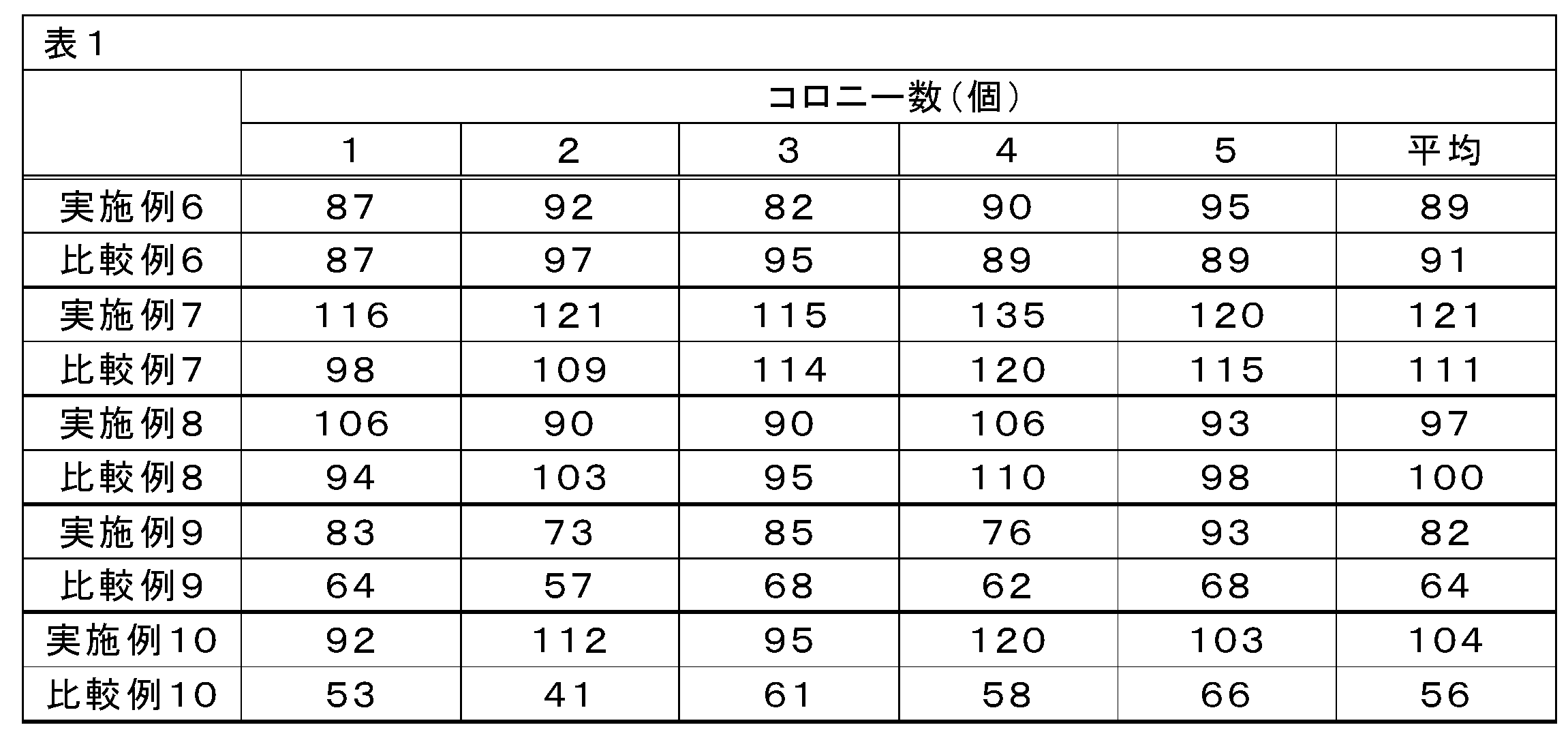
20 枠層
30 培養層
30’ 特定成分層
40 カバーシート
50 粘着層
60 両面接着テープ
Claims (11)
- 基材シートと、前記基材シートの上に形成された培養層と、前記培養層を被覆するカバーシートと、を有する微生物培養シートであって、
前記培養層は、ポリビニルピロリドンと、ゲル化剤、栄養成分、発色指示薬、選択剤及び基質からなる群から選択される少なくとも1種と、を含有する培地液がパターン形成されたものである微生物培養シート。 - 前記培地液は、ポリビニルピロリドンと、ゲル化剤とを含有する請求項1に記載の微生物培養シート。
- 前記ゲル化剤は高分子多糖類である請求項2に記載の微生物培養シート。
- 前記培地液における前記ゲル化剤の含有量は、前記ポリビニルピロリドン100質量部に対して100~600質量部である請求項2又は3に記載の微生物培養シート。
- 前記培養層の外周に、疎水性樹脂からなる枠層が形成されている請求項1~4いずれかに記載の微生物培養シート。
- 前記基材シート及び/又は前記カバーシートは、透明プラスチックシートからなる請求項1~5のいずれかに記載の微生物培養シート。
- 前記カバーシートは、前記基材シートに固設されている請求項1~6のいずれかに記載の微生物培養シート。
- 基材シートと、前記基材シートの上に形成された培養層と、前記培養層を被覆するカバーシートと、を有する微生物培養シートの製造方法であって、
ポリビニルピロリドンのアルコール溶液に、ゲル化剤、栄養成分、発色指示薬、選択剤及び基質からなる群から選択される少なくとも1種を含有させた培地液を、前記基材シートの上にパターン形成した後、前記培地液に含まれる前記アルコールを除去して前記培養層を形成する培養層形成工程を含む微生物培養シートの製造方法。 - 前記培養層形成工程後に、疎水性樹脂をパターン形成して前記培養層の外周を囲む凸形状の枠層を形成する枠層形成工程を行う請求項8に記載の微生物培養シートの製造方法。
- 前記培養層形成工程前に、前記培養層が形成された際に前記培養層の外周を囲む凸形状の枠層を、疎水性樹脂のパターン形成によりあらかじめ形成する枠層形成工程を行う請求項8に記載の微生物培養シートの製造方法。
- 基材シートと、前記基材シートの上に形成された培養層と、前記培養層を被覆するカバーシートと、を有する微生物培養シートの製造方法であって、
前記基材シートは、前記培養層が形成された際に前記培養層の外周を囲む凸形状の疎水性樹脂からなる枠層があらかじめ形成されており、
前記枠層の内側に、ポリビニルピロリドンのアルコール溶液にゲル化剤、栄養成分、発色指示薬、選択剤及び基質からなる群から選択される少なくとも1種を含有させた培地液をパターン形成した後、前記培地液に含まれる前記アルコールを除去して前記培養層を形成する微生物培養シートの製造方法。
Priority Applications (4)
| Application Number | Priority Date | Filing Date | Title |
|---|---|---|---|
| CN201080030428.0A CN102471747B (zh) | 2009-07-14 | 2010-07-14 | 微生物培养片及其制造方法 |
| EP10799860.1A EP2455447B1 (en) | 2009-07-14 | 2010-07-14 | Microorganism culture sheet and manufacturing method therefor |
| US13/383,669 US11124757B2 (en) | 2009-07-14 | 2010-07-14 | Microorganism culture sheet and manufacturing method therefor |
| JP2011522834A JP5754375B2 (ja) | 2009-07-14 | 2010-07-14 | 微生物培養シート及びその製造方法 |
Applications Claiming Priority (4)
| Application Number | Priority Date | Filing Date | Title |
|---|---|---|---|
| JP2009165431 | 2009-07-14 | ||
| JP2009-165432 | 2009-07-14 | ||
| JP2009165432 | 2009-07-14 | ||
| JP2009-165431 | 2009-07-14 |
Publications (1)
| Publication Number | Publication Date |
|---|---|
| WO2011007802A1 true WO2011007802A1 (ja) | 2011-01-20 |
Family
ID=43449410
Family Applications (1)
| Application Number | Title | Priority Date | Filing Date |
|---|---|---|---|
| PCT/JP2010/061897 Ceased WO2011007802A1 (ja) | 2009-07-14 | 2010-07-14 | 微生物培養シート及びその製造方法 |
Country Status (5)
| Country | Link |
|---|---|
| US (1) | US11124757B2 (ja) |
| EP (1) | EP2455447B1 (ja) |
| JP (6) | JP5754375B2 (ja) |
| CN (1) | CN102471747B (ja) |
| WO (1) | WO2011007802A1 (ja) |
Cited By (18)
| Publication number | Priority date | Publication date | Assignee | Title |
|---|---|---|---|---|
| JP2011250742A (ja) * | 2010-06-02 | 2011-12-15 | Dainippon Printing Co Ltd | 微生物培養シート、微生物培養シートの製造方法及び培地液注入装置 |
| JP2012200178A (ja) * | 2011-03-24 | 2012-10-22 | Dainippon Printing Co Ltd | 細胞培養容器 |
| JP2012213340A (ja) * | 2011-03-31 | 2012-11-08 | Dainippon Printing Co Ltd | ディスペンス液塗布シートの製造方法 |
| JP2013529474A (ja) * | 2010-06-30 | 2013-07-22 | スリーエム イノベイティブ プロパティズ カンパニー | 微生物検出システム及び方法 |
| JP2014103866A (ja) * | 2012-11-26 | 2014-06-09 | Dainippon Printing Co Ltd | 微生物培養具、微生物培養具に検体情報を印刷する印刷システムおよび印刷方法、コンピュータを印刷システムの制御装置として機能させるためのプログラム、および、プログラムを格納した記録媒体 |
| JP2014103865A (ja) * | 2012-11-26 | 2014-06-09 | Dainippon Printing Co Ltd | 微生物培養具 |
| JP2015029441A (ja) * | 2013-07-31 | 2015-02-16 | 大日本印刷株式会社 | 微生物培養シート |
| JP2016129505A (ja) * | 2015-01-14 | 2016-07-21 | 大日本印刷株式会社 | 微生物培養シート |
| JP2017074076A (ja) * | 2017-02-03 | 2017-04-20 | 大日本印刷株式会社 | 微生物培養具 |
| JP2017079793A (ja) * | 2017-02-03 | 2017-05-18 | 大日本印刷株式会社 | 微生物培養具、微生物培養具に検体情報を印刷する印刷システムおよび印刷方法、コンピュータを印刷システムの制御装置として機能させるためのプログラム、および、プログラムを格納した記録媒体 |
| JP2017079624A (ja) * | 2015-10-26 | 2017-05-18 | 大日本印刷株式会社 | 微生物培養シート及び微生物の検出方法 |
| WO2017131062A1 (ja) | 2016-01-29 | 2017-08-03 | 大日本印刷株式会社 | 黄色ブドウ球菌を検出するための培地及び該培地を有する黄色ブドウ球菌検出シート、並びにそれらを用いる黄色ブドウ球菌の検出方法 |
| JP2017136061A (ja) * | 2016-01-29 | 2017-08-10 | 大日本印刷株式会社 | 黄色ブドウ球菌を検出するための培地及び該培地を有する黄色ブドウ球菌検出シート、並びにそれらを用いる黄色ブドウ球菌の検出方法 |
| JP2019030337A (ja) * | 2018-11-28 | 2019-02-28 | 大日本印刷株式会社 | 微生物培養シート |
| JP2019062792A (ja) * | 2017-09-29 | 2019-04-25 | Jnc株式会社 | 微生物数の計測方法 |
| JP2019519214A (ja) * | 2016-11-28 | 2019-07-11 | Jnc株式会社 | 微生物の培養器材およびそれを用いる微生物数の計測方法 |
| CN114720405A (zh) * | 2021-01-06 | 2022-07-08 | 通用汽车环球科技运作有限责任公司 | 空气传播的冠状病毒检测器和警告系统 |
| US11408023B2 (en) | 2016-12-28 | 2022-08-09 | 3M Innovative Properties Company | Microbial detection devices including adhesive masked nutrients and methods of using the same |
Families Citing this family (10)
| Publication number | Priority date | Publication date | Assignee | Title |
|---|---|---|---|---|
| KR101811073B1 (ko) | 2010-01-29 | 2017-12-20 | 다이니폰 인사츠 가부시키가이샤 | 미생물 배양 시트 |
| CN103547678B (zh) | 2011-05-20 | 2016-06-08 | 3M创新有限公司 | 沙门氏菌检测物品及其使用方法 |
| EP2900801A4 (en) * | 2012-09-29 | 2016-06-22 | Nortis Inc | MICROFLUIDIC SYSTEM FOR THE REPRODUCTION OF FUNCTIONAL UNITS OF TISSUE AND ORGANS IN VITRO |
| US10988720B1 (en) * | 2015-11-09 | 2021-04-27 | Charm Sciences, Inc. | Peel plate assembly |
| US20200056136A1 (en) * | 2016-12-28 | 2020-02-20 | 3M Innovative Properties Company | Microbial detection devices and methods of using the same |
| CN106906131A (zh) * | 2017-03-10 | 2017-06-30 | 西华大学 | 一种菌落总数快速检测卡片及使用方法 |
| WO2021170606A1 (en) | 2020-02-26 | 2021-09-02 | Merck Patent Gmbh | Device and method for testing differential growth of microorganisms |
| JP7507591B2 (ja) | 2020-04-03 | 2024-06-28 | キッコーマン株式会社 | 微生物培養シート |
| CN114106983A (zh) * | 2021-11-04 | 2022-03-01 | 长沙湘计海盾科技有限公司 | 一种航天用微生物培养芯片及制备工艺 |
| JP7470462B1 (ja) | 2023-03-27 | 2024-04-18 | 株式会社アテクト | 培養シート |
Citations (5)
| Publication number | Priority date | Publication date | Assignee | Title |
|---|---|---|---|---|
| JPH08280377A (ja) * | 1995-04-14 | 1996-10-29 | Dainippon Printing Co Ltd | 培養装置 |
| JPH0975063A (ja) * | 1995-09-18 | 1997-03-25 | Dainippon Printing Co Ltd | 培養装置 |
| JPH09206062A (ja) * | 1996-02-06 | 1997-08-12 | Dainippon Printing Co Ltd | 培養装置 |
| JP2008193919A (ja) * | 2007-02-09 | 2008-08-28 | Dainippon Printing Co Ltd | 培養容器 |
| WO2008153063A1 (ja) * | 2007-06-11 | 2008-12-18 | Dai Nippon Printing Co., Ltd. | 細胞培養膜、細胞培養キット、多孔質体、細胞培養膜の製造方法及び多孔質体の製造方法 |
Family Cites Families (14)
| Publication number | Priority date | Publication date | Assignee | Title |
|---|---|---|---|---|
| US3827942A (en) * | 1972-11-13 | 1974-08-06 | Miles Lab | Blood agar culture medium |
| AU554698B2 (en) | 1981-01-27 | 1986-08-28 | Minnesota Mining And Manufacturing Company | Dry culture media |
| US4945061A (en) * | 1989-11-27 | 1990-07-31 | Ezzat Iskander | Disposable culture dish with reinforcement ribs |
| US5622761A (en) * | 1995-02-27 | 1997-04-22 | Cole; Roger J. | Double-sided releaseable adhesive tape or note |
| JP3850465B2 (ja) | 1995-07-07 | 2006-11-29 | 日水製薬株式会社 | 簡易培地及び微生物の検出方法 |
| JP3394382B2 (ja) * | 1996-01-30 | 2003-04-07 | パロマ工業株式会社 | ガス炊飯器 |
| US5856176A (en) * | 1996-03-29 | 1999-01-05 | Corning Incorporated | Culture dish |
| JP4143219B2 (ja) | 1999-05-19 | 2008-09-03 | 日水製薬株式会社 | 簡易培地及びその製造方法 |
| US6649406B1 (en) * | 1999-11-23 | 2003-11-18 | 3M Innovative Properties Company | Device for propagation and storage of microorganisms |
| US20020192742A1 (en) | 1999-12-17 | 2002-12-19 | Masashi Ushiyama | Microorganism incubator and microorganism culture medium comprising the same |
| US6632661B2 (en) | 2000-12-07 | 2003-10-14 | 3M Innovative Properties Company | Self-spreading microbiological culture device |
| CN2646712Y (zh) * | 2003-09-26 | 2004-10-06 | 广州天河绿洲生物化学研究中心 | 霉菌和酵母菌的快速检验纸片 |
| US8501642B2 (en) * | 2004-02-19 | 2013-08-06 | Toray Industries, Inc. | Nano-fiber compound solutions, emulsions and gels, production method thereof, Nano-fiber synthetic papers, and production method thereof |
| JP2009153501A (ja) | 2007-12-28 | 2009-07-16 | Dainippon Printing Co Ltd | 微生物培養シートおよび微生物培養シートの製造方法 |
-
2010
- 2010-07-14 CN CN201080030428.0A patent/CN102471747B/zh active Active
- 2010-07-14 JP JP2011522834A patent/JP5754375B2/ja active Active
- 2010-07-14 WO PCT/JP2010/061897 patent/WO2011007802A1/ja not_active Ceased
- 2010-07-14 US US13/383,669 patent/US11124757B2/en active Active
- 2010-07-14 EP EP10799860.1A patent/EP2455447B1/en active Active
-
2015
- 2015-05-27 JP JP2015107839A patent/JP5999221B2/ja active Active
-
2016
- 2016-08-30 JP JP2016168197A patent/JP6183520B2/ja active Active
-
2017
- 2017-07-24 JP JP2017143001A patent/JP6512245B2/ja active Active
- 2017-07-24 JP JP2017143003A patent/JP6460171B2/ja active Active
- 2017-07-24 JP JP2017143002A patent/JP6460170B2/ja active Active
Patent Citations (5)
| Publication number | Priority date | Publication date | Assignee | Title |
|---|---|---|---|---|
| JPH08280377A (ja) * | 1995-04-14 | 1996-10-29 | Dainippon Printing Co Ltd | 培養装置 |
| JPH0975063A (ja) * | 1995-09-18 | 1997-03-25 | Dainippon Printing Co Ltd | 培養装置 |
| JPH09206062A (ja) * | 1996-02-06 | 1997-08-12 | Dainippon Printing Co Ltd | 培養装置 |
| JP2008193919A (ja) * | 2007-02-09 | 2008-08-28 | Dainippon Printing Co Ltd | 培養容器 |
| WO2008153063A1 (ja) * | 2007-06-11 | 2008-12-18 | Dai Nippon Printing Co., Ltd. | 細胞培養膜、細胞培養キット、多孔質体、細胞培養膜の製造方法及び多孔質体の製造方法 |
Non-Patent Citations (1)
| Title |
|---|
| See also references of EP2455447A4 * |
Cited By (20)
| Publication number | Priority date | Publication date | Assignee | Title |
|---|---|---|---|---|
| JP2011250742A (ja) * | 2010-06-02 | 2011-12-15 | Dainippon Printing Co Ltd | 微生物培養シート、微生物培養シートの製造方法及び培地液注入装置 |
| JP2013529474A (ja) * | 2010-06-30 | 2013-07-22 | スリーエム イノベイティブ プロパティズ カンパニー | 微生物検出システム及び方法 |
| JP2012200178A (ja) * | 2011-03-24 | 2012-10-22 | Dainippon Printing Co Ltd | 細胞培養容器 |
| JP2012213340A (ja) * | 2011-03-31 | 2012-11-08 | Dainippon Printing Co Ltd | ディスペンス液塗布シートの製造方法 |
| JP2014103866A (ja) * | 2012-11-26 | 2014-06-09 | Dainippon Printing Co Ltd | 微生物培養具、微生物培養具に検体情報を印刷する印刷システムおよび印刷方法、コンピュータを印刷システムの制御装置として機能させるためのプログラム、および、プログラムを格納した記録媒体 |
| JP2014103865A (ja) * | 2012-11-26 | 2014-06-09 | Dainippon Printing Co Ltd | 微生物培養具 |
| JP2015029441A (ja) * | 2013-07-31 | 2015-02-16 | 大日本印刷株式会社 | 微生物培養シート |
| JP2016129505A (ja) * | 2015-01-14 | 2016-07-21 | 大日本印刷株式会社 | 微生物培養シート |
| JP2017079624A (ja) * | 2015-10-26 | 2017-05-18 | 大日本印刷株式会社 | 微生物培養シート及び微生物の検出方法 |
| WO2017131062A1 (ja) | 2016-01-29 | 2017-08-03 | 大日本印刷株式会社 | 黄色ブドウ球菌を検出するための培地及び該培地を有する黄色ブドウ球菌検出シート、並びにそれらを用いる黄色ブドウ球菌の検出方法 |
| JP2017136061A (ja) * | 2016-01-29 | 2017-08-10 | 大日本印刷株式会社 | 黄色ブドウ球菌を検出するための培地及び該培地を有する黄色ブドウ球菌検出シート、並びにそれらを用いる黄色ブドウ球菌の検出方法 |
| US10822632B2 (en) | 2016-01-29 | 2020-11-03 | Dai Nippon Printing Co., Ltd. | Medium for detecting Staphylococcus aureus, sheet for detecting S. aureus comprising same, and method for detecting S. aureus using same |
| US11505816B2 (en) | 2016-01-29 | 2022-11-22 | Kikkoman Corporation | Medium for detecting Staphylococcus aureus, sheet for detecting S. aureus comprising same, and method for detecting S. aureus using same |
| JP2019519214A (ja) * | 2016-11-28 | 2019-07-11 | Jnc株式会社 | 微生物の培養器材およびそれを用いる微生物数の計測方法 |
| US11408023B2 (en) | 2016-12-28 | 2022-08-09 | 3M Innovative Properties Company | Microbial detection devices including adhesive masked nutrients and methods of using the same |
| JP2017079793A (ja) * | 2017-02-03 | 2017-05-18 | 大日本印刷株式会社 | 微生物培養具、微生物培養具に検体情報を印刷する印刷システムおよび印刷方法、コンピュータを印刷システムの制御装置として機能させるためのプログラム、および、プログラムを格納した記録媒体 |
| JP2017074076A (ja) * | 2017-02-03 | 2017-04-20 | 大日本印刷株式会社 | 微生物培養具 |
| JP2019062792A (ja) * | 2017-09-29 | 2019-04-25 | Jnc株式会社 | 微生物数の計測方法 |
| JP2019030337A (ja) * | 2018-11-28 | 2019-02-28 | 大日本印刷株式会社 | 微生物培養シート |
| CN114720405A (zh) * | 2021-01-06 | 2022-07-08 | 通用汽车环球科技运作有限责任公司 | 空气传播的冠状病毒检测器和警告系统 |
Also Published As
| Publication number | Publication date |
|---|---|
| JP5754375B2 (ja) | 2015-07-29 |
| JP2016220690A (ja) | 2016-12-28 |
| US20120107913A1 (en) | 2012-05-03 |
| JP6460171B2 (ja) | 2019-01-30 |
| JP5999221B2 (ja) | 2016-09-28 |
| EP2455447A4 (en) | 2014-04-09 |
| EP2455447A1 (en) | 2012-05-23 |
| JP2017201986A (ja) | 2017-11-16 |
| JP6512245B2 (ja) | 2019-05-15 |
| US11124757B2 (en) | 2021-09-21 |
| CN102471747B (zh) | 2014-04-02 |
| JP2015146828A (ja) | 2015-08-20 |
| JP6183520B2 (ja) | 2017-08-23 |
| EP2455447B1 (en) | 2019-03-06 |
| JP2017184772A (ja) | 2017-10-12 |
| JP6460170B2 (ja) | 2019-01-30 |
| CN102471747A (zh) | 2012-05-23 |
| JP2017184771A (ja) | 2017-10-12 |
| JPWO2011007802A1 (ja) | 2012-12-27 |
Similar Documents
| Publication | Publication Date | Title |
|---|---|---|
| JP6460171B2 (ja) | 微生物培養シート及びその製造方法 | |
| JP5803677B2 (ja) | 微生物培養シート | |
| JP5082930B2 (ja) | 微生物培養シート | |
| JP2011072279A (ja) | 微生物培養シート | |
| JP2009153500A (ja) | 微生物培養シート | |
| JP6066274B2 (ja) | 微生物培養具および微生物培養具を用いた微生物検査方法 | |
| JP6065073B2 (ja) | 微生物培養シート | |
| JP2009153501A (ja) | 微生物培養シートおよび微生物培養シートの製造方法 | |
| JP2014090701A (ja) | 微生物培養具および微生物培養具を用いた微生物検査方法 | |
| JP5764900B2 (ja) | 微生物検査用カバーシート、微生物検査用カバーシートの製造方法、及び微生物検査用キット | |
| JP5796294B2 (ja) | 微生物培養シート | |
| JP6443060B2 (ja) | 微生物培養シート | |
| JP7507591B2 (ja) | 微生物培養シート | |
| JP6724333B2 (ja) | 微生物培養シート及び微生物の検出方法 | |
| JP2019030337A (ja) | 微生物培養シート |
Legal Events
| Date | Code | Title | Description |
|---|---|---|---|
| WWE | Wipo information: entry into national phase |
Ref document number: 201080030428.0 Country of ref document: CN |
|
| 121 | Ep: the epo has been informed by wipo that ep was designated in this application |
Ref document number: 10799860 Country of ref document: EP Kind code of ref document: A1 |
|
| WWE | Wipo information: entry into national phase |
Ref document number: 2011522834 Country of ref document: JP |
|
| WWE | Wipo information: entry into national phase |
Ref document number: 13383669 Country of ref document: US |
|
| WWE | Wipo information: entry into national phase |
Ref document number: 1201000139 Country of ref document: TH |
|
| NENP | Non-entry into the national phase |
Ref country code: DE |
|
| WWE | Wipo information: entry into national phase |
Ref document number: 2010799860 Country of ref document: EP |