WO2012105610A1 - Agent médicinal pour la prévention ou le traitement de maladies associées à une néovascularisation intraoculaire et/ou une hyperperméabilité vasculaire intraoculaire - Google Patents
Agent médicinal pour la prévention ou le traitement de maladies associées à une néovascularisation intraoculaire et/ou une hyperperméabilité vasculaire intraoculaire Download PDFInfo
- Publication number
- WO2012105610A1 WO2012105610A1 PCT/JP2012/052288 JP2012052288W WO2012105610A1 WO 2012105610 A1 WO2012105610 A1 WO 2012105610A1 JP 2012052288 W JP2012052288 W JP 2012052288W WO 2012105610 A1 WO2012105610 A1 WO 2012105610A1
- Authority
- WO
- WIPO (PCT)
- Prior art keywords
- vegf
- group
- intraocular
- drug
- pyrrolo
- Prior art date
- Legal status (The legal status is an assumption and is not a legal conclusion. Google has not performed a legal analysis and makes no representation as to the accuracy of the status listed.)
- Ceased
Links
Images

Classifications
-
- A—HUMAN NECESSITIES
- A61—MEDICAL OR VETERINARY SCIENCE; HYGIENE
- A61K—PREPARATIONS FOR MEDICAL, DENTAL OR TOILETRY PURPOSES
- A61K31/00—Medicinal preparations containing organic active ingredients
- A61K31/33—Heterocyclic compounds
- A61K31/395—Heterocyclic compounds having nitrogen as a ring hetero atom, e.g. guanethidine or rifamycins
- A61K31/495—Heterocyclic compounds having nitrogen as a ring hetero atom, e.g. guanethidine or rifamycins having six-membered rings with two or more nitrogen atoms as the only ring heteroatoms, e.g. piperazine or tetrazines
- A61K31/499—Spiro-condensed pyrazines or piperazines
-
- A—HUMAN NECESSITIES
- A61—MEDICAL OR VETERINARY SCIENCE; HYGIENE
- A61K—PREPARATIONS FOR MEDICAL, DENTAL OR TOILETRY PURPOSES
- A61K39/00—Medicinal preparations containing antigens or antibodies
- A61K39/395—Antibodies; Immunoglobulins; Immune serum, e.g. antilymphocytic serum
- A61K39/39533—Antibodies; Immunoglobulins; Immune serum, e.g. antilymphocytic serum against materials from animals
- A61K39/3955—Antibodies; Immunoglobulins; Immune serum, e.g. antilymphocytic serum against materials from animals against proteinaceous materials, e.g. enzymes, hormones, lymphokines
-
- A—HUMAN NECESSITIES
- A61—MEDICAL OR VETERINARY SCIENCE; HYGIENE
- A61K—PREPARATIONS FOR MEDICAL, DENTAL OR TOILETRY PURPOSES
- A61K45/00—Medicinal preparations containing active ingredients not provided for in groups A61K31/00 - A61K41/00
- A61K45/06—Mixtures of active ingredients without chemical characterisation, e.g. antiphlogistics and cardiaca
-
- A—HUMAN NECESSITIES
- A61—MEDICAL OR VETERINARY SCIENCE; HYGIENE
- A61P—SPECIFIC THERAPEUTIC ACTIVITY OF CHEMICAL COMPOUNDS OR MEDICINAL PREPARATIONS
- A61P27/00—Drugs for disorders of the senses
- A61P27/02—Ophthalmic agents
-
- A—HUMAN NECESSITIES
- A61—MEDICAL OR VETERINARY SCIENCE; HYGIENE
- A61P—SPECIFIC THERAPEUTIC ACTIVITY OF CHEMICAL COMPOUNDS OR MEDICINAL PREPARATIONS
- A61P27/00—Drugs for disorders of the senses
- A61P27/02—Ophthalmic agents
- A61P27/06—Antiglaucoma agents or miotics
-
- A—HUMAN NECESSITIES
- A61—MEDICAL OR VETERINARY SCIENCE; HYGIENE
- A61P—SPECIFIC THERAPEUTIC ACTIVITY OF CHEMICAL COMPOUNDS OR MEDICINAL PREPARATIONS
- A61P9/00—Drugs for disorders of the cardiovascular system
-
- A—HUMAN NECESSITIES
- A61—MEDICAL OR VETERINARY SCIENCE; HYGIENE
- A61K—PREPARATIONS FOR MEDICAL, DENTAL OR TOILETRY PURPOSES
- A61K39/00—Medicinal preparations containing antigens or antibodies
- A61K2039/505—Medicinal preparations containing antigens or antibodies comprising antibodies
Definitions
- the present invention relates to prevention or treatment of a disease associated with intraocular neovascularization and / or increased intraocular vascular permeability, comprising a combination of an anti-VEGF drug and a specific pyrrolo [1,2-a] pyrazine derivative. It is related with the medicine for.
- VEGF vascular endothelial growth factor
- anti-VEGF drugs Drugs targeting VEGF (hereinafter referred to as anti-VEGF drugs) are already age-related macular degeneration (AMD), branch retinal vein occlusion (BRVO), central retinal vein occlusion (CRVO), diabetic macular disease, It is widely used clinically for the treatment of diabetic retinopathy or neovascular glaucoma.
- anti-VEGF drugs receptor antagonists related to VEGF, anti-VEGF antibodies, VEGF ligand inhibitors, nucleic acid drugs and the like are known. Specific examples include bevacizumab sodium, sorafenib, sunitinib, pegaptanib sodium, ranibizumab, and aflibercept (VEGF-Trap EYE). These are generally used as intravitreal injections in the ophthalmic field.
- Anti-VEGF drugs are known to be used in combination with other therapeutic agents (Patent Documents 5 and 6).
- a combination with tumor necrosis factor alpha (TNF ⁇ ) (Patent Documents 7 and 8), a combination with a receptor tyrosine kinase inhibitor (Patent Document 9), and a combination with an antihypertensive agent (Patent Document 10) have been reported.
- a combination of an anti-VEGF aptamer that is an anti-VEGF drug and another anti-VEGF drug (Patent Document 11) has been reported.
- the combined use of an anti-VEGF drug and a pyrrolo [1,2-a] pyrazine derivative has not yet been reported.
- Anti-VEGF drugs that are widely used clinically for diseases associated with intraocular neovascularization and / or increased intraocular vascular permeability have been administered in the form of injection into the vitreous of the patient, and are frequently administered intravitreally. An injection is needed.
- ranibizumab a typical anti-VEGF drug
- lanibizumab package insert a typical anti-VEGF drug
- the present invention aims to reduce the dose and frequency of administration of anti-VEGF drugs and improve their effectiveness.
- the present inventors have conducted intensive studies, and as a result, combining these anti-VEGF drugs with a pyrrolo [1,2-a] pyrazine derivative represented by the following general formula (I), these objects can be obtained.
- the present invention has been completed. That is, the main configuration of the present invention is as follows.
- R 1 and R 2 are the same or different and each represents a hydrogen atom, a halogen atom, a trifluoromethyl group, a lower alkyl group, a lower alkoxy group or a nitro group
- R 3 represents a hydrogen atom or a halogen atom. Or a lower alkyl group.
- Prevention of diseases associated with intraocular neovascularization and / or increased intraocular vascular permeability comprising a combination of a pyrrolo [1,2-a] pyrazine derivative represented by formula (I) or a pharmacologically acceptable
- the medicament according to (4), wherein the intravitreal injection is selected from the group consisting of an anti-VEGF antibody, a VEGF ligand inhibitor, a VEGF receptor antagonist, and a nucleic acid drug related to VEGF.
- the diseases associated with intraocular neovascularization and / or increased intraocular vascular permeability are age-related macular degeneration (AMD), branch retinal vein occlusion (BRVO), central retinal vein occlusion (CRVO), diabetes
- AMD age-related macular degeneration
- BRVO branch retinal vein occlusion
- CRVO central retinal vein occlusion
- diabetes The medicament according to any one of (1) to (4), selected from the group consisting of macular disease, diabetic retinopathy, and neovascular glaucoma.
- the pharmaceutical agent of the present invention can enhance the intraocular angiogenesis inhibitory action and / or the intraocular vascular permeability inhibitory action in an eye disease to which an anti-VEGF drug is applied, and can maintain these effects.
- the pyrrolo [1,2-a] pyrazine derivative represented by the general formula (I) can be administered orally, so it is easy to use and has a low burden on patients and medical institutions. There are advantages.
- the pyrrolo [1,2-a] pyrazine derivative represented by the general formula (I) or a pharmacologically acceptable salt thereof used in the present invention is a compound having aldose reductase inhibitory activity, It can be produced according to the synthesis method described in Japanese Patent No. 2516147.
- R 1 and R 2 are the same or different and each represents a hydrogen atom, a halogen atom, a trifluoromethyl group, a lower alkyl group, a lower alkoxy group or a nitro group
- R 3 represents a hydrogen atom, a halogen atom or A lower alkyl group is meant.
- the lower alkyl group a C 1 -C 3 alkyl group is preferable, and a methyl group is particularly preferable.
- the lower alkoxy group is preferably a C 1 -C 3 alkoxy group, and more preferably a methoxy group.
- the pyrrolo [1,2-a] pyrazine derivative represented by the general formula (I) or a pharmacologically acceptable salt thereof prevents or treats diseases associated with intraocular neovascularization and / or increased intraocular vascular permeability.
- a medicament containing a pyrrolo [1,2-a] pyrazine derivative represented by the general formula (I) or a pharmacologically acceptable salt thereof as an active ingredient is used for intraocular neovascularization and / or intraocular vascular permeability. It is used as an effect-enhancing agent for the prevention or treatment of diseases associated with hypersensitivity with anti-VEGF drugs.
- the medicament according to the present invention comprises a combination of an anti-VEGF drug and a pyrrolo [1,2-a] pyrazine derivative represented by the general formula (I) or a pharmaceutically acceptable salt thereof. It is a medicine to be used. This medicament is also administered for the prevention or treatment of diseases associated with intraocular neovascularization and / or increased intraocular vascular permeability.
- VEGF is a group of glycoproteins involved in angiogenesis and angiogenesis, and is produced by various causes such as aging, ischemia reperfusion, and inflammation.
- VEGF receptor vascular endothelial growth factor receptor
- VEGF receptor vascular endothelial growth factor receptor
- Activated vascular endothelial cells migrate and proliferate to form new blood vessels.
- VEGF also enhances vascular permeability, causing bleeding, leakage of blood components, and retention of exudates.
- Anti-VEGF drugs inhibit the signal transduction pathway by vascular endothelial growth factor (VEGF) or inhibit the biological activity of VEGF.
- Anti-VEGF drugs exhibit pharmacological actions such as angiogenesis promotion inhibition, vascular permeability enhancement inhibition, and vascular endothelial cell proliferation inhibition by attenuating the action of VEGF.
- anti-VEGF drugs examples include anti-VEGF antibodies, VEGF ligand inhibitors, VEGF receptor antagonists, nucleic acid drugs related to VEGF, and the like.
- a VEGF receptor antagonist antagonizes VEGF and inhibits VEGF from binding to the VEGF receptor.
- Anti-VEGF antibodies, VEGF ligand inhibitors, and some nucleic acid drugs related to VEGF inhibit the binding of VEGF and VEGF receptors by forming a complex with VEGF.
- Other nucleic acid drugs related to VEGF inhibit protein synthesis related to VEGF.
- the anti-VEGF antibody includes an anti-VEGF antibody obtained by humanizing an anti-mouse VEGF antibody by genetic recombination, a fragment thereof, or a partially modified amino acid sequence thereof.
- VEGF ligand inhibitors include human VEGF receptor fusion proteins.
- Anti-VEGF antibodies, VEGF ligand inhibitors, VEGF receptor antagonists, nucleic acid drugs related to VEGF, and the like are all common in that they have an action of suppressing signal transmission by VEGF.
- Examples of other anti-VEGF drugs include drugs that directly suppress the production and / or synthesis of VEGF.
- VEGF-Trap EYE A specific example of a VEGF ligand inhibitor is aflibercept (VEGF-Trap EYE).
- anti-VEGF antibodies include bevacizumab sodium, ranibizumab, sorafenib, and sunitinib.
- nucleic acid drugs related to VEGF include pegaptanib sodium, which is an aptamer drug, and RTP801i-14, which is a siRNA. These are used as intravitreal injections. It should be noted that bevacizumab sodium, ranibizumab, VEGF-Trap EYE and the like inhibit binding of VEGF to the receptor by non-selectively binding to all VEGF. In contrast, pegaptanib sodium selectively binds to VEGF165, which is most involved in pathological neovascularization in the eye.
- the efficacy exhibited by administering a combination of a pyrrolo [1,2-a] pyrazine derivative of general formula (I) or a salt thereof and an anti-VEGF drug is the efficacy exhibited by administration of the anti-VEGF drug alone. It is substantially the same range.
- the main pharmacological actions of anti-VEGF drugs are angiogenesis inhibitory action and vascular permeability enhancement inhibitory action (edema inhibitory action). Therefore, the indication range of an anti-VEGF drug is an ocular disease accompanied by angiogenesis and / or increased vascular permeability, and one embodiment of the medicament according to the present invention is effective against them.
- Ocular diseases associated with intraocular neovascularization include wet age-related macular degeneration (wet type-AMD), branch retinal vein occlusion (BRVO), central retinal vein occlusion (CRVO), diabetic retinopathy, neovascular glaucoma And intraocular neovascular diseases such as myopic choroidal neovascularization, retinitis pigmentosa, retinopathy of prematurity and secondary choroidal neovascularization.
- wet type-AMD wet age-related macular degeneration
- BRVO branch retinal vein occlusion
- CRVO central retinal vein occlusion
- diabetic retinopathy neovascular glaucoma
- intraocular neovascular diseases such as myopic choroidal neovascularization, retinitis pigmentosa, retinopathy of prematurity and secondary choroidal neovascularization.
- Another embodiment of the medicament according to the present invention is an effective medicament for a disease accompanied by increased intraocular vascular permeability.
- Diseases associated with increased intraocular vascular permeability include wet age-related macular degeneration (wet type-AMD), branch retinal vein occlusion (BRVO), central retinal vein occlusion (CRVO), diabetic macular disease, retinal pigment Examples include degeneration, diabetic retinopathy, and edema due to retinal photocoagulation (panretinal photocoagulation, lattice photocoagulation, Grid Pattern coagulation).
- the intraocular neovascular disease and intraocular vascular permeability disease are not limited to these.
- the medicament according to the present invention has a synergistic effect on an intraocular neovascular disease and an intraocular vascular permeability increase for which the administration of these anti-VEGF drugs is considered effective.
- Age-related macular degeneration is a disease caused by age-related changes in the macular, and is classified into “exudation type” and “atrophy type” depending on the presence or absence of neovascularization (choroidal neovascularization) generated from the choroid.
- the medicament according to the present invention is particularly effective for wet age-related macular degeneration.
- Exudative age-related macular degeneration is caused by the occurrence of abnormal new blood vessels (CNV) at the site centering on the macular region. These new blood vessels can cause bleeding and exudation (increased vascular permeability), resulting in macular degeneration related to visual acuity, dysfunction, and scarring of the tissue.
- VEGF is said to be strongly involved in intraocular neovascularization.
- Diabetic macular disease is a general term for macular disorders caused by macular edema due to increased vascular permeability, macular disorders caused by blockage of capillaries or pigment epithelial cells.
- the main lesion is macular edema.
- the amount of VEGF in the eye is high, and since VEGF has a very strong vascular permeability enhancing action, VEGF is said to be strongly involved in diabetic macular edema.
- Retinal vein occlusion includes retinal vein branch occlusion (BRVO) and central retinal vein occlusion (CRVO).
- VEGF is produced by vein occlusion, and edema and angiogenesis are formed around the macula.
- RVO is one of the diseases associated with intraocular neovascularization and / or increased vascular permeability, and VEGF has been reported to be involved.
- Intraocular neoplasia is also associated with the onset and / or progression of retinal diseases such as central exudative choroidal retinopathy, retinitis pigmentosa, retinal pigment epithelial detachment, multiple choroiditis, choroidal neovascularization, retinopathy of prematurity It is thought that increased permeability of blood vessels and intraocular blood vessels is involved.
- the pyrrolo [1,2-a] pyrazine derivative of general formula (I) or a salt thereof used as an active ingredient of the medicament according to the present invention or an anti-VEGF drug may be contained in a plurality of different preparations. And it may be contained in the same formulation as one formulation.
- a “medicine composed of a combination (medicine composed of a combination)” is a pharmaceutical in which a plurality of pharmaceuticals or active ingredients thereof are administered in combination, in other words, a pharmaceutical administered in combination.
- a plurality of active ingredients to be administered are contained in a plurality of different preparations, it is not necessarily limited to the case where these plurality of preparations are administered to a patient at the same time.
- the administration method may not be such that the period during which the medium effective concentration or the tissue effective concentration is maintained overlaps.
- the administration may be the same number of times or may be different.
- the active ingredients can take different dosage forms. That is, the anti-VEGF drug is intravitreal injection, and the pyrrolo [1,2-a] pyrazine derivative represented by the general formula (I) is an oral dosage form, but is not limited thereto.
- a medicament comprising a pyrrolo [1,2-a] pyrazine derivative represented by the general formula (I) or a pharmacologically acceptable salt thereof as an active ingredient is an intraocular neovascularization and / or enhanced intraocular vascular permeability. It is used as an effect-enhancing agent for the prevention or treatment of diseases associated with anti-VEGF drugs, or as an effect-sustaining agent for anti-VEGF drugs.
- Examples of the pharmaceutical dosage forms (1) administration of a single preparation comprising both an anti-VEGF drug and a pyrrolo [1,2-a] pyrazine derivative represented by the general formula (I), (2) Simultaneous administration of two preparations obtained by separately formulating an anti-VEGF drug and a pyrrolo [1,2-a] pyrazine derivative represented by the general formula (I) by the same administration route, (3) Administration of two preparations obtained by separately formulating an anti-VEGF drug and a pyrrolo [1,2-a] pyrazine derivative represented by the general formula (I) at the same administration route with a time difference , (4) Simultaneous administration of two preparations obtained by separately formulating an anti-VEGF drug and a pyrrolo [1,2-a] pyrazine derivative represented by the general formula (I) through different administration routes, (5) Administration of two types of preparations obtained by separately formulating an anti-VEGF drug and a pyrrolo [1,2-a] pyrazine derivative represented by general
- an anti-VEGF drug is first administered, and after a certain time has elapsed, a pyrrolo [1,2-a] pyrazine derivative represented by general formula (I) such as ranirestat is then administered. , Administration in the order of, or administration in the reverse order.
- the pyrrolo [1,2-a] pyrazine represented by the general formula (I) is administered until the anti-VEGF drug is first administered and then the anti-VEGF drug is administered.
- the medicament according to the present invention may be one in which a plurality of active ingredients are contained in a plurality of separate preparations or one preparation in the same preparation. It can be administered in an acceptable dosage form as a tablet, capsule, powder, granule, solution, or syrup.
- pharmacologically acceptable excipients for formulation such as starch, lactose, purified sucrose, glucose, crystalline cellulose, carboxycellulose, carboxymethylcellulose, carboxyethylcellulose, calcium phosphate, magnesium stearate, Gum arabic or the like can be used, and if necessary, a lubricant, a binder, a disintegrant, a coating agent, a colorant and the like can be blended.
- a liquid agent a stabilizer, a dissolution aid, a suspending agent, an emulsifier, a buffering agent, a preservative, and the like can be used.
- the dosage of the pharmaceutical agent according to the present invention is determined according to the usual dosage of the anti-VEGF drug or the pyrrolo [1,2-a] pyrazine derivative represented by the general formula (I). It can be appropriately selected depending on the dosage form and the like. That is, the dose of the pyrrolo [1,2-a] pyrazine derivative represented by the general formula (I), particularly ranirestat, varies depending on symptoms, age, administration method, dosage form, etc., but one adult patient (body weight 60 kg) In general, the dose is usually 10 to 160 mg / day, preferably 40 to 80 mg / day, once or in several divided doses.
- the dose for oral administration is usually 10 to 160 mg / day, preferably 20 to 80 mg / day, more preferably 40 to 80 mg / day per adult patient (body weight 60 kg).
- the dose of anti-VEGF drug varies depending on the drug.
- the dose of bevacizumab sodium is 0.1 mg / dose to 2.5 mg / dose intravitreally per adult patient.
- the dose of pegaptanib is usually 0.1 mg / dose to 3 mg / dose, preferably 0.3 mg / dose intravitreally per adult patient.
- the dose of ranibizumab is usually 0.1 mg / dose to 0.5 mg / dose, preferably 0.5 mg / dose, per adult patient.
- the dose of VEGF-Trap EYE is usually 0.1 mg / dose to 4 mg / dose intravitreally per adult patient.
- administration of the anti-VEGF drug is basically from once / month to once / two to three months.
- This dosage is a general dosage of an anti-VEGF drug when not administered in combination with a pyrrolo [1,2-a] pyrazine derivative of the general formula (I).
- the dose of the anti-VEGF drug may be appropriately reduced and the number of administrations may be reduced in consideration of the effect enhancement by the combination. it can.
- the medicament of the present invention comprises a medicament comprising a pyrrolo [1,2-a] pyrazine derivative of the general formula (I), etc., and the medicament for preventing diseases associated with intraocular neovascularization and / or increased intraocular vascular permeability.
- a kit can be constructed from instructions describing how to administer in combination with an anti-VEGF drug for treatment.
- the instructions for use of the kit describe the usage and dosage when a pharmaceutical containing a pyrrolo [1,2-a] pyrazine derivative of general formula (I) or the like is administered in combination with an anti-VEGF drug. Yes.
- the usage and dose are as described above.
- the present inventors evaluated the effectiveness against CNV volume by using a mouse model that experimentally induces choroidal neovascularization (CNV) by laser irradiation.
- CNV choroidal neovascularization
- the CNV model is a model in which macrophages migrate due to inflammation induced by laser irradiation, and as a result, VEGF is produced, new blood vessels are generated, and increased vascular permeability is observed.
- the CNV model is an experimental model that evaluates the efficacy against VEGF-mediated diseases involving intraocular neovascularization and / or increased intraocular vascular permeability.
- Non-treatment group (b) Ranirestat 3 mg / kg administration group: Ranirestat 3 mg / kg gavage once a day (3 mg / kg / day)
- Ranirestat was administered from the laser irradiation day (20-30 minutes after irradiation) to 7 days after irradiation.
- Anti-VEGF antibody was administered by intravitreal injection immediately after laser irradiation. After completion of the laser irradiation, the animals were normally raised for 7 days, after which the eyeballs were removed and the volume of CNV expressed in the choroid was measured. CNV induction and evaluation were performed according to the following procedure.
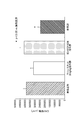
- FIG. 1 is a graph showing the choroidal neovascular (CNV) volume 7 days after laser irradiation.
- Table 1 shows the CNV suppression rate of each group based on the untreated group.
- the CNV volume suppression effect was observed as compared with the untreated group, there was no significant difference, and the CNV suppression rate was 18.3%.
- the anti-VEGF antibody administration group the CNV volume suppression effect was not observed as compared with the non-treatment group.
- the combination group showed a significant inhibitory effect on CNV volume compared to the untreated group (p ⁇ 0.05), and showed a CNV suppression rate more than twice that of the ranirestat administration group.
- the results in this combination group further enhance the effectiveness of anti-VEGF drugs that have been clinically effective, and as a result, the interval until re-administration of anti-VEGF drugs can be extended, that is, the effect can be sustained. It is suggested.
- a combination of anti-angiogenic effects can be expected even for patients who are not sufficiently effective with current anti-VEGF drug treatment. Alternatively, it can be expected that even if the dose of the anti-VEGF drug is reduced, a sufficient therapeutic effect is brought about.
- the anti-VEGF antibody currently in clinical use is a non-selective human anti-VEGF drug that inhibits all VEGF isoforms, and thus does not respond to mice. Since the anti-mouse VEGF antibody used in this experiment inhibits all VEGF isoforms in the same manner as the anti-human VEGF antibody, the effect of the anti-mouse VEGF antibody in this study is related to the clinical effect of the anti-human VEGF antibody. Reflected.
- Experiment 2 Method As in Experiment 1, anti-VEGF antibody and ranirestat were administered to mice treated with CNV alone or in combination.
- the dose of ranirestat was 10 mg / kg / day, the maximum dose used in the literature. This dose is considered to be the dose that exhibits maximum efficacy.
- the number of cases was 4 per group, and the following 4 groups were set.
- Non-treatment group (b) Ranirestat 10 mg / kg administration group: Ranirestat 10 mg / kg gavage once a day (10 mg / kg / day)
- Ranirestat was administered from the laser irradiation day (20-30 minutes after irradiation) to 7 days after irradiation.
- Anti-VEGF antibody was administered by intravitreal injection immediately after laser irradiation.
- the volume of CNV was measured in the same manner as in Experiment 1.
- FIG. 2 is a graph showing the choroidal neovascular (CNV) volume 7 days after laser irradiation.
- Table 2 shows the CNV suppression rate of each group based on the untreated group.
- the CNV volume was significantly suppressed as compared with the untreated group (p ⁇ 0.001), and the CNV suppression rate was 39.3%.
- the anti-VEGF antibody administration group a significant inhibitory effect on CNV volume was not observed as compared to the non-treatment group.
- the CNV volume was significantly suppressed as compared with the untreated group (p ⁇ 0.001), and the CNV suppression rate was 53.5%.
- the CNV volume was suppressed more effectively than the ranirestat administration group. Since it is considered that the ranirestat administration group showed the maximum effect on angiogenesis suppression, it can be said that the combination group showed the angiogenesis suppression effect exceeding the maximum effect of ranirestat. Furthermore, in the combination group, an anti-VEGF antibody having a reduced effect is used in combination with ranirestat to show an angiogenesis inhibitory effect that exceeds the maximum effect of ranirestat. Since the effect of suppressing angiogenesis was obtained, it is strongly suggested that the effect of suppressing increased vascular permeability is also obtained. These results indicate that the combination could achieve an effect that could not be achieved by increasing the dose of ranirestat alone. Such effects exceeding the maximum drug efficacy are beyond the prediction of those skilled in the art.
Landscapes
- Health & Medical Sciences (AREA)
- Chemical & Material Sciences (AREA)
- Life Sciences & Earth Sciences (AREA)
- Medicinal Chemistry (AREA)
- Pharmacology & Pharmacy (AREA)
- Veterinary Medicine (AREA)
- Public Health (AREA)
- General Health & Medical Sciences (AREA)
- Animal Behavior & Ethology (AREA)
- Epidemiology (AREA)
- Bioinformatics & Cheminformatics (AREA)
- Engineering & Computer Science (AREA)
- Chemical Kinetics & Catalysis (AREA)
- Organic Chemistry (AREA)
- General Chemical & Material Sciences (AREA)
- Ophthalmology & Optometry (AREA)
- Nuclear Medicine, Radiotherapy & Molecular Imaging (AREA)
- Endocrinology (AREA)
- Immunology (AREA)
- Microbiology (AREA)
- Mycology (AREA)
- Heart & Thoracic Surgery (AREA)
- Cardiology (AREA)
- Pharmaceuticals Containing Other Organic And Inorganic Compounds (AREA)
- Medicines That Contain Protein Lipid Enzymes And Other Medicines (AREA)
Abstract
Priority Applications (4)
| Application Number | Priority Date | Filing Date | Title |
|---|---|---|---|
| CN201280007456XA CN103391782A (zh) | 2011-02-02 | 2012-02-01 | 用于预防或治疗伴有眼内血管新生及/或眼内血管渗透性过高的疾病的药物 |
| EP12742277.2A EP2671589A4 (fr) | 2011-02-02 | 2012-02-01 | Agent médicinal pour la prévention ou le traitement de maladies associées à une néovascularisation intraoculaire et/ou une hyperperméabilité vasculaire intraoculaire |
| US13/982,786 US20140302009A1 (en) | 2011-02-02 | 2012-02-01 | Medicinal Agent for Prevention or Treatment of Diseases Associated with Intraocular Neovascularization and/or Intraocular Vascular Hyperpermeability |
| JP2012555932A JPWO2012105610A1 (ja) | 2011-02-02 | 2012-02-01 | 眼内血管新生及び/又は眼内血管透過性亢進を伴う疾患の予防又は治療のための医薬 |
Applications Claiming Priority (2)
| Application Number | Priority Date | Filing Date | Title |
|---|---|---|---|
| JP2011-020270 | 2011-02-02 | ||
| JP2011020270 | 2011-02-02 |
Publications (1)
| Publication Number | Publication Date |
|---|---|
| WO2012105610A1 true WO2012105610A1 (fr) | 2012-08-09 |
Family
ID=46602817
Family Applications (1)
| Application Number | Title | Priority Date | Filing Date |
|---|---|---|---|
| PCT/JP2012/052288 Ceased WO2012105610A1 (fr) | 2011-02-02 | 2012-02-01 | Agent médicinal pour la prévention ou le traitement de maladies associées à une néovascularisation intraoculaire et/ou une hyperperméabilité vasculaire intraoculaire |
Country Status (5)
| Country | Link |
|---|---|
| US (1) | US20140302009A1 (fr) |
| EP (1) | EP2671589A4 (fr) |
| JP (1) | JPWO2012105610A1 (fr) |
| CN (1) | CN103391782A (fr) |
| WO (1) | WO2012105610A1 (fr) |
Cited By (3)
| Publication number | Priority date | Publication date | Assignee | Title |
|---|---|---|---|---|
| WO2014033184A1 (fr) * | 2012-08-28 | 2014-03-06 | Novartis Ag | Utilisation d'un antagoniste du vegf dans le traitement de maladies de prolifération vasculaire oculaire |
| WO2019151470A1 (fr) | 2018-02-02 | 2019-08-08 | 国立大学法人 京都大学 | Médicament pour prévenir ou traiter une maladie ophtalmique associée à une néovascularisation intraoculaire et/ou à une perméabilité vasculaire intraoculaire accrues |
| US12642867B2 (en) | 2017-02-28 | 2026-06-02 | Yissum Research Development Company Of The Hebrew University Of Jerusalem Ltd. | Conjugates comprising ocular angiogenesis growth factor aptamers and uses thereof in the detection and treatment of ophthalmological angiogenesis indications |
Families Citing this family (4)
| Publication number | Priority date | Publication date | Assignee | Title |
|---|---|---|---|---|
| WO2015200905A2 (fr) | 2014-06-28 | 2015-12-30 | Oligasis, Llc | Doubles antagonistes de pdgf/vegf |
| IL290457B2 (en) | 2015-12-30 | 2025-02-01 | Kodiak Sciences Inc | Antibodies and their conjugates |
| CA3092588A1 (fr) | 2018-03-02 | 2019-09-06 | Kodiak Sciences Inc. | Anticorps anti-il-6 et constructions de fusion et conjugues associes |
| CA3157509A1 (fr) | 2019-10-10 | 2021-04-15 | Kodiak Sciences Inc. | Procedes de traitement d'un trouble oculaire |
Citations (14)
| Publication number | Priority date | Publication date | Assignee | Title |
|---|---|---|---|---|
| JP2516147B2 (ja) | 1991-06-26 | 1996-07-10 | 大日本製薬株式会社 | テトラヒドロピロロ〔1,2−a〕ピラジン−4−スピロ−3′−ピロリジン誘導体及びそれを有効成分とする糖尿病性合併症治療薬 |
| JPH11310538A (ja) | 1998-02-24 | 1999-11-09 | Senju Pharmaceut Co Ltd | 白血球の粘着または凝集抑制剤 |
| JP3158128B2 (ja) | 1992-12-25 | 2001-04-23 | 大日本製薬株式会社 | コハク酸イミド誘導体 |
| JP2004529149A (ja) | 2001-04-24 | 2004-09-24 | メルク パテント ゲゼルシャフト ミット ベシュレンクテル ハフトング | 抗血管新生剤とTNFαとを用いる組合せ療法 |
| JP2005511576A (ja) | 2001-11-09 | 2005-04-28 | アイテック・ファーマシューティカルズ | 眼球血管新生病を治療する方法 |
| WO2005072066A2 (fr) * | 2004-01-30 | 2005-08-11 | Sanwa Kagaku Kenkyusho Co | Agent pour la prevention ou le traitement de la maculopathie diabetique |
| WO2005079792A1 (fr) * | 2004-02-20 | 2005-09-01 | Sanwa Kagaku Kenkyusho Co., Ltd. | Agents préventifs ou thérapeutiques pour la rétinopathie diabétique sévère |
| JP2007505939A (ja) | 2003-09-23 | 2007-03-15 | ノバルティス アクチエンゲゼルシャフト | Vegf受容体阻害剤と他の治療剤の組み合わせ |
| JP2007505938A (ja) | 2003-09-23 | 2007-03-15 | ノバルティス アクチエンゲゼルシャフト | Vegf受容体阻害剤と化学療法剤の組み合わせ |
| JP2008520740A (ja) * | 2004-11-23 | 2008-06-19 | ピーティーシー セラピューティクス, インコーポレイテッド | Vegf産生を阻害する活性因子としての置換されたフェノール |
| WO2008093691A1 (fr) | 2007-01-31 | 2008-08-07 | Sanwa Kagaku Kenkyusho Co., Ltd. | Agent protecteur pour le nerf retinien ou le nerf optique |
| JP2008537538A (ja) | 2005-02-11 | 2008-09-18 | リジェネロン・ファーマシューティカルズ・インコーポレイテッド | Vegf拮抗剤及び降圧剤の治療的組み合わせ |
| JP2009102359A (ja) | 2001-01-09 | 2009-05-14 | Merck Patent Gmbh | 受容体型チロシンキナーゼ阻害剤および血管新生阻害剤を用いる併用療法 |
| JP2010509369A (ja) * | 2006-11-10 | 2010-03-25 | ジェネンテック インコーポレイテッド | 加齢黄斑変性症を処置するための方法 |
Family Cites Families (2)
| Publication number | Priority date | Publication date | Assignee | Title |
|---|---|---|---|---|
| CN101119717A (zh) * | 2004-11-23 | 2008-02-06 | Ptc医疗公司 | 用作抑制vegf产生的活性剂的取代酚 |
| US8821870B2 (en) * | 2008-07-18 | 2014-09-02 | Allergan, Inc. | Method for treating atrophic age related macular degeneration |
-
2012
- 2012-02-01 WO PCT/JP2012/052288 patent/WO2012105610A1/fr not_active Ceased
- 2012-02-01 EP EP12742277.2A patent/EP2671589A4/fr not_active Withdrawn
- 2012-02-01 US US13/982,786 patent/US20140302009A1/en not_active Abandoned
- 2012-02-01 CN CN201280007456XA patent/CN103391782A/zh active Pending
- 2012-02-01 JP JP2012555932A patent/JPWO2012105610A1/ja active Pending
Patent Citations (15)
| Publication number | Priority date | Publication date | Assignee | Title |
|---|---|---|---|---|
| JP2516147B2 (ja) | 1991-06-26 | 1996-07-10 | 大日本製薬株式会社 | テトラヒドロピロロ〔1,2−a〕ピラジン−4−スピロ−3′−ピロリジン誘導体及びそれを有効成分とする糖尿病性合併症治療薬 |
| JP3158128B2 (ja) | 1992-12-25 | 2001-04-23 | 大日本製薬株式会社 | コハク酸イミド誘導体 |
| JPH11310538A (ja) | 1998-02-24 | 1999-11-09 | Senju Pharmaceut Co Ltd | 白血球の粘着または凝集抑制剤 |
| JP2009102359A (ja) | 2001-01-09 | 2009-05-14 | Merck Patent Gmbh | 受容体型チロシンキナーゼ阻害剤および血管新生阻害剤を用いる併用療法 |
| JP2004529149A (ja) | 2001-04-24 | 2004-09-24 | メルク パテント ゲゼルシャフト ミット ベシュレンクテル ハフトング | 抗血管新生剤とTNFαとを用いる組合せ療法 |
| JP2009256373A (ja) | 2001-04-24 | 2009-11-05 | Merck Patent Gmbh | 抗血管新生剤とTNFαとを用いる組合せ療法 |
| JP2005511576A (ja) | 2001-11-09 | 2005-04-28 | アイテック・ファーマシューティカルズ | 眼球血管新生病を治療する方法 |
| JP2007505939A (ja) | 2003-09-23 | 2007-03-15 | ノバルティス アクチエンゲゼルシャフト | Vegf受容体阻害剤と他の治療剤の組み合わせ |
| JP2007505938A (ja) | 2003-09-23 | 2007-03-15 | ノバルティス アクチエンゲゼルシャフト | Vegf受容体阻害剤と化学療法剤の組み合わせ |
| WO2005072066A2 (fr) * | 2004-01-30 | 2005-08-11 | Sanwa Kagaku Kenkyusho Co | Agent pour la prevention ou le traitement de la maculopathie diabetique |
| WO2005079792A1 (fr) * | 2004-02-20 | 2005-09-01 | Sanwa Kagaku Kenkyusho Co., Ltd. | Agents préventifs ou thérapeutiques pour la rétinopathie diabétique sévère |
| JP2008520740A (ja) * | 2004-11-23 | 2008-06-19 | ピーティーシー セラピューティクス, インコーポレイテッド | Vegf産生を阻害する活性因子としての置換されたフェノール |
| JP2008537538A (ja) | 2005-02-11 | 2008-09-18 | リジェネロン・ファーマシューティカルズ・インコーポレイテッド | Vegf拮抗剤及び降圧剤の治療的組み合わせ |
| JP2010509369A (ja) * | 2006-11-10 | 2010-03-25 | ジェネンテック インコーポレイテッド | 加齢黄斑変性症を処置するための方法 |
| WO2008093691A1 (fr) | 2007-01-31 | 2008-08-07 | Sanwa Kagaku Kenkyusho Co., Ltd. | Agent protecteur pour le nerf retinien ou le nerf optique |
Non-Patent Citations (4)
| Title |
|---|
| GIANNOUKAKIS, N.: "Drug evaluation: ranirestat- an aldose reductase inhibitor for the potential treatment of diabetic complications", CURR OPIN INVESTIG DRUGS, vol. 7, no. 10, 2006, pages 916 - 923, XP008169463 * |
| HITOSHI TAKAGI: "Tonyobyo Momakusho to Bisho Kekkan Shogai", VASCULAR BIOLOGY & MEDICINE, vol. 3, no. 6, 2002, pages 597 - 606, XP008169467 * |
| See also references of EP2671589A4 * |
| YASUAKI HATA ET AL.: "Tonyobyo Gappeisho no Byori: Gankateki Gappeisho", PATHOLOGY AND CLINICAL MEDICINE, vol. 24, no. 7, 2006, pages 727 - 733, XP008169460 * |
Cited By (3)
| Publication number | Priority date | Publication date | Assignee | Title |
|---|---|---|---|---|
| WO2014033184A1 (fr) * | 2012-08-28 | 2014-03-06 | Novartis Ag | Utilisation d'un antagoniste du vegf dans le traitement de maladies de prolifération vasculaire oculaire |
| US12642867B2 (en) | 2017-02-28 | 2026-06-02 | Yissum Research Development Company Of The Hebrew University Of Jerusalem Ltd. | Conjugates comprising ocular angiogenesis growth factor aptamers and uses thereof in the detection and treatment of ophthalmological angiogenesis indications |
| WO2019151470A1 (fr) | 2018-02-02 | 2019-08-08 | 国立大学法人 京都大学 | Médicament pour prévenir ou traiter une maladie ophtalmique associée à une néovascularisation intraoculaire et/ou à une perméabilité vasculaire intraoculaire accrues |
Also Published As
| Publication number | Publication date |
|---|---|
| JPWO2012105610A1 (ja) | 2014-07-03 |
| US20140302009A1 (en) | 2014-10-09 |
| EP2671589A4 (fr) | 2014-11-19 |
| EP2671589A1 (fr) | 2013-12-11 |
| CN103391782A (zh) | 2013-11-13 |
Similar Documents
| Publication | Publication Date | Title |
|---|---|---|
| JP5212849B2 (ja) | 眼内血管新生及び/又は眼内血管透過性亢進を伴う疾患の予防又は治療のための医薬 | |
| JP5739908B2 (ja) | 血管形成関連の眼疾患の処置のための組成物および方法 | |
| CN114845718B (zh) | 用于治疗与过度血管形成相关的眼部疾病的化合物 | |
| JP5934229B2 (ja) | 眼血管疾患の処置のための投与計画 | |
| JPWO2012105610A1 (ja) | 眼内血管新生及び/又は眼内血管透過性亢進を伴う疾患の予防又は治療のための医薬 | |
| JP2018521120A (ja) | 翼状片を治療するための組成物及び方法 | |
| WO2019096194A1 (fr) | Utilisation d'un anticorps anti-pd-1 combiné à un inhibiteur de vegfr dans le traitement du cancer du poumon à petites cellules | |
| JP6427497B2 (ja) | 眼疾患の治療剤又は予防剤 | |
| MX2007014087A (es) | Combinaciones y procedimientos para usar un compuesto de indolinona. | |
| WO2017051188A1 (fr) | Traitement de maladies neurodégénératives | |
| US20170224815A1 (en) | Method of Preventing and Treating Retinal Microvasculature Inflammation Using C-Met Signaling Pathway Inhibition | |
| JP2025509278A (ja) | 小細胞肺癌を治療する方法 | |
| US20210228538A1 (en) | Composition for blocking angiogenesis | |
| JP6030234B2 (ja) | イマチニブまたはこの薬学的に許容される塩を有効成分として含む血管透過性疾患の治療若しくは予防用組成物 | |
| WO2020203822A1 (fr) | Médicament combiné pour le traitement ou la prévention d'une maladie rétinienne associée à l'angiogenèse | |
| AU2002366975B2 (en) | Quinazolinone compounds in combined modalities for improved cancer treatment | |
| KR20150051493A (ko) | 이매티닙 또는 이의 약학적으로 허용되는 염을 유효성분으로 포함하는 혈관신생 관련 질환의 예방 또는 치료용 약학적 조성물 | |
| HK1173084A (en) | Pharmaceutical for preventing or treating disorders accompanied by ocular angiogenesis and/or elevated ocular vascular permeability | |
| KR20260019535A (ko) | 보체 항체-약물 접합체 | |
| Croasdell | Association for Research in Vision and Ophthalmology (ARVO)-2016 Annual Meeting. Seattle, Washington, USA-April 29-May 5, 2016 | |
| Walker | Association for Research in Vision and Ophthalmology (ARVO) 2012 Annual Meeting, Fort Lauderdale, Florida, USA-May 5-9, 2012 |
Legal Events
| Date | Code | Title | Description |
|---|---|---|---|
| 121 | Ep: the epo has been informed by wipo that ep was designated in this application |
Ref document number: 12742277 Country of ref document: EP Kind code of ref document: A1 |
|
| ENP | Entry into the national phase |
Ref document number: 2012555932 Country of ref document: JP Kind code of ref document: A |
|
| NENP | Non-entry into the national phase |
Ref country code: DE |
|
| WWE | Wipo information: entry into national phase |
Ref document number: 2012742277 Country of ref document: EP |
|
| WWE | Wipo information: entry into national phase |
Ref document number: 13982786 Country of ref document: US |