WO2012108175A1 - Procédé de notification de mise à jour de base de données - Google Patents
Procédé de notification de mise à jour de base de données Download PDFInfo
- Publication number
- WO2012108175A1 WO2012108175A1 PCT/JP2012/000793 JP2012000793W WO2012108175A1 WO 2012108175 A1 WO2012108175 A1 WO 2012108175A1 JP 2012000793 W JP2012000793 W JP 2012000793W WO 2012108175 A1 WO2012108175 A1 WO 2012108175A1
- Authority
- WO
- WIPO (PCT)
- Prior art keywords
- access request
- notification destination
- notification
- information
- destination information
- Prior art date
- Legal status (The legal status is an assumption and is not a legal conclusion. Google has not performed a legal analysis and makes no representation as to the accuracy of the status listed.)
- Ceased
Links
Images





Classifications
-
- G—PHYSICS
- G06—COMPUTING OR CALCULATING; COUNTING
- G06F—ELECTRIC DIGITAL DATA PROCESSING
- G06F16/00—Information retrieval; Database structures therefor; File system structures therefor
- G06F16/20—Information retrieval; Database structures therefor; File system structures therefor of structured data, e.g. relational data
- G06F16/23—Updating
-
- G—PHYSICS
- G06—COMPUTING OR CALCULATING; COUNTING
- G06F—ELECTRIC DIGITAL DATA PROCESSING
- G06F16/00—Information retrieval; Database structures therefor; File system structures therefor
- G06F16/20—Information retrieval; Database structures therefor; File system structures therefor of structured data, e.g. relational data
- G06F16/23—Updating
- G06F16/2358—Change logging, detection, and notification
Definitions
- the present invention relates to a database update notification method in an information processing apparatus that accesses a database, and more particularly to a database update notification method that notifies a specific notification destination when a change is made to specific data in a database.
- this type of database update notification method is realized by incorporating a mechanism for detecting that changes have been made to specific data on the database server side.
- Patent Document 1 includes a file that holds a rule for monitoring a database, a rule for notifying a detection result, and a history of accessing the database in a server having the database, and uses a process different from the database.
- the server periodically refers to the monitoring rules and access history files to check whether there is any change in the monitoring data, and when a change is detected, a technique is described to notify a specific user according to the notification rules. .
- Patent Document 2 uses a server having a database to detect whether or not a data file has been changed using an appropriate method, for example, a method of periodically checking the size and access time of a file, It describes a method for notifying a specific client of the updated contents when there is a change.
- the object of the present invention is to solve the problem as described above, that is, when a specific notification destination is notified when a change is made to specific data in the database, the throughput of the database decreases. To provide a database update notification method to be solved.
- a database update notification method includes: A database update notification method executed by an information processing apparatus having an access request means for issuing an access request to a database server, an access type determination means, a notification destination information acquisition means, and a notification means,
- the access type determination means determines whether the access request issued from the access request means is an access request for updating;
- the notification destination information acquisition means stores, in the database server, notification destination information corresponding to location information of data to be updated by the access request when the issued access request is an access request for updating.
- a configuration is adopted in which the notification means issues a notification to a notification destination specified by the acquired notification destination information.
- An information processing apparatus includes: An access request means for issuing an access request to the database server; Access type determination means for determining whether the issued access request is an access request for updating; When the issued access request is an access request for updating, the information on the notification destination corresponding to the location information of the data updated by the access request is the location information of the specific data stored in the database server.
- a notification destination information acquisition means for acquiring from a notification destination information storage means for storing notification destination information to be notified when there is a change in the specific data corresponding to A configuration is adopted in which notification means for notifying the notification destination specified by the acquired notification destination information is provided.
- the present invention has the configuration as described above, it is possible to detect and notify that a change has been made to specific data in the database without reducing the throughput of the database.
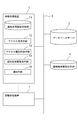
- the first embodiment of the present invention includes one or more information processing apparatuses 1, a database server 2, and a network 3 that connects these to be communicable with each other.
- the database server 2 includes a KVS (Key Value Store) server, an SQL server, and the like.
- the database server 2 stores data shared by one or more information processing apparatuses 1.
- the information processing apparatus 1 is a client that refers to and updates data stored in the database server 2.
- the information processing apparatus 1 includes a notification destination information storage unit 11, an access request unit 12, an access type determination unit 13, a notification destination information acquisition unit 14, and a notification unit 15.
- the notification destination information storage unit 11 has a function of storing information of a notification destination to be notified when there is a change in the specific data corresponding to the location information of the specific data stored in the database server 2. Have.
- the information of the notification destination is information (for example, process ID) for specifying the application program if a notification is issued to an application program (not shown) running on the information processing apparatus 1.
- information for identifying the other information processing apparatus 1 for example, the information
- information for example, process ID for specifying the application program on the information processing device.
- the information on the notification destination may further include information notified to the notification destination.
- the notification destination information may include information for uniquely identifying callback information (for example, a function pointer address of a callback function) as information to be notified to the notification destination.
- the location information is information indicating the data position. For example, if the database server 2 is a KVS server, the key in the KVS corresponds to the location information.
- the access request unit 12 has a function of issuing an access request to the database server 2.
- the access type determination unit 13 has a function of determining whether or not the access request issued from the access request unit 12 is an access request for updating. For example, the access type determination unit 13 analyzes an access request to determine an access type. If the access type is for updating data (for example, a SET command), the access type determination unit 13 determines that the access request is an update request. .
- the access type determination unit 13 analyzes an access request to determine an access type. If the access type is for updating data (for example, a SET command), the access type determination unit 13 determines that the access request is an update request. .
- the notification destination information acquisition unit 14 When the access type determination unit 13 determines that the access request is an access request for updating, the notification destination information acquisition unit 14 notifies the notification destination information corresponding to the location information of the data to be updated by the access request. Whether the information is stored in the destination information storage unit 11 is checked, and if it is stored, the notification destination information is acquired from the notification destination information storage unit 11. For example, if the notification destination information acquisition unit 14 is an access request to the KVS server, the notification destination information storage unit 11 stores the notification destination information corresponding to the key using the key included in the access request. If it is stored, the information is acquired.
- the notification unit 15 has a function of notifying the notification destination specified by the notification destination information acquired by the notification destination information acquisition unit 14 that the data has been changed. In addition, if the notification destination information includes information to be notified to the notification destination, the notification unit 15 performs notification with the information to be notified to the notification destination.
- the notification destination information T1 is stored in the notification destination information storage unit 11 of the information processing apparatus 1 in correspondence with the data location information L1.
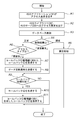
- step S1 When the access request unit 12 of the information processing apparatus 1 issues an access request to the database server 2 (step S1), the access request is transmitted to the database server 2 through the network 3, and the access type determination unit 13 Received.
- the access type determination unit 13 determines the type of the received access request (step S2). If the access request is an update request, the notification destination information acquisition unit 14 stores the notification destination information corresponding to the location information of the access target data included in the access request in the notification destination information storage unit 11. It is investigated whether or not there are (steps S3 and S4). Here, if the location information included in the access request is L1, the notification destination information T1 exists, so it is acquired.
- the notification unit 15 receives the notification destination information T1 from the notification destination information acquisition unit 14 and issues a notification to the notification destination specified by the notification destination information T1 (step S5). At this time, if there is information to be notified to the notification destination, the information is sent along with the information. By receiving this notification, the notification destination can recognize that the data specified by the location information L1 of the database server 2 has been changed. If the function pointer address of the callback function is attached to the notification, the notification destination calls the callback function at the function pointer address. Thereby, a predetermined process can be executed in synchronization with the change of specific data.
- the database server 2 is not involved at all in the process of detecting that a specific data of the database server 2 has been changed and issuing a notification. Therefore, it is possible to detect and notify that a change has been made to specific data in the database without reducing the throughput of the database.
- all information processing devices 1 that may access the specific data of the database server 2 are provided with a notification destination information storage unit 11, an access request unit 12, an access type determination unit 13, and a notification destination information acquisition unit. 14 and the notification means 15 are incorporated, it is possible to detect that a change has been made to the specific data of the database server 2 without any omission and to issue a notification.
- the notification destination information storage unit 11 is individually arranged in each information processing apparatus 1. However, as shown in FIG. 1, one or a plurality of notification destination information storage means 4 may be connected to the network 3 and the notification destination information storage means 4 may be shared by a plurality of information processing apparatuses 1.
- the access type determination unit 13 performs processing asynchronously with the access request issued by the access request unit 13, but confirms that the access request has been normally completed and starts processing. May be.
- the second embodiment of the present invention is illustrated in FIG. 1 in that the information processing apparatus 1 further includes a notification destination information addition determination unit 16 and a notification destination information registration unit 17. This is different from the first embodiment.
- the notification destination information addition determination unit 16 has a function of determining whether or not notification destination information is added to the access request issued from the access request unit 12.
- the notification destination information registration unit 17 has a function of storing the notification destination information added to the access request in the notification destination information storage unit 11 in association with the location information of the access destination data included in the access request.
- data location information and notification destination information are registered in the notification destination information storage means 11 so that a specific notification destination is notified when certain data in the database server 2 is changed.
- the first operation to be performed and the access request to the database server 2 are monitored based on the information stored in the notification destination information storage means 11, and a notification is sent to the specific notification destination when the specific data is changed. 2 operation is performed. Since the second operation is similar to the operation in the first embodiment, the first operation will be mainly described below.
- the information processing apparatus 1 issues a request to access the data when it is desired to notify a specific notification destination when the data existing at a certain position of the database server 2 is changed.
- notification destination information is added to the access request.
- the type of access request may be either a reference request or an update request.
- notification destination information T2 is added to the access request.
- the location information specifying the access destination data included in this access request is L2.
- the access request When an access request to which notification destination information T2 is added is issued from the access request unit 12, the access request is transmitted to the database server 2 through the network 3, and the access type determination unit 13 and the notification destination information Received by the addition determination means 16.
- the operation of the access type determination unit 13 that has received the access request, the subsequent notification destination information acquisition unit 14 and the notification unit 15, that is, the second operation is the same as the operation in the first embodiment.
- the notification destination information addition determination means 16 determines whether or not notification destination information is added to the access request. In this case, notification destination information T2 is added. Therefore, the notification destination information registration unit 17 stores the notification destination information T2 added to the access request in the notification destination information storage unit 11 in association with the location information L2 of the access destination data included in the access request. To do.
- an access request to which notification destination information is added can be used to access the data.
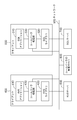
- this embodiment includes a client 100, a KVS server 200, and a network 300.
- the KVS server 200 is a server (information processing apparatus) that receives and processes an access request in the Key-Value format from the client 100.
- the KVS server 200 does not have a function for executing processing designated by the application at the time of data update, such as the stored procedure of the SQL server, and cannot perform data update notification.
- the client 100 is a node (information processing apparatus) including a program 110, a program 120, and a callback ID management unit 130 that access the KVS server 200.
- the callback ID management unit 130 stores the key and the callback ID in association with each other.
- the callback ID is an identifier for uniquely identifying an application and callback information in the client 100.
- a character string obtained by concatenating a Linux PID (Process ID) and a function pointer address of a callback function is used. Equivalent to.
- the callback ID is described as a character string obtained by concatenating the PID and the function pointer address.
- the program 110 includes a KVS application 111, a KVS library 112, and a callback processing unit 113.
- the KVS application 111 is a subject that accesses the KVS server 200, and issues an access request to the KVS server 200.
- the access request includes an access type such as “SET” or “GET”, data location information of an access destination, a data buffer, and callback information.
- the data location information is information indicating the position of data to be accessed, and corresponds to a key in KVS.
- the key is considered as data location information.
- the data buffer indicates data associated with the location information, and a value (value) in KVS corresponds to this.
- the callback information is callback information that is invoked when the data specified by the data location information in the access request is updated from another program, and corresponds to a callback function or the like.
- the function pointer address of the callback function is considered as callback information. If there is no need to call back even if it is updated by another program, there is no need to specify callback information.
- the KVS library 112 manages an interface between the KVS server 200 and the KVS application 111, and transmits an access request to the KVS server 200 in a format suitable for the interface of the KVS server 200. Further, when the processing result is returned from the KVS server 200, the KVS library 112 returns it to the upper part.
- FIG. 5 shows details of the callback processing unit 113 and related diagrams with other components.
- the callback processing unit 113 includes a callback ID acquisition unit 114, a callback ID setting unit 115, a callback ID communication unit 116, and a callback execution unit 117.
- the callback ID acquisition unit 114 determines the access type included in the access request notified from the KVS application 111.
- the access type is “update type” access that updates data (eg, “SET” instruction)
- the callback ID management unit 130 is inquired based on the table name included in the access request, and is associated with the data location information. Get the callback ID. Further, the callback ID acquisition unit 114 cancels the association of the acquired callback ID and deletes it from the callback ID management unit 130.
- the callback ID communication unit 116 transmits / receives a callback ID to / from the program 120 and other programs. Specifically, based on the callback ID acquired by the callback ID acquisition unit 114, the callback ID of the corresponding program is notified to the callback processing unit. This notification corresponds to a data update notification. When a callback ID is received from another program, the callback execution unit 117 is notified of it.
- the callback execution unit 117 executes the corresponding callback function based on the callback ID notified from the callback ID communication unit 116. As a result, the KVS application 111 is notified of data update.
- the callback ID setting unit 115 When the function pointer of the callback function is added to the access request, the callback ID setting unit 115 generates a character string obtained by connecting the PID of the own program and the function pointer address of the callback function as the callback ID. .
- the callback ID setting unit 115 stores the callback ID in the callback ID management unit 130 in association with the key. If there is a callback ID already registered, it is added.
- the program 120 includes a KVS application 121, a KVS library 122, and a callback processing unit 123. Since the program 120 is the same as the KVS application 111, the KVS library 112, and the callback processing unit 113, description thereof is omitted.
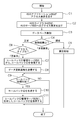
- the KVS application 111 issues an access request to the KVS server 200 (step A1 in FIG. 6).
- the KVS library 112 transmits an access request to the KVS server 200 (step A2).
- the KVS server 200 performs database control based on the transmitted access request and returns the processing result to the KVS library 112 (step A3).
- the KVS library 112 determines the processing result from the KVS server 200 (step A4), and if the result is abnormal, performs an abnormal process (step A5) and ends. If the result is normal, the callback ID acquisition unit 114 determines the access type of the access request (step A6).
- step A6 when the access type is “update type” access, the callback ID management unit 130 is inquired, the callback ID associated with the key of the access request is acquired, and the acquired ID is used as the callback ID communication unit. 116 is notified (step A7). Then, the callback ID communication unit 116 analyzes the PID from the notified callback ID and transmits the callback ID as a data update notification to the corresponding program (step A8).
- the callback ID setting unit 115 determines whether the pointer address of the callback function is added to the access request (step A9).
- step A9 if a pointer address is added, a character string in which the PID of the own program and the pointer address of the callback function are concatenated is generated (step A10), and is associated with the key. Save (step A11) and end.
- step A9 if no pointer address is given, the process ends.
- step A6 if the access type is “non-update type” access, the process proceeds to step A9.
- the callback ID communication unit 116 receives a data update notification from another program (step B1 in FIG. 7). Then, the callback ID communication unit 116 notifies the callback execution unit 117 of the callback ID included in the data update notification (step B2). The callback execution unit 117 analyzes the callback ID and executes the corresponding callback function (steps B3 and B4).
- the present embodiment includes a client 400 that executes a KVS application, a client 500 that executes a SQL application, a KVS server 600, a SQL server 700, a callback ID management server 800, and a network 900. Yes.
- the callback ID management server 800 includes the location information of the database server, for example, the IP address of the access destination database (in the following description, the IP address of the access destination database is described as the location information of the access destination database) and the data location information.
- the callback ID is an identifier for uniquely identifying the callback information in the system. For example, a character obtained by concatenating the IP (Internet Protocol) address of each node, the PID of the application, and the function pointer address of the callback function. This corresponds to a column.
- a character string obtained by concatenating the IP address of each node, the PID of the application, and the function pointer address of the callback function will be described as a callback ID.
- the substance of the callback ID management server 800 is a database server such as the KVS server 600 that can be accessed at a very high speed.
- the client 400 is a node that includes a KVS application 410, a KVS library 420, and a callback processing unit 430.
- the KVS application 410 and the KVS library 420 have the same configuration as the KVS application 111 and the KVS library 112 of the third embodiment, and thus description thereof is omitted.
- the callback processing unit 430 includes a callback ID acquisition unit 431, a callback ID setting unit 432, a callback ID communication unit 433, and a callback execution unit 434.
- the callback ID acquisition unit 431 determines the access type included in the access request notified from the KVS application 410.
- the access type is “update type” access that updates data, an identifier for uniquely identifying the access destination database, for example, an IP address of the access destination database (in the following description, to uniquely identify the access destination database)
- the callback ID management server 800 is inquired based on a character string obtained by concatenating the data location information (key in the case of KVS) concatenated with the IP address of the access destination database as an identifier of the access destination) and data.
- the callback ID associated with the location information is acquired. Note that the callback ID acquisition unit 431 cancels the association of the acquired callback ID and deletes it from the callback ID management server 800.
- the callback ID communication unit 433 transmits and receives a callback ID. Specifically, based on the callback ID acquired by the callback ID acquisition unit 431, the callback ID of the corresponding program is notified to the callback processing unit. This notification corresponds to a data update notification. When the callback ID communication unit 433 receives a callback ID from another program, the callback ID communication unit 433 notifies the callback execution unit 434 of the callback ID.
- the callback execution unit 434 executes the corresponding callback function based on the callback ID received from the callback ID communication unit 116. As a result, the KVS application 111 is notified of data update.
- the callback ID setting unit 432 When the callback function function pointer is added to the access request, the callback ID setting unit 432 generates a character string obtained by concatenating the IP address of the own node, the PID of the own program, and the function pointer address of the callback function. Generated as a callback ID.
- the callback ID is stored in the callback ID management server 800 in association with a character string obtained by concatenating the IP address of the access destination database server and the key. Note that the callback ID setting unit 432 adds a callback ID when it is already registered.
- the SQL server 700 is a server that accepts and processes an access request in an SQL format from a client. Note that the SQL server 700 does not have a function of executing a process designated by an application at the time of data update, such as a stored procedure.
- the client 500 is a node that includes an SQL application 510, an SQL library 520, and a callback processing unit 530 therein.
- the SQL application 510 is an entity that accesses the SQL server 700, and issues an access request to the SQL server 700.
- the access request includes an access type such as “INSERT” or “SELECT”, data location information of an access destination, a data buffer, and callback information.
- the data location information is information indicating the position of the data to be accessed, and the table name in the SQL sentence corresponds to this.
- the table name will be described as data location information.
- the data buffer indicates data associated with the location information, and a value included in the SQL sentence corresponds to this.
- the callback information is callback information that is invoked when the data indicated by the data location information in the access request is updated from another program, and corresponds to a callback function or the like.
- the function pointer address of the callback function is considered as callback information. If there is no need to call back even if it is updated by another program, there is no need to specify callback information.
- the SQL library 520 manages an interface between the SQL server 700 and the SQL application 510, and transmits an access request to the SQL server 700 in a format suitable for the interface of the SQL server 700. Further, when the processing result is returned from the SQL server 700, the SQL library 520 returns it to the upper part.
- the callback processing unit 530 has the same configuration as the callback processing unit 430. However, the access types that the callback ID acquisition unit in the callback processing unit 530 determines to be “update type” access are different. Here, an access type in which an update occurs in the SQL server such as “INSERT” or “UPDATE” is regarded as “update system access”.
- the KVS application 410 issues an access request to the KVS server (step C1 in FIG. 10).
- the KVS library 420 transmits an access request to the KVS server 600 (step C2).
- the KVS server 600 performs database control based on the transmitted access request, and returns the processing result to the KVS library 420 (step C3).
- the KVS library 420 determines the processing result from the KVS server 600 (step C4), and if the result is abnormal, performs an abnormal process (step C5) and ends. If the result is normal, the callback ID acquisition unit 431 determines the access type of the access request (step C6).
- step C6 when the access type is “update type” access, the callback ID management server 800 is inquired, the callback ID associated with the access request key is acquired, and the acquired ID is used as the callback ID communication unit. 433 is notified (step C7). Then, the callback ID communication unit 433 transmits a callback ID as a data update notification to the program uniquely derived from the notified callback ID (step C8).
- the callback ID setting unit 432 determines whether the pointer address of the callback function is added to the access request (step C9). If a pointer address is added in step C9, a character string concatenating the IP address of the own node, the PID of the own program, and the pointer address of the callback function is generated, and associated with the key, the callback ID management server The data is stored in 800 (step C11), and the process ends. If no pointer address is given in step C9, the process ends. In step C6, if the access type is “non-update type” access, the process proceeds to step C9.
- the operation when the client 500 accesses the SQL server 700 is the same as the operation when the client 400 accesses the KVS server 600.
- the KVS application 410 is changed to the SQL application 510
- the KVS library 420 is changed to the SQL library 520
- the callback processing unit 430 is changed. Since this is the same as the case where the callback processing unit 530 and the KVS server 600 are replaced with the SQL server 700, description thereof will be omitted.
- the callback ID communication unit 433 receives a data update notification from another client (step D1 in FIG. 11). Then, the callback ID communication unit 433 notifies the callback execution unit 434 of the callback ID included in the data update notification (step D2). The callback execution unit 434 analyzes the callback ID and executes the corresponding callback function (steps D3 and D4).
- the callback ID acquisition unit and the callback ID setting unit give the identifier for uniquely identifying the access destination database to the data location information and access the callback ID management server Therefore, the data update notification of a plurality of database servers can be performed.
- the present invention can be realized by a computer and a program as well as by realizing the functions of the hardware.
- the program is provided by being recorded on a computer-readable recording medium such as a magnetic disk or a semiconductor memory, or a portable medium such as a flexible disk, an optical disk, a magneto-optical disk, or a semiconductor memory.
Landscapes
- Engineering & Computer Science (AREA)
- Theoretical Computer Science (AREA)
- Data Mining & Analysis (AREA)
- Databases & Information Systems (AREA)
- Physics & Mathematics (AREA)
- General Engineering & Computer Science (AREA)
- General Physics & Mathematics (AREA)
- Information Retrieval, Db Structures And Fs Structures Therefor (AREA)
Abstract
Priority Applications (4)
| Application Number | Priority Date | Filing Date | Title |
|---|---|---|---|
| CN201280008514.0A CN103370695B (zh) | 2011-02-10 | 2012-02-07 | 数据库更新通知方法 |
| US13/982,478 US9514176B2 (en) | 2011-02-10 | 2012-02-07 | Database update notification method |
| JP2012556787A JP5652480B2 (ja) | 2011-02-10 | 2012-02-07 | データベース更新通知方法 |
| EP12744314.1A EP2674868A4 (fr) | 2011-02-10 | 2012-02-07 | Procédé de notification de mise à jour de base de données |
Applications Claiming Priority (2)
| Application Number | Priority Date | Filing Date | Title |
|---|---|---|---|
| JP2011026735 | 2011-02-10 | ||
| JP2011-026735 | 2011-02-10 |
Publications (1)
| Publication Number | Publication Date |
|---|---|
| WO2012108175A1 true WO2012108175A1 (fr) | 2012-08-16 |
Family
ID=46638396
Family Applications (1)
| Application Number | Title | Priority Date | Filing Date |
|---|---|---|---|
| PCT/JP2012/000793 Ceased WO2012108175A1 (fr) | 2011-02-10 | 2012-02-07 | Procédé de notification de mise à jour de base de données |
Country Status (5)
| Country | Link |
|---|---|
| US (1) | US9514176B2 (fr) |
| EP (1) | EP2674868A4 (fr) |
| JP (1) | JP5652480B2 (fr) |
| CN (1) | CN103370695B (fr) |
| WO (1) | WO2012108175A1 (fr) |
Cited By (2)
| Publication number | Priority date | Publication date | Assignee | Title |
|---|---|---|---|---|
| WO2014034852A1 (fr) * | 2012-08-31 | 2014-03-06 | 日本電気株式会社 | Système distribué, procédé de traitement de données de dispositif de traitement d'informations, et programme |
| JP2014178842A (ja) * | 2013-03-14 | 2014-09-25 | Mitsubishi Electric Corp | ネットワーク装置及び状態変化通知方法 |
Families Citing this family (6)
| Publication number | Priority date | Publication date | Assignee | Title |
|---|---|---|---|---|
| KR20140129513A (ko) * | 2013-04-30 | 2014-11-07 | 삼성전자주식회사 | 전자 문서의 정보 제공 방법 및 이를 지원하는 전자 장치 |
| CN103984779A (zh) * | 2014-06-06 | 2014-08-13 | 北京联时空网络通信设备有限公司 | 一种数据更新方法及装置 |
| US20170177641A1 (en) * | 2015-12-19 | 2017-06-22 | Viktor Charles Von Drakk | Method and device for correlating multiple tables in a database environment |
| US10922299B2 (en) | 2018-04-24 | 2021-02-16 | The Von Drakk Corporation | Correlating multiple tables in a non-relational database environment |
| KR102281590B1 (ko) * | 2019-07-31 | 2021-07-29 | 엘지전자 주식회사 | 음성인식 성능 향상을 위한 비 지도 가중치 적용 학습 시스템 및 방법, 그리고 기록 매체 |
| CN113542326B (zh) * | 2020-04-17 | 2023-04-25 | 上海际链网络科技有限公司 | 分布式系统的数据缓存方法及装置、服务器、存储介质 |
Citations (6)
| Publication number | Priority date | Publication date | Assignee | Title |
|---|---|---|---|---|
| JPH09282210A (ja) | 1996-04-15 | 1997-10-31 | Hitachi Ltd | データベース監視方法及びそのシステム |
| JPH11194983A (ja) * | 1997-11-21 | 1999-07-21 | Internatl Business Mach Corp <Ibm> | カスタマイズされたインターネット・コンテンツを要求側クライアント装置に提供する方法およびシステム |
| JP2000172540A (ja) * | 1998-12-01 | 2000-06-23 | Hitachi Ltd | データベース処理方法及びその実施装置並びにその処理プログラムを記録した媒体 |
| JP2002533838A (ja) | 1998-12-31 | 2002-10-08 | コンピューター アソシエイツ シンク インク | クライアントサーバーでダイナミックなファイルアクセスを行うシステムと方法 |
| WO2009044460A1 (fr) * | 2007-10-03 | 2009-04-09 | Intelligentworks Co., Ltd. | Dispositif d'acquisition d'informations de fonctionnement de serveur, procédé et programme informatique |
| JP2011026735A (ja) | 2009-07-24 | 2011-02-10 | Hiroyuki Nakade | ストッキング |
Family Cites Families (9)
| Publication number | Priority date | Publication date | Assignee | Title |
|---|---|---|---|---|
| US5133075A (en) * | 1988-12-19 | 1992-07-21 | Hewlett-Packard Company | Method of monitoring changes in attribute values of object in an object-oriented database |
| US6910070B1 (en) * | 2000-01-24 | 2005-06-21 | Oracle International Corporation | Methods and systems for asynchronous notification of database events |
| US7743022B2 (en) * | 2003-02-28 | 2010-06-22 | Microsoft Corporation | Method and system for synchronizing data shared among peer computing devices |
| US20050038791A1 (en) * | 2003-08-13 | 2005-02-17 | Hewlett-Packard Development Company, L.P. | System and method for event notification |
| US8090776B2 (en) * | 2004-11-01 | 2012-01-03 | Microsoft Corporation | Dynamic content change notification |
| JP2008027065A (ja) | 2006-07-19 | 2008-02-07 | Ricoh Co Ltd | 文書管理システム、文書管理プログラム、および文書管理プログラムが格納された記憶媒体 |
| US8782203B2 (en) * | 2007-09-14 | 2014-07-15 | International Business Machines Corporation | Propagating accelerated events in a network management system |
| AU2010285928B2 (en) * | 2009-08-17 | 2014-03-13 | Astro Suri Holdings Inc. | Information update system |
| US8983907B2 (en) * | 2010-12-08 | 2015-03-17 | Microsoft Technology Licensing, Llc | Change notifications from an updated data representation |
-
2012
- 2012-02-07 EP EP12744314.1A patent/EP2674868A4/fr not_active Ceased
- 2012-02-07 CN CN201280008514.0A patent/CN103370695B/zh not_active Expired - Fee Related
- 2012-02-07 US US13/982,478 patent/US9514176B2/en not_active Expired - Fee Related
- 2012-02-07 WO PCT/JP2012/000793 patent/WO2012108175A1/fr not_active Ceased
- 2012-02-07 JP JP2012556787A patent/JP5652480B2/ja not_active Expired - Fee Related
Patent Citations (6)
| Publication number | Priority date | Publication date | Assignee | Title |
|---|---|---|---|---|
| JPH09282210A (ja) | 1996-04-15 | 1997-10-31 | Hitachi Ltd | データベース監視方法及びそのシステム |
| JPH11194983A (ja) * | 1997-11-21 | 1999-07-21 | Internatl Business Mach Corp <Ibm> | カスタマイズされたインターネット・コンテンツを要求側クライアント装置に提供する方法およびシステム |
| JP2000172540A (ja) * | 1998-12-01 | 2000-06-23 | Hitachi Ltd | データベース処理方法及びその実施装置並びにその処理プログラムを記録した媒体 |
| JP2002533838A (ja) | 1998-12-31 | 2002-10-08 | コンピューター アソシエイツ シンク インク | クライアントサーバーでダイナミックなファイルアクセスを行うシステムと方法 |
| WO2009044460A1 (fr) * | 2007-10-03 | 2009-04-09 | Intelligentworks Co., Ltd. | Dispositif d'acquisition d'informations de fonctionnement de serveur, procédé et programme informatique |
| JP2011026735A (ja) | 2009-07-24 | 2011-02-10 | Hiroyuki Nakade | ストッキング |
Non-Patent Citations (1)
| Title |
|---|
| See also references of EP2674868A4 |
Cited By (3)
| Publication number | Priority date | Publication date | Assignee | Title |
|---|---|---|---|---|
| WO2014034852A1 (fr) * | 2012-08-31 | 2014-03-06 | 日本電気株式会社 | Système distribué, procédé de traitement de données de dispositif de traitement d'informations, et programme |
| JPWO2014034852A1 (ja) * | 2012-08-31 | 2016-08-08 | 日本電気株式会社 | 分散システム、情報処理装置のデータ処理方法およびプログラム |
| JP2014178842A (ja) * | 2013-03-14 | 2014-09-25 | Mitsubishi Electric Corp | ネットワーク装置及び状態変化通知方法 |
Also Published As
| Publication number | Publication date |
|---|---|
| JPWO2012108175A1 (ja) | 2014-07-03 |
| CN103370695B (zh) | 2016-03-16 |
| JP5652480B2 (ja) | 2015-01-14 |
| US20130311425A1 (en) | 2013-11-21 |
| EP2674868A4 (fr) | 2017-01-04 |
| US9514176B2 (en) | 2016-12-06 |
| EP2674868A1 (fr) | 2013-12-18 |
| CN103370695A (zh) | 2013-10-23 |
Similar Documents
| Publication | Publication Date | Title |
|---|---|---|
| JP5652480B2 (ja) | データベース更新通知方法 | |
| CN114341792B (zh) | 存储集群之间的数据分区切换 | |
| US11403269B2 (en) | Versioning validation for data transfer between heterogeneous data stores | |
| US11366801B1 (en) | Highly available storage using independent data stores | |
| JP5686034B2 (ja) | クラスタシステム、同期制御方法、サーバ装置および同期制御プログラム | |
| JP6179331B2 (ja) | ログ出力条件設定プログラム、装置、および方法 | |
| JP6439475B2 (ja) | 情報処理装置、情報処理システム及び制御プログラム | |
| JP5454201B2 (ja) | データストア切替装置、データストア切替方法およびデータストア切替プログラム | |
| US7571158B2 (en) | Updating content index for content searches on networks | |
| JP2013534347A (ja) | 高性能コンピューティングアプリケーションの実行のためのシステムおよび方法 | |
| JP2018055481A (ja) | ログ監視装置、ログ監視方法及びログ監視プログラム | |
| CN108959548B (zh) | 业务请求的处理方法及装置 | |
| US12438942B2 (en) | Access management for a multi-endpoint data store | |
| CN110083509B (zh) | 一种日志数据的规整方法及装置 | |
| JP2013186765A (ja) | バッチ処理システム、進捗状況確認装置、進捗状況確認方法、及びプログラム | |
| US10140155B2 (en) | Dynamically provisioning, managing, and executing tasks | |
| CN112632211B (zh) | 用于移动机器人的语义信息处理方法与设备 | |
| CN117032818A (zh) | 一种基本输入输出系统bios选项配置方法和装置 | |
| US20250165261A1 (en) | Method, System, and Computer Program Product for Managing Configuration Lease | |
| US12530151B1 (en) | Slice-level quorum verification for a distributed storage volume | |
| US12086111B2 (en) | File transfer prioritization during replication | |
| US11675735B1 (en) | File transfer prioritization during replication | |
| WO2025158198A1 (fr) | Procédé et appareil de traitement de données, dispositif, base de données et produit-programme informatique | |
| WO2008007735A1 (fr) | Système de recherche d'informations | |
| JP2005284939A (ja) | ディレクトリシステム |
Legal Events
| Date | Code | Title | Description |
|---|---|---|---|
| WWE | Wipo information: entry into national phase |
Ref document number: 201280008514.0 Country of ref document: CN |
|
| 121 | Ep: the epo has been informed by wipo that ep was designated in this application |
Ref document number: 12744314 Country of ref document: EP Kind code of ref document: A1 |
|
| ENP | Entry into the national phase |
Ref document number: 2012556787 Country of ref document: JP Kind code of ref document: A |
|
| WWE | Wipo information: entry into national phase |
Ref document number: 2012744314 Country of ref document: EP |
|
| WWE | Wipo information: entry into national phase |
Ref document number: 13982478 Country of ref document: US |
|
| NENP | Non-entry into the national phase |
Ref country code: DE |