WO2012144446A1 - 薬剤送達粒子及びその製造方法 - Google Patents
薬剤送達粒子及びその製造方法 Download PDFInfo
- Publication number
- WO2012144446A1 WO2012144446A1 PCT/JP2012/060229 JP2012060229W WO2012144446A1 WO 2012144446 A1 WO2012144446 A1 WO 2012144446A1 JP 2012060229 W JP2012060229 W JP 2012060229W WO 2012144446 A1 WO2012144446 A1 WO 2012144446A1
- Authority
- WO
- WIPO (PCT)
- Prior art keywords
- capsid
- gene
- drug
- drug delivery
- hollow
- Prior art date
- Legal status (The legal status is an assumption and is not a legal conclusion. Google has not performed a legal analysis and makes no representation as to the accuracy of the status listed.)
- Ceased
Links
Images

Classifications
-
- A—HUMAN NECESSITIES
- A61—MEDICAL OR VETERINARY SCIENCE; HYGIENE
- A61K—PREPARATIONS FOR MEDICAL, DENTAL OR TOILETRY PURPOSES
- A61K9/00—Medicinal preparations characterised by special physical form
- A61K9/48—Preparations in capsules, e.g. of gelatin, of chocolate
- A61K9/50—Microcapsules having a gas, liquid or semi-solid filling; Solid microparticles or pellets surrounded by a distinct coating layer, e.g. coated microspheres, coated drug crystals
- A61K9/51—Nanocapsules; Nanoparticles
- A61K9/5107—Excipients; Inactive ingredients
- A61K9/5176—Compounds of unknown constitution, e.g. material from plants or animals
- A61K9/5184—Virus capsids or envelopes enclosing drugs
-
- A—HUMAN NECESSITIES
- A61—MEDICAL OR VETERINARY SCIENCE; HYGIENE
- A61K—PREPARATIONS FOR MEDICAL, DENTAL OR TOILETRY PURPOSES
- A61K31/00—Medicinal preparations containing organic active ingredients
- A61K31/70—Carbohydrates; Sugars; Derivatives thereof
- A61K31/7088—Compounds having three or more nucleosides or nucleotides
-
- A—HUMAN NECESSITIES
- A61—MEDICAL OR VETERINARY SCIENCE; HYGIENE
- A61K—PREPARATIONS FOR MEDICAL, DENTAL OR TOILETRY PURPOSES
- A61K31/00—Medicinal preparations containing organic active ingredients
- A61K31/70—Carbohydrates; Sugars; Derivatives thereof
- A61K31/7088—Compounds having three or more nucleosides or nucleotides
- A61K31/713—Double-stranded nucleic acids or oligonucleotides
-
- A—HUMAN NECESSITIES
- A61—MEDICAL OR VETERINARY SCIENCE; HYGIENE
- A61K—PREPARATIONS FOR MEDICAL, DENTAL OR TOILETRY PURPOSES
- A61K47/00—Medicinal preparations characterised by the non-active ingredients used, e.g. carriers or inert additives; Targeting or modifying agents chemically bound to the active ingredient
- A61K47/30—Macromolecular organic or inorganic compounds, e.g. inorganic polyphosphates
- A61K47/42—Proteins; Polypeptides; Degradation products thereof; Derivatives thereof, e.g. albumin, gelatin or zein
-
- A—HUMAN NECESSITIES
- A61—MEDICAL OR VETERINARY SCIENCE; HYGIENE
- A61K—PREPARATIONS FOR MEDICAL, DENTAL OR TOILETRY PURPOSES
- A61K48/00—Medicinal preparations containing genetic material which is inserted into cells of the living body to treat genetic diseases; Gene therapy
- A61K48/0008—Medicinal preparations containing genetic material which is inserted into cells of the living body to treat genetic diseases; Gene therapy characterised by an aspect of the 'non-active' part of the composition delivered, e.g. wherein such 'non-active' part is not delivered simultaneously with the 'active' part of the composition
-
- A—HUMAN NECESSITIES
- A61—MEDICAL OR VETERINARY SCIENCE; HYGIENE
- A61K—PREPARATIONS FOR MEDICAL, DENTAL OR TOILETRY PURPOSES
- A61K48/00—Medicinal preparations containing genetic material which is inserted into cells of the living body to treat genetic diseases; Gene therapy
- A61K48/0091—Purification or manufacturing processes for gene therapy compositions
-
- A—HUMAN NECESSITIES
- A61—MEDICAL OR VETERINARY SCIENCE; HYGIENE
- A61K—PREPARATIONS FOR MEDICAL, DENTAL OR TOILETRY PURPOSES
- A61K9/00—Medicinal preparations characterised by special physical form
- A61K9/14—Particulate form, e.g. powders, Processes for size reducing of pure drugs or the resulting products, Pure drug nanoparticles
-
- A—HUMAN NECESSITIES
- A61—MEDICAL OR VETERINARY SCIENCE; HYGIENE
- A61P—SPECIFIC THERAPEUTIC ACTIVITY OF CHEMICAL COMPOUNDS OR MEDICINAL PREPARATIONS
- A61P43/00—Drugs for specific purposes, not provided for in groups A61P1/00-A61P41/00
-
- C—CHEMISTRY; METALLURGY
- C12—BIOCHEMISTRY; BEER; SPIRITS; WINE; VINEGAR; MICROBIOLOGY; ENZYMOLOGY; MUTATION OR GENETIC ENGINEERING
- C12N—MICROORGANISMS OR ENZYMES; COMPOSITIONS THEREOF; PROPAGATING, PRESERVING, OR MAINTAINING MICROORGANISMS; MUTATION OR GENETIC ENGINEERING; CULTURE MEDIA
- C12N15/00—Mutation or genetic engineering; DNA or RNA concerning genetic engineering, vectors, e.g. plasmids, or their isolation, preparation or purification; Use of hosts therefor
- C12N15/09—Recombinant DNA-technology
- C12N15/11—DNA or RNA fragments; Modified forms thereof; Non-coding nucleic acids having a biological activity
- C12N15/113—Non-coding nucleic acids modulating the expression of genes, e.g. antisense oligonucleotides; Antisense DNA or RNA; Triplex- forming oligonucleotides; Catalytic nucleic acids, e.g. ribozymes; Nucleic acids used in co-suppression or gene silencing
-
- C—CHEMISTRY; METALLURGY
- C12—BIOCHEMISTRY; BEER; SPIRITS; WINE; VINEGAR; MICROBIOLOGY; ENZYMOLOGY; MUTATION OR GENETIC ENGINEERING
- C12N—MICROORGANISMS OR ENZYMES; COMPOSITIONS THEREOF; PROPAGATING, PRESERVING, OR MAINTAINING MICROORGANISMS; MUTATION OR GENETIC ENGINEERING; CULTURE MEDIA
- C12N5/00—Undifferentiated human, animal or plant cells, e.g. cell lines; Tissues; Cultivation or maintenance thereof; Culture media therefor
-
- C—CHEMISTRY; METALLURGY
- C12—BIOCHEMISTRY; BEER; SPIRITS; WINE; VINEGAR; MICROBIOLOGY; ENZYMOLOGY; MUTATION OR GENETIC ENGINEERING
- C12N—MICROORGANISMS OR ENZYMES; COMPOSITIONS THEREOF; PROPAGATING, PRESERVING, OR MAINTAINING MICROORGANISMS; MUTATION OR GENETIC ENGINEERING; CULTURE MEDIA
- C12N7/00—Viruses; Bacteriophages; Compositions thereof; Preparation or purification thereof
-
- A—HUMAN NECESSITIES
- A61—MEDICAL OR VETERINARY SCIENCE; HYGIENE
- A61K—PREPARATIONS FOR MEDICAL, DENTAL OR TOILETRY PURPOSES
- A61K47/00—Medicinal preparations characterised by the non-active ingredients used, e.g. carriers or inert additives; Targeting or modifying agents chemically bound to the active ingredient
- A61K47/06—Organic compounds, e.g. natural or synthetic hydrocarbons, polyolefins, mineral oil, petrolatum or ozokerite
- A61K47/26—Carbohydrates, e.g. sugar alcohols, amino sugars, nucleic acids, mono-, di- or oligo-saccharides; Derivatives thereof, e.g. polysorbates, sorbitan fatty acid esters or glycyrrhizin
-
- C—CHEMISTRY; METALLURGY
- C12—BIOCHEMISTRY; BEER; SPIRITS; WINE; VINEGAR; MICROBIOLOGY; ENZYMOLOGY; MUTATION OR GENETIC ENGINEERING
- C12N—MICROORGANISMS OR ENZYMES; COMPOSITIONS THEREOF; PROPAGATING, PRESERVING, OR MAINTAINING MICROORGANISMS; MUTATION OR GENETIC ENGINEERING; CULTURE MEDIA
- C12N2310/00—Structure or type of the nucleic acid
- C12N2310/10—Type of nucleic acid
- C12N2310/14—Type of nucleic acid interfering nucleic acids [NA]
-
- C—CHEMISTRY; METALLURGY
- C12—BIOCHEMISTRY; BEER; SPIRITS; WINE; VINEGAR; MICROBIOLOGY; ENZYMOLOGY; MUTATION OR GENETIC ENGINEERING
- C12N—MICROORGANISMS OR ENZYMES; COMPOSITIONS THEREOF; PROPAGATING, PRESERVING, OR MAINTAINING MICROORGANISMS; MUTATION OR GENETIC ENGINEERING; CULTURE MEDIA
- C12N2320/00—Applications; Uses
- C12N2320/30—Special therapeutic applications
- C12N2320/32—Special delivery means, e.g. tissue-specific
-
- C—CHEMISTRY; METALLURGY
- C12—BIOCHEMISTRY; BEER; SPIRITS; WINE; VINEGAR; MICROBIOLOGY; ENZYMOLOGY; MUTATION OR GENETIC ENGINEERING
- C12N—MICROORGANISMS OR ENZYMES; COMPOSITIONS THEREOF; PROPAGATING, PRESERVING, OR MAINTAINING MICROORGANISMS; MUTATION OR GENETIC ENGINEERING; CULTURE MEDIA
- C12N2510/00—Genetically modified cells
- C12N2510/02—Cells for production
-
- C—CHEMISTRY; METALLURGY
- C12—BIOCHEMISTRY; BEER; SPIRITS; WINE; VINEGAR; MICROBIOLOGY; ENZYMOLOGY; MUTATION OR GENETIC ENGINEERING
- C12N—MICROORGANISMS OR ENZYMES; COMPOSITIONS THEREOF; PROPAGATING, PRESERVING, OR MAINTAINING MICROORGANISMS; MUTATION OR GENETIC ENGINEERING; CULTURE MEDIA
- C12N2710/00—MICROORGANISMS OR ENZYMES; COMPOSITIONS THEREOF; PROPAGATING, PRESERVING, OR MAINTAINING MICROORGANISMS; MUTATION OR GENETIC ENGINEERING; CULTURE MEDIA dsDNA viruses
- C12N2710/00011—Details
- C12N2710/10011—Adenoviridae
- C12N2710/10041—Use of virus, viral particle or viral elements as a vector
- C12N2710/10042—Use of virus, viral particle or viral elements as a vector virus or viral particle as vehicle, e.g. encapsulating small organic molecule
-
- C—CHEMISTRY; METALLURGY
- C12—BIOCHEMISTRY; BEER; SPIRITS; WINE; VINEGAR; MICROBIOLOGY; ENZYMOLOGY; MUTATION OR GENETIC ENGINEERING
- C12N—MICROORGANISMS OR ENZYMES; COMPOSITIONS THEREOF; PROPAGATING, PRESERVING, OR MAINTAINING MICROORGANISMS; MUTATION OR GENETIC ENGINEERING; CULTURE MEDIA
- C12N2750/00—MICROORGANISMS OR ENZYMES; COMPOSITIONS THEREOF; PROPAGATING, PRESERVING, OR MAINTAINING MICROORGANISMS; MUTATION OR GENETIC ENGINEERING; CULTURE MEDIA ssDNA viruses
- C12N2750/00011—Details
- C12N2750/00041—Use of virus, viral particle or viral elements as a vector
- C12N2750/00042—Use of virus, viral particle or viral elements as a vector virus or viral particle as vehicle, e.g. encapsulating small organic molecule
-
- C—CHEMISTRY; METALLURGY
- C12—BIOCHEMISTRY; BEER; SPIRITS; WINE; VINEGAR; MICROBIOLOGY; ENZYMOLOGY; MUTATION OR GENETIC ENGINEERING
- C12N—MICROORGANISMS OR ENZYMES; COMPOSITIONS THEREOF; PROPAGATING, PRESERVING, OR MAINTAINING MICROORGANISMS; MUTATION OR GENETIC ENGINEERING; CULTURE MEDIA
- C12N2750/00—MICROORGANISMS OR ENZYMES; COMPOSITIONS THEREOF; PROPAGATING, PRESERVING, OR MAINTAINING MICROORGANISMS; MUTATION OR GENETIC ENGINEERING; CULTURE MEDIA ssDNA viruses
- C12N2750/00011—Details
- C12N2750/00051—Methods of production or purification of viral material
-
- C—CHEMISTRY; METALLURGY
- C12—BIOCHEMISTRY; BEER; SPIRITS; WINE; VINEGAR; MICROBIOLOGY; ENZYMOLOGY; MUTATION OR GENETIC ENGINEERING
- C12N—MICROORGANISMS OR ENZYMES; COMPOSITIONS THEREOF; PROPAGATING, PRESERVING, OR MAINTAINING MICROORGANISMS; MUTATION OR GENETIC ENGINEERING; CULTURE MEDIA
- C12N2750/00—MICROORGANISMS OR ENZYMES; COMPOSITIONS THEREOF; PROPAGATING, PRESERVING, OR MAINTAINING MICROORGANISMS; MUTATION OR GENETIC ENGINEERING; CULTURE MEDIA ssDNA viruses
- C12N2750/00011—Details
- C12N2750/14011—Parvoviridae
- C12N2750/14111—Dependovirus, e.g. adenoassociated viruses
- C12N2750/14141—Use of virus, viral particle or viral elements as a vector
- C12N2750/14142—Use of virus, viral particle or viral elements as a vector virus or viral particle as vehicle, e.g. encapsulating small organic molecule
Definitions
- the present invention relates to drug delivery particles, a method for producing the same, and a drug composition containing the drug delivery particles as an active ingredient.
- Virus vectors that use the infectivity and replication ability of viruses are one of them, and various vectors derived from retroviruses, adenoviruses, adeno-associated viruses, and the like are known. Among these, adeno-associated virus vectors are expected in recent years as useful gene transfer carriers in gene therapy.
- Adeno-associated virus (AAV; Adeno-Associated Virus, hereinafter referred to as “AAV” in this specification) is a non-pathogenic virus belonging to parvovirus and is autonomous because it lacks self-replicating ability. Infectivity is low because it cannot co-infection and requires co-infection with adenovirus or herpes virus. It also has a low immunogenicity in the host. Such characteristics have the advantage of high safety as a carrier for gene transfer. In addition, since the host range is wide, it is possible to infect various cells, and vectors derived from each serotype AAV of types 1 to 9 have been developed (Non-patent Document 1). The gene expression in specific cells, tissues and organs such as nerve cells, muscle cells, hepatocytes, etc. is possible by applying the specificity of the infection target cells.
- Non-patent Document 2 An empty capsid that does not contain the viral genome inside the capsid, that is, a hollow capsid, has the initial infectious activity of the virus such as specific recognition, adsorption, invasion, and threshing of the target cell, but has no virus-derived gene There is no virus growth activity. Therefore, the hollow capsid can be a carrier of an ideal drug delivery system (DDS; Drug Delivery System) that combines the target cell-specific delivery of the drug and the safety to the administered individual. Therefore, in order to use a hollow capsid as a carrier for DDS, a technique for introducing a target drug into the capsid is very important.
- DDS Drug Delivery System
- Non-patent Document 2 discloses an introduction method in which a hollow capsid is denatured once by the conditions of urea, heat and pH, and then reconstituted after the drug is taken into the interior.
- a denaturing agent such as urea
- the initial infectious activity of the capsid is lost, and there is a problem that it cannot function as a delivery carrier.
- the technology for introducing a drug as a delivery substance into a hollow capsid while retaining the initial infectious activity of the capsid has not been established even after 7 years have passed since the proposal.
- Patent Document 1 suggests the usefulness of AAV hollow particles as a delivery carrier, but nothing is described regarding a specific example using a hollow capsid as a delivery carrier. Therefore, among those skilled in the art, the technology proposed by Samulski has been recognized as an infeasible technology.
- the present invention develops and provides a method for introducing a nucleic acid, peptide and / or low molecular weight compound in a state in which the initial infectious activity of the virus is retained in the hollow capsid. Objective.
- the present invention also aims to provide drug delivery particles that can be produced by the above-described method and can specifically deliver a target drug into target cells.
- an object of the present invention is to develop and provide a method for increasing the production efficiency of AAV-derived hollow capsids in a host cell for use in the above method and a method for purifying virus hollow particles.
- the present inventors succeeded in introducing any nucleic acid, peptide and / or small molecule into the hollow capsid while maintaining the initial infection activity of the virus by a simple and efficient method. . It was also confirmed that the drug encapsulated in the capsid can be effectively introduced into the cell by mixing the capsid containing the drug and the host cell. Furthermore, a method for increasing the production of hollow capsids in host cells and a method for purifying hollow capsids have been developed. The present invention is based on these findings and results, and provides the following.
- a method for producing drug delivery particles comprising capsids or coated particles containing a drug, comprising: (a) mixing hollow capsids or hollow particles and a drug in a solution containing 0.1 to 20% surfactant; And (b) the production method comprising the step of introducing the drug into the hollow capsid or hollow particle by holding the mixed solution after the mixing step at ⁇ 5 to 50 ° C.
- Surfactant is Triton X-100, Triton X-114, NP-40, Brij-35, Brij-58, Tween-20, Tween-80, octyl- ⁇ -glucoside, OTG, SDS, CHAPS, CHAPSO
- the production method according to any one of (1) to (3) which is one or more surfactants selected from the group consisting of copolymers of PEG and PPG.
- nucleic acid according to any one of (1) to (5), wherein the nucleic acid is one or more nucleic acids selected from the group consisting of a functional nucleic acid, mRNA, mRNA fragment, and an arbitrary gene or a vector containing the fragment. Manufacturing method.
- the functional nucleic acid is one or more nucleic acids selected from the group consisting of siRNA, miRNA, shRNA, nucleic acid aptamer, antisense DNA, U1 adapter, ribozyme, molecular beacon and riboswitch. The manufacturing method as described.
- a drug delivery particle comprising a drug in a capsid or coated particle, wherein the drug does not contain the gene of the virus itself from which the capsid or coated particle is derived, exogenous nucleic acid, peptide and / or small molecule Said drug delivery particle being a compound.
- exogenous nucleic acid is one or more nucleic acids selected from the group consisting of a functional nucleic acid, mRNA, an mRNA fragment, and an arbitrary gene or a vector containing the fragment. particle.
- the functional nucleic acid is one or more nucleic acids selected from the group consisting of siRNA, miRNA, shRNA, nucleic acid aptamer, antisense DNA, U1 adapter, ribozyme, molecular beacon and riboswitch.
- the drug delivery particle as described.
- a method for purifying a hollow capsid or coated particle or virus particle comprising a step of heating the culture solution of the host cell producing the hollow capsid or coated particle or virus particle and / or the extract of the host cell.
- the heating time is 10 minutes to 90 minutes, or when the heating temperature is 55 ° C. or higher and 60 ° C. or lower, the heating time is 3 minutes to 30 minutes.
- the drug delivery particle of the present invention can include a nucleic acid, a peptide and / or a low molecular weight compound as a drug while maintaining the initial infection activity of the virus. Moreover, according to the drug delivery particle of the present invention, the drug can be delivered specifically to the target cell.
- a target drug can be easily and efficiently introduced into a hollow capsid or hollow particle without requiring a viral gene.
- drug delivery particles having high safety and target cell specificity can be provided.
- composition of the present invention it is possible to deliver a drug for preventing or treating a disease, a drug for improving breeds, a drug for labeling, or the like into a target cell of an administered individual.
- the yield of hollow capsid per unit cell can be increased.
- impurities can be efficiently removed in the method for producing drug delivery particles.
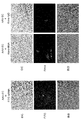
- A shows an untreated RD strain
- B shows an RD strain treated with an endporter
- C shows an RD strain treated with the drug delivery particles of the present invention.
- D and E show the morphology of RD cells 120 hours after treatment with endporter and treatment with drug delivery particles, respectively.
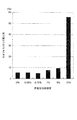
- the scale bars in FIGS. A and B are 50 ⁇ m, and the D and E scale bars are 100 ⁇ m. It is the figure which showed the density
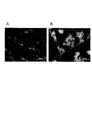
- A shows a human fibroblast (WI-38) strain that has not been subjected to muscle differentiation induction treatment
- B shows a WI-38 strain after muscle differentiation induction treatment.
- the scale bar in FIGS. A and B is 100 ⁇ m.
- grains which consist of AAV hollow capsid (AAV-EC) processed by the method of this invention, FITC label siRNA, Alexa label BSA, or Alexa label IgG. is there.
- the top figure shows RD cells by differential interference microscope (DIC)
- the middle figure shows fluorescence by FITC or Alexa
- the bottom figure shows image software (Olympus DP Manager version3).
- DIC differential interference microscope
- the middle figure shows fluorescence by FITC or Alexa
- image software Olympus DP Manager version3
- a first embodiment of the present invention is a drug delivery particle.
- the drug delivery particle of the present invention contains a drug and a capsid or a coated particle as constituents, and has the ability to introduce a drug to be incorporated into a host cell.
- the “drug delivery particle” of the present invention contains the capsid (1) or the coated particle (2) and the drug (3) included therein as a constituent factor. Each will be described below.
- Capsid is a coat or shell consisting of a plurality of unit proteins (capsomere) surrounding a viral nucleic acid or core in a virion.
- capsid when the term “capsid” is simply used, it means the structure.
- a capsid that is composed only of a capsid protein that does not contain any viral nucleic acid, core, or other substance therein is referred to as “empty capsid” in the present specification.
- a substance containing a viral nucleic acid or core therein is called a “nucleocapsid”.
- the capsid of the drug delivery particle of the present invention may be selected according to the species to which the drug delivery particle is applied.
- the organism species to be applied is an animal, an animal virus-derived capsid, when it is a plant, a plant virus-derived capsid is used, and when it is a bacterium, a bacteriophage-derived capsid is used. That's fine.
- it is a capsid derived from an animal virus or a plant virus.
- the animal virus When the capsid is derived from an animal virus, the animal virus may be an RNA virus group or a DNA virus group. Specifically, for example, if it is an RNA virus, Retroviridae, Picornauis, Caliciviridae, Astrovirus, Flaviviridae, Togaviridae, Coronaviridae, Paramyxoviridae, Rhabdoviridae, Filovirus It may be a capsid derived from any virus belonging to the family, Orthomyxoviridae, Bunyaviridae, Arenaviridae, Reoviridae or Birnaviridae.
- a DNA virus it is a capsid from any virus belonging to the adenoviridae, herpesviridae, poxviridae, iridoviridae, hepadnaviridae, circoviridae, parvoviridae, or papovaviridae families. May be.
- Viruses belonging to the retroviridae family of RNA viruses and viruses belonging to the adenoviridae, parvoviridae or herpesviridae family of DNA viruses can be suitably used as the capsid-derived viruses.
- Oncoviruses of retroviridae, lentivirus or spumavirus, adenovirus of adenoviridae, or AAV of parvoviridae can be particularly preferably used as the capsid-derived virus.
- the plant virus When the capsid is derived from a plant virus, the plant virus may be an RNA virus group or a DNA virus group. Specifically, for example, if it is an RNA virus, Tenui virus genus, tobamovirus group, potiviridae, dianthosovirus group, bromovirus group, cucumovirus group, rhabdoviridae, reoviridae or cryptic virus group It may be a capsid derived from any virus belonging to. Moreover, as long as it is a DNA virus, it may be a capsid derived from any of the genus Calimovirus, the genus Badnavirus, or the genus Geminivirus.
- the capsomere constituting the capsid may contain an amino acid mutation within a range capable of constituting the capsid.
- “mutation” means that one to several amino acids are substituted, deleted, added or inserted in the amino acid sequence constituting the capsomere. In the case of amino acid substitution, substitution between similar amino acids is preferred.
- Similar amino acids refer to amino acids belonging to the same group when amino acids are classified based on properties such as charge, side chain, polarity, and aromaticity.
- Such groups include, for example, basic amino acid groups (arginine, lysine, histidine), acidic amino acid groups (aspartic acid, glutamic acid), nonpolar amino acid groups (glycine, alanine, phenylalanine, valine, leucine, isoleucine, proline, Methionine, tryptophan), polar uncharged amino acid group (serine, threonine, asparagine, glutamine, tyrosine, cysteine), branched chain amino acid group (leucine, isoleucine, valine), aromatic amino acid group (phenylalanine, tyrosine), allocyclic Examples include amino acid groups (histidine, tryptophan, proline) and aliphatic amino acid groups (glycine, alanine, leucine, isoleucine, valine).
- the capsid includes a drug to be described later and functions as a delivery carrier for delivering it into the target cell.
- Capsids are roughly classified into icosahedron type and helical type, but the capsid of the drug delivery particle of the present invention may be in any form as long as it can contain the drug.
- the drug delivery particle of the present invention is composed of a naked capsid that does not have an envelope, which will be described later, the capsid itself has the initial infectious activity inherent in the virus.
- infection means that in the life cycle of a virus, viral particles are adsorbed on the cell surface of the host cell, propagated in the host cell, and then released outside the cell. (In the case of a bare capsid) or budding (encapsulated capsid, ie, in the case of coated particles described later), a series of processes.
- Initial infection refers to the stage of entry of viral particles into a host cell. Specifically, it refers to the adsorption of the virus to the host cell surface, penetration into the host cell, and uncoating by destruction of the capsid in the host cell.
- late infection is a growth stage in viral infection.
- transcription of viral genes released into host cells or reverse transcription of viral genes and host chromosomes as proviruses Transcription through the integration of viral proteins, translation of viral proteins, replication of viral nucleic acids, capsid assembly and packaging of viral nucleic acids into capsids, and release or budding of daughter viral particles from host cells .
- the adsorption is achieved by recognizing and adsorbing a receptor on the capsid surface as a target molecule that is exposed on the cell surface of the host cell. Therefore, the specificity of the capsid for the host cell is determined by the presence or absence of the receptor on the host cell.
- human immunodeficiency virus (HIV) having CD4 as a receptor targets a helper T cell having CD4 on the cell surface as a target cell. Therefore, in order to confer the specificity of the target cell to the drug delivery particle of the present invention, a viral capsid that can recognize and adsorb the receptor of the target cell may be used.
- the target cell of the drug delivery particle of the present invention when the target cell of the drug delivery particle of the present invention is to be specified as a helper T cell, the HIV capsid that recognizes and adsorbs the receptor CD4 protein present on the cell surface of the helper T cell is used as the drug.
- the drug delivery particle of the present invention delivers the target drug contained in the target cell into the target cell by utilizing the target cell-specific delivery activity inherently possessed by the hollow capsid or the hollow particle described later. It is characterized by that.
- the capsid may be modified.
- the modification herein includes functional modification or label modification.
- “Functional modification” refers to a modification useful for enhancing or stabilizing a specific binding activity between a capsid and its target cell. Examples include glycosylation, deglycosylation, and PEGylation.
- “Modification on a label” refers to a modification useful for detecting a drug delivery particle or its target cell in vivo.
- fluorescent dyes fluorescein, FITC, rhodamine, Texas red, Cy3, Cy5, Alexa Fluor (registered trademark)
- fluorescent proteins eg, PE, APC, GFP, Venus, YFP, DsRed, Sirius
- enzymes eg, Examples include labeling with horseradish peroxidase, alkaline phosphatase, glucose oxidase), radioisotopes (eg 3 H, 14 C, 35 S) or biotin or (strept) avidin.
- the modification of the capsid is not particularly limited as long as it is a method that can modify the protein and does not affect the initial infection activity of the virus that the capsid has.
- a commercially available modification kit may also be used.
- Alexa Fluor 568 Protein Labeling Kit (A10238) (Molecular Probes) can be mentioned.
- coated particle refers to a capsid with an envelope.
- the hollow capsid in which the envelope is gathered is referred to as “hollow particle”.
- capsid or the like the capsid and the coated particle are collectively referred to as “capsid or the like”
- the hollow capsid and the hollow particle are collectively referred to as “hollow capsid or the like”.
- Envelope is the outer envelope of the capsid, which some viruses have. It is composed of a lipid bilayer, and is embedded with glycoproteins derived from viruses called spikes or envelope proteins.
- the lipid bilayer membrane of the envelope is a collection of part of the cytoplasmic membrane or nuclear membrane of the host cell when the virus buds from the host cell, and is derived from the host cell.
- the coated particle is a selective constituent factor added according to the capsid-derived virus species used in the drug delivery particle of the present invention. That is, when the capsid-derived virus used in the drug delivery particle of the present invention is a species that inherently has an envelope, it is an essential constituent factor in principle. This is because, in a virus species that inherently has an envelope, the envelope usually has a function of adsorption and invasion in the initial infection activity to the host cell.
- virus species include, for example, the Orthomyxoviridae influenza virus, the Herpesviridae herpes simplex virus, and the Retroviridae HIV.
- the envelope of the coated particles has at least an adsorptive activity and an invasion activity among the initial infection activities of viruses inherently possessed by itself.
- the capsid of the coated particle only needs to have at least a threshing activity among the initial infection activities.
- the viral glycoprotein embedded in the envelope of the coated particle may have a mutation or may be modified.
- the “drug” is a delivery substance included in the drug delivery particle of the present invention, and specifically, a nucleic acid, a peptide, a low molecular compound, or a combination thereof.
- An agent can have a biological, physical, or chemical effect on target cells and the applied organism.
- Biological effects include, for example, gene expression control such as enhancement or suppression of target gene expression, protein function control, immune system control such as immunostimulation or immunosuppression, or control of physiological functions of cells or organisms.
- Physical or chemical effects include, for example, in vivo imaging of target cells (eg, FITG, GFP, X-ray, PET, MRI or CT imaging) or tracking effects with capsids or drug labels. .
- each drug will be described.
- nucleic acid includes naturally occurring nucleic acids, chemically modified nucleic acids, artificial nucleic acids, nucleic acid analogs, and combinations thereof.
- Natural nucleic acid refers to DNA and RNA in which only natural nucleotides existing in nature are linked. However, the natural nucleic acid of the present embodiment is an exogenous nucleic acid that does not contain all or part of the gene of the capsid-derived virus itself constituting the drug delivery particle.
- the “nucleic acid containing all or part of the gene of the derived virus” corresponds to, for example, a viral vector constructed based on the viral nucleic acid of the derived virus or the gene of the derived virus.
- “Chemically modified nucleic acid” refers to an artificially chemically modified nucleic acid.
- methylphosphonate DNA / RNA phosphorothioate DNA / RNA, phosphoramidate DNA / RNA, 2′-O-methyl DNA / RNA, and the like can be mentioned.
- “Artificial nucleic acid” refers to a nucleic acid comprising a non-natural nucleotide or a non-natural nucleotide linked to a part of a natural nucleic acid.
- the term “non-natural nucleotide” as used herein refers to a non-naturally occurring nucleotide that is artificially constructed or artificially chemically modified and has properties and / or structures similar to those of the natural nucleotide.
- Nucleic acid analog refers to an artificially constructed polymer compound having a structure and / or property similar to that of a natural nucleic acid.
- PNA Peptide Nucleic Acid
- PONA peptide nucleic acid having a phosphate group
- BNA / LNA Bridged Nucleic Acid / Locked Nucleic Acid
- morpholino nucleic acid including morpholino oligo
- the nucleic acid may be labeled with a phosphate group, a sugar and / or a base, if necessary.
- a labeling substance known in the art can be used.
- radioisotopes eg, 32 P, 3 H, 14 C
- DIG dimethyl methacrylate
- biotin e.g, FITC, Texas, cy3, cy5, cy7, FAM, HEX, VIC, JOE, Rox, TET, Bodipy493 , NBD, TAMRA
- a luminescent substance for example, acridinium ester.
- nucleic acid included in the drug delivery particle include a functional nucleic acid, a vector containing an arbitrary gene, mRNA or a fragment thereof, or a combination thereof.
- “Functional nucleic acid” refers to a specific biological function, for example, an enzyme function, a catalytic function, or a biological inhibition or enhancement function (eg, transcription, translation function) in a living body or in a cell, preferably in a cell. Nucleic acid having inhibition or enhancement). Specifically, for example, RNA interference agents, nucleic acid aptamers (including RNA aptamers and DNA aptamers), antisense DNA, ribozymes (including deoxyribozymes), U1 adapters, molecular beacons, riboswitches, or transcription factor binding regions Etc. In particular, RNA interference agents can be preferably applied as drugs in drug delivery particles.
- RNA interference agent refers to inducing RNA interference (RNAiinference: RNAi) in vivo and suppressing (silencing) the expression of the gene through degradation of the target gene transcript.
- RNAi RNA interference
- shRNA small interfering RNA
- miRNA miRNA
- RNA interference agents are unstable due to degradation by nucleases in vivo in naked RNA molecules, although their inhibitory effects on gene expression and their usefulness have been confirmed, and are therefore an effective means of delivery into target cells. Was not well established.
- the drug delivery particle of the present invention since the drug is protected in the capsid, it can be avoided from degradation of nuclease or the like until it is delivered into the target cell even after in vivo administration.
- the drug delivery particle can contain two or more functional nucleic acids in a hollow capsid or the like.
- Vector includes, for example, viral vectors, plasmids, cosmids, and artificial chromosomes.
- Artificial chromosomes include human artificial chromosomes (HAC; Human Artificial Chromosome), yeast artificial chromosomes (YAC; Yeast Artificial Chromosome), fungal artificial chromosomes (BAC; Bacterial Artificial Chromosome), and P1-derived artificial chromosomes (PAC; Chromosome).
- HAC human artificial chromosomes
- YAC yeast artificial chromosomes
- BAC yeast artificial chromosome
- BAC Bacterial Artificial Chromosome
- P1-derived artificial chromosomes PAC
- viral vectors do not include viral vectors constructed based on capsid-derived viral genes.
- Each vector can contain any gene other than the capsid-derived virus gene constituting the drug delivery particle or a fragment thereof.
- a transcription factor, a signal transduction factor, a gene encoding an extracellular secreted protein or an enzyme, or a fragment having an activity thereof can be mentioned. It does not matter whether the included gene is a wild type gene or a mutant gene.
- two or more vectors containing different genes may be included as drugs.
- each vector preferably includes a gene or a fragment thereof in a state in which it can be expressed in the target cell.
- “expressible state” means that the gene or fragment thereof contained in the vector is placed under the control of a promoter and terminator in the nucleic acid expression system so that it can be expressed in the target cell.
- a “nucleic acid expression system” is a system having at least one set of expression regulatory elements necessary for gene expression in a functional state.
- expression control elements include an enhancer and a poly A addition signal as necessary.
- the promoter needs to be operable in the target cell into which the nucleic acid is introduced. Therefore, promoters from biological species to which drug delivery particles are applied or from related species are preferred. For example, in the case of drug delivery particles intended for administration to humans, the promoter is preferably derived from humans. According to the expression pattern, an overexpression promoter, a constitutive promoter, a site-specific promoter, a step-specific promoter, an inducible promoter, or the like is known as a promoter. Can be used. What is necessary is just to select suitably according to the desired expression pattern in the cell to introduce
- the terminator is not particularly limited as long as it is a sequence capable of terminating the transcription of the gene transcribed by the promoter. Preferred is a terminator derived from the same species as the promoter, and more preferred is a terminator paired with the promoter on the genome of the species from which the promoter is derived.
- the enhancer is not particularly limited as long as it can enhance the expression efficiency of the gene in the vector or a fragment thereof.
- it is a terminator derived from the same species as the promoter.
- nucleic acid expression system having the above configuration include expression vectors.
- Each vector can also contain a selection or marker marker gene for confirming that the nucleic acid as a drug has been delivered into the target cell.
- a selection or marker marker gene for confirming that the nucleic acid as a drug has been delivered into the target cell.
- the marker or selection marker gene include a drug resistance gene, a fluorescent or luminescent reporter gene (for example, luciferase, ⁇ -galactosidase, ⁇ -glucuronidase (GUS), or GFP), or an enzyme gene.
- the drug delivery particle of the present invention may contain “mRNA” encoding any protein or a fragment thereof.
- the mRNA may be either an mRNA precursor or a mature mRNA. Preferably it is a mature mRNA.
- the mRNA or fragment thereof may also contain an m7G cap structure at the 5 'end and / or a poly A chain at the 3' end. It does not matter whether the protein encoded by the mRNA is a wild type or a mutant type.
- the size of the nucleic acid is not limited as long as it can be included in the capsid. However, since the capsid content varies depending on the type of the derived virus, the number of bases of the included nucleic acid also depends on the type of virus derived from the capsid. The Usually, it is 50 kb or less, preferably 20 kb or less, more preferably 10 kb or less, and even more preferably 5 kb or less.
- peptide in this specification includes both oligopeptide and polypeptide.
- oligopeptides include peptide hormones and polypeptide fragments.
- polypeptides include antibodies, transcription factors, signal transduction factors, and enzymes.
- Antibodies include, for example, monoclonal antibodies, polyclonal antibodies, recombinant antibodies, synthetic antibodies, and antibody fragments.
- the immunoglobulin molecule can be of any class (eg, IgG, IgE, IgM, IgA, IgD and IgY), or any subclass (eg, IgG1, IgG2, IgG3, IgG4, IgA1). , IgA2).
- the antibody is preferably an antibody derived from the same species as the biological species to which the drug delivery particles are administered.
- the monoclonal antibody or polyclonal antibody as the drug is preferably a human antibody.
- “Recombinant antibody” refers to a chimeric antibody, a humanized antibody, or a multispecific antibody.
- a “chimeric antibody” is an antibody prepared by combining amino acid sequences of antibodies from different animals, and is an antibody in which the constant region (C region) of one antibody is replaced with the C region of another antibody.
- C region constant region
- an antibody in which the C region of a mouse monoclonal antibody is replaced with the C region of a human antibody is applicable. This can reduce the immune response to the antibody in the human body.
- a “humanized antibody” is a mosaic antibody in which the complementarity determining region (CDR) in the V region of a non-human mammal, for example, a mouse antibody, is replaced with the CDR of a human antibody.
- Multispecific antibody refers to a multivalent antibody, that is, an antibody having a plurality of antigen-binding sites in one molecule, and each antigen-binding site binds to a different epitope.
- bispecific antibodies that have two antigen-binding sites, such as IgG, that bind to different epitopes on each antigen-binding site can be mentioned.
- “Synthetic antibody” refers to an antibody synthesized chemically or by using a recombinant DNA method.
- an antibody newly synthesized using a recombinant DNA method can be mentioned.
- a single chain antibody scFv: single chain fragment, variable region
- a diabody a triabody, a tetrabody, or the like
- scFv single chain fragment, variable region
- the “antibody fragment” corresponds to, for example, Fab, F (ab ′ 2 ), Fv and the like.
- the peptide may be modified.
- Peptide modifications include functional modifications or label modifications.
- Functional modifications include, for example, glycosylation, acetylation, formylation, amidation, phosphorylation, or PEGylation.
- Modifications on the label include fluorescent dyes (fluorescein, FITC, rhodamine, Texas red, Cy3, Cy5,), fluorescent proteins (eg, PE, APC, GFP), enzymes (eg, horseradish peroxidase, alkaline phosphatase, glucose) Oxidase), radioactive isotopes (eg 3 H, 14 C, 35 S) or biotin or (strept) avidin.
- the peptide size is not limited as long as it can be included in the capsid.
- the content of capsid varies depending on the type of derived virus, and even peptides having the same number of amino acids may be appropriately determined in consideration of the possibility of introduction into the capsid depending on the three-dimensional structure.
- it is 500 kDa or less, preferably 100 kDa or less, more preferably 80 kDa or less, and further preferably 50 kDa or less.
- the “low molecular compound” is a compound having a molecular weight of 5000 or less, preferably 2000 or less, more preferably 1000 or less, and corresponds to substances other than the nucleic acids and peptides.
- hormones eg, steroid hormones such as androgens, estrogens, progesterone, aldosterone, cortisol
- neurotransmitters eg, adrenaline, epinephrine, noradrenaline, dopamine
- histone deacetylase inhibitors eg, adrenaline, epinephrine, noradrenaline, dopamine
- histone deacetylase inhibitors e.g, a histone deacetylase inhibitors, immunosuppressants, etc.
- guide_body of the low molecular compound which has a pharmacological activity equivalent to a specific low molecular compound, or its salt is also included.
- the drug delivery particle of the present invention since it does not contain a virus-derived gene such as a virus vector, it is highly safe after application and has been difficult to introduce into a capsid. Can be included as a drug. Moreover, a drug can be delivered into a specific cell by the target cell-specific delivery activity based on the serotype of the capsid or envelope constituting the drug delivery particle.
- the drug delivery particle of the present invention has initial infectious activity that is a stage of entry of a virus into a host cell due to a constituent factor, such as capsid, but includes all or part of a gene of a virus derived from the capsid or the like. Since it does not contain nucleic acids, it lacks late infectivity, which is the stage of virus growth. Therefore, by applying the drug delivery particle of the present invention, the encapsulated drug can be delivered into the target cell via endocytosis or membrane fusion, but the physiological function of the target cell accompanying the proliferation of the virus particle in the target cell And damage to the cell membrane of the host cell that accompanies the release or budding of viral particles from the host cell. For this reason, functional analysis of various molecules and genes can be performed without affecting cell functions.
- a second embodiment of the present invention is a method for producing drug delivery particles.
- the drug delivery particles of the first embodiment can be produced by introducing a drug into the inside thereof with a simple method while maintaining the initial infection activity of a virus such as a hollow capsid.
- the manufacturing method of the present invention includes a mixing step (1) and an introducing step (2). Furthermore, a removal process (3) can be included as needed. Hereinafter, each step will be specifically described. In the present production method, the series of steps is preferably performed under aseptic conditions in order to prevent contamination and the like.
- the “mixing step” is a step of mixing a hollow capsid or the like and a drug in a solution containing a surfactant.
- the capsid or the like As the hollow capsid or the like, the capsid or the like derived from each virus described in the first embodiment can be used.
- the preparation of the hollow capsid and the like will be described later.
- the hollow capsid and the like used in this step are preferably those after purification treatment. This is because, when impurities such as host cell proteins are mixed, the efficiency of drug introduction is reduced in the next introduction step.
- the medicine described in the first embodiment may be used.
- Two or more different drugs can be introduced into one hollow capsid or the like. In this case, two or more different drugs may be added to the solution.
- all or part of the gene of a virus derived from a hollow capsid or the like to be used can be used as a drug.
- a viral vector constructed based on a viral nucleic acid of a derived virus or a gene of a derived virus may be used as a drug.
- the surfactant used in this step is not particularly limited.
- nonionic surfactants such as Triton® X-100, Triton® X-114, NP-40, Brij-35, Brij-58, Tween-20, Tween-80, octyl- ⁇ -glucoside or OTG, PEG A polymeric nonionic surfactant such as a copolymer of PPG and PPG, an anionic surfactant such as SDS, a zwitterionic surfactant such as CHAPS or CHAPSO, or a combination thereof Good.
- it is a nonionic surfactant.
- “Surfactant-containing solution” refers to a solution obtained by dissolving the surfactant in an appropriate solvent.
- the solvent include water (including distilled water, sterilized water, deionized water), physiological saline, and phosphate buffer. Preferably it is water.
- the concentration of the surfactant in the solution is 0.1% to 20% by volume, preferably 1% to 20%, more preferably 3% to 18%, and further preferably 5% to 15%.
- the hollow capsid and the like mixed with the surfactant-containing solution and the drug may be appropriately determined according to the type of the drug to be introduced into the hollow capsid or the like.
- the “introducing step” refers to a step of introducing the drug into a hollow capsid or the like while holding the mixed solution obtained after the mixing step at a predetermined temperature.
- the holding temperature may be in the range of -5 to 50 ° C.
- the temperature is lower than ⁇ 5 ° C., there is a high possibility that the mixed solution will freeze, and when the temperature is higher than 50 ° C., there is a high possibility that the hollow capsid and / or the drug will be denatured and / or deactivated. It is. Preferably, it is 0 to 40 ° C or 4 to 35 ° C.
- the retention time of the mixed solution is not limited, but is preferably 5 minutes to 120 minutes after mixing. If it is shorter than 5 minutes, it is insufficient for the introduction of the drug, and even if it is kept longer than 120 minutes, the introduction efficiency cannot be increased. More preferably, it is 10 minutes to 90 minutes, or 15 minutes to 60 minutes.
- the mixed solution may be allowed to stand for the holding time at the holding temperature. If necessary, it may be stirred gently.
- a drug is introduced into a surfactant-treated hollow capsid and the like, and the drug delivery particle of the present invention is obtained.
- Removal step is a step of removing the surfactant in the solution after the introduction step. This step is a selection step and may be performed as necessary.
- a surfactant is used for introducing a drug into a hollow capsid or the like.
- the drug delivery particles can be produced in the introduction step, but the used surfactant is mixed in the solution after the introduction step containing the drug delivery particles.
- the surfactant can usually have a detrimental effect on the living body. Therefore, when the manufactured drug delivery particle is used as an active ingredient of the composition described later, it is preferable to remove the surfactant in this step.
- the method for removing the surfactant is not particularly limited, and any method known in the art that can remove the surfactant from the solution may be used.
- a removal method using an ultrafiltration membrane and a removal method using a dialysis operation using a dialysis membrane or a dialysis cassette may be mentioned.
- the size of the capsid or coated particle of the drug delivery particle is usually 10 nm or more. Therefore, the surfactant in the solution after the introduction step is separated and removed by circulating the mixed solution after the introduction step using an ultrafiltration membrane having a pore size smaller than 10 nm, that is, a molecular weight cut off of 100 kmw or less. The drug delivery particles can then be recovered.
- the free drug that has not been taken into the hollow capsid or the like may have a harmful effect on the living body to which the drug delivery particle is applied.
- this method is convenient because free drug in the solution after the introduction step can be separated and removed at the same time.
- the hollow capsid and the like that have not taken up the drug in the introduction step cannot be removed.
- hollow capsids and the like have initial infectious activity as described above, but since they lack late infectious activity, there is no problem even if they are mixed in drug delivery particles.
- the hollow capsid, etc. used in the mixing step of this embodiment can be directly prepared from a host cell infected with a virus. Moreover, when it aims at obtaining only a hollow capsid, it can also prepare as a recombinant capsid.
- a hollow capsid or the like is usually formed at the same time when the virus grows in a host cell infected with the virus and daughter virus particles are constructed. Accordingly, hollow particles or the like can be directly prepared from the extract of a host cell infected with a virus, or from a culture solution after the release or budding of virus particles. In this case, virus particles are also mixed with the hollow capsid etc. in the extract or culture solution of the host cell. Therefore, it is preferable to purify a hollow capsid or the like by separating or inactivating virus particles from an extract or culture solution of a host cell.
- a known method may be used for these.
- virus particle separation and preparation methods such as hollow capsid include a density gradient centrifugation method using cesium chloride and a method using an ion exchange membrane described in JP-A-2007-117003.
- viruses such as AAV cannot autonomously propagate, and in principle, co-infection of helper virus in the host cell is required for the propagation. Therefore, even if a helper virus-uninfected cell is infected with such a virus, it does not grow in the cell, so that it can be used without requiring inactivation or removal of virus particles after extraction of the host cell. Therefore, it is preferable as a virus derived from a hollow capsid used in the method for producing drug delivery particles of the present invention. In particular, AAV is more preferable because it is highly safe because its pathogenicity is not known per se.
- the host cell When producing a hollow capsid or the like derived from a virus that requires a helper virus in the host cell, the host cell is co-infected with the helper virus, or a part of the helper virus gene (helper gene) is pre- or simultaneously in the host cell. It needs to be expressed.
- AAV When AAV is propagated in a host cell, it naturally requires AAV's own gene. That is, the Rep gene involved in AAV replication and the Cap gene encoding the capsid protein, and ITR (Inverted Terminal Terminal Repeat) located at the 5 ′ end and 3 ′ end of those genes.
- ITR Inverted Terminal Terminal Repeat
- host cells harboring a part of the adenovirus gene can be used for replication and propagation of AAV.
- HEK293 which is a human fetal kidney cell line (Human Embryonic Kidny Cell line) in which the E1A gene region and E1B19k gene of adenovirus (generally referred to herein as “E1 gene region”) are contained.
- E1 gene region a human fetal kidney cell line
- E1B19k gene of adenovirus generally referred to herein as “E1 gene region”
- Examples include the use of cells (often abbreviated as “293 cells” in this specification).
- 293 cells When replicating and proliferating AAV using 293 cells, only the genes encoding adenovirus E2A gene region, E4orf6 gene and VA RNA should be introduced into 293 cells as helper genes. Since it is not necessary, it is suitable for production of AAV-derived hollow capsids.
- an AAV-producing ability-enhanced cell line may be prepared by further introducing an adenovirus E1 gene region into 293 cells together with the above-mentioned helper gene.
- an adenovirus E1 gene region As described above, since 293 cells already include the adenovirus E1 gene region, it is usually unnecessary to introduce the E1 gene region.
- the present inventors have introduced the E1 gene region expression plasmid into 293 cells simultaneously with other plasmids containing a helper gene and the like, and the AAV titer is increased only for the helper gene. It was found that the AAV production was enhanced even higher than that of 293 cells into which A was introduced.
- the E1 gene product functions as a master switch for the expression of adenovirus early genes (Matsushita, T., et al., 2004, J. Gen. Virol., 85: 2209-2214), by increasing the intracellular expression level of the E1 gene region over the normal 293 intracellular expression level, the expression level of the adenovirus downstream gene group is further enhanced, and as a result, from the host cell. It is speculated that many AAV-derived hollow capsids could be produced.
- Preparation of the above-mentioned AAV productivity enhancing cell line was introduced into 293 cells in a state in which the genes encoding the E1 gene region, E2A gene region, E4orf6 gene and VA RNA can be expressed, for example, inserted into an expression vector. Can be achieved by If necessary, after introducing an expression vector containing each of the above genes or gene regions into 293 cells, stably express one or more of the group consisting of E1 gene region, E2A gene region, E4orf6 gene and VA RNA-encoding gene 293 cells capable of being selected can be selected and the prepared new cell line can be used.
- the necessary AAV gene may be introduced into the cell line in a state where it can be expressed or functioned.
- an expression vector containing the Bcl-x L gene in the host cell species may be introduced together with the expression vector containing the E1 gene region.
- Bcl-x L is known to complement the function of the E1B19k gene from previous studies (Matsushita et al., J. Gen. Virol., 2004, 85: 2209-2214). As shown, the E1 gene region can be further activated. Bcl-x L also has an effect of suppressing cell death (apoptosis) (Yamaguchi et al., Gene Ther., 2003, 10: 375-85), and can also suppress cytotoxicity associated with gene transfer operation.
- a cell line in which E1 gene region expression vector and / or Bcl-x L gene expression vector is introduced into 293 cells and then lined so that they can be stably expressed may be used.
- Examples thereof include the HEK293EB strain described in Example 2 described later.
- an expression vector containing a desired viral Cap gene may be expressed in an appropriate host cell.
- a Cap gene of a desired serotype AAV specifically, for example, if it is type 1, a Cap consisting of a base sequence represented by SEQ ID NO: 1 If the gene is type 2, it is the Cap gene consisting of the base sequence shown in SEQ ID NO: 2, if it is type 5, the Cap gene consisting of the base sequence shown in SEQ ID NO: 3, if it is type 6, it is SEQ ID NO: 4 In the case of the Cap gene consisting of the base sequence shown in type 7, if the cap gene is made up of the base sequence shown in SEQ ID NO: 5, in the case of type 8, the Cap gene consisting of the base sequence shown in SEQ ID NO: 6 or in type 9 If so, it is sufficient to insert
- a recombinant hollow capsid or the like can be obtained from a cell extract obtained by disrupting the host cell or from a culture solution of the host cell.
- a method for recovering from the cell extract or culture solution may be performed by a method known in the art.
- an adenovirus-derived helper gene is unnecessary, and any type can be used as long as an expression vector that can be expressed in a host cell is used.
- bacteria, Bacillus subtilis, yeast, insect cells, animal cells, plant cells can be used.
- an expression vector for E as an expression vector for E.
- coli for example, pET21 ⁇ system, pGEX4T system, pC118 system, pC119 system, pC18 system, pC19 system, as Bacillus subtilis-derived expression vectors, for example, pUB110 system, pTP5 system, derived from yeast
- Bacillus subtilis-derived expression vectors for example, pUB110 system, pTP5 system, derived from yeast
- an expression vector for example, YEp13 system, YEp24 system, YCp50 system, insect cell expression vector, baculovirus, animal cell expression vector, pC18 system or pC19 system (for example, pA1-11, pXT1, pRc / CMV, pRc / RSV, pcDNAI / Neo), and plant cell expression vectors may be pRI or pGW binary vectors, respectively.
- the insertion of the Cap gene into the expression vector may be performed using recombinant gene techniques known in the art. For example, the method described in Sambrook, J. et. Al., (1989) Molecular Cloning: A Laboratory Manual Second Ed., Cold Spring Harbor Laboratory Press, Cold Spring Harbor, New York may be referred to.
- a method for purifying AAV-derived hollow capsids from cell disruptions may be performed based on methods known in the art. For example, it can be purified by cesium density gradient ultracentrifugation, which is a common method.
- purification methods using various types of chromatography including ion exchange chromatography are disclosed in, for example, Japanese Patent No. 3313117, Special Table 2000-510682, Special Table 11-511326, Special Table 2001-513644, Special Table 2001-514845, or U.S. Pat. No. 6,593,123 and the like may be used for purification.
- a method disclosed in JP 2007-117003 A for separating and purifying hollow capsids and virus particles using an ion exchange membrane may be used.
- the purification method by the cesium density gradient ultracentrifugation method has a problem that it is difficult to sufficiently separate the capsid and the like because the specific gravity of the virus particles is close.
- the above purification methods using various chromatographies use a bead-packed column, so the diffusion of the sample is insufficient, the adsorption efficiency of the sample to the column is low, and the volume of the column is large. There is a problem in the efficiency of purification, such as.
- the above method using an ion exchange membrane has a problem that impurities such as soluble proteins are often mixed even after purification.
- the present inventor has developed a novel purification method for easily removing soluble proteins by heating the host cell extract or culture solution at a predetermined temperature and coagulating the soluble proteins mixed therein.
- This purification method can be used not only for hollow capsids but also for purification of virus particles containing virus genomes such as virus vectors.
- the method of removing soluble protein after coagulation by heating is a well-known method, but purification of hollow capsid etc. and virus particles is carried out under the following conditions of temperature and heating time, and the method of removing soluble protein is , Not known so far.
- the predetermined heating temperature for purifying the hollow capsid or the like or virus particles is preferably in the range of 45-60 ° C.
- the soluble protein may not be sufficiently denatured and may not coagulate. If the temperature is higher than 60 ° C, the intended hollow capsid and virus particles may be denatured, resulting in the initial infection activity of the virus. This is because there is a possibility of being deactivated.
- a more preferable temperature range is 48 to 58 ° C, and a further preferable temperature range is 50 to 55 ° C.
- the heating time varies depending on the heating temperature.
- the preferable superheating time is 3 minutes to 30 minutes, more preferably 5 minutes to 20 minutes, and further preferably 5 minutes to 10 minutes. This is because, when heated in the range of 55 to 60 ° C. for longer than 30 minutes, the hollow capsid and the like may be thermally denatured and the initial infection activity may be deactivated.
- the heating temperature is 45 ° C. or higher and lower than 55 ° C.
- a preferable superheating time is 10 minutes to 90 minutes, more preferably 15 minutes to 60 minutes, and further preferably 20 minutes to 40 minutes. This is because, in a temperature range of 45 ° C. or higher and lower than 55 ° C. and a heating time shorter than 10 minutes, the soluble protein may not be sufficiently denatured and coagulated. Therefore, the heating time may be appropriately determined within the above range in consideration of the heating temperature.
- the host cell extract or culture solution may be heated with an open flame, hot plate, microwave (microwave oven) or induction heating (IH), hot water bath or the like.
- Removal of soluble protein coagulated or aggregated by heat treatment can be performed by a method known in the art. For example, a method of precipitating the coagulated protein by centrifugation and collecting the supernatant, or a method of removing the coagulated protein by filtration can be mentioned.
- the method for purifying hollow capsids and virus particles by heat treatment of the present invention may be combined with one or more known purification methods described above.
- the method for purifying a hollow capsid or the like or virus particles based on the superheating consideration of the present invention is effective for removing soluble proteins as impurities, but the hollow capsid or the like cannot be separated from the virus particles.
- the purification method of the present invention with, for example, the method using an ion exchange membrane described in JP-A-2007-117003, only the hollow capsid can be purified with high purity.
- drug delivery particles can be produced by easily and efficiently introducing a drug into a hollow capsid or the like without losing the initial infection activity of the hollow capsid or the like.
- the drug delivery particles obtained by this production method have no virus growth activity and high safety because the hollow capsid used loses the late infection activity of the virus.
- the amount of AAV produced per host cell can be increased, so that more hollow particles can be prepared.
- the method for purifying hollow particles or the like or virus particles of the present invention it is possible to easily remove soluble proteins in a host cell extract or a host cell culture solution that have been difficult to remove.
- a third embodiment of the present invention is a drug composition.
- the drug composition of the present invention comprises at least one of the drug delivery particles of the first embodiment or the drug delivery particles obtained by the production method of the second embodiment as an active ingredient.
- the “drug composition” is a composition intended to impart some physiological effect to an organism or its cells to which it is applied by the action of a drug contained in a drug delivery particle which is an active ingredient. It is. Such physiological actions include, for example, disease or disease resistance, drug resistance or sensitivity, enhancement or suppression of physiological activity, and / or novel traits.
- the organism to be applied is an animal, particularly a human, and the purpose is prevention, diagnosis, and / or treatment of a disease by the action of an active ingredient
- the present specification particularly refers to a “pharmaceutical composition”.
- prevention refers to prevention of disease or disease.
- Treatment refers to alleviating or eliminating a disease or disorder affected and / or symptoms associated therewith.
- the drug composition of the present invention may contain a drug delivery particle as an active ingredient, a carrier, and / or another drug having the same or different pharmacological effect.
- the drug delivery particle of this embodiment is a drug delivery particle obtained by the drug delivery particle of the first embodiment or the production method of the second embodiment.
- the drug delivery particles contained in one drug composition may be two or more different.
- the drug delivery particles may be derived from viruses having different capsids and / or different types of drugs. For example, it may contain different drug delivery particles for the target cells.
- the content of the drug delivery particle in the drug composition is the type and / or effective amount of the drug included in the drug delivery particle, the cell to be applied, the type of disease or disease, and the dosage form (form, size) of the drug composition.
- the type of the carrier described later and is appropriately determined in consideration of the respective conditions.
- the “effective amount” is an amount necessary for the drug included in the drug delivery particle to function as an active ingredient, and is undesirable and harmful to a living body to which the drug is applied. An amount that gives little or no side effects. This effective amount may vary depending on various conditions such as subject information and route of administration.
- the “subject” means a living body (including animals and plants) to which the drug composition is applied.
- Subject information refers to various individual information of the living body to which the drug composition is applied.
- the subject is suffering from a general health condition, a disease or a disease. Includes progress, severity, age, weight, sex, dietary habits, drug sensitivity, presence or absence of concomitant drugs, and resistance to treatment.
- the final effective amount of the drug delivery particle and the application amount calculated based on it are determined according to the information of the individual subject, and finally determined by a doctor, dentist, veterinarian or botanical doctor. Can be determined.
- Carrier is added within a range that does not inhibit or suppress its action in order to facilitate the formulation of a drug composition and application to a living body, and to maintain the effect of the drug included in the drug delivery particle. A substance.
- examples of the carrier include an excipient, a binder, a disintegrant, a filler, an emulsifier, a fluid addition regulator, and a lubricant.
- excipient examples include sugars such as monosaccharides, disaccharides, cyclodextrins and polysaccharides (specifically, but not limited to, glucose, sucrose, lactose, raffinose, mannitol, sorbitol, inositol, Including dextrin, maltodextrin, starch and cellulose), metal salts (eg, sodium phosphate or calcium phosphate, calcium sulfate, magnesium sulfate), citric acid, tartaric acid, glycine, low, medium, high molecular weight polyethylene glycol (PEG), Pluronics, or combinations thereof.
- sugars such as monosaccharides, disaccharides, cyclodextrins and polysaccharides (specifically, but not limited to, glucose, sucrose, lactose, raffinose, mannitol, sorbitol, inositol, Including dextrin, mal
- binder examples include starch paste, corn, wheat, rice, or potato starch, gelatin, tragacanth, methylcellulose, hydroxypropylmethylcellulose, sodium carboxymethylcellulose, and / or polyvinylpyrrolidone.
- disintegrant examples include the starch, carboxymethyl starch, cross-linked polyvinyl pyrrolidone, agar, alginic acid, sodium alginate or salts thereof.
- filler examples include the sugar and / or calcium phosphate (for example, tricalcium phosphate or calcium hydrogen phosphate).
- emulsifier examples include sorbitan fatty acid ester, glycerin fatty acid ester, sucrose fatty acid ester, and propylene glycol fatty acid ester.
- Examples of the “flow additive modifier” and “lubricant” include silicate, talc, stearate or polyethylene glycol.
- the drug composition of the present invention comprises a flavoring agent, a solubilizing agent (solubilizing agent), a suspending agent, a diluent, a surfactant, a stabilizer, an absorption accelerator (if necessary)
- a flavoring agent e.g., a solubilizing agent
- a suspending agent e.g., a diluent
- a surfactant e.g., sodium lauryl sulfate, etc.
- an absorption accelerator if necessary
- quaternary ammonium salts sodium lauryl sulfate, etc.
- extenders ectants, humectants (eg, glycerin, starch, etc.)
- adsorbents eg, starch, lactose, kaolin, bentonite, colloidal silicic acid, etc.
- Disintegration inhibitors eg, sucrose, stearin, cocoa butter, hydrogenated oil, etc.
- coating agents colorants, preservatives, antioxidants, fragrances, flavoring agents, sweetening agents, buffering agents, and the like.
- examples of the carrier include pulverized natural minerals, pulverized synthetic minerals, emulsifiers, dispersants, and surfactants.
- crushed synthetic mineral includes, for example, highly dispersed silica and silicate.
- Emmulsifiers include nonionic emulsifiers and anionic emulsifiers (for example, polyoxyethylene fatty alcohol ethers, alkyl sulfonates and aryl sulfonates).
- Examples of the “dispersant” include lignosulfite waste liquor and methylcellulose.
- surfactant examples include lignosulfonic acid, naphthalene sulfonic acid, phenol sulfonic acid, dibutyl naphthalene sulfonic acid alkali metal salt, alkaline earth metal salt and ammonium salt, alkyl aryl sulfonate, alkyl sulfate, alkyl sulfonate.
- the drug composition of the present embodiment can include one or more of the above carriers in one drug composition.
- the carrier is pharmaceutically acceptable when used in a pharmaceutical composition, and agriculturally acceptable when used in a plant.
- the drug composition of the present invention may contain at least one other drug having the same or different pharmacological action as the drug included in the drug delivery particle as long as the action of the drug delivery particle as an active ingredient is not inhibited or suppressed. it can.
- a therapeutic agent for the other disease may be included in the case of a subject.
- the subject when there is another disease that is highly likely to occur concurrently with the disease to be treated, a therapeutic agent for the other disease may be included.
- the subject when the subject is a plant, it may contain, for example, an insecticide, a fungicide, and a fertilizer.
- Dosage Form The dosage form of the drug composition varies depending on the application method and / or formulation conditions.
- the administration method can be roughly divided into an oral administration method and a parenteral administration method. This will be described later.
- dosage forms suitable for oral administration include solid preparations (including tablets, pills, sublingual tablets, capsules, drop agents, and troches), granules, powders, powders, and liquids.
- the solid preparation can be made into a dosage form known in the art, for example, a sugar-coated tablet, a gelatin-encapsulated tablet, an enteric tablet, a film-coated tablet, a double tablet, or a multilayer tablet, if necessary. .
- Parenteral administration is subdivided into systemic administration and local administration, and local administration is further subdivided into intra-tissue administration, transepidermal administration, transmucosal administration, and rectal administration.
- the dosage form can be made suitable for.
- dosage forms suitable for systemic or intra-tissue administration include injections that are liquids.
- Suitable dosage forms for transepidermal or transmucosal administration include, for example, liquids (including coating agents, eye drops, nasal drops, and inhalants), suspensions (including emulsions and creams), and powders (points). Nasal and suction agents), pastes, gels, ointments, plasters and the like.
- Examples of dosage forms suitable for rectal administration include suppositories.
- the dosage form of the pharmaceutical composition may be liquid, solid (including semi-solid), or a combination thereof. Solutions, oily dispersions, emulsions, suspensions, powders, powders, pastes, gels, pellets, tablets and granules can be used.
- each dosage form are not particularly limited as long as the dosage form is within the range of dosage forms known in the art for each dosage form.
- Examples of the “pharmaceutically acceptable solvent” include water, ethanol, propylene glycol, ethoxylated isostearyl alcohol, polyoxylated isostearyl alcohol, polyoxyethylene sorbitan fatty acid esters and the like. These are preferably sterilized and preferably adjusted to be isotonic with blood as necessary.
- Drug delivery particles which are active ingredients of a drug composition, utilize the target cell-specific infectious activity of viruses. Therefore, the drug composition can be applied in a unit form known in the art as long as the drug delivery particles contained in the drug composition can contact the target cells.
- dosage unit forms known in the art include oral administration methods and parenteral administration methods as described above.
- Parenteral administration methods can be further subdivided into local administration methods (for example, intradermal administration methods such as subcutaneous administration, intramuscular administration, intravenous administration, transdermal administration, transmucosal administration, or rectal administration).
- intradermal administration methods such as subcutaneous administration, intramuscular administration, intravenous administration, transdermal administration, transmucosal administration, or rectal administration.
- Any of these dosage unit forms may be used in the drug composition of the present invention.
- preferred methods are injection, oral administration, or transmucosal administration.
- the injection site of the drug composition by injection is not particularly limited. Examples include intravenous, intraarterial, intrahepatic, intramuscular, intraarticular, intramedullary, intrathecal, intraventricular, percutaneous, subcutaneous, intradermal, intraperitoneal, intranasal, intestinal, sublingual, etc. . Intravenous injection such as intravenous injection and intraarterial injection is preferable.
- oral administration and transmucosal administration are easy to administer because drug delivery particles can be taken into the body through the intestinal mucosa, oral mucosa, pharyngeal mucosa, nasal mucosa and the like.
- the dosage unit form known in the art is a conventional method known in the art as long as the drug delivery particles contained in the drug composition can contact the plant body. be able to.
- the method for contacting the plant include methods such as spraying, spraying, applying, pouring, dipping, wounding inoculation (including needle inoculation), and absorption from the root.
- the contact part to an application object plant body may be a desired part, such as a leaf, a flower bud, a fruit, a stem, a branch, and a root, a rhizome, a root nodule, etc., and it is not specifically limited. . What is necessary is just to consider suitably according to the infection route of the virus from which a drug delivery particle originates.
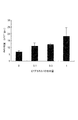
- Example 1 Mass production of AAV-derived hollow capsid (1)> (the purpose) When the E1 gene region expression plasmid was further introduced into HEK293 cells containing the existing endogenous E1 gene region, the change in the AAV production amount due to the introduced amount was verified.
- PE1 ⁇ 55 is an E1 gene region expression plasmid in which only the E1B55k gene is deleted from the E1B gene region. After 6 hours, the medium was changed with 10% FBS + / DMEM / F12 medium. After 72 hours, the cells were collected, and the cell pellet was frozen and thawed 6 times, and mixed well by vortexing each time. After digesting the remaining plasmid by DNase I treatment, the AAV copy number (gc) was quantified by Q-PCR.
- Example 2 Mass production of AAV-derived hollow capsid (2)> (the purpose) 293 cells stably expressing the E1 gene region and the Bcl-x L gene were constructed, and the amount of AAV produced by enhancing the expression of the Bcl-x L gene was verified.
- a 293 cell line that stably expresses the E1 gene region and the Bcl-x L gene was constructed.
- E1 gene region expression plasmid pE1 ⁇ 55, Bcl-x L gene expression plasmid, and neomycin expression plasmid were introduced into 293 cells at a ratio of 20: 20: 1, and 10 neomycin-resistant cell line clones were isolated and expanded. It was. Among them, the clone with the highest growth rate was selected and lined to obtain a “HEK293EB cell line” (in this specification, often abbreviated as “293EB cell line”).
- adenovirus helper plasmid cloned with E2A, E4, and VA-RNA genes of type 2 adenovirus was introduced at 23 ⁇ g per flask, and for 293 cells, E1 gene expression plasmid pE1 ⁇ 55 was further introduced at 23 ⁇ g per flask. .
- the medium was changed with 10% FBS + / DMEM / F12 medium.
- each cell was collected by centrifugation, and freeze-thawing of the cell pellet was repeated 6 times, and mixed well by vortexing each time. After digesting the remaining plasmid by DNaseI treatment, the genome copy number of the vector was quantified by Q-PCR.
- Example 3 Mass production of AAV-derived hollow capsid (3)> (the purpose) When purifying AAV and AAV-derived hollow capsids from cell disruptions, conventional methods were performed by density gradient ultracentrifugation or ion exchange purification. However, it was difficult to say that the purification efficiency was sufficient because of many impurities.
- the present inventor has found a method for simply purifying virus particles and hollow capsids by heating the cell disruption material at 55 ° C. for 30 minutes to coagulate the soluble protein, followed by precipitation and removal. Therefore, in order to examine, the following examination was performed.
- AAV vector plasmid inserted with luciferase gene including AAV ITR (Inverted Terminal Repeat), AAV helper plasmid cloned AAV type 2 rep and type 9 cap gene, and type 2 adenovirus E2A, E4 Then, 650 ⁇ g of each adenovirus helper plasmid into which the VA-RNA gene was cloned was introduced into 293EB cells by the calcium phosphate method, and AAV particles and AAV hollow capsids were replicated in the cells. After 6 hours, the medium was changed with 10% FBS + / DMEM / F12 medium. After 72 hours, the cells were collected by centrifugation, and the cell pellet was suspended in 30 mL of TBS buffer. This sample was freeze-thawed 4-6 times and mixed thoroughly by vortexing each time.
- Dispense 1.0 mL of Benzonase-treated sample into 24 microtubes, untreated, 50 °C / 30 minutes, 50 °C / 60 minutes, 55 °C / 10 minutes, 55 °C / 20 minutes, and 55 °C / 30 After heating under the respective conditions for each minute (each n 4), the resulting coagulated product was centrifuged at 4 ° C. and 10,000 ⁇ g for 10 minutes to collect the precipitate, and the average value (mg) was calculated. Further, capsids treated under each of the above conditions were mixed with 293 cells cultured in a 24-well plate under the conditions of 1 ⁇ 10 11 genome copies / well.
- Luciferase activity was quantified using a Bright-Glo Luciferase Assay System (Promega) and a luminescence plate reader Appliskan manufactured by Thermo Electric.
- Example 4 Production of drug delivery particles (1)> (the purpose) The production of the drug delivery method according to the method for producing drug delivery particles of the present invention and the effect of its intracellular delivery ability were verified.
- Method 1 (1) manufacturing 4 ⁇ 10 8 pieces of 293EB cells hollow capsid, with 225 cm 2 flasks 28 present (or one 10-stage flasks 6320Cm 2), with 10% FBS + / DMEM / F12 medium with 5% Culturing was performed at 37 ° C. under CO 2 . After 48 hours of culture, AAV vector plasmid inserted with eGFP gene containing IAV ITR, AAV helper plasmid cloned with rep and cap gene of type 9, and E2A, E4, VA RNA gene of type 2 adenovirus were cloned.
- each adenovirus helper plasmid was introduced into 293EB cells by the calcium phosphate method, and AAV particles and AAV hollow capsids were replicated in the cells. After 72 hours, the cells were collected by centrifugation, and the cell pellet was suspended in 30 mL of TBS buffer. This sample was freeze-thawed 4-6 times and mixed thoroughly by vortexing each time.
- sample was heated at 50 ° C. for 30 minutes to coagulate the soluble protein, and then centrifuged at 10,000 ⁇ g for 10 minutes at 4 ° C. to recover the supernatant.
- the Mustang S acrodisc was washed with 10 CV MHN buffer, and the hollow capsid contained in the peak fraction was eluted under a concentration gradient of 0 to 100% B (2M NaCl) / 50 CV and collected in a 1 mL fraction. . It was confirmed by an electron microscope that the capsid was a hollow capsid without a viral genome with a black part at the center.
- Triton X-100 and unintroduced fluorescein-PMO were removed using an ultrafiltration membrane Vivaspin 500 (30 kDa MWCO) (GE Healthcare, Cat. # 28-9322-35). Specifically, 20 ⁇ L of the mixed sample was suspended in 500 ⁇ L of a PBS solution, and centrifuged at 4 ° C. for 10 minutes at a speed of 15,000 rpm in a Vivaspin® 500. This operation was repeated twice, and the final sample was adjusted to 20 ⁇ L with a PBS solution.
- the drug delivery particles obtained here are referred to as “AAV9 / PMO” for convenience.
- AAV9 / PMO prepared in (4) was administered to human rhabdomyosarcoma cell (RD) strain (Human Science Promotion Foundation, obtained from Human Science Research Resources Bank; JCRB9072). After mixing, the uptake and localization of the drug into cells were evaluated. Specifically, 1.0 ⁇ 10 4 RD cells were mixed with 7 ⁇ L of AAV9 / PMO and cultured under culture conditions of 5% CO 2 and 37 ° C. As the medium, DMEM / F12 (1: 1) medium containing penicillin (100 IU / mL) and streptomycin (100 ⁇ g / mL) was used, and the serum was adjusted to a final concentration of 10%.
- RD rhabdomyosarcoma cell
- fluorescein-PMO was converted to RD cells using a sample prepared by mixing fluorescein-PMO alone with 1.0 ⁇ 10 4 RD cells and a conventional transfection reagent end porter for PMO (Gene Tools). The sample introduced in was prepared. At this time, the dose of the end porter was 0.6 ⁇ L per medium of 100 ⁇ L well, and the final concentration was 6 ⁇ M.
- FIG. AC are fluorescence diagrams 24 hours after administration.
- A shows RD cells treated with fluorescein-PMO alone
- B shows RD cells treated with endporter
- C shows RD cells treated with PAAV9 / PMO.
- D and E show the morphology of RD cells 120 hours after treatment of RD cells treated with endporter and RD cells treated with PAAV9 / PMO, respectively.
- the average value of the fluorescence intensity value (RFU) in the nucleus was 414 when PAAV9 / PMO was used, compared with 55 when PA was used, and PAAV9 / PMO was approximately 7.5 times higher.
- the ratio of the fluorescence intensity of the nucleus to the cytoplasm was 2.0 for the endporter and 4.6 for the PAAV9 / PMO, and the hollow capsid showed a value more than twice.
- the drug delivery particles of the present invention using a hollow capsid or the like have higher delivery efficiency of PMO into cells, particularly to the nucleus, than endporters, and have proved safety against target cells.
- Example 5 Production of drug delivery particles (2)> (the purpose)
- a morpholino oligo of a nucleic acid analogue labeled with 3′-carboxyfluorescein, which is a low molecular weight compound was introduced by the production method of the present invention as a drug to be introduced into a hollow capsid or the like. Therefore, in this example, even when the drug is other nucleic acid or peptide, it can be introduced into the hollow capsid etc. by the production method of the present invention as in Example 4, and the drug delivery particle produced It was verified that can be introduced into cells.
- FITC-siRNA As a nucleic acid other than morpholino oligo, FITC-labeled siRNA (FITC-siRNA) was used. FITC-siRNA is FITC-labeled at the 5 ′ end of siCont-s (Sigma Genosys), which is the sense strand of the siRNA control sequence (5′-Fluorescein (5,6-FAM) UUCUCCGAACGUCACGUUU-3 ′; SEQ ID NO: 8) SiRNA consisting of siCont-as (Sigma Genosys), which is an antisense strand of the same control sequence and has a base sequence represented by 5′-ACGUGACACGUUCGGAGAAUU-3 ′ (SEQ ID NO: 9), was used. The synthesis of the FITC-siRNA was outsourced to Sigma genosys.
- Alexa488-BSA and Alexa-IgG Alexa488-labeled bovine serum albumin (BSA) Alexa488-BSA; Molecular Probes, A13100
- anti-rat Alexa-IgG Molecular Probes, A21208
- nucleic acids peptides, low molecular weight compounds, and combinations thereof into hollow capsids, etc. Based on the infectivity of virus capsids and the like, it was proved to be introduced into a predetermined cell.
- the hollow capsid with FITC-PMO introduced that is, drug delivery particles and unintroduced free FITC-PMO are centrifuged with an ultrafiltration membrane Vivaspin 500 (30kDa MWCO), and after separation, the fluorescence intensity of each sample is measured. The ratio with the amount of fluorescence before being applied to the column was calculated and taken as the uptake rate.
- Example 7 Cell-specific delivery activity of hollow capsid> (the purpose) It was verified that the hollow capsid used in the drug delivery particle of the present invention has a target cell-specific delivery activity.
- FIG. A shows the WI-38 strain after non-muscle differentiation induction treatment
- B shows the WI-38 strain after muscle differentiation induction treatment.
- FIG. 5A shows the undifferentiated WI-38 cells
- FIG. 5B shows the fluorescently labeled AAV9 hollow capsid
Landscapes
- Health & Medical Sciences (AREA)
- Life Sciences & Earth Sciences (AREA)
- Chemical & Material Sciences (AREA)
- Engineering & Computer Science (AREA)
- Bioinformatics & Cheminformatics (AREA)
- General Health & Medical Sciences (AREA)
- Medicinal Chemistry (AREA)
- Genetics & Genomics (AREA)
- Pharmacology & Pharmacy (AREA)
- Veterinary Medicine (AREA)
- Animal Behavior & Ethology (AREA)
- Public Health (AREA)
- Epidemiology (AREA)
- Molecular Biology (AREA)
- Biomedical Technology (AREA)
- Zoology (AREA)
- Biotechnology (AREA)
- Organic Chemistry (AREA)
- Wood Science & Technology (AREA)
- Biochemistry (AREA)
- General Engineering & Computer Science (AREA)
- Microbiology (AREA)
- Virology (AREA)
- Physics & Mathematics (AREA)
- Biophysics (AREA)
- Botany (AREA)
- Nanotechnology (AREA)
- Optics & Photonics (AREA)
- Proteomics, Peptides & Aminoacids (AREA)
- Inorganic Chemistry (AREA)
- Plant Pathology (AREA)
- Immunology (AREA)
- Manufacturing & Machinery (AREA)
- Cell Biology (AREA)
- Nuclear Medicine, Radiotherapy & Molecular Imaging (AREA)
- General Chemical & Material Sciences (AREA)
- Chemical Kinetics & Catalysis (AREA)
- Medicines That Contain Protein Lipid Enzymes And Other Medicines (AREA)
- Micro-Organisms Or Cultivation Processes Thereof (AREA)
- Medicinal Preparation (AREA)
Priority Applications (8)
| Application Number | Priority Date | Filing Date | Title |
|---|---|---|---|
| EP12773753.4A EP2700399B1 (de) | 2011-04-18 | 2012-04-16 | Arzneimittelabgabepartikel und verfahren zu ihrer herstellung |
| CN2012800187479A CN103476399A (zh) | 2011-04-18 | 2012-04-16 | 药剂递送粒子及其制造方法 |
| EP17161879.6A EP3219313B1 (de) | 2011-04-18 | 2012-04-16 | Arzneimittelabgabepartikel und verfahren zur herstellung davon |
| EP20194659.7A EP3777843B1 (de) | 2011-04-18 | 2012-04-16 | Arzneimittelabgabepartikel und verfahren zur herstellung davon |
| US14/112,317 US9610354B2 (en) | 2011-04-18 | 2012-04-16 | Drug delivery particle and method for producing the same |
| JP2013510981A JP6007463B2 (ja) | 2011-04-18 | 2012-04-16 | 薬剤送達粒子及びその製造方法 |
| US15/445,157 US11191733B2 (en) | 2011-04-18 | 2017-02-28 | Drug delivery particle and method for producing the same |
| US17/516,917 US20220047521A1 (en) | 2011-04-18 | 2021-11-02 | Drug Delivery Particle and Method for Producing the Same |
Applications Claiming Priority (2)
| Application Number | Priority Date | Filing Date | Title |
|---|---|---|---|
| JP2011-092252 | 2011-04-18 | ||
| JP2011092252 | 2011-04-18 |
Related Child Applications (2)
| Application Number | Title | Priority Date | Filing Date |
|---|---|---|---|
| US14/112,317 A-371-Of-International US9610354B2 (en) | 2011-04-18 | 2012-04-16 | Drug delivery particle and method for producing the same |
| US15/445,157 Continuation US11191733B2 (en) | 2011-04-18 | 2017-02-28 | Drug delivery particle and method for producing the same |
Publications (1)
| Publication Number | Publication Date |
|---|---|
| WO2012144446A1 true WO2012144446A1 (ja) | 2012-10-26 |
Family
ID=47041552
Family Applications (1)
| Application Number | Title | Priority Date | Filing Date |
|---|---|---|---|
| PCT/JP2012/060229 Ceased WO2012144446A1 (ja) | 2011-04-18 | 2012-04-16 | 薬剤送達粒子及びその製造方法 |
Country Status (5)
| Country | Link |
|---|---|
| US (3) | US9610354B2 (de) |
| EP (3) | EP3219313B1 (de) |
| JP (3) | JP6007463B2 (de) |
| CN (1) | CN103476399A (de) |
| WO (1) | WO2012144446A1 (de) |
Cited By (31)
| Publication number | Priority date | Publication date | Assignee | Title |
|---|---|---|---|---|
| WO2015005430A1 (ja) | 2013-07-11 | 2015-01-15 | タカラバイオ株式会社 | 非エンベロープウイルスの製造方法 |
| WO2018139634A1 (ja) | 2017-01-30 | 2018-08-02 | 学校法人日本医科大学 | アデノ随伴ウイルス(aav)キャプシドタンパク質の変異体 |
| US10335466B2 (en) | 2014-11-05 | 2019-07-02 | Voyager Therapeutics, Inc. | AADC polynucleotides for the treatment of parkinson's disease |
| US10570395B2 (en) | 2014-11-14 | 2020-02-25 | Voyager Therapeutics, Inc. | Modulatory polynucleotides |
| US10577627B2 (en) | 2014-06-09 | 2020-03-03 | Voyager Therapeutics, Inc. | Chimeric capsids |
| US10584337B2 (en) | 2016-05-18 | 2020-03-10 | Voyager Therapeutics, Inc. | Modulatory polynucleotides |
| US10597660B2 (en) | 2014-11-14 | 2020-03-24 | Voyager Therapeutics, Inc. | Compositions and methods of treating amyotrophic lateral sclerosis (ALS) |
| WO2020069461A1 (en) | 2018-09-28 | 2020-04-02 | Voyager Therapeutics, Inc. | Frataxin expression constructs having engineered promoters and methods of use thereof |
| WO2020158792A1 (ja) | 2019-01-30 | 2020-08-06 | 国立研究開発法人国立精神・神経医療研究センター | 核酸送達複合体 |
| JP2020530307A (ja) * | 2017-06-30 | 2020-10-22 | インティマ・バイオサイエンス,インコーポレーテッド | 遺伝子治療のためのアデノ随伴ウイルスベクター |
| JPWO2021002412A1 (de) * | 2019-07-03 | 2021-01-07 | ||
| WO2022026410A2 (en) | 2020-07-27 | 2022-02-03 | Voyager Therapeutics, Inc | Compositions and methods for the treatment of niemann-pick type c1 disease |
| WO2022026409A1 (en) | 2020-07-27 | 2022-02-03 | Voyager Therapeutics, Inc. | Compositions and methods for the treatment of neurological disorders related to glucosylceramidase beta deficiency |
| WO2022071513A1 (ja) | 2020-10-02 | 2022-04-07 | 国立大学法人大阪大学 | SARS-CoV-2に対する改良型DNAワクチン |
| US11299751B2 (en) | 2016-04-29 | 2022-04-12 | Voyager Therapeutics, Inc. | Compositions for the treatment of disease |
| US11298041B2 (en) | 2016-08-30 | 2022-04-12 | The Regents Of The University Of California | Methods for biomedical targeting and delivery and devices and systems for practicing the same |
| US11434502B2 (en) | 2017-10-16 | 2022-09-06 | Voyager Therapeutics, Inc. | Treatment of amyotrophic lateral sclerosis (ALS) |
| US11497576B2 (en) | 2017-07-17 | 2022-11-15 | Voyager Therapeutics, Inc. | Trajectory array guide system |
| US11512327B2 (en) | 2017-08-03 | 2022-11-29 | Voyager Therapeutics, Inc. | Compositions and methods for delivery of AAV |
| US11603542B2 (en) | 2017-05-05 | 2023-03-14 | Voyager Therapeutics, Inc. | Compositions and methods of treating amyotrophic lateral sclerosis (ALS) |
| WO2023091949A2 (en) | 2021-11-17 | 2023-05-25 | Voyager Therapeutics, Inc. | Compositions and methods for the treatment of neurological disorders related to glucosylceramidase beta deficiency |
| US11697825B2 (en) | 2014-12-12 | 2023-07-11 | Voyager Therapeutics, Inc. | Compositions and methods for the production of scAAV |
| US11752181B2 (en) | 2017-05-05 | 2023-09-12 | Voyager Therapeutics, Inc. | Compositions and methods of treating Huntington's disease |
| US11759506B2 (en) | 2017-06-15 | 2023-09-19 | Voyager Therapeutics, Inc. | AADC polynucleotides for the treatment of Parkinson's disease |
| WO2023240236A1 (en) | 2022-06-10 | 2023-12-14 | Voyager Therapeutics, Inc. | Compositions and methods for the treatment of spinal muscular atrophy related disorders |
| JP2024506279A (ja) * | 2021-02-11 | 2024-02-13 | ロンザ ヒューストン インコーポレイテッド | アデノ随伴ウイルス(aav)産生 |
| US11931375B2 (en) | 2017-10-16 | 2024-03-19 | Voyager Therapeutics, Inc. | Treatment of amyotrophic lateral sclerosis (ALS) |
| US11951121B2 (en) | 2016-05-18 | 2024-04-09 | Voyager Therapeutics, Inc. | Compositions and methods for treating Huntington's disease |
| WO2024163737A1 (en) | 2023-02-02 | 2024-08-08 | Voyager Therapeutics, Inc. | Compositions and methods for the treatment of neurological disorders related to glucosylceramidase beta 1 deficiency |
| US12146150B2 (en) | 2017-09-29 | 2024-11-19 | Voyager Therapeutics, Inc. | Rescue of central and peripheral neurological phenotype of friedreich's ataxia by intravenous delivery |
| US12319929B2 (en) | 2018-05-15 | 2025-06-03 | Voyager Therapeutics, Inc. | Compositions and methods for the treatment of Parkinson's disease |
Families Citing this family (11)
| Publication number | Priority date | Publication date | Assignee | Title |
|---|---|---|---|---|
| GB2592821B (en) | 2015-07-31 | 2022-01-12 | Univ Minnesota | Modified cells and methods of therapy |
| US11028372B2 (en) | 2015-12-11 | 2021-06-08 | The Trustees Of The University Of Pennsylvania | Scalable purification method for AAVRH10 |
| ES2934848T3 (es) | 2015-12-11 | 2023-02-27 | Univ Pennsylvania | Método de purificación escalable para AAV8 |
| EP3387138B1 (de) * | 2015-12-11 | 2022-01-26 | The Trustees Of The University Of Pennsylvania | Skalierbares reinigungsverfahren für aav9 |
| WO2017100674A1 (en) | 2015-12-11 | 2017-06-15 | The Trustees Of The University Of Pennsylvania | Scalable purification method for aav1 |
| EP3448874A4 (de) | 2016-04-29 | 2020-04-22 | Voyager Therapeutics, Inc. | Zusammensetzungen zur behandlung einer erkrankung |
| US20190224339A1 (en) * | 2016-04-29 | 2019-07-25 | Voyager Therapeutics, Inc. | Compositions for the treatment of disease |
| CN110520530A (zh) | 2016-10-18 | 2019-11-29 | 明尼苏达大学董事会 | 肿瘤浸润性淋巴细胞和治疗方法 |
| US12043848B2 (en) | 2017-10-16 | 2024-07-23 | Vigeneron Gmbh | AAV vectors |
| GB202004254D0 (en) * | 2020-03-24 | 2020-05-06 | Puridify Ltd | Characterization of gene therapy vectors |
| US20230357324A1 (en) * | 2020-08-26 | 2023-11-09 | Dyno Therapeutics, Inc. | Improved dependoparvovirus production compositions and methods |
Citations (11)
| Publication number | Priority date | Publication date | Assignee | Title |
|---|---|---|---|---|
| JPH11511326A (ja) | 1995-08-30 | 1999-10-05 | ジエンザイム コーポレイション | アデノウィルスおよびaavの精製 |
| JP2000510682A (ja) | 1995-03-07 | 2000-08-22 | キャンジ インコーポレイテッド | 治療遺伝子を含む組換え体ウイルスベクターの精製方法 |
| JP2001513644A (ja) | 1997-03-06 | 2001-09-04 | メディゲーネ、アクチエンゲゼルシャフト | ウイルス分離のための濾過法 |
| JP2001514845A (ja) | 1997-09-05 | 2001-09-18 | ターゲティッド ジェネティクス コーポレイション | 組換えaavベクターの高力価ヘルパーなし調製物を生成するための方法 |
| JP3313117B2 (ja) | 1994-03-22 | 2002-08-12 | ザ イミューン リスポンス コーポレイション | ウイルス粒子の効率の高い生産および単離 |
| US6593123B1 (en) | 2000-08-07 | 2003-07-15 | Avigen, Inc. | Large-scale recombinant adeno-associated virus (rAAV) production and purification |
| WO2003082344A1 (en) * | 2002-03-29 | 2003-10-09 | Japan Science And Technology Agency | Remedies with the use of hollow protein nanoparticles presenting growth factor or the like |
| JP2005314476A (ja) | 2004-04-27 | 2005-11-10 | Nitto Denko Corp | 粘着剤組成物、粘着シート類および表面保護フィルム |
| JP2007117003A (ja) | 2005-10-28 | 2007-05-17 | Nippon Pall Kk | ウイルス中空粒子の迅速除去および精製方法 |
| WO2007116808A1 (ja) * | 2006-04-03 | 2007-10-18 | Tokyo Institute Of Technology | ウイルス粒子様構造体およびそれを含有する製剤 |
| JP2010077091A (ja) * | 2008-09-26 | 2010-04-08 | Beacle Inc | B型肝炎ウイルスタンパク質中空バイオナノ粒子とリポソームを用いたsiRNAの内包と細胞選択的なsiRNAの導入方法 |
Family Cites Families (19)
| Publication number | Priority date | Publication date | Assignee | Title |
|---|---|---|---|---|
| US5292524A (en) | 1991-09-06 | 1994-03-08 | California Institute Of Technology | Blood platelet loaded with diagnostic or therapeutic-containing liposome or reconstituted Sendai virus |
| US5658785A (en) | 1994-06-06 | 1997-08-19 | Children's Hospital, Inc. | Adeno-associated virus materials and methods |
| US6204059B1 (en) | 1994-06-30 | 2001-03-20 | University Of Pittsburgh | AAV capsid vehicles for molecular transfer |
| US5688675A (en) * | 1995-06-07 | 1997-11-18 | Research Foundation Of State University Of New York | In vitro packaging of adeno-associated virus DNA |
| GB9721909D0 (en) | 1997-10-17 | 1997-12-17 | Cantab Pharma Res | Gene delivery vectors and their uses |
| US6037456A (en) * | 1998-03-10 | 2000-03-14 | Biosource Technologies, Inc. | Process for isolating and purifying viruses, soluble proteins and peptides from plant sources |
| WO1999061066A2 (en) * | 1998-05-27 | 1999-12-02 | Avigen, Inc. | Convection-enhanced delivery of aav vectors |
| JP2001169777A (ja) | 1999-07-30 | 2001-06-26 | Hiroshi Handa | アデノ随伴ウイルスのvp3キャプシド蛋白質からウイルス様粒子を形成する方法 |
| CA2386722A1 (en) * | 1999-09-30 | 2001-04-12 | Chiron Corporation | Materials and methods for simplified aav production |
| AU2001257611A1 (en) * | 2000-04-28 | 2001-11-12 | Avigen, Inc. | Polynucleotides for use in recombinant adeno-associated virus virion production |
| EP1353702A2 (de) | 2000-05-22 | 2003-10-22 | The Johns Hopkins University | Genmanipulation der gefässtransplantat zur resistenz gegen erkrankungen |
| US20030134404A1 (en) * | 2001-11-26 | 2003-07-17 | Lochrie Michael A. | Methods for producing stocks of recombinant AAV virions |
| US9441244B2 (en) * | 2003-06-30 | 2016-09-13 | The Regents Of The University Of California | Mutant adeno-associated virus virions and methods of use thereof |
| ES2361000T3 (es) * | 2004-04-28 | 2011-06-13 | The Trustees Of The University Of Pennsylvania | Suministro secuencial de moléculas inmunogénicas mediante administraciones de un adenovirus y de un virus adeno-asociado. |
| JP2008029249A (ja) | 2006-07-28 | 2008-02-14 | Osaka Univ | 中空バイオナノ粒子を用いた核酸導入剤および導入法 |
| WO2009076778A1 (en) | 2007-11-27 | 2009-06-25 | Medicago Inc. | Recombinant influenza virus-like particles (vlps) produced in transgenic plants expressing hemagglutinin |
| HRP20250897T1 (hr) * | 2009-05-02 | 2025-09-26 | Genzyme Corporation | Genska terapija za neurodegenerativne poremećaje |
| KR20180000341A (ko) * | 2009-06-16 | 2018-01-02 | 젠자임 코포레이션 | 재조합 aav 벡터에 대한 개선된 정제 방법 |
| JP5567815B2 (ja) | 2009-10-27 | 2014-08-06 | 京楽産業.株式会社 | 遊技機の可動役物装置 |
-
2012
- 2012-04-16 CN CN2012800187479A patent/CN103476399A/zh active Pending
- 2012-04-16 WO PCT/JP2012/060229 patent/WO2012144446A1/ja not_active Ceased
- 2012-04-16 EP EP17161879.6A patent/EP3219313B1/de not_active Not-in-force
- 2012-04-16 EP EP12773753.4A patent/EP2700399B1/de not_active Not-in-force
- 2012-04-16 US US14/112,317 patent/US9610354B2/en not_active Expired - Fee Related
- 2012-04-16 JP JP2013510981A patent/JP6007463B2/ja active Active
- 2012-04-16 EP EP20194659.7A patent/EP3777843B1/de active Active
-
2016
- 2016-08-26 JP JP2016165350A patent/JP6339139B2/ja active Active
-
2017
- 2017-02-28 US US15/445,157 patent/US11191733B2/en not_active Expired - Fee Related
-
2018
- 2018-05-09 JP JP2018090289A patent/JP6611381B2/ja active Active
-
2021
- 2021-11-02 US US17/516,917 patent/US20220047521A1/en not_active Abandoned
Patent Citations (11)
| Publication number | Priority date | Publication date | Assignee | Title |
|---|---|---|---|---|
| JP3313117B2 (ja) | 1994-03-22 | 2002-08-12 | ザ イミューン リスポンス コーポレイション | ウイルス粒子の効率の高い生産および単離 |
| JP2000510682A (ja) | 1995-03-07 | 2000-08-22 | キャンジ インコーポレイテッド | 治療遺伝子を含む組換え体ウイルスベクターの精製方法 |
| JPH11511326A (ja) | 1995-08-30 | 1999-10-05 | ジエンザイム コーポレイション | アデノウィルスおよびaavの精製 |
| JP2001513644A (ja) | 1997-03-06 | 2001-09-04 | メディゲーネ、アクチエンゲゼルシャフト | ウイルス分離のための濾過法 |
| JP2001514845A (ja) | 1997-09-05 | 2001-09-18 | ターゲティッド ジェネティクス コーポレイション | 組換えaavベクターの高力価ヘルパーなし調製物を生成するための方法 |
| US6593123B1 (en) | 2000-08-07 | 2003-07-15 | Avigen, Inc. | Large-scale recombinant adeno-associated virus (rAAV) production and purification |
| WO2003082344A1 (en) * | 2002-03-29 | 2003-10-09 | Japan Science And Technology Agency | Remedies with the use of hollow protein nanoparticles presenting growth factor or the like |
| JP2005314476A (ja) | 2004-04-27 | 2005-11-10 | Nitto Denko Corp | 粘着剤組成物、粘着シート類および表面保護フィルム |
| JP2007117003A (ja) | 2005-10-28 | 2007-05-17 | Nippon Pall Kk | ウイルス中空粒子の迅速除去および精製方法 |
| WO2007116808A1 (ja) * | 2006-04-03 | 2007-10-18 | Tokyo Institute Of Technology | ウイルス粒子様構造体およびそれを含有する製剤 |
| JP2010077091A (ja) * | 2008-09-26 | 2010-04-08 | Beacle Inc | B型肝炎ウイルスタンパク質中空バイオナノ粒子とリポソームを用いたsiRNAの内包と細胞選択的なsiRNAの導入方法 |
Non-Patent Citations (10)
| Title |
|---|
| "Remington's Pharmaceutical Sciences", MERCK PUBLISHING CO. |
| MATSUSHITA ET AL., J. GEN. VIROL., vol. 85, 2004, pages 2209 - 2214 |
| MATSUSHITA, T. ET AL., J. GEN. VIROL., vol. 85, 2004, pages 2209 - 2214 |
| OKADA T. ET AL., HUM. GENE THER., vol. 16, 2005, pages 1212 - 1218 |
| OKADA T. ET AL., METHODS., vol. 28, 2002, pages 237 - 247 |
| OKADA T. ET AL.: "Methods Enzymol., Vol 346: Gene Therapy Methods", vol. 346, 2002, pages: 378 - 393 |
| OKADA T.; TAKEDA S.: "Gene therapy for Duchenne muscular dystrophy in A Guide to Human Gene Therapy", vol. 5, 2010, WORLD SCIENTIFIC, pages: 113 - 123 |
| SAMBROOK, J. ET AL.: "Molecular Cloning: A Laboratory Manual Second Ed.,", 1989, COLD SPRING HARBOR LABORATORY PRESS |
| See also references of EP2700399A4 |
| YAMAGUCHI ET AL., GENE THER., vol. 10, 2003, pages 375 - 85 |
Cited By (54)
| Publication number | Priority date | Publication date | Assignee | Title |
|---|---|---|---|---|
| WO2015005430A1 (ja) | 2013-07-11 | 2015-01-15 | タカラバイオ株式会社 | 非エンベロープウイルスの製造方法 |
| US12180500B2 (en) | 2014-06-09 | 2024-12-31 | Voyager Therapeutics, Inc. | Chimeric capsids |
| US10577627B2 (en) | 2014-06-09 | 2020-03-03 | Voyager Therapeutics, Inc. | Chimeric capsids |
| US10335466B2 (en) | 2014-11-05 | 2019-07-02 | Voyager Therapeutics, Inc. | AADC polynucleotides for the treatment of parkinson's disease |
| US11975056B2 (en) | 2014-11-05 | 2024-05-07 | Voyager Therapeutics, Inc. | AADC polynucleotides for the treatment of Parkinson's disease |
| US11027000B2 (en) | 2014-11-05 | 2021-06-08 | Voyager Therapeutics, Inc. | AADC polynucleotides for the treatment of Parkinson's disease |
| EP3907287A1 (de) | 2014-11-14 | 2021-11-10 | Voyager Therapeutics, Inc. | Modulatorische polynukleotide |
| US10570395B2 (en) | 2014-11-14 | 2020-02-25 | Voyager Therapeutics, Inc. | Modulatory polynucleotides |
| US10597660B2 (en) | 2014-11-14 | 2020-03-24 | Voyager Therapeutics, Inc. | Compositions and methods of treating amyotrophic lateral sclerosis (ALS) |
| US11198873B2 (en) | 2014-11-14 | 2021-12-14 | Voyager Therapeutics, Inc. | Modulatory polynucleotides |
| US12123002B2 (en) | 2014-11-14 | 2024-10-22 | Voyager Therapeutics, Inc. | Compositions and methods of treating amyotrophic lateral sclerosis (ALS) |
| US11542506B2 (en) | 2014-11-14 | 2023-01-03 | Voyager Therapeutics, Inc. | Compositions and methods of treating amyotrophic lateral sclerosis (ALS) |
| US10920227B2 (en) | 2014-11-14 | 2021-02-16 | Voyager Therapeutics, Inc. | Compositions and methods of treating amyotrophic lateral sclerosis (ALS) |
| US12071625B2 (en) | 2014-11-14 | 2024-08-27 | Voyager Therapeutics, Inc. | Modulatory polynucleotides |
| US11697825B2 (en) | 2014-12-12 | 2023-07-11 | Voyager Therapeutics, Inc. | Compositions and methods for the production of scAAV |
| US11299751B2 (en) | 2016-04-29 | 2022-04-12 | Voyager Therapeutics, Inc. | Compositions for the treatment of disease |
| US10584337B2 (en) | 2016-05-18 | 2020-03-10 | Voyager Therapeutics, Inc. | Modulatory polynucleotides |
| US12084659B2 (en) | 2016-05-18 | 2024-09-10 | Voyager Therapeutics, Inc. | Modulatory polynucleotides |
| US11193129B2 (en) | 2016-05-18 | 2021-12-07 | Voyager Therapeutics, Inc. | Modulatory polynucleotides |
| US11951121B2 (en) | 2016-05-18 | 2024-04-09 | Voyager Therapeutics, Inc. | Compositions and methods for treating Huntington's disease |
| US12318183B2 (en) | 2016-08-30 | 2025-06-03 | The Regents Of The University Of California | Methods for biomedical targeting and delivery and devices and systems for practicing the same |
| US11298041B2 (en) | 2016-08-30 | 2022-04-12 | The Regents Of The University Of California | Methods for biomedical targeting and delivery and devices and systems for practicing the same |
| WO2018139634A1 (ja) | 2017-01-30 | 2018-08-02 | 学校法人日本医科大学 | アデノ随伴ウイルス(aav)キャプシドタンパク質の変異体 |
| US11752181B2 (en) | 2017-05-05 | 2023-09-12 | Voyager Therapeutics, Inc. | Compositions and methods of treating Huntington's disease |
| US11603542B2 (en) | 2017-05-05 | 2023-03-14 | Voyager Therapeutics, Inc. | Compositions and methods of treating amyotrophic lateral sclerosis (ALS) |
| US11759506B2 (en) | 2017-06-15 | 2023-09-19 | Voyager Therapeutics, Inc. | AADC polynucleotides for the treatment of Parkinson's disease |
| JP2020530307A (ja) * | 2017-06-30 | 2020-10-22 | インティマ・バイオサイエンス,インコーポレーテッド | 遺伝子治療のためのアデノ随伴ウイルスベクター |
| US11497576B2 (en) | 2017-07-17 | 2022-11-15 | Voyager Therapeutics, Inc. | Trajectory array guide system |
| US11512327B2 (en) | 2017-08-03 | 2022-11-29 | Voyager Therapeutics, Inc. | Compositions and methods for delivery of AAV |
| US12305189B2 (en) | 2017-08-03 | 2025-05-20 | Voyager Therapeutics, Inc. | Compositions and methods for delivery of AAV |
| US12146150B2 (en) | 2017-09-29 | 2024-11-19 | Voyager Therapeutics, Inc. | Rescue of central and peripheral neurological phenotype of friedreich's ataxia by intravenous delivery |
| US11434502B2 (en) | 2017-10-16 | 2022-09-06 | Voyager Therapeutics, Inc. | Treatment of amyotrophic lateral sclerosis (ALS) |
| US12116589B2 (en) | 2017-10-16 | 2024-10-15 | Voyager Therapeutics, Inc. | Treatment of amyotrophic lateral sclerosis (ALS) |
| US11931375B2 (en) | 2017-10-16 | 2024-03-19 | Voyager Therapeutics, Inc. | Treatment of amyotrophic lateral sclerosis (ALS) |
| US12319929B2 (en) | 2018-05-15 | 2025-06-03 | Voyager Therapeutics, Inc. | Compositions and methods for the treatment of Parkinson's disease |
| US12281321B2 (en) | 2018-09-28 | 2025-04-22 | Voyager Therapeutics, Inc. | Frataxin expression constructs having engineered promoters and methods of use thereof |
| WO2020069461A1 (en) | 2018-09-28 | 2020-04-02 | Voyager Therapeutics, Inc. | Frataxin expression constructs having engineered promoters and methods of use thereof |
| WO2020158792A1 (ja) | 2019-01-30 | 2020-08-06 | 国立研究開発法人国立精神・神経医療研究センター | 核酸送達複合体 |
| KR20210120013A (ko) | 2019-01-30 | 2021-10-06 | 고쿠리쯔겡뀨가이하쯔호징 고꾸리쯔 세이신ㆍ신께이 이료겡뀨센따 | 핵산 전달 복합체 |
| JPWO2020158792A1 (ja) * | 2019-01-30 | 2021-12-02 | 国立研究開発法人国立精神・神経医療研究センター | 核酸送達複合体 |
| JP7481694B2 (ja) | 2019-01-30 | 2024-05-13 | 国立研究開発法人国立精神・神経医療研究センター | 核酸送達複合体 |
| KR20220031000A (ko) | 2019-07-03 | 2022-03-11 | 각꼬호우징 닛뽄 이까다이가꾸 | 핵산 봉입aav 중공입자의 제조방법 |
| WO2021002412A1 (ja) | 2019-07-03 | 2021-01-07 | 学校法人日本医科大学 | 核酸封入aav中空粒子の製造方法 |
| JPWO2021002412A1 (de) * | 2019-07-03 | 2021-01-07 | ||
| JP7575761B2 (ja) | 2019-07-03 | 2024-10-30 | 学校法人日本医科大学 | 核酸封入aav中空粒子の製造方法 |
| US12606845B2 (en) | 2019-07-03 | 2026-04-21 | Nippon Medical School Foundation | Method for producing nucleic acid-encapsulated AAV hollow particle |
| WO2022026410A2 (en) | 2020-07-27 | 2022-02-03 | Voyager Therapeutics, Inc | Compositions and methods for the treatment of niemann-pick type c1 disease |
| WO2022026409A1 (en) | 2020-07-27 | 2022-02-03 | Voyager Therapeutics, Inc. | Compositions and methods for the treatment of neurological disorders related to glucosylceramidase beta deficiency |
| WO2022071513A1 (ja) | 2020-10-02 | 2022-04-07 | 国立大学法人大阪大学 | SARS-CoV-2に対する改良型DNAワクチン |
| JP2024506279A (ja) * | 2021-02-11 | 2024-02-13 | ロンザ ヒューストン インコーポレイテッド | アデノ随伴ウイルス(aav)産生 |
| WO2023091949A2 (en) | 2021-11-17 | 2023-05-25 | Voyager Therapeutics, Inc. | Compositions and methods for the treatment of neurological disorders related to glucosylceramidase beta deficiency |
| WO2023240236A1 (en) | 2022-06-10 | 2023-12-14 | Voyager Therapeutics, Inc. | Compositions and methods for the treatment of spinal muscular atrophy related disorders |
| WO2024163012A1 (en) | 2023-02-02 | 2024-08-08 | Voyager Therapeutics, Inc. | Compositions and methods for the treatment of neurological disorders related to glucosylceramidase beta deficiency |
| WO2024163737A1 (en) | 2023-02-02 | 2024-08-08 | Voyager Therapeutics, Inc. | Compositions and methods for the treatment of neurological disorders related to glucosylceramidase beta 1 deficiency |
Also Published As
| Publication number | Publication date |
|---|---|
| US9610354B2 (en) | 2017-04-04 |
| EP3219313A2 (de) | 2017-09-20 |
| JP2018134110A (ja) | 2018-08-30 |
| JP6339139B2 (ja) | 2018-06-06 |
| US20170172936A1 (en) | 2017-06-22 |
| EP3777843A1 (de) | 2021-02-17 |
| JP6007463B2 (ja) | 2016-10-12 |
| EP2700399A1 (de) | 2014-02-26 |
| JP2016198115A (ja) | 2016-12-01 |
| EP3219313B1 (de) | 2020-10-28 |
| JPWO2012144446A1 (ja) | 2014-07-28 |
| EP3777843B1 (de) | 2023-01-04 |
| EP3219313A3 (de) | 2017-12-06 |
| EP2700399A4 (de) | 2014-09-24 |
| JP6611381B2 (ja) | 2019-11-27 |
| US11191733B2 (en) | 2021-12-07 |
| US20220047521A1 (en) | 2022-02-17 |
| US20140044794A1 (en) | 2014-02-13 |
| CN103476399A (zh) | 2013-12-25 |
| EP2700399B1 (de) | 2017-05-31 |
Similar Documents
| Publication | Publication Date | Title |
|---|---|---|
| JP6611381B2 (ja) | 薬剤送達粒子及びその製造方法 | |
| US12331308B2 (en) | Phagemid vector | |
| JP2023100680A (ja) | 筋萎縮性側索硬化症(als)治療組成物および方法 | |
| JP2024045321A (ja) | 合成肝臓指向性アデノ随伴ウイルスカプシドおよびその使用 | |
| US10023846B2 (en) | Production method for non-enveloped virus particles | |
| TW201905200A (zh) | 調節多核苷酸 | |
| JP2017506885A (ja) | アデノ随伴ウイルスベクターの高力価産生 | |
| CN116790610B (zh) | 一种治疗骨科疾病的基因及以aav为载体的基因治疗药物 | |
| CN119909178A (zh) | 膜联蛋白a2(anxa2)及其抑制剂在诊断、治疗和/或预防肺动脉高压中的应用 | |
| WO2020176732A1 (en) | TREATMENT OF PULMONARY FIBROSIS WITH SERCA2a GENE THERAPY | |
| US20260124319A1 (en) | Nanoparticles comprising p52k protein and one or more nucleic acids and, or proteins of interest and methods of use thereof for delivery to cells | |
| CN120000812A (zh) | Crb1基因在治疗眼部和肠道等全身疾病中的用途 | |
| CN121941704A (zh) | 补体途径抑制剂融合物及其使用方法 | |
| De Simone | Neuroimmune regulation of JCV by immune mediators in glial cells |
Legal Events
| Date | Code | Title | Description |
|---|---|---|---|
| 121 | Ep: the epo has been informed by wipo that ep was designated in this application |
Ref document number: 12773753 Country of ref document: EP Kind code of ref document: A1 |
|
| ENP | Entry into the national phase |
Ref document number: 2013510981 Country of ref document: JP Kind code of ref document: A |
|
| WWE | Wipo information: entry into national phase |
Ref document number: 14112317 Country of ref document: US |
|
| NENP | Non-entry into the national phase |
Ref country code: DE |
|
| REEP | Request for entry into the european phase |
Ref document number: 2012773753 Country of ref document: EP |
|
| WWE | Wipo information: entry into national phase |
Ref document number: 2012773753 Country of ref document: EP |