WO2012165542A1 - Réplicon mutant dérivé du génome de la souche j6cf du virus de l'hépatite c - Google Patents
Réplicon mutant dérivé du génome de la souche j6cf du virus de l'hépatite c Download PDFInfo
- Publication number
- WO2012165542A1 WO2012165542A1 PCT/JP2012/064070 JP2012064070W WO2012165542A1 WO 2012165542 A1 WO2012165542 A1 WO 2012165542A1 JP 2012064070 W JP2012064070 W JP 2012064070W WO 2012165542 A1 WO2012165542 A1 WO 2012165542A1
- Authority
- WO
- WIPO (PCT)
- Prior art keywords
- hcv
- sequence
- replicon rna
- genome
- protein
- Prior art date
- Legal status (The legal status is an assumption and is not a legal conclusion. Google has not performed a legal analysis and makes no representation as to the accuracy of the status listed.)
- Ceased
Links
Images




Classifications
-
- A—HUMAN NECESSITIES
- A61—MEDICAL OR VETERINARY SCIENCE; HYGIENE
- A61K—PREPARATIONS FOR MEDICAL, DENTAL OR TOILETRY PURPOSES
- A61K35/00—Medicinal preparations containing materials or reaction products thereof with undetermined constitution
- A61K35/66—Microorganisms or materials therefrom
- A61K35/76—Viruses; Subviral particles; Bacteriophages
-
- A—HUMAN NECESSITIES
- A61—MEDICAL OR VETERINARY SCIENCE; HYGIENE
- A61K—PREPARATIONS FOR MEDICAL, DENTAL OR TOILETRY PURPOSES
- A61K39/00—Medicinal preparations containing antigens or antibodies
- A61K39/12—Viral antigens
-
- A—HUMAN NECESSITIES
- A61—MEDICAL OR VETERINARY SCIENCE; HYGIENE
- A61P—SPECIFIC THERAPEUTIC ACTIVITY OF CHEMICAL COMPOUNDS OR MEDICINAL PREPARATIONS
- A61P1/00—Drugs for disorders of the alimentary tract or the digestive system
- A61P1/16—Drugs for disorders of the alimentary tract or the digestive system for liver or gallbladder disorders, e.g. hepatoprotective agents, cholagogues, litholytics
-
- A—HUMAN NECESSITIES
- A61—MEDICAL OR VETERINARY SCIENCE; HYGIENE
- A61P—SPECIFIC THERAPEUTIC ACTIVITY OF CHEMICAL COMPOUNDS OR MEDICINAL PREPARATIONS
- A61P31/00—Antiinfectives, i.e. antibiotics, antiseptics, chemotherapeutics
- A61P31/12—Antivirals
- A61P31/14—Antivirals for RNA viruses
-
- C—CHEMISTRY; METALLURGY
- C07—ORGANIC CHEMISTRY
- C07K—PEPTIDES
- C07K14/00—Peptides having more than 20 amino acids; Gastrins; Somatostatins; Melanotropins; Derivatives thereof
- C07K14/005—Peptides having more than 20 amino acids; Gastrins; Somatostatins; Melanotropins; Derivatives thereof from viruses
-
- C—CHEMISTRY; METALLURGY
- C12—BIOCHEMISTRY; BEER; SPIRITS; WINE; VINEGAR; MICROBIOLOGY; ENZYMOLOGY; MUTATION OR GENETIC ENGINEERING
- C12N—MICROORGANISMS OR ENZYMES; COMPOSITIONS THEREOF; PROPAGATING, PRESERVING, OR MAINTAINING MICROORGANISMS; MUTATION OR GENETIC ENGINEERING; CULTURE MEDIA
- C12N7/00—Viruses; Bacteriophages; Compositions thereof; Preparation or purification thereof
-
- C—CHEMISTRY; METALLURGY
- C12—BIOCHEMISTRY; BEER; SPIRITS; WINE; VINEGAR; MICROBIOLOGY; ENZYMOLOGY; MUTATION OR GENETIC ENGINEERING
- C12N—MICROORGANISMS OR ENZYMES; COMPOSITIONS THEREOF; PROPAGATING, PRESERVING, OR MAINTAINING MICROORGANISMS; MUTATION OR GENETIC ENGINEERING; CULTURE MEDIA
- C12N2770/00—MICROORGANISMS OR ENZYMES; COMPOSITIONS THEREOF; PROPAGATING, PRESERVING, OR MAINTAINING MICROORGANISMS; MUTATION OR GENETIC ENGINEERING; CULTURE MEDIA ssRNA viruses positive-sense
- C12N2770/00011—Details
- C12N2770/24011—Flaviviridae
- C12N2770/24211—Hepacivirus, e.g. hepatitis C virus, hepatitis G virus
- C12N2770/24222—New viral proteins or individual genes, new structural or functional aspects of known viral proteins or genes
-
- C—CHEMISTRY; METALLURGY
- C12—BIOCHEMISTRY; BEER; SPIRITS; WINE; VINEGAR; MICROBIOLOGY; ENZYMOLOGY; MUTATION OR GENETIC ENGINEERING
- C12N—MICROORGANISMS OR ENZYMES; COMPOSITIONS THEREOF; PROPAGATING, PRESERVING, OR MAINTAINING MICROORGANISMS; MUTATION OR GENETIC ENGINEERING; CULTURE MEDIA
- C12N2770/00—MICROORGANISMS OR ENZYMES; COMPOSITIONS THEREOF; PROPAGATING, PRESERVING, OR MAINTAINING MICROORGANISMS; MUTATION OR GENETIC ENGINEERING; CULTURE MEDIA ssRNA viruses positive-sense
- C12N2770/00011—Details
- C12N2770/24011—Flaviviridae
- C12N2770/24211—Hepacivirus, e.g. hepatitis C virus, hepatitis G virus
- C12N2770/24234—Use of virus or viral component as vaccine, e.g. live-attenuated or inactivated virus, VLP, viral protein
-
- G—PHYSICS
- G01—MEASURING; TESTING
- G01N—INVESTIGATING OR ANALYSING MATERIALS BY DETERMINING THEIR CHEMICAL OR PHYSICAL PROPERTIES
- G01N2333/00—Assays involving biological materials from specific organisms or of a specific nature
- G01N2333/005—Assays involving biological materials from specific organisms or of a specific nature from viruses
- G01N2333/08—RNA viruses
- G01N2333/18—Togaviridae; Flaviviridae
- G01N2333/183—Flaviviridae, e.g. pestivirus, mucosal disease virus, bovine viral diarrhoea virus, classical swine fever virus (hog cholera virus) or border disease virus
- G01N2333/186—Hepatitis C; Hepatitis NANB
-
- G—PHYSICS
- G01—MEASURING; TESTING
- G01N—INVESTIGATING OR ANALYSING MATERIALS BY DETERMINING THEIR CHEMICAL OR PHYSICAL PROPERTIES
- G01N2500/00—Screening for compounds of potential therapeutic value
Definitions
- the present invention relates to a mutant replicon derived from the hepatitis C virus J6CF strain genome.
- HCV Hepatitis C virus
- Flaviviridae family has a single-stranded (+)-sense RNA as a genome and is known to cause hepatitis C. ing.
- Recent studies have shown that HCV is classified into a number of types by genotype or serotype. According to the phylogenetic analysis method using the nucleotide sequence of the HCV strain by Simmonds et al., The genotypes of HCV are classified into 6 types, and further, they are classified into several subtypes (Non-patent Document 1). At present, base sequences of the entire genome have been determined for a plurality of genotypes of HCV (Non-patent Documents 2 to 6).
- the HCV subgenomic replicon RNA includes a genomic portion necessary for HCV replication, and can autonomously replicate RNA derived from the HCV genome when introduced into cultured cells, but has the ability to produce infectious HCV particles. It does not mean RNA.
- the full genome replicon RNA of HCV is the RNA containing the full length of the HCV genome, that is, a 5 ′ untranslated region, a structural gene, a nonstructural gene, and a 3 ′ untranslated region. RNA that can autonomously replicate RNA derived from the HCV genome.
- the J6CF strain is the same genotype 2a HCV as the JFH-1 strain.
- the homology between the J6CF strain and the JFH-1 strain is as high as about 90% at the nucleic acid level and 91% at the amino acid level.
- the J6CF strain lacks the replication ability as a subgenomic replicon RNA, and does not have the ability to produce virus particles in a cultured cell system using Huh7 cells.
- Non-patent document 13 the subgenome prepared by substituting the NS3 protein coding region and the 3 ′ untranslated region of the genome of the J6CF strain with the sequence of the same region of the JFH-1 strain and further introducing three adaptive mutations within the NS5B protein coding region. It has also been shown that replicon RNA and full-genome replicon RNA have autonomous replication ability and virus particle production ability (Non-patent Document 14).
- a full-genome replicon RNA having the ability to produce infectious HCV particles has conventionally been required to contain a sequence derived from the JFH-1 strain as a nonstructural gene essential for virus replication.
- the full-genome replicon RNA derived from the J6CF strain that autonomously replicates in a cultured cell line and produces HCV particles has also been obtained so far, and a significant portion of the nonstructural genes in the genome of the J6CF strain are derived from the JFH-1 strain. Only those consisting of a chimeric nucleic acid substituted with a sequence in the same region.
- An object of the present invention is to provide a replicon RNA having autonomous replication ability with the hepatitis C virus J6CF strain genome as a backbone.
- the amino acid substitution of 1680th alanine to glutamic acid is based on the amino acid sequence of the precursor protein of the J6CF strain. Has been found to be important in imparting autonomous replication capability to the present invention, and the present invention has been completed.
- the present invention includes the following.
- Viral protein coding region comprising 5 ′ untranslated region of the genome of hepatitis C virus J6CF strain and NS3 protein coding sequence, NS4A protein coding sequence, NS4B protein coding sequence, NS5A protein coding sequence, and NS5B protein coding sequence And 3 ′ untranslated region in this order from the 5 ′ side to the 3 ′ side,
- the NS4A protein coding sequence is a nucleic acid having a mutation in which the 1680th alanine is substituted with glutamic acid when the amino acid sequence of the precursor protein of the J6CF strain shown in SEQ ID NO: 30 is used as a reference.
- the NS5B protein coding sequence has a mutation that causes the following amino acid substitutions (i) to (iii) when the amino acid sequence shown in SEQ ID NO: 30 is used as a reference,
- the NS5B protein coding sequence Are the first to 515th amino acid sequences of the amino acid sequence shown in SEQ ID NO: 27 and the 516th to 591st amino acid sequences of the amino acid sequence shown in SEQ ID NO: 28 are linked in this order.
- the nucleic acid according to [1] to [3] above which contains a foreign gene and an IRES sequence.
- the viral protein coding region is located 5 ′ of the NS3 protein coding sequence, the core protein coding sequence of the hepatitis C virus genome, the E1 protein coding sequence, the E2 protein coding sequence, the p7 protein coding sequence, and the NS2 protein.
- a subgenomic replicon RNA of hepatitis C virus comprising the nucleic acid of [1] to [4] above.
- a full-genome replicon RNA of hepatitis C virus comprising the nucleic acid of [5] above.
- An expression vector comprising the nucleic acid according to any one of [1] to [5] above.
- a hepatitis C virus vaccine containing the hepatitis C virus particles of [8] above.
- a method for screening an anti-hepatitis C virus substance comprising: an evaluation step in which the test substance is evaluated as having anti-hepatitis C virus activity when the amount is smaller than the amount of genomic replicon RNA or hepatitis C virus particles.
- a replicon RNA having autonomous replication ability in cultured cells can be produced.
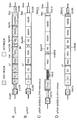
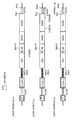
- FIG. 2 is a structural diagram of a subgenomic replicon RNA expression vector derived from a JFH-1 strain, a subgenomic replicon RNA expression vector derived from a J6CF strain, and two J6CF / JFH-1 chimeric HCV subgenomic replicon RNA expression vectors.
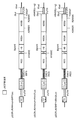
- FIG. 3 is a structural diagram of a full-genome replicon RNA expression vector derived from JFH-1 strain, a full-genome replicon RNA expression vector derived from J6CF strain, and three J6CF / JFH-1 chimeric HCV full-genome replicon RNA expression vectors.
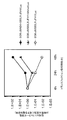
- A is a Huh7.5.1 cell into which SGR-JFH1 / Luc, SGR-J6CF / Luc, SGR-J6 / N3H + 5BSLX-JFH1 / Luc or SGR-J6 / 5BSLX-JFH1 / Luc, which are HCV subgenomic replicon RNAs, are introduced.
- 2 shows relative luciferase activity indicating the amount of replication of HCV subgenomic replicon RNA at.
- B shows the amount of Core protein in the culture supernatant of Huh7.5.
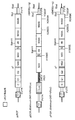
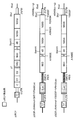
- J6CF / JFH-1 chimeric mutant HCV subgenomic replicon RNA and HCV full genome replicon RNA expression vectors containing the A1680E mutation are shown.
- pJFH1 is a JFH-1 strain-derived HCV full genome replicon RNA expression vector obtained by cloning the full-length genome sequence of the JFH-1 strain downstream of the T7 promoter.
- pJ6CF is a J6CF strain-derived HCV full genome replicon RNA expression vector obtained by cloning the full-length genome sequence of the J6CF strain downstream of the T7 promoter.
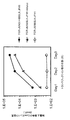
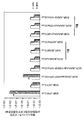
- Relative luciferase activity in Huh7.5.1 cells transfected with HCV subgenomic replicon RNA SGR-J6 / N3H + 5BSLX-JFH1 / Luc, SGR-J6 / 5BSX-JFH1 + 4Amut / Luc or SGR-J6 / 5BSLX-JFH1 / Luc (Indicates replicon RNA replication levels).
- FIG. 3 is a structural diagram of a mutant derived from a J6CF strain (mutated at 5 sites) HCV subgenomic replicon RNA and HCV full genome replicon RNA expression vector.
- HCV subgenomic replicon RNA SGR-J6 / N3H + 5BSLX-JFH1 / Luc, SGR-J6 / 5BSX-JFH1 + 4Amut / Luc, SGR-J6 / 4Amut + SKF + VRm3 / Luc or SGR-J6CF / Luc7.5 cells introduced with Huc7.5 Relative luciferase activity (indicating replicon RNA replication levels).
- FIG. 3 is a structural diagram of an HCV subgenomic replicon RNA expression vector into which one of mutations “4Amut”, “SKF”, and “VRm3” has been introduced.
- FIG. 3 is a structural diagram of an HCV subgenomic replicon RNA expression vector into which two of mutations “4Amut”, “SKF”, and “VRm3” have been introduced.
- FIG. 2 is a structural diagram of pSGR-J6 / 4Amut + SKF + VRm3 / Luc expression vector and pSGR-J6 / 4Amut + Y3003F + VRm3 / Luc expression vector, which are mutant HCV subgenomic replicon RNA expression vectors.
- SGR-JFH1 / Luc and SGR-J6CF / Luc which are HCV subgenomic replicon RNAs
- SGR-J6 / 4Amut + SKF + VRm3 / Luc which are mutant HCV subgenomic replicon RNAs
- SGR-J6 / 4Amut + VRm3 / Luc SGR-J6 / 4Amut + VRm3 / Luc
- SGR-J6 / 4Amut + VRm3 / Luc It is a figure which shows relative luciferase activity in (replicon RNA replication level is shown).
- Hepatitis C virus is a virus whose genome is a single-stranded (+) strand sense RNA.
- the genome of HCV has a 5 ′ untranslated region (5′UTR) and bases encoding Core protein, E1 protein, E2 protein, p7 protein, NS2 protein, NS3 protein, NS4A protein, NS4B protein, NS5A protein and NS5B protein A region consisting of a sequence, that is, a viral protein coding region and a 3 ′ untranslated region (3′UTR).
- HCV genome (HCV full length genome) is 5′UTR in order from 5 ′ side to 3 ′ side, Core protein, E1 protein, E2 protein, p7 protein, NS2 protein, NS3 protein, NS4A protein, NS4B protein, NS5A It is an RNA comprising a base sequence encoding a protein and NS5B protein and a 3′UTR.
- the full length genome of HCV the cDNA sequence of the full length genome of the J6CF strain is shown in SEQ ID NO: 29.
- HCV full length genome In order to distinguish from a nucleic acid consisting of a part of the HCV genome, the HCV genome consisting of the full length is referred to as “HCV full length genome”, “full length HCV genome”, “HCV full length genomic RNA”, “full length HCV genomic RNA” or “full length. Also referred to as “genomic RNA”.
- HCV virus particles contain an HCV genome inside a virus shell composed of HCV structural proteins.
- HCV Core protein, E1 protein, E2 protein, and p7 protein are “structural proteins” that form HCV particles, and nucleic acids that encode these structural proteins are referred to as “structural genes”.
- NS2 protein, NS3 protein, NS4A protein, NS4B protein, NS5A protein and NS5B protein of HCV are “nonstructural proteins” that do not form HCV particles, and a nucleic acid encoding this nonstructural protein is referred to as “nonstructural gene”.
- Nonstructural proteins have functions involved in HCV genome replication, HCV protein processing, and the like.
- HCV 5 'untranslated region (5' UTR) provides an internal ribosome entry site (hereinafter IRES) for protein translation and elements necessary for replication.
- IRES internal ribosome entry site
- the 5'UTR of HCV is a region of about 340 nucleotides from the 5 'end of the genome.
- HCV 3 'untranslated region (3'UTR) assists HCV replication.
- the 3'UTR of HCV includes a variable region, a poly U region, and an additional region of about 100 nucleotides (X region).
- HCV is a single precursor protein (core protein, E1 protein, E2 protein, p7 protein, NS2 protein, NS3 protein, NS4A protein, NS4B protein, NS5A protein and NS5B protein) linked in this order. Polyprotein), then cleaved by intracellular and viral proteases, and each of 10 mature viral proteins (Core protein, E1 protein, E2 protein, p7 protein, NS2 protein, NS3 protein, NS4A protein) NS4B protein, NS5A protein and NS5B protein).
- the amino acid sequence of the precursor protein of the J6CF strain is shown in SEQ ID NO: 30. This precursor protein is encoded by the full-length genomic sequence of the J6CF strain shown in SEQ ID NO: 29.
- HCV Various genotypes are known for HCV, and it is known that HCV genomes of various genotypes have similar gene structures.
- the “genotype” of HCV means a genotype classified according to the international classification by Simmonds et al.
- the J6CF strain is an HCV belonging to genotype 2a, and the full-length HCV genome base sequence (SEQ ID NO: 29) and the precursor protein amino acid sequence (SEQ ID NO: 30) of the J6CF strain are shown in GenBank accession number AF177036. .
- the sequence represented by SEQ ID NO: 29 is the cDNA sequence of the full-length genomic RNA of the J6CF strain. The RNA sequence is obtained by replacing thymine (t) in the base sequence with uracil (u).
- the 5′UTR of the J6CF strain consists of the sequence of nucleotide numbers 1 to 340 of SEQ ID NO: 29, the Core protein coding sequence consists of the sequence of nucleotide numbers 341 to 913 of SEQ ID NO: 29,
- the E1 protein coding sequence consists of the sequences of base numbers 914 to 1489 of SEQ ID NO: 29
- the E2 protein coding sequence consists of the sequences of base numbers 1490 to 2590 of SEQ ID NO: 29
- the coding sequence consists of the sequences from base numbers 2591 to 2779 of SEQ ID NO: 29
- the NS2 protein coding sequence consists of the sequences of base numbers 2780 to 3430 of SEQ ID NO: 29, and the NS3 protein coding sequence Consists of the sequence of base numbers 3431 to 5323 of SEQ ID NO: 29,
- the S4A protein coding sequence consists of the sequences of base numbers 5324 to 5485 of SEQ ID NO: 29,
- the JFH-1 strain is an HCV belonging to genotype 2a, and the base sequence and amino acid sequence of the full-length HCV genome of the JFH-1 strain are shown in GenBank accession number AB047639.
- the NS5B protein amino acid sequence of the JFH-1 strain is shown in SEQ ID NO: 28.
- the NS5B protein coding sequence of the JFH-1 strain has the base numbers 7667 to 9442 when the first base at the 5 ′ end of the base sequence represented by GenBank accession number AB047639 is the first base number. (Including stop codon).
- the 3'UTR of the JFH-1 strain is composed of a sequence of nucleotide numbers 9443 to 9678 of the nucleotide sequence represented by GenBank accession number AB047639.
- the nucleotide sequence of 3'UTR of JFH-1 strain is shown in SEQ ID NO: 31 in the sequence listing.
- the present invention uses such an HCV genome to efficiently and autonomously contain a subgenomic sequence or a full genome sequence of a genotype 2a HCV strain (preferably J6CF strain) into which a mutation imparting autonomous replication ability has been introduced.
- Nucleic acids including replicable replicon RNA or DNA encoding the same are provided.
- the adaptive mutation capable of imparting autonomous replication ability to the subgenomic RNA or full-genomic RNA of the HCV strain of genotype 2a (preferably J6CF strain) introduced into the replicon RNA in the present invention is the amino acid of the precursor protein of the J6CF strain. Amino acid substitution (A1680E) of 1680th alanine to glutamic acid in the sequence.
- HCV subgenomic replicon RNA having high autonomous replication ability in cultured cells or HCV full genome replicon RNA can be made.
- Adaptive mutations to be introduced together with the A1680E mutation include, but are not limited to, A2892S (substitution of the 2992th alanine to serine) and R2959K (lysine of the 2959th arginine) of the precursor protein of the J6CF strain. And a nucleotide mutation that causes an amino acid substitution of Y3003F (the substitution of the 3003rd tyrosine to phenylalanine), and a nucleotide mutation of nt9458 (c ⁇ g) (the 9458th cytosine of the full-length genome of the J6CF strain) Mutation to guanine).
- the A2892S mutation, the R2959K mutation, the Y3003F mutation, and the nt 9458 (c ⁇ g) base mutation are all introduced into the replicon RNA together with the A1680E mutation.
- the A1680E mutation described above is the same as part of the NS5B protein coding sequence of the J6CF strain genomic RNA (corresponding to the 516th to 591st NS5B protein) and the 3 ′ untranslated region derived from the JFH-1 strain.
- HCV subgenomic replicon RNA or HCV full-genome replicon RNA having high autonomous replication ability in cultured cells by introducing into a chimeric replicon RNA (J6CF / JFH-1 chimeric replicon RNA) substituted with a region sequence
- the HCV subgenomic replicon RNA or the HCV full-genome replicon RNA has an autonomous replication ability equivalent to that of the replicon RNA containing only the above-mentioned mutation, other than the above-mentioned mutations of A1680E, A2892S, R2959K, Y3003F, nt9458 (c ⁇ g) It may have a mutation.
- Such other mutation may be a substitution of one or a plurality of bases (for example, 1 to 50, preferably 1 to 20, more preferably 1 to 5).
- the replicon RNA having such other mutations is 92% or more, preferably 95% or more, more preferably 96% or more, still more preferably 97% or more, particularly preferably 99, compared to the genome sequence of the HCV J6CF strain. % Or more (for example, 99.5% or more) of nucleotide sequence identity.
- the HCV subgenomic replicon RNA or the HCV full genome replicon RNA preferably also has a mutation only in the above-described A1680E, A2892S, R2959K, Y3003F, nt9458 (c ⁇ g).
- replicon RNA refers to RNA having the ability to replicate autonomously in cultured cells (typically HCV sensitive cells). Since the replicon RNA introduced into the cell replicates autonomously and its RNA copy is distributed to the daughter cells after cell division, the replicon RNA can be stably introduced into the cell.
- HCV replicon RNA refers to RNA that autonomously replicates, including part or the entire length of HCV genomic RNA.
- An autonomously replicating RNA containing a part of the HCV genomic RNA is called an HCV subgenomic replicon RNA
- an autonomously replicating RNA containing the full length of the HCV genomic RNA is called an HCV full genomic replicon RNA.
- HCV replicon RNA encompasses both HCV subgenomic replicon RNA and HCV full genomic replicon RNA.
- the “HCV subgenomic replicon RNA” in the present invention includes a 5 ′ untranslated region (5′UTR) of HCV, a nucleotide sequence encoding NS3 protein, NS4A protein, NS4B protein, NS5A protein and NS5B protein, and 3 ′ non-translated region.
- the translation region (3′UTR) is preferably included in this order from 5 ′ to 3 ′.
- the HCV subgenomic replicon RNA preferably contains a foreign gene (drug resistance gene or reporter gene) and an IRES sequence for detection, and in such a case, the foreign gene (drug resistance gene or reporter gene) and The IRES sequence is preferably included 5 ′ of the NS3 protein coding sequence of the HCV subgenomic replicon RNA.
- Suitable “HCV subgenomic replicon RNAs” in the present invention include a 5 ′ untranslated region (5′UTR) of HCV, a 36 nucleotide sequence at the 5 ′ end of the Core protein coding region, and a foreign gene (drug resistance Gene or reporter gene), IRES sequence, NS3 protein, NS4A protein, NS4B protein, NS5A protein, NS5B protein, nucleotide sequence encoding 3 'untranslated region (3'UTR) from the 5' side. 'Include in this order towards the side.
- HCV full genome replicon RNA in the present invention includes 5 ′ untranslated region (5′UTR) of HCV, Core protein, E1 protein, E2 protein, p7 protein, NS2 protein, NS3 protein, NS4A protein, NS4B protein, A base sequence encoding NS5A protein and NS5B protein and a 3 ′ untranslated region (3′UTR) are preferably arranged in this order from 5 ′ to 3 ′.
- HCV full-length genome When the HCV full-length genome has autonomous replication ability, the genome is a replicon RNA.
- a replicon RNA containing the HCV full-length genome is referred to as an HCV full genome replicon RNA.
- HCV full-length genomic RNA When RNA consisting of the full-length HCV genomic sequence (HCV full-length genomic RNA) has autonomous replication ability, it is an HCV full-genome replicon RNA.
- the nucleic acid according to the present invention basically has the genome sequence of HCV strains (preferably J6CF strain) of genotype 2a other than the JFH-1 strain as a backbone and imparts autonomous replication ability in cultured cells. It is a nucleic acid having a mutation.
- the nucleic acid is typically HCV subgenomic replicon RNA or HCV full genomic replicon RNA, or DNA encoding them.
- the present invention provides a 5 ′ untranslated region and NS3 protein coding sequence, NS4A protein coding sequence, NS4B protein coding sequence, NS5A protein coding sequence, and NS5B protein coding of the genome of hepatitis C virus J6CF strain.
- a nucleic acid comprising a viral protein coding region containing a sequence and a 3 ′ untranslated region in this order from the 5 ′ side to the 3 ′ side, wherein J6CF shown in SEQ ID NO: 30 is contained in the NS4A protein coding sequence.
- the present invention relates to a nucleic acid having a mutation in which the 1680th alanine is substituted with glutamic acid (a base mutation that causes amino acid substitution of the alanine with glutamic acid) when the amino acid sequence of the precursor protein of the strain is used as a reference.
- this nucleic acid contains a full-length genomic sequence as a viral sequence (the viral sequence referred to here indicates a base sequence derived from the HCV genome)
- the viral protein coding region is 5 ′ of the NS3 protein coding sequence.
- the core further includes a Core protein coding sequence, an E1 protein coding sequence, an E2 protein coding sequence, a p7 protein coding sequence, and an NS2 protein coding sequence in this order from the 5 ′ side to the 3 ′ side.
- the nucleic acid comprises a 5 ′ untranslated region of the hepatitis C virus J6CF strain and the NS3 protein coding sequence, NS4A protein coding sequence, NS4B protein coding sequence, NS5A protein coding sequence and NS5B protein coding sequence.
- the NS4A protein coding sequence is a precursor protein of the J6CF strain shown in SEQ ID NO: 30.
- the NS5B protein coding sequence is based on the amino acid sequence shown in SEQ ID NO: 30, when the 1680th alanine is substituted with glutamic acid.
- the 3 ′ untranslated region is SEQ ID NO: 29
- the 9458th cytosine may be a nucleic acid in which guanine is base-substituted.
- This nucleic acid may contain a subgenomic sequence (sequence comprising a part of the full length HCV genome) as a viral sequence (base sequence derived from the HCV genome), for example, a subgenomic replicon RNA or DNA encoding the same. sell.
- a subgenomic sequence sequence comprising a part of the full length HCV genome
- a viral sequence base sequence derived from the HCV genome
- a foreign gene drug resistance gene or reporter gene
- IRES sequence a partial fragment at the 5 ′ end of the Core protein coding region (for example, a sequence of 36 nucleotides at the 5 ′ end) is converted into 5 ′ of the foreign gene. May be included on the side.
- the nucleic acid comprises an HCV 5 ′ untranslated region (5′UTR), a 36 nucleotide sequence at the 5 ′ end of the Core protein coding region, a foreign gene (drug resistance gene or reporter gene), and an IRES sequence. And a base sequence encoding NS3 protein, NS4A protein, NS4B protein, NS5A protein, and NS5B protein and a 3 ′ untranslated region (3′UTR) in this order from the 5 ′ side to the 3 ′ side. .
- This nucleic acid is, for example, a subgenomic replicon RNA containing the base sequence shown in SEQ ID NO: 4 or a DNA encoding the same (in the case of RNA, thymine (t) in the base sequence is read as uracil (u)). It's okay.
- the nucleic acid may contain a full (full length) genomic sequence as a viral sequence, and may be, for example, a full genome replicon RNA or DNA encoding the same.
- the viral protein coding region is located on the 5 ′ side of the NS3 protein coding sequence, Core protein coding sequence, E1 protein coding sequence, E2 protein coding sequence, p7 protein coding sequence.
- NS2 protein coding sequences in this order from 5 ′ to 3 ′.
- This nucleic acid is, for example, a full-genome replicon RNA containing the base sequence shown in SEQ ID NO: 5 or a DNA encoding the same (in the case of RNA, thymine (t) in the base sequence is read as uracil (u)). It's okay.
- This nucleic acid comprises a 5 ′ untranslated region of the genome of HCV J6CF strain, a base sequence encoding NS3 protein, NS4A protein, NS4B protein, NS5A protein and NS5B protein, and a 3 ′ untranslated region.
- a nucleic acid comprising a nucleic acid having a mutation in its base sequence, and the substitution of 1680th alanine to glutamic acid, based on the amino acid sequence of the precursor protein of the HCV J6CF strain, the 2892nd A mutation that causes substitution of alanine with serine, substitution of 2959th arginine with lysine, and substitution of 3003rd tyrosine with phenylalanine, and when the base sequence of the genome of J6CF strain is used as a reference It may be a nucleic acid having a mutation of 9458th cytosine to guanine .
- This nucleic acid is preferably a J6CF strain-derived mutant subgenomic replicon RNA in which the above five mutations are introduced into the subgenomic-derived replicon RNA of the J6CF strain or a DNA encoding the same.
- This nucleic acid may be a nucleic acid comprising the base sequence shown in SEQ ID NO: 4.
- This nucleic acid according to the present invention is a nucleic acid containing a nucleotide sequence having a mutation in the nucleotide sequence of the full-length genome of the HCV J6CF strain, and the nucleic acid sequence is determined based on the amino acid sequence of the precursor protein of the HCV J6CF strain.
- This nucleic acid is preferably a J6CF strain-derived mutant full-genome replicon RNA in which the above five mutations are introduced into the full-length genome-derived replicon RNA of the J6CF strain or a DNA encoding the same.
- This nucleic acid may be a nucleic acid comprising the base sequence shown in SEQ ID NO: 5.
- the mutant HCV subgenomic replicon RNA derived from J6CF strain and the mutant HCV full genome replicon RNA derived from J6CF strain refer to a replicon RNA containing the subgenomic sequence or full genome sequence of the J6CF strain into which the mutation has been introduced.
- the J6CF strain genomic sequence into which no mutation has been introduced is referred to as the wild type.
- the nucleic acid according to the present invention comprises a 5 ′ untranslated region, NS3 protein coding sequence, NS4A protein coding sequence, NS4B protein coding sequence, NS5A protein of the genome of hepatitis C virus J6CF strain.
- the 1680th alanine has a mutation that replaces glutamic acid (base mutation that causes amino acid substitution of alanine to glutamic acid), and
- the NS5B protein coding sequence includes the first to 515th amino acid sequences of the amino acid sequence shown in SEQ ID NO: 27 and the 516th to 591st amino acid sequences of the amino acid sequence shown in SEQ ID NO: 28.
- the 3 ′ untranslated region is represented by the nucleotide sequence represented by SEQ ID NO: 31 (derived from the JFH-1 strain). It may be a nucleic acid substituted in the 3 ′ untranslated region).
- the amino acid sequence of the protein consisting of amino acid sequences linked in this order is the amino acid sequence shown in SEQ ID NO: 33.
- the base sequence encoding this protein may be, for example, the base sequence shown in SEQ ID NO: 32.
- the nucleic acid may include a subgenomic sequence as a viral sequence, and may be, for example, a subgenomic replicon RNA or DNA encoding the same.
- this nucleic acid contains a foreign gene (drug resistance gene or reporter gene) and an IRES sequence, a partial fragment at the 5 ′ end of the Core protein coding region (for example, a sequence of 36 nucleotides at the 5 ′ end) is converted into 5 ′ of the foreign gene. May be included on the side.
- the nucleic acid comprises an HCV 5 ′ untranslated region (5′UTR), a 36 nucleotide sequence at the 5 ′ end of the Core protein coding region, a foreign gene (drug resistance gene or reporter gene), and an IRES sequence. And a base sequence encoding NS3 protein, NS4A protein, NS4B protein, NS5A protein, and NS5B protein and a 3 ′ untranslated region (3′UTR) in this order from the 5 ′ side to the 3 ′ side. .
- This nucleic acid is, for example, a subgenomic replicon RNA containing the base sequence shown in SEQ ID NO: 1 or a DNA encoding the same (in the case of RNA, thymine (t) in the base sequence is read as uracil (u)). It's okay.
- this nucleic acid may contain a full-length genome sequence as a viral sequence, and may be, for example, a full genome replicon RNA or a DNA encoding the same.
- the viral protein coding region is located on the 5 ′ side of the NS3 protein coding sequence, Core protein coding sequence, E1 protein coding sequence, E2 protein coding sequence, p7 protein coding sequence. And NS2 protein coding sequences in this order from 5 ′ to 3 ′.
- This nucleic acid is, for example, a full-genome replicon RNA containing the base sequence shown in SEQ ID NO: 2 or a DNA encoding the same (in the case of RNA, thymine (t) in the base sequence is read as uracil (u)). It's okay.
- This nucleic acid comprises the 5 ′ untranslated region of the genome of HCV J6CF strain, the nucleotide sequence encoding NS3 protein, NS4A protein, NS4B protein and NS5A protein, and the first NS5B protein of HCV J6CF strain.
- Nucleotide sequence encoding the 515th to 515th amino acid residues, the nucleotide sequence encoding the 516th to 591st amino acid residues of NS5B protein of the HCV JFH-1 strain, and the HCV JFH-1 strain A nucleic acid having a mutation in the nucleotide sequence of the nucleic acid containing the 3 ′ untranslated region of the genome, and a nucleic acid having a mutation that causes substitution of the 1680th alanine with glutamic acid.
- This nucleic acid according to the present invention also comprises the 5 ′ untranslated region of the genome of J6CF strain of HCV, Core protein, E1 protein, E2 protein, p7 protein, NS2 protein, NS3 protein, NS4A protein, NS4B protein and NS5A protein
- nucleotide sequence encoding the 516th to 591st amino acid residues and the 3 ′ untranslated region of the genome of the JFH-1 strain of HCV from the 5 ′ side to the 3 ′ side, the 5 ′ Untranslated region, Core protein, E1 protein, E2 protein, p7 protein NS2 protein, NS3 protein, NS4A protein, NS4B protein, NS5A protein and NS5B protein, a nucleic acid having a mutation in the base sequence of the nucleic acid arranged in the order of the 3 ′ untranslated region, and 1680 It may be a chimeric nucleic acid having a mutation that causes substitution of the second alanine with glutamic acid.
- This chimeric nucleic acid has a part of the NS5B protein coding sequence and the 3 ′ untranslated region in the HCV genomic sequence of the J6CF strain replaced with the sequence of the same region derived from the genome of the JFH-1 strain. It can be produced by introducing an amino acid substitution.
- the NS5B protein in the J6CF / JFH-1 chimeric mutant nucleic acid is a chimeric NS5B protein derived from the J6CF strain and the JFH-1 strain.
- this nucleic acid may be a nucleic acid comprising the base sequence shown in SEQ ID NO: 2.
- a chimeric nucleic acid (chimeric nucleic acid) or a chimeric HCV genome (chimeric HCV genome) refers to a nucleic acid or a genome containing HCV genomic sequences of two or more different strains.
- nucleic acid includes RNA and DNA, and derivatives thereof.
- protein coding region protein-encoding base sequence
- protein-encoding sequence protein-encoding sequence in this specification are base sequences encoding the amino acid sequence of a given protein. The start and stop codons may or may not be included.
- nucleic acid is RNA and a base sequence or base of RNA is specified with reference to a sequence number in the sequence listing, thymine (t) in the base sequence shown in the sequence number is uracil ( It shall be read as u).
- the amino acid at a specific position in the amino acid sequence represented by SEQ ID NO: “the amino acid sequence represented by the sequence number“ X ”” is the “Y” th (amino acid) ”. It is specified by the expression.
- the description of “the“ Y ”th (amino acid) when the amino acid sequence of the precursor protein of the J6CF strain shown in SEQ ID NO: 30 is used as a reference” means that the amino acid is the J6CF of HCV shown in SEQ ID NO: 30 This means that the amino acid residue is located at the “Y” -th position when the first amino acid (methionine) at the N-terminus is defined as the first position in the amino acid sequence of the precursor protein of the strain.
- the actual position in the amino acid sequence where the designated amino acid is present is: It may be the “Y” th, but it may not be the “Y” th.
- the amino acid sequence of the precursor protein of the J6CF strain shown in SEQ ID NO: 30 is used as a reference, the 1680th alanine is substituted with glutamic acid, and the reporter protein is inserted on the N-terminal side.
- a protein comprising the amino acid sequence of the precursor protein shown in SEQ ID NO: 30 ", it is located at the 1680th position in SEQ ID NO: 30, but the position from the N-terminus is not located at the 1680th position due to insertion of the reporter protein. It means that the lost alanine is substituted with glutamic acid in the protein.
- the amino acid sequence of the precursor protein of J6CF strain is shown in SEQ ID NO: 30.
- the amino acid sequence of the precursor protein of the J6CF strain shown in SEQ ID NO: 30 (consisting of 3033 residue amino acids from the translation initiation site methionine to the 3033rd arginine (R)) is shown in SEQ ID NO: 29 It is encoded by the sequence of the portion consisting of the sequence of base numbers 341 to 9442 (including the stop codon) of the cDNA sequence of the full-length genomic RNA of the J6CF strain.
- the 1680th amino acid is alanine (A) contained in the NS4A protein.
- the substitution of alanine (A) to glutamic acid (E) is represented as A1680E, but can also be represented as 1680AE or 1680A ⁇ E. Other amino acid substitutions are similarly indicated.
- amino acids are described by the one-letter code of amino acids commonly used in the field of biology (Sambrook et al., Molecular Cloning: A Laboratory Manual Second Edition, 1989).
- an amino acid or amino acid residue is described in the one-letter code or three-letter code of an amino acid usually used in the field of biology, and it undergoes post-translational modifications such as hydroxylation, glycosylation, and sulfation. Amino acids are also included.
- notation such as A1680E indicates substitution of an amino acid at a specific position, but also means a base mutation that causes the amino acid substitution depending on the context.
- the mutation may be referred to as A1680E substitution (mutation).
- a nucleic acid encoding an amino acid sequence having the mutation may be referred to as a nucleic acid containing an A1680E substitution (mutation) or a nucleic acid into which an A1680E substitution (mutation) has been introduced.
- such a mutation may be referred to as a base mutation that causes an A1680E substitution (mutation) in the amino acid sequence.
- HCV replicon RNA introduced with A1680E substitution (mutation) may be referred to as A1680E mutant HCV replicon RNA.
- A1680E mutant HCV replicon RNA In the case of having a plurality of mutations at the same time, for example, when it has a substitution of A1680E and an amino acid substitution of A2892S, R2959K, and Y3003F, it may be expressed as “including substitution (mutation) of A1680E / A2892S / R2959K / Y3003F”. . “Amino acid substitution” is sometimes expressed as “amino acid mutation”.
- the base mutation that causes a specific amino acid substitution can be selected based on a well-known genetic code table.
- a mutation that causes an A1680E substitution is a mutation that results in a change from a codon "GCT", “GCC”, “GCA” or “GCG” encoding alanine to a codon "GAA” or “GAG” encoding glutamate. It is.
- the base mutation that causes the A1680E substitution is a mutation that changes the codon “GCG” (5378th to 5380th in SEQ ID NO: 29) to “GAA” or “GAG”. It is.
- the amino acid substitution of the 2892th alanine to serine is represented as A2892S.
- the base mutation that causes the A2892S substitution is a codon “GCG” encoding alanine (positions 9014 to 9016 of SEQ ID NO: 29) and a codon encoding serine “ It is a mutation that changes to “TCT”, “TCC”, “TCA”, “TCG”, “AGT” or “AGC”.
- the amino acid substitution of the 2959th arginine to lysine is expressed as R2959K.
- the base mutation that causes the R2959K substitution is caused by the codon “AGA” that encodes arginine (the 9215th to 9217th positions of SEQ ID NO: 29) and the codon that encodes lysine “ It is a mutation that changes to “AAA” or “AAG”.
- the amino acid substitution of the 3003rd tyrosine to phenylalanine is represented as Y3003F.
- the base mutation causing the Y3003F substitution is a codon “TAT” encoding tyrosine (the 9347th to 9349th positions of SEQ ID NO: 29) and a codon encoding phenylalanine “ It is a mutation that changes to “TTT” or “TTC”.
- the base at a specific position in the base sequence represented by SEQ ID NO: “the number“ Y ”(base)” when the base sequence represented by SEQ ID NO: “X” is used as a reference ” It is specified by the expression.
- the description “the“ Y ”th (base) when the base sequence shown in SEQ ID NO: 29 is used as a reference” means that the base is the base sequence of the full-length genome of the HCV J6CF strain shown in SEQ ID NO: 29 Means the base located at the “Y” position when the first base at the 5 ′ end is the first.
- the actual position in the base sequence where the designated base is present is: Although it may be the “Y” th, it may not be the “Y” th.
- the base sequence shown in SEQ ID NO: 29 is used as a reference, the 9458th cytosine (c) is replaced with guanine (g), and the reporter gene is inserted on the 5 ′ end side.
- a replicon RNA comprising the full-length genomic sequence shown in SEQ ID NO: 29 is located at position 9458 in SEQ ID NO: 29, but the position from the 5 ′ end is no longer position 9458 by insertion of the reporter gene. Means that cytosine has been replaced by guanine in the replicon RNA.
- nt can be added before the base number indicating the position of the base mutation in order to distinguish it from amino acid substitution (mutation).
- Base mutations may also be expressed using lower case alphabets (a for adenine, c for cytosine, g for guanine, u for uracil, t for thymine).
- nt 9458 (c ⁇ g) means that the 9458th base is mutated from cytosine (c) to guanine (g).
- the nucleic acid according to the present invention is based on the genome sequence of the J6CF strain.
- “Nucleic acid having backbone of genome of J6CF strain” means 97% or more homology (preferably 99% or more, more preferably 99.5) to the amino acid sequence of the precursor protein of J6CF strain (SEQ ID NO: 30). % Or more, more preferably 99.8% or more).
- homology is determined by comparing with the amino acid sequence of only the region corresponding to the subgenomic sequence in the precursor protein.
- the homology analysis can be performed using genetic information processing software such as GENETYX (registered trademark).
- GENETYX registered trademark
- the homology of the amino acid sequences of the precursor proteins of the JFH-1 strain and the J6CF strain is analyzed by GENETYX (registered trademark) with a k-tuple value of 2, the same amino acid has 3033 total amino acid residues. Of these, 2765, and the homology is 91%.
- J6CF strain-derived full-genome replicon RNA into which five mutations (A1680E, A2892S, R2959K, and Y3003F, and nt9458 (c ⁇ g)) were introduced were compared to the full-length genome sequence of the wild-type J6CF strain by 99.
- the nucleic acid according to the present invention having the genome sequence of the J6CF strain as a backbone is preferably a mutant HCV subgenomic replicon RNA derived from the J6CF strain, a mutant HCV full genome replicon RNA derived from the J6CF strain, or a DNA encoding the same.
- the J6CF strain-derived mutant HCV subgenomic replicon RNA and the J6CF strain-derived mutant HCV full-genome replicon RNA each have the genome sequence of the J6CF strain as a backbone, and the replicon RNA has autonomous replication ability in cultured cells.
- J6CF strain-derived mutant HCV subgenomic replicon RNA the J6CF strain-derived mutant HCV full It shall be included in the range of genomic replicon RNA.
- the nucleic acid according to the present invention for example, a mutant HCV subgenomic replicon RNA derived from J6CF strain, or a mutant HCV full genome replicon RNA derived from J6CF strain further contains a foreign gene such as a selectable marker gene and a reporter gene, and an IRES sequence. Also good.
- the mutant HCV subgenomic replicon RNA is preferably HCV 5 ′ untranslated region (5′UTR), foreign gene, IRES sequence, and HCV NS3 in order from 5 ′ to 3 ′. It is a nucleic acid comprising a sequence encoding a protein, NS4A protein, NS4B protein, NS5A protein and NS5B protein, and the 3 ′ untranslated region (3′UTR) of HCV.
- the mutant HCV subgenomic replicon RNA has a nucleotide sequence of 36 nucleotides at the 5 ′ end of the Core protein coding region derived from the J6CF strain (positions 341 to 376 of SEQ ID NO: 29) between the 5 ′ untranslated region and the foreign gene. Th).
- the mutant HCV full-genome replicon RNA preferably has an HCV 5 ′ untranslated region (5′UTR), a foreign gene, an IRES sequence, and an HCV Core, in order from 5 ′ to 3 ′. It includes sequences encoding proteins, E1 protein, E2 protein, p7 protein, NS2 protein, NS3 protein, NS4A protein, NS4B protein, NS5A protein and NS5B protein, and 3 ′ untranslated region (3′UTR) of HCV.
- 5′UTR untranslated region
- IRES sequence a foreign gene
- HCV Core in order from 5 ′ to 3 ′. It includes sequences encoding proteins, E1 protein, E2 protein, p7 protein, NS2 protein, NS3 protein, NS4A protein, NS4B protein, NS5A protein and NS5B protein, and 3 ′ untranslated region (3′UTR) of HCV.
- the selectable marker gene is capable of imparting selectivity to a cell so that only the cell in which the gene is expressed is selected, such as a drug resistance gene.
- selectable marker genes suitable in the present invention include, but are not limited to, neomycin resistance gene, hygromycin resistance gene, thymidine kinase gene, kanamycin resistance gene, pyrithiamine resistance gene, adenylyltransferase gene, zeocin resistance gene.
- a puromycin resistance gene, and a neomycin resistance gene and a thymidine kinase gene are preferable, and a neomycin resistance gene is more preferable.
- the reporter gene is a gene that encodes a gene product that serves as an index of gene expression.
- reporter genes suitable in the present invention include structural genes of enzymes that catalyze luminescence reactions and color reactions.
- preferred reporter genes include, but are not limited to, chloramphenicol acetyltransferase gene derived from transposon Tn9, ⁇ -glucuronidase or ⁇ -galactosidase gene derived from E. coli, luciferase gene, green fluorescent protein gene, aequorin gene derived from jellyfish And secretory placental alkaline phosphatase (SEAP) gene.
- SEAP jellyfish And secretory placental alkaline phosphatase
- the drug resistance gene and the reporter gene may be contained in the HCV replicon RNA.
- One marker gene such as a drug resistance gene or reporter gene may be included in the HCV replicon RNA, or two or more marker genes may be included.
- the “IRES sequence” means an internal ribosome binding site capable of binding a ribosome inside RNA to initiate translation.
- IRES sequence include EMCV IRES (internal ribosome binding site of encephalomyocarditis virus), FMDV IRES, HCV IRES and the like, more preferably EMCV IRES and HCV IRES, and most preferably EMCV IRES.
- the sequence and the 3 ′ untranslated region are Linked to the sequence and the 3 ′ untranslated region.
- the nucleic acid according to the present invention as described above is more preferably a subgenomic replicon RNA or a full genome replicon RNA having autonomous replication ability. Accordingly, the present invention also provides a hepatitis C virus subgenomic replicon RNA or full genome replicon RNA comprising the nucleic acid according to the present invention.
- a cDNA obtained by reverse transcription of genomic RNA of J6CF strain (GenBank accession number AF17736) and a cDNA obtained by reverse transcription of the genome of JFH-1 strain ( DNA obtained by cloning GenBank accession number AB047639) can be used.
- J6CF In the nucleic acid construct containing the subgenome derived from the J6CF strain, a part of the DNA obtained by cloning the cDNA obtained by reverse transcription of the genomic RNA of the J6CF strain is excised with, for example, a restriction enzyme or partially replaced by homologous recombination. Thus, it can be manufactured.
- J6CF It may be prepared by substituting the nucleotide sequence consisting of a foreign gene and an IRES sequence (for example, EMCV IRES sequence) from the 5 'end of the Core protein coding region of genomic clone pJ6CF to the 37th to NS2 protein coding region. .
- a nucleic acid construct containing a J6CF / JFH-1 chimeric HCV subgenome or full genome (chimeric HCV genome) that does not contain the A1680E mutation is subjected to PCR using a vector obtained by cloning cDNAs of J6CF and JFH-1 HCV genomic RNA as a template.
- Each HCV genomic region to be combined can be prepared by amplifying and ligating.
- a region from the 5 ′ untranslated region of the J6CF strain to the 515th position of the NS5B protein amino acid sequence is amplified, and a region from the 516th to 3′UTR of the NS5B protein amino acid sequence of the JFH-1 strain is amplified, These amplification products can be ligated.
- This technique is described, for example, in Wakita, T .; Nat. Med. 2005, Volume 11, p. 791-796; Lindenbach, B .; D. Science, 2005, 309, p. 623-626; Pietschmann, T .; Et al., Proc. Natl. Acad. Sci. U. S. A. 2007, volume 103, p. 7408-7413.
- a PCR method or a commercially available mutagenesis kit for example, KOD-Plus-Mutageness Kit manufactured by Toyobo Co., Ltd.
- a PCR method for example, a vector obtained by cloning a cDNA of wild-type HCV genomic RNA is used as a template, and PCR is carried out using forward and reverse primers designed from the cDNA sequence and containing the desired mutation. By doing so, the target sequence portion containing the mutation can be amplified.
- a plurality of different PCR products having overlapping sequences with each other are synthesized, these PCR products are mixed, and using this as a template, a forward primer containing the 5 ′ end of the target nucleic acid and the complementary strand of the nucleic acid
- the nucleic acid of interest is amplified by performing PCR using a reverse primer containing a 5 ′ end.
- the target mutation can be introduced by cleaving each end of the synthesized nucleic acid with a restriction enzyme and ligating the cDNA of wild-type HCV genomic RNA cleaved with the same enzyme into a cloned vector.
- a mutation When a mutation is introduced into a wild-type HCV full-length genome sequence or a chimeric HCV full-length genome sequence, the mutation may be introduced into the wild-type HCV full-length genome sequence as described above, or a mutation may be introduced into the wild-type HCV subgenomic sequence.
- a full genome sequence can be prepared by ligating a deficient sequence portion (such as a structural gene) from the wild type HCV genome sequence.
- the J6CF strain-derived mutant HCV subgenomic replicon RNA or the J6CF strain-derived mutant HCV full-genome replicon RNA according to the present invention is prepared by preparing an expression vector obtained by cloning a DNA encoding the same and introducing it into a host cell. And can be prepared by expressing RNA.
- expression vectors used for the production of these mutant HCV replicon RNAs can be produced by conventional methods, they can be suitably produced using the technique described in International Publication No. 05/080575.
- a J6CF strain-derived mutant HCV subgenomic replicon RNA or a DNA fragment (such as cDNA) corresponding to the J6CF strain-derived mutant HCV full-genome replicon RNA is downstream of the promoter in the expression vector by a conventional method. Insert to create a DNA clone.
- the expression vector in the present invention refers to a vector containing a promoter capable of inducing transcription of a gene or RNA coding sequence under its control.
- a plasmid vector is preferable.
- the promoter T7 promoter, SP6 promoter, T3 promoter and the like can be used, and T7 promoter is preferable.
- pUC19 (TaKaRa), pBR322 (TaKaRa), pGEM-T, pGEM-T Easy, pGEM-3Z (all Promega), pSP72 (Promega), pCRII (Invitrogen), pT7Blue (Novagen) Etc.) can be used.
- the present invention also provides an expression vector containing the nucleic acid according to the present invention, prepared as described above.
- This expression vector can express (transcription induction) J6CF strain-derived mutant HCV subgenomic replicon RNA or J6CF strain-derived mutant HCV full-genome replicon RNA.
- replicon RNA J6CF strain-derived mutant HCV subgenomic replicon RNA or J6CF strain-derived mutant HCV full-genome replicon RNA.
- expression vector is referred to as “replicon RNA”. It is called “expression vector”.
- RNA may be synthesized using the produced DNA clone as a template and RNA polymerase.
- RNA is produced in vitro using a nucleic acid obtained by cloning HCV cDNA under the control of the T7 promoter as a template, it can be synthesized using MEGAscript T7 kit (Ambion) or the like. RNA synthesis can be initiated from the 5'UTR by conventional methods.
- RNA can also be synthesized using a DNA fragment excised from the plasmid clone by a restriction enzyme as a template.
- the 3 'end of the synthesized RNA coincides with the 3' UTR end of the HCV genomic RNA, and no other sequence is added or deleted.
- J6CF strain-derived mutant HCV subgenomic replicon RNA or J6CF strain-derived mutant HCV full-genome replicon RNA can be extracted and purified by RNA extraction methods or purification methods well known to those skilled in the art.
- the J6CF strain-derived mutant HCV subgenomic replicon RNA or J6CF strain-derived mutant HCV full-genome replicon RNA produced as described above can autonomously replicate in cultured cells with high efficiency.
- such a mutant HCV subgenomic replicon RNA derived from J6CF strain or a mutant HCV full genome replicon RNA derived from J6CF strain is introduced.
- Cells are also provided.
- Any known method can be used as a method for introducing these HCV replicon RNAs into cells.
- Examples thereof include calcium phosphate coprecipitation method, DEAE dextran method, lipofection method, microinjection method, and electroporation method, preferably lipofection method and electroporation method, more preferably electroporation method. .
- J6CF strain-derived mutant HCV subgenomic replicon RNA or J6CF strain-derived mutant HCV full-genome replicon RNA in a cell into which HCV replicon RNA is autonomously replicated is, for example, the HCV replicon RNA.
- Evaluation can be made based on the function of a foreign gene such as a selectable marker gene or a reporter gene contained, that is, the activity of a gene product of the foreign gene obtained by expression.
- the cells are cultured in a selective medium containing a drug that provides resistance to the gene, and the number of proliferating cells or the number of colonies of the cells is measured, whereby the HCV replicon RNA Can evaluate replication ability. In this case, it can be evaluated that the greater the number of cells or the number of cell colonies, the higher the replication ability.
- the replication ability of the HCV replicon RNA can be evaluated by culturing a cell into which the HCV replicon RNA has been introduced and measuring the enzyme activity in the cell. In this case, it can be evaluated that the higher the enzyme activity, the higher the replication ability.
- the luciferase activity in the cells can be measured by a conventional method.
- the replication ability of the replicon RNA can also be directly evaluated by quantifying the amount of the HCV replicon RNA in the cell into which the HCV replicon RNA has been introduced by quantitative RT-PCR.
- the replicon RNA may be determined to have autonomous replication ability. It can. In addition, even if the replication level of the HCV replicon RNA is temporarily decreased (for example, approximately 24 hours after transfection into cells), but subsequently increased (for example, after 30 hours), It can be determined that the replicon RNA has autonomous replication ability. This is because it takes a certain time after the transfection until the amount of replicated replicon RNA increases.
- the mutant HCV full genome replicon RNA derived from J6CF strain has the ability to produce HCV particles in cultured cells.
- the HCV full-genome replicon RNA is introduced into a cultured cell, the HCV full-genome replicon RNA (or the HCV full-genome replicon RNA containing the HCV full-genome sequence is further replicated continuously in the cultured cell.
- HCV structural proteins Core protein, E1 protein, E2 protein and p7 protein
- the ability of J6CF strain-derived mutant HCV full genome replicon RNA to produce HCV particles in cultured cells was evaluated by introducing the RNA into cells and culturing, and measuring the HCV particles in the resulting culture supernatant. can do.
- Measurement of HCV particles in the culture supernatant can be performed by detecting structural proteins (for example, Core protein, E1 protein, E2 protein, or p7 protein) constituting the HCV particles in the culture supernatant.
- the structural protein in the culture supernatant can be detected using, for example, an antibody against Core protein, E1 protein, or E2 protein.
- the structural protein of the HCV particles detected in the culture supernatant shows a tendency to increase with time, it can be determined that the cells produce HCV particles and release HCV particles outside the cells.
- Whether the mutant HCV full genome replicon RNA derived from the J6CF strain can bring about the production of HCV particles in the introduced cultured cells is largely related to the base sequence of the replicon RNA and the amino acid sequence of the protein encoded thereby. . Therefore, when the production of HCV particles can be confirmed, it can be determined that the mutant HCV full genome replicon RNA derived from the J6CF strain introduced into the cultured cells has the ability to produce virus particles in the cultured cells.
- the virus particles produced and released from the cultured cells into which the mutant HCV full-genome replicon RNA derived from the J6CF strain (or the nucleic acid according to the present invention containing the HCV full-genome sequence) has been introduced have the ability to infect new cultured cells Have
- the present invention also provides such infectious HCV particles.
- This infectious HCV particle contains a mutant HCV full-genome replicon RNA derived from J6CF strain (or a nucleic acid according to the present invention containing an HCV full-genome sequence) as a viral genome.
- Evaluation of the infectivity of the HCV particles according to the present invention was carried out by using a culture supernatant of a cell cultured by introducing a mutant HCV full genome replicon RNA derived from a J6CF strain as a cultured cell (for example, Huh-7 or a derivative thereof). And after a certain time, for example, 48 hours, the cells are immunostained with an anti-Core antibody to count the number of infected cells, or the cell extract is electrophoresed on SDS-polyacrylamide gel and Western blotting is performed. This can be done by detecting infected cells by detecting the Core protein.
- the cultured cells are particularly preferably cells that allow autonomous replication of HCV replicon RNA and formation / infection of HCV particles (such cells are referred to as HCV sensitive cells).
- HCV-sensitive cells used in the present invention include liver-derived cells such as Huh7 cells, HepG2 cells, and IMY-N9 cells, HeLa cells, 293 cells, and derivatives thereof.
- derived strains include Huh7.5 cells and Huh7.5.1 cells, which are derived from Huh7 cells.
- Huh7 cells, HepG2 cells, IMY-N9 cells, HeLa cells, or 293 cells that express the CD81 gene and / or Claudin1 gene can also be cited as derivatives (Lindenbach, BD et al., Science, 2005, 309, p. 623-626; Evans, MJ et al., Nature, 2007, 446, p.
- Huh7 cells or Huh7 cell derivatives are particularly preferably used.
- a “derived strain” of a predetermined cell refers to a strain derived from the cell.
- Mass production of HCV particles by culture if cells transfected with J6CF strain-derived mutant HCV full-genome replicon RNA and cells infected with HCV particles containing J6CF strain-derived mutant HCV full-genome replicon RNA as a viral genome are used. Can also be made possible.
- HCV particles produced from HCV-sensitive cells introduced with J6CF strain-derived mutant HCV full-genome replicon RNA and released to the outside of the cells are infected with new HCV-sensitive cells, the HCV full-genome replicon RNA (genomic RNA) in the cell is infected. ) Are replicated and packaged to produce HCV particles, and this cycle can be repeated. Infection of cells with the produced HCV particles can be carried out, for example, by adding the culture supernatant of cells into which the HCV full genome replicon RNA has been introduced to HCV sensitive cells.
- HCV particles obtained by introducing a mutant HCV full-genome replicon RNA derived from J6CF strain (or a nucleic acid according to the present invention containing an HCV full-genome sequence) into HCV-sensitive cells are used for HCV vaccines and for producing anti-HCV antibodies. It can be used for use as an antigen.
- the HCV particles can be used for vaccine production.
- the above-mentioned intact HCV particles or a part thereof or a processed product thereof can be used as a vaccine as an antigen, but attenuated or inactivated HCV by a method known in the art. It is preferable to use it as a processed particle.
- Inactivation of the virus can be achieved by, for example, adding an inactivating agent such as formalin, ⁇ -propiolactone, glutardialdehyde to the virus suspension and reacting with the virus (Appiahgari, M. et al. B. & Vrati, S., Vaccine, 2004, Vol. 22, pp. 3669-3675).
- the infectivity of HCV can be lost by decomposing HCV RNA by irradiating with UV (JP 2009-5589).
- the hepatitis C virus vaccine containing the HCV particles according to the present invention contains the intact HCV particles or an attenuated or inactivated product thereof as an antigen.
- the vaccine can be prepared for administration as either a solution or a suspension.
- it can be prepared in the form of a solid (eg, a lyophilized preparation) suitable for dissolution or suspension in a liquid so that it can be reconstituted immediately prior to use.
- a solid eg, a lyophilized preparation
- Such solids or preparations may be emulsified or encapsulated in liposomes.
- Active immunogenic ingredients such as HCV particles can often be mixed with excipients that are pharmaceutically acceptable and compatible with the active ingredient.
- excipients include, for example, water, saline, dextrose, glycerol, ethanol and the like, or mixtures thereof.
- the vaccine may contain small amounts of adjuvants (eg, humidifiers or emulsifiers), pH buffering agents, and / or adjuvants that enhance the efficacy of the vaccine.
- adjuvants eg, humidifiers or emulsifiers
- Adjuvant is a non-specific stimulator of the immune system. They enhance the host immune response to the vaccine.
- the vaccine includes an adjuvant.
- the efficacy of an adjuvant can be determined by measuring the amount of antibody produced by administering a vaccine composed of HCV particles.
- adjuvants examples include, but are not limited to: Aluminum hydroxide, N-acetyl-muramyl-L-threonyl-D-isoglutamine (thr-MDP), N-acetyl-nor-muramyl-L-alanyl-D-isoglutamine (referred to as CGP11637, nor-MDP) N-acetylmuramyl-L-alanyl-D-isoglutaminyl-L-alanine-2- (1′-2′-dipalmitoyl-sn-glycero-3-hydroxyphosphoryloxy) -ethylamine (CGP 19835A, MTP-PE and And RIBI).
- RIBI contains three components extracted from bacteria: monophosphoryl lipid A, trehalose dimycolate and cell wall skeleton (HPL + TDM + CWS) in a 2% squalene / Tween® 80 emulsion.
- one or more compounds having adjuvant activity can be added to the vaccine.
- adjuvants known in the art include Freund's complete and incomplete adjuvants, vitamin E, nonionic block polymers, muramyl dipeptides, saponins, mineral oils, vegetable oils and Carbopol.
- Adjuvants particularly suitable for mucosal application include, for example, E. coli heat-labile toxin (LT) or cholera toxin (CT).
- Other suitable adjuvants include, for example, aluminum hydroxide, aluminum phosphate or aluminum oxide, oily emulsions (eg Bayol® or Marcol 52®), saponins or vitamin E solubilizate.
- the HCV vaccine is usually administered parenterally, for example, by injection, such as subcutaneous injection or intramuscular injection.
- Alternative formulations suitable for other modes of administration include suppositories and in some cases oral formulations.
- HCV vaccine and pharmaceutically acceptable carriers or diluents include stabilizers, carbohydrates (for example, sorbitol, mannitol, starch, Sucrose, glucose, dextran), proteins such as albumin or casein, protein-containing substances such as bovine serum or skim milk, and buffers (eg, phosphate buffer).
- carbohydrates for example, sorbitol, mannitol, starch, Sucrose, glucose, dextran
- proteins such as albumin or casein
- protein-containing substances such as bovine serum or skim milk
- buffers eg, phosphate buffer
- binders and carriers used for suppositories can include, for example, polyalkylene glycols or triglycerides. Such suppositories may be formed from mixtures containing the active ingredient in the range of 0.5% to 50%, preferably 1% -20%.
- Oral prescription drugs contain commonly used excipients. Examples of the excipient include pharmaceutical grades of mannitol, lactose, starch, magnesium stearate, sodium saccharin, cellulose, magnesium carbonate and the like.
- the HCV vaccine takes the form of solutions, suspensions, tablets, pills, capsules, sustained release formulations or powders, 10% -95%, preferably 25% -70% active ingredient (HCV Particles or a part thereof).
- the HCV vaccine is administered in a manner suitable for the dosage form and in an amount that has a prophylactic and / or therapeutic effect.
- the amount of antigen to be administered usually ranges from 0.01 ⁇ g to 100,000 ⁇ g per dose, which depends on the patient being administered, the ability to synthesize antibodies in the patient's immune system, and the degree of protection desired. Depends on. It also depends on the route of administration such as oral, subcutaneous, intradermal, intramuscular and intravenous routes.
- the HCV vaccine may also be given on a single dose schedule or a combined dose schedule. Preferably, it is a combined dosing schedule.
- a combined dosing schedule 1 to 10 individual doses are given at the start of the inoculation, followed by time intervals required to maintain and / or enhance the immune response, for example 1 to 2 as the second dose. Another dose can be given after 4 months. If necessary, subsequent administrations can be given after several months.
- the dosage regimen will also be determined, at least in part, by the individual's needs and will depend on the judgment of the physician.
- the HCV vaccine is administered to a healthy person, induces an immune response to HCV in the healthy person, and is used prophylactically against new HCV infection.
- a method of use as a therapeutic vaccine that eliminates HCV by administering to a patient infected with HCV and inducing a strong immune response against HCV in vivo.
- the present invention also provides the HCV vaccine.
- This HCV vaccine can be used for prevention of HCV infection and treatment of hepatitis C.
- the HCV particles are useful as an antigen for producing anti-HCV antibodies.
- Antibodies can be produced by administering the HCV particles to mammals or birds. Examples of mammals include mice, rats, rabbits, goats, sheep, horses, cows, guinea pigs, dromedaries, bactrian camels, and llamas. Dromedary, Bactrian camel and llama are suitable for preparing an antibody consisting only of H chain. Examples of avian animals include chickens, geese, and ostriches. Sera of animals administered with the HCV particles can be collected, and antibodies can be obtained according to known methods.
- the present invention also provides these anti-HCV antibodies.
- Particularly preferred anti-HCV antibodies can be used as neutralizing antibodies that can inactivate HCV.
- a hybridoma that produces monoclonal antibody-producing cells can be prepared using cells of an animal immunized by administering the HCV particles.
- a method for producing a hybridoma is well known, and a method described in Antibodies: A Laboratory Manual (Cold Spring Harbor Laboratory, 1988) can be used.
- Monoclonal antibody-producing cells may be prepared by cell fusion, or may be prepared by other methods such as immortalization of B lymphocytes by introduction of oncogene DNA or infection with Epstein-Barr virus.
- Monoclonal antibodies and polyclonal antibodies obtained by these methods are useful for diagnosis of HCV and treatment and prevention of hepatitis C.
- the antibody produced using the HCV particles as an antigen can be administered as a pharmaceutical together with a pharmaceutically acceptable solubilizer, additive, stabilizer, buffer, and the like.
- the administration route may be any administration route, but is preferably subcutaneous, intradermal, or intramuscular administration, and more preferably intravenous administration.
- J6CF strain-derived mutant HCV subgenomic replicon RNA according to the present invention or J6CF strain-derived mutant HCV full-genome replicon RNA (or a nucleic acid according to the present invention containing an HCV subgenomic sequence or full-genome sequence), or a J6CF strain HCV particles containing the mutant HCV full-genome replicon RNA (or the nucleic acid according to the present invention containing the HCV full-genome sequence) as a viral genome include neutralizing antibodies that inhibit HCV infection, compounds that inhibit HCV infection and replication, etc. It can be suitably used for screening of substances.
- the culture includes a culture supernatant and cells or cell disruption.
- the detection is preferably performed by quantifying the amount of HCV replicon RNA in cells or cell debris or HCV particles in the culture supernatant. If the HCV replicon RNA and HCV particles are not present in the culture in the presence of the test substance, or the amount is less than in the absence of the test substance, the test substance used can inhibit HCV infection and replication. Can be evaluated.
- HCV sensitive cells are cultured with the HCV particles according to the present invention in the presence and absence of the test substance, and HCV particles or HCV replicon RNA in the resulting culture is detected, and the test substance Anti-HCV substances can be screened by determining whether or not inhibits the production of HCV particles (including infection, formation and release) or replication of HCV replicon RNA.
- the present invention includes (i) a step of culturing cells into which a replicon RNA according to the present invention has been introduced, both in the presence and absence of a test substance, and (ii) a culture obtained in step (i).
- a step of quantifying the amount of replicon RNA (or HCV particles) therein, and (iii) a replicon RNA obtained by measuring the amount of replicon RNA (or HCV particles) measured in the presence of the test substance in the absence of the test substance A method of screening an anti-hepatitis C virus substance, comprising the step of evaluating the replication inhibitory activity (or HCV particle production inhibitory activity) of a replicon RNA of a test substance as compared with (or HCV particles).
- One embodiment of the screening method according to the present invention includes a mutant HCV subgenomic replicon RNA derived from J6CF strain or a mutant HCV full genome replicon RNA (or HCV derived from J6CF strain) both in the presence and absence of a test substance.
- a cell into which a nucleic acid according to the present invention including a subgenomic sequence or a full genome sequence) or a mutant HCV full genome replicon RNA derived from a J6CF strain (or a nucleic acid according to the present invention including an HCV full genome sequence) is contained as a viral genome.
- a culture step of culturing a mixture of HCV particles and HCV sensitive cells A quantitative step of quantifying the amount of the subgenomic replicon RNA, the full genomic replicon RNA or HCV particles obtained in the culture in the culture step;
- the amounts of subgenomic replicon RNA, full genome replicon RNA or HCV particles quantified in the presence of the test substance are quantified in the absence of the test substance, respectively.
- the HCV replicon RNA in the culture can be detected by measurement based on the function of the foreign gene in the HCV replicon RNA, that is, the function that appears due to the expression of the gene.
- HCV replicon RNA can be detected by measuring the enzyme activity.
- HCV replicon RNA can also be detected by quantifying the amount of replicated RNA in the culture by quantitative RT-PCR.
- HCV particles in the culture can be detected using an antibody against a protein (for example, Core protein, E1 protein, or E2 protein) that constitutes the HCV particles released into the culture supernatant.
- the HCV particles in the culture can also be detected by performing immunostaining with an antibody against the nonstructural protein in the cells.
- the presence of HCV particles can also be indirectly detected by amplifying and detecting the HCV replicon RNA contained in the HCV particles in the culture supernatant by RT-PCR using specific primers.
- HCV full genome replicon RNA 5′UTR, 5′UTR, wherein a foreign gene and an IRES sequence are inserted into the J6CF strain mutant genome or J6CF / JFH-1 chimeric mutant genome having the mutation according to the present invention is used.
- the linking site may contain an additional sequence such as a restriction enzyme site.
- This HCV full-genome replicon RNA is introduced into Huh7 cells to obtain HCV particles, and the HCV particles are infected with HCV-sensitive cells.
- a test substance is added, and luciferase activity is measured 48 to 72 hours later. It can be determined that a test substance having an effect of suppressing luciferase activity compared to the case where no test substance is added (in the absence of the test substance) has an action of suppressing HCV infection.
- a mutant HCV subgenomic replicon RNA derived from the J6CF strain according to the present invention consisting of the nucleic acid shown in SEQ ID NO: 1 or SEQ ID NO: 4 is introduced into Huh7 cells, followed by the addition of a test substance, for 48 to 72 hours. Later, the activity of luciferase is measured. It can be determined that a test substance that can suppress luciferase activity compared to the absence of the test substance has an action of suppressing the replication of HCV subgenomic replicon RNA.
- the anti-HCV substance obtained by the above screening method is preferably one that can suppress viral infection or replication.
- the present inventors described the NS3 helicase region of J6CF strain, a part of NS5B protein region, and the 3 ′ untranslated region described in known literature (Murayama et al., PLoS Pathogens., 2010, Vol. 6, e10000885).
- HCV full-genome replicon RNA FGR-J6 / N3H + 5BSLX-JFH1
- An HCV full genome replicon RNA FGR-J6 / 5BSLX-JFH1 in which a part of NS5B of the J6CF strain and the 3 ′ untranslated region were replaced with that of the JFH-1 strain was prepared and introduced into cultured cells.
- FGR-J6 / 5BSLX-JFH1 did not have autonomous replication ability, but it was found that the NS4A protein has a mutation that significantly increases the autonomous replication ability of the replicon RNA by obtaining a mutant that has been repeatedly passaged and has acquired high autonomous replication ability. It was found that there is one place in the region. In this mutation, the 1680th alanine on the amino acid sequence (SEQ ID NO: 30) of the precursor protein (HCV precursor polyprotein) of the J6CF strain is substituted with glutamic acid.
- Example 1 Construction of J6CF / JFH-1 chimeric HCV subgenomic replicon RNA and HCV full genome replicon RNA (full-length HCV genomic RNA) expression vector In this example, it is used for the production of a mutant replicon in the examples described later.
- HCV subgenomic replicon RNA J6CF / JFH-1 chimeric HCV subgenomic replicon RNA
- J6CF HCV full genome replicon RNA
- the base number mentioned below is the base number when the first base at the 5 'end of the full length genome of each HCV strain is the first.
- the position in the original DNA sequence is indicated by a base number for a DNA fragment obtained by digestion with a restriction enzyme, it is indicated by the base number of the start position of the restriction enzyme recognition sequence.
- the recognition sequence of ClaI starts from base number 3929 of the full-length genome of JFH-1 strain, and the 3930th and 3931st bases by ClaI.
- the recognition sequence of EcoT22I starts at base number 5293 of the full-length genome of the JFH-1 strain, and is cleaved between bases 5297 and 5298 by EcoT22I.
- the DNA fragment obtained by digestion with EcoT22I is described as “the nucleotide sequence of nucleotide numbers 3929 to 5293 of the full-length genome of JFH-1 strain (corresponding to)”.
- PJFH1 is a plasmid DNA described in known literature (Wakita, T. et al., Nat. Med., 2005, Vol. 11, p. 791-796).
- pJFH1 was prepared by cloning a genomic cDNA (GenBank accession number AB047639) obtained by reverse transcription of the full-length genomic RNA of HCV JFH-1 strain downstream of the T7 RNA promoter sequence inserted into the pUC19 plasmid.
- PJ6CF is a plasmid DNA prepared from a plasmid described in known literature (Yanagi, M. et al., Virology, 1999, Vol. 262, p. 250-263).
- pJ6CF was prepared by cloning a genomic cDNA (GenBank accession number AF177036) obtained by reverse transcription of the full-length genomic RNA of HCV J6CF strain downstream of the T7 RNA promoter sequence of the pUC19 plasmid.
- HCV subgenomic replicon RNA expression vector pSGR-J6 / N3H + 5BSLX-JFH1 / Luc (FIG. 1C) is also described in known literature (Murayama, A. et al., PLoS Pathogens., 2010, Vol. 6, e1000885). Plasmid DNA.
- pSGR-J6 / N3H + 5BSLX-JFH1 / Luc a DNA fragment obtained by restriction digestion of pJFH1 with ClaI and EcoT22I (with the nucleotide sequence number 3929 to 5293 of the full-length genome of JFH-1 strain)
- the plasmid pSGR-J6CF / Luc (Core protein described in the known literature (Murayama, A. et al., J. Virology, 2007, Vol. 81, p. 8030-8040)).
- a specific method for producing pSGR-J6 / N3H + 5BSLX-JFH1 / Luc (FIG. 1C) is as follows. First, to pSGR-J6CF / Luc, ClaI (the recognition sequence starts from base number 3929 of the full-length genome of the J6CF strain, and is cleaved between the 3930th and 3931st bases by ClaI) and EcoT22I (J6CF The restriction enzyme site of the recognition sequence starts at the base number 5293th of the full-length genome of the strain and is cleaved between the bases 5297 and 5298 by EcoT22I) and then introduced into ClaI and EcoT22I.
- ClaI the recognition sequence starts from base number 3929 of the full-length genome of the J6CF strain, and is cleaved between the 3930th and 3931st bases by ClaI
- EcoT22I J6CF
- a DNA fragment obtained by digesting pJFH1 with ClaI and EcoT22I (base sequence Nos. 3929 to 5293 of the full-length genome of JFH-1 strain) is inserted into the above-mentioned pSGR-J6CF / Luc cleavage fragment.
- the region of ClaI to EcoT22I was replaced.
- the NS3 helicase region of the J6CF strain (base numbers 3929 to 5293 of the full-length genome of the J6CF strain) was replaced with the sequence of the same region of the JFH-1 strain (“N3H” in FIG. 1C). region).
- the plasmid DNA thus obtained is referred to as pSGR-J6 / N3H-JFH1 / Luc.
- sense primer 8680S-2a (5′-CCTTCACGGAGGCTATGACCA-3 ′ (SEQ ID NO: 7)
- antisense primer 9191R-2a 5′-CCACGGGAGATGGAGGACGC-3 ′ (sequence) PCR was performed using No. 8)).
- sense primer 9191S-2a (5′-GCGTCCCTCATCTCCCCGTGG-3 ′ (SEQ ID NO: 9)
- antisense primer 9440R-IH (5′-GTGTACTCTAGTGGTGCCCGCTCTA-3 ′ (SEQ ID NO: 9) PCR was performed using 10)).
- a mixture of two kinds of amplified fragments amplified by the above 1st PCR-1 and 1st PCR-2 was used as a template, and a sense primer 8680S-2a (SEQ ID NO: 7) and an antisense primer 9440R-IH (SEQ ID NO: PCR was performed using 10).
- a DNA fragment obtained by digesting the obtained amplification product comprising the chimera of J6CF strain and JFH-1 strain with SfiI and AscI (the region of base numbers 8794th to 9211th of the full length genome of J6CF strain and the full length of JFH-1 strain
- a DNA fragment obtained by digesting pJFH1 with AscI and XbaI (corresponding to base numbers 9289 to 3 ′ of the full-length genome of JFH-1 strain) Is inserted into the SfiI-XbaI site of pSGR-J6 / N3H-JFH1 / Luc (corresponding to the base number 8789th to 3 ′ ends of the full-length genome of the J6CF strain) to obtain NS5B of the J6CF strain in the plasmid.
- pSGR-J6 / N3H + 5BSLX-JFH1 / Luc FIG. 1C
- pSGR-J6 / N3H + 5BSLX-JFH1 / Luc is the NS3 helicase region of pSGR-J6CF / Luc (base numbers 3929 to 5293 of the full-length genome of J6CF strain) and 516 to 5 of NS5B protein.
- the 5BSLX region consisting of the 591st amino acid sequence coding region and the 3 ′ non-translated region is a base sequence derived from the JFH-1 strain (base numbers 3931 to 5297 of the full-length genome of the JFH-1 strain and 9212th to 9678th).
- pSGR-J6 / 5BSX-JFH1 / Luc (FIG. 1D) was also prepared.
- pSGR-J6 / 5BSLX-JFH1 / Luc is a nucleotide sequence corresponding to nucleotide numbers 9212 to 9711 (3 ′ end of J6CF strain) of the full-length genome of pSGR-J6CF / Luc J6CF strain. This is a nucleotide sequence corresponding to nucleotide numbers 9212 to 9678 (3 ′ end of JFH-1 strain) in the full-length genome of the strain.
- a specific method for producing pSGR-J6 / 5BSLX-JFH1 / Luc is as follows.
- pSGR-J6 / 5BSLX-JFH1 / Luc has a 5BSLX region consisting of a region encoding the 516th to 591st amino acid sequences of NS5B protein of pSGR-J6CF / Luc and a 3B untranslated region as JFH- This is a base sequence derived from one strain (base numbers 9212 to 9678 of the full-length genome of JFH-1 strain).
- T7 means T7 promoter.
- the T7 promoter is a sequence element required for transcription of HCV subgenomic replicon RNA from each expression vector using T7 RNA polymerase.
- Luc indicates a luciferase gene
- EMCV IRES indicates an internal ribosome binding site of encephalomyocarditis virus.
- NS3 represents the NS3 protein coding region
- 4A represents the NS4A protein coding region
- 4B represents the NS4B protein coding region
- NS5A represents the NS5A protein coding region
- NS5B represents the NS5B protein coding region.
- EcoRI indicates restriction enzyme sites.
- the NS5B protein coding region of J6CF strain and JFH-1 strain corresponds to the nucleotide sequences of base numbers 7667 to 9442 (including the stop codon) of the full-length genomes of J6CF strain and JFH-1 strain. And NS5B protein consisting of 591 amino acid residues.
- the region of base numbers 7667th to 9211th of the full-length genome of J6CF strain encodes the first to 515th amino acid sequences of NS5B protein of J6CF strain.
- the region of base numbers 9212 to 9442 (including the stop codon) of the full-length genome of the JFH-1 strain encodes the amino acid sequence of the 516th to 591st amino acids of the NS5B protein of the JFH-1 strain.
- the amino acid sequence of the entire NS5B protein of the J6CF strain is shown in SEQ ID NO: 27, and the amino acid sequence of the entire NS5B protein of the JFH-1 strain is shown in SEQ ID NO: 28.
- the HCV full genome replicon RNA expression vector pFGR-J6 / N3H + 5BSLX-JFH1 was replaced with pJ6CF in place of pSGR-J6CF / Luc and the NS3 helicase region (in FIG. 2C).
- the “N3H” region) (the region of base numbers 3929 to 5293 of the full-length genome of the J6CF strain) and the 5BSLX region (the “5BSLX” region in FIG. 2) are sequenced from the same region derived from the JFH-1 strain ( It was prepared by substituting the full length genome of the JFH-1 strain with the region of base numbers 9212 to 9678 (FIG. 2C).
- pFGR-J6 / 5BSLX-JFH1 was replaced with pJ6CF (FIG. 2B) in place of pSGR-J6CF / Luc, and the 5BS L region (base number 9212 to JFH-1 strain full-length genome) was obtained in the same manner as described above.
- the 9678th region was prepared by substituting the sequence of the same region derived from the JFH-1 strain (FIG. 2D).
- the BsrGI site of pJ6CF (the recognition sequence starts at base number 7781 of the full-length genome of J6CF strain, and is cleaved between bases 7781 and 7782 by BsrGI) to StuI site (full length of J6CF strain).
- a specific method for preparing pFGR-J6 / 5B-JFH1 is as follows. First, a restriction enzyme site of BsrGI was introduced into pJ6CF by PCR at a position starting from base number 7781 of the full-length genome of J6CF strain. Next, pJ6CF introduced with a BsrGI restriction enzyme site was digested with BsrGI and StuI.
- pJFH1 has a BsrGI site (the recognition sequence begins at base number 7781 of the full-length genome of JFH-1 strain, and is cleaved between bases 7781 and 7782 by BsrGI) and StuI site (JFH-1 strain)
- the recognition sequence starts at base number 9415 of the full-length genome of C. and is digested with StuI between bases 9417 and 9418) (base length 7782 of the full-length genome of JFH-1 strain).
- NS5B fragment corresponding to the th to 9417th positions was used to replace the BsrGI-StuI cleaved fragment of pJ6CF (corresponding to the base numbers 7782 to 9417 of the full-length genome of the J6CF strain).
- the plasmid DNA thus obtained is pFGR-J6 / 5B-JFH1.
- T7 means T7 promoter.
- C is the Core protein coding region
- E1 is the E1 protein coding region
- E2 is the E2 protein coding region
- p7 is the p7 protein coding region
- NS3 is the NS3 protein coding region
- 4A is NS4A
- the protein coding region, “4B” indicates the NS4B protein coding region
- NS5A indicates the NS5A protein coding region
- NS5B indicates the NS5B protein coding region.
- EcoRI indicates restriction enzyme sites.
- the expression vector pSGR-J6CF / Luc disclosed in Example 1 PSGR-J6 / N3H + 5BSLX-JFH1 / Luc and pSGR-J6 / 5BSLX-JFH1 / Luc were each digested with the restriction enzyme XbaI.
- Mung Bean Nuclease 20 U was added to 10-20 ⁇ g of each of these XbaI-cut DNA fragments (total reaction volume 50 ⁇ L), and incubated at 30 ° C. for 30 minutes.
- Mung Bean Nuclease is an enzyme that catalyzes a reaction that selectively degrades and smoothes a single-stranded portion in double-stranded DNA.
- RNA transcription by RNA polymerase is performed using the above-mentioned XbaI cleaved DNA fragment as a template DNA as it is, a replicon RNA in which 4 bases of CUAG, which is a part of the recognition sequence of XbaI, are added to the 3 ′ end is synthesized. Will be. Therefore, in this example, the 4 bases of CTAG were removed from the XbaI-cleaved DNA fragment by treating the XbaI-cleaved DNA fragment with Mung Bean Nuclease.
- the XbaI-cleaved DNA fragment from which 4 bases of CTAG were removed was purified by a protein removal treatment according to a conventional method, and this was performed in the next reaction.
- the template DNA used was used. From this template DNA, 20 ⁇ L of RNA transcription reaction solution containing 0.5 to 1.0 ⁇ g of template DNA was prepared based on the manufacturer's instructions using MEGAscript (registered trademark) of Ambion, an RNA transcription kit. And reacted at 37 ° C. for 3 to 16 hours.
- RNA synthesis After completion of RNA synthesis, DNase I (2U) was added to the reaction solution and reacted at 37 ° C. for 15 minutes, followed by RNA extraction with acidic phenol to remove template DNA. In this way, HCV subgenomic replicon RNA was synthesized.
- HCV subgenomic replicon RNAs synthesized from the expression vectors pSGR-JFH1 / Luc, pSGR-J6CF / Luc, pSGR-J6 / N3H + 5BSLX-JFH1 / Luc and pSGR-J6 / 5BSLX-JFH1 / Luc, respectively, SGR-JFH1 / Luc, SGR-J6CF / Luc, SGR-J6 / N3H + 5BSLX-JFH1 / Luc and SGR-J6 / 5BSLX-JFH1 / Luc.
- the HCV full genome replicon RNA was synthesized using the expression vectors pFGR-J6 / N3H + 5BSLX-JFH1, pFGR-J6 / 5BSLX-JFH1 and pFGR-J6 / 5B-JFH1 constructed in Example 1 above. The same method as RNA synthesis was performed.
- HCV full-genome replicon RNAs synthesized from the expression vectors pFGR-J6 / N3H + 5BSLX-JFH1, pFGR-J6 / 5BSLX-JFH1, and pFGR-J6 / 5B-JFH1 were respectively FGR-J6 / N3H + 5BSLX-JFH1 and FGH6. / 5BSLX-JFH1 and FGR-J6 / 5B-JFH1.
- HCV subgenomic replicon RNA and HCV full genomic replicon RNA full-length HCV genomic RNA
- Huh 7.5.1 cells Huh 7.5.1 cells (Zhong J. et al., Proc. Natl. Acad. Sci. USA, 2005, 102, p. 9294-9299) were electroporated (van den Hoff MJ et al., Nucleic, respectively). Acids Res., 1992, Vol. 20, p. 2902). Specifically, it is as shown below.
- the trypsin-treated Huh 7.5.1 cells were washed several times with Opti-MEM I medium (Invitrogen), and then 400 ⁇ L of Cytomix solution (120 mM KCl, 0.15 mM CaCl 2 , 10 mM K 2 HPO 4 / KH 2 PO 4, 25mM Hepes, 2mM EGTA , 5mM MgCl 2, 20mM ATP, and suspended in 50mM glutathione), and a suspension of 3 ⁇ 10 6 cells / mL.
- Cytomix solution 120 mM KCl, 0.15 mM CaCl 2 , 10 mM K 2 HPO 4 / KH 2 PO 4, 25mM Hepes, 2mM EGTA , 5mM MgCl 2, 20mM ATP, and suspended in 50mM glutathione
- HCV subgenomic replicon RNA or HCV full genome replicon RNA was added thereto, and pulsed at 260 V and 950 ⁇ F using Gene Pulser II (Bio-Rad). Then, electroporation (transfection) of HCV replicon RNA into Huh7.5.1 cells was performed. Cells into which HCV replicon RNA had been introduced were suspended in DMEM medium and seeded in 12-well plates.
- Example 4 RNA replication in HCV subgenomic replicon RNA-introduced cells
- Huh7.5.1 cells into which HCV subgenomic replicon RNA was introduced in Example 3 were seeded in a 12-well plate, and 4 hours after transfection, Cells were harvested after 24 and 48 hours. The collected cells were lysed with 250 ⁇ L of lysis buffer Passive Lysis reagent (Promega), and the supernatant obtained by centrifugation was used as a sample. The luciferase activity in the sample was measured using a luciferase assay system (Promega) and a luminometer LB9507 (EG & G Berthold).
- FIG. 3A shows the result.
- the horizontal axis of the figure shows the time after transfection, and the vertical axis shows the relative value of luciferase activity at each time point based on the value of luciferase activity 4 hours after transfection.
- FIG. 3A shows the time course of RNA replication level of HCV subgenomic replicon RNA.
- the luciferase activity increased over time in the cells into which the HCV subgenomic replicon RNAs SGR-JFH1 / Luc and SGR-J6 / N3H + 5BSLX-JFH1 / Luc were introduced.
- SGR-JFH1 / Luc and SGR -J6 / N3H + 5BSLX-JFH1 / Luc was confirmed to replicate autonomously. It was considered that the N3H sequence derived from JFH-1 strain introduced into SGR-J6 / N3H + 5BSLX-JFH1 / Luc imparted autonomous replication ability to the subgenomic replicon RNA derived from J6CF strain.
- Example 5 Virus (virus particle) production from HCV full-genome replicon RNA (full-length HCV genomic RNA) -introduced cells Huh7.5.1 cells into which HCV full-genome replicon RNA was introduced in Example 3 were placed in a 12-well plate. After seeding and culturing, the culture supernatant was collected 1 day, 2 days and 3 days after transfection. The collected culture supernatant was passed through a 0.45 ⁇ m filter (Millipore) to remove impurities, and used as a sample for measuring HCV Core protein. HCV Core protein was measured using HCV antigen ELISA test kit (Ortho Clinical Diagnostics).
- FIG. 3B shows the measurement results.
- the horizontal axis of FIG. 3B indicates the number of days after transfection (one day, two days, and three days later), and the vertical axis indicates the amount of Core protein (fmol / L) in the culture supernatant.
- FIG. 3B suggests virus levels in the culture supernatant produced by cultured cells transfected with HCV full genome replicon RNA.
- the amount of Core protein in the culture supernatant of the cells introduced with FGR-J6 / N3H + 5BSLX-JFH1 increased with time, but the culture supernatant of the cells introduced with FGR-J6 / 5BSLX-JFH1.
- the amount of Core protein in the medium did not increase.
- Example 6 Acquisition of mutants through subculture of J6CF / JFH-1 chimeric HCV full-genome replicon RNA (full-length HCV genomic RNA) -introduced cells
- FGR-J6, which is a J6CF / JFH-1 chimeric HCV full-genome replicon RNA / 5BSLX-JFH1 and FGR-J6 / 5B-JFH1 were introduced (transfected) into Huh7.5.1 cells in the same manner as in Example 3.
- Cells introduced with the HCV full genome replicon RNA were cultured while being subcultured at intervals of 3 to 5 days, and the amount of HCV Core protein in the culture supernatant during that time was monitored. The measurement of HCV Core protein was performed in the same manner as in Example 5.
- FIG. 4 The result is shown in FIG.
- the horizontal axis in FIG. 4 indicates the number of days after transfection, and the vertical axis indicates the amount of Core protein (fmol / L) in the culture supernatant.
- the amount of Core protein in the culture supernatant increased and virus production was observed after about one month. No virus production was observed for FGR-J6 / 5B-JFH1.
- the virus was extracted using ISOGEN-LS (Nippon Gene). Genomic RNA was extracted. Using this viral genomic RNA as a template, cDNA was synthesized using reverse transcriptase Superscript III Reverse transcriptase (Invitrogen) and sequenced.
- Example 7 Production of J6CF / JFH-1 chimeric mutant HCV subgenomic replicon RNA and chimeric mutant HCV full genome replicon RNA (full length HCV genomic RNA)
- a nucleic acid construct was prepared by introducing the amino acid substitution (mutation) A1680E in the NS4A protein region identified in Example 6 into expression vectors pSGR-J6 / 5BSLX-JFH1 / Luc and pFGR-J6 / 5BSLX-JFH1.
- An expression vector in which a base mutation causing A1680E substitution is introduced into pSGR-J6 / 5BSLX-JFH1 / Luc is called pSGR-J6 / 5BSLX-JFH1 + 4Amut / Luc, and a base mutation causing A1680E substitution is introduced into pFGR-J6 / 5BSRX-JFH1.
- the resulting expression vector is called pFGR-J6 / 5BSLX-JFH1 + 4Amut.
- “4Amut” means a mutation that causes the amino acid substitution A1680E.
- 4Amut was introduced into each expression vector as follows. First, as 1st PCR-1, using pJ6CF as a template, sense primer 3471S-2a (5′-TGGGCACCATATAGTGTGAG-3 ′ (SEQ ID NO: 11)) and antisense primer A1680Eas (5′-CACCCGGTCtCCAGGCATACGCGGCCGCG-3 ′ (SEQ ID NO: 12)) PCR was performed using (a lower case base in the primer sequence indicates a base mutation to be introduced).
- sense primer A1680Es (5'-ATTGCCTGGGaGACCGGGTGTGTTGCATCA-3 '(SEQ ID NO: 13)) (the lower case base in the primer sequence indicates the base mutation to be introduced) PCR was performed using the antisense primer 6542R-IH (5′-CGCACTGGCCCTCCGTGATA-3 ′ (SEQ ID NO: 14)).
- a mixture of the two kinds of amplified fragments amplified by the above 1st PCR-1 and 1st PCR-2 was used as a template, and a sense primer 3471S-2a (SEQ ID NO: 11) and an antisense primer 6542R-IH (SEQ ID NO: 14) were used. ) was used to perform PCR.
- the obtained amplification product was digested with restriction enzymes BbvCI and EcoRI (corresponding to the region of base numbers 3661 to 6006 of the full-length genome of J6CF strain), and pSGR-J6 / 5BSX-JFH1 / Luc and pFGR -PSGR-J6 / 5BSLX-JFH1 + 4Amut / Luc and BbvCI-EcoRI regions (base Nos. 3661 to 6006 of the full-length genome of J6CF strain) in J6 / 5BSX-JFH1, respectively.
- pFGR-J6 / 5BSLX-JFH1 + 4Amut was prepared.
- FIGS. 5C and D The structures of these mutant replicon expression vectors prepared are shown in FIGS. 5C and D.
- "A1680E” in the figure is a position where a mutation (4Amut) that causes substitution (A1680E) of alanine (A) corresponding to the 1680th position of the precursor protein (polyprotein) of J6CF strain to glutamic acid (E) is introduced. Is shown schematically. The other symbols in the figure are the same as those in FIGS.
- Respective HCV replicon RNAs synthesized from the expression vectors pSGR-J6 / 5BSLX-JFH1 + 4Amut / Luc and pFGR-J6 / 5BSLX-JFH1 + 4Amut are referred to as SGR-J6 / 5BSX-JFH1 + 4Amut / Luc and FGR-X4F5-F4 + J4H .
- SGR-J6 / 5BSX-JFH1 + 4Amut / Luc and FGR-X4F5-F4 + J4H .
- SEQ ID NO: 1 shows the base sequence of SGR-J6 / 5BSLX-JFH1 + 4Amut / Luc, which is a J6CF / JFH-1 chimeric mutant HCV subgenomic replicon RNA.
- SEQ ID NO: 2 shows the base sequence of FGR-J6 / 5BSLX-JFH1 + 4Amut, which is a J6CF / JFH-1 chimeric mutant HCV full genome replicon RNA
- SEQ ID NO: 3 shows the full length of the HCV precursor protein encoded by the base sequence The amino acid sequence of is shown.
- nucleotide sequences shown in SEQ ID NOs: 1 and 2 are described as DNA sequences, the sequences obtained by replacing thymine (t) with uracil (u) in the sequences are the corresponding RNA sequences, and therefore the replicon RNA Sequences can also be identified based on SEQ ID NOs: 4 and 5.
- Example 8 RNA replication in J6CF / JFH-1 chimeric mutant HCV subgenomic replicon RNA-introduced cells 5 ⁇ g of HCV subgenomic replicon RNA prepared in Example 2 and Example 7 in the same manner as in Example 3. was introduced (transfected) into Huh7.5.1 cells.
- HCV subgenomic replicon RNA-introduced cells were seeded in a 12-well plate and cultured, and the cells were collected 4 hours, 24 hours and 48 hours after transfection. The collected cells were lysed with 250 ⁇ L of lysis buffer Passive Lysis reagent (Promega), and the supernatant obtained by centrifugation was used as a sample. The luciferase activity in the sample was measured using a luciferase assay system (Promega) and a luminometer LB9507 (EG & G Berthold).
- Figure 6 shows the results.
- the horizontal axis of the figure shows the time after transfection, and the vertical axis shows the relative value of luciferase activity at each time point based on the value of luciferase activity 4 hours after transfection.
- luciferase activity increased with time in cells into which SGR-J6 / 5BSLX-JFH1 + 4Amut / Luc, which is a J6CF / JFH-1 chimeric mutant HCV subgenomic replicon RNA, was introduced. Therefore, SGR-J6 / 5BSLX-JFH1 + 4Amut / Luc was shown to replicate autonomously.
- the presence of the A1680E mutation in the NS4A protein region was shown to be important in efficiently replicating the J6CF genome in the cell.
- Example 9 Virus production from J6CF / JFH-1 chimeric mutant HCV full-genome replicon RNA (full-length HCV genomic RNA) -introduced cells HCV produced in Examples 2 and 7 in the same manner as in Example 3. 5 ⁇ g of full genome replicon RNA was introduced (transfected) into Huh 7.5.1 cells. HCV full genome replicon RNA-introduced cells were seeded in a 12-well plate and cultured, and the culture supernatant was collected 1 day, 2 days and 3 days after transfection. The collected culture supernatant was passed through a 0.45 ⁇ m filter (Millipore) to remove impurities, and used as a sample for measuring HCV Core protein. The amount of HCV Core protein was measured using an HCV antigen ELISA test kit (Ortho Clinical Diagnostics).
- Figure 7 shows the results.
- the horizontal axis in FIG. 7 indicates the number of days after transfection, and the vertical axis indicates the amount of Core protein (fmol / L) in the culture supernatant.
- the amount of Core protein in the culture supernatant of the cells into which FGR-J6 / 5BSLX-JFH1 + 4Amut was introduced increased with time. Therefore, it was shown that cells into which FGR-J6 / 5BSLX-JFH1 + 4Amut was introduced produced virus.
- Example 10 Production of J6CF strain-derived mutant (5-site mutation introduction) HCV subgenomic replicon RNA and HCV full-genome replicon RNA (full-length HCV genomic RNA) J6CF strain-derived mutant HCV subgenomic replicon RNA (5-site mutation) Introduction; substitution vector (mutation introduction) of A1680E / A2892S / R2959K / Y3003F / nt9458 (c ⁇ g)) was prepared.
- the A2892S, R2959K, Y3003F, nt9458 (c ⁇ g) mutation is a mutation described in a known document (Murayama et al., PLoS Pathguns., 2010, Vol. 6, e10000885).
- the obtained J6CF strain-derived mutant HCV subgenomic replicon RNA expression vector is referred to as pSGR-J6 / 4Amut + SKF + VRm3 / Luc
- the mutant HCV subgenomic replicon RNA prepared from this vector in the same manner as in Example 2 is SGR- Called J6 / 4Amut + SKF + VRm3 / Luc.
- “SKF” refers to the amino acid substitution (mutation) of A2892S, R2959K and Y3003F
- VRm3 refers to the base mutation of nt 9458 (c ⁇ g) of the variable region in the untranslated region at the 3 ′ end of the genome.
- pJ6CF has an A1680E amino acid substitution in the NS4A protein region, an A2892S amino acid substitution in the NS5B protein region, a base substitution that causes R2959K amino acid substitution and Y3003F amino acid substitution, and an untranslated region at the 3 ′ end of the HCV genome.
- a nucleic acid construct having an nt 9458 (c ⁇ g) base mutation in the variable region was prepared.
- This mutant HCV full-genome replicon RNA expression vector derived from the J6CF strain is called pFGR-J6 / 4Amut + SKF + VRm3, and the mutant HCV full-genome replicon RNA prepared from this vector in the same manner as in Example 2 is FGR-J6 / 4Amut + SKF + VRm3. Call.
- the introduction of the A1680E mutation into pSGR-J6CF / Luc and pJ6CF was carried out in the same manner as in Example 7. Furthermore, a base mutation that causes three mutations (amino acid substitutions A2892S, R2959K, and Y3003F; SKF) in the NS5B protein region into the expression vector introduced with the A1680E mutation and a base mutation in the variable region at the 3 ′ end of the HCV genome (nt9458)
- the introduction of (c ⁇ g) base mutation) was performed by introducing an HCV subgenomic replicon RNA expression vector pSGR-J6 with an amino acid substitution SKF described in a publicly known document (Murayama et al., PLo Pathogens., 2010, Vol.
- FIG. 8 shows the structures of expression vectors pSGR-J6 / 4Amut + SKF + VRm3 / Luc and pFGR-J6 / 4Amut + SKF + VRm3.
- “A1680E”, “A2892S”, “R2959K”, “Y3003F”, and “nt9458 (c ⁇ g)” schematically indicate positions where these mutations are introduced.
- the other symbols in the figure are the same as those in FIGS.
- PCR-1 As PCR-1, pJ6CF as a template, sense primer 7244S-RI (5′-ACCGCTTTGTGGAATCGTGGA-3 ′ (SEQ ID NO: 15)) and antisense primer J65BA450Sas (PCR was performed using 5′-GGAGTACACtGaTCCGTACATCTCAAAGTTGAGG-3 ′ (SEQ ID NO: 16)).
- a sense primer 7244S-RI (SEQ ID NO: 15) and an antisense primer 9454R-IH (SEQ ID NO: 15) were prepared using a mixture of the two amplified fragments amplified in the above-mentioned 1st PCR-1 and 1st PCR-2 as a template. PCR was performed using 18). The obtained amplification product was digested with restriction enzymes XhoI and StuI (corresponding to base numbers 7523 to 9415 of the full-length genome of J6CF strain), and the pJFH1 strain was digested with StuI and XbaI (JFH).
- a mixture of the two kinds of amplified fragments amplified by the above 1st PCR-1 and 1st PCR-2 was used as a template, and a sense primer 7244S-RI (SEQ ID NO: 15) and an antisense primer 9454R-IH (SEQ ID NO: 18) were used.
- the obtained amplified product was digested with restriction enzymes XhoI and StuI (base numbers 7523 to 9415 of the full-length genome of J6CF strain), and pJFH1 was digested with StuI and XbaI (JFH-1 strain).
- Sense primer: 7244S-RI (SEQ ID NO: 15) and antisense primer were used as a template with a mixture of the two amplified fragments amplified in the above 1st PCR-1 and 1st PCR-2.
- PCR was performed using Immer 9454R-IH (SEQ ID NO: 18), and the resulting amplified product was digested with restriction enzymes XhoI and StuI (base numbers 7523 to 9415 of the full-length genome of the J6CF strain).
- restriction enzymes XhoI and StuI base numbers 7523 to 9415 of the full-length genome of the J6CF strain.
- pJFH1 digested with StuI and XbaI (base No.
- PSGR-J6 / N3H + 5BSLX-JFH1 / VR-J6m3 was prepared by a method described in a known document (Murayama et al., PLo Pathogens., 2010, Vol. 6, e10000885).
- a method for introducing the nt9458 (c ⁇ g) mutation into the variable region in the 3 ′ untranslated region a vector in which the nt9458 (c ⁇ g) mutation was introduced into pSGR-J6CF / Luc was prepared. The method is shown.
- the lower case bases in the primer sequences indicate the base mutations to be introduced. Furthermore, as a 2nd PCR, a sense primer 9254S-IH (SEQ ID NO: 23) and an antisense primer M13R (SEQ ID NO: 26) were prepared using a mixture of the two amplified fragments amplified in the above 1st PCR-1 and 1st PCR-2 as templates.
- PCR was performed using Using the DNA fragment obtained by digesting the obtained amplified product with restriction enzymes SgrAI and XbaI (base number 9328th to 3 ′ end of the full-length genome of J6CF strain), the region of SgrAI to XbaI of pSGR-J6CF / Luc (J6CF The full-length genome of the strain (base number 9328th to 3 ′ end) was replaced. As a result, a J6CF strain mutant HCV subgenomic replicon RNA expression vector containing the nt9458 (c ⁇ g) mutation could be produced.
- the J6CF strain mutant HCV subgenomic replicon RNA and the J6CF strain mutant HCV full genome replicon RNA were synthesized from the J6CF strain mutant HCV replicon RNA expression vector prepared above in the same manner as in Example 2.
- SEQ ID NO: 4 shows the nucleotide sequence of SGR-J6 + 4Amut + SKF + VRm3 / Luc, which is a J6CF strain-derived mutant (five mutations introduced) HCV subgenomic replicon RNA.
- SEQ ID NO: 5 shows the base sequence of FGR-J6 + 4Amut + SKF + VRm3, which is a J6CF strain-derived mutant (five mutations introduced) HCV full genome replicon RNA
- SEQ ID NO: 6 shows the mutant HCV precursor protein encoded by the base sequence The full-length amino acid sequence is shown.
- nucleotide sequences shown in SEQ ID NOs: 4 and 5 are described as DNA sequences, the sequences obtained by replacing thymine (t) with uracil (u) in the sequences are the corresponding RNA sequences, and thus the replicon RNA Sequences can also be identified based on SEQ ID NOs: 4 and 5.
- Example 11 J6CF strain-derived mutant (five mutations introduced) RNA replication in HCV subgenomic replicon RNA-introduced cells J6CF strain-derived mutant prepared in Example 10 in the same manner as in Example 3 (5 Site mutation introduction) 5 ⁇ g of HCV subgenomic replicon RNA was introduced (transfected) into Huh7.5.1 cells. HCV subgenomic replicon RNA-introduced cells were seeded in a 12-well plate and cultured, and the cells were collected 4 hours, 24 hours and 48 hours after transfection.
- the collected cells were lysed with 250 ⁇ L of lysis buffer Passive Lysis reagent (Promega), and the supernatant obtained by centrifugation was used as a sample.
- the luciferase activity in the sample was measured using a luciferase assay system (Promega) and a luminometer LB9507 (EG & G Berthold).
- Figure 9 shows the results.
- the horizontal axis of the figure shows the time after transfection, and the vertical axis shows the relative value of luciferase activity at each time point based on the value of luciferase activity 4 hours after transfection.
- the luciferase activity increased with time in the cells into which SGR-J6 / 4Amut + SKF + VRm3 / Luc, which is a HCV subgenomic replicon RNA derived from J6CF strain (mutated at 5 sites), was introduced. Therefore, SGR-J6 / 4Amut + SKF + VRm3 / Luc was shown to replicate autonomously. It was revealed that five mutations of A1680E, A2892S, R2959K, Y3003F and nt9458 (c ⁇ g) are important for replicating the non-chimeric J6CF genome in cells.
- Example 12 Mutant derived from J6CF strain (mutated at 5 sites) Production of virus from HCV full genome replicon RNA (full length HCV genomic RNA) introduced cells
- HCV full genome replicon RNA-introduced cells were seeded in a 12-well plate and cultured, and the medium was collected 1 day, 2 days and 3 days after transfection.
- the collected culture supernatant was passed through a 0.45 ⁇ m filter (Millipore) to remove impurities, and used as a sample for measuring HCV Core protein.
- the amount of HCV Core protein was measured using an HCV antigen ELISA test kit (Ortho Clinical Diagnostics).
- Figure 10 shows the results.
- the horizontal axis in FIG. 10 indicates the number of days after transfection, and the vertical axis indicates the amount of Core protein (fmol / L) in the culture supernatant.
- the amount of Core protein in the culture supernatant of the cells into which FGR-J6 / 4Amut + SKF + VRm3 was introduced increased with time. Therefore, it was shown that cells into which FGR-J6 / 4Amut + SKF + VRm3 was introduced produced virus.
- Example 13 J6CF strain-derived mutant (five mutations introduced) HCV full genome replicon RNA (full-length HCV genomic RNA) infectivity of virus (virus particle) produced from cells introduced HCV full obtained in Example 12 Since the culture supernatant of genomic replicon RNA-introduced cells is thought to contain the produced virus (virus particles), the infectious titer of the culture supernatant was measured. The infectious titer was measured using the culture supernatant 3 days after transfection. Fresh Huh7.5. 1 cells were seeded in a poly-D-lysine-coated 96-well plate (BD) at 1 ⁇ 10 4 / well, and the following day, the diluted culture supernatant was added to the cells.
- BD poly-D-lysine-coated 96-well plate
- virus particles produced from the cells into which FGR-J6 / 4Amut + SKF + VRm3, which is a HCV full-genome replicon RNA was derived from a J6CF strain-derived mutant (five mutations introduced).
- the infectious titer of the culture supernatant is 0 in the cells introduced with FGR-J6CF, which is J6CF strain HCV full genome replicon RNA, and J6CF strain HCV full genome replicon RNA alone does not cause the production of infectious virus particles. It was shown that.
- Example 14 Production of HCV subgenomic replicon RNA into which mutations of different combinations were introduced
- Five mutations introduced into the mutant in Example 10 were introduced into HCV subgenomic replicon RNAs in different combinations, and the effects were examined. It was. Specifically, first, an A1680E mutation (4Amut mutation) in the NS4A protein region, three substitutions of A2892S, R2959K and Y3003F in the NS5B protein region (SKF mutation), and nt9458 in the variable region of the 3 ′ untranslated region ( An HCV subgenomic replicon RNA introduced by combining one or two of the three mutations of c ⁇ g) (VRm3 mutation) was prepared.
- FIG. 11 shows the structure of an HCV subgenomic replicon RNA expression vector into which one type of mutation has been introduced
- FIG. 12 shows the structure of an HCV subgenomic replicon RNA expression vector into which two types of mutation have been introduced.
- the symbols in FIGS. 11 and 12 are the same as those in FIGS.
- a nucleic acid construct in which the Y3003F mutation alone was introduced into pSGR-J6CF / Luc in addition to the 4Amut mutation and the VRm3 mutation was also prepared in the same manner.
- the expression vector thus obtained is referred to as pSGR-J6 / 4Amut + Y3003F + VRm3 / Luc.
- the structure of this HCV subgenomic replicon RNA expression vector is shown in FIG. Symbols in the figure indicate the same as those in FIGS.
- HCV subgenomic replicon RNA was prepared from the HCV subgenomic replicon RNA expression vector in the same manner as in Example 2.
- the HCV subgenomic replicon RNA prepared from the HCV subgenomic replicon RNA expression vector pSGR-J6 / 4Amut / Luc was called SGR-J6 / 4Amut / Luc, and other HCV subgenomic replicon RNAs were named in the same manner.
- Example 15 RNA replication in various mutant HCV subgenomic replicon RNA-introduced cells containing mutations of different combinations
- each J6CF strain-derived mutation produced in Examples 10 and 14 5 ⁇ g of HCV subgenomic replicon RNA was introduced (transfected) into Huh7.5.1 cells.
- HCV subgenomic replicon RNA-introduced cells were seeded in a 12-well plate and cultured, and the cells were collected 4 hours, 24 hours and 48 hours after transfection. The collected cells were lysed with 250 ⁇ L of lysis buffer Passive Lysis reagent (Promega), and the culture supernatant obtained by centrifugation was used as a sample.
- the luciferase activity in the sample was measured using a luciferase assay system (Promega) and a luminometer LB9507 (EG & G Berthold).
- a luciferase assay system Promega
- a luminometer LB9507 EG & G Berthold
- HCV subgenomic replicon RNAs SGR-JFH1 / Luc and SGR-J6CF / Luc without mutation were similarly introduced into cells and cultured, and the luciferase activity of the culture supernatant was measured.
- Figure 14 shows the results.
- the horizontal axis in the figure represents each HCV subgenomic replicon RNA, and the vertical axis represents the relative value of luciferase activity at each time point (24 hours and 48 hours later) based on the value of luciferase activity 4 hours after transfection.
- SGR-JFH1 / Luc in the same way as the positive control SGR-JFH1 / Luc, in the cells into which SGR-J6 / 4Amut + SKF + VRm3 / Luc, which is a HCV subgenomic replicon RNA, was derived from the J6CF strain-derived mutant (five mutations introduced). Luciferase activity increased over time.
- a full-genome replicon RNA that produces infectious HCV particles of the J6CF strain, which is genotype 2a, capable of autonomous amplification in cultured cells.
- This can be advantageously used for, for example, screening for anti-HCV drugs that inhibit HCV infection and replication of J6CF strain genotype 2a, research for elucidating the mechanism of HCV replication, and development of HCV vaccines.
- a subgenomic replicon RNA derived from J6CF strain having high replication ability in cultured cells can also be provided, which can be used for screening for anti-HCV drugs that inhibit HCV replication of J6CF strain, for example.
- infectious HCV particles can be produced in a cultured cell system using a full-genome replicon RNA having the genome of J6CF strain as a backbone and having autonomous replication ability and infectious HCV particle production ability.
- infectious HCV particles of a new HCV strain are provided in addition to the infectious HCV particles that were only the JFH-1 strain and its chimeric strain.
- This infectious HCV particle according to the present invention can be used for elucidating the difference in therapeutic effect of interferon due to the difference in HCV strains, and for analyzing how the mutation occurs after HCV infection. It can be used to elucidate the mechanism of.
- screening for anti-HCV drugs using HCV particles according to the present invention can be used to develop therapeutic drugs with higher therapeutic effects. All publications, patents and patent applications cited herein are hereby incorporated by reference in their entirety.
- SEQ ID NO: 1 cDNA sequence of SGR-J6 / 5BSX-JFH1 + 4Amut / Luc which is a J6CF / JFH-1 chimeric mutant HCV subgenomic replicon RNA
- SEQ ID NO: 2 J6CF / JFH-1 chimeric mutant HCV full genome replicon RNA
- SEQ ID NO: 3 Precursor protein encoded by FGR-J6 / 5BSLX-JFH1 + 4Amut, a J6CF / JFH-1 chimeric mutant HCV full-genome replicon RNA
Landscapes
- Health & Medical Sciences (AREA)
- Life Sciences & Earth Sciences (AREA)
- Chemical & Material Sciences (AREA)
- Organic Chemistry (AREA)
- Medicinal Chemistry (AREA)
- Virology (AREA)
- General Health & Medical Sciences (AREA)
- Genetics & Genomics (AREA)
- Microbiology (AREA)
- Public Health (AREA)
- Pharmacology & Pharmacy (AREA)
- Animal Behavior & Ethology (AREA)
- Veterinary Medicine (AREA)
- Bioinformatics & Cheminformatics (AREA)
- Engineering & Computer Science (AREA)
- Wood Science & Technology (AREA)
- Zoology (AREA)
- Immunology (AREA)
- Biochemistry (AREA)
- Mycology (AREA)
- Epidemiology (AREA)
- Molecular Biology (AREA)
- Gastroenterology & Hepatology (AREA)
- Biotechnology (AREA)
- Biomedical Technology (AREA)
- General Engineering & Computer Science (AREA)
- Biophysics (AREA)
- Proteomics, Peptides & Aminoacids (AREA)
- Chemical Kinetics & Catalysis (AREA)
- General Chemical & Material Sciences (AREA)
- Nuclear Medicine, Radiotherapy & Molecular Imaging (AREA)
- Oncology (AREA)
- Communicable Diseases (AREA)
- Micro-Organisms Or Cultivation Processes Thereof (AREA)
- Measuring Or Testing Involving Enzymes Or Micro-Organisms (AREA)
- Medicines Containing Antibodies Or Antigens For Use As Internal Diagnostic Agents (AREA)
Abstract
Priority Applications (5)
| Application Number | Priority Date | Filing Date | Title |
|---|---|---|---|
| EP12792554.3A EP2716757A4 (fr) | 2011-05-31 | 2012-05-31 | Réplicon mutant dérivé du génome de la souche j6cf du virus de l'hépatite c |
| US14/122,450 US9186383B2 (en) | 2011-05-31 | 2012-05-31 | Mutant replicon derived from genome of hepatitis C virus J6CF strain |
| JP2013518156A JP5927185B2 (ja) | 2011-05-31 | 2012-05-31 | C型肝炎ウイルスj6cf株ゲノム由来の変異体レプリコン |
| CA2837279A CA2837279A1 (fr) | 2011-05-31 | 2012-05-31 | Replicon mutant derive du genome de la souche j6cf du virus de l'hepatite c |
| CN201280038114.4A CN103703133B (zh) | 2011-05-31 | 2012-05-31 | 来自丙型肝炎病毒j6cf株基因组的突变体复制子 |
Applications Claiming Priority (2)
| Application Number | Priority Date | Filing Date | Title |
|---|---|---|---|
| JP2011-122795 | 2011-05-31 | ||
| JP2011122795 | 2011-05-31 |
Publications (1)
| Publication Number | Publication Date |
|---|---|
| WO2012165542A1 true WO2012165542A1 (fr) | 2012-12-06 |
Family
ID=47259394
Family Applications (1)
| Application Number | Title | Priority Date | Filing Date |
|---|---|---|---|
| PCT/JP2012/064070 Ceased WO2012165542A1 (fr) | 2011-05-31 | 2012-05-31 | Réplicon mutant dérivé du génome de la souche j6cf du virus de l'hépatite c |
Country Status (6)
| Country | Link |
|---|---|
| US (1) | US9186383B2 (fr) |
| EP (1) | EP2716757A4 (fr) |
| JP (1) | JP5927185B2 (fr) |
| CN (1) | CN103703133B (fr) |
| CA (1) | CA2837279A1 (fr) |
| WO (1) | WO2012165542A1 (fr) |
Families Citing this family (1)
| Publication number | Priority date | Publication date | Assignee | Title |
|---|---|---|---|---|
| CN117737089B (zh) * | 2023-12-21 | 2024-11-01 | 昆明理工大学 | 一种3b型丙肝病毒亚基因组复制子及其应用 |
Citations (6)
| Publication number | Priority date | Publication date | Assignee | Title |
|---|---|---|---|---|
| WO2004104198A1 (fr) | 2003-05-26 | 2004-12-02 | Toray Industries, Inc. | Construit d'acide nucleique contenant le virus de l'hepatite c (v h c) de l'acide nucleique d'origine du genome de genotype 2a et des cellules possedant ce construit d'acide nucleique transfere dans celles-ci |
| WO2005080575A1 (fr) | 2004-02-20 | 2005-09-01 | Tokyo Metropolitan Organization For Medical Research | Construction d'acides nucléiques contenant le genome complet du virus humain de l'hépatite c, cellule réplicative du génome complet du virus recombiné ayant la construction d'acides nucléiques transférée dans celle-ci et procédé de construc |
| WO2006022422A1 (fr) | 2004-08-24 | 2006-03-02 | Tokyo Metropolitan Organization For Medical Research | Arn génomique du virus humain modifié de l’hépatite c ayant une capacité réplicative autonome |
| JP2009005589A (ja) | 2007-06-26 | 2009-01-15 | National Institute Of Infectious Diseases | Uvによるc型肝炎ウイルスの不活化方法 |
| WO2010074249A1 (fr) * | 2008-12-26 | 2010-07-01 | 東レ株式会社 | Acide nucléique dérivé du virus de l'hépatite c, et vecteur d'expression, cellules transformées et particules de virus de l'hépatite c préparés à partir dudit acide nucléique |
| JP2011122795A (ja) | 2009-12-14 | 2011-06-23 | Hibiya Eng Ltd | 風量調整装置 |
Family Cites Families (1)
| Publication number | Priority date | Publication date | Assignee | Title |
|---|---|---|---|---|
| DE19915178A1 (de) | 1999-04-03 | 2000-10-05 | Univ Mainz Johannes Gutenberg | Hepatitis C Virus Zellkultursystem |
-
2012
- 2012-05-31 WO PCT/JP2012/064070 patent/WO2012165542A1/fr not_active Ceased
- 2012-05-31 CN CN201280038114.4A patent/CN103703133B/zh not_active Expired - Fee Related
- 2012-05-31 CA CA2837279A patent/CA2837279A1/fr not_active Abandoned
- 2012-05-31 EP EP12792554.3A patent/EP2716757A4/fr not_active Withdrawn
- 2012-05-31 US US14/122,450 patent/US9186383B2/en not_active Expired - Fee Related
- 2012-05-31 JP JP2013518156A patent/JP5927185B2/ja not_active Expired - Fee Related
Patent Citations (6)
| Publication number | Priority date | Publication date | Assignee | Title |
|---|---|---|---|---|
| WO2004104198A1 (fr) | 2003-05-26 | 2004-12-02 | Toray Industries, Inc. | Construit d'acide nucleique contenant le virus de l'hepatite c (v h c) de l'acide nucleique d'origine du genome de genotype 2a et des cellules possedant ce construit d'acide nucleique transfere dans celles-ci |
| WO2005080575A1 (fr) | 2004-02-20 | 2005-09-01 | Tokyo Metropolitan Organization For Medical Research | Construction d'acides nucléiques contenant le genome complet du virus humain de l'hépatite c, cellule réplicative du génome complet du virus recombiné ayant la construction d'acides nucléiques transférée dans celle-ci et procédé de construc |
| WO2006022422A1 (fr) | 2004-08-24 | 2006-03-02 | Tokyo Metropolitan Organization For Medical Research | Arn génomique du virus humain modifié de l’hépatite c ayant une capacité réplicative autonome |
| JP2009005589A (ja) | 2007-06-26 | 2009-01-15 | National Institute Of Infectious Diseases | Uvによるc型肝炎ウイルスの不活化方法 |
| WO2010074249A1 (fr) * | 2008-12-26 | 2010-07-01 | 東レ株式会社 | Acide nucléique dérivé du virus de l'hépatite c, et vecteur d'expression, cellules transformées et particules de virus de l'hépatite c préparés à partir dudit acide nucléique |
| JP2011122795A (ja) | 2009-12-14 | 2011-06-23 | Hibiya Eng Ltd | 風量調整装置 |
Non-Patent Citations (38)
| Title |
|---|
| "Antibodies: A Laboratory Manual", 1988, COLD SPRING HARBOR LABORATORY |
| AKAZAWA, D. ET AL., J. VIROL., vol. 81, 2007, pages 5036 - 5045 |
| APPAIAHGARI, M. B.; VRATI, S., VACCINE, vol. 22, 2004, pages 3669 - 3675 |
| ASAKO MURAYAMA ET AL.: "C-gata Kan'en Virus J6CF-kabu no Baiyo Saibo deno Zoshoku ni Hitsuyo na Virus Idenshi Hen'i no Dotei", DAI 58 KAI THE JAPANESE SOCIETY OF VIROLOGY GAKUJUTSU SHUKAI PROGRAM SHOROKUSHU, 2010, pages 197, XP008172518 * |
| BLIGHT ET AL., SCIENCE, vol. 290, 2000, pages 1972 - 1974 |
| CHOO ET AL., SCIENCE, vol. 244, 1989, pages 359 - 362 |
| EVANS, M. J. ET AL., NATURE, vol. 446, 2007, pages 801 - 805 |
| FRIEBE ET AL., J. VIROL., vol. 75, 2001, pages 12047 - 12057 |
| IKEDA ET AL., J. VIROL., vol. 76, 2002, pages 2997 - 3006 |
| KATO ET AL., GASTROENTEROLOGY, vol. 125, 2003, pages 1808 - 1817 |
| KATO ET AL., J. MED. VIROL., vol. 64, 1992, pages 334 - 339 |
| KATO, T. ET AL., JCM, vol. 43, 2005, pages 5679 - 5684 |
| LINDENBACH, B. D ET AL., SCIENCE, vol. 309, 2005, pages 623 - 626 |
| LINDENBACH, B. D. ET AL., SCIENCE, 2005, pages 623 - 626 |
| LINDENBACH, B. D. ET AL., SCIENCE, vol. 309, 2005, pages 623 - 626 |
| LOHMANN ET AL., SCIENCE, vol. 285, 1999, pages 110 - 113 |
| MORI ET AL., BIOCHEM. BIOPHYS. RES. COMMUN., vol. 183, 1992, pages 334 - 342 |
| MURAYAMA ET AL., J. VIROL., vol. 81, 2007, pages 8030 - 8040 |
| MURAYAMA ET AL., PLOS PATHOGENS, vol. 6, 2010, pages EL000885 |
| MURAYAMA ET AL., PLOS PATHOGENS., vol. 6, 2010, pages E1000885 |
| MURAYAMA ET AL., PLOS PATHOGENS., vol. 6, 2010, pages EL 000885 |
| MURAYAMA ET AL., PLOS PATHOGENS., vol. 6, 2010, pages EL000885 |
| MURAYAMA, A. ET AL., J. VIROLOGY, vol. 81, 2007, pages 8030 - 8040 |
| MURAYAMA, A. ET AL., PLOS PATHOGENS., vol. 6, 2010, pages EL000885 |
| MURAYAMA, A. ET AL.: "RNA polymerase activity and specific RNA structure are required for efficient HCV replication in cultured cells.", PLOS PATHOGENS, vol. 6, no. 4, 2010, pages E1000885, XP055124595 * |
| OKAMOTO ET AL., J. GEN. VIROL., vol. 73, 1992, pages 673 - 679 |
| PIETSCHMANN, T. ET AL., PROC. NATL. ACAD. SCI., vol. 103, 2007, pages 7408 - 7413 |
| SAMBROOK ET AL.: "Molecular Cloning: A Laboratory Manual", 1989 |
| See also references of EP2716757A4 |
| SIMMONDS ET AL., HEPATOLOGY, vol. 10, 1994, pages 1321 - 1324 |
| VAN DEN HOFF M. J. ET AL., NUCLEIC ACIDS RES., vol. 20, 1992, pages 2902 |
| WAKITA ET AL., NATURE MEDICINE, vol. 11, 2005, pages 791 - 796 |
| WAKITA, T. ET AL., NAT. MED., 2005, pages 791 - 796 |
| WAKITA, T. ET AL., NAT. MED., vol. 11, 2005, pages 791 - 796 |
| WENG, L. ET AL.: "Sphingomyelin activates hepatitis C virus RNA polymerase in a genotype-specific manner.", JOURNAL OF VIROLOGY, vol. 84, no. 22, 2010, pages 11761 - 11770, XP055139908 * |
| YANAGI, M. ET AL., VIROLOGY, vol. 262, 1999, pages 250 - 263 |
| YOSHIOKA ET AL., HEPATOLOGY, vol. 16, 1992, pages 293 - 299 |
| ZHONG, J. ET AL., PROC. NATL. ACAD. SCI., U.S.A., vol. 102, 2005, pages 9294 - 9299 |
Also Published As
| Publication number | Publication date |
|---|---|
| US9186383B2 (en) | 2015-11-17 |
| US20140302092A1 (en) | 2014-10-09 |
| EP2716757A4 (fr) | 2015-02-25 |
| JP5927185B2 (ja) | 2016-06-01 |
| CA2837279A1 (fr) | 2012-12-06 |
| EP2716757A1 (fr) | 2014-04-09 |
| JPWO2012165542A1 (ja) | 2015-02-23 |
| CN103703133A (zh) | 2014-04-02 |
| CN103703133B (zh) | 2016-03-09 |
Similar Documents
| Publication | Publication Date | Title |
|---|---|---|
| JP4921164B2 (ja) | ヒトc型肝炎ウイルスの全長ゲノムを含む核酸構築物及び該核酸構築物を導入した組換え全長ウイルスゲノム複製細胞、並びにc型肝炎ウイルス粒子の作製方法 | |
| JP5816614B2 (ja) | 感染性c型肝炎ウイルス高生産hcv変異体及びその利用 | |
| HK1206062A1 (en) | Nucleic acid derived from hepatitis c virus and expression vector, transformed cell, and hepatitis c virus particles each prepared by using the same | |
| JP6026419B2 (ja) | 遺伝子型3aのC型肝炎ウイルスゲノム由来の核酸を含む核酸構築物 | |
| JP5927185B2 (ja) | C型肝炎ウイルスj6cf株ゲノム由来の変異体レプリコン | |
| US9234184B2 (en) | Nucleic acid construct comprising nucleic acid derived from genome of hepatitis C virus of genotype 1B, hepatitis C virus genome-replicating cells transfected with the same, and method for producing infectious hepatitis C virus particles | |
| HK1156355A1 (en) | Nucleic acid containing chimeric gene derived from hepatitis type-c virus | |
| HK1156355B (en) | Nucleic acid containing chimeric gene derived from hepatitis type-c virus |
Legal Events
| Date | Code | Title | Description |
|---|---|---|---|
| WWE | Wipo information: entry into national phase |
Ref document number: 201280038114.4 Country of ref document: CN |
|
| 121 | Ep: the epo has been informed by wipo that ep was designated in this application |
Ref document number: 12792554 Country of ref document: EP Kind code of ref document: A1 |
|
| ENP | Entry into the national phase |
Ref document number: 2013518156 Country of ref document: JP Kind code of ref document: A |
|
| ENP | Entry into the national phase |
Ref document number: 2837279 Country of ref document: CA |
|
| WWE | Wipo information: entry into national phase |
Ref document number: 14122450 Country of ref document: US |
|
| NENP | Non-entry into the national phase |
Ref country code: DE |
|
| REEP | Request for entry into the european phase |
Ref document number: 2012792554 Country of ref document: EP |