WO2013092350A1 - N-arylamidine-substituierte trifluoroethylsulfid-derivate als akarizide und insektizide - Google Patents
N-arylamidine-substituierte trifluoroethylsulfid-derivate als akarizide und insektizide Download PDFInfo
- Publication number
- WO2013092350A1 WO2013092350A1 PCT/EP2012/075269 EP2012075269W WO2013092350A1 WO 2013092350 A1 WO2013092350 A1 WO 2013092350A1 EP 2012075269 W EP2012075269 W EP 2012075269W WO 2013092350 A1 WO2013092350 A1 WO 2013092350A1
- Authority
- WO
- WIPO (PCT)
- Prior art keywords
- methyl
- optionally
- ethyl
- trifluoromethyl
- alkyl
- Prior art date
- Legal status (The legal status is an assumption and is not a legal conclusion. Google has not performed a legal analysis and makes no representation as to the accuracy of the status listed.)
- Ceased
Links
- 0 *=C(C(Nc(cc(c(Br)c1)SSc(cc(c(Br)c2)NC(C(F)(F)F)=O)c2Br)c1Br)=O)F Chemical compound *=C(C(Nc(cc(c(Br)c1)SSc(cc(c(Br)c2)NC(C(F)(F)F)=O)c2Br)c1Br)=O)F 0.000 description 4
- WPJQZXPKTFHWPY-UHFFFAOYSA-N CC(Nc(cc(c(C)c1)S(Cl)(=O)=O)c1OC)=O Chemical compound CC(Nc(cc(c(C)c1)S(Cl)(=O)=O)c1OC)=O WPJQZXPKTFHWPY-UHFFFAOYSA-N 0.000 description 1
- MIRGFJZYIKSVLS-UHFFFAOYSA-N CC(Nc(ccc(C)c1)c1OC)=O Chemical compound CC(Nc(ccc(C)c1)c1OC)=O MIRGFJZYIKSVLS-UHFFFAOYSA-N 0.000 description 1
- KDTVWEHAAISPNW-UHFFFAOYSA-N CN1CCSCC1 Chemical compound CN1CCSCC1 KDTVWEHAAISPNW-UHFFFAOYSA-N 0.000 description 1
- BRAOXAGGPMOTMS-UHFFFAOYSA-N Cc(c(S(CC(F)(F)F)=O)c1)cc(F)c1/N=C(/C1(CC1)F)\N Chemical compound Cc(c(S(CC(F)(F)F)=O)c1)cc(F)c1/N=C(/C1(CC1)F)\N BRAOXAGGPMOTMS-UHFFFAOYSA-N 0.000 description 1
- WPWBOTNHFJUEBL-UHFFFAOYSA-N Cc(c(S(CC(F)(F)F)=O)c1)cc(F)c1/N=C(/c1cnccn1)\N Chemical compound Cc(c(S(CC(F)(F)F)=O)c1)cc(F)c1/N=C(/c1cnccn1)\N WPWBOTNHFJUEBL-UHFFFAOYSA-N 0.000 description 1
- XHRVNNOTFHOGDG-UHFFFAOYSA-N Cc(c(SCC(F)(F)F)c1)cc(F)c1/N=C(/C1(CC1)F)\N Chemical compound Cc(c(SCC(F)(F)F)c1)cc(F)c1/N=C(/C1(CC1)F)\N XHRVNNOTFHOGDG-UHFFFAOYSA-N 0.000 description 1
- ZJBSABWORLVUTL-UHFFFAOYSA-N Cc(c(SCC(F)(F)F)c1)cc(F)c1/N=C(/c1cnccn1)\N Chemical compound Cc(c(SCC(F)(F)F)c1)cc(F)c1/N=C(/c1cnccn1)\N ZJBSABWORLVUTL-UHFFFAOYSA-N 0.000 description 1
- WRQVKQQGJCMKBD-UHFFFAOYSA-N Cc(cc(c(NC(C(F)(F)F)=O)c1)F)c1S(Cl)(=O)=O Chemical compound Cc(cc(c(NC(C(F)(F)F)=O)c1)F)c1S(Cl)(=O)=O WRQVKQQGJCMKBD-UHFFFAOYSA-N 0.000 description 1
- ZQWIIOQENOZPJT-UHFFFAOYSA-N Cc(cc(c(NC(C(F)(F)F)=O)c1)F)c1SSc(cc1NC(C(F)(F)F)=O)c(C)cc1F Chemical compound Cc(cc(c(NC(C(F)(F)F)=O)c1)F)c1SSc(cc1NC(C(F)(F)F)=O)c(C)cc1F ZQWIIOQENOZPJT-UHFFFAOYSA-N 0.000 description 1
- CDMFSBSUWMGIFZ-UFWORHAWSA-N FC(CSc(cc(cc1)/N=C(\C(F)(F)F)/Cl)c1Cl)(F)F Chemical compound FC(CSc(cc(cc1)/N=C(\C(F)(F)F)/Cl)c1Cl)(F)F CDMFSBSUWMGIFZ-UFWORHAWSA-N 0.000 description 1
- OGAXMYYQWMFZTF-UHFFFAOYSA-N NC(C1(CC1)F)=O Chemical compound NC(C1(CC1)F)=O OGAXMYYQWMFZTF-UHFFFAOYSA-N 0.000 description 1
- OCUKTXBLSUDSJS-UHFFFAOYSA-N O=C(C(F)(F)F)Nc(c(Cl)c1)cc(S(Cl)(=O)=O)c1F Chemical compound O=C(C(F)(F)F)Nc(c(Cl)c1)cc(S(Cl)(=O)=O)c1F OCUKTXBLSUDSJS-UHFFFAOYSA-N 0.000 description 1
- FXBWBNQXHHOYLK-UHFFFAOYSA-N O=C(C(F)(F)F)Nc(cc1)cc(SCC(F)(F)F)c1Cl Chemical compound O=C(C(F)(F)F)Nc(cc1)cc(SCC(F)(F)F)c1Cl FXBWBNQXHHOYLK-UHFFFAOYSA-N 0.000 description 1
- PBSWTCRPZQWNNL-UHFFFAOYSA-N O=C(C1CCCC1)NCC(F)(F)F Chemical compound O=C(C1CCCC1)NCC(F)(F)F PBSWTCRPZQWNNL-UHFFFAOYSA-N 0.000 description 1
- PKQMSJPCWVYAOG-UHFFFAOYSA-N O=C(C1CCCC1)NCC(F)F Chemical compound O=C(C1CCCC1)NCC(F)F PKQMSJPCWVYAOG-UHFFFAOYSA-N 0.000 description 1
- INUMPWXZYNIXLJ-UHFFFAOYSA-N [O-][N+](c(c(Cl)c1)cc(SSc(cc(c(Cl)c2)[N+]([O-])=O)c2Cl)c1Cl)=O Chemical compound [O-][N+](c(c(Cl)c1)cc(SSc(cc(c(Cl)c2)[N+]([O-])=O)c2Cl)c1Cl)=O INUMPWXZYNIXLJ-UHFFFAOYSA-N 0.000 description 1
Classifications
-
- A—HUMAN NECESSITIES
- A01—AGRICULTURE; FORESTRY; ANIMAL HUSBANDRY; HUNTING; TRAPPING; FISHING
- A01N—PRESERVATION OF BODIES OF HUMANS OR ANIMALS OR PLANTS OR PARTS THEREOF; BIOCIDES, e.g. AS DISINFECTANTS, AS PESTICIDES OR AS HERBICIDES; PEST REPELLANTS OR ATTRACTANTS; PLANT GROWTH REGULATORS
- A01N41/00—Biocides, pest repellants or attractants, or plant growth regulators containing organic compounds containing a sulfur atom bound to a hetero atom
- A01N41/02—Biocides, pest repellants or attractants, or plant growth regulators containing organic compounds containing a sulfur atom bound to a hetero atom containing a sulfur-to-oxygen double bond
- A01N41/10—Sulfones; Sulfoxides
-
- A—HUMAN NECESSITIES
- A01—AGRICULTURE; FORESTRY; ANIMAL HUSBANDRY; HUNTING; TRAPPING; FISHING
- A01N—PRESERVATION OF BODIES OF HUMANS OR ANIMALS OR PLANTS OR PARTS THEREOF; BIOCIDES, e.g. AS DISINFECTANTS, AS PESTICIDES OR AS HERBICIDES; PEST REPELLANTS OR ATTRACTANTS; PLANT GROWTH REGULATORS
- A01N41/00—Biocides, pest repellants or attractants, or plant growth regulators containing organic compounds containing a sulfur atom bound to a hetero atom
- A01N41/12—Biocides, pest repellants or attractants, or plant growth regulators containing organic compounds containing a sulfur atom bound to a hetero atom not containing sulfur-to-oxygen bonds, e.g. polysulfides
-
- A—HUMAN NECESSITIES
- A01—AGRICULTURE; FORESTRY; ANIMAL HUSBANDRY; HUNTING; TRAPPING; FISHING
- A01N—PRESERVATION OF BODIES OF HUMANS OR ANIMALS OR PLANTS OR PARTS THEREOF; BIOCIDES, e.g. AS DISINFECTANTS, AS PESTICIDES OR AS HERBICIDES; PEST REPELLANTS OR ATTRACTANTS; PLANT GROWTH REGULATORS
- A01N43/00—Biocides, pest repellants or attractants, or plant growth regulators containing heterocyclic compounds
- A01N43/02—Biocides, pest repellants or attractants, or plant growth regulators containing heterocyclic compounds having rings with one or more oxygen or sulfur atoms as the only ring hetero atoms
- A01N43/04—Biocides, pest repellants or attractants, or plant growth regulators containing heterocyclic compounds having rings with one or more oxygen or sulfur atoms as the only ring hetero atoms with one hetero atom
- A01N43/06—Biocides, pest repellants or attractants, or plant growth regulators containing heterocyclic compounds having rings with one or more oxygen or sulfur atoms as the only ring hetero atoms with one hetero atom five-membered rings
- A01N43/08—Biocides, pest repellants or attractants, or plant growth regulators containing heterocyclic compounds having rings with one or more oxygen or sulfur atoms as the only ring hetero atoms with one hetero atom five-membered rings with oxygen as the ring hetero atom
-
- A—HUMAN NECESSITIES
- A01—AGRICULTURE; FORESTRY; ANIMAL HUSBANDRY; HUNTING; TRAPPING; FISHING
- A01N—PRESERVATION OF BODIES OF HUMANS OR ANIMALS OR PLANTS OR PARTS THEREOF; BIOCIDES, e.g. AS DISINFECTANTS, AS PESTICIDES OR AS HERBICIDES; PEST REPELLANTS OR ATTRACTANTS; PLANT GROWTH REGULATORS
- A01N43/00—Biocides, pest repellants or attractants, or plant growth regulators containing heterocyclic compounds
- A01N43/02—Biocides, pest repellants or attractants, or plant growth regulators containing heterocyclic compounds having rings with one or more oxygen or sulfur atoms as the only ring hetero atoms
- A01N43/04—Biocides, pest repellants or attractants, or plant growth regulators containing heterocyclic compounds having rings with one or more oxygen or sulfur atoms as the only ring hetero atoms with one hetero atom
- A01N43/06—Biocides, pest repellants or attractants, or plant growth regulators containing heterocyclic compounds having rings with one or more oxygen or sulfur atoms as the only ring hetero atoms with one hetero atom five-membered rings
- A01N43/10—Biocides, pest repellants or attractants, or plant growth regulators containing heterocyclic compounds having rings with one or more oxygen or sulfur atoms as the only ring hetero atoms with one hetero atom five-membered rings with sulfur as the ring hetero atom
-
- A—HUMAN NECESSITIES
- A01—AGRICULTURE; FORESTRY; ANIMAL HUSBANDRY; HUNTING; TRAPPING; FISHING
- A01N—PRESERVATION OF BODIES OF HUMANS OR ANIMALS OR PLANTS OR PARTS THEREOF; BIOCIDES, e.g. AS DISINFECTANTS, AS PESTICIDES OR AS HERBICIDES; PEST REPELLANTS OR ATTRACTANTS; PLANT GROWTH REGULATORS
- A01N43/00—Biocides, pest repellants or attractants, or plant growth regulators containing heterocyclic compounds
- A01N43/34—Biocides, pest repellants or attractants, or plant growth regulators containing heterocyclic compounds having rings with one nitrogen atom as the only ring hetero atom
- A01N43/36—Biocides, pest repellants or attractants, or plant growth regulators containing heterocyclic compounds having rings with one nitrogen atom as the only ring hetero atom five-membered rings
-
- A—HUMAN NECESSITIES
- A01—AGRICULTURE; FORESTRY; ANIMAL HUSBANDRY; HUNTING; TRAPPING; FISHING
- A01N—PRESERVATION OF BODIES OF HUMANS OR ANIMALS OR PLANTS OR PARTS THEREOF; BIOCIDES, e.g. AS DISINFECTANTS, AS PESTICIDES OR AS HERBICIDES; PEST REPELLANTS OR ATTRACTANTS; PLANT GROWTH REGULATORS
- A01N43/00—Biocides, pest repellants or attractants, or plant growth regulators containing heterocyclic compounds
- A01N43/34—Biocides, pest repellants or attractants, or plant growth regulators containing heterocyclic compounds having rings with one nitrogen atom as the only ring hetero atom
- A01N43/40—Biocides, pest repellants or attractants, or plant growth regulators containing heterocyclic compounds having rings with one nitrogen atom as the only ring hetero atom six-membered rings
-
- A—HUMAN NECESSITIES
- A01—AGRICULTURE; FORESTRY; ANIMAL HUSBANDRY; HUNTING; TRAPPING; FISHING
- A01N—PRESERVATION OF BODIES OF HUMANS OR ANIMALS OR PLANTS OR PARTS THEREOF; BIOCIDES, e.g. AS DISINFECTANTS, AS PESTICIDES OR AS HERBICIDES; PEST REPELLANTS OR ATTRACTANTS; PLANT GROWTH REGULATORS
- A01N43/00—Biocides, pest repellants or attractants, or plant growth regulators containing heterocyclic compounds
- A01N43/48—Biocides, pest repellants or attractants, or plant growth regulators containing heterocyclic compounds having rings with two nitrogen atoms as the only ring hetero atoms
- A01N43/60—1,4-Diazines; Hydrogenated 1,4-diazines
-
- A—HUMAN NECESSITIES
- A01—AGRICULTURE; FORESTRY; ANIMAL HUSBANDRY; HUNTING; TRAPPING; FISHING
- A01N—PRESERVATION OF BODIES OF HUMANS OR ANIMALS OR PLANTS OR PARTS THEREOF; BIOCIDES, e.g. AS DISINFECTANTS, AS PESTICIDES OR AS HERBICIDES; PEST REPELLANTS OR ATTRACTANTS; PLANT GROWTH REGULATORS
- A01N43/00—Biocides, pest repellants or attractants, or plant growth regulators containing heterocyclic compounds
- A01N43/72—Biocides, pest repellants or attractants, or plant growth regulators containing heterocyclic compounds having rings with nitrogen atoms and oxygen or sulfur atoms as ring hetero atoms
- A01N43/84—Biocides, pest repellants or attractants, or plant growth regulators containing heterocyclic compounds having rings with nitrogen atoms and oxygen or sulfur atoms as ring hetero atoms six-membered rings with one nitrogen atom and either one oxygen atom or one sulfur atom in positions 1,4
-
- A—HUMAN NECESSITIES
- A01—AGRICULTURE; FORESTRY; ANIMAL HUSBANDRY; HUNTING; TRAPPING; FISHING
- A01N—PRESERVATION OF BODIES OF HUMANS OR ANIMALS OR PLANTS OR PARTS THEREOF; BIOCIDES, e.g. AS DISINFECTANTS, AS PESTICIDES OR AS HERBICIDES; PEST REPELLANTS OR ATTRACTANTS; PLANT GROWTH REGULATORS
- A01N43/00—Biocides, pest repellants or attractants, or plant growth regulators containing heterocyclic compounds
- A01N43/72—Biocides, pest repellants or attractants, or plant growth regulators containing heterocyclic compounds having rings with nitrogen atoms and oxygen or sulfur atoms as ring hetero atoms
- A01N43/86—Biocides, pest repellants or attractants, or plant growth regulators containing heterocyclic compounds having rings with nitrogen atoms and oxygen or sulfur atoms as ring hetero atoms six-membered rings with one nitrogen atom and either one oxygen atom or one sulfur atom in positions 1,3
-
- A—HUMAN NECESSITIES
- A61—MEDICAL OR VETERINARY SCIENCE; HYGIENE
- A61P—SPECIFIC THERAPEUTIC ACTIVITY OF CHEMICAL COMPOUNDS OR MEDICINAL PREPARATIONS
- A61P33/00—Antiparasitic agents
- A61P33/14—Ectoparasiticides, e.g. scabicides
-
- C—CHEMISTRY; METALLURGY
- C07—ORGANIC CHEMISTRY
- C07C—ACYCLIC OR CARBOCYCLIC COMPOUNDS
- C07C315/00—Preparation of sulfones; Preparation of sulfoxides
- C07C315/02—Preparation of sulfones; Preparation of sulfoxides by formation of sulfone or sulfoxide groups by oxidation of sulfides, or by formation of sulfone groups by oxidation of sulfoxides
-
- C—CHEMISTRY; METALLURGY
- C07—ORGANIC CHEMISTRY
- C07C—ACYCLIC OR CARBOCYCLIC COMPOUNDS
- C07C317/00—Sulfones; Sulfoxides
- C07C317/26—Sulfones; Sulfoxides having sulfone or sulfoxide groups and nitrogen atoms, not being part of nitro or nitroso groups, bound to the same carbon skeleton
- C07C317/32—Sulfones; Sulfoxides having sulfone or sulfoxide groups and nitrogen atoms, not being part of nitro or nitroso groups, bound to the same carbon skeleton with sulfone or sulfoxide groups bound to carbon atoms of six-membered aromatic rings of the carbon skeleton
- C07C317/34—Sulfones; Sulfoxides having sulfone or sulfoxide groups and nitrogen atoms, not being part of nitro or nitroso groups, bound to the same carbon skeleton with sulfone or sulfoxide groups bound to carbon atoms of six-membered aromatic rings of the carbon skeleton having sulfone or sulfoxide groups and amino groups bound to carbon atoms of six-membered aromatic rings being part of the same non-condensed ring or of a condensed ring system containing that ring
-
- C—CHEMISTRY; METALLURGY
- C07—ORGANIC CHEMISTRY
- C07C—ACYCLIC OR CARBOCYCLIC COMPOUNDS
- C07C317/00—Sulfones; Sulfoxides
- C07C317/26—Sulfones; Sulfoxides having sulfone or sulfoxide groups and nitrogen atoms, not being part of nitro or nitroso groups, bound to the same carbon skeleton
- C07C317/32—Sulfones; Sulfoxides having sulfone or sulfoxide groups and nitrogen atoms, not being part of nitro or nitroso groups, bound to the same carbon skeleton with sulfone or sulfoxide groups bound to carbon atoms of six-membered aromatic rings of the carbon skeleton
- C07C317/34—Sulfones; Sulfoxides having sulfone or sulfoxide groups and nitrogen atoms, not being part of nitro or nitroso groups, bound to the same carbon skeleton with sulfone or sulfoxide groups bound to carbon atoms of six-membered aromatic rings of the carbon skeleton having sulfone or sulfoxide groups and amino groups bound to carbon atoms of six-membered aromatic rings being part of the same non-condensed ring or of a condensed ring system containing that ring
- C07C317/38—Sulfones; Sulfoxides having sulfone or sulfoxide groups and nitrogen atoms, not being part of nitro or nitroso groups, bound to the same carbon skeleton with sulfone or sulfoxide groups bound to carbon atoms of six-membered aromatic rings of the carbon skeleton having sulfone or sulfoxide groups and amino groups bound to carbon atoms of six-membered aromatic rings being part of the same non-condensed ring or of a condensed ring system containing that ring with the nitrogen atom of at least one amino group being part of any of the groups, X being a hetero atom, Y being any atom, e.g. N-acylaminosulfones
- C07C317/40—Y being a hydrogen or a carbon atom
-
- C—CHEMISTRY; METALLURGY
- C07—ORGANIC CHEMISTRY
- C07C—ACYCLIC OR CARBOCYCLIC COMPOUNDS
- C07C319/00—Preparation of thiols, sulfides, hydropolysulfides or polysulfides
- C07C319/14—Preparation of thiols, sulfides, hydropolysulfides or polysulfides of sulfides
-
- C—CHEMISTRY; METALLURGY
- C07—ORGANIC CHEMISTRY
- C07C—ACYCLIC OR CARBOCYCLIC COMPOUNDS
- C07C319/00—Preparation of thiols, sulfides, hydropolysulfides or polysulfides
- C07C319/14—Preparation of thiols, sulfides, hydropolysulfides or polysulfides of sulfides
- C07C319/20—Preparation of thiols, sulfides, hydropolysulfides or polysulfides of sulfides by reactions not involving the formation of sulfide groups
-
- C—CHEMISTRY; METALLURGY
- C07—ORGANIC CHEMISTRY
- C07C—ACYCLIC OR CARBOCYCLIC COMPOUNDS
- C07C323/00—Thiols, sulfides, hydropolysulfides or polysulfides substituted by halogen, oxygen or nitrogen atoms, or by sulfur atoms not being part of thio groups
- C07C323/23—Thiols, sulfides, hydropolysulfides or polysulfides substituted by halogen, oxygen or nitrogen atoms, or by sulfur atoms not being part of thio groups containing thio groups and nitrogen atoms, not being part of nitro or nitroso groups, bound to the same carbon skeleton
- C07C323/31—Thiols, sulfides, hydropolysulfides or polysulfides substituted by halogen, oxygen or nitrogen atoms, or by sulfur atoms not being part of thio groups containing thio groups and nitrogen atoms, not being part of nitro or nitroso groups, bound to the same carbon skeleton having the sulfur atom of at least one of the thio groups bound to a carbon atom of a six-membered aromatic ring of the carbon skeleton
- C07C323/33—Thiols, sulfides, hydropolysulfides or polysulfides substituted by halogen, oxygen or nitrogen atoms, or by sulfur atoms not being part of thio groups containing thio groups and nitrogen atoms, not being part of nitro or nitroso groups, bound to the same carbon skeleton having the sulfur atom of at least one of the thio groups bound to a carbon atom of a six-membered aromatic ring of the carbon skeleton having at least one of the nitrogen atoms bound to a carbon atom of the same non-condensed six-membered aromatic ring
- C07C323/35—Thiols, sulfides, hydropolysulfides or polysulfides substituted by halogen, oxygen or nitrogen atoms, or by sulfur atoms not being part of thio groups containing thio groups and nitrogen atoms, not being part of nitro or nitroso groups, bound to the same carbon skeleton having the sulfur atom of at least one of the thio groups bound to a carbon atom of a six-membered aromatic ring of the carbon skeleton having at least one of the nitrogen atoms bound to a carbon atom of the same non-condensed six-membered aromatic ring the thio group being a sulfide group
- C07C323/36—Thiols, sulfides, hydropolysulfides or polysulfides substituted by halogen, oxygen or nitrogen atoms, or by sulfur atoms not being part of thio groups containing thio groups and nitrogen atoms, not being part of nitro or nitroso groups, bound to the same carbon skeleton having the sulfur atom of at least one of the thio groups bound to a carbon atom of a six-membered aromatic ring of the carbon skeleton having at least one of the nitrogen atoms bound to a carbon atom of the same non-condensed six-membered aromatic ring the thio group being a sulfide group the sulfur atom of the sulfide group being further bound to an acyclic carbon atom
-
- C—CHEMISTRY; METALLURGY
- C07—ORGANIC CHEMISTRY
- C07C—ACYCLIC OR CARBOCYCLIC COMPOUNDS
- C07C323/00—Thiols, sulfides, hydropolysulfides or polysulfides substituted by halogen, oxygen or nitrogen atoms, or by sulfur atoms not being part of thio groups
- C07C323/23—Thiols, sulfides, hydropolysulfides or polysulfides substituted by halogen, oxygen or nitrogen atoms, or by sulfur atoms not being part of thio groups containing thio groups and nitrogen atoms, not being part of nitro or nitroso groups, bound to the same carbon skeleton
- C07C323/39—Thiols, sulfides, hydropolysulfides or polysulfides substituted by halogen, oxygen or nitrogen atoms, or by sulfur atoms not being part of thio groups containing thio groups and nitrogen atoms, not being part of nitro or nitroso groups, bound to the same carbon skeleton at least one of the nitrogen atoms being part of any of the groups, X being a hetero atom, Y being any atom
- C07C323/40—Y being a hydrogen or a carbon atom
- C07C323/41—Y being a hydrogen or an acyclic carbon atom
-
- C—CHEMISTRY; METALLURGY
- C07—ORGANIC CHEMISTRY
- C07C—ACYCLIC OR CARBOCYCLIC COMPOUNDS
- C07C323/00—Thiols, sulfides, hydropolysulfides or polysulfides substituted by halogen, oxygen or nitrogen atoms, or by sulfur atoms not being part of thio groups
- C07C323/23—Thiols, sulfides, hydropolysulfides or polysulfides substituted by halogen, oxygen or nitrogen atoms, or by sulfur atoms not being part of thio groups containing thio groups and nitrogen atoms, not being part of nitro or nitroso groups, bound to the same carbon skeleton
- C07C323/39—Thiols, sulfides, hydropolysulfides or polysulfides substituted by halogen, oxygen or nitrogen atoms, or by sulfur atoms not being part of thio groups containing thio groups and nitrogen atoms, not being part of nitro or nitroso groups, bound to the same carbon skeleton at least one of the nitrogen atoms being part of any of the groups, X being a hetero atom, Y being any atom
- C07C323/43—Y being a hetero atom
- C07C323/44—X or Y being nitrogen atoms
-
- C—CHEMISTRY; METALLURGY
- C07—ORGANIC CHEMISTRY
- C07C—ACYCLIC OR CARBOCYCLIC COMPOUNDS
- C07C323/00—Thiols, sulfides, hydropolysulfides or polysulfides substituted by halogen, oxygen or nitrogen atoms, or by sulfur atoms not being part of thio groups
- C07C323/23—Thiols, sulfides, hydropolysulfides or polysulfides substituted by halogen, oxygen or nitrogen atoms, or by sulfur atoms not being part of thio groups containing thio groups and nitrogen atoms, not being part of nitro or nitroso groups, bound to the same carbon skeleton
- C07C323/45—Thiols, sulfides, hydropolysulfides or polysulfides substituted by halogen, oxygen or nitrogen atoms, or by sulfur atoms not being part of thio groups containing thio groups and nitrogen atoms, not being part of nitro or nitroso groups, bound to the same carbon skeleton having at least one of the nitrogen atoms doubly-bound to the carbon skeleton
-
- C—CHEMISTRY; METALLURGY
- C07—ORGANIC CHEMISTRY
- C07C—ACYCLIC OR CARBOCYCLIC COMPOUNDS
- C07C335/00—Thioureas, i.e. compounds containing any of the groups, the nitrogen atoms not being part of nitro or nitroso groups
- C07C335/04—Derivatives of thiourea
- C07C335/16—Derivatives of thiourea having nitrogen atoms of thiourea groups bound to carbon atoms of six-membered aromatic rings of a carbon skeleton
-
- C—CHEMISTRY; METALLURGY
- C07—ORGANIC CHEMISTRY
- C07D—HETEROCYCLIC COMPOUNDS
- C07D207/00—Heterocyclic compounds containing five-membered rings not condensed with other rings, with one nitrogen atom as the only ring hetero atom
- C07D207/02—Heterocyclic compounds containing five-membered rings not condensed with other rings, with one nitrogen atom as the only ring hetero atom with only hydrogen or carbon atoms directly attached to the ring nitrogen atom
- C07D207/18—Heterocyclic compounds containing five-membered rings not condensed with other rings, with one nitrogen atom as the only ring hetero atom with only hydrogen or carbon atoms directly attached to the ring nitrogen atom having one double bond between ring members or between a ring member and a non-ring member
- C07D207/22—Heterocyclic compounds containing five-membered rings not condensed with other rings, with one nitrogen atom as the only ring hetero atom with only hydrogen or carbon atoms directly attached to the ring nitrogen atom having one double bond between ring members or between a ring member and a non-ring member with hetero atoms or with carbon atoms having three bonds to hetero atoms with at the most one bond to halogen, e.g. ester or nitrile radicals, directly attached to ring carbon atoms
-
- C—CHEMISTRY; METALLURGY
- C07—ORGANIC CHEMISTRY
- C07D—HETEROCYCLIC COMPOUNDS
- C07D207/00—Heterocyclic compounds containing five-membered rings not condensed with other rings, with one nitrogen atom as the only ring hetero atom
- C07D207/02—Heterocyclic compounds containing five-membered rings not condensed with other rings, with one nitrogen atom as the only ring hetero atom with only hydrogen or carbon atoms directly attached to the ring nitrogen atom
- C07D207/30—Heterocyclic compounds containing five-membered rings not condensed with other rings, with one nitrogen atom as the only ring hetero atom with only hydrogen or carbon atoms directly attached to the ring nitrogen atom having two double bonds between ring members or between ring members and non-ring members
- C07D207/34—Heterocyclic compounds containing five-membered rings not condensed with other rings, with one nitrogen atom as the only ring hetero atom with only hydrogen or carbon atoms directly attached to the ring nitrogen atom having two double bonds between ring members or between ring members and non-ring members with hetero atoms or with carbon atoms having three bonds to hetero atoms with at the most one bond to halogen, e.g. ester or nitrile radicals, directly attached to ring carbon atoms
-
- C—CHEMISTRY; METALLURGY
- C07—ORGANIC CHEMISTRY
- C07D—HETEROCYCLIC COMPOUNDS
- C07D211/00—Heterocyclic compounds containing hydrogenated pyridine rings, not condensed with other rings
- C07D211/04—Heterocyclic compounds containing hydrogenated pyridine rings, not condensed with other rings with only hydrogen or carbon atoms directly attached to the ring nitrogen atom
- C07D211/06—Heterocyclic compounds containing hydrogenated pyridine rings, not condensed with other rings with only hydrogen or carbon atoms directly attached to the ring nitrogen atom having no double bonds between ring members or between ring members and non-ring members
- C07D211/36—Heterocyclic compounds containing hydrogenated pyridine rings, not condensed with other rings with only hydrogen or carbon atoms directly attached to the ring nitrogen atom having no double bonds between ring members or between ring members and non-ring members with hetero atoms or with carbon atoms having three bonds to hetero atoms with at the most one bond to halogen, e.g. ester or nitrile radicals, directly attached to ring carbon atoms
- C07D211/38—Halogen atoms or nitro radicals
-
- C—CHEMISTRY; METALLURGY
- C07—ORGANIC CHEMISTRY
- C07D—HETEROCYCLIC COMPOUNDS
- C07D211/00—Heterocyclic compounds containing hydrogenated pyridine rings, not condensed with other rings
- C07D211/04—Heterocyclic compounds containing hydrogenated pyridine rings, not condensed with other rings with only hydrogen or carbon atoms directly attached to the ring nitrogen atom
- C07D211/68—Heterocyclic compounds containing hydrogenated pyridine rings, not condensed with other rings with only hydrogen or carbon atoms directly attached to the ring nitrogen atom having one double bond between ring members or between a ring member and a non-ring member
- C07D211/72—Heterocyclic compounds containing hydrogenated pyridine rings, not condensed with other rings with only hydrogen or carbon atoms directly attached to the ring nitrogen atom having one double bond between ring members or between a ring member and a non-ring member with hetero atoms or with carbon atoms having three bonds to hetero atoms, with at the most one bond to halogen, directly attached to ring carbon atoms
-
- C—CHEMISTRY; METALLURGY
- C07—ORGANIC CHEMISTRY
- C07D—HETEROCYCLIC COMPOUNDS
- C07D211/00—Heterocyclic compounds containing hydrogenated pyridine rings, not condensed with other rings
- C07D211/92—Heterocyclic compounds containing hydrogenated pyridine rings, not condensed with other rings with a hetero atom directly attached to the ring nitrogen atom
- C07D211/98—Nitrogen atom
-
- C—CHEMISTRY; METALLURGY
- C07—ORGANIC CHEMISTRY
- C07D—HETEROCYCLIC COMPOUNDS
- C07D213/00—Heterocyclic compounds containing six-membered rings, not condensed with other rings, with one nitrogen atom as the only ring hetero atom and three or more double bonds between ring members or between ring members and non-ring members
- C07D213/02—Heterocyclic compounds containing six-membered rings, not condensed with other rings, with one nitrogen atom as the only ring hetero atom and three or more double bonds between ring members or between ring members and non-ring members having three double bonds between ring members or between ring members and non-ring members
- C07D213/04—Heterocyclic compounds containing six-membered rings, not condensed with other rings, with one nitrogen atom as the only ring hetero atom and three or more double bonds between ring members or between ring members and non-ring members having three double bonds between ring members or between ring members and non-ring members having no bond between the ring nitrogen atom and a non-ring member or having only hydrogen or carbon atoms directly attached to the ring nitrogen atom
- C07D213/60—Heterocyclic compounds containing six-membered rings, not condensed with other rings, with one nitrogen atom as the only ring hetero atom and three or more double bonds between ring members or between ring members and non-ring members having three double bonds between ring members or between ring members and non-ring members having no bond between the ring nitrogen atom and a non-ring member or having only hydrogen or carbon atoms directly attached to the ring nitrogen atom with hetero atoms or with carbon atoms having three bonds to hetero atoms with at the most one bond to halogen, e.g. ester or nitrile radicals, directly attached to ring carbon atoms
- C07D213/61—Halogen atoms or nitro radicals
-
- C—CHEMISTRY; METALLURGY
- C07—ORGANIC CHEMISTRY
- C07D—HETEROCYCLIC COMPOUNDS
- C07D213/00—Heterocyclic compounds containing six-membered rings, not condensed with other rings, with one nitrogen atom as the only ring hetero atom and three or more double bonds between ring members or between ring members and non-ring members
- C07D213/02—Heterocyclic compounds containing six-membered rings, not condensed with other rings, with one nitrogen atom as the only ring hetero atom and three or more double bonds between ring members or between ring members and non-ring members having three double bonds between ring members or between ring members and non-ring members
- C07D213/04—Heterocyclic compounds containing six-membered rings, not condensed with other rings, with one nitrogen atom as the only ring hetero atom and three or more double bonds between ring members or between ring members and non-ring members having three double bonds between ring members or between ring members and non-ring members having no bond between the ring nitrogen atom and a non-ring member or having only hydrogen or carbon atoms directly attached to the ring nitrogen atom
- C07D213/60—Heterocyclic compounds containing six-membered rings, not condensed with other rings, with one nitrogen atom as the only ring hetero atom and three or more double bonds between ring members or between ring members and non-ring members having three double bonds between ring members or between ring members and non-ring members having no bond between the ring nitrogen atom and a non-ring member or having only hydrogen or carbon atoms directly attached to the ring nitrogen atom with hetero atoms or with carbon atoms having three bonds to hetero atoms with at the most one bond to halogen, e.g. ester or nitrile radicals, directly attached to ring carbon atoms
- C07D213/78—Carbon atoms having three bonds to hetero atoms, with at the most one bond to halogen, e.g. ester or nitrile radicals
-
- C—CHEMISTRY; METALLURGY
- C07—ORGANIC CHEMISTRY
- C07D—HETEROCYCLIC COMPOUNDS
- C07D239/00—Heterocyclic compounds containing 1,3-diazine or hydrogenated 1,3-diazine rings
- C07D239/02—Heterocyclic compounds containing 1,3-diazine or hydrogenated 1,3-diazine rings not condensed with other rings
- C07D239/24—Heterocyclic compounds containing 1,3-diazine or hydrogenated 1,3-diazine rings not condensed with other rings having three or more double bonds between ring members or between ring members and non-ring members
- C07D239/28—Heterocyclic compounds containing 1,3-diazine or hydrogenated 1,3-diazine rings not condensed with other rings having three or more double bonds between ring members or between ring members and non-ring members with hetero atoms or with carbon atoms having three bonds to hetero atoms with at the most one bond to halogen, directly attached to ring carbon atoms
-
- C—CHEMISTRY; METALLURGY
- C07—ORGANIC CHEMISTRY
- C07D—HETEROCYCLIC COMPOUNDS
- C07D241/00—Heterocyclic compounds containing 1,4-diazine or hydrogenated 1,4-diazine rings
- C07D241/02—Heterocyclic compounds containing 1,4-diazine or hydrogenated 1,4-diazine rings not condensed with other rings
- C07D241/10—Heterocyclic compounds containing 1,4-diazine or hydrogenated 1,4-diazine rings not condensed with other rings having three double bonds between ring members or between ring members and non-ring members
- C07D241/14—Heterocyclic compounds containing 1,4-diazine or hydrogenated 1,4-diazine rings not condensed with other rings having three double bonds between ring members or between ring members and non-ring members with hetero atoms or with carbon atoms having three bonds to hetero atoms with at the most one bond to halogen, e.g. ester or nitrile radicals, directly attached to ring carbon atoms
- C07D241/24—Carbon atoms having three bonds to hetero atoms with at the most one bond to halogen, e.g. ester or nitrile radicals
-
- C—CHEMISTRY; METALLURGY
- C07—ORGANIC CHEMISTRY
- C07D—HETEROCYCLIC COMPOUNDS
- C07D263/00—Heterocyclic compounds containing 1,3-oxazole or hydrogenated 1,3-oxazole rings
- C07D263/02—Heterocyclic compounds containing 1,3-oxazole or hydrogenated 1,3-oxazole rings not condensed with other rings
- C07D263/08—Heterocyclic compounds containing 1,3-oxazole or hydrogenated 1,3-oxazole rings not condensed with other rings having one double bond between ring members or between a ring member and a non-ring member
- C07D263/16—Heterocyclic compounds containing 1,3-oxazole or hydrogenated 1,3-oxazole rings not condensed with other rings having one double bond between ring members or between a ring member and a non-ring member with hetero atoms or with carbon atoms having three bonds to hetero atoms with at the most one bond to halogen, e.g. ester or nitrile radicals, directly attached to ring carbon atoms
- C07D263/28—Nitrogen atoms not forming part of a nitro radical
-
- C—CHEMISTRY; METALLURGY
- C07—ORGANIC CHEMISTRY
- C07D—HETEROCYCLIC COMPOUNDS
- C07D277/00—Heterocyclic compounds containing 1,3-thiazole or hydrogenated 1,3-thiazole rings
- C07D277/02—Heterocyclic compounds containing 1,3-thiazole or hydrogenated 1,3-thiazole rings not condensed with other rings
- C07D277/08—Heterocyclic compounds containing 1,3-thiazole or hydrogenated 1,3-thiazole rings not condensed with other rings having one double bond between ring members or between a ring member and a non-ring member
- C07D277/12—Heterocyclic compounds containing 1,3-thiazole or hydrogenated 1,3-thiazole rings not condensed with other rings having one double bond between ring members or between a ring member and a non-ring member with hetero atoms or with carbon atoms having three bonds to hetero atoms with at the most one bond to halogen, e.g. ester or nitrile radicals, directly attached to ring carbon atoms
- C07D277/16—Sulfur atoms
-
- C—CHEMISTRY; METALLURGY
- C07—ORGANIC CHEMISTRY
- C07D—HETEROCYCLIC COMPOUNDS
- C07D277/00—Heterocyclic compounds containing 1,3-thiazole or hydrogenated 1,3-thiazole rings
- C07D277/02—Heterocyclic compounds containing 1,3-thiazole or hydrogenated 1,3-thiazole rings not condensed with other rings
- C07D277/08—Heterocyclic compounds containing 1,3-thiazole or hydrogenated 1,3-thiazole rings not condensed with other rings having one double bond between ring members or between a ring member and a non-ring member
- C07D277/12—Heterocyclic compounds containing 1,3-thiazole or hydrogenated 1,3-thiazole rings not condensed with other rings having one double bond between ring members or between a ring member and a non-ring member with hetero atoms or with carbon atoms having three bonds to hetero atoms with at the most one bond to halogen, e.g. ester or nitrile radicals, directly attached to ring carbon atoms
- C07D277/18—Nitrogen atoms
-
- C—CHEMISTRY; METALLURGY
- C07—ORGANIC CHEMISTRY
- C07D—HETEROCYCLIC COMPOUNDS
- C07D277/00—Heterocyclic compounds containing 1,3-thiazole or hydrogenated 1,3-thiazole rings
- C07D277/02—Heterocyclic compounds containing 1,3-thiazole or hydrogenated 1,3-thiazole rings not condensed with other rings
- C07D277/20—Heterocyclic compounds containing 1,3-thiazole or hydrogenated 1,3-thiazole rings not condensed with other rings having two or three double bonds between ring members or between ring members and non-ring members
- C07D277/32—Heterocyclic compounds containing 1,3-thiazole or hydrogenated 1,3-thiazole rings not condensed with other rings having two or three double bonds between ring members or between ring members and non-ring members with hetero atoms or with carbon atoms having three bonds to hetero atoms with at the most one bond to halogen, e.g. ester or nitrile radicals, directly attached to ring carbon atoms
- C07D277/38—Nitrogen atoms
-
- C—CHEMISTRY; METALLURGY
- C07—ORGANIC CHEMISTRY
- C07D—HETEROCYCLIC COMPOUNDS
- C07D277/00—Heterocyclic compounds containing 1,3-thiazole or hydrogenated 1,3-thiazole rings
- C07D277/02—Heterocyclic compounds containing 1,3-thiazole or hydrogenated 1,3-thiazole rings not condensed with other rings
- C07D277/20—Heterocyclic compounds containing 1,3-thiazole or hydrogenated 1,3-thiazole rings not condensed with other rings having two or three double bonds between ring members or between ring members and non-ring members
- C07D277/32—Heterocyclic compounds containing 1,3-thiazole or hydrogenated 1,3-thiazole rings not condensed with other rings having two or three double bonds between ring members or between ring members and non-ring members with hetero atoms or with carbon atoms having three bonds to hetero atoms with at the most one bond to halogen, e.g. ester or nitrile radicals, directly attached to ring carbon atoms
- C07D277/54—Nitrogen and either oxygen or sulfur atoms
-
- C—CHEMISTRY; METALLURGY
- C07—ORGANIC CHEMISTRY
- C07D—HETEROCYCLIC COMPOUNDS
- C07D279/00—Heterocyclic compounds containing six-membered rings having one nitrogen atom and one sulfur atom as the only ring hetero atoms
- C07D279/04—1,3-Thiazines; Hydrogenated 1,3-thiazines
- C07D279/06—1,3-Thiazines; Hydrogenated 1,3-thiazines not condensed with other rings
-
- C—CHEMISTRY; METALLURGY
- C07—ORGANIC CHEMISTRY
- C07D—HETEROCYCLIC COMPOUNDS
- C07D285/00—Heterocyclic compounds containing rings having nitrogen and sulfur atoms as the only ring hetero atoms, not provided for by groups C07D275/00 - C07D283/00
- C07D285/01—Five-membered rings
- C07D285/02—Thiadiazoles; Hydrogenated thiadiazoles
- C07D285/04—Thiadiazoles; Hydrogenated thiadiazoles not condensed with other rings
- C07D285/08—1,2,4-Thiadiazoles; Hydrogenated 1,2,4-thiadiazoles
-
- C—CHEMISTRY; METALLURGY
- C07—ORGANIC CHEMISTRY
- C07D—HETEROCYCLIC COMPOUNDS
- C07D295/00—Heterocyclic compounds containing polymethylene-imine rings with at least five ring members, 3-azabicyclo [3.2.2] nonane, piperazine, morpholine or thiomorpholine rings, having only hydrogen atoms directly attached to the ring carbon atoms
- C07D295/04—Heterocyclic compounds containing polymethylene-imine rings with at least five ring members, 3-azabicyclo [3.2.2] nonane, piperazine, morpholine or thiomorpholine rings, having only hydrogen atoms directly attached to the ring carbon atoms with substituted hydrocarbon radicals attached to ring nitrogen atoms
- C07D295/12—Heterocyclic compounds containing polymethylene-imine rings with at least five ring members, 3-azabicyclo [3.2.2] nonane, piperazine, morpholine or thiomorpholine rings, having only hydrogen atoms directly attached to the ring carbon atoms with substituted hydrocarbon radicals attached to ring nitrogen atoms substituted by singly or doubly bound nitrogen atoms
- C07D295/125—Heterocyclic compounds containing polymethylene-imine rings with at least five ring members, 3-azabicyclo [3.2.2] nonane, piperazine, morpholine or thiomorpholine rings, having only hydrogen atoms directly attached to the ring carbon atoms with substituted hydrocarbon radicals attached to ring nitrogen atoms substituted by singly or doubly bound nitrogen atoms with the ring nitrogen atoms and the substituent nitrogen atoms attached to the same carbon chain, which is not interrupted by carbocyclic rings
-
- C—CHEMISTRY; METALLURGY
- C07—ORGANIC CHEMISTRY
- C07D—HETEROCYCLIC COMPOUNDS
- C07D295/00—Heterocyclic compounds containing polymethylene-imine rings with at least five ring members, 3-azabicyclo [3.2.2] nonane, piperazine, morpholine or thiomorpholine rings, having only hydrogen atoms directly attached to the ring carbon atoms
- C07D295/04—Heterocyclic compounds containing polymethylene-imine rings with at least five ring members, 3-azabicyclo [3.2.2] nonane, piperazine, morpholine or thiomorpholine rings, having only hydrogen atoms directly attached to the ring carbon atoms with substituted hydrocarbon radicals attached to ring nitrogen atoms
- C07D295/12—Heterocyclic compounds containing polymethylene-imine rings with at least five ring members, 3-azabicyclo [3.2.2] nonane, piperazine, morpholine or thiomorpholine rings, having only hydrogen atoms directly attached to the ring carbon atoms with substituted hydrocarbon radicals attached to ring nitrogen atoms substituted by singly or doubly bound nitrogen atoms
- C07D295/125—Heterocyclic compounds containing polymethylene-imine rings with at least five ring members, 3-azabicyclo [3.2.2] nonane, piperazine, morpholine or thiomorpholine rings, having only hydrogen atoms directly attached to the ring carbon atoms with substituted hydrocarbon radicals attached to ring nitrogen atoms substituted by singly or doubly bound nitrogen atoms with the ring nitrogen atoms and the substituent nitrogen atoms attached to the same carbon chain, which is not interrupted by carbocyclic rings
- C07D295/13—Heterocyclic compounds containing polymethylene-imine rings with at least five ring members, 3-azabicyclo [3.2.2] nonane, piperazine, morpholine or thiomorpholine rings, having only hydrogen atoms directly attached to the ring carbon atoms with substituted hydrocarbon radicals attached to ring nitrogen atoms substituted by singly or doubly bound nitrogen atoms with the ring nitrogen atoms and the substituent nitrogen atoms attached to the same carbon chain, which is not interrupted by carbocyclic rings to an acyclic saturated chain
-
- C—CHEMISTRY; METALLURGY
- C07—ORGANIC CHEMISTRY
- C07D—HETEROCYCLIC COMPOUNDS
- C07D305/00—Heterocyclic compounds containing four-membered rings having one oxygen atom as the only ring hetero atoms
- C07D305/02—Heterocyclic compounds containing four-membered rings having one oxygen atom as the only ring hetero atoms not condensed with other rings
- C07D305/04—Heterocyclic compounds containing four-membered rings having one oxygen atom as the only ring hetero atoms not condensed with other rings having no double bonds between ring members or between ring members and non-ring members
- C07D305/08—Heterocyclic compounds containing four-membered rings having one oxygen atom as the only ring hetero atoms not condensed with other rings having no double bonds between ring members or between ring members and non-ring members with hetero atoms or with carbon atoms having three bonds to hetero atoms with at the most one bond to halogen, e.g. ester or nitrile radicals, directly attached to ring atoms
-
- C—CHEMISTRY; METALLURGY
- C07—ORGANIC CHEMISTRY
- C07D—HETEROCYCLIC COMPOUNDS
- C07D307/00—Heterocyclic compounds containing five-membered rings having one oxygen atom as the only ring hetero atom
- C07D307/02—Heterocyclic compounds containing five-membered rings having one oxygen atom as the only ring hetero atom not condensed with other rings
- C07D307/04—Heterocyclic compounds containing five-membered rings having one oxygen atom as the only ring hetero atom not condensed with other rings having no double bonds between ring members or between ring members and non-ring members
- C07D307/18—Heterocyclic compounds containing five-membered rings having one oxygen atom as the only ring hetero atom not condensed with other rings having no double bonds between ring members or between ring members and non-ring members with hetero atoms or with carbon atoms having three bonds to hetero atoms with at the most one bond to halogen, e.g. ester or nitrile radicals, directly attached to ring carbon atoms
- C07D307/24—Carbon atoms having three bonds to hetero atoms with at the most one bond to halogen
-
- C—CHEMISTRY; METALLURGY
- C07—ORGANIC CHEMISTRY
- C07D—HETEROCYCLIC COMPOUNDS
- C07D307/00—Heterocyclic compounds containing five-membered rings having one oxygen atom as the only ring hetero atom
- C07D307/02—Heterocyclic compounds containing five-membered rings having one oxygen atom as the only ring hetero atom not condensed with other rings
- C07D307/34—Heterocyclic compounds containing five-membered rings having one oxygen atom as the only ring hetero atom not condensed with other rings having two or three double bonds between ring members or between ring members and non-ring members
- C07D307/56—Heterocyclic compounds containing five-membered rings having one oxygen atom as the only ring hetero atom not condensed with other rings having two or three double bonds between ring members or between ring members and non-ring members with hetero atoms or with carbon atoms having three bonds to hetero atoms with at the most one bond to halogen, e.g. ester or nitrile radicals, directly attached to ring carbon atoms
- C07D307/68—Carbon atoms having three bonds to hetero atoms with at the most one bond to halogen
-
- C—CHEMISTRY; METALLURGY
- C07—ORGANIC CHEMISTRY
- C07D—HETEROCYCLIC COMPOUNDS
- C07D331/00—Heterocyclic compounds containing rings of less than five members, having one sulfur atom as the only ring hetero atom
- C07D331/04—Four-membered rings
-
- C—CHEMISTRY; METALLURGY
- C07—ORGANIC CHEMISTRY
- C07D—HETEROCYCLIC COMPOUNDS
- C07D333/00—Heterocyclic compounds containing five-membered rings having one sulfur atom as the only ring hetero atom
- C07D333/02—Heterocyclic compounds containing five-membered rings having one sulfur atom as the only ring hetero atom not condensed with other rings
- C07D333/04—Heterocyclic compounds containing five-membered rings having one sulfur atom as the only ring hetero atom not condensed with other rings not substituted on the ring sulphur atom
- C07D333/26—Heterocyclic compounds containing five-membered rings having one sulfur atom as the only ring hetero atom not condensed with other rings not substituted on the ring sulphur atom with hetero atoms or with carbon atoms having three bonds to hetero atoms with at the most one bond to halogen, e.g. ester or nitrile radicals, directly attached to ring carbon atoms
- C07D333/38—Carbon atoms having three bonds to hetero atoms with at the most one bond to halogen, e.g. ester or nitrile radicals
-
- C—CHEMISTRY; METALLURGY
- C07—ORGANIC CHEMISTRY
- C07D—HETEROCYCLIC COMPOUNDS
- C07D333/00—Heterocyclic compounds containing five-membered rings having one sulfur atom as the only ring hetero atom
- C07D333/02—Heterocyclic compounds containing five-membered rings having one sulfur atom as the only ring hetero atom not condensed with other rings
- C07D333/46—Heterocyclic compounds containing five-membered rings having one sulfur atom as the only ring hetero atom not condensed with other rings substituted on the ring sulfur atom
- C07D333/48—Heterocyclic compounds containing five-membered rings having one sulfur atom as the only ring hetero atom not condensed with other rings substituted on the ring sulfur atom by oxygen atoms
-
- C—CHEMISTRY; METALLURGY
- C07—ORGANIC CHEMISTRY
- C07D—HETEROCYCLIC COMPOUNDS
- C07D401/00—Heterocyclic compounds containing two or more hetero rings, having nitrogen atoms as the only ring hetero atoms, at least one ring being a six-membered ring with only one nitrogen atom
- C07D401/02—Heterocyclic compounds containing two or more hetero rings, having nitrogen atoms as the only ring hetero atoms, at least one ring being a six-membered ring with only one nitrogen atom containing two hetero rings
- C07D401/06—Heterocyclic compounds containing two or more hetero rings, having nitrogen atoms as the only ring hetero atoms, at least one ring being a six-membered ring with only one nitrogen atom containing two hetero rings linked by a carbon chain containing only aliphatic carbon atoms
-
- C—CHEMISTRY; METALLURGY
- C07—ORGANIC CHEMISTRY
- C07C—ACYCLIC OR CARBOCYCLIC COMPOUNDS
- C07C2601/00—Systems containing only non-condensed rings
- C07C2601/02—Systems containing only non-condensed rings with a three-membered ring
-
- C—CHEMISTRY; METALLURGY
- C07—ORGANIC CHEMISTRY
- C07C—ACYCLIC OR CARBOCYCLIC COMPOUNDS
- C07C2601/00—Systems containing only non-condensed rings
- C07C2601/04—Systems containing only non-condensed rings with a four-membered ring
-
- C—CHEMISTRY; METALLURGY
- C07—ORGANIC CHEMISTRY
- C07C—ACYCLIC OR CARBOCYCLIC COMPOUNDS
- C07C2601/00—Systems containing only non-condensed rings
- C07C2601/06—Systems containing only non-condensed rings with a five-membered ring
- C07C2601/08—Systems containing only non-condensed rings with a five-membered ring the ring being saturated
-
- C—CHEMISTRY; METALLURGY
- C07—ORGANIC CHEMISTRY
- C07C—ACYCLIC OR CARBOCYCLIC COMPOUNDS
- C07C2601/00—Systems containing only non-condensed rings
- C07C2601/12—Systems containing only non-condensed rings with a six-membered ring
- C07C2601/14—The ring being saturated
Definitions
- N-arylamidine-substituted trifluoroethylsulfide derivatives as acaricides and insecticides
- the present invention relates to novel N-arylamidine-substituted trifluoroethylsulfide derivatives, their use as acaricides and insecticides for controlling animal pests and processes and intermediates for their preparation.
- Various substituted N-aryl amidines and their insecticides and acaricidal activity have already been described in the literature in WO 2007/131680.
- the active ingredients already known according to the above-mentioned publications have disadvantages in their application, whether they have no or only insufficient insecticides and / or acaricidal activity against animal pests, in particular at lower application rates.
- the object of the present invention is therefore to provide corresponding N-arylamidines-substituted trifluoroethylsulfide derivatives which are used as insecticides and / or acaricides with a satisfactory insecticidal and / or acaricidal activity against animal pests, in particular at lower application rates, with a high selectivity and Improved compatibility in crops can be used.
- n is the number 0, 1 or 2
- X 1 , X 2 , X 3 , X 4 independently of one another represent hydrogen, halogen, hydroxyl, amino, OCN, SCN, SF 5, trialkylsilyl, alkyl, haloalkyl, cyanoalkyl, hydroxyalkyl, alkoxycarbonylalkyl, alkoxyalkyl, alkenyl, haloalkenyl, cyanoalkenyl, alkynyl , Haloalkynyl, cyanoalkynyl, alkoxy, Haloalkoxy, cyanoalkoxy, hydroxycarbonylalkoxy, alkoxycarbonylalkoxy, alkoxyalkoxy, alkylhydroxyimino, alkoxyimino, alkylalkoxyimino, haloalkylalkoxyimino, alkylthio, haloalkylthio, alkoxyalkylthio, alkylthioalkyl, alkyl
- R 3 is hydrogen, (C 2 -Cs) alkyl, cyano, haloalkyl, alkoxyalkyl, cyanoalkyl, alkylthioalkyl, alkenyl, haloalkenyl, alkynyl, haloalkynyl, or a 3- to 6-membered saturated, partially saturated or aromatic ring optionally containing one can contain up to three heteroatoms from the series O, S or N and which is optionally mono- or polysubstituted identically or differently with halogen, cyano, nitro, hydroxyl, amino, carboxy, alkyl, haloalkyl, alkenyl, haloalkenyl, alkynyl, alkoxy, haloalkoxy,
- R 1 and R 2 are independently hydrogen, cyano, alkyl, haloalkyl, alkoxy, cyanoalkyl, hydroxyalkyl, alkoxyalkyl, alkylthioalkyl, alkenyl, haloalkenyl, cyanoalkenyl, alkynyl, haloalkynyl, cyanoalkynyl, optionally substituted alkylcarbonyl, alkoxycarbonyl,
- Arylcarbonyl, hetarylcarbonyl, aryloxycarbonyl, hetaryloxycarbonyl, alkylsulfinyl, haloalkylsulfinyl, arylsulfinyl, arylalkylsulfinyl, hetarylsulfinyl, hetarylalkylsulfinyl, alkylsulfonyl, haloalkylsulfonyl, arylsulfonyl, arylalkylsulfonyl, hetarylsulfonyl, hetarylalkylsulfonyl or a 3- to 6-membered saturated, partially saturated or aromatic ring, the optionally one to three heteroatoms from the series O, S or N can contain, which may optionally be interrupted once or twice by C 0, SO or SO 2 and which optionally monosubstituted or polysubstituted by identical or different substitu
- R and R together with the N-atom to which they are attached may also form a saturated or unsaturated and optionally substituted 4- to 8-membered ring optionally containing one or more further heteroatoms selected from the group consisting of sulfur, oxygen (wherein oxygen atoms not be immediately adjacent) and may contain nitrogen and / or optionally at least one carbonyl group, or
- R and R together with the atoms to which they are attached may also form a saturated or unsaturated and optionally substituted 4- to 8-membered ring optionally containing one or more other heteroatoms selected from the group consisting of sulfur and oxygen (where oxygen atoms are not immediately may be adjacent) and may contain nitrogen and / or optionally at least one carbonyl group,
- the compounds of formula (I) may optionally be present in different polymorphic forms or as a mixture of different polymorphic forms. Both the pure polymorphs and the polymorph mixtures are the subject of the invention and can be used according to the invention.
- the compounds of formula (I) optionally comprise diastereomers or enantiomers as well
- the compounds include E / Z diastereomers such as, for example
- the compounds of the invention are generally defined by the formula (I). Preferred substituents or ranges of the radicals listed in the formulas mentioned above and below are defined, where n is preferably 0, 1 or 2,
- X 1 , X 2 , X 3 , X 4 independently of one another are preferably hydrogen, halogen, hydroxyl, amino, OCN, SCN, SF 5 , (Ci-C 6) alkyl, (Ci-C 6) haloalkyl, (Ci-C 6) cyanoalkyl, (Ci- C6) hydroxyalk l, hydroxycarbonyl- (Ci-C4) alkoxy, (Ci-C6) alkoxycarbonyl ( Ci-C4) alkyl, (Ci- C 6) alkoxy (C iC 6) alkyl, (C 2 -C 6) alkenyl, (C 2 -C 6) haloalkenyl, (C 2 -C 6) cyanoalkenyl, (C 2 - C 6) alkynyl, (C 2 -C 6) haloalkynyl, (C 2 -C 6) cyanoalkynyl, (Ci
- X 2 and X 3 or X 3 and X 4 can form the following fused rings, which are optionally monosubstituted or polysubstituted by identical or different substituents, where the substituents may be independently selected from hydrogen, halogen, cyano, (C C6) alkyl, (C 3 -C 8) cycloalkyl, (Ci-C 6) -haloalkyl, (C 3 -C 8) halocycloalkyl, (Ci-C 6) alkoxy, (Ci- C 6) haloalkoxy, (Ci- C 6) alkoxy (Ci-C 6) alkyl, (Ci-C 6) alkylthio, (Ci-C 6) alkylsulfonyl, amino, (Ci-C6) alkylamino, di (Ci-C6) alkylamino or (C3- C 8 ) cycloalkylamino,
- R 3 preferably represents hydrogen, (C 2 -C 6) alkyl, cyano, (Ci-C 6) haloalkyl, (Ci-C 6) alkoxy (Ci-C 6) alkyl, (Ci-C 6) cyanoalkyl, ( Ci-C 6) alkylthio (Ci-C 6) alkyl, (C 2 -C 6) alkenyl, (C 2 -C 6) haloalkenyl, (C 2 - C 6) alkynyl, (C 2 -C 6) haloalkynyl or a 3- to 6-membered saturated, partially saturated or aromatic ring which may optionally contain one to three heteroatoms from the series O, S or N and which is optionally monosubstituted or polysubstituted by identical or different substituents with halogen, cyano, nitro, hydroxy, amino, carboxy, (Ci-C 6) alkyl, (Ci-C 6) hal
- alkylcarbonylamino (C 1 -C 7) alkoxycarbonyl, (C 1 -C 7) alkylcarbonyl, (C 1 -C 7) alkylcarbonyloxy, aminocarbonyl, (C 1 -C 7) -alkylaminocarbonyl, di (C 1 -C 6) -alkylaminocarbonyl, aminothiocarbonyl, C6) alkylaminothiocarbonyl, di- (C 1 -C 6) alkylaminothiocarbonyl, (C 3 -C 6) cycloalkylamino, (C 1 -C 6) alkylsulfonylamino, aminosulfonyl, (C 1 -C 6) -alkylaminosulfonyl or di (C 1 -C 6) -alkylaminosulfonyl, or substituted with optionally identical or different halogen, cyano, nitro, hydroxy, amino, or substitute
- R 1 and R 2 independently of one another preferably represent hydrogen, cyano, (Ci-C6) alkyl, (Ci- C 6) haloalkyl, (Ci-C 6) alkoxy, (Ci-C 6) cyanoalkyl, (Ci-C 6) hydroxyalkyl, (Ci-C 6) alkoxy (Ci- C6) alkyl, (Ci-C 6) alkylthio (Ci-C 6) alkyl, (C 2 -C 6) alkenyl, (C 2 -C 6) haloalkenyl, (C 2 - C 6) cyanoalkenyl, (C 2 -C 6) alkynyl, (C2-C6) haloalkynyl, (C 2 -C 6) cyanoalkynyl, optionally substituted by identical or different halogen, cyano, nitro, hydroxy , Amino, carboxy, (C 1 -C 6 ) alky
- C 6 alkylsulfinyl, (C 1 -C 6 ) haloalkylsulfinyl, arylsulfinyl, aryl (C 1 -C 6 ) alkylsulfinyl, hetarylsulfinyl, hetaryl (C 1 -C 6 ) -alkylsulfinyl, (C 1 -C 6 ) -alkylsulfonyl, (C 1 -C 6 ) -haloalkylsulfonyl, arylsulfonyl, Aryl (Ci-C6) alkylsulfonyl, hetarylsulfonyl, hetaryl (Ci-C6) alkylsulfonyl, or for a 3- to 6-membered saturated, partially saturated or aromatic ring, optionally containing one to three heteroatoms from the series O, S or N.
- R 1 and R 2 together with the atoms to which they are bonded, a saturated or unsaturated and optionally mono- or polysubstituted by (Ci-C alkyl, (Ci-C alkoxy, halogen, (Ci-C haloalkyl substituted 4- to 8 -membered ring, which may optionally contain one or two further heteroatoms from the series sulfur, oxygen and nitrogen
- R 1 and R 3 together with the atoms to which they are attached, a saturated or unsaturated and optionally mono- or polysubstituted by identical or different by (Ci-C alkyl, (Ci-C alkoxy, halogen, (Ci-C 4 ) haloalkyl , Cyano, (C 3 -C 6 ) cycloalkyl, (C 3 -C 6 ) halocycloalkyl, (C 3 -
- Cyanocycloalkyl (C 1 -C 2 ) alkyl (C 3 -C 6 ) cycloalkyl (C 2 -C 4 ) alkanediyl, (C 2 -C 4 ) alkenediyl, butanedienyl (where alkanediyl, alkenediyl and butanedienyl are optionally substituted by (Ci -C4) alkyl, (Ci-C4) alkoxy, halogen, (Ci-C4) haloalkyl may be substituted and / or optionally interrupted by at least one oxygen and / or nitrogen atom) substituted 4- to May form 8-membered ring, which may optionally contain one or two further heteroatoms from the series sulfur, oxygen and nitrogen (oxygen atoms may not be immediately adjacent) and / or may contain at least one carbonyl group,
- the compounds of the invention are generally defined by the formula (I). Particularly preferred substituents or ranges of the radicals listed in the formulas mentioned above and below are defined, n particularly preferably being the number 0 or 1,
- X 1, X 2, X 3, X 4 independently of one another particularly preferably represent hydrogen, fluorine, chlorine, bromine, iodine, (Ci-C 4) alkyl, (Ci-C 4) haloalkyl, (C 2 -C 4) alkenyl, (C 2 -C 4) alkynyl, (Ci-C 4) alkoxy, (Ci C 4) -haloalkoxy, aminothiocarbonyl, or optionally mono- or disubstituted by identical or different fluorine, chlorine, bromine, cyano, nitro, ( C iC 4) alkyl, (Ci-C 4) haloalkyl, (Ci-C 4) alkoxy, (Ci-C 4) haloalkoxy, or is interrupted by optionally replaced by a heteroatom selected from O, S or N, optionally saturated or unsaturated (C 3 -C 6) cycloalkyl-substituted phenyl
- etrazolyl which is optionally monosubstituted or disubstituted by identical or different substituents with fluorine, chlorine, bromine, cyano, nitro, (Ci-C 4 ) alkyl, (Ci-C 4 ) haloalkyl, (Ci-C 4 ) alkoxy, (Ci C 4 ) haloalkoxy, (C 3 -C 6 ) cycloalkyl, or, X 2 and X 3 , or X 3 and X 4 , may form the following 5 or 6-membered ring, optionally simply up to four times iC 4 ) Alkyl are subsituted,
- the following fused rings may form, which are optionally substituted once or twice by identical or different substituents, wherein the substituents may be independently selected from hydrogen, fluorine, chlorine, bromine, cyano, (Ci-C 4) alkyl, (C3-C6) cycloalkyl, (Ci-C 4) haloalkyl, (Ci-C 4) alkoxy, (Ci-C 4) haloalkoxy,
- R 3 particularly preferably represents hydrogen, (C 2 -C 4) alkyl, cyano, (Ci-C 4) haloalkyl, (Ci-C 4) alkoxy (Ci-C 4) alkyl, (Ci-C 4) cyanoalkyl, or for a 3- to 6-membered saturated, partially saturated or aromatic ring which may optionally contain one or two heteroatoms from the series O, S or N and which is optionally monosubstituted or trisubstituted, identically or differently, by fluorine, chlorine, bromine , iodine, cyano, nitro, (Ci-C 4) alkyl, (Ci-C 4) haloalkyl, (C 2 -C 4) alkenyl, (C 2 -C 4) alkynyl, (Ci-C 4) alkoxy, ( C 1 -C 4 ) haloalkoxy, or substituted with (C 3 -C 6) cycloalky
- R 1 and R 2 independently of one another particularly preferably represent hydrogen, cyano, (Ci-C 4) alkyl, (Ci C 4) haloalkyl, (Ci-C 4) alkoxy, (Ci-C 4) cyanoalkyl, (Ci-C 4 ) hydroxyalkyl, (C 1 -C 4 ) alkoxy- (ci)
- R 1 and R 2 together with the N-atom to which they are attached, a saturated or unsaturated and optionally mono- or quadruple by fluorine, chlorine, (Ci-C 4 ) alkyl, (Ci-C 4 ) alkoxy, (Ci C 4 ) halogen-substituted 3- to 6-membered ring may be formed, which may optionally contain a further heteroatom from the series sulfur, oxygen and nitrogen and / or at least one carbonyl group,
- R 1 and R 3 together with the atoms to which they are attached, a saturated or unsaturated and optionally mono- or polysubstituted by methyl, ethyl, methoxy, ethoxy, fluorine, chlorine, trifluoromethyl, cyclopropyl, cyano, chlorocyclopropyl, fluorocyclopropyl, cyanocyclopropyl, Methylcyclopropyl, (C 2 -C 4 ) alkanediyl, (C 2 -C 4 ) alkenediyl, butanedienyl (where butanedienyl may optionally be monosubstituted or disubstituted by methyl, fluorine, chlorine, bromine, methoxy or trifluoromethyl and / or may be substituted by at least one oxygen atom or / and nitrogen atom can be interrupted) can form a substituted 5- to 6-membered ring, which may optionally contain a further sulfur or oxygen
- the compounds of the invention are generally defined by the formula (I). Very particularly preferred substituents or ranges of the radicals listed in the formulas mentioned above and below are defined, where n very particularly preferably represents the number 0 or 1, X 1 and X 3 very particularly preferably represent hydrogen,
- X 2 and X 4 very particularly preferably independently of one another are hydrogen, fluorine, chlorine, bromine, methyl, ethyl, trifluoromethyl, difluoromethyl, difluoromethoxy, trifluoromethoxy, OCH 2 CF 3, more preferably X 2 and X 4 are the following X 2 / X 4 combinations: F / F, Cl / Cl, F / Cl, CVF, Br / Br, Br / Cl, Cl / Br, Br / F, F / Br, methyl / methyl, methyl / F, F / methyl, methyl / Cl, CVMethyl, MethyVBr, Br / methyl, ethyl / ethyl, ethyl / F, F / ethyl, ethyl / Cl, Cl / ethyl, ethyl / Br, Br / ethyl,
- R 3 very particularly preferably represents hydrogen, ethyl, propyl, cyano, trifluoromethyl, difluoromethyl, dichloromethyl, chloromethyl, trichloromethyl, difluorochloromethyl, dichlorofluoromethyl, (2,2,2) trifluoroethyl, 2-chloro (2,2) difluoroethyl, (2 , 2), dichloro-2-fluoroethyl,
- R 1 very particularly preferably represents hydrogen, methyl, ethyl, propyl, butyl, sec-butyl, z ' so-propyl, tert-butyl, (2,2,2) trifluoroethyl, (2,2) difluoromethyl, methoxy, ethoxy, Methoxymethyl, methoxyethyl, or is aryl, which is optionally monosubstituted or trisubstituted by identical or different substituents with fluorine, chlorine, bromine, cyano, nitro, methyl, ethyl, trifluoromethyl, vinyl, ethynyl, methoxy, ethoxy, difluoromethoxy, trifluoromethoxy, trifluoroethoxy or cyclopropyl, in particular phenyl is explicitly mentioned: which may optionally be substituted by the most particularly preferred substituents, or for - (CfbV-R 6 , wherein R 6 is aryl, which
- R 2 very particularly preferably represents hydrogen, methyl or ethyl, or R 1 and R 2 together with the N-atom to which they are attached can form a saturated or unsaturated 5- to 6-membered ring which may optionally be an oxygen atom
- R 1 and R 2 together with the N-atom to which they are attached can form a saturated or unsaturated 5- to 6-membered ring which may optionally be an oxygen atom
- the following rings are explicitly mentioned,
- N atom to which R 1 and R 2 are bonded represent the cycle and the arrow points to the rest of the molecule
- R 3 together with the atoms to which they are attached represent a saturated or unsaturated and / or optionally mono- or disubstituted by methyl, ethyl, methoxy, ethoxy, fluoro, chloro, trifluoromethyl, difluoromethyl, cyano, cyclopropyl, chlorocyclopropyl, fluorocyclopropyl, cyanocyclopropyl, methylcyclopropyl, (C3-C4) alkanediyl, (C3-C4) alkenediyl, butanedienyl (where Butanedienyl optionally mono- or di-substituted by methyl, fluoro, chloro, bromo, methoxy or trifluoromethyl and / or optionally interrupted by at least one oxygen or / and nitrogen atom) may form a saturated or
- Cyanocyclopropyl, methylcyclopropyl may be substituted, wherein the arrow points to the rest of the molecule.
- n very particularly preferably represents the number 0 or 1
- X 1 and X 3 are very particularly preferably hydrogen
- X 2 and X 4 very particularly preferably independently of one another are hydrogen, fluorine, chlorine, bromine, methyl, ethyl, trifluoromethyl, difluoromethyl, vinyl, ethynyl, methoxy, ethoxy, difluoromethoxy, trifluoromethoxy, OCH 2 CF 3, aminothiocarbonyl or, if desired, once or twice the same or different by fluorine, chlorine, bromine, cyano, nitro, Methyl, ethyl, trifluoromethyl, difluoromethyl, methoxy, trifluoromethoxy, difluoromethoxy, or cyclopropyl-substituted phenylmethyl, phenoxy, pyridylmethyl, pyrimidylmethyl, thiazolylmethyl, pyrazolylmethyl, pyridyloxy, pyrimidyloxy, thiazolyloxy, pyrazolyloxy, cyclopropylmethyl
- R 1 very particularly preferred for
- R 2 very particularly preferably represents hydrogen, methyl or ethyl, or
- R 1 and R 2 together with the N-atom to which they are attached, a saturated or unsaturated and optionally mono-, di-, tri- or tetra-substituted by methyl, ethyl, methoxy, ethoxy, fluorine, chlorine, bromine, trifluoromethyl, difluoromethyl May form a 3- to 6-membered ring containing one or two further heteroatoms from the group sulfur or nitrogen, or together with the N-atom to which they are attached, a saturated or unsaturated and optionally mono-, di-, tri-or can form four-membered by methyl, ethyl, methoxy, ethoxy, fluorine, chlorine, bromine, trifluoromethyl, difluoromethyl-substituted 4-membered ring, which optionally contains another heteroatom from the series oxygen, sulfur or nitrogen in particular, the following rings are explicitly mentioned,
- N atom to which R 1 and R 2 are bonded represent the cycle and the arrow points to the remainder of the molecule, which is optionally mono- or disubstituted by methyl, ethyl, methoxy, ethoxy, fluorine, chlorine, bromine, trifluoromethyl , Difluoromethyl can be substituted.
- the compounds of the invention are generally defined by the formula (I). Also very particularly preferred substituents or ranges of the radicals listed in the formulas mentioned above and below are defined, where n very particularly preferably represents the number 0 or 1, X 1 and X 3 very particularly preferably represent hydrogen,
- X 2 and X 4 very particularly preferably independently of one another are hydrogen, fluorine, chlorine, bromine, methyl, ethyl, trifluoromethyl, difluoromethyl, vinyl, ethynyl, methoxy, ethoxy, difluoromethoxy, trifluoromethoxy, OCH 2 CF 3, aminothiocarbonyl or, if desired, once or twice the same or phenylmethyl, phenoxy, pyridylmethyl, pyrimidylmethyl, thiazolylmethyl, pyrazolylmethyl, pyridyloxy, pyrimidyloxy, thiazolyloxy, pyrazolyloxy, cyclopropylmethyl, variously substituted by fluorine, chlorine, bromine, cyano, nitro, methyl, ethyl, trifluoromethyl, difluoromethyl, methoxy, trifluoromethoxy, difluoromethoxy or cyclopropyl , Cycloprop
- R 3 very particularly preferably represents methoxymethyl, methoxyethyl, cyanomethyl, allyl, butenyl, oxolanyl, pentanedienyl, butadienyl, or cyclopropyl, cyclobutyl, cyclopentyl, cyclohexyl, pyridyl, pyrimidyl, pyrazinyl, pyridazinyl, pyrrolyl, furanyl, thiazolyl, pyrazolyl or thienyl optionally mono- or polysubstituted, identically or differently, with fluorine, chlorine, bromine, cyano, nitro, methyl, ethyl, Trifluoromethyl, vinyl, ethynyl, methoxy, ethoxy, difluoromethoxy, trifluoromethoxy, trifluoroethoxy or cyclopropyl, or is aryl, in particular phenyl
- R 1 and R 2 very particularly preferably independently of one another are hydrogen, cyano, methyl, ethyl, propyl, butyl, sec-butyl, z ' so-propyl, tert-butyl, (2,2,2) trifluoroethyl, (2,2 ) Difluoromethyl, methoxy, ethoxy, cyanomethyl, methoxymethyl, methoxyethyl, allyl, butenyl, propynyl, methylcarbonyl, ethylcarbonyl, propylcarbonyl, isopropylcarbonyl, methoxycarbonyl, ethoxycarbonyl, optionally optionally mono- or disubstituted independently of one another by fluorine, chlorine, bromine, cyano, nitro, methyl , Trifluoromethyl, allyl, butenyl, methoxy, trifluoromethoxy, methylthio, methylsulfinyl, methyls
- N atom to which R 1 and R 2 are bonded represent the cycle and the arrow points to the remainder of the molecule, which is optionally mono- or disubstituted by methyl, ethyl, methoxy, ethoxy, fluorine, chlorine, bromine, trifluoromethyl , Difluoromethyl can be substituted.
- n very particularly preferably represents the number 0 or 1
- X 1 and X 3 are very particularly preferably hydrogen
- X 2 and X 4 very particularly preferably represent the following combinations X 2 / X 4 : vinyl / H, H / vinyl, ethynyl / H, H / ethynyl, methoxy / H, H / methoxy, ethoxy / H, H / ethoxy, Aminothiocarbonyl / H, H / aminothiocarbonyl, vinyl / methyl, methyl / vinyl, ethynyl / methyl, methyl / ethynyl,
- R 3 is very particularly preferably hydrogen, ethyl, propyl, cyano, trifluoromethyl, difluoromethyl, dichloromethyl, trichloromethyl, difluorochloromethyl, dichlorofluoromethyl, (2,2,2) trifluoroethyl, 2-chloro (2,2) difluoroethyl, (2,2 ) Dichloro-2-fluoroethyl, (2,2,2) trichloroethyl, pentafluoroethyl, methoxymethyl, methoxyethyl, cyanomethyl, allyl, butenyl, or for a 3- to 6-membered saturated, partially saturated or aromatic ring, optionally one to three heteroatoms from the series O, S or N and optionally substituted once or twice, identically or differently with fluorine, chlorine, bromine, cyano, nitro, methyl, ethyl, trifluoromethyl, vinyl, ethynyl, meth
- R 1 and R 2 very particularly preferably independently of one another are hydrogen, cyano, methyl, ethyl, propyl, butyl, sec-butyl, z ' so-propyl, tert-butyl, (2,2,2) trifluoroethyl, (2,2 ) Difluoromethyl, methoxy, ethoxy, cyanomethyl, methoxymethyl, methoxyethyl, allyl, butenyl, propynyl, methylcarbonyl, ethylcarbonyl, propylcarbonyl, isopropylcarbonyl, methoxycarbonyl, ethoxycarbonyl, optionally optionally mono- or disubstituted independently of one another by fluorine, chlorine, bromine, cyano, nitro, methyl , Trifluoromethyl, allyl, butenyl, methoxy, trifluoromethoxy, methylthio, methylsulfinyl, methyls
- R 1 and R 2 together with the N-atom to which they are attached, a saturated or unsaturated and optionally mono-, di-, tri- or tetra-substituted by methyl, ethyl, methoxy, ethoxy, fluorine, chlorine, bromine, trifluoromethyl, difluoromethyl May form 3- to 6-membered ring, which may optionally contain one or two further heteroatoms from the series sulfur, oxygen and nitrogen (oxygen atoms may not be immediately adjacent) and / or at least one CH 2 group replaced by a carbonyl group, In particular, the following rings exp
- N atom to which R 1 and R 2 are bonded represent the cycle and the arrow points to the remainder of the molecule, which is optionally mono- or disubstituted by methyl, ethyl, methoxy, ethoxy, fluorine, chlorine, bromine, trifluoromethyl , Difluoromethyl may be substituted,
- R 1 and R 3 together with the atoms to which they are attached, a saturated or unsaturated and / or optionally mono- or disubstituted by methyl, ethyl, methoxy, ethoxy, fluorine, chlorine, trifluoromethyl, difluoromethyl, cyano, cyclopropyl, chlorocyclopropyl, fluorocyclopropyl, Cyanocyclopropyl, methylcyclopropyl, (C 3 -C 4) alkanediyl, (C 3 -C 4) alkenediyl, butanedienyl (where butanedienyl is optionally monosubstituted or disubstituted by methyl, fluorine, chlorine, bromine, methoxy or trifluoromethyl and / or optionally by at least one oxygen and / or and nitrogen atom can be interrupted) can form a substituted 5- to 6-membered ring, which optionally represents another sulfur or oxygen or nitrogen
- R 1 and R 3 together with the atoms to which they g
- methyl, ethyl, methoxy, ethoxy, fluorine, chlorine, trifluoromethyl, difluoromethyl, cyclopropyl, chlorocyclopropyl, fluorocyclopropyl, cyanocyclopropyl, methylcyclopropyl may be substituted, wherein the arrow to the rest of the molecule shows.
- the compounds of the invention are generally defined by the formula (I). Also very particularly preferred substituents or ranges of the radicals listed in the formulas mentioned above and below are defined, n very particularly preferably represents the number 0 or 1, X 1 and X 3 are very particularly preferably hydrogen,
- X 2 and X 4 very particularly preferably independently of one another are hydrogen, fluorine, chlorine, bromine, methyl, ethyl, trifluoromethyl, difluoromethyl, vinyl, ethynyl, methoxy, ethoxy, difluoromethoxy, trifluoromethoxy, OCH 2 CF 3, aminothiocarbonyl or, if desired, once or twice the same or various by fluorine, chlorine, bromine, cyano, nitro, methyl, ethyl, trifluoromethyl, difluoromethyl, methoxy, trifluoromethoxy, difluoromethoxy, or
- R 1 and R 3 together with the atoms to which they are attached, a saturated or unsaturated and / or optionally mono- or disubstituted by methyl, ethyl, methoxy, ethoxy, fluorine,
- Saturated or unsaturated hydrocarbon radicals such as alkyl, alkanediyl or alkenyl may also be used in conjunction with heteroatoms, e.g. in alkoxy, as far as possible, in each case straight-chain or branched.
- optionally substituted radicals may be monosubstituted or polysubstituted, with multiple substituents the substituents being the same or different.
- halogen is fluorine, chlorine, bromine and iodine, particularly preferably fluorine, chlorine and bromine, and very particularly preferably fluorine and chlorine.
- the compounds of the general formula (I) can be prepared by the methods described in the application WO 2007/131680. By way of derogation from these methods described, the compounds of the formula (I) can also be prepared by process A, process B, process C, process E, process F, process G, process H, process I, process J and process K. Method D represents an alternative to the preparation of the precursors.
- Leaving group and PG stands for a protective group.
- Anilines of formula (VII) are either commercially available or can be prepared by known methods. In the presence of acids, acid anhydrides or acid chlorides of the formula (VIII), the anilines (VII) are converted into the corresponding anilides (VI). Chlorosulfonation of anilides (VI) with chlorosulfonic acid gives the corresponding sulfonyl chlorides (V). The reduction of the sulfonyl chlorides (V) in the disulfides (IV) is possible with methods known from the literature such as iron in hydrochloric acid or iodide.
- the anilides (III) are chlorinated, for example, with diphenylchlorophosphate or phosphorus pentachloride to Imidoylchloriden of formula (II) and reacted with amines to amidines (Ia).
- the thioethers (Ia) are converted into the corresponding sulfoxides (Ib) by reaction with oxidizing agents, for example meta-chloroperbenzoic acid.
- the oxidation of compounds of the formula (Ia) to compounds of the formula (Ib) can be carried out by an oxidizing agent in a suitable solvent and diluent.
- Suitable oxidizing agents are, for example, dilute nitric acid, hydrogen peroxide and peroxycarboxylic acids, such as meta-chloroperbenzoic acid.
- Suitable solvents are inert organic solvents, typically acetonitrile and halogenated solvents such as dichloromethane, chloroform or dichloroethane.
- Enantiomerically enriched sulfoxides can be produced by a variety of methods, as described by A.R. Maguire in ARKIVOC, 201 l (i), 1-110 or WO2011 / 006646: metal-catalyzed asymmetric oxidations of thioethers, for example with titatium and vanadium as the most commonly used catalyst sources, in the form of Ti (0'Pr4) and VO ( acac) 2, together with a chiral ligand and an oxidizing agent such as tert-butyl hydrogen peroxide (TBHP), 2-phenylpropan-2-yl hydroperoxide (CHP) or hydrogen peroxide; non-metal catalyzed asymmetric oxidations by using chiral oxidants or chiral catalysts; electrochemical or biological asymmetric oxidation as well as kinetic resolution of sulfoxides and nucleophilic displacement (according to Andersen's method).
- TBHP tert-butyl
- the enantiomers can also be obtained from the racemate by, for example, separating them preparatively on a chiral HPLC.
- the compounds of the formula (II), (III), (IV) and (V) in process A can be prepared in particular according to the conditions mentioned in the preparation examples.
- X 1 , X 2 , X 3 , X 4 and R 3 have the meanings given above, AG is a leaving group and PG is a protective group.
- the anilines (VII) can be protected with a suitable protecting group known from the literature, for example an acetyl group, to give compounds of the formula (XVI).
- the chlorosulfonation of the compounds of formula (XVI) with chlorosulfonic acid provides the corresponding sulfonyl chlorides (XV).
- the reduction of the sulfonyl chlorides (XV) into the disulfides (XIV) is possible with methods known from the literature, such as, for example, iron in hydrochloric acid or iodide.
- reducing to the disulfide (XIV) it can be treated with a suitable reducing agent such as Iodine / phosphorus also reduced to the alkyl thioate (XI) and then deprotected by a suitable method such as with Kahumhydoxidnaps to compounds of formula (X).
- a suitable reducing agent such as Iodine / phosphorus also reduced to the alkyl thioate (XI) and then deprotected by a suitable method such as with Kahumhydoxidnaps to compounds of formula (X).
- a suitable reducing agent such as Iodine / phosphorus also reduced to the alkyl thioate (XI) and then deprotected by a suitable method such as with Kahumhydoxidnaps to compounds of formula (X).
- chiral compounds (Ib) are obtained by process C when chirally oxidizing compounds of the formula (III) to give sulfoxides of the formula (XVII).
- the anilides (XVII) are chlorinated, for example, with diphenylchlorophosphate or phosphorus pentachloride to Imidoylchloriden of formula (XVIII) and reacted with amines to amidines (Ib).
- the compounds of the formula (XVII) in process C are in some cases novel and can be prepared in particular according to the conditions mentioned in the preparation examples.
- X 2, X 4 may particularly preferably independently of one another represent hydrogen, fluorine, chlorine, bromine.
- Chlorosulfonation of the nitroaromatics of formula (XIX) with chlorosulfonic acid gives the corresponding sulfonyl chlorides (XX).
- the reduction of the sulfonyl chlorides (XX) into the bis (nitroaryl) disulfides (XXI) is possible with methods known from the literature, such as, for example, iodide.
- the compounds of the formula (X), (XI), (XII), (XX) and (XXI) in process D can be prepared in particular according to the conditions mentioned in the preparation examples.
- Anilines of the formula (X) can be prepared from the trifluoroethylsulfide derivatives of the formula (Ia) by methods known from the literature, for example by reaction with amides of the formula (XXIV) and phosphoryl chloride, if appropriate in the presence of an inert, organic solvent.
- Oxidation of the thioethers (Ia-b) gives, according to literature methods, sulfoxides of the formula (Ib) in which R 1 and R 3 together form a 5-membered ring and R 2 represents optionally substituted haloalkyl.
- Amides of the formula (XXIV) are commercially available or can be prepared by well-known methods, For example, by the reaction of acid chlorides with amines, optionally in the presence of bases and optionally in the presence of a solvent, for example, according to Houben-Weyl VIII, 655th
- the compounds of the formula (X) and (XXIV) in process E can be prepared in particular according to the conditions mentioned in the preparation examples.
- these may be added in the presence of bases in the cyclic amidines of the formula (Ia-c) are converted.
- thioethers (Ia-c) and the sulfoxides (Ib-c) can then by literature methods to the compounds of general formula (Ia-d) or (Ib-d), wherein R 2 may have the meanings given above, implemented become.
- Suitable alkylating agents include, for example, alkyl halides (chlorides, bromides and iodides), triflates, mesylates and dialkyl sulfates.
- the compounds of the formula (X) and (XXVI) in process F can be prepared in particular according to the conditions mentioned in the preparation examples.
- the 3-substituted 2-arylimino-l, 3-oxazoles of the general formula (I) can, for example
- R 7 and R 8 are the substituents on the ring formed by R 1 and R 3 together with the atoms to which they are attached are bound.
- Anilines of the formula (XXVIII) can be prepared by oxidation of the anilines of the formula (X), for example with meta-chlorobenzoic acid as the oxidizing agent in an inert, organic solvent.
- the anilines of the formula (XXVIII) are novel and also the subject of the invention.
- Anilines of the formula (X) or (XXVIII) can be converted to the ureas of the formula (XXVII) or (XXIX) by methods known from the literature, for example according to JP2011 / 042611, in which they react with isocyanates, if appropriate in the presence of a base and optionally be added in the presence of an organic solvent.
- anilines can be converted into their isocyanates by well-known methods and then reacted with amines to form the ureas.
- the synthesis of the 3-substituted 2-aryliminooxazoles (Ia-e) or (Ib-e) can be carried out from the ureas (XXVII) or (XXIX), for example by the method of M. Han in Bull. Korean Chem. Soc.
- 2-Aryliminooxazole (I) is possible directly from the anilines of the formula (X) or (XXVIII), for example by reaction with 3-alkyl-l, 3-oxazolinethiones of the formula (J) or their oxazolium salts, optionally in the presence of a base and optionally in an inert solvent, generally at high temperatures, as described by Gompper in Chem. Ber. 1959, 92, 1928-1932.
- the oxazolium salts of formula (K) can be prepared by alkylating the corresponding oxazoline thiones of formula (J).
- Suitable alkylating agents include, for example, alkyl halides (chlorides, bromides and iodides), triflates, mesylates and dialkyl sulfates.
- alkyl halides chlorides, bromides and iodides
- triflates mesylates and dialkyl sulfates.
- anion X on the general formula (K) is determined by these agents and may be, for example, chloride, bromide, iodide, triflate, mesylate or sulfate.
- the compounds of the formula (X) and (XXVIII) in process G can be prepared in particular according to the conditions mentioned in the preparation examples.
- R 7 is the substituent on the ring formed by R 1 and R 3 together with the atoms to which they are attached.
- Anilines of the general formula (X) or the general formula (XXVIII) can be prepared, for example, with thiadiazolinethiones of the formula (XXX) or with the corresponding thiadiazolium salts of the formula (XXXI), to the 2-aryliminothiadiazoles of the formula (Ia-f) or (Ib -f) are implemented.
- a base if appropriate in an inert solvent or in an agent which can simultaneously serve as base and solvent, for example pyridine.
- N-substituted amidoximes of the formula (XXXIV) is well described in the literature. These can be, for example, according to J. Org. Chem. 1980, 45 (21), 4198 from the corresponding imidoyl chlorides of the formula (XXXIII) by reaction with the desired amines. This is optionally carried out in an inert solvent at temperatures between 0 ° C and 100 ° C with reaction times of 1 h to 36 h.
- the required 1,2,4-oxadiazolin-5-ones are commercially available or can be obtained from the N-substituted amidoximes (XXXrV) by reaction with a suitable halocarbonyl derivative as described by H. Argibas in Phosp., Sulf, Silicon and rel , elem. 1998, 134/135, 381-319.
- the oxadiazolinethiones can be prepared directly from N-substituted amidoximes of the formula (XXXIV), for example by reaction with thiophosgene, as likewise published by D. Sümengen.
- thiadiazolinethiones of the formula (XXX) can be carried out, for example, from thiadiazonones of the formula (XXXVI) by addition of suitable sulfurizing reagents such as, for example, phosphorus pentasulfide or Lawesson's reagent in optionally an inert solvent at temperatures up to 140 ° C.
- suitable sulfurizing reagents such as, for example, phosphorus pentasulfide or Lawesson's reagent in optionally an inert solvent at temperatures up to 140 ° C.
- the Thiadiazoliumsalze of formula (XXXI) can be prepared by literature methods by alkylation of the corresponding Thiadiazolinthione of formula (XXX).
- Suitable alkylating agents include, for example, alkyl halides (chlorides, bromides and iodides), triflates, mesylates and dialkyl sulfates.
- the 3-substituted 2-arylimino-l, 3-thiazoles of the general formula (I) can, for example
- R 7 and R 8 are the substituents on the ring formed by R 1 and R 3 together with the atoms to which they are attached.
- the sulfoxides (Ib) By oxidation of the thioether (Ia) by literature methods, the sulfoxides (Ib) can be obtained. For this purpose, known methods of enantioselective enrichment of sulfoxides are applicable.
- 3-Substituted 1,3-thiazolinethiones of the formula (A) can be obtained from commercial sources or by literature methods as described, for example, by K. Janikowska in Phosp. Sulf. Sil. and relelem. 2011, 186 (1), 12-20. As in J. Amer. Chem. Soc. 1987, 109 (2), 492-507, can be obtained from amines by reaction with carbon disulfide dithiocarbamates of the formula (D), which then lead to an alkylated compound of the formula (C) with an adequate halocarbonyl synthon.
- the compounds of the formula (C) can either spontaneously cyclize to the desired thiazolinethiones (A) or only after dehydration, usually under acidic conditions and heat.
- the thiazolinium salts of the formula (B) can be prepared by alkylating the corresponding thiadiazolinethiones of the formula (B).
- Suitable alkylating agents include, for example, alkyl halides (chlorides, bromides and iodides), triflates, mesylates and dialkyl sulfates.
- the compounds of the formula (XXVIII), (XXXVII) and (XXXVIII) in process J can be prepared in particular according to the conditions mentioned in the preparation examples.
- the 3-substituted 2-aryliminooxadiazoles of the general formula (I) can be prepared, for example, according to process K.
- R 7 is the substituent on the ring formed by R 1 and R 3 together with the atoms to which they are attached.
- Anilines of the general formula (X) or of the general formula (XXVIII) can be prepared, for example, with oxadiazolinethiones of the formula (XXXV) or with the corresponding oxadiazolium salts of the formula (XXXIX) to give the 2-aryliminooxadiazoles of the formula (Ia-i) or (Ib) i) be implemented.
- this may be accomplished in the presence of a base, optionally in an inert solvent, or in an agent capable of accepting both roles, such as pyridine.
- the Oxadiazoliumsalze of formula (XXXIX) can be prepared by literature methods by alkylation of the corresponding Oxadiazolinthione of formula (XXXV).
- Suitable alkylating agents include, for example, alkyl halides (chlorides, bromides and iodides), triflates, mesylates and dialkyl sulfates.
- the compounds of the formula (XXVIII) in process K can be prepared in particular according to the conditions mentioned in the preparation examples.
- the active compounds according to the invention are suitable for plant tolerance, favorable warm-blood toxicity and good environmental compatibility for protecting plants and plant organs, for increasing crop yields, improving the quality of the crop and for controlling animal pests, in particular insects, arachnids, helminths, nematodes and molluscs which are found in agriculture, horticulture, livestock, forests, gardens and recreational facilities, in the protection of materials and materials and in the hygiene sector. They can preferably be used as pesticides. They are effective against normally sensitive and resistant species as well as against all or individual stages of development.
- the above mentioned pests include:
- Anoplura e.g. Damalinia spp., Haematopinus spp., Linognathus spp., Pediculus spp., Trichodectes spp.
- Arachnids e.g. Acarus spp., Aceria sheldoni, Aculops spp., Aculus spp., Amblyomma spp., Amphitetranychus viennensis, Argas spp., Boophilus spp., Brevipalpus spp., Bryobia praetiosa, Chorioptes spp., Dermanyssus gallinae, Eotetranychus spp., Epitrimerus pyri , Eutetranychus spp., Eriophyes spp., Halotydeus destructor, Hemitarsonemus spp., Hyalomma spp., Ixodes spp., Latrodectus mactans, Metatetranychus spp., Nuphersa spp., Oligonychus spp., Ornithodoros
- Tanymecus spp. Tenebrio molitor, Tribolium spp., Trogoderma spp., Tychius spp., Xylotrechus spp., Zabras spp. From the order of Collembola eg Onychiurus armatus.
- Lucilla spp. Musca spp., Nezara spp., Oestras spp., Oscinella frit, Pegomyia spp., Phorbia spp., Prodiplosis spp., Psila rosae, Rhagoletis spp. Stomoxys spp., Tabanus spp., Tannia spp., Tetanops spp., Tipula spp ..
- helminths from the class of helminths, for example, Ancylostoma duodenale, Ancylostoma ceylanicum, Acylostoma braziliensis, Ancylostoma spp., Ascaris lubricoides, Ascaris spp., Brugia malayi, Brugia timori, Bunostomum spp., Chabertia spp., Clonorchis spp., Cooperia spp., Dicrocoelium spp , Dictyocaulus filaria, Diphyllobothrium latum, Dracunculus medinensis, Echinococcus granulosus, Echinococcus multilocularis, Enterobius vermicularis, Faciola spp., Haemonchus spp., Heterakis spp., Hymenolepis nana, Hyostrongulus spp., Lo
- Eurygaster spp. Heliopeltis spp., Horcias nobilellus, Leptocorisa spp., Leptoglossus phyllopus, Lygus spp., Macropes excavatus, Miridae, Monaionion atratum, Nezara spp., Oebalus spp., Pentomidae, Piesma quadrata, Piezodorus spp., Psallus spp.
- Cydia spp. Dalaca noctuides, Diaphania spp., Diatraea saccharalis, Earias spp., Ecdytolopha aurantium, Elasmopalpus lignosellus, Eidana saccharina, Ephestia kuehniella, Epinotia spp., Epiphyas postvittana, Etiella spp., Eulia spp., Eupoecilia ambiguella, Euproctis spp , Euxoa spp., Feltia spp., Galleria mellonella, Gracillaria spp., Grapholitha spp., Hedylepta spp., Helicoverpa spp., Heliothis spp., Hofmannophila pseudospretella, Homoeosoma spp., Homona spp., Hyponomeuta padella,
- Orthoptera e.g. Acheta domesticus, Blatta orientalis, Blattella germanica, Dichroplus spp., Gryllotalpa spp., Leucophaea maderae, Locusta spp., Melanoplus spp., Periplaneta americana, Schistocerca gregaria.
- Siphonaptera eg Ceratophyllus spp.
- Xenopsylla cheopis From the order of Symphyla eg Scutigerella spp.
- Thysanoptera From the order of Thysanoptera eg Anaphothrips obscurus, Basothrips biformis, Drepanothris reuteri, Enneothrips hevens, Frankliniella spp., Heliothrips spp., Hercinothrips femoralis, Rhipiphorothrips cruentatus, Scirtothrips spp., Taeniothrips cardamoni, Thrips spp.
- the plant parasitic nematodes include e.g. Aphelenchoides spp., Bursaphelenchus spp., Ditylenchus spp., Globodera spp., Heterodera spp., Longidorus spp., Meloidogyne spp., Pratylenchus spp., Radopholus similis, Trichodorus spp., Tylenchulus semipenetrans, Xiphinema spp.
- the compounds according to the invention may also be used in certain concentrations or application rates as herbicides, safeners, growth regulators or agents for improving plant properties, or as microbicides, for example as fungicides, antimycotics, bactericides, viricides (including anti-viral agents) or as anti-MLO agents ( Mycoplasma-like-organism) and RLO (Rickettsia-like-organism). If appropriate, they can also be used as intermediates or precursors for the synthesis of further active ingredients.
- the present invention further relates to formulations and application forms prepared therefrom as crop protection agents and / or pesticides such.
- B. drench, drip and spray comprising at least one of the active compounds according to the invention.
- the use forms contain other crop protection agents and / or pesticides and / or the effect of improving adjuvants such as penetration enhancers, eg.
- vegetative oils such as rapeseed oil, sunflower oil, mineral oils such as paraffin oils, alkyl esters of vegetal fatty acids such as rapeseed oil or soybean oil methyl ester or alkanol alkoxylates and / or spreading agents such as alkyl siloxanes and / or salts, e.g.
- organic or inorganic ammonium or phosphonium salts such as ammonium sulfate or diammonium hydrogen phosphate and / or retention-promoting agents such.
- Typical formulations are, for example, water-soluble liquids (SL), emulsion concentrates (EC), emulsions in water (EW), suspension concentrates (SC, SE, FS, OD), water-dispersible granules (WG), granules (GR) and capsule concentrates (CS). ;
- SL water-soluble liquids
- EC emulsion concentrates
- EW emulsions in water
- SC suspension concentrates
- SC SE, SE, FS, OD
- WG water-dispersible granules
- GR granules
- capsule concentrates CS
- the formulations contain, in addition to one or more of the invention Active ingredients further agrochemical active substances.
- auxiliaries such as extenders, solvents, spontaneity promoters, carriers, emulsifiers, dispersants, antifreeze agents, biocides, thickeners and / or further auxiliaries, for example adjuvants.
- An adjuvant in this context is a component that enhances the biological effect of the formulation without the component itself having a biological effect.
- Examples of adjuvants are agents that promote retention, spreading behavior, adherence to the leaf surface, or penetration.
- formulations are prepared in a known manner, e.g. by mixing the active ingredients with excipients such as extenders, solvents and / or solid carriers and / or other excipients such as surfactants.
- excipients such as extenders, solvents and / or solid carriers and / or other excipients such as surfactants.
- the preparation of the formulations is carried out either in suitable systems or before or during use.
- Excipients which can be used are those which are suitable for imparting special properties, such as physical, technical and / or biological properties, to the formulation of the active substance or to the forms of use prepared from these formulations (for example usable plant protection agents such as spray mixtures or seed dressing).
- polar and non-polar organic chemical liquids e.g. from the classes of aromatic and non-aromatic hydrocarbons (such as paraffins, alkylbenzenes, alkylnaphthalenes, chlorobenzenes), alcohols and polyols (which may also be substituted, etherified and / or esterified), ketones (such as acetone, cyclohexanone), Esters (including fats and oils) and (poly) ethers, simple and substituted amines, amides, lactams (such as N-alkylpyrrolidones) and lactones, sulfones and sulfoxides (such as dimethylsulfoxide).
- aromatic and non-aromatic hydrocarbons such as paraffins, alkylbenzenes, alkylnaphthalenes, chlorobenzenes
- alcohols and polyols which may also be substituted, etherified and / or esterified
- ketones such as
- organic solvents can be used as auxiliary solvents.
- Suitable liquid solvents are essentially: aromatics such as xylene, toluene or alkylnaphthalenes, chlorinated aromatics or chlorinated aliphatic hydrocarbons such as chlorobenzenes, chloroethylenes or methylene chloride, aliphatic hydrocarbons such as cyclohexane or paraffins, eg petroleum fractions, mineral and vegetable oils, alcohols such as butanol or glycol and their ethers and esters, ketones such as acetone, methyl ethyl ketone, methyl isobutyl ketone or cyclohexanone, strongly polar solvents such as dimethylformamide and dimethyl sulfoxide, and water.
- Suitable solvents are, for example, aromatic hydrocarbons such as xylene, toluene or alkylnaphthalenes, chlorinated aromatic or aliphatic hydrocarbons such as chlorobenzene, chloroethylene, or methylene chloride, aliphatic hydrocarbons such as cyclohexane, paraffins, petroleum fractions, mineral and vegetable oils, alcohols such as methanol, ethanol, iso-propanol, butanol or glycol and their ethers and esters, ketones such as For example, acetone, methyl ethyl ketone, methyl isobutyl ketone or cyclohexanone, strong polar solvents such as dimethyl sulfoxide and water.
- aromatic hydrocarbons such as xylene, toluene or alkylnaphthalenes
- chlorinated aromatic or aliphatic hydrocarbons such as chlorobenzene, chloroethylene, or methylene chloride
- Suitable carriers are, in particular: Ammonium salts and ground natural minerals such as kaolins, clays, talc, chalk, quartz, attapulgite, montmorillonite or diatomaceous earth and synthetic rock flour, such as finely divided silica, alumina and natural or synthetic silicates, resins, waxes and / or solid fertilizers. Mixtures of such carriers can also be used.
- Suitable carriers for granules are: e.g.
- Cracked and fractionated natural rocks such as calcite, marble, pumice, sepiolite, dolomite and synthetic granules of inorganic and organic flours and granules of organic material such as sawdust, paper, coconut shells, corn cobs and tobacco stems.
- liquefied gaseous diluents or solvents can be used.
- Examples of emulsifying and / or foaming agents, dispersants or wetting agents having ionic or non-ionic properties or mixtures of these surfactants are salts of polyacrylic acid, salts of lignosulphonic acid, salts of phenolsulphonic acid or naphthalenesulphonic acid, polycondensates of ethylene oxide with fatty alcohols or with fatty acids or with fatty amines, with substituted phenols (preferably alkylphenols or arylphenols), salts of sulphosuccinic acid esters, taurine derivatives (preferably alkyl taurates), phosphoric acid esters of polyethoxylated alcohols or phenols, fatty acid esters of polyols and derivatives of the compounds containing sulphates, sulphonates and phosphates, eg Alkylaryl polyglycol ethers, alkylsulfonates, alkyl sulfates, arylsulfonates, protein hydroly
- dyes such as inorganic pigments, for example iron oxide, titanium oxide, ferrocyan blue and organic dyes such as alizarin, azo and metal phthalocyanine dyes and nutrient and trace nutrients such as salts of iron, manganese, boron, copper, can be used in the formulations and the use forms derived therefrom. Cobalt, molybdenum and zinc. Stabilizers such as cold stabilizers, preservatives, antioxidants, light stabilizers or other chemical and / or physical stability-improving agents may also be present. It may also contain foam-forming agents or defoamers.
- formulations and the use forms derived therefrom may also contain, as additional auxiliaries, adhesives such as carboxymethylcellulose, natural and synthetic powdery, granular or latex-containing polymers such as gum arabic, polyvinyl alcohol, polyvinyl acetate and natural phospholipids such as cephalins and lecithins and synthetic phospholipids.
- additional auxiliaries may be mineral and vegetable oils.
- auxiliaries may be present in the formulations and in the use forms derived therefrom.
- additives are, for example, fragrances, protective colloids, binders, adhesives, thickeners, thixotropic substances, penetration promoters, retention promoters, stabilizers, sequestrants, complexing agents, humectants, spreading agents.
- the active ingredients can be combined with any solid or liquid additive commonly used for formulation purposes.
- retention promoters are all those substances which reduce the dynamic surface tension such as dioctylsulfosuccinate or increase the visco-elasticity such as hydroxypropyl guar polymers.
- Suitable penetration promoters in the present context are all those substances which are usually used to improve the penetration of agrochemical active substances into plants.
- Penetration promoters are in this context defined by the fact that they can penetrate from the (usually aqueous) application broth and / or from the spray coating into the cuticle of the plant and thereby increase the material mobility (mobility) of the active ingredients in the cuticle.
- the method described in the literature can be used to determine this property.
- Examples include alcohol alkoxylates such as coconut oil ethoxylate (10) or isotridecyl ethoxylate (12), fatty acid esters such as rapeseed oil or soybean oil, fatty amine alkoxylates such as Tallowamine ethoxylate (15) or ammonium and / or phosphonium salts such as ammonium sulfate or diammonium hydrogen phosphate.
- alcohol alkoxylates such as coconut oil ethoxylate (10) or isotridecyl ethoxylate (12)
- fatty acid esters such as rapeseed oil or soybean oil
- fatty amine alkoxylates such as Tallowamine ethoxylate (15) or ammonium and / or phosphonium salts such as ammonium sulfate or diammonium hydrogen phosphate.
- the formulations preferably contain between 0.00000001 and 98 wt .-% of active ingredient or, more preferably between 0.01 and 95 wt .-% active ingredient, more preferably between 0.5 and 90 wt .-% active ingredient, based on the weight of Formulation.
- the active substance content of the application forms (pesticides) prepared from the formulations can vary within wide ranges.
- the active ingredient concentration of the application forms may usually be between 0.00000001 and 95% by weight of active compound, preferably between 0.00001 and 1% by weight, based on the weight of the application form.
- the application is done in a custom forms adapted to the application.
- the active compounds according to the invention can also be used in admixture with one or more suitable fungicides, bactericides, acaricides, nematicides, insecticides, microbiologicals, fertilizers, attractants, phytotonics, sterilants, synergists, safeners, semiochemicals and / or plant growth regulators, for example to widen the spectrum of action, to extend the duration of action, to increase the speed of action, to prevent re-exposure or to prevent the development of resistance. Furthermore, such combinations can improve plant growth, tolerance to abiotic factors such. As high or low temperatures, against dryness or increased water or Bodensalzgehalt.
- flowering and fruiting behavior can be improved, germination and rooting optimized to facilitate harvesting and increase crop yields, affect ripeness, enhance the quality and / or nutritional value of the harvested products, extend shelf life and / or improve crop workability.
- synergistic effects are obtained by combining the active compounds according to the invention and the mixing partners. the effectiveness of each mixture is greater than the effectiveness of the individual components.
- the combinations can be used both in pre-mix, tank or finished mixes and in seed applications.
- Particularly favorable mixing partners are e.g. the following: Insecticides / acaricides / nematicides
- Acetylcholinesterase (AChE) inhibitors such as
- Carbamates eg, alanycarb, aldicarb, bendiocarb, benfuracarb, butocarboxime, butoxycarboxim, carbaryl, carbofuran, carbosulfan, ethiofencarb, fenobucarb, formetanate, furathiocarb, isoprocarb, methiocarb, methomyl, metolcarb, oxamyl, pirimicarb, propoxur, thiodicarb, thiofanox, triazamates, trimethacarb , XMC and xylylcarb; or Organophosphates, eg acephates, azamethiphos, azinphos-ethyl, azinphos-methyl, cadusafos, chloroethoxyfos, chlorfenvinphos, chlormephos, chlorpyrifos, € ⁇ 1 ⁇ ) 8- ⁇ 1 ⁇ 1, coumaphos,
- GABA-controlled chloride channel antagonists such as cyclodiene organochlorines, e.g. Chlordane and endosulfan; or phenylpyrazoles (fiproles), e.g. Ethiprole and fipronil.
- sodium channel modulators / voltage dependent sodium channel blockers such as pyrethroids, e.g. Acrinathrin, allethrin, d-cis-trans allethrin, d-trans allethrin, bifenthrin, bioallethrin, bioallethrin S-cyclopentenyl isomer, bioresmethrin, cycloprothrin, cyfluthrin, beta-cyfluthrin, cyhalothrin, lambda-cyhalothrin, gamma-cyhalothrin, cypermethrin, alpha- Cypermethrin, beta-cypermethrin, theta-cypermethrin, zeta-cypermethrin, cyphenothrin [(lR) trans isomers], deltamethrin, empenthrin [(EZ) (IR) isomers], es
- nicotinergic acetylcholine receptor (nAChR) agonists such as neonicotinoids, e.g. Acetamiprid, clothianidin, dinotefuran, imidacloprid, nitenpyram, thiacloprid and thiamethoxam; or
- nicotinergic acetylcholine receptor (nAChR) allosteric activators such as Spinosines, eg spinetoram and spinosad.
- Avermectins / milbemycins e.g. Abamectin, Emamectin benzoate, Lepimectin and Milbemectin.
- Juvenile hormone mimics such as juvenile hormone analogs, e.g. Hydroprene, kinoprene and methoprene; or fenoxycarb; or pyriproxyfen.
- agents with unknown or nonspecific modes of action such as alkyl halides, e.g. Methyl bromide and other alkyl halides; or
- mite growth inhibitors e.g. Clofentezine, hexythiazox and diflovidazine; or Etoxazole.
- Insect intestinal membrane microbial disruptors e.g. Bacillus thuringiensis subspecies israelensis, Bacillus sphaericus, Bacillus thuringiensis subspecies aizawai, Bacillus thuringiensis subspecies kurstaki, Bacillus thuringiensis subspecies tenebrionis and BT plant proteins: CrylAb, CrylAc, CrylFa, Cry2Ab, mCry3A, Cry3Ab, Cry3Bb, Cry34 / 35Abl.
- Bacillus thuringiensis subspecies israelensis Bacillus sphaericus
- Bacillus thuringiensis subspecies aizawai Bacillus thuringiensis subspecies kurstaki
- Bacillus thuringiensis subspecies tenebrionis and BT plant proteins CrylAb, CrylAc, CrylFa, Cry2Ab, mCry
- inhibitors of oxidative phosphorylation, ATP disruptors such as diafenthiuron; or organotin compounds, e.g. Azocyclotine, cyhexatin and fenbutatin oxide; or
- Nicotinergic acetylcholine receptor antagonists such as Bensultap, Cartap hydrochloride, thiocyclam and thiosultap sodium.
- Type 0 inhibitors of chitin biosynthesis such as bistrifluron, chlorofluorazuron, diflubenzuron, flucycloxuron, flufenoxuron, hexaflumuron, lufenuron, novaluron, noviflumuron, teflubenzuron and triflumuron.
- inhibitors of chitin biosynthesis type 1, such as buprofezin.
- Moulting agents dipteran, such as cyromazine.
- ecdysone receptor agonists such as chromafenozides, halofenozides, methoxyfenozides, and tebufenozides.
- Octopaminergic agonists such as amitraz.
- complex III electron transport inhibitors such as hydramethylnone; or acequinocyl; or fluacrypyrim.
- METI acaricides e.g. Fenazaquin, Fenpyroximate, Pyrimidifen, Pyridaben, Tebufenpyrad and Tolfenpyrad; or
- Rotenone (Derris). (22) voltage dependent sodium channel blockers, e.g. indoxacarb; or metaflumizone.
- Tetronic and tetramic acid derivatives e.g. Spirodiclofen, spiromesifen and spirotetramat.
- Phosphines e.g. Aluminum phosphide, calcium phosphide, phosphine and zinc phosphide; or cyanide.
- Diamides for example Chlorantraniliprole and Flubendiamide.
- Other drugs with unknown mechanism of action such as amidoflumet, azadirachtin, benclothiazole, benzoximate, bifenazate, bromopropylate, quinomethionate, cryolites, cyantraniliprole (cyazypyr), cyflumetofen, dicofol, diflovidazine, fluensulfone, flufenerim, flufiprole, fluopyram, fufenozide, imidaclothiz, iprodione, meperfluthrin , Pyralidyl, pyrifluquinazone, tetramethylfluthrin and iodomethane; furthermore preparations based on Bacillus firmus (in particular strain CNCM 1-1582, for example VOTiVO TM, BioNem) and the following known active compounds:
- inhibitors of ergosterol biosynthesis such as (1.1) aldimorph (1704-28-5), (1.2) azaconazole (60207-31 -0), (1.3) bitertanol (55179-31-2), (1.4) Bromuconazole (1 16255-48-2), (1.5) Cyproconazole (113096-99-4), (1.6) Diclobutrazole (75736-33-3), (1.7) Difenoconazole (119446-68-3), (1.8) Diniconazole (83657-24-3), (1.9) Diniconazole-M (83657-18-5), (1.10) Dodemorph (1593-77-7), (1.11) Dodemorphic acetate (31717-87-0), (1.12) Epoxiconazole (106325-08-0), (1.13) Etaconazole (60207-93-4), (1.14) Fenarimol (60168-88-9), (1.15) Fenbuconazole (1 14369-43-6), (1.16) Fenhexamide (1268
- inhibitors of respiration such as (2.1) bixafen (581809-46-3), (2.2) boscalid (188425-85-6), (2.3) carboxin (5234-68-4), (2.4) diflumetorim (130339-07-0), (2.5) fenfuram (24691-80-3), (2.6) fluopyram (658066-35-4), (2.7) flutolanil (66332-96-5), (2.8 ) Fluxapyroxad (907204-31 -3), (2.9) Furametpyr (123572-88-3), (2.10) Furmecyclox (60568-05-0), (2.11) Isopyrazam mixture of the syn-epimeric racemate 1RS, 4SR, 9RS and of the anti-empimidal racemate 1RS, 4SR, 9SR (881685-58-1), (2.12) isopyrazam (anti-epimeric racemate), (2.13) isopyrazam (anti-epimeric racemate), (2.13) is
- inhibitors of respiration at the complex III of the respiratory chain, such as (3.1) ametoctradin (865318-97-4), (3.2) amisulbrom (348635-87-0), (3.3) azoxystrobin (131860- 33-8), (3.4) cyazofamide (1201 16-88-3), (3.5) coumethoxystrobin (850881-30-0), (3.6) coumoxystrobin (850881 -70-8), (3.5) dimoxystrobin (141600-52 -4), (3.6) Enestroburine (238410-11-2) (known from WO 2004/058723), (3.9) Famoxadone (131807-57-3) (known from WO 2004/058723), (3.10) fenamidone (161326 -34-7) (known from WO 2004/058723), (3.11) fenoxystrobin (918162-02-4), (3.12) fluoxastrobin (361377-29-9) (known from WO 2004/058723),
- inhibitors of mitosis and cell division such as (4.1) benomyl (17804-35-2), (4.2) carbendazim (10605-21-7), (4.3) chlorfenazole (3574-96-7), (4.4) Diethofencarb (87130-20-9), (4.5)
- Ethaboxam (162650-77-3), (4.6) Fluopicolide (2391 10-15-7), (4.7) Fuberidazole (3878-19-1), (4.8) Pencycuron (66063-05-6), (4.9) Thiabendazole (148-79-8), (4.10) thiophanate-methyl (23564-05-8), (4.11) thiophanate (23564-06-9), (4.12) zoxamide (156052-68-5), (4.13) 5 Chloro-7- (4-methylpiperidin-1-yl) -6- (2,4,6-trifluorophenyl) [l, 2,4] triazolo [l, 5-a] pyrimidine (214706-53-3) and (4.14) 3-Chloro-5- (6-chloropyridin-3-yl) -6-methyl-4- (2,4,6-trifluorophenyl) pyridazine (1002756-87-7).
- resistance inducers such as (6.1) acibenzolar-S-methyl (135158-54-2), (6.2) isotianil (224049-04-1), (6.3) probenazole (27605-76-1) and (6.4) Tiadinil (223580-51 -6).
- Inhibitors of amino acid and protein biosynthesis such as (7.1) andoprim (23951 -85-1), (7.2) blasticidin-S (2079-00-7), (7.3) cyprodinil (121552-61-2 (7.4) Kasugamycin (6980-18-3), (7.5) Kasugamycin hydrochloride hydrate (19408-46-9), (7.6) mepanipyrim (1 10235-47-7), (7.7) pyrimethanil (53112-28- 0) and (7.8) 3- (5-fluoro-3,3,4,4-tetramethyl-3,4-dihydroisoquinolin-1-yl) quinoline (861647-32-7) (known from WO2005070917).
- Inhibitors of amino acid and protein biosynthesis such as (7.1) andoprim (23951 -85-1), (7.2) blasticidin-S (2079-00-7), (7.3) cyprodinil (121552-61-2 (7.4) Kasugamycin (6980-18-3), (7.5) Kasugamycin hydrochloride
- inhibitors of ATP production such as (8.1) fentin acetate (900-95-8), (8.2) fentin chloride (639-58-7), (8.3) fentin hydroxide (76-87-9) and ( 8.4) Silthiofam (175217-20-6).
- inhibitors of cell wall synthesis such as (9.1) benthia-valicarb (177406-68-7), (9.2) dimethomorph (110488-70-5), (9.3) flumorph (21 1867-47-9), (9.4) iprovalicarb (140923-17-7), (9.5)
- inhibitors of lipid and membrane synthesis such as (10.1) biphenyl (92-52-4), (10.2) chloroneb (2675-77-6), (10.3) diclorane (99-30-9), (10.4) Edifenphos (17109-49-8), (10.5) Etridiazole (2593-15-9), (10.6) Iodocarb (55406-53-6), (10.7) Iprobenfos (26087-47-8), (10.8 ) Isoprothiolane (50512-35-1), (10.9) propamocarb (25606-41-1), (10.10) propamocarb hydrochloride (25606-41-1), (10.11) prothiocarb (19622-08-3), (10.12) Pyrazophos (13457-18-6), (10.13) quintoene (82-68-8), (10.14) tecnazenes (117-18-0) and (10.15) tolclofos-methyl (57018-04-9).
- inhibitors of melanin biosynthesis such as (11.1) carpropamide (104030-54-8), (11.2) diclocymet (139920-32-4), (11.3) fenoxanil (115852-48-7), (11.4) Fthalide (27355-22-2), (11.5) pyroquilon
- inhibitors of nucleic acid synthesis such as (12.1) benalaxyl (71626-11 -4), (12.2) benalaxyl-M (kiralaxyl) (98243-83-5), (12.3) bupirimate (41483-43-6), (12.4) clozylacon (67932-85-8), (12.5) dimethirimol (5221-53-4), (12.6) ethirimol (23947-60-6), (12.7) furalaxyl (57646-30-7), (12.8 ) Hymexazole (10004-44-1), (12.9) metalaxyl (57837-19-1), (12.10) metalaxyl-M (mefenoxam) (70630-17-0),
- (13) signal transduction inhibitors such as (13.1) chlozolinate (84332-86-5), (13.2) fenpiclonil (74738-17-3), (13.3) fludioxonil (131341-86-1), (13.4) iprodione ( 36734-19-7), (13.5) procymidone (32809-16-8), (13.6) quinoxyfen (124495-18-7) and (13.7) vinclozolin (50471-44-8).
- decouplers such as (14.1) binapacryl (485-31 -4), (14.2) dinocap (131-72-6), (14.3) ferimzone (89269-64-7), (14.4) fluazinam (79622- 59-6) and (14.5) meptyldinocap (131-72-6).
- a mixture with other known active ingredients, such as herbicides, fertilizers, growth regulators, safeners, semiochemicals, or with agents for improving the plant properties is possible.
- the active compounds according to the invention may also be present in the form of insecticides in their commercial formulations and in the forms prepared from these formulations in admixture with synergists. Synergists are compounds which increase the effect of the active ingredients without the added synergist itself having to be active.
- the active compounds according to the invention may furthermore, when used as insecticides in their commercial formulations and in the forms of use prepared from these formulations, be present in mixtures with inhibitors which reduce degradation of the active ingredient after application in the environment of the plant, on the surface of plant parts or in plant tissues ,
- plants are understood as meaning all plants and plant populations, such as desired and undesired wild plants or crop plants (including naturally occurring crop plants).
- Crop plants can be plants which can be obtained by conventional breeding and optimization methods or by biotechnological and genetic engineering methods or combinations of these methods, including the transgenic plants and including the plant varieties which can or can not be protected by plant breeders' rights.
- Plant parts are to be understood as meaning all aboveground and underground parts and organs of the plants, such as shoot, leaf, flower and root, by way of example leaves, needles, stems, stems, flowers, fruiting bodies, fruits and seeds and roots, tubers and rhizomes.
- the plant parts also include crops and vegetative and generative propagation material, such as cuttings, tubers, rhizomes, offshoots and seeds.
- the treatment according to the invention of the plants and parts of plants with the active ingredients takes place directly or by acting on their environment, habitat or storage space according to the usual treatment methods, eg by dipping, spraying, evaporating, atomizing, spreading, brushing, injecting and in propagation material, in particular in seed, furthermore by single or multi-layer wrapping.
- all plants and their parts can be treated.
- wild-type or plant species obtained by conventional biological breeding methods such as crossing or protoplast fusion, and plant cultivars and their parts are treated.
- transgenic plants and plant cultivars obtained by genetic engineering if appropriate in combination with conventional methods (Genetically Modified Organisms), and parts thereof are treated.
- the terms "parts” or “parts of plants” or “plant parts” have been explained above. It is particularly preferred according to the invention to treat plants of the respective commercially available or in use plant cultivars. Plant varieties are understood as meaning plants having new traits which have been bred by conventional breeding, by mutagenesis or by recombinant DNA techniques. These can be varieties, biotypes and genotypes.
- the treatment according to the invention may also give rise to superadditive ("synergistic") effects.
- superadditive for example, reduced application rates and / or extensions of the spectrum of action and / or an increase in the effect of the substances and agents usable in the invention, better plant growth, increased tolerance to high or low temperatures, increased tolerance to drought or to water or soil salt content, increased flowering power facilitated harvest, acceleration of ripeness, higher crop yields, higher quality and / or higher nutritional value of the harvested products, higher shelf life and / or machinability of the harvested products, which exceed the actual expected effects.
- the preferred plants or plant varieties to be treated according to the invention to be treated include all plants which, as a result of the genetic engineering modification, obtained genetic material which gives these plants particularly advantageous valuable properties ("traits").
- traits are better plant growth, increased tolerance to high or low temperatures, increased tolerance to dryness or to bottoms salt, increased flowering, easier harvesting, acceleration of ripeness, higher crop yields, higher quality and / or higher nutritional value of the harvested products , higher shelf life and / or workability of the harvested products.
- Further and particularly emphasized examples of such properties are an increased defense of the plants against animal and microbial pests, as against insects, mites, phytopathogenic fungi, bacteria and / or viruses as well as an increased tolerance of the plants against certain herbicidal active substances.
- transgenic plants are the important crops such as cereals (wheat, rice), corn, soybeans, potatoes, sugar beets, tomatoes, peas and other vegetables, cotton, tobacco, oilseed rape and fruit plants (with the fruits apples, pears, citrus fruits and Grapes), with special emphasis on maize, soya, potato, cotton, tobacco and oilseed rape.
- Traits which are particularly emphasized are the increased defense of the plants against insects, arachnids, nematodes and snails by toxins produced in the plants, in particular those produced by the genetic material from Bacillus thuringiensis (eg by the genes CrylA (a) , CryIA (b), CrylA (c), CryllA, CrylllA, CryIIIB2, Cry9c Cry2Ab, Cry3Bb and CrylF and combinations thereof) in the plants (hereinafter "Bt plants”).
- Bt plants the increased defense of plants against fungi, bacteria and viruses by systemic acquired resistance (SAR), systemin, phytoalexins.
- SAR systemic acquired resistance
- Elicitors and resistance genes and correspondingly expressed proteins and toxins are also particularly emphasized.
- Traits which are furthermore particularly emphasized are the increased tolerance of the plants to certain herbicidally active compounds, for example imidazolinones, sulfonylureas, glyphosate or phosphinotricin (eg "PAT" gene).
- the genes which confer the desired properties (“traits") can also occur in combinations with one another in the transgenic plants.
- Examples of “Bt plants” are maize varieties, cotton varieties, soybean varieties and potato varieties which are sold under the trade names YIELD GARD® (eg corn, cotton, soya), KnockOut® (eg maize), StarLink® (eg maize), Bollgard® ( Cotton), Nucotn® (cotton) and NewLeaf® (potato).
- herbicide-tolerant plants are maize varieties, cotton varieties and soybean varieties, which are sold under the trade names Roundup Ready® (tolerance to glyphosate eg corn, cotton, soy), Liberty Link® (tolerance to phosphinotricin, eg rapeseed), ⁇ ® (tolerance against imidazolinone) and STS® (tolerance to sulfonylureas eg corn).
- Roundup Ready® tolerance to glyphosate eg corn, cotton, soy
- Liberty Link® tolerance to phosphinotricin, eg rapeseed
- ⁇ ® tolerance against imidazolinone
- STS® tolerance to sulfonylureas eg corn
- Clearfield® varieties eg corn
- the listed plants can be treated particularly advantageously according to the invention with the compounds of the general formula I or the active substance mixtures according to the invention.
- the preferred ranges given above for the active compounds or mixtures also apply to the treatment of these plants.
- Particularly emphasized is the plant treatment with the compounds or mixtures specifically mentioned in the present text.
- the active compounds of the invention not only against plant, hygiene and storage pests, but also in the veterinary sector against animal parasites (ecto- and endoparasites) such as ticks, leather ticks, mange mites, running mites, flies (stinging and licking), parasitic fly larvae, lice , Hair pieces, featherlings and fleas.
- animal parasites ecto- and endoparasites
- ticks ecto- and endoparasites
- leather ticks such as ticks, leather ticks, mange mites, running mites, flies (stinging and licking), parasitic fly larvae, lice , Hair pieces, featherlings and fleas.
- flies stinging and licking
- parasitic fly larvae such as ticks, leather ticks, mange mites, running mites, flies (stinging and licking), parasitic fly larvae, lice , Hair pieces, featherlings and fleas.
- Anoplurida e.g. Haematopinus spp., Linognathus spp., Pediculus spp., Phtirus spp., Solenopotes spp.
- Trimenopon spp. Menopon spp., Trinoton spp., Bovicola spp., Werneckiella spp., Lepikentron spp., Damalina spp., Trichodectes spp., Felicola spp.
- Nematocerina and Brachycerina eg Aedes spp., Anopheles spp., Culex spp., Simulium spp., Eusimulium spp., Phlebotomus spp., Lutzomyia spp., Culicoides spp., Chrysops spp., Hybomitra spp., Atylotus spp., Tabanus spp., Haematopota spp., Philip omyia spp., Braula spp., Musca spp., Hydrotaea spp., Stomoxys spp., Haematobia spp., Morellia Spp., Fannia spp., Glossina spp., Calliphora spp., Lucilla spp., Chrysomyia spp.,
- heteropterid e.g. Cimex spp., Triatoma spp., Rhodnius spp., Panstrongylus spp.
- Actinedida Prostigmata
- Acaridida e.g. Acarapis spp., Cheyletiella spp., Ornitrocheyletia spp., Myobia spp., Psorergates spp., Demodex spp., Trombicula spp., Listrophorus spp., Acarus spp., Tyrophagus spp., Caloglyphus spp., Hypodectes spp., Pterolichus spp , Psoroptes spp., Chorioptes spp., Otodectes spp., Sarcoptes spp., Notoedres spp., Knemidocoptes spp., Cytodites spp., Laminosioptes spp.
- the active compounds of the formula (I) according to the invention are also suitable for controlling arthropods which are farm animals, such as e.g. Cattle, sheep, goats, horses, pigs, donkeys, camels, buffaloes, rabbits, chickens, turkeys, ducks, geese, bees, other pets such as e.g. Dogs, cats, caged birds, aquarium fish and so-called experimental animals, such. Hamsters, guinea pigs, rats and mice.
- arthropods are farm animals, such as e.g. Cattle, sheep, goats, horses, pigs, donkeys, camels, buffaloes, rabbits, chickens, turkeys, ducks, geese, bees, other pets such as e.g. Dogs, cats, caged birds, aquarium fish and so-called experimental animals, such. Hamsters, guinea pigs, rats and mice.
- the use of the active compounds according to the invention is carried out in the veterinary sector and in animal husbandry in a known manner by enteral administration in the form of, for example, tablets, capsules, infusions, drenches, granules, pastes, boluses, the feed-through procedure, suppositories, by parenteral administration, as by injections (intramuscular, subcutaneous, intravenous, intraperitoneal, etc.), implants, by nasal administration, by dermal application in the form of, for example, the Dipping or bathing (dipping), spraying, pouring (on-and spot-on), washing, powdering and with the aid of active substance-containing moldings, such as collars, ear tags, tail marks, limb bands, holsters, marking devices, etc.
- enteral administration in the form of, for example, tablets, capsules, infusions, drenches, granules, pastes, boluses, the feed-through procedure, suppositories
- parenteral administration as
- the active compounds of the formula (I) can be used as formulations (for example powders, emulsions, flowable agents) which contain the active ingredients in an amount of from 1 to 80% by weight, directly or apply after 100 to 10,000 times dilution or use as a chemical bath.
- formulations for example powders, emulsions, flowable agents
- the compounds according to the invention exhibit a high insecticidal activity against insects which destroy industrial materials.
- insects By way of example and preferably without limiting however, the following insects are mentioned:
- Hymenoptera such as Sirex juvencus, Urocerus gigas, Urocerus gigas taignus, Urocerus augur;
- Termites such as Kalotermes flavicollis, Cryptotermes brevis, Heterotermes indicola, Reticulitermes flavipes, Reticulitermes santonensis, Reticulitermes lucifugus, Mastotermes darwiniensis, Zootermopsis nevadensis, Coptotermes formosanus; Bristle tails like Lepisma saccharina.
- Non-living materials such as preferably plastics, adhesives, glues, papers and cardboard, leather, wood, wood processing products and paints.
- the ready-to-use agents may optionally contain further insecticides and optionally one or more fungicides.
- the compounds according to the invention can be used to protect against fouling of objects, in particular hulls, sieves, nets, structures, quay systems and signal systems, which come into contact with seawater or brackish water. Furthermore, the compounds according to the invention can be used alone or in combinations with other active substances as antifouling agents.
- the active substances are also suitable for controlling animal pests in household, hygiene and storage protection, in particular of insects, arachnids and mites, which are used in enclosed spaces, such as, for example, apartments, factory halls, offices, vehicle cabins and the like. occurrence. They can be used to control these pests, alone or in combination with other active ingredients and adjuvants in household insecticide products. They are effective against sensitive and resistant species and against all stages of development. These pests include:
- Scorpionidea e.g. Buthus occitanus.
- Acarina e.g. Argas persicus, Argas reflexus, Bryobia ssp., Dermanyssus gallinae, Glyciphagus domesticus, Ornithodorus moubat, Rhipicephalus sanguineus, Trombicula alfreddugesi, Neutrombicula autumnalis, Dermatophagoides pteronissimus, Dermatophagoides forinae.
- Opiliones e.g. Pseudoscorpiones chelifer, Pseudoscorpiones cheiridium, Opiliones phalangium.
- Zygentoma e.g. Ctenolepisma spp., Lepisma saccharina, Lepismodes inquilinus.
- the Blattaria e.g. Blatta orientalies, Blattella germanica, Blattella asahinai, Leucophaea maderae, Panchlora spp., Parcoblatta spp., Periplaneta australasiae, Periplaneta americana, Periplaneta brunnea, Periplaneta fuliginosa, Supella longipalpa.
- Psocoptera eg Lepinatus spp.
- Liposcelis spp. From the order of Coleoptera, for example, Anthrenus spp., Attagenus spp., Dermestes spp., Latheticus oryzae, Necrobia spp., Ptinus spp., Rhizopertha dominica, Sitophilus granarius, Sitophilus oryzae, Sitophilus zeamais, Stegobium paniceum.
- Diptera e.g. Aedes aegypti, Aedes albopictus, Aedes taeniorhynchus, Anopheles spp., Calliphora erythrocephala, Chrysozona pluvialis, Culex quinquefasciatus, Culex pipiens, Culex tarsalis, Drosophila spp., Fannia canicularis, Musca domestica, Phlebotomus spp., Sarcophaga carnaria, Simulium spp., Stomoxys Calcitrans, Tipula paludosa.
- Lepidoptera e.g. Achroia grisella, Galleria mellonella, Plodia interpunctella, Tinea cloacella, Tinea pellionella, Tineola bisselliella.
- siphonaptera e.g. Ctenocephalides canis, Ctenocephalides felis, Pulex irritans, Tunga penetrans, Xenopsylla cheopis.
- Hymenoptera e.g. Camponotus herculeanus, Lasius fuliginosus, Lasius niger, Lasius umbratus, Monomorium pharaonis, Paravespula spp., Tetramorium caespitum.
- Heteroptera e.g. Cimex hemipterus, Cimex lectularius, Rhodinus prolixus, Triatoma infestans.
- Step 3 N, N- [Disulfanediylbis (6-fluoro-4-methylbenzene-3, l-diyl)] bis (2,2,2-trifluoroacetamide) (IV-1)
- Step 6 2,2,2-trifluoro-N , - ⁇ 2-fluoro-4-methyl-5 - [(2,2,2-trifluoroethyl) sulfanyl] phenyl ⁇ -N, N-dimethylethanimidami-01)
- Step 7 2,2,2-trifluoro-N '- ⁇ 2-fluoro-4-methyl-5 - [(2,2,2-trifluoroethyl) sulfinyl] phenyl ⁇ -N, N-dimethylethanimidamide -01)
- Step 4 N- ⁇ 4-Chloro-3 - [(2,2,2-trifluoroethyl) sulfanyl] phenyl ⁇ -2,2,2-trifluoroacetamide
- Step 5 N- ⁇ 4-Chloro - [(2,2,2-trifluoroethyl) sulfanyl] phenyl ⁇ -2,2,2-trifluoroethanimidoyl chloride
- Step 6 N '- ⁇ 4-Chloro-3-trifluoroethyl) sulfanyl] phenyl ⁇ -2,2,2-trifluoroethanimidamide (Ia-204)
- Step 7 N- ⁇ 4-Chloro-3- [trifluoroethyl) sulfinyl] phenyl ⁇ -2,2,2-trifluoroethanimidamide (Ib-108)
- reaction mixture is diluted with dichloromethane, washed successively with semisaturated aqueous ammonium chloride solution and saturated aqueous sodium chloride solution, dried over magnesium sulfate, filtered and freed from the solvent under reduced pressure. The residue is stirred in petroleum ether, filtered off with suction and dried. This gives 1.69 g (95% purity, 93% of theory) of the title compound as a colorless solid.
- Step 3 N - ⁇ 2-Fluoro-4-methyl-5 - [(2,2,2-trifluoroethyl) sulfanyl] phenyl ⁇ -N-methyl-4- (trifluoromethyl) benzenecarboxime
- Step 1 5 -chloro-N'- ⁇ 2-fluoro-4-methyl-5 - [(2,2,2-trifluoro-thiyl) -sulfanyl] -pienyl ⁇ -N, N-dimethylthiophene-2-carboximidamide
- Step 1 N- ⁇ 2-Fluoro-4-methyl-5 - [(2,2,2-trifluoroethyl) sulfanyl] phenyl ⁇ -N, N-dimethylfuran-2-carboximidamide
- Step 2 N, N '- [Disulfanediol (6-methoxy-4-methylbenzene-3, l-diyl)] diacetamide
- Step 3 N- ⁇ 2-Methoxy-4-methyl-5 - [(2,2,2-trifluoroethyl) sulfanyl] phenyl ⁇ acetamide
- Step 4 2-Metho-4-methyl-5 - [(2,2,2-trifluoroethyl) sulfanyl] aniline
- Step 1 N '- ⁇ 2-Fluoro-4-methyl-5 - [(2,2,2-trifluoroethyl) sulfanyl] phenyl ⁇ -N-methylpyridine-3-carboximidamide (1a)
- Step 2 N '- ⁇ 2-Fluoro-4-methyl-5 - [(2,2,2-trifluoroethyl) sulfinyl] phenyl ⁇ -N-methylpyridine-3-carboximidamide (Ib-28)
- Step 1 N '- ⁇ 2-Fluoro-4-methyl-5 - [(2,2,2-trifluoroethyl) sulfanyl] plienyl ⁇ pyrazine-2-carboximidamide (Ia-117)
- Step 2 N '- ⁇ 2-Fluoro-4-methyl-5 - [(2,2,2-trifluoroethyl) sulfinyl] phenyl ⁇ pyrazine-2-carboximidamide (Ib-62)
- Step 1 N '- ⁇ 2-Fluoro-4-methyl-5 - [(2,2,2-trifluoroethyl) sulfanyl] phenyl ⁇ -N- (2,2,2
- Step 2 2,4-Dimethyl-N- [1,3-oxazolidin-2-ylidene] -5 - [(2,2,2-trifluoroethyl) sulfanyl] aniline
- Step 1 2-Fluoro-4-methyl-N - [(1,3-thiazinan-2-ylidene) -5 - [(2,2,2-trifluoroethyl) sulfanyl] anilinium chloride (Ia-278)
- Step 2 2-Fluoro-4-methyl-N- [1,3-thiazolidin-2-ylidene] -5 - [(2,2,2-trifluoroethyl) sulfanyl] aniline (Ia-238)
- Step 1 2-Fluoro-4-meth-N - [(2E) -l-phenylpyrrolidin-2-ylidene] -5 - [(2,2,2-trifluoroethyl) sulfanyl] aniline
- Step la 1 - ⁇ 2-Fluoro-4-methyl-5 - [(2,2,2-trifluoroethyl) sulfanyl] phenyl ⁇ -3- (2,2,2-trifluoroethyl) thiourea known from JP 2011-42611 ( Example 250)
- Step 2.a 2- ( ⁇ 2-Fluoro-4-methyl-5 - [(2,2,2-trifluoroethyl) sulfanyl] phenyl ⁇ imino) -3 - (2,2,2-trifluoroethyl) -1, 3-thiazolidine-4-175)
- Step 3.a 2 - ( ⁇ 2-Fluoro-4-methyl-5 - [(2,2,2-trifluoroethyl) s]
- Step 3.c 2 - ( ⁇ 2-Fluoro-4-methyl-5 - [(2,2,2-trifluoroethyl) sulfinyl] phenyl ⁇ imino) -3- (2,2,2-trifluoroethyl) -1, 3-thiazolidin-4-one (Ib-71)
- Step 2 3, 4-dimethyl-5 - (methylsulfan l) -1,2,4-thiadiazol-4-ium methylsulfate
- Example 26 A ⁇ - (3,4-Dimethyl-1,2,4-thiadiazol-5 (4H) -yUden) -2,4-dimethyl-5 - [(2,2,2-trifluoroethyl) sulfinyl] aniline ( Ib-173)
- Step 1 N- (3,4-Dimethyl-1,2,4-thiadiazol-5 (4H) -ylidene) -2,4-dimethyl-5 - [(2,2,2-trifluoroethyl) sulfanyl] aniline
- the compounds of the formula (I) can be obtained, for example the following compounds of the formula (I):
- PD-F-heptyl pentadecafluoroheptyl
- DD-F-hexyl 1, 1, 2,2,3,3,4,4,5,5, 6,6-dodecafluorohexyl
- CHF 2 difluoromethyl
- Cpr cyclopropyl
- Cl Chlorine
- F fluorine.
- the lambda-maX values were determined on the basis of the UV spectra from 200 nm to 400 nm in the maxima of the chromatographic signals.
- NMR data of selected examples are listed either in classical form ( ⁇ values, number of H atoms, multiplet splitting) or as NMR peak lists.
- the peak list of an example therefore has the form: ⁇ Intensityi; ⁇ 2 Intensity2; ; ⁇ ; Intensity; ; ⁇ ⁇ intensity
- the solvent in which the NMR spectrum was recorded is shown in square brackets after the number of the example and before the NMR peak list or the classical NMR interpretation list.
- the intensity of sharp signals correlates with the height of the signals in a printed example of an NMR spectrum in cm and shows the true ratios of the signal intensities. For broad signals, multiple peaks or the center of the signal and their relative intensity can be shown compared to the most intense signal in the spectrum.
- IH NMR peaks are the usual solvent peaks, for example, peaks of DMSO in DMSO-ck and the peak of water, usually showing high intensity on average.
- the peaks of stereoisomers of the target compounds and / or peaks of impurities usually have on average a lower intensity than the peaks of the target compounds (for example with a purity of> 90%).
- Such stereoisomers and / or impurities may be typical of the particular preparation process. Their peaks can thus help identify the reproduction of our manufacturing process by "by-product fingerprints.”
- An expert calculating the peaks of the target compounds by known methods can isolate the peaks of the target compounds as needed, using additional intensity filters, if necessary. This isolation would be similar to peak picking in classical 1H NMR interpretation.
- the compounds of the formula (II) can be obtained, for example the following compounds of the formula (II):
- the compounds of the formula (III) can be obtained, for example the following compounds of the formula (III):
- the compounds of the formula (IV) can be obtained, for example the following compounds of the formula (IV):
- the compounds of the formula (V) can be obtained, for example the following compounds of the formula (V):
- the compounds of the formula (VI) can be obtained, for example, the following compounds of the formula (VI): 2,2,2-trifluoro-N- (4-fluoro-2-methylphenyl) acetamide (VI-2 )
- the compounds of the formula (X) can be obtained, for example the following compounds of the formula (X):
- the compounds of the formula (XXIV) can be obtained, for example, the following compounds of the formula (XXIV): 1-chloro-2-fluorocyclopropanecarboxamide (XXIV-1
- dimethylformamide emulsifier 1.5 parts by weight of dimethylformamide emulsifier: 0.5 part by weight of alkylaryl polyglycol ether
- a suitable preparation of active compound 1 part by weight of active compound is mixed with the indicated amounts of solvent and emulsifier, and the concentrate is diluted with emulsifier-containing water to the desired concentration.
- Chinese cabbage leaf discs (Brassica pekinensis) are sprayed with a preparation of active compound of the desired concentration and, after drying, are populated with larvae of the horseradish leaf beetle (Phaedon cochleariae).
- Emulsifier 0.5 part by weight of alkylaryl polyglycol ether To prepare a suitable preparation of active compound, 1 part by weight of active compound is mixed with the stated amounts of solvent and emulsifier, and the concentrate is diluted with emulsifier-containing water to the desired concentration. Bean leaf discs (Phaseolus vulgaris) infected by all stages of the common spider mite (Tetranychus urticae) are sprayed with an active compound preparation of the desired concentration. After 6 days, the effect is determined in%. 100% means that all spider mites have been killed; 0% means that no spider mites have been killed.
- Vessels are filled with sand, drug solution, Meloidogyne incognita egg larvae suspension and lettuce seeds.
- the lettuce seeds germinate and the plantlets develop.
- the galls develop at the roots.
- the nematicidal activity is determined on the basis of bile formation in%. 100% means that no bile was found; 0% means that the number of bile on the treated plants corresponds to the untreated control.
- the active ingredient 10 mg are dissolved in 0.5 ml of dimethyl sulfoxide.
- the active compound solution is diluted with water to the particular desired concentration.
- Lucilla cuprina larvae are placed in a test tube containing approximately 1 cc horse meat and 0.5 ml of the active compound preparation to be tested. After 48 hours, the effectiveness of the preparation of active compound is determined as% larval mortality.
- Boophilus microplus test (BOOPMI injection)
- active compound 10 mg of active compound are mixed with 0.5 ml of solvent and the concentrate is diluted with solvent to the desired concentration.
- the drug solution is injected into the abdomen (Boophilus microplus), the animals are transferred to trays and stored in an air-conditioned room. The effect control takes place on storage of fertile eggs.
- test solution was prepared in the following examples as follows: Mix 1 part by weight of active compound with the stated amounts of a solvent and emulsifier mixture (3 parts by weight of dimethylformamide as solvent and 1 part by weight of polyoxyethylene alkyl phenyl ether as emulsifier) and dilute the Solution with water to the desired concentration Test against spider mite (Tetranychus urticae)
- the plant After one day, the plant is sprayed with the aid of a paint spray gun with the preparation of active compound of the desired concentration in sufficient quantity and placed in a greenhouse. After 7 days, the acaricidal activity is determined. 100% means that all spider mites have been killed; 0% means that no spider mites have been killed.
- Cucumber leaves are dipped in the test solution of the appropriate concentration and then dried in air. The leaves are then placed in a plastic tray with sterile soil and five second-instar Aulacophora femoralis larvae. The dishes are placed in an air-conditioned room at 25 ° C.
- Boophihis microplus - Diptest BOOPMI Dip
- the active ingredient 10 mg are dissolved in 0.5 ml of dimethyl sulfoxide.
- the active compound solution is diluted with water to the particular desired concentration.
- This preparation of active compound is pipetted into tubes. 8-10 sucked, adult, female bovine ticks (Boophilus microplus) are transferred to another tube with holes. The tube is dipped into the preparation of the active ingredient with all ticks being completely wetted. After draining the liquid, the ticks are transferred to filter discs in plastic trays and stored in an air conditioned room.
- the effect control takes place after 7 days on storage of fertile eggs. Eggs whose fertility is not visible from the outside are stored in the climatic cabinet for about 42 days until larval hatching. An effect of 100% means that none of the ticks have laid fertile eggs, 0% means that all eggs are fertile. In this test, e.g. the following compounds of the preparation examples an effect of 100% at a rate of lOOppm: la-189, Ib-115, Ib-33
- Boophilus microplus - injection test BOOPMI Inj
- ⁇ of the drug solution is injected into the abdomen of 5 wet, adult, female bovine ticks (Boophilus microplus). The animals are transferred to trays and kept in an air-conditioned room.
- the effect control takes place after 7 days on storage of fertile eggs. Eggs whose fertility is not visible from the outside are stored in the climatic cabinet for about 42 days until larval hatching. An effect of 100% means that none of the ticks have laid fertile eggs, 0% means that all eggs are fertile.
- the following compounds of the preparation examples have an effect of 100% at an application rate of 20 ⁇ g / animal: la-01, la-115, la-116, la-118, la-120, la-13, la-189, la-206, la-21, Ia-22, Ia-27, Ia-34, Ia-39, Ia-44, Ia-50, Ia-66, Ia-80, Ib-01, Ib-02, Ib-03, Ib- 07, Ib-10, Ib-108, Ib-11, Ib-115, Ib-12, Ib-14, Ib-14, Ib-16, Ib-17, Ib-18, Ib-19, Ib-20, Ib-33, Ib-35, Ib-38, Ib-40, Ib-47, Ib-48, Ib-58, Ib-59, Ib-68, Ib-85
- the following compounds of the preparation examples show an effect of 90% at an application rate of 20 ⁇ g / animal: Ib-44
- the following compounds of the preparation examples show an effect of 80% at an application rate of 20 ⁇ g / animal: Ia-04, Ib-24, Ib-89
- COOPCU Cooperia curticei - Test
- Solvent dimethylsulfoxide To prepare a suitable preparation of active compound, 10 mg of active compound are mixed with 0.5 ml of dimethyl sulfoxide and the concentrate is diluted with "Ringer's solution" to the desired concentration.
- Vessels containing the preparation of active compound of the desired concentration are filled with about 40 nematode larvae (Cooperia curticei).
- Lucilla cuprina - test (LUCICU)
- Solvent dimethylsulfoxide To prepare a suitable preparation of active compound, 10 mg of active compound are mixed with 0.5 ml of dimethyl sulfoxide and the concentrate is diluted with water to the desired concentration.
- Emulsifier 0.5 part by weight of alkylaryl polyglycol ether To prepare a suitable preparation of active compound, 1 part by weight of active compound is mixed with the stated amounts of solvent and emulsifier, and the concentrate is diluted with emulsifier-containing water to the desired concentration.
- Chinese cabbage leaf discs (Brassica pekinensis) infested with all stages of the green peach aphid ⁇ Myzus persicae) are sprayed with an active compound preparation of the desired concentration. After 6 days, the effect is determined in%. 100% means that all aphids have been killed; 0% means that no aphids have been killed.
- Phaedon cochleariae - spray test PHAECO
- Emulsifier 0.5 part by weight of alkylaryl polyglycol ether
- active compound 1 part by weight of active compound is mixed with the indicated amounts of solvent and emulsifier, and the concentrate is diluted with emulsifier-containing water to the desired concentration.
- Chinese cabbage leaf discs (Brassica pekinensis) are sprayed with a preparation of active compound of the desired concentration and, after drying, are populated with larvae of the horseradish leaf beetle (Phaedon cochleariae). After 7 days, the effect is determined in%. 100% means> that all beetle larvae have been killed; 0% means that no beetle larvae have been killed.
- Emulsifier 0.5 part by weight of alkylaryl polyglycol ether To prepare a suitable preparation of active compound, 1 part by weight of active compound is mixed with the stated amounts of solvent and emulsifier, and the concentrate is diluted with emulsifier-containing water to the desired concentration.
- Bean leaf discs Phaseolus vulgaris infected by all stages of the common spider mite (Tetranychus urticae) are sprayed with an active compound preparation of the desired concentration. After 6 days the effect is determined in%>. 100%> means that all spider mites have been killed; 0%> means that no spider mites have been killed.
- the following compounds of the Preparation Examples have an effect of 100% at a rate of 500 g / ha: Ia-01, Ia-02, Ia-03, Ia-04, Ia-05, Ia-06, Ia-07, Ia 08, Ia-11, Ia-12, Ia-13, Ia-14, Ia-15, Ia-16, Ia-18, Ia-19, Ia-20, Ia-21, Ia-22, Ia-23, Ia-25, Ia-26, Ia-27, Ia-28, Ia-29, Ia-30, Ia-31, Ia-32, Ia-33, Ia-34, Ia-35, Ia-36, Ia 37, la-38, la-39, la-40, la-41, la-42, la-43, la-44, la-46, la-47, la-48, la-49, la-50, 1a-51, la-52, la-53, la-54, la-55, la-56,
- the following compounds of the Preparation Examples have an effect of 90% at a rate of 500 g / ha: Ia-59, Ia-62, Ia-63, Ia-68, Ia-83, Ia-88, Ia-91, Ia 92, Ia-101, Ia-102, Ia-103, Ia-104, Ia-105, Ia-106, Ia-107, Ia-117, Ia-118, Ia-128, Ia-149, Ia-155, Ia-159, Ia-160, Ia-167, Ia-168, Ia-169, Ia-171, Ia-172, Ia-173, Ia-175, Ia-176, Ia-177, Ia-178, Ia 180, Ia-190, Ia-192, Ia-196, Ia-204, Ia-205, Ia-212, Ia-215, Ia-216, Ia-218, Ia-219, Ia-220, Ia-223, Ia
Landscapes
- Chemical & Material Sciences (AREA)
- Organic Chemistry (AREA)
- Life Sciences & Earth Sciences (AREA)
- Health & Medical Sciences (AREA)
- General Health & Medical Sciences (AREA)
- Zoology (AREA)
- Wood Science & Technology (AREA)
- Dentistry (AREA)
- Pest Control & Pesticides (AREA)
- Environmental Sciences (AREA)
- Engineering & Computer Science (AREA)
- Plant Pathology (AREA)
- Agronomy & Crop Science (AREA)
- Chemical Kinetics & Catalysis (AREA)
- Veterinary Medicine (AREA)
- Pharmacology & Pharmacy (AREA)
- Public Health (AREA)
- Animal Behavior & Ethology (AREA)
- Nuclear Medicine, Radiotherapy & Molecular Imaging (AREA)
- Medicinal Chemistry (AREA)
- General Chemical & Material Sciences (AREA)
- Tropical Medicine & Parasitology (AREA)
- Agricultural Chemicals And Associated Chemicals (AREA)
- Plural Heterocyclic Compounds (AREA)
- Pharmaceuticals Containing Other Organic And Inorganic Compounds (AREA)
- Organic Low-Molecular-Weight Compounds And Preparation Thereof (AREA)
- Thiazole And Isothizaole Compounds (AREA)
- Nitrogen- Or Sulfur-Containing Heterocyclic Ring Compounds With Rings Of Six Or More Members (AREA)
- Furan Compounds (AREA)
- Hydrogenated Pyridines (AREA)
- Heterocyclic Carbon Compounds Containing A Hetero Ring Having Nitrogen And Oxygen As The Only Ring Hetero Atoms (AREA)
- Pyrrole Compounds (AREA)
- Acyclic And Carbocyclic Compounds In Medicinal Compositions (AREA)
- Epoxy Compounds (AREA)
- Pyridine Compounds (AREA)
- Nitrogen Condensed Heterocyclic Rings (AREA)
Abstract
Description


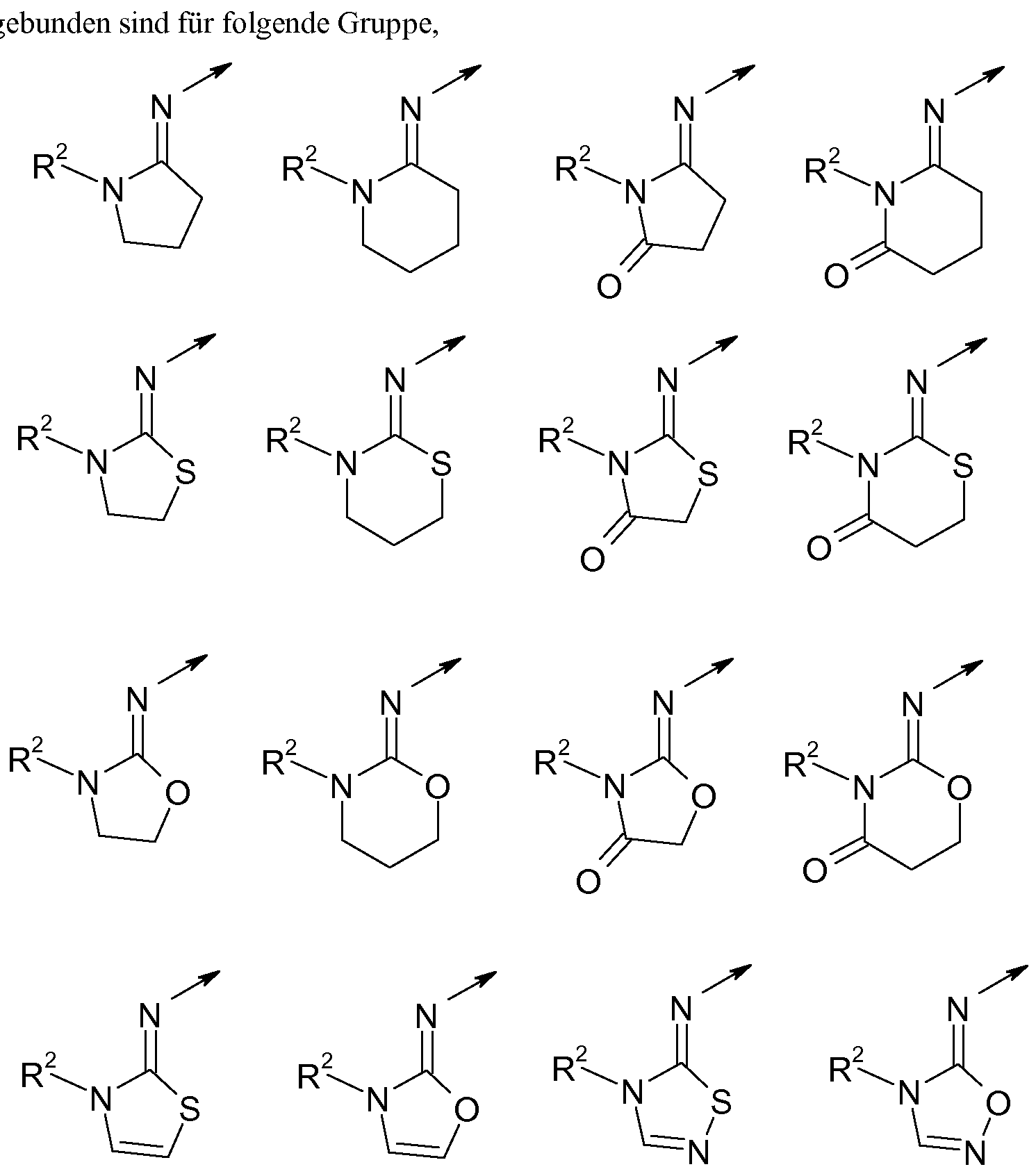


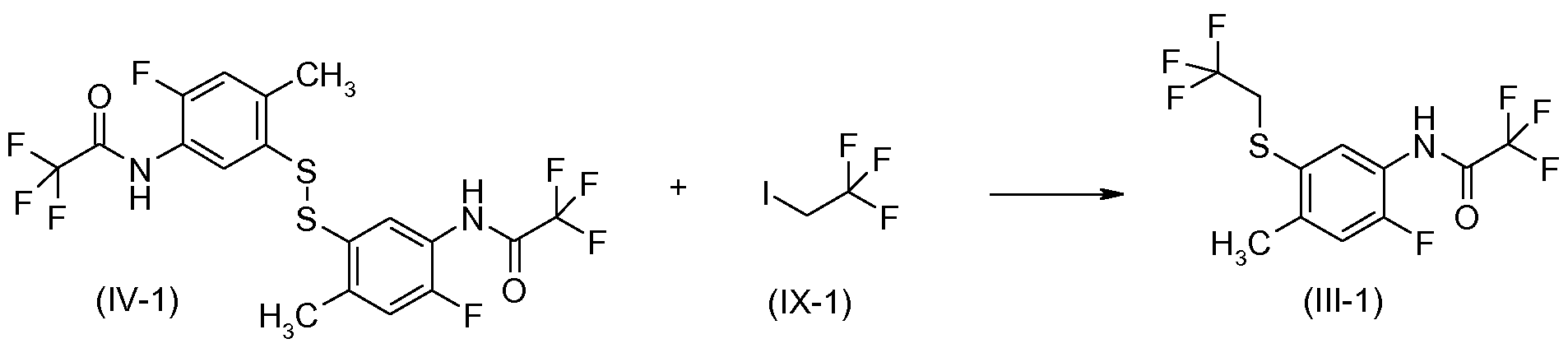


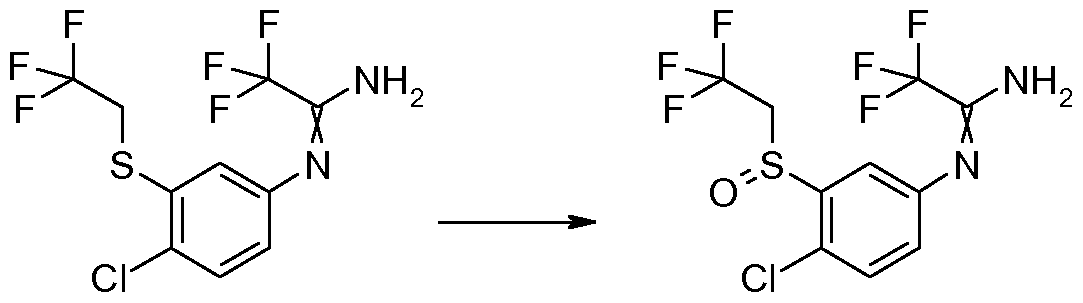


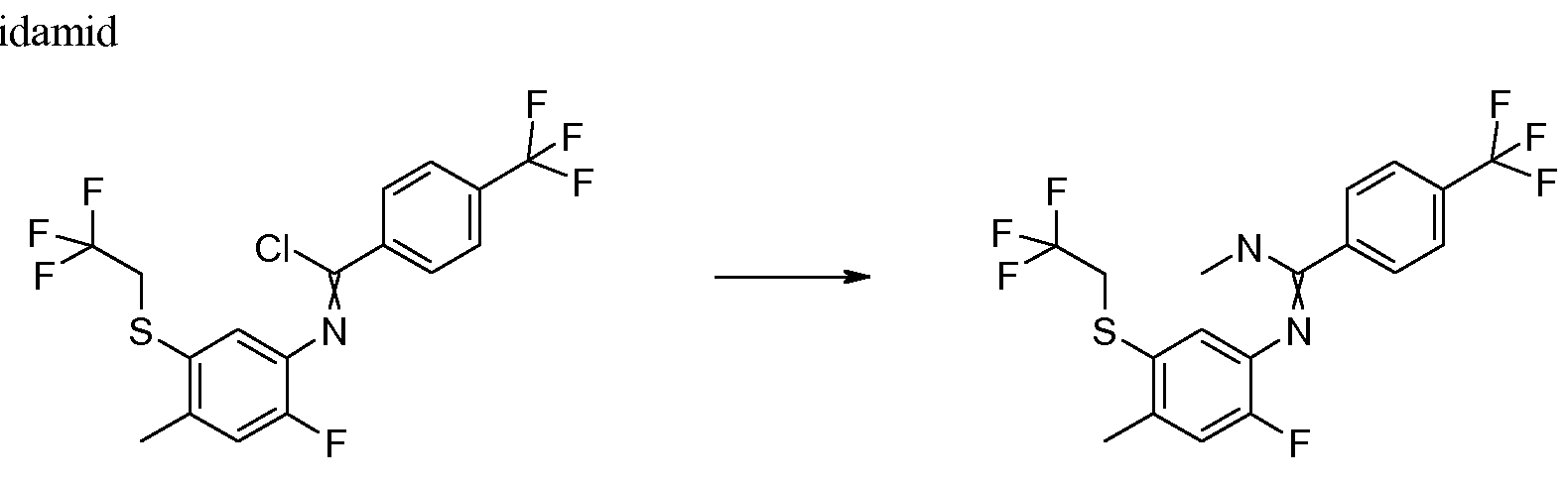
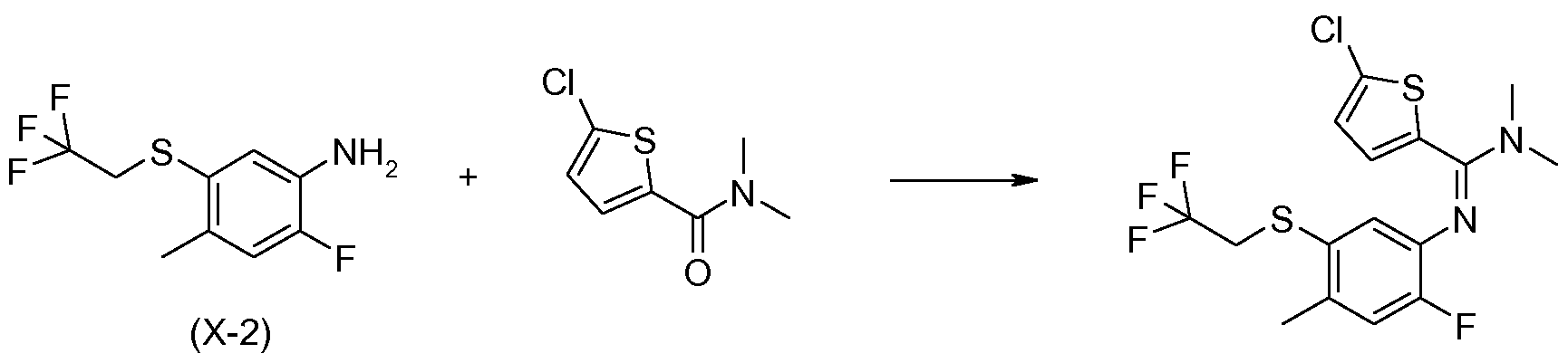


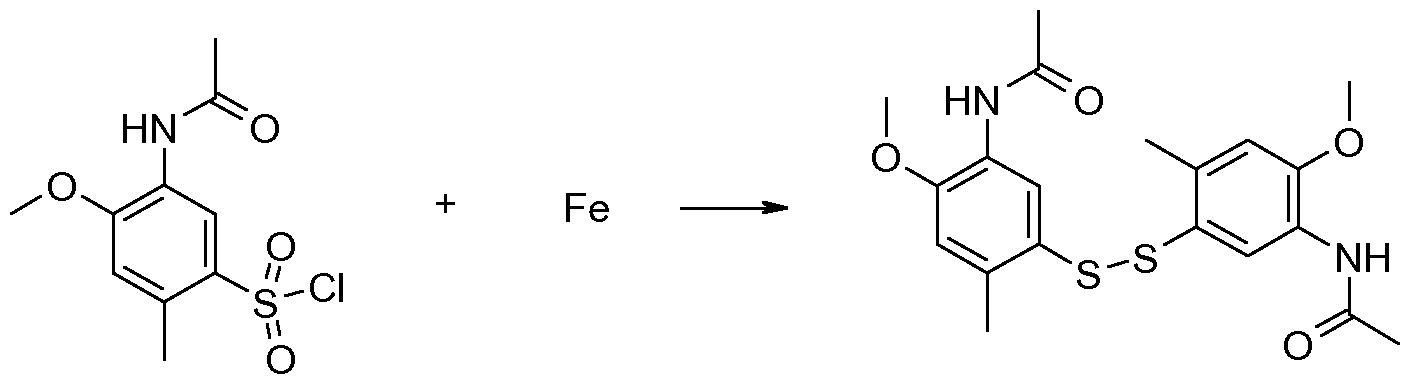


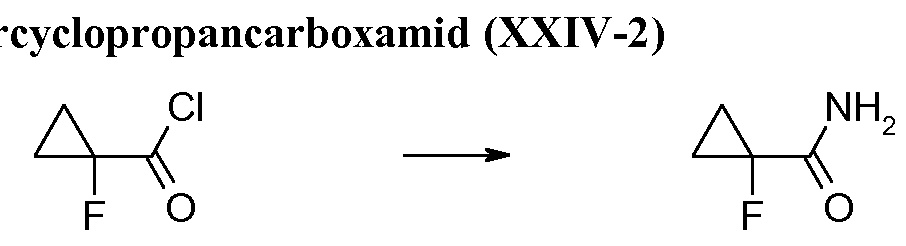


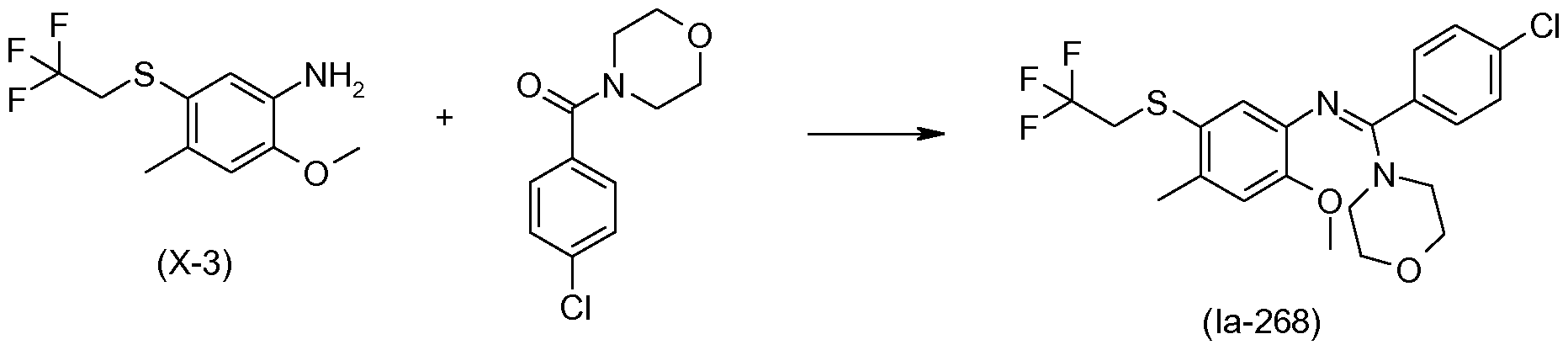


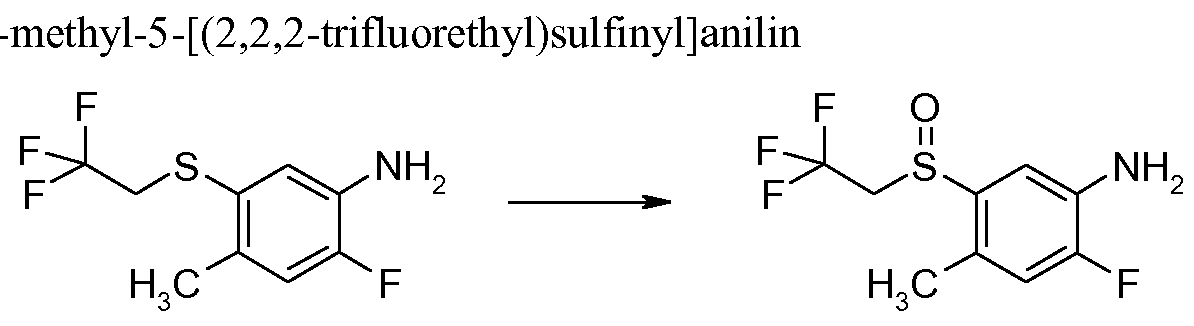
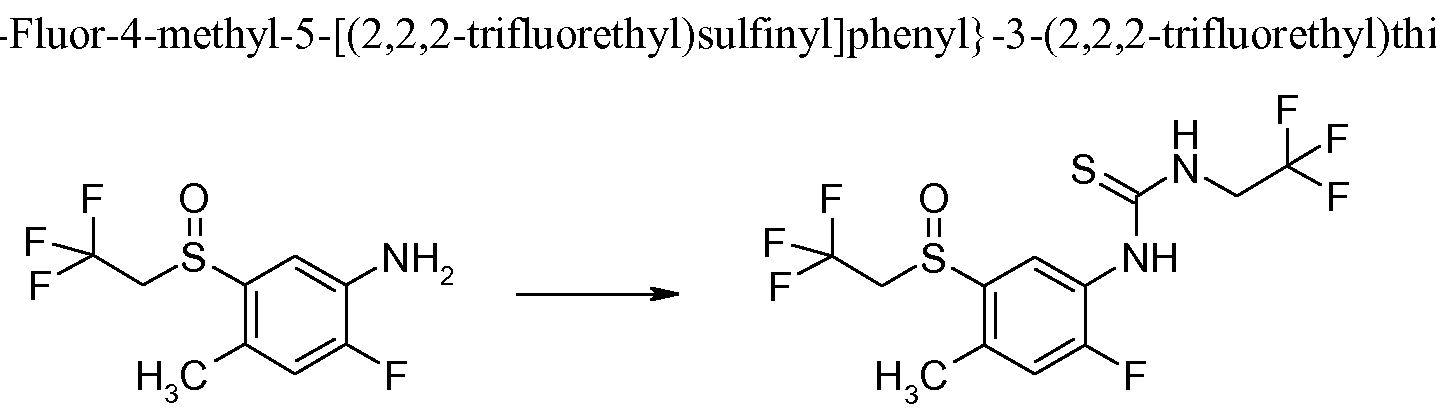


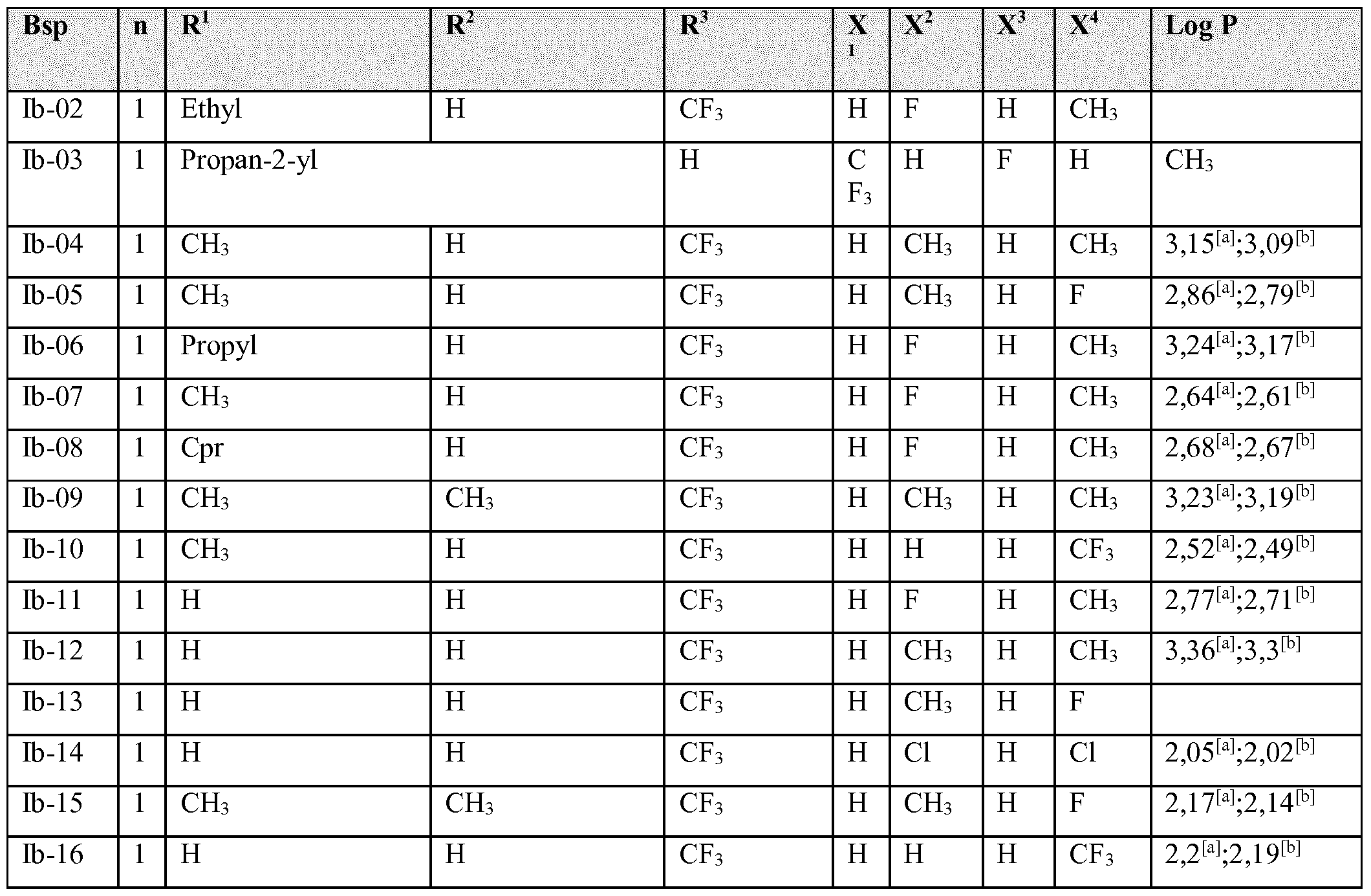


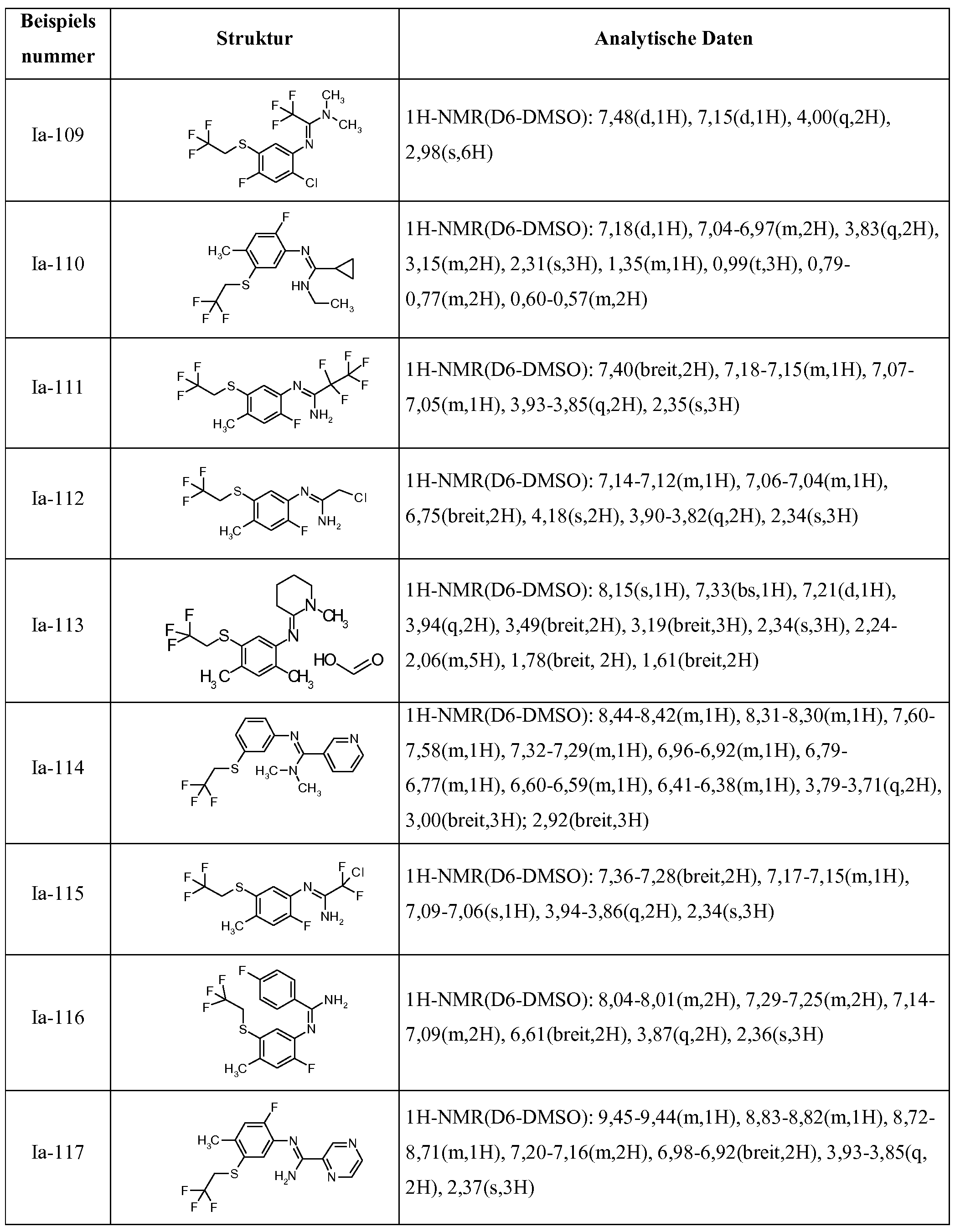


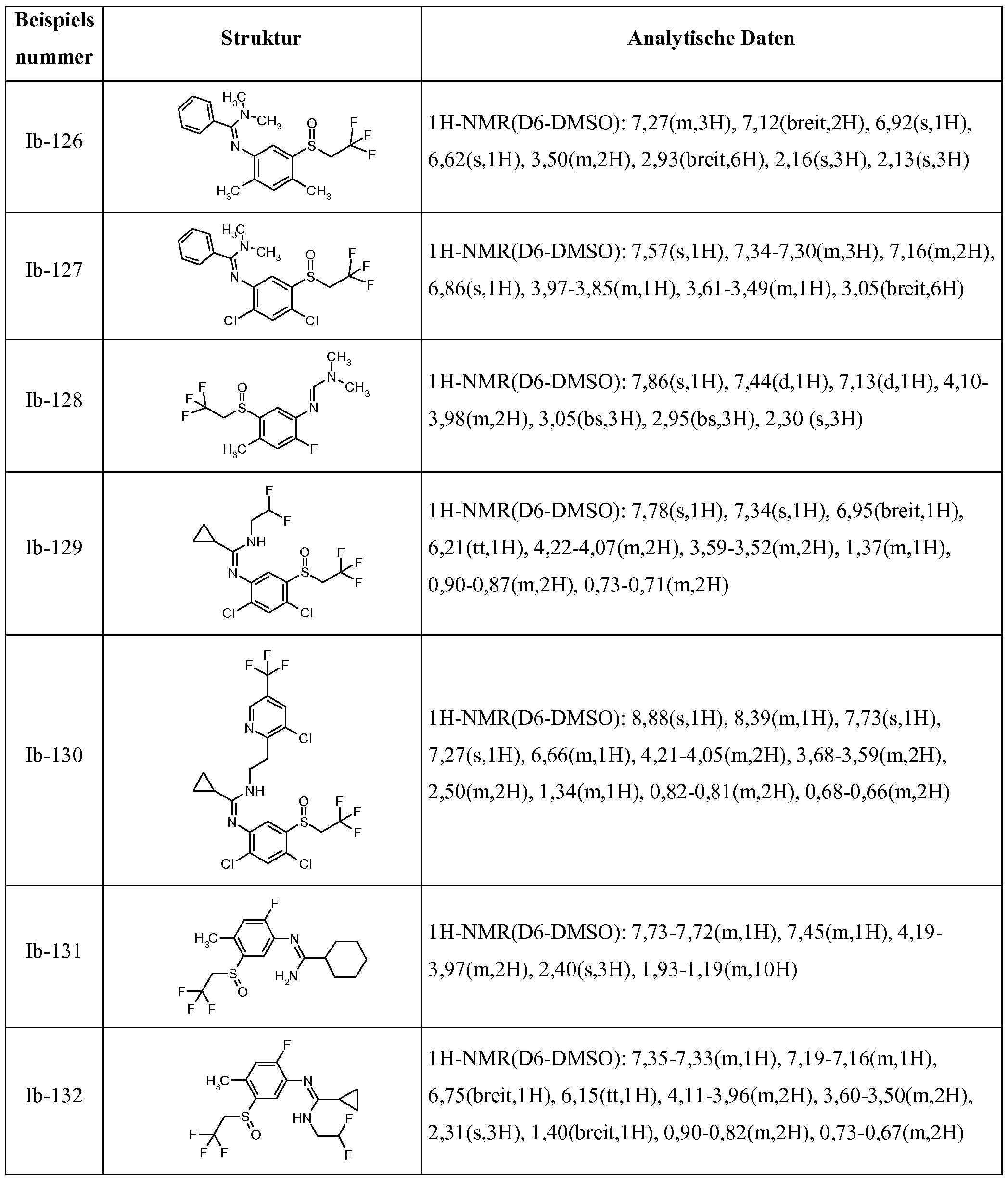


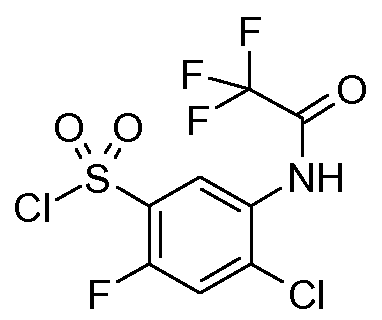


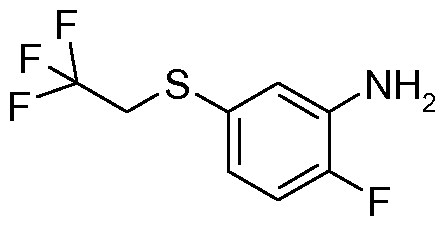


Claims


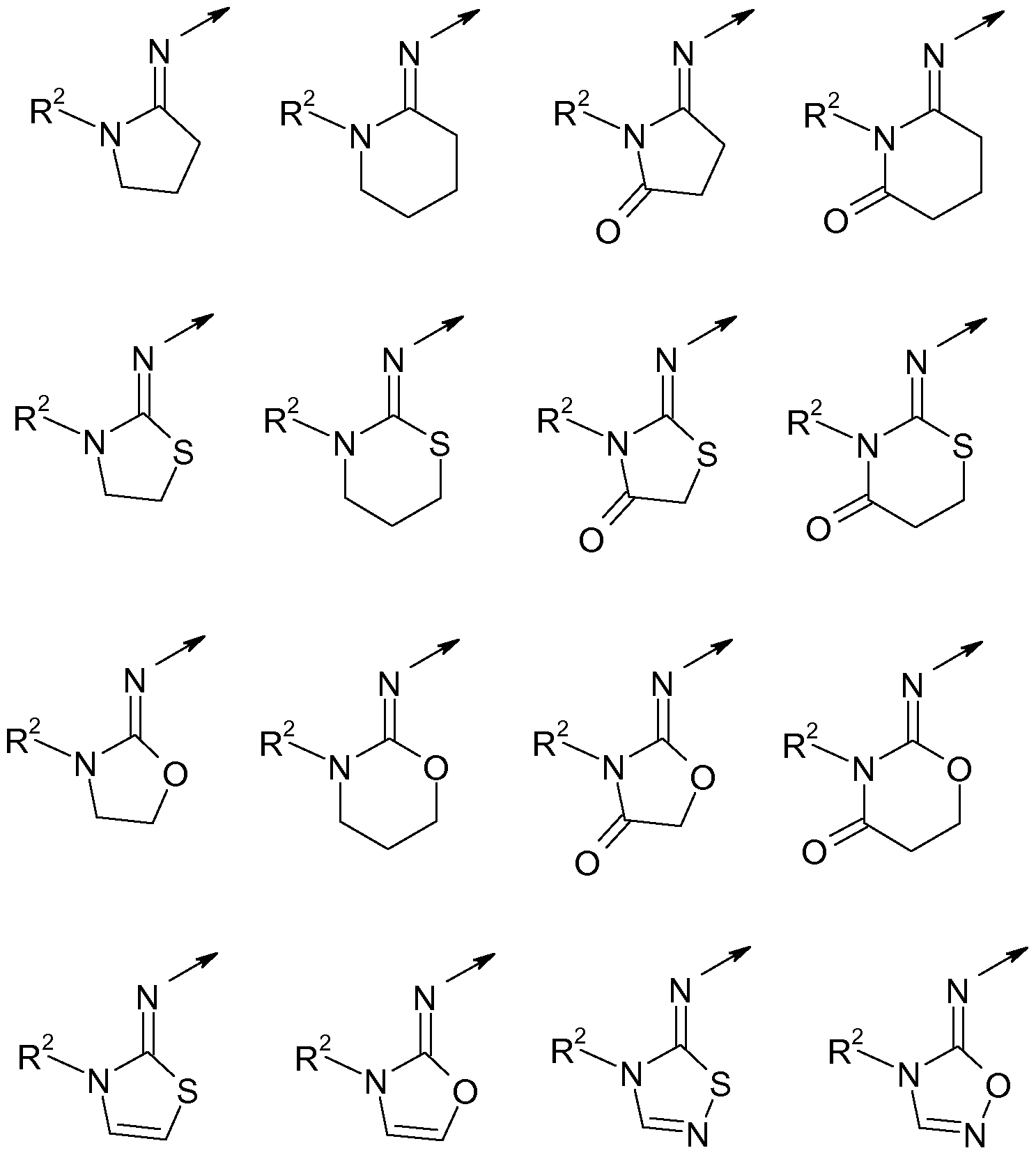


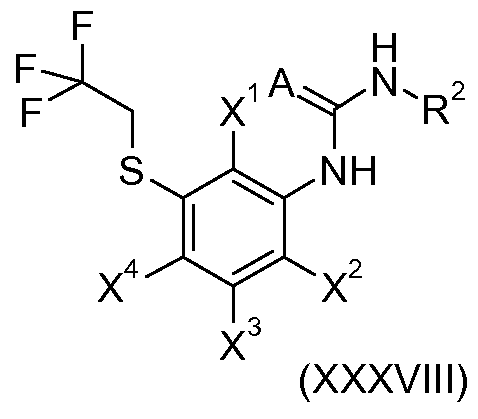


Priority Applications (19)
| Application Number | Priority Date | Filing Date | Title |
|---|---|---|---|
| AU2012358046A AU2012358046B2 (en) | 2011-12-21 | 2012-12-12 | N-arylamidine-substituted trifluoroethyl sulfide derivatives as acaricides and insecticides |
| CN201810170419.XA CN108658816B (zh) | 2011-12-21 | 2012-12-12 | 用作杀螨剂和杀虫剂的n-芳基脒取代的三氟乙基硫化物衍生物 |
| SI201231376T SI2793578T1 (sl) | 2011-12-21 | 2012-12-12 | N-arilamidin-substituirani derivati trifluoroetilsulfida kot akaricidi in insekticidi |
| EP18168893.8A EP3395171A1 (de) | 2011-12-21 | 2012-12-12 | N-arylamidine-substituierte trifluoroethylsulfid-derivate als akarizide und insektizide |
| KR1020147019893A KR102000320B1 (ko) | 2011-12-21 | 2012-12-12 | 살응애제 및 살곤충제로서의 n-아릴아미딘-치환된 트리플루오로에틸 술피드 유도체 |
| EP12806011.8A EP2793578B1 (de) | 2011-12-21 | 2012-12-12 | N-arylamidine-substituierte trifluoroethylsulfid-derivate als akarizide und insektizide |
| CN201280070205.6A CN104125773A (zh) | 2011-12-21 | 2012-12-12 | 用作杀螨剂和杀虫剂的n-芳基脒取代的三氟乙基硫化物衍生物 |
| ES12806011.8T ES2686044T3 (es) | 2011-12-21 | 2012-12-12 | Derivados de sulfuro de trifluoroetilo sustituidos con N-arilamidina como acaricidas e insecticidas |
| MX2014007387A MX365744B (es) | 2011-12-21 | 2012-12-12 | Derivados de sulfuro de trifluoroetilo o sustituidos con n-arilamidina como acaricidas e insecticidas. |
| JP2014547854A JP6169100B2 (ja) | 2011-12-21 | 2012-12-12 | 殺ダニ剤および殺虫剤としてのn−アリールアミジン−置換トリフルオロエチルスルフィド誘導体 |
| BR112014015679-4A BR112014015679B1 (pt) | 2011-12-21 | 2012-12-12 | Derivados de sulfureto de trifluoretila narilamidina-substituídos, seu uso e seu processo de preparação, composição de composto ativo, composições agroquímicas e seu processo de preparação, e método para controle de pragas animais |
| PL12806011T PL2793578T3 (pl) | 2011-12-21 | 2012-12-12 | Pochodne trifluoroetylosiarczków podstawionych N-aryloamidyną jako akarycydy i insektycydy |
| US14/366,715 US9642363B2 (en) | 2011-12-21 | 2012-12-12 | N-arylamidine-substituted trifluoroethyl sulfide derivatives as acaricides and insecticides |
| MA37140A MA35739B1 (fr) | 2011-12-21 | 2014-06-18 | Dérivés de sulfure de trifluoréthyle n-substitudé d'arylamidine en tant qu'acaricide et insecticide |
| IL233243A IL233243B (en) | 2011-12-21 | 2014-06-19 | History of n-arylamidine-modified trifluoroethyl sulfide as acaricides and insecticides |
| ZA2014/04538A ZA201404538B (en) | 2011-12-21 | 2014-06-20 | N-arylamidine-substituted trifluoroethyl sulfide derivatives as acaricides and insecticides |
| AU2016204322A AU2016204322B2 (en) | 2011-12-21 | 2016-06-24 | N-arylamidine-substituted trifluoroethyl sulfide derivatives as acaricides and insecticides |
| US15/349,297 US10051861B2 (en) | 2011-12-21 | 2016-11-11 | N-arylamidine-substituted trifluoroethyl sulfide derivatives as acaricides and insecticides |
| IL255030A IL255030B (en) | 2011-12-21 | 2017-10-15 | History of n-arylamidine-modified trifluoroethyl sulfide as acaricides and insecticides |
Applications Claiming Priority (2)
| Application Number | Priority Date | Filing Date | Title |
|---|---|---|---|
| EP11194855.0A EP2606726A1 (de) | 2011-12-21 | 2011-12-21 | N-Arylamidine-substituierte trifluoroethylsulfid-Derivate als Akarizide und Insektizide |
| EP11194855.0 | 2011-12-21 |
Related Child Applications (2)
| Application Number | Title | Priority Date | Filing Date |
|---|---|---|---|
| US14/366,715 A-371-Of-International US9642363B2 (en) | 2011-12-21 | 2012-12-12 | N-arylamidine-substituted trifluoroethyl sulfide derivatives as acaricides and insecticides |
| US15/349,297 Division US10051861B2 (en) | 2011-12-21 | 2016-11-11 | N-arylamidine-substituted trifluoroethyl sulfide derivatives as acaricides and insecticides |
Publications (1)
| Publication Number | Publication Date |
|---|---|
| WO2013092350A1 true WO2013092350A1 (de) | 2013-06-27 |
Family
ID=47429792
Family Applications (1)
| Application Number | Title | Priority Date | Filing Date |
|---|---|---|---|
| PCT/EP2012/075269 Ceased WO2013092350A1 (de) | 2011-12-21 | 2012-12-12 | N-arylamidine-substituierte trifluoroethylsulfid-derivate als akarizide und insektizide |
Country Status (19)
| Country | Link |
|---|---|
| US (2) | US9642363B2 (de) |
| EP (3) | EP2606726A1 (de) |
| JP (1) | JP6169100B2 (de) |
| KR (1) | KR102000320B1 (de) |
| CN (3) | CN108658816B (de) |
| AU (2) | AU2012358046B2 (de) |
| BR (1) | BR112014015679B1 (de) |
| CL (1) | CL2014001671A1 (de) |
| CO (1) | CO7121338A2 (de) |
| ES (1) | ES2686044T3 (de) |
| HU (1) | HUE039664T2 (de) |
| IL (2) | IL233243B (de) |
| MA (1) | MA35739B1 (de) |
| MX (1) | MX365744B (de) |
| PL (1) | PL2793578T3 (de) |
| PT (1) | PT2793578T (de) |
| SI (1) | SI2793578T1 (de) |
| WO (1) | WO2013092350A1 (de) |
| ZA (1) | ZA201404538B (de) |
Cited By (66)
| Publication number | Priority date | Publication date | Assignee | Title |
|---|---|---|---|---|
| WO2015150348A1 (de) | 2014-04-04 | 2015-10-08 | Bayer Cropscience Ag | VERWENDUNG VON N-ARYLAMIDIN-SUBSTITUIERTEN TRIFLUOROETHYLSULFOXID-DERIVATEN ZUR BEKÄMPFUNG VON SCHÄDLINGEN DURCH ANGIEßEN, TRÖPFCHENAPPLIKATION, TAUCHAPPLIKATION, BODENINJEKTION ODER DURCH DIE BEHANDLUNG VON SAATGUT |
| WO2015185531A1 (de) | 2014-06-05 | 2015-12-10 | Bayer Cropscience Aktiengesellschaft | Bicyclische verbindungen als schädlingsbekämpfungsmittel |
| WO2016091857A1 (de) | 2014-12-11 | 2016-06-16 | Bayer Cropscience Aktiengesellschaft | Fünfgliedrige c-n-verknüpfte arylsulfid- und arylsulfoxid-derivate als schädlingsbekämpfungsmittel |
| JP2016533378A (ja) * | 2013-10-18 | 2016-10-27 | ビーエーエスエフ アグロケミカル プロダクツ ビー.ブイ. | 土壌及び種子施用における殺有害生物活性カルボキサミド誘導体の使用、並びに処理方法 |
| EP3178320A1 (de) | 2015-12-11 | 2017-06-14 | Bayer CropScience AG | Flüssige fungizid-haltige formulierungen |
| US9732080B2 (en) | 2006-11-03 | 2017-08-15 | Vertex Pharmaceuticals Incorporated | Azaindole derivatives as CFTR modulators |
| EP3248465A1 (de) | 2016-05-25 | 2017-11-29 | Bayer CropScience Aktiengesellschaft | Agrochemische zusammensetzung polymerisches emulsionspulver enthaltend. |
| US10071979B2 (en) | 2010-04-22 | 2018-09-11 | Vertex Pharmaceuticals Incorporated | Process of producing cycloalkylcarboxamido-indole compounds |
| US10081621B2 (en) | 2010-03-25 | 2018-09-25 | Vertex Pharmaceuticals Incorporated | Solid forms of (R)-1(2,2-difluorobenzo[D][1,3]dioxol-5-yl)-N-(1-(2,3-dihydroxypropyl)-6-fluoro-2-(1-hydroxy-2-methylpropan-2-yl)-1H-indol-5-yl)cyclopropanecarboxamide |
| EP3415007A1 (de) | 2017-06-12 | 2018-12-19 | Bayer AG | Ptz formulierungen mit niedrigem gehalt an desthio |
| US10206877B2 (en) | 2014-04-15 | 2019-02-19 | Vertex Pharmaceuticals Incorporated | Pharmaceutical compositions for the treatment of cystic fibrosis transmembrane conductance regulator mediated diseases |
| EP3473100A1 (de) | 2017-10-18 | 2019-04-24 | Bayer Aktiengesellschaft | Wirkstoffkombinationen mit insektiziden/akariziden eigenschaften |
| WO2019076749A1 (en) | 2017-10-18 | 2019-04-25 | Bayer Aktiengesellschaft | COMBINATIONS OF ACTIVE COMPOUNDS HAVING INSECTICIDAL / ACARICIDE PROPERTIES |
| WO2019076751A1 (en) | 2017-10-18 | 2019-04-25 | Bayer Aktiengesellschaft | COMBINATIONS OF ACTIVE COMPOUNDS HAVING INSECTICIDAL / ACARICIDE PROPERTIES |
| WO2019076750A1 (en) | 2017-10-18 | 2019-04-25 | Bayer Aktiengesellschaft | COMBINATIONS OF ACTIVE COMPOUNDS HAVING INSECTICIDE PROPERTIES7ACARICIDES |
| WO2019076752A1 (en) | 2017-10-18 | 2019-04-25 | Bayer Aktiengesellschaft | COMBINATIONS OF ACTIVE COMPOUNDS AYNT INSECTICIDE / ACARICIDE PROPERTIES |
| WO2019076754A1 (en) | 2017-10-18 | 2019-04-25 | Bayer Aktiengesellschaft | COMBINATIONS OF ACTIVE COMPOUNDS HAVING INSECTICIDAL / ACARICIDE PROPERTIES |
| EP3545764A1 (de) | 2019-02-12 | 2019-10-02 | Bayer AG | Kristalline form von 2-({2-fluor-4-methyl-5-[(r)-(2,2,2-trifluorethyl)sulfinyl]phenyl}imino)-3-(2,2,2-trifluorethyl)-1,3-thiazolidin-4-on |
| US10647661B2 (en) | 2017-07-11 | 2020-05-12 | Vertex Pharmaceuticals Incorporated | Carboxamides as modulators of sodium channels |
| WO2020187871A1 (de) | 2019-03-19 | 2020-09-24 | Bayer Aktiengesellschaft | Stabilisierte formulierungen von thioketonen |
| WO2020254230A1 (de) | 2019-06-15 | 2020-12-24 | Bayer Aktiengesellschaft | Stabilisierte formulierungen von dithiocarbamaten |
| WO2021005082A1 (de) | 2019-07-10 | 2021-01-14 | Bayer Aktiengesellschaft | Verfahren zur herstellung von 2-(phenylimino)-1,3-thiazolidin-4-onen |
| WO2021005081A1 (de) | 2019-07-10 | 2021-01-14 | Bayer Aktiengesellschaft | Verfahren zur herstellung von 2-(phenylimino)-1,3-thiazolidin-4-onen |
| WO2021028518A1 (de) | 2019-08-15 | 2021-02-18 | Bayer Aktiengesellschaft | Verfahren zur herstellung von 2-(phenylimino)-3-alkyl-1,3-thiazolidin-4-onen |
| WO2021165187A1 (de) | 2020-02-18 | 2021-08-26 | Bayer Aktiengesellschaft | Verfahren zur herstellung von 2-(phenylimino)-3-alkyl-1,3-thiazolidin-4-onen |
| WO2021175822A1 (en) | 2020-03-02 | 2021-09-10 | Syngenta Crop Protection Ag | Pesticidally amidine-substituted benzoic acid amide compounds |
| US20220071213A1 (en) * | 2020-09-08 | 2022-03-10 | Santanu Maitra | Methods of controlling crop pests using aromatic amide insect repellents, methods of making aromatic amide insect repellents, and novel aromatic amide insect repellents |
| WO2022058522A1 (de) | 2020-09-20 | 2022-03-24 | Bayer Aktiengesellschaft | Stabilisierung von thioketonen auf oberflächen |
| US11363815B2 (en) | 2018-06-05 | 2022-06-21 | Shenyang University Of Chemical Technology | Trifluoroethyl thioether (sulfoxide) substituted benzene compound and use thereof |
| EP4043444A1 (de) | 2021-02-11 | 2022-08-17 | Basf Se | Substituierte isoxazolinderivate |
| WO2022175420A1 (en) | 2021-02-19 | 2022-08-25 | Syngenta Crop Protection Ag | Insect and acarina pest control |
| WO2022175318A1 (en) | 2021-02-19 | 2022-08-25 | Syngenta Crop Protection Ag | Insect and acarina pest control |
| WO2022200364A1 (en) | 2021-03-25 | 2022-09-29 | Syngenta Crop Protection Ag | Insect, acarina and nematode pest control |
| WO2022200344A1 (de) | 2021-03-26 | 2022-09-29 | Bayer Aktiengesellschaft | Verfahren zur herstellung von enantiomeren-angereicherten (2z)-2-(phenylimino)-1,3-thiazolidin-4- on-sulfoxid-derivaten |
| WO2022238575A1 (en) | 2021-05-14 | 2022-11-17 | Syngenta Crop Protection Ag | Insect, acarina and nematode pest control |
| WO2022268815A1 (en) | 2021-06-24 | 2022-12-29 | Syngenta Crop Protection Ag | Insect, acarina and nematode pest control |
| WO2022268813A1 (en) | 2021-06-24 | 2022-12-29 | Syngenta Crop Protection Ag | Insect, acarina and nematode pest control |
| WO2023280999A1 (en) | 2021-07-07 | 2023-01-12 | Syngenta Crop Protection Ag | Insect, acarina and nematode pest control |
| EP4151631A1 (de) | 2021-09-20 | 2023-03-22 | Basf Se | Heterocyclische verbindungen zur bekämpfung von wirbellosen schädlingen |
| WO2023046853A1 (en) | 2021-09-23 | 2023-03-30 | Syngenta Crop Protection Ag | Insect, acarina and nematode pest control |
| WO2023105065A1 (en) | 2021-12-10 | 2023-06-15 | Syngenta Crop Protection Ag | Insect, acarina and nematode pest control |
| WO2023105064A1 (en) | 2021-12-10 | 2023-06-15 | Syngenta Crop Protection Ag | Insect, acarina and nematode pest control |
| EP4198023A1 (de) | 2021-12-16 | 2023-06-21 | Basf Se | Pestizidaktive thiosemicarbazonverbindungen |
| WO2023152340A1 (en) | 2022-02-10 | 2023-08-17 | Syngenta Crop Protection Ag | Insect, acarina and nematode pest control |
| EP4238971A1 (de) | 2022-03-02 | 2023-09-06 | Basf Se | Substituierte isoxazolinderivate |
| WO2023203038A1 (en) | 2022-04-19 | 2023-10-26 | Syngenta Crop Protection Ag | Insect, acarina and nematode pest control |
| WO2023208447A1 (en) | 2022-04-25 | 2023-11-02 | Basf Se | An emulsifiable concentrate having a (substituted) benzaldehyde-based solvent system |
| EP4342885A1 (de) | 2022-09-20 | 2024-03-27 | Basf Se | N-(3-(aminomethyl)-phenyl)-5-(4-phenyl)-5-(trifluoromethyl)-4,5-dihydroisoxazol-3-amin-derivate und ähnliche verbindungen als pestizide |
| EP4389210A1 (de) | 2022-12-21 | 2024-06-26 | Basf Se | Heteroarylverbindungen zur bekämpfung von wirbellosen schädlingen |
| US12102085B2 (en) | 2013-10-18 | 2024-10-01 | Basf Agrochemical Products B.V. | Insecticidal active mixtures comprising carboxamide compound |
| EP4455137A1 (de) | 2023-04-24 | 2024-10-30 | Basf Se | Pyrimidinverbindungen zur bekämpfung von wirbellosen schädlingen |
| EP4467535A1 (de) | 2023-05-25 | 2024-11-27 | Basf Se | Lactam-pestizidverbindungen |
| EP4488269A1 (de) | 2023-07-06 | 2025-01-08 | Basf Se | Triazolverbindungen zur bekämpfung von wirbellosen schädlingen |
| EP4488273A1 (de) | 2023-07-06 | 2025-01-08 | Basf Se | Triazolverbindungen zur bekämpfung von wirbellosen schädlingen |
| EP4488270A1 (de) | 2023-07-06 | 2025-01-08 | Basf Se | Triazolverbindungen zur bekämpfung von wirbellosen schädlingen |
| WO2025117659A1 (en) | 2023-11-29 | 2025-06-05 | Basf Corporation | Insecticide delivery by nanocarriers |
| CN120113680A (zh) * | 2023-11-29 | 2025-06-10 | 青岛凯源祥化工有限公司 | 一种农药组合物及其应用 |
| EP4574819A1 (de) | 2023-12-22 | 2025-06-25 | Basf Se | Diazinonverbindungen zur bekämpfung von wirbellosen schädlingen |
| CN120304432A (zh) * | 2023-11-16 | 2025-07-15 | 青岛凯源祥化工有限公司 | 一种含sulfiflumin的杀螨组合物及其用途 |
| CN120458102A (zh) * | 2023-12-21 | 2025-08-12 | 青岛凯源祥化工有限公司 | 一种杀螨组合物及其应用 |
| US12391861B2 (en) | 2021-12-30 | 2025-08-19 | China National Petroleum Corporation | Cement slurry system, preparation method therefor and use thereof |
| US12441703B2 (en) | 2019-01-10 | 2025-10-14 | Vertex Pharmaceuticals Incorporated | Carboxamides as modulators of sodium channels |
| US12440481B2 (en) | 2019-01-10 | 2025-10-14 | Vertex Pharmaceuticals Incorporated | Esters and carbamates as modulators of sodium channels |
| WO2025242699A1 (en) | 2024-05-22 | 2025-11-27 | Basf Se | Method for improving rainfastness of an agrochemical active ingredient |
| WO2026037853A1 (en) | 2024-08-14 | 2026-02-19 | Basf Se | Benzoxazole derivatives as pesticidal compounds |
| WO2026041702A1 (en) | 2024-08-21 | 2026-02-26 | Basf Se | Benzoxazole derivatives as pesticidal compounds |
Families Citing this family (16)
| Publication number | Priority date | Publication date | Assignee | Title |
|---|---|---|---|---|
| CN104519739A (zh) | 2012-08-03 | 2015-04-15 | 先正达参股股份有限公司 | 大豆有害生物控制的方法 |
| KR102103396B1 (ko) * | 2012-10-24 | 2020-04-22 | 꽁빠니 제네날 드 에따블리세망 미쉘린 | 금속을 고무에 접착시키기 위한 접착 프라이머로서 특히 유용한 폴리우레아 |
| FR2997079B1 (fr) * | 2012-10-24 | 2015-01-23 | Michelin & Cie | Polyamine polyaromatique soufree utilisable pour la synthese de polyuree |
| US9866822B1 (en) | 2015-05-18 | 2018-01-09 | Rockwell Collins, Inc. | Three dimensional displays |
| CN110437106B (zh) * | 2019-06-27 | 2021-09-07 | 广东药科大学 | 芳基脒类化合物及其合成方法 |
| CN110367255A (zh) * | 2019-06-27 | 2019-10-25 | 山东康乔生物科技有限公司 | 包含螺甲螨酯和三氟乙基硫化物类杀虫剂的协同杀虫组合物及其应用 |
| CN110746322A (zh) * | 2019-10-16 | 2020-02-04 | 江苏艾科姆检测有限公司 | N-[3-氯-4-(1,1,2-三氟-2-三氟甲氧基-乙基)-苯基]-2,6-二氟-苯甲眯、制备方法与应用 |
| JP7652756B2 (ja) * | 2020-03-06 | 2025-03-27 | 日本化薬株式会社 | 有害生物防除剤 |
| PY2191798A (es) * | 2020-10-19 | 2022-05-20 | Adama Makhteshim Ltd | Compuestos útiles para la preparación de pirazolopirimidinonas |
| WO2022166837A1 (zh) * | 2021-02-07 | 2022-08-11 | 山东康乔生物科技有限公司 | 芳基硫化物及其制备方法和应用 |
| EP4377294A1 (de) * | 2021-07-27 | 2024-06-05 | Bayer Aktiengesellschaft | Verfahren zur herstellung von (2,2,2-trifluorethyl)sulfanylanilin-derivaten |
| CN114137119B (zh) * | 2021-11-29 | 2023-06-16 | 浙江省农业科学院 | 一种丙硫菌唑、肟菌酯和氟吡菌酰胺的检测方法 |
| CN117049997B (zh) * | 2022-05-05 | 2025-12-05 | 帕潘纳(北京)科技有限公司 | 一种苯基三氟乙基硫醚(亚砜)类化合物及其用途 |
| CN121794262A (zh) * | 2023-08-29 | 2026-04-03 | 顺毅股份有限公司 | 取代苯亚氨基噻(恶)唑烷酮衍生物的制备与应用 |
| CN117397693B (zh) * | 2023-10-23 | 2025-06-27 | 青岛凯源祥化工有限公司 | 一种杀螨剂及其应用 |
| ES3028671A1 (es) * | 2023-12-19 | 2025-06-19 | Consejo Superior Investigacion | Procedimiento de obtención de Xilacina |
Citations (45)
| Publication number | Priority date | Publication date | Assignee | Title |
|---|---|---|---|---|
| US4079144A (en) | 1975-05-07 | 1978-03-14 | Ciba-Geigy Corporation | Phenylimino-thiazolines and their use as acaricides |
| EP0539588A1 (de) | 1990-07-05 | 1993-05-05 | Nippon Soda Co., Ltd. | Aminderivat |
| WO2002012172A1 (en) | 2000-08-08 | 2002-02-14 | Dow Agrosciences Llc | Unsaturated oxime ethers and their use as fungicides |
| WO2002096882A1 (en) | 2001-05-31 | 2002-12-05 | Nihon Nohyaku Co., Ltd. | Substituted anilide derivatives, intermediates thereof, agricultural and horticultural chemicals, and their usage |
| WO2003035617A2 (en) | 2001-10-23 | 2003-05-01 | Dow Agrosciences Llc Patent Department | Derivatives of uk-2a |
| WO2003106457A1 (en) | 2002-06-14 | 2003-12-24 | Syngenta Limited | Spiroindolinepiperidine derivatives |
| WO2004058723A1 (en) | 2002-12-24 | 2004-07-15 | Syngenta Participations Ag | Biphenyl derivatives and their use as fungicides |
| WO2004099160A1 (en) | 2003-05-12 | 2004-11-18 | Sumitomo Chemical Company, Limited | Pyrimidine compounds and pests controlling composition containing the same |
| WO2005035486A1 (en) | 2003-10-02 | 2005-04-21 | Basf Aktiengesellschaft | 2-cyanobenzenesulfonamides for combating animal pests |
| WO2005042474A1 (ja) | 2003-10-31 | 2005-05-12 | Mitsui Chemicals, Inc. | ジアミン誘導体、その製造方法およびそれらを有効成分とする植物病害防除剤 |
| WO2005063094A1 (en) | 2003-12-23 | 2005-07-14 | Koninklijke Philips Electronics N.V. | A beverage maker incorporating multiple beverage collection chambers |
| EP1559320A1 (de) | 2002-10-31 | 2005-08-03 | Ishihara Sangyo Kaisha, Ltd. | 3-benzoyl-2,4,5-substituierte pyridinderivate oder deren salze,sowie diese enthaltende bakterizide |
| WO2005070917A1 (ja) | 2004-01-23 | 2005-08-04 | Sankyo Agro Company, Limited | 3-(ジヒドロ(テトラヒドロ)イソキノリン-1-イル)キノリン化合物 |
| WO2005077934A1 (ja) | 2004-02-18 | 2005-08-25 | Ishihara Sangyo Kaisha, Ltd. | アントラニルアミド系化合物、それらの製造方法及びそれらを含有する有害生物防除剤 |
| WO2005085216A1 (ja) | 2004-03-05 | 2005-09-15 | Nissan Chemical Industries, Ltd. | イソキサゾリン置換ベンズアミド化合物及び有害生物防除剤 |
| WO2006043635A1 (ja) | 2004-10-20 | 2006-04-27 | Kumiai Chemical Industry Co., Ltd. | 3-トリアゾリルフェニルスルフィド誘導体及びそれを有効成分として含有する殺虫・殺ダニ・殺線虫剤 |
| WO2006056433A2 (en) | 2004-11-26 | 2006-06-01 | Basf Aktiengesellschaft | Novel 2-cyano-3-(halo)alkoxy-benzenesulfonamide compounds for combating animal pests |
| WO2006089633A2 (de) | 2005-02-22 | 2006-08-31 | Bayer Cropscience Ag | Spiroketal-substituierte cyclische ketoenole |
| WO2006100288A2 (en) | 2005-03-24 | 2006-09-28 | Basf Aktiengesellschaft | 2-cyanobenzenesulfonamide compounds for seed treatment |
| WO2007040280A1 (ja) | 2005-10-06 | 2007-04-12 | Nippon Soda Co., Ltd. | 環状アミン化合物および有害生物防除剤 |
| WO2007057407A2 (en) | 2005-11-21 | 2007-05-24 | Basf Se | Insecticidal methods using 3-amino-1,2-benzisothiazole derivatives |
| WO2007075459A2 (en) | 2005-12-16 | 2007-07-05 | E. I. Du Pont De Nemours And Company | 5-aryl isoxazolines for controlling invertebrate pests |
| WO2007101369A1 (fr) | 2006-03-09 | 2007-09-13 | East China University Of Science And Technology | Méthode de préparation et utilisation de composés présentant une action biocide |
| WO2007115643A1 (de) | 2006-03-31 | 2007-10-18 | Bayer Cropscience Ag | Substituierte enaminocarbonylverbindungen |
| WO2007115646A1 (de) | 2006-03-31 | 2007-10-18 | Bayer Cropscience Ag | Substituierte enaminocarbonylverbindungen als insektizide |
| WO2007115644A1 (de) | 2006-03-31 | 2007-10-18 | Bayer Cropscience Ag | Substituierte enaminocarbonylverbindungen |
| WO2007131680A1 (en) | 2006-05-16 | 2007-11-22 | Bayer Cropscience Ag | Insecticidal benzamidines |
| WO2007149134A1 (en) | 2006-06-23 | 2007-12-27 | Dow Agrosciences Llc | A method to control insects resistant to common insecticides |
| WO2008009360A2 (de) | 2006-07-20 | 2008-01-24 | Bayer Cropscience Ag | N'-cyano-n-halogenalkyl-imidamid derivate |
| WO2008066153A1 (en) | 2006-11-30 | 2008-06-05 | Meiji Seika Kaisha, Ltd. | Pest control agent |
| WO2008067911A1 (de) | 2006-12-04 | 2008-06-12 | Bayer Cropscience Ag | Biphenylsubstituierte spirocyclische ketoenole |
| WO2008104503A1 (en) | 2007-03-01 | 2008-09-04 | Basf Se | Pesticidal active mixtures comprising aminothiazoline compounds |
| WO2009049851A1 (en) | 2007-10-15 | 2009-04-23 | Syngenta Participations Ag | Spiroheterocyclic pyrrolidine dione derivatives useful as pesticides |
| WO2009094442A2 (en) | 2008-01-22 | 2009-07-30 | Dow Agrosciences Llc | 5-fluoro pyrimidine derivatives |
| WO2010005692A2 (en) | 2008-06-16 | 2010-01-14 | E. I. Du Pont De Nemours And Company | Insecticidal cyclic carbonyl amidines |
| WO2010006713A2 (de) | 2008-07-17 | 2010-01-21 | Bayer Cropscience Ag | Heterocyclische verbindungen als schädlingsbekämpfungsmittel |
| JP2010018586A (ja) | 2008-07-14 | 2010-01-28 | Meiji Seika Kaisha Ltd | Pf1364物質、その製造方法、生産菌株、及び、それを有効成分とする農園芸用殺虫剤 |
| WO2010025451A2 (en) | 2008-08-29 | 2010-03-04 | Dow Agrosciences Llc | 5,8-difluoro-4-(2-(4-(heteroaryloxy)-phenyl)ethylamino)quinazolines and their use as agrochemicals |
| WO2010069502A2 (de) | 2008-12-18 | 2010-06-24 | Bayer Cropscience Ag | Tetrazolsubstituierte anthranilsäureamide als pestizide |
| WO2010074747A1 (en) | 2008-12-26 | 2010-07-01 | Dow Agrosciences, Llc | Stable insecticide compositions and methods for producing same |
| WO2010074751A1 (en) | 2008-12-26 | 2010-07-01 | Dow Agrosciences, Llc | Stable sulfoximine-insecticide compositions |
| WO2011006646A1 (de) | 2009-07-16 | 2011-01-20 | Bayer Cropscience Ag | Verfahren zur herstellung von chiralen 3-triazolyl-sulfoxid-derivaten |
| JP2011042611A (ja) | 2009-08-20 | 2011-03-03 | Nippon Soda Co Ltd | 殺ダニ剤および新規ウレア化合物 |
| WO2011049233A1 (en) | 2009-10-23 | 2011-04-28 | Sumitomo Chemical Company, Limited | Pest control composition |
| CN102057925A (zh) | 2011-01-21 | 2011-05-18 | 陕西上格之路生物科学有限公司 | 一种含噻虫酰胺和生物源类杀虫剂的杀虫组合物 |
Family Cites Families (14)
| Publication number | Priority date | Publication date | Assignee | Title |
|---|---|---|---|---|
| ZA739219B (en) * | 1972-12-29 | 1975-07-30 | Syntex Inc | 5(6)-benzene ring substituted benzimidazole-2-carbamate derivatives having anthelmintic activity |
| AU3536699A (en) * | 1998-04-27 | 1999-11-16 | Ihara Chemical Industry Co. Ltd. | 3-arylphenyl sulfide derivatives and insecticides and miticides |
| AU731777B2 (en) | 1998-11-30 | 2001-04-05 | Nihon Nohyaku Co., Ltd. | Aniline derivative and process for producing the same |
| HUP0201475A2 (hu) * | 1999-02-09 | 2003-10-28 | 3-Dimensional Pharmaceuticals, Inc. | Heteroarilamidin-, metilamidin- és guanidinszármazékok, előállításuk és alkalmazásuk, valamint e vegyületeket tartalmazó gyógyászati készítmények |
| FR2829362B1 (fr) * | 2001-09-10 | 2003-11-07 | Aventis Cropscience Sa | Composition fongicide a base de derives d'arylamidine et de composes fongicides connus |
| KR100915979B1 (ko) * | 2002-03-06 | 2009-09-10 | 토야마 케미칼 컴퍼니 리미티드 | 신규의 아릴아미딘 유도체 또는 그 염 |
| EP1661886B1 (de) | 2003-08-29 | 2016-08-10 | Mitsui Chemicals Agro, Inc. | Insektizid zur verwendung in der landwirtschaft bzw. im gartenbau und verfahren zu dessen anwendung |
| EP1570736A1 (de) * | 2004-03-05 | 2005-09-07 | Bayer CropScience S.A. | Fungizid-Zusammensetzung enthaltend ein Arylamidin und bekannte Fungizid-Verbindungen |
| JP4280192B2 (ja) | 2004-04-15 | 2009-06-17 | 三井化学株式会社 | 芳香族チオール系還元剤及び該還元剤を含有する毛髪化粧料組成物 |
| US8143257B2 (en) | 2004-11-23 | 2012-03-27 | Ptc Therapeutics, Inc. | Substituted phenols as active agents inhibiting VEGF production |
| JP5110424B2 (ja) | 2006-06-20 | 2012-12-26 | 国立大学法人 長崎大学 | 質量分析用イオン化標識剤およびそれを用いた質量分析法 |
| WO2012088438A1 (en) | 2010-12-22 | 2012-06-28 | Eutropics Pharmaceuticals, Inc. | Compositions and methods useful for treating diseases |
| JP2015522546A (ja) | 2012-05-23 | 2015-08-06 | ステマージ バイオテクノロジー エスエー | ミトコンドリア電子伝達鎖の複合体(iii)の活性の阻害剤およびその使用 |
| EP3409666A3 (de) | 2012-06-07 | 2019-01-02 | Georgia State University Research Foundation, Inc. | Seca-hemmer und verfahren zur herstellung und verwendung davon |
-
2011
- 2011-12-21 EP EP11194855.0A patent/EP2606726A1/de not_active Ceased
-
2012
- 2012-12-12 US US14/366,715 patent/US9642363B2/en active Active
- 2012-12-12 JP JP2014547854A patent/JP6169100B2/ja active Active
- 2012-12-12 EP EP12806011.8A patent/EP2793578B1/de active Active
- 2012-12-12 PT PT12806011T patent/PT2793578T/pt unknown
- 2012-12-12 PL PL12806011T patent/PL2793578T3/pl unknown
- 2012-12-12 BR BR112014015679-4A patent/BR112014015679B1/pt active IP Right Grant
- 2012-12-12 CN CN201810170419.XA patent/CN108658816B/zh active Active
- 2012-12-12 CN CN201280070205.6A patent/CN104125773A/zh active Pending
- 2012-12-12 EP EP18168893.8A patent/EP3395171A1/de not_active Withdrawn
- 2012-12-12 WO PCT/EP2012/075269 patent/WO2013092350A1/de not_active Ceased
- 2012-12-12 KR KR1020147019893A patent/KR102000320B1/ko active Active
- 2012-12-12 ES ES12806011.8T patent/ES2686044T3/es active Active
- 2012-12-12 MX MX2014007387A patent/MX365744B/es active IP Right Grant
- 2012-12-12 CN CN201810169871.4A patent/CN108276358B/zh active Active
- 2012-12-12 AU AU2012358046A patent/AU2012358046B2/en not_active Ceased
- 2012-12-12 HU HUE12806011A patent/HUE039664T2/hu unknown
- 2012-12-12 SI SI201231376T patent/SI2793578T1/sl unknown
-
2014
- 2014-06-18 MA MA37140A patent/MA35739B1/fr unknown
- 2014-06-19 IL IL233243A patent/IL233243B/en active IP Right Grant
- 2014-06-20 ZA ZA2014/04538A patent/ZA201404538B/en unknown
- 2014-06-20 CL CL2014001671A patent/CL2014001671A1/es unknown
- 2014-06-20 CO CO14134584A patent/CO7121338A2/es unknown
-
2016
- 2016-06-24 AU AU2016204322A patent/AU2016204322B2/en not_active Ceased
- 2016-11-11 US US15/349,297 patent/US10051861B2/en active Active
-
2017
- 2017-10-15 IL IL255030A patent/IL255030B/en active IP Right Grant
Patent Citations (45)
| Publication number | Priority date | Publication date | Assignee | Title |
|---|---|---|---|---|
| US4079144A (en) | 1975-05-07 | 1978-03-14 | Ciba-Geigy Corporation | Phenylimino-thiazolines and their use as acaricides |
| EP0539588A1 (de) | 1990-07-05 | 1993-05-05 | Nippon Soda Co., Ltd. | Aminderivat |
| WO2002012172A1 (en) | 2000-08-08 | 2002-02-14 | Dow Agrosciences Llc | Unsaturated oxime ethers and their use as fungicides |
| WO2002096882A1 (en) | 2001-05-31 | 2002-12-05 | Nihon Nohyaku Co., Ltd. | Substituted anilide derivatives, intermediates thereof, agricultural and horticultural chemicals, and their usage |
| WO2003035617A2 (en) | 2001-10-23 | 2003-05-01 | Dow Agrosciences Llc Patent Department | Derivatives of uk-2a |
| WO2003106457A1 (en) | 2002-06-14 | 2003-12-24 | Syngenta Limited | Spiroindolinepiperidine derivatives |
| EP1559320A1 (de) | 2002-10-31 | 2005-08-03 | Ishihara Sangyo Kaisha, Ltd. | 3-benzoyl-2,4,5-substituierte pyridinderivate oder deren salze,sowie diese enthaltende bakterizide |
| WO2004058723A1 (en) | 2002-12-24 | 2004-07-15 | Syngenta Participations Ag | Biphenyl derivatives and their use as fungicides |
| WO2004099160A1 (en) | 2003-05-12 | 2004-11-18 | Sumitomo Chemical Company, Limited | Pyrimidine compounds and pests controlling composition containing the same |
| WO2005035486A1 (en) | 2003-10-02 | 2005-04-21 | Basf Aktiengesellschaft | 2-cyanobenzenesulfonamides for combating animal pests |
| WO2005042474A1 (ja) | 2003-10-31 | 2005-05-12 | Mitsui Chemicals, Inc. | ジアミン誘導体、その製造方法およびそれらを有効成分とする植物病害防除剤 |
| WO2005063094A1 (en) | 2003-12-23 | 2005-07-14 | Koninklijke Philips Electronics N.V. | A beverage maker incorporating multiple beverage collection chambers |
| WO2005070917A1 (ja) | 2004-01-23 | 2005-08-04 | Sankyo Agro Company, Limited | 3-(ジヒドロ(テトラヒドロ)イソキノリン-1-イル)キノリン化合物 |
| WO2005077934A1 (ja) | 2004-02-18 | 2005-08-25 | Ishihara Sangyo Kaisha, Ltd. | アントラニルアミド系化合物、それらの製造方法及びそれらを含有する有害生物防除剤 |
| WO2005085216A1 (ja) | 2004-03-05 | 2005-09-15 | Nissan Chemical Industries, Ltd. | イソキサゾリン置換ベンズアミド化合物及び有害生物防除剤 |
| WO2006043635A1 (ja) | 2004-10-20 | 2006-04-27 | Kumiai Chemical Industry Co., Ltd. | 3-トリアゾリルフェニルスルフィド誘導体及びそれを有効成分として含有する殺虫・殺ダニ・殺線虫剤 |
| WO2006056433A2 (en) | 2004-11-26 | 2006-06-01 | Basf Aktiengesellschaft | Novel 2-cyano-3-(halo)alkoxy-benzenesulfonamide compounds for combating animal pests |
| WO2006089633A2 (de) | 2005-02-22 | 2006-08-31 | Bayer Cropscience Ag | Spiroketal-substituierte cyclische ketoenole |
| WO2006100288A2 (en) | 2005-03-24 | 2006-09-28 | Basf Aktiengesellschaft | 2-cyanobenzenesulfonamide compounds for seed treatment |
| WO2007040280A1 (ja) | 2005-10-06 | 2007-04-12 | Nippon Soda Co., Ltd. | 環状アミン化合物および有害生物防除剤 |
| WO2007057407A2 (en) | 2005-11-21 | 2007-05-24 | Basf Se | Insecticidal methods using 3-amino-1,2-benzisothiazole derivatives |
| WO2007075459A2 (en) | 2005-12-16 | 2007-07-05 | E. I. Du Pont De Nemours And Company | 5-aryl isoxazolines for controlling invertebrate pests |
| WO2007101369A1 (fr) | 2006-03-09 | 2007-09-13 | East China University Of Science And Technology | Méthode de préparation et utilisation de composés présentant une action biocide |
| WO2007115643A1 (de) | 2006-03-31 | 2007-10-18 | Bayer Cropscience Ag | Substituierte enaminocarbonylverbindungen |
| WO2007115646A1 (de) | 2006-03-31 | 2007-10-18 | Bayer Cropscience Ag | Substituierte enaminocarbonylverbindungen als insektizide |
| WO2007115644A1 (de) | 2006-03-31 | 2007-10-18 | Bayer Cropscience Ag | Substituierte enaminocarbonylverbindungen |
| WO2007131680A1 (en) | 2006-05-16 | 2007-11-22 | Bayer Cropscience Ag | Insecticidal benzamidines |
| WO2007149134A1 (en) | 2006-06-23 | 2007-12-27 | Dow Agrosciences Llc | A method to control insects resistant to common insecticides |
| WO2008009360A2 (de) | 2006-07-20 | 2008-01-24 | Bayer Cropscience Ag | N'-cyano-n-halogenalkyl-imidamid derivate |
| WO2008066153A1 (en) | 2006-11-30 | 2008-06-05 | Meiji Seika Kaisha, Ltd. | Pest control agent |
| WO2008067911A1 (de) | 2006-12-04 | 2008-06-12 | Bayer Cropscience Ag | Biphenylsubstituierte spirocyclische ketoenole |
| WO2008104503A1 (en) | 2007-03-01 | 2008-09-04 | Basf Se | Pesticidal active mixtures comprising aminothiazoline compounds |
| WO2009049851A1 (en) | 2007-10-15 | 2009-04-23 | Syngenta Participations Ag | Spiroheterocyclic pyrrolidine dione derivatives useful as pesticides |
| WO2009094442A2 (en) | 2008-01-22 | 2009-07-30 | Dow Agrosciences Llc | 5-fluoro pyrimidine derivatives |
| WO2010005692A2 (en) | 2008-06-16 | 2010-01-14 | E. I. Du Pont De Nemours And Company | Insecticidal cyclic carbonyl amidines |
| JP2010018586A (ja) | 2008-07-14 | 2010-01-28 | Meiji Seika Kaisha Ltd | Pf1364物質、その製造方法、生産菌株、及び、それを有効成分とする農園芸用殺虫剤 |
| WO2010006713A2 (de) | 2008-07-17 | 2010-01-21 | Bayer Cropscience Ag | Heterocyclische verbindungen als schädlingsbekämpfungsmittel |
| WO2010025451A2 (en) | 2008-08-29 | 2010-03-04 | Dow Agrosciences Llc | 5,8-difluoro-4-(2-(4-(heteroaryloxy)-phenyl)ethylamino)quinazolines and their use as agrochemicals |
| WO2010069502A2 (de) | 2008-12-18 | 2010-06-24 | Bayer Cropscience Ag | Tetrazolsubstituierte anthranilsäureamide als pestizide |
| WO2010074747A1 (en) | 2008-12-26 | 2010-07-01 | Dow Agrosciences, Llc | Stable insecticide compositions and methods for producing same |
| WO2010074751A1 (en) | 2008-12-26 | 2010-07-01 | Dow Agrosciences, Llc | Stable sulfoximine-insecticide compositions |
| WO2011006646A1 (de) | 2009-07-16 | 2011-01-20 | Bayer Cropscience Ag | Verfahren zur herstellung von chiralen 3-triazolyl-sulfoxid-derivaten |
| JP2011042611A (ja) | 2009-08-20 | 2011-03-03 | Nippon Soda Co Ltd | 殺ダニ剤および新規ウレア化合物 |
| WO2011049233A1 (en) | 2009-10-23 | 2011-04-28 | Sumitomo Chemical Company, Limited | Pest control composition |
| CN102057925A (zh) | 2011-01-21 | 2011-05-18 | 陕西上格之路生物科学有限公司 | 一种含噻虫酰胺和生物源类杀虫剂的杀虫组合物 |
Non-Patent Citations (17)
| Title |
|---|
| "The Pesticide Manual", 2006, BRITISH CROP PROTECTION COUNCIL |
| A. YAHYAZADEH, J. PHARM. RES., vol. 9, 1998, pages 536 - 537 |
| BAUR ET AL., PESTICIDE SCIENCE, vol. 51, 1997, pages 131 - 152 |
| C. F. HOWELL, J. ORG. CHEM., vol. 27, 1962, pages 1686,1691 |
| D. SÜMENGEN, J. CHEM. SOC. PERKIN TRANS 1, vol. 4, 1983, pages 687 - 691 |
| GOMPPER, CHEM. BER., vol. 92, 1959, pages 1928 - 1932 |
| H. ARGIBAS, PHOSP., SULF., SILICON AND REL. ELEM., vol. 134-135, 1998, pages 381 - 319 |
| J. AMER. CHEM. SOC., vol. 109, no. 2, 1987, pages 492 - 507 |
| J. CHEM. SOC. PERKIN TRANS. 1, vol. 4, 1983, pages 687 - 691 |
| J. ORG. CHEM., vol. 45, no. 21, 1980, pages 4198 |
| J.SÄVMARKER, DISSERTATION UNIVERSITÄT UPPSALA, 2012 |
| J.SÄVMARKER, ORG. LETT., vol. 14, 2012, pages 2394 - 2397 |
| K. JANIKOWSKA, PHOSP. SULF. SIL. AND REL.ELEM., vol. 186, no. 1, 2011, pages 12 - 20 |
| K. N. MEHROTRA, BULL. CHEM. SOC. JAP., vol. 58, no. 8, 1985, pages 2399 - 2402 |
| M. HAN, BULL. KOREAN CHEM. SOC., vol. 33, no. 4, 2012, pages 1371 - 1374 |
| S. PATAI; Z. RAPPOPORT: "The Chemistry of Amidines and Imidates", vol. 27, 1991, JOHN WILEY & SONS |
| V.N.BRITSUN, RUSS. J. ORG. CHEM., vol. 41, no. 11, 2006, pages 1719 - 1729 |
Cited By (94)
| Publication number | Priority date | Publication date | Assignee | Title |
|---|---|---|---|---|
| US9732080B2 (en) | 2006-11-03 | 2017-08-15 | Vertex Pharmaceuticals Incorporated | Azaindole derivatives as CFTR modulators |
| US10081621B2 (en) | 2010-03-25 | 2018-09-25 | Vertex Pharmaceuticals Incorporated | Solid forms of (R)-1(2,2-difluorobenzo[D][1,3]dioxol-5-yl)-N-(1-(2,3-dihydroxypropyl)-6-fluoro-2-(1-hydroxy-2-methylpropan-2-yl)-1H-indol-5-yl)cyclopropanecarboxamide |
| US10071979B2 (en) | 2010-04-22 | 2018-09-11 | Vertex Pharmaceuticals Incorporated | Process of producing cycloalkylcarboxamido-indole compounds |
| JP2016533378A (ja) * | 2013-10-18 | 2016-10-27 | ビーエーエスエフ アグロケミカル プロダクツ ビー.ブイ. | 土壌及び種子施用における殺有害生物活性カルボキサミド誘導体の使用、並びに処理方法 |
| US12075774B2 (en) | 2013-10-18 | 2024-09-03 | Basf Agrochemical Products B.V. | Use of pesticidal active carboxamide derivative in soil and seed application and treatment methods |
| US11564390B2 (en) | 2013-10-18 | 2023-01-31 | Basf Agrochemical Products B.V. | Use of pesticidal active carboxamide derivative in soil and seed application and treatment methods |
| US12102085B2 (en) | 2013-10-18 | 2024-10-01 | Basf Agrochemical Products B.V. | Insecticidal active mixtures comprising carboxamide compound |
| WO2015150348A1 (de) | 2014-04-04 | 2015-10-08 | Bayer Cropscience Ag | VERWENDUNG VON N-ARYLAMIDIN-SUBSTITUIERTEN TRIFLUOROETHYLSULFOXID-DERIVATEN ZUR BEKÄMPFUNG VON SCHÄDLINGEN DURCH ANGIEßEN, TRÖPFCHENAPPLIKATION, TAUCHAPPLIKATION, BODENINJEKTION ODER DURCH DIE BEHANDLUNG VON SAATGUT |
| KR20160140879A (ko) * | 2014-04-04 | 2016-12-07 | 바이엘 크롭사이언스 악티엔게젤샤프트 | 살수, 소적 적용, 침지 적용, 토양 주입 또는 종자 처리에 의해 해충을 구제하기 위한 n-아릴아미딘 치환된 트리플루오로에틸 설폭사이드 유도체의 용도 |
| JP2017514797A (ja) * | 2014-04-04 | 2017-06-08 | バイエル・クロップサイエンス・アクチェンゲゼルシャフト | 灌水、液滴施用、浸漬施用、土壌注入によって又は種子を処理することによって害虫を防除するためのn−アリールアミジン置換トリフルオロエチルスルホキシド誘導体の使用 |
| US11058114B2 (en) | 2014-04-04 | 2021-07-13 | Bayer Cropscience Aktiengesellschaft | Use of n-arylamidine-substituted trifluoroethyl sulphoxide derivatives for controlling pests by watering, droplet application, dip application, soil injection or by treating seed |
| KR102371956B1 (ko) * | 2014-04-04 | 2022-03-07 | 바이엘 크롭사이언스 악티엔게젤샤프트 | 살수, 소적 적용, 침지 적용, 토양 주입 또는 종자 처리에 의해 해충을 구제하기 위한 n-아릴아미딘 치환된 트리플루오로에틸 설폭사이드 유도체의 용도 |
| US10206877B2 (en) | 2014-04-15 | 2019-02-19 | Vertex Pharmaceuticals Incorporated | Pharmaceutical compositions for the treatment of cystic fibrosis transmembrane conductance regulator mediated diseases |
| WO2015185531A1 (de) | 2014-06-05 | 2015-12-10 | Bayer Cropscience Aktiengesellschaft | Bicyclische verbindungen als schädlingsbekämpfungsmittel |
| CN107207446B (zh) * | 2014-12-11 | 2020-11-13 | 拜耳作物科学股份公司 | 作为害虫防治制剂的五元c-n连接的芳基硫醚和芳基亚砜衍生物 |
| CN107207446A (zh) * | 2014-12-11 | 2017-09-26 | 拜耳作物科学股份公司 | 作为害虫防治制剂的五元c‑n连接的芳基硫醚和芳基亚砜衍生物 |
| WO2016091857A1 (de) | 2014-12-11 | 2016-06-16 | Bayer Cropscience Aktiengesellschaft | Fünfgliedrige c-n-verknüpfte arylsulfid- und arylsulfoxid-derivate als schädlingsbekämpfungsmittel |
| US10206398B2 (en) | 2014-12-11 | 2019-02-19 | Bayer Cropscience Aktiengesellschaft | Five-membered C-N-attached aryl sulphide and aryl sulphoxide derivatives as pesticides |
| WO2017097882A1 (de) | 2015-12-11 | 2017-06-15 | Bayer Cropscience Aktiengesellschaft | Flüssige prothioconazol-haltige formulierungen |
| EP3178320A1 (de) | 2015-12-11 | 2017-06-14 | Bayer CropScience AG | Flüssige fungizid-haltige formulierungen |
| US12108757B2 (en) | 2016-05-25 | 2024-10-08 | Bayer Cropscience Aktiengesellschaft | Agrochemical formulation based on emulsion polymers |
| WO2017202684A1 (en) | 2016-05-25 | 2017-11-30 | Bayer Cropscience Aktiengesellschaft | Agrochemical formulation based on emulsion polymers |
| EP3248465A1 (de) | 2016-05-25 | 2017-11-29 | Bayer CropScience Aktiengesellschaft | Agrochemische zusammensetzung polymerisches emulsionspulver enthaltend. |
| WO2018228885A1 (de) | 2017-06-12 | 2018-12-20 | Bayer Aktiengesellschaft | Stabilisierte prothioconazol-haltige formulierungen mit niedrigem gehalt an 2-(1-chlorocyclopropyl)-1-(2-chlorophenyl)-3-(1h-1,2,4-triazol-1-yl)propan-2-ol |
| EP3415007A1 (de) | 2017-06-12 | 2018-12-19 | Bayer AG | Ptz formulierungen mit niedrigem gehalt an desthio |
| US12281057B2 (en) | 2017-07-11 | 2025-04-22 | Vertex Pharmaceuticals Incorporated | Carboxamides as modulators of sodium channels |
| US11603351B2 (en) | 2017-07-11 | 2023-03-14 | Vertex Pharmaceuticals Incorporated | Carboxamides as modulators of sodium channels |
| US10647661B2 (en) | 2017-07-11 | 2020-05-12 | Vertex Pharmaceuticals Incorporated | Carboxamides as modulators of sodium channels |
| AU2018350616B2 (en) * | 2017-10-18 | 2024-02-01 | Bayer Aktiengesellschaft | Active compound combinations having insecticidal/acaricidal properties |
| AU2018350614C1 (en) * | 2017-10-18 | 2024-03-28 | Bayer Aktiengesellschaft | Active compound combinations having insecticidal/acaricidal properties |
| TWI788432B (zh) * | 2017-10-18 | 2023-01-01 | 德商拜耳廠股份有限公司 | 具有殺昆蟲/殺蟎性質之活性化合物組合(一) |
| AU2018350611B2 (en) * | 2017-10-18 | 2023-12-14 | Bayer Aktiengesellschaft | Active compound combinations having insecticidal/acaricidal properties |
| TWI804516B (zh) * | 2017-10-18 | 2023-06-11 | 德商拜耳廠股份有限公司 | 具有殺昆蟲/殺蟎性質之活性化合物組合(二) |
| US11647750B2 (en) | 2017-10-18 | 2023-05-16 | Bayer Aktiengesellschaft | Active compound combinations having insecticidal/acaricidal properties |
| AU2018350614B2 (en) * | 2017-10-18 | 2023-11-09 | Bayer Aktiengesellschaft | Active compound combinations having insecticidal/acaricidal properties |
| US11191271B2 (en) | 2017-10-18 | 2021-12-07 | Bayer Aktiengesellschaft | Active compound combinations having insecticidal/acaricidal properties |
| US11819025B2 (en) | 2017-10-18 | 2023-11-21 | Bayer Aktiengesellschaft | Active compound combinations having insecticidal/acaricidal properties |
| WO2019076754A1 (en) | 2017-10-18 | 2019-04-25 | Bayer Aktiengesellschaft | COMBINATIONS OF ACTIVE COMPOUNDS HAVING INSECTICIDAL / ACARICIDE PROPERTIES |
| WO2019076752A1 (en) | 2017-10-18 | 2019-04-25 | Bayer Aktiengesellschaft | COMBINATIONS OF ACTIVE COMPOUNDS AYNT INSECTICIDE / ACARICIDE PROPERTIES |
| TWI784067B (zh) * | 2017-10-18 | 2022-11-21 | 德商拜耳廠股份有限公司 | 具有殺昆蟲/殺蟎性質之活性化合物組合(四) |
| WO2019076749A1 (en) | 2017-10-18 | 2019-04-25 | Bayer Aktiengesellschaft | COMBINATIONS OF ACTIVE COMPOUNDS HAVING INSECTICIDAL / ACARICIDE PROPERTIES |
| WO2019076751A1 (en) | 2017-10-18 | 2019-04-25 | Bayer Aktiengesellschaft | COMBINATIONS OF ACTIVE COMPOUNDS HAVING INSECTICIDAL / ACARICIDE PROPERTIES |
| WO2019076750A1 (en) | 2017-10-18 | 2019-04-25 | Bayer Aktiengesellschaft | COMBINATIONS OF ACTIVE COMPOUNDS HAVING INSECTICIDE PROPERTIES7ACARICIDES |
| AU2018350612B2 (en) * | 2017-10-18 | 2023-12-14 | Bayer Aktiengesellschaft | Active compound combinations having insecticidal/acaricidal properties |
| US11540517B2 (en) | 2017-10-18 | 2023-01-03 | Bayer Aktiengesellschaft | Active compound combinations having insecticidal/acaricidal properties |
| EP3473100A1 (de) | 2017-10-18 | 2019-04-24 | Bayer Aktiengesellschaft | Wirkstoffkombinationen mit insektiziden/akariziden eigenschaften |
| US11363815B2 (en) | 2018-06-05 | 2022-06-21 | Shenyang University Of Chemical Technology | Trifluoroethyl thioether (sulfoxide) substituted benzene compound and use thereof |
| US12441703B2 (en) | 2019-01-10 | 2025-10-14 | Vertex Pharmaceuticals Incorporated | Carboxamides as modulators of sodium channels |
| US12440481B2 (en) | 2019-01-10 | 2025-10-14 | Vertex Pharmaceuticals Incorporated | Esters and carbamates as modulators of sodium channels |
| EP3545764A1 (de) | 2019-02-12 | 2019-10-02 | Bayer AG | Kristalline form von 2-({2-fluor-4-methyl-5-[(r)-(2,2,2-trifluorethyl)sulfinyl]phenyl}imino)-3-(2,2,2-trifluorethyl)-1,3-thiazolidin-4-on |
| WO2020187871A1 (de) | 2019-03-19 | 2020-09-24 | Bayer Aktiengesellschaft | Stabilisierte formulierungen von thioketonen |
| WO2020254230A1 (de) | 2019-06-15 | 2020-12-24 | Bayer Aktiengesellschaft | Stabilisierte formulierungen von dithiocarbamaten |
| WO2021005082A1 (de) | 2019-07-10 | 2021-01-14 | Bayer Aktiengesellschaft | Verfahren zur herstellung von 2-(phenylimino)-1,3-thiazolidin-4-onen |
| WO2021005081A1 (de) | 2019-07-10 | 2021-01-14 | Bayer Aktiengesellschaft | Verfahren zur herstellung von 2-(phenylimino)-1,3-thiazolidin-4-onen |
| WO2021028518A1 (de) | 2019-08-15 | 2021-02-18 | Bayer Aktiengesellschaft | Verfahren zur herstellung von 2-(phenylimino)-3-alkyl-1,3-thiazolidin-4-onen |
| WO2021165187A1 (de) | 2020-02-18 | 2021-08-26 | Bayer Aktiengesellschaft | Verfahren zur herstellung von 2-(phenylimino)-3-alkyl-1,3-thiazolidin-4-onen |
| WO2021175822A1 (en) | 2020-03-02 | 2021-09-10 | Syngenta Crop Protection Ag | Pesticidally amidine-substituted benzoic acid amide compounds |
| US12108762B2 (en) * | 2020-09-08 | 2024-10-08 | Santanu Maitra | Methods of controlling crop pests using aromatic amide insect repellents, methods of making aromatic amide insect repellents, and novel aromatic amide insect repellents |
| US20220071213A1 (en) * | 2020-09-08 | 2022-03-10 | Santanu Maitra | Methods of controlling crop pests using aromatic amide insect repellents, methods of making aromatic amide insect repellents, and novel aromatic amide insect repellents |
| WO2022058522A1 (de) | 2020-09-20 | 2022-03-24 | Bayer Aktiengesellschaft | Stabilisierung von thioketonen auf oberflächen |
| EP4043444A1 (de) | 2021-02-11 | 2022-08-17 | Basf Se | Substituierte isoxazolinderivate |
| WO2022175420A1 (en) | 2021-02-19 | 2022-08-25 | Syngenta Crop Protection Ag | Insect and acarina pest control |
| WO2022175318A1 (en) | 2021-02-19 | 2022-08-25 | Syngenta Crop Protection Ag | Insect and acarina pest control |
| WO2022200364A1 (en) | 2021-03-25 | 2022-09-29 | Syngenta Crop Protection Ag | Insect, acarina and nematode pest control |
| WO2022200344A1 (de) | 2021-03-26 | 2022-09-29 | Bayer Aktiengesellschaft | Verfahren zur herstellung von enantiomeren-angereicherten (2z)-2-(phenylimino)-1,3-thiazolidin-4- on-sulfoxid-derivaten |
| WO2022238575A1 (en) | 2021-05-14 | 2022-11-17 | Syngenta Crop Protection Ag | Insect, acarina and nematode pest control |
| WO2022268813A1 (en) | 2021-06-24 | 2022-12-29 | Syngenta Crop Protection Ag | Insect, acarina and nematode pest control |
| WO2022268815A1 (en) | 2021-06-24 | 2022-12-29 | Syngenta Crop Protection Ag | Insect, acarina and nematode pest control |
| WO2023280999A1 (en) | 2021-07-07 | 2023-01-12 | Syngenta Crop Protection Ag | Insect, acarina and nematode pest control |
| EP4151631A1 (de) | 2021-09-20 | 2023-03-22 | Basf Se | Heterocyclische verbindungen zur bekämpfung von wirbellosen schädlingen |
| WO2023046853A1 (en) | 2021-09-23 | 2023-03-30 | Syngenta Crop Protection Ag | Insect, acarina and nematode pest control |
| WO2023105065A1 (en) | 2021-12-10 | 2023-06-15 | Syngenta Crop Protection Ag | Insect, acarina and nematode pest control |
| WO2023105064A1 (en) | 2021-12-10 | 2023-06-15 | Syngenta Crop Protection Ag | Insect, acarina and nematode pest control |
| EP4198023A1 (de) | 2021-12-16 | 2023-06-21 | Basf Se | Pestizidaktive thiosemicarbazonverbindungen |
| US12391861B2 (en) | 2021-12-30 | 2025-08-19 | China National Petroleum Corporation | Cement slurry system, preparation method therefor and use thereof |
| WO2023152340A1 (en) | 2022-02-10 | 2023-08-17 | Syngenta Crop Protection Ag | Insect, acarina and nematode pest control |
| EP4238971A1 (de) | 2022-03-02 | 2023-09-06 | Basf Se | Substituierte isoxazolinderivate |
| WO2023203038A1 (en) | 2022-04-19 | 2023-10-26 | Syngenta Crop Protection Ag | Insect, acarina and nematode pest control |
| WO2023208447A1 (en) | 2022-04-25 | 2023-11-02 | Basf Se | An emulsifiable concentrate having a (substituted) benzaldehyde-based solvent system |
| EP4342885A1 (de) | 2022-09-20 | 2024-03-27 | Basf Se | N-(3-(aminomethyl)-phenyl)-5-(4-phenyl)-5-(trifluoromethyl)-4,5-dihydroisoxazol-3-amin-derivate und ähnliche verbindungen als pestizide |
| EP4389210A1 (de) | 2022-12-21 | 2024-06-26 | Basf Se | Heteroarylverbindungen zur bekämpfung von wirbellosen schädlingen |
| EP4455137A1 (de) | 2023-04-24 | 2024-10-30 | Basf Se | Pyrimidinverbindungen zur bekämpfung von wirbellosen schädlingen |
| EP4467535A1 (de) | 2023-05-25 | 2024-11-27 | Basf Se | Lactam-pestizidverbindungen |
| EP4488273A1 (de) | 2023-07-06 | 2025-01-08 | Basf Se | Triazolverbindungen zur bekämpfung von wirbellosen schädlingen |
| EP4488270A1 (de) | 2023-07-06 | 2025-01-08 | Basf Se | Triazolverbindungen zur bekämpfung von wirbellosen schädlingen |
| EP4488269A1 (de) | 2023-07-06 | 2025-01-08 | Basf Se | Triazolverbindungen zur bekämpfung von wirbellosen schädlingen |
| CN120304432A (zh) * | 2023-11-16 | 2025-07-15 | 青岛凯源祥化工有限公司 | 一种含sulfiflumin的杀螨组合物及其用途 |
| CN120113680A (zh) * | 2023-11-29 | 2025-06-10 | 青岛凯源祥化工有限公司 | 一种农药组合物及其应用 |
| WO2025117659A1 (en) | 2023-11-29 | 2025-06-05 | Basf Corporation | Insecticide delivery by nanocarriers |
| CN120458102A (zh) * | 2023-12-21 | 2025-08-12 | 青岛凯源祥化工有限公司 | 一种杀螨组合物及其应用 |
| EP4574819A1 (de) | 2023-12-22 | 2025-06-25 | Basf Se | Diazinonverbindungen zur bekämpfung von wirbellosen schädlingen |
| WO2025242699A1 (en) | 2024-05-22 | 2025-11-27 | Basf Se | Method for improving rainfastness of an agrochemical active ingredient |
| WO2026037853A1 (en) | 2024-08-14 | 2026-02-19 | Basf Se | Benzoxazole derivatives as pesticidal compounds |
| WO2026041702A1 (en) | 2024-08-21 | 2026-02-26 | Basf Se | Benzoxazole derivatives as pesticidal compounds |
Also Published As
Similar Documents
| Publication | Publication Date | Title |
|---|---|---|
| EP2793578B1 (de) | N-arylamidine-substituierte trifluoroethylsulfid-derivate als akarizide und insektizide | |
| EP3010889B1 (de) | Arylsulfid- und arylsulfoxid-derivate als akarizide und insektizide | |
| EP3010893B1 (de) | Arylsulfid- und arylsulfoxid-derivate als akarizide und insektizide | |
| US9512128B2 (en) | Aryl sulfide derivatives and aryl sulfoxide derivatives as acaricides and insecticides | |
| CN120136787A (zh) | 一种吡唑取代的芳基硫化物类化合物及其应用 |
Legal Events
| Date | Code | Title | Description |
|---|---|---|---|
| 121 | Ep: the epo has been informed by wipo that ep was designated in this application |
Ref document number: 12806011 Country of ref document: EP Kind code of ref document: A1 |
|
| WWE | Wipo information: entry into national phase |
Ref document number: 2012806011 Country of ref document: EP |
|
| WWE | Wipo information: entry into national phase |
Ref document number: MX/A/2014/007387 Country of ref document: MX |
|
| ENP | Entry into the national phase |
Ref document number: 2014547854 Country of ref document: JP Kind code of ref document: A |
|
| WWE | Wipo information: entry into national phase |
Ref document number: 14366715 Country of ref document: US Ref document number: 233243 Country of ref document: IL |
|
| WWE | Wipo information: entry into national phase |
Ref document number: 2014001671 Country of ref document: CL Ref document number: 14134584 Country of ref document: CO |
|
| NENP | Non-entry into the national phase |
Ref country code: DE |
|
| ENP | Entry into the national phase |
Ref document number: 20147019893 Country of ref document: KR Kind code of ref document: A |
|
| ENP | Entry into the national phase |
Ref document number: 2012358046 Country of ref document: AU Date of ref document: 20121212 Kind code of ref document: A |
|
| REG | Reference to national code |
Ref country code: BR Ref legal event code: B01A Ref document number: 112014015679 Country of ref document: BR |
|
| ENP | Entry into the national phase |
Ref document number: 112014015679 Country of ref document: BR Kind code of ref document: A2 Effective date: 20140624 |