WO2013100585A2 - Extrait d'adonis amurensis ou composition anticancéreuse l'utilisant comme principe actif - Google Patents
Extrait d'adonis amurensis ou composition anticancéreuse l'utilisant comme principe actif Download PDFInfo
- Publication number
- WO2013100585A2 WO2013100585A2 PCT/KR2012/011497 KR2012011497W WO2013100585A2 WO 2013100585 A2 WO2013100585 A2 WO 2013100585A2 KR 2012011497 W KR2012011497 W KR 2012011497W WO 2013100585 A2 WO2013100585 A2 WO 2013100585A2
- Authority
- WO
- WIPO (PCT)
- Prior art keywords
- extract
- anticancer
- cancer
- composition
- water
- Prior art date
- Legal status (The legal status is an assumption and is not a legal conclusion. Google has not performed a legal analysis and makes no representation as to the accuracy of the status listed.)
- Ceased
Links
Images






Classifications
-
- A—HUMAN NECESSITIES
- A61—MEDICAL OR VETERINARY SCIENCE; HYGIENE
- A61K—PREPARATIONS FOR MEDICAL, DENTAL OR TOILETRY PURPOSES
- A61K31/00—Medicinal preparations containing organic active ingredients
- A61K31/33—Heterocyclic compounds
- A61K31/335—Heterocyclic compounds having oxygen as the only ring hetero atom, e.g. fungichromin
- A61K31/35—Heterocyclic compounds having oxygen as the only ring hetero atom, e.g. fungichromin having six-membered rings with one oxygen as the only ring hetero atom
-
- A—HUMAN NECESSITIES
- A61—MEDICAL OR VETERINARY SCIENCE; HYGIENE
- A61K—PREPARATIONS FOR MEDICAL, DENTAL OR TOILETRY PURPOSES
- A61K31/00—Medicinal preparations containing organic active ingredients
- A61K31/33—Heterocyclic compounds
- A61K31/335—Heterocyclic compounds having oxygen as the only ring hetero atom, e.g. fungichromin
- A61K31/35—Heterocyclic compounds having oxygen as the only ring hetero atom, e.g. fungichromin having six-membered rings with one oxygen as the only ring hetero atom
- A61K31/352—Heterocyclic compounds having oxygen as the only ring hetero atom, e.g. fungichromin having six-membered rings with one oxygen as the only ring hetero atom condensed with carbocyclic rings, e.g. methantheline
- A61K31/353—3,4-Dihydrobenzopyrans, e.g. chroman, catechin
-
- A—HUMAN NECESSITIES
- A23—FOODS OR FOODSTUFFS; TREATMENT THEREOF, NOT COVERED BY OTHER CLASSES
- A23L—FOODS, FOODSTUFFS OR NON-ALCOHOLIC BEVERAGES, NOT OTHERWISE PROVIDED FOR; PREPARATION OR TREATMENT THEREOF
- A23L33/00—Modifying nutritive qualities of foods; Dietetic products; Preparation or treatment thereof
- A23L33/10—Modifying nutritive qualities of foods; Dietetic products; Preparation or treatment thereof using additives
- A23L33/105—Plant extracts, their artificial duplicates or their derivatives
-
- A—HUMAN NECESSITIES
- A61—MEDICAL OR VETERINARY SCIENCE; HYGIENE
- A61K—PREPARATIONS FOR MEDICAL, DENTAL OR TOILETRY PURPOSES
- A61K36/00—Medicinal preparations of undetermined constitution containing material from algae, lichens, fungi or plants, or derivatives thereof, e.g. traditional herbal medicines
- A61K36/18—Magnoliophyta (angiosperms)
- A61K36/185—Magnoliopsida (dicotyledons)
- A61K36/71—Ranunculaceae (Buttercup family), e.g. larkspur, hepatica, hydrastis, columbine or goldenseal
-
- A—HUMAN NECESSITIES
- A61—MEDICAL OR VETERINARY SCIENCE; HYGIENE
- A61K—PREPARATIONS FOR MEDICAL, DENTAL OR TOILETRY PURPOSES
- A61K9/00—Medicinal preparations characterised by special physical form
- A61K9/20—Pills, tablets, discs, rods
-
- A—HUMAN NECESSITIES
- A61—MEDICAL OR VETERINARY SCIENCE; HYGIENE
- A61P—SPECIFIC THERAPEUTIC ACTIVITY OF CHEMICAL COMPOUNDS OR MEDICINAL PREPARATIONS
- A61P35/00—Antineoplastic agents
Definitions
- the present invention relates to an anticancer drug composition using Adonis amurensis extract or its active substance.
- Cancer is generally a malignant one of abnormalities in the cycles of the cells that make up human tissues, and cells that do not differentiate normally and grow uncontrollably.
- Cancer occurs through three stages: initiation, promotion, and progression.
- Cellular mutations are caused by carcinogens in the environment or food, and these cells are abnormal as they are continuously stimulated by carcinogens. It is known to continue to proliferate to form cancer tissue.
- Research methods for anticancer drugs for treating cancer include a method of searching for direct cytotoxic substances on cancer cells, a method of controlling substances that regulate the immune ability of the living body, a method of searching for substances that inhibit the metastasis of cancer cells, and the like. There is a method of searching for a substance that suppresses angiogenesis.
- anticancer drugs can be broadly classified into biological preparations such as enzyme preparations and vaccines, chemical synthesis medicines, and natural products. Among them, biological preparations such as enzymes and vaccines are not in a practical stage. Pharmacological action varies depending on the type of cancer (Gillman., Et al., Maxwell Macmillan. 18, pp1202, 1986), and various side effects due to toxicity have been indicated as problems in cancer treatment (Chung., et al., J. Wonkwang Medical Sci., 3, pp 13-34, 1987).
- J Neurochem 99 (4): 1251-1262 have been reported to have an anticancer effect on several types of cancer, and for example, root extracts of licorice ( Glycyrrhiza glabra ) may be used for prostate cancer (Kanazawa M, Satomi Y, Mizutani Y, Ukimura O, Kawauchi A, Sakai). T, Baba M, Okuyama T, Nishino H, Miki T. 2003.
- the present invention has been completed by confirming the anticancer activity of the three extracts and the active substance through cell experiments and / or animal experiments.
- An object of the present invention is to provide an anticancer agent composition.
- the present inventors confirmed in the following Examples and Experimental Example, while preparing 80% ethanol extract of Seboksevis, the 80% ethanol extract was suspended in distilled water to hexane (n-hexane), dichloromethane (CH 2 Cl 2 ), after fractionation with ethyl acetate (EtOAc) and butanol (BuOH) to prepare a seboksucho fraction extract, the 80% ethanol extract and the anticancer activity of each fraction extract was first examined through cell experiments.
- the cancer cell line A549, gastric cancer cell line AGS, colon cancer cell line HCT-15, breast cancer cell line MDA-MB-231, and liver cancer cell line SK-Hep1 were found to exhibit cell proliferation inhibitory activity.
- Ethyl acetate fractions showed anti-cancer activity in all cancer cell lines used in the experiments. In particular, even in nude mouse animal models transplanted with liver cancer cell lines SK-Hep-1 or HepG-2 It was confirmed that the anticancer activity was shown to be concentration dependent.
- the present inventors further separated the effective substance from the ethyl acetate fraction and identified the substance, and as a result, it was confirmed that the compound was a novel compound as the following Chemical Formula 1.
- the present invention is provided on the basis of the experimental results, in one aspect, the present invention can be understood as the compound of ⁇ Formula 1> or a pharmaceutically acceptable salt thereof, in another aspect, Seboksera extract, It can be regarded as an anticancer composition comprising the compound of Formula 1 or a pharmaceutically acceptable salt thereof as an active ingredient.
- anti-cancer is meant to include killing cancer cells, inhibiting the proliferation of cancer cells, inhibiting the metastasis of cancer cells, ameliorating the pathological symptoms of cancer, treating or inhibiting / delaying the development of such pathological symptoms.
- the "active ingredient” means a component that can exhibit the desired activity alone or in combination with a carrier which is itself inactive.
- “seboksucho extract” refers to the extract of Seboksucho starch, leaves, stems, flowers, roots or mixtures thereof, lower alcohols having 1 to 4 carbon atoms such as methanol, ethanol, butanol and acetone. , Hexane, ethyl acetate, chloroform, dichloromethane, water, or an extract obtained by extraction with a mixed solvent thereof and an extract obtained by fractionating the extract with one or more of the solvents listed above.
- the extraction method may be any method such as cooling, refluxing, warming, ultrasonic radiation, or the like, as long as the extraction is performed by immersing the three leaf plants, stems, flowers, roots, or mixtures thereof, to be extracted. All should be understood as applicable.
- the "seboritis myrtle extract” is preferably obtained by extracting the leaf of perennial leaf, stem, flower, root or mixture thereof, which is the object of extraction with water, ethanol or a mixed solvent thereof, Extract or solid extract, extract of solid fraction obtained by fractionation of water and hexane, water and dichloromethane, water and ethyl acetate or water and butanol, or extract of solid form After suspension in, it means an extract obtained by sequentially fractionating with hexane, dichloromethane, ethyl acetate and butanol.
- sequentially fractionating here is meant that fractions of the water layer continue to be used after fractionation with the solvents in the order listed above.
- the compound of Formula 1 of the present invention may be used in the form of a pharmaceutically acceptable salt, and the salt may be an acid addition salt formed by a pharmaceutically acceptable free acid.
- Acid addition salts include inorganic acids such as hydrochloric acid, nitric acid, phosphoric acid, sulfuric acid, hydrobromic acid, hydroiodic acid, nitrous acid or phosphorous acid and aliphatic mono and dicarboxylates, phenyl-substituted alkanoates, hydroxy alkanoates and alkanes.
- organic acids such as dioate, aromatic acids, aliphatic and aromatic sulfonic acids, organic acids such as acetic acid, benzoic acid, citric acid, lactic acid, maleic acid, gluconic acid, methanesulfonic acid, 4-toluenesulfonic acid, tartaric acid, fumaric acid.
- Such pharmaceutically toxic salts include sulfate, pyrosulfate, bisulfate, sulfite, bisulfite, nitrate, phosphate, monohydrogen phosphate, dihydrogen phosphate, metaphosphate, pyrophosphate chloride, bromide and iodide Id, fluoride, acetate, propionate, decanoate, caprylate, acrylate, formate, isobutyrate, caprate, heptanoate, propiolate, oxalate, malonate, succinate, suverate , Sebacate, fumarate, maleate, butyne-1,4-dioate, hexane-1,6-dioate, benzoate, chlorobenzoate, methylbenzoate, dinitro benzoate, hydroxybenzoate, meth Oxybenzoate, phthalate, terephthalate, benzenesulfonate, toluenesulfon
- Acid addition salt in the present invention is a conventional method, for example, a precipitate produced by dissolving the compound of Formula 1 in an organic solvent, such as methanol, ethanol, acetone, methylene chloride, acetonitrile and adding an organic or inorganic acid
- an organic solvent such as methanol, ethanol, acetone, methylene chloride, acetonitrile
- the solvent may be prepared by filtration, drying, or by distillation under reduced pressure of the solvent and excess acid, followed by drying or crystallization under an organic solvent.
- the compound of ⁇ Formula 1> of the present invention can be used to make a pharmaceutically acceptable metal salt using a base.
- Alkali metal or alkaline earth metal salts are obtained, for example, by dissolving a compound in an excess of alkali metal hydroxide or alkaline earth metal hydroxide solution, filtering the insoluble compound salt, and evaporating and drying the filtrate. At this time, it is pharmaceutically suitable to prepare sodium, potassium or calcium salt as the metal salt.
- corresponding silver salts are obtained by reacting an alkali metal or alkaline earth metal salt with a suitable negative salt (eg, silver nitrate).
- the compound of ⁇ Formula 1> of the present invention can be used in the form of not only pharmaceutically acceptable salts thereof, but also possible solvates, hydrates, stereoisomers and the like that can be prepared therefrom.
- the anticancer activity is preferably anticancer activity against lung cancer or liver cancer
- the active ingredient is methylene chloride fraction extract, ethyl acetate fraction extract or It is preferably a butanol extract.
- the active ingredient is preferably methylene chloride fraction extract or ethyl acetate fraction extract.
- the anticancer activity is the anticancer activity against liver cancer and the active ingredient is an ethyl acetate fraction extract.
- the anticancer agent composition of the present invention may include the active ingredient in any amount (effective amount) as long as it can exhibit the intended anticancer activity according to the formulation, formulation purpose, etc., a typical effective amount is 0.001 based on the total weight of the composition Will be determined in the range of weight% to 15 weight%.
- effective amount herein refers to the killing of cancer cells, inhibition of proliferation of cancer cells, inhibition of metastasis of cancer cells, improvement of the pathological symptoms of cancer, treatment or suppression / delay of the development of such pathological symptoms in a mammal, preferably a human subject. It refers to the amount of active ingredient that can be derived. Such effective amounts can be determined experimentally within the range of ordinary skill in the art. Subjects to which the anticancer agent compositions of the present invention can be applied (prescribed) are mammals and humans, particularly humans.
- the anticancer agent composition of the present invention can be used as a pharmaceutical composition in a specific embodiment.
- compositions of the present invention in addition to the active substance, include pharmaceutically acceptable carriers, excipients, and the like, oral formulations (tablets, suspensions, granules, emulsions, capsules, syrups, etc.), parenteral formulations (sterile injectable aqueous or Oily suspensions), topical formulations (solutions, creams, ointments, gels, lotions, patches) and the like.
- pharmaceutically acceptable means that the subject of application (prescription) does not have more toxicity (adequately less toxic) than is applicable without inhibiting the activity of the active ingredient.
- Examples of pharmaceutically acceptable carriers include lactose, glucose, sucrose, starch (such as corn starch, potato starch, etc.), cellulose, derivatives thereof (such as sodium carboxymethyl cellulose, ethylcellulose, etc.) malt, gelatin, talc, solids Lubricants (e.g. stearic acid, magnesium stearate, etc.), calcium sulfate, vegetable oils (e.g. peanut oil, cottonseed oil, sesame oil, olive oil, etc.), polyols (e.g. propylene glycol, glycerin, etc.), alginic acid, emulsifiers (e.g. TWEENS), wetting agents (e.g.
- Sodium lauryl sulfate Sodium lauryl sulfate
- colorants such as sodium lauryl sulfate
- flavoring agents such as sodium lauryl sulfate
- tableting agents such as sodium lauryl sulfate
- stabilizers such as sodium lauryl sulfate
- antioxidants such as sodium lauryl sulfate
- preservatives water, saline, phosphate buffer solutions and the like.
- Excipients may be selected and used according to the formulation of the pharmaceutical composition of the present invention, for example, when the pharmaceutical composition of the present invention is prepared with an aqueous suspending agent, suitable excipients are sodium carboxymethyl cellulose, methyl cellulose, hydropropylmethyl cellulose And suspending agents and dispersing agents such as sodium alginate and polyvinylpyrrolidone. Suitable excipients when prepared as injections include Ringer's solution, isotonic sodium chloride, and the like.
- the pharmaceutical composition of the present invention may be administered orally or parenterally and in some cases may be administered topically.
- the daily dosage of the pharmaceutical composition of the present invention is usually 0.001 ⁇ 150 mg / kg body weight range, it can be administered once or divided into several times. However, since the dosage of the pharmaceutical composition of the present invention is determined in view of various related factors such as the route of administration, the age, sex, weight of the patient, and the severity of the patient, the dosage may limit the scope of the present invention in any aspect. It should not be understood as.
- the present invention can be understood as a food composition.
- the food composition of the present invention may include sweeteners, flavoring agents, bioactive ingredients, minerals, etc. in addition to the active ingredients.
- Sweeteners may be used in amounts that give the food a suitable sweet taste, and may be natural or synthetic.
- a natural sweetener is used.
- sugar sweeteners such as corn syrup solids, honey, sucrose, fructose, lactose and maltose.
- Flavoring agents can be used to enhance the taste or aroma, both natural and synthetic. It is the case of using a natural thing preferably.
- the natural flavor may be obtained from apples, lemons, citrus fruits, grapes, strawberries, peaches, and the like, or may be obtained from green tea leaves, round leaves, jujube leaves, cinnamon, chrysanthemum leaves, jasmine and the like.
- ginseng red ginseng
- bamboo shoots aloe vera, ginkgo and the like can be used.
- Natural flavors can be liquid concentrates or solid extracts.
- synthetic flavoring agents may be used, and synthetic flavoring agents may include esters, alcohols, aldehydes, terpenes, and the like.
- catechins such as catechin, epicatechin, gallocatechin, epigallocatechin, vitamins such as retinol, ascorbic acid, tocopherol, calciferol, thiamine, riboflavin, and the like can be used.
- mineral calcium, magnesium, chromium, cobalt, copper, fluoride, germanium, iodine, iron, lithium, magnesium, manganese, molybdenum, phosphorus, potassium, selenium, silicon, sodium, sulfur, vanadium, zinc and the like can be used.
- the food composition of the present invention may contain a preservative, an emulsifier, an acidulant, a thickener, and the like, in addition to the sweetener.
- Such preservatives, emulsifiers and the like are preferably added and used in very small amounts as long as the use to which they are added can be achieved.
- trace amount is meant numerically expressed in the range of 0.0005% to about 0.5% by weight based on the total weight of the food composition.
- preservatives examples include sodium sorbate, sodium sorbate, potassium sorbate, calcium benzoate, sodium benzoate, potassium benzoate, EDTA (ethylenediaminetetraacetic acid), and the like.
- Emulsifiers that can be used include acacia gum, carboxymethylcellulose, xanthan gum, pectin and the like.
- acidulants examples include lead acid, malic acid, fumaric acid, adipic acid, phosphoric acid, gluconic acid, tartaric acid, ascorbic acid, acetic acid, phosphoric acid, and the like. Such acidulant may be added so that the food composition is at an appropriate acidity for the purpose of inhibiting the growth of microorganisms in addition to the purpose of enhancing taste.
- Thickeners that can be used include suspending implements, sedimenters, gel formers, swelling agents and the like.
- various herbal medicines may be added to the food composition of the present invention in order to improve flavor and palatability and to add other functionalities (such as prevention of osteoporosis), which may be added as a medicinal herb extract, soybean extract, antler extract, safflower extract Extracts, Tosa extract, Sukjihwang extract, Tortoiseshell extract, Cornus extract, Goji berry extract, Licorice extract, Angelica extract, Brown root extract, Gangjinhyang extract, Haphwanpi extract, Sandugeun extract, lump extract, Gosam extract and the like can be exemplified.
- the present invention can provide an anticancer composition comprising the extract of Sebokseu herb or an active substance thereof as an active ingredient.
- the anticancer agent composition of the present invention has indications for lung cancer, stomach cancer, colorectal cancer, breast cancer, liver cancer and the like, and may be used as a pharmaceutical composition or a food composition.
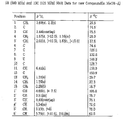
- 1 is a 1 H NMR spectrum of an active substance isolated in three or more plants.
- Figure 2 is a 13C NMR spectrum of the active material separated in three abdominal seconds.
- Figure 3 summarizes the 1H NMR and 13C NMR spectral data of the active material isolated in three abdominal seconds.
- Figure 4 is a DEPT NMR spectrum of the active material separated in three abdominal seconds.
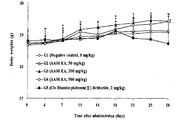
- Figure 8 is a graph showing the weight change of the experimental animals during the anti-cancer activity test for SK-Hep-1 implanted in nude mice.
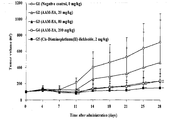
- FIG. 9 is a graph showing the change in tumor volume during the anticancer activity experiment for SK-Hep-1 implanted in nude mice.
- FIG. 10 is a graph showing the change in tumor volume during the anticancer activity experiment for SK-Hep-1 implanted in nude mice.
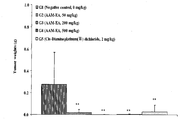
- 11 is a graph showing the change in tumor weight during the anticancer activity experiment for SK-Hep-1 implanted in nude mice.
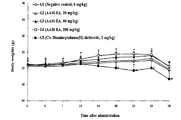
- FIG. 12 is a graph showing the weight change of the experimental animals during the anti-cancer activity test for HepG-2 implanted in nude mice.
- Figure 13 is a graph showing the change in tumor volume during the anti-cancer activity experiment for HepG-2 implanted in nude mice.
- Figure 14 is a graph showing the change in tumor weight during the anticancer activity experiment for HepG-2 implanted in nude mice.
- Figure 15 is the result of measuring the proliferation inhibitory activity against SK-Hep-1 of the active material isolated in three abdominal plants by the MTT method.
- the ethanol extract obtained above was suspended and dissolved in 10 weight of distilled water, and then sequentially partitioned into hexane (n-hexane), dichloromethane (CH 2 Cl 2 ), ethyl acetate (EtOAc) and butanol (BuOH), and a hexane layer.
- hexane n-hexane
- dichloromethane CH 2 Cl 2
- EtOAc ethyl acetate
- BuOH butanol
- the sequential fractions of the dichloromethane layer, ethyl acetate layer, butanol layer and residual water layer were obtained.
- the ethanol extract obtained above was suspended and dissolved in 10 weight of distilled water, and then sequentially partitioned into hexane (n-hexane), dichloromethane (CH 2 Cl 2 ), ethyl acetate (EtOAc) and butanol (BuOH), and a hexane layer.
- hexane n-hexane
- dichloromethane CH 2 Cl 2
- EtOAc ethyl acetate
- BuOH butanol
- the sequential fractions of the dichloromethane layer, ethyl acetate layer, butanol layer and residual water layer were obtained.
- H-1 ( ⁇ 2.3) is C-3 ( ⁇ 75.5), C-7 ( ⁇ 125), and H-4 ( ⁇ 1.16) is C-6 ( ⁇ 74.4) and H-5 ( ⁇ 2). .02) is coupled to C-3 ( ⁇ 75.5), and C-1 to C-8 are expected to form macrocycles.
- C-2 and C-6 are quaternary carbons in the form of a single bond, the chemical shift shifted to the low field, suggesting that elements with high electronegativity were bound. Therefore, NMR spectrum analysis showed that the isolated compound was composed of one ⁇ -glucose, a benzene ring, and an octagonal polycyclic ring, and the expected structure revealed that it was a novel substance that was not previously reported. It was named Multioside, a novel substance of>.
- Hep1 showed more than 80% inhibitory effect.
- test substance was administered by intragastric injection once a day for 7 days after 1 HF transplantation using a disposable syringe attached with oral administration sonde.
- the group configuration is shown in Table 3 below.
- test substance were set at 25, 50 and 100 mg / kg and the negative control group received water for injection as an excipient.
- the dose of the negative control group and the test substance administration group was set to 10 mL / kg, and the dose of each individual was calculated based on the body weight measured once a week.
- the human-derived cancer cell lines used for HF assay after screening for cytotoxicity against five cell lines using the test material are as follows; A549 (lung cancer), AGS (stomach cancer), SK-Hep1 (liver cancer).
- A549 and AGS were added to RPMI 1640 medium, and SK-Hep1 was incubated in humidified CO 2 incubator by adding sodium bicarbonate, L-glutamine, penicillin / streptomycin to DMEM medium, and adding FBS to a final concentration of 10%.
- Fully grown cell lines were separated with trypsin and loaded in HF (Cellmax implant membrane, Spectrum) at a concentration of 1x10 6 cells / ml and incubated in a humidified CO 2 incubator for 24 hr.
- mice were anesthetized using zoletil and rompun, followed by a small incision in the abdominal wall and transplanted with HF incubated for 24 hr.
- mice were sacrificed with cervical distal bone, and the fibers were removed to remove foreign substances on the surface, and then placed in a medium previously set at 37 ° C., stabilized in a humidified CO 2 incubator for 30 minutes, followed by MTT (final conc. 1 mg). / Ml) and then incubated for 4 hours.
- test substance was administered by intragastric injection once a day, four weeks, and a total of 28 times using a disposable syringe with oral administration sonde.
- Positive control was administered to the abdominal cavity twice a week, four weeks, and a total of eight times using a disposable syringe (26G, 1 mL, Doowon meditec. Corp., Korea).
- the group configuration is shown in Table 5 below.
- test substance Doses of test substance were set at 50, 200 and 500 mg / kg and doses of positive control substance (Cis-Diamine platinum (II) dichloride) were set at 2 mg / kg.
- positive control substance Cis-Diamine platinum (II) dichloride
- the negative control group received water for injection as an excipient.
- the dose of the negative control group, test substance administration group, and positive control group was set to 10 mL / kg, and the amount of the individual dose was calculated based on the weight measured close to the administration day.
- Body weight was measured twice a week (Tue, Fri) from the start of administration, before administration.
- Tumor masses formed in "Attachment.Succeeding generations on transplanted tumor in nude mice (Biotoxtec, Study No .: B10999)" were made into sections of about 3 ⁇ 3 ⁇ 3 mm 3 . After inhalation anesthesia of the animal with Isoflurane, incision about 4 mm of the left side of the left side of the animal, incised the tumor fragment at the tip of the trocar, and then through the trocar through the left side of the left incision to the dorsal area near the left cell. Pushed in.
- the trocar was removed while rotating 360 degrees rapidly and the skin surface was observed to determine the location of the tumor, and the left Fuji incision of the animal was removed for about 1 week in povidone iodine solution (Lot No .: 1005, Dongin-dang Pharm Co., Ltd., Korea).
- Tumor volume before administration of each individual was set to the value measured at group separation.
- Body weight, tumor volume, and tumor weight obtained in the experiment were assayed using SAS (Version 9.2, SAS Institute Inc., U.S.A.).
- Bartlett test was performed to test for equal dispersion (significance level: 0.05).
- one-way analysis of variance ANOVA
- multiple tests of Dunnett's t-test were performed to confirm the significance of each test group to the negative control group.
- the Kruskal-wallis test was performed (significance level: 0.05) . If significance was observed, Steel's was used to confirm the significance of each test group for the negative control group. Multiple tests of the test were performed.
- the 50 mg / kg dose of the test substance group did not show a statistically significant difference compared to the negative control group in body weight measurement.
- the 200 and 500 mg / kg dose groups were significantly increased compared to the negative control at 28 days after administration.
- the positive control group at 2 mg / kg did not show any statistically significant difference compared to the negative control group, but tended to decrease.
- the 50, 200 and 500 mg / kg doses of the test substance dose and the positive control dose of 2 mg / kg dose in the tumor volume were statistically significantly inhibited compared to the negative control 7-28 days after administration.
- the 50, 200 and 500 mg / kg doses of the test substance dose and the 2 mg / kg dose of the positive control group were significantly smaller than the negative control.
- the 50, 200 and 500 mg / kg doses of the test substance group showed a similar degree of necrosis of the tumors in the grafted individual compared with the negative control group, but in most individuals the tumors This disappeared and the overall evaluation could not be performed. Most of the apoptotic tumors disappeared and necrosis occurred in the extracted tumors, which could not be compared with the negative control group.
- test substance AAM-EA has a marked effect of inhibiting tumor growth at doses of 50, 200 and 500 mg / kg. It seems to be.
- test substance was administered by intragastric injection once a day, four weeks, and a total of 28 times using a disposable syringe with oral administration sonde.
- Positive control was administered to the abdominal cavity twice a week, four weeks, and a total of eight times using a disposable syringe (26G, 1 mL, Doowon meditec. Corp., Korea).
- test substance were set at 20, 80 and 200 mg / kg and doses of positive control were set at 2 mg / kg.
- the negative control group received water for injection as an excipient.
- the dose of the negative control group, test substance administration group, and positive control group was set to 10 mL / kg, and the amount of the individual dose was calculated based on the weight measured close to the administration day.
- Body weight was measured twice a week (Tue, Fri) from the start of administration, before administration.
- Tumor masses formed in "Attachment.Succeeding generations on transplanted tumor in nude mice (Biotoxtec, Study No .: B10999)" were made into sections of about 3 ⁇ 3 ⁇ 3 mm 3 . After inhalation anesthesia of the animal with Isoflurane, incision about 4 mm of the left side of the left side of the animal, incised the tumor fragment at the tip of the trocar, and then through the trocar through the left side of the left incision to the dorsal area near the left cell. Pushed in.
- the trocar was removed while rotating 360 degrees rapidly and the skin surface was observed to determine the location of the tumor, and the left Fuji incision of the animal was removed for about 1 week in povidone iodine solution (Lot No .: 1005, Dongin-dang Pharm Co., Ltd., Korea).
- Tumor volume before administration of each individual was set to the value measured at group separation.
- Body weight, tumor volume, and tumor weight obtained in the experiment were assayed using SAS (Version 9.2, SAS Institute Inc., U.S.A.).
- Bartlett test was performed to test for equal dispersion (significance level: 0.05).
- one-way analysis of variance ANOVA
- multiple tests of Dunnett's t-test were performed to confirm the significance of each test group to the negative control group.
- the Kruskal-wallis test was performed (significance level: 0.05) . If significance was observed, Steel's was used to confirm the significance of each test group for the negative control group. Multiple tests of the test were performed.
- Body weight measurements showed no significant differences in the 20 and 80 mg / kg doses of the test substance compared to the negative control in. In the 200 mg / kg dose group, it was significantly increased compared with the negative control group 14 to 21 days after administration. The positive control at the 2 mg / kg dose was significantly reduced compared to the negative control 18 to 28 days after administration.
- Histopathological findings indicate tumor necrosis, apoptosis, and apoptosis in 20, 80 and 200 mg / kg doses of the test substance and 2 mg / kg of the positive control group. The results of counting were similar to those of the negative control.
- test substance AAM-EA was found to have a clear effect of inhibiting tumor growth at doses of 80 and 200 mg / kg.
Landscapes
- Health & Medical Sciences (AREA)
- Life Sciences & Earth Sciences (AREA)
- Chemical & Material Sciences (AREA)
- Public Health (AREA)
- Medicinal Chemistry (AREA)
- Animal Behavior & Ethology (AREA)
- Veterinary Medicine (AREA)
- General Health & Medical Sciences (AREA)
- Natural Medicines & Medicinal Plants (AREA)
- Pharmacology & Pharmacy (AREA)
- Epidemiology (AREA)
- Botany (AREA)
- Engineering & Computer Science (AREA)
- Mycology (AREA)
- Medical Informatics (AREA)
- Biotechnology (AREA)
- Microbiology (AREA)
- Alternative & Traditional Medicine (AREA)
- Food Science & Technology (AREA)
- Polymers & Plastics (AREA)
- Nutrition Science (AREA)
- Chemical Kinetics & Catalysis (AREA)
- General Chemical & Material Sciences (AREA)
- Nuclear Medicine, Radiotherapy & Molecular Imaging (AREA)
- Organic Chemistry (AREA)
- Medicines Containing Plant Substances (AREA)
- Pharmaceuticals Containing Other Organic And Inorganic Compounds (AREA)
- Coloring Foods And Improving Nutritive Qualities (AREA)
- Saccharide Compounds (AREA)
Abstract
La présente invention concerne un extrait d'Adonis amurensis présentant une activité anticancéreuse dans une cellule et des expérimentations animales, et une composition anticancéreuse l'utilisant comme principe actif.
Priority Applications (2)
| Application Number | Priority Date | Filing Date | Title |
|---|---|---|---|
| JP2014549998A JP2015503551A (ja) | 2011-12-26 | 2012-12-26 | ミチノクフクジュソウ抽出物またはその有効物質を用いた抗癌剤組成物 |
| CN201280064752.3A CN104220063B (zh) | 2011-12-26 | 2012-12-26 | 利用细福寿草提取物或其有效物质的抗癌剂组合物 |
Applications Claiming Priority (2)
| Application Number | Priority Date | Filing Date | Title |
|---|---|---|---|
| KR10-2011-0142072 | 2011-12-26 | ||
| KR20110142072 | 2011-12-26 |
Publications (2)
| Publication Number | Publication Date |
|---|---|
| WO2013100585A2 true WO2013100585A2 (fr) | 2013-07-04 |
| WO2013100585A3 WO2013100585A3 (fr) | 2013-08-22 |
Family
ID=48698749
Family Applications (1)
| Application Number | Title | Priority Date | Filing Date |
|---|---|---|---|
| PCT/KR2012/011497 Ceased WO2013100585A2 (fr) | 2011-12-26 | 2012-12-26 | Extrait d'adonis amurensis ou composition anticancéreuse l'utilisant comme principe actif |
Country Status (4)
| Country | Link |
|---|---|
| JP (1) | JP2015503551A (fr) |
| KR (1) | KR101530910B1 (fr) |
| CN (1) | CN104220063B (fr) |
| WO (1) | WO2013100585A2 (fr) |
Families Citing this family (2)
| Publication number | Priority date | Publication date | Assignee | Title |
|---|---|---|---|---|
| CN110343187B (zh) * | 2019-07-30 | 2020-07-17 | 广州市爱百伊生物技术有限公司 | 一种天然多糖及祛斑美白用途 |
| CN110372808B (zh) * | 2019-07-30 | 2020-11-03 | 玛莉艾丝(广东)生命科技有限公司 | 一种祛斑美白活性多糖和用途 |
Family Cites Families (3)
| Publication number | Priority date | Publication date | Assignee | Title |
|---|---|---|---|---|
| JP4244093B2 (ja) * | 2000-01-24 | 2009-03-25 | 三省製薬株式会社 | 美白化粧料 |
| KR20030080459A (ko) * | 2002-04-08 | 2003-10-17 | 송호엽 | 당뇨병제 및 제조방법 |
| KR101081059B1 (ko) * | 2009-06-30 | 2011-11-07 | 한국콜마 주식회사 | 항산화 및 미백 활성을 갖는 꽃 혼합 추출물 및 그 추출방법 및 그 꽃 혼합 추출물을 함유하는 화장료 조성물 |
-
2012
- 2012-12-26 CN CN201280064752.3A patent/CN104220063B/zh active Active
- 2012-12-26 WO PCT/KR2012/011497 patent/WO2013100585A2/fr not_active Ceased
- 2012-12-26 JP JP2014549998A patent/JP2015503551A/ja active Pending
- 2012-12-26 KR KR1020120153825A patent/KR101530910B1/ko not_active Expired - Fee Related
Also Published As
| Publication number | Publication date |
|---|---|
| KR20130074768A (ko) | 2013-07-04 |
| KR101530910B1 (ko) | 2015-06-23 |
| WO2013100585A3 (fr) | 2013-08-22 |
| CN104220063B (zh) | 2016-06-08 |
| CN104220063A (zh) | 2014-12-17 |
| JP2015503551A (ja) | 2015-02-02 |
Similar Documents
| Publication | Publication Date | Title |
|---|---|---|
| KR101406201B1 (ko) | 인제난 타입의 디테르펜 화합물 및 이를 포함하는 바이러스 감염 질환의 치료 또는 예방용 약학적 조성물 | |
| WO2010095911A2 (fr) | Composition renforçant l'immunité qui contient une lignée de cellules souches végétales dérivées de cambium de panax ginseng avec ginseng sauvage ou ginseng comme principe actif | |
| WO2010053314A2 (fr) | Composition pour la prévention ou le traitement du cancer contenant comme principe actif une lignée cellulaire de cellules souches végétales extraite du panax ginseng incluant le ginseng sauvage ou le ginseng | |
| WO2021080129A1 (fr) | Composition pour renforcer la barrière cutanée et soulager la dermatite atopique, comprenant de l'hydrangénol ou de la phyllodulcine en tant que principe actif | |
| KR101187032B1 (ko) | 벌개미취의 추출물, 분획물 또는 이로부터 분리한 짐나스테르코리아인 b 화합물을 유효성분으로 함유하는 간 보호 또는 개선용 조성물 | |
| WO2024029984A2 (fr) | Thérapie combinant un extrait végétal mixte et du docétaxel pour la prévention ou le traitement du cancer | |
| KR20120053450A (ko) | 테로카판계 화합물 또는 이의 약학적으로 허용가능한 염을 유효성분으로 함유하는 대사성 질환 또는 이들의 합병증의 예방 또는 치료용, 또는 항산화용 조성물 | |
| WO2013012117A1 (fr) | Utilisation de compositions pharmaceutiques comprenant un phytostérol pour prévenir ou traiter les maladies inflammatoires | |
| Reyes et al. | Gastroprotective activity of sesquiterpene derivatives from Fabiana imbricata | |
| WO2018080039A1 (fr) | Composition destinée à prévenir la chute des cheveux ou à améliorer la croissance des cheveux, contenant un extrait de feuilles de soja de couleur jaune | |
| WO2021080297A1 (fr) | Composition contenant un extrait de fleur d'onagre en tant que principe actif pour prévenir ou traiter l'obésité ou des syndromes métaboliques ainsi induits | |
| KR102535526B1 (ko) | 벌개미취에서 분리된 신규한 화합물 | |
| KR101530910B1 (ko) | 세복수초 추출물 또는 그 유효물질을 이용한 항암제 조성물 | |
| KR101243115B1 (ko) | 멀꿀 잎 추출물을 포함하는 해열제 | |
| WO2015064899A1 (fr) | Composition contenant, comme principe actif, un extrait mélangé d'aune japonais, de sagesse-des-chirurgiens et de peucedanum praeruptorum, ou une fraction associée pour prévenir ou traiter un cancer | |
| KR101422189B1 (ko) | 신규한 로테논 유도체 및 이를 유효성분으로 함유하는 비만 예방 및 치료용 약학적 조성물 | |
| KR20120068522A (ko) | 맥문동 추출물, 이의 분획물, 또는 이로부터 분리한 화합물을 유효성분으로 포함하는 항염증 활성을 가지는 조성물 | |
| WO2009142458A2 (fr) | Composition fonctionnelle d'aliment de santé pour la prévention de la carcinogenèse, contenant comme ingrédients actifs, de l'extrait d'aster koraiensis, des fractions d'aster koraiensis, des dérivés de gymnasterkoreaynes qui en sont tirés, ou certains de leurs sels pharmaceutiquement admis | |
| KR20090089187A (ko) | 세코이소라리시레시놀 유도체 및 이를 유효성분으로 하는항암제 | |
| KR20140130650A (ko) | 왕벚나무 수피 추출물 또는 이로부터 분리한 푸루네틴 화합물을 유효성분으로 함유하는 혈관 질환 예방 또는 치료용 약학적 조성물 | |
| WO2021235637A1 (fr) | Composition pour la prévention, la réduction des symptômes ou le traitement d'une maladie respiratoire | |
| KR101147405B1 (ko) | 병솔꽃나무 추출물을 유효성분으로 함유하는 피부 주름개선용 화장료 조성물 | |
| WO2020032297A1 (fr) | Composition pour soulager les symptômes du vitiligo et son procédé de préparation | |
| WO2022216107A1 (fr) | Composition anticancéreuse comprenant un extrait d'elaeocarpus sylvestris ou un produit purifié de celui-ci en tant que principe actif | |
| WO2024128835A1 (fr) | Nouveau composé dérivé de loranthus tanakae et son utilisation anticancéreuse |
Legal Events
| Date | Code | Title | Description |
|---|---|---|---|
| 121 | Ep: the epo has been informed by wipo that ep was designated in this application |
Ref document number: 12861795 Country of ref document: EP Kind code of ref document: A2 |
|
| ENP | Entry into the national phase |
Ref document number: 2014549998 Country of ref document: JP Kind code of ref document: A |
|
| 122 | Ep: pct application non-entry in european phase |
Ref document number: 12861795 Country of ref document: EP Kind code of ref document: A2 |