WO2013129085A1 - 概日リズム改善剤 - Google Patents
概日リズム改善剤 Download PDFInfo
- Publication number
- WO2013129085A1 WO2013129085A1 PCT/JP2013/053091 JP2013053091W WO2013129085A1 WO 2013129085 A1 WO2013129085 A1 WO 2013129085A1 JP 2013053091 W JP2013053091 W JP 2013053091W WO 2013129085 A1 WO2013129085 A1 WO 2013129085A1
- Authority
- WO
- WIPO (PCT)
- Prior art keywords
- circadian rhythm
- improving agent
- lactic acid
- period
- activity
- Prior art date
- Legal status (The legal status is an assumption and is not a legal conclusion. Google has not performed a legal analysis and makes no representation as to the accuracy of the status listed.)
- Ceased
Links
Images
Classifications
-
- A—HUMAN NECESSITIES
- A61—MEDICAL OR VETERINARY SCIENCE; HYGIENE
- A61K—PREPARATIONS FOR MEDICAL, DENTAL OR TOILETRY PURPOSES
- A61K35/00—Medicinal preparations containing materials or reaction products thereof with undetermined constitution
- A61K35/66—Microorganisms or materials therefrom
- A61K35/74—Bacteria
- A61K35/741—Probiotics
- A61K35/744—Lactic acid bacteria, e.g. enterococci, pediococci, lactococci, streptococci or leuconostocs
-
- A—HUMAN NECESSITIES
- A61—MEDICAL OR VETERINARY SCIENCE; HYGIENE
- A61K—PREPARATIONS FOR MEDICAL, DENTAL OR TOILETRY PURPOSES
- A61K35/00—Medicinal preparations containing materials or reaction products thereof with undetermined constitution
- A61K35/66—Microorganisms or materials therefrom
- A61K35/74—Bacteria
-
- A—HUMAN NECESSITIES
- A23—FOODS OR FOODSTUFFS; TREATMENT THEREOF, NOT COVERED BY OTHER CLASSES
- A23L—FOODS, FOODSTUFFS OR NON-ALCOHOLIC BEVERAGES, NOT OTHERWISE PROVIDED FOR; PREPARATION OR TREATMENT THEREOF
- A23L2/00—Non-alcoholic beverages; Dry compositions or concentrates therefor; Preparation or treatment thereof
- A23L2/38—Other non-alcoholic beverages
- A23L2/382—Other non-alcoholic beverages fermented
-
- A—HUMAN NECESSITIES
- A23—FOODS OR FOODSTUFFS; TREATMENT THEREOF, NOT COVERED BY OTHER CLASSES
- A23L—FOODS, FOODSTUFFS OR NON-ALCOHOLIC BEVERAGES, NOT OTHERWISE PROVIDED FOR; PREPARATION OR TREATMENT THEREOF
- A23L2/00—Non-alcoholic beverages; Dry compositions or concentrates therefor; Preparation or treatment thereof
- A23L2/52—Adding ingredients
-
- A—HUMAN NECESSITIES
- A23—FOODS OR FOODSTUFFS; TREATMENT THEREOF, NOT COVERED BY OTHER CLASSES
- A23L—FOODS, FOODSTUFFS OR NON-ALCOHOLIC BEVERAGES, NOT OTHERWISE PROVIDED FOR; PREPARATION OR TREATMENT THEREOF
- A23L33/00—Modifying nutritive qualities of foods; Dietetic products; Preparation or treatment thereof
- A23L33/10—Modifying nutritive qualities of foods; Dietetic products; Preparation or treatment thereof using additives
- A23L33/135—Bacteria or derivatives thereof, e.g. probiotics
-
- A—HUMAN NECESSITIES
- A61—MEDICAL OR VETERINARY SCIENCE; HYGIENE
- A61P—SPECIFIC THERAPEUTIC ACTIVITY OF CHEMICAL COMPOUNDS OR MEDICINAL PREPARATIONS
- A61P25/00—Drugs for disorders of the nervous system
-
- A—HUMAN NECESSITIES
- A61—MEDICAL OR VETERINARY SCIENCE; HYGIENE
- A61P—SPECIFIC THERAPEUTIC ACTIVITY OF CHEMICAL COMPOUNDS OR MEDICINAL PREPARATIONS
- A61P25/00—Drugs for disorders of the nervous system
- A61P25/20—Hypnotics; Sedatives
-
- A—HUMAN NECESSITIES
- A61—MEDICAL OR VETERINARY SCIENCE; HYGIENE
- A61P—SPECIFIC THERAPEUTIC ACTIVITY OF CHEMICAL COMPOUNDS OR MEDICINAL PREPARATIONS
- A61P25/00—Drugs for disorders of the nervous system
- A61P25/26—Psychostimulants, e.g. nicotine, cocaine
-
- A—HUMAN NECESSITIES
- A23—FOODS OR FOODSTUFFS; TREATMENT THEREOF, NOT COVERED BY OTHER CLASSES
- A23V—INDEXING SCHEME RELATING TO FOODS, FOODSTUFFS OR NON-ALCOHOLIC BEVERAGES AND LACTIC OR PROPIONIC ACID BACTERIA USED IN FOODSTUFFS OR FOOD PREPARATION
- A23V2002/00—Food compositions, function of food ingredients or processes for food or foodstuffs
-
- A—HUMAN NECESSITIES
- A23—FOODS OR FOODSTUFFS; TREATMENT THEREOF, NOT COVERED BY OTHER CLASSES
- A23V—INDEXING SCHEME RELATING TO FOODS, FOODSTUFFS OR NON-ALCOHOLIC BEVERAGES AND LACTIC OR PROPIONIC ACID BACTERIA USED IN FOODSTUFFS OR FOOD PREPARATION
- A23V2400/00—Lactic or propionic acid bacteria
- A23V2400/11—Lactobacillus
- A23V2400/121—Brevis
Definitions
- the present invention relates to a circadian rhythm improving agent.
- Circadian rhythm is a physiological phenomenon that fluctuates in a cycle of about 24 hours. Circadian rhythms are also present in vital activities such as brain waves, hormone secretion, and cell regeneration, and play an important role in determining sleep and eating patterns. Disturbances in circadian rhythm or reduction in circadian rhythm function cause various modulations such as sleep disorders, insomnia, autonomic dysfunction, and endocrine disorders.
- Patent Document 1 discloses a functional composition that regulates circadian rhythm, which contains a fermented lactic acid bacterium of soy milk as an active ingredient.
- Patent Document 2 discloses a circadian rhythm improving agent containing whey as an active ingredient.
- Sleep disorder is a risk factor such as mental illness such as depression and school refusal, high blood pressure, heart disease and cerebrovascular disorder, and causes various social problems such as causing traffic accidents.
- economic loss due to sleep disorders in Japan in 2006 was announced to be 3.5 trillion yen / year.
- Antidepressants and tranquilizers used to improve sleep disorders are associated with risks such as dependence and side effects caused by continuous medication. Therefore, there is a long-awaited development of drugs or foods that exhibit a milder action with reduced risk. In addition, it is more effective if sleep disorders can be improved through improvement of circadian rhythm.
- an object of the present invention is to provide a novel circadian rhythm improving agent.
- the present inventors have found that the strain of Lactobacillus brevis SBC8803, which is a lactic acid bacterium, or its processed product itself has an effect of improving the circadian rhythm.
- the present invention is based on this novel finding.
- the present invention provides a circadian rhythm improving agent containing lactic acid bacteria or a processed product thereof as an active ingredient.
- Lactic acid bacteria have been used for fermented foods for a long time, and safety to living bodies has been established. Therefore, the circadian rhythm improving agent has no risk of dependency and side effects.
- fermented lactic acid bacteria Fermented lactic acid bacteria of soy milk, whey, etc.
- lactic acid bacteria cells or processed products themselves improve the circadian rhythm. It is not done. Lactic acid bacteria fermented products have a flavor of themselves, so the foods and drinks that can be added are limited.
- lactic acid bacteria cells or processed products themselves do not produce a special flavor, so they are added to a wide range of foods and drinks. be able to.
- the circadian rhythm improving agent is advantageous.
- the lactic acid bacterium is preferably a lactic acid bacterium belonging to Lactobacillus brevis, and more preferably Lactobacillus brevis SBC8803. As a result, an even better circadian rhythm improvement effect can be obtained.
- Lactobacillus brevis is a kind of lactic acid bacteria that have been used for fermented food for a long time, and its safety to the living body is well established. Since it is highly safe for living bodies, it can be taken continuously for a long time.
- Lactobacillus brevis SBC8803 is the National Institute of Advanced Industrial Science and Technology, Patent Biological Deposit Center on June 28, 2006 (1st, 1st East, Tsukuba City, Ibaraki, Japan, Central 6 (postal code 305-8666)) Strain with the deposit number of FERM BP-10632. In the present specification, this strain is also referred to as “SBL88 strain”.
- the above circadian rhythm improving agent can normalize the mRNA expression level of the clock gene. Therefore, the circadian rhythm improving effect of the circadian rhythm improving agent is obtained based on normalizing the mRNA expression level of the clock gene as at least a part thereof.
- Examples of the clock gene include Per2 and Bmal1.
- the circadian rhythm improving agent can improve sleep-wake rhythm through improvement of circadian rhythm, it may be used for improving circadian rhythm sleep disorder (circadian rhythm sleep disorder).
- the circadian rhythm sleep disorder is caused by, for example, stress, and causes an increase in the amount of activity during the sleep period and a decrease in the amount of activity during the activity period. That is, for example, a modulation such as not being able to get enough sleep at night and falling asleep during the day is caused.
- a medicine or the like for example, “methamphetamine” which is a stimulant
- the activity amount in the sleep time zone also increases.
- the above circadian rhythm improving agent is suitable for improving circadian rhythm sleep disorder because it increases the activity amount in the activity time zone but does not increase the activity amount in the sleep time zone.
- the present invention can also be referred to as an agent for improving circadian rhythm, containing the lactic acid bacterium or a processed product thereof as an active ingredient.
- the present invention can also be said to be a method for improving circadian rhythm, which comprises administering an agent containing the lactic acid group or a processed product thereof as an active ingredient to a treatment subject.
- the present invention can also be said to be a use for improving the circadian rhythm of an agent containing the lactic acid group or a processed product thereof as an active ingredient.
- the present invention also provides a pharmaceutical, a food or drink, or a food or drink additive containing the circadian rhythm improving agent.
- the circadian rhythm improving agent has high safety to the living body and can be ingested continuously for a long period of time, so it is used as a pharmaceutical ingredient, food / drink ingredient, food / drink additive, feed ingredient, feed additive, etc. be able to.
- a novel circadian rhythm improving agent that is highly safe for living bodies and can be used as a component of food and drink is provided. Moreover, the pharmaceutical, food / beverage products, food / beverage additive, etc. which contain the said circadian rhythm improving agent are provided.
- the circadian rhythm improving agent of the present invention contains a lactic acid bacterium or a processed product thereof as an active ingredient.
- a lactic acid bacterium from the viewpoint of safety to living bodies, a lactic acid bacterium with a proven track record that has been used in foods such as fermented foods, orally-administered drugs and the like is preferable.
- Lactobacillus genus for example, Lactobacillus genus, Bifidobacterium genus, Enterococcus genus, Lactococcus genus, Pediococcus genus and Leuconostoc genus (Streuconostoc genus)
- lactic acid bacteria selected from the group consisting of lactic acid bacteria belonging to the genus Streptococcus.
- the lactic acid bacterium is preferably a lactic acid bacterium belonging to Lactobacillus brevis, more preferably Lactobacillus brevis SBC8803.
- the lactic acid bacterium may be, for example, one that can be separated from nature or one that can be obtained from a cell bank such as ATCC.
- the above lactic acid bacteria may be used alone or in combination of two or more. The same applies to the processed bacterial cells.
- Lactic acid bacteria may be either live or dead. Bacteria can be produced in large quantities by culturing viable cells.
- the medium may be either a liquid medium or a solid medium, but preferably contains a nitrogen source and a carbon source. Nitrogen sources include meat extract, peptone, gluten, casein, yeast extract, amino acids, etc., and carbon sources include glucose, xylose, fructose, inositol, maltose, water candy, soup, starch, bacus, bran, Molasses, glycerin and the like can be used.
- Suitable media include MRS media, LBS media, Rogosa media, WYP media, GYP media and the like.
- the culture conditions for viable cells may be those suitable for each lactic acid bacterium.
- the culture temperature is usually 20 to 50 ° C., preferably 25 to 40 ° C., more preferably 30 ° C.
- the culture time is usually 6 to 62 hours, preferably 12 to 48 hours, more preferably 15 to 30 hours.
- the pH of the medium is usually 3 to 8, preferably 4 to 7, and more preferably 6 to 7. Cultivation may be performed in an incubator, or aeration and shaking may be performed during the cultivation.
- treated cells include treated products obtained by subjecting the above-mentioned cells (live cells or dead cells) to treatment such as heating, pressurization, drying, pulverization, destruction, or self-dissolution. Two or more of these treatments may be combined.
- a treated product obtained by heating the microbial cell for example, a treated product obtained by heating the microbial cell at 100 ° C. or higher for several minutes or longer (for example, by subjecting the microbial cell to autoclaving at a temperature of 110 to 125 ° C. for 10 minutes or longer).
- Processed product processed product obtained by freeze-drying, spray-drying, etc.
- processed product obtained by contacting the bacterial cells with an organic solvent acetone, ethanol, etc.
- a treated product obtained by contacting with an alkaline solution, a treated product obtained by enzymatic disruption of bacterial cells, or a treated product obtained by physically destroying the bacterial cells with ultrasonic waves, a French press, or the like can be used.
- Such a cell-treated product is preferable in that it is easy to handle as compared with untreated cells (particularly live cells).
- the circadian rhythm improving agent of the present invention may be in any form such as solid (for example, powder obtained by freeze-drying), liquid (water-soluble or fat-soluble solution or suspension), paste, and the like. Further, any dosage form such as powder, pill, granule, tablet, syrup, troche, capsule and the like may be used.
- the above-mentioned various preparations may be composed only of the lactic acid bacterium cells or processed products thereof, which are active ingredients, for example, prepared by molding the lactic acid bacterium cells or processed products thereof into the dosage form. can do.
- the above-mentioned various preparations also contain the above active ingredients and pharmaceutically acceptable additives (excipients, binders, lubricants, disintegrants, emulsifiers, surfactants, bases, solubilizers, suspensions). It is also possible to prepare the mixture by mixing with an agent and the like. In this case, the content of the active ingredient is 0.5 to 50% by mass based on the total amount of the preparation.
- examples of the excipient include lactose, sucrose, starch, dextrin and the like.
- the binder include polyvinyl alcohol, gum arabic, tragacanth, gelatin, hydroxypropylmethylcellulose, hydroxypropylcellulose, sodium carboxymethylcellulose, polyvinylpyrrolidone and the like.
- examples of the lubricant include magnesium stearate, calcium stearate, talc and the like.
- examples of the disintegrant include crystalline cellulose, agar, gelatin, calcium carbonate, sodium bicarbonate, dextrin and the like.
- the emulsifier or surfactant include Tween 60, Tween 80, Span 80, and glyceryl monostearate.
- Examples of the base include cetostearyl alcohol, lanolin, polyethylene glycol, rice bran oil, fish oil (DHA, EPA, etc.), olive oil and the like.
- Examples of the solubilizer include polyethylene glycol, propylene glycol, sodium carbonate, sodium citrate, Tween 80 and the like.
- Examples of the suspending agent include Tween 60, Tween 80, Span 80, glyceryl monostearate, polyvinyl alcohol, polyvinyl pyrrolidone, methyl cellulose, hydroxymethyl cellulose, sodium alginate and the like.
- the circadian rhythm improving agent of the present invention may be administered to humans or non-human mammals.
- the dosage and administration method can be appropriately determined according to the condition, age, etc. of the individual to be administered. Suitable administration methods include, for example, oral administration.
- As an example of the dosage and administration method there can be mentioned a method of orally administering the circadian rhythm improving agent in an amount of 0.5 to 500 mg of an active ingredient once a day.
- the circadian rhythm improving agent of the present invention can be used as a pharmaceutical ingredient, a food / beverage product component, a food / beverage product additive, a feed component, a feed additive, and the like.
- the circadian rhythm improving agent of the present invention includes water, soft drinks, fruit juice drinks, milk drinks, alcoholic drinks, breads, noodles, rice, tofu, dairy products, fermented foods, fermented milk, soy sauce, miso, It can be used as an additive to food and drink such as confectionery.
- These foods and drinks may further contain other additives usually used in the art, and examples of such additives include bitters, flavors, apple fibers, soybean fibers, meat extracts, blacks.
- the circadian rhythm improving agent of the present invention can also be used as a component for foods for specified health use, foods for special uses, dietary supplements, health foods, functional foods, foods for the sick, and the like.
- the food or drink containing the circadian rhythm improving agent of the present invention may be a fermented product obtained by fermenting milk, skim milk, soy milk, vegetables, fruit juice, grains, processed products thereof, and the like with the lactic acid bacteria. .
- the present inventors normalize the mRNA expression level of a clock gene increased by stress sleep disorder in a stress sleep disorder mouse administered with a bacterially treated product of Lactobacillus brevis SBC8803 (that is, when no stress is applied). It was found that the expression level of mRNA was approached.
- Clock genes are known as genes that control circadian rhythm. For example, Rev-erb genes (Rev-erb ⁇ , Rev-erb ⁇ , etc.), Clock genes (Clock, etc.), Per genes (Per1, Per2, etc.), Bmal genes (Bmal1, etc.), Cry genes (Cry1, Cry2, etc.), Dec genes (Dec1, Dec2, etc.). Therefore, the circadian rhythm improving agent of the present invention improves the circadian rhythm based on normalizing the mRNA expression level of the clock gene as at least a part of its action.
- the circadian rhythm improving agent of the present invention is based on the above-described action, it is used for treatment, recovery, and various modulations, disorders, and diseases caused by disturbance of circadian rhythm or reduction of circadian rhythm function. Can be used for improvement.
- the present invention can also be referred to as an agent for use in the treatment, recovery or improvement of the modulation, disorder or disease containing the lactic acid bacterium or a processed product thereof as an active ingredient.
- the present invention can also be referred to as a method for treating, recovering or improving the modulation, disorder or disease, which comprises administering to the treatment subject an agent containing the lactic acid group or a processed product thereof as an active ingredient.
- the present invention can also be referred to as the use of an agent containing the lactic acid group or a processed product thereof as an active ingredient for the treatment, recovery or improvement of the modulation, disorder or disease.
- rhythm sleep disorder such as stress sleep disorder, disorder of body temperature rhythm, autonomic dysfunction such as hypersympathetic nervous system, bipolar disorder, hypertension, diabetes , Bronchial asthma, coronary spastic angina, endocrine disorders.
- the circadian rhythm improving agent of the present invention since it has an improving effect on sleep-wake rhythm, it is preferably used for circadian rhythm sleep disorder treatment, recovery or improvement (that is, sleep disorder therapeutic agent, sleep It may be a disorder recovery agent or sleep disorder improving agent).
- Circadian rhythm sleep disorder is a sleep disorder caused by circadian rhythm disturbance or circadian rhythm function decline, such as sleep in endogenous acute syndrome due to stress sleep disorder, jet lag, shift work and night shift, etc.
- Disorders and sleep disorders in intrinsic chronic syndromes such as sleep phase regression syndrome, sleep phase advance syndrome, non-24 hour sleep wake disorder and irregular sleep wake patterns.
- the circadian rhythm improving agent of the present invention has an effect of increasing the amount of activity in the dark period even in a mouse under non-stress conditions (that is, a mouse in which circadian rhythm sleep disorder does not occur). That is, the amplitude of the sleep / wake rhythm can be increased (that is, the activity amount during the active period and / or the activity amount during the rest period can be decreased). Therefore, for example, it can also be used for improving a decrease in circadian rhythm function (sleep / wake rhythm, hormone secretion rhythm such as melatonin, deep body temperature rhythm, etc.) due to aging (aging).
- circadian rhythm function sep / wake rhythm, hormone secretion rhythm such as melatonin, deep body temperature rhythm, etc.
- Example 1 Improvement of circadian rhythm in stress sleep disorder mice
- rotation behavior amount hereinafter also referred to as “activity amount”.
- SBL88 strain was inoculated in a medium (composition: maltose 2% by mass, yeast extract 1.4% by mass, sodium acetate 0.5% by mass, manganese sulfate 0.005% by mass, pH 6.5-7.0), 30 The culture was allowed to stand at 1 ° C for 1 day.
- the obtained culture solution (about 8 ⁇ 10 8 cfu / ml) was centrifuged at 8,000 rpm for 10 minutes, and the cells were collected.
- the collected cells were resuspended in distilled water and centrifuged at 8,000 rpm for 10 minutes to collect the cells. This operation was repeated twice.
- the collected cells were suspended in distilled water, heat-treated at 105 ° C. for 10 minutes, and then freeze-dried to obtain heat-treated cell powder (cell-treated product).
- ⁇ Preparation of mouse feed> After adding 0.5% by mass of the cell-treated product of SBL88 strain to powdered feed CE-2 (manufactured by Clea Japan Co., Ltd.), pelletized mouse feed containing the cell-treated product (CE-2 feed containing SBL88) Prepared.
- a powdered feed CE-2 was pelleted to prepare a mouse feed (CE-2 feed) that does not contain a treated cell product.
- mice were raised in a rotating cage (SW-15S, Merquest Co.). The amount of activity of mice was measured using a chronobiology kit (Stanford Software Systems, CA).
- mice C3H / HeN strain mice (3 weeks old male, Japan SLC Co., Ltd.) were bred for 2 weeks under a light / dark cycle of 12 hours light period and 12 hours dark period (lights on at 8:00, lights off at 20:00). Acclimatization period). After the acclimatization period, the mice were divided into 2 groups (12 mice in each group), the control group was fed with CE-2 feed, and the test group (SBL88 group) was fed with SBL88-containing CE-2 feed. They were allowed to eat freely for 4 weeks (non-stress breeding period).
- the stress sleep disorder was continuously induced for 2 weeks by physically blocking and restricting the mouse from getting off the rotating wheel (stress breeding period).
- This stress sleep disorder mouse exhibits a rhythm disorder that can be extrapolated to a general sleep disorder.
- the total amount of activity decreases slightly, and disturbances in behavioral rhythms are observed in which activity is observed during the light and dark periods. It is especially characterized by overactivity in the first half of the light period. In conjunction with this, a decrease in sleep amount in the first half of the light period and an increase in sleep amount in the active period (dark period) are observed.
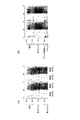
- FIG. 1 is a diagram showing a daily behavior pattern of a mouse.
- the vertical axis represents the breeding period
- the start date of the non-stress breeding period is represented by 0 weeks (0w)
- the start date of the acclimatized breeding period is represented by minus 2 weeks (-2w).
- the horizontal axis represents time.
- the dots indicate that mouse rolling behavior was observed.
- 1A shows an action pattern of a mouse that is not stressed
- FIG. 1B shows an action pattern of a mouse that is stressed (start of stress load after the passage of the non-stress breeding period 4w). From FIG. 1, it can be seen that in the light period (8-20 o'clock: sleep time), almost no rotating behavior is observed (the number of dots is small).
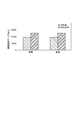
- FIG. 2 is a graph showing the amount of activity per day in the dark period.
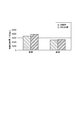
- FIG. 3 is a graph showing the amount of activity per day in the light period. 2 and 3, the first week of the stress breeding period (2 weeks) was the first period, and the remaining one week was the second period.
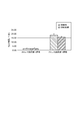
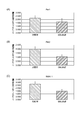
- FIG. 4 is a graph showing the amount of activity in the early light period (8-11 o'clock) as a relative activity amount (%) with respect to the total amount of activity per day, and comparing the SBL88 group with the control group.
- a decrease in activity amount in the dark period and an overactivity in the early light period (8-11 o'clock) are observed.
- the graph shown in FIG. 4 is an indicator of this overactivity.
- the relative activity amount of the SBL88 group was lower than that of the control group during one week after stress loading (FIG. 4).
- the SBL88 group tended to suppress hyperactivity (overactivity) in the early light period under stress.
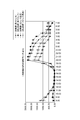
- FIG. 5 is a graph showing the circadian rhythm of the activity amount of the SBL88 group and the control group during 7 days before stress load start (non-stress) or 6 days after stress load start (stress).
- As the activity amount of each individual an average value for 7 days before the start of stress load and an average value for 6 days after the start of stress load were used.
- mice Since mice are nocturnal, self-issued behavior (rotation behavior) concentrates in the dark period when reared under a light / dark cycle. There is also a change in the amount of activity in the dark period, the amount of activity is large in the first half of the dark period, and the amount of activity decreases in the middle of the dark period. In both the unstressed and stressed groups, the amount of activity in the mid-dark period was significantly increased in the SBL88 group compared to the control group (FIG. 5).
- mice that induced stress sleep disorder In mice that induced stress sleep disorder, the activity amount during the activity time period decreased, but the decrease in the activity amount of the mice that had eaten the SBL88 strain was significantly suppressed (FIGS. 2 and 5). ).
- an activity amount is increased with a drug or the like (for example, “methamphetamine” which is a stimulant)
- the activity amount during a sleep time period also increases.
- the amount of activity in the sleeping hours of the mice that had eaten the SBL88 cell-treated product was not different from that of the control group (FIG. 3). That is, according to the circadian rhythm improving agent of the present invention, “natural” recovery from sleep disorder is possible.
- Example 2 Change in expression level of clock gene
- FIG. 6 is a graph showing the analysis results of the expression level of the colon clock genes (Per1, Per2, BMAL1).
- the expression level of the clock gene is shown as a ratio to ⁇ -Actin.
- the expression levels of the Per2 and BMAL1 genes were significantly reduced compared to the control group (FIG. 6). That is, the circadian rhythm was improved by the administration of SBL88 treated cells, whereby the expression level of clock genes (eg, Per2 and BMAL1) increased by sleep disorder stress was adjusted to the normal expression level.
Landscapes
- Health & Medical Sciences (AREA)
- Life Sciences & Earth Sciences (AREA)
- Chemical & Material Sciences (AREA)
- Engineering & Computer Science (AREA)
- Mycology (AREA)
- Pharmacology & Pharmacy (AREA)
- Animal Behavior & Ethology (AREA)
- General Health & Medical Sciences (AREA)
- Veterinary Medicine (AREA)
- Public Health (AREA)
- Medicinal Chemistry (AREA)
- Food Science & Technology (AREA)
- Microbiology (AREA)
- Polymers & Plastics (AREA)
- Nutrition Science (AREA)
- Molecular Biology (AREA)
- Epidemiology (AREA)
- Biomedical Technology (AREA)
- Chemical Kinetics & Catalysis (AREA)
- Bioinformatics & Cheminformatics (AREA)
- Nuclear Medicine, Radiotherapy & Molecular Imaging (AREA)
- Neurology (AREA)
- Organic Chemistry (AREA)
- Neurosurgery (AREA)
- General Chemical & Material Sciences (AREA)
- Anesthesiology (AREA)
- Psychiatry (AREA)
- Medicines Containing Material From Animals Or Micro-Organisms (AREA)
- Coloring Foods And Improving Nutritive Qualities (AREA)
- Non-Alcoholic Beverages (AREA)
Priority Applications (3)
| Application Number | Priority Date | Filing Date | Title |
|---|---|---|---|
| US14/382,193 US10695383B2 (en) | 2012-03-02 | 2013-02-08 | Circadian rhythm-improving agent |
| CA2865874A CA2865874C (en) | 2012-03-02 | 2013-02-08 | Circadian rhythm-improving agent |
| EP13754034.0A EP2821073B1 (de) | 2012-03-02 | 2013-02-08 | Mittel zur verwendung bei der verbesserung von zirkadianen rhythmus schlafstörungen |
Applications Claiming Priority (2)
| Application Number | Priority Date | Filing Date | Title |
|---|---|---|---|
| JP2012046806A JP5943342B2 (ja) | 2012-03-02 | 2012-03-02 | 概日リズム改善剤 |
| JP2012-046806 | 2012-03-02 |
Publications (1)
| Publication Number | Publication Date |
|---|---|
| WO2013129085A1 true WO2013129085A1 (ja) | 2013-09-06 |
Family
ID=49082287
Family Applications (1)
| Application Number | Title | Priority Date | Filing Date |
|---|---|---|---|
| PCT/JP2013/053091 Ceased WO2013129085A1 (ja) | 2012-03-02 | 2013-02-08 | 概日リズム改善剤 |
Country Status (5)
| Country | Link |
|---|---|
| US (1) | US10695383B2 (de) |
| EP (1) | EP2821073B1 (de) |
| JP (1) | JP5943342B2 (de) |
| CA (1) | CA2865874C (de) |
| WO (1) | WO2013129085A1 (de) |
Families Citing this family (8)
| Publication number | Priority date | Publication date | Assignee | Title |
|---|---|---|---|---|
| JP7041508B2 (ja) * | 2017-12-22 | 2022-03-24 | キリンホールディングス株式会社 | 概日リズム改善用組成物 |
| TWI731377B (zh) | 2019-07-25 | 2021-06-21 | 生展生物科技股份有限公司 | 短乳酸桿菌ProGA28及其代謝物用於治療或改善睡眠障礙之用途 |
| WO2021131568A1 (ja) * | 2019-12-25 | 2021-07-01 | サントリーホールディングス株式会社 | 身体活動量低下の抑制又は改善用組成物 |
| JP6873291B1 (ja) | 2020-02-05 | 2021-05-19 | 雪印メグミルク株式会社 | 睡眠促進用組成物及び組成物を含む食品、医薬品、飼料 |
| JP7566600B2 (ja) | 2020-12-03 | 2024-10-15 | 日清食品ホールディングス株式会社 | 時計遺伝子の発現を制御するビフィズス菌 |
| CN115590889A (zh) * | 2022-10-11 | 2023-01-13 | 江南大学(Cn) | 一种调节生物昼夜节律的短双歧杆菌及其应用 |
| CN117264836A (zh) * | 2023-09-26 | 2023-12-22 | 江南大学 | 一种通过产s-腺苷甲硫氨酸调节生物昼夜节律的瑞士乳杆菌 |
| CN120041335A (zh) * | 2025-02-21 | 2025-05-27 | 江南大学 | 一株具有调节昼夜节律显著改善认知记忆能力的长双歧杆菌及其应用 |
Citations (5)
| Publication number | Priority date | Publication date | Assignee | Title |
|---|---|---|---|---|
| WO2005094849A1 (ja) | 2004-03-31 | 2005-10-13 | Calpis Co., Ltd. | 内因性メラトニン分泌リズム改善用機能性食品、及び概日リズム改善用機能性食品 |
| JP2008179573A (ja) | 2007-01-25 | 2008-08-07 | Kikkoman Corp | 機能性組成物 |
| WO2008120713A1 (ja) * | 2007-03-30 | 2008-10-09 | Suntory Holdings Limited | 副交感神経活動亢進作用を有する医薬組成物又は飲食物 |
| JP2012017282A (ja) * | 2010-07-07 | 2012-01-26 | Calpis Co Ltd | 迷走神経活性化剤 |
| JP2012036158A (ja) * | 2010-08-11 | 2012-02-23 | Sapporo Breweries Ltd | 中性脂肪低減剤 |
Family Cites Families (3)
| Publication number | Priority date | Publication date | Assignee | Title |
|---|---|---|---|---|
| EP2062968B1 (de) * | 2006-08-21 | 2012-03-28 | Sapporo Breweries Limited | Bakterienstamm mit antiallergischer aktivität sowie getränk, lebensmittel und antiallergikum mit zelle des bakterienstamms |
| US20080176305A1 (en) * | 2006-12-20 | 2008-07-24 | Kikkoman Corporation | Functional composition |
| WO2009090961A1 (ja) * | 2008-01-15 | 2009-07-23 | Sapporo Breweries Limited | アルコール性肝障害抑制剤 |
-
2012
- 2012-03-02 JP JP2012046806A patent/JP5943342B2/ja active Active
-
2013
- 2013-02-08 CA CA2865874A patent/CA2865874C/en active Active
- 2013-02-08 WO PCT/JP2013/053091 patent/WO2013129085A1/ja not_active Ceased
- 2013-02-08 EP EP13754034.0A patent/EP2821073B1/de active Active
- 2013-02-08 US US14/382,193 patent/US10695383B2/en active Active
Patent Citations (5)
| Publication number | Priority date | Publication date | Assignee | Title |
|---|---|---|---|---|
| WO2005094849A1 (ja) | 2004-03-31 | 2005-10-13 | Calpis Co., Ltd. | 内因性メラトニン分泌リズム改善用機能性食品、及び概日リズム改善用機能性食品 |
| JP2008179573A (ja) | 2007-01-25 | 2008-08-07 | Kikkoman Corp | 機能性組成物 |
| WO2008120713A1 (ja) * | 2007-03-30 | 2008-10-09 | Suntory Holdings Limited | 副交感神経活動亢進作用を有する医薬組成物又は飲食物 |
| JP2012017282A (ja) * | 2010-07-07 | 2012-01-26 | Calpis Co Ltd | 迷走神経活性化剤 |
| JP2012036158A (ja) * | 2010-08-11 | 2012-02-23 | Sapporo Breweries Ltd | 中性脂肪低減剤 |
Non-Patent Citations (4)
| Title |
|---|
| HIDEKI BANDO ET AL.: "Circadian Rhythms in the Larynx and Trachea under the Control of the Molecular Clock", THE LARYNX JAPAN, vol. 22, 2010, pages 77 - 82, XP055162909 * |
| ITOH S ET AL.: "Diminished circadian rhythm of locomotor activity after vagotomy in rats.", JPN J PHYSIOL., vol. 31, no. 6, 1981, pages 957 - 961, XP055162908 * |
| See also references of EP2821073A4 |
| VON GALL C ET AL.: "Melatonin plays a crucial role in the regulation of rhythmic clock gene expression in the mouse pars tuberalis.", ANN N Y ACAD SCI., vol. 1040, April 2005 (2005-04-01), pages 508 - 511, XP055162910 * |
Also Published As
| Publication number | Publication date |
|---|---|
| JP5943342B2 (ja) | 2016-07-05 |
| CA2865874C (en) | 2020-06-09 |
| EP2821073B1 (de) | 2019-11-06 |
| EP2821073A1 (de) | 2015-01-07 |
| JP2013181005A (ja) | 2013-09-12 |
| EP2821073A4 (de) | 2016-01-27 |
| CA2865874A1 (en) | 2013-09-06 |
| US20150064151A1 (en) | 2015-03-05 |
| US10695383B2 (en) | 2020-06-30 |
Similar Documents
| Publication | Publication Date | Title |
|---|---|---|
| JP5943342B2 (ja) | 概日リズム改善剤 | |
| US20210008130A1 (en) | Methods and compositions using bifidobacterium longum to treat or prevent depressive symptoms | |
| JP7594635B2 (ja) | 睡眠促進用組成物並びに該睡眠促進用組成物を用いた医薬品組成物及び飲食品組成物 | |
| JP7280069B2 (ja) | 機能性消化管障害予防又は改善用組成物、並びに、該機能性消化管障害予防又は改善用組成物を用いた医薬品組成物及び飲食品組成物 | |
| TWI565471B (zh) | Oral use of DNA damage repair promoters and elastase activity inhibitors | |
| JP6664315B2 (ja) | セロトニン分泌促進剤 | |
| US20210127695A1 (en) | Bifidobacterium longum ncimb 41676 | |
| JP5945092B2 (ja) | 中性脂肪低減剤 | |
| WO2017047777A1 (ja) | ストレス負荷解放後のセロトニン欠乏改善剤 | |
| KR101878525B1 (ko) | Qol 개선 또는 지속제 | |
| JP7430312B2 (ja) | 腸内短鎖脂肪酸産生促進用組成物及びこれを含む飲食品 | |
| JP5967527B2 (ja) | 食欲増進かつ体重増加抑制剤 | |
| AU2020289102B2 (en) | Walking ability improver | |
| JP6671652B2 (ja) | 体温上昇剤 | |
| US20250057895A1 (en) | Probiotics preparation with potent preventing effect from hangover and the preparation method thereof | |
| KR20250075502A (ko) | 락토바실러스 속 균주 및 한약재를 포함하는 병용 요법을 이용한 수면장애 예방 또는 개선용 조성물 | |
| JP5815105B2 (ja) | 中性脂肪低減剤 |
Legal Events
| Date | Code | Title | Description |
|---|---|---|---|
| 121 | Ep: the epo has been informed by wipo that ep was designated in this application |
Ref document number: 13754034 Country of ref document: EP Kind code of ref document: A1 |
|
| ENP | Entry into the national phase |
Ref document number: 2865874 Country of ref document: CA |
|
| NENP | Non-entry into the national phase |
Ref country code: DE |
|
| WWE | Wipo information: entry into national phase |
Ref document number: 2013754034 Country of ref document: EP |