WO2013141309A1 - 血液浄化器のアルブミン漏出量の評価方法 - Google Patents
血液浄化器のアルブミン漏出量の評価方法 Download PDFInfo
- Publication number
- WO2013141309A1 WO2013141309A1 PCT/JP2013/058112 JP2013058112W WO2013141309A1 WO 2013141309 A1 WO2013141309 A1 WO 2013141309A1 JP 2013058112 W JP2013058112 W JP 2013058112W WO 2013141309 A1 WO2013141309 A1 WO 2013141309A1
- Authority
- WO
- WIPO (PCT)
- Prior art keywords
- blood
- amount
- albumin
- parameter
- albumin leakage
- Prior art date
- Legal status (The legal status is an assumption and is not a legal conclusion. Google has not performed a legal analysis and makes no representation as to the accuracy of the status listed.)
- Ceased
Links
Images







Classifications
-
- B—PERFORMING OPERATIONS; TRANSPORTING
- B01—PHYSICAL OR CHEMICAL PROCESSES OR APPARATUS IN GENERAL
- B01D—SEPARATION
- B01D65/00—Accessories or auxiliary operations, in general, for separation processes or apparatus using semi-permeable membranes
- B01D65/10—Testing of membranes or membrane apparatus; Detecting or repairing leaks
- B01D65/104—Detection of leaks in membrane apparatus or modules
Definitions
- the present invention relates to an albumin leakage amount evaluation method, program, device, and packaged product for blood purifier, which evaluates the albumin leakage amount of the blood purification device before purifying the blood using the blood purification device, or the blood purification device.
- the present invention relates to an evaluation method, a program, a device, and a packaged product for calculating blood purification conditions and / or properties of a blood purifier for obtaining a target albumin leakage amount before purifying blood using.
- the number of patients who are forced to undergo dialysis treatment is increasing year by year due to chronic renal failure diseases and complications of diabetes.
- the dialysis treatment period for patients is prolonged due to the improvement of dialysis technology, water quality management, and blood purifier performance.
- various symptoms appear in the patient's body, such as joint pain, swelling of joints, joint movement suppression, skin itchiness, etc. due to prolonged dialysis treatment period,
- the quality of life of dialysis patients Quality Of Life: QOL
- a dialysis treatment that actively removes low molecular weight proteins with a molecular weight of about 20,000 to 30,000 using a blood purifier with high permeability is effective.
- Blood purification therapy using blood purifiers with high permeability is spreading.
- blood purification treatments have been seen in which it is better to remove the protein in the albumin region to some extent, because it is more effective to remove albumin-bound uremic toxin in which uremic toxin is bound to albumin.
- Blood purification therapy with a high-permeability blood purifier alleviates the symptoms described above for dialysis patients, while the permeation performance of the blood purifier is high, so that albumin useful for the body leaks out during treatment. With too much risk.
- Albumin accounts for about 50-65% of protein in the blood, and plays an important role as a carrier for adjusting the osmotic pressure of body fluids and transporting various substances to every corner of the body. It is a protein that you want to avoid.
- Patent Document 1 a cellulose-based permselective hollow fiber excellent in fractionation performance having a high overall mass transfer coefficient of ⁇ 2 microglobulin ( ⁇ 2MG) measured in a bovine plasma system and a low sieving coefficient (SC) of albumin.
- ⁇ 2MG microglobulin
- SC low sieving coefficient
- Patent Document 2 proposes an invention about a hollow fiber membrane for blood purification that has excellent removability of a substance having a molecular weight of about 20,000 and suppresses leakage of albumin, which is a useful protein, as much as possible.
- Patent Document 3 discloses an invention relating to a hemodialyzer that is excellent in the removal efficiency of ⁇ 2MG in which the ratio of ⁇ 2MG-SC and albumin SC measured in a bovine plasma system falls within a certain range and has a small amount of albumin leakage as a useful protein.
- Patent Document 4 also proposes an invention for a hemodialyzer that has excellent blood compatibility, high separation characteristics, and a small amount of albumin leakage.
- Patent Documents 1 and 2 the evaluation method of albumin SC and albumin leakage is performed in a bovine plasma system in which no solid blood cells exist, and the actual clinical state cannot be reproduced.
- Patent Document 3 the performance of the bovine blood system, which seems to be closer to clinical conditions than the bovine plasma system, is evaluated, but the protein concentration in the filtrate when only filtration without flowing dialysate is performed. I'm just evaluating. Moreover, about bovine albumin SC, it is the value measured by the aqueous solution system.
- Patent Document 4 also evaluates performance in a bovine blood system, but the in vitro experimental system is a blood filtration system, and the influence of dialysate is eliminated.
- Patent Document 5 discloses a method of monitoring the value of a parameter of a patient under treatment with time and calculating the value of a parameter during or after treatment from the change of the parameter value over time. In this method, the value of the parameter after the treatment cannot be calculated from the value of the parameter before the start of the treatment.
- the high-permeability blood purifier capable of removing the albumin-bound uremic toxin described above the amount of albumin leaked slightly increased, and in this leak amount region, evaluation was performed in an experimental system centered on the conventional bovine plasma system. There may be a discrepancy between the amount of albumin leaked in actual blood purification therapy.
- a blood purifier of the same lot as the blood purifier whose albumin leakage was confirmed to be a certain amount or less in the evaluation in the experimental system centered on the conventional bovine plasma system Even when blood purification therapy is performed using, the amount of albumin leakage during treatment may exceed the amount of leakage evaluated in the above experimental system. In such a case, more useful albumin than expected in advance is excreted from the patient along with albumin-bound uremic toxin, which may be a therapeutic risk factor.
- the evaluation in the experimental system centering on the conventional bovine plasma system is effective as a method for comparing the performance of the blood purifiers, but the patient to be treated from now on.
- it is not always effective as a method for predicting the amount of albumin that the blood purifier actually leaks, and the treatment risk remains.
- Non-Patent Document 1 it is said that the amount of clinical albumin leakage varies widely and is difficult to predict.
- An object of the present invention is to eliminate the difficulty in predicting the amount of clinical albumin leakage that occurs in such a high-permeability blood purifier.
- the present invention is a method performed before purifying blood using a blood purifier, and is as follows.
- the second parameter is selected from the group consisting of at least two or more combinations, and the second parameter is blood flow rate, dialysate flow rate, water removal rate, water removal amount, transmembrane pressure difference (TMP), filtration rate, filtr
- the amount of the replacement fluid, the amount of the replacement fluid, and a combination of at least two or more thereof, and the third parameter is the membrane area of the blood purifier, the water filtration amount of the blood purifier, the sieving coefficient, the mass transfer coefficient , Clearance of vitamin B12 / ⁇ 2 microglobulin / myoglobin / prolactin / ⁇ 1 microglobulin, water filtration amount of the hollow fiber membrane incorporated in the blood purifier, sieve coefficient, mass transfer coefficient, and combinations of at least two of these
- Blood purification therapy means, but is not limited to, hemodialysis therapy (HD), hemofiltration dialysis therapy (HDF), hemofiltration therapy (HF), or the like.
- Clinical information on blood purification therapy can be collected from past clinical data and data presented at academic conferences.
- Collected clinical information is organized into a first parameter relating to the blood properties of the subject, a second parameter relating to the blood purification conditions, a third parameter relating to the properties of the blood purifier, and the amount of albumin leakage in blood purification.
- subject as used herein means a patient who has been subjected to blood purification therapy in the collected clinical information.
- a regression equation capable of calculating the amount of albumin leakage is derived using a statistical method, and the statistical method in the present invention indicates multivariate analysis.
- the multivariate analysis includes multiple regression analysis, principal component analysis, independent component analysis, factor analysis, and the like. In the multivariate analysis of the present invention, it is preferable to use multiple regression analysis.
- the regression equation can be accurately obtained by using commercially available statistical software such as Microsoft (registered trademark of Microsoft Corporation), Excel analysis tool, add-in statistics, MINITAB, and the like.
- the regression equation is expressed by the following equation (1) [Wherein, b, c and d are integers, X 1 to X b are parameters relating to the blood properties of the subject, Y 1 to Y c are parameters relating to blood purification conditions, and Z 1 to Z d is a parameter relating to the properties of the blood purifier, and A 0 , B 1 to B b , C 1 to C c , and D 1 to D d are coefficients derived by a statistical method. ], It is possible to derive a regression equation for calculating the albumin leakage amount (Q).
- the regression equation is expressed by the following equation (2) [Wherein, b, c and d are integers, X 1 to X b are parameters relating to the blood properties of the subject, Y 1 to Y c are parameters relating to blood purification conditions, and Z 1 to Z d is a parameter relating to the properties of the blood purifier, and is A 0 , B 11 to B b1 , B 12 to B b2 , C 11 to C c1 , C 12 to C c2 , D 11 to D d1 , D 12 to D d2 is a coefficient derived by a statistical method. ], It is also possible to derive a regression equation for calculating the albumin leakage amount (Q).
- the step of deriving the regression equation may include a step of adding new clinical data and then correcting the regression equation using a statistical method each time after deriving the regression equation.
- the evaluation method of the present invention before purifying the blood of a patient to be treated with a blood purifier using a hollow fiber membrane bundle, the first parameter relating to the blood properties of the patient, By substituting the second parameter and the third parameter relating to the properties of the blood purifier into the regression equation, it is possible to calculate the amount of albumin leakage of the blood purifier used by the patient.
- the present invention provides a program for causing a computer to execute the evaluation method of [1] to calculate an albumin leakage amount.
- information of a regression equation that can calculate the albumin leakage amount may be incorporated in advance.
- the present invention also provides an apparatus storing the program, the apparatus being capable of outputting an albumin leakage amount calculated by the program.
- Examples of the apparatus include, but are not limited to, a centralized management system used in a hospital, a dialysis apparatus, and a personal computer used for data processing.
- the output of the albumin leakage amount is performed by image display, sound, and a combination thereof, but is not limited thereto. By outputting the amount of albumin leakage through image display or sound, it is possible to easily determine whether or not the blood purification conditions and the blood purifier to be used are appropriate.
- the albumin leakage amount can be output by an output device that performs image display, audio output, medium output, and the like.
- the present invention is a method performed before purifying blood using a blood purifier, and is as follows.
- the regression equation that can calculate an albumin leakage amount based on, the target albumin leakage amount of the patient, the first parameter, and a portion of the second and / or third parameters, the regression Calculating other parts of the second and / or third parameters by substituting into an equation, wherein the first parameter is Fluid hematocrit (Ht) pretreatment value, plasma total protein (TP), blood albumin concentration, blood viscosity, and a combination of at least two or more thereof, wherein the second parameter is blood flow rate, Selected from the group consisting of dialysate flow rate, water removal rate, water removal amount, transmembrane pressure difference (TMP), filtration rate, filtrate amount, replacement fluid rate, replacement fluid amount, replacement fluid amount, and combinations of at least two or more thereof,
- Ht Fluid hematocrit
- TP plasma total protein
- TMP transmembrane pressure difference
- the step of deriving a regression equation that can calculate the albumin leakage amount is a regression equation that can calculate the albumin leakage amount using a statistical method based on the clinical information collected as described above. Is the step that leads.
- the target albumin leakage amount, the first parameter, and the second and / or third parameter of the patient By substituting a part of the above into the regression equation, the other part of the second and / or third parameter can be calculated.
- the regression equation includes a first parameter that is “blood hematocrit (Ht) pretreatment value”, a second parameter that is “water removal amount” and “blood flow rate”, “a membrane area of the blood purifier” ”, And“ the sieving coefficient of the blood purifier or the hollow fiber membrane ”, and an expression that can calculate the albumin leakage amount based on the albumin leakage amount in blood purification.
- Ht blood hematocrit
- the calculated second and / or third parameters are blood purification conditions for suppressing the amount of albumin leakage to the target value and quantitative information of the blood purifier used. If the blood purification conditions and the blood purifier to be used are determined based on such information, it is possible to eliminate the treatment risk that a patient who has undergone blood purification therapy unexpectedly loses a large amount of albumin.
- the regression equation is expressed by the following equation (1) [Wherein b, c, d are integers, X 1 to X b are parameters based on the blood properties of the subject, Y 1 to Y c are parameters relating to blood purification conditions, and Z 1 to Z d is a parameter based on the properties of the blood purifier, and A 0 , B 1 to B b , C 1 to C c , and D 1 to D d are coefficients derived by a statistical method. ], It is possible to derive a regression equation for calculating the albumin leakage amount (Q).
- the regression equation is expressed by the following equation (2) [Wherein, b, c, d are integers, X1 to Xb are parameters based on the blood properties of the subject, Y1 to Yc are parameters relating to blood purification conditions, and Z1 to Zd are blood purification. A0, B11 to Bb1, B12 to Bb2, C11 to Cc1, C12 to Cc2, D11 to Dd1, and D12 to Dd2 are coefficients derived by a statistical method. ], It is also possible to derive a regression equation for calculating the albumin leakage amount (Q).
- the present invention like [1], is a program for causing a computer to execute the evaluation method of [2] and calculating other parts of the second and / or third parameters, and an apparatus storing the program. There is provided an apparatus capable of outputting at least one or more of the other parts of the second and / or third parameters calculated by the program.
- the program may incorporate in advance regression information capable of calculating the albumin leakage.
- Examples of the apparatus include, but are not limited to, a centralized management system used in a hospital, a dialysis apparatus, and a personal computer used for data processing.
- the output of the parameters relating to the blood purification conditions and / or the properties of the blood purifier is performed by image display, sound, and a combination thereof, but is not limited thereto.
- the present invention provides a packaged product including a blood purifier and a package insert showing regression information derived by the evaluation method [1] or [2].
- the information of the regression formula includes at least one of a regression formula and basic data for deriving the regression formula.
- the packaged product of the present invention since the regression equation information derived by the evaluation method [1] or [2] is displayed on the package insert, the patient to be treated based on the regression equation information.
- the amount of albumin leakage of the blood purifier used by can be calculated. Therefore, based on the calculated albumin leakage amount, it is possible to select the optimal blood purification condition for the patient and the blood purification device to be used. Further, if the target albumin leakage amount is substituted into the information of the regression equation, blood purification conditions for suppressing the albumin leakage amount to the target value and quantitative information of the blood purifier to be used can be obtained.
- a predicted value of clinical albumin leakage is calculated or a target albumin leakage is obtained.
- Blood purification conditions and / or blood purifier properties can be calculated, especially when purifying blood using a high-permeability blood purifier that actively removes albumin-bound uremic toxins, etc. , Knowing the optimal blood purification conditions and blood purifier for controlling the amount of clinical albumin leakage to the target value before starting actual treatment, unexpectedly causing a large amount of albumin leakage after blood purification therapy It is possible to prevent such therapeutic risks as much as possible.
- FIG. It is a figure which shows the display screen of the dialyzer monitor in Example 10.
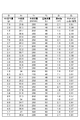
- FIG. It is the figure which showed the clinical information in Example 11.
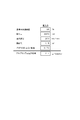
- FIG. It is a figure which shows the display screen of the dialyzer monitor in Example 13.
- FIG. It is a figure which shows the albumin leakage amount in the comparative example 1 and Example 1.
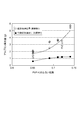
- FIG. It is a graph which shows the albumin leakage amount shown in FIG.
- FIG. 2 shows the amount of albumin leakage in the comparative example 2 and Example 1.
- the present invention is a method performed before purifying blood using a blood purifier, as described in [1] below.
- the second parameter is selected from the group consisting of at least two or more combinations, and the second parameter is blood flow rate,
- the amount of the replacement fluid, the amount of the replacement fluid, and a combination of at least two or more thereof, and the third parameter is the membrane area of the blood purifier, the water filtration amount of the blood purifier, the sieving coefficient, the mass transfer coefficient , Clearance of vitamin B12 / ⁇ 2 microglobulin / myoglobin / prolactin / ⁇ 1 microglobulin, water filtration amount of the hollow fiber membrane incorporated in the blood purifier, sieve coefficient, mass transfer coefficient, and combinations of at least two of these
- the present invention is a method performed before purifying blood using a blood purifier, as described in [2] below.
- a blood purifier As described in [2] below.
- this is an evaluation method for calculating blood purification conditions and / or properties of the blood purifier for obtaining a target albumin leakage amount.
- the regression equation that can calculate an albumin leakage amount based on, the target albumin leakage amount of the patient, the first parameter, and a portion of the second and / or third parameters, the regression Calculating other parts of the second and / or third parameters by substituting into an equation, wherein the first parameter is Fluid hematocrit (Ht) pretreatment value, plasma total protein (TP), blood albumin concentration, blood viscosity, and a combination of at least two or more thereof, wherein the second parameter is blood flow rate, Selected from the group consisting of dialysate flow rate, water removal rate, water removal amount, transmembrane pressure difference (TMP), filtration rate, filtrate amount, replacement fluid rate, replacement fluid amount, replacement fluid amount, and combinations of at least two or more thereof,
- Ht Fluid hematocrit
- TP plasma total protein
- TMP transmembrane pressure difference
- blood purifiers that purify blood refer to hemodialysis (HD) devices, blood filtration dialysis (HDF) devices, and blood filtration (HF) devices.
- HD hemodialysis
- HDF blood filtration dialysis
- HF blood filtration
- V-type products with a ⁇ 2 microglobulin clearance of 70 [ml / min] or more according to the dialyzer function classification are targeted, where albumin leakage is a problem.
- the clearance of ⁇ 2 microglobulin ( ⁇ 2MG) in the dialyzer function classification is a clearance value obtained based on the “Dializer Function Classification Implementation Manual” edited by the Japan Medical Equipment Manufacturers Association.
- Albumin leakage is the amount of albumin removed from the blood of the patient and the patient to be treated during blood purification therapy, and is usually the total amount of albumin excreted in the dialysate or filtrate.
- Collect all dialysate waste liquid or filtrate during blood purification therapy measure the concentration and volume of albumin in the collected dialysate waste liquid or filtrate, and calculate the total amount of albumin in the dialysate waste liquid or filtrate The amount of albumin leakage can be determined.
- Albumin concentration can be determined by, for example, immunoturbidimetry.
- Statistical method refers to multivariate analysis. In the multivariate analysis in the present invention, it is desirable to use multiple regression analysis.
- the first parameter relating to the blood property of the employee is selected from the group consisting of blood hematocrit (Ht) pretreatment value, plasma total protein (TP), blood albumin concentration, blood viscosity, and combinations of at least two or more thereof.
- Ht blood hematocrit
- TP plasma total protein
- TP blood albumin concentration
- blood viscosity blood viscosity
- the second parameter related to blood purification conditions is blood flow rate, dialysate flow rate, water removal rate, water removal amount, transmembrane pressure difference (TMP), filtration rate, filtrate amount, replacement fluid rate, replacement fluid amount, replacement fluid amount, and these It is selected from the group consisting of at least two or more combinations.
- TMP transmembrane pressure difference
- filtration rate and the replacement fluid rate have the same value
- the filtrate amount, the replacement fluid amount, and the replacement fluid amount have the same value.
- the third parameters related to the properties of the blood purifier are the membrane area of the blood purifier, the amount of water filtered through the blood purifier, the sieving coefficient, the mass transfer coefficient, and the clearance of vitamin B12 / ⁇ 2 microglobulin / myoglobin / prolactin / ⁇ 1 microglobulin.
- the water filtration amount of the hollow fiber membrane incorporated in the blood purifier, the sieving coefficient, the mass transfer coefficient, and a combination of at least two or more thereof are selected.
- the membrane area of the blood purifier means the membrane area of the hollow fiber membrane bundle loaded in the blood purifier.
- the amount of water filtration of the blood purifier and the amount of water filtration of the hollow fiber membrane incorporated in the blood purifier are the unit membrane area, unit pressure, and unit time when water is filtered while applying pressure to the hollow interior. It is the amount of filtration of water.
- the sieving coefficient of the blood purifier and the sieving coefficient of the hollow fiber membrane incorporated in the blood purifier are indicators of the permeation performance of the hollow fiber membranes constituting the hollow fiber membrane bundle, and pressurize a solution containing a solute.
- the ratio of the solute concentration in the filtrate that permeated through the hollow fiber membrane to the solute concentration in the original solution that was circulated inside the hollow fiber membrane while being circulated (solute concentration in the filtrate / solute concentration in the original solution) ).
- the clearance (CL) of the blood purifier is a flow rate corresponding to how much blood flow into the blood purifier is completely purified (for example, urea is completely removed).
- a solution containing a solute in the blood channel is circulated in one pass, a dialysate is circulated in the dialysate channel in one pass, the blood flow rate at the blood purifier inlet is Q Bi [ml / min], and the blood at the blood purifier outlet is
- the flow rate is Q Bo [ml / min]
- the solute concentration at the inlet of the blood purifier is C Bi
- the solute concentration at the outlet of the blood purifier is C Bo
- the values are expressed by the following equation (3). .
- the sieving coefficient should be the sieving coefficient measured with water-soluble polymers such as dextran, polyvinylpyrrolidone (PVP), polyethylene glycol (PEG), polyethylene oxide (PEO), or aqueous solutions of proteins such as bovine albumin. Can do.
- water-soluble polymers such as dextran, polyvinylpyrrolidone (PVP), polyethylene glycol (PEG), polyethylene oxide (PEO), or aqueous solutions of proteins such as bovine albumin. Can do.
- it can be a sieving coefficient measured using a bovine plasma solution in which a protein such as ⁇ 2MG, prolactin, ⁇ 1 microglobulin ( ⁇ 1MG) or myoglobin is dissolved, or albumin in bovine plasma.
- a protein such as ⁇ 2MG, prolactin, ⁇ 1 microglobulin ( ⁇ 1MG) or myoglobin is dissolved, or albumin in bovine plasma.
- the solute When measuring the sieving coefficient in an aqueous solution system, the solute is dissolved to a concentration of about 0.2 to 3% using a saline solution, phosphate buffer (pH 7.0 to 7.5) or the like as a solvent to be dissolved. Then, while applying a transmembrane pressure difference (TMP) of 50 to 200 [mmHg], a solution containing a solute is passed through the hollow fiber membrane, and the solute is filtered to measure a sieving coefficient.
- TMP transmembrane pressure difference
- the time for measuring the sieve coefficient is preferably 30 to 60 minutes after starting to filter the solute, and it is desirable to use the value measured under the same conditions as much as possible.
- a protein dissolved in bovine plasma to a concentration of 0.5 to 5 [mg / L] is used as the solution.
- bovine albumin present in bovine plasma can be used.
- the total protein content of bovine plasma is adjusted to 6.5 ⁇ 0.5 [g / dl].
- TMP transmembrane pressure difference
- the time for measuring the sieve coefficient is preferably about 60 minutes from the start of filtration, and it is desirable to use a value measured under the same conditions as much as possible.
- the sieve coefficient used here may be a value that can compare the permeability of the membrane, and the value is preferably in the range of 0.005 to 0.9. In other cases, it is difficult to compare the permeability of the membrane.
- a water-soluble polymer such as dextran, PVP, PEG, or PEO
- the molecular weight is appropriately selected so that the sieving coefficient is in the range of 0.005 to 0.9.
- dextran having a molecular weight of about 50,000 to 500,000 and PVP having a molecular weight of about K30 or K60 may be used.
- the clearance can be the clearance of vitamin B12, ⁇ 2MG, prolactin, ⁇ 1MG or myoglobin when the solution flowing through the blood channel is an aqueous solution.
- the clearance can be ⁇ 2MG, prolactin, ⁇ 1MG, or myoglobin.
- the clearance value is preferably between 0.1 ⁇ Q Bi and 0.95 ⁇ Q Bi [ml / min] where the blood flow rate at the blood purifier inlet is Q Bi [ml / min]. In other cases, it is difficult to compare the permeability of the membrane.
- the membrane area [m 2 ] of the blood purifier is the area where the blood contacts, and the following calculation formula (using the inner diameter [ ⁇ m] of the hollow fiber membrane bundle, the number of filaments, and the effective length [cm]) ( 4).
- Membrane area [m 2 ] (inner diameter) ⁇ 3.14 ⁇ (number of filaments) ⁇ (effective length) / 10 8 (4) Alternatively, the membrane area listed in the catalog may be used.
- the clinical information to be collected depends on the form of the regression equation, but when creating a regression equation of the p-order equation, the number of clinical information to be collected is preferably at least (number of parameters) ⁇ p ⁇ 1 or more, ( More preferably, the number of parameters ⁇ p ⁇ 1) ⁇ 10 or more.
- the patient blood Ht pretreatment value and plasma volume, the patient dry weight and patient blood volume, the fluid replacement rate and the replacement fluid volume, and the like are related to each other so that if one value is determined, the other value is determined. Since it is a value, it is necessary for each parameter to be an independent variable in order to correctly reflect the influence of each parameter on the leakage amount of albumin in the regression equation.
- the collected clinical information is organized into a first parameter relating to the blood properties of the subject, a second parameter relating to the blood purification conditions, a third parameter relating to the properties of the blood purifier, and the amount of albumin leakage in blood purification.
- the parameters relating to the performance such as the amount of water filtration, the sieving coefficient, the clearance, etc. take different values for each type of membrane material, and the performance of the different membrane materials. Since it is difficult to compare the heights of the film materials, it is desirable to arrange them for each film material.
- a polysulfone (PS) membrane and a polymethyl methacrylate (PMMA) membrane have different amounts of protein adsorbed on the membrane, and even though the PMMA membrane appears to have a smaller sieve coefficient, the PMMA membrane actually moves to the membrane surface. Since the amount of protein adsorbed is larger and more protein than the apparent sieving coefficient is removed, it is difficult to compare the properties of the membrane with only the value of the sieving coefficient.
- PS polysulfone
- PMMA polymethyl methacrylate
- albumin leakage since albumin has a high molecular weight of 66,000, it is considered that it is more affected by filtration than diffusion when moving from the blood through the dialysis membrane (hollow fiber membrane) to the dialysate side. . That is, it is considered that albumin becomes easier to pass through the dialysis membrane as the transmembrane pressure difference (TMP) increases.
- TMP transmembrane pressure difference
- the amount of albumin leakage increases under the condition that TMP increases.
- the amount of albumin leakage increases under conditions where blood hematocrit (Ht) pretreatment value, plasma total protein (TP), and blood viscosity are high, and blood purification conditions
- Ht blood hematocrit
- TP plasma total protein
- albumin leakage occurs under conditions where the blood flow rate, the water removal amount, and the water removal rate are high in the HDF treatment, the fluid replacement rate (filtration rate) in the HF treatment, or the replacement fluid amount (fluid fluid amount, filtrate amount). The amount is thought to increase.
- the amount of albumin leakage increases under the condition that the performance values such as the water filtration amount, the sieving coefficient, and the clearance of the blood purifier increase.
- the second parameter is “water removal amount”
- the third parameter is “membrane area of blood purifier” and “sieving coefficient of blood purifier or hollow fiber membrane”. The amount of leakage can be calculated with high accuracy.
- the first parameter is the “blood Ht pretreatment value” of the employee
- the second parameter is “blood flow rate” and “water removal amount”
- the third parameter is “blood purifier membrane area” and “blood purifier”.
- the albumin leakage amount can be calculated with higher accuracy by using the “sieving coefficient of the hollow fiber membrane”.
- the second parameter is “replacement fluid rate (filtration rate)” or “replacement fluid amount (replacement fluid amount, filtrate amount)”
- the third parameter is “blood purifier By setting “membrane area” and “sieving coefficient of blood purifier or hollow fiber membrane”, the amount of albumin leakage can be calculated with high accuracy.
- the first parameter is the “blood Ht pretreatment value” of the user
- the second parameter is “blood flow rate”, and “replacement fluid rate (filtration rate)” or “replacement fluid amount (replacement fluid amount, filtrate amount)”
- the third parameter is “the membrane area of the blood purifier” and “the sieving coefficient of the hollow fiber membrane bundle in the blood purifier”, the amount of albumin leakage can be calculated with higher accuracy.
- the membrane area of the blood purifier tends to decrease the pressure on the blood side as the membrane area increases, but on the other hand, clogging due to proteins on the dialysis membrane surface tends to be reduced.
- the influence of the membrane area of the blood purifier on albumin leakage is not clear, it is thought to be related to the balance between clogging of the membrane by the protein and the force to push out the protein by applying pressure.
- a regression equation derived using a statistical method can be expressed as equation (1).
- Formula (1) is a formula for calculating albumin leakage (Q).
- b, c, and d are integers
- X 1 to X b are parameters relating to the blood properties of the subject
- Y 1 to Y c are parameters relating to blood purification conditions
- Z 1 to Z d Are parameters relating to the properties of the blood purifier
- a 0 , B 1 to B b , C 1 to C c , and D 1 to D d are coefficients derived by a statistical method.
- the regression equation can be expressed as equation (2).
- Expression (2) is an expression for calculating the albumin leakage amount (Q).
- b, c, and d are integers
- X 1 to X b are parameters relating to the blood properties of the subject
- Y 1 to Y c are parameters relating to blood purification conditions
- Z 1 to Z d Are parameters relating to the properties of the blood purifier, and are A 0 , B 11 to B b1 , B 12 to B b2 , C 11 to C c1 , C 12 to C c2 , D 11 to D d1 , D 12 to D d2 Is a coefficient derived by a statistical method.
- the regression equation can be obtained by the following method (least square method).
- the coefficient and constant can be obtained as follows. It is.
- b, c and d are integers
- X1 to Xb are parameters relating to blood characteristics of the user
- Y 1 to Y c are parameters relating to blood purification conditions
- Z 1 to Z d are It is a parameter relating to the properties of the blood purifier
- a 0 , B 1 to B b , C 1 to C c , and D 1 to D d are coefficients derived by a statistical method.
- X 1 to X b are parameters relating to the blood properties of the patient
- Y 1 to Y c are parameters relating to the treatment conditions
- Z 1 to Z d are parameters relating to the properties of the blood purifier
- a 0 , B 1 to B b , C 1 to C c , and D 1 to D d are coefficients derived by a statistical method.
- albumin leakage Q For n dialysis patients, albumin leakage Q, b parameters for patient blood properties (X 1 -X b ), c parameters for treatment conditions (Y 1 -Y c ), parameters for blood purifier properties Collect d pieces (Z 1 to Z d ) of clinical information and organize them as shown in FIG.
- FIG. 1 clinical information of a single patient is input in the horizontal direction, and the clinical information for n persons is arranged in the vertical direction.
- Q i ⁇ A 0 + (B 1 ⁇ X 1i + B 2 ⁇ X 2i +... + B b ⁇ X bi ) + (C 1 ⁇ Y 1i + C 2 ⁇ Y 2i + ... + C c ⁇ Y ci ) + (D 1 ⁇ Z 1i + D 2 ⁇ Z 2i +... + D d ⁇ Z di ) (6) It is expressed.
- the least square method is a method for obtaining coefficients (B 1 to B b , C 1 to C c , and D 1 to D d ) that minimize S E.
- S E is partially differentiated to 0 by A 0 , B 1 to B b , C 1 to C c , and D 1 to D d , and the following simultaneous equations are created.
- a 0 to the equation of the above-mentioned [2] it represents a system of equations sum of squared deviations S as follows.
- P and R are any of X, Y, and Z
- t is a numerical value of 1 to b, 1 to c, and 1 to d.
- the simultaneous equations are expressed as follows.
- the matrix is used to solve the simultaneous equations of [3] above, and the simultaneous equations of [3] are expressed as follows.
- the coefficients (B 1 to B b , C 1 to C c , D 1 to D d ) are obtained by multiplying both sides of the above [4] by an inverse matrix.
- a constant A 0 is obtained as follows.
- the coefficient and constant of the regression equation (1) can be obtained.
- the coefficient and constant can be obtained as follows. Is possible.
- b, c, and d are integers
- X 1 to X b are parameters relating to the blood properties of the subject
- Y 1 to Y c are parameters relating to blood purification conditions
- Z 1 to Z d Are parameters relating to the properties of the blood purifier, and are A 0 , B 11 to B b1 , B 12 to B b2 , C 11 to C c1 , C 12 to C c2 , D 11 to D d1 , D 12 to D d2 Is a coefficient derived by a statistical method.
- X 1 to X b are parameters relating to the blood properties of the patient
- Y 1 to Y c are parameters relating to the treatment conditions
- Z 1 to Z d are parameters relating to the properties of the blood purifier
- a 0 , B 11 to B b1 , B 12 to B b2 , C 11 to C c1 , C 12 to C c2 , D 11 to D d1 , and D 12 to D d2 are coefficients derived by a statistical method. .
- albumin leakage Q For n dialysis patients, albumin leakage Q, b parameters for patient blood properties (X 1 -X b ), c parameters for treatment conditions (Y 1 -Y c ), parameters for blood purifier properties Collect d pieces of clinical information (Z 1 to Z d ) and arrange them as shown in FIG. In FIG. 2, clinical information of a single patient is input in the horizontal direction, and the clinical information for n persons is arranged in the vertical direction.
- a constant A 0 is obtained based on the obtained coefficient.
- either the form of a regression equation using those of second or higher or using those of the primary can be determined by the following correlation coefficient R 2.
- the correlation coefficient R 2 is expressed as follows.
- R 2 1 ⁇ (S E / S QQ ) (9)
- the correlation coefficient R2 of the derived regression equation is preferably 0.7 or more, more preferably 0.8 or more, and further preferably 0.9 or more.
- a correlation coefficient R 2 is less than 0.7, the deviation between the actual measurement value and the predictive value of the leakage of albumin is increased, it is not satisfied the purpose of calculating the blood before purifying albumin leakage amount of the blood purifier .
- albumin of the blood purifier used by the patient before blood purification It is possible to calculate the amount of leakage.
- the target albumin leakage amount, the first parameter, and a part of the second and / or third parameters of the patient to be treated are substituted into the regression equation, whereby the second albumin amount that becomes the target albumin leakage amount. And / or other portions of the third parameter can be calculated.
- Calculation of the amount of leakage of albumin of the patient to be treated using the evaluation method of the present invention or the other part of the second and / or third parameters that becomes the target amount of leakage of albumin is performed manually or using a computer or the like. However, it is also possible to output a calculation result using an apparatus provided with a program in which the evaluation method of the present invention is introduced.
- a program for causing the computer to execute the above-described evaluation method and calculating the other part of the second and / or third parameter that becomes the albumin leakage amount or the target albumin leakage amount is stored in the apparatus, and It is also possible to calculate the other part of the second and / or third parameter which is executed by the computer and becomes the albumin leakage amount or the target albumin leakage amount. In this case, it is preferable that regression information that can calculate the other part of the second and / or third parameter that becomes the albumin leakage amount or the target albumin leakage amount is incorporated in the program in advance.
- the program is stored in the apparatus, and in the apparatus, the amount of albumin leakage of the patient to be treated using the evaluation method of the present invention or the target albumin You may make it calculate the other part of the 2nd and / or 3rd parameter used as leakage amount.
- information to be output in addition to the calculation result of the other part of the second and / or third parameter that is the albumin leakage amount or the target albumin leakage amount, input information to the regression equation (blood of the patient to be treated) Information on properties, information on treatment conditions, information on properties of blood purifiers), and the like.
- it may be a part of the calculation result and the input information of the other part of the second and / or third parameter that becomes the albumin leakage amount or the target albumin leakage amount.
- the albumin leakage amount or the target albumin leakage amount The calculation result of the other part of the second and / or third parameter and the input information may be all, the albumin leakage amount, or the second and / or third parameter of the target albumin leakage amount.
- the relationship (for example, a graph etc.) between the calculation result of other parts and a part or all of input information may be sufficient.
- the output mode for example, there are image display, audio output, medium output, and the like.
- the image display is a mode in which the calculated albumin leakage amount is displayed as an image on a device screen (output device) such as a dialysis machine monitor or a personal computer screen.
- the voice output is a mode in which, for example, the calculated calculated albumin leakage amount is output from a speaker (output device) mounted on these devices.
- the medium output is a mode in which, for example, the calculated albumin leakage amount is printed on a medium such as paper from these apparatuses or printers (output apparatus).
- the packaged product according to the present embodiment includes the blood purifier described above and a package insert indicating regression information derived by the evaluation method [1] and the evaluation method [2] described above.
- the items described in the package insert are not particularly limited.
- an albumin leakage calculated value (predicted value)
- a first parameter related to the blood property of the treatment target patient a second parameter related to the treatment condition of the treatment target patient
- a third parameter related to the property of the blood purifier The correspondence may be listed.
- the first parameter relating to the blood property of the user, the second parameter relating to the treatment condition, the blood purifier Blood to be used before purifying the blood of a patient to be treated using a blood purifier by deriving a regression equation for calculating the amount of albumin leakage based on the third parameter relating to properties and the amount of albumin leakage in blood purification
- the amount of albumin leakage from the purifier can be calculated.
- the blood purification conditions or the blood purification device can be changed so that the amount of albumin leakage falls within the target range.
- the regression equation information derived by the evaluation method [1] and the evaluation method [2] described above is displayed on the package insert of the blood purifier, It can be easily determined when the blood purifier should be used.
- blood Ht pretreatment value is adopted as the first parameter relating to the blood property of the employee
- water removal amount and “blood flow rate” at the time of blood purification are adopted as the second parameter relating to the treatment condition.
- the “blood membrane membrane area” and the “sieving coefficient of the hollow fiber membrane” are employed, and a regression equation is derived using a statistical method.
- the “blood Ht pretreatment value” of the patient to be treated is patient-specific, and the “water removal amount” at the time of treatment is the weight gain range from the previous dialysis of the patient.
- the “pre-treatment value” and “water removal amount” are already determined before the start of treatment.
- the calculated value of albumin leakage is determined by “blood flow rate”, “membrane area of blood purifier”, and “sieving coefficient of hollow fiber membrane” when blood purification is performed.
- two factors of “blood flow” and “membrane area of the blood purifier” at the time of treatment are factors that influence the calculated value of the albumin leakage amount.
- a combination of two factors that will be the target amount of albumin leakage or a blood purifier can be selected, a combination of three factors including the “sieving coefficient of the hollow fiber membrane” is calculated using a regression equation, It can be output and displayed on the screen of a computer such as a centralized management system, personal computer or dialysis machine.
- information such as the sieving coefficient of the blood purifier and the membrane area system is input to computers such as a centralized management system, personal computer, and dialysis machine. It is desirable.
- the apparatus can be automatically set to the selected combination of blood purification conditions.
- Example 1 Twenty-four cases of clinical information during dialysis treatment were collected and summarized as shown in FIG.
- the membrane material of the blood purifier used was polysulfone.
- the PVP-K30 sieving coefficient is obtained by dissolving PVP-K30 in a 1/15 M phosphate buffer (pH 7.0) at 3% and making it hollow at a linear velocity of 1 [cm / s].
- the sieving coefficient when 20 minutes have elapsed when flowing through the inside of the yarn membrane and filtering while applying TMP200 [mmHg].
- the concentration of PVP-K30 was measured at an absorbance of 220 [nm].
- the regression equation for calculating the calculated amount of albumin leakage (Q) from the clinical information in FIG. 3 was derived as a linear equation.
- the correlation coefficient R2 at this time was 0.91.
- the correlation coefficient R 2 at this time was 0.95.
- the correlation coefficient R 2 was 0.96.
- the calculated amount of albumin leakage in dialysis treatment can be predicted well by using the parameters of the water removal amount and the sieving coefficient of the hollow fiber membrane in the regression equation. It was considered that the correlation coefficient increased and the prediction of albumin leakage became more accurate. Furthermore, the correlation coefficient was increased by adding the patient blood Ht pretreatment value and blood flow rate as parameters.
- FIG. 4 shows the first parameter based on the blood property of the patient, the second parameter related to the treatment condition, the third parameter based on the property of the blood purifier, the calculated value and the actual measurement value of the albumin leakage amount.
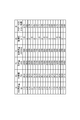
- Example 2 Using the same clinical information as in Example 1, a regression equation for calculating the albumin leakage amount (Q) was created using a quadratic equation, and the clinical information was summarized as shown in FIG.
- the regression equation for calculating the albumin leakage calculated value (Q) from the clinical information of FIG. 5 was created as a quadratic equation.
- the created regression equation (13) is shown below.
- the quadratic regression equation has a higher correlation value, and the quadratic regression equation can predict the amount of albumin leakage in dialysis treatment better. it was thought.
- the calculated amount of albumin leakage of the patient of Example 1 is 3.5 [g] in the primary expression, but 3.6 [g] in the secondary expression, and the actual albumin leakage is well predicted. It was done.
- Example 3 Using the same clinical information as in Example 1, a regression equation excluding the membrane area parameter was created.
- the created regression equation (14) is shown below.
- Example 4 21 cases of clinical information during dialysis treatment were collected and summarized as shown in FIG.
- the membrane material of the blood purifier used was polysulfone.
- bovine albumin (aqueous solution) sieving coefficient is obtained by dissolving bovine albumin dissolved in 50 mM phosphate buffer (pH 7.4) to 1% at a linear velocity of 1 [cm / s]. It is a sieving coefficient when 60 minutes have elapsed when it is allowed to flow through the thread membrane and filtered while applying TMP50 [mmHg].
- Example 5 Using the same clinical information as in Example 4, a regression equation was prepared when the sieve coefficient of the hollow fiber membrane was measured with bovine plasma prolactin.
- the prolactin (bovine plasma system) sieving coefficient is obtained by dissolving prolactin in bovine plasma (TP 6.0 g / dl) to 1 [mg / L] at a linear velocity of 1 [cm / s]. It is a sieving coefficient after 60 minutes when flowing through the hollow fiber membrane and filtering while applying TMP25 [mmHg].
- the created regression equation (16) is shown below.
- Example 6 Using the same clinical information as in Example 4, a regression equation was created when the sieve coefficient of the hollow fiber membrane was measured with bovine plasma-based bovine albumin.
- bovine albumin bovine plasma system sieving coefficient means that bovine plasma (TP 6.0 g / dl) flows through the hollow fiber membrane at a linear velocity of 1 [cm / s] and is filtered while applying TMP 25 [mmHg]. It is a sieving coefficient of bovine albumin in bovine plasma at the time of exposure.
- the created regression equation (17) is shown below.
- Example 7 Thirty cases of clinical information at the time of predilution diafiltration treatment were collected and summarized as shown in FIG.
- the membrane material of the blood purifier used was a polysulfone membrane.
- the regression equation for calculating the calculated amount of leakage of albumin (Q) from the clinical information in FIG. 7 was derived as a linear equation.
- the correlation coefficient R 2 at this time was 0.86.
- Example 8 Seventeen cases of clinical information at the time of dialysis treatment were collected and summarized as shown in FIG.
- the membrane material of the blood purifier used was a regenerated cellulose membrane.
- the sieve coefficient of PVP-K30 was determined in the same manner as in Example 1.
- a regression equation for calculating the calculated amount of leakage of albumin (Q) from the clinical information in FIG. 8 was created as a linear equation.
- the created regression equation (19) is shown below.
- Fig. 9 shows the display screen of the dialysis machine monitor.
- Example 9 Using the calculated albumin leakage calculated in Example 8, the input value and the calculated albumin leakage were displayed on the dialyzer monitor.
- FIG. 10 shows a display screen of the dialyzer monitor.
- Example 10 Using the calculated albumin leakage calculated in Example 8, the dialysis machine monitor displays the patient hematocrit pretreatment value, the water removal amount and the PVP-K30 sieving coefficient, and the blood flow rate, membrane area, and calculated albumin leakage amount. A graph showing the relationship between and was displayed.
- FIG. 11 shows a display screen of the dialyzer monitor.
- a blood purifier having a membrane area of 2.1 [m 2 ] was planned to be used in dialysis treatment with a QB (blood flow rate) of 200 [ml / min].
- QB blood flow rate
- the blood purifier was changed to a blood purifier having a membrane area of 1.5 [m 2 ] so that the albumin leakage amount was 2.5 [g] or less.
- Example 11 Fifteen cases of data on dialysis treatment were collected and summarized as shown in FIG.
- the membrane material of the blood purifier used was polysulfone.
- the bovine albumin (aqueous solution) sieving coefficient was determined in the same manner as in Example 4.
- the calculated calculated amount of leaked albumin was output on the screen of a personal computer, it was found that the calculated amount of leaked albumin was larger than the estimated amount of leaked albumin 3.0 [g]. Therefore, in order to suppress the amount of albumin leakage, the blood flow rate was changed to 200 [ml / min] and the membrane area of the blood purifier was changed to 1.5 [m 2 ] with reference to the calculated albumin leakage amount. Thus, the calculated amount of albumin leakage under these conditions was calculated and output. As a result, the calculated amount of albumin leakage was 2.3 [g], which was smaller than the estimated amount of albumin leakage. Therefore, dialysis was performed under the changed conditions.
- Example 12 On a centralized management system having a program capable of performing statistical processing, a regression equation (19) for calculating the albumin leakage amount from the clinical information of Example 8 was derived. The amount of albumin leakage during actual dialysis of the patient of Example 8 was 2.8 [g].
- Regression equation (21) for calculating the albumin leakage amount is derived from the clinical information of 18 cases obtained by adding the clinical information of the patient of Example 8 to the clinical information of Example 8, and the regression for calculating the calculated albumin leakage amount of the next patient is derived.
- Formula Formula.
- Example 13 Using the clinical information of Example 1, a regression equation (12) was obtained, and this regression equation was introduced into the dialyzer.
- the target albumin leakage is 2.5 to 3.0 [g]
- the blood flow rate, the membrane area of the blood purifier, the hollow fiber The combination of the PVP-K30 sieving coefficient of the membrane was displayed on the dialyzer along with the calculated albumin leakage (FIG. 13).
- the performance of the blood purifier to be used one having a PVP-K30 sieving coefficient of 0.65 or 0.70 was selected.
- condition 4 was selected and dialysis was performed.
- condition 4 was selected and the dialyzer conditions were set.
- Bovine albumin leakage was measured in a bovine plasma system using a blood purifier with a PVP-K30 sieving coefficient of 0.65-0.74 for the hollow fiber membrane (membrane material: polysulfone) incorporated in the blood purifier. . That is, bovine plasma 2 [L] adjusted to have a total protein concentration of 6.5 ⁇ 0.5 [g / dl] was obtained at 37 [° C.] at a flow rate of 200 [ml / min] inside the hollow fiber membrane (blood The dialysate 5 [L] was simultaneously circulated for 240 minutes at a flow rate of 500 [ml / min] outside the hollow fiber membrane (dialyte side). The amount of bovine albumin in the dialysate after circulation was measured by immunoturbidimetry, and the amount of bovine albumin leakage was calculated. The results are summarized in FIG.
- Bovine albumin leakage was measured in a bovine blood system using a blood purifier with a PVP-K30 sieve coefficient of 0.64 to 0.74 for the hollow fiber membrane (membrane material: polysulfone) built in the blood purifier. . That is, bovine blood 2 [L] adjusted to a bovine blood Ht value 35 ⁇ 2% total protein concentration of 6.5 ⁇ 0.5 [g / dl] at 37 ° C. and a flow rate of 200 [ml / min]. The solution was circulated inside the hollow fiber membrane (blood side), filtered at a filtration rate of 10 [ml / min / m 2 ], and the filtrate was stored.
- the amount of bovine blood albumin leakage due to the increase in the PVP-K30 sieving coefficient suddenly increases when the PVP-K30 sieving coefficient exceeds 0.7, and then the amount of leakage becomes moderate.
- the amount of clinical albumin leakage the amount of albumin leakage accompanying the increase in the PVP-K30 sieving coefficient was moderate compared to the bovine blood system. From this, the amount of bovine blood albumin leakage was not a result that could predict the amount of clinical albumin leakage.
Landscapes
- Chemical & Material Sciences (AREA)
- Chemical Kinetics & Catalysis (AREA)
- External Artificial Organs (AREA)
Description
本発明は、血液浄化器を用いて血液を浄化する前に、当該血液浄化器のアルブミン漏出量を評価する血液浄化器のアルブミン漏出量の評価方法、プログラム、装置及び梱包品、あるいは血液浄化器を用いて血液を浄化する前に、目標アルブミン漏出量を得るための血液浄化条件及び/又は血液浄化器の性状を算出する評価方法、プログラム、装置及び梱包品に関する。
慢性腎不全疾患や糖尿病の合併症等により、透析治療を余儀なくされる患者が年々増加している。一方、透析技術や水質管理、血液浄化器の性能向上により、患者の透析治療期間は長期化している。透析治療期間が長期化することにより、関節痛や関節の腫れ、関節運動抑制、皮膚の掻痒感等、患者の体に様々な症状が出てくることは、透析業界ではよく知られており、透析患者の生活の質(Quality Of Life:QOL)を低下させている。
この症状を緩和させるため、また、発症を遅らせるため、高透過性能の血液浄化器を使用して、分子量20000~30000程度の低分子量蛋白質を積極的に除去する透析治療が効果的であるとして、高透過性能の血液浄化器を使用する血液浄化療法が広がりつつある。さらに近年、尿毒素がアルブミンに結合したアルブミン結合尿毒素を除去することがより効果的であるとして、アルブミン領域の蛋白質をある程度除去した方が良いとする血液浄化治療も見られる。
高透過性能の血液浄化器による血液浄化療法は、透析患者の先に述べたような症状を緩和する一方、血液浄化器の透過性能が高いため、体に有用なアルブミンが治療中に体外に漏出しすぎる危険性を伴っている。アルブミンは、血中蛋白質の約50~65%を占めており、体液の浸透圧の調整や、様々な物質を体の隅々に運搬するキャリアーとしての重要な役割を持っており、漏出しすぎるのを避けたい蛋白質である。
その為、従来、高透過性能でありながらアルブミン漏出量を抑えた血液浄化器の開発が行われ、その性能を評価するために様々な評価方法が行われてきた。例えば、特許文献1では、牛血漿系で測定したβ2ミクログロブリン(β2MG)の総括物質移動係数が高く、かつアルブミンのふるい係数(SC)が低い分画性能に優れたセルロース系選択透過性中空糸膜の発明が提示されている。特許文献2では、分子量2万程度の物質の除去性に優れ、かつ有用蛋白質であるアルブミンの漏出を極力抑制した血液浄化用中空糸膜についての発明が提示されている。
また、特許文献3では、牛血漿系で測定したβ2MG―SCとアルブミンSCの比が一定の範囲に入るβ2MGの除去効率に優れ、かつ有用蛋白質であるアルブミン漏出の少ない血液透析器についての発明が提示されている。特許文献4でも、血液適合性に優れ、分離特性が高く、且つアルブミン漏出量の少ない血液透析器についての発明が提示されている。
腎と透析(別冊2004)「旭メディカル社製高充填率型APSダイアライザーの性能評価」
しかし、特許文献1及び2では、アルブミンSCやアルブミン漏出量の評価方法が、固形成分である血球の存在しない牛血漿系で行われており、実際の臨床状態を再現できていない。
また、特許文献3では、牛血漿系より臨床条件に近いと思われる牛血液系での性能評価を行っているが、透析液を流していない濾過のみを行った場合の濾液中の蛋白濃度について評価しているに過ぎない。また、牛アルブミンSCについては水溶液系で測定した値である。
特許文献4でも、牛血液系での性能評価を行っているが、in vitroの実験系は血液濾過系であり、透析液の影響が排除されている。
特許文献5では、治療中の患者のあるパラメータの値を経時的にモニタリングし、パラメータの値の経時的な変化から、治療中あるいは治療後のパラメータの値を計算する方法が開示されているが、該方法では、治療開始前のパラメータの値から、治療後のパラメータの値を計算することはできない。
血液浄化は有用蛋白質であるアルブミンが漏出しないように設計されているため、多くの血液浄化器でのアルブミンの漏出量は極めて少ない。このアルブミン漏出量の少ない領域においては、従前の牛血漿系を中心とした実験系での評価は実際の血液浄化療法において漏出するアルブミン量を再現できている場合が多く、特に問題は生じない。
しかし、上述したアルブミン結合尿毒素を除去できる高透過性能の血液浄化器では、アルブミン漏出量が若干多くなり、この漏出量の領域においては、従前の牛血漿系を中心とした実験系での評価と実際の血液浄化療法において漏出するアルブミン量とに乖離が生じることがある。例えば、この高透過性能の血液浄化器において、従前の牛血漿系を中心とした実験系における評価でアルブミン漏出量が一定量以下になることが確認された血液浄化器と同一ロットの血液浄化器を用いて血液浄化療法を施行したときでも、治療時のアルブミン漏出量が上記実験系で評価した漏出量を上回ることがある。このような場合、事前に予測したよりも多くの有用アルブミンがアルブミン結合尿毒素とともに患者体内から排出されることとなり、治療上のリスク要因となり得る。
このように、高透過性能の血液浄化器において、従前の牛血漿系を中心とした実験系における評価は、血液浄化器同士の性能を比較する方法としては有効であるが、これから治療を受ける患者に対して血液浄化器が実際に漏出するアルブミン量を予測する方法としては必ずしも有効とは言えず、治療リスクが残ることになる。
非特許文献1では、臨床アルブミン漏出量はバラつきが大きく予測が難しいとされている。
本発明の目的は、このような高透過性能の血液浄化器において生じる臨床アルブミン漏出量の予測困難性を解消することにある。
本発明は、血液浄化器を用いて血液を浄化する前に行う方法であり、以下の通りである。
[1]
治療対象の患者の血液を中空糸膜束を用いて浄化する血液浄化器のアルブミン漏出量の評価方法であって、統計学的手法を用いて、少なくとも、被用者の血液性状に関する第1のパラメータ、血液浄化条件に関する第2のパラメータ、血液浄化器の性状に関する第3のパラメータ、および、血液浄化におけるアルブミン漏出量、に基づいてアルブミン漏出量を算出することができる回帰式を導くステップと、前記患者の第1のパラメータ、第2のパラメータ及び第3のパラメータを前記回帰式に代入することにより、前記患者が使用する血液浄化器のアルブミン漏出量を算出するステップと、を含み、前記第1のパラメータは、血液ヘマトクリット(Ht)治療前値、血漿総蛋白量(TP)、血中アルブミン濃度、血液粘度、及びこれらの少なくとも2以上の組み合わせからなる群から選択され、前記第2のパラメータは、血液流量、透析液流量、除水速度、除水量、膜間圧力差(TMP)、濾過速度、濾液量、補液速度、補液量、置換液量及びこれらの少なくとも2以上の組み合わせからなる群から選択され、前記第3のパラメータは、血液浄化器の膜面積、血液浄化器の水濾過量、ふるい係数、物質移動係数、ビタミンB12・β2ミクログロブリン・ミオグロビン・プロラクチン・α1ミクログロブリンのクリアランス、血液浄化器に内蔵されている中空糸膜の水濾過量、ふるい係数、物質移動係数、及びこれらの少なくとも2以上の組み合わせからなる群から選択される、評価方法。
治療対象の患者の血液を中空糸膜束を用いて浄化する血液浄化器のアルブミン漏出量の評価方法であって、統計学的手法を用いて、少なくとも、被用者の血液性状に関する第1のパラメータ、血液浄化条件に関する第2のパラメータ、血液浄化器の性状に関する第3のパラメータ、および、血液浄化におけるアルブミン漏出量、に基づいてアルブミン漏出量を算出することができる回帰式を導くステップと、前記患者の第1のパラメータ、第2のパラメータ及び第3のパラメータを前記回帰式に代入することにより、前記患者が使用する血液浄化器のアルブミン漏出量を算出するステップと、を含み、前記第1のパラメータは、血液ヘマトクリット(Ht)治療前値、血漿総蛋白量(TP)、血中アルブミン濃度、血液粘度、及びこれらの少なくとも2以上の組み合わせからなる群から選択され、前記第2のパラメータは、血液流量、透析液流量、除水速度、除水量、膜間圧力差(TMP)、濾過速度、濾液量、補液速度、補液量、置換液量及びこれらの少なくとも2以上の組み合わせからなる群から選択され、前記第3のパラメータは、血液浄化器の膜面積、血液浄化器の水濾過量、ふるい係数、物質移動係数、ビタミンB12・β2ミクログロブリン・ミオグロビン・プロラクチン・α1ミクログロブリンのクリアランス、血液浄化器に内蔵されている中空糸膜の水濾過量、ふるい係数、物質移動係数、及びこれらの少なくとも2以上の組み合わせからなる群から選択される、評価方法。
アルブミン漏出量を算出することができる回帰式を導くステップでは、先ず血液浄化療法の臨床情報を幅広く収集する。血液浄化療法とは、血液透析療法(HD)、血液濾過透析療法(HDF)、又は血液濾過療法(HF)などを意味するが、これらに限定されない。血液浄化療法の臨床情報は、過去の臨床データや、学会発表などのデータから収集することができる。
収集した臨床情報は、被用者の血液性状に関する第1のパラメータ、血液浄化条件に関する第2のパラメータ、血液浄化器の性状に関する第3のパラメータ、および血液浄化におけるアルブミン漏出量に整理する。ここでいう被用者とは、収集された臨床情報における血液浄化療法を施行された患者を意味する。
整理した臨床情報から、統計学的手法を用いて、アルブミン漏出量を算出することができる回帰式を導くが、本発明における統計学的手法とは、多変量解析を示す。多変量解析には重回帰分析・主成分分析・独立成分分析・因子分析などがあるが、本発明の多変量解析では重回帰分析を使用することが好ましい。
回帰式は、例えばMicrosoft(マイクロソフト社の登録商標) Excelの分析ツール、アドイン統計、MINITAB等の市販の統計ソフトを用いると、的確に回帰式を求めることができる。
この場合、前記回帰式を次の式(1)

[式中、b,c,dは、整数であり、X1~Xbは、被用者の血液性状に関するパラメータであり、Y1~Ycは、血液浄化条件に関するパラメータであり、Z1~Zdは、血液浄化器の性状に関するパラメータであり、A0、B1~Bb、C1~Cc、D1~Ddは、統計学的手法により導かれる係数である。]としてアルブミン漏出量(Q)を算出する回帰式を導くことが可能である。
また、前記回帰式を次の式(2)

[式中、b,c,dは、整数であり、X1~Xbは、被用者の血液性状に関するパラメータであり、Y1~Ycは、血液浄化条件に関するパラメータであり、Z1~Zdは、血液浄化器の性状に関するパラメータであり、A0、B11~Bb1、B12~Bb2、C11~Cc1、C12~Cc2、D11~Dd1、D12~Dd2は、統計学的手法により導かれる係数である。]としてアルブミン漏出量(Q)を算出する回帰式を導くことも可能である。
前記回帰式を導くステップでは、いったん回帰式を導いた後に、新たな臨床データを追加し、その都度、統計学的手法を用いて前記回帰式を修正していくステップを含んでもよい。
本発明に係る評価方法によれば、治療対象の患者の血液を中空糸膜束を用いた血液浄化器にて浄化する前に、該患者の血液性状に関する第1のパラメータ、血液浄化条件に関する第2のパラメータ、および血液浄化器の性状に関する第3のパラメータを、前記回帰式に代入することにより、該患者が使用する血液浄化器のアルブミン漏出量を算出することが可能である。
このことにより、高透過性能の血液浄化器を用いて血液を浄化する際に、治療対象の患者におけるアルブミン漏出量を事前に精度よく予測することが可能となる。
さらに、本発明は、[1]の評価方法をコンピュータに実行させてアルブミン漏出量を算出するプログラムを提供する。
前記プログラムには、前記アルブミン漏出量を算出することができる回帰式の情報が予め組み込まれていてもよい。
また、本発明は、前記プログラムを格納した装置であって、前記装置は、前記プログラムによって算出されたアルブミン漏出量を出力することができる、装置を提供する。
前記装置は、病院で使用される集中管理システム、透析装置、データ処理として使用されるパーソナルコンピューターが挙げられるが、これに限定されるものではない。
前記アルブミン漏出量の出力は、画像表示や音声、及びこれらの組み合わせによって行われるが、これらに限定されるものではない。画像表示や音声によってアルブミン漏出量を出力することで、血液浄化条件や使用する血液浄化器が適切であるか否かを、容易に判断することが可能である。なお、アルブミン漏出量の出力は、画像表示、音声出力、媒体出力などを行う出力装置により行うことができる。
本発明の評価方法を用いてアルブミン漏出量を算出するプログラムがインストールされた装置を用いて、治療対象の患者の血液性状に関する第1のパラメータ、血液浄化条件に関する第2のパラメータ、および血液浄化器の性状に関する第3のパラメータを入力することにより、アルブミン漏出量を算出することが可能である。
また、本発明は、血液浄化器を用いて血液を浄化する前に行う方法であり、以下のとおりである。
[2]
治療対象の患者の血液を中空糸膜束を用いた血液浄化器にて浄化するために、目標アルブミン漏出量を得るための血液浄化条件及び/又は血液浄化器の性状を算出する評価方法であって、統計学的手法を用いて、少なくとも、被用者の血液性状に関する第1のパラメータ、血液浄化条件に関する第2のパラメータ、血液浄化器の性状に関する第3のパラメータ、および、血液浄化におけるアルブミン漏出量、に基づいてアルブミン漏出量を算出することができる回帰式を導くステップと、前記患者の目標アルブミン漏出量、第1のパラメータ、及び第2及び/又は第3のパラメータの一部、を前記回帰式に代入することにより、前記第2及び/又は第3のパラメータのその他の部分を算出するステップと、を含み、前記第1のパラメータは、血液ヘマトクリット(Ht)治療前値、血漿総蛋白量(TP)、血中アルブミン濃度、血液粘度、及びこれらの少なくとも2以上の組み合わせからなる群から選択され、前記第2のパラメータは、血液流量、透析液流量、除水速度、除水量、膜間圧力差(TMP)、濾過速度、濾液量、補液速度、補液量、置換液量及びこれらの少なくとも2以上の組み合わせからなる群から選択され、前記第3のパラメータは、血液浄化器の膜面積、血液浄化器の水濾過量、ふるい係数、物質移動係数、ビタミンB12・β2ミクログロブリン・ミオグロビン・プロラクチン・α1ミクログロブリンのクリアランス、血液浄化器に内蔵されている中空糸膜の水濾過量、ふるい係数、物質移動係数、及びこれらの少なくとも2以上の組み合わせからなる群から選択される、評価方法。
治療対象の患者の血液を中空糸膜束を用いた血液浄化器にて浄化するために、目標アルブミン漏出量を得るための血液浄化条件及び/又は血液浄化器の性状を算出する評価方法であって、統計学的手法を用いて、少なくとも、被用者の血液性状に関する第1のパラメータ、血液浄化条件に関する第2のパラメータ、血液浄化器の性状に関する第3のパラメータ、および、血液浄化におけるアルブミン漏出量、に基づいてアルブミン漏出量を算出することができる回帰式を導くステップと、前記患者の目標アルブミン漏出量、第1のパラメータ、及び第2及び/又は第3のパラメータの一部、を前記回帰式に代入することにより、前記第2及び/又は第3のパラメータのその他の部分を算出するステップと、を含み、前記第1のパラメータは、血液ヘマトクリット(Ht)治療前値、血漿総蛋白量(TP)、血中アルブミン濃度、血液粘度、及びこれらの少なくとも2以上の組み合わせからなる群から選択され、前記第2のパラメータは、血液流量、透析液流量、除水速度、除水量、膜間圧力差(TMP)、濾過速度、濾液量、補液速度、補液量、置換液量及びこれらの少なくとも2以上の組み合わせからなる群から選択され、前記第3のパラメータは、血液浄化器の膜面積、血液浄化器の水濾過量、ふるい係数、物質移動係数、ビタミンB12・β2ミクログロブリン・ミオグロビン・プロラクチン・α1ミクログロブリンのクリアランス、血液浄化器に内蔵されている中空糸膜の水濾過量、ふるい係数、物質移動係数、及びこれらの少なくとも2以上の組み合わせからなる群から選択される、評価方法。
ここで、アルブミン漏出量を算出することができる回帰式を導くステップは、先に述べたように収集した臨床情報に基づき統計学的手法を用いて、アルブミン漏出量を算出することができる回帰式を導くステップである。
次に、治療対象の患者の血液を中空糸膜束を用いた血液浄化器にて浄化するために、該患者の目標アルブミン漏出量、第1のパラメータ、及び第2及び/又は第3のパラメータの一部、を前記回帰式に代入することにより、前記第2及び/又は第3のパラメータのその他の部分を算出することができる。
一実施態様として、前記回帰式は、「血液ヘマトクリット(Ht)治療前値」である第1のパラメータ、「除水量」及び「血液流量」である第2のパラメータ、「血液浄化器の膜面積」、及び「血液浄化器又は中空糸膜のふるい係数」である第3のパラメータ、及び血液浄化におけるアルブミン漏出量に基づいてアルブミン漏出量を算出することができる式である。この場合、治療対象の患者の目標アルブミン漏出量、第1のパラメータ、及び第2及び/又は第3のパラメータの一部、すなわち、「血液ヘマトクリット(Ht)治療前値」、「除水量」、及び「血液浄化器又は中空糸膜のふるい係数」を前記回帰式に代入することにより、前記第2及び/又は第3のパラメータのその他の部分、すなわち、「血液流量」及び「血液浄化器の膜面積」を算出することができる。
算出された第2及び/又は第3のパラメータは、前記目標値にアルブミン漏出量を抑えるための血液浄化条件や使用する血液浄化器の定量的な情報である。これらの情報に基づいて血液浄化条件や使用する血液浄化器を決定すれば、血液浄化療法を施行された患者が不意に多量のアルブミンを失うといった治療リスクを排除することができる。
この場合、前記回帰式を次の式(1)

[式中、b,c,dは、整数であり、X1~Xbは、被用者の血液性状に基づくパラメータであり、Y1~Ycは、血液浄化条件に関するパラメータであり、Z1~Zdは、血液浄化器の性状に基づくパラメータであり、A0、B1~Bb、C1~Cc、D1~Ddは、統計学的手法により導かれる係数である。]としてアルブミン漏出量(Q)を算出する回帰式を導くことが可能である。
また、前記回帰式を次の式(2)

[式中、b,c,dは、整数であり、X1~Xbは、被用者の血液性状に基づくパラメータであり、Y1~Ycは、血液浄化条件に関するパラメータであり、Z1~Zdは、血液浄化器の性状に基づくパラメータであり、A0、B11~Bb1、B12~Bb2、C11~Cc1、C12~Cc2、D11~Dd1、D12~Dd2は、統計学的手法により導かれる係数である。]としてアルブミン漏出量(Q)を算出する回帰式を導くことも可能である。
また、本発明は、[1]と同様、[2]の評価方法をコンピュータに実行させて第2及び/又は第3のパラメータのその他の部分を算出するプログラム、並びに該プログラムを格納した装置であって、該プログラムによって算出された第2及び/又は第3のパラメータのその他の部分のうち少なくとも1つ以上を出力することができる、装置を提供する。前記プログラムには、前記アルブミン漏出量を算出することができる回帰式の情報が予め組み込まれていてもよい。
前記装置は、病院で使用される集中管理システム、透析装置、データ処理として使用されるパーソナルコンピューターが挙げられるが、これに限定されるものではない。
血液浄化条件及び/又は血液浄化器の性状に関するパラメータの出力は、画像表示や音声、及びこれらの組み合わせによって行われるが、これらに限定されるものではない。画像表示や音声によって上述したパラメータを出力することで、血液浄化条件や使用する血液浄化器が適切であるか否かを、容易に判断することが可能である。
また、本発明は、血液浄化器と、[1]又は[2]の評価方法で導く回帰式の情報を示した添付文書と、を含む梱包品を提供する。
前記回帰式の情報は、回帰式及び前記回帰式を導くための基礎データの少なくとも一方を含んでいる。
本発明に係る梱包品によれば、前記添付文書に、[1]又は[2]の評価方法で導く回帰式の情報が表示されているため、この回帰式の情報に基づいて治療対象の患者が使用する血液浄化器のアルブミン漏出量を算出することができる。よって、算出されたアルブミン漏出量に基づいて前記患者に最適な血液浄化条件や使用する血液浄化器を選択することができる。また、目標アルブミン漏出量を前記回帰式の情報に代入すれば、前記目標値にアルブミン漏出量を抑えるための血液浄化条件や使用する血液浄化器の定量的な情報を得ることができる。
本発明によれば、治療対象の患者の血液を中空糸膜束を用いた血液浄化器にて浄化する前に、臨床アルブミン漏出量の予測値を算出したり、あるいは目標アルブミン漏出量を得るための血液浄化条件及び/又は血液浄化器の性状を算出したりすることができるため、特に、アルブミン結合尿毒素などを積極的に除去する高透過性能の血液浄化器を用いて血液を浄化する際、臨床アルブミン漏出量を目標値に制御するための最適な血液浄化条件や血液浄化器を実際の治療に入る前に知ることができ、血液浄化療法の施行後に不意に多量のアルブミンの漏出を招くといった治療上のリスクを極限まで防ぐことができる。
以下、本発明の具体的な実施形態について詳細に説明する。
上述した通り、本発明は、血液浄化器を用いて血液を浄化する前に行う方法であり、以下の[1]の通りである。
[1]
治療対象の患者の血液を中空糸膜束を用いて浄化する血液浄化器のアルブミン漏出量の評価方法であって、統計学的手法を用いて、少なくとも、被用者の血液性状に関する第1のパラメータ、血液浄化条件に関する第2のパラメータ、血液浄化器の性状に関する第3のパラメータ、および、血液浄化におけるアルブミン漏出量、に基づいてアルブミン漏出量を算出することができる回帰式を導くステップと、前記患者の第1のパラメータ、第2のパラメータ及び第3のパラメータを前記回帰式に代入することにより、前記患者が使用する血液浄化器のアルブミン漏出量を算出するステップと、を含み、前記第1のパラメータは、血液ヘマトクリット(Ht)治療前値、血漿総蛋白量(TP)、血中アルブミン濃度、血液粘度、及びこれらの少なくとも2以上の組み合わせからなる群から選択され、前記第2のパラメータは、血液流量、透析液流量、除水速度、除水量、膜間圧力差(TMP)、濾過速度、濾液量、補液速度、補液量、置換液量及びこれらの少なくとも2以上の組み合わせからなる群から選択され、前記第3のパラメータは、血液浄化器の膜面積、血液浄化器の水濾過量、ふるい係数、物質移動係数、ビタミンB12・β2ミクログロブリン・ミオグロビン・プロラクチン・α1ミクログロブリンのクリアランス、血液浄化器に内蔵されている中空糸膜の水濾過量、ふるい係数、物質移動係数、及びこれらの少なくとも2以上の組み合わせからなる群から選択される、評価方法である。
[1]
治療対象の患者の血液を中空糸膜束を用いて浄化する血液浄化器のアルブミン漏出量の評価方法であって、統計学的手法を用いて、少なくとも、被用者の血液性状に関する第1のパラメータ、血液浄化条件に関する第2のパラメータ、血液浄化器の性状に関する第3のパラメータ、および、血液浄化におけるアルブミン漏出量、に基づいてアルブミン漏出量を算出することができる回帰式を導くステップと、前記患者の第1のパラメータ、第2のパラメータ及び第3のパラメータを前記回帰式に代入することにより、前記患者が使用する血液浄化器のアルブミン漏出量を算出するステップと、を含み、前記第1のパラメータは、血液ヘマトクリット(Ht)治療前値、血漿総蛋白量(TP)、血中アルブミン濃度、血液粘度、及びこれらの少なくとも2以上の組み合わせからなる群から選択され、前記第2のパラメータは、血液流量、透析液流量、除水速度、除水量、膜間圧力差(TMP)、濾過速度、濾液量、補液速度、補液量、置換液量及びこれらの少なくとも2以上の組み合わせからなる群から選択され、前記第3のパラメータは、血液浄化器の膜面積、血液浄化器の水濾過量、ふるい係数、物質移動係数、ビタミンB12・β2ミクログロブリン・ミオグロビン・プロラクチン・α1ミクログロブリンのクリアランス、血液浄化器に内蔵されている中空糸膜の水濾過量、ふるい係数、物質移動係数、及びこれらの少なくとも2以上の組み合わせからなる群から選択される、評価方法である。
また、本発明は、血液浄化器を用いて血液を浄化する前に行う方法であり、以下の[2]の通りである。
[2]
治療対象の患者の血液を中空糸膜束を用いた血液浄化器にて浄化するために、目標アルブミン漏出量を得るための血液浄化条件及び/又は血液浄化器の性状を算出する評価方法であって、統計学的手法を用いて、少なくとも、被用者の血液性状に関する第1のパラメータ、血液浄化条件に関する第2のパラメータ、血液浄化器の性状に関する第3のパラメータ、および、血液浄化におけるアルブミン漏出量、に基づいてアルブミン漏出量を算出することができる回帰式を導くステップと、前記患者の目標アルブミン漏出量、第1のパラメータ、及び第2及び/又は第3のパラメータの一部、を前記回帰式に代入することにより、前記第2及び/又は第3のパラメータのその他の部分を算出するステップと、を含み、前記第1のパラメータは、血液ヘマトクリット(Ht)治療前値、血漿総蛋白量(TP)、血中アルブミン濃度、血液粘度、及びこれらの少なくとも2以上の組み合わせからなる群から選択され、前記第2のパラメータは、血液流量、透析液流量、除水速度、除水量、膜間圧力差(TMP)、濾過速度、濾液量、補液速度、補液量、置換液量及びこれらの少なくとも2以上の組み合わせからなる群から選択され、前記第3のパラメータは、血液浄化器の膜面積、血液浄化器の水濾過量、ふるい係数、物質移動係数、ビタミンB12・β2ミクログロブリン・ミオグロビン・プロラクチン・α1ミクログロブリンのクリアランス、血液浄化器に内蔵されている中空糸膜の水濾過量、ふるい係数、物質移動係数、及びこれらの少なくとも2以上の組み合わせからなる群から選択される、評価方法である。
[2]
治療対象の患者の血液を中空糸膜束を用いた血液浄化器にて浄化するために、目標アルブミン漏出量を得るための血液浄化条件及び/又は血液浄化器の性状を算出する評価方法であって、統計学的手法を用いて、少なくとも、被用者の血液性状に関する第1のパラメータ、血液浄化条件に関する第2のパラメータ、血液浄化器の性状に関する第3のパラメータ、および、血液浄化におけるアルブミン漏出量、に基づいてアルブミン漏出量を算出することができる回帰式を導くステップと、前記患者の目標アルブミン漏出量、第1のパラメータ、及び第2及び/又は第3のパラメータの一部、を前記回帰式に代入することにより、前記第2及び/又は第3のパラメータのその他の部分を算出するステップと、を含み、前記第1のパラメータは、血液ヘマトクリット(Ht)治療前値、血漿総蛋白量(TP)、血中アルブミン濃度、血液粘度、及びこれらの少なくとも2以上の組み合わせからなる群から選択され、前記第2のパラメータは、血液流量、透析液流量、除水速度、除水量、膜間圧力差(TMP)、濾過速度、濾液量、補液速度、補液量、置換液量及びこれらの少なくとも2以上の組み合わせからなる群から選択され、前記第3のパラメータは、血液浄化器の膜面積、血液浄化器の水濾過量、ふるい係数、物質移動係数、ビタミンB12・β2ミクログロブリン・ミオグロビン・プロラクチン・α1ミクログロブリンのクリアランス、血液浄化器に内蔵されている中空糸膜の水濾過量、ふるい係数、物質移動係数、及びこれらの少なくとも2以上の組み合わせからなる群から選択される、評価方法である。
ここで、血液を浄化する血液浄化器とは、血液透析(HD)器、血液濾過透析(HDF)器、血液濾過(HF)器をいう。
血液透析器においては、アルブミン漏出が問題となる、ダイアライザー機能分類によるβ2ミクログロブリンのクリアランスが70[ml/min]以上のV型製品が対象となる。
ダイアライザー機能分類におけるβ2ミクログロブリン(β2MG)のクリアランスとは、日本医療器材工業会編「ダイアライザー機能分類実施マニュアル」に基づいて行った際のクリアランスの値である。
アルブミン漏出量とは、血液浄化療法の間に、被用者及び治療対象の患者の血液から除去されるアルブミン量で、通常は透析液中あるいは濾液中に排出されるアルブミンの総量をいう。
血液浄化療法の間の透析液廃液あるいは濾液をすべて回収し、回収した透析液廃液あるいは濾液中のアルブミン濃度、液量を測定し、透析液廃液中あるいは濾液中のアルブミンの総量を算出することでアルブミン漏出量を求めることが出来る。
アルブミン濃度は、例えば、免疫比濁法等で求めることが可能である。
統計学的手法とは、多変量解析を示す。本発明での多変量解析では重回帰分析を使用することが望ましい。
被用者の血液性状に関する第1のパラメータは、血液ヘマトクリット(Ht)治療前値、血漿総蛋白量(TP)、血中アルブミン濃度、血液粘度、及びこれらの少なくとも2以上の組み合わせからなる群から選択される。血液Ht治療前値とは、血液浄化器により血液を浄化する前の被用者血液中の血球の割合である。
血液浄化条件に関する第2のパラメータは、血液流量、透析液流量、除水速度、除水量、膜間圧力差(TMP)、濾過速度、濾液量、補液速度、補液量、置換液量及びこれらの少なくとも2以上の組み合わせからなる群から選択される。ここで、濾過速度と補液速度とは同じ値となり、濾液量と補液量と置換液量とは同じ値となる。
血液浄化器の性状に関する第3のパラメータは、血液浄化器の膜面積、血液浄化器の水濾過量、ふるい係数、物質移動係数、ビタミンB12・β2ミクログロブリン・ミオグロビン・プロラクチン・α1ミクログロブリンのクリアランス、血液浄化器に内蔵されている中空糸膜の水濾過量、ふるい係数、物質移動係数、及びこれらの少なくとも2以上の組み合わせからなる群から選択される。血液浄化器の膜面積とは、血液浄化器内に装填された中空糸膜束の膜面積を意味する。
血液浄化器の水濾過量、血液浄化器に内蔵されている中空糸膜の水濾過量とは、中空内部に圧力をかけながら水を濾過させた時、単位膜面積・単位圧力・単位時間当たりの水の濾過量のことである。
血液浄化器のふるい係数及び血液浄化器に内蔵されている中空糸膜のふるい係数とは、中空糸膜束を構成する中空糸膜の透過性能の指標であり、溶質を含んだ溶液を加圧しながら中空糸膜内部に流通させ、流通させた元液の溶質濃度に対する、中空糸膜を透過して出てきた濾液中の溶質の濃度の比(濾液中の溶質濃度/元液中の溶質濃度)で表した値である。
血液浄化器のクリアランス(CL)とは、血液浄化器に流入する血液流量のうち、どれだけ完全に浄化(例えば尿素が完全に除去)されたかに相当する流量である。血液流路に溶質を含んだ溶液をワンパスで流通させ、透析液流路に透析液をワンパスで流通させ、血液浄化器入口の血液流量をQBi[ml/min]、血液浄化器出口の血液流量をQBo[ml/min]、血液浄化器の入口の溶質濃度をCBi、血液浄化器の出口の溶質濃度をCBo、とした時、以下の式(3)であらわされる値である。
CL[ml/min]=(QBi×CBi-QBo×CBo)/CBi …(3)
溶質濃度は、吸光度法、発色法、高速液体クロマトグラフィーを用いたHPLC法、免疫比濁法等を用いて測定するが、測定方法は適宜選択することができる。
溶質濃度は、吸光度法、発色法、高速液体クロマトグラフィーを用いたHPLC法、免疫比濁法等を用いて測定するが、測定方法は適宜選択することができる。
ふるい係数は、デキストラン、ポリビニルピロリドン(PVP)、ポリエチレングリコール(PEG)、ポリエチレンオキサイド(PEO)のような水溶性高分子や、または牛アルブミンのような蛋白質の水溶液で測定されたふるい係数とすることができる。
また、β2MG、プロラクチン、α1ミクログロブリン(α1MG)またはミオグロビンのような蛋白質を溶解させた牛血漿溶液、または牛血漿中のアルブミンを利用して測定されたふるい係数とすることができる。
水溶液系でふるい係数を測定する場合、溶解する溶媒として、生食、リン酸緩衝液(pH7.0~7.5)等を用いて、溶質を0.2~3%程度の濃度に溶解する。そして、50~200[mmHg]の膜間圧力差(TMP)をかけながら、溶質を含んだ溶液を中空糸膜内部に流通させ、溶質を濾過させることで、ふるい係数を測定する。
ふるい係数を測定する時間は、溶質をろ過し始めてから30~60分が望ましく、できるだけ同じ条件で測定した値を用いることが望ましい。
一方、牛血漿系でふるい係数を測定する場合、蛋白質を、濃度0.5~5[mg/L]になるように牛血漿に溶解したものを溶液として用いる。アルブミンを溶質に使用する場合には、牛血漿中に存在する牛アルブミンを使用することができる。牛血漿の総蛋白量は6.5±0.5[g/dl]に調整して用いる。そして、25~50[mmHg]の膜間圧力差(TMP)をかけながら、用意した牛血漿溶液を中空糸膜内部に流通させ、溶質を濾過させることで、ふるい係数を測定する。
ふるい係数を測定する時間は、ろ過し始めてから60分程度が望ましく、できるだけ同じ条件で測定した値を用いることが望ましい。
ここで使用されるふるい係数は、膜の透過性を比較できる値であればよく、値としては0.005~0.9の範囲が望ましい。この範囲以外の場合、膜の透過性を比較することが難しい。デキストラン、PVP、PEG、PEOのような水溶性高分子を使用する場合の分子量の選定は、ふるい係数が、0.005~0.9の範囲になるように適宜選定する。例えば、デキストランであれば、分子量5万~50万程度のもの、PVPであればK30やK60程度の分子量のものを用いるとよい。
クリアランスは、血液流路に流す溶液が水溶液系の場合、ビタミンB12、β2MG、プロラクチン、α1MGまたはミオグロビンのクリアランスとすることができる。一方、血液流路に流す溶液が牛血漿系の場合、β2MG、プロラクチン、α1MGまたはミオグロビンのクリアランスとすることができる。
クリアランスの値としては、血液浄化器入口の血液流量をQBi[ml/min]とした時、0.1×QBi~0.95×QBi[ml/min]の間が望ましい。この範囲以外の場合、膜の透過性を比較することが難しい。
血液浄化器の膜面積[m2]は、血液が接触する面積のことで、中空糸膜束の内径[μm]、フィラメント数、有効長[cm]、を使用して、以下の計算式(4)で導くことが可能である。
膜面積[m2]=(内径)×3.14×(フィラメント数)×(有効長)/108 …(4)
あるいは、カタログ掲載の膜面積を用いてもよい。
あるいは、カタログ掲載の膜面積を用いてもよい。
これら3つのパラメータとアルブミン漏出量の情報を用いて、統計学的手法によりアルブミン漏出量を算出する回帰式を導くが、収集する臨床情報は、できるだけ多い方が、各パラメータとアルブミン漏出量の関係をより正確に表す回帰式を導くことができる。
収集する臨床情報は、回帰式の形式にもよるが、p次式の回帰式を作成する場合、収集する臨床情報数は、少なくとも(パラメータ数)×p-1以上であることが好ましく、(パラメータ数×p-1)×10以上であることが更に好ましい。
また、患者血液Ht治療前値と血漿量や、患者ドライウェイトと患者血液量、補液速度と置換液量等は、片方の値が決まればもう片方の値が決まるというように、相互に関係する値なので、各パラメータのアルブミン漏出量への影響を正しく回帰式に反映させるためには、各パラメータが、それぞれ独立した変数であることが必要である。
収集した臨床情報を被用者の血液性状に関する第1のパラメータ、血液浄化条件に関する第2のパラメータ、血液浄化器の性状に関する第3のパラメータ、および血液浄化におけるアルブミン漏出量に整理する。
ここで、血液浄化器の性状に関する第3のパラメータの内、水濾過量やふるい係数、クリアランスなどのような性能に関するパラメータは、膜素材の種類毎に異なる値をとり、膜素材の異なるものの性能の高低を比較することは困難であるため、膜素材毎に整理することが望ましい。
例えば、ポリスルホン(PS)膜とポリメチルメタクリレート(PMMA)膜では、膜への蛋白質の吸着量が異なり、見かけ上PMMA膜の方がふるい係数が小さく見えても、実際は、PMMA膜では膜表面への蛋白質の吸着が大きくなっており、見かけのふるい係数より多くの蛋白質が除去されているため、純粋にふるい係数の値のみで膜の性状を比較することが困難である。
また、血液浄化療法の種類毎に臨床データを整理することが望ましい。血液浄化療法の種類により、膜に係る圧力、濾過の状態、膜への蛋白付着状態が異なるため、血液浄化療法の種類が異なる情報を比較して導いた回帰式では、アルブミン漏出量の算出値の精度が下がると考えられるからである。
アルブミン漏出に対する影響として、アルブミンは、分子量が66,000と高いため、血液から透析膜(中空糸膜)を通過して透析液側に移動する際、拡散より濾過の影響を大きく受けると考えられる。つまり、アルブミンは、膜間圧力差(TMP)が大きくなるほど、より透析膜を通過しやすくなると考えられる。
しかし、実際の血液浄化療法で、TMPをコントロールしながら治療を行うことはまれであり、TMPはその他の治療条件により影響を受ける。
このことから、同一膜種で、同一の性状を持つ透析膜を使用した場合、TMPが高くなる条件において、アルブミン漏出量が多くなると考えられる。例えば、被用者の血液性状に関する第1のパラメータでは、血液ヘマトクリット(Ht)治療前値や血漿総蛋白量(TP)、血液粘度が高くなる条件において、アルブミン漏出量が多くなると考えられ、血液浄化条件に関する第2のパラメータでは、血液流量、除水量、除水速度が、HDF治療、HF治療での補液速度(濾過速度)または置換液量(補液量、濾液量)が高くなる条件において、アルブミン漏出量が多くなると考えられる。もちろん、血液浄化器の性状に関する第3パラメータでは、血液浄化器の水濾過量、ふるい係数、クリアランス等の性能の値が高くなる条件で、アルブミン漏出量は高くなる。
一実施態様の透析治療において、第2のパラメータを「除水量」、第3のパラメータを「血液浄化器の膜面積」及び「血液浄化器又は中空糸膜のふるい係数」とすることで、アルブミン漏出量を高精度に算出することができる。
さらに、第1のパラメータを被用者の「血液Ht治療前値」、第2のパラメータを「血液流量」及び「除水量」、第3のパラメータを「血液浄化器の膜面積」及び「血液浄化器又は中空糸膜のふるい係数」とすることで、アルブミン漏出量をさらに高精度に算出することができる。
また、HDF療法、HF療法を施行する場合、第2のパラメータを「補液速度(濾過速度)」又は「置換液量(補液量、濾液量)」、並びに第3のパラメータを「血液浄化器の膜面積」及び「血液浄化器又は中空糸膜のふるい係数」とすることで、アルブミン漏出量を高精度に算出することができる。
さらに第1のパラメータを被用者の「血液Ht治療前値」、第2のパラメータを「血液流量」、及び「補液速度(濾過速度)」又は「置換液量(補液量、濾液量)」、並びに第3のパラメータを「血液浄化器の膜面積」及び「血液浄化器における中空糸膜束のふるい係数」とすることで、アルブミン漏出量をさらに高精度に算出することができる。
ここで、血液浄化器の膜面積は、膜面積が大きくなると、血液側の圧力は下がる傾向にあるが、一方で透析膜表面の蛋白質による目詰まりが軽減される傾向にあると考えられる。血液浄化器の膜面積のアルブミン漏出への影響は明らかではないが、蛋白による膜の目詰まりと圧力をかけて蛋白質を押し出す力とのバランスに関係しているのではないかと考えられる。
統計学的手法を用いて導かれた回帰式は、式(1)として表わすことができる。

式(1)は、アルブミン漏出量(Q)を算出するための式である。式中、b,c,dは、整数であり、X1~Xbは、被用者の血液性状に関するパラメータであり、Y1~Ycは、血液浄化条件に関するパラメータであり、Z1~Zdは、血液浄化器の性状に関するパラメータであり、A0、B1~Bb、C1~Cc、D1~Ddは、統計学的手法により導かれる係数である。
また、回帰式は、式(2)として表わすことができる。

式(2)は、アルブミン漏出量(Q)を算出する式である。式中、b,c,dは、整数であり、X1~Xbは、被用者の血液性状に関するパラメータであり、Y1~Ycは、血液浄化条件に関するパラメータであり、Z1~Zdは、血液浄化器の性状に関するパラメータであり、A0、B11~Bb1、B12~Bb2、C11~Cc1、C12~Cc2、D11~Dd1、D12~Dd2は、統計学的手法により導かれる係数である。
統計ソフトがない場合でも、以下のような方法(最小二乗法)により、回帰式を求めることができる。
例えば、次の回帰式(1)のように、アルブミン漏出量計算値(Q)を算出するための回帰式が一次式で表される場合、以下のようにして係数、定数を求めることが可能である。

式中、b,c,dは、整数であり、X1~Xbは、被用者の血液性状に関するパラメータであり、Y1~Ycは、血液浄化条件に関するパラメータであり、Z1~Zdは、血液浄化器の性状に関するパラメータであり、A0、B1~Bb、C1~Cc、D1~Ddは、統計学的手法により導かれる係数である。
なお、上述した回帰式(1)は、以下のようにも示すことができる。
Q=A0+(B1×X1+B2×X2+ … +Bb×Xb)+(C1×Y1+C2×Y2+ … +Cc×Yc)+(D1×Z1+D2×Z2+ … +Dd×Zd) …(5)
式中、X1~Xbは、患者の血液性状に関するパラメータであり、Y1~Ycは、治療条件に関するパラメータであり、Z1~Zdは、血液浄化器の性状に関するパラメータであり、A0、B1~Bb、C1~Cc、D1~Ddは、統計学的手法により導かれる係数である。
式中、X1~Xbは、患者の血液性状に関するパラメータであり、Y1~Ycは、治療条件に関するパラメータであり、Z1~Zdは、血液浄化器の性状に関するパラメータであり、A0、B1~Bb、C1~Cc、D1~Ddは、統計学的手法により導かれる係数である。
〔1〕
透析患者n人について、アルブミン漏出量Q、患者の血液性状に関するパラメータをb個(X1~Xb)、治療条件に関するパラメータをc個(Y1~Yc)、血液浄化器の性状に関するパラメータをd個(Z1~Zd)の臨床情報を集め、図1のように整理する。図1では、ある一人の患者の臨床情報を横方向に入力しており、これらの臨床情報をn人分だけ縦方向に並べている。
透析患者n人について、アルブミン漏出量Q、患者の血液性状に関するパラメータをb個(X1~Xb)、治療条件に関するパラメータをc個(Y1~Yc)、血液浄化器の性状に関するパラメータをd個(Z1~Zd)の臨床情報を集め、図1のように整理する。図1では、ある一人の患者の臨床情報を横方向に入力しており、これらの臨床情報をn人分だけ縦方向に並べている。
i番目のサンプルの理論値Qi
~は、
Qi ~=A0+(B1×X1i+B2×X2i+ … +Bb×Xbi)+(C1×Y1i+C2×Y2i+ … +Cc×Yci)+(D1×Z1i+D2×Z2i+ … +Dd×Zdi) …(6)
と表される。
Qi ~=A0+(B1×X1i+B2×X2i+ … +Bb×Xbi)+(C1×Y1i+C2×Y2i+ … +Cc×Yci)+(D1×Z1i+D2×Z2i+ … +Dd×Zdi) …(6)
と表される。
i番目のサンプルの残差eiは、
ei=Qi-Qi ~ …(7)
と表される。
ei=Qi-Qi ~ …(7)
と表される。
残差平方和SEは、
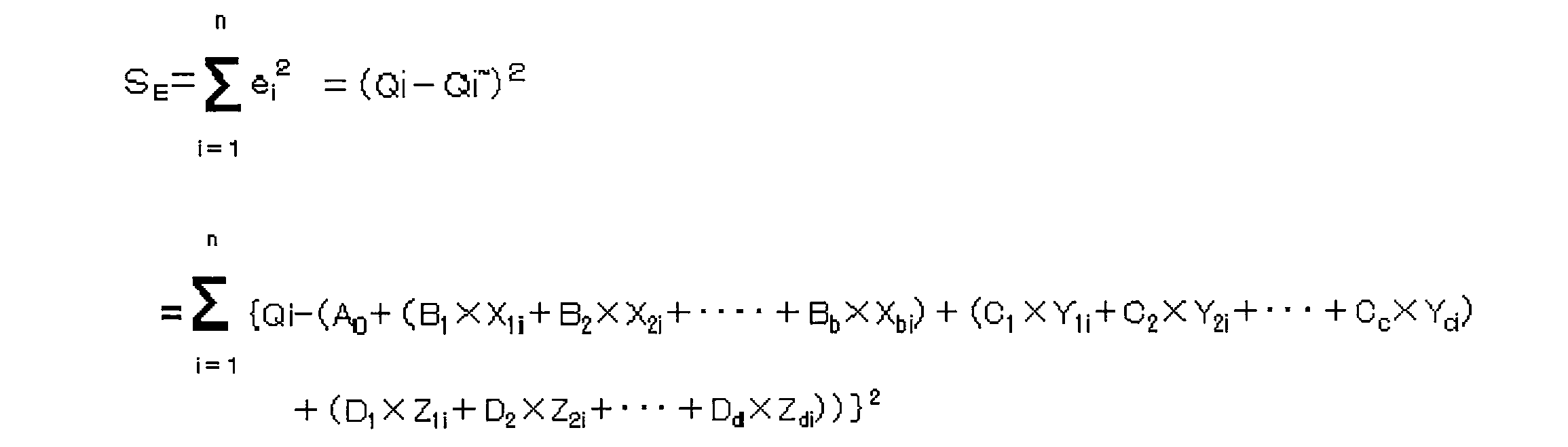
と表される。
最小二乗法はSEを最小にする係数(B1~Bb、C1~Cc、D1~Dd)を求める方法である。
〔2〕
SEをA0、B1~Bb、C1~Cc、D1~Ddで偏微分して0とし、次のような連立方程式を作成する。

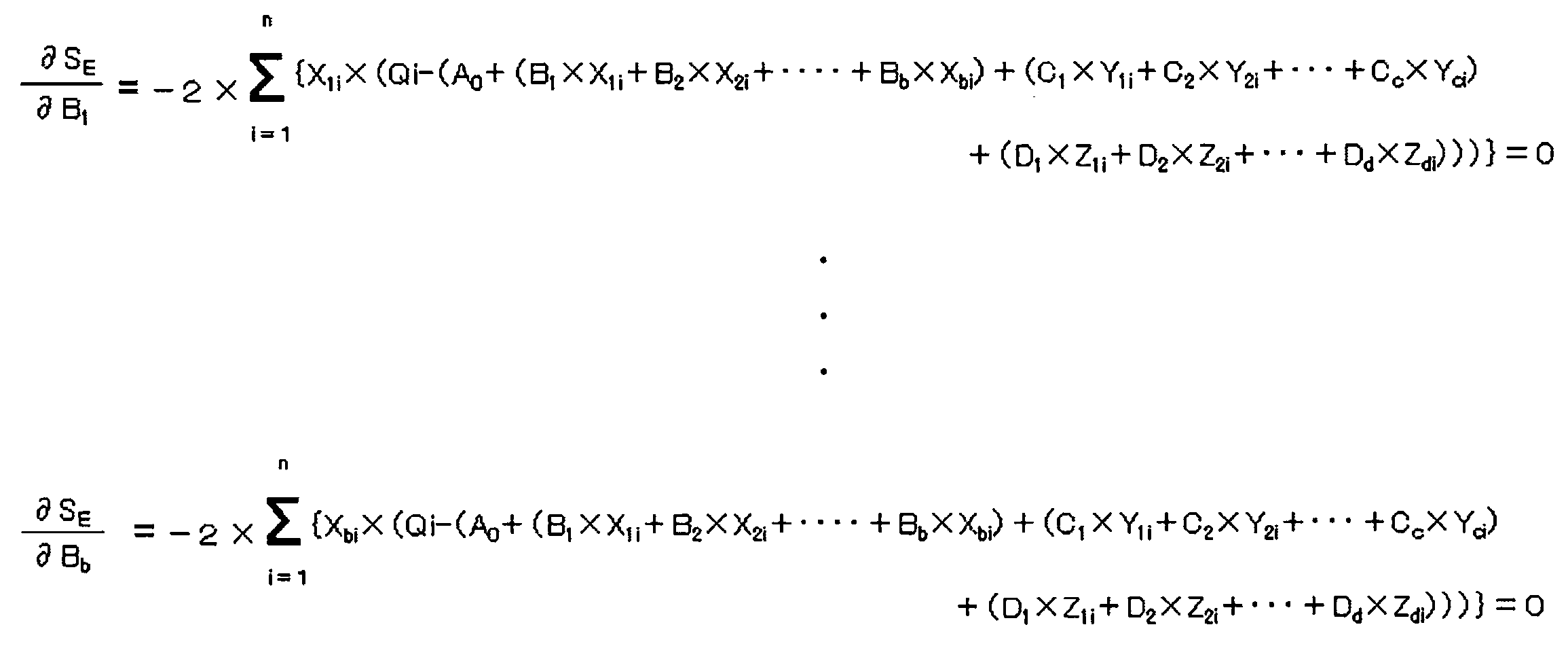


〔3〕
次に、上記〔2〕の各方程式にA0を代入し、連立方程式を次のような偏差平方和Sで表す。


ここで、P,Rは、X,Y,Zのいずれかであり、tは、1~b、1~c、1~dの何れかの数値である。
SEをA0、B1~Bb、C1~Cc、D1~Ddで偏微分して0とし、次のような連立方程式を作成する。
次に、上記〔2〕の各方程式にA0を代入し、連立方程式を次のような偏差平方和Sで表す。
そうすると、連立方程式は、以下のように表される。

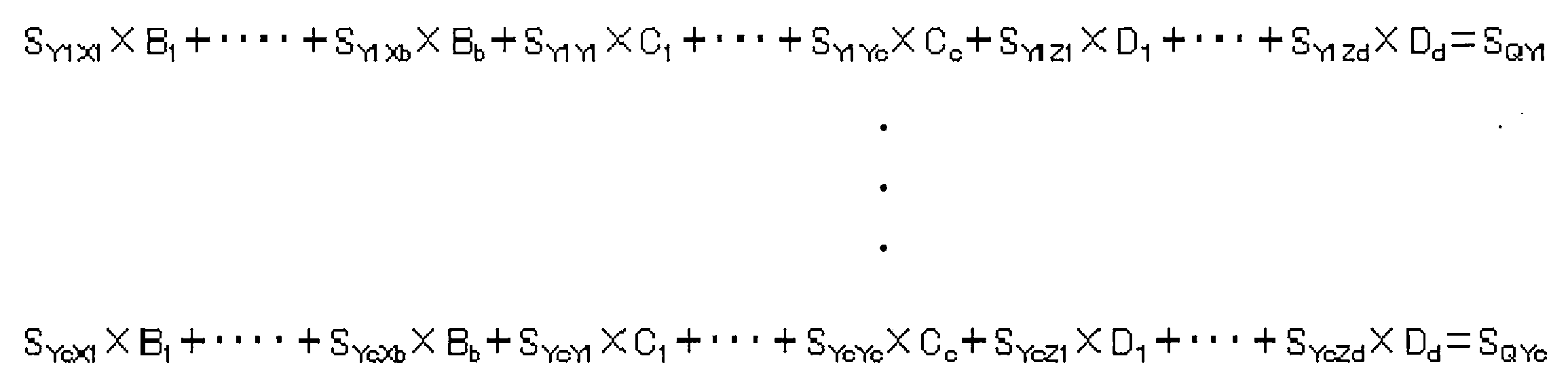
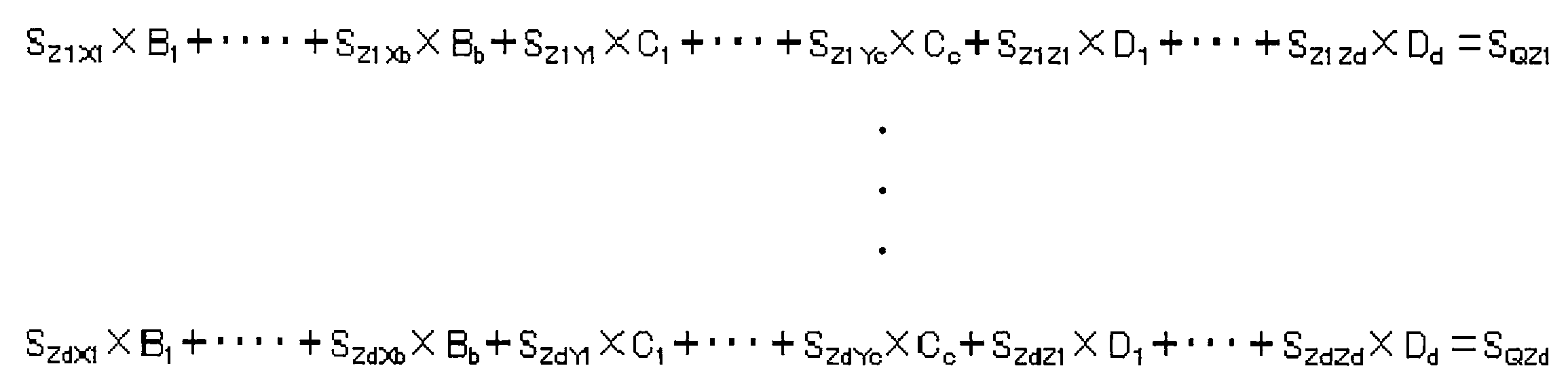
〔4〕
上記〔3〕の連立方程式を解くために行列を利用し、上記〔3〕の連立方程式を下記のように表す。
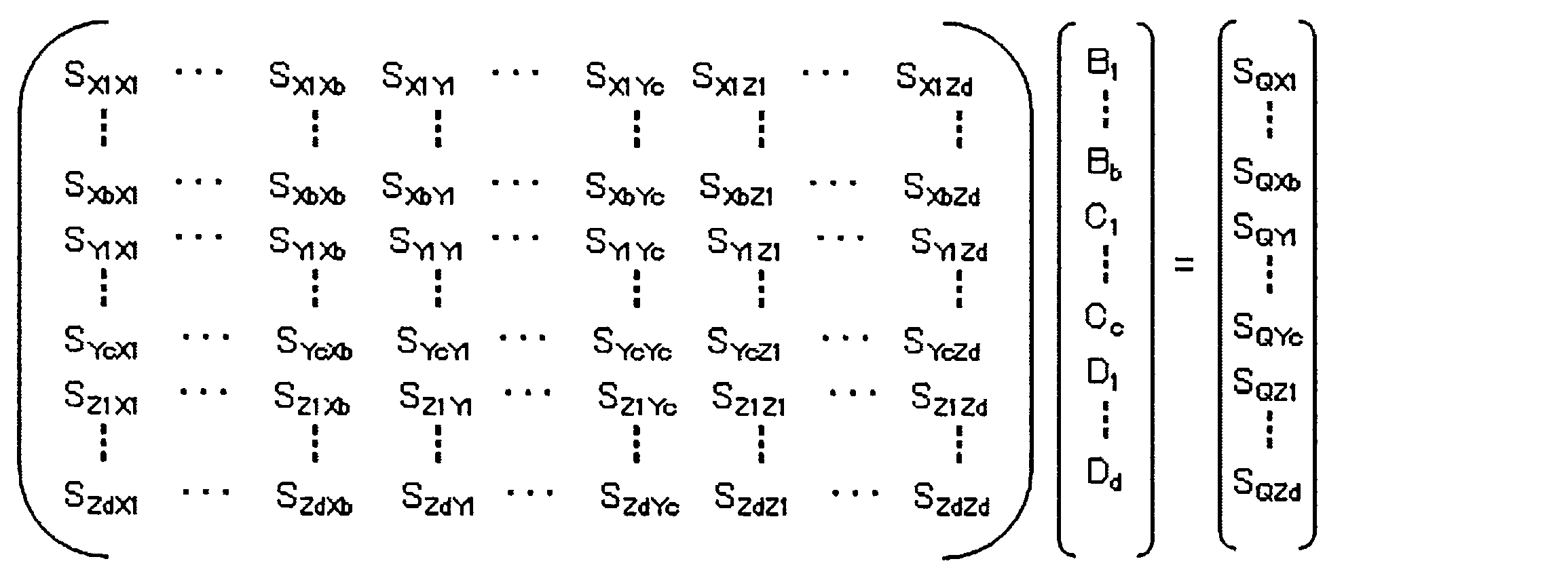
〔5〕
下記のように、上記〔4〕の両辺に逆行列を掛け、係数(B1~Bb、C1~Cc、D1~Dd)を求める。

〔6〕
求められた係数を元に、以下のように定数A0を求める。

以上のような計算方式を用いて、回帰式(1)の係数及び定数を求めることが可能である。
上記〔3〕の連立方程式を解くために行列を利用し、上記〔3〕の連立方程式を下記のように表す。
下記のように、上記〔4〕の両辺に逆行列を掛け、係数(B1~Bb、C1~Cc、D1~Dd)を求める。
求められた係数を元に、以下のように定数A0を求める。
一方、次の回帰式(2)のように、アルブミン漏出量計算値(Q)を算出するための回帰式が二次式で表される場合、以下のようにして係数、定数を求めることが可能である。

式中、b,c,dは、整数であり、X1~Xbは、被用者の血液性状に関するパラメータであり、Y1~Ycは、血液浄化条件に関するパラメータであり、Z1~Zdは、血液浄化器の性状に関するパラメータであり、A0、B11~Bb1、B12~Bb2、C11~Cc1、C12~Cc2、D11~Dd1、D12~Dd2は、統計学的手法により導かれる係数である。
なお、上述した回帰式(2)は、以下のようにも示すことができる。
Q=A0+{(B11×X1
2+B12×X1)+(B21×X2
2+B22×X2)+ … +(Bb1×Xb
2+Bb2×Xb)}+{(C11×X1
2+C12×X1)+(C21×X2
2+C22×X2)+ … +(Cc1×Xc
2+Cc2×Xc)}+{(D11×X1
2+D12×X1)+(D21×X2
2+D22×X2)+ … +(Dd1×Xd
2+Dd2×Xd)} …(8)
式中、X1~Xbは、患者の血液性状に関するパラメータであり、Y1~Ycは、治療条件に関するパラメータであり、Z1~Zdは、血液浄化器の性状に関するパラメータであり、A0、B11~Bb1、B12~Bb2、C11~Cc1、C12~Cc2、D11~Dd1、D12~Dd2は、統計学的手法により導かれる係数である。
式中、X1~Xbは、患者の血液性状に関するパラメータであり、Y1~Ycは、治療条件に関するパラメータであり、Z1~Zdは、血液浄化器の性状に関するパラメータであり、A0、B11~Bb1、B12~Bb2、C11~Cc1、C12~Cc2、D11~Dd1、D12~Dd2は、統計学的手法により導かれる係数である。
〔1〕
透析患者n人について、アルブミン漏出量Q、患者の血液性状に関するパラメータをb個(X1~Xb)、治療条件に関するパラメータをc個(Y1~Yc)、血液浄化器の性状に関するパラメータをd個(Z1~Zd)の臨床情報を集め、図2のように整理する。図2では、ある一人の患者の臨床情報を横方向に入力しており、これらの臨床情報をn人分だけ縦方向に並べている。
透析患者n人について、アルブミン漏出量Q、患者の血液性状に関するパラメータをb個(X1~Xb)、治療条件に関するパラメータをc個(Y1~Yc)、血液浄化器の性状に関するパラメータをd個(Z1~Zd)の臨床情報を集め、図2のように整理する。図2では、ある一人の患者の臨床情報を横方向に入力しており、これらの臨床情報をn人分だけ縦方向に並べている。
〔2〕
上述した一次式の場合と同様に、残差平方和SEを最小にする係数(B11~Bb1、B12~Bb2、C11~Cc1、C12~Cc2、D11~Dd1、D12~Dd2))を求める。
上述した一次式の場合と同様に、残差平方和SEを最小にする係数(B11~Bb1、B12~Bb2、C11~Cc1、C12~Cc2、D11~Dd1、D12~Dd2))を求める。
〔3〕
求められた係数を元に、定数A0を求める。
求められた係数を元に、定数A0を求める。
同様の方法で、三次式、四次式などの高次式の回帰式を求めることが可能である。
本実施形態において、回帰式の形態を一次のものを用いるか二次以上のものを用いるかは、次の相関係数R2にて判断することができる。相関係数R2は、以下のように表される。
R2=1-(SE/SQQ) …(9)
導かれた回帰式の相関係数R2は、0.7以上であることが好ましく、0.8以上であることが更に好ましく、0.9以上であることが更に好ましい。
導かれた回帰式の相関係数R2は、0.7以上であることが好ましく、0.8以上であることが更に好ましく、0.9以上であることが更に好ましい。
相関係数R2が、0.7未満であると、アルブミン漏出量の予測値と実測値との乖離が大きくなり、血液浄化器のアルブミン漏出量を血液浄化前に算出するという目的を満たさなくなる。
パラメータの選定は、相関係数が大きくなる組み合わせを選定する。
このようにして導かれた回帰式に、治療対象の患者の第1のパラメータ、第2のパラメータ及び第3のパラメータを代入することにより、血液浄化前に前記患者が使用する血液浄化器のアルブミン漏出量を算出することが可能である。
また、治療対象の患者の目標アルブミン漏出量、第1のパラメータ、及び第2及び/又は第3のパラメータの一部、を前記回帰式に代入することにより、目標アルブミン漏出量となる前記第2及び/又は第3のパラメータのその他の部分を算出することが可能である。
本発明の評価方法を用いた治療対象の患者のアルブミン漏出量、あるいは目標アルブミン漏出量となる第2及び/又は第3のパラメータのその他の部分の算出は、手計算あるいは計算機等を用いて実施することも可能であるが、本発明の評価方法を導入したプログラムを備えた装置を利用し、計算結果を出力させることも可能である。
つまり、上述した評価方法をコンピュータに実行させてアルブミン漏出量や目標アルブミン漏出量となる第2及び/又は第3のパラメータのその他の部分を算出するプログラムを装置に格納しておき、当該プログラムにより当該コンピュータに実行させてアルブミン漏出量や目標アルブミン漏出量となる第2及び/又は第3のパラメータのその他の部分を算出することも可能である。この場合、プログラムには、アルブミン漏出量や目標アルブミン漏出量となる第2及び/又は第3のパラメータのその他の部分を算出することができる回帰式の情報が予め組み込まれていることが好ましい。なお、このようなプログラムが記録されたROM等の記録媒体を用い、当該プログラムを装置に格納し、当該装置において、本発明の評価方法を用いた治療対象の患者のアルブミン漏出量、あるいは目標アルブミン漏出量となる第2及び/又は第3のパラメータのその他の部分の算出を行うようにしてもよい。
出力する情報としては、アルブミン漏出量、あるいは目標アルブミン漏出量となる第2及び/又は第3のパラメータのその他の部分の算出結果の他に、回帰式への入力情報(治療対象の患者の血液性状に関する情報、治療条件に関する情報、血液浄化器の性状に関する情報)などを含めることができる。例えば、アルブミン漏出量、あるいは目標アルブミン漏出量となる第2及び/又は第3のパラメータのその他の部分の算出結果と入力情報の一部であってもよく、アルブミン漏出量、あるいは目標アルブミン漏出量となる第2及び/又は第3のパラメータのその他の部分の算出結果と入力情報の全部であってもよく、アルブミン漏出量、あるいは目標アルブミン漏出量となる第2及び/又は第3のパラメータのその他の部分の算出結果と入力情報の一部又は全部との関係(例えば、グラフなど)であってもよい。
出力する態様としては、例えば、画像表示、音声出力、媒体出力などがある。画像表示とは、例えば、透析装置モニター、パソコン画面のような機器画面(出力装置)に、算出されたアルブミン漏出量計算値を画像表示する態様である。音声出力とは、例えば、これらの装置に搭載されたスピーカ(出力装置)から、算出されたアルブミン漏出量計算値を音声出力する態様である。媒体出力とは、例えば、これらの装置やプリンタなど(出力装置)から、算出されたアルブミン漏出量計算値を紙などの媒体に印字する態様である。
次に、本実施形態に係る梱包品について説明する。
本実施形態に係る梱包品は、上述した血液浄化器と、上述した[1]の評価方法および[2]の評価方法で導く回帰式の情報を示した添付文書と、を含むものである。
添付文書の記載項目は、特に制限されるものではない。例えば、アルブミン漏出量算出値(予測値)と、治療対象患者の血液性状に関する第1のパラメータ、治療対象患者の治療条件に関する第2のパラメータ、及び血液浄化器の性状に関する第3のパラメータとの対応関係を列挙したものであってもよい。
以上説明したように、本実施形態に係る[1]の評価方法および[2]の評価方法によれば、被用者の血液性状に関する第1のパラメータ、治療条件に関する第2のパラメータ、血液浄化器の性状に関する第3のパラメータおよび血液浄化におけるアルブミン漏出量に基づいてアルブミン漏出量を算出する回帰式を導くことにより、血液浄化器を用いて治療対象の患者の血液を浄化する前に、使用する血液浄化器のアルブミン漏出量を算出することができる。
さらに、アルブミン漏出量を目標の範囲内に収まるように、血液浄化条件あるいは、血液浄化器の変更を行うことが出来る。
これにより、高透過性能の血液浄化器を用いて血液を浄化する際も、アルブミン漏出量が高値になるのを抑制することができる。
また、本発明の[1]の評価方法および[2]の評価方法を用いてアルブミン漏出量を算出するプログラムを格納した装置を用いることで、アルブミン漏出量が高値になりすぎないかを容易に判断することができる。
また、本実施形態に係る梱包品によれば、血液浄化器の添付文書に、上述した[1]の評価方法および[2]の評価方法で導く回帰式の情報が表示されているため、当該血液浄化器を如何なる場合に使用すればよいかを容易に判断することができる。
さらに、アルブミン漏出量を目標の範囲内に収まるように、血液浄化条件あるいは血液浄化器の変更を行うことが可能である。
以下に、[2]の評価方法に関する一実施態様を示すが、これに限定されるものではない。
例えば、被用者の血液性状に関する第1のパラメータとして、「血液Ht治療前値」を採用し、治療条件に関する第2のパラメータとして、血液浄化施行時の「除水量」及び「血液流量」を採用し、血液浄化器の性状に関する第3のパラメータとして、「血液浄化器の膜面積」及び「中空糸膜のふるい係数」を採用し統計的手法を用いて回帰式を導いた場合を示す。
実際の透析治療では、治療対象の患者の「血液Ht治療前値」は患者固有のものであり、治療時の「除水量」は患者の前回透析からの体重増加幅であるため、「血液Ht治療前値」及び「除水量」は治療開始前に既に決まっている。このため、アルブミン漏出量の算出値は、血液浄化施行時の「血液流量」、「血液浄化器の膜面積」、「中空糸膜のふるい係数」で決まる。使用する血液浄化器の種類が決まっている場合には、治療時の「血液流量」及び「血液浄化器の膜面積」の2因子が、アルブミン漏出量の算出値に影響を与える因子となる。
そこで、目標のアルブミン漏出量となる2因子の組み合わせ、あるいは、血液浄化器が選択できるのであれば、「中空糸膜のふるい係数」を加えた3因子の組み合わせを回帰式を用いて計算し、集中管理システムやパーソナルコンピューター、透析装置などのコンピュータの画面に出力し表示させることが出来る。
ここで、集中管理システムやパーソナルコンピューター、透析装置などのコンピュータには、あらかじめ本評価方法で導かれた回帰式の他に、血液浄化器のふるい係数、膜面積体系の情報等をインプットしておくことが望ましい。
組み合わせの表示を確認して、血液浄化条件を決定し、装置に入力することが可能である。あるいは、透析装置と連動させれば、選択した組み合わせの血液浄化条件に自動的に装置を設定することが可能である。
組み合わせの表示を確認して血液浄化器を選択し、血液浄化療法に用いることが可能である。
このことにより、目標とするアルブミン漏出量の範囲となる血液浄化療法を施行することが可能である。
以上、本発明の好適な実施形態について説明したが、本発明は上記実施形態に限定されるものではない。
以下、実施例および比較例に基づいて本発明をより具体的に説明するが、本発明は以下の実施例に限定されるものではない。
(実施例1)
透析治療時の臨床情報を24症例集め、図3のように纏めた。使用した血液浄化器の膜素材はポリスルホンであった。ここで、PVP-K30ふるい係数とは、PVP-K30を1/15Mリン酸緩衝液(pH7.0)に3%になるように溶解させたものを、線速1[cm/s]で中空糸膜内部に流し、TMP200[mmHg]をかけながら濾過させた時の20分経過時のふるい係数である。PVP-K30の濃度は、220[nm]の吸光度にて測定した。
透析治療時の臨床情報を24症例集め、図3のように纏めた。使用した血液浄化器の膜素材はポリスルホンであった。ここで、PVP-K30ふるい係数とは、PVP-K30を1/15Mリン酸緩衝液(pH7.0)に3%になるように溶解させたものを、線速1[cm/s]で中空糸膜内部に流し、TMP200[mmHg]をかけながら濾過させた時の20分経過時のふるい係数である。PVP-K30の濃度は、220[nm]の吸光度にて測定した。
図3の臨床情報からアルブミン漏出量計算値(Q)を算出する回帰式を一次式で導いた。
回帰式に用いるパラメータを除水量、中空糸膜のPVP-K30ふるい係数とした場合、回帰式は
Q=-22.29+7.16×10⁻⁴×(除水量)+33.64×(PVP-K30ふるい係数) …(10)
となり、この時の相関係数R2は0.91となった。
Q=-22.29+7.16×10⁻⁴×(除水量)+33.64×(PVP-K30ふるい係数) …(10)
となり、この時の相関係数R2は0.91となった。
回帰式に用いるパラメータを除水量、血液浄化器の膜面積・PVP-K30ふるい係数、とした場合、回帰式は
Q=-29.23+3.75×10⁻⁴×(除水量)+1.85×(膜面積)+39.88×(PVP-K30ふるい係数) …(11)
となり、この時の相関係数R2は0.95となった。
Q=-29.23+3.75×10⁻⁴×(除水量)+1.85×(膜面積)+39.88×(PVP-K30ふるい係数) …(11)
となり、この時の相関係数R2は0.95となった。
回帰式に用いるパラメータを患者血液Ht治療前値、除水量、血液流量、血液浄化器の膜面積・PVP-K30ふるい係数とした場合、回帰式は
Q=-32.38+1.69×10⁻²×(患者血液Ht治療前値)+3.47×10⁻⁴×(除水量)+5.14×10⁻³×(血液流量)+1.85×(膜面積)+42.16×(PVP-K30ふるい係数) …(12)
となり、この相関係数R2は0.96となった。
Q=-32.38+1.69×10⁻²×(患者血液Ht治療前値)+3.47×10⁻⁴×(除水量)+5.14×10⁻³×(血液流量)+1.85×(膜面積)+42.16×(PVP-K30ふるい係数) …(12)
となり、この相関係数R2は0.96となった。
これらの結果から、透析治療のアルブミン漏出量計算値は、回帰式に、除水量、中空糸膜のふるい係数のパラメータ用いることで良好に予測できると考えられ、さらに膜面積のパラメータを加えることで相関係数が高くなり、アルブミン漏出量の予測がより正確になると考えられた。さらに、患者血液Ht治療前値、血液流量をパラメータとして追加することで、相関係数の上昇がみられた。
これらの回帰式を用いて、ある患者のアルブミン漏出量を算出した。患者の血液性状に基づく第1のパラメータ、治療条件に関する第2のパラメータ、血液浄化器の性状に基づく第3のパラメータ、および、アルブミン漏出量の計算値、実測値を図4に示す。
相関係数が高くなるほど、アルブミン漏出量計算値と実際のアルブミン漏出量の間の差が小さくなっていた。
(実施例2)
実施例1と同じ臨床情報を用いて、アルブミン漏出量(Q)を算出する回帰式を二次式で作成するために、臨床情報を図5のように纏めた。
実施例1と同じ臨床情報を用いて、アルブミン漏出量(Q)を算出する回帰式を二次式で作成するために、臨床情報を図5のように纏めた。
図5の臨床情報からアルブミン漏出量計算値(Q)を算出する回帰式を二次式で作成した。作成した回帰式(13)を以下に示す。
Q=62.95-0.30×(患者ヘマトクリット治療前値)+4.65×10⁻³×(患者ヘマトクリット治療前値)2+2.35×10⁻⁴×(除水量)+1.53×10⁻⁸×(除水量)2+9.2×10⁻⁶×(血液流量)2+10.18×(膜面積)-2.38×(膜面積)2-236.40×(PVP-K30ふるい係数)+200.95×(PVP-K30ふるい係数)2 …(13)
この時の相関係数R2は0.97となった。
この時の相関係数R2は0.97となった。
この結果から、一次式の回帰式と比較すると、二次式の回帰式の方が相関関係の値が高く、二次式の回帰式の方が透析治療のアルブミン漏出量を良好に予測できると考えられた。
実施例1の患者のアルブミン漏出量計算値は、一次式では3.5[g]であるのに対し、二次式では3.6[g]であり、実際のアルブミン漏出量を良好に予測できていた。
(実施例3)
実施例1と同じ臨床情報を用いて、膜面積のパラメータを除外した回帰式を作成した。作成した回帰式(14)を以下に示す。
実施例1と同じ臨床情報を用いて、膜面積のパラメータを除外した回帰式を作成した。作成した回帰式(14)を以下に示す。
Q=-26.01+2.64×10⁻²×(患者ヘマトクリット治療前値)+6.74×10⁻⁴×(除水量)+5.14×10⁻³×(血液流量)+36.32×(PVP-K30ふるい係数) …(14)
この時の相関係数R2は0.92となった。
この時の相関係数R2は0.92となった。
式(12)と式(14)を比較したとき、膜面積のパラメータを除外すると相関係数が低下することから、アルブミン漏出量を予測するために膜面積のパラメータを除外しない方が良いとの結果であった。
(実施例4)
透析治療時の臨床情報を21症例集め、図6のように纏めた。使用した血液浄化器の膜素材はポリスルホンであった。ここで、牛アルブミン(水溶液系)ふるい係数とは、牛アルブミンを50mMリン酸緩衝液(pH7.4)に1%になるように溶解させたものを、線速1[cm/s]で中空糸膜内部に流し、TMP50[mmHg]をかけながら濾過させた時の60分経過時のふるい係数である。
透析治療時の臨床情報を21症例集め、図6のように纏めた。使用した血液浄化器の膜素材はポリスルホンであった。ここで、牛アルブミン(水溶液系)ふるい係数とは、牛アルブミンを50mMリン酸緩衝液(pH7.4)に1%になるように溶解させたものを、線速1[cm/s]で中空糸膜内部に流し、TMP50[mmHg]をかけながら濾過させた時の60分経過時のふるい係数である。
図6の臨床情報を用いて、中空糸膜のふるい係数を水溶液系(水系)の牛アルブミンで測定した場合の回帰式を作成した。作成した回帰式(15)を以下に示す。
Q=-14.27+2.18×10⁻²×(患者ヘマトクリット治療前値)+2.94×10⁻⁴×(除水量)+5.66×10⁻³×(血液流量)+2.38×(膜面積)+14.57×(水系牛アルブミンふるい係数) …(15)
この時の相関係数R2は0.93となった。
この時の相関係数R2は0.93となった。
(実施例5)
実施例4と同じ臨床情報を用いて、中空糸膜のふるい係数を牛血漿系のプロラクチンで測定した場合の回帰式を作成した。ここで、プロラクチン(牛血漿系)ふるい係数とは、プロラクチンを牛血漿(TP6.0g/dl)に1[mg/L]なるように溶解させたものを、線速1[cm/s]で中空糸膜内部に流し、TMP25[mmHg]をかけながら濾過させた時の60分経過時のふるい係数である。作成した回帰式(16)を以下に示す。
実施例4と同じ臨床情報を用いて、中空糸膜のふるい係数を牛血漿系のプロラクチンで測定した場合の回帰式を作成した。ここで、プロラクチン(牛血漿系)ふるい係数とは、プロラクチンを牛血漿(TP6.0g/dl)に1[mg/L]なるように溶解させたものを、線速1[cm/s]で中空糸膜内部に流し、TMP25[mmHg]をかけながら濾過させた時の60分経過時のふるい係数である。作成した回帰式(16)を以下に示す。
Q=-12.11+3.36×10⁻³×(患者ヘマトクリット治療前値)+4.54×10⁻⁴×(除水量)+1.49×10⁻³×(血液流量)+2.10×(膜面積)+21.94×(プロラクチンふるい係数) …(16)
この時の相関係数R2は0.94となった。
この時の相関係数R2は0.94となった。
(実施例6)
実施例4と同じ臨床情報を用いて、中空糸膜のふるい係数を牛血漿系の牛アルブミンで測定した場合の回帰式を作成した。ここで、牛アルブミン(牛血漿系)ふるい係数とは、牛血漿(TP6.0g/dl)を、線速1[cm/s]で中空糸膜内部に流し、TMP25[mmHg]をかけながら濾過させた時の牛血漿中の牛アルブミンのふるい係数である。作成した回帰式(17)を以下に示す。
実施例4と同じ臨床情報を用いて、中空糸膜のふるい係数を牛血漿系の牛アルブミンで測定した場合の回帰式を作成した。ここで、牛アルブミン(牛血漿系)ふるい係数とは、牛血漿(TP6.0g/dl)を、線速1[cm/s]で中空糸膜内部に流し、TMP25[mmHg]をかけながら濾過させた時の牛血漿中の牛アルブミンのふるい係数である。作成した回帰式(17)を以下に示す。
Q=-8.60+2.66×10⁻²×(患者ヘマトクリット治療前値)+3.26×10⁻⁴×(除水量)+1.02×10⁻³×(血液流量)+2.08×(膜面積)+484.17×(牛アルブミンふるい係数) …(17)
この時の相関係数R2は0.94となった。
この時の相関係数R2は0.94となった。
(実施例7)
前希釈透析濾過治療時の臨床情報を30症例集め、図7のように纏めた。使用した血液浄化器の膜素材は、ポリスルホン膜であった。
前希釈透析濾過治療時の臨床情報を30症例集め、図7のように纏めた。使用した血液浄化器の膜素材は、ポリスルホン膜であった。
図7の臨床情報からアルブミン漏出量計算値(Q)を算出する回帰式を一次式で導いた。
回帰式に用いるパラメータを患者血液Ht治療前値、血液流量、置換液量、血液浄化器の膜面積、中空糸膜のPVP-K30ふるい係数とした場合、回帰式は
Q=-59.29+1.38×10⁻¹×(患者血液Ht治療前値)-1.54×10⁻²×(血液流量)+8.86×10⁻²×(置換液量)+3.20×(膜面積)+88.90×(PVP-K30ふるい係数) …(18)
となり、この時の相関係数R2は0.86となった。
Q=-59.29+1.38×10⁻¹×(患者血液Ht治療前値)-1.54×10⁻²×(血液流量)+8.86×10⁻²×(置換液量)+3.20×(膜面積)+88.90×(PVP-K30ふるい係数) …(18)
となり、この時の相関係数R2は0.86となった。
これらの結果から、HDF治療のアルブミン漏出量計算値は、回帰式に、患者血液Ht治療前値、血液流量、置換液量、中空糸膜のふるい係数のパラメータ用いることで良好に予測できると考えられた。
(実施例8)
透析治療時の臨床情報を17症例集め、図8のように纏めた。使用した血液浄化器の膜素材は、再生セルロース膜であった。PVP-K30のふるい係数は、実施例1と同様に求めた。
透析治療時の臨床情報を17症例集め、図8のように纏めた。使用した血液浄化器の膜素材は、再生セルロース膜であった。PVP-K30のふるい係数は、実施例1と同様に求めた。
図8の臨床情報からアルブミン漏出量計算値(Q)を算出する回帰式を一次式で作成した。作成した回帰式(19)を以下に示す。
Q=-22.93+4.90×10⁻²×(患者ヘマトクリット治療前値)+4.75×10⁻⁴×(除水量)+3.36×10⁻³×(血液流量)+1.14×(膜面積)+27.82×(PVP-K30ふるい係数) …(19)
導かれた回帰式を利用したアルブミン漏出量算出プログラムを透析装置に組み込み、算出されたアルブミン漏出量計算値をモニターに出力・表示させるようにした。
導かれた回帰式を利用したアルブミン漏出量算出プログラムを透析装置に組み込み、算出されたアルブミン漏出量計算値をモニターに出力・表示させるようにした。
患者ヘマトクリット治療前値を35%、除水量を3000[ml]、血液流量を200[ml/min]、血液浄化器の膜面積を1.5[m2]、血液浄化器のPVP-K30ふるい係数を0.70として、アルブミン漏出量計算値を出力・表示させた。表示されたアルブミン漏出量計算値は2.1[g]であった。
図9に、透析装置モニターの表示画面を示す。
(実施例9)
実施例8で算出したアルブミン漏出量計算値を用いて、透析装置モニターに、入力値とアルブミン漏出量計算値とを表示させた。図10に、透析装置モニターの表示画面を示す。
実施例8で算出したアルブミン漏出量計算値を用いて、透析装置モニターに、入力値とアルブミン漏出量計算値とを表示させた。図10に、透析装置モニターの表示画面を示す。
(実施例10)
実施例8で算出したアルブミン漏出量計算値を用いて、透析装置モニターに、患者ヘマトクリット治療前値、除水量及びPVP-K30ふるい係数を表示させるとともに、血液流量と膜面積とアルブミン漏出量計算値との関係を示すグラフを表示させた。図11に、透析装置モニターの表示画面を示す。
実施例8で算出したアルブミン漏出量計算値を用いて、透析装置モニターに、患者ヘマトクリット治療前値、除水量及びPVP-K30ふるい係数を表示させるとともに、血液流量と膜面積とアルブミン漏出量計算値との関係を示すグラフを表示させた。図11に、透析装置モニターの表示画面を示す。
ここでは、QB(血液流量)が200[ml/min]の透析治療で膜面積2.1[m2]の血液浄化器を使用する予定であった。しかしながら、この表示されたグラフを見ると、この血液浄化器を使用した場合に、アルブミン漏出量を2.5[g]以下に抑えられないことが分かった。そこで、アルブミン漏出量が2.5[g]以下となるように、膜面積が1.5[m2]の血液浄化器に変更した。
(実施例11)
透析治療時のデータを15症例集め、図12のように纏めた。使用した血液浄化器の膜素材はポリスルホンであった。牛アルブミン(水溶液系)ふるい係数は、実施例4と同様に求めた。
透析治療時のデータを15症例集め、図12のように纏めた。使用した血液浄化器の膜素材はポリスルホンであった。牛アルブミン(水溶液系)ふるい係数は、実施例4と同様に求めた。
図12のデータから回帰式の係数を算出したところ、アルブミン漏出量計算値(Q)を算出する回帰式は、次の式(20)となった。
Q=-26.68+3.17×10⁻²×(患者ヘマトクリット治療前値)+4.38×10⁻⁵×(除水量)+3.22×10⁻³×(血液流量)+3.22×(膜面積)+38.53×(牛アルブミンふるい係数) …(20)
そこで、患者ヘマトクリット治療前値を33%、除水量を2800[ml]、血液流量を250[ml/min]、血液浄化器の膜面積を2.1[m2]、血液浄化器の水溶液系牛アルブミンふるい係数を0.58として、アルブミン漏出量計算値を算出した。その結果、アルブミン漏出量計算値は、4.4[g]となった。
そこで、患者ヘマトクリット治療前値を33%、除水量を2800[ml]、血液流量を250[ml/min]、血液浄化器の膜面積を2.1[m2]、血液浄化器の水溶液系牛アルブミンふるい係数を0.58として、アルブミン漏出量計算値を算出した。その結果、アルブミン漏出量計算値は、4.4[g]となった。
そして、この算出したアルブミン漏出量計算値をパーソナルコンピューターの画面に出力させたところ、アルブミン漏出量計算値が想定したアルブミン漏出量3.0[g]よりも多いことが分かった。そこで、アルブミン漏出量を抑制するために、この出力したアルブミン漏出量計算値を参考にして、血液流量を200[ml/min]、血液浄化器の膜面積を1.5[m2]に変更して、この条件におけるアルブミン漏出量計算値を算出して出力させた。その結果、アルブミン漏出量計算値は、2.3[g]となり、想定したアルブミン漏出量よりも少なくなった。そこで、この変更した条件で透析を実施した。
(実施例12)
統計処理を実施できるプログラムをもつ集中管理システム上で、実施例8の臨床情報からアルブミン漏出量を計算値する回帰式(19)を導いた。実施例8の患者の実際の透析時のアルブミン漏出量は、2.8[g]であった。実施例8の臨床情報に実施例8の患者の臨床情報を加えた18症例の臨床情報からアルブミン漏出量を計算値する回帰式(21)を導き、次の患者のアルブミン漏出量計算値を導く回帰式とした。
統計処理を実施できるプログラムをもつ集中管理システム上で、実施例8の臨床情報からアルブミン漏出量を計算値する回帰式(19)を導いた。実施例8の患者の実際の透析時のアルブミン漏出量は、2.8[g]であった。実施例8の臨床情報に実施例8の患者の臨床情報を加えた18症例の臨床情報からアルブミン漏出量を計算値する回帰式(21)を導き、次の患者のアルブミン漏出量計算値を導く回帰式とした。
Q=-30.75+9.33×10⁻²×(患者ヘマトクリット治療前値)+5.17×10⁻⁴×(除水量)+2.65×10⁻³×(血液流量)+0.75×(膜面積)+39.06×(PVP-K30ふるい係数) …(21)
このように、患者治療情報を追加していくことで、回帰式を更新していくことが出来る。
このように、患者治療情報を追加していくことで、回帰式を更新していくことが出来る。
(実施例13)
実施例1の臨床情報を用いて、回帰式(12)を得、この回帰式を透析装置に導入した。患者の血液Ht治療前値が32%、除水量3000[ml]の時、目標アルブミン漏出量を2.5~3.0[g]とする、血液流量、血液浄化器の膜面積、中空糸膜のPVP-K30のふるい係数の組み合わせをアルブミン漏出量算出値と共に透析装置に表示させた(図13)。用いる血液浄化器の性能はPVP-K30ふるい係数が0.65あるいは0.70のいずれかの物を選択することとした。
実施例1の臨床情報を用いて、回帰式(12)を得、この回帰式を透析装置に導入した。患者の血液Ht治療前値が32%、除水量3000[ml]の時、目標アルブミン漏出量を2.5~3.0[g]とする、血液流量、血液浄化器の膜面積、中空糸膜のPVP-K30のふるい係数の組み合わせをアルブミン漏出量算出値と共に透析装置に表示させた(図13)。用いる血液浄化器の性能はPVP-K30ふるい係数が0.65あるいは0.70のいずれかの物を選択することとした。
組み合わせ表を見て、条件4を選択し、透析を行うこととした。
透析装置のパネルにて、条件4を選択し、透析装置の条件を設定させた。
条件4の通りの血液浄化器を準備し、透析を開始した。
(比較例1)
血液浄化器に内蔵されている中空糸膜(膜素材:ポリスルホン)のPVP-K30ふるい係数が0.65~0.74の血液浄化器を用いて、牛血漿系で牛アルブミン漏出量を測定した。すなわち、総蛋白濃度を6.5±0.5[g/dl]となるように調整した牛血漿2[L]を37[℃]で流速200[ml/min]で中空糸膜内部(血液側)に循環し、同時に中空糸膜外部(透析液側)に透析液5[L]を流速500[ml/min]で240分循環させた。循環後の透析液中の牛アルブミン量を免疫比濁法にて測定し、牛アルブミン漏出量を計算した。結果を図14にまとめた。
血液浄化器に内蔵されている中空糸膜(膜素材:ポリスルホン)のPVP-K30ふるい係数が0.65~0.74の血液浄化器を用いて、牛血漿系で牛アルブミン漏出量を測定した。すなわち、総蛋白濃度を6.5±0.5[g/dl]となるように調整した牛血漿2[L]を37[℃]で流速200[ml/min]で中空糸膜内部(血液側)に循環し、同時に中空糸膜外部(透析液側)に透析液5[L]を流速500[ml/min]で240分循環させた。循環後の透析液中の牛アルブミン量を免疫比濁法にて測定し、牛アルブミン漏出量を計算した。結果を図14にまとめた。
また、実施例1の臨床アルブミン漏出量のデータとの比較を図15に示すグラフで行った。
その結果、PVP-K30ふるい係数の上昇に伴う牛血漿系アルブミン漏出量は緩やかであるのに対し、臨床でのアルブミン漏出量はPVPふるい係数の上昇に伴い急激に上昇した。このことから、牛血漿系アルブミン漏出量は、臨床アルブミン漏出量を予測できる結果とは言えなかった。
(比較例2)
血液浄化器に内蔵されている中空糸膜(膜素材:ポリスルホン)のPVP-K30ふるい係数が0.64~0.74の血液浄化器を用いて、牛血液系で牛アルブミン漏出量を測定した。すなわち、牛血Ht値35±2%総蛋白濃度を6.5±0.5[g/dl]となるように調整した牛血液2[L]を37℃で流速200[ml/min]で中空糸膜内部(血液側)に循環し、濾過速度10[ml/min/m2]で濾過を行い濾液は貯留した。同時に濾過速度と同じ速度で、循環牛血液に生理食塩水を補液した。貯留しておいた濾液中の牛アルブミン量を免疫比濁法にて測定し、牛血液系アルブミン漏出量を計算した。結果を図16にまとめた。
血液浄化器に内蔵されている中空糸膜(膜素材:ポリスルホン)のPVP-K30ふるい係数が0.64~0.74の血液浄化器を用いて、牛血液系で牛アルブミン漏出量を測定した。すなわち、牛血Ht値35±2%総蛋白濃度を6.5±0.5[g/dl]となるように調整した牛血液2[L]を37℃で流速200[ml/min]で中空糸膜内部(血液側)に循環し、濾過速度10[ml/min/m2]で濾過を行い濾液は貯留した。同時に濾過速度と同じ速度で、循環牛血液に生理食塩水を補液した。貯留しておいた濾液中の牛アルブミン量を免疫比濁法にて測定し、牛血液系アルブミン漏出量を計算した。結果を図16にまとめた。
また、実施例1の臨床アルブミン漏出量のデータとの比較を図17に示すグラフで行った。
その結果、PVP-K30ふるい係数の上昇に伴う牛血液系アルブミン漏出量は、PVP-K30ふるい係数が0.7を超えた辺りから急激に上昇しその後、漏出量が緩やかになるのに対し、臨床アルブミン漏出量は、PVP-K30ふるい係数の上昇に伴うアルブミン漏出量が牛血液系に比べ緩やかであった。このことから、牛血液系アルブミン漏出量は、臨床アルブミン漏出量を予測できる結果とは言えなかった。
Claims (17)
- 治療対象の患者の血液を中空糸膜束を用いて浄化する血液浄化器のアルブミン漏出量の評価方法であって、
統計学的手法を用いて、少なくとも、被用者の血液性状に関する第1のパラメータ、血液浄化条件に関する第2のパラメータ、血液浄化器の性状に関する第3のパラメータ、および、血液浄化におけるアルブミン漏出量、に基づいてアルブミン漏出量を算出することができる回帰式を導くステップと、
前記患者の第1のパラメータ、第2のパラメータ及び第3のパラメータを前記回帰式に代入することにより、前記患者が使用する血液浄化器のアルブミン漏出量を算出するステップと、
を含み、
前記第1のパラメータは、血液ヘマトクリット治療前値、血漿総蛋白量、血中アルブミン濃度、血液粘度、及びこれらの少なくとも2以上の組み合わせからなる群から選択され、
前記第2のパラメータは、血液流量、透析液流量、除水速度、除水量、膜間圧力差、濾過速度、濾液量、補液速度、補液量、置換液量及びこれらの少なくとも2以上の組み合わせからなる群から選択され、
前記第3のパラメータは、血液浄化器の膜面積、血液浄化器の水濾過量、ふるい係数、物質移動係数、ビタミンB12・β2ミクログロブリン・ミオグロビン・プロラクチン・α1ミクログロブリンのクリアランス、血液浄化器に内蔵されている中空糸膜の水濾過量、ふるい係数、物質移動係数、及びこれらの少なくとも2以上の組み合わせからなる群から選択される、
評価方法。 - 前記回帰式を式(1)

としてアルブミン漏出量(Q)を算出する、請求項1に記載の評価方法。 - 前記回帰式を式(2)

としてアルブミン漏出量(Q)を算出する、請求項1に記載の評価方法。 - 前記血液浄化器および前記中空糸膜のふるい係数が、デキストラン、ポリビニルピロリドン、ポリエチレングリコール、ポリエチレンオキサイド、及び牛アルブミンからなる群から選択された物質を溶解させた水溶液を用いて測定されたものである、
請求項1~3のいずれか1項に記載の評価方法。 - 前記血液浄化器および前記中空糸膜のふるい係数が、β2ミクログロブリン、プロラクチン、α1ミクログロブリン、及びミオグロビンからなる群から選択された物質を溶解させた牛血漿溶液、又はアルブミンを含む牛血漿を用いて測定されたものである、
請求項1~4のいずれか1項に記載の評価方法。 - 請求項1~5のいずれか1項に記載の評価方法をコンピュータに実行させてアルブミン漏出量を算出するプログラム。
- 前記プログラムには、前記アルブミン漏出量を算出することができる回帰式の情報が予め組み込まれている、請求項6に記載のプログラム。
- 請求項6又は7に記載のプログラムを格納した装置であって、
前記装置は、前記プログラムによって算出されたアルブミン漏出量を出力することができる、装置。 - 治療対象の患者の血液を中空糸膜束を用いた血液浄化器にて浄化するために、目標アルブミン漏出量を得るための血液浄化条件及び/又は血液浄化器の性状を算出する評価方法であって、
統計学的手法を用いて、少なくとも、被用者の血液性状に関する第1のパラメータ、血液浄化条件に関する第2のパラメータ、血液浄化器の性状に関する第3のパラメータ、および、血液浄化におけるアルブミン漏出量、に基づいてアルブミン漏出量を算出することができる回帰式を導くステップと、
前記患者の目標アルブミン漏出量、第1のパラメータ、及び第2及び/又は第3のパラメータの一部、を前記回帰式に代入することにより、前記第2及び/又は第3のパラメータのその他の部分を算出するステップと、
を含み、
前記第1のパラメータは、血液ヘマトクリット治療前値、血漿総蛋白量、血中アルブミン濃度、血液粘度、及びこれらの少なくとも2以上の組み合わせからなる群から選択され、
前記第2のパラメータは、血液流量、透析液流量、除水速度、除水量、膜間圧力差、濾過速度、濾液量、補液速度、補液量、置換液量及びこれらの少なくとも2以上の組み合わせからなる群から選択され、
前記第3のパラメータは、血液浄化器の膜面積、血液浄化器の水濾過量、ふるい係数、物質移動係数、ビタミンB12・β2ミクログロブリン・ミオグロビン・プロラクチン・α1ミクログロブリンのクリアランス、血液浄化器に内蔵されている中空糸膜の水濾過量、ふるい係数、物質移動係数、及びこれらの少なくとも2以上の組み合わせからなる群から選択される、
評価方法。 - 前記回帰式を式(1)

としてアルブミン漏出量(Q)を算出する、請求項9に記載の評価方法。 - 前記回帰式を式(2)

としてアルブミン漏出量(Q)を算出する、請求項9に記載の評価方法。 - 前記血液浄化器及び前記中空糸膜のふるい係数が、デキストラン、ポリビニルピロリドン、ポリエチレングリコール、ポリエチレンオキサイド、及び牛アルブミンからなる群から選択された物質を溶解させた水溶液を用いて測定されたものである、
請求項9~11のいずれか1項に記載の評価方法。 - 前記血液浄化器及び前記中空糸膜のふるい係数が、β2ミクログロブリン、プロラクチン、α1ミクログロブリン、及びミオグロビンからなる群から選択された物質を溶解させた牛血漿溶液、又はアルブミンを含む牛血漿を用いて測定されたものである、
請求項9~11のいずれか1項に記載の評価方法。 - 請求項9~13のいずれか1項に記載の評価方法をコンピュータに実行させて用いて第2及び/又は第3のパラメータのその他の部分を算出するプログラム。
- 前記プログラムには、前記アルブミン漏出量を算出することができる回帰式の情報が予め組み込まれている、請求項14に記載のプログラム。
- 請求項14又は15に記載のプログラムを格納した装置であって、前記装置は、前記プログラムによって算出された第2及び/又は第3のパラメータのその他の部分のうち少なくとも1つ以上を出力することができる、装置。
- 血液浄化器と、請求項1~5、9~13のいずれか1項に記載の評価方法で導く回帰式の情報を示した添付文書と、を含む梱包品。
Priority Applications (2)
| Application Number | Priority Date | Filing Date | Title |
|---|---|---|---|
| JP2014506276A JP5984913B2 (ja) | 2012-03-22 | 2013-03-21 | 血液浄化器のアルブミン漏出量の評価方法 |
| CN201380015472.8A CN104220108B (zh) | 2012-03-22 | 2013-03-21 | 血液净化器的白蛋白漏出量的评价方法 |
Applications Claiming Priority (2)
| Application Number | Priority Date | Filing Date | Title |
|---|---|---|---|
| JP2012066160 | 2012-03-22 | ||
| JP2012-066160 | 2012-03-22 |
Publications (1)
| Publication Number | Publication Date |
|---|---|
| WO2013141309A1 true WO2013141309A1 (ja) | 2013-09-26 |
Family
ID=49222765
Family Applications (1)
| Application Number | Title | Priority Date | Filing Date |
|---|---|---|---|
| PCT/JP2013/058112 Ceased WO2013141309A1 (ja) | 2012-03-22 | 2013-03-21 | 血液浄化器のアルブミン漏出量の評価方法 |
Country Status (3)
| Country | Link |
|---|---|
| JP (1) | JP5984913B2 (ja) |
| CN (1) | CN104220108B (ja) |
| WO (1) | WO2013141309A1 (ja) |
Cited By (3)
| Publication number | Priority date | Publication date | Assignee | Title |
|---|---|---|---|---|
| EP3427644A1 (en) | 2017-07-14 | 2019-01-16 | Asahi Kasei Kabushiki Kaisha | Concentration measuring module, dialyzer, and concentration calculating method |
| WO2019022113A1 (ja) * | 2017-07-27 | 2019-01-31 | 旭化成メディカル株式会社 | 血液浄化装置、血液浄化膜の膜間差圧を求める方法、決定する方法、装置及びプログラム |
| CN115671425A (zh) * | 2022-09-22 | 2023-02-03 | 健帆生物科技集团股份有限公司 | 一种血液净化设备及存储介质 |
Families Citing this family (2)
| Publication number | Priority date | Publication date | Assignee | Title |
|---|---|---|---|---|
| CN108645597A (zh) * | 2018-05-30 | 2018-10-12 | 威海威高血液净化制品有限公司 | 透析器压力降性能测试液 |
| CN108760233A (zh) * | 2018-05-30 | 2018-11-06 | 威海威高血液净化制品有限公司 | 透析器压力降性能测试液 |
Citations (3)
| Publication number | Priority date | Publication date | Assignee | Title |
|---|---|---|---|---|
| JPS63252504A (ja) * | 1987-04-07 | 1988-10-19 | Toyobo Co Ltd | 中空糸型血液浄化膜 |
| JP2005237755A (ja) * | 2004-02-27 | 2005-09-08 | Asahi Kasei Medical Co Ltd | 血液透析器 |
| EP2463795A1 (en) * | 2010-12-09 | 2012-06-13 | Fresenius Medical Care Deutschland GmbH | A method for calculating or approximating one or more values representing parameters of a patient and devices |
Family Cites Families (4)
| Publication number | Priority date | Publication date | Assignee | Title |
|---|---|---|---|---|
| JP3253885B2 (ja) * | 1997-03-13 | 2002-02-04 | 帝人株式会社 | 選択透過性中空糸膜 |
| JP3995228B2 (ja) * | 1999-04-22 | 2007-10-24 | 東洋紡績株式会社 | 血液浄化用中空糸膜 |
| JP2001276215A (ja) * | 2000-03-30 | 2001-10-09 | Dainippon Ink & Chem Inc | 膜型人工肺 |
| AU2003281175A1 (en) * | 2002-07-10 | 2004-02-02 | Jms Co., Ltd. | Method for examination about peritoneal function |
-
2013
- 2013-03-21 JP JP2014506276A patent/JP5984913B2/ja active Active
- 2013-03-21 WO PCT/JP2013/058112 patent/WO2013141309A1/ja not_active Ceased
- 2013-03-21 CN CN201380015472.8A patent/CN104220108B/zh not_active Expired - Fee Related
Patent Citations (3)
| Publication number | Priority date | Publication date | Assignee | Title |
|---|---|---|---|---|
| JPS63252504A (ja) * | 1987-04-07 | 1988-10-19 | Toyobo Co Ltd | 中空糸型血液浄化膜 |
| JP2005237755A (ja) * | 2004-02-27 | 2005-09-08 | Asahi Kasei Medical Co Ltd | 血液透析器 |
| EP2463795A1 (en) * | 2010-12-09 | 2012-06-13 | Fresenius Medical Care Deutschland GmbH | A method for calculating or approximating one or more values representing parameters of a patient and devices |
Cited By (9)
| Publication number | Priority date | Publication date | Assignee | Title |
|---|---|---|---|---|
| EP3427644A1 (en) | 2017-07-14 | 2019-01-16 | Asahi Kasei Kabushiki Kaisha | Concentration measuring module, dialyzer, and concentration calculating method |
| US11266771B2 (en) | 2017-07-14 | 2022-03-08 | Asahi Kasei Kabushiki Kaisha | Concentration measuring module, dialyzer, and concentration calculating method |
| WO2019022113A1 (ja) * | 2017-07-27 | 2019-01-31 | 旭化成メディカル株式会社 | 血液浄化装置、血液浄化膜の膜間差圧を求める方法、決定する方法、装置及びプログラム |
| KR20200041863A (ko) * | 2017-07-27 | 2020-04-22 | 아사히 가세이 메디컬 가부시키가이샤 | 혈액 정화 장치, 혈액 정화막의 막간 차압을 구하는 방법, 결정하는 방법, 장치 및 프로그램 |
| JPWO2019022113A1 (ja) * | 2017-07-27 | 2020-07-02 | 旭化成メディカル株式会社 | 血液浄化装置、血液浄化膜の膜間差圧を求める方法、決定する方法、装置及びプログラム |
| EP3659641A4 (en) * | 2017-07-27 | 2020-08-12 | Asahi Kasei Medical Co., Ltd. | BLOOD PURIFICATION DEVICE, METHOD OF OBTAINING A TRANSMEMBRANAR PRESSURE DIFFERENCE THROUGH A BLOOD PURIFICATION MEMBRANE, AND ASSOCIATED METHOD, DEVICE AND DETERMINATION PROGRAM |
| RU2740116C1 (ru) * | 2017-07-27 | 2021-01-11 | Асахи Касеи Медикал Ко., Лтд. | Устройство для очистки крови, способ получения трансмембранного перепада давления на мембране для очистки крови и способ, устройство и программа для его определения |
| KR102363118B1 (ko) * | 2017-07-27 | 2022-02-15 | 아사히 가세이 메디컬 가부시키가이샤 | 혈액 정화 장치, 혈액 정화막의 막간 차압을 구하는 방법, 결정하는 방법 및 장치 |
| CN115671425A (zh) * | 2022-09-22 | 2023-02-03 | 健帆生物科技集团股份有限公司 | 一种血液净化设备及存储介质 |
Also Published As
| Publication number | Publication date |
|---|---|
| JPWO2013141309A1 (ja) | 2015-08-03 |
| CN104220108B (zh) | 2017-05-10 |
| CN104220108A (zh) | 2014-12-17 |
| JP5984913B2 (ja) | 2016-09-06 |
Similar Documents
| Publication | Publication Date | Title |
|---|---|---|
| Ahmed et al. | Therapeutic plasma exchange using membrane plasma separation | |
| Tattersall et al. | Online haemodiafiltration: definition, dose quantification and safety revisited | |
| Ronco et al. | Effects of a reduced inner diameter of hollow fibers in hemodialyzers | |
| JP5984913B2 (ja) | 血液浄化器のアルブミン漏出量の評価方法 | |
| EP1852136A1 (en) | Use of a dialysis membrane for preparing a haemodialysis unit for reducing blood free light chain concentration | |
| Samtleben et al. | Comparison of the new polyethersulfone high-flux membrane DIAPES® HF800 with conventional high-flux membranes during on-line haemodiafiltration | |
| US20050203493A1 (en) | Method for calculating filter clogging factor and bed-side system | |
| Gayrard et al. | Consequences of increasing convection onto patient care and protein removal in hemodialysis | |
| Reis et al. | Standardization of nomenclature for the mechanisms and materials utilized for extracorporeal blood purification | |
| Santoro et al. | Dialysis membrane: from convection to adsorption | |
| Vanommeslaeghe et al. | A randomized cross-over study with objective quantification of the performance of an asymmetric triacetate and a polysulfone dialysis membrane using different anticoagulation strategies | |
| Santoro et al. | The double polymethylmethacrylate filter (DELETE system) in the removal of light chains in chronic dialysis patients with multiple myeloma | |
| Hoenich et al. | Dialysers | |
| Shinaberger | Quantitation of dialysis: historical perspective | |
| Clark | Quantitative characterization of hemodialyzer solute and water transport | |
| Willey et al. | Removal of lepirudin, a recombinant hirudin, by hemodialysis, hemofiltration, or plasmapheresis | |
| Misra | Basic mechanisms governing solute and fluid transport in hemodialysis | |
| Maduell et al. | Efficacy and safety of the Clearum dialyzer | |
| AU2010257486B2 (en) | Dialysis device | |
| Chelamcharla et al. | Dialyzer membranes as determinants of the adequacy of dialysis | |
| Clark et al. | Solute removal by hollow-fiber dialyzers | |
| Cancilla et al. | Mathematical modelling of hollow-fiber haemodialysis modules | |
| Meijers et al. | Reduction in protein-bound solutes unacceptable as marker of dialysis efficacy during alternate-night nocturnal hemodialysis | |
| Garzotto et al. | Solute and water transport in hemodialysis: Dialyzers, flow distribution, and cross-filtration | |
| Ronco et al. | In Vitro and in Vivo Evaluation of a New Polysulfone Membrane for Hemodialysis. Reference Methodology and Clinical Results:(Part. 2: In Vivo Study) |
Legal Events
| Date | Code | Title | Description |
|---|---|---|---|
| 121 | Ep: the epo has been informed by wipo that ep was designated in this application |
Ref document number: 13765227 Country of ref document: EP Kind code of ref document: A1 |
|
| ENP | Entry into the national phase |
Ref document number: 2014506276 Country of ref document: JP Kind code of ref document: A |
|
| NENP | Non-entry into the national phase |
Ref country code: DE |
|
| 122 | Ep: pct application non-entry in european phase |
Ref document number: 13765227 Country of ref document: EP Kind code of ref document: A1 |