WO2013168004A2 - Compositions and methods for the treatment of fibromyalgia pain - Google Patents
Compositions and methods for the treatment of fibromyalgia pain Download PDFInfo
- Publication number
- WO2013168004A2 WO2013168004A2 PCT/IB2013/051096 IB2013051096W WO2013168004A2 WO 2013168004 A2 WO2013168004 A2 WO 2013168004A2 IB 2013051096 W IB2013051096 W IB 2013051096W WO 2013168004 A2 WO2013168004 A2 WO 2013168004A2
- Authority
- WO
- WIPO (PCT)
- Prior art keywords
- independently
- pain
- administration
- compositions
- pharmaceutical composition
- Prior art date
- Legal status (The legal status is an assumption and is not a legal conclusion. Google has not performed a legal analysis and makes no representation as to the accuracy of the status listed.)
- Ceased
Links
- 0 C*N(C)*OC Chemical compound C*N(C)*OC 0.000 description 2
Classifications
-
- C—CHEMISTRY; METALLURGY
- C07—ORGANIC CHEMISTRY
- C07C—ACYCLIC OR CARBOCYCLIC COMPOUNDS
- C07C219/00—Compounds containing amino and esterified hydroxy groups bound to the same carbon skeleton
- C07C219/02—Compounds containing amino and esterified hydroxy groups bound to the same carbon skeleton having esterified hydroxy groups and amino groups bound to acyclic carbon atoms of the same carbon skeleton
- C07C219/04—Compounds containing amino and esterified hydroxy groups bound to the same carbon skeleton having esterified hydroxy groups and amino groups bound to acyclic carbon atoms of the same carbon skeleton the carbon skeleton being acyclic and saturated
- C07C219/08—Compounds containing amino and esterified hydroxy groups bound to the same carbon skeleton having esterified hydroxy groups and amino groups bound to acyclic carbon atoms of the same carbon skeleton the carbon skeleton being acyclic and saturated having at least one of the hydroxy groups esterified by a carboxylic acid having the esterifying carboxyl group bound to an acyclic carbon atom of an acyclic unsaturated carbon skeleton
-
- A—HUMAN NECESSITIES
- A61—MEDICAL OR VETERINARY SCIENCE; HYGIENE
- A61K—PREPARATIONS FOR MEDICAL, DENTAL OR TOILETRY PURPOSES
- A61K31/00—Medicinal preparations containing organic active ingredients
- A61K31/13—Amines
- A61K31/135—Amines having aromatic rings, e.g. ketamine, nortriptyline
-
- A—HUMAN NECESSITIES
- A61—MEDICAL OR VETERINARY SCIENCE; HYGIENE
- A61K—PREPARATIONS FOR MEDICAL, DENTAL OR TOILETRY PURPOSES
- A61K47/00—Medicinal preparations characterised by the non-active ingredients used, e.g. carriers or inert additives; Targeting or modifying agents chemically bound to the active ingredient
- A61K47/50—Medicinal preparations characterised by the non-active ingredients used, e.g. carriers or inert additives; Targeting or modifying agents chemically bound to the active ingredient the non-active ingredient being chemically bound to the active ingredient, e.g. polymer-drug conjugates
- A61K47/51—Medicinal preparations characterised by the non-active ingredients used, e.g. carriers or inert additives; Targeting or modifying agents chemically bound to the active ingredient the non-active ingredient being chemically bound to the active ingredient, e.g. polymer-drug conjugates the non-active ingredient being a modifying agent
- A61K47/54—Medicinal preparations characterised by the non-active ingredients used, e.g. carriers or inert additives; Targeting or modifying agents chemically bound to the active ingredient the non-active ingredient being chemically bound to the active ingredient, e.g. polymer-drug conjugates the non-active ingredient being a modifying agent the modifying agent being an organic compound
-
- A—HUMAN NECESSITIES
- A61—MEDICAL OR VETERINARY SCIENCE; HYGIENE
- A61K—PREPARATIONS FOR MEDICAL, DENTAL OR TOILETRY PURPOSES
- A61K47/00—Medicinal preparations characterised by the non-active ingredients used, e.g. carriers or inert additives; Targeting or modifying agents chemically bound to the active ingredient
- A61K47/50—Medicinal preparations characterised by the non-active ingredients used, e.g. carriers or inert additives; Targeting or modifying agents chemically bound to the active ingredient the non-active ingredient being chemically bound to the active ingredient, e.g. polymer-drug conjugates
- A61K47/51—Medicinal preparations characterised by the non-active ingredients used, e.g. carriers or inert additives; Targeting or modifying agents chemically bound to the active ingredient the non-active ingredient being chemically bound to the active ingredient, e.g. polymer-drug conjugates the non-active ingredient being a modifying agent
- A61K47/54—Medicinal preparations characterised by the non-active ingredients used, e.g. carriers or inert additives; Targeting or modifying agents chemically bound to the active ingredient the non-active ingredient being chemically bound to the active ingredient, e.g. polymer-drug conjugates the non-active ingredient being a modifying agent the modifying agent being an organic compound
- A61K47/542—Carboxylic acids, e.g. a fatty acid or an amino acid
-
- A—HUMAN NECESSITIES
- A61—MEDICAL OR VETERINARY SCIENCE; HYGIENE
- A61K—PREPARATIONS FOR MEDICAL, DENTAL OR TOILETRY PURPOSES
- A61K47/00—Medicinal preparations characterised by the non-active ingredients used, e.g. carriers or inert additives; Targeting or modifying agents chemically bound to the active ingredient
- A61K47/50—Medicinal preparations characterised by the non-active ingredients used, e.g. carriers or inert additives; Targeting or modifying agents chemically bound to the active ingredient the non-active ingredient being chemically bound to the active ingredient, e.g. polymer-drug conjugates
- A61K47/51—Medicinal preparations characterised by the non-active ingredients used, e.g. carriers or inert additives; Targeting or modifying agents chemically bound to the active ingredient the non-active ingredient being chemically bound to the active ingredient, e.g. polymer-drug conjugates the non-active ingredient being a modifying agent
- A61K47/54—Medicinal preparations characterised by the non-active ingredients used, e.g. carriers or inert additives; Targeting or modifying agents chemically bound to the active ingredient the non-active ingredient being chemically bound to the active ingredient, e.g. polymer-drug conjugates the non-active ingredient being a modifying agent the modifying agent being an organic compound
- A61K47/545—Heterocyclic compounds
-
- A—HUMAN NECESSITIES
- A61—MEDICAL OR VETERINARY SCIENCE; HYGIENE
- A61P—SPECIFIC THERAPEUTIC ACTIVITY OF CHEMICAL COMPOUNDS OR MEDICINAL PREPARATIONS
- A61P25/00—Drugs for disorders of the nervous system
- A61P25/04—Centrally acting analgesics, e.g. opioids
-
- A—HUMAN NECESSITIES
- A61—MEDICAL OR VETERINARY SCIENCE; HYGIENE
- A61P—SPECIFIC THERAPEUTIC ACTIVITY OF CHEMICAL COMPOUNDS OR MEDICINAL PREPARATIONS
- A61P29/00—Non-central analgesic, antipyretic or antiinflammatory agents, e.g. antirheumatic agents; Non-steroidal antiinflammatory drugs [NSAID]
-
- C—CHEMISTRY; METALLURGY
- C07—ORGANIC CHEMISTRY
- C07D—HETEROCYCLIC COMPOUNDS
- C07D339/00—Heterocyclic compounds containing rings having two sulfur atoms as the only ring hetero atoms
- C07D339/02—Five-membered rings
- C07D339/04—Five-membered rings having the hetero atoms in positions 1 and 2, e.g. lipoic acid
-
- C—CHEMISTRY; METALLURGY
- C07—ORGANIC CHEMISTRY
- C07C—ACYCLIC OR CARBOCYCLIC COMPOUNDS
- C07C2603/00—Systems containing at least three condensed rings
- C07C2603/02—Ortho- or ortho- and peri-condensed systems
- C07C2603/04—Ortho- or ortho- and peri-condensed systems containing three rings
- C07C2603/30—Ortho- or ortho- and peri-condensed systems containing three rings containing seven-membered rings
Definitions
- This disclosure generally relates to compounds and composiiions for the treatment, of fibromyalgia pain. More particularly, this invention relates to treating subjects w th a pharmaceutically acceptable dose of compounds, crystals,, stereoisomers, enantiomers, esters, salts, hydrates, prodrugs, or mixtures thereof.
- Pain is a subjective experience, influenced by physical, psychological, social, and spiritual factors. The concept of total pain acknowledges the importance of all these dimensions and thai good pain relief is unlikely without attention, to each, aspect. Pain and diseases such as cancer are not synonymous: at least two thirds of patieMs experience pain at some time during the course of their illness, and most will need potent analgesics.
- Fibromyalgia is a complex syndrome characterized, by chronic widespread musculoskeletal pain which is often accompanied by multiple other symptoms, including fatigue, sleep disturbances, decreased physical functioning, and dyscognition. Due to these multiple symptoms, as well, as high rates of comorbidity with other related disorders, patients with FM often report a reduced quality of life. Although the pathophysiology of FM is not completely understood, patients with FM experience pain differently from the general population, most iikely due to dysfunctional pain processing in the central nervous system leading to both hyperalgesia and allodynia.
- Fibromyalgia pain and other pain medical conditions are a heterogeneous group of diseases of the .nervous system, including the brain, spinal cord, and peripheral nerves that have much different aetiology. Many are hereditary; some are secondary to toxic or metabolic processes. Free radicals are highly reactive molecules or chemical species capable of independent exislen.ee. Generation of highl y Reactive Oxygen Species (ROS) is an integral feature of normal cellular function like mitochondrial respiratory chain, phagocytosis and arachidonic acid metabolism. The release of oxygen free radicals has also been reported during the recovery phases from many pathological noxious stimuli to the cerebral tissues.
- ROS highl y Reactive Oxygen Species
- Some of the pain associated neurological disorders include injury, post-operative pain, osteoarthritis, rheumatoid arthritis, multiple sclerosis, spina! cord injury, migraine, HIV related neuropathic pain, post herpetic neuralgia, diabetic neuropathy, cancer pain, fibromyalgia and lower back pain.
- the present invention provides compounds, compositions containing these compounds and methods for using the same to treat, prevent and/or ameliorate the effects of the conditions such as fibromyalgia pain.
- compositions comprising of formula 1 or pharmaceutical acceptable salts, hydrate, solvate, prodrug, enantiomer, or stereoisomer ihcreof.
- the invention also provides pharmaceutical compositions comprising one more compounds of formula I or intermediates thereof and one or more pharmaceutically acceptable carriers, vehicles or diluents. These compositions may used in the treatment of fibromyalgia pain and its associated complications.
- the present invention relates to the compounds and compositions of formula (]), or pharmaceutically acceptable salts, hydrate, solvate, prodrug, enantiomer, or stereoisomer thereof.
- 1 independently represents -H, -OH, ⁇ CJ1 ⁇ 4, -F, ⁇ D, -OD, -OCH 3 , -CH 2 OC3 ⁇ 4,
- a is independently 2,3 or 7;
- each b is independently 3, 5 or 6;
- e is independently 1, 2 or 6;
- c and d are each independently H, D, -OH, -O , C CVal.kyi, -NH or -COCH 3 ;
- R " independently represents D, - €3 ⁇ 4, H,
- a is independently 2,3 or 7;
- each b is independently 3, 5 or 6;
- e is independently 1 , 2 or 6;
- e and d are each independently H, D, -OH, ⁇ OD, C Cs-alkyi, -N3 ⁇ 4 or -COCH 3 ; n is independently L 2, 3, 4 or 5;
- R 4 each independently represents H, 0, -OCH?, -OCD; ? ,
- R* , R 6 each independently represents D, -OCH3, -OCD3, ⁇
- a is independently 2,3 or 7;
- each b is independently 3, 5 or 6;
- e is independently 1 , 2 or 6;
- c and d are each independently H, D, -OH, -OD, C Q-alkyt -N3 ⁇ 4 or -COC3 ⁇ 4; n is independently 1, 2, 3, 4 or 5.
- kits comprising any of the pharmaceutical compositions disclosed herein.
- the kit may compris instructions for use in the treatment of fibromyalgia pain or its related complications.
- the application also discloses a phamiaceutical composition
- a pharmaceutically acceptable carrier and any of the compositions herein,
- the pharmaceutical composition is formulated for systemic administration, oral administration, sustained release, parenteral administration, injection, subdermal administration, or transdermal administration.
- kits comprising the phamiaceutical compositions described herein.
- the kits may further comprise instructions for use i the treatment of fibromyalgia pain or its related complications;.
- compositions described herein have several uses.
- the present application provides, for example, methods of treating a patient suffering from fibromyalgia pain or its related complications manifested from metabolic conditions, severe diseases or disorders; Hepatolog , Cancer, Hematological . , Orthopedic, Cardiovascular, Renal, Skin, Neurological or Ocular complications. DETAI LED DESCRIPTION OF THE INVENTION
- the compounds of the present invention can be present i the form of pharmaceutically acceptable salts.
- the compounds of the present invention can also be present in the form of pharmaceutically acceptable esters (i.e., the methyl and ethyl esters of the acids of formula I to be used as prodrugs).
- the compounds of the present invention can also be soivated, i.e. hydrated.
- the solvation can be affected in the course of the manufacturing process or can take place i.e. as a consequence of hygroscopic properties of an initially anhydrous compound of formula I (hydration).
- An enantiomer can be characterized by the absolute con figuration of its asymmetric center or centers and is described by the - and S-sequencing rides of Calm, ingold and Prelog, or by the manner in which the molecule rotates the plane of polarized light and designated as dextrorotatory or levorotatory (i.e., as (+) or ( ⁇ isomers respectively).
- a chiral compound can exist as either individual enantiomer or as a mixture thereof. A mixture containing equal proportions of the enantiomers is called a "raceniic mixture".
- metabolic condition refers to an inborn errors of metabolism (or genetic metabolic conditions) are genetic disorders that result from a defect ; in one or more metabolic pathways; specifically, the function of an enzyme is affected and is either deficient or completely absent.
- polymorph as used herein ts art-recognized and refers to one crystal structure of a give compound.
- parenteral administration and “administered parenteral. ⁇ '” as used herein refer io modes of administration other than enteral and topical administration, such as injections, and include without limitation intravenous, intramuscular, intrapleural, intravascular, intrapericardtai, intraarterial, intrathecal, intracapsular, intraorbital, intracardiac, intradermal, intraperitoneal, transtracheal, subcutaneous, subcuticular, intraarticular, subcapsular, subarachnoid, intraspinal and intrasteraal injection and infusion.
- a "patient,” “subject,” or “host” to be treated by the subject method may mean either a human, or non-human animal, such as primates, mammals, and vertebrates.
- compositions, polymers and other materials and/or dosage forms vvhieh are, within the scope of sound medical judgment, suitable for use in contact with the tissues of mammals, human beings and animals without excessive toxicity, irritation, allergic response, or other problem or complication, commensurate with a reasonable benefit/risk ratio.
- pharmaceutically acceptable carrier includes, for example, pharmaceutically acceptable materials, compositions or vehicles, such as a liquid or solid filler, diluent, solvent or encapsulating material involved i carrying or transporting any subject composition, from, one organ, or portion of the body, to another organ, or portion of the body.
- a pharmaceutically acceptable carrier is non -pyrogen ic.
- materials which, may serve as pharmaceutically acceptable carriers include: (1) sugars, such as lactose, glucose and sucrose; (2) starches, such as com starch and potato starch; (3) cellulose, and its derivatives, such as sodium carboxymefttyl cellulose, ethyl celiulose and celluiose acetate; (4) powdered tragacanth; (5) malt; (6) gelatin; (7) talc; (8) cocoa butter and suppository waxes; (9) oils, such as peanut oil.
- sugars such as lactose, glucose and sucrose
- starches such as com starch and potato starch
- cellulose, and its derivatives such as sodium carboxymefttyl cellulose, ethyl celiulose and celluiose acetate
- (4) powdered tragacanth (5) malt; (6) gelatin; (7) talc; (8) cocoa butter and suppository waxes
- oils such as peanut oil.
- glycols such as propylene glycol
- polyols such as glycerin, sorbitol, mannito! and polyethylene glycol
- esters such as ethyl oteate and ethyl !aurate
- agar (14) buffering agents, such as magnesium, hydroxide and aluminum hydroxide; (15) alginic acid; (16) pyrogen-free water; ( 17) isotonic saline; (18) Ringer's solution; ( 19) ethyl alcohol; (20) phosphate buffer solutions; and (21 ) other non-toxic compatible substances employed in pharmaceutical formulations.
- prodrug is intended to encompass compounds that, under physiological conditions, are converted, into the therapeutically active agents of the present invention.
- a common method for making prodrug is to include selected moieties that are hydrolyzed under physiological conditions to reveal the desired molecule.
- the prodrug is converted by an enzymatic activity of the host animal.
- prophylactic or therapeutic treatment is art-recognized and includes administration to the host of one or more of the subject compositions. If it is administered prior to clinical manifestation of the unwanted condition (e.g., disease or other unwanted state of the host animal) then the treatment is prophylactic, i.e., it protects the host against developing the unwanted condition, whereas if it is administered after manifestation of the unwanted condition, the treatment is therapeutic, (i.e., it is intended to diminish, ameliorate, or stabilize the existing unwanted condition or side effects thereof).
- the term "predicting" as used herein refers to assessing the probability related diseases patient will suffer from abnormalities or complication and/or terminal platelet aggregation or failure and or death (i.e.
- the predictive window is an interval in which the subject will develop one or more of the said complications according to the predicted probability.
- the predictive window may be the entire remaining lifespan of the subject upon analysis by the method of the present invention,
- treating includes preventing a disease, disorder or condition from occurring in an animal which may be predisposed to the disease, disorder and/or condition but has not yet been diagnosed as having it; inhibiting the disease, disorder or condition, e.g., impeding its progress; and relieving the disease, disorder, or condition, e.g., causing regression of the disease, disorder and/or condition.
- Treating the disease or condition includes ameliorating at least one symptom of the particular disease or condition, even if the underlying pathophysiology is not affected, such as treating fibromyalgia and other neurological diseases relaied to pain such as injury, post-operative pain, osteoarthritis, rheumatoid arthritis, multiple sclerosis, spinal cord injury, migraine, HIV relaied neuropathic pain, post herpetic neuralgia, diabetic neuropathy, bipolar depression, depression, stress, cancer pain, fibromyalgia and lower back pain or any other medical condition of a subject by administration of an. agent e ven though such, agent does not treat the cause of the condition.
- the tenn "treating”, “treat” or “treatment” as used herein includes curative, preventative (e.g., prophylactic), adjunct and pa lliatfv e treatmen t.
- the phrase "therapeutically effective amount" is an art-recognized term.
- the tenn refers to an amount of a salt or composition disclosed herein that produces some desired effect at a reasonable benefit/risk ratio applicable to any medical treatment.
- the tenn refers to that amount necessary or sufficient io eliminate or reduce medical symptoms for a period of time.
- the effective amount may vary depending on such factors as the disease or condition being treated, the particular targeted constructs being administered, the size of the subject, or the severity of the disease or condition. One of ordinary skill in the art may empirically determine the effective amount of a particular composition without necessitating undue experimentation.
- the pharmaceutical compositions described herein are formulated In a manner such that said compositions will be delivered to a patient in a therapeutically effective amount, as part of a prophylactic or therapeutic treatment.
- the desired amount of the composition to be administered to a patient will depend on absorption, inactivati n, and excretion rates of the drug as well as the delivery rate of the salts and compositions from the subject compositions, It is to be noted that dosage values may also vary with the severity of the condition to be alleviated, ft is to be further understood thai for any particular subject, specific dosage regimens should be adjusted over time according to the individual need and the professional judgment of the person administering or supervising the administration of the compositions. Typically, dosing will be determined using techniques known to one skilled in the art.
- the optimal concentration and/or quantities or amounts of any particular salt or composition may be adjusted to accommodate variations in. the treatment parameters.
- treatment parameters include the clinical use to which the preparation is put, e.g., the site treated, ihe type of patient, e.g., human or non-human, adult or child, and the nature of the di sease o condition.
- the dosage of the subject compositions provided herein may be determined by reference to the plasma concentrations of the therapeutic composition or other encapsulated materials.
- the maximum plasma concentration (Cmax) and the area under the plasma concentration-time curve from time 0 to infinity may be used.
- Cmax maximum plasma concentration
- the area under the plasma concentration-time curve from time 0 to infinity may be used.
- sustained release is art -recognized.
- a subject composition which releases a substance over time may exhibit sustained release characteristics, in contrast to a bolus type administration, in which the entire amount of the substance is made biologically available at one time.
- one or more of the pharmaceutically acceptable excipients may undergo gradual or delayed degradation (e.g., through hydrolysis) with concomitant release of any material incorporated therein, e.g., an therapeutic and/or biologically active salt and/or composition, for a sustained or extended period (as compared to the release from a bolus).
- This release may result in prolonged delivery of therapeutically effective amounts of any of the therapeutic agents disclosed herein,
- systemic administration means administration of a subject composition, therapeutic or other material at a site remote from the disease being treated.
- Administration, of an agent for the disease being treated, even if the agent is subsequently distributed systemically, may be termed, "local.” or “topical” or “regional” administration, other than directly into the central nervous system, e.g., by subcutaneous administration, such that it enters the patient's system and, thus, is subject to metabolism and other like processes.
- terapéuticaally effective amount is an art-recognized term.
- the term refers to an amount of a salt or composition disclosed herein that produces some desired effect at a reasonable benefit/risk ratio applicable to any medical treatment, in certain embodiments, the term refers to that amount necessary or sufficient to eliminate or reduce medical symptoms for a period of time.
- the effective amount may vary depending on such, iactors as the disease or condition being treated, the particular targeted constructs being administered, the size of the subject, or the severity of the disease or condition.
- One of ordinary skill in the art may empirically determine the effective amount of a particular composition without necessitating undue experimentation .
- compositions disclosed herein are contemplates prodrugs of the compositions disclosed herein, as well as pharmaceutically acceptable salts of said prodrugs.
- compositions comprising a pharmaceutically acceptable carrier and the composition of a compound of Formula I may be formulated for systemic or topical or oral administration.
- the pharmaceutical composition may be also formulated for oral, administration, oral solution, injection, subdermal administration, or transdermal administration.
- the pharmaceutical composition may further comprise at least one of a pharmaceutically acceptable stabilizer, diluent, surfactant, tiller, binder, and lubricant.
- the pharmaceutical compositions described herein will incorporate the disclosed compounds and compositions (Formula 1 ⁇ to be delivered in an amount, sufficient to deliver to a patient a therapeutically effective amount of a compound of formula I or composition as part of a prophylactic or therapeutic treatment.
- the desired concentration of formula I or its pharmaceutical acceptable salts will depend on absorption, mactivation, and excretion rates of the drug as well as the delivery rate of the salts and compositions from the subject compositions.
- dosage values may also vary with the severity of the condition to be alleviated, ft is to be further understood thai for any particular subject, specific dosage regimens should be adjusted over time according to the individual need and the professional judgment of the person administering or supervising the administration of the compositions. Typically, dosing will be determined using techniques known, to one skilled in the art,
- the optimal concentration and/or quantities or amounts of any particular compound of formula 1 may be adjusted to accommodate variations in the treatment parameters.
- treatment parameters include the clinical use to which the preparation is put, e.g., the site treated, the type of patient, e.g., human or non-human, adult or child, and the nature of the disease or condition,
- concentration and/or amount of any compound of formula I may be readily identified by routine screening in animals, e.g., rats, by screening a range of concentration and or amounts of the material in question using appropriate assays.
- Known methods are also available to assay local tissue concentrations, diffusion rates of the salts or compositions;, and local blood flow before and after administration of therapeutic formulations disclosed herein.
- One such method is microdialysis, as reviewed by T. E. Robinson et al, 1991,. microdialysis in the neurosciences. Techniques, volume 7, Chapter 1. The methods reviewed by Robinson may be applied, in brief, as follows. A microdialysis loop is placed in situ m a test animal. Dialysis fluid is pumped through the loop.
- the dosage of the subject compounds of formula 1 provided herein may be determined by reference to the plasma concentrations of the therapeutic composition or other encapsulated materials.
- the maximum plasma concentration (Cmax) and the area under the plasma concentration -time curve from time 0 to infinity may be used.
- an effective dosage for the compounds of Formulas 1 is in the range of about 0.01 mg/kg/day to about 100 mg kg/day in single or divided doses, for instance 0.01 mg kg day to about 50 mg/kg/day in single or divided doses.
- the compounds of Formulas I may be administered at a dose of, for example, less than 0.2 mg/kg/day, 0.5 mg/kg/day, 1.0 mg/kg/day, 5 mg/kg/day, 10 mg/kg day, 20 mg kg day, 30 mg/kg/day, or 40 mg kg/day.
- Compounds of Formula 1 may also be administered to a human patient at a dose of, for example, between 0.1 mg and 1000 mg, between 5 mg and 80 mg, or less than 1.0, 9.0, 12.0, 20.0, 50.0, 75.0, 100, 300. 400. 500, 800, 1000, 2000, 5000 mg per day.
- the compositions herein are administered at an amount that is less than 95%, 90%, 80%, 70%, 60%, 50%, 40%, 30%, 20%, or 1 % of the compound of formula ⁇ required for the same therapeutic benefit,
- An effective amount of the compounds of formula I described herein refers to the amount of one of said salts or compositions which is capable of inhibiting or pre venting a disease.
- An effective amount may be sufficient to prohibit, treat, alleviate, ameliorate, bait, restrain, slow or reverse the progression, or reduce the severit of a complication resulting from nerve damage or deraye!ization and/or elevated reactive oxidative- nitrosative species and/or abnormalities in physiological homeostasis' , in patients who are at risk for such complications.
- these methods include both medical therapeutic (acute) and/or prophylactic (prevention) administration as appropriate.
- the amount and timing of compositions administered will, of course, be dependent on the subject being treated, on the severity of the affliction, on the manner of administration and on the judgment of the prescribing physician.
- the dosages given above are a guideline and the physician may titrate doses of the drug to achieve the ireatnient that the pbysician considers appropriate for the patient.
- the physician must balance a variety of f actors suc as age of the patient, presence of preexisting disease, as well as presence of other diseases.
- compositions provided by this application may be administered to a subject in need of treatment by a variety of conventional routes of administration, including orally, topically, parenteraily, e.g., intravenously, subcutaneously or intramedullary. Further, the compositions may be administered intranasally, as a rectal suppository, or using a "flash" formulation, i.e., allowing the medication to dissolve in the mouth without the need to use water. Furthermore, the compositions may be administered to a subject in need of treatment by controlled release dosage forms, site specific drug delivery, transdermal drug delivery, patch (active/passive) mediated drug delivery, by stereotactic injection, or in rianopaiticks.
- compositions may be administered alone or in combination with pharmaceutically acceptable carriers, vehicles or diluents, in either single or multiple doses.
- suitable pharmaceutical carriers, vehicles and diluents include inert solid diluents or .fillers, sterile aqueous solutions and various organic solvents.
- the pharmaceutical compositions formed by combining the compositions and the pharmaceutically acceptable carriers, vehicles or diluents are then readily administered in a variety of dosage forms such as tablets, powders, lozenges, syrups, injectable solutions and the like.
- These pharmaceutical compositions can, if desired, contain additional ingredients such as flavorings, binders, excipients and the like.
- tablets containing various excipients such as L-arginioe, sodium citrate, calcium carbonate and calcium phosphate may be employed along with various disintegrates such as starch, aiginic acid and certain complex silicates, together with binding agents such as polyvinylpyrrolidone, sucrose, gelatin and acacia.
- binding agents such as polyvinylpyrrolidone, sucrose, gelatin and acacia.
- lubricating agents such as magnesium stearate, sodium, lauryl sulfate and talc are often useful for lableiting purposes.
- Solid compositions of a similar type may also be employed as .fillers in soft and hard filled gelatin capsules. Appropriate materials for this include lactose or milk sugar and hi h molecular weight polyethylene glycols.
- the essential active ingredient therein may be combined with various sweetening or flavoring agents, coloring matter or dyes and, .if desired, emulsifying or suspending agents, together with diluents such as water, ethanol, propylene glycol, glycerin and combinations thereof.
- the compounds of formula I may also comprise enterically coated comprising of various excipients, as is well known in the pharmaceutical art. J0047J
- solutions of the compositions may he prepared in (for example) sesame or peanut oil, aqueous propylene glycol, or in sterile aqueous solutions may be employed.
- aqueous solutions should be suitably buffered if necessary and the liquid diluent first rendered isotonic with sufficient saline or glucose.
- aqueous solutions are especially suitable for intravenous, intramuscul r, subcutaneous and intraperitoneal administration.
- the sterile aqueous media employed are all readily available by standard techniques known to those skilled in the art.
- the formulations for instance tablets, may contain e.g. 10 to KM), SO to 250, ISO io 500 mg, or 350 to 800 mg e.g. 10, 50, 100. 300, 500, 700, 800 mg of the compounds of formula ⁇ disclosed herein, for instance, compounds of formula or pharmaceutical acceptable salts of a compounds of Formula f .
- a composition as described herein may be administered orally, or parcnteraUy (e.g., intravenous, intramuscular, subcutaneous or intramedullary). Topical administration may also be indicated, for example, where the patient is suffering from gastrointestinal disorder that prevent oral administration, or whenever the medication is best applied to the surface of a tissue or organ a determined by the attending physician. Localized administration may also be indicated, for example, when a high dose is desired at th target tissue or organ.
- the active composition may lake the form of tablets or lozenges formulated in a conventional manner.
- the dosage administered will be dependent upon the identity of the metabolic disease: the type of host involved, including its age, health and weight; the kind of concurrent treatment, if any; the frequency of treatment and therapeutic ratio.
- dosage levels of the administered active ingredients arc; intravenous, 0.1 to about 200 rag/kg; intramuscular, 1 to about 500 mg/kg; orally, 5 to about .1000 mg/kg; intranasal instillation, 5 to about 1000 mg kg; and aerosol, 5 to about 1000 mg/kg of host body weight.
- an active ingredient can be present in the compositions of the present invention for localized use about the cutis, intranasally, p aryngolaryngeally, bronehial.lv, iii ravagi aily, rectal!
- y or ocularl in a concentration of from about 0.0.1 to about 50% w/w of the composition; preferably about 1 to about 20% w/w of the composition; and for parenteral use in a concentration of from about 0.05 to about 50% w v of the composition and preferably from about 5 to about 20% w/v.
- compositions of the present invention are preferably presented for administration to humans and animals in unit dosage forms .
- unit dosage forms such as tablets, capsules, pills, powders, granules, suppositories, sterile parenteral solutions or suspensions, sterile non-parenteral solutions of suspensions, and orai solutions or suspensions and the like, containing suitable quaniities of an active ingredient.
- solid or fluid unit dosage forms can be prepared.
- the tablet core contains one or more hydrophiiic polymers.
- Suitable hydrophiiic polymers include, but are not limited to, water swellable cellulose derivatives, polyalkylene glycols, thermoplastic polyalkylene oxides, acrylic polymers, hydrocolioids, clays, gelling starches, swelling cross-linked polymers, and mixture thereof.
- suitable water swellable cellulose derivatives include, but are not limited to, sodium carboxymethylcellulose, cross-linked hydroxypropyleellulose, hydraxypropyi cellulose (HPC), hydroxypropylmethylcelluiose (HP C), hydroxyisopropylcel!ulose, hydroxybuiyieelhi!ose, hydroxyphenyleelhilose, bydroxyethyleelliilose (EEC), hydroxypentyleellulose, hydroxypropylethylcellulose, hydroxypropylbutylceiluiose, and Ivydroxypropylethylcelhilose, and mixtures thereof.
- HPC hydraxypropyi cellulose
- HP C hydroxypropylmethylcelluiose
- HP C hydroxyisopropylcel!ulose
- hydroxybuiyieelhi!ose hydroxyphenyleelhilose
- EEC byd
- suitable polyalkylene glycols include, but are not limited to, polyethylene glycol.
- suitable thermoplastic polyalkylene oxides include, but are not limited to, poiyiethyiene oxide).
- suitable acrylic polymers include, but are not limited to, potassium methaerylatediviny ' lbenzene copolymer, polymethylmethacrylate, high-molecular weight crossiinked acrylic acid homopolymers and copolymers such as (hose commercially available from Noveon Chemicals under the tradename CARBOPOL iM .
- suitable hydrocoiioids include, but are not limited to.
- alginates alginates, agar, guar gum, locust bean gum, kappa carrageenan, iota carrageenan, iara, gum arabic, tragacanth, pectin, xanthan gum, gellan gum, maltodexttiii, galactomannaM, pusstulan, larainarin, sderoglucan, gum arabic, inulin, pectin, gelatin, whelan, rhamsan, zooglan., meihylan, diitin, cyc!odextrin, chitosan, and mixtures thereof.
- Suitable clays include, but are not limited to, smectites such as berstonite, kaolin, and laponite: magnesium trisilieate; magnesium aluminum silicate; and mixtures thereof.
- suitable gelling starches include, but are not limited to, acid hydrolyzed starches, swelling starches such as sodium starch glycoJate and derivatives thereof, and mixtures thereof.
- suitable swelling cross-linked poiymers include, but are not limited to, cross-linked polyvinyl pyrrolidone, cross-linked, agar, and cross-linked carboxymethyl cellulose sodium, and mixtures thereof.
- the carrier may contain one or more suitable e cipients for the formulation of tablets.
- suitable excipients include, but are not l mited to, fillers, adsorbents, binders, distntegrants, lubricants, glidants, release-modifying excipients, superdisintegrants, antioxidants, and mixtures thereof.
- Suitable binders include, bu are not limited to, dry binders such as polyvinyl pyrroikione and hydroxypropylmethykellulose; wet binders such as water-soluble polymers, including hydrocoiioids such as acacia, alginates, agar, guar gum, locust bean, carrageenan, carboxymethylce!lulose, iara, gum arabic, tragacanth, pectin, xanthan, gellan, gelatin, maltodextrin, gaiactomannan, pusstulan, laminarin, scleroglucan, inulin, whelan, rhamsan, zooglan, niethy!an, elutiii, cyclodextrm, chitosan, polyvinyl pyrroBdone, eellulosics, sucrose, and starches; and mixtures thereof.
- dry binders such as polyvinyl
- Suitable disintegrants include, but are not limited to, sodium starch giycolate, cross-linked poiyvinylpyrrolidone, cross-linked carboxymethyicellulose, starches, macrocrystalline cellulose, and mixtures thereof.
- J0057J Suitable lubricants include, but are not limited to, long chain fatty acids and their salts, such as magnesium siearate and stearic acid, talc, glycerides waxes, and mixtures thereof.
- Suitable glidants include, but are not limited to, colloidal, silicon dioxide,
- Suitable release-modifying excipienis include, but are not limited to, insoluble edible materials, pH-dependent polymers, and mixtures thereof,
- Suitable insoluble edible materials for use as release-modifying excipienis include, but are not limited to, water-insoluble polymers and low-melting hydrophobic materials, copolymers thereof and mixtures thereof.
- suitable water- insoluble polymers include, but are not limited to, ethyicellulose, polyvinyl alcohols, polyvinyl acetate, polyeaproiacton.es, cellulose acetate and its derivatives, aerylates, niethacrylates, acrylic acid copolymers, copolymers thereof, and mixtures thereof.
- Suitable low-melting hydrophobic materials include, but are not limited to, fats, fatt acid esters, phospholipids, waxes, and raixiures thereof.
- suitable fats include, but are not limited to, hydrogenated vegetable oils such as for example cocoa butter, Irydroge employed palm kernel oil, hydrogenated cottonseed oil, hydrogenated sunflower oil, and hydrogenated soybean oil, free fatly acids and their salts, and mixtures thereof
- suitable fatty acid esters include, but are not limited to, sucrose fatty acid esters, mono-, di ⁇ , and triglycerides, glyceryl behenate, glyceryl paimitostearate, glyceryl, monostearate, glyceryl tri stearate, glyceryl trilaurylate, glyceryl myrisiate, GlycoWax- 932, lauroyl maerogo!-32 glycerides, stearoyl macrogol-32 glycerides, and mixtures thereof.
- Suitable phospholipids include phosphatidyl choline, pliosphoiidyl serene, pliosphoiidyl enositol, phosphotidic acid, and mixtures thereof.
- suitable waxes include, but are not limited to, carnauba wax, spermaceti wax, beeswax., candeiiya wax, shellac wax, .roicrocrystaliine wax, and paraffin wax; fat-containing mixtures such as chocolate, and mixtures thereof.
- super disiniegranis include, but are not limited to, croscarmeiiose sodium, sodium starch glycolate and cross- linked povidone (crospovidone).
- the tablet core contains up to about 5 percent by weight of such super disintegrant.
- antioxidants include, but are not limited to, tocopherols, ascorbic acid, sodium pyrosulfite, butylhydroxytoluene, butylated hydroxyanisole, edetic aekl and edetate salts, and mixtures thereof.
- preservatives include, but are not limited to, citric acid, tartaric acid, lactic acid, malic acid, acetic acid, benzoic acid, and sorbic acid, and mixtures thereof.
- the immediate release coating has an a verage thickness of at least 50 microns, such, as from about SO microns to about 2500 microns; e.g., from about 250 microns to about 1000 microns.
- the immediate release coating is typically compressed at a density of more than about 0.9 g/cc, as measured by the weight and volume of that specific layer.
- the immediate release coating contains a first portion and a second portion, wherein at least one of the portions contains the second pharmaceutically active agent, in one embodiment, the portions contact each other at a center axis of the tablet.
- the first portion includes the first pharmaceutically active agent and the second portion includes the second pharmaceutically active agent.
- the first portion contains the first pharmaceutically active agent and the second portion contains the second pharmaceutically active agent , In one embodiment, one of the portions contains a third pharmaceutically active agent, In one embodiment one of the portions contains a second immediate release portion of the same pharmaceutically active agent as that contained in the tablet core.
- the outer coating portion is prepared as a dry blend of materials prior to addition to the coated tablet core.
- the outer coating portion is included of a dried granulation including the pharmaceutically active agent.
- Formulations with different drug release mechanisms described above could be combined in a final dosage form containing single or multiple units. Examples of multiple units include multilayer tablets, capsules containing tablets, beads, or granules in a solid or liquid form.
- Typical, immediate release formulations include compressed tablets, gels, films, coatings, liquids and particles that can. be encapsulated, for example, in a gelatin capsule. Many methods for preparing coatings, covering or incorporating drugs, are known in the art.
- the immediate release dosage, unit of the dosage form i.e., a tablet, a plurality of drug-containing beads, granules or particles, or an outer layer of a coated core dosage form, contains a therapeutically effective quantity of the active agent with conventional pharmaceutical excipients.
- the immediate release dosage unit may or may not be coated, and may or may not be admixed with the delayed release dosage unit or units (as in an encapsulated mixture of immediate release drug-containing granules, particles or beads and delayed release drug-containing granules or beads).
- Extended release formulations are generally prepared as diffusion or osmotic systems, for example, as described in "Remington— The Science and Practice of Pharmacy", 20th, Ed., Lippincott. Williams & Wdkins, Baltimore, Md,, 2000).
- a diffusion system typically consist of one of two types of devices, reservoir and matrix, which are wellknown and described in die art.
- the matrix devices are generally prepared by compressing the drug with a slowl dissolving polymer carrier into a tablet form.
- An immediate release portion can be added to the extended release system by means of either applying an immediate release layer on top of the extended release core; using coating or compression processes or in. a multiple unit system such as a capsule containing extended and immediate release beads.
- Delayed release dosage formidations are created by coating a solid dosage form with a film, of a polymer which is insoluble in the acid environment of the stomach, but soluble in the neutral environment of small intestines.
- the delayed release dosage units can be prepared, for example, by coating a drug or a drug-containing composition with a selected coating material.
- the drug-containing composition may be a tablet, for incorporaiion into a capsule, a tablet for use as an inner core in a "coated core” dosage form, or a plurality of drug-containing beads, particles or granules, for incorporation into either a tablet or capsule.
- a pulsed release dosage form is one that mimics a multiple dosing profile without repeated dosing and typically allows at least a twofold reduction in dosing frequency as compared to the drug presented as a conventional dosage form (e.g., as a solution or prompt drug-releasing, conventional solid dosage form).
- a pulsed release profile is characterized by a time period of no reiease (lag time) or reduced release followed by rapid drug release.
- Each dosage form contains a therapeutically effecti ve amount of active agent.
- approximately 30 wl % to 70 wt, %, preferably 40 wt. % to 60 wt. %, of the total amount of active agent in the dosage form is released in the initial pulse, and, correspondingly approximately 70 wt. % to 3.0 wt preferably 60 wt % to 40 wl %, of the total amount of active agent in the dosage form, is released in the second pulse.
- tire second pulse is preferably released approximately 3 hours to less than 14 hours, and more preferably approximately 5 hours to 12 hours, following administration.
- Another dosage form contains a compressed tablet or a capsule having a drug- containing immediate reiease dosage unit, a delayed release dosage unit and an optional second delayed reiease dosage unit.
- the immediate release dosage unit contains a plurality of beads, granules particles that release drug substantially immediately following oral administration to provide an initial dose.
- the delayed release dosage unit contains a plurality of coated beads or granules, which release drug approximately 3 hours to 1.4 hours following oral administration to provide a second dose,
- J0072 ⁇ For purposes of transdermal (e.g., topical) administration, di lute sterile, aqueous or partially aqueous solutions (usually in about 0.1% to 5% concentration), otherwise similar to the above parenteral solutions, may be prepared.
- subject compositions of the present application maybe lyophiiized or subjected to another appropriate drying technique such as spray drying.
- the subject compositions may be administered once, or may be divided into a number of smaller doses to be administered at varying intervals of time, depending in part, on the release rate of the compositions and the desired dosage.
- Formulations useful in the methods provided herein include those suitable for oral, nasal, topical (including buccal and sublingual), rectal, vaginal, aerosol and/or parenteral administration.
- the formulations may conveniently be presented in unit dosage form and may be prepared by any methods well known in the art. of pharmacy.
- the amount of a subject composition which may be combined with a carrier material to produce a single dose may vary depending upon the subject being treated, and the particular mode of administration.
- Methods of preparing these formulations or compositions include the step of bringing into association subject compositions with the carrier and, optionally, one or more accessory ingredients.
- the formulations are prepared by uniformly and intimately bringing into association a subject composition, with liquid, carriers, or finely divided solid carriers, or both, and then, if necessary, shaping the product.
- the compounds of formula 1 described herein may be administered in inhalant or aerosol formulations.
- the inhalant or aerosol formulations may comprise one or more agents, such as adjuvants, diagnostic agents, imaging agents, or therapeutic agents useful in inhalation therapy.
- the final aerosol formulation may for example contain. 0.005-90% w/w, for instance 0.005-50%, 0.005-5% w/w, or 0.01-1.0% w/w, of medicament relative to the total weight of the formulation.
- the subject composition is mixed with one or more pharmaceutically acceptable carriers and/or any of the f ollowing: ( 1) fillers or extenders, such as starches, lactose, sucrose, glucose, mannitol, and/or silicic acid; (2) binders, such as, for example, earboxymethylcel lose, alginates, gelatin, polyvinyl pyrrolidotte, sucrose and/or acacia; (3) hiimectants, such as glycerol; (4) disintegrating agents, such as agar-agar, calciu carbonate, potato or tapioc starch, alginic acid, certain silicates, and sodium carbonate; (5) solutio retarding agents, suc as paraffin; (6) absorption accelerators, such as quaternary ammonium compounds; (7 wetting agents, such as, for example, acetyl
- compositions may also comprise buffering agents.
- Solid compositions of a similar type may also be employed as fillers in soft and hard-tilled gelatin capsules using lactose or milk sugars, as well as high molecular weight polyethylene glycols and the like.
- Liquid dosage forms for oral administration include pharmaceutically acceptable emulsions, microemulsions, solutions, suspensions, syrups and elixirs, hi addition to the subject compositions, the liquid dosage forms may contain inert diluents commonly used in the art, such as, for example, water or other solvents, solubiHzing agents and emulsifiers, such as ethyl alcohol, isopropyl alcohol ethyl carbonate, ethyl acetate, benzyl alcohol, benzyl benzoate, propylene glycol, l ,3-butylene glycol, oils (in particular, cottonseed, com, peanut, sunflower, soybean, olive, castor, and sesame oils), glycerol, tetraliydrofuryl alcohol, polyethylene glycols and fatty acid esters of sorbitan, and mi xtures thereof.
- inert diluents commonly used in the art, such as, for example, water or
- Suspensions in addition to the subject compositions, may contain suspending agents such as, for example, eihoxyiated isostearyl alcohols, polyoxyethylene sorbitol, and sorbitan esters, macrocrystalline cellulose, aluminum nietahydroxide, bentonite, agar- agar and tragacanth, and mixtures thereof.
- suspending agents such as, for example, eihoxyiated isostearyl alcohols, polyoxyethylene sorbitol, and sorbitan esters, macrocrystalline cellulose, aluminum nietahydroxide, bentonite, agar- agar and tragacanth, and mixtures thereof.
- Formulations for rectal or vaginal administration may be presented as a suppository, which may be prepared by mixing a subject composition with one or more suitable non-irritating earners comprising, for example, cocoa butter, polyethylene glycol, a suppository wax, or a salicylate, and which is solid at room temperature, but liquid at body temperature and, therefore, will melt In the appropriate body cavity and release the encapsulated compoundi ' s) and composition ⁇ ).
- Formulations which are suitable for vaginal administration also include pessaries, tampons, creams, gels, pastes, foams, or spray formulations containing such carriers as are known in the art to be appropri te.
- Dosage forms for transdermal administration include powders, sprays, ointments, pastes, creams, lotions, gels, solutions, patches, and inhalants.
- a subject composition may be mixed under sterile conditions with a pharmaceutically acceptable carrier, and with any preservatives, buffers, or propellants that ma be required.
- the complexes may mclude lipophilic and hydrophilic groups to achieve the desired water solubility and transport properties.
- the ointments, pastes, creams and gels may contain, in addition to subject compositions, other carriers, such as animal and vegetable fats, oils, waxes, paraffins, starch, iragacanth, cellulose derivatives, polyethylene glycols, silicones, bentonites, silicic acid, talc and zinc oxide, or mixtures thereof.
- Powders and sprays may contain, in addition to a subject composition, excipienls such as lactose, talc, silicic acid, aluminum hydroxide, calcium silicates and polyamide powder, or mixtures of such substances.
- Sprays may additionally contain customary propellents, such as chlorofluorohydrocarbons and volatile unsuostituted hydrocarbons, such as butane and propane,
- a transdermal patch may comprise: a substrate sheet comprising a composite film formed of a resin composition comprising 100 parts by weight of a polyvinyl chloride-polyurethane composite and 2-10 parts by weight of a styrene-ethylene-butylene-styrene copolymer, a first adhesi ve layer on the one side of the composite film, and a polyaikylene terephthaiate .film adhered to the one side of the composite film by means of the first adhesive layer, a primer layer which, comprises a saturated polyester resin and is formed on the surface of the polyaikylene terephthaiate film; and a second adhesive layer comprising a styrene-diene-styrene block copolymer containing a pharmaceutical agent layered on the primer layer.
- a method for the manufacture of the above-mentioned substrate sheet comprises preparing the above resin composition molding the resin composition into a composite film by a calendar process, and then adhering a polyaikylene terephthaiate film on one side of the composite film by means of an adhesive layer thereby forming the substrate sheet, and forming a primer layer comprising a saturated polyester resin on the outer surface of the polyaikylene terephthaiate film, [0086]
- Another type of patch comprises incorporating the drug directly in a pharmaceutically acceptable adhesive and laminating the drug-containing adhesive onto a suitable backing member, e.g. a polyester backing membrane.
- the drug should be present at a concentration which will, not affect the adhesive properties, and at the same time- deliver the required clinical dose.
- Transdermal patches may be passive or active. Passive transdermal drag delivery systems currently available, such as the nicotine, estrogen and nitroglycerine patches, deliver small-molecule drugs. Many of the newly developed proteins and peptide drugs are too large to be delivered through passive transdermal patches and may be delivered using technology such as electrical assist (iontophoresis) for large-molecule drugs,
- iontophoresis is a technique employed for enhancing the flux of ionized substances through membranes by application of electric current.
- An iontophoretie membrane is gi ven in U.S. Pat. No, 5,080,646 to Theeuwes.
- the principal mechanisms by which iontophoresis enhances molecular transport across the skin are (a) repelling a charged ion from an electrode of the same charge, (b) electroosmosis, the convectrve movement of solvent that occurs through a charged pore in response the preferential passage of counter-ions when an electric fieki is applied or (c) increase skin permeability due to application of electrical current.
- kits may comprise a container for containing the separate compositions such as a divided bottle or a divided foil packet.
- the kit comprises directions for the administration of the separate components.
- the kit form is particularly advantageous when the separate components are preferably administered in different dosage forms (e.g., oral and parenteral), are administered at different dosage intervals, or when titration of the individual components of the combination is desired by the prescribing physician.
- An example of such a kit is a so-called blister pack.
- Blister packs are well known in the packaging industry and are widely used for the packaging of pharmaceutical unit dosage forms (tablets, capsules, and t e like). Blister packs generally consist of a sheet of relatively stiff material, covered with, a foil of a plastic material thai may be transparent.
- Formula I ! independently represents ⁇ H, -Oil, ⁇ CH 3 , -F, ⁇ D, -OD, -OC3 ⁇ 4 -C3 ⁇ 4OCH
- a is independently 2,3 or 7;
- each h is independently 3, 5 or 6;
- e is independently 1 , 2 or 6;
- e and d are each independently H, D, -OH, -01), Ci-Cs-alkyl, -NH 2 or -COCH s ; R independently represents D, -C3 ⁇ 4, ⁇
- a is independently 2,3 or 7;
- each b is independently 3, 5 or 6;
- e is independently 1, 2 or 6;
- c and d are each independently H, D, -OH, -OD, Cj -CValkyl, -N3 ⁇ 4 or -COCH 3 ; a is independently 1, 2, 3, 4 or 5;
- R 4 each independently represents H, D, -OCH 5 , -OCD ⁇
- a is independently 2,3 or 7;
- each b is independently 3, 5 or 6;
- e is independently 1 , 2 or 6;
- c and d are each independently H, D, -OH, -OD, Ci-C-s-alkyl, -N3 ⁇ 4 or -COC3 ⁇ 4;
- n is independently 1. 2, 3, 4 or 5.
- the invention also includes methods for treating fibromyalgia and other neurological diseases related to pain such as injury, posi-operalive pain, osteoarthritis, rheumatoid arthritis, multiple sclerosis, spinal cord injury, migraine, HIV related neuropathic pain, post herpetic neuralgia, diabetic neuropathy, bipolar depression, depression, stress, cancer pain, fibromyalgia and lower back pain.
- fibromyalgia and other neurological diseases related to pain such as injury, posi-operalive pain, osteoarthritis, rheumatoid arthritis, multiple sclerosis, spinal cord injury, migraine, HIV related neuropathic pain, post herpetic neuralgia, diabetic neuropathy, bipolar depression, depression, stress, cancer pain, fibromyalgia and lower back pain.
- Step-1 Synthesis of compound 2:
- lithium aluminum hydride (380 mg,, 0.01 mole) is suspended in 15 ml. of dry. peroxide-free tetrahydroforan.
- the mixture is stirred and heated to remixing for 4 hours. After cooling in an ice-bath, the mixture is stirred while a solution, of 5-(2 ⁇ cyanoetliylide.n.e) ⁇ 5i-l-dibeiizo[a,d]cycloliepiene 5 (1.21 g., 0.005 mole) in 20 nil. of tetrahydrofuran is added dropwise over 20 minutes.
- the deep red solution is stirred for 1 hour in t e cold and then hydrolyzed by the successive dropwise addition of water, 0.4 ml., 20% sodium hydroxide, 0.4 ml., and water, 1,0 ml.
- the granular precipitate is filtered and washed with absolute ether. The combined filtrate and washings are evaporated to dryness under reduced pressure to get the residual yellow oily base 6.
- Step-6 Synthesis of compound 7 :
- reaction mixture was diluted with DCM (200 mL), washed with water (2x300 mL) followed by brine solution (300 mL) and dried over anhydrous a.?SQ4 and evaporated uader reduced pressure.
- the crude was purified by column chromatography over 100-200 mesh silica gel by using ethyl acetate-pet ether to get compound 11.
- M.F C 4 0H49NO2 ; Mo!. Wt: 575.38 ; Elemental Analysis: C, 83.43; H, 8.58; N, 2.43; O, 5.56.
- sample refers to a sample of a body fluid, to a sample of separated cells or to a sample from a tissue or an organ
- Samples of body fluids cart be obtained by well known techniques and include, preferably, samples of blood, plasma, serum, or urine, mor preferably, samples of blood, plasma or serum.
- compositions and methods for treating fibromyalgia pain and their complications are provided among other things. While specific embodiments of the subject disclosure have been discussed, the above specification is illustrative and not: .restrictive. Many variations of the systems and methods herein will, become apparent to those skilled in the art upon review of this specification.
Landscapes
- Health & Medical Sciences (AREA)
- Chemical & Material Sciences (AREA)
- Organic Chemistry (AREA)
- General Health & Medical Sciences (AREA)
- Veterinary Medicine (AREA)
- Medicinal Chemistry (AREA)
- Pharmacology & Pharmacy (AREA)
- Public Health (AREA)
- Life Sciences & Earth Sciences (AREA)
- Animal Behavior & Ethology (AREA)
- Epidemiology (AREA)
- Engineering & Computer Science (AREA)
- Bioinformatics & Cheminformatics (AREA)
- Nuclear Medicine, Radiotherapy & Molecular Imaging (AREA)
- Chemical Kinetics & Catalysis (AREA)
- General Chemical & Material Sciences (AREA)
- Pain & Pain Management (AREA)
- Biomedical Technology (AREA)
- Neurology (AREA)
- Neurosurgery (AREA)
- Rheumatology (AREA)
- Pharmaceuticals Containing Other Organic And Inorganic Compounds (AREA)
- Acyclic And Carbocyclic Compounds In Medicinal Compositions (AREA)
Description
COMPOSITIONS AND METHODS FOR THE
TREATMENT OF FIBROM YALGIA PAIN
PRIORITY
(0001 j The present application claims the benefit of Indian Provisional Patent Application No. 184./CHE/20J2 filed on 10-May~2012, the entire disclosure of which is relied on for all purposes and is incorporated into this application by reference.
FIELD OF THE INVENTION
[0002] This disclosure generally relates to compounds and composiiions for the treatment, of fibromyalgia pain. More particularly, this invention relates to treating subjects w th a pharmaceutically acceptable dose of compounds, crystals,, stereoisomers, enantiomers, esters, salts, hydrates, prodrugs, or mixtures thereof.
BACKGROUND OF THE INVENTION
[0003J Pain is a subjective experience, influenced by physical, psychological, social, and spiritual factors. The concept of total pain acknowledges the importance of all these dimensions and thai good pain relief is unlikely without attention, to each, aspect. Pain and diseases such as cancer are not synonymous: at least two thirds of patieMs experience pain at some time during the course of their illness, and most will need potent analgesics.
[0004] Fibromyalgia (FM) is a complex syndrome characterized, by chronic widespread musculoskeletal pain which is often accompanied by multiple other symptoms, including fatigue, sleep disturbances, decreased physical functioning, and dyscognition. Due to these multiple symptoms, as well, as high rates of comorbidity with other related disorders, patients with FM often report a reduced quality of life. Although the pathophysiology of FM is not completely understood, patients with FM experience pain differently from the general population, most iikely due to dysfunctional pain processing in the central nervous system leading to both hyperalgesia and allodynia.
[00051 The reduced serotonin and norepinephrine levels observed in patients with FM suggest that medications which increase the levels of these neurotransmitters, such as serotonin and norepinephrine reuptake inhibitors (SNRIs), may have clinically beneficial effects in FM and other chronic pain, conditions,
(0006} Fibromyalgia pain and other pain medical conditions are a heterogeneous group of diseases of the .nervous system, including the brain, spinal cord, and peripheral nerves that have much different aetiology. Many are hereditary; some are secondary to toxic or metabolic processes. Free radicals are highly reactive molecules or chemical species capable of independent exislen.ee. Generation of highl y Reactive Oxygen Species (ROS) is an integral feature of normal cellular function like mitochondrial respiratory chain, phagocytosis and arachidonic acid metabolism. The release of oxygen free radicals has also been reported during the recovery phases from many pathological noxious stimuli to the cerebral tissues. Some of the pain associated neurological disorders include injury, post-operative pain, osteoarthritis, rheumatoid arthritis, multiple sclerosis, spina! cord injury, migraine, HIV related neuropathic pain, post herpetic neuralgia, diabetic neuropathy, cancer pain, fibromyalgia and lower back pain..
100071 Managing acute pathology of often relies on the addressing underlying pathology and symptoms of the disease. There is currently a need in the art for new compositions to treatment of fibromyalgia pain,
SUMMARY OF THE INVENTION
}0008) The present invention provides compounds, compositions containing these compounds and methods for using the same to treat, prevent and/or ameliorate the effects of the conditions such as fibromyalgia pain.
|0009j The invention herein provides compositions comprising of formula 1 or pharmaceutical acceptable salts, hydrate, solvate, prodrug, enantiomer, or stereoisomer
ihcreof. The invention also provides pharmaceutical compositions comprising one more compounds of formula I or intermediates thereof and one or more pharmaceutically acceptable carriers, vehicles or diluents. These compositions may used in the treatment of fibromyalgia pain and its associated complications.

Formula Ϊ
[0010! hi certain embodiments, the present invention relates to the compounds and compositions of formula (]), or pharmaceutically acceptable salts, hydrate, solvate, prodrug, enantiomer, or stereoisomer thereof.

Formula Ϊ
Wherein,
1 independently represents -H, -OH, ~CJ¼, -F, ~D, -OD, -OCH3, -CH2OC¾,


a is independently 2,3 or 7;
each b is independently 3, 5 or 6;
e is independently 1, 2 or 6;
c and d are each independently H, D, -OH, -O , C CVal.kyi, -NH or -COCH3;
R" independently represents D, -€¾, H,


a is independently 2,3 or 7;
each b is independently 3, 5 or 6;
e is independently 1 , 2 or 6;
e and d are each independently H, D, -OH, ~OD, C Cs-alkyi, -N¾ or -COCH3;
n is independently L 2, 3, 4 or 5;
" , R4 each independently represents H, 0, -OCH?, -OCD;?,

R* , R6 each independently represents D, -OCH3, -OCD3,


each b is independently 3, 5 or 6;
e is independently 1 , 2 or 6;
c and d are each independently H, D, -OH, -OD, C Q-alkyt -N¾ or -COC¾; n is independently 1, 2, 3, 4 or 5.
iOOllj In the illustrative embodiments, examples of compounds of formula I are forth below:


(1 -2)
[00121 Herein the application also provides a kit comprising any of the pharmaceutical compositions disclosed herein. The kit may compris instructions for use in the treatment of fibromyalgia pain or its related complications.
|0013} The application also discloses a phamiaceutical composition comprising a pharmaceutically acceptable carrier and any of the compositions herein, In some aspects, the pharmaceutical composition is formulated for systemic administration, oral administration, sustained release, parenteral administration, injection, subdermal administration, or transdermal administration.
(0014) Herein, the application additionall provides kits comprising the phamiaceutical compositions described herein. The kits may further comprise instructions for use i the treatment of fibromyalgia pain or its related complications;.
[0015] The compositions described herein have several uses. The present application provides, for example, methods of treating a patient suffering from fibromyalgia pain or its related complications manifested from metabolic conditions, severe diseases or disorders; Hepatolog , Cancer, Hematological., Orthopedic, Cardiovascular, Renal, Skin, Neurological or Ocular complications.
DETAI LED DESCRIPTION OF THE INVENTION
Definitions
[0016| As used herein, the following terms and phrases shall have the meanings set forth below. Unless defined otherwise, all technical and scientific terms used herein have the same meaning as commonly understood to one of ordinary skill in the art.
(0017 J The compounds of the present invention can be present i the form of pharmaceutically acceptable salts. The compounds of the present invention can also be present in the form of pharmaceutically acceptable esters (i.e., the methyl and ethyl esters of the acids of formula I to be used as prodrugs). The compounds of the present invention can also be soivated, i.e. hydrated. The solvation can be affected in the course of the manufacturing process or can take place i.e. as a consequence of hygroscopic properties of an initially anhydrous compound of formula I (hydration).
|00! 8f Compounds that have the same molecular formula but differ in the nature or sequence of bonding of their atoms or the arrangement of their atoms in space are termed "isomers." isomers that differ in the arrangement of their atoms to space are termed "stereoisomers." Diastereomers are stereoisomers with opposite configuration at one or more chiral centers which are not enantiomers. Stereoisomers bearing one or more asymmetric centers that are noil- superiinpGsab!e mirror images of each other are termed "enantiomers." When a compound has an asymmetric center, for example, if a carbon atom is bonded to four different groups, a pair of enantiomers is possible. An enantiomer can be characterized by the absolute con figuration of its asymmetric center or centers and is described by the - and S-sequencing rides of Calm, ingold and Prelog, or by the manner in which the molecule rotates the plane of polarized light and designated as dextrorotatory or levorotatory (i.e., as (+) or (~}~isomers respectively). A chiral compound can exist as either individual enantiomer or as a mixture thereof. A mixture containing equal proportions of the enantiomers is called a "raceniic mixture".
(00Ϊ9| As used, herein, the term "metabolic condition" refers to an inborn errors of metabolism (or genetic metabolic conditions) are genetic disorders that result from a defect; in one or more metabolic pathways; specifically, the function of an enzyme is affected and is either deficient or completely absent.
[00201 The term "polymorph" as used herein ts art-recognized and refers to one crystal structure of a give compound.
[00213 The phrases "parenteral administration" and "administered parenteral.}'" as used herein refer io modes of administration other than enteral and topical administration, such as injections, and include without limitation intravenous, intramuscular, intrapleural, intravascular, intrapericardtai, intraarterial, intrathecal, intracapsular, intraorbital, intracardiac, intradermal, intraperitoneal, transtracheal, subcutaneous, subcuticular, intraarticular, subcapsular, subarachnoid, intraspinal and intrasteraal injection and infusion.
|0022 i A "patient," "subject," or "host" to be treated by the subject method may mean either a human, or non-human animal, such as primates, mammals, and vertebrates.
[0023} The phrase "pharmaceutically acceptable" is art-recognized. In certain embodiments, the term includes compositions, polymers and other materials and/or dosage forms vvhieh are, within the scope of sound medical judgment, suitable for use in contact with the tissues of mammals, human beings and animals without excessive toxicity, irritation, allergic response, or other problem or complication, commensurate with a reasonable benefit/risk ratio.
[00241 The phrase pharmaceutically acceptable carrier" is art-recognised, and includes, for example, pharmaceutically acceptable materials, compositions or vehicles, such as a liquid or solid filler, diluent, solvent or encapsulating material involved i carrying or transporting any subiect composition, from, one organ, or portion of the body, to another organ, or portion of the body. Each carrier must be "acceptable" in the sense of being
compatible with the other ingredients of a subject composition, and not injurious to the patient. In certain embodiments, a pharmaceutically acceptable carrier is non -pyrogen ic. Some examples of materials which, may serve as pharmaceutically acceptable carriers include: (1) sugars, such as lactose, glucose and sucrose; (2) starches, such as com starch and potato starch; (3) cellulose, and its derivatives, such as sodium carboxymefttyl cellulose, ethyl celiulose and celluiose acetate; (4) powdered tragacanth; (5) malt; (6) gelatin; (7) talc; (8) cocoa butter and suppository waxes; (9) oils, such as peanut oil. cottonseed oil, sunflower oil, sesame oil, olive oil, corn oil and soybean oil; (10) glycols, such as propylene glycol; (1 ) polyols, such as glycerin, sorbitol, mannito! and polyethylene glycol; (12) esters, such as ethyl oteate and ethyl !aurate; (1.3) agar; (14) buffering agents, such as magnesium, hydroxide and aluminum hydroxide; (15) alginic acid; (16) pyrogen-free water; ( 17) isotonic saline; (18) Ringer's solution; ( 19) ethyl alcohol; (20) phosphate buffer solutions; and (21 ) other non-toxic compatible substances employed in pharmaceutical formulations.
|0025| The term "prodrug" is intended to encompass compounds that, under physiological conditions, are converted, into the therapeutically active agents of the present invention, A common method for making prodrug is to include selected moieties that are hydrolyzed under physiological conditions to reveal the desired molecule. In other embodiments, the prodrug is converted by an enzymatic activity of the host animal.
|i)0261 The term "prophylactic or therapeutic" treatment is art-recognized and includes administration to the host of one or more of the subject compositions. If it is administered prior to clinical manifestation of the unwanted condition (e.g., disease or other unwanted state of the host animal) then the treatment is prophylactic, i.e., it protects the host against developing the unwanted condition, whereas if it is administered after manifestation of the unwanted condition, the treatment is therapeutic, (i.e., it is intended to diminish, ameliorate, or stabilize the existing unwanted condition or side effects thereof).
(0027| The term "predicting" as used herein refers to assessing the probability related diseases patient will suffer from abnormalities or complication and/or terminal platelet aggregation or failure and or death (i.e. mortality) within a defined time window (predictive window) in the future. The mortality may be caused by the central nervous system or complication. The predictive window is an interval in which the subject will develop one or more of the said complications according to the predicted probability. The predictive window may be the entire remaining lifespan of the subject upon analysis by the method of the present invention,
|0028} The term "treating" is art -recognized and includes preventing a disease, disorder or condition from occurring in an animal which may be predisposed to the disease, disorder and/or condition but has not yet been diagnosed as having it; inhibiting the disease, disorder or condition, e.g., impeding its progress; and relieving the disease, disorder, or condition, e.g., causing regression of the disease, disorder and/or condition. Treating the disease or condition includes ameliorating at least one symptom of the particular disease or condition, even if the underlying pathophysiology is not affected, such as treating fibromyalgia and other neurological diseases relaied to pain such as injury, post-operative pain, osteoarthritis, rheumatoid arthritis, multiple sclerosis, spinal cord injury, migraine, HIV relaied neuropathic pain, post herpetic neuralgia, diabetic neuropathy, bipolar depression, depression, stress, cancer pain, fibromyalgia and lower back pain or any other medical condition of a subject by administration of an. agent e ven though such, agent does not treat the cause of the condition. The tenn "treating", "treat" or "treatment" as used herein includes curative, preventative (e.g., prophylactic), adjunct and pa lliatfv e treatmen t.
10029} The phrase "therapeutically effective amount" is an art-recognized term. In certain embodiments, the tenn refers to an amount of a salt or composition disclosed herein that produces some desired effect at a reasonable benefit/risk ratio applicable to any medical treatment. In certain embodiments, the tenn refers to that amount necessary or sufficient io eliminate or reduce medical symptoms for a period of time. The effective
amount may vary depending on such factors as the disease or condition being treated, the particular targeted constructs being administered, the size of the subject, or the severity of the disease or condition. One of ordinary skill in the art may empirically determine the effective amount of a particular composition without necessitating undue experimentation.
[00301 in certain embodiments, the pharmaceutical compositions described herein are formulated In a manner such that said compositions will be delivered to a patient in a therapeutically effective amount, as part of a prophylactic or therapeutic treatment. The desired amount of the composition to be administered to a patient will depend on absorption, inactivati n, and excretion rates of the drug as well as the delivery rate of the salts and compositions from the subject compositions, It is to be noted that dosage values may also vary with the severity of the condition to be alleviated, ft is to be further understood thai for any particular subject, specific dosage regimens should be adjusted over time according to the individual need and the professional judgment of the person administering or supervising the administration of the compositions. Typically, dosing will be determined using techniques known to one skilled in the art.
[0031} Additionally, the optimal concentration and/or quantities or amounts of any particular salt or composition may be adjusted to accommodate variations in. the treatment parameters. Such treatment parameters include the clinical use to which the preparation is put, e.g., the site treated, ihe type of patient, e.g., human or non-human, adult or child, and the nature of the di sease o condition.
10032 [ in. certain embodiments, the dosage of the subject compositions provided herein may be determined by reference to the plasma concentrations of the therapeutic composition or other encapsulated materials. For example, the maximum plasma concentration (Cmax) and the area under the plasma concentration-time curve from time 0 to infinity may be used.
(0033| When used with respect to a pharmaceutical composition or other material, tire term "sustained release" is art -recognized. For example, a subject composition which releases a substance over time may exhibit sustained release characteristics, in contrast to a bolus type administration, in which the entire amount of the substance is made biologically available at one time. For example, in particular embodiments, upon contact with body fluids including blood, spinal fluid, mucus secretions, lymph or the like, one or more of the pharmaceutically acceptable excipients may undergo gradual or delayed degradation (e.g., through hydrolysis) with concomitant release of any material incorporated therein, e.g., an therapeutic and/or biologically active salt and/or composition, for a sustained or extended period (as compared to the release from a bolus). This release may result in prolonged delivery of therapeutically effective amounts of any of the therapeutic agents disclosed herein,
10034} The phrases "systemic administration," "administered. syste ically," "peripheral administration" and "administered peripherally" are art-recognized, and include the administration of a subject composition, therapeutic or other material at a site remote from the disease being treated. Administration, of an agent for the disease being treated, even if the agent is subsequently distributed systemically, may be termed, "local." or "topical" or "regional" administration, other than directly into the central nervous system, e.g., by subcutaneous administration, such that it enters the patient's system and, thus, is subject to metabolism and other like processes.
[0035] The phrase "therapeutically effective amount" is an art-recognized term. In certain embodiments, the term refers to an amount of a salt or composition disclosed herein that produces some desired effect at a reasonable benefit/risk ratio applicable to any medical treatment, in certain embodiments, the term refers to that amount necessary or sufficient to eliminate or reduce medical symptoms for a period of time. The effective amount may vary depending on such, iactors as the disease or condition being treated, the particular targeted constructs being administered, the size of the subject, or the severity of the disease or condition. One of ordinary skill in the art may empirically determine the
effective amount of a particular composition without necessitating undue experimentation .
(0056] The present disclosure also contemplates prodrugs of the compositions disclosed herein, as well as pharmaceutically acceptable salts of said prodrugs.
(0037 J This application also discloses a pharmaceutical composition comprising a pharmaceutically acceptable carrier and the composition of a compound of Formula I may be formulated for systemic or topical or oral administration. The pharmaceutical composition may be also formulated for oral, administration, oral solution, injection, subdermal administration, or transdermal administration. The pharmaceutical composition may further comprise at least one of a pharmaceutically acceptable stabilizer, diluent, surfactant, tiller, binder, and lubricant.
(00381 ϊη many embodiments, the pharmaceutical compositions described herein will incorporate the disclosed compounds and compositions (Formula 1} to be delivered in an amount, sufficient to deliver to a patient a therapeutically effective amount of a compound of formula I or composition as part of a prophylactic or therapeutic treatment. The desired concentration of formula I or its pharmaceutical acceptable salts will depend on absorption, mactivation, and excretion rates of the drug as well as the delivery rate of the salts and compositions from the subject compositions. It is to be noted that dosage values may also vary with the severity of the condition to be alleviated, ft is to be further understood thai for any particular subject, specific dosage regimens should be adjusted over time according to the individual need and the professional judgment of the person administering or supervising the administration of the compositions. Typically, dosing will be determined using techniques known, to one skilled in the art,
(0039} Additionally, the optimal concentration and/or quantities or amounts of any particular compound of formula 1 may be adjusted to accommodate variations in the treatment parameters. Such treatment parameters include the clinical use to which the
preparation is put, e.g., the site treated, the type of patient, e.g., human or non-human, adult or child, and the nature of the disease or condition,
(0040] The concentration and/or amount of any compound of formula I may be readily identified by routine screening in animals, e.g., rats, by screening a range of concentration and or amounts of the material in question using appropriate assays. Known methods are also available to assay local tissue concentrations, diffusion rates of the salts or compositions;, and local blood flow before and after administration of therapeutic formulations disclosed herein. One such method is microdialysis, as reviewed by T. E. Robinson et al, 1991,. microdialysis in the neurosciences. Techniques, volume 7, Chapter 1. The methods reviewed by Robinson may be applied, in brief, as follows. A microdialysis loop is placed in situ m a test animal. Dialysis fluid is pumped through the loop. When compounds with formula Ϊ such as those disclosed herein are injected adjacent to the loop, released drugs are collected in the dialysate in proportion to their local tissue concentrations. The progress of diffusion of the salts or compositions may be determined thereby with suitable calibration procedures using known concentrations of salts or compositions,
(00 11 In certain embodiments, the dosage of the subject compounds of formula 1 provided herein may be determined by reference to the plasma concentrations of the therapeutic composition or other encapsulated materials. For example, the maximum plasma concentration (Cmax) and the area under the plasma concentration -time curve from time 0 to infinity may be used.
[0042] Generally, in carrying out the methods detailed in this application, an effective dosage for the compounds of Formulas 1 is in the range of about 0.01 mg/kg/day to about 100 mg kg/day in single or divided doses, for instance 0.01 mg kg day to about 50 mg/kg/day in single or divided doses. The compounds of Formulas I may be administered at a dose of, for example, less than 0.2 mg/kg/day, 0.5 mg/kg/day, 1.0 mg/kg/day, 5 mg/kg/day, 10 mg/kg day, 20 mg kg day, 30 mg/kg/day, or 40 mg kg/day. Compounds of
Formula 1 may also be administered to a human patient at a dose of, for example, between 0.1 mg and 1000 mg, between 5 mg and 80 mg, or less than 1.0, 9.0, 12.0, 20.0, 50.0, 75.0, 100, 300. 400. 500, 800, 1000, 2000, 5000 mg per day. In certain embodiments, the compositions herein are administered at an amount that is less than 95%, 90%, 80%, 70%, 60%, 50%, 40%, 30%, 20%, or 1 % of the compound of formula Ϊ required for the same therapeutic benefit,
(00433 An effective amount of the compounds of formula I described herein refers to the amount of one of said salts or compositions which is capable of inhibiting or pre venting a disease.
10044} An effective amount may be sufficient to prohibit, treat, alleviate, ameliorate, bait, restrain, slow or reverse the progression, or reduce the severit of a complication resulting from nerve damage or deraye!ization and/or elevated reactive oxidative- nitrosative species and/or abnormalities in physiological homeostasis' , in patients who are at risk for such complications. A such, these methods include both medical therapeutic (acute) and/or prophylactic (prevention) administration as appropriate, The amount and timing of compositions administered will, of course, be dependent on the subject being treated, on the severity of the affliction, on the manner of administration and on the judgment of the prescribing physician. Thus, because of patient-io-patieiit variability, the dosages given above are a guideline and the physician may titrate doses of the drug to achieve the ireatnient that the pbysician considers appropriate for the patient. In considering the degree of treatment desired, the physician must balance a variety of f actors suc as age of the patient, presence of preexisting disease, as well as presence of other diseases.
| B45} The compositions provided by this application may be administered to a subject in need of treatment by a variety of conventional routes of administration, including orally, topically, parenteraily, e.g., intravenously, subcutaneously or intramedullary. Further, the compositions may be administered intranasally, as a rectal suppository, or
using a "flash" formulation, i.e., allowing the medication to dissolve in the mouth without the need to use water. Furthermore, the compositions may be administered to a subject in need of treatment by controlled release dosage forms, site specific drug delivery, transdermal drug delivery, patch (active/passive) mediated drug delivery, by stereotactic injection, or in rianopaiticks.
[0046| The compositions may be administered alone or in combination with pharmaceutically acceptable carriers, vehicles or diluents, in either single or multiple doses. Suitable pharmaceutical carriers, vehicles and diluents include inert solid diluents or .fillers, sterile aqueous solutions and various organic solvents. The pharmaceutical compositions formed by combining the compositions and the pharmaceutically acceptable carriers, vehicles or diluents are then readily administered in a variety of dosage forms such as tablets, powders, lozenges, syrups, injectable solutions and the like. These pharmaceutical compositions can, if desired, contain additional ingredients such as flavorings, binders, excipients and the like. Thus, for purposes of oral administration, tablets containing various excipients such as L-arginioe, sodium citrate, calcium carbonate and calcium phosphate may be employed along with various disintegrates such as starch, aiginic acid and certain complex silicates, together with binding agents such as polyvinylpyrrolidone, sucrose, gelatin and acacia. Additionally, lubricating agents such as magnesium stearate, sodium, lauryl sulfate and talc are often useful for lableiting purposes. Solid compositions of a similar type may also be employed as .fillers in soft and hard filled gelatin capsules. Appropriate materials for this include lactose or milk sugar and hi h molecular weight polyethylene glycols. When aqueous suspensions or elixirs are desired for oral administration, the essential active ingredient therein may be combined with various sweetening or flavoring agents, coloring matter or dyes and, .if desired, emulsifying or suspending agents, together with diluents such as water, ethanol, propylene glycol, glycerin and combinations thereof. The compounds of formula I may also comprise enterically coated comprising of various excipients, as is well known in the pharmaceutical art.
J0047J For parenteral administration, solutions of the compositions may he prepared in (for example) sesame or peanut oil, aqueous propylene glycol, or in sterile aqueous solutions may be employed. Such aqueous solutions should be suitably buffered if necessary and the liquid diluent first rendered isotonic with sufficient saline or glucose. These particular aqueous solutions are especially suitable for intravenous, intramuscul r, subcutaneous and intraperitoneal administration. In this connection, the sterile aqueous media employed are all readily available by standard techniques known to those skilled in the art.
|0048} The formulations, for instance tablets, may contain e.g. 10 to KM), SO to 250, ISO io 500 mg, or 350 to 800 mg e.g. 10, 50, 100. 300, 500, 700, 800 mg of the compounds of formula Ϊ disclosed herein, for instance, compounds of formula or pharmaceutical acceptable salts of a compounds of Formula f .
|0049} Generally, a composition as described herein may be administered orally, or parcnteraUy (e.g., intravenous, intramuscular, subcutaneous or intramedullary). Topical administration may also be indicated, for example, where the patient is suffering from gastrointestinal disorder that prevent oral administration, or whenever the medication is best applied to the surface of a tissue or organ a determined by the attending physician. Localized administration may also be indicated, for example, when a high dose is desired at th target tissue or organ. For buccal administration the active composition may lake the form of tablets or lozenges formulated in a conventional manner.
[0050J The dosage administered will be dependent upon the identity of the metabolic disease: the type of host involved, including its age, health and weight; the kind of concurrent treatment, if any; the frequency of treatment and therapeutic ratio.
(0051 } Illustratively, dosage levels of the administered active ingredients arc; intravenous, 0.1 to about 200 rag/kg; intramuscular, 1 to about 500 mg/kg; orally, 5 to about .1000 mg/kg; intranasal instillation, 5 to about 1000 mg kg; and aerosol, 5 to about 1000 mg/kg of host body weight.
(0052] Expressed in terms of concentration, an active ingredient can be present in the compositions of the present invention for localized use about the cutis, intranasally, p aryngolaryngeally, bronehial.lv, iii ravagi aily, rectal! y, or ocularl in a concentration of from about 0.0.1 to about 50% w/w of the composition; preferably about 1 to about 20% w/w of the composition; and for parenteral use in a concentration of from about 0.05 to about 50% w v of the composition and preferably from about 5 to about 20% w/v.
(0053 J The compositions of the present invention are preferably presented for administration to humans and animals in unit dosage forms., such as tablets, capsules, pills, powders, granules, suppositories, sterile parenteral solutions or suspensions, sterile non-parenteral solutions of suspensions, and orai solutions or suspensions and the like, containing suitable quaniities of an active ingredient. For orai administration either solid or fluid unit dosage forms can be prepared.
|0054) As discussed above, the tablet core contains one or more hydrophiiic polymers. Suitable hydrophiiic polymers include, but are not limited to, water swellable cellulose derivatives, polyalkylene glycols, thermoplastic polyalkylene oxides, acrylic polymers, hydrocolioids, clays, gelling starches, swelling cross-linked polymers, and mixture thereof. Examples of suitable water swellable cellulose derivatives include, but are not limited to, sodium carboxymethylcellulose, cross-linked hydroxypropyleellulose, hydraxypropyi cellulose (HPC), hydroxypropylmethylcelluiose (HP C), hydroxyisopropylcel!ulose, hydroxybuiyieelhi!ose, hydroxyphenyleelhilose, bydroxyethyleelliilose (EEC), hydroxypentyleellulose, hydroxypropylethylcellulose, hydroxypropylbutylceiluiose, and Ivydroxypropylethylcelhilose, and mixtures thereof. Examples of suitable polyalkylene glycols include, but are not limited to, polyethylene glycol. Examples of suitable thermoplastic polyalkylene oxides include, but are not limited to, poiyiethyiene oxide). Examples of suitable acrylic polymers include, but are not limited to, potassium methaerylatediviny'lbenzene copolymer, polymethylmethacrylate, high-molecular weight crossiinked acrylic acid homopolymers
and copolymers such as (hose commercially available from Noveon Chemicals under the tradename CARBOPOLiM. Examples of suitable hydrocoiioids include, but are not limited to. alginates, agar, guar gum, locust bean gum, kappa carrageenan, iota carrageenan, iara, gum arabic, tragacanth, pectin, xanthan gum, gellan gum, maltodexttiii, galactomannaM, pusstulan, larainarin, sderoglucan, gum arabic, inulin, pectin, gelatin, whelan, rhamsan, zooglan., meihylan, diitin, cyc!odextrin, chitosan, and mixtures thereof. Examples of suitable clays include, but are not limited to, smectites such as berstonite, kaolin, and laponite: magnesium trisilieate; magnesium aluminum silicate; and mixtures thereof. Examples of suitable gelling starches include, but are not limited to, acid hydrolyzed starches, swelling starches such as sodium starch glycoJate and derivatives thereof, and mixtures thereof. Examples of suitable swelling cross-linked poiymers include, but are not limited to, cross-linked polyvinyl pyrrolidone, cross-linked, agar, and cross-linked carboxymethyl cellulose sodium, and mixtures thereof.
[0055] The carrier may contain one or more suitable e cipients for the formulation of tablets. Examples of suitable excipients include, but are not l mited to, fillers, adsorbents, binders, distntegrants, lubricants, glidants, release-modifying excipients, superdisintegrants, antioxidants, and mixtures thereof.
[0056] Suitable binders include, bu are not limited to, dry binders such as polyvinyl pyrroikione and hydroxypropylmethykellulose; wet binders such as water-soluble polymers, including hydrocoiioids such as acacia, alginates, agar, guar gum, locust bean, carrageenan, carboxymethylce!lulose, iara, gum arabic, tragacanth, pectin, xanthan, gellan, gelatin, maltodextrin, gaiactomannan, pusstulan, laminarin, scleroglucan, inulin, whelan, rhamsan, zooglan, niethy!an, elutiii, cyclodextrm, chitosan, polyvinyl pyrroBdone, eellulosics, sucrose, and starches; and mixtures thereof. Suitable disintegrants include, but are not limited to, sodium starch giycolate, cross-linked poiyvinylpyrrolidone, cross-linked carboxymethyicellulose, starches, macrocrystalline cellulose, and mixtures thereof.
J0057J Suitable lubricants include, but are not limited to, long chain fatty acids and their salts, such as magnesium siearate and stearic acid, talc, glycerides waxes, and mixtures thereof. Suitable glidants include, but are not limited to, colloidal, silicon dioxide, Suitable release-modifying excipienis include, but are not limited to, insoluble edible materials, pH-dependent polymers, and mixtures thereof,
[005&1 Suitable insoluble edible materials for use as release-modifying excipienis include, but are not limited to, water-insoluble polymers and low-melting hydrophobic materials, copolymers thereof and mixtures thereof. Examples of suitable water- insoluble polymers include, but are not limited to, ethyicellulose, polyvinyl alcohols, polyvinyl acetate, polyeaproiacton.es, cellulose acetate and its derivatives, aerylates, niethacrylates, acrylic acid copolymers, copolymers thereof, and mixtures thereof. Suitable low-melting hydrophobic materials include, but are not limited to, fats, fatt acid esters, phospholipids, waxes, and raixiures thereof. Examples of suitable fats include, but are not limited to, hydrogenated vegetable oils such as for example cocoa butter, Irydrogeoaied palm kernel oil, hydrogenated cottonseed oil, hydrogenated sunflower oil, and hydrogenated soybean oil, free fatly acids and their salts, and mixtures thereof, Examples of suitable fatty acid esters include, but are not limited to, sucrose fatty acid esters, mono-, di~, and triglycerides, glyceryl behenate, glyceryl paimitostearate, glyceryl, monostearate, glyceryl tri stearate, glyceryl trilaurylate, glyceryl myrisiate, GlycoWax- 932, lauroyl maerogo!-32 glycerides, stearoyl macrogol-32 glycerides, and mixtures thereof. Examples of suitable phospholipids include phosphatidyl choline, pliosphoiidyl serene, pliosphoiidyl enositol, phosphotidic acid, and mixtures thereof. Examples of suitable waxes include, but are not limited to, carnauba wax, spermaceti wax, beeswax., candeiiya wax, shellac wax, .roicrocrystaliine wax, and paraffin wax; fat-containing mixtures such as chocolate, and mixtures thereof. Examples of super disiniegranis include, but are not limited to, croscarmeiiose sodium, sodium starch glycolate and cross- linked povidone (crospovidone). in one embodiment the tablet core contains up to about 5 percent by weight of such super disintegrant.
(0059| Examples of antioxidants include, but are not limited to, tocopherols, ascorbic acid, sodium pyrosulfite, butylhydroxytoluene, butylated hydroxyanisole, edetic aekl and edetate salts, and mixtures thereof. Examples of preservatives include, but are not limited to, citric acid, tartaric acid, lactic acid, malic acid, acetic acid, benzoic acid, and sorbic acid, and mixtures thereof.
10060} in one embodiment, the immediate release coating has an a verage thickness of at least 50 microns, such, as from about SO microns to about 2500 microns; e.g., from about 250 microns to about 1000 microns. In embodiment, the immediate release coating is typically compressed at a density of more than about 0.9 g/cc, as measured by the weight and volume of that specific layer.
(00613 In one embodiment, the immediate release coating contains a first portion and a second portion, wherein at least one of the portions contains the second pharmaceutically active agent, in one embodiment, the portions contact each other at a center axis of the tablet. In one embodiment, the first portion includes the first pharmaceutically active agent and the second portion includes the second pharmaceutically active agent.
[0062} In one embodiment, the first portion contains the first pharmaceutically active agent and the second portion contains the second pharmaceutically active agent , In one embodiment, one of the portions contains a third pharmaceutically active agent, In one embodiment one of the portions contains a second immediate release portion of the same pharmaceutically active agent as that contained in the tablet core.
[0063[ i one embodiment, the outer coating portion is prepared as a dry blend of materials prior to addition to the coated tablet core. In another embodiment the outer coating portion, is included of a dried granulation including the pharmaceutically active agent.
(00641 Formulations with different drug release mechanisms described above could be combined in a final dosage form containing single or multiple units. Examples of multiple units include multilayer tablets, capsules containing tablets, beads, or granules in a solid or liquid form. Typical, immediate release formulations include compressed tablets, gels, films, coatings, liquids and particles that can. be encapsulated, for example, in a gelatin capsule. Many methods for preparing coatings, covering or incorporating drugs, are known in the art.
[0065J The immediate release dosage, unit of the dosage form, i.e., a tablet, a plurality of drug-containing beads, granules or particles, or an outer layer of a coated core dosage form, contains a therapeutically effective quantity of the active agent with conventional pharmaceutical excipients. The immediate release dosage unit may or may not be coated, and may or may not be admixed with the delayed release dosage unit or units (as in an encapsulated mixture of immediate release drug-containing granules, particles or beads and delayed release drug-containing granules or beads).
(0066] Extended release formulations are generally prepared as diffusion or osmotic systems, for example, as described in "Remington— The Science and Practice of Pharmacy", 20th, Ed., Lippincott. Williams & Wdkins, Baltimore, Md,, 2000). A diffusion system, typically consist of one of two types of devices, reservoir and matrix, which are wellknown and described in die art. The matrix devices are generally prepared by compressing the drug with a slowl dissolving polymer carrier into a tablet form.
[00673 An immediate release portion can be added to the extended release system by means of either applying an immediate release layer on top of the extended release core; using coating or compression processes or in. a multiple unit system such as a capsule containing extended and immediate release beads.
1 068 j Delayed release dosage formidations are created by coating a solid dosage form with a film, of a polymer which is insoluble in the acid environment of the stomach, but
soluble in the neutral environment of small intestines. The delayed release dosage units can be prepared, for example, by coating a drug or a drug-containing composition with a selected coating material. The drug-containing composition may be a tablet, for incorporaiion into a capsule, a tablet for use as an inner core in a "coated core" dosage form, or a plurality of drug-containing beads, particles or granules, for incorporation into either a tablet or capsule.
[0069 A pulsed release dosage form is one that mimics a multiple dosing profile without repeated dosing and typically allows at least a twofold reduction in dosing frequency as compared to the drug presented as a conventional dosage form (e.g., as a solution or prompt drug-releasing, conventional solid dosage form). A pulsed release profile is characterized by a time period of no reiease (lag time) or reduced release followed by rapid drug release.
[0070) Each dosage form contains a therapeutically effecti ve amount of active agent. In one embodiment of dosage forms that mimic a twice daily dosing profile, approximately 30 wl % to 70 wt, %, preferably 40 wt. % to 60 wt. %, of the total amount of active agent in the dosage form is released in the initial pulse, and, correspondingly approximately 70 wt. % to 3.0 wt preferably 60 wt % to 40 wl %, of the total amount of active agent in the dosage form, is released in the second pulse. For dosage forms mimicking the twice daily dosing profile, tire second pulse is preferably released approximately 3 hours to less than 14 hours, and more preferably approximately 5 hours to 12 hours, following administration.
| 07! I Another dosage form contains a compressed tablet or a capsule having a drug- containing immediate reiease dosage unit, a delayed release dosage unit and an optional second delayed reiease dosage unit. Jn this dosage form, the immediate release dosage unit contains a plurality of beads, granules particles that release drug substantially immediately following oral administration to provide an initial dose. The delayed release dosage unit contains a plurality of coated beads or granules, which release drug
approximately 3 hours to 1.4 hours following oral administration to provide a second dose,
J0072} For purposes of transdermal (e.g., topical) administration, di lute sterile, aqueous or partially aqueous solutions (usually in about 0.1% to 5% concentration), otherwise similar to the above parenteral solutions, may be prepared.
[0073} Methods of preparing various pharmaceutical compositions with a certain amount of one or more compounds of formula Ϊ or other active agents arc known, or will be apparent in light of this disclosure, to those skilled in this art. For examples of methods of preparing pharmaceutical compositions, see Remington's Pharmaceutical Sciences, Mack Publishing Company, Easton, Pa,, 1 th Edition (1995).
[0074} in addition, in certain embodiments, subject compositions of the present application maybe lyophiiized or subjected to another appropriate drying technique such as spray drying. The subject compositions may be administered once, or may be divided into a number of smaller doses to be administered at varying intervals of time, depending in part, on the release rate of the compositions and the desired dosage.
[O075| Formulations useful in the methods provided herein include those suitable for oral, nasal, topical (including buccal and sublingual), rectal, vaginal, aerosol and/or parenteral administration. The formulations may conveniently be presented in unit dosage form and may be prepared by any methods well known in the art. of pharmacy. The amount of a subject composition which may be combined with a carrier material to produce a single dose may vary depending upon the subject being treated, and the particular mode of administration.
[0076} Methods of preparing these formulations or compositions include the step of bringing into association subject compositions with the carrier and, optionally, one or more accessory ingredients. In general, the formulations are prepared by uniformly and
intimately bringing into association a subject composition, with liquid, carriers, or finely divided solid carriers, or both, and then, if necessary, shaping the product.
(00771 The compounds of formula 1 described herein may be administered in inhalant or aerosol formulations. The inhalant or aerosol formulations may comprise one or more agents, such as adjuvants, diagnostic agents, imaging agents, or therapeutic agents useful in inhalation therapy. The final aerosol formulation may for example contain. 0.005-90% w/w, for instance 0.005-50%, 0.005-5% w/w, or 0.01-1.0% w/w, of medicament relative to the total weight of the formulation.
10078} In solid dosage forms for oral administration (capsules, tablets, pills, dragees, powders, granules and the like), the subject composition is mixed with one or more pharmaceutically acceptable carriers and/or any of the f ollowing: ( 1) fillers or extenders, such as starches, lactose, sucrose, glucose, mannitol, and/or silicic acid; (2) binders, such as, for example, earboxymethylcel lose, alginates, gelatin, polyvinyl pyrrolidotte, sucrose and/or acacia; (3) hiimectants, such as glycerol; (4) disintegrating agents, such as agar-agar, calciu carbonate, potato or tapioc starch, alginic acid, certain silicates, and sodium carbonate; (5) solutio retarding agents, suc as paraffin; (6) absorption accelerators, such as quaternary ammonium compounds; (7 wetting agents, such as, for example, acetyl alcohol, and glycerol nionostearate; (8) absorbents, such as kaolin, and bentonite clay; (9) lubricants, such a talc, calcium stearate, magnesium stearate, solid polyethylene glycols, sodium lauryl sulfate, and mixtures thereof; and ( 10) coloring agents. In the case of capsules, tablets and. ills;, the pharmaceutical compositions may also comprise buffering agents. Solid compositions of a similar type may also be employed as fillers in soft and hard-tilled gelatin capsules using lactose or milk sugars, as well as high molecular weight polyethylene glycols and the like.
|0079} Liquid dosage forms for oral administration include pharmaceutically acceptable emulsions, microemulsions, solutions, suspensions, syrups and elixirs, hi addition to the subject compositions, the liquid dosage forms may contain inert diluents commonly used
in the art, such as, for example, water or other solvents, solubiHzing agents and emulsifiers, such as ethyl alcohol, isopropyl alcohol ethyl carbonate, ethyl acetate, benzyl alcohol, benzyl benzoate, propylene glycol, l ,3-butylene glycol, oils (in particular, cottonseed, com, peanut, sunflower, soybean, olive, castor, and sesame oils), glycerol, tetraliydrofuryl alcohol, polyethylene glycols and fatty acid esters of sorbitan, and mi xtures thereof.
[0080 Suspensions, in addition to the subject compositions, may contain suspending agents such as, for example, eihoxyiated isostearyl alcohols, polyoxyethylene sorbitol, and sorbitan esters, macrocrystalline cellulose, aluminum nietahydroxide, bentonite, agar- agar and tragacanth, and mixtures thereof.
|0081 } Formulations for rectal or vaginal administration may be presented as a suppository, which may be prepared by mixing a subject composition with one or more suitable non-irritating earners comprising, for example, cocoa butter, polyethylene glycol, a suppository wax, or a salicylate, and which is solid at room temperature, but liquid at body temperature and, therefore, will melt In the appropriate body cavity and release the encapsulated compoundi's) and composition^). Formulations which are suitable for vaginal administration also include pessaries, tampons, creams, gels, pastes, foams, or spray formulations containing such carriers as are known in the art to be appropri te.
[00823 Dosage forms for transdermal administration include powders, sprays, ointments, pastes, creams, lotions, gels, solutions, patches, and inhalants. A subject composition may be mixed under sterile conditions with a pharmaceutically acceptable carrier, and with any preservatives, buffers, or propellants that ma be required. For transdermal, administration, the complexes may mclude lipophilic and hydrophilic groups to achieve the desired water solubility and transport properties.
(0083] The ointments, pastes, creams and gels may contain, in addition to subject compositions, other carriers, such as animal and vegetable fats, oils, waxes, paraffins, starch, iragacanth, cellulose derivatives, polyethylene glycols, silicones, bentonites, silicic acid, talc and zinc oxide, or mixtures thereof. Powders and sprays may contain, in addition to a subject composition, excipienls such as lactose, talc, silicic acid, aluminum hydroxide, calcium silicates and polyamide powder, or mixtures of such substances. Sprays may additionally contain customary propellents, such as chlorofluorohydrocarbons and volatile unsuostituted hydrocarbons, such as butane and propane,
100841 Methods of delivering a composition or compositions via a transdermal patch are known in the art. Exemplary patches and methods of patch delivery are described in US Patent Nos. 6,974,588, 6,564,093, 6,312,716, 6,440,454, 6,267,983, 6,239, 180, and 6,103,275.
[0085J In another embodiment, a transdermal patch may comprise: a substrate sheet comprising a composite film formed of a resin composition comprising 100 parts by weight of a polyvinyl chloride-polyurethane composite and 2-10 parts by weight of a styrene-ethylene-butylene-styrene copolymer, a first adhesi ve layer on the one side of the composite film, and a polyaikylene terephthaiate .film adhered to the one side of the composite film by means of the first adhesive layer, a primer layer which, comprises a saturated polyester resin and is formed on the surface of the polyaikylene terephthaiate film; and a second adhesive layer comprising a styrene-diene-styrene block copolymer containing a pharmaceutical agent layered on the primer layer. A method for the manufacture of the above-mentioned substrate sheet comprises preparing the above resin composition molding the resin composition into a composite film by a calendar process, and then adhering a polyaikylene terephthaiate film on one side of the composite film by means of an adhesive layer thereby forming the substrate sheet, and forming a primer layer comprising a saturated polyester resin on the outer surface of the polyaikylene terephthaiate film,
[0086] Another type of patch comprises incorporating the drug directly in a pharmaceutically acceptable adhesive and laminating the drug-containing adhesive onto a suitable backing member, e.g. a polyester backing membrane. The drug should be present at a concentration which will, not affect the adhesive properties, and at the same time- deliver the required clinical dose.
{00873 Transdermal patches may be passive or active. Passive transdermal drag delivery systems currently available, such as the nicotine, estrogen and nitroglycerine patches, deliver small-molecule drugs. Many of the newly developed proteins and peptide drugs are too large to be delivered through passive transdermal patches and may be delivered using technology such as electrical assist (iontophoresis) for large-molecule drugs,
|0088j iontophoresis is a technique employed for enhancing the flux of ionized substances through membranes by application of electric current. One example of an iontophoretie membrane is gi ven in U.S. Pat. No, 5,080,646 to Theeuwes. The principal mechanisms by which iontophoresis enhances molecular transport across the skin are (a) repelling a charged ion from an electrode of the same charge, (b) electroosmosis, the convectrve movement of solvent that occurs through a charged pore in response the preferential passage of counter-ions when an electric fieki is applied or (c) increase skin permeability due to application of electrical current.
[0 893 hi some cases, it may he desirable to administer in the form of a kit, it may comprise a container for containing the separate compositions such as a divided bottle or a divided foil packet. Typically the kit comprises directions for the administration of the separate components. The kit form is particularly advantageous when the separate components are preferably administered in different dosage forms (e.g., oral and parenteral), are administered at different dosage intervals, or when titration of the individual components of the combination is desired by the prescribing physician.
[00901 An example of such a kit is a so-called blister pack. Blister packs are well known in the packaging industry and are widely used for the packaging of pharmaceutical unit dosage forms (tablets, capsules, and t e like). Blister packs generally consist of a sheet of relatively stiff material, covered with, a foil of a plastic material thai may be transparent.
[00911 Methods and compositions for the treatoient of fibromyalgia pain. Among other things, .herein, is provided a method of treating fibromyalgia pain, comprising administering to a patient in need thereof a therapeuticaily eff ective amount of compound of Formula Ϊ:

Formula I ! independently represents ~H, -Oil, ~CH3, -F, ~D, -OD, -OC¾ -C¾OCH


a is independently 2,3 or 7;
each h is independently 3, 5 or 6;
e is independently 1 , 2 or 6;
e and d are each independently H, D, -OH, -01), Ci-Cs-alkyl, -NH2 or -COCHs; R independently represents D, -C¾,

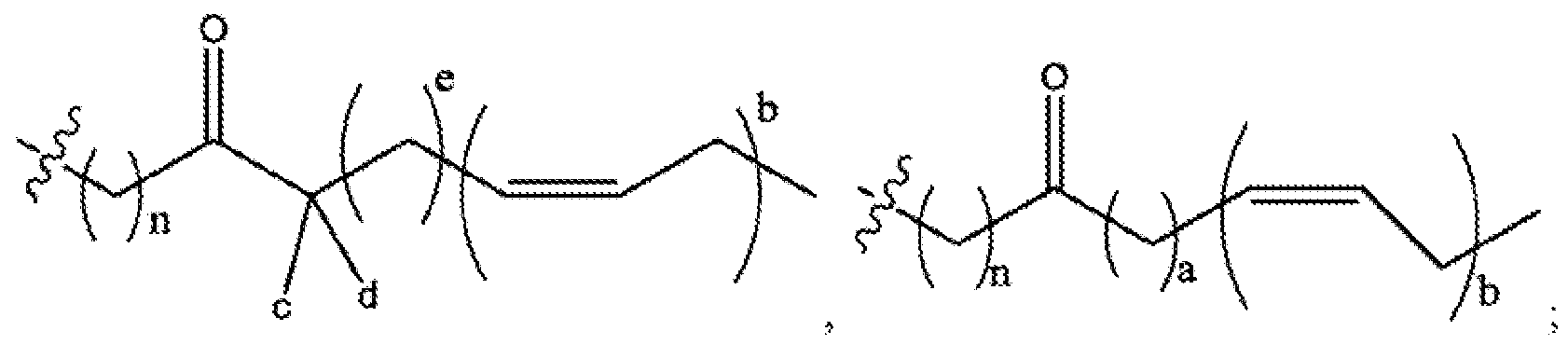
a is independently 2,3 or 7;
each b is independently 3, 5 or 6;
e is independently 1, 2 or 6;
c and d are each independently H, D, -OH, -OD, Cj -CValkyl, -N¾ or -COCH3; a is independently 1, 2, 3, 4 or 5;
R4 each independently represents H, D, -OCH 5 , -OCD^


a is independently 2,3 or 7;
each b is independently 3, 5 or 6;
e is independently 1 , 2 or 6;
c and d are each independently H, D, -OH, -OD, Ci-C-s-alkyl, -N¾ or -COC¾;
n is independently 1. 2, 3, 4 or 5.
Methods for using compounds of formula 1:
[0092] The invention also includes methods for treating fibromyalgia and other neurological diseases related to pain such as injury, posi-operalive pain, osteoarthritis, rheumatoid arthritis, multiple sclerosis, spinal cord injury, migraine, HIV related neuropathic pain, post herpetic neuralgia, diabetic neuropathy, bipolar depression, depression, stress, cancer pain, fibromyalgia and lower back pain..
METHODS OF MAKING
J0093J Examples of synthetic pathways useful for making compounds of formula 1 are set forth in example below mid generalized in scheme 1 :
Scheme*! :


1 reflux, 15 min 2
|0095| 5H-dibeiizo[a,d]cyclohepten-5-one 1 ( 15.5 g., 0.075 mole) is added in portions to a solution o ethylmagnesiura bromide, prepared from 3.64 g, (0.15 mole) of magnesium and 16.4 g. of eihyi bromide in ether. After stirring for 1 hour at room temperature, the mixture is heated to refluxing for 15 minutes, then cooled, and the Grignar adduct is hydrolyzed by cautiously adding ammonium chloride solution. 'The crude 5-eihyl-5-hydroxy-5H-dibenzo[a ]cyclo eptene is recovered from the ether layer in a yield of 16.78 g. (95%), m..p., 63° -65° (clearing at 70°C). After recrystal ligati n from petroleum ether, hex ne and fmaily isopropyl alcohol, an analytical sample melted at 030~65°C.
[00963 Ste -2: Synthesis of compound 3:

|0 97j Compound 2 03.7 g., 0.058 mole) is dissolved in 80 ml. of acetyl chloride and the solution heated to refluxing for 90 minutes. The acetyl chloride is evaporated under reduced pressure and the residue dissolved in benzene. After washing with alkali followed by a water wash, the benzene is removed and the product distilled under reduced pressure. The desired 5-ethyiidene-5H-dibenzo[a,d]cyciohepiene is obtained as the fraction boiling at 13QC~135°C, (0.02 mm.}. 'It crystallized cm cooling. The compound 3 was purified further by recrysiaUization from 95% alcohol.
[0098] Step-3: Synthesis of compound 4:
MBS
Benzo !

100991 A mixture of compound 3 (10.9 g., 0.05 mole), N-broraosueciniraide (8.9 g„ 0.05 mole), benzoyl peroxide (15 nig.) and 150 ml, of carbon tetrachloride is stirred and heated to re fluxing on. the steam-bath for 4 hours. After cooling, the siiccinimide is separated by filtration and washed with carbon tetrachloride. The combined filtrate and washings are evaporated to dryness under reduced pressure. Crystallization of the residual solid from petroleum ether gave 5~(2~bronroethy1idene)~5H- dibenzo[a,d]cyelohepteiie 4 in a yield of 10.65 g, (72%), ni.p. 87.5°-89.5c A analytical sample, after recrystallizatio.n from petroleum ether, melted at 89¾~90°C.
| 01 0| Step-4: Synthesis of compound 5:

(001011 A solution oi"5-(2-brornoethylidene)-5H~dibena>[a,d]cyclohepiene 4 (7.5 g., 0.025 mole) in. 75 ml. of acetone is treated with a solution of potassium cyanide (5.0 g., 0.077 mole) in 15 ml. of water and the mixture heated to refiuxing for 12 hours. The solution, is evaporated to dryness under reduced pressure and the residue partitioned between ether and water. The ethereal layer is separated, washed with water, and dried over anhydrous sodium sulfate. Evaporation of the ether under reduced pressure gave an oily solid residue. Trituration with a mixture of petroleum ether ~ ether (3: 1), 40 ml.
afforded while crystals, m.p. 95 01°C. The yield of 5-(2-cyanoethylidene)-5H- dibenzo[a,d]cyclohepien.e 5 is 4.9 g. (81%), Repeated recrystaliizations from isopropyl alcohol-water and from hexane gave an analytical sample melting at 103 ~105°C.
[00102 i Step-5; Synthesis of compound 6;

(00103) in system protected by a drying tube and in which a nitrogen atmosphere is maintained, lithium aluminum hydride (380 mg,, 0.01 mole) is suspended in 15 ml. of dry. peroxide-free tetrahydroforan. The mixture is stirred and heated to remixing for 4 hours. After cooling in an ice-bath, the mixture is stirred while a solution, of 5-(2~ cyanoetliylide.n.e)~5i-l-dibeiizo[a,d]cycloliepiene 5 (1.21 g., 0.005 mole) in 20 nil. of tetrahydrofuran is added dropwise over 20 minutes. The deep red solution is stirred for 1 hour in t e cold and then hydrolyzed by the successive dropwise addition of water, 0.4 ml., 20% sodium hydroxide, 0.4 ml., and water, 1,0 ml. The granular precipitate is filtered and washed with absolute ether. The combined filtrate and washings are evaporated to dryness under reduced pressure to get the residual yellow oily base 6.
[00104] Step-6: Synthesis of compound 7 :

|001 5| NaH (15 mmoi) was taken in a RB, added DMF, cooled to 0"C and added Compound 6 in DMF (10 mmoi) dropwise with stirring. The stirring was continued for 20 min and then added methyl iodide (12 mmoi), stirred the reaction mixture at room
temperature for 4h. A fter completion of the react ion the mixture was cooled to 0°C and added ice cold water dropwise. The reaction mixture was extracted with diethyl ether and the organic layer was dried over
 and evaporated to get the crude product which was purified through column to get compound 7.
[00.106] Stop-?: Synthesis of compound 8;

[00.1.07] aH (15 mmol) was taken in a RB, added DMF,cooled to 0°C and added Compound 7 in D F (10 mmol) dropwise with stirring. The stirring was continued for 20 min and then added ethyl ehloroformate (CICOOEt, 12 mmol), stirred the reaction mixture at room temperature for 4h, After completion of the reaction the mixture was cooled to 0°C and added ice cold water dropwise. The reaction mixture was extracted with diethyl ether and the organic layer was dried over NajSO,* and evaporated to get the crude product which was purified through column to get compound 8.
[001 8] Step~ : Synthesis of compound 9:

[00109] To a suspension of LAM (48 mmol) in anhydrous THF (200 mL) was added dropwise a solution of 8 (24 mmol) in THF (20 mL) at 0 °C. The mixture was stirred a 60 °C for 14 h. and then re-cooled to 0 °C. To the resultant mixture were added
successively water (5.5 mL), 15% NaOH (5.5 mL), and water (16.5 mL). The mixture was filtered through Ceiite, The layers were separated, the organic layer was dried over Na^SO.} was concentrated in vacuo and the residue was ehroniatographed to get compound 9. ~9; Synthesis of compound 1 1

(OOl l 'f f Stirring a mixture of solution, of compound 9 (18.0 mmol; 1.0 eq) and compound 1.0 (18.0 mmol; 1 .0 eq) in Dichloromethane (DCM) (200 mL; LR grade): 1- euiyl-3^3'^methylairanopropyl)carbodiinude.HC1 (EDCLHCl) (527.0 mmol; 1.5 eq) and 4-0i.methylatni.oopyridine(DMAP) (18.0 mmol; 1.0 eq) at room temperature (RT) for 24 hours. Reaction was monitored by TLC. On completion of the reaction, the reaction mixture was diluted with DCM (200 mL), washed with water (2x300 mL) followed by brine solution (300 mL) and dried over anhydrous a.?SQ4 and evaporated uader reduced pressure. The crude was purified by column chromatography over 100-200 mesh silica gel by using ethyl acetate-pet ether to get compound 11. M.F: C40H49NO2 ; Mo!. Wt: 575.38 ; Elemental Analysis: C, 83.43; H, 8.58; N, 2.43; O, 5.56.
(00112) The term "sample" refers to a sample of a body fluid, to a sample of separated cells or to a sample from a tissue or an organ, Samples of body fluids cart be obtained by well known techniques and include, preferably, samples of blood, plasma, serum, or urine, mor preferably, samples of blood, plasma or serum.
EQUIVALENTS
(00113) The present disclosure provides among other things compositions and methods for treating fibromyalgia pain and their complications. While specific embodiments of the subject disclosure have been discussed, the above specification is illustrative and not: .restrictive. Many variations of the systems and methods herein will, become apparent to those skilled in the art upon review of this specification.
INCORPORATION BY REFERENCE
(001.1.4) All publications and patents nientioned herein, including those items listed above, are hereby incorporated by reference in. their entiret as if each individual publication or patent was specifically and individually indicated to be incorporated by reference. In case of conflict, the present application, including any definitions herein, will control.
Claims
A compound of formula I:

or a pharmaceuiically accepiabie salt, hydrate, polymorph, solvate, prodrug, enantiomcr, or stereoisomer thereof;
Wherein,
R1 independently represents -H, -OH, -CH3, -F, -D, -C)D, -OCH3, -Ci fcOCH^
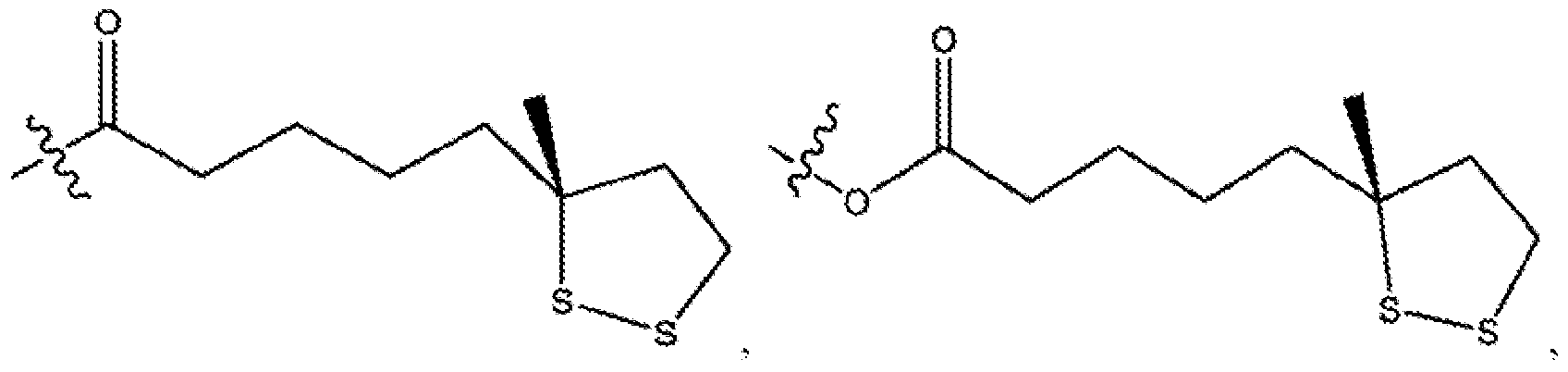

each h is independently 3, 5 or 6;
e is independently 1 , 2 or 6;
c and d are each independently H, D} -OH, ~OD, Cx-Cg-alkyl, ~N¾ or -COCH¾; R" independently represents D, ~C¾,

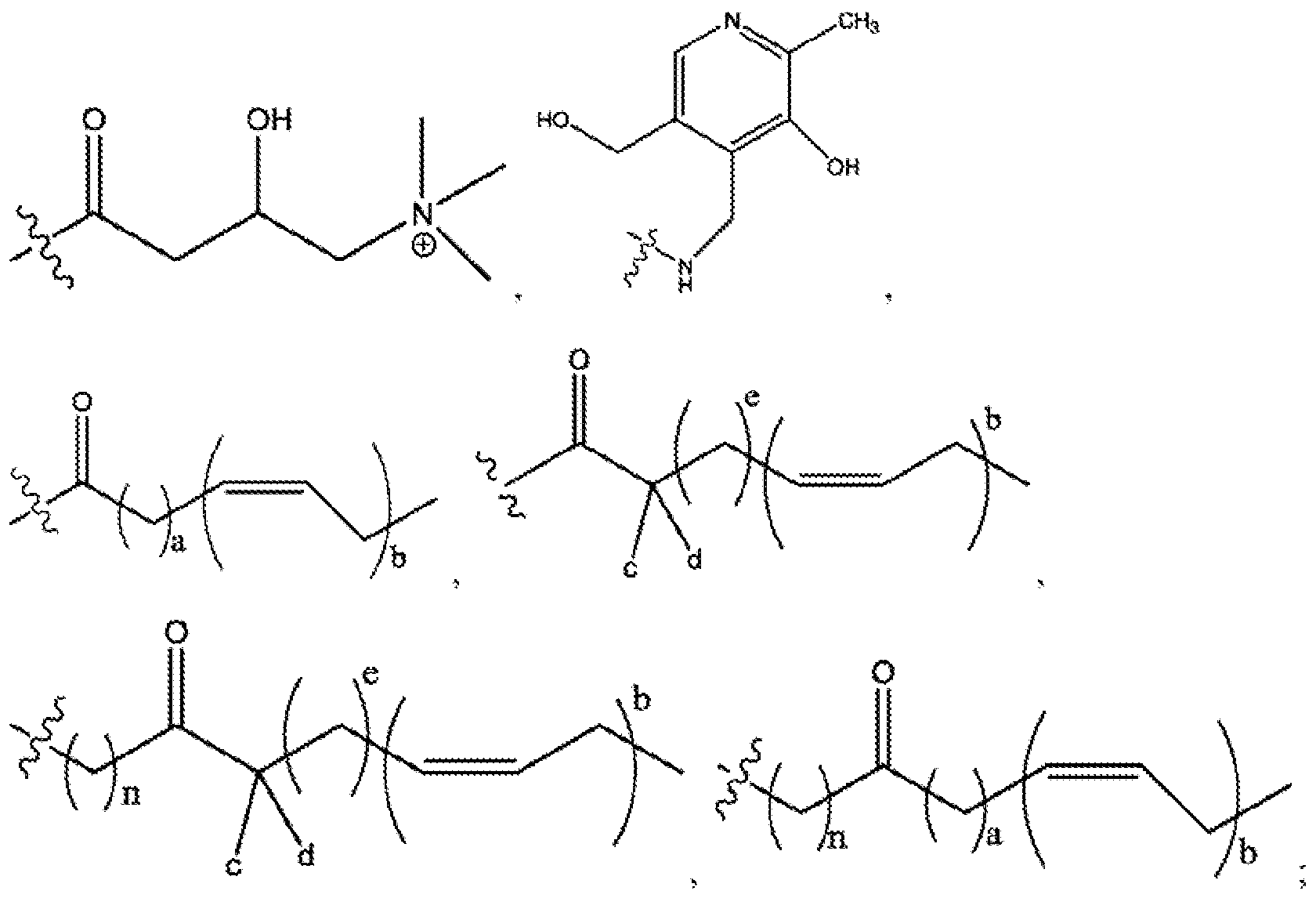
a is independently 2,3 or 7;
each b is independently 3, 5 or 6;
e is indepeTidentiy , 2 or 6;
c and d are each independently H, D, -OH, -OI), Ci-Q-aikyl, -N¾ or -COCH3; n is independently 1 , 2, 3, 4 or 5;
R ' , R4 each independently represents H, D„ -QCHj, -GCDs,

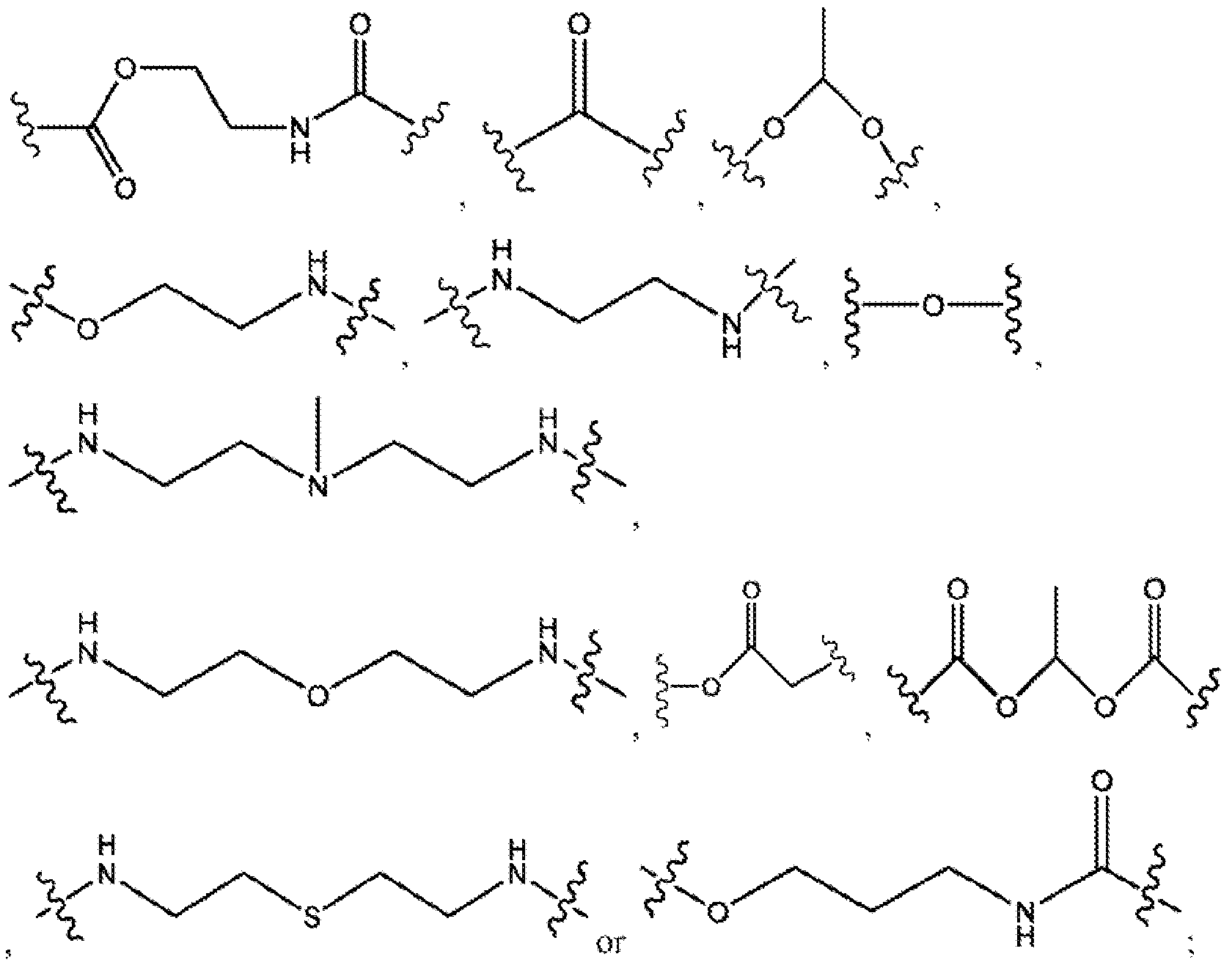


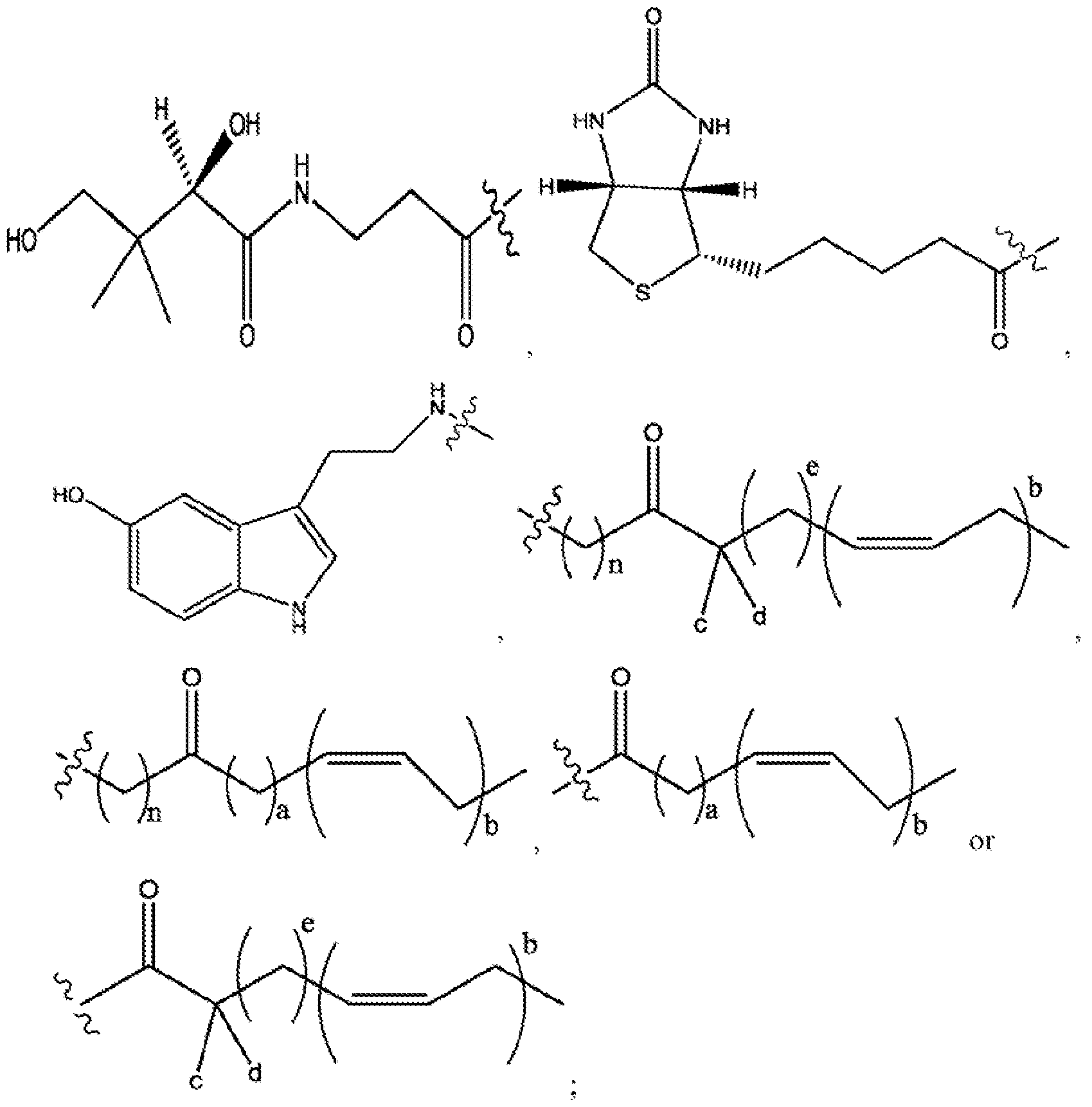
a is iodependeiiily 2,3 or 7;
each b is indepeiidentiy 3, 5 or 6;
e is independentl 1 , 2 or 6;
e and d are each independently H, D, -OH, -OD, Cx-Q-alkyl, - ¾ or -COC¾: n is independently 1 , 2, 3, 4 or 5.
A Pharmaceutical composition comprising a compound of claim 1 and a pharmaceutically acceptable carrier.
The pharmaceutical composition of claim. 2, which, is formulated to treat the underlying etiology with an effective amount administering the patient in need by oral administration, delayed release or sustained release, transmucosai, syrup, topical, parenteral administration, injection, subderrnal, oral solution, rectal administration, buccal admirri strati on or transdermal administration.
A method of treating fibromyalgia pain and pain as the underlying etiology, the method comprising administering to a patient in need thereof an effectiv amount of claim 3.
The method of claim 4, wherem the fibromyalgia pain and pain as the uoderlving etiology is selected from injury, post-operative pain, osteoarthritis, rheumatoid arthritis, multiple sclerosis, spinal cord injury, migraine, depression, HIV related neuropathic pain, post herpetic neuralgia, diabetic neuropathy, bipolar depression, stress, cancer pain, and lower back pain.
A pharmaceutical composition comprising a molecular conjugate of eyeloben apritie and R~Lipoic acid.
A pharmaceutical composition comprising a molecular conjugate of cyclobenzaprine and eicosapentaenoic acid.
A pharmaceutical composition comprising a molecular conjugate of eyelobenzapritie and docosahexaenoic acid.
A pharmaceutical composition comprising a molecular conjugate of cyclobenzaprine and salsalate,
Priority Applications (1)
| Application Number | Priority Date | Filing Date | Title |
|---|---|---|---|
| US14/399,185 US9346742B2 (en) | 2012-05-10 | 2013-02-10 | Compositions and methods for the treatment of fibromyalgia pain |
Applications Claiming Priority (2)
| Application Number | Priority Date | Filing Date | Title |
|---|---|---|---|
| IN1841/CHE/2012 | 2012-05-10 | ||
| IN1841CH2012 | 2012-05-10 |
Publications (2)
| Publication Number | Publication Date |
|---|---|
| WO2013168004A2 true WO2013168004A2 (en) | 2013-11-14 |
| WO2013168004A3 WO2013168004A3 (en) | 2016-09-01 |
Family
ID=49551400
Family Applications (1)
| Application Number | Title | Priority Date | Filing Date |
|---|---|---|---|
| PCT/IB2013/051096 Ceased WO2013168004A2 (en) | 2012-05-10 | 2013-02-10 | Compositions and methods for the treatment of fibromyalgia pain |
Country Status (2)
| Country | Link |
|---|---|
| US (1) | US9346742B2 (en) |
| WO (1) | WO2013168004A2 (en) |
Cited By (1)
| Publication number | Priority date | Publication date | Assignee | Title |
|---|---|---|---|---|
| WO2016138569A1 (en) * | 2015-03-04 | 2016-09-09 | The University Of Queensland | Method of treatment of central neuropathic pain |
Families Citing this family (1)
| Publication number | Priority date | Publication date | Assignee | Title |
|---|---|---|---|---|
| CA3069699A1 (en) | 2017-07-13 | 2019-01-17 | Tonix Pharmaceuticals Holding Corp. | Analogs of cyclobenzaprine and amitryptilene |
Family Cites Families (140)
| Publication number | Priority date | Publication date | Assignee | Title |
|---|---|---|---|---|
| US2807644A (en) | 1954-08-20 | 1957-09-24 | Parke Davis & Co | Pantethine inhibitors |
| DE1205972B (en) | 1963-08-20 | 1965-12-02 | Merck Ag E | Process for the production of a lipoic acid derivative |
| US3546275A (en) * | 1964-05-06 | 1970-12-08 | Geigy Chem Corp | Dibenzo(a,d)cycloheptene-5'-ylidene)hydroxylamines |
| US4011342A (en) | 1971-06-02 | 1977-03-08 | Seperic | Method and composition for the treatment of hypertension with ortho-disubstituted arylguanidines |
| JPS5677259A (en) | 1979-11-29 | 1981-06-25 | Nippon Chemiphar Co Ltd | N-pyridoxyl 5,8,11,14,17-eicosapentaenoic acid amide, and its preparation |
| WO1981002671A1 (en) | 1980-03-20 | 1981-10-01 | Ferring Farma Lab | Pharmaceutical composition and method for the treatment of colitis ulcerosa and crohn's disease by oral administration |
| US4404366A (en) | 1980-05-06 | 1983-09-13 | Miles Laboratories, Inc. | Beta-galactosyl-umbelliferone-labeled hapten conjugates |
| US4412992A (en) | 1980-07-21 | 1983-11-01 | Biorex Laboratories Limited | 2-Hydroxy-5-phenylazobenzoic acid derivatives and method of treating ulcerative colitis therewith |
| US4440763A (en) | 1981-03-18 | 1984-04-03 | Block Drug Company, Inc. | Use of 4-aminosalicyclic acid as an anti-inflammatory agent |
| IT1190727B (en) | 1982-03-10 | 1988-02-24 | Ausonia Farma Srl | COMPOUND WITH ANALGESIC, ANTI-INFLAMMATORY AND MUCOREGULATING ACTIVITY PROCEDURE FOR ITS PREPARATION AND RELATED PHARMACEUTICAL COMPOSITIONS |
| FR2528038B2 (en) | 1982-06-04 | 1985-08-09 | Lafon Labor | BENZHYDRYLSULFINYLACETAMIDE DERIVATIVES AND THEIR THERAPEUTIC USE |
| US4564628A (en) | 1983-01-03 | 1986-01-14 | Nelson Research & Development Co. | Substituted 2-aminotetralins |
| US5104887A (en) | 1983-02-04 | 1992-04-14 | University Of Iowa Research Foundation | Topical ophthalmic imino substituted 2-imino-3-methyl-delta4-1,3,4-thiadiazoline-5-sulfonamides carbonic anhydrase inhibitors |
| JPS6089474A (en) | 1983-10-20 | 1985-05-20 | Toyo Pharma- Kk | Morphinan derivative, production thereof and antitumor agent containing said compound |
| IL73293A (en) | 1983-11-04 | 1988-02-29 | Abbott Lab | Methyl 2-(alkanamidoalkylsulfonic)ethylthiophosphonate derivatives |
| IT1213132B (en) | 1984-02-02 | 1989-12-14 | Yason Srl | ANTIBRONCOPNEUMOPATHIC AGENT. |
| US4550109A (en) | 1984-05-31 | 1985-10-29 | The Board Of Regents, The University Of Texas System | Lipoidal biopterin compounds |
| JPS61277618A (en) | 1985-06-04 | 1986-12-08 | Suntory Ltd | Remedy for autism |
| YU213587A (en) | 1986-11-28 | 1989-06-30 | Orion Yhtymae Oy | Process for obtaining new pharmacologic active cateholic derivatives |
| US4873259A (en) | 1987-06-10 | 1989-10-10 | Abbott Laboratories | Indole, benzofuran, benzothiophene containing lipoxygenase inhibiting compounds |
| EP0421441B1 (en) | 1989-10-06 | 1995-01-25 | Fujirebio Inc. | Pantothenic acid derivatives |
| US5242937A (en) | 1990-03-19 | 1993-09-07 | Research Corporation Technologies, Inc. | Topically active ocular thiadiazole sulfonamide carbonic anhydrase inhibitors |
| IT1248702B (en) | 1990-06-06 | 1995-01-26 | Yason Srl | ANTITUSSIVE AGENT AND MUCOREGULATOR, ITS PREPARATION AND PHARMACEUTICAL COMPOSITIONS |
| US5260337A (en) * | 1992-07-29 | 1993-11-09 | Merck & Co., Inc. | Ibuprofen-muscle relaxant combinations |
| FR2699077B1 (en) | 1992-12-16 | 1995-01-13 | Rhone Poulenc Rorer Sa | Application of anticonvulsants in the treatment of neurological lesions linked to trauma. |
| FR2707637B1 (en) | 1993-06-30 | 1995-10-06 | Lafon Labor | New acetamide derivatives, their preparation process and their use in therapy. |
| AU1967495A (en) | 1994-02-18 | 1995-09-04 | Cell Therapeutics, Inc. | Intracellular signalling mediators |
| SE9401727D0 (en) | 1994-05-18 | 1994-05-18 | Astra Ab | New compounds I |
| FR2722199B3 (en) | 1994-07-11 | 1996-09-06 | Univ Picardie Jules Verne Etab | VALPROIC ACID DERIVATIVES AND THEIR APPLICATIONS AS MEDICAMENTS |
| US6156777A (en) | 1994-12-15 | 2000-12-05 | Pharmacia & Upjohn Company | Use of pramipexole as a neuroprotective agent |
| NZ334389A (en) | 1996-08-28 | 2001-05-25 | Ube Industries | Cyclic amine derivatives |
| JP2001504498A (en) | 1996-11-22 | 2001-04-03 | エラン・ファーマシューティカルズ・インコーポレイテッド | N- (aryl / heteroaryl / alkylacetyl) amino acid amides and pharmaceutical compositions thereof, and methods of inhibiting the release of β-amyloid peptide and / or the synthesis thereof using the compounds |
| US6414008B1 (en) | 1997-04-29 | 2002-07-02 | Boehringer Ingelheim Pharma Kg | Disubstituted bicyclic heterocycles, the preparation thereof, and their use as pharmaceutical compositions |
| GB9710351D0 (en) | 1997-05-20 | 1997-07-16 | Scotia Holdings Plc | Glucosamine fatty acids |
| NZ333474A (en) | 1998-01-02 | 1999-06-29 | Mcneil Ppc Inc | A chewable tablet containing ibuprofen, fumaric acid and a non hydrocolloid binder e.g. a wax or a fat |
| ID25589A (en) | 1998-02-27 | 2000-10-19 | Sankyo Company Ltd Cs | AMINO CYCLE COMPOUNDS |
| JP3761324B2 (en) | 1998-05-15 | 2006-03-29 | ヤンマー農機株式会社 | Passenger rice transplanter |
| US6846495B2 (en) | 1999-01-11 | 2005-01-25 | The Procter & Gamble Company | Compositions having improved delivery of actives |
| HUP0200898A3 (en) | 1999-04-06 | 2005-09-28 | Sepracor Inc | Derivatives of venlafaxine and methods of preparing and using the same |
| US6262118B1 (en) | 1999-06-04 | 2001-07-17 | Metabolex, Inc. | Use of (-) (3-trihalomethylphenoxy) (4-halophenyl) acetic acid derivatives for treatment of insulin resistance, type 2 diabetes and hyperlipidemia |
| DE60021266T2 (en) * | 1999-08-13 | 2006-05-24 | L&L Technologies, Llc | Uses of compositions for the treatment or prevention of sleep disorders using very low doses of cyclobenzaprine |
| MXPA02003312A (en) | 1999-09-29 | 2002-10-04 | Procter & Gamble | Compositions having improved stability. |
| US6429223B1 (en) | 2000-06-23 | 2002-08-06 | Medinox, Inc. | Modified forms of pharmacologically active agents and uses therefor |
| WO2002009769A2 (en) | 2000-07-27 | 2002-02-07 | Rutgers, The State University Of New Jersey | Therapeutic azo-compounds for drug delivery |
| DE60130014T2 (en) | 2000-10-24 | 2008-05-08 | Ajinomoto Co., Inc. | METHOD FOR PRODUCING THE B-FORM OF NATEGLINIDE CRYSTALS |
| DE10103506A1 (en) | 2001-01-26 | 2002-08-14 | Ingo S Neu | Pharmaceutical composition for the treatment of multiple sclerosis |
| UA81224C2 (en) | 2001-05-02 | 2007-12-25 | Euro Celtic S A | Dosage form of oxycodone and use thereof |
| JP2005525293A (en) | 2001-08-29 | 2005-08-25 | エンドー ファーマシューティカルズ, インコーポレイティド | Analgesics and methods of use |
| US7138133B2 (en) | 2001-10-10 | 2006-11-21 | The Procter & Gamble Company | Orally administered liquid compositions |
| US20040010038A1 (en) | 2002-02-27 | 2004-01-15 | Eran Blaugrund | Propargylamino indan derivatives and propargylamino tetralin derivatives as brain-selective MAO inhibitors |
| US20030220344A1 (en) | 2002-04-04 | 2003-11-27 | Luiz Belardinelli | Method of treating arrhythmias |
| JP4615866B2 (en) | 2002-04-15 | 2011-01-19 | ノバルティス アーゲー | Crystal form of N- (trans-4-isopropylcyclohexylcarbonyl) -D-phenylalanine |
| PL372902A1 (en) | 2002-04-16 | 2005-08-08 | Astellas Pharma Inc. | New use |
| US7060725B2 (en) | 2002-05-13 | 2006-06-13 | Janssen Pharmaceutica N.V. | Substituted sulfamate anticonvulsant derivatives |
| GB0223224D0 (en) | 2002-10-07 | 2002-11-13 | Novartis Ag | Organic compounds |
| AU2003293423A1 (en) | 2002-12-06 | 2004-06-30 | Xenoport, Inc. | Carbidopa prodrugs and uses thereof |
| ATE405840T1 (en) | 2002-12-19 | 2008-09-15 | Scripps Research Inst | COMPOSITIONS AND METHODS FOR STABILIZING TRANSTHYRETIN AND INHIBITING TRANSTHYRETIN MISFOLDING |
| WO2004075886A1 (en) | 2003-02-14 | 2004-09-10 | Pierre Fabre Medicament | Use of the enantiomer (1s, 2r) of milnacipran for the preparation of a medicament |
| UA81657C2 (en) | 2003-03-04 | 2008-01-25 | Орто-Макнейл Фармасьютикел, Инк. | Normal;heading 1;heading 2;PROCESS FOR THE PREPARATION OF ANTICONVULSANT DERIVATIVES OF TOPIRAMATE |
| CA2534342C (en) | 2003-07-29 | 2016-05-10 | V. Ravi Chandran | Amino acid prodrugs |
| MXPA06004088A (en) | 2003-10-14 | 2006-06-27 | Xenoport Inc | Crystalline form of gamma-aminobutyric acid analog. |
| US7470435B2 (en) | 2003-11-17 | 2008-12-30 | Andrx Pharmaceuticals, Llc | Extended release venlafaxine formulation |
| BRPI0416960A (en) | 2003-11-28 | 2007-02-21 | Sankyo Co | cyclically amine derivative having heteroaryl ring |
| DE10361259A1 (en) | 2003-12-24 | 2005-07-28 | Schwarz Pharma Ag | Use of Rotigotine in Early Stage Parkinson's Disease to Prevent Further Neuronal Loss |
| CN1248690C (en) | 2004-03-25 | 2006-04-05 | 华中师范大学 | Oral preparation containing ranolazine hydrochloride for treating cardiovascular disease |
| EA200601648A1 (en) | 2004-04-07 | 2007-04-27 | Зе Юниверсити Оф Джорджия Рисерч Фаундейшн, Инк. | GLUCOSAMINE AND GENERAL PROCEDURES GLUCOSAMINE / ANTI-INFLAMMATORY AGENT, COMPOSITIONS AND METHODS |
| EP1740162A4 (en) | 2004-04-29 | 2009-11-18 | Caldwell Galer Inc | Topical methadone compositions and methods for using the same |
| CN1672678A (en) | 2004-05-03 | 2005-09-28 | 深圳微芯生物科技有限责任公司 | Separation and extraction of natural active long-chain fatty acid component for preventing and treating prostatosis and the prepn and application of its medicine prepn |
| US7342131B2 (en) | 2004-06-04 | 2008-03-11 | Xenoport, Inc. | Levodopa prodrugs, and compositions and uses thereof |
| CN100455560C (en) | 2004-06-09 | 2009-01-28 | 中国人民解放军军事医学科学院放射医学研究所 | Medicine precursor containing long chain fatty acyl group substituted venlafaxine and its prepn and use |
| CN101080224B (en) * | 2004-11-16 | 2011-03-30 | 利默里克神经科学股份有限公司 | Composition for treating pain and its use |
| WO2006096996A1 (en) | 2005-03-18 | 2006-09-21 | Ripped Formulations Ltd. | Compositions and methods for increasing metabolism, thermogenesis and/or muscular definition |
| EP1940392A2 (en) | 2005-05-11 | 2008-07-09 | Nycomed GmbH | Combination of the pde4 inhibitor and a tetrahydrobiopterin derivative |
| DE102005022276A1 (en) | 2005-05-13 | 2006-11-16 | Ellneuroxx Ltd. | Derivatives of dihydroxyphenylalanine |
| US20060270635A1 (en) | 2005-05-27 | 2006-11-30 | Wallace John L | Derivatives of 4- or 5-aminosalicylic acid |
| WO2006125293A1 (en) | 2005-05-27 | 2006-11-30 | Antibe Therapeutics Inc. | Derivatives of 4- or 5-aminosalicylic acid |
| BRPI0610311A2 (en) | 2005-05-27 | 2010-06-15 | Daiichi Sankyo Co Ltd | cyclically amine derivative having substituted alkyl group |
| WO2007045620A1 (en) | 2005-10-18 | 2007-04-26 | Boehringer Ingelheim International Gmbh | Use of pramipexol for treating moderate to severe restless legs syndrome (rls) |
| WO2007086493A1 (en) | 2006-01-27 | 2007-08-02 | Asahi Kasei Pharma Corporation | Medicine for transnasal administration |
| US20070259930A1 (en) | 2006-04-10 | 2007-11-08 | Knopp Neurosciences, Inc. | Compositions and methods of using r(+) pramipexole |
| BRPI0602179A (en) * | 2006-06-08 | 2008-01-22 | Biolab Sanus Farmaceutica Ltda | pharmaceutical composition comprising cyclobenzaprine and aceclofenac in combination |
| EP1870395A1 (en) | 2006-06-19 | 2007-12-26 | KRKA, D.D., Novo Mesto | Process for preparation of o-desmethylvenlafaxine and its analogue |
| US7943666B2 (en) | 2006-07-24 | 2011-05-17 | Trinity Laboratories, Inc. | Esters of capsaicin for treating pain |
| US7645767B2 (en) | 2006-08-31 | 2010-01-12 | Trinity Laboratories, Inc. | Pharmaceutical compositions for treating chronic pain and pain associated with neuropathy |
| TW200817048A (en) | 2006-09-08 | 2008-04-16 | Wyeth Corp | Dry powder compound formulations and uses thereof |
| CN101563074B (en) * | 2006-10-20 | 2012-11-07 | 麦克内尔-Ppc股份有限公司 | Acetaminophen/Ibuprofen Combo |
| CN100573950C (en) | 2006-12-14 | 2009-12-23 | 财团法人工业技术研究院 | Phase change memory device and method of manufacturing the same |
| PT2101766T (en) | 2006-12-14 | 2016-12-28 | Knopp Biosciences Llc | Compositions and methods of using (r)-pramipexole |
| WO2008079404A2 (en) | 2006-12-22 | 2008-07-03 | Combinatorx, Incorporated | Pharmaceutical compositions for treatment of parkinson's disease and related disorders |
| JP2010515747A (en) | 2007-01-12 | 2010-05-13 | ビオマリン プハルマセウトイカル インコーポレイテッド | Tetrahydrobiopterin prodrug |
| ES2319024B1 (en) | 2007-02-13 | 2009-12-11 | Quimica Sintetica, S.A. | PROCEDURE FOR OBTAINING ENTACAPONA SUBSTANTIALLY FREE OF ISOMERO Z, ITS SYNTHESIS INTERMEDIATES AND NEW CRYSTAL FORM. |
| CN101715443A (en) | 2007-03-14 | 2010-05-26 | 诺普神经科学股份有限公司 | Synthesis of Chirally Purified Substituted Benzothiazole Diamines |
| AU2008247818B2 (en) | 2007-05-01 | 2011-10-20 | Sun Pharmaceutical Industries, Inc. | Morphinan compounds |
| EP1997493A1 (en) | 2007-05-28 | 2008-12-03 | Laboratorios del Dr. Esteve S.A. | Combination of a 5-HT7 receptor ligand and an opioid receptor ligand |
| EP2190853A4 (en) | 2007-06-22 | 2011-08-31 | Gluconova Llc | Halide-free glucosamine-acidic drug complexes |
| US20090075942A1 (en) | 2007-09-13 | 2009-03-19 | Protia, Llc | Deuterium-enriched fosamprenavir |
| CN101390854A (en) | 2007-09-21 | 2009-03-25 | 北京德众万全药物技术开发有限公司 | Medical composition containing riluzole |
| WO2009056791A1 (en) | 2007-11-02 | 2009-05-07 | Pliva Hrvatska D.O.O. | Processes for preparing pharmaceutical compounds |
| WO2009061934A1 (en) | 2007-11-06 | 2009-05-14 | Xenoport, Inc. | Use of prodrugs of gaba b agonists for treating neuropathic and musculoskeletal pain |
| CN101186583B (en) | 2007-12-20 | 2011-05-11 | 吉林大学 | Methyl 2-(2-(2,6-dichlorophenylamino)phenyl)acetate and its synthesizing method and application |
| ES2584907T3 (en) * | 2008-03-04 | 2016-09-30 | Labrys Biologics Inc. | Methods for treating inflammatory pain |
| US20100081713A1 (en) | 2008-03-19 | 2010-04-01 | CombinatoRx, (Singapore) Pte. Ltd. | Compositions and methods for treating viral infections |
| CN101569618B (en) | 2008-04-30 | 2011-11-09 | 上海医药工业研究院 | Application of a class of long-chain fatty acid derivatives in the preparation of pharmaceutical compositions for preventing or treating benign prostatic hyperplasia |
| KR100990949B1 (en) | 2008-06-09 | 2010-10-29 | 엔자이텍 주식회사 | Method for preparing clopidogrel and its derivatives |
| SI2315740T1 (en) | 2008-07-08 | 2018-03-30 | Catabasis Pharmaceuticals, Inc. | Fatty acid acetylated salicylates and their uses |
| DK2334378T3 (en) | 2008-08-19 | 2014-07-07 | Xenoport Inc | Methyl hydrogen fumarate prodrugs, pharmaceutical compositions thereof and methods of use |
| BRPI0916922A2 (en) | 2008-08-22 | 2015-11-24 | Wockhardt Research Center | extended release pharmaceutical composition of entacapone or salts thereof |
| US20110313176A1 (en) | 2008-12-26 | 2011-12-22 | Actavis Group Ptc Ehf | Processes for preparing highly pure rotigotine or a pharmaceutically acceptable salt thereof |
| BRPI0901298A2 (en) | 2009-04-06 | 2011-01-04 | Ems Sa | phthalimide derivatives of nonsteroidal antiinflammatory compounds and / or modulators of tnf- (alpha), process for obtaining them, pharmaceutical compositions containing them and their uses in the treatment of inflammatory diseases |
| NZ720946A (en) | 2009-04-29 | 2017-09-29 | Amarin Pharmaceuticals Ie Ltd | Pharmaceutical compositions comprising epa and a cardiovascular agent and methods of using the same |
| WO2010147666A1 (en) | 2009-06-19 | 2010-12-23 | Memorial Sloan-Kettering Cancer Center | Compounds useful as carbonic anhydrase modulators and uses thereof |
| EA201290007A1 (en) | 2009-08-10 | 2013-01-30 | Беллус Хелс Инк. | METHODS, CONNECTIONS AND COMPOSITIONS FOR DELIVERY 1,3-PROPANDIDE SULPHATES |
| CN102002053A (en) | 2009-09-02 | 2011-04-06 | 陕西合成药业有限公司 | Tetrahydro thienopyridine derivative for treating |
| CN101717392A (en) | 2009-10-09 | 2010-06-02 | 苏州凯达生物医药技术有限公司 | Method for preparing rotigotine and derivative thereof |
| CN102050815B (en) | 2009-11-06 | 2014-04-02 | 北京美倍他药物研究有限公司 | Dabigatran ester derivatives as prodrug |
| CN101724934B (en) | 2009-11-10 | 2012-07-04 | 东华大学 | Medicinal fibre used for treating cutaneous inflammation and pain, preparation and application thereof |
| ES2364011B1 (en) | 2009-11-20 | 2013-01-24 | Gp Pharm, S.A. | CAPSULES OF PHARMACEUTICAL ACTIVE AND ESTERS OF POLYINSATURATED FATTY ACIDS FOR THE TREATMENT OF CARDIOVASCULAR DISEASES. |
| DK2521447T3 (en) | 2010-01-08 | 2017-09-18 | Catabasis Pharmaceuticals Inc | Fatty Acid Fumarates and Their Uses |
| WO2011089216A1 (en) | 2010-01-22 | 2011-07-28 | Ascendis Pharma As | Dipeptide-based prodrug linkers for aliphatic amine-containing drugs |
| RU2436772C2 (en) | 2010-01-28 | 2011-12-20 | Закрытое акционерное общество "НПК ЭХО" | 4[(4'-nicotinoylamino)butyroylamino]butanoic acid, exhibiting nootropic activity, and method of producing said compound |
| US20130190327A1 (en) | 2010-02-26 | 2013-07-25 | Catabasis Pharmaceuticals Inc | Bis-fatty acid conjugates and their uses |
| US20110300190A1 (en) | 2010-06-08 | 2011-12-08 | Krisani Biosciences (P) Ltd | Compound, composition and uses thereof |
| ES2661973T3 (en) | 2010-07-12 | 2018-04-04 | Sanofi-Aventis Deutschland Gmbh | Aqueous composition containing bromohexine |
| US20120046272A1 (en) | 2010-08-23 | 2012-02-23 | Grunenthal Gmbh | Novel Therapeutic Compounds |
| WO2012027543A1 (en) | 2010-08-25 | 2012-03-01 | Teva Pharmaceuticals Usa, Inc. | Solid state forms of dabigatran etexilate, dabigatran etexilate mesylate and processes for preparation thereof |
| CN101921245B (en) | 2010-08-30 | 2012-04-18 | 中国人民解放军军事医学科学院卫生学环境医学研究所 | Sulfonamide compound for inhibiting carbonic anhydrase II, and synthesis method and application thereof |
| CA2814371C (en) | 2010-10-29 | 2019-03-19 | Algiax Pharmaceuticals Gmbh | Use of malononitrilamides in neuropathic pain |
| EP2450039A1 (en) | 2010-11-08 | 2012-05-09 | PAION UK Ltd. | Dosing regimen for sedation with CNS 7056 (Remimazolam) |
| WO2012115695A1 (en) | 2011-02-25 | 2012-08-30 | Catabasis Pharmaceuticals, Inc. | Bis-fatty acid conjugates and their uses |
| WO2013008182A1 (en) | 2011-07-10 | 2013-01-17 | Mahesh Kandula | Prodrugs of gaba analogs |
| CN102336767A (en) | 2011-07-11 | 2012-02-01 | 华东理工大学 | Method for preparing high-purity chiral alpha-substituted-6,7-thiaindan[3,2-c]pyridine derivative |
| WO2013017974A1 (en) | 2011-07-30 | 2013-02-07 | Mahesh Kandula | Compositions and methods for the treatment of neuromuscular disorders and neurodegenerative diseases |
| WO2013024376A1 (en) | 2011-08-16 | 2013-02-21 | Mahesh Kandula | Compositions and methods for the treatment of atherothrombosis |
| WO2013024320A1 (en) * | 2011-08-17 | 2013-02-21 | Mahesh Kandula | 2, 6 xylidine derivatives for the treatment of pain |
| WO2013027150A1 (en) | 2011-08-21 | 2013-02-28 | Mahesh Kandula | Compositions and methods for the treatment of parkinson's disease |
| CN102633799B (en) | 2012-04-10 | 2014-06-25 | 凯莱英医药集团(天津)股份有限公司 | Method for synthesizing sapropterin dihydrochloride from racemate intermediate separation route |
| US20150133533A1 (en) | 2012-05-08 | 2015-05-14 | Mahesh Kandula | Compositions and methods for the treatment of cough |
| WO2013167993A1 (en) | 2012-05-08 | 2013-11-14 | Mahesh Kandula | Compositions and methods for the treatment of neurological degenerative disorders |
| WO2013168022A1 (en) | 2012-05-08 | 2013-11-14 | Mahesh Kandula | Compositions and methods for treating atherothrombosis |
| EP2847152A4 (en) | 2012-05-10 | 2016-03-23 | Cellix Bio Private Ltd | COMPOSITIONS AND METHODS FOR TREATING METABOLIC SYNDROME |
-
2013
- 2013-02-10 US US14/399,185 patent/US9346742B2/en not_active Expired - Fee Related
- 2013-02-10 WO PCT/IB2013/051096 patent/WO2013168004A2/en not_active Ceased
Cited By (1)
| Publication number | Priority date | Publication date | Assignee | Title |
|---|---|---|---|---|
| WO2016138569A1 (en) * | 2015-03-04 | 2016-09-09 | The University Of Queensland | Method of treatment of central neuropathic pain |
Also Published As
| Publication number | Publication date |
|---|---|
| WO2013168004A3 (en) | 2016-09-01 |
| US9346742B2 (en) | 2016-05-24 |
| US20150111966A1 (en) | 2015-04-23 |
Similar Documents
| Publication | Publication Date | Title |
|---|---|---|
| WO2013167993A1 (en) | Compositions and methods for the treatment of neurological degenerative disorders | |
| WO2013167988A1 (en) | Compositions and methods for the treatment of cough | |
| US9492409B2 (en) | Compositions and methods for the treatment of local pain | |
| EP2882745A2 (en) | Compositions and methods for the treatment of local pain | |
| WO2013168014A1 (en) | Compositions and methods for the treatment of familial amyloid polyneuropathy | |
| US9403793B2 (en) | Compositions and methods for the treatment of moderate to severe pain | |
| WO2015033279A1 (en) | Compositions and methods for the treatment of homocystinuria | |
| US9273061B2 (en) | Compositions and methods for the treatment of chronic pain | |
| WO2014006529A2 (en) | Compositions and methods for the treatment of moderate to severe pain | |
| US20150141500A1 (en) | Compositions and methods for the treatment of neurological diseases | |
| WO2013167998A2 (en) | Compositions and methods for the treatment of autonomic and other neurological disorders | |
| US9346742B2 (en) | Compositions and methods for the treatment of fibromyalgia pain | |
| WO2013167986A2 (en) | Compositions and methods for the treatment of epilepsy | |
| US9233161B2 (en) | Compositions and methods for the treatment of neurological conditions | |
| US9573927B2 (en) | Compositions and methods for the treatment of severe pain | |
| WO2014057439A2 (en) | Compositions and methods for the treatment of neurological diseases and its associated complications | |
| WO2013168012A1 (en) | Compositions and methods for the treatment of respiratory disorders | |
| US20150087674A1 (en) | Compositions and methods for the treatment of severe pain | |
| WO2014006528A2 (en) | Compositions and methods for the treatment of neurological degenerative disorders | |
| WO2013168001A1 (en) | Compositions and methods for the treatment of moderate to severe pain | |
| US9339484B2 (en) | Compositions and methods for the treatment of restless leg syndrome and fibromyalgia | |
| US9173877B1 (en) | Compositions and methods for the treatment of local pain | |
| WO2013168025A1 (en) | Compositions and methods for treatment of blood clotting disorders | |
| WO2014195849A2 (en) | Compositions and methods for the treatment of cerebrovascular diseases | |
| WO2013167990A1 (en) | Compositions and methods for the treatment of depression |
Legal Events
| Date | Code | Title | Description |
|---|---|---|---|
| WWE | Wipo information: entry into national phase |
Ref document number: 14399185 Country of ref document: US |
|
| NENP | Non-entry into the national phase |
Ref country code: DE |
|
| 122 | Ep: pct application non-entry in european phase |
Ref document number: 13787165 Country of ref document: EP Kind code of ref document: A2 |