WO2014010206A1 - 免疫寛容誘導剤 - Google Patents
免疫寛容誘導剤 Download PDFInfo
- Publication number
- WO2014010206A1 WO2014010206A1 PCT/JP2013/004130 JP2013004130W WO2014010206A1 WO 2014010206 A1 WO2014010206 A1 WO 2014010206A1 JP 2013004130 W JP2013004130 W JP 2013004130W WO 2014010206 A1 WO2014010206 A1 WO 2014010206A1
- Authority
- WO
- WIPO (PCT)
- Prior art keywords
- iron
- immune tolerance
- ala
- group
- cells
- Prior art date
- Legal status (The legal status is an assumption and is not a legal conclusion. Google has not performed a legal analysis and makes no representation as to the accuracy of the status listed.)
- Ceased
Links
Images


Classifications
-
- A—HUMAN NECESSITIES
- A61—MEDICAL OR VETERINARY SCIENCE; HYGIENE
- A61K—PREPARATIONS FOR MEDICAL, DENTAL OR TOILETRY PURPOSES
- A61K31/00—Medicinal preparations containing organic active ingredients
- A61K31/185—Acids; Anhydrides, halides or salts thereof, e.g. sulfur acids, imidic, hydrazonic or hydroximic acids
- A61K31/19—Carboxylic acids, e.g. valproic acid
- A61K31/195—Carboxylic acids, e.g. valproic acid having an amino group
- A61K31/197—Carboxylic acids, e.g. valproic acid having an amino group the amino and the carboxyl groups being attached to the same acyclic carbon chain, e.g. gamma-aminobutyric acid [GABA], beta-alanine, epsilon-aminocaproic acid or pantothenic acid
-
- A—HUMAN NECESSITIES
- A61—MEDICAL OR VETERINARY SCIENCE; HYGIENE
- A61K—PREPARATIONS FOR MEDICAL, DENTAL OR TOILETRY PURPOSES
- A61K31/00—Medicinal preparations containing organic active ingredients
- A61K31/185—Acids; Anhydrides, halides or salts thereof, e.g. sulfur acids, imidic, hydrazonic or hydroximic acids
- A61K31/19—Carboxylic acids, e.g. valproic acid
- A61K31/194—Carboxylic acids, e.g. valproic acid having two or more carboxyl groups, e.g. succinic, maleic or phthalic acid
-
- A—HUMAN NECESSITIES
- A61—MEDICAL OR VETERINARY SCIENCE; HYGIENE
- A61K—PREPARATIONS FOR MEDICAL, DENTAL OR TOILETRY PURPOSES
- A61K31/00—Medicinal preparations containing organic active ingredients
- A61K31/21—Esters, e.g. nitroglycerine, selenocyanates
- A61K31/215—Esters, e.g. nitroglycerine, selenocyanates of carboxylic acids
- A61K31/22—Esters, e.g. nitroglycerine, selenocyanates of carboxylic acids of acyclic acids, e.g. pravastatin
-
- A—HUMAN NECESSITIES
- A61—MEDICAL OR VETERINARY SCIENCE; HYGIENE
- A61K—PREPARATIONS FOR MEDICAL, DENTAL OR TOILETRY PURPOSES
- A61K33/00—Medicinal preparations containing inorganic active ingredients
- A61K33/24—Heavy metals; Compounds thereof
- A61K33/26—Iron; Compounds thereof
-
- A—HUMAN NECESSITIES
- A61—MEDICAL OR VETERINARY SCIENCE; HYGIENE
- A61K—PREPARATIONS FOR MEDICAL, DENTAL OR TOILETRY PURPOSES
- A61K38/00—Medicinal preparations containing peptides
- A61K38/16—Peptides having more than 20 amino acids; Gastrins; Somatostatins; Melanotropins; Derivatives thereof
- A61K38/17—Peptides having more than 20 amino acids; Gastrins; Somatostatins; Melanotropins; Derivatives thereof from animals; from humans
- A61K38/19—Cytokines; Lymphokines; Interferons
- A61K38/193—Colony stimulating factors [CSF]
-
- A—HUMAN NECESSITIES
- A61—MEDICAL OR VETERINARY SCIENCE; HYGIENE
- A61K—PREPARATIONS FOR MEDICAL, DENTAL OR TOILETRY PURPOSES
- A61K38/00—Medicinal preparations containing peptides
- A61K38/16—Peptides having more than 20 amino acids; Gastrins; Somatostatins; Melanotropins; Derivatives thereof
- A61K38/17—Peptides having more than 20 amino acids; Gastrins; Somatostatins; Melanotropins; Derivatives thereof from animals; from humans
- A61K38/40—Transferrins, e.g. lactoferrins, ovotransferrins
-
- A—HUMAN NECESSITIES
- A61—MEDICAL OR VETERINARY SCIENCE; HYGIENE
- A61P—SPECIFIC THERAPEUTIC ACTIVITY OF CHEMICAL COMPOUNDS OR MEDICINAL PREPARATIONS
- A61P17/00—Drugs for dermatological disorders
-
- A—HUMAN NECESSITIES
- A61—MEDICAL OR VETERINARY SCIENCE; HYGIENE
- A61P—SPECIFIC THERAPEUTIC ACTIVITY OF CHEMICAL COMPOUNDS OR MEDICINAL PREPARATIONS
- A61P37/00—Drugs for immunological or allergic disorders
-
- A—HUMAN NECESSITIES
- A61—MEDICAL OR VETERINARY SCIENCE; HYGIENE
- A61P—SPECIFIC THERAPEUTIC ACTIVITY OF CHEMICAL COMPOUNDS OR MEDICINAL PREPARATIONS
- A61P37/00—Drugs for immunological or allergic disorders
- A61P37/02—Immunomodulators
-
- A—HUMAN NECESSITIES
- A61—MEDICAL OR VETERINARY SCIENCE; HYGIENE
- A61P—SPECIFIC THERAPEUTIC ACTIVITY OF CHEMICAL COMPOUNDS OR MEDICINAL PREPARATIONS
- A61P37/00—Drugs for immunological or allergic disorders
- A61P37/02—Immunomodulators
- A61P37/06—Immunosuppressants, e.g. drugs for graft rejection
-
- A—HUMAN NECESSITIES
- A61—MEDICAL OR VETERINARY SCIENCE; HYGIENE
- A61P—SPECIFIC THERAPEUTIC ACTIVITY OF CHEMICAL COMPOUNDS OR MEDICINAL PREPARATIONS
- A61P37/00—Drugs for immunological or allergic disorders
- A61P37/08—Antiallergic agents
-
- A—HUMAN NECESSITIES
- A61—MEDICAL OR VETERINARY SCIENCE; HYGIENE
- A61P—SPECIFIC THERAPEUTIC ACTIVITY OF CHEMICAL COMPOUNDS OR MEDICINAL PREPARATIONS
- A61P43/00—Drugs for specific purposes, not provided for in groups A61P1/00-A61P41/00
-
- C—CHEMISTRY; METALLURGY
- C12—BIOCHEMISTRY; BEER; SPIRITS; WINE; VINEGAR; MICROBIOLOGY; ENZYMOLOGY; MUTATION OR GENETIC ENGINEERING
- C12N—MICROORGANISMS OR ENZYMES; COMPOSITIONS THEREOF; PROPAGATING, PRESERVING, OR MAINTAINING MICROORGANISMS; MUTATION OR GENETIC ENGINEERING; CULTURE MEDIA
- C12N5/00—Undifferentiated human, animal or plant cells, e.g. cell lines; Tissues; Cultivation or maintenance thereof; Culture media therefor
- C12N5/06—Animal cells or tissues; Human cells or tissues
- C12N5/0602—Vertebrate cells
- C12N5/0634—Cells from the blood or the immune system
- C12N5/0639—Dendritic cells, e.g. Langherhans cells in the epidermis
- C12N5/064—Immunosuppressive dendritic cells
-
- C—CHEMISTRY; METALLURGY
- C12—BIOCHEMISTRY; BEER; SPIRITS; WINE; VINEGAR; MICROBIOLOGY; ENZYMOLOGY; MUTATION OR GENETIC ENGINEERING
- C12N—MICROORGANISMS OR ENZYMES; COMPOSITIONS THEREOF; PROPAGATING, PRESERVING, OR MAINTAINING MICROORGANISMS; MUTATION OR GENETIC ENGINEERING; CULTURE MEDIA
- C12N2500/00—Specific components of cell culture medium
- C12N2500/05—Inorganic components
- C12N2500/10—Metals; Metal chelators
- C12N2500/20—Transition metals
- C12N2500/24—Iron; Fe chelators; Transferrin
-
- C—CHEMISTRY; METALLURGY
- C12—BIOCHEMISTRY; BEER; SPIRITS; WINE; VINEGAR; MICROBIOLOGY; ENZYMOLOGY; MUTATION OR GENETIC ENGINEERING
- C12N—MICROORGANISMS OR ENZYMES; COMPOSITIONS THEREOF; PROPAGATING, PRESERVING, OR MAINTAINING MICROORGANISMS; MUTATION OR GENETIC ENGINEERING; CULTURE MEDIA
- C12N2501/00—Active agents used in cell culture processes, e.g. differentation
- C12N2501/05—Adjuvants
- C12N2501/052—Lipopolysaccharides [LPS]
-
- C—CHEMISTRY; METALLURGY
- C12—BIOCHEMISTRY; BEER; SPIRITS; WINE; VINEGAR; MICROBIOLOGY; ENZYMOLOGY; MUTATION OR GENETIC ENGINEERING
- C12N—MICROORGANISMS OR ENZYMES; COMPOSITIONS THEREOF; PROPAGATING, PRESERVING, OR MAINTAINING MICROORGANISMS; MUTATION OR GENETIC ENGINEERING; CULTURE MEDIA
- C12N2501/00—Active agents used in cell culture processes, e.g. differentation
- C12N2501/20—Cytokines; Chemokines
- C12N2501/22—Colony stimulating factors (G-CSF, GM-CSF)
-
- C—CHEMISTRY; METALLURGY
- C12—BIOCHEMISTRY; BEER; SPIRITS; WINE; VINEGAR; MICROBIOLOGY; ENZYMOLOGY; MUTATION OR GENETIC ENGINEERING
- C12N—MICROORGANISMS OR ENZYMES; COMPOSITIONS THEREOF; PROPAGATING, PRESERVING, OR MAINTAINING MICROORGANISMS; MUTATION OR GENETIC ENGINEERING; CULTURE MEDIA
- C12N2501/00—Active agents used in cell culture processes, e.g. differentation
- C12N2501/20—Cytokines; Chemokines
- C12N2501/23—Interleukins [IL]
- C12N2501/2304—Interleukin-4 (IL-4)
Definitions
- the present invention relates to an immunological tolerance inducer, and more specifically, is applied to induction of regulatory dendritic cells, allergic diseases, autoimmune diseases and the like containing 5-aminolevulinic acid (ALA) or a derivative thereof or a salt thereof. It relates to an immune tolerance inducer.
- the immune tolerance inducer of the present invention is useful for treatment or prevention of diseases caused by unnecessary immune reactions such as allergic diseases and autoimmune diseases in addition to induction of regulatory dendritic cells.
- Immune tolerance refers to a state in which the immune system does not attack anything that can serve as an antigen. There is “self-tolerance” in which an immune response usually does not occur against a self-antigen, and “acquired tolerance” induced by certain administration conditions even with non-self-antigens. It is considered that active suppression by regulatory T cells is involved in non-self antigens. Diseases that require immune tolerance, such as allergic diseases, autoimmune diseases, and the like, can be regarded as a phenomenon in which non-self or immunological unresponsiveness to self is disrupted.
- Dendritic cells are lineage marker-negative MHC class II-positive antigen-presenting cells with dendrites, differentiated from hematopoietic stem cells into immature dendritic cells via myeloid and lymphocyte differentiation pathways, and However, dendritic cells are widely present in peripheral non-lymphoid tissues and lymphoid tissues as diverse subsets with different differentiation lineages and maturation stages. In the steady state (non-inflammatory state), immature dendritic cells occupy the majority and induce clonal removal and inactivation in na ⁇ ve T cells through antigen presentation that can provide weak antigen stimulation and costimulation, and have immunosuppressive ability Induces and amplifies various regulatory T cells.
- immature dendritic cells are said to play an important role in maintaining immunological homeostasis through induction of immune tolerance involving these T cell function control mechanisms.
- immature dendritic cells that prey on these differentiate into mature dendritic cells by inflammation stimulation.
- Mature dendritic cells as the most powerful antigen-presenting cells, give naive T cells antigen stimulation and costimulation and induce differentiation of antigen-specific effector T cells to induce immune responses.
- regulatory dendritic cells (sometimes called tolerogenic dendritic cells) are known as antigen-presenting cells that exhibit a strong immune tolerance-inducing ability even in inflammatory conditions.
- a method of inducing human immunoregulatory dendritic cells by culturing human dendritic cells or their precursor cells in vitro with cytokines containing at least IL-10 and TGF- ⁇ , The obtained human immunoregulatory dendritic cell, a pharmaceutical composition containing the human immunoregulatory dendritic cell (see Patent Document 1), and an isolated dendritic cell are infected with the dendritic cell.
- a tolerogenic dendritic cell comprising a sufficient amount of respiratory polynuclear virus and a step of incubating under conditions that cause cell surface expression of cell surface CD80 high , CD86 high , CD40 high and CD83 low as follows:
- a method (see Patent Document 2), prevention of diseases (eg, sepsis) induced by excessive secretion of inflammatory cytokines, including regulatory dendritic cells, or ⁇ , IL-10 production promoter, technique is known about apoptosis inhibitor and the like (see Patent Document 3).
- ALA is known as an intermediate of the tetrapyrrole biosynthetic pathway widely present in animals, plants and fungi, and is usually biosynthesized from succinyl CoA and glycine by 5-aminolevulinic acid synthase.
- Photodynamic therapy or photodynamic therapy using ALA (hereinafter also referred to as “ALA-PDT”) has been developed, and has attracted attention as a treatment method that is low in invasiveness and maintains QOL. Tumor diagnosis and therapeutic agents have been reported.
- ALA is also known to be useful as an agent for preventing or improving adult diseases, cancer, and male infertility (see, for example, Patent Documents 4 to 6).
- JP 2004-298181 A Special table 2011-522837 gazette JP 2006-290761 A International Publication WO2010 / 050179 JP 2011-167553 A International Publication WO2009 / 139156
- the object of the present invention is to provide a control dendritic cell inducer that can be applied to the treatment of immune diseases, which is safe and has a mechanism of action different from that of conventional drugs. It is to provide an immune tolerance inducer such as a preventive / therapeutic agent.
- the present inventors have continued various studies on the medical application of ALA, but contain ALA alone or ALAs and an iron compound such as ferrous sodium citrate (SFC) which is an iron ion source. It was found that the composition has an effect of inducing regulatory dendritic cells, an allergic disease prevention / treatment effect, and an autoimmune disease prevention / treatment effect.
- SFC ferrous sodium citrate
- iron compounds enhance the action of inducing regulatory dendritic cells, preventing and treating allergic diseases, and preventing and treating autoimmune diseases in cooperation with ALA.
- iron compound When iron compound is sufficiently present or when iron compound is ingested separately, there may be no problem with administration of ALA alone.
- minerals iron tends to be deficient in Japanese who consume less red meat than in other countries. For this reason, a part of the examples in Japanese are added at the same time, but it is not necessary when a person with sufficient storage iron is targeted.
- ALA is metabolized to porphyrin and exhibits PDT and PDD activities upon light irradiation.
- the method for inducing regulatory dendritic cells of the present invention, the method for preventing and treating allergic diseases, and autoimmune diseases Light is not necessary for the prevention and treatment methods.
- the present inventors have further conducted intensive studies on the administration method and dosage, established an immune tolerance inducer containing ALAs alone or ALAs and iron compounds as active ingredients, and completed the present invention. .
- An immune tolerance inducer comprising a compound represented by the following formula (I) or a salt thereof.
- R 1 represents a hydrogen atom or an acyl group
- R 2 represents a hydrogen atom, a linear or branched alkyl group, a cycloalkyl group, an aryl group, or an aralkyl group.
- R 1 and R 2 are hydrogen atoms.
- the iron compound is ferric chloride, iron sesquioxide, iron sulfate, ferrous pyrophosphate, ferrous citrate, sodium iron citrate, sodium ferrous citrate, ammonium iron citrate, pyrophosphoric acid
- a method for inducing immune tolerance comprising administering to the subject the immune tolerance inducing agent according to any one of [1] to [10] above.
- a method for inducing regulatory dendritic cells comprising administering the immune tolerance inducing agent according to any one of [1] to [5] to a subject.
- a method for inducing regulatory dendritic cells characterized in that cells collected from bone marrow are treated in vitro with the immune tolerance inducer according to any one of [1] to [5] and GM-CSF.
- a method for preventing and / or treating an allergic disease comprising administering the immunological tolerance inducer according to any one of [1] to [5] to a subject.
- a method for preventing and / or treating an autoimmune disease comprising administering the immune tolerance inducing agent according to any one of [1] to [5] to a subject.
- An immune tolerance induction kit comprising: [18] a) A compound represented by the following formula (I) or a salt thereof; (In the formula, R 1 represents a hydrogen atom or an acyl group, and R 2 represents a hydrogen atom, a linear or branched alkyl group, a cycloalkyl group, an aryl group, or an aralkyl group). b) iron compounds; Is administered to a subject at the same time or before or after. [19] a) Immune tolerance inducer according to any one of [1] to [5] above; b) GM-CSF; A kit for inducing regulatory dendritic cells in vitro.
- [20] a) Immune tolerance inducer according to any one of [1] to [5] above; b) therapeutic agents for allergic diseases; Combination of preventive and therapeutic agents for allergic diseases including [21] a) A compound represented by the following formula (I) or a salt thereof; (In the formula, R 1 represents a hydrogen atom or an acyl group, and R 2 represents a hydrogen atom, a linear or branched alkyl group, a cycloalkyl group, an aryl group, or an aralkyl group).
- a regulatory dendritic cell inducer comprising a compound represented by the formula (I) or a salt thereof.
- a method for inducing regulatory dendritic cells comprising administering the inducing agent for regulatory dendritic cells according to [24] or [25] above to a subject.
- a composition comprising a compound represented by formula (I) or a salt thereof and an iron compound for use in the induction of regulatory dendritic cells.
- [29] Use of a compound represented by the formula (I) or a salt thereof for preparing an inducer of regulatory dendritic cells.
- a prophylactic and / or therapeutic agent for an allergic disease comprising a compound represented by the formula (I) or a salt thereof.
- a method for preventing and / or treating an allergic disease comprising administering to the subject the preventive and / or therapeutic agent for an allergic disease according to [31] or [32].
- a composition comprising a compound represented by formula (I) or a salt thereof and an iron compound for use in the prevention and / or treatment of allergic diseases.
- a prophylactic and / or therapeutic agent for an autoimmune disease comprising a compound represented by the formula (I) or a salt thereof.
- a method for preventing and / or treating an autoimmune disease comprising administering to the subject the preventive and / or therapeutic agent for an autoimmune disease according to [38] or [39].
- a composition comprising a compound represented by formula (I) or a salt thereof and an iron compound for use in the prevention and / or treatment of an autoimmune disease.
- the immunological tolerance inducer of the present invention it is possible to induce regulatory dendritic cells applicable to the treatment of immune diseases. Further, according to the immunological tolerance inducer of the present invention, it is possible to prevent or treat allergic diseases and prevent or treat autoimmune diseases. Since the immunological tolerance inducer of the present invention has a different mechanism of action from conventional immunosuppressive agents and the like, it is expected to be more effective when used in combination with existing drugs.
- induction of immune tolerance refers to a state of suppression of an immune response to a specific antigen induced by ALAs or ALAs and an iron compound, that is, a decrease in the level of immune response, a delay in the generation or progression of an immune response. And / or inducing a decrease in risk due to an immune reaction.
- the immune tolerance inducer of the present invention include compounds represented by the above formula (I) or salts thereof (hereinafter collectively referred to as “ALA class”). ”)
- ALA class an active ingredient
- an active ingredient is not particularly limited, but those containing an iron compound in addition to ALAs are preferred.
- the above-mentioned immune tolerance inducer of the present invention is administered to subjects such as livestock, poultry and pets in addition to humans, thereby inducing and controlling immune tolerance.
- subjects such as livestock, poultry and pets in addition to humans, thereby inducing and controlling immune tolerance.
- prevention and / or treatment of allergic diseases and prevention and / or treatment of autoimmune diseases can be performed.
- the immune tolerance induction kit of the present invention is not particularly limited as long as it is a kit used for the purpose of inducing immune tolerance by containing ALAs and an iron compound as separate drugs as active ingredients, and such an immune tolerance induction kit. Is used to induce immune tolerance, induction of regulatory dendritic cells, prevention and / or treatment of allergic diseases, and prevention of autoimmune diseases in subjects such as livestock, poultry and pets in addition to humans. And / or treatment can be performed.
- regulatory dendritic cell refers to a regulatory T cell (for example, CD4 +) that suppresses the activity of a T cell that can cause tissue damage induced by ALAs or ALAs and an iron compound.
- CD25 + Foxp3 + regulatory T cells is not particularly limited as long as it is a subset of dendritic cells involved in immune tolerance having the ability to induce, and may be cells derived from a patient to be treated or other than patients although a cell derived from a patient may be used, a patient-derived cell is preferable.
- the regulatory dendritic cells of the present invention can be induced and isolated by treating cells collected from bone marrow with an immune tolerance inducer and GM-CSF, for example, in vitro.
- the kit for inducing regulatory dendritic cells of the present invention in vitro contains the above-mentioned immunological tolerance inducer of the present invention and GM-CSF, and is usually used for inducing regulatory dendritic cells in vitro.
- the attached document is attached.
- the allergic diseases include atopic dermatitis, allergic rhinitis, allergic conjunctivitis, bronchial asthma, hay fever, allergic gastroenteritis, food allergy, urticaria and the like.
- the allergic disease preventive and / or therapeutic agent of the present invention is effective for the treatment of atopic dermatitis by the experiment described in Example 5 described later using an atopic dermatitis model mouse.
- the allergic disease preventive and / or therapeutic agent of the present invention those containing ALAs and iron compounds are usually used.
- the autoimmune diseases include rheumatoid arthritis, systemic lupus erythematosus, discoid lupus erythematosus, polymyositis, scleroderma, mixed connective tissue disease, Hashimoto's thyroiditis, primary myxedema, thyroid poisoning, pernicious anemia, Good- pasture syndrome, acute progressive glomerulonephritis, myasthenia gravis, pemphigus vulgaris, bullous pemphigoid, insulin resistant diabetes, juvenile diabetes, Addison's disease, atrophic gastritis, male infertility, premature menopause , Lensogenic uveitis, exchange vasculitis, multiple sclerosis, ulcerative colitis, primary biliary cirrhosis, chronic active hepatitis, autoimmune hemolytic anemia, paroxysmal hemoglobinuria, idiopathic platelets Reduction purpura, Sjogren's syndrome, etc. can be mentioned.
- Examples of the combination of the allergic disease preventive / therapeutic agent of the present invention include a combination of the allergic disease preventive and / or therapeutic agent of the present invention and an allergic disease therapeutic agent, an ALA, an iron compound and an allergic disease therapeutic agent.
- the combination is not particularly limited, and allergic diseases can be prevented and / or treated by administering these combinations.
- Examples of the therapeutic agents for allergic diseases include tranilast, clemastine fumarate, cyproheptadine hydrochloride, diphenhydramine, methodiramine, clemizole, methoxyphenamine and the like.
- the allergic disease preventive and / or therapeutic agent and allergic disease preventive and / or therapeutic kit of the present invention are different in action mechanism from existing allergic disease therapeutic agents. With the combination, an additive and possibly synergistic effect can be expected.
- Examples of the combination of the preventive / therapeutic agent for autoimmune disease of the present invention include a combination of the above-described preventive and / or therapeutic agent for autoimmune disease of the present invention and a therapeutic agent for autoimmune disease, ALAs, iron compounds and autoimmune diseases. There is no particular limitation as long as it is a combination with a therapeutic agent, and an autoimmune disease can be prevented and / or treated by administering these combinations.
- the preventive and / or therapeutic agent for autoimmune disease and the preventive and / or therapeutic kit for autoimmune disease of the present invention are different in action mechanism from existing autoimmune disease therapeutic agents. With the combination of therapeutic agents, an additive and possibly synergistic effect can be expected.
- Examples of the compound used as an active ingredient of the immune tolerance inducer of the present invention include compounds represented by the formula (I) or salts thereof (hereinafter, these may be collectively referred to as “ALAs”).
- ALA also called ⁇ -aminolevulinic acid
- R 1 and R 2 in formula (I) are both hydrogen atoms, and is a kind of amino acid.
- R 1 in the formula (I) is a hydrogen atom or an acyl group
- R 2 in the formula (I) is a hydrogen atom, a linear or branched alkyl group, a cycloalkyl group, an aryl group, or an aralkyl group.
- compounds other than ALA can be mentioned compounds other than ALA.
- ALA is an amino acid also called ⁇ -aminolevulinic acid.
- R 1 in the formula (I) is a hydrogen atom or an acyl group
- R 2 in the formula (I) is a hydrogen atom, a linear or branched alkyl group, a cycloalkyl group, an aryl group, or an aralkyl. Examples thereof include compounds other than ALA, which are groups.
- acyl group in the formula (I) examples include linear or branched alkanoyl groups having 1 to 8 carbon atoms such as formyl, acetyl, propionyl, butyryl, isobutyryl, valeryl, isovaleryl, pivaloyl, hexanoyl, octanoyl, benzylcarbonyl group, etc. And aroyl groups having 7 to 14 carbon atoms such as benzoyl, 1-naphthoyl and 2-naphthoyl groups.
- alkyl group in the formula (I) examples include linear or branched groups such as methyl, ethyl, propyl, isopropyl, butyl, isobutyl, sec-butyl, tert-butyl, pentyl, isopentyl, neopentyl, hexyl, heptyl and octyl groups. Mention may be made of alkyl groups having 1 to 8 carbon atoms.
- the cycloalkyl group in the formula (I) may have a saturated or partially unsaturated bond such as cyclopropyl, cyclobutyl, cyclopentyl, cyclohexyl, cycloheptyl, cyclooctyl, cyclododecyl, 1-cyclohexenyl group, etc. And a cycloalkyl group having 3 to 8 carbon atoms.
- aryl group in the formula (I) examples include aryl groups having 6 to 14 carbon atoms such as phenyl, naphthyl, anthryl, and phenanthryl groups.
- the aryl moiety can be the same as the above aryl group, and the alkyl moiety can be the same as the above alkyl group, specifically, benzyl, phenethyl, phenylpropyl, phenylbutyl, benzhydryl.
- aralkyl groups having 7 to 15 carbon atoms such as trityl, naphthylmethyl, naphthylethyl group, and the like.
- R 1 is formyl, acetyl, propionyl, or butyryl group
- compound said R 2 is methyl, ethyl, propyl, butyl, compound pentyl group
- the R 1 and Preferred examples of the combination of R 2 include formyl and methyl, acetyl and methyl, propionyl and methyl, butyryl and methyl, formyl and ethyl, acetyl and ethyl, propionyl and ethyl, butyryl and ethyl, and the like.
- ALAs only have to act as an active ingredient in the state of ALA of the formula (I) or a derivative thereof in vivo, and various salts, esters, or in vivo to increase solubility depending on the administration form It can be administered as a prodrug (precursor) that is degraded by the enzyme.
- examples of salts of ALA and its derivatives include pharmacologically acceptable acid addition salts, metal salts, ammonium salts, and organic amine addition salts.
- acid addition salts include hydrochloride, hydrobromide, hydroiodide, phosphate, nitrate, sulfate, and other inorganic acid salts, formate, acetate, propionate, toluenesulfonic acid Salt, succinate, oxalate, lactate, tartrate, glycolate, methanesulfonate, butyrate, valerate, citrate, fumarate, maleate, malate, etc.
- Organic acid addition salts can be exemplified.
- metal salts include alkali metal salts such as lithium salt, sodium salt and potassium salt, alkaline earth metal salts such as magnesium and calcium salt, and metal salts such as aluminum and zinc.
- ammonium salts include ammonium salts and alkylammonium salts such as tetramethylammonium salts.
- organic amine salt include salts such as triethylamine salt, piperidine salt, morpholine salt, and toluidine salt. These salts can also be used as a solution at the time of use.
- ALA a grouping of esters such as ALA methyl ester, ALA ethyl ester, ALA propyl ester, ALA butyl ester, ALA pentyl ester, and their hydrochlorides, phosphates, It is a sulfate, and ALA hydrochloride and ALA phosphate can be particularly preferably exemplified.
- esters such as ALA methyl ester, ALA ethyl ester, ALA propyl ester, ALA butyl ester, ALA pentyl ester, and their hydrochlorides, phosphates, It is a sulfate, and ALA hydrochloride and ALA phosphate can be particularly preferably exemplified.
- the ALAs can be produced by any known method of chemical synthesis, production by microorganisms, or production by enzymes.
- the ALAs may form hydrates or solvates, and any one of them may be used alone or in combination of two or more.
- the iron compound may be an organic salt or an inorganic salt.
- the inorganic salt include ferric chloride, iron sesquioxide, iron sulfate, and ferrous pyrophosphate.
- the organic salt include a carboxylate.
- hydroxycarboxylates such as ferrous citrate, sodium iron citrate, sodium ferrous citrate, ammonium iron citrate, ferric pyrophosphate, iron lactate, gluconic acid
- Ferrous iron sodium diethylenetriaminepentaacetate, ammonium diethylenetriaminepentaacetate, sodium iron ethylenediaminetetraacetate, ammonium irondiaminediaminetetraacetate, sodium iron dicarboxymethylglutamate, ammonium dicarboxymethylglutamate, ferrous fumarate, iron acetate, Iron oxalate, ferrous succinate, iron citrate
- organic acid salts such as lithium, heme iron, dextran iron, triethylenetetraamine iron, lactoferrin iron
- the above iron compounds may be used alone or in admixture of two or more.
- the dose of the iron compound may be 0.01 to 100 times, preferably 0.05 to 10 times, preferably 0.1 to 8 times in terms of a molar ratio with respect to the dose of ALA (converted to ALA). Double is more desirable.
- ALAs and iron compounds are used. It is preferable to administer in combination.
- ALAs and iron compounds can be administered as a composition containing ALAs and an iron compound, or can be administered alone or simultaneously.
- ALAs and iron compounds can exert an additive effect, preferably a synergistic effect. It is preferable to administer.
- Immune tolerance inducer of the present invention regulatory dendritic cell inducer, preventive and / or therapeutic agent for allergic disease, preventive and / or therapeutic agent for autoimmune disease, and administration route of each component of these kits
- Oral administration including sublingual administration, or nasal administration, inhalation administration, intravenous administration including infusion, transdermal administration such as cataplasms, suppositories, or nasogastric tube, nasal intestinal tract, gastric leak tube
- parenteral administration such as administration by forced enteral nutrition using an intestinal leak tube can be mentioned, and oral administration is preferred.
- Immune tolerance inducer IL-12, IL-12, IL-12, IL-12, IL-12, IL-12, IL-12, IL-12, IL-12, IL-12, IL-12, IL-12, IL-12, IL-12, IL-12, IL-12, IL-12, IL-12, IL-12, IL-12, IL-12, IL-12, IL-12, IL-12, IL-12, IL-12, IL-12, etc. And suppositories.
- Each component of the immune tolerance inducing agent or immune tolerance inducing kit of the present invention can be administered in the form of a tablet or capsule supplement in addition to the pharmaceutical use.
- a disintegrating tablet form that rapidly disintegrates in the mouth and a liquid form suitable for nasogastric tube administration are preferable.
- the inducer of regulatory dendritic cells the preventive and / or therapeutic agent for allergic diseases, the preventive and / or therapeutic agent for autoimmune diseases, and these kits, If necessary, pharmacologically acceptable carriers, excipients, diluents, additives, disintegrants, binders, coatings, lubricants, lubricants, lubricants, flavors, sweeteners, sweeteners Solubilizers, solvents, gelling agents, nutrients, etc.
- transplant organ survival promoter of the present invention can be added, specifically water, saline, animal fats and oils, vegetable oil, lactose, starch, gelatin, crystalline cellulose, gum, Examples include talc, magnesium stearate, hydroxypropyl cellulose, polyalkylene glycol, polyvinyl alcohol, and glycerin.
- aqueous solution it is necessary to take care not to make the aqueous solution alkaline in order to prevent the decomposition of ALAs. The decomposition can also be prevented by removing.
- the immunological tolerance inducer, regulatory dendritic cell inducer of the present invention, preventive and / or therapeutic agent for allergic disease, preventive and / or therapeutic agent for autoimmune disease, and these kits are as described above. In addition to humans, it can also be used in veterinary fields such as livestock, poultry and pets.
- the dose, frequency, and duration of administration of such an immune tolerance inducer, etc., when the subject is a human vary depending on age, weight, symptoms, etc., but the dose of ALAs is, in terms of ALA mole, per adult, 0.1 to 12 mmol / day, preferably 0.2 to 9 mmol / day, more preferably 0.3 to 6 mmol / day, still more preferably 0.35 mmol / day to 4 mmol / day, and administration frequency Examples thereof include single to multiple administrations per day or continuous administration by infusion or the like.
- the administration period can also be determined by methods known to pharmacologists and clinicians in the art.
- a dendritic cell is prepared using ALA and SFC, and the actually produced cell induces a regulatory T cell, and is a transforming growth factor that is an anti-inflammatory cytokine secreted from the regulatory T cell. It was evaluated whether it had a function equivalent to regulatory DC induced from ⁇ (TGF- ⁇ ) and IL-10.
- Bone marrow was collected from A / J (H2-K K ) mice 8 weeks of age, red blood cells were removed by hemolysis, and then seeded on a culture dish. The cells were cultured in an RPMI-based medium (hereinafter referred to as RPMI medium), and from the second day, ALA hydrochloride 100 ⁇ M and SFC 50 ⁇ M were administered simultaneously with cytokine GM-CSF 10 ng / ml and cultured for 3 days.
- RPMI medium RPMI-based medium
- the medium was replaced with a fresh RPMI medium (GM-CSF 10 ng / ml, containing ALA hydrochloride 100 ⁇ M, SFC 50 ⁇ M), and cells cultured for another 3 days were collected.
- the cells obtained by this culture method are hereinafter referred to as BM-DC ALA .
- BM-DCcon mature dendritic cell-like cells
- BM-DCreg tolerogenic dendritic cell-like cells
- BM-DCcon was cultured by adding GM-CSF (10 ng / ml) and IL-4 (10 ng / ml) together with RPMI medium to cells seeded in a culture dish by the same method as described above. Thereafter, 1 ⁇ g / ml of lipopolysaccharide (LPS) antigen was newly added to a fresh medium having the same composition, and further cultured for 2 days. The reason is that LPS was administered because dendritic cells must be matured to have a substance serving as an antigen.
- LPS lipopolysaccharide
- BM-DCreg was applied to cells seeded in a culture dish in the same manner as described above for 7 days with RPMI medium, GM-CSF (20 ng / ml), IL-10 (20 ng / ml), and TGF- ⁇ (20 mg / ml). ml) was added and cultured.
- BM-DC ALA , BM-DCcon, and BM-DCreg obtained by the above three methods are dendritic cells. That is, using a flow cytometer, the cells were stained with two dendritic cell markers CD11b and CD11c, and the number of cells that were both positive (ie, dendritic cells) was compared. The results are shown in FIG. 1 (leftmost column). As a result, it was found that the majority of both groups were both CD11b and CD11c positive and were induced into dendritic cells. Next, the function of the prepared dendritic cells was examined.
- dendritic cell-specific surface markers Whether the dendritic cells induced by the addition of ALA have characteristics as mature dendritic cells or tolerogenic dendritic cells was examined for the expression of dendritic cell-specific surface markers. Namely, mature dendritic cell markers CD80, CD86, CD40, IA. The expression of IE (MHC class II) was analyzed using a flow cytometer. The results are shown in FIG. 1 (right 4 columns). As a result, as already known, it was found that BM-DCcon expressed a mature dendritic cell marker, but BM-DCreg had a lower expression than that. In contrast, BM-DC ALA showed each mature dendritic cell marker expression as low as BM-DCreg. That is, it is suggested that dendritic cells very similar to BM-DCreg could be prepared by adding ALA.
- BM-DC ALA induces immune tolerance such as inhibition of T cell activation similar to BM-DCreg, ie, inhibition of effector T cell proliferation by induction of regulatory T cells, is determined by MLR (Mixed Lymphocyte Reaction) method. investigated. In vivo, mature dendritic cells that have recognized a foreign substance as an antigen present the antigen to T cells. T cells that recognize it proliferate explosively. Even in vitro, when T cells and mature DC are mixed and cultured with an antigen, proliferation of T cells is observed. Therefore, the MLR method measures the activity of mature DC by measuring the proliferation rate. It is also known that when different lines of mature DC and T cells are mixed, proliferation can be seen without an antigen.
- MLR Mated Lymphocyte Reaction
- T cells were isolated from the spleen of a B6 strain mouse using a nylon fiber column and stained purple with Violet Cell Proliferation Kit of Molecular Probes. Of these, 2 ⁇ 10 5 cells / well of BM-DCcon (used as a substitute for mature dendritic cells) from A / J mice were cultured in MPRI medium for 4 days together with 1 ⁇ 10 4 cells / well.
- BM-DC ALA Whether BM-DC ALA has the ability to induce regulatory T cells, which is a function of tolerogenic dendritic cells, was examined. T cells were collected from the B6 strain mouse in which the FoxP3 gene was replaced with the GFP gene by the same method as in Example 4, stained, and mixed and cultured with BM-DCcon. At that time, BM-DCreg or BM-DC ALA was added. The ratio of GFP positive cells in the total T cells (purple) was examined. The results are shown in FIG. As a result, the addition of BM-DC ALA increased the proportion of GFP-positive cells in T cells as in BM-DCreg. That is, it was suggested that BM-DC ALA induces regulatory T cells.
- BM-DC ALA unlike the mixed culture with BM-DCcon and BM-DC ALA , the proportion of effector T cells was low in the mixed culture of BM-DCreg and T cells. That is, BM-DC ALA alone does not have an effect of inhibiting the effector T cell proliferation ability, but rather has a mature dendritic cell-like function of promoting proliferation. This suggests that BM-DC ALA is not completely identical to BM-DCreg.
- TGF- ⁇ and IL-10 were observed in vitro for cell surface molecule expression of BMDC induced by ALA and SFC, suppression of T cell proliferation, Treg increase function, etc. The same result as that of the controllable DC induced using can be obtained.
- ALA + SFC was orally administered daily with a sonde. At that time, the concentration was two conditions of ALA hydrochloride (100 mg / kg) + SFC (115 mg / kg) or ALA hydrochloride (10 mg / kg) + SFC (11.5 mg / kg).
- the tissue was then paraffin fixed and sliced at a thickness of 4 ⁇ m.
- the sections were stained with an H & E solution, and the thickness was measured by microscopic observation. Similarly, scoring was performed at days 11, 18, and 25. The results are shown in FIG. 7 (right). Moreover, the photograph of the mouse
- dermatitis in the sterilized water administration group ALA (100 mg / kg) + SFC (115 mg / kg) administration group, ALA (10 mg / kg) + SFC (11.5 mg / kg) administration group 18 and 25, the ALA (100 mg / kg) + SFC (115 mg / kg) administration group and the ALA (10 mg / kg) + SFC (11.5 mg / kg) administration group were compared with the sterilized water administration group. Markedly improved.
- the ALA (100 mg / kg) + SFC (115 mg / kg) administration group and the ALA (10 mg / kg) + SFC (11.5 mg / kg) administration group were sterilized water administration groups Remarkably improved as compared with.
- scleroderma pathological model B10. D2 female (7-8 weeks old) wild-type mice and Rag-2 / Balb / c female (7-8 weeks old) immunodeficient mice were used as recipients.
- a scleroderma disease state model mouse was prepared by injecting (transplanting) 5 ⁇ 10 7 or 4 ⁇ 10 7 spleen cells from a donor mouse to a recipient. Because the recipient is immunodeficient, rejection by the recipient does not occur and spleen cells transplanted from the donor are not removed by the recipient's immune system, but the spleen cells transplanted from the donor Since the recipient itself is a foreign body for the contained lymphocytes, the donor-derived lymphocytes attack the recipient's whole body. Symptoms such as systemic inflammation, tissue fibrosis, and extensive systemic sclerosis exhibited by this reaction closely resemble human scleroderma (scleroderma), and can be used as a scleroderma pathological model.
- ALA hydrochloride 100 mg / kg + SFC 157 mg / kg (hereinafter referred to as “ALA”) was administered once daily using a sonde.
- HE-stained and Masson-stained sections were obtained at four magnifications of x40, x100, x200, and x400. Observation was made to confirm whether the symptoms were alleviated by ALA administration.
- HO-1 antioxidant protein, which is considered to induce regDC
- TGF- ⁇ inflammatory inhibitory cytokine
- IFN- ⁇ inflammatory and suppressive cytokine
- Collagen-1 fibrosis marker
- ⁇ -SMA fibrosis marker
- IL-6 inflammatory cytokine
- OPN osteopontin
- IL-21 in autoimmune diseases
- spleen The results in the spleen are shown in FIG. In the spleen, FoxP3, which is a regulatory T cell marker (third from the top right in FIG. 24), and IL-10, an anti-inflammatory cytokine produced by regulatory T cells, are increased by ALA administration (FIG. 24). (Bottom right) is seen, suggesting activation of regulatory T cells by ALA.
- the inducer of regulatory dendritic cells, preventive and / or therapeutic agent for allergic disease, and preventive and / or therapeutic agent for autoimmune disease of the present invention should be advantageously used in the field of medicine and medicine. Can do.
Landscapes
- Health & Medical Sciences (AREA)
- Life Sciences & Earth Sciences (AREA)
- Chemical & Material Sciences (AREA)
- Engineering & Computer Science (AREA)
- General Health & Medical Sciences (AREA)
- Immunology (AREA)
- Medicinal Chemistry (AREA)
- Pharmacology & Pharmacy (AREA)
- Animal Behavior & Ethology (AREA)
- Public Health (AREA)
- Veterinary Medicine (AREA)
- Bioinformatics & Cheminformatics (AREA)
- Epidemiology (AREA)
- Organic Chemistry (AREA)
- Zoology (AREA)
- Biomedical Technology (AREA)
- Biotechnology (AREA)
- Genetics & Genomics (AREA)
- Wood Science & Technology (AREA)
- Chemical Kinetics & Catalysis (AREA)
- General Chemical & Material Sciences (AREA)
- Nuclear Medicine, Radiotherapy & Molecular Imaging (AREA)
- Proteomics, Peptides & Aminoacids (AREA)
- Gastroenterology & Hepatology (AREA)
- Inorganic Chemistry (AREA)
- Biochemistry (AREA)
- Hematology (AREA)
- Cell Biology (AREA)
- Microbiology (AREA)
- General Engineering & Computer Science (AREA)
- Transplantation (AREA)
- Pulmonology (AREA)
- Dermatology (AREA)
- Emergency Medicine (AREA)
- Acyclic And Carbocyclic Compounds In Medicinal Compositions (AREA)
- Pharmaceuticals Containing Other Organic And Inorganic Compounds (AREA)
- Medicines That Contain Protein Lipid Enzymes And Other Medicines (AREA)
- Micro-Organisms Or Cultivation Processes Thereof (AREA)
Abstract
Description
[1]下記式(I)で示される化合物又はその塩を含有する免疫寛容誘導剤。
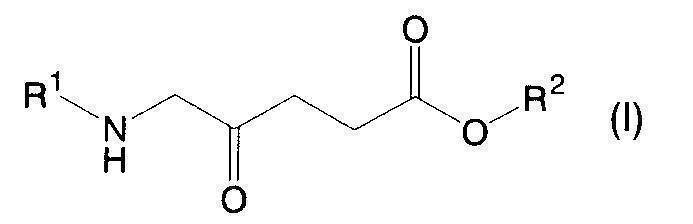
(式中、R1は、水素原子又はアシル基を表し、R2は、水素原子、直鎖若しくは分岐状アルキル基、シクロアルキル基、アリール基又はアラルキル基を表す)
[2]R1及びR2が、水素原子であることを特徴とする上記[1]記載の免疫寛容誘導剤。
[3]さらに、鉄化合物を含有することを特徴とする上記[1]又は[2]記載の免疫寛容誘導剤。
[4]鉄化合物が、塩化第二鉄、三二酸化鉄、硫酸鉄、ピロリン酸第一鉄、クエン酸第一鉄、クエン酸鉄ナトリウム、クエン酸第一鉄ナトリウム、クエン酸鉄アンモニウム、ピロリン酸第二鉄、乳酸鉄、グルコン酸第一鉄、ジエチレントリアミン五酢酸鉄ナトリウム、ジエチレントリアミン五酢酸鉄アンモニウム、エチレンジアミン四酢酸鉄ナトリウム、エチレンジアミン四酢酸鉄アンモニウム、ジカルボキシメチルグルタミン酸鉄ナトリウム、ジカルボキシメチルグルタミン酸鉄アンモニウム、フマル酸第一鉄、酢酸鉄、シュウ酸鉄、コハク酸第一鉄、コハク酸クエン酸鉄ナトリウム、ヘム鉄、デキストラン鉄、トリエチレンテトラアミン鉄、ラクトフェリン鉄、トランスフェリン鉄、鉄クロロフィリンナトリウム、フェリチン鉄、含糖酸化鉄、及び硫化グリシン鉄から選ばれる1種又は2種以上の化合物であることを特徴とする上記[3]記載の免疫寛容誘導剤。
[5]鉄化合物が、クエン酸第一鉄ナトリウムであることを特徴とする上記[3]記載の免疫寛容誘導剤。
[6]制御性樹状細胞の誘導に適用することを特徴とする上記[1]~[5]のいずれか記載の免疫寛容誘導剤。
[7]アレルギー性疾患に適用することを特徴とする上記[1]~[5]のいずれか記載の免疫寛容誘導剤。
[8]アレルギー性疾患がアトピー性皮膚炎であることを特徴とする上記[7]記載の免疫寛容誘導剤。
[9]自己免疫疾患に適用することを特徴とする上記[1]~[5]のいずれか記載の免疫寛容誘導剤。
[10]自己免疫疾患が強皮症であることを特徴とする上記[9]記載の免疫寛容誘導剤。
[11]上記[1]~[10]のいずれか記載の免疫寛容誘導剤を対象に投与することを特徴とする免疫寛容の誘導方法。
[12]上記[1]~[5]のいずれか記載の免疫寛容誘導剤を対象に投与することを特徴とする制御性樹状細胞の誘導方法。
[13]上記[1]~[5]のいずれか記載の免疫寛容誘導剤及びGM-CSFで、骨髄から採取した細胞をインビトロ処理することを特徴とする制御性樹状細胞を誘導する方法。
[14]上記[12]又は[13]記載の方法で誘導された単離された制御性樹状細胞。
[15]上記[1]~[5]のいずれか記載の免疫寛容誘導剤を対象に投与することを特徴とするアレルギー性疾患の予防及び/又は治療方法。
[16]上記[1]~[5]のいずれか記載の免疫寛容誘導剤を対象に投与することを特徴とする自己免疫疾患の予防及び/又は治療方法。
[17]a)下記式(I)で示される化合物又はその塩;

(式中、R1は、水素原子又はアシル基を表し、R2は、水素原子、直鎖若しくは分岐状アルキル基、シクロアルキル基、アリール基又はアラルキル基を表す)
b)鉄化合物;
を含む免疫寛容誘導キット。
[18]a)下記式(I)で示される化合物又はその塩;
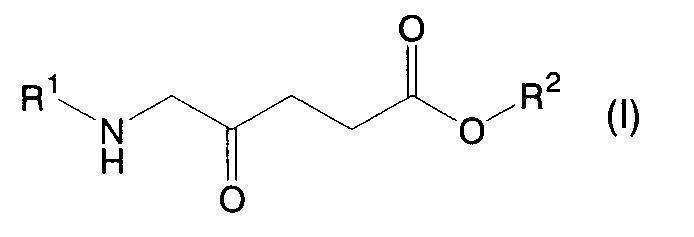
(式中、R1は、水素原子又はアシル基を表し、R2は、水素原子、直鎖若しくは分岐状アルキル基、シクロアルキル基、アリール基又はアラルキル基を表す)
b)鉄化合物;
を同時又は前後して対象に投与することを特徴とする免疫寛容の誘導方法。
[19]a)上記[1]~[5]のいずれか記載の免疫寛容誘導剤;
b)GM-CSF;
を含む制御性樹状細胞をインビトロで誘導するためのキット。
[20]a)上記[1]~[5]のいずれか記載の免疫寛容誘導剤;
b)アレルギー性疾患治療薬;
を含むアレルギー性疾患予防・治療剤の組合せ。
[21]a)下記式(I)で示される化合物又はその塩;
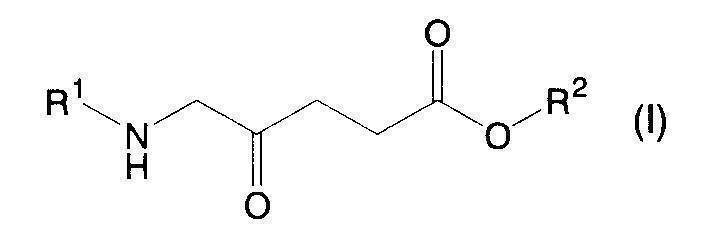
(式中、R1は、水素原子又はアシル基を表し、R2は、水素原子、直鎖若しくは分岐状アルキル基、シクロアルキル基、アリール基又はアラルキル基を表す)
b)鉄化合物;
c)アレルギー性疾患治療薬;
を含むアレルギー性疾患予防・治療剤の組合せ。
[22]a)上記[1]~[5]のいずれか記載の免疫寛容誘導剤;
b)自己免疫疾患治療薬;
を含む自己免疫疾患予防・治療剤の組合せ。
[23]a)下記式(I)で示される化合物又はその塩;
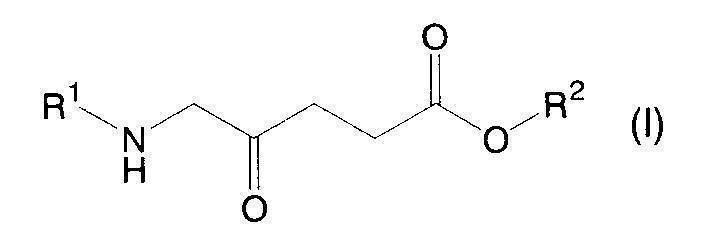
(式中、R1は、水素原子又はアシル基を表し、R2は、水素原子、直鎖若しくは分岐状アルキル基、シクロアルキル基、アリール基又はアラルキル基を表す)
b)鉄化合物;
c)自己免疫疾患治療薬;
を含む自己免疫疾患予防・治療剤の組合せ。
[24]式(I)で示される化合物又はその塩を含有する制御性樹状細胞の誘導剤。
[25]さらに、鉄化合物を含有することを特徴とする上記[24]記載の制御性樹状細胞の誘導剤。
[26]上記[24]又は[25]記載の制御性樹状細胞の誘導剤を対象に投与することを特徴とする制御性樹状細胞の誘導方法。
[27]制御性樹状細胞の誘導に用いるための式(I)で示される化合物又はその塩。
[28]制御性樹状細胞の誘導に用いるための式(I)で示される化合物又はその塩と鉄化合物を含有する組成物。
[29]制御性樹状細胞の誘導剤を調製するための式(I)で示される化合物又はその塩の使用。
[30]制御性樹状細胞の誘導剤を調製するための式(I)で示される化合物又はその塩及び鉄化合物の使用。
[31]式(I)で示される化合物又はその塩を含有するアレルギー性疾患の予防及び/又は治療剤。
[32]さらに、鉄化合物を含有することを特徴とする上記[31]記載のアレルギー性疾患の予防及び/又は治療剤。
[33]上記[31]又は[32]記載のアレルギー性疾患の予防及び/又は治療剤を対象に投与することを特徴とするアレルギー性疾患の予防及び/又は治療方法。
[34]アレルギー性疾患の予防及び/又は治療に用いるための式(I)で示される化合物又はその塩。
[35]アレルギー性疾患の予防及び/又は治療に用いるための式(I)で示される化合物又はその塩と鉄化合物を含有する組成物。
[36]アレルギー性疾患の予防及び/又は治療剤を調製するための式(I)で示される化合物又はその塩の使用。
[37]アレルギー性疾患の予防及び/又は治療剤を調製するための式(I)で示される化合物又はその塩及び鉄化合物の使用。
[38]式(I)で示される化合物又はその塩を含有する自己免疫疾患の予防及び/又は治療剤。
[39]さらに、鉄化合物を含有することを特徴とする上記[38]記載の自己免疫疾患の予防及び/又は治療剤。
[40]上記[38]又は[39]記載の自己免疫疾患の予防及び/又は治療剤を対象に投与することを特徴とする自己免疫疾患の予防及び/又は治療方法。
[41]自己免疫疾患の予防及び/又は治療に用いるための式(I)で示される化合物又はその塩。
[42]自己免疫疾患の予防及び/又は治療に用いるための式(I)で示される化合物又はその塩と鉄化合物を含有する組成物。
[43]自己免疫疾患の予防及び/又は治療剤を調製するための式(I)で示される化合物又はその塩の使用。
[44]自己免疫疾患の予防及び/又は治療剤を調製するための式(I)で示される化合物又はその塩及び鉄化合物の使用。
A/J(H2-KK)マウス8週齢から骨髄を採取し、溶血処理により赤血球を除去したのち、培養皿に播種した。RPMIをベースとする培地(以降RPMI培地と記載する)にて培養し、二日目よりサイトカインGM-CSF10ng/mlと同時にALA塩酸塩100μM、SFC50μMを投与し、3日間培養した。培地を新鮮なRPMI培地(GM-CSF10ng/ml、ALA塩酸塩100μM、SFC50μMを含む)に交換し、さらに3日間培養した細胞を回収した。この培養法によって得られた細胞を、以降BM-DCALAと呼ぶ。
対照群として、骨髄細胞から誘導したBM-DCcon(成熟樹状細胞同様、免疫反応を惹起するエフェクターT細胞活性化能力をもつことが既知)、および骨髄細胞から誘導したBM-DCreg(制御性樹状細胞同様、免疫反応を抑制する制御性T細胞活性化能力をもつことが既知)を作製した。BM-DCconは、上記同様の手法により培養皿に播種した細胞に対し、RPMI培地とともに5日間GM-CSF(10ng/ml)とIL-4(10ng/ml)を添加して培養した。その後、同じ組成の新鮮な培地に、新たにリポ多糖(LPS)抗原を1μg/ml加え、さらに二日間培養した。なお、理由は、樹状細胞が成熟するためには、抗原となる物質が存在する必要があるためLPSを投与した。BM-DCregは、上記同様の手法により培養皿に播種した細胞に対し、RPMI培地とともに7日間、GM-CSF(20ng/ml)、IL-10(20ng/ml)、及びTGF-β(20mg/ml)を添加し培養した。
前提として、上記3つの手法で得られたBM-DCALA、BM-DCcon、BM-DCregが樹状細胞であることを検討した。すなわち、フローサイトメーターを用いて樹状細胞マーカーCD11b、CD11cの二つで染色し、双方陽性である細胞(すなわち樹状細胞)の数を比較した。結果を図1(最左列)に示す。その結果、いずれの群も大多数がCD11b、CD11c双方陽性であり、樹状細胞へと誘導されていることがわかった。次に、この作製した樹状細胞の機能について検討した。
ALA添加により誘導された樹状細胞が、成熟樹状細胞としての特徴をもっているか、寛容原性樹状細胞としての特徴を持っているかどうか、樹状細胞特異的な表面マーカーの発現を調べた。すなわち、成熟樹状細胞マーカーであるCD80、CD86、CD40、I-A.I-E(MHCクラスII)の発現について、フローサイトメーターを用いて解析した。結果を図1(右の4列)に示す。その結果、既に知られているように、BM-DCconは成熟樹状細胞マーカーが発現しているが、BM-DCregはそれに比べ発現が低下していることがわかった。それに対しBM-DCALAは、各成熟樹状細胞マーカー発現がBM-DCregと同程度に低かった。すなわち、ALA添加によりBM-DCregと酷似した樹状細胞が作製できたことを示唆している。
ALA添加により誘導された樹状細胞が、成熟樹状細胞と似た遺伝子発現をしているか、寛容原性樹状細胞と似た遺伝子発現をしているかを調べた。すなわち、BM-DCALA、BM-DCcon、BM-DCregからmRNAを抽出し、RT-PCRにより免疫誘導、免疫抑制にかかわる遺伝子の発現を調べた。結果を図2に示す。その結果、BM-DCALAは成熟樹状細胞マーカーであるCD40の発現が低い、TGF-βの発現が高いなど、多くの遺伝子発現においてBM-DCregと類似した遺伝子発現の傾向を示した。一方、HO-1等の遺伝子においてはBM-DCconと類似した遺伝子発現を示した。すなわち、BM-DCregとBM-DCALAの性質は完全に一致はしていないが、類似していることが示された。
BM-DCALAが、BM-DCreg同様のT細胞活性化の抑制、すなわち制御性T細胞の誘導によりエフェクターT細胞増殖を阻害するという免疫寛容を誘導するかどうかについてMLR(Mixed Lymphocyte Reaction)法により検討した。生体内では、抗原となる異物を認識した成熟樹状細胞はその抗原をT細胞に提示する。それを認識したT細胞は爆発的に増殖する。インビトロでも、T細胞と成熟DCを抗原とともに混合培養するとT細胞の増殖が見られるため、この増殖率を計測することで成熟DCの活性を計測するのがMLR法である。また、異系統の成熟DCとT細胞を混合すると、抗原なしでも増殖が見られることも知られている。
成熟樹状細胞の機能であるエフェクターT細胞増殖を誘導する能力が、BM-DCALAの存在により抑制できるかどうかMLR法により検討した。B6系統マウスの脾臓からナイロンファイバーカラムを用いT細胞を分離し、Molecular Probes社のViolet Cell Proliferation Kitで紫に染色した。そのうち2×10⁵cells/wellをA/JマウスのBM-DCcon(成熟樹状細胞の代替として用いる)を1×104cells/wellとともに4日間、MPRI培地中で培養した。その際、BM-DCregもしくはBM-DCALAを2×104cells/well加えた。培養後、エフェクターT細胞がどれだけ増殖したかを検討するため、フローサイトメーターにより、T細胞全体(紫色)のうち、どれだけがエフェクターT細胞(CD4,CD8陽性)で占められているかをカウントした。なお、制御性T細胞もCD4陽性だが、T細胞全体に占める割合はごくわずかであるため無視できる。結果を図3に示す。その結果、ネガティブコントロールであるBM-DCconとT細胞の2種混合培養と比較し、BM-DCALAを加えた3種混合培養により、CD4陽性、CD8陽性T細胞それぞれの割合が低下した。すなわちBM-DCALAはエフェクターT細胞の増殖を抑制した。この抑制能は、エフェクターT細胞増殖抑制能をもつことが既知であるBM-DCregと同等であった。
BM-DCALAが寛容原性樹状細胞の機能である制御性T細胞の誘導能をもつかどうかについて検討した。FoxP3遺伝子をGFP遺伝子に置換したB6系統マウスから実施例4と同様の手法によりT細胞を採取、染色し、BM-DCconと混合培養した。その際、BM-DCregもしくはBM-DCALAを加えた。T細胞全体(紫色)のうち、GFP陽性細胞がどれだけの割合存在するか検討した。結果を図4に示す。その結果、BM-DCALAの添加により、BM-DCreg同様T細胞中のGFP陽性細胞の割合が増加した。すなわち、BM-DCALAは制御性T細胞を誘導することが示唆された。
BM-DCALAを単体でT細胞と混合培養した場合、BM-DCALAはエフェクターT細胞増殖能阻害効果においてBM-DCregと似た挙動を示すか検討した。実施例4と同様の手法によりB6系統マウスからT細胞を採取・染色し、BM-DCALAと混合培養した。培養後、フローサイトメーターにより、T細胞全体(紫に染色)のうち、どれだけがエフェクターT細胞で占められているかをカウントした。結果を図5に示す。その結果、BM-DCconとの2種混合培養時と同程度のエフェクターT細胞(CD4陽性、CD8陽性)の割合であった。一方、BM-DCregとT細胞の2種混合培養はBM-DCcon、BM-DCALAとの混合培養時と異なり、エフェクターT細胞の割合は低かった。すなわち、BM-DCALA単独ではエフェクターT細胞増殖能阻害効果はなく、むしろ増殖を促進するという成熟樹状細胞様の働きをもつ。このことより、BM-DCALAはBM-DCregと完全に同一な細胞ではないことが示唆された。
BM-DCALAを単体でT細胞と混合培養した場合、BM-DCALAは制御性T細胞の誘導においてBM-DCregと似た挙動を示すか検討した。実施例4と同様の手法によりFoxP3遺伝子をGFP遺伝子に置換したB6系統マウスからT細胞を採取・染色し、BM-DCALAと混合培養した。培養後、T細胞全体(紫に染色)のうち、GFP陽性細胞がどれだけの割合存在するか検討した。結果を図6に示す。その結果、BM-DCALAの添加により、BM-DCreg同様T細胞中のGFP陽性細胞の割合が増加した。すなわち、BM-DCALAは単独でも制御性T細胞を誘導することが示唆された。
マウスは10週齢のオスNC/Nga系統を用いた。アレルゲンとして2,4,6-トリニトロクロロベンゼン(TNCB)を使用し、アトピー症状を惹起した。Day0において胸部、腹部、背部を剃毛し、エタノール:アセトン(4:1)に溶かした2%のTNCB、及び4%のドデシル硫酸ナトリウム(SDS)を150μl(胸部50μl、腹部50μl、背部50μl)滴下した。SDS投与は皮膚によるアレルゲンからのバリアを破壊するためである。その後、day4,11,18においてSDSなしで、1%のTNCBのみを滴下した。
ALA+SFCは毎日ゾンデにて経口投与した。その際、濃度はALA塩酸塩(100mg/kg)+SFC(115mg/kg)、あるいはALA塩酸塩(10mg/kg)+SFC(11.5mg/kg)の二条件とした。
アトピー症状の評価系として、皮膚炎スコアリングと耳介の厚さを用いた。前者は視認による皮膚炎の症状の判定である。背中と両耳の皮膚の損傷を、紅斑/出血、浮腫、擦りむき/表皮のはがれ、かさぶた/乾燥の4つの基準でスコアリングしたのち、各症状のスコアの合算値を算出した。グレードは0(症状なし)、1(穏やか)、2(中程度)、3(深刻)に分かれる。day11,18,25においてスコアリングを行った。結果を図7(左)に示す。後者について、屠殺したマウスの両耳を10%の中性ホルマリンに24時間、4℃浸漬し、固定した。次に組織をパラフィン固定し、厚さ4μmでスライスした。切片をH&E溶液で染色し、顕微鏡観察により厚さを計測した。こちらも同様にday11,18,25においてスコアリングを行った。結果を図7(右)に示す。また、day18における各投与群のマウスの写真を図8として示す。
ドナーとしてB10.D2メス(7-8週齢)野生型マウス、レシピエントとしてRag-2/Balb/cメス(7-8週齢)免疫不全マウスを用いた。ドナーマウスから脾臓細胞を各群5×107個、又は4×107個ずつレシピエントへ注射(移植)することにより強皮症病態モデルマウスを作製した。レシピエントは免疫不全であるため、レシピエント側による拒絶反応は起こらず、ドナーより移植された脾臓細胞がレシピエント側の免疫系により除去されることもないが、ドナーから移植された脾臓細胞に含まれるリンパ球にとってレシピエントそのものが異物であるため、ドナー由来リンパ球がレシピエントの全身を攻撃する。この反応が呈する全身性炎症、組織線維症、広範な全身性硬化症等の症状はヒトの強皮症(硬皮症)に酷似しているため、強皮症病態モデルとして用いることができる。
ドナーの脾臓細胞移植直後から9週間にわたり、ALA塩酸塩100mg/kg+SFC157mg/kg(以下、「ALA」と表記)を毎日一回、ゾンデを用いて投与した。
強皮症発症による体重減少がALAにより緩和されるか、また生存期間が延びるか検討した。その結果、図9に示すように、ALA投与により、体重減少の抑制傾向が観察された。また、ALA投与により9週目までの生存率が高い傾向が見られた。そしてまた、各群における代表的な外見を図10に示す。ALA投与により脱毛が緩和されていることが観察できる。なお、対照(control)は、ドナーマウス由来の脾臓細胞を移植していない、Rag-2/Balb/cメス(7-8週齢)免疫不全マウスのデータである。以上のとおり、ALA投与により、強皮症の症状緩和効果が見られた。
強皮症の症状である線維化や免疫細胞の集積(炎症)がALA投与により緩和されているかどうかを上記モデルマウス由来の組織染色により確認した。炎症による耳、皮膚、腎臓、肝臓、肺の様子を観察するため、各臓器の切片を作製し、T細胞の集積を確認するためのHE染色、及びコラーゲンを有する結合組織を染めるマッソン(Masson)染色を行った。細胞移植前のナイーブ(Naive)、ALA非投与6週目、ALA投与6週目の3条件において、×40、×100、×200、×400の4つの倍率でHE染色切片及びマッソン染色切片を観察し、ALA投与により症状が緩和されているか確認した。
HE染色切片の観察結果を図11に示す。その結果、HE染色切片ではALA投与により所見の大きな違いは観察されなかった(中段と下段の比較)。同様に、マッソン染色切片の観察結果を図12に示す。その結果、ALA投与群はコラーゲン蓄積(濃く染色された部分の密度で示される)が非投与群に比べ抑制されていた(中段と下段の比較)。
皮膚の線維化は強皮症のもっとも代表的な症状の一つである。HE染色切片の観察結果を図13に示す。その結果、HE染色切片ではALA投与により所見の大きな違いは観察されなかった(中段と下段の比較)。同様に、マッソン染色切片の観察結果を図14に示す。その結果、ALA投与群はコラーゲン蓄積が非投与群に比べ抑制されていた(中段と下段の比較)。
HE染色切片の観察結果を図15に示す。その結果、HE染色切片ではALA投与により所見の大きな違いは観察されなかった(中段と下段の比較)。同様に、マッソン染色切片の観察結果を図16に示す。その結果、ALA投与群はコラーゲン蓄積が非投与群に比べ抑制されていた(中段と下段の比較)。
HE染色切片の観察結果を図17に示す。その結果、HE染色切片ではALA投与により所見の大きな違いは観察されなかった(中段と下段の比較)。同様に、マッソン染色切片の観察結果を図18に示す。その結果、ALA投与群はコラーゲン蓄積が非投与群に比べ抑制されていた(中段と下段の比較)。
HE染色切片の観察結果を図19に示す。その結果、HE染色切片ではALA非投与群では細胞の集積が見られたが、ALA投与群では見られなかった(中段と下段の比較)。同様に、マッソン染色切片の観察結果を図20に示す。その結果、ALA投与により所見の大きな違いは観察されなかった(中段と下段の比較)。
HE染色切片の観察結果を図21に示す。その結果、HE染色切片ではALA投与により所見の大きな違いは観察されなかった(中段と下段の比較)。同様に、マッソン染色切片の観察結果を図22に示す。その結果、ALA投与により所見の大きな違いは観察されなかった(中段と下段の比較)。
強皮症の症状である線維化や炎症がALA投与により抑制されているかどうかを上記モデルマウス由来の組織における各種マーカー遺伝子の発現をALA投与3週間後、6週間後、及び9週間後にそれぞれ検出することにより確認した。皮膚、腎臓、脾臓組織からRNeasy mini kitにより抽出したmRNAを用い、RT-PCRにより炎症、線維化等に関わる遺伝子の発現を調べた。対照としてはBalb/cオス(7-8週齢)マウスを用いた。
皮膚の線維化は強皮症のもっとも代表的な症状の一つである。皮膚における結果を図23に示す。皮膚では、ALA投与により線維化マーカーであるcollagen-1(図23の右最上)、α-SMA(図23の右の上から3つ目)の顕著な低下が見られ、ALA投与が強皮症の症状である線維化を緩和したことが示唆される。
脾臓における結果を図24に示す。脾臓では、ALA投与により制御性T細胞マーカーであるFoxP3(図24の右の上から3つ目)、制御性T細胞が産生する炎症抑制性サイトカインであるIL-10の上昇傾向(図24の右の最下)が見られ、ALAによる制御性T細胞の活性化が示唆される。
腎臓における結果を図25に示す。腎臓では、免疫寛容を誘導すると考えられ、ヘムにより誘導されるHO-1の上昇(図25の左最上)と、線維化マーカーであるCollagen-1の低下傾向(図25の右の上から2つ目)、炎症性サイトカインであるIL-6減少傾向、オステオポンチン(OPN)の減少(図25の上から3つ目)が見られ、ALAが炎症を抑え、線維化を予防していることが示唆された。
Claims (23)
- 下記式(I)で示される化合物又はその塩を含有する免疫寛容誘導剤。

(式中、R1は、水素原子又はアシル基を表し、R2は、水素原子、直鎖若しくは分岐状アルキル基、シクロアルキル基、アリール基又はアラルキル基を表す) - R1及びR2が、水素原子であることを特徴とする請求項1記載の免疫寛容誘導剤。
- さらに、鉄化合物を含有することを特徴とする請求項1又は2記載の免疫寛容誘導剤。
- 鉄化合物が、塩化第二鉄、三二酸化鉄、硫酸鉄、ピロリン酸第一鉄、クエン酸第一鉄、クエン酸鉄ナトリウム、クエン酸第一鉄ナトリウム、クエン酸鉄アンモニウム、ピロリン酸第二鉄、乳酸鉄、グルコン酸第一鉄、ジエチレントリアミン五酢酸鉄ナトリウム、ジエチレントリアミン五酢酸鉄アンモニウム、エチレンジアミン四酢酸鉄ナトリウム、エチレンジアミン四酢酸鉄アンモニウム、ジカルボキシメチルグルタミン酸鉄ナトリウム、ジカルボキシメチルグルタミン酸鉄アンモニウム、フマル酸第一鉄、酢酸鉄、シュウ酸鉄、コハク酸第一鉄、コハク酸クエン酸鉄ナトリウム、ヘム鉄、デキストラン鉄、トリエチレンテトラアミン鉄、ラクトフェリン鉄、トランスフェリン鉄、鉄クロロフィリンナトリウム、フェリチン鉄、含糖酸化鉄、及び硫化グリシン鉄から選ばれる1種又は2種以上の化合物であることを特徴とする請求項3記載の免疫寛容誘導剤。
- 鉄化合物が、クエン酸第一鉄ナトリウムであることを特徴とする請求項3記載の免疫寛容誘導剤。
- 制御性樹状細胞の誘導に適用することを特徴とする請求項1~5のいずれか記載の免疫寛容誘導剤。
- アレルギー性疾患に適用することを特徴とする請求項1~5のいずれか記載の免疫寛容誘導剤。
- アレルギー性疾患がアトピー性皮膚炎であることを特徴とする請求項7記載の免疫寛容誘導剤。
- 自己免疫疾患に適用することを特徴とする請求項1~5のいずれか記載の免疫寛容誘導剤。
- 自己免疫疾患が強皮症であることを特徴とする請求項9記載の免疫寛容誘導剤。
- 請求項1~10のいずれか記載の免疫寛容誘導剤を対象に投与することを特徴とする免疫寛容の誘導方法。
- 請求項1~5のいずれか記載の免疫寛容誘導剤を対象に投与することを特徴とする制御性樹状細胞の誘導方法。
- 請求項1~5のいずれか記載の免疫寛容誘導剤及びGM-CSFで、骨髄から採取した細胞をインビトロ処理することを特徴とする制御性樹状細胞を誘導する方法。
- 請求項12又は13記載の方法で誘導された単離された制御性樹状細胞。
- 請求項1~5のいずれか記載の免疫寛容誘導剤を対象に投与することを特徴とするアレルギー性疾患の予防及び/又は治療方法。
- 請求項1~5のいずれか記載の免疫寛容誘導剤を対象に投与することを特徴とする自己免疫疾患の予防及び/又は治療方法。
- a)下記式(I)で示される化合物又はその塩;
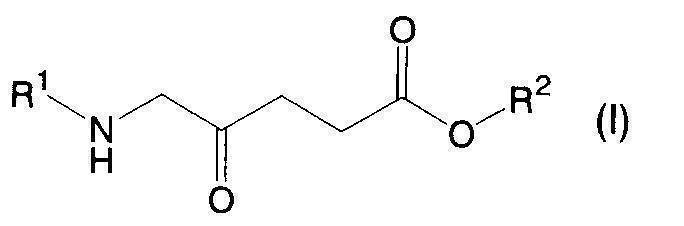
(式中、R1は、水素原子又はアシル基を表し、R2は、水素原子、直鎖若しくは分岐状アルキル基、シクロアルキル基、アリール基又はアラルキル基を表す)
b)鉄化合物;
を含む免疫寛容誘導キット。 - a)下記式(I)で示される化合物又はその塩;
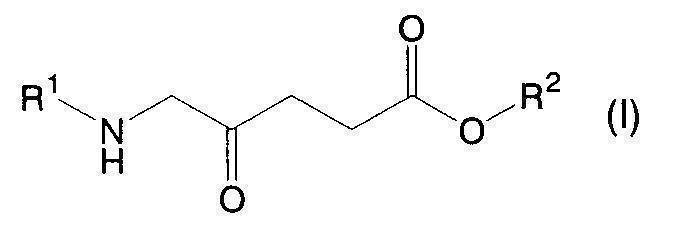
(式中、R1は、水素原子又はアシル基を表し、R2は、水素原子、直鎖若しくは分岐状アルキル基、シクロアルキル基、アリール基又はアラルキル基を表す)
b)鉄化合物;
を同時又は前後して対象に投与することを特徴とする免疫寛容の誘導方法。 - a)請求項1~5のいずれか記載の免疫寛容誘導剤;
b)GM-CSF;
を含む制御性樹状細胞をインビトロで誘導するためのキット。 - a)請求項1~5のいずれか記載の免疫寛容誘導剤;
b)アレルギー性疾患治療薬;
を含むアレルギー性疾患予防・治療剤の組合せ。 - a)下記式(I)で示される化合物又はその塩;
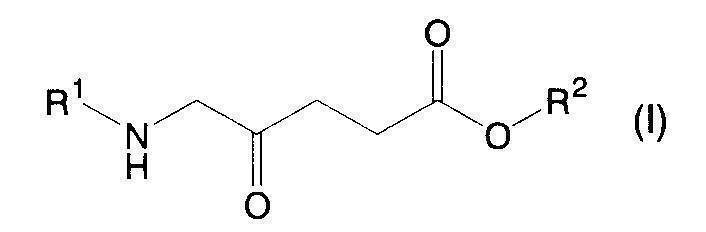
(式中、R1は、水素原子又はアシル基を表し、R2は、水素原子、直鎖若しくは分岐状アルキル基、シクロアルキル基、アリール基又はアラルキル基を表す)
b)鉄化合物;
c)アレルギー性疾患治療薬;
を含むアレルギー性疾患予防・治療剤の組合せ。 - a)請求項1~5のいずれか記載の免疫寛容誘導剤;
b)自己免疫疾患治療薬;
を含む自己免疫疾患予防・治療剤の組合せ。 - a)下記式(I)で示される化合物又はその塩;

(式中、R1は、水素原子又はアシル基を表し、R2は、水素原子、直鎖若しくは分岐状アルキル基、シクロアルキル基、アリール基又はアラルキル基を表す)
b)鉄化合物;
c)自己免疫疾患治療薬;
を含む自己免疫疾患予防・治療剤の組合せ。
Priority Applications (7)
| Application Number | Priority Date | Filing Date | Title |
|---|---|---|---|
| PL13816500T PL2873417T3 (pl) | 2012-07-13 | 2013-07-03 | Induktor tolerancji immunologicznej |
| HK15104894.2A HK1204285B (en) | 2012-07-13 | 2013-07-03 | Immune tolerance inducer |
| JP2014524635A JP5904518B2 (ja) | 2012-07-13 | 2013-07-03 | 免疫寛容誘導剤 |
| HK15106630.6A HK1205950B (en) | 2012-07-13 | 2013-07-03 | Immune tolerance inducer |
| EP13816500.6A EP2873417B1 (en) | 2012-07-13 | 2013-07-03 | Immune tolerance inducer |
| US14/413,151 US9399029B2 (en) | 2012-07-13 | 2013-07-03 | Immune tolerance inducer |
| CN201380036154.XA CN104411306B (zh) | 2012-07-13 | 2013-07-03 | 免疫耐受诱导剂 |
Applications Claiming Priority (2)
| Application Number | Priority Date | Filing Date | Title |
|---|---|---|---|
| JP2012-157374 | 2012-07-13 | ||
| JP2012157374 | 2012-07-13 |
Publications (1)
| Publication Number | Publication Date |
|---|---|
| WO2014010206A1 true WO2014010206A1 (ja) | 2014-01-16 |
Family
ID=49915689
Family Applications (1)
| Application Number | Title | Priority Date | Filing Date |
|---|---|---|---|
| PCT/JP2013/004130 Ceased WO2014010206A1 (ja) | 2012-07-13 | 2013-07-03 | 免疫寛容誘導剤 |
Country Status (8)
| Country | Link |
|---|---|
| US (1) | US9399029B2 (ja) |
| EP (1) | EP2873417B1 (ja) |
| JP (1) | JP5904518B2 (ja) |
| CN (2) | CN104411306B (ja) |
| HU (1) | HUE043511T2 (ja) |
| PL (1) | PL2873417T3 (ja) |
| TW (1) | TWI619493B (ja) |
| WO (1) | WO2014010206A1 (ja) |
Cited By (5)
| Publication number | Priority date | Publication date | Assignee | Title |
|---|---|---|---|---|
| US9351949B2 (en) | 2012-07-19 | 2016-05-31 | Sbi Pharmaceuticals Co., Ltd. | Prophylactic/therapeutic agent for influenza virus infection |
| CN113181153A (zh) * | 2021-05-31 | 2021-07-30 | 北京大学人民医院 | 柠檬酸在制备预防和/或治疗自身免疫病的药物中的应用 |
| JP2022533029A (ja) * | 2019-04-29 | 2022-07-21 | イントラクト、ファーマ、リミテッド | 炎症性腸疾患の局所治療のための5-アミノレブリン酸 |
| WO2023167066A1 (ja) * | 2022-03-01 | 2023-09-07 | 国立研究開発法人国立成育医療研究センター | 自己免疫疾患の予防及び/又は治療のための医薬組成物 |
| US20240189269A1 (en) * | 2021-03-26 | 2024-06-13 | Tokyo Institute Of Technology | Pharmaceutical composition for suppressing tmprss2 expression |
Families Citing this family (2)
| Publication number | Priority date | Publication date | Assignee | Title |
|---|---|---|---|---|
| WO2013054470A1 (ja) * | 2011-10-12 | 2013-04-18 | Sbiファーマ株式会社 | 移植臓器生着促進剤 |
| WO2019141731A1 (en) | 2018-01-18 | 2019-07-25 | MAX-PLANCK-Gesellschaft zur Förderung der Wissenschaften e.V. | Langerin+ cell targeting |
Citations (12)
| Publication number | Priority date | Publication date | Assignee | Title |
|---|---|---|---|---|
| JP2004298181A (ja) | 2003-03-18 | 2004-10-28 | Kirin Brewery Co Ltd | 免疫制御性樹状細胞の調製法およびその用途 |
| JP2006290761A (ja) | 2005-04-07 | 2006-10-26 | Institute Of Physical & Chemical Research | 炎症性疾患の予防又は治療剤 |
| JP2009143939A (ja) * | 2009-01-27 | 2009-07-02 | Tsujido Chemical Corp | 治療剤 |
| WO2009139156A1 (ja) | 2008-05-14 | 2009-11-19 | Sbiアラプロモ株式会社 | 男性不妊治療剤 |
| WO2010050179A1 (ja) | 2008-10-27 | 2010-05-06 | Sbiアラプロモ株式会社 | 5-アミノレブリン酸若しくはその誘導体、又はそれらの塩を有効成分とする成人病の予防・改善剤 |
| JP2011016753A (ja) | 2009-07-08 | 2011-01-27 | Sbi Alapromo Co Ltd | 5−アミノレブリン酸若しくはその誘導体、又はそれらの塩を有効成分とするがんの予防・改善剤 |
| WO2011048766A1 (ja) * | 2009-10-21 | 2011-04-28 | 国立大学法人愛媛大学 | 自己免疫疾患治療に用いる新規抗原としての炭酸脱水酵素i |
| JP2011522837A (ja) | 2008-06-06 | 2011-08-04 | ベイラー リサーチ インスティテュート | 呼吸器多核体ウイルスによる樹状細胞の寛容誘導 |
| WO2011105394A1 (ja) * | 2010-02-23 | 2011-09-01 | 日本化薬株式会社 | 制御性樹状細胞の作製方法 |
| WO2011145343A1 (ja) * | 2010-05-19 | 2011-11-24 | Sbiアラプロモ株式会社 | 5-アミノレブリン酸又はその誘導体を有効成分とする抗マラリア薬 |
| WO2012172821A1 (ja) * | 2011-06-16 | 2012-12-20 | Sbiファーマ株式会社 | アレルギー性鼻炎の治療剤 |
| WO2013054470A1 (ja) * | 2011-10-12 | 2013-04-18 | Sbiファーマ株式会社 | 移植臓器生着促進剤 |
Family Cites Families (24)
| Publication number | Priority date | Publication date | Assignee | Title |
|---|---|---|---|---|
| SE9302431D0 (sv) | 1993-07-16 | 1993-07-16 | Ab Astra | Use of indenoindole compounds |
| US5756492A (en) | 1996-09-09 | 1998-05-26 | Sangstat Medical Corporation | Graft survival prolongation with porphyrins |
| JP4590041B2 (ja) | 1998-12-24 | 2010-12-01 | 株式会社林原生物化学研究所 | 臓器保存剤 |
| JP5230042B2 (ja) | 1999-06-02 | 2013-07-10 | 株式会社ビーエムジー | 動物の細胞または臓器の保存剤およびその保存方法。 |
| AU2001253400B2 (en) | 2000-04-11 | 2007-03-01 | University Of Southern California | A method to prevent graft rejection using tgf-beta to induce t suppressor cells |
| JP2002060301A (ja) | 2000-08-17 | 2002-02-26 | Seikagaku Kogyo Co Ltd | 臓器保存液 |
| EP1439842A4 (en) * | 2001-06-01 | 2009-09-02 | Nat Jewish Med & Res Center | OXIDANT CAPTAIN FOR THE TREATMENT OF DIABETES OR FOR THE USE IN THE TRANSPLANTATION OR INDUCTION OF IMMUNOTOLERANE |
| US20040171601A1 (en) * | 2002-07-31 | 2004-09-02 | Dai Fukumura | Photodynamic and sonodynamic therapy |
| US20050032210A1 (en) * | 2003-03-18 | 2005-02-10 | Kirin Beer Kabushiki Kaisha | Method of preparing immuno-regulatory dendritic cells and the use thereof |
| US20040235162A1 (en) | 2003-03-18 | 2004-11-25 | Kirin Beer Kabushiki Kaisha | Method of preparing immunoregulatory dendritic cells and the use thereof |
| JP2004300098A (ja) | 2003-03-31 | 2004-10-28 | Oxygenix:Kk | 移植用臓器の処理方法 |
| JP2005306749A (ja) | 2004-04-19 | 2005-11-04 | Kringle Pharma Inc | Hgf含有臓器保存液 |
| JP4814501B2 (ja) * | 2004-09-02 | 2011-11-16 | コスモ石油株式会社 | 抗酸化機能向上剤 |
| ES2459366T3 (es) | 2004-09-02 | 2014-05-09 | Cosmo Oil Co., Ltd. | Agentes mejoradores de la función constitutiva |
| JP4814567B2 (ja) | 2004-09-02 | 2011-11-16 | コスモ石油株式会社 | 健康機能向上剤 |
| MX2007013623A (es) * | 2005-04-28 | 2008-02-12 | Cosmo Oil Co Ltd | Preparacion externa para la piel. |
| JP2006316000A (ja) | 2005-05-12 | 2006-11-24 | Vitamin C60 Bioresearch Kk | 血液または臓器の保存剤と保存方法 |
| JP2007131598A (ja) | 2005-11-14 | 2007-05-31 | Kurosu Biotech:Kk | 腎移植拒絶反応抑制剤 |
| WO2007100154A1 (ja) * | 2006-03-03 | 2007-09-07 | Riken | アレルギー疾患に対する制御性樹状細胞を用いた免疫細胞療法 |
| JP5150091B2 (ja) | 2006-11-01 | 2013-02-20 | 日本澱粉工業株式会社 | 低酸素状態下での細胞及び心臓保存剤 |
| CA2706458A1 (en) | 2007-11-30 | 2009-06-11 | Therakos, Inc. | Process for reducing effects of graft versus host disease using ex vivo expanded cd4+cd25+ regulatory t cells |
| JP2009221128A (ja) | 2008-03-14 | 2009-10-01 | Seizo Fujikawa | 臓器保存液および臓器保存方法 |
| JP5295652B2 (ja) | 2008-06-16 | 2013-09-18 | Sbiファーマ株式会社 | 光障害の軽減剤 |
| JP5369206B2 (ja) * | 2012-03-08 | 2013-12-18 | コスモ石油株式会社 | 5−アミノレブリン酸塩酸塩の製造方法 |
-
2013
- 2013-07-03 CN CN201380036154.XA patent/CN104411306B/zh active Active
- 2013-07-03 HU HUE13816500A patent/HUE043511T2/hu unknown
- 2013-07-03 JP JP2014524635A patent/JP5904518B2/ja active Active
- 2013-07-03 US US14/413,151 patent/US9399029B2/en active Active
- 2013-07-03 PL PL13816500T patent/PL2873417T3/pl unknown
- 2013-07-03 EP EP13816500.6A patent/EP2873417B1/en active Active
- 2013-07-03 WO PCT/JP2013/004130 patent/WO2014010206A1/ja not_active Ceased
- 2013-07-03 CN CN201611069245.5A patent/CN106474098B/zh active Active
- 2013-07-08 TW TW102124437A patent/TWI619493B/zh active
Patent Citations (13)
| Publication number | Priority date | Publication date | Assignee | Title |
|---|---|---|---|---|
| JP4547174B2 (ja) * | 2003-03-18 | 2010-09-22 | 協和発酵キリン株式会社 | 免疫制御性樹状細胞の調製法およびその用途 |
| JP2004298181A (ja) | 2003-03-18 | 2004-10-28 | Kirin Brewery Co Ltd | 免疫制御性樹状細胞の調製法およびその用途 |
| JP2006290761A (ja) | 2005-04-07 | 2006-10-26 | Institute Of Physical & Chemical Research | 炎症性疾患の予防又は治療剤 |
| WO2009139156A1 (ja) | 2008-05-14 | 2009-11-19 | Sbiアラプロモ株式会社 | 男性不妊治療剤 |
| JP2011522837A (ja) | 2008-06-06 | 2011-08-04 | ベイラー リサーチ インスティテュート | 呼吸器多核体ウイルスによる樹状細胞の寛容誘導 |
| WO2010050179A1 (ja) | 2008-10-27 | 2010-05-06 | Sbiアラプロモ株式会社 | 5-アミノレブリン酸若しくはその誘導体、又はそれらの塩を有効成分とする成人病の予防・改善剤 |
| JP2009143939A (ja) * | 2009-01-27 | 2009-07-02 | Tsujido Chemical Corp | 治療剤 |
| JP2011016753A (ja) | 2009-07-08 | 2011-01-27 | Sbi Alapromo Co Ltd | 5−アミノレブリン酸若しくはその誘導体、又はそれらの塩を有効成分とするがんの予防・改善剤 |
| WO2011048766A1 (ja) * | 2009-10-21 | 2011-04-28 | 国立大学法人愛媛大学 | 自己免疫疾患治療に用いる新規抗原としての炭酸脱水酵素i |
| WO2011105394A1 (ja) * | 2010-02-23 | 2011-09-01 | 日本化薬株式会社 | 制御性樹状細胞の作製方法 |
| WO2011145343A1 (ja) * | 2010-05-19 | 2011-11-24 | Sbiアラプロモ株式会社 | 5-アミノレブリン酸又はその誘導体を有効成分とする抗マラリア薬 |
| WO2012172821A1 (ja) * | 2011-06-16 | 2012-12-20 | Sbiファーマ株式会社 | アレルギー性鼻炎の治療剤 |
| WO2013054470A1 (ja) * | 2011-10-12 | 2013-04-18 | Sbiファーマ株式会社 | 移植臓器生着促進剤 |
Non-Patent Citations (5)
| Title |
|---|
| ATSUSHI HAYAMI ET AL.: "Immunosuppression by Photodynamic Therapy", JAPANESE SOCIETY FOR PHOTOMEDICINE AND PHOTOBIOLOGY, vol. 27TH, 2005, pages 61, XP008176058 * |
| EVANGELOU G ET AL.: "Topical aminolaevulinic acid-photodynamic therapy produces an inflammatory infiltrate but reduces Langerhans cells in healthy human skin in vivo.", BRITISH JOURNAL OF DERMATOLOGY, vol. 165, no. 3, 2011, pages 513 - 519, XP055179572 * |
| HAYAMI J ET AL.: "Immunosuppressive effects of photodynamic therapy by topical aminolevulinic acid.", THE JOURNAL OF DERMATOLOGY, vol. 34, no. 5, 2007, pages 320 - 327, XP055147862 * |
| HRYHORENKO EA ET AL.: "Antigen specific and nonspecific modulation of the immune response by aminolevulinic acid based photodynamic therapy.", IMMUNOPHARMACOLOGY, vol. 40, no. 3, 1998, pages 231 - 240, XP055179567 * |
| SONGJIE C ET AL.: "Carbon monoxide generated by 5-aminolevulinic acid results in cardiac allograft permanent acceptance by increasing regulatory T cell generation.", PROCEEDINGS OF THE JAPANESE SOCIETY FOR IMMUNOLOGY, vol. 287, no. 29, 2012, XP008176070 * |
Cited By (10)
| Publication number | Priority date | Publication date | Assignee | Title |
|---|---|---|---|---|
| US9351949B2 (en) | 2012-07-19 | 2016-05-31 | Sbi Pharmaceuticals Co., Ltd. | Prophylactic/therapeutic agent for influenza virus infection |
| AU2013291455B2 (en) * | 2012-07-19 | 2016-07-21 | Sbi Pharmaceuticals Co., Ltd. | Prophylactic/therapeutic agent for influenza virus infection |
| JP2022533029A (ja) * | 2019-04-29 | 2022-07-21 | イントラクト、ファーマ、リミテッド | 炎症性腸疾患の局所治療のための5-アミノレブリン酸 |
| US20240189269A1 (en) * | 2021-03-26 | 2024-06-13 | Tokyo Institute Of Technology | Pharmaceutical composition for suppressing tmprss2 expression |
| CN113181153A (zh) * | 2021-05-31 | 2021-07-30 | 北京大学人民医院 | 柠檬酸在制备预防和/或治疗自身免疫病的药物中的应用 |
| CN113181153B (zh) * | 2021-05-31 | 2023-03-31 | 北京大学人民医院 | 柠檬酸在制备预防和/或治疗自身免疫病的药物中的应用 |
| WO2023167066A1 (ja) * | 2022-03-01 | 2023-09-07 | 国立研究開発法人国立成育医療研究センター | 自己免疫疾患の予防及び/又は治療のための医薬組成物 |
| JPWO2023167066A1 (ja) * | 2022-03-01 | 2023-09-07 | ||
| JP7628237B2 (ja) | 2022-03-01 | 2025-02-10 | 国立研究開発法人国立成育医療研究センター | 自己免疫疾患の予防及び/又は治療のための医薬組成物 |
| EP4487843A4 (en) * | 2022-03-01 | 2026-03-18 | Nat Ct Child Health & Dev | PHARMACEUTICAL COMPOSITION FOR THE PREVENTION AND/OR TREATMENT OF AUTOIMMUNE DISEASES |
Also Published As
| Publication number | Publication date |
|---|---|
| HUE043511T2 (hu) | 2019-08-28 |
| EP2873417A1 (en) | 2015-05-20 |
| CN104411306A (zh) | 2015-03-11 |
| HK1204285A1 (en) | 2015-11-13 |
| US9399029B2 (en) | 2016-07-26 |
| HK1205950A1 (en) | 2015-12-31 |
| JP5904518B2 (ja) | 2016-04-13 |
| JPWO2014010206A1 (ja) | 2016-06-20 |
| EP2873417B1 (en) | 2019-03-06 |
| CN106474098B (zh) | 2020-06-05 |
| TW201408285A (zh) | 2014-03-01 |
| PL2873417T3 (pl) | 2019-09-30 |
| TWI619493B (zh) | 2018-04-01 |
| US20150174090A1 (en) | 2015-06-25 |
| EP2873417A4 (en) | 2016-03-09 |
| CN106474098A (zh) | 2017-03-08 |
| CN104411306B (zh) | 2017-05-24 |
Similar Documents
| Publication | Publication Date | Title |
|---|---|---|
| JP5904518B2 (ja) | 免疫寛容誘導剤 | |
| JP6172724B2 (ja) | 免疫寛容の誘導促進剤 | |
| CN104487066B (zh) | 放射线损害的预防和/或治疗剂 | |
| CA3024575A1 (en) | A pharmaceutical composition and the use thereof in the treatment of autoimmune diseases | |
| HK1232794A1 (en) | Immune tolerance inducer | |
| HK1205950B (en) | Immune tolerance inducer | |
| HK1204285B (en) | Immune tolerance inducer | |
| HK1226665A1 (en) | Enhancer of survival of transplanted organ | |
| HK1195008B (en) | Enhancer of survival of transplanted organ | |
| HK1206987B (zh) | 放射线损害的预防和/或治疗剂 | |
| HK1205687B (en) | Prophylactic and/or therapeutic agent for radiation damage |
Legal Events
| Date | Code | Title | Description |
|---|---|---|---|
| 121 | Ep: the epo has been informed by wipo that ep was designated in this application |
Ref document number: 13816500 Country of ref document: EP Kind code of ref document: A1 |
|
| ENP | Entry into the national phase |
Ref document number: 2014524635 Country of ref document: JP Kind code of ref document: A |
|
| WWE | Wipo information: entry into national phase |
Ref document number: 2013816500 Country of ref document: EP |
|
| WWE | Wipo information: entry into national phase |
Ref document number: 14413151 Country of ref document: US |
|
| NENP | Non-entry into the national phase |
Ref country code: DE |