WO2014201426A2 - Triazol-1-ol analogs anti-retroviral latency drugs - Google Patents
Triazol-1-ol analogs anti-retroviral latency drugs Download PDFInfo
- Publication number
- WO2014201426A2 WO2014201426A2 PCT/US2014/042418 US2014042418W WO2014201426A2 WO 2014201426 A2 WO2014201426 A2 WO 2014201426A2 US 2014042418 W US2014042418 W US 2014042418W WO 2014201426 A2 WO2014201426 A2 WO 2014201426A2
- Authority
- WO
- WIPO (PCT)
- Prior art keywords
- hexafluorophosphate
- subject
- dimethylamino
- retrovirus
- compound
- Prior art date
- Legal status (The legal status is an assumption and is not a legal conclusion. Google has not performed a legal analysis and makes no representation as to the accuracy of the status listed.)
- Ceased
Links
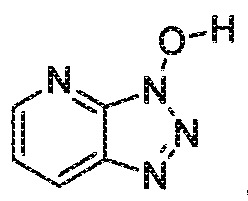
- KENXEMKVFFJZFQ-UHFFFAOYSA-N ON1N=Nc2cccnc2C1=O Chemical compound ON1N=Nc2cccnc2C1=O KENXEMKVFFJZFQ-UHFFFAOYSA-N 0.000 description 1
Classifications
-
- A—HUMAN NECESSITIES
- A61—MEDICAL OR VETERINARY SCIENCE; HYGIENE
- A61K—PREPARATIONS FOR MEDICAL, DENTAL OR TOILETRY PURPOSES
- A61K31/00—Medicinal preparations containing organic active ingredients
- A61K31/33—Heterocyclic compounds
- A61K31/395—Heterocyclic compounds having nitrogen as a ring hetero atom, e.g. guanethidine or rifamycins
- A61K31/495—Heterocyclic compounds having nitrogen as a ring hetero atom, e.g. guanethidine or rifamycins having six-membered rings with two or more nitrogen atoms as the only ring heteroatoms, e.g. piperazine or tetrazines
- A61K31/50—Pyridazines; Hydrogenated pyridazines
- A61K31/501—Pyridazines; Hydrogenated pyridazines not condensed and containing further heterocyclic rings
-
- A—HUMAN NECESSITIES
- A61—MEDICAL OR VETERINARY SCIENCE; HYGIENE
- A61K—PREPARATIONS FOR MEDICAL, DENTAL OR TOILETRY PURPOSES
- A61K31/00—Medicinal preparations containing organic active ingredients
- A61K31/33—Heterocyclic compounds
- A61K31/395—Heterocyclic compounds having nitrogen as a ring hetero atom, e.g. guanethidine or rifamycins
- A61K31/41—Heterocyclic compounds having nitrogen as a ring hetero atom, e.g. guanethidine or rifamycins having five-membered rings with two or more ring hetero atoms, at least one of which being nitrogen, e.g. tetrazole
- A61K31/415—1,2-Diazoles
- A61K31/416—1,2-Diazoles condensed with carbocyclic ring systems, e.g. indazole
-
- A—HUMAN NECESSITIES
- A61—MEDICAL OR VETERINARY SCIENCE; HYGIENE
- A61K—PREPARATIONS FOR MEDICAL, DENTAL OR TOILETRY PURPOSES
- A61K31/00—Medicinal preparations containing organic active ingredients
- A61K31/33—Heterocyclic compounds
- A61K31/395—Heterocyclic compounds having nitrogen as a ring hetero atom, e.g. guanethidine or rifamycins
- A61K31/41—Heterocyclic compounds having nitrogen as a ring hetero atom, e.g. guanethidine or rifamycins having five-membered rings with two or more ring hetero atoms, at least one of which being nitrogen, e.g. tetrazole
- A61K31/4192—1,2,3-Triazoles
-
- A—HUMAN NECESSITIES
- A61—MEDICAL OR VETERINARY SCIENCE; HYGIENE
- A61K—PREPARATIONS FOR MEDICAL, DENTAL OR TOILETRY PURPOSES
- A61K31/00—Medicinal preparations containing organic active ingredients
- A61K31/33—Heterocyclic compounds
- A61K31/395—Heterocyclic compounds having nitrogen as a ring hetero atom, e.g. guanethidine or rifamycins
- A61K31/435—Heterocyclic compounds having nitrogen as a ring hetero atom, e.g. guanethidine or rifamycins having six-membered rings with one nitrogen as the only ring hetero atom
- A61K31/4353—Heterocyclic compounds having nitrogen as a ring hetero atom, e.g. guanethidine or rifamycins having six-membered rings with one nitrogen as the only ring hetero atom ortho- or peri-condensed with heterocyclic ring systems
- A61K31/437—Heterocyclic compounds having nitrogen as a ring hetero atom, e.g. guanethidine or rifamycins having six-membered rings with one nitrogen as the only ring hetero atom ortho- or peri-condensed with heterocyclic ring systems the heterocyclic ring system containing a five-membered ring having nitrogen as a ring hetero atom, e.g. indolizine, beta-carboline
-
- A—HUMAN NECESSITIES
- A61—MEDICAL OR VETERINARY SCIENCE; HYGIENE
- A61K—PREPARATIONS FOR MEDICAL, DENTAL OR TOILETRY PURPOSES
- A61K31/00—Medicinal preparations containing organic active ingredients
- A61K31/33—Heterocyclic compounds
- A61K31/395—Heterocyclic compounds having nitrogen as a ring hetero atom, e.g. guanethidine or rifamycins
- A61K31/53—Heterocyclic compounds having nitrogen as a ring hetero atom, e.g. guanethidine or rifamycins having six-membered rings with three nitrogens as the only ring hetero atoms, e.g. chlorazanil, melamine
-
- A—HUMAN NECESSITIES
- A61—MEDICAL OR VETERINARY SCIENCE; HYGIENE
- A61K—PREPARATIONS FOR MEDICAL, DENTAL OR TOILETRY PURPOSES
- A61K45/00—Medicinal preparations containing active ingredients not provided for in groups A61K31/00 - A61K41/00
- A61K45/06—Mixtures of active ingredients without chemical characterisation, e.g. antiphlogistics and cardiaca
-
- C—CHEMISTRY; METALLURGY
- C07—ORGANIC CHEMISTRY
- C07D—HETEROCYCLIC COMPOUNDS
- C07D231/00—Heterocyclic compounds containing 1,2-diazole or hydrogenated 1,2-diazole rings
- C07D231/54—Heterocyclic compounds containing 1,2-diazole or hydrogenated 1,2-diazole rings condensed with carbocyclic rings or ring systems
-
- C—CHEMISTRY; METALLURGY
- C07—ORGANIC CHEMISTRY
- C07D—HETEROCYCLIC COMPOUNDS
- C07D249/00—Heterocyclic compounds containing five-membered rings having three nitrogen atoms as the only ring hetero atoms
- C07D249/02—Heterocyclic compounds containing five-membered rings having three nitrogen atoms as the only ring hetero atoms not condensed with other rings
- C07D249/04—1,2,3-Triazoles; Hydrogenated 1,2,3-triazoles
-
- C—CHEMISTRY; METALLURGY
- C07—ORGANIC CHEMISTRY
- C07D—HETEROCYCLIC COMPOUNDS
- C07D249/00—Heterocyclic compounds containing five-membered rings having three nitrogen atoms as the only ring hetero atoms
- C07D249/16—Heterocyclic compounds containing five-membered rings having three nitrogen atoms as the only ring hetero atoms condensed with carbocyclic rings or ring systems
- C07D249/18—Benzotriazoles
-
- C—CHEMISTRY; METALLURGY
- C07—ORGANIC CHEMISTRY
- C07D—HETEROCYCLIC COMPOUNDS
- C07D253/00—Heterocyclic compounds containing six-membered rings having three nitrogen atoms as the only ring hetero atoms, not provided for by group C07D251/00
- C07D253/08—Heterocyclic compounds containing six-membered rings having three nitrogen atoms as the only ring hetero atoms, not provided for by group C07D251/00 condensed with carbocyclic rings or ring systems
-
- C—CHEMISTRY; METALLURGY
- C07—ORGANIC CHEMISTRY
- C07D—HETEROCYCLIC COMPOUNDS
- C07D403/00—Heterocyclic compounds containing two or more hetero rings, having nitrogen atoms as the only ring hetero atoms, not provided for by group C07D401/00
- C07D403/02—Heterocyclic compounds containing two or more hetero rings, having nitrogen atoms as the only ring hetero atoms, not provided for by group C07D401/00 containing two hetero rings
- C07D403/04—Heterocyclic compounds containing two or more hetero rings, having nitrogen atoms as the only ring hetero atoms, not provided for by group C07D401/00 containing two hetero rings directly linked by a ring-member-to-ring-member bond
-
- C—CHEMISTRY; METALLURGY
- C07—ORGANIC CHEMISTRY
- C07D—HETEROCYCLIC COMPOUNDS
- C07D471/00—Heterocyclic compounds containing nitrogen atoms as the only ring hetero atoms in the condensed system, at least one ring being a six-membered ring with one nitrogen atom, not provided for by groups C07D451/00 - C07D463/00
- C07D471/02—Heterocyclic compounds containing nitrogen atoms as the only ring hetero atoms in the condensed system, at least one ring being a six-membered ring with one nitrogen atom, not provided for by groups C07D451/00 - C07D463/00 in which the condensed system contains two hetero rings
- C07D471/04—Ortho-condensed systems
Definitions
- HA ART highly active anti-retroviral therapy
- HA ART typically results in a dramatic decrease in viral load often from levels of 10,000-100,000 RNA copies/mL of plasma to less than 50 copies/mL.
- Retroviruses including HIV-1, are RNA viruses that replicate through a DNA intermediate and integrate very efficiently into the genome of an infected cell, forming a provirus. Once the provirus is formed, it is maintained in the genome of the infected cell and transferred to daughter cells in the same fashion as any other genetic element within the cellular genome. Thus, the virus has the potential to persist if it infects long-lived cells such as memory T cells. It has been known since 1986 that HTV-1 can establish a latent infection in culture. It was found that a human T cell line infected with replication-competent virus could develop a latent infection in which the provirus was dormant but could be reactivated upon stimulation. Since then it has been established that a number of cytokines can reactivate latent proviruses.
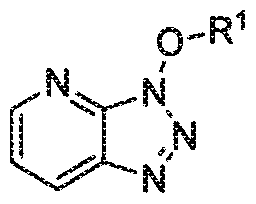
- the invention in one aspect, relates to methods of activating a latent retrovirus in a subject, the method comprising the step of administering to the subject an effective amount of a compound represented by a formula:
- n is 0 or 1; wherein R 1 is selected from H, C1-C4 alkyl, C1-C6 aryl, C(0)Ar,
- n 0 or 1
- R is selected from H, C1-C4 alkyl, C1-C6 aryl, C(0)Ar,
- hexafluorophosphate V
- tris(dimethylamino)phosphonium hexafluorophosphate V
- 1- (pyrrolidin-l-ylmethylene)pyrrolidin ⁇ l-ium hexafluorophosphate V
- l-(piperidin-l- ylmethylene)piperidin- 1 -ium hexafluorophosphate V
- R 2 is selected from H and Cl- C4 alkyl
- R 3 is selected from H and C1-C4 alkyl, or R 2 and R 3 are covalently bonded and, together with the intermediate atoms, comprise an optionally substituted fused six- membered aryl or heteroaryl ring: with a pharmaceutically acceptable carrier or diluent.
- kits comprising at least one compound represented by a formula:
- n is O or 1 ; wherein R ! is selected from H, C1-C4 alkyl, C1-C6 aryl, C(0)Ar,
- compositions comprising a compound represented by a formula:
- n is 0 or 1; wherein R is selected from H. C1-C4 alkyl, C1-C6 aryl, C(0)Ar,
- hexafluorophosphate V
- tris(dimethylamino)phosphonium hexafluorophosphate V
- 1- ⁇ pyrrolidin-l-ylmethylene)pyrrolidin-l-ium hexafluorophosphate V
- l-(piperidin-l- ylmethylene)piperidin- 1 -ium hexafluorophosphate V
- R 2 is selected from H and Cl- C4 alkyl
- R 3 is selected from H and C1-C4 alkyl, or R 2 and R 3 are covalently bonded and, together with the intermediate atoms, comprise an optionally substituted fused six- membered aryl or heteroaryl ring
- a pharmaceutically acceptable carrier or diluent
- FIG. 1A shows the results of a screen of the Ireland Natural Product Collection, a set of natural products isolated from marine invertebrate animals and microorganisms. Plate II well C07 was identified as a positive result and was taken on for further analysis.
- FIG. IB shows that Plate ⁇ well C07 activates latent HIV-1 as indicated by an increase in fluorescence compared to the control.
- FIG. 1C shows the % of positive cells and the % of reactivation compared to the positive control for 20 fractions of C07.
- the fractions were separated using HPLC with a gradient of 10- 100% in acetomtrile with 0.1% formic acid.
- the activity of CD3/CD28 is shown as a positive control.
- the ability of C07 ( ⁇ - ⁇ C07) to activate latent HTV-1 is also displayed.
- FIG. ID shows that the compound responsible for the activity of C07 is located in fraction M5.
- the major component of this fraction is 1-hydroxybenzotriazoSe (HOBt).
- FIG. IE shows the structure of HOBt.
- FIG. IF shows that HOBt reactivates HIV-1 latency in a dose dependent manner.
- FIG. 1G shows that HOBt is able to reactive HIV-1 latency with slower kinetics compared to anti-CD3/CD28.
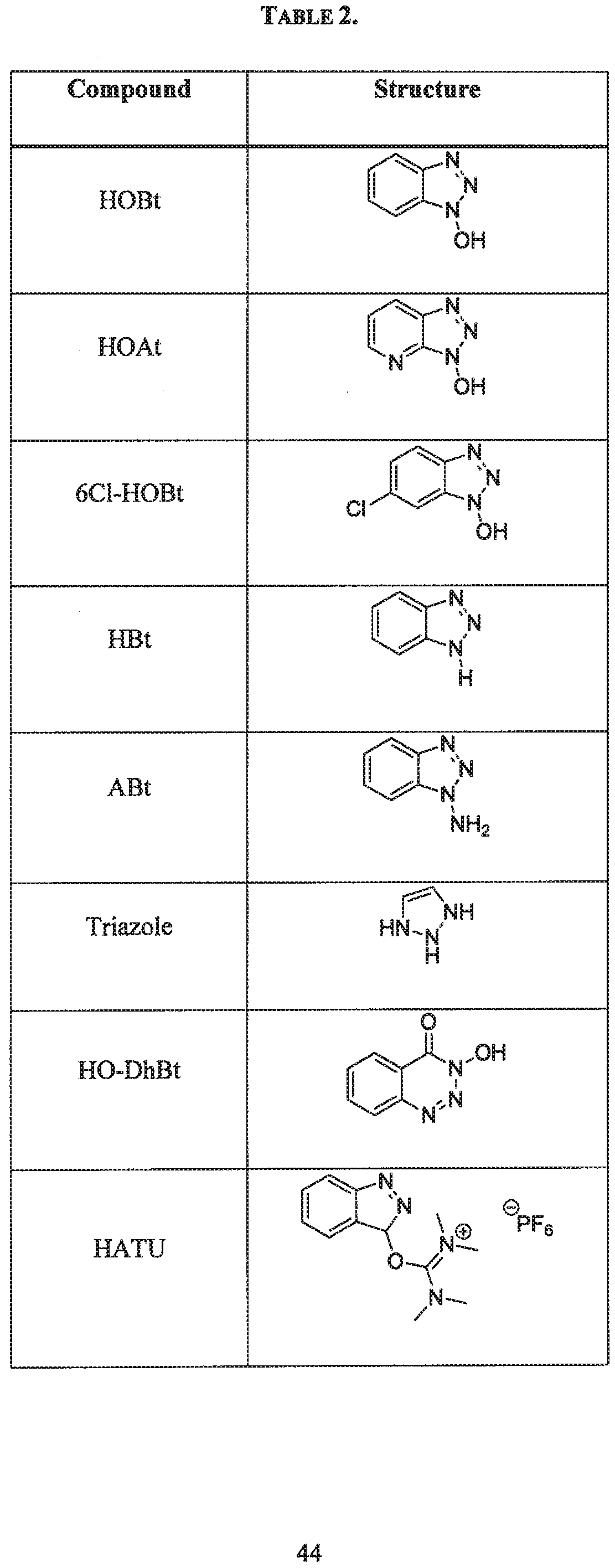
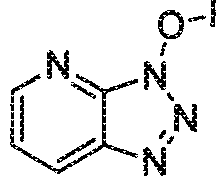
- FIG. 2A shows the ability of HOBt and HOBt analogs to activate latent HIV-1. In addition to HOBt, HOAt also activates HFV-1 latent cells.
- FIG. 2B shows that both HOBt and HOAt activate latent HTV-L
- FIG. 2C shows that HOBt and HOAt reactivate HIV-1 latency in a dose dependent manner
- FIG. 2D shows the ability of a panel of 7 derivatives of HOBt to activate latent HIV-1.
- HOAt demonstrates increased activity compared to HOBt.
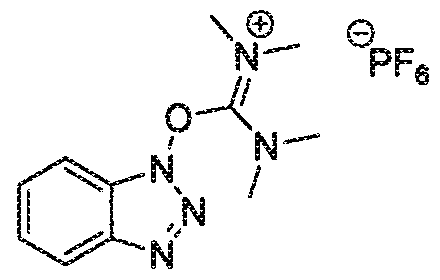
- Two additional analogs, HATU and HO-DhBt, also illustrate an increased ability to induce viral reactivation in a dose dependent manner.
- FIG. 3 shows that HOBt and HOAt synergize with several yc-cytokines to reactivate HIV-1 latency.
- HOBt and HOAt increase viral reactivation in the presence of IL-2, IL-7 and EL- 5.
- IL-4 did not induce viral reactivation by itself; however, combining IL-4 with either HOBt or HOAt did induce significant viral reactivation.
- EL-9 and EL-21 show no effect.
- FIG. 4A shows that HOAt induces viral reactivation in a STATS dependent manner. Inhibition of either NFAT or NF- ⁇ did not have an effect on viral reactivation by HOAt. inhibition of JAK selectively blocked viral reactivation by HOAt but not by aCD3/aCD28. While the STAT3 inhibitor did not have a significant effect, the STATS inhibitor was able to completely prevent activation of latent HIV-1 by HOAt.
- FIG. 4B shows that HOAt alone is able to induce an increase in STATS phosphorylation over untreated cells. While cells incubated with IL-2 alone increase the levels of STATS phosphorylation at 30 min, at 24 hrs the level has decreased to basal levels. Incubation of cultured TC M cells with a combination of IL ⁇ 2 and HOAt lead to a drastic increase in STATS phosphorylation.
- FIG. 5A shows that HOAt increases the nuclear localization of STATS.
- pSTATS and STATS levels increased in the nucleus of the cells treated with HOAt at the time points indicated.
- Histone H3 and alpha Tubulin were used as controls for purity of the fractionation.
- FIG. SB shows that IL-2 alone or in the presence of HOAt increases phosphorylation of JAK1 and JAK3.
- FIG. 5C shows that HOAt increases the transcription of SOC3S, a target gene for STATS.
- FIG, 6A shows that HOBt does not induce general T cell activation.
- FIG. 6B shows that HOBt does not induce T cell differentiation measured as lost CCR7 and CD27 expression.
- FIG. 6C shows that HOBt only induces some degree of T cell proliferation at the higher concentration tested.
- FIG. 6D shows that HOBt only induces an increase of 1.4 times of CD25 levels at the maximum concentration used. This level is increased by 37 times after TCR engagement with aCD3/aCD28.
- FIG. 6E shows that HOAt slightly increases the levels of T cell activation when compared with aCD3/aCD28.
- FIG. 7 shows that HOAt increases viral reactivation mediated by PMA, ionomycin and SAHA. This indicates that HOAt and additional analogs can be used to synergize the activity of other anti-latency drugs.
- FIG. 8 shows representative data pertaining to the ability of HOAt to reactivate latent HIV-1 in cells isolated from aviremic HiV-l patients. Briefly, cells for two patients suppressed with antiretroviral were isolated and treated with either DMSO (Control), HOAt or the mitogen PHA. As it is shown, HOAt can induce regrowth of latent viruses in both patients in vitro above the treatemtn control (DMSO).
- DMSO treatemtn control
- FIG. 9A shows representative data demonstrating that HOAt increases the levels of pSTATS in the inputs.
- FIG. 9B shows representative data illustrating the ladder pattern normally observed in ubiquitinilated proteins. Without wishing to be bound by theory, this may suggest that HOAt and derivatives may block ubiquitation and subsequent degradation of pSTAT5. Briefly, cells were treated with DMSO or HOAt for 30 min, and subsequently treated with JL-2 for another 30 min. STATS was immunoprecipitated with antibodies specific for the phosphorylated protein and western blot was performed against pSTATS.
- FIG, 10 shows representative data pertaining to the ability of HOBt, HOAt, HODHBt and HATU to maintain pSTATS levels in a dose dependent manner.
- Cells were treated with IL- 2 and several derivatives of HOAt.
- Levels of pSTATS were measured 48 h later by flow cytometer.
- Ranges can be expressed herein as from “about” one particular value, and/or to "about” another particular value. When such a range is expressed, a further aspect includes from the one particular value and/or to the other particular value. Similarly, when values are expressed as approximations, by use of the antecedent "about,” it will be understood that the particular value forms a further aspect. It will be further understood that the endpoints of each of the ranges are significant both in relation to the other endpoint, and independently of the other endpoint. It is also understood that there are a number of values disclosed herein, and that each value is also herein disclosed as "about” that particular value in addition to the value itself. For example, if the value "10” is disclosed, then “about 10" is also disclosed. It is also understood that each unit between two particular units are also disclosed. For example, if 10 and 15 are disclosed, then 1 1, 12, 13, and 14 are also disclosed.
- references in the specification and concluding claims to parts by weight of a particular element or component in a composition denotes the weight relationship between the element or component and any other elements or components in the composition or article for which a part by weight is expressed.
- X and Y are present at a weight ratio of 2:5, and are present in such ratio regardless of whether additional components are contained in the compound.
- a weight percent (wt. %) of a component is based on the total weight of the formulation or composition in which the component is included.
- the term "subject” can be a vertebrate, such as a mammal, a fish, a bird, a reptile, or an amphibian.
- the subject of the herein disclosed methods can be a human, non- human primate, horse, pig, rabbit, dog, sheep, goat, cow, cat, guinea pig or rodent.
- the term does not denote a particular age or sex. Thus, adult and newborn subjects, as well as fetuses, whether male or female, are intended to be covered.
- the subject is a mammal.
- a patient refers to a subject afflicted with a disease or disorder.
- patient includes human and veterinary subjects.
- treatment refers to the medical management of a patient with the intent to cure, ameliorate, stabilize, or prevent a disease, pathological condition, or disorder.
- This term includes active treatment, that is, treatment directed specifically toward the improvement of a disease, pathological condition, or disorder, and also includes causal treatment, that is, treatment directed toward removal of the cause of the associated disease, pathological condition, or disorder.
- this term includes palliative treatment, that is, treatment designed for the relief of symptoms rather than the curing of the disease, pathological condition, or disorder; preventative treatment, that is, treatment directed to minimizing or partially or completely inhibiting the development of the associated disease, pathological condition, or disorder; and supportive treatment, that is, treatment employed to supplement another specific therapy directed toward the improvement of the associated disease, pathological condition, or disorder.
- the term covers any treatment of a subject, including a mammal (e.g., a human), and includes: (i) preventing the disease from occurring in a subject that can be predisposed to the disease but has not yet been diagnosed as having it; (ii) inhibiting the disease, i.e., arresting its development; or (iii) relieving the disease, i.e., causing regression of the disease.
- the subject is a mammal such as a primate, and, in a further aspect, the subject is a human.
- subject also includes domesticated animals (e.g., cats, dogs, etc.), livestock (e.g., cattle, horses, pigs, sheep, goats, etc.), and laboratory animals (e.g., mouse, rabbit, rat, guinea pig, fruit fly, etc.).
- domesticated animals e.g., cats, dogs, etc.
- livestock e.g., cattle, horses, pigs, sheep, goats, etc.
- laboratory animals e.g., mouse, rabbit, rat, guinea pig, fruit fly, etc.
- prevent refers to precluding, averting, obviating, forestalling, stopping, or hindering something from happening, especially by advance action. It is understood that where reduce, inhibit or prevent are used herein, unless specifically indicated otherwise, the use of the other two words is also expressly disclosed.
- diagnosisd means having been subjected to a clinical interview and/or a physical examination by a person of skill, for example, a physician, and found to have a condition that can be diagnosed or treated by the compounds, compositions, or methods disclosed herein.
- diagnosis with a depression disorder means having been subjected to a clinical interview and/or physical examination by a person of skill, for example, a physician, and found to have a condition that can be diagnosed or treated by a compound or composition that can cure, alleviate, prevent, or otherwise treat a depression disorder.
- administering refers to any method of providing a pharmaceutical preparation to a subject. Such methods are well known to those skilled in the art and include, but are not limited to, oral administration, transdermal administration, administration by inhalation, nasal administration, topical administration, intravaginai administration, ophthalmic administration, intraaural administration, intracerebral administration, rectal administration, sublingual administration, buccal administration, and parenteral administration, including injectable such as intravenous administration, intra-arterial administration, intramuscular administration, and subcutaneous administration. Administration can be continuous or intermittent.
- a preparation can be administered therapeutically; that is, administered to treat an existing disease or condition, in further various aspects, a preparation can be administered prophyiacticaiiy; that is, administered for prevention of a disease or condition.
- contacting refers to bringing a disclosed compound and a cell, target receptor, or other biological entity together in such a manner that the compound can affect the activity of the target, either directly; i.e., by interacting with the target itself, or indirectly; i.e., by interacting with another molecule, co-factor, factor, or protein on which the activity of the target is dependent.
- the term "effective amount” refers to an amount that is sufficient to achieve the desired result or to have an effect on an undesired condition.
- a “therapeutically effective amount” refers to an amount that is sufficient to achieve the desired therapeutic result or to have an effect on undesired symptoms, but is generally insufficient to cause adverse side affects.
- the specific therapeutically effective dose level for any particular patient will depend upon a variety of factors including the disorder being treated and the severity of the disorder; the specific composition employed; the age, body weight, general health, sex and diet of tiie patient; the time of administration; the route of administration; the rate of excretion of the specific compound employed; the duration of the treatment; drugs used in combination or coincidental with the specific compound employed and like factors well known in the medical arts.
- the effective daily dose can be divided into multiple doses for purposes of administration.
- single dose compositions can contain such amounts or submultiples thereof to make up the daily dose.
- the dosage can be adjusted by the individual physician in the event of any contraindications. Dosage can vary, and can be administered in one or more dose administrations daily, for one or several days.
- a preparation can be administered in a "prophyiacticaiiy effective amount"; that is, an amount effective for prevention of a disease or condition.
- pharmaceutically acceptable describes a material that is not biologically or otherwise undesirable, i.e., without causing an unacceptable level of undesirable biological effects or interacting in a deleterious manner.
- the term "derivative” refers to a compound having a structure derived from the structure of a parent compound (e.g., a compound disclosed herein) and whose structure is sufficiently similar to those disclosed herein and based upon that similarity, would be expected by one skilled in the art to exhibit the same or similar activities and utilities as the claimed compounds, or to induce, as a precursor, the same or similar activities and utilities as the claimed compounds.
- exemplary derivatives include salts, esters, amides, salts of esters or amides, and N-oxides of a parent compound.
- the term "pharmaceutically acceptable carrier” refers to sterile aqueous or nonaqueous solutions, dispersions, suspensions or emulsions, as well as sterile powders for reconstitution into sterile injectable solutions or dispersions just prior to use.
- suitable aqueous and nonaqueous carriers, diluents, solvents or vehicles include water, ethanol, poiyols (such as glycerol, propylene glycol, polyethylene glycol and the like),
- compositions can also contain adjuvants such as preservatives, wetting agents, emulsifying agents and dispersing agents.
- Prevention of the action of microorganisms can be ensured by the inclusion of various antibacterial and antifungal agents such as paraben, chlorobutanol, phenol, sorbic acid and the like, it can also be desirable to include isotonic agents such as sugars, sodium chloride and the like. Prolonged absorption of the injectable pharmaceutical form can be brought about by the inclusion of agents, such as aluminum monostearate and gelatin, which delay absorption.
- Injectable depot forms are made by forming microencapsule matrices of the drug in
- biodegradable polymers such as poSyiactide-polyglycolide, poly(orthoesters) and
- Depot injectable formulations are also prepared by entrapping the drug in liposomes or microemuisions which are compatible with body tissues.
- the injectable formulations can be sterilized, for example, by filtration through a bacterial-retaining filter or by incorporating sterilizing agents in the form of sterile solid compositions which can be dissolved or dispersed in sterile water or other sterile injectable media just prior to use.
- Suitable inert carriers can include sugars such as lactose.
- at least 95% by weight of the particles of the active ingredient have an effective particle size in the range of 0.01 to 10 micrometers.
- stable refers to compounds that are not substantially altered when subjected to conditions to allow for their production, detection, and, in certain aspects, their recovery, purification, and use for one or more of the purposes disclosed herein.
- RNA genome of the retroviral particle is usually a recombinant RNA genome, e.g., contains an RNA sequence exogenous to the native retroviral genome and/or is defective in an andogenous retroviral sequence (e.g., is defective in pol, gag, and/or env, and, as used herein, is normally defective in all three genes).
- Compounds described herein comprise atoms in both their natural isotopic abundance and in non-natural abundance.
- the disclosed compounds can be isotopical!y-labeled or isotopically-substituted compounds identical to those described, but for the fact that one or more atoms are replaced by an atom having an atomic mass or mass number different from the atomic mass or mass number typical ly found in nature.
- isotopes that can be incorporated into compounds of the invention include isotopes of hydrogen, carbon, nitrogen, oxygen, such as 2 H, 3 H, 13 C, 5 C, 15 N, 18 0, 17 O, respectively.
- Compounds further comprise prodrugs thereof and pharmaceutically acceptable salts of said compounds or of said prodrugs which contain the aforementioned isotopes and/or other isotopes of other atoms are within the scope of this invention.
- Certain isotopicaily-labeled compounds of the present invention for example those into which radioactive isotopes such as 3 H and 14 C are incorporated, are useful in drug and/or substrate tissue distribution assays. Tritiated, i.e., 3 H, and carbon- 14, i.e., 14 C, isotopes are particularly preferred for their ease of preparation and detectability.
- isotopically labeled compounds of the present invention and prodrugs thereof can generally be prepared by carrying out the procedures below, by substituting a readily available isotopically labeled reagent for a non- isotopically labeled reagent,
- the compounds described in the invention can be present as a solvate.
- the solvent used to prepare the solvate is an aqueous solution, and the solvate is then often referred to as a hydrate.
- the compounds can be present as a hydrate, which can be obtained, for example, by crystallization from a solvent or from aqueous solution, in this connection, one, two, three or any arbitrary number of solvate or water molecules can combine with the compounds according to the invention .to form solvates and hydrates. Unless stated to the contrary, the invention includes all such possible solvates.
- co-crystal means a physical association of two or more molecules which owe their stability through non-covending interaction.
- One or more components of this molecular complex provide a stable framework in the crystalline lattice.
- the guest molecules are incorporated in the crystalline lattice as anhydrates or solvates, see e.g. "Crystal Engineering of the Composition of Pharmaceutical Phases. Do Pharmaceutical Co-crystals Represent a New Path to Improved Medicines?" Almarasson, O,, et. aL, The Royal Society of Chemistry, 1889-1896, 2004.
- Examples of co-crystals include p-toiuenesulfonic acid and benzenesulfonie acid.
- polymorphic forms or modifications it is known that chemical substances form solids which are present in different states of order which are termed polymorphic forms or modifications.
- the different modifications of a polymorphic substance can differ greatly in their physical properties.
- the compounds according to the invention can be present in different polymorphic forms, with it being possible for particular modifications to be metastable. Unless stated to the contrary, the invention includes all such possible polymorphic forms.
- Certain materials, compounds, compositions, and components disclosed herein can be obtained commercially or readily synthesized using techniques generally known to those of skill in the art.
- the starting materials and reagents used in preparing the disclosed compounds and compositions are either available from commercial suppliers such as Aldrich Chemical Co., (Milwaukee, Wis,), Acros Organics (Morris Plains, N.J.), Fisher Scientific (Pittsburgh, Pa.), or Sigma (St. Louis, Mo.) or are prepared by methods known to those skilled in the art following procedures set forth in references such as Fieser and Fieser's Reagents for
- compositions of the invention Disclosed are the components to be used to prepare the compositions of the invention as well as the compositions themselves to be used within the methods disclosed herein. These and other materials are disclosed herein, and it is understood that when combinations, subsets, interactions, groups, etc. of these materials are disclosed that while specific reference of each various individual and collective combinations and permutation of these compounds can not be explicitly disclosed, each is spec ifically contemplated and described herein. For example, if a particular compound is disclosed and discussed and a number of modifications that can be made to a number of molecules including the compounds are discussed, specifically contemplated is each and every combination and permutation of the compound and the modifications that are possible unless specifically indicated to the contrary.
- compositions disclosed herein have certain functions. Disclosed herein are certain structural requirements for performing the disclosed functions and it is understood that there are a variety of structures that can perform the same function that are related to the disclosed structures, and that these structures will typically achieve the same result.
- the invention relates to pharmaceutical compositions comprising a compound represented by a formula:
- n 0 or 1 ; wherein R is selected from H, CI-C4 alkyl, C1-C6 aryl, C(0)Ar,
- hexafl uorophosphate V
- tris(dimethylamino)phosphonium hexafluorophosphate V
- 1- (pyrrolidin-l-ylmethylene)pyrrolidin-l-ium hexafluorophosphate V
- l-(piperidin-l- ylmethylene)piperidin-l-ium hexafluorophosphate V
- R 2 is selected from H and Cl- C4 alky!
- R 3 is selected from H and C1-C4 alkyi, or R 2 and R 3 are cov 1985 bonded and, together with the intermediate atoms, comprise an optionally substituted fused six- membered aryl or heteroaryl ring, and a pharmaceutically acceptable carrier or diluent.
- the disclosed pharmaceutical compositions comprise the disclosed compounds and pharmaceutically acceptable salt(s) thereof as an active ingredient, a
- compositions include those suitable for oral, rectal, topical, and parenteral (including subcutaneous, intramuscular, and intravenous) administration, although the most suitable route in any given case will depend on the particular host, and nature and severity of the conditions for which the active ingredient is being administered.
- the pharmaceutical compositions can be conveniently presented in unit dosage form and prepared by any of the methods well known in the art of pharmacy, [0073]
- pharmaceutically acceptable salts refers to salts prepared from pharmaceutically acceptable non-toxic bases or acids.
- salts derived from such inorganic bases include aluminum, ammonium, calcium, copper (-ic and -ous), ferric, ferrous, lithium, magnesium, manganese (-ic and -ous), potassium, sodium, zinc and the like salts. Particularly preferred are the ammonium, calcium, magnesium, potassium and sodium salts.
- Salts derived from pharmaceutically acceptable organic non-toxic bases include salts of primary, secondary, and tertiary amines, as well as cyclic amines and substituted amines such as naturally occurring and synthesized substituted amines.
- organic non-toxic bases from which salts can be formed include ion exchange resins such as, for example, arginme, betaine, caffeine, choline, ⁇ , ⁇ '-dibenzylethyienediamine, diethy!amine, 2- diethyla inoethanol, 2-dimethyiaminoethanol, ethanoiamine, ethylenediamine, N- ethyimorpholine, N-ethyipiperidine, glucamine, glucosamine, histidine, hydrabamine, isopropylamine, lysine, methyiglucamine, morpholine, piperazine, piperidine, polyamine resins, procaine, purines, theobromine, triethylamine, trimethylamine, tripropylamme, tromethamine and the like.
- ion exchange resins such as, for example, arginme, betaine, caffeine, choline, ⁇ , ⁇ '-dibenzyle
- pharmaceutically acceptable non-toxic acids includes inorganic acids, organic acids, and salts prepared therefrom, for example, acetic,
- the compounds of the invention, or pharmaceutically acceptable salts thereof, of mis invention can be combined as the active ingredient in intimate admixture with a pharmaceutical carrier according to conventional pharmaceutical compounding techniques.
- the carrier can take a wide variety of forms depending on the form of preparation desired for administration, e.g., oral or parenteral (including intravenous).
- compositions of the present invention can be presented as discrete units suitable for oral administration such as capsules, cachets or tablets each containing a predetermined amount of the active ingredient, Further, the compositions can be presented as a powder, as granules, as a solution, as a suspension in an aqueous liquid, as a non-aqueous liquid, as an oii-in-water emulsion or as a water-in-oil liquid emulsion.
- the compounds of the invention, and/or pharmaceutically acceptable sait(s) thereof can also be administered by controlled release means and/or delivery devices.
- the compositions can be prepared by any of the methods of pharmacy.
- such methods include a step of bringing into association the active ingredient with the carrier that constitutes one or more necessary ingredients.
- the compositions are prepared by uniformly and intimately admixing the active ingredient with liquid carriers or finely divided solid carriers or both. The product can then be conveniently shaped into the desired presentation.
- compositions of this invention can include a pharmaceutically acceptable carrier and a compound or a pharmaceutically acceptable salt of the compounds of the invention.
- the compounds of the invention, or pharmaceutically acceptable salts thereof, can also be included in pharmaceutical compositions in combination with one or more other therapeutically active compounds.
- the pharmaceutical carrier employed can be, for example, a solid, liquid, or gas
- solid carriers include lactose, terra alba, sucrose, talc, gelatin, agar, pectin, acacia, magnesium stearate, and stearic acid.
- liquid carriers are sugar syrup, peanut oil, olive oil, and water.
- gaseous carriers include carbon dioxide and nitrogen.
- any convenient pharmaceutical media can be employed.
- water, glycols, oils, alcohols, flavoring agents, preservatives, coloring agents and the like can be used to form oral liquid preparations such as suspensions, elixirs and solutions; while carriers such as starches, sugars, microcrystalline cellulose, diluents, granulating agents, lubricants, binders, disintegrating agents, and the like can be used to form oral solid preparations such as powders, capsules and tablets.
- carriers such as starches, sugars, microcrystalline cellulose, diluents, granulating agents, lubricants, binders, disintegrating agents, and the like
- oral solid preparations such as powders, capsules and tablets.
- tablets and capsules are the preferred oral dosage units whereby solid pharmaceutical carriers are employed.
- tablets can be coated by standard aqueous or nonaqueous techniques
- a tablet containing the composition of this invention can be prepared by compression or molding, optionally with one or more accessory ingredients or adjuvants
- Compressed tablets can be prepared by compressing, in a suitable machine, the active ingredient in a free-flowing form such as powder or granules, optionally mixed with a binder, lubricant, inert diluent, surface active or dispersing agent. Molded tablets can be made by molding in a suitable machine, a mixture of the powdered compound moistened with an inert liquid diluent.
- compositions of the present invention comprise a compound of the invention (or pharmaceutically acceptable salts thereof) as an active ingredient, a
- the pharmaceutical compositions can be conveniently presented in unit dosage form and prepared by any of the methods well known in the art of pharmacy,
- compositions of the present invention suitable for parenteral administration can be prepared as solutions or suspensions of the active compounds in water.
- a suitable surfactant can be included such as, for example, hydroxypropylcellulose.
- Dispersions can also be prepared in glycerol, liquid polyethylene glycols, and mixtures thereof in oils.
- a preservative can be included to prevent the detrimental growth of microorganisms
- compositions of the present invention suitable for injectable use include sterile aqueous solutions or dispersions.
- the compositions can be in the form of sterile powders for the extemporaneous preparation of such sterile injectable solutions or dispersions.
- the final injectable form must be sterile and must be effectively fluid for easy syringability.
- the pharmaceutical compositions must be stable under the conditions of manufacture and storage; thus, preferably should be preserved against the contaminating action of microorganisms such as bacteria and fungi.
- the carrier can be a solvent or dispersion medium containing, for example, water, ethanoi, poiyol (e.g., glycerol, propylene glycol and liquid polyethylene glycol), vegetable oils, and suitable mixtures thereof.
- ethanoi e.g., glycerol, propylene glycol and liquid polyethylene glycol
- poiyol e.g., glycerol, propylene glycol and liquid polyethylene glycol
- vegetable oils e.g., glycerol, propylene glycol and liquid polyethylene glycol
- compositions of the present invention can be in a form suitable for topical use such as, for example, an aerosol, cream, ointment, lotion, dusting powder, mouth washes, gargles, and the like. Further, the compositions can be in a form suitable for use in transdermal devices. These formulations can be prepared, utilizing a compound of the invention, or pharmaceutically acceptable salts thereof, via conventional processing methods. As an example, a cream or ointment is prepared by mixing hydrophilic material and water, together with about 5 wt% to about 10 wt% of the compound, to produce a cream or ointment having a desired consistency.
- compositions of this invention can be in a form suitable for rectal administration wherein the carrier is a solid. It is preferable that the mixture forms unit dose suppositories. Suitable carriers include cocoa butter and other materials commonly used in the art. The suppositories can be conveniently formed by first admixing the composition with the softened or melted carrier(s) followed by chilling and shaping in moulds.
- the pharmaceutical formulations described above can include, as appropriate, one or more additional carrier ingredients such as diluents, buffers, flavoring agents, binders, surface-active agents, thickeners, lubricants, preservatives (including anti-oxidants) and the like.
- additional carrier ingredients such as diluents, buffers, flavoring agents, binders, surface-active agents, thickeners, lubricants, preservatives (including anti-oxidants) and the like.
- additional carrier ingredients such as diluents, buffers, flavoring agents, binders, surface-active agents, thickeners, lubricants, preservatives (including anti-oxidants) and the like.
- additional carrier ingredients such as diluents, buffers, flavoring agents, binders, surface-active agents, thickeners, lubricants, preservatives (including anti-oxidants) and the like.
- other adjuvants can be included to render the formulation isotonic with the blood of the intended recipient
- compositions containing a compound of the invention, and/or pharmaceutically acceptable salts thereof, can also be prepared in powder or liquid concentrate form,
- compositions can be prepared from the disclosed compounds. It is also understood that the disclosed compositions can be employed in the disclosed methods of using.
- compositions are for oral administration.
- compositions farther comprise a therapeutic agent that can be used to treat a retrovirus.
- the therapeutic agent can be used to treat a retrovirus selected from the group comprising HTV-1, HTV-2, SIV, XMRV, HTLV-1, HTLV-2, HTLV-3, or HTLV-4.
- the therapeutic agent can be used to treat HIV-!.
- the therapeutic agent is selected from entry inhibitors, nucleoside reverse transcriptase inhibitors (NRTIs), nucleotide reverse transcriptase inhibitors (NtRTIs), non-nucleoside reverse transcriptase inhibitors (NNRTIs), protease inhibitors, integrase inhibitors, or maturation inhibitors, or a mixture thereof.
- the therapeutic agent is selected from nucleoside reverse transcriptase inhibitors (NRTIs), nucleotide reverse transcriptase inhibitors (NtRTIs), non-nucleoside reverse transcriptase inhibitors
- NRTIs protease inhibitors, or integrase inhibitors, or a mixture thereof.
- the compounds disclosed herein are useful for treating or detecting a retrovirus, and more particularly for treating or detecting HlV-1.
- a method of treating or detecting a retrovirus in a subject comprising the step of administering to the subject at least one compound represented by a formula:
- n is 0 or 1 ; wherein 1 is selected from H, C1-C4 a!kyl, C1-C6 aryl, C(0)Ar,
- hexafluorophosphate V
- tris(dimethy!amino)phosphonium hexafluorophosphate V
- 1- (pyrro!idin-l-ylmethylene)pyrrolidin-l-ium hexafluorophosphate V
- l-(piperidin-l- ylmethy!ene)piperidin-l-ium hexafluorophosphate V
- R 2 is selected from H and Cl- C4 a!ky!
- R 3 is selected from H and C1-C4 a!kyl, or R 2 and R 3 are cov 1985ly substituted fused six- membered aryl or heteroaryl ring; and/or at least one disclosed pharmaceutical composition in an effective dosage and amount.
- compositions and methods of the present invention can further comprise other therapeutically active compounds as noted herein which are usually applied in the treatment of retroviruses, for example HTV-1, HXV-2, SFV, XMRV, HTLV-1, HTLV-2, HTLV-3, or HTLV-4.
- retroviruses for example HTV-1, HXV-2, SFV, XMRV, HTLV-1, HTLV-2, HTLV-3, or HTLV-4.
- the disclosed treatment methods can be applied to a subject, for example, a patient.
- the subject is a mammal, for example, a human.
- the invention relates to methods for the treatment of a patient diagnosed with a retrovirus, the method comprising the step of administering to the patient, together in an effective amount, a compound represented by a formula:
- n is 0 or 1 ; wherein R is selected from H, C1-C4 alkyl, C1-C6 aryl, C(0)Ar,
- hexafluorophosphate V
- tris(dimethylamino)phosphonium hexafluorophosphate V
- 1- (pyrro!idin- 1 -ylmethy lene)pyrrolidin- 1 -ium hexafluorophosphate V
- l-(piperidin-l- ylmethylene)piperidin-l-ium hexafluorophosphate V
- R 2 is selected from H and Cl- C4 alkyl
- R 3 is selected from H and C1-C4 alkyl, or R 2 and R 3 are covalently bonded and, together with the intermediate atoms, comprise an optionally substituted fused six- membered ary! or heteroaryi ring, and at least one agent known to treat a retrovirus, a.
- the invention relates to methods of activating a latent retrovirus, and more specifically HIV-1, in a subject, the method comprising the step of administering to the subject an effective amount of a compound represented by a formula:
- n is 0 or 1; wherein R is selected from H, C1-C4 alkyl, C1-C6 aryl, C ⁇ 0)Ar,
- hexafluorophosphate V
- tris(dimethylamino)phosphonmm hexafluorophosphate V
- 1- (pyrroiidin-l-ylmethy!ene)pyrro!idin-l-iuni hexafluorophosphate V
- R 2 is selected from H and Cl- C4 alkyl
- R 3 is selected from H and C1-C4 a!ky!, or R 2 and R 3 are covalent!y bonded and, together with the intermediate atoms, comprise an optionally substituted fused six- membered ary! or heteroary! ring.
- HIV-l human immunodeficiency virus type 1
- the use of antiretroviral therapy in human immunodeficiency virus type 1 (HIV-l) infected patients does not lead to virus eradication. This is due, to a significant degree, to the fact that HIV-l can establish a highly stable reservoir of latently infected cells.
- the principle reservoir of H -1 latency is thought to reside in resting, CD4+ memory T cells, which harbor integrated HIV-l (Finzi et al. 1997).
- the low frequency of latently infected cells (1 in 10 6 resting CD4+ T cells (Chun et al. 1997)), for which known phenotypic markers are not available, poses a great challenge to the study of latency in vivo.
- a model using human fetal liver tissue in SCLD-hu mice has also generated a great deal of interest in the field of HIV-l latency (Brooks et al. 2001).
- This model relies upon infection of thymocytes and the vast majority of latently infected cells in this system are mature, quiescent CD4+ single positive naive T cells. This is in contrast with findings in HTV-1 patients, where the majority of latently infected cells are CD4+ memory T cells (Finzi et al. 1997). Although naive and memory cells share the characteristic of being quiescent, a likely requirement for HIV- 1 latency in T cells (Finzi et al.
- the invention relates to a method of activating a latent retrovirus in a subject, the method comprising the step of administering to the subject an effective amount of a compound represented by a formula;
- n is 0 or 1; wherein R is selected from H, N-((dimethylammo)methy!ene)-iV- methy!methanaminium tetrafluoroborate, and N-((dimethylamino)methylene)-N- methy!methanaminium hexafluorophosphate (V); wherein R 2 is selected from H and C1-C4 a!ky!; and wherein R 3 is selected from H and C1-C4 a!ky!, or R 2 and R 3 are covalently bonded and, together with the intermediate atoms, comprise an optionally substituted fused six- membered ary! or heteroary! ring.
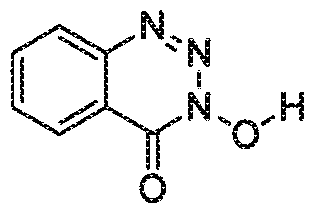
- the invention relates to a method of activating a latent retrovirus in a subject, the method comprising tihe step of administering to the subject an effective amount of a compound represented by a structure depicted in Table 1 ,
- the invention relates to a method of activating a latent retrovirus in a subject, the method comprising the step of administering to the subject an effective amount of a compound represented by a formula;
- n 0 or 1 ; wherein R is selected from R C1-C4 alkyl, C1-C6 aryl, C(0)Ar,
- hexafluorophosphate V
- tris(dimethylamino)phosphonium hexafluorophosphate V
- 1- (pyrro!idin-l-ylmethy!ene)pyrro!idin-l-ium hexafluorophosphate V
- l-(piperidin-l- ylmethylene)piperidin-I-ium hexafluorophosphate V
- R 2 and R 3 are covalently bonded and, together with the intermediate atoms, comprise an optionally substituted fused six- membered ary! or heteroaryl ring.
- R 2 and R 3 are covalently bonded and, together with the intermediate atoms, comprise an optionally substituted fused six-membered aryl ring. In yet a further aspect, R 2 and R 3 are covalently bonded and, together with the intermediate atoms, comprise an optionally substituted fused phenyl ring. In an even further aspect, R 2 and R 3 are covalently bonded and, together with the intermediate atoms, comprise an optionally substituted fused six-membered heteroaryl ring. In a still farther aspect, R 2 and R 3 are covalently bonded and, together with the intermediate atoms, comprise an optionally substituted fused pyridine ring.
- the invention relates to a method of activating a latent retrovirus in a subject, the method comprising the step of administering to the subject an effective amount of a compound represented by a formula:
- R is selected from H, C1-C4 alky!, C1-C6 ary!, C(0)Ar, C(0)N(CI3 ⁇ 4) 25 SG 2 N(C3 ⁇ 4) 2 , fliiorenylmethyloxycarbonyl, N-((dimethylamino)methy!ene)-N- methylmethanaminium tetrafluoroborate, N-((dimethylamino)methylene)-N- methylmethanaminium hexafluorophosphate (V), tri(pyrrolidin ⁇ l ⁇ y!phosphonium
- n 1
- the invention relates to a method of activating a latent retrovirus in a subject, the method comprising the step of administering to the subject an effective amount of a compound represented by a formula:
- R is selected from H, C1-C4 alkyl, C1-C6 ary!, C(0)Ar 5 C(0)N(CH 3 ) 23 SQ 2 N(CH 3 )2 ; fluorenylmethyloxycarbony!, N-( ⁇ dimethylamino)methylene)-N-methylmethanaminium tetrafluoroborate, N-((dimethylamino)methylene)-N-methylmethanaminium
- hexafluorophosphate V
- tri(pyrrolidin-l-yl)phosphonium hexafluorophosphate V
- tris(dimethylamino)phosphonium hexafluorophosphate V
- l-(pyrrolidin-l- ylmethylene)pyrrolidin-l-ium hexafluorophosphate V) s
- each of R 4 , R s , and R 6 is independently selected from H, CI, CH 3 , and ⁇ 0 2 .
- the invention relates to a method of activating a latent retrovirus in a subject, the method comprising the step of administering to the subject an effective amount of a compound represented by a formula:
- R is selected from H and ⁇ '-((dimethylaminoJmethyleneJ-A'-methyimethanaminium hexafluorophosphate (V); and wherein each of R 4 , R s , and R 6 is independently selected from H, CI, CHs, and N0 2 .
- the invention relates to a method of activating a latent retrovirus in a subject, the method comprising the step of administering to the subject an effective amount of a compound represented by a formula:
- each of R 4 , R s , and R 6 is independently selected from H, Ci, C3 ⁇ 4, and N0 2 .
- the invention relates to a method of activating a latent retrovirus in a subject, the method comprising the step of administering to the subject an effective amount of a compound represented by a formula:
- the invention relates to a method of activating a latent retrovirus in a subject, the method comprising the step of administering to the subject an effective amount of a compound represented by a formula:
- the invention relates to a method of activating a latent retrovirus in a subject, the method comprising the step of administering to the subject an effective amount of a compound represented by a formula:
- each of R , R 5 , and R is independently selected from H, CI, CH 3 , or NO 2 .
- the invention relates to a method of activating a latent retrovirus in a subject, the method comprising the step of administering to the subject an effective amount of a compound represented by a formula:
- the invention relates to a method of activating a latent retrovirus in a subject, the method comprising the step of administering to the subject an effective amount of a compound represented by a formula: wherein R 1 is selected from H, C1 -C4 alkyl, C1-C6 aryl, C(0)Ar, C(0)N(CH 3 ) 2 , S0 2 N(CH 3 ) 2 , fluorenylmethyloxycarbonyl, N-((dimethylamino)methylene)-N-methylmethanaminium tetrafluGroborate, N-((dimethylamino)methylene)-N-methylmethanaminium
- hexafluorophosphate V
- tri(pyrrolidin-l-yl)phosphonium hexafluorophosphate V
- tris(dimethylamino)phosphonium hexafluorophosphate V
- l-(pyrrolidin-l- ylmethy!ene)pyrrolidin-l-ium hexafluorophosphate V
- l-(piperidin-l- ylmethylene)piperidin-l-ium hexafluorophosphate V
- the invention in a still further aspect, relates to a method of activating a latent retrovirus in a subject, the method comprising the step of administering to the subject an effective amount of a compound represented by a formula: wherein R 1 is selected from H and N-((dimethylamino)methylene)-N-methylmethanaminium hexafluorophosphate (V).
- the invention relates to a method of activating a latent retrovirus in a subject, the method comprising the step of administering to the subject an effective amount of a compound represented by a formula:
- the invention relates to a method of activating a latent retrovirus in a subject, the method comprising the step of administering to the subject an effective amount of a compound represented by a formula:
- R is selected from H, C1-C4 alkyl, C1-C6 aryl, C(0)Ar, C(0)N(CH 3 ) 2 , S0 2 N(CH 3 )2 5 fluorenylmethyloxycarbonyl, A r -((dimethylamino)methylene)-N-methyImethanaminium tetrafluoroborate, N-((dimethylamino)methylene)-N-methylmethanaminium
- hexafluorophosphate V
- tti(pyrrolidin-l-yl)phosphonium hexafluorophosphate (V) tris(dimethylamino)phosphonium hexafluorophosphate (V), l-(pyrrolidin-l- ylmethylene)pyrrolidin-l ⁇ ium hexafluorophosphate (V), and l-(piperidin-l- ylmethylene)piperidin-l-ium hexafluorophosphate (V); and wherein each of R 7 , R s , and R 9 is independently selected from H 5 CI, CH 3 , and N0 2 .
- the invention relates to a method of activating a latent retrovirus in a subject, the method comprising the step of administering to the subject an effective amount of a compound represented by a formula:
- R is selected from H and A-((dimethylamino)methylene)-N-methylmethanaminium hexafluorophosphate (V); and wherein each of R 7 S R 8 , and R 9 is independently selected from H, CI, CH 3s and N0 2 .
- the invention relates to a method of activating a latent retrovirus in a subject, the method comprising the step of administering to the subject an effective amount of a compound represented by a formula:
- each of R 7 , R s , and R 9 is independently selected from H, CI, Cl3 ⁇ 4, and N0 2 ,
- the invention relates to a method of activatinj retrovirus in a subject, the method comprising the step of administering to the subject effective amount of a compound represented by a formula:
- the invention relates to a method of activating a latent retrovirus in a subject, the method comprising the step of administering to the subject an effective amount of a compound represented by a formula:
- R is selected from H, C1-C4 alkyi, C1-C6 aryl, C(0)Ar 5 C(0)N(CH 3 ) 2! S0 2 N(CH 3 ) 2» fluorenylmethyioxycarbonyl, N-((dimethylamino)methyiene)-N-methylmethanaminium tetrafluoroborate, N-((dimethyiamino)methylene)-iV-methyimethanaminium
- hexafluorophosphate V
- tri(pyrrolidin-l-yl)phosphonium hexafluorophosphate V
- tris(dimethylamino)phosphonium hexafluorophosphate V
- l-(p rroiidin-l- yimethyiene)pyrrolidin-l-ium hexafluorophosphate V
- l-(piperidin-l- ylmethyiene)piperidin-l-ium hexafluorophosphate V
- the invention relates to a method of activating a latent retrovirus in a subject, the method comprising the step of administering to the subject an effective amount of a compound represented by a formula:
- R 1 is selected from H and A-((dimethyIamino)methylene)-N-methyimethanaminium hexafluorophosphate (V).
- the invention relates to a method of activating a latent retrovirus in a subject, the method comprising the step of administering to the subject an effective amount of a compound represented by a formula:
- the subject is a population of cells
- the subject is a population of cells latently infected with a retrovirus.
- the subject is a population of cells latently infected with fflV-1.
- the subject is a mammal. In a still further aspect, the subject is a human. In yet a further aspect, the subject is a patient. In an even fiirther aspect, the subject is a patient who has been diagnosed with a need for treatment of a retrovirus prior to the administering step. In a still further aspect, the subject is a patient who has been diagnosed with a need for treatment of HIV prior to the administering step. b. AGENT KNOWN TO TREAT A RETROVIRUS
- the invention relates to methods of activating a latent retrovirus in a subject, the method further comprising treating the patient with at least one agent that can be used to treat a retrovirus.
- the invention relates to methods of activating latent HTV-l in a subject, the method further comprising treating the patient with at least one agent that can be used to treat HIV-L
- the at least one agent is selected from entry inhibitors, nucleoside reverse transcriptase inhibitors (NRTIs), nucleotide reverse transcriptase inhibitors (NtRTIs), non-nucieoside reverse transcriptase inhibitors (NNRTIs), protease inhibitors, integrase inhibitors, or maturation inhibitors, or a mixture thereof.
- the at least one agent is selected from nucleoside reverse transcriptase inhibitors (NRTIs), nucleotide reverse transcriptase inhibitors (NtRTIs), non-nucleoside reverse transcriptase inhibitors (NNRTIs), protease inhibitors, or integrase inhibitors, a mixture thereof.
- NRTIs nucleoside reverse transcriptase inhibitors
- NRTIs nucleotide reverse transcriptase inhibitors
- NRTIs non-nucleoside reverse transcriptase inhibitors
- protease inhibitors or integrase inhibitors, a mixture thereof.
- the at least one agent is selected from Maraviroe, Enfuvirtide, Zidovudine, Didanosine,
- the at least one agent is HAART.
- an agent is administered in an effective amount, per its normal dosing instructions.
- the effective amount is a therapeutically effective amount.
- the invention relates to methods for the manufacture of a medicament for the treatment of a retrovirus in a subject, the method comprising the step of combining an effective amount of a compound represented by a formula:
- n 0 or 1
- R is selected from H, C1 -C4 alkyl, C1-C6 aryl, C(0)Ar,
- hexafluorophosphate V
- tris(dimethylamino)phosphonium hexafluorophosphate V
- l- (pyrroiidin-l-ylmethylene)pyrrofidin-i-ium hexafluorophosphate V
- l-(piperidin-l- ylmethylene)piperidin- 1 -ium hexafluorophosphate V
- R 2 is selected from H and Cl- C4 alkyl
- R 3 is selected from H and C1-C4 alkyl, or R 2 and R 3 are covalentiy bonded and, together with the intermediate atoms, comprise an optionally substituted fused six- membered aryl or heteroaryl ring, alone or in combination with another agent, with a pharmaceutically acceptable carrier or diluent.
- the subject is a population of cells.
- the subject is a population of cells latently infected with a retrovirus.
- the subject is a population of ceils latently infected with HIV-1.
- the subject is a mammal. In a still further aspect, the subject is a human. In yet a further aspect, the subject is a patient. In an even further aspect, the subject is a patient who has been diagnosed with a need for treatment of a retrovirus prior to the administering step. In a still further aspect, the subject is a patient who has been diagnosed with a need for treatment of HIV-1 prior to the administering step.
- the invention further comprises treating the subject with at least one agent that can be used to treat a retrovirus.
- the invention further comprises treating the subject with at least one agent that can be used to treat HIV-1.
- the at least one agent is selected from entry inhibitors, nucleoside reverse transcriptase inhibitors (NRTIs), nucleotide reverse transcriptase inhibitors (NtRTIs), non- nucleoside reverse transcriptase inhibitors (NNRTIs), protease inhibitors, integrase inhibitors, or maturation inhibitors, or a mixture thereof.
- the at least one agent is selected from nucleoside reverse transcriptase inhibitors (NRTIs), nucleotide reverse transcriptas (NtRTIs), non- nucleoside reverse transcriptase inhibitors (NNRTIs), protease inhibitors, integrase inhibitors, or maturation inhibitors, or a mixture thereof.
- the at least one agent is selected from nucleoside reverse transcriptase inhibitors (NRTIs
- the at least one agent is selected from Maraviroc, Enfuvirtide, Zidovudine, Didanosine, Zalcitabine, Stavudine, Larmvudine, Abacavir, Emtrieitabine, Entecavir, Tenofovir, Adefovir, Efavirenz, Nevirapine, Delavirdine, Rilpivirine, Raltegravir, Saquinavir, Ritonavir, Indinavir, Nelfinavir, or Amprenavir, or a mixture thereof.
- the at least one agent is HAART.
- n 0 or 1
- R is selected from H, C1-C4 alkyl, C1-C6 aryl, C(0)Ar,
- hexafluorophosphate V
- tris(dimethylamino)phosphonium hexafiuorophosphate V
- 1- (pyrrolidin-l-ylmethylene)pyrrolidin-l-ium hexafluorophosphate V
- l-(piperidin-l- yimethylene)piperidin-l-ium hexafluorophosphate V
- R 2 is selected from H and CI- C4 aikyi
- R 3 is selected from H and C1-C4 aikyi, or R 2 and R 3 are eovaientiy bonded and, together with the intermediate atoms, comprise an optionally substituted fused six- membered aryl or heteroaryl ring, and compositions comprising the same.
- the use relates to the activation of a latent retrovirus in a subject.
- the use relates to the activation of latent HIV-1 in a subject.
- the subject is a population of cells.
- the subject is a population of cells latently infected with a retrovirus.
- the subject is a population of cells latently infected with HIV-1.
- the subject is a mammal.
- the subject is a human.
- the subject is a patient.
- the invention relates to a kit comprising a compound represented by a formula
- n is 0 or 1; wherein R is selected from H, C1-C4 alkyi, C1-C6 aryl, C(0)Ar,
- hexafluorophosphate V
- tris(dimethylamino)phosphonium hexafluorophosphate V
- 1- (pyrrolidin-l-ylmethylene)pyrrolidin-l-ium hexafluorophosphate V
- l -(piperidin-l- yimethylene)piperidin-l-ium hexafluorophosphate V
- R 2 is selected from H and Cl- C4 alkyi
- R 3 is selected from H and C1-C4 alkyi, or R 2 and R 3 are cov 1985ly substituted fused six- membered aryl or heteroaryl ring and one or more of;
- the at least one compound and the at least one agent are co- formuiated. In a further aspect, the at least one compound and the at least one agent are co- packaged.
- the retrovirus is selected from a group comprising HTV-1, HIV-2, SIV, XMRV, HTLV-1, HTLV-2, HTLV-3, or HTLV-4.
- the retrovirus is HIV-1.
- the kits can also comprise compounds and/or products co-packaged, co- formulated, and/or co-delivered with other components. For example, a drag manufacturer, a drug reseller, a physician, a compounding shop, or a pharmacist can provide a kit comprising a disclosed compound and/or product and another component for delivery to a patient,
- kits can be used in connection with the disclosed methods of making, the disclosed methods of using, and/or the disclosed
- n is 0 or 1; wherein R* is selected from H, C1-C4 alkyl, C 1-C6 aryl, C(0)Ar,
- hexafluorophosphate V
- tris(dimethylamino)phosphonium hexafluorophosphate V
- 1- (pyrrolidin- 1 -ylmethylene)pyrrolidin- 1 -ium hexafluorophosphate V
- l-(piperidin-l- ylmethylene)piperidin-l-ium hexafluorophosphate V
- R 2 is selected from H and Cl- C4 alkyl
- R 3 is selected from H and C1-C4 alkyl, or R 2 and R 3 are covalently bonded and, together with the intermediate atoms, comprise an optionally substituted fused six- membered aryl or heteroaryi ring as pharmacological tools in the development and
- Bosque A Planelles V (2009) Induction of HTV-1 latency and reactivation in primary memory CD4+ T cells. Blood 1 13:58-65.
- Bosque A Planelles V (2010) "Studies of HTV-1 latency in an ex vivo model that uses primary central memory T ceils”. Methods.
- Tumor necrosis factor alpha induces expression of human immunodeficiency virus in a chronically infected T-cell clone.
- a novel primary cell model for the study of HIV- 1 latency was adapted so as to be suitable for high-throughput screening (HTS) of new compounds that may reactivate HIV-1 from its latency state (Bosque and P!anelles, 2009; Bosque and Pianelies, 2010; and patent application: Methods and compositions relating to viral latency, Pianelies V, Bosque A, U.S. Patent Application 2010/0291067 Al, November 2010).
- HTS high-throughput screening
- nef gene was replaced with that encoding the green fluorescent protein (GFP). It was confirmed that deletion of nef has no effect in
- Latently infected cells were generated using healthy, uninfected DONOR 78 cells that were infected with DHTV virus. Reactivation was monitored by analysis of GFP by Flow Cytometry 72 hours after stimulation. Beads coated with anti-CD3/anti CD28 (CD3/CD28) were used as a positive reactivation stimulus. Reactivation was done in a 96-welI plate round bottom. Screening of the Ireland Natural Product Collection, a set of natural products isolated from marine invertebrate animals and microorganisms, resulted in a positive hit in Plate 2 well C7 (FIG. 1A and IB). This compound is an intermediate en route to synthesis of a cyclic peptide isolated from a tunicate.
- HPLC was used to generate 20 fractions based on elution time using a gradient from 10-100% acetonitrile in 0.1% formic acid using a Phenomenex Kinetic C18 50x2.10 mm column (2.6 ⁇ , 100 A), The ability of these fractions to activate HIV-1 was tested and compared in parallel with the original hit.
- FIG. 1C shows the % of p24 positive cells in the Y- axis and the % of reactivation compared to the positive control (beads coated with anti- CD3/anti-CD28) at the top of each bar. This data reveals that the active compound is enriched in fractions 2 and 3. Further fractionation of C7 was performed and each fraction tested at the concentration indicated in the graph (FIG. ID).
- HOBt 1-hydroxybenzotriazol
- HO At is a more potent analog than the original hit.
- Latently infected cells were generated using healthy, uninfected DONOR 78 cells that were infected with DFHV virus. Reactivation was monitored by analysis of p24Gag by Flow Cytometry 72 hours after stimulation. HOBt was tested in the presence or absence of IL-2, a yc- cytokine required for survival of the cells in vivo. The ability of HOBt and HO At to activate latent HIV-1 in the absence of IL-2 or in the presence of different yc-cytokines, e.g. IL-4, IL-7, IL-15, IL-9, and IL-21, was tested (FIG. 3).
- CD3/aCD28 Activation of JAK kinases lead to the activation of the transcription factors STATs, Specific inhibitors of STATS and STATS were thus also studied.
- the STAT3 inhibitor peptide used did not have a significant effect in viral reactivation compared with an inactive control peptide.
- the STATS inhibitor completely abrogates viral reactivation induced by HOAt.
- the levels of STATS phosphorylation were analyzed by flow cytometry after incubating cultured TC M with HOAt, IL-2, or a combination of both, during a 24 h period (FIG. 4B).
- STATS phosphorylation could be only slightly detected in the absence of either IL-2 or HOAt at 30 min.
- HOAt alone is able to induce an increase in STATS phosphorylation over untreated cells.
- Cells incubated with IL-2 alone dramatically increase the levels of STATS phosphorylation at 30 min, but these levels decrease to basal levels after 24 hrs of incubation.
- Incubation of cultured TC M with a combination of IL-2 and HOAt induce a drastic increase in STATS phosphorylation.
- the levels of STATS phosphorylation do not significantly decrease after 24 hrs of incubation with IL-2 and HOAt.
- STATS is a transcriptional activator of multiple genes.
- HOAt will increase the transcription of any STATS target genes.
- the expression levels of SOCS3, a target gene for STATS were analyzed. Incubation of cells with IL-2 and HOAt was found to increase the levels of SOCS3 at 24 h post-treatment (FIG. 5C). 7. ANALYSIS OF T CELL ACTIVATION
- Memory cells were generated from 3 different donors and treated with either HOBt or anti-CD3/CD28 to analyze the effect of HOBt on T cell activation (FIG. 6A). Analysis of T cell activation was done by analyzing the upregulation of the activation markers CD25 and CD69 three days post activation. HOBt does not induce general T cell activation. Analysis of T cell differentiation was done by analyzing the levels of CCR7 and CD27 three days post activation (FIG. 6B), This revealed that HOBt does not induce T cell differentiation measured as loss of CCR7 and CD27 expression.
- HOAt In order to determine whether HOAt is inducing T cell proliferation, culter TCM were incubated with HOAt in a dose dependent manner. HOAt only induces some degree of cell proliferation at the higher concentration tested (FIG. 6C). It has been shown previously that both cultured TCM and ex vivo TCM express low levels of CD25 (Bosque et al. 2011). This level is increased by 37 times after TCR engagement with CD3/aCD28, measured as mean intensity of fluorescence (values between parenthesis, FIG. 6D), HOAt only induced an increase of 1.4 times at the maximum concentration used.
- CD69 upregulation is concomitant with T cell activation.
- HOAt slightly increases the levels of ⁇ cell activation when compared with aCD3/ CD28 (FIG. 6E). These results indicate that HOAt can reactivate latent HIV-1 in the absence of cellular proliferation of cellular activation.
Landscapes
- Chemical & Material Sciences (AREA)
- Health & Medical Sciences (AREA)
- Organic Chemistry (AREA)
- Medicinal Chemistry (AREA)
- Pharmacology & Pharmacy (AREA)
- Epidemiology (AREA)
- Life Sciences & Earth Sciences (AREA)
- Animal Behavior & Ethology (AREA)
- General Health & Medical Sciences (AREA)
- Public Health (AREA)
- Veterinary Medicine (AREA)
- Pharmaceuticals Containing Other Organic And Inorganic Compounds (AREA)
Abstract
Description





Claims




Priority Applications (3)
| Application Number | Priority Date | Filing Date | Title |
|---|---|---|---|
| EP14811218.8A EP3008043A2 (en) | 2013-06-14 | 2014-06-13 | Triazol-1-ol analogs anti-retroviral latency drugs |
| US14/896,906 US9730928B2 (en) | 2013-06-14 | 2014-06-13 | Trizol-1-OL analogs anti-retroviral latency drugs |
| US15/639,575 US20170360784A1 (en) | 2013-06-14 | 2017-06-30 | Trizol-1-ol analogs anti-retroviral latency drugs |
Applications Claiming Priority (2)
| Application Number | Priority Date | Filing Date | Title |
|---|---|---|---|
| US201361835297P | 2013-06-14 | 2013-06-14 | |
| US61/835,297 | 2013-06-14 |
Related Child Applications (2)
| Application Number | Title | Priority Date | Filing Date |
|---|---|---|---|
| US14/896,906 A-371-Of-International US9730928B2 (en) | 2013-06-14 | 2014-06-13 | Trizol-1-OL analogs anti-retroviral latency drugs |
| US15/639,575 Continuation US20170360784A1 (en) | 2013-06-14 | 2017-06-30 | Trizol-1-ol analogs anti-retroviral latency drugs |
Publications (3)
| Publication Number | Publication Date |
|---|---|
| WO2014201426A2 true WO2014201426A2 (en) | 2014-12-18 |
| WO2014201426A3 WO2014201426A3 (en) | 2015-02-19 |
| WO2014201426A9 WO2014201426A9 (en) | 2015-04-23 |
Family
ID=52022952
Family Applications (1)
| Application Number | Title | Priority Date | Filing Date |
|---|---|---|---|
| PCT/US2014/042418 Ceased WO2014201426A2 (en) | 2013-06-14 | 2014-06-13 | Triazol-1-ol analogs anti-retroviral latency drugs |
Country Status (3)
| Country | Link |
|---|---|
| US (2) | US9730928B2 (en) |
| EP (1) | EP3008043A2 (en) |
| WO (1) | WO2014201426A2 (en) |
Cited By (3)
| Publication number | Priority date | Publication date | Assignee | Title |
|---|---|---|---|---|
| US9730928B2 (en) | 2013-06-14 | 2017-08-15 | Univeristy Of Utah Research Foundation | Trizol-1-OL analogs anti-retroviral latency drugs |
| EP3271020A4 (en) * | 2015-03-18 | 2018-10-31 | Blood Systems, Inc. | Reversal of latency of retroviruses with a galectin protein |
| US11066651B2 (en) | 2009-01-27 | 2021-07-20 | University Of Utah Research Foundation | Methods and compositions relating to viral latency |
Families Citing this family (3)
| Publication number | Priority date | Publication date | Assignee | Title |
|---|---|---|---|---|
| WO2018053013A1 (en) * | 2016-09-14 | 2018-03-22 | Drexel University | Cyclic peptide antiviral agents and methods using same |
| WO2020006139A1 (en) * | 2018-06-27 | 2020-01-02 | The George Washington University | Targeting stat sumoylation to enhance immune responses |
| CN117653639A (en) * | 2023-12-01 | 2024-03-08 | 中山大学·深圳 | Application of enasidenib in the preparation of drugs for the treatment of HIV-1 |
Family Cites Families (7)
| Publication number | Priority date | Publication date | Assignee | Title |
|---|---|---|---|---|
| JPH07507689A (en) | 1992-06-08 | 1995-08-31 | ザ リージェンツ オブ ザ ユニバーシティ オブ カリフォルニア | Specific tissue targeting methods and compositions |
| AU689755B2 (en) | 1992-09-22 | 1998-04-09 | Biofocus Discovery Limited | Recombinant viruses displaying a nonviral polypeptide on their external surface |
| US6790657B1 (en) | 1999-01-07 | 2004-09-14 | The United States Of America As Represented By The Department Of Health And Human Services | Lentivirus vector system |
| US6962810B2 (en) | 2000-10-31 | 2005-11-08 | University Of Notre Dame Du Lac | Methods and compositions for transposition using minimal segments of the eukaryotic transformation vector piggyBac |
| PL2349245T3 (en) * | 2008-10-29 | 2017-07-31 | Istituto Superiore di Sanità | Treatment of latent hiv-1 infections using auranofin or arsenic trioxide |
| US9719069B2 (en) | 2009-01-27 | 2017-08-01 | University Of Utah Research Foundation | Methods and compositions relating to viral latency |
| WO2014201426A2 (en) | 2013-06-14 | 2014-12-18 | University Of Utah Research Foundation | Triazol-1-ol analogs anti-retroviral latency drugs |
-
2014
- 2014-06-13 WO PCT/US2014/042418 patent/WO2014201426A2/en not_active Ceased
- 2014-06-13 EP EP14811218.8A patent/EP3008043A2/en not_active Withdrawn
- 2014-06-13 US US14/896,906 patent/US9730928B2/en active Active - Reinstated
-
2017
- 2017-06-30 US US15/639,575 patent/US20170360784A1/en not_active Abandoned
Cited By (3)
| Publication number | Priority date | Publication date | Assignee | Title |
|---|---|---|---|---|
| US11066651B2 (en) | 2009-01-27 | 2021-07-20 | University Of Utah Research Foundation | Methods and compositions relating to viral latency |
| US9730928B2 (en) | 2013-06-14 | 2017-08-15 | Univeristy Of Utah Research Foundation | Trizol-1-OL analogs anti-retroviral latency drugs |
| EP3271020A4 (en) * | 2015-03-18 | 2018-10-31 | Blood Systems, Inc. | Reversal of latency of retroviruses with a galectin protein |
Also Published As
| Publication number | Publication date |
|---|---|
| WO2014201426A9 (en) | 2015-04-23 |
| US20170360784A1 (en) | 2017-12-21 |
| US9730928B2 (en) | 2017-08-15 |
| EP3008043A2 (en) | 2016-04-20 |
| WO2014201426A3 (en) | 2015-02-19 |
| US20160151365A1 (en) | 2016-06-02 |
Similar Documents
| Publication | Publication Date | Title |
|---|---|---|
| US20170360784A1 (en) | Trizol-1-ol analogs anti-retroviral latency drugs | |
| KR101830715B1 (en) | Combination for treating hiv infection | |
| EP3237397B1 (en) | Isoquinoline compounds for the treatment of hiv | |
| US20170304261A1 (en) | Silvestrol, silvestrol analogs and uses thereof | |
| HK1244271A1 (en) | Isoquinoline compounds for the treatment of hiv | |
| KR20100028017A (en) | Sulfonyl semicarbazides, carbonyl semicarbazides, semicarbazides and ureas, pharmaceutical compositions thereof, and methods for treating hemorrhagic fever viruses, including infections associated with arenaviruses | |
| WO2008097654A1 (en) | Methods of using saha for treating hiv infection | |
| TW201121958A (en) | Methods of treating hepatitis C virus with oxoacetamide compounds | |
| JP6391561B2 (en) | Pharmaceutical composition for preventing or treating cancer | |
| US9352010B2 (en) | Treatment of HIV-1 infection and AIDS | |
| EP1827446A2 (en) | Sulfonyl semicarbazides, semicarbazides and ureas, pharmaceutical compositions thereof, and methods for treating hemorrhagic fever viruses, including infections associated with arenaviruses | |
| US20130109698A1 (en) | Small Molecule Inhibitors of Functions of the HIV-1 Matrix Protein | |
| US20080118494A1 (en) | Compositions For Detection Of Latent Hiv Reactivation And Methods Of Using The Same | |
| EP3532478B1 (en) | Crystalline form of darunavir free base | |
| WO2021169984A1 (en) | Anti-coronavirus application of poly adp ribose polymerase inhibitor | |
| CN103054867B (en) | Application of fangchinoline for preparing medicine for treating or preventing HIV | |
| US11247996B2 (en) | Small molecule inhibitors for transcription factors | |
| US20250170172A1 (en) | Methods for treating lentivirus infection | |
| US20240307373A1 (en) | Methods of use and compositions of bisbenzylisoquinolines for the treatment of malignancies | |
| US20230103257A1 (en) | Methods and compositions for inhibition of stat3 | |
| US20180179166A1 (en) | Small molecule inhibitors of gp120-mediated hiv infection and methods of use | |
| JP7300177B2 (en) | Anti-HIV pharmaceutical composition | |
| Joseph | The Response of Hydroxychloroquine for Covid-19 | |
| WO2023229685A2 (en) | Broad-spectrum inhibitors of cytomegalovirus | |
| HK40012541B (en) | Crystalline form of darunavir free base |
Legal Events
| Date | Code | Title | Description |
|---|---|---|---|
| 121 | Ep: the epo has been informed by wipo that ep was designated in this application |
Ref document number: 14811218 Country of ref document: EP Kind code of ref document: A2 |
|
| WWE | Wipo information: entry into national phase |
Ref document number: 14896906 Country of ref document: US |
|
| NENP | Non-entry into the national phase |
Ref country code: DE |
|
| REEP | Request for entry into the european phase |
Ref document number: 2014811218 Country of ref document: EP |
|
| WWE | Wipo information: entry into national phase |
Ref document number: 2014811218 Country of ref document: EP |
|
| 121 | Ep: the epo has been informed by wipo that ep was designated in this application |
Ref document number: 14811218 Country of ref document: EP Kind code of ref document: A2 |