WO2015008613A1 - 情報処理装置および情報処理方法 - Google Patents
情報処理装置および情報処理方法 Download PDFInfo
- Publication number
- WO2015008613A1 WO2015008613A1 PCT/JP2014/067508 JP2014067508W WO2015008613A1 WO 2015008613 A1 WO2015008613 A1 WO 2015008613A1 JP 2014067508 W JP2014067508 W JP 2014067508W WO 2015008613 A1 WO2015008613 A1 WO 2015008613A1
- Authority
- WO
- WIPO (PCT)
- Prior art keywords
- audio
- image
- information
- data
- unit
- Prior art date
- Legal status (The legal status is an assumption and is not a legal conclusion. Google has not performed a legal analysis and makes no representation as to the accuracy of the status listed.)
- Ceased
Links
Images
















Classifications
-
- H—ELECTRICITY
- H04—ELECTRIC COMMUNICATION TECHNIQUE
- H04N—PICTORIAL COMMUNICATION, e.g. TELEVISION
- H04N5/00—Details of television systems
- H04N5/76—Television signal recording
- H04N5/765—Interface circuits between an apparatus for recording and another apparatus
-
- H—ELECTRICITY
- H04—ELECTRIC COMMUNICATION TECHNIQUE
- H04N—PICTORIAL COMMUNICATION, e.g. TELEVISION
- H04N21/00—Selective content distribution, e.g. interactive television or video on demand [VOD]
- H04N21/20—Servers specifically adapted for the distribution of content, e.g. VOD servers; Operations thereof
- H04N21/23—Processing of content or additional data; Elementary server operations; Server middleware
- H04N21/234—Processing of video elementary streams, e.g. splicing of video streams or manipulating encoded video stream scene graphs
- H04N21/23418—Processing of video elementary streams, e.g. splicing of video streams or manipulating encoded video stream scene graphs involving operations for analysing video streams, e.g. detecting features or characteristics
-
- H—ELECTRICITY
- H04—ELECTRIC COMMUNICATION TECHNIQUE
- H04N—PICTORIAL COMMUNICATION, e.g. TELEVISION
- H04N21/00—Selective content distribution, e.g. interactive television or video on demand [VOD]
- H04N21/20—Servers specifically adapted for the distribution of content, e.g. VOD servers; Operations thereof
- H04N21/23—Processing of content or additional data; Elementary server operations; Server middleware
- H04N21/236—Assembling of a multiplex stream, e.g. transport stream, by combining a video stream with other content or additional data, e.g. inserting a URL [Uniform Resource Locator] into a video stream, multiplexing software data into a video stream; Remultiplexing of multiplex streams; Insertion of stuffing bits into the multiplex stream, e.g. to obtain a constant bit-rate; Assembling of a packetised elementary stream
- H04N21/23614—Multiplexing of additional data and video streams
-
- H—ELECTRICITY
- H04—ELECTRIC COMMUNICATION TECHNIQUE
- H04N—PICTORIAL COMMUNICATION, e.g. TELEVISION
- H04N21/00—Selective content distribution, e.g. interactive television or video on demand [VOD]
- H04N21/20—Servers specifically adapted for the distribution of content, e.g. VOD servers; Operations thereof
- H04N21/23—Processing of content or additional data; Elementary server operations; Server middleware
- H04N21/236—Assembling of a multiplex stream, e.g. transport stream, by combining a video stream with other content or additional data, e.g. inserting a URL [Uniform Resource Locator] into a video stream, multiplexing software data into a video stream; Remultiplexing of multiplex streams; Insertion of stuffing bits into the multiplex stream, e.g. to obtain a constant bit-rate; Assembling of a packetised elementary stream
- H04N21/2368—Multiplexing of audio and video streams
-
- H—ELECTRICITY
- H04—ELECTRIC COMMUNICATION TECHNIQUE
- H04N—PICTORIAL COMMUNICATION, e.g. TELEVISION
- H04N21/00—Selective content distribution, e.g. interactive television or video on demand [VOD]
- H04N21/40—Client devices specifically adapted for the reception of or interaction with content, e.g. set-top-box [STB]; Operations thereof
- H04N21/47—End-user applications
- H04N21/472—End-user interface for requesting content, additional data or services; End-user interface for interacting with content, e.g. for content reservation or setting reminders, for requesting event notification, for manipulating displayed content
- H04N21/4728—End-user interface for requesting content, additional data or services; End-user interface for interacting with content, e.g. for content reservation or setting reminders, for requesting event notification, for manipulating displayed content for selecting a Region Of Interest [ROI], e.g. for requesting a higher resolution version of a selected region
-
- H—ELECTRICITY
- H04—ELECTRIC COMMUNICATION TECHNIQUE
- H04N—PICTORIAL COMMUNICATION, e.g. TELEVISION
- H04N21/00—Selective content distribution, e.g. interactive television or video on demand [VOD]
- H04N21/80—Generation or processing of content or additional data by content creator independently of the distribution process; Content per se
- H04N21/81—Monomedia components thereof
- H04N21/8106—Monomedia components thereof involving special audio data, e.g. different tracks for different languages
-
- H—ELECTRICITY
- H04—ELECTRIC COMMUNICATION TECHNIQUE
- H04N—PICTORIAL COMMUNICATION, e.g. TELEVISION
- H04N21/00—Selective content distribution, e.g. interactive television or video on demand [VOD]
- H04N21/80—Generation or processing of content or additional data by content creator independently of the distribution process; Content per se
- H04N21/81—Monomedia components thereof
- H04N21/816—Monomedia components thereof involving special video data, e.g 3D video
-
- H—ELECTRICITY
- H04—ELECTRIC COMMUNICATION TECHNIQUE
- H04N—PICTORIAL COMMUNICATION, e.g. TELEVISION
- H04N21/00—Selective content distribution, e.g. interactive television or video on demand [VOD]
- H04N21/80—Generation or processing of content or additional data by content creator independently of the distribution process; Content per se
- H04N21/83—Generation or processing of protective or descriptive data associated with content; Content structuring
- H04N21/84—Generation or processing of descriptive data, e.g. content descriptors
-
- H—ELECTRICITY
- H04—ELECTRIC COMMUNICATION TECHNIQUE
- H04N—PICTORIAL COMMUNICATION, e.g. TELEVISION
- H04N21/00—Selective content distribution, e.g. interactive television or video on demand [VOD]
- H04N21/80—Generation or processing of content or additional data by content creator independently of the distribution process; Content per se
- H04N21/83—Generation or processing of protective or descriptive data associated with content; Content structuring
- H04N21/845—Structuring of content, e.g. decomposing content into time segments
- H04N21/8456—Structuring of content, e.g. decomposing content into time segments by decomposing the content in the time domain, e.g. in time segments
-
- H—ELECTRICITY
- H04—ELECTRIC COMMUNICATION TECHNIQUE
- H04N—PICTORIAL COMMUNICATION, e.g. TELEVISION
- H04N21/00—Selective content distribution, e.g. interactive television or video on demand [VOD]
- H04N21/80—Generation or processing of content or additional data by content creator independently of the distribution process; Content per se
- H04N21/85—Assembly of content; Generation of multimedia applications
- H04N21/854—Content authoring
- H04N21/85406—Content authoring involving a specific file format, e.g. MP4 format
Definitions
- the present disclosure relates to an information processing apparatus and an information processing method, and more particularly, to an information processing apparatus and an information processing method that can recognize an acquisition position of audio data on an image.
- MPEG-DASH Dynamic-Adaptive-Streaming-over-HTTP
- URL http://mpeg.chiariglione.org/standards/mpeg-dash/media-presentation-description-and-segment-formats/text-isoiec-23009-12012-dam -1)
- the playback terminal recognizes the acquisition position of the audio data on the video content.
- the present disclosure has been made in view of such a situation, and makes it possible to recognize the acquisition position of audio data on an image.
- An information processing apparatus is an information processing apparatus including a transmission unit that transmits image frame size information indicating an image frame size of image data and audio position information indicating an acquisition position of audio data. .
- the information processing method according to the first aspect of the present disclosure corresponds to the information processing apparatus according to the first aspect of the present disclosure.
- image frame size information indicating the image frame size of the image data and audio position information indicating the acquisition position of the audio data are transmitted.
- An information processing apparatus receives image frame size information indicating an image frame size of image data and audio position information indicating an acquisition position of audio data, and is received by the reception unit.
- the information processing apparatus includes: a position determination unit that determines an acquisition position of the audio data on an image corresponding to the image data based on the image frame size information and the audio position information of the image data.
- the information processing method according to the second aspect of the present disclosure corresponds to the information processing apparatus according to the second aspect of the present disclosure.
- image frame size information indicating an image frame size of image data and audio position information indicating an acquisition position of audio data are received, and the image frame size of the received image data is received. Based on the information and the audio position information, the acquisition position of the audio data on the image corresponding to the image data is determined.
- a program to be executed by a computer can be provided by being transmitted via a transmission medium or by being recorded on a recording medium.
- the first aspect of the present disclosure it is possible to transmit information for recognizing the acquisition position of audio data on an image.
- generation apparatus It is a flowchart explaining the file generation process of a file generation apparatus. It is a block diagram which shows the structural example of a streaming reproducing part. It is a flowchart explaining the streaming reproduction process of a streaming reproduction part. It is a figure explaining the other example of description of an MPD file. It is a figure explaining the example of description of another MPD file. It is a figure which shows the example of arrangement
- FIG. 31 is a flowchart for explaining details of a horizontal angle ⁇ Ai ′ estimation process of FIG. 30.
- FIG. It is a figure explaining the determination method of the position of the object in 3rd Embodiment of the information processing system to which this indication is applied. It is a figure explaining the determination method of the position of the object in 3rd Embodiment of the information processing system to which this indication is applied.
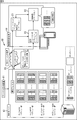
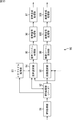
- FIG. 1 is a diagram illustrating an overview of a first embodiment of an information processing system to which the present disclosure is applied.
- the information processing system 10 in FIG. 1 is configured by connecting a Web server 12 connected to a file generation device 11 and a moving image playback terminal 14 via the Internet 13.
- the Web server 12 distributes the image data of the moving image content to the moving image playback terminal 14 in tile units (tiled streaming) in accordance with MPEG-DASH.
- the file generation device 11 acquires the audio data of the moving image content for each object (details will be described later) and encodes the data in units of objects to generate an audio stream.
- the file generation device 11 converts the audio stream of each object into a file in segments, and uploads the audio file of each object obtained as a result to the Web server 12.
- an object is a sound source, and audio data of each object is acquired by a microphone or the like attached to the object.
- the object may be an object such as a fixed microphone stand or a moving object such as a person.
- the file generation device 11 encodes audio metadata including object position information (audio position information) indicating the position of each object (acquisition position of audio data), an object ID that is an ID unique to the object, and the like.
- the file generation device 11 converts the encoded audio metadata into a file in segments, and uploads the resulting audio metafile to the Web server 12.
- the Web server 12 includes a segment group including an image file of a plurality of segments of a tile with a tile ID “1” and a segment group including an image file of a plurality of segments of a tile with a tile ID “2”. And are stored. Further, the Web server 12 stores a segment group composed of audio files of a plurality of segments of the object with the object ID “1” and a segment group composed of audio files of the plurality of segments of the object with the object ID “2”. ing. Although illustration is omitted, the segment group of the audio metafile is also stored in the same manner.
- tile #i the tile with the tile ID i
- object #i the object with the object ID i
- the Web server 12 functions as a transmission unit, and transmits stored image files, audio files, audio metafiles, MPD files, and the like to the video playback terminal 14 in response to a request from the video playback terminal 14.
- the video playback terminal 14 includes streaming data control software (hereinafter referred to as control software) 21, video playback software 22, and client software (hereinafter referred to as access software) for HTTP (HyperText Transfer Protocol) access. 23) is executed.
- control software hereinafter referred to as control software
- video playback software video playback software 22
- client software hereinafter referred to as access software 23
- the control software 21 is software that controls data streamed from the Web server 12. Specifically, the control software 21 causes the video playback terminal 14 to acquire an MPD file from the Web server 12.
- control software 21 is based on the display area that is the display area in the image of the moving image content instructed from the moving image reproduction software 22 and the tile position information included in the MPD file. Identify the tile. Then, the control software 21 instructs the access software 23 to send a transmission request for the image file of the tile.
- control software 21 instructs the access software 23 to send a voice metafile transmission request. Then, the control software 21 specifies an object corresponding to the image in the display area based on the display area, the image frame size information included in the MPD file, and the object position information included in the audio metafile. Then, the control software 21 instructs the access software 23 to send a sound file transmission request for the object.
- the video playback software 22 is software that plays back image files and audio files acquired from the Web server 12. Specifically, when the display area is designated by the user, the moving image reproduction software 22 instructs the control software 21 on the display area. In addition, the moving image reproduction software 22 decodes the image file and the audio file acquired from the Web server 12 according to the instruction, synthesizes them, and outputs them.
- the access software 23 is software that controls communication with the Web server 12 via the Internet 13 using HTTP. Specifically, the access software 23 causes the video playback terminal 14 to transmit a transmission request for an image file, an audio file, and an audio metafile in response to an instruction from the control software 21. Further, the access software 23 causes the video playback terminal 14 to receive the image file, the audio file, and the audio metafile transmitted from the Web server 12 in response to the transmission request.
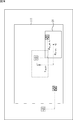
- FIG. 2 is a diagram illustrating an example of a tile.
- the image of the moving image content is divided into a plurality of tiles, and a tile ID is assigned to each tile in order from 1.
- the moving image content image is divided into four tiles # 1 to # 4.
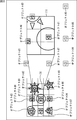
- FIG. 3 is a diagram for explaining an object.
- the sound of eight objects in the image is acquired as the sound of the moving image content, and object IDs are assigned to the objects in order from 1.
- Object # 1 to object # 5 are moving objects, respectively, and object # 6 to object # 8 are fixed objects.
- the image of the moving image content is divided into 5 (vertical) ⁇ 7 (horizontal) tiles.
- the moving image playback terminal 14 acquires and plays back only the audio files of the object # 1, the object # 2, and the object # 6 from the Web server 12.
- the object in the display area 31 can be specified based on the image frame size information and the object position information as described below.
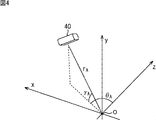
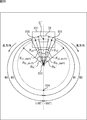
- FIG. 4 is a diagram for explaining the object position information.
- the video playback terminal 14 selects the optimum one from the “Representation” attribute included in “Period” of the MPD file (Media Presentation in FIG. 6).
- the video playback terminal 14 refers to a URL (Uniform Resource Locator) of “Initialization Segment” at the top of the selected “Representation” to acquire and process the file. Subsequently, the video playback terminal 14 refers to the subsequent “Media ⁇ ⁇ ⁇ ⁇ Segment” URL or the like to acquire and play back the file.
- URL Uniform Resource Locator
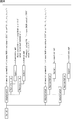
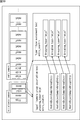
- the relationship between “Period”, “Representation”, and “Segment” in the MPD file is as shown in FIG. That is, one moving image content can be managed in units of time longer than segments by “Period”, and can be managed in units of segments by “Segment” in each “Period”. In each “Period”, the moving image content can be managed in attribute units of the stream by “Representation”.
- the MPD file has a hierarchical structure shown in FIG. 8 below “Period”. Further, when the structure of this MPD file is arranged on the time axis, it becomes like the example of FIG. As is clear from FIG. 9, there are a plurality of “Representations” for the same segment.
- the video playback terminal 14 can acquire and play back an image file and an audio file in the display area selected by the user by adaptively selecting one of these.
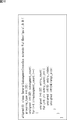
- FIG. 10 is a diagram for explaining the description of the MPD file.
- the frame size information is included in the MPD file so that the moving image playback terminal 14 can identify the object in the display area.
- this frame size information uses Scheme (urn: mpeg: DASH: viewingAngle: 2013) for newly defining frame size information (Viewing Angle) by utilizing DescriptorType element of Viewpoint. By expanding, it is arranged in “Adaptation Set” for audio and “Adaptation Set” for images.
- the image frame size information may be arranged only in “Adaptation Set” for images.
- the “AdaptationAdSet” for audio in the MPD file describes “Representation” for audio metafile, and “Segment” of “Representation” specifies information that identifies the audio metafile (audionmetadata.mp4) URL and so on are described. At this time, using Role element, it is described that the file specified by “Segment” is an audio metafile (objectaudiometadata).
- the “Adaptation Set” for the audio of the MPD file also describes “Representation” for the audio file of each object, and the “Segment” of the “Representation” contains the audio file (audioObje1.mp4, audioObje5 .mp4) is described as URL information.
- the object ID (1, 5) of the object corresponding to the audio file is also described.
- tile position information is arranged in “Adaptation Set” for images.
- FIG. 11 is a block diagram illustrating a configuration example of the file generation device 11 of FIG.
- 11 includes a screen division processing unit 51, an image encoding processing unit 52, an image file generating unit 53, an image information generating unit 54, an audio encoding processing unit 55, an audio file generating unit 56, and an MPD generating unit. 57 and a server upload processing unit 58.
- the screen division processing unit 51 of the file generation device 11 divides image data of moving image content input from the outside into tile units.
- the screen division processing unit 51 supplies tile position information to the image information generation unit 54. Further, the screen division processing unit 51 supplies tile-unit image data to the image encoding processing unit 52.
- the image encoding processing unit 52 encodes the tile-based image data supplied from the screen division processing unit 51 for each tile, and generates a video stream.
- the image encoding processing unit 52 supplies the video stream of each tile to the image file generation unit 53.
- the image file generation unit 53 files the video stream of each tile supplied from the image encoding processing unit 52 in units of segments, and supplies the resulting image file of each tile to the MPD generation unit 57.
- the image information generation unit 54 supplies the tile position information supplied from the screen division processing unit 51 and the image frame size information input from the outside to the MPD generation unit 57 as image information.
- the audio encoding processing unit 55 encodes audio data for each object of moving image content input from the outside for each object, and generates an audio stream.
- the audio encoding processing unit 55 encodes audio metadata including object position information, object ID, and the like of each object input from the outside, and generates encoded data.
- the audio encoding processing unit 55 supplies the audio stream of each object and the encoded data of audio metadata to the audio file generating unit 56.
- the audio file generation unit 56 functions as an audio file generation unit, files the audio stream of each object supplied from the audio encoding processing unit 55 in units of segments, and converts the audio file of each object obtained as a result into an MPD generation unit 57.
- the audio file generation unit 56 functions as a metafile generation unit, files encoded data of audio metadata supplied from the audio encoding processing unit 55 in units of segments, and converts the resulting audio metafile into an MPD. It supplies to the production
- the MPD generation unit 57 arranges the URL of the image file of each object in “Segment” of “Representation” for the audio file of the object. Further, the MPD generation unit 57 functions as an information generation unit, and arranges a URL or the like as information for specifying the audio metafile in “Segment” of “Representation” for the audio metafile.
- the MPD generation unit 57 supplies the MPD file in which various pieces of information are arranged as described above, the image file, the audio file, and the audio metafile to the server upload processing unit 58.
- FIG. 12 is a flowchart for explaining file generation processing of the file generation apparatus 11 of FIG.
- the screen division processing unit 51 of the file generation device 11 divides image data of moving image content input from the outside into tile units.
- the screen division processing unit 51 supplies tile position information to the image information generation unit 54. Further, the screen division processing unit 51 supplies tile-unit image data to the image encoding processing unit 52.
- step S12 the image encoding processing unit 52 encodes the tile-based image data supplied from the screen division processing unit 51 for each tile, and generates a video stream of each tile.
- the image encoding processing unit 52 supplies the video stream of each tile to the image file generation unit 53.
- step S13 the image file generation unit 53 files the video stream of each tile supplied from the image encoding processing unit 52 in units of segments, and generates an image file of each tile.
- the image file generation unit 53 supplies the image file of each tile to the MPD generation unit 57.
- step S14 the image information generation unit 54 acquires image frame size information from the outside.
- step S ⁇ b> 15 the image information generation unit 54 generates image information including tile position information and image frame size information supplied from the screen division processing unit 51, and supplies the image information to the MPD generation unit 57.
- step S16 the audio encoding processing unit 55 encodes audio data for each object of moving image content input from the outside for each object, and generates an audio stream of each object.
- the audio encoding processing unit 55 encodes audio metadata including object position information, object ID, and the like of each object input from the outside, and generates encoded data.
- the audio encoding processing unit 55 supplies the audio stream of each object and the encoded data of audio metadata to the audio file generating unit 56.
- step S18 the MPD generation unit 57 generates an MPD file including the image information supplied from the image information generation unit 54, the URL of each file, and the like.
- the MPD generation unit 57 supplies the MPD file, the image file of each tile, the audio file of each object, and the audio metafile to the server upload processing unit 58.
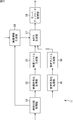
- FIG. 13 is a block diagram showing an example of the configuration of a streaming playback unit realized by the video playback terminal 14 of FIG. 1 executing the control software 21, the video playback software 22, and the access software 23. .
- 13 includes an MPD acquisition unit 91, an MPD processing unit 92, a metafile acquisition unit 93, an audio selection unit 94, an audio file acquisition unit 95, an audio decoding processing unit 96, an audio synthesis processing unit 97, and an image selection.
- the MPD acquisition unit 91 of the streaming playback unit 90 functions as a reception unit, acquires an MPD file from the Web server 12, and supplies the MPD file to the MPD processing unit 92.
- the MPD processing unit 92 extracts information such as a URL described in “Segment” for the audio metafile from the MPD file supplied from the MPD acquisition unit 91 and supplies the extracted information to the metafile acquisition unit 93. Also, the MPD processing unit 92 extracts image frame size information described in the “AdaptationSet” for the image from the MPD file, and supplies it to the audio selection unit 94. The MPD processing unit 92 extracts information such as URL described in “Segment” for the audio file of the object requested from the audio selection unit 94 from the MPD file, and supplies the extracted information to the audio selection unit 94.
- the MPD processing unit 92 extracts tile position information described in the “AdaptationSet” for the image from the MPD file and supplies the tile position information to the image selection unit 98.
- the MPD processing unit 92 extracts information such as a URL described in “Segment” for the image file of the tile requested from the image selection unit 98 from the MPD file, and supplies the extracted information to the image selection unit 98.
- the metafile acquisition unit 93 requests and acquires the audio metafile specified by the URL from the Web server 12 based on the information such as the URL supplied from the MPD processing unit 92.
- the metafile acquisition unit 93 supplies the object position information included in the audio metafile to the audio selection unit 94.
- the audio selection unit 94 functions as a position determination unit, and based on the image frame size information supplied from the MPD processing unit 92 and the object position information supplied from the metafile acquisition unit 93, the position of each object on the image. Is calculated.
- the audio selection unit 94 selects an object in the display area designated by the user based on the position of each object on the image.
- the audio selection unit 94 requests the MPD processing unit 92 for information such as the URL of the audio file of the selected object.
- the voice selection unit 94 supplies information such as a URL supplied from the MPD processing unit 92 to the voice file acquisition unit 95 in response to the request.
- the audio file acquisition unit 95 functions as a reception unit, and requests and acquires an audio file for each object specified by the URL from the Web server 12 based on information such as a URL supplied from the audio selection unit 94. .
- the audio file acquisition unit 95 supplies the acquired audio file for each object to the audio decoding processing unit 96.
- the audio decoding processing unit 96 decodes the audio stream included in the audio file for each object supplied from the audio file acquisition unit 95, and generates audio data for each object.
- the speech decoding processing unit 96 supplies the speech data for each object to the speech synthesis processing unit 97.
- the speech synthesis processing unit 97 synthesizes and outputs the speech data for each object supplied from the speech decoding processing unit 96.
- the image selection unit 98 selects tiles in the display area designated by the user based on the tile position information supplied from the MPD processing unit 92.
- the image selection unit 98 requests the MPD processing unit 92 for information such as the URL of the image file of the selected tile.
- the image selection unit 98 supplies information such as a URL supplied from the MPD processing unit 92 to the image file acquisition unit 99 in response to the request.
- the image file acquisition unit 99 requests and acquires an image file in tile units specified by the URL based on information such as the URL supplied from the image selection unit 98.
- the image file acquisition unit 99 supplies the acquired image file in tile units to the image decoding processing unit 100.
- the image decoding processing unit 100 decodes the video stream included in the tile unit image file supplied from the image file acquisition unit 99, and generates tile unit image data.
- the image decoding processing unit 100 supplies the tile-unit image data to the image composition processing unit 101.
- the image of the moving image content is divided into 5 (vertical) ⁇ 7 (horizontal) tiles, and the audio of the moving image content includes objects # 1 to # 8. Audio is being acquired.
- the display area 31 composed of 2 (vertical) ⁇ 3 (horizontal) tiles is designated by the user, in the second embodiment, as shown in FIG.
- the display image 111 is converted (enlarged) to the same size as the image size of the moving image content.
- the sounds of the objects # 1 to # 8 are synthesized and output together with the display image 111. That is, not only the object # 1, the object # 2, and the object # 6 in the display area 31, but also the sounds of the objects # 3 to # 5, the object # 7, and the object # 8 outside the display area 31 are output.
- FIG. 23 is a block diagram illustrating a configuration example of a streaming playback unit of an information processing system to which the present disclosure is applied.
- an MPD processing unit 121 In the configuration of the streaming playback unit 120 in FIG. 23, an MPD processing unit 121, a voice synthesis processing unit 123, and an image synthesis processing unit 124 are provided instead of the MPD processing unit 92, the voice synthesis processing unit 97, and the image synthesis processing unit 101. This is different from the configuration of the streaming playback unit 90 in FIG. 13 in that a point determination unit 122 is newly provided.
- the MPD processing unit 121 of the streaming playback unit 120 extracts information such as a URL described in the “Segment” for the audio metafile from the MPD file supplied from the MPD acquisition unit 91 and supplies the extracted information to the metafile acquisition unit 93. . Also, the MPD processing unit 121 extracts image frame size information (hereinafter referred to as content image frame size information) of the moving image content described in the “AdaptationSet” for the image from the MPD file, and supplies the extracted image frame size information to the position determination unit 122. To do. The MPD processing unit 121 extracts information such as URLs described in “Segment” for audio files of all objects from the MPD file, and supplies the extracted information to the audio file acquisition unit 95.
- content image frame size information hereinafter referred to as content image frame size information
- ⁇ v1 ′ is the leftmost horizontal angle in the display area image frame size information of the display area 31, and ⁇ V2 ′ is the rightmost horizontal angle.
- ⁇ v1 is the leftmost horizontal angle in the content image frame size information, and ⁇ v2 is the rightmost horizontal angle.
- the position determination unit 122 uses the movement amount ⁇ shift to move the center 0 of the display area 31 to the center 0 ′ of the display image 111 according to the following equation (2). Horizontal angle ⁇ v1_shift ′ and rightmost horizontal angle ⁇ v2_shift ′ are obtained.
- ⁇ Ai is a horizontal angle in the object position information of the object #i. Further, according to the equation (4), the horizontal angle ⁇ Ai_shift is obtained so as not to exceed the range from ⁇ 180 ° to 180 °.
- the horizontal angle is set according to the ratio between the angle R3 and the angle R4.
- ⁇ Ai_shift the horizontal angle ⁇ Ai ′ is obtained.
- the angle R3 is an angle from the left end of the display image 111 to the position 154
- the angle R4 is an angle from the left end of the display area 31 after the center movement to the position 154.
- the position determination unit 122 obtains the vertical angle ⁇ Ai ′ by the following equation (7).
- the position determination unit 122 obtains the vertical angle ⁇ Ai ′ by the following formula (8), that is, the vertical angle ⁇ Ai is set as the vertical angle ⁇ Ai ′ as it is.
- the position determination unit 122 performs the following operation Obtain the vertical angle ⁇ Ai ′.
- the horizontal angle of the object #i is an angle that represents the position of the object #i in front of the viewer, and an angle that represents the left side of the viewer, 90 °, or an angle that represents the right side, ⁇ 90 °. It is necessary to divide it into a stage of moving between and a stage of moving between 90 ° or ⁇ 90 ° and an angle representing the position of the object #i behind the viewer.
- the position determination unit 122 determines whether the horizontal angle of the object #i moves between 90 ° or ⁇ 90 ° and an angle indicating the position of the object #i behind the viewer. The movement amount of Ai is determined to be 0. Then, the position determination unit 122 is such that the horizontal angle of the object #i is an angle representing the position of the object #i ahead of the viewer and an angle representing the left side of the viewer, 90 ° or the right side ⁇ The amount of movement of the vertical angle ⁇ Ai at the stage of moving between 90 ° is obtained in the same manner as in equation (7).
- Equation 9 the vertical angles ⁇ V2 ′, ⁇ V2 , ⁇ V1 ′, and ⁇ V1 in Equation (7) are the vertical angles ⁇ V2f ′, ⁇ V2f , defined by Equation (10), respectively .
- Equation 10 the vertical angles ⁇ V1f ′ and ⁇ V1f .
- F side in Expression (10) represents a ratio between the vertical angle of the display area 31 and the vertical angle of the display image 111 when the horizontal angle of the object #i is 90 ° or ⁇ 90 °. It is obtained by equation (11).
- F side multiplies the ratio of the horizontal angle of the display area 31 and the horizontal angle of the display image 111 when the horizontal angle of the object #i is 90 ° or ⁇ 90 ° by TransForm_Factor. Is required.
- TransForm_Factor in the equation (11) is a factor representing the ratio of the vertical angles ⁇ v1 and ⁇ v2 and the horizontal angles ⁇ v1 and ⁇ v2 , and is represented by the following equation (12). Using this factor TransForm_Factor, the amount of change in the vertical angle corresponding to the amount of change in the horizontal angle can be estimated.
- the vertical angle when the object #i is behind the viewer is not changed, but the vertical angle may be changed in the same direction as the horizontal angle. That is, when the position represented by the horizontal angle moves in the direction directly behind the viewer, the position represented by the vertical angle also moves in the direction directly behind the viewer, and the position represented by the horizontal angle is in the direction directly in front of the viewer. In the case of movement, the position represented by the vertical angle may also be moved in the direction directly in front of the viewer.
- the position determination unit 122 determines the distance r Ai of the object position information of the object #i.
- the position determination unit 122 supplies the horizontal angle ⁇ Ai ′, vertical angle ⁇ Ai ′, and distance r Ai of the object #i obtained as described above to the speech synthesis processing unit 123 as the position of the object #i. .
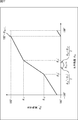
- FIG. 27 is a diagram illustrating the relationship between the horizontal angle ⁇ Ai and the horizontal angle ⁇ Ai ′.
- the horizontal axis represents the horizontal angle ⁇ Ai
- the vertical axis represents the horizontal angle ⁇ Ai ′.
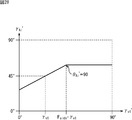
- FIG. 28 is a diagram illustrating the relationship between the vertical angle ⁇ v1 ′ and the vertical angle ⁇ Ai ′.
- the MPD acquisition unit 91 of the streaming playback unit 120 acquires the MPD file from the Web server 12 and supplies it to the MPD processing unit 121.
- step S132 the MPD processing unit 121 acquires content image frame size information and tile position information described in the “AdaptationSet” for the image from the MPD file supplied from the MPD acquisition unit 91.
- the MPD processing unit 121 supplies image frame size information to the position determination unit 122 and supplies tile position information to the image selection unit 98.
- the MPD processing unit 121 extracts information such as a URL described in “Segment” for the audio metafile, and supplies the extracted information to the metafile acquisition unit 93.
- step S135 the MPD processing unit 121 extracts information such as URLs described in “Segment” for audio files of all objects from the MPD file, and supplies the extracted information to the audio file acquisition unit 95.
- step S136 based on information such as the URL supplied from the MPD processing unit 121, the audio file acquisition unit 95 requests and acquires the audio files of all objects specified by the URL from the Web server 12.
- the audio file acquisition unit 95 supplies the acquired audio file for each object to the audio decoding processing unit 96.
- step S141 the speech synthesis processing unit 123 synthesizes and outputs the speech data for each object supplied from the speech decoding processing unit 96 based on the position of the object supplied from the position determination unit 122.
- step S143 the image composition processing unit 124 converts the size of the image corresponding to the image data after composition into the size of the moving image content, and generates a display image. Then, the image composition processing unit 124 outputs the display image and ends the process.
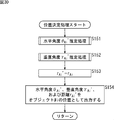
- FIG. 30 is a flowchart for explaining details of the position determination processing in step S134 of FIG. This position determination process is performed for each object, for example.
- step S152 the position determining unit 122 performs estimation processing 'vertical angle gamma Ai estimating the' vertical angle gamma Ai in the display image.
- the details of the vertical angle ⁇ Ai ′ estimation process are the same as the horizontal angle ⁇ Ai ′ estimation process in step S151 except that the horizontal direction is replaced by the vertical direction, and detailed description thereof is omitted.
- step S153 the position determination unit 122 determines the distance r Ai 'in the display image, the distance r Ai of the object position information supplied from the metafile acquisition unit 93.
- step S154 the position determination unit 122 outputs the horizontal angle ⁇ Ai ′, the vertical angle ⁇ Ai ′, and the distance r Ai to the speech synthesis processing unit 123 as the position of the object #i. Then, the process returns to step S134 in FIG. 29 and proceeds to step S135.
- step S173 the position determination unit 122 calculates the movement amount ⁇ shift according to the above-described equation (1) based on the content image frame size information and the display area image frame size information.
- step S174 the position determination unit 122 calculates the horizontal angles ⁇ v1_shift ′ and ⁇ v2_shift ′ according to the above equation (2) using the movement amount ⁇ shift and the display area image frame size.
- step S176 the position determination unit 122 determines whether or not the object #i exists in the display area 31 (the horizontal angle of the object #i is between the horizontal angles at both ends of the display area 31), that is, ⁇ v2_shift ′ ⁇ It is determined whether ⁇ Ai_shift ⁇ v1_shift ′.
- step S176 If it is determined in step S176 that the object #i exists in the display area 31, that is, if ⁇ v2_shift ′ ⁇ Ai_shift ⁇ v1_shift ′, the process proceeds to step S177.
- step S177 the position determination unit 122 calculates the horizontal angle ⁇ Ai ′ by the above-described equation (5) based on the content image frame size information, the horizontal angles ⁇ v1_shift ′ and ⁇ v2_shift ′, and the horizontal angle ⁇ Ai_shift. .
- step S176 the position determination unit 122 calculates the horizontal angle ⁇ Ai ′ by the above-described equation (6) based on the content image frame size information, the horizontal angle ⁇ v1_shift ′ or ⁇ v2_shift ′, and the horizontal angle ⁇ Ai_shift. .
- step S177 or step S178 the process returns to step S151 in FIG. 30, and the process proceeds to step S152.
- the size of the display image is the same as the size of the moving image content, but it may be different.
- the audio data of all objects is not synthesized and output, but some objects (for example, objects in the display area, objects within a predetermined range from the display area, etc.) Only the audio data may be synthesized and output.
- the method for selecting the object of the audio data to be output may be determined in advance or specified by the user.
- the third embodiment of the information processing system to which the present disclosure is applied is the same as the second embodiment except for the method for determining the position of the object in the display image by the position determination unit 122 in FIG. Only the method for determining the position of the object in the display image by the position determination unit 122 in FIG. 23 will be described.
- the angle of the image frame viewed from the viewer also changes accordingly. For example, when the viewer approaches the image frame, the image frame appears larger, and when the viewer is farther from the image frame, the image frame appears smaller. Therefore, changes in the display area and image frame size can be expressed by the movement of the viewer. Therefore, in the third embodiment, the size change of the display area is expressed by the movement of the viewer.
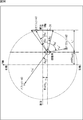
- 32 to 35 are diagrams illustrating a method for determining the position of an object in a display image in the third embodiment of the information processing system to which the present disclosure is applied.
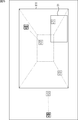
- FIG. 32 and 33 are diagrams illustrating a state before the size of the display area 31 in the moving image content is changed.
- FIG. 32 is a top view seen from the top of the viewer, and
- FIG. 32 is a side view seen from the right of the viewer.
- the position determination unit 122 uses the object position information when the size of the display area 31 is changed to the size of the moving image content, that is, the object position information in the display image, and the object position information of the object changed by the movement of the viewer. Estimate by seeking.
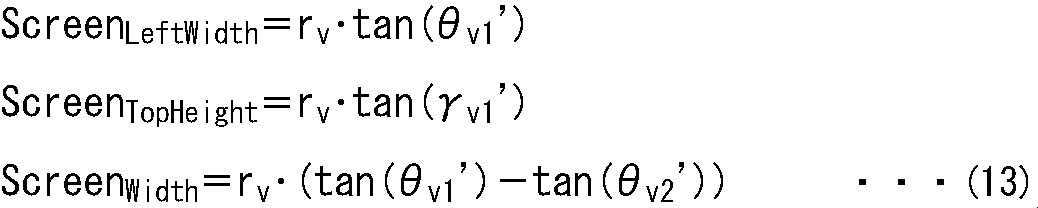
- the position determination unit 122 calculates the horizontal width Screen Width of the display area 31 before movement, the width Screen LeftWidth from the left end to the center, and the height Screen TopHeight from the upper end to the center according to the equation (13). Ask.
- r v is the distance from the viewer to the image frame
- ⁇ v1 ′ is the leftmost horizontal angle in the display area image frame size information of the display area 31
- ⁇ V2 ′ is , The horizontal angle at the right end
- ⁇ v1 ′ is the vertical angle at the upper end.
- the position determination unit 122 calculates the distance from the viewer to the image frame when the size of the display area 31 viewed from the viewer becomes the same as the size of the moving image content by the movement of the viewer according to Expression (14). Estimate the distance r v ′.
- ⁇ v1 is the horizontal angle at the left end of the display area image frame size information of the display area 31 after movement, that is, the content image frame size information
- ⁇ v2 is the horizontal angle at the right end. is there.
- the position determination unit 122 moves the viewer in the front-rear direction when the size of the display area 31 viewed from the viewer becomes the same as the size of the moving image content by the viewer according to Expression (15).
- the amount Length shift , the horizontal shift amount Width shif , and the vertical shift amount Height shift are estimated.
- ⁇ v1 is the vertical angle of the upper end of the display area image frame size information of the display area 31 after movement, that is, the content image frame size information.
- F Aspect_ratio is a factor that represents the amount of change in the ratio between the vertical width and the horizontal width of the display area 31 viewed from the viewer before and after the movement, and is expressed by the following equation (16). The Using this factor F Aspect_ratio , it is possible to estimate the amount of change in the vertical width corresponding to the amount of change in the horizontal width.
- ⁇ v2 is the vertical angle at the lower end of the display area image frame size information of the display area 31 after movement, that is, the content image frame size information.
- ⁇ v2 ′ is the vertical angle of the lower end of the display area image frame size information of the display area 31.
- the position determination unit 122 estimates the object position information of the object in the display image.
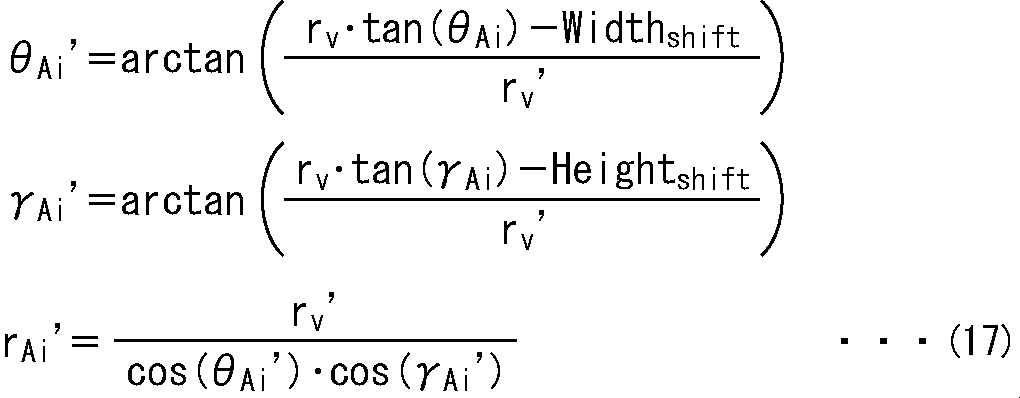
- the position determination unit 122 estimates the object position information in the display image by the following equation (17).
- ⁇ Ai ′ is the horizontal angle of the object #i after movement, and ⁇ Ai is the horizontal angle of the object #i before movement.
- ⁇ A1 ′ is the vertical angle of the object #i after movement, and the vertical angle ⁇ Ai is the horizontal angle of the object #i before movement.
- r Ai ′ is the distance of the object #i after movement, and r Ai is the distance of the object #i before movement.
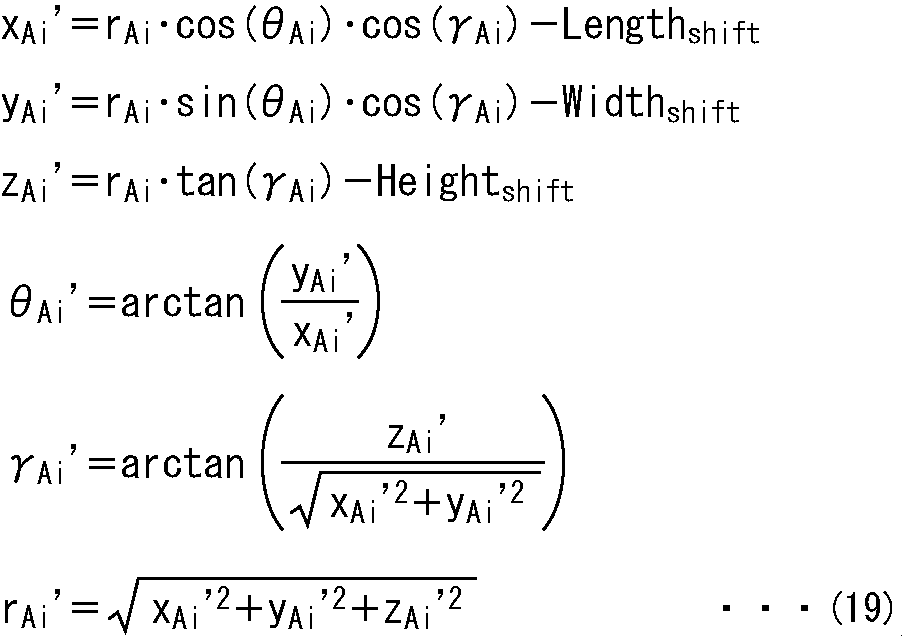
- the position determination unit 122 estimates object position information in the display image by the following equation (18).
- equation (18) may be modified as the following equation (19).
- the position determination unit 122 acquires display area image frame size information and content image frame size information of the display area 31 before movement. Specifically, the position determination unit 122, the horizontal angle of the left end of the view frame of the display area 31 before the movement theta v1 'and the right end of the horizontal angle theta v2', and vertical vertical angle gamma v1 'and the lower end of the upper end Get the angle ⁇ v2 ′.
- step S183 the position determination unit 122 estimates the distance r v ′ after the movement by using the horizontal width Screen Width and the horizontal angles ⁇ v1 and ⁇ v2 according to the above-described equation (14).
- step S184 the position determination unit 122 determines that the width Screen LeftWidth , the height Screen TopHeigh , the distances r v and r v ′, the horizontal angles ⁇ v1 , ⁇ v2 , ⁇ v1 ′, and ⁇ v2 ′ and the vertical angles ⁇ v1 , Using ⁇ v2 , ⁇ v1 ′, and ⁇ v2 ′, viewer movement amounts Length shift , Width shift , and Height shift are estimated by the above-described equations (15) and (16).
- step S185 the position determination unit 122 selects the first object #i to be reproduced.
- step S187 the position determination unit 122 determines whether or not the object #i exists on the display region 31, that is, whether or not ⁇ v2 ′ ⁇ ⁇ Ai ⁇ ⁇ v1 ′ and ⁇ v2 ′ ⁇ ⁇ Ai ⁇ ⁇ v1 ′. Determine.
- step S190 when it is determined in step S190 that the object position information of all objects has been estimated, the process proceeds to S192.
- ⁇ Fourth embodiment> (Description of computer to which the present disclosure is applied)
- the series of processes of the Web server 12 described above can be executed by hardware or can be executed by software.
- a program constituting the software is installed in the computer.
- the computer includes, for example, a general-purpose personal computer capable of executing various functions by installing various programs by installing a computer incorporated in dedicated hardware.
- the program executed by the computer may be a program that is processed in time series in the order described in this specification, or in parallel or at a necessary timing such as when a call is made. It may be a program for processing.
- the hardware configuration of the video playback terminal 14 can be the same as that of the computer of FIG.
- the CPU 201 executes the control software 21, the moving image reproduction software 22, and the access software 23.
- the processing of the video playback terminal 14 can also be executed by hardware.
- the system means a set of a plurality of components (devices, modules (parts), etc.), and it does not matter whether all the components are in the same housing. Accordingly, a plurality of devices housed in separate housings and connected via a network and a single device housing a plurality of modules in one housing are all systems. .
- the file generation apparatus 11 may generate one video file by generating a video stream by multiplexing the encoded data of all tiles, instead of generating an image file in units of tiles.
- the sound corresponding to the display area 31 may include not only the sound of the object in the display area 31 but also the sound of the fixed object outside the display area 31.
- the present disclosure can have the following configurations.
- An information processing apparatus comprising: a transmission unit that transmits image frame size information indicating an image frame size of image data and audio position information indicating an acquisition position of audio data.
- the image frame size information is configured to be information indicating a field angle in a horizontal direction and a vertical direction of the image data, and a distance between a base point of the field angle and an image plane.
- Information processing device 3.
- the audio position information is information indicating horizontal and vertical angles of a line connecting the position where the audio data is acquired and the base point, and a distance between the position where the audio data is acquired and the base point.
- a metafile generation unit that generates a metadata file of the audio data including the audio position information;
- An information generating unit that generates, as control information, information specifying the image frame size information and the metadata file; Further comprising
- the transmission unit is configured to transmit the control information generated by the information generation unit and the metadata file generated by the metafile generation unit. Any one of (1) to (3)
- the transmission unit transmits the audio data corresponding to a display area, which is a display area, of an image corresponding to the image data, which is requested based on the image frame size information and the audio position information.
- the information processing apparatus according to any one of (1) to (4) configured.
- the audio data is audio data in units of objects
- the information processing apparatus according to (5), wherein the transmission unit is configured to transmit audio data of the object corresponding to the display area.
- An audio file generation unit that generates the audio file including audio data of a plurality of the objects and data position information indicating a position of the audio data of each object in the audio file;
- the information processing apparatus according to (6), wherein the transmission unit is configured to transmit audio data of the object corresponding to the display area in the audio file generated by the audio file generation unit.
- a receiving unit that receives image frame size information indicating an image data frame size and audio position information indicating an acquisition position of audio data; Information including: a position determination unit that determines an acquisition position of the audio data on an image corresponding to the image data based on the image frame size information and the audio position information of the image data received by the reception unit.
- Processing equipment (11)
- the image frame size information is configured to be information indicating a horizontal and vertical angle of view of the image data, and a distance between a base point of the angle of view and an image plane.
- Information processing device (12)
- the audio position information is information indicating horizontal and vertical angles of a line connecting the position where the audio data is acquired and the base point, and a distance between the position where the audio data is acquired and the base point.
- the information processing apparatus according to (10) or (11) configured.
- the audio data is audio data in units of objects
- the position determination unit is configured to determine an acquisition position of the audio data of each object on an image corresponding to the image data based on the image frame size information and the audio position information of each object.
- the information processing apparatus according to any one of (12).
- the information processing apparatus according to (13), wherein the reception unit is configured to receive the audio data selected by the audio selection unit.
- the receiving unit includes the object selected by the sound selection unit in the sound file including sound data of the plurality of objects and data position information indicating the position of the sound data of each object in the sound file.
- the information processing apparatus configured to receive the audio data.
- the receiving unit is configured to receive the audio file including the audio data of the object selected by the audio selecting unit from among the audio files including each of the audio data of the plurality of objects. ).
- 11 file generation device 12 Web server, 14 video playback terminal, 56 audio file generation unit, 57 MPD generation unit, 91 MPD acquisition unit, 94 audio selection unit, 95 audio file acquisition unit, 122 position determination unit, 123 voice synthesis process Part, 124 Image composition processing part
Landscapes
- Engineering & Computer Science (AREA)
- Multimedia (AREA)
- Signal Processing (AREA)
- Databases & Information Systems (AREA)
- Human Computer Interaction (AREA)
- Computer Security & Cryptography (AREA)
- Two-Way Televisions, Distribution Of Moving Picture Or The Like (AREA)
- Information Transfer Between Computers (AREA)
Abstract
Description
(情報処理システムの第1実施の形態の概要)
図1は、本開示を適用した情報処理システムの第1実施の形態の概要を説明する図である。
図2は、タイルの例を示す図である。
図3は、オブジェクトを説明する図である。
図4は、オブジェクト位置情報を説明する図である。
図5は、画枠サイズ情報を説明する図である。
図6は、MPDファイルの構造を示す図である。
図10は、MPDファイルの記述を説明する図である。
図11は、図1のファイル生成装置11の構成例を示すブロック図である。
図12は、図11のファイル生成装置11のファイル生成処理を説明するフローチャートである。
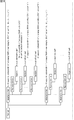
図13は、図1の動画再生端末14が制御用ソフトウエア21、動画再生ソフトウエア22、およびアクセス用ソフトウエア23を実行することにより実現されるストリーミング再生部の構成例を示すブロック図である。
図14は、動画再生端末14のストリーミング再生部90(図13)のストリーミング再生処理を説明するフローチャートである。
(第2実施の形態の概要)
図22は、本開示を適用した情報処理システムの第2実施の形態の概要を説明する図である。
本開示を適用した情報処理システムの第2実施の形態の構成は、ストリーミング再生部の構成を除いて、図1の情報処理システム10の構成と同一であるので、以下では、ストリーミング再生部についてのみ説明する。
図24乃至図26は、図23の位置決定部122によるオブジェクトの位置の決定方法を説明する図である。





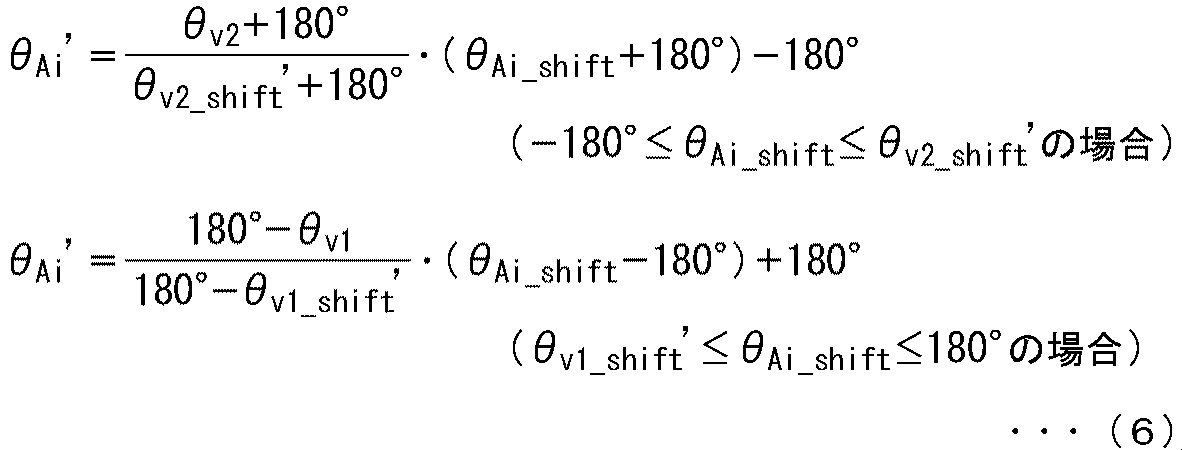
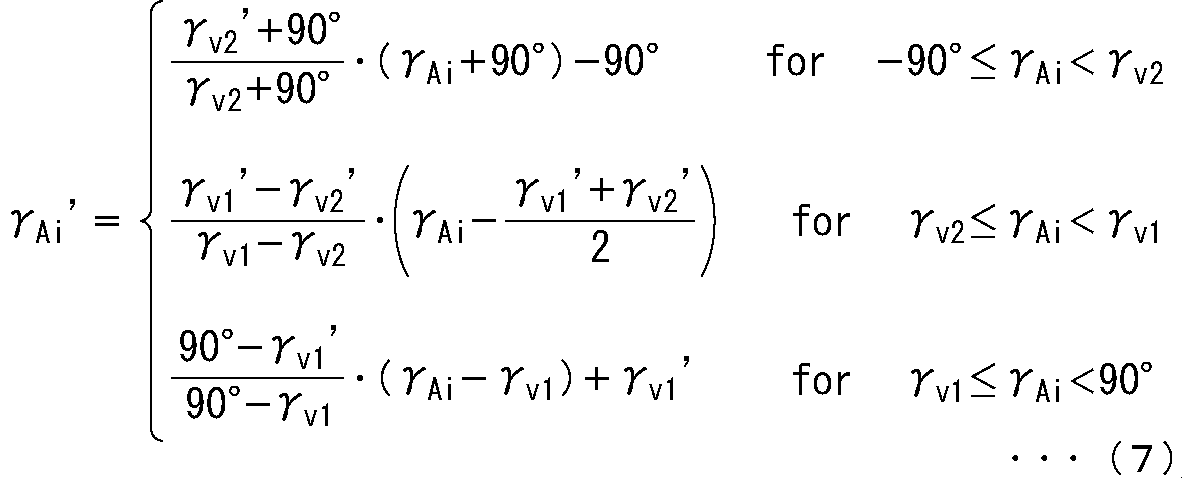

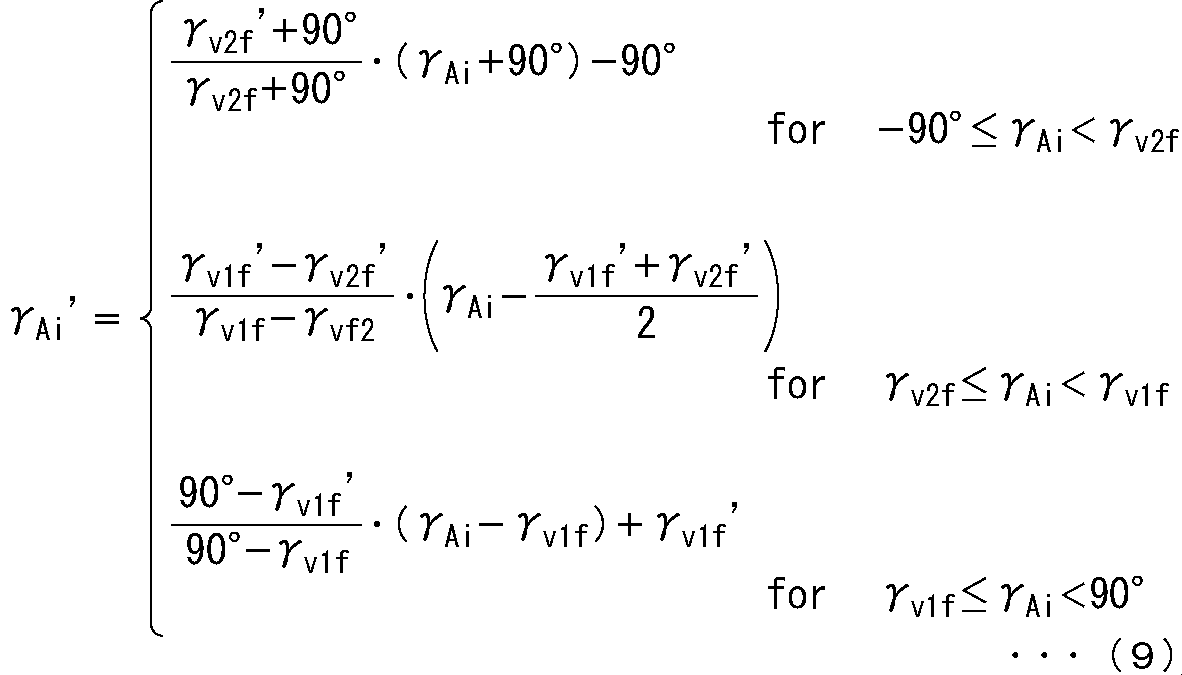
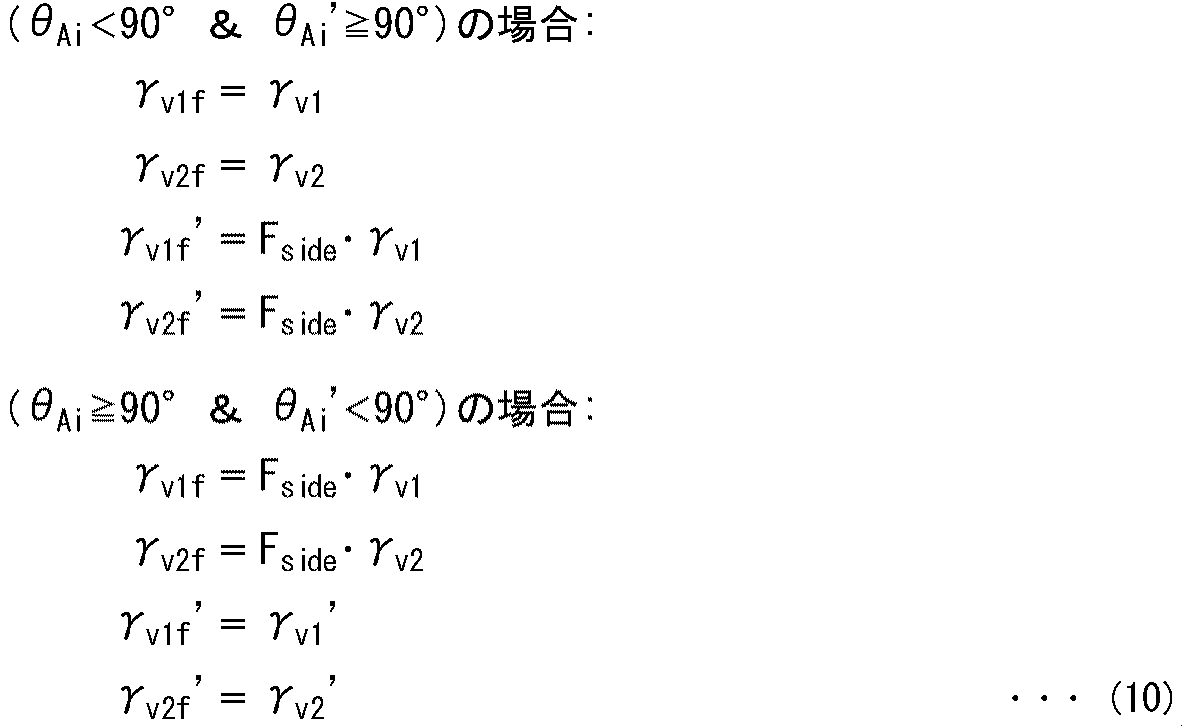
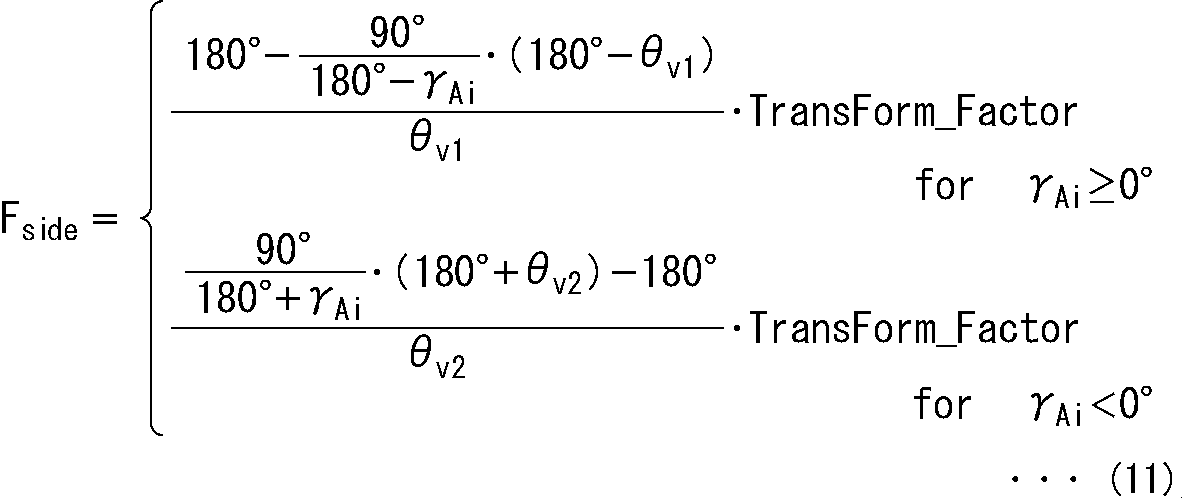
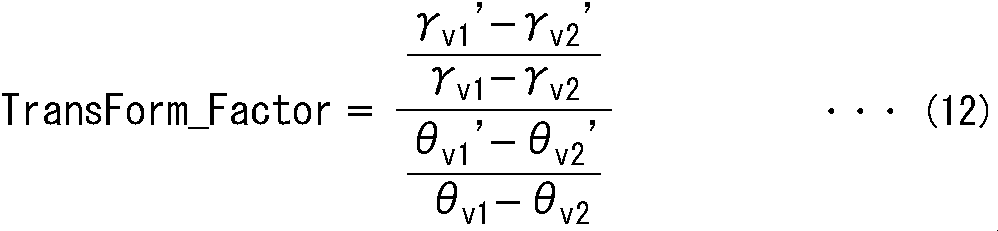
図29は、図23のストリーミング再生部120のストリーミング再生処理を説明するフローチャートである。
(表示画像におけるオブジェクトの位置の決定方法の説明)
本開示を適用した情報処理システムの第3実施の形態は、図23の位置決定部122による表示画像におけるオブジェクトの位置の決定方法を除いて、第2実施の形態と同一であるため、以下では、図23の位置決定部122による表示画像におけるオブジェクトの位置の決定方法についてのみ説明する。




本開示を適用した情報処理システムの第3実施の形態のストリーミング再生部によるストリーミング再生処理は、ステップS134の位置決定処理を除いて図29のストリーミング再生処理と同一であるため、以下では、位置決定処理についてのみ説明する。
(本開示を適用したコンピュータの説明)
上述したWebサーバ12の一連の処理は、ハードウエアにより実行することもできるし、ソフトウエアにより実行することもできる。一連の処理をソフトウエアにより実行する場合には、そのソフトウエアを構成するプログラムが、コンピュータにインストールされる。ここで、コンピュータには、専用のハードウエアに組み込まれているコンピュータや、各種のプログラムをインストールすることで、各種の機能を実行することが可能な、例えば汎用のパーソナルコンピュータなどが含まれる。
画像データの画枠サイズを示す画枠サイズ情報と、音声データの取得位置を示す音声位置情報とを伝送する伝送部
を備える情報処理装置。
(2)
前記画枠サイズ情報は、前記画像データの水平方向および垂直方向の画角、並びに、前記画角の基点と画像平面との距離を示す情報である
ように構成された
前記(1)に記載の情報処理装置。
(3)
前記音声位置情報は、前記音声データを取得した位置と基点とを結ぶ線の水平方向および垂直方向の角度、並びに、前記音声データを取得した位置と前記基点との距離を示す情報である
ように構成された
前記(1)または(2)に記載の情報処理装置。
(4)
前記音声位置情報を含む前記音声データのメタデータファイルを生成するメタファイル生成部と、
前記画枠サイズ情報と前記メタデータファイルを特定する情報を制御情報として生成する情報生成部と、
をさらに備え、
前記伝送部は、前記情報生成部により生成された前記制御情報と前記メタファイル生成部により生成された前記メタデータファイルを伝送する
ように構成された
前記(1)乃至(3)のいずれかに記載の情報処理装置。
(5)
前記伝送部は、前記画枠サイズ情報と前記音声位置情報に基づいて要求される、前記画像データに対応する画像のうちの表示する領域である表示領域に対応する前記音声データを伝送する
ように構成された
前記(1)乃至(4)のいずれかに記載の情報処理装置。
(6)
前記音声データは、オブジェクト単位の音声データであり、
前記伝送部は、前記表示領域に対応する前記オブジェクトの音声データを伝送する
ように構成された
前記(5)に記載の情報処理装置。
(7)
複数の前記オブジェクトの音声データと、各オブジェクトの前記音声データの音声ファイル内の位置を表すデータ位置情報とを含む前記音声ファイルを生成する音声ファイル生成部
をさらに備え、
前記伝送部は、前記音声ファイル生成部により生成された前記音声ファイル内の前記表示領域に対応する前記オブジェクトの音声データを伝送する
ように構成された
前記(6)に記載の情報処理装置。
(8)
複数の前記オブジェクトの音声データのそれぞれを含む音声ファイルを生成する音声ファイル生成部
をさらに備え、
前記伝送部は、各オブジェクトの前記音声ファイルを特定するファイル特定情報を伝送し、前記画枠サイズ情報、前記音声位置情報、および前記ファイル特定情報に基づいて要求される前記表示領域に対応する前記オブジェクトの音声データを含む前記音声ファイルを伝送する
ように構成された
前記(6)に記載の情報処理装置。
(9)
情報処理装置が、
画像データの画枠サイズを示す画枠サイズ情報と、音声データの取得位置を示す音声位置情報とを伝送する伝送ステップ
を含む情報処理方法。
(10)
画像データの画枠サイズを示す画枠サイズ情報と、音声データの取得位置を示す音声位置情報とを受け取る受け取り部と、
前記受け取り部により受け取られた前記画像データの前記画枠サイズ情報と前記音声位置情報に基づいて、前記画像データに対応する画像上の前記音声データの取得位置を決定する位置決定部と
を備える情報処理装置。
(11)
前記画枠サイズ情報は、前記画像データの水平方向および垂直方向の画角、並びに、前記画角の基点と画像平面との距離を示す情報である
ように構成された
前記(10)に記載の情報処理装置。
(12)
前記音声位置情報は、前記音声データを取得した位置と基点とを結ぶ線の水平方向および垂直方向の角度、並びに、前記音声データを取得した位置と前記基点との距離を示す情報である
ように構成された
前記(10)または(11)に記載の情報処理装置。
(13)
前記音声データは、オブジェクト単位の音声データであり、
前記位置決定部は、前記画枠サイズ情報と各オブジェクトの前記音声位置情報に基づいて、前記画像データに対応する画像上の各オブジェクトの前記音声データの取得位置を決定する
ように構成された
前記(10)乃至(12)のいずれかに記載の情報処理装置。
(14)
前記位置決定部により決定された各オブジェクトの前記音声データの取得位置に基づいて、前記画像データに対応する画像のうちの表示する領域である表示領域に対応する前記オブジェクトの音声データを選択する音声選択部
をさらに備え、
前記受け取り部は、前記音声選択部により選択された前記音声データを受け取る
ように構成された
前記(13)に記載の情報処理装置。
(15)
前記受け取り部は、複数の前記オブジェクトの音声データと、各オブジェクトの前記音声データの音声ファイル内の位置を表すデータ位置情報とを含む前記音声ファイル内の、前記音声選択部により選択された前記オブジェクトの音声データを受け取る
ように構成された
前記(14)に記載の情報処理装置。
(16)
前記受け取り部は、複数の前記オブジェクトの音声データのそれぞれを含む音声ファイルのうちの、前記音声選択部により選択された前記オブジェクトの音声データを含む前記音声ファイルを受け取る
ように構成された
前記(14)に記載の情報処理装置。
(17)
前記位置決定部により決定された各オブジェクトの前記音声データの取得位置に基づいて、複数の前記オブジェクトの音声データを合成する音声合成処理部
をさらに備える
前記(13)に記載の情報処理装置。
(18)
前記画像データに対応する画像のうちの表示する領域である表示領域の画像データのサイズを、前記画像データのサイズに変換する変換部
をさらに備え、
前記位置決定部は、前記画像データの前記画枠サイズ情報、各オブジェクトの前記音声位置情報、および前記表示領域の画枠サイズ情報に基づいて、前記変換部によりサイズが変換された前記表示領域の画像データに対応する画像上の各オブジェクトの前記音声データの取得位置を決定する
ように構成された
前記(17)に記載の情報処理装置。
(19)
前記表示領域の画枠サイズ情報は、前記表示領域の水平方向および垂直方向の画角、並びに、前記画角の基点と画像平面との距離を示す情報である
ように構成された
前記(18)に記載の情報処理装置。
(20)
画像データの画枠サイズを示す画枠サイズ情報と、音声データの取得位置を示す音声位置情報とを受け取る受け取りステップと、
前記受け取りステップの処理により受け取られた前記画像データの前記画枠サイズ情報と前記音声位置情報に基づいて、前記画像データに対応する画像上の前記音声データの取得位置を決定する位置決定ステップと
を含む情報処理方法。
Claims (20)
- 画像データの画枠サイズを示す画枠サイズ情報と、音声データの取得位置を示す音声位置情報とを伝送する伝送部
を備える情報処理装置。 - 前記画枠サイズ情報は、前記画像データの水平方向および垂直方向の画角、並びに、前記画角の基点と画像平面との距離を示す情報である
ように構成された
請求項1に記載の情報処理装置。 - 前記音声位置情報は、前記音声データを取得した位置と基点とを結ぶ線の水平方向および垂直方向の角度、並びに、前記音声データを取得した位置と前記基点との距離を示す情報である
ように構成された
請求項1に記載の情報処理装置。 - 前記音声位置情報を含む前記音声データのメタデータファイルを生成するメタファイル生成部と、
前記画枠サイズ情報と前記メタデータファイルを特定する情報を制御情報として生成する情報生成部と、
をさらに備え、
前記伝送部は、前記情報生成部により生成された前記制御情報と前記メタファイル生成部により生成された前記メタデータファイルを伝送する
ように構成された
請求項1に記載の情報処理装置。 - 前記伝送部は、前記画枠サイズ情報と前記音声位置情報に基づいて要求される、前記画像データに対応する画像のうちの表示する領域である表示領域に対応する前記音声データを伝送する
ように構成された
請求項1に記載の情報処理装置。 - 前記音声データは、オブジェクト単位の音声データであり、
前記伝送部は、前記表示領域に対応する前記オブジェクトの音声データを伝送する
ように構成された
請求項5に記載の情報処理装置。 - 複数の前記オブジェクトの音声データと、各オブジェクトの前記音声データの音声ファイル内の位置を表すデータ位置情報とを含む前記音声ファイルを生成する音声ファイル生成部
をさらに備え、
前記伝送部は、前記音声ファイル生成部により生成された前記音声ファイル内の前記表示領域に対応する前記オブジェクトの音声データを伝送する
ように構成された
請求項6に記載の情報処理装置。 - 複数の前記オブジェクトの音声データのそれぞれを含む音声ファイルを生成する音声ファイル生成部
をさらに備え、
前記伝送部は、各オブジェクトの前記音声ファイルを特定するファイル特定情報を伝送し、前記画枠サイズ情報、前記音声位置情報、および前記ファイル特定情報に基づいて要求される前記表示領域に対応する前記オブジェクトの音声データを含む前記音声ファイルを伝送する
ように構成された
請求項6に記載の情報処理装置。 - 情報処理装置が、
画像データの画枠サイズを示す画枠サイズ情報と、音声データの取得位置を示す音声位置情報とを伝送する伝送ステップ
を含む情報処理方法。 - 画像データの画枠サイズを示す画枠サイズ情報と、音声データの取得位置を示す音声位置情報とを受け取る受け取り部と、
前記受け取り部により受け取られた前記画像データの前記画枠サイズ情報と前記音声位置情報に基づいて、前記画像データに対応する画像上の前記音声データの取得位置を決定する位置決定部と
を備える情報処理装置。 - 前記画枠サイズ情報は、前記画像データの水平方向および垂直方向の画角、並びに、前記画角の基点と画像平面との距離を示す情報である
ように構成された
請求項10に記載の情報処理装置。 - 前記音声位置情報は、前記音声データを取得した位置と基点とを結ぶ線の水平方向および垂直方向の角度、並びに、前記音声データを取得した位置と前記基点との距離を示す情報である
ように構成された
請求項10に記載の情報処理装置。 - 前記音声データは、オブジェクト単位の音声データであり、
前記位置決定部は、前記画枠サイズ情報と各オブジェクトの前記音声位置情報に基づいて、前記画像データに対応する画像上の各オブジェクトの前記音声データの取得位置を決定する
ように構成された
請求項10に記載の情報処理装置。 - 前記位置決定部により決定された各オブジェクトの前記音声データの取得位置に基づいて、前記画像データに対応する画像のうちの表示する領域である表示領域に対応する前記オブジェクトの音声データを選択する音声選択部
をさらに備え、
前記受け取り部は、前記音声選択部により選択された前記音声データを受け取る
ように構成された
請求項13に記載の情報処理装置。 - 前記受け取り部は、複数の前記オブジェクトの音声データと、各オブジェクトの前記音声データの音声ファイル内の位置を表すデータ位置情報とを含む前記音声ファイル内の、前記音声選択部により選択された前記オブジェクトの音声データを受け取る
ように構成された
請求項14に記載の情報処理装置。 - 前記受け取り部は、複数の前記オブジェクトの音声データのそれぞれを含む音声ファイルのうちの、前記音声選択部により選択された前記オブジェクトの音声データを含む前記音声ファイルを受け取る
ように構成された
請求項14に記載の情報処理装置。 - 前記位置決定部により決定された各オブジェクトの前記音声データの取得位置に基づいて、複数の前記オブジェクトの音声データを合成する音声合成処理部
をさらに備える
請求項13に記載の情報処理装置。 - 前記画像データに対応する画像のうちの表示する領域である表示領域の画像データのサイズを、前記画像データのサイズに変換する変換部
をさらに備え、
前記位置決定部は、前記画像データの前記画枠サイズ情報、各オブジェクトの前記音声位置情報、および前記表示領域の画枠サイズ情報に基づいて、前記変換部によりサイズが変換された前記表示領域の画像データに対応する画像上の各オブジェクトの前記音声データの取得位置を決定する
ように構成された
請求項17に記載の情報処理装置。 - 前記表示領域の画枠サイズ情報は、前記表示領域の水平方向および垂直方向の画角、並びに、前記画角の基点と画像平面との距離を示す情報である
ように構成された
請求項18に記載の情報処理装置。 - 画像データの画枠サイズを示す画枠サイズ情報と、音声データの取得位置を示す音声位置情報とを受け取る受け取りステップと、
前記受け取りステップの処理により受け取られた前記画像データの前記画枠サイズ情報と前記音声位置情報に基づいて、前記画像データに対応する画像上の前記音声データの取得位置を決定する位置決定ステップと
を含む情報処理方法。
Priority Applications (4)
| Application Number | Priority Date | Filing Date | Title |
|---|---|---|---|
| JP2015527242A JP6384480B2 (ja) | 2013-07-19 | 2014-07-01 | 情報処理装置および情報処理方法 |
| EP14826072.2A EP3024249B1 (en) | 2013-07-19 | 2014-07-01 | Information processing device and information processing method |
| CN201480039825.2A CN105379302B (zh) | 2013-07-19 | 2014-07-01 | 信息处理设备和信息处理方法 |
| US14/904,232 US10523975B2 (en) | 2013-07-19 | 2014-07-01 | Information processing device and information processing method |
Applications Claiming Priority (6)
| Application Number | Priority Date | Filing Date | Title |
|---|---|---|---|
| JP2013-151020 | 2013-07-19 | ||
| JP2013151020 | 2013-07-19 | ||
| JPPCT/JP2014/063752 | 2014-05-23 | ||
| PCT/JP2014/063752 WO2015008538A1 (ja) | 2013-07-19 | 2014-05-23 | 情報処理装置および情報処理方法 |
| JPPCT/JP2014/066321 | 2014-06-19 | ||
| PCT/JP2014/066321 WO2015008576A1 (ja) | 2013-07-19 | 2014-06-19 | 情報処理装置および情報処理方法 |
Publications (1)
| Publication Number | Publication Date |
|---|---|
| WO2015008613A1 true WO2015008613A1 (ja) | 2015-01-22 |
Family
ID=52346013
Family Applications (3)
| Application Number | Title | Priority Date | Filing Date |
|---|---|---|---|
| PCT/JP2014/063752 Ceased WO2015008538A1 (ja) | 2013-07-19 | 2014-05-23 | 情報処理装置および情報処理方法 |
| PCT/JP2014/066321 Ceased WO2015008576A1 (ja) | 2013-07-19 | 2014-06-19 | 情報処理装置および情報処理方法 |
| PCT/JP2014/067508 Ceased WO2015008613A1 (ja) | 2013-07-19 | 2014-07-01 | 情報処理装置および情報処理方法 |
Family Applications Before (2)
| Application Number | Title | Priority Date | Filing Date |
|---|---|---|---|
| PCT/JP2014/063752 Ceased WO2015008538A1 (ja) | 2013-07-19 | 2014-05-23 | 情報処理装置および情報処理方法 |
| PCT/JP2014/066321 Ceased WO2015008576A1 (ja) | 2013-07-19 | 2014-06-19 | 情報処理装置および情報処理方法 |
Country Status (5)
| Country | Link |
|---|---|
| US (1) | US10523975B2 (ja) |
| EP (1) | EP3024249B1 (ja) |
| JP (1) | JP6384480B2 (ja) |
| CN (1) | CN105379302B (ja) |
| WO (3) | WO2015008538A1 (ja) |
Cited By (3)
| Publication number | Priority date | Publication date | Assignee | Title |
|---|---|---|---|---|
| JP2018148515A (ja) * | 2017-03-09 | 2018-09-20 | キヤノン株式会社 | 送信装置、受信装置、情報処理方法及びプログラム |
| WO2019155930A1 (ja) * | 2018-02-07 | 2019-08-15 | ソニー株式会社 | 送信装置、送信方法、処理装置および処理方法 |
| JP2022042186A (ja) * | 2020-09-02 | 2022-03-14 | Kddi株式会社 | コンテンツ再生装置及びプログラム |
Families Citing this family (11)
| Publication number | Priority date | Publication date | Assignee | Title |
|---|---|---|---|---|
| CN114242081B (zh) * | 2014-05-30 | 2025-11-07 | 索尼公司 | 信息处理装置和信息处理方法 |
| CN108271068B (zh) * | 2016-12-30 | 2020-04-03 | 华为技术有限公司 | 一种基于流媒体技术的视频数据的处理方法及装置 |
| US11024305B2 (en) * | 2017-08-07 | 2021-06-01 | Dolbey & Company, Inc. | Systems and methods for using image searching with voice recognition commands |
| FR3074591A1 (fr) * | 2017-12-05 | 2019-06-07 | Orange | Procede de gestion des connexions d'un dispositif electronique. |
| CN108156499A (zh) * | 2017-12-28 | 2018-06-12 | 武汉华星光电半导体显示技术有限公司 | 一种语音图像采集编码方法及装置 |
| JP7237927B2 (ja) * | 2018-03-15 | 2023-03-13 | ソニーグループ株式会社 | 情報処理装置、情報処理装置およびプログラム |
| US11533348B2 (en) * | 2018-03-29 | 2022-12-20 | Sony Group Corporation | Information processing apparatus, information processing method, and program |
| US20220038517A1 (en) * | 2018-10-02 | 2022-02-03 | Sony Corporation | Information processing apparatus, information processing method, and program |
| JP7236914B2 (ja) * | 2019-03-29 | 2023-03-10 | 日本放送協会 | 受信装置、配信サーバ及び受信プログラム |
| CN117635815A (zh) * | 2019-06-28 | 2024-03-01 | 上海交通大学 | 基于三维点云的初始视角控制和呈现方法及系统 |
| CN114822568A (zh) * | 2022-06-02 | 2022-07-29 | 深圳创维-Rgb电子有限公司 | 音频播放方法、装置、设备及计算机可读存储介质 |
Citations (4)
| Publication number | Priority date | Publication date | Assignee | Title |
|---|---|---|---|---|
| JPH06301390A (ja) * | 1993-04-12 | 1994-10-28 | Sanyo Electric Co Ltd | 立体音像制御装置 |
| JP2001197598A (ja) * | 2000-01-05 | 2001-07-19 | Mitsubishi Electric Corp | 映像音声再生装置 |
| JP2004007211A (ja) * | 2002-05-31 | 2004-01-08 | Victor Co Of Japan Ltd | 臨場感信号の送受信システム、臨場感信号伝送装置、臨場感信号受信装置、及び臨場感信号受信用プログラム |
| JP2007027846A (ja) * | 2005-07-12 | 2007-02-01 | Oki Electric Ind Co Ltd | 動画再生システム及び動画再生方法 |
Family Cites Families (9)
| Publication number | Priority date | Publication date | Assignee | Title |
|---|---|---|---|---|
| EP1035732A1 (en) | 1998-09-24 | 2000-09-13 | Fourie Inc. | Apparatus and method for presenting sound and image |
| AU2187400A (en) * | 1999-01-04 | 2000-07-24 | Thomson Licensing S.A. | Television remote control system with a picture-outside-picture display |
| US6912695B2 (en) * | 2001-09-13 | 2005-06-28 | Pixia Corp. | Data storage and retrieval system and method |
| US20030160862A1 (en) * | 2002-02-27 | 2003-08-28 | Charlier Michael L. | Apparatus having cooperating wide-angle digital camera system and microphone array |
| JP2004266343A (ja) * | 2003-02-05 | 2004-09-24 | Matsushita Electric Ind Co Ltd | 画像サーバーと画像サーバーシステム、そのプログラム及び記録媒体 |
| CN100442837C (zh) * | 2006-07-25 | 2008-12-10 | 华为技术有限公司 | 一种具有声音位置信息的视频通讯系统及其获取方法 |
| JP5230096B2 (ja) * | 2006-12-27 | 2013-07-10 | キヤノン株式会社 | 映像音声出力装置及び映像音声出力方法 |
| US20110058683A1 (en) * | 2009-09-04 | 2011-03-10 | Glenn Kosteva | Method & apparatus for selecting a microphone in a microphone array |
| JP5992210B2 (ja) * | 2012-06-01 | 2016-09-14 | 任天堂株式会社 | 情報処理プログラム、情報処理装置、情報処理システム、および情報処理方法 |
-
2014
- 2014-05-23 WO PCT/JP2014/063752 patent/WO2015008538A1/ja not_active Ceased
- 2014-06-19 WO PCT/JP2014/066321 patent/WO2015008576A1/ja not_active Ceased
- 2014-07-01 WO PCT/JP2014/067508 patent/WO2015008613A1/ja not_active Ceased
- 2014-07-01 JP JP2015527242A patent/JP6384480B2/ja active Active
- 2014-07-01 EP EP14826072.2A patent/EP3024249B1/en active Active
- 2014-07-01 US US14/904,232 patent/US10523975B2/en active Active
- 2014-07-01 CN CN201480039825.2A patent/CN105379302B/zh active Active
Patent Citations (4)
| Publication number | Priority date | Publication date | Assignee | Title |
|---|---|---|---|---|
| JPH06301390A (ja) * | 1993-04-12 | 1994-10-28 | Sanyo Electric Co Ltd | 立体音像制御装置 |
| JP2001197598A (ja) * | 2000-01-05 | 2001-07-19 | Mitsubishi Electric Corp | 映像音声再生装置 |
| JP2004007211A (ja) * | 2002-05-31 | 2004-01-08 | Victor Co Of Japan Ltd | 臨場感信号の送受信システム、臨場感信号伝送装置、臨場感信号受信装置、及び臨場感信号受信用プログラム |
| JP2007027846A (ja) * | 2005-07-12 | 2007-02-01 | Oki Electric Ind Co Ltd | 動画再生システム及び動画再生方法 |
Non-Patent Citations (2)
| Title |
|---|
| See also references of EP3024249A4 |
| VILLE PULKKI: "Virtual Sound Source Positioning Using Vector Base Amplitude Panning", JOURNAL OF AES, vol. 45, no. 6, 1997, pages 456 - 466 |
Cited By (5)
| Publication number | Priority date | Publication date | Assignee | Title |
|---|---|---|---|---|
| JP2018148515A (ja) * | 2017-03-09 | 2018-09-20 | キヤノン株式会社 | 送信装置、受信装置、情報処理方法及びプログラム |
| US11044289B2 (en) | 2017-03-09 | 2021-06-22 | Canon Kabushiki Kaisha | Sending device, receiving device, information processing method for sending or receiving content divided into segments using MPEG-DASH protocol |
| WO2019155930A1 (ja) * | 2018-02-07 | 2019-08-15 | ソニー株式会社 | 送信装置、送信方法、処理装置および処理方法 |
| US11341976B2 (en) | 2018-02-07 | 2022-05-24 | Sony Corporation | Transmission apparatus, transmission method, processing apparatus, and processing method |
| JP2022042186A (ja) * | 2020-09-02 | 2022-03-14 | Kddi株式会社 | コンテンツ再生装置及びプログラム |
Also Published As
| Publication number | Publication date |
|---|---|
| CN105379302B (zh) | 2019-10-18 |
| US10523975B2 (en) | 2019-12-31 |
| EP3024249A4 (en) | 2017-03-01 |
| CN105379302A (zh) | 2016-03-02 |
| WO2015008538A1 (ja) | 2015-01-22 |
| JP6384480B2 (ja) | 2018-09-05 |
| JPWO2015008613A1 (ja) | 2017-03-02 |
| EP3024249A1 (en) | 2016-05-25 |
| EP3024249B1 (en) | 2025-05-07 |
| US20160156944A1 (en) | 2016-06-02 |
| WO2015008576A1 (ja) | 2015-01-22 |
Similar Documents
| Publication | Publication Date | Title |
|---|---|---|
| JP6384480B2 (ja) | 情報処理装置および情報処理方法 | |
| JP7708229B2 (ja) | 情報処理装置および情報処理方法 | |
| JP6697695B2 (ja) | 情報処理装置および情報処理方法 | |
| JPWO2015182491A1 (ja) | 情報処理装置および情報処理方法 | |
| US11252397B2 (en) | File generation apparatus and file generation method as well as reproduction apparatus and reproduction method | |
| JP7238948B2 (ja) | 情報処理装置および情報処理方法 | |
| US10945000B2 (en) | File generation apparatus and file generation method as well as reproduction apparatus and reproduction method | |
| WO2019031306A1 (ja) | 生成装置、再生装置、生成方法、再生方法、制御プログラム、記録媒体 |
Legal Events
| Date | Code | Title | Description |
|---|---|---|---|
| 121 | Ep: the epo has been informed by wipo that ep was designated in this application |
Ref document number: 14826072 Country of ref document: EP Kind code of ref document: A1 |
|
| ENP | Entry into the national phase |
Ref document number: 2015527242 Country of ref document: JP Kind code of ref document: A |
|
| WWE | Wipo information: entry into national phase |
Ref document number: 2014826072 Country of ref document: EP |
|
| WWE | Wipo information: entry into national phase |
Ref document number: 14904232 Country of ref document: US |
|
| NENP | Non-entry into the national phase |
Ref country code: DE |
|
| WWG | Wipo information: grant in national office |
Ref document number: 2014826072 Country of ref document: EP |