WO2015016616A1 - 삭사틸린-Fc 융합 단백질 및 이의 용도 - Google Patents
삭사틸린-Fc 융합 단백질 및 이의 용도 Download PDFInfo
- Publication number
- WO2015016616A1 WO2015016616A1 PCT/KR2014/007013 KR2014007013W WO2015016616A1 WO 2015016616 A1 WO2015016616 A1 WO 2015016616A1 KR 2014007013 W KR2014007013 W KR 2014007013W WO 2015016616 A1 WO2015016616 A1 WO 2015016616A1
- Authority
- WO
- WIPO (PCT)
- Prior art keywords
- saxatilin
- present
- derivative
- vascular
- pharmaceutical composition
- Prior art date
- Legal status (The legal status is an assumption and is not a legal conclusion. Google has not performed a legal analysis and makes no representation as to the accuracy of the status listed.)
- Ceased
Links
Images
Classifications
-
- C—CHEMISTRY; METALLURGY
- C07—ORGANIC CHEMISTRY
- C07K—PEPTIDES
- C07K14/00—Peptides having more than 20 amino acids; Gastrins; Somatostatins; Melanotropins; Derivatives thereof
- C07K14/435—Peptides having more than 20 amino acids; Gastrins; Somatostatins; Melanotropins; Derivatives thereof from animals; from humans
- C07K14/46—Peptides having more than 20 amino acids; Gastrins; Somatostatins; Melanotropins; Derivatives thereof from animals; from humans from vertebrates
-
- A—HUMAN NECESSITIES
- A61—MEDICAL OR VETERINARY SCIENCE; HYGIENE
- A61P—SPECIFIC THERAPEUTIC ACTIVITY OF CHEMICAL COMPOUNDS OR MEDICINAL PREPARATIONS
- A61P11/00—Drugs for disorders of the respiratory system
-
- A—HUMAN NECESSITIES
- A61—MEDICAL OR VETERINARY SCIENCE; HYGIENE
- A61P—SPECIFIC THERAPEUTIC ACTIVITY OF CHEMICAL COMPOUNDS OR MEDICINAL PREPARATIONS
- A61P25/00—Drugs for disorders of the nervous system
- A61P25/06—Antimigraine agents
-
- A—HUMAN NECESSITIES
- A61—MEDICAL OR VETERINARY SCIENCE; HYGIENE
- A61P—SPECIFIC THERAPEUTIC ACTIVITY OF CHEMICAL COMPOUNDS OR MEDICINAL PREPARATIONS
- A61P7/00—Drugs for disorders of the blood or the extracellular fluid
- A61P7/02—Antithrombotic agents; Anticoagulants; Platelet aggregation inhibitors
-
- A—HUMAN NECESSITIES
- A61—MEDICAL OR VETERINARY SCIENCE; HYGIENE
- A61P—SPECIFIC THERAPEUTIC ACTIVITY OF CHEMICAL COMPOUNDS OR MEDICINAL PREPARATIONS
- A61P9/00—Drugs for disorders of the cardiovascular system
-
- A—HUMAN NECESSITIES
- A61—MEDICAL OR VETERINARY SCIENCE; HYGIENE
- A61P—SPECIFIC THERAPEUTIC ACTIVITY OF CHEMICAL COMPOUNDS OR MEDICINAL PREPARATIONS
- A61P9/00—Drugs for disorders of the cardiovascular system
- A61P9/08—Vasodilators for multiple indications
-
- A—HUMAN NECESSITIES
- A61—MEDICAL OR VETERINARY SCIENCE; HYGIENE
- A61P—SPECIFIC THERAPEUTIC ACTIVITY OF CHEMICAL COMPOUNDS OR MEDICINAL PREPARATIONS
- A61P9/00—Drugs for disorders of the cardiovascular system
- A61P9/10—Drugs for disorders of the cardiovascular system for treating ischaemic or atherosclerotic diseases, e.g. antianginal drugs, coronary vasodilators, drugs for myocardial infarction, retinopathy, cerebrovascula insufficiency, renal arteriosclerosis
-
- C—CHEMISTRY; METALLURGY
- C12—BIOCHEMISTRY; BEER; SPIRITS; WINE; VINEGAR; MICROBIOLOGY; ENZYMOLOGY; MUTATION OR GENETIC ENGINEERING
- C12N—MICROORGANISMS OR ENZYMES; COMPOSITIONS THEREOF; PROPAGATING, PRESERVING, OR MAINTAINING MICROORGANISMS; MUTATION OR GENETIC ENGINEERING; CULTURE MEDIA
- C12N9/00—Enzymes; Proenzymes; Compositions thereof; Processes for preparing, activating, inhibiting, separating or purifying enzymes
- C12N9/14—Hydrolases (3)
- C12N9/48—Hydrolases (3) acting on peptide bonds (3.4)
- C12N9/50—Proteinases, e.g. Endopeptidases (3.4.21-3.4.25)
- C12N9/64—Proteinases, e.g. Endopeptidases (3.4.21-3.4.25) derived from animal tissue
- C12N9/6421—Proteinases, e.g. Endopeptidases (3.4.21-3.4.25) derived from animal tissue from mammals
- C12N9/6489—Metalloendopeptidases (3.4.24)
-
- A—HUMAN NECESSITIES
- A61—MEDICAL OR VETERINARY SCIENCE; HYGIENE
- A61K—PREPARATIONS FOR MEDICAL, DENTAL OR TOILETRY PURPOSES
- A61K38/00—Medicinal preparations containing peptides
-
- C—CHEMISTRY; METALLURGY
- C07—ORGANIC CHEMISTRY
- C07K—PEPTIDES
- C07K2319/00—Fusion polypeptide
- C07K2319/30—Non-immunoglobulin-derived peptide or protein having an immunoglobulin constant or Fc region, or a fragment thereof, attached thereto
Definitions
- the present invention was made by task number A085136 under the support of the Ministry of Health and Welfare of Korea, the research and management institution of the project is the Korea Health Industry Development Institute, the research project name is “lead-type specialized R & D project,” and the research title is “lead-type brain cardiovascular The Center for Disease Convergence Research ”, the lead organization is Yonsei University Industry-Academic Cooperation Group, and the research period is from Dec. 01, 2012 to Nov.
- the present invention relates to saxatilin derivatives having increased half-life and uses thereof.
- rt-PA tissue plasmionogen activator
- rt-PA has been reported to have neurotoxicity (Chen and Strickl, 1997; Wang, Tsirka et al., 1998; Nicole, Docagne et al., 2001; Yepes, Sandkvist et al., 2002; and Matys and Strickl, 2003).
- thrombolytic agents that are more potent than rt-PA, as they cause limitations and potential side effects of applicability.
- Such attempts include variants of t-PA, plasminogen activators from animal sources and microplasmin.
- the above mentioned drugs have the following purposes: (a) increase fibrin specificity; (b) prolongation of half-life in plasma; (c) decreased inhibition by plasminogen activator inhibitor-1; And (d) avoiding neurotoxicity.
- thrombolytics such as rt-PA and eurokinase.
- thrombi are formed by platelet-fibrinogen interactions.
- Thrombin, leukocytes and erythrocytes are also components of thrombi.
- Thrombosis resistance to thrombolytic agents targeting fibrin is one of the main reasons for the low recanalization rates seen in stroke patients, and this phenomenon is more common than in platelet-rich thrombus occlusion. Can happen.
- the therapy targeting platelets may be an optional or additional method for therapy targeting fibrin for improved thrombolytic efficacy.
- Platelet glycoprotein (GP) IIb / IIIa a member of the integrin family, is present on the surface of platelet membranes at high density (Shattil and Ginsberg, 1997). GPIIb / IIIa receptors mediate the final stage of the platelet aggregation pathway by specifically binding to fibrinogen (Phillips, Charo et al., 1988). Therefore, targeting platelet GPIIb / IIIa receptors was the mainstay for drug development that acts on platelets.
- platelet GPIIb / IIIa antagonists have been developed, such as Fab fragments of human-mouse chimeric antibodies against GP IIb / IIIa, non-peptide analogs of RGD peptide (tyropiban and ramiphan) and KGD motifs.
- Circular heptapeptide disintegrin (eptifibatide) comprising (Seitz, Meisel et al., 2004; Abou-Chebl, Bajzer et al., 2005; and Eckert, Koch et al., 2005).
- GPIIb / IIIa antagonists were effective in patients with unstable angina pectoris, acute myocardial infarction, and percutaneous transfemoral coronary angioplasty (PTCA) and stent surgery.
- PTCA percutaneous transfemoral coronary angioplasty
- abciximab did not show efficacy in treated patients 5 to 6 hours after onset of symptoms (Adams, Effron et al., 2008).
- GPIIb / IIIa antagonists dissolve thrombi in reoccluded stroke patients and are effective in selected patients (Heo, Lee et al., 2003; Seitz, Hamzavi et al., 2003; Seitz, Meisel et al., 2004; Eckert, Koch et al., 2005; and Chen, Mo et al., 2007).
- Saxatilin a novel disintegrin purified and cloned from Korean snake venom, has a tripeptide sequence, ArgGlyAsp (RGD), which is the recognition site of disintegrins for platelet GPIIb / IIIa receptors.
- RGD ArgGlyAsp
- Saxatilin is known to have a potent inhibitory effect on platelet aggregation (Hong, Koh et al., 2002) and platelet activation (Jang, Jeon et al., 2007), thus preventing thrombus generation.
- the present inventors have sought to develop thrombolytic agents that can inhibit the production of blood clots in blood vessels or effectively dissolve blood clots that have already been formed to repenetrate partially or completely occluded blood vessels.
- recombinant proteins or saxatilin derivatives consisting of disintegrin, specifically saxatilin and immunoglobulin Fc fragments derived from snake venom, have similar thrombolytic ability as saxatilin protein and are remarkable.
- the present invention was shown to show an increased protein half-life, and that the FeCl3-induced carotid artery animal model can be used to efficiently dissolve blood clots that have already formed in blood vessels and that their efficacy can be sustained for longer than the parent protein saxatilin. To complete.
- Another object of the present invention is to provide a nucleotide sequence encoding the saxatilin derivative.
- Another object of the present invention is to provide a recombinant vector comprising the nucleotide sequence.
- Another object of the present invention to provide a cell transformed by the recombinant vector.
- Another object of the present invention to provide a composition for dissolving a blood clot.
- Another object of the present invention to provide a pharmaceutical composition for the prevention or treatment of vascular stenosis or occlusion disease.
- the present invention provides a saxatilin derivative in which the Fc region of saxatilin and immunoglobulin, consisting of the amino acid sequences of SEQ ID NO: 2, is conjugated.
- the present invention provides a nucleotide sequence encoding the aforementioned saxatilin derivative.
- the present invention provides a kit comprising: (a) the nucleotide sequence described above; And (b) a promoter operatively linked to the nucleotide sequence.
- the invention provides a cell or transformant transformed with the recombinant vector described above.
- the present inventors have sought to develop thrombolytic agents that can inhibit the production of blood clots in blood vessels or effectively dissolve blood clots that have already been formed to repenetrate partially or completely occluded blood vessels.
- recombinant proteins or saxatilin derivatives consisting of disintegrins, specifically saxatilin and immunoglobulin Fc fragments derived from snake venom, not only have similar thrombus solubility as saxatilin protein but also significantly increased
- the protein half-life was shown, and it was confirmed that the FeCl 3 -derived carotid animal model using the same can dissolve the blood clot formed in the blood vessel very efficiently and its effect can be sustained for a longer time than the parent protein saxatilin.
- Saxatilin derivatives of the present invention namely the fusion protein of saxatilin (SEQ ID NO: 1 and SEQ ID NO: 2) and the Fc, are the Fc regions of saxatilin and immunoglobulin consisting of the amino acid sequences of SEQ ID NO: 2 It is composed of a protein consisting of: integrins present in thrombi, specifically, GP (glycoprotein) IIb-IIIa on the surface of the platelets constituting the thrombus, which compete (competition binding) to remove platelets from constituents of thrombi such as fibrinogen It can break down blood clots efficiently.
- integrins present in thrombi specifically, GP (glycoprotein) IIb-IIIa on the surface of the platelets constituting the thrombus, which compete (competition binding) to remove platelets from constituents of thrombi such as fibrinogen It can break down blood clots efficiently.
- GP glycoprotein IIb-IIIa
- the saxatilin derivatives of the present invention have a similar thrombolytic ability as saxatilin, the parent protein.
- the saxatilin derivative of the present invention has an IC 50 value of 100-500 nM, preferably 100-250 nM for platelet aggregation.
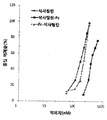
- IC 50 values of the parent protein saxatilin and Fc-saxatilin and saxatilin-Fc of the present invention were 150 nM, 196 nM and 362 nM, respectively (see FIG. 4).
- the term "IC 50 values (half maximal inhibitory concentration)" as used herein, a biological or biochemical activity as an index for evaluating the efficacy of a compound to inhibit a particular drug or other substance (e.g., saksa motilin derivatives of the present invention) Provides quantitative concentration measurements necessary to inhibit up to half of a particular biological process (eg, thrombolytic) or components involved in the process (eg, enzymes, cell receptors, etc.).
- thrombolytic activity can be determined by various methods known in the art, for example, Astrup A and Mullertz S. The fibrin plate method for estimating fibrinolytic activity.Arch Biochem Biophys 40: 346-351 (1952) ), A method for detecting D-dimer indicative of thrombolysis (US Patent Publication No. US2009 / 0305301 A1), a method using a radioisotope (International Patent Publication No. WO94 / 22494), blood vessel It can be measured using the method of measuring the internal thrombus, turbidity of the pulverized powder after thrombolysis, and the like, but is not limited thereto.
- the saxatilin derivatives of the present invention have a Kd (dissociation constant) value of 1 ⁇ 10 ⁇ 8 to 1 ⁇ 10 ⁇ 10 M with respect to integrin ⁇ M ⁇ 2 present in neutrophils. Has a bonding force.
- the saxatilin derivative of the present invention has a dissociation constant (Kd) value of 1 x 10 -8 to 1 x 10 -10 M with respect to integrin ⁇ L ⁇ 2 present in neutrophils. Has a bonding force.
- the throughput of the saxatilin derivatives of the invention is 1-20 mg / kg, more specifically 3-15 mg / kg, most specifically 5-10 mg / kg.
- the saxatilin derivatives of the present invention have shown an effect on repenetration of completely occluded vessels at low doses (see FIGS. 6A-6C).
- FIGS. 6A-6C 130 nmol / kg of saxatilin, Fc-saxatilin or saxatilin-Fc treatment showed about 30% blood flow recovery effect on the re-penetration of the completely occluded vessel.
- the saxatilin treated group progressed reclosure about 90 minutes, while the Fc-saxatilin or saxatilin-Fc treated group showed continuous repenetrating effect.
- the saxatilin derivatives of the invention may be administered orally or parenterally, specifically parenterally, and in the case of parenteral administration, bolus injection, intravenous injection, intraarterial Injection, intramuscular injection, subcutaneous injection, intraperitoneal injection, topical administration, transdermal administration, etc., most specifically bolus injection.
- the drug eg, the saxatilin derivative of the present invention
- the drug having a re-penetrating effect of blood vessels preferably has a suitable duration, specifically, having a duration of about 10 minutes is most clinically suitable and effective. .
- the Fc region of an immunoglobulin (immunoglobulin) contained in the saxatilin derivatives of the invention is conjugated to the N-terminus or C-terminus of saxatilin, more specifically to the N-terminus It is conjugated.
- the saxatilin derivatives of the invention further comprise a leader sequence at the N-terminus.
- a fusion protein in which the Fc region of the immunoglobulin is bound to the target protein is less effective than the parent protein, or the half-life increase effect is not so great.
- the saxatilin derivatives of the present invention not only had similar thrombolytic activity as the saxatilin parent protein, but also showed much increased half-life than saxatilin parent protein (see FIGS. 5A-5C).
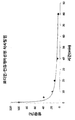
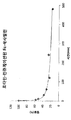
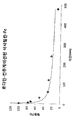
- the half-lives of the Fc-saxatilin and saxatilin-Fc of the present invention were 8.6 and 12.5 minutes, respectively, which were much longer than the half-life (2.0 minutes) of the parent protein saxatilin.
- the saxatilin derivatives of the present invention have a half-life increased by at least four times that of the parent protein, saxatilin, and more particularly have an increased half-life of about 4-6.5 times.
- Fc region refers to the carboxyl terminal portion of an immunoglobulin chain constant region, specifically the immunoglobulin heavy chain constant region or portion thereof.
- immunoglobulin Fc regions that can be used in the preparation of saxatilin derivatives of the invention include (a) a CH1 domain, a CH2 domain and a CH3 domain; (b) a CH1 domain and a CH2 domain; (c) a CH1 domain and a CH3 domain; (d) CH2 domain and CH3 domain; Or (e) a combination of two or more domains and an immunoglobulin hinge region.
- the immunoglobulin Fc region used in the preparation of the saxatilin derivatives of the invention may comprise a human immunoglobulin Fc region (GenBank Accession No., CAA49866.1) and fragments thereof (e.g. 7 sequences).
- the invention also relates to amino acid sequences encoded by the nucleotide sequences disclosed in the GenBank and / or EMBL databases in addition to the human immunoglobulin Fc region, for example AF045536.1 ( Macaca fuscicularis ), AF045537.1 ( Macaca mulatta ), AB016710 ( Felix catus ), K00752 ( Oryctolagus cuniculus ), U03780 ( Sus scrofa ), Z48947 ( Camelus dromedarius ), X62916 ( Bos taurus ), L07789 ( Mustela vision ), X69797 ( Ovis aries ), U17166 ( Cricetulus migratorius ), X07189 ( Rattus rat Other immunoglobulin Fc regions or fragment sequences thereof, including AF57619.1 ( Trichosurus vulpecula ) or AF035195 ( Monodelphis domestica ), and the like, can also be used.
- substitutions or deletions of amino acid sequences in immunoglobulin heavy chain constant regions may be useful for preparing the saxatilin derivatives of the present invention.
- Fc variants prepared through such substitutions or deletions are useful for the production of more optimized fusion proteins by improving the stability, solubility and structural integrity of the fusion protein.
- the present invention provides a nucleotide encoding a fusion protein (SEQ ID NO: 4 or SEQ ID NO: 6) consisting of a saxatilin of SEQ ID NO: 2 and an Fc region of an immunoglobulin of SEQ ID NO: 7 It is apparent to those skilled in the art that a sequence is provided and specifically illustrated as SEQ ID NO: 3 and SEQ ID NO: 5, but is not limited to any nucleotide sequence encoding the fusion protein. .
- the fusion proteins of the invention can be tagged with a variety of detectable tag tags, the tag comprising His (n), flag, c-Myc, HA, V5, VSV-G and HSV However, it is not limited thereto.
- the term "tag” refers to a polypeptide sequence having 3-40 amino acid sequences, and refers to fusion proteins, peptides, protein ligands (eg, fusion proteins of the invention) or non- Confers specific binding affinity to the peptide ligand.
- a tag that may be used in the present invention may include a fluorescent tag, a luminescent tag, and a chromogenic tag.
- the saxatilin derivatives of the present invention comprise (a) a nucleotide sequence encoding the saxatilin derivatives; And (b) a recombinant vector comprising a promoter operatively linked to the nucleotide sequence.
- promoter refers to a DNA sequence that regulates the expression of a coding sequence or functional RNA.
- the expression target (ie, saxatilin-Fc fusion protein) -encoding nucleotide sequence is operably linked to the promoter.
- operatively linked refers to the functional binding between nucleic acid expression control sequences (eg, promoter sequences, signal sequences, or arrays of transcriptional regulator binding sites) and other nucleic acid sequences. By means of which the regulatory sequence will regulate the transcription and / or translation of the other nucleic acid sequence.
- the vector system of the present invention may be constructed through various methods known in the art, and specific methods thereof are disclosed in Sambrook et al., Molecular Cloning, A Laboratory Manual, Cold Spring Harbor Laboratory Press (2001), This document is incorporated herein by reference.
- the expression vector of the present invention is a prokaryotic cell as a host
- powerful promoters capable of promoting transcription e.g., tac promoter, lac promoter, lacUV5 promoter, lpp promoter, pL promoter, pR promoter, rac5 promoter, amp promoter, recA promoter, SP6 promoter, trp promoter and T7 promoter, etc.
- ribosomal binding sites for initiation of translation and transcription / detox termination sequences e.g., tac promoter, lac promoter, lacUV5 promoter, lpp promoter, pL promoter, pR promoter, rac5 promoter, amp promoter, recA promoter, SP6 promoter, trp promoter and T7 promoter, etc.
- the bacterial replication initiation point may be selected from those well known in the art useful for stable bacterial replication of long DNA inserts, and include ColE1, F-factor and P1 replicon ( replicon), but is not limited thereto
- the bacterial selection marker of the present invention may use bacterial selection marker genes known in the art.
- bacterial selection marker genes include, but are not limited to, genes that confer resistance to antibiotics such as ampicillin, kanamycin, tetracycline, zeosin, neomycin, hygromycin and chloramphenicol.
- antibiotics such as ampicillin, kanamycin, tetracycline, zeosin, neomycin, hygromycin and chloramphenicol.
- E. coli E. coli is used as the host cell, the promoter and operator site of the E. coli tryptophan biosynthetic pathway (Yanofsky, C., J. Bacteriol. , 158: 1018-1024 (1984)) and the leftward promoter of phage ⁇ (pL ⁇ ). Promoter, Herskowitz, I. and Hagen, D., Ann. Rev. Genet. , 14: 399-445 (1980)) can be used as regulatory sites
- a promoter that can be used when the recombinant vector of the present invention is applied to eukaryotic cells is capable of regulating the transcription of the expression material of the present invention, and is derived from a promoter derived from a mammalian virus and a genome of a mammalian cell.
- Promoters such as the cytomegalo virus (CMV) promoter, adenovirus late promoter, vaccinia virus 7.5K promoter, SV40 promoter, tk promoter of HSV, RSV promoter, EF1 alpha promoter, metallothionine promoter, beta- Actin promoter, promoter of human IL-2 gene, promoter of human IFN gene, promoter of human IL-4 gene, promoter of human lymphotoxin gene and promoter of human GM-CSF gene.
- CMV cytomegalo virus
- the recombinant vector used in the present invention comprises a polyaninated sequence (e.g., a plastic field hormone terminator or a SV40 derived poly adenylation sequence).
- a polyaninated sequence e.g., a plastic field hormone terminator or a SV40 derived poly adenylation sequence.
- the method of carrying the vector of the present invention into a host cell may use various methods known in the art, for example, when the host cell is a prokaryotic cell, the CaCl2 method (Cohen, SN et al., Proc. Natl. Acac Sci. USA, 9: 2110-2114 (1973)), one method (Cohen, SN et al., Proc. Natl. Acac. Sci. USA, 9: 2110-2114 (1973); and Hanahan, D. , J. Mol. Biol., 166: 557-580 (1983)) and electroporation methods (Dower, WJ et al., Nucleic. Acids Res., 16: 6127-6145 (1988)) and the like.
- transduction, electroporation, lipofection, microinjection, gene bombardment, yeast globular / cell fusion used in YAC, used in plant cells Agrobacterium-mediated transformation can be carried out using such.
- the production of animal cells transformed using the recombinant expression vector of the present invention can be carried out by gene transfer methods commonly known in the art. For example, electroporation, liposome-mediated transfer methods (Wong, et al., 1980) and retrovirus-mediated transfer methods (Chen, HY, et al., (1990), J. Reprod. Fert. 41: 173-182; Kopchick, JJ et al., (1991) Methods for the introduction of recombinant DNA into chicken embryos.In Transgenic Animals, ed.NL First & FP Haseltine, pp. 275-293, Boston; Butterworth-Heinemann; Lee , M.-R. and Shuman, R. (1990) Proc. 4th World Congr. Genet. Appl. Livestock Prod. 16, 107-110).
- the above-described transformed animal cell is a mammal-derived cell.
- the foreign gene in selecting animal cells into which the foreign gene of the present invention has been introduced, preferably comprises an antibiotic resistance gene as a selection marker.
- Selection markers that may be used in the present invention may be any gene that confers antibiotics on eukaryotic cells, including, but not limited to, neomycin and kanamycin resistance genes.
- the present invention provides a pharmaceutical composition
- a pharmaceutical composition comprising (a) a pharmaceutically effective amount of the saxatilin derivative described above; And (b) provides a composition for dissolving a thrombus comprising a pharmaceutically acceptable carrier.
- the present invention provides a pharmaceutical composition for the prevention or treatment of stenosis or occlusion disease of the blood vessel comprising the composition for thrombolytic dissolution.
- composition of the present invention includes the saxatilin derivatives of the present invention as described above as an active ingredient, the contents common between the two are omitted in order to avoid excessive complexity of the present specification.
- compositions of the present invention can effectively dissolve the already clogged clots and can be applied simply and efficiently in the treatment of various vascular stenosis or occlusion diseases. That is, the composition of the present invention can be applied to treat vascular stenosis or occlusion disease on the principle of dissolving already formed thrombi to effectively penetrate blood vessels.
- occlusion is a term encompassing a state in which a blood vessel is completely blocked or partially blocked and the blood vessel is narrowed.
- the degree of occlusion referred to in the present invention can be determined based on the measured blood flow. In other words, the degree of occlusion is classified as partial occlusion or complete occlusion, and partial occlusion refers to a case where the level is reduced to 40-80% of the baseline blood flow. It means the case reduced to 90-100% level.
- the method of measuring blood flow in the blood vessel may be performed according to a method known in the art, for example, ultrasonic dilution method (Lee KH, Park JY, Choi SJ, Kim JK, Hwang SD, Joh JH, Clinical utility of access blood flow measurement by ultrasound dilution in hemodialysis patients.Korean J Nephrol, 24: 265-273 (2005)), Doppler ultrasonography (Strauch B, O'Connoll R, Geoly K, Forcasting thrombosis of vascular access with doppler flow imaging.Am J Kidney Dis, 19: 554-557, (1992)), glucose pump test (GPT; Magnasco A, Alloatti S, Martinoli C, Solari P, Glucose pump test: a new method for blood flow measurements.Neprol Dial Transplant, 17: 2244-2248 (2002)), using near infrared (700-1000 nm) (Buunk G, van der Hoeven JG, Meinders AE, A comparison of near-
- the animal to which the composition of the present invention may be applied is not particularly limited and is specifically a mammal, and more specifically human, mouse, rat, rabbit, monkey, pig, horse, Cattle, sheep, nutrition, dogs and cats, and more specifically humans and mice.
- the animal blood vessels include arteries, veins, capillaries, and more specifically, aorta, carotid artery, subclavian artery, celiac artery, mesenteric arteries, renal artery, iliac artery, Small arteries, capillaries, predetermined veins, most preferably aorta and carotid arteries.
- vascular stenosis or occlusion diseases such as cerebrovascular disease (CVD), cardiovascular disease, atherosclerotic vascular disease (arteriovascular disease), coronary artery Coronary artery disease (CAD), peripheral artery disease (PAD), and more specifically, stroke, cerebral infarction, cerebral thrombosis, embolism, ruptured cerebral infarction, acute coronary syndrome, angina pectoris, aortic stenosis, myocardial myocardium Infarction, migraine, blockade, cerebral ischemia, acute ischemic arteriovascular event, thrombophlebitis, venous thromboembolism, deep vein thrombosis, pulmonary embolism, peripheral vascular disease, vascular headache, Atherosclerosis, angiospasm, restenosis, stenosis after instrumental angioplasty and vascular obstruction due to vasculitis, Most specifically include stroke, cerebral infarction, thrombosis,
- CVD Cerebrovascular disease
- CAD and / or PAD peripheral artery disease
- CAD and / or PAD peripheral artery disease
- comorbid disease that occurs in conjunction with, ischemic disease or diseases that cause a lack of blood flow.
- CVD includes but is not limited to ischemic cerebrovascular disease, acute cerebral infarction, stroke, ischemic stroke, hemorrhagic stroke, varicose veins, mild cognitive impairment (MCI) or transient ischemic attacks (TIA). It is not limited.
- the terms "cardiovascular disease” or “arteriovascular disease” are used to classify a number of conditions that affect the vasculature of the heart, heart valves, blood, and the body. In general terms, it includes diseases affecting the heart or blood vessels. Specifically, metabolic syndrome, syndrome X, atherosclerosis, atherothrombosis, coronary artery disease, stable and unstable angina, aortic diseases such as stroke, aortic stenosis or aortic aneurysm, cerebrovascular disease, peripheral vascular disease or acute ischemic atherosclerotic events It includes, but is not limited to. In particular, atherosclerotic vascular disease (arteriovascular disease) refers to ischemic disease or proischemic disease rather than non-ischemic disease.
- CAD coronary artery disease
- myocardium coronary artery
- CAD results in a decrease in blood flow to the myocardium, which causes the myocardium to not receive a sufficient amount of oxygen and ultimately to necrosis.
- CAD includes, but is not limited to, acute coronary syndrome, myocardial infarction (heart attack), angina (stable and unstable) or atherosclerosis and atherothrombosis occurring in blood vessels that supply blood to the heart.
- peripheral artery disease refers to diseases such as atherosclerosis and atherothrombosis that occur outside the heart and brain and are commonly associated with CAD (comorbid disease). It includes.
- the term “pharmaceutically effective amount” means an amount sufficient to achieve the efficacy or activity (ie, thrombus solubility) of the saxatilin derivatives described above.
- the pharmaceutical composition of the present invention comprises a pharmaceutically acceptable carrier.
- Pharmaceutically acceptable carriers included in the pharmaceutical compositions of the present invention are those commonly used in the preparation, such as lactose, dextrose, sucrose, sorbitol, mannitol, starch, acacia rubber, calcium phosphate, alginate, gelatin, Calcium silicate, microcrystalline cellulose, polyvinylpyrrolidone, cellulose, water, syrup, methyl cellulose, methylhydroxybenzoate, propylhydroxybenzoate, talc, magnesium stearate and mineral oil, and the like It doesn't happen.
- the pharmaceutical composition of the present invention may further include a lubricant, a humectant, a sweetener, a flavoring agent, an emulsifier, a suspending agent, a preservative, and the like.
- a lubricant e.g., talc, kaolin, kaolin, kaolin, kaolin, kaolin, kaolin, kaolin, kaolin, kaolin, a kaolin, sorbitol, sorbitol, sorbitol, sorbitol, sorbitol, sorbitol, sorbitol, sorbitol, sorbitol, sorbitol, sorbitol, sorbitol, sorbitol, mannitol, mannitol, mannitol, mannitol, mannitol, mannitol, mannitol, mannitol, mannitol, mann
- Suitable dosages of the pharmaceutical compositions of the present invention may vary depending on factors such as the formulation method, mode of administration, age, weight, sex, morbidity, condition of food, time of administration, route of administration, rate of excretion, and response to reaction. Can be.
- the pharmaceutical composition of the present invention can be administered orally or parenterally, and when administered parenterally, it can be administered by bolus injection, intravenous injection, subcutaneous injection, intramuscular injection, intraperitoneal injection, transdermal administration, and most particularly. In the form of a direct injection into the blood vessel (eg, bolus injection or intravenous injection).
- arteries, veins, blood vessels including capillaries such as the aorta, carotid artery, subclavian artery, celiac artery, mesenteric arteries, renal artery, iliac artery, artery, capillaries, and vein.
- Means to be administered into the blood vessel, and the method of administration can be appropriately selected according to the blood vessel site where the thrombus.
- the route of administration is determined according to the type of disease to be applied and the decision of the prescription.
- concentration of the saxatilin derivative, which is an active ingredient included in the composition of the present invention may be determined in consideration of the purpose of treatment, the condition of the patient, the duration of need, and the like, and is not limited to a specific range of concentration.
- the daily dose of the pharmaceutical composition of the present invention is 0.001-1,000 mg / kg.
- compositions of the present invention may be prepared in unit dosage form by formulating with a pharmaceutically acceptable carrier and / or excipient according to methods which can be easily carried out by those skilled in the art. Or may be prepared by incorporating into a multi-dose container.
- the formulation may be in the form of a solution, suspension or emulsion in an oil or aqueous medium, or may be in the form of extracts, powders, granules, tablets or capsules, and may further include a dispersant or stabilizer.
- the pharmaceutical composition of the present invention is not merely to prevent or treat the above diseases by the principle of preventing the formation of blood clots, but to treat the vascular stenosis or occlusion disease as a principle of effectively piercing blood vessels by melting already formed blood clots.
- pharmaceutical compositions eg, aspirin
- rt-PA tissue plasminogen activator
- Treatment by is currently the only approved cerebral infarction therapy that can be performed within 3 hours after onset of cerebral infarction.
- the treatment with plasminogen activator is not only limited to the above time limit, but in the reality that more than half of patients fail to achieve successful recanalization after thrombolytic treatment, they effectively prevent the generated thrombi.
- the pharmaceutical composition of the present invention that can be dissolved will be said to be a very realistic and technological solution in the treatment of stenosis or occlusion disease of the disease once developed.
- the pharmaceutical composition for treatment of vascular stenosis or occlusion disease of the present invention is of great value in that it effectively treats microvascular occlusion and does not cause restenosis.
- the present invention provides a method for preventing or treating a vascular stenosis or occlusion disease comprising administering to a subject a pharmaceutically effective amount of a saxatilin derivative.
- the vascular stenosis or occlusion disease is stroke, cerebral infarction, thrombosis, cerebral embolism, hiatus cerebral infarction, acute coronary syndrome, angina pectoris, aortic stenosis, myocardial infarction, migraine, blockade, cerebral ischemia, acute ischemic Acute ischemic arteriovascular event, thrombophlebitis, venous thromboembolism, deep vein thrombosis, pulmonary embolism, peripheral vascular disease, vascular headache, atherosclerosis, vasospasm, restenosis, instrument Post angioplasty and vascular occlusion due to stenosis and vasculitis.
- the prophylactic or therapeutic method of the present invention is performed by administering to the subject the 'saxatilin derivative', which is another embodiment of the present invention, the overlapping content will be omitted to avoid excessive complexity of the present specification.
- the present invention provides the use of saxatilin derivatives for the prevention or treatment of vascular stenosis or occlusion disease.
- the duplicated content will be omitted in order to avoid excessive complexity of the present specification.
- the present invention relates to saxatilin derivatives having increased half-life and uses thereof.
- the saxatilin derivatives of the present invention not only have similar thrombus solubility as the parent protein saxatilin but also have a significantly increased protein half-life, using which the blood vessels formed in blood vessels in FeCl3-induced carotid animal models can be used. Dissolves very efficiently for long periods of time.
- the composition comprising the saxatilin derivatives of the present invention as an active ingredient does not cause restenosis after penetrating, but effectively opens up the microvascular vessels to prevent stenosis or occlusion of blood vessels (eg, cerebrovascular disease, cardiovascular disease, artery). It is very effective in the treatment of sclerotic vascular disease, coronary artery disease, peripheral vascular disease, etc.).
- blood vessels eg, cerebrovascular disease, cardiovascular disease, artery.
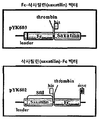
- 1 is a diagram showing the structure of a saxatilin derivative cloned at the multicloning position of pYK603 vector and pYK602 vector, respectively. Distances between components or distances between restriction sites are not shown in proportions.
- leader leader sequence
- immunoglobulin G2a gamma chain immunoglobulin G2a gamma chain.
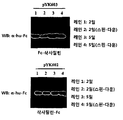
- Figure 2 is a Western blotting result confirming the expression of the saxatilin derivatives of the present invention.
- centrifugation was performed at 5,000 rpm for 10 minutes to investigate the presence of precipitate (lane 2 and lane 4).
- the saxatilin derivative of the present invention was very stable (no precipitate formed).
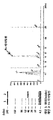
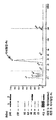
- 3A and 3B show the results of purification of Fc-saxatilin and saxatilin-Fc, respectively, showing gel-electrophoresis images (left panel) and electropherogram (right panel).
- the parent protein saxatilin and saxatilin derivatives of the present invention (Fc-saxatilin and saxatilin-Fc).
- the parent proteins saxatilin and Fc-saxatilin used 50, 100, 150, 200, 250 and 300 nM, and saxatilin-Fc was 200, 300, 350, 400, 500 and 600 nM was used.
- 5A to 5C show the results of measuring half-lives of saxatilin, which is a parent protein, and saxatilin derivatives of the present invention (Fc-saxatilin and saxatilin-Fc), respectively.
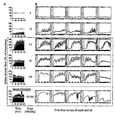
- Figure 6 shows the result of comparing the effect of the saxatilin 650 nmol / kg and the thrombolytic effect of the saxatilin derivatives. In addition, the result of having measured the degree of repenetration and the extent by measuring blood flow is shown.
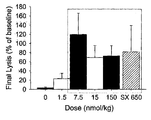
- Figure 8 shows the results of analyzing the blood flow average percentage of the normal blood flow during the last 10 minutes of the two hours measured the thrombolytic effect.
- the inventors performed PCR using the primer pairs (Saxatilin-F and Saxatilin-R) described in Table 1 below.
- the obtained PCR product was digested with restriction enzyme sfi I (thermo scientific) and cloned into pYK603 vector and pYK602 vector (A & Al Ceraputix) using T4 DNA ligase (thermo scientific), respectively, for Fc-saxatilin and saxatilin-.
- a recombinant vector for expressing Fc protein was prepared (FIG. 1).
- Recombinant vectors containing the above-described Fc-saxatilin or saxatilin-Fc were each transfected into 292E cells using PEI (polyethylenimine; Polysciences). Supernatants were harvested on day 2 or 5 of the cell culture after transfection and subjected to SDS-PAGE followed by transfer to NC membrane (Mipbrane; Millipore) and the secondary antibody anti-HuFc-HRP (1: 2000 dilution). ; thermo scientific) and reacted at room temperature for 1 hour. The NC membrane was washed three times with PBS / T and then subjected to western blotting by developing the film with ECL solution (FIG. 2).
- the Agilent 2100 Bioanalyzer is an analytical instrument based on lab-on-a-chip technology that automatically analyzes protein size and concentration simultaneously. The analysis results can be confirmed in two forms (electrophorograms such as gel-electrophoresis images and chromatography) by conducting simultaneous separation and detection processes.
- the lower blood cell layer was again centrifuged at 3,000 rpm for 10-15 minutes to obtain a supernatant (plasma).
- the supernatant 600 ⁇ l was centrifuged at 10,000 rpm for 2 minutes to obtain platelet-poor plasma (PPP) from which blood cells and the like were removed, and the remaining plasma was mixed with the PRP separated in the previous step. It was used for.
- Platelet aggregation assay was performed using an aggregometer (Aggregometer Model 700; Chrono-log).
- First cuvettes 500 ⁇ l added cuvettes (# 312; Chrono-log) and PRP (480 ⁇ l) and saxatilin (10 ⁇ l) or recombinant saxatilin (Fc-saxatilin or saxatilin-Fc; 10 Insert a second cuvette with ⁇ l) into the flocculation meter and set the baseline, and then add 10 ⁇ l of ADP (final concentration, 20 ⁇ M; # 384; Chrono-log) to the second cuvette. Mix by pipetting and measure the degree of aggregation.
- the degree of aggregation when only ADP was added was calculated as 100%, and the degree of aggregation of each sample was calculated as a relative value. That is, at 100%, the limit of aggregation rate (%) of each sample is calculated as the inhibition rate (%).
- IC 50 concentration of motilin natural saksa for platelet aggregation is 150 nM
- IC 50 concentration of motilin and Fc- saksa saksa motilin -Fc of the present invention was 196 nM and 362 nM, respectively ( Figure 4), which is a recombinant of the present invention It is shown that saxatilin exhibits good platelet aggregation activity comparable to saxatilin.
- N-Hydroxysuccinimide-Rhodamine (# 46406, 10 mg / ml; Thermo Scientific Pierce, USA) in a reaction tube containing saxatilin, Fc-saxatilin and saxatilin-Fc (in PBS, pH 7.4) was added and reacted at room temperature for 1 hour.
- Non-reacted NHS-rhodamine was removed using a PD10 salting column (# 17-0851-01; GE Healthcare, USA).
- the concentration of rhodamine-conjugated protein was measured with the BCA Protein Assay Kit (# 23225; Thermo Scientific Pierce, USA) and then stored in dark at 4 ° C. until used for the experiment.
- 80 ⁇ l of the obtained serum was placed in a black 96-well plate (# 43711; Thermo Scientific Pierce, USA) and microplate fluorometer; excitation wavelength of 552 nm and emission wavelength of 575 nm; Thermo Scientific Pierce, USA The half-life was calculated by fluorescence measurement using).
- Rhodamine-conjugated Fc-saxatilin or saxatilin-Fc was diluted with PBS buffer to 0.5 mg / ml, and then nine-week-old ICR mice (5) were injected into the tail vein using an insulin syringe. . At this time, the administration dose was performed at 5 mg / 10 ml / kg (mouse weight). Blood was collected from the jugular vein of the mouse at 0, 5, 10, 30 and 60 minutes, and 2, 4 and 8 hours after administration of the protein and maintained at room temperature for 30 minutes to maintain blood conditions. Solidified. The blood was centrifuged at 12,000 rpm for 10 minutes at 4 ° C to separate supernatant (serum).
- 80 ⁇ l of the obtained serum was placed in a black 96-well plate (# 43711; Thermo Scientific Pierce, USA) and measured for fluorescence using a microplate fluorometer (excitation wavelength of 552 nm and emission wavelength of 575 nm). Half-life was calculated.
- Each integrin ( ⁇ IIb ⁇ 3 , ⁇ v ⁇ 3 , ⁇ M ⁇ 2 and ⁇ L ⁇ 2 ) was added to the 96-well plate at 100 ng / well and coated overnight at 4 ° C. After coating, the plate was washed three times with PBS-T (0.5% Tween 20). Blocking was performed at room temperature with 1% BSA (in PBS-T) solution for 2 hours. After blocking, three washes were performed with PBS-T. Eight sample solutions were prepared by serial dilution of saxatilin-Fc or Fc-saxatilin from 100 nM by 1/4.
- Integrins ⁇ M ⁇ 2 and ⁇ L ⁇ 2 are integrins present in neutrophils, which interact with ICAM-1 (Intercellular Adhesion Molecule 1) present in endothelial cells to collect neutrophils in endothelial cells.
- ICAM-1 Intercellular Adhesion Molecule 1
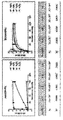
- Fc-saxatilin bound strongly with integrin ⁇ M ⁇ 2 and ⁇ L ⁇ 2 (Kd, 6.9 ⁇ 10 ⁇ 9 M and 9.2 ⁇ 10 ⁇ 9 M).
- saxatilin-Fc also binds to integrin ⁇ M ⁇ 2 and ⁇ L ⁇ 2 (Kd, 3.0 ⁇ 10 ⁇ 7 M and 4.4 ⁇ 10 ⁇ 7 M) (FIG. 9).
- a FeCl 3 (Sigma-Aldrich, USA) -induced carotid thrombus model was used to test the in vivo thrombolytic activity of saxatilin and saxatilin-Fc.
- a midline cervical incision was performed to carefully dissect the left common carotid artery under a surgical microscope (SEILER, USA).
- An ultrasonic Doppler flow probe (Transonic MA 0.7 PSB) was placed in the central portion of the total carotid artery (CCA).
- Carotid artery blood flow was measured using an ultrasound TS420 blood flow meter (Transonic Instruments, Ithaca, NY) and an iWorx IX-304T data acquisition system (iWorx Systems, Inc., Dover, NH).
- the basal blood flow of CCA was measured for 5 minutes as a control. After determination of control basal blood flow, the probe was removed.
- Oxidative vascular damage caused by chemical stress was induced by contacting the outer surface of the exposed CCA midpoint with filter paper (700 ⁇ 500 ⁇ m; ADVANTEC, Japan) saturated with 50% FeCl 3 for 5 minutes. After removing the filter paper, CCA was washed with saline and the blood flow thereof was measured. Thrombus formation and arterial occlusion were determined by decreasing blood flow, and complete occlusion was defined as the absence of blood flow for 10 minutes.
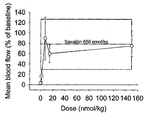
- the mean value of each group was calculated and expressed as a dose response curve (mean ⁇ standard deviation, FIG. 7). It was also compared with the thrombolytic effect (mean; red line, standard deviation; red region) of saxatilin 650 nmol / kg obtained in the previous study. On the other hand, the average of blood flow was calculated every 1 minute in each animal, and time-dependently confirmed representative patterns for the dose and the method of administration respectively (FIG. 6A). The mean value of all animals in each group was calculated and the change over time was shown as a continuous bar graph (mean ⁇ standard deviation).
- the average percentage of blood flow in the administration groups compared to normal blood flow was as follows (FIG. 7): (a) saline administration group, 3.03 ⁇ 0.75%; (b) Fc-saxatilin 1.5 nmol / kg dose group, 17.81 ⁇ 12.22%; (c) Fc-saxatilin 7.5 nmol / kg dose group, 89.40 ⁇ 41.18%; (d) Fc-saxatilin 15 nmol / kg dose group, 59.94 ⁇ 16.97%; (e) Fc-saxatilin 150 nmol / kg dose group, 74.68 ⁇ 20.53%; And (f) saxatilin 650 nmol / kg administration group, 78.24 ⁇ 48.61% (mean ⁇ standard deviation).
- Fc-saxatilin showed dose-dependent thrombolytic effects, mean thrombolytic effects by 7.5 nmol / kg, 15 nmol / kg, and 150 nmol / kg of Fc-saxatilin and for the last 10 minutes.
- the thrombolytic effect was statistically similar when compared with the conventional saxatilin 650 nmol / kg.
Landscapes
- Health & Medical Sciences (AREA)
- Chemical & Material Sciences (AREA)
- Life Sciences & Earth Sciences (AREA)
- Organic Chemistry (AREA)
- Engineering & Computer Science (AREA)
- Bioinformatics & Cheminformatics (AREA)
- Medicinal Chemistry (AREA)
- General Health & Medical Sciences (AREA)
- Genetics & Genomics (AREA)
- Zoology (AREA)
- General Chemical & Material Sciences (AREA)
- Chemical Kinetics & Catalysis (AREA)
- Nuclear Medicine, Radiotherapy & Molecular Imaging (AREA)
- Veterinary Medicine (AREA)
- Pharmacology & Pharmacy (AREA)
- Public Health (AREA)
- Animal Behavior & Ethology (AREA)
- Biomedical Technology (AREA)
- Biochemistry (AREA)
- Molecular Biology (AREA)
- Wood Science & Technology (AREA)
- Cardiology (AREA)
- Heart & Thoracic Surgery (AREA)
- Proteomics, Peptides & Aminoacids (AREA)
- Biophysics (AREA)
- Gastroenterology & Hepatology (AREA)
- Toxicology (AREA)
- Biotechnology (AREA)
- General Engineering & Computer Science (AREA)
- Microbiology (AREA)
- Neurosurgery (AREA)
- Pulmonology (AREA)
- Vascular Medicine (AREA)
- Neurology (AREA)
- Pain & Pain Management (AREA)
- Hematology (AREA)
- Diabetes (AREA)
- Urology & Nephrology (AREA)
- Medicines That Contain Protein Lipid Enzymes And Other Medicines (AREA)
- Peptides Or Proteins (AREA)
Abstract
Description
| 프라이머 이름 | 서열(5' -> 3') |
| 삭사틸린-F | agta ggccgtgggggcc gaggccggagaagaatgtgactgt |
| 삭사틸린-R | gcat ggccgacgcggcc aaggcatggaagggatttctgggaca |
Claims (24)
- 서열목록 제2서열의 아미노산 서열로 이루어진 삭사틸린(saxatilin)과 면역글로블린(immunoglobulin)의 Fc 영역이 컨쥬게이션(conjugation)된 삭사틸린 유도체.
- 제 1 항에 있어서, 상기 면역글로블린(immunoglobulin)의 Fc 영역은 상기 삭사틸린의 N-말단 또는 C-말단에 컨쥬게이션되어 있는 것을 특징으로 하는 삭사틸린 유도체.
- 제 1 항에 있어서, 상기 삭사틸린 유도체는 N-말단에 리더 서열(leader sequence)이 추가적으로 컨쥬게이션되어 있는 것을 특징으로 하는 삭사틸린 유도체.
- 제 1 항에 있어서, 상기 삭사틸린 유도체는 천연의 삭사틸린보다 4-6.5배의 증가된 반감기를 가지는 것을 특징으로 하는 삭사틸린 유도체.
- 제 1 항에 있어서, 상기 삭사틸린 유도체는 천연의 삭사틸린과 유사한 혈전용해능을 가지는 것을 특징으로 하는 삭사틸린 유도체.
- 제5항에 있어서, 상기 삭사틸린 유도체는 혈소판 응집에 대한 IC50 값이 100-500 nM인 것을 특징으로 하는 삭사틸린 유도체.
- 제6항에 있어서, 상기 삭사틸린 유도체는 혈소판 응집에 대한 IC50 값이 100-250 nM인 것을 특징으로 하는 삭사틸린 유도체.
- 제 1 항에 있어서, 상기 삭사틸린 유도체는 혈전 내 존재하는 인테그린(integrin)에 결합하여 혈전을 분해하는 것을 특징으로 하는 삭사틸린 유도체.
- 제 8 항에 있어서, 상기 삭사틸린 유도체는 혈전을 구성하는 혈소판 표면의 GP(glycoprotein)IIb-IIIa에 결합하여 혈전을 분해하는 것을 특징으로 하는 삭사틸린 유도체.
- 제 1 항에 있어서, 상기 삭사틸린 유도체는 중성구(neutrophil)에 존재하는 integrin αMβ2 에 대하여 1 x 10⁻⁸ 내지 1 x 10⁻¹⁰ M의 Kd(dissociation constant) 값의 결합력을 갖는 것을 특징으로 하는 삭사틸린 유도체.
- 제 1 항에 있어서, 상기 삭사틸린 유도체는 중성구(neutrophil)에 존재하는 integrin αLβ2 에 대하여 1 x 10⁻⁸ 내지 1 x 10⁻¹⁰ M의 Kd(dissociation constant) 값의 결합력을 갖는 것을 특징으로 하는 삭사틸린 유도체.
- 제 1 항 내지 제 11 항 중 어느 한 항의 삭사틸린 유도체를 인코딩하는 뉴클레오타이드 서열.
- (a) 제 12 항의 뉴클레오타이드 서열; 및 (b) 상기 뉴클레오타이드 서열에 작동적으로 연결된(operatively linked) 프로모터를 포함하는 재조합 벡터.
- 제 13 항의 재조합 벡터로 형질전환된 세포.
- (a) 제 1 항 내지 제 11 항 중 어느 한 항의 삭사틸린 유도체의 약제학적 유효량; 및 (b) 약제학적으로 허용되는 담체를 포함하는 혈전 용해용 조성물.
- 제 15 항의 조성물을 포함하는 혈관의 협착 또는 폐색 질환의 예방 또는 치료용 약제학적 조성물.
- 제 16 항에 있어서, 상기 혈관은 대동맥, 경동맥, 쇠골하동맥, 복강동맥, 장간막동맥(mesenteric arteries), 신동맥, 장골동맥, 소동맥, 모세혈관 또는 소정맥인 것을 특징으로 하는 약제학적 조성물.
- 제 16 항에 있어서, 상기 혈관의 협착 또는 폐색 질환은 뇌졸중, 뇌경색, 뇌혈전증, 뇌색전증, 열공성 뇌경색, 급성 관동맥 증후군, 협심증, 대동맥 협착증, 심근경색증, 편두통, 각차단, 뇌허혈, 급성 허혈성 심혈관질환(acute ischemic arteriovascular event), 혈전성 정맥염, 정맥혈전색전증, 심부정맥혈전증(deep vein thrombosis), 폐색전증(pulmonary embolism), 말초혈관질환, 혈관성 두통, 아테롬성 동맥경화증, 혈관경련, 재협착증, 기구 혈관형성술 이후 재협착증 및 혈관염에 의한 혈관 폐색증으로 이루어진 군으로부터 선택되는 것을 특징으로 하는 약제학적 조성물.
- 제 16 항에 있어서, 상기 약제학적 조성물은 혈관 내로 직접 주입되는 방식으로 투여되는 것을 특징으로 하는 약제학적 조성물.
- 제 16 항에 있어서, 상기 약제학적 조성물은 혈전에 의해 혈관이 폐색된 환자에 투여되는 것을 특징으로 하는 약제학적 조성물.
- 제 20 항에 있어서, 상기 폐색은 부분적 폐색 또는 완전 폐색인 것을 특징으로 하는 약제학적 조성물.
- 제 16 항에 있어서, 상기 약제학적 조성물은 플라스미노겐 활성제(Plasminogen activator)를 포함하지 않는 것을 특징으로 하는 약제학적 조성물.
- 제 1 항 내지 제 11 항 중 어느 한 항의 삭사틸린 유도체의 약제학적 유효량을 대상(subject)에 투여하는 단계를 포함하는 혈관의 협착 또는 폐색 질환의 예방 또는 치료 방법.
- 제 23 항에 있어서, 상기 혈관의 협착 또는 폐색 질환은 뇌졸중, 뇌경색, 뇌혈전증, 뇌색전증, 열공성 뇌경색, 급성 관동맥 증후군, 협심증, 대동맥 협착증, 심근경색증, 편두통, 각차단, 뇌허혈, 급성 허혈성 심혈관질환(acute ischemic arteriovascular event), 혈전성 정맥염, 정맥혈전색전증, 심부정맥혈전증(deep vein thrombosis), 폐색전증(pulmonary embolism), 말초혈관질환, 혈관성 두통, 아테롬성 동맥경화증, 혈관경련, 재협착증, 기구 혈관형성술 이후 재협착증 및 혈관염에 의한 혈관 폐색증으로 이루어진 군으로부터 선택되는 것을 특징으로 하는 방법.
Priority Applications (5)
| Application Number | Priority Date | Filing Date | Title |
|---|---|---|---|
| JP2016531527A JP6404349B2 (ja) | 2013-07-30 | 2014-07-30 | サクサチリン−Fc融合タンパク質及びその用途 |
| EP14831205.1A EP3029071B1 (en) | 2013-07-30 | 2014-07-30 | Saxatilin-fc fusion protein and use thereof |
| ES14831205.1T ES2687992T3 (es) | 2013-07-30 | 2014-07-30 | Proteína de fusión saxatilina-Fc y utilización de la misma |
| US14/908,906 US20160355557A1 (en) | 2013-07-30 | 2014-07-30 | Saxatilin-fc fusion protein and use thereof |
| US15/672,015 US10208097B2 (en) | 2013-07-30 | 2017-08-08 | Method for treating vascular stenosis or occlusive disease due to thrombi by administering a saxatilin-fc fusion protein |
Applications Claiming Priority (4)
| Application Number | Priority Date | Filing Date | Title |
|---|---|---|---|
| KR20130090468 | 2013-07-30 | ||
| KR10-2013-0090468 | 2013-07-30 | ||
| KR1020140097461A KR101639015B1 (ko) | 2013-07-30 | 2014-07-30 | 삭사틸린―Fc 융합 단백질 및 이의 용도 |
| KR10-2014-0097461 | 2014-07-30 |
Related Child Applications (2)
| Application Number | Title | Priority Date | Filing Date |
|---|---|---|---|
| US14/908,906 A-371-Of-International US20160355557A1 (en) | 2013-07-30 | 2014-07-30 | Saxatilin-fc fusion protein and use thereof |
| US15/672,015 Division US10208097B2 (en) | 2013-07-30 | 2017-08-08 | Method for treating vascular stenosis or occlusive disease due to thrombi by administering a saxatilin-fc fusion protein |
Publications (1)
| Publication Number | Publication Date |
|---|---|
| WO2015016616A1 true WO2015016616A1 (ko) | 2015-02-05 |
Family
ID=52573193
Family Applications (1)
| Application Number | Title | Priority Date | Filing Date |
|---|---|---|---|
| PCT/KR2014/007013 Ceased WO2015016616A1 (ko) | 2013-07-30 | 2014-07-30 | 삭사틸린-Fc 융합 단백질 및 이의 용도 |
Country Status (6)
| Country | Link |
|---|---|
| US (2) | US20160355557A1 (ko) |
| EP (1) | EP3029071B1 (ko) |
| JP (2) | JP6404349B2 (ko) |
| KR (1) | KR101639015B1 (ko) |
| ES (1) | ES2687992T3 (ko) |
| WO (1) | WO2015016616A1 (ko) |
Families Citing this family (1)
| Publication number | Priority date | Publication date | Assignee | Title |
|---|---|---|---|---|
| JP7485368B2 (ja) * | 2018-04-26 | 2024-05-16 | グッド ティー セルズ、 インコーポレイテッド | 新規な融合タンパク質およびこれを含む癌の予防または治療用薬学的組成物 |
Citations (5)
| Publication number | Priority date | Publication date | Assignee | Title |
|---|---|---|---|---|
| WO1994022494A1 (en) | 1993-03-30 | 1994-10-13 | The Du Pont Merck Pharmaceutical Company | RADIOLABELED PLATELET GPIIb/IIIa RECEPTOR ANTAGONISTS AS IMAGING AGENTS FOR THE DIAGNOSIS OF THROMBOEMBOLIC DISORDERS |
| KR20090036908A (ko) * | 2007-10-10 | 2009-04-15 | 연세대학교 산학협력단 | 뱀독 유래의 디스인테그린인 삭사틸린을 포함하는동맥경화증 예방 또는 치료용 조성물 |
| KR20090108049A (ko) * | 2006-12-26 | 2009-10-14 | 내셔널 타이완 유니버시티 | 디스인테그린 변이체 및 이의 약제학적 용도 |
| US20090305301A1 (en) | 2006-05-05 | 2009-12-10 | Diagnostica Stago | Detection of venous thromboembolic diseases by measurement of d-dimers and soluble fibrin levels |
| KR20120061036A (ko) * | 2010-11-01 | 2012-06-12 | 연세대학교 산학협력단 | 혈전 용해용 조성물 및 이를 포함하는 혈관 협착 또는 폐색성 질환의 치료용 약제학적 조성물 |
Family Cites Families (4)
| Publication number | Priority date | Publication date | Assignee | Title |
|---|---|---|---|---|
| CA2400040A1 (en) * | 2000-02-25 | 2001-08-30 | Immunex Corporation | Integrin antagonists |
| WO2002014488A1 (ko) * | 2000-07-26 | 2002-02-21 | Chung Kwang Hoe | Novel protein derived from agkistrodon saxatilis emelianov and process for preparing the same |
| CN101357230A (zh) * | 2003-03-04 | 2009-02-04 | 格林维尔医院系统公司 | 包含靶向部分和触发免疫反应部分的抗肿瘤剂 |
| US8183201B2 (en) | 2006-12-26 | 2012-05-22 | National Cheng Kung University | Methods of treating αvβ3 integrin-associated diseases by administering polypeptides selective for αvβ3 integrin |
-
2014
- 2014-07-30 WO PCT/KR2014/007013 patent/WO2015016616A1/ko not_active Ceased
- 2014-07-30 KR KR1020140097461A patent/KR101639015B1/ko not_active Expired - Fee Related
- 2014-07-30 JP JP2016531527A patent/JP6404349B2/ja not_active Expired - Fee Related
- 2014-07-30 ES ES14831205.1T patent/ES2687992T3/es active Active
- 2014-07-30 US US14/908,906 patent/US20160355557A1/en not_active Abandoned
- 2014-07-30 EP EP14831205.1A patent/EP3029071B1/en not_active Not-in-force
-
2017
- 2017-08-08 US US15/672,015 patent/US10208097B2/en not_active Expired - Fee Related
-
2018
- 2018-06-06 JP JP2018108607A patent/JP2018161136A/ja not_active Withdrawn
Patent Citations (5)
| Publication number | Priority date | Publication date | Assignee | Title |
|---|---|---|---|---|
| WO1994022494A1 (en) | 1993-03-30 | 1994-10-13 | The Du Pont Merck Pharmaceutical Company | RADIOLABELED PLATELET GPIIb/IIIa RECEPTOR ANTAGONISTS AS IMAGING AGENTS FOR THE DIAGNOSIS OF THROMBOEMBOLIC DISORDERS |
| US20090305301A1 (en) | 2006-05-05 | 2009-12-10 | Diagnostica Stago | Detection of venous thromboembolic diseases by measurement of d-dimers and soluble fibrin levels |
| KR20090108049A (ko) * | 2006-12-26 | 2009-10-14 | 내셔널 타이완 유니버시티 | 디스인테그린 변이체 및 이의 약제학적 용도 |
| KR20090036908A (ko) * | 2007-10-10 | 2009-04-15 | 연세대학교 산학협력단 | 뱀독 유래의 디스인테그린인 삭사틸린을 포함하는동맥경화증 예방 또는 치료용 조성물 |
| KR20120061036A (ko) * | 2010-11-01 | 2012-06-12 | 연세대학교 산학협력단 | 혈전 용해용 조성물 및 이를 포함하는 혈관 협착 또는 폐색성 질환의 치료용 약제학적 조성물 |
Non-Patent Citations (55)
| Title |
|---|
| "Remington's Pharmaceutical Sciences", 1995 |
| "Tissue plasminogen activator for acute ischemic stroke. The National Institute of Neurological Disorders and Stroke rt-PA Stroke Study Group.", N ENGL J MED, vol. 333, no. 24, 1995, pages 1581 - 1587 |
| "Transgenic Animals", 1991, BUTTERWORTH-HEINEMANN, article "Methods for the introduction of recombinant DNA into chicken embryos", pages: 275 - 293 |
| À PROMOTER; HERSKOWITZ, I.; HAGEN, D., ANN. REV. GENET., vol. 14, 1980, pages 399 - 445 |
| ABOU-CHEBL, A.; C. T. BAJZER ET AL.: "Multimodal therapy for the treatment of severe ischemic stroke combining GPIIb/IIIa antagonists and angioplasty after failure of thrombolysis", STROKE, vol. 36, no. 10, 2005, pages 2286 - 2288 |
| ABUMIYA, T.; R. FITRIDGE ET AL.: "Integrin alpha(IIb)beta(3) inhibitor preserves microvascular patency in experimental acute focal cerebral ischemia.", STROKE, vol. 31, no. 6, 2000, pages 1402 - 1409 |
| ADAMS, H. P., JR.; M. B. EFFRON ET AL.: "Emergency administration of abciximab for treatment of patients with acute ischemic stroke: results of an international phase III trial: Abciximab in Emergency Treatment of Stroke Trial (AbESTT-II).", STROKE, vol. 39, no. 1, 2008, pages 87 - 99 |
| ADAMS, H.; R. ADAMS ET AL.: "Guidelines for the early management of patients with ischemic stroke: 2005 guidelines update a scientific statement from the Stroke Council of the American Heart Association/American Stroke Association.", STROKE, vol. 36, no. 4, 2005, pages 916 - 923 |
| ALEXANDROV, A. V.; J. C. GROTTA: "Arterial reocclusion in stroke patients treated with intravenous tissue plasminogen activator.", NEUROLOGY, vol. 59, no. 6, 2002, pages 862 - 867 |
| ASTRUP A; MULLERTZ S.: "The fibrin plate method for estimating fibrinolytic activity", ARCH BIOCHEM BIOPHYS, vol. 40, 1952, pages 346 - 351, XP024807577, DOI: doi:10.1016/0003-9861(52)90121-5 |
| BUUNK G; VAN DER HOEVEN JG; MEINDERS AE: "A comparison of near-infrared spectroscopy and jugular bulb oximetry in comatose patients resuscitated from a cardiac arrest", ANESTHESIA, vol. 53, 1998, pages 13 - 19 |
| CAPLAN, L. R.; J. P. MOHR ET AL.: "Should thrombolytic therapy be the first-line treatment for acute ischemic stroke? Thrombolysis--not a panacea for ischemic stroke.", N ENGL J MED, vol. 337, no. 18, 1997, pages 1309 - 1310 |
| CHEN, H.; W. MO ET AL.: "Characterization of a novel bifunctional mutant of staphylokinase with platelet-targeted thrombolysis and antiplatelet aggregation activities.", BMC MOL BIOL, vol. 8, 2007, pages 88, XP021033433 |
| CHEN, H.Y. ET AL., J. REPROD. FERT., vol. 41, 1990, pages 173 - 182 |
| CHEN, Z. L.; S. STRICKLAND: "Neuronal death in the hippocampus is promoted by plasmin-catalyzed degradation of laminin.", CELL, vol. 91, no. 7, 1997, pages 917 - 925 |
| CHOI, J. H.; B. T. BATEMAN ET AL.: "Endovascular recanalization therapy in acute ischemic stroke.", STROKE, vol. 37, no. 2, 2006, pages 419 - 424 |
| CHOUDHRI, T. F.; B. L. HOH ET AL.: "Reduced microvascular thrombosis and improved outcome in acute murine stroke by inhibiting GP IIb/IIIa receptor-mediated platelet aggregation.", J CLIN INVEST, vol. 102, no. 7, 1998, pages 1301 - 1310 |
| CICCONE, A.; I. ABRAHA ET AL.: "Glycoprotein IIb-IIIa Inhibitors for Acute Ischemic Stroke", STROKE, 2007 |
| COHEN, S.N. ET AL., PROC. NATL. ACAC. SCI. USA, vol. 9, 1973, pages 2110 - 2114 |
| DOWER, W.J. ET AL., NUCLEIC. ACIDS RES., vol. 16, 1988, pages 6127 - 6145 |
| ECKERT, B.; C. KOCH ET AL.: "Aggressive therapy with intravenous abciximab and intra-arterial rtPA and additional PTA/stenting improves clinical outcome in acute vertebrobasilar occlusion: combined local fibrinolysis and intravenous abciximab in acute vertebrobasilar stroke treatment (FAST): results of a multicenter study.", STROKE, vol. 36, no. 6, 2005, pages 1160 - 1165 |
| HALLENBECK, J. M.; A. J. DUTKA: "Background review and current concepts of reperfusion injury.", ARCH NEUROL, vol. 47, no. 11, 1990, pages 1245 - 1254 |
| HANAHAN, D., J. MOL. BIOL., vol. 166, 1983, pages 557 - 580 |
| HEO, J. H.; K. Y. LEE ET AL.: "Immediate reocclusion following a successful thrombolysis in acute stroke: a pilot study", NEUROLOGY, vol. 60, no. 10, 2003, pages 1684 - 1687 |
| HONG, S. Y. ET AL.: "Snake venom disintegrin, saxatilin, inhibits platelet aggregation, human umbilical vein endothelial cell proliferation, and smooth muscle cell migration.", THROMB. RES., vol. 105, no. 1, 1 January 2002 (2002-01-01), pages 79 - 86, XP001179791 * |
| HONG, S. Y. ET AL.: "Structural and functional significance of disulfide bonds in saxatilin, a 7.7 kDa disintegrin.", BIOCHEM. BIOPHYS. RES. COMMUN, vol. 293, no. 1, 26 April 2002 (2002-04-26), pages 530 - 536, XP002461595 * |
| HONG, S. Y.; Y. D. SOHN ET AL.: "Structural and functional significance of disulfide bonds in saxatilin, a 7.7 kDa disintegrin.", BIOCHEM BIOPHYS RES COMMUN, vol. 293, no. 1, 2002, pages 530 - 536, XP002461595, DOI: doi:10.1016/S0006-291X(02)00258-9 |
| HONG, S. Y.; Y. S. KOH ET AL.: "Snake venom disintegrin, saxatilin, inhibits platelet aggregation, human umbilical vein endothelial cell proliferation, and smooth muscle cell migration.", THROMB RES, vol. 105, no. 1, 2002, pages 79 - 86, XP001179791, DOI: doi:10.1016/S0049-3848(01)00416-9 |
| HUSSAIN, M. S.; R. LIN ET AL.: "Symptomatic delayed reocclusion after initial successful revascularization in acute ischemic stroke.", J STROKE CEREBROVASC DIS, vol. 19, no. 1, 2010, pages 36 - 39 |
| JANG, Y. J. ET AL.: "Saxatilin, a snake venom disintegrin, regulates platelet activation associated with human vascular endothelial cell migration and invasion.", J. VASC. RES., vol. 44, no. 2, 11 January 2007 (2007-01-11), pages 129 - 137, XP008182773 * |
| JANG, Y. J.; O. H. JEON ET AL.: "Saxatilin, a snake venom disintegrin, regulates platelet activation associated with human vascular endothelial cell migration and invasion.", J VASC RES, vol. 44, no. 2, 2007, pages 129 - 137, XP008182773, DOI: doi:10.1159/000098519 |
| JING, Y. ET AL.: "Inhibition of ovarian cancer by RGD-P125A-endostatin-Fc fusion proteins.", INT. J. CANCER, vol. 129, no. 3, 1 August 2011 (2011-08-01), pages 751 - 761, XP055052638 * |
| KONSTANTINIDES, S.; K. SCHAFER ET AL.: "Plasminogen activator inhibitor-1 and its cofactor vitronectin stabilize arterial thrombi after vascular injury in mice.", CIRCULATION, vol. 103, no. 4, 2001, pages 576 - 583 |
| KURZ, K. D.; B. W. MAIN ET AL.: "Rat model of arterial thrombosis induced by ferric chloride.", THROMB RES, vol. 60, no. 4, 1990, pages 269 - 280, XP022879024, DOI: doi:10.1016/0049-3848(90)90106-M |
| LEE ET AL., STROKE, vol. 38, 2007, pages 192 - 193 |
| LEE KH; PARK JY; CHOI SJ; KIM JK; HWANG SD; JOH JH: "Clinical utility of access blood flow measurement by ultrasound dilution in hemodialysis patients", KOREAN J NEPHROL, vol. 24, 2005, pages 265 - 273 |
| LEE, M.-R.; SHUMAN, R., PROC. 4TH WORLD CONGR. GENET. APPL. LIVESTOCK PROD., vol. 16, 1990, pages 107 - 110 |
| LOPEZ-YUNEZ, A. M.; A. BRUNO ET AL.: "Protocol violations in community-based rTPA stroke treatment are associated with symptomatic intracerebral hemorrhage.", STROKE, vol. 32, no. 1, 2001, pages 12 - 16 |
| MAGNASCO A; ALLOATTI S; MARTINOLI C; SOLARI P: "Glucose pump test: a new method for blood flow measurements", NEPHROL DIAL TRANSPLANT, vol. 17, 2002, pages 2244 - 2248 |
| MATYS, T.; S. STRICKLAND: "Tissue plasminogen activator and NMDA receptor cleavage.", NAT MED, vol. 9, no. 4, 2003, pages 371 - 372 |
| NICOLE, 0.; F. DOCAGNE ET AL.: "The proteolytic activity of tissue-plasminogen activator enhances NMDA receptor-mediated signaling.", NAT MED, vol. 7, no. 1, 2001, pages 59 - 64 |
| OGATA N; FOURNIER JY; IMHOF HG ET AL.: "Thermal diffusion blood flow monitoring during aneurysm surgery", ACTA NEUROCHIR(WIEN, vol. 138, 1996, pages 726 - 731 |
| PHILLIPS, D. R.; I. F. CHARO ET AL.: "The platelet membrane glycoprotein IIb-IIIa complex.", BLOOD, vol. 71, no. 4, 1988, pages 831 - 843 |
| QURESHI, A. I.; A. M. SIDDIQUI ET AL.: "Reocclusion of recanalized arteries during intra-arterial thrombolysis for acute ischemic stroke.", AJNR AM J NEURORADIOL, vol. 25, no. 2, 2004, pages 322 - 328 |
| RHA, J. H.; J. L. SAVER: "The impact of recanalization on ischemic stroke outcome: a meta-analysis.", STROKE, vol. 38, no. 3, 2007, pages 967 - 973 |
| SAMBROOK ET AL.: "Molecular Cloning, A Laboratory Manual", 2001, COLD SPRING HARBOR LABORATORY PRESS |
| SEITZ, R. J.; M. HAMZAVI ET AL.: "Thrombolysis with recombinant tissue plasminogen activator and tirofiban in stroke: preliminary observations", STROKE, vol. 34, no. 8, 2003, pages 1932 - 1935 |
| SEITZ, R. J.; S. MEISEL ET AL.: "The effect of combined thrombolysis with rtPA and tirofiban on ischemic brain lesions.", NEUROLOGY, vol. 62, no. 11, 2004, pages 2110 - 2112 |
| SHATTIL, S. J.; M. H. GINSBERG: "Integrin signaling in vascular biology.", J CLIN INVEST, vol. 100, no. 11 SUP, 1997, pages 91 - 95 |
| SOHN, Y. D.; S. Y. HONG ET AL.: "Acute and repeated dose toxicity studies of recombinant saxatilin, a disintegrin from the Korean snake (Gloydius saxatilis).", TOXICON, vol. 51, no. 3, 2008, pages 406 - 417, XP022485805, DOI: doi:10.1016/j.toxicon.2007.10.019 |
| STRAUCH B; O'CONNOLL R; GEOLY K: "Forcasting thrombosis of vascular access with doppler flow imaging", AM J KIDNEY DIS, vol. 19, 1992, pages 554 - 557, XP000916086 |
| WANG, Y. F.; S. E. TSIRKA ET AL.: "Tissue plasminogen activator (tPA) increases neuronal damage after focal cerebral ischemia in wild-type and tPA-deficient mice.", NAT MED, vol. 4, no. 2, 1998, pages 228 - 231 |
| WAR LAW, J. M.; V. MURRAY ET AL.: "Thrombolysis for acute ischaemic stroke.", COCHRANE DATABASE SYST REV, 2009 |
| YANOFSKY, C., J. BACTERIOL., vol. 158, 1984, pages 1018 - 1024 |
| YEPES, M.; M. SANDKVIST ET AL.: "Regulation of seizure spreading by neuroserpin and tissue-type plasminogen activator is plasminogen-independent.", J CLIN INVEST, vol. 109, no. 12, 2002, pages 1571 - 1578 |
Also Published As
| Publication number | Publication date |
|---|---|
| JP2018161136A (ja) | 2018-10-18 |
| ES2687992T3 (es) | 2018-10-30 |
| KR20150016121A (ko) | 2015-02-11 |
| EP3029071A4 (en) | 2017-03-22 |
| US20160355557A1 (en) | 2016-12-08 |
| EP3029071A1 (en) | 2016-06-08 |
| EP3029071B1 (en) | 2018-07-11 |
| JP6404349B2 (ja) | 2018-10-10 |
| US10208097B2 (en) | 2019-02-19 |
| US20180057549A1 (en) | 2018-03-01 |
| KR101639015B1 (ko) | 2016-07-14 |
| JP2016527265A (ja) | 2016-09-08 |
Similar Documents
| Publication | Publication Date | Title |
|---|---|---|
| US5589363A (en) | DNA encoding tissue factor mutants useful for the treatment of myocardial infarction and coagulopathic disorders | |
| Alberelli et al. | Functional role of protease activated receptors in vascular biology | |
| Vergnolle et al. | Protease-activated receptors in inflammation, neuronal signaling and pain | |
| Preissner et al. | Role of vitronectin and its receptors in haemostasis and vascular remodeling | |
| Lillis et al. | LDL receptor-related protein 1: unique tissue-specific functions revealed by selective gene knockout studies | |
| US5474901A (en) | Antibodies to human carboxypeptidase B and methods of use thereof | |
| JP3406607B2 (ja) | ハイブリッドヒト/動物第viii因子 | |
| Nicholl et al. | Plasminogen activator system and vascular disease | |
| Gonias | Plasminogen activator receptor assemblies in cell signaling, innate immunity, and inflammation | |
| Barnes et al. | Production and characterization of saratin, an inhibitor of von Willebrand factor-dependent platelet adhesion to collagen | |
| US20130058929A1 (en) | Fusion proteins for inhibition and dissolution of coagulation of thrombi | |
| NO304267B1 (no) | AnalogifremgangsmÕte for fremstilling av en terapeutisk aktiv spesifikk blodplateaggregasjonsinhibitor (PAI) peptid | |
| Fuentes et al. | A chimeric platelet-targeted urokinase prodrug selectively blocks new thrombus formation | |
| TRESSLER et al. | Urokinase receptor antagonists: discovery and application to in vivo models of tumor growth | |
| JPH04503761A (ja) | Pai―2の変異体 | |
| JP2022134139A (ja) | 出血治療のための止血促進タンパク質 | |
| JPH07506959A (ja) | コラーゲン誘発血小板凝集抑制剤 | |
| KR101463181B1 (ko) | 혈전 용해용 조성물 및 이를 포함하는 혈관 협착 또는 폐색성 질환의 치료용 약제학적 조성물 | |
| Gutierrez-Rodriguez et al. | From multiple PAR1 receptor/protein interactions to their multiple therapeutic implications | |
| WO2015016616A1 (ko) | 삭사틸린-Fc 융합 단백질 및 이의 용도 | |
| JP2008531023A (ja) | 血栓溶解剤としての標的化プラスミノーゲンアクチベーター融合タンパク質 | |
| KR20060133031A (ko) | 트롬빈 유도체 및 그것을 포함하는 의약 조성물 | |
| Kantipudi et al. | Cloning and purification of an anti-thrombotic, chimeric Staphylokinase in Pichia pastoris | |
| EP3649159A1 (en) | Fusion protein | |
| Li et al. | Heparin alters viral serpin, serp-1, anti-thrombolytic activity to anti-thrombotic activity |
Legal Events
| Date | Code | Title | Description |
|---|---|---|---|
| 121 | Ep: the epo has been informed by wipo that ep was designated in this application |
Ref document number: 14831205 Country of ref document: EP Kind code of ref document: A1 |
|
| ENP | Entry into the national phase |
Ref document number: 2016531527 Country of ref document: JP Kind code of ref document: A |
|
| WWE | Wipo information: entry into national phase |
Ref document number: 14908906 Country of ref document: US |
|
| NENP | Non-entry into the national phase |
Ref country code: DE |
|
| WWE | Wipo information: entry into national phase |
Ref document number: 2014831205 Country of ref document: EP |