WO2016009751A1 - Dispositif de capture d'image, système de capture d'image, procédé de commande pour un dispositif de capture d'image et programme de commande pour un dispositif de capture d'image - Google Patents
Dispositif de capture d'image, système de capture d'image, procédé de commande pour un dispositif de capture d'image et programme de commande pour un dispositif de capture d'image Download PDFInfo
- Publication number
- WO2016009751A1 WO2016009751A1 PCT/JP2015/066732 JP2015066732W WO2016009751A1 WO 2016009751 A1 WO2016009751 A1 WO 2016009751A1 JP 2015066732 W JP2015066732 W JP 2015066732W WO 2016009751 A1 WO2016009751 A1 WO 2016009751A1
- Authority
- WO
- WIPO (PCT)
- Prior art keywords
- image data
- external device
- communication
- image
- imaging
- Prior art date
- Legal status (The legal status is an assumption and is not a legal conclusion. Google has not performed a legal analysis and makes no representation as to the accuracy of the status listed.)
- Ceased
Links
Images











Classifications
-
- H—ELECTRICITY
- H04—ELECTRIC COMMUNICATION TECHNIQUE
- H04N—PICTORIAL COMMUNICATION, e.g. TELEVISION
- H04N1/00—Scanning, transmission or reproduction of documents or the like, e.g. facsimile transmission; Details thereof
- H04N1/00127—Connection or combination of a still picture apparatus with another apparatus, e.g. for storage, processing or transmission of still picture signals or of information associated with a still picture
- H04N1/00204—Connection or combination of a still picture apparatus with another apparatus, e.g. for storage, processing or transmission of still picture signals or of information associated with a still picture with a digital computer or a digital computer system, e.g. an internet server
- H04N1/00209—Transmitting or receiving image data, e.g. facsimile data, via a computer, e.g. using e-mail, a computer network, the internet, I-fax
- H04N1/00222—Transmitting or receiving image data, e.g. facsimile data, via a computer, e.g. using e-mail, a computer network, the internet, I-fax details of image data generation or reproduction, e.g. scan-to-email or network printing
- H04N1/00225—Transmitting or receiving image data, e.g. facsimile data, via a computer, e.g. using e-mail, a computer network, the internet, I-fax details of image data generation or reproduction, e.g. scan-to-email or network printing details of image data generation, e.g. scan-to-email or network scanners
-
- H—ELECTRICITY
- H04—ELECTRIC COMMUNICATION TECHNIQUE
- H04N—PICTORIAL COMMUNICATION, e.g. TELEVISION
- H04N5/00—Details of television systems
- H04N5/76—Television signal recording
- H04N5/765—Interface circuits between an apparatus for recording and another apparatus
- H04N5/77—Interface circuits between an apparatus for recording and another apparatus between a recording apparatus and a television camera
-
- H—ELECTRICITY
- H04—ELECTRIC COMMUNICATION TECHNIQUE
- H04N—PICTORIAL COMMUNICATION, e.g. TELEVISION
- H04N1/00—Scanning, transmission or reproduction of documents or the like, e.g. facsimile transmission; Details thereof
- H04N1/00095—Systems or arrangements for the transmission of the picture signal
- H04N1/00103—Systems or arrangements for the transmission of the picture signal specially adapted for radio transmission, e.g. via satellites
- H04N1/00108—Systems or arrangements for the transmission of the picture signal specially adapted for radio transmission, e.g. via satellites of digital signals
-
- H—ELECTRICITY
- H04—ELECTRIC COMMUNICATION TECHNIQUE
- H04N—PICTORIAL COMMUNICATION, e.g. TELEVISION
- H04N1/00—Scanning, transmission or reproduction of documents or the like, e.g. facsimile transmission; Details thereof
- H04N1/00127—Connection or combination of a still picture apparatus with another apparatus, e.g. for storage, processing or transmission of still picture signals or of information associated with a still picture
- H04N1/00132—Connection or combination of a still picture apparatus with another apparatus, e.g. for storage, processing or transmission of still picture signals or of information associated with a still picture in a digital photofinishing system, i.e. a system where digital photographic images undergo typical photofinishing processing, e.g. printing ordering
- H04N1/00148—Storage
- H04N1/00151—Storage with selective access
- H04N1/00153—Storage with selective access for sharing images with a selected individual or correspondent
-
- H—ELECTRICITY
- H04—ELECTRIC COMMUNICATION TECHNIQUE
- H04N—PICTORIAL COMMUNICATION, e.g. TELEVISION
- H04N1/00—Scanning, transmission or reproduction of documents or the like, e.g. facsimile transmission; Details thereof
- H04N1/00127—Connection or combination of a still picture apparatus with another apparatus, e.g. for storage, processing or transmission of still picture signals or of information associated with a still picture
- H04N1/00281—Connection or combination of a still picture apparatus with another apparatus, e.g. for storage, processing or transmission of still picture signals or of information associated with a still picture with a telecommunication apparatus, e.g. a switched network of teleprinters for the distribution of text-based information, a selective call terminal
- H04N1/00307—Connection or combination of a still picture apparatus with another apparatus, e.g. for storage, processing or transmission of still picture signals or of information associated with a still picture with a telecommunication apparatus, e.g. a switched network of teleprinters for the distribution of text-based information, a selective call terminal with a mobile telephone apparatus
-
- H—ELECTRICITY
- H04—ELECTRIC COMMUNICATION TECHNIQUE
- H04N—PICTORIAL COMMUNICATION, e.g. TELEVISION
- H04N1/00—Scanning, transmission or reproduction of documents or the like, e.g. facsimile transmission; Details thereof
- H04N1/41—Bandwidth or redundancy reduction
-
- H—ELECTRICITY
- H04—ELECTRIC COMMUNICATION TECHNIQUE
- H04N—PICTORIAL COMMUNICATION, e.g. TELEVISION
- H04N23/00—Cameras or camera modules comprising electronic image sensors; Control thereof
- H04N23/57—Mechanical or electrical details of cameras or camera modules specially adapted for being embedded in other devices
-
- H—ELECTRICITY
- H04—ELECTRIC COMMUNICATION TECHNIQUE
- H04N—PICTORIAL COMMUNICATION, e.g. TELEVISION
- H04N23/00—Cameras or camera modules comprising electronic image sensors; Control thereof
- H04N23/60—Control of cameras or camera modules
- H04N23/63—Control of cameras or camera modules by using electronic viewfinders
- H04N23/631—Graphical user interfaces [GUI] specially adapted for controlling image capture or setting capture parameters
- H04N23/632—Graphical user interfaces [GUI] specially adapted for controlling image capture or setting capture parameters for displaying or modifying preview images prior to image capturing, e.g. variety of image resolutions or capturing parameters
-
- H—ELECTRICITY
- H04—ELECTRIC COMMUNICATION TECHNIQUE
- H04N—PICTORIAL COMMUNICATION, e.g. TELEVISION
- H04N23/00—Cameras or camera modules comprising electronic image sensors; Control thereof
- H04N23/60—Control of cameras or camera modules
- H04N23/63—Control of cameras or camera modules by using electronic viewfinders
- H04N23/633—Control of cameras or camera modules by using electronic viewfinders for displaying additional information relating to control or operation of the camera
-
- H—ELECTRICITY
- H04—ELECTRIC COMMUNICATION TECHNIQUE
- H04N—PICTORIAL COMMUNICATION, e.g. TELEVISION
- H04N23/00—Cameras or camera modules comprising electronic image sensors; Control thereof
- H04N23/60—Control of cameras or camera modules
- H04N23/66—Remote control of cameras or camera parts, e.g. by remote control devices
- H04N23/661—Transmitting camera control signals through networks, e.g. control via the Internet
-
- H—ELECTRICITY
- H04—ELECTRIC COMMUNICATION TECHNIQUE
- H04N—PICTORIAL COMMUNICATION, e.g. TELEVISION
- H04N23/00—Cameras or camera modules comprising electronic image sensors; Control thereof
- H04N23/60—Control of cameras or camera modules
- H04N23/66—Remote control of cameras or camera parts, e.g. by remote control devices
- H04N23/663—Remote control of cameras or camera parts, e.g. by remote control devices for controlling interchangeable camera parts based on electronic image sensor signals
-
- H—ELECTRICITY
- H04—ELECTRIC COMMUNICATION TECHNIQUE
- H04N—PICTORIAL COMMUNICATION, e.g. TELEVISION
- H04N5/00—Details of television systems
- H04N5/76—Television signal recording
- H04N5/765—Interface circuits between an apparatus for recording and another apparatus
- H04N5/77—Interface circuits between an apparatus for recording and another apparatus between a recording apparatus and a television camera
- H04N5/772—Interface circuits between an apparatus for recording and another apparatus between a recording apparatus and a television camera the recording apparatus and the television camera being placed in the same enclosure
-
- H—ELECTRICITY
- H04—ELECTRIC COMMUNICATION TECHNIQUE
- H04N—PICTORIAL COMMUNICATION, e.g. TELEVISION
- H04N2201/00—Indexing scheme relating to scanning, transmission or reproduction of documents or the like, and to details thereof
- H04N2201/0008—Connection or combination of a still picture apparatus with another apparatus
- H04N2201/0034—Details of the connection, e.g. connector, interface
- H04N2201/0037—Topological details of the connection
- H04N2201/0039—Connection via a network
-
- H—ELECTRICITY
- H04—ELECTRIC COMMUNICATION TECHNIQUE
- H04N—PICTORIAL COMMUNICATION, e.g. TELEVISION
- H04N2201/00—Indexing scheme relating to scanning, transmission or reproduction of documents or the like, and to details thereof
- H04N2201/0008—Connection or combination of a still picture apparatus with another apparatus
- H04N2201/0034—Details of the connection, e.g. connector, interface
- H04N2201/0048—Type of connection
- H04N2201/0055—By radio
-
- H—ELECTRICITY
- H04—ELECTRIC COMMUNICATION TECHNIQUE
- H04N—PICTORIAL COMMUNICATION, e.g. TELEVISION
- H04N2201/00—Indexing scheme relating to scanning, transmission or reproduction of documents or the like, and to details thereof
- H04N2201/0077—Types of the still picture apparatus
- H04N2201/0084—Digital still camera
-
- H—ELECTRICITY
- H04—ELECTRIC COMMUNICATION TECHNIQUE
- H04N—PICTORIAL COMMUNICATION, e.g. TELEVISION
- H04N23/00—Cameras or camera modules comprising electronic image sensors; Control thereof
- H04N23/60—Control of cameras or camera modules
- H04N23/63—Control of cameras or camera modules by using electronic viewfinders
-
- H—ELECTRICITY
- H04—ELECTRIC COMMUNICATION TECHNIQUE
- H04N—PICTORIAL COMMUNICATION, e.g. TELEVISION
- H04N9/00—Details of colour television systems
- H04N9/79—Processing of colour television signals in connection with recording
- H04N9/80—Transformation of the television signal for recording, e.g. modulation, frequency changing; Inverse transformation for playback
- H04N9/804—Transformation of the television signal for recording, e.g. modulation, frequency changing; Inverse transformation for playback involving pulse code modulation of the colour picture signal components
- H04N9/8042—Transformation of the television signal for recording, e.g. modulation, frequency changing; Inverse transformation for playback involving pulse code modulation of the colour picture signal components involving data reduction
Definitions
- the present invention relates to an imaging apparatus, an imaging system, an imaging apparatus control method, and an imaging apparatus control program.
- Japanese Unexamined Patent Application Publication No. 2009-151548 discloses a technique for transmitting image data from an imaging device to a printer and printing an image recorded in the imaging device.
- Japanese Unexamined Patent Publication No. 2009-151548 discloses a technique related to a system configured such that an output image size at the time of printing can be easily selected on an imaging apparatus by a user.
- An object of the present invention is to provide an imaging apparatus, an imaging system, an imaging apparatus control method, and an imaging apparatus control program capable of comfortably performing radio communication and sharing of the captured image. .
- an imaging device includes an imaging unit that generates first image data by imaging, a recording unit that records the first image data, a first external device, and a second external device.
- an image processing unit that generates second image data based on the first image data, and the communication unit
- the second image data is transmitted to the first external device, and the first image data in response to a request made based on communication between the first external device and the second external device.
- a communication control unit that controls communication for transmitting the image data to the second external device.
- an imaging system includes an imaging unit that generates first image data by imaging, a recording unit that records the first image data, a first external device, and a second external device.
- an image processing unit that generates second image data based on the first image data, and the communication unit
- the second image data is transmitted to the first external device, and the first image data in response to a request made based on communication between the first external device and the second external device.
- An imaging device including a communication control unit that controls communication for transmitting the image data related to the second external device; and requesting the second image data from the imaging device to send the second image data to the second external device.
- the first external device that transmits information on the image data related to one image data, and the information on the image data related to the first image data received from the first external device, And a second external device that receives the image data related to the first image data from an imaging device.
- a method for controlling an imaging apparatus includes generating first image data by imaging, recording the first image data, and based on the first image data. Generating second image data, transmitting the second image data to the first external device in response to a request from the first external device, and the first external device and the first external device And transmitting image data related to the first image data to the second external device in response to a request made based on communication with the second external device.
- a control program for an imaging apparatus generates first image data by imaging, records the first image data, and based on the first image data. Generating second image data, transmitting the second image data to the first external device in response to a request from the first external device, and the first external device and the first external device In response to a request made based on communication with the second external device, the computer is caused to execute transmission of the image data related to the first image data to the second external device.
- an imaging apparatus capable of comfortably performing radio communication and sharing of the captured image.
- FIG. 1A is a diagram illustrating an outline of an appearance of an example of an imaging system according to the first embodiment.
- FIG. 1B is a schematic diagram illustrating a state in which a user uses a camera including an imaging device and a first terminal device.
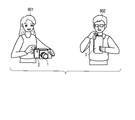
- FIG. 1C is a schematic diagram illustrating a state in which the first user operates the imaging device and the first terminal device, and the second user operates the second terminal device.
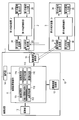
- FIG. 2 is a block diagram illustrating an outline of a configuration example of the imaging system according to the first embodiment.
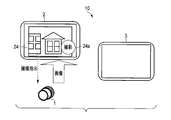
- FIG. 3 is a schematic diagram of a state in which the imaging device is performing an imaging operation under the control of the first terminal device.
- FIG. 4 is a schematic diagram of a state after a still image is taken.
- FIG. 1A is a diagram illustrating an outline of an appearance of an example of an imaging system according to the first embodiment.
- FIG. 1B is a schematic diagram illustrating a state in which a user uses a camera including an imaging device and a first terminal device
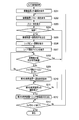
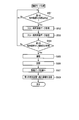
- FIG. 5 is a flowchart illustrating an example of terminal control processing according to the first embodiment.
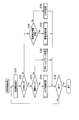
- FIG. 6 is a flowchart illustrating an example of the camera control process according to the first embodiment.
- FIG. 7 is a flowchart illustrating an example of the share mode process according to the first embodiment.
- FIG. 8 is a flowchart illustrating an example of the imaging device control process according to the first embodiment.
- FIG. 9 is a flowchart illustrating an example of the shooting mode processing according to the first embodiment.
- FIG. 10 is a flowchart illustrating an example of an image transmission process according to the first embodiment.
- FIG. 11 is a block diagram illustrating an outline of a configuration example of an imaging system according to the second embodiment.
- FIG. 12 is a flowchart illustrating an example of a terminal control process according to the second embodiment.
- FIG. 13A is a schematic diagram illustrating an example of an image displayed on the terminal display unit.
- FIG. 13B is a schematic diagram illustrating an example of an image displayed on the terminal display unit.
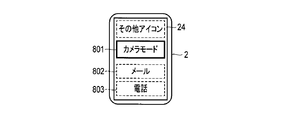
- FIG. 13C is a schematic diagram illustrating an example of an image displayed on the terminal display unit.
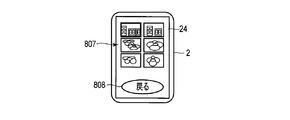
- FIG. 13D is a schematic diagram illustrating an example of an image displayed on the terminal display unit.
- FIG. 13E is a schematic diagram illustrating an example of an image displayed on the terminal display unit.
- FIG. 14 is a flowchart illustrating an example of the playback / share mode processing according to the second embodiment.
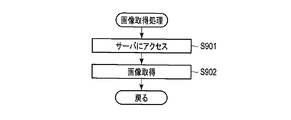
- FIG. 15 is a flowchart illustrating an example of an image acquisition process according to the second embodiment.
- FIG. 16 is a flowchart illustrating an example of a server control process according to the second embodiment.
- FIG. 1A An outline of the appearance of the imaging system 10 according to the present embodiment is shown in FIG. 1A.
- the imaging system 10 includes an imaging device 1, a first terminal device 2, and a second terminal device 3.
- the imaging device 1 is a lens type camera that includes an optical system such as a lens, an imaging device, an image processing device, and the like, but does not have a display unit, a release switch, or the like.
- the imaging device 1 is not limited to a lens-type camera, and may be a camera capable of exchanging lenses, a lens-fixed camera, or the like.
- the imaging device 1 is not limited to a consumer camera, and may be a camera related to industrial equipment such as a monitoring camera, a microscope camera, and an inspection camera.
- the imaging device 1 may be various medical observation devices. The technology according to the present embodiment can also be applied to these cameras.
- the imaging device 1 is provided with a minimum operation unit 14 such as a power switch.
- the power switch may not be necessary when the imaging apparatus 1 is driven by an AC power source or when power is generated by sunlight.
- the first terminal device 2 is a portable information terminal such as a smartphone or a tablet PC.
- the first terminal device 2 may be a wearable terminal.
- the imaging device 1 is attached to the first terminal device 2 by the attachment 8. At this time, the imaging device 1 and the first terminal device 2 function as one camera.
- the imaging device 1 and the first terminal device 2 communicate using a wireless communication method such as a wireless LAN.
- the first terminal device 2 functions as a display unit and an operation unit of the imaging device 1.
- FIG. 1B is a schematic diagram illustrating a state in which the user 900 is using a camera including the imaging device 1 and the first terminal device 2. As shown in FIG. 1B, the user 900 can operate the camera including the imaging device 1 and the first terminal device 2 in the same manner as when handling a general camera.
- the second terminal device 3 is an information terminal such as a smartphone or a tablet terminal, for example, like the first terminal device 2.
- the second terminal device 3 includes a second terminal display unit 34.
- the second terminal device 3 communicates with the imaging device 1 and the first terminal device 2 and displays an image captured by the imaging device 1 on the second terminal display unit 34. That is, the second terminal device 3 shares the images acquired by the imaging device 1 and the first terminal device 2 with the imaging device 1 and the first terminal device 2.
- the second terminal device 3 may be a smartphone, a tablet PC, or a wearable terminal, for example.
- FIG. 1C is a schematic diagram showing a state in which the first user 901 operates the imaging device 1 and the first terminal device 2 and the second user 902 operates the second terminal device 3.
- the first user 901 operates the first terminal device 2 to select an image to be shared with the second terminal device 3, and the second user 902 operates information related to the image by the second user 902.
- the second terminal device 3 operated by the second user 902 acquires the image from the imaging device 1 based on the information on the image to be shared received from the first terminal device 2.
- the imaging device 1 includes an imaging device control unit 11, an imaging unit 12, an imaging device recording unit 13, an operation unit 14, and an imaging device communication unit 15.
- the imaging device control unit 11 includes a central processing unit (CPU) or an application specific integrated circuit (ASIC) and performs various calculations.
- the imaging device control unit 11 controls the operation of each unit of the imaging device 1 and performs various image processing. The operation of the imaging device control unit 11 is performed according to a program recorded in the imaging device 1.
- the imaging unit 12 includes an optical system including a lens and a diaphragm, and an imaging element.
- the imaging unit 12 forms a subject image on the imaging surface of the imaging device using an optical system, and generates image data based on the subject image using the imaging device.
- the imaging unit 12 transmits the generated image data to the imaging device control unit 11. This image data is subjected to image processing by the imaging device control unit 11.
- the imaging device recording unit 13 is a general recording medium.
- the imaging device recording unit 13 may be fixed to the imaging device 1 or may be detachable from the imaging device 1.
- the imaging device recording unit 13 records the image data processed by the imaging device control unit 11.
- the operation unit 14 is a switch or the like provided in the imaging apparatus 1.
- the operation unit 14 receives a user instruction and transmits the instruction to the imaging apparatus control unit 11 as an operation signal.
- the operation unit 14 includes, for example, a power switch.
- the imaging device communication unit 15 performs data communication with an external device under the control of the imaging device control unit 11.
- the imaging device communication unit 15 is expressed as one element, but may include two or more devices. That is, the imaging device communication unit 15 includes, for example, a device for performing communication using Wi-Fi (registered trademark), a device for performing communication using Bluetooth (registered trademark), and Near Field Communication (NFC). Necessary devices are appropriately included among the devices for performing communication and the devices for performing communication using Transfer Jet (registered trademark).
- the imaging device control unit 11 includes an image processing unit 111, a shooting control unit 113, an image selection unit 114, an operation determination unit 115, and a communication control unit 116.
- the image processing unit 111 performs various image processing. For example, the image processing unit 111 creates an image to be transmitted to the first terminal device 2 or the second terminal device 3 based on the captured image.
- the image processing unit 111 includes a reduced image generation unit 112.
- the reduced image generation unit 112 reduces the image size of the image data. Further, the reduced image generation unit 112 performs image trimming.
- the imaging control unit 113 controls the imaging operation of the imaging unit 12.
- the image selection unit 114 reads predetermined image data from the imaging device recording unit 13 in accordance with a request from an external terminal device.
- the operation determination unit 115 determines an operation input to the operation unit 14. In addition, the operation determination unit 115 determines the operation instructed by the first terminal device 2, for example, acquired via the imaging device communication unit 15.
- the communication control unit 116 controls communication between the imaging device 1 and the first terminal device 2 or the second terminal device 3 performed via the imaging device communication unit 15.
- the first terminal device 2 includes a first terminal control unit 21, a first terminal communication unit 23, a first terminal display unit 24, and a first terminal input unit 25. And a first terminal recording unit 26.
- the first terminal control unit 21 includes, for example, a CPU and an ASIC, and controls the operation of each unit of the first terminal device 2. The operation of the first terminal control unit 21 is performed according to a program recorded in the first terminal device 2.
- the first terminal communication unit 23 communicates with an external device under the control of the first terminal control unit 21.
- the first terminal device 2 communicates with the imaging device 1 via, for example, the first terminal communication unit 23 and the imaging device communication unit 15, and the operation of the imaging device 1 from the first terminal device 2 to the imaging device 1.
- a control signal for controlling the transmission is transmitted.
- the first terminal device 2 receives image data from the imaging device 1 via the first terminal communication unit 23 and the imaging device communication unit 15.
- the first terminal device 2 communicates with the second terminal device 3 via the first terminal communication unit 23 and a second terminal communication unit 33 described later.
- the first terminal communication unit 23 uses, for example, Wi-Fi, Bluetooth, NFC, transfer jet, or the like corresponding to the imaging device communication unit 15 or the second terminal communication unit 33 of the second terminal device 3. Includes equipment for communication.
- the first terminal display unit 24 includes, for example, a liquid crystal display.
- the first terminal display unit 24 displays various images under the control of the first terminal control unit 21.
- the first terminal input unit 25 includes a touch panel, for example.
- the first terminal input unit 25 is provided on the first terminal display unit 24.
- the first terminal input unit 25 detects a touched position and outputs the detected position information to the first terminal control unit 21.
- the first terminal input unit 25 is not limited to a touch panel.
- the first terminal input unit 25 may be a keyboard or the like, may acquire a user's intention by detecting a gesture, or may use a biological signal.
- Various types of input devices can be applied to the first terminal input unit 25.
- the first terminal recording unit 26 includes a general recording device.
- the first terminal recording unit 26 records, for example, image data acquired from the imaging device 1.
- the second terminal device 3 includes a second terminal control unit 31, a second terminal communication unit 33, a second terminal display unit 34, and a second terminal input unit 35. And a second terminal recording unit 36.
- the second terminal device 3 has the same configuration as the first terminal device 2 and has the same function. That is, the second terminal control unit 31 corresponds to the first terminal control unit 21, the second terminal communication unit 33 corresponds to the first terminal communication unit 23, and the second terminal display unit 34 Corresponding to the first terminal display unit 24, the second terminal input unit 35 corresponds to the first terminal input unit 25, and the second terminal recording unit 36 corresponds to the first terminal recording unit 26. .
- the second terminal device 3 communicates with the first terminal device 2 via the second terminal communication unit 33 and the first terminal communication unit 23, for example, information about an image shared with the first terminal device 2. Replace.
- the second terminal device 3 communicates with the imaging device 1 via the second terminal communication unit 33 and the imaging device communication unit 15, and acquires image data from the imaging device 1, for example.
- the second terminal communication unit 33 corresponds to the imaging device communication unit 15 and the first terminal communication unit 23 of the first terminal device 2 and performs communication using, for example, Wi-Fi, Bluetooth, NFC, transfer jet, or the like. Including equipment to do.
- the second terminal display unit 34 displays an image based on the image data acquired from the imaging device 1.
- Wi-Fi is used as wireless communication
- communication with the imaging apparatus 1 is set to operate in an infrastructure mode that enables communication between a plurality of devices.
- the imaging device 1 operates as an access point.
- FIG. 3 schematically shows a state in which the imaging device 1 is performing an imaging operation under the control of the first terminal device 2.
- the imaging device 1 images a subject and creates through image data.
- the imaging device 1 transmits the created through image data to the first terminal device 2.
- the first terminal device 2 that has received the through image data displays the through image on the first terminal display unit 24. Since this live view display is for confirmation, real-time performance is important. For this reason, processing such as resizing, trimming, and compression may be performed to reduce the communication amount of image data during communication. Further, since communication between the first terminal device 2 and the imaging device 1 includes transmission / reception of an image having a relatively large data size, a relatively high-speed communication means such as Wi-Fi is used. Is preferred.
- the first terminal display unit 24 displays a shooting icon 24a.
- the shooting icon 24a is touched, the first terminal input unit 25 detects the touch.
- a shooting instruction is transmitted from the first terminal device 2 to the imaging device 1.
- the imaging apparatus 1 that has received the shooting instruction performs a still image capturing operation and acquires a still image.
- the imaging apparatus 1 records the acquired still image data in the imaging apparatus recording unit 13. Further, the imaging apparatus 1 transmits still image data that has been appropriately compressed to the first terminal apparatus 2.
- the first terminal device 2 displays a still image on the first terminal display unit 24 based on the received data.
- communication means such as Bluetooth, which is relatively low speed but relatively easy to connect, may be used.
- FIG. 4 shows a schematic diagram of the state after the still image is taken.
- the first terminal display unit 24 displays a share start icon 24b together with the REC view image.
- the first terminal device 2 transmits a share start instruction to the second terminal device 3.
- This share start instruction includes information necessary for acquiring a still image acquired by photographing by the imaging device 1 and the first terminal device 2.
- This information includes, for example, information on the location where still image data is stored, the file name of the still image data, connection information necessary for establishing communication between the imaging device 1 and the second terminal device 3, and the like. included. Since these pieces of information have a relatively small data size, a relatively low-speed communication unit such as Bluetooth may be used for communication between the first terminal device 2 and the second terminal device 3.
- communication means such as NFC or transfer jet may be used.
- other communication means such as Wi-Fi may be used.
- the second terminal device 3 that has received this share start instruction displays the share image request icon 34a on the second terminal display unit 34.
- the second terminal device 3 transmits a share image request instruction to the imaging device 1.
- the share image request instruction includes information indicating a still image such as a file name included in the share image start instruction.
- the imaging device 1 that has received the share image request instruction transmits image data of the still image to the second terminal device 3.
- the second terminal device 3 acquires the image data of the still image.
- the second terminal device 3 displays the acquired image on the second terminal display unit 34. In this way, the image data of the still image is shared between the first terminal device 2 and the second terminal device 3.
- image data having a relatively large data size is transmitted and received between the imaging device 1 and the second terminal device 3, communication between the imaging device 1 and the second terminal device 3 is performed in the following manner.
- a relatively high-speed communication means such as Wi-Fi is preferably used.
- communication means having a low communication speed may be used. In this case, it takes a relatively long time for the second terminal device 3 to acquire image data from the imaging device 1.
- the terminal control process shown in FIG. 5 is a process performed when the first terminal apparatus 2 and the second terminal apparatus 3 are turned on.
- step S101 the control unit of the terminal device displays an initial screen on the display unit.
- the initial screen includes a plurality of icons for exhibiting various functions of the terminal device. Each function is selected by touching the corresponding icon by the user.
- the functions exhibited by the terminal device include a camera mode that functions as the first terminal device 2 of the present embodiment. In the camera mode, the first terminal device 2 controls the imaging device 1 or performs processing for sharing the acquired image with the second terminal device 3.
- the share mode which functions as the 2nd terminal device 3 of this embodiment is contained in the function which a terminal device exhibits. In the share mode, the second terminal device 3 shares an image with the first terminal device 2.
- wireless devices such as the imaging device 1 or the second terminal device 3 described above are identified.
- step S102 the control unit of the terminal device determines whether the camera mode is selected. When it is determined that the camera mode has been selected, the process proceeds to step S103.
- step S103 the control unit of the terminal device performs camera control processing.
- the camera control process is a process in which the terminal device controls the imaging device 1 as the first terminal device 2. The camera control process will be described in detail later. After the process of step S103, the process proceeds to step S109.
- step S104 the control unit of the terminal device determines whether a share start instruction has been received. When it is determined that the share start instruction has been received, the process proceeds to step S105.
- step S105 the control unit of the terminal device performs a share mode process.
- the share mode process is a process in which the terminal device shares an image with the first terminal device 2 as the second terminal device 3. The share mode process will be described in detail later. After step S105, the process proceeds to step S109.
- step S104 If it is determined in step S104 that a share start instruction has not been received, the process proceeds to step S106.
- step S106 the control unit of the terminal device determines whether or not the playback mode has been selected. If it is determined that the playback mode has been selected, the process proceeds to step S107.
- step S107 the control unit of the terminal apparatus executes a playback mode process.
- the control unit of the terminal device communicates with the imaging device 1 and performs processing related to playback of an image recorded in the imaging device recording unit 13 of the imaging device 1. That is, for example, the control unit of the terminal device acquires thumbnail images of images recorded from the imaging device 1, displays a list of thumbnail images on the display unit, or selects an image selected from the thumbnail images from the imaging device 1. Acquire and display the image on the display unit, or record the acquired image on the recording unit of the terminal device. Thereafter, the process proceeds to step S109.
- step S108 the control unit of the terminal device performs processing for exhibiting functions other than camera control processing and share mode processing.
- This function includes various functions that can be executed by the mobile terminal. For example, Internet browsing, transmission / reception of e-mail, a call function, a game function, and the like are included. Description of these functions is omitted.
- step S109 the process proceeds to step S109.
- step S109 the control unit of the terminal device determines whether or not an input for ending the terminal control process has been made, for example, an operation of turning off the power. If the terminal control process is not terminated, the process returns to step S101. On the other hand, when the process ends, the terminal control process ends.
- the camera control process is a process when the terminal device functions as the first terminal device 2.
- step S201 the first terminal control unit 21 makes a communication request to the imaging device 1.
- the imaging device 1 responds to this communication request, and communication between the first terminal device 2 and the imaging device 1 is established.
- the communication between the first terminal device 2 and the imaging device 1 can be performed, for example, in a Wi-Fi infrastructure mode using the imaging device 1 as an access point.
- step S202 the first terminal control unit 21 requests the imaging device 1 for a through image.
- the imaging device 1 Upon receiving this request, the imaging device 1 performs an imaging operation, creates live view data, and starts sending the created live view data to the first terminal device 2.
- the data of the through image is compressed for the through image, and the image size is reduced.
- step S ⁇ b> 203 the first terminal control unit 21 receives the live view image data from the imaging device 1, and causes the first terminal display unit 24 to display the live view image based on the live view image data. .
- step S204 the first terminal control unit 21 determines whether or not the shooting icon 24a is touched, that is, whether or not execution of shooting is instructed. When it is determined that the shooting icon 24a has not been touched, the process proceeds to step S213. When it is determined that the shooting icon 24a has been touched, the process proceeds to step S205.
- the first terminal control unit 21 transmits a shooting instruction to the imaging device 1.
- the imaging device 1 performs an imaging operation in accordance with this shooting instruction.
- the imaging device 1 records the obtained image in the imaging device recording unit 13. Further, in order to transmit the image data obtained by the imaging to the first terminal device 2, the imaging device 1 compresses the image data to a size suitable for transmission, and the compressed image data (reduced image data) is the first terminal. Transmit to device 2.
- the photographing instruction transmitted from the first terminal device 2 to the imaging device 1 includes information on the image size required by the first terminal device 2. This image size may be based on the screen size of the first terminal display unit 24, for example. By appropriately changing the image size, the communication load between the first terminal device 2 and the imaging device 1 is reduced.
- step S206 the first terminal control unit 21 receives the reduced image data from the imaging device 1.
- the first terminal control unit 21 displays a reduced image on the first terminal display unit 24 based on the received reduced image data.
- the captured image is displayed in rec view on the first terminal display unit 24.
- this REC view display the user can confirm an image acquired by photographing.
- step S207 the first terminal control unit 21 causes the first terminal display unit 24 to display the share start icon 24b.
- the share start icon 24b is an icon that is touched when sharing an image obtained by shooting with another terminal device.
- step S208 the first terminal control unit 21 determines whether or not a predetermined time has elapsed since the reduced image was displayed on the first terminal display unit 24 in step S206. When it is determined that the predetermined time has elapsed, the process proceeds to step S213. On the other hand, when it is determined that the predetermined time has not elapsed, the process proceeds to step S209.
- step S209 the first terminal control unit 21 determines whether or not the share start icon 24b is touched. When it is determined that the share start icon 24b is not touched, the process returns to step S208. That is, the processes in step S208 and step S209 are repeated until the share start icon 24b is touched or a predetermined time elapses. On the other hand, when it is determined that the share start icon 24b is touched, the process proceeds to step S210.
- step S210 the first terminal control unit 21 transmits a communication request to the second terminal device 3.
- communication between the first terminal device 2 and the second terminal device 3 is started.
- Communication between the first terminal apparatus 2 and the second terminal apparatus 3 can be performed in, for example, a Wi-Fi ad hoc mode.
- step S211 the first terminal control unit 21 determines whether communication with the second terminal device 3 has been established. When it is determined that communication with the second terminal device 3 has not been established, the process repeats step S211 and waits until communication is established. On the other hand, when it is determined that communication with the second terminal device 3 is established, the process proceeds to step S212.
- step S212 the first terminal control unit 21 transmits a share start instruction to the second terminal device 3.
- the share start instruction is used to establish information for specifying the imaging device 1, information for specifying an image to be shared, and communication between the imaging device 1 and the second terminal device 3. Contains necessary connection information. Thereafter, the process proceeds to step S213.
- step S213 the first terminal control unit 21 determines whether to end the camera mode. If it is determined not to end the camera mode, the process returns to step S202. When it is determined to end the camera mode, the camera control process ends, and the process returns to the terminal control process described with reference to FIG.
- the share mode process is a process for the terminal device to function as the second terminal device 3.
- step S301 the second terminal control unit 31 receives a share start instruction from the first terminal device 2.
- This instruction is necessary for establishing information for specifying the imaging device 1, information for specifying an image to be shared, and communication between the imaging device 1 and the second terminal device 3. Contains connection information.
- step S302 the second terminal control unit 31 establishes communication between the imaging device 1 and the second terminal device 3.
- the second terminal control unit 31 starts transmitting a communication request to the imaging device 1 based on information for specifying the imaging device 1 included in the share start instruction.
- the imaging device 1 responds to this communication request, and communication between the second terminal device 3 and the imaging device 1 starts.
- Communication between the imaging device 1 and the second terminal device 3 can be performed in, for example, a Wi-Fi infrastructure mode using the imaging device 1 as an access point.
- the second terminal control unit 31 transmits an image request signal to the imaging device 1 based on information for specifying an image to be shared included in the share start instruction.
- the image request signal includes information for specifying an image designated by the first terminal device 2 and information such as an image size desired to be received.
- the imaging device 1 that has received the image request signal creates image data of a desired size based on the image data recorded in the imaging device recording unit 13, and uses the created image data as the second terminal device 3. Send to.
- step S304 the second terminal control unit 31 receives image data from the imaging apparatus 1.
- step S305 the second terminal control unit 31 causes the second terminal display unit 34 to display an image based on the image data received in step S304.
- the received image data may be recorded in the second terminal recording unit 36.
- the imaging device control process shown in FIG. 8 starts when the imaging device 1 is turned on, for example.
- step S401 the imaging device control unit 11 determines whether or not the power of the imaging device 1 is on. When it is determined that the power is not on, the imaging device control process ends. On the other hand, when it is determined that the power is on, the process proceeds to step S402. In step S402, the imaging device 1 operates as an access point as described above, and Wi-Fi communication operates in the infrastructure mode. In step S402, the imaging device control unit 11 waits for a communication request from the terminal device.
- step S403 the imaging device control unit 11 determines whether there is an access related to the shooting mode from the terminal device.
- the access related to the shooting mode is a communication request that the first terminal device 2 makes to cause the imaging device 1 to perform shooting in the camera control process.
- the process proceeds to step S404.
- step S404 the imaging device control unit 11 performs shooting mode processing.
- the imaging device 1 performs an imaging operation, transmits a through image to the first terminal device 2, acquires and records a still image, and transmits the rec view image to the first terminal device 2. It is processing to do.
- the shooting mode process will be described in detail later. After the shooting mode process, the process returns to step S401.
- step S403 If it is determined in step S403 that there is no access related to the shooting mode, the process proceeds to step S405.
- step S405 the imaging device control unit 11 determines whether there is an access related to the share mode.
- the access related to the share mode is a communication request that the second terminal device 3 makes to request an image from the imaging device 1 in the share mode process.
- step S406 the process proceeds to step S406.
- step S406 the imaging device control unit 11 performs an image transmission process.
- the image transmission process is a process of transmitting a requested image to the second terminal device 3 in response to a request from the second terminal device 3.
- the image transmission process will be described later in detail.
- the process returns to step S401. Here, it was written in response to a request from the second terminal device 3, but of course, it may be transmitted to the second terminal device 3 in a push type assuming that there is a request.
- step S405 When it is determined in step S405 that there is no access related to the share mode, the process proceeds to step S407.
- step S407 the imaging device control unit 11 determines whether there is an access related to the playback mode.
- the access related to the reproduction mode is a communication request that the terminal device makes to request an image from the imaging apparatus 1 in the reproduction mode process.
- the process returns to step S401.
- step S408 the process proceeds to step S408.
- step S408 the imaging device control unit 11 performs an image reproduction process.
- an image recorded in the imaging device recording unit 13 is transmitted to the terminal device in response to a request from the terminal device. Description of the image reproduction process is omitted. After the image reproduction process, the process returns to step S401.
- the shooting mode process is executed when the first terminal apparatus 2 starts controlling the imaging apparatus 1 by the camera control process.
- step S501 the imaging device control unit 11 determines whether communication with the first terminal device 2 has been established.
- the first terminal device 2 requests communication with the imaging device 1 in step S201 of the camera control process, and transmits a shooting mode instruction in step S202.
- the imaging device 1 starts communication with the first terminal device 2 in response to these requests.
- the process returns to step S501 and attempts to establish communication with the first terminal device 2.
- the process proceeds to step S502.
- the imaging device control unit 11 starts imaging in step S502 and acquires through image data by imaging. To do. That is, in the imaging unit 12, a subject image is formed on the imaging surface of the imaging element by light incident through the optical system. The imaging unit 12 generates image data based on the subject image, and the imaging device control unit 11 acquires the image data. The imaging device control unit 11 performs image processing on the image data acquired from the imaging element for a through image. This image processing includes image reduction. As described above, the imaging device control unit 11 generates through image data by image processing.
- step S503 the imaging device control unit 11 transmits the live view image data to the first terminal device 2.
- the first terminal device 2 that has received the image data displays a through image in step S206.
- step S504 the imaging device control unit 11 determines whether a shooting instruction is received from the first terminal device 2.
- This photographing instruction is a photographing instruction transmitted by the first terminal device 2 in step S205.
- the process returns to step S501.
- the process proceeds to step S505.
- step S505 the imaging device control unit 11 causes the imaging unit 12 to perform an imaging operation.
- step S ⁇ b> 506 the imaging device control unit 11 records the image data acquired by shooting in the imaging device recording unit 13.
- step S507 the imaging device control unit 11 reduces the image size of the image data acquired by shooting.
- step S508 the imaging device control unit 11 transmits the reduced image data obtained in step S507 to the first terminal device 2. Thereafter, the shooting mode process ends, and the process returns to the imaging device control process described with reference to FIG.
- step S406 the image transmission process performed in step S406 will be described with reference to the flowchart shown in FIG.
- the image transmission process is performed when the second terminal apparatus 3 starts requesting an image from the imaging apparatus 1 by the share mode process.
- step S601 the imaging device control unit 11 determines whether communication with the second terminal device 3 has been established.
- the second terminal device 3 requests communication with the imaging device 1 in step S302 of the share mode process, and transmits a share image request instruction in step S303.
- the imaging device 1 starts communication with the second terminal device 3 in response to these requests.
- the process returns to step S601 and attempts to establish communication with the second terminal device 3.
- the process proceeds to step S602.
- the imaging device 1 When communication between the imaging device 1 and the second terminal device 3 is established, the imaging device 1 performs the process of step S602 based on the share image request instruction.
- the share image request instruction includes information for specifying the image requested by the second terminal device 3 and information on the image size requested by the second terminal device 3.
- step S602 the imaging device control unit 11 reduces the requested image to the requested size.
- step S ⁇ b> 603 the imaging device control unit 11 transmits the image data reduced in step S ⁇ b> 602 to the second terminal device 3. In this way, the second terminal device 3 acquires an image shared with the first terminal device 2. Thereafter, the shooting mode process ends, and the process returns to the imaging device control process described with reference to FIG.
- the communication load is reduced as a whole system. That is, the first terminal device 2 controls the imaging operation of the imaging device 1, but the through image and the REC view image necessary here are compressed to an appropriate size from the imaging device 1 to the first image. It is transmitted to the terminal device 2.
- an image acquired by shooting is shared between the first terminal device 2 and the second terminal device 3, but this image is transmitted from the imaging device 1 to the second terminal device 3. . That is, the image is transmitted from the imaging device 1 in which the image is recorded to the second terminal device 3 without going through the first terminal device 2. At this time, not the image data itself but only information necessary for specifying an image is transmitted and received between the first terminal device 2 and the second terminal device 3.
- Information for identifying an image is much smaller in size than image data.
- the transmitted image is adjusted to the image size required by the second terminal device 3.
- the technique according to the present embodiment is particularly effective when communication between apparatuses is performed by wireless communication in which communication speed is often limited. By considering such points, it is possible to reduce the stress on the user.
- the image acquired by the second terminal device 3 may not be completely the same as the image acquired by the first terminal device 2. That is, for example, the image acquired by the second terminal device 3 may be a trimmed part of the image acquired under the control of the first terminal device 2.
- the first terminal apparatus 2 acquires a trimming instruction from the user in the REC view display after shooting.
- the information related to the trimming acquired here is included in the share start instruction transmitted from the first terminal device 2 to the second terminal device 3.
- the second terminal device 3 transmits information related to trimming acquired from the first terminal device 2 to the imaging device 1.
- the imaging device 1 trims the image to be shared based on the information related to the trimming, and transmits the trimmed image to the second terminal device 3.
- trimming but also processing information related to the content or type of image processing such as color tone is transmitted from the first terminal device 2 to the second terminal device 3, and an image processed based on this information is The image may be transmitted from the imaging device 1 to the second terminal device 3.
- the image transmitted from the imaging device 1 to the second terminal device 3 may be an image obtained by performing various image processes on the captured image.
- the first terminal device 2 and the second terminal device 3 share an image of the captured image immediately after imaging by the imaging device 1.
- an image selected in a playback mode performed by the imaging device 1 and the first terminal device 2 may be shared with the second terminal device 3.
- the first terminal device 2 requests the image capturing device 1 for thumbnail images of images recorded in the image capturing device recording unit 13 and displays the thumbnail images in a list on the first terminal display unit 24.
- the image selected here is shared with the second terminal device 3.
- the selected image data is transmitted from the imaging device 1 to the second terminal device 3.
- the communication load of the first terminal device 2 is particularly reduced.
- the second terminal device 3 has been described as a terminal having the same configuration and function as the first terminal device 2.
- the second terminal device may be a printer or the like. That is, when the first terminal device 2 causes the imaging device 1 to take a picture and wants to print the obtained image, the first terminal device 2 obtains the image from the imaging device 1 by the printer and displays the image. Instruct to print.
- the printer acquires the image data designated from the imaging device 1 based on the information obtained from the first terminal device 2, and prints the image. For example, in order to print a high-definition image with a printer, the image data transmitted from the imaging device 1 to the printer is image data with a large amount of information.
- the second terminal device 3 may be a high-definition display device such as 4K or 8K. Further, what corresponds to the second terminal device 3 is not limited to various terminals, and may be a system including a plurality of devices. In this case, the same configuration and operation as those described above can be used.
- the imaging device may be a general digital camera.
- a tablet terminal as a first terminal device selects and specifies processing for an image recorded in a digital camera
- a printer as a second terminal device performs an image specified by the tablet terminal and a specified processing.
- the technique of the present embodiment can be used when the image data is received and printed.
- the first terminal device and the second terminal device may be any device.
- the first terminal device and the second terminal device are external devices when viewed from the imaging device, and correspond to the first external device and the second external device, respectively.
- Wi-Fi is mainly used as wireless communication
- the Bluetooth multi-pairing mode may be used, or NFC, transfer jet, or the like may be used in combination.
- another method may be used.
- ZigBee registered trademark
- Z-Wave registered trademark
- a mobile communication system such as 3G or LTE including W-CDMA (registered trademark) may be used.
- optical wireless communication including infrared communication such as IrDA may be used.
- FIG. 1 An outline of a configuration example of the present embodiment is shown in FIG.
- an image to be shared is recorded in the server 4 via the network 9.
- the image recorded in the server 4 is transmitted to these devices in response to requests from other devices such as the second terminal device 3 and the printer 5.
- the server 4 includes a server control unit 41, a server communication unit 43, and a server recording unit 46.
- the server communication unit 43 communicates with various devices via the network 9.
- the server recording unit 46 records data acquired via the network 9. Data recorded in the server recording unit 46 is transmitted to various terminals in response to requests via the network 9.
- the server control unit 41 controls the operation of each unit of the server 4.
- the server control unit 41 includes an access determination unit 411, a communication control unit 412, and an album creation unit 413.
- the access determination unit 411 determines a terminal that accesses the server 4.
- the communication control unit 412 controls communication performed via the server communication unit 43.
- the album creating unit 413 controls operations related to creating an album created on the server 4.
- the album creating unit 413 creates an album by associating a plurality of images recorded in the server 4 based on an instruction from a terminal that accesses the server 4.
- the terminal control processing performed by the first terminal device 2 and the second terminal device 3 according to the present embodiment will be described with reference to the flowchart shown in FIG. Examples of images displayed on the terminal display unit will be described with reference to FIGS. 13A to 13E.
- step S701 the terminal control unit displays an initial screen on the terminal display unit. For example, an image as shown in FIG. 13A is displayed on the terminal display unit. That is, various icons are displayed on the terminal display unit.
- This icon includes a camera mode icon 801 for communicating with the imaging apparatus 1 and controlling the operation of the imaging apparatus 1, a mail icon 802 for exhibiting a mail function, and a telephone icon 803 for exhibiting a call function. Etc. are included.
- step S702 the terminal control unit determines whether the camera mode is selected.
- the process proceeds to step S703.
- the terminal device functions as the first terminal device 2.
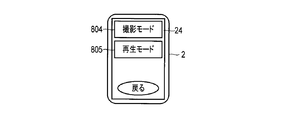
- the camera mode for example, a screen as shown in FIG. 13B is displayed on the first terminal display unit 24. This screen includes a shooting mode icon 804 for causing the imaging apparatus 1 to perform an imaging operation, and a playback mode icon 805 for causing the imaging apparatus 1 to perform a playback operation.
- step S703 the first terminal control unit 21 determines whether or not the shooting mode icon 804 is touched to select the shooting mode. When the shooting mode is selected, the process proceeds to step S704.
- step S704 the first terminal control unit 21 performs a camera control process.
- the camera control process is the process described with reference to FIG. 6 as in the first embodiment described above, for example. In the camera control process according to the present embodiment, it is not necessary to communicate with the second terminal device 3 in order to implement the share mode after taking a still image.
- an image as shown in FIG. 13C is displayed on the first terminal display unit 24. That is, the first terminal display unit 24 displays a through image 806 and a shooting icon 24a for shooting.
- the process proceeds to step S709.
- step S703 When it is determined in step S703 that the shooting mode is not selected, the process proceeds to step S705.
- step S705 the first terminal control unit 21 executes playback / share mode processing.
- the reproduction / share mode processing will be described with reference to the flowchart shown in FIG.
- step S801 the first terminal control unit 21 requests the image list from the imaging device 1.
- the imaging device 1 requested for the image list transmits a thumbnail image of the image recorded in the imaging device recording unit 13 to the first terminal device 2.
- step S802 the first terminal control unit 21 displays a list of received thumbnail images on the first terminal display unit 24. For example, an image as illustrated in FIG. 13D is displayed on the first terminal display unit 24. That is, a list of a plurality of thumbnail images 807 is displayed on the first terminal display unit 24.
- step S803 the first terminal control unit 21 determines whether an image is selected. If no image is selected, the process proceeds to step S804. In step S804, the first terminal control unit 21 determines whether or not the return icon 808 has been touched. When the return icon 808 is not touched, the process returns to step S802. On the other hand, when it is determined that the return icon has been touched, the playback / share mode process ends, and the process returns to the terminal control process described with reference to FIG.
- step S803 When it is determined in step S803 that an image has been selected, the process proceeds to step S805.
- step S805 the first terminal control unit 21 requests the enlarged image of the selected image from the imaging device 1. Upon receiving this request, the imaging device 1 transmits an enlarged image of the selected image to the first terminal device 2.
- step S806 the first terminal control unit 21 displays the enlarged image received from the imaging device 1 on the first terminal display unit 24.
- an image as shown in FIG. 13E is displayed on the first terminal display unit 24. That is, the selected image 809 is displayed.
- an image sharing service icon 810 for executing the image sharing service is displayed.
- step S807 the first terminal control unit 21 determines whether the image sharing service icon 810 has been touched and an image sharing service has been selected. If it is determined that the image sharing service has been selected, the process proceeds to step S808.
- the first terminal control unit 21 transmits information related to the currently selected image to the server 4. That is, for the selected image, the first terminal control unit 21 includes image designation information for specifying the image, image processing information indicating information about processing to be performed on the image, and the imaging device 1.
- the imaging device information for specifying is transmitted to the server 4.
- the server 4 that has received this information communicates with the imaging apparatus 1, transmits the image designation information and the image processing information to the imaging apparatus 1, and is designated by the imaging apparatus 1 based on the image processing information. Get an image.
- step S809 the first terminal control unit 21 transmits the image designation information to the second terminal device 3 by e-mail. Thereafter, the playback / share mode process ends, and the process returns to the terminal control process.
- step S807 If it is determined in step S807 that the image sharing service has not been selected, the process proceeds to step S810.
- step S810 the first terminal control unit 21 performs processing other than the image sharing service. Here, the description is omitted.
- step S810 the playback / share mode process ends, and the process returns to the terminal control process.
- step S709 the description of the terminal control process will be continued. After the reproduction / share mode process, the process proceeds to step S709.
- step S702 When it is determined in step S702 that the camera mode is not selected, the process proceeds to step S706.
- the terminal control unit determines whether image designation information has been received by e-mail. If it is determined that the e-mail is received, the process proceeds to step S707.
- step S707 the terminal control unit performs an image acquisition process.
- the terminal device functions as a second terminal device 3 that acquires an image captured by the imaging device 1 as an image to be shared.
- the image acquisition process will be described with reference to the flowchart shown in FIG.
- step S901 the second terminal control unit 31 accesses the server 4 based on the image designation information received by e-mail.
- step S ⁇ b> 902 the second terminal control unit 31 requests the server 4 for image data of the image specified from the server 4 based on the image specifying information, and acquires the image data from the server 4. Thereafter, the image acquisition process ends.
- the second terminal device 3 acquires from the server 4 an image acquired by the imaging device 1 and desired to be shared by the first terminal device 2 based on the image designation information. can do. In this way, images are shared between the first terminal device 2 and the second terminal device 3. Thereafter, the image acquisition process ends, and the process returns to the terminal control process described with reference to FIG.
- step S706 If it is determined in step S706 that image designation information has not been received, the process proceeds to step S708.
- step S708 the terminal control unit performs other processing other than the above-described processing. Description of other processing is omitted here. After the process of step S708, the process proceeds to step S709.
- step S709 the terminal control unit determines whether to end the terminal control process. When it is determined not to end the terminal control process, the process returns to step S701. On the other hand, when it is determined to end the terminal control process, the terminal control process ends.
- step S1001 the server control unit 41 determines whether an instruction to acquire an image has been input.
- step S808 of the reproduction / share mode process performed by the first terminal device 2 when image designation information or the like is transmitted to the server 4, an instruction to acquire an image is input. If it is determined that an instruction to acquire an image has been input, the process proceeds to step S1002.
- step S ⁇ b> 1002 the server control unit 41 identifies the imaging device 1 based on the information about the imaging device acquired from the first terminal device 2, and communicates with the imaging device 1.
- the server control unit 41 transmits the image designation information and the image processing information to the imaging device 1, and acquires image data processed based on the image processing information from the imaging device 1. Thereafter, the process returns to step S1001.
- step S1001 If it is determined in step S1001 that an instruction to acquire an image has not been input, the process proceeds to step S1003.
- step S1003 the server control unit 41 determines whether an image transmission request has been made.
- the image transmission request is a request for image data of a predetermined image that is performed in the image acquisition process performed by the second terminal device 3. If it is determined that an image transmission request has been made, the process proceeds to step S1004.
- step S ⁇ b> 1004 the server control unit 41 transmits the requested image data in response to a request from the second terminal device 3. Thereafter, the process returns to step S1001.
- an example is shown in which the second terminal device 3 requests the server 4 to transmit an image.
- the image is sent by some prior contract or the like, even if there is no request, as in the case of an advertisement or the like. is assumed. In such a case, the total communication amount is reduced by the same concept. That is, this embodiment can be applied to such a case. That is, the “request” may be issued from either side, and the actual communication timing is not limited to that described here, and may be performed anytime. The “request” may be performed under specific conditions, for example, when the terminal is not used for other purposes or when the communication state is stable.
- step S1003 When it is determined in step S1003 that an image transmission request has not been made, the process proceeds to step S1005.
- step S1005 the server control unit 41 performs other processing. Description of other processing is omitted here. After the process of step S1005, the process returns to step S1001.
- the server 4 is not limited to the transmission request from the second terminal device 3, and transmits the requested image to the device in response to the transmission request for the image recorded in the server recording unit 46 made from various devices.
- an image print service is realized by providing image data in response to a request from the printer 5.
- the image may be provided by a PC connected to a printer, or may constitute a system.
- an observation device or a display device may be used.
- images acquired by the first terminal device 2 and the imaging device 1 are recorded in the server 4.
- the recorded image is transmitted from the server 4 to the terminal device when requested by the terminal device designated by the first terminal device 2.
- the image acquired by the imaging device 1 is shared with other devices.
- the communication load on the first terminal device 2 and the like decreases.
- the other device acquires information about the image to be shared from the first terminal device 2, it is prevented that a terminal device not related to the first terminal device 2 acquires the image, and privacy is reduced. The effect of being maintained is also obtained.
- the server 4 requests an image from the imaging device 1 based on information from the first terminal device 2
- the present invention is not limited thereto.
- the system may be configured such that the imaging device 1 transmits a designated image to the server 4 based on an instruction from the first terminal device 2.
- the control mainly described in the flowchart can be realized using a program.
- This program can be stored in a recording medium or a recording unit.
- This recording medium or recording unit There are various methods of recording on this recording medium or recording unit, which may be recorded at the time of product shipment, may be recorded using a distributed recording medium, or may be recorded using download via the Internet. May be.
Landscapes
- Engineering & Computer Science (AREA)
- Multimedia (AREA)
- Signal Processing (AREA)
- Human Computer Interaction (AREA)
- General Engineering & Computer Science (AREA)
- Computing Systems (AREA)
- Physics & Mathematics (AREA)
- Astronomy & Astrophysics (AREA)
- General Physics & Mathematics (AREA)
- Studio Devices (AREA)
- Television Signal Processing For Recording (AREA)
Abstract
L'invention concerne un dispositif de capture d'image (1) qui comporte une unité de capture d'image (12), une unité d'enregistrement (13), une unité de communication (15), une unité de traitement d'image (111) et une unité de commande de communication (116). L'unité de capture d'image (12) génère des premières données d'image par prise d'une image. L'unité d'enregistrement (13) enregistre les premières données d'image. L'unité de communication (15) réalise une communication de données avec un premier dispositif externe (2) et un second dispositif externe (3). L'unité de traitement d'image (111) génère des secondes données d'image sur la base des premières données d'image. L'unité de commande de communication (116) amène l'unité de communication (15) à transmettre les secondes données d'image au premier dispositif externe (2) en réponse à une requête provenant du premier dispositif externe (2) et à transmettre des données d'image concernant les premières données d'image au second dispositif externe (3) en réponse à une requête qui est réalisée sur la base d'une communication avec le premier dispositif externe (2) et le second dispositif externe (3).
Priority Applications (3)
| Application Number | Priority Date | Filing Date | Title |
|---|---|---|---|
| JP2015560890A JP6058172B2 (ja) | 2014-07-15 | 2015-06-10 | 撮像装置、撮像システム、撮像装置の制御方法、及び撮像装置の制御プログラム |
| CN201580004143.2A CN105900052B (zh) | 2014-07-15 | 2015-06-10 | 摄像装置、摄像系统、摄像装置的控制方法和摄像装置的控制程序 |
| US15/182,829 US10021253B2 (en) | 2014-07-15 | 2016-06-15 | Imaging apparatus, imaging system, control method for imaging apparatus, and recording medium storing control program used for controlling imaging apparatus |
Applications Claiming Priority (2)
| Application Number | Priority Date | Filing Date | Title |
|---|---|---|---|
| JP2014145322 | 2014-07-15 | ||
| JP2014-145322 | 2014-07-15 |
Related Child Applications (1)
| Application Number | Title | Priority Date | Filing Date |
|---|---|---|---|
| US15/182,829 Continuation US10021253B2 (en) | 2014-07-15 | 2016-06-15 | Imaging apparatus, imaging system, control method for imaging apparatus, and recording medium storing control program used for controlling imaging apparatus |
Publications (1)
| Publication Number | Publication Date |
|---|---|
| WO2016009751A1 true WO2016009751A1 (fr) | 2016-01-21 |
Family
ID=55078253
Family Applications (1)
| Application Number | Title | Priority Date | Filing Date |
|---|---|---|---|
| PCT/JP2015/066732 Ceased WO2016009751A1 (fr) | 2014-07-15 | 2015-06-10 | Dispositif de capture d'image, système de capture d'image, procédé de commande pour un dispositif de capture d'image et programme de commande pour un dispositif de capture d'image |
Country Status (4)
| Country | Link |
|---|---|
| US (1) | US10021253B2 (fr) |
| JP (1) | JP6058172B2 (fr) |
| CN (1) | CN105900052B (fr) |
| WO (1) | WO2016009751A1 (fr) |
Cited By (1)
| Publication number | Priority date | Publication date | Assignee | Title |
|---|---|---|---|---|
| JP2023057120A (ja) * | 2019-04-29 | 2023-04-20 | 株式会社センシンロボティクス | 飛行体の制御に関する情報表示方法 |
Families Citing this family (3)
| Publication number | Priority date | Publication date | Assignee | Title |
|---|---|---|---|---|
| CN111464737B (zh) | 2020-03-31 | 2022-03-04 | 维沃移动通信有限公司 | 一种电量指示方法及电子设备 |
| US20220353395A1 (en) * | 2021-04-30 | 2022-11-03 | Shenzhen Yongnuo Photographic Equipment Co., Ltd. | Camera based on network communication |
| US11856289B1 (en) * | 2023-06-12 | 2023-12-26 | Yes Yes Media Limited | Portable media capture device |
Citations (4)
| Publication number | Priority date | Publication date | Assignee | Title |
|---|---|---|---|---|
| JP2004179919A (ja) * | 2002-11-27 | 2004-06-24 | Fuji Photo Film Co Ltd | 画像仲介システム |
| JP2012099889A (ja) * | 2010-10-29 | 2012-05-24 | Olympus Imaging Corp | カメラ、撮影方法、撮影プログラム |
| JP2013110738A (ja) * | 2011-10-27 | 2013-06-06 | Panasonic Corp | 画像通信装置および撮像装置 |
| JP2014093716A (ja) * | 2012-11-06 | 2014-05-19 | Canon Inc | 画像処理装置、画像処理システム、画像処理方法及びプログラム |
Family Cites Families (10)
| Publication number | Priority date | Publication date | Assignee | Title |
|---|---|---|---|---|
| US9124729B2 (en) * | 2005-01-31 | 2015-09-01 | The Invention Science Fund I, Llc | Shared image device synchronization or designation |
| JPWO2007032394A1 (ja) * | 2005-09-13 | 2009-03-19 | 株式会社ニコン | データ通信装置、電子カメラおよびデータ通信システム |
| JP5245257B2 (ja) * | 2006-11-22 | 2013-07-24 | ソニー株式会社 | 画像表示システム、表示装置、表示方法 |
| JP2009151548A (ja) | 2007-12-20 | 2009-07-09 | Canon Inc | カメラダイレクト印刷機能を持つ画像形成装置 |
| JP5351593B2 (ja) * | 2009-04-15 | 2013-11-27 | キヤノン株式会社 | ファイル管理装置およびその制御方法 |
| KR101957951B1 (ko) * | 2010-09-17 | 2019-03-13 | 구글 엘엘씨 | 컴퓨팅 디바이스들 사이에서 정보를 이동시키기 위한 방법들 및 시스템들 |
| JP5967473B2 (ja) * | 2011-06-03 | 2016-08-10 | パナソニックIpマネジメント株式会社 | 撮像装置及び撮像システム |
| JP6139829B2 (ja) * | 2012-07-20 | 2017-05-31 | キヤノン株式会社 | 情報処理装置およびその制御方法、プログラム |
| US9584705B2 (en) * | 2013-03-14 | 2017-02-28 | Google Inc. | Wearable camera systems |
| CN105208913A (zh) * | 2013-03-15 | 2015-12-30 | 默罕默德·加利宁 | 管道镜装置和使用其的方法 |
-
2015
- 2015-06-10 WO PCT/JP2015/066732 patent/WO2016009751A1/fr not_active Ceased
- 2015-06-10 JP JP2015560890A patent/JP6058172B2/ja active Active
- 2015-06-10 CN CN201580004143.2A patent/CN105900052B/zh not_active Expired - Fee Related
-
2016
- 2016-06-15 US US15/182,829 patent/US10021253B2/en active Active
Patent Citations (4)
| Publication number | Priority date | Publication date | Assignee | Title |
|---|---|---|---|---|
| JP2004179919A (ja) * | 2002-11-27 | 2004-06-24 | Fuji Photo Film Co Ltd | 画像仲介システム |
| JP2012099889A (ja) * | 2010-10-29 | 2012-05-24 | Olympus Imaging Corp | カメラ、撮影方法、撮影プログラム |
| JP2013110738A (ja) * | 2011-10-27 | 2013-06-06 | Panasonic Corp | 画像通信装置および撮像装置 |
| JP2014093716A (ja) * | 2012-11-06 | 2014-05-19 | Canon Inc | 画像処理装置、画像処理システム、画像処理方法及びプログラム |
Cited By (1)
| Publication number | Priority date | Publication date | Assignee | Title |
|---|---|---|---|---|
| JP2023057120A (ja) * | 2019-04-29 | 2023-04-20 | 株式会社センシンロボティクス | 飛行体の制御に関する情報表示方法 |
Also Published As
| Publication number | Publication date |
|---|---|
| US10021253B2 (en) | 2018-07-10 |
| CN105900052B (zh) | 2019-04-05 |
| JP6058172B2 (ja) | 2017-01-11 |
| US20160301814A1 (en) | 2016-10-13 |
| CN105900052A (zh) | 2016-08-24 |
| JPWO2016009751A1 (ja) | 2017-04-27 |
Similar Documents
| Publication | Publication Date | Title |
|---|---|---|
| KR102134125B1 (ko) | 통신장치, 통신장치의 제어방법 및 기억매체 | |
| JP6080561B2 (ja) | 生成機器、制御方法、及びプログラム | |
| JP7028117B2 (ja) | 情報処理システム、情報処理装置、情報処理方法及びプログラム | |
| US20150101064A1 (en) | Information processing apparatus, information processing method and program | |
| JP2016123137A (ja) | 画像通信装置および撮像装置 | |
| JP2011041155A (ja) | 画像処理装置及びその制御方法と通信システム | |
| JP2013214959A (ja) | 通信装置 | |
| JP6058172B2 (ja) | 撮像装置、撮像システム、撮像装置の制御方法、及び撮像装置の制御プログラム | |
| JP6642982B2 (ja) | 通信装置、通信装置の制御方法、プログラム | |
| CN109104564B (zh) | 一种拍摄提示方法及终端设备 | |
| CN113726521A (zh) | 通信方法、装置、电子设备及可读存储介质 | |
| JP7175634B2 (ja) | 通信装置、制御方法およびプログラム | |
| JP2014195877A (ja) | 印刷装置、印刷システム、および印刷システムの制御方法 | |
| US10289941B2 (en) | Printing apparatus that prints images received from a plurality of external apparatuses, method of controlling the same, and storage medium | |
| JP7604152B2 (ja) | 通信装置、通信装置の制御方法、プログラム | |
| JP2020087178A (ja) | 情報処理装置、情報処理システム、情報処理方法及びプログラム | |
| JP6620884B2 (ja) | サービス提供システム、サービス授受システム、サービス提供方法、及びプログラム | |
| JP5562101B2 (ja) | 撮像装置、撮像装置の制御方法及びプログラム | |
| US11076010B2 (en) | Service providing system, service delivery system, service providing method, and non-transitory recording medium | |
| JP2017033252A (ja) | 情報取得装置、それを含む情報取得システム、情報取得装置の制御方法、及び情報取得装置のためのプログラム | |
| JP6882012B2 (ja) | 通信装置、通信装置の制御方法、及び、プログラム | |
| US20130227063A1 (en) | Communication device, communication method, and non-transitory computer-readable recording medium | |
| US10728451B2 (en) | Communication device for communicating with external device, method for controlling the same, and recording medium | |
| JP6638808B2 (ja) | サービス提供システム、サービス授受システム、サービス提供方法、及びプログラム | |
| JP6922336B2 (ja) | 情報処理装置、情報処理方法、情報処理プログラムおよび情報処理システム |
Legal Events
| Date | Code | Title | Description |
|---|---|---|---|
| ENP | Entry into the national phase |
Ref document number: 2015560890 Country of ref document: JP Kind code of ref document: A |
|
| 121 | Ep: the epo has been informed by wipo that ep was designated in this application |
Ref document number: 15821890 Country of ref document: EP Kind code of ref document: A1 |
|
| NENP | Non-entry into the national phase |
Ref country code: DE |
|
| 122 | Ep: pct application non-entry in european phase |
Ref document number: 15821890 Country of ref document: EP Kind code of ref document: A1 |