WO2016032003A1 - Agent de traitement pour patient atteint d'un cancer du poumon et procédé permettant de prédire et de tester l'efficacité de traitement d'un patient atteint d'un cancer du poumon. - Google Patents
Agent de traitement pour patient atteint d'un cancer du poumon et procédé permettant de prédire et de tester l'efficacité de traitement d'un patient atteint d'un cancer du poumon. Download PDFInfo
- Publication number
- WO2016032003A1 WO2016032003A1 PCT/JP2015/074660 JP2015074660W WO2016032003A1 WO 2016032003 A1 WO2016032003 A1 WO 2016032003A1 JP 2015074660 W JP2015074660 W JP 2015074660W WO 2016032003 A1 WO2016032003 A1 WO 2016032003A1
- Authority
- WO
- WIPO (PCT)
- Prior art keywords
- lung cancer
- bim
- gefitinib
- egfr
- cancer patients
- Prior art date
- Legal status (The legal status is an assumption and is not a legal conclusion. Google has not performed a legal analysis and makes no representation as to the accuracy of the status listed.)
- Ceased
Links
Images





Classifications
-
- A—HUMAN NECESSITIES
- A61—MEDICAL OR VETERINARY SCIENCE; HYGIENE
- A61K—PREPARATIONS FOR MEDICAL, DENTAL OR TOILETRY PURPOSES
- A61K31/00—Medicinal preparations containing organic active ingredients
- A61K31/33—Heterocyclic compounds
- A61K31/395—Heterocyclic compounds having nitrogen as a ring hetero atom, e.g. guanethidine or rifamycins
- A61K31/495—Heterocyclic compounds having nitrogen as a ring hetero atom, e.g. guanethidine or rifamycins having six-membered rings with two or more nitrogen atoms as the only ring heteroatoms, e.g. piperazine or tetrazines
- A61K31/50—Pyridazines; Hydrogenated pyridazines
- A61K31/502—Pyridazines; Hydrogenated pyridazines ortho- or peri-condensed with carbocyclic ring systems, e.g. cinnoline, phthalazine
-
- A—HUMAN NECESSITIES
- A61—MEDICAL OR VETERINARY SCIENCE; HYGIENE
- A61K—PREPARATIONS FOR MEDICAL, DENTAL OR TOILETRY PURPOSES
- A61K31/00—Medicinal preparations containing organic active ingredients
- A61K31/33—Heterocyclic compounds
- A61K31/395—Heterocyclic compounds having nitrogen as a ring hetero atom, e.g. guanethidine or rifamycins
- A61K31/495—Heterocyclic compounds having nitrogen as a ring hetero atom, e.g. guanethidine or rifamycins having six-membered rings with two or more nitrogen atoms as the only ring heteroatoms, e.g. piperazine or tetrazines
- A61K31/505—Pyrimidines; Hydrogenated pyrimidines, e.g. trimethoprim
- A61K31/506—Pyrimidines; Hydrogenated pyrimidines, e.g. trimethoprim not condensed and containing further heterocyclic rings
-
- A—HUMAN NECESSITIES
- A61—MEDICAL OR VETERINARY SCIENCE; HYGIENE
- A61K—PREPARATIONS FOR MEDICAL, DENTAL OR TOILETRY PURPOSES
- A61K31/00—Medicinal preparations containing organic active ingredients
- A61K31/33—Heterocyclic compounds
- A61K31/395—Heterocyclic compounds having nitrogen as a ring hetero atom, e.g. guanethidine or rifamycins
- A61K31/535—Heterocyclic compounds having nitrogen as a ring hetero atom, e.g. guanethidine or rifamycins having six-membered rings with at least one nitrogen and one oxygen as the ring hetero atoms, e.g. 1,2-oxazines
- A61K31/5375—1,4-Oxazines, e.g. morpholine
- A61K31/5377—1,4-Oxazines, e.g. morpholine not condensed and containing further heterocyclic rings, e.g. timolol
-
- A—HUMAN NECESSITIES
- A61—MEDICAL OR VETERINARY SCIENCE; HYGIENE
- A61K—PREPARATIONS FOR MEDICAL, DENTAL OR TOILETRY PURPOSES
- A61K45/00—Medicinal preparations containing active ingredients not provided for in groups A61K31/00 - A61K41/00
Definitions
- the present invention relates to a therapeutic agent for lung cancer patients and a method for predicting the effectiveness of treatment for lung cancer patients.
- the present invention relates to a therapeutic agent for a lung cancer patient having a non-wild type BIM, more specifically, a non-small cell lung cancer patient having resistance to a tyrosine kinase inhibitor of an epidermal growth factor receptor and a method for predicting the effectiveness of the treatment.
- lung cancer In Japan, more than 60,000 people die from lung cancer every year, and non-small cell lung cancer (NSCLC) is said to be about 75% or more.
- NSCLC non-small cell lung cancer
- EGFR epidermal growth factor receptor
- TKI tyrosine kinase inhibitor
- EGFR-TKI epidermal growth factor receptor tyrosine kinase inhibitor of epidermal growth factor receptor
- the present invention has an object to provide a lung cancer therapeutic agent for lung cancer patients, in particular, an NSCLC patient having resistance to EGFR-TKI, and a method for predicting the effectiveness of treatment for lung cancer patients.
- the present inventors have intensively studied a therapeutic agent for lung cancer patients with an optimal combination of a histone deacetylase inhibitor (HDAC inhibitor) and EGFR-TKI.
- HDAC inhibitor histone deacetylase inhibitor
- BIM in a sample derived from a patient with NSCLC who is resistant is non-wild type
- treatment with EGFR-TKI alone is less effective, but a treatment for lung cancer patients combining JNJ-26481585 and EGFR-TKI
- the effectiveness of the therapeutic agent for lung cancer patients which combined CUDC-101 and EGFR-TKI is high, "and found the present invention.
- this invention consists of the following. 1. A therapeutic agent for lung cancer patients, wherein an active ingredient JNJ-26481585, CUDC-101, vorinostat and / or belinostat is combined with an active ingredient epidermal growth factor receptor tyrosine kinase inhibitor. 2. 2. The therapeutic agent for lung cancer patients according to 1 above, wherein the lung cancer patient has a non-wild type of BIM. 3. 3. The therapeutic agent for a lung cancer patient according to item 1 or 2, wherein the lung cancer patient is a non-small cell lung cancer patient having resistance to a tyrosine kinase inhibitor of an epidermal growth factor receptor. 4). 4.
- Step of determining whether BIM in a sample obtained from a lung cancer patient is wild type or non-wild type In the case of non-wild type, JNJ-26481585, CUDC-101, vorinostat and / or Alternatively, the step of determining that the combined administration in which belinostat is combined with a tyrosine kinase inhibitor of epidermal growth factor receptor is effective 13.
- Said non-wild type is the prediction test
- the present invention can provide a therapeutic agent for lung cancer in lung cancer patients, particularly NSCLC patients having resistance to EGFR-TKI. Furthermore, the present invention can provide a predictive test method for the effectiveness of treating lung cancer patients by detecting BIM polymorphisms found in lung cancer patients, particularly EGFR mutant NSCLC patients. This makes it possible to predict the therapeutic effect of EGFR-TKI before administration, and to enhance the therapeutic effect by administering EGFR-TKI from an early stage to patients who are expected to have the effect of EGFR-TKI administration Can do.
- treatment for lung cancer patients combining JNJ-26481585 and EGFR-TKI or treatment for lung cancer patients combining CUDC-101 and EGFR-TKI can be administered to a patient.
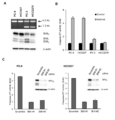
- Results show that EGFR mutant NSCLC cell line with BIM deletion polymorphism is less sensitive to gefitinib-induced apoptosis.
- A Upper panel shows PCR products derived from 4 EGFR mutant NSCLC cell lines generated by primers adjacent to the BIM deletion. PCR products of size 4.2 kb and 1.3 kb correspond to the array without deletion and the array with deletion, respectively, and the presence of both products is heterozygous for the deletion polymorphism. It shows that there is.
- the lower panel shows the expression levels of BIM EL , BIM L and BIM S , the proteins of each cell line.
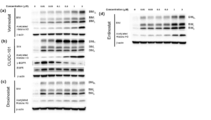
- PC-3 cells were cultured with HDAC inhibitors (Vorinostat, CUDC-101, Droxinostat, Entinostat) diluted at various concentrations for 24 hours. Cell lysates were collected and the test proteins were analyzed by Western blotting. Confirmation result of whether combined administration of each HDAC inhibitor and gefitinib induces apoptosis of PC-3 cell line.
- HDAC inhibitors Vorinostat, CUDC-101, Droxinostat, Entinostat
- PC-3 cells were cultured for 24 hours with various concentrations of HDAC inhibitor and 1 ⁇ M gefitinib, or various concentrations of HDAC inhibitor alone.
- apoptosis expression level of cleaved Caspase 3 or cleaved PARP
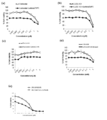
- MTT assay MTT assay of PC-3 cells after culture.
- PC-3 cells were cultured for 24 hours with various concentrations of HDAC inhibitor and 1 ⁇ M gefitinib, or various concentrations of HDAC inhibitor alone.
- apoptosis (cell viability) was measured by MTT assay of PC-3 cells after culture. Confirmation result of whether combined administration of each HDAC inhibitor and gefitinib induces apoptosis of HCC2279 cell line.
- HCC2279 cells were cultured for 24 hours with various concentrations of HDAC inhibitor and 1 ⁇ M gefitinib, or various concentrations of HDAC inhibitor alone. Then, apoptosis (cell viability) was measured by MTT assay of PC-3 cells after culture. Results showing detection of BIM polymorphism in human peripheral blood mononuclear cells (PBMC) and serum.
- PBMC peripheral blood mononuclear cells
- A Using the primer adjacent to the BIM deletion part, PBMC-derived DNA of 5 healthy volunteers was PCR amplified. PCR products with a size of 4.2 kb and 1.3 kb correspond to an array without deletion and an array with deletion, respectively.
- B PCR product of serum DNA in 5 healthy volunteers.
- the 362 bp and 284 bp PCR products indicate the presence of wild type (W) and deletion polymorphism (D) arrays, respectively.
- the results of PBMC and serum were consistent.
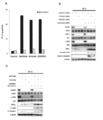
- A Confirmation result of whether each EGER-TKI administration induces apoptosis of PC-9 cell line and PC-3 cell line.
- B Confirmation result of whether combined administration of vorinostat and each EGER-TKI induces apoptosis of PC-3 cell line.
- the present invention relates to "a therapeutic agent for lung cancer patients characterized by combining JNJ-26481585, CUDC-101, vorinostat and / or belinostat as active ingredients with EGFR-TKI as an active ingredient" and "from lung cancer patients”. Determine whether the BIM in the obtained sample is wild-type or non-wild-type. If it is non-wild-type, combine JNJ-26481585, CUDC-101, vorinostat and / or verinostat with EGFR-TKI. A method for predicting the effectiveness of treatment for patients with lung cancer, characterized in that it is determined that the combined administration is effective.
- the predictive test method for the effectiveness of treatment of lung cancer patients includes the following steps. (1) Step of determining whether BIM in a sample obtained from a lung cancer patient is wild type or non-wild type (2) In the case of non-wild type, JNJ-26481585, CUDC-101, vorinostat and / or Or the step of determining that the combined administration of velinostat and EGFR-TKI is effective
- the therapeutic agent for lung cancer patients of the present invention is a therapeutic agent for lung cancer patients characterized by combining JNJ-26481585 and / or CUDC-101 as active ingredients with EGFR-TKI as active ingredients.
- Particularly preferred EGFR-TKIs are gefitinib, AZD9291 and afatinib.
- the lung cancer patient in the predictive test method for the effectiveness of the treatment of lung cancer patient treatment or the therapeutic agent for lung cancer patient of the present invention is preferably an EGFR mutant lung cancer patient, more preferably an EGFR mutant NSCLC patient, most preferably progressive. EGFR mutant NSCLC patients.
- the lung cancer patient may have a non-wild type of BIM (BIM deletion polymorphism).
- BIM deletion polymorphism is relatively common in East Asians, it is effective in patients with lung cancer in yellow, preferably East Asian, more preferably Japanese.
- sample The origin of the sample of the present invention is not particularly limited, as shown in the results of Example 5 below.
- blood peripheral mononuclear cells
- serum serum
- lung cancer cells lymph, semen, urine
- saliva including: oral mucosa) Cells
- other body fluids including: oral mucosa
- biological tissues lung cancer tissues
- peripheral mononuclear cells, serum and the like are most preferable in terms of easy handling such as collection and low invasiveness.
- the method for obtaining the sample from the subject is not particularly limited, and can be a method known per se.
- sample processing method A sample obtained from the above lung cancer patient can detect a polymorphism of BIM by a method known per se such as immunostaining and RT-PCR. Also, the acquired sample can be processed in advance.
- the method for extracting DNA or mRNA from the sample is not particularly limited, and can be a method known per se. For example, when DNA is extracted, salting out, PCI (phenol / chloroform / isoamyl alcohol extraction) method, a method using a commercially available DNA extraction kit or the like, or other known methods can be used.
- RNA extraction kit when extracting mRNA, it is possible to use a method in which the solution is acidified in the PCI method and extracted from the aqueous layer, a method using an oligo dT column or the like, a method using a commercially available RNA extraction kit, or other known methods. it can.
- the amount of polynucleotide such as DNA or mRNA obtained from the sample is small, these can be amplified by a known method as necessary.
- the method for amplifying the polynucleotide is not particularly limited, and a method known per se can be adopted.
- the amplification target is DNA
- the PCR method or the LAMP method can be used, and the target to be amplified When is mRNA, RT-PCR method, RT-LAMP method or the like can be used.
- a region containing BIM can be amplified from DNA or mRNA obtained from the sample.
- the amplified nucleotide fragment may be of a measurable size.
- Primers for amplifying the region containing BIM are forward (sense) primer and reverse (anti-antigen) that specifically hybridize with the antisense strand and 3 ′ end of the sense strand of the polynucleotide in the region containing BIM, respectively.
- Sense primer. These primers can be appropriately designed according to the base sequence of the region containing BIM.
- BIM polymorphism determination method The method for predicting the effectiveness of treatment for lung cancer patients according to the present invention or the method for determining BIM polymorphism (detection method) used in a therapeutic agent for lung cancer patients is a polynucleotide such as DNA or mRNA obtained from a sample, or the amplification described above.
- the step of determining a polymorphism of BIM using the polynucleotide fragment obtained by the above step is included.
- a method for determining a polymorphism of BIM a method known per se can be used.
- PCR-RELP restriction of fragment length of restriction enzyme
- TaqMan method DigiTag2 method
- DigiTag2 method single nucleotide primer extension method
- SnaPshot method ABSI
- ASP-PCR method PCR-SSO (sequence specific oligonucleotide) method
- PCR-SSP sequence specific primer
- PCR-SSCP single-stranded conformational polymorphism analysis
- BIM BIM also referred to as BCL2L11
- BCL2L11 is a pro-apoptotic protein and a member of the Bcl-2 family.
- Gene products having a BH3 domain essential for apoptosis induction BIM EL, BIM L and BIM S, etc.
- Bcl-2, Bcl-XL and McI-1, etc. pro-apoptotic proteins
- BAX And BAK pro-apoptotic proteins
- BIM deletion polymorphisms are relatively common in East Asians (12.9%) and 0.5% are homozygous for this deletion.
- the BIM deletion polymorphism includes a deletion of a 2903 bp fragment within intron 2, which preferentially splices exon 3 over exon 4 to produce a BIM isoform lacking the BH3 domain (see : Nat Med 2012; 18: 521-8).
- BIM EL is a transcript containing E1, E2A, E2B, E2C, E4 (including the BH3 domain) and E5, and BIM L is a transcript containing E1, E2A, E2C, E4 and E5, BIM S is a transcript containing E1, E2A, E4 and E5, and BIM- ⁇ is a transcript containing E1, E2A, E2C and E3.
- a BIM polymorphism is detected as a reference for determining whether BIM is a wild type or a non-wild type. If the following BIM polymorphism can be detected, it is determined as a non-wild type. Furthermore, in this Example 2, it has confirmed that the following BIM polymorphism has EGFR-TKI resistance.
- BIM- ⁇ Partial deletion of the second intron of the BIM gene (2) BIM- ⁇ (3) The ratio of exon 3 to exon 4 of mRNA transcript is 1 or more, and according to the results of Examples 2 to 4 and Reference Examples 1 and 2 below, BIM polymorphism (BIM polymorphism containing H3 domain) , JNJ-26481585, CUDC-101, vorinostat and / or verinostat in combination with EGFR-TKI has been confirmed to be particularly effective.
- EGFR-TKI is an anticancer agent that inhibits the activity of EGFR tyrosine kinase.
- EGFR-TKI is not particularly limited, and examples thereof include gefitinib, erlotinib AZD9291, and afatinib.
- Gefitinib (refer to the following formula) is a molecularly targeted anticancer agent used for the treatment of progressive NSCLC that was not effective by other treatments, and is marketed by AstraZeneca under the trade name “Iressa”.
- Afatinib (refer to the following formula) is a molecular-targeted anticancer agent that is newer than gefitinib and is used for the treatment of advanced NSCLC, and is marketed by Nippon Boehringer Ingelheim under the trade name “Geotrif”.
- AZD9291 (reference: formula below) is a new molecular target anticancer drug that is newer than afatinib and is promising for the treatment of advanced NSCLC, and is being clinically tested by AstraZeneca.
- the AZD9291 is a drug classified as a mutant EGFR-selective TKI and selectively inhibits EGFR having a T790M secondary gene mutation as well as an active gene mutation (see: WO2013 / 014448, Cancer Discov 2014; 4: 1046-61). It is also designed to reduce the action on insulin receptors and insulin-like growth factor receptors to avoid the possibility of hyperglycemia.
- Docetaxel is a taxane anticancer drug that inhibits the action of microtubules necessary for cell division and prevents cancer cell division, and is marketed under the trade name "Taxotere” or "One Taxotere”. .
- Histone deacetylase inhibitor HDAC inhibitor
- Histone deacetylase regulates chromatin remodeling and is a critical enzyme for epigenetic regulation of various genes.
- HDAC inhibitors include vorinostat, JNJ-26481585, CUDC-101, PCI-24781, Droxinostat, Entinostat (entinostat).
- the HDAC inhibitor used in the therapeutic agent for lung cancer patients of the present invention is JNJ-26481585, CUDC-101, vorinostat and / or verinostat based on the results of the following Examples 3 and 4, Reference Example 1 and Reference Example 2. .
- Vorinostat (see: Formula below) is marketed under the trade name “Zolinza” and is approved by the US Food and Drug Administration (FDA) to treat patients with cutaneous T-cell lymphoma.
- FDA US Food and Drug Administration
- Belinostat (below formula) is approved by the FDA to treat patients with peripheral T-cell lymphoma.
- Droxinostat is an inhibitor of HDAC3, HDAC6 and HDAC8 and is commercially available.
- Entinostat is an inhibitor of HDAC1 and HDAC3 and is commercially available.
- CUDC-101 (refer to the following formula) has not only a histone deacetylase inhibitory action but also an epidermal growth factor receptor inhibitory action, and is commercially available.
- JNJ-26481585 JNJ-26481585 (see: formula below) is an inhibitor of a wide range of histone deacetylases (HDAC1, HDAC2, HDAC4, HDAC10 and HDAC11) and is commercially available.
- the preferable usage method of the therapeutic agent for lung cancer patients of this invention is as follows, it is not specifically limited.
- the BIM of the sample obtained from the lung cancer patient is non-wild type
- JNJ-26481585, CUDC-101, vorinostat and / or verinostat are obtained from the results of Example 3, Example 4, Reference Example 1 and Reference Example 2.
- EGFR-TKIs are gefitinib, afatinib and AZD9291.
- EGFR-TKI alone is effective from the results of Example 2, and during the treatment period, JNJ -26481585, CUDC-101, vorinostat and / or belinostat is combined with EGFR-TKI for the treatment of lung cancer patients.
- Preferred EGFR-TKIs are gefitinib, afatinib and AZD9291.
- Method of administering therapeutic agent for lung cancer patients combining CUDC-101 and gefitinib The method for administering a therapeutic agent for lung cancer patients in which CUDC-101, which is an active ingredient of the present invention, and gefitinib are combined can be exemplified below, but is not particularly limited.
- CUDC-101 and gefitinib may be mixed with physiologically acceptable carriers, excipients, binders and the like to form a pharmaceutical composition, and then the composition may be administered to a patient.
- the separately formulated products may be mixed with a diluent at the time of use to form a mixture, and then the mixture may be administered to the patient.
- Method of administering a therapeutic agent for lung cancer patients combining JNJ-26481585 and gefitinib examples of the method for administering a therapeutic agent for lung cancer patients in which JNJ-26481585 and gefitinib, which are the active ingredients of the present invention, are combined are not particularly limited.
- JNJ-26481585 and gefitinib may be mixed with physiologically acceptable carriers, excipients, binders and the like to form a pharmaceutical composition, and then the composition may be administered to a patient. Further, when JNJ-26481585 and gefitinib are separately formulated, the separately formulated products may be mixed using a diluent or the like at the time of use to form a mixture, and then the mixture may be administered to the patient.
- Method of administering a therapeutic agent for lung cancer patients combining Verinostat and AZD9291 Examples of the method for administering a therapeutic agent for lung cancer patients in combination with belinostat and AZD9291 which are the active ingredients of the present invention can be exemplified below, but are not particularly limited.
- AZD9291 80 mg Berinostat: 100 / mg 2 to 2000 / mg 2 , preferably 500 / mg 2 to 1200 / mg 2 , most preferably about 1000 / mg 2
- Administration interval AZD9291 1 to 7 doses per week, preferably 1 to 2 doses per day, most preferably 1 time per day
- Berinostat 1 to 10 doses per 3 weeks, preferably 1 to 5 per 3 weeks
- Single dose most preferably 5 times 3 weeks
- Combination method belinostat and AZD9291 administered simultaneously, administered several hours apart, administered several days apart, spaced several weeks apart Any of these administrations may be used.
- verinostat and AZD9291 may be mixed with physiologically acceptable carriers, excipients, binders and the like to form a pharmaceutical composition, and then the composition may be administered to a patient.
- the separately formulated products may be mixed with a diluent or the like at the time of use to form a mixture, and then the mixture may be administered to the patient.
- AZD9291 80 mg
- Vorinostat 100 mg to 400 mg, preferably 200 mg to 400 mg, most preferably about 400 mg
- Administration interval AZD9291 1 to 7 times a week, preferably 1 to 2 times a day, most preferably once a day
- Vorinostat 1 to 7 times a week, preferably 3 to 7 times a week
- Single dose most preferably 7 times a week
- Combination method Vorinostat and AZD9291 are administered simultaneously, administered several hours apart, administered several days apart, separated by several weeks Any of these administrations may be used.
- vorinostat and AZD9291 may be mixed with physiologically acceptable carriers, excipients, binders and the like to form a pharmaceutical composition, and then the composition may be administered to a patient.
- the separately formulated products may be mixed with a diluent at the time of use to form a mixture, and then the mixture may be administered to the patient.
- Method of administering a therapeutic agent for lung cancer patients combining berinostat and gefitinib Method of administering a therapeutic agent for lung cancer patients combining berinostat and gefitinib
- the following can be illustrated as an administration method of the therapeutic agent for lung cancer patients which combined belinostat and gefitinib which are the active ingredients of this invention, it is not specifically limited.
- verinostat and gefitinib may be mixed with physiologically acceptable carriers, excipients, binders and the like to form a pharmaceutical composition, and then the composition may be administered to a patient.
- the separately formulated products may be mixed with a diluent at the time of use to form a mixture, and then the mixture may be administered to the patient.
- Method of administering a therapeutic agent for lung cancer patients combining berinostat and afatinib Method of administering a therapeutic agent for lung cancer patients combining berinostat and afatinib
- a therapeutic agent for lung cancer patients which combined belinostat and afatinib which are the active ingredients of this invention, it is not specifically limited.
- afatinib 40 mg Berinostat: 100 / mg 2 to 2000 / mg 2 , preferably 500 / mg 2 to 1200 / mg 2 , most preferably about 1000 / mg 2
- Dosing interval Afatinib 1-7 times a week, preferably 1-2 times a day, most preferably once a day Verinostat: 1-10 times for 3 weeks, preferably 1-5 for 3 weeks
- Multiple doses most preferably 3 times 5 weeks
- Combination method belinostat and afatinib administered simultaneously, administered several hours apart, administered several days apart, spaced several weeks apart Any of these administrations may be used.
- verinostat and afatinib may be mixed with physiologically acceptable carriers, excipients, binders and the like to form a pharmaceutical composition, and then the composition may be administered to a patient.
- the separately formulated products may be mixed with a diluent at the time of use to form a mixture, and then the mixture may be administered to the patient.
- afatinib 40 mg
- Vorinostat 100 mg to 400 mg, preferably 200 mg to 400 mg, most preferably about 400 mg
- Administration interval Afatinib: 1-7 times a week, preferably 1-2 times a day, most preferably once a day
- Single dose most preferably 7 times a week
- Combined method Vorinostat and afatinib administered simultaneously, several hours apart, several days apart, weeks apart Any of these administrations may be used.
- vorinostat and afatinib may be mixed with physiologically acceptable carriers, excipients, binders and the like to form a pharmaceutical composition, and then the composition may be administered to a patient.
- the separately formulated products may be mixed with a diluent at the time of use to form a mixture, and then the mixture may be administered to the patient.
- NSCLC cell lines and reagents NSCLC cell lines PC-9, HCC827, and HCC2279 with EGFR mutation were obtained from Immuno-Biological Laboratories Co., ltd. (Gunma Prefecture, Fujioka City, Japan), ATCC (Manassas, Virginia) and Dr. John Minna, respectively. (From University of Texas Southwestern Medical Center, Dallas, Texas).
- PC-3 cells (with EGFR exon 19 deletion) established from a Japanese female patient with NSCLC were transferred to the Human Science Research Resource Bank (JCRB0077: http://cellbank.nibio.go.jp/ ⁇ cellbank/en/search_res_det.
- the cells are different from prostate cancer cell line PC-3 (ATCC CRL1435).
- PC-3 and three other cell lines were maintained in RPMI 1640 medium supplemented with 10% fetal bovine serum (FBS) and antibiotics and D-MEM and 10% fetal bovine serum and antibiotics, respectively. All cells were passaged for up to 3 months and then regenerated from frozen initial passage stock. Cells were periodically screened for mycoplasma using the MycoAlert Mycoplasma Detection kit (Lonza, Rockland, Maine). Vorinostat was obtained from Selleck Chemicals (Houston, Texas). Verinostat was obtained from Selleck Chemicals.
- Gefitinib was obtained from AstraZeneca (London, UK).
- Afatinib was obtained from Selleck Chemicals.
- AZD9291 was obtained from Selleck Chemicals.
- CUDC-101 was obtained from Selleck Chemicals.
- JNJ-26481585 was obtained from Selleck Chemicals.
- Droxinostat was obtained from Selleck Chemicals.
- Entinostat was obtained from Selleck Chemicals.
- Cell apoptosis Cells (3 ⁇ 10 3 ) were seeded in each well of a 96-well white wall plate, cultured overnight, and treated with test compound or vehicle (DMSO) for 48 hours.
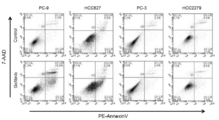
- Cell apoptosis was measured with the Caspase-Glo 3/7 assay kit (Promega, Madison, Wis.) According to the manufacturer's instructions, and caspase-3 / 7 activity was measured using the PE-Annexin V Apoptosis Detection Kit (BD Biosciences). , San Jose, California).
- the MTT assay was performed according to a known kit and instructions attached to the kit.
- RNA interference Diplexed Stealth RNAi against BIM (Invitrogen, Carlsbad, Calif.) And Stealth RNAi-negative control low GC Duplex according to the description of the document “Cancer Res 2008; 68: 9479-87” authored by the inventors.
- RNA interference (RNAi) analysis was performed using # 3 (Invitrogen). The siRNA target sequences used are as follows.
- a BIM deletion polymorphism in the EGFR mutant NSCLC cell line was detected by PCR.
- PC-9 and HCC827 had a wild type allele with a PCR product size of 4.2 kb.
- HCC2279 cells were heterozygous with BIM deletion polymorphisms with PCR product sizes of 4.2 kb (wild type) and 1.3 kb (2.9 kb deletion polymorphism).
- PC-3 was heterozygous, a BIM deletion polymorphism (FIG. 1A).
- Western blot analysis revealed that “pro-apoptotic BIM protein expression was significantly lower in PC-3 and HCC2279 cells than in PC-9 and HCC827 cells”.
- FIG. 5 shows the results of confirming whether combined administration of each HDAC inhibitor and gefitinib induces apoptosis of PC-3 cells.
- the combined administration of JNJ-26481585 and gefitinib was performed at a lower concentration (vorinostat dose 3 ⁇ M and JNJ-26481585 dose 0.03 ⁇ M BIM protein expression was recovered at the same level of 0.1 ⁇ M, and apoptosis (cleaved PARP and cleaved caspase-3 expression) of the BIM gene polymorphism positive PC-3 cell line was induced.
- apoptosis cleaved PARP and cleaved caspase-3 expression
- CUDC-101 alone, which inhibits both EGFR and HDAC, induced apoptosis (cleaved PARP expression) to the same extent as the combined administration of vorinostat and gefitinib. Furthermore, it was confirmed that combined administration of CUDC-101 and gefitinib also induced apoptosis (cleaved PARP expression).
- FIG. 6 shows the results of confirming whether combined administration of each HDAC inhibitor and gefitinib induces apoptosis of PC-3 cells.
- cell viability was reduced to about 0% at a vorinostat dose of 3 ⁇ M (FIG. 6a).
- the cell viability was reduced to about 0% at a low concentration of 1 ⁇ M CUDC-101 (FIG. 6b).
- the cell viability was reduced to about 0% at a low concentration of 1 ⁇ M CUDC-101 (FIG. 6b).
- Droxinostat and gefitinib FIG. 6c
- Entinostat and gefitinib FIG. 6d
- JNJ-26481585 and gefitinib the cell viability was reduced to about 0% at a low concentration of 0.03 ⁇ M JNJ-26481585 (FIG. 6e).
- FIG. 7 shows the results of confirming whether combined administration of each HDAC inhibitor and gefitinib induces apoptosis of HCC2279 cells.
- cell viability was reduced to about 30% at a vorinostat dose of 3 ⁇ M (FIG. 7a).
- the cell viability was reduced to about 10% or less at a low concentration of 3 ⁇ M of CUDC-101 (FIG. 7b).
- results of promoting the BIM expression of EGFR mutant NSCLC cell lines with BIM deletion polymorphism of each HDAC inhibitor are the results of apoptosis of EGFR mutant NSCLC cell lines with BIM deletion polymorphism by combined administration of each HDAC inhibitor and gefitinib. Consistent with the induction results. Based on the above, combined administration of JNJ-26481585 and gefitinib and combined administration of CUDC-101 and gefitinib should be an effective treatment method for EGFR mutant NSCLC patients with BIM polymorphism compared to combined administration of vorinostat and gefitinib It was confirmed.
- a therapeutic agent for lung cancer patients in which JNJ-26481585 or CUDC-101, which is an active ingredient, is combined with EGFR-TKI, which is an active ingredient, is an excellent lung cancer therapeutic agent for EGFR mutant NSCLC patients having the BIM polymorphism.
- BIM non-wild type detection BIM non-wild type BIM polymorphisms were confirmed to be detectable using peripheral blood.
- PBMC-derived DNA of 5 healthy volunteers was PCR amplified. PCR products with BIM sizes of 4.2 kb and 1.3 kb obtained by amplification corresponded to an array without deletion and an array with deletion, respectively (FIG. 8A).
- 362 bp and 284 bp which are PCR products of serum DNA in 5 healthy volunteers, corresponded to the wild type (W) and deletion polymorphism (D), respectively (FIG. 8B).
- W wild type
- D deletion polymorphism
- the induction rate of apoptosis by each EGER-TKI in PC-9 and PC-3 cells is shown in FIG.
- the EGER-TKIs gefitinib, afatinib and AZD9291 markedly increased the induction of apoptosis in PC-9 cells, which showed a wild type allele in Example 2, at a dose of 1 ⁇ M. did.
- PC-2 which showed heterozygosity which is a BIM deletion polymorphism in Example 2
- the induction of apoptosis was not increased by any EGER-TKI.
- FIGS. 9 (B) and (C) The results of confirming whether vorinostat or belinostat and combined administration of each EGER-TKI induce apoptosis of PC-3 cells are shown in FIGS. 9 (B) and (C).
- FIG. 9B combined administration of gefitinib, afatinib or AZD9291 and vorinostat induced apoptosis (cleaved PARP and cleaved caspase-3 expression) of the BIM gene polymorphism positive PC-3 cell line.
- FIG. 9C gefitinib, afatinib or AZD9291 and velinostat combined administration induced apoptosis of the PC-3 cell line.
- Example 2 the single-dose treatment method of epidermal growth factor receptor tyrosine kinase inhibitor (EGFR-TKI) is not effective for EGFR mutant NSCLC patients with BIM non-wild type (BIM deletion polymorphism) confirmed.
- EGFR-TKI epidermal growth factor receptor tyrosine kinase inhibitor
- Example 3-5 the therapeutic method using JNJ-26481585 and gefitinib in combination and the therapeutic method using CUDC-101 and gefitinib together can restore the expression of BIM protein, induce apoptosis, and eliminate gefitinib resistance. did it.
- Example 6 it was confirmed that the BIM polymorphism does not affect the origin of the sample.
- Reference Example 1-2 a treatment method using velinostat and AZD9291, a treatment method using vorinostat and AZD9291, a treatment method using velinostat and gefitinib, a treatment method using velinostat and afatinib, and a treatment using vorinostat and afatinib
- the method was able to repair BIM protein expression, induce apoptosis, and resolve gefitinib resistance, afatinib resistance or AZD9291 resistance.
Landscapes
- Health & Medical Sciences (AREA)
- Chemical & Material Sciences (AREA)
- Medicinal Chemistry (AREA)
- Pharmacology & Pharmacy (AREA)
- Epidemiology (AREA)
- Life Sciences & Earth Sciences (AREA)
- Animal Behavior & Ethology (AREA)
- General Health & Medical Sciences (AREA)
- Public Health (AREA)
- Veterinary Medicine (AREA)
- Pharmaceuticals Containing Other Organic And Inorganic Compounds (AREA)
- Measuring Or Testing Involving Enzymes Or Micro-Organisms (AREA)
- Medicines That Contain Protein Lipid Enzymes And Other Medicines (AREA)
Abstract
L'invention concerne un agent de traitement du cancer du poumon pour traiter des patients atteints d'un cancer du poumon, et en particulier des patients atteints d'un cancer du poumon non à petites cellules (NSCLC) résistant aux EGFR-TKI. L'invention concerne également un procédé permettant de prédire et de tester l'efficacité d'un traitement pour des patients atteints d'un cancer du poumon. Suite à la recherche laborieuse d'un agent de traitement pour des patients atteints d'un cancer du poumon qui contienne une combinaison optimale d'un inhibiteur de HDAC et EGFR-TKI, la présente invention a été mise au point grâce à la découverte selon laquelle « lorsque la protéine BIM dans un échantillon dérivé d'un patient atteint d'un NSCLC résistant aux EGFR-TKI est non sauvage, un traitement consistant à administrer uniquement des EGFR-TKI présente une efficacité minimale, tandis que le traitement consistant à administrer, à des patients atteints d'un cancer du poumon, un agent de traitement contenant JNJ-26481585 et des EGFR-TKI associés, ou un agent de traitement contenant CUDC-101 et des EGFR-TKI associés, est très efficace. »
Priority Applications (1)
| Application Number | Priority Date | Filing Date | Title |
|---|---|---|---|
| JP2016545662A JPWO2016032003A1 (ja) | 2014-08-30 | 2015-08-31 | 肺癌患者用治療剤及び肺癌患者治療の有効性の予測検査方法 |
Applications Claiming Priority (2)
| Application Number | Priority Date | Filing Date | Title |
|---|---|---|---|
| JP2014176674 | 2014-08-30 | ||
| JP2014-176674 | 2014-08-30 |
Publications (1)
| Publication Number | Publication Date |
|---|---|
| WO2016032003A1 true WO2016032003A1 (fr) | 2016-03-03 |
Family
ID=55399883
Family Applications (1)
| Application Number | Title | Priority Date | Filing Date |
|---|---|---|---|
| PCT/JP2015/074660 Ceased WO2016032003A1 (fr) | 2014-08-30 | 2015-08-31 | Agent de traitement pour patient atteint d'un cancer du poumon et procédé permettant de prédire et de tester l'efficacité de traitement d'un patient atteint d'un cancer du poumon. |
Country Status (2)
| Country | Link |
|---|---|
| JP (1) | JPWO2016032003A1 (fr) |
| WO (1) | WO2016032003A1 (fr) |
Cited By (2)
| Publication number | Priority date | Publication date | Assignee | Title |
|---|---|---|---|---|
| US10513509B2 (en) | 2016-05-26 | 2019-12-24 | Recurium Ip Holdings, Llc | EGFR inhibitor compounds |
| CN116898858A (zh) * | 2023-08-11 | 2023-10-20 | 锦州医科大学 | 一种治疗非小细胞肺癌的药物 |
-
2015
- 2015-08-31 JP JP2016545662A patent/JPWO2016032003A1/ja active Pending
- 2015-08-31 WO PCT/JP2015/074660 patent/WO2016032003A1/fr not_active Ceased
Non-Patent Citations (5)
Cited By (4)
| Publication number | Priority date | Publication date | Assignee | Title |
|---|---|---|---|---|
| US10513509B2 (en) | 2016-05-26 | 2019-12-24 | Recurium Ip Holdings, Llc | EGFR inhibitor compounds |
| US11098030B2 (en) | 2016-05-26 | 2021-08-24 | Recurium Ip Holdings, Llc | EGFR inhibitor compounds |
| US12049460B2 (en) | 2016-05-26 | 2024-07-30 | Recurium Ip Holdings, Llc | EGFR inhibitor compounds |
| CN116898858A (zh) * | 2023-08-11 | 2023-10-20 | 锦州医科大学 | 一种治疗非小细胞肺癌的药物 |
Also Published As
| Publication number | Publication date |
|---|---|
| JPWO2016032003A1 (ja) | 2017-07-13 |
Similar Documents
| Publication | Publication Date | Title |
|---|---|---|
| Wu et al. | Uncommon mutation, but common amplifications, of the PIK3CA gene in thyroid tumors | |
| Bill et al. | SAR405838: a novel and potent inhibitor of the MDM2: p53 axis for the treatment of dedifferentiated liposarcoma | |
| De Bruyne et al. | IGF-1 suppresses Bim expression in multiple myeloma via epigenetic and posttranslational mechanisms | |
| De Grève et al. | Phase II study of afatinib, an irreversible ErbB family blocker, in demographically and genotypically defined lung adenocarcinoma | |
| Marchi et al. | The combination of hypomethylating agents and histone deacetylase inhibitors produce marked synergy in preclinical models of T‐cell lymphoma | |
| JP7050702B2 (ja) | Nrf2及びその遺伝子の下流標的遺伝子の発現状態及び変異状態によるがんの診断及び治療方法 | |
| EP3195168B1 (fr) | Procédé d'identification de combinaisons de médicaments d'immunothérapie utilisant une approche en réseau | |
| Yang et al. | DNMT3B overexpression by deregulation of FOXO3a-mediated transcription repression and MDM2 overexpression in lung cancer | |
| CA2889765C (fr) | Variants du recepteur des androgenes et leurs procedes de fabrication et d'utilisation | |
| JP2018521654A (ja) | Nmt2の後成的なサイレンシング | |
| Takeda et al. | Clinical outcome for EML4-ALK-positive patients with advanced non-small-cell lung cancer treated with first-line platinum-based chemotherapy | |
| DeSimone et al. | Recent advances in primary cutaneous T-cell lymphoma | |
| ES2828510T3 (es) | Agente terapéutico para tratar un cáncer en el que NRF2 está estabilizado | |
| Sawanyawisuth et al. | Suppression of trophoblast cell surface antigen 2 enhances proliferation and migration in liver fluke-associated cholangiocarcinoma | |
| WO2023107878A1 (fr) | Compositions et méthodes de thérapie anticancéreuse liée au virus seneca valley (svv) | |
| Song et al. | Clinical manifestations and epigenetic mechanisms of gastric mucosa associated lymphoid tissue lymphoma and long-term follow-up following Helicobacter pylori eradication | |
| US20070191262A1 (en) | Cancer Therapy and Prevention Based on Modulation of Complement activity | |
| Al-Rayyan et al. | 5-Aza-2-deoxycytidine and trichostatin A increase COUP-TFII expression in antiestrogen-resistant breast cancer cell lines | |
| Hengjie et al. | HDAC3-mediated lncRNA-LOC101928316 contributes to cisplatin resistance in gastric cancer via activating the PI3K-Akt-mTOR pathway. | |
| Islam et al. | Resistance to histone deacetylase inhibitors confers hypersensitivity to oncolytic reovirus therapy | |
| JP7610195B2 (ja) | Tut4/7発現調節因子を含む癌予防又は治療用薬学的組成物 | |
| WO2016032003A1 (fr) | Agent de traitement pour patient atteint d'un cancer du poumon et procédé permettant de prédire et de tester l'efficacité de traitement d'un patient atteint d'un cancer du poumon. | |
| Schadendorf et al. | Overall survival (OS) update on METRIC (NCT01245062), a randomized phase 3 study to assess efficacy of trametinib (T) compared with chemotherapy (C) in patients (pts) withBRAFV600E/K mutation− positive (+) advanced or metastatic melanoma (MM) | |
| Kang et al. | Silencing of miR-137 by aberrant promoter hypermethylation in surgically resected lung cancer | |
| JP2014168434A (ja) | 肺癌患者の治療の有効性の予測検査方法及び肺癌治療剤のスクリーニング方法 |
Legal Events
| Date | Code | Title | Description |
|---|---|---|---|
| 121 | Ep: the epo has been informed by wipo that ep was designated in this application |
Ref document number: 15835208 Country of ref document: EP Kind code of ref document: A1 |
|
| ENP | Entry into the national phase |
Ref document number: 2016545662 Country of ref document: JP Kind code of ref document: A |
|
| NENP | Non-entry into the national phase |
Ref country code: DE |
|
| 122 | Ep: pct application non-entry in european phase |
Ref document number: 15835208 Country of ref document: EP Kind code of ref document: A1 |