WO2016197832A1 - Procédé, dispositif et système de traitement de paquets - Google Patents
Procédé, dispositif et système de traitement de paquets Download PDFInfo
- Publication number
- WO2016197832A1 WO2016197832A1 PCT/CN2016/083921 CN2016083921W WO2016197832A1 WO 2016197832 A1 WO2016197832 A1 WO 2016197832A1 CN 2016083921 W CN2016083921 W CN 2016083921W WO 2016197832 A1 WO2016197832 A1 WO 2016197832A1
- Authority
- WO
- WIPO (PCT)
- Prior art keywords
- sfc
- message
- packet
- payload
- node
- Prior art date
- Legal status (The legal status is an assumption and is not a legal conclusion. Google has not performed a legal analysis and makes no representation as to the accuracy of the status listed.)
- Ceased
Links
Images




Definitions
- the embodiments of the present invention relate to the field of communications technologies, and in particular, to a packet processing method, device, and system.
- service function chaining (English: service function chaining, SFC for short); for example: for online service
- SFC service function chaining
- the flow needs to serially connect the content filtering, cache service and firewall three value-added service services to the Internet; for the video service flow, there is no need for content filtering, and only two value-added service services of the cache service and the firewall need to be serially connected to enter the Internet.
- the service packet transmission process in the service function chain may be: service packet forwarding (English: service function forward, SFF) entity, if the service packet needs to pass the sensing SFC
- SFF service function forward
- the SFF entity forwards the service packet to the SFC node that senses the SFC
- the SFC node that senses the SFC processes the packet, and sends the processed packet to the SFC node.
- the SFF entity if the service packet needs to pass through the SFC node that is not aware of the SFC, the SFF entity forwards the service packet to the proxy device, and the proxy device removes the SFC packet header of the service packet, and the SFC packet header is removed.
- the service packet is sent to the SFC node that is not aware of the SFC.
- the SFC node that is not aware of the SFC processes the service packet with the SFC packet header removed, and then sends the processed service packet to the proxy device, which is added by the proxy device.
- the SFC header is sent to the SFF entity.
- the embodiment of the invention provides a packet processing method, device and system, which are used for solving the transmission of a packet from a service router.
- the network transmission resource is wasted and the message transmission delay is increased.
- an embodiment of the present invention provides a packet processing method, including:
- the service router receives the first SFC message;
- the first SFC message includes an SFC message header, a first Internet Protocol (English: Internet Protocol, IP) header, and a message payload;
- the service router When the service router determines that the SFC node needs to process the first SFC message, and the service router determines that the SFC node does not need to process the message payload, the service router will Deleting the message payload in the first SFC message, generating a second SFC message, and saving the message payload;
- the service router receives the third SFC message, where the third SFC message includes the SFC packet header and the second IP packet header, and the second IP packet header is the SFC node pair.
- An IP packet header obtained by processing an IP packet header;
- the service router generates a fourth SFC message according to the third SFC message and the saved message payload, where the fourth SFC message includes the SFC packet header and the second IP packet. Head and the message payload.
- the method before the service router determines that the SFC node does not need to process the packet payload, the method further includes:
- the service router receives the SFC packet processing method of the SFC node sent by the SFC controller, and saves the processing mode of the SFC packet by the SFC node, where the SFC node processes the SFC packet: The SFC node does not need to process the message payload of the SFC message;
- the service router determines that the SFC node does not need to process the packet payload of the first SFC packet, including:
- the service router determines that the SFC node does not need to process the message payload of the first SFC message according to the manner in which the SFC node processes the SFC message.
- the SFC packet header further includes identifier information of the first SFC packet
- the method further includes:
- the service router establishes a correspondence between the identifier information and the payload of the packet
- the method further includes:
- the service router obtains the payload of the packet corresponding to the identifier information according to the identifier information and the correspondence between the identifier information and the payload of the packet.
- the service router sends the second SFC packet to the SFC node
- the method further includes:
- the service router generates the identifier information of the first SFC packet, and establishes a correspondence between the identifier information and the payload of the packet;
- the service router adds the identifier information to the SFC header of the second SFC packet
- the service router sends the second SFC message to the SFC node, including:
- the third SFC message received by the service router includes the identifier information
- the method further includes:
- the service router removes the identifier information in the SFC header of the third SFC packet
- the service router obtains the payload of the packet according to the identifier information and the correspondence between the identifier information and the payload of the packet.
- the SFC packet header includes a session identifier of a session to which the first SFC packet belongs
- the identification information includes: a sequence number of the message, where the sequence number of the message is used to identify an order in which the first SFC message is received by the service router in an SFC message belonging to the session;
- the service router establishes a correspondence between the identifier information and the payload of the packet, including:
- the service router establishes a correspondence between the session identifier, the packet sequence number, and the payload of the packet;
- the service router obtains the payload of the packet corresponding to the identifier information according to the identifier information, and the correspondence between the identifier information and the payload of the packet, including:
- the service router acquires the session identifier and the description according to the session identifier, the message sequence number, and the correspondence between the session identifier, the packet sequence number, and the packet payload.
- the message payload corresponding to both the message sequence numbers.
- a fifth possible implementation manner of the first aspect when the SFC node is an SFC that senses an SFC And receiving, by the service router, the third SFC message, where the service router receives the third SFC message sent by the SFC node;
- the service router sends the second SFC message to the SFC node, where the service router sends the service to the proxy device of the SFC node. a second SFC message, so that the proxy device removes the SFC packet header in the second SFC packet, generates a first IP packet, and sends the first IP packet to the SFC node.
- the first IP packet includes the first IP packet header;
- the service router Receiving, by the service router, the third SFC packet, the service router receiving the third SFC packet sent by the proxy device, where the third SFC packet is the proxy device according to the SFC packet And generating, by the header, the second IP packet sent by the SFC node, where the second IP packet includes the second IP packet header.
- an embodiment of the present invention provides a service router, including:
- a receiving unit configured to receive a first SFC message, where the first SFC message includes an SFC packet header, a first IP packet header, and a packet payload;
- a processing unit configured to: when it is determined that the SFC node needs to process the first SFC message received by the receiving unit, and determine that the SFC node does not need to process the message payload, The payload of the message in an SFC message is removed, and a second SFC message is generated.
- a storage unit configured to save the message payload
- a sending unit configured to send the second SFC message generated by the processing unit to the SFC node
- the receiving unit is further configured to receive a third SFC message, where the third SFC message includes the SFC packet header and a second IP packet header, where the second IP packet header is the SFC node.
- An IP packet header obtained by processing the first IP packet header;
- the processing unit is further configured to generate a fourth SFC message according to the third SFC message and the saved message payload, where the fourth SFC message includes the SFC message header, the first Two IP packet headers and the payload of the message.
- the receiving unit is further configured to: before the processing unit determines that the SFC node does not need to process the packet payload, receive the SFC controller to send The manner in which the SFC node processes the SFC message;
- the storage unit is further configured to save the processing manner of the SFC message by the SFC node, and the processing of the SFC message by the SFC node includes: the SFC node does not need to perform the payload of the SFC message. Processing method;
- the processing unit determines that the SFC node does not need to process the packet payload of the first SFC message
- the processing unit is specifically configured to: determine, according to the processing manner of the SFC message by the SFC node, The SFC node does not need to process the message payload of the first SFC message.
- the SFC message further includes identifier information of the first SFC message
- the processing unit is further configured to: after the storage unit saves the payload of the packet, establish a correspondence between the identifier information and the payload of the packet;
- the processing unit is further configured to: before generating the fourth SFC message according to the third SFC message and the saved message payload, according to the identifier information, and the identifier information and the The correspondence between the payloads of the packets is obtained, and the payload of the packets corresponding to the identifier information is obtained.
- the processing unit is further configured to send, by the sending unit, the SFC node Before the second SFC packet, the identifier information of the first SFC packet is generated, and the correspondence between the identifier information and the payload of the packet is established; and the identifier information is added to the second SFC.
- the sending unit is further configured to send, to the SFC node, the second SFC message that adds the identifier information;
- the receiving unit when receiving the third SFC packet header sent by the SFC node, is specifically configured to: receive the third SFC packet that is sent by the SFC node and that includes the identifier information;
- the processing unit is further configured to: before the fourth SFC message is generated according to the third SFC message and the saved message payload, remove the SFC message header in the third SFC message And identifying the message payload according to the identifier information and the correspondence between the identifier information and the payload of the packet.
- the SFC packet header includes a session identifier of a session to which the first SFC packet belongs
- the identification information includes: a sequence number of the message, where the sequence number of the message is used to identify an order in which the first SFC message is received by the service router in an SFC message belonging to the session;
- the processing unit When the processing unit establishes the correspondence between the identifier information and the payload of the packet, the processing unit is specifically configured to: establish a correspondence between the session identifier, the packet sequence number, and the payload of the packet. relationship;
- the processing unit When the processing unit acquires the payload of the packet corresponding to the identifier information according to the identifier information and the correspondence between the identifier information and the payload of the packet, the processing unit is specifically configured to: according to the session The identifier, the sequence number of the message, and the correspondence between the session identifier, the message sequence number, and the payload of the message, and obtain the corresponding location of the session identifier and the message sequence number.
- the message payload is specifically configured to: according to the session The identifier, the sequence number of the message, and the correspondence between the session identifier, the message sequence number, and the payload of the message, and obtain the corresponding location of the session identifier and the message sequence number.
- the receiving unit when receiving the third SFC message, is specifically configured to: receive the third SFC message sent by the SFC node;
- the sending unit is configured to send the second SFC message to the SFC node.
- a second SFC message so that the proxy device removes the SFC packet header in the second SFC packet, generates a first IP packet, and sends the first IP packet to the SFC node.
- the first IP packet includes the first IP packet header;
- the receiving unit when receiving the third SFC message, is specifically configured to: receive the third SFC message sent by the proxy device, where the third SFC message is the proxy device according to the SFC message And generating, by the header, the second IP packet sent by the SFC node, where the second IP packet includes the second IP packet header.
- an embodiment of the present invention provides a packet processing system, including: a service router and an SFC node, where
- the service router is configured to receive a first SFC message, where the first SFC message includes an SFC message header, a first IP packet header, and a message payload; when determining that the SFC node needs to use the first SFC Processing, and determining that the SFC node does not need to process the message payload, the message payload in the first SFC message is removed, and a second SFC message is generated, and Saving the message payload; sending the second SFC message to the SFC node; receiving a third SFC message, where the third SFC message includes the SFC packet header and the second IP packet header
- the second IP packet header is an IP packet header obtained by the SFC node processing the first IP packet header, and is generated according to the third SFC packet and the saved payload of the packet.
- a fourth SFC message where the fourth SFC message includes the SFC packet header, the second IP packet header, and the packet payload;
- the SFC node is configured to receive the second SFC packet sent by the service router, process the first IP packet header in the second SFC packet, and generate the third SFC packet. And sending the third SFC message to the service router.
- the SFC packet header further includes identifier information of the first SFC packet, where the service router is further configured to save the packet payload Establishing a correspondence between the identifier information and the payload of the packet;
- the service router is further configured to: before the fourth SFC message is generated according to the third SFC message and the saved message payload, according to the identifier information, and the identifier information and the The correspondence between the payloads of the packets is obtained, and the payload of the packets corresponding to the identifier information is obtained.
- the service router is further configured to: before sending the second SFC packet to the SFC node, generate identifier information of the first SFC packet, And establishing a correspondence between the identifier information and the payload of the packet; and adding the identifier information to the SFC header of the second SFC packet;
- the service router when the service router sends the second SFC message to the SFC node, the service router is specifically configured to: send the second SFC message to which the identifier information is added to the SFC node;
- the third SFC message received by the service router includes the identifier information
- the service router is further configured to remove the SFC packet header of the third SFC message before generating the fourth SFC message according to the third SFC message and the saved message payload. And the identifier information is obtained, and the packet payload is obtained according to the identifier information and a correspondence between the identifier information and the packet payload.
- the embodiment of the present invention provides a packet processing method, device, and system.
- the service router When an SFC node needs to process an SFC packet but does not need to process the packet payload in the SFC packet, the service router will receive the first The payload of the packet in the SFC packet is removed, the second SFC packet is generated, and the payload of the packet is saved, and then the second SFC packet is sent to the SFC node, and the third SFC packet sent by the SFC node is received. And generating a fourth SFC message according to the third SFC message and the saved payload of the message, so that the SFC node processes the SFC message; and the network does not need to transmit the message between the service router and the SFC node. Therefore, it can reduce the occupation of bandwidth resources during message transmission, and can also reduce the delay of message transmission.
- FIG. 1 is a schematic diagram of an application scenario of a packet processing method according to an embodiment of the present disclosure
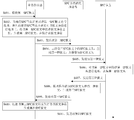
- FIG. 2 is a schematic flowchart of a packet processing method according to an embodiment of the present invention.
- FIG. 3 is a schematic flowchart diagram of another packet processing method according to an embodiment of the present disclosure.
- FIG. 4 is a schematic flowchart of a third packet processing method according to an embodiment of the present invention.
- FIG. 5 is a schematic flowchart diagram of a fourth packet processing method according to an embodiment of the present disclosure.
- FIG. 6 is a schematic flowchart diagram of a fifth packet processing method according to an embodiment of the present disclosure.
- FIG. 7 is a schematic flowchart diagram of a sixth packet processing method according to an embodiment of the present disclosure.
- FIG. 8 is a schematic structural diagram of a service router according to an embodiment of the present disclosure.
- FIG. 9 is a schematic structural diagram of another service router according to an embodiment of the present disclosure.
- FIG. 10 is a schematic structural diagram of a message processing system according to an embodiment of the present disclosure.
- FIG. 11 is a schematic structural diagram of another packet processing system according to an embodiment of the present invention.
- FIG. 1 is a schematic diagram of an application scenario of a packet processing method according to an embodiment of the present invention.
- a user packet generated by a user domain first arrives at a classifier A, and a classifier A adds an SFC packet to a received packet.
- the header is formed to form an SFC message, and the classifier A sends the SFC message to the service router, and the service router sends the SFC message to the SFC node that senses the SFC, and the SFC node that is aware of the SFC performs the SFC message.
- the classifier B removes the SFC message header in the SFC message and sends it to the Internet; or, the service router sends the received SFC message to the proxy device, and the proxy device removes the SFC
- the SFC packet header in the packet is sent to the SFC packet of the SFC packet header.
- the SFC packet is sent to the non-sense SFC.
- the SFC packet is removed from the SFC packet.
- the proxy device forwards the SFC packet header to the classifier B.
- the classifier B removes the SFC packet header from the SFC packet and sends it to the Internet.
- the processing of the SFC message by the SFC node that is aware of the SFC may include: filtering the content of the SFC message, or performing a cache service on the SFC message, or performing a firewall on the SFC message (English: firewall, referred to as :FW) Processing.
- the processing of the SFC packet with the SFC packet header removed by the SFC node of the non-sense SFC may include: filtering the content of the SFC packet with the SFC packet header removed, or the SFC packet with the SFC packet header removed.
- the cache service is performed, or the SFC packet with the SFC header removed is subjected to firewall processing.
- FIG. 2 is a schematic flowchart of a packet processing method according to an embodiment of the present invention. As shown in FIG. 2, the method includes:
- the service router receives the first SFC message.
- the first SFC message includes an SFC packet header, a first IP packet header, and a packet payload.
- the first SFC message may be sent by the classifier of the last hop of the service router in the transmission path of the first SFC message, or may be sent by another service router, and the processing of the other service router is performed.
- the method can be similar to the message processing method in the embodiment of the present invention.
- the service router determines that the SFC node needs to process the first SFC packet, and determines the SFC.
- the service router removes the payload of the packet in the first SFC packet, generates a second SFC packet, and saves the payload of the packet.
- the service router may first determine the SFC node that needs to process the first SFC message.
- An implementation manner is: the service router searches for a forwarding information table corresponding to the service function path, where the forwarding information table includes a service path identifier of each service function path and a corresponding service function path; and one service path identifier uniquely identifies a service function path;
- the SFC packet header includes a service path identifier, and the query forwarding information table is identified according to the service path identifier, and the service function path corresponding to the service path identifier is determined.
- the service function path is used to indicate that the first SFC packet is on the transmission path.
- the passing service router and the SFC node determine the SFC node that needs to process the first SFC message from the service function path. After the service router determines that the SFC node does not need to process the packet payload, the service router removes the payload of the message in the first SFC message, generates a second SFC message, and saves the packet.
- the generated second SFC packet includes the SFC packet header and the first IP packet header.
- the service router further receives the SFC node to process the SFC message sent by the SFC controller, and saves the SFC node.
- the processing of the SFC message by the SFC node includes: the SFC node does not need to process the message payload of the SFC message.
- the service router determines that the SFC node does not need to process the packet payload of the first SFC packet: The service router determines that the SFC node does not need to process the payload of the first SFC message according to the processing manner of the SFC packet.
- the service router sends the second SFC message to the SFC node.
- the service router receives the third SFC message.
- the second SFC message is sent to the SFC node, and then the third SFC message is received, where the third SFC message includes the SFC message header and the first a second IP packet header, where the second IP packet header is a header generated by the SFC node processing the first IP packet header, that is, the third SFC packet is an SFC node and the second SFC packet is in the second SFC packet.
- the first IP packet header is modified to be generated by the second IP packet header.
- the processing of the first IP packet header by the SFC node may include: firewall processing, deep packet inspection (DPI), and load balancing (English: load balancing, referred to as: LB), network address translation (English: network address translation, abbreviation: NAT) and so on.
- DPI deep packet inspection
- LB load balancing
- NAT network address translation
- the SFC node converts the source IP address of the private network address in the first IP packet header to the source IP address of the public network address.
- the second IP packet header is obtained.
- the SFC node converts the destination IP address of the public network address in the first IP packet header to the destination IP address of the private network address to obtain the second IP packet header.
- the service router generates a fourth SFC message according to the third SFC message and the saved message payload.
- the service router generates a fourth SFC message according to the received third SFC message and the saved message payload, where the fourth SFC message includes the SFC message in the third SFC message.
- the header, the second IP packet header, and the saved payload of the message can then send the second SFC message to the next hop device of the service router, and the next hop device can be another service router.
- the service router when the SFC node needs to process the SFC packet but does not need to process the packet payload in the SFC packet, the service router will receive the first SFC packet.
- the message payload is removed, a second SFC message is generated, and the message payload is saved, and then the second SFC message is sent to the SFC node, and the third SFC message is received, according to the third SFC message and
- the stored payload of the message generates a fourth SFC message, which implements the SFC node processing of the SFC message; and because the packet payload is not required to be transmitted between the service router and the SFC node, network bandwidth resources can be saved. It also reduces the delay of message transmission.
- FIG. 3 is a schematic flowchart of another method for processing a packet according to an embodiment of the present invention. As shown in FIG. 3, the method includes:
- the service router receives the first SFC message.
- the service router determines that the SFC node needs to process the first SFC packet, and determines that the SFC node does not need to process the packet payload, the service router sends the report in the first SFC packet.
- the text payload is removed, a second SFC message is generated, and the message payload is saved.
- the SFC packet header in this embodiment further includes the identifier information of the first SFC packet.
- the identification information of the first SFC message may be generated and added by the classifier.
- the service router establishes a correspondence between the identifier information and the payload of the packet.
- the service router may obtain the identifier information of the first SFC packet from the SFC packet header, and then establish a correspondence between the identifier information and the saved payload of the packet.
- the service router sends the second SFC message to the SFC node.
- the service router receives the third SFC message.
- the service router obtains the payload of the packet corresponding to the identifier information according to the identifier information and the correspondence between the identifier information and the payload of the packet.
- the service router after receiving the third SFC message, the service router obtains the identifier information in the SFC header of the received third SFC packet, and determines the identifier information and the packet payload according to the identifier information. Corresponding relationship, and further determining a message payload corresponding to the identification information. After determining the payload of the message corresponding to the identifier information, S207 is performed.
- the service router generates a fourth SFC message according to the third SFC message and the message payload.
- the service router when the SFC node needs to process the SFC packet, but does not need to process the packet payload in the SFC packet received by the service router, the service router will receive the first SFC. The payload of the packet in the packet is removed, the second SFC packet is generated, and the payload of the packet is saved.
- the SFC packet header in the first SFC packet includes the identifier information of the first SFC packet; Corresponding relationship between the identifier information and the saved message payload; then sending the second SFC message to the SFC node, and receiving the third SFC message, determining the corresponding message payload according to the identification information, and then according to the third
- the SFC packet and the payload of the packet generate the fourth SFC packet, so that the SFC node processes the SFC packet; and since the packet payload is not required to be transmitted between the service router and the SFC node, the packet can be reduced.
- the bandwidth resource is occupied during transmission, and the delay of message transmission can also be reduced.
- FIG. 4 is a schematic flowchart of a third packet processing method according to an embodiment of the present invention. As shown in FIG. 4, the method includes:
- the service router receives the first SFC message.
- the service router determines that the SFC node needs to process the first SFC packet, and determines that the SFC node does not need to process the packet payload, the service router sends the report in the first SFC packet.
- the text payload is removed, a second SFC message is generated, and the message payload is saved.
- the service router generates identifier information of the first SFC packet, and establishes a correspondence between the identifier information and the payload of the packet.
- the service router adds the identifier information to the SFC header of the second SFC packet.
- the service router after the service router removes the payload of the packet in the first SFC packet, generates a second SFC packet, and saves the payload of the packet, the service router also generates the first SFC packet. Identification information, as well as construction Corresponding relationship between the generated identification information and the stored payload of the message. Moreover, the service router adds the generated identification information to the SFC header of the second SFC message.
- the service router sends the second SFC message to which the identifier information is added to the SFC node.
- the service router after adding the generated identification information to the second SFC message, the service router sends the second SFC message with the identifier information to the SFC node.
- the service router receives a third SFC message that includes the identifier information.
- the third SFC message includes an SFC packet header and a second IP packet header, and the second IP packet header is obtained by the SFC node processing the first IP packet header in the second SFC packet.
- the SFC packet header in the third SFC packet in the embodiment is also the SFC packet including the identifier information, because the identifier information is added to the SFC packet header of the second SFC packet. head.
- the service router removes the identifier information in the SFC packet header of the third SFC packet.
- the service router obtains the payload of the packet corresponding to the identifier information according to the identifier information and the correspondence between the identifier information and the payload of the packet.
- the service router after the service router receives the third SFC message including the identifier information, and the identifier information is included in the SFC packet header in the third SFC packet, the service router removes the The identification information in the SFC header of the third SFC message. And determining, according to the identifier information, a correspondence between the identifier information and the payload of the packet, and further determining a payload of the packet corresponding to the identifier information. After determining the payload of the message corresponding to the identifier information, S309 is performed.
- the service router generates a fourth SFC message according to the third SFC message and the message payload.
- the service router generates a fourth SFC message by deleting the third SFC message of the identifier information and the packet payload determined by the S308, and then the service router can send the fourth SFC message to the The next hop device of the service router, which may be, for example, another service router.
- the service router when the SFC node needs to process the SFC packet but does not need to process the packet payload in the SFC packet received by the service router, the service router will receive the packet.
- the payload of the message in the SFC packet is removed, the second SFC packet is generated, the payload of the packet is saved, and the identifier information of the first SFC packet is generated, and the identifier information and the saved message payload are established.
- the generated identification information is added to the SFC header of the second SFC message, and then the second SFC message with the added identification information is sent to the SFC node, and the third SFC including the identification information is received.
- the payload generates a fourth SFC message, which implements the SFC node processing the SFC message;
- the packet payload is not required to be transmitted between the service router and the SFC node. Therefore, the bandwidth resource usage during packet transmission can be reduced, and the delay of packet transmission can be reduced.
- FIG. 5 is a schematic flowchart of a fourth packet processing method according to an embodiment of the present invention. As shown in FIG. 5, the method includes:
- the service router receives the first SFC message.
- the service router determines that the SFC node needs to process the first SFC message, and determines that the SFC node does not need to process the message payload, the service router sends the report in the first SFC message.
- the text payload is removed, a second SFC message is generated, and the message payload is saved.
- the SFC packet header of the first SFC packet includes the session identifier of the session to which the first SFC packet belongs, and the session identifier may be generated and added by the classifier.
- the service router generates a message sequence number of the first SFC message, and establishes a correspondence between the session identifier, the sequence number of the message, and the payload of the message in the SFC header.
- S404 The service router adds the message sequence number to the SFC packet header of the second SFC message.
- the identification information in the embodiment of the present invention is a message sequence number, and the service router generates a message sequence number of the first SFC message, where the message sequence number is used to identify that the first SFC message is received by the service router.
- the sequence of the SFC message in the session for example, if the message sequence number is 1, the first SFC message is the first SFC message that is received by the service router and belongs to the session; if the message sequence number is 10, The first SFC message is the 10th SFC message of the session received by the service router.
- the service router also establishes a correspondence between the session identifier, the message sequence number, and the saved payload of the message in the SFC message; and adds the generated message sequence number to the third SFC report.
- the text of the SFC message header for example, if the message sequence number is 1, the first SFC message is the first SFC message that is received by the service router and belongs to the session; if the message sequence number is 10, The first SFC message is the 10th SFC message of the session
- the service router sends the second SFC message with the message sequence number added to the SFC node.
- the service router after adding the generated message sequence number to the second SFC message, the service router sends the second SFC message with the message sequence number to the SFC node.
- the service router receives a third SFC message that includes the message sequence number.
- the third SFC message includes an SFC packet header and a second IP packet header, and the second IP packet header is obtained by the SFC node processing the first IP packet header in the second SFC packet.
- the SFC header in the third SFC packet in the embodiment also includes the SFC of the packet sequence number, because the SFC packet header of the second SFC packet is added to the SFC packet header. Message header.
- the service router removes the message sequence number in the third SFC message.
- the service router obtains the session identifier and the message sequence number according to the session identifier, the message sequence number, and the correspondence between the session identifier, the message sequence number, and the payload of the packet. The payload of the message.
- the service router receives the third SFC message including the message sequence number, and the message sequence number is included in the SFC message header in the third SFC message. Therefore, the service router removes the message sequence number in the SFC packet header in the third SFC message. Determining, according to the session identifier in the SFC header, and the removed sequence number, the correspondence between the session identifier, the packet sequence number, and the packet payload, and determining the session identifier and the packet. The message payload corresponding to the serial number. After determining the session identifier and the message payload corresponding to the message sequence number, S409 is performed.
- the service router generates a fourth SFC message according to the third SFC message and the message payload.
- the service router sends a fourth SFC message by deleting the third SFC message of the message sequence number and the message payload determined by the S408, and then the service router sends the fourth SFC message to the The next hop device of the service router, which may be, for example, another service router.
- the packet processing method provided in this embodiment implements the processing of the SFC message by the SFC node by using the foregoing solution. Moreover, since the packet payload is not required to be transmitted between the service router and the SFC node, the packet transmission time can be reduced. The occupation of bandwidth resources can also reduce the delay of packet transmission.
- FIG. 6 is a schematic flowchart of a fifth packet processing method according to an embodiment of the present invention. As shown in FIG. 6, the embodiment of the present invention is implemented on the basis of any of the embodiments shown in FIG. 2 to FIG.
- the SFC node of the example is an SFC node that is aware of the SFC.
- the method of the present embodiment is similar to the method embodiment shown in FIG.
- the service router receives the first SFC message.
- the service router determines that the SFC node needs to process the first SFC packet, and determines that the SFC node does not need to process the packet payload, the service router selects the first SFC packet. The message payload is removed, a second SFC message is generated, and the message payload is saved.
- the service router sends the second SFC message to the SFC node.
- the SFC node in this embodiment is an SFC node that senses the SFC, and the service router can directly communicate with the SFC node. Therefore, the service router sends the second SFC message to the SFC node.
- S504 The SFC node processes the first IP packet header in the second SFC packet header to obtain a second IP address. And generating a third SFC message according to the SFC message in the second SFC message header and the second IP packet header.
- the SFC node sends the third SFC message to the service router.
- the SFC node processes the first IP packet header to obtain a second IP packet header, according to the second SFC report.
- the SFC packet header and the second IP packet header in the text generate a third SFC packet.
- the SFC node then sends the third SFC message to the service router.
- the service router generates a fourth SFC message according to the third SFC message and the saved message payload.
- the service router sends the fourth SFC message.
- the fourth SFC message can be sent to the next hop network device, for example, the next service router.
- the SFC node processes the SFC packet, and the packet payload is not required to be transmitted between the service router and the SFC node, so that the bandwidth resource occupation during packet transmission can be reduced. At the same time, it can also reduce the delay of message transmission.
- FIG. 7 is a schematic flowchart of a sixth packet processing method according to an embodiment of the present invention. As shown in FIG. 7, the embodiment of the present invention is based on any of the embodiments shown in FIG. 2 to FIG.
- the SFC node is an SFC node that is not a SFC.
- the method in this embodiment is similar to the other embodiments.
- the method in this embodiment may include:
- the service router receives the first SFC packet.
- the service router determines that the SFC node needs to process the first SFC packet, and determines that the SFC node does not need to process the packet payload, the service router selects the first SFC packet. The message payload is removed, a second SFC message is generated, and the message payload is saved.
- the service router sends the second SFC message to the proxy device of the SFC node.
- the SFC node in this embodiment is a non-sense SFC node, and the service router needs to communicate with the SFC node through the proxy device of the SFC node. Therefore, the service router sends the second SFC to the proxy device of the SFC node. Message.
- the proxy device of the SFC node removes the SFC packet header in the second SFC packet, and generates a first IP packet. Text and save the SFC message header.
- the proxy device of the SFC node sends the first IP packet to the SFC node.
- the SFC node is a non-sense SFC node and cannot identify the SFC packet header. Therefore, after receiving the second SFC message, the proxy device of the SFC node removes the SFC report in the second SFC message.
- the first IP packet is obtained, and the first IP packet is sent to the SFC node, where the first IP packet includes a first IP packet header.
- the SFC node processes the first IP packet header in the first IP packet to obtain a second IP packet header.
- the SFC node sends a second IP packet to the proxy device of the SFC node.
- the proxy device of the SFC node processes the first IP packet header in the first IP packet. Obtaining a second IP packet header, and then replacing the first IP packet header in the first IP packet with the second IP packet header to generate a second IP packet. The SFC node then sends the obtained second IP packet to the proxy device of the SFC node.
- the proxy device of the SFC node generates a third SFC packet according to the saved SFC header and the second IP packet.
- the proxy device of the SFC node sends the third SFC packet to the service router.
- the proxy device of the SFC node after receiving the second IP packet sent by the SFC node, the proxy device of the SFC node generates a third SFC packet according to the reserved SFC packet header and the received second IP packet, and The third SFC message is sent to the service router.
- the service router generates a fourth SFC message according to the third SFC message and the saved message payload.
- the service router sends the fourth SFC message.
- the SFC node processes the SFC packet, and the packet payload is not required to be transmitted between the service router and the SFC node, so that the bandwidth resource occupation during packet transmission can be reduced. At the same time, it can also reduce the delay of message transmission.
- FIG. 8 is a schematic structural diagram of a service router according to an embodiment of the present invention.
- the service router 800 of this embodiment includes: a receiving unit 811, a processing unit 812, a storage unit 813, and a sending unit 814.
- Service router 800 may be the service router in the method embodiment shown in Figures 2-7.
- the receiving unit 811 is configured to receive a first SFC message, where the first SFC message includes an SFC message header, First IP packet header and message payload;
- the processing unit 812 is configured to: when it is determined that the SFC node needs to process the first SFC message received by the receiving unit 811, and determine that the SFC node does not need to process the message payload, The payload of the message in an SFC message is removed, and a second SFC message is generated.
- the storage unit 813 is configured to save the message payload
- the sending unit 814 is configured to send, to the SFC node, the second SFC message generated by the processing unit 812;
- the receiving unit 811 is further configured to receive a third SFC message, where the third SFC message includes the SFC packet header and the second IP packet header, where the second IP packet header is the SFC node pair.
- An IP packet header obtained by processing the first IP packet header;
- the processing unit 812 is further configured to generate a fourth SFC message according to the third SFC message and the saved message payload, where the fourth SFC message includes the SFC message header and the second IP packet header and the message payload.
- the receiving unit 811 is further configured to: before the processing unit 812 determines that the SFC node does not need to process the message payload, receive the SFC node to process the SFC message sent by the SFC controller. ;
- the storage unit 813 is further configured to save the processing manner of the SFC message by the SFC node, where the SFC node processes the SFC message, and the SFC node does not need to process the message payload of the SFC message. Processing method;
- the processing unit 812 determines that the SFC node does not need to process the packet payload of the first SFC packet
- the processing unit 812 is specifically configured to: determine, according to the processing manner of the SFC packet by the SFC node, The SFC node does not need to process the message payload of the first SFC message.
- the SFC message further includes identifier information of the first SFC message
- the processing unit 812 is further configured to: after the storage unit 813 saves the payload of the packet, establish a correspondence between the identifier information and the payload of the packet;
- the processing unit 812 is further configured to: before the fourth SFC message is generated according to the third SFC message and the saved message payload, according to the identifier information, and the identifier information And corresponding to the payload of the packet, the payload of the packet corresponding to the identifier information is obtained.
- the processing unit 812 is further configured to: before the sending, by the sending unit 814, the second SFC message, send the identifier information of the first SFC message, and establish Corresponding relationship between the identifier information and the payload of the packet; adding the identifier information to the SFC header of the second SFC packet;
- the sending unit 814 is further configured to send, to the SFC node, the second that adds the identifier information. SFC message;
- the receiving unit 811 when receiving the third SFC packet header sent by the SFC node, is specifically configured to: receive the third SFC packet that is sent by the SFC node and includes the identifier information;
- the processing unit 812 is further configured to remove the SFC packet header in the third SFC message before generating the fourth SFC message according to the third SFC message and the saved message payload. And identifying the message payload according to the identifier information and the correspondence between the identifier information and the payload of the packet.
- the SFC packet header includes a session identifier of the session to which the first SFC packet belongs, and the identifier information includes: a packet sequence number, where the packet sequence number is used to identify the first SFC packet.
- the processing unit 812 is specifically configured to: establish a correspondence between the session identifier, the packet sequence number, and the payload of the packet when establishing the correspondence between the identifier information and the packet payload. ;
- the processing unit 812 When the processing unit 812 obtains the payload of the packet corresponding to the identifier information according to the identifier information and the correspondence between the identifier information and the payload of the packet, the processing unit 812 is specifically configured to: according to the session identifier And the message sequence number, and the correspondence between the session identifier, the message sequence number, and the message payload, and obtaining the corresponding information corresponding to the session identifier and the message sequence number. Message payload.
- the receiving unit 811 when the SFC node is an SFC node that senses the SFC, the receiving unit 811 is configured to: receive the SFC node, when receiving the third SFC message, The third SFC message.
- the sending unit 814 is configured to: when the second SFC message is sent to the SFC node, The proxy device of the SFC node sends the second SFC packet, so that the proxy device removes the SFC packet header in the second SFC packet, generates a first IP packet, and sends the first IP packet to the SFC node. Sending the first IP packet, where the first IP packet includes the first IP packet header;
- the receiving unit 811 is configured to receive the third SFC message sent by the proxy device, where the third SFC message is the proxy device according to the SFC packet header. And generating the second IP packet sent by the SFC node, where the second IP packet includes the second IP packet header.
- the service router 800 of this embodiment may be used to perform the technical solution executed by the service router in the foregoing method embodiments of the present invention, and the implementation principle thereof is similar, and details are not described herein again.
- the service router 800 when the SFC node needs to process the SFC message but does not need to process the message payload in the SFC message, the service router 800 receives the first SFC message.
- the message payload is removed, the second SFC message is generated, and the message payload is saved, and then the second SFC message is sent to the SFC node, and the third SFC message sent by the SFC node is received, according to the The third SFC message and the saved payload of the message generate a fourth SFC message, so that the SFC node processes the SFC message; and since there is no need to transmit the message payload between the service router 800 and the SFC node, Therefore, the bandwidth resource occupation during packet transmission can be reduced, and the delay of packet transmission can be reduced.
- FIG. 9 is a schematic structural diagram of another service router according to an embodiment of the present invention.
- the service router 900 of this embodiment includes: a memory 921, a receiver 922, a transmitter 923, and a memory 921, respectively.
- the processor 922 is coupled to the processor 924 of the transmitter 923.
- Service router 900 may be the service router in the method embodiment shown in Figures 2-7.
- the memory 921 is configured to store a set of program instructions, and the processor 924 is configured to invoke the program instructions stored in the memory 921 to perform the following operations:
- the triggering receiver 922 receives the first SFC message;
- the first SFC message includes an SFC packet header, a first IP packet header, and a packet payload;
- the packet in the first SFC packet is net The load is removed to generate a second SFC message
- the trigger memory 921 saves the message payload
- the trigger transmitter 923 sends the second SFC message to the SFC node
- the triggering receiver 922 receives the third SFC packet, where the third SFC packet includes the SFC packet header and the second IP packet header, and the second IP packet header is the SFC node pair.
- An IP packet header obtained by processing an IP packet header;
- the processor 924 is further configured to: after determining that the SFC node does not need to process the message payload, trigger the receiver 922 to receive the SFC node to process the SFC message sent by the SFC controller.
- the triggering memory 921 stores the processing mode of the SFC message by the SFC node, and the processing of the SFC message by the SFC node includes: the SFC node does not need to process the message payload of the SFC message. the way;
- the processor 924 is configured to determine, according to the processing manner of the SFC message by the SFC node, when determining that the SFC node does not need to process the message payload of the first SFC message. The SFC node does not need to process the message payload of the first SFC message.
- the SFC message further includes identifier information of the first SFC message
- the processor 924 is further configured to: after the trigger memory 921 saves the payload of the message, establish a correspondence between the identifier information and the payload of the packet;
- the processor 924 is further configured to: before the fourth SFC message is generated according to the third SFC message and the saved message payload, according to the identifier information, and the identifier information And corresponding to the payload of the packet, the payload of the packet corresponding to the identifier information is obtained.
- the processor 924 is further configured to: before the triggering the transmitter 923 sends the second SFC packet to the SFC node, generate identifier information of the first SFC packet, and establish Corresponding relationship between the identifier information and the payload of the packet; adding the identifier information to the SFC header of the second SFC packet;
- the processor 924 is specifically configured to: the trigger transmitter 923 sends the first part that adds the identifier information to the SFC node. Two SFC messages;
- the processor 924 is configured to: when the trigger receiver 922 receives the third SFC packet header sent by the SFC node, the trigger receiver 922 receives the third third party that adds the identifier information that is sent by the SFC node. SFC message;
- the processor 924 is further configured to: before the fourth SFC message is generated according to the third SFC message and the saved message payload, remove the SFC message header in the third SFC message And identifying the message payload according to the identifier information and the correspondence between the identifier information and the payload of the packet.
- the SFC packet header includes a session identifier of the session to which the first SFC packet belongs, and the identifier information includes: a packet sequence number, where the packet sequence number is used to identify the first SFC packet.
- the processor 924 is specifically configured to: establish a correspondence between the session identifier, the packet sequence number, and the payload of the packet when establishing the correspondence between the identifier information and the payload of the packet. ;
- the processor 924 When the processor 924 obtains the payload of the packet corresponding to the identifier information according to the identifier information and the correspondence between the identifier information and the payload of the packet, the processor 924 is specifically configured to: according to the session identifier And the message sequence number, and the correspondence between the session identifier, the message sequence number, and the message payload, and obtaining the corresponding information corresponding to the session identifier and the message sequence number. Message payload.
- the processor 924 is specifically configured to: trigger receiving when the trigger receiver 922 receives the third SFC message. 922 receiving station The third SFC message sent by the SFC node.
- the processor 924 specifically uses the trigger sender 923 to send the second SFC message to the SFC node.
- the triggering transmitter 923 sends the second SFC message to the proxy device of the SFC node, so that the proxy device removes the SFC packet header in the second SFC packet to generate the first Sending, by the IP packet, the first IP packet to the SFC node, where the first IP packet includes the first IP packet header;
- the processor 924 is configured to: when the trigger receiver 922 receives the third SFC message, the triggering receiver 922 receives the third SFC message sent by the proxy device, where the third SFC message is the proxy
- the device generates the second IP packet according to the SFC packet header and the second IP packet sent by the SFC node, where the second IP packet includes the second IP packet header.
- the service router 900 of this embodiment may be used to perform the technical solution executed by the service router in the foregoing method embodiments of the present invention, and the implementation principle thereof is similar, and details are not described herein again.
- the service router 900 when the SFC node needs to process the SFC message, but does not need to process the message payload in the SFC message, the service router 900 will receive the first SFC message.
- the message payload is removed, the second SFC message is generated, and the message payload is saved, and then the second SFC message is sent to the SFC node, and the third SFC message sent by the SFC node is received, according to the The third SFC message and the saved payload of the message generate a fourth SFC message, so that the SFC node processes the SFC message; and since there is no need to transmit the message payload between the service router 900 and the SFC node, Therefore, the bandwidth resource occupation during packet transmission can be reduced, and the delay of packet transmission can be reduced.
- the packet processing system 1000 of the present embodiment includes a service router 1001 and an SFC node 1002.
- the first SFC message includes an SFC message header, a first IP packet header, and a message payload; when it is determined that the SFC node 1002 needs to process the first SFC packet, And determining that the SFC node 1002 does not need to process the message payload, remove the message payload in the first SFC message, generate a second SFC message, and save the report.
- the second SFC message is an IP packet header obtained by the SFC node 1002 processing the first IP packet header; and generating a fourth according to the third SFC packet and the saved packet payload
- the SFC node 1002 is configured to receive the second SFC packet sent by the service router 1001, where The first IP packet header in the second SFC packet is processed to generate the third SFC packet, and the third SFC packet is sent to the service router 1001.
- the service router 1001 is further configured to receive, by the SFC controller, the SFC node 1002 to process the SFC message before determining that the SFC node 1002 does not need to process the message payload. And the method for processing the SFC message by the SFC node 1002, where the SFC node 1002 processes the SFC message, the SFC node 1002 does not need to process the message payload of the SFC message. Processing method
- the service router 1001 determines that the SFC node 1002 does not need to process the message payload of the first SFC message, the service router 1001 is specifically configured to: process the SFC message according to the SFC node 1002. Determining that the SFC node 1002 does not need to process the message payload of the first SFC message.
- the SFC packet header further includes identifier information of the first SFC packet, where the service router 1001 is further configured to save the packet payload. Establishing a correspondence between the identifier information and the payload of the packet;
- the service router 1001 is further configured to: before the fourth SFC message is generated according to the third SFC message and the saved message payload, according to the identifier information, and the identifier information And obtaining, by the correspondence between the payloads of the packets, the payload of the packet corresponding to the identifier information.
- the service router 1001 is further configured to: before sending the second SFC message to the SFC node 1002, generate identifier information of the first SFC message, and establish Corresponding relationship between the identifier information and the payload of the packet; and adding the identifier information to the SFC header of the second SFC packet;
- the service router 1001 when the service router 1001 sends the second SFC message to the SFC node 1002, the service router 1001 is specifically configured to: send the second SFC message to which the identifier information is added to the SFC node 1002. ;
- the third SFC message received by the service router 1001 includes the identifier information
- the service router 1001 is further configured to remove the SFC header of the third SFC message before generating the fourth SFC message according to the third SFC message and the saved message payload. And the identifier information; and obtaining the message payload according to the identifier information and a correspondence between the identifier information and the packet payload.
- the SFC packet header includes a session identifier of the session to which the first SFC packet belongs, and the identifier information includes: a packet sequence number, where the packet sequence number is used to identify the first SFC packet.
- the service router 1001 When the service router 1001 establishes the correspondence between the identifier information and the packet payload, the service router 1001 is specifically configured to: establish the session identifier, the packet sequence number, and the packet payload. Correspondence relationship
- the service router 1001 When the service router 1001 obtains the payload of the packet corresponding to the identifier information according to the identifier information and the correspondence between the identifier information and the payload of the packet, the service router 1001 is specifically configured to: according to the Corresponding relationship between the session identifier, the message sequence number, and the session identifier, the message sequence number, and the message payload, and obtaining the correspondence between the session identifier and the message sequence number. The message payload.
- the SFC node 1002 in this embodiment may be an SFC node that senses an SFC.
- the service router 1001 may be the service router shown in FIG. 8 or 9.
- the service router 1001 when the SFC node 1002 needs to process the SFC message but does not need to process the message payload in the SFC message, the service router 1001 will receive the first The packet payload in the SFC packet is removed, the second SFC packet is generated, and the payload of the packet is saved, and then the second SFC packet including the first IP packet header is sent to the SFC node 1002, and the receiving includes a third SFC packet of the second IP packet header, where the second IP packet header is generated by the SFC node 1002 processing the first IP packet header, and then the third SFC packet and the saved report are generated according to the third SFC packet
- the text payload generates a fourth SFC message, which implements the SFC node 1002 to process the SFC message; and since the message payload is not required to be transmitted between the service router 1001 and the SFC node 1002, the bandwidth of the message transmission can be reduced.
- the occupation of resources can also reduce the delay of message transmission.
- FIG. 11 is a schematic structural diagram of another packet processing system according to an embodiment of the present invention.
- the packet processing system 1100 of the present embodiment includes a service router 1101, a proxy device 1102, and an SFC node 1103.
- the SFC node 1103 of this embodiment is a non-sense SFC SFC node.
- the service router 1101 is configured to receive a first SFC message, where the first SFC message includes an SFC message header, a first IP packet header, and a message payload; when determining that the SFC node 1103 needs to be the first An SFC message is processed, and the SFC node 1103 is determined not to process the message payload, and the message payload in the first SFC message is removed to generate a second SFC report.
- the second SFC message sends the second SFC message to the proxy device 1102; receiving a third SFC message sent by the proxy device 1102, where the third SFC message includes the An SFC packet header and a second IP packet header, where the second IP packet header is an IP packet header obtained by the SFC node 1103 processing the first IP packet header; according to the third SFC And the fourth SFC message includes the SFC packet header, the second IP packet header, and the packet payload;
- the proxy device 1102 is configured to receive the second SFC packet sent by the service router 1101, and remove the SFC packet header in the second SFC packet to generate the first IP packet. And sending the first IP packet to the SFC node 1103; receiving the second IP packet sent by the SFC node 1103; and generating the information according to the SFC packet header and the second IP packet a third SFC message, and sending the message to the service router 1101 Third SFC message;
- the SFC node 1103 is configured to receive the first IP packet sent by the proxy device 1102, process the first IP packet header in the first IP packet, and generate the second And transmitting the second IP packet to the proxy device 1102.
- the service router 1101 may be the service router shown in FIG. 8 or FIG. 9.
- the service router 1101 will receive the first The payload of the packet in the SFC packet is removed, the second SFC packet is generated, and the payload of the packet is saved, and then the second SFC packet including the first IP packet header is sent to the proxy device 1102. 1102.
- the first IP packet that includes the first IP packet header is sent to the SFC node 1103 according to the second SFC message, and the second IP packet that is sent by the SFC node 1103 and includes the second IP packet header is received, and then the service is sent to the service.
- the router 1101 sends a third SFC message including a second IP packet header, where the second IP packet header is generated by the SFC node 1103 processing the first IP packet header; the service router 1101 is configured according to the third SFC report.
- the text and the stored payload of the message generate a fourth SFC message, which implements the SFC node 1103 processing the SFC message; and since there is no need to transmit the message payload between the service router 1101 and the SFC node 1103, Reduce the occupation of bandwidth resources during packet transmission, Shihai can reduce packet transmission delay.
- the first SFC message mentioned in the foregoing embodiments of the present invention and the "first" in the first IP packet header are only used for name identification, and do not represent the first in the order. The same rules apply to "second”, “third” and “fourth” and the like.
- the aforementioned program can be stored in a computer readable storage medium.
- the steps of the foregoing method embodiments are performed; and the foregoing storage medium includes: read-only memory (English: read-only memory, abbreviated as: ROM), random access memory (English: random access memory, Abbreviation: RAM), disk or CD-ROM, etc.
- ROM read-only memory
- RAM random access memory
- CD-ROM compact disc-read only memory
Landscapes
- Data Exchanges In Wide-Area Networks (AREA)
Abstract
L'invention concerne un procédé, un dispositif et un système de traitement de paquets. Le procédé comporte les étapes consistant à: faire recevoir par un routeur de service un premier paquet de SFC comprenant un en-tête de paquet de SFC, un premier en-tête de paquet IP et une charge utile de paquet; lorsqu'un nœud de SFC a besoin de traiter le premier paquet de SFC mais n'a pas besoin de traiter la charge utile de paquet, retirer la charge utile de paquet du premier paquet de SFC et générer un deuxième paquet de SFC, et sauvegarder la charge utile de paquet; envoyer le deuxième paquet de SFC au nœud de SFC; recevoir un troisième paquet de SFC comprenant un en-tête de paquet de SFC et un deuxième en-tête de paquet IP, le deuxième en-tête de paquet IP étant un en-tête de paquet IP obtenu via un traitement du premier en-tête de paquet IP par le nœud de SFC; et générer un quatrième paquet de SFC comprenant un en-tête de paquet de SFC, un deuxième en-tête de paquet IP et une charge utile de paquet d'après le troisième paquet de SFC et la charge utile de paquet sauvegardée. Au moyen du procédé selon la présente invention, une ressource de bande passante occupée par des paquets pendant une transmission est réduite, tout en raccourcissant le retard temporel de transmission de paquets.
Applications Claiming Priority (2)
| Application Number | Priority Date | Filing Date | Title |
|---|---|---|---|
| CN201510319950.5 | 2015-06-11 | ||
| CN201510319950.5A CN106302144B (zh) | 2015-06-11 | 2015-06-11 | 报文处理方法、设备和系统 |
Publications (1)
| Publication Number | Publication Date |
|---|---|
| WO2016197832A1 true WO2016197832A1 (fr) | 2016-12-15 |
Family
ID=57504677
Family Applications (1)
| Application Number | Title | Priority Date | Filing Date |
|---|---|---|---|
| PCT/CN2016/083921 Ceased WO2016197832A1 (fr) | 2015-06-11 | 2016-05-30 | Procédé, dispositif et système de traitement de paquets |
Country Status (2)
| Country | Link |
|---|---|
| CN (1) | CN106302144B (fr) |
| WO (1) | WO2016197832A1 (fr) |
Families Citing this family (1)
| Publication number | Priority date | Publication date | Assignee | Title |
|---|---|---|---|---|
| CN111314220B (zh) * | 2018-12-11 | 2022-05-17 | 中国电信股份有限公司 | 最小化sfc时延的方法和系统 |
Citations (3)
| Publication number | Priority date | Publication date | Assignee | Title |
|---|---|---|---|---|
| CN102739525A (zh) * | 2012-06-08 | 2012-10-17 | 中兴通讯股份有限公司 | 一种报文复制方法及装置 |
| US20150092564A1 (en) * | 2013-09-27 | 2015-04-02 | Futurewei Technologies, Inc. | Validation of Chained Network Services |
| CN104639414A (zh) * | 2015-01-30 | 2015-05-20 | 杭州华三通信技术有限公司 | 一种报文转发方法和设备 |
Family Cites Families (1)
| Publication number | Priority date | Publication date | Assignee | Title |
|---|---|---|---|---|
| CN108632098B (zh) * | 2013-04-28 | 2021-08-13 | 华为技术有限公司 | 流分类器、业务路由触发器、报文处理的方法和系统 |
-
2015
- 2015-06-11 CN CN201510319950.5A patent/CN106302144B/zh active Active
-
2016
- 2016-05-30 WO PCT/CN2016/083921 patent/WO2016197832A1/fr not_active Ceased
Patent Citations (3)
| Publication number | Priority date | Publication date | Assignee | Title |
|---|---|---|---|---|
| CN102739525A (zh) * | 2012-06-08 | 2012-10-17 | 中兴通讯股份有限公司 | 一种报文复制方法及装置 |
| US20150092564A1 (en) * | 2013-09-27 | 2015-04-02 | Futurewei Technologies, Inc. | Validation of Chained Network Services |
| CN104639414A (zh) * | 2015-01-30 | 2015-05-20 | 杭州华三通信技术有限公司 | 一种报文转发方法和设备 |
Non-Patent Citations (1)
| Title |
|---|
| NIU, L. ET AL.: "A Service Function Chaining Header and Forwarding Mechanism", DRAFT-NIU-SFC-MECHANISM-01.TXT, 11 April 2014 (2014-04-11), XP015098647 * |
Also Published As
| Publication number | Publication date |
|---|---|
| CN106302144A (zh) | 2017-01-04 |
| CN106302144B (zh) | 2019-07-23 |
Similar Documents
| Publication | Publication Date | Title |
|---|---|---|
| US10237089B2 (en) | Packet tunneling method, switching device, and control device | |
| CN107948076B (zh) | 一种转发报文的方法及装置 | |
| US11153207B2 (en) | Data link layer-based communication method, device, and system | |
| CN107786437B (zh) | 报文转发方法及装置 | |
| US9923835B1 (en) | Computing path maximum transmission unit size | |
| WO2020248963A1 (fr) | Procédé et appareil permettant d'établir une connexion réseau de bout en bout, et système de réseau | |
| CN106921579B (zh) | 基于业务功能链sfc的通信方法和装置 | |
| CN109714274B (zh) | 一种获取对应关系的方法和路由设备 | |
| JP6752141B2 (ja) | パケットを処理するための方法およびフォワーダ | |
| WO2016197689A1 (fr) | Procédé, appareil et système pour traiter un paquet | |
| CN101599948B (zh) | 回声探测的方法、装置和系统 | |
| WO2015192705A1 (fr) | Dispositif d'accès et procédé implémenté par un dispositif d'accès pour connecter un équipement d'utilisateur dans un réseau | |
| CN101252524A (zh) | 一种报文传输的方法、系统和装置 | |
| CN108965122B (zh) | 路由选路方法、设备及计算机可读存储介质 | |
| CN103685032B (zh) | 报文转发方法及网络地址转换服务器 | |
| CN104852855A (zh) | 拥塞控制方法、装置及设备 | |
| JP2017503407A (ja) | パケット処理方法および装置 | |
| CN107135118B (zh) | 一种单播通信方法、网关以及vxlan接入设备 | |
| US10637825B2 (en) | Router and method for connecting an IPv4 network and an IPv6 network | |
| JP4911222B2 (ja) | 通信システム、通信システムにおける通信方法、及び中継装置 | |
| CN106302144B (zh) | 报文处理方法、设备和系统 | |
| WO2015074550A1 (fr) | Procédé de traitement de service de réseau, adaptateur et système de traitement de service de réseau | |
| CN103501276B (zh) | 一种服务器与传感器节点通信的方法及装置 | |
| CN115567434A (zh) | 数据报文转发方法、装置及路由设备 | |
| WO2022160258A1 (fr) | Procédé d'envoi de paquets de données, appareil d'envoi de paquets de données et support de stockage |
Legal Events
| Date | Code | Title | Description |
|---|---|---|---|
| 121 | Ep: the epo has been informed by wipo that ep was designated in this application |
Ref document number: 16806730 Country of ref document: EP Kind code of ref document: A1 |
|
| NENP | Non-entry into the national phase |
Ref country code: DE |
|
| 122 | Ep: pct application non-entry in european phase |
Ref document number: 16806730 Country of ref document: EP Kind code of ref document: A1 |