WO2017003177A1 - Agent induisant l'atrophie musculaire à l'aide de la substance t1am induisant l'hypométabolisme, et son utilisation dans le traitement de l'hypertrophie musculaire - Google Patents
Agent induisant l'atrophie musculaire à l'aide de la substance t1am induisant l'hypométabolisme, et son utilisation dans le traitement de l'hypertrophie musculaire Download PDFInfo
- Publication number
- WO2017003177A1 WO2017003177A1 PCT/KR2016/006955 KR2016006955W WO2017003177A1 WO 2017003177 A1 WO2017003177 A1 WO 2017003177A1 KR 2016006955 W KR2016006955 W KR 2016006955W WO 2017003177 A1 WO2017003177 A1 WO 2017003177A1
- Authority
- WO
- WIPO (PCT)
- Prior art keywords
- expression
- t1am
- atrophy
- muscle
- inducer
- Prior art date
- Legal status (The legal status is an assumption and is not a legal conclusion. Google has not performed a legal analysis and makes no representation as to the accuracy of the status listed.)
- Ceased
Links
Images
Classifications
-
- A—HUMAN NECESSITIES
- A61—MEDICAL OR VETERINARY SCIENCE; HYGIENE
- A61K—PREPARATIONS FOR MEDICAL, DENTAL OR TOILETRY PURPOSES
- A61K38/00—Medicinal preparations containing peptides
- A61K38/04—Peptides having up to 20 amino acids in a fully defined sequence; Derivatives thereof
- A61K38/08—Peptides having 5 to 11 amino acids
-
- A—HUMAN NECESSITIES
- A01—AGRICULTURE; FORESTRY; ANIMAL HUSBANDRY; HUNTING; TRAPPING; FISHING
- A01K—ANIMAL HUSBANDRY; AVICULTURE; APICULTURE; PISCICULTURE; FISHING; REARING OR BREEDING ANIMALS, NOT OTHERWISE PROVIDED FOR; NEW BREEDS OF ANIMALS
- A01K67/00—Rearing or breeding animals, not otherwise provided for; New or modified breeds of animals
- A01K67/027—New or modified breeds of vertebrates
-
- A—HUMAN NECESSITIES
- A61—MEDICAL OR VETERINARY SCIENCE; HYGIENE
- A61K—PREPARATIONS FOR MEDICAL, DENTAL OR TOILETRY PURPOSES
- A61K31/00—Medicinal preparations containing organic active ingredients
- A61K31/70—Carbohydrates; Sugars; Derivatives thereof
- A61K31/7042—Compounds having saccharide radicals and heterocyclic rings
- A61K31/7052—Compounds having saccharide radicals and heterocyclic rings having nitrogen as a ring hetero atom, e.g. nucleosides, nucleotides
- A61K31/706—Compounds having saccharide radicals and heterocyclic rings having nitrogen as a ring hetero atom, e.g. nucleosides, nucleotides containing six-membered rings with nitrogen as a ring hetero atom
- A61K31/7064—Compounds having saccharide radicals and heterocyclic rings having nitrogen as a ring hetero atom, e.g. nucleosides, nucleotides containing six-membered rings with nitrogen as a ring hetero atom containing condensed or non-condensed pyrimidines
- A61K31/7076—Compounds having saccharide radicals and heterocyclic rings having nitrogen as a ring hetero atom, e.g. nucleosides, nucleotides containing six-membered rings with nitrogen as a ring hetero atom containing condensed or non-condensed pyrimidines containing purines, e.g. adenosine, adenylic acid
-
- A—HUMAN NECESSITIES
- A61—MEDICAL OR VETERINARY SCIENCE; HYGIENE
- A61K—PREPARATIONS FOR MEDICAL, DENTAL OR TOILETRY PURPOSES
- A61K33/00—Medicinal preparations containing inorganic active ingredients
- A61K33/18—Iodine; Compounds thereof
-
- C—CHEMISTRY; METALLURGY
- C12—BIOCHEMISTRY; BEER; SPIRITS; WINE; VINEGAR; MICROBIOLOGY; ENZYMOLOGY; MUTATION OR GENETIC ENGINEERING
- C12N—MICROORGANISMS OR ENZYMES; COMPOSITIONS THEREOF; PROPAGATING, PRESERVING, OR MAINTAINING MICROORGANISMS; MUTATION OR GENETIC ENGINEERING; CULTURE MEDIA
- C12N15/00—Mutation or genetic engineering; DNA or RNA concerning genetic engineering, vectors, e.g. plasmids, or their isolation, preparation or purification; Use of hosts therefor
- C12N15/01—Preparation of mutants without inserting foreign genetic material therein; Screening processes therefor
-
- G—PHYSICS
- G01—MEASURING; TESTING
- G01N—INVESTIGATING OR ANALYSING MATERIALS BY DETERMINING THEIR CHEMICAL OR PHYSICAL PROPERTIES
- G01N33/00—Investigating or analysing materials by specific methods not covered by groups G01N1/00 - G01N31/00
- G01N33/48—Biological material, e.g. blood, urine; Haemocytometers
- G01N33/50—Chemical analysis of biological material, e.g. blood, urine; Testing involving biospecific ligand binding methods; Immunological testing
Definitions
- the present invention is a muscle atrophy inducer based on the low metabolic efficacy of T1AM (3-iodothyronamine), and congenital myotonia congenita (calf hypertrophy), myhre syndrome (myhre syndrome), myo
- the present invention relates to a composition for preventing or treating muscle hypertrophy including ostatin-related muscle hypertrophy or for reducing facial muscles.
- Muscular atrophy is not only a genetic disease (e.g. Duchenne muscle dystrophy), but also various pathological and physiological conditions such as physical injury, cancer cachexia in cancer patients, muscle aging, long-term bedtime or space flight. happens in The amount of muscle protein, such as actin and myosin, is reduced, and muscle mass and strength are severely reduced. Therefore, pharmacological rehabilitation research to treat muscular atrophy is important because it affects most activities, from simple behavior to everyday tasks, sports, and even astronaut missions.
- the first step in the treatment of muscular atrophy is to develop an appropriate model to induce muscular atrophy.
- an animal model in vivo
- nerve resection denervation
- the hindlimb suspension method is mainly used.
- Drugs are being treated with synthetic glucocorticoids such as dexamethasone and oxides (eg, active oxygen such as H 2 O 2 ).
- the animal models and drugs without exception, signal transduction associated with myoprotein catabolism, such as activation of forkhead box O (FoxO), increased ubiquitin E3 ligase and proteasome expression. It has been shown to activate the pathway and at the same time inhibit myofibolism-related signaling pathways (Akt1-S6K) (Shimizu et al., 2011).
- chaperone proteins eg, heat shock proteins
- help protein production and damage repair during muscle atrophy is known to be reduced (Gwag et al. 2009).
- dexamethasone is a steroid hormone-based substance with anti-inflammatory effects, according to a recent report, after binding to the glucocorticoid receptor (GR), activates the protein degradation signaling pathway of FoxO-proteasome It is known to induce atrophy (Shimizu et al., 2011).
- Antioxidants such as hydrogen peroxide are sikimyeo damaged muscle endoplasmic reticulum membrane and mitochondrial membrane, wherein the muscle to release Ca 2 + and cytochrome (cytochrome) is C promotes the cas Paget (caspase) path and knife pane (calpain) activation of the protease It has been reported to induce atrophy (McClung et al. 2009).
- muscle hypertrophy is a disorder caused by a balance of muscle protein synthesis and degradation, typically congenital myotonia congenita, calf hypertrophy, myhre syndrome and myostatin.
- Myostatin-related muscle hypertrophy is a symptom caused by the breakdown of the myostatin gene involved in muscle protein degradation.
- Myostatin inhibits myoprotein synthesis pathways (e.g. Akt1-mTOR) and increases the activity of myoprotein degradation pathways (e.g. SMAD-proteasome), but if this gene is broken, the balance of muscle mass maintenance is compromised, leading to hypertrophy. do.
- 3-iodothyronamine is a derivative of thyroid hormones (T3 and T4), which is a hypometabolism-inducing substance that can be produced in the body.
- T3 and T4 thyroid hormones
- 3-iodotaironamine is a synthetic material, and its manufacturing method is disclosed in US Patent Nos. 6,979,750 and 7,321,065 and Korean Patent No. 1,112,731, which is a prior patent of the present inventors. It is easy to
- the present inventors have found that muscle atrophy can be induced through the treatment of low metabolic inducers that can be mass-produced through changes in protein expression level and myotube cell size related to muscle protein production and inhibition.
- the present invention aims to provide a new concept of muscle atrophy research model, and a composition for facial muscle contraction that can be used as a therapeutic agent or botox for myomegaly through muscle atrophy inhibitory effect.
- Patent Document 1 United States Patent Publication 2013-0269046
- the object of the present invention is to compare with conventional methods such as denervation, hindlimb suspension, and treatment methods such as dexamethasone or oxide (eg, active oxygen such as H 2 O 2 ), a synthetic glucocorticoid.
- treatment methods such as dexamethasone or oxide (eg, active oxygen such as H 2 O 2 ), a synthetic glucocorticoid.
- Another new method of inducing muscle atrophy is to provide a model for muscle atrophy.
- the research model may include a cell, tissue and animal model.
- Still another object of the present invention is to provide a pharmaceutical composition for preventing or treating muscle hypertrophy or a health food using the hypometabolism-inducing substance of the present invention.
- Still another object of the present invention is to provide a composition for facial muscle contraction, which can be used for botox use using the low metabolic (hypometabolism) inducer of the present invention.
- the present invention is directed to an animal model, T1AM (3-iodothyronamine), DADLE ([D-Ala2, D-Leu5] enkephalin), 5'-AMP (5'-adenosine monophosphate) and A muscle atrophy inducer containing a hypometabolism inducer selected from the group consisting of H 2 S (hydrogen sulfide) as an active ingredient, and a muscle atrophy research model comprising the step of inducing muscle atrophy by administering it to cells and animals
- a muscle atrophy research model comprising the step of inducing muscle atrophy by administering it to cells and animals
- the problem can be solved by providing a method for screening a drug for preventing or treating muscle atrophy based on the development.
- the present invention also provides a pharmaceutical composition for preventing or treating muscle hypertrophy using the low metabolic inducer.
- the present invention provides a health food for preventing and improving muscle hypertrophy using the low metabolic inducer.
- the present invention provides a composition for facial muscle reduction using a low metabolic inducer.
- the muscle atrophy induction model according to the present invention can provide an economic muscle atrophy research model by using a low metabolic compound that can be mass-produced, and can be usefully used as a verification for screening of a muscular atrophy prevention or therapeutic drug, or Since the low metabolic compound significantly activates muscle protein degradation, it may be usefully used as a therapeutic agent for muscle hypertrophy or as a composition for reducing facial muscles.
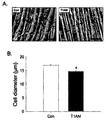
- Figure 1 shows a comparison of C2C12 root canal cell diameter between the T1AM treated group and the control group:
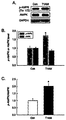
- Figure 2 shows a comparison of the AMPK activity of C2C12 myotubes between the T1AM treatment group and the control group:
- A is the result of immunoblotting (Immublotting) analysis for p-AMPK and AMPK expression.
- B is a graph showing p-AMPK and AMPK expression levels,
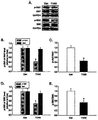
- Figure 3 shows the comparison of Akt1 and S6K expression of C2C12 myotubes between the T1AM treated group and the control group:
- A is the result of immunoblotting (Immublotting) analysis for Akt1 and S6K expression.
- BC is a graph showing the expression ratio of p -Akt1 and Akt1 expression levels and p-Akt1 / Akt1.
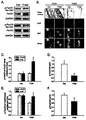
- Figure 4 shows the comparison of FoxO1 and FoxO3 expression of C2C12 root canal cells between the T1AM treatment group and the control group:
- A is the result of immunoblotting (Immublotting) analysis for FoxO1 and FoxO3 expression.
- B is a confocal microscope photograph of immunofluorescence staining for FoxO1 and FoxO3.
- CD is a graph showing the expression ratio of p -FoxO1 and FoxO1 expression levels and p-FoxO1 / FoxO1.
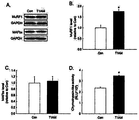
- Figure 5 shows the comparison of MuRF1 and MAFbx expression of C2C12 root canal cells between the T1AM treatment group and the control group:
- A is the result of immunoblotting (Immublotting) analysis for FoxO1 and FoxO3 expression.
- BC is a graph showing densitometric quantitation versus MuRF1 and MAFbx expression levels.
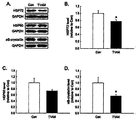
- Figure 6 shows the comparison of chaperone expression of C2C12 myotubes between T1AM treated and control groups:
- A is immunoblotting of heat shock protein72 (HSP72), HSP60 and alphaB-crystallin expression. (Immublotting) The result of the analysis.
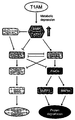
- FIG. 7 is a schematic of signaling pathways involved in muscle protein synthesis and degradation following T1AM treatment.
- the present invention is directed to animal models, T1AM (3-iodothyronamine), DADLE ([D-Ala2, D-Leu5] enkephalin), 5'-AMP (5'-adenosine monophosphate) and H 2 S (hydrogen sulfide)
- a muscle atrophy inducer containing a hypobolic (hypometabolism) inducer selected from the group consisting of, a method of manufacturing a muscle atrophy research model comprising the step of causing or causing atrophy by treating or administering it, the research model produced accordingly And a method for utilizing drug screening for preventing or treating muscle atrophy, a composition for preventing or treating myopathy containing the low metabolic substance as an active ingredient or a composition for reducing facial muscles containing the low metabolic substance as an active ingredient
- the present inventors have found that the low metabolic inducer inhibits the mechanism of synthesizing muscle protein and activates the degradation mechanism through changes in related protein expression and myotube cell size. The invention has been completed.
- the present invention is a muscle atrophy inducer containing a low metabolic (hypometabolism) inducer as an active ingredient, T1AM (3-iodothyronamine), DADLE ([D-Ala2, D-Leu5] enkephalin), 5'-AMP (5'- Provided is a muscle atrophy inducer containing a hypometabolism inducer selected from the group consisting of adenosine monophosphate) and H 2 S (hydrogen sulfide) as an active ingredient.
- a hypometabolism inducer selected from the group consisting of adenosine monophosphate
- H 2 S hydrogen sulfide
- the low metabolic inducer may be more specifically T1AM (3-iodothyronamine).
- the cell line in the study model may be used as a muscle cell line (muscle cell line), can be used a common myocyte line or muscle fibers used in the art, for example C2C12 myocytes, etc. Can be.
- the animal in the study model may be a vertebrate, more specifically refers to vertebrates other than humans, for example rodents, rabbits, horses, cattle, dogs, including mice, rats and hamsters , Cats, monkeys, guinea pigs, and the like.
- the present invention is a group consisting of T1AM (3-iodothyronamine), DADLE ([D-Ala2, D-Leu5] enkephalin), 5'-AMP (5'-adenosine monophosphate) and H 2 S (hydrogen sulfide) in normal animals It provides a method for manufacturing a muscle atrophy research model comprising the step of inducing muscle atrophy by administering a hypobolic (hypometabolism) inducer selected from.
- the low metabolic inducer may be more specifically T1AM (3-iodothyronamine), the dosage of T1AM may be appropriately adjusted.
- T1AM 3-iodothyronamine
- the dosage of T1AM may be appropriately adjusted.
- the dose of T1AM is less than 10 mg / kg per unit weight (kg) of the animal to be administered, muscular atrophy is difficult to occur, and if it exceeds 500 mg / kg animals die
- the dosage may be 10 to 500 mg / kg, more specifically 20 to 250 mg / kg, and more specifically 25 to 100 mg / kg per unit weight of the animal, depending on the condition of the animal and the experimental conditions. It can be adjusted appropriately.
- the treatment concentration in the cells may be 0.1 ⁇ M to 1000 ⁇ M, but may be appropriately adjusted according to the amount, condition and experimental conditions of the cells.
- the low metabolic inducer may be administered by oral administration, intraperitoneal administration, intravenous administration, intramuscular administration, subcutaneous administration, or intradermal administration.
- the metabolic inducer is not limited and may be administered by any device capable of moving to a target cell as an active substance.
- the number of administration of the low metabolic inducer may be once or twice or more per day, which may be adjusted according to the dosage of the low metabolic inducer.
- the degree of muscle atrophy of the muscle atrophy animal model can be adjusted by adjusting the dose of low metabolic inducer or the body exposure time of low metabolic inducer, which is proportional to the dose or body exposure time
- the degree can be performed based on deepening.
- the present invention also provides a muscle atrophy cell model or animal model produced by the above method.
- the muscle atrophy study model may show the results from (a) to (j) below compared to normal, which was confirmed through muscle cell experiments:
- the muscle atrophy study model compared with normal (a) a decrease in the size of the myotube cells or muscle size; (b) an increase in p- AMPK / AMPK expression ratio; (c) a decrease in the ratio of p -Akt1 / Akt1 expression; (d) reduction of p- S6K / S6K expression ratio; (e) a decrease in the ratio of p- FoxO1 / FoxO1 expression; (f) a decrease in the p- FoxO3 / FoxO3 expression rate; (g) increase in MuRF1 expression; (h) increased proteasome activity; (i) a decrease in the expression of heat shock protein 72 (HSP72); And (j) a decrease in alphaB-crystallin expression level.
- HSP72 heat shock protein 72
- (a) to (j) may be a characteristic compared to normal 5 to 10 days after the low metabolic inducer administration.
- the size of the root canal cells in relation to the above (a) is 0.01 to 0.20 times smaller than that of the normal root canal cells. It can have In relation to (b), the p- AMPK / AMPK expression ratio of the muscular atrophy study model may have a 0.01 to 2.5-fold increase compared to the p- AMPK / AMPK expression ratio of the normal model.
- P -Akt1 / Akt1 expression rate of muscle atrophy research model in relation to the (c) may have a 0.01 to 1.0-fold reduced compared to the p -Akt1 / Akt1 expression ratio of the normal model.
- the p- S6K / S6K expression ratio of the study model may have a 0.01 to 1.0-fold reduction compared to the p- S6K / S6K expression ratio of the normal model.
- P -FoxO1 / FoxO1 expression rate of muscle atrophy research model in relation to the (e) may have a 0.01 to 1.0-fold reduced compared to the p -FoxO1 / FoxO1 expression ratio of the normal model.
- the p -FoxO3 / FoxO3 expression ratio of (f) and amyotrophic research model in association may have a 0.01 to 0.8-fold reduced compared to the p -FoxO3 / FoxO3 expression ratio of the normal model.
- the muRF1 expression level of the muscle atrophy study model may have an increase of 0.01 to 2.5 times compared to the MuRF1 expression level of the normal model.
- the proteasome activity of the muscle atrophy study model may have a 0.01-2.0 fold increase compared to the proteasome activity of the normal model.
- the proteasome may be a 26S proteasome, the activity of which may be measured using a method known as a method of measuring proteasome activity.
- the heat shock protein 72 (HSP72) expression level of the muscle atrophy study model may have a 0.01 to 0.15 fold reduction compared to the heat shock protein 72 (HSP72) expression amount of the normal model.
- the alpha-crystallin ( ⁇ B-crystallin) expression level of the muscle atrophy study model may have a 0.01 to 1.0-fold reduction compared to the alphabi-crystallin expression level of normal animals. have.
- S6K, MuRF1, HSP72, and alpha B-crystallin can be measured using a method known as a protein analysis method. For example, it can be measured by immunoblotting.
- the muscular atrophy research model may be used as a research model for accurate muscular atrophy research, but may also be usefully used as a screening test for preventing or treating atrophy.
- the present invention comprises the steps of processing the candidate material in the muscle atrophy research model;
- the present invention provides a drug screening method for treating muscular dystrophy, comprising determining a candidate substance as a drug for treating muscular atrophy by evaluating the improvement or treatment of muscular atrophy in the candidate model-treated research model.
- the candidate is a substance capable of treating muscular atrophy, including without limitation chemicals, oligonucleotides, peptides, genes, proteins and the like.
- the evaluation of the degree of improvement or treatment of muscle atrophy may be comparing any one or more of the following indicators (1) to (10) with that of the control group:
- the improvement or treatment of muscle atrophy can be evaluated by comparing the size change of muscle canal cells or the size change of muscle size of the control group with the candidate substance.
- the group treated with the candidate substance may be regarded as a drug for treating muscle atrophy when the size of the root canal cells or muscles is increased compared to the control group.
- p- AMPK / AMPK expression ratio of the treated group and the control group can be compared to evaluate the improvement or treatment of muscle atrophy. If the p- AMPK / AMPK expression ratio is reduced in the group treated with the candidate compared to the control group can be determined as a drug for treating muscular atrophy.
- p- Akt1 / Akt1 expression ratio of the group treated with the candidate and the control group can be compared to evaluate the improvement or treatment of muscle atrophy. If the p- Akt1 / Akt1 expression ratio is increased in the group treated with the candidate substance compared to the control group, it may be determined as a drug for treating muscular atrophy.
- p- S6K / S6K expression ratios of the group treated with the candidate and the control group can be compared to evaluate the improvement or treatment of muscle atrophy. If the p- S6K / S6K expression rate is increased in the group treated with the candidate substance compared to the control group, it may be determined as a drug for treating muscular atrophy.
- p- FoxO1 / FoxO1 expression ratio of the treated group and the control group can be compared to evaluate the improvement or treatment of muscle atrophy. If the p- FoxO1 / FoxO1 expression ratio is increased in the group treated with the candidate substance compared to the control group, it may be considered a drug for treating muscular atrophy.
- p- FoxO3 / FoxO3 expression ratios of the treated group and the control group can be compared to evaluate the improvement or treatment of muscle atrophy.
- the candidate treated group may be considered a drug for treating muscular atrophy when the p- FoxO3 / FoxO3 expression ratio is increased compared to the control group.
- MuRF1 expression levels of the group treated with the candidate and the control group can be compared to evaluate the improvement or treatment of muscle atrophy. If the amount of MuRF1 expression is reduced in the group treated with the candidate compared to the control group, it may be determined as a drug for treating muscular atrophy.
- the proteasome activity of the group treated with the candidate and the control group can be compared to evaluate the improvement or treatment of muscle atrophy. If the proteasome activity is reduced in the group treated with the candidate substance compared to the control group can be determined as a drug for treating muscular atrophy.
- the expression of heat shock protein 72 (HSP72) in the group treated with the candidate and the control group can be compared to evaluate the improvement or treatment of muscle atrophy.
- the candidate treated group may be considered a drug for treating muscular atrophy when the expression level of heat shock protein 72 (HSP72) is increased compared to the control group.
- the alpha-crystallin ( ⁇ B-crystallin) expression of the treated group and the control group can be compared to evaluate the improvement or treatment of muscle atrophy.
- the candidate treated group may be considered a drug for treating muscular atrophy when the expression level of alpha B-crystallin is increased compared to the control group.
- the control group refers to a group treated with an excipient of a drug for treating muscular dystrophy instead of a candidate substance.
- the control group is a group treated with dimethyl sulfoxide (DMSO), physiological saline, sterile distilled water, carboxymethylcellulose, or phosphate buffered saline (PBS). Can be.
- the present invention also provides a method of treating or administering a candidate substance to a normal cell or a normal animal; Treating or administering a low metabolic inducer to said cell or animal; And determining a candidate substance as a drug for preventing atrophy by evaluating the degree of muscle atrophy of the cell or animal to which the low metabolic inducer is treated or administered.
- the candidates are as listed above.
- the evaluation of the degree of muscle atrophy may be to compare any one or more of the following (1) to (10) with that of the control group:
- the degree of muscle atrophy can be evaluated by comparing the size change of muscle canal cells or the size change of muscle size of the control group with the candidate substance.
- the group treated with the candidate substance may be regarded as a drug for preventing muscle atrophy when the size of the root canal cells or muscles is increased compared to the control group.
- the degree of muscle atrophy can be evaluated by comparing the p- AMPK / AMPK expression ratio of the group treated with the candidate and the control group. If the p- AMPK / AMPK expression ratio is reduced in the group treated with the candidate compared to the control group can be considered as a drug for preventing atrophy.
- the degree of muscle atrophy can be evaluated by comparing the p- Akt1 / Akt1 expression ratio of the group treated with the candidate and the control group. If the p- Akt1 / Akt1 expression ratio is increased in the group treated with the candidate substance compared to the control group, it may be considered as a drug for preventing atrophy.
- the degree of muscle atrophy can be evaluated by comparing the p- S6K / S6K expression ratio of the group treated with the candidate and the control group.
- the candidate treated group may be considered as a drug for preventing muscle atrophy when the p- S6K / S6K expression rate is increased compared to the control group.
- the degree of muscle atrophy can be evaluated by comparing the p- FoxO1 / FoxO1 expression ratios of the group treated with the candidate and the control group. If the p- FoxO1 / FoxO1 expression ratio is increased in the group treated with the candidate substance compared to the control group, it may be considered as a drug for preventing atrophy.
- the degree of muscle atrophy can be evaluated by comparing the p- FoxO3 / FoxO3 expression ratio of the group treated with the candidate and the control group.
- the group treated with the candidate substance may be regarded as a drug for preventing muscle atrophy when the p- FoxO3 / FoxO3 expression ratio is increased compared to the control group.
- the degree of muscle atrophy can be evaluated by comparing the amount of MuRF1 expression in the group treated with the candidate and the control group.
- the group treated with the candidate substance may be regarded as a drug for preventing muscle atrophy when the expression level of MuRF1 is decreased compared to the control group.
- the measurement of proteasome activity is the same as in (h) above, and the degree of muscle atrophy by comparing the proteasome activity of the group treated with the candidate and the control group. Can be evaluated. If the proteasome activity is reduced in the group treated with the candidate compared to the control group can be determined as a drug for preventing muscle atrophy.
- the degree of muscle atrophy can be evaluated by comparing the expression levels of heat shock protein 72 (HSP72) in the group treated with the candidate and the control group.
- the group treated with the candidate substance may be regarded as a drug for preventing muscle atrophy when the expression level of heat shock protein 72 (HSP72) is increased compared to the control group.
- the degree of muscle atrophy can be evaluated by comparing the alphaB-crystallin expression levels of the group treated with the candidate and the control group.
- the group treated with the candidate substance may be regarded as a drug for preventing muscle atrophy when the expression level of alpha B-crystallin is increased compared to the control group.
- the expression levels of S6K, MuRF1, HSP72, and alpha B-crystallin protein can be measured using a method known as a protein analysis method. For example, it can be measured by immunoblotting.
- the control group refers to a group treated with an excipient for preventing muscle atrophy instead of a candidate substance, for example, the control group is a group treated with dimethyl sulfoxide (DMSO), physiological saline, sterile distilled water, carboxymethyl cellulose, or PBS (phosphate buffered saline). Can be.
- DMSO dimethyl sulfoxide
- physiological saline physiological saline
- sterile distilled water sterile distilled water
- carboxymethyl cellulose or PBS (phosphate buffered saline).
- Normal cells or animals in the present specification means cells or animals that do not have muscular atrophy.
- an animal it may be an animal such as a muscle atrophy model and an animal that has not been produced in the same or similar environment.
- the present invention is also selected from the group consisting of T1AM (3-iodothyronamine), DADLE ([D-Ala2, D-Leu5] enkephalin), 5'-AMP (5'-adenosine monophosphate) and H 2 S (hydrogen sulfide)
- T1AM 3-iodothyronamine
- DADLE [D-Ala2, D-Leu5] enkephalin
- 5'-AMP 5'-adenosine monophosphate
- H 2 S hydrogen sulfide
- a pharmaceutical composition for preventing or treating myopia which contains a hypobolic (hypometabolism) inducer as an active ingredient.
- the low metabolic inducer may be more specifically T1AM (3-iodothyronamine).
- the myopathy is congenital myotonia congenita, calf hypertrophy, myhre syndrome, myostatin-related muscle hypertrophy.
- the low metabolic inducer of the present invention inhibits the activity of Akt1-S6K involved in muscle protein synthesis and induces muscular atrophy by activating FoxO-proteasome involved in muscle protein degradation. It can be used as a replaceable drug and can be used to treat a variety of myopathy including myostatin-related muscle hypertrophy caused by the binding of myostatin.
- the present invention includes not only the low metabolic derivatives of the present invention, but also pharmaceutically acceptable salts thereof, and possible solvates, hydrates, racemates, or stereoisomers that may be prepared therefrom.
- the low metabolic inducers of the present invention can be used in the form of pharmaceutically acceptable salts, and acid salts formed by pharmaceutically acceptable free acids are useful as salts.
- Acid addition salts include inorganic acids such as hydrochloric acid, nitric acid, phosphoric acid, sulfuric acid, hydrobromic acid, hydroiodic acid, nitrous acid or phosphorous acid and aliphatic mono and dicarboxylates, phenyl-substituted alkanoates, hydroxy alkanoates and alkanes. Obtained from non-toxic organic acids such as dioates, aromatic acids, aliphatic and aromatic sulfonic acids.
- Such pharmaceutically nontoxic salts include sulfate, pyrosulfate, bisulfate, sulfite, bisulfite, nitrate, phosphate, monohydrogen phosphate, dihydrogen phosphate, metaphosphate, pyrophosphate chloride, bromide, and iodide.
- the acid addition salts according to the invention dissolve the conventional methods, for example, the low metabolic inducers of the invention in an excess of aqueous acid solution, and the salts are water miscible organic solvents such as methanol, ethanol, acetone or aceto. It can be prepared by precipitation using nitrile. The mixture may also be prepared by evaporation of a solvent or excess acid to evaporate or by precipitation filtration of the precipitated salt.
- Bases can also be used to make pharmaceutically acceptable metal salts.
- An alkali metal or alkaline earth metal salt is obtained by, for example, dissolving a compound in an excess of alkali metal hydroxide or alkaline earth metal hydroxide solution, filtering the insoluble compound salt, and evaporating and drying the filtrate. At this time, it is pharmaceutically suitable to prepare sodium, potassium or calcium salt as the metal salt.
- Corresponding silver salts are also obtained by reacting alkali or alkaline earth metal salts with a suitable negative salt (eg, silver nitrate).
- composition When formulating the composition, it is prepared using commonly used diluents or excipients, such as fillers, extenders, binders, wetting agents, disintegrating agents, surfactants.
- diluents or excipients such as fillers, extenders, binders, wetting agents, disintegrating agents, surfactants.
- Solid preparations for oral administration include tablets, patients, powders, granules, capsules, troches and the like, which solid preparations contain at least one excipient such as starch, carbonic acid in one or more low metabolic inducers of the invention. It is prepared by mixing calcium, sucrose or lactose or gelatin. In addition to simple excipients, lubricants such as magnesium styrate talc are also used.
- Liquid preparations for oral administration include suspensions, solutions, emulsions, or syrups, and include various excipients such as wetting agents, sweeteners, fragrances, and preservatives, in addition to commonly used simple diluents such as water and liquid paraffin. Can be.
- Formulations for parenteral administration include sterile aqueous solutions, non-aqueous solvents, suspensions, emulsions, lyophilized preparations, suppositories, and the like.
- non-aqueous solvent and the suspension solvent propylene glycol, polyethylene glycol, vegetable oil such as olive oil, injectable ester such as ethyl oleate, and the like can be used.
- base of the suppository witepsol, macrogol, tween 61, cacao butter, laurin butter, glycerol, gelatin and the like can be used.
- composition according to the invention is administered in a pharmaceutically effective amount.
- pharmaceutically effective amount means an amount sufficient to treat a disease at a reasonable benefit / risk ratio applicable to medical treatment, and an effective dose level means the type, severity, and activity of the patient's disease. , Sensitivity to the drug, time of administration, route of administration and rate of release, duration of treatment, factors including concurrent use of the drug, and other factors well known in the medical arts.
- the compositions of the present invention may be administered as individual therapeutic agents or in combination with other therapeutic agents, may be administered sequentially or simultaneously with conventional therapeutic agents, and may be single or multiple doses. Taking all of the above factors into consideration, it is important to administer an amount that can achieve the maximum effect with a minimum amount without side effects, which can be readily determined by one skilled in the art.
- the effective amount of the compound according to the present invention may vary depending on the age, sex, and weight of the patient, and in general, 0.1 mg to 100 mg, preferably 0.5 mg to 10 mg per 1 kg of body weight is administered daily or every other day. Or divided into 1 to 3 times a day.
- the dosage may be increased or decreased depending on the route of administration, the severity of obesity, sex, weight, age, etc., and the above dosage does not limit the scope of the present invention in any way.
- the present invention is also selected from the group consisting of T1AM (3-iodothyronamine), DADLE ([D-Ala2, D-Leu5] enkephalin), 5'-AMP (5'-adenosine monophosphate) and H 2 S (hydrogen sulfide)
- T1AM 3-iodothyronamine
- DADLE [D-Ala2, D-Leu5] enkephalin
- 5'-AMP 5'-adenosine monophosphate
- H 2 S hydrogen sulfide
- a health food for preventing or improving my hypertrophy which contains a substance that induces low metabolism (hypometabolism) as an active ingredient.
- the low metabolic inducer of the present invention inhibits the activity of Akt1-S6K involved in muscle protein synthesis and induces muscular atrophy by activating FoxO-proteasome involved in muscle protein degradation. It can be used as a replaceable drug and can be used in various foods for preventing and improving myomegaly, including myostatin-related muscle hypertrophy caused by the binding of myostatin.
- Examples of foods to which the above-mentioned substances may be added include dairy products, various soups, drinks, meat, sausages, breads, biscuits, rice cakes, chocolate, candy, snacks, confectionery, pizza, ramen, other noodles, gums, ice cream, Beverages, alcoholic beverages and vitamin complexes, dairy products and dairy products, and the like includes all the health functional foods in the conventional sense.
- the low metabolic inducers of the present invention can be added as is to foods or used with other foods or food ingredients, and can be suitably used according to conventional methods.
- the mixing amount of the active ingredient can be suitably determined according to the purpose of use (prevention or improvement).
- the amount of the compound in the dietary supplement may be added at 0.1 to 90 parts by weight of the total food weight.
- the amount may be below the above range, and the active ingredient may be used in an amount above the above range because there is no problem in terms of safety.
- the health food composition according to the present invention is a beverage composition
- various flavors or natural carbohydrates as additional ingredients are used as in general beverages. It may contain.
- natural carbohydrates include monosaccharides such as glucose, fructose and the like; Disaccharides such as maltose, sucrose and the like; And conventional sugars such as polysaccharides such as dextrin, cyclodextrin, and sugar alcohols such as xylitol, sorbitol, and erythritol.
- natural flavoring agents such as, tauumatin, stevia extract (e.g., Rebaudioside A, glycyrrhizin, etc.) and synthetic flavoring agents (saccharin, aspartame, etc.) can be advantageously used.
- the proportion of said natural carbohydrates is generally about 1 to 20 g, preferably about 5 to 10 g per 100 compositions of the present invention.
- the health food composition according to the present invention is a flavor, such as various nutrients, vitamins, minerals (electrolytes), synthetic flavors and natural flavors, coloring and neutralizing agents (such as cheese, chocolate), pectic acid and salts thereof, Alginic acid and salts thereof, organic acids, protective colloidal thickeners, pH adjusters, stabilizers, preservatives, glycerin, alcohols, carbonation agents used in carbonated drinks and the like.
- Others may contain pulp for the production of natural fruit juices and fruit juice beverages and vegetable beverages.
- the proportion of such additives is not limited, but is generally selected in the range of 0.1 to about 20 parts by weight per 100 parts by weight of the low metabolic inducer of the present invention.
- the present invention provides a pharmaceutical composition for facial muscles reduction containing the low metabolic inducer of the present invention as an active ingredient.
- the low metabolic inducer of the present invention induces muscle atrophy by inhibiting the activity of Akt1-S6K involved in the synthesis of muscle protein and activating FoxO-proteasome involved in the breakdown of protein. It can be usefully used as a composition for reducing facial muscles that can be used.
- T1AM was chemically synthesized (Korean Patent No. 1,112,731) and dissolved in 0.75 and 1 M storage concentrations in dimethyl sulfoxide (DMSO; SIGMA, Missouri, US).
- DMSO dimethyl sulfoxide
- SIGMA sulfur dioxide
- DMEM Welgene, Dalseogu, Daegu, Korea
- noniet P-40 Complete Mini protease inhibitor, and phosphatase inhibitor cocktail were purchased from Roche. It was.
- RIPA buffer 1% Nonidet P-40, 1% sodium deoxycholate, 150 mM NaCl, 10 mM sodium phosphate [pH 7.4], 2 mM EDTA, 50 mM NaF, 0.2 mM Na 3 VO 4 , 40 mM HEPES [pH 7.4] , 0.7% CHAPS, 1% SDS, and protease inhibitor cocktail
- ECL systems purchased from GE Healthcare (Fairfield, CT, USA) and stored at 4 and Restore Western Blot Stripping Buffer from Thermo Scientific (Rockford, IL, USA) were used for immunoblot analysis.
- Rabbit anti-muscle RING-finger protein-1 (MuRF1) and F-Box Only Protein 32 (MAFbx / atrogen1) polyclonal antibody was purchased from Santa Cruz Biotechnology (Santa Cruz, CA, USA) and mouse anti-heat shock proteins (HSP) 90, 72, and 60 were stressgen (Victoria, BC, Purchased from Canada).
- GPDH Mouse anti-glyceraldehydes-3-phosphate-dehydrogenase antibodies
- Abcam Cambridge, UK
- HLP-conjugated anti-mouse immunity Globulin G HRP-conjugated anti-mouse IgG
- anti-rabbit immunoglobulin G anti-rabbit IgG
- C2C12 myoblasts were purchased from the American Type Culture Collection (Rockville, MD, USA) and supplemented with 4,500 mg / L glucose and 1% antibiotics supplemented with 10% fetal bovine serum (Hyclone, Logan, UT, USA). Were cultured in DMEM medium containing antimycotics (Gibco, Burlington, Ontario, Canada). Myoblasts were stored under 37 ° C. and 5% CO 2 . Myoblasts were grown for immunoblot analysis and myotube cell diameter measurements in 6 well culture plates. Myoblasts were replaced with differentiation medium (DMEM with 2% horse serum and 1% antibiotic / antimycotics) and maintained for 5 days when approximately 80% confluent in each well. Induced to differentiate into cells. Medium was replaced every two days with fresh medium.
- differentiation medium DMEM with 2% horse serum and 1% antibiotic / antimycotics
- Cells were obtained with RIPA buffer and then digested by repeated aspiration through 21 gauge needles and transferred to 1.5 mL microtubes. Samples were incubated on ice for 5 minutes and centrifuged at 13,000 rpm at 4 ° C. for 10 minutes. Supernatants were obtained with whole-cell soluble lysates, and protein concentrations were determined via Bradford assay.
- AMPK phospho-AMPK
- p -AMPK phospho-AMPK
- FoxO1 p -FoxO1, FoxO3, p -FoxO3, Akt1, p -Akt1, S6K, p -S6K, MuRF1, MAFbx, HSP90, HSP72, HSP60, HSP27, ⁇ B-crystallin ,
- MuRF1 MAFbx
- MAFbx MAFbx
- Proteins were transferred from the gel to the nitrocellulose membrane by electrophoresis.
- the membrane was reacted with blocking buffer (1X TBS, 0.5% Tween-20 with 5% w / v nonfat dry milk) for 1 hour at room temperature and washed three times with 10 mL TBST for 10 minutes each.
- the membrane was then reacted overnight at 4 ° C. with a primary antibody appropriately diluted in 10 mL TBST (1: 500-1: 10,000).
- Membranes were reacted with stirring for 1 hour at room temperature with HRP-conjugated secondary antibody to detect proteins bound in 10 mL TBST and then washed three times with 10 mL TBST for 10 minutes each.
- Immune complexes were detected by the ECL system (GE Healthcare, Fairfield, CT, USA) and the obtained bands were quantified by ImageJ 1.47t software (NIH, MD, USA). Protein density was normalized by the density of GAPDH. To detect GAPDH, membranes were washed three times with TBST for 10 minutes each, incubated in restore buffer for 30 minutes at room temperature, and allowed to strip.
- Cells from each 6-well plate were washed three times with 1 ⁇ PBS and then fixed with 4% paraformaldehyde for 30 minutes at room temperature. Cells were then treated with 0.2% Tritin X-100 for 10 minutes on ice to ensure permeability and blocked with 3% BSA in 1 ⁇ PBS. Cells were stained respectively with primary antibodies against FoxOl and FoxO3 diluted 1: 100 in IX PBS and reacted with Alexa 488-conjugated secondary antibody diluted 1: 1,000. Finally, the cells were washed three times with 1X PBS, and then mounting medium including DAPI (Vector Laboratories, Burlingame, Calif., USA) was added to the cells. Fluorescently labeled cells were detected by Carl Zeiss LSM750 confocal microscope (Jena, Germany).
- chemotrypsin-like activity is the proteosome's proteolytic enzyme. It is considered representative of the dose.
- Promega Proteasome-Glo Cell Based Luminescence Kit Promega, Madison, WI, USA
- Cell counter Biorad, Hercules, CA, USA
- the size of the root canal cells decreased by 0.13 times when the 75 ⁇ M T1AM was treated for 6 hours compared to the vehicle control group (16.97 ⁇ 0.32 m).
- the phosphorylation level of Akt1 was significantly down-regulated in the T1AM treated group compared to the control group, while the non-phosphorylation level between the two groups was found to be similar. Therefore, p -Akt1 / Akt1 expression ratio was 0.45 times lower in the T1AM treatment group than the control group (Fig. 3C). In addition, p- S6K levels were lowered by T1AM treatment, and as a result, p- S6K / S6K expression ratio was 0.53 times lower in the T1AM treatment group than in the control group (FIG. 3E).
- the total expression of FoxO1 was increased 2.5 times in the T1AM treated group compared to the control (in Ser256), while the phosphorylation levels between the two groups were similar.
- the p- FoxO1 / FoxO1 expression ratio was 0.66 times lower in the T1AM treated group (FIG. 4D).
- the total expression of FoxO3 was not different between the T1AM and control groups, but the p -FoxO3 level was 0.58 times lower in the T1AM treatment group. Therefore, p- FoxO3 / FoxO3 expression ratio showed a 0.39-fold decrease in T1AM treatment group compared to the control group (FIG. 4F).
- the activity of FoxOs is known to be regulated by the antagonistic effects of AMPK and Akt1.
- the decrease in p- FoxO / FoxO expression ratio corresponds to up-regulated p- AMPK and down-regulated p- Akt1.
- This is one of catabolism and leads to protein degradation.
- AMPK, FoxO1, FoxO3, MuRF1, and proteasome which are involved in the proteolytic mechanism, are activated by T1AM mediated metabolism, whereas AKt1, which is involved in the proteolytic synthesis, S6K, heat shock protein 72 (HSP72), and alphaB-crystallin were shown to be inactivated.
- the metabolism of the low metabolic inducer according to the present invention in particular, T1AM induces low metabolism and inhibits energy metabolism, the protein associated with the muscle protein degradation mechanism is activated and the protein associated with the muscle protein synthesis mechanism is inhibited. It was confirmed that the size is reduced.
Landscapes
- Health & Medical Sciences (AREA)
- Life Sciences & Earth Sciences (AREA)
- Chemical & Material Sciences (AREA)
- Engineering & Computer Science (AREA)
- General Health & Medical Sciences (AREA)
- Animal Behavior & Ethology (AREA)
- Medicinal Chemistry (AREA)
- Immunology (AREA)
- Bioinformatics & Cheminformatics (AREA)
- Pharmacology & Pharmacy (AREA)
- Epidemiology (AREA)
- Genetics & Genomics (AREA)
- Public Health (AREA)
- Veterinary Medicine (AREA)
- Molecular Biology (AREA)
- Biomedical Technology (AREA)
- Zoology (AREA)
- Biotechnology (AREA)
- General Engineering & Computer Science (AREA)
- Environmental Sciences (AREA)
- Proteomics, Peptides & Aminoacids (AREA)
- Microbiology (AREA)
- Gastroenterology & Hepatology (AREA)
- Urology & Nephrology (AREA)
- Hematology (AREA)
- Physics & Mathematics (AREA)
- Organic Chemistry (AREA)
- Biochemistry (AREA)
- Wood Science & Technology (AREA)
- Food Science & Technology (AREA)
- Biodiversity & Conservation Biology (AREA)
- Biophysics (AREA)
- Inorganic Chemistry (AREA)
- Plant Pathology (AREA)
- Pathology (AREA)
- General Physics & Mathematics (AREA)
- Analytical Chemistry (AREA)
- Animal Husbandry (AREA)
- Cell Biology (AREA)
- Medicines That Contain Protein Lipid Enzymes And Other Medicines (AREA)
Abstract
La présente invention concerne : un agent induisant l'atrophie musculaire contenant, comme principe actif, une substance induisant l'hypométabolisme choisie dans le groupe constitué par T1AM (3-iodothyronamine), DADLE ([D-Ala2,D-Leu5] encéphaline), 5'-AMP (5'-adénosine monophosphate) et H2S (sulfure d'hydrogène); une méthode de production d'un modèle d'étude de l'atrophie musculaire comprenant une étape consistant à induire l'atrophie musculaire en administrant ledit agent induisant l'atrophie musculaire; un modèle d'étude produit en fonction de ladite méthode de production du modèle d'étude de l'atrophie musculaire; une méthode de criblage de médicaments servant à prévenir ou traiter l'atrophie musculaire en utilisant ledit modèle d'étude; et une composition permettant de prévenir ou traiter l'hypertrophie musculaire, et une composition pour la contraction des muscles du visage. Le modèle d'étude de l'atrophie musculaire selon la présente invention est avantageux en ce que ledit modèle d'étude permet d'obtenir un modèle d'étude économique pour l'étude de l'atrophie musculaire à l'aide d'un agent induisant l'hypométabolisme capable d'une production de masse, et peut avantageusement être utilisé pour tester le criblage des médicaments servant à prévenir ou traiter l'atrophie musculaire; en outre, l'invention peut être utilisée avantageusement comme composition pour la prévention ou le traitement de l'hypertrophie musculaire, et comme composition pour la contraction des muscles du visage par un effet d'atrophie musculaire.
Priority Applications (3)
| Application Number | Priority Date | Filing Date | Title |
|---|---|---|---|
| US15/576,231 US10821086B2 (en) | 2015-06-29 | 2016-06-29 | Muscular atrophy-inducing agent using hypometabolism-inducing substance T1AM, and use thereof in treating muscular hypertrophy |
| US16/922,432 US20200345662A1 (en) | 2015-06-29 | 2020-07-07 | Muscular atrophy-inducing agent using hypometabolism-inducing substance t1am, and use thereof in treating muscular hypertrophy |
| US17/029,791 US11974970B2 (en) | 2015-06-29 | 2020-09-23 | Muscular atrophy-inducing agent using hypometabolism-inducing substance T1AM, and use thereof in treating muscular hypertrophy |
Applications Claiming Priority (4)
| Application Number | Priority Date | Filing Date | Title |
|---|---|---|---|
| KR20150091807 | 2015-06-29 | ||
| KR10-2015-0091807 | 2015-06-29 | ||
| KR10-2016-0068882 | 2016-06-02 | ||
| KR1020160068882A KR102004930B1 (ko) | 2015-06-29 | 2016-06-02 | 저대사 유도물질 t1am을 이용한 근위축 유도제 및 이의 근비대 치료 용도 |
Related Child Applications (3)
| Application Number | Title | Priority Date | Filing Date |
|---|---|---|---|
| US15/576,231 A-371-Of-International US10821086B2 (en) | 2015-06-29 | 2016-06-29 | Muscular atrophy-inducing agent using hypometabolism-inducing substance T1AM, and use thereof in treating muscular hypertrophy |
| US16/922,432 Division US20200345662A1 (en) | 2015-06-29 | 2020-07-07 | Muscular atrophy-inducing agent using hypometabolism-inducing substance t1am, and use thereof in treating muscular hypertrophy |
| US17/029,791 Continuation-In-Part US11974970B2 (en) | 2015-06-29 | 2020-09-23 | Muscular atrophy-inducing agent using hypometabolism-inducing substance T1AM, and use thereof in treating muscular hypertrophy |
Publications (1)
| Publication Number | Publication Date |
|---|---|
| WO2017003177A1 true WO2017003177A1 (fr) | 2017-01-05 |
Family
ID=57608934
Family Applications (1)
| Application Number | Title | Priority Date | Filing Date |
|---|---|---|---|
| PCT/KR2016/006955 Ceased WO2017003177A1 (fr) | 2015-06-29 | 2016-06-29 | Agent induisant l'atrophie musculaire à l'aide de la substance t1am induisant l'hypométabolisme, et son utilisation dans le traitement de l'hypertrophie musculaire |
Country Status (1)
| Country | Link |
|---|---|
| WO (1) | WO2017003177A1 (fr) |
Citations (4)
| Publication number | Priority date | Publication date | Assignee | Title |
|---|---|---|---|---|
| US20060035980A1 (en) * | 2003-04-18 | 2006-02-16 | Scanlan Thomas S | Thyronamine derivatives and analogs and methods of use thereof |
| JP2006162346A (ja) * | 2004-12-03 | 2006-06-22 | Biomarker Science:Kk | 筋萎縮の診断方法、抗筋萎縮作用の評価方法、及び抗筋萎縮物質のスクリーニング方法 |
| KR101112731B1 (ko) * | 2009-11-02 | 2012-03-13 | 연세대학교 산학협력단 | 3-아이오도타이로나민의 제조방법 |
| US20130269046A1 (en) * | 2010-09-30 | 2013-10-10 | Rigel Pharmaceuticals, Inc. | Model for Muscle Atrophy |
-
2016
- 2016-06-29 WO PCT/KR2016/006955 patent/WO2017003177A1/fr not_active Ceased
Patent Citations (4)
| Publication number | Priority date | Publication date | Assignee | Title |
|---|---|---|---|---|
| US20060035980A1 (en) * | 2003-04-18 | 2006-02-16 | Scanlan Thomas S | Thyronamine derivatives and analogs and methods of use thereof |
| JP2006162346A (ja) * | 2004-12-03 | 2006-06-22 | Biomarker Science:Kk | 筋萎縮の診断方法、抗筋萎縮作用の評価方法、及び抗筋萎縮物質のスクリーニング方法 |
| KR101112731B1 (ko) * | 2009-11-02 | 2012-03-13 | 연세대학교 산학협력단 | 3-아이오도타이로나민의 제조방법 |
| US20130269046A1 (en) * | 2010-09-30 | 2013-10-10 | Rigel Pharmaceuticals, Inc. | Model for Muscle Atrophy |
Non-Patent Citations (1)
| Title |
|---|
| BODINE ET AL.: "Identification of Ubiquit in Ligases Required for Skeletal Muscle Atrophy", SCIENCE, vol. 294, 2001, pages 1704 - 1708, XP002971976 * |
Similar Documents
| Publication | Publication Date | Title |
|---|---|---|
| WO2018182329A1 (fr) | Composition ciblant s1pr4 pour prévenir ou traiter une stéatohépatite non alcoolique | |
| WO2020122391A1 (fr) | Composition pour la prévention ou le traitement de maladies associées à la sénescence cellulaire, contenant de l'homoharringtonine en tant que principe actif | |
| WO2021049864A1 (fr) | Composition permettant d'améliorer le syndrome de l'œil sec contenant un extrait d'aralia elata | |
| WO2020106048A1 (fr) | Composition pharmaceutique pour la prévention ou le traitement d'une maladie neurodégénérative | |
| WO2019078381A1 (fr) | Composition pharmaceutique, composition alimentaire et additif alimentaire pour prévenir, soulager ou traiter la perte, la faiblesse et l'atrophie musculaires, contenant, à titre de principe actif, une bactérie enterococcus faecalis, le liquide de culture ou des cellules mortes de celle-ci | |
| WO2020218720A1 (fr) | Composition pour la prévention ou le traitement de troubles musculaires ou l'amélioration de la fonction musculaire, contenant un extrait de leonurus japonicus ou de la léonurine | |
| WO2020032452A1 (fr) | Composition comprenant un composé à base d'or en tant que principe actif visant à inhiber la différenciation des ostéoclastes | |
| KR102004930B1 (ko) | 저대사 유도물질 t1am을 이용한 근위축 유도제 및 이의 근비대 치료 용도 | |
| WO2018074862A2 (fr) | Composition pharmaceutique comprenant de la tha en tant que principe actif pour le traitement du cancer du sein | |
| WO2024215162A1 (fr) | Protéine de fusion unique et composition pharmaceutique la comprenant | |
| WO2015108372A1 (fr) | Composition pour la prévention ou le traitement de troubles neurologiques provoqués par une excitotoxicité ou un dysfonctionnement synaptique, contenant de l'osmotine, et méthode pour la prévention ou le traitement de troubles neurologiques en faisant appel à celle-ci | |
| WO2017105081A1 (fr) | Composition pharmaceutique pour le traitement de maladies pulmonaires ou l'atténuation des symptômes de maladies pulmonaires | |
| WO2023027540A1 (fr) | Composition pour la prévention, l'amélioration ou le traitement de maladies musculaires comprenant du ginsénoside rc | |
| WO2017014545A1 (fr) | Composition pharmaceutique pour soigner la maladie de parkinson et inhiber les effets secondaires de la lévodopa, contenant une hormone de concentration de la mélanine en tant que principe actif | |
| WO2023096005A1 (fr) | Composition destinée à améliorer, à prévenir ou à traiter l'atrophie musculaire ou la sarcopénie, contenant du 2'-fl | |
| WO2021033995A1 (fr) | Composition comprenant un extrait d'amomum tsaoko pour prévenir, atténuer ou traiter une maladie liée à la sarcopénie | |
| WO2021086101A1 (fr) | Utilisation d'un nouveau composé pour la prévention, le soulagement ou le traitement de la sclérose latérale amyotrophique | |
| KR102004946B1 (ko) | 저대사 유도물질 t1am을 이용한 근위축 유도제 및 이의 근비대 치료 용도 | |
| WO2015072667A1 (fr) | Composition pharmaceutique pour prévenir ou traiter des maladies nerveuses crâniennes neurodégénératives | |
| WO2021201507A1 (fr) | Composition pour prévenir, améliorer ou traiter la sarcopénie, comprenant une protéine de larves de tenebrio molitor ou un hydrolysat de celle-ci en tant que principe actif | |
| WO2023171998A1 (fr) | Saikosaponine c en tant que composition destinée au traitement ou à la prévention de maladies vasculaires liées au vieillissement, y compris l'artériosclérose | |
| WO2020060264A1 (fr) | Composition comprenant un dérivé de sulforaphane pour la prévention, le traitement ou le soulagement de l'atrophie musculaire et de la sarcopénie | |
| WO2014051398A1 (fr) | Composition pharmaceutique comprenant de l'acécaïnide ou un dérivé de celui-ci pour la prévention ou le traitement de maladies associées à une faiblesse musculaire | |
| WO2021054637A1 (fr) | Composition pour la prévention, l'amélioration ou le traitement d'une maladie dégénérative du cerveau, comprenant un extrait de periostracum cicadae | |
| WO2020040522A1 (fr) | Composition pharmaceutique pour la prévention ou le traitement de maladies musculaires comprenant un extrait de codonopsis lanceolata en tant que composant efficace |
Legal Events
| Date | Code | Title | Description |
|---|---|---|---|
| 121 | Ep: the epo has been informed by wipo that ep was designated in this application |
Ref document number: 16818210 Country of ref document: EP Kind code of ref document: A1 |
|
| WWE | Wipo information: entry into national phase |
Ref document number: 15576231 Country of ref document: US |
|
| NENP | Non-entry into the national phase |
Ref country code: DE |
|
| 122 | Ep: pct application non-entry in european phase |
Ref document number: 16818210 Country of ref document: EP Kind code of ref document: A1 |