WO2017102712A1 - Nutritional composition and infant formula for promoting myelination of the brain - Google Patents
Nutritional composition and infant formula for promoting myelination of the brain Download PDFInfo
- Publication number
- WO2017102712A1 WO2017102712A1 PCT/EP2016/080772 EP2016080772W WO2017102712A1 WO 2017102712 A1 WO2017102712 A1 WO 2017102712A1 EP 2016080772 W EP2016080772 W EP 2016080772W WO 2017102712 A1 WO2017102712 A1 WO 2017102712A1
- Authority
- WO
- WIPO (PCT)
- Prior art keywords
- composition
- brain
- subject
- amount
- potential
- Prior art date
- Legal status (The legal status is an assumption and is not a legal conclusion. Google has not performed a legal analysis and makes no representation as to the accuracy of the status listed.)
- Ceased
Links
Classifications
-
- A—HUMAN NECESSITIES
- A23—FOODS OR FOODSTUFFS; TREATMENT THEREOF, NOT COVERED BY OTHER CLASSES
- A23L—FOODS, FOODSTUFFS OR NON-ALCOHOLIC BEVERAGES, NOT OTHERWISE PROVIDED FOR; PREPARATION OR TREATMENT THEREOF
- A23L33/00—Modifying nutritive qualities of foods; Dietetic products; Preparation or treatment thereof
- A23L33/10—Modifying nutritive qualities of foods; Dietetic products; Preparation or treatment thereof using additives
- A23L33/115—Fatty acids or derivatives thereof; Fats or oils
-
- A—HUMAN NECESSITIES
- A23—FOODS OR FOODSTUFFS; TREATMENT THEREOF, NOT COVERED BY OTHER CLASSES
- A23L—FOODS, FOODSTUFFS OR NON-ALCOHOLIC BEVERAGES, NOT OTHERWISE PROVIDED FOR; PREPARATION OR TREATMENT THEREOF
- A23L33/00—Modifying nutritive qualities of foods; Dietetic products; Preparation or treatment thereof
- A23L33/40—Complete food formulations for specific consumer groups or specific purposes, e.g. infant formula
-
- A—HUMAN NECESSITIES
- A23—FOODS OR FOODSTUFFS; TREATMENT THEREOF, NOT COVERED BY OTHER CLASSES
- A23L—FOODS, FOODSTUFFS OR NON-ALCOHOLIC BEVERAGES, NOT OTHERWISE PROVIDED FOR; PREPARATION OR TREATMENT THEREOF
- A23L33/00—Modifying nutritive qualities of foods; Dietetic products; Preparation or treatment thereof
- A23L33/10—Modifying nutritive qualities of foods; Dietetic products; Preparation or treatment thereof using additives
-
- A—HUMAN NECESSITIES
- A23—FOODS OR FOODSTUFFS; TREATMENT THEREOF, NOT COVERED BY OTHER CLASSES
- A23L—FOODS, FOODSTUFFS OR NON-ALCOHOLIC BEVERAGES, NOT OTHERWISE PROVIDED FOR; PREPARATION OR TREATMENT THEREOF
- A23L33/00—Modifying nutritive qualities of foods; Dietetic products; Preparation or treatment thereof
- A23L33/10—Modifying nutritive qualities of foods; Dietetic products; Preparation or treatment thereof using additives
- A23L33/115—Fatty acids or derivatives thereof; Fats or oils
- A23L33/12—Fatty acids or derivatives thereof
-
- A—HUMAN NECESSITIES
- A23—FOODS OR FOODSTUFFS; TREATMENT THEREOF, NOT COVERED BY OTHER CLASSES
- A23L—FOODS, FOODSTUFFS OR NON-ALCOHOLIC BEVERAGES, NOT OTHERWISE PROVIDED FOR; PREPARATION OR TREATMENT THEREOF
- A23L33/00—Modifying nutritive qualities of foods; Dietetic products; Preparation or treatment thereof
- A23L33/10—Modifying nutritive qualities of foods; Dietetic products; Preparation or treatment thereof using additives
- A23L33/15—Vitamins
-
- A—HUMAN NECESSITIES
- A23—FOODS OR FOODSTUFFS; TREATMENT THEREOF, NOT COVERED BY OTHER CLASSES
- A23L—FOODS, FOODSTUFFS OR NON-ALCOHOLIC BEVERAGES, NOT OTHERWISE PROVIDED FOR; PREPARATION OR TREATMENT THEREOF
- A23L33/00—Modifying nutritive qualities of foods; Dietetic products; Preparation or treatment thereof
- A23L33/10—Modifying nutritive qualities of foods; Dietetic products; Preparation or treatment thereof using additives
- A23L33/16—Inorganic salts, minerals or trace elements
-
- A—HUMAN NECESSITIES
- A23—FOODS OR FOODSTUFFS; TREATMENT THEREOF, NOT COVERED BY OTHER CLASSES
- A23L—FOODS, FOODSTUFFS OR NON-ALCOHOLIC BEVERAGES, NOT OTHERWISE PROVIDED FOR; PREPARATION OR TREATMENT THEREOF
- A23L33/00—Modifying nutritive qualities of foods; Dietetic products; Preparation or treatment thereof
- A23L33/30—Dietetic or nutritional methods, e.g. for losing weight
-
- A—HUMAN NECESSITIES
- A24—TOBACCO; CIGARS; CIGARETTES; SIMULATED SMOKING DEVICES; SMOKERS' REQUISITES
- A24B—MANUFACTURE OR PREPARATION OF TOBACCO FOR SMOKING OR CHEWING; TOBACCO; SNUFF
- A24B15/00—Chemical features or treatment of tobacco; Tobacco substitutes, e.g. in liquid form
- A24B15/18—Treatment of tobacco products or tobacco substitutes
- A24B15/28—Treatment of tobacco products or tobacco substitutes by chemical substances
- A24B15/30—Treatment of tobacco products or tobacco substitutes by chemical substances by organic substances
- A24B15/36—Treatment of tobacco products or tobacco substitutes by chemical substances by organic substances containing a heterocyclic ring
- A24B15/38—Treatment of tobacco products or tobacco substitutes by chemical substances by organic substances containing a heterocyclic ring having only nitrogen as hetero atom
-
- A—HUMAN NECESSITIES
- A61—MEDICAL OR VETERINARY SCIENCE; HYGIENE
- A61K—PREPARATIONS FOR MEDICAL, DENTAL OR TOILETRY PURPOSES
- A61K31/00—Medicinal preparations containing organic active ingredients
- A61K31/13—Amines
- A61K31/14—Quaternary ammonium compounds, e.g. edrophonium, choline
-
- A—HUMAN NECESSITIES
- A61—MEDICAL OR VETERINARY SCIENCE; HYGIENE
- A61K—PREPARATIONS FOR MEDICAL, DENTAL OR TOILETRY PURPOSES
- A61K31/00—Medicinal preparations containing organic active ingredients
- A61K31/185—Acids; Anhydrides, halides or salts thereof, e.g. sulfur acids, imidic, hydrazonic or hydroximic acids
- A61K31/19—Carboxylic acids, e.g. valproic acid
- A61K31/20—Carboxylic acids, e.g. valproic acid having a carboxyl group bound to a chain of seven or more carbon atoms, e.g. stearic, palmitic, arachidic acids
- A61K31/202—Carboxylic acids, e.g. valproic acid having a carboxyl group bound to a chain of seven or more carbon atoms, e.g. stearic, palmitic, arachidic acids having three or more double bonds, e.g. linolenic
-
- A—HUMAN NECESSITIES
- A61—MEDICAL OR VETERINARY SCIENCE; HYGIENE
- A61K—PREPARATIONS FOR MEDICAL, DENTAL OR TOILETRY PURPOSES
- A61K31/00—Medicinal preparations containing organic active ingredients
- A61K31/33—Heterocyclic compounds
- A61K31/395—Heterocyclic compounds having nitrogen as a ring hetero atom, e.g. guanethidine or rifamycins
- A61K31/495—Heterocyclic compounds having nitrogen as a ring hetero atom, e.g. guanethidine or rifamycins having six-membered rings with two or more nitrogen atoms as the only ring heteroatoms, e.g. piperazine or tetrazines
- A61K31/505—Pyrimidines; Hydrogenated pyrimidines, e.g. trimethoprim
- A61K31/519—Pyrimidines; Hydrogenated pyrimidines, e.g. trimethoprim ortho- or peri-condensed with heterocyclic rings
-
- A—HUMAN NECESSITIES
- A61—MEDICAL OR VETERINARY SCIENCE; HYGIENE
- A61K—PREPARATIONS FOR MEDICAL, DENTAL OR TOILETRY PURPOSES
- A61K31/00—Medicinal preparations containing organic active ingredients
- A61K31/66—Phosphorus compounds
- A61K31/661—Phosphorus acids or esters thereof not having P—C bonds, e.g. fosfosal, dichlorvos, malathion or mevinphos
-
- A—HUMAN NECESSITIES
- A61—MEDICAL OR VETERINARY SCIENCE; HYGIENE
- A61K—PREPARATIONS FOR MEDICAL, DENTAL OR TOILETRY PURPOSES
- A61K31/00—Medicinal preparations containing organic active ingredients
- A61K31/70—Carbohydrates; Sugars; Derivatives thereof
-
- A—HUMAN NECESSITIES
- A61—MEDICAL OR VETERINARY SCIENCE; HYGIENE
- A61K—PREPARATIONS FOR MEDICAL, DENTAL OR TOILETRY PURPOSES
- A61K31/00—Medicinal preparations containing organic active ingredients
- A61K31/70—Carbohydrates; Sugars; Derivatives thereof
- A61K31/7135—Compounds containing heavy metals
- A61K31/714—Cobalamins, e.g. cyanocobalamin, i.e. vitamin B12
-
- A—HUMAN NECESSITIES
- A61—MEDICAL OR VETERINARY SCIENCE; HYGIENE
- A61K—PREPARATIONS FOR MEDICAL, DENTAL OR TOILETRY PURPOSES
- A61K33/00—Medicinal preparations containing inorganic active ingredients
-
- A—HUMAN NECESSITIES
- A61—MEDICAL OR VETERINARY SCIENCE; HYGIENE
- A61K—PREPARATIONS FOR MEDICAL, DENTAL OR TOILETRY PURPOSES
- A61K33/00—Medicinal preparations containing inorganic active ingredients
- A61K33/06—Aluminium, calcium or magnesium; Compounds thereof, e.g. clay
-
- A—HUMAN NECESSITIES
- A61—MEDICAL OR VETERINARY SCIENCE; HYGIENE
- A61K—PREPARATIONS FOR MEDICAL, DENTAL OR TOILETRY PURPOSES
- A61K33/00—Medicinal preparations containing inorganic active ingredients
- A61K33/24—Heavy metals; Compounds thereof
- A61K33/26—Iron; Compounds thereof
-
- A—HUMAN NECESSITIES
- A61—MEDICAL OR VETERINARY SCIENCE; HYGIENE
- A61K—PREPARATIONS FOR MEDICAL, DENTAL OR TOILETRY PURPOSES
- A61K33/00—Medicinal preparations containing inorganic active ingredients
- A61K33/24—Heavy metals; Compounds thereof
- A61K33/30—Zinc; Compounds thereof
-
- A—HUMAN NECESSITIES
- A61—MEDICAL OR VETERINARY SCIENCE; HYGIENE
- A61K—PREPARATIONS FOR MEDICAL, DENTAL OR TOILETRY PURPOSES
- A61K33/00—Medicinal preparations containing inorganic active ingredients
- A61K33/42—Phosphorus; Compounds thereof
-
- A—HUMAN NECESSITIES
- A61—MEDICAL OR VETERINARY SCIENCE; HYGIENE
- A61K—PREPARATIONS FOR MEDICAL, DENTAL OR TOILETRY PURPOSES
- A61K45/00—Medicinal preparations containing active ingredients not provided for in groups A61K31/00 - A61K41/00
- A61K45/06—Mixtures of active ingredients without chemical characterisation, e.g. antiphlogistics and cardiaca
-
- A—HUMAN NECESSITIES
- A61—MEDICAL OR VETERINARY SCIENCE; HYGIENE
- A61K—PREPARATIONS FOR MEDICAL, DENTAL OR TOILETRY PURPOSES
- A61K9/00—Medicinal preparations characterised by special physical form
- A61K9/0087—Galenical forms not covered by A61K9/02 - A61K9/7023
- A61K9/0095—Drinks; Beverages; Syrups; Compositions for reconstitution thereof, e.g. powders or tablets to be dispersed in a glass of water; Veterinary drenches
-
- A—HUMAN NECESSITIES
- A61—MEDICAL OR VETERINARY SCIENCE; HYGIENE
- A61P—SPECIFIC THERAPEUTIC ACTIVITY OF CHEMICAL COMPOUNDS OR MEDICINAL PREPARATIONS
- A61P25/00—Drugs for disorders of the nervous system
-
- A—HUMAN NECESSITIES
- A61—MEDICAL OR VETERINARY SCIENCE; HYGIENE
- A61P—SPECIFIC THERAPEUTIC ACTIVITY OF CHEMICAL COMPOUNDS OR MEDICINAL PREPARATIONS
- A61P25/00—Drugs for disorders of the nervous system
- A61P25/28—Drugs for disorders of the nervous system for treating neurodegenerative disorders of the central nervous system, e.g. nootropic agents, cognition enhancers, drugs for treating Alzheimer's disease or other forms of dementia
-
- A—HUMAN NECESSITIES
- A23—FOODS OR FOODSTUFFS; TREATMENT THEREOF, NOT COVERED BY OTHER CLASSES
- A23V—INDEXING SCHEME RELATING TO FOODS, FOODSTUFFS OR NON-ALCOHOLIC BEVERAGES AND LACTIC OR PROPIONIC ACID BACTERIA USED IN FOODSTUFFS OR FOOD PREPARATION
- A23V2002/00—Food compositions, function of food ingredients or processes for food or foodstuffs
-
- A—HUMAN NECESSITIES
- A23—FOODS OR FOODSTUFFS; TREATMENT THEREOF, NOT COVERED BY OTHER CLASSES
- A23V—INDEXING SCHEME RELATING TO FOODS, FOODSTUFFS OR NON-ALCOHOLIC BEVERAGES AND LACTIC OR PROPIONIC ACID BACTERIA USED IN FOODSTUFFS OR FOOD PREPARATION
- A23V2200/00—Function of food ingredients
- A23V2200/30—Foods, ingredients or supplements having a functional effect on health
- A23V2200/322—Foods, ingredients or supplements having a functional effect on health having an effect on the health of the nervous system or on mental function
-
- A—HUMAN NECESSITIES
- A23—FOODS OR FOODSTUFFS; TREATMENT THEREOF, NOT COVERED BY OTHER CLASSES
- A23V—INDEXING SCHEME RELATING TO FOODS, FOODSTUFFS OR NON-ALCOHOLIC BEVERAGES AND LACTIC OR PROPIONIC ACID BACTERIA USED IN FOODSTUFFS OR FOOD PREPARATION
- A23V2250/00—Food ingredients
- A23V2250/15—Inorganic Compounds
- A23V2250/156—Mineral combination
- A23V2250/1564—Aluminium
-
- A—HUMAN NECESSITIES
- A23—FOODS OR FOODSTUFFS; TREATMENT THEREOF, NOT COVERED BY OTHER CLASSES
- A23V—INDEXING SCHEME RELATING TO FOODS, FOODSTUFFS OR NON-ALCOHOLIC BEVERAGES AND LACTIC OR PROPIONIC ACID BACTERIA USED IN FOODSTUFFS OR FOOD PREPARATION
- A23V2250/00—Food ingredients
- A23V2250/15—Inorganic Compounds
- A23V2250/156—Mineral combination
- A23V2250/1578—Calcium
-
- A—HUMAN NECESSITIES
- A23—FOODS OR FOODSTUFFS; TREATMENT THEREOF, NOT COVERED BY OTHER CLASSES
- A23V—INDEXING SCHEME RELATING TO FOODS, FOODSTUFFS OR NON-ALCOHOLIC BEVERAGES AND LACTIC OR PROPIONIC ACID BACTERIA USED IN FOODSTUFFS OR FOOD PREPARATION
- A23V2250/00—Food ingredients
- A23V2250/15—Inorganic Compounds
- A23V2250/156—Mineral combination
- A23V2250/1588—Copper
-
- A—HUMAN NECESSITIES
- A23—FOODS OR FOODSTUFFS; TREATMENT THEREOF, NOT COVERED BY OTHER CLASSES
- A23V—INDEXING SCHEME RELATING TO FOODS, FOODSTUFFS OR NON-ALCOHOLIC BEVERAGES AND LACTIC OR PROPIONIC ACID BACTERIA USED IN FOODSTUFFS OR FOOD PREPARATION
- A23V2250/00—Food ingredients
- A23V2250/15—Inorganic Compounds
- A23V2250/156—Mineral combination
- A23V2250/1592—Iron
-
- A—HUMAN NECESSITIES
- A23—FOODS OR FOODSTUFFS; TREATMENT THEREOF, NOT COVERED BY OTHER CLASSES
- A23V—INDEXING SCHEME RELATING TO FOODS, FOODSTUFFS OR NON-ALCOHOLIC BEVERAGES AND LACTIC OR PROPIONIC ACID BACTERIA USED IN FOODSTUFFS OR FOOD PREPARATION
- A23V2250/00—Food ingredients
- A23V2250/15—Inorganic Compounds
- A23V2250/156—Mineral combination
- A23V2250/161—Magnesium
-
- A—HUMAN NECESSITIES
- A23—FOODS OR FOODSTUFFS; TREATMENT THEREOF, NOT COVERED BY OTHER CLASSES
- A23V—INDEXING SCHEME RELATING TO FOODS, FOODSTUFFS OR NON-ALCOHOLIC BEVERAGES AND LACTIC OR PROPIONIC ACID BACTERIA USED IN FOODSTUFFS OR FOOD PREPARATION
- A23V2250/00—Food ingredients
- A23V2250/15—Inorganic Compounds
- A23V2250/156—Mineral combination
- A23V2250/1618—Phosphorus
-
- A—HUMAN NECESSITIES
- A23—FOODS OR FOODSTUFFS; TREATMENT THEREOF, NOT COVERED BY OTHER CLASSES
- A23V—INDEXING SCHEME RELATING TO FOODS, FOODSTUFFS OR NON-ALCOHOLIC BEVERAGES AND LACTIC OR PROPIONIC ACID BACTERIA USED IN FOODSTUFFS OR FOOD PREPARATION
- A23V2250/00—Food ingredients
- A23V2250/15—Inorganic Compounds
- A23V2250/156—Mineral combination
- A23V2250/1642—Zinc
-
- A—HUMAN NECESSITIES
- A23—FOODS OR FOODSTUFFS; TREATMENT THEREOF, NOT COVERED BY OTHER CLASSES
- A23V—INDEXING SCHEME RELATING TO FOODS, FOODSTUFFS OR NON-ALCOHOLIC BEVERAGES AND LACTIC OR PROPIONIC ACID BACTERIA USED IN FOODSTUFFS OR FOOD PREPARATION
- A23V2250/00—Food ingredients
- A23V2250/18—Lipids
- A23V2250/184—Emulsifier
- A23V2250/1846—Phosphatidyl Choline
-
- A—HUMAN NECESSITIES
- A23—FOODS OR FOODSTUFFS; TREATMENT THEREOF, NOT COVERED BY OTHER CLASSES
- A23V—INDEXING SCHEME RELATING TO FOODS, FOODSTUFFS OR NON-ALCOHOLIC BEVERAGES AND LACTIC OR PROPIONIC ACID BACTERIA USED IN FOODSTUFFS OR FOOD PREPARATION
- A23V2250/00—Food ingredients
- A23V2250/18—Lipids
- A23V2250/184—Emulsifier
- A23V2250/185—Phosphatidyl Inositol
-
- A—HUMAN NECESSITIES
- A23—FOODS OR FOODSTUFFS; TREATMENT THEREOF, NOT COVERED BY OTHER CLASSES
- A23V—INDEXING SCHEME RELATING TO FOODS, FOODSTUFFS OR NON-ALCOHOLIC BEVERAGES AND LACTIC OR PROPIONIC ACID BACTERIA USED IN FOODSTUFFS OR FOOD PREPARATION
- A23V2250/00—Food ingredients
- A23V2250/18—Lipids
- A23V2250/184—Emulsifier
- A23V2250/1852—Phosphatidyl Serine
-
- A—HUMAN NECESSITIES
- A23—FOODS OR FOODSTUFFS; TREATMENT THEREOF, NOT COVERED BY OTHER CLASSES
- A23V—INDEXING SCHEME RELATING TO FOODS, FOODSTUFFS OR NON-ALCOHOLIC BEVERAGES AND LACTIC OR PROPIONIC ACID BACTERIA USED IN FOODSTUFFS OR FOOD PREPARATION
- A23V2250/00—Food ingredients
- A23V2250/18—Lipids
- A23V2250/186—Fatty acids
- A23V2250/1862—Arachidonic acid
-
- A—HUMAN NECESSITIES
- A23—FOODS OR FOODSTUFFS; TREATMENT THEREOF, NOT COVERED BY OTHER CLASSES
- A23V—INDEXING SCHEME RELATING TO FOODS, FOODSTUFFS OR NON-ALCOHOLIC BEVERAGES AND LACTIC OR PROPIONIC ACID BACTERIA USED IN FOODSTUFFS OR FOOD PREPARATION
- A23V2250/00—Food ingredients
- A23V2250/18—Lipids
- A23V2250/186—Fatty acids
- A23V2250/1886—Stearic acid
-
- A—HUMAN NECESSITIES
- A23—FOODS OR FOODSTUFFS; TREATMENT THEREOF, NOT COVERED BY OTHER CLASSES
- A23V—INDEXING SCHEME RELATING TO FOODS, FOODSTUFFS OR NON-ALCOHOLIC BEVERAGES AND LACTIC OR PROPIONIC ACID BACTERIA USED IN FOODSTUFFS OR FOOD PREPARATION
- A23V2250/00—Food ingredients
- A23V2250/54—Proteins
- A23V2250/542—Animal Protein
- A23V2250/5424—Dairy protein
-
- A—HUMAN NECESSITIES
- A23—FOODS OR FOODSTUFFS; TREATMENT THEREOF, NOT COVERED BY OTHER CLASSES
- A23V—INDEXING SCHEME RELATING TO FOODS, FOODSTUFFS OR NON-ALCOHOLIC BEVERAGES AND LACTIC OR PROPIONIC ACID BACTERIA USED IN FOODSTUFFS OR FOOD PREPARATION
- A23V2250/00—Food ingredients
- A23V2250/70—Vitamins
- A23V2250/704—Vitamin B
- A23V2250/7056—Vitamin B8 Folic acid
-
- A—HUMAN NECESSITIES
- A23—FOODS OR FOODSTUFFS; TREATMENT THEREOF, NOT COVERED BY OTHER CLASSES
- A23V—INDEXING SCHEME RELATING TO FOODS, FOODSTUFFS OR NON-ALCOHOLIC BEVERAGES AND LACTIC OR PROPIONIC ACID BACTERIA USED IN FOODSTUFFS OR FOOD PREPARATION
- A23V2250/00—Food ingredients
- A23V2250/70—Vitamins
- A23V2250/704—Vitamin B
- A23V2250/706—Vitamin B12
Definitions
- the present invention relates to a composition for use to promote, support or optimise de novo myelination, and/or brain structure, and/or brain connectivity, and/or one or more of cognitive potential, learning potential, and intellectual potential, and/or cognitive functioning in a subject.
- breast-feeding is recommended for all infants. However, in some cases breast-feeding is insufficient or not possible for medical reasons. In these situations infant formula can be used as an alternative to mother's milk. However, studies have shown that infant formula does not always induce identical effects on the body as mother's milk.
- the brain structure, in particular the amount and/or temporal-spatial distribution of myelinated matter throughout the brain, , of exclusively breastfed infants can differ from infants fed infant formula, and that these differences can be correlated with enhanced intelligence, learning, and/or cognitive functioning in the breastfed infants, in particular in later life, even when confounding factors are accounted for ("Breastfeeding and early white matter development: a cross sectional study", Deoni et a I, Neurolmage 82, (2013), 77-86). Said study also clearly demonstrates that there is an association, in particular a temporal association, between de novo myelination, and in particular the de novo myelination trajectory and brain structure.
- brain structure in particular the amount and/or spatial distribution of myelin throughout the brain, that affects brain connectivity e.g. via what pathway and how quickly and efficiently, messages in the form of neural impulses are communicated within the brain and in particular between different brain regions.
- This interbrain communication can play a role in cognitive functioning and learning, and may affect or even may serve to physiological limit intellectual, cognitive and/or learning potential and to regulate cognitive functioning.
- de novo myelination in particular the de novo myelination trajectory, and/or brain structure, in particular the amount and/or spatial distribution of myelinated matter throughout the brain, and/or brain connectivity in a subject, in particular a formula fed subject.
- composition comprising choline may promote, support or optimise de novo myelination, in particular the de novo myelination trajectory, and/or brain structure, in particular the amount and/or spatial distribution of myelinated matter throughout the brain, in a subject, in particular a formula fed subject.
- a composition comprising choline may promote, support or optimise de novo myelination, in particular the de novo myelination trajectory, and/or brain structure, in particular the amount and/or spatial distribution of myelinated matter throughout the brain, in a subject fed infant formula, and may bring one or more of the above more in line or closer to those observed in a breastfed, more particularly exclusively breastfed, subject.
- the present invention encompasses a synthetic nutritional composition comprising choline that may be used to promote, support or optimise one or more of the following:
- brain structure in particular the amount and spatial distribution of myelinated matter throughout the brain, and/or in specific brain regions,
- a subject in particular a formula fed subject. More particularly said subject may be a human infant or child, and even more particularly a formula fed human infant or child.
- Said synthetic nutritional composition may be a composition selected from the group consisting of; an infant formula, a growing up milk, a composition for infants that is intended to be added or diluted with human breast milk, and a food stuff intended for consumption by an infant and/or child either alone or in combination with human breast milk.
- Said composition may optimises the de novo myelination trajectory in a subject, in particular a formula fed subject, and brings it closer, by any amount, to the mean de novo myelination trajectory observed for breast fed subjects, in particular exclusively breastfed subjects, in the brain as a whole or in one or more brain area, when compared to a composition wherein all other components are the same with the exception of the choline content.
- composition may additionally comprise one or more of the following ingredients:
- a phospholipid in particular a phospholipid of formula (I) or a mixture of compounds of formula (I) as defined herein, and more particularly may be phosphatidylcholine, phosphatidylinositole, phosphatidylserine, phosphatidylethanolamine, sphingomyelin, or a mixture thereof,
- a vitamin in particular vitamin B12 and/or folic acid
- a mineral in particular iron, zinc, copper, calcium, phosphorus, magnesium and any combination thereof,
- a fatty acid derivative wherein, said fatty acid derivative is a compound comprising a fatty acid, other than a phospholipid, wherein said fatty acid derivative may be selected from the group consisting of a free fatty acid, a monoacylglycerol, a diacylglycerol, a triacylgylcerol, a cholesterol ester and a combination thereof, and wherein said fatty acid may comprise docosahexaenoic acid and/or arachidonic acid and/or stearic acid and/or nervonic acid.
- composition additionally comprises one or more of these ingredients it may be more effective.
- Fig. 1 - Shows the mean whole brain (all white matter) myelination trajectories in infants and young children breastfed vs fed with two commercial formulas comprising different levels of choline.
- Fig. la - Shows the mean regional myelination trajectories in infants and young children breastfed vs fed with two commercial formulas comprising different levels of choline.
- Fig. lb - Is a brain image showing the myelinated brain regions associated with choline.
- Fig. lc - Is a brain image showing the myelinated brain regions associated with sphingomyelin.
- Fig. 2d - Is a brain image showing the myelinated brain regions associated with phosphatidylinositol.
- Fig. 2e - Is a brain image showing the myelinated brain regions associated with phosphatidylcholine.
- Fig. lj - Is a brain image showing the myelinated brain regions associated with Calcium.
- Fig. Ik - Is a brain image showing the myelinated brain regions associated with Phosphorus.
- Fig. II - Is a brain image showing the myelinated brain regions associated with Magnesium.
- Figure 2 Shows the effect of nervonic acid on neuronal cell density and astrocyte cell density.
- Figure 3 Shows the effect of stearic acid on neuronal cell density and astrocyte cell density.
- Figure 4 Shows the effect of octanoic acid on neuronal cell density and astrocyte cell density.
- Figure 5 Shows the effect of sphingomyelin on number of neurospheres and neuronal proliferation.
- Figure 8 Shows the impact of DHA on MBP, NF, and/or MBP/NF at day 18 and/or day 30.
- Figure 9 Shows the impact of stearic acid on A2B5, MBP, MAG, NF, MBP/NF, and/or MAG/NF at day 12, day 18 and/or day 30.
- Figure 10 Shows the impact of vitamin B12 on A2B5, NF, MBP/NF, and/or MAG at day 12, day 18 and/or day 30.
- Figure 11 Shows the impact of folic acid on A2B5, NF, MAG, MAG/NF, and/or MBP/NF at day 12, day 18 and/or day 30.
- Figure 12 Shows the impact of choline on A2B5, MAG and/or MBP at day 12, day 18 or day 30.
- Figure 13 Shows the impact of Iron on A2B5, MBP, MAG, NF, and/or MAG/NF at day 12, day 18 and/or day 30.
- Figure 14 Shows the impact of Zinc on MBP, NF and/or MBP/NF at day 12, day 18 and/or day 30.
- Figure 15 Shows the impact of phosphorus on MAG, NF, and/or MAG/NF at day 12, day 18 and/or day 30.
- Figure 16 Shows the impact of magnesium on A2B5, MBP, NF, MAG, MBP/NF and/or MAG/NF at day 12, day 18 and/or day 30.
- Figure 17 Shows the impact of copper on A2BF, MAG, and/or MAG/NF at day 12 and/or day 18.
- Figure 18 shows the impact of phosphatidylcholine on A2B5 at day 12 and on MAG at day 18.
- Figure 19 Shows the impact of phosphatidylinositol on A2B5, MBP, MAG, NF, MAG/NF at day 12, day 18 and/or day 30.
- Figure 20 Shows the impact of phosphatidylserine on A2B5, NF, and/or MAG/NF at day 12 and/or D18.
- Figure 21 Shows the impact of sphingomyelin on A2B5, MAG, and/or MBP at day 12, day 18 and/or day 30.
- Figure 22 Shows the impact of ceramide on A2B5 at day 12, and on MAG at day 18.
- Figure 23 Shows the impact of galactoceramide on A2B5, MBP, NF, and/or MBP/NF at day 12 and/or day 30.
- Figure 24 Shows the impact of glucoceramide on A2B5 at day 12 and NF at day 12 and day 18.
- Figure 25 Shows the impact of D-erythroceramide on A2B5 at day 12 and on MAG at day 18.
- Figure 26 Shows the impact of Ceramide-l-phosphate on A2B5 at day 12, and on NF and MAG at day 18.
- Figure 27 Shows the impact of monosialoganglioside-3 (GM3) on A2B5, MBP, MAG, and/or MBP/NF at day 12, day 18 and/or day 30.
- GM3 monosialoganglioside-3
- Figure 28 Shows the impact of disialogangliosides 3 (GD3) on A2B5, MBP, NF and/or MAG at day 12, day 18 and/or day 30.
- GD3 disialogangliosides 3
- Figure 29 Shows the fatty acid profile of Phosphatidylinositol (PI), Phosphatidylcholine, Phosphatidyl (PC), Phosphatidylserine (PS), and Sphingomyelin used in example 6.
- PI Phosphatidylinositol
- PC Phosphatidyl
- PS Phosphatidylserine
- Sphingomyelin used in example 6.
- Figure 30 Shows the impact of vitamin B12 on MAG and MBP mRNA expression and on MBP and Betalll Co-expression.
- Figure 31 Shows the impact of ARA on MAG and MBP mRNA expression and on MBP and Betalll Co-expression.
- Figure 32 Shows the impact of stearic acid on MAG and MBP mRNA expression and on MBP and Betalll Co-expression.
- Figure 33 Shows the impact of zinc on MAG and MBP mRNA expression and on MBP and Betalll Co-expression.
- Figure 34 Shows the impact of phosphatidylinositol on MAG and MBP mRNA expression.
- Figure 35 Shows the impact of GD3 on MAG and MBP mRNA expression and on MBP and Betalll Co-expression.
- Figure 36 Shows the impact of DHA on MAG and MBP mRNA expression and on MBP and Betalll Co-expression.
- Figure 37 Shows the impact of nervonic acid on MAG and MBP mRNA expression and on MBP and Betalll Co-expression.
- Figure 38 Shows the impact of Iron on MAG and MBP mRNA expression and on MBP and Betalll Co-expression.
- Figure 39 Shows the impact of phosphatidylcholine on MAG and MBP mRNA expression and on MBP and Betalll Co-expression.
- Figure 40 Shows the impact of phosphatidylserine on MAG and MBP mRNA expression and on MBP and Betalll Co-expression.
- Figure 41 Shows the impact of folic acid on MAG and MBP mRNA expression and on MBP and Betalll Co-expression.
- Figure 42 Shows the impact of choline on MAG and MBP mRNA expression and on MBP and Betalll Co-expression.
- Figure 43 Shows the impact of ceramide on MAG and MBP mRNA expression and on MBP and Betalll Co-expression.
- Figure 44 Shows the impact of galactoceramide on MAG and MBP mRNA expression and on MBP and Betalll Co-expression.
- Figure 45 Shows the impact of glucoceramide on MAG and MBP mRNA expression and on MBP and Betalll Co-expression.
- Figure 46 Shows the impact of Ceramide-l-phosphate on MAG and MBP mRNA expression and on MBP and Betalll Co-expression.
- Figure 47 Shows the impact of D-erythroceramide on MAG and MBP mRNA expression and on MBP and Betalll Co-expression.
- Figure 48 Shows the impact of sphingomyelin on MBP and Betalll Co-expression.
- Figure 49 Shows the impact of GM3 on MBP and Betalll Co-expression.
- a synthetic composition comprising choline
- the composition may be for use to promote support or optimise de novo myelination, in particular the de novo myelination trajectory, and/or brain structure, and/or brain connectivity, and/or intellectual potential and/or cognitive potential and/or learning potential, and/or cognitive functioning in a subject, in particular a formula fed subject.
- the composition of the present invention may prevent, reduce the risk and/or mitigate a sub-optimal de novo myelination, in particular a sub-optimal de novo myelination trajectory, and/or a sub-optimal brain structure, and/or sub-optimal brain connectivity, and/or a sub-optimal intellectual potential and/or a sub-optimal cognitive potential and/or a sub-optimal learning potential and/or sub-optimal cognitive functioning in said subject.
- This may be nontherapeutic or therapeutic.
- promote refers to a factor or a number of factors causing a certain process to occur.
- support refers to a factor or a number of factors sustaining a certain process once it has started to occur.
- infant refers to a mammal, in particular a cat, dog or human, more particularly the term refers to a human, even more particularly a human infant or child and even more particularly still a human infant or child fed infant formula and/or growing up milk.
- infant refers to a human infant of up to 12 months of age and includes preterm and very preterm born infants, infants having a low birth weight i.e. a new born having a body weight below 2500g (5.5 pounds) either because of preterm birth or restricted fetal growth, and infants born small for gestational age (SGA) i.e. babies with birth weights below the 10th percentile for babies of the same gestational age.
- SGA gestational age
- child refers to a human of 1 to 18 years of age, more specifically a human of 1 to 10 years of age, even more specifically a human of 1 to 5 years of age, and even more specifically a human of 1 to 2 years of age.
- formula fed infant or child refers to an infant or child fed either infant formula and/or growing up milk.
- breastfed subject refers to a mammal, in particular a cat, dog or human, more particularly the term refers to a human, even more particularly a human infant or child and even more particularly still a human infant or child, fed human breastmilk, in particular from a nutritionally replete mother.
- de novo myelination refers to development myelination and in particular the process by which naked axons in the brain of a subject are myelinated during growth and development. It is a process that starts, in particular in specific brain regions, in utero and continues post natally, and that is most prolific in the of a human subject's life, in particular the first 2 or 3 years of a human's life, more particularly the first year of a human's life.
- de novo myelination trajectory refers to the extent of denovo myelination, or the accumulation of new myelin (as measured for example by the Myelin Water Fraction) as a function of time, and in particular in and across infancy and childhood, in particular early childhood, and more particularly in the first 5 years of a human subject's life, more particularly the first 2 or 3 years of a human's life, even more particularly the first year or first 6months of a human's life when infant formula may be the sole form of nutrition for some infants.
- brain structure refers to the structure of grey and white matter within the brain and specific brain regions, and in particular to myelinated white matter within the brain and specific brain regions as determined by de novo myelination and in particular the de novo myelination trajectory i.e. by the de novo structural deposition of myelin. More particularly the term refers to the amount and/or spatial distribution of myelinated matter throughout the brain, and/or in specific brain regions, and even more particularly the amount and/or temporal spatial distribution of myelinated matter throughout the brain and/or in specific brain regions.
- intellectual potential refers to the possible intellectual ability or capacity attainable by a subject as determined by physiological factors.
- intellectual potential may refer to fluid intelligence.
- fluid intelligence refers to a subject's neural potential and/or a subject's novel or abstract problem solving capability as determined by physiological factors. This is distinct from crystallized intelligence which is determined, at least in part by learned or acculturated knowledge.
- cognitive potential refers to the possible cognitive and/or mental ability or capacity possibly attainable by a subject as determined by physiological factors.
- the term may refer to one or more of; information processing potential, perception potential, attention potential, thinking potential, reasoning potential, understanding and remembering potential, psychomotor potential including gross motor and fine motor potential, visual potential including visual reception potential, auditory potential, language potential including expressive and receptive language potential, memory and recall potential, concentration potential, executive function potential including problem-solving, decision-making and inhibition potential.
- learning potential refers to the possible ability or capacity a subject has to learn e.g. how easily and/or quickly a subject may be able to acquire knowledge or skills through experience, study or being taught, as determined by physiological factors. As well as the possible ability a subject has to adapt in response to environmental factors, as determined by physiological factors.
- Training refers to the acquisition of knowledge or skills through experience, study, or by being taught.
- Cogniton refers to the intellectual processes by which one individual becomes aware of, perceives, or comprehends ideas; thus, the ability to think and understand. Cognition includes all aspects of information processing, perception, attention, thinking, reasoning, understanding and remembering as well as psychomotor, language, memory, concentration, executive functions and problem-solving abilities.
- the term "optimise” as used herein refers to an improvement or enhancement. Since human breastmilk is the gold standard when it comes to infant nutrition, the de novo myelination trajectory measured or observed in breastfed, more particularly exclusively breastfed subjects, in particular of well-nourished or nutritionally replete mothers, may be considered optimal. A composition of the invention may therefore be considered to optimise a subject's myelination trajectory if it brings a subject's, in particular formula fed subject's, de novo myelination trajectory in line or closer to that measured or observed in a breastfed, more particularly exclusively breastfed subject, in particular of a well-nourished or nutritionally replete mother.
- a subject's de novo myelination trajectory may be considered to be in line or closer to that measured or observed in a breastfed, more particularly exclusively breastfed subject, in particular of a well-nourished or nutritionally replete mother, if the distance between any equivalent/same measurement points on the subject's trajectory and said breastfed subject's trajectory is up to 50%, in particular up to 25%, more particularly up to 20%.
- Non limiting examples within the range of up to 50% include , 50%, 40%, 30%, 25%, 20%, 10%, 5%, 1%, 0.5%, and 0.01%.
- the trajectories will be considered bioequivalent.
- the myelination trajectory can be measured at any combination of time points.
- the time points are within the first 5 years of a human's life, more particularly the first 2 or 3 years of a human's life, even more particularly in the first year or first 6 months of a human's life.
- the de novo myelination trajectory may be determined by measuring any marker of myelination repeatedly over time in a subject.
- the denovo myelination trajectory may be measured by measuring the myelin associated water fraction (myelin water fraction) and/or the myelin associated water pool (myelin water pool) in a subject at different times points, in particular at different time points across the first 5 years of a human subject's life, more particularly the first 2 or 3 years of a human's life, even more particularly the 1 st year or first 6 months of a human's life.
- the myelin associated water fraction and/or the myelin associated water pool in a subject may be measured using a multicomponent relaxation (MCR) magnetic resonance imaging (MRI) technique and in particular using the mcDESPOT technique (Deoni et al 2008).
- MCR multicomponent relaxation
- MRI magnetic resonance imaging
- mcDESPOT mcDESPOT technique
- the de novo myelination trajectory may be determined by repeatedly measuring the myelin associated water pool using the mcDESPOT technique over time (Magn.Reson. Med.2008 60:1372-1387 the subject matter of which is hereby incorporated by reference).
- a composition of the invention may be considered to optimise a subject's cognitive functioning and/or intelligence if it brings one or more subjects', in particular a formula fed subject's, scores in a standardized cognitive test including intelligence test, school performance test and/or on a neurodevelopmental test, for example on the Mullen Scales of Early Learning, in line or closer to that measured or observed in a breastfed, more particularly exclusively breastfed subject, in particular of a well-nourished or nutritionally replete mother.
- a subject's cognitive and neurodevelopmental functioning may be considered to be in line or closer to that measured in said breastfed subject, if the difference between one or more of said subject's standardized neurodevelopmental test scores, for example Mullen's T scores, and that of said breastfed subject is less than one standard deviation, more particularly less than half a standard deviation of a standardized test score, for example less than 10 points, more particularly less than 5 points for the Mullen's T score, in particular less than 2 points.
- Said standardized neurodevelopmental test scores for example Mullen's T scores, being measured at the same time point in said subject and said breastfed subject.
- Said Mullen's score can be measured at any appropriate time point and in particular within the first 5 years, 3 years of a human's life, more particularly the first 2 years of a human's life, even more particularly in the first year or first 6 months of a human's life.
- the compositions of the invention may have a short term or long term effect on cognitive functioning, including the development of cognitive functions, and/or learning, and on preventing or minimising any neuro cognitive deficits, impairment or delay.
- Said short term effect may only be apparent in days, weeks, or months.
- Said long term effect may only be apparent in years e.g. 1, 2, 3, 4, 5, 6, 7, 8, 9, 10, 20, 30, 40, 50, 60. 70, 80, 90 years.
- a composition comprising choline may be particularly effective at supporting, promoting or optimising de novo myelination, in particular the de novo myelination trajectory, and/or brain structure, in the following brain areas; cerebellum, visual cortex, thalamus, parietal cortex, and frontal lobe. These brain areas are associated with motor function (including coordination and execution of movement), vision, working memory and/or executive functioning and/or social- emotional reasoning and/or spatial reasoning. Accordingly, a composition comprising choline may be particularly effective at promoting, supporting or optimising motor function potential (including coordination and execution of movement potential) and/or psychomotor potential, vision potential, working memory potential, and/or executive functioning potential, and/or social-emotional reasoning potential, and/or spatial reasoning potential.
- cognitive potential is selected from the group consisting of motor function potential (including coordination and execution of movement potential) and/or psychomotor potential, vision potential, working memory potential, executive functioning potential, social-emotional reasoning potential, and spatial reasoning potential.
- motor function potential including coordination and execution of movement potential
- psychomotor potential including coordination and execution of movement potential
- vision potential, working memory potential, and/or executive functioning potential, and/or social-emotional reasoning potential, and/or spatial reasoning potential the compositions of the invention may have a short term or long term effect e.g. enhancement effect on-motor and psychomotor function (including coordination and execution of movement), and/or vision, and/or working memory, and/or executive functioning, and/or social-emotional reasoning, and/or spatial reasoning. Said short term effect may only be apparent in days, weeks, or months.
- Said long term effect may only be apparent in years e.g. 1, 2, 3, 4, 5, 6, 7, 8, 9, 10, 20, 30, 40, 50, 60. 70, 80, 90 years.
- Choline identifies quaternary ammonium salts containing the ⁇ , ⁇ , ⁇ - trimethylethanolammonium cation and having the structure shown below: Choline
- Counterion X may in particular be chloride, hydroxide, citrate, bitartrate and mixtures thereof.
- choline should be intended to identify all the choline present in the nutritional composition of the invention, in free form (or as a salt thereof).
- Choline may be comprised in the composition of the invention in an amount up to 99.999% of the composition.
- choline may be comprised in the composition in an amount higher than 30 mg/lOOg the dry the composition.
- the composition according to the present invention comprises choline in an amount selected from the group consisting of; higher than 30 mg, higher than 50 mg, higher than 100 mg, higher than lllmg, higher than 170mg, ranging from 30 and 1000 mg, ranging from 30 to 700mg, ranging from 50 and 1000 mg, ranging from 50 to 700mg, ranging from 50 and 500 mg, ranging from 100 to 400mg, ranging from 111 to 180, ranging from 170mg to 300mg wherein all weights are per lOOg of the dry composition.
- the composition according to the present invention comprises levels of choline in free form (or as a salt thereof) or as derived from structures comprising it such that the total daily intake derived from the nutritional composition of the invention will not exceed lg.
- Choline may be incorporated in the composition of the invention as such or in the form of one physiologically acceptable salt such as, for example: choline chloride, choline citrate, choline bitartrate or mixtures thereof. It may be particularly beneficial if the composition of the invention further comprises one or more of the following ingredient: vitamins and/or minerals and/or phospholipids and/or fatty acid derivatives.
- composition of the invention comprises a choline and one or more of these ingredients it may have an improved effect in terms of promoting supporting and/or optimising de novo myelination, in particular the de novo myelination trajectory, and/or brain structure, and/or brain connectivity, and/or cognitive potential, and/or intellectual potential, and/or learning potential and/or cognitive functioning in a subject, in particular a formula fed subject.
- This may for example be because said ingredients effect de novo myelination in the same and/or separate complementary brain areas.
- the improved effect may be synergistic.
- composition of the invention further comprises a vitamin and/or a mineral and/or a phospholipid and/or a fatty acid derivative.
- vitamin refers to any vitamin.
- Non limiting examples of vitamins include: vitamin A, vitamin Bl, vitamin B2, vitamin B6, vitamin K, vitamin C, vitamin D, niacin, biotin, pantothenic acid, folic acid, vitamin B12, and combinations thereof.
- Particularly effective vitamins may be folic acid, vitamin B12 and vitamin B6, in particular folic acid and vitamin B12, in particular folic acid.
- the vitamin is vitamin B12, folic acid and/or a combination thereof.
- a vitamin may be comprised in a composition of the invention in an amount up to 99.999% of the composition.
- Folic acid may be comprised in the composition of the invention in an amount up to 99.999% of the composition.
- folic acid may be comprised in an amount of higher than 50mcg/100g of the dry composition, more particularly 50mcg to 500mcg/100g of the dry composition.
- the composition of the invention comprises folic acid in an amount selected from the group consisting of; higher than 50 meg, higher than 65, higher than 70mcg, higher than lOOmcg, higher than 110 meg, higher than 160, ranging from 50 to 500 meg, ranging from 50 to 400 meg, ranging from 70 to 170mcg, ranging from 110 to 500 meg, ranging from 110 to 400 meg, ranging from 110 to 400 meg, ranging from 110 to 350 meg, wherein all weights are per lOOg of the dry composition.
- the composition according to the present invention comprises an amount of folic acid such that the total daily intake derived from the nutritional composition of the invention will not exceed 400mcg.
- Folic acid may be incorporated in the nutritional compositions of the invention as such or in the form of a physiologically acceptable salt thereof (folate) or mixtures thereof.
- Vitamin B12 may be comprised in the composition of the invention in an amount up to 99.999% of the composition.
- vitamin B12 may be comprised in the composition in an amount of selected from the group consisting of; higher than O.Olmcg, in particular higher than 0.04mcg, in particular higher than 0.05mcg, wherein all weights are/lOOg of the dry composition.
- the composition of the invention comprises vitamin B12 in an amount selected from the group consisting of; higher than O.Olmcg, higher than 0.5 meg, higher than 0.7, higher than 5mcg, ranging from 0.1 to 10 meg, 0.4 to 5mcg, 0.5 to 2mcg, 1 to 1.5mcg, 4 to 8.5mcg, ranging from 5 to 8mcg, wherein all weights are per lOOg of the dry composition.
- the composition according to the present invention comprises an amount of vitamin B12 such that the total daily intake derived from the nutritional composition of the invention will not exceed 7.6 mcg/lOOg of the dry composition (77.6 meg/Kg of the dry composition).
- Vitamin B12 may be incorporated in the nutritional compositions of the invention as such or in the form of a physiologically acceptable salt thereof or mixtures thereof, or via any source comprising vitamin B12.
- vitamin B12 may be incorporated into the composition in its pure form, as cyanocobalamin, hydroxocobalamin, and any combination thereof.
- a composition comprising a vitamin, in particularly folic acid and/or vitamin B12 may be particularly effective at supporting, promoting or optimising de novo myelination, in particular the de novo myelination trajectory, and/or brain structure in one or more of the following brain areas; cerebellum, visual cortex, motor and somatosensory cortices. These brain areas are associated with-Motor function (including coordination and execution of movement), visual function and psychomotor function.
- mineral refers to any mineral.
- Non limiting examples of minerals include: iron, zinc, calcium, phosphorus, copper, magnesium iodine, manganese, chloride, potassium, sodium, selenium, chromium, and combinations thereof. Minerals are usually added in salt form.
- Particularly effective minerals may be iron, zinc, calcium, phosphorus, copper, and magnesium, in particular iron.
- the composition of the invention comprises iron and/or zinc and/or calcium and/or phosphorus and/or copper and/or and magnesium, in particular iron and zinc, more particularly iron.
- the nutritional composition according to the present invention comprise Iron. Iron may be comprised in the composition of the invention in an amount constituting up to 99.999% of the composition.
- iron may be comprised in the composition in an amount higher than 5 mg/lOOg of the dry composition.
- the composition according to the present invention comprise Iron in an amount selected from the group consisting of; higher than 4mg, higher than 9 mg, ranging from 5 to 40 mg, ranging from 9 to 40 mg, ranging from 5 and 20 mg, ranging from 9 to 20 mg, ranging from 5 to 15 mg, ranging from 9 to 15 mg, ranging from 3.5 to 7mg, wherein all weights are per lOOg of the dry composition.
- Iron may be incorporated in the compositions of the invention in the form of one physiologically acceptable salt such as, for example: ferric citrate, ferric phosphate, ferric pyrophosphate, ferrous ascorbate, ferrous carbonate, ferrous citrate, ferrous fumarate, ferrous gluconate, ferrous lactate, ferrous sulfate or mixtures thereof.
- one physiologically acceptable salt such as, for example: ferric citrate, ferric phosphate, ferric pyrophosphate, ferrous ascorbate, ferrous carbonate, ferrous citrate, ferrous fumarate, ferrous gluconate, ferrous lactate, ferrous sulfate or mixtures thereof.
- Iron may be incorporated in the composition of the invention in the form of a physiologically acceptable iron complex (such as for example EDTA ferric sodium salt) or mixtures thereof.
- a physiologically acceptable iron complex such as for example EDTA ferric sodium salt
- Fe2+ is more bioavailable and it may therefore be more beneficial if iron is added into the composition in the form of a ferrous salt or complex e.g. a ferrous salts listed hereinabove.
- the composition according to the present invention comprises levels of iron such that the total daily intake derived from the nutritional composition of the invention will not exceed 40 mg.
- the nutritional composition according to the present invention comprise zinc. Zinc may be comprised in the composition of the invention in an amount constituting up to 99.999% of the composition.
- zinc may be comprised in the composition in an amount higher than 0.08mg, higher than 0.3mg, higher than 0.5mg, wherein all weights are/lOOg of the dry composition
- the composition according to the present invention comprises zinc in an amount selected from the group consisting of; ranging from 0.5 to 8mg, 2 to 5.5mg, 2.5 to 4.5mg, 3 to 4mg, 4 to 7.5mg, 6 to 7.5mg, wherein all weights are per lOOg of the dry composition.
- the composition according to the present invention comprises levels of zinc such that the total daily intake derived from the nutritional composition of the invention will not exceed 302.4mg/day, or will not exceed 245mg/day, or will not exceed 166mg/day, or will not exceed 98.9mg/day, or will not exceed 95.6mg/day.
- Zinc may be incorporated in the compositions of the invention in the form of a physiologically acceptable salt such as, for example: zinc nitrate, zinc sulfate, zinc gluconate, zinc acetate or mixtures thereof, or in the form of a physiologically acceptable zinc complex (such as for example zinc picolinate) or mixtures thereof.
- a physiologically acceptable salt such as, for example: zinc nitrate, zinc sulfate, zinc gluconate, zinc acetate or mixtures thereof
- a physiologically acceptable zinc complex such as for example zinc picolinate
- the composition according to the present invention comprises copper.
- Copper may be comprised in the composition of the invention in an amount up to 99.999% of the composition.
- copper may be comprised in the composition in an amount higher than lOmcg, higher than 40mcg, higher than 60mcg, wherein all weight are/lOOg dry weight of the composition.
- the composition according to the present invention comprises copper in an amount selected from the group consisting of; higher than lOOmcg, ranging from 100 to 850mcg, 180 to 650mcg, 200 to 400mcg, 210 to 300mcg, 210 to 240mcg, 450 to 850mcg, 800 to 840mcg, wherein all weights are per lOOg of the dry composition.
- the composition according to the present invention comprises levels of copper such that the total daily intake derived from the nutritional composition of the invention will not exceed 1426mcg/day, or will not exceed 488mcg/day.
- Copper may be incorporated in the composition of the invention as such or in the form of a physiologically acceptable salt and/or via any source comprising copper, more specifically Cu2+.
- copper may be incorporated into the composition as: copper sulfate and/or copper gluconate and/or copper carbonate, and/or copper citrate, and/or copper-lysine complex.
- the composition according to the present invention comprises magnesium.
- Magnesium may be comprised in the composition of the invention in an amount up to 99.999% of the composition.
- magnesium may be comprised in the composition in an amount higher than 0.2mg, higher than 0.35mg, higher than 0.5mg, wherein all weights are /100g dry weight of the composition.
- the composition according to the present invention comprises magnesium in an amount selected from the group consisting of; ranging from 0.35 to 90mg, ranging from 25 to 70mg, 30 to 65mg, 35 to 60mg, 40 to 50mg, 35 to 55mg, wherein all weights are per lOOg of the dry composition.
- the composition according to the present invention comprises levels of magnesium such that the total daily intake derived from the nutritional composition of the invention will not exceed llOmg/day, or will not exceed 65mg/day.
- Magnesium may be incorporated in the composition of the invention as such or in the form of a physiologically acceptable salt and/or via any source comprising magnesium, more specifically Mg2+.
- the composition according to the present invention comprises calcium.
- Calcium may be comprised in the composition of the invention in an amount up to 99.999% of the composition.
- calcium may be comprised in the composition in an amount higher than 0.84mg. higher than 2.52mg, higher than 4.62mg, wherein all weights are /100g dry weight of the composition.
- the composition according to the present invention comprises calcium in an amount selected from the group consisting of; ranging from 84 to 760mg, ranging from 200 to 550mg, ranging from 250 to 450mg, ranging from 280 to 520, 350 to 650mg, wherein all weights are per lOOg of the dry composition.
- the composition according to the present invention comprises levels of calcium such that the total daily intake derived from the nutritional composition of the invention will not exceed 482mg/day, or will not exceed 477mg/day.
- Calcium may be incorporated in the composition of the invention as such or in the form of a physiologically acceptable salt and/or via any source comprising calcium, more specifically Ca2+.
- the composition according to the present invention comprises phosphorus.
- Phosphorus may be comprised in the composition of the invention in an amount up to 99.999% of the composition.
- phosphorus may be comprised in the composition in an amount higher than 1.7mg, higher than 14.3mg, higher than 27.3mg /100g dry weight of the composition.
- the composition according to the present invention comprises phosphorus in an amount selected from the group consisting of; ranging from 17 to 516mg, ranging from 129 to 400mg, ranging from 140 to 390mg, ranging from 150 to 370mg, 160 to 365mg, ranging from 270 to 350mg, 200 to 360mg, wherein all weights are per lOOg of the dry composition.
- the composition according to the present invention comprises levels of phosphorus such that the total daily intake derived from the nutritional composition of the invention will not exceed 863mg/day, or will not exceed 787mg/day.
- Phosphorus may be incorporated in the composition of the invention as such or in the form of a physiologically acceptable salt and/or via any source comprising phosphorus for example: calcium phosphate, calcium hydrogen phosphate.
- a composition comprising a mineral, in particular one or more of iron, zinc, copper, calcium, magnesium and phosphorus, may be particularly effective at supporting, promoting or optimising de novo myelination, in particular the de novo myelination trajectory, and/or brain structure, in one or more of the following brain areas; Cerebellum, visual cortex, motor and somatosensory cortices, corpus callosum, frontal cortex, temporal white matter, internal capsule, prefrontal cortex, motor cortex. These brain areas are associated with— Motor function (including coordination and execution of movement), visual function, hemispherical interaction, executive functioning, working memory, problem solving, social-emotional functioning, language, auditory function, problem solving, and/or working memory.
- composition of the invention comprises a phospholipid a metabolic precursor or metabolite thereof.
- phospholipid refers to any phospholipid, and in particular a compound of formula (I)
- R 1 is 0, X is NH or O
- R 2 is a C2-C44 saturated or unsaturated, linear or branched acyl group
- R 3 is a substituent of formula (II) or formula
- R 5 is a C2-C44 saturated or unsaturated, linear or branched acyl group
- R 6 is a C2-C44 saturated alkyl or alkenyl group
- R 4 is selected from; a C5 or C6 substituted or unsubstituted cyclic alkyl or alkenyl group, or,
- n is an integer ranging from 1 to 4, in particular 1 to 2 and R 7 is— N(CH3),
- R 4 is a C6 cyclic alkyl or alkenyl group substituted with one or more hydroxy groups, more particular R 4 is derived from inositol (C6H1206), and even more particularly myo-inositol e.g. R 4 is:
- Non limiting examples of phospholipids include phosphatidylinositole, phosphatidylserine, phosphatidylethanolamine, sphingomyelin and phosphatidylcholine.
- the phospholipid is selected from the group consisting of; phosphatidylcholine, phosphatidylinositole, phosphatidylserine, phosphatidylethanolamine, sphingomyelin and/or combinations thereof.
- Phosphatidylinositole is a com ound of formula (V)
- R 8 is a C2 to C43 branched or unbranched acyclic alkyl, or acyclic alkenyl group and, R 9 is a C2 to C43 branched or unbranched acyclic alkyl, or acyclic alkenyl group.
- R 8 and R 9 are, independently of each other, C13 to C43 branched or unbranched acyclic alkyl, or acyclic alkenyl groups which together with their adjacent carbonyl groups correspond to C14 to C44 saturated or unsaturated fatty acid residues, and even more particularly R 8 and R 9 are, independently of each other, C13 to C23 branched or unbranched acyclic alkyl, or acyclic alkenyl groups which together with their adjacent carbonyl group correspond to C14 to C24 saturated or unsaturated fatty acid residues.
- R 8 and R 9 are C13 to C23 branched or unbranched acyclic alkyl, or acyclic alkenyl groups which together with their adjacent carbonyl group are C14 to C24 saturated or unsaturated fatty acid residues, wherein the fatty acids from which the fatty acid residues stem are selected from the group consisting of; C14:0, C15:0, C16:0, C18:0, C20:0, C20:3, C20:4, C21:0, C22:0, C23:0, C24:0, C18:ln-9, C18:2n-6, and C24:ln-9. Even more particularly C18:0, C18:ln-9, C18:2, C20:3, and C20:4.
- Phosphatidylserine refers to Phosphatidyl-L-serine.
- Phosphatidylserine is a compound of formula (VI)
- R 10 is a C2 to C43 branched or unbranched acyclic alkyl, or acyclic alkenyl group and, R 11 is a C2 to C43 branched or unbranched acyclic alkyl, or acyclic alkenyl group.
- R 10 and R 11 are, independently of each other, C13 to C43 branched or unbranched acyclic alkyl, or acyclic alkenyl groups which together with their adjacent carbonyl groups correspond to C14 to C44 saturated or unsaturated fatty acid residues, and even more particularly R 10 and R 11 are, independently of each other, C13 to C23 branched or unbranched acyclic alkyl, or acyclic alkenyl groups which together with their adjacent carbonyl group correspond to C14 to C24 saturated or unsaturated fatty acid residues.
- R 10 and R 11 are C13 to C23 branched or unbranched acyclic alkyl, or acyclic alkenyl groups which together with their adjacent carbonyl group are C14 to C24 saturated or unsaturated fatty acid residues, wherein the fatty acids from which the fatty acid residues stem are selected from the group consisting of; C14:0, C15:0, C16:0, C18:0, C20:0, C20:3, C20:4, C21:0, C22:0, C23:0, C24:0, C18:ln-9, C18:2n-6, and C24:ln-9. Even more particularly C18:0, C18:ln-9, C20:4, and C22:6.
- Phosphatidylethanolamine is a compound of formula (VII)
- R 12 is a C2 to C43 branched or unbranched acyclic alkyl, or acyclic alkenyl group and, R 13 is a C2 to C43 branched or unbranched acyclic alkyl, or acyclic alkenyl group.
- R 12 and R 13 are, independently of each other, C13 to C43 branched or unbranched acyclic alkyl, or acyclic alkenyl groups which together with their adjacent carbonyl groups correspond to C14 to C44 saturated or unsaturated fatty acid residues, and even more particularly R 12 and R 13 are, independently of each other, C13 to C23 branched or unbranched acyclic alkyl, or acyclic alkenyl groups which together with their adjacent carbonyl group correspond to C14 to C24 saturated or unsaturated fatty acid residues.
- sphingomyelin refers to a lipid molecule, or mixture of lipid molecules, wherein a sphingosine or sphinganine backbone is esterified with a fatty acid residue at the amino group (-NH2) through an amide bond and wherein the hydroxyl group at position 1 of the sphingosine backbone is linked to a phosphorylcholine moiety.
- sphingomyelin is a compound of formula (VIII) or a mixture of compounds of formula (VIII)
- R 14 is a C2 to C43 branched or unbranched acyclic alkyl, or acyclic alkenyl group
- R 15 is a C2 to C43 branched or unbranched acyclic alkyl, or acyclic alkenyl group.
- R 14 is a C13 to C43 branched or unbranched acyclic alkyl, or acyclic alkenyl group which together with the adjacent carbonyl group corresponds to a C14 to C44 saturated or unsaturated fatty acid residue.
- Non limiting examples of C14 to C44 saturated or unsaturated fatty acids from which the fatty acid residue may stem include; C14:0, C15:0, C16:0, C18:0, C20:0, C21:0, C22:0, C23:0, C24:l, C25:0, C28:l, C30:2, C30:l, C30:0, C32:3, C32:2, C32:l, C32:0, C33:l, C34:3, C34:2, C34:l, C34:0, C35:2, C35:0, C36:4, C36:3, C36:2, C36:l, C36:0, C37:l, C37:0, C38:4, C38:3, C38:l, C38:0, C39:l, C39:0, C40:2, C40:l, C40:0, C41:2, C41:l, C41:0, C42:47, C42:3, C42:2, C42:l,
- R 14 is a C13 to C23 branched or unbranched acyclic alkyl, or acyclic alkenyl group which together with the adjacent carbonyl group corresponds to a C14 to C24 saturated or unsaturated fatty acid residue, wherein the fatty acid from which the fatty acid residue stemmed is selected from the group consisting of; C14:0, C15:0, C16:0, C18:0, C20:0, C21:0, C22:0, C23:0, C24:0, C18:ln-9, C18:2n-6, and C24:ln-9.
- sphingomyelin is a mixture of compounds of formula (VIII) wherein the mixture is such that the total number of fatty acid residues (R 14 together with the adjacent carbonyl group) comprised in the mixture are predominately saturated fatty acids, and the least predominant are unsaturated fatty acids. More particularly the mixture will be such that that 80% to 96% of said fatty acid residues in the mixture are saturated fatty acids, in particular C14, C15, C16, C18, C20, C22, C23, C24 saturated fatty acids more particularly C16, C18, C20, C22 and C24.
- Phosphatidylcholine is a compound of formula (IX)
- R 16 is a C2 to C43 branched or unbranched acyclic alkyl, or acyclic alkenyl group and, R 17 is a C2 to C43 branched or unbranched acyclic alkyl, or acyclic alkenyl group.
- R 16 and R 17 are, independently of each other, C13 to C43 branched or unbranched acyclic alkyl, or acyclic alkenyl groups which together with their adjacent carbonyl groups correspond to C14 to C44 saturated or unsaturated fatty acid residues, and even more particularly R 16 and R 17 are, independently of each other, C13 to C23 branched or unbranched acyclic alkyl, or acyclic alkenyl groups which together with their adjacent carbonyl group correspond to C14 to C24 saturated or unsaturated fatty acid residues.
- R 16 and R 17 are C13 to C23 branched or unbranched acyclic alkyl, or acyclic alkenyl groups which together with their adjacent carbonyl group are C14 to C24 saturated or unsaturated fatty acid residues, wherein the fatty acids from which the fatty acid residues stem are selected from the group consisting of; C14:0, C15:0, C16:0, C16:l, C18:0, C20:0, C20:l, C20:3, C20:4, C21:0, C22:0, C22:6, C23:0, C24:0, C18:ln-9, C18:2n-6, and C24:ln-9. Even more particularly C14:0, C16:0, C18:0, C18:ln-9, C18:2n-6, C20:l, C20:3, C20:4, and C22:6.
- a phospholipid, a metabolic precursor and/or metabolite thereof may be comprised in a composition in an amount up to 99.999% of the composition.
- sphingomyelin a metabolic precursor and/or metabolite thereof may be comprised in a composition in an amount up to 99.999% of the composition. More particularly the composition will comprise sphingomyelin in an amount higher than 200mg/kg of the dry weight of the composition, more particularly ranging from 200mg to 2.5g/kg of the dry weight of the composition.
- the composition comprises sphingomyelin in an amount selected from the group consisting of; higher than 200 mg/kg, higher than 300 mg/kg, ranging from 200 mg to 2.5 g/kg, ranging from 200mg to 2g/kg, in amount ranging from 300 mg to 1.5 g /kg or from 400 mg to lg/Kg, ranging from 200 to 850mg/kg, or 300 to 820mg/kg. All weights being per dry weight of the composition.
- phosphatidylcholine, a metabolic precursor and/or metabolite thereof may be comprised in a composition in an amount up to 99.999% of the composition.
- composition will comprise phosphatidylcholine in an amount higher than 200mg/kg of the dry weight of the composition, more particularly ranging from 200mg to 2.5g/kg of the dry weight of the composition.
- the composition comprises phosphatidylcholine in an amount selected from the group consisting of; higher than 200 mg/kg, higher than 300 mg/kg, higher than 400mg/kg, ranging from 200 mg to 2.5 g/kg, ranging from 200mg to 2g/kg, in amount ranging from 300 mg to 1.5 g /kg or from 400 mg to lg/Kg, 500 to 1.3g/kg. All weights being per dry weight of the composition.
- a metabolic precursor and/or metabolite thereof may be comprised in a composition in an amount up to 99.999% of the composition.
- composition will comprise phosphatidylinositole in an amount higher than 50mg/kg of the dry weight of the composition, more particularly ranging from 200mg to 1.5g/kg of the dry weight of the composition.
- the composition comprises phosphatidylinositole in an amount selected from the group consisting of; higher than 200 mg/kg, higher than 300 mg/kg, ranging from 200 mg to 2.5 g/kg, ranging from 200mg to 2g/kg, in amount ranging from 250mg to 800mg /kg or from 400 mg to 1.5g/Kg or from 400 mg to 800mg/Kg. All weights being per dry weight of the composition.
- phosphatidylserine a metabolic precursor and/or metabolite thereof may be comprised in a composition in an amount up to 99.999% of the composition.
- composition will comprise phosphatidylserine in an amount higher than 50mg/kg of the dry weight of the composition, higher than 200mg/kg of the dry weight of the composition, more particularly ranging from 150mg to 1.5g/kg of the dry weight of the composition, from 200mg to lg /kg of the dry weight of the composition.
- the composition comprises phosphatidylserine in an amount selected from the group consisting of; higher than 150, higher than 200 mg/kg, higher than 300 mg/kg, ranging from 200 mg to 2.5 g/kg, ranging from 200mg to 2g/kg, in amount ranging from 250mg to lOOOmg /kg or from 400 mg to lg/Kg. All weights being per dry weight of the composition.
- phosphatidylethanolamine, a metabolic precursor and/or metabolite thereof may be comprised in a composition in an amount up to 99.999% of the composition.
- composition will comprise phosphatidylethanolamine in an amount higher than 150mg/kg of the dry weight of the composition, higher than 200mg/kg of the dry weight of the composition, more particularly ranging from 150mg to 1.5g/kg of the dry weight of the composition.
- the composition comprises phosphatidylethanolamine in an amount selected from the group consisting of; higher than 170mg/kg, higher than 180 mg/kg, higher than 200 mg/kg, ranging from 200 mg to 2.5 g/kg, ranging from 200mg to 2g/kg, in amount ranging from 250mg to 800mg /kg or from 200 mg to lg/Kg. All weights being per dry weight of the composition.
- the composition of the invention comprises phospholipids including phosphatidylinositole, phosphatidylserine, phosphatidylethanolamine, sphingomyelin and phosphatidylcholine such that the total concentration does not exceed 15.4g/kg.
- a metabolic precursor and/or metabolite of one or more phospholipid is used in a composition in place of or in combination with a phospholipid, said compounds may be used in amounts such that the level of phospholipids physiologically delivered by said composition is in line with those set out hereinabove. It is well within the purview of the skilled person to determine appropriate amounts.
- the term metabolic precursor and/or metabolite of one or more phospholipid as used herein does not include choline.
- Non limiting examples of metabolic precursors and/or a metabolite of phospholipids are: galactoceramides, glucoceramides, sphingosine, sphingosine-1- phosphate, ceramide, D-erythro-dihydroceramide and ceramide-l-phosphate and gangliosides.
- Particularly effective phospholipids may be phosphatidylcholine, phosphatidylserine, phosphatidylinositol and/or sphingomyelin, in particular sphingomyelin.
- the phospholipid is phosphatidylcholine, phosphatidylserine, phosphatidylinositol, sphingomyelin and/or a metabolic precursor and/or metabolite of any of the foregoing and/or combinations of any of the foregoing.
- the phospholipid is sphingomyelin, a metabolic precursor and/or metabolite thereof.
- Particularly effective metabolic precursors and/or a metabolite of phospholipids, in particular sphingomyelin may be ceramide and gangliosides and ceramide -1-phosphate and d-erythro- dihydroceramide.
- ceramide indicates a lipid molecule wherein the sphingosine or sphinganine backbone is esterified with a fatty acid residue through an amide bond.
- ceramide may identify a single ceramide species as well as a mixture of single ceramide species.
- ceramide is a compound of formula (IXa), or a mixture of compounds of formula (IXa)
- R 16a is a C2 to C43 branched or unbranched acyclic alkyl, or acyclic alkenyl group
- R 17a is a C2 to C43 branched or unbranched acyclic alkyl, or acyclic alkenyl group.
- R 16a is a C13 to C43 branched or unbranched acyclic alkyl, or acyclic alkenyl group which together with the adjacent carbonyl group corresponds to a C14 to C44 saturated or unsaturated fatty acid residue.
- Non limiting examples of C14 to C44 saturated or unsaturated fatty acids from which the fatty acid residue may stem include; C14:0, C15:0, C16:0, C18:0, C20:0, C21:0, C22:0, C23:0, C24:l, C25:0, C28:l, C30:2, C30:l, C30:0, C32:3, C32:2, C32:l, C32:0, C33:l, C34:3, C34:2, C34:l, C34:0, C35:2, C35:0, C36:4, C36:3, C36:2, C36:l, C36:0, C37:l, C37:0, C38:4, C38:3, C38:l, C38:0, C39:l, C39:0, C40:2, C40:l, C40:0, C41:2, C41:l, C41:0, C42:47, C42:3, C42:2, C42:l,
- R 16a is a C13 to C23 branched or unbranched acyclic alkyl, or acyclic alkenyl group which together with the adjacent carbonyl group corresponds to a C14 to C24 saturated or unsaturated fatty acid residue, wherein the fatty acid from which the fatty acid residue stemmed is selected from the group consisting of; C14:0, C15:0, C16:0, C18:0, C20:0, C21:0, C22:0, C23:0, C24:0, C18:ln-9, C18:2n-6, and C24:ln-9, and more particularly the group consisting of C16:0, C18:0, C20:0, C22:0 and C24:0.
- ceramide is a mixture of compounds of formula (IXa) wherein the mixture is such that the total number of fatty acid residues (R 16a together with the adjacent carbonyl group) comprised in the mixture are predominately saturated fatty acids, and the least predominant are unsaturated fatty acids. More particularly the mixture will be such that that 80% to 96% of said fatty acid residues in the mixture are saturated fatty acids, in particular C14, C15, C16, C18, C20, C22, C23, C24 saturated fatty acids, more particularly C16, C18, C20, C22 and C24.
- ganglioside indicates an oligoglycosylceramide lipid molecule comprising the residue of a ceramide of formula IXa as defined herein.
- ganglioside may identify a single ganglioside species as well as a mixture of single ganglioside species comprising the residue of a ceramide of formula IXa as defined herein.
- Particularly effective gangliosides may be monosialoganglioside-3 (GM3) gangliosides and/or disialogangliosides 3 (GD3) gangliosides.
- GM3 monosialoganglioside-3
- GD3 disialogangliosides 3
- Ceramide -1-phosphate and d-erythro-dihydroceramide with comprise a residue of a ceramide of formula IXa as defined herein.
- Gangliosides and/or ceramides and/or Ceramide -1-phosphate and/or d-erythro- dihydroceramide may be comprised in the composition in any amount.
- Concentrations in the range of 2-11.5mg/100g of GD3 and/or GM3 may be particularly effective.
- Sphingomyelin may be synthesised from ceramide and phosphatidylcholine, accordingly, it may be particularly beneficial if ceramide and/or one or more ganglioside is used in combination with phosphatidylcholine a metabolic precursor or metabolite thereof.
- the phospholipid, metabolic precursors and/or metabolite thereof, comprised in the composition of the invention may be natural, synthetic or a mixture thereof.
- Said metabolic precursors and/or a metabolite may be used in the composition of the invention in their pure form, or substantially pure form. Alternatively, they may be added in the form of a source comprising them.
- Any source of a phospholipid metabolic precursors and/or metabolite thereof, suitable for ingestion by a subject for which the composition is intended to be consumed may be used in the invention.
- the phospholipid, metabolic precursor, or metabolite thereof will come from natural sources, non limiting examples of which include, eggs, soy, bovine brains, and/or mammalian milk or extracts thereof.
- soy sources include soy lecithin-food additive
- mammalian milk include bovine, camel, sheep, goat milk including skilled milks.
- Non limiting extracts of milk include protein extracts e.g. whey protein and casein, milk fat globule membranes (MFGM) and extracts comprising them.
- a particularly useful source of a phospholipids a metabolic precursor or metabolite thereof, in particular sphingomyelin, that may be used in the present invention may be a bovine milk whey protein concentrate enriched in alpha-lactalbumin, and/or none pure alpha-lactalbumin which has been extracted from milk whey protein, in particular bovine milk whey protein.
- Alpha-Lactalbumin is a high-quality, easy-to-digeste.g. by human infants whey protein and is the primary protein found in HM.
- Alpha-lactalbumin and/or an alpha-lactalbumin enriched milk fraction is ideal for use in lower protein infant formulas due to its high content of essential amino acids, particularly tryptophan.
- alpha-Lactalbumin is in itself a protein non pure sources may comprise sphingomyelin.
- a phospholipid a metabolic precursor or metabolite thereof, in particular sphingomyelin is used in the form of a whey protein concentrate enriched in alpha-lactalbumin or as alpha-lactalbumin.
- a bovine whey protein concentrate enriched in alpha- lactalbumin or alpha-lactalbumin having a phospholipid content, in particular sphingomyelin content higher than 500 mg/lOOg, 900mg/100g, lOOOmg/lOOg dry weight of the composition is used.
- MFGM milk fat globule membrane
- the MFGM or extracts comprising them comprises at least 1%, 2%, 5%, 10%, 20%, 30%, 40% phospholipids and/or at least 0.1%, 0.2%, 0.5% to 5%, 0.8% to 3%, 1% to 2%, 1.6%, 1.9%, 1.8% of phosphatidylcholine, phosphatidylinositole, phosphatidylserine, phosphatidylethanolamine, and/or sphingomyelin.
- the MFGM may also further comprise magnesium, phosphorus and or calcium, in particular in concentrations ranging from 0.05% to 2%, 0.1% to 0.4%.
- a composition comprising a phospholipid and/or a metabolic precursor and/or a metabolite thereof, in particular sphingomyelin, phosphatidylcholine and/or phosphatidylinositol may be particularly effective at supporting, promoting or optimising de novo myelination, in particular the de novo myelination trajectory, and/or brain structure, in one or more of the following brain areas; cerebellum, visual cortex, corpus callosum, internal capsule, frontal lobe, parietal lobe, temporal lobe, motor cortex, frontal cortex..
- brain areas are associated with one or more of the following: vision, motor function (including coordination and execution of movement) , hemispherical interaction, language function, auditory function (including listening and attention), working memory, executive functioning including problem solving, social processing, and behaviour interaction, spatial reasoning, and language.
- composition of the invention comprises a fatty acid derivative.
- a fatty acid derivative may be comprised in the composition of the invention in an amount constituting up to 99.999% of the composition.
- fatty acid derivative refers to a compound comprising a fatty acid, other than a phospholipid, and in particular to a free fatty acid, and/or a monoacylglycerol (hereinafter MAG), and/or a diacylglycerol (hereinafter DAG), and/or a triacylgylcerol (hereinafter TAG) and/or a cholesterol ester. More particularly the term refers to a MAG, DAG, TAG and/or a cholesterol ester. Even more particularly the term refers to a TAG.
- MAG refers to a glycerol molecule in which one of the OH groups has formed an ester bond with a fatty acid. In particular the term "MAG” as used herein refers to a compound of formula (X)
- R 18 R 19 or R 20 are H and wherein one of R 18 R 19 or R 20 is a C4 to C44 saturated or unsaturated acyl group.
- R 18 R 19 or R 20 are H and one of R 18 R 19 or R 20 is a CIO to C24 saturated or unsaturated acyl group, and even more particularly a C14 to C24 saturated or unsaturated acyl group.
- DAG refers to glycerol molecule in which two of the OH groups have formed an ester bond with two fatty acids.
- DAG refers to a compound of formula (X)
- R 18 R 19 or R 20 are H and wherein two of R 18 R 19 or R 20 are C4 to C44 saturated or unsaturated acyl group. More particularly CIO to C24 saturated or unsaturated acyl group, and even more particularly C14 to C24 saturated or unsaturated acyl groups.
- the two C4 to C44 saturated or unsaturated acyl groups of R 18 R 19 or R 20 may be the same or different.
- TAG refers to glycerol molecule in which three of the OH groups have formed an ester bond with three fatty acids.
- TAG refers to a compound of formula (X)
- R 18 R 19 or R 20 are C4 to C44 saturated or unsaturated acyl groups, more particularly CIO to C24 saturated or unsaturated acyl groups, and even more particularly C14 to C24 saturated or unsaturated acyl groups.
- the three C4 to C44 saturated or unsaturated acyl groups may all be the same, all different, or two may be the same and one different.
- cholesterol ester refers to a compound of formula (XI)
- R 21 is a C2 to C43 branched or unbranched acyclic alkyl, or acyclic alkenyl group.
- R 21 is a C9 to C43 branched or unbranched acyclic alkyl, or acyclic alkenyl groups which together with their adjacent carbonyl group correspond to CIO to C44 saturated or unsaturated fatty acid residues, and even more particularly a C14 to C24 saturated or unsaturated fatty acid residue.
- fatty acid refers to a compound of formula (XII)
- R 22 is a C2 to C43 branched or unbranched acyclic alkyl, or acyclic alkenyl group. More particularly, R 22 is a C9 to C43 branched or unbranched acyclic alkyl, or acyclic alkenyl group and even more particularly a C13 to C 23 branched or unbranched acyclic alkyl, or acyclic alkenyl group.
- Non limiting examples of CIO to C44 saturated or unsaturated fatty acids that may be comprised in the fatty acid derivative i.e.
- said fatty acids will be selected from the group consisting of: C10:0, C12:0, C14:0, C16:0, C16:ln-7, C18:0, C18:ln-7, C18:ln-9, C18:2n-6, 18:3n-3, C20:0, C20:ln-9, C20:2n-6, C20:3n-6, C20:4n-6, 20:5n-3, C22:0, C22:ln-9, C22:6n-3, C24:l, 24:ln-.
- any fatty acid derivative suitable for ingestion by a subject for which the composition is intended to be consumed may be used in the invention.
- the fatty acid derivative will come from natural sources, non limiting examples of which include, eggs, algae, fish oil, mould, yeast, seeds, plants e.g. soy, and animal sources e.g. bovine brains, and/or mammalian milk or extracts thereof.
- soy sources include soy lecithin-food additive
- non limiting examples of mammalian milk include bovine, camel, sheep, goat milk including skilled milks.
- Non limiting extracts of milk include protein extracts, milk fat globule membranes (MFGM) and extracts comprising them.
- Fatty acid derivatives may also come from palm oil, tallow, lard, cotton seed oil, peanut oil.
- the fatty acid derivative comprises a saturated or unsaturated fatty acid selected from the group consisting of: C20:4n-6, C22:6n-3, C24:ln-9, C16:0, C18:ln-9, and C18.0.
- a composition comprising a phospholipid, in particular sphingomyelin, phosphatidylcholine, phosphatidylserine, phosphatidylinositol, more particularly sphingomyelin, may be particularly effective if used in combination with one or more of these fatty acids.
- C20:4n-6 is arachidonic acid (hereinafter ARA or AA).
- C22:6n-3 is docosahexaenoic acid (hereinafter DHA).
- 24:ln-9 is nervonic acid.
- C18.0 is stearic acid.
- C16:0 is palmitic acid.
- C18:ln-9 is Oleic acid.
- composition according to the invention comprises a fatty acid derivative comprising DHA and/or ARA and/or nervonic acid and/or stearic acid, in particular a fatty acid derivative comprising DHA and/or ARA and/or Stearic acid. Most particularly a fatty acid derivative comprising DHA and/ or Stearic acid.
- a fatty acid derivative comprising DHA and/or ARA and/or nervonic acid and/or stearic acid may be comprised in the composition of the invention in an amount constituting up to 99.999% of the composition.
- a fatty acid derivative comprising DHA and/or ARA and/or nervonic acid and/or stearic acid, may be comprised in the composition of the invention in an amount of 15 to 350mg/100g dry weight of the composition, more particularly 30mg to 300mg/100g dry weight of the composition.
- the composition according to the present invention comprise a fatty acid derivative comprising DHA and/or ARA and/or nervonic acid and/or stearic acid, in an amount selected from the group consisting of; higher than 15mg/100g, higher than 30 mg/lOOg, higher than 50 mg/lOOg, higher than 55mg/100g, ranging from 30 to 300 mg/lOOg, ranging from 30 to 200 mg/lOOg or from 30 to 150 mg/lOOg, ranging from 50 to 300 mg/lOOg, ranging from 50 to 200 mg/lOOg, ranging from 50 to 150 mg/lOOg , ranging from 150 to 350, ranging from 60 to 350mg/100g, ranging from 60 to 120mg/100g, ranging from 100 to llOmg/lOOg. All concentrations are by dry weight of the composition.
- Fatty acid derivatives comprising stearic acid are present in natural sources for example palm oil, tallow, lard, cotton seed oil, peanut oil.
- Fatty acid derivatives comprising nervonic acid are resent in natural sources for example the seed oils of Cardamine gracea, Heliphila longifola, Thlaspi perfoliatum, Tropaeolum speciosum, Lunaria biennis, Lunaria annua and Malania oleifera; the moulds Neocallismastix frontalis, Erysiphe graminis and Sphaerotheca humuli; the bacterium Pseudomonas atlantica; the yeast Saccharomyces cerevisiae and the marine diatom Nitzschia cylindrus.
- Fatty acid derivatives comprising DHA and/or ARA are present in natural sources such as for example egg, algae, fungus or fish oil, and in plants.
- Oils comprising fatty acid derivatives comprising DHA and/or ARA and generally other polyunsaturated fatty acids (PUFAs), in particular EPA (eicosapentaenoic acid), may be of various origin.
- fatty acid derivatives comprising DHA are provided in the form of a fish oil comprising fatty acid derivatives comprising DHA and/or ARA.
- Fish oils generally comprise 5wt.% or more, preferably 10wt.% or more of fatty acid derivatives comprising DHA and/or ARA,.
- Oils comprising substantial amounts of fatty acid derivatives comprising DHA and/or ARA, obtained from algae or microorganisms in general are also available.
- oils harvested from algae comprising 10wt.% or more, for example 20wt.% or more of fatty acid derivatives may be used.
- the nutritional composition according to the present invention comprises fatty acid derivatives comprising ARA and DHA.
- Said ingredients may for example be comprised in the composition of the invention in amounts resulting in a weight ratio of DHA:ARA in the range of 4:1 to 1:4, for example 3:1 to 1:3, for example 2:1 to 1:2, for example 1.5:1 to 1:1.5, in particular 1.1:1 to 1:1.1.
- the composition of the invention comprises a mixture of fatty acid derivatives wherein, the mixture is such that the weight ratio of unsaturated to saturated fatty acids and/or fatty acid residues in the composition of the invention is within the range 1:1 to 1:2; 1:1.2 to 1:1.9, 1:1.25 to 1:1.5; 1:3 to 1:4.
- fatty acid derivatives comprising DH A and/ or ARA
- saturated long chain fatty acids may be an important component of myelin enabling it to wrap around and enrobe axons.
- the weight ratio of DHA and/or AA to these saturated long fatty acids in the composition of the invention may for example be within the range 1:1 1:10; 1:2 to 1:9, 1: 3 to 1:4.5, 1:3.5 to 1:4.5.
- a composition of the invention comprising a fatty acid derivative e.g.
- a fatty acid derivative comprising DHA and/or AA may be particularly effective at supporting, promoting or optimising de novo myelination, in particular the de novo myelination trajectory, and/or brain structure, in one or more of the following brain areas: cerebellum, internal capsule, parietal lobe, motor and sensory cortices (including coordination and execution of movement), visual cortex, frontal cortices. This brain areas are associated with vision function, motor function and psychomotor function (including coordination and execution of movement functionl), and/or executive functions , and social-emotional functioning.
- an effective dose may be any dose that promotes, supports or optimises de novo myelination, in particular the de novo myelination trajectory, and/or brain structure, and/or brain connectivity, and/or intellectual potential and/or cognitive potential and/or learning potential and/or cognitive functioning in a subject
- the skilled person may base amounts or ratios of the compounds or nutrients disclosed herein e.g. choline, on those amounts found in human breast milk produced for an infant or child of the same age, in particular by a nutritionally replete mother.
- the composition according to the invention comprises choline, a vitamin, in particular vitamin B12 and/or folic acid, a phospholipid, in particular phosphatidylcholine, and/or phosphatidylserine, and/or phosphatidylinositol, and/or sphingomyelin, and/or a metabolic precursor or metabolite of any of the foregoing, a mineral, in particular iron, and/or zinc, and/or calcium and/or magnesium, and/or phosphorus, and/or copper, and a fatty acid derivative in particular comprising DHA and/or AA and/or nervonic acid and/or stearic acid.
- Particularly beneficial concentrations/amounts of said ingredients in said composition may be sphingomyelin in an amount of at least 300 or 420mg/kg, in particular more than 800mg/kg and more particularly more than 900mg/kg , phosphatidylcholine in an amount of at least lOOOmg/kg, phosphatidylserine in an amount of at least 900mg/kg, phosphatidylinositol in an amount of at least 700mg/kg, folic acid in amount of at least 140mg/kg more particularly at least 160mg/kg, vitamin B12 in amount of at least 2.34mcg/100g, in particular more than 5mcg/100g, more particularly 7mcg/100g, iron in an amount of at least 6mg/100g or at least 8.6mg/100g more particularly 11.5mg/100g, even more particularly more than 16mg/kg, choline in an amount of at least 124mg/kg more particularly
- a concentration falling within established error margins for any analytical technique used to measure the concentration of one or more of the above ingredients, should be considered as falling within the concentrations set out herein.
- the composition according to the invention comprises choline, vitamin B12 and/or folic acid, sphingomyelin and/or a metabolic precursor or metabolite thereof, iron, zinc, and a fatty acid derivative comprising DHA and/or AA.
- the composition according to the invention comprises a fatty acid derivative comprising DHA and/or ARA, vitamin B12 and/or folic acid, sphingomyelin and iron.
- the composition according to the invention comprises a fatty acid derivative comprising DHA in a concentration of 102mg/100g, ARA in a concentration of 102mg/100g, vitamin B12 in a concentration of 5.4mcg/100g, folic acid in a concentration of 169mcg/100g, sphingomyelin in a concentration of 81.4mg/100g and iron in a concentration of 6.7mg/100g.
- composition of the invention may be any type of composition suitable for direct administration to a subject.
- the composition will be a synthetic nutritional composition.
- the term "nutritional composition” as used herein refers to a synthetic composition that nourishes a subject.
- This nutritional composition may be taken enterally, parenterally or intravenously.
- the composition will be taken enterally and more particularly orally.
- the composition will be a synthetic nutritional composition selected from the group consisting of; growing up milk, infant formula or a composition for infants that is intended to be added or diluted with human breast milk (hereinafter "HM") e.g. H M fortifier, or a food stuff intended for consumption by an infant and/or child either alone or in combination with HM e.g. complementary foods.
- HM human breast milk
- compositions of the invention can also comprise any other ingredients or excipients known to be employed in the type of composition in question e.g. infant formula.
- ingredients include: proteins, amino acids, carbohydrates, oligosaccharides, lipids, prebiotics or probiotics, nucleotides, nucleosides, other vitamins, minerals and other micronutrients.
- the composition will contain a protein source, a lipid source and a carbohydrate source.
- compositions may comprise protein in the range of about 2 to 6 g/100 kcal, lipids in the range of about 1.5 to 3 g/lOOkcal and/or carbohydrates in the range of about 1.7 to 12 g/100 kcal.
- composition is liquid, its energy density may be between 60 and 75 kcal/lOOml.
- composition is solid, its energy density may be between 60 and 75 kcal/lOOg.
- the type of protein is not believed to be critical to the present invention. However, in the case of synthetic compositions for infants and/or children e.g. infant formula or growing up milks, said protein should support the growth of an infant and/or child so that said infant and/or child may adhere to the growth curves typical for its genetic background , birth weight and health state.
- Non limiting examples of proteins include: casein, alpha-lactalbumin, whey, beta lactoglobulin, soy protein, rice protein, corn protein, oat protein, barley protein, wheat protein, rye protein, pea protein, egg protein, sunflower seed protein, potato protein, fish protein, meat protein, lactoferrin, serum albumin, immunoglobins, and combinations thereof.
- Non limiting examples of amino acids include leucine, threonine, tyrosine, Isoleucine, arginine, alanine, histidine, isoleucine, proline, valine, cysteine, glutamine, glutamic acid, glycine, serine, arginine, lysine, methionine, phenylalanine, tryptophane, asparagine, aspartic acid, and combinations thereof.
- Non limiting examples of carbohydrates include lactose, saccharose, maltodexirin, starch, and combinations thereof.
- Non limiting examples of lipids include: palm olein, high oleic sunflower oil, high oleic safflower oil, canola oil, fish oil, coconut oil, bovine milk fat, and combinations thereof.
- composition comprises fat in an amount of 25 to
- Non limiting examples of essential fatty acids include: linoleic acid (LA), a-linolenic acid (ALA).
- the compositions of the invention may further contain gangliosides monosialoganglioside-3 (GM3) and disialogangliosides 3 (GD3), and combinations thereof.
- prebiotics include: oligosaccharides optionally containing fructose, galactose, mannose; dietary fibers, in particular soluble fibers, soy fibers; inulin; and combinations thereof.
- Preferred prebiotics are fructo-oligosaccharides (FOS), galacto- oligosaccharides (GOS), isomalto-oligosaccharides (IMO), xylo-oligosaccharides (XOS), arabino- xylo oligosaccharides (AXOS), mannan-oligosaccharides (MOS), oligosaccharides of soy, glycosylsucrose (GS), lactosucrose (LS), lactulose (LA), palatinose-oligosaccharides (PAO), malto- oligosaccharides, gums and/or hydrolysates thereof, pectins and/or hydrolysates thereof, and combinations of the foregoing.
- FOS fructo-oligosaccharides
- GOS galacto- oligosaccharides
- IMO isomalto-oligosaccharides
- XOS xylo-oligosacchari
- oligosaccharide is described in Wrodnigg, T. M.; Stutz, A.E. (1999) Angew. Chem. Int. Ed. 38:827-828 and in WO 2012/069416 which is incorporated herein by reference.
- Non limiting examples of probiotics include: Bifidobacterium, Lactobacillus, Lactococcus, Enterococcus, Streptococcus, Kluyveromyces, Saccharoymces, Candida, in particular selected from the group consisting of Bifidobacterium longum, Bifidobacterium lactis, Bifidobacterium animalis, Bifidobacterium breve, Bifidobacterium infantis, Bifidobacterium adolescentis, Lactobacillus acidophilus, Lactobacillus casei, Lactobacillus paracasei, Lactobacillus salivarius, Lactobacillus lactis, Lactobacillus rhamnosus, Lactobacillus johnsonii, Lactobacillus plantarum, Lactobacillus salivarius, Lactococcus lactis, Enterococcus faecium, Saccharomyces cerevisiae, Saccharomyces bo
- Non limiting examples of Nucleotides include: cytidine monophosphate (CMP), uridine monophosphate (UMP), adenosine monophosphate (AMP), guanosine monophosphate (GMP), and combinations thereof.
- CMP cytidine monophosphate
- UMP uridine monophosphate
- AMP adenosine monophosphate
- GMP guanosine monophosphate
- Other suitable and desirable ingredients of nutritional compositions that may be employed in the nutritional composition of the invention may be described in guidelines issued by the Codex Alimentarius with respect to the type of nutritional composition in question e.g. Infant formula, HM fortifier, follow on formula, or food stuffs intended for consumption by infants e.g. complementary foods.
- the composition of the invention is an infant formula having the composition set out in example 5 and specifically table 11a.
- the synthetic nutritional composition for example an infant formula, for use in the invention may be prepared in any suitable manner.
- an infant formula may be prepared by blending together the protein source, the carbohydrate source, and the fat source in appropriate proportions.
- the emulsifiers may be included in the blend.
- the choline, any vitamins and any minerals may be added at this point but are usually added later to avoid thermal degradation.
- Any lipophilic vitamins, emulsifiers and the like may be dissolved into the fat source prior to blending. Water, preferably water which has been subjected to reverse osmosis, may then be mixed in to form a liquid mixture.
- the liquid mixture may then be thermally treated to reduce bacterial loads.
- the liquid mixture may be rapidly heated to a temperature in the range of about 80°C to about 110°C for about 5 seconds to about 5 minutes. This may be carried out by steam injection or by heat exchanger; for example a plate heat exchanger.
- the liquid mixture may then be cooled to about 60°C to about 85°C; for example by flash cooling.
- the liquid mixture may then be homogenised; for example in two stages at about 7 MPa to about 40 MPa in the first stage and about 2 MPa to about 14 MPa in the second stage.
- the homogenised mixture may then be further cooled to add any heat sensitive components; such as vitamins and minerals.
- the pH and solids content of the homogenised mixture is conveniently standardised at this point.
- the homogenised mixture is transferred to a suitable drying apparatus such as a spray drier or freeze drier and converted to powder.
- the powder should have a moisture content of less than about 5% by weight.
- probiotic(s) they may be cultured according to any suitable method and prepared for addition to the infant formula by freeze-drying or spray-drying for example.
- bacterial preparations can be bought from specialist suppliers such as Christian Hansen and Morinaga already prepared in a suitable form for addition to food products such as infant formula. Such bacterial preparations may be added to the powdered infant formula by dry mixing.
- composition of the invention may be used to promote, support or optimise de novo myelination, in particular the de novo myelination trajectory, and/or brain structure, and/or brain connectivity and/or intellectual potential, and/or cognitive potential and/or learning potential and/or cognitive functioning in a subject, in particular a formula fed subject.
- a method of promoting, supporting or optimising de novo myelination, in particular the de novo myelination trajectory, and/or brain structure , and/or brain connectivity and/or intellectual potential, and/or cognitive potential and/or learning potential and/or cognitive functioning in a subject, in particular a formula fed subject comprising feeding to said subject a composition comprising choline as defined herein.
- composition comprising choline, as defined herein for use in the manufacture of a composition for promoting, supporting or optimising de novo myelination, in particular the de novo myelination trajectory, and/or brain structure, and/or brain connectivity and/or intellectual potential, and/or cognitive potential and/or learning potential and/or cognitive functioning in a subject, in particular a formula fed subject.
- composition of the invention is administered to an infant of 9 months of age or less, in particular 6months of age or less, more particularly 3 months of age or less.
- age 3 months of age or less are up to 2 weeks of age, up to 1 month of age, up to 2 months of age, up to 3 months of age, 1 to 3 months of age.
- composition of the invention described herein may have long term health benefits.
- Dementia e.g. Alzheimer's disease
- the risk of a subject suffering from dementia, in particular Alzheimer's disease has been associated with a person's intellectual ability or intelligence. Accordingly, by optimising a subject's intellectual, cognitive and or learning potential the risk of a subject developing dementia in particular Azheimer's disease may be reduced.
- Said long term effect may only be apparent in years e.g. 40, 50, 60. 70, 80, 90 years.
- a variety of psychiatric and/or neurological disorders e.g. anxiety, depression, autism and schizophrenia, are linked to brain structure,.
- de novo myelination in particular the de novo myelination trajectory, and/or brain structure, in particular as determined by de novo myelination and the de novo myelination trajectory, in a subject, it may be that psychiatric and/or neurological disorders e.g. anxiety, depression, autism and schizophrenia are prevented or that the risk of them developing is reduced, or that the severity of said condition(s) is reduced.
- Said effect may only be apparent in years e.g. 1, 2, 3, 4, 5, 6, 7, 8, 9, 10, 20, 30, 40, 50, 60. 70, 80, 90 years.
- composition of the present invention can comprise, consist of, or consist essentially of the essential elements and limitations of the invention described herein, as well as any additional or optional ingredients, components, or limitations described herein or otherwise depending on the needs.
- choline may be employed directly in place of the composition of the present invention in any method or use set out herein.
- choline is administered i.e. consumed, separately, sequentially and/or simultaneously to one or more of the following ingredient: a vitamin, in particular vitamin B12 and/or folic acid and/or a mineral, in particular iron and/or zinc and/or calcium and/or phosphorus and/or magnesium and/or copper, a fatty acid derivative, in particular a fatty acid derivative comprising docosahexaenoic acid and/or arachidonic acid and/or nervonic acid and/or stearic acid, and/or a phospholipid, in particular phosphatidylcholine, phosphatidylserine, phosphatidylinositol, and/or sphingomyelin. All particulars of the invention apply equally to the composition comprising choline and to the direct use of choline.
- a vitamin in particular vitamin B12 and/or folic acid and/or a mineral, in particular iron and/or zinc and/or calcium and/or phosphorus and/
- M RI Magnetic Resonance Imaging
- Infant formula composition six infant formulas fed to infants participating in a study were analyzed for their composition/level of myelin-relevant nutrients.
- Nutritional compositions were tested in standard, commercially-available infant formulas of different brands/suppliers and showing variable levels on the nutrients therein contained.
- Ongoing screenings such as the MCAT for autism, or CBCL for behavioral problems, were further used to remove enrolled children with clinically concerning behaviors or overt medical conditions (such as autism spectrum disorders).
- a combination of retrospective and prospective data were acquired from parents via detailed medical histories and parental interview on the type of infant formula used, percentage of breastfeeding to formula feeding, and length of exclusive breastfeeding. This information was updated at each study visit, which occurred approximately every 6 months for children under 2 years, and yearly for older children. Using this information, children were categorized into one of 2 groups: #1. Exclusively formula-fed; and #2. Exclusively breastfed for at least 90 days (3 months). Children who were fed a combination of breastmilk and formula within 3 months were excluded from our analysis. Infants within the exclusively formula-fed group were further subdivided based on parental reports of the main infant formula used throughout the first 3 months. Main formula was defined as that given 90% of the time or more (in the case were parents used an alternate brand during vacation, for example).
- a three-pool signal model (comprising the myelin- associated water; intra-extra axonal water; and a non-exchanging free-water pool) was fit to the mcDESPOT data to derive voxel-wise MWF maps.
- Each child's map was then non-linearly aligned to a study specific template.
- White matter masks corresponding to 5 bilateral regions (frontal, temporal, occipital, parietal, and cerebellar WM) as well as the body, genu, and splenium of the corpus callosum were created from common databases, registered to the common template, and superimposed onto each child's MWF map. Mean values for each region were then determined for each child and used for subsequent developmental analysis and trajectory modeling. Developmental Differences:
- MSEL Mullen Scales of Early Learning
- Nutritional Drivers identification from cross-sectional analyses From the cohort described above, children up to 5 years of age that were fed different infant formulas during infancy were included in a large correlation analysis to examine the relationship between formula nutrient composition and brain myelination. The 6 most frequently used formulas in that cohort were analyzed for their nutritional composition. A single general linear model (GLM) was constructed that modeled all quantified nutrients and child age.
- LLM general linear model
- P ⁇ 0.05 iron, sphingomyelin, folic acid, choline, DHA.
- P ⁇ 0.15 zinc, and phosphatidylcholine.
- Nutritional components that were found to be highly correlated with each other were:
- Zinc, calcium, magnesium, copper, and phosphorus Zinc, calcium, magnesium, copper, and phosphorus.
- Phosphatidylcholine, phosphatidylserine and phosphatidylinositol were observed over time in the brain, in particular in the cerebellum, visual cortex, thalamus, parietal cortex, and frontal lobe. Results are reported in Fig. lb.
- sphingomyelin an association with myelination (myelin water fraction) was observed over time in the brain, in particular in the cerebellum, visual cortex, internal capsule, frontal lobe, parietal lobe, temporal lobe. Results are reported in Fig.lc.
- myelin water fraction For phosphatidylinositol, an association with myelination (myelin water fraction) was observed over time in the brain, in particular in the cerebellum, visual cortex, motor cortex, frontal cortex. Results are reported in Fig. Id.
- myelination For phosphatidylcholine, an association with myelination (myelin water fraction) was observed over time in the brain, in particular in the cerebellum, visual cortex, internal capsule, frontal lobe, parietal lobe, temporal lobe. Results are reported in Fig.le.
- myelination For phosphorus, an association with myelination (myelin water fraction) was observed over time in the brain, in particular in the cerebellum, visual cortex, motor & somatosensory cortices, prefrontal cortex. Results are reported in Fig. Ik
- NPCs neural progenitor cell
- E14 pup brains were harvested and placed in ice cold DPBS(IX) + 10% Pen/Strep, then they were dissected using a dissecting microscope. From each pup, one brain hemisphere was placed in 2 ml of Neurobasal media/ 10% P/S/ 10X Hepes and another brain hemisphere was placed in another tube.
- tissue from each tube was aseptically and manually dissociate into single cells, neurobasal complete medium was added and centrifuged at 130G for 5 min. The tissue was then re- suspended in neurobasal complete media with GF and placed in a corning suspension culture dish 100mm X 20mm (# 430591). Cells were passage twice using a 1:3 ratio, after what they were centrifuged (130g 5min), resuspended in freezing media (10%DMSO and neurobasal complete media, no GF) and frozen in liquid nitrogen (LN2). Thawing cells for compound screen
- Vials were remove from LN2, quickly defrosted, and cells were transferred, dropwise, to a 15mL conical flask.10 mis of complete neurobasal media was added. Cells were transferred to a suspension culture dish, and placed in an incubator for 2 hours. At 1.5 hours, cells were examined. Based on the health and number, the number of plates needed was estimated and the appropriate amount of complete neurobasal media was warmed. After 2 hours, cells were put in a 15mL conical tube and spun at 130G, 5
- 3-4 mLs of cells were taken out of the tilted plate and add to a 15 ml conical. Some of the remaining media was used to rinse down the plate. All remaining media was drawn up and put into a 15 ml conical tube, and Spun at 130G for 5 min. All media was removed. The cells were gently resuspended in 5mls of warm PBS, spun again. PBS was then removed and the cells were then gently resuspended in 500 ⁇ of Accutase(CorningTM AccutaseTM Cell Detachment Solution, # 25058CI). The cells were then Pipetted gently with a 1000 ⁇ tip to break up pellet, and then they were placed in a shaking water bath for 5-10 minutes, after which time they were swirled by hand frequently.
- Control and compound media was made with #2 media and contain 29uM Choline,
- the media was Pipetted GENTLY using a 1000 ⁇ tip and a then a 200ul tip to further disperse cells.
- Clumps were no bigger than ⁇ 3-5 cells. 5-10 mis of warm media (GF) was added to dilute enzyme. 2 mis of media was added. This was pipetted with a 1000 ul pipette, then 3 mis with added with a serological pipette. Cells were strained through a cell culture approved 40uM strainer before they were plated.
- GF warm media
- AB staining solution 1% Goat serum, IxPBS, and 0.1% triton X
- AB staining solution 1% Goat serum, IxPBS, and 0.1% triton X
- Imaging was carried out using a GE Cytell imager or LSM 710, Zeiss confocal microscope and the diameters of neurospheres with ImageJ software (National Institutes of Health) was analysed.
- Control and compound media were made with #2 media and contain 29uM Choline, low (5uM) and maxim m (70uM) choline media was made with #3 media.
- the cells were culture for 9 d in media plus 2% Nu Serum, the medium was changed every 2nd day. For fixation and subsequent immunohistochemical analysis the medium was removed, the cells were rinsed once with IX PBS for 5 min, and fixed with 4% PFA in IX PBS for 15min at 4°C. The cells were then washed twice with IX PBS for 5 min, left in IX PBS, wrapped in foil and left overnight at 4C, or they were immediately primary antibody staining was carried out.
- AB staining solution 1% Goat serum, lxPBS, and 0.1% triton X
- Primary antibody dilutions were made in appropriate amount of AB staining solution, 250 ul per well (the antibodies were only kept out on ice for a short time, mouse anti-MAP2 or TUJ 1 1:500 (neuron marker),rabbit anti-GFAP( glial marker) 1:1000, chicken anti-Nestin CFP (EGFP antibody (progenitor cell marker)) 1: 1000.
- AB staining solution was removed and a solution of primary antibodies was added to each chamber. The cells were wrapped in foil and kept overnight 4°C. The cells were then washed with 400ul of
- the cells were incubated at room temp fori hour in the dark and washed 2 time in AB staining solution for five mins. They were then kept at 4°C or Imaged using a GE Cytell imager or LSM 710, Zeiss confocal microscope and analyze with ImageJ software(National Institutes of Health).
- MAP2 Microtubule-associated protein 2
- GFAP glial fibrillary acidic protein
- EGFP antibody Nestin CFP
- Control and compound media was made with #2 media and contains 29uM Choline,
- Ingredient C2 a whey protein concentrate enriched in alpha lactalbumin(Sample Manager ID: K2Q-00030); first infant milk containing whey protein concentrate enriched in alpha Lactalbumin (Sample Manager ID: K2Q-00032); cow's milk (whole milk); human breast milk (quality control pool of 6 individual samples, collected after week 4 following child birth; Lee Biosolutions, St Louis, M l, USA). Extraction of phospholipids from milk products
- Cow milk and Human milk A quantity of 500 ⁇ of homogenized liquid was aliquoted to a 10-mL glass tube.
- APCI probe operated in the positive ion mode.
- MS parameters were as follows: corona discharge current 4.0 ⁇ , sheath gas and auxiliary gas 24 and 5 arbitrary units, respectively; capillary and vaporizer temperatures 320 and 390 °C, respectively, sweep gas flow rate was 0 arbitrary unit and s-lens RF level was 80.
- Automatic gain control (AGC) target value was set at 1 ⁇ 10 6 charges and maximum injection time at 100 ms with resolution of 35 ⁇ 00 and 1 microscan per full MS.
- AGC was set to 1 ⁇ 10 6 charges and maximum injection time of 250 ms with resolution of 17'500 with 1 microscan in the data independent fragmentation mode.
- An inclusion list of selected parent ions was used with normalized collision energy of 30%. Data were acquired over the mass range 133-2000 Da in profile mode. External mass calibration was applied. The system was controlled by Xcalibur 3.0 (Thermo Fisher Scientific).
- SM species were extracted from total ion chromatogram using accurate mass.
- Parent ions corresponded to in-source loss of phosphatidylcholine into ceramide.
- An inclusion list was used for specific fragmentation of 57 SM regioisomers built on parent ions corresponding to m/z of ceramide with loss of water [Cer-hhO+hT], based on LipidView database and literature (Trenerry V.C., Akbaridoust G., Plozza T., Rochfort S., Wales W.J., Auldist M ., Ajilouni S. Ultra-high- performance liquid chromatography-ion trap mass spectrometry characterisation of milk polar lipids from dairy cows fed different diets.
- SM fractions were collected between 8.5 and 10 min into glass tubes 5 times for each sample.
- FAM E analyses were conducted in triplicate following the MP for quantification of fatty acid in human milk by gas chromatography (RDLS-M P- 8980-00030-Rev01-FAME_Human milk fat 2012, Vers. 1.0).
- Hydrophilic interaction liquid chromatography was used to separate PL classes (i.e. phosphatidylinositol (PI), phosphatidylserine (PS), phosphatidylethanolamine (PE), phosphatidylcholine (PC) and SM).
- PL classes i.e. phosphatidylinositol (PI), phosphatidylserine (PS), phosphatidylethanolamine (PE), phosphatidylcholine (PC) and SM.
- PI phosphatidylinositol
- PS phosphatidylserine
- PE phosphatidylethanolamine
- PC phosphatidylcholine
- SM Hydrophilic interaction liquid chromatography
- Table 8 SM species detected (indicated by x) in ingredient, infant formula, cow's milk and human milk samples. SM species that were only detected in human milk are indicated in bold.
- the species SM 24: 1, SM 38:4, SM 38:3 and SM 42:4 were only found at trace levels in human milk.
- the relative abundance (%) of SM within different milk products was estimated based on the peak area divided by the sum of all peak area corresponding to SM species in the chromatogram per each sample.
- Figure 6 shows the relative abundance of the main SM species in ingredient, infant formula, cow's milk and human milk.
- SM 32:1, SM 32:0, SM 33:1; SM 34:1, SM 38:0, SM 39:1, SM 39:0 and SM 41:1) were lower in human milk than in ingredient, infant formula and cow's milk.
- SM 36:2, SM 36:1, SM 36:0, SM 37:1, SM 38:2, SM 38:1, SM 40:1, SM 42:2 and SM 42:1 had higher relative abundance in human milk compared to the other milk products.
- Human milk sample consisted of a quality control pool of 6 individual samples collected at or later than 4 weeks after child birth. Knowing that SM abundance in human milk varies in function of the diet and lactation time, this can partly explain the observed differences. Nevertheless, despite the variations in the relative abundance of some SM species, >85 % of the SM species that were detected in human milk were also identified in infant formula and in cow's milk.
- Table 9 Percentage of SFA, MUFA and PUFA detected in SM fraction from different milk products.
- MUFAs Monounsaturated FAs
- Oleic acid 18:ln-9 and nervonic acid 24:ln-9 were the 2 MUFAs detected.
- 24:ln-9 was found in relative higher proportion in human milk compared to the other milk products and this is in agreement with the literature.
- the only PUFA linoleic acid 18:2n-6 was found relatively higher in the tested infant formula and human milk compared to the other products.
- omega-3 PUFAs were not detected in SM fraction.
- Soluble Dietary Fiber ( 2.4 g
- VitaminD ⁇ mga-tocopheryl 5.9
- composition may also contain any additional ingredients ordinarily found in infant formula formulations.
- Vitamin D (Cholecalciferol) meg D 12.0
- Vitamin Bl Thiamine
- Vitamin B2 Rostyrene-1 (Riboflavin) mg 0.9
- Vitamin B6 (Pyridoxine) mg 0.6
- Vitamin B12 (Cyanocobalamin) meg 7.0
- Vitamin C (Ascorbic acid) mg 80.0
- composition may also contain any additional ingredients ordinarily found in infant formula formulations.
- Neurons / Oligodendrocytes were cultured as previously described by Charles et al., 2000.
- Pregnant female rats of 17 days gestation were killed by cervical dislocation (Rats Wistar) and the foetuses removed from the uterus.
- the Forebrains were removed and placed in ice-cold mediu m of Leibovitz (L15) containing 2% of Penicillin-Streptomycin (PS) a nd 1% of bovine seru m albumin (BSA).
- Forebrains were dissociated by trypsinisation for 20 min at 37-C (Trypsin EDTA IX). The reaction was stopped by the addition of Dulbecco's modified Eagle's medium (DM EM) containing DNAase I grade I (0.1 mg/ml) and 10% of foetal calf serum (FCS).
- DM EM Dulbecco's modified Eagle's medium
- Cells were then mechanically dissociated by 3 passages through a 10 ml pipette. Cells were then centrifuged at 180 x g for 10 min at 4°C temperatu re on a layer of BSA (3.5%) in L15 maxim m. The su pernata nt was disca rded and the cells of pellet were re-suspended in DMEM containing 10% of FCS. Cells were then centrifuged at 515 x g for 10 min at 4°C.
- the supernatant was discarded and the cells of pellet were re-suspended in a cu lture medium consisting of Neurobasal supplemented with 2% of B27, 2 mM of L-glutamine (L Glu), 2% of PS solution, 1 % of FCS and 10 ng/ml of platelet-derived growth factor (PDGF-AA).
- Viable cells were cou nted in a Neubauer cytometer using the trypan blue exclusion test. The cells were seeded at a density of 20000 cells/well in 96 well-plates pre-coated with poly- L-lysine and laminin.
- estradiol was used as positive control. Estradiol is known to induce OPC proliferation.
- the positive effect of estradiol on OL differentiation has also been demonstrated, as has its effect on the early myelination process.
- the positive effect of estradiol on neurite outgrowth was also published (for review see Alevaro et al., 2010).
- the plates were maintained at 37°C in a humidified incubator, in an atmosphere of air (95%)-C02 (5%). Half of the medium was replaced every other day with fresh medium and test compound or control compound. The test or control compounds were maintained at the defined concentration for the duration of the experiments. Compounds were tested on 1 culture (6 wells per conditions). Cells were then used on day 12, 18 or 30 of culture to measure one of either proliferation of OPC, differentiation of OPC into OL and early myelination process (myelin wrapping), or maturation of OL (myelin maturation) and mature myelination process (myelin wrapping).
- the total nu mber of OPC (number of A2B5 positive cells) was quantified (to evaluate the proliferation), the axonal network was measu red (tota l axona l length (NF)) to assess the effect of the compound on the neuronal network (the quality of the myelination is directly linked to the q uality of the axonal network).
- Results were expressed in terms of cumu lated mea n length in ⁇ of neu rite network, or myelin sheath labeled for a given marker (MAG or MBP) per field.
- the overlapping area between NF and MAG or M BP was measured to evaluate the wrapping.
- MAG positive cell popu lation MBP positive cell popu lation
- a n automatic cou nting of number of positive cells per picture was done.
- the resu lts were expressed in mean number of positive cells per field.
- PLATE 1 (A2B5 / NF)
- Feeder layer preparation Dissociation of neonatal cortices and maintenance of mixed glial cultures
- Tissue were subsequently triturated using a sterile flame-polished glass Pasteur pipette, then 4 mL of mixed glial culture media per brain was added. Cells were centrifuged at 1200 rpm ( ⁇ 300 g) for 5 min, then cells were resuspended in warm mixed glial culture media and plated into PLL- coated flask.
- Hippocampal neurons were isolated from embryonic (E18) pups of Sprague Dawley rats. Briefly, following animal sacrifice, brains were isolated, meninges removed from the medial aspect of the cerebral hemispheres, then hippocampi dissected out and kept at 4°C until process completion.
- Flasks were then repositioned onto the shaker, equilibrated for approximately 3 hours, then shaken for approximately 16 hours at 220 rpm (overnight).
- mixed glia culture medium containing microglia and OPCs cells were collected and pre-plated on P100 petri dish (not treated for culture) for 30 minutes in order to purify OPCs cells; microglia cells start immediately to adhere to petri while OPCs cells remained in the surnatant medium.
- Pen/Strep (0.33% from stock) 33 units/mL Penicillin and 33 ⁇ g/mL Streptomycin GlutaMAX 1%
- Bovine insulin from 1 mg/mL stock
Landscapes
- Health & Medical Sciences (AREA)
- Life Sciences & Earth Sciences (AREA)
- Chemical & Material Sciences (AREA)
- General Health & Medical Sciences (AREA)
- Animal Behavior & Ethology (AREA)
- Public Health (AREA)
- Veterinary Medicine (AREA)
- Pharmacology & Pharmacy (AREA)
- Medicinal Chemistry (AREA)
- Epidemiology (AREA)
- Engineering & Computer Science (AREA)
- Polymers & Plastics (AREA)
- Food Science & Technology (AREA)
- Nutrition Science (AREA)
- Mycology (AREA)
- Inorganic Chemistry (AREA)
- Neurosurgery (AREA)
- Neurology (AREA)
- Biomedical Technology (AREA)
- General Chemical & Material Sciences (AREA)
- Chemical Kinetics & Catalysis (AREA)
- Bioinformatics & Cheminformatics (AREA)
- Oil, Petroleum & Natural Gas (AREA)
- Molecular Biology (AREA)
- Pediatric Medicine (AREA)
- Nuclear Medicine, Radiotherapy & Molecular Imaging (AREA)
- Organic Chemistry (AREA)
- Psychiatry (AREA)
- Hospice & Palliative Care (AREA)
- Toxicology (AREA)
- Pharmaceuticals Containing Other Organic And Inorganic Compounds (AREA)
- Acyclic And Carbocyclic Compounds In Medicinal Compositions (AREA)
- Biophysics (AREA)
- Coloring Foods And Improving Nutritive Qualities (AREA)
- Diabetes (AREA)
- Psychology (AREA)
- Social Psychology (AREA)
- Developmental Disabilities (AREA)
- Child & Adolescent Psychology (AREA)
- Zoology (AREA)
Abstract
Description


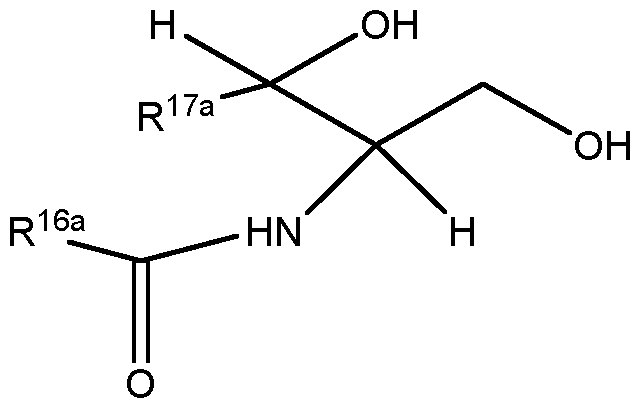
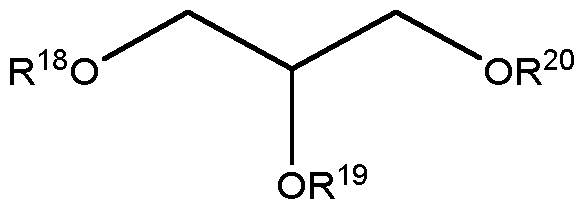


Claims

Priority Applications (12)
| Application Number | Priority Date | Filing Date | Title |
|---|---|---|---|
| BR112018010362-4A BR112018010362B1 (en) | 2015-12-14 | 2016-12-13 | SYNTHETIC NUTRITIONAL COMPOSITION TO PROMOTE BRAIN MIELINIZATION, AND ITS USE |
| AU2016374155A AU2016374155A1 (en) | 2015-12-14 | 2016-12-13 | Nutritional composition and infant formula for promoting myelination of the brain |
| MYPI2018701986A MY199563A (en) | 2015-12-14 | 2016-12-13 | Composition and their use |
| RU2018125688A RU2795441C2 (en) | 2015-12-14 | 2016-12-13 | Nutritional composition and infant formula for stimulation of brain myelinization |
| EP23151634.5A EP4205561A1 (en) | 2015-12-14 | 2016-12-13 | Nutritional composition and infant formula for promoting myelination of the brain |
| US16/061,063 US11986445B2 (en) | 2015-12-14 | 2016-12-13 | Nutritional composition and infant formula for promoting myelination of the brain |
| CN202510014691.9A CN119896329A (en) | 2015-12-14 | 2016-12-13 | Nutritional composition and infant formula for promoting brain myelination |
| MX2018006295A MX2018006295A (en) | 2015-12-14 | 2016-12-13 | Nutritional composition and infant formula for promoting myelination of the brain. |
| CN201680072958.9A CN108471796A (en) | 2015-12-14 | 2016-12-13 | Nutritional composition and infant formula for promoting brain myelination |
| EP16809080.1A EP3389411A1 (en) | 2015-12-14 | 2016-12-13 | Nutritional composition and infant formula for promoting myelination of the brain |
| PH12018500789A PH12018500789A1 (en) | 2015-12-14 | 2018-04-12 | Nutritional composition and infant formula for promoting myelination of the brain |
| AU2021204020A AU2021204020B2 (en) | 2015-12-14 | 2021-06-17 | Nutritional composition and infant formula for promoting myelination of the brain |
Applications Claiming Priority (22)
| Application Number | Priority Date | Filing Date | Title |
|---|---|---|---|
| EP15199769.9 | 2015-12-14 | ||
| EP15199769 | 2015-12-14 | ||
| EP15199757 | 2015-12-14 | ||
| EP15199752 | 2015-12-14 | ||
| EP15199757.4 | 2015-12-14 | ||
| EP15199764.0 | 2015-12-14 | ||
| EP15199752.5 | 2015-12-14 | ||
| EP15199758 | 2015-12-14 | ||
| EP15199764 | 2015-12-14 | ||
| EP15199758.2 | 2015-12-14 | ||
| US201662315224P | 2016-03-30 | 2016-03-30 | |
| US201662315238P | 2016-03-30 | 2016-03-30 | |
| US201662315198P | 2016-03-30 | 2016-03-30 | |
| US201662315249P | 2016-03-30 | 2016-03-30 | |
| US201662315187P | 2016-03-30 | 2016-03-30 | |
| US62/315,224 | 2016-03-30 | ||
| US62/315,238 | 2016-03-30 | ||
| US62/315,249 | 2016-03-30 | ||
| US62/315,198 | 2016-03-30 | ||
| US62/315,187 | 2016-03-30 | ||
| US201662328062P | 2016-04-27 | 2016-04-27 | |
| US62/328,062 | 2016-04-27 |
Publications (1)
| Publication Number | Publication Date |
|---|---|
| WO2017102712A1 true WO2017102712A1 (en) | 2017-06-22 |
Family
ID=59055879
Family Applications (5)
| Application Number | Title | Priority Date | Filing Date |
|---|---|---|---|
| PCT/EP2016/080772 Ceased WO2017102712A1 (en) | 2015-12-14 | 2016-12-13 | Nutritional composition and infant formula for promoting myelination of the brain |
| PCT/EP2016/080768 Ceased WO2017102710A1 (en) | 2015-12-14 | 2016-12-13 | Nutritional composition and infant formula for promoting myelination of the brain |
| PCT/EP2016/080778 Ceased WO2017102717A1 (en) | 2015-12-14 | 2016-12-13 | Nutritional composition and infant formula for promoting de novo myelination |
| PCT/EP2016/080775 Ceased WO2017102715A1 (en) | 2015-12-14 | 2016-12-13 | Compositions and their use |
| PCT/EP2016/080774 Ceased WO2017102714A1 (en) | 2015-12-14 | 2016-12-13 | Nutritional compositions and infant formula for promoting de novo myealination |
Family Applications After (4)
| Application Number | Title | Priority Date | Filing Date |
|---|---|---|---|
| PCT/EP2016/080768 Ceased WO2017102710A1 (en) | 2015-12-14 | 2016-12-13 | Nutritional composition and infant formula for promoting myelination of the brain |
| PCT/EP2016/080778 Ceased WO2017102717A1 (en) | 2015-12-14 | 2016-12-13 | Nutritional composition and infant formula for promoting de novo myelination |
| PCT/EP2016/080775 Ceased WO2017102715A1 (en) | 2015-12-14 | 2016-12-13 | Compositions and their use |
| PCT/EP2016/080774 Ceased WO2017102714A1 (en) | 2015-12-14 | 2016-12-13 | Nutritional compositions and infant formula for promoting de novo myealination |
Country Status (14)
| Country | Link |
|---|---|
| US (9) | US11337449B2 (en) |
| EP (10) | EP3389413A1 (en) |
| CN (7) | CN108463122A (en) |
| AU (13) | AU2016374160A1 (en) |
| BR (8) | BR122022002030B1 (en) |
| ES (1) | ES2971165T3 (en) |
| FI (1) | FI3389407T3 (en) |
| MX (8) | MX2018006295A (en) |
| MY (5) | MY203408A (en) |
| PH (8) | PH12021551548A1 (en) |
| PT (1) | PT3389407T (en) |
| RU (3) | RU2766208C2 (en) |
| WO (5) | WO2017102712A1 (en) |
| ZA (3) | ZA201804698B (en) |
Cited By (2)
| Publication number | Priority date | Publication date | Assignee | Title |
|---|---|---|---|---|
| WO2024038010A1 (en) | 2022-08-18 | 2024-02-22 | Société des Produits Nestlé S.A. | Kit to promote developmental myelination |
| WO2025252789A1 (en) | 2024-06-04 | 2025-12-11 | Société des Produits Nestlé S.A. | Nutritional composition linked to brain myelination, brain structure, cognition and learning in typically developing school age children |
Families Citing this family (14)
| Publication number | Priority date | Publication date | Assignee | Title |
|---|---|---|---|---|
| MX2018006295A (en) * | 2015-12-14 | 2018-08-16 | Nestec Sa | Nutritional composition and infant formula for promoting myelination of the brain. |
| SG11201803026RA (en) * | 2016-03-30 | 2018-05-30 | Nestec Sa | Compositions comprising choline and their use |
| IL310614A (en) | 2016-07-06 | 2024-04-01 | Building Block Nutritionals Llc | Nutritional formula |
| IT201900000043A1 (en) * | 2019-01-03 | 2020-07-03 | Watt S R L | Substitute for breakfast |
| CN109805390A (en) * | 2019-02-27 | 2019-05-28 | 云南大学 | A kind of calcium nervonate, nervonic acid zinc and vitamin K2Compound composition soft capsule |
| GB202205592D0 (en) * | 2019-10-29 | 2022-06-01 | Aak Ab Publ | Nutritional composition comprising milk and egg phospholipids |
| IL299098A (en) * | 2020-06-15 | 2023-02-01 | Building Block Nutritionals Llc | Nutritional formula |
| CN117378012A (en) * | 2021-02-01 | 2024-01-09 | 雀巢产品有限公司 | Methods for determining personalized DHA supplementation |
| EP4094591A1 (en) * | 2021-05-28 | 2022-11-30 | Fonterra Co-Operative Group Limited | Food supplement |
| IT202100022427A1 (en) * | 2021-08-27 | 2023-02-27 | Buona S P A Soc Benefit | COMPOSITION FOR THE MATURATION OF THE CENTRAL NERVOUS SYSTEM |
| AU2023381100A1 (en) * | 2022-11-15 | 2025-05-08 | Société des Produits Nestlé S.A. | Nutritional composition for improving social-emotional development |
| EP4449875A1 (en) | 2023-04-18 | 2024-10-23 | Mars, Incorporated | Composition for use for improving or preserving mental health in canine |
| CN119344377B (en) * | 2024-12-27 | 2025-03-25 | 内蒙古伊利实业集团股份有限公司 | A nutritional composition and its application for promoting and/or improving individual social behavior |
| CN119366561A (en) * | 2024-12-27 | 2025-01-28 | 内蒙古伊利实业集团股份有限公司 | A nutritional composition and its application in enhancing and/or improving individual social behavior |
Citations (2)
| Publication number | Priority date | Publication date | Assignee | Title |
|---|---|---|---|---|
| WO2012069416A1 (en) | 2010-11-23 | 2012-05-31 | Nestec S.A. | Oligosaccharide mixture and food product comprising this mixture, especially infant formula |
| US20120171178A1 (en) * | 2009-06-02 | 2012-07-05 | Nestec S.A. | Nutritional composition for supporting brain development and function of children |
Family Cites Families (58)
| Publication number | Priority date | Publication date | Assignee | Title |
|---|---|---|---|---|
| WO2000057879A1 (en) * | 1999-03-26 | 2000-10-05 | Barry Reisberg | Treatment of brain changes with myelin protective agents |
| DK1406641T3 (en) * | 2001-06-18 | 2009-05-04 | Neptune Technologies & Bioress | Curly extracts for the prevention and / or treatment of cardiovascular diseases |
| CN1398529A (en) * | 2002-09-04 | 2003-02-26 | 杭州施惠泰食品化学有限公司 | Application of nervonic acid in breast milk-imitating milk powder for infant |
| KR101195574B1 (en) | 2002-09-24 | 2012-10-30 | 산토리 홀딩스 가부시키가이샤 | Composition containing arachidonic acid alone or in combination with docosahexaenoic acid for enhancing cognitive abilities |
| NL1021892C2 (en) * | 2002-11-11 | 2004-05-12 | Tno | Detection of demyelination. |
| ZA200600077B (en) | 2003-07-21 | 2007-04-25 | Unilever Plc | Aiding of cognitive function |
| IL158554A0 (en) | 2003-10-22 | 2004-05-12 | Enzymotec Ltd | Mimetic lipids as dietary supplements |
| JP4429083B2 (en) * | 2004-06-03 | 2010-03-10 | キヤノン株式会社 | Shading type coordinate input device and coordinate input method thereof |
| US20090318394A1 (en) * | 2004-11-19 | 2009-12-24 | Julie Nauroth | Long Chain Polyunsaturated Fatty Acids and Methods of Making and Using the Same |
| CN101316521B (en) * | 2005-04-28 | 2014-06-25 | 恩兹默泰克有限公司 | Polar lipid mixtures, their preparation and uses |
| US20070203235A1 (en) * | 2006-02-28 | 2007-08-30 | Rosales Francisco J | Method for preventing or treating anemia |
| US20080003330A1 (en) * | 2006-06-30 | 2008-01-03 | Ricardo Rueda | Infant formulas for early brain development |
| US20080003329A1 (en) * | 2006-06-30 | 2008-01-03 | Ricardo Rueda | Enriched infant formulas |
| IL178495A (en) * | 2006-10-05 | 2014-12-31 | Univ Ben Gurion | Use of crustacean gastrolith components or artificial mixture comprising calcium carbonate, chitin and polypeptide in the preparation of a medicament for treating conditions associated with calcium metabolism or calcium signaling |
| US8142803B2 (en) * | 2007-03-22 | 2012-03-27 | Magceutics, Inc. | Magnesium compositions and uses thereof for neurological disorders |
| EP2211629B1 (en) * | 2007-10-19 | 2020-07-08 | Fonterra Co-Operative Group Limited | Methods of maintaining or increasing growth or cognitive development |
| RU2488283C2 (en) * | 2007-11-01 | 2013-07-27 | Энзимотек Лтд. | Lipid mixture for infant alimentation |
| CN101945589A (en) | 2007-12-21 | 2011-01-12 | 荷兰纽迪希亚公司 | Use of non-digestible carbohydrates for improving intestinal microbiota |
| EP2110027A1 (en) * | 2008-04-01 | 2009-10-21 | Nestec S.A. | Long-chain polyunsaturated fatty acids (LC-PUFA) in maternal nutrition during pregnancy and lactation |
| WO2010008475A2 (en) * | 2008-06-23 | 2010-01-21 | Virun, Inc. | Compositions containing nono-polar compounds |
| CN101322743A (en) * | 2008-08-01 | 2008-12-17 | 李翔 | Formulation capable of repairing lesion and damnification of eye and improving asthenopia and preparation thereof |
| WO2011012655A1 (en) | 2009-07-31 | 2011-02-03 | Nestec S.A. | Nutritional composition for breast-fed infants or pets with probiotics and selected nutrients |
| US20120171303A1 (en) * | 2009-09-11 | 2012-07-05 | Nestec S.A. | Compositions and methods for ehnancing cognitive and related functions in animals |
| WO2011046451A1 (en) * | 2009-10-16 | 2011-04-21 | Fonterra Co-Operative Group Limited | Maintaining or increasing cognitive development |
| CN101861893A (en) * | 2010-03-04 | 2010-10-20 | 云南大学 | Application of zinc nervate in breastmilk formula milk powder for infants and young children |
| WO2011163301A1 (en) * | 2010-06-25 | 2011-12-29 | Global Healthcare Focus, Llc | Methods of treating optic disorders |
| US8572574B2 (en) * | 2010-07-16 | 2013-10-29 | Fujitsu Limited | Solving hybrid constraints to validate specification requirements of a software module |
| EP2452573A1 (en) | 2010-11-15 | 2012-05-16 | Nestec S.A. | Age-tailored nutritional composition with animal fats and vegetable fats |
| US11337990B2 (en) | 2010-12-31 | 2022-05-24 | Abbott Laboratories | Human milk oligosaccharides to promote growth of beneficial bacteria |
| US20120237590A1 (en) | 2011-03-16 | 2012-09-20 | Signpath Pharma Inc. | Curcumin combination with anti-type 2 diabetic drugs for prevention and treatment of disease sequelae, drug-related adverse reactions, and improved glycemic control |
| CN102240374A (en) * | 2011-06-21 | 2011-11-16 | 陈应交 | Forgetfulness-preventing intelligence-promoting cerebral tonic pill for children |
| CA2867438A1 (en) * | 2012-03-14 | 2013-09-19 | Abbott Laboratories | Nutritional compositions including rrr-alpha tocopherol and polyunsaturated fatty acids |
| SE536599C3 (en) | 2012-04-10 | 2017-01-10 | Hero Ag | Nutritional composition with low calorie and low protein content |
| US20140199265A1 (en) * | 2013-01-11 | 2014-07-17 | Mead Johnson Nutrition Company | Nutritional compositions containing a neurologic component and uses thereof |
| US9301966B2 (en) * | 2013-01-11 | 2016-04-05 | Mead Johnson Nutrition Company | Nutritional compositions containing magnesium threonate and uses thereof |
| US20140255537A1 (en) * | 2013-03-11 | 2014-09-11 | Mead Johnson Nutrition Company | Nutritional Compositions Containing an Enriched Lipid Fraction and Uses Thereof |
| EP2991508A1 (en) * | 2013-04-10 | 2016-03-09 | Nestec S.A. | Infant formula with a low content of mcfas in specific proportions and a relatively high content of unsaturated fatty acids, and its use in promoting the healthy establishment of cognitive function in infants |
| FR3004649A1 (en) * | 2013-04-18 | 2014-10-24 | Bruno Eto | COMPOSITION COMPRISING HYDROXOCOBALAMINE FOR ITS USE IN THE ORAL TREATMENT OF VITAMIN B12 DEFICIT AND ASSOCIATED DISEASES |
| US20160175349A1 (en) * | 2013-07-30 | 2016-06-23 | Toru Hasegawa | Brain function-improving composition |
| US9609888B2 (en) | 2013-07-31 | 2017-04-04 | Mead Johnson Nutrition Company | Nutritional compositions containing synergistic combination and uses thereof |
| MX380189B (en) | 2013-08-29 | 2025-03-12 | Abbott Lab | NUTRITIONAL COMPOSITION THAT HAS LIPOPHILIC COMPOUNDS WITH IMPROVED SOLUBILITY AND BIOAVAILABILITY. |
| CN103610064A (en) * | 2013-12-05 | 2014-03-05 | 王丽华 | Capsule for reinforcing intelligence and invigorating brain and processing method thereof |
| US20160310529A1 (en) * | 2013-12-10 | 2016-10-27 | Nestec S.A. | Nutrition, exercise and cognitive development |
| ES2761555T3 (en) * | 2013-12-12 | 2020-05-20 | Nestle Sa | Synthetic milk compositions comprising eicosatrienoic acid n-6 and polar lipids for children older and younger than three months for healthy establishment of cognitive function |
| FR3036961B1 (en) * | 2015-06-03 | 2019-05-24 | Densmore Et Cie | FOOD SUPPLEMENT COMPRISING A MIXTURE OF MAGNESIUM OXIDE AND MAGNESIUM CARBONATE |
| US10525016B2 (en) | 2015-06-03 | 2020-01-07 | Mead Johnson Nutrition Company | Nutritional compositions containing an elevated level of inositol and uses thereof |
| US20170006897A1 (en) * | 2015-07-10 | 2017-01-12 | Mead Johnson Nutrition Company | Nutritional compositions and methods for promoting cognitive development |
| MX2018006296A (en) | 2015-12-14 | 2019-08-21 | Nestec Sa | Nutritional compositions and infant formulas to promote myelination in the brain. |
| CL2018001600A1 (en) | 2015-12-14 | 2018-10-19 | Nestec Sa | A synthetic nutritional composition comprising a vitamin to use in order to promote, support or optimize de novo myelination |
| RU2018125702A (en) | 2015-12-14 | 2020-01-16 | Нестек С.А. | NUTRITIONAL COMPOSITIONS AND BABY MIXTURES TO STIMULATE MYELINATION IN THE BRAIN |
| MX2018006295A (en) * | 2015-12-14 | 2018-08-16 | Nestec Sa | Nutritional composition and infant formula for promoting myelination of the brain. |
| RU2018125497A (en) | 2015-12-14 | 2020-01-16 | Нестек С.А. | NUTRITIONAL COMPOSITIONS AND BABY MIXTURES FOR ACTIVATING MYELINATION IN THE BRAIN |
| MX2018006290A (en) | 2015-12-14 | 2019-02-28 | Nestec Sa | Nutritional compositions and infant formulas to promote myelination in the brain. |
| CL2018001598A1 (en) | 2015-12-14 | 2018-10-19 | Nestec Sa | Nutritional compositions and infant formulas to promote myelination in the brain |
| MX2018006293A (en) | 2015-12-14 | 2019-10-21 | Soc Des Produits Nestle S A Star | Nutritional composition and infant formula for promoting myelination of the brain. |
| US11986445B2 (en) | 2015-12-14 | 2024-05-21 | Societe Des Produits Nestle S.A. | Nutritional composition and infant formula for promoting myelination of the brain |
| CL2018001603A1 (en) | 2015-12-14 | 2018-09-14 | Nestec Sa | Nutritional composition and infant formula to promote de novo myelination |
| US11478011B2 (en) | 2015-12-14 | 2022-10-25 | Societe Des Produits Nestle S.A. | Nutritional compositions and infant formula for promoting de novo myealination |
-
2016
- 2016-12-13 MX MX2018006295A patent/MX2018006295A/en unknown
- 2016-12-13 EP EP16823173.6A patent/EP3389413A1/en not_active Withdrawn
- 2016-12-13 BR BR122022002030-5A patent/BR122022002030B1/en active IP Right Grant
- 2016-12-13 CN CN201680072957.4A patent/CN108463122A/en active Pending
- 2016-12-13 MY MYPI2018701984A patent/MY203408A/en unknown
- 2016-12-13 BR BR112018010362-4A patent/BR112018010362B1/en active IP Right Grant
- 2016-12-13 AU AU2016374160A patent/AU2016374160A1/en not_active Abandoned
- 2016-12-13 EP EP23168913.4A patent/EP4233904A3/en active Pending
- 2016-12-13 WO PCT/EP2016/080772 patent/WO2017102712A1/en not_active Ceased
- 2016-12-13 CN CN201680072958.9A patent/CN108471796A/en active Pending
- 2016-12-13 WO PCT/EP2016/080768 patent/WO2017102710A1/en not_active Ceased
- 2016-12-13 WO PCT/EP2016/080778 patent/WO2017102717A1/en not_active Ceased
- 2016-12-13 WO PCT/EP2016/080775 patent/WO2017102715A1/en not_active Ceased
- 2016-12-13 BR BR112018010632-1A patent/BR112018010632B1/en active IP Right Grant
- 2016-12-13 CN CN201680072991.1A patent/CN108366609A/en active Pending
- 2016-12-13 MY MYPI2018701987A patent/MY197734A/en unknown
- 2016-12-13 FI FIEP16809081.9T patent/FI3389407T3/en active
- 2016-12-13 MY MYPI2018701986A patent/MY199563A/en unknown
- 2016-12-13 CN CN201680072962.5A patent/CN108495561A/en active Pending
- 2016-12-13 EP EP16809081.9A patent/EP3389407B1/en not_active Revoked
- 2016-12-13 ES ES16809081T patent/ES2971165T3/en active Active
- 2016-12-13 BR BR112018010303-9A patent/BR112018010303B1/en active IP Right Grant
- 2016-12-13 MY MYPI2018701988A patent/MY200168A/en unknown
- 2016-12-13 EP EP23151634.5A patent/EP4205561A1/en active Pending
- 2016-12-13 AU AU2016374157A patent/AU2016374157A1/en not_active Abandoned
- 2016-12-13 CN CN202510014752.1A patent/CN119896332A/en active Pending
- 2016-12-13 US US16/061,047 patent/US11337449B2/en active Active
- 2016-12-13 BR BR112018010335-7A patent/BR112018010335B1/en active IP Right Grant
- 2016-12-13 MX MX2018006292A patent/MX2018006292A/en unknown
- 2016-12-13 CN CN201680072954.0A patent/CN108366606A/en active Pending
- 2016-12-13 RU RU2018125661A patent/RU2766208C2/en active
- 2016-12-13 CN CN202510014691.9A patent/CN119896329A/en active Pending
- 2016-12-13 PH PH1/2021/551548A patent/PH12021551548A1/en unknown
- 2016-12-13 US US16/061,099 patent/US11191293B2/en active Active
- 2016-12-13 MY MYPI2018701985A patent/MY197355A/en unknown
- 2016-12-13 BR BR112018010265-2A patent/BR112018010265B1/en active IP Right Grant
- 2016-12-13 EP EP23169060.3A patent/EP4233855A3/en active Pending
- 2016-12-13 EP EP23168957.1A patent/EP4233875A3/en active Pending
- 2016-12-13 PH PH1/2021/551546A patent/PH12021551546A1/en unknown
- 2016-12-13 PH PH1/2022/550428A patent/PH12022550428A1/en unknown
- 2016-12-13 AU AU2016374155A patent/AU2016374155A1/en not_active Abandoned
- 2016-12-13 RU RU2018125527A patent/RU2766014C2/en active
- 2016-12-13 EP EP16809080.1A patent/EP3389411A1/en not_active Withdrawn
- 2016-12-13 PT PT168090819T patent/PT3389407T/en unknown
- 2016-12-13 BR BR122022001962-5A patent/BR122022001962B1/en active IP Right Grant
- 2016-12-13 US US16/061,121 patent/US11297872B2/en active Active
- 2016-12-13 MX MX2018006298A patent/MX2018006298A/en unknown
- 2016-12-13 WO PCT/EP2016/080774 patent/WO2017102714A1/en not_active Ceased
- 2016-12-13 AU AU2016372281A patent/AU2016372281A1/en not_active Abandoned
- 2016-12-13 EP EP16809410.0A patent/EP3389414A1/en not_active Withdrawn
- 2016-12-13 RU RU2018125738A patent/RU2766598C2/en active
- 2016-12-13 AU AU2016374158A patent/AU2016374158A1/en not_active Abandoned
- 2016-12-13 EP EP16816628.8A patent/EP3389408A1/en not_active Withdrawn
- 2016-12-13 MX MX2018006291A patent/MX2018006291A/en unknown
- 2016-12-13 BR BR122022002021-6A patent/BR122022002021B1/en active IP Right Grant
- 2016-12-13 EP EP23169130.4A patent/EP4233860A3/en active Pending
-
2018
- 2018-04-05 PH PH12018500752A patent/PH12018500752A1/en unknown
- 2018-04-05 PH PH12018500751A patent/PH12018500751A1/en unknown
- 2018-04-12 PH PH12018500789A patent/PH12018500789A1/en unknown
- 2018-04-16 PH PH12018500818A patent/PH12018500818A1/en unknown
- 2018-04-18 PH PH12018500833A patent/PH12018500833A1/en unknown
- 2018-05-21 MX MX2023009469A patent/MX2023009469A/en unknown
- 2018-05-21 MX MX2024008971A patent/MX2024008971A/en unknown
- 2018-05-21 MX MX2023003892A patent/MX2023003892A/en unknown
- 2018-05-21 MX MX2023003894A patent/MX2023003894A/en unknown
- 2018-07-13 ZA ZA2018/04698A patent/ZA201804698B/en unknown
- 2018-07-13 ZA ZA2018/04699A patent/ZA201804699B/en unknown
- 2018-07-13 ZA ZA2018/04697A patent/ZA201804697B/en unknown
-
2021
- 2021-06-17 AU AU2021204026A patent/AU2021204026B2/en active Active
- 2021-06-17 AU AU2021204027A patent/AU2021204027B2/en active Active
- 2021-06-17 AU AU2021204014A patent/AU2021204014B2/en active Active
- 2021-06-17 AU AU2021204012A patent/AU2021204012B2/en active Active
- 2021-06-17 AU AU2021204020A patent/AU2021204020B2/en active Active
- 2021-10-20 US US17/505,781 patent/US11930836B2/en active Active
-
2022
- 2022-02-23 US US17/678,672 patent/US11986003B2/en active Active
- 2022-04-15 US US17/721,813 patent/US20220378078A1/en active Pending
- 2022-09-13 US US17/943,652 patent/US20230015563A1/en active Pending
-
2023
- 2023-08-14 AU AU2023214399A patent/AU2023214399B2/en active Active
- 2023-08-25 AU AU2023219953A patent/AU2023219953B2/en active Active
- 2023-08-25 AU AU2023219952A patent/AU2023219952B2/en active Active
-
2024
- 2024-04-16 US US18/637,077 patent/US12484608B2/en active Active
-
2025
- 2025-03-21 US US19/086,381 patent/US20250280863A1/en active Pending
Patent Citations (2)
| Publication number | Priority date | Publication date | Assignee | Title |
|---|---|---|---|---|
| US20120171178A1 (en) * | 2009-06-02 | 2012-07-05 | Nestec S.A. | Nutritional composition for supporting brain development and function of children |
| WO2012069416A1 (en) | 2010-11-23 | 2012-05-31 | Nestec S.A. | Oligosaccharide mixture and food product comprising this mixture, especially infant formula |
Non-Patent Citations (11)
| Title |
|---|
| ANETT NYARADI ET AL: "The role of nutrition in children's neurocognitive development, from pregnancy through childhood", FRONTIERS IN HUMAN NEUROSCIENCE, vol. 7, 1 January 2013 (2013-01-01), XP055191011, ISSN: 1662-5161, DOI: 10.3389/fnhum.2013.00097 * |
| ANONYMOUS: "Infant Formula Milk (Stage 1) - Ausnutria Lacfor- Record ID: 2558549", GNPD, 1 July 2014 (2014-07-01), pages 1 - 4, XP055264049, Retrieved from the Internet <URL:http://www.gnpd.com/sinatra/recordpage/2558549/from_search/4nDi9ti2FC/> [retrieved on 20160411] * |
| DEONI ET AL., MAGN. RESON. MED., vol. 60, 2008, pages 1372 - 1387 |
| DEONI: "Breastfeeding and early white matter development: a cross sectional study", NEUROLMAGE, vol. 82, 2013, pages 77 - 86 |
| ELIZABETH L PRADO ET AL: "Nutrition and brain development in early life", NUTRITION REVIEWS., vol. 72, no. 4, 28 March 2014 (2014-03-28), US, pages 267 - 284, XP055263855, ISSN: 0029-6643, DOI: 10.1111/nure.12102 * |
| GODZIEN J.; CIBOROWSKI M.; MARTINEZ-ALCAZAR M.P.; SAMCZUK P.; KRETOWSKI A.; BARBAS C.: "Rapid and reliable identification of phospholipids for untargeted metabolomics with LC-ESI-QTOF-MS/MS", JOURNAL OF PROTEOME RESEARCH, vol. 14, 2015, pages 3204 - 3216 |
| HOLMES-MCNARY M Q ET AL: "CHOLINE AND CHOLINE ESTERS IN HUMAN AND RAT MILK AND IN INFANT FORMULAS", THE AMERICAN JOURNAL OF CLINICAL NUTRITION, AMERICAN SOCIETY FOR NUTRITION, US, vol. 64, no. 4, 1 October 1996 (1996-10-01), pages 572 - 576, XP008030017, ISSN: 0002-9165 * |
| MAGN.RESON.MED., vol. 60, 2008, pages 1372 - 1387 |
| MICHAEL K GEORGIEFF: "Nutrition and the developing brain: nutrient priorities and measurement", AM J CLIN NUTR, 1 February 2007 (2007-02-01), pages 614S - 620S, XP055263852, Retrieved from the Internet <URL:http://ajcn.nutrition.org/content/85/2/614S.full.pdf#page=1&view=FitH> [retrieved on 20160408] * |
| TRENERRY V.C.; AKBARIDOUST G.; PLOZZA T.; ROCHFORT S; WALES W.J.; AULDIST M.; AJILOUNI S.: "Ultra-high-performance liquid chromatography-ion trap mass spectrometry characterisation of milk polar lipids from dairy cows fed different diets.", FOOD CHEMISTRY, vol. 141, 2013, pages 1451 - 1460 |
| WRODNIGG, T. M.; STUTZ, A.E., ANGEW. CHEM. INT. ED., vol. 38, 1999, pages 827 - 828 |
Cited By (2)
| Publication number | Priority date | Publication date | Assignee | Title |
|---|---|---|---|---|
| WO2024038010A1 (en) | 2022-08-18 | 2024-02-22 | Société des Produits Nestlé S.A. | Kit to promote developmental myelination |
| WO2025252789A1 (en) | 2024-06-04 | 2025-12-11 | Société des Produits Nestlé S.A. | Nutritional composition linked to brain myelination, brain structure, cognition and learning in typically developing school age children |
Also Published As
Similar Documents
| Publication | Publication Date | Title |
|---|---|---|
| US12484608B2 (en) | Nutritional composition and infant formula for promoting de novo myelination | |
| US11986445B2 (en) | Nutritional composition and infant formula for promoting myelination of the brain | |
| US11478011B2 (en) | Nutritional compositions and infant formula for promoting de novo myealination |
Legal Events
| Date | Code | Title | Description |
|---|---|---|---|
| 121 | Ep: the epo has been informed by wipo that ep was designated in this application |
Ref document number: 16809080 Country of ref document: EP Kind code of ref document: A1 |
|
| WWE | Wipo information: entry into national phase |
Ref document number: 12018500789 Country of ref document: PH |
|
| ENP | Entry into the national phase |
Ref document number: 2016374155 Country of ref document: AU Date of ref document: 20161213 Kind code of ref document: A |
|
| WWE | Wipo information: entry into national phase |
Ref document number: MX/A/2018/006295 Country of ref document: MX |
|
| REG | Reference to national code |
Ref country code: BR Ref legal event code: B01A Ref document number: 112018010362 Country of ref document: BR |
|
| NENP | Non-entry into the national phase |
Ref country code: DE |
|
| WWE | Wipo information: entry into national phase |
Ref document number: 2018125688 Country of ref document: RU Ref document number: 2016809080 Country of ref document: EP |
|
| ENP | Entry into the national phase |
Ref document number: 2016809080 Country of ref document: EP Effective date: 20180716 |
|
| ENP | Entry into the national phase |
Ref document number: 112018010362 Country of ref document: BR Kind code of ref document: A2 Effective date: 20180522 |