WO2017122736A1 - Extrait dérivé d'un organisme marin, composé, et composition à visée médicale ayant une activité de suppression de formation de niches dans les cellules souches leucémiques - Google Patents
Extrait dérivé d'un organisme marin, composé, et composition à visée médicale ayant une activité de suppression de formation de niches dans les cellules souches leucémiques Download PDFInfo
- Publication number
- WO2017122736A1 WO2017122736A1 PCT/JP2017/000856 JP2017000856W WO2017122736A1 WO 2017122736 A1 WO2017122736 A1 WO 2017122736A1 JP 2017000856 W JP2017000856 W JP 2017000856W WO 2017122736 A1 WO2017122736 A1 WO 2017122736A1
- Authority
- WO
- WIPO (PCT)
- Prior art keywords
- cells
- compound
- steriferin
- fraction
- extract
- Prior art date
- Legal status (The legal status is an assumption and is not a legal conclusion. Google has not performed a legal analysis and makes no representation as to the accuracy of the status listed.)
- Ceased
Links
- 0 C[C@@]([C@](C1)O)([C@](C=CC(C)=*)C1=C(C)C)O Chemical compound C[C@@]([C@](C1)O)([C@](C=CC(C)=*)C1=C(C)C)O 0.000 description 2
Images











Classifications
-
- A—HUMAN NECESSITIES
- A61—MEDICAL OR VETERINARY SCIENCE; HYGIENE
- A61K—PREPARATIONS FOR MEDICAL, DENTAL OR TOILETRY PURPOSES
- A61K31/00—Medicinal preparations containing organic active ingredients
- A61K31/21—Esters, e.g. nitroglycerine, selenocyanates
- A61K31/215—Esters, e.g. nitroglycerine, selenocyanates of carboxylic acids
-
- A—HUMAN NECESSITIES
- A61—MEDICAL OR VETERINARY SCIENCE; HYGIENE
- A61K—PREPARATIONS FOR MEDICAL, DENTAL OR TOILETRY PURPOSES
- A61K35/00—Medicinal preparations containing materials or reaction products thereof with undetermined constitution
- A61K35/56—Materials from animals other than mammals
- A61K35/655—Aquatic animals other than those covered by groups A61K35/57 - A61K35/65
-
- A—HUMAN NECESSITIES
- A61—MEDICAL OR VETERINARY SCIENCE; HYGIENE
- A61K—PREPARATIONS FOR MEDICAL, DENTAL OR TOILETRY PURPOSES
- A61K45/00—Medicinal preparations containing active ingredients not provided for in groups A61K31/00 - A61K41/00
-
- A—HUMAN NECESSITIES
- A61—MEDICAL OR VETERINARY SCIENCE; HYGIENE
- A61K—PREPARATIONS FOR MEDICAL, DENTAL OR TOILETRY PURPOSES
- A61K45/00—Medicinal preparations containing active ingredients not provided for in groups A61K31/00 - A61K41/00
- A61K45/06—Mixtures of active ingredients without chemical characterisation, e.g. antiphlogistics and cardiaca
-
- A—HUMAN NECESSITIES
- A61—MEDICAL OR VETERINARY SCIENCE; HYGIENE
- A61P—SPECIFIC THERAPEUTIC ACTIVITY OF CHEMICAL COMPOUNDS OR MEDICINAL PREPARATIONS
- A61P35/00—Antineoplastic agents
- A61P35/02—Antineoplastic agents specific for leukemia
-
- C—CHEMISTRY; METALLURGY
- C07—ORGANIC CHEMISTRY
- C07C—ACYCLIC OR CARBOCYCLIC COMPOUNDS
- C07C69/00—Esters of carboxylic acids; Esters of carbonic or haloformic acids
- C07C69/74—Esters of carboxylic acids having an esterified carboxyl group bound to a carbon atom of a ring other than a six-membered aromatic ring
-
- C—CHEMISTRY; METALLURGY
- C07—ORGANIC CHEMISTRY
- C07C—ACYCLIC OR CARBOCYCLIC COMPOUNDS
- C07C2603/00—Systems containing at least three condensed rings
- C07C2603/02—Ortho- or ortho- and peri-condensed systems
- C07C2603/04—Ortho- or ortho- and peri-condensed systems containing three rings
- C07C2603/06—Ortho- or ortho- and peri-condensed systems containing three rings containing at least one ring with less than six ring members
- C07C2603/10—Ortho- or ortho- and peri-condensed systems containing three rings containing at least one ring with less than six ring members containing five-membered rings
- C07C2603/12—Ortho- or ortho- and peri-condensed systems containing three rings containing at least one ring with less than six ring members containing five-membered rings only one five-membered ring
- C07C2603/16—Benz[e]indenes; Hydrogenated benz[e]indenes
Definitions
- the present invention relates to an extract containing a compound having an inhibitory activity against niche formation of leukemia stem cells, derived from marine organisms, particularly sponges (Polifera), a compound isolated and purified from the extract, a derivative thereof, and the like
- the present invention relates to a pharmaceutical composition, a malignant tumor recurrence preventive agent used in combination with other antitumor agents, and a method for separating and / or selecting leukemic stem cells.
- Antineoplastic agents including many anti-leukemia drugs, have been developed and used in clinical practice. These antitumor agents have effects such as suppressing the activity and proliferation of malignant tumor cells and ameliorating symptoms.
- cancer stem cells having self-renewal ability and pluripotency survive in many malignant tumors and have a high recurrence rate when activated.
- leukemia which is also called “blood cancer”.
- Leukemia stem cells also exist in leukemia, and in many cases, cancer stem cells and leukemia in a niche environment remain in a resting state where antitumor agents are difficult to succeed. Stem cells survive, these cells are resistant to the drug and, when activated, cause recurrence (see FIG. 1).
- a drug that suppresses or eliminates niche formation can be provided.
- a drug that suppresses or eliminates niche formation and a drug that specifically induces necrosis or apoptosis in malignant tumor cells themselves can be used to completely cure malignant tumors such as leukemia that have been refractory to conventional therapies.
- new drugs have been studied (Patent Documents 1 to 3).
- the present invention relates to an extract containing a compound having an inhibitory or suppressive activity on niche formation of cancer stem cells, particularly leukemia stem cells, a compound isolated and purified from the extract, a pharmaceutical composition containing these, and the like
- the present invention provides a preventive agent for malignant tumor recurrence and a method for isolating and / or selecting leukemic stem cells by using in combination with other antitumor agents.
- the present inventors extract and isolate a fraction having the activity from the fat-soluble fraction of sponge (Porifera) using the cobblestone area (CA) formation inhibitory activity of human leukemia stem cell-like cells as an index. Further, a compound having the activity was isolated and purified from the fraction, and its structure was determined to identify a steriferin compound including a novel compound. Furthermore, the isolated and purified steriferin compound suppresses niche formation of leukemia stem cell-like cells derived from human chronic myeloid leukemia (CML) having resistance to existing antitumor agents, and antitumor agents against the cells The present invention was completed by finding that the effect of the above was enhanced.
- CML chronic myeloid leukemia
- the present invention is an extract extracted from a sponge (Polifera) with a fat-soluble solvent, and contains at least 2% (w / w) or more of a steriferin compound represented by the following formula (I) per dry weight.
- An extract having an inhibitory action on niche formation of tumor cells is provided.
- R 1 is a terpene group
- R 2 is selected from H or an acetyl group
- R 3 and R 4 are each independently selected from H, —OH, a methyl group, a carboxyl group, or a hydroxymethyl group.
- the extract of the present invention comprises (I) a step of extracting a fat-soluble fraction with a water-insoluble organic solvent with respect to an extract from a sponge with a water-soluble alcohol solvent; (II) Liquid-liquid extraction by adding high-concentration water-soluble alcohol solvent / water solution and water-insoluble aliphatic hydrocarbon solvent to the fat-soluble fraction in step (I), water-insoluble Recovering the aliphatic hydrocarbon solvent layer (fraction 2-1); (III) After concentrating or distilling off the high-concentration water-soluble alcohol solvent / water solution layer in step (II), liquid-liquid extraction with a medium concentration water-soluble alcohol solvent / water solution and a chlorinated hydrocarbon solvent Recovering the chlorinated hydrocarbon solvent fraction (fraction 2-2); and (IV) It may be produced by the step of concentrating or distilling off the fraction 2-1 and the fraction 2-2.
- the extract is (I ') liquid-liquid extraction of a fat-soluble fraction with water and a water-insoluble organic solvent from an extract of a water-soluble alcohol solvent from a sponge, (II ′) 90% water-soluble alcohol solvent / water solution and water-insoluble aliphatic hydrocarbon solvent are added to the fat-soluble fraction in the above step (I ′), followed by liquid-liquid extraction, water-insoluble Recovering the aliphatic aliphatic hydrocarbon solvent layer (fraction 2-1), (III ′) Liquid-liquid extraction with 60% water-soluble alcoholic solvent / aqueous solution and chlorinated hydrocarbon solvent diluted by adding water to the 90% water-soluble alcoholic solvent / aqueous solution layer in step (II ′). Recovering the chlorinated hydrocarbon solvent fraction (fraction 2-2); and (IV ′) It may be an extract produced by including a step of concentrating or evaporating the fraction 2-1 and the fraction 2-2.
- the steps (I) to (IV) may include the following (i) to (v). (i) performing a liquid-liquid extraction with water and a chlorinated hydrocarbon solvent on a water-soluble alcoholic solvent extract from a sponge to recover a chlorinated hydrocarbon solvent fraction; (ii) performing liquid-liquid extraction with a water-insoluble alcohol solvent on the water-soluble fraction obtained in the step (i), (iii) The chlorine-based hydrocarbon solvent layer of step (i) and the water-insoluble alcohol-based solvent layer of step (ii) are mixed and concentrated or evaporated to obtain a high-concentration water-soluble alcohol-based solvent aqueous solution.
- Adding a water-insoluble aliphatic hydrocarbon solvent and liquid-liquid extraction to recover a water-insoluble aliphatic hydrocarbon solvent layer (iv) Liquid-liquid extraction with medium-concentration water-soluble alcoholic solvent / aqueous solution and chlorinated hydrocarbon solvent diluted by adding water to the high-concentration water-soluble alcoholic solvent / aqueous solution layer in step (iii) Recovering a chlorinated hydrocarbon solvent fraction; and (v) A step of concentrating or distilling off the respective fractions of the water-insoluble aliphatic hydrocarbon solvent layer in step (iii) and the chlorine hydrocarbon solvent layer in step (iv) May be.
- the steps (I) to (IV) or (I ′) to (IV ′) include the following steps (i ′) to (v ′): There is. (i ') a step of recovering a chlorinated hydrocarbon solvent fraction by subjecting an extract of a water-soluble alcohol solvent from a sponge to liquid-liquid extraction with water and a chlorinated hydrocarbon solvent; (ii ′) performing a liquid-liquid extraction with a water-insoluble alcohol solvent on the water-soluble fraction obtained in the step (i), (iii ′) After mixing the chlorine-based hydrocarbon solvent layer of step (i ′) and the water-insoluble alcohol solvent layer of step (ii ′) and concentrating or evaporating, 90% water-soluble alcohol system Adding a solvent aqueous solution and a water-insoluble aliphatic hydrocarbon solvent, liquid-liquid extraction to recover a water-insoluble aliphatic hydrocarbon solvent layer; (iv ′) Liquid-liquid extraction with
- the extract may further comprise the following steps (vi) to (viii), and may contain 70% or more of the steriferin compound.
- the fat-soluble fraction extracted with the non-lipid-soluble aliphatic hydrocarbon solvent described in Step (IV), (IV ′), (v) or (v ′) is nonpolarized by silica gel column chromatography.
- the conditions for fractionation by high performance liquid chromatography in the step (viii) may be the following conditions.
- the steriferin compound may be selected from steriferin A, steriferin B, or diastereomers or enantiomers thereof.
- the tumor cell may be a cancer stem cell, leukemia stem cell or chronic myeloid leukemia cell.
- the present invention also provides a compound represented by the following formula (II) or a pharmaceutically acceptable salt thereof.
- R 1 is selected from the following formula (III) or (IV) or a terpene group:
- R 2 is selected from the group consisting of H, —COCH 3 , —COCH 2 CH 3 , —CO (CH 2 ) 2 CH 3 , —COCH (CH 3 ) 2 , —COC (CH 3 ) 3 .
- the compound of the present invention comprises The compounds of the formulas (I) to (IV) may be represented by the following formulas (V) to (VII).
- the present invention provides a tumor cell niche formation inhibitor containing the extract or the compound.
- the present invention may be a method for preventing and / or treating tumor cell niche formation, comprising administering to a patient in need of an effective dose of the extract or the compound.
- the present invention also provides the extract or the compound for use in a method for preventing and / or treating niche formation of tumor cells.
- the present invention also provides the use of the extract or the compound for producing a medicament for preventing and / or treating niche formation of tumor cells.
- the present invention provides a tumor cell niche formation inhibitor containing the extract or the compound, or a pharmaceutically acceptable salt thereof.
- the present invention also provides a method for preventing and / or treating tumor cell niche formation, comprising administering to a patient in need of an effective dose of the extract or the compound, or a pharmaceutically acceptable salt thereof. Provide a way.
- the present invention also provides the extract or the compound, or a pharmaceutically acceptable salt thereof, for use in a method for preventing and / or treating niche formation of tumor cells.
- the present invention also provides use of the extract or the compound, or a pharmaceutically acceptable salt thereof, for producing a medicament for preventing and / or treating niche formation of tumor cells.
- the tumor cell may be a cancer stem cell, leukemia stem cell or chronic myeloid leukemia cell.
- the present invention provides an antitumor pharmaceutical composition in which the extract or the compound is combined with one or more antitumor agents.
- the present invention provides a method for preventing and / or treating a tumor in which an effective dose of the extract or the compound and one or more antitumor agents are combined with a patient in need thereof.
- the present invention also provides the extract or the compound used in a method for preventing and / or treating a tumor in combination with one or more antitumor agents.
- the present invention also provides use of the extract or the compound for producing a medicament for preventing and / or treating a tumor in combination with one or more antitumor agents.
- the antitumor agent is ibritumomab tiuxetane, imatinib, erlotinib, gefitinib, gemtuzumab ozogamicin, sunitinib, cetuximab, sorafenib, dasatinib, tamibarotene, trastuzumab, tretinobu, Bevacizumab, bortezomib, lapatinib, rituximab, ifosfamide, cyclophosphamide, dacarbazine, temozolomide, nimustine, busulfan, melphalan, enocitabine, capecitabine, carmofur, gemcitabine, cytarabine, tegafur, tesilfur Pentostatin, methotrexate, irinotecan, etoposide, sobuzoxane, do
- the pharmaceutical composition of the present invention may be a recurrence preventive agent for malignant tumors for preventing recurrence of malignant tumors.
- the present invention may be a method for preventing recurrence for malignant tumors, comprising administering an effective dose to a patient in need of the pharmaceutical composition.
- the pharmaceutical composition of the present invention may be a pharmaceutical composition for use in a recurrence prevention method for malignant tumors.
- the present invention may be a pharmaceutical composition for use in a method for preventing recurrence of malignant tumors.
- the present invention may be a pharmaceutical composition for use in producing a medicament for preventing recurrence of malignant tumors.
- the present invention also provides a method for separating and / or sorting cancer stem cells or leukemia stem cells using the extract or the compound.
- the “extract” may be expressed as a “composition”.
- the present invention relates to an extract containing a compound having inhibitory activity against niche formation of cancer stem cells including leukemia stem cells derived from marine organisms, especially sponges, an active compound isolated and purified from the extract, and these as active ingredients
- a niche formation inhibitor a drug for preventing recurrence of a malignant tumor used in combination with another antitumor agent, and a method for separating and / or sorting cancer stem cells or leukemia stem cells.
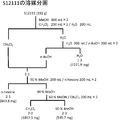
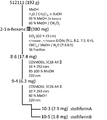
- Lipid-soluble fraction 2-1 and fraction 2 that have an inhibitory effect on niche formation of MB-1 cells fractionated from sponges collected from Kakeroma Island (scientific name: Sachta globostellata, code number S12111)
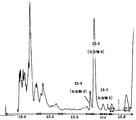
- purification scheme of the fraction 9-2 which has a niche formation inhibitory effect of MB-1 cell from the sponge animal (Scientific name: Sachtaellaglobostellata, code number: S09226) extract
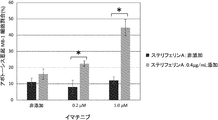
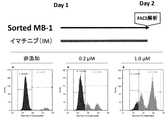
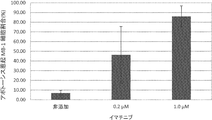
- FACS was evaluated by the nuclear staining fluorescent reagent NucView 488 when apoptosis was induced on MB-1 cells when steriferin A and various concentrations of imatinib were added to the co-culture system of chronic myeloid leukemia cells MB-1 and OP9 cells. Chart diagram.
- Apoptosis-inducing action of steriferin A and various concentrations of imatinib added to a co-culture system of chronic myeloid leukemia cells MB-1 and OP9 cells was stained with the nuclear staining fluorescent reagent NucView 488, and the results evaluated by FACS Aggregated figure.
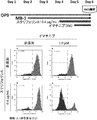
- FACS was evaluated by staining with JC-1 reagent for apoptosis-inducing action on MB-1 cells when steriferin A and various concentrations of imatinib were added to the co-culture system of chronic myeloid leukemia cells MB-1 and OP9 cells
- FIG. FACS was evaluated by staining with JC-1 reagent for apoptosis-inducing action on MB-1 cells when steriferin A and various concentrations of imatinib were added to the co-culture system of chronic myeloid leukemia cells MB-1 and OP9 cells The figure which totaled the result of.
- One embodiment of the present invention is an extract containing at least 2% (w / w) or more of a steriferin compound extracted from a sponge (Polifera) with a fat-soluble solvent based on the dry weight of the whole extract.
- the extract has an inhibitory action on niche formation of tumor cells.
- the steriferin compound refers to a compound represented by the following formula (VIII).
- R 1 is a terpene group
- R 2 is selected from H or a C 1-4 acyl group, preferably H or an acetyl group
- R 3 and R 4 are each independently, H, -OH, preferably an alkyl group of C 1 ⁇ 6 is a methyl group, preferably a hydroxyalkyl group is a hydroxymethyl group, or a carboxyl group or its ester derivative Selected from.
- Examples of the terpene group include substituents of the following formulas (1) to (45). Or
- steriferins A to F are Tsuda M. et al., Abstracts of Natural Organic Compound Discussion 33, 441-447 (September 1991 7), Steriferin J ⁇ N was added to Tanaka N. et al., Tetrahedron, Vol.67, 6689-66962011 (2011), and Stelettin (A) to I was McCormick, J. LJ Nat. Prod. 59 : 1047-1050 (1996) and Tang S.-A et al., Chinese J. Nat. Med. 3: 213-218 (2005), globostellatic acid A-D is Ryu G. et al., J. Nat.
- extract may be expressed as “composition”.
- Extracts or compositions containing steriferin compounds or extracts or compositions containing steriferin compounds that inhibit niche formation of cancer cells should use a separation-purification method such as liquid-liquid extraction from the sponge (Polifera).
- the fraction separated and purified by the above can be fractionated, and the presence or absence of the cobblestone region formation inhibitory activity of the fraction can be obtained with a screening system for the inhibitory activity of the cobblestone region formation of the cultured cell system.
- the separation and purification method is, for example, selected from methods such as liquid-liquid extraction, high performance liquid chromatography (HPLC), chromatography such as open column chromatography and affinity chromatography, and molecular sieves such as Sephadex column 2 Phase partition methods can be used.
- HPLC high performance liquid chromatography
- chromatography such as open column chromatography and affinity chromatography
- molecular sieves such as Sephadex column 2 Phase partition methods can be used.
- the fat-soluble fraction of a sponge alcohol extract is further combined with a further separation and purification method to obtain a more active fraction or an isolated and purified active compound.
- a further separation and purification method to obtain a more active fraction or an isolated and purified active compound.
- three types of steriferin compounds including a novel compound were isolated from three fractions among the fractions obtained by fractionating these sponges, and their structures were identified and specified.
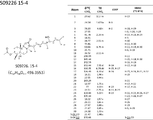
- This compound includes steriferin compound 3 (code number S09226.15-4), which is steriferin A, steriferin B, and a novel steriferin compound.
- fraction 15-2 (code number S09226.15-2), 15-3 ( Code number S09226.15-3), 15-6 (code number S09226.15-6), 15-8 (code number S09226.15-8), 15-9 (code number S09226.15-9) and 15- 10 (code number S09226.15-10) is contained in the extract of the present invention, and the compound contained in these fractions is present as an unknown steriferin compound having a niche formation inhibitory effect on tumor cells. Included in the compounds of the invention.
- the extract of the present invention is an extract extracted from a sponge (Stelleta globostellata) with a fat-soluble solvent, and the steriferin compound is contained at least 2% (w / w) of the extract by dry weight. w) A composition containing the above and having an inhibitory action on niche formation of tumor cells can be obtained.
- the steriferin compound is at least 3% (w / w) or more, at least 5% (w / w) or more, at least 10% (w / w) or more, at least 15% (w / w) or more, 20% (w / w) or more, at least 25% (w / w) or more, at least 30% (w / w) or more, at least 35% (w / w) or more, at least 40% (w / w) or more, at least 45% (w / w) or more, at least 50% (w / w) or more, at least 55% (w / w) or more, at least 60% (w / w) or more, at least 65% (w / w) or more, at least 70% (w / w) or more, at least 75% (w / w) or more, at least 80% (w / w) or more, at least 85% (w / w) or more, at least
- the fat-soluble fraction is (I) a step of extracting a fat-soluble fraction with a water-insoluble organic solvent with respect to an extract from a sponge with a water-soluble alcohol solvent; (II) Liquid-liquid extraction by adding high-concentration water-soluble alcohol solvent / water solution and water-insoluble aliphatic hydrocarbon solvent to the fat-soluble fraction in step (I), water-insoluble Recovering the aliphatic hydrocarbon solvent layer (fraction 2-1); (III) Liquid-liquid extraction with medium-concentration water-soluble alcoholic solvent / aqueous solution and chlorinated hydrocarbon solvent diluted by adding water to the high-concentration water-soluble alcoholic solvent / aqueous solution layer in step (II) A step of recovering a chlorinated hydrocarbon solvent fraction (fraction 2-2), and (IV) a step of concentrating or distilling off the fraction 2-1 and the fraction 2-2. it can.
- the fat-soluble fraction is (I) a step of extracting a fat-soluble fraction with a water-insoluble organic solvent with respect to an extract from a sponge with a water-soluble alcohol solvent; (II) Liquid-liquid extraction by adding high-concentration water-soluble alcohol solvent / water solution and water-insoluble aliphatic hydrocarbon solvent to the fat-soluble fraction in step (I), water-insoluble Recovering the aliphatic hydrocarbon solvent layer (fraction 2-1); (III) Liquid-liquid extraction with medium-concentration water-soluble alcoholic solvent / aqueous solution and chlorinated hydrocarbon solvent diluted by adding water to the high-concentration water-soluble alcoholic solvent / aqueous solution layer in step (II) Recovering the chlorinated hydrocarbon solvent fraction (fraction 2-2); and (IV) It can be produced by including a step of concentrating or evaporating the fraction 2-1 and the fraction 2-2.
- the fraction 2-1 and the fraction 2-2 described in the step (IV) were subjected to silica gel column chromatography using a nonpolar solvent, a mixed solvent of a nonpolar solvent and a polar solvent, and a polar solvent. Elution sequentially in the order of a mixed solvent of water, and obtaining a fraction having an inhibitory effect on niche formation of tumor cells, (VI) Further, before or after the step (V), optionally purified by gradient chromatography with a mixed solvent of methanol and water by reverse phase high performance liquid chromatography using an ODS system to prevent niche formation of tumor cells.
- a fraction having an inhibitory action on niche formation of tumor cells obtained in the above step (V) or (VI) is further fractionated by high performance liquid chromatography, and isolated and purified to obtain a steriferin compound. Extracts containing 76.3% or more can be obtained.
- Examples of the conditions for fractionation by high performance liquid chromatography to obtain the extract or compound of the present invention include the following conditions.
- Mobile phase 80% aqueous methanol flow rate: 2.0 mL / min With a retention time of 30 minutes and 34 minutes -The method includes a step of distilling off a fraction obtained from a retention time of 30 minutes to obtain an extract containing 76.9% or more of a steriferin compound, or A step of distilling off the fraction obtained from a retention time of 34 minutes, and obtaining an extract containing 73.9% or more of the steriferin compound,
- Mobile phase 85% aque
- the extract is (i) performing a liquid-liquid extraction on a methanol extract from a sponge with a chlorinated hydrocarbon solvent containing water and dichloromethane or chloroform to recover a chlorinated hydrocarbon solvent fraction; (ii) performing liquid-liquid extraction with n-butanol on the water-soluble fraction obtained in the step (i), (iii) The chlorine-based hydrocarbon solvent layer of step (i) and the n-butanol layer of step (ii) are mixed and concentrated or evaporated, and then a high-concentration methanol aqueous solution and n-hexane are added.
- high concentration means 75% or more, preferably 80% or more, and most preferably 90% or more.
- medium concentration means 30% or more and less than 75%, preferably 40% or more and less than 70%, and most preferably 60%.
- the fat-soluble fraction extracted with the water-insoluble solvent described in the step (v) is subjected to silica gel column chromatography with a non-polar solvent, a mixed solvent of a non-polar solvent and a polar solvent, and further a polar solvent and water.
- silica gel column chromatography with a non-polar solvent, a mixed solvent of a non-polar solvent and a polar solvent, and further a polar solvent and water.
- elution is carried out by changing from nonpolar solvent to polar solvent, and a certain amount of fraction is fractionated during the elution process, and the inhibitory effect on niche formation of tumor cells in that fraction is evaluated.
- the methanol content is sequentially increased by gradient chromatography with a mixed solvent of methanol and water using an ODS reverse phase high performance liquid chromatography. Elution, fractionating a predetermined amount of fraction, and obtaining a fraction showing an inhibitory action on niche formation of tumor cells, thereby purifying a fraction containing an active compound contained in the fat-soluble fraction; as well as, (viii) further comprising the step of fractionating the fraction having an inhibitory effect on the niche formation of tumor cells obtained in the step (vi) or (vii) by ODS reverse phase high performance liquid chromatography. It can be obtained as an extract containing 76.3% or more of a novel steriferin compound (code number S09226.15-4).
- Examples of conditions for the isolation and purification method using the ODS reverse phase high performance liquid chromatography in step (viii) include the following.
- Including a step of distilling off the fraction obtained from a retention time of 30 minutes, containing 76.9% or more of steriferin A, or -It contains a step of distilling off the fraction obtained from a retention time of 34 minutes, and contains 73.9% or more of steriferin B
- R 1 is selected from the following formula (X) or (XI) or the terpene group:
- R 2 is selected from H, —COCH 3 , —COCH 2 CH 3 , —CO (CH 2 ) 2 CH 3 , —COCH (CH 3 ) 2 , —COC (CH 3 ) 3 .
- terpene is also referred to as “isoprenoid”, and is referred to as “terpenoid” particularly when derived from a natural product, and refers to a compound having an isoprene unit which is a 5-carbon compound or a derivative thereof. Although it refers to a compound derived from a natural product, it is not limited to a natural product.
- Terpene group refers to a terpene or a substituent obtained by removing one or two hydrogen atoms from a terpenoid, and derivatives thereof.
- Terpenes include, but are not limited to, monoterpenes, sesquiterpenes, diterpenes, sesterterpenes, triterpenes, tetraterpenes (carotenoids), polyterpenes and the like.
- the compound contained in the fat-soluble fraction of the present invention may be represented by the following formulas (XII) to (XIV).
- steriferin A and B isolated from these sponges or the fractions of steriferin S09226.15-2 to steriferin S09226.15-10 including steriferin S09226.15-4 are included.
- the niche formation inhibitory activity can be further improved, or the pharmacokinetics such as absorption, distribution, metabolism, and excretion can be improved, and the bioavailability can be improved.
- Examples of derivatization include esterification by a condensation reaction commonly used by those skilled in the art for the hydroxyl group of the steriferin structure, or dehydration by hydration commonly used by those skilled in the art for the acetyl ester of a natural steriferin compound.
- Examples include acetylation and re-esterification by a condensation reaction commonly used by those skilled in the art for the hydroxyl group of a deacetylated compound.
- Examples of the esterification or re-esterification include, but are not limited to, acetylation, n-propyl esterification, isopropyl esterification, t-butyl esterification and the like.
- the “prodrug” refers to a compound or a salt thereof which is metabolized in vivo after production in vivo to produce the compound of the present invention as an active metabolite.
- steriferin derivatives as prodrugs include compounds represented by the following formulas XV to XVII, or salts thereof.
- R 5 and R 6 are each independently selected from, but not limited to, H, acetyl group, n-propyl ester group, isopropyl ester group and t-butyl ester group.
- R 7 and R 8 are each independently selected from, but not limited to, H, acetyl group, n-propyl ester group, isopropyl ester group and t-butyl ester group.
- R 9 and R 10 are each independently selected from, but not limited to, H, acetyl group, n-propyl ester group, isopropyl ester group and t-butyl ester group.
- lipid-soluble solvent refers to a water-insoluble, non-polar, non-polar, hydrophobic, lipophilic or oil-soluble solvent, such as, but not limited to, dichloromethane, chloroform, n-hexane, Solvents such as n-butanol, ethyl acetate, benzene and toluene.
- the “fat-soluble fraction” refers to a composition extracted from a mixture or mixture of a plurality of compounds or a natural product with the fat-soluble solvent, for example, crushing natural products such as sponges. This refers to a composition containing a solute that is distributed to a fat-soluble solvent by a separation method using a liquid-liquid extraction method from the product, and is obtained by fractionating the fat-soluble solvent and then distilling or concentrating the solvent.
- liquid-liquid extraction method or “liquid-liquid distribution method” refers to an isolation and purification method that utilizes the difference in solubility of a target substance in two types of liquids well known to those skilled in the art.
- the target substance can be isolated and purified, it is not limited to two types of liquids.
- liquid phase-solid phase, gas phase-solid phase, gas phase-liquid phase, etc. are used. it can.
- chlorine hydrocarbon solvent refers to a low molecular weight chlorinated hydrocarbon used as a solvent in this technical field, such as chloroform, dichloromethane (methylene chloride), trichloroethane, and tetrachloroethylene. However, it is not limited to these.
- water-soluble organic solvent refers to a polar organic solvent such as methyl alcohol (methanol) or ethyl alcohol (ethanol).
- polar solvent may be used, including “water-soluble organic solvent” and “water”.
- water-soluble alcohol solvent refers to a polar alcohol solvent such as methyl alcohol (methanol) or ethyl alcohol (ethanol).
- polar alcohol solvent may be described including “water-soluble alcohol solvent” and “water”.
- water-insoluble alcohol solvent refers to an alcohol solvent that is water-insoluble at room temperature, and is not limited to n-butanol, 2-butanol, isobutyl alcohol, isopentyl alcohol (isoamyl alcohol). ) Etc.
- water-insoluble aliphatic hydrocarbon solvent refers to a nonpolar aliphatic hydrocarbon solvent such as n-hexane, but is not limited thereto.
- benzene when liquid-liquid extraction is performed using a “chlorine hydrocarbon solvent” or a “water-insoluble aliphatic hydrocarbon solvent”, instead of or in addition to these solvents, benzene , Aromatic hydrocarbon solvents such as toluene, xylene and styrene; chlorinated aromatic hydrocarbon solvents such as chlorobenzene and ortho-dichlorobenzene; methyl acetate, ethyl acetate, propyl acetate, isopropyl acetate, butyl acetate, isobutyl acetate Ester solvents such as pentyl acetate (amyl acetate) and isopentyl acetate (isoamyl acetate); and water-insoluble solvents selected from ether solvents such as ethyl ether, 1,4-dioxane and tetrahydrofuran. it can.
- chlorinated aromatic hydrocarbon solvents such as chlorobenzene
- water-insoluble solvent refers to a solvent that separates into two layers when mixed with the same amount of water in a room temperature environment of about 23 ° C.
- An organic solvent miscible with is described as a “water-soluble solvent”.
- the “alcohol extract” refers to an extract extracted from a mixture or mixture of a plurality of compounds or a natural product with a water-soluble alcohol solvent such as methanol or ethanol, but not limited thereto. .
- Neiche generally refers to “ecological status”.
- the “niche” refers to a “location” of malignant tumor cells having stem cell-like characteristics in a resting state of cancer cells in a microenvironment in a living body.
- chronic myelogenous leukemia chronic myeloid leukemia cells form a niche as a cell population in the cobblestone area.
- These niche tumor cells are resistant to anti-tumor agents, and regrowth due to activation of niche tumor cells is thought to cause recurrence after cancer remission by anti-tumor agent treatment (patented) References 1-3).
- tumor refers to a “cancer” in which cells or tissues are autonomously proliferated in a living body and can be formed into epithelial cells (the epidermis portion of cells such as mucous membranes of the digestive tract and liver cells). ”,“ Sarcoma ”that can be made into non-epithelial cells (tissue cells that connect organs such as bone, cartilage, muscle, etc.),“ leukemia ”that can be made into hematopoietic organs (blood, lymph, bone marrow),“ malignant lymphoma ”,“ multiple bone marrow Including "tumor”.
- cancer stem cells refers to cells having the characteristics of stem cells among cancer cells. It has self-renewal ability and pluripotency, and it is thought that cancer originates from cancer stem cells. Cancer stem cells have already been discovered in various cancers.
- cancer stem cells more specifically, maxillary cancer stem cells, (upper, middle, lower) pharyngeal cancer stem cells, laryngeal cancer stem cells, tongue cancer stem cells, thyroid cancer stem cells, breast cancer stem cells, lung cancer stem cells (Non-small cell lung cancer stem cells, small cell lung cancer stem cells), esophageal cancer stem cells, gastric cancer stem cells, duodenal cancer stem cells, colon cancer stem cells (colon cancer stem cells, rectal cancer stem cells), liver cancer stem cells (hepatocytes Stem cells, cholangiocarcinoma stem cells), gallbladder cancer stem cells, cholangiocarcinoma stem cells, pancreatic cancer stem cells, anal cancer stem cells, renal cancer stem cells, ureter cancer stem cells, bladder cancer stem cells, prostate cancer stem cells Penis cancer stem cells, testicular cancer test cells, uterine cancer stem cells (cervical cancer stem cells, endometrial cancer stem cells), ovarian cancer stem cells, vulvar cancer stem cells, vaginal cancer stem cells,
- leukemia stem cell is a surface marker CD34 which is a trait of hematopoietic stem cells, CD44 which is a marker of cancer stem cells and is a hyaluronic acid receptor related to cell adhesion, and lymphocytes It is a cell that expresses CD45, which is one of the main components of the membrane. It forms a niche in the quiescent phase of cell division in vivo and has the ability to proliferate white blood cells when activated. It is considered to be a cause of recurrence of leukemia during clinical remission (Patent Documents 1 to 3).
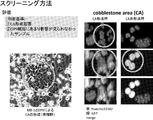
- the “cobblestone area (CA)” is also called a “cobblestone formation area”, where cancer cells such as the leukemia stem cells adhere to a supporting tissue composed of mesenchymal cells in a group. Cell population formed by cancer cells such as the leukemia stem cells adhere to a supporting tissue composed of mesenchymal cells in a group. Cell population formed by cancer cells such as the leukemia stem cells adhere to a supporting tissue composed of mesenchymal cells in a group. Cell population formed by
- the “niche formation inhibitor” refers to a compound having an activity of inhibiting, suppressing, reducing or eliminating the formation of a cobblestone area of cancer cells or a salt thereof, or a composition containing them.
- One example of the mechanism of the niche formation inhibitory action is considered to be caused by inhibiting adhesion of cancer cells forming the niche to the supporting tissue.
- no antitumor agent used clinically has this niche formation inhibitory effect.
- antineoplastic agent or “pharmaceutical composition for antitumor” refers to a drug for ameliorating symptoms or delaying the progression of symptoms in patients with malignant tumors or improving the prognosis of patients.
- Anti-tumor agent and “pharmaceutical composition for anti-tumor” include drugs classified as “tumor drugs” in the medicinal effect classification in the Ministry of Health, Labor and Welfare in Japan, and candidate substances thereof.
- tumor drug is “alkalizing agent”, “antimetabolite”, “antitumor antibiotic preparation”, “antitumor plant component preparation”, and “other tumor drug”. are categorized.
- ⁇ molecular targeting drug '' ibritumomab tiuxetan, imatinib, erlotinib, gefitinib, gemtuzumab ozogamicin, sunitinib, cetuximab, sorafenib, dasatinib, tamibarotene, trastuzumab, tretinoin, Panitumumab, bevacizumab, bortezomib, lapatinib, rituximab and the like; as the “alkylating agent”, ifosfamide, cyclophosphamide, dacarbazine, temozolomide, nimustine, busulfan, melphalan and the like; as “metabolite antagonists”, enocitabine, capecitabine, Carmofur, gemcitabine, cytarabine, t
- malignant tumor targeted by the “antitumor agent” or “antitumor pharmaceutical composition” of the present invention
- malignant tumor of the head and neck “maxillary cancer”, “(upper, middle , Lower) Pharyngeal cancer, Laryngeal cancer, Tongue cancer, Thyroid cancer, etc .
- malignant tumors of the digestive tract “esophageal cancer”, “stomach cancer”, “duodenal cancer”, “colon cancer (colon cancer, rectal cancer)”, “liver cancer (hepatocytes Cancer, cholangiocarcinoma), “gallbladder cancer”, “bile duct cancer”, “pancreatic cancer”, “anal cancer”, etc .
- Cancer, bladder cancer, prostate cancer, penile cancer, testis (testis) cancer are malignant tumors of the genitals, and uterine cancer (cervical cancer, uterine body) cancer) ,
- LSC leukemia stem cell
- the extract that inhibits niche formation of cancer cells of the present invention or a compound isolated and purified from the extract, a derivative of these compounds, or a compound synthesized by a total synthesis method for these compounds or derivatives It has the effect of inhibiting the formation of cobblestone regions of human chronic myeloid leukemia cells (CML) adhering to mesenchymal cells such as OP9 cells as a supporting tissue, and increased floating CML cells in an in vitro co-culture system Has the effect of Although CML adhered to the supporting tissue is resistant to the antitumor agent, necrosis or apoptosis is induced in the floating CML cell by the antitumor agent.
- CML chronic myeloid leukemia cells
- cancer cells forming a niche such as leukemia stem cells during remission by antitumor treatment of cancer patients are eliminated or reduced. Therefore, the recurrence of cancer can be improved.
- the extract or compound having an inhibitory action on niche formation of cancer cells, or a salt thereof can be added to a pharmaceutically acceptable pharmaceutical additive, such as an oral preparation, a parenteral preparation such as an injection, etc.
- Tumor cell niche formation inhibitors can be produced.
- Examples of the pharmaceutically acceptable salt include metal salts, ammonium salts, salts with organic bases, salts with inorganic acids, salts with organic acids, salts with basic or acidic amino acids, and the like. It is not limited to these.
- Suitable examples of the metal salt include alkali metal salts such as sodium salt and potassium salt; alkaline earth metal salts such as calcium salt, magnesium salt and barium salt; aluminum salt and the like.
- Suitable examples of the salt with an organic base include salts with trimethylamine, triethylamine, pyridine, ethanolamine, diethanolamine, triethanolamine and the like.
- salts with basic amino acids include salts with arginine, lysine, ornithine, and preferable examples of salts with acidic amino acids include salts with aspartic acid, glutamic acid and the like.
- At least one of the steriferin compound or a derivative thereof, or a pharmaceutically acceptable salt or solvate thereof is diluted to a predetermined concentration and dose with a solvent such as physiological saline, for example, to adjust the pH, etc.
- a solvent such as physiological saline, for example, to adjust the pH, etc.
- the pharmaceutical preparation is a pharmaceutical composition containing the compound having niche formation inhibitory activity, or a salt or solvate thereof as an active ingredient, and is described herein as a niche formation inhibitor, preferably malignant. It is a pharmaceutical composition for preventing and treating tumors, and can be used as a pharmaceutical composition for preventing recurrence of malignant tumors by combining with other antitumor agents.
- compositions used in the preparation of the pharmaceutical preparation are known to those skilled in the art as stabilizers, antioxidants, pH adjusters, buffers, suspending agents, emulsifiers, surfactants. It can be prepared by adding additives such as.
- additives such as.
- the types of these excipients and their usage and dosage are described in the Pharmaceutical Additives Encyclopedia 2007 (edited by the Japan Pharmaceutical Additives Association, Yakuji Nippo, July 2007), etc., and are prepared and used according to these descriptions. be able to.
- organic acids such as tartaric acid, citric acid, succinic acid, and fumaric acid as stabilizers, ascorbic acid, dibutylhydroxytoluene, propyl gallate, etc. as antioxidants, diluted hydrochloric acid or Sodium hydroxide aqueous solution or the like as a buffering agent such as citric acid, succinic acid, fumaric acid, tartaric acid or ascorbic acid or salts thereof, glutamic acid, glutamine, glycine, aspartic acid, alanine or arginine or salts thereof, magnesium oxide, zinc oxide, water
- Magnesium oxide, phosphoric acid or boric acid or its salts are lecithin, sucrose fatty acid ester, polyglycerin fatty acid ester, polyoxyethylene hydrogenated castor oil, polysorbate or polyoxyethylene / polyoxypropylene copolymer as suspending agent or emulsifier Etc., for example polysorbate 80 as a surfactant, Sodium la
- the amount of the active ingredient compound contained in the above preparation is not particularly limited and is appropriately selected within a wide range, but is usually 0.5 to 95% by weight, preferably 1 to 30% by weight in the total composition.
- the dosage of the pharmaceutical composition according to the present invention varies depending on the degree of symptoms, age, sex, body weight, dosage form / salt type, sensitivity difference to the drug, specific type of disease, etc.
- about 1 mg to about 1000 mg preferably about 10 mg to about 500 mg
- about 1 mg to about 1000 mg preferably about 10 mg to about 1000 mg
- about 1 kg to about 3000 kg preferably about 3 mm to about 3000 mm
- the extract or compound of the present invention may be used in combination with other 1 to 3 other active ingredients having antitumor activity.
- the “other active ingredient” include ibritumomab tiuxetan, imatinib, erlotinib, gefitinib, gemtuzumab ozogamicin, sunitinib, cetuximab, sorafenib, dasatinib, tamivarotene, trastuzumab, tretizumab, panitumab, Bortezomib, lapatinib, rituximab, ifosfamide, cyclophosphamide, dacarbazine, temozolomide, nimustine, busulfan, melphalan, enocitabine, capecitabine, carmofur, gemcitabine, cytarabine, tegafur, tegafur uradurafulra , Methotrex
- the extract and / or compound of the present invention can be used in a method for separating and / or sorting leukemic stem cells from a tissue or cell culture system in which leukemia stem cells are mixed.
- the method for separating and / or sorting leukemic stem cells from a tissue or cell culture system mixed with leukemia stem cells of the present invention is a culture solution containing the extract and / or the compound in a tissue or cultured cells mixed with leukemia stem cells. Adding, incubating, and collecting floating cells.
- the confirmation that the collected floating cells are leukemia stem cells can be confirmed by examining a combination of cell markers peculiar to leukemia stem cells and other characteristics peculiar to leukemia stem cells.
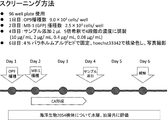
- FIG. 2A and FIG. 2B The evaluation method of the niche formation inhibitory effect of each subject is described in FIG. 2A and FIG. 2B. More details are given in each section below.
- the obtained aqueous layer was fraction 1-2, and the combined organic layer was concentrated and then separated into fractions soluble in each of normal hexane (n-hexane), dichloromethane and 60% methanol by solvent fractionation, It was set as fractions 2-1, 2-2, and 2-3, respectively (Fig. 3).
- the sponge species from Mageshima Island (998 g wet wt.) was extracted with methanol (1000 mL x 3 times), and the concentrated extract was partitioned into two phases with chloroform and water.
- the aqueous layer was further partitioned into two phases with n-butanol, and the obtained n-butanol layer was combined with the chloroform layer.
- the obtained aqueous layer was fractionated 1-2, and the combined organic layer was concentrated and then separated into fractions soluble in each of n-hexane, chloroform and 60% methanol by solvent fractionation, and the solvent was distilled off. These were designated as fractions 2-1, 2-2 and 2-3 (Fig. 3).
- fat-soluble fractions 2-1 and 2-2 showed strong CA formation inhibitory activity, while fractions 1-2 and 2-3 showed little activity.
- the yield was high, and the steriferin compound content in fraction 2-2 derived from the S09226 fraction showing the niche formation inhibitory action described below was measured using TOF-MS. It was about 2.26% (w / w) per dry weight when calculated by the ratio of the peak attributed to the steriferin compound to the integrated value of the peak.
- Fraction 8-6 (17.4 mg) was then further purified by reverse phase HPLC.
- the column used was COSMOSIL R 5C18 ARII (inner diameter 10 mm ⁇ length 25 cm), and 85% methanol was allowed to flow at a flow rate of 2 mL / min for 10 minutes, and then the gradient was adjusted to 100% methanol over 30 minutes. Two peaks appearing at a retention time of 38 to 42 minutes were collected, and the solvent was distilled off to obtain a fraction 9-4 (FIG. 5).
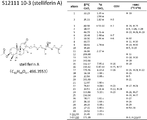
- Extract of steriferin compound (identified as steriferin A below, fraction 10-3) with a retention time of 30 minutes, 2.1 mg of an extract of steriferin compound (identified as steriferin B below, fraction 10-3) at 34 minutes 1.8 mg of the extract of 5) was obtained.
- Fraction 9-4 (6.3 mg) was further purified by reverse phase HPLC.
- the mobile phase is 80% methanol and other conditions are the same as above.
- Steriferin compound identified as the following steriferin A with a retention time of 30 minutes (fraction 10-3) 2.1 mg, Steriferin compound identified with the following steriferin B at 34 minutes (fraction 10-5) 1.8 mg was obtained (FIG. 5).
- fraction 8-5 (1293.6 mg) was further fractionated by open silica gel column chromatography. Chloroform, chloroform: methanol 19: 1, 9: 1, chloroform: methanol: waterpox 8: 2: 0.1, 7: 3: 0.5, 6: 4: 1 25 mL each was collected and divided into 48 fractions. Among these, fractions 4 to 8 were collected, and the solvent was distilled off to obtain fraction 9-2 (FIG. 6).
- Fraction 9-2 (278.0 mg) was further purified by reverse phase HPLC.
- the mobile phase was 85% methanol, and other conditions were the same as those for isolation of steriferin A and B (fractions 10-3, 10-5).
- a peak appearing at a retention time of 40 to 42 minutes was collected, and the solvent was distilled off.
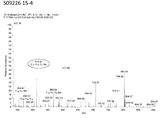
- compound 3 code number; S09226.15-4
- compound 4 code No .: S09226.15-5)
- fractions 15-2 to 15-10 containing compound 5 (code number: S09226.15-7) were obtained from fraction 15-7 (FIGS. 7A and 7B).
- the content of steriferin A in this fraction 10-3, steriferin B in fraction 10-5, and the new compound S09226.15-4 in fraction 15-4 is determined using 1 H-NMR. And about 76.9% (w / w) or more of steriferin A, about 73.9% (w / w) or more of steriferin B per dry weight in each fraction, about 76.3% of the new steriferin compound S09226.15-4. % (w / w) or more.
- Table 4 shows the activity evaluation test results of fractions 15-1 to 10 obtained from the S09226 fraction.
- the fractions 15-2 to 15-10 from the S09226 fraction showed strong CA formation inhibitory activity.
- 12-well plates were seeded with MMC-treated OP9 cells at a density of 1.6 ⁇ 10 5 cells per well. After culturing for 1 day, MB-1 cells were seeded at a density of 8.0 ⁇ 10 4 cells per well. After culturing for 2 days, steriferin A was added at a concentration of 0.4 ⁇ g / mL. After 1 day of culture, imatinib was added at concentrations of 0.2 ⁇ M and 1.0 ⁇ M. After culturing for 1 day, apoptosis detection described below was performed.
- NucView 488 was evaluated by adding 0.05% trypsin-EDTA to each well, incubating for 4 minutes, adding culture medium, separating each sample, and then centrifuging (1,200 rpm, 4 minutes) to collect the cells. did. The collected cell suspensions were each adjusted to a density of 1.0 ⁇ 10 6 per mL, and 200 ⁇ L each was collected. 5 ⁇ L of NucView 488 substrate stock solution of NucView 488 Caspase-3 Assay Kit for Live Cells was added to the sorted cells and incubated at room temperature for 20 minutes while protected from light. 300 ⁇ L of the culture solution was added and analyzed by a cell sorter (SH-800 type, Sony Corporation, Tokyo), and the proportion of green fluorescent positive cells in each well was calculated.
- a cell sorter SH-800 type, Sony Corporation, Tokyo
- MB-1 cells purified by a cell sorter from a co-culture system with OP9 cells were seeded in a 12-well plate at a density of 2.0 ⁇ 10 5 cells per well, and imatinib was added at concentrations of 0.2 ⁇ M and 1.0 ⁇ M. After culturing for 1 day, apoptosis detection described below was performed.
- Apoptosis was detected using the NucView 488 Caspase-3 Assay Kit for Live Cells (Biotium, USA) in the same manner as the above-described method for detecting apoptosis in the MB-1 cell and OP9 cell co-culture system. .
- Single cultured MB-1 cells showed higher sensitivity to imatinib compared to co-cultured MB-1 cells without addition of steriferin A (FIG. 11C). From these results, it was confirmed that MB-1 cells acquire drug resistance under co-culture with OP9 cells.
- a 24-well plate was seeded with OP9 cells treated with MMC at a density of 8.0 ⁇ 10 4 cells per well. After culturing for 1 day, MB-1 cells were seeded at a density of 4.0 ⁇ 10 4 cells per well. After culturing for 2 days, steriferin A was added at a concentration of 0.4 ⁇ g / mL. After 1 day of culture, imatinib was added at a concentration of 1.0 ⁇ M. After culturing for 1 day, apoptosis detection described below was performed.
- JC-1CMitochondrial Membrane Potential Assay Kit was used to detect apoptosis. 50 ⁇ L of JC-1LMitochondrial Membrane Potential Assay Kit JC-1 Reagent was added to each well and incubated for 20 minutes. Thereafter, 0.05% trypsin-EDTA was added to each well, incubated for 4 minutes, a culture solution was added, and each was collected and then centrifuged (1,200 rpm, 4 minutes) to collect cells. Each of the collected cells was suspended in 300 ⁇ L of the culture solution and analyzed by a cell sorter (SH-800 type, Sony Corporation, Tokyo), and the proportion of red fluorescent negative cells in each well was calculated.
- a cell sorter SH-800 type, Sony Corporation, Tokyo
- OP9 cells into which a fluorescent protein mCherry treated with MMC was introduced into a glass bottom 35 mm dish were seeded at a density of 4.0 ⁇ 10 5 cells. After culturing for 1 day, MB-1 cells into which fluorescent protein GFP had been introduced were seeded at a density of 2.0 ⁇ 10 5 cells. After culturing for 2 days, steriferin A was added at a concentration of 0.4 ⁇ g / mL. After culturing for 2 days, the three-dimensional positional relationship between the cells was photographed and examined using a confocal microscope (type IX81, Olympus).
- steriferin has an inhibitory activity against CA formation observed in a co-culture system of MB-1 cells and OP9 cells, which are leukemia stem cell-like cells, from a fraction isolated and purified from sponges.
- the compound was identified.
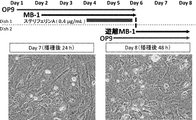
- the steriferin compound does not show a direct apoptosis-inducing action on MB-1 cells at the concentration used in this experiment. Therefore, the action of the steriferin compound observed in this result is a unique action under co-culture with feeder cells. Under the condition where no steriferin A is added, MB-1 cells are buried under the OP9 cell layer, but under the condition where steriferin A is added, MB-1 cells are exposed to the upper side of the OP9 cell layer.
- the action observed in this result indicates that the steriferin compound acts to suppress the leukemic stem cell niche formation, and that the steriferin compound is useful for preventing the recurrence of malignant tumor by the leukemic stem cell. It is shown.
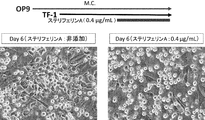
- the experimental method was basically the same as the evaluation with MB-1 cells except that TF-1 cells (human bone marrow erythroleukemia cell-derived strain) were used instead of MB-1 cells.
- TF-1 cells human bone marrow erythroleukemia cell-derived strain
- OP9 cells human bone marrow erythroleukemia cell-derived strain
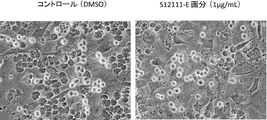
- the fat-soluble fraction of S12111 (S12111-E) and steriferin A also inhibited niche formation on TF-1 cells (FIGS. 14A and 14B).
- the niche formation on leukemic stem cell-like cells shown by the steriferin compound was shown not to be unique to MB-1 cells but to an action common to leukemia stem cell-like cells (FIG. 14, left panel: control). , Right figure: S12111-E fraction).
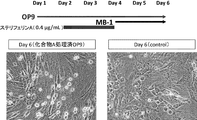
- the steriferin compound has a CA formation inhibitory action in a co-culture system of a leukemia stem cell-like MB-1 cell and an OP9 cell having a function as a support cell. It was shown to act on OP9 cells as support cells rather than cells.
- the experiments described herein are related to leukemia stem cells, but the extracts, compositions, compounds, tumor cell niche formation inhibitors, pharmaceutical compositions, relapse prevention agents described herein, and
- the method for separating and / or sorting leukemia stem cells is not limited to leukemia stem cells and can be applied to any cancer stem cells.
- compositions containing steriferin compounds including steriferin A are combined with antitumor drugs or anticancer drugs that exhibit cytotoxicity against cancer cells, and their effectiveness It shows that administration of the amount to a cancer patient in remission can suppress or inhibit niche formation of cancer stem cells including leukemia stem cells, and suppress cancer recurrence including recurrence of leukemia.
- the steriferin compound provides a therapeutic strategy for the recurrence of new malignant tumors, particularly leukemia, whose actions are different from those of conventional antitumor agents.
Landscapes
- Health & Medical Sciences (AREA)
- Chemical & Material Sciences (AREA)
- Life Sciences & Earth Sciences (AREA)
- Medicinal Chemistry (AREA)
- Pharmacology & Pharmacy (AREA)
- Animal Behavior & Ethology (AREA)
- General Health & Medical Sciences (AREA)
- Public Health (AREA)
- Veterinary Medicine (AREA)
- Organic Chemistry (AREA)
- Epidemiology (AREA)
- Oncology (AREA)
- Hematology (AREA)
- Chemical Kinetics & Catalysis (AREA)
- General Chemical & Material Sciences (AREA)
- Nuclear Medicine, Radiotherapy & Molecular Imaging (AREA)
- Emergency Medicine (AREA)
- Oceanography (AREA)
- Zoology (AREA)
- Pharmaceuticals Containing Other Organic And Inorganic Compounds (AREA)
- Medicines Containing Plant Substances (AREA)
- Medicines That Contain Protein Lipid Enzymes And Other Medicines (AREA)
- Medicines Containing Material From Animals Or Micro-Organisms (AREA)
- Acyclic And Carbocyclic Compounds In Medicinal Compositions (AREA)
Abstract
Priority Applications (4)
| Application Number | Priority Date | Filing Date | Title |
|---|---|---|---|
| US16/069,647 US10933044B2 (en) | 2016-01-13 | 2017-01-12 | Marine organism-derived extract, compound, and medical composition having niche formation suppressing activity of leukemic stem cells |
| CN201780006491.2A CN108463230B (zh) | 2016-01-13 | 2017-01-12 | 具有白血病干细胞的微环境形成抑制活性的来自海洋生物的提取物、化合物和医药组合物 |
| JP2017561166A JP6931889B2 (ja) | 2016-01-13 | 2017-01-12 | 白血病幹細胞のニッチ形成抑制活性を有する海洋生物由来の抽出物、化合物及び医薬組成物 |
| EP17738490.6A EP3403661B1 (fr) | 2016-01-13 | 2017-01-12 | Extrait dérivé d'un organisme marin, composé, et composition à visée médicale ayant une activité de suppression de formation de niches dans les cellules souches leucémiques |
Applications Claiming Priority (2)
| Application Number | Priority Date | Filing Date | Title |
|---|---|---|---|
| JP2016004523 | 2016-01-13 | ||
| JP2016-004523 | 2016-01-13 |
Publications (1)
| Publication Number | Publication Date |
|---|---|
| WO2017122736A1 true WO2017122736A1 (fr) | 2017-07-20 |
Family
ID=59311873
Family Applications (1)
| Application Number | Title | Priority Date | Filing Date |
|---|---|---|---|
| PCT/JP2017/000856 Ceased WO2017122736A1 (fr) | 2016-01-13 | 2017-01-12 | Extrait dérivé d'un organisme marin, composé, et composition à visée médicale ayant une activité de suppression de formation de niches dans les cellules souches leucémiques |
Country Status (5)
| Country | Link |
|---|---|
| US (1) | US10933044B2 (fr) |
| EP (1) | EP3403661B1 (fr) |
| JP (1) | JP6931889B2 (fr) |
| CN (1) | CN108463230B (fr) |
| WO (1) | WO2017122736A1 (fr) |
Citations (4)
| Publication number | Priority date | Publication date | Assignee | Title |
|---|---|---|---|---|
| WO2010101257A1 (fr) | 2009-03-05 | 2010-09-10 | 独立行政法人理化学研究所 | Agent destiné à empêcher une récurrence de leucémie |
| WO2013009690A2 (fr) | 2011-07-09 | 2013-01-17 | The Regents Of The University Of California | Ligands de ciblage de cellules souches leucémiques et méthodes d'utilisation |
| JP2013505968A (ja) * | 2009-10-01 | 2013-02-21 | シーエスエル、リミテッド | フィラデルフィア染色体陽性白血病の治療方法 |
| WO2013070807A1 (fr) | 2011-11-07 | 2013-05-16 | The Regents Of The University Of Califonia | Ciblage d'une niche de cellules souches cancéreuses quiescentes |
Family Cites Families (2)
| Publication number | Priority date | Publication date | Assignee | Title |
|---|---|---|---|---|
| CN101113134A (zh) * | 2007-06-26 | 2008-01-30 | 中国人民解放军第二军医大学 | 细薄星芒海绵中的一种三萜类抗肿瘤化合物及其制备方法 |
| CN103288790A (zh) * | 2013-06-28 | 2013-09-11 | 天津医科大学 | 一种具有抗类风湿性关节炎作用的三萜类化合物的制备方法和应用 |
-
2017
- 2017-01-12 WO PCT/JP2017/000856 patent/WO2017122736A1/fr not_active Ceased
- 2017-01-12 EP EP17738490.6A patent/EP3403661B1/fr active Active
- 2017-01-12 US US16/069,647 patent/US10933044B2/en not_active Expired - Fee Related
- 2017-01-12 JP JP2017561166A patent/JP6931889B2/ja active Active
- 2017-01-12 CN CN201780006491.2A patent/CN108463230B/zh not_active Expired - Fee Related
Patent Citations (4)
| Publication number | Priority date | Publication date | Assignee | Title |
|---|---|---|---|---|
| WO2010101257A1 (fr) | 2009-03-05 | 2010-09-10 | 独立行政法人理化学研究所 | Agent destiné à empêcher une récurrence de leucémie |
| JP2013505968A (ja) * | 2009-10-01 | 2013-02-21 | シーエスエル、リミテッド | フィラデルフィア染色体陽性白血病の治療方法 |
| WO2013009690A2 (fr) | 2011-07-09 | 2013-01-17 | The Regents Of The University Of California | Ligands de ciblage de cellules souches leucémiques et méthodes d'utilisation |
| WO2013070807A1 (fr) | 2011-11-07 | 2013-05-16 | The Regents Of The University Of Califonia | Ciblage d'une niche de cellules souches cancéreuses quiescentes |
Non-Patent Citations (11)
| Title |
|---|
| "Japanese Pharmaceutical Excipients:Directory:2007", July 2007 |
| AOKI S. ET AL., BIOORG MED CHEM., vol. 15, 2007, pages 4818 - 28 |
| FOUAD M ET AL., J. NAT. PROD., vol. 69, 2006, pages 211 - 218 |
| HARTWELL KIMBERLY A. ET AL.: "Niche-based screening identifies small-molecule inhibitors of leukemia stem cells", NATURE CHEMICAL BIOLOGY, vol. 9, no. 12, December 2013 (2013-12-01), pages 840 - 848, XP055512366, ISSN: 1552-4450 * |
| MCCORMICK, J. L., J. NAT. PROD., vol. 59, 1996, pages 1047 - 1050 |
| OKU NAOYA ET AL.: "New Isomalabaricane Triterpenes from the Marine Sponge Stelletta globostellata That Induce Morphological Changes in Rat Fibroblasts 1", JOURNAL OF NATURAL PRODUCTS, vol. 63, no. 2, February 2000 (2000-02-01), pages 205 - 209, XP055512360, ISSN: 0163-3864 * |
| RYU G. ET AL., J. NAT. PROD., vol. 59, 1996, pages 512 - 514 |
| TANAKA N. ET AL., TETRAHEDRON, vol. 67, 2011, pages 6689 - 6696 |
| TANG S.-A ET AL., CHINESE J. NAT. MED., vol. 3, 2005, pages 213 - 218 |
| TSUDA M. ET AL., SYMPOSIUM ON THE CHEMISTRY OF NATURAL PRODUCTS, SYMPOSIUM PAPER, vol. 33, 7 September 1991 (1991-09-07), pages 441 - 447 |
| TSUDA MASASHI ET AL.: "Stelliferins A-F new antineoplastic isomalabaricane triterpenes from the Okinawa marine sponge Jaspis stellifera", TETRAHEDRON, vol. 47, no. 12, 13, 1 January 1991 (1991-01-01), pages 2181 - 2194, XP055512358, ISSN: 0040-4020 * |
Also Published As
| Publication number | Publication date |
|---|---|
| US20190022045A1 (en) | 2019-01-24 |
| JPWO2017122736A1 (ja) | 2018-11-22 |
| EP3403661B1 (fr) | 2021-07-28 |
| CN108463230B (zh) | 2022-01-04 |
| EP3403661A4 (fr) | 2019-09-11 |
| JP6931889B2 (ja) | 2021-09-08 |
| US10933044B2 (en) | 2021-03-02 |
| CN108463230A (zh) | 2018-08-28 |
| EP3403661A1 (fr) | 2018-11-21 |
Similar Documents
| Publication | Publication Date | Title |
|---|---|---|
| Ke et al. | Foeniculum vulgare seed extract induces apoptosis in lung cancer cells partly through the down-regulation of Bcl-2 | |
| Pandey et al. | Design, synthesis and evaluation of novel PEGylated curcumin analogs as potent Nrf2 activators in human bronchial epithelial cells | |
| Das et al. | Mahanine, A dietary phytochemical, represses mammary tumor burden in rat and inhibits subtype regardless breast cancer progression through suppressing self-renewal of breast cancer stem cells | |
| JP2024001049A (ja) | Mcm複合体の形成を阻害する方法および抗ガン化合物についてスクリーニングする方法 | |
| CN115626932A (zh) | 新型二萜化合物及其制备方法、药物组合物和在抗肿瘤药物中的应用 | |
| Li et al. | Lentinan enhances microbiota-derived isoursodeoxycholic acid levels to alleviate hepatic ischemia-reperfusion injury in mice | |
| KR102160316B1 (ko) | 스테롤 유도체 및 형질전환된 성상세포와 관련된 질환 또는 악성 혈액병증을 치료하기 위한 그의 용도 | |
| Joseph et al. | Promising anticancer activities of Justicia simplex D. Don. in cellular and animal models | |
| WO2022186608A1 (fr) | Utilisation anticancéreuse d'extrait de gonades de stichopus japonicus ou de composés dérivés de celles-ci | |
| Goswami et al. | Antiproliferative potential of a novel parthenin analog P16 as evident by apoptosis accompanied by down-regulation of PI3K/AKT and ERK pathways in human acute lymphoblastic leukemia MOLT-4 cells | |
| Ferreira-Silva et al. | Casearin D inhibits ERK phosphorylation and induces downregulation of cyclin D1 in HepG2 cells | |
| CN107021942B (zh) | 大别山五针松的树皮提取物及其制备方法和在制药中的用途 | |
| JP6931889B2 (ja) | 白血病幹細胞のニッチ形成抑制活性を有する海洋生物由来の抽出物、化合物及び医薬組成物 | |
| US8546366B2 (en) | Method for inhibition of tumor cell growth using (22R)-5α-lanosta-8,24-dien-3β,15α,21-triol | |
| US8580847B2 (en) | Antrocin containing pharmaceutical compositions for inhibiting cancer cells | |
| CN105503984B (zh) | 一种Hedgehog信号通路抑制剂及其制备方法和应用 | |
| CN115611720B (zh) | 新型ent-strobane烷型二萜类化合物及其制备方法、药物组合物和应用 | |
| WO2014173957A2 (fr) | Composé | |
| US20230293564A1 (en) | Method and compounds for inhibiting the MCM complex and their application in cancer treatment | |
| CN107569499A (zh) | 一种酚苷类化合物在抗肿瘤药物中的应用 | |
| US20110263700A1 (en) | Antrocin containing pharmaceutical compositions for inhibiting cancer cells | |
| JP2013199437A (ja) | Dnaポリメラーゼ阻害活性を有する化合物 | |
| WO2017019888A1 (fr) | Cis- et trans-suffruticosol d en tant qu'agents thérapeutiques |
Legal Events
| Date | Code | Title | Description |
|---|---|---|---|
| 121 | Ep: the epo has been informed by wipo that ep was designated in this application |
Ref document number: 17738490 Country of ref document: EP Kind code of ref document: A1 |
|
| WWE | Wipo information: entry into national phase |
Ref document number: 2017561166 Country of ref document: JP |
|
| NENP | Non-entry into the national phase |
Ref country code: DE |
|
| WWE | Wipo information: entry into national phase |
Ref document number: 2017738490 Country of ref document: EP |
|
| ENP | Entry into the national phase |
Ref document number: 2017738490 Country of ref document: EP Effective date: 20180813 |