WO2017195870A1 - Cellule de levure contenant de la l-hydroxyproline ou produit de culture cellulaire ou extrait de celle-ci, son utilisation et procédé de production de l-hydroxyproline - Google Patents
Cellule de levure contenant de la l-hydroxyproline ou produit de culture cellulaire ou extrait de celle-ci, son utilisation et procédé de production de l-hydroxyproline Download PDFInfo
- Publication number
- WO2017195870A1 WO2017195870A1 PCT/JP2017/017932 JP2017017932W WO2017195870A1 WO 2017195870 A1 WO2017195870 A1 WO 2017195870A1 JP 2017017932 W JP2017017932 W JP 2017017932W WO 2017195870 A1 WO2017195870 A1 WO 2017195870A1
- Authority
- WO
- WIPO (PCT)
- Prior art keywords
- hydroxyproline
- yeast
- cell
- culture
- cell culture
- Prior art date
- Legal status (The legal status is an assumption and is not a legal conclusion. Google has not performed a legal analysis and makes no representation as to the accuracy of the status listed.)
- Ceased
Links
Images

Classifications
-
- A—HUMAN NECESSITIES
- A23—FOODS OR FOODSTUFFS; TREATMENT THEREOF, NOT COVERED BY OTHER CLASSES
- A23L—FOODS, FOODSTUFFS OR NON-ALCOHOLIC BEVERAGES, NOT OTHERWISE PROVIDED FOR; PREPARATION OR TREATMENT THEREOF
- A23L31/00—Edible extracts or preparations of fungi; Preparation or treatment thereof
- A23L31/10—Yeasts or derivatives thereof
-
- C—CHEMISTRY; METALLURGY
- C12—BIOCHEMISTRY; BEER; SPIRITS; WINE; VINEGAR; MICROBIOLOGY; ENZYMOLOGY; MUTATION OR GENETIC ENGINEERING
- C12N—MICROORGANISMS OR ENZYMES; COMPOSITIONS THEREOF; PROPAGATING, PRESERVING, OR MAINTAINING MICROORGANISMS; MUTATION OR GENETIC ENGINEERING; CULTURE MEDIA
- C12N1/00—Microorganisms; Compositions thereof; Processes of propagating, maintaining or preserving microorganisms or compositions thereof; Processes of preparing or isolating a composition containing a microorganism; Culture media therefor
- C12N1/14—Fungi; Culture media therefor
- C12N1/16—Yeasts; Culture media therefor
-
- A—HUMAN NECESSITIES
- A23—FOODS OR FOODSTUFFS; TREATMENT THEREOF, NOT COVERED BY OTHER CLASSES
- A23L—FOODS, FOODSTUFFS OR NON-ALCOHOLIC BEVERAGES, NOT OTHERWISE PROVIDED FOR; PREPARATION OR TREATMENT THEREOF
- A23L31/00—Edible extracts or preparations of fungi; Preparation or treatment thereof
-
- A—HUMAN NECESSITIES
- A23—FOODS OR FOODSTUFFS; TREATMENT THEREOF, NOT COVERED BY OTHER CLASSES
- A23L—FOODS, FOODSTUFFS OR NON-ALCOHOLIC BEVERAGES, NOT OTHERWISE PROVIDED FOR; PREPARATION OR TREATMENT THEREOF
- A23L31/00—Edible extracts or preparations of fungi; Preparation or treatment thereof
- A23L31/10—Yeasts or derivatives thereof
- A23L31/15—Extracts
-
- A—HUMAN NECESSITIES
- A23—FOODS OR FOODSTUFFS; TREATMENT THEREOF, NOT COVERED BY OTHER CLASSES
- A23L—FOODS, FOODSTUFFS OR NON-ALCOHOLIC BEVERAGES, NOT OTHERWISE PROVIDED FOR; PREPARATION OR TREATMENT THEREOF
- A23L33/00—Modifying nutritive qualities of foods; Dietetic products; Preparation or treatment thereof
- A23L33/10—Modifying nutritive qualities of foods; Dietetic products; Preparation or treatment thereof using additives
- A23L33/14—Yeasts or derivatives thereof
-
- A—HUMAN NECESSITIES
- A23—FOODS OR FOODSTUFFS; TREATMENT THEREOF, NOT COVERED BY OTHER CLASSES
- A23L—FOODS, FOODSTUFFS OR NON-ALCOHOLIC BEVERAGES, NOT OTHERWISE PROVIDED FOR; PREPARATION OR TREATMENT THEREOF
- A23L33/00—Modifying nutritive qualities of foods; Dietetic products; Preparation or treatment thereof
- A23L33/10—Modifying nutritive qualities of foods; Dietetic products; Preparation or treatment thereof using additives
- A23L33/17—Amino acids, peptides or proteins
- A23L33/175—Amino acids
-
- A—HUMAN NECESSITIES
- A23—FOODS OR FOODSTUFFS; TREATMENT THEREOF, NOT COVERED BY OTHER CLASSES
- A23L—FOODS, FOODSTUFFS OR NON-ALCOHOLIC BEVERAGES, NOT OTHERWISE PROVIDED FOR; PREPARATION OR TREATMENT THEREOF
- A23L33/00—Modifying nutritive qualities of foods; Dietetic products; Preparation or treatment thereof
- A23L33/10—Modifying nutritive qualities of foods; Dietetic products; Preparation or treatment thereof using additives
- A23L33/17—Amino acids, peptides or proteins
- A23L33/18—Peptides; Protein hydrolysates
-
- A—HUMAN NECESSITIES
- A61—MEDICAL OR VETERINARY SCIENCE; HYGIENE
- A61K—PREPARATIONS FOR MEDICAL, DENTAL OR TOILETRY PURPOSES
- A61K31/00—Medicinal preparations containing organic active ingredients
- A61K31/33—Heterocyclic compounds
- A61K31/395—Heterocyclic compounds having nitrogen as a ring hetero atom, e.g. guanethidine or rifamycins
- A61K31/40—Heterocyclic compounds having nitrogen as a ring hetero atom, e.g. guanethidine or rifamycins having five-membered rings with one nitrogen as the only ring hetero atom, e.g. sulpiride, succinimide, tolmetin, buflomedil
- A61K31/401—Proline; Derivatives thereof, e.g. captopril
-
- A—HUMAN NECESSITIES
- A61—MEDICAL OR VETERINARY SCIENCE; HYGIENE
- A61K—PREPARATIONS FOR MEDICAL, DENTAL OR TOILETRY PURPOSES
- A61K36/00—Medicinal preparations of undetermined constitution containing material from algae, lichens, fungi or plants, or derivatives thereof, e.g. traditional herbal medicines
- A61K36/06—Fungi, e.g. yeasts
-
- A—HUMAN NECESSITIES
- A61—MEDICAL OR VETERINARY SCIENCE; HYGIENE
- A61K—PREPARATIONS FOR MEDICAL, DENTAL OR TOILETRY PURPOSES
- A61K8/00—Cosmetics or similar toiletry preparations
- A61K8/18—Cosmetics or similar toiletry preparations characterised by the composition
- A61K8/30—Cosmetics or similar toiletry preparations characterised by the composition containing organic compounds
- A61K8/40—Cosmetics or similar toiletry preparations characterised by the composition containing organic compounds containing nitrogen
- A61K8/44—Aminocarboxylic acids or derivatives thereof, e.g. aminocarboxylic acids containing sulfur; Salts; Esters or N-acylated derivatives thereof
-
- A—HUMAN NECESSITIES
- A61—MEDICAL OR VETERINARY SCIENCE; HYGIENE
- A61K—PREPARATIONS FOR MEDICAL, DENTAL OR TOILETRY PURPOSES
- A61K8/00—Cosmetics or similar toiletry preparations
- A61K8/18—Cosmetics or similar toiletry preparations characterised by the composition
- A61K8/30—Cosmetics or similar toiletry preparations characterised by the composition containing organic compounds
- A61K8/49—Cosmetics or similar toiletry preparations characterised by the composition containing organic compounds containing heterocyclic compounds
- A61K8/4906—Cosmetics or similar toiletry preparations characterised by the composition containing organic compounds containing heterocyclic compounds with one nitrogen as the only hetero atom
- A61K8/4913—Cosmetics or similar toiletry preparations characterised by the composition containing organic compounds containing heterocyclic compounds with one nitrogen as the only hetero atom having five membered rings, e.g. pyrrolidone carboxylic acid
-
- A—HUMAN NECESSITIES
- A61—MEDICAL OR VETERINARY SCIENCE; HYGIENE
- A61K—PREPARATIONS FOR MEDICAL, DENTAL OR TOILETRY PURPOSES
- A61K8/00—Cosmetics or similar toiletry preparations
- A61K8/18—Cosmetics or similar toiletry preparations characterised by the composition
- A61K8/96—Cosmetics or similar toiletry preparations characterised by the composition containing materials, or derivatives thereof of undetermined constitution
- A61K8/97—Cosmetics or similar toiletry preparations characterised by the composition containing materials, or derivatives thereof of undetermined constitution from algae, fungi, lichens or plants; from derivatives thereof
- A61K8/9728—Fungi, e.g. yeasts
-
- A—HUMAN NECESSITIES
- A61—MEDICAL OR VETERINARY SCIENCE; HYGIENE
- A61Q—SPECIFIC USE OF COSMETICS OR SIMILAR TOILETRY PREPARATIONS
- A61Q19/00—Preparations for care of the skin
-
- A—HUMAN NECESSITIES
- A61—MEDICAL OR VETERINARY SCIENCE; HYGIENE
- A61Q—SPECIFIC USE OF COSMETICS OR SIMILAR TOILETRY PREPARATIONS
- A61Q19/00—Preparations for care of the skin
- A61Q19/08—Anti-ageing preparations
-
- A—HUMAN NECESSITIES
- A61—MEDICAL OR VETERINARY SCIENCE; HYGIENE
- A61Q—SPECIFIC USE OF COSMETICS OR SIMILAR TOILETRY PREPARATIONS
- A61Q19/00—Preparations for care of the skin
- A61Q19/10—Washing or bathing preparations
-
- A—HUMAN NECESSITIES
- A61—MEDICAL OR VETERINARY SCIENCE; HYGIENE
- A61Q—SPECIFIC USE OF COSMETICS OR SIMILAR TOILETRY PREPARATIONS
- A61Q5/00—Preparations for care of the hair
- A61Q5/02—Preparations for cleaning the hair
-
- A—HUMAN NECESSITIES
- A61—MEDICAL OR VETERINARY SCIENCE; HYGIENE
- A61Q—SPECIFIC USE OF COSMETICS OR SIMILAR TOILETRY PREPARATIONS
- A61Q5/00—Preparations for care of the hair
- A61Q5/06—Preparations for styling the hair, e.g. by temporary shaping or colouring
-
- A—HUMAN NECESSITIES
- A61—MEDICAL OR VETERINARY SCIENCE; HYGIENE
- A61Q—SPECIFIC USE OF COSMETICS OR SIMILAR TOILETRY PREPARATIONS
- A61Q5/00—Preparations for care of the hair
- A61Q5/12—Preparations containing hair conditioners
-
- C—CHEMISTRY; METALLURGY
- C12—BIOCHEMISTRY; BEER; SPIRITS; WINE; VINEGAR; MICROBIOLOGY; ENZYMOLOGY; MUTATION OR GENETIC ENGINEERING
- C12P—FERMENTATION OR ENZYME-USING PROCESSES TO SYNTHESISE A DESIRED CHEMICAL COMPOUND OR COMPOSITION OR TO SEPARATE OPTICAL ISOMERS FROM A RACEMIC MIXTURE
- C12P13/00—Preparation of nitrogen-containing organic compounds
- C12P13/04—Alpha- or beta- amino acids
- C12P13/24—Proline; Hydroxyproline; Histidine
Definitions
- the present invention relates to a yeast cell or a cell culture or an extract thereof containing L-hydroxyproline, its use, and a method for producing L-hydroxyproline.
- the invention also relates to the use of yeast for producing L-hydroxyproline.
- the present invention also relates to a food / beverage product, a cosmetic, a cosmetic raw material, a composition for reinforcing L-hydroxyproline, and the like containing a yeast cell or cell culture or an extract thereof.
- L-hydroxyproline (hydroxy-L-proline) is an amino acid having a structure in which a hydroxyl group is bonded to the 4-position carbon atom of L-proline.
- L-hydroxyproline has the following effects: promotion of collagen production in fibroblasts, promotion of epidermal cell proliferation, moisturizing effect equivalent to or better than collagen, prevention of skin aging, transdermal absorbability higher than tripeptide, wrinkle improvement effect, The improvement effect of atopic dermatitis etc. are mentioned. Since L-hydroxyproline is safe for the human body, it can be used by being contained in foods and drinks, cosmetics, pharmaceuticals, etc., and its usefulness is very high.
- L-hydroxyproline can be produced by an organic synthesis method, but a production method using a microorganism is also being studied.
- Patent Document 1 discloses that a transformant obtained by introducing a polynucleotide encoding L-proline cis-4-hydroxylase derived from Rhizobium rhizobia into a host cell is cultured in a medium, and the cis- A method for producing cis-4-hydroxy-L-proline is described in which 4-hydroxy-L-proline is produced and accumulated, and cis-4-hydroxy-L-proline is collected from the culture.
- yeast is a microorganism which has been tried for various industrial uses from the old days in the food and drink field, etc., and yeast cells or cell cultures or extracts thereof containing L-hydroxyproline are L -It is useful as a raw material for cosmetics, foods and drinks where the effect of hydroxyproline is expected.
- yeast cells or cell cultures or extracts thereof containing L-hydroxyproline are L -It is useful as a raw material for cosmetics, foods and drinks where the effect of hydroxyproline is expected.
- a yeast that accumulates L-hydroxyproline in bacterial cells or bacterial cell cultures has not yet been reported.
- the main object of the present invention is to provide a yeast cell or cell culture or yeast extract containing L-hydroxyproline, its use, and a method for producing L-hydroxyproline.
- the present inventors have found that when a certain type of yeast such as Kodamaea ohmeri is aerobically cultured, L or L -It was found to accumulate hydroxyproline.
- the obtained yeast cells or cell cultures or extracts thereof containing L-hydroxyproline are L-hydroxyproline based on the total weight content of L-proline (Pro) and L-hydroxyproline (Hyp). It was found that the ratio of the weight content of (100 ⁇ Hyp / (Pro + Hyp)) could be in a specific range.
- the present inventors have further studied based on these findings and have completed the present invention.
- yeast of the present invention Kodamaea-Oumeri (Kodamaea ohmeri), Metschnikowia-Roinniei (Metschnikowia reuêtii), Meierozaima-Karibika (Meyerozyma caribbica), Meierozaima-Girierumondi (Meyerozyma guilliermondii) and a Kurabisupora-Rushitanie (Clavispora lusitaniae) at least one cell or cell culture of the yeast is selected from the group consisting of or extracts thereof,
- the yeast cells or cell cultures or extracts thereof contain L-hydroxyproline, and L-hydroxy to the total content ( ⁇ g / mL) of L-proline (Pro) and L-hydroxyproline (Hyp).
- the ratio (100 ⁇ Hyp / (Pro + Hyp)) of hydroxyproline content ( ⁇ g / mL) is 35 to 100.
- the yeast cells or cell cultures or extracts thereof of the present invention preferably have an L-hydroxyproline content of 10 ⁇ g / mL or more.
- the yeast cell or cell culture of the present invention or an extract thereof has a value ( ⁇ g / mL / OD660) obtained by dividing the L-hydroxyproline content ( ⁇ g / mL) by OD660 (20 or more). It is preferable.
- yeast of the present invention Kodamaea-Oumeri (Kodamaea ohmeri), Metschnikowia-Roinniei (Metschnikowia reuêtii), Meierozaima-Karibika (Meyerozyma caribbica), Meierozaima-Giri Erumondi a (Meyerozyma guilliermondii) and Kurabisupora-Rushitanie least one cell or cell culture of the yeast is selected from the group consisting of (Clavispora lusitaniae) or extracts thereof, The content of L-hydroxyproline is 10 ⁇ g / mL or more.
- L- hydroxyproline invention Kodamaea-Oumeri (Kodamaea ohmeri), Metschnikowia-Roinniei (Metschnikowia reuêtii), Meierozaima-Karibika (Meyerozyma caribbica), Meierozaima-Girierumondi (Meyerozyma guilliermondii) and Kurabisupora-Rushitanie ( At least one yeast selected from the group consisting of Clavispora lusitaniae ) in an aerobic culture in a liquid medium containing a carbon source and a nitrogen source, so that L-hydroxy is contained in the yeast cell or cell culture.
- a step of accumulating proline, wherein the nitrogen source is a nitrogen source containing an L-hydroxyproline-containing peptide.
- the L-hydroxyproline-containing peptide is preferably a collagen peptide.
- the average molecular weight of the collagen peptide is preferably 1000 to 10,000.
- the aerobic culture is preferably performed for 10 to 100 hours.
- the present invention is selected from the group consisting of Kodamaea-Oumeri (Kodamaea ohmeri), Metschnikowia-Roinniei (Metschnikowia reuêtii), Meierozaima-Karibika (Meyerozyma caribbica), Meierozaima-Girierumondi (Meyerozyma guilliermondii) and Kurabisupora-Rushitanie (Clavispora lusitaniae) Also included is the use of at least one selected yeast for producing L-hydroxyproline.
- the use of the present invention includes accumulating L-hydroxyproline in the yeast cell or cell culture by aerobically culturing the yeast in a liquid medium containing a carbon source and a nitrogen source.
- the nitrogen source is preferably a nitrogen source containing an L-hydroxyproline-containing peptide.
- the L-hydroxyproline-containing peptide is preferably a collagen peptide.
- the average molecular weight of the collagen peptide is preferably 1000 to 10,000.
- the aerobic culture is preferably performed for 10 to 100 hours.
- composition of the present invention is characterized in that it comprises the yeast or cell culture of the yeast of the present invention or an extract thereof.
- the food / beverage products of this invention are characterized by including the microbial cell or microbial cell culture of this invention, or these extracts.
- the cosmetic or cosmetic raw material of the present invention is characterized by containing the yeast or bacterial culture of the yeast of the present invention or an extract thereof.
- the cosmetic or cosmetic raw material of the present invention comprises collagen production promotion, epidermal cell growth promotion, skin moisturization, skin aging prevention, skin sagging prevention or improvement, skin firmness improvement, wrinkle prevention or improvement and It is preferably used for applications selected from the improvement of atopic dermatitis.
- the cosmetic or cosmetic raw material of the present invention is a cosmetic raw material, and preferably has an L-hydroxyproline content of 5 to 300 ppm.
- the cosmetic or cosmetic raw material of the present invention is a cosmetic and preferably has an L-hydroxyproline content of 0.01 to 20 ppm. In this specification, ppm means weight ppm.
- L- hydroxyproline reinforcement composition of the present invention contain L- hydroxyproline, Kodamaea-Oumeri (Kodamaea ohmeri), Metschnikowia-Roinniei (Metschnikowia reuêtii), Meierozaima-Karibika (Meyerozyma caribbica), Meierozaima-Girierumondi ( Meyerozyma guilliermondii ) and Clavispora lusitaniae ( At least one yeast selected from the group consisting of Clavispora lusitaniae ) or a cell culture, or an extract thereof.
- the yeast cell or cell culture or extract thereof contains the total content ( ⁇ g of L-proline (Pro) and L-hydroxyproline (Hyp)).
- the ratio (100 ⁇ Hyp / (Pro + Hyp)) of L-hydroxyproline content ( ⁇ g / mL) to (mL / mL) is preferably 35 to 100.
- the yeast cells or cell cultures or extracts thereof preferably have an L-hydroxyproline content of 10 ⁇ g / mL or more.
- yeast cell or bacterial cell culture or an extract thereof and its use containing L-hydroxyproline, a method for producing L-hydroxyproline, and the like.
- the yeast cell or cell culture of the present invention or an extract thereof is suitably used as a raw material for foods and beverages, cosmetics and the like.
- FIG. 1 is a diagram showing the measurement results of L-hydroxyproline content of culture samples by HPLC.
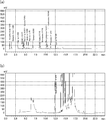
- FIG. 2 is an HPLC chart obtained by analyzing a 0.1N hydrochloric acid solution containing amino acid mixed standard solution H and L-hydroxyproline (each amino acid concentration 20 ⁇ mol / L) ((a): Ch1 excitation wavelength 350 nm, fluorescence wavelength. Detection at 450 nm, (b): Ch2 excitation wavelength 266 nm, fluorescence wavelength 305 nm detection).
- the first cell or cell culture of yeast aspects or these extracts of the present invention, Kodamaea-Oumeri (Kodamaea ohmeri), Metschnikowia-Roinniei (Metschnikowia reuisingii), Meierozaima-Karibika (Meyerozyma caribbica), Meierozaima - Girierumondi a (Meyerozyma guilliermondii) and Kurabisupora-Rushitanie least one cell or cell culture of the yeast is selected from the group consisting of (Clavispora lusitaniae) or extracts thereof, cells of the yeast or The cell culture or these extracts contain L-hydroxyproline, and the content of L-hydroxyproline ( ⁇ g / mL) relative to the total content ( ⁇ g / mL) of L-proline (Pro) and L-hydroxyproline (Hyp). / ML) ratio (100 ⁇ Hyp / (Pro + Hyp
- Second cells or cell cultures or extracts thereof yeast aspect of the present invention Kodamaea-Oumeri (Kodamaea ohmeri), Metschnikowia-Roinniei (Metschnikowia reuêtii), Meierozaima-Karibika (Meyerozyma caribbica), Meierozaima - Girierumondi a (Meyerozyma guilliermondii) and Kurabisupora-Rushitanie least one cell or cell culture of the yeast is selected from the group consisting of (Clavispora lusitaniae) or extracts thereof, the content of L- hydroxyproline Is 10 ⁇ g / mL or more.
- the yeast cells or cell cultures of the yeast according to the first aspect and the second aspect of the present invention, or extracts thereof are collectively referred to as the yeast cells or cell cultures of the yeast of the present invention or extracts thereof. Also called.
- yeast of the present invention Kodamaea-Oumeri (Kodamaea ohmeri), Metschnikowia-Roinniei (Metschnikowia reuêtii), Meierozaima-Karibika (Meyerozyma caribbica), Meierozaima-Girierumondi (Meyerozyma guilliermondii) and a Kurabisupora-Rushitanie (at least one of the cells or cell culture of the yeast is selected from the group consisting of Clavispora lusitaniae) or extracts thereof.
- the yeast in the present invention may be any yeast of any of the above genus species.
- Yeast may use only 1 type and may use 2 or more types.
- the yeast is available from various depository institutions. Examples of depository organizations include the National Institute of Technology and Evaluation (2-5-8, Kazusa Kamashichi, Kisarazu City, Chiba Prefecture, Japan). It can also be separated from nature. Among them, as the yeast in the present invention, Kodamaea ohmeri is preferable because of its high L-hydroxyproline content.
- Cells or cell cultures or extracts thereof yeast of the present invention is preferably a bacterial cell or cell culture Kodamaea-Oumeri (Kodamaea ohmeri) or extracts thereof.
- L-hydroxyproline in the present invention is 4-hydroxy-L-proline.
- L-hydroxyproline contained in yeast cells or cell cultures or extracts thereof refers to free L-hydroxyproline.
- the L-hydroxyproline content or accumulated amount in yeast cells or cell cultures or extracts thereof refers to the amount of free L-hydroxyproline. No yeast has been reported that accumulates free L-hydroxyproline in its cells or cell cultures.
- the yeast or cell culture of yeast according to the first aspect of the present invention, or an extract thereof contains L-hydroxy with respect to the total content ( ⁇ g / mL) of L-proline (Pro) and L-hydroxyproline (Hyp).
- the ratio of proline content ( ⁇ g / mL) (100 ⁇ Hyp / (Pro + Hyp)) is 35 to 100.
- Such yeast cells or cell cultures or extracts thereof are suitably used for foods and beverages and cosmetic raw materials for which L-hydroxyproline is expected to be effective.
- “Ratio of L-hydroxyproline content ( ⁇ g / mL) to total content ( ⁇ g / mL) of L-proline (Pro) and L-hydroxyproline (Hyp)” (100 ⁇ Hyp / (Pro + Hyp)) Then, it is also referred to as “(Hyp / (Pro + Hyp)) ratio”.
- the L-proline content in the above ratio (Hyp / (Pro + Hyp)) refers to the free L-proline content contained in yeast cells or cell cultures or extracts thereof.
- the yeast cell or cell culture of the second embodiment of the present invention or an extract thereof has a (Hyp / (Pro + Hyp)) ratio of 35 to 100.
- the (Hyp / (Pro + Hyp)) ratio is preferably 40 to 100, more preferably 50 to 100, more preferably 60 to 100, still more preferably 70 to 100, and still more preferably. 80 to 100, particularly preferably 90 to 100.
- the above yeast (Hyp / (Pro + Hyp)) ratio of such yeast cells or cell cultures or extracts thereof have a high Hyp content ratio and are expected to be effective for L-hydroxyproline. It is particularly suitable as a raw material for the material.
- the yeast cell or cell culture or the extract thereof according to the second aspect of the present invention has an L-hydroxyproline content of 10 ⁇ g / mL or more.
- the yeast cell or cell culture or extract thereof according to the first aspect of the present invention preferably has an L-hydroxyproline content of 10 ⁇ g / mL or more.
- a yeast cell or cell culture or an extract thereof having a content of L-hydroxyproline within the above range is suitable as a raw material for foods and beverages and cosmetics for which the effect of L-hydroxyproline is expected.
- the content of L-hydroxyproline in the yeast or cell culture of the yeast of the present invention or these extracts is more preferably 15 ⁇ g / mL or more, more preferably 17 ⁇ g / mL or more, and more preferably 20 ⁇ g / mL or more. More preferably, 30 ⁇ g / mL or more is further preferable, 40 ⁇ g / mL or more is further preferable, 50 ⁇ g / mL or more is further preferable, 100 ⁇ g / mL or more is further preferable, 150 ⁇ g / mL or more is further preferable, and 200 ⁇ g / mL or more is particularly preferable.
- the upper limit of the content of L-hydroxyproline in yeast cells or cell cultures or extracts thereof is not particularly limited and is preferably large, but is usually 6000 ⁇ g / mL or less, 3000 ⁇ g / mL or less, or 2000 ⁇ g. / ML or less may be sufficient. According to the present invention, it is possible to provide a yeast cell or cell culture, or an extract thereof, wherein the content of L-hydroxyproline derived from the yeast cell or cell culture is in the above range. .
- the L-proline content ( ⁇ g / mL) and the L-hydroxyproline content ( ⁇ g / mL) in yeast cells or cell cultures or extracts thereof are measured by high performance liquid chromatography (HPLC). be able to.
- HPLC high performance liquid chromatography
- a method in which a primary amino group is derivatized with mercaptopropionic acid or o-phthalaldehyde (OPA) and then a secondary amino acid is derivatized with chloroformic acid-9-fluorenylmethyl (FMOC) and analyzed by HPLC excitation L-proline and L-hydroxyproline can be quantified by detection at a wavelength of 266 nm and a fluorescence wavelength of 305 nm.
- HPLC measurement conditions, and the like the methods and conditions described in the Examples may be employed.
- the yeast cells or cell cultures or extracts thereof of the present invention are obtained by aerobically culturing the above yeast in a liquid medium and crushing the cells as necessary.
- the yeast cell culture preferably contains yeast cells and / or culture supernatant, and may contain yeast cell contents.
- the yeast cells may be live or dead.
- yeast cells cultured cells obtained by aerobic culture of the yeast and cell culture liquid containing the culture supernatant
- the bacteria examples include yeast cells collected from a body culture solution (bacteria) or culture supernatants obtained by removing the cells from the cell culture solution.
- the culture supernatant of the cell culture medium is simply referred to as the culture supernatant.
- the cell culture is preferably a cell culture solution or culture supernatant containing yeast cells and culture supernatant.
- the extract of a microbial cell or a microbial cell culture contains a microbial cell content normally, and it is preferable that a microbial cell content and a culture supernatant are included.
- the microbial cell culture or a microbial cell culture containing the microbial cell is subjected to microbial cell disruption treatment such as self-digestion treatment or enzymatic degradation treatment, What eluted yeast cell contents in the culture solution (broken cell), removed the cell residue from the broken cell or cell culture (broken cell)
- microbial cell disruption treatment such as self-digestion treatment or enzymatic degradation treatment, What eluted yeast cell contents in the culture solution (broken cell), removed the cell residue from the broken cell or cell culture (broken cell)
- the microbial cell culture solution bacterial cell crushed material
- the culture supernatant obtained by removing the cell residue from the cell crushed material It is a thing.
- the yeast cells or cell cultures or extracts thereof of the present invention usually contain yeast cells and culture supernatant obtained by aerobic culture of the yeast in a liquid medium. It is prepared by subjecting the bacterial cell culture solution to treatment such as collection and disruption of the bacterial cells as necessary.
- the L-hydroxyproline contained in the yeast cell or cell culture of the present invention or the extract thereof is preferably derived from the yeast cell or cell culture obtained by the above aerobic culture. It is preferable that the L-hydroxyproline contained in the yeast cell or cell culture of the present invention or the extract thereof is substantially absent before the aerobic culture.
- the yeast cells or cell cultures or extracts thereof of the present invention can be suitably used as raw materials for foods and drinks including cosmetics and liquors, for example.
- the yeast cell or cell culture of the present invention or an extract thereof has a value ( ⁇ g / mL / OD660) obtained by dividing the L-hydroxyproline content ( ⁇ g / mL) by OD660 (20 or more). It is preferable.
- a value ( ⁇ g / mL / OD660) obtained by dividing the content of L-hydroxyproline ( ⁇ g / mL) by OD660 ( ⁇ g / mL / OD660) is hereinafter also referred to as a Hyp / OD660 value.
- a higher Hyp / OD660 value is preferable because the content of L-hydroxyproline per cell is larger.
- the upper limit of the Hyp / OD660 value of yeast cells or cell cultures or extracts thereof is not particularly limited and is preferably as large as possible, but is usually 300 or less.
- the Hyp / OD660 value is more preferably 25 or more, further preferably 30 or more, still more preferably 40 or more, particularly preferably 50 or more, particularly preferably 60 or more, and most preferably 80 or more.
- OD is an abbreviation for optical density and refers to optical density. OD represents a cell concentration or the like.
- absorbance OD600 or OD660 with respect to visible light having a wavelength of 600 nm or 660 nm is measured (Bio Experiment Illustrated (7) Yeast that can be used Two Hybrid, Shujunsha, published in 2003).
- the OD660 used for the calculation of the Hyp / OD660 value is the cell culture solution (cells and culture supernatant) containing the cells and culture supernatant used for the preparation of the cells or cell cultures or extracts thereof. Is an absorbance at 660 nm.
- OD660 is the cell culture solution (cells). Absorbance OD660 of the culture).
- the microbial cells or cell culture extract obtained by crushing yeast cells and eluting the cell contents OD660 is: It is the light absorbency OD660 of the microbial cell culture solution (the microbial cell culture solution containing the microbial cell of the yeast before microbial cell disruption, and a culture supernatant) used for the preparation.
- OD660 can be measured with a spectrophotometer, for example.
- the yeast cells or cell cultures or extracts thereof of the present invention preferably have an ethanol content of 1 v / v% or less.
- the ethanol content is 1 v / v% or less, it can be particularly preferably used as a raw material for various foods and cosmetics. If ethanol exceeds 1 v / v%, there may be adverse effects on yeast growth and the like.
- the ethanol content of the yeast or the cell culture of the yeast of the present invention or the extract thereof is more preferably 0.8 v / v% or less, and further preferably 0.5 v / v% or less.
- the ethanol content can be measured by a known method.
- the form of the yeast cells or cell cultures or extracts thereof of the present invention is not particularly limited, and examples thereof include pastes, suspensions, extracts, and liquids.
- the yeast cells or cell cultures of the present invention or extracts thereof can be suitably used as a raw material for cosmetics, foods and drinks, etc. as described later.
- the yeast cells or cell cultures of the yeast of the present invention or extracts thereof can be used after being powdered by drying or the like.
- yeast of the present invention Kodamaea-Oumeri (Kodamaea ohmeri), Metschnikowia-Roinniei (Metschnikowia reuêtii), Meierozaima-Karibika (Meyerozyma caribbica), Meierozaima-Girierumondi (Meyerozyma guilliermondii) and at least one yeast selected from the group consisting of Kurabisupora-Rushitanie (Clavispora lusitaniae), cultured aerobically in a liquid medium comprising carbon and nitrogen sources, be disrupted cell or the like, if necessary Can be obtained.
- Kurabisupora-Rushitanie Clavispora lusitaniae
- the nitrogen source includes an L-hydroxyproline-containing peptide.
- L-hydroxyproline By aerobically culturing the yeast in a liquid medium containing a nitrogen source containing a carbon source and an L-hydroxyproline-containing peptide, L-hydroxyproline accumulates in the yeast or the cell culture of the yeast, A yeast cell or cell culture containing L-hydroxyproline is obtained.
- the yeast is aerobically cultured in a liquid medium containing a carbon source and a nitrogen source containing an L-hydroxyproline-containing peptide, thereby accumulating L-hydroxyproline in the yeast or the culture of the yeast.
- the method including the steps is preferable as a method for producing the above-described yeast cell or cell culture of the present invention or an extract thereof, or a method for producing L-hydroxyproline.
- L- hydroxyproline invention Kodamaea-Oumeri (Kodamaea ohmeri), Metschnikowia-Roinniei (Metschnikowia reuêtii), Meierozaima-Karibika (Meyerozyma caribbica), Meierozaima-Girierumondi (Meyerozyma guilliermondii) and Kurabisupora-Rushitanie ( At least one yeast selected from the group consisting of Clavispora lusitaniae ) in an aerobic culture in a liquid medium containing a carbon source and a nitrogen source, so that L-hydroxy is contained in the yeast cell or cell culture.
- a step of accumulating proline (hereinafter also referred to as a Hyp accumulation step).
- the nitrogen source is a nitrogen source containing an L-hydroxyproline-containing peptide.
- the production method of the present invention may have steps other than the Hyp accumulation step as desired. For example, you may have 1 or 2 or more processes, such as the preculture process mentioned later, a microbe collection process, and a microbial cell crushing process.
- the above-described yeast cell or cell culture of the present invention or an extract thereof can be obtained.
- a yeast cell or cell culture containing L-hydroxyproline is obtained.
- the obtained yeast cells or cell cultures usually have the above (Hyp / (Pro + Hyp)) ratio of 35 to 100.
- the yeast cell or cell culture obtained by the Hyp accumulation step usually has an L-hydroxyproline content of 10 ⁇ g / mL or more.
- Such yeast cells or cell cultures can be used as the yeast cells or cell cultures of the present invention described above.
- the obtained bacterial cells or bacterial cell culture is further subjected to treatment such as cell disruption as required to prepare a yeast bacterial cell or bacterial cell culture extract containing L-hydroxyproline.
- the method for producing L-hydroxyproline including the Hyp accumulation step is also preferable as a method for producing the above-described yeast cells or cell cultures of the present invention or extracts thereof.
- the Hyp accumulation step and preferred embodiments thereof are the same as the Hyp accumulation step and preferred embodiments thereof in the method for producing L-hydroxyproline.
- yeast can be added to the liquid medium by inoculating a small amount of cells directly in the liquid medium containing the carbon source and nitrogen source. In order to raise the amount, it is preferable to inoculate a pre-cultured bacterial solution.
- the medium used for the pre-culture is not particularly limited, and may be the same medium as the liquid medium used in the Hyp accumulation step (usually main culture), or a known medium that can be used for yeast.
- the preculture time is usually 10 to 72 hours, preferably 12 to 48 hours.
- the preculture temperature is preferably 15 to 40 ° C.
- the amount inoculated with the pre-cultured bacterial solution is usually 1/10000 to 1/2 of the amount of medium used in the Hyp accumulation step, preferably 1/1000 to 1/10, and preferably 1/200 to 1/10. Is more preferable, and 1/200 to 1/20 is even more preferable.
- the inoculation amount is in the above range, the yeast grows rapidly in the Hyp accumulation step, and L-hydroxyproline can be accumulated efficiently.
- the nitrogen source of the liquid medium used in the Hyp accumulation step is a nitrogen source containing an L-hydroxyproline-containing peptide.
- L-hydroxyproline When the yeast is aerobically cultured using such a nitrogen source, L-hydroxyproline accumulates in the cells or the cell culture.
- Such nitrogen sources may be used alone or in combination of two or more.
- the number of L-hydroxyproline-containing peptides may be one, or two or more.
- the L-hydroxyproline-containing peptide may be any peptide that contains L-hydroxyproline as a constituent amino acid, but is preferably a peptide in which 10% by weight or more of the constituent amino acid is L-hydroxyproline.
- the nitrogen source containing the L-hydroxyproline-containing peptide is also preferably an L-hydroxyproline-containing peptide.
- a nitrogen source containing an L-hydroxyproline-containing peptide can be obtained, for example, by hydrolyzing an L-hydroxyproline-containing protein.
- the L-hydroxyproline-containing protein may be a protein containing L-hydroxyproline as a constituent amino acid, but is preferably a protein in which 10% by weight or more of the constituent amino acid is L-hydroxyproline.
- collagenous protein and the like are preferable.
- the collagenous protein include proteins prepared from tissues containing collagen such as viscera, skin, fish scales, and bones; collagen and gelatin.
- the origin of the collagen protein is not particularly limited.
- collagen-derived proteins derived from animals such as cow-derived, pig-derived and fish-derived can be preferably used.
- As the collagenous protein a commercially available product can be used. Hydrolysis of the L-hydroxyproline-containing protein can be performed by a known method using an enzyme or the like.
- animal-derived peptone can be preferably used as a nitrogen source containing an L-hydroxyproline-containing peptide.
- Peptone derived from cow, pig or fish is preferred, and peptone derived from cow or fish is more preferred.
- animal peptone, myocardial peptone, and gelatin peptone are also preferable as peptone.
- An example of a commercial product of a nitrogen source containing an L-hydroxyproline-containing peptide that can be used in the present invention is the product name Pepton (# 211677) (Bacto).
- the L-hydroxyproline-containing peptide is preferably a collagen peptide.
- Collagen peptide means hydrolyzed collagen, which can be either gelatin modified by heat treatment of natural collagen, collagen peptide hydrolyzed from natural collagen, or those chemically or enzymatically modified. Good. Hydrolysis can be performed with an enzyme, acid, alkali, or the like, and preferably with an enzyme.
- gelatin modified by heat treatment of natural collagen or collagen peptide hydrolyzed from natural collagen is used.
- the origin of the collagen peptide is not particularly limited.
- animal-derived collagen peptides such as cow-derived, pig-derived and fish-derived can be preferably used.
- it is a collagen peptide derived from fish.
- a commercially available collagen peptide can be used.
- Examples of commercially available collagen peptides that can be used in the present invention include, for example, “Collagen Peptide Iquos HDL-50SP” (product name) (average molecular weight 5000), “Collagen Peptide Type S” (product) manufactured by Nitta Gelatin Co., Ltd. Name) (average molecular weight 1200), “super collagen peptide SCP-2000” (product name) (average molecular weight 2000), “collagen peptide P-5000” (product name) (average molecular weight 5000) manufactured by Yasu Chemical Co., Ltd.
- Collagen Peptide F-5000 product name
- Marine Collagen Oligo CF product name
- Marine Collagen Oligo MF product name
- Product name (average molecular weight 900-1500) and the like.
- “collagen peptide Type S” average molecular weight 1200
- “collagen peptide Iquos HDL-50SP” average molecular weight 5000) and the like are preferable.
- “collagen peptide Iquos HDL-50SP”, “collagen peptide Type S”, “collagen peptide F-5000”, “marine collagen CF”, “marine collagen oligo MF” are derived from fish.
- “Collagen Peptide P-5000” and “Super Collagen Peptide SCP-2000” are derived from pigs.
- the nitrogen source comprising the L-hydroxyproline-containing peptide is preferably a collagen peptide (more preferably a collagen peptide derived from fish) and / or a peptone (preferably an animal, more preferably a cow, Pigs or fish-derived, more preferably cattle or fish-derived peptone), particularly preferably collagen peptides.
- a nitrogen source containing such an L-hydroxyproline-containing peptide is used, the amount of L-hydroxyproline accumulated in yeast cells or cell cultures increases.
- the peptone may be animal meat peptone, heart muscle peptone, gelatin peptone.
- An example of a preferred embodiment of the method for producing L-hydroxyproline of the present invention is that the yeast is aerobically cultured in a liquid medium containing a carbon source and a collagen peptide and / or peptone. A step of accumulating L-hydroxyproline in the bacterial cell or the bacterial cell culture.
- the nitrogen source containing the L-hydroxyproline-containing peptide preferably has an average molecular weight of 10,000 or less, and preferably has an average molecular weight of 100 to 10,000, for example.
- the L-hydroxyproline-containing peptide preferably has an average molecular weight of 10,000 or less, and preferably has an average molecular weight of 100 to 10,000, for example.
- the L-hydroxyproline-containing peptide preferably has a molecular weight of 10,000 or less.
- the collagen peptide preferably has an average molecular weight of 1000 to 10,000.
- the average molecular weight of the L-hydroxyproline-containing peptide is calculated by gel filtration or the like.
- the average molecular weight of the collagen peptide is usually a value calculated by the method described in “20-2 Average Molecular Weight” of the 10th edition of Photographic Gelatin Test Method (PAGI Method).
- PAGI Method Photographic Gelatin Test Method
- the average molecular weight of a peptide refers to a weight average molecular weight.
- the average molecular weight of the collagen peptide is more preferably 1000 to 6000, still more preferably 1000 to 5500, and particularly preferably 1000 to 5000.
- the average molecular weight of the collagen peptide is more preferably 1000 to 3000, and even more preferably 1000 to 1500.
- the average molecular weight of the collagen peptide is more preferably 2000 to 5500, further preferably 3000 to 5000.
- the concentration of the nitrogen source containing the L-hydroxyproline-containing peptide in the liquid medium is usually preferably 0.1 to 10% by weight, more preferably 0.25 to 5% by weight, and 1 to 5% by weight. Further preferred.
- concentration of the nitrogen source is within the above range, L-hydroxyproline accumulates in the bacterial cells or bacterial cell culture. Therefore, for example, a yeast cell or cell culture or an extract thereof having an L-hydroxyproline content of 10 ⁇ g / mL or more can be obtained.
- cells or cell cultures or extracts thereof having a (Hyp / (Pro + Hyp)) ratio of 35 to 100 can be obtained.
- the concentration of the nitrogen source in the liquid medium is still more preferably 1.5 to 4.5% by weight, particularly preferably 2 to 4% by weight.
- the concentration of the nitrogen source may be the above concentration at the start of culture.
- the concentration of the collagen peptide or peptone in the liquid medium is preferably in the above range.
- the carbon source is not particularly limited. Sugars or sugar alcohols; organic acids such as acetic acid, citric acid, or gluconic acid.
- a carbon source may be used individually by 1 type, and may mix and use 2 or more types. Among them, the carbon source is preferably a sugar such as glucose, fructose, or sucrose, and glucose is particularly preferable.
- the concentration of the carbon source in the liquid medium is preferably 0.1 to 20% by weight, preferably 0.5 to 15% by weight, more preferably 1 to 10% by weight, more preferably 1 to 5% by weight, more preferably 2-5% by weight. It is preferable that the concentration of the carbon source in the liquid medium is 1% by weight or more because the growth rate of the bacterial cells is high. In addition, the density
- the weight ratio (C / N) of the carbon source (C) and the nitrogen source (N) containing the L-hydroxyproline-containing peptide is preferably 0.25 to 20.
- a weight ratio of C / N within the above range is preferable because the amount of L-hydroxyproline accumulated in the bacterial cells or bacterial cell culture increases.
- the C / N weight ratio is more preferably 0.25 to 5, more preferably 0.3 to 3, and further preferably 0.4 to 1.5.
- the weight ratio of C / N is within the above range, the amount of L-hydroxyproline accumulated in the microbial cells or microbial cell culture is increased.
- the C / N weight ratio is 0. 25 to 5 is more preferable, 0.3 to 3 is more preferable, 0.4 to 1.5 is still more preferable, and 0.5 to 1.3 is particularly preferable.
- the C / N weight ratio is preferably 0.5 to 20. The weight ratio of C / N may be in the above range at the start of culture.
- the liquid medium may contain components other than the above-described carbon source and a nitrogen source containing an L-hydroxyproline-containing peptide, and preferably contains, for example, a yeast extract.
- Yeast extracts usually do not contain L-hydroxyproline-containing peptides and are not included in nitrogen sources that contain L-hydroxyproline-containing peptides.
- the yeast extract is not particularly limited as long as it can be used for yeast culture, and a commercially available product can be used.
- the product name Bacto yeast Extract (# 212750) (Bacto) can be preferably used.
- the concentration of the yeast extract is preferably 0.1 to 3% by weight, more preferably 0.5 to 3% by weight, based on the liquid medium.
- the concentration of the yeast extract may be the above concentration at the start of culture.
- the pH of the liquid medium is preferably 3 to 9, preferably 4 to 9, more preferably more than 4 and 9 or less, further preferably 4.5 to 8.8, and particularly preferably 5 to 8.7. preferable.
- the pH of the liquid medium can be adjusted as appropriate.
- a known acid or alkali agent can be used for pH adjustment, such as hydrochloric acid, sulfuric acid, phosphoric acid, nitric acid, glutamic acid, acetic acid, butyric acid, lactic acid, formic acid, succinic acid, maleic acid, malic acid, oxalic acid, citric acid, Examples thereof include sodium hydroxide, potassium hydroxide, calcium hydroxide, aqueous ammonia, and sodium glutamate.
- the culture temperature is preferably 15 to 45 ° C, more preferably 20 to 40 ° C, and further preferably 25 to 35 ° C. When the culture temperature is within this temperature range, the yeast grows rapidly and the amount of L-hydroxyproline accumulated in the cells or cell cultures increases.
- the method for aerobic culture is not particularly limited, and the liquid medium inoculated with the bacteria may be, for example, shake culture or stirring culture.
- the speed of shaking or stirring is not particularly limited, but is preferably 30 to 600 rpm, and in one aspect, more preferably 30 to 500 rpm, still more preferably 50 to 500 rpm, and particularly preferably 50 to 300 rpm. Particularly preferred is 50 to 100 rpm.
- the shaking or stirring speed is preferably 50 to 600 rpm, more preferably 100 to 600 rpm. Shaking culture or stirring culture at such a rate is preferable because the amount of accumulated L-hydroxyproline increases. More preferably, the shaking culture is performed at the above speed. In addition, bubbling may be performed with sterilized air or oxygen if desired.
- the culture format may be batch culture, fed-batch culture, or continuous culture, but batch culture is preferred. In the production method of the present invention, static culture may be performed.
- the culture time is not particularly limited and may be set as appropriate. For example, it is preferable to perform aerobic culture for 10 to 100 hours. When the culture time is within the above range, L-hydroxyproline accumulates in the yeast cells or cell culture. In addition, usually, yeast cells or cell cultures or extracts thereof having a (Hyp / (Pro + Hyp)) ratio of 35 to 100, yeast cells having an L-hydroxyproline content of 10 ⁇ g / mL or more. Alternatively, a bacterial cell culture or an extract thereof can be obtained. In addition, yeast cells or cell cultures or extracts thereof having a low ethanol content (for example, 1 v / v% or less) can be obtained.
- the culture time is less than 10 hours, the amount of accumulated L-hydroxyproline is small, or the yeast cell or cell culture obtained or the extract (Hyp / (Pro + Hyp)) ratio is less than 35. It may become.
- the culture time exceeds 100 hours, the ethanol concentration of the obtained yeast or bacterial cell culture or the extract thereof may exceed 1 v / v%. In addition, contamination may easily occur, and coloring due to self-digestion may occur after the death of the yeast.
- the culture time is more preferably 10 to 80 hours, more preferably 12 to 72 hours, still more preferably 20 to 60 hours, still more preferably 24 to 55 hours, and particularly preferably 24 to 60 hours. 50 hours.
- aerobic culture it is preferable to perform aerobic culture until the L-hydroxyproline content in the microbial cells or the microbial cell culture becomes 10 ⁇ g / mL or more.
- aerobic culture is usually performed as main culture, but it may be preculture or aerobic culture may be performed in preculture and main culture.
- L-hydroxyproline accumulates in the yeast cells or cell cultures.
- the cell culture may be a cell culture solution containing yeast cells and culture supernatant, may be yeast cells, or may be a culture supernatant of a cell culture solution. Good.
- yeast cells or cell cultures containing L-hydroxyproline and having a (Hyp / (Pro + Hyp)) ratio of 35 to 100 can be obtained.
- yeast cells or cell cultures having an L-hydroxyproline content of 10 ⁇ g / mL or more can be obtained.
- An extract of yeast cells or cell cultures can be obtained by subjecting yeast cells or cell cultures to a cell disruption treatment, for example.
- a cell culture comprising a yeast cell obtained in the Hyp accumulation step and a culture supernatant.
- the solution can be used as it is as a yeast cell culture containing L-hydroxyproline.
- yeast cells may be collected from the cell culture medium, and the obtained cell bodies may be used as yeast cells or cell cultures. It can also be a body culture. Further, the cells or the cell culture medium is subjected to a treatment for crushing the cells as necessary, and the cell contents are eluted in the culture solution to prepare a cell or cell culture extract.
- a step of removing bacterial cell residues may be performed after disrupting the bacterial cells. Moreover, you may perform processes, such as disinfection and a heating, to a microbial cell or a microbial cell culture, or these extracts as needed.
- the production method of the present invention may include one or more steps such as such a collection process, a microbial cell disruption process, a microbial cell residue removal process, and a sterilization process.
- a method for collecting the cells from the cell culture solution is not particularly limited, and a commonly used method can be employed, and examples thereof include centrifugation.
- the method for disrupting the cells is not particularly limited, and a commonly used method can be employed, and examples thereof include an autolysis method, an enzymatic decomposition method, and an alkali extraction method. Of these, the autolysis method is preferred.
- the self-digestion method for example, the cells or the cell culture may be heated at 40 to 60 ° C. for 60 to 180 minutes.
- heating may be performed at 95 to 100 ° C. for 5 to 15 minutes.
- the method for removing the cell residue is not particularly limited.
- a microbial cell residue by well-known methods, such as filtration and centrifugation.
- sterilization it is preferable to heat yeast cells or cell cultures or extracts thereof at 75 to 90 ° C. (more preferably 80 ° C.) and 45 to 90 minutes (more preferably 60 minutes). .
- removing the microbial cell residue and sterilizing either may be performed first.
- the yeast cells or cell cultures or extracts thereof obtained in the present invention are the yeast cells or cell cultures or extracts thereof of the present invention described above, and the extracts thereof. This is the same as the preferred embodiment.
- a yeast or a cell culture of yeast having a (Hyp / (Pro + Hyp)) ratio of 35 to 100 and an L-hydroxyproline content of 10 ⁇ g / mL or These extracts can be produced.
- L-hydroxyproline derived or synthesized from natural products may be further added to yeast cells or cell cultures or extracts thereof obtained by the above method.
- yeast cells are used.
- the L-hydroxyproline contained in the cell culture or the extract thereof is composed of L-hydroxyproline derived from the yeast cell or cell culture obtained by the above Hyp accumulation step.
- the yeast cells or cell cultures or extracts thereof containing L-hydroxyproline obtained in the present invention can be used as raw materials for foods and beverages, cosmetics and the like described later. Further, in the method for producing L-hydroxyproline of the present invention, a step of purifying L-hydroxyproline from the obtained yeast cell or cell culture or an extract thereof may be performed. Purification of L-hydroxyproline may be performed by a known method such as column chromatography.
- the present invention is selected from the group consisting of Kodamaea-Oumeri (Kodamaea ohmeri), Metschnikowia-Roinniei (Metschnikowia reuêtii), Meierozaima-Karibika (Meyerozyma caribbica), Meierozaima-Girierumondi (Meyerozyma guilliermondii) and Kurabisupora-Rushitanie (Clavispora lusitaniae) Also included is the use of at least one selected yeast for producing L-hydroxyproline.
- the yeast is also suitably used for producing a yeast cell or cell culture or an extract thereof containing L-hydroxyproline.
- the yeast cells or cell cultures or extracts thereof containing L-hydroxyproline preferably have a (Hyp / (Pro + Hyp)) ratio of 35 to 100. It is also preferable that the yeast cells or cell cultures or extracts thereof containing L-hydroxyproline have an L-hydroxyproline content of 10 ⁇ g / mL or more. In addition, it is preferable that the above-mentioned Hyp / OD660 value is 20 or more for the yeast cells or cell cultures or extracts thereof containing L-hydroxyproline.
- Preferred embodiments of the yeast cells or cell cultures or extracts thereof containing L-hydroxyproline are the same as the preferred embodiments of the yeast cells or cell cultures or extracts thereof of the present invention described above. It is.
- the use of the present invention includes accumulating L-hydroxyproline in the yeast cells or cell cultures by aerobic culture of the yeast in a liquid medium containing a carbon source and a nitrogen source. It is preferable.
- the nitrogen source is preferably a nitrogen source containing an L-hydroxyproline-containing peptide.
- the L-hydroxyproline-containing peptide is preferably a collagen peptide.
- the average molecular weight of the collagen peptide is preferably 1000 to 10,000.
- the concentration of the nitrogen source containing the L-hydroxyproline-containing peptide in the liquid medium is preferably 1 to 5% by weight.
- the weight ratio (C / N) of the carbon source (C) and the nitrogen source (N) containing the L-hydroxyproline-containing peptide is preferably 0.25 to 20. In one embodiment, the C / N ratio is preferably 0.5 to 20.
- the aerobic culture is preferably performed for 10 to 100 hours, more preferably for 10 to 80 hours.
- the liquid medium, the carbon source and the nitrogen source containing the L-hydroxyproline-containing peptide and preferred embodiments thereof are the same as those in the above-described method for producing L-hydroxyproline.
- the aerobic culture conditions and preferred embodiments thereof are also the same as those in the above-described method for producing L-hydroxyproline.
- the use of the present invention may include one or more processes such as the above-described collection process, microbial cell disruption process, microbial cell removal process, and sterilization process.
- the yeast cell or cell culture of the present invention described above or an extract thereof can be blended in various compositions such as cosmetics, foods and drinks, and pharmaceuticals.
- the yeast cell or cell culture of the present invention or a composition containing an extract thereof is also encompassed in the present invention.
- the composition of the present invention may include any one of the yeast cell or cell culture of the yeast of the first aspect and the second aspect of the present invention described above, or an extract thereof, and may include both.
- the yeast cell or cell culture of the present invention or a composition containing these extracts contains L-hydroxyproline derived from the yeast cell or cell culture or these extracts.
- compositions of the present invention include cosmetics (cosmetic compositions), foods and drinks (food and beverage compositions), pharmaceuticals (pharmaceutical compositions), quasi drugs (quasi drugs) and the like.
- the composition may be these raw materials.
- the composition is preferably a cosmetic or a food or drink, or a raw material thereof.
- the content of the yeast cell culture or cell culture or the extract thereof in the composition of the present invention is not particularly limited, and can be appropriately set according to the type and use of the composition.
- the solid content of the yeast cell or cell culture or extract thereof is preferably 0.00001 to 50% by weight, preferably 0.00005 to 20% by weight, based on the composition. % Is more preferable, and 0.0001 to 10% by weight is more preferable.
- the dosage form is not particularly limited, and any dosage form such as a solution, paste, gel, solid, or powder can be used.
- Cosmetics are not particularly limited. , Perfume, powder, eau de cologne, body soap, soap, bath salt, sunscreen cream and the like.
- the cosmetics or cosmetic raw materials containing the above-described yeast cells or cell cultures of the present invention or extracts thereof are one of the preferred embodiments of the present invention.
- the cosmetics and cosmetic raw materials may contain components other than the yeast cells or cell cultures or extracts thereof.
- Various ingredients that are usually blended in cosmetics can be blended in cosmetics and cosmetic raw materials.
- oils, fragrances, surfactants, humectants, antioxidants, ultraviolet absorbers, preservatives, pigments, dyes and the like can be appropriately blended. What is necessary is just to select these compounding ratios suitably.
- the cosmetic raw material of the present invention is suitably used for producing the cosmetic of the present invention.
- the usage and dosage of the cosmetic can be appropriately determined according to the type of cosmetic.
- the cosmetic or cosmetic raw material of the present invention contains L-hydroxyproline, for example, promotion of collagen production, promotion of epidermal cell proliferation, skin moisturization, prevention of skin aging, prevention or improvement of skin sagging, It is preferably used for applications selected from the improvement of skin firmness, prevention or improvement of wrinkles and the improvement of atopic dermatitis, and is preferably used for applications selected from improvement of skin firmness and prevention or improvement of wrinkles. .
- the content of the yeast cells or cell culture or the extract thereof in the cosmetic is preferably 0.00001 to 10% by weight, preferably 0.0001 to 10% by weight in terms of solid content with respect to the cosmetic. It is preferably 0.0001 to 5% by weight, more preferably 0.001 to 5% by weight, still more preferably 0.01 to 3% by weight, and particularly preferably 0.05 to 2% by weight.
- the content of the yeast cell culture or cell culture or extract thereof in the cosmetic is 0.00005 to 1% by weight in terms of solid content relative to the cosmetic. Preferably, 0.0001 to 0.5% by weight is more preferable.
- the content of the yeast cell or cell culture or extract thereof in the cosmetic raw material is preferably 0.001 to 20% by weight, for example, in terms of solid content, based on the cosmetic raw material, Is more preferably from 10 to 10% by weight, further preferably from 0.05 to 5% by weight, particularly preferably from 0.1 to 2% by weight.
- the L-hydroxyproline content in the cosmetic raw material is, for example, preferably from 5 to 300 ppm, more preferably from 10 to 200 ppm, still more preferably from 50 to 100 ppm.
- the L-hydroxyproline content in the cosmetic can be, for example, 0.01 to 20 ppm, preferably 0.03 to 15 ppm, and more preferably 0.05 to 10 ppm. It is preferable to blend the yeast cells or cell cultures or extracts thereof so that the L-hydroxyproline content falls within the above range.
- the food or drink is not particularly limited.
- the form of the food or drink may be any of liquid, semi-liquid or solid, and paste, and may be any of general food and drink, health food, functional food, and the like.
- General food and drink is not particularly limited, and includes alcoholic beverages.
- Healthy food means food that is considered healthy or healthy, and includes nutritional supplements, natural foods, and the like.
- Nutritional supplements refer to foods that are enriched with specific nutritional components.
- Functional foods refer to foods for supplementing nutritional components that fulfill the body's regulatory functions, and include foods for specified health use and functional nutritional foods.
- dietary supplements include beauty drinks and supplements.
- the food and drink of the present invention may be in the form of a pharmaceutical preparation such as a capsule, a drink or the like.
- Various components that are permitted to be blended in food and drink can be blended in the food and drink. Examples of such components include binders, thickeners, colorants, stabilizers, emulsifiers, dispersants, disintegrants, suspending agents, surfactants, preservatives, sweeteners, and sour agents.
- the above-described yeast cell or cell culture of the present invention or a food or drink containing these extracts is one of the preferred embodiments of the present invention.
- the content of the yeast cells or cell culture or the extract thereof in the food or drink is preferably 0.0001 to 10% by weight in terms of solid content with respect to the food or drink. 001 to 5% by weight is more preferable, and 0.01 to 1% by weight is more preferable. Further, the L-hydroxyproline content in the food and drink is preferably 0.0001 to 0.01% by weight, and the yeast cell or cell culture or the culture of the yeast so that the L-hydroxyproline content falls within the above range. It is preferable to blend these extracts.
- the L-hydroxyproline content in the cosmetics, cosmetic raw materials, foods and beverages, etc. is a free L-hydroxyproline content.
- L-hydroxyproline is preferably derived from the above-mentioned yeast cells or cell cultures or extracts thereof.
- compositions such as cosmetics, foods and drinks, and these raw materials containing yeast cells or bacterial cell cultures or extracts thereof according to the present invention are the types of raw materials, additives, etc. that are usually used in these.
- the yeast cells or cell cultures of the yeast of the present invention or extracts thereof can be blended and produced by a known technique.
- the present invention is selected from the group consisting of Kodamaea-Oumeri (Kodamaea ohmeri), Metschnikowia-Roinniei (Metschnikowia reuêtii), Meierozaima-Karibika (Meyerozyma caribbica), Meierozaima-Girierumondi (Meyerozyma guilliermondii) and Kurabisupora-Rushitanie (Clavispora lusitaniae)
- cosmetics or cosmetic ingredients containing at least one yeast cell or cell culture or extract thereof.
- the yeast cell or cell culture or the extract thereof is preferably the yeast cell or cell culture of the present invention described above or an extract thereof.
- the present invention is selected from the group consisting of Kodamaea-Oumeri (Kodamaea ohmeri), Metschnikowia-Roinniei (Metschnikowia reuêtii), Meierozaima-Karibika (Meyerozyma caribbica), Meierozaima-Girierumondi (Meyerozyma guilliermondii) and Kurabisupora-Rushitanie (Clavispora lusitaniae)
- the aerobic culture of at least one yeast produced in a liquid medium containing a carbon source and a nitrogen source thereby accumulating L-hydroxyproline in the yeast cells or cell culture (Hyp accumulation) And a process for producing an L-hydroxyproline-containing cosmetic raw material.
- the nitrogen source is a nitrogen source containing an L-hydroxyproline-containing peptide.
- the preferred embodiment of the method for producing an L-hydroxyproline-containing cosmetic raw material of the present invention is the same as the preferred embodiment of the method for producing L-hydroxyproline described above.
- the method for producing the L-hydroxyproline-containing cosmetic raw material is preferable as the method for producing the cosmetic raw material of the present invention.
- yeast cells or cell cultures or extracts thereof are the yeast cells or cell cultures of the present invention described above or extracts thereof, and The preferred embodiment is the same.
- L-hydroxyproline-containing cosmetic raw material containing L-hydroxyproline-containing yeast cells or cell cultures or extracts thereof, if desired, containing additives or the like commonly used in cosmetics Can be used as
- L-hydroxyproline purified from yeast cells or cell cultures or extracts thereof containing L-hydroxyproline may be blended with additives ordinarily used in cosmetics, if desired.
- a hydroxyproline-containing cosmetic raw material can also be produced.
- the cosmetic raw material containing L-hydroxyproline obtained by the present invention has the following effects: collagen production promotion, epidermal cell growth promotion, skin moisturization, skin aging prevention, skin sagging prevention or improvement, skin firmness improvement, wrinkle It is suitably used for cosmetics for uses selected from prevention or improvement and improvement of atopic dermatitis.
- the yeast cell or cell culture or extract thereof contains L-hydroxyproline, but the L relative to the total content ( ⁇ g / mL) of L-proline (Pro) and L-hydroxyproline (Hyp).
- the ratio (100 ⁇ Hyp / (Pro + Hyp)) of the hydroxyproline content ( ⁇ g / mL) is preferably 35-100.
- the yeast cells or cell cultures or extracts thereof described above preferably have an L-hydroxyproline content of 10 ⁇ g / mL or more.
- a composition for reinforcing L-hydroxyproline containing such yeast cells or cell cultures or extracts thereof is an additive for reinforcing, supplementing or strengthening L-hydroxyproline in cosmetics, foods and drinks, etc. Can be used particularly preferably.
- yeast cells or cell cultures or extracts thereof are the same as the yeast cells or cell cultures or extracts thereof of the present invention described above and preferred embodiments thereof.
- the L-hydroxyproline reinforcing composition can be suitably used as an additive composition for reinforcing L-hydroxyproline in foods and drinks, cosmetics and the like.
- the composition for reinforcing L-hydroxyproline can also be referred to as a composition for supplementing L-hydroxyproline or a composition for reinforcing L-hydroxyproline.
- the L-hydroxyproline reinforcing composition of the present invention may contain the above-mentioned yeast cell or cell culture or an extract thereof containing L-hydroxyproline, and the cell or cell culture Alternatively, the content of these extracts may be 100% by weight, but may contain other components as desired.
- the L-hydroxyproline reinforcing composition when used as a food additive, it may contain one or more known additives used in foods.
- the L-hydroxyproline reinforcing composition of the present invention is also suitably used as a cosmetic additive, for example.
- the composition may contain the yeast cells or cell cultures or extracts thereof as described above.
- the content of the bacterial cell culture or the extract thereof may be 100% by weight, but may contain one or more known additives used in cosmetics as desired.
- L- hydroxyproline reinforcement composition of the present invention Kodamaea-Oumeri (Kodamaea ohmeri), Metschnikowia-Roinniei (Metschnikowia reuêtii), Meierozaima-Karibika (Meyerozyma caribbica), Meierozaima-Girierumondi (Meyerozyma guilliermondii) and By aerobically culturing at least one yeast selected from the group consisting of Clavispora lusitaniae in a liquid medium containing a carbon source and a nitrogen source, It is preferable to include a step of accumulating L-hydroxyproline.
- a method for producing an L-hydroxyproline reinforcing composition including such steps is also encompassed by the present invention.
- the nitrogen source is a nitrogen source containing an L-hydroxyproline-containing peptide.
- the production method of L-hydroxyproline reinforcing composition of the present invention and preferred embodiments thereof are the same as the above-described production method of L-hydroxyproline and preferred embodiments thereof.
- the method for producing an L-hydroxyproline reinforcing composition of the present invention comprises a step of adding a known food additive, cosmetic additive, etc. to yeast cells or cell cultures or extracts thereof, if desired. May be included.
- Another manufacturing method of embodiments of the L- hydroxyproline invention Kodamaea-Oumeri (Kodamaea ohmeri), Metschnikowia-Roinniei (Metschnikowia reuêtii), Meierozaima-Karibika (Meyerozyma caribbica), Meierozaima-Girierumondi (Meyerozyma guilliermondii) and By aerobically culturing at least one yeast selected from the group consisting of Clavispora lusitaniae in a liquid medium containing a carbon source and a nitrogen source, The step of accumulating L-hydroxyproline.
- the nitrogen source preferably contains an L-hydroxyproline-containing protein or an L-hydroxyproline-containing peptide.
- the L-hydroxyproline-containing protein is preferably a collagenous protein
- the L-hydroxyproline-containing peptide is preferably a collagen peptide.
- the average molecular weight of the collagenous protein and collagen peptide is preferably 1,000 to 100,000.
- the concentration of the nitrogen source in the liquid medium is 1 to 5% by weight, and the weight ratio (C / N) of the carbon source (C) and the nitrogen source (N). Is preferably 0.5 to 20.
- the aerobic culture is preferably performed for 10 to 100 hours, more preferably 10 to 80 hours.
- L-hydroxyproline is accumulated in the yeast cells or cell culture, and the nitrogen source contains an L-hydroxyproline-containing protein or an L-hydroxyproline-containing peptide.
- the L-hydroxyproline-containing protein is preferably a collagenous protein, and the L-hydroxyproline-containing peptide is preferably a collagen peptide.
- the collagen protein and collagen peptide preferably have an average molecular weight of 1,000 to 100,000.
- the concentration of the nitrogen source in the liquid medium is 1 to 5% by weight, and the weight ratio (C / N) of the carbon source (C) to the nitrogen source (N) is It is preferably 0.5 to 20.
- the aerobic culture is preferably performed for 10 to 100 hours, more preferably 10 to 80 hours.
- L-hydroxyproline-containing protein examples include the aforementioned collagenous protein.
- the average molecular weight of the L-hydroxyproline-containing protein such as collagenous protein is preferably more than 10,000 and not more than 100,000.
- the average molecular weight of protein refers to the weight average molecular weight.
- the average molecular weight of the L-hydroxyproline-containing protein such as collagenous protein is calculated by gel filtration or the like.
- test examples for more specifically explaining the present invention will be shown.
- the present invention is not limited only to these test examples.
- L-4-hydroxyproline manufactured by Nacalai Tesque Co., Ltd. was used to prepare an L-hydroxyproline (Hyp) standard solution used for preparing a calibration curve.
- L-proline (Pro) standard solution L-proline manufactured by Nacalai Tesque Co., Ltd. was used.
- L-hydroxyproline and L-proline measured in the test examples are both free L-hydroxyproline and L-proline.
- Hyp Bacteria Accumulating L-Hydroxyproline
- Primary selection test Selection condition: Ethanol production, growth rate
- Secondary selection test Selection condition: Hyp accumulation amount (colorimetric method)
- Third selection test Selection conditions: Hyp accumulation (HPLC) Reproducibility: Hyp accumulation (HPLC)
- the YPD liquid medium used in the preculture and the main culture has a Y: P: D ratio of 1: 2: 2 (weight ratio) (Y: yeast extract (product name Yeast Extract (# 212750) manufactured by Bacto)). 0% by weight, P: peptone (product name Pepton (# 211677) manufactured by Bacto, which is obtained by digesting bovine cells with an enzyme derived from porcine pancreas) 2.0% by weight, D: 2.0% by weight glucose) It is.
- Pre-culture One platinum loop of each strain was inoculated into 3 mL of YPD liquid medium, and statically cultured at 30 ° C. for 1 day to obtain a preculture solution.
- the culture sample used for the measurement of the Hyp content in the secondary selection test and the tertiary selection test was prepared by performing the following self-digestion process and sterilization process on the yeast cell culture solution obtained in the main culture.
- Self digestion process The yeast cell culture solution was incubated at 50 ° C. for 2 hours, and the cell contents were eluted into the culture solution by autolysis.
- Secondary treatment process The culture solution self-digested above was incubated at 80 ° C. for 1 hour. The cell residue was removed from the obtained extract by centrifugation (3000 rpm, 5 min, 1 ° C.). This prepared the culture sample for measuring the amount of Hyp accumulation.
- Tables 1 to 3 show the ethanol concentration of the culture supernatant of the yeast used in the test. In all yeasts (116 strains) used in the test, the ethanol concentration of the cell culture supernatant was 1 v / v% or less.
- the blank was prepared by adding 0.16 mL of Erich reagent to 0.4 mL of ethyl acetate and allowing to stand at room temperature for 30 minutes. 200 ⁇ L of the sample was dispensed into a glass plate (96-well, transparent, flat bottom), and after adjusting the baseline at 650 nm to 0 with a plate reader (Tecan; infinite M200 Pro), the absorbance at 560 nm was measured (volatilization and A film was put on the plate to prevent acid corrosion of the equipment). A calibration curve was prepared with a Hyp standard solution (Hyp concentration 2.5 to 0.25 ⁇ g / mL), and the Hyp concentration of the culture sample was determined. Among the strains subjected to the test, 22 strains having a high Hyp content in the culture sample obtained by the colorimetric method were selected.
- HPLC HPLC
- primary amino acids primary amino groups
- secondary amino acids secondary amino groups
- O-phthalaldehyde O-phthalaldehyde
- FMOC chloroformate-9-fluorenylmethyl
- the culture sample was diluted with 0.1N HCl to obtain a sample.
- the sample was filtered through a 0.45 ⁇ m filter into a sample vial and set in an autosampler.
- An empty vial was charged with 30 ⁇ L of MPA (mercaptopropionic acid) reagent, 15 ⁇ L of OPA reagent, and 5 ⁇ L of the above sample and allowed to stand for 1 minute, and then 5 ⁇ L of FMOC reagent was added and 1 ⁇ L of the reacted solution was injected into HPLC.
- MPA mercaptopropionic acid
- OPA mercaptopropionic acid
- OPA mercaptopropionic acid
- Hyp and Pro having the remaining secondary amino group react with FMOC.
- FIG. 2 is an HPLC chart obtained by analyzing a 0.1N hydrochloric acid solution containing amino acid mixed standard solution H and L-hydroxyproline (each amino acid concentration 20 ⁇ mol / L) ((a): Ch1 excitation wavelength 350 nm, fluorescence wavelength. Detection at 450 nm, (b): Ch2 excitation wavelength 266 nm, fluorescence wavelength 305 nm detection).
- the amino acid mixed standard solution H type used is Wako Pure Chemical Industries, Ltd.
- FIG. 1 is a diagram showing the measurement results of the Hyp content of a culture sample by HPLC. Among these, reproducibility was confirmed for the following 11 strains having a Hyp content of 90 ⁇ g / mL or more as measured by HPLC.
- Test Example 2 From the results of Test Example 1, from the viewpoint of the amount of Hyp accumulation, safety when used in foods, cosmetics, etc., in the preparation of yeast cells or cell cultures or extracts thereof containing Hyp Further experiments were carried out on six promising genera, Meyerozyma caribbica (2 species), Clavispor a lusitaniae , Metschnikowia reuisingii , Meyerozyma guilliermondii and Kodamaea ohmeri .
- the main culture was performed with the composition of YPD medium (ratio of Y: P: D and the type of P) and the culture time changed, and the Hyp content and Pro content in the cell culture were measured. did.
- YPD liquid medium in which Y: P: D is 1: 2: 2 (weight ratio) (Y: yeast extract 1.0% by weight, P: peptone 2.0% by weight, D: glucose 2.0% by weight) used.
- the yeast extract and peptone are the same as those used in Test Example 1.
- the pre-culture was performed under the same conditions as the primary selection test in Test Example 1.
- peptone or collagen peptide (CP) was used as P in the YPD liquid medium.
- Collagen peptides include collagen peptide Iquos HDL-50SP (product name, Nitta Gelatin Co., Ltd., average molecular weight 5000) (hereinafter referred to as collagen peptide (CP1)) or collagen peptide Type S (product name, Nitta).
- collagen peptide (CP2) Gelatin Co., Ltd., average molecular weight 1200 (hereinafter referred to as collagen peptide (CP2)) was used.
- CP2 collagen peptide
- a medium using a collagen peptide instead of peptone can be said to be a YPD modified medium.
- Table 4 shows the culture conditions 1 to 12 used in the main culture.
- a culture sample for measuring the Hyp content was prepared by self-digesting and sterilizing the yeast cell culture solution obtained in the main culture in the same manner as in Test Example 1, and removing the cell residue.
- the obtained culture sample was diluted with 0.1N hydrochloric acid solution to prepare a sample for HPLC.
- the sample prepared from the cell culture solution with a culture time of 1 day was diluted 10-fold, and the sample prepared from the cell culture solution with a culture time of 2 days was diluted 40-fold.
- the apparatus and measurement conditions used in HPLC are the same as in the third selection test.
- 5 ⁇ mol / L, 10 ⁇ mol / L, 20 ⁇ mol / L, 50 ⁇ mol / L, 100 ⁇ mol / L, 250 ⁇ mol / L of 0.1 N HCl solutions were prepared for Hyp and Pro, respectively. It was made to react with each reagent of MPA, OPA, and FMOC by the same method, and analyzed by HPLC.
- Table 5 shows the Hyp quantification results of the culture samples.
- CP1 is the above-described collagen peptide (CP1) (product name collagen peptide Iquos HDL-50SP), and CP2 is collagen peptide (CP2) (product name collagen peptide Type S).
- Table 6 shows the quantitative results of Pro of the culture samples.
- the culture conditions in the table are the conditions for main culture. Each liquid medium before the start of culture contained almost no free Hyp.
- the test was performed under the same conditions as in Test Example 2 except that the yeast shown in Table 8 was used.
- (Main culture) 100 ⁇ L of the preculture solution obtained above was inoculated into 5 mL of the following YPD liquid medium, followed by shaking culture (60 rpm) at 30 ° C.
- the culture time was 1 or 2 days to obtain a cell culture solution.
- the conditions of the main culture were the culture conditions 11 or 12 of Test Example 2. Specifically, collagen peptide Type S (product name, Nitta Gelatin Co., Ltd., average molecular weight 1200) (collagen peptide (CP2) of Test Example 2) was used as P in the YPD liquid medium.
- collagen peptide Type S product name, Nitta Gelatin Co., Ltd., average molecular weight 1200
- a culture sample was prepared from the cell culture solution in the same manner as in Test Example 2.
- the obtained culture sample was diluted with 0.1N hydrochloric acid solution to prepare a sample for HPLC.
- the sample prepared from the cell culture solution having a culture time of 1 day was diluted 20 times with the culture sample, and the sample prepared from the cell culture solution having a culture time of 2 days was diluted 50 times.
- These samples were reacted with MPA, OPA and FMOC reagents in the same manner as in Test Example 2.
- the amino acid content in the culture sample was measured by HPLC. The results are shown in Table 9.
- Table 9 shows the total amino acid amount (TotalAA) in addition to the Hyp content and the Pro content.
- Table 6 shows the absorbance (OD660) at 660 nm of the bacterial cell culture solution (culture time 1 day). Absorbance was measured by TVS 062CA (ADVANTEC).
- Table 10 shows values obtained by dividing the Hyp content ( ⁇ g / mL) of the daily culture by the absorbance OD660 of the bacterial cell culture solution ( ⁇ g / mL / OD660) (Hyp / OD660 value).
- ⁇ Test Example 4> Using the yeasts used in Test Examples 2 and 3, the cells were cultured in the same manner as in Test Examples 2 and 3, and a cell culture solution was obtained. This was incubated at 50 ° C. for 2 hours to elute the cell contents into the culture solution by autolysis, and then incubated at 80 ° C. for 1 hour. Thereafter, the mixture was centrifuged at 1 ° C. (3000 rpm, 5 min) to obtain an L-hydroxyproline-containing cell culture extract (Hyp-containing cell culture extract) from which the cell residue was removed. The extract of the Hyp-containing cell culture can be used after appropriately diluted.
- Table 12 shows the blending amounts of the shampoo raw materials.
- a preservative dissolved in 1,3-butylene glycol was added to purified water. After uniformly stirring, sodium laureth sulfate and coconut oil fatty acid monoethanolamide were added, and then a pigment, a fragrance and the remaining 1,3-butylene glycol were added, and each Hyp-containing cell culture extract was added, The mixture was uniformly mixed and stirred.
- Table 13 shows the blending amounts of the conditioner raw materials.
- Stearyldimethylbenzylammonium chloride and sodium chloride were added to purified water and heated to 80 ° C. to dissolve.
- Cetostearyl alcohol, hydrogenated polyisobutene and glycerin monostearate were heated to 80 ° C. and dissolved.
- the mixture was cooled to 50 ° C. with stirring, each Hyp-containing cell culture extract was added, and the mixture was further cooled to 35 ° C. with stirring.
- Table 14 shows the blending amounts of the hair tonic raw materials. Vitamin E and L-menthol dissolved in salicylic acid, glycerin, and ethanol are added to purified water, and dipotassium glycyrrhizinate dissolved in a portion of purified water is added, and then each Hyp-containing cell culture extract is added. And mixed uniformly to prepare.
- Table 15 shows blending amounts of mist raw materials. Citric acid and sodium citrate were added to purified water and dissolved. Thereafter, an antiseptic and polysorbate 80 dissolved in ethanol were added. Thereafter, each Hyp-containing cell culture extract was added and stirred uniformly.
- Table 16 shows the amounts of the lotion ingredients. Citric acid and sodium citrate were added to purified water and dissolved. Next, glycerin, 1,3-butylene glycol and trisodium ethylenediaminetetraacetate were sequentially added, and polyoxyethylene (18) oleyl alcohol ether dissolved in ethanol, vitamin E and methylparaben were added and stirred until uniform. Thereafter, each Hyp-containing cell culture extract was added and stirred uniformly.
- Table 17 shows the amounts of the emulsion raw materials.
- Stearic acid, cetyl alcohol, octyldodecyl myristate and liquid paraffin were heated to 80 ° C. and dissolved.
- Triethanolamine, sodium hyaluronate, glycerin, 1,3-butylene glycol, polyoxyethylene (10) monooleate and sodium ethylenediaminehydroxytriacetate were added to purified water and heated to 80 ° C.
- the mixture was cooled to 50 ° C., an extract of each Hyp-containing cell culture was added, and further cooled to 35 ° C. for preparation.
- Table 18 shows the blending amounts of the cream raw materials.
- Stearic acid, glyceryl monostearate, sorbitan sesquistearate, polyoxyethylene sorbitan monostearate, cetostearyl alcohol, squalane, hexa (hydroxystearic acid / stearic acid / rosinic acid) dipentaerythlit, olive oil, myristic Octyldodecyl acid and methylpolysiloxane were dissolved by heating to 80 ° C.
- Glycerin, 1,3-butylene glycol, sodium hydroxide and methylparaben were added to purified water and heated to 80 ° C. to dissolve.
- yeast cells or cell cultures or extracts thereof containing L-hydroxyproline of the present invention are useful as raw materials for cosmetics, foods and drinks and the like.
Landscapes
- Life Sciences & Earth Sciences (AREA)
- Health & Medical Sciences (AREA)
- Chemical & Material Sciences (AREA)
- Mycology (AREA)
- Engineering & Computer Science (AREA)
- General Health & Medical Sciences (AREA)
- Microbiology (AREA)
- Veterinary Medicine (AREA)
- Animal Behavior & Ethology (AREA)
- Public Health (AREA)
- Biotechnology (AREA)
- Organic Chemistry (AREA)
- Wood Science & Technology (AREA)
- Zoology (AREA)
- Food Science & Technology (AREA)
- Polymers & Plastics (AREA)
- Nutrition Science (AREA)
- Epidemiology (AREA)
- Genetics & Genomics (AREA)
- Bioinformatics & Cheminformatics (AREA)
- Botany (AREA)
- Medicinal Chemistry (AREA)
- Dermatology (AREA)
- Birds (AREA)
- Natural Medicines & Medicinal Plants (AREA)
- Biochemistry (AREA)
- General Engineering & Computer Science (AREA)
- Pharmacology & Pharmacy (AREA)
- Virology (AREA)
- Alternative & Traditional Medicine (AREA)
- Medical Informatics (AREA)
- Proteomics, Peptides & Aminoacids (AREA)
- Chemical Kinetics & Catalysis (AREA)
- Tropical Medicine & Parasitology (AREA)
- General Chemical & Material Sciences (AREA)
- Biomedical Technology (AREA)
- Molecular Biology (AREA)
- Gerontology & Geriatric Medicine (AREA)
- Cosmetics (AREA)
- Preparation Of Compounds By Using Micro-Organisms (AREA)
Abstract
Priority Applications (3)
| Application Number | Priority Date | Filing Date | Title |
|---|---|---|---|
| KR1020187032007A KR102265246B1 (ko) | 2016-05-12 | 2017-05-11 | L-하이드록시프롤린을 함유하는 효모의 균체 혹은 균체 배양물 또는 이들의 추출물 및 그 용도 그리고 l-하이드록시프롤린의 제조 방법 |
| CN201780029018.6A CN109196090A (zh) | 2016-05-12 | 2017-05-11 | 含有l-羟脯氨酸的酵母的菌体或菌体培养物或者它们的提取物及其用途以及l-羟脯氨酸的制造方法 |
| JP2018517080A JP6966431B2 (ja) | 2016-05-12 | 2017-05-11 | L−ヒドロキシプロリンを含有する酵母の菌体もしくは菌体培養物又はこれらの抽出物及びその用途並びにl−ヒドロキシプロリンの製造方法 |
Applications Claiming Priority (2)
| Application Number | Priority Date | Filing Date | Title |
|---|---|---|---|
| JP2016-096566 | 2016-05-12 | ||
| JP2016096566 | 2016-05-12 |
Publications (1)
| Publication Number | Publication Date |
|---|---|
| WO2017195870A1 true WO2017195870A1 (fr) | 2017-11-16 |
Family
ID=60267619
Family Applications (1)
| Application Number | Title | Priority Date | Filing Date |
|---|---|---|---|
| PCT/JP2017/017932 Ceased WO2017195870A1 (fr) | 2016-05-12 | 2017-05-11 | Cellule de levure contenant de la l-hydroxyproline ou produit de culture cellulaire ou extrait de celle-ci, son utilisation et procédé de production de l-hydroxyproline |
Country Status (5)
| Country | Link |
|---|---|
| JP (1) | JP6966431B2 (fr) |
| KR (1) | KR102265246B1 (fr) |
| CN (1) | CN109196090A (fr) |
| TW (1) | TWI837076B (fr) |
| WO (1) | WO2017195870A1 (fr) |
Cited By (4)
| Publication number | Priority date | Publication date | Assignee | Title |
|---|---|---|---|---|
| FR3077205A1 (fr) * | 2018-01-31 | 2019-08-02 | Societe Industrielle Limousine D'application Biologique | Extrait de metschnikowia reukaufii et utilisation en cosmetique |
| JP2020045333A (ja) * | 2018-09-14 | 2020-03-26 | 株式会社ホーマーイオン研究所 | 化粧料 |
| WO2021209582A1 (fr) * | 2020-04-16 | 2021-10-21 | Dsm Ip Assets B.V. | Extrait de levure foncée |
| FR3143370A1 (fr) * | 2022-12-15 | 2024-06-21 | Societe Industrielle Limousine D'application Biologique | Extrait de Metschnikowia rubicola et ses utilisations cosmétiques |
Families Citing this family (5)
| Publication number | Priority date | Publication date | Assignee | Title |
|---|---|---|---|---|
| CN111334441B (zh) * | 2020-02-24 | 2021-06-08 | 华中农业大学 | 一种降酸酵母菌株及其应用 |
| CN113402124B (zh) * | 2021-07-02 | 2022-09-16 | 内蒙古阜丰生物科技有限公司 | 一种氨基酸废水的降糖收盐方法 |
| CN114907996B (zh) * | 2022-04-15 | 2023-07-25 | 河南金百合生物科技股份有限公司 | 卡利比克迈耶氏酵母bjm3及其在林可霉素降解方面的应用、菌剂 |
| CN118995454B (zh) * | 2024-10-25 | 2025-01-28 | 深圳市护家科技有限公司 | 葡萄牙棒孢酵母、发酵滤液及其制备方法和应用 |
| CN121421918A (zh) * | 2025-12-29 | 2026-01-30 | 广州天玺生物科技有限公司 | 一种大米发酵产物制备方法及其应用 |
Citations (3)
| Publication number | Priority date | Publication date | Assignee | Title |
|---|---|---|---|---|
| JP2004516010A (ja) * | 2000-07-11 | 2004-06-03 | エイテイオー・ベー・ブイ | ヒドロキシル化されたコラーゲン様化合物の製造方法 |
| CN1821418A (zh) * | 2005-12-13 | 2006-08-23 | 浙江工业大学 | 微生物法生产二羟基丙酮 |
| CN103667369A (zh) * | 2012-09-26 | 2014-03-26 | 北京贯虹科技集团有限公司 | 一种生物发酵法转化甘油生产二羟基丙酮的方法 |
Family Cites Families (4)
| Publication number | Priority date | Publication date | Assignee | Title |
|---|---|---|---|---|
| JPS556668B2 (fr) | 1972-10-09 | 1980-02-19 | ||
| JPH05130883A (ja) * | 1991-11-13 | 1993-05-28 | Kyowa Hakko Kogyo Co Ltd | トランス−l−ヒドロキシプロリンの製造法 |
| JPH05236980A (ja) * | 1991-12-17 | 1993-09-17 | Sankyo Co Ltd | トランス−4−ヒドロキシ−l−プロリンの製造法 |
| US5693503A (en) * | 1992-12-03 | 1997-12-02 | Showa Sangyo Co., Ltd. | Process for preparation of amino acid |
-
2017
- 2017-05-11 KR KR1020187032007A patent/KR102265246B1/ko active Active
- 2017-05-11 JP JP2018517080A patent/JP6966431B2/ja active Active
- 2017-05-11 CN CN201780029018.6A patent/CN109196090A/zh active Pending
- 2017-05-11 WO PCT/JP2017/017932 patent/WO2017195870A1/fr not_active Ceased
- 2017-05-12 TW TW106115849A patent/TWI837076B/zh active
Patent Citations (3)
| Publication number | Priority date | Publication date | Assignee | Title |
|---|---|---|---|---|
| JP2004516010A (ja) * | 2000-07-11 | 2004-06-03 | エイテイオー・ベー・ブイ | ヒドロキシル化されたコラーゲン様化合物の製造方法 |
| CN1821418A (zh) * | 2005-12-13 | 2006-08-23 | 浙江工业大学 | 微生物法生产二羟基丙酮 |
| CN103667369A (zh) * | 2012-09-26 | 2014-03-26 | 北京贯虹科技集团有限公司 | 一种生物发酵法转化甘油生产二羟基丙酮的方法 |
Non-Patent Citations (2)
| Title |
|---|
| LIU, G.-L. ET AL.: "Optimizing culture condition of a flocculants-producing strain", GUANGZHOU HUAGONG, vol. 39, no. 12, 2011, pages 84 - 87, ISSN: 1001-9677 * |
| VALDEZ, A. V. ET AL.: "Yeast communities associated with artisanal mezcal fermentations from Agave salmiana", vol. 100, 2011, pages 497 - 506, XP019962705, ISSN: 0003-6072 * |
Cited By (6)
| Publication number | Priority date | Publication date | Assignee | Title |
|---|---|---|---|---|
| FR3077205A1 (fr) * | 2018-01-31 | 2019-08-02 | Societe Industrielle Limousine D'application Biologique | Extrait de metschnikowia reukaufii et utilisation en cosmetique |
| WO2019149754A1 (fr) * | 2018-01-31 | 2019-08-08 | Societe Industrielle Limousine D'application Biologique | Extrait de metschnikowia reukaufii et utilisation en cosmetique |
| US11564880B2 (en) | 2018-01-31 | 2023-01-31 | Societe Industrielle Limousine D'application Biologique | Metschnikowia reukaufii extract and use in cosmetics |
| JP2020045333A (ja) * | 2018-09-14 | 2020-03-26 | 株式会社ホーマーイオン研究所 | 化粧料 |
| WO2021209582A1 (fr) * | 2020-04-16 | 2021-10-21 | Dsm Ip Assets B.V. | Extrait de levure foncée |
| FR3143370A1 (fr) * | 2022-12-15 | 2024-06-21 | Societe Industrielle Limousine D'application Biologique | Extrait de Metschnikowia rubicola et ses utilisations cosmétiques |
Also Published As
| Publication number | Publication date |
|---|---|
| TWI837076B (zh) | 2024-04-01 |
| KR20190006954A (ko) | 2019-01-21 |
| JPWO2017195870A1 (ja) | 2019-03-14 |
| CN109196090A (zh) | 2019-01-11 |
| TW201809262A (zh) | 2018-03-16 |
| JP6966431B2 (ja) | 2021-11-17 |
| KR102265246B1 (ko) | 2021-06-15 |
Similar Documents
| Publication | Publication Date | Title |
|---|---|---|
| JP6966431B2 (ja) | L−ヒドロキシプロリンを含有する酵母の菌体もしくは菌体培養物又はこれらの抽出物及びその用途並びにl−ヒドロキシプロリンの製造方法 | |
| KR102330633B1 (ko) | L-하이드록시프롤린을 함유하는 효모 야로위아 리폴리티카의 균체 혹은 균체 배양물 또는 이들의 추출물 및 그 용도 그리고 l-하이드록시프롤린의 제조 방법 | |
| Guilloux-Benatier et al. | Comparison of components released by fermented or active dried yeasts after aging on lees in a model wine | |
| CN114703074B (zh) | 一种酿酒酵母及其制备化妆品用糙米发酵滤液的应用 | |
| Sirisena et al. | Influence of yeast growth conditions and proteolytic enzymes on the amino acid profiles of yeast hydrolysates: Implications for taste and nutrition | |
| CN109996885A (zh) | 乳酸菌的胞外多糖及其用途 | |
| Apud et al. | Health-promoting peptides in fermented beverages | |
| ES2526873T3 (es) | Procedimiento para la preparación de un producto natural fermentado | |
| JP6723528B2 (ja) | 発酵ショウガ含有組成物の製造方法 | |
| De Iseppi et al. | Chemical and electrochemical assessment of wine lees extracts tested as novel antioxidant additives in model wine | |
| La Guerche et al. | Impact of the Botrytis cinerea strain and metabolism on (−)-geosmin production by Penicillium expansum in grape juice | |
| Perrot et al. | Yeast adapted to wine: nitrogen compounds released during induced autolysis in a model wine | |
| Sizzano et al. | Bioprospecting of a Metschnikowia pulcherrima indigenous strain for Chasselas winemaking in 2022 vintage | |
| JP7002915B2 (ja) | コラーゲンのサッカロミセス属酵母発酵液を含有する皮膚外用剤 | |
| KR20100138664A (ko) | 2단계 방식에 의한 기능성 강화 가공발효녹용 및 그 제조방법 | |
| JP5399468B2 (ja) | 脂肪分解活性を呈する組成物 | |
| CN118845553A (zh) | 一种酿酒酵母发酵液及其制备方法与在制备具有香味的无水配方化妆品中的应用 | |
| IBE et al. | Formation of tyramine and histamine during soybean paste (miso) fermentation | |
| JP6629512B2 (ja) | トルラ酵母由来グルコシルセラミド含有コラーゲン産生促進組成物 | |
| JP4093461B2 (ja) | 果実の加工方法及び飲料 | |
| HK40000801A (en) | L-hydroxyproline-containing yeast cell or cell culture product or extract of same, use thereof, and method for producing l-hydroxyproline | |
| Pawlikowska et al. | Lysates of Metschnikowia yeast with higher content of hydroxyproline | |
| JPH0665038A (ja) | 紅麹色素化合物を用いてなるメラニン生成抑制剤及びそ れを配合した皮膚外用剤 | |
| HK40000013A (en) | L-hydroxyproline-containing yeast cell of yarrowia lipolytica or cell culture product or extract of same, use thereof, and method for producing l-hydroxyproline | |
| CN114711357A (zh) | 一种富含麦角硫因和氨基酸饮品及其制备方法 |
Legal Events
| Date | Code | Title | Description |
|---|---|---|---|
| WWE | Wipo information: entry into national phase |
Ref document number: 2018517080 Country of ref document: JP |
|
| ENP | Entry into the national phase |
Ref document number: 20187032007 Country of ref document: KR Kind code of ref document: A |
|
| NENP | Non-entry into the national phase |
Ref country code: DE |
|
| 121 | Ep: the epo has been informed by wipo that ep was designated in this application |
Ref document number: 17796228 Country of ref document: EP Kind code of ref document: A1 |
|
| 122 | Ep: pct application non-entry in european phase |
Ref document number: 17796228 Country of ref document: EP Kind code of ref document: A1 |