WO2018079294A1 - Dispositif de traitement d'informations et procédé de traitement d'informations - Google Patents
Dispositif de traitement d'informations et procédé de traitement d'informations Download PDFInfo
- Publication number
- WO2018079294A1 WO2018079294A1 PCT/JP2017/037117 JP2017037117W WO2018079294A1 WO 2018079294 A1 WO2018079294 A1 WO 2018079294A1 JP 2017037117 W JP2017037117 W JP 2017037117W WO 2018079294 A1 WO2018079294 A1 WO 2018079294A1
- Authority
- WO
- WIPO (PCT)
- Prior art keywords
- input
- information
- voice
- level
- sound
- Prior art date
- Legal status (The legal status is an assumption and is not a legal conclusion. Google has not performed a legal analysis and makes no representation as to the accuracy of the status listed.)
- Ceased
Links
Images






Classifications
-
- G—PHYSICS
- G10—MUSICAL INSTRUMENTS; ACOUSTICS
- G10L—SPEECH ANALYSIS TECHNIQUES OR SPEECH SYNTHESIS; SPEECH RECOGNITION; SPEECH OR VOICE PROCESSING TECHNIQUES; SPEECH OR AUDIO CODING OR DECODING
- G10L25/00—Speech or voice analysis techniques not restricted to a single one of groups G10L15/00 - G10L21/00
- G10L25/48—Speech or voice analysis techniques not restricted to a single one of groups G10L15/00 - G10L21/00 specially adapted for particular use
- G10L25/51—Speech or voice analysis techniques not restricted to a single one of groups G10L15/00 - G10L21/00 specially adapted for particular use for comparison or discrimination
- G10L25/63—Speech or voice analysis techniques not restricted to a single one of groups G10L15/00 - G10L21/00 specially adapted for particular use for comparison or discrimination for estimating an emotional state
-
- G—PHYSICS
- G06—COMPUTING OR CALCULATING; COUNTING
- G06F—ELECTRIC DIGITAL DATA PROCESSING
- G06F3/00—Input arrangements for transferring data to be processed into a form capable of being handled by the computer; Output arrangements for transferring data from processing unit to output unit, e.g. interface arrangements
- G06F3/16—Sound input; Sound output
-
- G—PHYSICS
- G10—MUSICAL INSTRUMENTS; ACOUSTICS
- G10L—SPEECH ANALYSIS TECHNIQUES OR SPEECH SYNTHESIS; SPEECH RECOGNITION; SPEECH OR VOICE PROCESSING TECHNIQUES; SPEECH OR AUDIO CODING OR DECODING
- G10L15/00—Speech recognition
- G10L15/08—Speech classification or search
- G10L15/18—Speech classification or search using natural language modelling
- G10L15/1822—Parsing for meaning understanding
-
- G—PHYSICS
- G10—MUSICAL INSTRUMENTS; ACOUSTICS
- G10L—SPEECH ANALYSIS TECHNIQUES OR SPEECH SYNTHESIS; SPEECH RECOGNITION; SPEECH OR VOICE PROCESSING TECHNIQUES; SPEECH OR AUDIO CODING OR DECODING
- G10L15/00—Speech recognition
- G10L15/08—Speech classification or search
- G10L15/18—Speech classification or search using natural language modelling
- G10L15/183—Speech classification or search using natural language modelling using context dependencies, e.g. language models
- G10L15/187—Phonemic context, e.g. pronunciation rules, phonotactical constraints or phoneme n-grams
-
- G—PHYSICS
- G10—MUSICAL INSTRUMENTS; ACOUSTICS
- G10L—SPEECH ANALYSIS TECHNIQUES OR SPEECH SYNTHESIS; SPEECH RECOGNITION; SPEECH OR VOICE PROCESSING TECHNIQUES; SPEECH OR AUDIO CODING OR DECODING
- G10L15/00—Speech recognition
- G10L15/22—Procedures used during a speech recognition process, e.g. man-machine dialogue
-
- G—PHYSICS
- G10—MUSICAL INSTRUMENTS; ACOUSTICS
- G10L—SPEECH ANALYSIS TECHNIQUES OR SPEECH SYNTHESIS; SPEECH RECOGNITION; SPEECH OR VOICE PROCESSING TECHNIQUES; SPEECH OR AUDIO CODING OR DECODING
- G10L15/00—Speech recognition
- G10L15/26—Speech to text systems
-
- G—PHYSICS
- G10—MUSICAL INSTRUMENTS; ACOUSTICS
- G10L—SPEECH ANALYSIS TECHNIQUES OR SPEECH SYNTHESIS; SPEECH RECOGNITION; SPEECH OR VOICE PROCESSING TECHNIQUES; SPEECH OR AUDIO CODING OR DECODING
- G10L15/00—Speech recognition
- G10L15/22—Procedures used during a speech recognition process, e.g. man-machine dialogue
- G10L2015/221—Announcement of recognition results
-
- G—PHYSICS
- G10—MUSICAL INSTRUMENTS; ACOUSTICS
- G10L—SPEECH ANALYSIS TECHNIQUES OR SPEECH SYNTHESIS; SPEECH RECOGNITION; SPEECH OR VOICE PROCESSING TECHNIQUES; SPEECH OR AUDIO CODING OR DECODING
- G10L15/00—Speech recognition
- G10L15/22—Procedures used during a speech recognition process, e.g. man-machine dialogue
- G10L2015/223—Execution procedure of a spoken command
-
- G—PHYSICS
- G10—MUSICAL INSTRUMENTS; ACOUSTICS
- G10L—SPEECH ANALYSIS TECHNIQUES OR SPEECH SYNTHESIS; SPEECH RECOGNITION; SPEECH OR VOICE PROCESSING TECHNIQUES; SPEECH OR AUDIO CODING OR DECODING
- G10L15/00—Speech recognition
- G10L15/22—Procedures used during a speech recognition process, e.g. man-machine dialogue
- G10L2015/225—Feedback of the input speech
-
- G—PHYSICS
- G10—MUSICAL INSTRUMENTS; ACOUSTICS
- G10L—SPEECH ANALYSIS TECHNIQUES OR SPEECH SYNTHESIS; SPEECH RECOGNITION; SPEECH OR VOICE PROCESSING TECHNIQUES; SPEECH OR AUDIO CODING OR DECODING
- G10L25/00—Speech or voice analysis techniques not restricted to a single one of groups G10L15/00 - G10L21/00
- G10L25/48—Speech or voice analysis techniques not restricted to a single one of groups G10L15/00 - G10L21/00 specially adapted for particular use
Definitions
- the present technology relates to an information processing apparatus and an information processing method, and more particularly, to an information processing apparatus and an information processing method that improve convenience of information input.
- Patent Literature 1 discloses a technique for creating a sentence based on a phrase selected by a user from a plurality of phrases.
- speech recognition speech input by a user can be converted into a character string.
- the present technology is intended to improve the convenience of information input.
- the information processing apparatus is set based on a first sound that satisfies a predetermined input condition, and includes an input level indicating a level of input information, and the input based on the first sound
- a feedback information generation unit that generates feedback information including at least one of the processing information obtained by processing the information is provided.
- a voice recognition unit that acquires the input information by converting the second voice into a character string can be further provided.
- the input condition may include that the first sound is input at a predetermined timing after the second sound is input.
- the input condition may include that a volume difference between the first sound and the second sound satisfies a predetermined condition.
- the input condition may include that the feature amount of the first voice satisfies a predetermined condition.
- the input condition may include that a predetermined phoneme continues for a predetermined length in the first voice.
- the feedback information generation unit can set the input level based on the feature amount of the first sound.
- the feedback information generation unit can set the input level based on the duration of the first voice.
- the feedback information generation unit can set the input level based on the volume of the first sound.
- the feedback information generation unit can generate the processing information by adding a character string to the input information.
- the feedback information generating unit can generate the processing information by repeating predetermined characters or symbols of the input information.
- the feedback information generation unit can generate the processing information by repeating a predetermined character or symbol of a word with a predetermined part of speech of the input information.
- the feedback information generation unit can adjust the amount of the character string added to the input information based on the feature amount of the first voice.
- the feedback information can include the input information and the input level.
- the information processing method is set based on a sound that satisfies a predetermined input condition, and includes an input level indicating a level of input information, and processing information obtained by processing the input information based on the sound
- the information processing apparatus executes processing corresponding to the input information based on the input level that is set based on the first sound that satisfies a predetermined input condition and indicates the level of the input information.
- An execution unit is provided.
- the execution unit can process the input information at a level corresponding to the input level.
- the input information may be a command input by the second voice, and the execution unit may execute a process corresponding to the command at a level corresponding to the input level.
- the execution unit can react to the input information at a level corresponding to the input level.
- the information processing method is an execution step of executing processing corresponding to the input information based on an input level that is set based on a sound that satisfies a predetermined input condition and indicates a level of the input information. including.
- Feedback information including one is generated.
- the processing corresponding to the input information is executed based on the input level that is set based on the voice that satisfies a predetermined input condition and indicates the level of the input information.
- the convenience of information input is improved.
- FIG. 1 is a block diagram illustrating an embodiment of an information processing system to which the present technology is applied. It is a figure for demonstrating the outline
- Embodiment >> ⁇ 1-1.
- Configuration example of information processing system> First, a configuration example of an information processing system 10 to which the present technology is applied will be described with reference to FIG.
- the information processing system 10 is a system that recognizes voice input by a user and performs processing corresponding to the recognition result.
- the information processing system 10 includes a client 11, a server 12, and a network 13.
- the client 11 and the server 12 are connected to each other via the network 13.
- client 11 Although only one client 11 is illustrated, in practice, a plurality of clients 11 are connected to the network 13 and a plurality of users can use the information processing system 10 via the clients 11.
- the client 11 transmits voice data indicating the voice input by the user to the server 12, receives feedback information for the transmitted voice data from the server 12, and performs processing corresponding to the feedback information.
- the client 11 includes a mobile information terminal such as a smart phone, a tablet, a mobile phone, and a laptop personal computer, a wearable device, a desktop personal computer, a game machine, a video playback device, a music playback device, and the like.
- a wearable device for example, various types such as a glasses type, a watch type, a bracelet type, a necklace type, a neckband type, an earphone type, a headset type, and a head mount type can be adopted.
- the client 11 includes a voice input unit 21, an operation unit 22, a display unit 23, a presentation unit 24, a communication unit 26, a control unit 27, and a storage unit 28.
- the control unit 27 includes an input / output control unit 41, a presentation control unit 42, and an execution unit 43.
- the voice input unit 21, the operation unit 22, the display unit 23, the presentation unit 24, the communication unit 26, the control unit 27, and the storage unit 28 are connected to each other via a bus 29.
- the voice input unit 21 is constituted by a microphone, for example.
- the number of microphones can be set arbitrarily.
- the voice input unit 21 collects surrounding voices and supplies voice data indicating the collected voices to the control unit 27 or stores the voice data in the storage unit 28.
- the operation unit 22 includes various operation members and is used for the operation of the client 11.
- the operation unit 22 includes a controller, a remote controller, a touch panel, hardware buttons, and the like.
- the operation unit 22 supplies operation data indicating the content of the operation on the operation unit 22 to the control unit 27.
- the display unit 23 is constituted by a display, for example.
- the display unit 23 displays various images, GUI (Graphical User Interface), various application programs, service screens, and the like under the control of the presentation control unit 42.
- GUI Graphic User Interface
- the presentation unit 24 is constituted by, for example, a speaker, a vibration device, another cooperation device, and the like.
- the presentation unit 24 presents various types of information when executing processing corresponding to feedback information under the control of the presentation control unit 42.
- the sensor unit 25 includes various sensors such as a camera, a distance sensor, a GPS (Global Positioning System) receiver, an acceleration sensor, and a gyro sensor.
- the sensor unit 25 supplies sensor data indicating the detection result of each sensor to the control unit 27 or stores it in the storage unit 28.
- the communication unit 26 includes various communication devices.
- the communication method of the communication unit 26 is not particularly limited, and may be either wireless communication or wired communication. Further, the communication unit 26 may support a plurality of communication methods.
- the communication unit 26 communicates with the server 12 via the network 13 and transmits and receives various data.
- the communication unit 26 supplies the data received from the server 12 to the control unit 27 or stores it in the storage unit 28.
- the control unit 27 includes, for example, various processors.
- the input / output control unit 41 controls input / output of various data.
- the input / output control unit 41 extracts data necessary for processing of the server 12 from the audio data from the audio input unit 21, the operation data from the operation unit 22, and the sensor data from the sensor unit 25, The extracted data is transmitted to the server 12 via the communication unit 26 and the network 13.
- the input / output control unit 41 receives feedback information and the like from the server 12 via the communication unit 26 and the network 13.
- the presentation control unit 42 controls the presentation of various information by the display unit 23 and the presentation unit 24.
- the execution unit 43 executes various processes by executing various application programs (hereinafter referred to as APP).
- APP application programs
- the storage unit 28 stores programs, data, and the like necessary for the processing of the client 11.
- the server 12 performs voice recognition on the voice data received from the client 11, generates feedback information based on the recognition result, and transmits the feedback information to the client 11 via the network 13.
- the server 12 includes a communication unit 61, a control unit 62, and a storage unit 63.
- the control unit 62 includes a sound processing unit 71, an image processing unit 72, a natural language processing unit 73, a speech recognition unit 74, a gesture recognition unit 75, an operation recognition unit 76, and a feedback information generation unit 77.
- the communication unit 61, the control unit 62, and the storage unit 63 are connected to each other via a bus 64.
- the communication unit 61 includes various communication devices.
- the communication method of the communication unit 61 is not particularly limited, and may be either wireless communication or wired communication. Further, the communication unit 61 may support a plurality of communication methods.
- the communication unit 61 communicates with the client 11 via the network 13 and transmits / receives various data.
- the communication unit 61 supplies data received from the client 11 to the control unit 62 or stores the data in the storage unit 63.
- the control unit 62 includes, for example, various processors.
- the sound processing unit 71 extracts various feature amounts from the sound data.
- the feature quantity extracted by the sound processing unit 71 is not particularly limited, and includes, for example, phonemes, volume, inflection, length, speed, and the like.
- the image processing unit 72 extracts various feature amounts from the image data.
- the feature amount extracted by the image processing unit 72 is not particularly limited, but includes, for example, a feature amount suitable for recognition of a human gesture.
- the natural language processing unit 73 performs natural language processing such as morphological analysis, syntax analysis, and modality analysis.
- the speech recognition unit 74 performs speech recognition processing and converts the input speech into a character string.
- the gesture recognition unit 75 recognizes a gesture of a person shown in the image data based on the feature amount extracted by the image processing unit 72.
- the operation recognition unit 76 recognizes an operation performed on the client 11 based on the operation data acquired from the client 11.
- the feedback information generation unit 77 is based on the processing results of the sound processing unit 71, the image processing unit 72, the natural language processing unit 73, the speech recognition unit 74, the gesture recognition unit 75, and the operation recognition unit 76, and the like. Is generated.
- the feedback information is at least one of input information obtained by performing voice recognition on the voice data from the client 11, an input level indicating the level of the input information, and processing information obtained by processing the input information based on the input level. Contains one or more. Further, for example, the feedback information includes a result of performing natural language processing on the input information.
- the storage unit 63 stores programs, data, and the like necessary for the processing of the server 12.
- a user inputs information input voice for inputting input information and input level setting voice for setting an input level to the client 11.
- the input level setting sound is input so as to satisfy a predetermined input condition.
- the client 11 (or APP executed by the client 11) transmits audio data indicating the information input audio and the input level setting audio to the server 12.
- the server 12 performs voice recognition on the information input voice and acquires the input information by converting the information input voice into a character string. Further, the server 12 sets the input level based on the input level setting voice.
- the input level indicates various levels of input information.
- the input level is used as, for example, a feedback level when processing is performed using input information.
- the input level includes the level of emotion expressed by the input information, the level of processing performed based on the input information, and the quality and quantity of the input information (eg, size, length, thickness, weight, quality, etc.) Indicates the level.
- the server 12 generates feedback information including the input information and the input level, and transmits the feedback information to the client 11.
- the client 11 executes processing corresponding to the feedback information. For example, the client 11 executes processing for processing input information (text information) obtained by voice recognition at a level corresponding to the input level. For example, the client 11 executes processing corresponding to the command recognized by voice recognition of the voice command at a level corresponding to the input level. For example, the client 11 executes a process of reacting to input information obtained by voice recognition at a level corresponding to the input level.
- input information text information
- the client 11 executes processing corresponding to the command recognized by voice recognition of the voice command at a level corresponding to the input level.
- the client 11 executes a process of reacting to input information obtained by voice recognition at a level corresponding to the input level.
- the input information can be directly supplied to the server 12 instead of the client 11 or can be supplied to the server 12 from another server.
- the information processing system 10 performs a process of processing the inputted sentence. A specific example will be described.
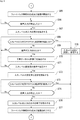
- step S1 the client 11 requests execution of speech recognition.
- the execution unit 43 generates a voice recognition start command that is a command for instructing the start of voice recognition.
- the input / output control unit 41 transmits a voice recognition start command to the server 12 via the communication unit 26.
- the input / output control unit 41 attaches information indicating the type of the client 11 or the type of APP that uses the result of the voice recognition in the client 11 to the voice recognition start command as necessary.
- step S2 the client 11 receives a voice input.
- the presentation control unit 42 controls the display unit 23 or the presentation unit 24 to prompt the user to input voice.
- the image displayed on the display unit 23 changes from the image 101 in FIG. 4 to the image 102, indicating that the user has received a voice input.
- the input / output control unit 41 starts processing for acquiring voice data indicating voice (information input voice) input by the user from the voice input unit 21 and transmitting the voice data to the server 12 via the communication unit 26. Further, the input / output control unit 41 performs a process of transmitting operation data supplied from the operation unit 22 and sensor data supplied from the sensor unit 25 to the server 12 via the communication unit 26 as necessary. Start.
- the server 12 starts voice recognition for the voice data from the client 11 in step S52 of FIG. 8 described later, and transmits feedback information in step S64 or step S65.
- the feedback information includes, for example, input information that is text information obtained as a recognition result of speech recognition, and a result obtained by performing natural language processing on the input information. Note that, for example, when feedback information is transmitted during speech recognition, text information indicating the progress of speech recognition (that is, part of input information) is included in the feedback information.
- step S3 the input / output control unit 41 determines whether feedback information has been received. If the input / output control unit 41 receives feedback information from the server 12 via the communication unit 26, the input / output control unit 41 determines that the feedback information has been received, and the process proceeds to step S4.
- step S4 the client 11 performs processing corresponding to the feedback information.
- the feedback information includes text information indicating the progress of voice recognition, as shown in the third example from the left in FIG.
- An image 104 indicating the progress of voice recognition is displayed on the display unit 23.
- the presentation control unit 42 displays an image 105 indicating that analysis is in progress, as shown in the example at the right end of FIG. It is displayed on the display unit 23.
- the presentation control unit 42 displays an image 106 indicating the final result of speech recognition, as illustrated in the example on the left side of FIG. This is displayed on the unit 23.
- step S3 determines whether the feedback information has been received. If it is determined in step S3 that the feedback information has not been received, the process of step S4 is skipped, and the process proceeds to step S5.
- step S5 the input / output control unit 41 determines whether or not an input level input is instructed. If it is determined that input level input is not instructed, the process returns to step S3.
- step S3 to step S5 is repeatedly executed until it is determined in step S5 that the input level input is instructed.
- step S5 when the input level input start command to be described later is received from the server 12 via the communication unit 26, the input / output control unit 41 determines that the input level input is instructed, and the process is performed. Proceed to step S6.
- step S6 the client 11 starts accepting input at the input level.
- the presentation control unit 42 controls the display unit 23 or the presentation unit 24 to prompt the user to input an input level.
- an image 107 including a message for accepting text processing for 3 seconds is displayed on the display unit 23.
- an image 108 including a message indicating that an input level input for processing a sentence is accepted is displayed on the display unit 23.
- the user inputs an input level setting voice for setting the input level.
- the presentation control unit 42 causes the display unit 23 to display an image 109 indicating that input level setting sound is being input.
- a sound whose feature amount satisfies a predetermined condition is input as an input level setting sound.
- a voice in which a vowel continues as a phoneme for a predetermined length or more is input as an input level setting voice.
- the text input by the input level setting voice may be the same as or different from the information input voice.
- at least a part of the vowels in the sentence is stretched as in “What a cooooooooool game”.
- a voice in which at least a part of the vowels in the sentence is extended is input, such as “Oooooooo”.
- it may be a simple sound sequence.
- a voice in which a predetermined phoneme continues for a predetermined length or more is input as an input level setting voice.
- a voice in which a predetermined phoneme continues is input, such as “Nh” or “ohhhhhhhhhhhhhh”.
- a relatively loud sound or a small sound is input as an input level setting sound compared to the information input sound input immediately before. That is, a sound whose volume difference from the information input sound satisfies a predetermined condition is input as the input level setting sound.
- the text input by the input level setting voice may be the same as or different from the information input voice.
- a meaningful sentence such as “really” may be input, or a particularly meaningless sentence may be input.
- a threshold may be provided for the volume difference from the information input voice, and a voice whose volume difference from the information input voice is equal to or greater than the threshold may be recognized as the input level setting voice.
- a threshold may be provided for the duration of the voice, and a voice whose duration is equal to or greater than the threshold may be recognized as the input level setting voice.
- the input / output control unit 41 starts processing for acquiring audio data indicating the input level setting audio input by the user from the audio input unit 21 and transmitting the audio data to the server 12 via the communication unit 26.
- the server 12 sets the input level in step S63 in FIG. 8, step S72 in FIG. 9, or step S75 in FIG. Further, the server 12 transmits feedback information including the set input level to the client 11 in step S63 in FIG. 8, step S72 in FIG. 9, or step S75 in FIG.
- step S7 it is determined whether or not feedback information has been received in the same manner as in step S3. If it is determined that feedback information has been received, the process proceeds to step S8.
- step S8 the client 11 performs processing corresponding to the feedback information.
- the execution unit 43 processes the input information (text information) obtained by voice recognition based on the input level by adding a character string.
- the character string is a sequence of one or more characters, symbols, etc., and may be a single character.
- the execution unit 43 performs processing so as to repeat all or part of the vowels in the input information based on the input level. At this time, for example, the higher the input level, the greater the number of vowel repeats, and the lower the input level, the smaller the number of vowel repeats.
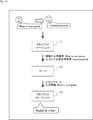
- FIG. 7 shows an example in which all vowels of the input information (“What acool game”) are repeated.
- the lower example of FIG. 7 shows an example in which only the vowel of the adjective (cool) of the input information (“What a cool game”) is repeated.
- the part of speech that repeats a vowel is not limited to an adjective, and another part of speech may be selected or two or more types of part of speech may be selected. Alternatively, only some vowels in the selected part of speech may be repeated. In this case, repeated vowels are selected at random, for example. Note that when the corresponding part of speech word does not exist in the input information, the input information may not be processed.
- consonants may be repeated instead of vowels.
- the user may select a word that repeats a vowel or a consonant from words in the input information.
- the execution unit 43 adds a character string according to the part of speech of the input information. For example, the execution unit 43 processes the input information so that the particle is repeated immediately after the part where the noun and the particle are arranged in the input information.
- the execution unit 43 selects a symbol to be added based on the modality information of the input information, and adds the selected symbol or the like. At this time, the amount of added symbols and the like is adjusted according to the input level. For example, the higher the input level, the greater the number of repeated symbols and the like, and the lower the input level, the smaller the number of repeated symbols.
- the execution unit 43 randomly selects one or more characters or the like in the input information and processes the selected characters or the like so as to be repeated.
- the amount of added symbols and the like is adjusted according to the input level. For example, the higher the input level, the greater the number of repeated selected characters, and the lower the input level, the smaller the number of repeated selected characters.
- the presentation control unit 42 displays the image 110 indicating that the input information is being processed (analyzing) as shown in the center example of FIG. This is displayed on the unit 23.
- step S7 determines whether the feedback information has been received. If it is determined in step S7 that the feedback information has not been received, the process of step S8 is skipped, and the process proceeds to step S9.
- step S9 the input / output control unit 41 determines whether or not an instruction to end acceptance of input at the input level has been issued. If it is determined that the end of receiving the input level is not instructed, the process returns to step S7.
- steps S7 to S9 are repeatedly executed until it is determined in step S9 that an instruction to end the input level input is instructed.
- processing corresponding to the feedback information is performed in parallel according to the input level being input. For example, processing for processing and presenting input information in real time is executed according to the input level during input.
- step S8 is skipped.
- step S9 when the input level input end command to be described later is received from the server 12 via the communication unit 26 in step S9, the input / output control unit 41 determines that the end of the input level input is instructed, The process proceeds to step S10.
- step S10 the client 11 ends the input level input.
- the presentation control unit 42 controls the display unit 23 or the presentation unit 24 to notify the user of the end of input level input. For example, as shown in the example at the right end of FIG. 6, an image 111 indicating that no voice input is received is displayed on the display unit 23. Further, the input / output control unit 41 stops the transmission of the audio data, operation data, and sensor data to the server 12.
- step S11 it is determined whether or not feedback information has been received in the same manner as in step S3. If it is determined that feedback information has been received, the process proceeds to step S12.
- step S12 processing corresponding to the feedback information is performed in the same manner as in step S8.
- the presentation control unit 42 controls the display unit 23 or the presentation unit 24 to present the processing information after processing the input information (for example, the processed text in FIG. 7). Further, for example, the input / output control unit 41 transmits the processing information to another server or the like via the subsequent apparatus or the network 13.
- step S11 determines whether the feedback information has been received. If it is determined in step S11 that the feedback information has not been received, the process of step S12 is skipped, and the process of the client 11 ends.
- step S51 the voice recognition unit 74 determines whether or not execution of voice recognition has been requested.
- the voice recognition unit 74 repeatedly executes the process of step S51 at a predetermined timing until it is determined that execution of voice recognition has been requested.
- the voice recognition start command transmitted from the client 11 in step S1 of FIG. 3 is received via the communication unit 61, the voice recognition unit 74 determines that execution of voice recognition has been requested, and the process is Proceed to S52.
- the voice recognition unit 74 starts voice recognition. Specifically, the voice recognition unit 74 receives the voice data started to be transmitted from the client 11 in step S2 of FIG. 3 via the communication unit 61, and starts voice recognition processing on the received voice data. Further, the natural language processing unit 73 starts natural language processing for input information (text information) obtained by speech recognition.
- step S53 the feedback information generation unit 77 determines whether or not to sequentially transmit feedback information. For example, the feedback information generation unit 77 determines whether or not the client 11 has sequentially performed processing that requires feedback information based on the type of the client 11 or the type of APP that uses the result of speech recognition in the client 11. Determine. For example, when it is necessary to sequentially present the results of voice recognition to the user, it is determined that the client 11 is performing processing that sequentially requires feedback information. Then, the feedback information generation unit 77 determines that the feedback information is not sequentially transmitted when the processing that sequentially requires the feedback information is not performed in the client 11, and the processing proceeds to step S54.
- step S54 the server 12 determines whether or not the voice input is stopped.
- the voice recognition unit 74 determines whether or not voice input has been stopped based on the result of VAD (Voice Activity Detection) for the voice data from the client 11.
- the operation recognition unit 76 determines whether or not the voice input has been stopped by detecting whether or not an operation for stopping the voice input has been performed based on the operation data from the client 11.
- the server 12 repeatedly executes the process of step S54 at a predetermined timing until it is determined that the voice input is stopped. If it is determined that the voice input has been stopped, the process proceeds to step S55.
- step S55 the feedback information generating unit 77 instructs to accept input at the input level. Specifically, the feedback information generation unit 77 generates an input level input start command that is a command for instructing reception of an input level. The feedback information generation unit 77 transmits an input level input start command to the client 11 via the communication unit 61.
- step S56 the feedback information generation unit 77 determines whether or not a specified time (for example, 3 seconds) has elapsed since the input level was received. If it is determined that the specified time has not elapsed since the input level has been received, the process proceeds to step S57.
- a specified time for example, 3 seconds
- step S57 the sound processing unit 71 determines whether or not sound is input based on the sound data from the client 11. If it is determined that no sound has been input, the process returns to step S56.
- step S56 and step S57 are repeatedly executed until it is determined in step S56 that the specified time has elapsed since the input level was received, or until it is determined in step S57 that the sound has been input.
- step S57 if it is determined in step S57 that a voice has been input, the process proceeds to step S58.
- step S58 the sound processing unit 71 extracts a feature amount from the sound data.
- the sound processing unit 71 extracts feature quantities such as phonemes, volume, and length of the audio data.
- step S59 the sound processing unit 71 determines whether or not the sound is an input level setting sound (input level setting sound). For example, if the sound data 71 does not satisfy predetermined input conditions such as the phoneme, volume, and length of the sound data, for example, the sound indicated by the sound data is described above in the description of the process of step S6. If it does not have the characteristics of the input level setting sound, it is determined that the sound is not the input level setting sound, and the process returns to step S56.
- predetermined input conditions such as the phoneme, volume, and length of the sound data
- step S56 Thereafter, the process from step S56 to step S59 is performed until it is determined in step S56 that the specified time has elapsed since the input level input was accepted, or until it is determined in step S59 that the sound is for input level setting. Is repeatedly executed.
- step S59 when the feature amount of the audio data satisfies the predetermined input condition, the sound processing unit 71 determines that the sound is for input level setting, and the process proceeds to step S60.
- step S60 as in the process of step S56, it is determined whether or not a specified time has elapsed since the input level was received. If it is determined that the specified time has not elapsed since the input level has been received, the process proceeds to step S61.
- step S61 it is determined whether or not the voice input is stopped as in the process of step S54. If it is determined that the voice input has not stopped, the process returns to step S60.
- step S60 and step S61 is repeatedly executed until it is determined in step S60 that the specified time has elapsed since the input level was received or until it is determined in step S61 that the voice input has been stopped. Is done.
- step S60 if it is determined in step S60 that the specified time has elapsed since the input level was received, or if it is determined in step S61 that the voice input has stopped, the process proceeds to step S62.
- step S56 If it is determined in step S56 that the specified time has elapsed since the input level was received, the process proceeds to step S62. This is a case where the specified time has passed without the input level setting sound being input.
- step S62 the feedback information generation unit 77 instructs to end the input level input. Specifically, the feedback information generation unit 77 generates an input level input end command that is a command for instructing the end of acceptance of input level input. The feedback information generation unit 77 transmits an input level input end command to the client 11 via the communication unit 61.
- step S63 the feedback information generation unit 77 sets an input level. For example, the feedback information generation unit 77 sets the input level based on the feature amount of the sound data indicating the input level setting sound.
- the feedback information generating unit 77 sets the input level higher as the duration of the input level setting voice is longer, and sets the input level lower as the duration of the input level setting voice is shorter. For example, as shown in FIG. 10, when the duration t of the input level setting sound is less than 0.1 seconds, the input level is set to 1. When the duration t is 0.1 seconds or more and less than 0.3 seconds, the input level is set to 2. When the duration t is 0.3 seconds or more and less than 0.7 seconds, the input level is set to 3. When the duration is 0.7 seconds or more, the input level is set to 4.
- the feedback information generation unit 77 sets the input level higher as the number of repetitions of the predetermined phoneme of the input level setting sound is larger, and decreases the input level as the number of repetitions of the predetermined phoneme of the input level setting sound is smaller. Set low.
- the feedback information generation unit 77 sets the input level higher as the volume of the input level setting sound is higher, and sets the input level lower as the volume of the input level setting sound is lower.
- the feedback information generating unit 77 sets the input level to 0 when the input level setting sound is not input.
- the feedback information generation unit 77 generates and transmits feedback information.
- the feedback information generation unit 77 generates feedback information including input information obtained as a recognition result of speech recognition, a result of natural language processing of the input information, and a set input level. If the input information and the natural language processing result have already been transmitted, it is not always necessary to include them in the feedback information.
- the feedback information generation unit 77 transmits feedback information to the client 11 via the communication unit 61.
- step S51 Thereafter, the process returns to step S51, and the processes after step S51 are executed.
- step S53 determines whether the feedback information is sequentially transmitted. If it is determined in step S53 that the feedback information is sequentially transmitted, the process proceeds to step S65.
- step S65 the feedback information generation unit 77 starts generating and transmitting feedback information.
- the feedback information generation unit 77 generates input information obtained as a recognition result of speech recognition and feedback information including the result of natural language processing of the input information, and transmits the feedback information to the client 11 via the communication unit 61. To start.
- step S66 it is determined whether or not the voice input is stopped, similar to the process in step S54.
- the determination process in step S66 is repeatedly executed at a predetermined timing, and when it is determined that the voice input has been stopped, the process proceeds to step S67.
- step S67 the input level input is instructed in the same manner as in step S55.
- step S68 as in the process of step S56, it is determined whether or not a specified time has elapsed since the input level was received. If it is determined that the specified time has not elapsed since the input level has been received, the process proceeds to step S69.
- step S69 it is determined whether or not a voice has been input, similar to the process in step S57. If it is determined that no sound has been input, the process returns to step S68.
- step S68 and step S69 are repeatedly executed until it is determined in step S68 that the specified time has elapsed since the input level input was accepted, or until it is determined in step S69 that sound has been input.
- step S69 if it is determined in step S69 that a voice has been input, the process proceeds to step S70.
- step S70 as in the process of step S58, feature quantities are extracted from the audio data.
- step S71 as in the process of step S59, it is determined whether or not the sound is for input level setting. If it is determined that the input level sound is not set, the process returns to step S68.
- step S68 the process from step S68 to step S71 is performed until it is determined in step S68 that the specified time has elapsed since the input level input was accepted, or until it is determined in step S71 that the sound is for input level setting. Is repeatedly executed.
- step S71 determines whether the input level sound is set. If it is determined in step S71 that the input level sound is set, the process proceeds to step S72.
- step S72 the feedback information generation unit 77 starts input level setting and transmission.
- the feedback information generation unit 77 starts setting the input level by the same method as the processing in step S63.
- the feedback information generation unit 77 generates feedback information including input information obtained as a recognition result of speech recognition, a result of natural language processing of the input information, and a set input level, via the communication unit 61. The process of transmitting to the client 11 is started. If the input information and the natural language processing result have already been transmitted, it is not always necessary to include them in the feedback information.
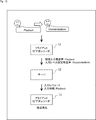
- the input level is sequentially transmitted from the server 12 to the client 11. Therefore, for example, as described above with reference to FIG. 10, when the input level is set according to the duration of the input level setting sound, the value of the input level transmitted to the client 11 is the input level setting sound. Varies with duration. Thereby, for example, as shown in FIG. 11, input information (voice recognition result) can be gradually processed and presented in accordance with the input level.
- the processing information to be presented is incremented by “o” by one when the input level setting sound is input for 0.09 seconds. , "What a coool game” Furthermore, when the input level setting sound continues for 0.6 seconds, the processing information to be presented becomes “What3aocooooool game” with “o” increased by three more.
- step S73 as in the process of step S56, it is determined whether or not a specified time has elapsed since the input level was received. If it is determined that the specified time has not elapsed since the input level has been received, the process proceeds to step S74.
- step S74 it is determined whether or not the voice input is stopped, as in the process of step S54. If it is determined that the voice input has not stopped, the process returns to step S73.
- steps S73 and S74 are repeatedly executed until it is determined in step S73 that the specified time has elapsed since the input level input was accepted or until it is determined in step S74 that the voice input has been stopped. Is done.
- step S73 if it is determined in step S73 that the specified time has elapsed since the input level was received, or if it is determined in step S74 that the voice input has stopped, the process proceeds to step S76.
- step S68 If it is determined in step S68 that the specified time has elapsed since the input level was received, the process proceeds to step S75. This is a case where the specified time has passed without the input level setting sound being input.
- step S75 the feedback information generation unit 77 sets the input level to 0 and transmits it. Specifically, the feedback information generation unit 77 sets the input level to 0. Then, feedback information including the input level is generated by the same processing as in step S ⁇ b> 72 and transmitted to the client 11 via the communication unit 61.
- step S76 the termination of the acceptance of the input of the input level is instructed as in the process of step S62.
- step S77 the feedback information generation unit 77 ends the generation and transmission of feedback information.
- step S51 Thereafter, the process returns to step S51, and the processes after step S51 are executed.
- the information processing system 10 after first obtaining the standard sentence “What a cool game” by voice recognition, by inputting the voice for setting the input level, it is processed to repeat characters and symbols. Therefore, the above erroneous recognition does not occur.
- the user can easily process the input sentence by simply inputting the input level setting voice without performing a manual operation to process the “What a cool game”.
- the user can repeat the same characters such as "Chosoooooooooooo”, “Goolaaaaa”, “coooooooooool”, “yeeeeeeeeees”, “smaaaaashhhhhhhhh”, or "yes !!! Like !!!! ", you can easily and properly enter sentences that repeat the same symbol.
- the present technology can be applied to conversation processing with an interactive agent.
- the server 12 when only the information input voice “What a cool game” is input to the client 11 (agent executed), the server 12 inputs “What a cool game”. Recognize information. The server 12 sets the input level to 0 because the input level setting voice is not input in the client 11. Then, the server 12 transmits the input information indicating the recognized “What a cool game” and feedback information including the input level set to 0 to the client 11. The client 11 outputs a response “I think so, too” to the sentence “What a cool game” indicated in the input information by voice.
- the server 12 While recognizing the input information “What a cool game”, the input level is set to 3 based on the input level setting voice. Then, the server 12 transmits input information indicating the recognized “What a cool game” and feedback information including the input level set to 3 to the client 11. The client 11 outputs a response with a greater response to the sentence “What a ⁇ ⁇ cool ⁇ game” shown in the input information than “Really! It's fun!” Compared to the case where the input level is 0. To do.
- the present technology can be applied to various devices and APP control using voice commands.
- a case where the client 11 executes APP for realizing a video recorder will be described as an example.
- the server 12 when only the voice command “Playback” is input to the client 11, the server 12 recognizes the command “Playback”. The server 12 sets the input level to 0 because the input level setting voice is not input in the client 11. Then, the server 12 transmits to the client 11 input information indicating the recognized command “Playback” and feedback information including an input level set to 0. The client 11 performs normal playback of the video recorder according to the command “Playback” indicated in the input information.
- the server 12 executes the command “Playback”. At the same time, the input level is set to 3 based on the input level setting voice. Then, the server 12 transmits input information indicating the recognized command “Playback” and feedback information including the input level set to 3 to the client 11. The client 11 performs double speed playback of the video recorder based on the command “Playback” indicated in the input information and the value 3 of the input level.
- the user can cause the client 11 (APP) to perform different operations by designating the input level with the input level setting voice for the same voice command.
- the user can perform similar processing at different levels (eg, different speeds, different amounts, etc.) using the same voice command.
- the input level may be set by a voice command such as “level 1”, “level 2”, “repeated symbol”, “repeated vowel”.
- the input level setting sound may be input by combining the sound and another modal interface.
- the sound when inputting information input sound, the sound may be input without performing other operations, and when inputting input level setting sound, the sound may be input while performing other operations.
- the client 11 recognizes the voice input without performing other operations as the information input voice, and the voice input while performing other operations is the input level setting voice. recognize.
- a predetermined operation on the operation unit 22 can be adopted as an input level setting voice input operation.
- the client 11 recognizes voice input by the user while pressing a predetermined button of the operation unit 22 or touching the touch pad as input level setting voice.
- a user gesture can be employed as an input level setting voice input operation.
- the client 11 recognizes the voice input by the user while swinging his / her head finely or input while swinging his / her head from right to left as the input level setting voice.
- the input level may be set to a negative value.
- the input level may be set to a negative value corresponding to the volume difference.
- the client 11 may process the input information so as to reduce the expressive power and the information amount. For example, when the input information is “magic”, the client 11 deletes the trailing “tsu” and processes it into “magic”.
- the input level may be set according to the environment such as a service using information input by voice recognition. For example, when an excitement is detected in an SNS chat service or community service used by the user, the input level may be set according to the degree of the excitement.
- the user can post a sentence automatically processed into an expression corresponding to the excitement of the service to the service simply by inputting a normal sentence by voice.
- the input timing which is one of the input conditions for the input level setting voice.
- the condition for inputting the input level setting voice within a predetermined time after the input of the information input voice is given as an example.
- the result of voice recognition of the information input voice is acquired. Thereafter, the input level setting sound may be input within a predetermined time.
- the input information is processed by adding a character string.
- the input information may be processed by other methods.
- a word in the input information may be converted into an abbreviation, for example, “easy” to “ez” so that the expression is broken.
- part or all of the kanji in the input information may be converted into hiragana or katakana.
- the visual characteristics of the input information may be changed. For example, the font, character size, color, etc. when displaying the input information may be changed.
- the processing information can be manually corrected by the user, and the client 11 records a log of a combination of input information and input level and final processing information. Then, the client 11 may generate the same processing information for the same combination of input information and input level based on the log. Alternatively, the client 11 may present a plurality of processing information candidates based on the log.
- the processing information when the processing information is different from what the user expects, the original input information may be easily restored.
- the processing information may be returned to the original input information by the user performing a predetermined operation on the operation unit 22 or inputting a voice command such as “Return”.
- the user presents the processing information if the user utters a sound such as “It has become a strange wind” or “Different from the expected result”, it is based on the result of analyzing the meaning of the sound. Then, the processing information may be returned to the original input information.
- a part of the function of the client 11 can be provided in the server 12, or a part of the function of the server 12 can be provided in the client 11.
- the server 12 may process the input information based on the input level setting voice, and transmit feedback information including the processed information obtained as a result to the client 11.
- the client 11 acquires input information by performing voice recognition of information input voice
- the server 12 sets only the input level, and includes feedback information including the input level but not including input information. You may make it transmit to the client 11.
- the server 12 may transmit feedback information to a device different from the client 11.
- the server 12 may transmit feedback information including a command obtained by voice recognition and an input level to a device operated by the command (for example, a video recorder). Note that when feedback information is transmitted to a device different from the client 11, it is possible to include not the input information obtained by speech recognition but also speech data before speech recognition in the feedback information.
- the server 12 may perform processing based on the input information and the input level.
- this technology can be applied when input information is given by a method other than voice.
- the present technology can also be applied to processing input information given by text information.
- the series of processes described above can be executed by hardware or can be executed by software.
- a program constituting the software is installed in the computer.
- the computer includes, for example, a general-purpose personal computer capable of executing various functions by installing various programs by installing a computer incorporated in dedicated hardware.
- FIG. 16 is a block diagram showing an example of the hardware configuration of a computer that executes the above-described series of processing by a program.
- a CPU Central Processing Unit
- ROM Read Only Memory
- RAM Random Access Memory
- An input / output interface 305 is further connected to the bus 304.
- An input unit 306, an output unit 307, a storage unit 308, a communication unit 309, and a drive 310 are connected to the input / output interface 305.
- the input unit 306 includes a keyboard, a mouse, a microphone, and the like.
- the output unit 307 includes a display, a speaker, and the like.
- the storage unit 308 includes a hard disk, a nonvolatile memory, and the like.
- the communication unit 309 includes a network interface and the like.
- the drive 310 drives a removable medium 311 such as a magnetic disk, an optical disk, a magneto-optical disk, or a semiconductor memory.
- the CPU 301 loads the program stored in the storage unit 308 to the RAM 303 via the input / output interface 305 and the bus 304 and executes the program, for example. Is performed.
- the program executed by the computer (CPU 301) can be provided by being recorded in, for example, a removable medium 311 as a package medium or the like.
- the program can be provided via a wired or wireless transmission medium such as a local area network, the Internet, or digital satellite broadcasting.
- the program can be installed in the storage unit 308 via the input / output interface 305 by attaching the removable medium 311 to the drive 310. Further, the program can be received by the communication unit 309 via a wired or wireless transmission medium and installed in the storage unit 308. In addition, the program can be installed in the ROM 302 or the storage unit 308 in advance.
- the program executed by the computer may be a program that is processed in time series in the order described in this specification, or in parallel or at a necessary timing such as when a call is made. It may be a program for processing.
- a plurality of computers may perform the above-described processing in cooperation.
- a computer system is configured by one or a plurality of computers that perform the above-described processing.
- the system means a set of a plurality of components (devices, modules (parts), etc.), and it does not matter whether all the components are in the same housing. Accordingly, a plurality of devices housed in separate housings and connected via a network and a single device housing a plurality of modules in one housing are all systems. .
- the present technology can take a cloud computing configuration in which one function is shared by a plurality of devices via a network and is jointly processed.
- each step described in the above flowchart can be executed by one device or can be shared by a plurality of devices.
- the plurality of processes included in the one step can be executed by being shared by a plurality of apparatuses in addition to being executed by one apparatus.
- the present technology can take the following configurations.
- An information processing apparatus comprising a feedback information generation unit that generates feedback information.
- the input condition includes that the first sound is input at a predetermined timing after the second sound is input.
- the input condition includes a volume difference between the first sound and the second sound satisfying a predetermined condition.
- the information processing apparatus includes a feature amount of the first sound satisfying a predetermined condition.
- the input condition includes that a predetermined phoneme continues for a predetermined length in the first voice.
- the feedback information generation unit sets the input level based on a feature amount of the first sound.
- the feedback information generation unit sets the input level based on a duration of the first sound.
- the feedback information generation unit sets the input level based on a volume of the first sound.
- the information processing apparatus according to any one of (1) to (13), wherein the feedback information includes the input information and the input level.
- Feedback that generates feedback information that is set based on a voice that satisfies a predetermined input condition and includes at least one of an input level that indicates a level of input information and processing information that is obtained by processing the input information based on the voice.
- An information processing method including an information generation step.
- An information processing apparatus comprising: an execution unit that is set based on a first voice that satisfies a predetermined input condition and that executes processing corresponding to the input information based on an input level that indicates a level of the input information.
- the information processing apparatus processes the input information at a level corresponding to the input level.
- the input information is a command input by the second voice, The information processing apparatus according to (16), wherein the execution unit executes processing corresponding to the command at a level corresponding to the input level.
- the information processing apparatus wherein the execution unit reacts to the input information at a level corresponding to the input level.
- An information processing method comprising: an execution step of executing processing corresponding to the input information based on an input level that is set based on a sound that satisfies a predetermined input condition and indicates a level of the input information.
Landscapes
- Engineering & Computer Science (AREA)
- Health & Medical Sciences (AREA)
- Physics & Mathematics (AREA)
- Human Computer Interaction (AREA)
- Audiology, Speech & Language Pathology (AREA)
- Multimedia (AREA)
- Computational Linguistics (AREA)
- Acoustics & Sound (AREA)
- Theoretical Computer Science (AREA)
- General Health & Medical Sciences (AREA)
- Artificial Intelligence (AREA)
- General Physics & Mathematics (AREA)
- General Engineering & Computer Science (AREA)
- Hospice & Palliative Care (AREA)
- Child & Adolescent Psychology (AREA)
- Psychiatry (AREA)
- Signal Processing (AREA)
- User Interface Of Digital Computer (AREA)
- Machine Translation (AREA)
Abstract
La présente invention concerne un dispositif de traitement d'informations et un procédé de traitement d'informations qui peuvent améliorer la commodité pour entrer des informations. Le dispositif de traitement d'informations comprend une unité de génération d'informations en retour pour générer des informations en retour qui comportent au moins un niveau d'entrée représentant un niveau d'informations d'entrée qui est défini sur la base d'une première voix satisfaisant une condition d'entrée prescrite, et pour traiter des informations créées par traitement des informations d'entrée sur la base de la première voix. La présente invention peut être appliquée, par exemple, à un serveur, à un client ou à un programme d'application qui réalise une reconnaissance vocale et exécute un traitement sur la base des résultats de la reconnaissance vocale.
Priority Applications (3)
| Application Number | Priority Date | Filing Date | Title |
|---|---|---|---|
| EP17863826.8A EP3534363A4 (fr) | 2016-10-27 | 2017-10-13 | Dispositif de traitement d'informations et procédé de traitement d'informations |
| JP2018547553A JPWO2018079294A1 (ja) | 2016-10-27 | 2017-10-13 | 情報処理装置及び情報処理方法 |
| US16/329,324 US20190267028A1 (en) | 2016-10-27 | 2017-10-13 | Information processing apparatus and information processing method |
Applications Claiming Priority (2)
| Application Number | Priority Date | Filing Date | Title |
|---|---|---|---|
| JP2016-210283 | 2016-10-27 | ||
| JP2016210283 | 2016-10-27 |
Publications (1)
| Publication Number | Publication Date |
|---|---|
| WO2018079294A1 true WO2018079294A1 (fr) | 2018-05-03 |
Family
ID=62024866
Family Applications (1)
| Application Number | Title | Priority Date | Filing Date |
|---|---|---|---|
| PCT/JP2017/037117 Ceased WO2018079294A1 (fr) | 2016-10-27 | 2017-10-13 | Dispositif de traitement d'informations et procédé de traitement d'informations |
Country Status (4)
| Country | Link |
|---|---|
| US (1) | US20190267028A1 (fr) |
| EP (1) | EP3534363A4 (fr) |
| JP (1) | JPWO2018079294A1 (fr) |
| WO (1) | WO2018079294A1 (fr) |
Cited By (2)
| Publication number | Priority date | Publication date | Assignee | Title |
|---|---|---|---|---|
| CN109036405A (zh) * | 2018-07-27 | 2018-12-18 | 百度在线网络技术(北京)有限公司 | 语音交互方法、装置、设备及存储介质 |
| JP2023510444A (ja) * | 2020-03-13 | 2023-03-14 | グーグル エルエルシー | ビデオゲーム対話のための自然言語ダイアログシステム |
Families Citing this family (2)
| Publication number | Priority date | Publication date | Assignee | Title |
|---|---|---|---|---|
| TWI672690B (zh) * | 2018-03-21 | 2019-09-21 | 塞席爾商元鼎音訊股份有限公司 | 人工智慧語音互動之方法、電腦程式產品及其近端電子裝置 |
| CN113223533B (zh) * | 2021-05-31 | 2023-06-06 | 平安科技(深圳)有限公司 | 语音通话方法、装置、计算机设备及存储介质 |
Citations (5)
| Publication number | Priority date | Publication date | Assignee | Title |
|---|---|---|---|---|
| JP2004349851A (ja) * | 2003-05-20 | 2004-12-09 | Ntt Docomo Inc | 携帯端末、画像通信プログラム、及び画像通信方法 |
| JP2012053634A (ja) | 2010-08-31 | 2012-03-15 | Fujifilm Corp | 文書作成支援装置、文書作成支援方法、並びに文書作成支援プログラム |
| JP2015099253A (ja) * | 2013-11-19 | 2015-05-28 | 東芝テック株式会社 | 音声認識装置、音声認識方法、音声認識プログラム |
| JP2016062069A (ja) * | 2014-09-22 | 2016-04-25 | 株式会社日立製作所 | 音声認識方法、及び音声認識装置 |
| JP2016138993A (ja) * | 2015-01-27 | 2016-08-04 | パナソニックIpマネジメント株式会社 | 音声認識装置及び音声認識方法 |
Family Cites Families (2)
| Publication number | Priority date | Publication date | Assignee | Title |
|---|---|---|---|---|
| TWI484475B (zh) * | 2012-06-05 | 2015-05-11 | Quanta Comp Inc | 文字顯示方法與語音轉文字裝置以及電腦程式產品 |
| US9569424B2 (en) * | 2013-02-21 | 2017-02-14 | Nuance Communications, Inc. | Emotion detection in voicemail |
-
2017
- 2017-10-13 JP JP2018547553A patent/JPWO2018079294A1/ja active Pending
- 2017-10-13 WO PCT/JP2017/037117 patent/WO2018079294A1/fr not_active Ceased
- 2017-10-13 US US16/329,324 patent/US20190267028A1/en not_active Abandoned
- 2017-10-13 EP EP17863826.8A patent/EP3534363A4/fr not_active Withdrawn
Patent Citations (5)
| Publication number | Priority date | Publication date | Assignee | Title |
|---|---|---|---|---|
| JP2004349851A (ja) * | 2003-05-20 | 2004-12-09 | Ntt Docomo Inc | 携帯端末、画像通信プログラム、及び画像通信方法 |
| JP2012053634A (ja) | 2010-08-31 | 2012-03-15 | Fujifilm Corp | 文書作成支援装置、文書作成支援方法、並びに文書作成支援プログラム |
| JP2015099253A (ja) * | 2013-11-19 | 2015-05-28 | 東芝テック株式会社 | 音声認識装置、音声認識方法、音声認識プログラム |
| JP2016062069A (ja) * | 2014-09-22 | 2016-04-25 | 株式会社日立製作所 | 音声認識方法、及び音声認識装置 |
| JP2016138993A (ja) * | 2015-01-27 | 2016-08-04 | パナソニックIpマネジメント株式会社 | 音声認識装置及び音声認識方法 |
Non-Patent Citations (1)
| Title |
|---|
| See also references of EP3534363A4 |
Cited By (3)
| Publication number | Priority date | Publication date | Assignee | Title |
|---|---|---|---|---|
| CN109036405A (zh) * | 2018-07-27 | 2018-12-18 | 百度在线网络技术(北京)有限公司 | 语音交互方法、装置、设备及存储介质 |
| JP2023510444A (ja) * | 2020-03-13 | 2023-03-14 | グーグル エルエルシー | ビデオゲーム対話のための自然言語ダイアログシステム |
| JP7529773B2 (ja) | 2020-03-13 | 2024-08-06 | グーグル エルエルシー | ビデオゲーム対話のための自然言語ダイアログシステム |
Also Published As
| Publication number | Publication date |
|---|---|
| US20190267028A1 (en) | 2019-08-29 |
| JPWO2018079294A1 (ja) | 2019-09-12 |
| EP3534363A1 (fr) | 2019-09-04 |
| EP3534363A4 (fr) | 2019-11-13 |
Similar Documents
| Publication | Publication Date | Title |
|---|---|---|
| US11727914B2 (en) | Intent recognition and emotional text-to-speech learning | |
| US11514886B2 (en) | Emotion classification information-based text-to-speech (TTS) method and apparatus | |
| CN112673421B (zh) | 训练和/或使用语言选择模型以自动确定用于口头话语的话音辨识的语言 | |
| CN109447234B (zh) | 一种模型训练方法、合成说话表情的方法和相关装置 | |
| US10777201B2 (en) | Voice enabled bot platform | |
| US20200279553A1 (en) | Linguistic style matching agent | |
| WO2022052481A1 (fr) | Procédé d'interaction à rv fondé sur l'intelligence artificielle, appareil, dispositif informatique et support | |
| US12198678B2 (en) | Electronic device and control method thereof | |
| KR20200056261A (ko) | 전자 장치 및 이의 제어 방법 | |
| US20210065582A1 (en) | Method and System of Providing Speech Rehearsal Assistance | |
| US12387711B2 (en) | Speech synthesis device and speech synthesis method | |
| CN109817244B (zh) | 口语评测方法、装置、设备和存储介质 | |
| JP7036015B2 (ja) | 対話制御装置および方法 | |
| JP2024508033A (ja) | 対話中のテキスト-音声の瞬時学習 | |
| WO2018079332A1 (fr) | Dispositif de traitement d'informations et procédé de traitement d'informations | |
| US10950240B2 (en) | Information processing device and information processing method | |
| WO2018079294A1 (fr) | Dispositif de traitement d'informations et procédé de traitement d'informations | |
| CN112785667A (zh) | 视频生成方法、装置、介质及电子设备 | |
| JPWO2018043138A1 (ja) | 情報処理装置および情報処理方法、並びにプログラム | |
| CN112151072B (zh) | 语音处理方法、装置和介质 | |
| US20240119930A1 (en) | Artificial intelligence device and operating method thereof | |
| CN112672207A (zh) | 音频数据处理方法、装置、计算机设备及存储介质 | |
| CN114267322B (zh) | 语音处理方法、装置、计算机可读存储介质及计算机设备 | |
| CN111445925A (zh) | 用于生成差异信息的方法和装置 | |
| US20250006177A1 (en) | Method for providing voice synthesis service and system therefor |
Legal Events
| Date | Code | Title | Description |
|---|---|---|---|
| 121 | Ep: the epo has been informed by wipo that ep was designated in this application |
Ref document number: 17863826 Country of ref document: EP Kind code of ref document: A1 |
|
| ENP | Entry into the national phase |
Ref document number: 2018547553 Country of ref document: JP Kind code of ref document: A |
|
| NENP | Non-entry into the national phase |
Ref country code: DE |
|
| ENP | Entry into the national phase |
Ref document number: 2017863826 Country of ref document: EP Effective date: 20190527 |